



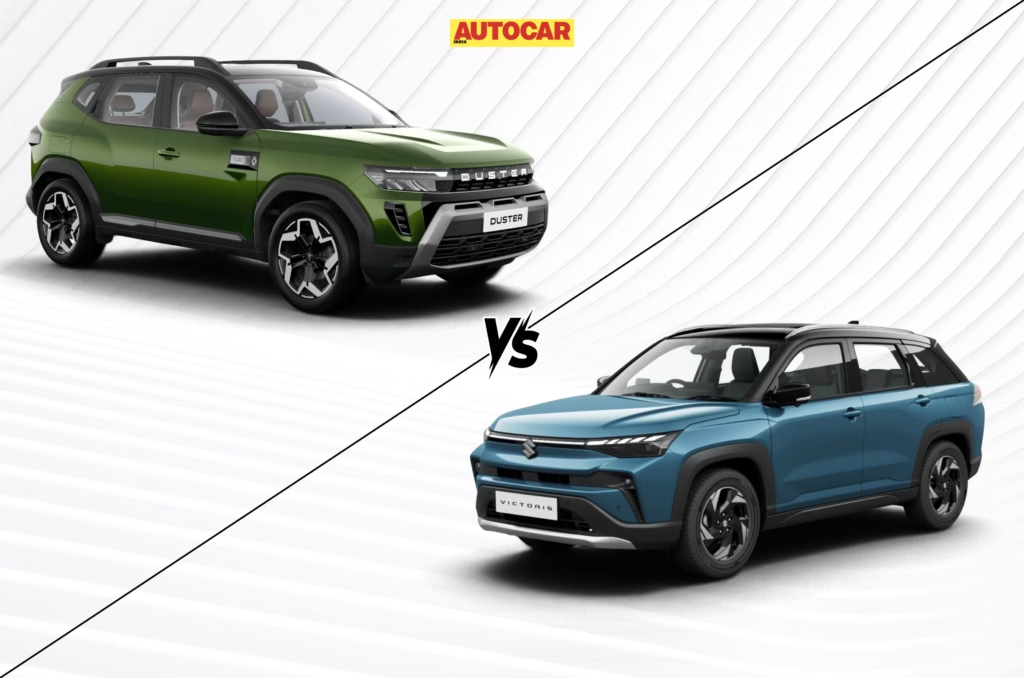
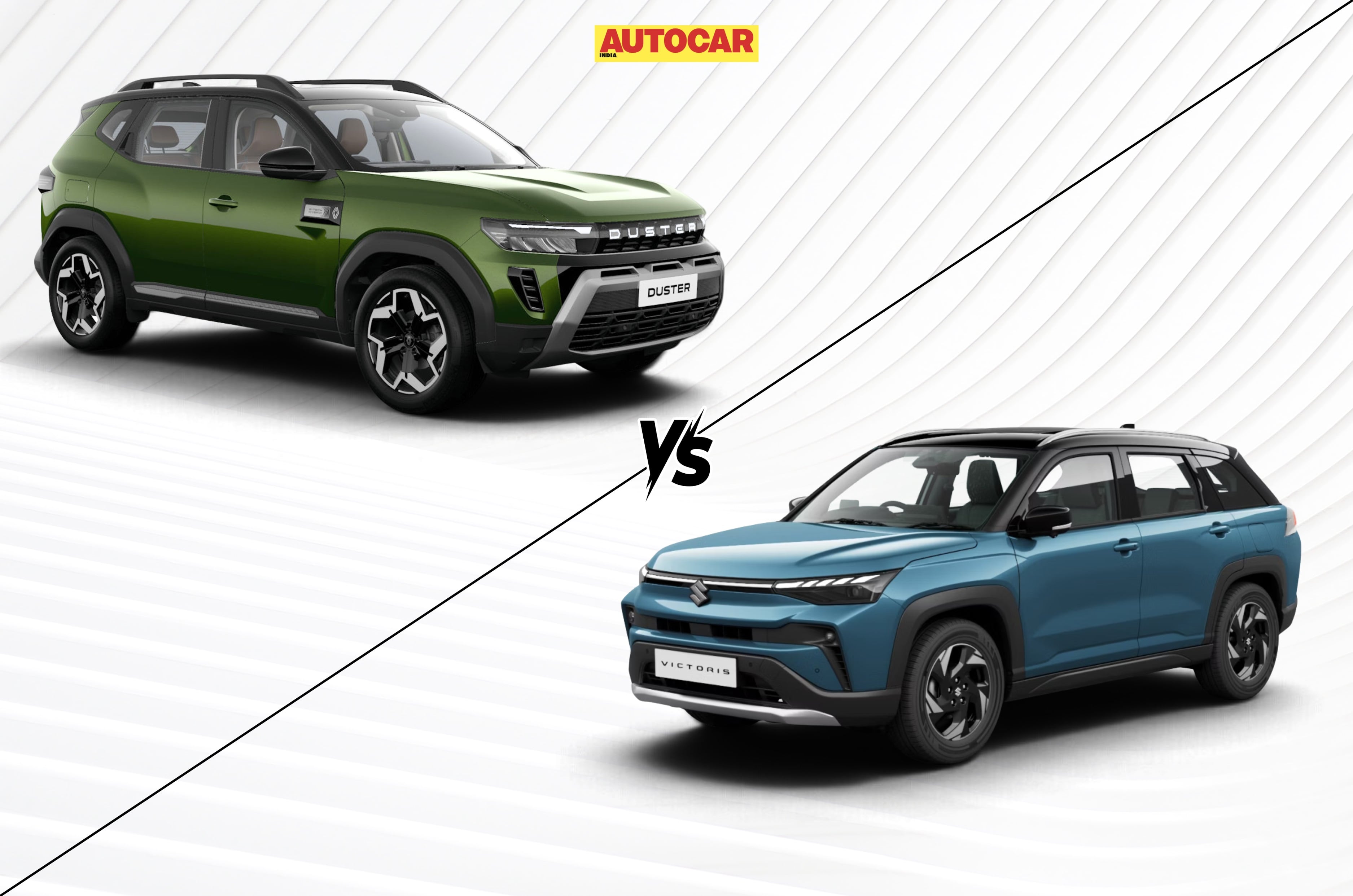
With the Duster strong-hybrid E-Tech 160, Renault is the latest brand to jump on the strong-hybrid bandwagon. The Duster strong-hybrid is positioned as an economical alternative powertrain and adds to its existing turbo-petrol options. On the other hand, the Maruti Victoris has been in the market for a year, offering a strong-hybrid powertrain since launch. But which strong-hybrid mid–size SUV in top-spec guise offers more bang for buck? We compare their respective on-paper specifications to find out. For this comparison, we’ve chosen the top-spec Emotion and ZXi+ (O) versions of the strong-hybrid Renault Duster and Maruti Victoris, respectively.
Renault Duster vs Maruti Victoris: Dimensions
Est. – Estimated
Apart from length, the Duster outranks the Victoris in every other dimension. It is 20mm wider, 39mm taller, has a 57mm longer wheelbase, and rides 2mm higher off the ground.
Renault Duster vs Maruti Victoris: Powertrain specifications
In strong-hybrid guise, both SUVs utilise a naturally aspirated petrol engine running on the more efficient Atkinson cycle. However, the Duster’s larger unit delivers more power and torque figures. The Duster also uses a larger battery pack. Both SUVs also use e-motors, wherein the one on the Maruti produces more power, but the Duster’s e-motor outputs more torque. With a combined power output of 160hp, the Duster strong-hybrid is much more powerful than the Victoris strong-hybrid.
Both SUVs also differ in the gearboxes utilised here. The Duster uses a multi-mode automatic gearbox with 2 electric and 4 petrol gears, whereas the Victoris uses an e-CVT. Renault says that the Duster drives 80 percent on EV power in the city, which likely contributes to its higher claimed mileage. But real-world tests are awaited for the Renault.
Renault Duster vs Maruti Victoris: Exterior features
On the outside, LED light setups, DRLs, roof rails, a shark fin antenna, and a powered tailgate are found on both SUVs. However, larger 18-inch alloy wheels, puddle lamps, and welcome/goodbye animations for the light setups are unique to the Duster.
Renault Duster vs Maruti Victoris: Interior features
The Renault offers features such as a powered co-driver seat and dual-zone automatic climate control that the Maruti lacks. In contrast, the latter gets further adjustment for the driver seat, two additional speakers, and on-board navigation, while features like a head-up display and ambient lighting are factory-fitted on the former.
Renault Duster vs Maruti Victoris: Driving features
As far as driving features are concerned, both models come with regular cruise control, but drive modes are found only on the Victoris.
Renault Duster vs Maruti Victoris: Safety features
On the safety front, both SUVs are well-equipped with features such as 6 airbags, rear parking sensors, auto-dimming IRVM, electronic parking brake with auto-hold, all-wheel disc brakes, and TPMS. However, the Victoris pips the Duster here by offering a 360-degree camera and front parking sensors. Notably, both miss out on a Level 2 ADAS suite.
Renault Duster vs Maruti Victoris: Prices and verdict
Comparing top-spec versions side by side, the Duster strong-hybrid is more affordable by Rs 41,000. Between the two, it’s the Duster we’d recommend. Apart from being the more affordable option, it offers slightly more kit and delivers more power without sacrificing much in terms of efficiency.
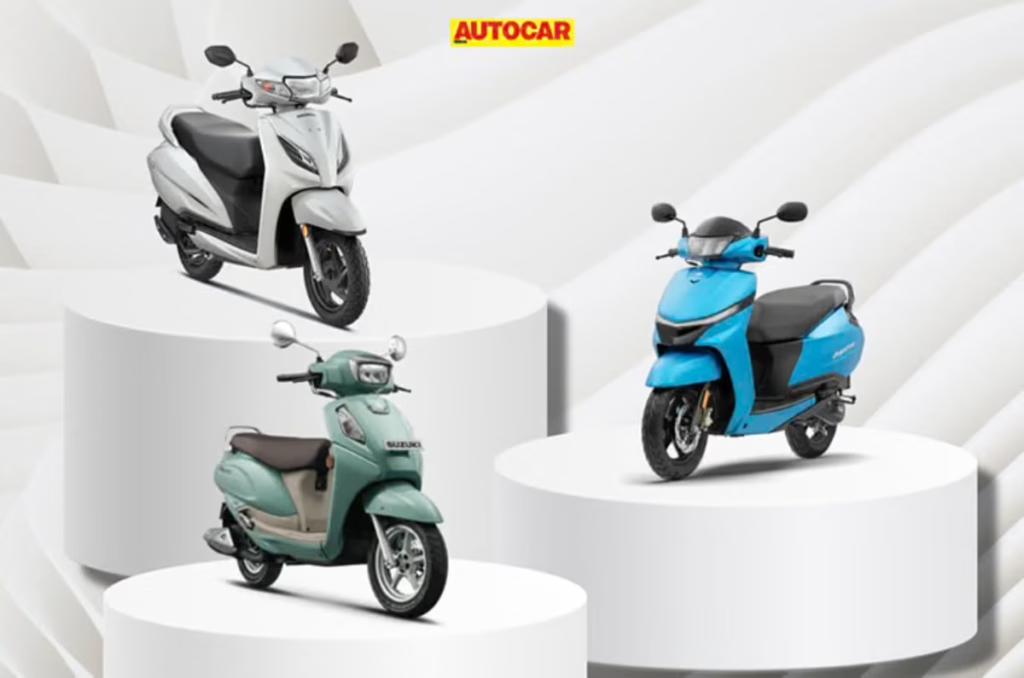
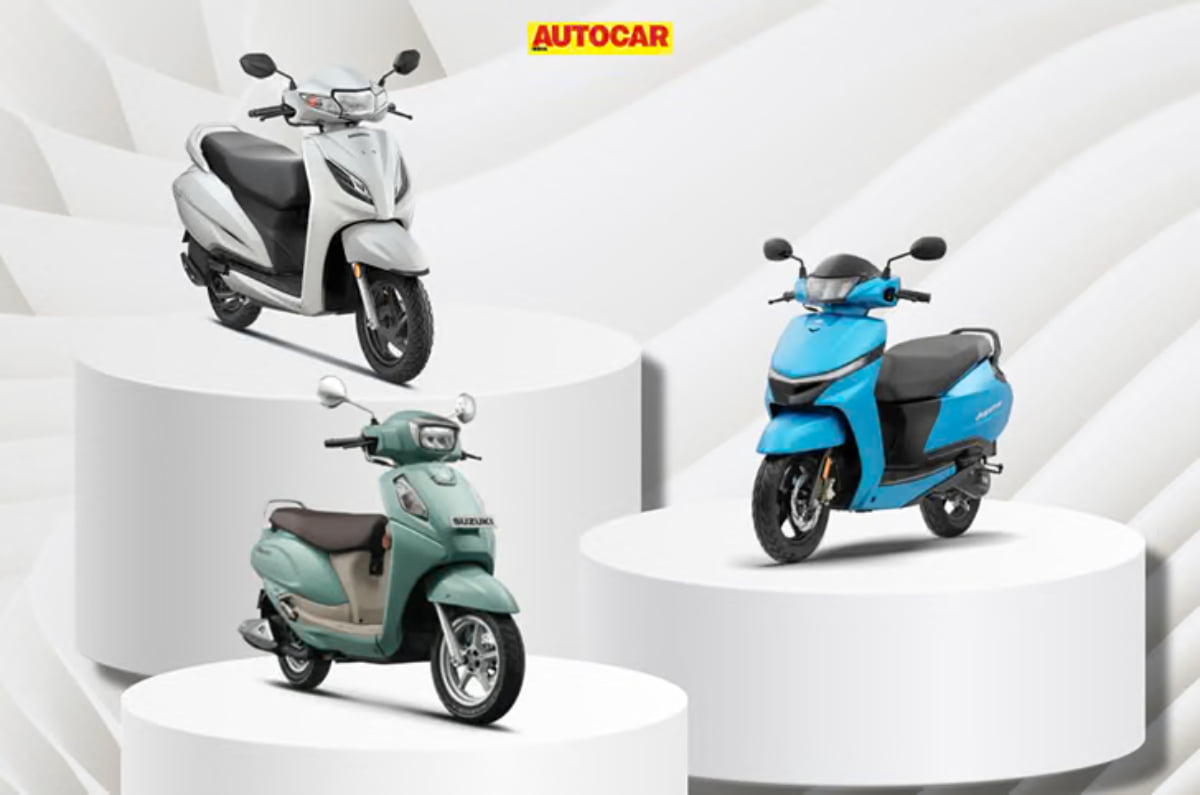
Two-wheeler manufacturers have dispatched a record 48,65,192 scooters in the domestic market in the first half (H1) of FY2027. That’s an additional 10.8 lakh units over the same period last year, representing a 29 percent increase. The six-month period included two monthly records: April 2026 opened as the best-ever April, with 6,91,993 units, while September registered 9,95,576 units – the highest monthly total ever for the category and just 4,424 units short of the million-unit (10 lakh) milestone.
Zooming out, the scale of the growth becomes clearer. Scooter sales have more than doubled over 12 years. In H1 FY2016, the total was 2.4 million units, whereas FY2027’s first half has already reached about 60 percent of FY2026’s full-year record of 8.11 million units.
Electric scooters double, claim a 20 percent share
Honda leads overall, TVS grows faster
The fastest-growing part of the segment is electric. E-scooter wholesales hit 9,78,017 units in H1 FY2027, up 103 percent year-on-year from 4,81,199 units in H1 FY2026. This surge has pushed EVs’ share of total scooter sales from 13 percent to 20 percent in a single year.
TVS Motor Company leads the e-scooter market, with 3,05,972 iQube and Orbiter units dispatched, up 107 percent year-on-year, giving it a 31 percent share. Bajaj Auto is second, with 2,60,982 Chetak and Yulu units – a 116 percent jump – and a 27 percent share. Together, the two account for 58 percent of all e-scooters sold in the first half. Ather Energy, with 1,71,611 units and 56 percent growth, held third place, though its share dipped from 23 percent to 18 percent as the market expanded. Hero MotoCorp’s Vida dispatched 1,33,964 units, up 118 percent, for a 14 percent share.
The three Japanese players – Honda, Suzuki and Yamaha – collectively sold 12,523 e-scooters, accounting for a combined 1 percent share. Honda led the group with 7,010 units, up 176 percent.
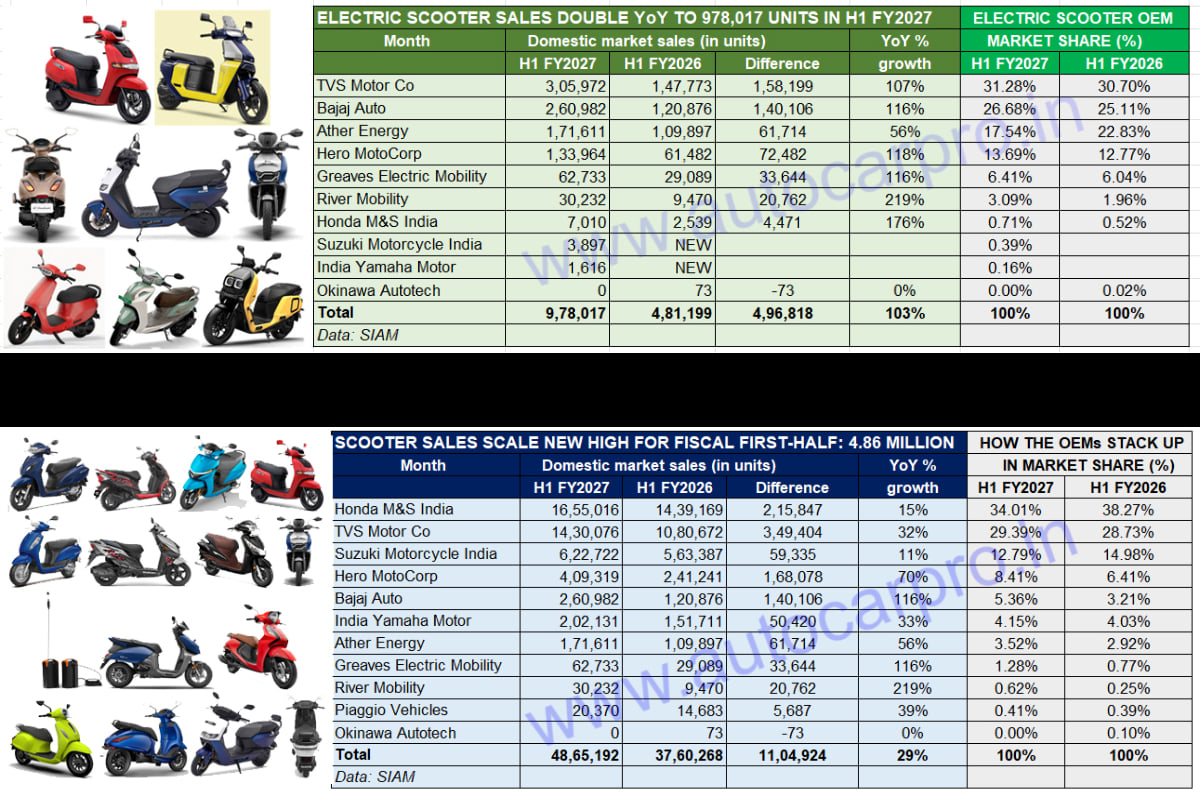
Across ICE and EV models combined, Honda Motorcycle & Scooter India remains the category leader with 1.65 million units, up 15 percent, although its market share has dipped from 38 percent to 34 percent. TVS Motor Company is in second place with 1.43 million units and 32 percent growth, adding 3,49,404 units year-on-year. Nearly half of that incremental volume came from its electric lineup.
Suzuki, with 6,22,722 units and 11 percent growth, and Hero MotoCorp, with 4,09,319 units and 70 percent growth, hold third and fourth place, respectively. Bajaj Auto has climbed to fifth with 2,60,982 units and 116 percent growth, displacing Yamaha, which recorded 2,02,131 units, up 33 percent. Ather Energy is seventh with 1,71,611 units, while River Mobility has entered the top 10, overtaking Piaggio with 30,232 units of the Indie scooter.
With the festive season now underway, the industry will be looking to convert the strong H1 momentum into retail sales. Whether Q3 and Q4 can sustain the near-30 percent growth rate needed to push scooter sales past 10 million units for the first time remains to be seen, but the trajectory points firmly in that direction.
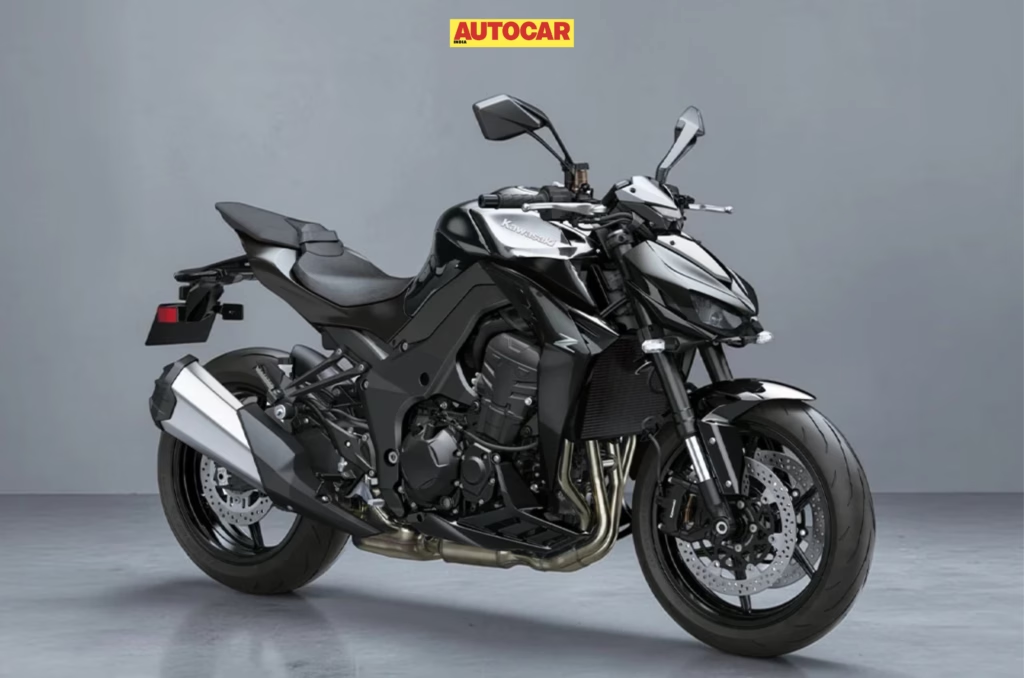
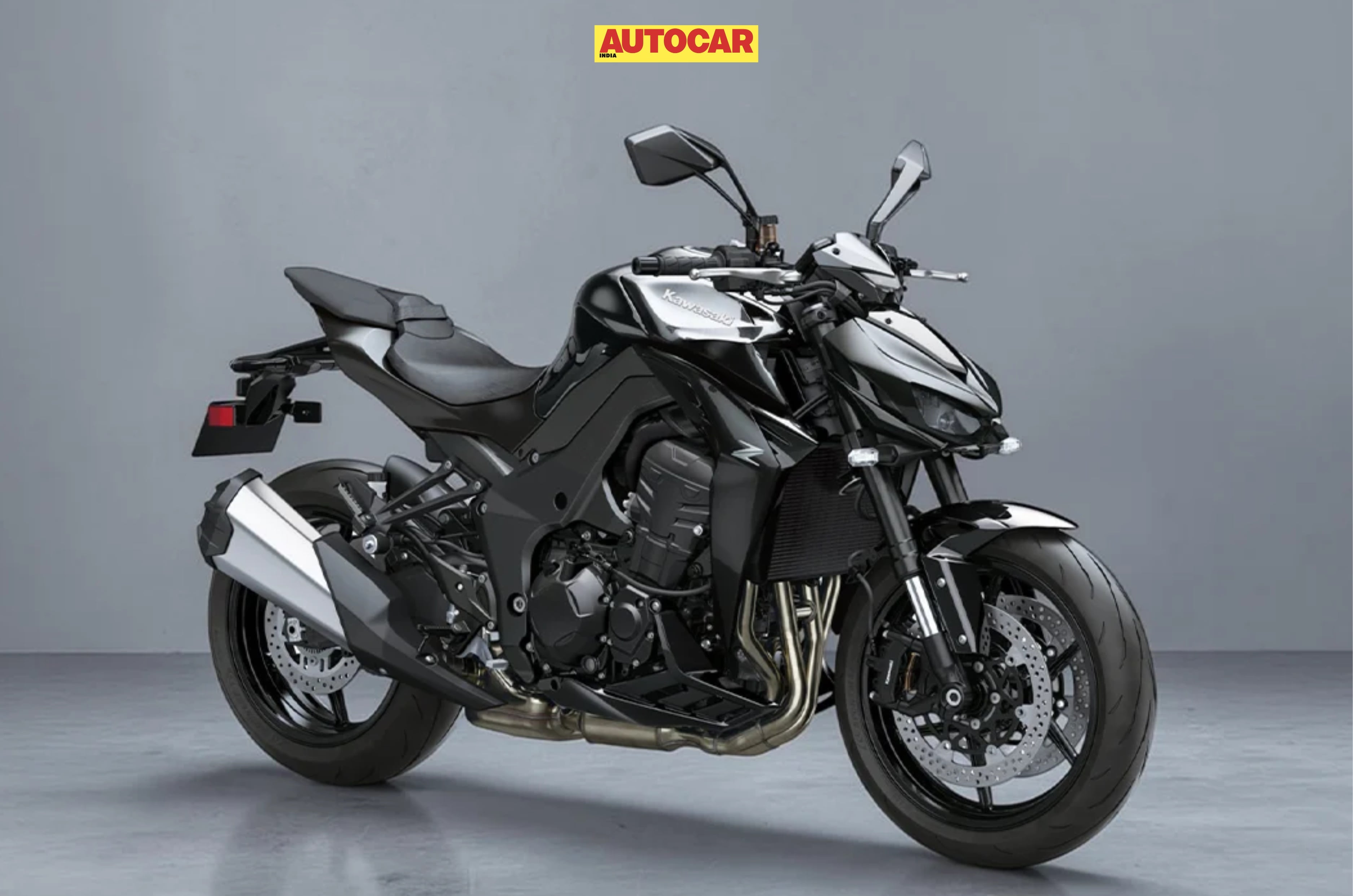
Kawasaki has launched the 2027 Z1100 at Rs 12.79 lakh (ex-showroom, Delhi), with bookings and deliveries starting today across showrooms in India.
- Retains the 1099cc inline-four engine making 136hp and 113Nm
- Continues with the single Ebony/Metallic Carbon Grey colour
2027 Kawasaki Z1100 details
Mechanically identical to the 2026 version
Kawasaki has not changed the Z1100 in any way for next year with the super-naked motorcycle remaining identical to its predecessor in every single way. Which means, it retains the 1099cc, in-line-four cylinder, liquid-cooled engine making 136hp and 113Nm; the unit is also shared with the recently updated adventure tourer, Versys 1100 at a slightly lower state of tune (135hp and 112Nm).
The tubular diamond chassis is suspended by a 41mm USD fork with 120mm travel and a back-linkage monoshock with 136mm travel. The former is compression and rebound adjustability, while the latter gets preload and rebound adjustability. Brakes are dual 310mm, Kawasaki-branded Brembo at the front, and 260mm single disc at the rear. The Z1100 continues to offer the same rider aids as before some of which are, a 5-inch TFT display, bi-directional quickshifter, corner-sensitive three levels of traction control and dual-channel ABS, cruise control and smartphone connectivity.
A 17-litre fuel tank also makes the Z1100 quite the mile muncher and despite the 220kg weight ,its relatively manageable under most conditions. With its price, it rivals motorcycles like the Honda CB1000 Hornet SP (Rs 13.29 lakh) with the smaller Z900 sitting lower (Rs 9.99 lakh).


Jeep is mulling a revival of its iconic Willys military off-roader for an affordable electric SUV after 2030. The proposed model is part of Jeep’s plans to develop compact EVs and strengthen its position against growing competition from Chinese carmakers, particularly in Europe.
Speaking to Autocar UK, Xavier Peugeot, the head of Jeep Europe, said that the Willys is the brand’s “key attention” for the future, and that its electric revival is one of several “new ideas” that could be realised in the coming years. He described Jeep’s heritage as a key advantage in countering new rivals, especially from China, stating: “One of our main assets to counter this offensive is our DNA.”
Jeep Willys revival: All we know so far

A recent teaser image released by Stellantis shows the original Willys MB military Jeep parked in front of the silhouette of a larger, closed-roof SUV with a bootlid-mounted spare wheel. The boxy design of this SUV looks to draw heavily from the original Willy’s utilitarian trappings, and the “Not Fragile” lettering on the crate implies ruggedness, and perhaps a focus on off-road prowess.
Specifics about the proposed Willys revival are yet to be finalised, but Peugeot noted “BEV affordability” as an important attribute, suggesting the EV could be aimed at the more attainable end of the price spectrum. To that end, the electric Willys may use a new low-cost EV architecture being developed by Stellantis for models that comply with the European Union’s proposed ‘E-car’ regulations – the production version of the recently-revealed Citroen 2CV concept is also expected to use this platform.
Peugeot additionally said that “each model in [Jeep’s] future range will be 4×4-compatible,” which could help set the electric Willys revival apart from the rest of Stellantis’s upcoming EVs. The project is expected to move forward after Jeep completes its current ‘Road to 2030’ strategy.
That said, Peugeot did remark that Jeep is “not confirming any concrete launch for this year or that year,” and that “ideas around Willys [will be] confirmed” by the end of this decade.



Sugar-based ethanol has been left out of India’s ethanol tender for the 2026-27 supply year, according to a Reuters report. Citing the tender issued on October 16, the report states that the government has instructed state-run oil marketing companies (OMCs) to ensure no sugar is diverted towards ethanol production for this period. No bids have therefore been invited for ethanol produced using sugarcane juice, sugar or sugar syrup, or B-heavy molasses, the report adds.
- Oil firms invited bids for 11 billion litres of ethanol for 2026-27
- Tender allows bids for ethanol made from corn, broken rice and surplus FCI rice
- Incentive for corn-based ethanol cut from Rs 5.79/litre to Rs 2.79/litre
Tender details
It seeks 11 billion litres for the supply year starting in November 2026
The tender comes from Indian Oil, Bharat Petroleum and Hindustan Petroleum. “The Government of India has issued directions that sugar diversion for ethanol be reduced to zero for ethanol supply year 2026-27,” the tender document said, according to the report.
The companies are looking to procure 11 billion litres of ethanol for the supply year, which kicks off in November 2026. Distillers can submit bids for ethanol produced from corn, broken rice and surplus FCI (Food Corporation of India) rice. Corn-based ethanol will also fetch less this time. Its incentive has dropped by Rs 3 per litre to Rs 2.79 per litre, taking the procurement price from Rs 71.86 per litre to Rs 68.86 per litre, as per the report.
Ethanol blending and sugar supply
India is trying to rein in high sugar prices
Surplus sugar has been a key contributor to India’s ethanol-blending programme for several years. India also consumes more sugar than any other country, and has been trying to increase local production while easing prices.
Reuters had reported in August 2026 that limits on the use of sugarcane for ethanol were being considered for the season starting October 2026. Weaker rains in Maharashtra and Karnataka had already cast doubt on this year’s sugar production at the time.
Ethanol blending is aims to reduce India’s oil imports. E20 petrol, which became compulsory nationwide earlier this year, was introduced to cut emissions as well as the country’s dependence on imported crude. However, diverting sugarcane juice, sugar syrup and B-heavy molasses towards ethanol can lead to a reduction in the amount of sugar produced.
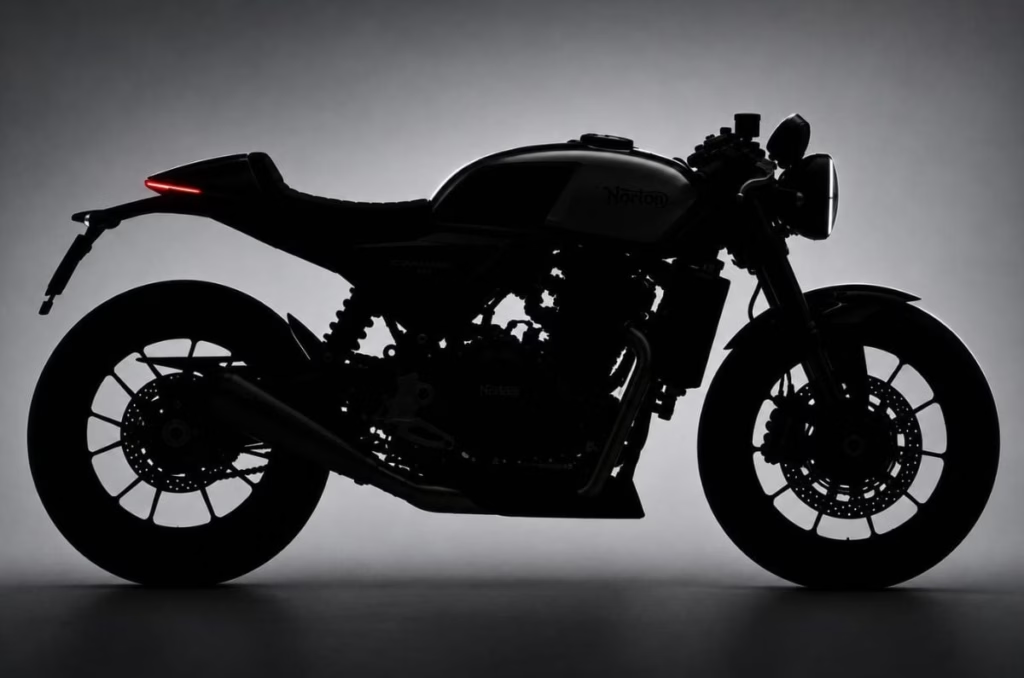
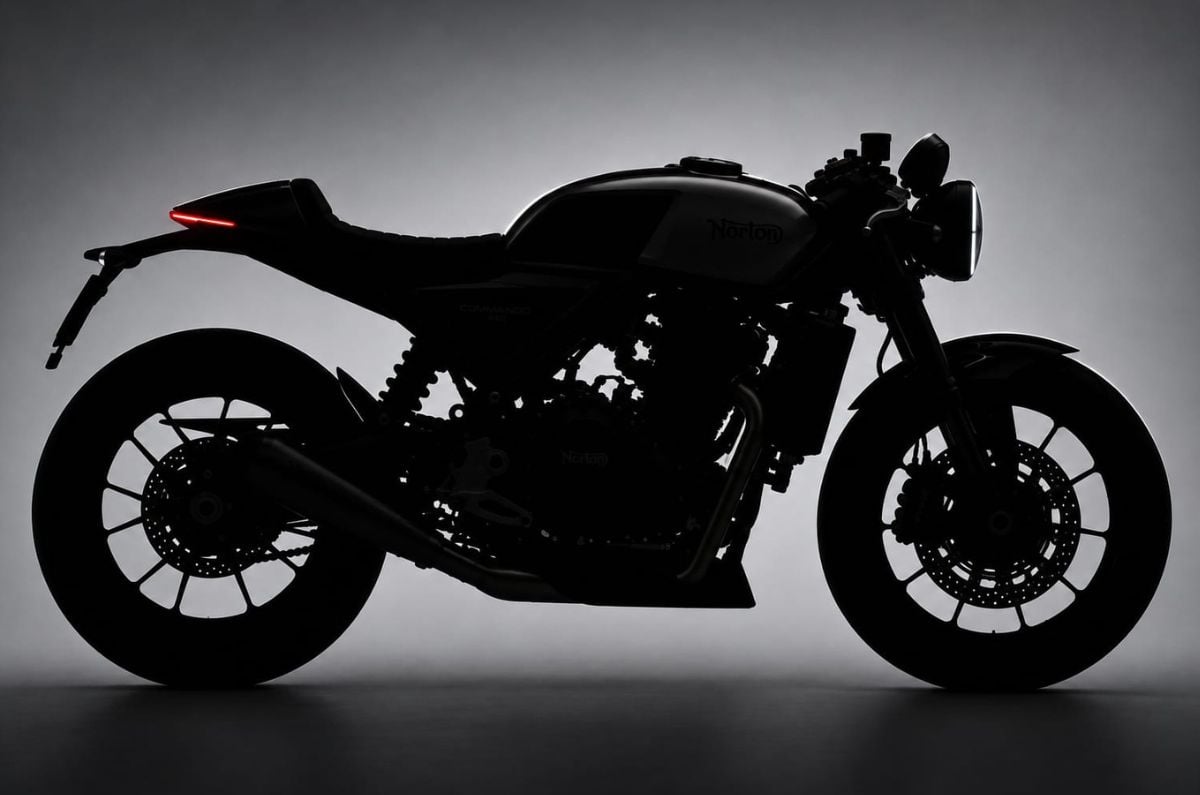
Norton Motorcycles will premiere its much-awaited 450cc-class single-cylinder roadster at EICMA 2026 in Milan, expanding its range with a motorcycle aimed at higher volumes in India and overseas. Autocar Professional expects the motorcycle to produce around 40-45hp and 40-45Nm. The engine is likely to be liquid-cooled and is expected to come with a 6-speed gearbox. The roadster will be the first model on a new platform understood to be called the H-series, with other body styles to follow. It will sit below the TVS Motor-owned British marque’s twin-cylinder Atlas range and V4-powered Manx family.
- Norton Atlas is expected to first launch in India, in Q1 2027
- New Norton single-cylinder motorcycle will launch overseas and in India simultaneously
- Will also be manufactured at TVS’ Hosur plant
New Norton single-cylinder platform at EICMA 2026
Expected to launch in India and overseas in 2027
Autocar Professional understands that TVS plans to begin Norton’s India rollout in the January-March 2027 quarter, if not sooner, starting with the Atlas, followed by the Manx. The H-series roadster is expected to launch simultaneously in India and global markets in the second half of 2027. Responding to queries from Autocar Professional, a Norton spokesperson said the brand’s India introduction would follow its appearance at this year’s Milan show. “Norton is set to launch in India soon following the brand’s presence at EICMA this year, when the next key stage of the resurgence will be revealed,” the spokesperson said. The company has not officially confirmed the roadster’s platform name, engine capacity, output, pricing or sales timeline.
Norton has recently trademarked three names in India – Roven, Inter and Avalon and the first single cylinder bike may bear one of them. In 2025, the company also trademarked the Norton Electra name here, and this followed on the trademarking of the Norton Combat name in 2023.
Reimagined Norton under TVS
Design and ease of use is at the new Norton’s core
Differentiated design is central to TVS’s effort to give Norton a contemporary identity while retaining its British heritage. Simon Skinner, Head of Design, Norton Motorcycles, is leading the development of a design language connecting the brand’s products across capacities and categories. The roadster will extend that approach to a motorcycle intended to sell in larger numbers.
As we have seen with the thoroughly modern designs on the Atlas and V4, it is safe to anticipate modern, pared-back styling, with selected mechanical components exposed and others concealed. This could help distinguish the roadster in a segment where several competitors draw heavily on retro styling. According to Norton, the Manx R received the “Best of the Best” distinction at the 2026 Red Dot Award: Design Concept. Norton Design was also recognised at the 2026 International Design Excellence Awards in the United States.
The roadster is expected to prioritise manageable weight and ease of use, particularly in city riding. It could feature 17-inch wheels and equipment drawn from Norton’s larger motorcycles, potentially including an eight-inch TFT touchscreen, riding aids and multiple riding modes. Final specifications remain unconfirmed.
Taking on Royal Enfield
How does Norton plan to combat the 350cc onslaught?
The platform represents a significant bet on the global mid-size motorcycle market. The opportunity spans roughly the 350cc-750cc categories, with annual volumes estimated at around 15 lakh-20 lakh units. This broad classification includes motorcycles marketed as 350cc models whose actual displacement is slightly lower.
It will bring Norton into closer competition with Royal Enfield and Triumph in India and overseas. However, the new single-cylinder Nortons will face a specific challenge in India. That is the fact that they will not come under the 350cc segment, unlike the massively popular RE 350 range and the recently re-engineered 349cc Triumph line in India. The result is that they will attract the much higher 40 percent GST rate instead of 18 percent. Norton is likely to position these bikes at a premium that will be justified by higher levels of technology and a heavy focus on design, quality and detail.
Royal Enfield’s dominance in India demonstrates the demand for motorcycles used for daily travel, touring and leisure riding. Its extensive dealer network, broad product range and established riding community also present a substantial challenge for Norton. Overseas, Royal Enfield has expanded into many of the markets the TVS-owned British marque is targeting. For TVS, the single-cylinder Norton offers a way to participate more widely in this market. Additional body styles on the same platform would help spread development costs and reach buyers with different riding preferences.
The India distribution plan
TVS is yet to confirm showroom rollout schedule for India
Norton’s design and heritage will form part of its appeal, but pricing, service coverage and parts availability will be important to building sustained sales, particularly in India. TVS had said in June that the Norton Atlas would be introduced in India later in the year. It had also scheduled the launch of TVS Paddock, its premium retail channel for both Norton and select premium TVS products, for the second quarter of FY27. The latest official response did not provide an updated Paddock rollout schedule.
Current preparations are understood to point to around three Paddock outlets by December, although a larger network is being sought. The number of outlets that will be operational when motorcycle sales begin has yet to be finalised. The company said it now has more than 50 retailers across 10 markets, including the UK, Italy, France, Germany and Spain. Preparations for a United States launch are continuing, subject to the final stages of vehicle certification.
Norton said its European test-ride programme had introduced the new motorcycles to thousands of riders. Foster + Partners has designed its showroom environments. TVS acquired Norton in April 2020. Its FY2025-26 annual report records investments exceeding GBP 250 million in rebuilding the business and identifies the marque as an important part of its premium-isation strategy, particularly in developed markets.
India already supports that expansion through manufacturing. The first Atlas motorcycles rolled off TVS’s Hosur production line in June, combining Norton’s UK design and engineering with its parent’s manufacturing operations. Production for the new single-cylinder range will also be out of Hosur.
With inputs from Anurag Chaturvedi and Rishaad Mody.
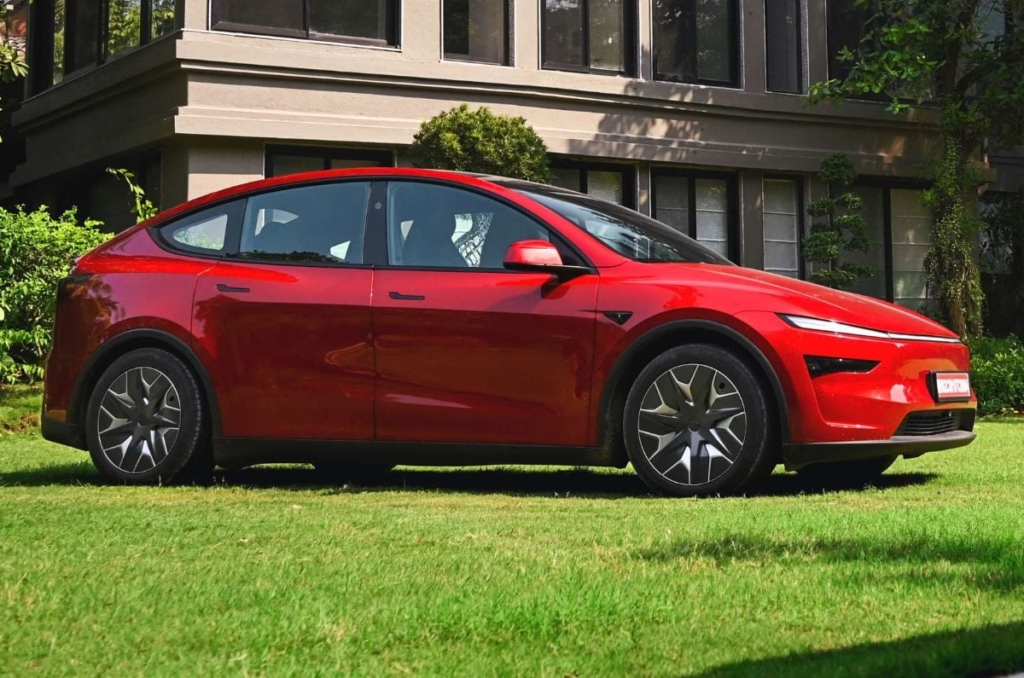
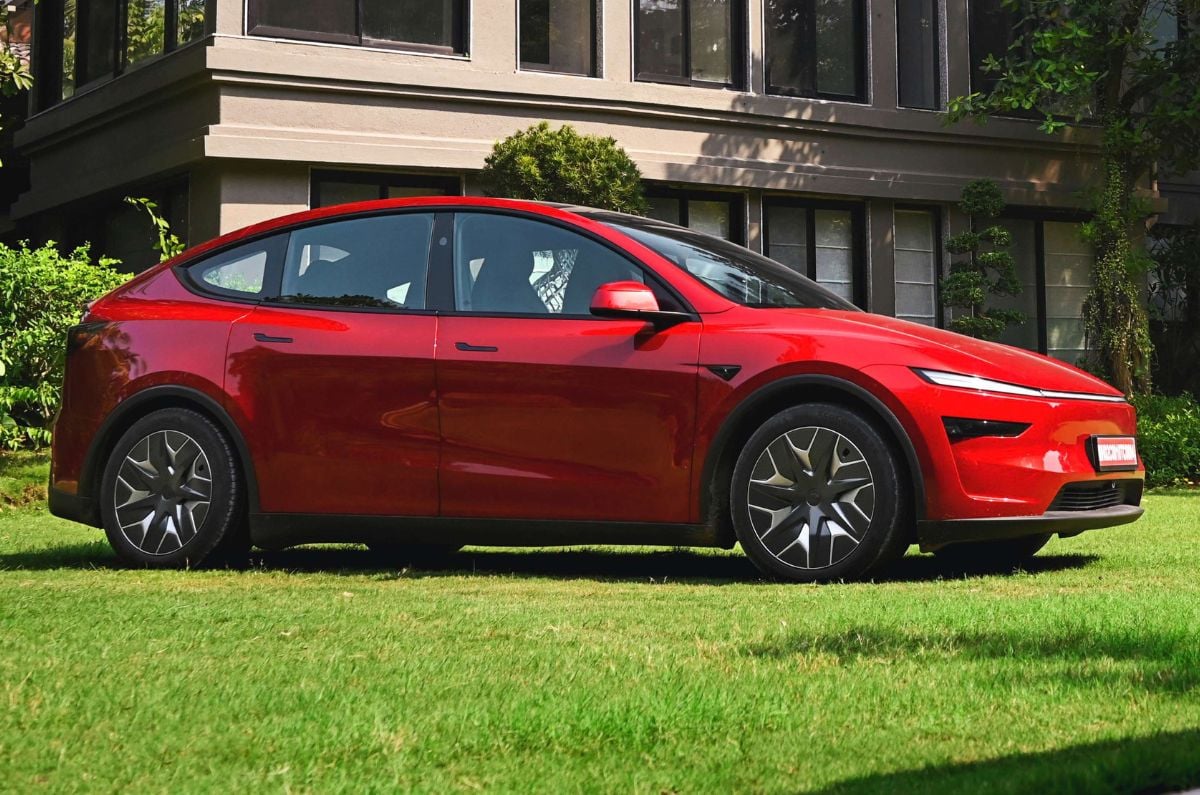
The Model Y L is the long-wheelbase, 6-seat version of Tesla‘s Model Y SUV. Priced at Rs 61.99 lakh (ex-showroom), it costs Rs 11.10 lakh more than the rear-wheel-drive Model Y. It is also pricier than rivals such as the BMW iX1 LWB and BYD Sealion 7. But does the Y L justify that premium? Here’s how it stacks up.
Reasons to buy the Tesla Model Y L
Spacious and quiet
Extra length frees up more room, while its cabin is remarkably hushed
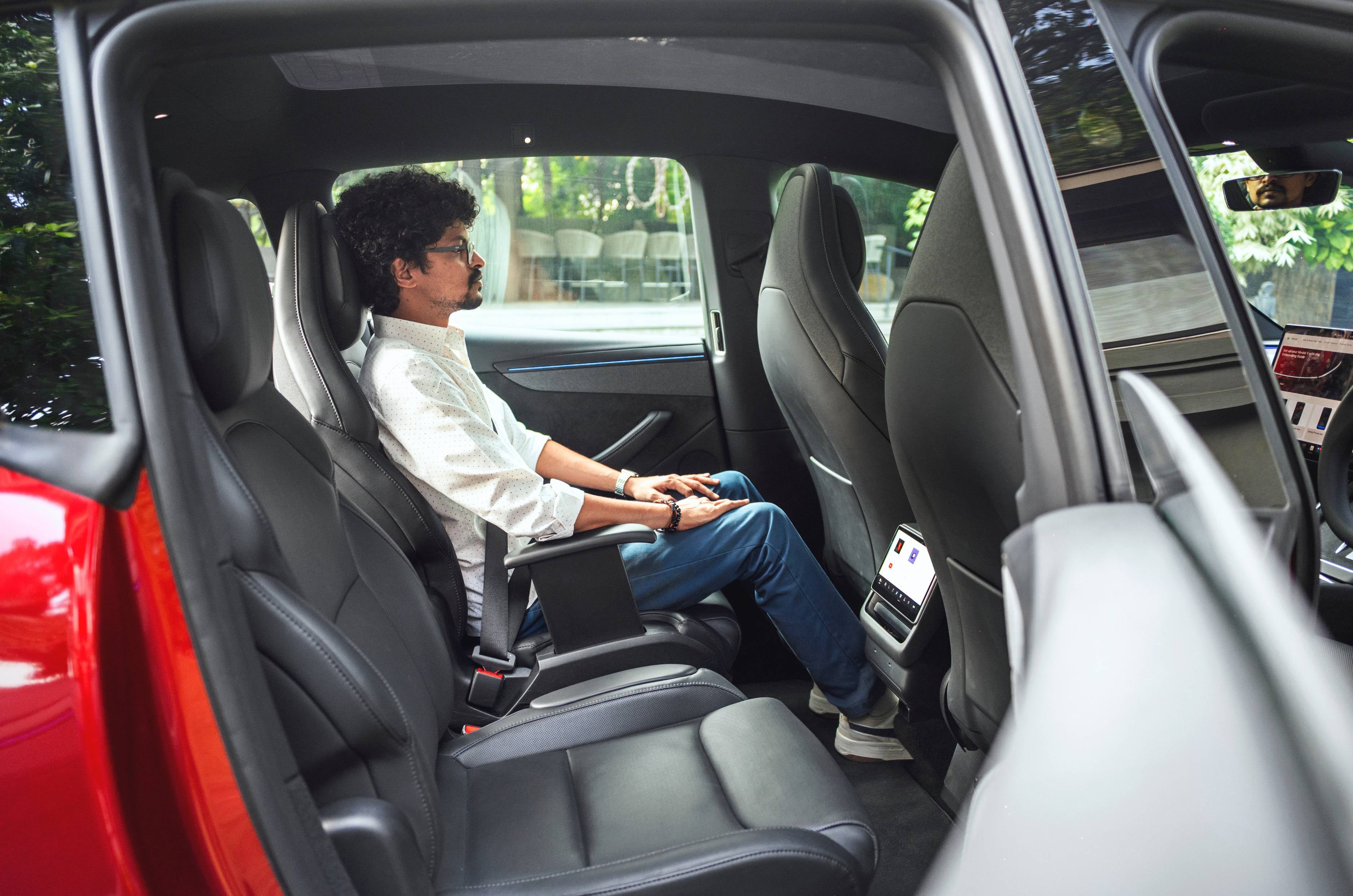
With a 3,040mm wheelbase, the Model Y L is 150mm longer between the axles than the standard Model Y. It’s also 40mm taller, freeing up noticeably more space on the inside. The Y L is a 6-seater with front seats that are comfy and get extended under-thigh support. The individual captain’s chairs in the middle row are very comfortable and feature powered armrests, plus heating and cooling functions. Passengers seated here won’t complain about legroom or headroom.
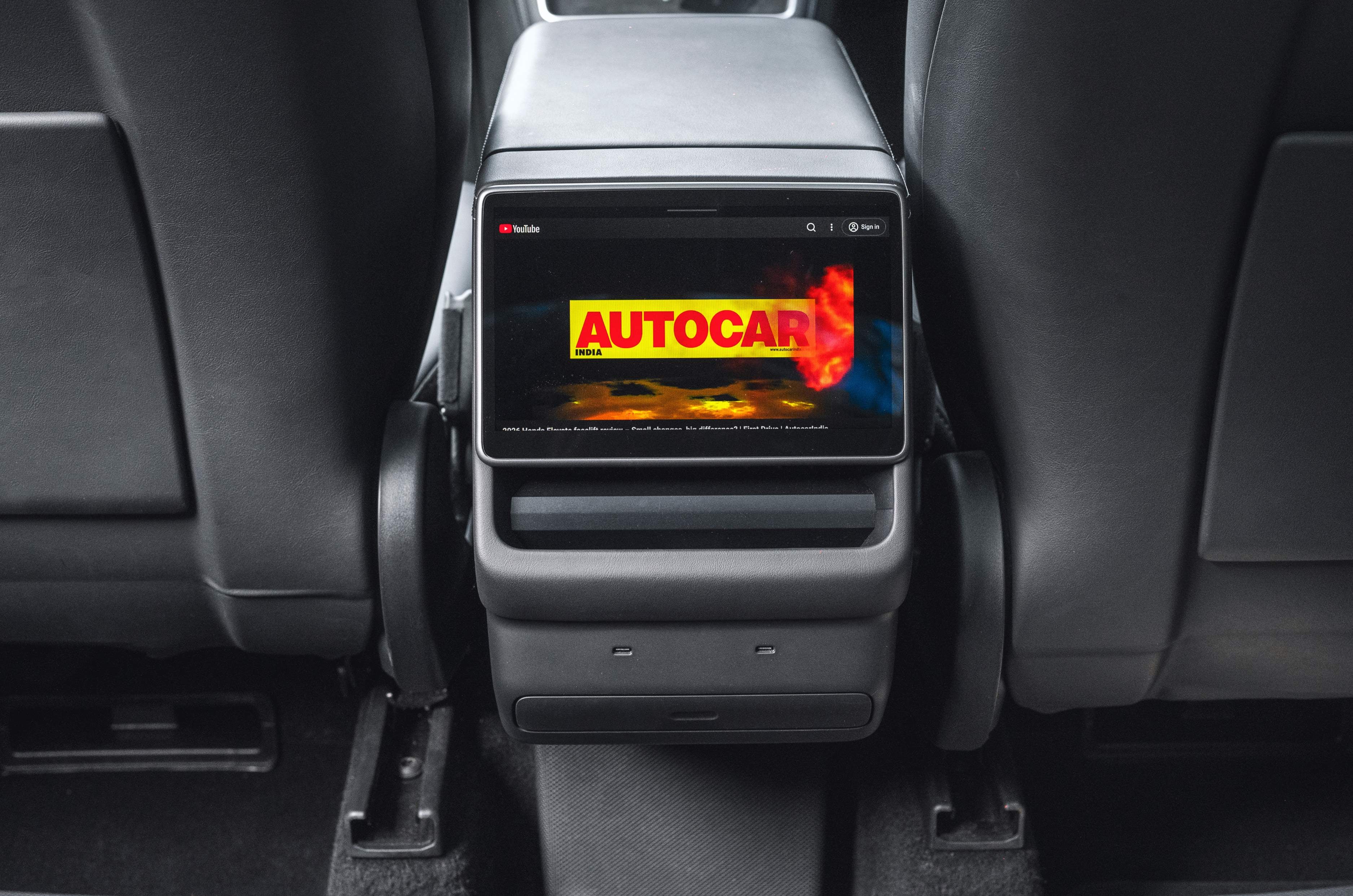
Adding to their convenience is an 8-inch touchscreen capable of playing videos, plus cupholders and charging ports. Unlike many three-row offerings, the third row of the Model Y L has enough space for adults to sit in reasonable comfort. The inclusion of dedicated AC vents, cupholders and Type-C ports comes in handy as well.
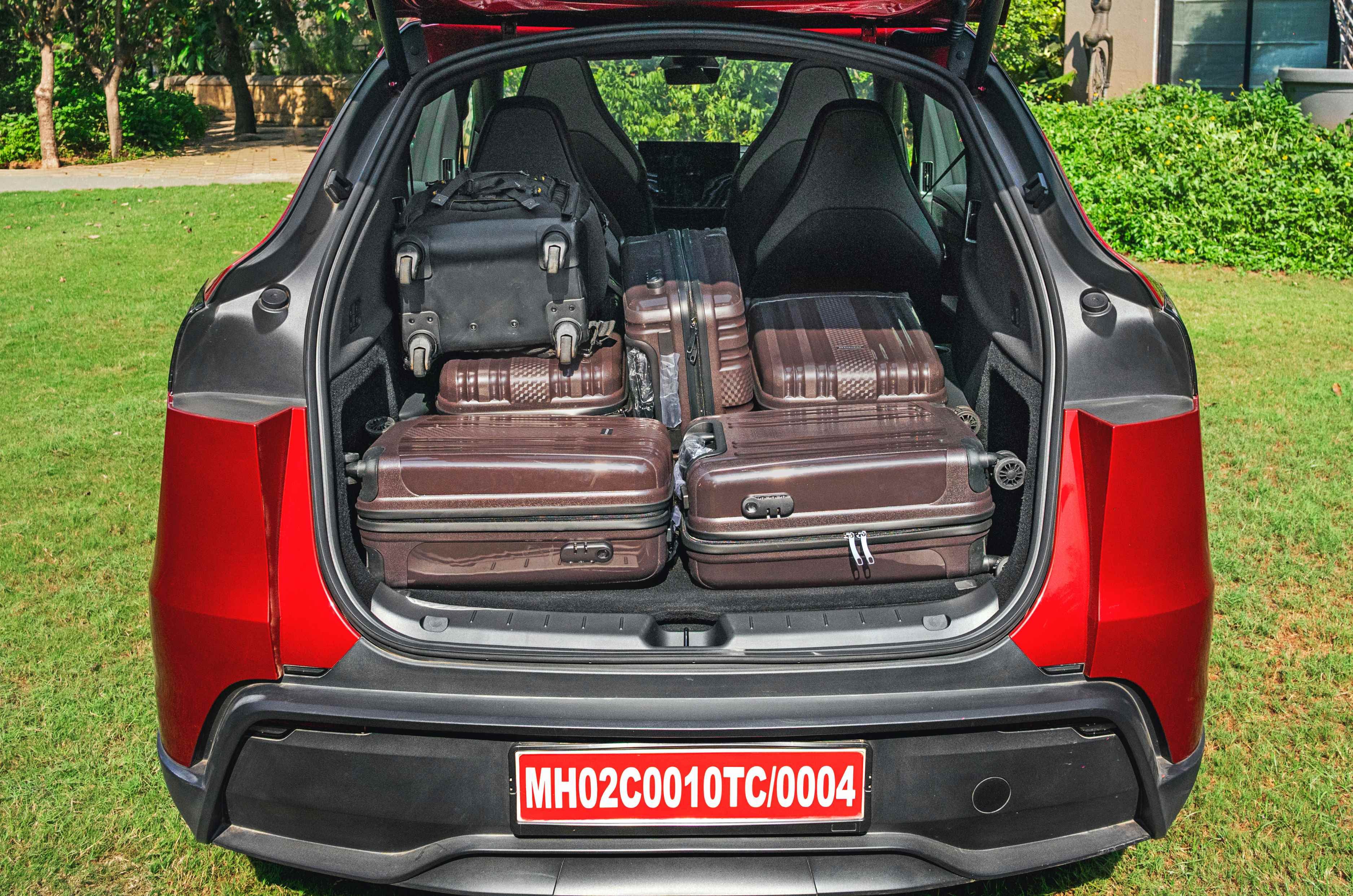
Another pro here is the Model Y L’s boot, which is rated at 420 litres with all seats up – this grows to a capacious 1,076 litres with the third row folded. Then there’s some more space under the boot floor, and a 117-litre frunk, should you need even more luggage space. Refinement is another strong point of this cabin. It’s remarkably quiet, thanks to the double-glazed windows that shut out most of the wind, tyre and road noise.
Loaded with tech
Long list of features will keep tech-savvy folks entertained

Taking centre stage on the otherwise minimalistic dashboard is the massive 16-inch touchscreen, which is easily among the sharpest and most responsive units around. Its integrated Grok AI assistant is capable of handling tasks such as setting the climate control, along with plotting routes on the navigation system and of course, finding suitable chargers. The assistant understands multiple languages and also learns the user’s preferences over time.
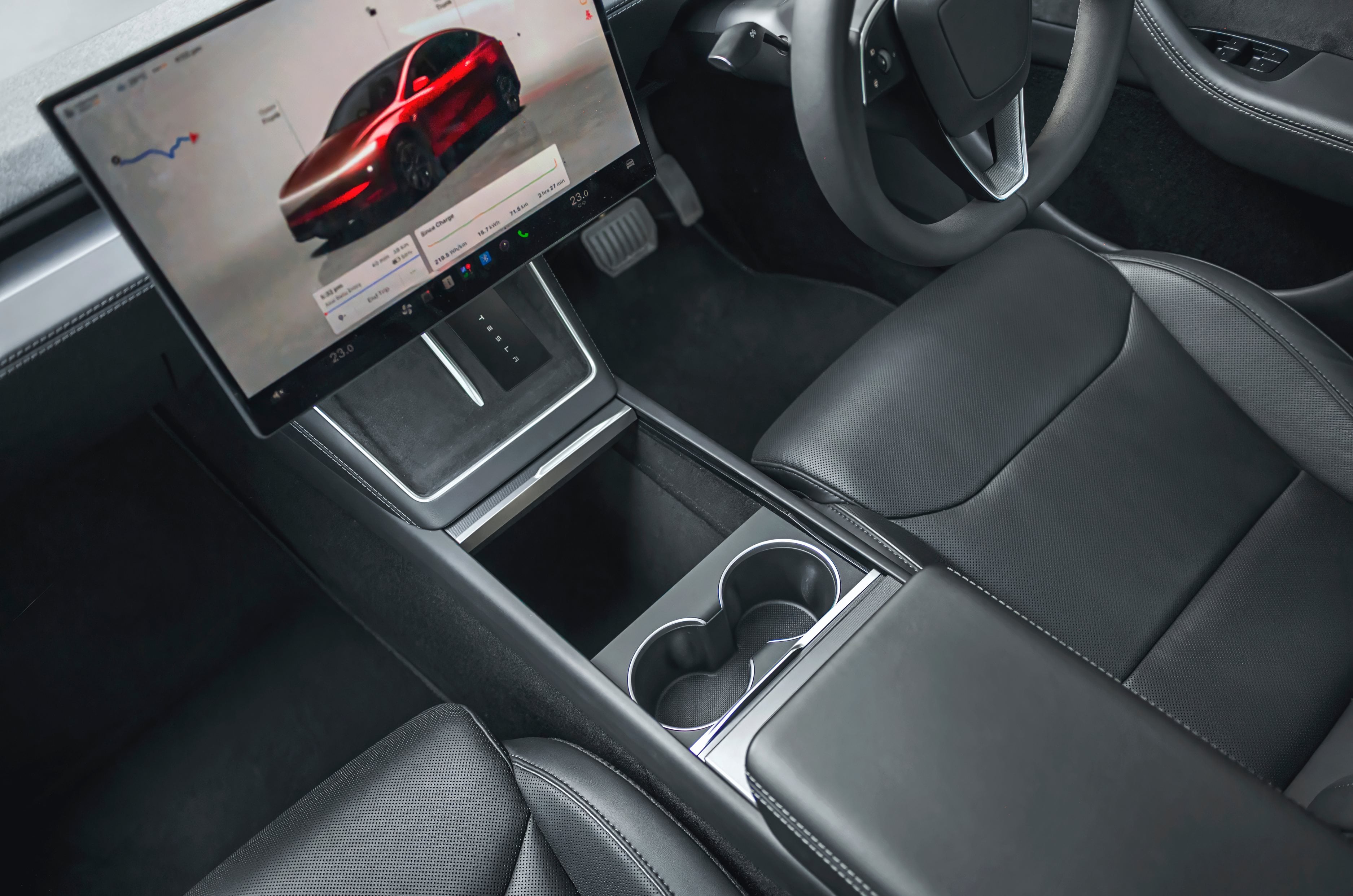
The Tesla Model Y L’s feature highlights include an 18-speaker audio system with a subwoofer, dual wireless chargers, multi-colour ambient lighting and a panoramic glass roof. The front and middle-row seats are heated, ventilated and powered, while the third-row seats get a heated function too. Safety kit includes 9 airbags, lane-keeping assist, blind-spot monitoring, and high-definition surround-view cameras. As with every Tesla, the Model Y L can also receive over-the-air (OTA) updates.
Brisk performance, composed ride
Dual-motor Model Y L is seriously quick for a family car
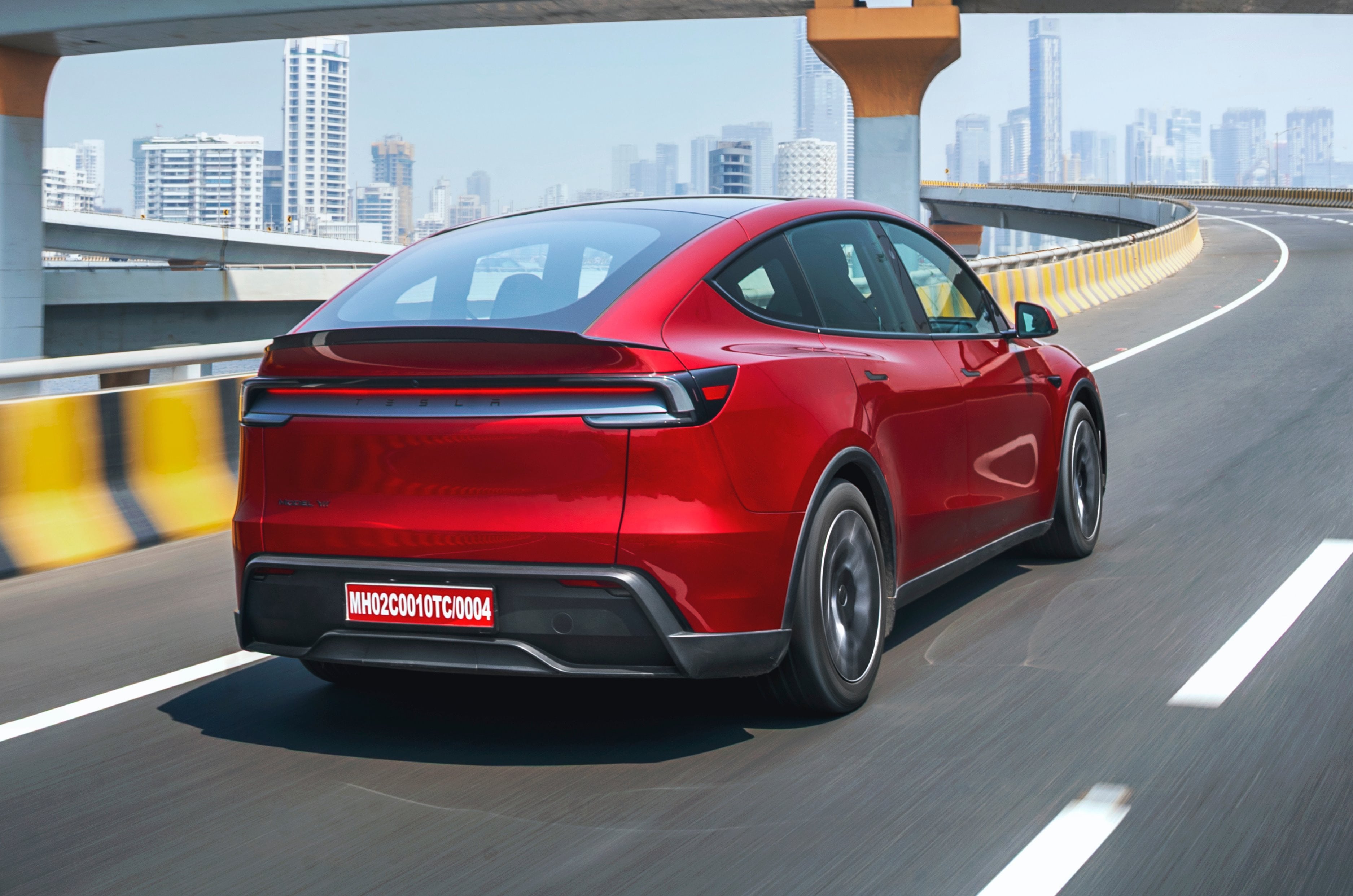
Where the standard Model Y is rear-wheel drive only, the Y L uses two motors and all-wheel drive (AWD). While Tesla hasn’t released official power figures, it’s estimated to output 514hp and 590Nm of torque. Tesla also claims a 0-100kph time of 4.5 seconds, which is quick for a two-tonne SUV. The Model Y L doesn’t feel intimidating to drive, with power building smoothly and the AWD system providing plenty of grip. In addition to the ‘Chill’ drive mode, the Y L also gets a ‘Sport’ mode.
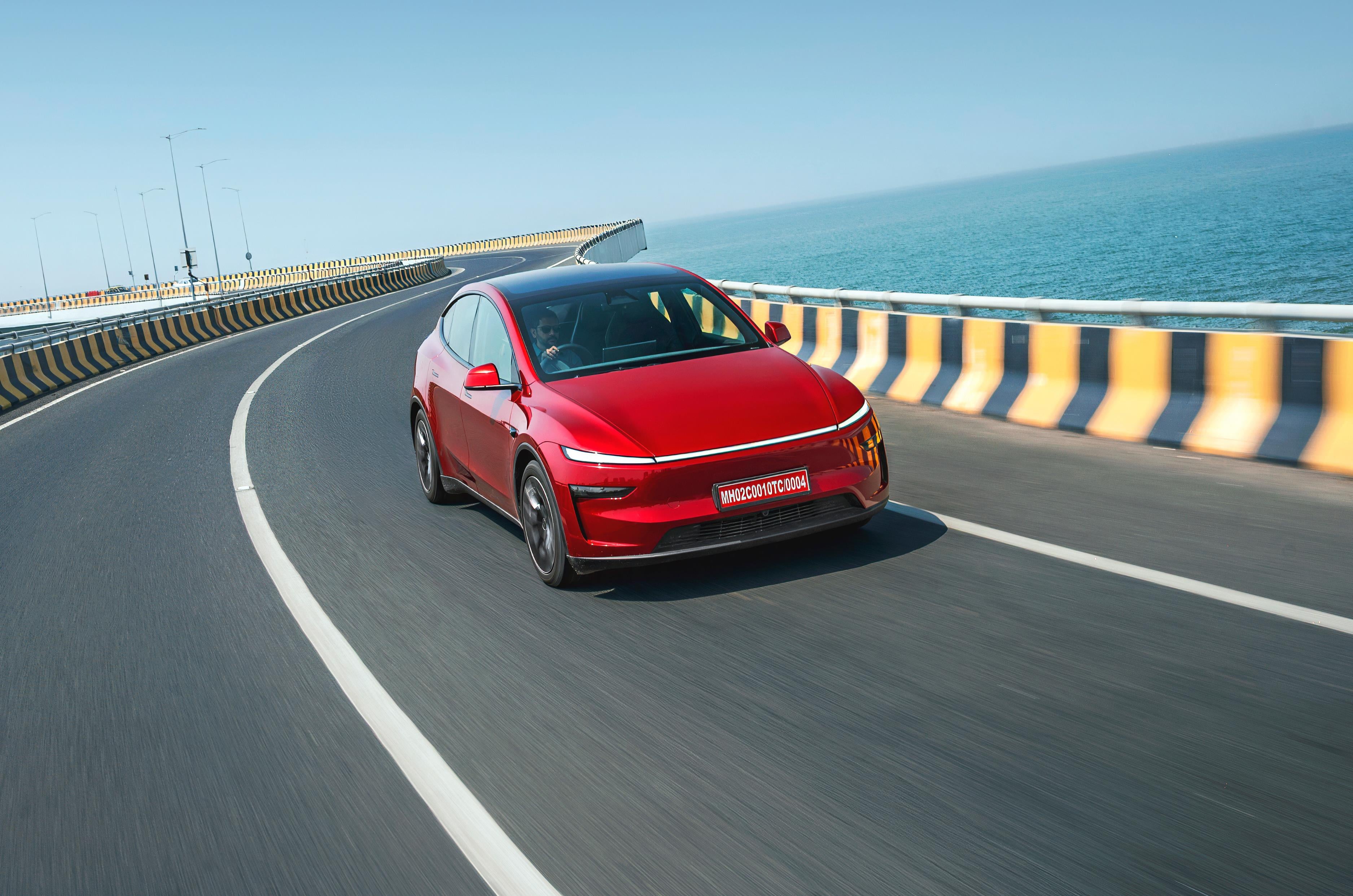
There are no issues overtaking slower-moving traffic, as the Model Y L gets past them effortlessly. The regenerative braking is smooth as well. When you’re ambling around town, the ‘Standard’ regen setting is more than adequate and progressive, so you can drive without stepping on the brake pedal most of the time. The revised suspension of the Model Y L also gets adaptive dampers for better control over body movements and a more composed ride over the standard model.
Long range
Y L has the legs over the standard Model Y
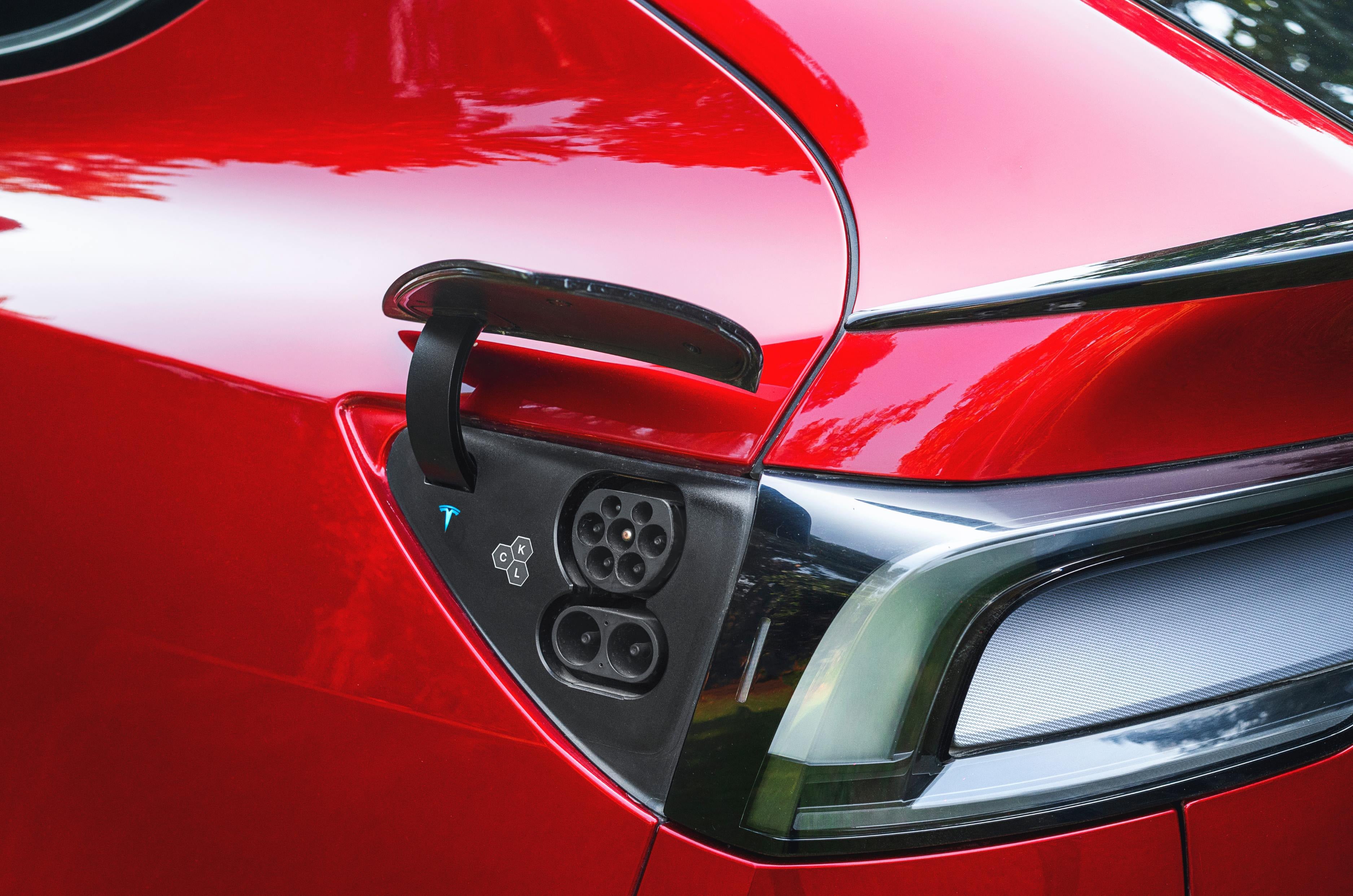
The Model Y L uses an NMC battery pack estimated to be rated at 88kWh, as Tesla doesn’t usually publish the official battery capacity. The American brand does claim a WLTP range of 681km for the Model Y L, which is more than that of the rear-wheel-drive Model Y. DC fast charging of up to 250kW is supported, while AC charging is rated at 11kW. Plug it into a Tesla Supercharger, and the Model Y L can gain up to 288km of range in 15 minutes.
Reasons not to buy the Tesla Model Y L
Big footprint, low clearance
Large dimensions and low ground clearance call for extra care in town
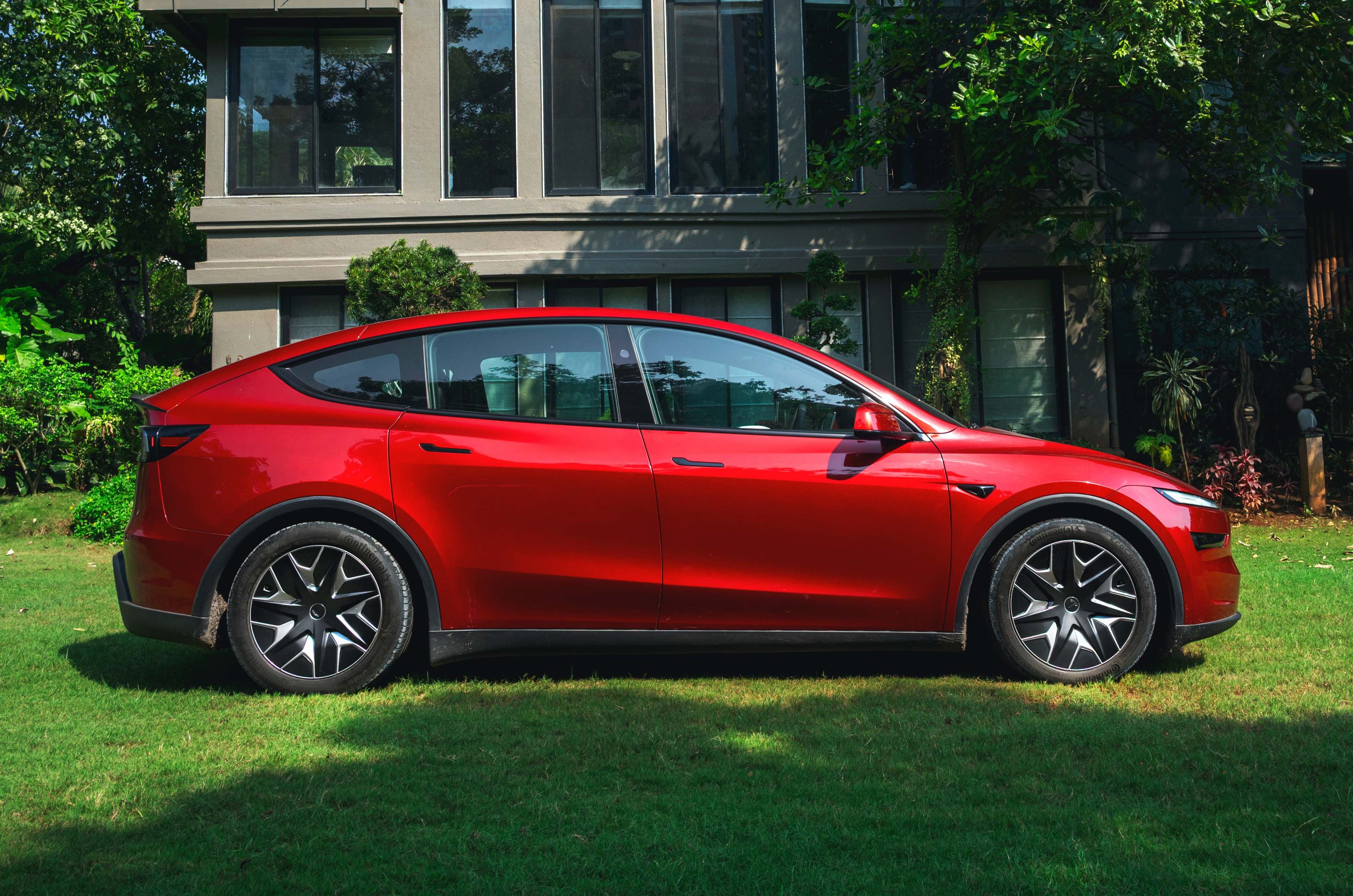
The Model Y L’s large dimensions make driving it in tight spaces a bit of a chore. Despite the light steering, its large turning circle makes parking this Tesla quite a tricky affair. Another issue is the ground clearance, or lack thereof. At just 166mm (unladen), large speed breakers need to be tackled carefully to avoid scraping the underbody.
Over-reliance on the touchscreen
Even basic functions are buried in menus
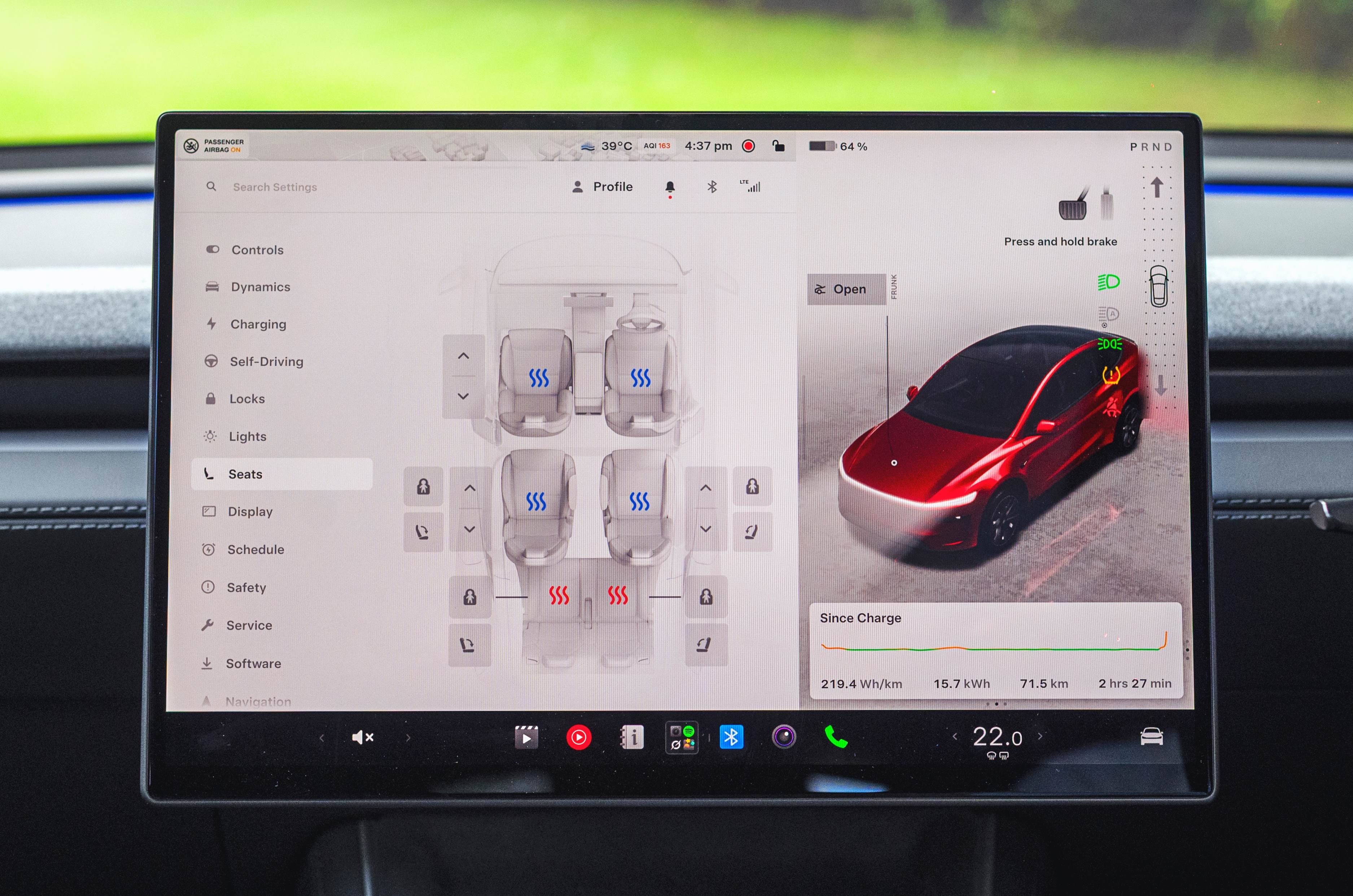
Unless you’re tech-savvy, the lack of physical buttons or shortcuts will get on your nerves. Almost every function on the Model Y L is controlled through the touchscreen. Simple tasks like changing the climate settings, adjusting the mirrors or opening the frunk all require you to dig through menus. Getting used to this setup will take time, and it can easily become distracting while driving.
Hot cabin, awkward third-row access
Large glass area and third-row access come with their own cons
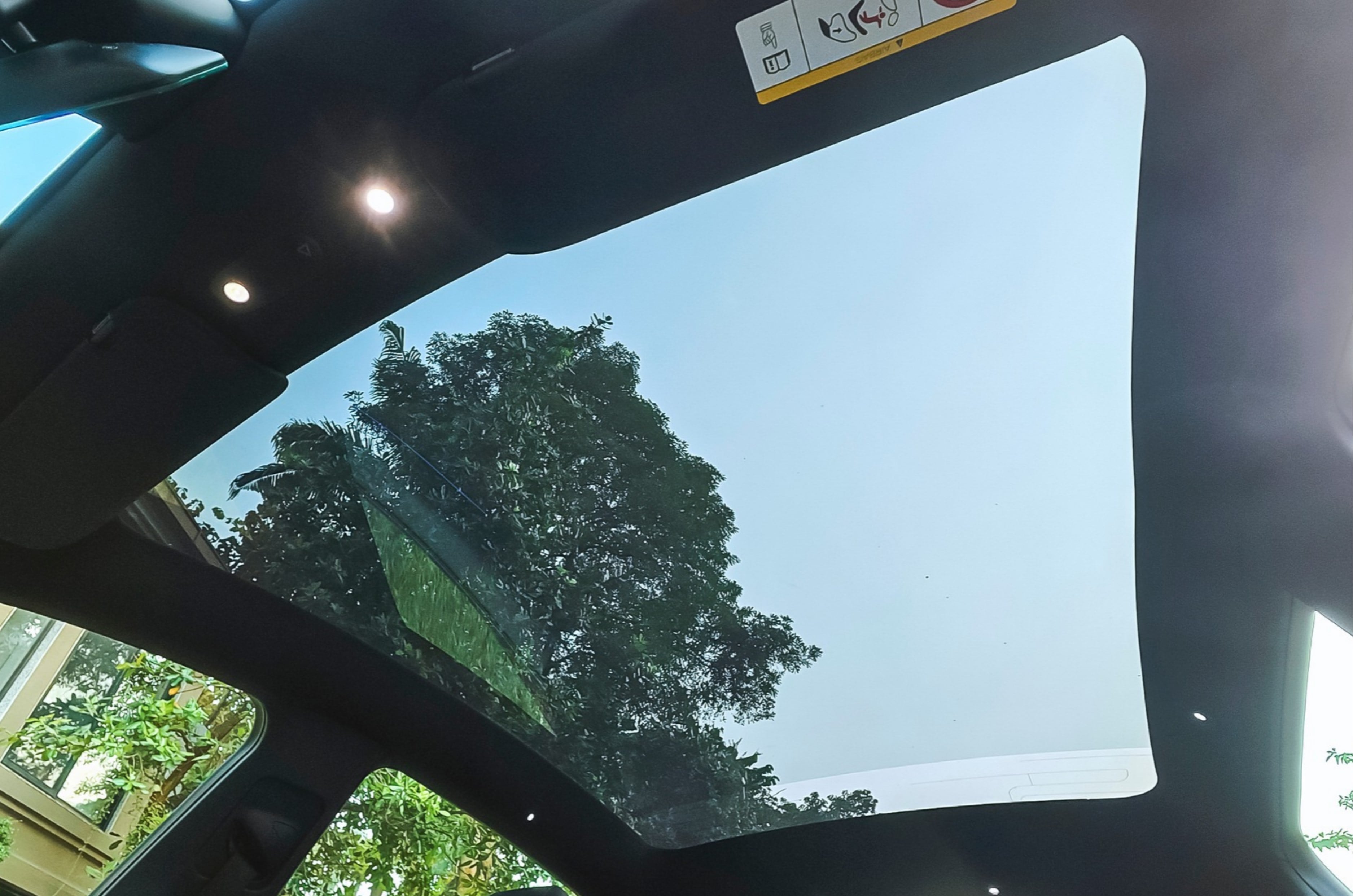
The Tesla Model Y L doesn’t get any blinds for its windows or a cover for its massive glass roof – instead making do with a tint. Considering the expansive glass area, this cabin heats up quickly on sunny days. The rear windscreen does without any tints, which only adds to the problem for third-row passengers.
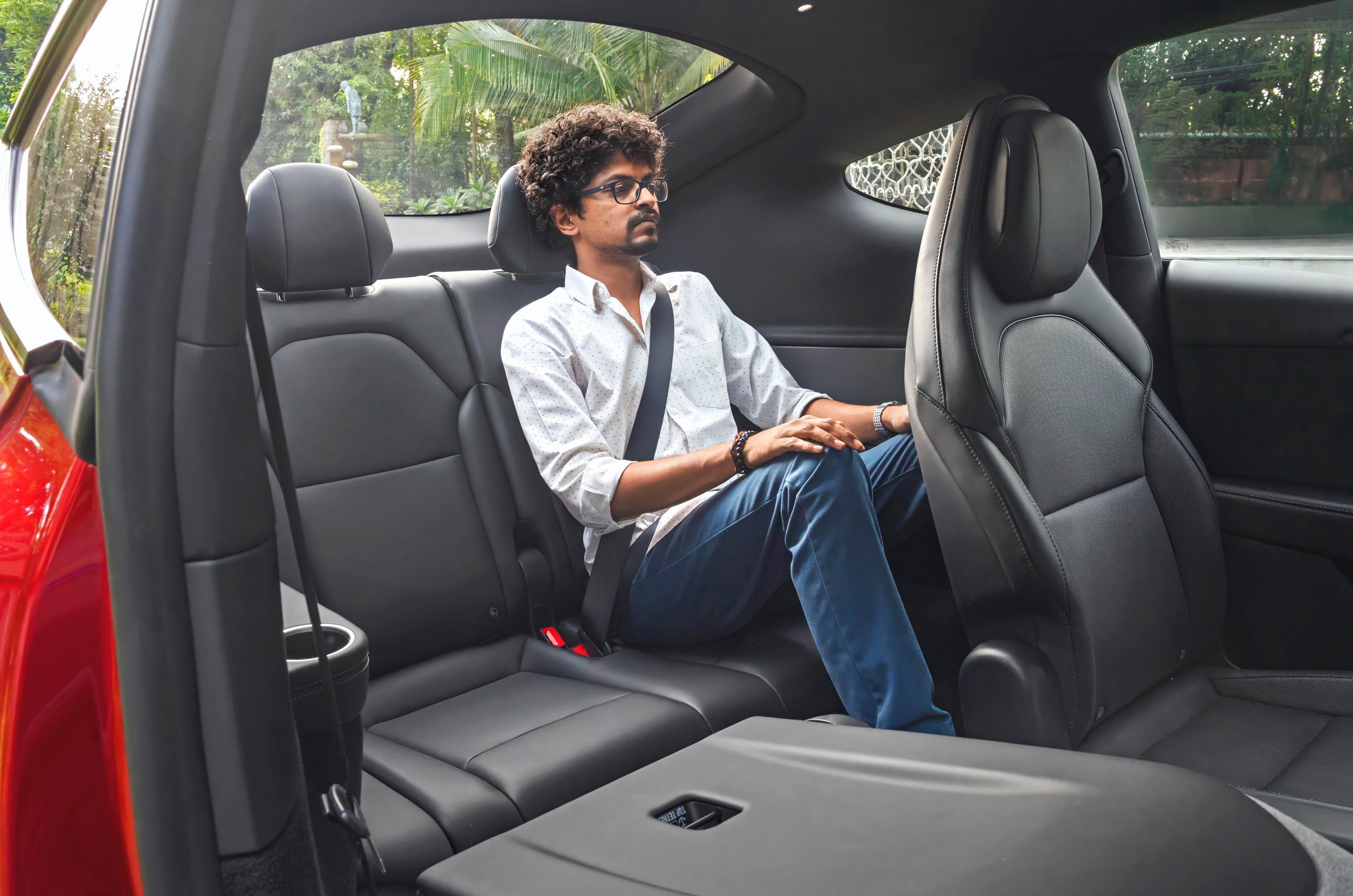
Getting to this last row is a cumbersome task, requiring you to squeeze in between the narrow gap of the middle-row seats. The seats are also slow to fold out of the way. Once you’re sat in the third row, you’ll have to assume a knees-up position.