3 reasons to buy the Maruti Celerio and 3 reasons to avoid it

3 reasons to buy the Maruti Celerio and 3 reasons to avoid it
Maruti Celerio side static

The Celerio is positioned between the cheaper Alto K10 and the even more popular Wagon R in Maruti Suzuki’s line-up. Priced between Rs 4.70 lakh and Rs 6.75 lakh (ex-showroom), the Celerio is available in petrol and CNG versions with manual and AMT gearbox options, just like its rivals. While the second-gen model arrived on the entry-level hatchback scene in 2021, it hasn’t received a single facelift in the following five years, placing it at a disadvantage over some of its competitors. This Heartect platform-based hatchback goes up against the likes of the new-gen Tata Tiago and its own stablemate, the Wagon R.

Reasons to buy the Maruti Celerio

City slicker

The Celerio’s urban-friendly demeanour is great for regular commutes

Maruti Celerio engine

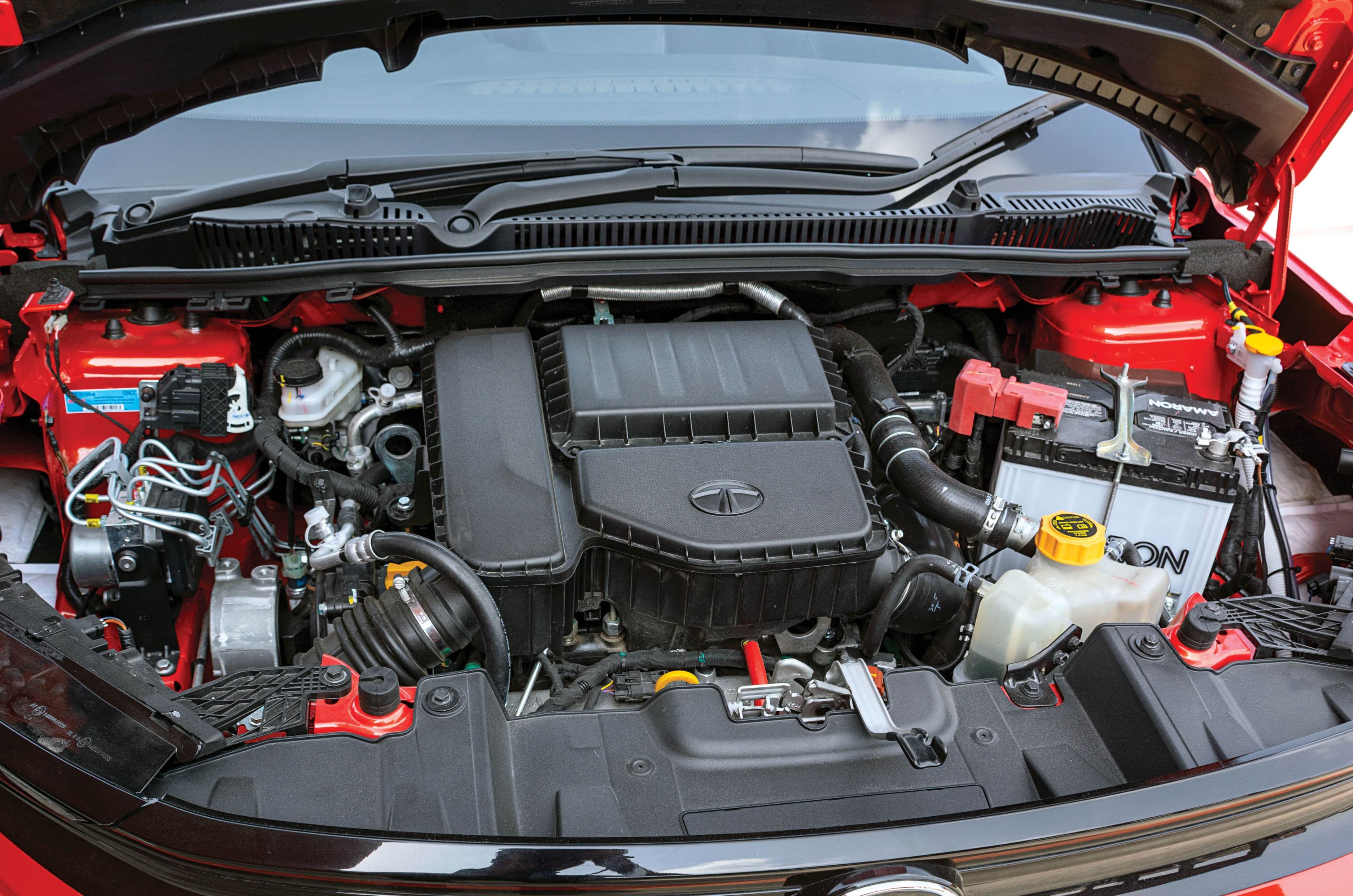
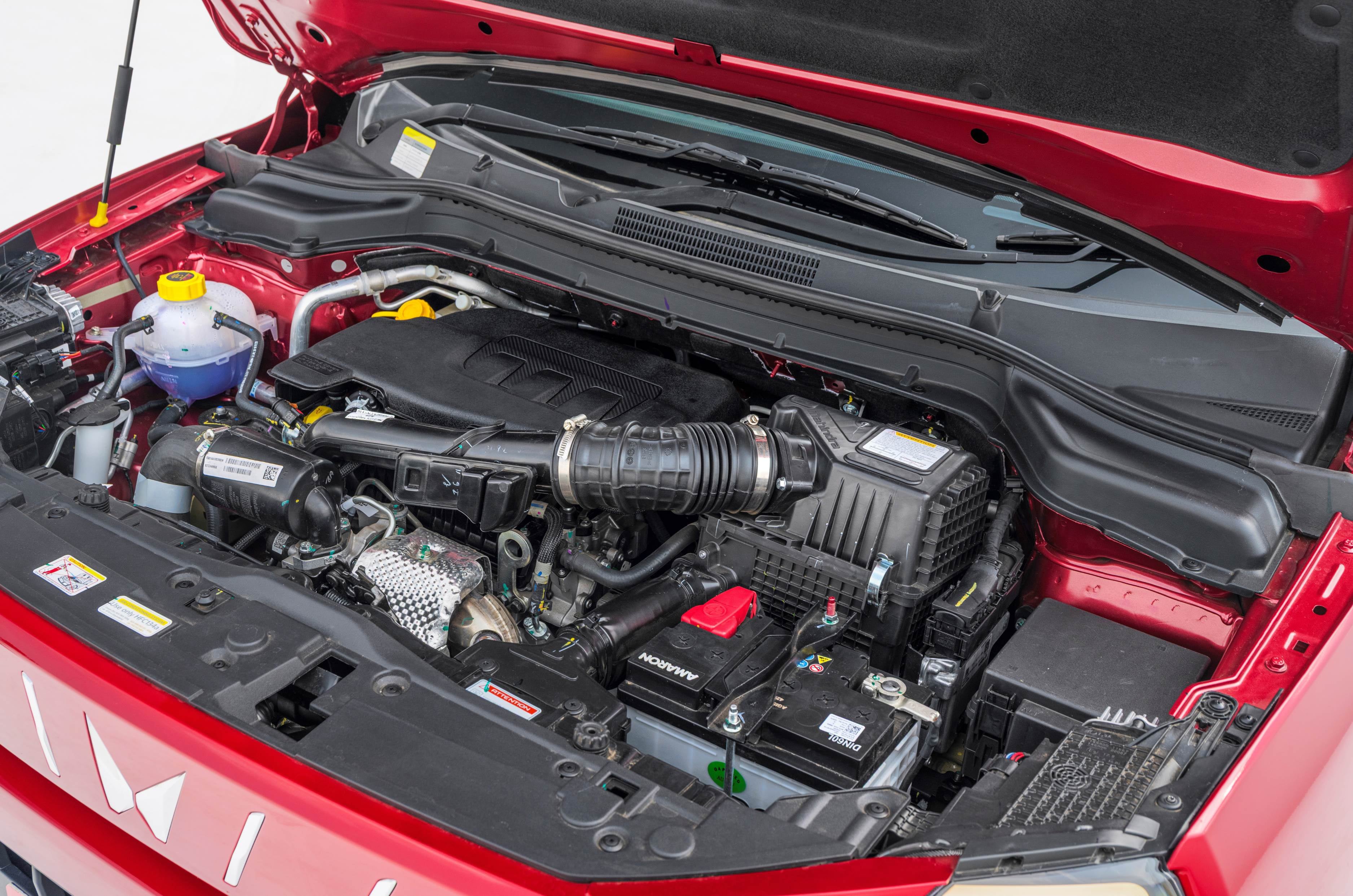
One of the factors making the Maruti Celerio a great urban runabout is its 1.0-litre three-cylinder engine. It builds power smoothly right from lower RPMs which, along with a slick 5-speed manual gearbox and a light clutch, make pottering around town an easy affair. Those seeking an even easier time commuting can pick the AMT (automated manual transmission), whose shifts are relatively smooth as far as AMTs go.

Maruti Celerio front tracking

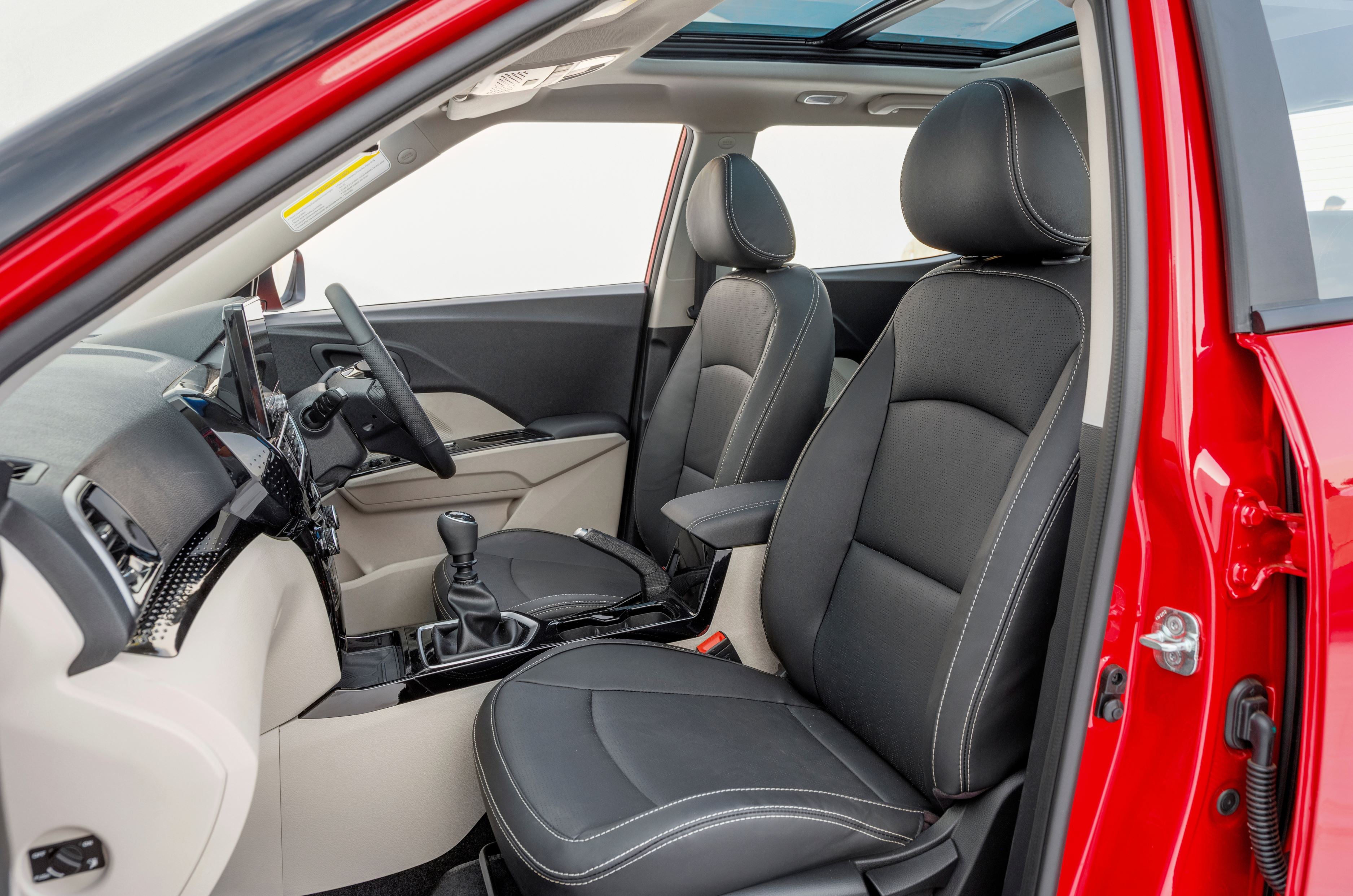
Helping matters further in the city is the plaint suspension, which soaks up bumps at lower speeds without much fuss. The light steering, tight turning radius and good front visibility also go a long way in helping you navigate compact parking spots and bustling city traffic. And despite its cost-friendly design, the height-adjustment feature for the driver’s seat means finding a suitable position isn’t too much of an issue.

Efficiency champ

This is Maruti Suzuki’s most frugal offering in the country

Maruti Celerio AMT gearbox

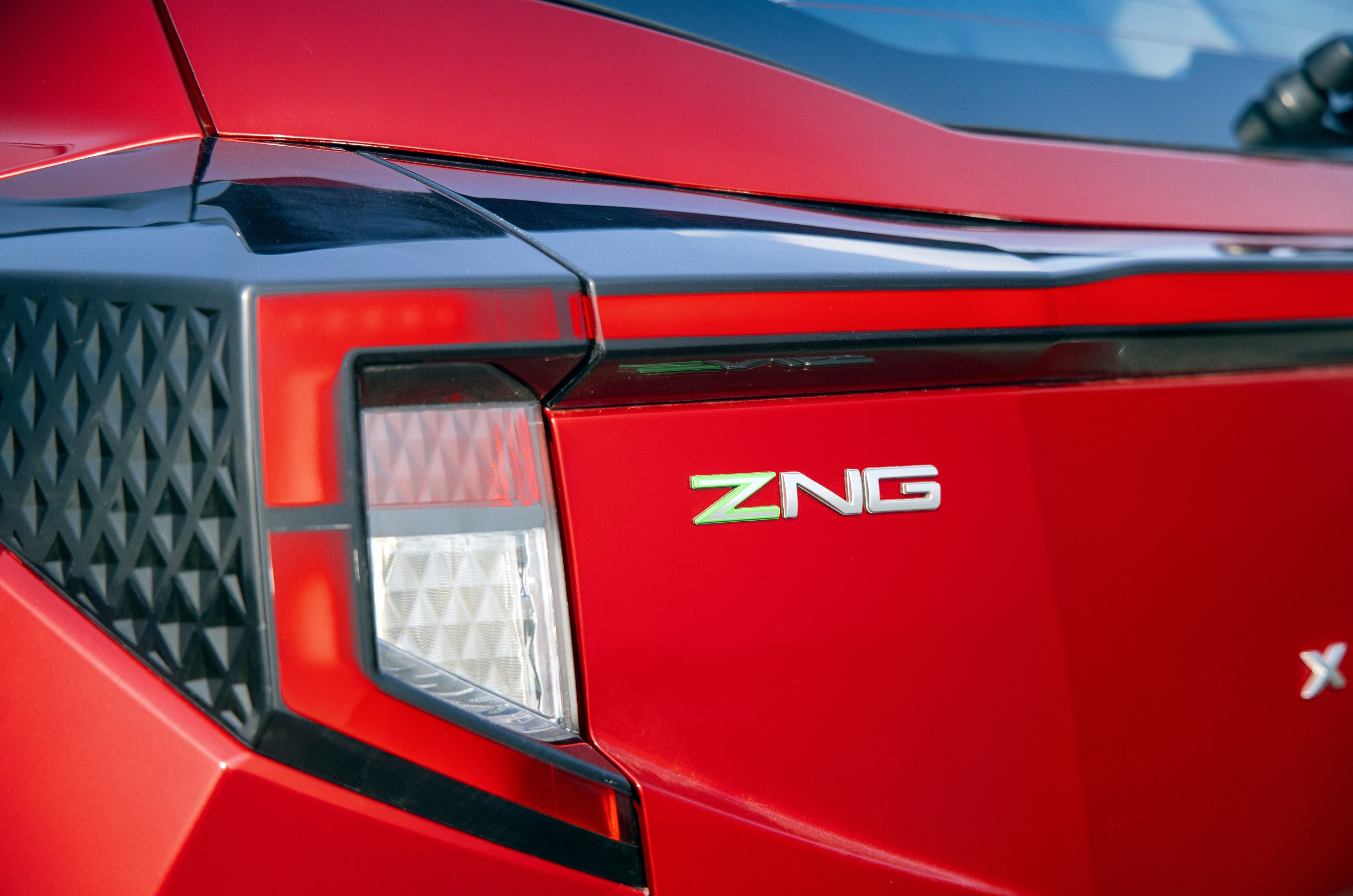
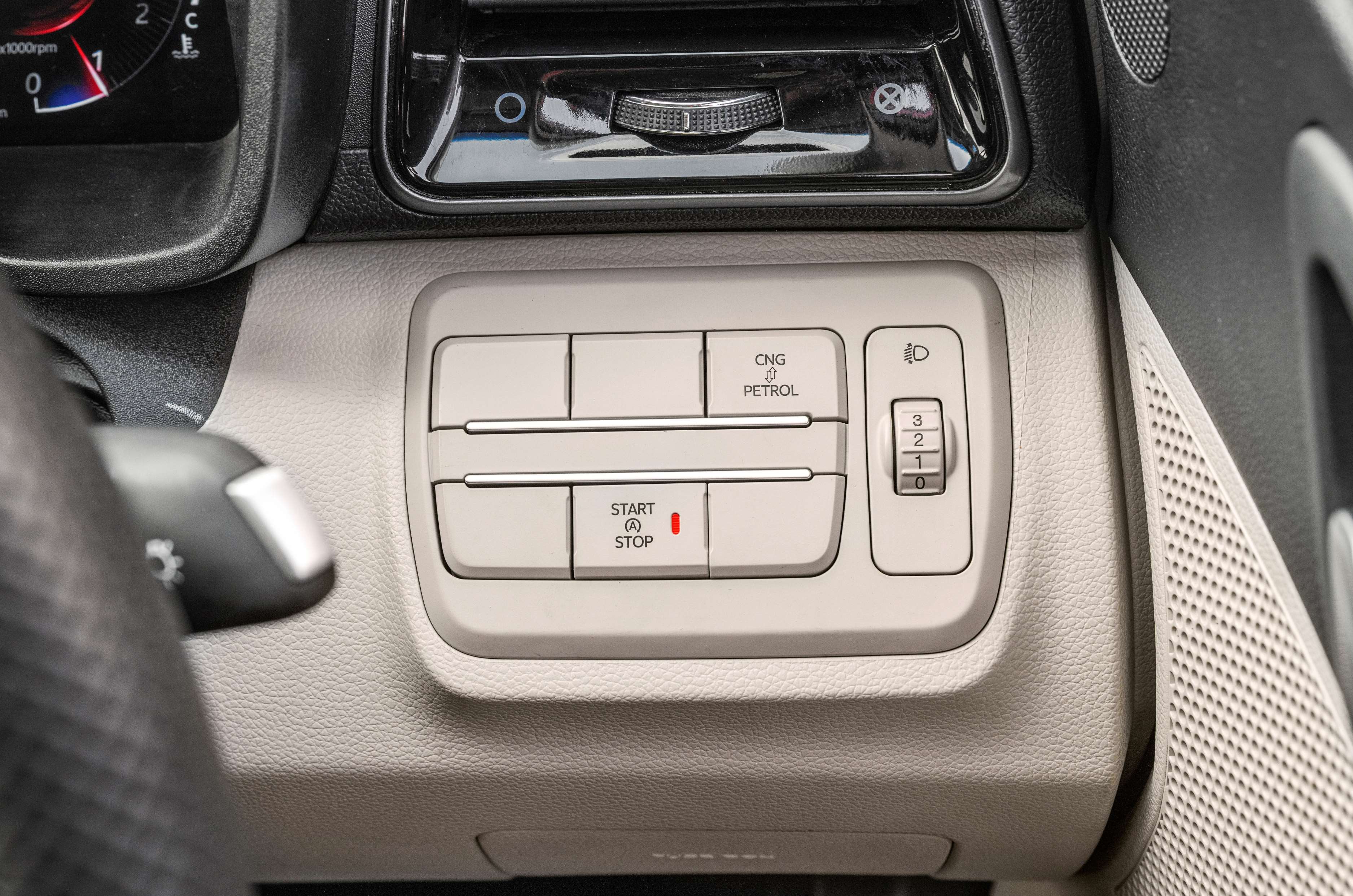
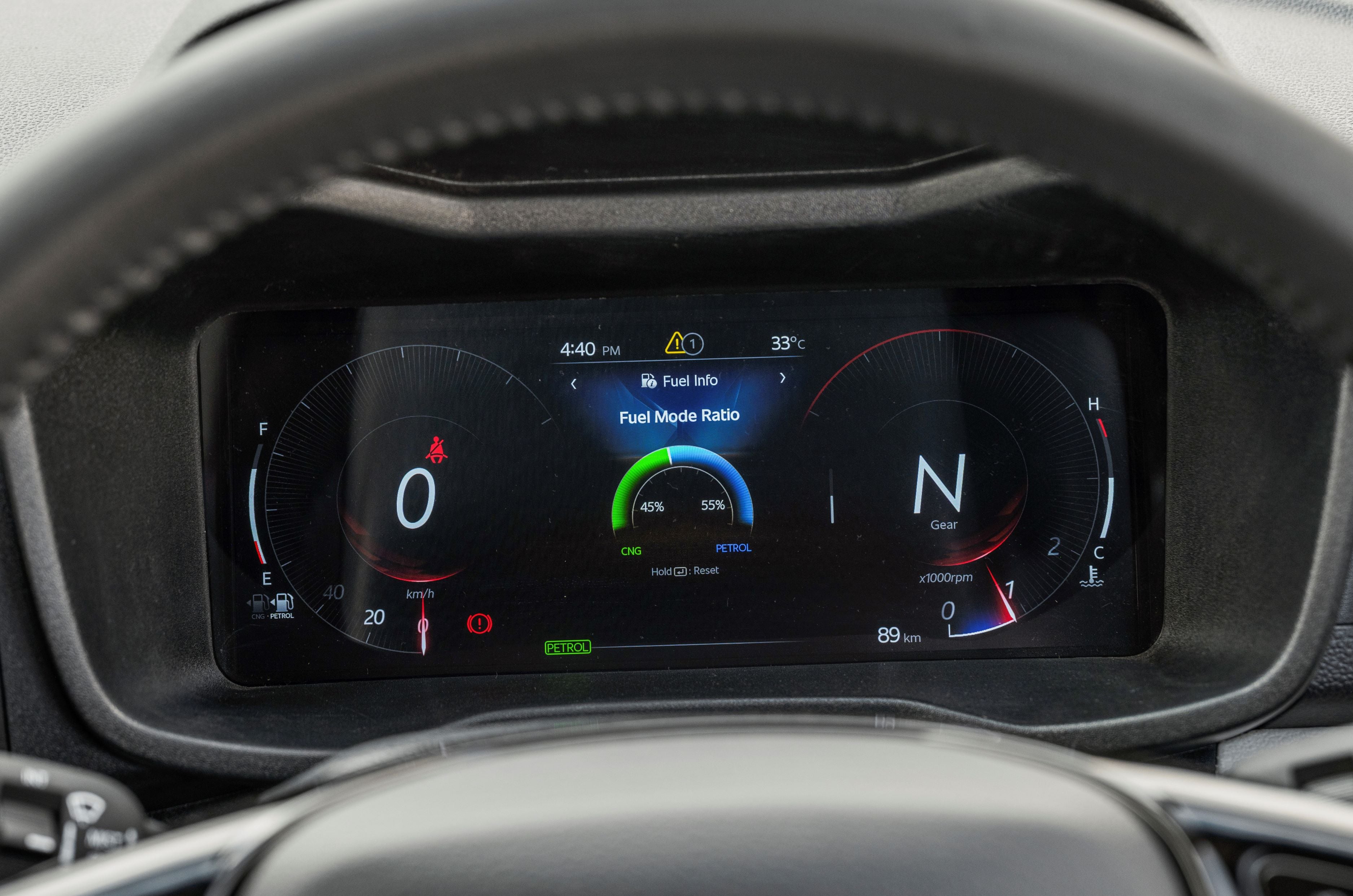
Not only is it easy to drive, but the Maruti Celerio will not have you complaining about fuel economy either. The petrol version with the 5-speed manual transmission has a claimed mileage of up to 25.24kpl, while the AMT option is rated at 26kpl – making the Celerio AMT the most fuel-efficient petrol car in the market. All variants of the Celerio come with an automatic engine stop-start function, further reducing fuel consumption. While this feature isn’t enabled when running on CNG (in VXi MT only), the claimed mileage of 34.43km/kg is better than that of the Maruti Wagon R CNG and the Renault Kwid CNG.

Roomy boot

The Celerio’s boot affords more space than some rivals

Maruti Celerio boot space

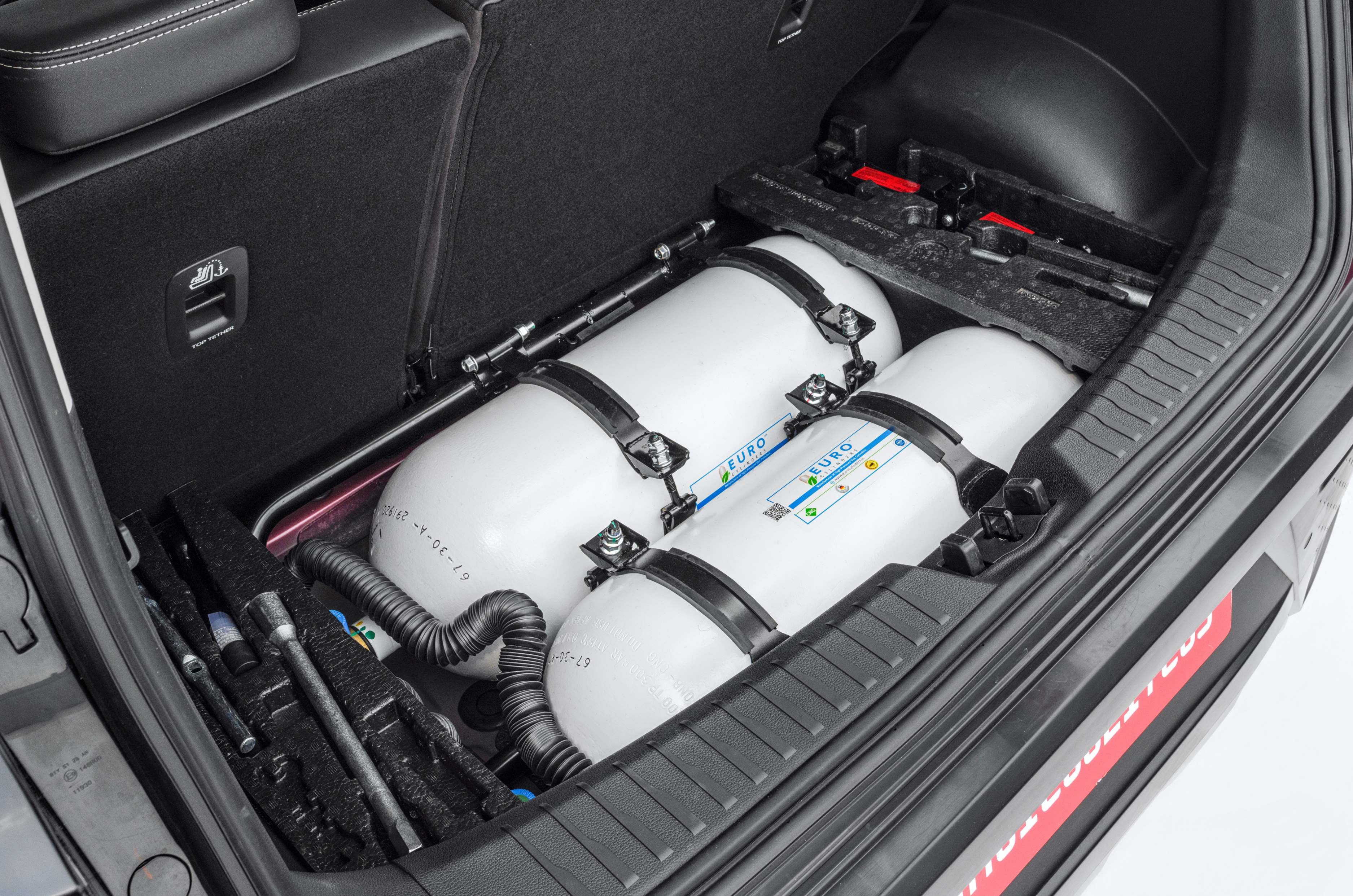
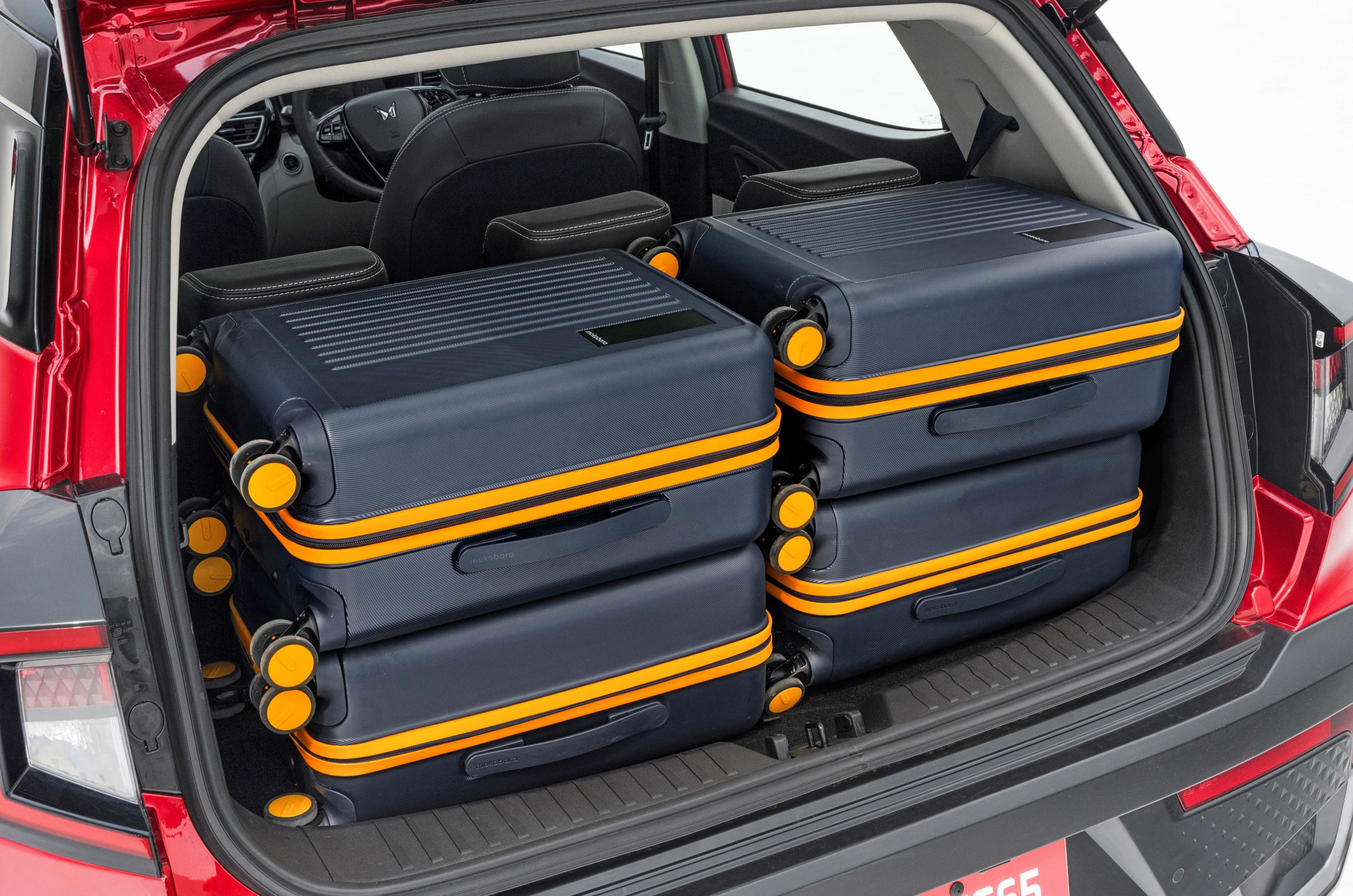
At 292 litres, the boot of the Maruti Celerio is bigger than those rivals such as the Tata Tiago and Renault Kwid. This is enough to accommodate two large suitcases and a couple of carry-on-sized bags, with still some room to spare. If you need even more space, the 60:40 split-folding rear seats will come in handy. On the other hand, the loading lip is high and relatively narrow, making loading or unloading heavier items cumbersome.

Reasons to avoid the Maruti Celerio

Ergonomic niggles

This interior has a few sore points that’ll take getting used to

Maruti Celerio infotainment

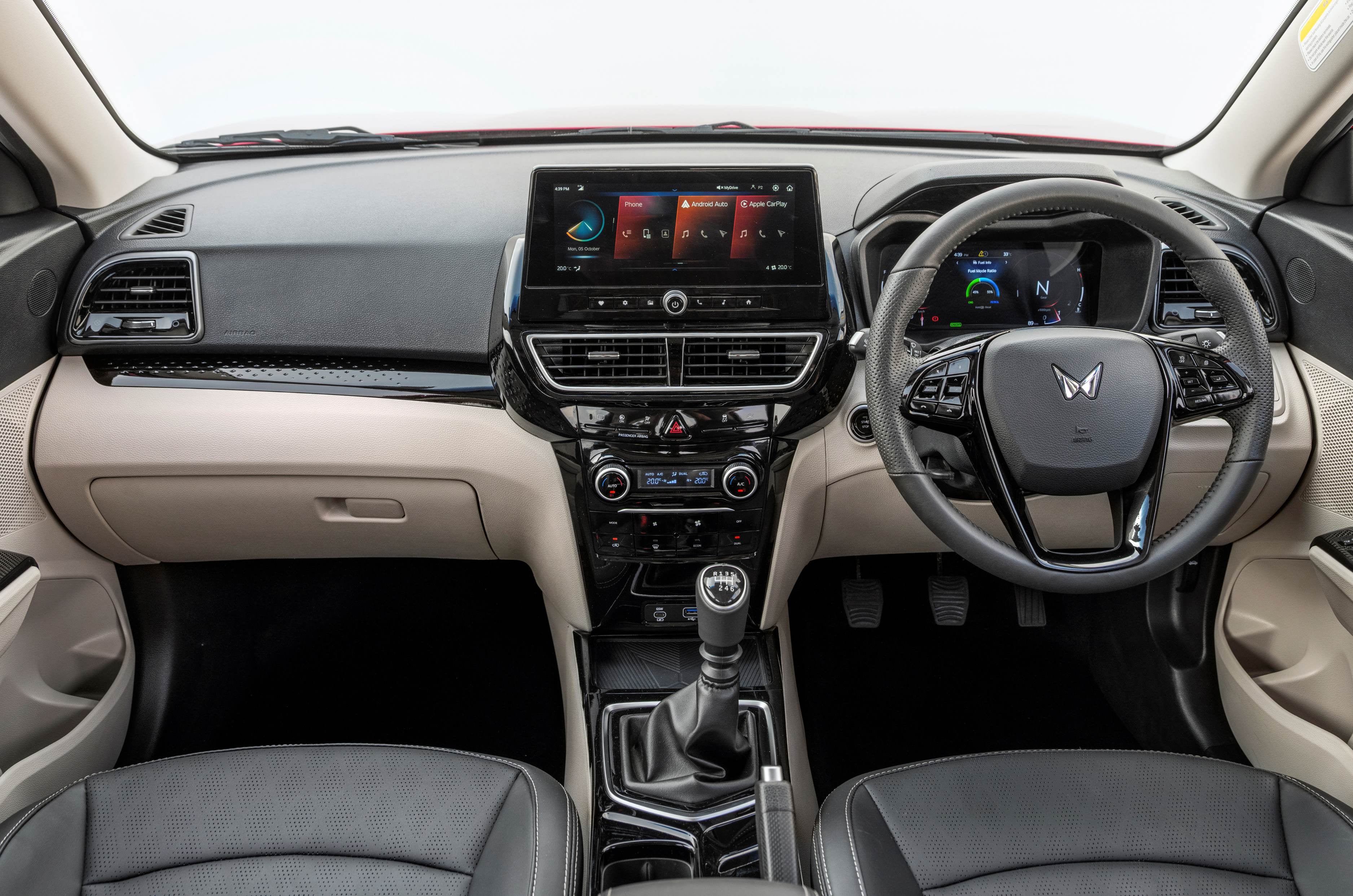
Compared to most of its adversaries, the power window switches of the Maruti Celerio aren’t placed on the doors. The front ones are positioned on the dashboard, whilst the rear switches are found on the rear centre pedestal between the front seats. Buttons to operate the door and power-window locks are also on the dashboard. Then there are the thick A-pillars, which can obstruct your view at junctions and roundabouts.

Maruti Celerio rear seats

The well-cushioned rear seats of the Celerio offer plenty of kneeroom for even taller occupants. However, headroom isn’t all that good, and the fixed headrests are positioned way too low to be effective. The angled design of these headrests also means that they poke into your back, which can be uncomfortable.

Unimpressive material quality and feature set

The Celerio’s cabin isn’t the most up-to-date in this segment

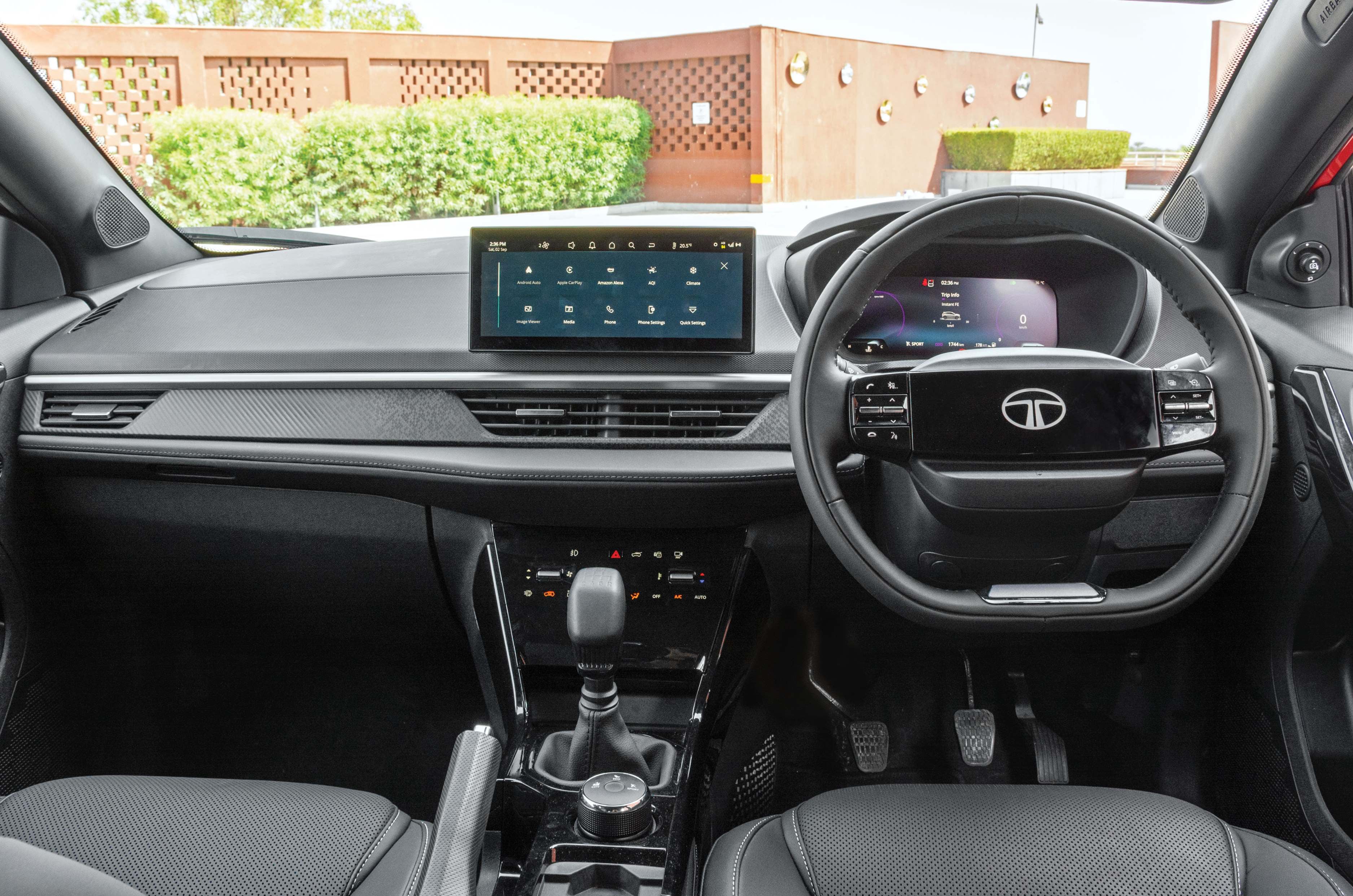
When compared to the new-gen Tata Tiago, the interior of the Maruti Celerio looks and feels a touch dated. There’s plenty of hard plastics which, even though are accompanied by shiny trim and a sculpted dashboard, feel pretty basic. The relatively simple design is backed by an equipment list that isn’t particularly competitive either.

Maruti Celerio interior

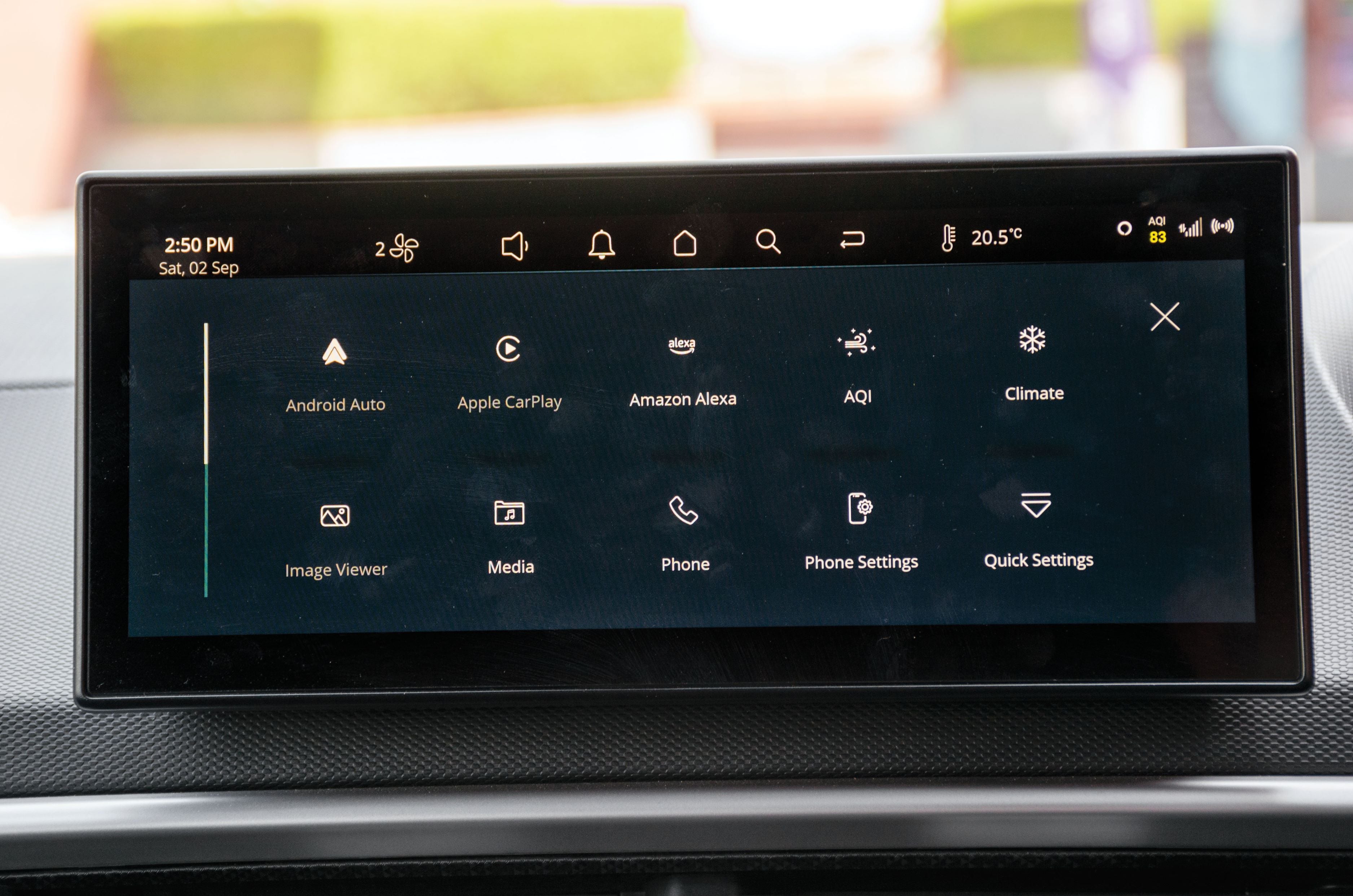
For instance, even the top trim level of the Celerio doesn’t come with a rearview camera. There’s also no automatic climate control system, while Apple CarPlay and Android Auto both require a wired connection. The touch-infotainment screen is a 7-inch unit, whereas a similarly priced Tata Tiago offers an 8-inch setup. On the outside, the Maruti Celerio gets the old-school ‘flip-up’ door handles.

Imperfect on a highway

This hatchback isn’t particularly meant to be driven hard or fast

Maruti Celerio side tracking

While it’s perfectly at home in the city, the Maruti Suzuki Celerio isn’t as good out on the open road. The lifeless steering aside, the body moves around enough – both of which robs you of confidence required to push the car any harder.

Also read

3 reasons to buy the Toyota Hyryder and 2 reasons not to

Mitsubishi Pajero: What’s changed from fourth to fifth-generation model

Tata Curvv Series X launched at Rs 9.9 lakh

Tata Curvv Series X launched at Rs 9.9 lakh
Curvv

Tata Motors has introduced the Curvv Series X, with prices ranging from Rs 9.9 lakh to Rs 18.5 lakh (ex-showroom). The new range gets a reshuffled variant lineup, with features from higher variants moved to lower and mid-spec versions. Tata has also expanded the availability of the #DARK edition across the range, while the powertrain remains unchanged.

Tata Curvv Series X price

Tata Curvv Series X ex-showroom prices
VariantPrice
Smart XRs 9.9 lakh
Pure XRs 10.99 lakh
Pure X+Rs 11.79 lakh
Creative XRs 12.91 lakh
Accomplished XRs 13.99 lakh
Accomplished X+Rs 18.5 lakh

The Smart X is the most affordable variant in the lineup, priced Rs 14,000 higher than the previous base trim. The petrol-diesel price gap has been reduced to Rs 1.3 lakh from Rs 1.5 lakh previously, while the premium for the automatic gearbox has also come down to Rs 1.3 lakh from Rs 1.5 lakh.

Tata Curvv Series X interior and features

The Curvv Series X gets a 10.25-inch infotainment screen with wireless Android Auto and Apple CarPlay, automatic climate control, cruise control and a rear-view camera. It also gets a 10.25-inch digital cockpit, smart key with push-button start, front and rear USB ports, Wi-Fi connectivity and multiple drive modes.

The cabin gets a lighter interior theme with leatherette upholstery and leatherette finishes on the steering wheel, gear-shift knob and centre-console armrest. Rear passengers get dedicated AC vents, a rear armrest and reclining rear seats. The front seat-back is 10mm slimmer, while the rear seat has been moved 20mm rearwards and 10mm lower.

Other features include a panoramic sunroof, 360-degree 3D surround-view camera with a blind-view monitor, front parking assist, rain-sensing wipers and automatic headlamps. Safety equipment includes six airbags, ESP, hill-hold control, ABS with EBD and rear parking sensors.

Tata Curvv Series X exterior

The Curvv Series X retains the SUV-coupe design of the existing model, with flush door handles, an illuminated four-spoke steering wheel, LED headlamps, DRLs and tail-lamps, and a rear spoiler. The Series X gets a black grille treatment in place of the earlier chrome finish. The #DARK edition is now available from lower down the range, with a blacked-out exterior and Obsidian-themed interior. It gets 17-inch diamond-cut alloy wheels, while higher versions offer 18-inchers.

Tata Curvv Series X powertrain 

The Curvv Series X continues with three engine options: a 1.2-litre turbo-petrol producing 120hp and 170Nm, a 1.2-litre direct-injection turbo-petrol producing 125hp and 225Nm, and a 1.5-litre diesel producing 118hp and 260Nm.

The 1.2-litre turbo-petrol and 1.5-litre diesel are available with a 6-speed manual and 7-speed dual-clutch automatic, while the 1.2-litre direct-injection turbo-petrol is exclusive to the top-spec Accomplished X+ and is paired with the 7-speed DCA.

LPG Price 3 September 2026: गैस सिलेंडर खरीदने से पहले जान लें आज का रेट, दिल्ली से पटना तक पूरी लिस्ट

LPG Price 3 September 2026: गैस सिलेंडर की बुकिंग करने से पहले आज का ताजा रेट जानना आपके लिए जरूरी है। सितंबर की शुरुआत में तेल कंपनियों ने 19 किलो के कमर्शियल LPG सिलेंडर की कीमत में बढ़ोतरी की थी। इसके अलावा 5 किलो वाले छोटे नॉन-डोमेस्टिक सिलेंडर के दाम भी बढ़े। ऐसे में घरेलू गैस सिलेंडर इस्तेमाल करने वाले उपभोक्ताओं को राहत मिली है, क्योंकि 14.2 किलो वाले सिलेंडर की कीमत में कोई बदलाव नहीं हुआ।

अब सवाल है कि दिल्ली, मुंबई, कोलकाता, चेन्नई और देश के दूसरे बड़े शहरों में घरेलू LPG सिलेंडर कितने रुपये में मिल रहा है? वहीं कारोबार में इस्तेमाल होने वाले 19 किलो के कमर्शियल सिलेंडर के लिए आज कितनी कीमत चुकानी होगी? यहां आपको 3 सितंबर 2026 के दोनों तरह के सिलेंडरों के ताजा रेट मिलेंगे।

घरेलू LPG सिलेंडर की कीमत में कोई बदलाव नहीं

आम उपभोक्ताओं के लिए राहत की बात है कि 3 सितंबर को 14.2 किलो वाले घरेलू LPG सिलेंडर के दाम में कोई बदलाव नहीं हुआ। यानी कीमत न तो बढ़ाई गई है और न ही घटाई गई है। ऐसे में आज सिलेंडर बुक कराने पर ग्राहकों को अपने शहर में लागू मौजूदा रेट के हिसाब से ही भुगतान करना होगा।

दिल्ली, पटना समेत प्रमुख शहरों में LPG के ताजा भाव

घरेलू और कमर्शियल LPG सिलेंडर की कीमतें अलग-अलग शहरों में अलग होती हैं। दिल्ली में 3 सितंबर 2026 को 14.2 किलो का घरेलू LPG सिलेंडर ₹942 में मिल रहा है, जबकि 19 किलो वाले कमर्शियल सिलेंडर की कीमत ₹2,747.50 है।


शहरघरेलू LPG (14.2 किलो)कमर्शियल LPG (19 किलो)
कोलकाता₹968.00₹2,882.50
मुंबई₹941.50₹2,701
चेन्नई₹957.50₹2,915.50
गुड़गांव₹950.50₹2,755.00
नोएडा₹939.50₹2,738.00
बैंगलोर₹944.50₹2,823.50
भुवनेश्वर₹968.00₹2,908.00
चंडीगढ़₹951.50₹2,760.00
हैदराबाद₹994.00₹2,985.00
जयपुर₹945.50₹2,765.50
लखनऊ₹979.50₹2,860.50
पटना₹1,031.50₹3,027.50
तिरुवनंतपुरम₹951.00

इस सूची के मुताबिक पटना में 14.2 किलो वाला घरेलू LPG सिलेंडर सबसे महंगा है, जहां इसकी कीमत ₹1,031.50 है। वहीं मुंबई में घरेलू सिलेंडर का रेट सबसे कम ₹941.50 है। कमर्शियल सिलेंडर की बात करें तो पटना में इसकी कीमत ₹3,000 का आंकड़ा पार कर चुकी है।

19 किलो कमर्शियल LPG सिलेंडर कितना महंगा हुआ?

1 सितंबर को 19 किलो वाले कमर्शियल LPG सिलेंडर की कीमत में ₹9.50 की बढ़ोतरी की गई थी। हालांकि इससे पहले अगस्त में इसकी कीमत में ₹192 की बड़ी कटौती हुई थी। जुलाई में भी कमर्शियल LPG सिलेंडर ₹183.50 सस्ता किया गया था।

कमर्शियल LPG सिलेंडर का इस्तेमाल मुख्य रूप से होटल, रेस्टोरेंट और अन्य व्यावसायिक प्रतिष्ठानों में होता है। ऐसे में इसकी कीमत बढ़ने से कारोबार की लागत बढ़ सकती है, जिसका अप्रत्यक्ष असर बाहर खाने-पीने वाली चीजों की कीमतों पर देखने को मिल सकता है।

5 किलो का छोटा सिलेंडर भी हुआ महंगा

19 किलो वाले कमर्शियल सिलेंडर के अलावा 1 सितंबर को 5 किलो वाले नॉन-डोमेस्टिक FTL यानी छोटे सिलेंडर की कीमत में भी ₹2 की बढ़ोतरी की गई। हालांकि, इस बदलाव का घरेलू 14.2 किलो वाले LPG सिलेंडर की कीमत पर कोई असर नहीं पड़ा और उसका रेट पहले की तरह स्थिर है।

Petrol Diesel Price Today: पेट्रोल-डीजल के दाम में कोई बदलाव नहीं, जानें दिल्ली-NCR समेत आपके शहर में आज का रेट

Petrol Diesel Price Today: पेट्रोल-डीजल के दाम में कोई बदलाव नहीं, जानें दिल्ली-NCR समेत आपके शहर में आज का रेट

Petrol Diesel Price Today: हर दिन की शुरुआत सिर्फ सूरज की किरणों से नहीं होती, बल्कि पेट्रोल और डीजल की नई कीमतों से भी होती है, जो आम आदमी की जेब पर सीधा असर डालती हैं। सुबह 6 बजे देश की तेल विपणन कंपनियां (OMCs) ताजा दरें जारी करती हैं, जो अंतरराष्ट्रीय बाजार में कच्चे तेल की कीमतों और डॉलर-रुपए की विनिमय दर में आए बदलावों पर आधारित होती हैं। ये बदलाव रोजमर्रा की जिंदगी को प्रभावित करते हैं, चाहे वो ऑफिस जाने वाला व्यक्ति हो या फल-सब्जी बेचने वाला व्यापारी।

ऐसे में हर दिन की कीमतों की जानकारी रखना सिर्फ जरूरी ही नहीं, बल्कि समझदारी भी है। सरकार की यह प्रणाली पारदर्शिता सुनिश्चित करती है ताकि उपभोक्ताओं को किसी तरह की भ्रमित जानकारी न मिले।

आपके शहर में आज का पेट्रोल-डीजल का भाव

ये रहे 03 सितंबर 2026 के प्रमुख शहरों के पेट्रोल-डीजल के ताजा रेट

नई दिल्ली: पेट्रोल ₹102.12 प्रति लीटर और डीजल ₹95.20 प्रति लीटर।

मुंबई: पेट्रोल ₹111.18 और डीजल ₹97.83 प्रति लीटर।

कोलकाता: पेट्रोल ₹113.47 जबकि डीजल ₹99.82 प्रति लीटर।

चेन्नई: पेट्रोल ₹107.77 और डीजल ₹99.55 प्रति लीटर।

गुरुग्राम: पेट्रोल ₹102.77 तथा डीजल ₹95.44 प्रति लीटर।

नोएडा: पेट्रोल ₹102.12 और डीजल ₹95.56 प्रति लीटर।

बेंगलुरु: पेट्रोल ₹110.93 जबकि डीजल ₹98.80 प्रति लीटर।

भुवनेश्वर: पेट्रोल ₹109.92 और डीजल ₹100.92 प्रति लीटर।

चंडीगढ़: पेट्रोल ₹98.10 तथा डीजल ₹86.09 प्रति लीटर।

हैदराबाद: पेट्रोल ₹115.69 और डीजल ₹103.82 प्रति लीटर।

जयपुर: पेट्रोल ₹112.66 जबकि डीजल ₹97.78 प्रति लीटर।

लखनऊ: पेट्रोल ₹102.05 और डीजल ₹95.55 प्रति लीटर।

पटना: पेट्रोल ₹113.35 तथा डीजल ₹99.36 प्रति लीटर।

तिरुवनंतपुरम: पेट्रोल ₹115.49 और डीजल ₹104.40 प्रति लीटर।

पिछले दो साल से स्थिर क्यों हैं कीमतें?

मई 2022 के बाद से केंद्र और कई राज्यों द्वारा टैक्स में कटौती की गई, जिसके बाद पेट्रोल-डीजल की कीमतों में स्थिरता देखी जा रही है। हालांकि अंतरराष्ट्रीय बाजार में उतार-चढ़ाव होता रहता है, फिर भी भारतीय उपभोक्ताओं के लिए कीमतें तुलनात्मक रूप से स्थिर बनी हुई हैं।

किन कारणों से तय होती हैं ईंधन की कीमतें?

  1. कच्चे तेल की कीमतें:

पेट्रोल और डीजल का उत्पादन मुख्य रूप से कच्चे तेल से होता है। जब अंतरराष्ट्रीय स्तर पर कच्चे तेल की कीमतें बढ़ती हैं, तो इसका असर सीधे भारतीय बाजार पर पड़ता है।

  1. डॉलर के मुकाबले रुपया:

भारत अधिकतर कच्चा तेल आयात करता है, और यह डॉलर में खरीदा जाता है। यदि रुपया कमजोर होता है, तो ईंधन महंगा हो जाता है।

  1. सरकारी टैक्स और शुल्क:

केंद्र और राज्य सरकारें पेट्रोल-डीजल पर भारी टैक्स लगाती हैं, जो खुदरा मूल्य का बड़ा हिस्सा होते हैं। यही कारण है कि राज्यों में कीमतों में अंतर होता है।

  1. रिफाइनिंग की लागत:

कच्चे तेल को इस्तेमाल लायक बनाने की प्रक्रिया (रिफाइनिंग) में भी खर्च होता है। ये लागत कच्चे तेल की गुणवत्ता और रिफाइनरी की क्षमता पर निर्भर करती है।

  1. मांग और आपूर्ति का संतुलन:

बाजार में ईंधन की मांग अगर बढ़ जाती है, तो कीमतें भी ऊपर जाने लगती हैं। खासकर त्योहारों, गर्मी या सर्दी के मौसम में ईंधन की खपत ज्यादा होती है।

कैसे करें अपने शहर की कीमतें SMS से चेक?

अगर आप मोबाइल से ईंधन की कीमत जानना चाहते हैं, तो ये प्रक्रिया आसान है:

Indian Oil ग्राहक: अपने शहर का कोड टाइप करें और उसे “RSP” के साथ 9224992249 पर भेजें।

BPCL ग्राहक: “RSP” लिखकर 9223112222 पर भेजें।

HPCL ग्राहक: “HP Price” लिखकर 9222201122 पर भेजें।

JSW Motors’ Jetour T2-based SUV spied in close detail

JSW Motors' Jetour T2-based SUV spied in close detail
JSW Motors Jetour T2-based SUV spied in close detail

A camo-clad test mule of JSW Motors‘ upcoming SUV based on the Jetour T2 was recently spied on our roads. The T2-based model will be JSW Motors’ debut offering, and it will be offered with a plug-in hybrid powertrain. It will be assembled at JSW Motors’ Chhatrapati Sambhajinagar (formerly Aurangabad) plant in Maharashtra.

JSW Motors’ Jetour T2-based SUV: Spy shots explained

Going by the spy shots, the design resembles that of the T2 sold overseas. Even the design for the tail-lights, roof rails and wheels look similar. A design patent filed in India earlier this year suggests the JSW SUV could retain most of the T2’s design elements, while replacing the Jetour branding with the carmaker’s own.

The SUV’s interior was not seen, and specifics around the feature list are currently unknown. The global-spec Jetour T2, for reference, gets a massive 15.6-inch touchscreen, a 540-degree camera, Level 2 ADAS, a panoramic sunroof, a Sony surround-sound system, ambient lighting, a wireless charging pad, a powered tailgate and more.

JSW Motors to price Jetour T2-based SUV around Rs 40 lakh
International-spec Jetour T2’s interior shown for representation.

JSW Motors’ Jetour T2-based SUV: Powertrain details

The JSW SUV is expected to use the Jetour T2 i-DM’s plug-in hybrid powertrain, which features a 1.5-litre direct-injection turbo-petrol engine, and a 26.7kWh battery pack which powers two electric motors. One of the motors is placed on the front axle and can drive the wheels. The other motor, meanwhile, is integrated into the gearbox to provide assistance during engine starting and torque fill during gear shifts.

JSW Motors to price Jetour T2-based SUV around Rs 40 lakh

The Jetour T2 plug-in hybrid’s combined output stands at 381hp and 610Nm and transmission duties are handled by a 3-speed dedicated hybrid transmission (DHT). The global-spec T2 i-DM has an NEDC-rated electric-only range of 139km, while the combined range is over 1,000km (brand claimed figure). As of now, the range figures for the JSW Motors SUV are not known.

JSW Motors’ Jetour T2-based SUV: Estimated price and rivals

We expect JSW Motors’ Jetour T2-based SUV to be priced between Rs 38 lakh and Rs 40 lakh, ex-showroom. At this price, it will find itself in the company of the Skoda Kodiaq and Volkswagen Tayron. However, among ICE SUVs in this price range, the T2-based SUV is expected to offer significantly more power and torque than its rivals.

As for the launch, our sources had earlier indicated a September timeline, but JSW Motors has not yet made any official announcement. Recent reports, meanwhile, suggest that the company will launch its first passenger vehicle in January 2027.

Ather aims for a larger market presence with the Konarc

Ather aims for a larger market presence with the Konarc
An outside image showing the Ather Konarc after the launch

Ather‘s new scooter Konarc is a broader bet for the electric two-wheeler maker to move beyond the relatively narrow customer base it has built around its technology-led products and compete for a larger share of India’s mainstream electric scooter market. Konarc is the first product on Ather’s new EL platform, which the company says was developed with safety, serviceability and scale in mind.

  1. Six different Konarcs with two available starting September
  2. Konarc doubles the service interval compared to a typical scooter
  3. AtherNode and True Health to help with charging and resale, respectively

Konarc is built to be serviced faster and less frequent

Ather says EV priorities have changed with times

The Konarc will be offered across S and Z lines. The 100km Konarc S is priced at Rs 99,999, while the 125km and 161km versions cost Rs 1.22 lakh and Rs 1.45 lakh respectively. Prices for the 200km S and the two Z variants have not been announced. The rollout will start with the S 125 and S 161 variants from September 21, followed by the 100km version in the first quarter of 2027. The Z line is scheduled for the second quarter of 2027, and the 200km S will follow in the third quarter. Once all Konarc variants are rolled out over the next year, Ather expects to have an option for 80-90 percent of the scooter market.

Ather’s own assessment is that the questions surrounding EVs have changed. Ather co-founder and CEO Tarun Mehta said that when the company started, customers asked whether an electric scooter was powerful enough, reliable enough, or even practical. As adoption has grown, the questions have become more conventional: where to charge, how safe is the battery, how long it will last, how the vehicle will be serviced and what happens when it has to be eventually sold. The company wants to solve for the three main concerns: service, charging, and resale value for its EV scooters.

Serviceability is one of the areas where Ather says the EL platform is intended to deliver an advantage. The Konarc’s service interval is 10,000 km (vs 5,000 km for most other scooters), while the number of service checkpoints has also been reduced. In a demonstration during the launch, the motor and transmission assembly was removed in 38 seconds and put back in 1 minute 33 seconds. Mehta acknowledged that service centres would not necessarily replicate these times, but said the architecture was designed to make servicing simpler.

Charging network has also been improved

Ather is solving for public and residential charging

Konarc owners will of course have access to Ather’s existing network of about 6,000 public fast chargers known as Ather Grid. The company, however, sees apartment complexes as the next charging bottleneck. To solve that, it has built AtherNode, a new residential charging system, which uses a building’s common electricity supply to serve individual parking spaces. It manages the available load, queues vehicles, and generates separate bills for residents. This could allow housing societies to add more charging points without immediately upgrading their transformers. Ather plans to introduce the system in six cities from December, beginning with Bengaluru. The Konarc itself gets a 450W onboard charger and supports combined charging; which means that it can be paired with an external 450W charger to refill the battery at 900W.

Ather True Health to help with resale value

The company remains committed to its software first approach

With the Konarc, Ather has attempted to put more conventional attributes of a mass-market scooter alongside the technology it has developed over several years. The company is wanting to solve not only the product problem, but also some of the ownership concerns that could prevent customers from switching from petrol scooters. As the third prong on that front, Ather has introduced True Health on its app, a digital report covering the battery, motor, charger, dashboard, service history and wear components for eligible scooters more than three years old. Owners can view the condition of major components, the battery’s state of health and an estimated resale value. Such a company-verified report could give buyers and sellers a better basis for arriving at a price.

Finally, the company expects software adoption to remain strong even as it moves into a more mainstream segment. For example, in Madhya Pradesh, the adoption rate for AtherStack Pro initially stood at about 40 percent, but eventually crossed 88 percent with the number of stores increasing. The Konarc is Ather’s aim at a much broader part of the market, but that means competing not only with other electric scooter makers, but also with established petrol scooter brands. It remains to be seen whether the company’s push to improve serviceability, charging, and resale value will ease that challenge.

With inputs from Nayan Jain and Stephen Raj Antony.
 

Hyundai Creta gets benefits of up to Rs 1 lakh in September 2026

Hyundai Creta gets benefits of up to Rs 1 lakh in September 2026
Hyundai Creta front quarter static

Hyundai India is offering an attractive range of benefits on select models in its portfolio. Depending on the model chosen, customers can avail up to Rs 1 lakh in benefits, valid until September 30, 2026.

Disclaimer: Offers/benefits may vary by city and are subject to stock availability. Buyers are advised to check with their local dealer for exact figures.

Hyundai Creta offers in September 2026

Benefits of up to Rs 1 lakh

The Creta mid-size SUV is available with benefits of up to Rs 1 lakh. The Korean carmaker’s best-selling model in India is offered with a trio of 1.5-litre engines, namely, a naturally aspirated petrol, a turbo-petrol, and a diesel engine. All engines are offered with manual and automatic gearboxes. Prices range between Rs 10.90 lakh and Rs 19.91 lakh, with the Creta taking on rivals like the Tata Sierra, Kia Seltos, Renault Duster, Skoda Kushaq, and Maruti Victoris.

Hyundai Grand i10 Nios offers in September 2026 

Benefits of up to Rs 70,000

Hyundai’s Grand i10 Nios is being offered with up to Rs 70,000 in benefits. Its most affordable model in India is offered solely with a 1.2-litre petrol engine paired to either a manual or AMT gearbox. A factory-fit dual-cylinder CNG kit can be fitted to this engine and is paired exclusively with a manual gearbox. The Grand i10 is priced between Rs 5.59 lakh to Rs 8.04 lakh and is Hyundai’s answer to the Maruti Swift and the Tata Tiago.

Hyundai i20 offers in September 2026 

Benefits of up to Rs 60,000

The Grand i10’s elder sibling, the i20, is being offered with benefits of up to Rs 60,000. Standard versions of the i20 come powered by a 1.2-litre petrol engine mated with either a manual or CVT automatic gearbox. The i20 is priced from Rs 5.99 lakh to Rs 11.59 lakh, and it competes with the Maruti Baleno, Tata Altroz, and the Toyota Glanza.

Hyundai Exter offers in September 2026

Benefits of up to Rs 50,000

Hyundai is offering benefits of up to Rs 50,000 on the Exter. The subcompact SUV was updated earlier this year with refreshed looks and feature additions. It is powered by a 1.2-litre petrol engine and is mated with either a manual or AMT gearbox. Like the Grand i10, it also gets a CNG kit fitted to this engine. The Exter’s price begins at Rs 5.8 lakh and goes all the way up to Rs 9.46 lakh. It takes on the likes of the Tata Punch.

Hyundai Aura offers in September 2026 

Benefits of up to Rs 30,000

The Aura compact sedan is available with benefits of up to Rs 30,000. The Aura shares the same petrol engine as the Grand i10 Nios and the Exter, along with a CNG version on offer. It is priced between Rs 5.99 lakh and Rs 8.59 lakh and competes with the Tata Tigor, Maruti Dzire, and the Honda Amaze.

Upcoming Hyundai Midsize SUV Spied in Clearest Look Yet

Upcoming Hyundai Midsize SUV Spied in Clearest Look Yet
New Hyundai midsize SUV

The upcoming Hyundai Bayon-based midsize SUV has been spied testing on our roads once again ahead of its launch this festive season. This latest sighting gives us the clearest look yet at the upcoming model which will sit below the Creta in Hyundai’s lineup, but still measure over 4-meters in length.

Although it’s based on the international-spec Bayon, the India-spec model gets a complete different top hat with crossover-ish stance and sharp LED styling elements. It is expected to come with a 1.5-litre naturally aspirated petrol engine with manual and CVT gearbox options. This engine will also be offered in CNG form with an underbody tank, making the Bayon-based SUV the first Hyundai car over four metres long to be powered by CNG.

Much like Maruti, this will give Hyundai a two-pronged plan to tackle the burgeoning midsize SUV market.  

Petrol Diesel Price Today: पेट्रोल-डीजल के भाव में राहत या झटका? जानें 2 सितंबर के लेटेस्ट रेट

Petrol Diesel Price Today: हर दिन की शुरुआत सिर्फ सूरज की किरणों से नहीं होती, बल्कि पेट्रोल और डीजल की नई कीमतों से भी होती है, जो आम आदमी की जेब पर सीधा असर डालती हैं। सुबह 6 बजे देश की तेल विपणन कंपनियां (OMCs) ताजा दरें जारी करती हैं, जो अंतरराष्ट्रीय बाजार में कच्चे तेल की कीमतों और डॉलर-रुपए की विनिमय दर में आए बदलावों पर आधारित होती हैं। ये बदलाव रोजमर्रा की जिंदगी को प्रभावित करते हैं, चाहे वो ऑफिस जाने वाला व्यक्ति हो या फल-सब्जी बेचने वाला व्यापारी।

ऐसे में हर दिन की कीमतों की जानकारी रखना सिर्फ जरूरी ही नहीं, बल्कि समझदारी भी है। सरकार की यह प्रणाली पारदर्शिता सुनिश्चित करती है ताकि उपभोक्ताओं को किसी तरह की भ्रमित जानकारी न मिले।

आपके शहर में आज का पेट्रोल-डीजल का भाव

ये रहे 02 सितंबर 2026 के प्रमुख शहरों के पेट्रोल-डीजल के ताजा रेट

नई दिल्ली: पेट्रोल ₹102.12 प्रति लीटर और डीजल ₹95.20 प्रति लीटर।

मुंबई: पेट्रोल ₹111.18 और डीजल ₹97.83 प्रति लीटर।

कोलकाता: पेट्रोल ₹113.47 जबकि डीजल ₹99.82 प्रति लीटर।

चेन्नई: पेट्रोल ₹107.77 और डीजल ₹99.55 प्रति लीटर।

गुरुग्राम: पेट्रोल ₹102.77 तथा डीजल ₹95.44 प्रति लीटर।

नोएडा: पेट्रोल ₹102.12 और डीजल ₹95.56 प्रति लीटर।

बेंगलुरु: पेट्रोल ₹110.93 जबकि डीजल ₹98.80 प्रति लीटर।

भुवनेश्वर: पेट्रोल ₹109.92 और डीजल ₹100.92 प्रति लीटर।

चंडीगढ़: पेट्रोल ₹98.10 तथा डीजल ₹86.09 प्रति लीटर।

हैदराबाद: पेट्रोल ₹115.69 और डीजल ₹103.82 प्रति लीटर।

जयपुर: पेट्रोल ₹112.66 जबकि डीजल ₹97.78 प्रति लीटर।

लखनऊ: पेट्रोल ₹102.05 और डीजल ₹95.55 प्रति लीटर।

पटना: पेट्रोल ₹113.35 तथा डीजल ₹99.36 प्रति लीटर।

तिरुवनंतपुरम: पेट्रोल ₹115.49 और डीजल ₹104.40 प्रति लीटर।

पिछले दो साल से स्थिर क्यों हैं कीमतें?

मई 2022 के बाद से केंद्र और कई राज्यों द्वारा टैक्स में कटौती की गई, जिसके बाद पेट्रोल-डीजल की कीमतों में स्थिरता देखी जा रही है। हालांकि अंतरराष्ट्रीय बाजार में उतार-चढ़ाव होता रहता है, फिर भी भारतीय उपभोक्ताओं के लिए कीमतें तुलनात्मक रूप से स्थिर बनी हुई हैं।

किन कारणों से तय होती हैं ईंधन की कीमतें?

  1. कच्चे तेल की कीमतें:

पेट्रोल और डीजल का उत्पादन मुख्य रूप से कच्चे तेल से होता है। जब अंतरराष्ट्रीय स्तर पर कच्चे तेल की कीमतें बढ़ती हैं, तो इसका असर सीधे भारतीय बाजार पर पड़ता है।

  1. डॉलर के मुकाबले रुपया:

भारत अधिकतर कच्चा तेल आयात करता है, और यह डॉलर में खरीदा जाता है। यदि रुपया कमजोर होता है, तो ईंधन महंगा हो जाता है।

  1. सरकारी टैक्स और शुल्क:

केंद्र और राज्य सरकारें पेट्रोल-डीजल पर भारी टैक्स लगाती हैं, जो खुदरा मूल्य का बड़ा हिस्सा होते हैं। यही कारण है कि राज्यों में कीमतों में अंतर होता है।

  1. रिफाइनिंग की लागत:

कच्चे तेल को इस्तेमाल लायक बनाने की प्रक्रिया (रिफाइनिंग) में भी खर्च होता है। ये लागत कच्चे तेल की गुणवत्ता और रिफाइनरी की क्षमता पर निर्भर करती है।

  1. मांग और आपूर्ति का संतुलन:

बाजार में ईंधन की मांग अगर बढ़ जाती है, तो कीमतें भी ऊपर जाने लगती हैं। खासकर त्योहारों, गर्मी या सर्दी के मौसम में ईंधन की खपत ज्यादा होती है।

कैसे करें अपने शहर की कीमतें SMS से चेक?

अगर आप मोबाइल से ईंधन की कीमत जानना चाहते हैं, तो ये प्रक्रिया आसान है:

Indian Oil ग्राहक: अपने शहर का कोड टाइप करें और उसे “RSP” के साथ 9224992249 पर भेजें।

BPCL ग्राहक: “RSP” लिखकर 9223112222 पर भेजें।

HPCL ग्राहक: “HP Price” लिखकर 9222201122 पर भेजें।

Ather Konarc S 125 vs rivals: Price and specifications compared

Ather Konarc S 125 vs rivals: Price and specifications compared
A studio shot showing the Ather Konarc, Chetak C3001, TVS iQube, and Vida VX2 Go.

Ather recently launched its first scooter on the completely new EL platform. Called the Konarc, it is currently available in six variants, starting at Rs 99,999 and going up to Rs 1.45 lakh at the moment. However, it appears that Ather is looking to make sure that there’s a Konarc at every price range. The most affordable Konarc S with 100km range isn’t going to be available until early next year, which makes the Konarc S 125km range variant the entry-level Konarc. So, how does it compare to the offerings from legacy manufacturers? Let’s find out.

Ather Konarc S 125 vs rivals: Motor, battery and charging

Chetak offers the most range


Ather Konarc S 125

TVS iQube 3.1 kWh

Chetak C3001

Vida VX2 Go 3.1

Peak motor power

4kW

4.4kW

3.1kW

6kW

Rated torque

16Nm

33Nm

20Nm

25Nm

Claimed top speed

70kph

82kph

80kph

70kph

Battery capacity

2.7kWh

3.1kWh

3kWh

3.1kWh

Claimed charge time (0-80 percent)

4h30m

4h03m

2h55m

4h45m

IDC range

125km

123km

131km

127km

These scooters rarely compare 1:1 in specifications, but if we take range as the most important factor, these are Ather Konarc’s closest rivals. As such, the Vida VX2 Go is the most powerful here, while the iQube develops the most torque. However, the Chetak quotes the highest range of the lot, and it sweetens the deal further by offering the fastest bundled charger (750W) and the shortest 0-80 charging time.

Ather Konarc S 125 vs rivals: Dimensions and underpinnings

iQube is the lightest and has the lowest seat height


Ather Konarc S 125

TVS iQube 3.1kWh

Chetak C3001

Vida VX2 Go 3.1

Wheelbase

1,352mm

1,301mm

1,355mm

1,301mm

Seat height

770mm

770mm

775mm

777mm

Ground clearance

NA

157mm

NA

155mm

Kerb weight

126.5kg

116.8kg

125kg

118kg

The C3001 and the Konarc have the longest and second-longest wheelbase, respectively, and they’re on the heavier side as well; the latter is explained by their metal body panels. Seat height is more or less on par, but if you care about the minutest of numbers, the Vida VX2’s is the tallest of the bunch. However, we wouldn’t expect that to deter buyers from choosing the Vida.

Ather Konarc S 125 vs rivals: Brakes, tyres and suspension

Konarc is the only one with a 14” wheel


Ather Konarc S 125

TVS iQube 3.1kWh

Chetak C3001

Vida VX2 Go 3.1

Brakes (F,R)

220mm disc, 130mm drum

220mm disc, 130mm drum

130mm drum, 130mm drum

190mm disc, 130mm drum

Tyres (F,R)

90/90-14, 100/90-12

90/90-12, 90/90-12

NA

90/90-12, 100/80-12

Suspension (F,R)

Telescopic, monoshock

Telescopic, twin shock

Leading-link, monoshock

Telescopic, monoshock

Ather’s biggest advantage over the others is its 14-inch front wheel, something none of the other scooters has. It also has the widest rear tyre, even though they all use 12-inch wheels. As for brakes, Chetak is the only one here without a disc brake. It is also the only one to feature a leading-link front suspension, paying homage to the design used on the original petrol-powered Chetak of yesteryear, whereas the others get a more modern telescopic fork.

Ather Konarc S 125 vs rivals: Features

Basics sorted, with more features requiring subscriptions

Ather has reserved the top-shelf feature set for the Konarc Z line, which is slated to release late next year. As standard, the Konarc gets the largest-in-size 7-inch LCD cluster. It also has AirWalk, a feature that will make manually moving the scooter easier. No other scooter in this comparison can match that. The iQube gets a 5-inch TFT instrument cluster, the C3001 gets a monochrome LCD cluster, and the VX2 Go 3.1 gets a 4.2-inch LCD. They all also offer ride modes and basic smartphone connectivity as standard.

However, most of Ather’s tech features require Ather StackPro, which costs Rs 16,000 for the Konarc S 125km variant. This is a big add-on to the overall price of the scooter, but it is a one-time purchase. If you spring for it, you do get a lot of features such as TrueRange, AutoHold and Vehicle FallSafe. Ather also promises yearly software upgrades and new features, a claim no other manufacturer on this list can meet or beat.

The other scooters also require a paid subscription to access the full feature suite. However, Ather’s is the most expensive and has the highest number of features. Chetak offers a lifetime subscription to its TecPac for Rs 3,000. Vida and TVS charge Rs 999 and Rs 900 per year, respectively, for theirs.

Ather Konarc S 125 vs rivals: Price

TVS is the most expensive, while Vida is the most affordable


Ather Konarc S 125

TVS iQube 3.1kWh

Chetak C3001

Vida VX2 Go 3.1

Price

Rs 1.22 lakh

Rs 1.29 lakh

Rs 1.14 lakh

Rs 1.12 lakh

Of this lot, the Konarc S is the second most expensive scooter to buy, behind only the TVS iQube. If you prefer to keep things simpler, both price-wise and features-wise, the Chetak and the Vida offer that: a lean feature set with promising range for the price. However, remember that real-world experience, such as comfort, can change this equation, and we can only comment on that after riding them.

The prices listed are ex-showroom, Bengaluru.