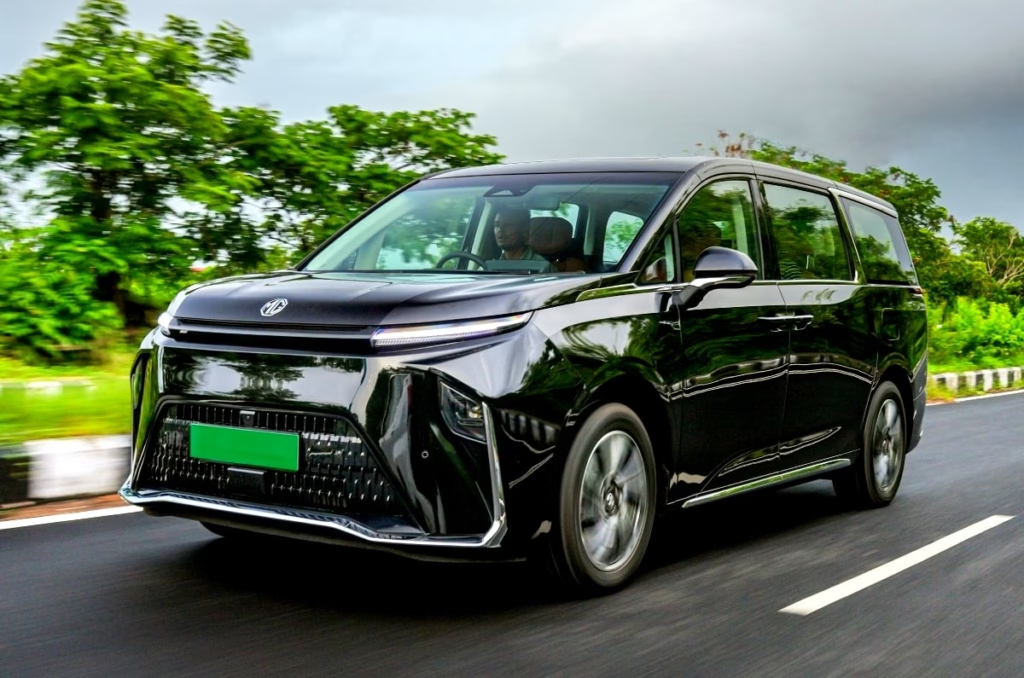
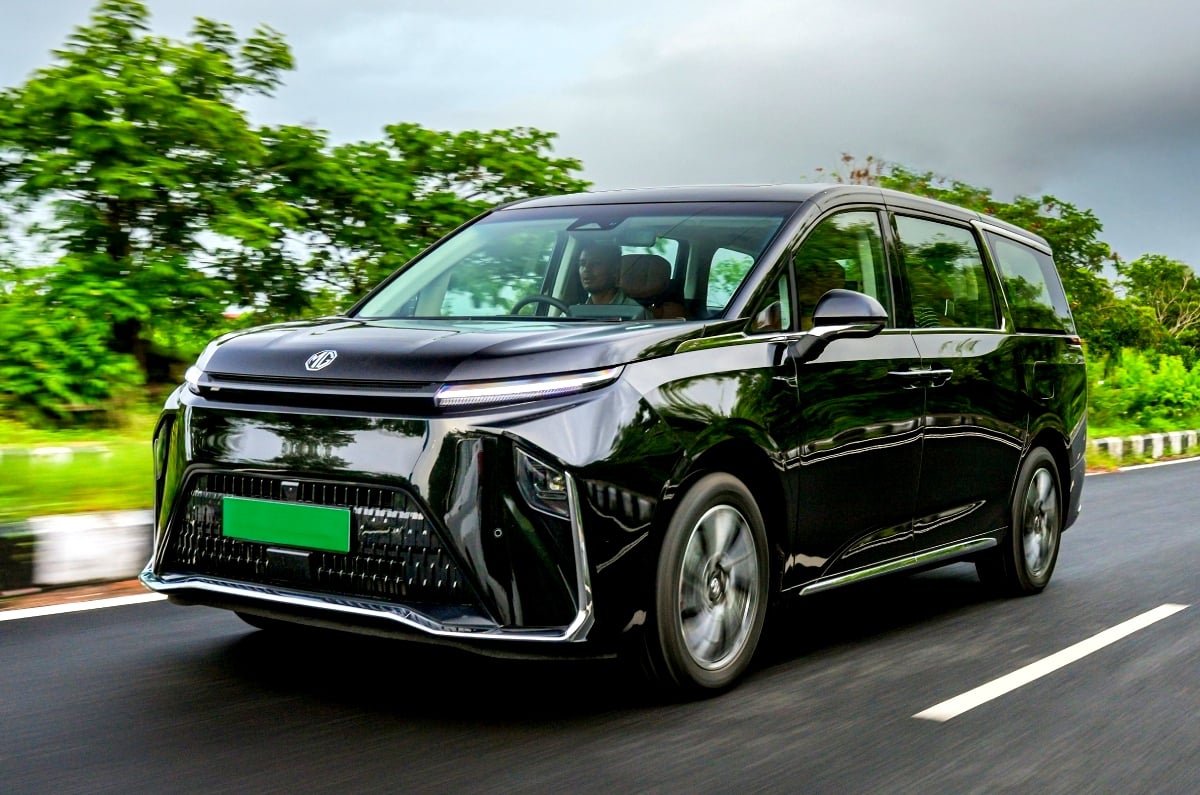
Luxury in an MPV is about more than having room for seven. It is about how that space is used, how effortlessly the occupants can settle in, and how much the car does to make every journey comfortable. The MG M9 brings together the practicality of a three-row MPV and the refinement of an electric powertrain, with a host of features that make time spent on the move feel a little more indulgent. Here are six highlights that make it stand out.
Lounge On Wheels
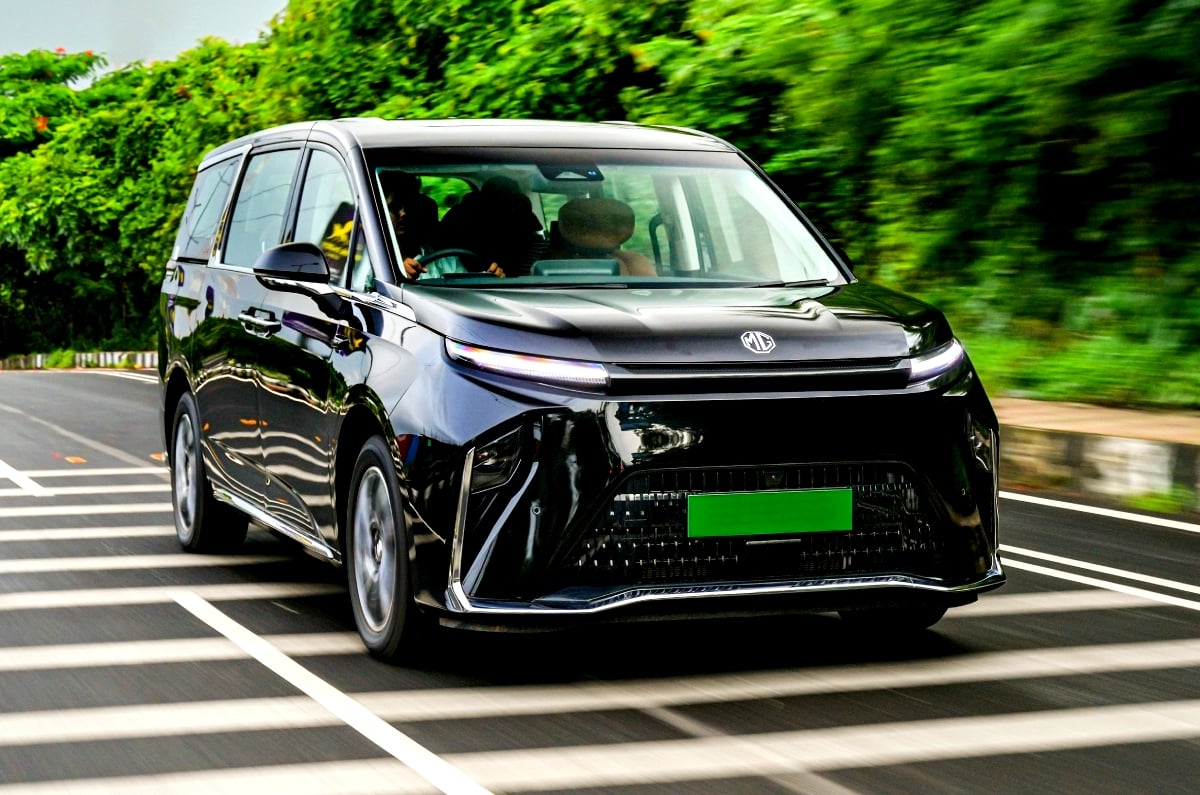
Massive wheelbase gives the M9 an imposing presence and liberates room in the cabin.
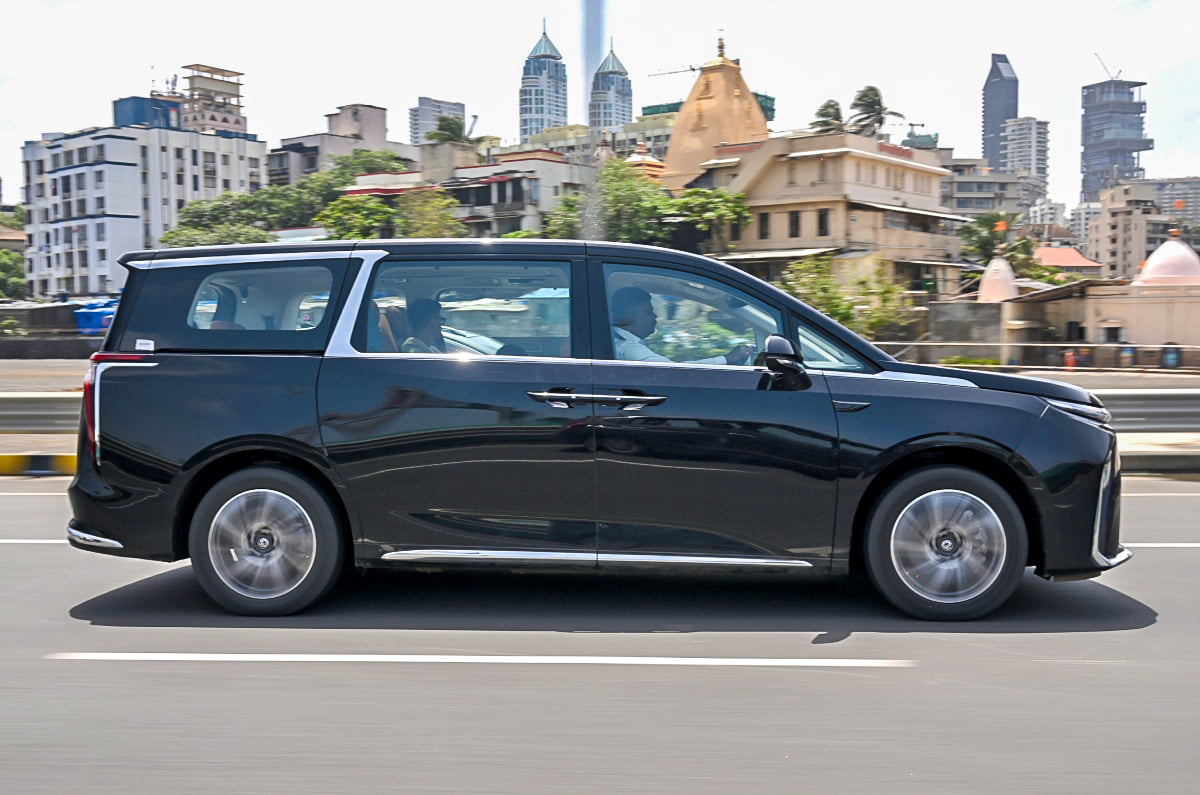
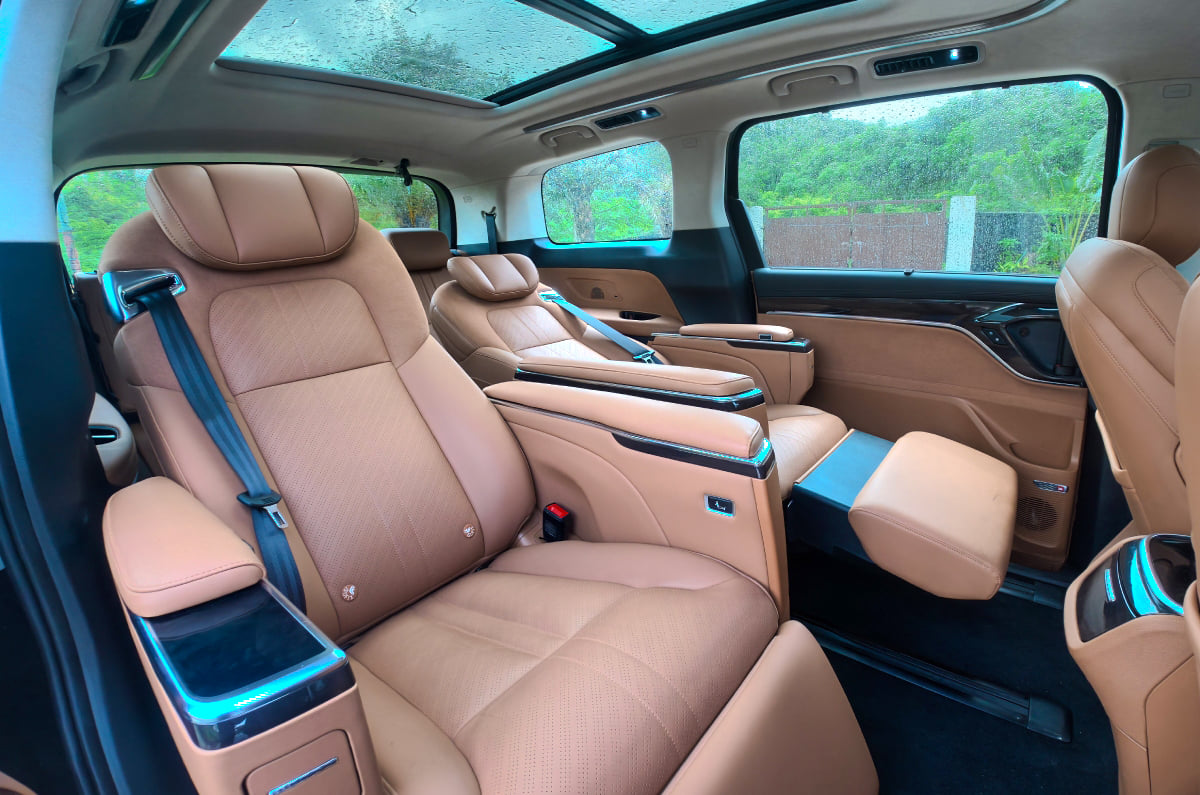
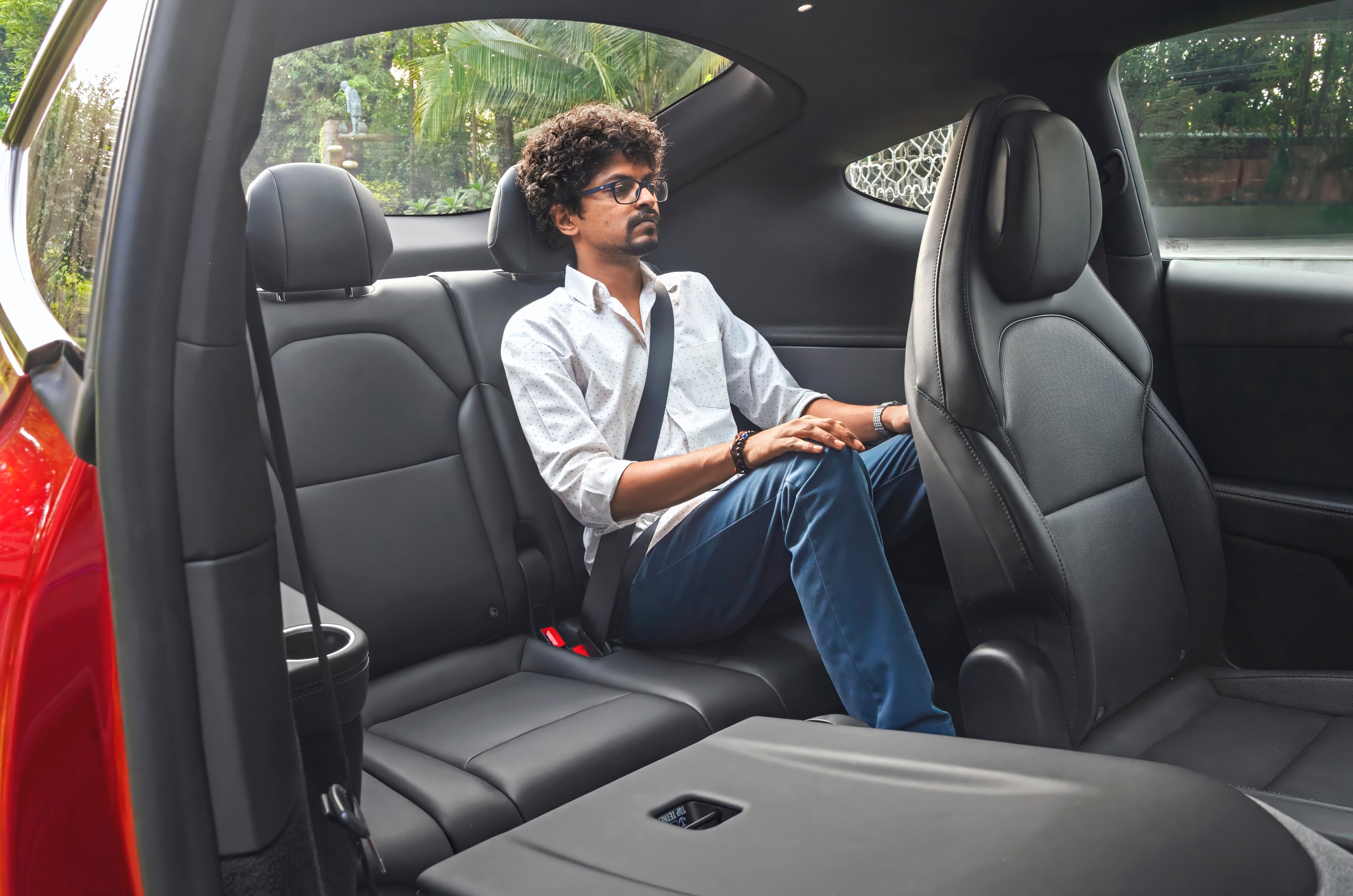
The M9’s 5.2-metre length, 2-metre width and 3.2-metre wheelbase give it the proportions to create a spacious, airy cabin. But it is the second row that makes the biggest impression. Two individual Presidential captain’s chairs offer 16-way electric adjustment, heating, ventilation, massage functions and extendable leg rests. The Boss Mode function moves the front passenger seat forward to create additional legroom, letting rear occupants stretch out and recline. It is a space designed for unwinding, not just getting from one place to another.
Space For Everyone
The aptly called Presidential captain’s chairs are even fit for a king.
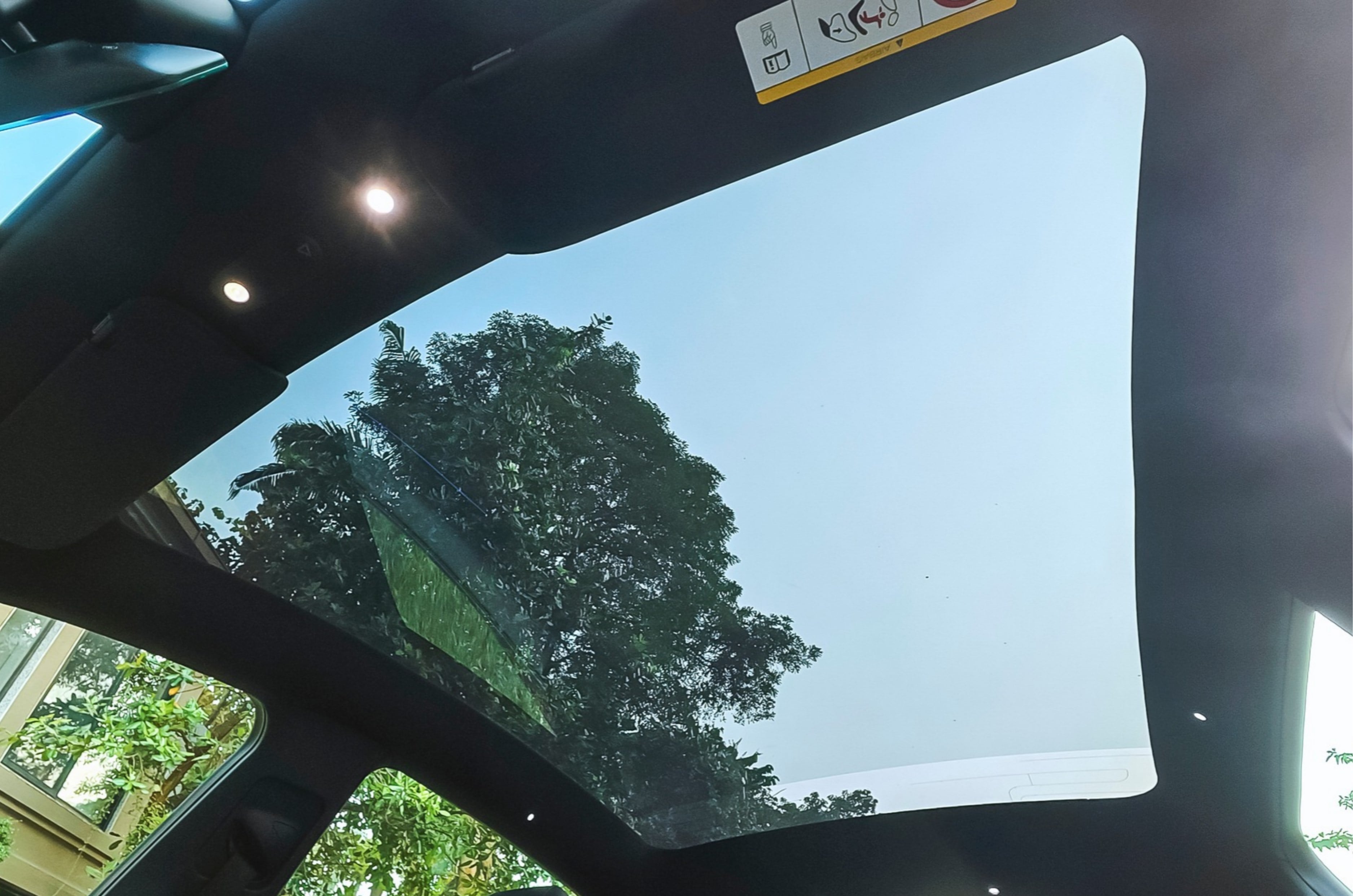
While the second row gets the headline features, the M9 is designed to make all three rows usable. Its long wheelbase allows generous room for occupants, while second-row climate control, rear window sunshades and a panoramic dual sunroof enhance the feeling of comfort. The third row gets dedicated AC vents and USB connectivity, too. A premium Cognac Brown interior and 64-colour ambient lighting add to the cabin’s upmarket appeal, with the latter allowing occupants to tailor the atmosphere to their mood.
Electric Serenity
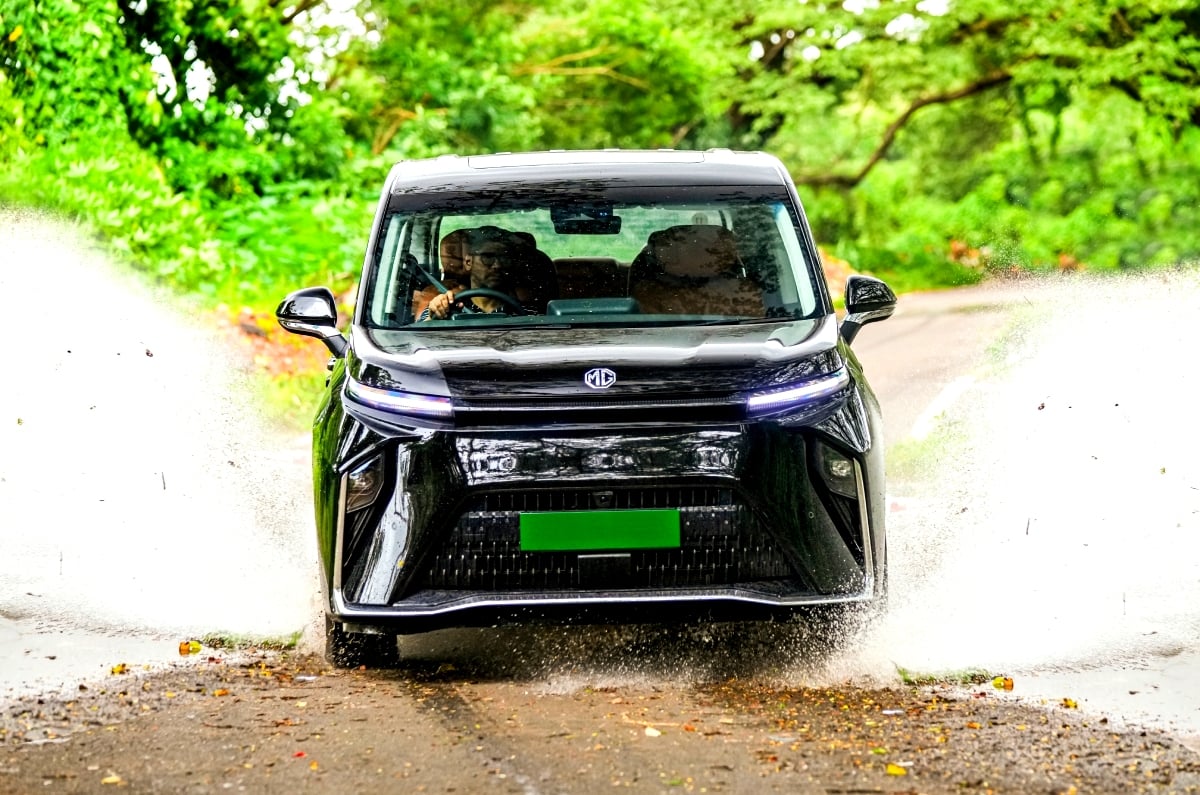
No matter the road surface, the M9 insulates its passengers from the outside world.
The M9’s 90kWh battery powers a front-mounted electric motor, producing 245hp and 350Nm, with an ARAI-claimed range of 548km. Beyond the performance and range figures, the electric powertrain brings a quality that matters particularly in a luxury MPV: refinement. With no engine noise and smooth, linear power delivery, the M9 makes for a more relaxed experience on the move. An acoustic windshield further helps keep the outside world at bay.
Quality Entertainment
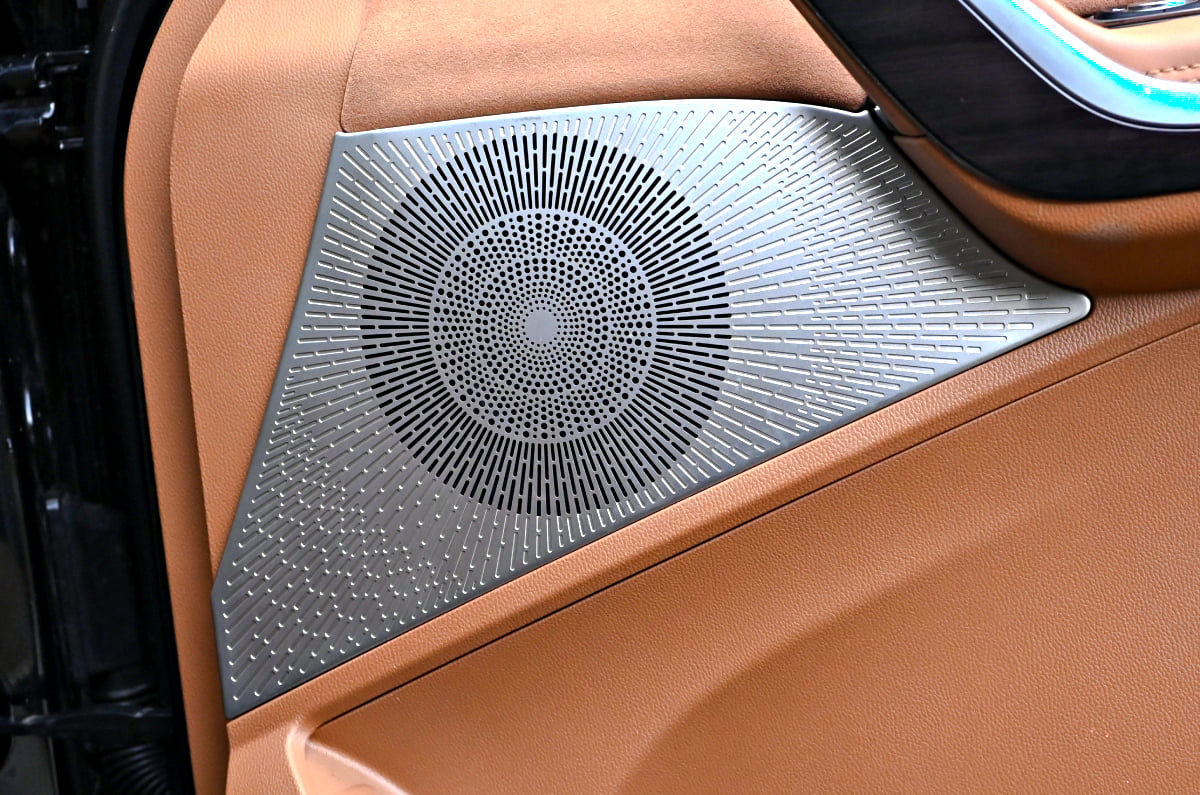
Superb 13-speaker JBL system enhances the cabin’s ambience.
A quiet cabin makes for a better listening environment, and the M9 builds on this with a 13-speaker JBL sound system, complete with an amplifier and subwoofer. Whether it is music on a long drive or a podcast during the daily commute, the system makes entertainment an integral part of the experience. The panoramic sunroof and ambient lighting add to the sense of being in a space designed around the occupants.
Tech-Suave
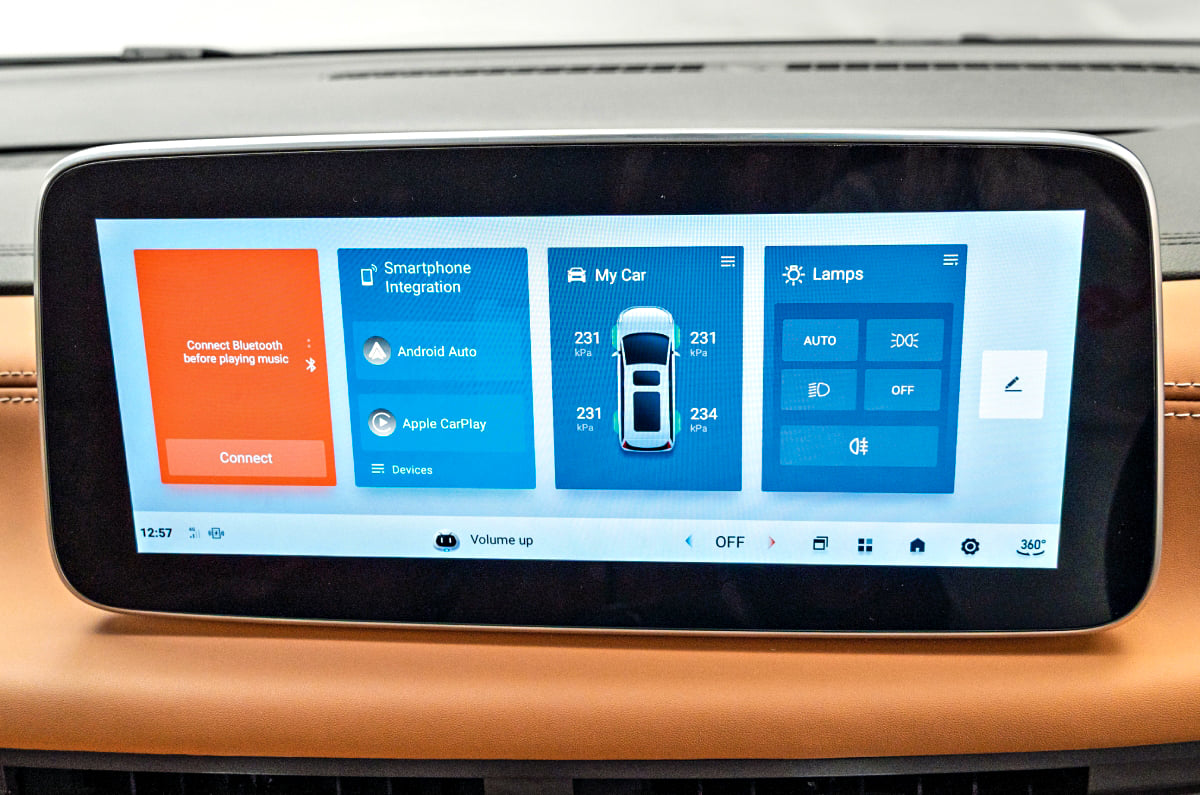
12.3-inch central touchscreen has all the controls you’ll need within easy access.
A 12.3-inch central touchscreen, digital instrument cluster, wireless smartphone connectivity and wireless charging bring everyday convenience within easy reach. The 360-degree camera is particularly useful when manoeuvring a vehicle of the M9’s size, helping the driver negotiate tight spaces with greater confidence. These features complement the M9’s focus on passenger comfort with technology that makes the car easier to live with.
Safety Assured
The M9 has received a 5-star Euro NCAP rating.
Luxury also means being able to travel with peace of mind. The M9 gets seven airbags and Level 2 advanced driver assistance systems, adding an extra layer of protection and driver support. Its five-star Euro NCAP safety rating provides further reassurance.
The MG M9’s appeal lies in how these elements come together. Generous space, thoughtful comfort features, electric refinement and modern safety technology give it a distinct identity in the luxury MPV segment. It’s no wonder that the M9 is the best-selling MPV in its class, with over 3,000 units sold since its launch last year. This is a vehicle that makes the journey itself something to look forward to, and that is what being on Cloud M9 is all about.
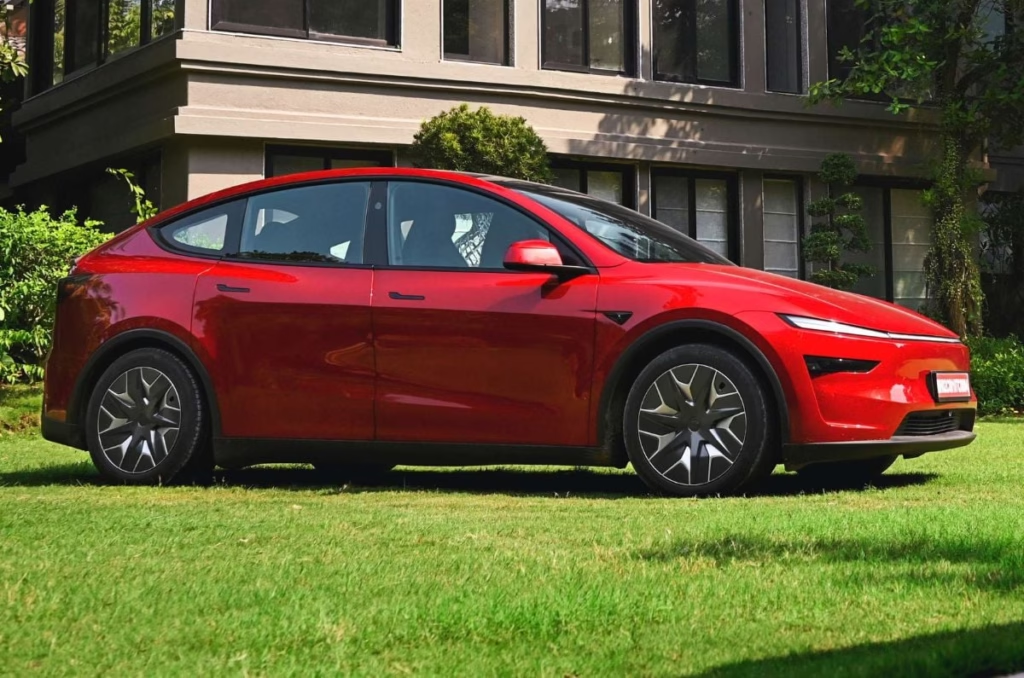
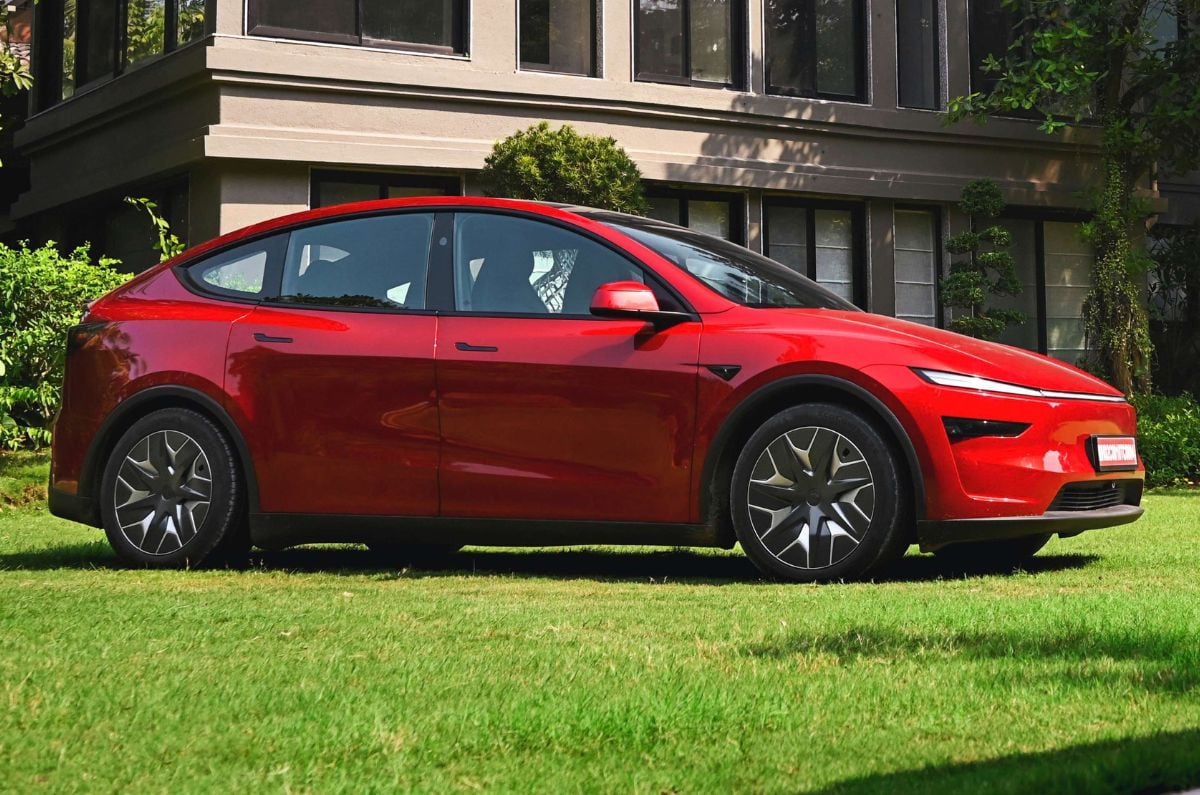
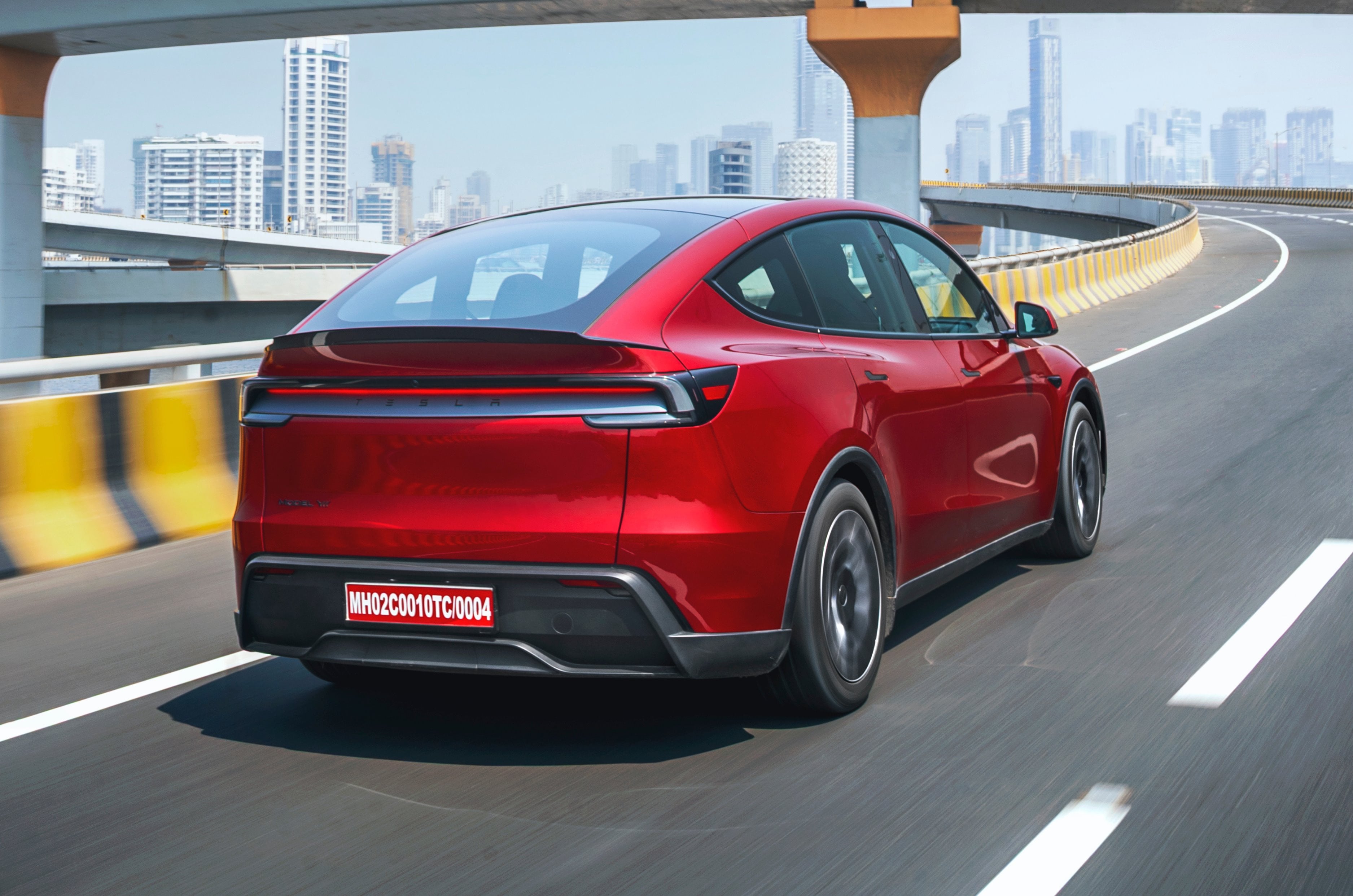
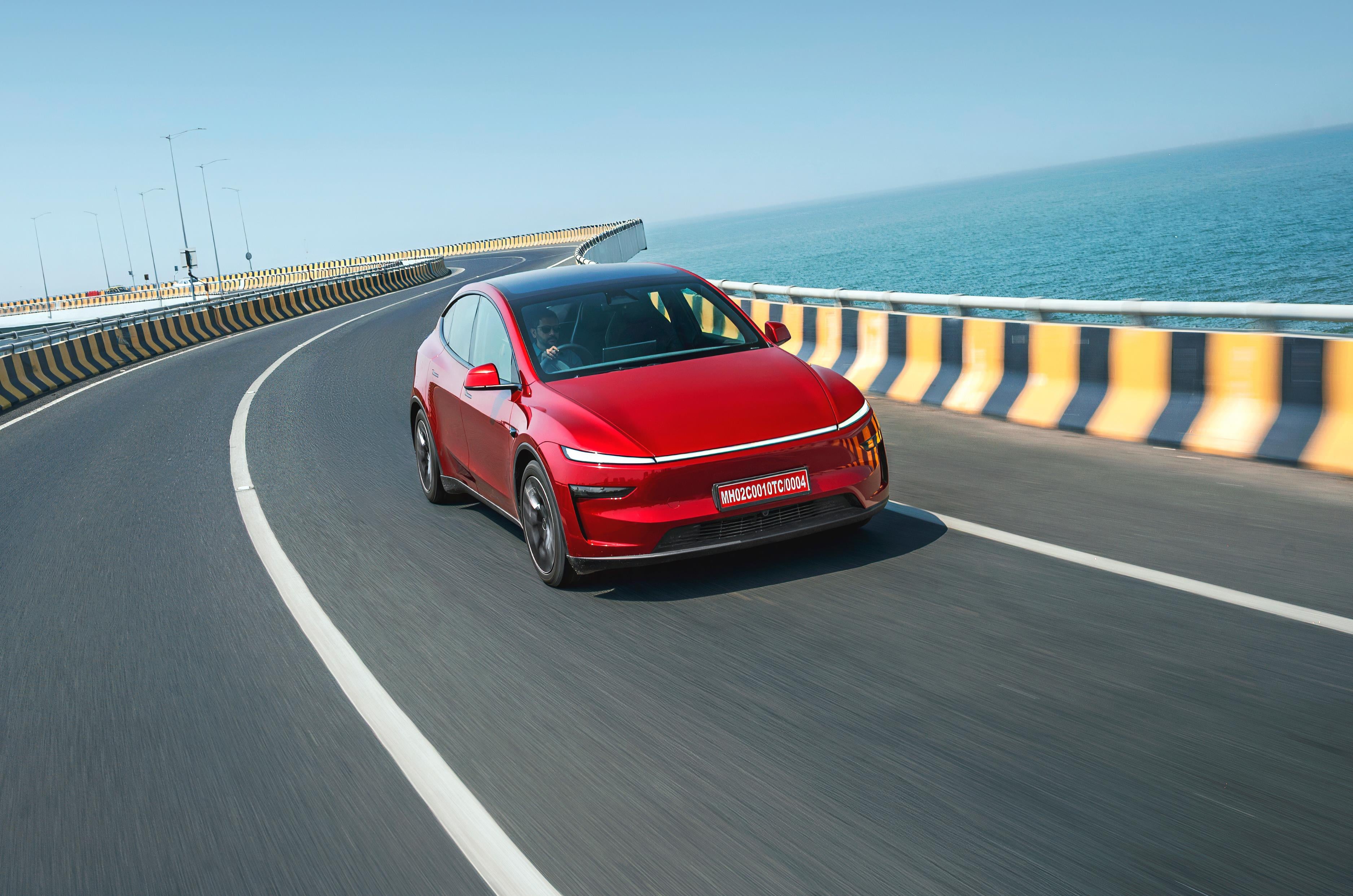
The Model Y L is the long-wheelbase, 6-seat version of Tesla‘s Model Y SUV. Priced at Rs 61.99 lakh (ex-showroom), it costs Rs 11.10 lakh more than the rear-wheel-drive Model Y. It is also pricier than rivals such as the BMW iX1 LWB and BYD Sealion 7. But does the Y L justify that premium? Here’s how it stacks up.
Reasons to buy the Tesla Model Y L
Spacious and quiet
Extra length frees up more room, while its cabin is remarkably hushed
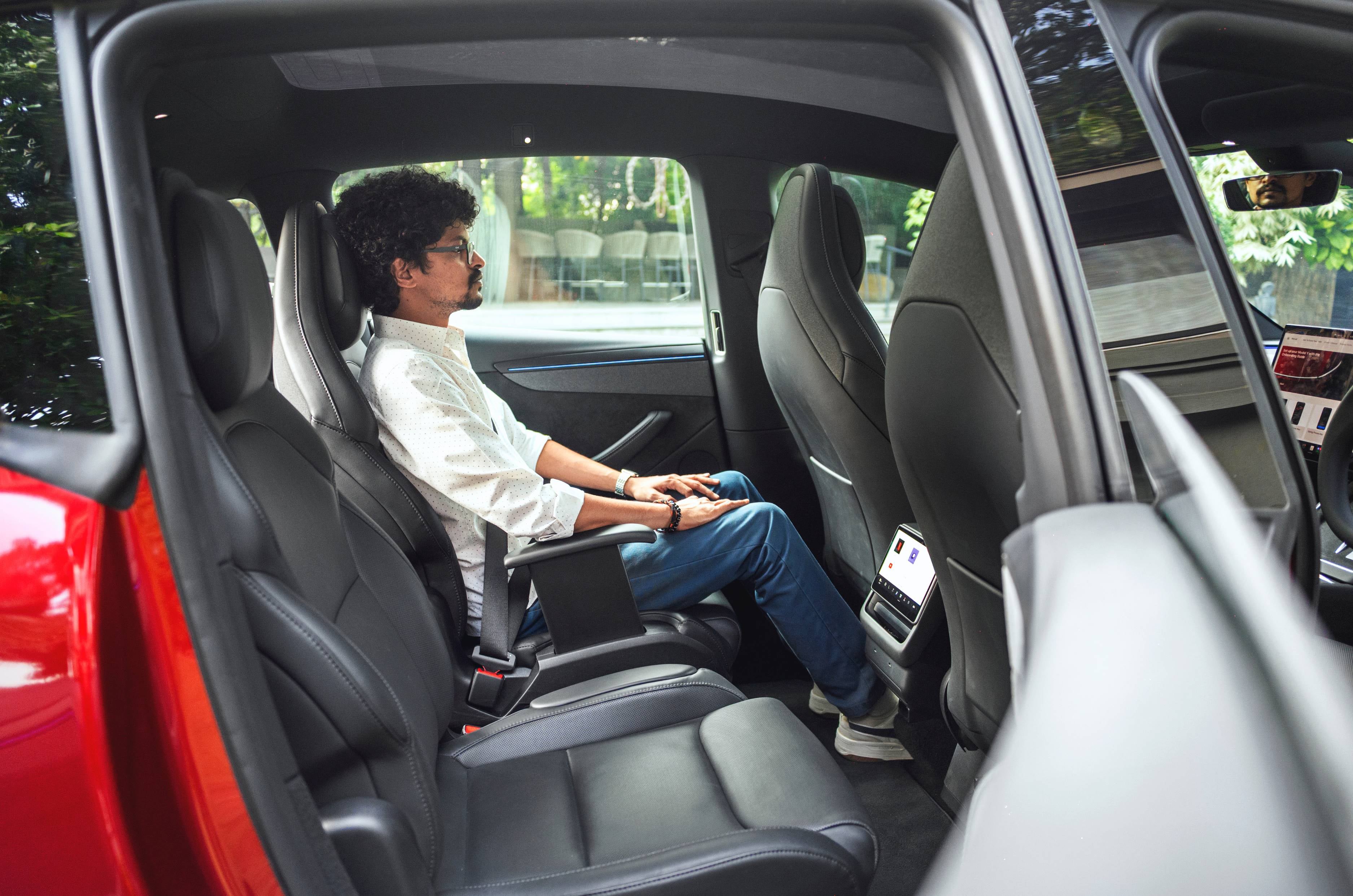
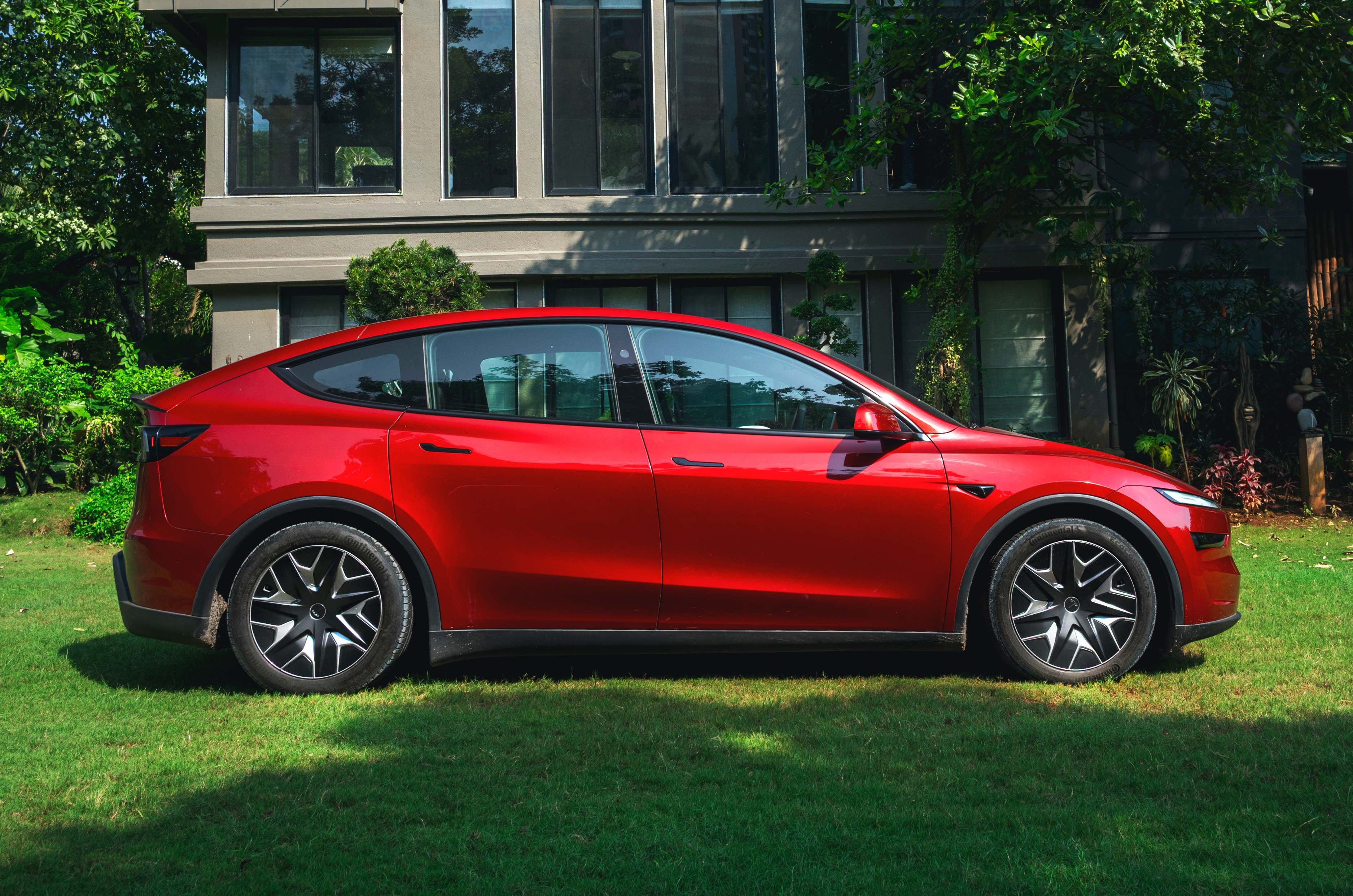
With a 3,040mm wheelbase, the Model Y L is 150mm longer between the axles than the standard Model Y. It’s also 40mm taller, freeing up noticeably more space on the inside. The Y L is a 6-seater with front seats that are comfy and get extended under-thigh support. The individual captain’s chairs in the middle row are very comfortable and feature powered armrests, plus heating and cooling functions. Passengers seated here won’t complain about legroom or headroom.
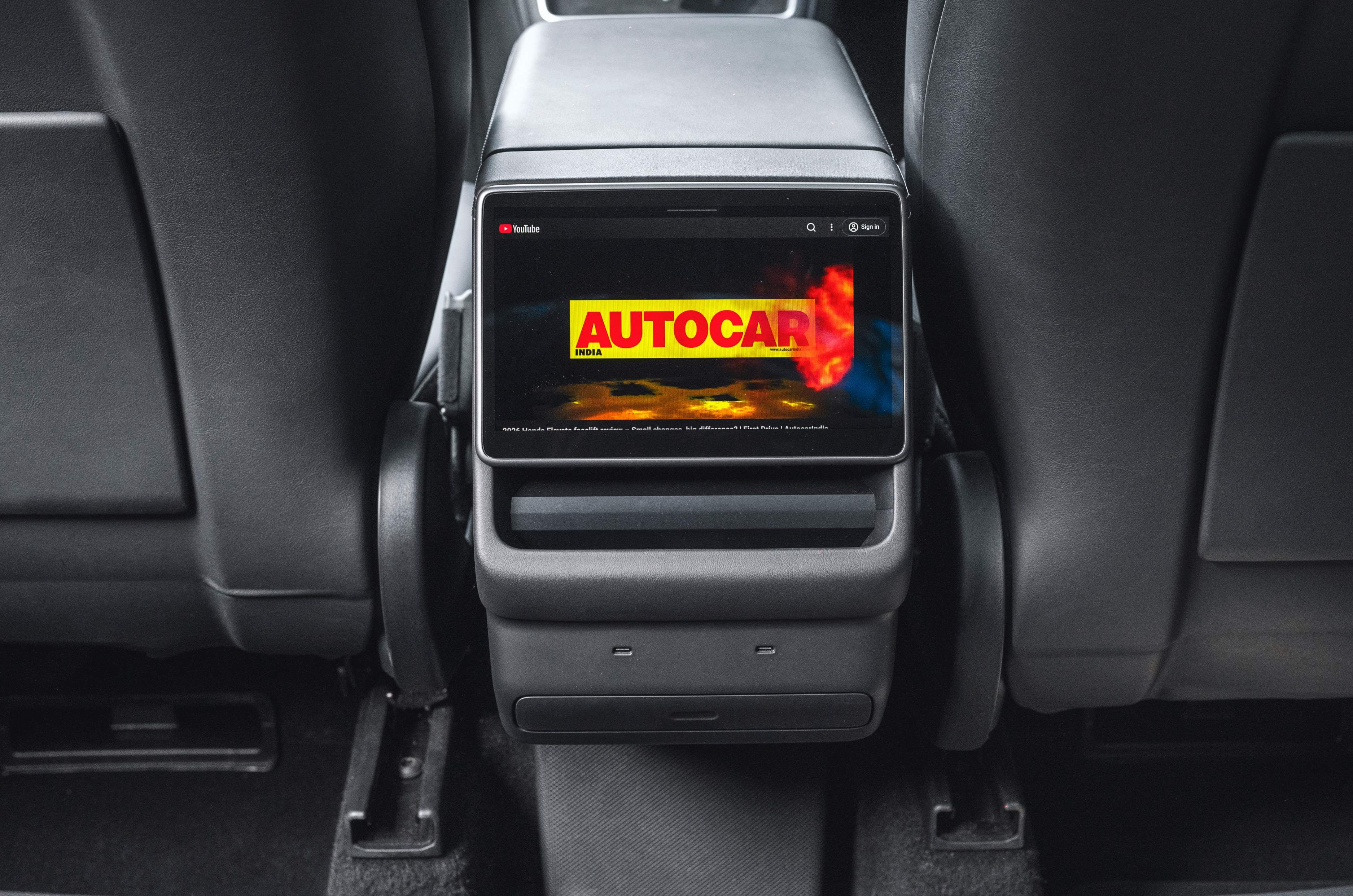
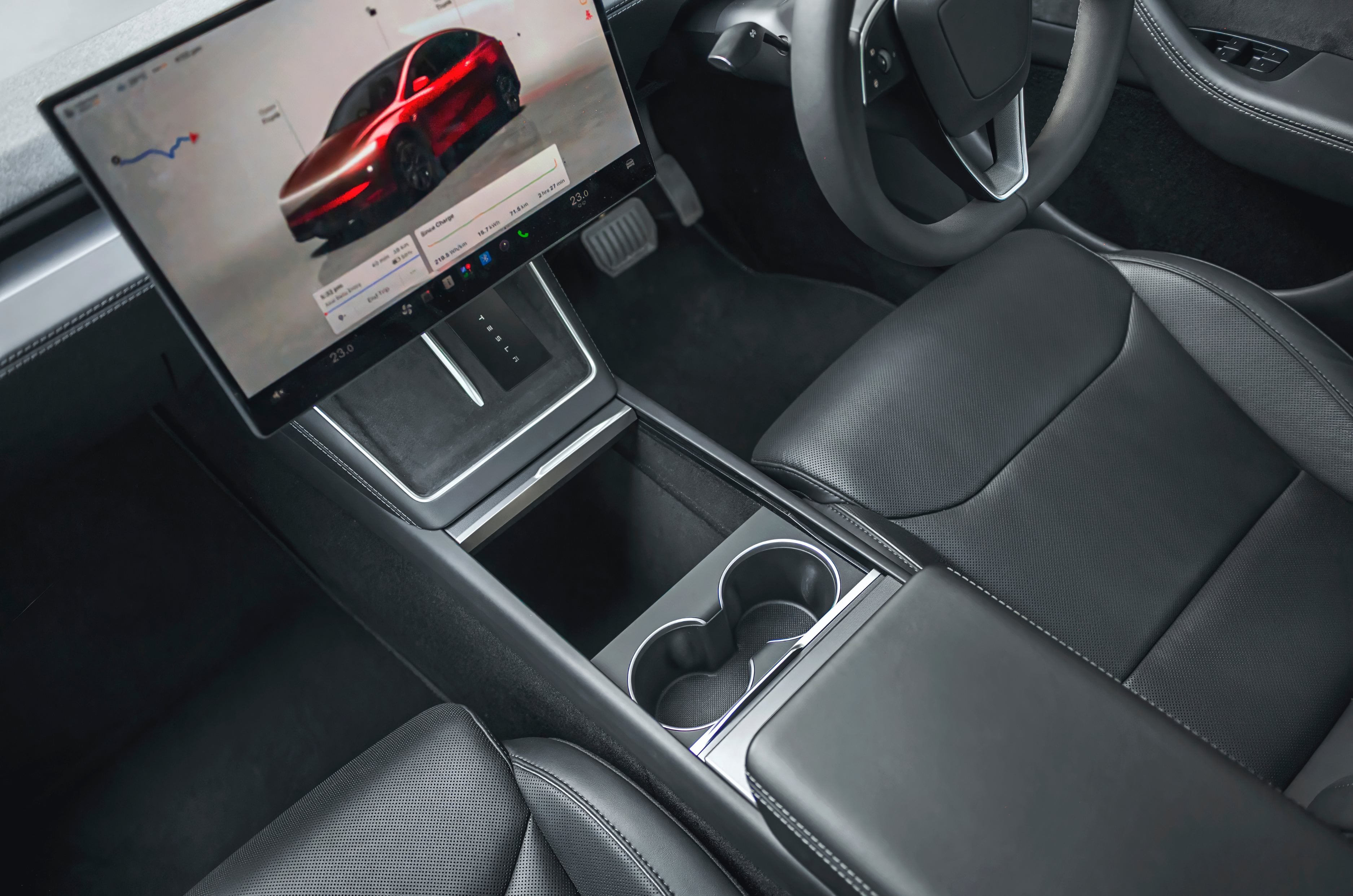
Adding to their convenience is an 8-inch touchscreen capable of playing videos, plus cupholders and charging ports. Unlike many three-row offerings, the third row of the Model Y L has enough space for adults to sit in reasonable comfort. The inclusion of dedicated AC vents, cupholders and Type-C ports comes in handy as well.
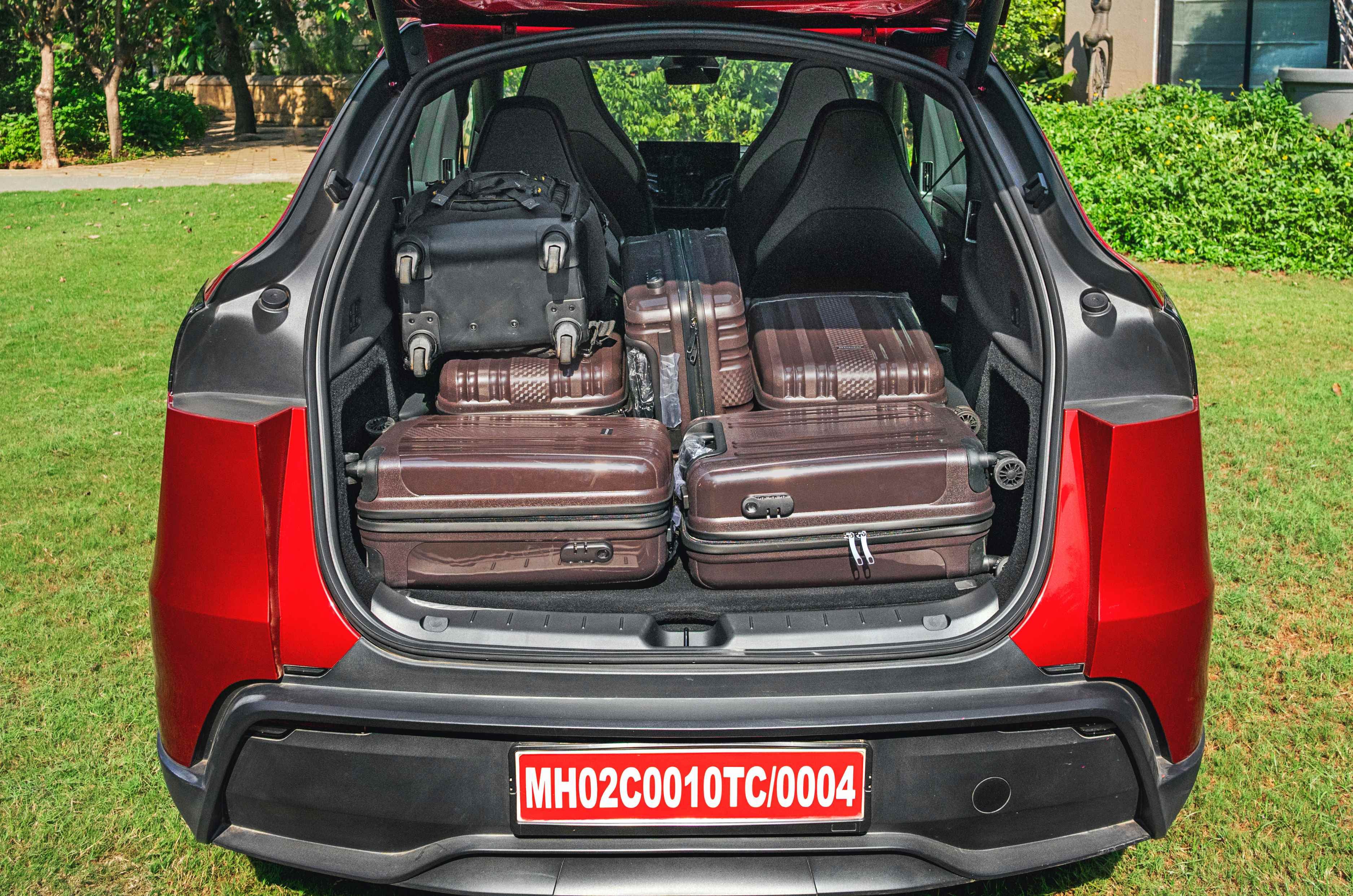
Another pro here is the Model Y L’s boot, which is rated at 420 litres with all seats up – this grows to a capacious 1,076 litres with the third row folded. Then there’s some more space under the boot floor, and a 117-litre frunk, should you need even more luggage space. Refinement is another strong point of this cabin. It’s remarkably quiet, thanks to the double-glazed windows that shut out most of the wind, tyre and road noise.
Loaded with tech
Long list of features will keep tech-savvy folks entertained
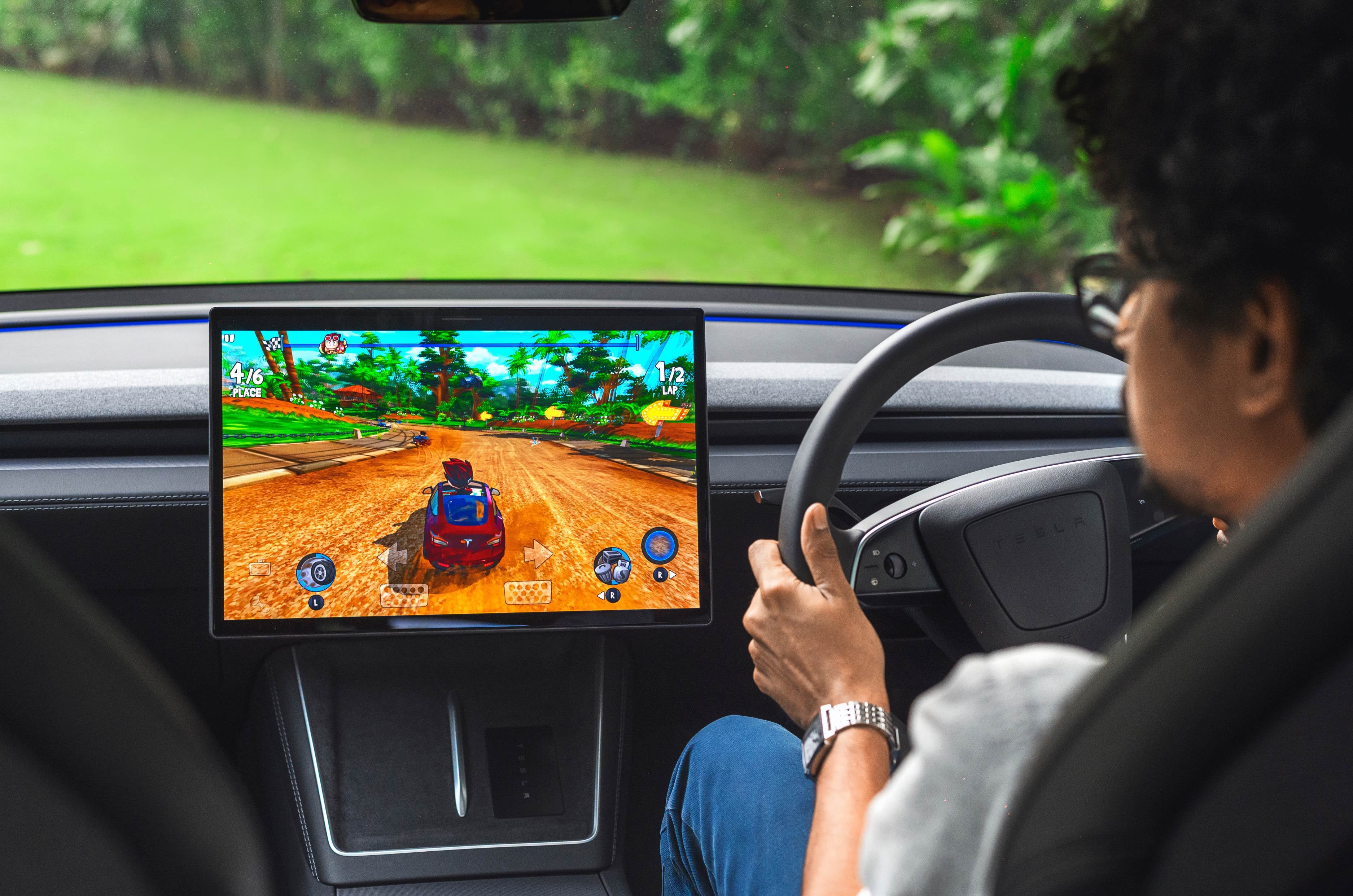
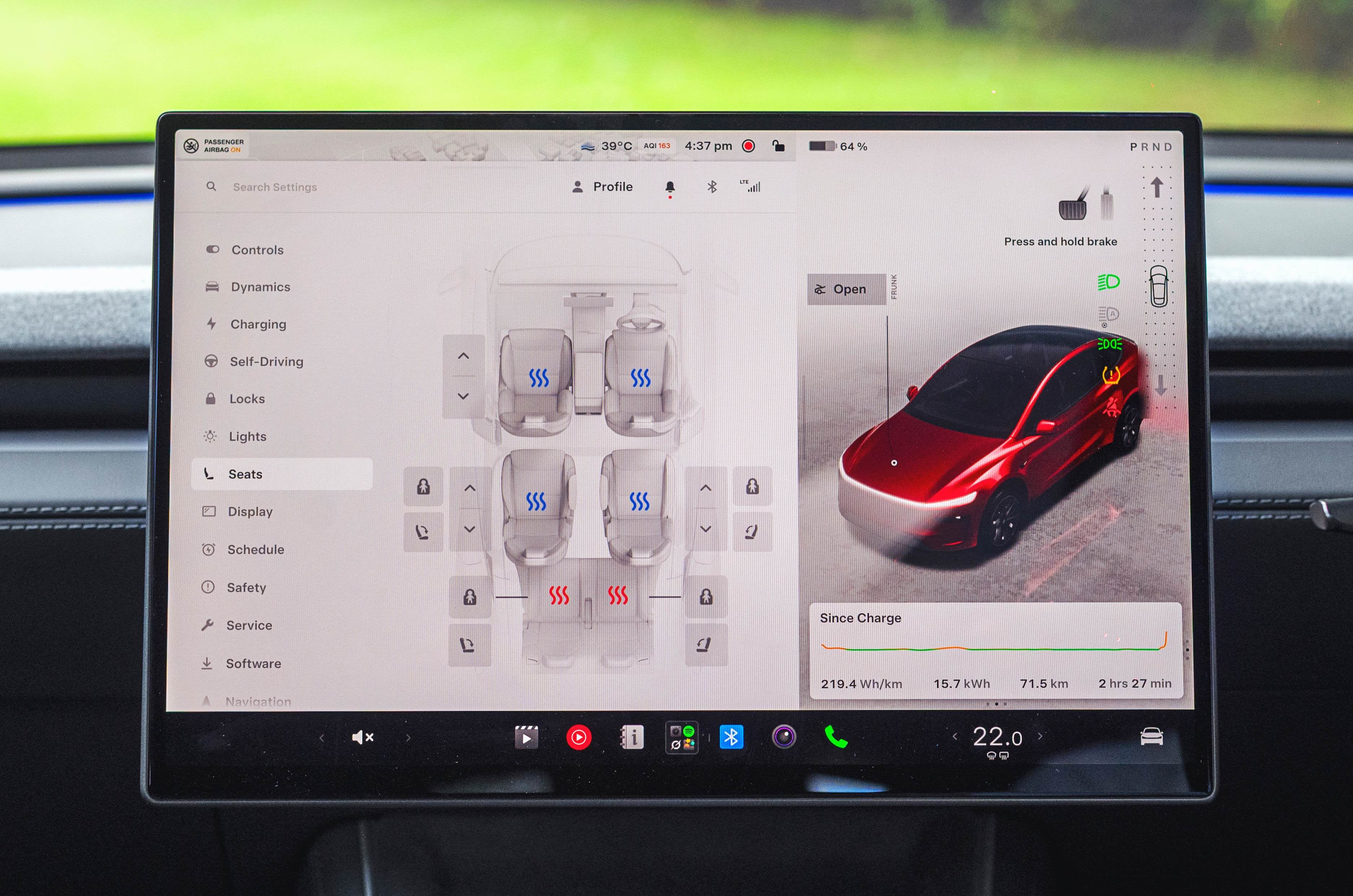
Taking centre stage on the otherwise minimalistic dashboard is the massive 16-inch touchscreen, which is easily among the sharpest and most responsive units around. Its integrated Grok AI assistant is capable of handling tasks such as setting the climate control, along with plotting routes on the navigation system and of course, finding suitable chargers. The assistant understands multiple languages and also learns the user’s preferences over time.
The Tesla Model Y L’s feature highlights include an 18-speaker audio system with a subwoofer, dual wireless chargers, multi-colour ambient lighting and a panoramic glass roof. The front and middle-row seats are heated, ventilated and powered, while the third-row seats get a heated function too. Safety kit includes 9 airbags, lane-keeping assist, blind-spot monitoring, and high-definition surround-view cameras. As with every Tesla, the Model Y L can also receive over-the-air (OTA) updates.
Brisk performance, composed ride
Dual-motor Model Y L is seriously quick for a family car
Where the standard Model Y is rear-wheel drive only, the Y L uses two motors and all-wheel drive (AWD). While Tesla hasn’t released official power figures, it’s estimated to output 514hp and 590Nm of torque. Tesla also claims a 0-100kph time of 4.5 seconds, which is quick for a two-tonne SUV. The Model Y L doesn’t feel intimidating to drive, with power building smoothly and the AWD system providing plenty of grip. In addition to the ‘Chill’ drive mode, the Y L also gets a ‘Sport’ mode.
There are no issues overtaking slower-moving traffic, as the Model Y L gets past them effortlessly. The regenerative braking is smooth as well. When you’re ambling around town, the ‘Standard’ regen setting is more than adequate and progressive, so you can drive without stepping on the brake pedal most of the time. The revised suspension of the Model Y L also gets adaptive dampers for better control over body movements and a more composed ride over the standard model.
Long range
Y L has the legs over the standard Model Y
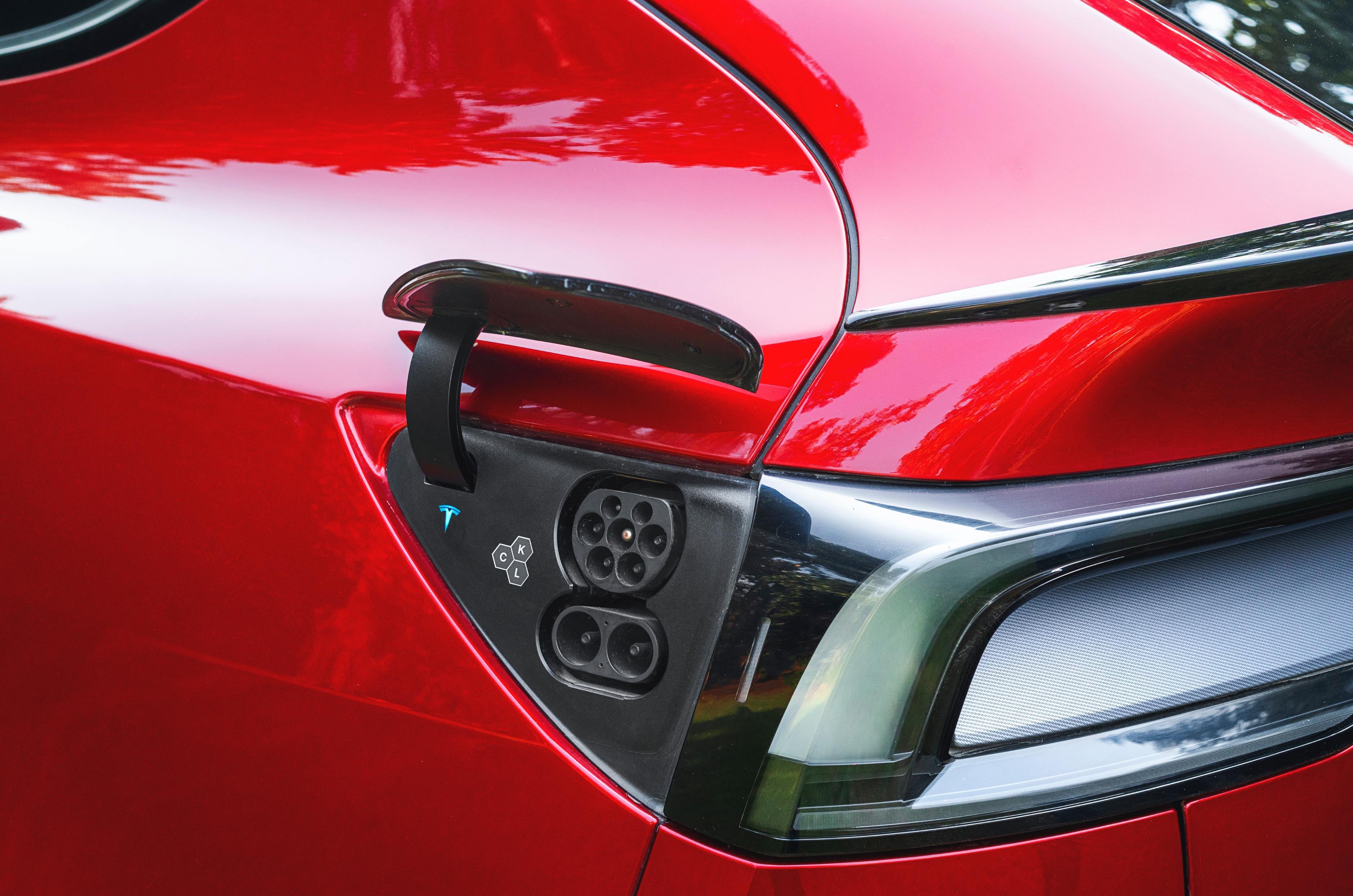
The Model Y L uses an NMC battery pack estimated to be rated at 88kWh, as Tesla doesn’t usually publish the official battery capacity. The American brand does claim a WLTP range of 681km for the Model Y L, which is more than that of the rear-wheel-drive Model Y. DC fast charging of up to 250kW is supported, while AC charging is rated at 11kW. Plug it into a Tesla Supercharger, and the Model Y L can gain up to 288km of range in 15 minutes.
Reasons not to buy the Tesla Model Y L
Big footprint, low clearance
Large dimensions and low ground clearance call for extra care in town
The Model Y L’s large dimensions make driving it in tight spaces a bit of a chore. Despite the light steering, its large turning circle makes parking this Tesla quite a tricky affair. Another issue is the ground clearance, or lack thereof. At just 166mm (unladen), large speed breakers need to be tackled carefully to avoid scraping the underbody.
Over-reliance on the touchscreen
Even basic functions are buried in menus
Unless you’re tech-savvy, the lack of physical buttons or shortcuts will get on your nerves. Almost every function on the Model Y L is controlled through the touchscreen. Simple tasks like changing the climate settings, adjusting the mirrors or opening the frunk all require you to dig through menus. Getting used to this setup will take time, and it can easily become distracting while driving.
Hot cabin, awkward third-row access
Large glass area and third-row access come with their own cons
The Tesla Model Y L doesn’t get any blinds for its windows or a cover for its massive glass roof – instead making do with a tint. Considering the expansive glass area, this cabin heats up quickly on sunny days. The rear windscreen does without any tints, which only adds to the problem for third-row passengers.
Getting to this last row is a cumbersome task, requiring you to squeeze in between the narrow gap of the middle-row seats. The seats are also slow to fold out of the way. Once you’re sat in the third row, you’ll have to assume a knees-up position.
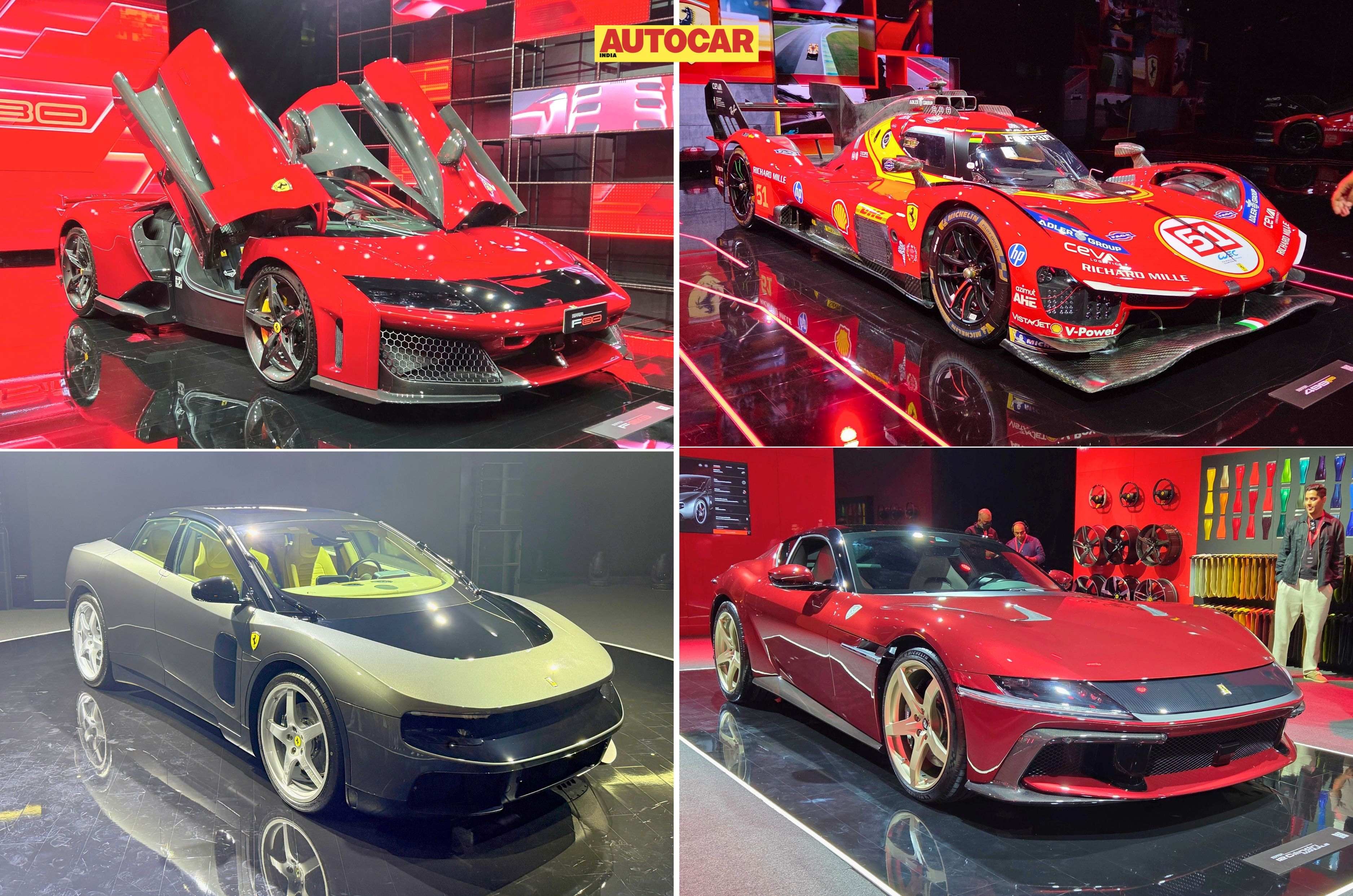
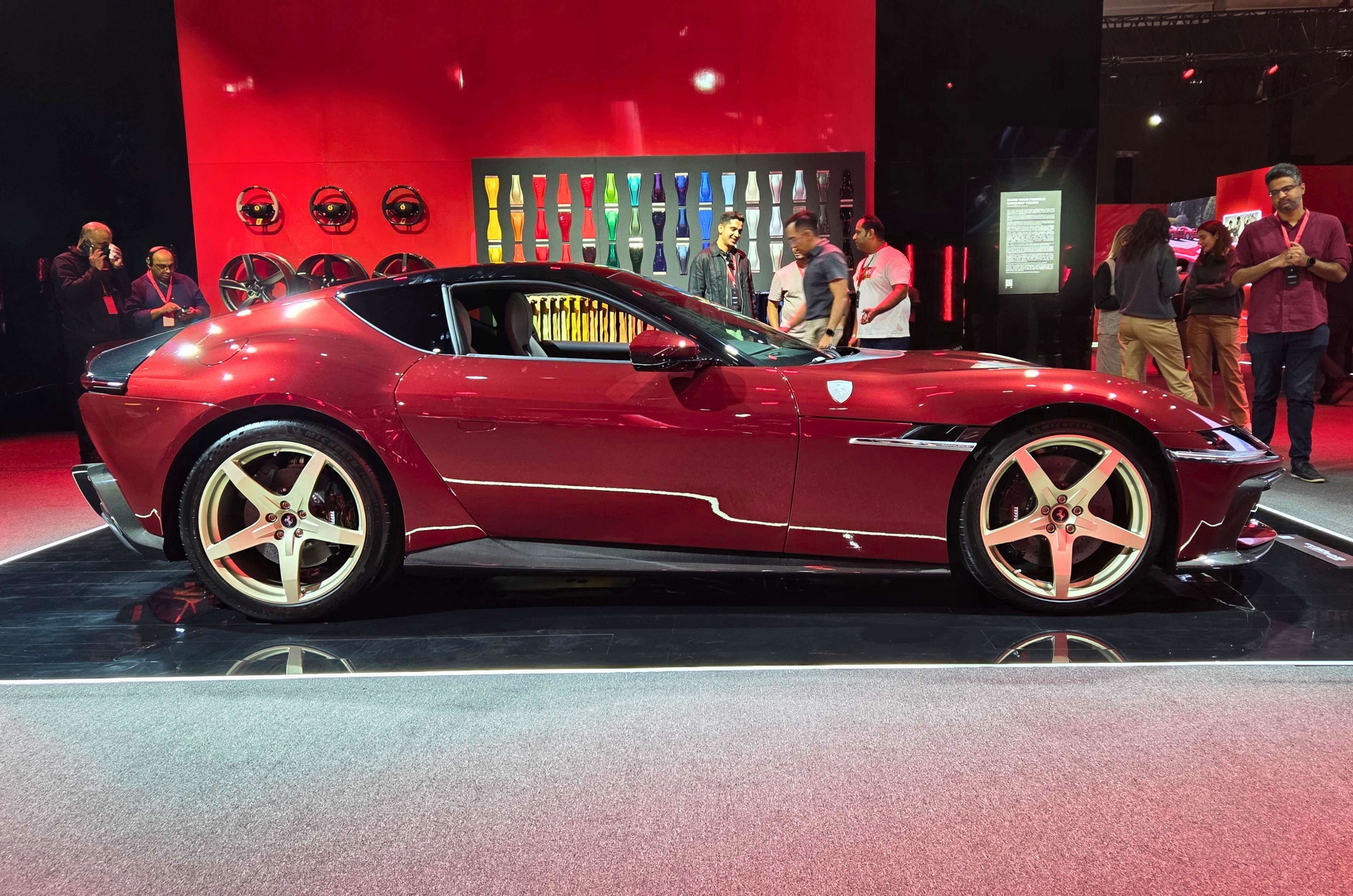
Ferrari has officially opened the doors to its first-ever Universo Ferrari exhibition in India. Held at Yashobhoomi, Dwarka in New Delhi from 17 October to 1 November, Universo Ferrari offers a comprehensive look at the Italian marque’s heritage, motorsport pedigree, technology, and craftsmanship. More pertinently, several exciting Ferraris are also on display at Universo Ferrari, some of them for the first time in India. Let’s have a look at the Ferrari cars that have debuted in India as part of Universo Ferrari.
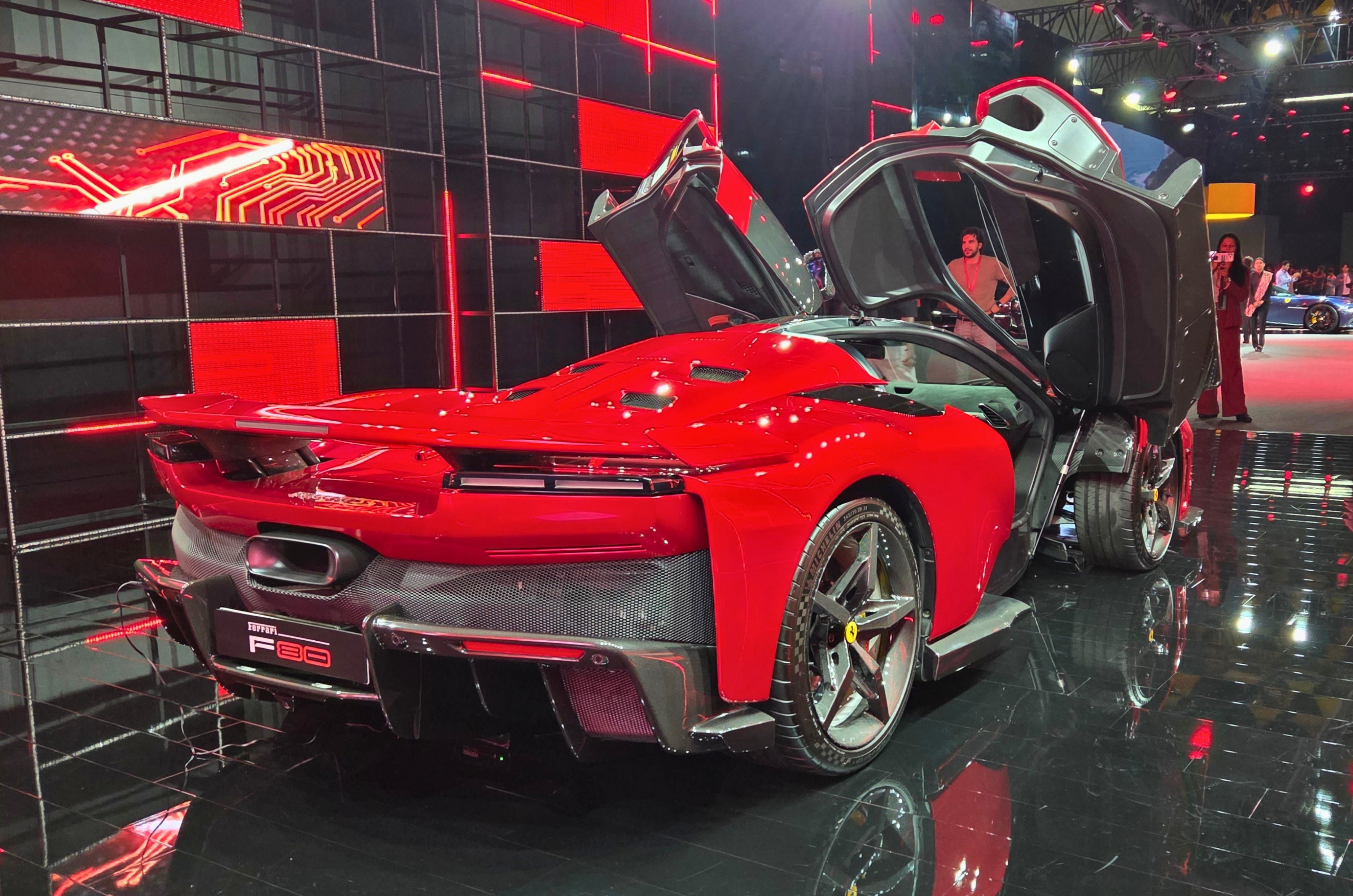
Ferrari F80
Revealed in 2024 as a successor to the LaFerrari, and to commemorate Ferrari’s 80th anniversary, the F80 is the brand’s most powerful road-going offering yet. Producing a combined 1,200hp from its 3.0-litre twin-turbo V6 hybrid powertrain, the F80 claims a ridiculous 0-100kph time of 2.15 seconds and a 0-200kph time of 5.75 seconds. All-wheel drive is fitted as standard, along with a slew of motorsport-derived tech like an MGU-K energy recovery system and electric turbos.
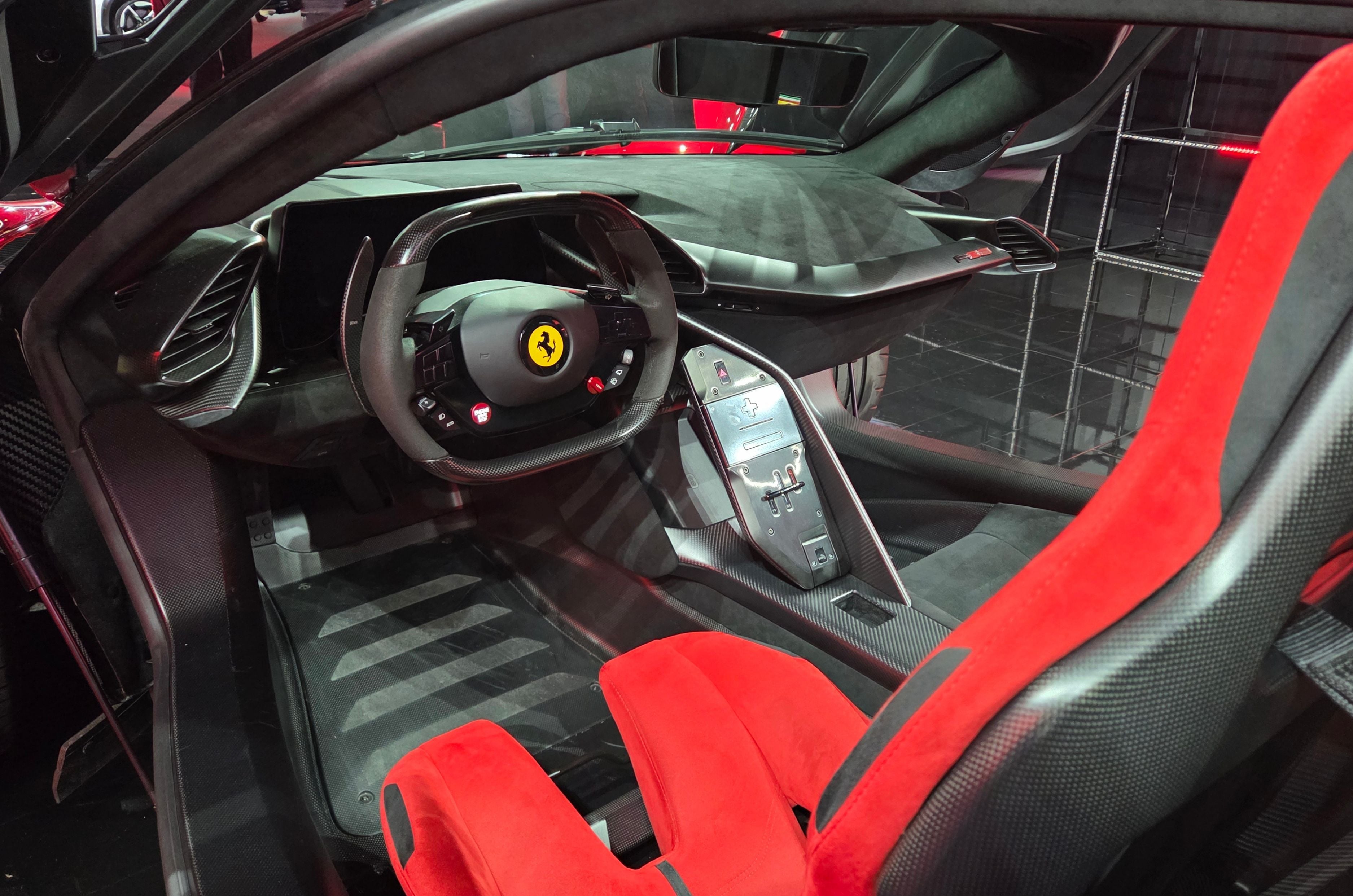
On the outside, the F80 matches the wildness of its powertrain with design elements like a slew of air ducts across the body, a black strip between the headlamps, an active rear wing, a central exhaust, and a massive rear diffuser. Inside, things are quite minimalistic and driver-focused – highlights include a motorsport-style ovoid steering wheel, a large digital driver’s display, an angled centre console, and bucket seats. Ferrari has sold through all 799 units of the F80, each retailing for €3 million (Rs 32 crore), before options.
Ferrari Luce
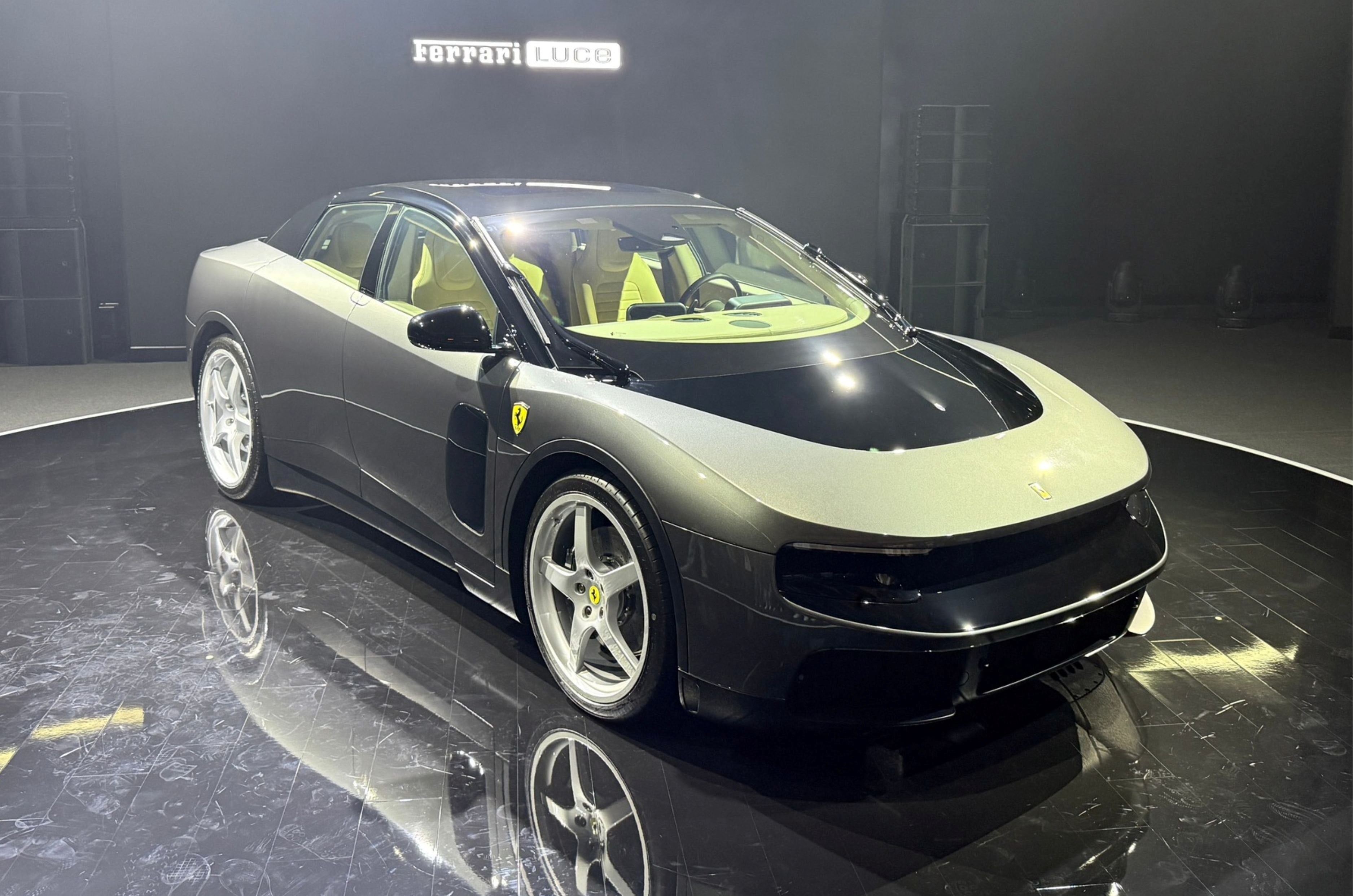
The Luce is Ferrari’s first EV, and perhaps its most controversial offering. Based on an all-new 800-volt architecture, the Luce features a 122kWh battery and four electric motors producing a combined 1,050hp and 990Nm. Ferrari claims a 0-100kph time of 2.5 seconds, a top speed of 310kph, and a range of up to 530km. Unlike other EVs, the Luce doesn’t pump artificial engine noises into the cabin via speakers – instead, the electric motors are tuned to emit a distinct, high-pitched sound.
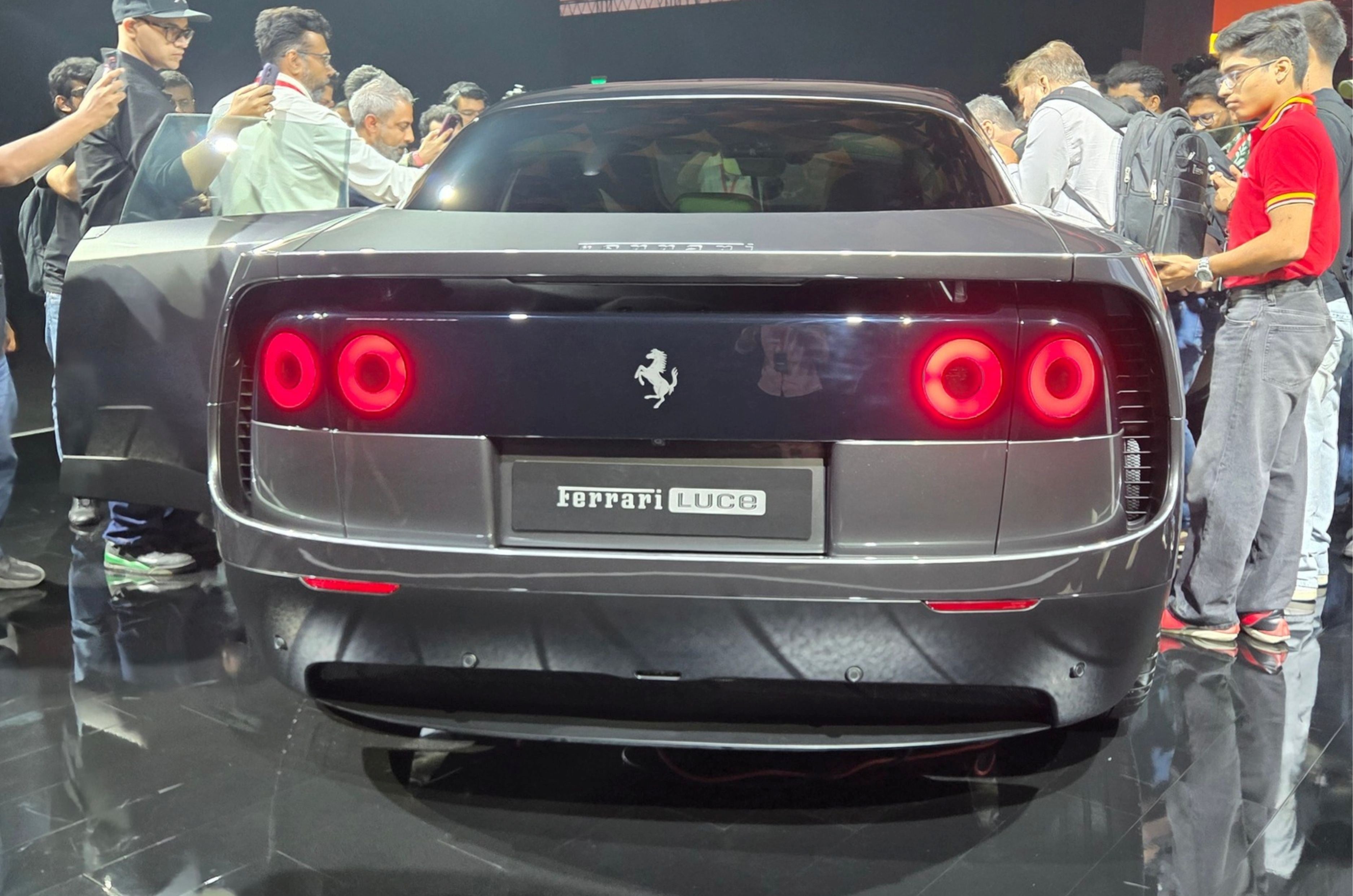
Styled by LoveFrom, a firm co-founded by former Apple designer Jony Ive, the Luce features a distinctive two-piece body structure, with a gloss-black passenger cell enclosed within a coloured aluminium shell. It gets recessed LED headlamps, quad LED tail-lamps, suicide doors, and staggered 23-inch front and 24-inch rear wheels. At 5,026mm long, the Luce is the largest Ferrari yet, and its 0.254 drag coefficient is the lowest among road-legal Ferraris. The interior sports a retro-inspired design, with a 10-inch touchscreen, a 12.5-inch OLED driver’s display, and seating for five – a first for a Ferrari. Order books are open for the Luce in overseas markets, with prices starting at 550,000 euros (approximately Rs 6.1 crore) before options.
Ferrari 12Cilindri Manuale
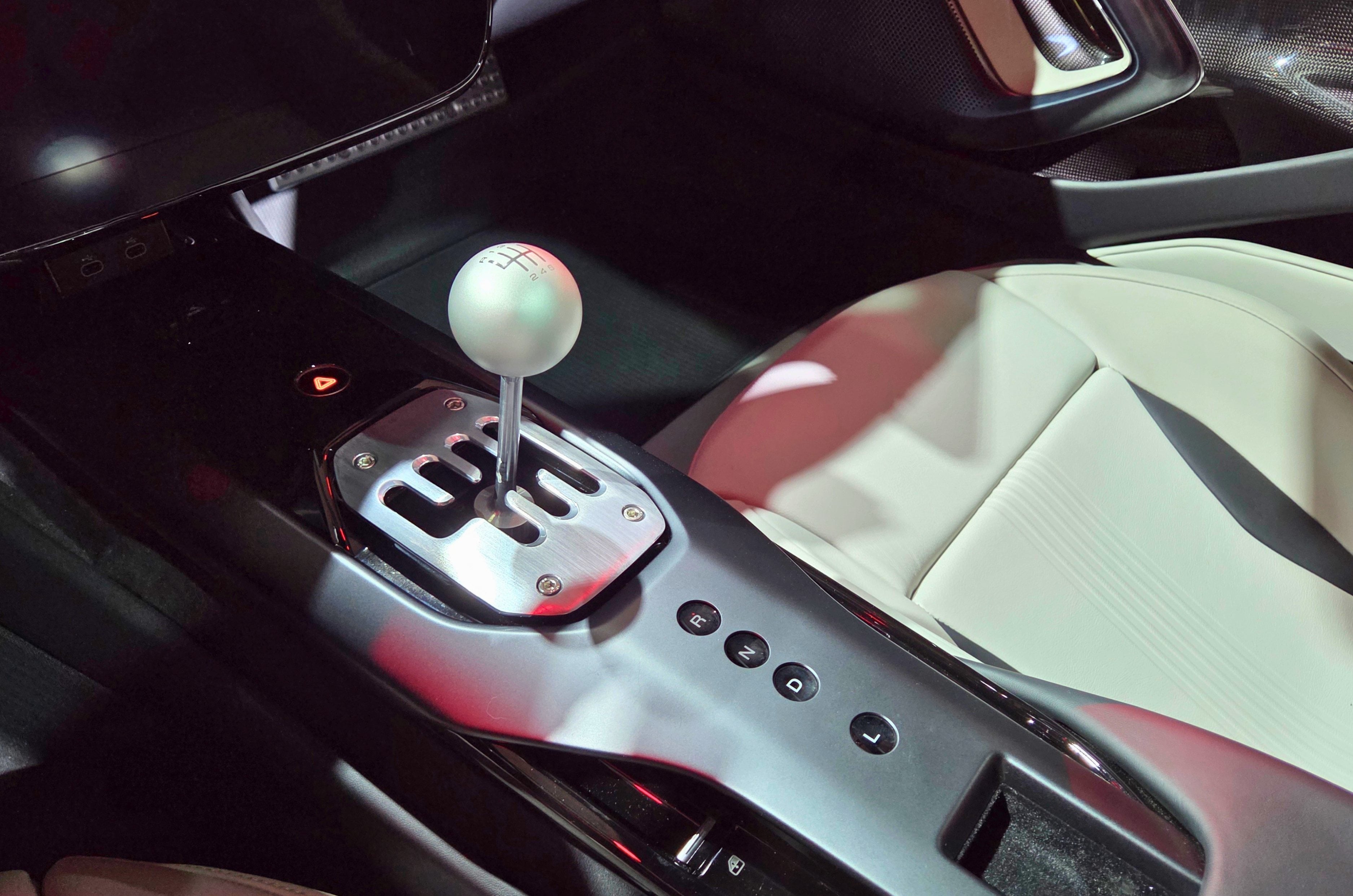
Unveiled a few months ago, the 12Cilindri Manuale is a limited-run special and the first Ferrari in 14 years to offer a manual gearbox. Only, this gearbox isn’t a true manual, but a simulated ‘Manuale By-Wire’ system based on the 12Cilindri’s 8-speed dual-clutch automatic. The experience is intact, however, with a clutch pedal, 6 speeds, a gated shifter, and the ability to stall and clutch-dump the car. If needed, you can even switch to automatic mode and let the DCT take over. Elsewhere, the Manuale retains the 12Cilindri’s 830hp 6.5-litre naturally aspirated V12, claiming a 0-100kph time of 2.9 seconds and a top speed of 340kph.
The exterior largely mirrors that of the standard 12Cilindri but gets exclusive Manuale badges, silver-finished Ferrari side logos, pinstripes on the front splitter and rear winglets, and bespoke five-spoke forged alloy wheels available in four finishes. Inside, the centre console has been redesigned to accommodate a rounded aluminium gear lever inspired by classic Ferrari gated shifters, available in silver or black. Buyers can also choose comfort or racing seats with six vertical grooves. Limited to 1,499 units, the 12Cilindri Manuale is priced from €590,000 (approximately Rs 6.42 crore), before options.
Ferrari 499P
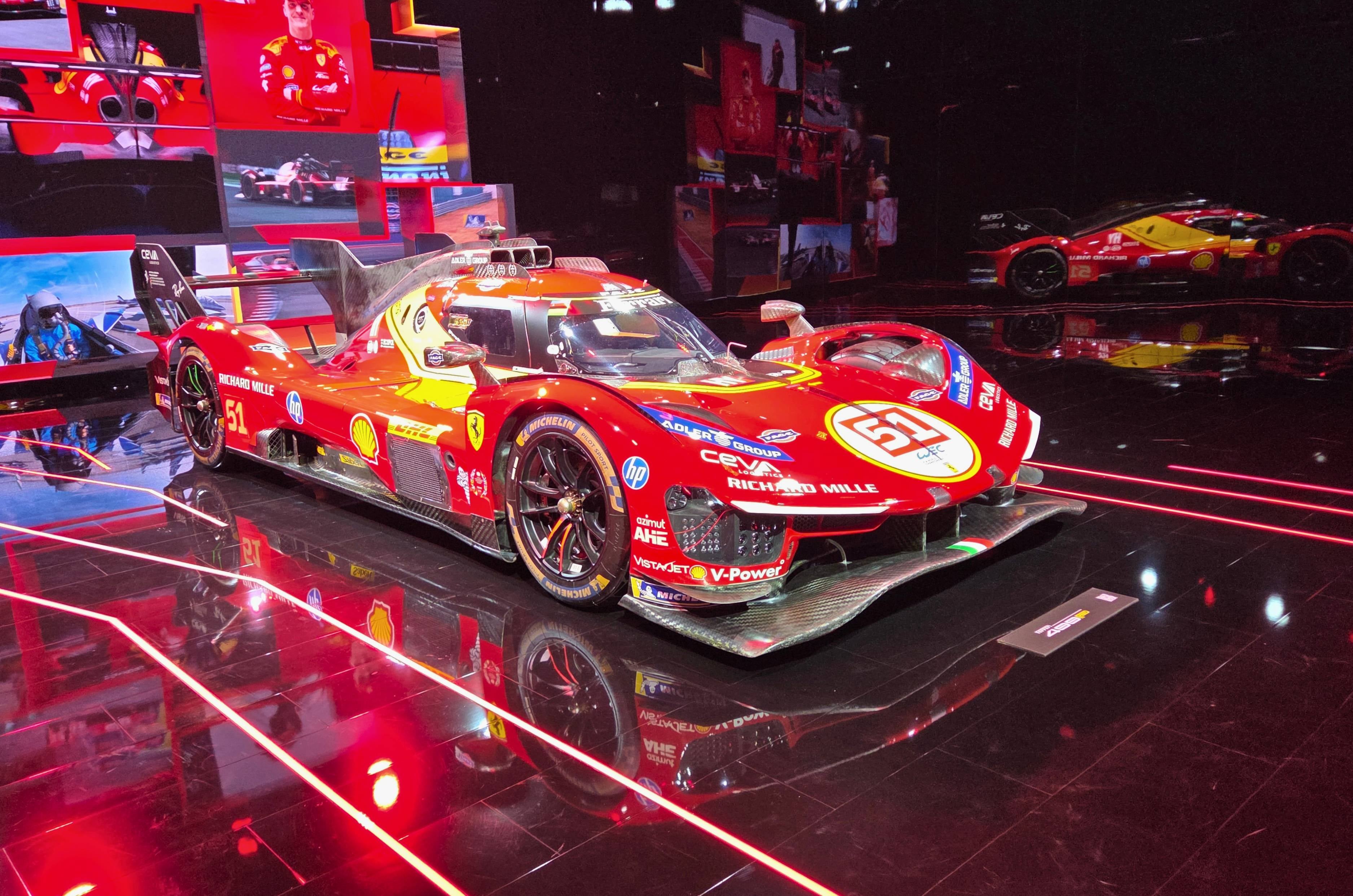
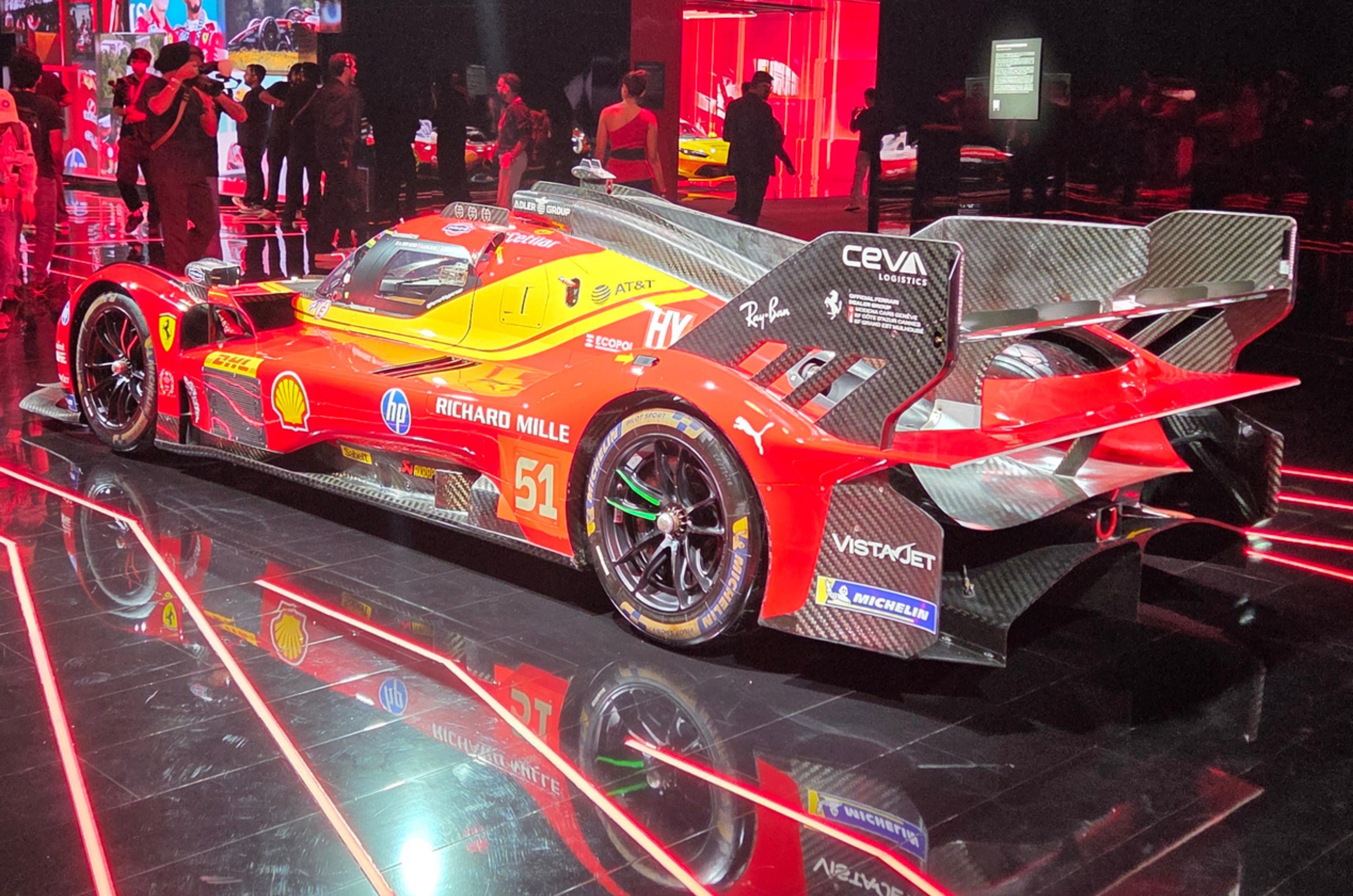
The 499P Le Mans Hypercar was revealed in 2022 as Ferrari’s return to the top class of endurance racing after 50 years. It’s powered by a twin-turbo V6 based on the architecture of the engine used in the 296 GT3, itself derived from the road-going 296 GTB. Developed specifically for racing, the 499P’s V6 works with a bespoke 900-volt, 200kW energy recovery system (ERS) connected to the front axle, forming a hybrid all-wheel drive layout. A brake-by-wire system recovers kinetic energy, while power is delivered through a 7-speed sequential gearbox. Balance of Performance regulations limit the 499P’s total output to 680hp.
The 499P’s design pays tribute to Ferrari’s endurance racing heritage, particularly the 312P prototype from 1973 – Ferrari’s last factory entry in the top class. Its name refers to the 499cc displacement of each cylinder, while ‘P’ stands for Prototype. A yellow stripe runs through the livery – another nod to the 312P – while carbonfibre construction allows for a 1,030kg baseline weight. The 499P brought home several accolades for Ferrari, such as three consecutive Le Mans victories (2023, 2024, and 2025), a complete sweep at the 2025 FIA World Endurance Championship, and more.
Ferrari SF-26
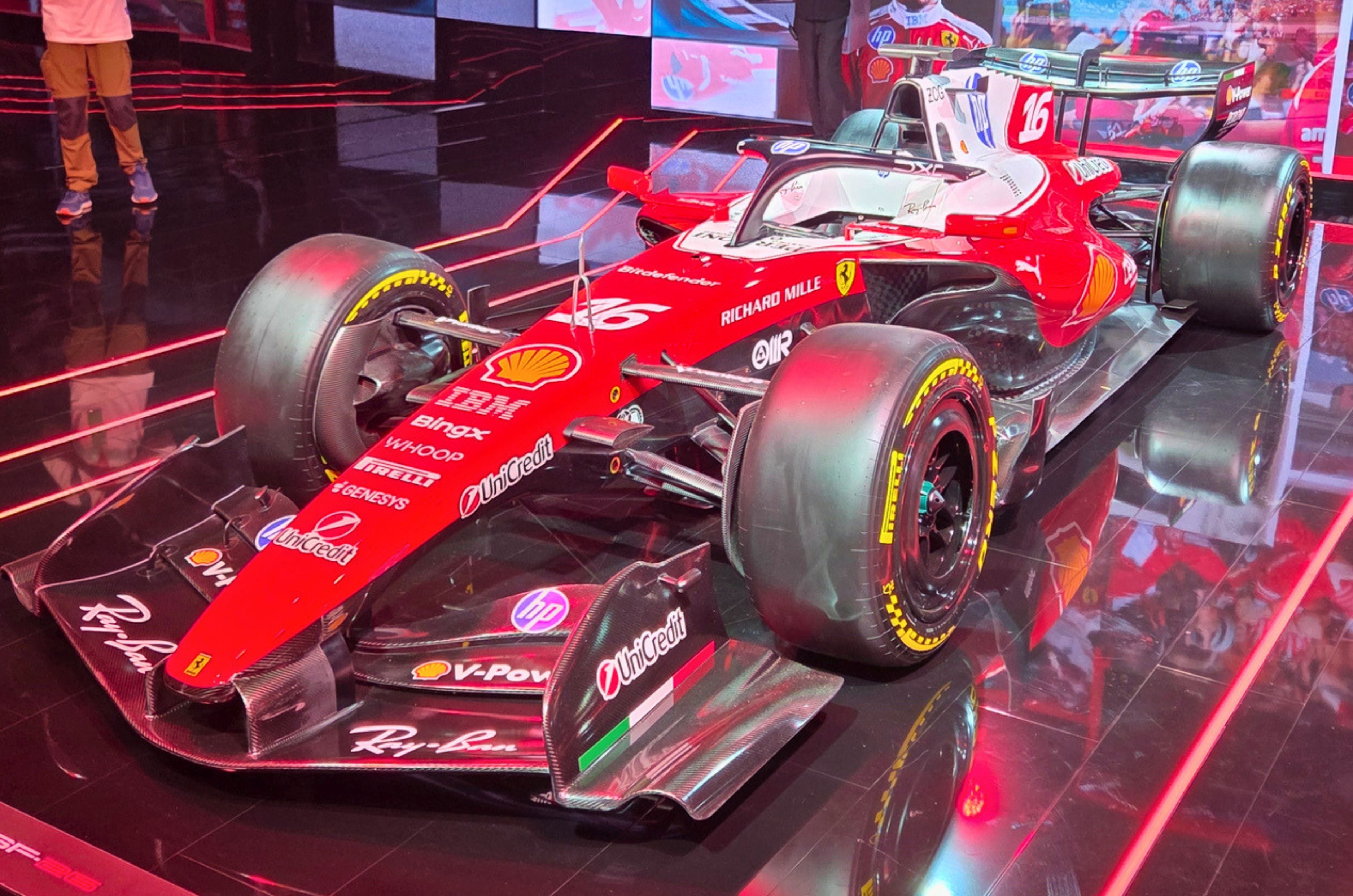
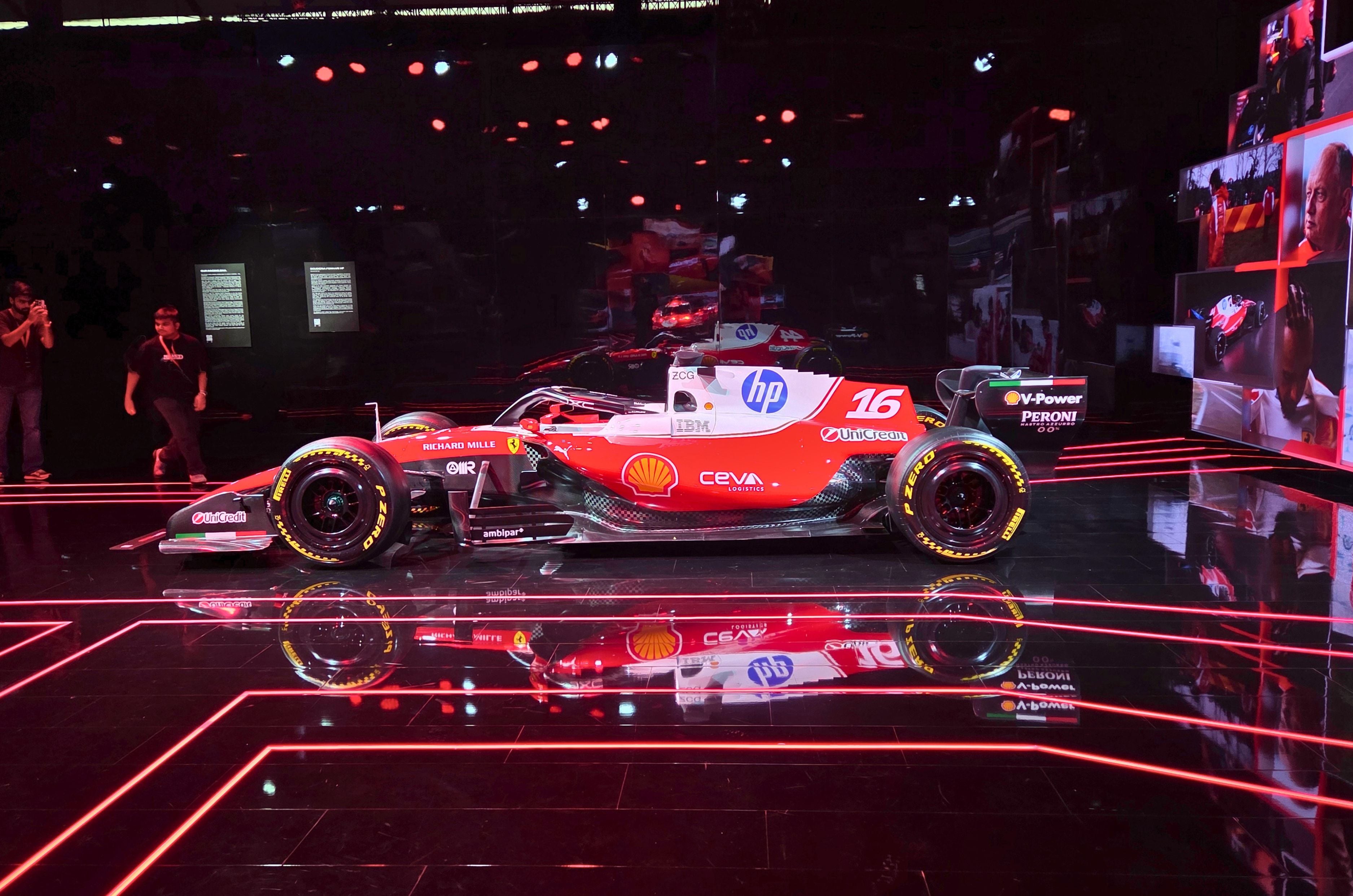
Ferrari pulled the wraps off the SF-26 racer back in January 2026. Built for F1’s 2026 technical regulations overhaul, the SF-26 is powering by Ferrari’s 067/6 power unit – a 1.6-litre turbocharged V6 that can run on sustainable fuel blends and is paired with a heavily bolstered 350kW MGU-K system, creating a near 50-50 performance split between combustion and electric power. Driven by Charles Leclerc and Lewis Hamilton, the SF-26 has compiled 11 Grand Prix podiums and 2 victories, with dramatic wins at the Spanish Grand Prix with Hamilton and the British Grand Prix with Leclerc.
The SF-26’s bodywork shifts away from the previous ground-effect era toward a lighter, more agile 770kg carbon-composite structure. It features advanced active aerodynamics with movable front and rear wings to minimise drag on straights while maximising cornering downforce. Visually, the SF-26 incorporates push-rod suspension on both axles and debuts a gloss Rosso Scuderia livery accented with white.
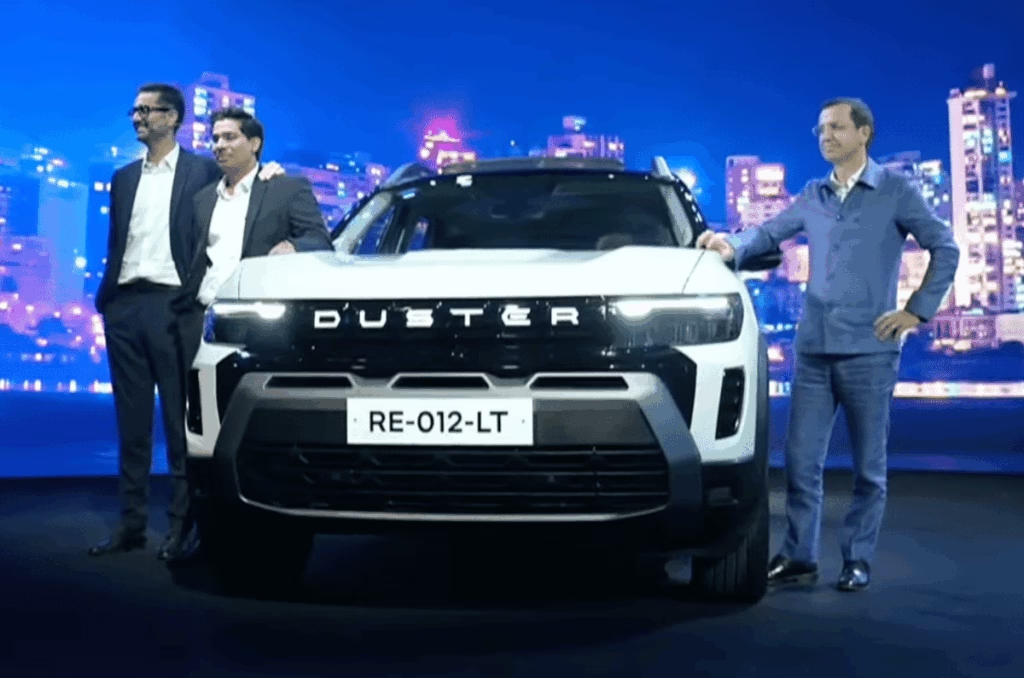
Renault has launched the Duster hybrid in India at an introductory price of Rs 16.99 lakh for the entry-level Evolution trim, with prices going up to Rs 19.49 lakh for the top-end Emotion trim. Customer bookings are underway at Rs 21,000, with deliveries scheduled to begin in November. The Duster hybrid takes on the strong-hybrid versions of the Maruti Grand Vitara, Maruti Victoris and Toyota Urban Cruiser Hyryder.
1.8-litre petrol and two electric motors make a combined 160hp, with 0-100kph in a claimed 9.61sec.
1.4kWh battery pack, multi-mode automatic gearbox and a claimed 29kpl.
Features include ventilated seats, panoramic sunroof, dual-zone climate control and more.
Renault Duster hybrid prices
The Duster hybrid range is available in three trim levels
Renault Duster hybrid price list (Rs, lakh)
Trims
Prices (ex-showroom)
Evolution
16.99
Techno
18.99
Emotion
19.49
Renault is offering the Duster hybrid in three trims: Evolution, Techno and Emotion. These introductory prices apply to all deliveries until December 31, 2026, and R-Pass owners will get priority deliveries. Buyers can also opt for the Renault Protect 360 ownership package, priced from Rs 89,900, which bundles three years of comprehensive insurance, three years of scheduled maintenance and a three-year assured resale value.
Renault Duster hybrid powertrain and mileage
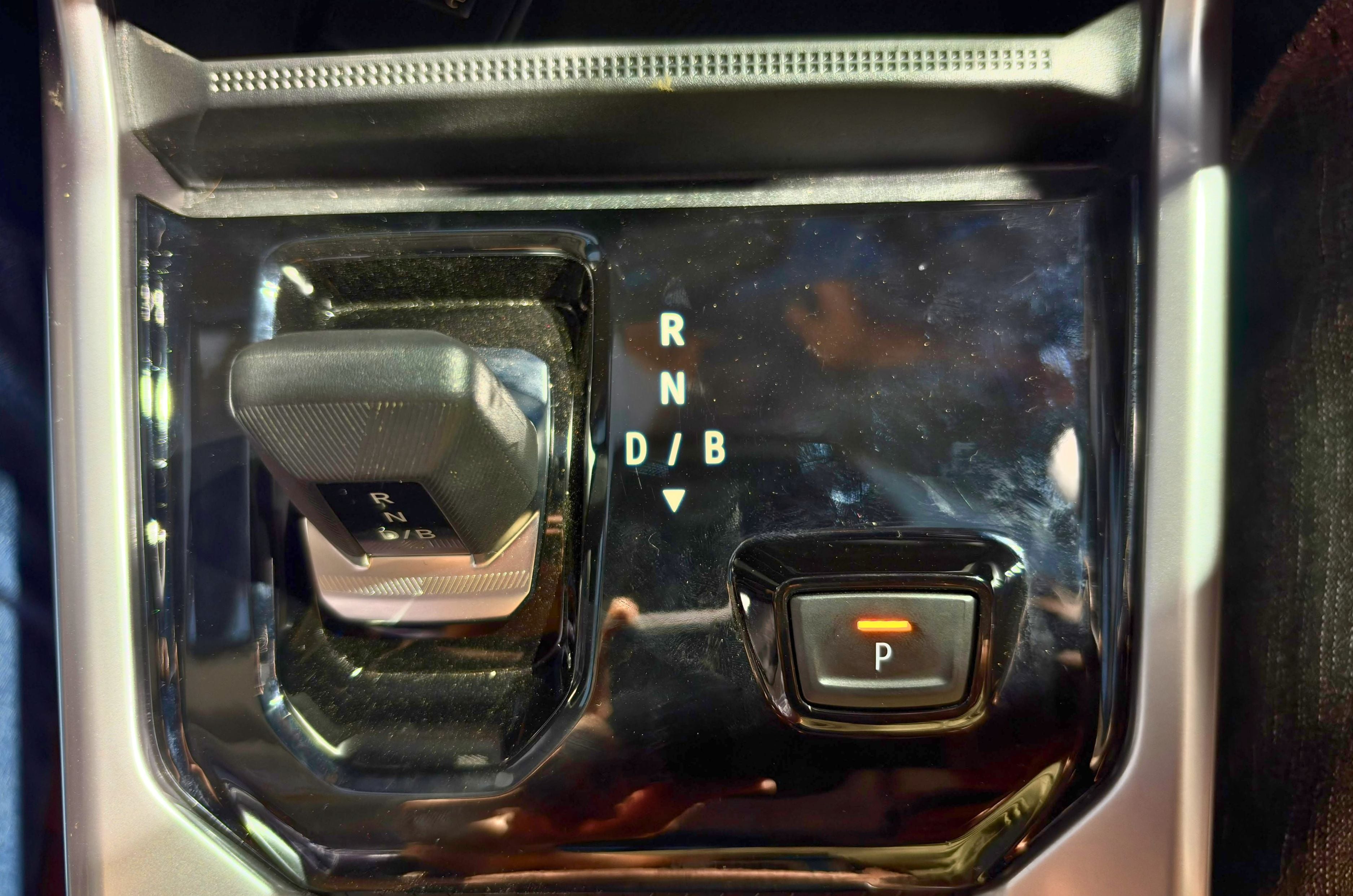
The E-Tech hybrid features a 1.4kWh battery pack and a multi-mode automatic transmission
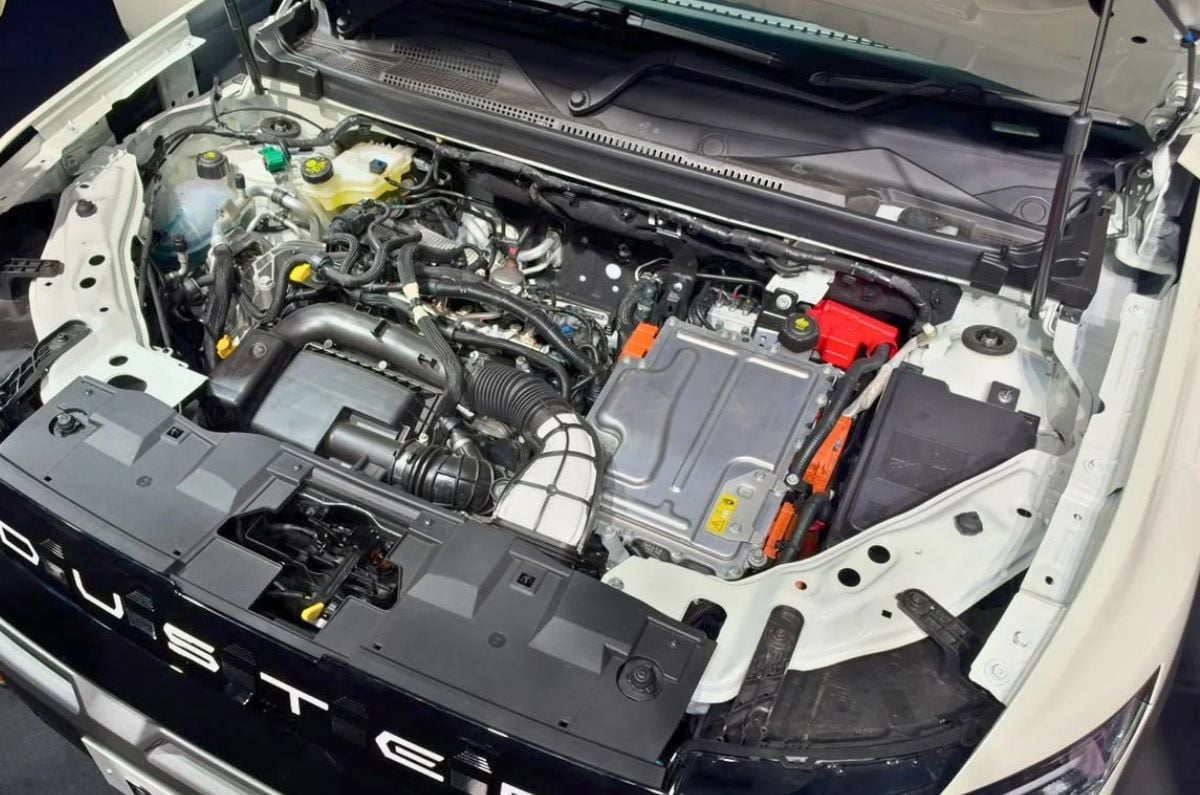
The Duster is based on Renault’s RGMP platform, which the brand says can accommodate petrol, hybrid and CNG powertrains. The hybrid is equipped with the brand’s ‘E-Tech 160’ system, which pairs a 1.8-litre four-cylinder petrol engine with two electric motors. The Atkinson-cycle engine makes 110hp and 175Nm, and Renault claims it is the biggest engine in the segment, with a thermal efficiency of up to 41 percent. A high-voltage starter-generator mounted on the engine handles engine starts, smooths out gearshifts and charges the battery, including through regenerative braking. A separate 50hp traction motor, connected directly to the driveline, drives the front wheels and produces 208Nm. The combined system output stands at 160hp, which Renault says is the highest in the segment.
The hybrid system runs on a 1.4kWh, 247V NMC battery pack with direct refrigerant cooling. Transmission duties are handled by what Renault calls a “multi-mode automatic” gearbox, with two electric gears and four petrol gears. The system switches automatically between six operating modes, including all-electric, petrol-only, and series and series-parallel hybrid. The French automaker claims the hybrid can manage up to 80 percent of city driving in pure electric mode, and a 0-100kph time of 9.61sec, which it says is the quickest in the segment. The Duster hybrid also gets frequency-dependent dampers.
The ARAI-certified mileage of the Renault Duster hybrid is 29kpl, which the brand says makes it the most fuel-efficient hybrid in India, ahead of rivals such as the Maruti Victoris hybrid, Maruti Grand Vitara hybrid and Toyota Urban Cruiser Hyryder hybrid. Combined with a 50-litre fuel tank, Renault claims a total driving range of over 1,400km.
Renault Duster hybrid exterior design
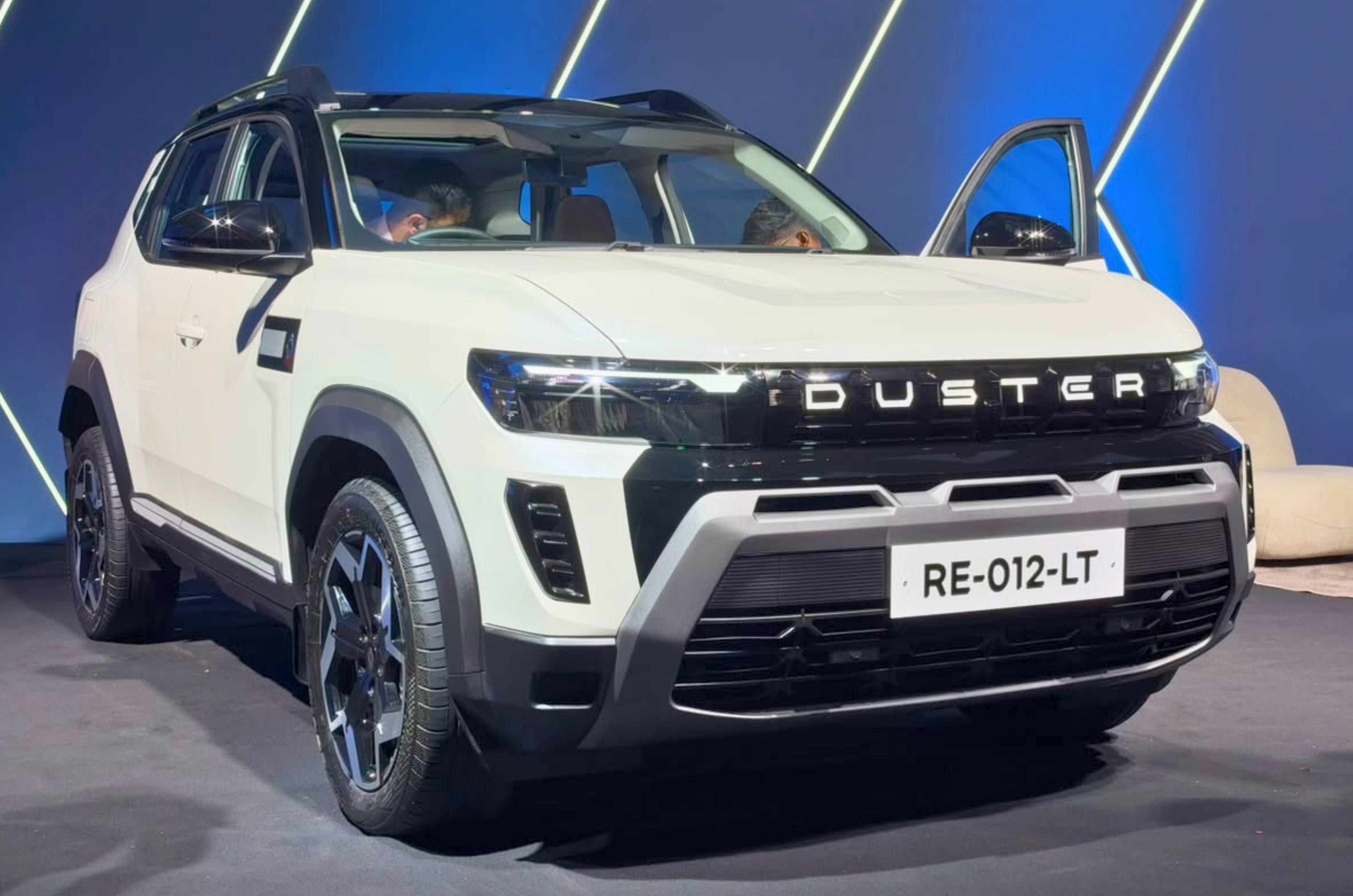
Overall styling is largely similar to the turbo-petrol Duster
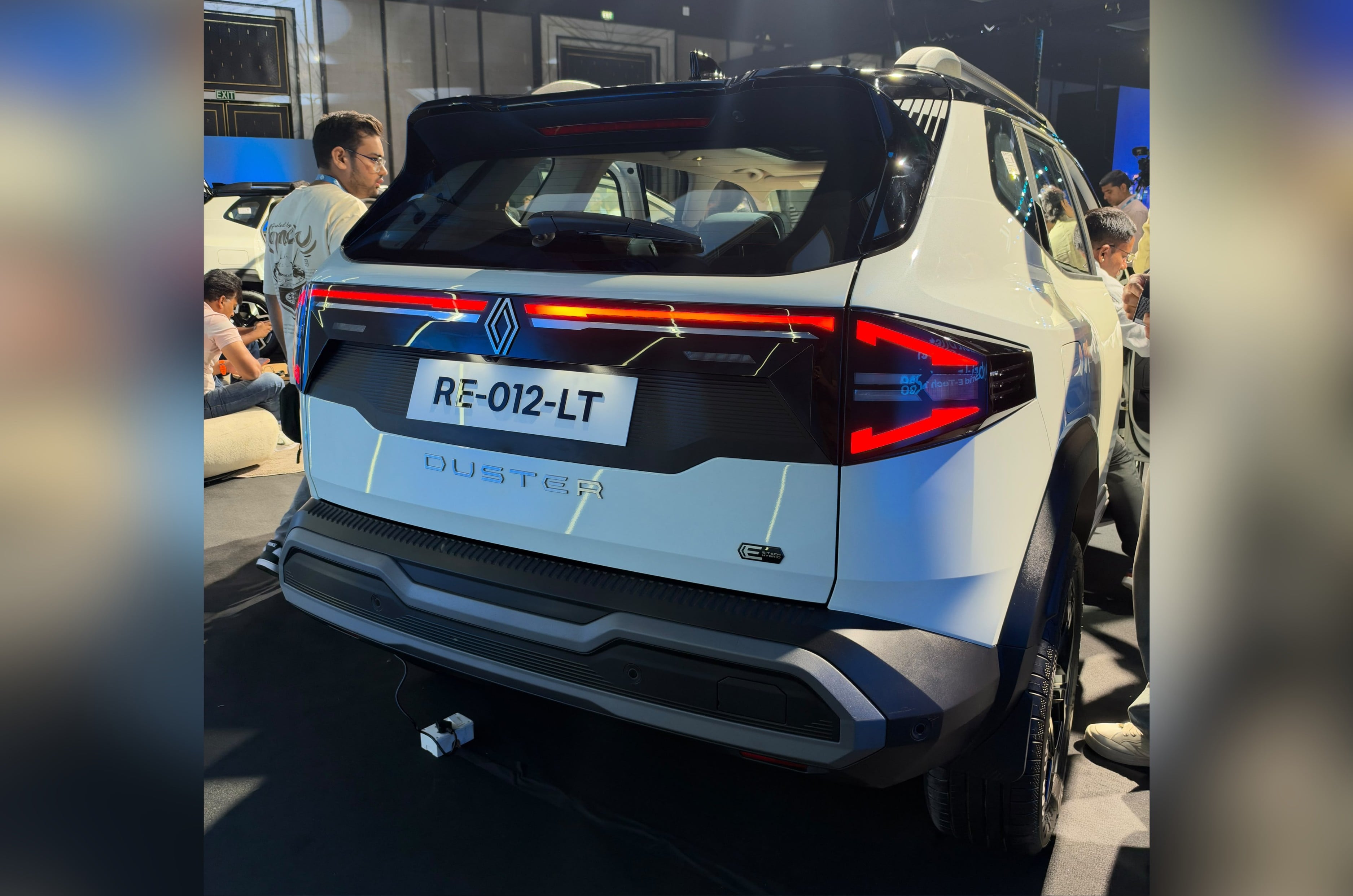
The Duster hybrid looks largely the same as the turbo-petrol versions, with chunky body cladding, C-pillar-mounted rear door handles, roof rails and eyebrow-style DRLs (daytime running lights). Up front, the signature grille gets an illuminated ‘Duster’ emblem, and full-LED headlamps are offered from the Techno trim onwards.
The base Evolution trim rides on 18-inch flex wheels, while the top-spec Emotion gets 18-inch diamond-cut alloys. At the rear is an LED horizontal light bar, while there are ‘E-Tech’ badges on the front doors and the tailgate. The Duster hybrid’s ground clearance stands at 212mm.
Renault Duster hybrid interior and features
Feature highlights include a pano sunroof, ventilated seats and a 10.25-inch digital cluster
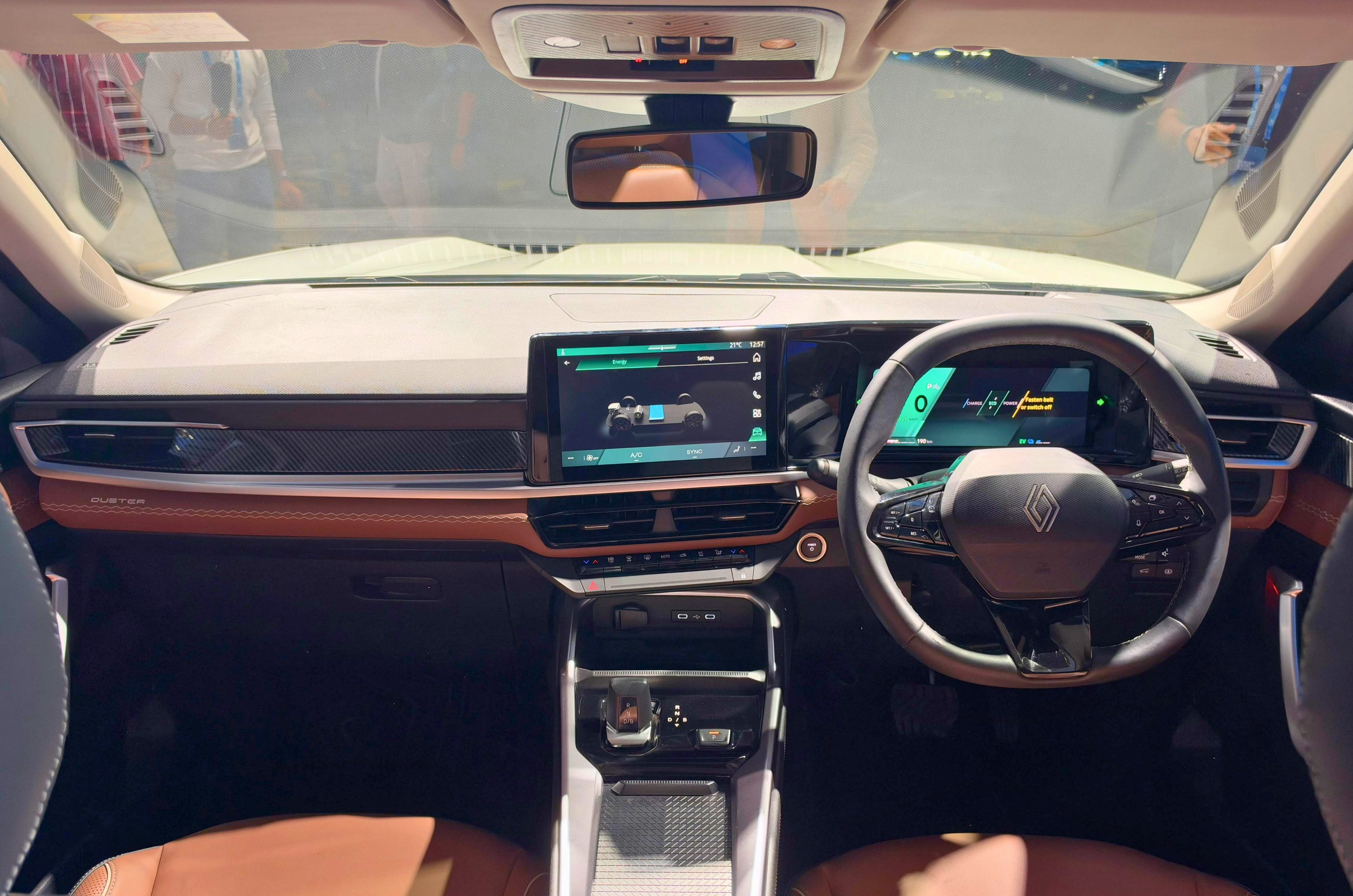
The Duster hybrid’s cabin follows the general design of the turbo-petrol versions, with a dual-screen layout. The mid-spec Techno gets Desert Beige semi-leatherette upholstery, while the top-spec Emotion gets Dune Brown leatherette upholstery.
Standard features on the base Evolution trim include a 10.1-inch touchscreen, a 7-inch digital driver’s display and dual-zone automatic climate control. The Techno adds an electric panoramic sunroof, keyless entry with push-button start and connected car tech via the ‘MyRenault’ (MYR) app. The range-topping Emotion trim gets a larger 10.25-inch digital driver’s display, 6-way electrically adjustable and ventilated front seats, and a powered tailgate.
Renault Duster hybrid safety features
A wide array of safety tech is on offer
Renault claims that the Duster hybrid’s entry-level Evolution trim gets 38 safety features as standard. These come in the form of 6 airbags, hill-start assist, cruise control, rear parking sensors and a rearview camera.
CNG is shaping up to be the new diesel. For the second year running, CNG passenger vehicles outsold diesels, accounting for 21.98 percent of the market compared to 18.08 percent for oil burners in FY2026. That is a very big deal. Big enough for Mahindra – traditionally a diesel-first brand – to sit up, take notice and want a piece of the action. Its first attempt – if you don’t count the fleet-only KUV100 CNG – is the Mahindra XUV 3XO ZNG. Read as Zee-NG and pronounced Zing. The headline is that it makes the same amount of power as the pure-petrol 3XO TCMPFi. We experienced it in Mumbai to see if it really has zing.
Mahindra XUV 3XO ZNG Exterior Design and Engineering – 7/10
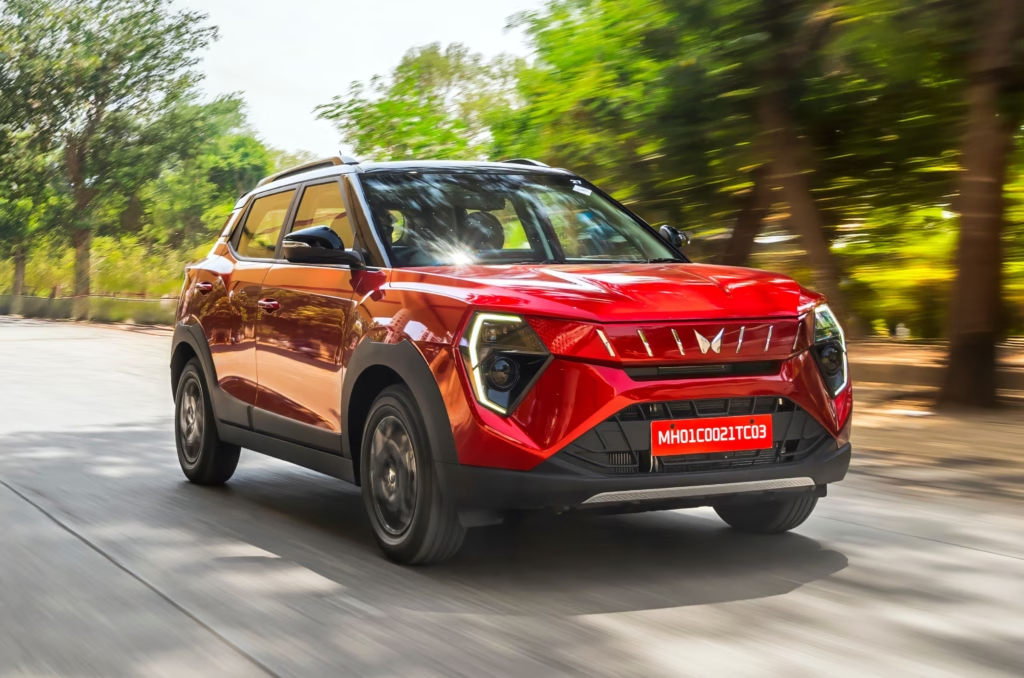
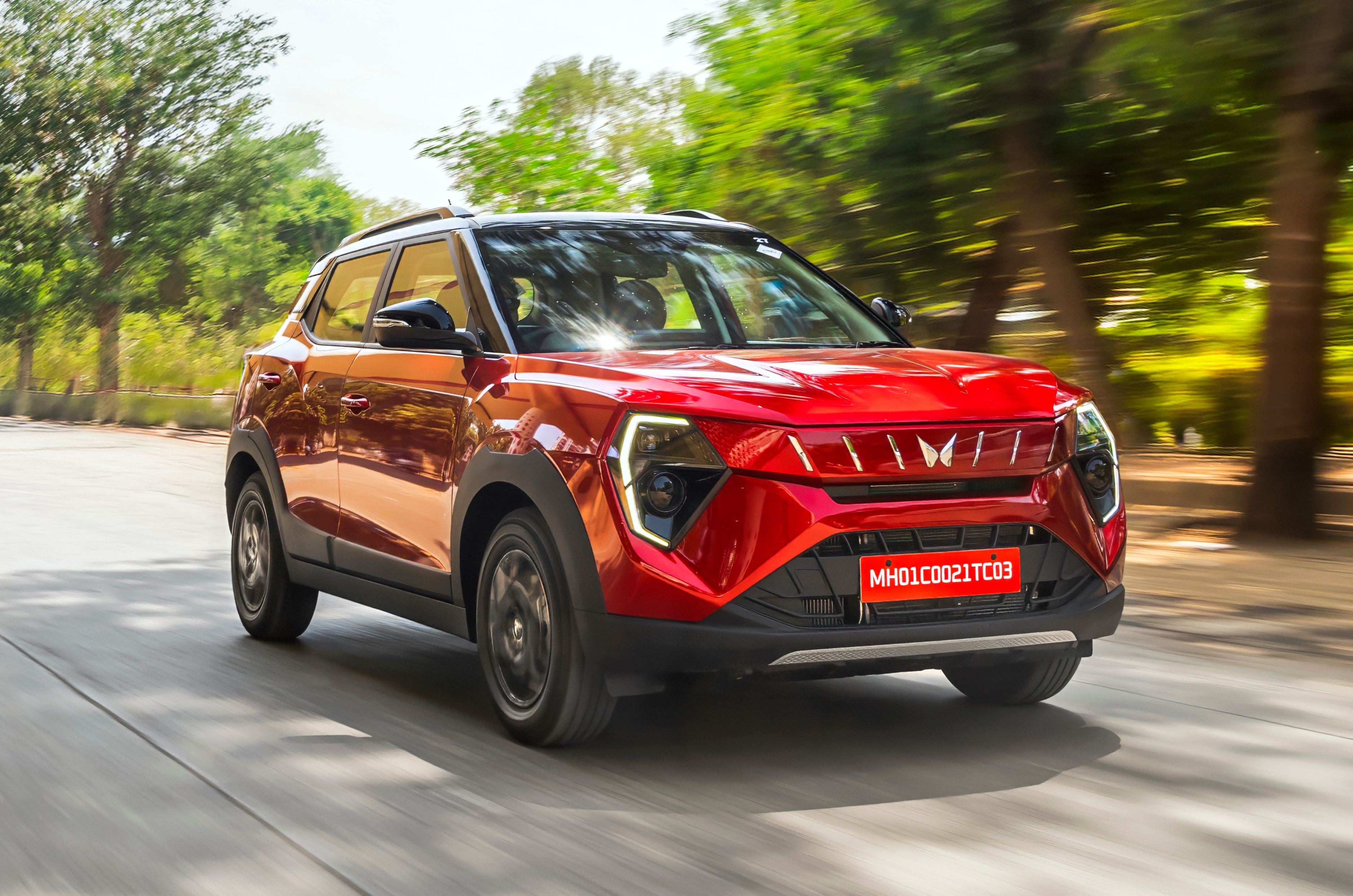
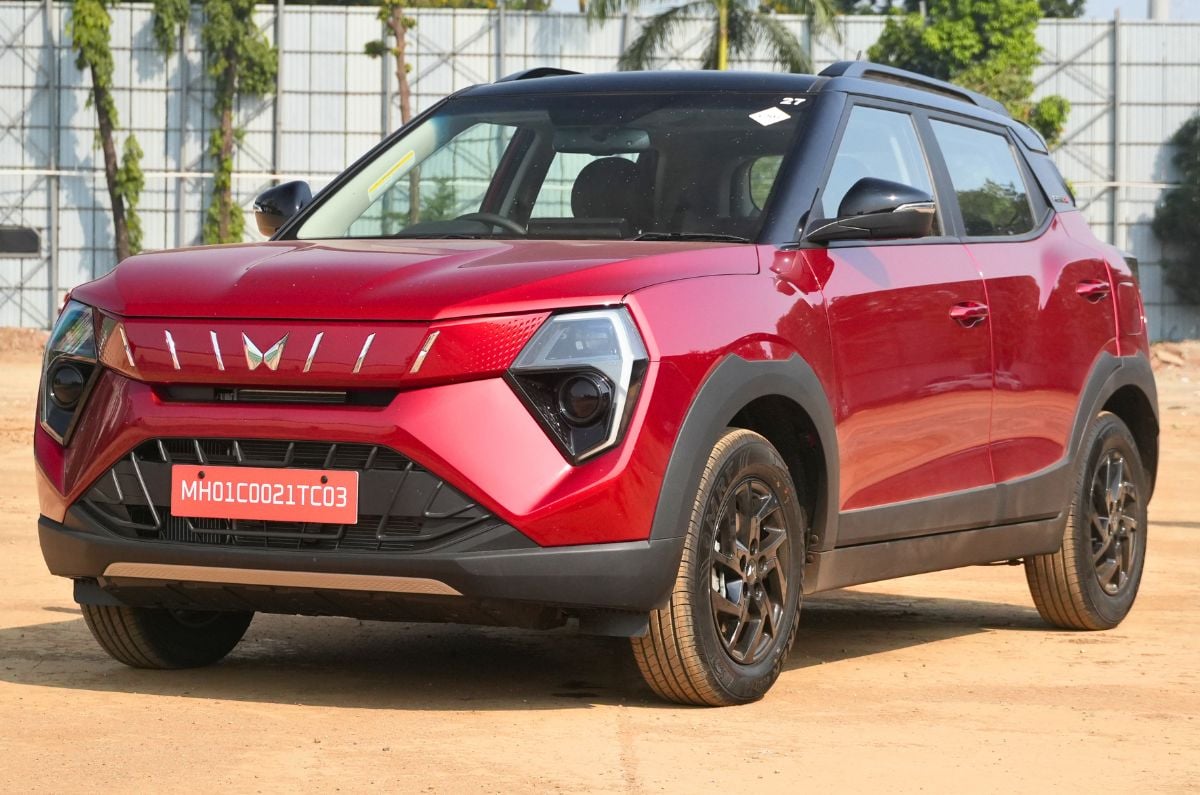
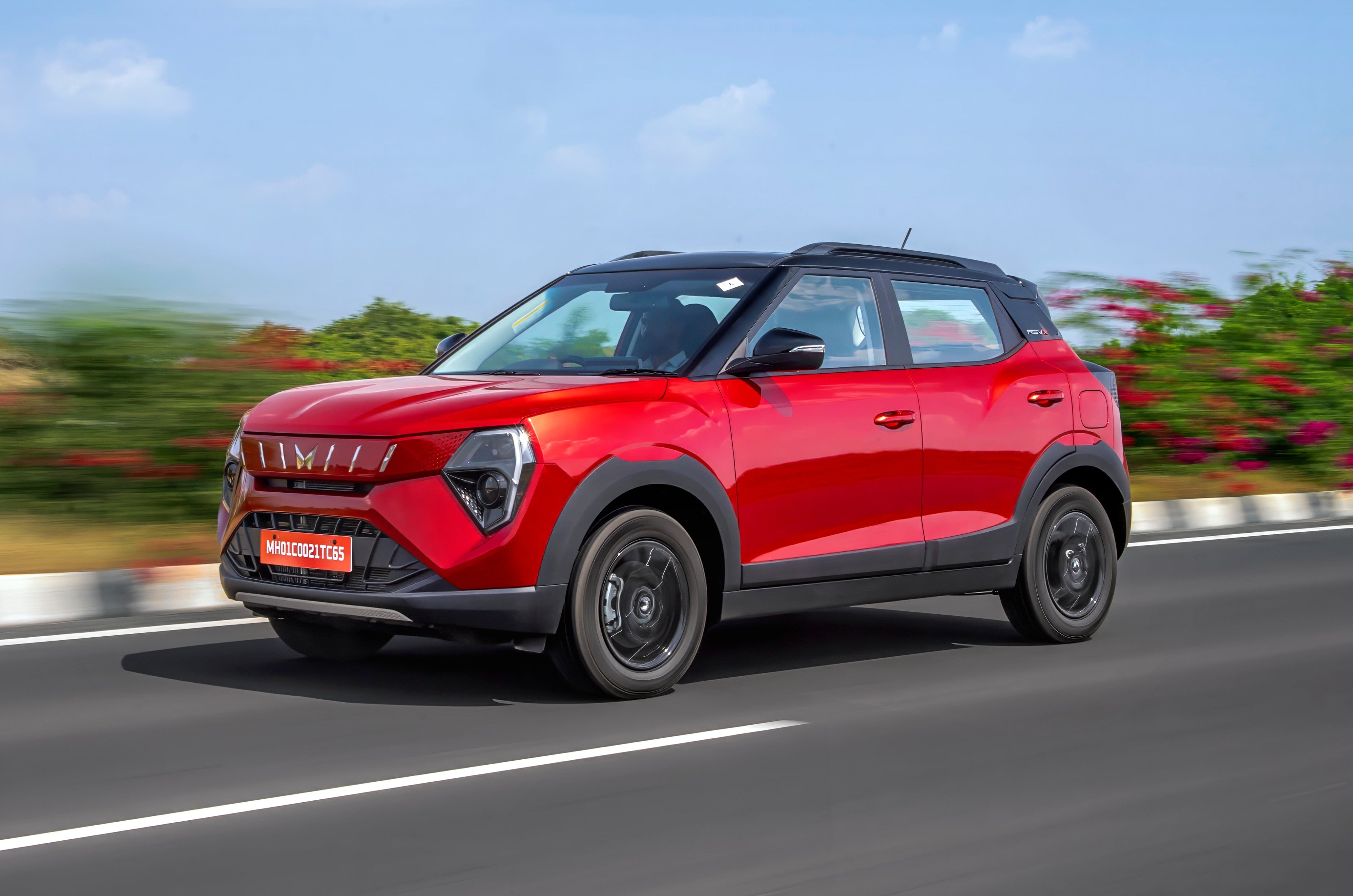
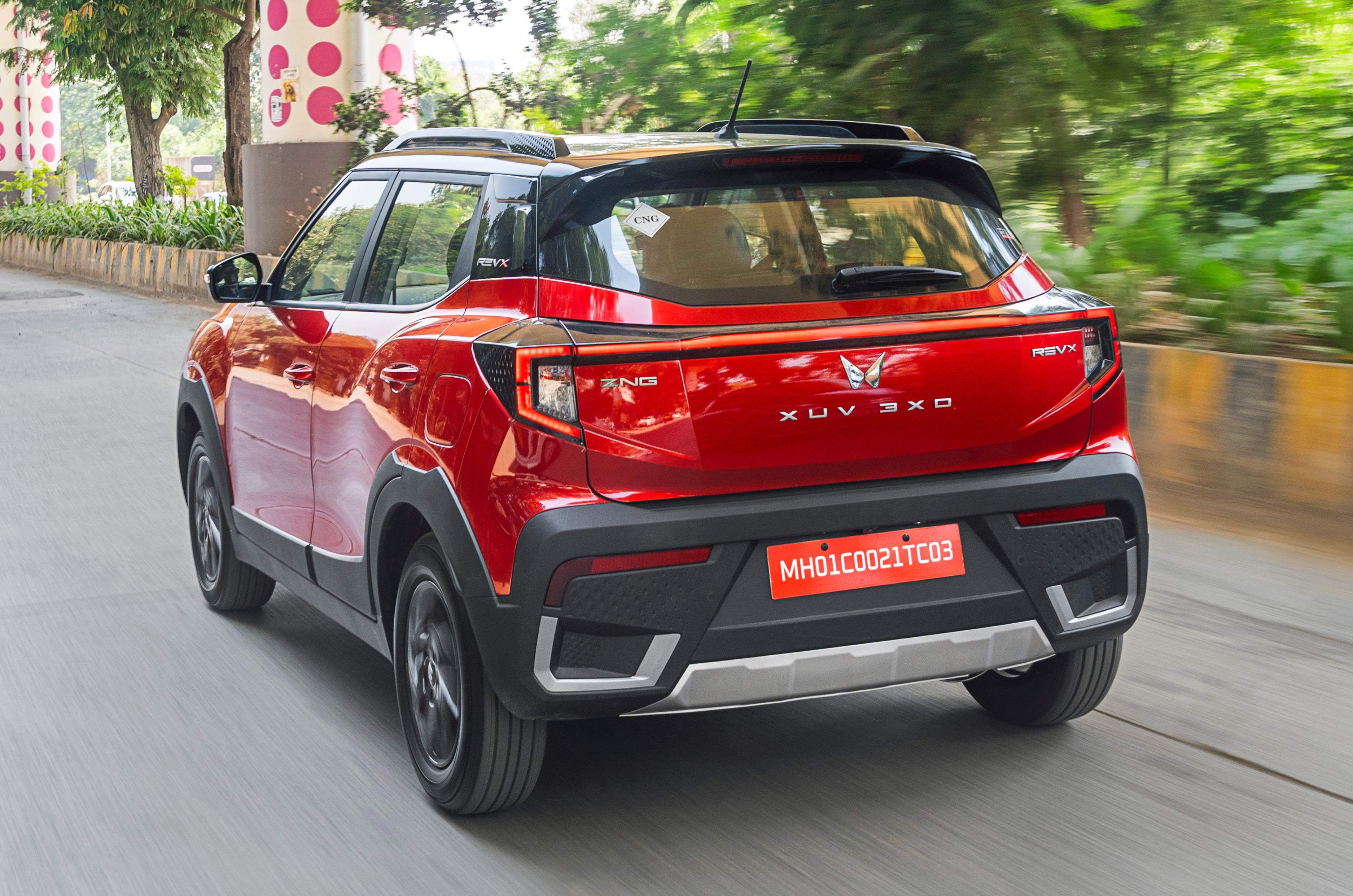
Outside, there isn’t much to tell the ZNG apart from the regular XUV 3XO. Our test car is based on the REVX trim and gets a body-coloured grille, while other trims gloss black. LED lighting is present, though fog lamps are missing even on the top REVX A CNG trim.
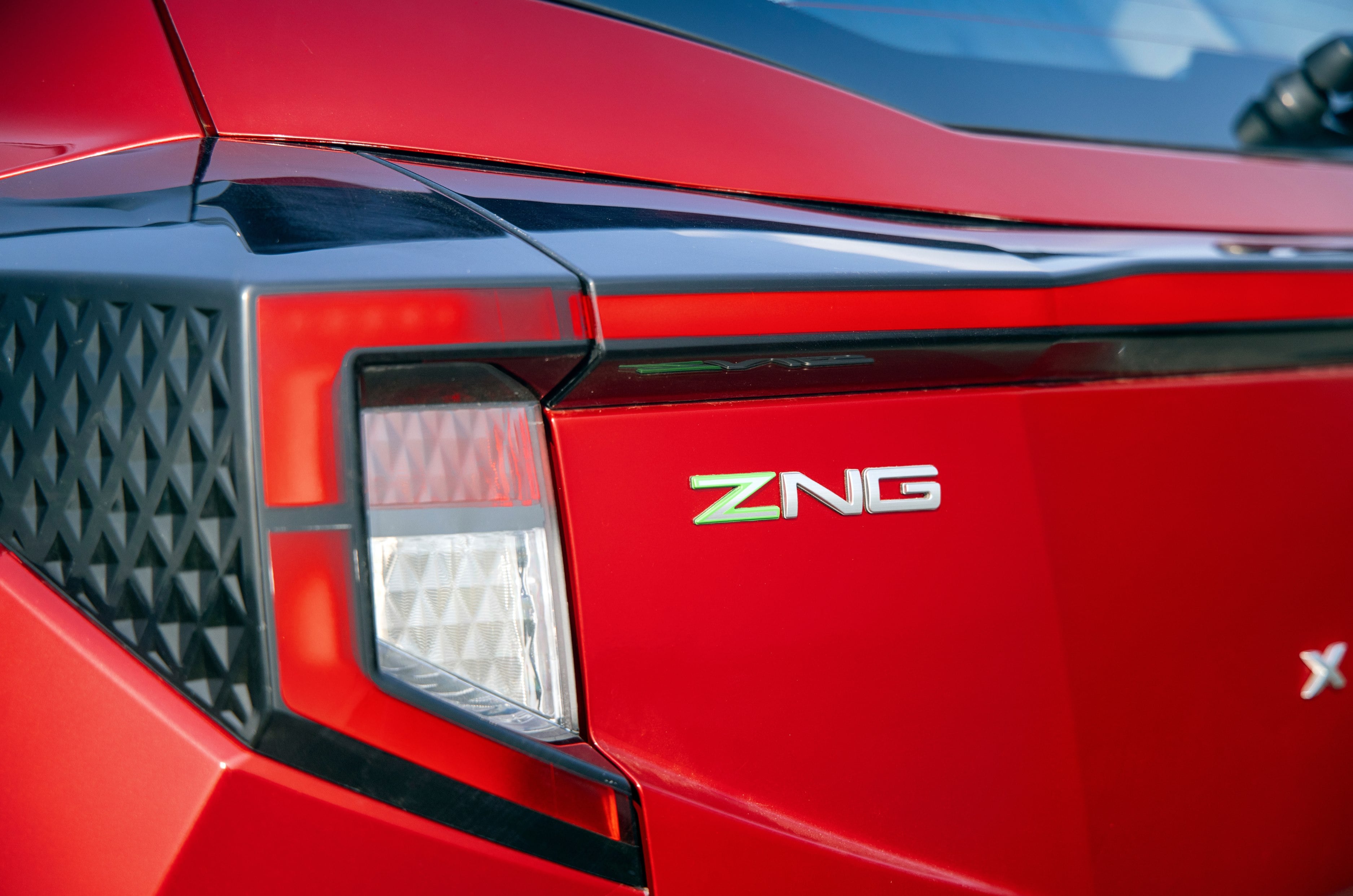
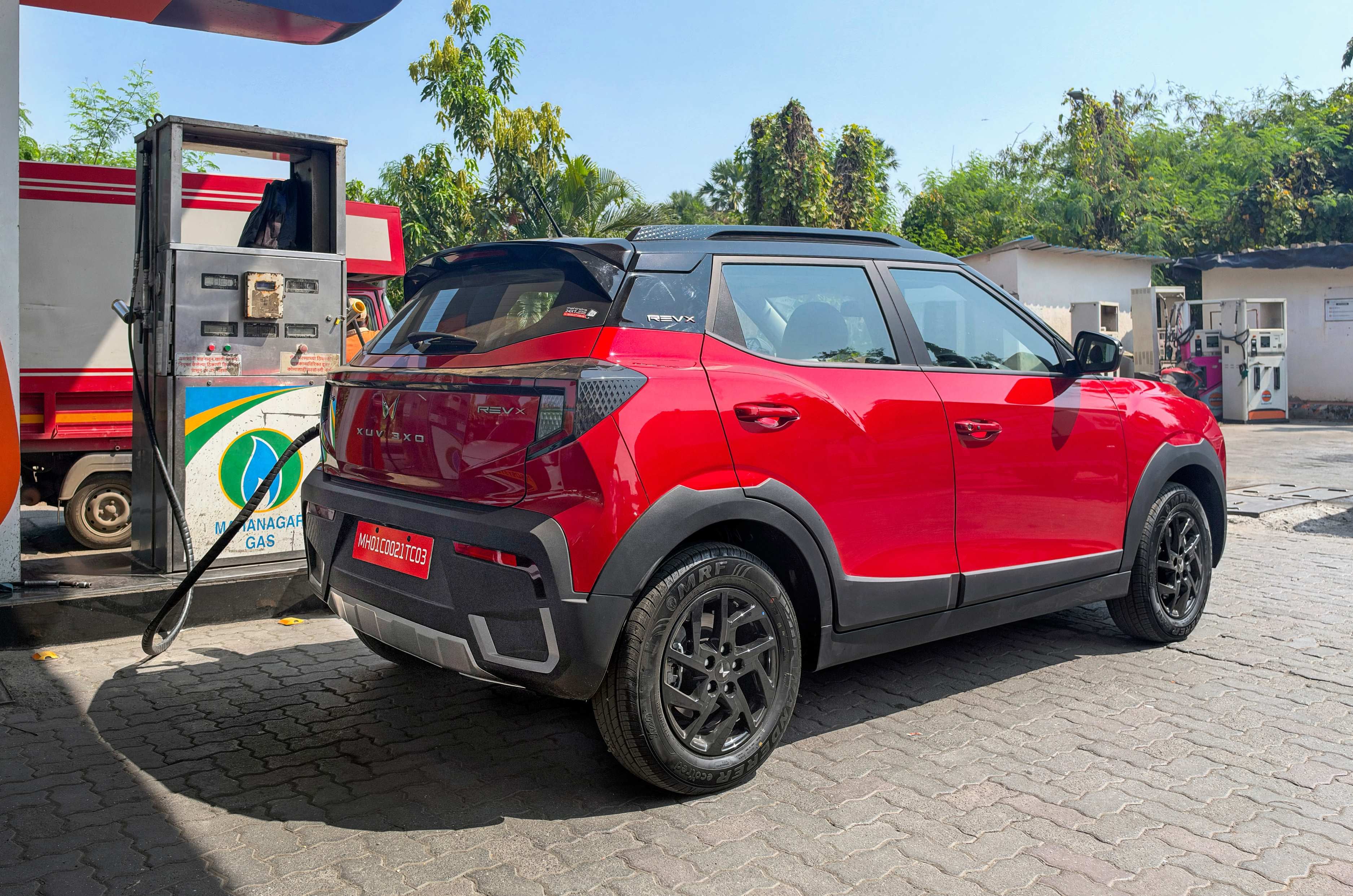
ZNG badge on the tailgate is the only exterior telltale of the CNG powertrain.
In profile, you’ll notice the gloss black 16-inch wheels – the largest size available on the ZNG, with 17s reserved for the pure-petrol TGDi. At the rear is the clearest giveaway of its CNG powertrain: a ZNG badge on the tailgate.
XUV 3XO ZNG Interior Space and Comfort – 8/10
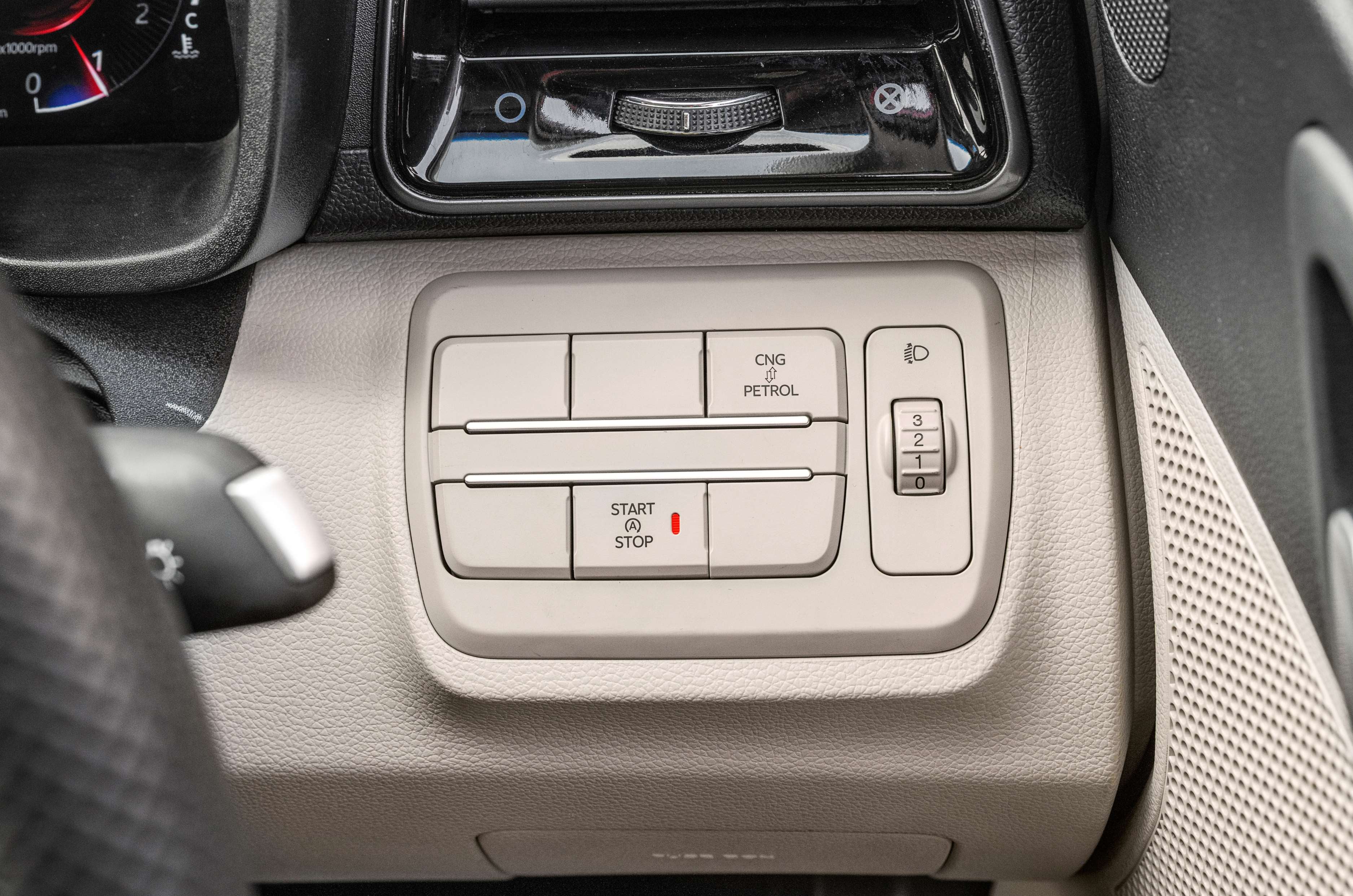
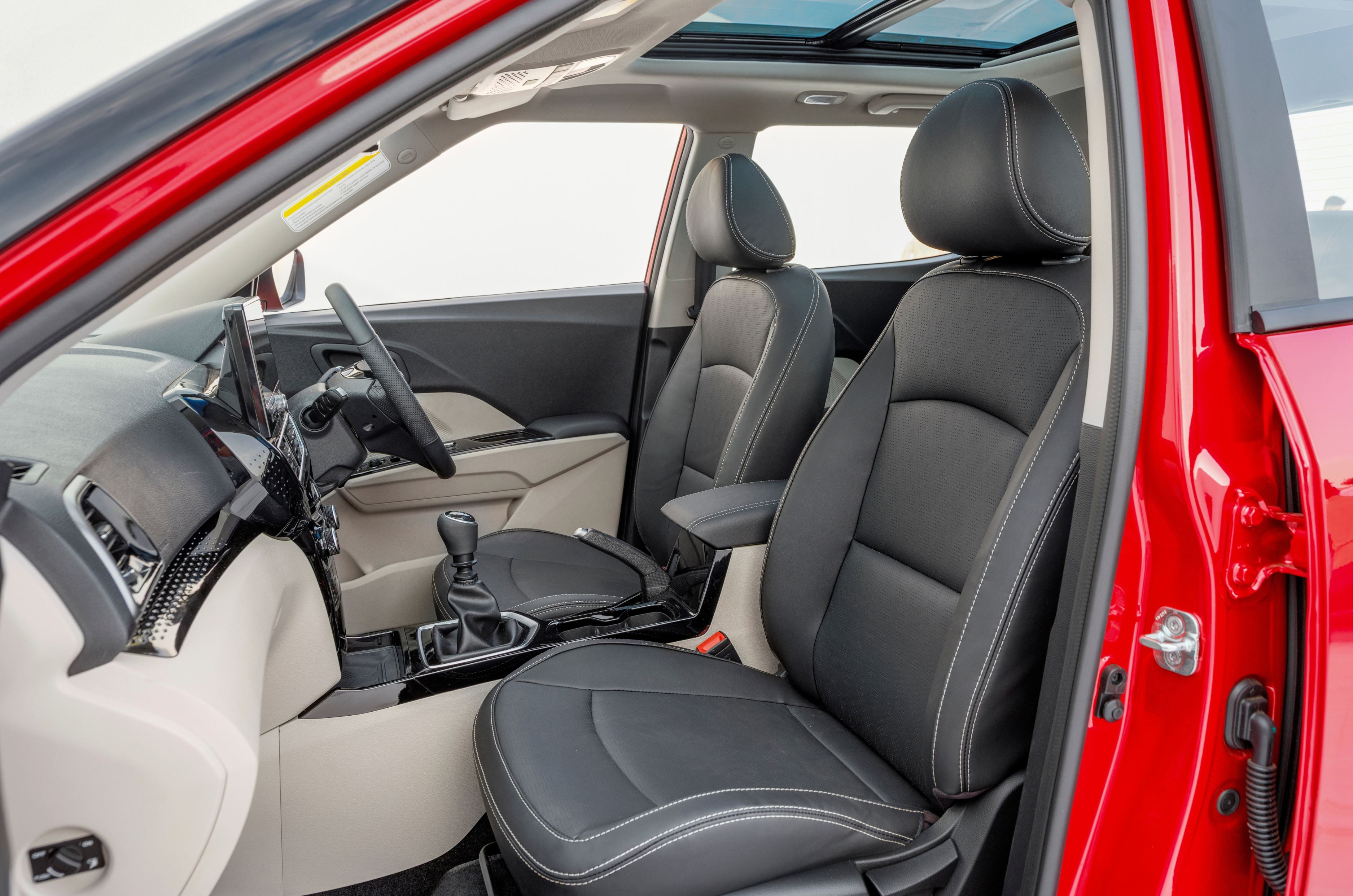
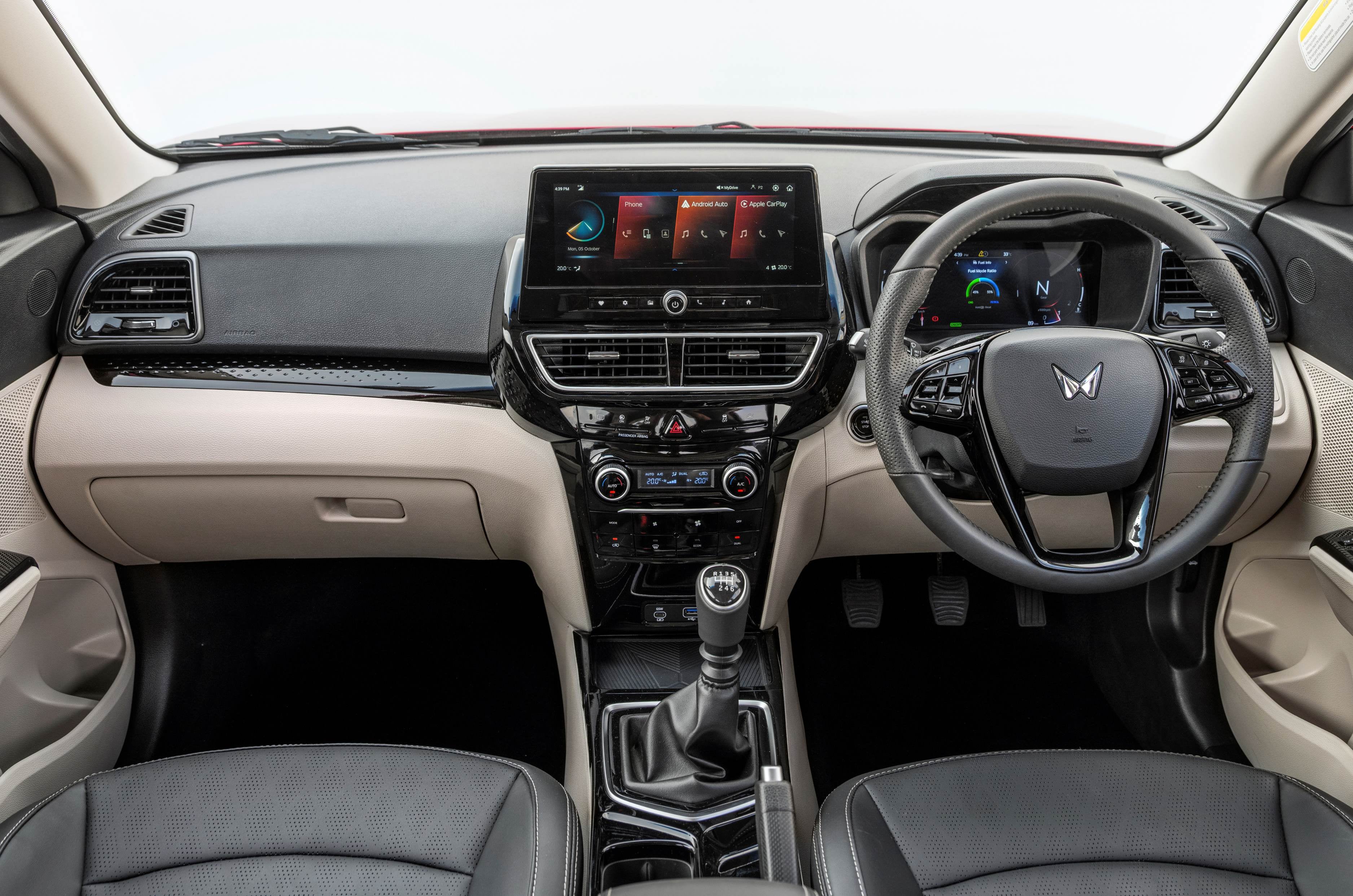
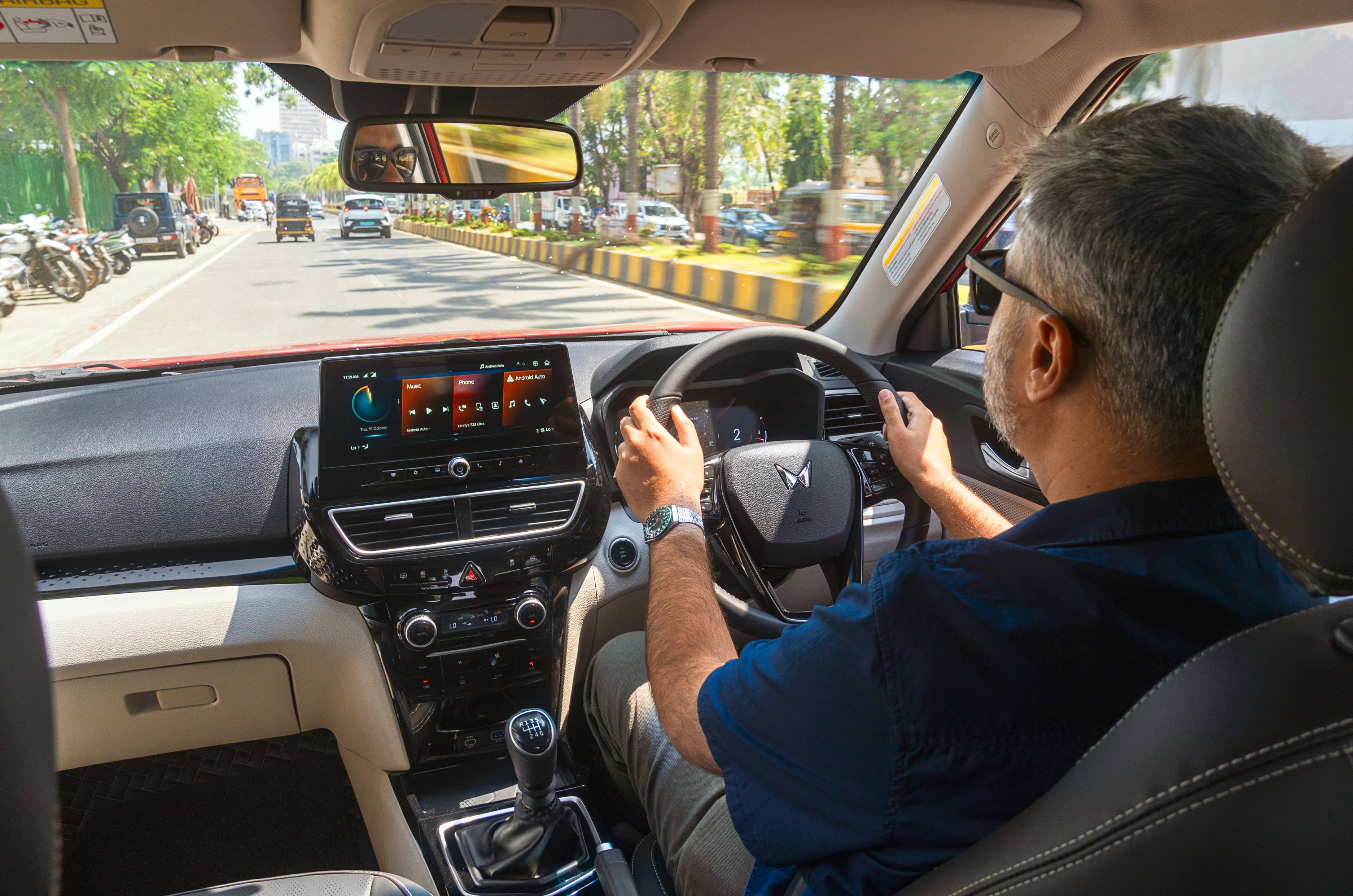
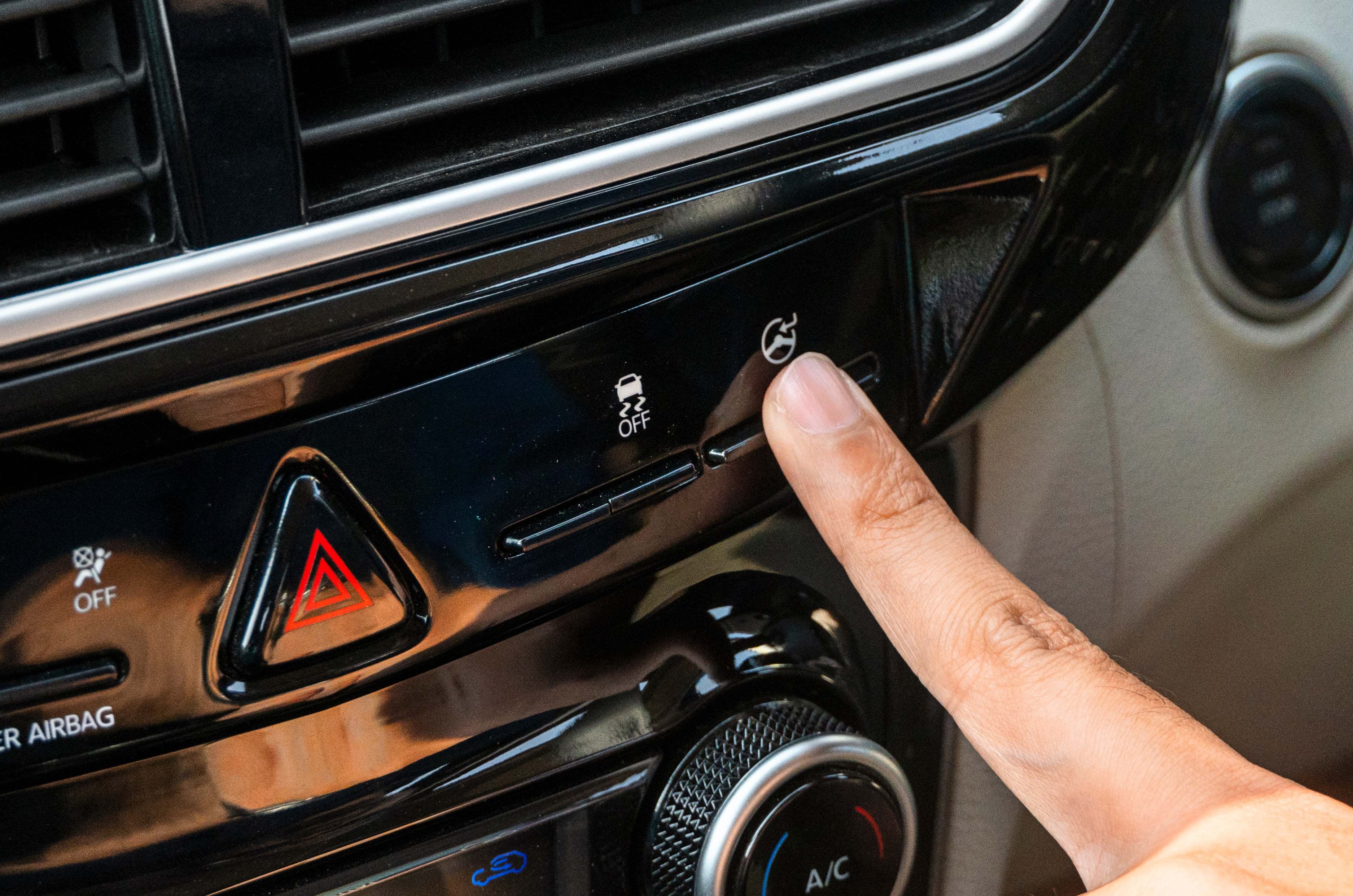
Inside, too, the ZNG is largely identical to its petrol and diesel counterparts, with a CNG switch to the right of the steering wheel being the only real giveaway. The dual-tone dashboard with lots of gloss black trim is otherwise carried over unchanged. Despite not being the top of the line variant, the cabin has an upmarket and well-trimmed air to it.
Our REVX A test car gets black leatherette seats, which can get quite hot, and they lack ventilation, just like the regular 3XO. The front seats are also a bit tight for larger frames, and the lack of a telescoping steering makes it hard to get comfy. Another ergonomic gripe is the tight driver’s footwell, with no dead pedal – pertinent as a six-speed manual is your only gearbox option.
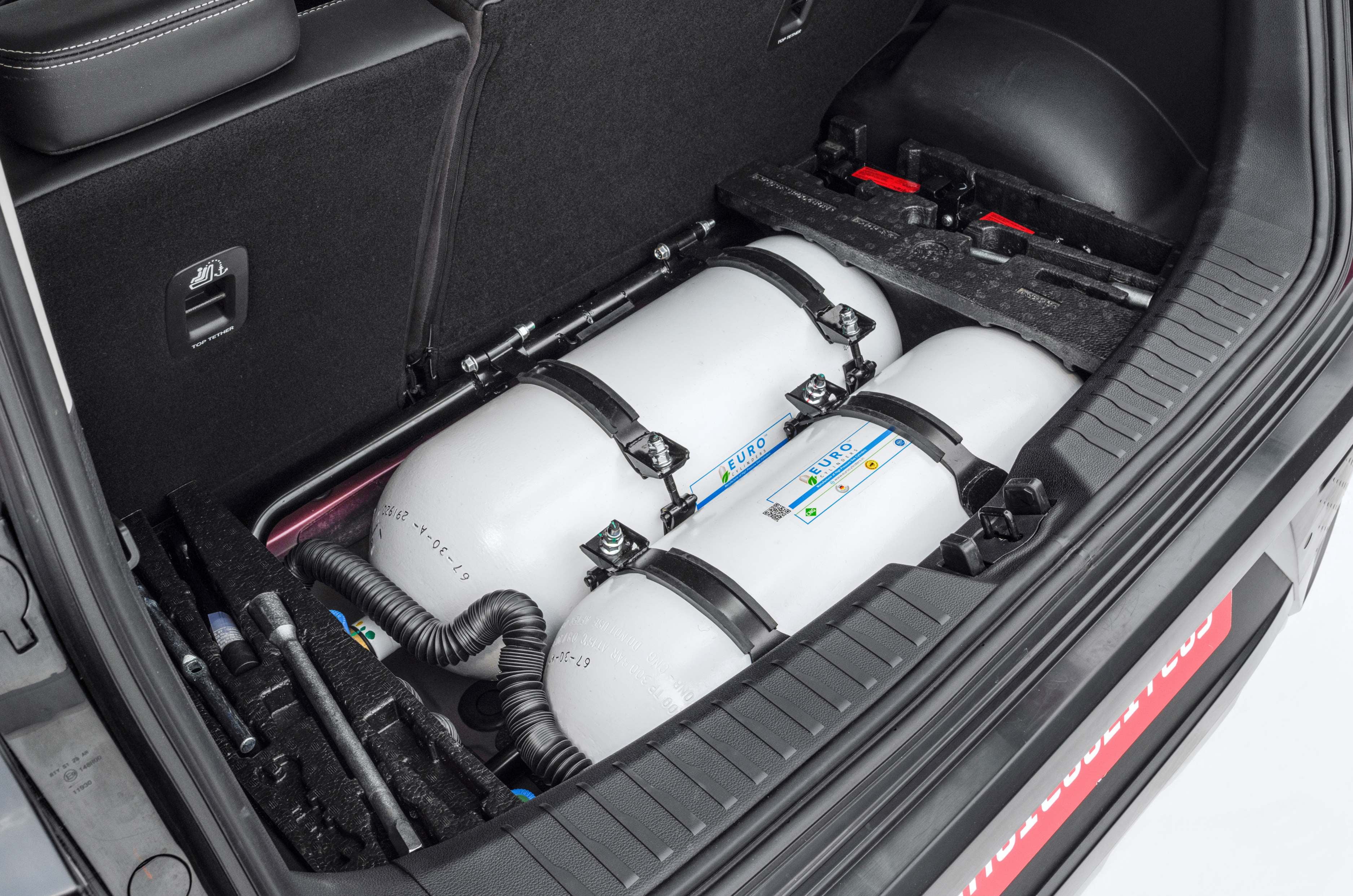
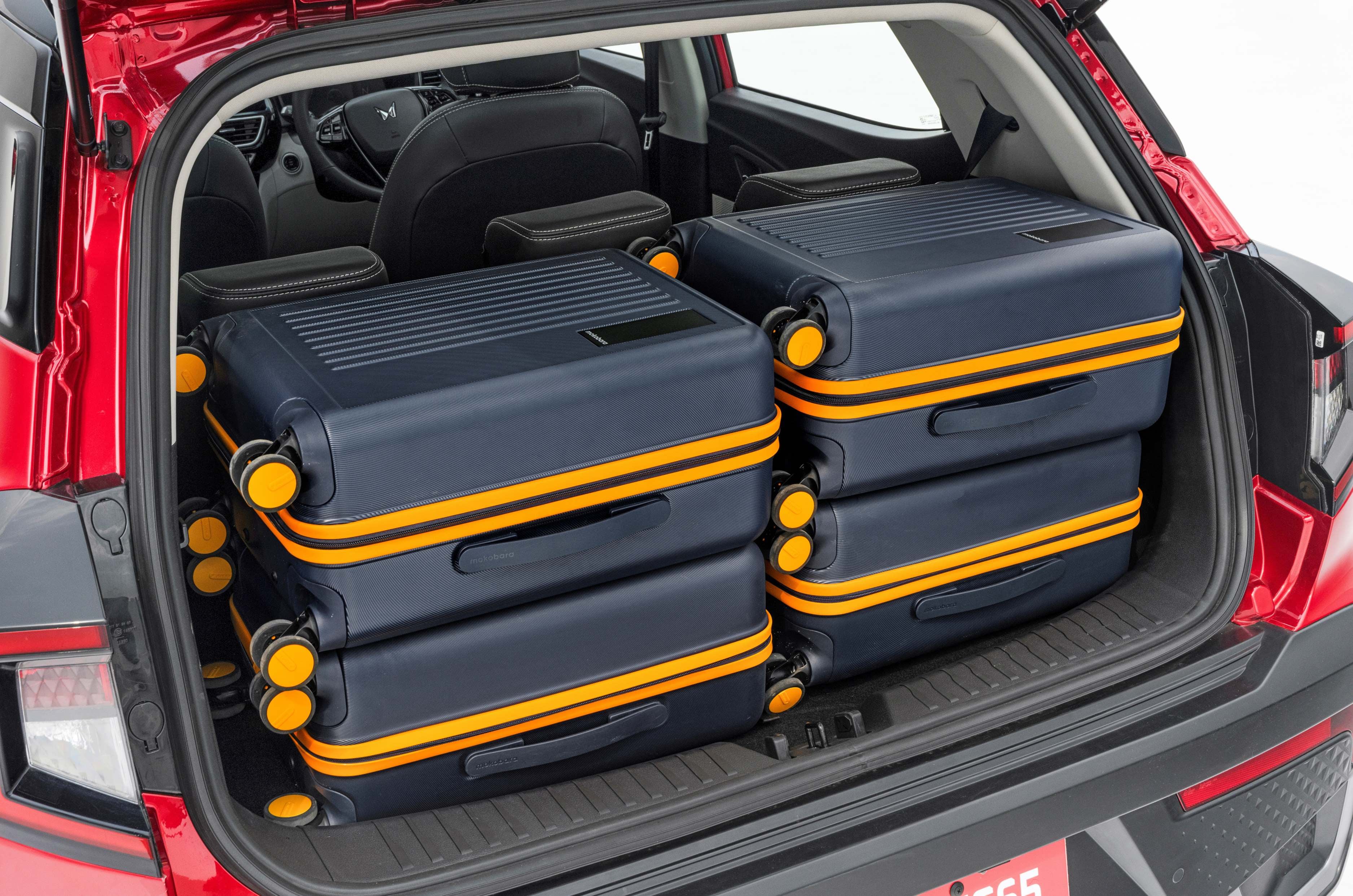
The rear seat remains spacious and comfortable for its segment, and accommodating three abreast is not an issue. One area where the 3XO fell short was boot space, measuring just 295 litres – the smallest in the segment. To keep as much of the boot intact as possible, Mahindra has moved the space-saver spare under the body and placed a dual-tank setup under the boot floor. The combined liquid capacity of the tanks is 60 litres, which translates to 10kg of CNG capacity.
Boot capacity has dropped to 270 litres, which is smallest amongst immediate rivals, however it remains fairly wide and can accommodate up to four cabin bags.
Mahindra XUV 3XO ZNG Features and Safety – 8/10
The 3XO ZNG is available in four trims, which offer the same features as their petrol and diesel counterparts. The highlights are a pair of sharp 10.25-inch screens for infotainment and instrumentation, a panoramic sunroof and a six-speaker audio system with Dolby Atmos.
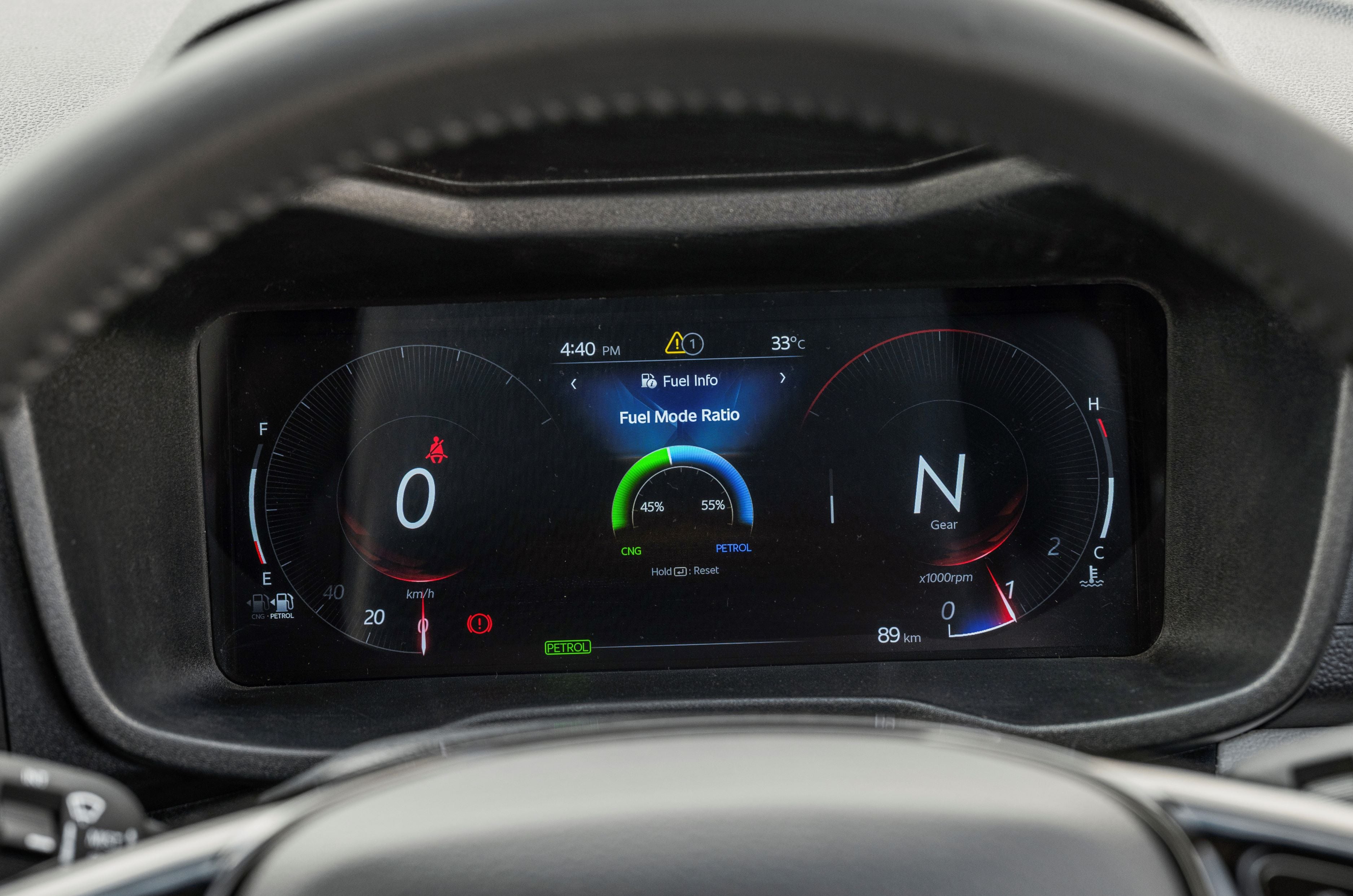
The digital instrument cluster has a few more CNG-related functions. Hit the CNG switch, and an indicator on the digital instrument cluster confirms the fuel you are using, while the fuel gauge changes to display the fuel level. The cluster can also show the ratio of time spent in each fuel mode and the corresponding fuel efficiency.
As such, the 3XO ZNG is reasonably well equipped compared to equivalent variants of its main rival, the Tata Nexon iCNG. However, the Nexon offers a wider choice of CNG variants, with top-spec versions getting features such as a 360-degree camera, ventilated front seats and a wireless charger, all of which the Mahindra misses out on.
The safety kit is quite comprehensive, featuring six airbags, ESC, ISOFIX mounts, a tyre pressure monitoring system and a reversing camera. The regular XUV 3XO is also a five-star Bharat NCAP safety-rated car, and Mahindra says the ZNG has been engineered to meet the same standards.
Mahindra XUV 3XO ZNG Performance and Refinement – 8/10
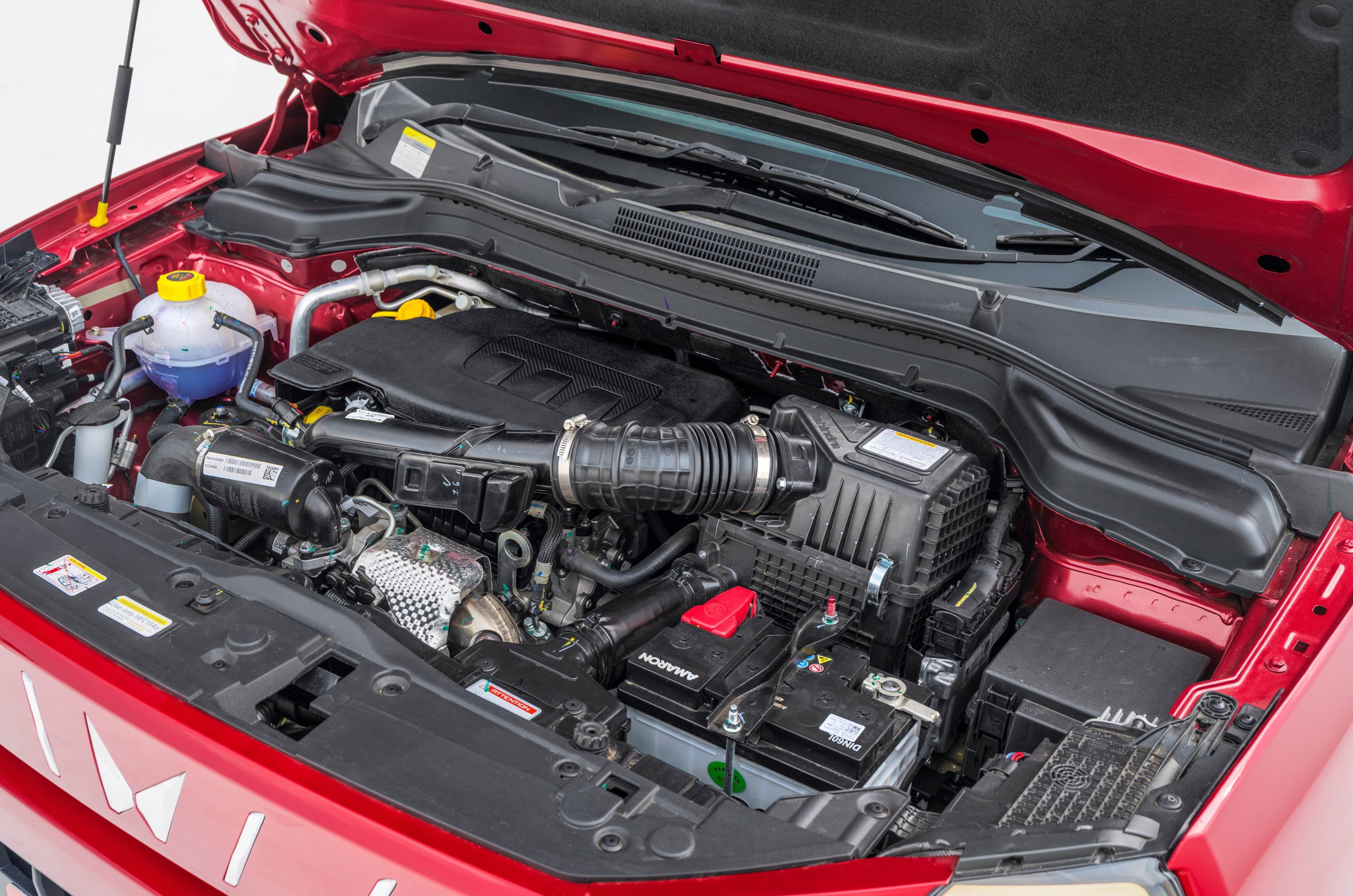
Powering the ZNG is the same 1.2-litre multi-point fuel injection (MPFi) turbo-petrol engine that does duty on the lower and mid-level trims of the 3XO. The kicker is that Mahindra quotes the exact same power and torque figures for CNG as for the pure-petrol version – 111hp and 200Nm. That is highly unusual, as a 10 to 15 percent drop in power figures is the norm. For comparison, its direct rival, the Tata Nexon iCNG, loses 20hp when switching from petrol to CNG. Mahindra says it has managed this with the use of a 10-bar CNG injection system. It also says the turbocharger and ECU calibration have been optimised to run on CNG, and initial impressions seem to back this up.
1.2-litre TCMPFI engine uses a 10-bar CNG injection system; Mahindra claims identical 111hp and 200Nm figures for petrol and CNG.
In everyday driving, the difference between CNG and petrol modes is barely noticeable. The engine feels smooth and refined in both, only becoming audible when extended. Performance, too, is very similar. Throttle response is good and the motor feels tractable, rarely requiring a shift into first when negotiating a speed breaker. There is a bit of turbo lag below 2,000rpm, but get past this and performance feels brisk.
The switch between modes is also quite seamless, with no apparent jerkiness or change in engine note. However, switch back and forth a few times, and you’ll notice the throttle response is ever so slightly duller in CNG mode, and there are times when it will hesitate on sudden throttle inputs. Overall, though, calibration in CNG mode is very good, and in everyday driving, there is very little to fault.
Performance feels brisk once you get past 2000rpm.
While the pure-petrol version of this engine can be had with a six-speed torque-converter automatic, the ZNG is only available with the six-speed manual. While its immediate rivals don’t offer an automatic with CNG either, Mahindra would have done well to offer at least an AMT. As it is, the manual is a smooth and easy-to-use unit, but not quite at the level of its Japanese or Korean competition. Its throws are a bit too long, and the clutch, while light, has a long travel.
In terms of outright performance, Mahindra claims an 11.8sec 0-100kph time for the ZNG. We conducted a quick performance test (not to Autocar India standards), which resulted in a 0-100kph time of 12.98s on petrol and 12.64s on CNG – a difference we put down to the launch. In-gear acceleration figures paint a clearer picture, where the ZNG was quicker in petrol mode by about 0.7 seconds in both 20-80kph and 40-100kph runs. Nevertheless, performance in either CNG or petrol is so close that most drivers would be hard-pressed to tell the difference.
Mahindra XUV 3XO ZNG Mileage and Efficiency – 8/10
Mahindra claims an efficiency figure of 24.7km/kg for the XUV 3XO ZNG, which translates to a theoretical range of 247km from its 10kg CNG capacity.
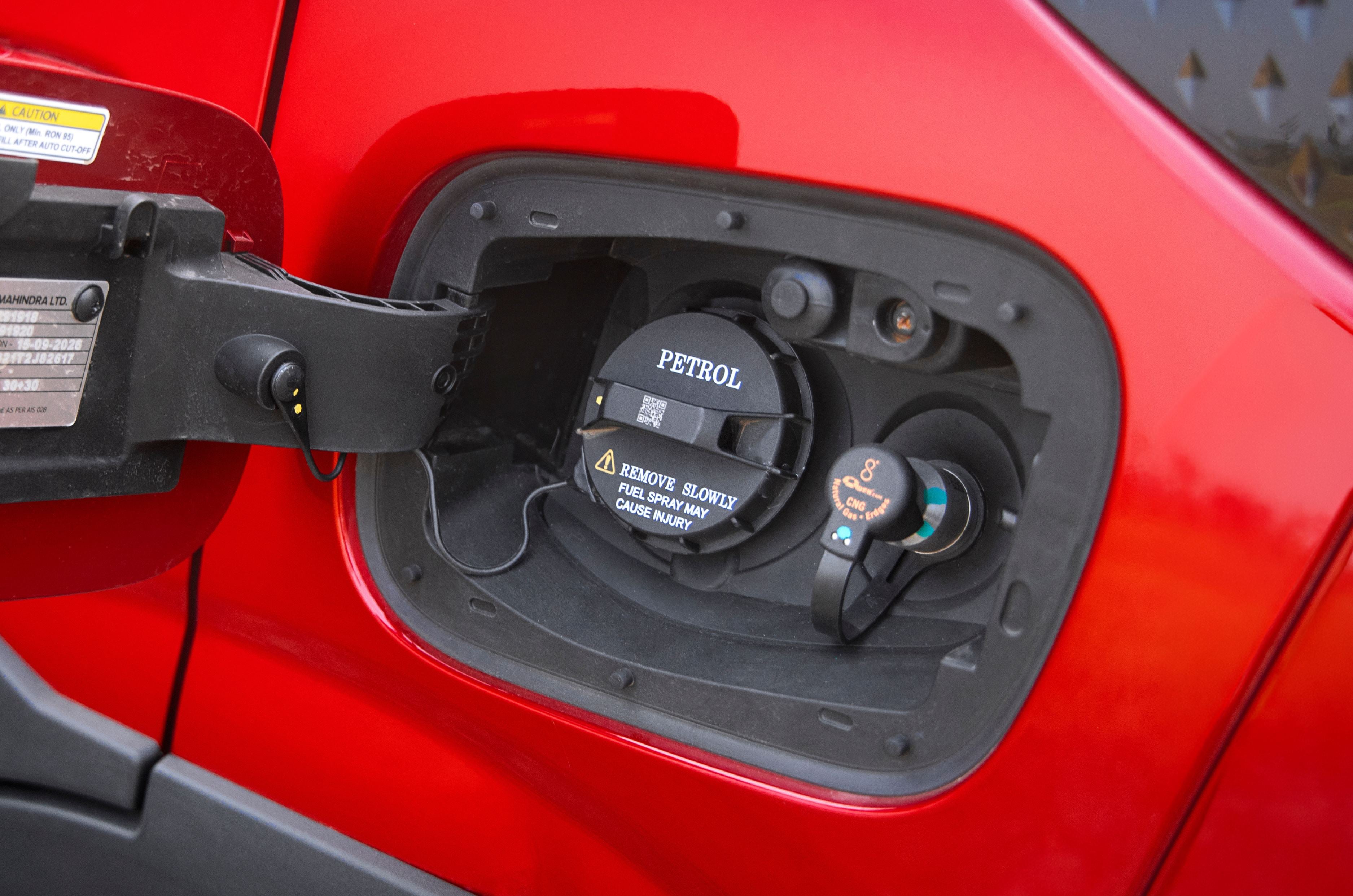
CNG filler neatly positioned beside the fuel filler; fuel filler door still has a manual release in the cabin.
It also gets an idle-stop/start function, which should help efficiency. We will verify these claims with a real-world test soon.
Mahindra XUV 3XO ZNG Ride Comfort and Handling – 9/10
Light steering works well in town; steering modes dial up resistance but don’t offer better feel.
The switch to CNG adds around 100kg to the 3XO, most of it concentrated at the rear. To ensure this doesn’t affect ride or handling, Mahindra has tweaked the suspension to cope with the extra weight. The ZNG’s ride has a slightly firm edge, but overall it deals with bad roads very well.
16-inch wheels and tall tyres are better at absorbing sharper bumps than the 17s on higher petrol trims.
The smaller 16-inch wheels also play an important part here, as their taller-sidewall tyres absorb sharp edges before they make their way to the cabin. Overall, the ride remains amongst the best in the class.
Handling, too, remains tight and engaging, with a planted feel around the bends. The steering is light and direct, and while you can dial up the resistance using the three steering modes, this adds little in terms of feel or feedback.
Mahindra XUV 3XO ZNG Value for Money – 8/10
Overall, the Mahindra XUV 3XO offers good value for money and makes for a compelling entrant into the CNG compact SUV space. Prices for the Mahindra XUV 3XO ZNG start at Rs 9.99 lakh and go up to Rs 12.27 lakh, which is between Rs 1 lakh and Rs 1.2 lakh more than the equivalent petrol trims. Pricing is on par with comparable variants of the Tata Nexon iCNG. However, the Nexon has a wider range and also offers more features on the higher trims.
Mahindra has packaged the CNG tanks cleverly, minimising the impact on boot space. That said, the 3XO’s boot wasn’t particularly large to begin with, and that remains a drawback. What sets it apart is the driving experience. CNG calibration is very good, and performance in CNG mode is close enough to petrol for most people not to notice a real difference. For a first attempt, the XUV 3XO ZNG certainly ticks a lot of boxes.
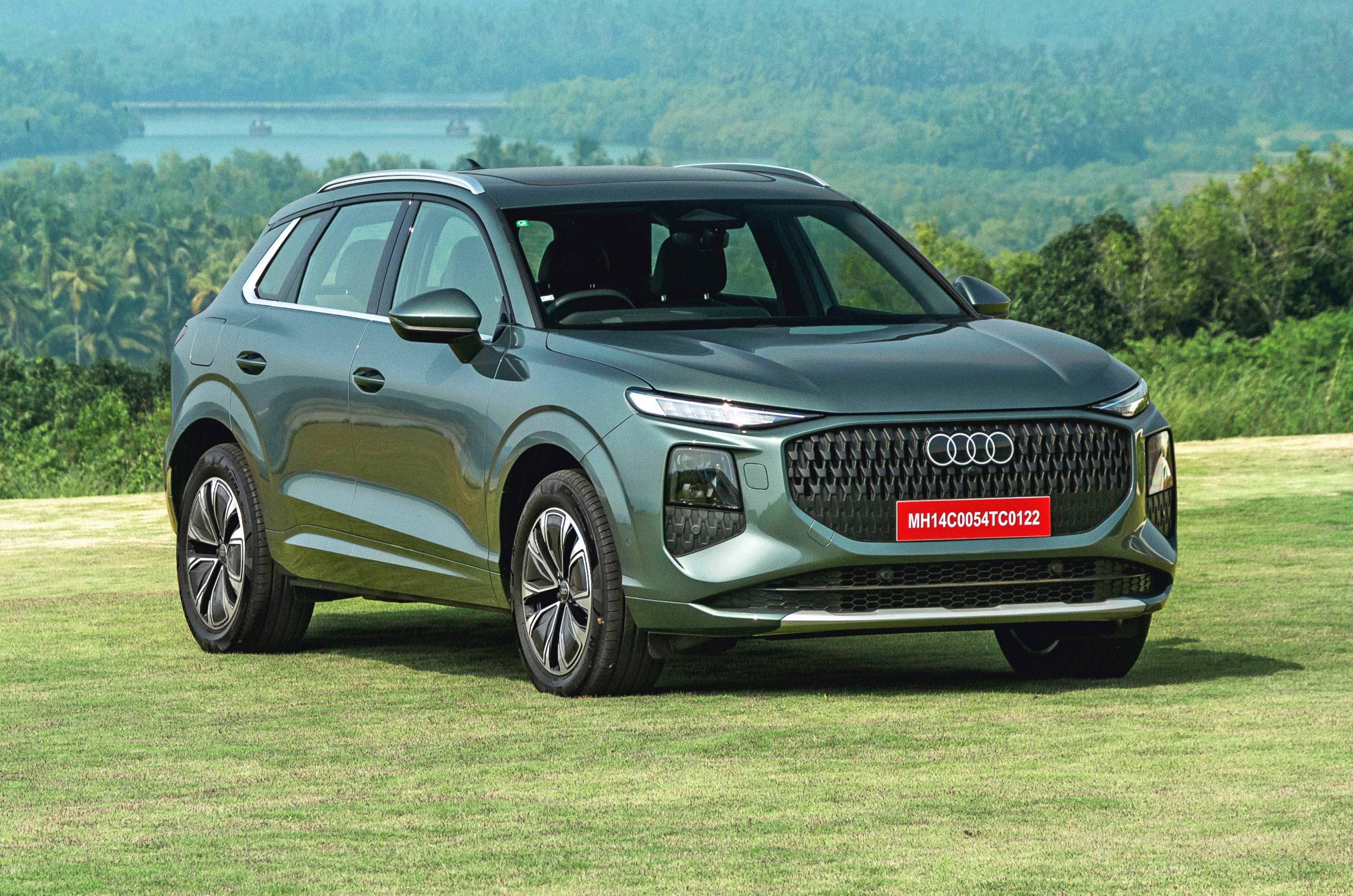
Audi is all set to launch the new Q3 in India on October 16, 2026. The third-generation model is the German luxury marque’s entry-level SUV for India, and its first model for our market as part of its new product offensive. The upcoming Audi Q3 sports a completely new design both inside and out, an updated feature set and a single turbo-petrol powertrain. Here’s a closer look at what to expect from this compact luxury SUV.
1. What does the new Audi Q3 look like?
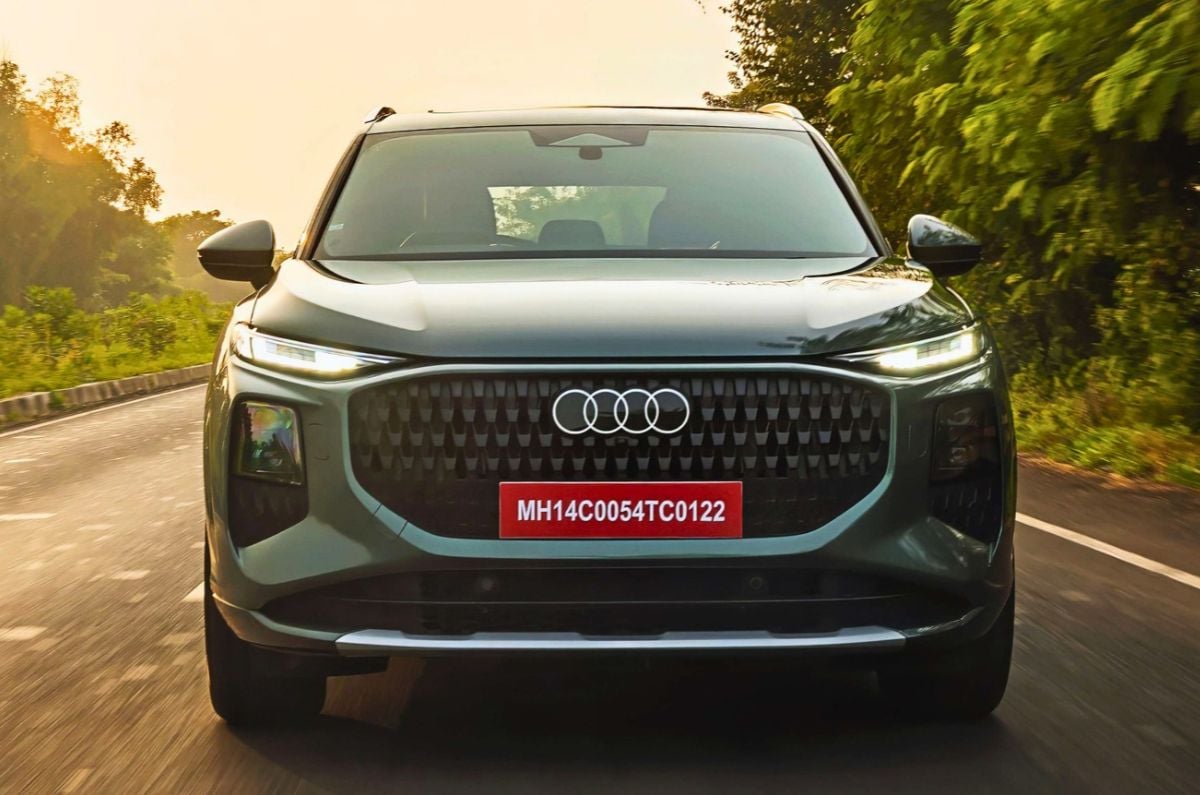
Now gets split headlamps, Digital Matrix LEDs, an updated grille and more
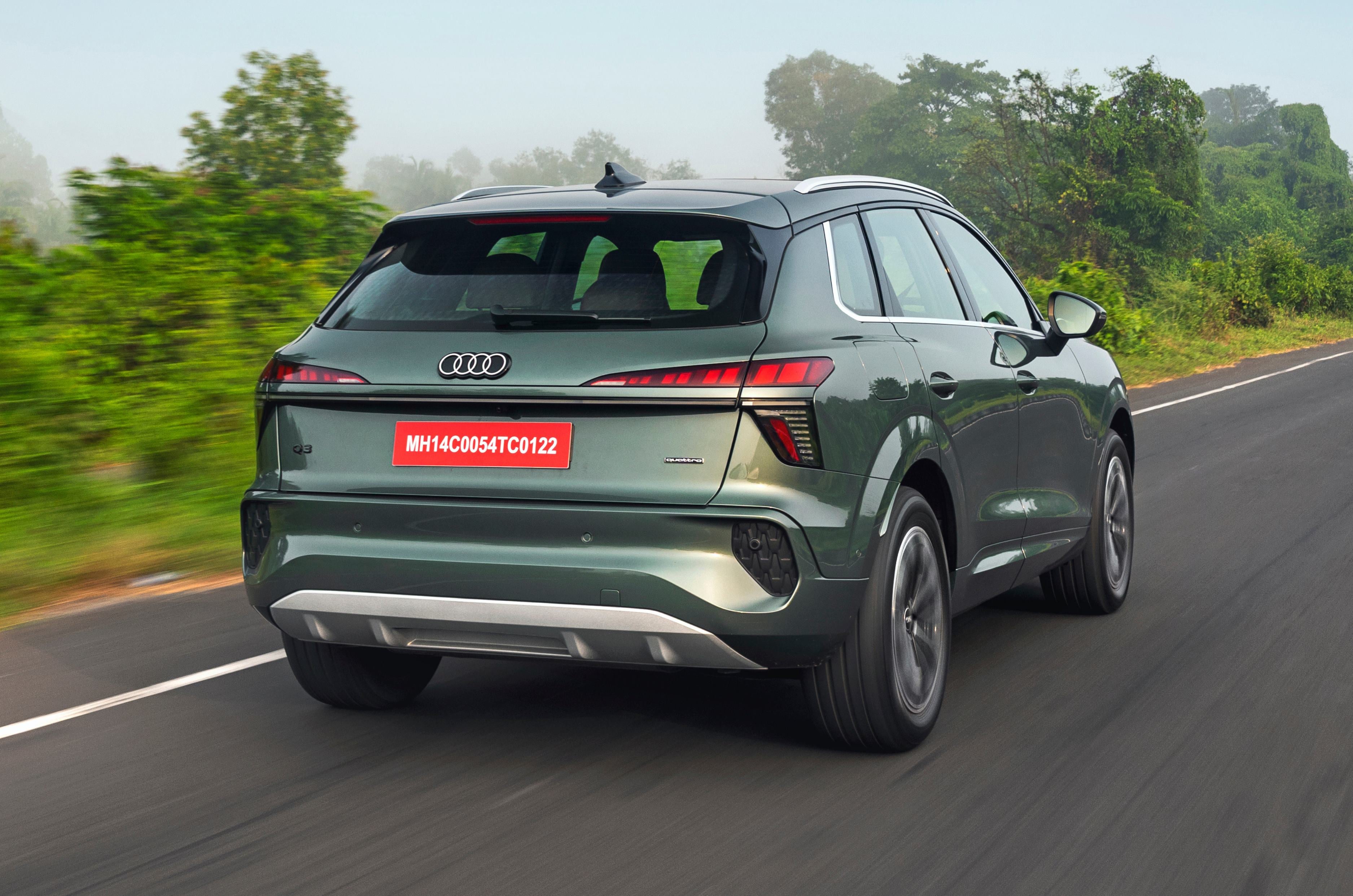
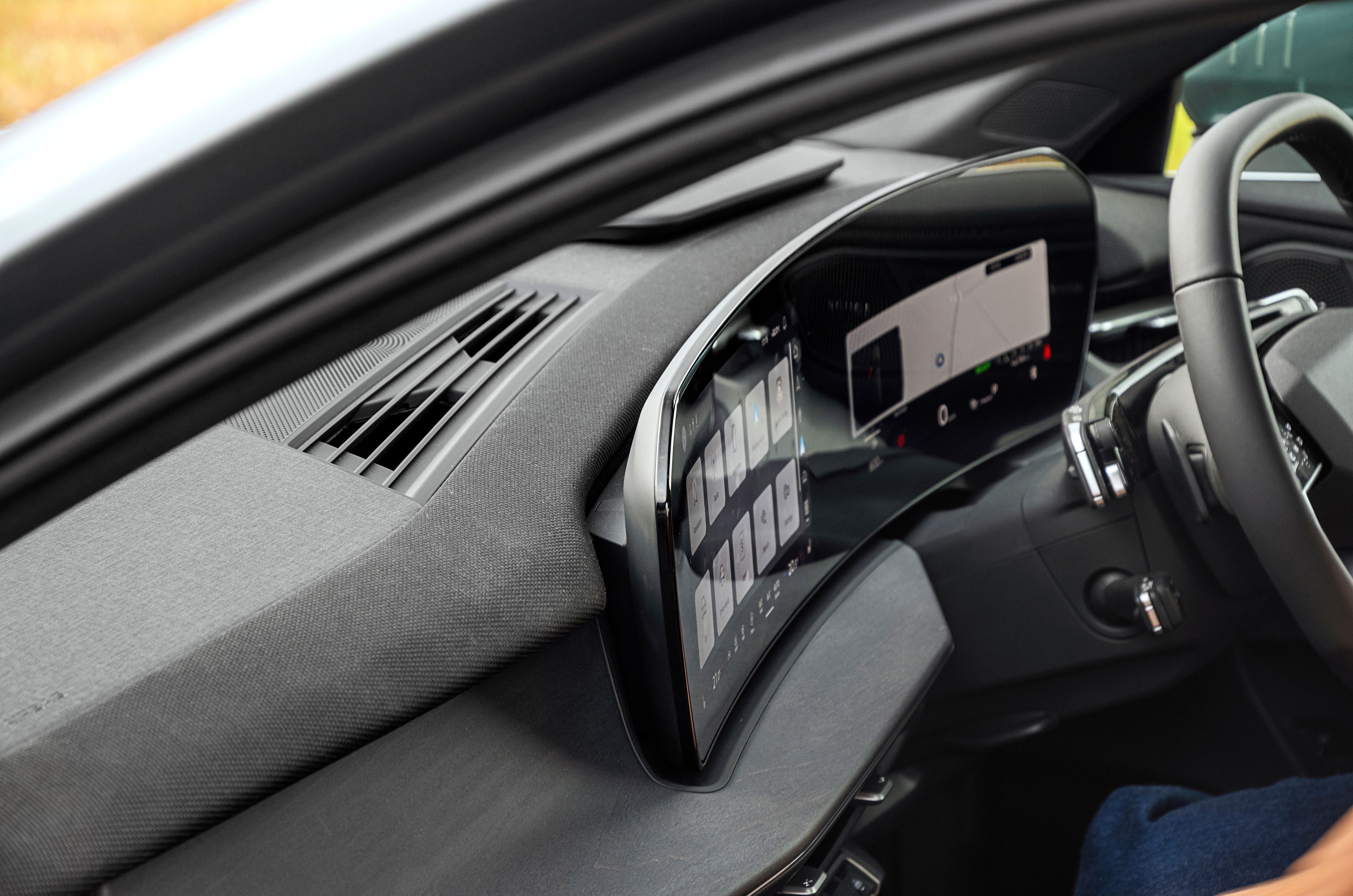
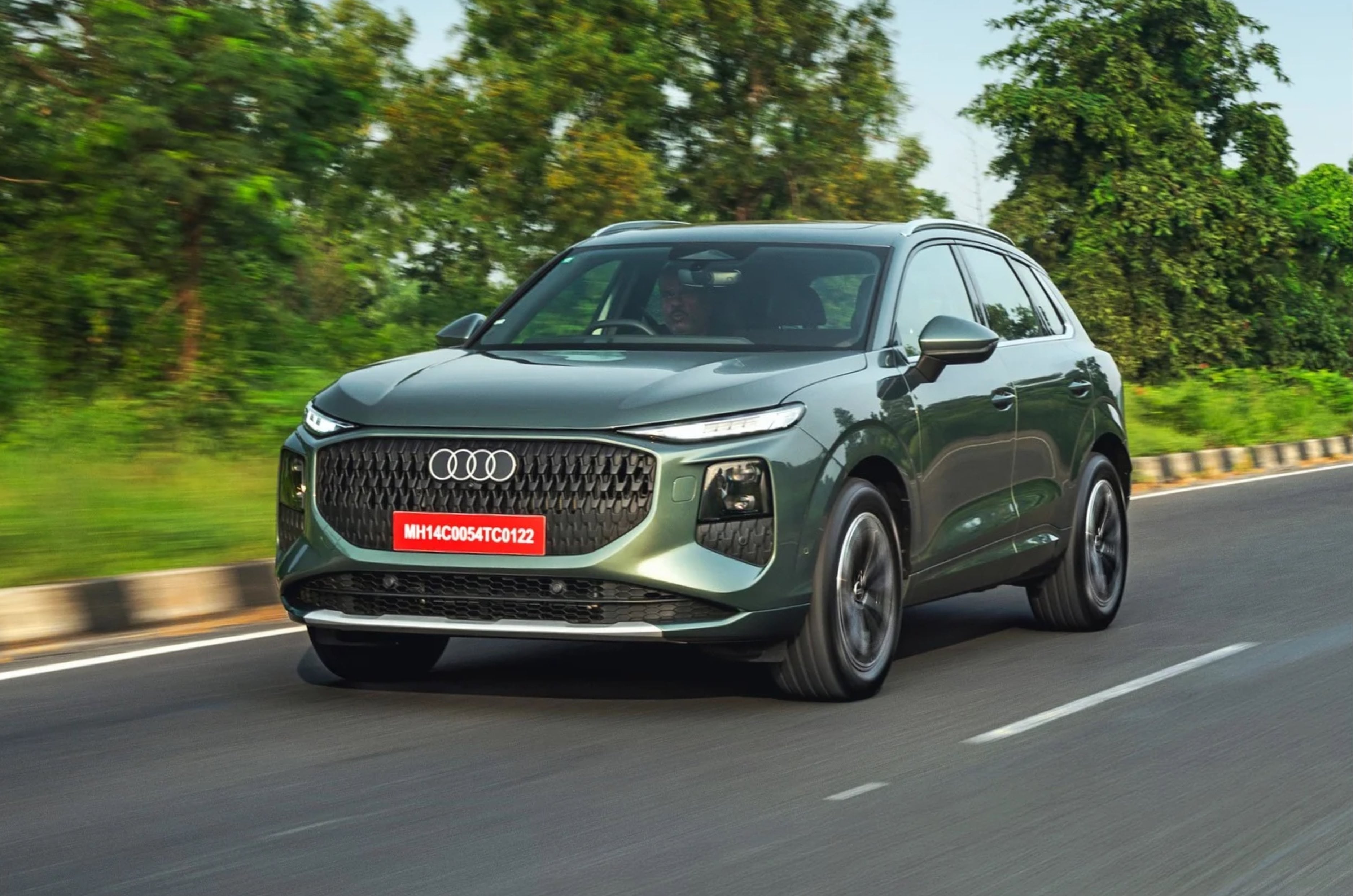
The third-gen Audi Q3 has ditched the conventional placement for the headlamps. Instead, it sports a split arrangement with the new Digital Matrix LED units located in the bumper and slim LED DRLs placed above them. The former houses 25,600 individually controlled pixels, while the latter double up as turn indicators and offer four light signatures. The wide honeycomb grille of the Q3 now gets the brand’s new 2D logo with an integrated radar for the ADAS suite.
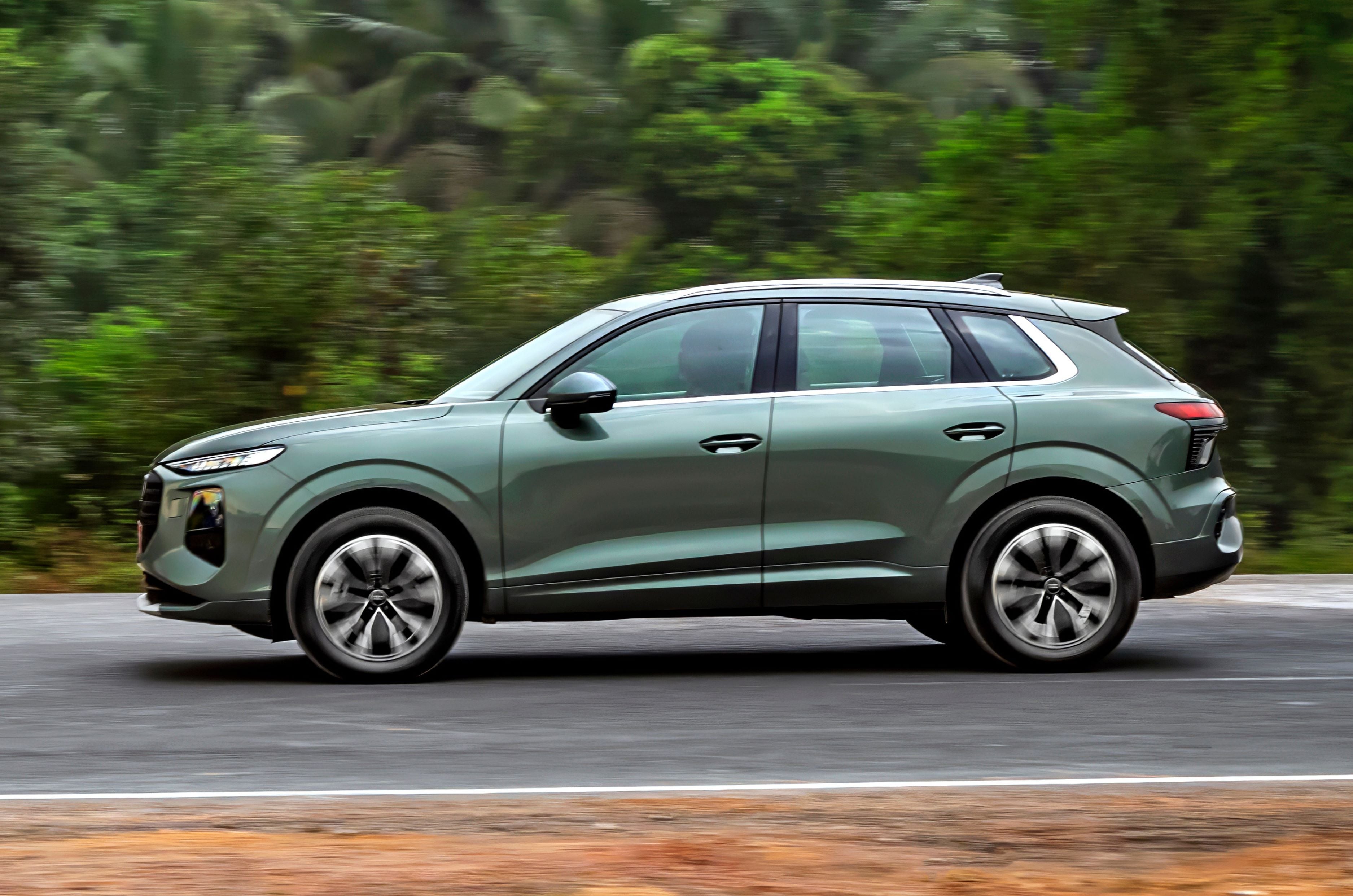
Design highlights along the sides include the 18-inch alloy wheels with self-levelling centre caps, silver roof rails and shiny trim stretching between the A pillar and the roof. The rear of the new Q3 features split LED tail-lamps connected by a sleek light bar, an illuminated Audi logo on the tailgate, and a silver skid plate in the bumper. The new Q3 looks bigger than the outgoing model, though its 2,681mm wheelbase is unchanged.
2. How is the interior of the new Audi Q3?
A spacious boot, solid build, curved displays and a new gear selector are some of the highlights
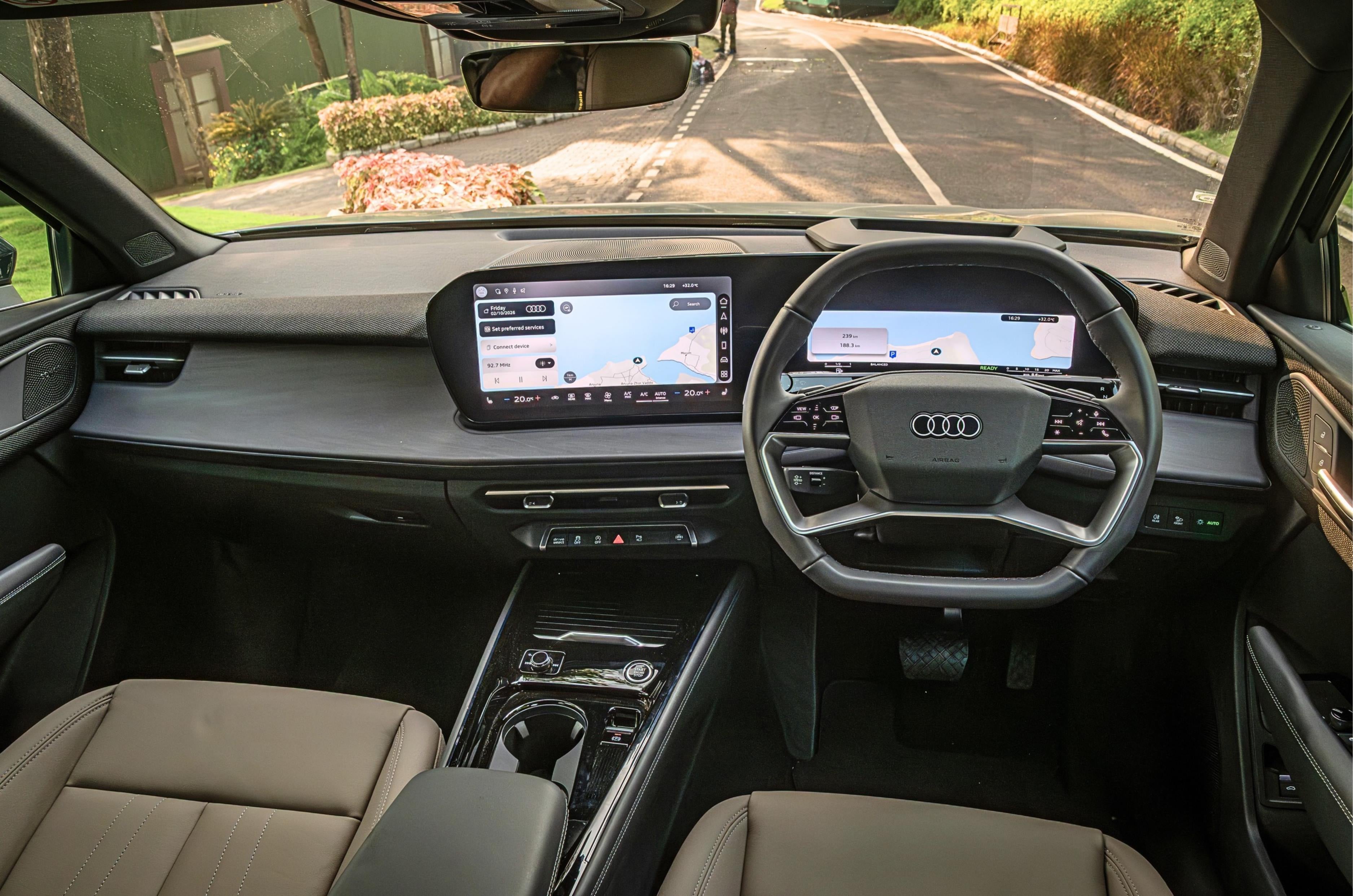
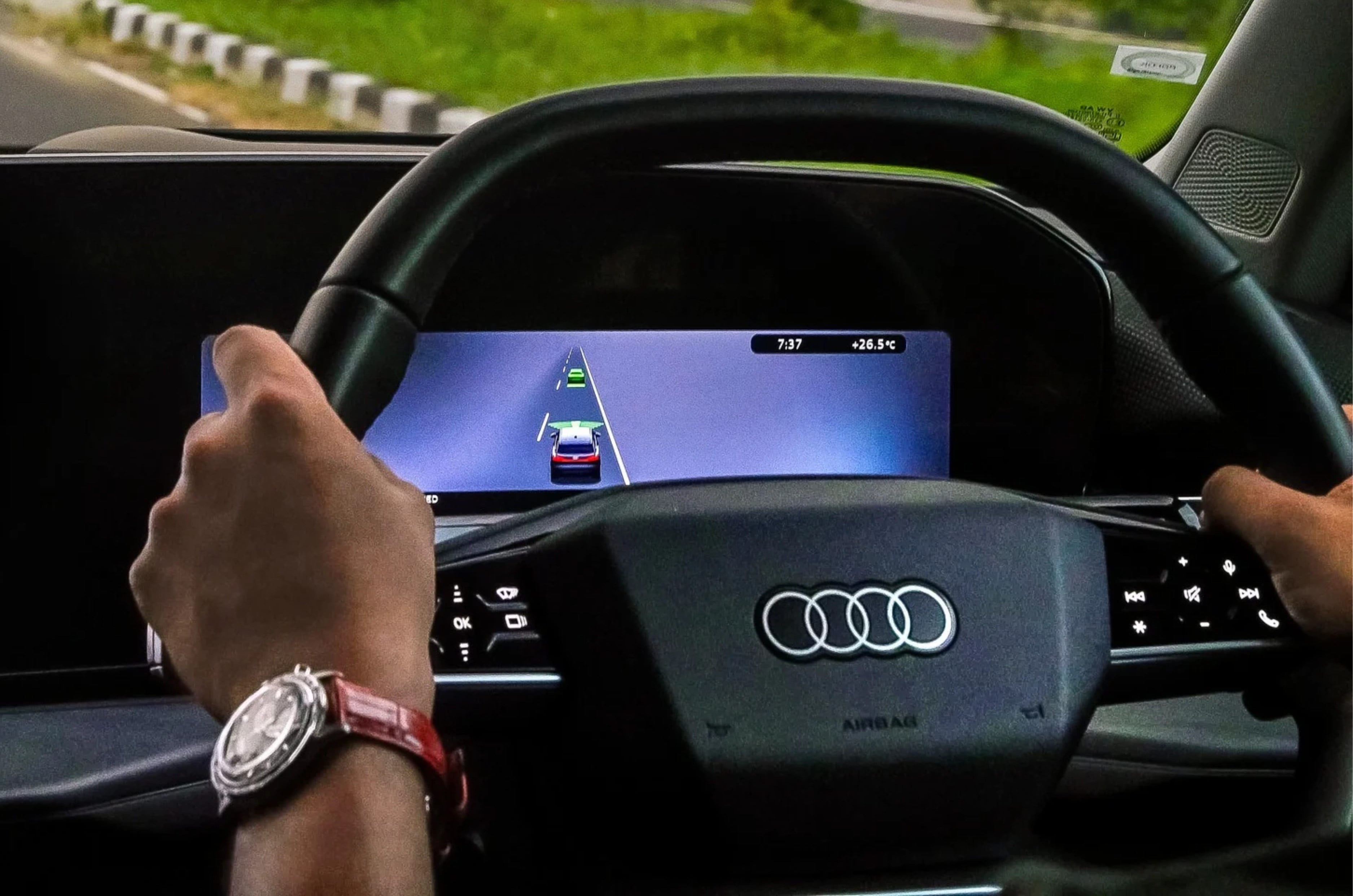
The boot of the new Audi Q3 has a capacity of 488 litres, which can be further expanded by folding down the 40:20:40 rear seats. There’s also a space-saver spare under the boot floor. This is a modern-looking interior, sporting an angled dashboard and centre console, curved digital displays and a hexagonal steering wheel. Meanwhile, placed on the steering column is the new stalk-type gear selector.
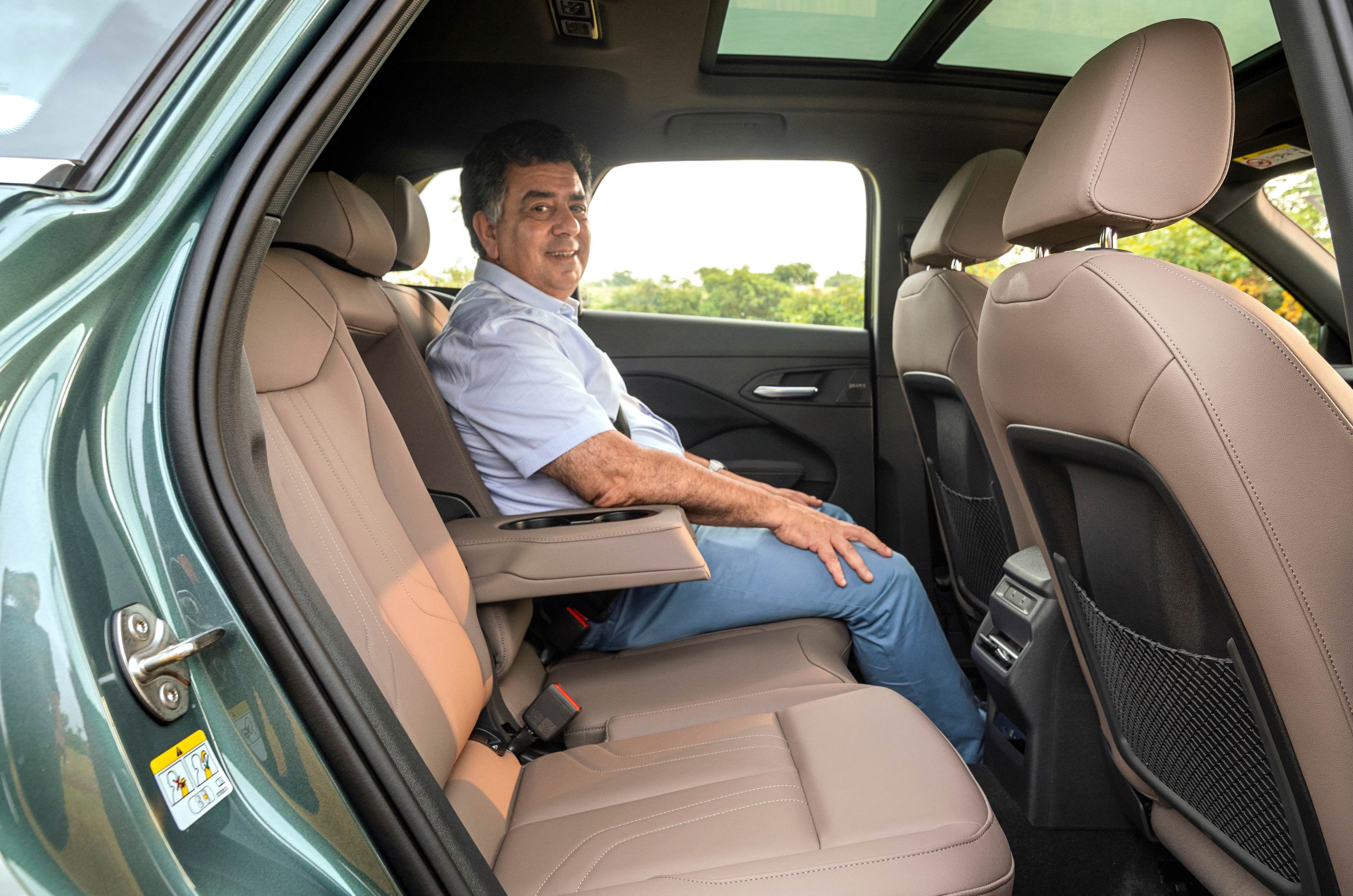
Leather upholstery aside, this interior also gets fabric and wood trim. There are hard plastics lower down in the cabin, but the overall build quality is impressive. The front seats are well-bolstered and will be comfortable even on long drives, but the rear ones are best reserved for two adults. Conveniences at the back include a fold-down armrest with cupholders, two USB-C outlets, seat-back pockets and rear AC vents.
3. What features does the new Audi Q3 offer?
Headline tech includes a 12-speaker Sonos audio system, panoramic sunroof, head-up display and 9 airbags
The new Audi Q3 offers a range of conveniences and tech – including a powered tailgate, multi-zone automatic climate control, powered & heated front seats with memory, and a 12-speaker Sonos audio system. There’s also a panoramic sunroof, a 12.8-inch touch-infotainment system, and an 11.9-inch digital driver’s display.
Rounding off the tech features of the Audi Q3 are 9 airbags, an auto-park function, and ADAS (advanced driver assistance systems) with adaptive cruise control and auto-emergency braking. Surprisingly, the new Q3 doesn’t get lane-keep assist, a 360-degree camera, or even ventilated seats.
4. What engine and gearbox does the new Audi Q3 get?
The new Q3 will only be offered with a 204hp turbo-petrol engine and quattro all-wheel drive
Under the bonnet of the new Audi Q3 is a 2.0-litre turbo-petrol engine with direct injection, rated at 204hp and 320Nm. Mated to this TFSI mill is a 7-speed dual-clutch automatic gearbox with paddle shifters, while drive is sent to all four wheels via Audi’s quattro all-wheel-drive system.
There are multiple drive modes as well, including an ‘off-road’ setting. Audi claims a 0-100kph time of 7.1 seconds for the new Q3. However, there will be no diesel, hybrid or fully electric powertrains at launch.
5. What is the expected price of the new Audi Q3?
The new model is to be pricier than the outgoing Q3
The new Audi Q3 is expected to come at a premium over the outgoing model, which is priced between Rs 43.67 lakh and Rs 53 lakh (ex-showroom). The closest rivals of the Q3 will include the BMW X1 and Mercedes-Benz GLA.
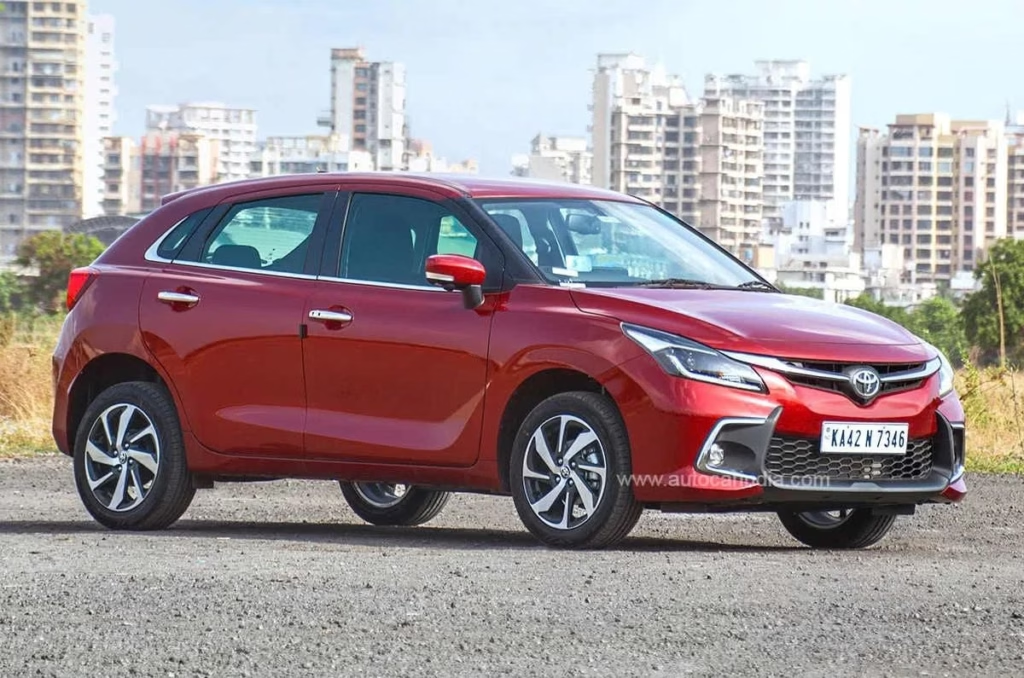
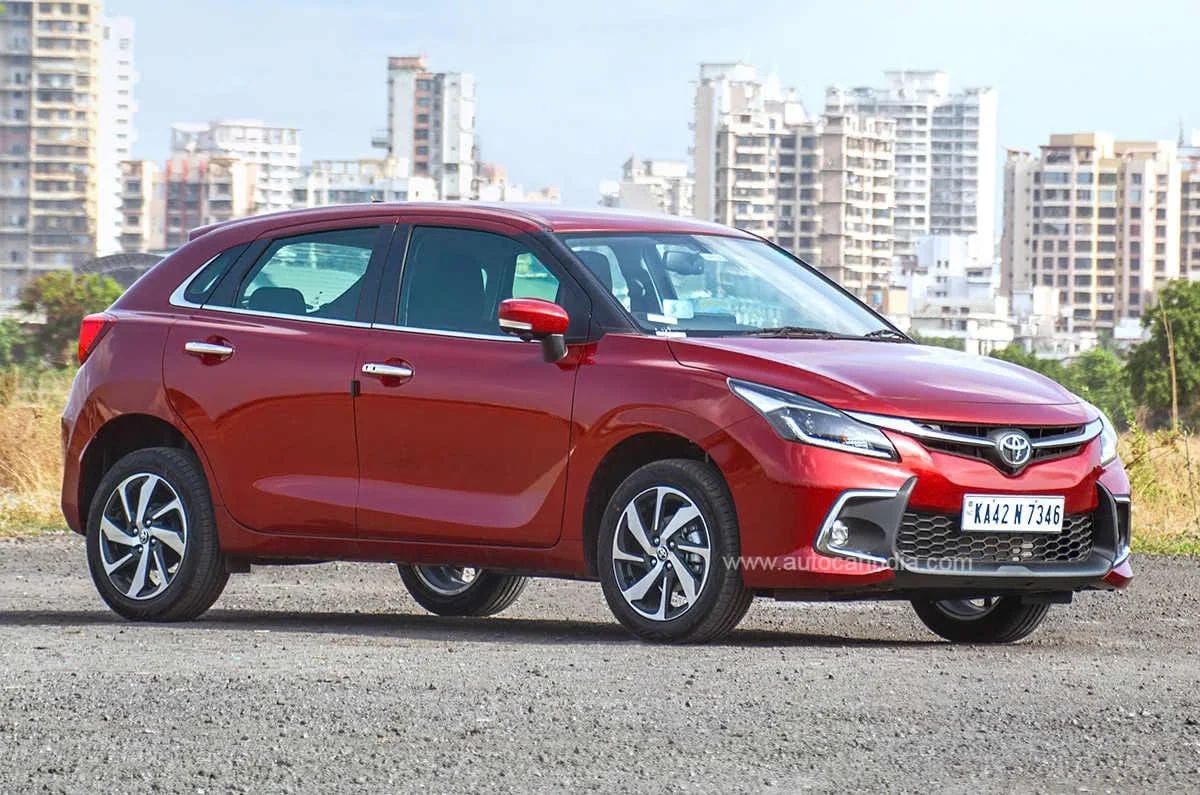
Toyota is all set to launch the Glanza facelift on October 14, 2026, about a month after the launch of the 2026 Maruti Suzuki Baleno facelift. The Japanese automaker has released an official teaser, giving us a glimpse of the upcoming premium hatchback’s design. Here’s what you can expect from the 2026 Toyota Glanza facelift.
1. What will the 2026 Toyota Glanza facelift look like?
Official teaser shows the hatchback sporting a thoroughly revised front fascia
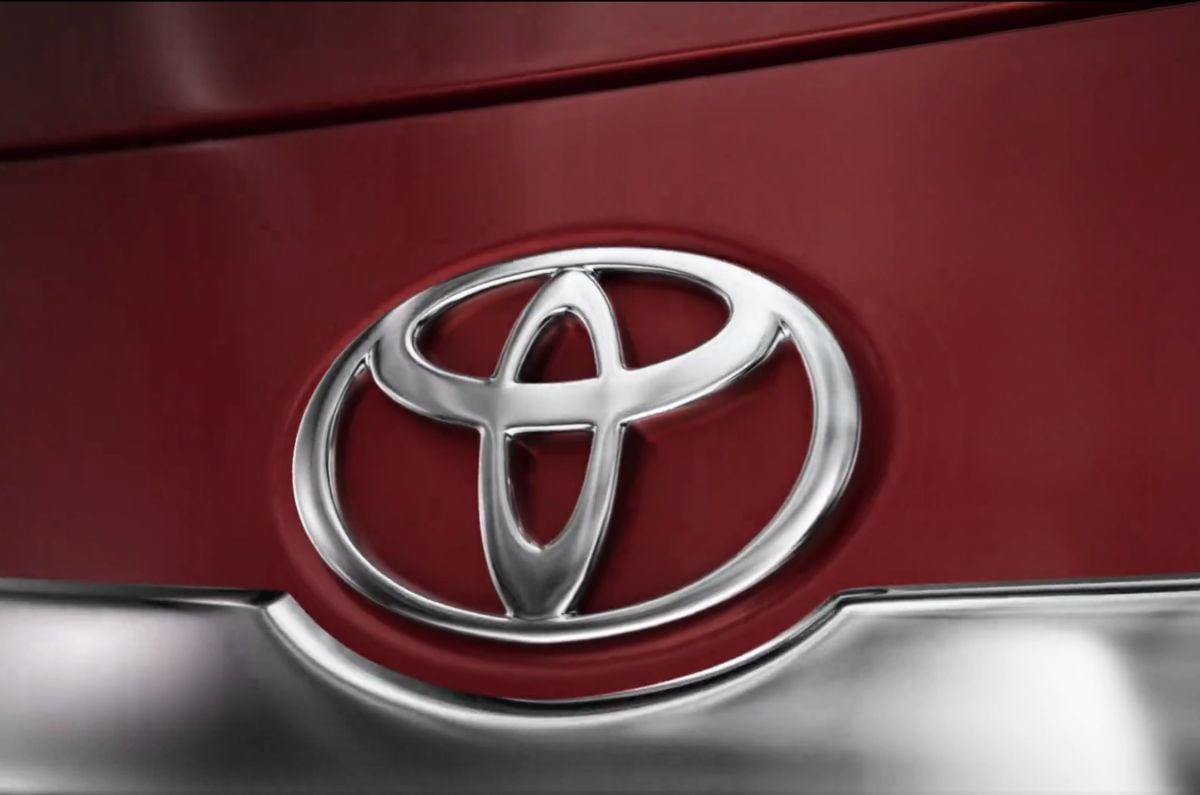
While the Japanese automaker is yet to fully reveal the 2026 Glanza facelift, the teaser gives us a decent glimpse of this hatchback’s front fascia. Understandably, there are some similarities between the upcoming Glanza and the updated Maruti Baleno. Like the latter, most of the changes to the outside are to be focused up front. This starts with the Toyota logo, which has been moved from the grille to the leading edge of the bonnet.
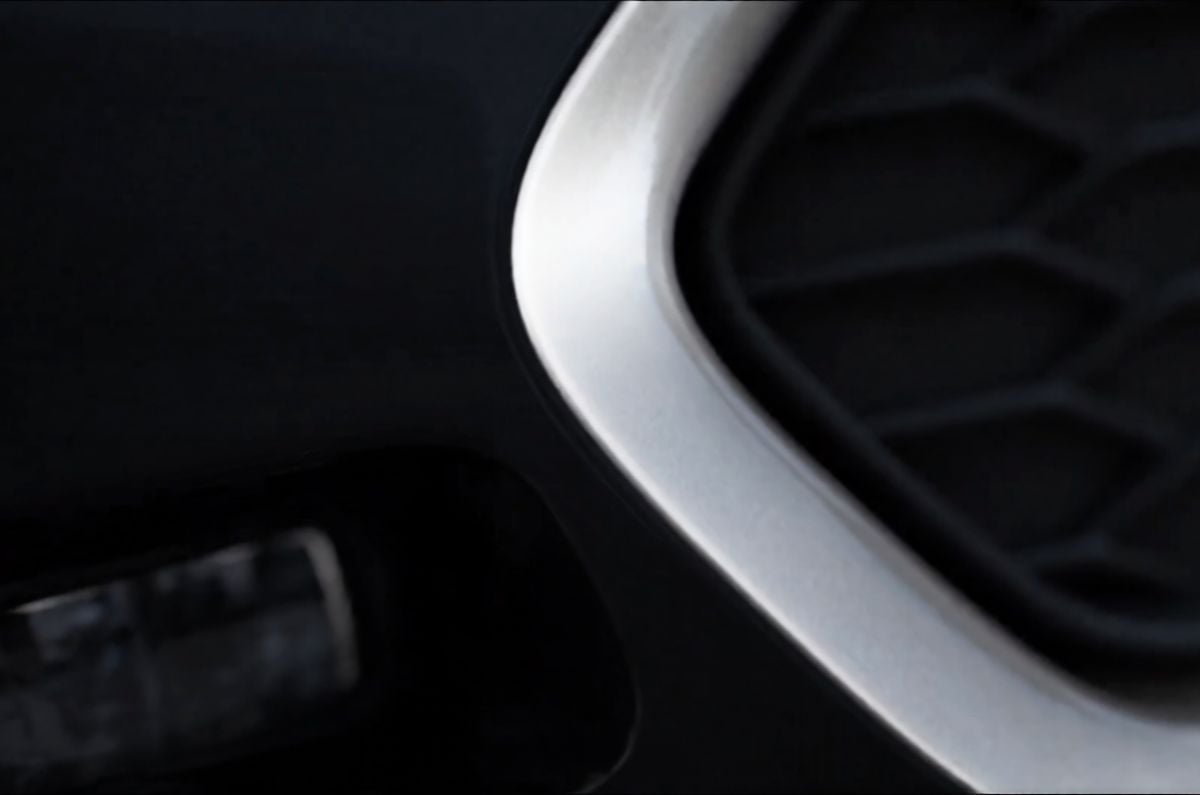
Another noticeable design cue on the front fascia of this facelift is the shiny garnish that extends down into the revised bumper. The circular fog lamps of the outgoing model have now been replaced by rectangular units, while the revised air-intake sports a hexagonal pattern. The 2026 Toyota Glanza facelift could also get an ADAS unit at the front like the updated Baleno. There could be new colour options, with dimensions of the upcoming Glanza facelift unlikely to change.
2. How different will the interior of the Toyota Glanza facelift be?
Cabin is likely to retain the familiar layout of the outgoing model
Pre-facelift Toyota Glanza’s interior shown for representational purposes.
Like the updated Baleno, the interior design and layout of the 2026 Toyota Glanza facelift are also expected to stay largely unchanged. This means that we can expect to find the same layered dashboard, plenty of physical switchgear, and a dash-top infotainment screen as in the pre-facelift model. What could be new are additional buttons on the steering wheel, tied to the expected ADAS feature.
3. What features are expected with the 2026 Toyota Glanza facelift?
Highlights with update could include Level 2 ADAS and ventilated front seats
Toyota could introduce the 2026 Glanza facelift with the set of new features that the updated Maruti Baleno received. This means niceties like ventilated front seats, a wireless charging pad with cooling, and an upgraded audio system could be made available on top trims. Features like the 9-inch touchscreen, automatic climate control and connected car tech are to be carried over.
The feature set is expected to be similar to that of the updated Maruti Baleno.
The upcoming Glanza facelift’s safety add-ons are likely to include Level 2 ADAS (advanced driver assistance systems) and a tyre-pressure monitoring system (TPMS). Like with the updated Baleno, the former’s functionalities would include adaptive cruise control with auto-emergency braking and lane-keep assist. Other safety features like the 360-degree camera, head-up display, hill-hold assist, stability control and 6 airbags could be retained as well.
4. What engine and gearbox will the Toyota Glanza facelift use?
A three-cylinder petrol engine is expected to replace the outgoing four-cylinder unit
A major change with the 2026 Toyota Glanza facelift is expected under the bonnet. The 1.2-litre four-cylinder K-series petrol engine from Maruti is to be replaced by the brand’s newer 1.2-litre three-cylinder Z-series unit. In the updated Baleno, this mill produces 83hp and 112Nm – down from 90hp and 113Nm developed by the older four-cylinder engine.
Powertrain options are expected to be the same as the 2026 Maruti Baleno.
Gearbox options are expected to remain the same, which means a 5-speed manual or a 5-speed AMT (automated manual transmission). Similar to the outgoing Glanza, the facelift is also expected to be available in CNG variants. The output figures for the Glanza CNG facelift could be comparable with its Maruti counterpart, where the output is 70hp and 102Nm. Fuel efficiency is expected to improve over the outgoing model, which for reference is rated at between 22.35kpl and 22.94kpl.
5. What is the expected price of the 2026 Toyota Glanza facelift?
The updates could lead to a bump in price over the outgoing model
Considering the feature additions and design updates, the upcoming Toyota Glanza facelift could be priced higher than its predecessor. For reference, the outgoing Glanza is priced between Rs 6.73 lakh and Rs 9.99 lakh (ex-showroom). The Toyota Glanza facelift will continue to compete against the Maruti Suzuki Baleno, Tata Altroz and Hyundai i20.
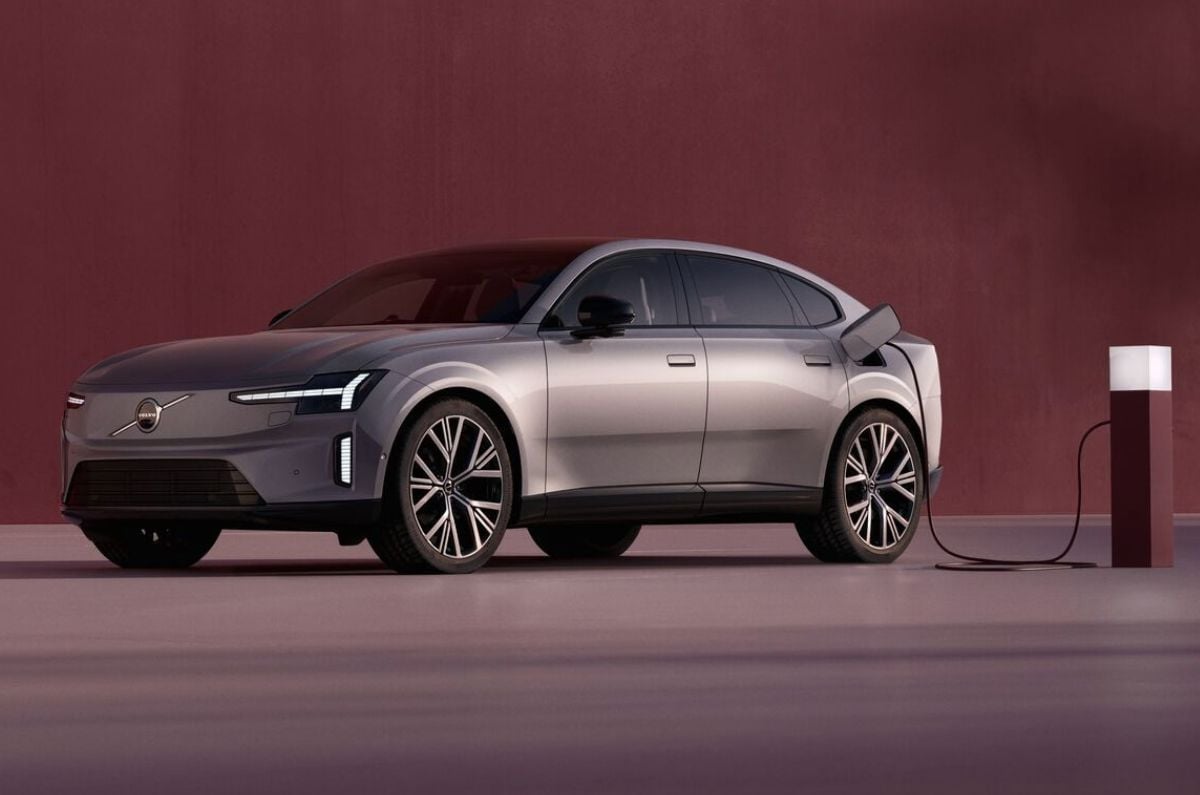
The Volvo ES90 will be launched in India tomorrow, marking a comeback for a Volvo sedan in the country after the S90’s discontinuation in 2024. Upon launch, it will serve as the manufacturer’s flagship EV alongside the EX90 SUV, which will also be launched alongside the ES90 sedan. Here’s everything you need to know about the upcoming Volvo ES90 ahead of its launch tomorrow.
1. What is the expected price of the Volvo ES90?
Prices are expected to be in the Rs 1 crore to Rs 1.20 crore range (ex-showroom)
The Volvo ES90 will arrive in India as a completely built unit (CBU) import. It is expected to be priced in the Rs 1 crore to Rs 1.20 crore range (ex-showroom) in the country.
2. What powertrain option will the India-spec Volvo ES90 get?
Gets two battery pack options and choices between RWD and AWD internationally
The Volvo ES90 is built on the manufacturer’s 800-volt SPA2 architecture shared with the EX90 eSUV. Internationally, the ES90 is offered with either a 92kWh or a 106kWh battery. The smaller battery has a claimed WLTP range of 664km and is paired with a rear-axle-mounted (RWD) electric motor that produces 333hp and 480Nm. It has a claimed 0-100kph time of 6.6 seconds and has a 180kph capped top speed. It supports up to 350kW DC fast charging, which can replenish the battery from 10-80 percent in 22 minutes.
The larger 106kWh battery has a claimed WLTP range of 702km, and is offered with a dual-motor all-wheel-drive (AWD) setup producing either 456hp and 670Nm, or 680hp and 870Nm, with claimed 0-100kph sprint times of 5.4 seconds and 4 seconds, respectively, depending on the chosen trim. 180kph capped top speed, 350kW DC fast-charging capability, and 22-minute 10-80 percent charging time are the same as the smaller battery version.
Volvo is yet to reveal which powertrain option will be offered with the India-spec ES90 sedan.
3. What are the design highlights of the Volvo ES90?
Gets LED lights all around, with a rather simple and elegant design
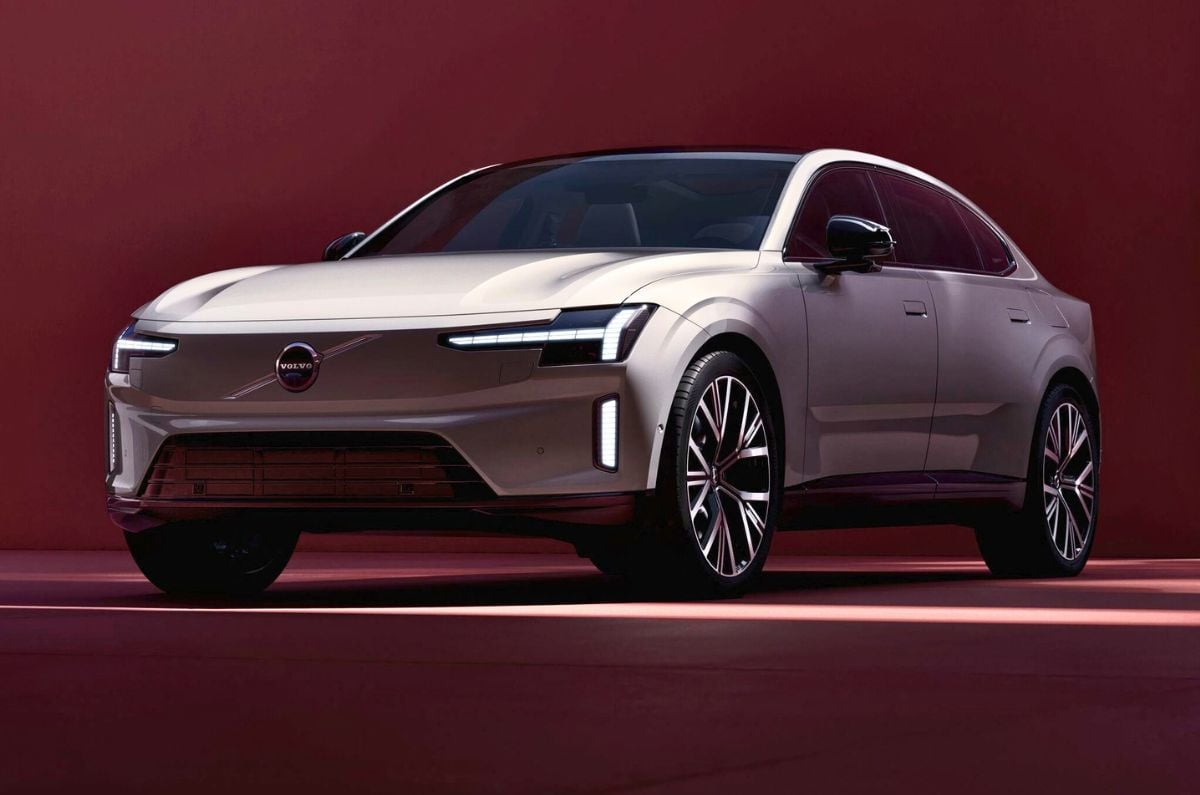
The Volvo ES90 features a blanked-off body-coloured grille with a Volvo logo in the centre, flanked by LED headlights with segmented Thor’s hammer LED DRLs on both ends. The bumper has air inlets in the centre to cool the internals and features vertically stacked LED fog lamps similar to those on the EX90. A LiDAR sensor was previously mounted on the edge of the roof, but is no longer offered on Volvo’s MY2026 models in international markets, following the termination of Volvo’s contract with its supplier, Luminar, after the latter filed for bankruptcy.
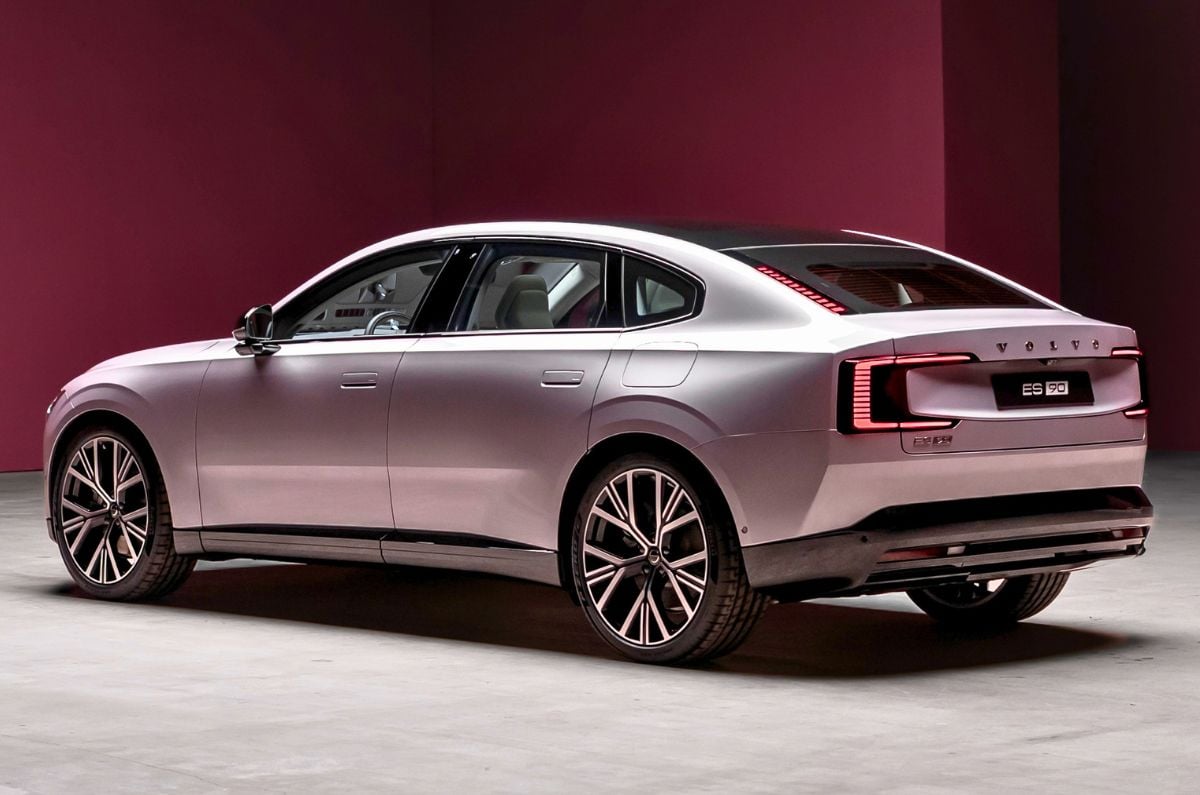
In profile, it offers wheel sizes ranging from 20 to 22 inches, all with aerodynamic inserts. It gets a gloss black section on the lower portion of the doors, along with black outside rearview mirrors (ORVMs) and a blacked-out roof, which add contrast. It gets sleek pull-type door handles. Interestingly, the ES90 has a drag coefficient (Cd) of 0.25, making it Volvo’s most aerodynamic production car yet.
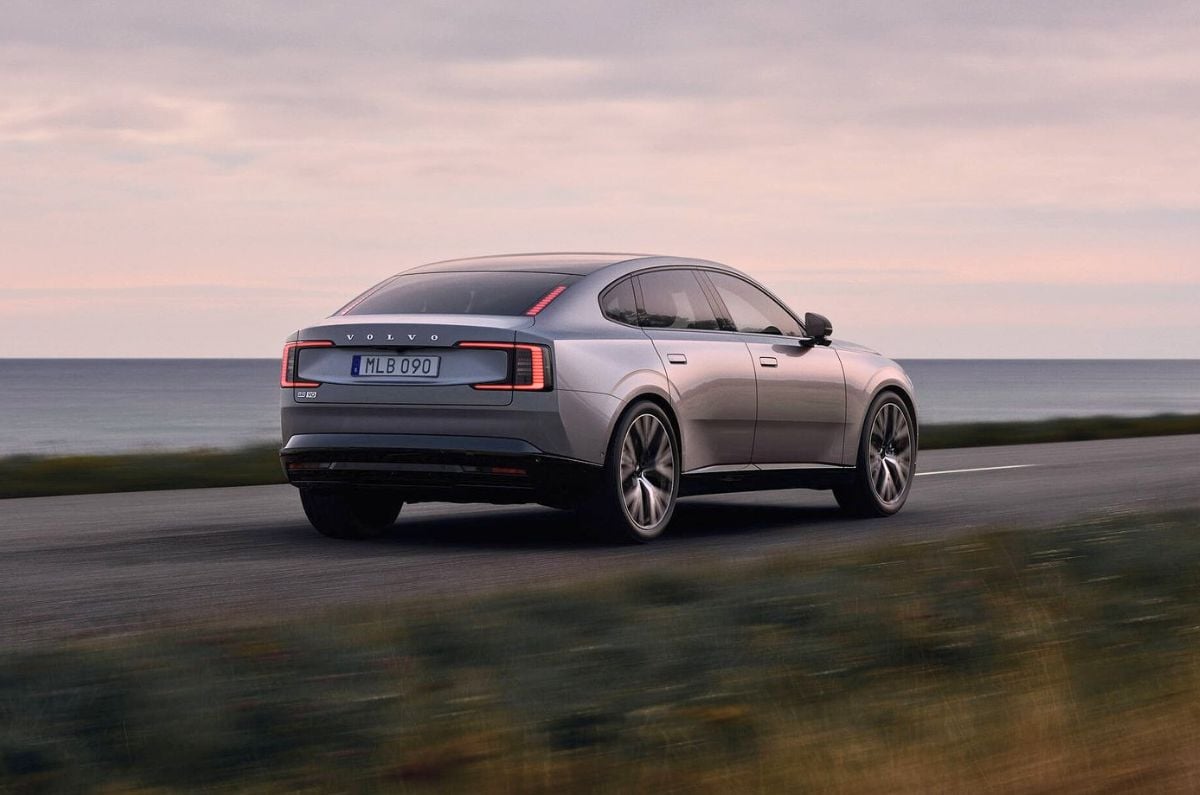
At the rear, it features C-shaped wraparound LED taillights and LED stop lights on both sides of the rear windscreen, similar to the EX90. The rear bumper features a gloss black portion that gives a nice contrast to the otherwise simple design.
4. What features will the Volvo ES90 offer?
Features two free-standing screens, 4-zone AC, and up to 25 speakers
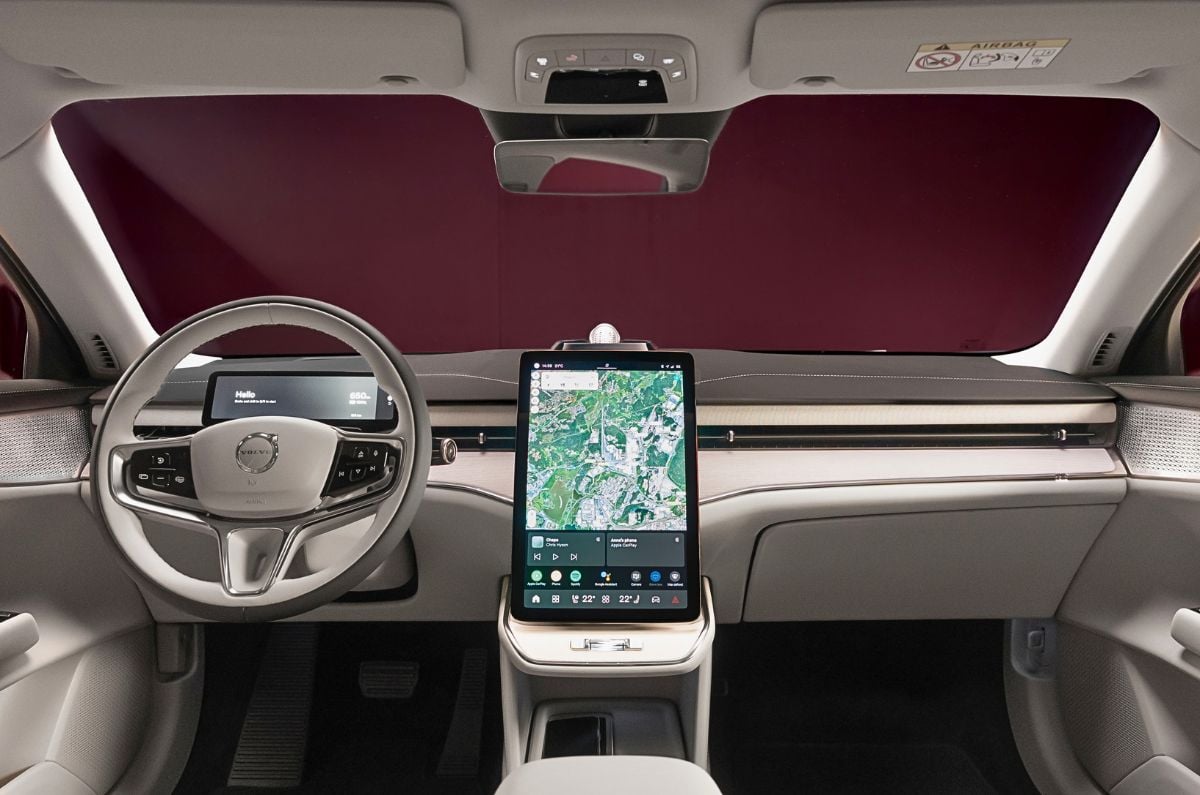
Inside, the Volvo ES90 has a clean design and is filled to the brim with modern-day features. These include a 14.5-inch portrait-oriented, free-standing infotainment touchscreen, a 9-inch digital driver’s display, a 13.2-inch coloured head-up display (HUD), and a 14-speaker Bose sound system, which can be upgraded to a 25-speaker Bowers & Wilkins audio setup. Other features include a wireless phone charger, a powered tailgate, a 4-zone climate control and a digital key. The front seats are powered, heated, ventilated and offer a massage function with powered lumbar support. The rear seats are electrically reclinable, have powered side bolsters, and are offered with heating and ventilation functions.
Most of these features are expected to be a part of the India-spec Volvo ES90.
5. Which cars will the Volvo ES90 rival in India
Will be a more affordable alternative to full-size BMW and Mercedes-Benz electric sedans
The Volvo ES90 will be a more reasonably priced alternative to the Mercedes-Benz EQS sedan (Rs 1.30 crore) and the BMW i7 (Rs 1.95 crore).
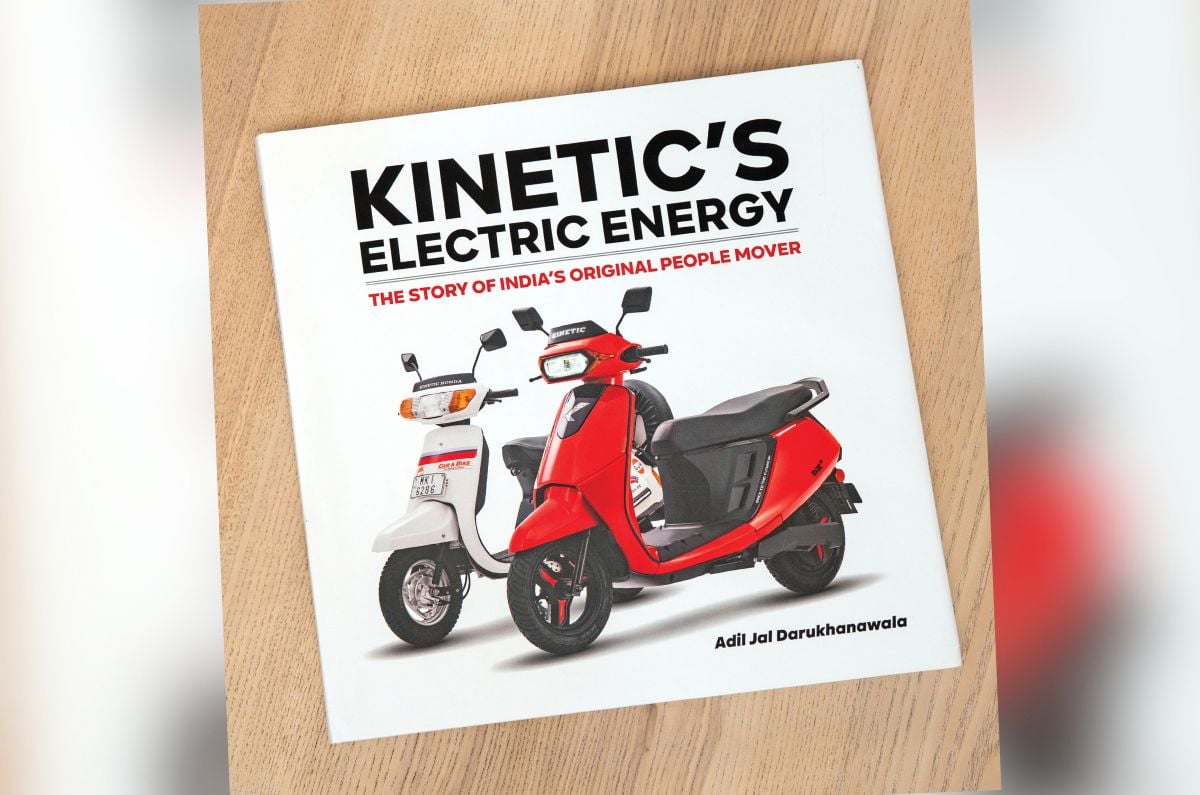
Adil Jal Darukhanawala is a treasure trove of information when it comes to India’s automotive history, and his latest book, Kinetic’s Electric Energy, is a testament to that fact. In the last three decades of the 20th century, Kinetic Engineering was established as a force to be reckoned with under the stewardship of the Firodia family. Adil’s hugely detailed book traces the humble and truly frugal beginnings of the company all the way to today, when a resurgent Kinetic is looking to establish itself as a mainstay in the electric two-wheeler market.
This 170-page book starts off with a brief introduction to the Kinetic Honda DX while tracing the origins of the company with the spectacular moped success that was the Luna. The author goes into copious detail about how the company went to great lengths to ensure its moped transitioned India from pedal power to motorised mobility.
Not only that, chapters like ‘Lunacy on the Luna’ and ‘Beating the Queen – Kinetic Luna takes on the Indian Railways’ outline how Kinetic seized every opportunity to market the Luna. The former speaks about how the company sponsored five young college students – self-christened the Lunatix – on a 90-day, 18,000km journey traversing the length and breadth of the country back in 1982! The latter highlights how four humble Lunas and their gutsy as well as ingenious riders outran the Deccan Queen Mumbai-Pune express train in 1990.
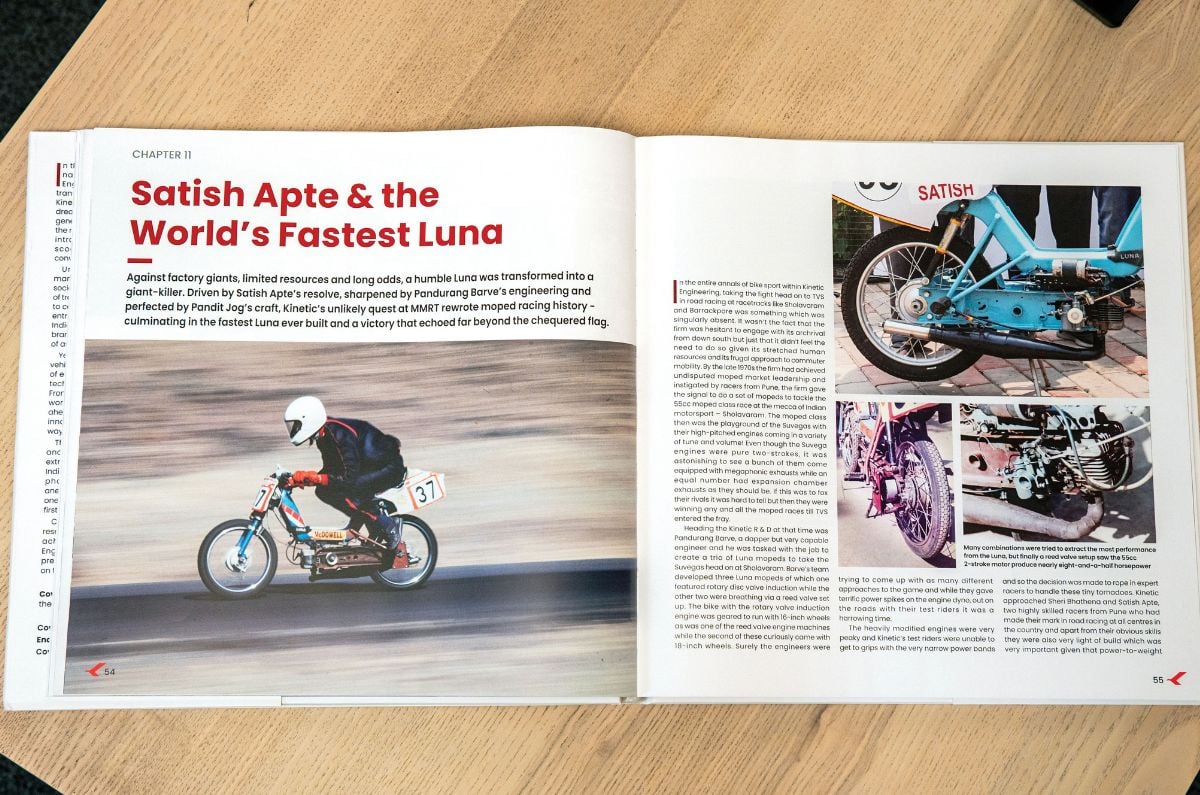
Kinetic didn’t just rely on its marketing but also its belief in the motto ‘Win on Sunday, sell on Monday’, which proved it was relevant not just in the high-end supersport world of motorcycling but could also ring true for the humble moped as it did in the chapter ‘Satish Apte and the World’s Fastest Luna.’ It documented how a fledgling team from Pune trounced the works team of the Hosur-based manufacturer through steely determination and some spectacularly out-of-the-box thinking.
From there, we move on to how Kinetic partnered with Honda and opened the floodgates for gearless scooters in India with its novel DX scooter. Even though this partnership didn’t last very long, as detailed in ‘Kinetic & Honda – Unfulfilled Promise’, it cemented Kinetic’s position in the market as a maker of reliable and affordable products.
This book also highlights the innovative spirit of the company’s leadership when you read about the stillborn but nonetheless revolutionary, hybrid scooter and compact city car concepts. At a time when India’s mobility market was cautiously walking, Kinetic took leaps of faith, and these have been beautifully articulated and illustrated in their respective chapters.
While Kinetic’s business was booming in the 20th century, its 21st century has been more muted between winding down ICE scooter production and the Motoroyale superbike business, which never managed to take off in a big way. However, as you flip through these pages, you’ll learn that with the reincarnated DX electric, Kinetic wants to recapture its magic of yesteryear and take the fight to the leaders’ doorsteps.
If you are someone with even a passing interest in the automotive arena, especially the events that transpired before the turn of the century and shortly thereafter, Darukhanawala’s latest discourse should surely find a place on your mantelpiece.