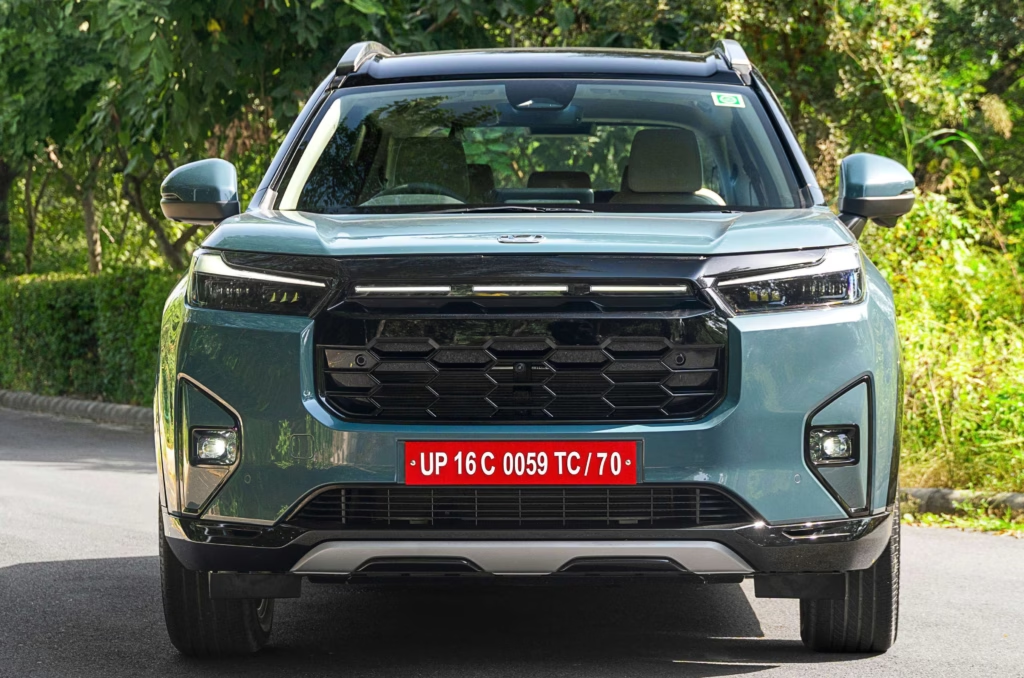
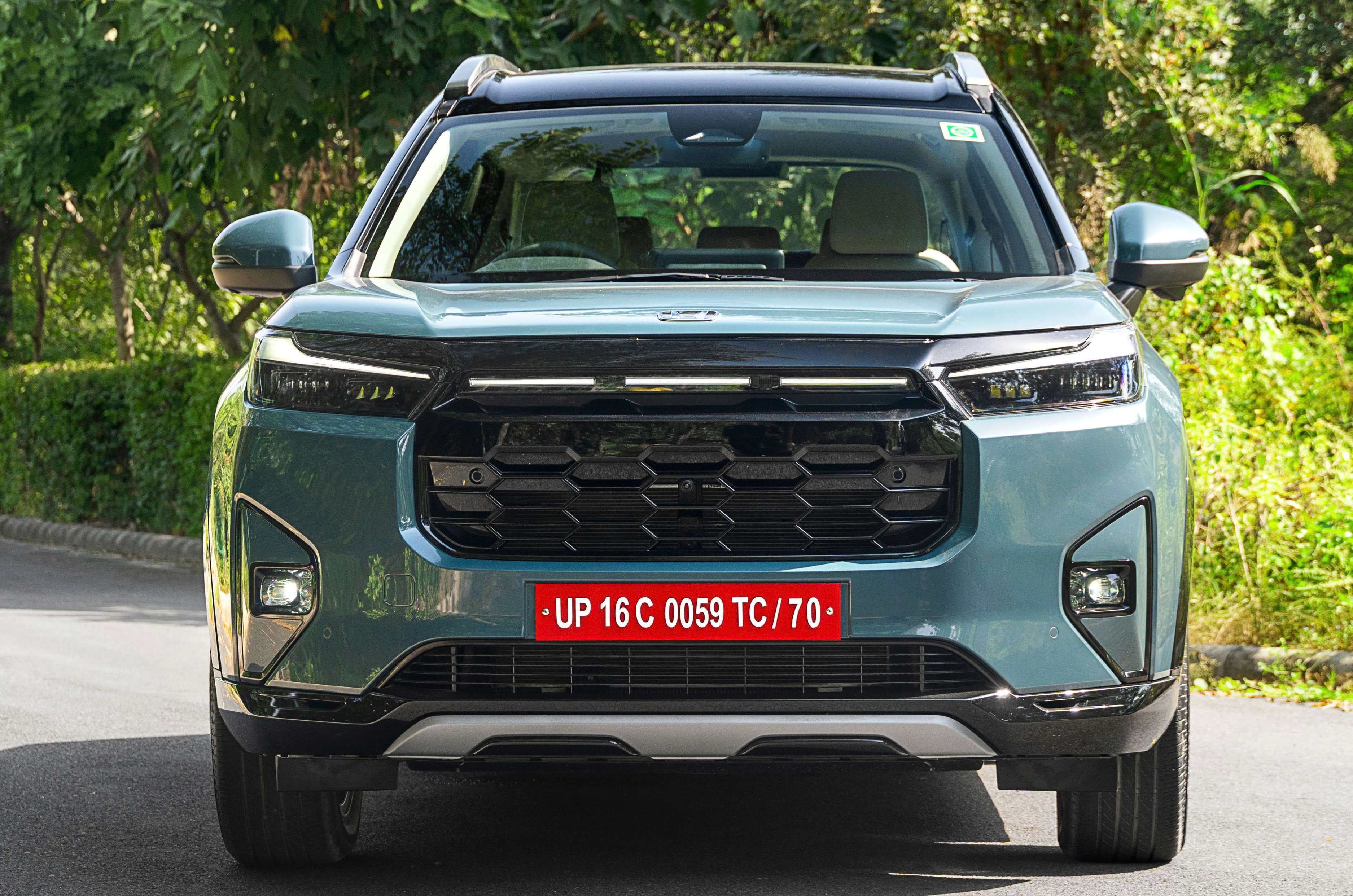
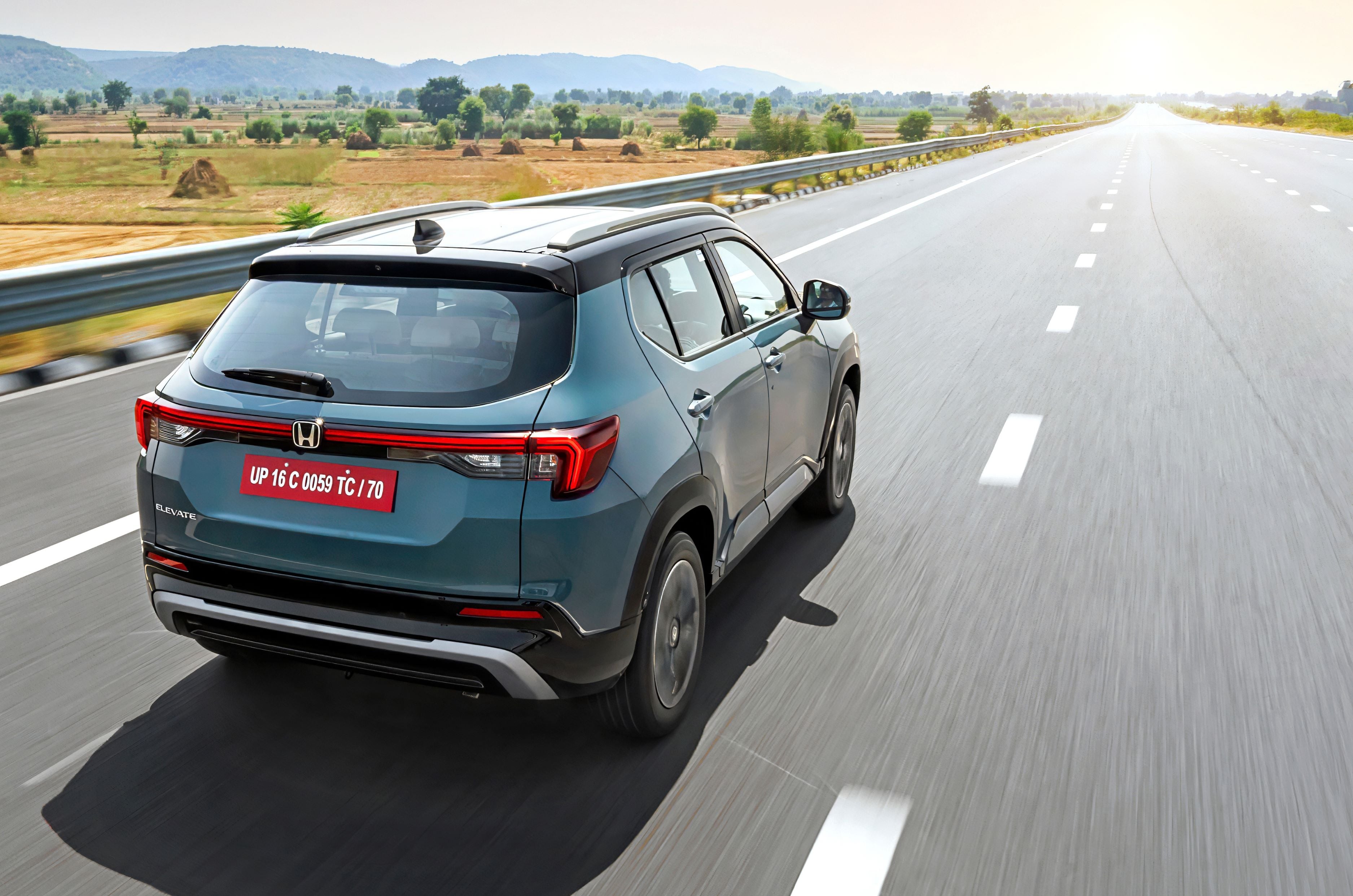
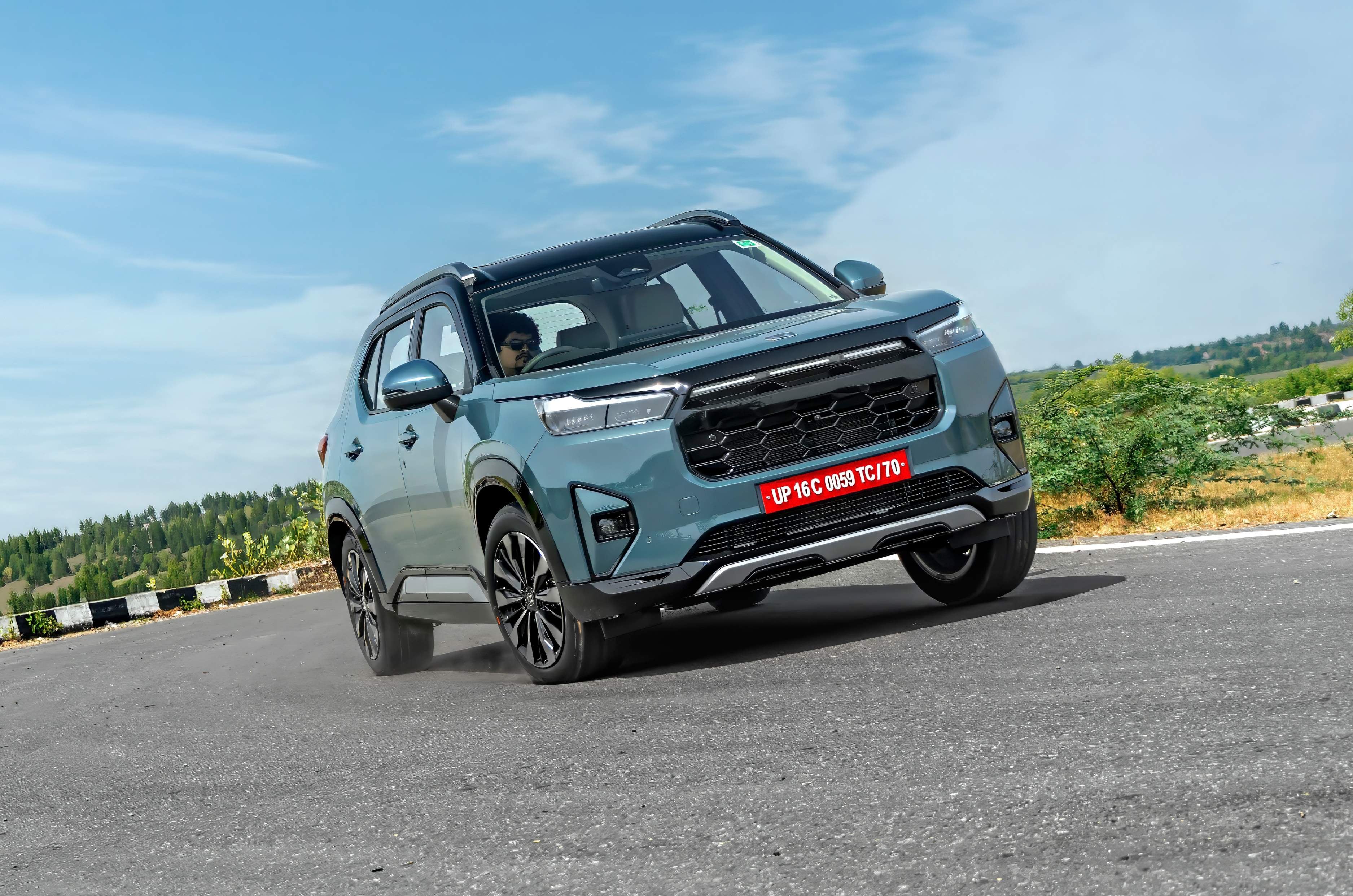
Honda has priced the 2026 Elevate facelift from Rs 11.80 lakh to Rs 18.58 lakh (ex-showroom). Its list of midsize SUV rivals is pretty long, and includes the Hyundai Creta, Kia Seltos, Tata Sierra, Renault Duster, Nissan Tekton, Volkswagen Taigun and Skoda Kushaq. The Elevate is underpinned by the City’s platform, and comes with a single 1.5-litre petrol engine with a choice of manual and CVT gearboxes. Here’s what works in the updated Elevate’s favour, and what doesn’t.
Reasons to buy the 2026 Honda Elevate facelift
Eager engine and confident road manners
A lively engine, tidy handling and strong brakes are among the Elevate’s fortes
The Elevate’s i-VTEC engine provides strong performance, while high-speed stability is good too.
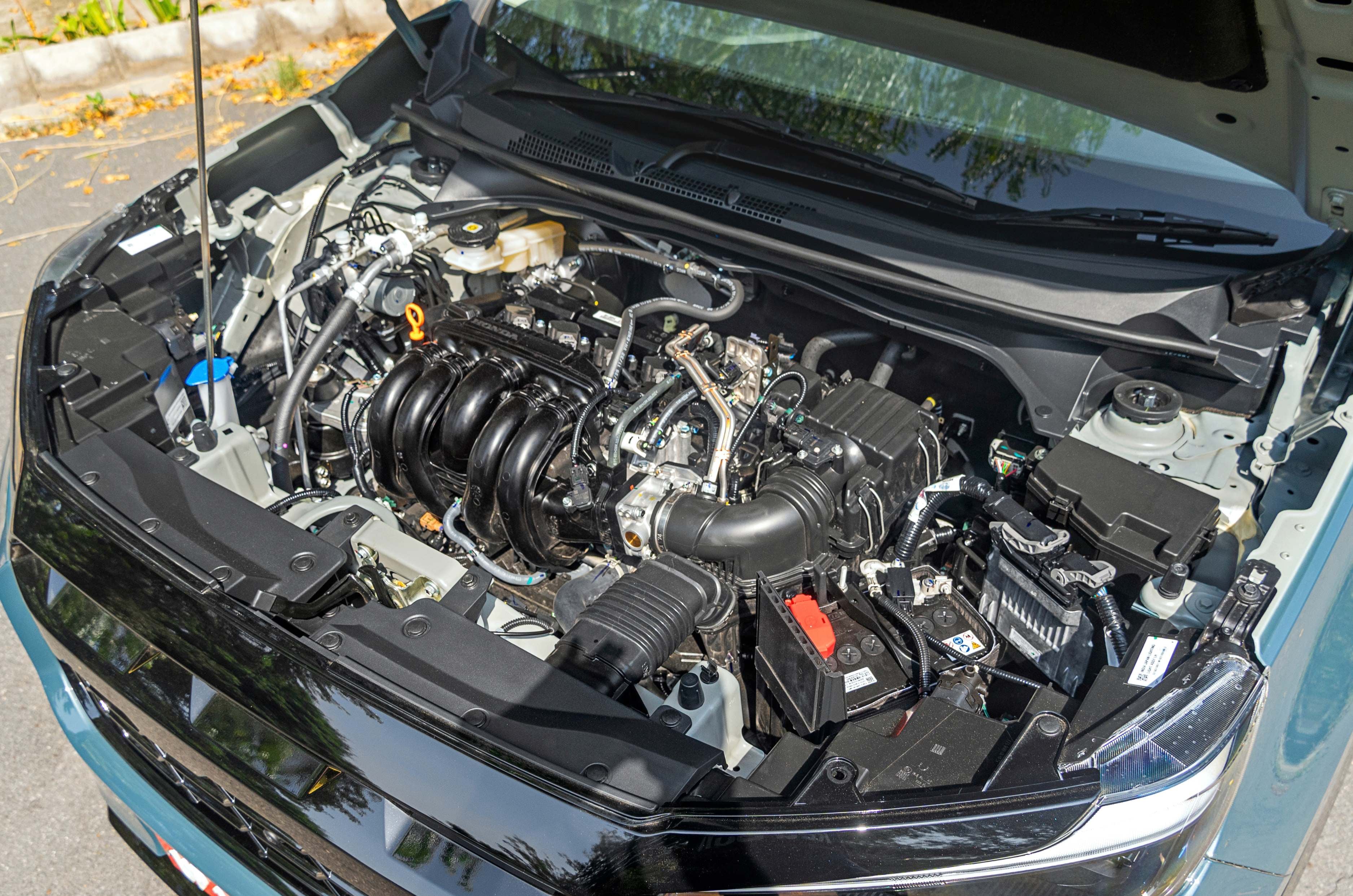
The 2026 Elevate continues with the same 1.5-litre four-cylinder i-VTEC petrol engine of its predecessor, but it’s now WLTP emissions norms compliant. The smooth and eager unit produces 121hp and 145Nm of torque, delivering this power cleanly and progressively all through its rev range. The throttle response is sharp, too. For those looking for a hassle-free urban commuter, the smooth CVT (continuously variable transmission) does the job well. It also gets paddle shifters so you can move through pre-set ratios, offering that extra sense of control.
The Elevate feels planted and offers a good balance between handling and ride quality.
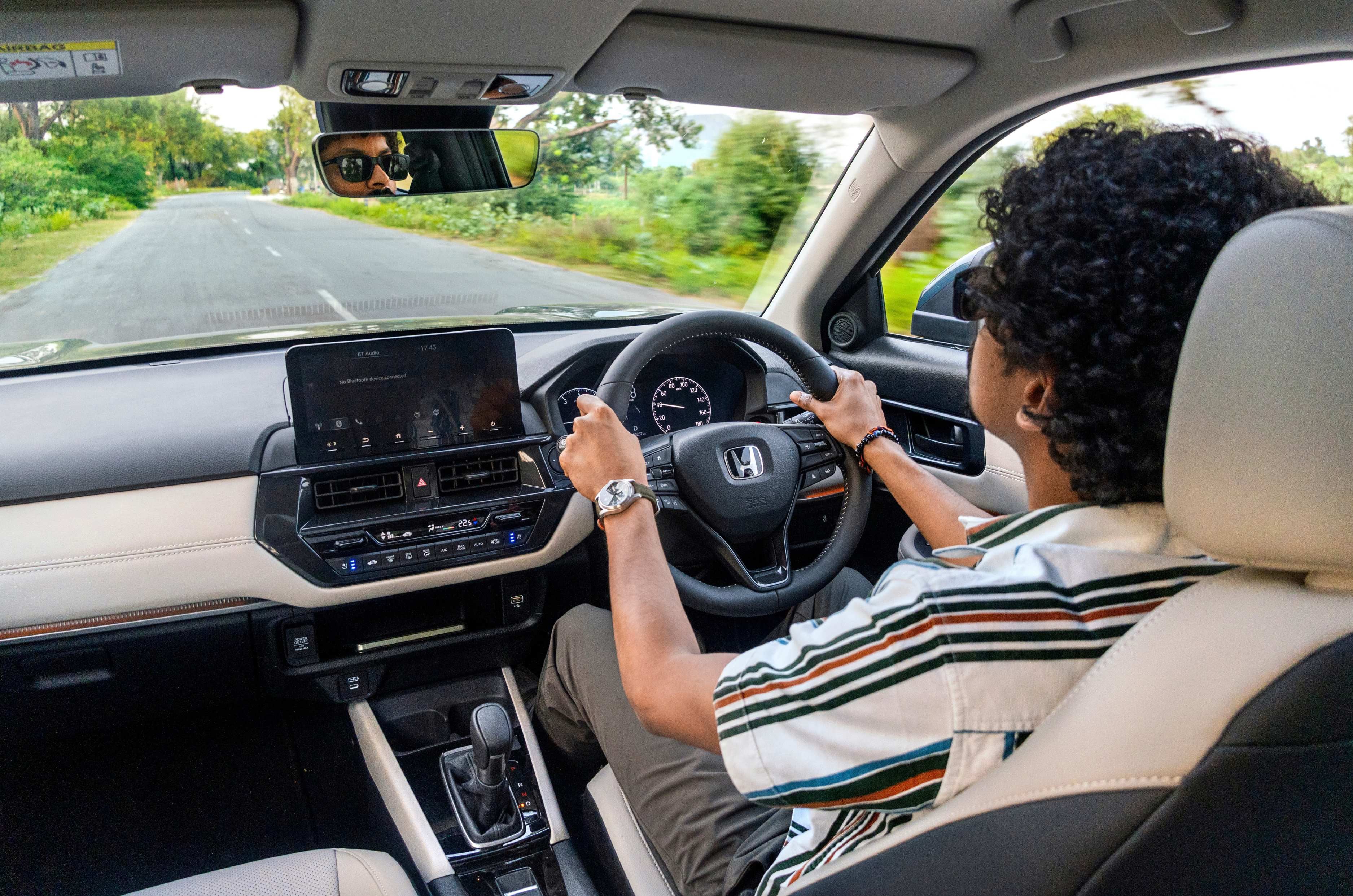
The Elevate has always been an easy car to drive around town, courtesy of a light yet responsive steering that makes parking manoeuvres easy. The steering weighs up progressively as speeds rise, and the Elevate also feels planted out on the open highway, inspiring confidence. A good control on body roll means that, despite its tall SUV stance, the Honda Elevate corners neatly without much drama. The brakes are strong and feel progressive, further inspiring driver confidence. The ride feels firm but the Elevate manages to smooth out surface imperfections with relative ease.
Premium and comfy cabin
Interior retains the model’s practicality quotient while upping the premium experience
The 2026 update has made this interior feel more premium.
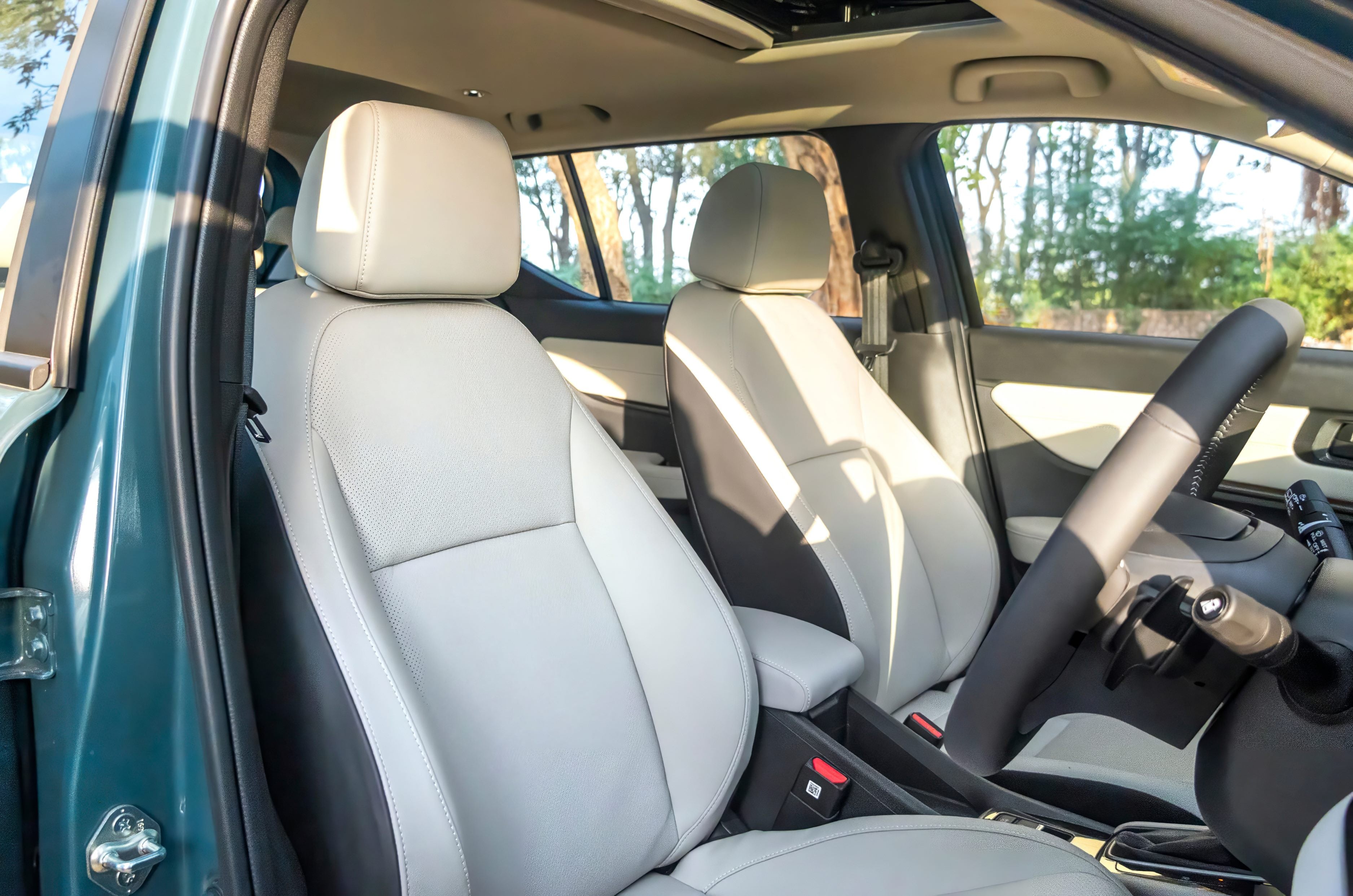
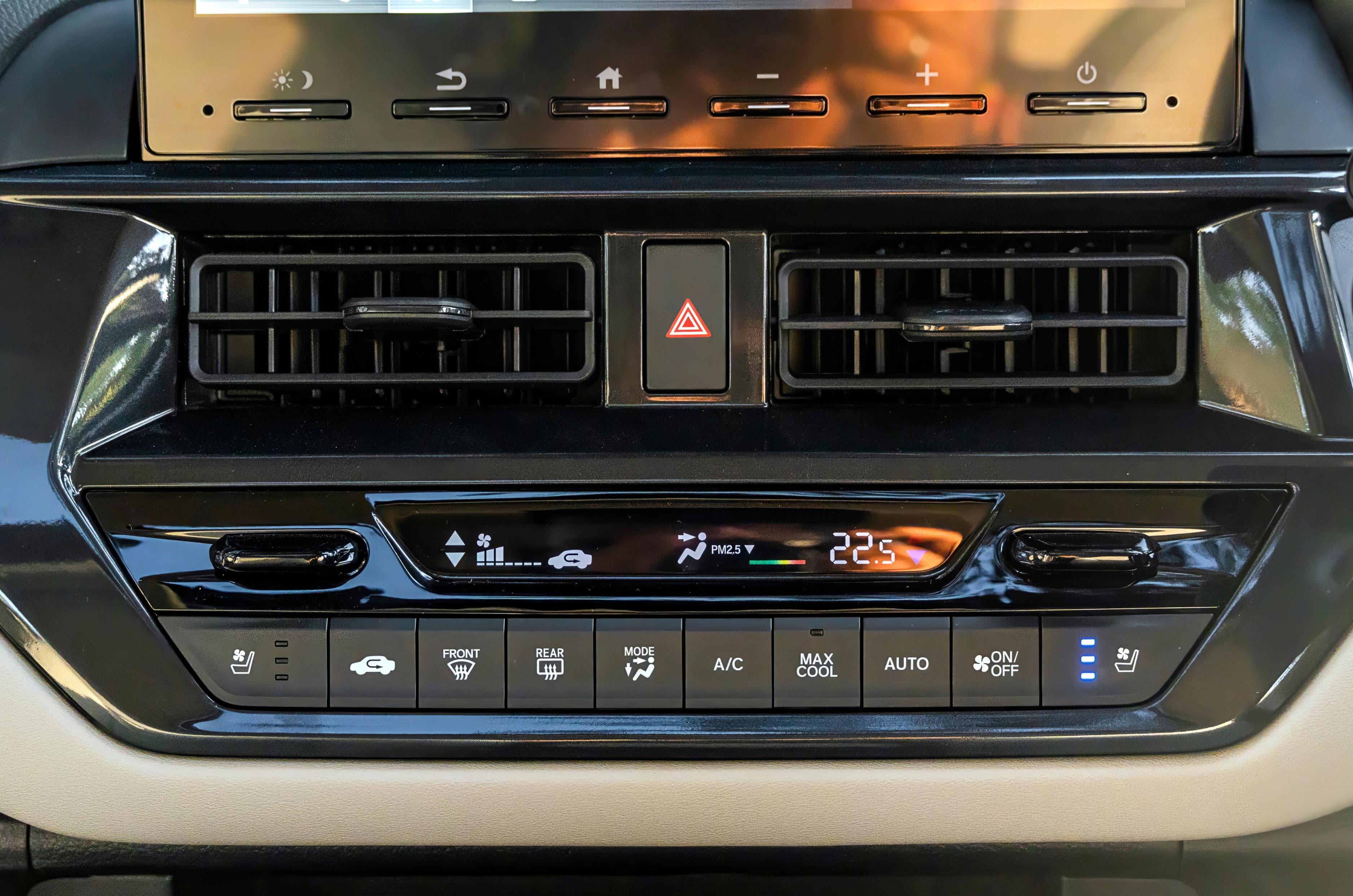
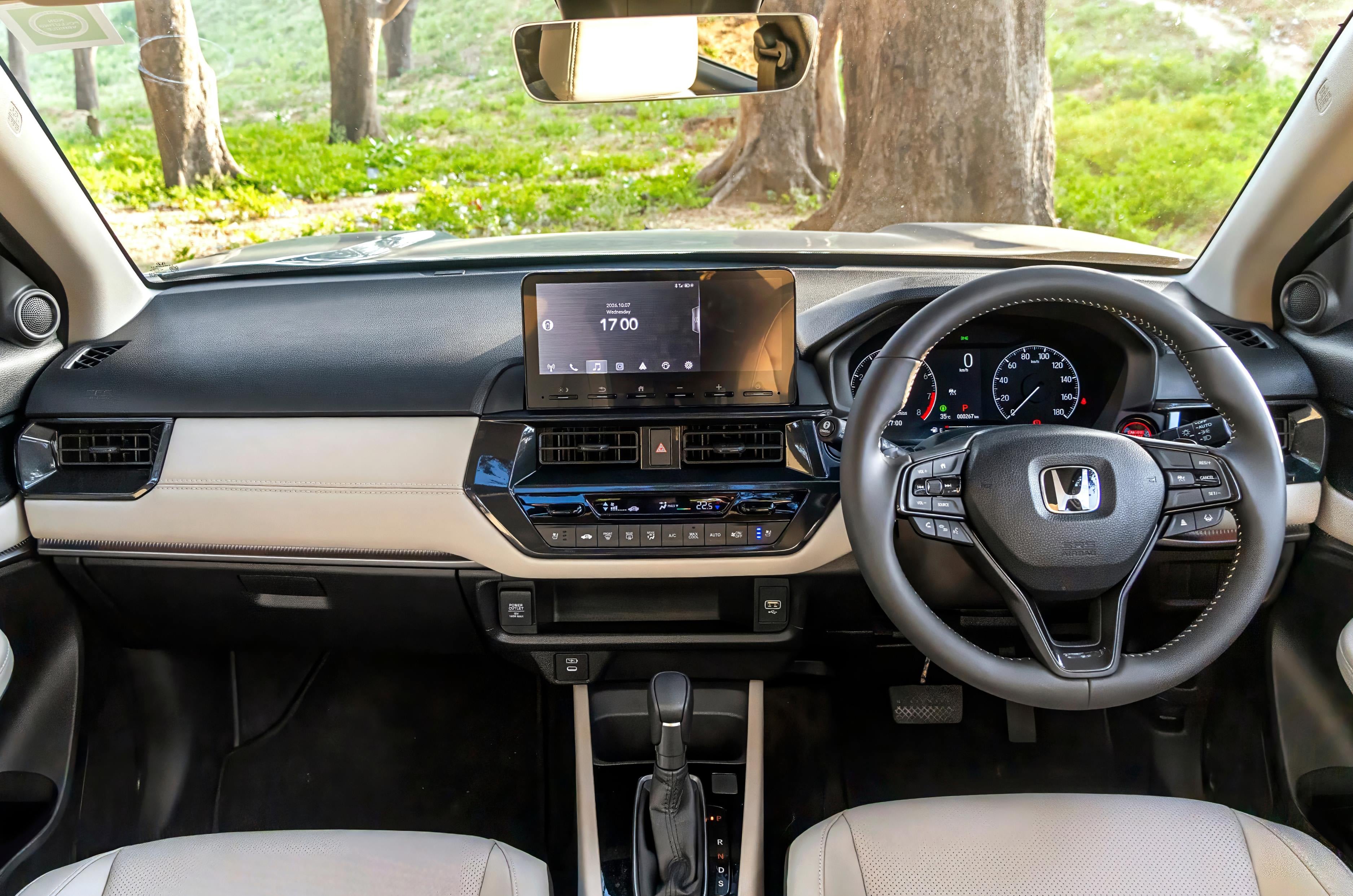
The Elevate has been known for providing an ergonomically sound cabin – this hasn’t changed with the 2026 update. The front seats remain nice and supportive, while finding a comfortable driving position is easy. There’s now lighter leatherette padding and stitching on the dashboard, a revised headliner that looks and feels more premium, and an updated HVAC panel with buttons for the front-seat ventilation feature.
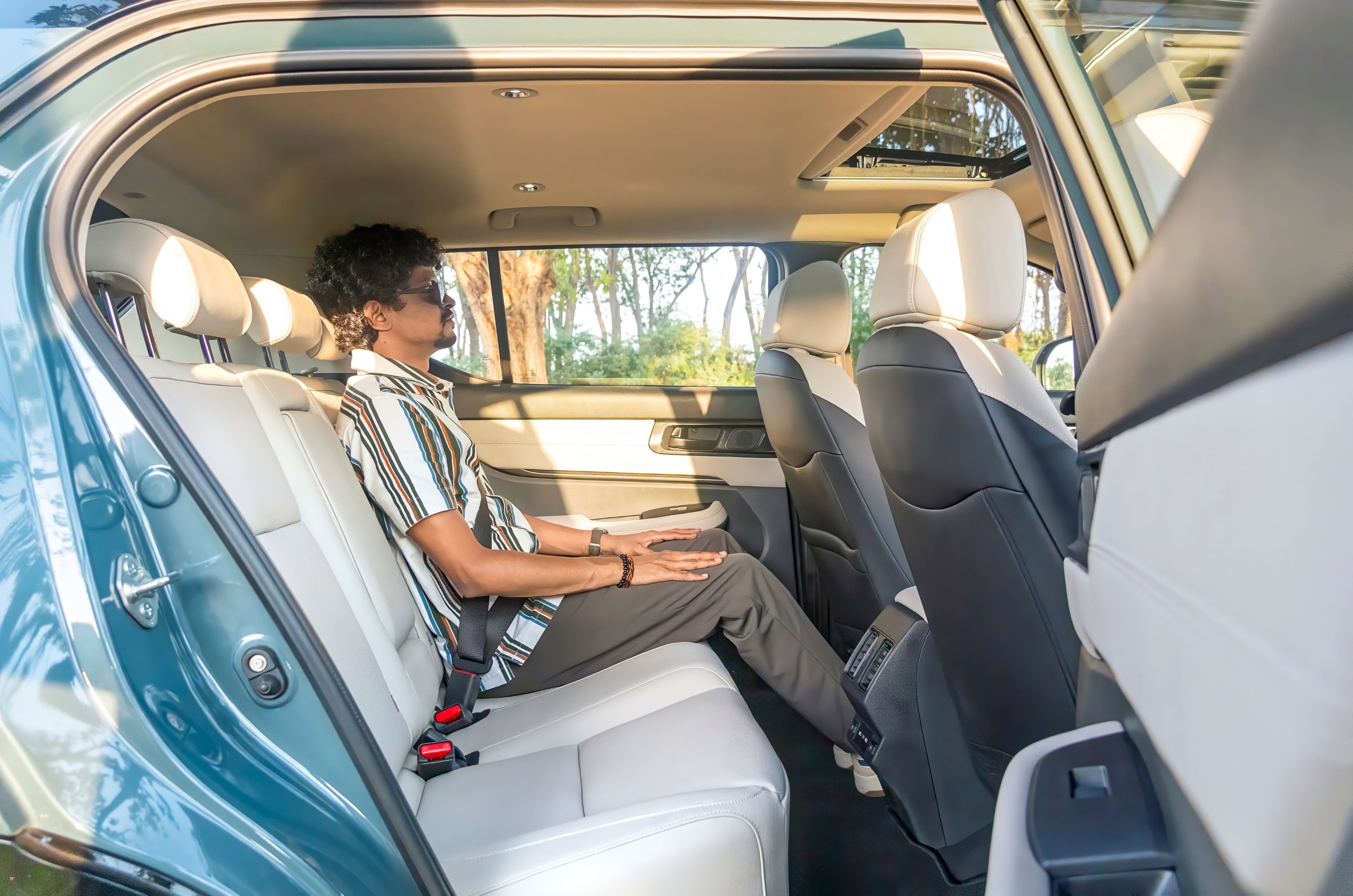
Headroom and kneerom for back-seat passengers is good.
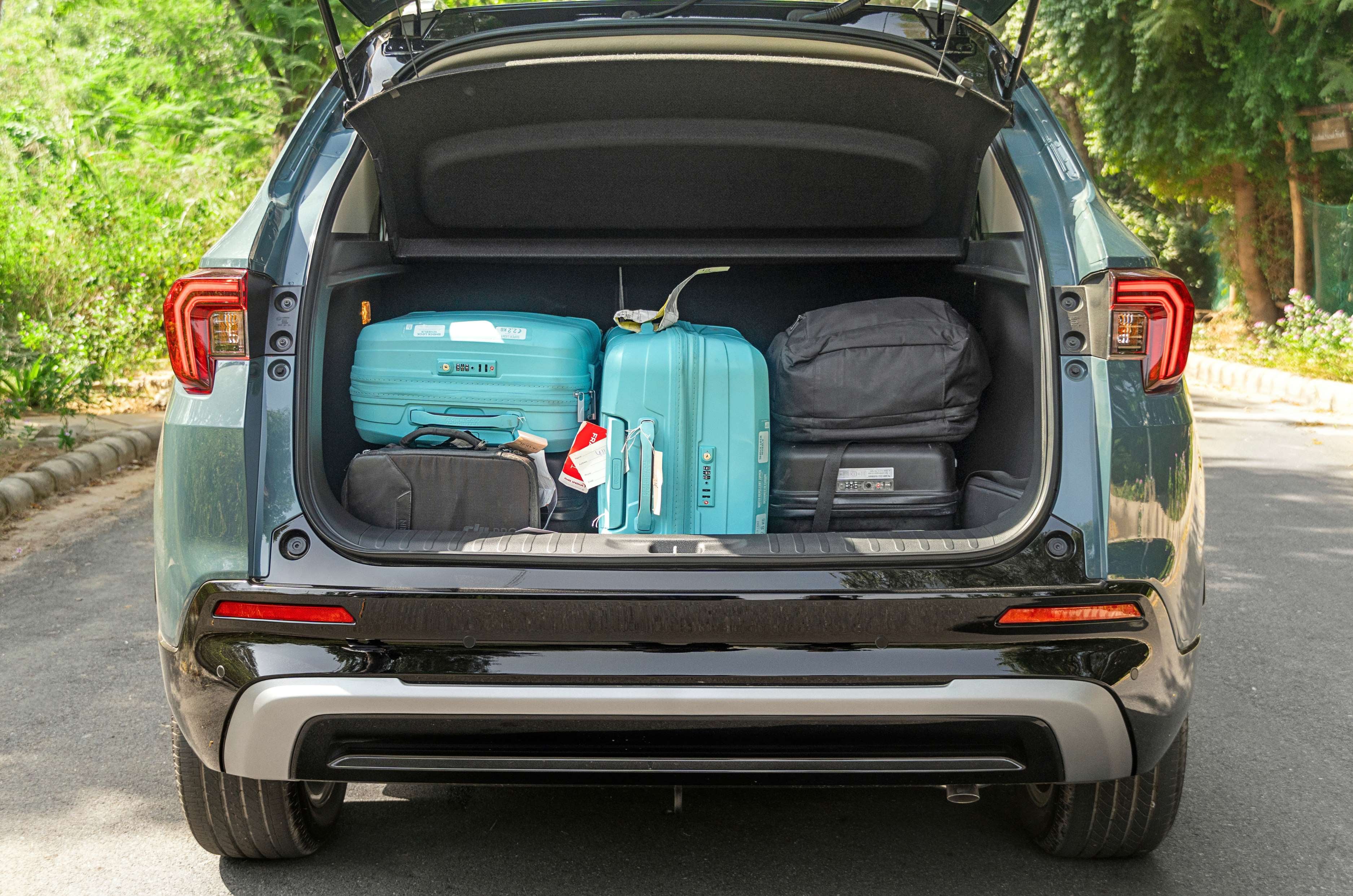
It is easy to get comfortable in the back of the Honda Elevate facelift. There’s plenty of headroom and kneeroom for two adults, while conveniences like a centre armrest with cupholders, dedicated AC vents and USB charging ports add to the overall experience. There’s also no shortage of cubbies to store your knick-knacks, plus a roomy 458-litre boot. You also get a spare tyre under the boot floor, further boosting the Elevate’s practicality.
Better equipped than before
Honda has added more features to the Elevate’s equipment list
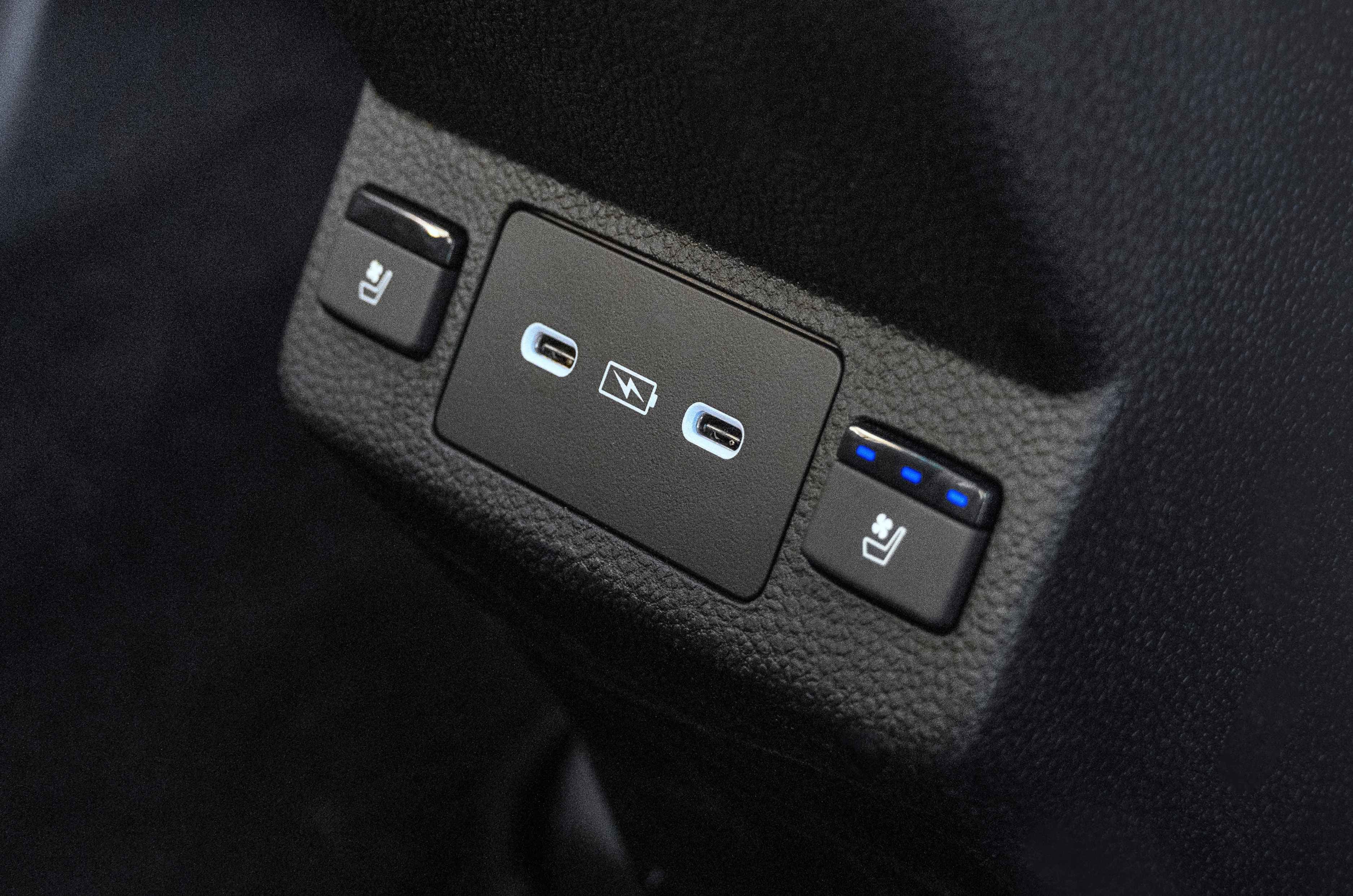
The Honda Elevate now gets segment-first rear-seat ventilation.
The back seats of the 2026 Elevate facelift are also where you will see the new touch-operated LED reading lamps. The Elevate now offers rear-seat ventilation, which is a first for the segment. Features such as orange ambient lighting, multi-way powered front seats, wireless charging, auto climate control with a built-in PM2.5 air purifier, wireless Apple CarPlay & Android Auto, an 8-speaker audio system, a 7-inch MID, and a 360-degree camera are available too.
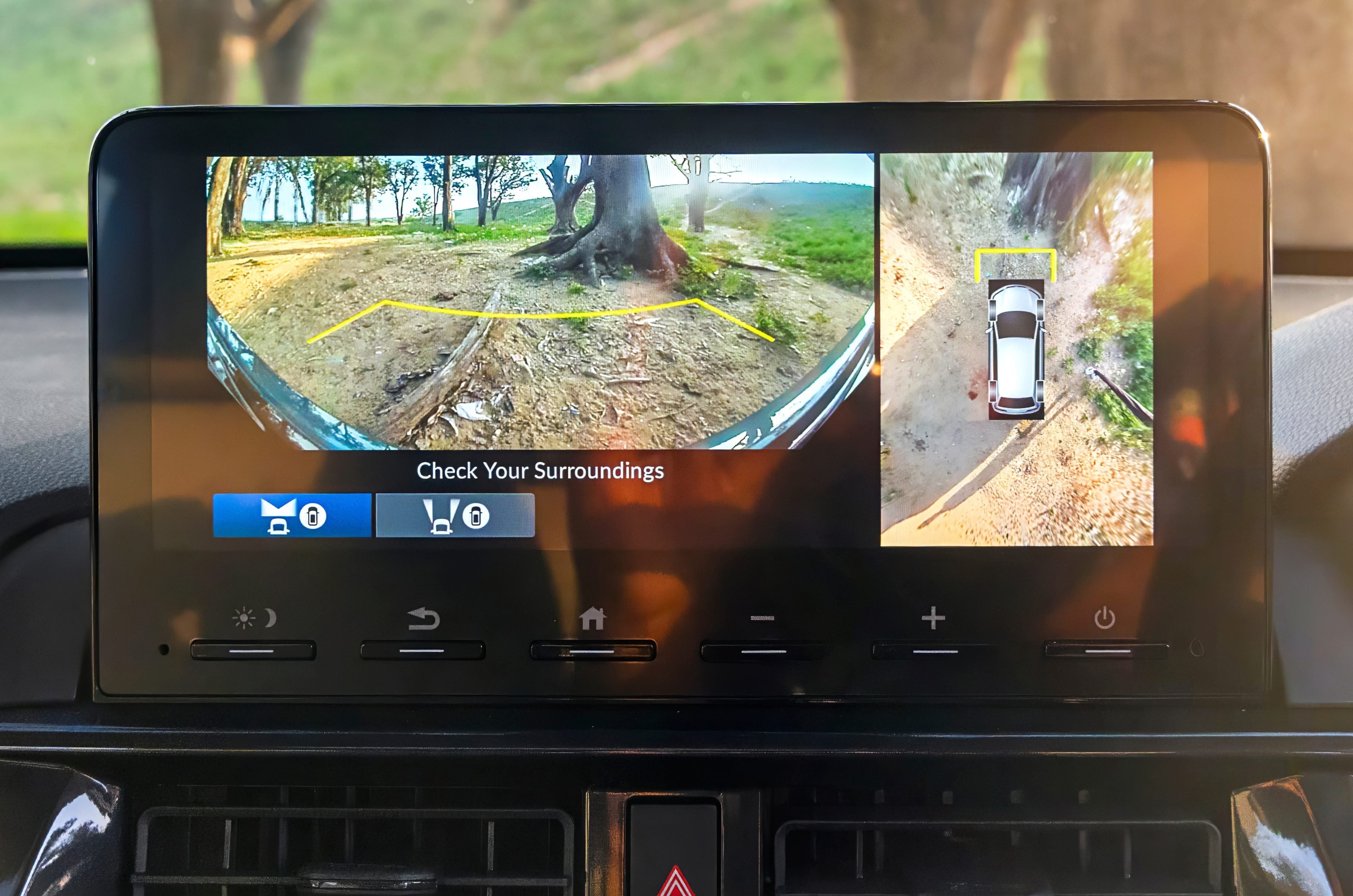
A 360-degree camera is now a factory-fit option on the top-spec trim.
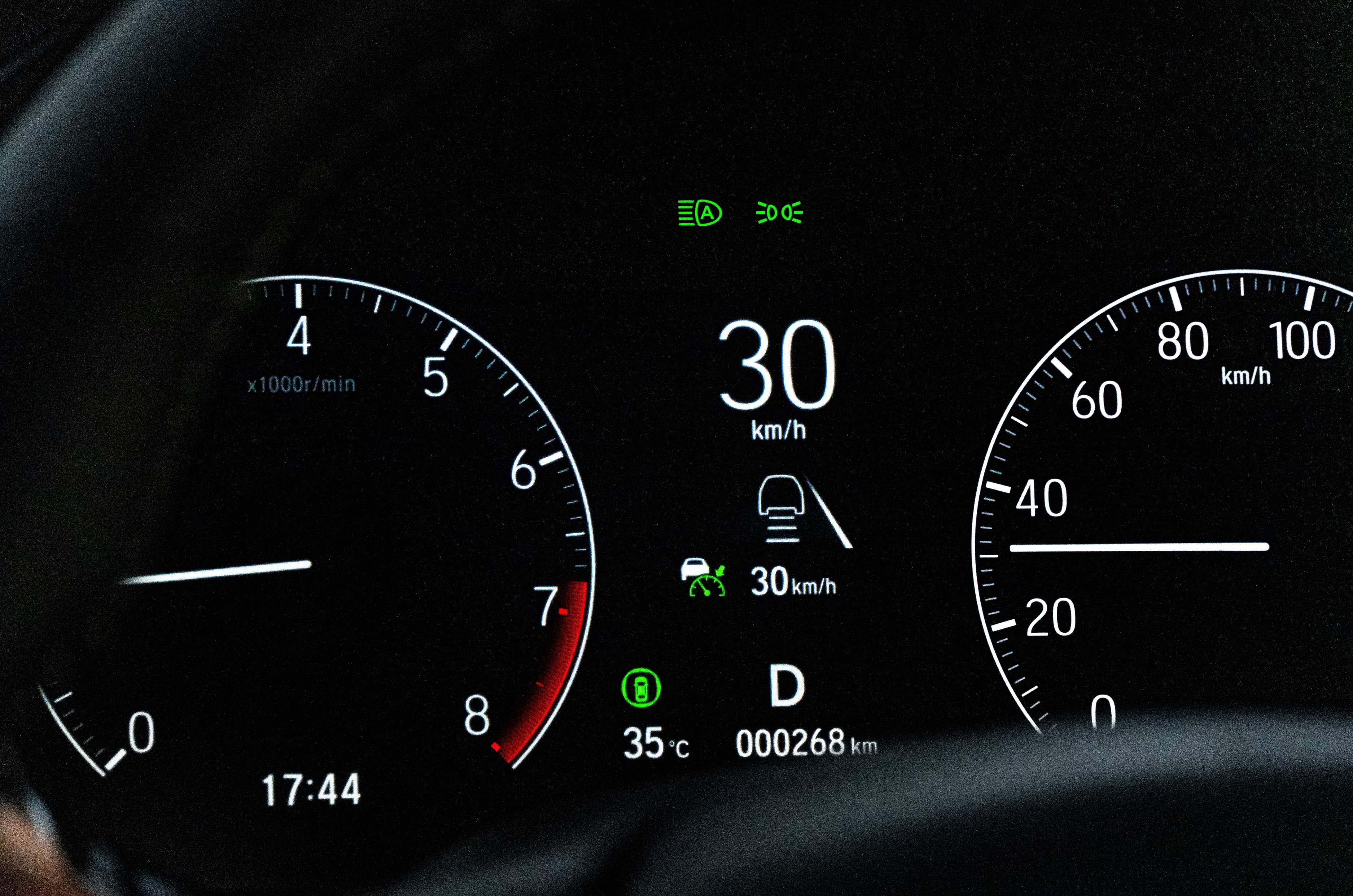
There’s enough on the safety front, too. The 2026 Elevate facelift is available with front parking sensors, Honda’s LaneWatch camera, and a camera-based ADAS (advanced driver assistance systems) suite. This ropes in adaptive cruise control, auto-emergency braking, lane-keep assist and more. The CVT variants get a new low-speed follow function for the adaptive cruise control to tackle stop-and-go traffic conditions, along with rear disc brakes and an electronic parking brake with auto hold. Standard equipment includes 6 airbags, stability & traction control, rear parking sensors, adjustable headrests and three-point seatbelts for all occupants.
Reasons not to buy the 2026 Honda Elevate facelift
Cabin has its shortcomings
Lacklustre noise insulation aside, the Elevate’s cabin still has a few niggles
Some may find the front lumbar support to be excessive.
While the 2026 facelift has made the Honda Elevate more competitive, there’s still room for improvement. For starters, the lumbar support up front can feel intrusive for some, and taller occupants will find the under-thigh support underwhelming. Seating a third passenger in the back wouldn’t be easy, due to the narrower cabin width of the Elevate over some rivals. The raised centre seat doesn’t make this better, either.
Rear occupants will notice vertical movements at higher speeds over undulating roads.
The cabin is quieter than before, but engine and road noise can be heard quite easily at highway speeds. Those at the back will also notice a fair bit of vertical movement over undulating highways at triple-digit speeds.
Only one engine option
The Elevate still doesn’t get a diesel, turbo-petrol, hybrid or CNG option
Lack of engine choices even with the latest update is a definite con for the Honda Elevate.
In a segment where rivals offer multiple engine options (even across fuel types), the 2026 Honda Elevate facelift continues with just the one naturally aspirated petrol unit. This limits its appeal when compared to other offerings in the hotly contested midsize segment. While we are yet to test its mileage, the lack of an automatic engine stop-start system and ‘Eco’ drive mode won’t help boost fuel efficiency.
Latest features reserved for the top trim
Most of the headline features are offered only with the new range-topping ZX+
Only the range-topping ZX+ gets all of the newly introduced features.
If you want all the new bells & whistles that the 2026 Honda Elevate facelift has to offer, you’ll have to stretch your budget to accommodate the new top-spec ZX+ trim. This is where niceties like rear seat ventilation, powered front seats, a 360-degree camera and front parking sensors reside. However, this also means a price tag of between Rs 16.88 lakh and Rs 18.58 lakh (ex-showroom).
The ZX+ trim still misses features like two-zone climate control, a panoramic sunroof and rear sunblinds.
Despite the ZX+’s higher price, it still misses out on a panoramic sunroof, powered tailgate, a fully digital driver’s display, rear sunblinds and dual-zone climate control. Some similarly priced rivals offer a more comprehensive feature set, more cabin space and multiple powertrain options.
The midsize SUV space is now more competitive than ever. Just the last few months have seen new launches in the form of the Tata Sierra, Renault Duster, Nissan Tekton and the facelifts of the Volkswagen Taigun and Skoda Kushaq. Then there are the venerable Kia Seltos and the Hyundai Creta, the latter of which is set to receive a new-gen model next year, and an all-new entrant, the Hyundai Bayon, is about to join the ranks.Powertrain choices have been expanding too; diesel continues to be popular, turbo petrols add a dose of excitement, CNG is fast becoming the high-mileage option and there’s electrification in the form of hybrids and full EVs.So in a bid to keep it relevant, Honda has updated its midsize SUV contender, the Elevate, and here’s how it all comes together.
Design and engineering – 8/10
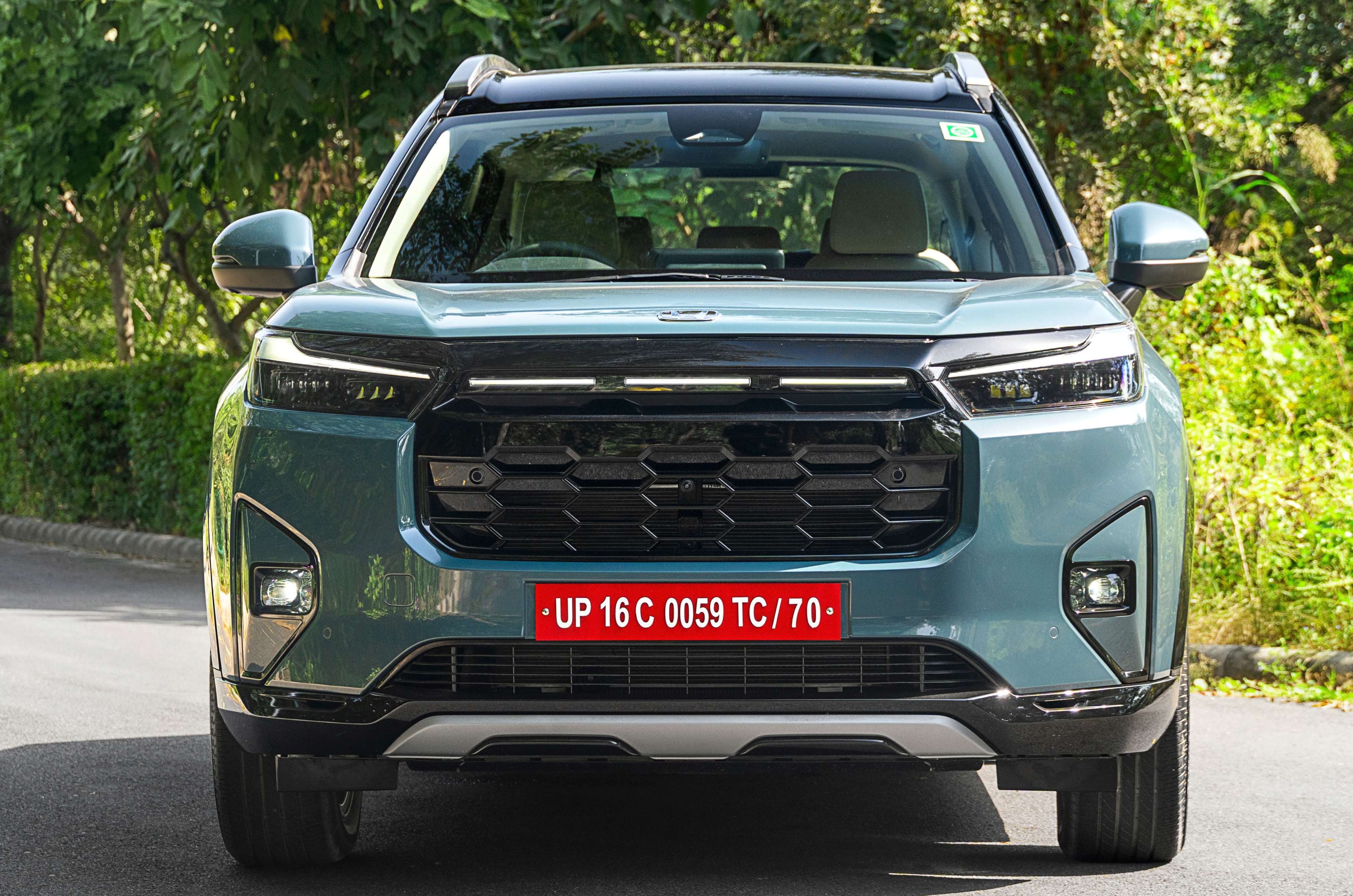
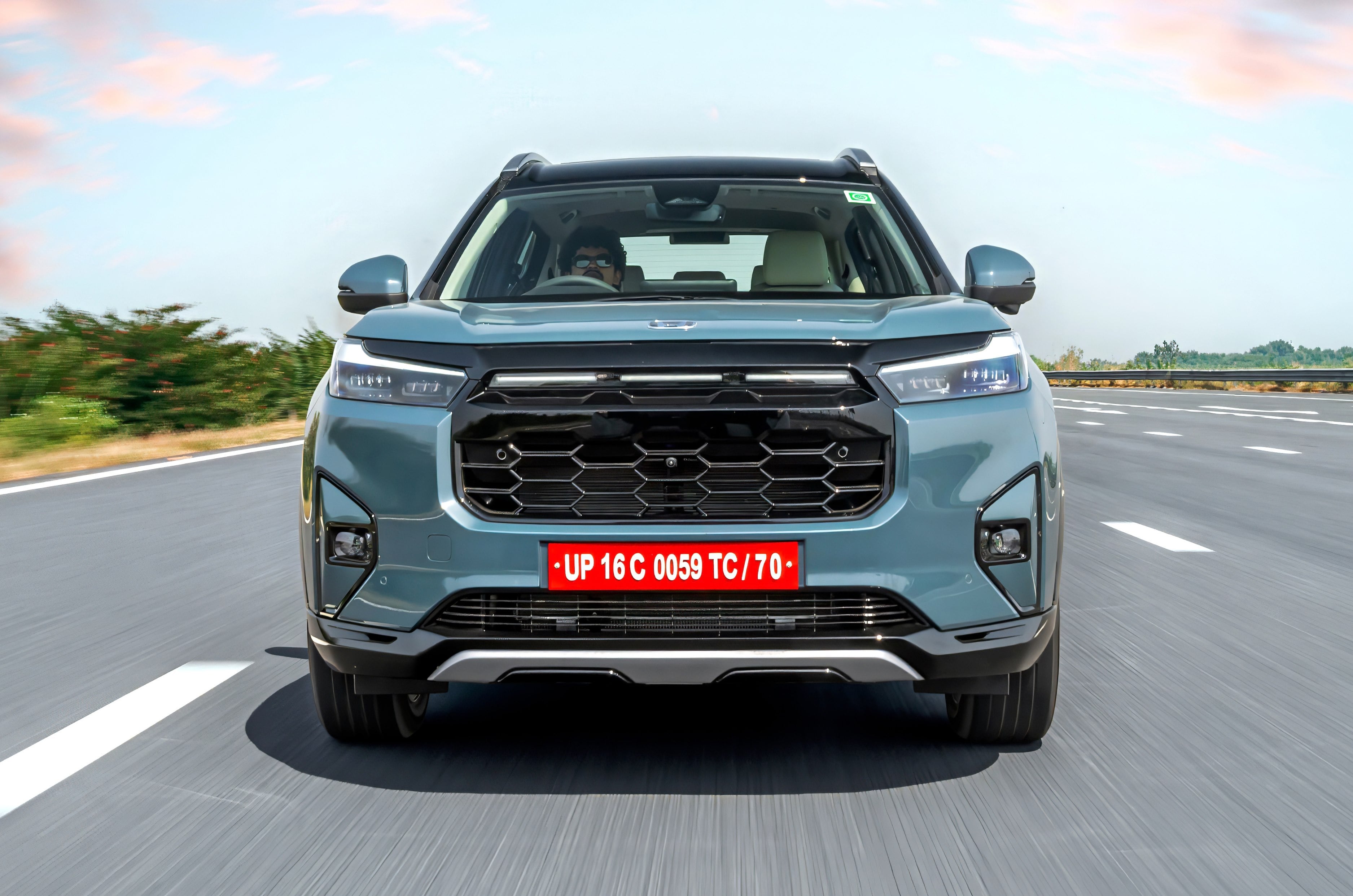
Features a new gloss black grille with a honeycomb pattern and a segmented LED light bar.
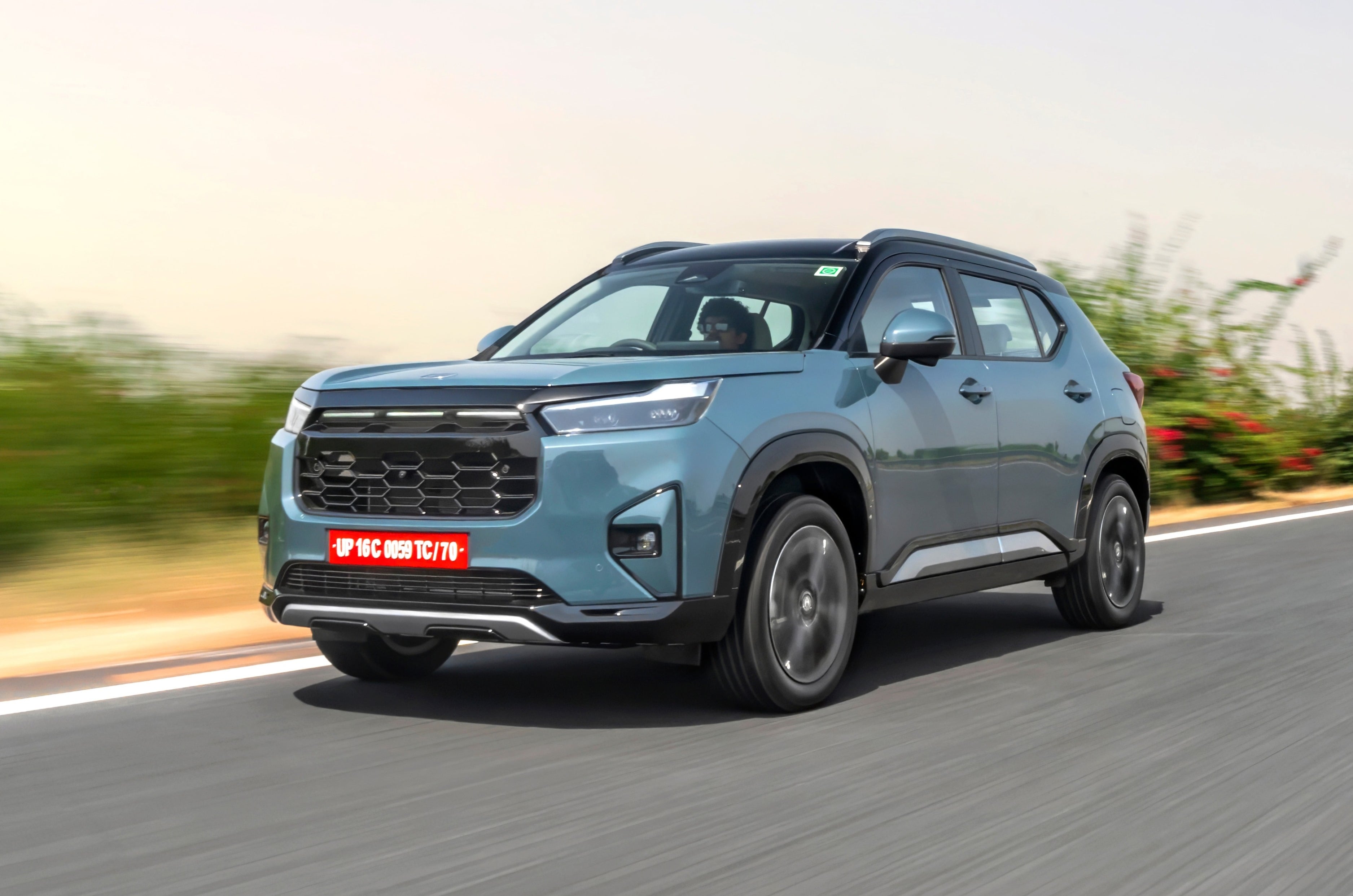
Honda has given the Elevate a subtle design update, but the changes are effective enough to give the SUV a fresher, more contemporary look without straying far from the original design. The biggest revisions are concentrated at the front end, where a new segmented LED light strip links the LED headlamps and the thick chrome band above them has been replaced with gloss black trim. The front grille gets a revised mesh pattern and a gloss-black finish, lending the front end a slightly sportier, more butch appearance. The Honda badge now sits on the bonnet rather than within the grille, while the fog-lamp housings are now finished in body colour instead of black for a cleaner look.
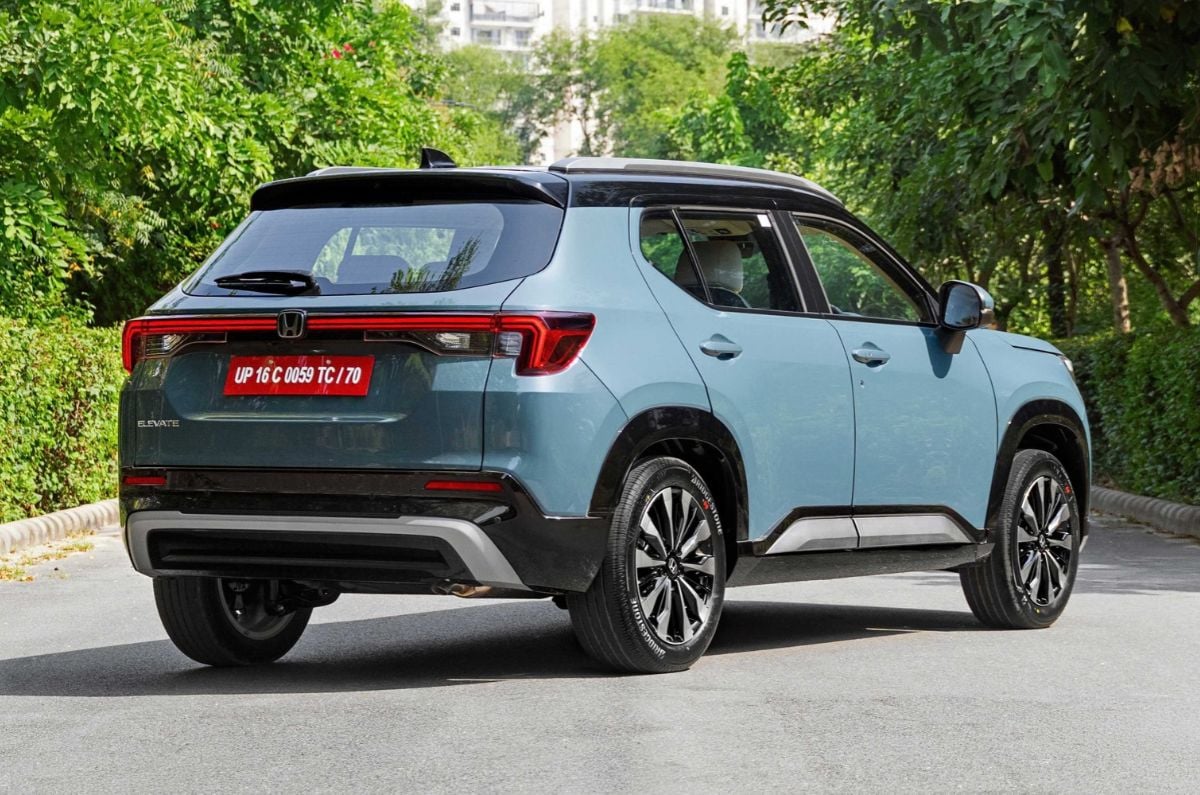
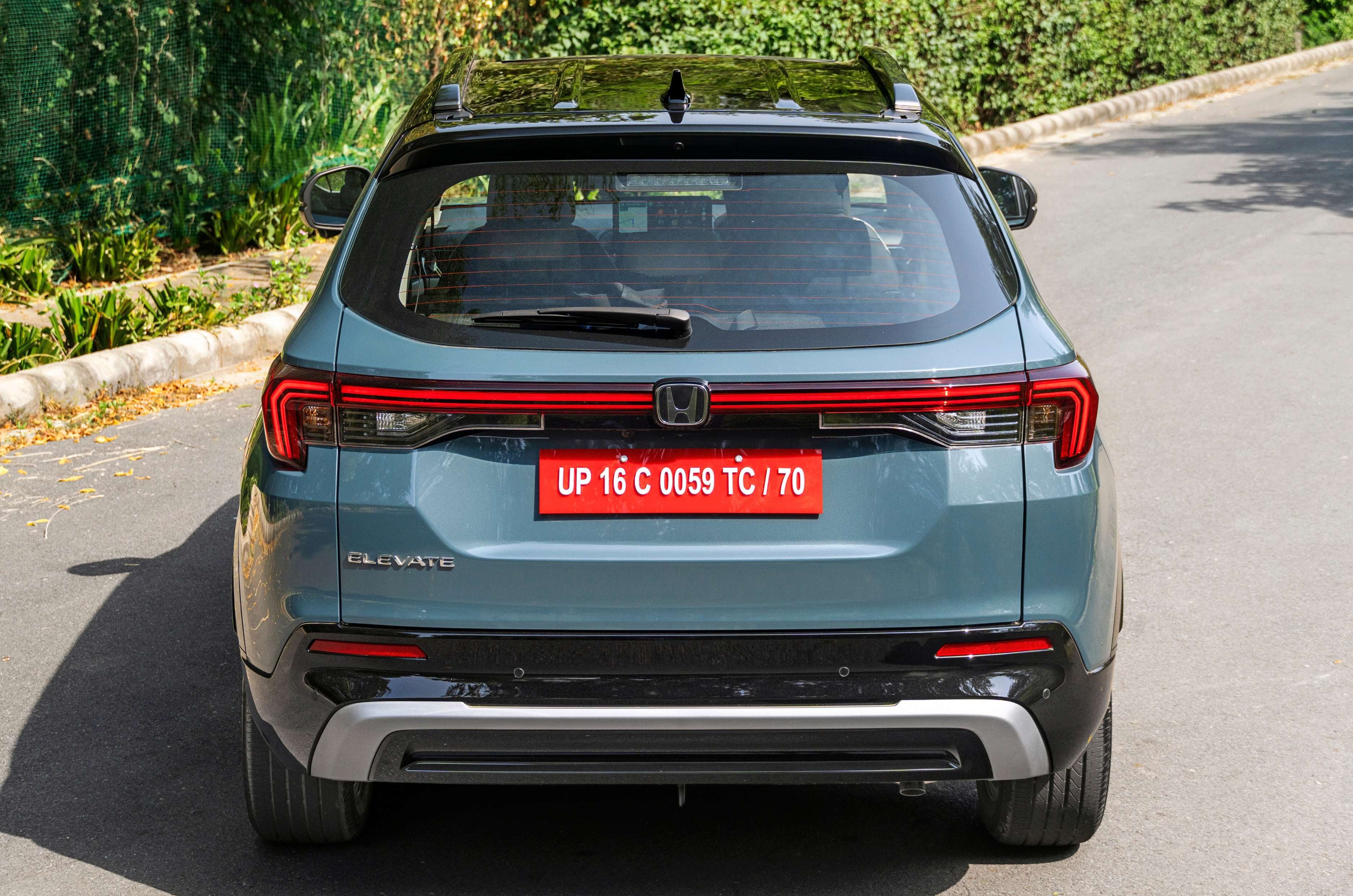
New LED light bar now connects the tail-lamps, giving it a more cohesive appearance.
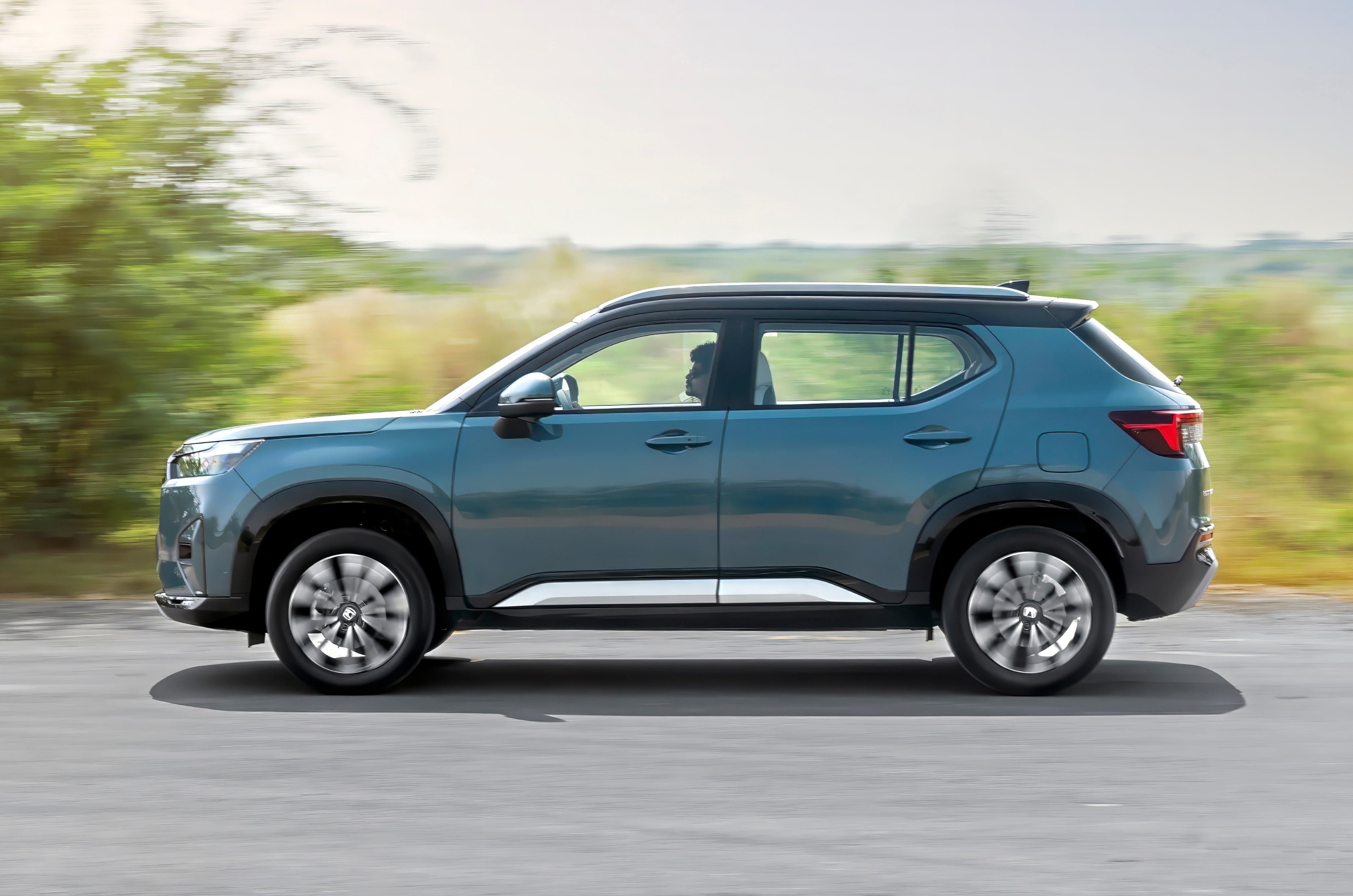
It’ll take a keen eye to spot the changes along the sides as they’re limited to a new gloss black body cladding instead of a matte finish, silver coloured inserts in the cladding on the doors instead of body colour and a darker finish for the 17-inch alloy wheels which continue with the same design. At the rear, the facelift introduces a new LED light bar that connects the tail-lamps, giving the tailgate a wider, more cohesive appearance, particularly after dark. Rounding off the updates is a new Nordic Forest Pearl paint shade, as you can see in the pictures here.
As for dimensions, it continues to measure 4.3 metres in length, nearly 1.8 metres in width and just over 1.6 metres in height. It’s based on the City platform, but gets a stretched 2650mm wheelbase, wider tracks front and rear and a substantial 220mm of ground clearance.
Interior space and comfort – 8/10
The cabin gets more substantial updates than the exterior, with the changes aimed at improving comfort and perceived quality. To start off, there’s a new ivory and black dual-tone upholstery theme that enhances the sense of space inside and is perhaps more neutral than the tan upholstery earlier. It will be tough to clean though, thankfully there is the option of all-black upholstery with the ‘Black’ edition Elevate.
Upholstery is now ivory and black with a new leatherette panel on the dash; cabin remains practical and feels well-built.
The dashboard has been revised too, with more white leatherette padding and stitching replacing the outgoing model’s faux wood trim, and the AC controls have been revised, now housing the seat ventilation buttons. Honda has even updated the roofliner fabric which looks and feels much nicer than the older woven roofliner. All of this gives the cabin a fresher look, although the overall layout remains familiar.
Front seats remain comfortable and now feature ventilation and power adjustment.
Ergonomics remain a strong point, with the Elevate offering a commanding driving position and supportive front seats that make it easy to get comfortable behind the wheel. The lumbar support, however, might feel excessive for some and taller people may find underthigh support a bit lacking.
Ample headroom and kneeroom but best for two adults thanks to the narrow width and raised centre seat.
At the rear, space is generous, with plenty of kneeroom and headroom making it a very comfy place for two adults. However, fitting a third passenger will be tight thanks to the cabin’s limited width and raised centre seat. There are no sunblinds either, but Honda has added an adjustable headrest and a three-point seatbelt for the centre passenger, which was an omission earlier. Features back here include dedicated AC vents, USB charging ports, a fold down centre armrest with cupholders, new capacitive-touch LED reading lamps and the most prominent, seat ventilation.
428-litre boot can fit in more than the number suggests; continues to feature a spare tyre under the boot floor.
Practicality, meanwhile, remains a strength, with the Elevate offering ample storage spaces throughout the cabin. The boot is also a substantial 458-litres and can pack in much more than the number would suggest. What’s also nice is that it continues to get a spare tyre under the boot floor.
Features and safety – 8/10
360-degree parking camera is a helpful addition but has limited angles of view and a small display on the screen.
The Elevate facelift addresses some of the key equipment gaps in the outgoing model, bringing a more comprehensive feature set to the table. In terms of safety features, there’s now a 360-degree camera (its display on the screen is quite small though, with limited angles of view), which works alongside the existing ‘LaneWatch’ camera, though curiously this feature is still only for the left hand side.
ADAS suite now packs in a useful low-speed follow function for the adaptive cruise control.
Front parking sensors have also been added to make parking and manoeuvring in tight gaps easier. However, the CVT variants get even more safety kit in the form of an electronic parking brake with auto hold function, rear disc brakes and the addition of a low-speed follow function for the adaptive cruise control, which is useful in stop-and-go traffic.
Rear-seat ventilation is a first-in-segment, but it’s only available in the top-spec ZX+ trim.
As for comfort and convenience features, the most important additions are the ventilated front and rear seats, the latter which is a segment-first. Though they take some time to cool effectively, it has enhanced the Elevate’s cabin comfort. Then there’s powered front seats – 8-way for the driver and 4-way for the passenger – ambient lighting and a PM2.5 air purifier. Other than that, much of the existing equipment has been carried over unchanged.
AC controls have been revised with new buttons for seat ventilation; now features an air purifier too.
There’s a 10.25-inch infotainment touchscreen with wireless smartphone integration (though its software and feature set still feel basic at best), semi-digital instrument cluster, a single-pane sunroof, wireless phone charger, six airbags, ESC, traction control, camera-based ADAS tech including auto emergency braking, lane keep assist and more. Still however, there are some features missing that rivals offer like a dual-zone for the auto climate control, panoramic sunroof and powered tailgate.
Powertrain and refinement – 8/10
121hp, free-revving, naturally aspirated 1.5 petrol remains the only engine option with the Elevate.
There have been no changes under the hood of the Honda Elevate. It still continues to be powered by a 1.5-litre, four-cylinder, naturally aspirated petrol engine that produces 121hp and 145Nm. Gearbox options remain unchanged too, with a 6-speed manual and a 7-step CVT automatic, and we got to sample the latter. However, the engine has been future-proofed and is now WLTP emissions norms compliant while already being E20 fuel compatible.
This i-VTEC engine still impresses however. Throttle response is immediate, with no noticeable delay, making the engine feel sharp and eager. As before, the naturally aspirated motor pulls cleanly from idle all the way to the redline, in a smooth and progressive manner. However, it feels most energetic higher up the rev range, where it feels at its most potent too.
The 7-step CVT works well as an automatic, making light work of everyday commuting with its smooth operation. Paddle shifters with pre-set ratio points also give it some resemblance to a conventional automatic, allowing you to have greater control. However, push the throttle hard and the familiar ‘rubber band’ effect becomes apparent, with the engine holding on to high revs for extended periods, which doesn’t make for a relaxed driving experience. In this respect, Hyundai and Kia’s chain-driven CVT feels a bit smoother and more responsive than this belt-driven one.
As for performance, we managed a 0-100kph time of 11.89sec with the pre-facelift Elevate CVT and you can expect this facelifted model to be in the same ballpark. Expectedly, the manual does a quicker 10.82sec time to 100kph.
However, like before the lack of powertrain options is disappointing. In a time when rivals are offering diesels, turbo petrols, strong hybrids and CNGs, the Elevate has to soldier on with a solitary, naturally-aspirated petrol engine which restricts its appeal.
It feels quieter than before but there’s still prominent engine and road noise filtering into the cabin, especially on highways.
Honda has also worked on improving the Elevate’s noise insulation, an area where the existing model lacked. The company claims better isolation from both engine and road noise, but that has worked only to a small extent, in our experience. It feels quieter than before but there’s still prominent engine and road noise filtering into the cabin, especially at highway speeds, and there’s definitely more room for improvement here.
Fuel efficiency – 7/10
Given our short test drive, we didn’t subject the Elevate facelift to our real-world mileage tests. For reference though, the pre-facelift Elevate CVT did 8.60kpl in the city and 13.10kpl on the highway while the Elevate MT managed 8.7kpl in the city and 13.30kpl out on the highway. The Elevate CVT misses out on an Eco drive mode and auto start/stop, which certainly affects its fuel efficiency.
Ride comfort and handling – 8/10
Despite being a high-riding SUV, the Elevate feels remarkably composed on the move.
As before, the Honda Elevate continues to impress with its ride and handling balance. Despite being a tall riding SUV, it feels remarkably composed on the move. Suspension damping, though on the firmer side, is well judged and does a good job of ironing out road imperfections. It’s only when you’re travelling at triple digit speeds on an undulating highway is where you’ll notice quite a bit of vertical movement in the rear seat. But apart from that, the Elevate feels planted on the road.
Body roll is also well contained for a tall SUV, making it predictable around bends.
The steering is accurate and light at slow speeds, which helps with manoeuvrability, but it picks up weight progressively which is reassuring. Body roll is also well contained for a tall SUV and as such, it’s predictable around bends. As for the brakes, the CVT has gained rear discs but that hasn’t made a noticeable difference. Braking performance, like before, remains strong with a nice, progressive feel.
Value for money and verdict – 7/10
With this facelift, Honda has addressed some of the Elevate’s earlier shortcomings with some much-needed features and the updated look and feel inside the cabin. However, some drawbacks still remain like the lack of powertrain options and the below-par sound insulation.
It remains a sensible, practical midsize SUV that continues to prioritise the essentials over outright novelty.
What the Elevate continues to get right, though, are the fundamentals. It continues to offer a comfortable and practical cabin, a responsive engine and a well-sorted ride and handling package. Add to that the design refresh and the fairly expansive features list, and the Elevate facelift feels more rounded than before. Priced from Rs 11.80 lakh to Rs 18.40 lakh (ex-showroom), it’s still very competitively priced, though the new top ZX+ variant is up there with the heavy hitters.
Ultimately, the Elevate remains a sensible, practical midsize SUV that continues to prioritise the essentials over outright novelty. As a result, the Elevate facelift represents a great option for buyers who value comfort, everyday usability, reliability and the peace of mind associated with the Honda badge.
LPG Price 10 October 2026: LPG सिलेंडर की कीमतों में अक्टूबर की शुरुआत में बदलाव किया गया है, जिसका असर घरेलू और कमर्शियल गैस इस्तेमाल करने वालों पर अलग-अलग पड़ा है। घरेलू ग्राहकों के लिए राहत की बात है कि 14.2 किलो वाले सिलेंडर के दाम स्थिर हैं। वहीं, 19 किलो वाले कमर्शियल सिलेंडर की कीमत बढ़ने से होटल और रेस्टोरेंट जैसे कारोबारों का खर्च बढ़ गया है। ऐसे में अगर आप गैस सिलेंडर बुक कराने जा रहे हैं, तो पहले अपने शहर का ताजा रेट जानना जरूरी है।
दिल्ली, मुंबई, कोलकाता, चेन्नई और पटना समेत कई बड़े शहरों में LPG के दाम अलग-अलग हैं। आइए जानते हैं 8 अक्टूबर 2026 को घरेलू और कमर्शियल सिलेंडर किस कीमत पर मिल रहे हैं और कहां ग्राहकों को ज्यादा पैसे चुकाने पड़ रहे हैं।
घरेलू गैस के दाम में राहत, कमर्शियल सिलेंडर ने बढ़ाया खर्च
10 अक्टूबर 2026 को उपलब्ध जानकारी के मुताबिक, दिल्ली में 14.2 किलो का घरेलू LPG सिलेंडर 942 रुपये में मिल रहा है। अक्टूबर की शुरुआत में इसकी कीमत में बदलाव नहीं किया गया। दूसरी ओर, 19 किलो वाले कमर्शियल सिलेंडर के दाम में 1 अक्टूबर से 62.50 रुपये की बढ़ोतरी हुई है। अब दिल्ली में इसकी कीमत 2,810 रुपये हो गई है।
इस बढ़ोतरी का असर उन कारोबारियों पर पड़ सकता है, जो रोजाना बड़ी मात्रा में गैस का इस्तेमाल करते हैं। कारोबारियों की लागत बढ़ने पर खाने-पीने की चीजों की कीमतों पर भी असर पड़ने की आशंका रहती है।
दिल्ली से मुंबई और पटना तक, कितने रुपये में मिल रहा सिलेंडर?
अलग-अलग शहरों में LPG की कीमतें अलग हैं। नीचे प्रमुख शहरों में घरेलू और कमर्शियल सिलेंडर के दिए गए रेट देख सकते हैं।
शहर
घरेलू सिलेंडर (14.2 किलो)
कमर्शियल सिलेंडर (19 किलो)
दिल्ली
₹942
₹2,810
नोएडा
₹939.50
₹2,747.50
गाजियाबाद
₹939.50
₹2,747.50
मुंबई
₹912.50
₹2,764
कोलकाता
₹945
₹2,954
चेन्नई
₹950
₹2,983
पटना
₹1,000
₹3,100.50
रांची
₹1,010.50
₹2,988
बेंगलुरु
₹944.50
₹2,893.50
घरेलू सिलेंडर के दाम स्थिर क्यों हैं?
घरेलू और कमर्शियल LPG सिलेंडर की कीमतों में बदलाव एक जैसा होना जरूरी नहीं है। तेल कंपनियां दोनों श्रेणियों के दाम अलग-अलग संशोधित करती हैं। इस बार घरेलू 14.2 किलो सिलेंडर की कीमतों को स्थिर रखा गया है, जबकि कमर्शियल सिलेंडर महंगा हुआ है।
दिल्ली में इंडियन ऑयल की वेबसाइट पर घरेलू इंडेन सिलेंडर का दाम 942 रुपये बताया गया है। हालांकि, बुकिंग से पहले अपने शहर में लागू कीमत की पुष्टि जरूर करें, ताकि भुगतान के समय किसी तरह का भ्रम न रहे।
Petrol Diesel Price Today: हर दिन की शुरुआत सिर्फ सूरज की किरणों से नहीं होती, बल्कि पेट्रोल और डीजल की नई कीमतों से भी होती है, जो आम आदमी की जेब पर सीधा असर डालती हैं। सुबह 6 बजे देश की तेल विपणन कंपनियां (OMCs) ताजा दरें जारी करती हैं, जो अंतरराष्ट्रीय बाजार में कच्चे तेल की कीमतों और डॉलर-रुपए की विनिमय दर में आए बदलावों पर आधारित होती हैं। ये बदलाव रोजमर्रा की जिंदगी को प्रभावित करते हैं, चाहे वो ऑफिस जाने वाला व्यक्ति हो या फल-सब्जी बेचने वाला व्यापारी।
ऐसे में हर दिन की कीमतों की जानकारी रखना सिर्फ जरूरी ही नहीं, बल्कि समझदारी भी है। सरकार की यह प्रणाली पारदर्शिता सुनिश्चित करती है ताकि उपभोक्ताओं को किसी तरह की भ्रमित जानकारी न मिले।
आपके शहर में आज का पेट्रोल-डीजल का भाव
ये रहे 10 अक्टूबर 2026 के प्रमुख शहरों के पेट्रोल-डीजल के ताजा रेट
नई दिल्ली: पेट्रोल ₹102.12 प्रति लीटर और डीजल ₹95.20 प्रति लीटर।
मुंबई: पेट्रोल ₹111.18 और डीजल ₹97.83 प्रति लीटर।
कोलकाता: पेट्रोल ₹113.47 जबकि डीजल ₹99.82 प्रति लीटर।
चेन्नई: पेट्रोल ₹107.77 और डीजल ₹99.55 प्रति लीटर।
गुरुग्राम: पेट्रोल ₹102.77 तथा डीजल ₹95.44 प्रति लीटर।
नोएडा: पेट्रोल ₹102.12 और डीजल ₹95.56 प्रति लीटर।
बेंगलुरु: पेट्रोल ₹110.93 जबकि डीजल ₹98.80 प्रति लीटर।
भुवनेश्वर: पेट्रोल ₹109.92 और डीजल ₹100.92 प्रति लीटर।
चंडीगढ़: पेट्रोल ₹98.10 तथा डीजल ₹86.09 प्रति लीटर।
हैदराबाद: पेट्रोल ₹115.69 और डीजल ₹103.82 प्रति लीटर।
जयपुर: पेट्रोल ₹112.66 जबकि डीजल ₹97.78 प्रति लीटर।
लखनऊ: पेट्रोल ₹102.05 और डीजल ₹95.55 प्रति लीटर।
पटना: पेट्रोल ₹113.35 तथा डीजल ₹99.36 प्रति लीटर।
तिरुवनंतपुरम: पेट्रोल ₹115.49 और डीजल ₹104.40 प्रति लीटर।
पिछले दो साल से स्थिर क्यों हैं कीमतें?
मई 2022 के बाद से केंद्र और कई राज्यों द्वारा टैक्स में कटौती की गई, जिसके बाद पेट्रोल-डीजल की कीमतों में स्थिरता देखी जा रही है। हालांकि अंतरराष्ट्रीय बाजार में उतार-चढ़ाव होता रहता है, फिर भी भारतीय उपभोक्ताओं के लिए कीमतें तुलनात्मक रूप से स्थिर बनी हुई हैं।
किन कारणों से तय होती हैं ईंधन की कीमतें?
कच्चे तेल की कीमतें:
पेट्रोल और डीजल का उत्पादन मुख्य रूप से कच्चे तेल से होता है। जब अंतरराष्ट्रीय स्तर पर कच्चे तेल की कीमतें बढ़ती हैं, तो इसका असर सीधे भारतीय बाजार पर पड़ता है।
डॉलर के मुकाबले रुपया:
भारत अधिकतर कच्चा तेल आयात करता है, और यह डॉलर में खरीदा जाता है। यदि रुपया कमजोर होता है, तो ईंधन महंगा हो जाता है।
सरकारी टैक्स और शुल्क:
केंद्र और राज्य सरकारें पेट्रोल-डीजल पर भारी टैक्स लगाती हैं, जो खुदरा मूल्य का बड़ा हिस्सा होते हैं। यही कारण है कि राज्यों में कीमतों में अंतर होता है।
रिफाइनिंग की लागत:
कच्चे तेल को इस्तेमाल लायक बनाने की प्रक्रिया (रिफाइनिंग) में भी खर्च होता है। ये लागत कच्चे तेल की गुणवत्ता और रिफाइनरी की क्षमता पर निर्भर करती है।
मांग और आपूर्ति का संतुलन:
बाजार में ईंधन की मांग अगर बढ़ जाती है, तो कीमतें भी ऊपर जाने लगती हैं। खासकर त्योहारों, गर्मी या सर्दी के मौसम में ईंधन की खपत ज्यादा होती है।
कैसे करें अपने शहर की कीमतें SMS से चेक?
अगर आप मोबाइल से ईंधन की कीमत जानना चाहते हैं, तो ये प्रक्रिया आसान है:
Indian Oil ग्राहक: अपने शहर का कोड टाइप करें और उसे “RSP” के साथ 9224992249 पर भेजें।
BPCL ग्राहक: “RSP” लिखकर 9223112222 पर भेजें।
HPCL ग्राहक: “HP Price” लिखकर 9222201122 पर भेजें।
Crude Oil: क्रूड ऑयल की कीमतों में 9 अक्टूबर को नरमी दिखी। ब्रेंट क्रूड गिरकर 102 डॉलर प्रति बैरल पर आ गया। एक दिन पहले यह 105 डॉलर के पार चला गया था। पिछले कई हफ्तों से ब्रेंट क्रूड का प्राइस ज्यादातर 100 डॉलर के ऊपर बना रहा है। इसके हाई लेवल पर बने रहने का अनुमान है।
दिसंबर तक क्रूड की कीमतें हाई लेवल पर बनी रह सकती हैं
कई ब्रोकरेज फर्मों का कहना है कि क्रूड ऑयल की कीमतें दिसंबर तक हाई लेवल पर बनी रह सकती हैं। इसकी वजह यह है कि अमेरिका और ईरान के बीच टेंशन बना हुआ है। स्ट्रेट ऑफ होर्मुज से गुजरने वाले जहाजों को हमले का डर सता रहा है। मैक्सिको की खाड़ी में उत्पादन में बाधा आ रही है। इसका असर सप्लाई पर पड़ रहा है।
ब्रेंट क्रूड 105 डॉलर प्रति बैरल के पार जाने के बाद थोड़ा नरम
8 अक्टूबर को ब्रेंट क्रूड में 5.5 डॉलर का उछाल आया था। इससे प्राइस कुछ समय के लिए 105 डॉलर प्रति बैरल के पार चल गया था। हालांकि, कुछ समय बाद यह 103-104 डॉलर तक आ गया। क्रूड में नरमी की वजह अमेरिकी राष्ट्रपति डोनाल्ड ट्रंप का यह बयान है कि अमेरिका ईरान के साथ सकारात्मक बातचीत के लिए तैयार है। उन्होंने यह भी कहा कि 3 नवंबर में मिड टर्म इलेक्शंस से पहले अमेरिका ईरान पर हमले नहीं करेगा।
नए प्रतिबंधों से ईरान की ऑयल एक्सपोर्ट क्षमता पर असर
इस बीच, अमेरिका ने कुछ ईरानी नागरिकों, कंपनियों, पेट्रोकेमिकल्स और दूसरे प्रोडक्ट्स पर नए प्रतिबंध लगाए हैं। इसका असर क्रूड एक्सपोर्ट करने की ईरान की क्षमता पर पड़ा है। कुछ बैंकों और ब्रोकरेज फर्मों का मानना है कि दिसंबर तिमाही में ब्रेंट क्रूड का प्राइस 89 से 100 डॉलर प्रति बैरल रह सकता है। हालांकि, अगले साल यह 80-90 डॉलर प्रति बैरल तक आ सकता है।
मैक्सिको की खाड़ी में क्रूड और गैस का उत्पादन प्रभावित
मैक्सिको की खाड़ी में फिलहाल 25 फीसदी क्रूड ऑयल और 16 फीसदी नेचुरल गैस का प्रोडक्शन ठप पड़ा हुआ है। प्रोडक्शन में रुकावट के बीच कमोडिटी ट्रेडर वितोल (Vitol) ने कहा है कि अगर सऊदी अरब या ईरान शिप-टू-शिप ट्रांसफर में बाधा आती है तो क्रूड ऑयल का भाव दोगुना यानी 200 डॉलर प्रति बैरल तक जा सकता है। उन्होंने कहा कि फ्रेट कॉस्ट पहले ही 2 डॉलर से बढ़कर 35 डॉलर प्रति बैरल पहुंच गया है।
क्रूड के हाई लेवल पर बने रहने से बढ़ेगी भारत की मुश्किल
क्रूड प्राइस का हाई लेवल पर बने रहना भारत के लिए अच्छी खबर नहीं है। भारत अपनी जरूरत का 85 फीसदी क्रूड इंपोर्ट करता है। क्रूड की कीमतें बढ़ने पर भारत का इंपोर्ट बिल बढ़ जाता है। पहले से ऑयल मार्केटिंग कंपनियों को कॉस्ट से कम प्राइस पर पेट्रोल और डीजल बेचने से रोजाना करोड़ों डॉलर का नुकसान उठाना पड़ रहा है। अमेरिका और ईरान के बीच लड़ाई शुरू होने के बाद ऑयल मार्केटिंग कंपनियां पहले ही चार बार पेट्रोल और डीजल की कीमतें बढ़ा चुकी हैं।
डिसक्लेमर: मनीकंट्रोल पर एक्सपर्ट्स की तरफ से व्यक्त विचार उनके अपने विचार होते हैं। ये वेबसाइट या इसके मैनेजमेंट के विचार नहीं होते। मनीकंट्रोल की यूजर्स को सलाह है कि उन्हें निवेश का फैसला लेने से पहले सर्टिफायड एक्सपर्ट्स की राय लेनी चाहिए।
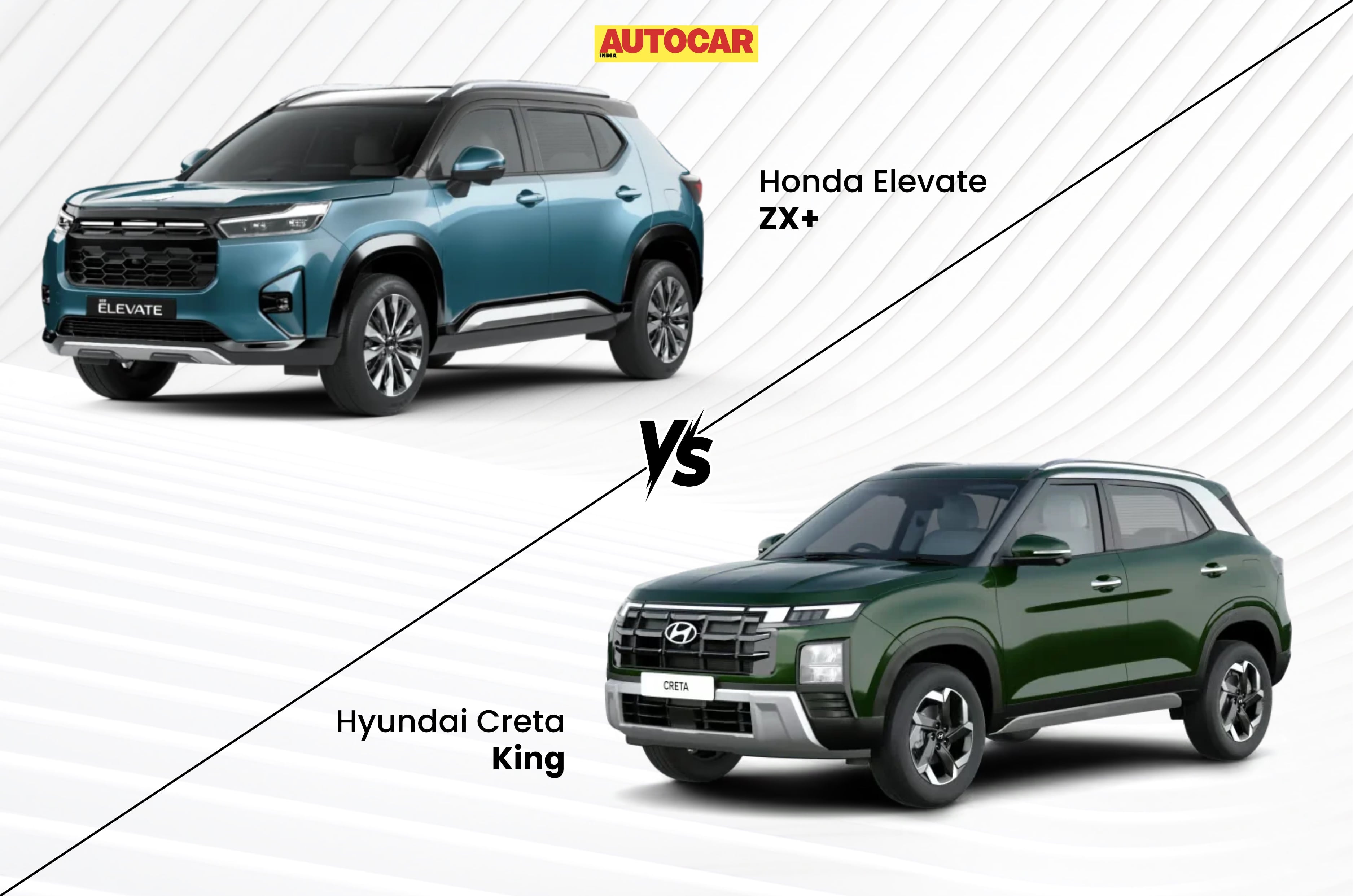
The Honda Elevate has received its first major lifecycle update in 2026. It gets cosmetic upgrades, minor interior tweaks, and much-needed feature enhancements. But is it enough to help it stand against the segment-reigning champ, the Hyundai Creta? For this comparison, we’ve chosen the Elevate’s and Creta’s top ZX+ and King trims, respectively.
For full specs, features, and a price breakdown, check our Elevate vs Creta comparison.
Honda Elevate facelift vs Hyundai Creta: Dimensions
Elevate outclasses the Creta on several dimensions
Honda Elevate facelift vs Hyundai Creta: Dimensions
Honda Elevate facelift
Hyundai Creta
Difference
Length (mm)
4,312
4,330
-18
Width (mm)
1,790
1,790
–
Height (mm)
1,650
1,635
+15
Wheelbase (mm)
2,650
2,610
+40
Ground clearance (mm)
220
190
+30
Boot space (litres)
458
433
+25
Except for length, the Elevate pips the Creta on other dimensions. It’s taller by 15mm, gets a 40mm longer wheelbase, and rides much higher off the ground by 30mm. Additionally, the Elevate also has a 25-litre larger boot than the Creta’s. Both SUVs have identical width.
Honda Elevate facelift vs Hyundai Creta: Engine specifications
Creta offers more diverse powertrains than the Elevate
Honda Elevate facelift vs Hyundai Creta: Engine specifications
Engine specifications
Honda Elevate facelift
Hyundai Creta
Engine options
Naturally aspirated petrol
Naturally aspirated petrol | Diesel | Turbo-petrol
No. of cylinders
4
4 | 4 | 4
Displacement
1.5-litre
1.5-litre | 1.5-litre | 1.5-litre
Power (hp)
120
115 | 116 | 160
Torque (Nm)
145
144 | 250 | 253
Gearbox
6MT/CVT
6MT/CVT | 6MT/6AT | 7DCT
Claimed efficiency (kpl)
15.31/16.61
17.40/17.70 | 21.80/19.10 | 18.2
The Elevate facelift continues to be powered by only a 1.5-litre 4-cylinder naturally aspirated petrol engine, as its predecessor. Compared to the Creta’s naturally aspirated petrol unit, it develops slightly higher power figures, but Hyundai claims to deliver higher fuel efficiency. Both SUVs pair this engine with a 6-speed manual or a CVT gearbox. The Creta’s top King trim additionally offers a diesel and a direct-injection turbo-petrol engine. Manual and automatic gearboxes are offered on the former, whereas the latter is automatic only.
Honda Elevate facelift vs Hyundai Creta: Exterior features
Elevate gets fog lamps, whereas the Creta gets larger 18-inch wheels
Honda Elevate facelift vs Hyundai Creta: Exterior features
Exterior features
Honda Elevate facelift
Hyundai Creta
Headlamps
LED
LED
LED DRLs
Segmented LED
Connected LED
Puddle lamps
No
Yes
Tail lamps
Connected LED
Connected LED
Fog lamps
LED
No
Wheel sizes
17-inch
18-inch
Rear spoiler
Yes
Yes
Electric adjust/fold ORVMs
Yes
Yes
Sharkfin antenna
Yes
Yes
Roof rails
Yes
Yes
Powered tailgate
No
No
Colour
Monotone and dual-tone
Monotone, dual-tone and matte finish
On the outside, the Elevate comes with LED fog lamps over the Creta. However, the latter is the only one here with puddle lamps, larger 18-inch wheels, and matte-finish paint choices. Meanwhile, neither model offers a powered tailgate, unlike some rivals.
Honda Elevate facelift vs Hyundai Creta: Interior features
Creta gets a lot more feel-good features over the Elevate
Honda Elevate facelift vs Hyundai Creta: Interior features
Honda Elevate facelift
Hyundai Creta
Ventilated seats
Front and rear
Front only
Sunroof
Single-pane
Panoramic
Infotainment screen size
10.1-inch
10.25-inch
Digital driver’s display
7-inch TFT with analogue dials
10.25-inch
Wireless Apple CarPlay, Android Auto
Yes
Yes
Powered driver seat
8-way
8-way with memory
Powered co-driver seat
4-way
8-way
Boss mode
No
Yes, powered
Reclining rear seats
No
Yes
Air Purifier
Yes
No
Auto AC
Single-zone
Dual-zone
Rear AC vents
Yes
Yes
Seat upholstery
Leatherette
Leatherette
Wireless phone charger
Front only
Front and rear
Audio system
8-speaker
8-speaker Bose audio
60:40 split rear seats
Yes
Yes
USB Type-C ports (front/rear)
1x front, 2x rear
1x front, 2x rear
Rear armrest
Yes
Yes
Connected car tech
Yes
Yes
Rear window sunshade
No
Yes
Ambient lighting
Yes
Yes
Leatherette inserts on the dashboard
Yes
No
Cooled glovebox
No
Yes
While Honda has made an attempt to bolster the Elevate’s equipment list by adding segment-only rear seat ventilation and powered and ventilated front seats, it still isn’t enough to outclass the Creta. The Creta gets niceties like a larger panoramic sunroof, a fully digital driver’s display, more electric adjustment for the front seats, driver seat memory, powered boss mode, dual-zone climate control, reclining rear seats, rear window sunshades, an additional wireless charger at the rear, and a cooled glovebox over the Elevate.
Honda Elevate facelift vs Hyundai Creta: Driving Features
Drive and traction modes found only on the Creta
Honda Elevate facelift vs Hyundai Creta: Driving Features
Driving Features
Honda Elevate facelift
Hyundai Creta
Drive modes
No
Eco, Normal, Sport (AT only)
Traction modes
No
Snow, mud, sand (AT only)
Paddle Shifters
Yes
Yes
Cruise Control
Adaptive
Adaptive
Both the models come equipped with driving features like adaptive cruise control and paddle shifters. But dedicated drive and traction modes are available only on the Creta’s automatic versions.
Honda Elevate facelift vs Hyundai Creta: Safety Features
Honda Elevate facelift vs Hyundai Creta: Safety Features
Safety features
Honda Elevate facelift
Hyundai Creta
Airbags
Six
Six
Parking sensors
Front and rear
Front and rear
Camera setup
360-degree
360-degree
Dash cam
No
Yes
Electronic parking brake with auto hold
Automatic only
Yes
ADAS
Level 2
Level 2
TPMS
Yes
Yes
Hill start assist
Yes
Yes
Disc brakes (Front/Rear)
Yes (Rear automatic only)
Yes
ESC
Yes
Yes
Auto-dimming IRVM
Yes
Yes
On the safety front, both SUVs are neck and neck with basic safety equipment and advanced features like a Level 2 ADAS suite, 360-degree camera, and front parking sensors. However, the Creta gets a factory-fitted dashcam that the Elevate misses out on. Additionally, features like rear disc brakes and an electronic parking brake with auto hold are standard on the Creta but its limited to automatic versions on the Elevate. Notably, neither SUV has been tested by the BNCAP for crash safety performance.
Honda Elevate facelift vs Hyundai Creta: Prices and verdict
Honda Elevate facelift vs Hyundai Creta: Prices (Rs lakh)
Honda Elevate facelift
Hyundai Creta
Petrol MT
16.89
17.27
Petrol CVT
18.30
18.68
Diesel MT
–
18.92
Diesetl AT
–
19.80
Turbo-petrol DCT
–
19.91
Considering like-for-like naturally aspirated petrol variants, the Elevate facelift is Rs 38,000 more affordable than the Creta. When it comes to recommending one between these SUVs, it’s the Hyundai we’d pick. While it does command a premium over the Elevate, the added features on offer are justified for its price. Additionally, one cannot ignore the diverse powertrain options that the Creta brings to cater to different driving needs.
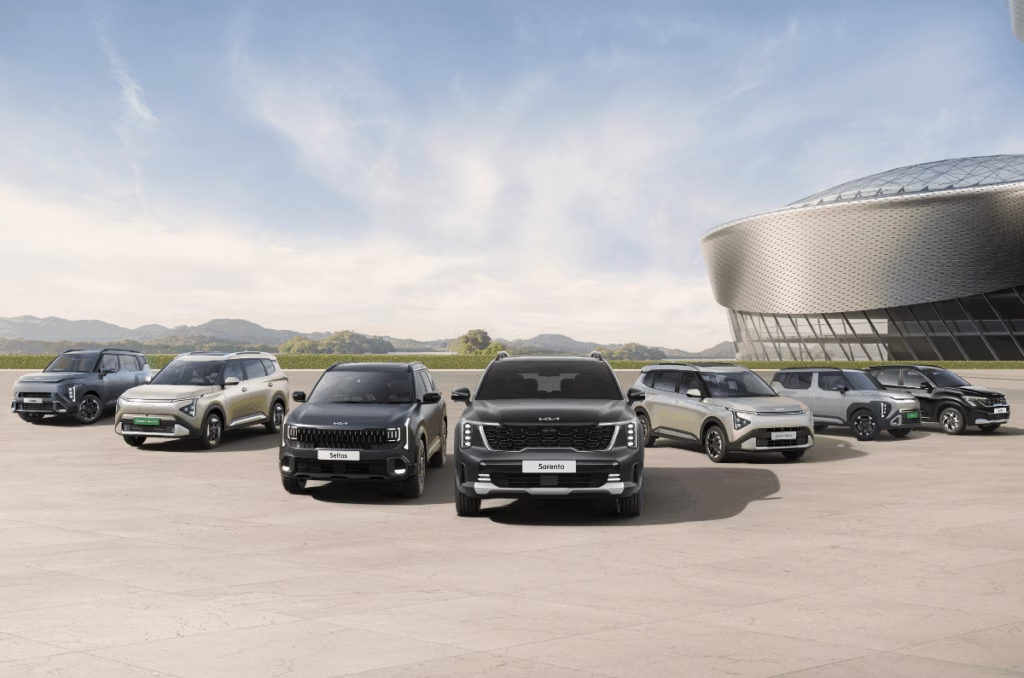
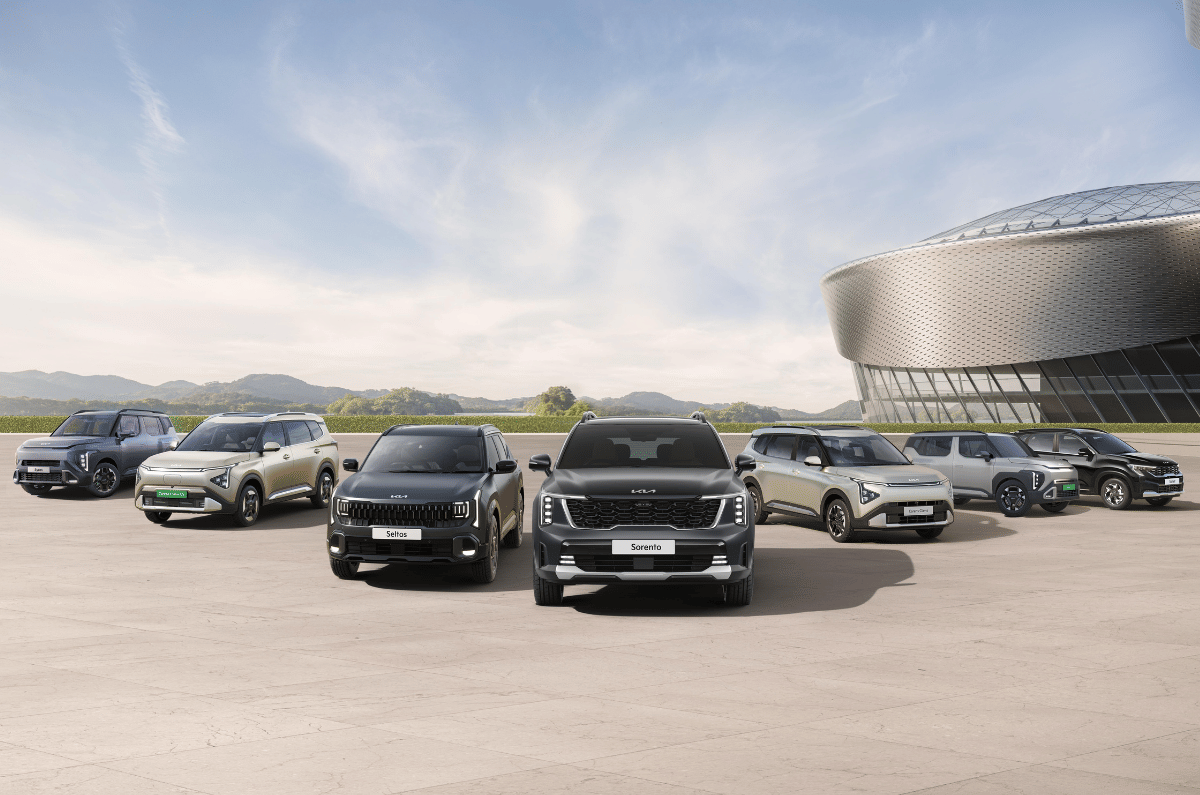
Kia India has now expanded its assured buyback programme to more locally produced cars, including the Sorento, Seltos, Sonet, Carens Clavis, Carens and Syros; the locally-assembled Carnival is not covered under this programme. Notably, the Syros EV has been available with such a programme since its July launch. The buyback programme covers all powertrain options offered by these vehicles, including petrol, CNG, diesel, hybrid and electric. Those opting for the programme can avail an assured residual value of up to 75 percent for ICE and up to 70 percent for EV models in three years, subject to terms and conditions.
Kia assured buyback programme details
Model
Price range (Rs lakh)
Sonet
7.45-13.89
Syros
8.42-15
Carens
11.12-12.12
Seltos
11.25-21.57
Carens Clavis
11.39-21.79
Syros EV
13.5-20
Carens Clavis EV
18.04-25
Sorento
27.99-38.49
The programme offers tenure options of three, four and five years for ICE models, and three and four years for EVs. Depending on the tenure, annual running limits like 10,000km, 15,000km and 20,000km are available, with the maximum capped at up to 1,00,000km over the ownership period.
It will be offered through authorised Kia dealers and customers may enroll at the time of vehicle purchase. At the end of the selected tenure, customers may avail the assured buyback value in accordance with the programme agreement and relevant terms and conditions.
Ex-showroom prices mentioned above are as on October 9, 2026.
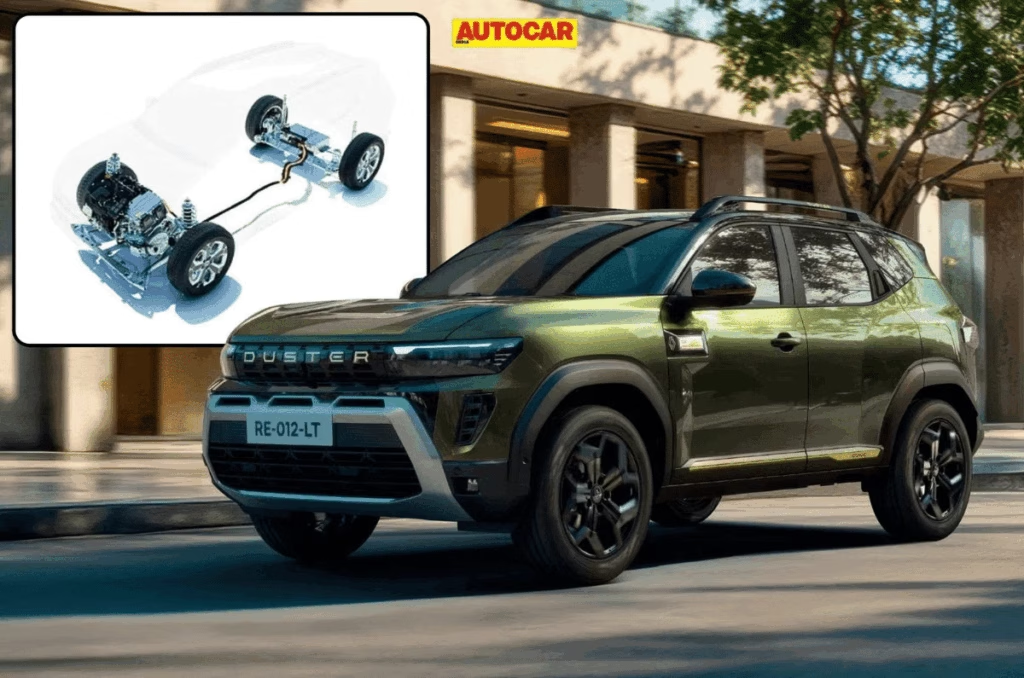
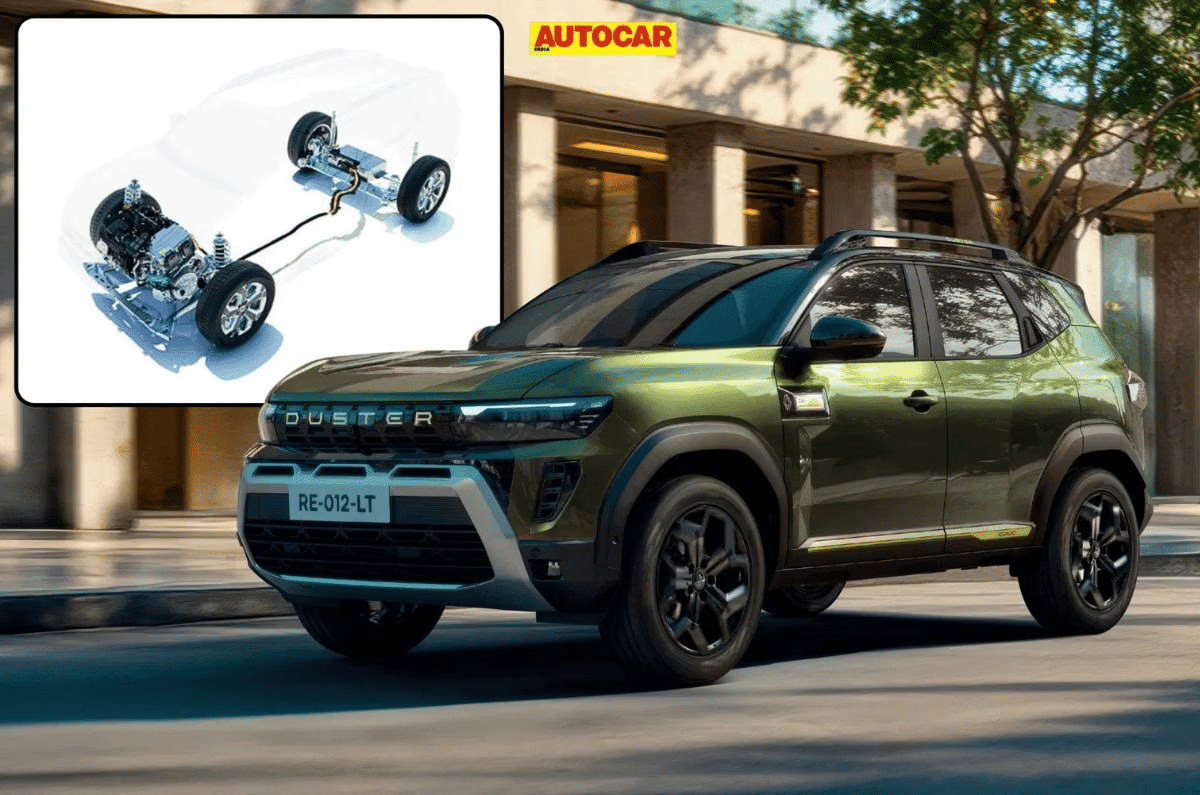
Renault India has opened the Duster hybrid’s bookings for Rs 21,000, ahead of its launch on October 17. This will be the third powertrain option for the Renault Duster, adding to the existing 1.0-litre and 1.3-litre turbo-petrol engines. Called the E-Tech system, it draws from the carmaker’s experience and expertise in Formula 1. Renault has also revealed that the Duster hybrid has an ARAI-rated fuel efficiency figure of 29kpl.
Renault Duster hybrid powertrain details
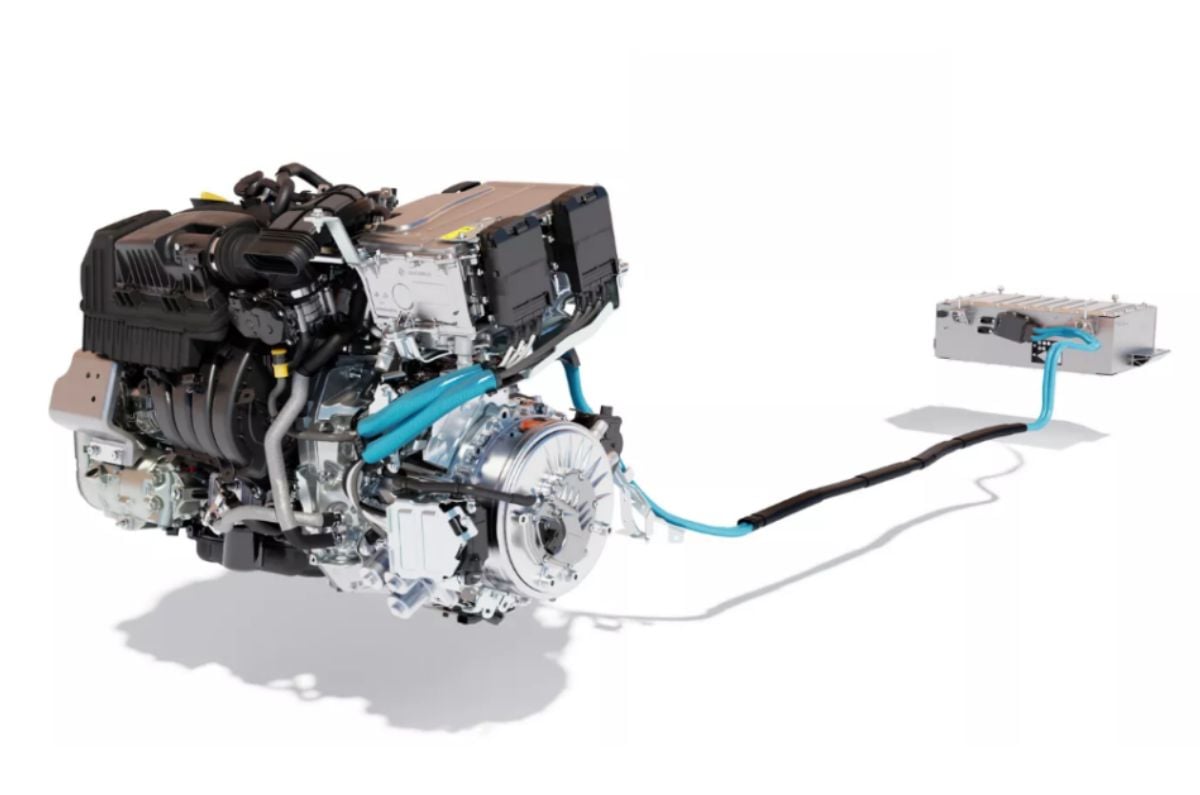
The Duster hybrid combines a naturally aspirated 1,789cc four-cylinder petrol engine with two electric motors, a 20hp unit acting as a generator and a 49hp motor powering the wheels. Combined, the system produces 160hp and 172Nm, and it is supported by a 1.4kWh battery pack. The Duster’s hybrid combines a petrol engine with electric drive and a battery, and it sends power to the wheels through a multi-mode automatic gearbox. The transmission uses fixed gear ratios and can shift between them. This means engine rpm is expected to rise and fall more like a conventional automatic, and you may notice gear engagements as it switches between electric drive, engine drive and a combination of both.
Renault’s 160hp E-Tech hybrid powertrain.
As with any full hybrid, the efficiency gains come from low-speed electric running, regenerative braking and the ability to keep the petrol engine off when it is not needed. However, real-world fuel economy will still depend on traffic conditions, speed, ambient temperature and driving style. That said, Renault claims the engine will enable 80 percent of city drives to be done in EV mode.
The choice of a hybrid powertrain is expected to help make up for the absence of a diesel option on the new Duster. This will also directly compete with the Maruti Grand Vitara, Victoris and Toyota Hyryder, all of which currently offer a hybrid powertrain option.
Petrol Diesel Price Today: हर दिन की शुरुआत सिर्फ सूरज की किरणों से नहीं होती, बल्कि पेट्रोल और डीजल की नई कीमतों से भी होती है, जो आम आदमी की जेब पर सीधा असर डालती हैं। सुबह 6 बजे देश की तेल विपणन कंपनियां (OMCs) ताजा दरें जारी करती हैं, जो अंतरराष्ट्रीय बाजार में कच्चे तेल की कीमतों और डॉलर-रुपए की विनिमय दर में आए बदलावों पर आधारित होती हैं। ये बदलाव रोजमर्रा की जिंदगी को प्रभावित करते हैं, चाहे वो ऑफिस जाने वाला व्यक्ति हो या फल-सब्जी बेचने वाला व्यापारी।
ऐसे में हर दिन की कीमतों की जानकारी रखना सिर्फ जरूरी ही नहीं, बल्कि समझदारी भी है। सरकार की यह प्रणाली पारदर्शिता सुनिश्चित करती है ताकि उपभोक्ताओं को किसी तरह की भ्रमित जानकारी न मिले।
आपके शहर में आज का पेट्रोल-डीजल का भाव
ये रहे 09 अक्टूबर 2026 के प्रमुख शहरों के पेट्रोल-डीजल के ताजा रेट
नई दिल्ली: पेट्रोल ₹102.12 प्रति लीटर और डीजल ₹95.20 प्रति लीटर।
मुंबई: पेट्रोल ₹111.18 और डीजल ₹97.83 प्रति लीटर।
कोलकाता: पेट्रोल ₹113.47 जबकि डीजल ₹99.82 प्रति लीटर।
चेन्नई: पेट्रोल ₹107.77 और डीजल ₹99.55 प्रति लीटर।
गुरुग्राम: पेट्रोल ₹102.77 तथा डीजल ₹95.44 प्रति लीटर।
नोएडा: पेट्रोल ₹102.12 और डीजल ₹95.56 प्रति लीटर।
बेंगलुरु: पेट्रोल ₹110.93 जबकि डीजल ₹98.80 प्रति लीटर।
भुवनेश्वर: पेट्रोल ₹109.92 और डीजल ₹100.92 प्रति लीटर।
चंडीगढ़: पेट्रोल ₹98.10 तथा डीजल ₹86.09 प्रति लीटर।
हैदराबाद: पेट्रोल ₹115.69 और डीजल ₹103.82 प्रति लीटर।
जयपुर: पेट्रोल ₹112.66 जबकि डीजल ₹97.78 प्रति लीटर।
लखनऊ: पेट्रोल ₹102.05 और डीजल ₹95.55 प्रति लीटर।
पटना: पेट्रोल ₹113.35 तथा डीजल ₹99.36 प्रति लीटर।
तिरुवनंतपुरम: पेट्रोल ₹115.49 और डीजल ₹104.40 प्रति लीटर।
पिछले दो साल से स्थिर क्यों हैं कीमतें?
मई 2022 के बाद से केंद्र और कई राज्यों द्वारा टैक्स में कटौती की गई, जिसके बाद पेट्रोल-डीजल की कीमतों में स्थिरता देखी जा रही है। हालांकि अंतरराष्ट्रीय बाजार में उतार-चढ़ाव होता रहता है, फिर भी भारतीय उपभोक्ताओं के लिए कीमतें तुलनात्मक रूप से स्थिर बनी हुई हैं।
किन कारणों से तय होती हैं ईंधन की कीमतें?
कच्चे तेल की कीमतें:
पेट्रोल और डीजल का उत्पादन मुख्य रूप से कच्चे तेल से होता है। जब अंतरराष्ट्रीय स्तर पर कच्चे तेल की कीमतें बढ़ती हैं, तो इसका असर सीधे भारतीय बाजार पर पड़ता है।
डॉलर के मुकाबले रुपया:
भारत अधिकतर कच्चा तेल आयात करता है, और यह डॉलर में खरीदा जाता है। यदि रुपया कमजोर होता है, तो ईंधन महंगा हो जाता है।
सरकारी टैक्स और शुल्क:
केंद्र और राज्य सरकारें पेट्रोल-डीजल पर भारी टैक्स लगाती हैं, जो खुदरा मूल्य का बड़ा हिस्सा होते हैं। यही कारण है कि राज्यों में कीमतों में अंतर होता है।
रिफाइनिंग की लागत:
कच्चे तेल को इस्तेमाल लायक बनाने की प्रक्रिया (रिफाइनिंग) में भी खर्च होता है। ये लागत कच्चे तेल की गुणवत्ता और रिफाइनरी की क्षमता पर निर्भर करती है।
मांग और आपूर्ति का संतुलन:
बाजार में ईंधन की मांग अगर बढ़ जाती है, तो कीमतें भी ऊपर जाने लगती हैं। खासकर त्योहारों, गर्मी या सर्दी के मौसम में ईंधन की खपत ज्यादा होती है।
कैसे करें अपने शहर की कीमतें SMS से चेक?
अगर आप मोबाइल से ईंधन की कीमत जानना चाहते हैं, तो ये प्रक्रिया आसान है:
Indian Oil ग्राहक: अपने शहर का कोड टाइप करें और उसे “RSP” के साथ 9224992249 पर भेजें।
BPCL ग्राहक: “RSP” लिखकर 9223112222 पर भेजें।
HPCL ग्राहक: “HP Price” लिखकर 9222201122 पर भेजें।
Hyundai is offering almost its entire line-up in October 2026 with various benefits. With the festive season around the corner, the Korean automaker is also providing customers discounts for Navratri. That said, the offers listed here are only applicable for the period of October 1 to October 31, 2026.
Disclaimer: Offers/benefits may vary by city and are subject to stock availability. Buyers are advised to check with their local dealer for exact figures.
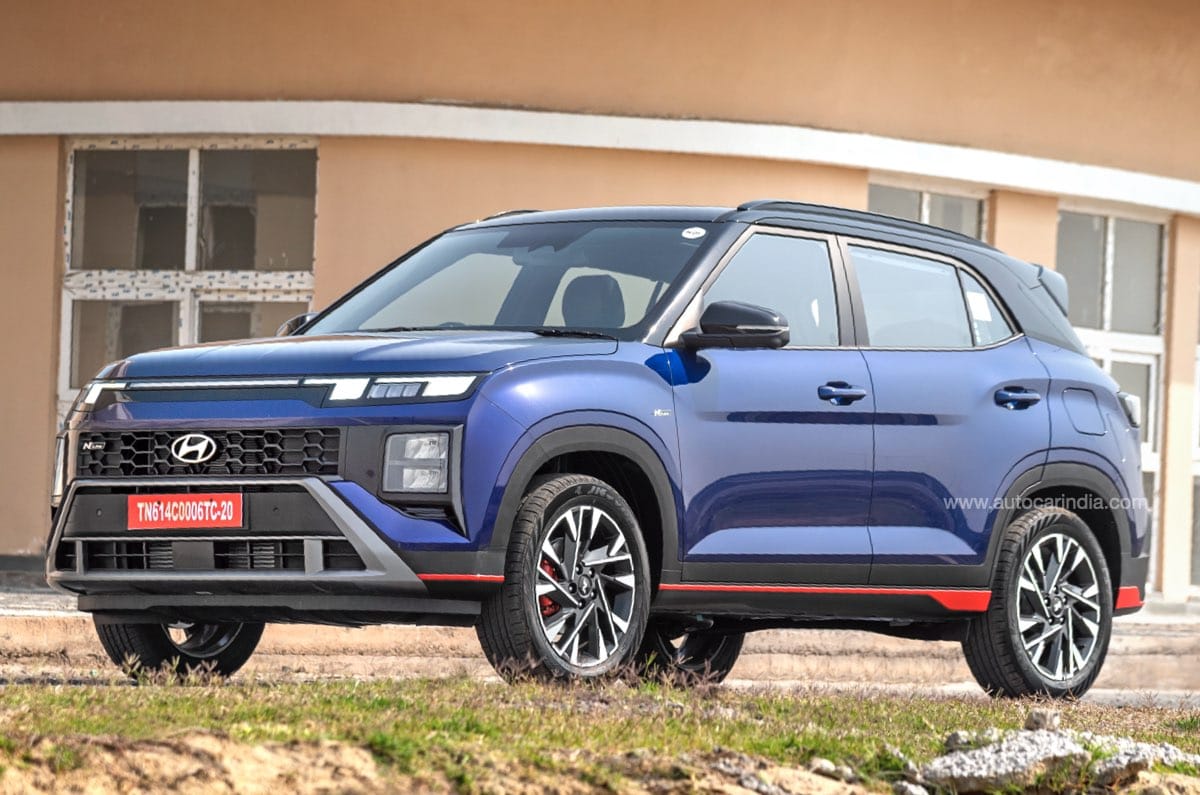
Hyundai Creta N Line offers in October 2026
Benefits up to Rs 1.25 lakh
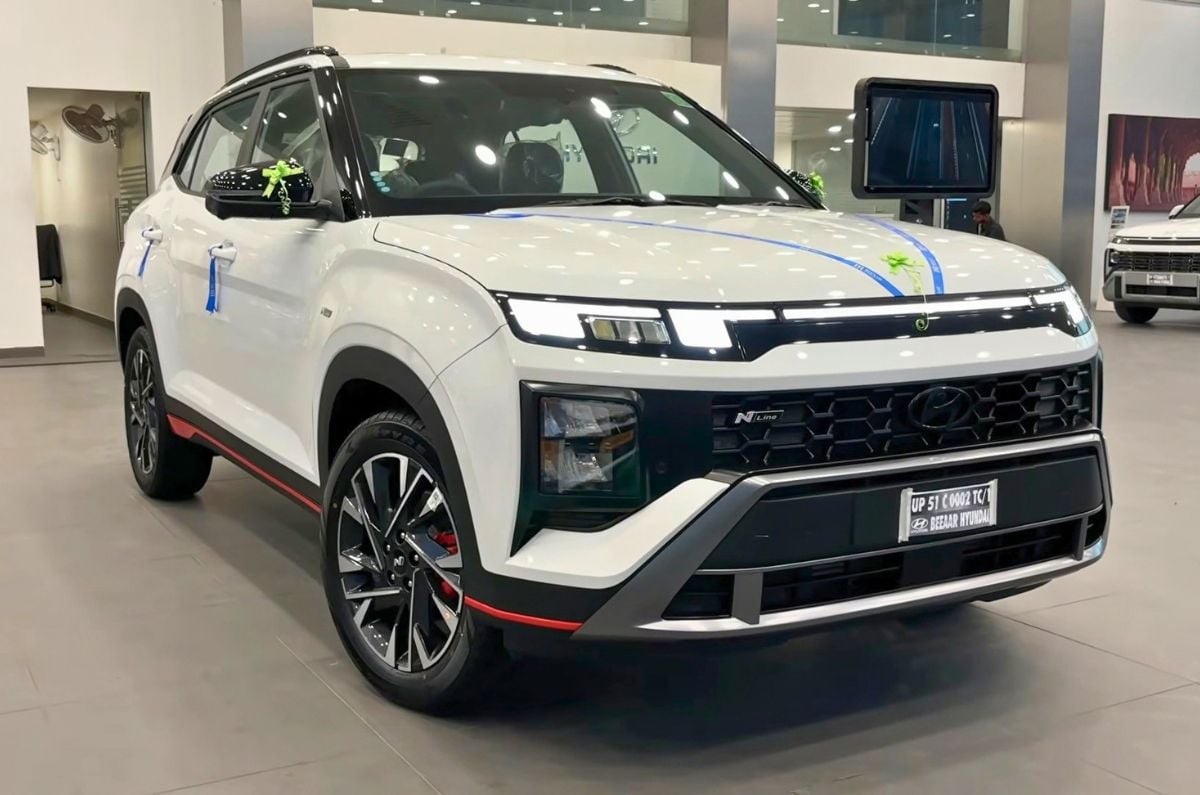
The Hyundai Creta N Line is available this month with a cash discount of Rs 20,000 and a Navratri bonus of Rs 25,000. There’s also scrappage benefits amounting to Rs 50,000 or an exchange offer of Rs 30,000, among a couple more customer-benefit schemes. Combined, one can expect to shave off up to Rs 1.25 lakh on a Creta N Line this month. The price of the Creta N Line ranges between Rs 19.03 lakh and Rs 19.95 lakh.
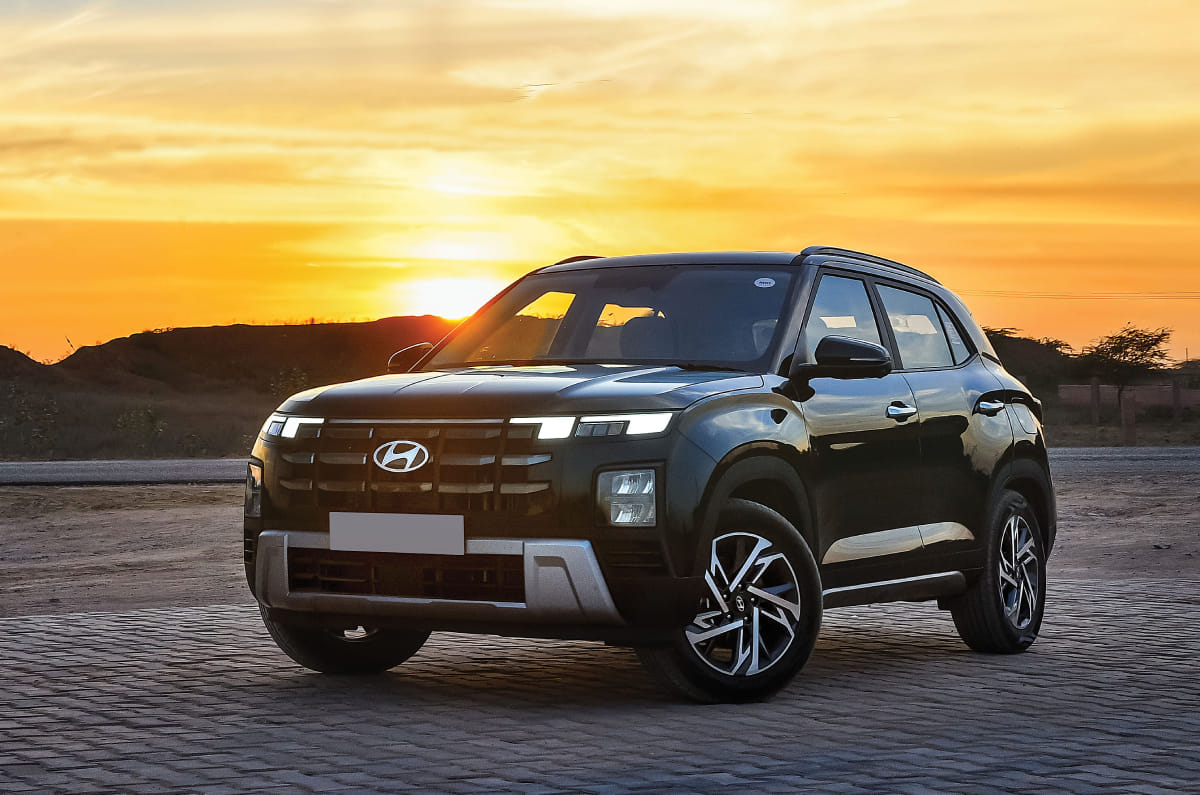
Hyundai Creta offers in October 2026
Benefits up to Rs 1.15 lakh
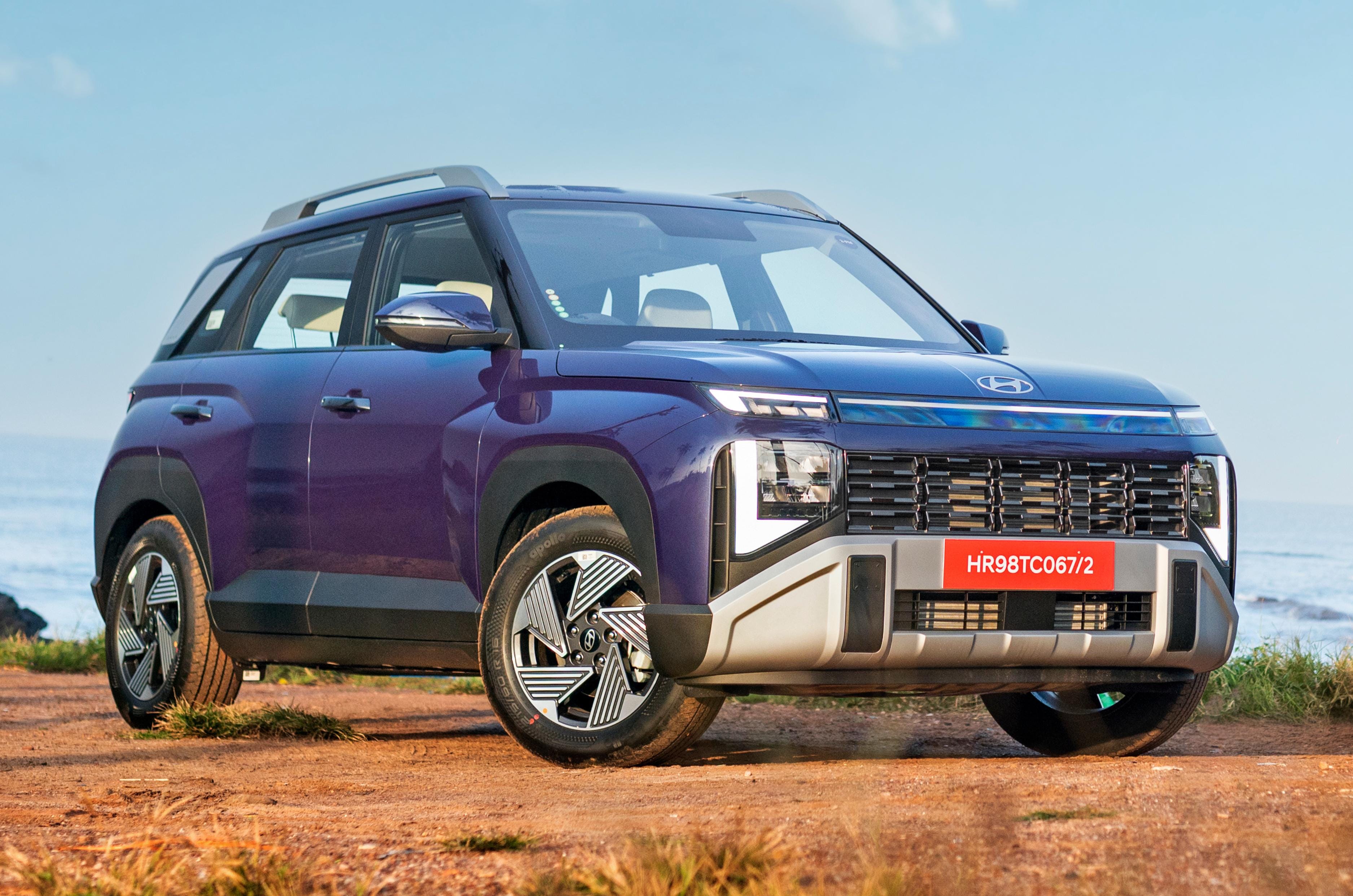
Select petrol variants of the Hyundai Creta have offers amounting to Rs 1.15 lakh. These are similar to what’s available with the Creta N Line, which means cash discounts, scrappage/exchange benefits, and a Navratri bonus. Hyundai is also providing benefits on diesel variants of the Creta, though these amount to just Rs 10,000. The Hyundai Creta range is priced from Rs 10.91 lakh to Rs 20.31 lakh.
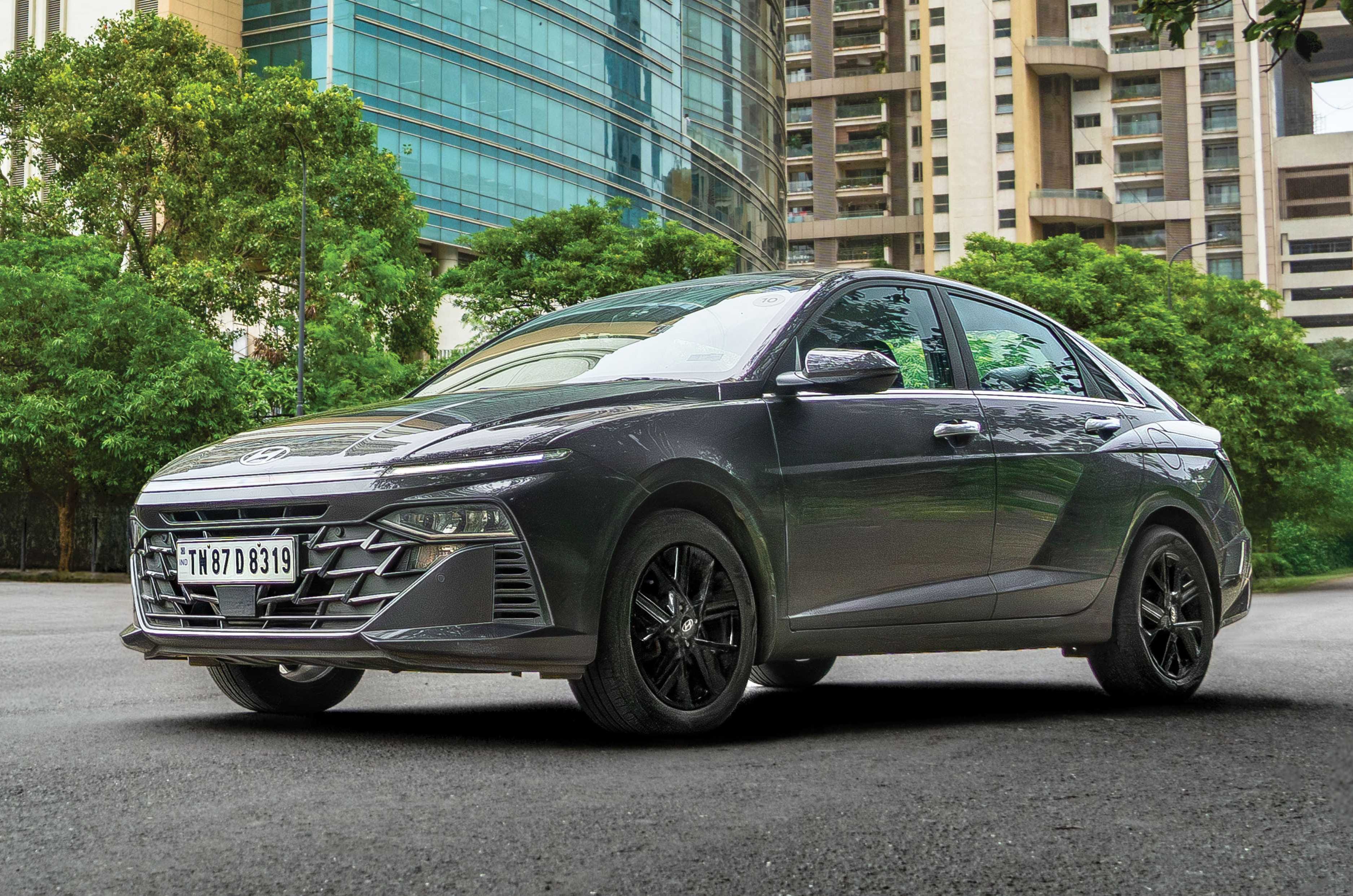
Hyundai Verna offers in October 2026
Benefits up to Rs 1.05 lakh
Older stock of the Hyundai Verna is being offered this month with benefits totalling Rs 1.05 lakh. This includes a cash discount of Rs 35,000, an upgrade bonus of Rs 15,000 and a Navratri incentive of Rs 25,000. Scrappage benefits amount to Rs 20,000, while the exchange offer is Rs 15,000. Eligible customers will also be offered other benefits. New stock of the Verna also come with discounts of up to Rs 80,000, depending on the variant. The list price of the new Hyundai Verna is between Rs 10.99 lakh and Rs 18.31 lakh.
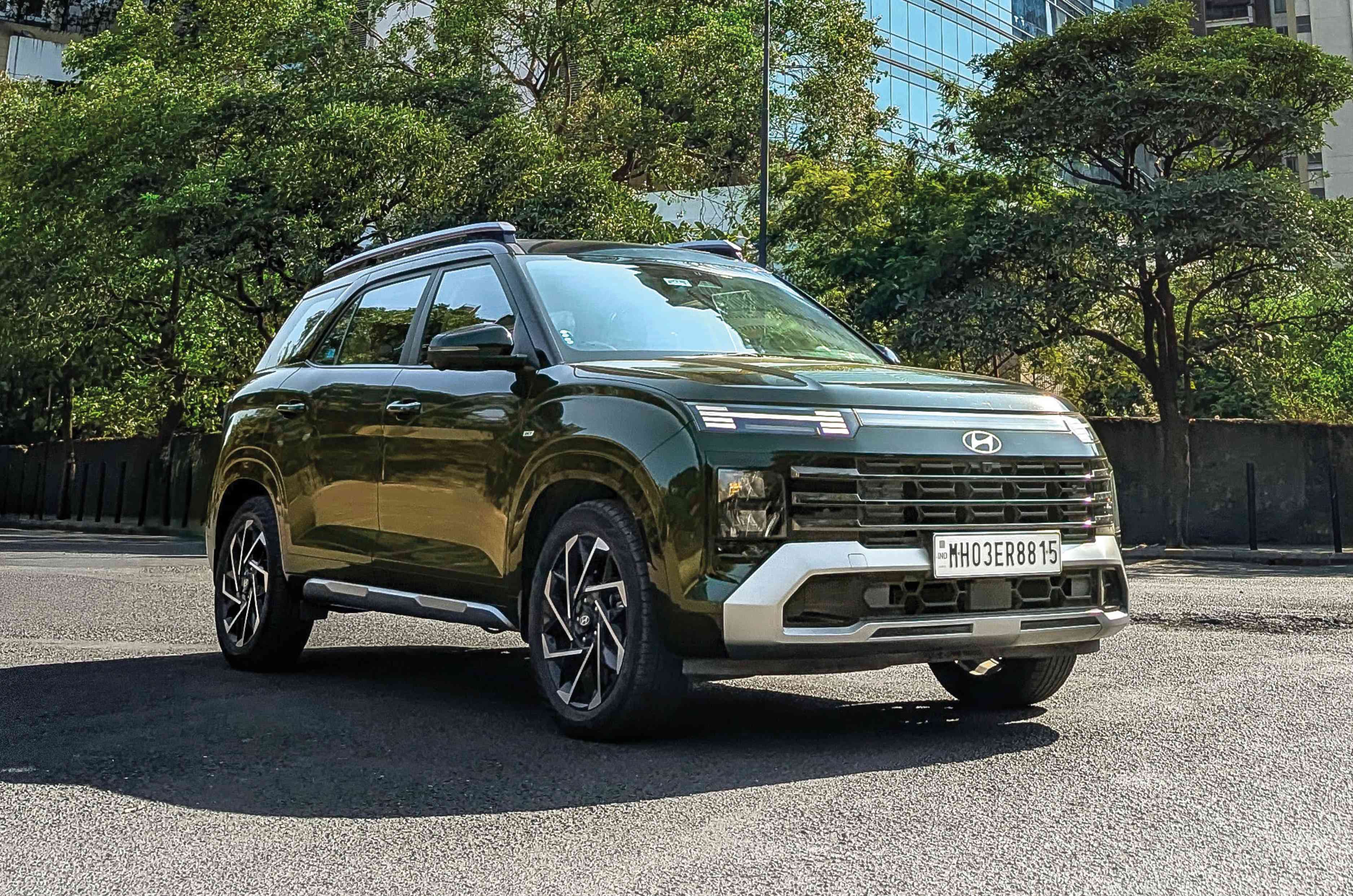
Hyundai Alcazar offers in October 2026
Benefits up to Rs 90,000
Petrol variants of the Hyundai Alcazar are available with a cash discount of Rs 30,000, scrappage or exchange benefits of up to Rs 25,000, and a Navratri incentive of Rs 25,000. Including other applicable offers, Alcazar petrol buyers can save up to Rs 90,000 – discounts on the Alcazar diesel are up to Rs 45,000. The Hyundai Alcazar line-up costs between Rs 14.51 lakh and Rs 21.81 lakh.
Hyundai Grand i10 Nios offers in October 2026
Benefits up to Rs 75,000
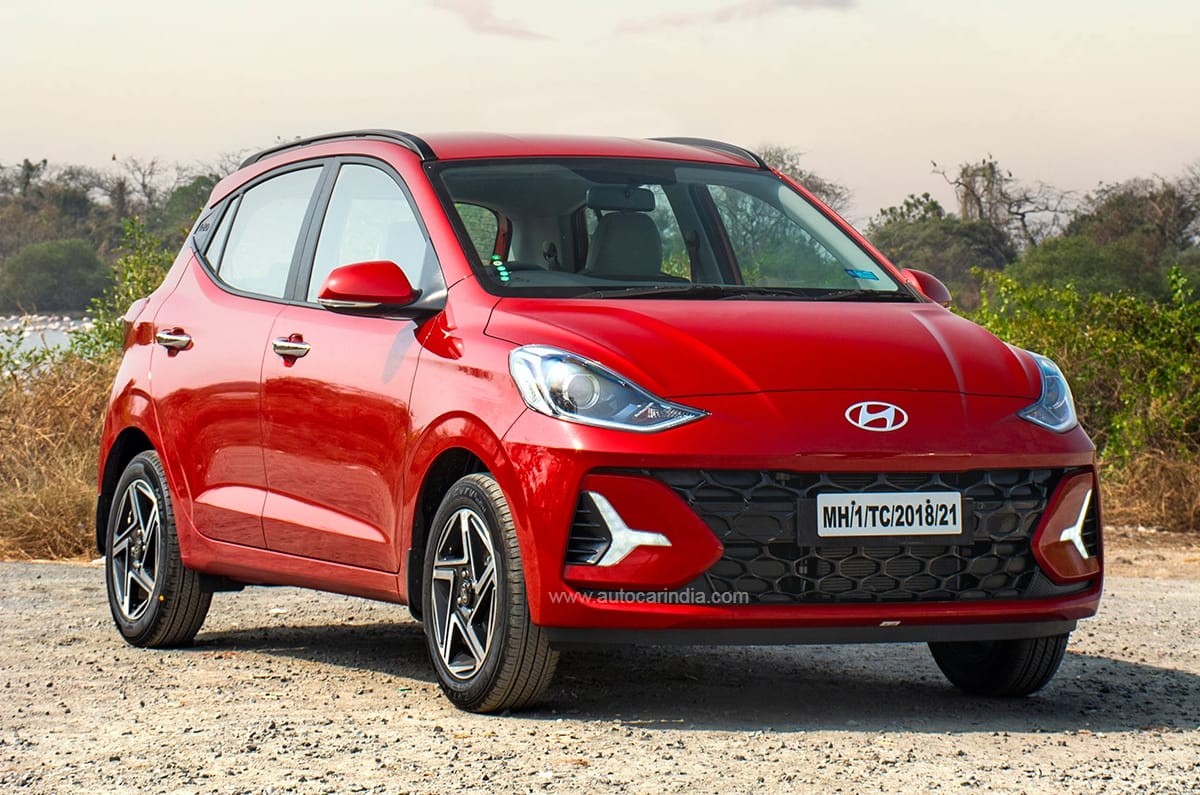
Select variants of the Hyundai Grand i10 Nios can be had with discounts amounting to Rs 75,000 this month. This involves a Navratri incentive of Rs 15,000, a cash discount of Rs 20,000, a scrappage/exchange bonus of up to Rs 20,000, and other benefits. The Grand i10 Nios CNG is available with benefits of up to Rs 70,000. In terms of its price, the Hyundai Grand i10 Nios is listed between Rs 5.60 lakh and Rs 8.09 lakh.
Hyundai Creta Electric offers in October 2026
Benefits up to Rs 65,000
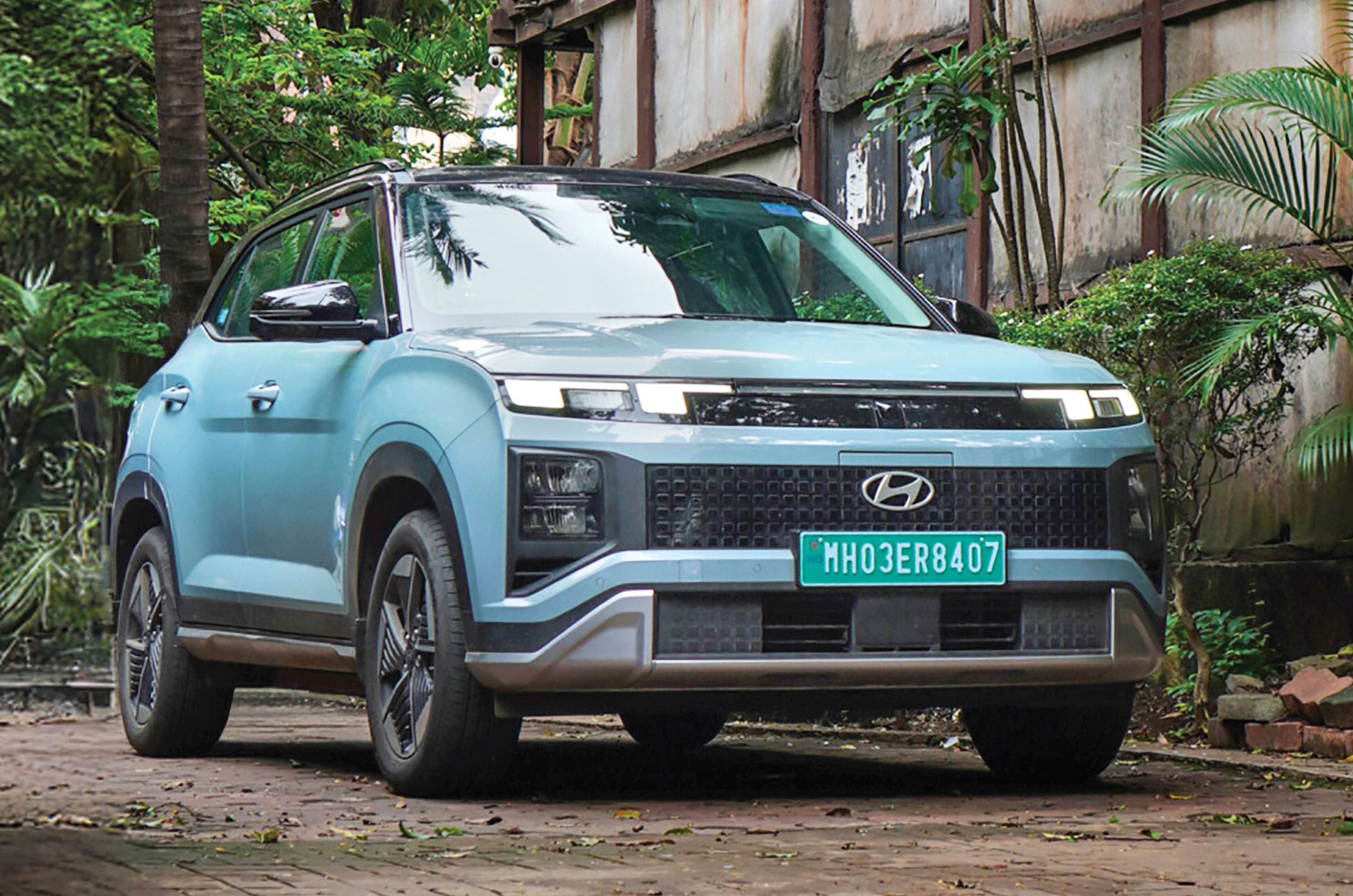
The Hyundai Creta Electric is being offered with discounts amounting to Rs 65,000, though this is only applicable for select variants. The remaining variants get benefits of up to Rs 50,000. The price of the Hyundai Creta Electric ranges between Rs 18.03 lakh and Rs 25.07 lakh.
Hyundai i20 offers in October 2026
Benefits up to Rs 65,000
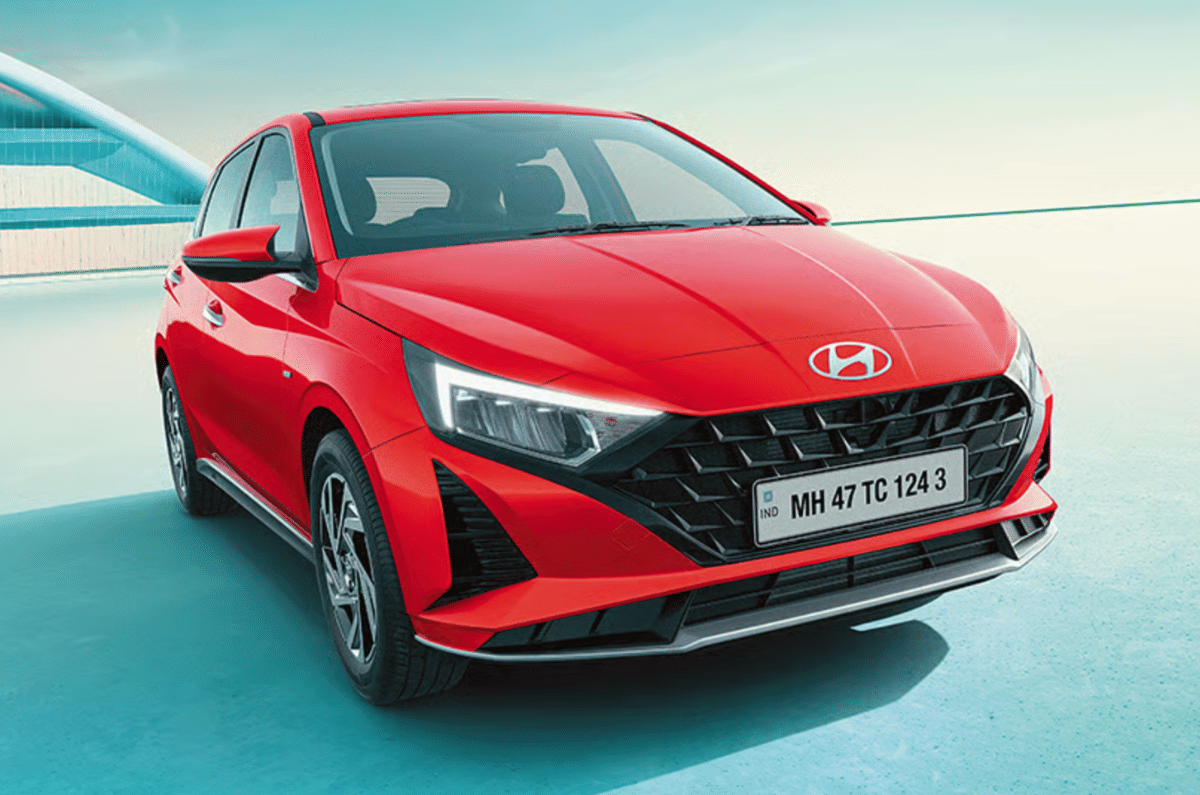
Select variants of the Hyundai i20 line-up (including the N Line) are being offered with a Navratri incentive of Rs 10,000, a cash discount of Rs 15,000 and scrappage/exchange benefits of up to Rs 20,000, among other schemes. In all, customers of the i20 can avail offers totalling up to Rs 65,000 this October. The Hyundai i20 is priced from Rs 6.00 lakh to Rs 10.44 lakh, while the i20 N Line costs between Rs 9.32 lakh and Rs 11.64 lakh.
Hyundai Exter offers in October 2026
Benefits up to Rs 55,000
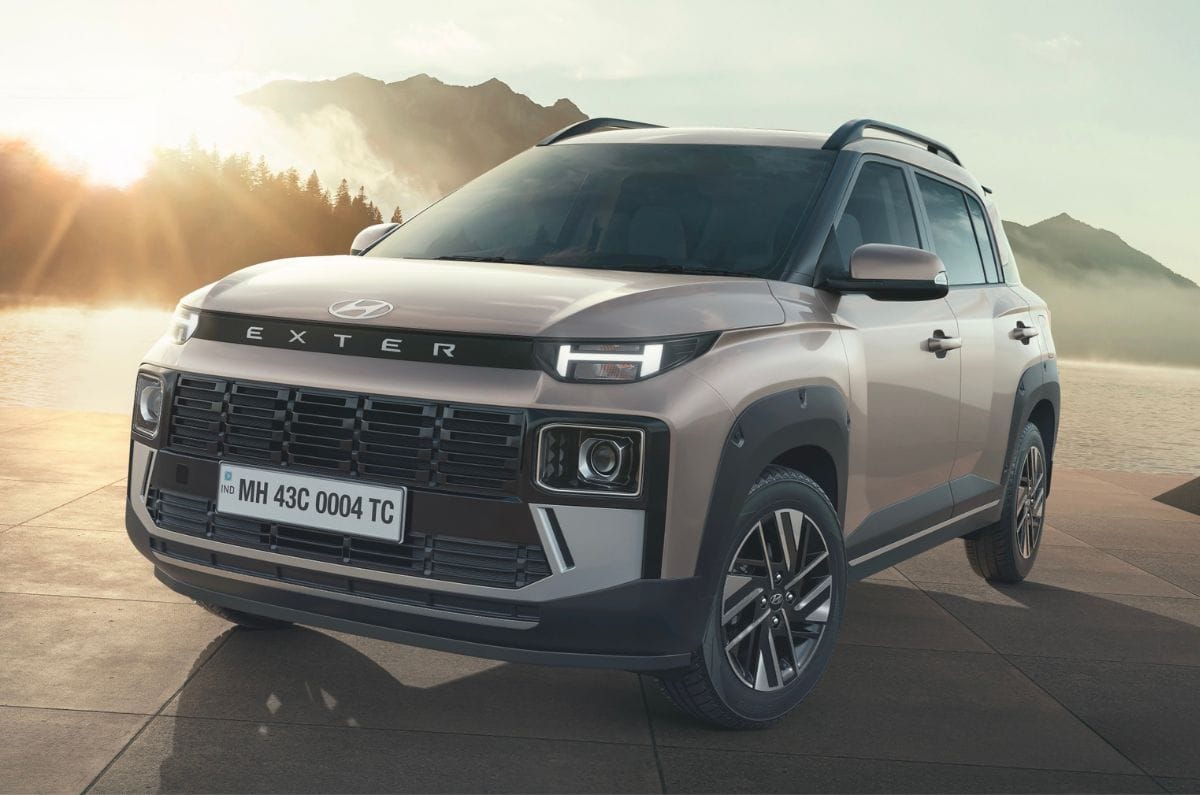
Older stock of the Hyundai Exter can be had this month with discounts that amount to Rs 55,000, while the new Exter is available with schemes that bring its price down by up to Rs 50,000. Note that these incentives are only applicable on select variants, regardless of the model year. The new Hyundai Exter is priced between Rs 5.81 lakh and Rs 9.50 lakh.
Hyundai Aura offers in October 2026
Benefits up to Rs 40,000
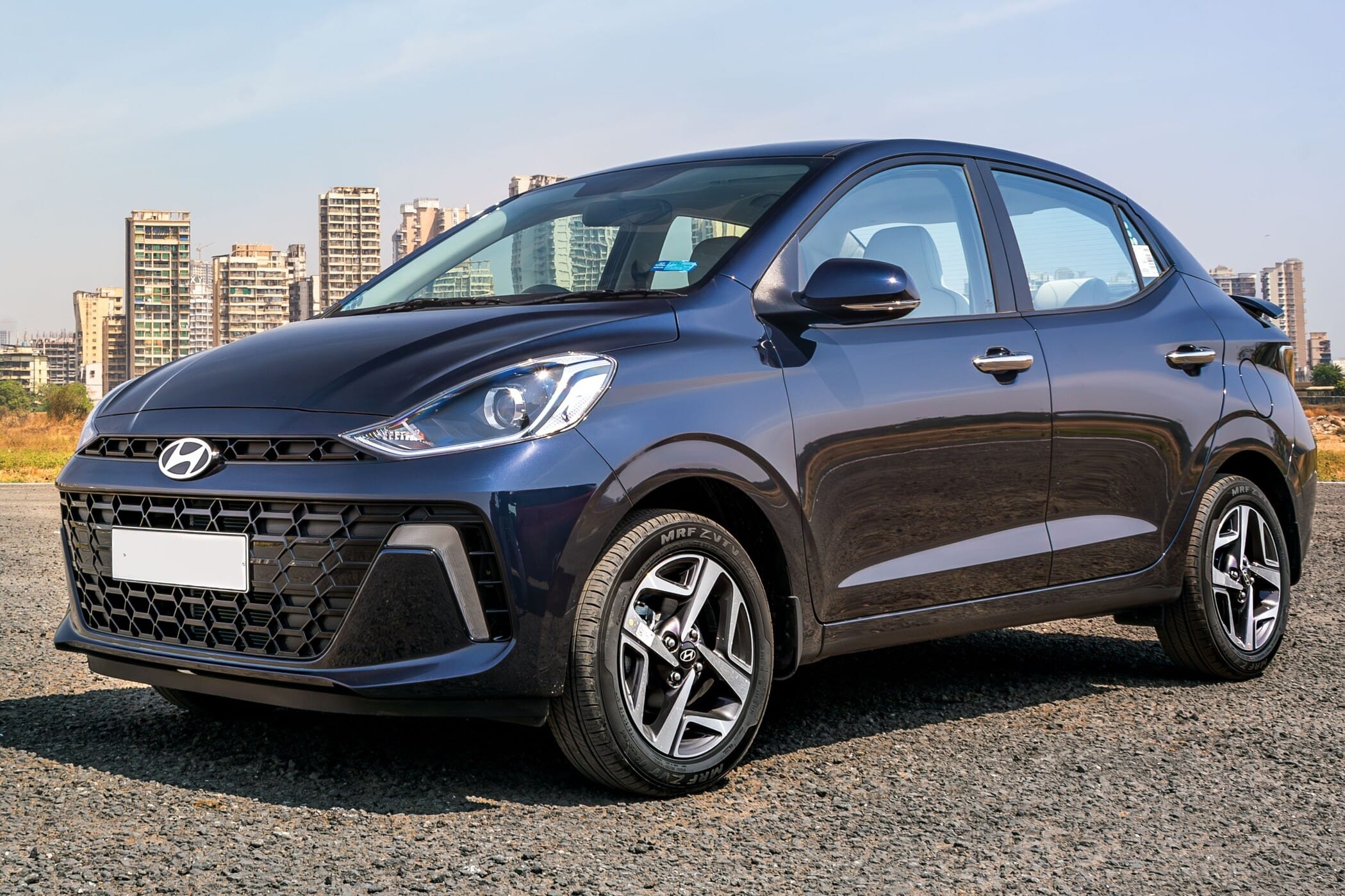
Customers buying select trims of the Hyundai Aura CNG in October 2026 can avail discounts of up to Rs 40,000. Meanwhile, select petrol variants of this Hyundai sedan is being offered with benefits of up to Rs 25,000. The Hyundai Aura range is priced from Rs 6.00 lakh to Rs 8.67 lakh.
Hyundai Venue offers in October 2026
Benefits up to Rs 5,000
The Hyundai Venue line-up (including the N Line) is available with the lowest discounts this month, amounting to just Rs 5,000. As for its price, the Hyundai Venue is listed at between Rs 8.00 lakh and Rs 15.65 lakh, while the Venue N Line costs from Rs 10.66 lakh to Rs 15.49 lakh.