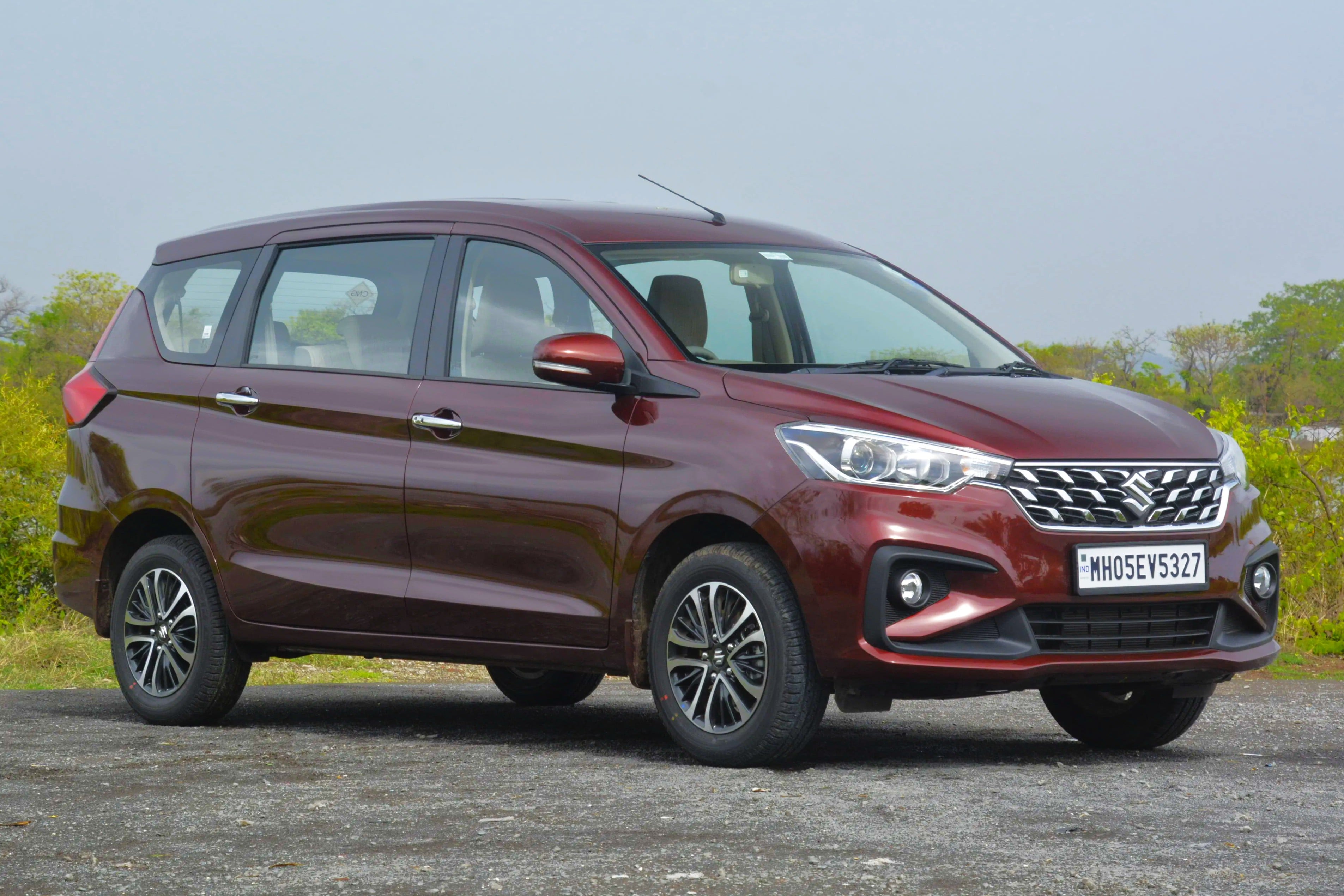
Petrol Diesel Price Today: हर दिन की शुरुआत सिर्फ सूरज की किरणों से नहीं होती, बल्कि पेट्रोल और डीजल की नई कीमतों से भी होती है, जो आम आदमी की जेब पर सीधा असर डालती हैं। सुबह 6 बजे देश की तेल विपणन कंपनियां (OMCs) ताजा दरें जारी करती हैं, जो अंतरराष्ट्रीय बाजार में कच्चे तेल की कीमतों और डॉलर-रुपए की विनिमय दर में आए बदलावों पर आधारित होती हैं। ये बदलाव रोजमर्रा की जिंदगी को प्रभावित करते हैं, चाहे वो ऑफिस जाने वाला व्यक्ति हो या फल-सब्जी बेचने वाला व्यापारी।
ऐसे में हर दिन की कीमतों की जानकारी रखना सिर्फ जरूरी ही नहीं, बल्कि समझदारी भी है। सरकार की यह प्रणाली पारदर्शिता सुनिश्चित करती है ताकि उपभोक्ताओं को किसी तरह की भ्रमित जानकारी न मिले।
आपके शहर में आज का पेट्रोल-डीजल का भाव
ये रहे 15 अक्टूबर 2026 के प्रमुख शहरों के पेट्रोल-डीजल के ताजा रेट
नई दिल्ली: पेट्रोल ₹102.12 प्रति लीटर और डीजल ₹95.20 प्रति लीटर।
मुंबई: पेट्रोल ₹111.18 और डीजल ₹97.83 प्रति लीटर।
कोलकाता: पेट्रोल ₹113.47 जबकि डीजल ₹99.82 प्रति लीटर।
चेन्नई: पेट्रोल ₹107.77 और डीजल ₹99.55 प्रति लीटर।
गुरुग्राम: पेट्रोल ₹102.77 तथा डीजल ₹95.44 प्रति लीटर।
नोएडा: पेट्रोल ₹102.12 और डीजल ₹95.56 प्रति लीटर।
बेंगलुरु: पेट्रोल ₹110.93 जबकि डीजल ₹98.80 प्रति लीटर।
भुवनेश्वर: पेट्रोल ₹109.92 और डीजल ₹100.92 प्रति लीटर।
चंडीगढ़: पेट्रोल ₹98.10 तथा डीजल ₹86.09 प्रति लीटर।
हैदराबाद: पेट्रोल ₹115.69 और डीजल ₹103.82 प्रति लीटर।
जयपुर: पेट्रोल ₹112.66 जबकि डीजल ₹97.78 प्रति लीटर।
लखनऊ: पेट्रोल ₹102.05 और डीजल ₹95.55 प्रति लीटर।
पटना: पेट्रोल ₹113.35 तथा डीजल ₹99.36 प्रति लीटर।
तिरुवनंतपुरम: पेट्रोल ₹115.49 और डीजल ₹104.40 प्रति लीटर।
पिछले दो साल से स्थिर क्यों हैं कीमतें?
मई 2022 के बाद से केंद्र और कई राज्यों द्वारा टैक्स में कटौती की गई, जिसके बाद पेट्रोल-डीजल की कीमतों में स्थिरता देखी जा रही है। हालांकि अंतरराष्ट्रीय बाजार में उतार-चढ़ाव होता रहता है, फिर भी भारतीय उपभोक्ताओं के लिए कीमतें तुलनात्मक रूप से स्थिर बनी हुई हैं।
किन कारणों से तय होती हैं ईंधन की कीमतें?
कच्चे तेल की कीमतें:
पेट्रोल और डीजल का उत्पादन मुख्य रूप से कच्चे तेल से होता है। जब अंतरराष्ट्रीय स्तर पर कच्चे तेल की कीमतें बढ़ती हैं, तो इसका असर सीधे भारतीय बाजार पर पड़ता है।
डॉलर के मुकाबले रुपया:
भारत अधिकतर कच्चा तेल आयात करता है, और यह डॉलर में खरीदा जाता है। यदि रुपया कमजोर होता है, तो ईंधन महंगा हो जाता है।
सरकारी टैक्स और शुल्क:
केंद्र और राज्य सरकारें पेट्रोल-डीजल पर भारी टैक्स लगाती हैं, जो खुदरा मूल्य का बड़ा हिस्सा होते हैं। यही कारण है कि राज्यों में कीमतों में अंतर होता है।
रिफाइनिंग की लागत:
कच्चे तेल को इस्तेमाल लायक बनाने की प्रक्रिया (रिफाइनिंग) में भी खर्च होता है। ये लागत कच्चे तेल की गुणवत्ता और रिफाइनरी की क्षमता पर निर्भर करती है।
मांग और आपूर्ति का संतुलन:
बाजार में ईंधन की मांग अगर बढ़ जाती है, तो कीमतें भी ऊपर जाने लगती हैं। खासकर त्योहारों, गर्मी या सर्दी के मौसम में ईंधन की खपत ज्यादा होती है।
कैसे करें अपने शहर की कीमतें SMS से चेक?
अगर आप मोबाइल से ईंधन की कीमत जानना चाहते हैं, तो ये प्रक्रिया आसान है:
Indian Oil ग्राहक: अपने शहर का कोड टाइप करें और उसे “RSP” के साथ 9224992249 पर भेजें।
BPCL ग्राहक: “RSP” लिखकर 9223112222 पर भेजें।
HPCL ग्राहक: “HP Price” लिखकर 9222201122 पर भेजें।
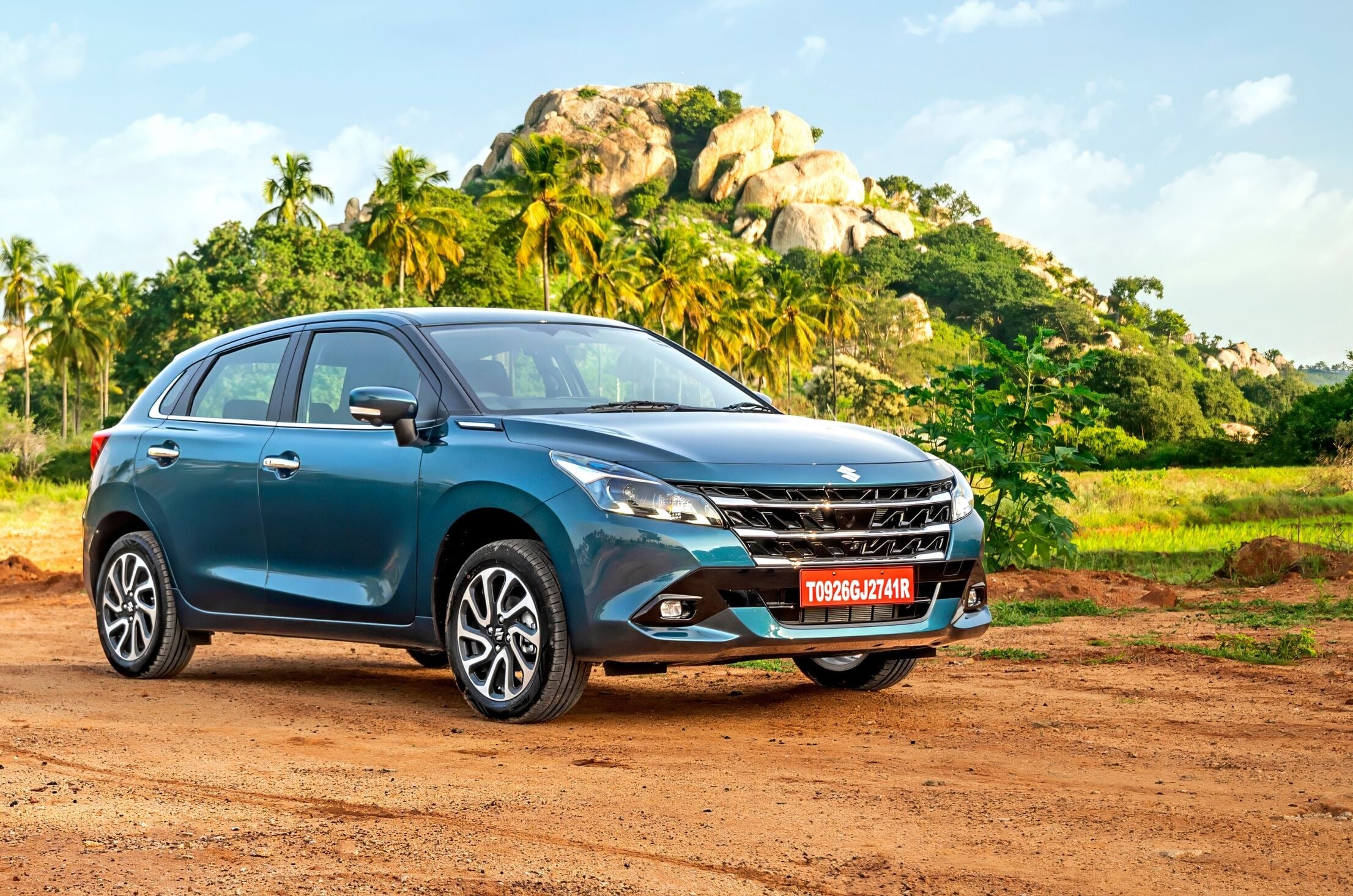
Toyota has launched the 2026 Glanza, with prices ranging from Rs 6.99 lakh to Rs 10.98 lakh (ex-showroom). One of the biggest changes in the facelifted model is a new Z-series 1.2-litre 3-cylinder naturally aspirated engine, less powerful than the previous K-series 4-cylinder mill but offering better fuel efficiency. Both the petrol and CNG versions are offered with a 5-speed manual and a 5-speed automated manual transmission (AMT).
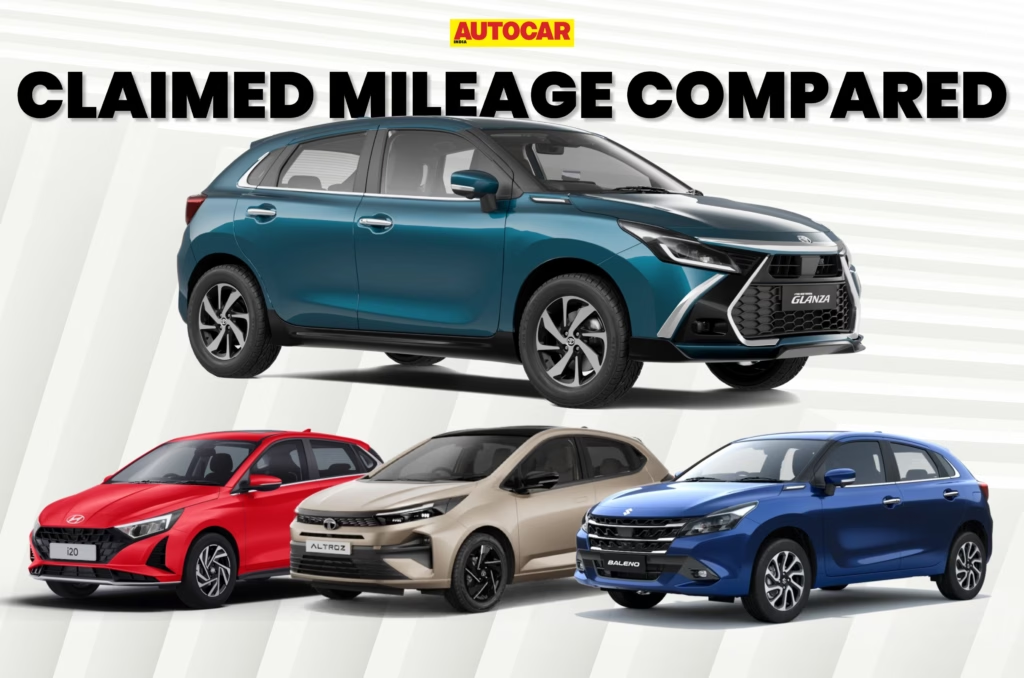
The 2026 Toyota Glanza rivals the Maruti Baleno, Hyundai i20 and Tata Altroz. Except for the missing CNG option on the i20, all rivals offer manual and automatic gearboxes with petrol and CNG versions. Here’s how the Glanza’s claimed mileage compares with the rivals.
2026 Toyota Glanza petrol mileage compared with rivals
Glanza petrol’s claimed mileage numbers are among the highest in the segment
2026 Toyota Glanza petrol mileage compared with rivals (in kpl)
Petrol-manual
Petrol-automatic*
2026 Toyota Glanza
23.80
24.77
Old Toyota Glanza
22.35
22.94
Maruti Baleno
23.80
24.77
Hyundai i20
Not disclosed
Not disclosed
Tata Altroz
19.33
Not disclosed
*Glanza and Baleno get an AMT, i20 gets a CVT, and Altroz gets both AMT and DCT options
The petrol-powered Toyota Glanza and Maruti Suzuki Baleno deliver identical claimed fuel efficiency figures, as the two premium hatchbacks are badge-engineered siblings. However, compared to its predecessor, the facelifted Glanza offers improved efficiency, with the petrol-MT and petrol-AT variants delivering 1.45kpl and 1.83kpl more, respectively. The 2026 Glanza petrol-MT is also 4.47kpl more efficient than the Tata Altroz with the same powertrain. While the claimed mileage figures for the Altroz petrol-AMT and the Hyundai i20 petrol-MT and petrol-AMT are yet to be announced, the Glanza and Baleno are expected to retain their advantage in terms of claimed fuel efficiency.
2026 Toyota Glanza CNG mileage compared with rivals
CNG-powered 2026 Glanza has identical mileage as the Maruti Baleno
2026 Toyota Glanza petrol mileage compared with rivals (in km/kg)
CNG-MT
CNG-AMT
2026 Toyota Glanza
33.61
34.47
Old Toyota Glanza
30.61
–
Maruti Baleno
33.61
34.47
Hyundai i20
–
–
Tata Altroz
27.8
Not disclosed
The Hyundai i20 is the only premium hatchback in the segment without a CNG option, while all other models offer CNG with both MT and automated manual AMT choices. The Toyota Glanza and Maruti Suzuki Baleno lead the segment in claimed CNG fuel efficiency, with identical mileage figures, just like their petrol counterparts. The Glanza CNG-MT is 2.81km/kg more efficient than the Tata Altroz CNG-MT. However, the claimed mileage for the Altroz CNG-AMT is yet to be announced. Compared to the previous model, the Glanza CNG-MT also delivers a 3km/kg improvement in fuel efficiency.
Interestingly, the Tata Altroz is the only premium hatchback to offer a diesel engine, and the i20 N Line offers a turbo-petrol engine; such options are not available with the 2026 Toyota Glanza.
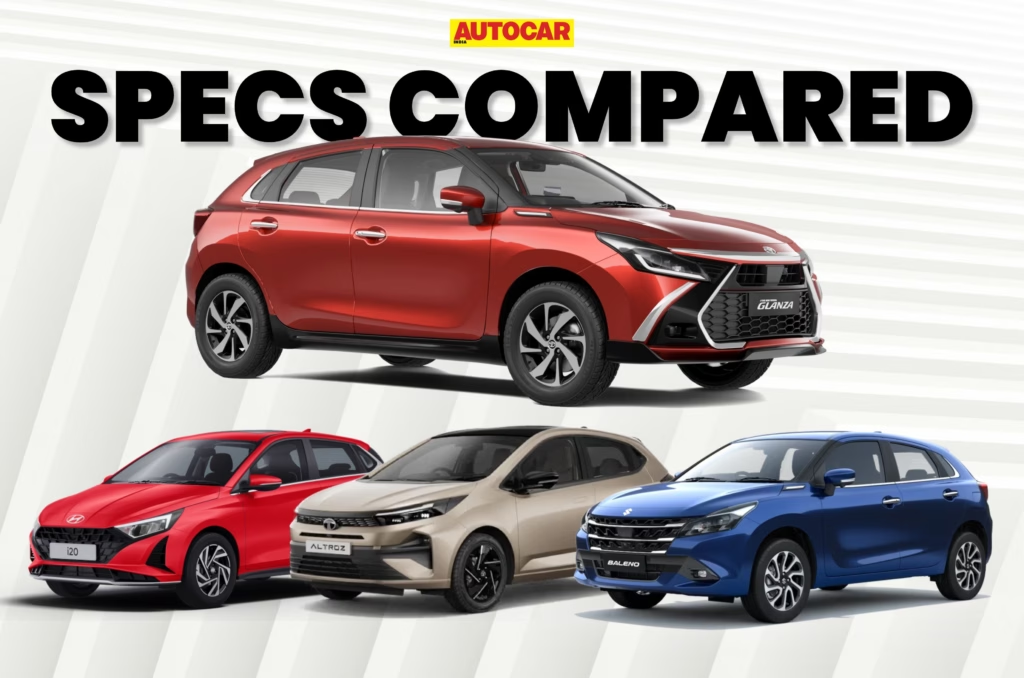
The Toyota Glanza is a premium hatchback that shares its underpinnings and powertrain with the Maruti Suzuki Baleno. The 2026 update brings changes to its styling and features, along with a CNG-AMT option. We compare it with the Baleno, Hyundai i20 and Tata Altroz in terms of specifications, features and prices.
2026 Toyota Glanza vs rivals: Dimensions
The i20 has the longest wheelbase, while the Altroz has the largest boot
Dimensions
Toyota Glanza
Maruti Suzuki Baleno
Hyundai i20
Tata Altroz
Length
3,990mm
3,990mm
3,995mm
3,990mm
Width
1,745mm
1,745mm
1,775mm
1,755mm
Height
1,530mm
1,530mm
1,505mm
1,523mm
Wheelbase
2,520mm
2,520mm
2,580mm
2,501mm
Boot space
TBA
318 litres
311 litres
345 litres
The Glanza and Baleno share the same length, width, height and wheelbase. The i20 is marginally longer than the other three and has the greatest width and wheelbase. The Altroz offers the largest boot capacity at 345 litres, ahead of the Baleno’s 318 litres and the i20’s 311 litres. Toyota has yet to confirm the facelifted Glanza’s boot capacity, although its badge-engineered relationship with the Baleno suggests the two could have similar luggage space.
2026 Toyota Glanza vs rivals: Engine specifications
The Glanza gets petrol and CNG options, with manual and AMT gearboxes
Engine specifications
Toyota Glanza
Maruti Suzuki Baleno
Hyundai i20
Tata Altroz
Petrol engine
1.2-litre, 3-cylinder
1.2-litre, 3-cylinder
1.2-litre, 4-cylinder
1.2-litre, 3-cylinder
Petrol power
83hp
83hp
83hp (MT); 88hp (IVT)
88hp
Petrol torque
112Nm
112Nm
114.7Nm
115Nm
CNG option
Yes
Yes
No
Yes
CNG power
70hp
70hp
–
74hp
CNG torque
102Nm
102Nm
–
103Nm
Diesel option
No
No
No
Yes
Transmission options
5-speed MT, 5-speed AMT
5-speed MT, 5-speed AMT
5-speed MT, IVT
5-speed MT, 5-speed AMT, 6-speed DCT
The Glanza’s new 1.2-litre three-cylinder engine produces 83hp and 112Nm in petrol mode, down 7hp and 1Nm compared with the outgoing four-cylinder unit. Claimed fuel efficiency stands at 23.80kpl with the manual and 24.77kpl with the AMT. In CNG mode, output drops to 70hp and 102Nm, with claimed efficiency of 33.61km/kg for the manual and 34.47km/kg for the AMT.
Like the Glanza, the Baleno offers petrol and CNG powertrains with manual and AMT options. The i20 is petrol-only, while the Altroz offers petrol, CNG and diesel engines. The Altroz is also the only one of these four to offer a diesel engine, while the Glanza and Baleno now add the convenience of an AMT with CNG.
2026 Toyota Glanza vs rivals: Features
Glanza adds ventilated seats and Level 2 ADAS, while the i20 and Altroz get sunroofs
Features
Toyota Glanza
Maruti Suzuki Baleno
Hyundai i20
Tata Altroz
Head-up display
Yes
Yes
No
No
Ventilated front seats
Yes
Yes
No
No
360-degree camera
Yes
Yes
No
Yes
Wireless phone charger
Yes, with cooling
Yes, with cooling
Yes
Yes
Sunroof
No
No
Yes
Yes
Infotainment touchscreen
9-inch
9-inch
10.25-inch
10.25-inch
Instrument cluster
Analogue dials with MID
Analogue dials with MID
TFT display
10.25-inch digital
Wireless Android Auto and Apple CarPlay
Yes
Yes
Yes
Yes
Automatic climate control
Yes
Yes
Yes
Yes
Rear AC vents
Yes
Yes
Yes
Yes
Adaptive cruise control
Yes
Yes
No
No
The Glanza and Baleno share several key features, including a head-up display, ventilated front seats, a 360-degree camera and a cooled wireless charger. Both also use a 9-inch touchscreen and analogue instrument dials with a multi-information display.
The i20 and Altroz offer larger 10.25-inch infotainment screens and sunroofs, which the Glanza and Baleno do not get. The Altroz also has a fully digital instrument cluster. All four offer automatic climate control, rear AC vents and wireless smartphone connectivity.
2026 Toyota Glanza vs rivals: Safety
Glanza and Baleno get Level 2 ADAS
Safety features
Toyota Glanza
Maruti Suzuki Baleno
Hyundai i20
Tata Altroz
Level 2 ADAS
Yes
Yes
No
No
Airbags
6
6
6
6
Tyre-pressure monitoring system
Yes
Yes
Yes
Yes
Electronic stability control
Yes
Yes
Yes
Yes
Hill-hold assist
Yes
Yes
Yes
Yes
ABS with EBD
Yes
Yes
Yes
Yes
ISOFIX child-seat mounts
Yes
Yes
Yes
Yes
The Glanza facelift adds Level 2 ADAS, including adaptive cruise control, lane-keeping assist, lane-departure warning and prevention, autonomous emergency braking and high-beam assist. It also gets a tyre-pressure monitoring system. The Baleno offers Level 2 ADAS as well, while all four hatchbacks have six airbags, electronic stability control, hill-hold assist, ABS with EBD and ISOFIX child-seat mounts.
2026 Toyota Glanza vs rivals: Price
Glanza prices range from Rs 6.99 lakh to Rs 10.98 lakh
Price (ex-showroom)
Toyota Glanza
Maruti Suzuki Baleno
Hyundai i20
Tata Altroz
Price range
Rs 6.99 lakh-10.98 lakh
Rs 5.99 lakh-9.99 lakh
Rs 6 lakh-11.64 lakh*
Rs 6.30 lakh-10.75 lakh
The Baleno has the lowest starting price at Rs 5.99 lakh, making it Rs 1 lakh cheaper than the Glanza. The Altroz starts at Rs 6.30 lakh, while the i20’s entry price is Rs 6 lakh. At the top end, the i20 is the most expensive at Rs 11.64 lakh with the N-line trim, followed by the Glanza at Rs 10.98 lakh. The Altroz tops out at Rs 10.75 lakh, while the Baleno has the lowest top-spec price at Rs 9.99 lakh. The Glanza’s higher starting and top-end prices place it above its badge-engineered sibling, the Baleno, across the range.
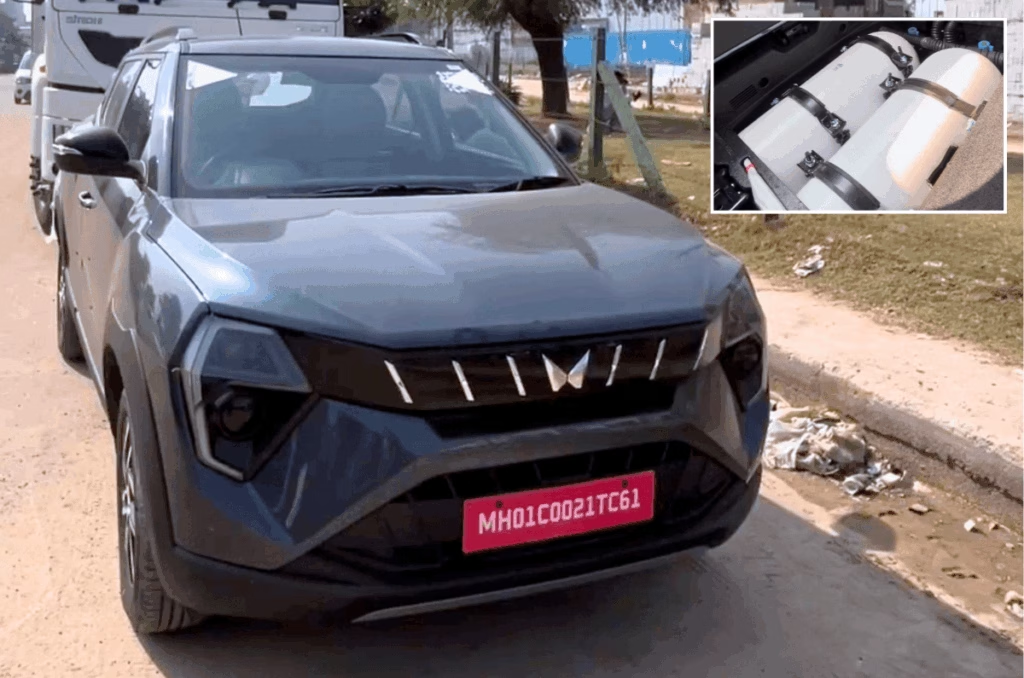
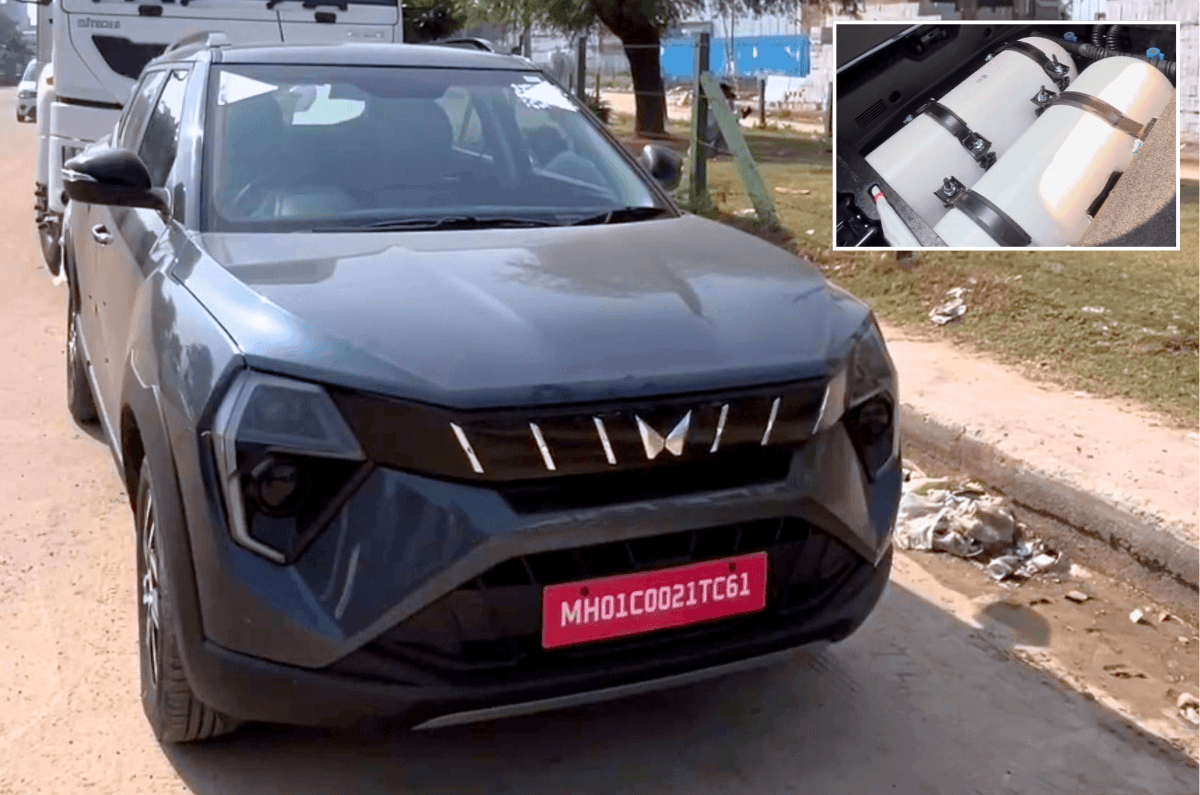
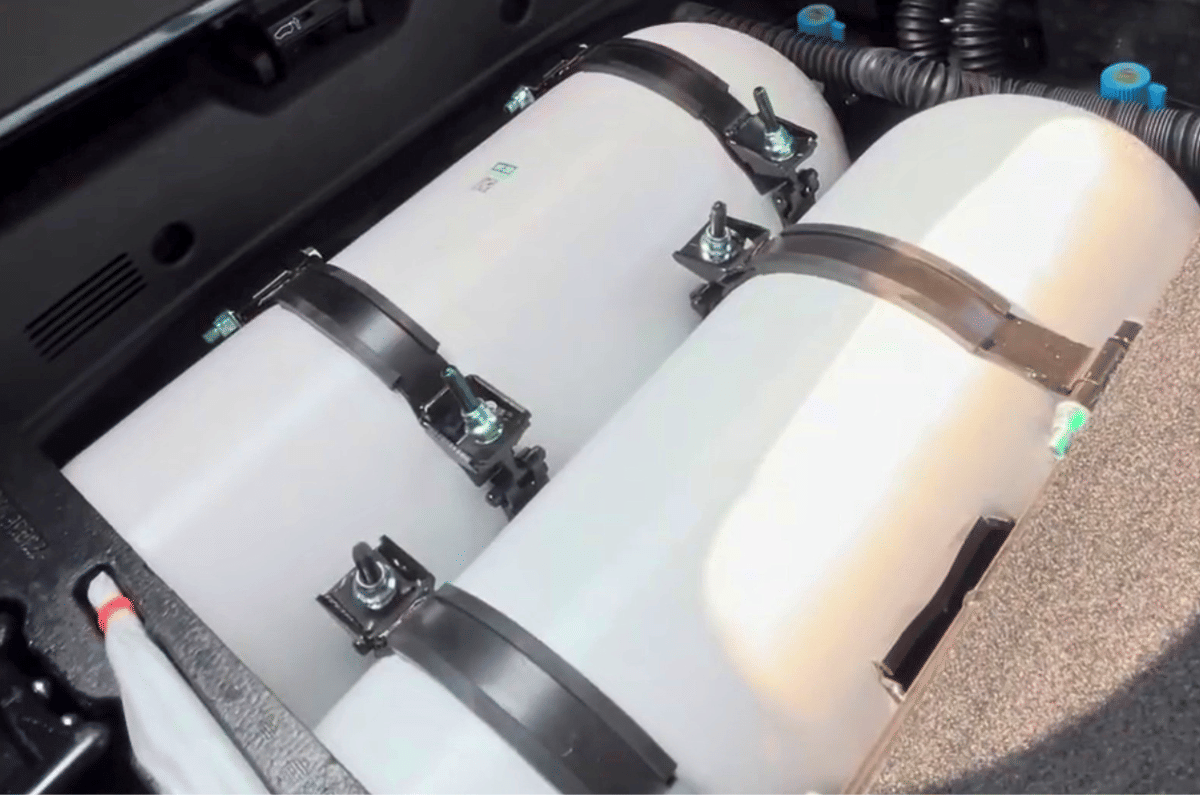
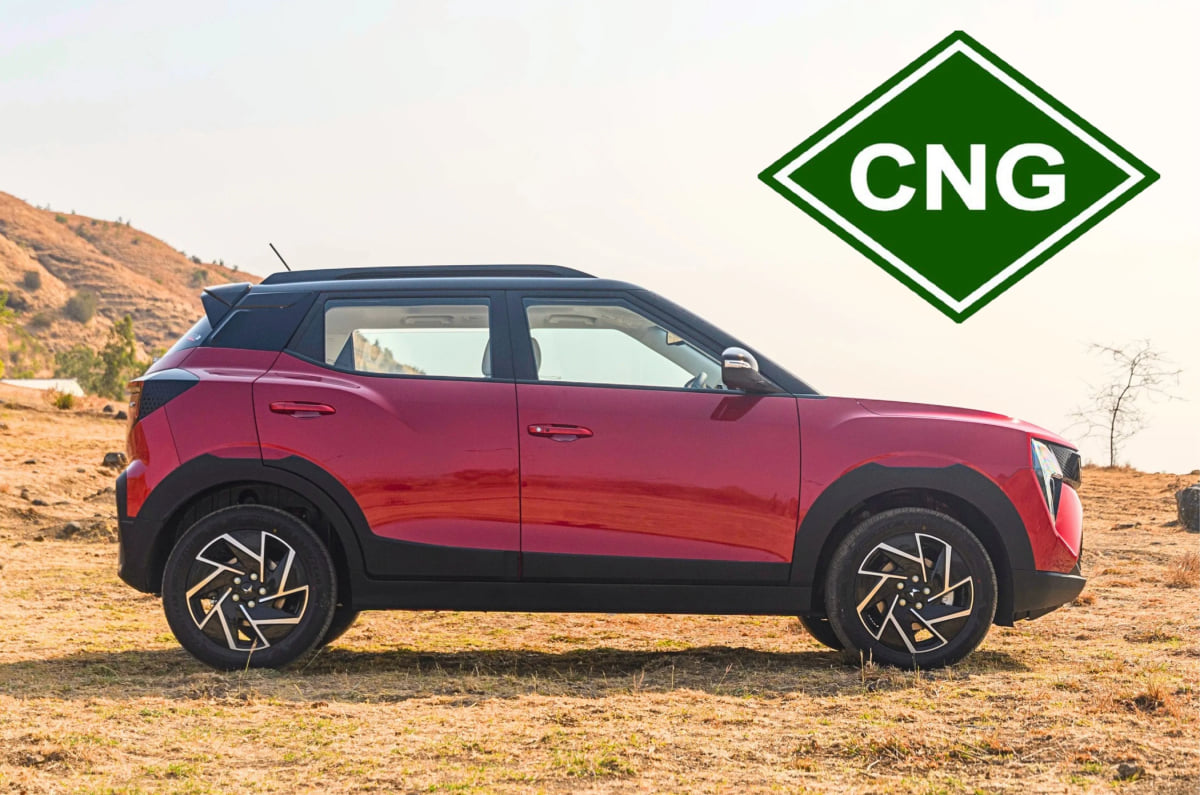
The Mahindra XUV 3XO has been spied with a dual-cylinder tank setup, an arrangement that is aimed to take up less boot space; 3XO has the smallest boot in the compact SUV segment. This sighting comes a day ahead of the SUV’s launch tomorrow. CNG will be the fourth powertrain option, alongside petrol, diesel and electric, giving Mahindra’s most affordable SUV one of the widest powertrain line-ups in the segment, along with the Tata Nexon.
Mahindra XUV 3XO CNG spy shot details
Between the 1.2-litre MPFI (multi-point fuel injection) turbo-petrol and 1.2-litre direct-injection (DI) turbo-petrol engine options of the 3XO, a CNG kit is likely to be offered with the former, and exact specifications are yet to be disclosed. MPFI engines are relatively cheaper to manufacture and simpler to adapt for CNG, since fuel is injected into the intake manifold. Doing the same with a DI engine is more complex and expensive.
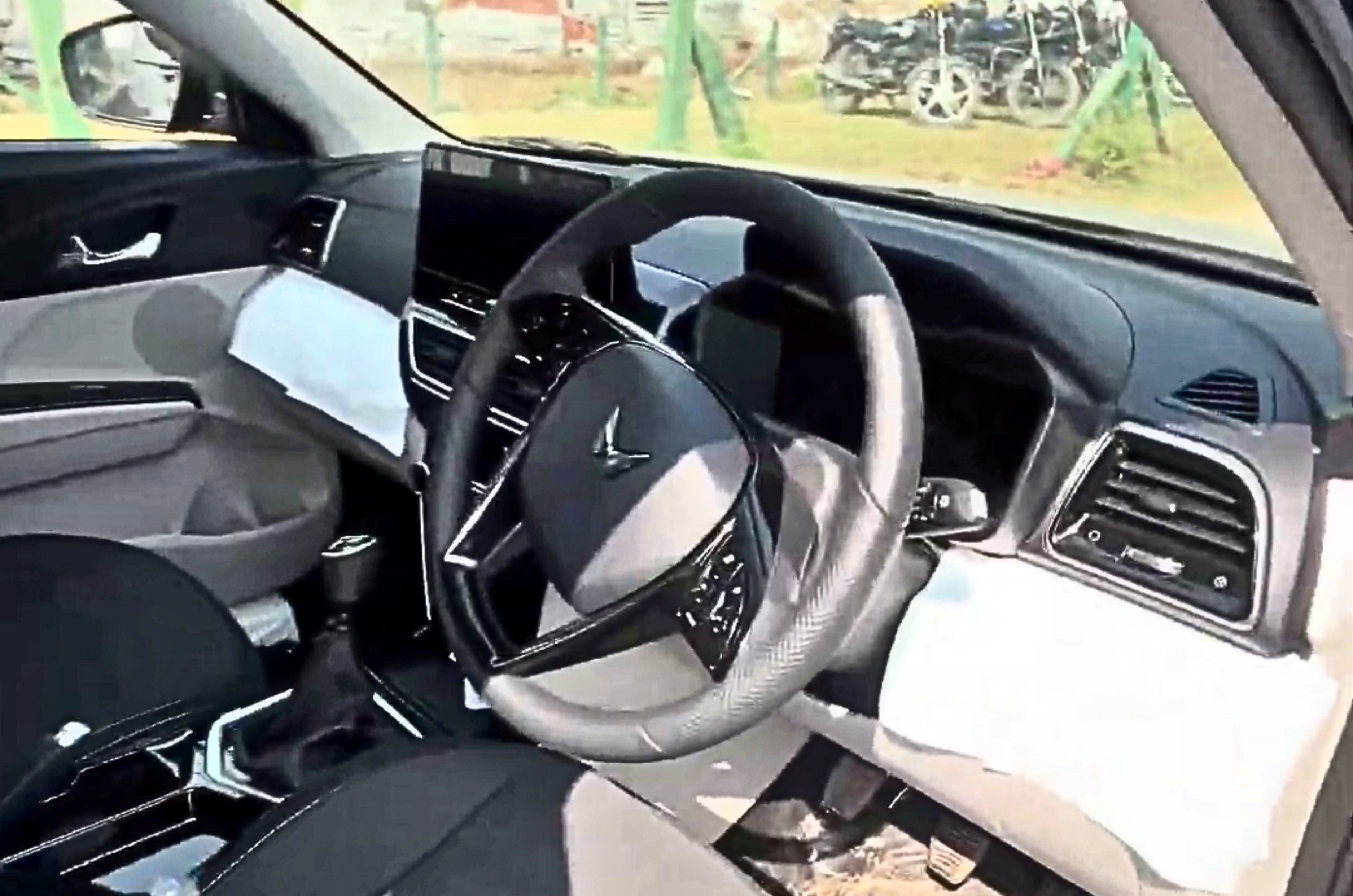
Interestingly, the spied vehicle had dual-tone alloy wheels, suggesting that Mahindra may offer the CNG option even in the higher trims. It’s interior is unlikely to receive any changes, and depending on the trim, features such as a 10.25-inch touchscreen, a 10.25 inch digital driver’s display, steering-mounted controls and more could be on offer.
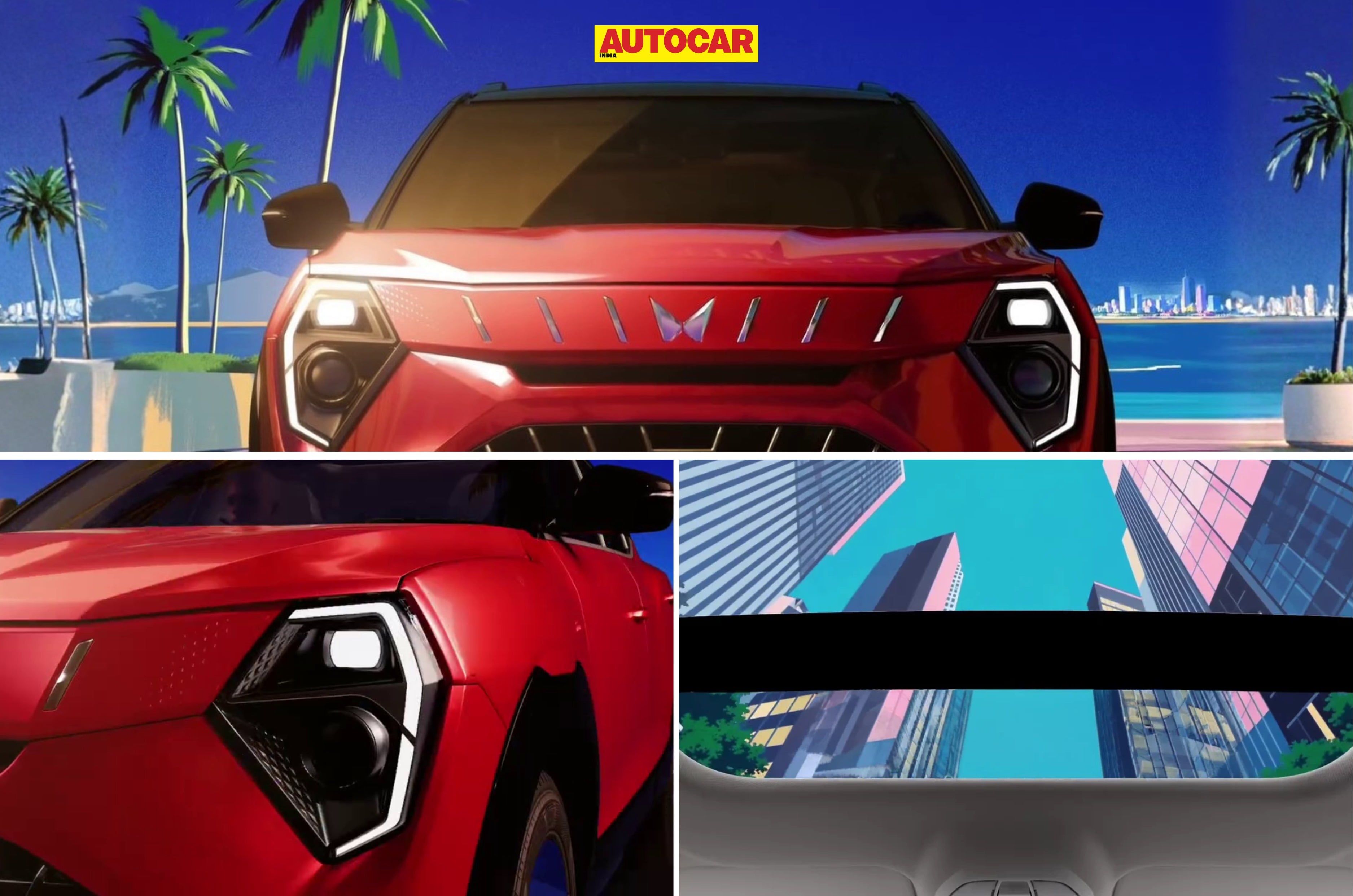
A recent teaser of the 3XO CNG featured a body coloured front grille, something that is offered in the RevX range, and LED DRLs, LED headlights and a panoramic sunroof.
Scope of CNG in compact SUV segment
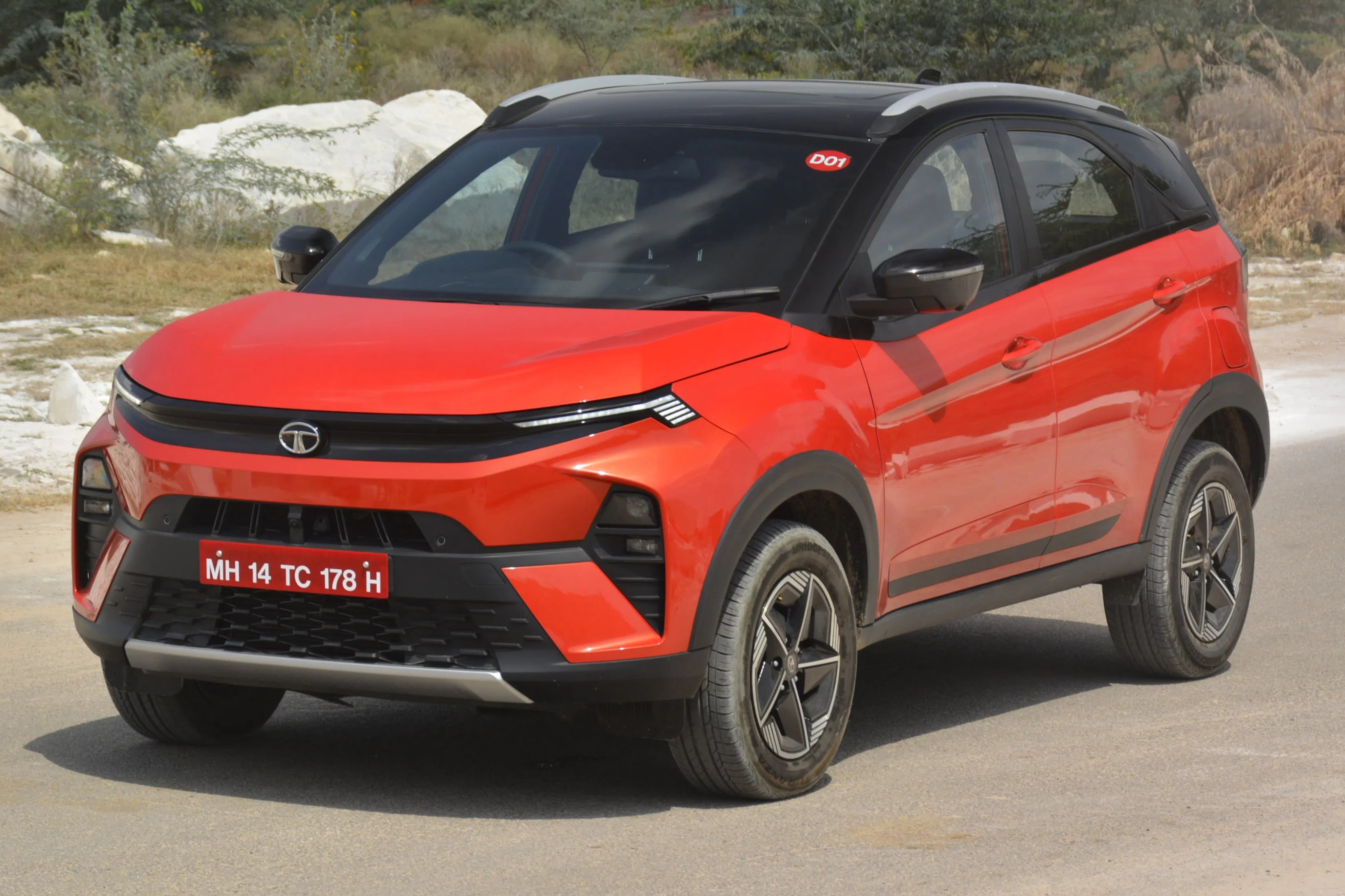
CNG has become increasingly popular in India. A CNG option could help boost XUV 3XO sales, and also help the carmaker meet the stricter CAFE III norms that come into effect in April 2027. This is especially important because a large part of Mahindra’s sales comes from diesel models. Along with EVs, CNG models will be key to balancing the CO2 emissions from its diesel range. In the past, Mahindra has offered this fuel option on some of its commercial pickup range, as well as via conversion kits for the erstwhile Logan and Verito.
In addition to the Nexon, the XUV 3XO CNG will face competition from models like the Maruti Brezza and the Fronx. We expect the CNG version to command a premium of about Rs 1 lakh over the equivalent petrol trim.
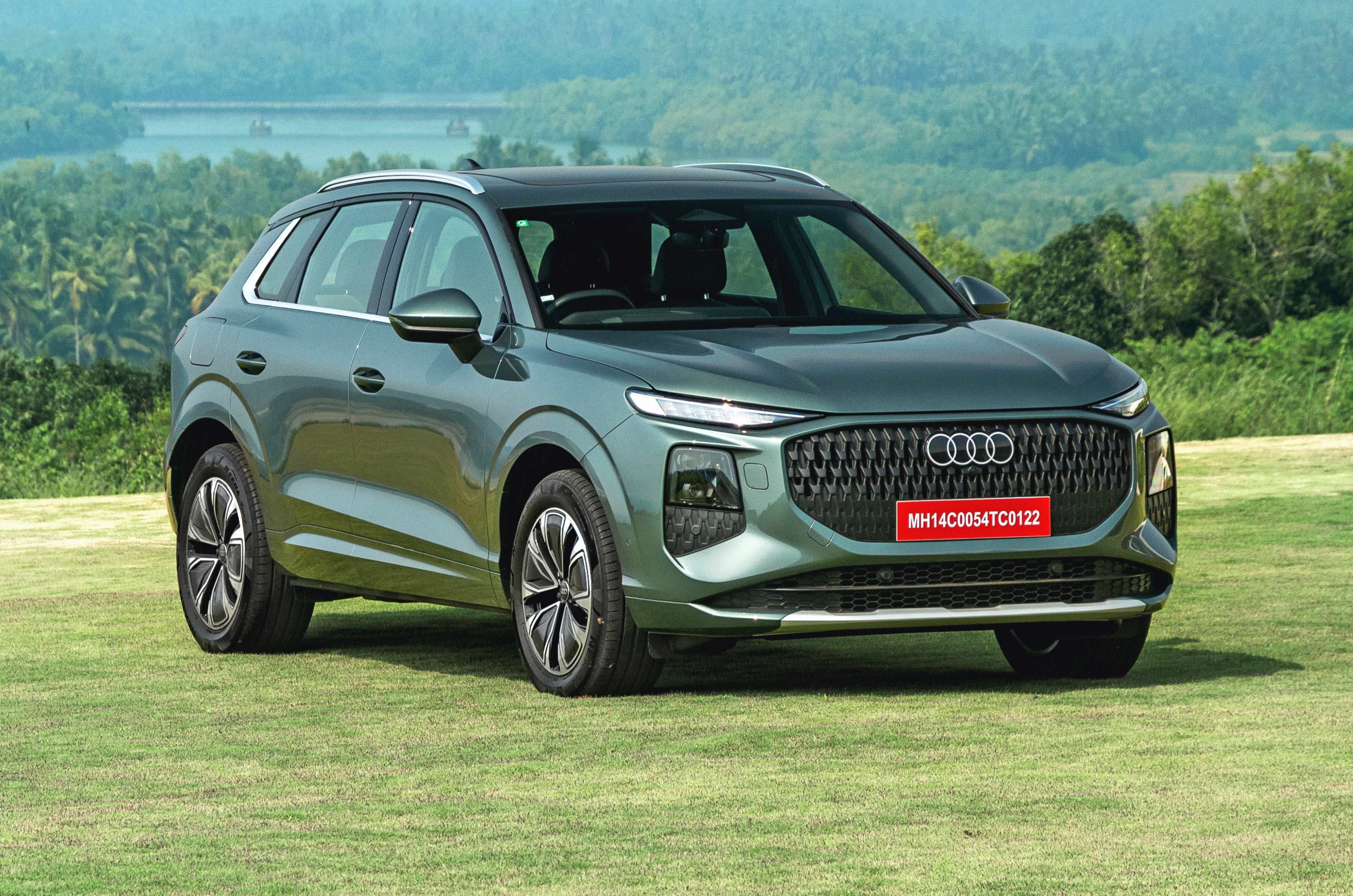
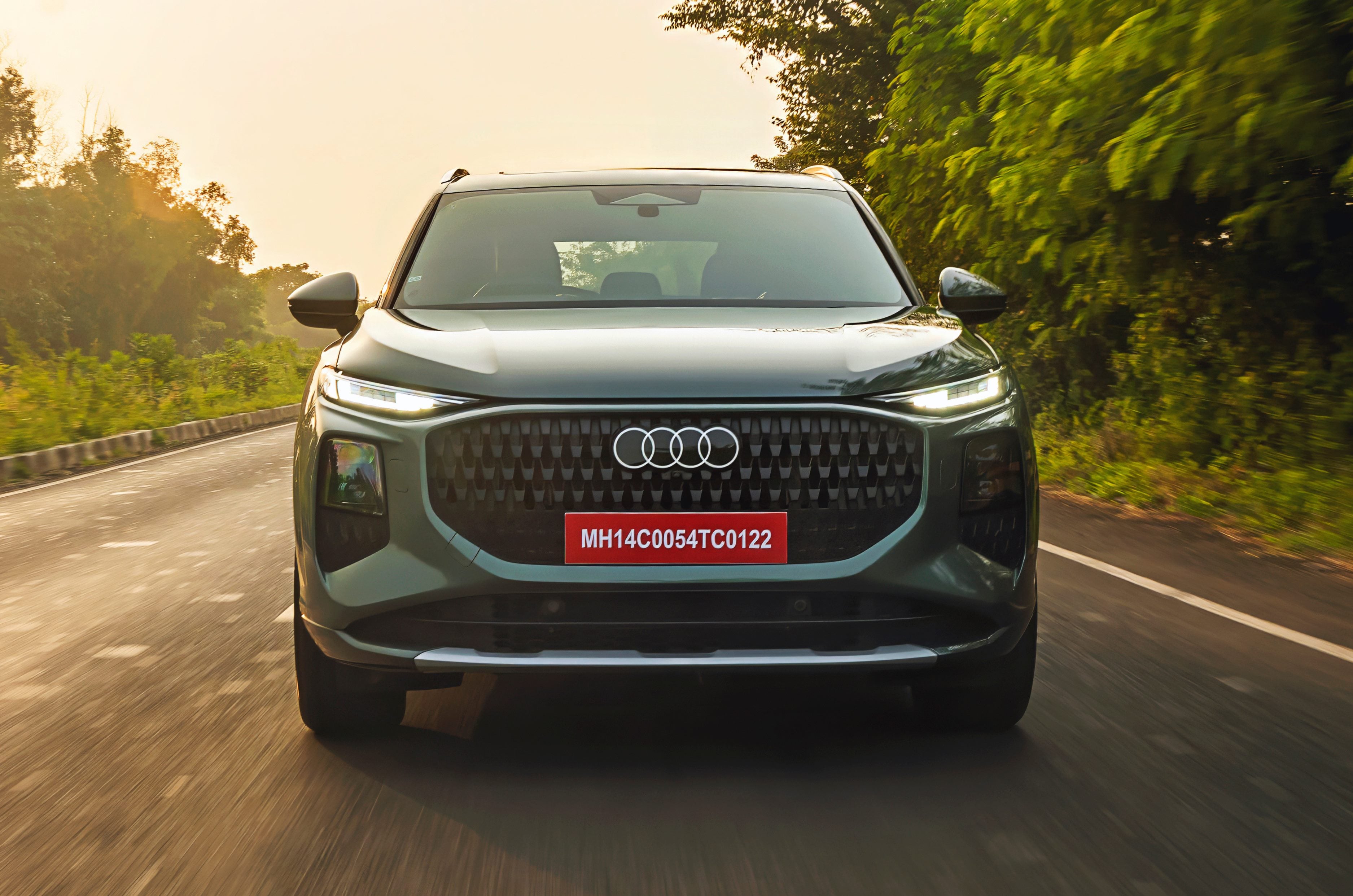
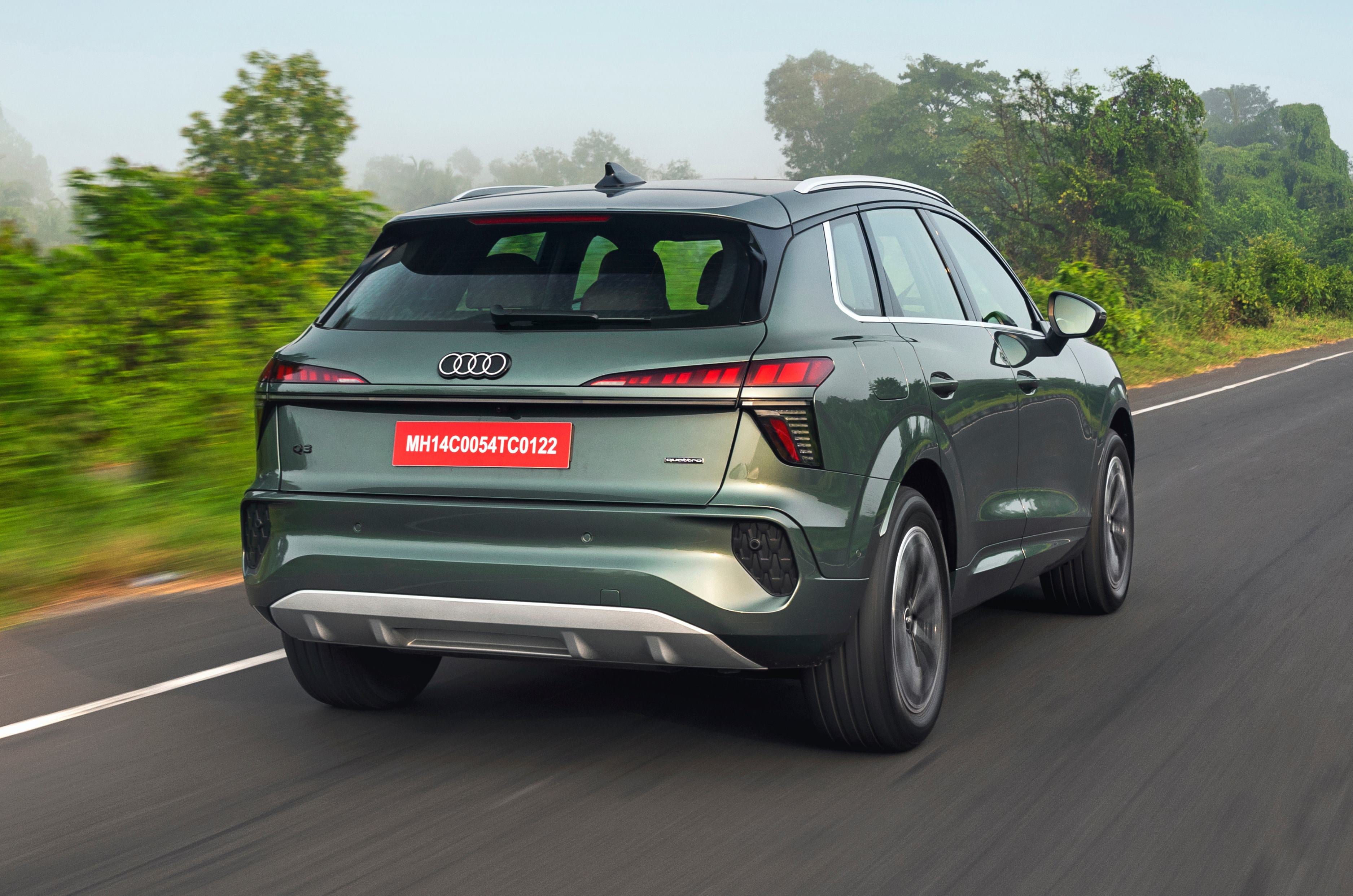
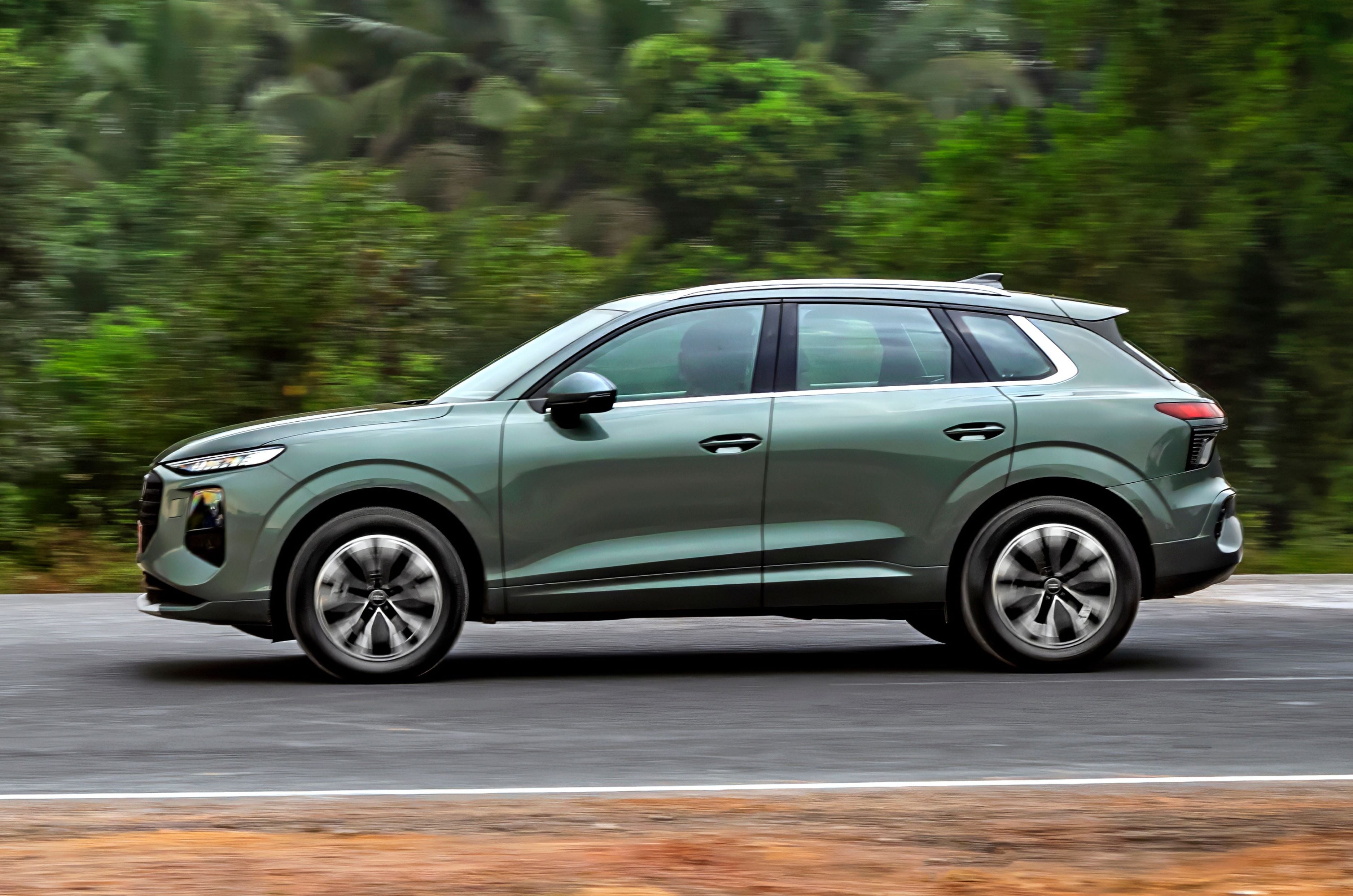
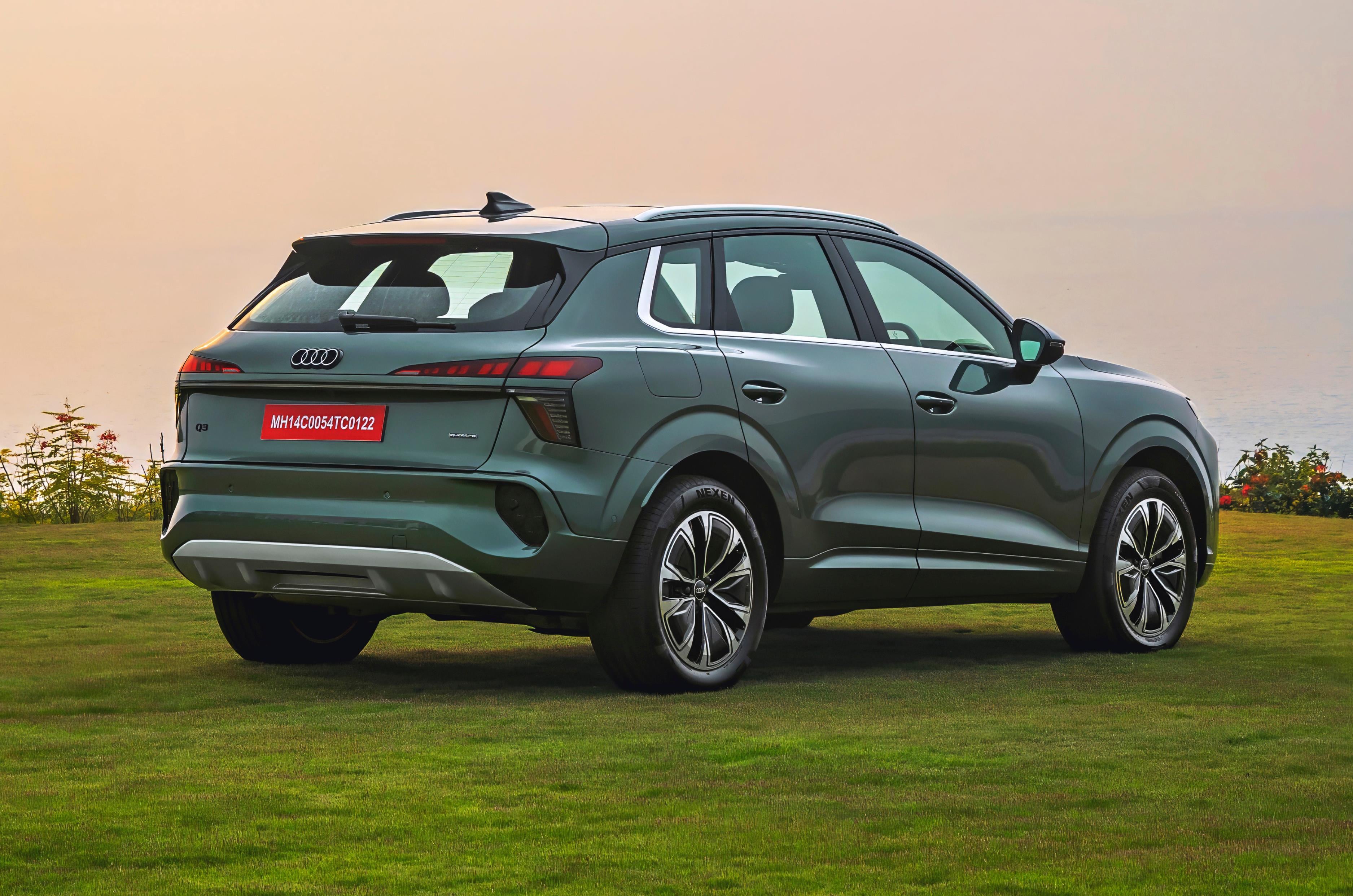
Audi India is set to launch the third-gen Q3 on Friday, 16 October. It will replace the current Q3, which has been around for quite a while, as Audi India’s entry-level SUV. More importantly, the third-gen Q3 will usher in some of the latest tech that Audi offers, which should make the SUV much more competitive against rivals like the Mercedes-Benz GLA and BMW X1. But will it? Now that we’ve reviewed the new Q3, here are three reasons why you should consider it over rivals, and two reasons why you may want to think twice about buying one.
Pros
Punchy turbo-petrol engine
Like its predecessor, the third-gen Q3 is powered by a 2.0-litre four-cylinder direct-injection turbo-petrol engine developing 204hp and 320Nm. It’s the biggest and strongest engine in its segment, and save for some brief hesitation at low revs, remains a gem. As soon as the turbo is on song, this engine is eager and free-revving, responding promptly in the city and building speed easily on the highway. Audi claims a 0-100kph time of 7.1 seconds for the new Q3 – a segment-best figure.
The Q3’s engine continues to be paired with a 7-speed dual-clutch automatic, which is a great companion. Downshifts are quick and easy, and engaging Sport mode or flicking the paddle shifters will give you full control. Audi’s Quattro all-wheel drive system is standard fit for the Q3 as well, giving you more confidence when driving on slippery surfaces.
Excellent ride and handling balance
Audi has tuned the new Q3’s suspension very well. The setup has the typical firmness you expect from a European car, but it’s never uncomfortable and absorbs potholes and broken roads with great composure. Part of the credit goes to the 55-profile tyres too, as their thick sidewalls soak up much of the shock before it reaches the suspension.
The handling of the new Q3 is surprisingly good too, with the variable-ratio steering effectively loosening at low speeds and weighing up as you increase the pace. There’s a slight amount of slack around the straight-ahead position, but the steering remains very accurate and direct regardless. Despite its quick steering, the Q3 also remains stable at highway speeds and changes lanes with ease and agility.
Well-built interior
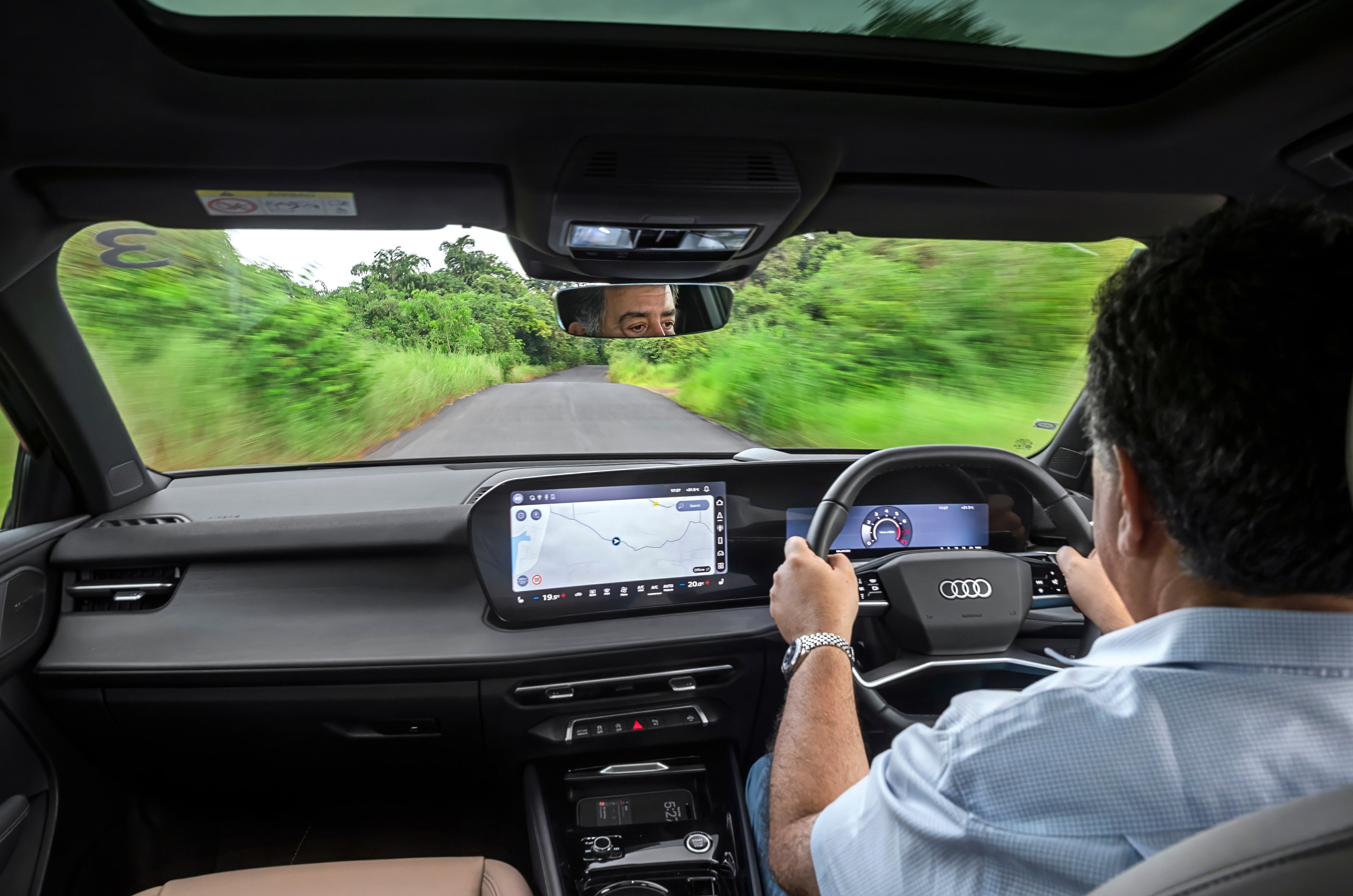
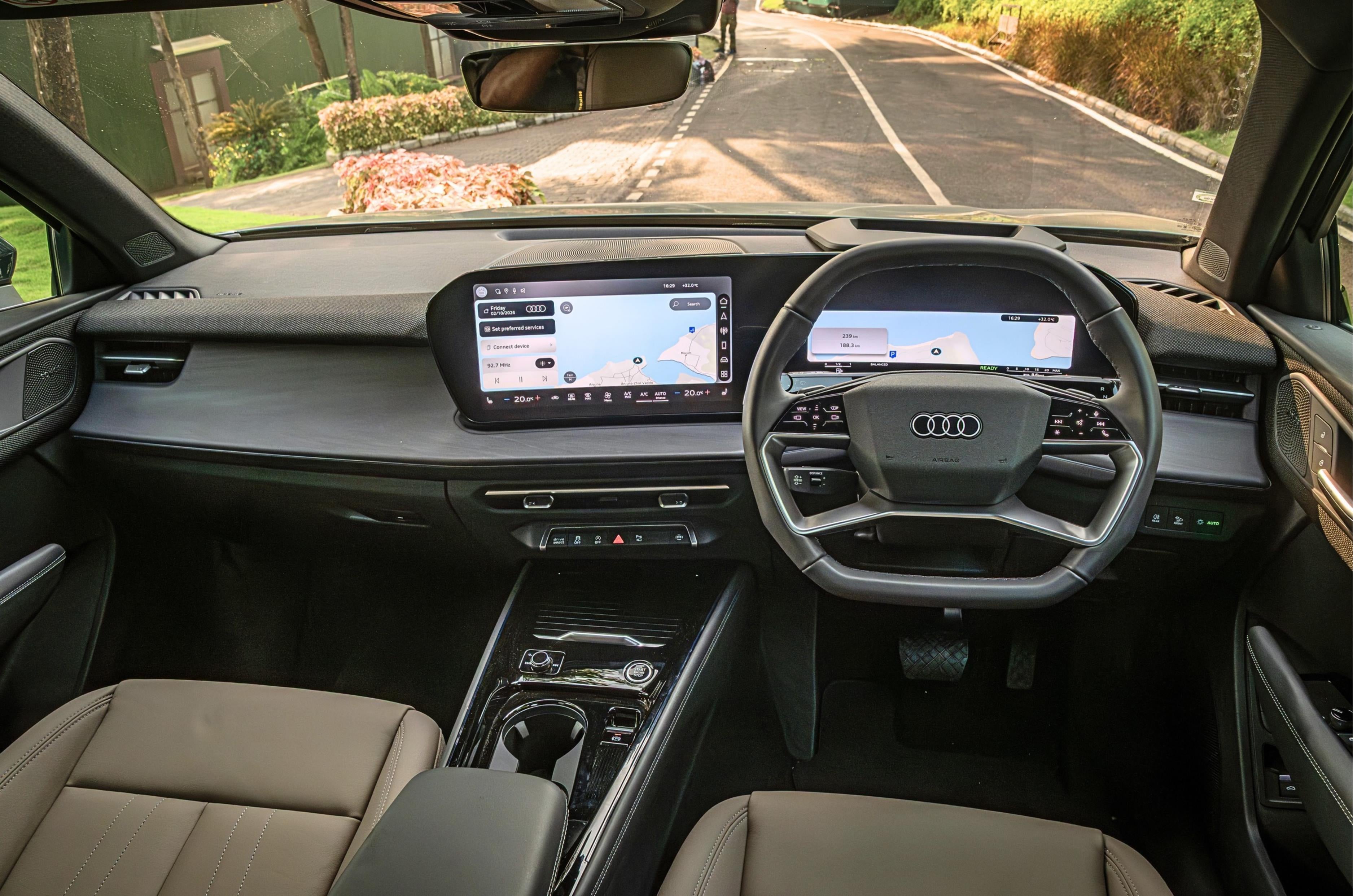
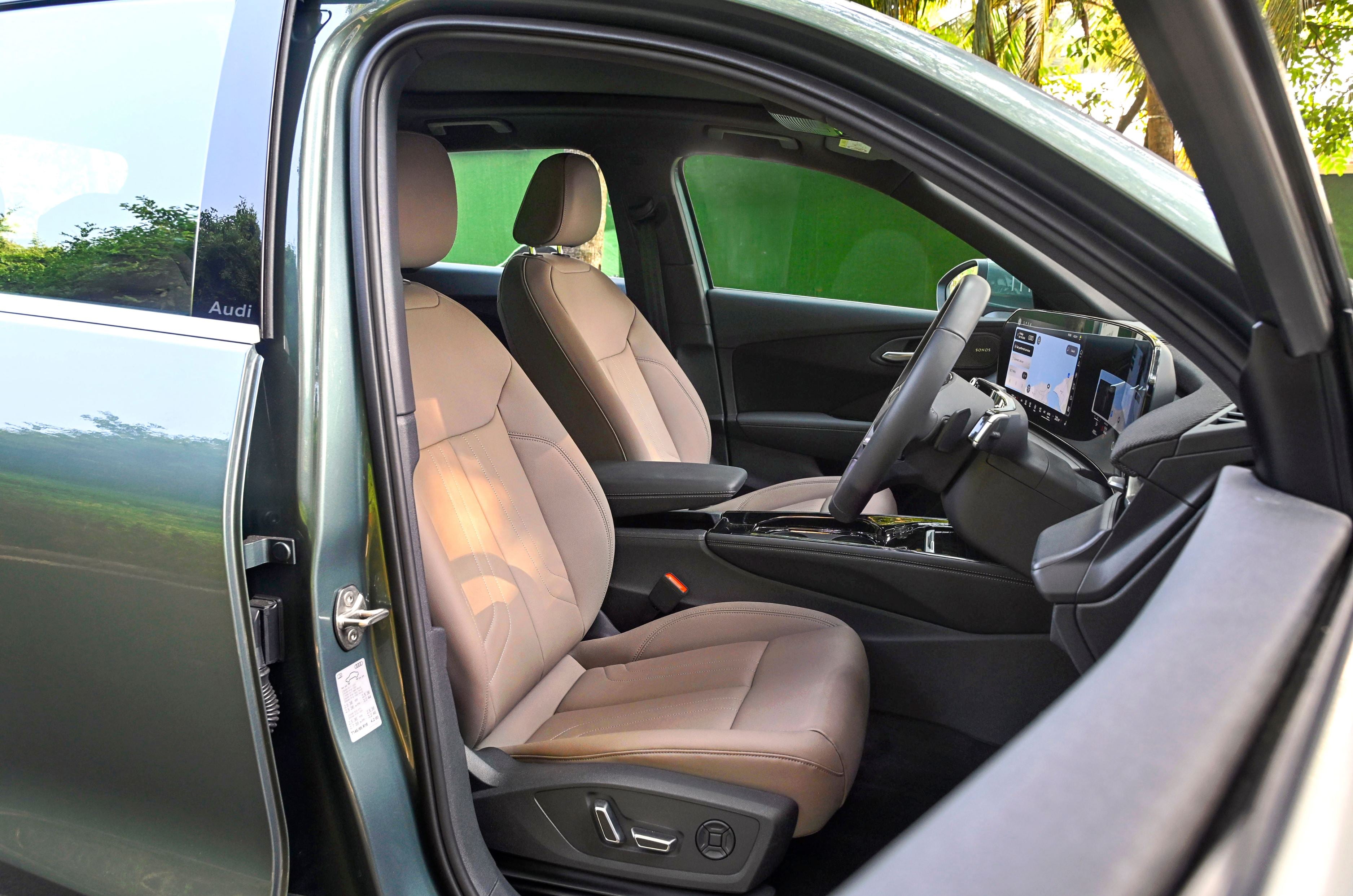
Among the most noticeable leaps of the new Q3 over the outgoing model is on the inside. The dashboard sports a cleaner and more modern layout, housing an 12.8-inch infotainment touchscreen and 11.9-inch digital driver’s display. Much of the leather in the cabin has been ditched in favour of fabric, and plastic quality isn’t that great in the lower regions, but even so, the Q3’s interior feels well put-together and more robust than those of its rivals.
Cons
Lack of powertrain options
The Q3’s turbo-petrol engine is undoubtedly lovely, but that’s about it as far as powertrain options go. There will be no diesel, hybrid, or electric versions of the India-spec Q3, at least at launch. This puts the Audi SUV at a disadvantage, since the GLA and X1 can be had with diesel engines – the BMW is available as a long-wheelbase EV too (iX1 LWB). Offering Quattro as standard may also drive up the price of the new Q3, which could dissuade buyers who prefer a lower price tag over all-wheel drive.
Some features still missing
While the Q3 has a decent list of equipment, including a 12-speaker Sonos sound system, a panoramic sunroof, powered and heated front seats, dual-zone climate control, adaptive cruise control, auto-park assist, and more, there are still some features that Audi missed out on.
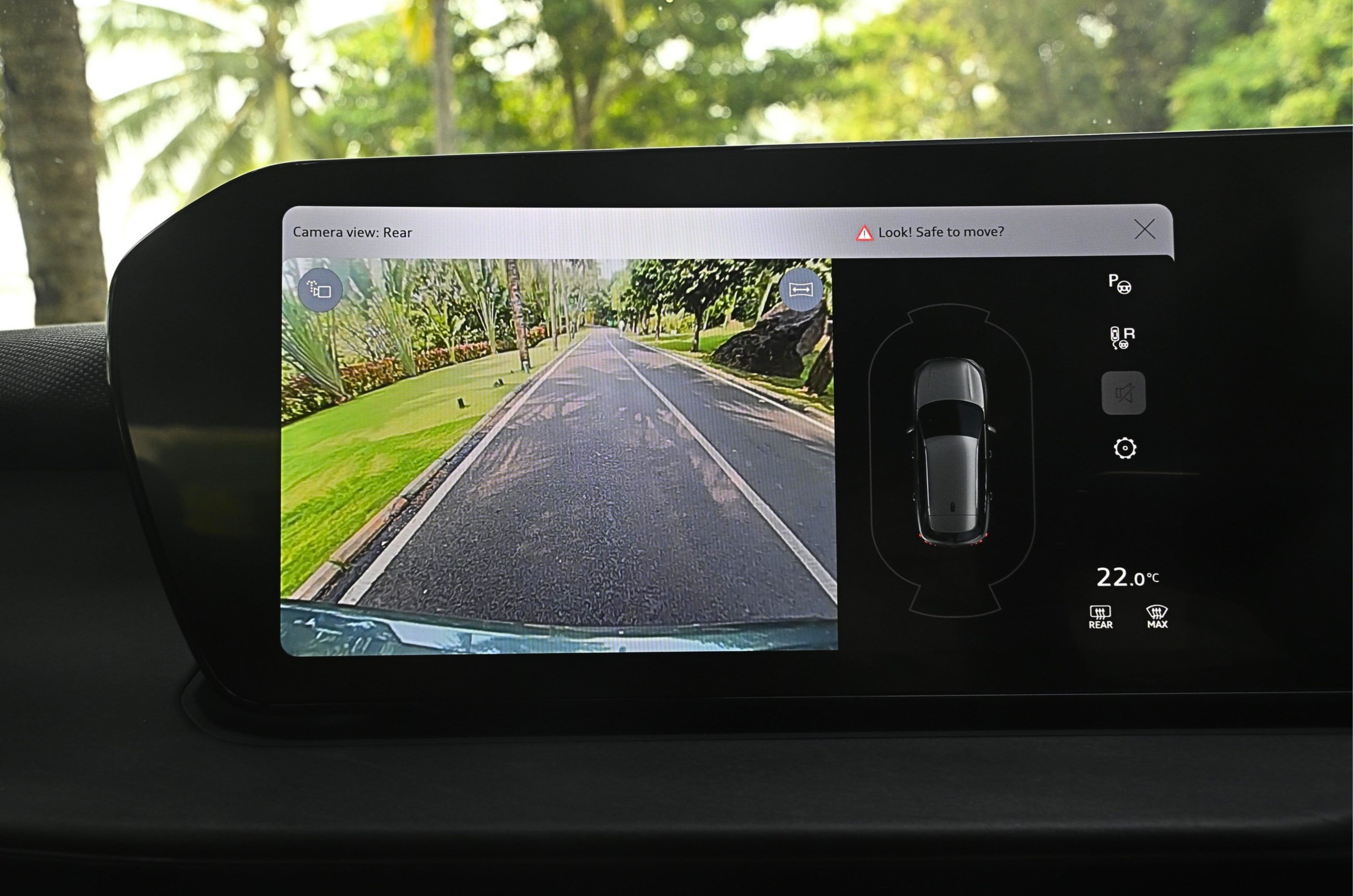
Chief among them is seat ventilation, which makes much more sense than heated seats in our climate conditions. Another big miss is a 360-degree camera, as it greatly helps with maneuovring and parking in tight spaces. The included rear camera’s resolution (pictured above) is disappointing too. Lastly, there are no ADAS features aside from adaptive cruise control – lane-keep assist and blind-spot monitoring would’ve come in handy.
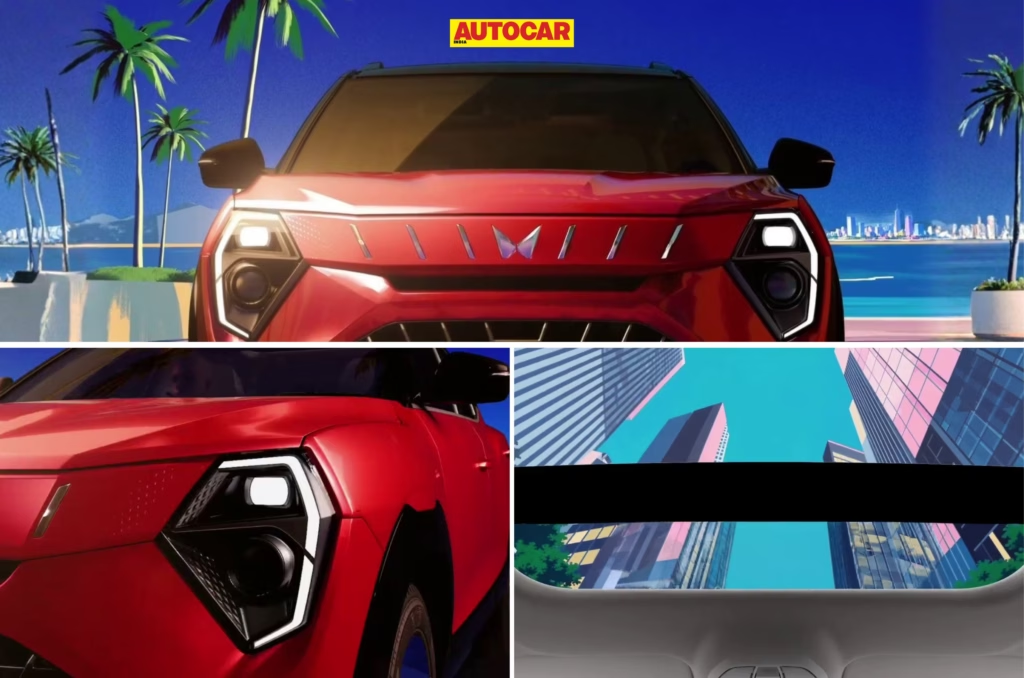
Mahindra will debut a CNG the variant of the XUV 3XO on October 15, expanding its compact SUV’s powertrain line-up to four options. The CNG version will join the existing petrol, diesel and electric variants, making it the third compact SUV in India to offer a CNG option, alongside the Maruti Suzuki Brezza and Tata Nexon. The teaser offers a first look at the XUV 3XO CNG’s exterior and interior.
Mahindra XUV 3XO CNG: Expected powertrain
The XUV 3XO CNG is expected to use the 1.2-litre turbo-petrol engine with multi-point fuel injection (MPFI), which produces 111hp and 200Nm in the petrol version. The petrol-powered XUV 3XO is available with six-speed manual and automatic gearboxes. Transmission options for the CNG version, along with details of the CNG tank and its placement, are likely to be revealed closer to launch.
Mahindra XUV 3XO CNG: exterior and interior
The teaser shows a body-coloured panel between the headlamps, with slim metallic inserts flanking the Mahindra Twin Peaks logo. The closed-off grille design resembles the RevX range, which suggests Mahindra could be offering the CNG powertrain with the RevX range. The teaser also confirms a panoramic sunroof.
Other exterior details are expected to remain largely unchanged from the standard XUV 3XO.
September 2026 saw the Maruti Suzuki Baleno top the best-selling cars list with 25,392 units dispatched, a 93 percent increase year on year. The Tata Nexon and Punch ranked second and third, respectively, with over 20,000 units each. Combined dispatches of the top 10 models rose 15.5 percent to 1,91,332 units. Maruti Suzuki had six models on the list, followed by Tata Motors with two, and Hyundai and Mahindra with one each.
Top 10 best-selling cars in September 2026
Rank
Model
Sep 2026 sales (units)
Aug 2026 sales (units)
Sep 2025 sales (units)
MoM change (%)
YoY change (%)
1
Maruti Baleno
25,392
15,376
13,173
+61
+93
2
Tata Nexon
20,456
18,431
22,573
+11
-9
3
Tata Punch
20,333
21,320
15,891
-5
+28
4
Maruti Fronx
19,282
18,730
13,767
+3
+40
5
Maruti Wagon R
18,835
20,180
15,388
-7
+22
6
Maruti Dzire
17,754
18,418
20,038
-4
-11
7
Hyundai Creta
17,657
16,288
18,861
+8
-6
8
Maruti Swift
17,399
19,832
15,547
-12
+12
9
Mahindra Scorpio
17,313
15,576
18,372
+11
-6
10
Maruti Ertiga
16,911
18,516
12,115
-9
+40
1. Maruti Suzuki Baleno
The Maruti Suzuki Baleno topped the September 2026 sales rankings with 25,392 units, compared with 13,173 units in September 2025. Its dispatches increased 93 percent year on year, the highest growth rate among the 10 models. The premium hatchback recently received a facelift and is sold through Maruti Suzuki’s Nexa dealership network. It rivals the Hyundai i20, Tata Altroz and Toyota Glanza. The Baleno is priced between Rs 5.99 lakh and Rs 9.99 lakh.
2. Tata Nexon
The Tata Nexon, including the Nexon EV, recorded 20,456 units in September 2026, down 9 percent from 22,573 units in the same month last year. It finished second, just 123 units ahead of the Punch. The Nexon is available with petrol, diesel, CNG and electric powertrains. It rivals the Maruti Suzuki Brezza, Hyundai Venue, Kia Sonet and Mahindra XUV 3XO and is priced from Rs 7.40 lakh to Rs 14.52 lakh for the ICE powered Nexon, while the Nexon EV starts at Rs 12.49 lakh and goes up to 17.89 lakh.
3. Tata Punch
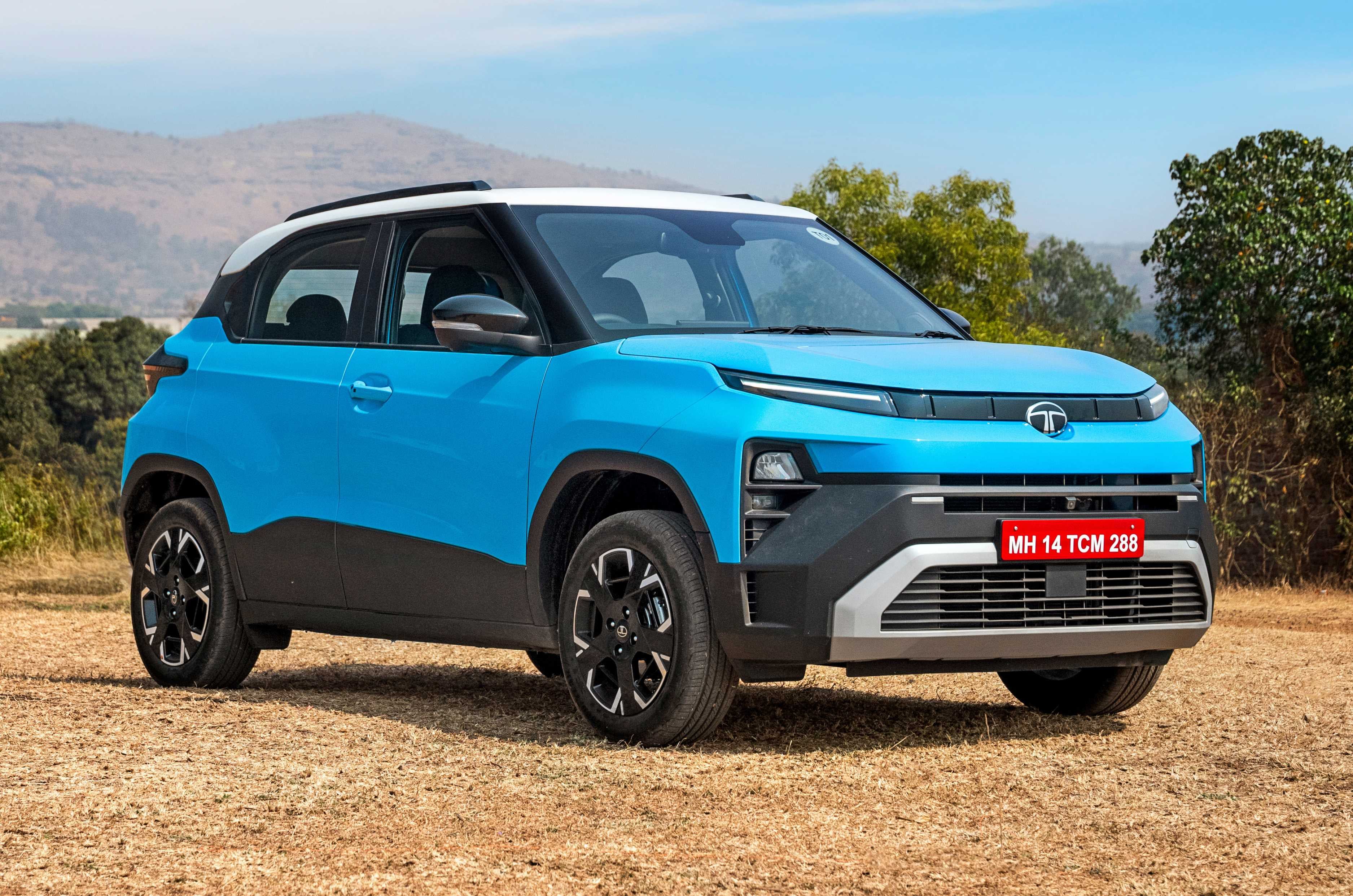
The Tata Punch, including the Punch EV, recorded 20,333 units in September 2026, up 28 percent from 15,891 units a year earlier. It ranked third in the overall list, with the Nexon finishing narrowly ahead. Tata’s smallest SUV is offered with multiple powertrain options, while its compact dimensions and ride-and-handling balance remain key strengths. The Punch rivals the Hyundai Exter and Citroen C3 and is priced from Rs 5.75 lakh to Rs 10.77 lakh. The Punch EV meanwhile is priced from Rs 9.79 lakh to Rs 12.99 lakh.
4. Maruti Suzuki Fronx
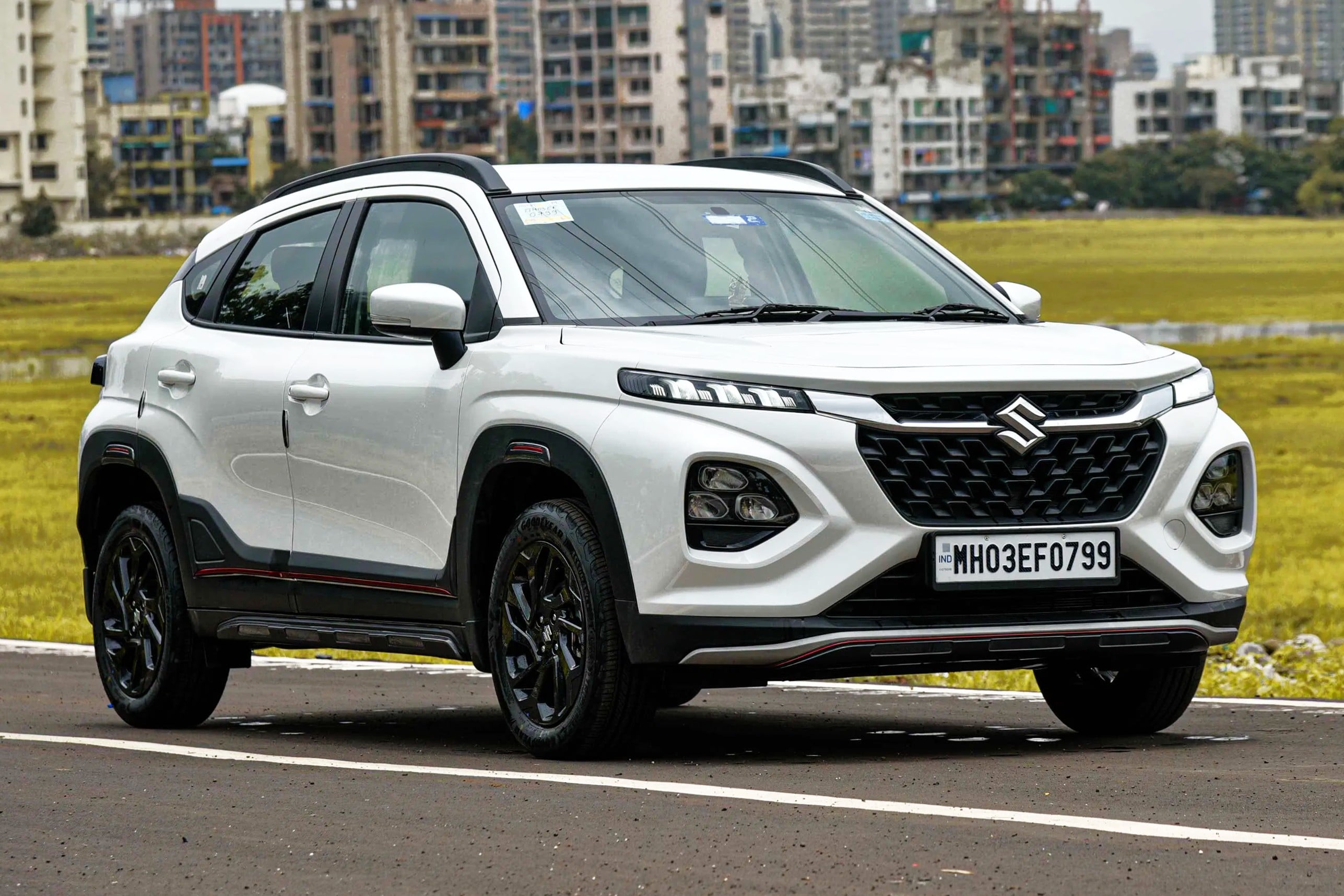
The Maruti Suzuki Fronx ranked fourth in September 2026 with 19,282 units, compared with 13,767 units in September 2025. Its dispatches increased 40 percent year on year. The Fronx’s crossover styling, comfortable cabin and fuel-efficient powertrains continue to support demand, although it lacks some popular features. It rivals the Nissan Magnite and Renault Kiger and is priced between Rs 6.85 lakh and Rs 11.84 lakh.
5. Maruti Suzuki Wagon R
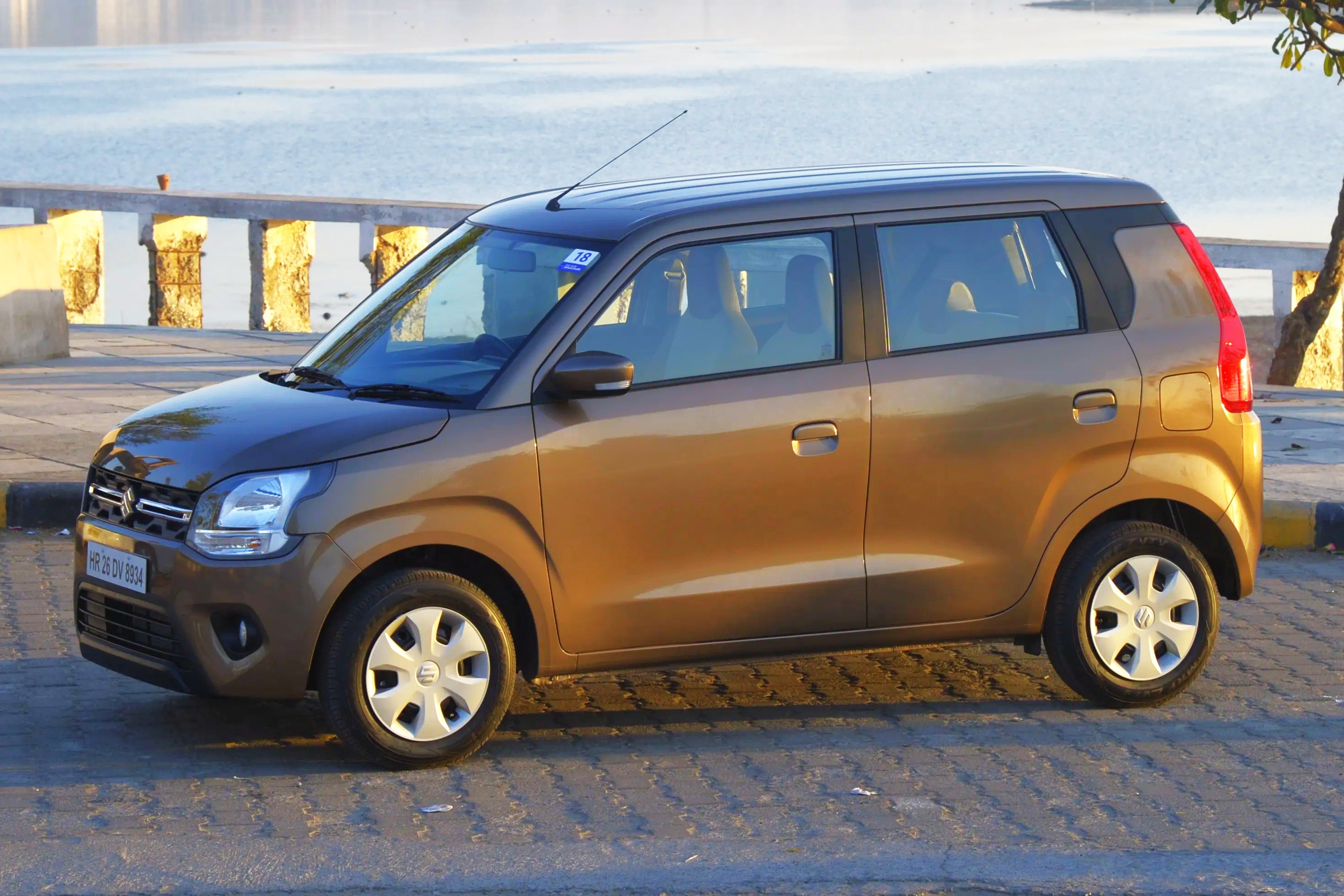
The Maruti Suzuki Wagon R recorded 18,835 units in September 2026, up 22 percent from 15,388 units in the same month last year. It finished fifth in the rankings. Its spacious cabin, ease of driving and low running costs remain key strengths, although its light build and limited highway ability are drawbacks. The Wagon R rivals the Tata Tiago and Citroen C3 and is priced between Rs 4.99 lakh and Rs 7.24 lakh.
6. Maruti Suzuki Dzire
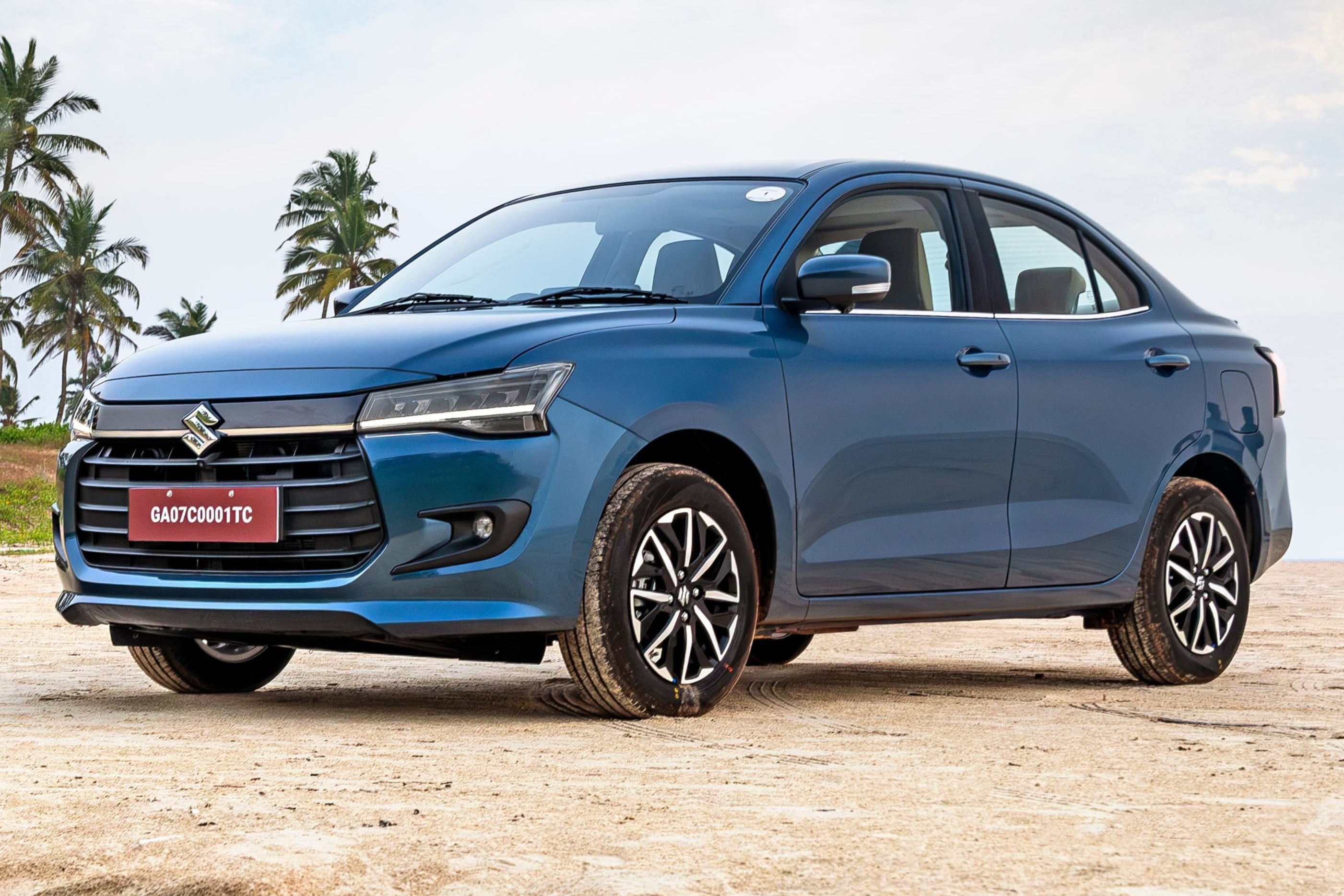
The Maruti Suzuki Dzire recorded 17,754 units in September 2026, down 11 percent from 20,038 units in September 2025. It ranked sixth and was the only sedan in the top 10. Strong fleet demand, fuel efficiency and a well-balanced ride and handling setup continue to support the compact sedan’s volumes. The Dzire rivals the Hyundai Aura, Honda Amaze and Tata Tigor and is priced between Rs 6.31 lakh and Rs 9.41 lakh.
7. Hyundai Creta
The Hyundai Creta, including the Creta Electric, recorded 17,657 units in September 2026, a 6 percent decline from 18,861 units in the year-ago month. It was the only Hyundai model in the top 10, finishing seventh. A roomy cabin, multiple powertrain options and a long feature list continue to attract buyers, although the top variants are expensive and some interior plastics could be better. The Creta rivals the Kia Seltos, Maruti Suzuki Grand Vitara, Toyota Urban Cruiser Hyryder, Honda Elevate and Tata Sierra. It is priced between Rs 10.91 lakh and Rs 20.14 lakh.
8. Maruti Suzuki Swift
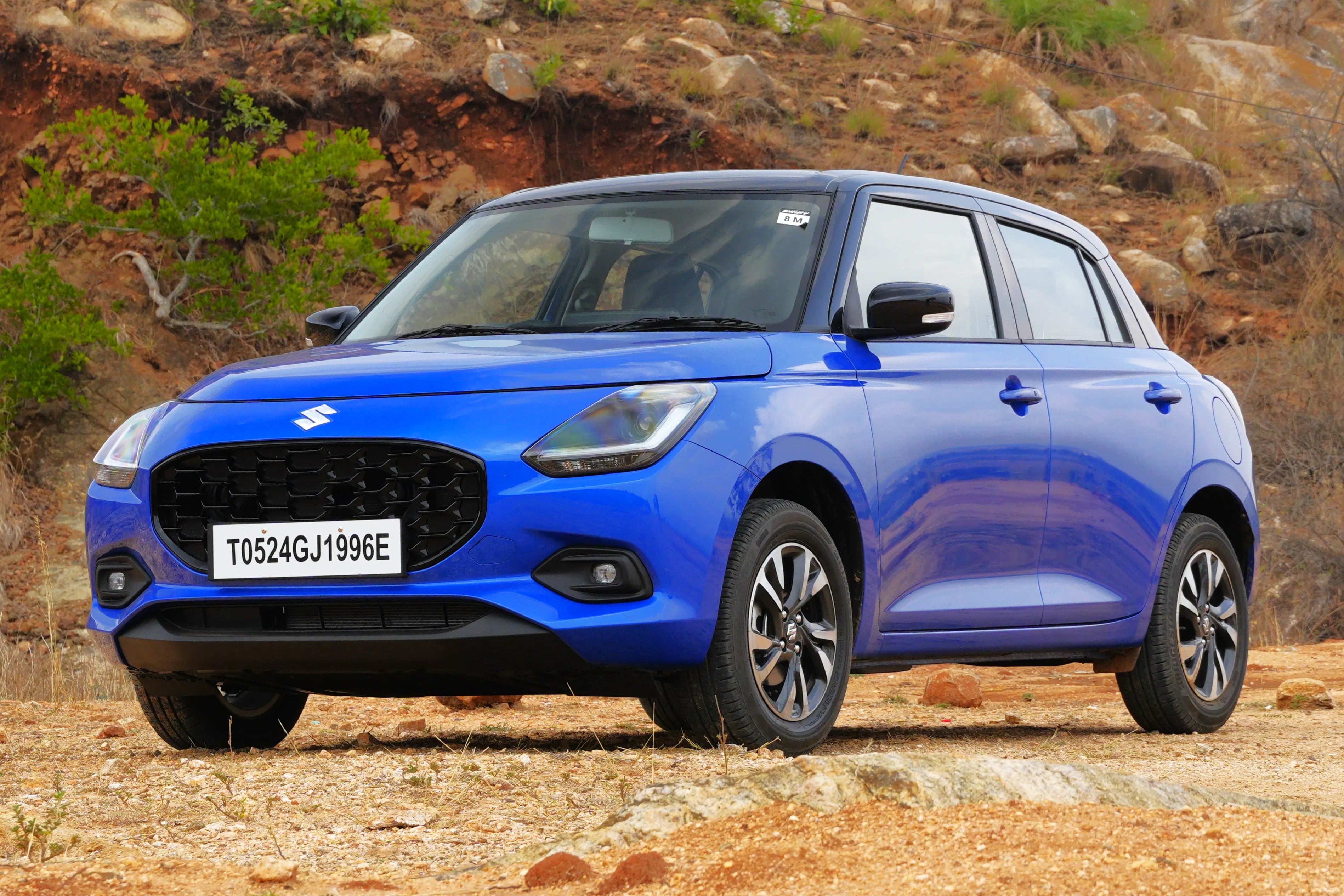
The Maruti Suzuki Swift recorded 17,399 units in September 2026, up 12 percent from 15,547 units a year earlier. It finished eighth and was one of three Maruti Suzuki hatchbacks in the top 10. Its high fuel efficiency, light controls and easy-to-drive nature continue to support demand, although the top variants are priced close to the more premium Baleno. The Swift rivals the Hyundai Grand i10 Nios and Tata Tiago and is priced between Rs 5.84 lakh and Rs 8.74 lakh.
9. Mahindra Scorpio
The Mahindra Scorpio, combining the Scorpio N and Scorpio Classic, recorded 17,313 units in September 2026. This was down 6 percent from 18,372 units in September 2025, placing it ninth. The Scorpio nameplate remains popular for its strong engines, rugged character and off-road ability. However, the third-row seating is cramped and the luggage area is not particularly practical. The Scorpio N rivals the Tata Safari, Hyundai Alcazar and Mahindra XUV 7XO and is priced from Rs 13.69 lakh to Rs 25.49 lakh.
10. Maruti Suzuki Ertiga
The Maruti Suzuki Ertiga completed the top 10 with 16,911 units in September 2026, up 40 percent from 12,115 units in the same month last year. It was the sixth Maruti Suzuki model in the rankings. The Ertiga continues to hold the title of India’s highest-selling MPV. Its practical cabin, strong fuel efficiency and value-for-money positioning attract both private and fleet buyers, although it misses out on some features offered by rivals. It is priced from Rs 8.90 lakh to Rs 13.04 lakh and rivals the Kia Carens and Toyota Rumion.
LPG Price 12 October 2026: त्योहारों का सीजन शुरू होते ही घरों का बजट और रसोई का खर्च चर्चा में आ जाता है। दशहरा, दिवाली और छठ पूजा जैसे बड़े त्योहारों के बीच गैस सिलेंडर की कीमतों पर भी लोगों की नजर बनी हुई है। हर परिवार चाहता है कि त्योहारों की तैयारियों के दौरान रसोई का खर्च नियंत्रण में रहे और जेब पर अतिरिक्त बोझ न पड़े। इसी बीच 12 अक्टूबर 2026 को एलपीजी गैस सिलेंडर की नई कीमतों को लेकर अपडेट सामने आया है। घरेलू उपभोक्ताओं के साथ-साथ कारोबारियों के लिए भी कमर्शियल सिलेंडर के दाम अहम हैं।
ऐसे में सिलेंडर बुक कराने से पहले ताजा कीमतों की जानकारी लेना जरूरी हो जाता है। अगर आप भी जानना चाहते हैं कि आज गैस सिलेंडर के दाम में कोई बदलाव हुआ है या नहीं, तो यह अपडेट आपके लिए उपयोगी है।
आज कितने में मिल रहा है गैस सिलेंडर?
भारत में लाखों परिवार खाना पकाने के लिए लिक्विफाइड पेट्रोलियम गैस (LPG) पर निर्भर हैं। ऐसे में सिलेंडर की कीमतों में मामूली बदलाव भी महीने के बजट पर असर डाल सकता है। 12 अक्टूबर को अलग-अलग शहरों में घरेलू और कमर्शियल सिलेंडर के दाम अलग-अलग हैं। नीचे दी गई सूची में अपने शहर की कीमत देख सकते हैं।
दिल्ली से मुंबई तक चेक करें नए भाव
शहर
घरेलू सिलेंडर
कमर्शियल सिलेंडर
दिल्ली
₹942.00
₹2,810.00
नोएडा
₹939.50
₹2,747.50
गुरुग्राम
₹951.00
₹2,828.00
मुंबई
₹912.50
₹2,764.00
कोलकाता
₹945.00
₹2,954.00
चेन्नई
₹950.00
₹2,983.00
पटना
₹1,000.00
₹3,100.50
रांची
₹1,010.50
₹2,988.00
जयपुर
₹945.50
₹2,839.00
नोट: ऊपर दी गई कीमतें उपलब्ध जानकारी के आधार पर हैं। सिलेंडर बुक करने से पहले अपनी गैस एजेंसी या आधिकारिक वितरक से मौजूदा दर की पुष्टि कर लें।
घरेलू LPG सिलेंडर के दाम क्यों नहीं बढ़े?
गैस सिलेंडर की कीमतें केवल घरेलू मांग से तय नहीं होतीं। अंतरराष्ट्रीय बाजार में एलपीजी की कीमत, आयात पर आने वाला खर्च, शिपिंग लागत और रुपये-डॉलर की विनिमय दर जैसे कई कारक इसकी कीमत को प्रभावित करते हैं।
भारत अपनी जरूरत की एलपीजी का एक बड़ा हिस्सा विदेशों से आयात करता है। ऐसे में वैश्विक बाजार में कीमतें बढ़ने पर गैस की खरीद महंगी हो सकती है। हालांकि, इसका असर उपभोक्ताओं पर कब और कितना पड़ेगा, यह तेल विपणन कंपनियों के मूल्य निर्धारण और सरकारी नीतियों पर निर्भर करता है।
त्योहारों के बीच गैस की कीमतों पर क्यों है सबकी नजर?
दिवाली और छठ जैसे त्योहारों में घरों में पकवान और मिठाइयां बनाने का सिलसिला बढ़ जाता है। इससे रसोई में गैस की खपत भी बढ़ सकती है। ऐसे समय में सिलेंडर के दाम स्थिर रहना परिवारों के मासिक खर्च के लिहाज से राहत की बात है।
घरेलू उपभोक्ताओं के लिए कीमतों के साथ-साथ सिलेंडर की उपलब्धता और बुकिंग से जुड़े नियमों पर नजर रखना भी जरूरी है। वहीं, कमर्शियल सिलेंडर के दाम होटल, रेस्तरां और खानपान से जुड़े कारोबारों की लागत को प्रभावित कर सकते हैं।
उज्ज्वला योजना से जरूरतमंद परिवारों को कैसे मिलती है मदद?
कम आय वाले परिवारों को स्वच्छ ईंधन उपलब्ध कराने के उद्देश्य से केंद्र सरकार प्रधानमंत्री उज्ज्वला योजना चलाती है। इस योजना के तहत पात्र लाभार्थियों को एलपीजी कनेक्शन दिया जाता है। पात्रता और लागू सरकारी प्रावधानों के अनुसार लाभार्थियों को गैस सिलेंडर पर सब्सिडी भी मिल सकती है।
स्वच्छ ईंधन का इस्तेमाल करने से लकड़ी और कोयले जैसे पारंपरिक ईंधनों के धुएं से होने वाले नुकसान को कम करने में मदद मिलती है। इसलिए एलपीजी की कीमतें केवल घरेलू बजट का मामला नहीं हैं, बल्कि स्वास्थ्य और स्वच्छ ऊर्जा तक पहुंच से भी जुड़ी हैं।
सिलेंडर बुक कराने से पहले जान लें ये बात
12 अक्टूबर 2026 के लिए उपलब्ध आंकड़ों के मुताबिक, घरेलू और कमर्शियल एलपीजी सिलेंडर की कीमतों में बदलाव नहीं हुआ है। हालांकि, अलग-अलग शहरों में स्थानीय दरें और लागू लाभ अलग हो सकते हैं। इसलिए बुकिंग करने से पहले अपनी गैस कंपनी की आधिकारिक वेबसाइट या वितरक से कीमत की पुष्टि करना बेहतर रहेगा।
LPG Price 11 October 2026: रसोई गैस सिलेंडर खरीदने की योजना बना रहे हैं, तो बुकिंग से पहले अपने शहर के नए रेट जरूर जान लें। अक्टूबर महीने में घरेलू LPG सिलेंडर की कीमतों में फिलहाल राहत बरकरार है, जबकि कमर्शियल सिलेंडर महंगा हो गया है। 1 अक्टूबर 2026 से 19 किलो वाले कमर्शियल सिलेंडर के दाम में 62.50 रुपये की बढ़ोतरी की गई थी। इसका असर होटल, रेस्टोरेंट और छोटे कारोबारियों के खर्च पर पड़ सकता है।
वहीं, घरेलू उपभोक्ताओं के लिए 14.2 किलो वाले सिलेंडर की कीमत में कोई नया बदलाव नहीं हुआ है। आइए जानते हैं दिल्ली, मुंबई, पटना समेत प्रमुख शहरों में आज घरेलू और कमर्शियल LPG सिलेंडर कितने रुपये में मिल रहा है।
घरेलू और कमर्शियल LPG सिलेंडर के आज के भाव
शहर के अनुसार LPG सिलेंडर की कीमत अलग-अलग हो सकती है। नीचे दी गई तालिका में प्रमुख शहरों के घरेलू और कमर्शियल सिलेंडर के दाम एक साथ दिए गए हैं।
शहर
घरेलू सिलेंडर (14.2 किलो)
कमर्शियल सिलेंडर (19 किलो)
दिल्ली
₹942.00
₹2,810.00
नोएडा
₹939.50
₹2,747.50
गुरुग्राम
₹951.00
₹2,828.00
मुंबई
₹912.50
₹2,764.00
कोलकाता
₹945.00
₹2,954.00
चेन्नई
₹950.00
₹2,983.00
पटना
₹1,000.00
₹3,100.50
रांची
₹1,010.50
₹2,988.00
जयपुर
₹945.50
₹2,839.00
नोट: ये कीमतें उपलब्ध दरों पर आधारित हैं। बुकिंग से पहले संबंधित तेल कंपनी की आधिकारिक वेबसाइट या गैस वितरक से अपने शहर का ताजा रेट जरूर जांच लें।
अक्टूबर में कमर्शियल सिलेंडर क्यों हुआ महंगा?
तेल कंपनियों ने 1 अक्टूबर 2026 को 19 किलो वाले कमर्शियल LPG सिलेंडर की कीमत में 62.50 रुपये की बढ़ोतरी की थी। इसका असर होटल, रेस्टोरेंट, ढाबों और अन्य व्यावसायिक प्रतिष्ठानों पर पड़ सकता है, जहां खाना बनाने के लिए कमर्शियल सिलेंडर का इस्तेमाल किया जाता है। दूसरी ओर, घरेलू उपभोक्ताओं के लिए 14.2 किलो वाले सिलेंडर की कीमत में इस दौरान कोई नया बदलाव नहीं किया गया। इससे घरों में खाना बनाने के खर्च पर तत्काल अतिरिक्त बोझ नहीं पड़ा।
अलग-अलग शहरों में LPG के दाम क्यों बदलते हैं?
गैस सिलेंडर की खुदरा कीमत तय होने में कई कारक अहम भूमिका निभाते हैं। इनमें अंतरराष्ट्रीय बाजार में LPG की कीमत, आयात लागत, डॉलर के मुकाबले रुपये की स्थिति, परिवहन खर्च और स्थानीय कर शामिल हैं। इसी वजह से दिल्ली, मुंबई, पटना और रांची जैसे शहरों में सिलेंडर की कीमत एक जैसी नहीं होती।
भारत अपनी LPG जरूरतों का बड़ा हिस्सा आयात से पूरा करता है। इसलिए अंतरराष्ट्रीय बाजार में होने वाले उतार-चढ़ाव का असर गैस की लागत पर पड़ सकता है। हालांकि, घरेलू उपभोक्ताओं के लिए खुदरा कीमतों में बदलाव संबंधित फैसलों पर निर्भर करता है।
LPG सब्सिडी का लाभ किन उपभोक्ताओं को मिलता है?
सरकारी योजनाओं के तहत पात्र उपभोक्ताओं को घरेलू LPG सिलेंडर पर सब्सिडी का लाभ मिल सकता है। सब्सिडी की पात्रता और मिलने वाली राशि योजना के नियमों के अनुसार तय होती है। इसलिए सभी उपभोक्ताओं का वास्तविक खर्च एक जैसा होना जरूरी नहीं है।
सब्सिडी का लाभ लेने वाले उपभोक्ताओं को अपनी पात्रता और बैंक खाते में सब्सिडी की स्थिति की जांच करनी चाहिए। बायोमेट्रिक आधार ऑथेंटिकेशन से संबंधित किसी भी अनिवार्य प्रक्रिया के लिए भी अपनी गैस कंपनी या आधिकारिक सरकारी सूचना से पुष्टि करना बेहतर है।
सिलेंडर बुक करने से पहले इन बातों का रखें ध्यान
गैस बुक करने से पहले यह सुनिश्चित कर लें कि आप घरेलू या कमर्शियल में से सही श्रेणी का सिलेंडर बुक कर रहे हैं। इसके अलावा, अपने शहर का लागू रेट, सब्सिडी की पात्रता और गैस वितरक की ओर से बताई गई अंतिम राशि भी जांच लें। इससे बिल को लेकर भ्रम नहीं रहेगा और आप अपने मासिक बजट की बेहतर योजना बना सकेंगे।
Petrol Diesel Price Today: हर दिन की शुरुआत सिर्फ सूरज की किरणों से नहीं होती, बल्कि पेट्रोल और डीजल की नई कीमतों से भी होती है, जो आम आदमी की जेब पर सीधा असर डालती हैं। सुबह 6 बजे देश की तेल विपणन कंपनियां (OMCs) ताजा दरें जारी करती हैं, जो अंतरराष्ट्रीय बाजार में कच्चे तेल की कीमतों और डॉलर-रुपए की विनिमय दर में आए बदलावों पर आधारित होती हैं। ये बदलाव रोजमर्रा की जिंदगी को प्रभावित करते हैं, चाहे वो ऑफिस जाने वाला व्यक्ति हो या फल-सब्जी बेचने वाला व्यापारी।
ऐसे में हर दिन की कीमतों की जानकारी रखना सिर्फ जरूरी ही नहीं, बल्कि समझदारी भी है। सरकार की यह प्रणाली पारदर्शिता सुनिश्चित करती है ताकि उपभोक्ताओं को किसी तरह की भ्रमित जानकारी न मिले।
आपके शहर में आज का पेट्रोल-डीजल का भाव
ये रहे 11 अक्टूबर 2026 के प्रमुख शहरों के पेट्रोल-डीजल के ताजा रेट
नई दिल्ली: पेट्रोल ₹102.12 प्रति लीटर और डीजल ₹95.20 प्रति लीटर।
मुंबई: पेट्रोल ₹111.18 और डीजल ₹97.83 प्रति लीटर।
कोलकाता: पेट्रोल ₹113.47 जबकि डीजल ₹99.82 प्रति लीटर।
चेन्नई: पेट्रोल ₹107.77 और डीजल ₹99.55 प्रति लीटर।
गुरुग्राम: पेट्रोल ₹102.77 तथा डीजल ₹95.44 प्रति लीटर।
नोएडा: पेट्रोल ₹102.12 और डीजल ₹95.56 प्रति लीटर।
बेंगलुरु: पेट्रोल ₹110.93 जबकि डीजल ₹98.80 प्रति लीटर।
भुवनेश्वर: पेट्रोल ₹109.92 और डीजल ₹100.92 प्रति लीटर।
चंडीगढ़: पेट्रोल ₹98.10 तथा डीजल ₹86.09 प्रति लीटर।
हैदराबाद: पेट्रोल ₹115.69 और डीजल ₹103.82 प्रति लीटर।
जयपुर: पेट्रोल ₹112.66 जबकि डीजल ₹97.78 प्रति लीटर।
लखनऊ: पेट्रोल ₹102.05 और डीजल ₹95.55 प्रति लीटर।
पटना: पेट्रोल ₹113.35 तथा डीजल ₹99.36 प्रति लीटर।
तिरुवनंतपुरम: पेट्रोल ₹115.49 और डीजल ₹104.40 प्रति लीटर।
पिछले दो साल से स्थिर क्यों हैं कीमतें?
मई 2022 के बाद से केंद्र और कई राज्यों द्वारा टैक्स में कटौती की गई, जिसके बाद पेट्रोल-डीजल की कीमतों में स्थिरता देखी जा रही है। हालांकि अंतरराष्ट्रीय बाजार में उतार-चढ़ाव होता रहता है, फिर भी भारतीय उपभोक्ताओं के लिए कीमतें तुलनात्मक रूप से स्थिर बनी हुई हैं।
किन कारणों से तय होती हैं ईंधन की कीमतें?
कच्चे तेल की कीमतें:
पेट्रोल और डीजल का उत्पादन मुख्य रूप से कच्चे तेल से होता है। जब अंतरराष्ट्रीय स्तर पर कच्चे तेल की कीमतें बढ़ती हैं, तो इसका असर सीधे भारतीय बाजार पर पड़ता है।
डॉलर के मुकाबले रुपया:
भारत अधिकतर कच्चा तेल आयात करता है, और यह डॉलर में खरीदा जाता है। यदि रुपया कमजोर होता है, तो ईंधन महंगा हो जाता है।
सरकारी टैक्स और शुल्क:
केंद्र और राज्य सरकारें पेट्रोल-डीजल पर भारी टैक्स लगाती हैं, जो खुदरा मूल्य का बड़ा हिस्सा होते हैं। यही कारण है कि राज्यों में कीमतों में अंतर होता है।
रिफाइनिंग की लागत:
कच्चे तेल को इस्तेमाल लायक बनाने की प्रक्रिया (रिफाइनिंग) में भी खर्च होता है। ये लागत कच्चे तेल की गुणवत्ता और रिफाइनरी की क्षमता पर निर्भर करती है।
मांग और आपूर्ति का संतुलन:
बाजार में ईंधन की मांग अगर बढ़ जाती है, तो कीमतें भी ऊपर जाने लगती हैं। खासकर त्योहारों, गर्मी या सर्दी के मौसम में ईंधन की खपत ज्यादा होती है।
कैसे करें अपने शहर की कीमतें SMS से चेक?
अगर आप मोबाइल से ईंधन की कीमत जानना चाहते हैं, तो ये प्रक्रिया आसान है:
Indian Oil ग्राहक: अपने शहर का कोड टाइप करें और उसे “RSP” के साथ 9224992249 पर भेजें।
BPCL ग्राहक: “RSP” लिखकर 9223112222 पर भेजें।
HPCL ग्राहक: “HP Price” लिखकर 9222201122 पर भेजें।