Mahindra XUV 3XO ZNG: CNG efficiency, petrol performance

Mahindra XUV 3XO ZNG: CNG efficiency, petrol performance
Mahindra XUV 3XO CNG review

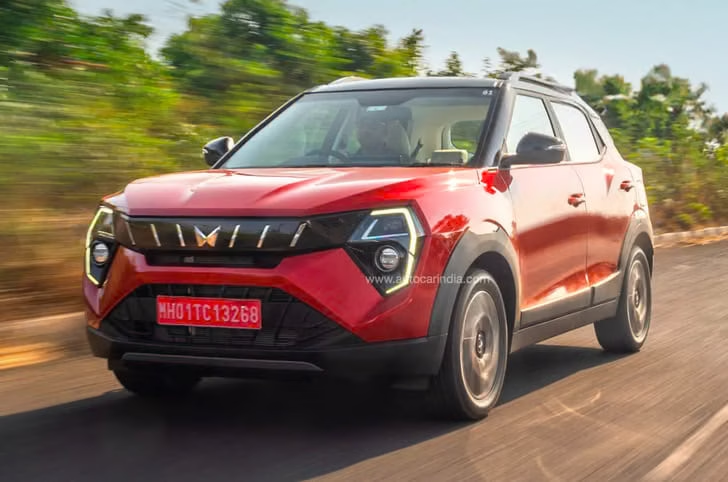
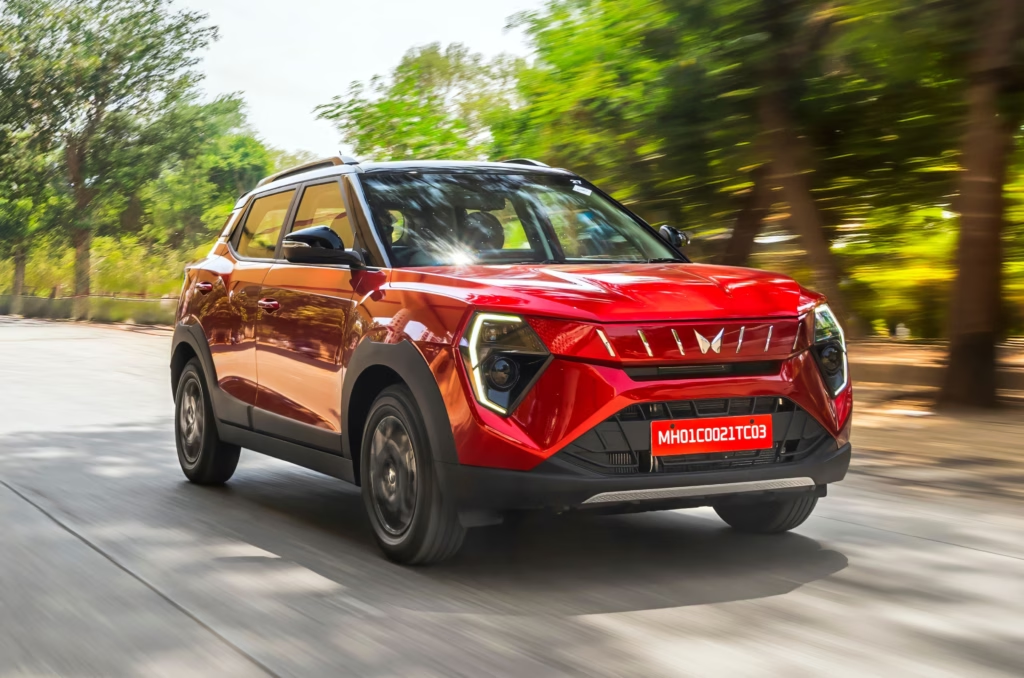
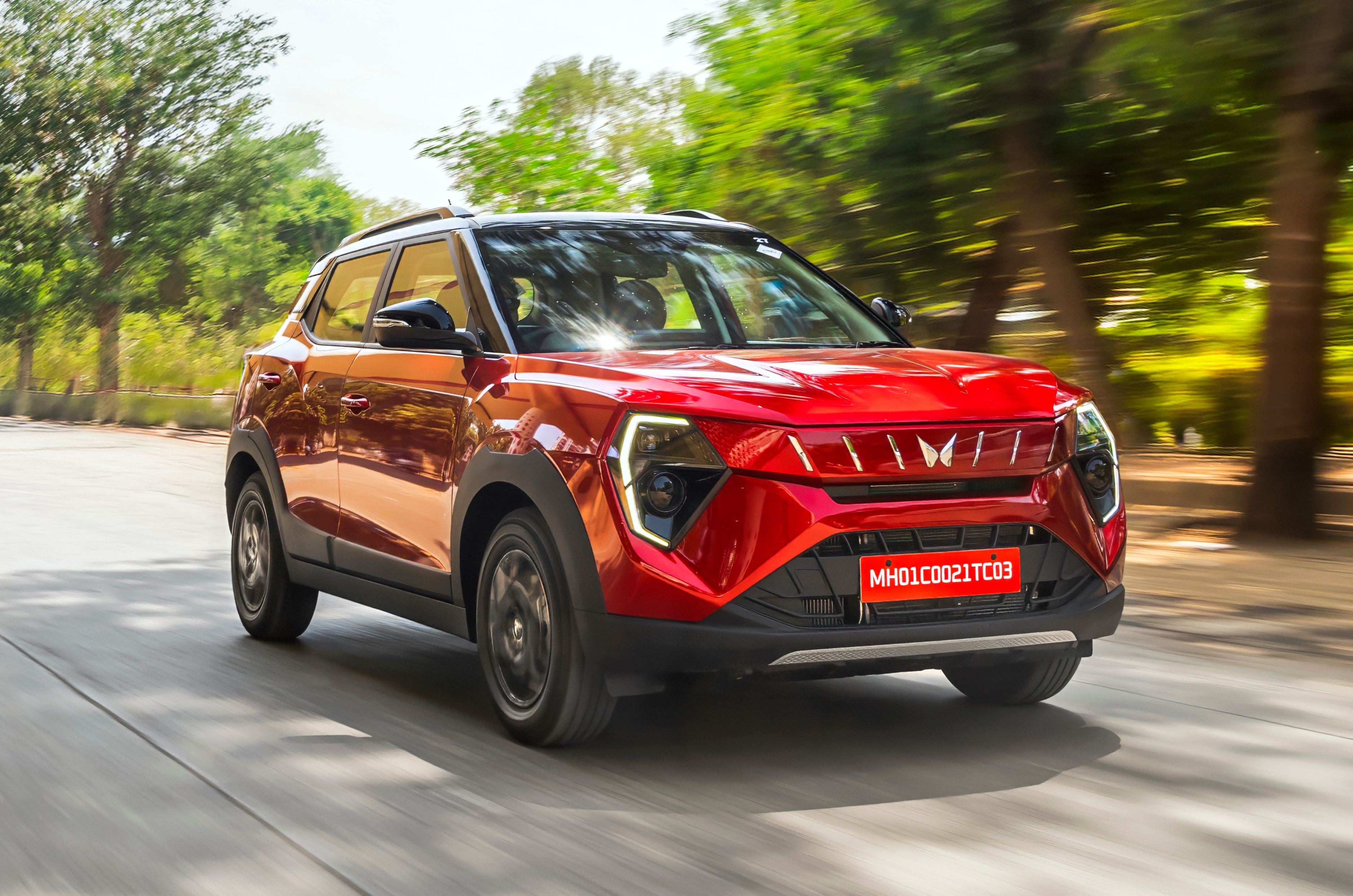
CNG is shaping up to be the new diesel. For the second year running, CNG passenger vehicles outsold diesels, accounting for 21.98 percent of the market compared to 18.08 percent for oil burners in FY2026. That is a very big deal. Big enough for Mahindra – traditionally a diesel-first brand – to sit up, take notice and want a piece of the action. Its first attempt – if you don’t count the fleet-only KUV100 CNG – is the Mahindra XUV 3XO ZNG. Read as Zee-NG and pronounced Zing. The headline is that it makes the same amount of power as the pure-petrol 3XO TCMPFi. We experienced it in Mumbai to see if it really has zing.

Mahindra XUV 3XO ZNG Exterior Design and Engineering – 7/10
Mahindra XUV 3XO ZNG

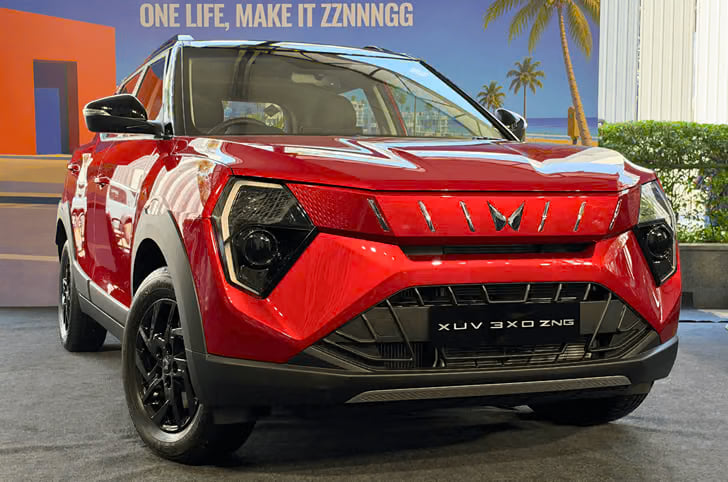
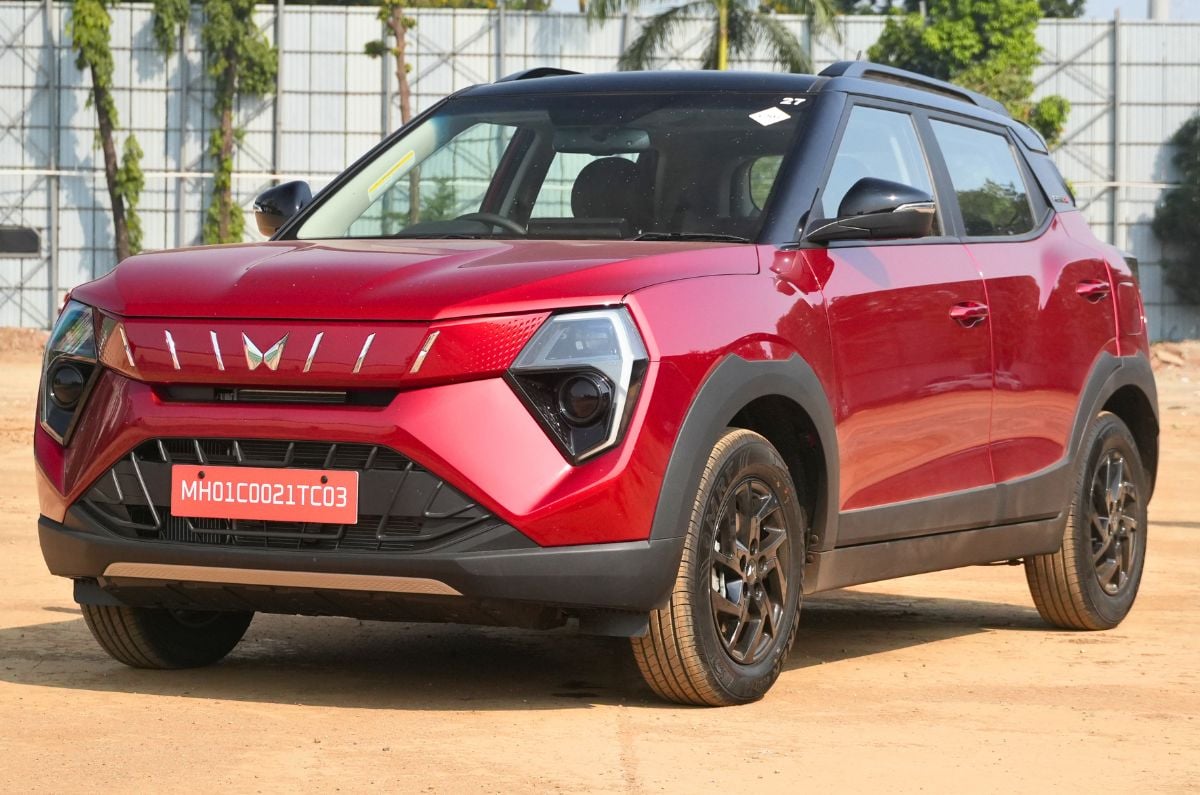
Outside, there isn’t much to tell the ZNG apart from the regular XUV 3XO. Our test car is based on the REVX trim and gets a body-coloured grille, while other trims gloss black. LED lighting is present, though fog lamps are missing even on the top REVX A CNG trim. 
Mahindra XUV 3XO ZNG
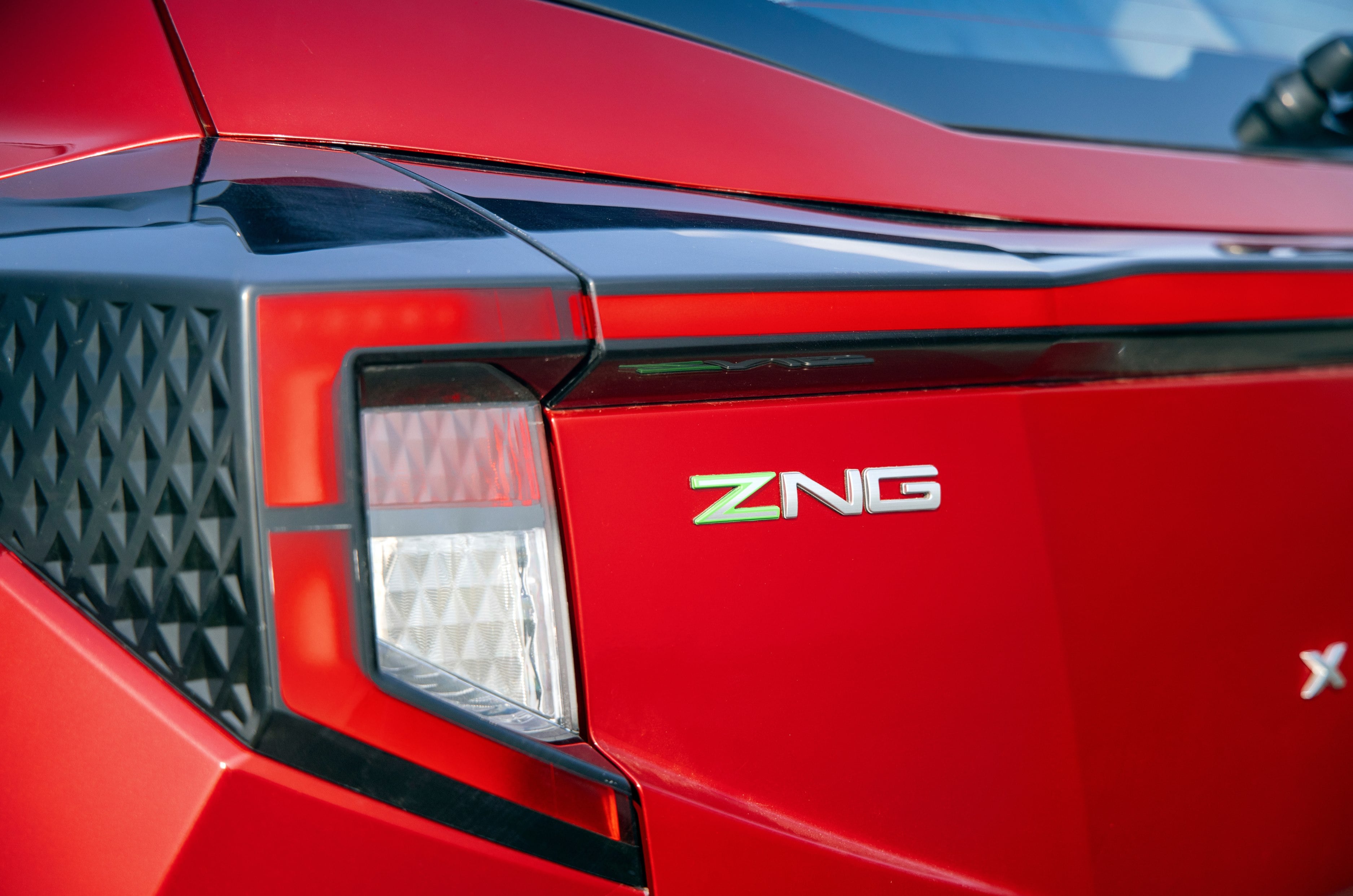
ZNG badge on the tailgate is the only exterior telltale of the CNG powertrain.

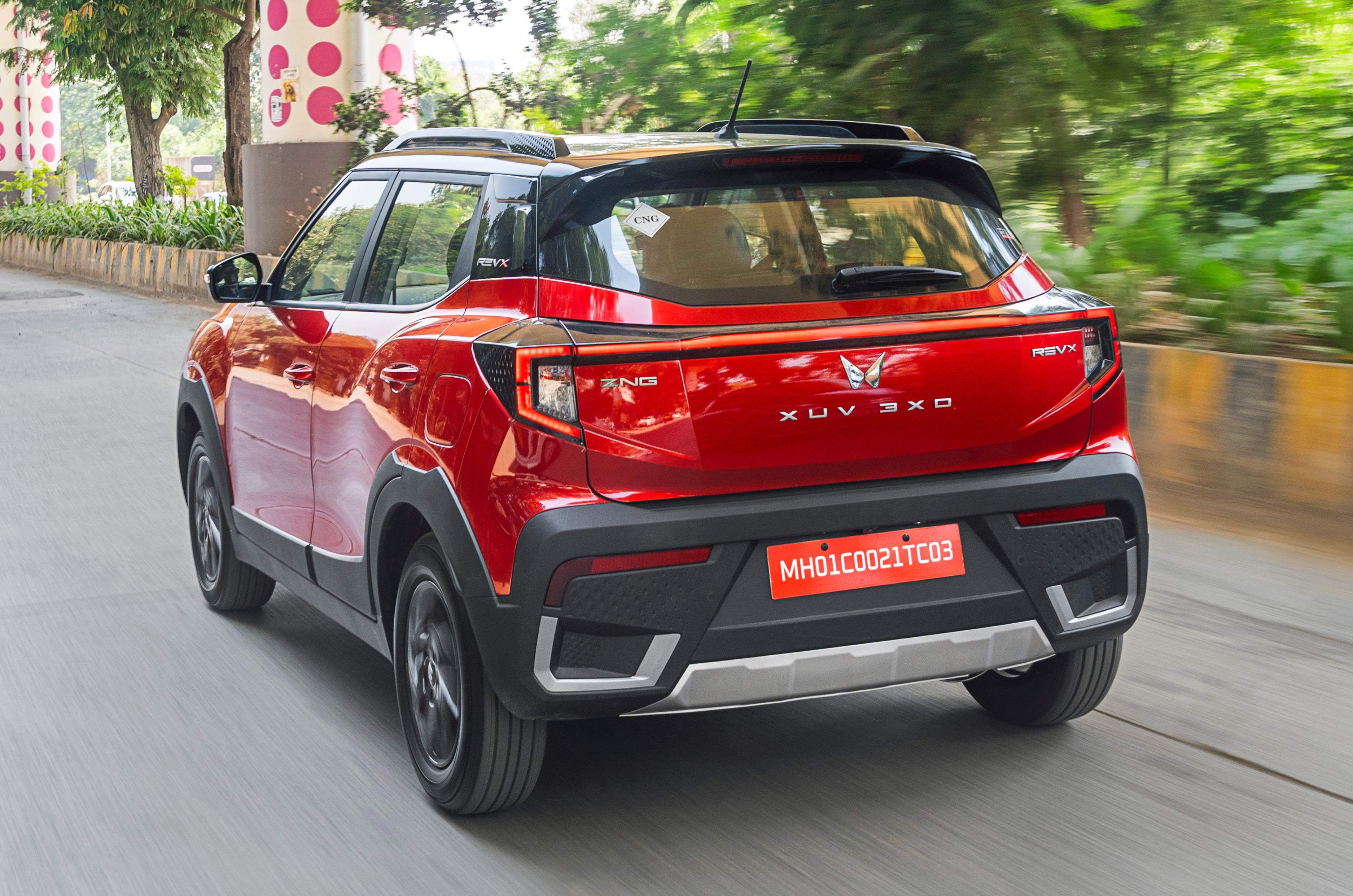
In profile, you’ll notice the gloss black 16-inch wheels – the largest size available on the ZNG, with 17s reserved for the pure-petrol TGDi. At the rear is the clearest giveaway of its CNG powertrain: a ZNG badge on the tailgate.

XUV 3XO ZNG Interior Space and Comfort – 8/10
Mahindra XUV 3XO ZNG

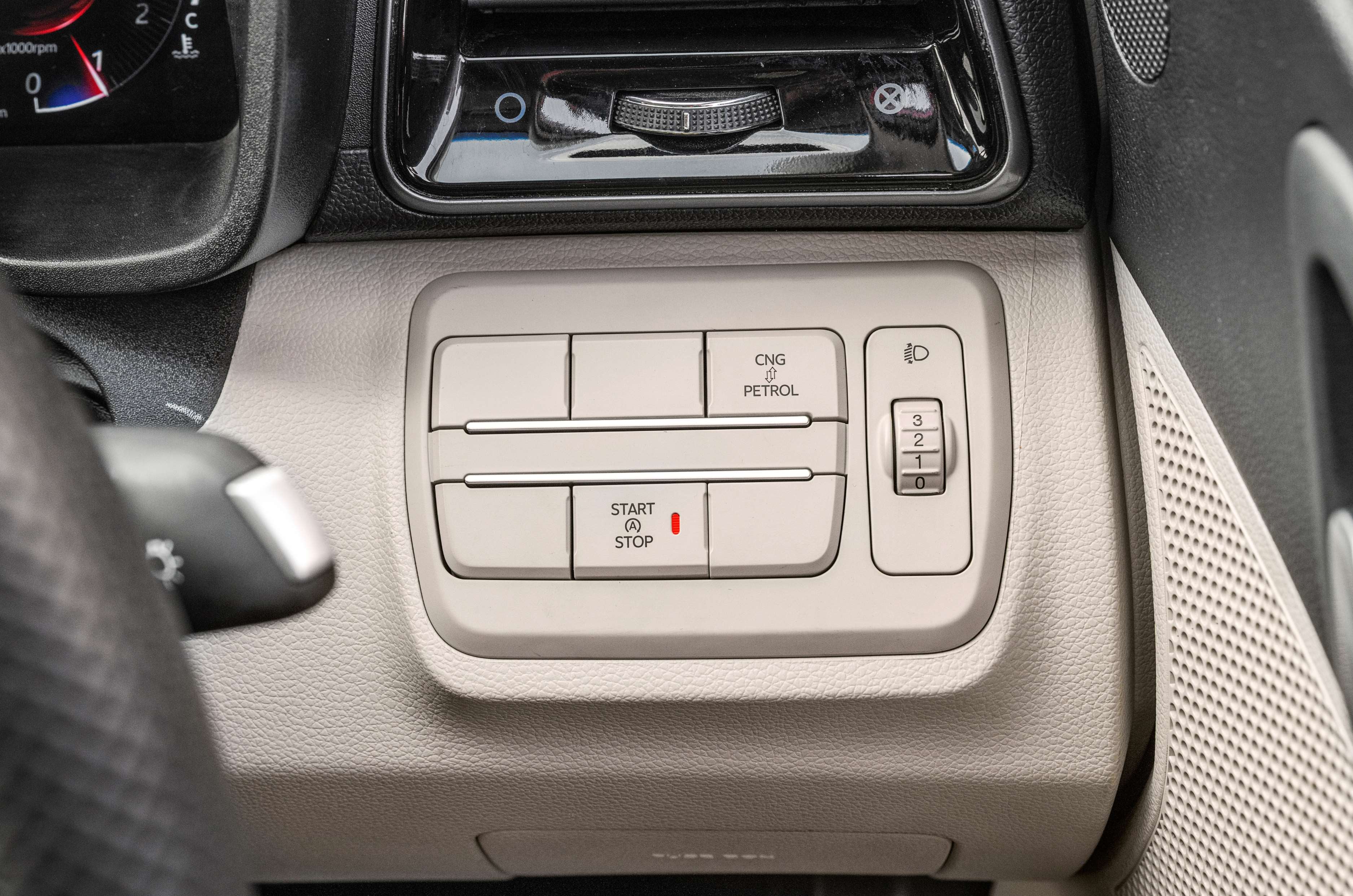
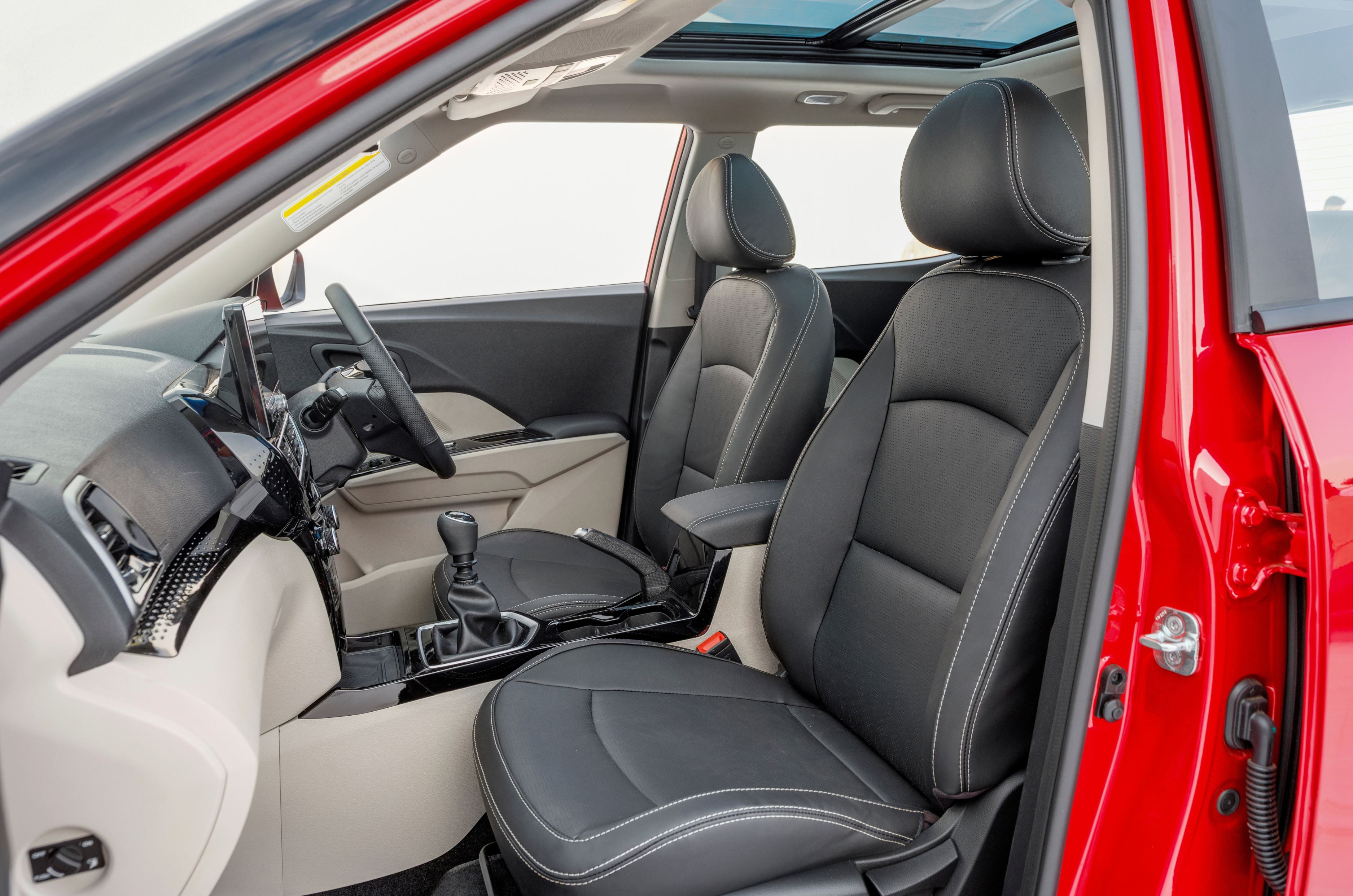
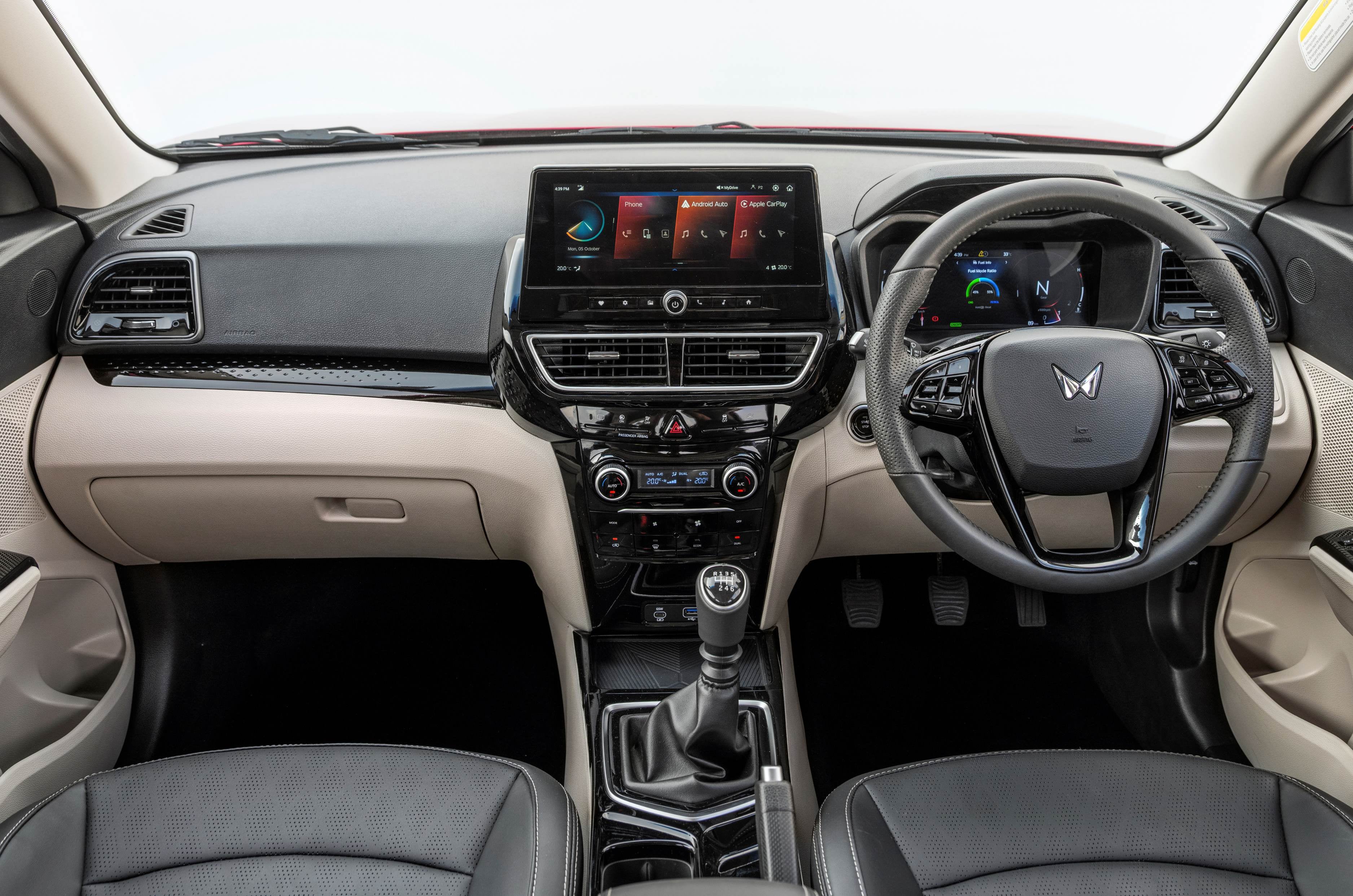
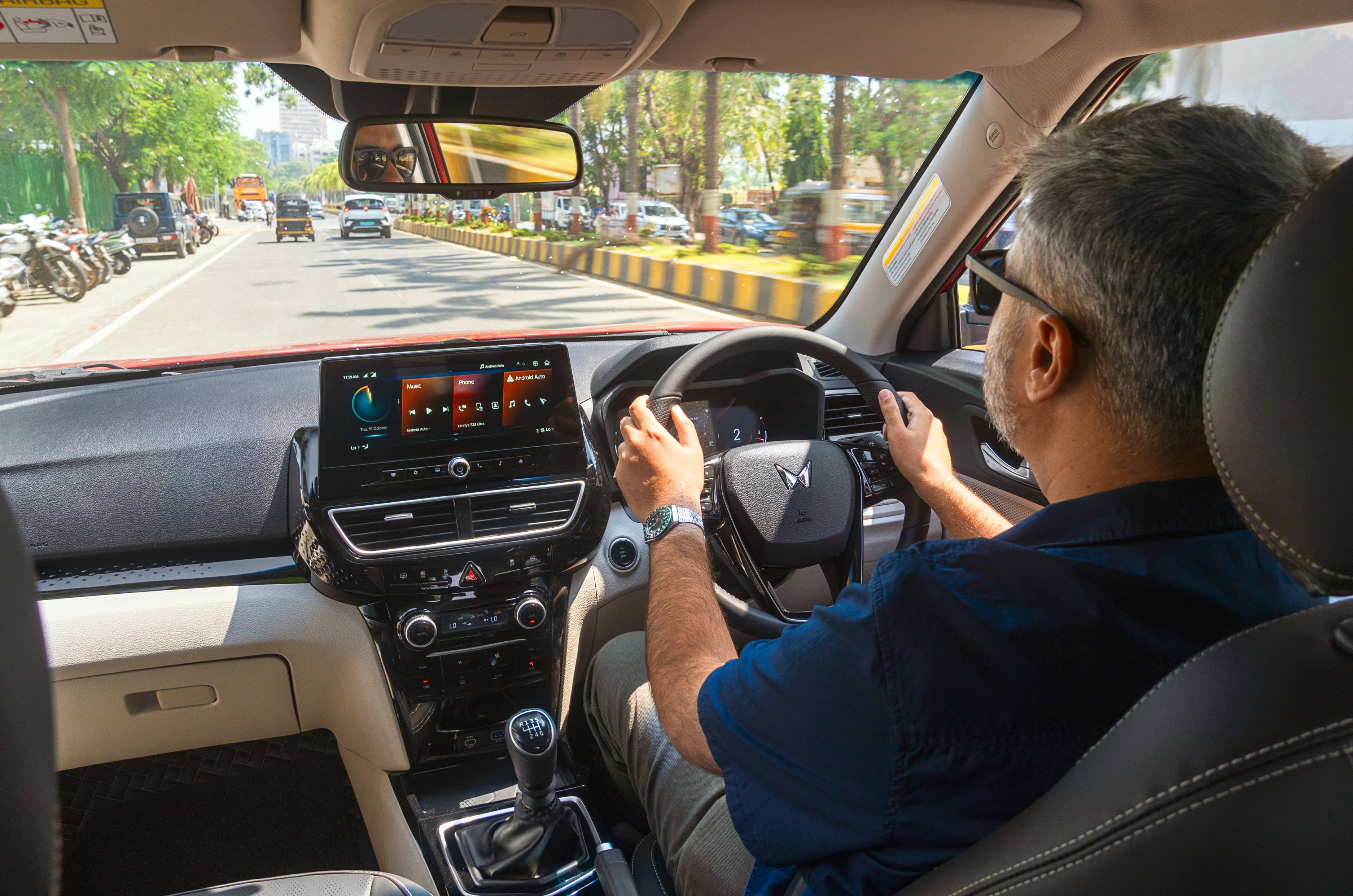
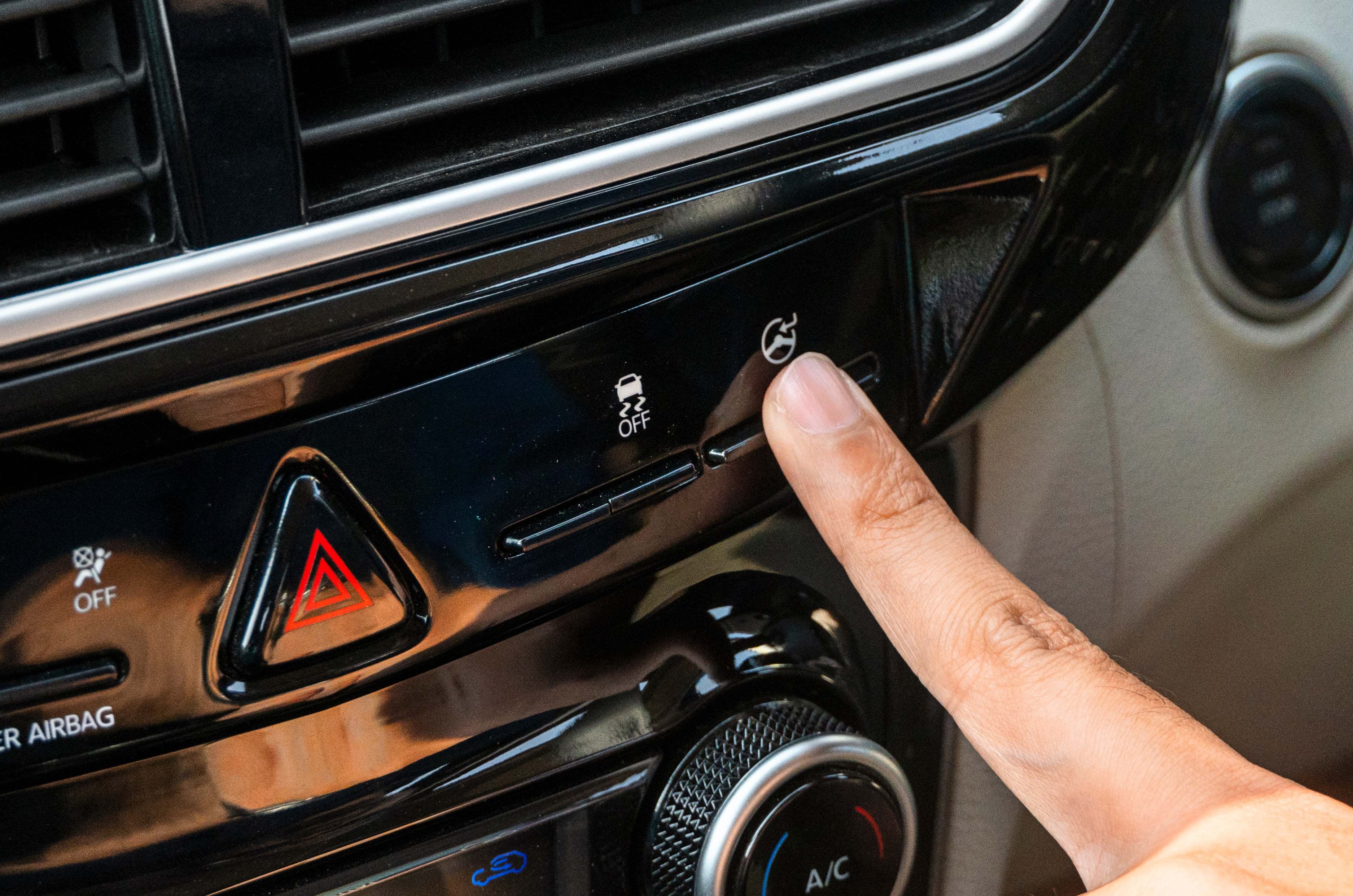
Inside, too, the ZNG is largely identical to its petrol and diesel counterparts, with a CNG switch to the right of the steering wheel being the only real giveaway. The dual-tone dashboard with lots of gloss black trim is otherwise carried over unchanged. Despite not being the top of the line variant, the cabin has an upmarket and well-trimmed air to it. 
Mahindra XUV 3XO ZNG

Our REVX A test car gets black leatherette seats, which can get quite hot, and they lack ventilation, just like the regular 3XO. The front seats are also a bit tight for larger frames, and the lack of a telescoping steering makes it hard to get comfy. Another ergonomic gripe is the tight driver’s footwell, with no dead pedal – pertinent as a six-speed manual is your only gearbox option.
Mahindra XUV 3XO ZNG

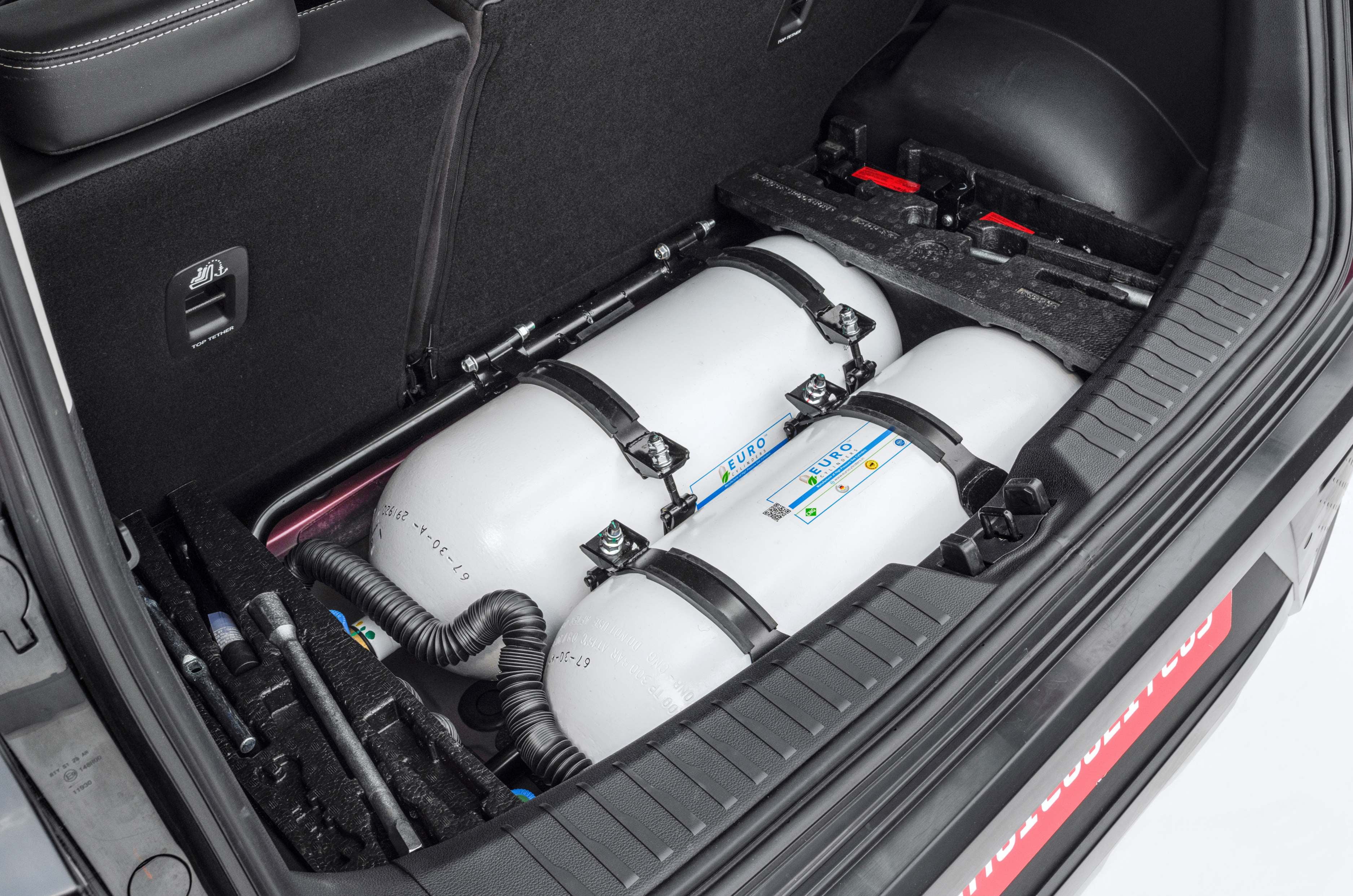
The rear seat remains spacious and comfortable for its segment, and accommodating three abreast is not an issue. One area where the 3XO fell short was boot space, measuring just 295 litres – the smallest in the segment. To keep as much of the boot intact as possible, Mahindra has moved the space-saver spare under the body and placed a dual-tank setup under the boot floor. The combined liquid capacity of the tanks is 60 litres, which translates to 10kg of CNG capacity. 
Mahindra XUV 3XO ZNG

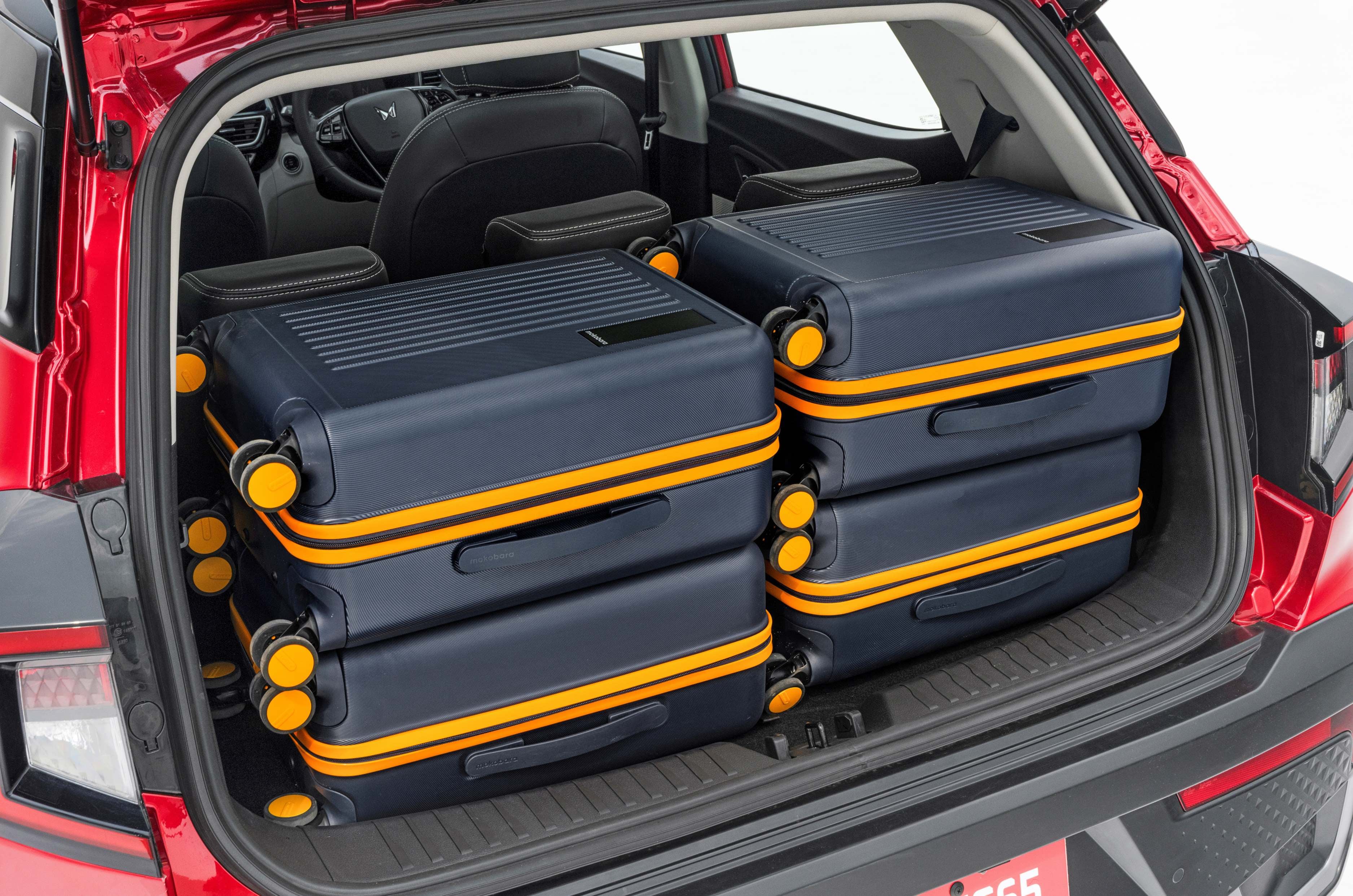
Boot capacity has dropped to 270 litres, which is smallest amongst immediate rivals, however it remains fairly wide and can accommodate up to four cabin bags.

Mahindra XUV 3XO ZNG Features and Safety – 8/10

The 3XO ZNG is available in four trims, which offer the same features as their petrol and diesel counterparts. The highlights are a pair of sharp 10.25-inch screens for infotainment and instrumentation, a panoramic sunroof and a six-speaker audio system with Dolby Atmos. 
Mahindra XUV 3XO ZNG

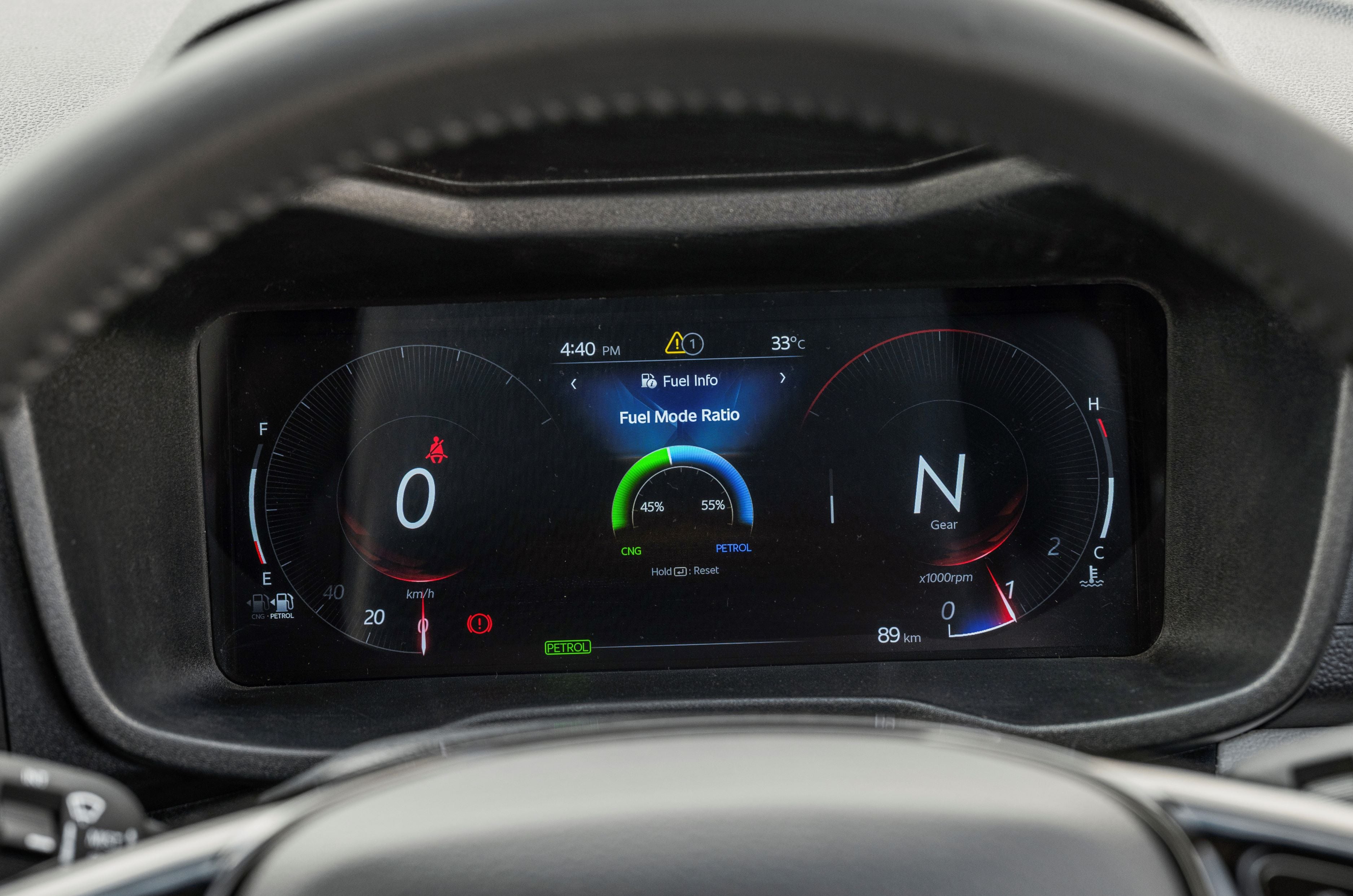
The digital instrument cluster has a few more CNG-related functions. Hit the CNG switch, and an indicator on the digital instrument cluster confirms the fuel you are using, while the fuel gauge changes to display the fuel level. The cluster can also show the ratio of time spent in each fuel mode and the corresponding fuel efficiency.
Mahindra XUV 3XO ZNG

As such, the 3XO ZNG is reasonably well equipped compared to equivalent variants of its main rival, the Tata Nexon iCNG. However, the Nexon offers a wider choice of CNG variants, with top-spec versions getting features such as a 360-degree camera, ventilated front seats and a wireless charger, all of which the Mahindra misses out on.

The safety kit is quite comprehensive, featuring six airbags, ESC, ISOFIX mounts, a tyre pressure monitoring system and a reversing camera. The regular XUV 3XO is also a five-star Bharat NCAP safety-rated car, and Mahindra says the ZNG has been engineered to meet the same standards.

Mahindra XUV 3XO ZNG Performance and Refinement – 8/10

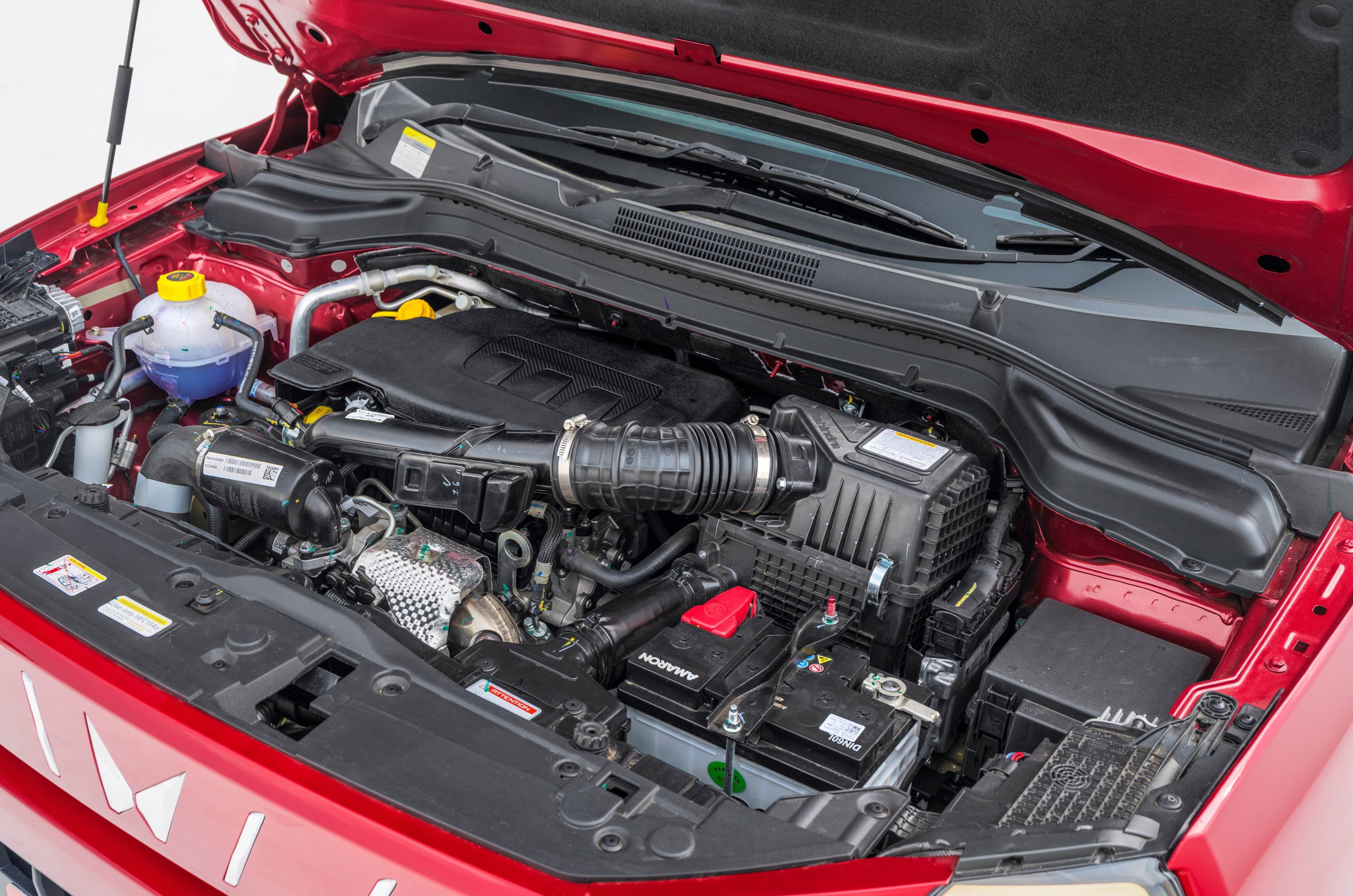
Powering the ZNG is the same 1.2-litre multi-point fuel injection (MPFi) turbo-petrol engine that does duty on the lower and mid-level trims of the 3XO. The kicker is that Mahindra quotes the exact same power and torque figures for CNG as for the pure-petrol version – 111hp and 200Nm. That is highly unusual, as a 10 to 15 percent drop in power figures is the norm. For comparison, its direct rival, the Tata Nexon iCNG, loses 20hp when switching from petrol to CNG. Mahindra says it has managed this with the use of a 10-bar CNG injection system. It also says the turbocharger and ECU calibration have been optimised to run on CNG, and initial impressions seem to back this up.
Mahindra XUV 3XO ZNG
1.2-litre TCMPFI engine uses a 10-bar CNG injection system; Mahindra claims identical 111hp and 200Nm figures for petrol and CNG.

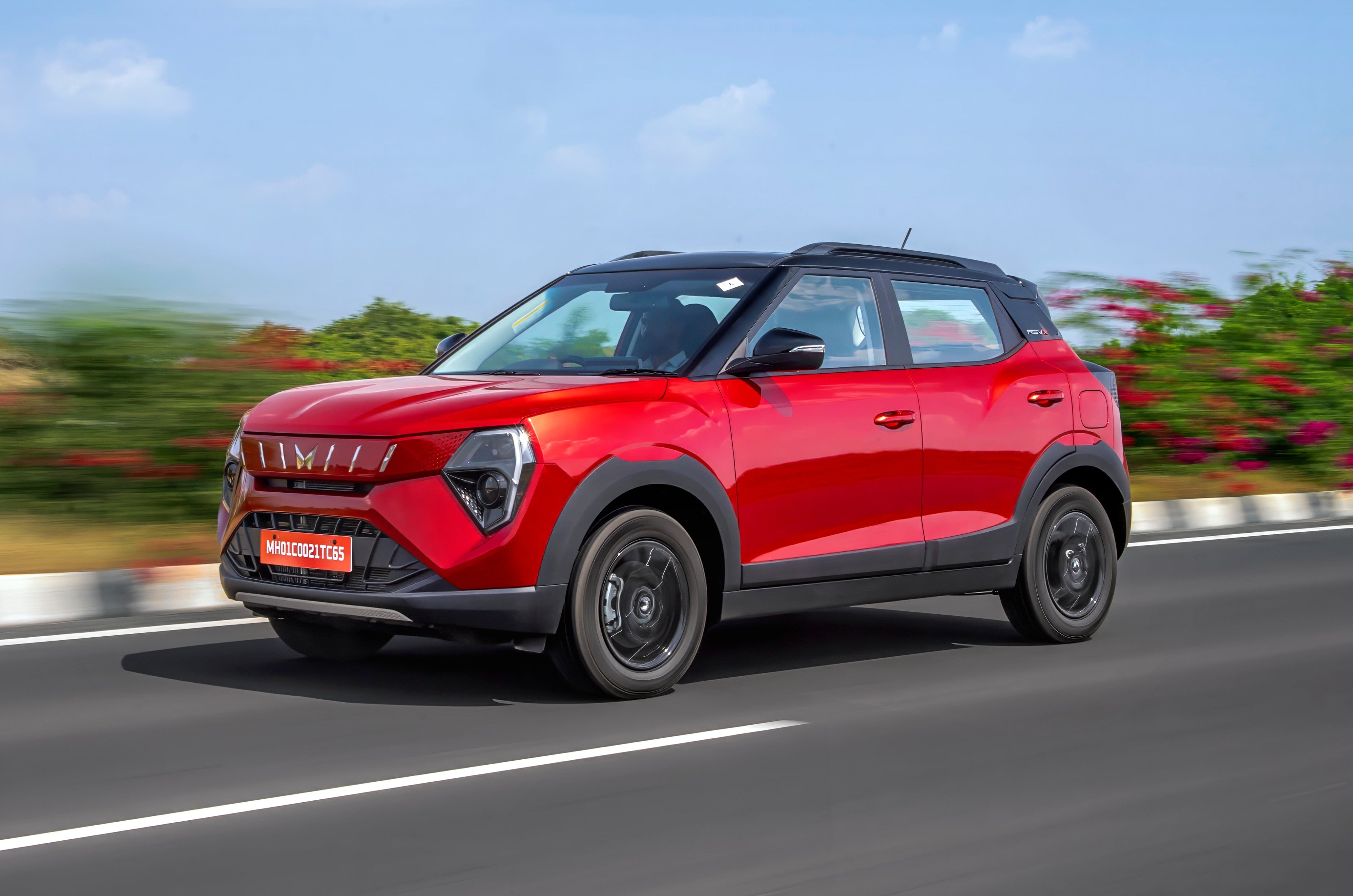
In everyday driving, the difference between CNG and petrol modes is barely noticeable. The engine feels smooth and refined in both, only becoming audible when extended. Performance, too, is very similar. Throttle response is good and the motor feels tractable, rarely requiring a shift into first when negotiating a speed breaker. There is a bit of turbo lag below 2,000rpm, but get past this and performance feels brisk.

The switch between modes is also quite seamless, with no apparent jerkiness or change in engine note. However, switch back and forth a few times, and you’ll notice the throttle response is ever so slightly duller in CNG mode, and there are times when it will hesitate on sudden throttle inputs. Overall, though, calibration in CNG mode is very good, and in everyday driving, there is very little to fault.
Mahindra XUV 3XO ZNG
Performance feels brisk once you get past 2000rpm.

While the pure-petrol version of this engine can be had with a six-speed torque-converter automatic, the ZNG is only available with the six-speed manual. While its immediate rivals don’t offer an automatic with CNG either, Mahindra would have done well to offer at least an AMT. As it is, the manual is a smooth and easy-to-use unit, but not quite at the level of its Japanese or Korean competition. Its throws are a bit too long, and the clutch, while light, has a long travel.

In terms of outright performance, Mahindra claims an 11.8sec 0-100kph time for the ZNG. We conducted a quick performance test (not to Autocar India standards), which resulted in a 0-100kph time of 12.98s on petrol and 12.64s on CNG – a difference we put down to the launch. In-gear acceleration figures paint a clearer picture, where the ZNG was quicker in petrol mode by about 0.7 seconds in both 20-80kph and 40-100kph runs. Nevertheless, performance in either CNG or petrol is so close that most drivers would be hard-pressed to tell the difference.

Mahindra XUV 3XO ZNG Mileage and Efficiency – 8/10
Mahindra XUV 3XO ZNG

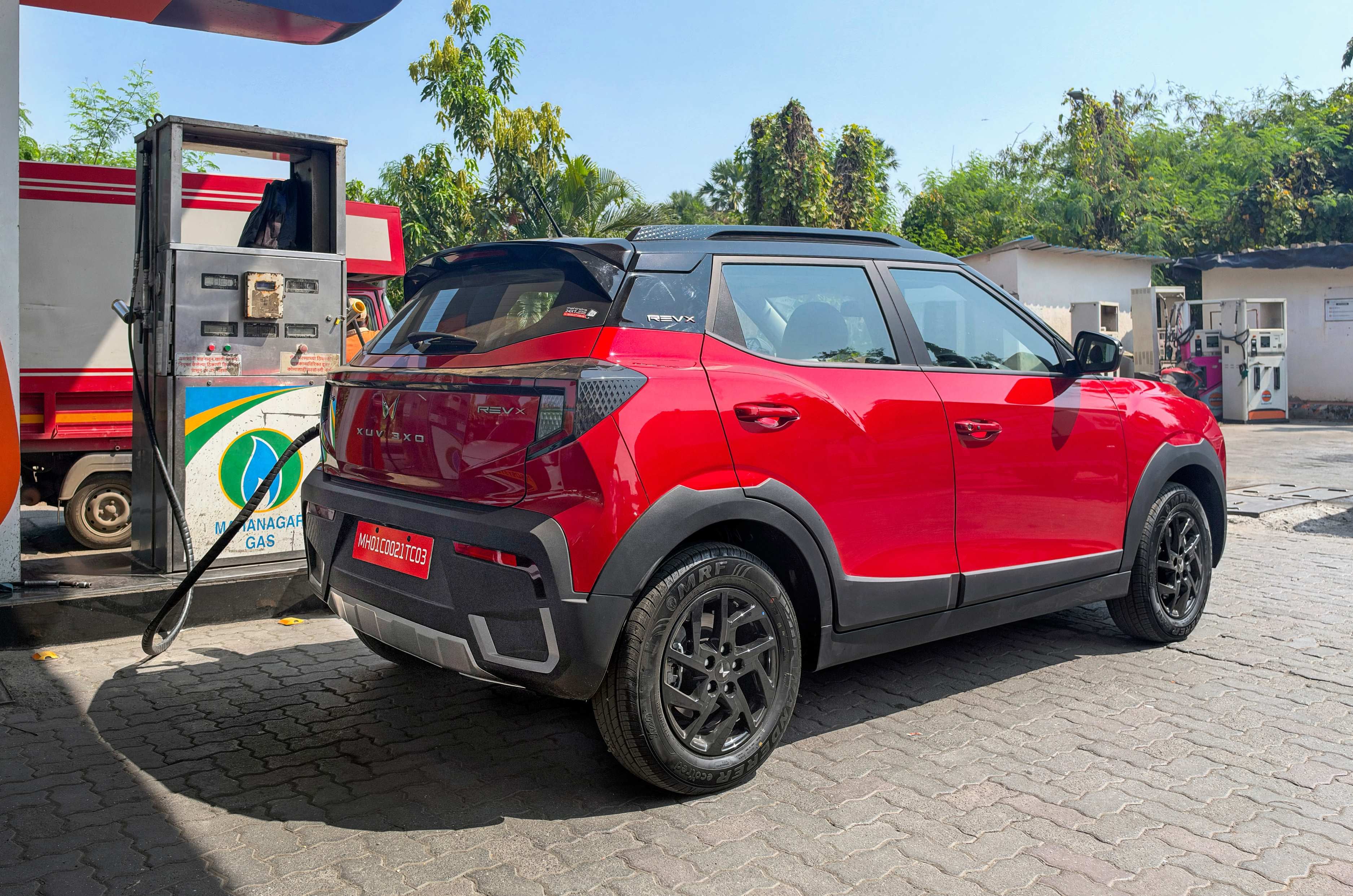
Mahindra claims an efficiency figure of 24.7km/kg for the XUV 3XO ZNG, which translates to a theoretical range of 247km from its 10kg CNG capacity. 
Mahindra XUV 3XO ZNG
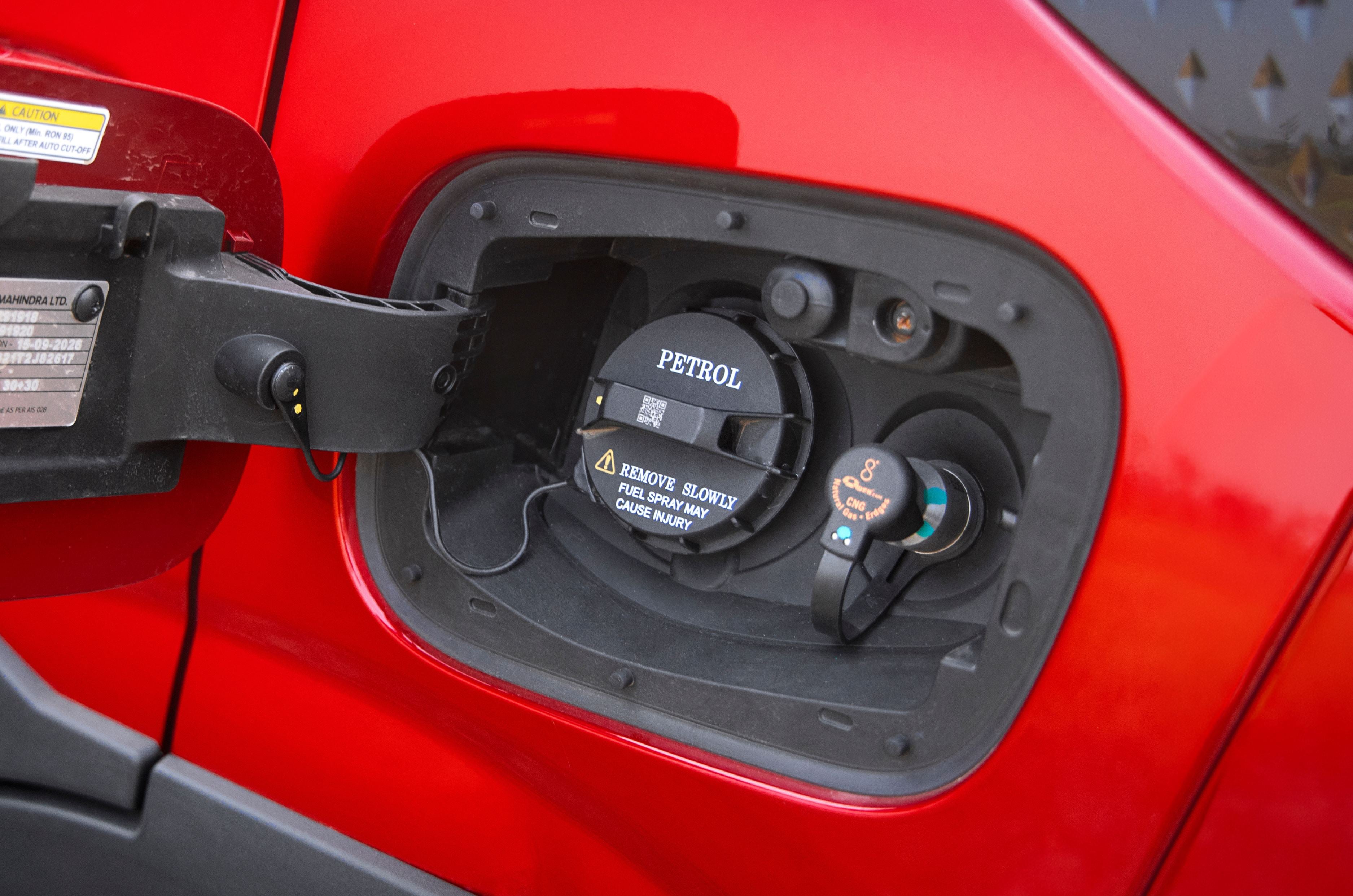
CNG filler neatly positioned beside the fuel filler; fuel filler door still has a manual release in the cabin.

It also gets an idle-stop/start function, which should help efficiency. We will verify these claims with a real-world test soon.

Mahindra XUV 3XO ZNG Ride Comfort and Handling – 9/10
Mahindra XUV 3XO ZNG
Light steering works well in town; steering modes dial up resistance but don’t offer better feel.

The switch to CNG adds around 100kg to the 3XO, most of it concentrated at the rear. To ensure this doesn’t affect ride or handling, Mahindra has tweaked the suspension to cope with the extra weight. The ZNG’s ride has a slightly firm edge, but overall it deals with bad roads very well.
Mahindra XUV 3XO ZNG
16-inch wheels and tall tyres are better at absorbing sharper bumps than the 17s on higher petrol trims.

The smaller 16-inch wheels also play an important part here, as their taller-sidewall tyres absorb sharp edges before they make their way to the cabin. Overall, the ride remains amongst the best in the class.
Mahindra XUV 3XO ZNG

Handling, too, remains tight and engaging, with a planted feel around the bends. The steering is light and direct, and while you can dial up the resistance using the three steering modes, this adds little in terms of feel or feedback.

Mahindra XUV 3XO ZNG Value for Money – 8/10

Overall, the Mahindra XUV 3XO offers good value for money and makes for a compelling entrant into the CNG compact SUV space. Prices for the Mahindra XUV 3XO ZNG start at Rs 9.99 lakh and go up to Rs 12.27 lakh, which is between Rs 1 lakh and Rs 1.2 lakh more than the equivalent petrol trims. Pricing is on par with comparable variants of the Tata Nexon iCNG. However, the Nexon has a wider range and also offers more features on the higher trims.

Mahindra has packaged the CNG tanks cleverly, minimising the impact on boot space. That said, the 3XO’s boot wasn’t particularly large to begin with, and that remains a drawback. What sets it apart is the driving experience. CNG calibration is very good, and performance in CNG mode is close enough to petrol for most people not to notice a real difference. For a first attempt, the XUV 3XO ZNG certainly ticks a lot of boxes.

LPG Price 17 October 2026: घरेलू और कमर्शियल सिलेंडर के नए रेट जारी, जानें ताजा भाव

LPG Price 17 October 2026: रसोई का बजट बनाते समय गैस सिलेंडर की कीमत को नजरअंदाज करना आसान नहीं है। महीने में एक बार सिलेंडर भरवाने वाले परिवारों से लेकर रोजाना बड़ी मात्रा में गैस इस्तेमाल करने वाले कारोबारियों तक, एलपीजी के दाम सभी के खर्च को प्रभावित करते हैं। ऐसे में सिलेंडर बुक कराने से पहले ताजा कीमतों की जानकारी होना जरूरी है। घरेलू और कमर्शियल गैस सिलेंडर के रेट अलग-अलग होते हैं और शहर के हिसाब से भी इनमें अंतर देखने को मिलता है।

उपलब्ध जानकारी के मुताबिक, दिल्ली में 14.2 किलोग्राम वाले घरेलू एलपीजी सिलेंडर की कीमत 942 रुपये है, जबकि 19 किलोग्राम के कमर्शियल सिलेंडर के लिए 2,810 रुपये देने पड़ रहे हैं। अक्टूबर की शुरुआत में घरेलू सिलेंडर के दाम स्थिर रहे, लेकिन कमर्शियल गैस की कीमतों में बढ़ोतरी दर्ज की गई। इसका असर होटल, रेस्तरां और अन्य खाद्य कारोबारों के खर्च पर पड़ सकता है। आइए, जानते हैं प्रमुख शहरों में घरेलू और कमर्शियल सिलेंडर के ताजा बताए गए रेट।

घरेलू गैस सिलेंडर के ताजा रेट

घरेलू एलपीजी सिलेंडर हर घर की जरूरत है। इसकी कीमत में बदलाव का असर सीधे परिवारों के मासिक खर्च पर पड़ता है। अलग-अलग शहरों में स्थानीय करों और अन्य कारणों से कीमतों में अंतर देखने को मिल सकता है।

आपके शहर में घरेलू और कमर्शियल सिलेंडर कितने का है?

अगर आप घरेलू या कमर्शियल गैस सिलेंडर बुक कराने जा रहे हैं, तो नीचे दी गई सूची में अपने शहर का रेट देख सकते हैं। इसमें 14.2 किलोग्राम वाले घरेलू और 19 किलोग्राम वाले कमर्शियल सिलेंडर की कीमतें एक साथ दी गई हैं।

शहरघरेलू सिलेंडर (14.2 KG)कमर्शियल सिलेंडर (19 KG)
दिल्ली₹942₹2,810
मुंबई₹941.50₹2,764.50
कोलकाता₹968₹2,954
चेन्नई₹957.50₹2,983
नोएडा₹939.50₹2,810
गुरुग्राम₹950.50₹2,828
लखनऊ₹979.50₹2,932.50
जयपुर₹945.50₹2,839
पटना₹1,031.50₹3,100.50
हैदराबाद₹994₹3,065

कमर्शियल गैस सिलेंडर के दाम में कितनी बढ़ोतरी हुई?

घरेलू सिलेंडर के मुकाबले कमर्शियल एलपीजी का इस्तेमाल मुख्य रूप से होटल, रेस्तरां, ढाबों और मिठाई की दुकानों में किया जाता है। उपलब्ध जानकारी के मुताबिक, 1 अक्टूबर 2026 को 19 किलोग्राम वाले कमर्शियल सिलेंडर की कीमतों में शहर के अनुसार करीब 62.50 रुपये से 70 रुपये तक की बढ़ोतरी की गई थी।

कमर्शियल गैस महंगी होने से होटल और रेस्तरां संचालकों का खर्च बढ़ सकता है। इसका असर आगे चलकर खाने-पीने की कुछ चीजों की कीमतों पर भी पड़ने की आशंका रहती है।

गैस सिलेंडर बुक करने से पहले इन बातों का रखें ध्यान

एलपीजी सिलेंडर की बुकिंग करते समय कुछ जरूरी बातों का ध्यान रखना चाहिए, ताकि बाद में किसी तरह की परेशानी न हो।

  • ताजा रेट जांचें: बुकिंग से पहले अपनी गैस कंपनी की आधिकारिक वेबसाइट या ऐप पर शहर के अनुसार लागू कीमत देखें।
  • डिलीवरी का बिल लें: सिलेंडर मिलने पर बिल जरूर लें और उसमें दर्ज कीमत की जांच करें।
  • सब्सिडी का स्टेटस देखें: यदि आप सब्सिडी के पात्र हैं, तो अपने बैंक खाते में इसकी स्थिति जांच लें।
  • शिकायत के लिए आधिकारिक माध्यम अपनाएं: कीमत, डिलीवरी या सिलेंडर से जुड़ी समस्या होने पर गैस कंपनी की ग्राहक सेवा से संपर्क करें।

गौरतलब है कि एलपीजी सिलेंडर के दाम शहर और लागू शुल्क के अनुसार अलग हो सकते हैं। इसलिए बुकिंग करने से पहले अपनी गैस कंपनी के आधिकारिक माध्यम से ताजा कीमत की पुष्टि जरूर कर लें।

Petrol Diesel Price Today: पेट्रोल और डीजल की कीमतों में आज क्या हुआ बदलाव? चेक करें ताजा रेट

Petrol Diesel Price Today: पेट्रोल और डीजल की कीमतों में आज क्या हुआ बदलाव? चेक करें ताजा रेट

Petrol Diesel Price Today: हर दिन की शुरुआत सिर्फ सूरज की किरणों से नहीं होती, बल्कि पेट्रोल और डीजल की नई कीमतों से भी होती है, जो आम आदमी की जेब पर सीधा असर डालती हैं। सुबह 6 बजे देश की तेल विपणन कंपनियां (OMCs) ताजा दरें जारी करती हैं, जो अंतरराष्ट्रीय बाजार में कच्चे तेल की कीमतों और डॉलर-रुपए की विनिमय दर में आए बदलावों पर आधारित होती हैं। ये बदलाव रोजमर्रा की जिंदगी को प्रभावित करते हैं, चाहे वो ऑफिस जाने वाला व्यक्ति हो या फल-सब्जी बेचने वाला व्यापारी।

ऐसे में हर दिन की कीमतों की जानकारी रखना सिर्फ जरूरी ही नहीं, बल्कि समझदारी भी है। सरकार की यह प्रणाली पारदर्शिता सुनिश्चित करती है ताकि उपभोक्ताओं को किसी तरह की भ्रमित जानकारी न मिले।

आपके शहर में आज का पेट्रोल-डीजल का भाव

ये रहे 17 अक्टूबर 2026 के प्रमुख शहरों के पेट्रोल-डीजल के ताजा रेट

नई दिल्ली: पेट्रोल ₹102.12 प्रति लीटर और डीजल ₹95.20 प्रति लीटर।

मुंबई: पेट्रोल ₹111.18 और डीजल ₹97.83 प्रति लीटर।

कोलकाता: पेट्रोल ₹113.47 जबकि डीजल ₹99.82 प्रति लीटर।

चेन्नई: पेट्रोल ₹107.77 और डीजल ₹99.55 प्रति लीटर।

गुरुग्राम: पेट्रोल ₹102.77 तथा डीजल ₹95.44 प्रति लीटर।

नोएडा: पेट्रोल ₹102.12 और डीजल ₹95.56 प्रति लीटर।

बेंगलुरु: पेट्रोल ₹110.93 जबकि डीजल ₹98.80 प्रति लीटर।

भुवनेश्वर: पेट्रोल ₹109.92 और डीजल ₹100.92 प्रति लीटर।

चंडीगढ़: पेट्रोल ₹98.10 तथा डीजल ₹86.09 प्रति लीटर।

हैदराबाद: पेट्रोल ₹115.69 और डीजल ₹103.82 प्रति लीटर।

जयपुर: पेट्रोल ₹112.66 जबकि डीजल ₹97.78 प्रति लीटर।

लखनऊ: पेट्रोल ₹102.05 और डीजल ₹95.55 प्रति लीटर।

पटना: पेट्रोल ₹113.35 तथा डीजल ₹99.36 प्रति लीटर।

तिरुवनंतपुरम: पेट्रोल ₹115.49 और डीजल ₹104.40 प्रति लीटर।

पिछले दो साल से स्थिर क्यों हैं कीमतें?

मई 2022 के बाद से केंद्र और कई राज्यों द्वारा टैक्स में कटौती की गई, जिसके बाद पेट्रोल-डीजल की कीमतों में स्थिरता देखी जा रही है। हालांकि अंतरराष्ट्रीय बाजार में उतार-चढ़ाव होता रहता है, फिर भी भारतीय उपभोक्ताओं के लिए कीमतें तुलनात्मक रूप से स्थिर बनी हुई हैं।

किन कारणों से तय होती हैं ईंधन की कीमतें?

  1. कच्चे तेल की कीमतें:

पेट्रोल और डीजल का उत्पादन मुख्य रूप से कच्चे तेल से होता है। जब अंतरराष्ट्रीय स्तर पर कच्चे तेल की कीमतें बढ़ती हैं, तो इसका असर सीधे भारतीय बाजार पर पड़ता है।

  1. डॉलर के मुकाबले रुपया:

भारत अधिकतर कच्चा तेल आयात करता है, और यह डॉलर में खरीदा जाता है। यदि रुपया कमजोर होता है, तो ईंधन महंगा हो जाता है।

  1. सरकारी टैक्स और शुल्क:

केंद्र और राज्य सरकारें पेट्रोल-डीजल पर भारी टैक्स लगाती हैं, जो खुदरा मूल्य का बड़ा हिस्सा होते हैं। यही कारण है कि राज्यों में कीमतों में अंतर होता है।

  1. रिफाइनिंग की लागत:

कच्चे तेल को इस्तेमाल लायक बनाने की प्रक्रिया (रिफाइनिंग) में भी खर्च होता है। ये लागत कच्चे तेल की गुणवत्ता और रिफाइनरी की क्षमता पर निर्भर करती है।

  1. मांग और आपूर्ति का संतुलन:

बाजार में ईंधन की मांग अगर बढ़ जाती है, तो कीमतें भी ऊपर जाने लगती हैं। खासकर त्योहारों, गर्मी या सर्दी के मौसम में ईंधन की खपत ज्यादा होती है।

कैसे करें अपने शहर की कीमतें SMS से चेक?

अगर आप मोबाइल से ईंधन की कीमत जानना चाहते हैं, तो ये प्रक्रिया आसान है:

Indian Oil ग्राहक: अपने शहर का कोड टाइप करें और उसे “RSP” के साथ 9224992249 पर भेजें।

BPCL ग्राहक: “RSP” लिखकर 9223112222 पर भेजें।

HPCL ग्राहक: “HP Price” लिखकर 9222201122 पर भेजें।

Audi Q3 vs rivals: Price and specifications compared

Audi Q3 vs rivals: Price and specifications compared

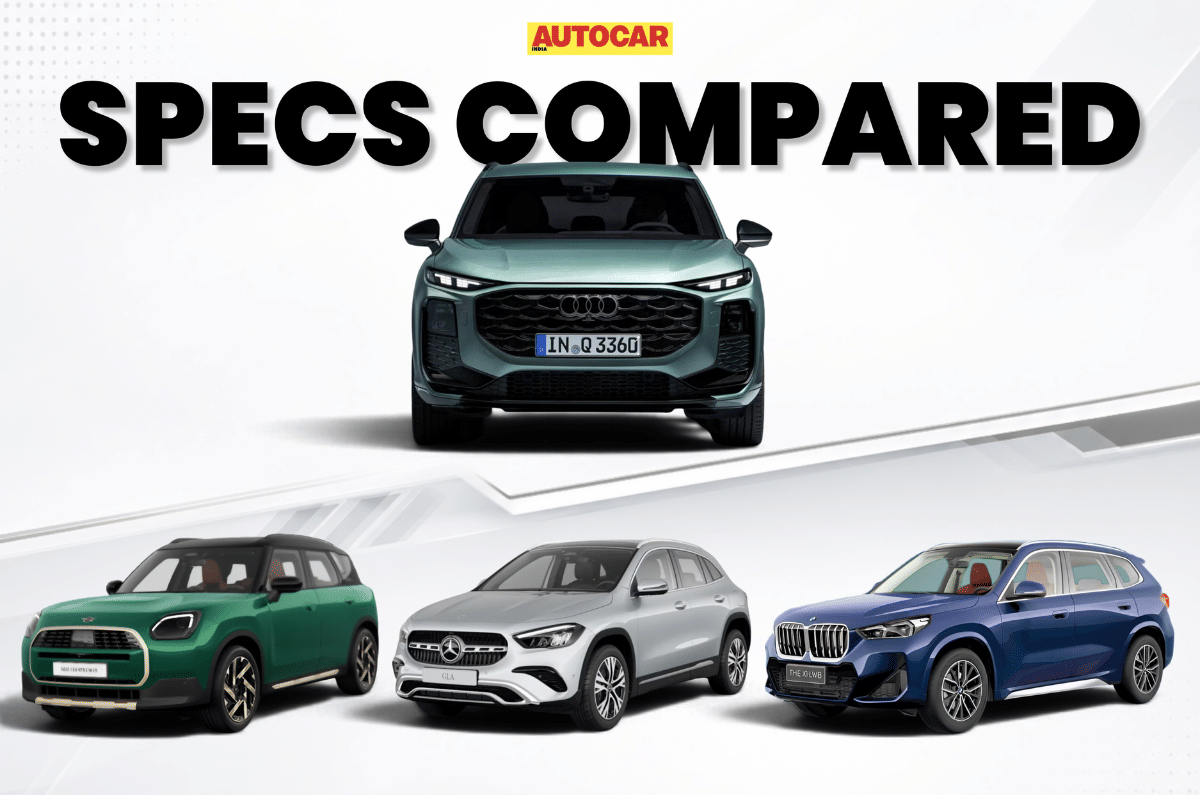
Audi India has launched the new Q3, replacing its predecessor after over four years. The entry-level luxury SUV gets a fresh exterior, a revamped interior and feature additions. But how does the new Q3 compare against its rivals on paper? Let’s stack it up against the BMW X1 and X1 LWB, Mini Countryman C, and Mercedes-Benz GLA. 

Audi Q3 vs rivals: Dimensions

Audi Q3 vs rivals: Dimensions


Audi Q3

BMW X1 | X1 LWB

Mini Countryman C

Mercedes-Benz GLA

Length (mm)

4,530

4,500 | 4,616

4,447

4,412

Width (mm)

1,890

1,845 | 1,845

1,843

1,834

Height (mm)

1,610

1,630 | 1,641

1,661

1,616

Wheelbase (mm)

2,681

2,692 | 2,800

2,692

2,729

Ground clearance (mm)

TBC

190 | 190

190

183

Boot space (litres)

TBC

476 | 540

505

425

Wheel size (inches)

18

18 | 18

19

18 – 19

Despite having the shortest wheelbase in this comparison, the Audi Q3 is the overall second-longest model here, next only to the BMW X1 LWB. It is also the widest in the segment. Audi has yet to confirm the ground clearance and boot space figures for the Q3. Of the rest, the BMW X1 LWB and Mini Countryman C ride highest off the ground, and the former also has the largest boot in this comparison. Meanwhile, the Mercedes-Benz GLA is the only one to offer 18- and 19-inch wheel size options; others come with one or the other.

Audi Q3 vs rivals: Powertrain options

Audi Q3 vs rivals: Powertrain options 


Audi Q3

BMW X1

BMW X1 LWB 

Mini Countryman C

Mercedes-Benz GLA

Engine

2.0 turbo-petrol 

1.5 turbo-petrol | 2.0 turbo-diesel

1.5 turbo-petrol 

1.5 turbo-petrol 

1.3 turbo-petrol | 2.0 turbo-diesel

Power (hp)

204

136 | 148

156 

156

163 | 190

Torque (Nm)

320

230 | 360

230 

240

270 | 400

Drive layout

AWD

FWD

FWD

FWD

FWD

Transmission

7DCT

7DCT

7DCT

7DCT

7DCT | 8DCT

Like its rivals, the Audi Q3 is powered by a direct-injection turbo-petrol engine, and it’s the only option that it offers. The X1 in standard wheelbase (SWB) guise and the Mercedes-Benz GLA are available with a turbo-diesel as well. Comparing the turbo-petrol engines only, the Q3 has the largest and most powerful mill here. Additionally, it gets an all-wheel-drive (AWD) layout as standard; rivals have front-wheel-drive (FWD) setups. The BMWs are the least powerful here. 

Audi Q3 vs rivals: Price 

Audi Q3 vs rivals: Price (Rs lakh)


Audi Q3

BMW X1

BMW X1 LWB

Mini Countryman C

Mercedes-Benz GLA

Petrol

51.99

50.9

49.90

47.5 

51.8

Diesel

–

52.9 

–


53 to 55

Among petrol-run entry-level luxury SUVs, the Rs 51.99 lakh-Audi Q3 sits at the higher end of the price range. The Q3 is not offered with a diesel engine, unlike the BMW X1 and Mercedes-Benz GLA.

All prices are ex-showroom, India

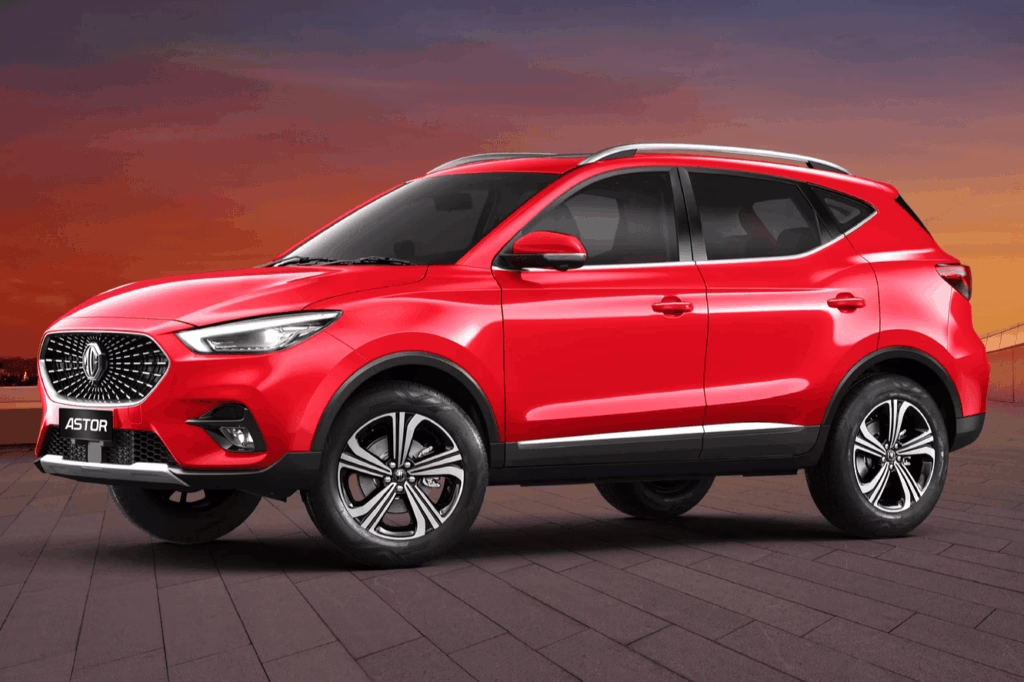
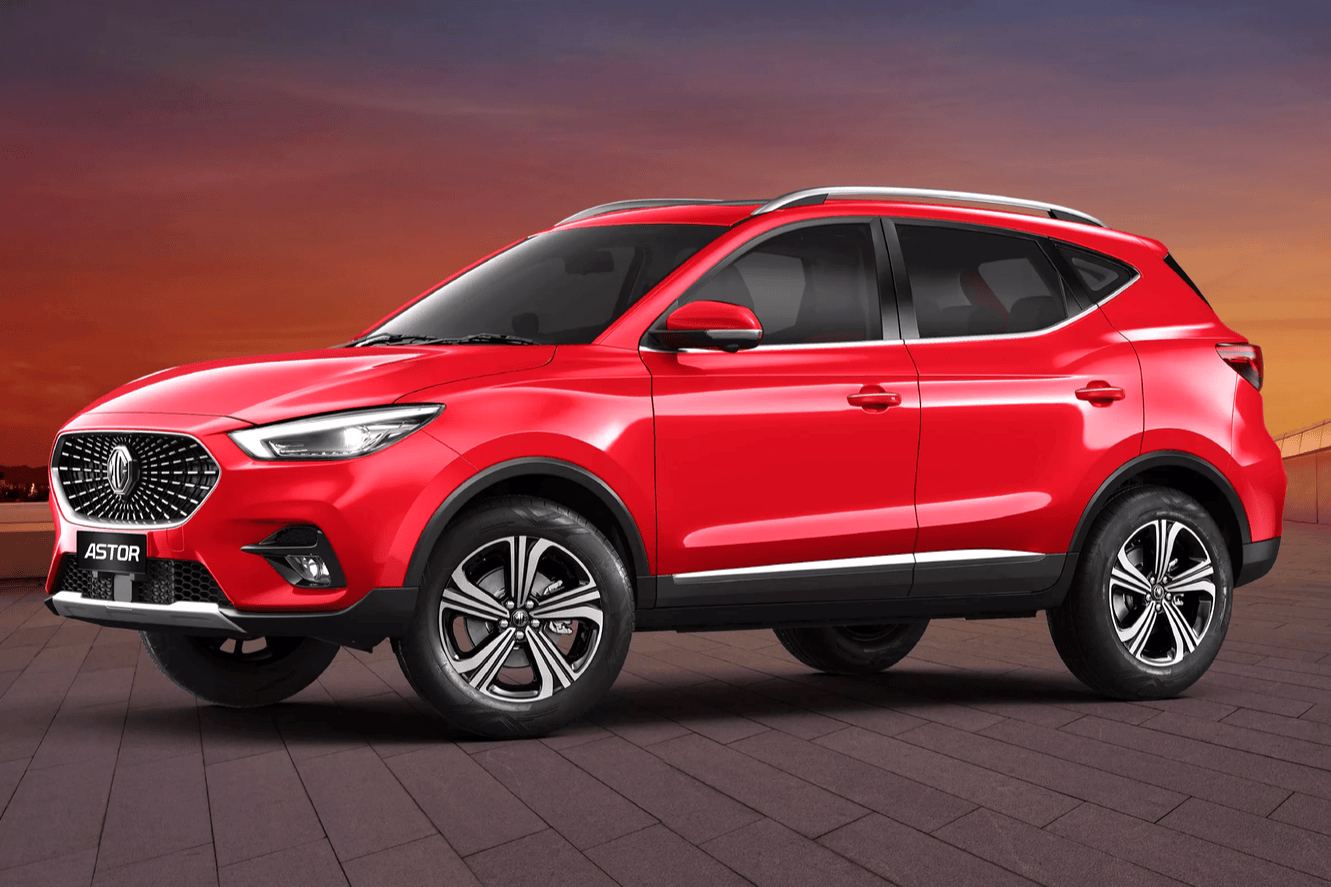
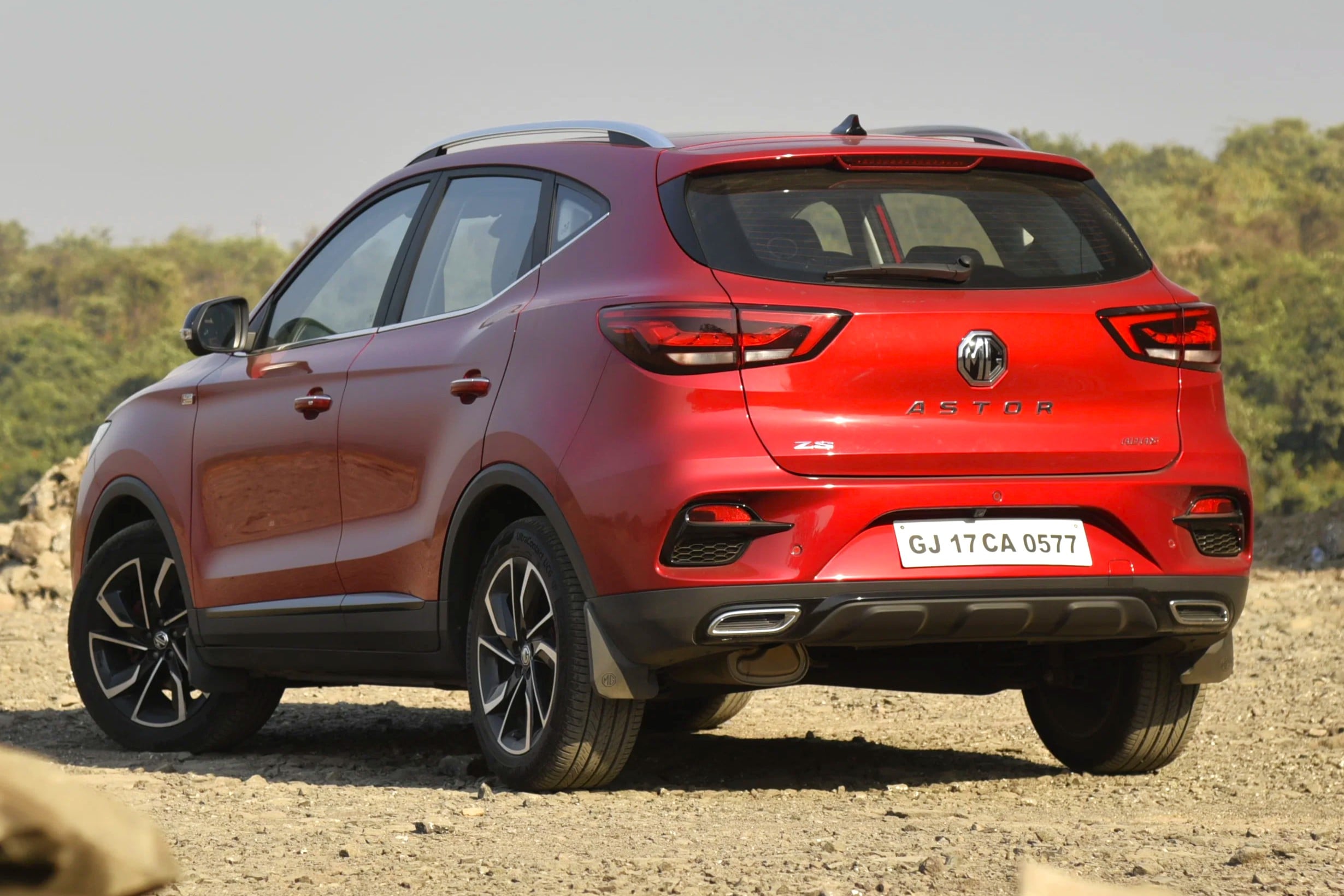
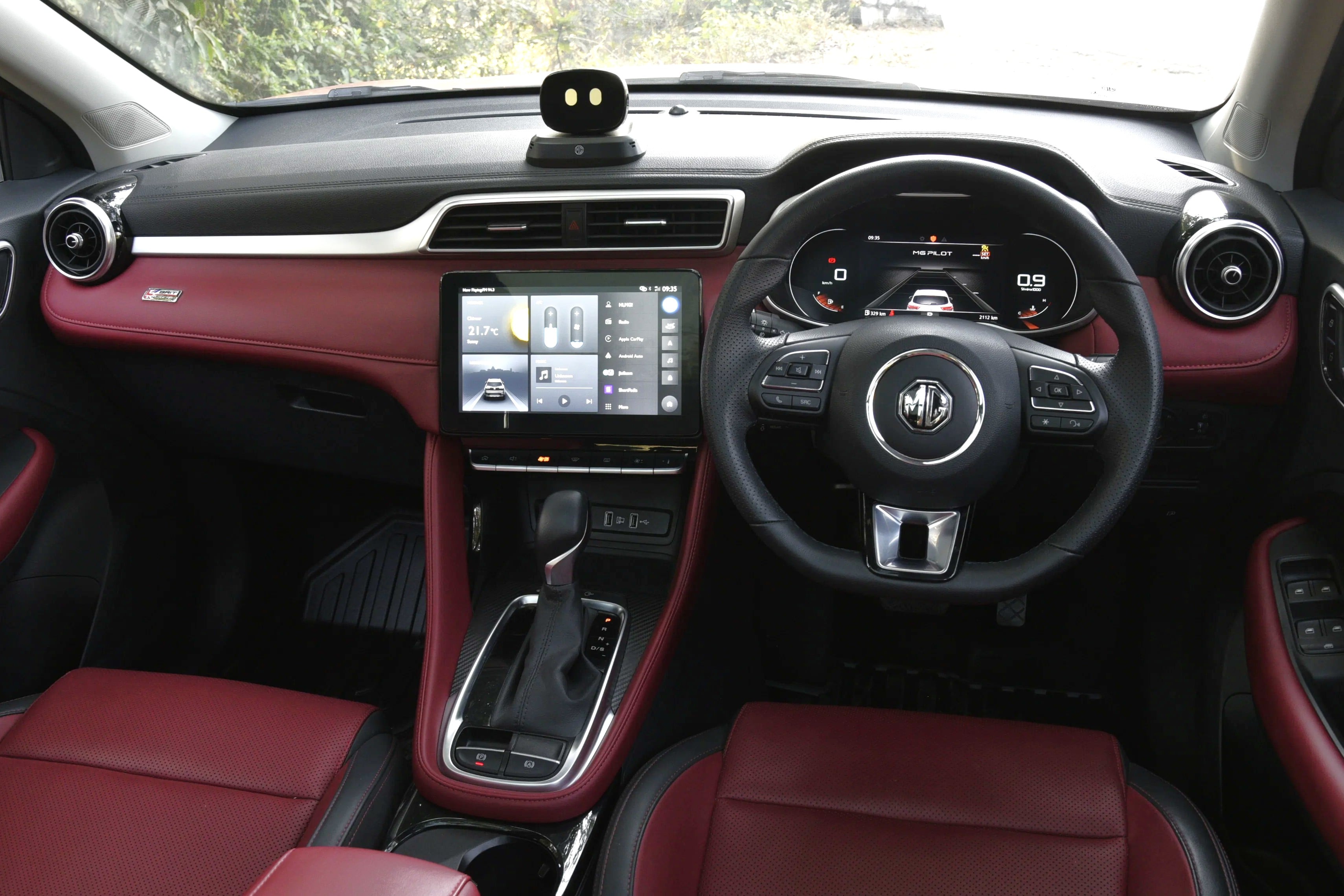
MG Astor discontinued in India

MG Astor discontinued in India

MG Motor India has discontinued the Astor midsize SUV, according to our dealer sources. The Astor first went on sale in India in 2021, rivalling the likes of the Hyundai Creta, Kia Seltos, Volkswagen Taigun, and Skoda Kushaq. However, the Astor didn’t find much of a footing with buyers, selling double or triple digits a month on average. For example, the Astor’s monthly average sales figure from September 2025 to September 2026 is 112 units.

Why did the MG Astor not succeed?

The MG Astor looked smart and came well-equipped, but it had little in the way of powertrain diversity. Where newer rivals offered petrol, diesel, CNG, and hybrid powertrains, the Astor was available with only two petrol engines: a 110hp 1.5-litre naturally aspirated four-cylinder, and a 140hp 1.3-litre direct-injection turbocharged three-cylinder. An electric counterpart of the Astor, dubbed the ZS EV, is available, but it costs significantly more.

Moreover, the 1.3-litre turbo engine was discontinued back in February 2025, leaving the Astor with only the rather-unexciting 1.5-litre NA engine, which could be paired with either a 5-speed manual or a CVT automatic. Another reason behind the Astor’s sluggish sales was likely its relatively low-slung crossover-esque design, which made it look smaller than its more upright-looking rivals.

Will there be a next-gen MG Astor?

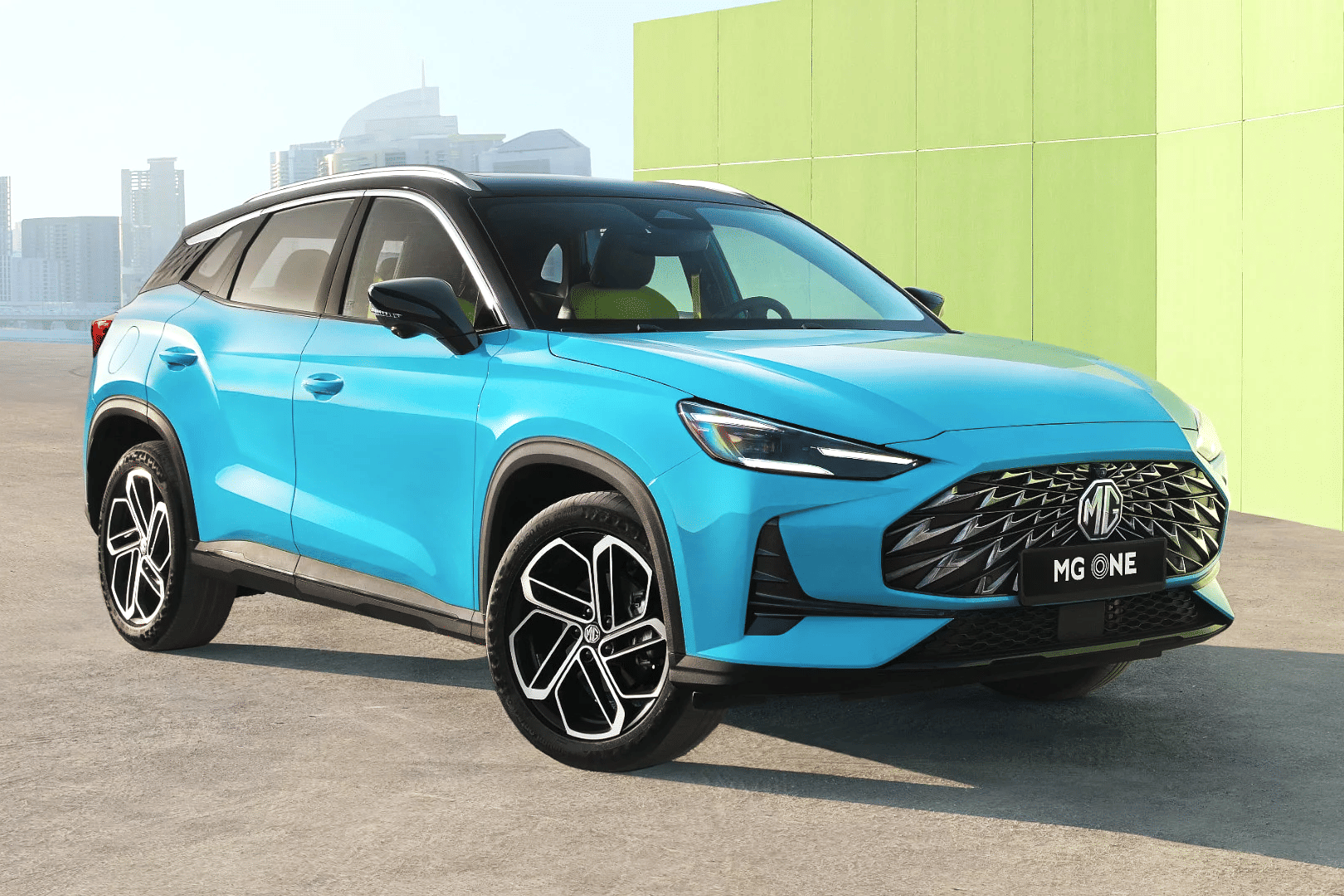
Global-spec MG One. Image used for representation only.

The midsize SUV space is too lucrative to ignore, and to that effect, MG is not giving up on it. As we reported exclusively back in March 2026, MG is readying an Astor replacement that’s likely to be based on the brand’s SIGMA (SAIC Intelligent Global Modular Architecture) platform.

SIGMA can accommodate pure-combustion, hybrid, and electric powertrains, which would overcome the powertrain variety hurdle faced by the Astor. We expect the next-gen Astor replacement to launch in 2027.

What to expect from Renault Duster hybrid ahead of launch tomorrow

What to expect from Renault Duster hybrid ahead of launch tomorrow
Renault Duster

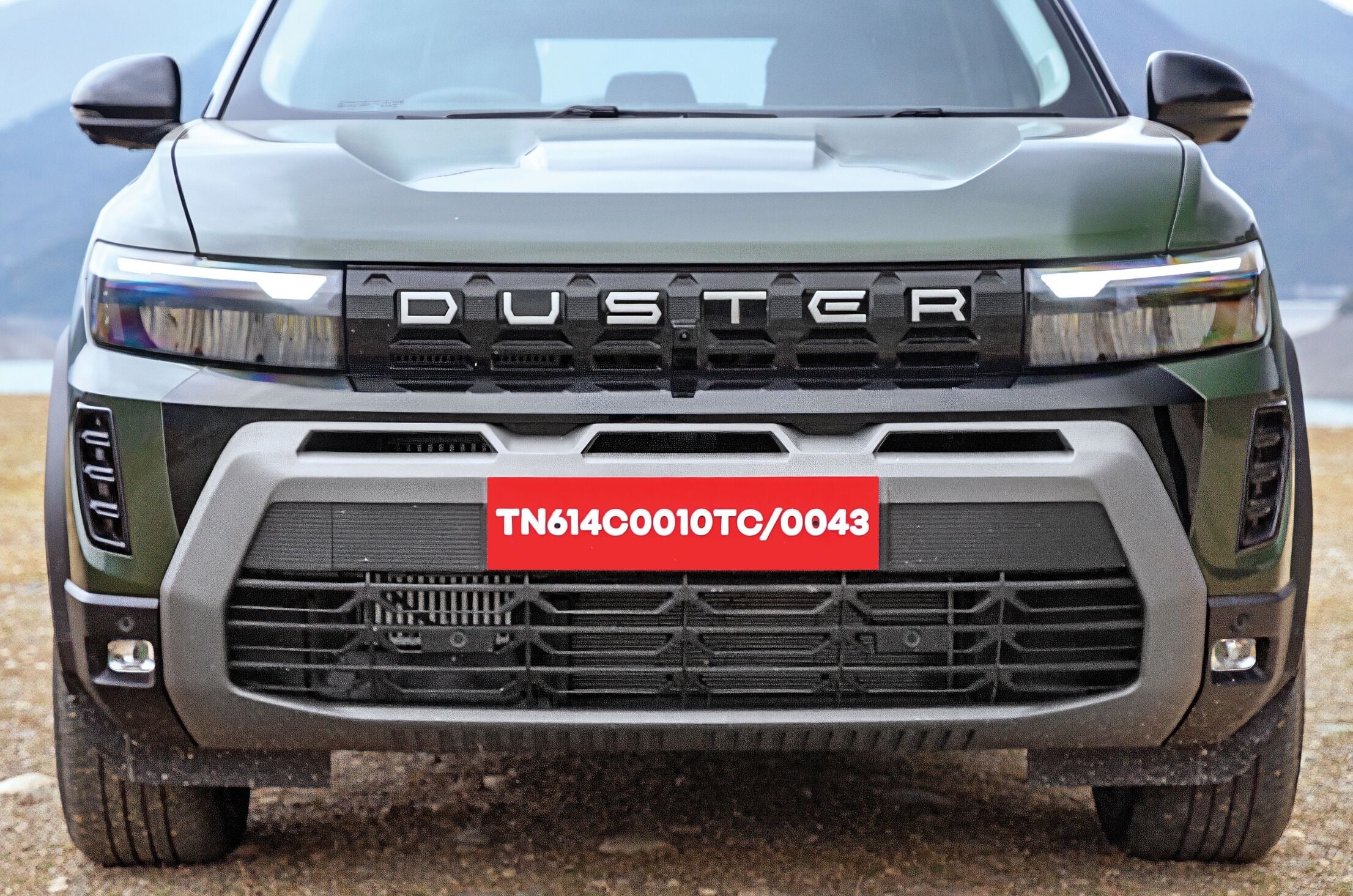
The Renault Duster will get a strong-hybrid powertrain in India on October 17, joining the existing 1.0-litre and 1.3-litre turbo-petrol options. Bookings are open for Rs 21,000. Here’s what to expect from the new hybrid variant, including its powertrain, features and rivals.

1. What is the claimed mileage of the Renault Duster hybrid?

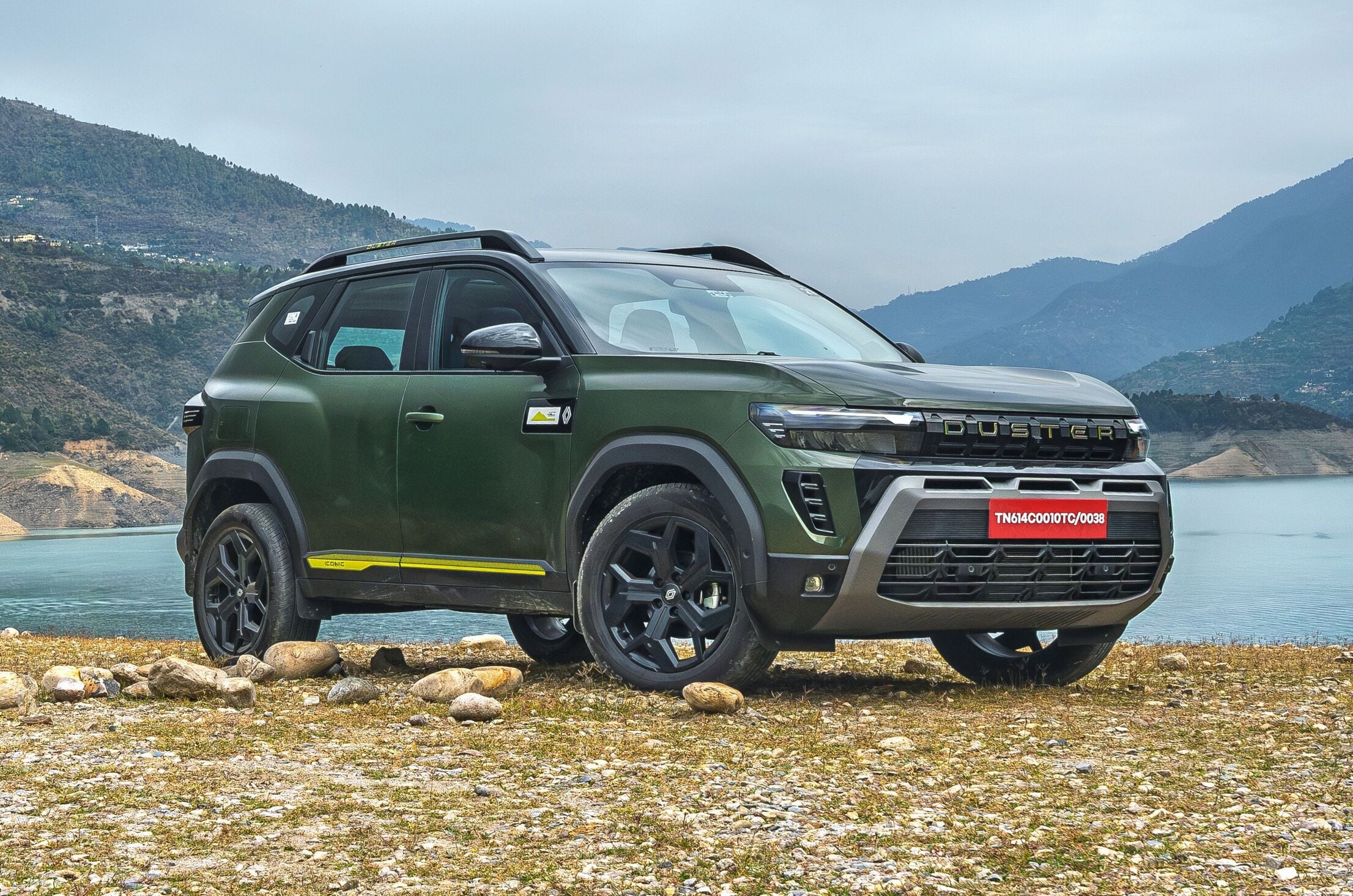
Current Renault Duster image, used for representation only.

The Renault Duster hybrid has an ARAI-rated fuel efficiency of 29kpl, compared with 19.41kpl for the 1.0-litre turbo-petrol manual, 17.75kpl for the 1.3-litre turbo-petrol manual and 18.45kpl for the 1.3-litre turbo-petrol DCT. The hybrid is Renault’s answer for the absence of a diesel option on the new Duster and is expected to give buyers seeking better fuel efficiency an alternative to the turbo-petrol versions.

Its claimed efficiency is also higher than that of the Maruti Suzuki Grand Vitara and Toyota Urban Cruiser Hyryder strong hybrids, both rated at 27.97kpl, and the Maruti Suzuki Victoris strong hybrid, rated at 28.65kpl.

2. How does the Duster’s hybrid system work?

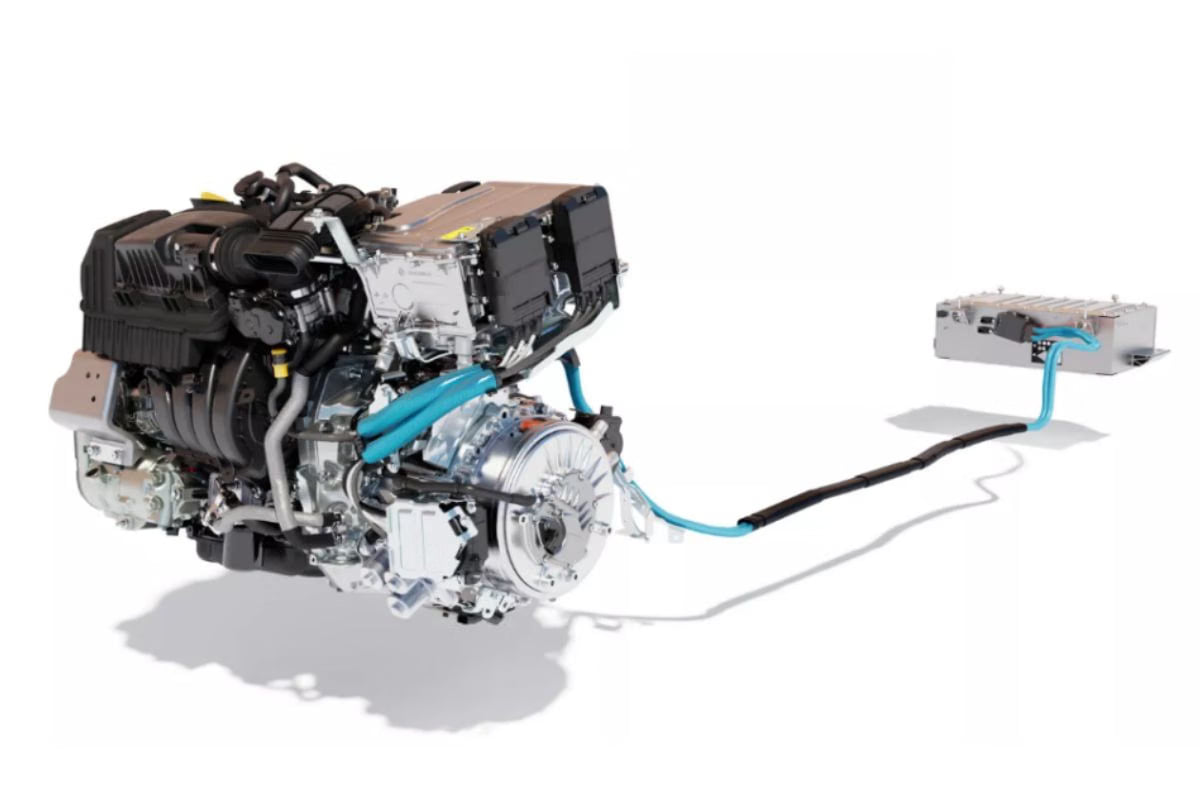
Renault’s 160hp E-Tech hybrid powertrain. 

The E-Tech system combines a 1.8-litre four-cylinder naturally aspirated petrol engine with two electric motors: a 20hp unit that acts as a generator and a 49hp motor that drives the wheels. The system produces a combined 160hp and 172Nm, supported by a 1.4kWh battery.

A multi-mode automatic gearbox with fixed gear ratios sends power to the wheels. Unlike the e-CVT used by the Maruti Suzuki Grand Vitara, Victoris and Toyota Urban Cruiser Hyryder, Renault’s transmission can shift between ratios. Engine revs may therefore rise and fall more noticeably as the system changes between electric drive, engine drive and combined operation. The battery charges while driving and does not need to be plugged in.

Renault says the hybrid system can cover up to 80 percent of city driving in electric mode, using the battery and electric motor at low speeds and switching on the petrol engine when required. Regenerative braking helps recharge the battery while driving.

3. Which SUVs will rival the Renault Duster hybrid?

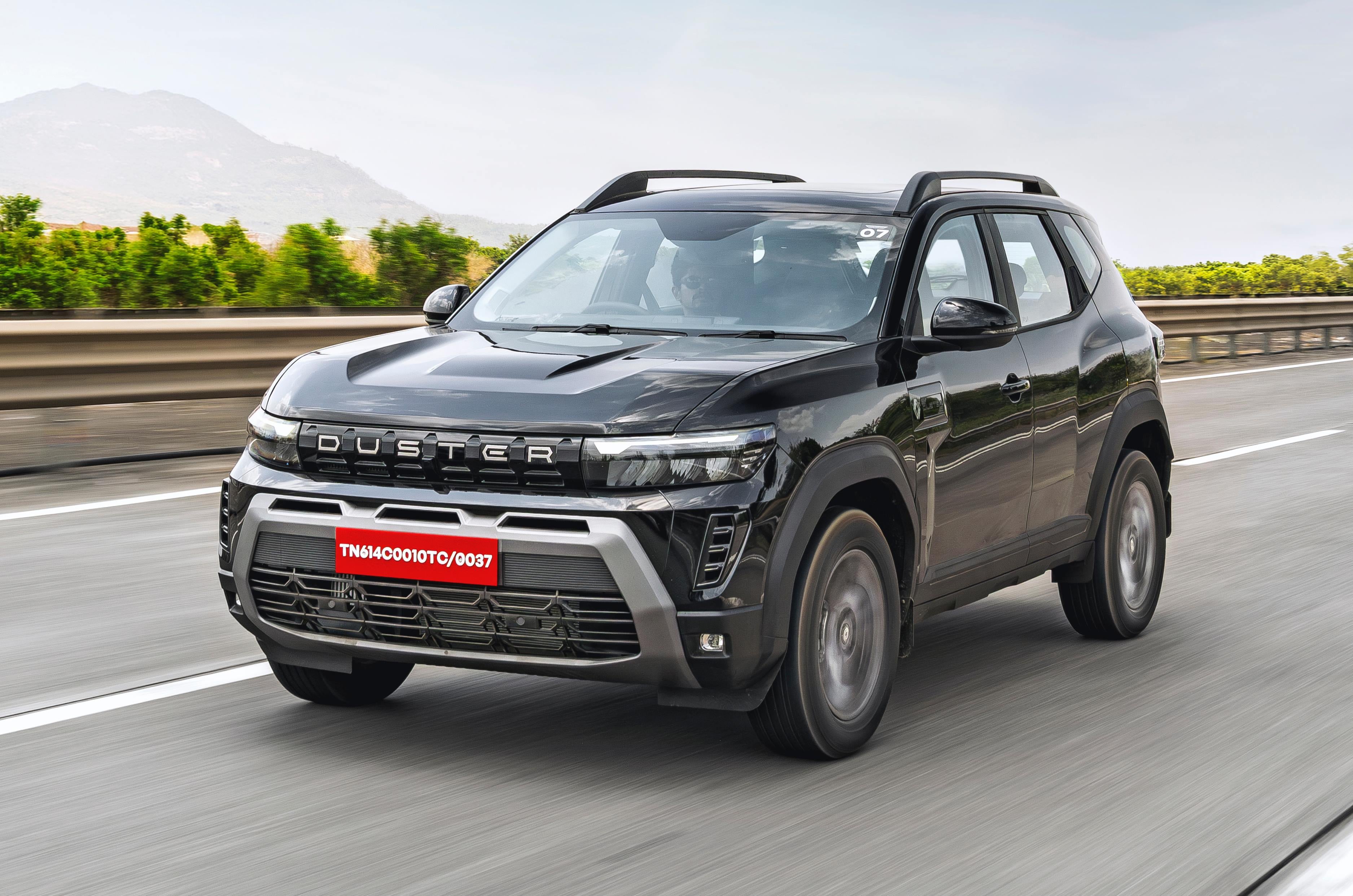
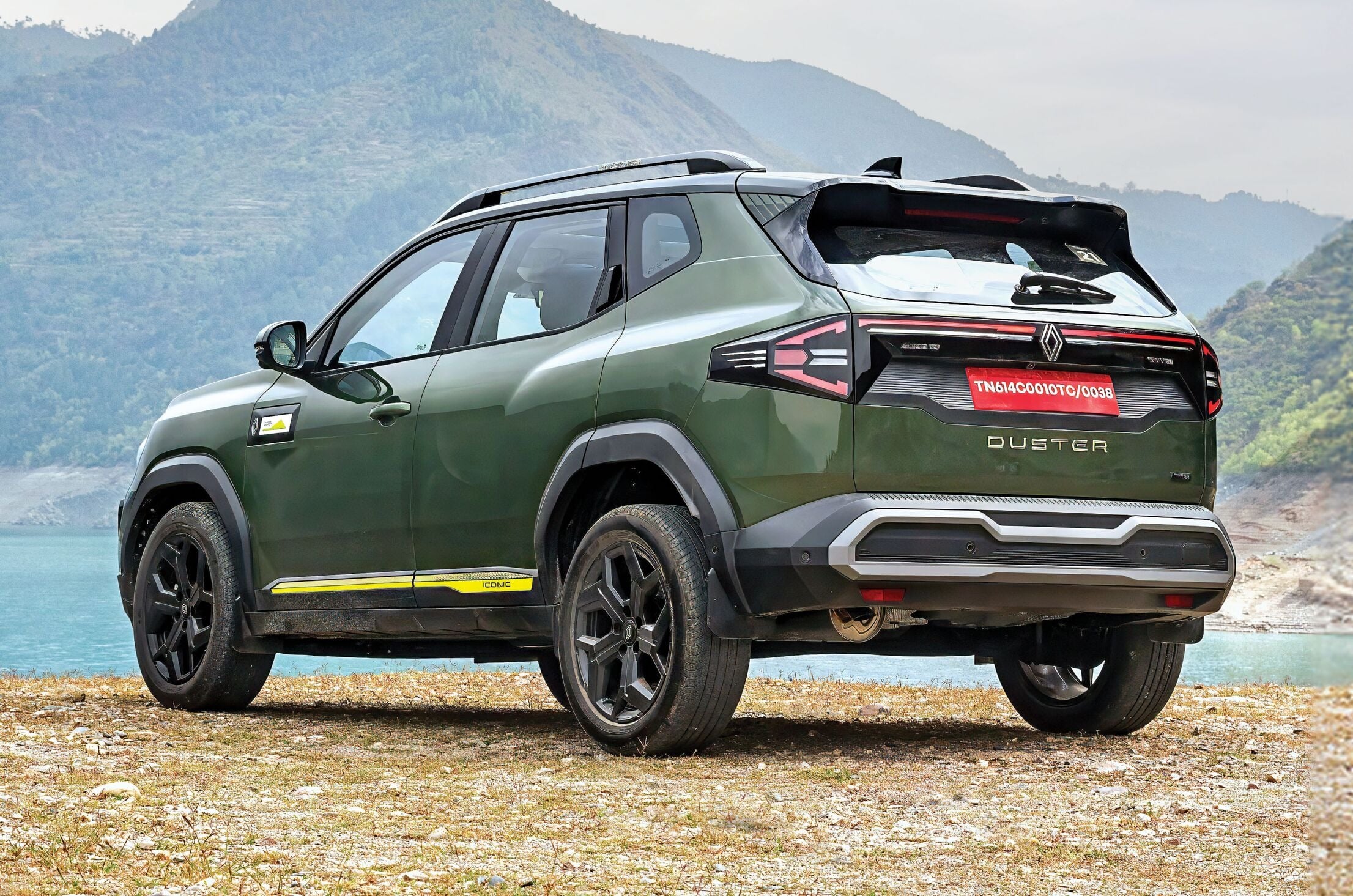
Current Renault Duster image, used for representation only.

The Duster hybrid will compete with the strong-hybrid versions of the Maruti Suzuki Grand Vitara, Maruti Suzuki Victoris and Toyota Urban Cruiser Hyryder. The Toyota and Suzuki siblings use Toyota’s strong-hybrid system, which pairs a 1.5-litre, three-cylinder petrol engine with electric motors and a 0.60kWh battery, producing a combined 116hp and 141Nm. 

4. Will the Renault Duster hybrid look different from the regular Duster?

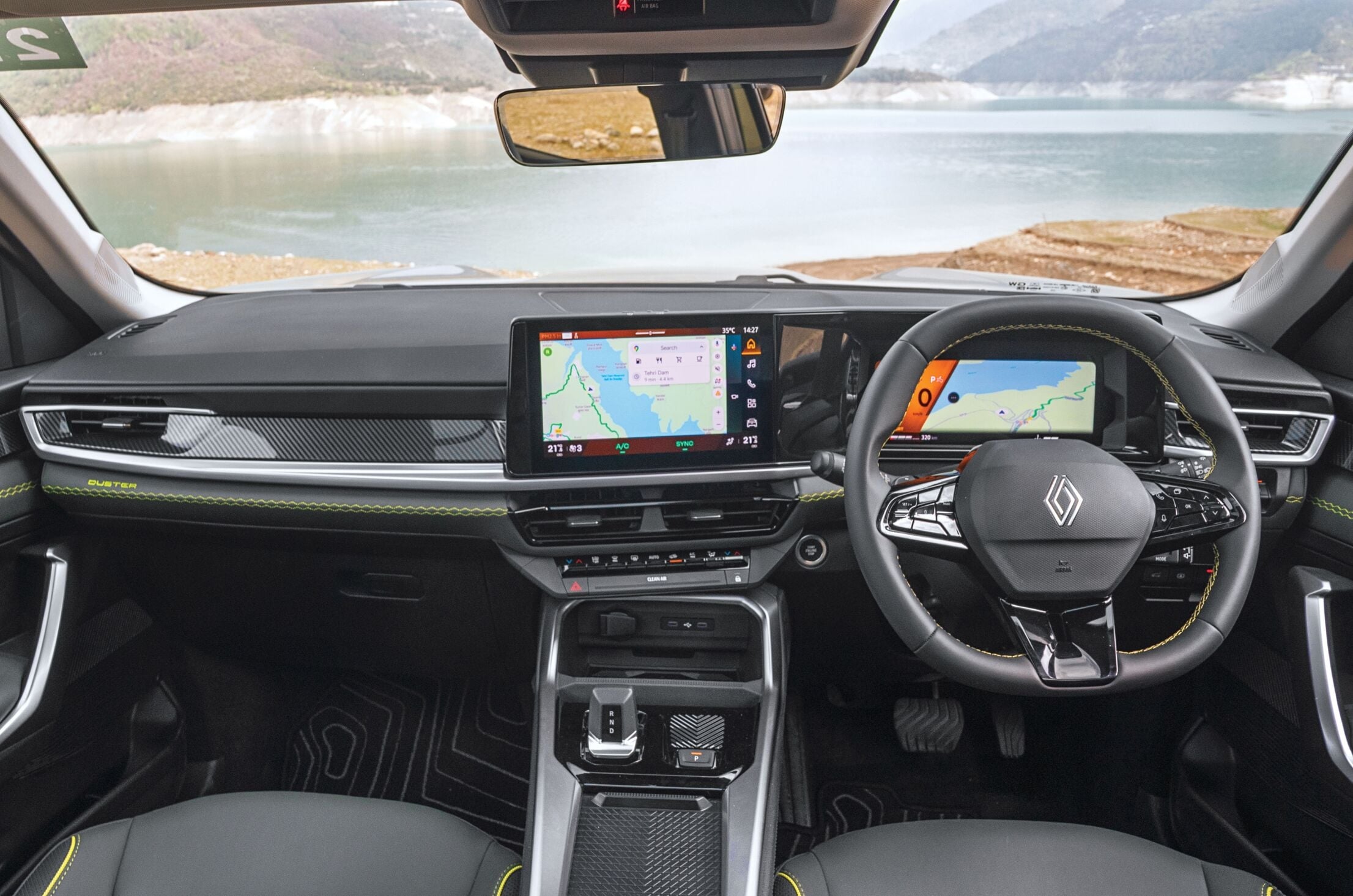
Current Renault Duster interior image, used for representation only.

The hybrid is expected to retain the regular Duster’s exterior design and cabin layout, along with a broadly similar feature list. A hybrid badge could help distinguish it from the turbo-petrol variants, with the powertrain being the main difference.

5. What is the expected price of the Renault Duster hybrid?

Current Renault Duster image, used for representation only.

The Renault Duster hybrid is expected to be priced between Rs 20 lakh and Rs 22 lakh (ex-showroom), commanding a premium over the turbo-petrol variants due to its more complex hybrid powertrain and the added fuel-efficiency benefits it offers.

Hyundai Creta crosses 15 lakh sales milestone

Hyundai Creta crosses 15 lakh sales milestone
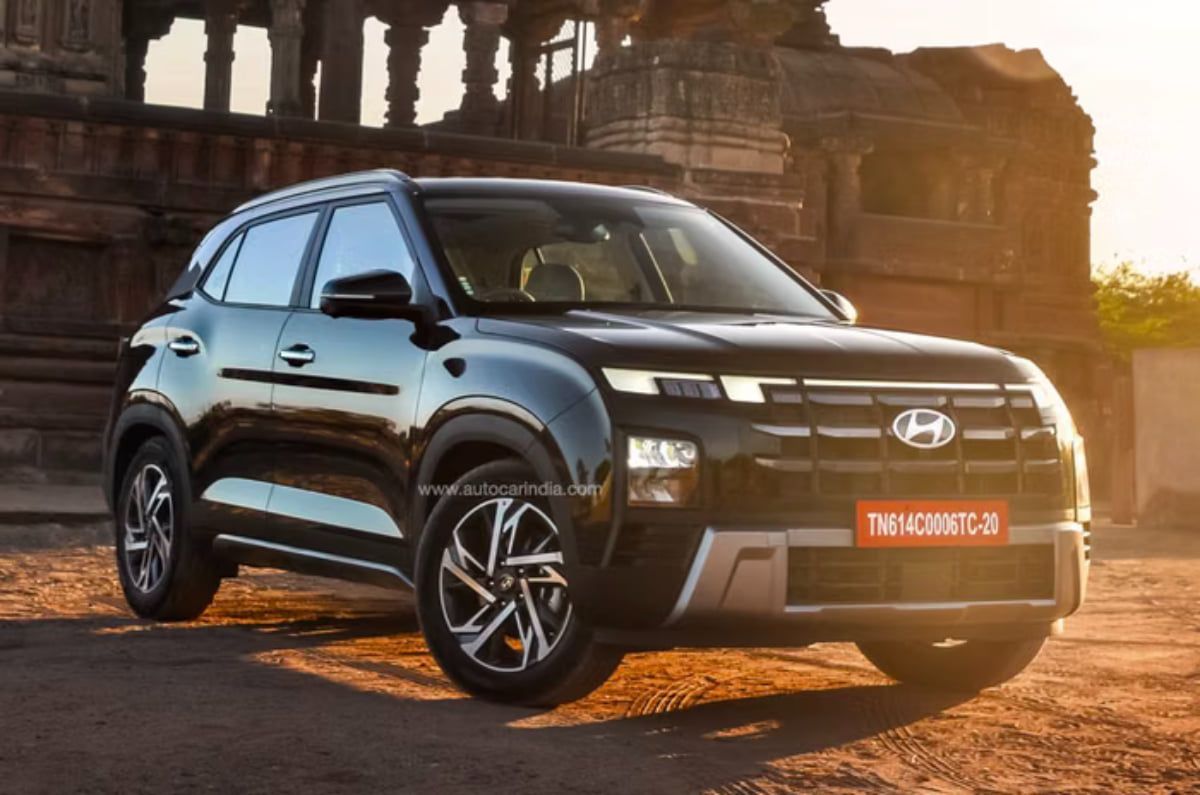
Hyundai Creta

The Hyundai Creta crossed 15 lakh domestic wholesales by the end of September 2026, with cumulative dispatches reaching 15,12,036 units since its launch in July 2015. The SUV accounts for around 15 percent of Hyundai Motor India’s cumulative passenger vehicle sales since the company entered India, and 55 percent of its utility vehicle dispatches since the Creta’s launch. Creta exports reached 2,95,994 units through August 2026, putting the SUV close to the 3 lakh-unit mark.

Hyundai Creta domestic wholesales by fiscal year

Fiscal yearUnitsYoY change
FY201663,836–
FY201796,89952%
FY20181,07,13611%
FY20191,24,30016%
FY202082,074-34%
FY20211,20,03546%
FY20221,18,092-2%
FY20231,50,37227%
FY20241,62,7738%
FY20251,94,87120%
FY20262,01,9214%
FY2027*89,727-10%
Total15,12,036–

Hyundai Creta sales: FY2026 was its best year

The Creta recorded its highest annual wholesales in FY2026, at 2,01,921 units, up 4 percent year on year. Before that, wholesales stood at 1,94,871 units in FY2025, up 20 percent, and 1,62,773 units in FY2024, up 8 percent.

In the first half of FY2027, combined Creta and Creta electric wholesales stood at 89,727 units, down 10 percent from 99,345 units in the same period last year.

The updated Creta, launched in January 2024, and the Creta Electric, launched in January 2025, have together accounted for an estimated 5.3 lakh domestic units through September 2026.

Hyundai Creta exports near 3 lakh units

Creta exports totalled 2,95,994 units through August 2026. Annual exports peaked at 50,820 units in FY2018. They fell to 3,859 units in FY2024 before rising to 4,314 units in FY2025 and 6,496 units in FY2026. Exports in April-August 2026 stood at 2,338 units.

The internal-combustion Creta is available with three engine options: a 115hp 1.5-litre naturally aspirated petrol, a 160hp 1.5-litre direct injection turbo-petrol and a 116hp 1.5-litre diesel. It is offered with four gearbox options across 27 variants. All variants come with six airbags and ABS with electronic brakeforce distribution (EBD), according to the source report. The Creta has an ARAI-certified mileage of 17.4kpl to 21.8kpl across the range. Prices range from Rs 10.91 lakh to Rs 20.14 lakh, ex-showroom.

The next-generation Hyundai Creta is expected to launch in India sometime in 2027 and is likely to use the K3 platform that underpins the second-generation Kia Seltos.

With inputs from Dhruv Dhaka

Stellantis lines up 12 Citroen, Jeep launches for India by 2030

Stellantis lines up 12 Citroen, Jeep launches for India by 2030

Stellantis has confirmed 12 Citroen and Jeep launches for India by 2030 as part of a roadmap dubbed ‘FaSTLAne 2030’. Speaking to Autocar India at the 2026 Paris Motor Show, Tianshu Xin – the head of Stellantis China and Asia-Pacific – confirmed a new investment of Rs 4,000 crore for the Indian market and said, “The plan is to introduce 12 new models in the next three years…seven of them will be new models and five are upgrades.”

Stellantis India lines up a dozen launches across Citroen and Jeep

Multiple SUVs inbound, along with an MPV, an entry-level car, and a premium pickup

The first model under FaSTLAne 2030 is scheduled to go on sale in India by the second quarter of 2027. This influx of new Citroen and Jeep launches will cover the compact, midsize, and premium SUV segments, and include a new MPV, an entry-level car, and a premium pickup truck. Of the 12 launches, seven will be from Citroen and five from Jeep.

Brand footprints to be expanded in India

Stellantis says these brands will play “distinct but complementary roles” in its line-up – Jeep will bolster its current position in the premium SUV arena, and Citroen will do the same in the mass-market segments. Expanding the customer reach of Citroen and Jeep is crucial, and Stellantis has committed to growing the brands’ retail and service networks, especially in Tier 2, 3, and 4 cities, along with increasing parts availability.

More Stellantis EVs coming, hybrids also confirmed

Additionally, Stellantis has confirmed a new multi-fuel strategy for the Indian market, which will span “efficient internal combustion engines, hybrid, plug-in hybrid (PHEV), and battery-electric (BEV) technologies.” These are already offered by Stellantis brands globally, and it should be interesting to see the specific powertrains that make it to India. As it stands, the majority of Stellantis India’s powertrain offerings are petrol; Citroen and Maserati also offer EVs, while Jeep additionally offers diesel in entry-level models.

Localisation target of 90 percent

According to Xin, the new models under FaSTLAne 2030 will be produced in India, so localisation will play a key role for competitive pricing. In light of that, Stellantis has set a target of 90 percent localisation across Jeep and Citroen, and will bank on its Indian R&D and manufacturing facilities, along with its supplier ecosystem, to achieve this. Moreover, India-developed FaSTLAne 2030 models will be exported to overseas markets.

Stellantis India’s two major brands, Citroen and Jeep, haven’t been very successful at attracting buyers in recent years. Citroen’s cars, despite recent updates, have struggled to gain traction in India due to their rivals being more aspirational and feature-rich. Jeep India, meanwhile, hasn’t launched any new models or facelifts in several years, turning prospective buyers away to more updated offerings. FaSTLAne 2030 is looking to be the shot in the arm that Stellantis India needs to pique buyer interest again.

What about Leapmotor?

Xin also provided an update on the long-overdue India entry of Stellantis’s Chinese EV brand, Leapmotor. Stellantis had planned to bring Leapmotor to India in 2025, but that evidently didn’t pan out. Xin noted that Leapmotor’s India entry is still being studied, and that there has to be enough “volume potential to justify the business case.” Therefore, a decision on Leapmotor entering India will only be made when the business case is ‘proven and solid.’

Mahindra XUV 3XO crosses 5 lakh sales milestone

Mahindra XUV 3XO crosses 5 lakh sales milestone
Mahindra XUV 3XO front quarter tracking

The XUV 3XO is the latest model from Mahindra to achieve the 5 lakh domestic market wholesales milestone. This total comprises sales of the XUV300 launched in April 2024, the rebranded model XUV 3XO introduced in April 2024, and the XUV 3XO EV unveiled in January 2026.

Collated sales data for this Mahindra compact SUV from February 2019 to September 2026 shows total domestic market wholesales of 505,590 units. An additional 37,000 units have also been exported.

XUV 3XO Sales Trend: Record Month and the Last 100,000 Units

Mahindra XUV300 / 3XO / 3XO EV Sales

Fiscal

Units

YoY % change


FY2019

9,532


FY2020

37,576

294%

FY2021

35,965

-4%

FY2022

50,260

40%

FY2023

60,968

21%

FY2024

54,174

-11%

FY2025

1,00,923

86%

FY2026

1,03,341

2%

FY2027*

52,851

19%

Total

5,05,590


This Mahindra SUV registered its highest monthly sales in October 2025 (12,237 units) when the 3XO achieved the 4 lakh milestone. This also means that the last 1 lakh 3XOs, comprising both ICE and EV, have been sold in the past 11-odd months. 

The 5,05,590 sales units give the 3XO brand a 17% share of the 30 lakh (30,12,830) SUVs Mahindra has sold from February 2024 till September 2026. FY2026 (103,341 XUV 3XOs), a marginal 2 percent improvement over FY2025 (1,00,923 units), was the best fiscal year yet for this compact SUV. In the first six months of FY2027, the 52,851 units are a 19 percent YoY increase (April-September 2025: 44,400 units) and give the XUV 3XO a 15 percent share of the 3,58,142 SUVs Mahindra dispatched to its dealers. Of the total 5,05,590 units sold, the XUV300 is estimated to account for 2,48,493 units from February 2019 to April 2024. The XUV 3XO, which took over, has sold 2,57,097 units. 

CNG Demand to bring more sales in FY27

Mahindra XUV 3XO CNG

With the addition of a CNG powertrain, the 3XO compact SUV will address a larger target buyer category. Current market trends indicate that CNG-powered vehicles, which typically draw value-conscious buyers keen on lower running costs, now also include buyers in higher-priced vehicle segments. CNG is now a mainstream fuel, particularly in the wake of higher petrol and diesel prices, and Mahindra is looking to tap this growing demand with the arrival of the XUV 3XO CNG. Suffice it to say that FY2027 should see the XUV 3XO (ICE, EV and CNG) achieve its highest-ever fiscal sales of around 1.25 lakh units.

XUV 3XO powertrain options and price

The XUV 3XO is Mahindra’s most affordable model and competes in the compact SUV space. Priced from Rs 7.79 lakh to Rs 15.04 lakh, it is offered with a 111hp, 200Nm 1.2-litre turbo-petrol engine that can also be paired with a factory-fitted CNG kit, a 131hp, 230Nm, turbo-petrol engine, and a 117hp, 300Nm, 1.5-litre turbo-diesel engine. All-electric versions range from Rs 13.89 lakh to Rs 14.96 lakh, and utilise a 39.4kWh battery pack paired with a front-mounted motor that produces 150hp and 310Nm and gets a claimed range of 351km.

All prices are ex-showroom, India

What to expect from the new Audi Q3 ahead of launch tomorrow

What to expect from the new Audi Q3 ahead of launch tomorrow
New Audi Q3 front tracking

Audi is all set to launch the new Q3 in India on October 16, 2026. The third-generation model is the German luxury marque’s entry-level SUV for India, and its first model for our market as part of its new product offensive. The upcoming Audi Q3 sports a completely new design both inside and out, an updated feature set and a single turbo-petrol powertrain. Here’s a closer look at what to expect from this compact luxury SUV.

1. What does the new Audi Q3 look like?

Now gets split headlamps, Digital Matrix LEDs, an updated grille and more

new Audi Q3 front quarter

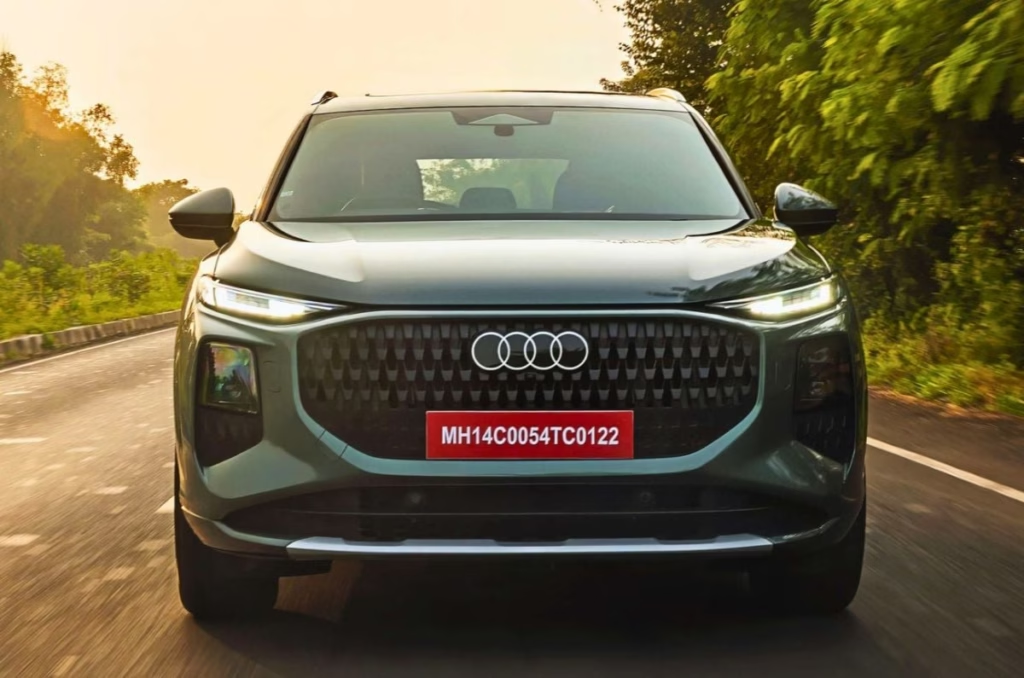
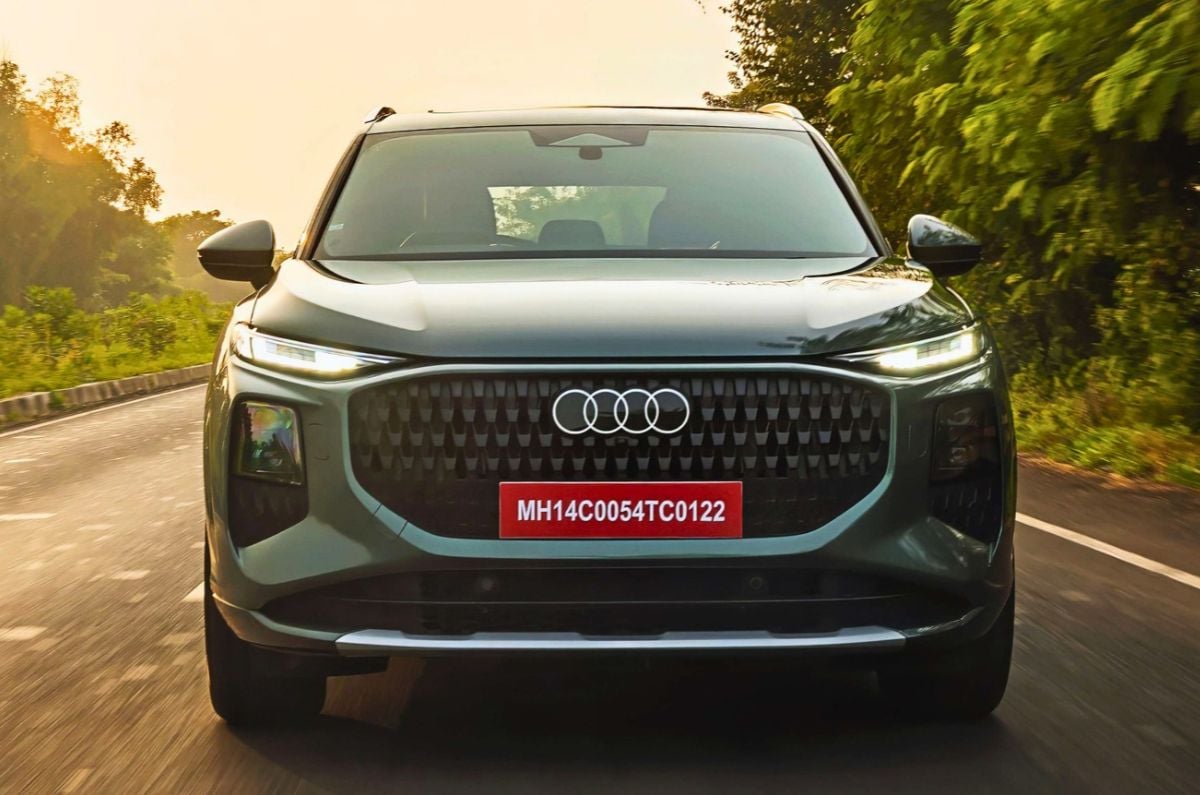
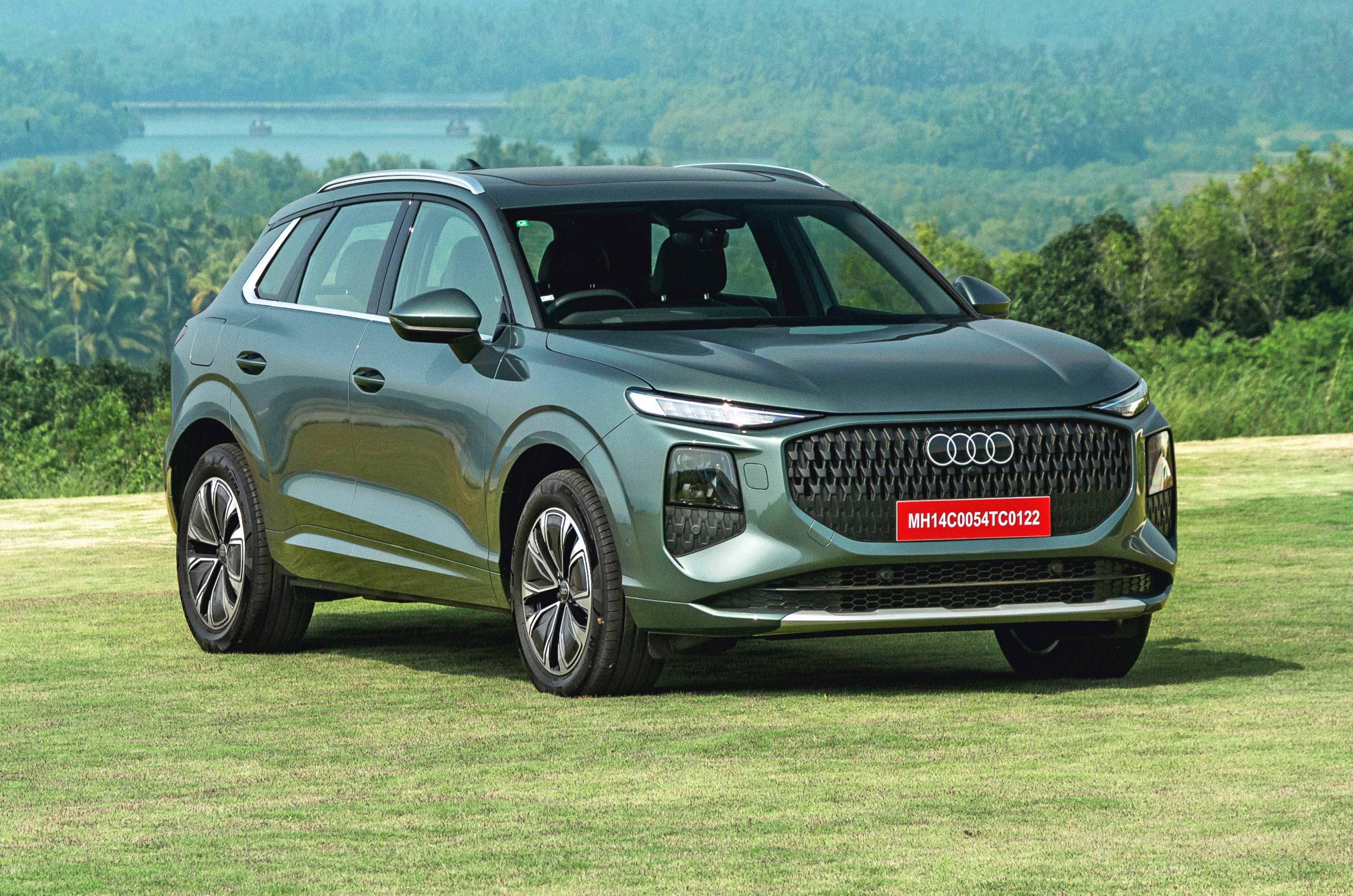
The third-gen Audi Q3 has ditched the conventional placement for the headlamps. Instead, it sports a split arrangement with the new Digital Matrix LED units located in the bumper and slim LED DRLs placed above them. The former houses 25,600 individually controlled pixels, while the latter double up as turn indicators and offer four light signatures. The wide honeycomb grille of the Q3 now gets the brand’s new 2D logo with an integrated radar for the ADAS suite.

new Audi Q3 rear quarter tracking

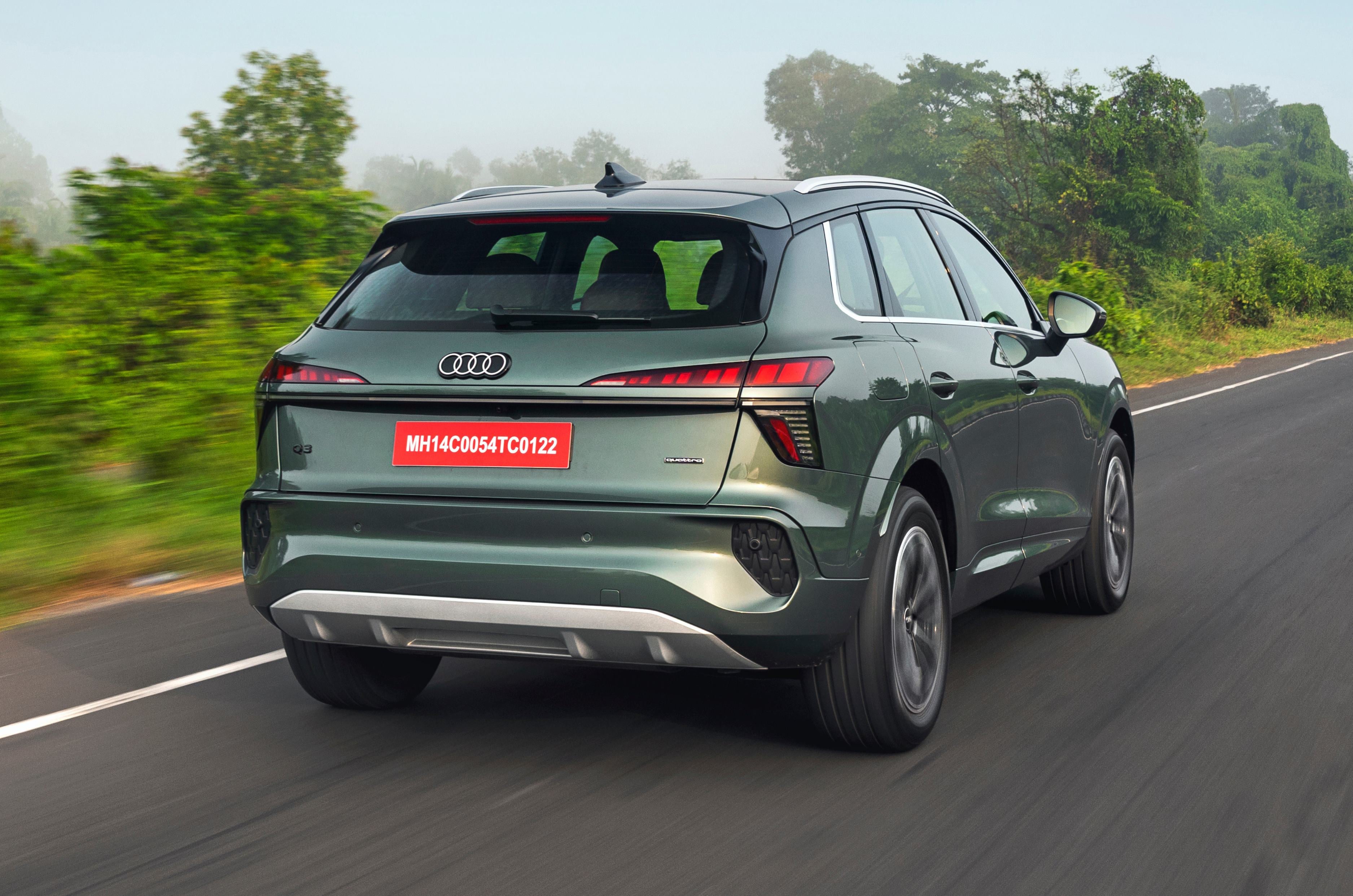
Design highlights along the sides include the 18-inch alloy wheels with self-levelling centre caps, silver roof rails and shiny trim stretching between the A pillar and the roof. The rear of the new Q3 features split LED tail-lamps connected by a sleek light bar, an illuminated Audi logo on the tailgate, and a silver skid plate in the bumper. The new Q3 looks bigger than the outgoing model, though its 2,681mm wheelbase is unchanged.

2. How is the interior of the new Audi Q3?

A spacious boot, solid build, curved displays and a new gear selector are some of the highlights

new Audi Q3 interior

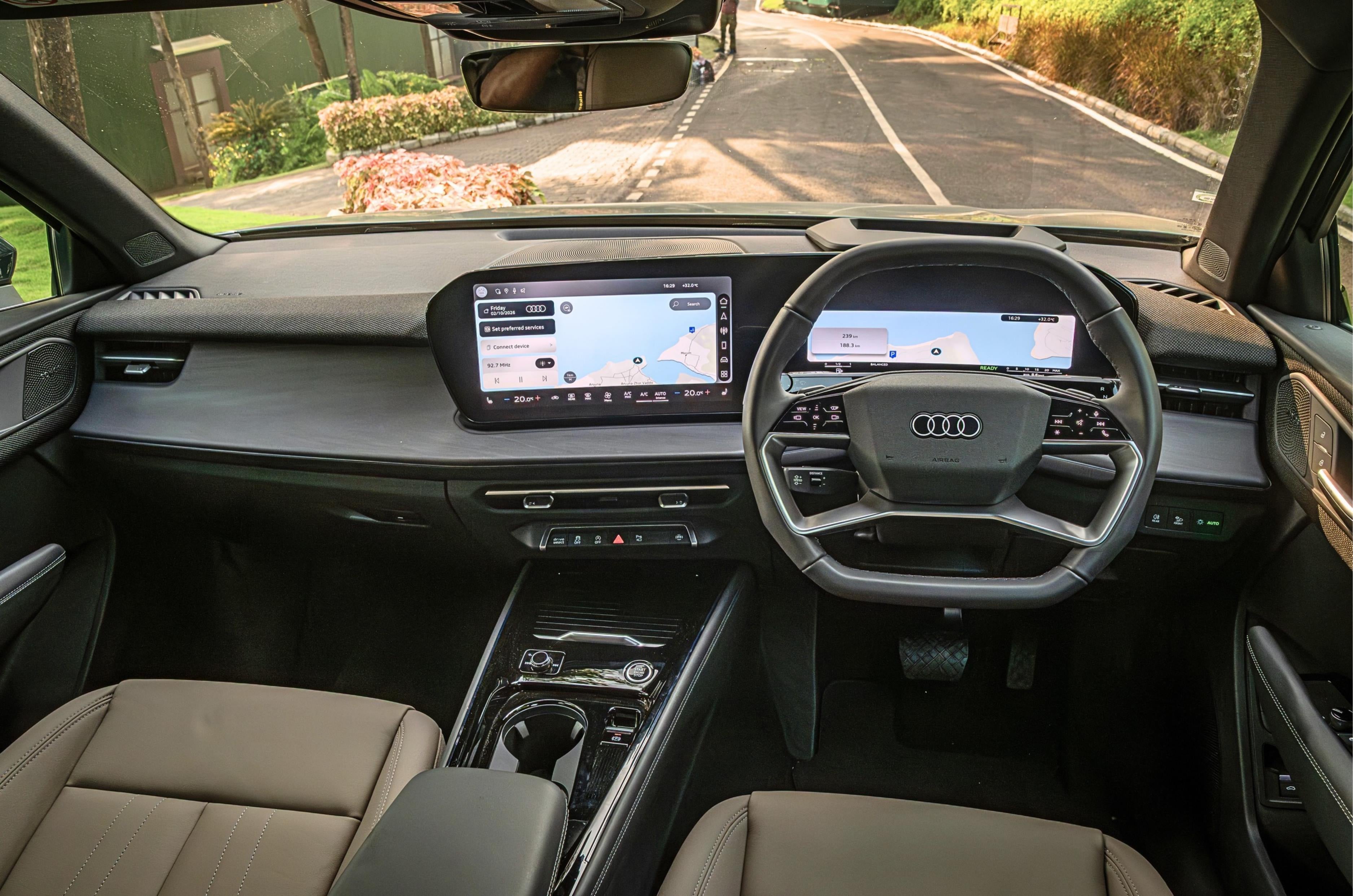
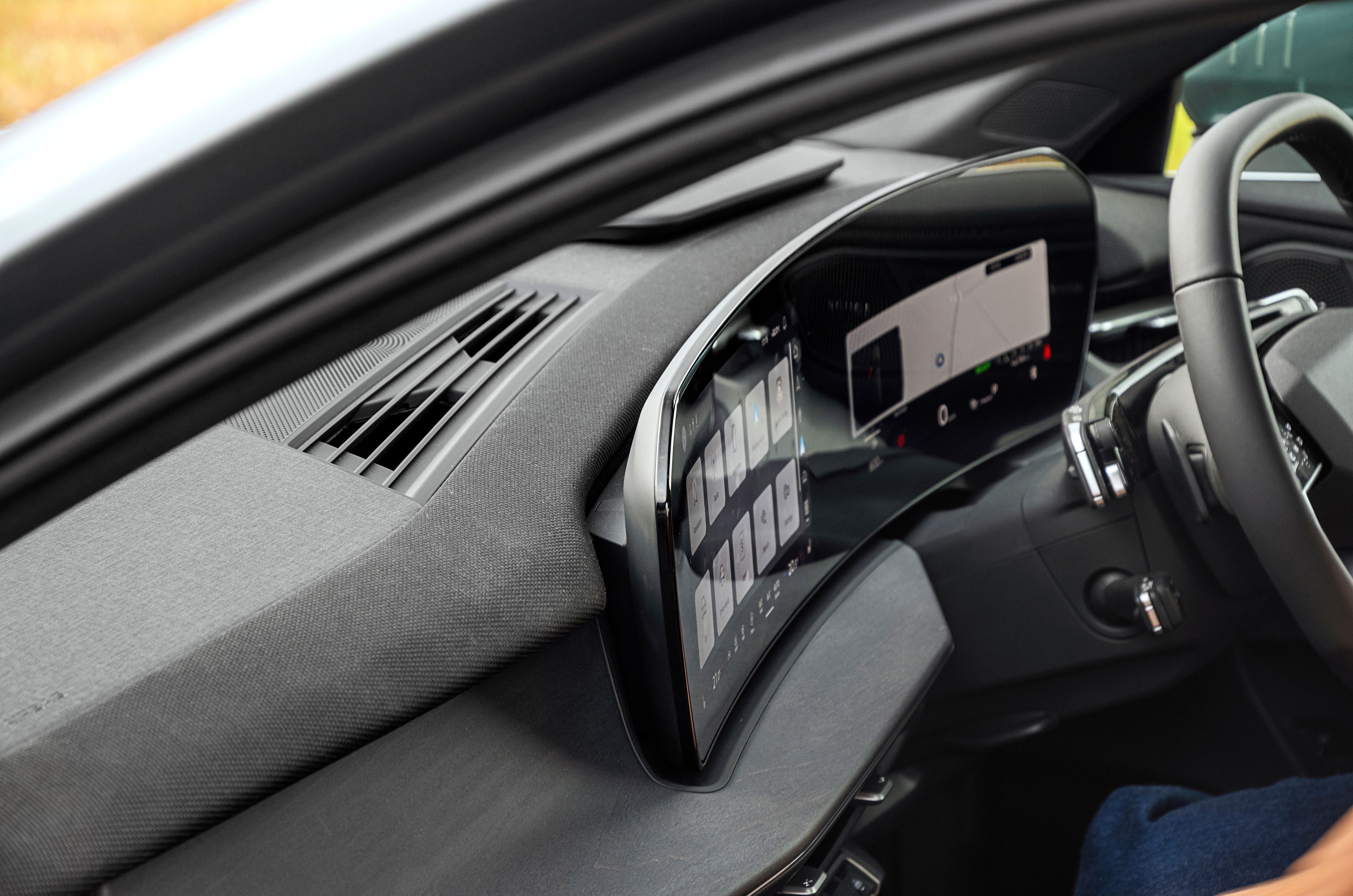
The boot of the new Audi Q3 has a capacity of 488 litres, which can be further expanded by folding down the 40:20:40 rear seats. There’s also a space-saver spare under the boot floor. This is a modern-looking interior, sporting an angled dashboard and centre console, curved digital displays and a hexagonal steering wheel. Meanwhile, placed on the steering column is the new stalk-type gear selector.

new Audi Q3 rear seats

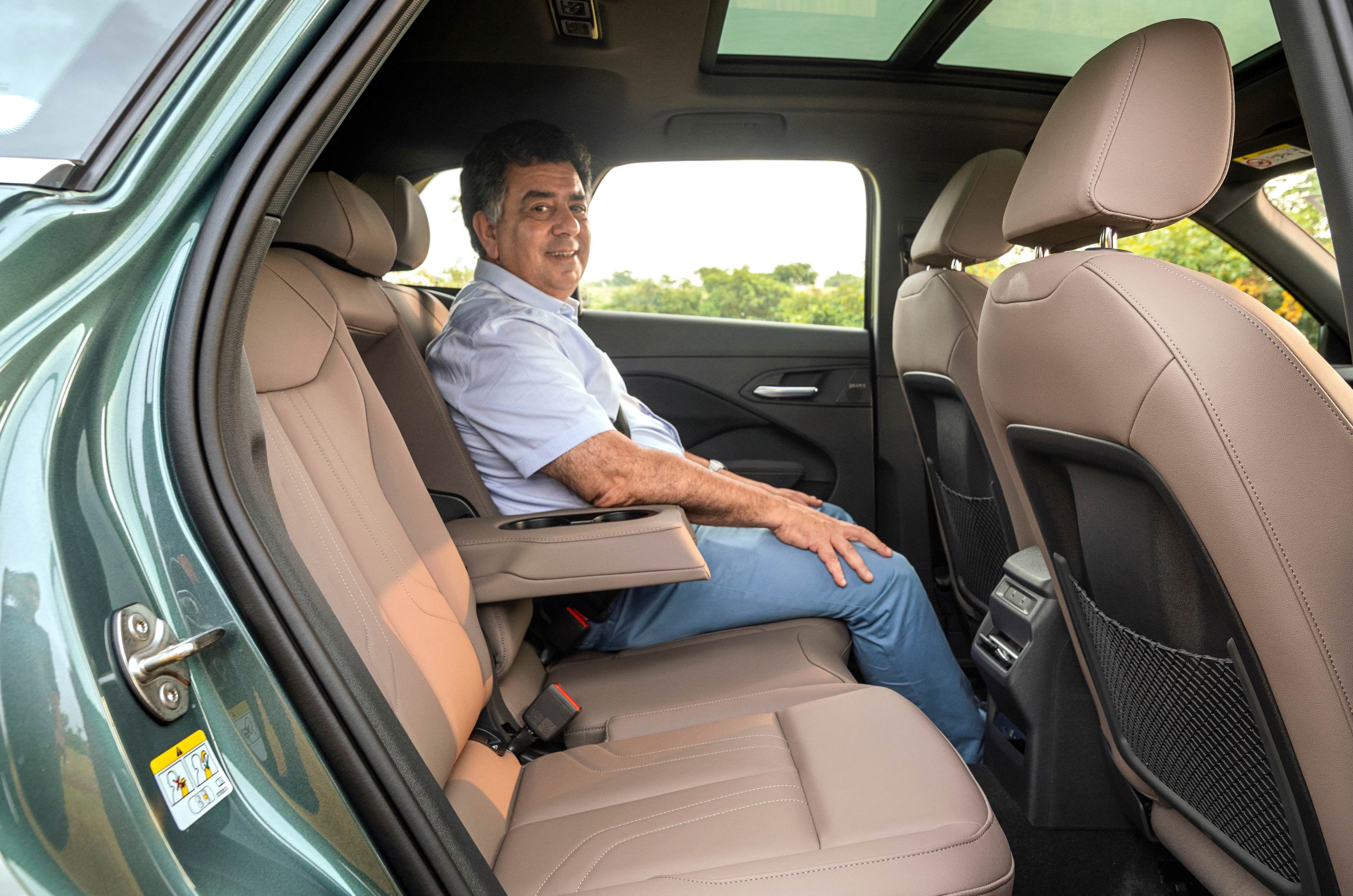
Leather upholstery aside, this interior also gets fabric and wood trim. There are hard plastics lower down in the cabin, but the overall build quality is impressive. The front seats are well-bolstered and will be comfortable even on long drives, but the rear ones are best reserved for two adults. Conveniences at the back include a fold-down armrest with cupholders, two USB-C outlets, seat-back pockets and rear AC vents.

3. What features does the new Audi Q3 offer?

Headline tech includes a 12-speaker Sonos audio system, panoramic sunroof, head-up display and 9 airbags

new Audi Q3 dashboard

The new Audi Q3 offers a range of conveniences and tech – including a powered tailgate, multi-zone automatic climate control, powered & heated front seats with memory, and a 12-speaker Sonos audio system. There’s also a panoramic sunroof, a 12.8-inch touch-infotainment system, and an 11.9-inch digital driver’s display.

new Audi Q3 ADAS

Rounding off the tech features of the Audi Q3 are 9 airbags, an auto-park function, and ADAS (advanced driver assistance systems) with adaptive cruise control and auto-emergency braking. Surprisingly, the new Q3 doesn’t get lane-keep assist, a 360-degree camera, or even ventilated seats.

4. What engine and gearbox does the new Audi Q3 get?

The new Q3 will only be offered with a 204hp turbo-petrol engine and quattro all-wheel drive

new Audi Q3 side tracking

Under the bonnet of the new Audi Q3 is a 2.0-litre turbo-petrol engine with direct injection, rated at 204hp and 320Nm. Mated to this TFSI mill is a 7-speed dual-clutch automatic gearbox with paddle shifters, while drive is sent to all four wheels via Audi’s quattro all-wheel-drive system.

There are multiple drive modes as well, including an ‘off-road’ setting. Audi claims a 0-100kph time of 7.1 seconds for the new Q3. However, there will be no diesel, hybrid or fully electric powertrains at launch.

5. What is the expected price of the new Audi Q3?

The new model is to be pricier than the outgoing Q3

new Audi Q3 front quarter tracking

The new Audi Q3 is expected to come at a premium over the outgoing model, which is priced between Rs 43.67 lakh and Rs 53 lakh (ex-showroom). The closest rivals of the Q3 will include the BMW X1 and Mercedes-Benz GLA.