Petrol Diesel Price Today: हर दिन की शुरुआत सिर्फ सूरज की किरणों से नहीं होती, बल्कि पेट्रोल और डीजल की नई कीमतों से भी होती है, जो आम आदमी की जेब पर सीधा असर डालती हैं। सुबह 6 बजे देश की तेल विपणन कंपनियां (OMCs) ताजा दरें जारी करती हैं, जो अंतरराष्ट्रीय बाजार में कच्चे तेल की कीमतों और डॉलर-रुपए की विनिमय दर में आए बदलावों पर आधारित होती हैं। ये बदलाव रोजमर्रा की जिंदगी को प्रभावित करते हैं, चाहे वो ऑफिस जाने वाला व्यक्ति हो या फल-सब्जी बेचने वाला व्यापारी।
ऐसे में हर दिन की कीमतों की जानकारी रखना सिर्फ जरूरी ही नहीं, बल्कि समझदारी भी है। सरकार की यह प्रणाली पारदर्शिता सुनिश्चित करती है ताकि उपभोक्ताओं को किसी तरह की भ्रमित जानकारी न मिले।
आपके शहर में आज का पेट्रोल-डीजल का भाव
ये रहे 17 सितंबर 2026 के प्रमुख शहरों के पेट्रोल-डीजल के ताजा रेट
नई दिल्ली: पेट्रोल ₹102.12 प्रति लीटर और डीजल ₹95.20 प्रति लीटर।
मुंबई: पेट्रोल ₹111.18 और डीजल ₹97.83 प्रति लीटर।
कोलकाता: पेट्रोल ₹113.47 जबकि डीजल ₹99.82 प्रति लीटर।
चेन्नई: पेट्रोल ₹107.77 और डीजल ₹99.55 प्रति लीटर।
गुरुग्राम: पेट्रोल ₹102.77 तथा डीजल ₹95.44 प्रति लीटर।
नोएडा: पेट्रोल ₹102.12 और डीजल ₹95.56 प्रति लीटर।
बेंगलुरु: पेट्रोल ₹110.93 जबकि डीजल ₹98.80 प्रति लीटर।
भुवनेश्वर: पेट्रोल ₹109.92 और डीजल ₹100.92 प्रति लीटर।
चंडीगढ़: पेट्रोल ₹98.10 तथा डीजल ₹86.09 प्रति लीटर।
हैदराबाद: पेट्रोल ₹115.69 और डीजल ₹103.82 प्रति लीटर।
जयपुर: पेट्रोल ₹112.66 जबकि डीजल ₹97.78 प्रति लीटर।
लखनऊ: पेट्रोल ₹102.05 और डीजल ₹95.55 प्रति लीटर।
पटना: पेट्रोल ₹113.35 तथा डीजल ₹99.36 प्रति लीटर।
तिरुवनंतपुरम: पेट्रोल ₹115.49 और डीजल ₹104.40 प्रति लीटर।
पिछले दो साल से स्थिर क्यों हैं कीमतें?
मई 2022 के बाद से केंद्र और कई राज्यों द्वारा टैक्स में कटौती की गई, जिसके बाद पेट्रोल-डीजल की कीमतों में स्थिरता देखी जा रही है। हालांकि अंतरराष्ट्रीय बाजार में उतार-चढ़ाव होता रहता है, फिर भी भारतीय उपभोक्ताओं के लिए कीमतें तुलनात्मक रूप से स्थिर बनी हुई हैं।
किन कारणों से तय होती हैं ईंधन की कीमतें?
कच्चे तेल की कीमतें:
पेट्रोल और डीजल का उत्पादन मुख्य रूप से कच्चे तेल से होता है। जब अंतरराष्ट्रीय स्तर पर कच्चे तेल की कीमतें बढ़ती हैं, तो इसका असर सीधे भारतीय बाजार पर पड़ता है।
डॉलर के मुकाबले रुपया:
भारत अधिकतर कच्चा तेल आयात करता है, और यह डॉलर में खरीदा जाता है। यदि रुपया कमजोर होता है, तो ईंधन महंगा हो जाता है।
सरकारी टैक्स और शुल्क:
केंद्र और राज्य सरकारें पेट्रोल-डीजल पर भारी टैक्स लगाती हैं, जो खुदरा मूल्य का बड़ा हिस्सा होते हैं। यही कारण है कि राज्यों में कीमतों में अंतर होता है।
रिफाइनिंग की लागत:
कच्चे तेल को इस्तेमाल लायक बनाने की प्रक्रिया (रिफाइनिंग) में भी खर्च होता है। ये लागत कच्चे तेल की गुणवत्ता और रिफाइनरी की क्षमता पर निर्भर करती है।
मांग और आपूर्ति का संतुलन:
बाजार में ईंधन की मांग अगर बढ़ जाती है, तो कीमतें भी ऊपर जाने लगती हैं। खासकर त्योहारों, गर्मी या सर्दी के मौसम में ईंधन की खपत ज्यादा होती है।
कैसे करें अपने शहर की कीमतें SMS से चेक?
अगर आप मोबाइल से ईंधन की कीमत जानना चाहते हैं, तो ये प्रक्रिया आसान है:
Indian Oil ग्राहक: अपने शहर का कोड टाइप करें और उसे “RSP” के साथ 9224992249 पर भेजें।
BPCL ग्राहक: “RSP” लिखकर 9223112222 पर भेजें।
HPCL ग्राहक: “HP Price” लिखकर 9222201122 पर भेजें।
Petrol Diesel Price Today: हर दिन की शुरुआत सिर्फ सूरज की किरणों से नहीं होती, बल्कि पेट्रोल और डीजल की नई कीमतों से भी होती है, जो आम आदमी की जेब पर सीधा असर डालती हैं। सुबह 6 बजे देश की तेल विपणन कंपनियां (OMCs) ताजा दरें जारी करती हैं, जो अंतरराष्ट्रीय बाजार में कच्चे तेल की कीमतों और डॉलर-रुपए की विनिमय दर में आए बदलावों पर आधारित होती हैं। ये बदलाव रोजमर्रा की जिंदगी को प्रभावित करते हैं, चाहे वो ऑफिस जाने वाला व्यक्ति हो या फल-सब्जी बेचने वाला व्यापारी।
ऐसे में हर दिन की कीमतों की जानकारी रखना सिर्फ जरूरी ही नहीं, बल्कि समझदारी भी है। सरकार की यह प्रणाली पारदर्शिता सुनिश्चित करती है ताकि उपभोक्ताओं को किसी तरह की भ्रमित जानकारी न मिले।
आपके शहर में आज का पेट्रोल-डीजल का भाव
ये रहे 16 सितंबर 2026 के प्रमुख शहरों के पेट्रोल-डीजल के ताजा रेट
नई दिल्ली: पेट्रोल ₹102.12 प्रति लीटर और डीजल ₹95.20 प्रति लीटर।
मुंबई: पेट्रोल ₹111.18 और डीजल ₹97.83 प्रति लीटर।
कोलकाता: पेट्रोल ₹113.47 जबकि डीजल ₹99.82 प्रति लीटर।
चेन्नई: पेट्रोल ₹107.77 और डीजल ₹99.55 प्रति लीटर।
गुरुग्राम: पेट्रोल ₹102.77 तथा डीजल ₹95.44 प्रति लीटर।
नोएडा: पेट्रोल ₹102.12 और डीजल ₹95.56 प्रति लीटर।
बेंगलुरु: पेट्रोल ₹110.93 जबकि डीजल ₹98.80 प्रति लीटर।
भुवनेश्वर: पेट्रोल ₹109.92 और डीजल ₹100.92 प्रति लीटर।
चंडीगढ़: पेट्रोल ₹98.10 तथा डीजल ₹86.09 प्रति लीटर।
हैदराबाद: पेट्रोल ₹115.69 और डीजल ₹103.82 प्रति लीटर।
जयपुर: पेट्रोल ₹112.66 जबकि डीजल ₹97.78 प्रति लीटर।
लखनऊ: पेट्रोल ₹102.05 और डीजल ₹95.55 प्रति लीटर।
पटना: पेट्रोल ₹113.35 तथा डीजल ₹99.36 प्रति लीटर।
तिरुवनंतपुरम: पेट्रोल ₹115.49 और डीजल ₹104.40 प्रति लीटर।
पिछले दो साल से स्थिर क्यों हैं कीमतें?
मई 2022 के बाद से केंद्र और कई राज्यों द्वारा टैक्स में कटौती की गई, जिसके बाद पेट्रोल-डीजल की कीमतों में स्थिरता देखी जा रही है। हालांकि अंतरराष्ट्रीय बाजार में उतार-चढ़ाव होता रहता है, फिर भी भारतीय उपभोक्ताओं के लिए कीमतें तुलनात्मक रूप से स्थिर बनी हुई हैं।
किन कारणों से तय होती हैं ईंधन की कीमतें?
कच्चे तेल की कीमतें:
पेट्रोल और डीजल का उत्पादन मुख्य रूप से कच्चे तेल से होता है। जब अंतरराष्ट्रीय स्तर पर कच्चे तेल की कीमतें बढ़ती हैं, तो इसका असर सीधे भारतीय बाजार पर पड़ता है।
डॉलर के मुकाबले रुपया:
भारत अधिकतर कच्चा तेल आयात करता है, और यह डॉलर में खरीदा जाता है। यदि रुपया कमजोर होता है, तो ईंधन महंगा हो जाता है।
सरकारी टैक्स और शुल्क:
केंद्र और राज्य सरकारें पेट्रोल-डीजल पर भारी टैक्स लगाती हैं, जो खुदरा मूल्य का बड़ा हिस्सा होते हैं। यही कारण है कि राज्यों में कीमतों में अंतर होता है।
रिफाइनिंग की लागत:
कच्चे तेल को इस्तेमाल लायक बनाने की प्रक्रिया (रिफाइनिंग) में भी खर्च होता है। ये लागत कच्चे तेल की गुणवत्ता और रिफाइनरी की क्षमता पर निर्भर करती है।
मांग और आपूर्ति का संतुलन:
बाजार में ईंधन की मांग अगर बढ़ जाती है, तो कीमतें भी ऊपर जाने लगती हैं। खासकर त्योहारों, गर्मी या सर्दी के मौसम में ईंधन की खपत ज्यादा होती है।
कैसे करें अपने शहर की कीमतें SMS से चेक?
अगर आप मोबाइल से ईंधन की कीमत जानना चाहते हैं, तो ये प्रक्रिया आसान है:
Indian Oil ग्राहक: अपने शहर का कोड टाइप करें और उसे “RSP” के साथ 9224992249 पर भेजें।
BPCL ग्राहक: “RSP” लिखकर 9223112222 पर भेजें।
HPCL ग्राहक: “HP Price” लिखकर 9222201122 पर भेजें।
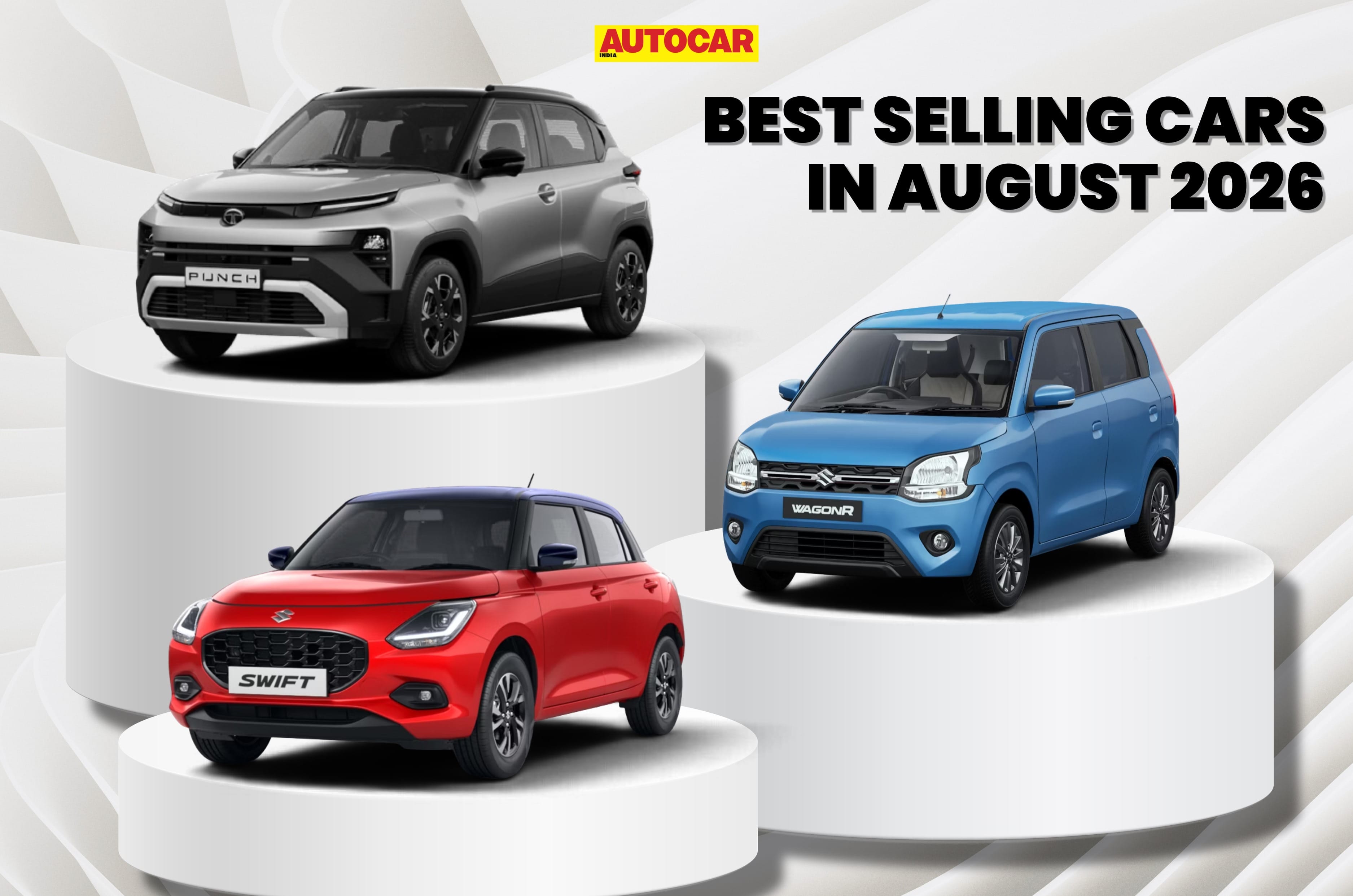
The Tata Punch was India’s best-selling car in August 2026, with 21,320 units sold, ahead of the Maruti Suzuki Wagon R and Swift. The top 10 models together recorded 1,83,037 units, up from 1,37,334 units in August 2025. Nine of the 10 models recorded year-on-year growth, with Maruti Suzuki accounting for six models in the list.
The year-on-year increase came against a lower base in August 2025, when buyers deferred purchases and manufacturers moderated dealer dispatches amid expectations of GST changes announced that month.
Rank
Model
August 2026 sales (units)
August 2025 sales (units)
YoY growth (percent)
1
Tata Punch
21,320
10,704
99
2
Maruti Suzuki Wagon R
20,180
14,552
39
3
Maruti Suzuki Swift
19,832
12,385
60
4
Maruti Suzuki Fronx
18,730
12,422
51
5
Maruti Suzuki Ertiga
18,516
18,445
0
6
Tata Nexon
18,431
14,004
32
7
Maruti Suzuki Dzire
18,418
16,509
12
8
Hyundai Creta
16,288
15,924
2
9
Maruti Suzuki Baleno
15,746
12,549
25
10
Mahindra Scorpio
15,576
9,840
58
Total
1,83,037
1,37,334
33
1. Tata Punch
Sales: 21,320 units
The Tata Punch topped the August 2026 sales rankings with 21,320 units, almost double the 10,704 units sold in August 2025. Its sales increased 99 percent year on year, the highest growth among the 10 models.
Tata’s smallest SUV is offered with multiple powertrain options, while its compact dimensions and ride and handling balance remain key strengths. The Punch rivals the Hyundai Exter and Citroen C3 and is priced from Rs 5.75 lakh to Rs 10.77 lakh.
2. Maruti Suzuki Wagon R
Sales: 20,180 units
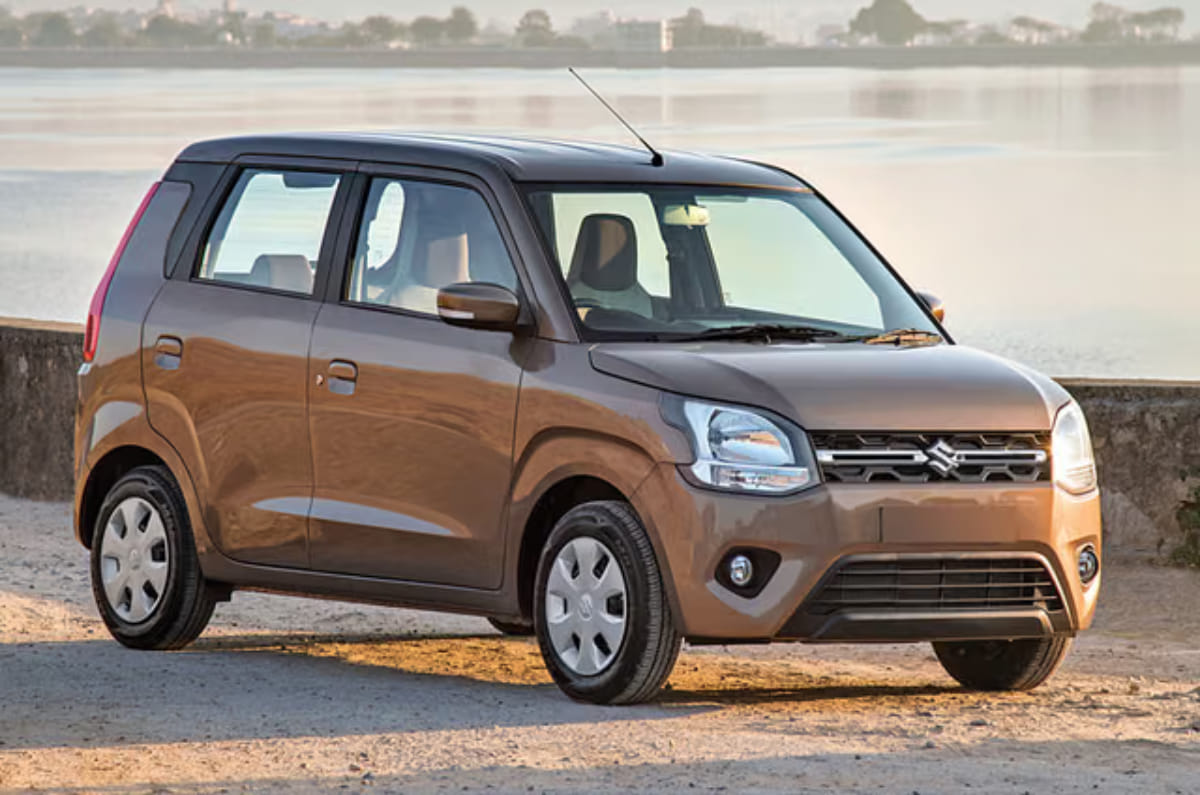
The Maruti Suzuki Wagon R finished second in August 2026 with 20,180 units, up from 14,552 units in August 2025. Its sales increased 39 percent year on year, putting it 1,140 units behind the Tata Punch.
Its spacious cabin, ease of driving and low running costs remain key strengths, although its light build and limited highway ability are drawbacks. The Wagon R rivals the Tata Tiago and Citroen C3 and is priced between Rs 4.99 lakh and Rs 7.24 lakh.
3. Maruti Suzuki Swift
Sales: 19,832 units
The Maruti Swift ranked third in August 2026 with 19,832 units, compared with 12,385 units in August 2025. Its sales increased 60 percent year on year, leaving it 348 units behind the Wagon R.
Its high fuel efficiency, light controls and easy-to-drive nature continue to support demand, although the top variants are priced close to the more premium Baleno. The Swift rivals the Hyundai Grand i10 Nios and Tata Tiago and is priced between Rs 5.84 lakh and Rs 8.74 lakh.
4. Maruti Suzuki Fronx
Sales: 18,730 units
The Maruti Suzuki Fronx was fourth in August 2026 with 18,730 units, compared with 12,422 units in August 2025. Its sales increased 51 percent year on year, leaving it 1,102 units behind the Swift.
The Fronx’s crossover styling, comfortable cabin and fuel-efficient powertrains continue to support demand, although it lacks some popular features. It rivals the Nissan Magnite and Renault Kiger and is priced between Rs 6.85 lakh and Rs 11.84 lakh.
5. Maruti Suzuki Ertiga
Sales: 18,516 units
The Maruti Suzuki Ertiga finished fifth in August 2026 with 18,516 units, almost unchanged from the 18,445 units sold in August 2025. Its sales were effectively flat year on year.
The Ertiga continues to hold the title of India’s highest-selling MPV. Its practical cabin, strong fuel efficiency and value-for-money positioning attract both private and fleet buyers, although it misses out on some features offered by rivals. It is priced from Rs 8.90 lakh to Rs 13.04 lakh and rivals the Kia Carens and Toyota Rumion.
6. Tata Nexon
Sales: 18,431 units
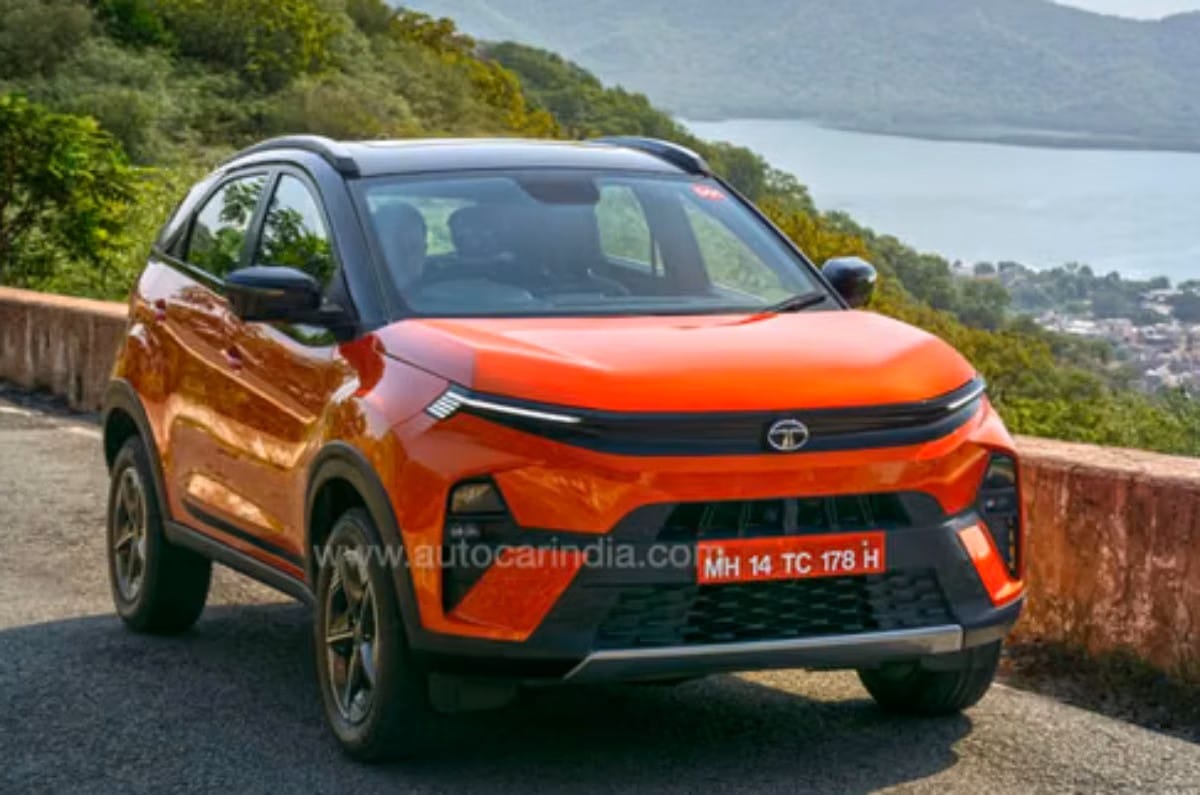
The Tata Nexon, including the ICE and EV versions, recorded 18,431 units in August 2026, up from 14,004 units in August 2025. Its sales increased 32 percent year on year, making it the sixth best-selling model in the month.
The Nexon is offered with petrol, diesel, CNG and EV powertrain options, along with a feature-rich cabin. However, its fit and finish are not as polished as some rivals. It competes with the Maruti Suzuki Brezza, Hyundai Venue, Kia Sonet and Mahindra XUV 3XO and is priced from Rs 7.40 lakh to Rs 14.52 lakh.
7. Maruti Suzuki Dzire
Sales: 18,418 units
The Maruti Dzire was seventh in August 2026 with 18,418 units, compared with 16,509 units in August 2025. Its sales increased 12 percent year on year, with the Dzire being the only sedan in the top 10.
Strong fleet demand, fuel efficiency and a well-balanced ride and handling setup continue to support the compact sedan’s volumes. The Dzire rivals the Hyundai Aura, Honda Amaze and Tata Tigor and is priced between Rs 6.31 lakh and Rs 9.41 lakh.
8. Hyundai Creta
Sales: 16,288 units
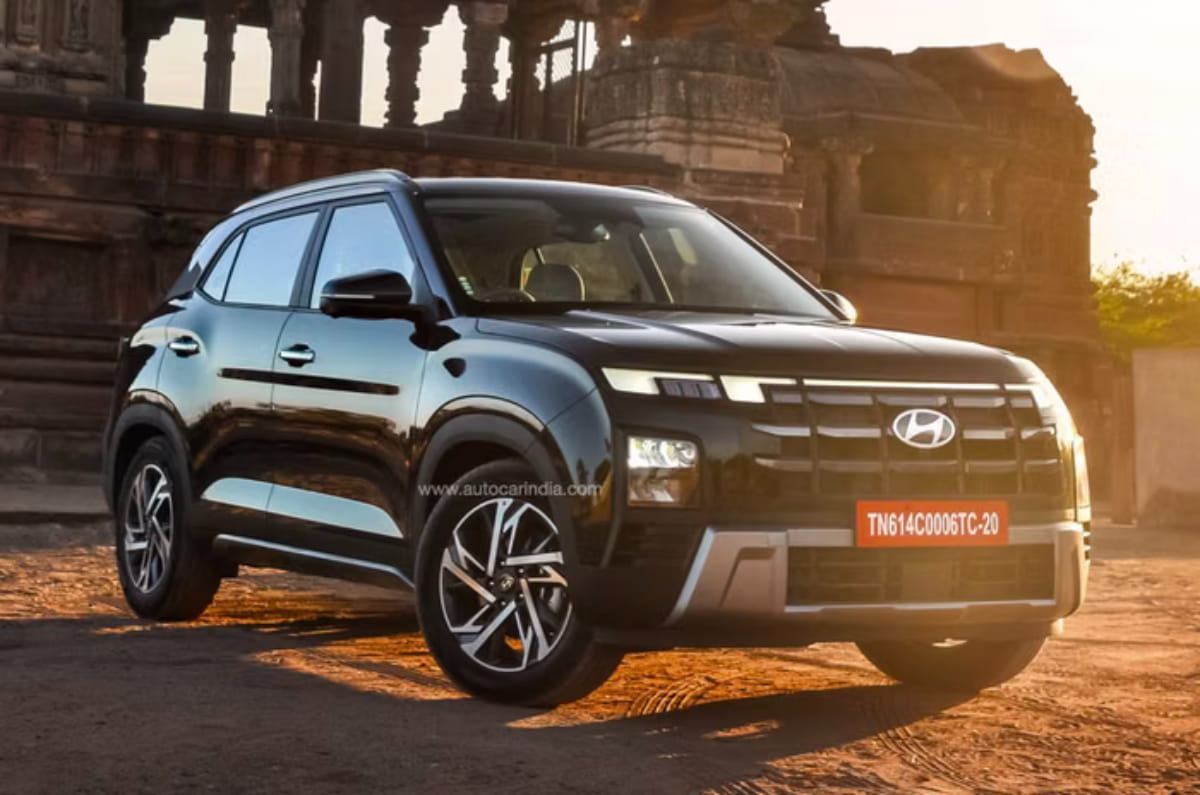
The Hyundai Creta finished eighth in August 2026 with 16,288 units, up from 15,924 units in August 2025. Its sales increased 2 percent year on year, making it the only Hyundai model in the top 10.
A roomy cabin and long feature list continue to attract buyers, although the top variants are expensive and some interior plastics could be better. The Creta rivals the Kia Seltos, Maruti Suzuki Grand Vitara, Toyota Urban Cruiser Hyryder, Honda Elevate and Tata Sierra. It is priced between Rs 10.91 lakh and Rs 20.11 lakh.
9. Maruti Suzuki Baleno
Sales: 15,746 units
The Maruti Suzuki Baleno ranked ninth in August 2026 with 15,746 units, compared with 12,549 units in August 2025. Its sales increased 25 percent year on year, making it the third Maruti Suzuki hatchback in the top 10.
The premium hatchback has recently received a facelift and rivals the Hyundai i20, Tata Altroz and Toyota Glanza. The Baleno is priced between Rs 5.99 lakh and Rs 9.99 lakh.
10. Mahindra Scorpio
Sales: 15,576 units
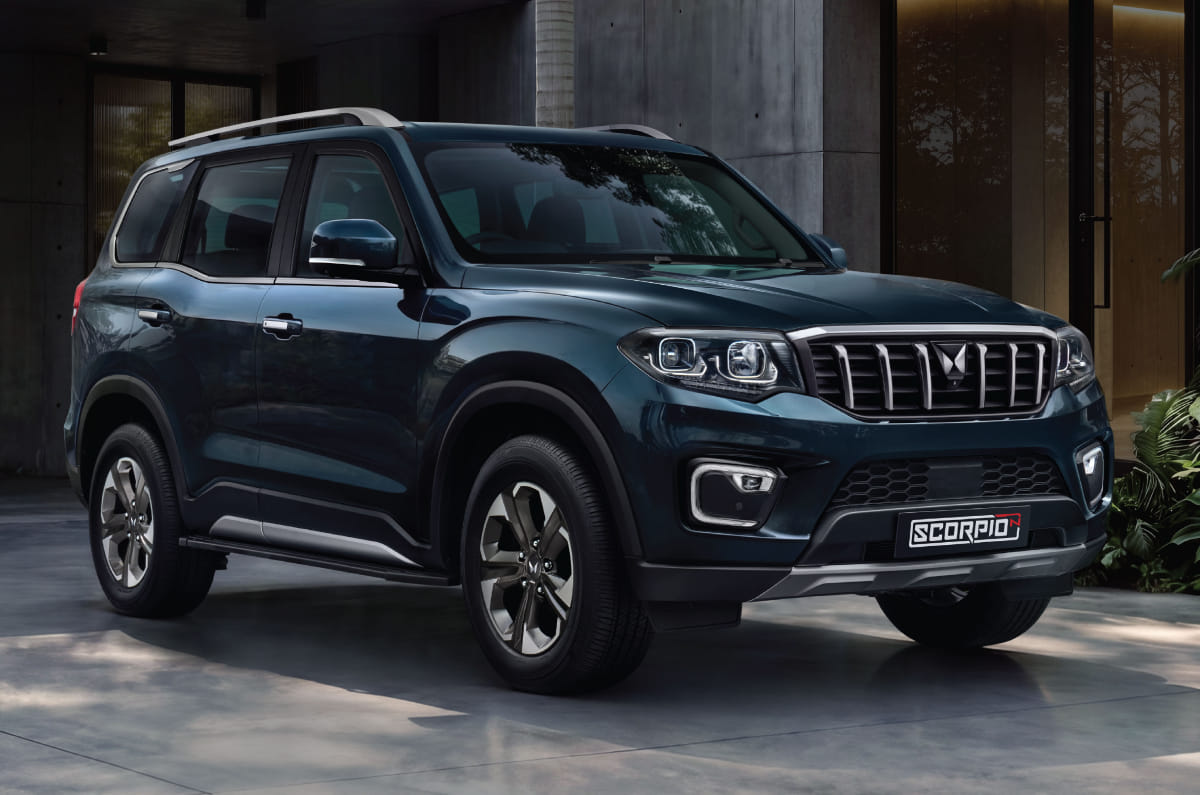
The Mahindra Scorpio, comprising the Scorpio N and Scorpio Classic, completed the August 2026 top 10 with 15,576 units, up from 9,840 units in August 2025. Its sales increased 58 percent year on year, the third-highest growth rate among the top 10 models.
The Scorpio nameplate remains popular for its strong engines, rugged character and off-road ability. However, the third-row seating is cramped and the luggage area is not particularly practical. The Scorpio N rivals the Tata Safari, Hyundai Alcazar and Mahindra XUV 7XO and is priced from Rs 13.69 lakh to Rs 25.49 lakh.
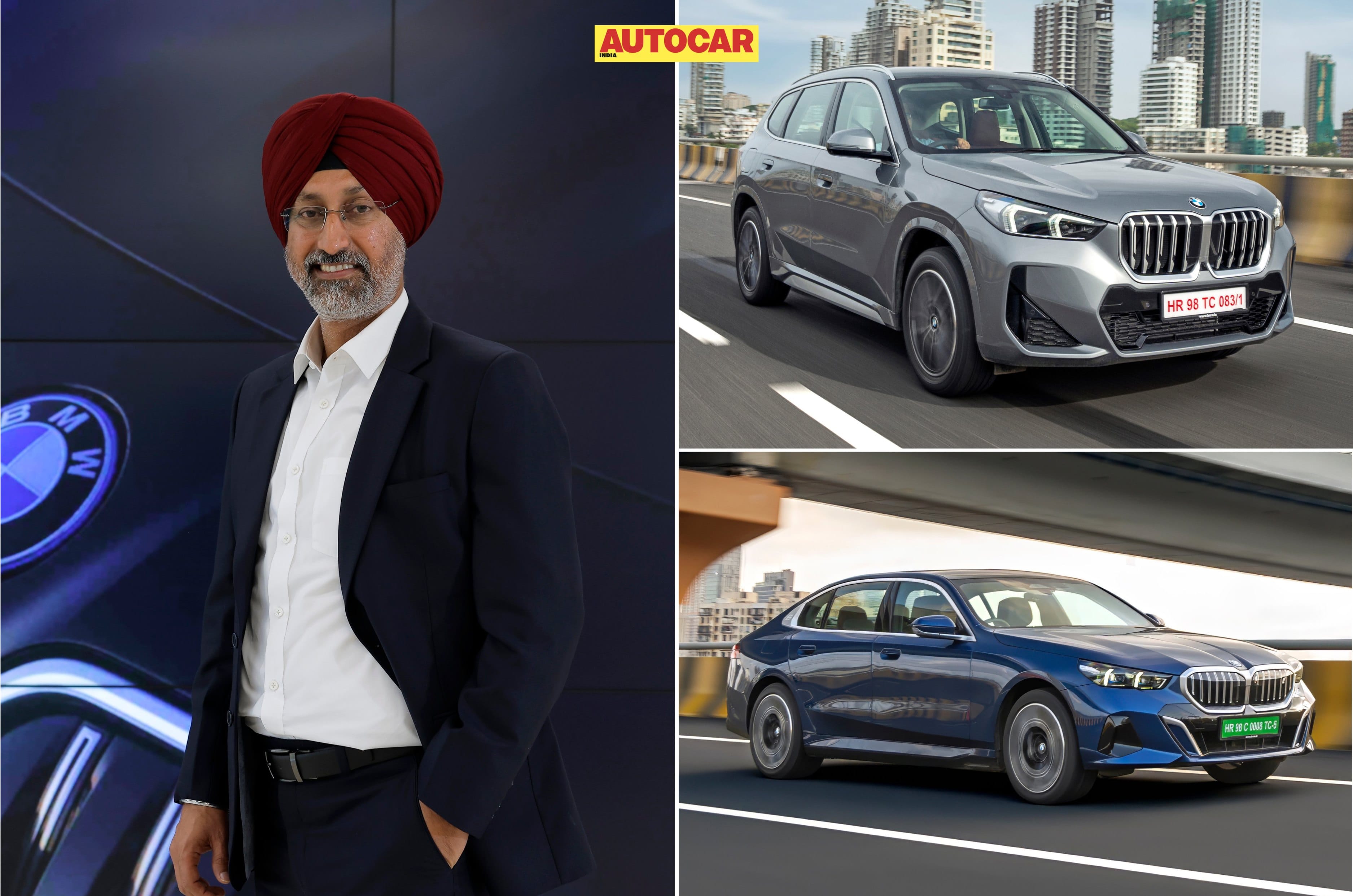
BMW India expects long-wheelbase models to account for around 60 percent of its sales by the end of 2026, up from 52 percent in the first half. BMW’s sales grew 14 percent in 2025 and 15 percent year on year in the first half of 2026, even as the wider market remained flat or declined marginally. The carmaker is focusing on long-wheelbase models and electric vehicles as the two key areas of its product strategy in the country.
BMW to focus on long-wheelbase range
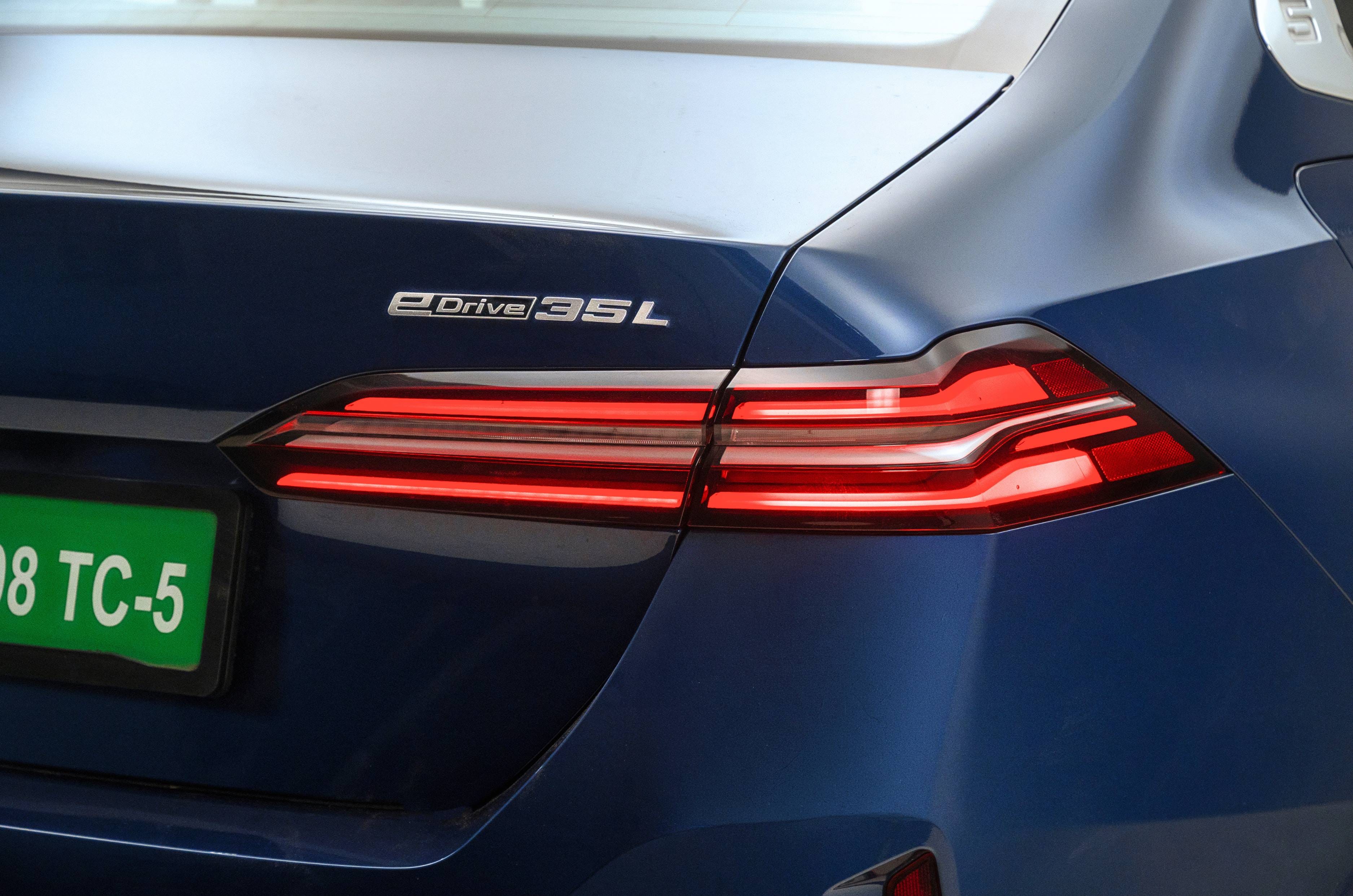
“Long wheelbase and electrification are the two pillars we are working on this year,” Hardeep Singh Brar, president and CEO of BMW Group India, told our sister publication, Autocar Professional, on the sidelines of the launch of the BMW i5 LWB. “In the first half, we were at 52 percent long wheelbase. With the new launches, I think the long-wheelbase category will grow further,” he added.
BMW’s long-wheelbase portfolio currently includes the 3 Series LWB, 5 Series LWB, X1 LWB, i5 LWB and iX1 LWB. The company has extended the format beyond executive sedans and indicated that it will continue to favour long-wheelbase versions for relevant models introduced in India. The LWB format is aimed at buyers seeking greater rear-seat legroom and comfort, particularly chauffeur-driven customers.
“It is a tried-and-tested formula, so why not go with it?” Brar said. The introduction of long-wheelbase models in the entry-luxury and executive segments has also helped BMW differentiate its products in an increasingly competitive market.
EVs could account for over 30 percent of BMW India’s sales in H2 2026
Electric vehicles accounted for 21 percent of BMW’s India volumes in 2025 and 26 percent in the first half of 2026. Brar expects the share to cross 30 percent in the second half, with one-third also possible. The iX1 comprises around half of sales in the X1 range, while the i7 constituted about 60 percent of combined 7 Series and i7 volumes during the previous model cycle.
EVs taking up diesel’s share in BMW’s portfolio
BMW has also seen some customers move from diesel to electric vehicles. Brar attributed part of the decline in diesel demand to concerns over vehicle life and residual values, particularly in markets such as Delhi, where diesel vehicles have a 10-year registration life.
The company does not plan to discontinue diesel and will continue offering the powertrain where demand remains strong. The X5 and X7 continue to see reasonable demand for diesel versions, Brar said.
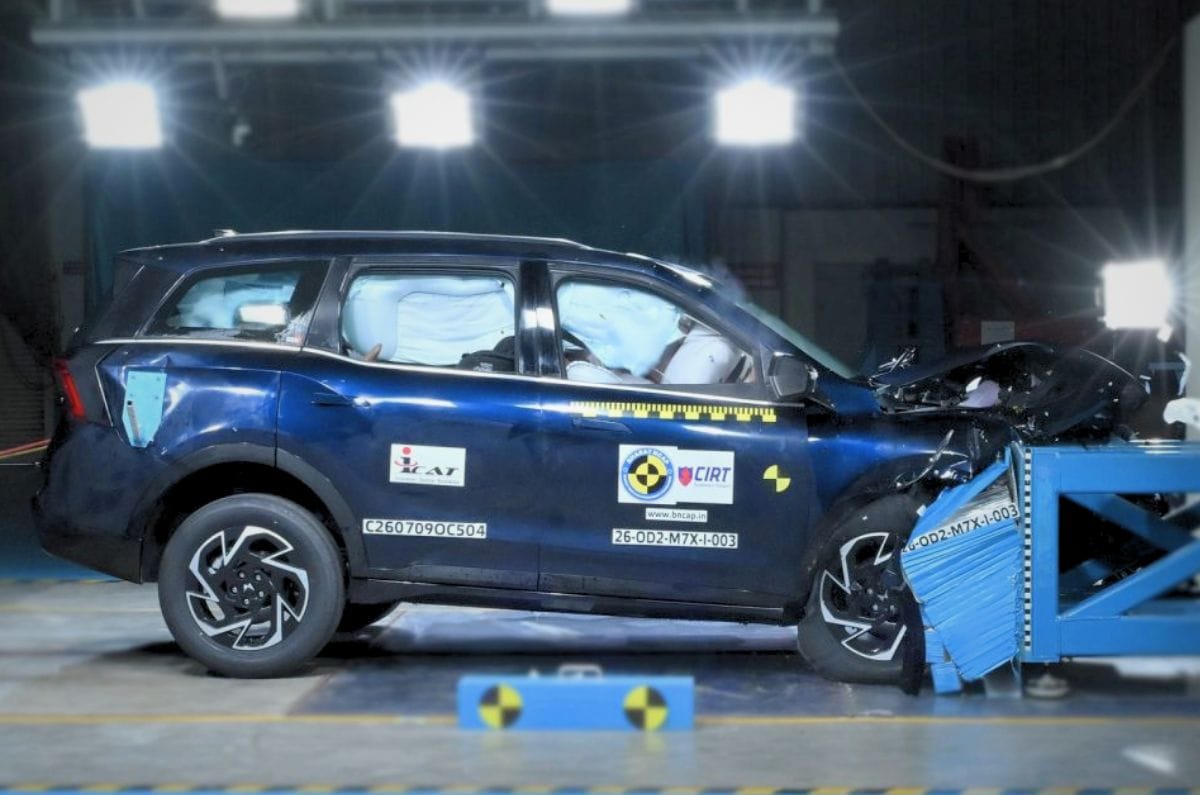
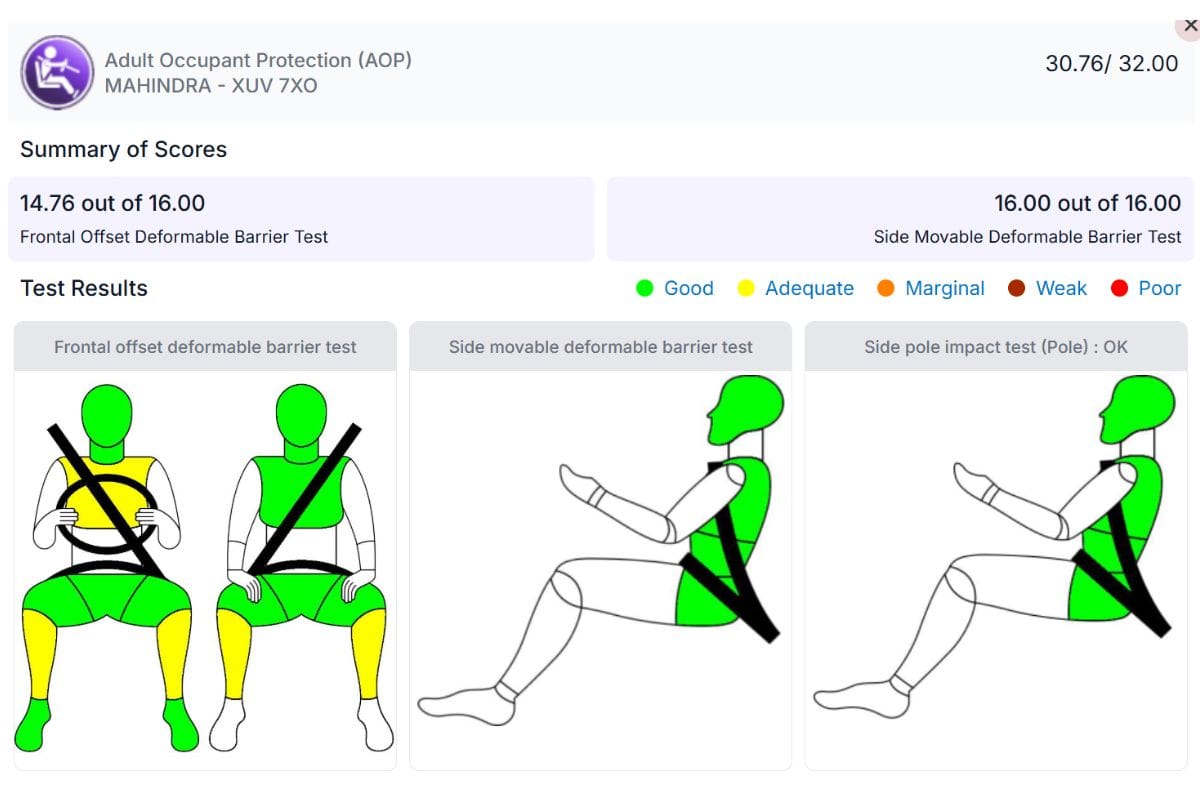
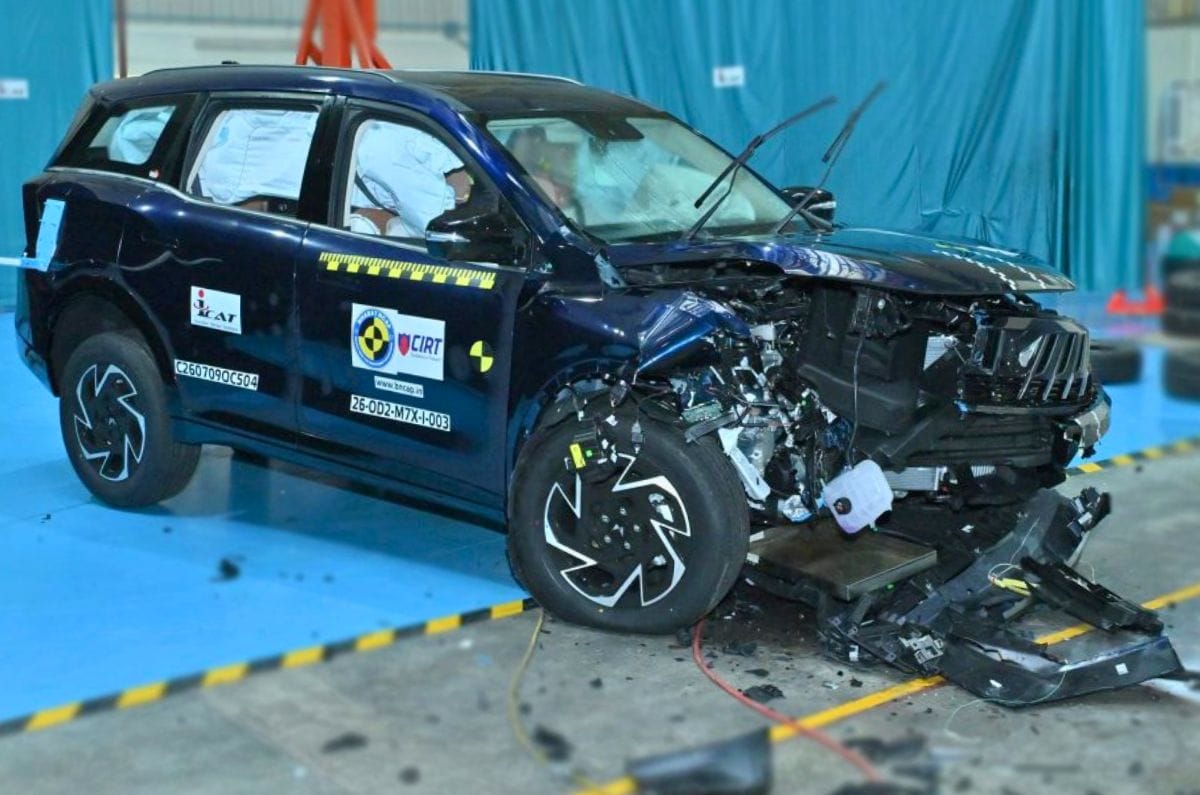
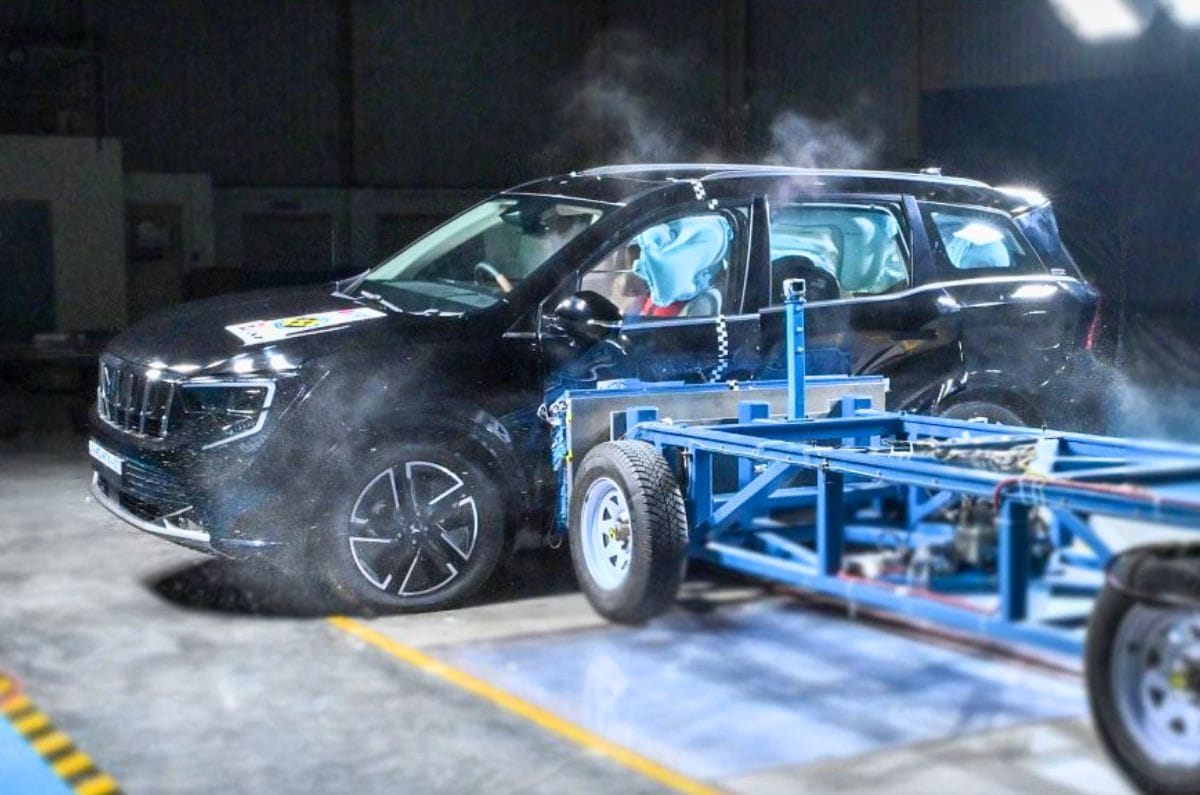
The Mahindra XUV 7XO has received a 5-star safety rating from Bharat NCAP for both adult and child occupant protection. It scored 30.76 out of 32 points in the Adult Occupant Protection (AOP) test and 44.97 out of 49 points in the Child Occupant Protection (COP) test. Bharat NCAP tested the 7-seater AX7 diesel-automatic FWD and AWD variants, but the 5-star safety rating applies to all variants of the XUV 7XO.
In the frontal offset deformable barrier test, the driver’s head, neck, pelvis, thighs and feet received ‘good’ protection, while protection to the chest and tibia was ‘adequate’. Except for the co-driver’s tibiae, which received ‘adequate’ protection, all other critical parts received ‘good’ protection.
In the side-movable deformable barrier test, all critical parts of the passenger, including head, chest, abdomen and pelvis, received ‘good’ protection. In the side pole impact test (pole), the verdict was ‘OK’.
For the COP tests, the child seats of both the 18-month-old and 3-year-old dummies in the XUV 7XO were rearward-facing. The test report suggests that the frontal crash test on the 18-month-old dummy resulted in 7.97 points out of 8, while the 3-year-old dummy received a full 8 out of 8 points. Both dummies, however, scored a full 4 out of 4 points in the side crash test.
This reduction of 0.03 points resulted in the Mahindra XUV 7XO achieving 23.97 out of 24 points in the dynamic child protection score. It further received a CRS installation score of 12 out of 12, but lost 4 points in the vehicle assessment score, resulting in an overall score of 44.97 out of 49 points.
Mahindra used the 7-seater AX7 diesel-automatic FWD and AWD variants to conduct the crash test. The results apply to all SUV variants. Standard safety features on the XUV 7XO include 6 airbags, hill-hold and hill-descent assists, ISOFIX child seat anchorages, traction control and ESC. Higher variants also get a 360-degree camera, Level 2 advanced driver assistance systems (ADAS), and a tyre pressure monitoring system (TPMS).
Notably, the pre-facelift model, called the XUV700, was crash-tested in 2021 by Global NCAP and received a 5-star safety rating for AOP and a lower 4-star rating for COP.
Petrol Diesel Price Today: हर दिन की शुरुआत सिर्फ सूरज की किरणों से नहीं होती, बल्कि पेट्रोल और डीजल की नई कीमतों से भी होती है, जो आम आदमी की जेब पर सीधा असर डालती हैं। सुबह 6 बजे देश की तेल विपणन कंपनियां (OMCs) ताजा दरें जारी करती हैं, जो अंतरराष्ट्रीय बाजार में कच्चे तेल की कीमतों और डॉलर-रुपए की विनिमय दर में आए बदलावों पर आधारित होती हैं। ये बदलाव रोजमर्रा की जिंदगी को प्रभावित करते हैं, चाहे वो ऑफिस जाने वाला व्यक्ति हो या फल-सब्जी बेचने वाला व्यापारी।
ऐसे में हर दिन की कीमतों की जानकारी रखना सिर्फ जरूरी ही नहीं, बल्कि समझदारी भी है। सरकार की यह प्रणाली पारदर्शिता सुनिश्चित करती है ताकि उपभोक्ताओं को किसी तरह की भ्रमित जानकारी न मिले।
आपके शहर में आज का पेट्रोल-डीजल का भाव
ये रहे 15 सितंबर 2026 के प्रमुख शहरों के पेट्रोल-डीजल के ताजा रेट
नई दिल्ली: पेट्रोल ₹102.12 प्रति लीटर और डीजल ₹95.20 प्रति लीटर।
मुंबई: पेट्रोल ₹111.18 और डीजल ₹97.83 प्रति लीटर।
कोलकाता: पेट्रोल ₹113.47 जबकि डीजल ₹99.82 प्रति लीटर।
चेन्नई: पेट्रोल ₹107.77 और डीजल ₹99.55 प्रति लीटर।
गुरुग्राम: पेट्रोल ₹102.77 तथा डीजल ₹95.44 प्रति लीटर।
नोएडा: पेट्रोल ₹102.12 और डीजल ₹95.56 प्रति लीटर।
बेंगलुरु: पेट्रोल ₹110.93 जबकि डीजल ₹98.80 प्रति लीटर।
भुवनेश्वर: पेट्रोल ₹109.92 और डीजल ₹100.92 प्रति लीटर।
चंडीगढ़: पेट्रोल ₹98.10 तथा डीजल ₹86.09 प्रति लीटर।
हैदराबाद: पेट्रोल ₹115.69 और डीजल ₹103.82 प्रति लीटर।
जयपुर: पेट्रोल ₹112.66 जबकि डीजल ₹97.78 प्रति लीटर।
लखनऊ: पेट्रोल ₹102.05 और डीजल ₹95.55 प्रति लीटर।
पटना: पेट्रोल ₹113.35 तथा डीजल ₹99.36 प्रति लीटर।
तिरुवनंतपुरम: पेट्रोल ₹115.49 और डीजल ₹104.40 प्रति लीटर।
पिछले दो साल से स्थिर क्यों हैं कीमतें?
मई 2022 के बाद से केंद्र और कई राज्यों द्वारा टैक्स में कटौती की गई, जिसके बाद पेट्रोल-डीजल की कीमतों में स्थिरता देखी जा रही है। हालांकि अंतरराष्ट्रीय बाजार में उतार-चढ़ाव होता रहता है, फिर भी भारतीय उपभोक्ताओं के लिए कीमतें तुलनात्मक रूप से स्थिर बनी हुई हैं।
किन कारणों से तय होती हैं ईंधन की कीमतें?
कच्चे तेल की कीमतें:
पेट्रोल और डीजल का उत्पादन मुख्य रूप से कच्चे तेल से होता है। जब अंतरराष्ट्रीय स्तर पर कच्चे तेल की कीमतें बढ़ती हैं, तो इसका असर सीधे भारतीय बाजार पर पड़ता है।
डॉलर के मुकाबले रुपया:
भारत अधिकतर कच्चा तेल आयात करता है, और यह डॉलर में खरीदा जाता है। यदि रुपया कमजोर होता है, तो ईंधन महंगा हो जाता है।
सरकारी टैक्स और शुल्क:
केंद्र और राज्य सरकारें पेट्रोल-डीजल पर भारी टैक्स लगाती हैं, जो खुदरा मूल्य का बड़ा हिस्सा होते हैं। यही कारण है कि राज्यों में कीमतों में अंतर होता है।
रिफाइनिंग की लागत:
कच्चे तेल को इस्तेमाल लायक बनाने की प्रक्रिया (रिफाइनिंग) में भी खर्च होता है। ये लागत कच्चे तेल की गुणवत्ता और रिफाइनरी की क्षमता पर निर्भर करती है।
मांग और आपूर्ति का संतुलन:
बाजार में ईंधन की मांग अगर बढ़ जाती है, तो कीमतें भी ऊपर जाने लगती हैं। खासकर त्योहारों, गर्मी या सर्दी के मौसम में ईंधन की खपत ज्यादा होती है।
कैसे करें अपने शहर की कीमतें SMS से चेक?
अगर आप मोबाइल से ईंधन की कीमत जानना चाहते हैं, तो ये प्रक्रिया आसान है:
Indian Oil ग्राहक: अपने शहर का कोड टाइप करें और उसे “RSP” के साथ 9224992249 पर भेजें।
BPCL ग्राहक: “RSP” लिखकर 9223112222 पर भेजें।
HPCL ग्राहक: “HP Price” लिखकर 9222201122 पर भेजें।
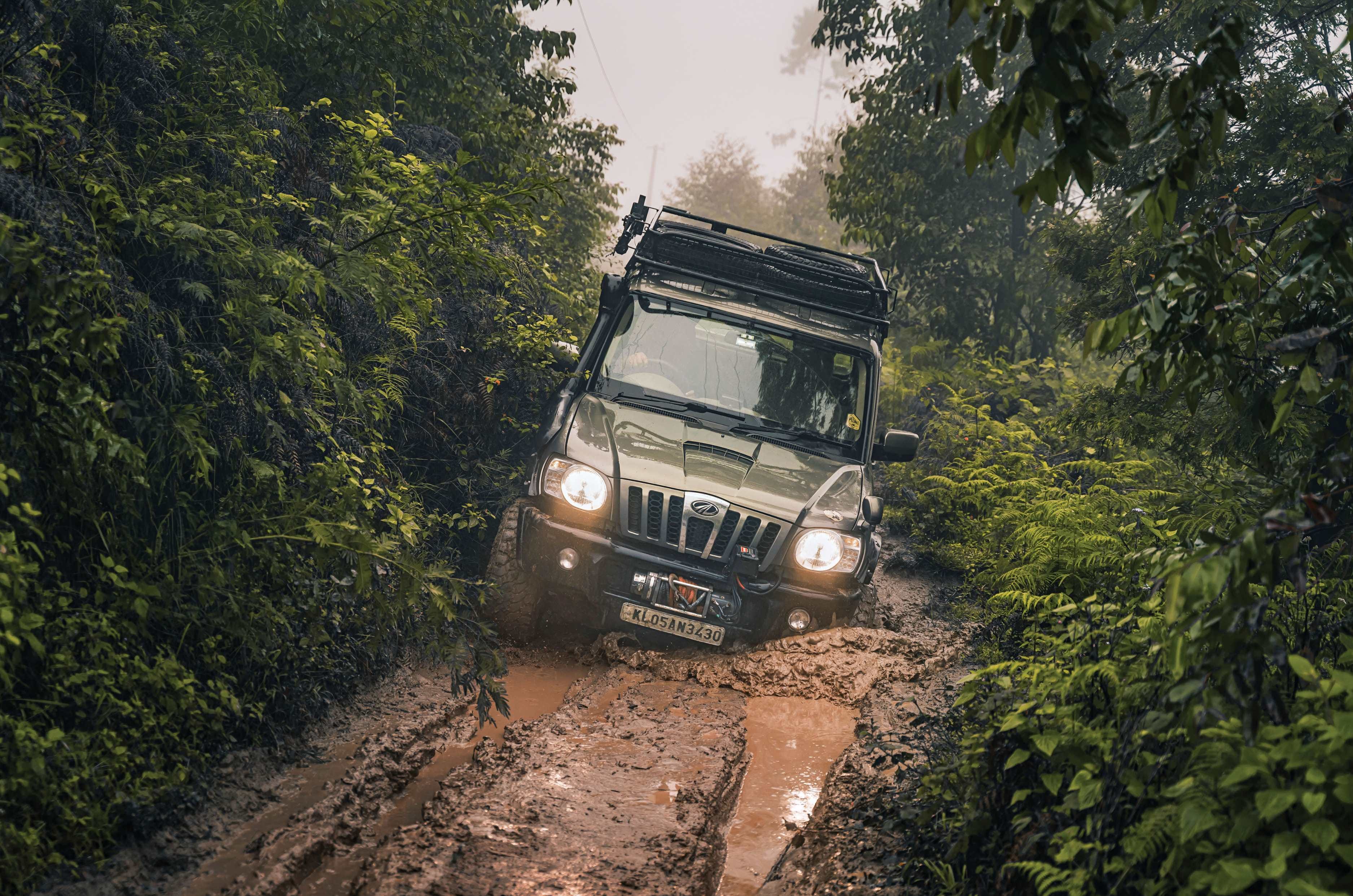
This is the story of a 1,50,000km-old Mahindra Scorpio Getaway that has lived the life it was designed for.
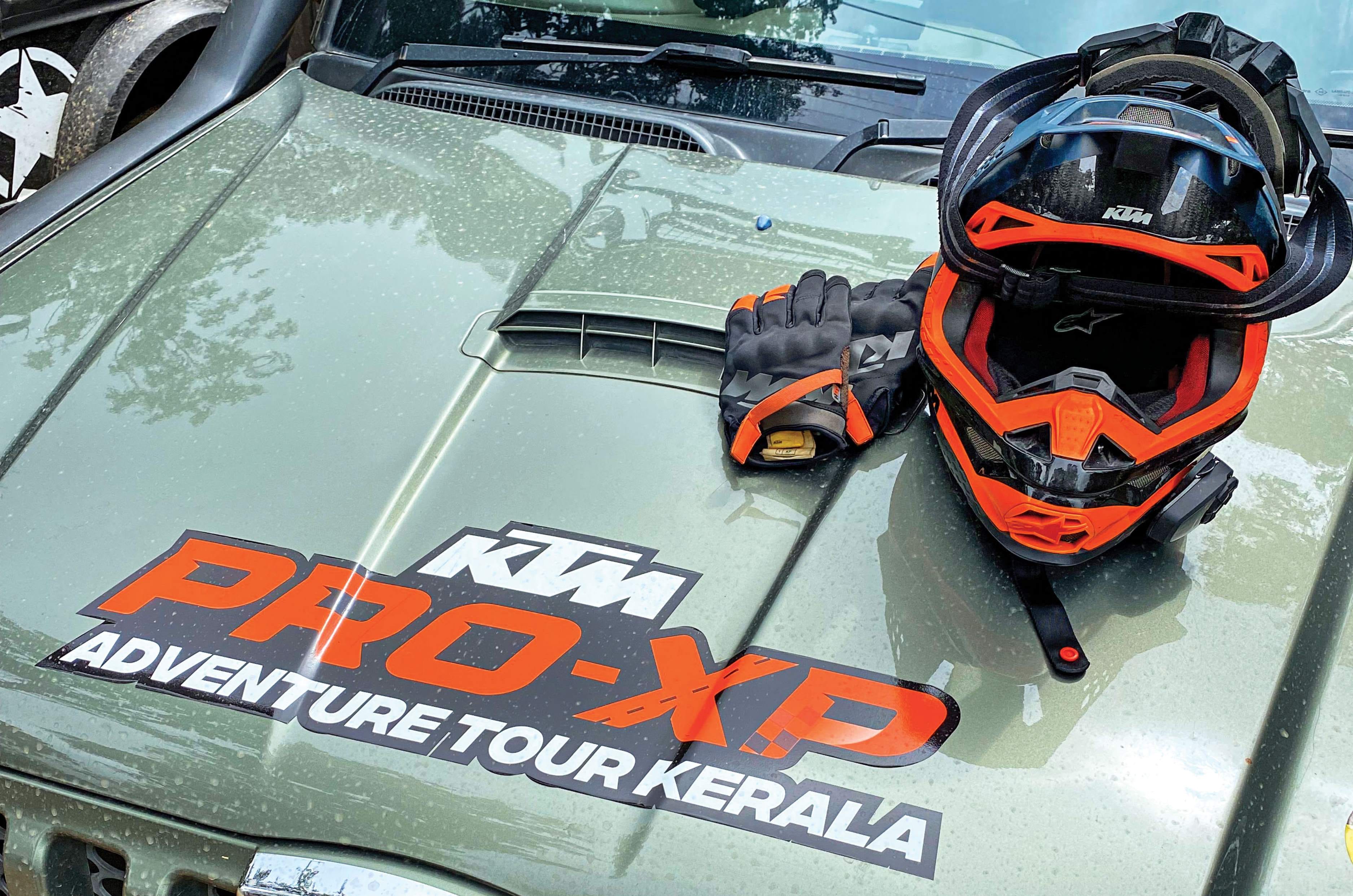
My name is Ouseph Chacko, and I am part-owner of this Getaway because it is my company car. As a partner of an off-road motorcycle school and adventure touring company, I can tell you that if we didn’t have the Getaway from when we started out, it would have taken us a lot longer to get here. We would have been a fair bit lighter of wallet too.
To tell this story properly, I need to rewind a bit – pickup trucks by their very nature are designed to be versatile, and that’s the story of this Getaway. Back in 2016, my business partner Rish was big into long-distance cycling, kayaking and camping tours and needed a vehicle that could accommodate his expensive cycles, carry a couple of kayaks and have the ability to lug around enough gear to make camping, glamping.
The Getaway offered power steering, power windows, power mirrors, air conditioning, front seat armrests and a rear defogger! It also had the electronic shift-on-the-fly four-wheel-drive system and was the most powerful pickup truck on offer.
First things first
While the Getaway looked as lifestyle as could be for pickup trucks back then, it still looked more BRO than Special Forces (no disrespect to the BRO but you get the picture), it needed upgrades.
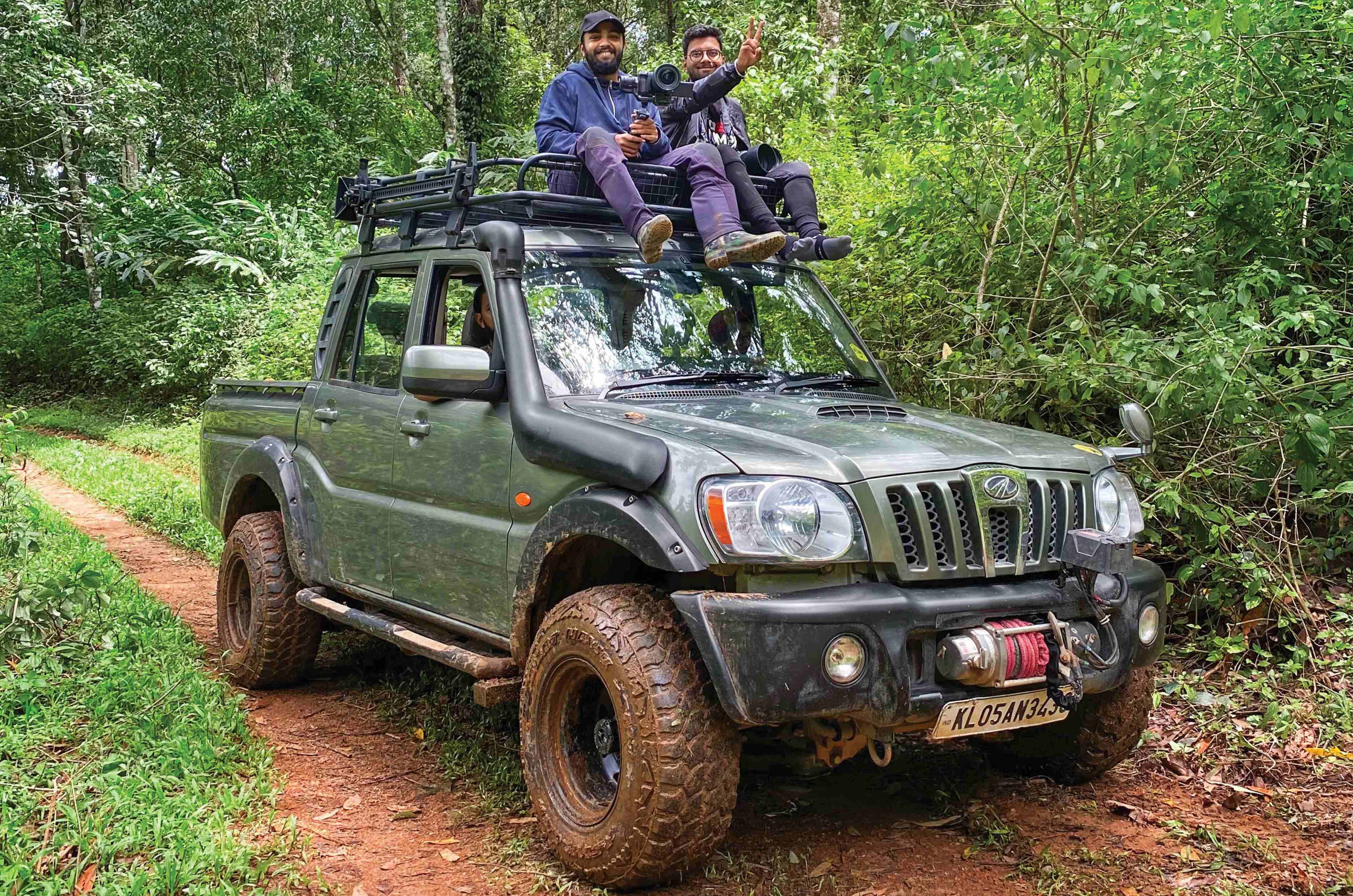
Who needs drones when you have a roof carrier?
To ensure Rish got stuck further down the trail, a Lamda cable-operated locking differential found its way into the rear axle, while the front axle got manual locking hubs (the factory-fitted auto-locking hubs were prone to breaking under heavy load). The engine was left untouched, but to allow adequate wheel arch clearance for the planned high-profile fat tyres, a two-inch body-lift kit was installed. When you lift it, you need to stance it, and so, the vanilla factory wheels made way for off-road -30 off-set steel wheels and faux wheel arch extensions that muscled up the looks but also let us squeeze in fatter tyres without alerting the RTO.
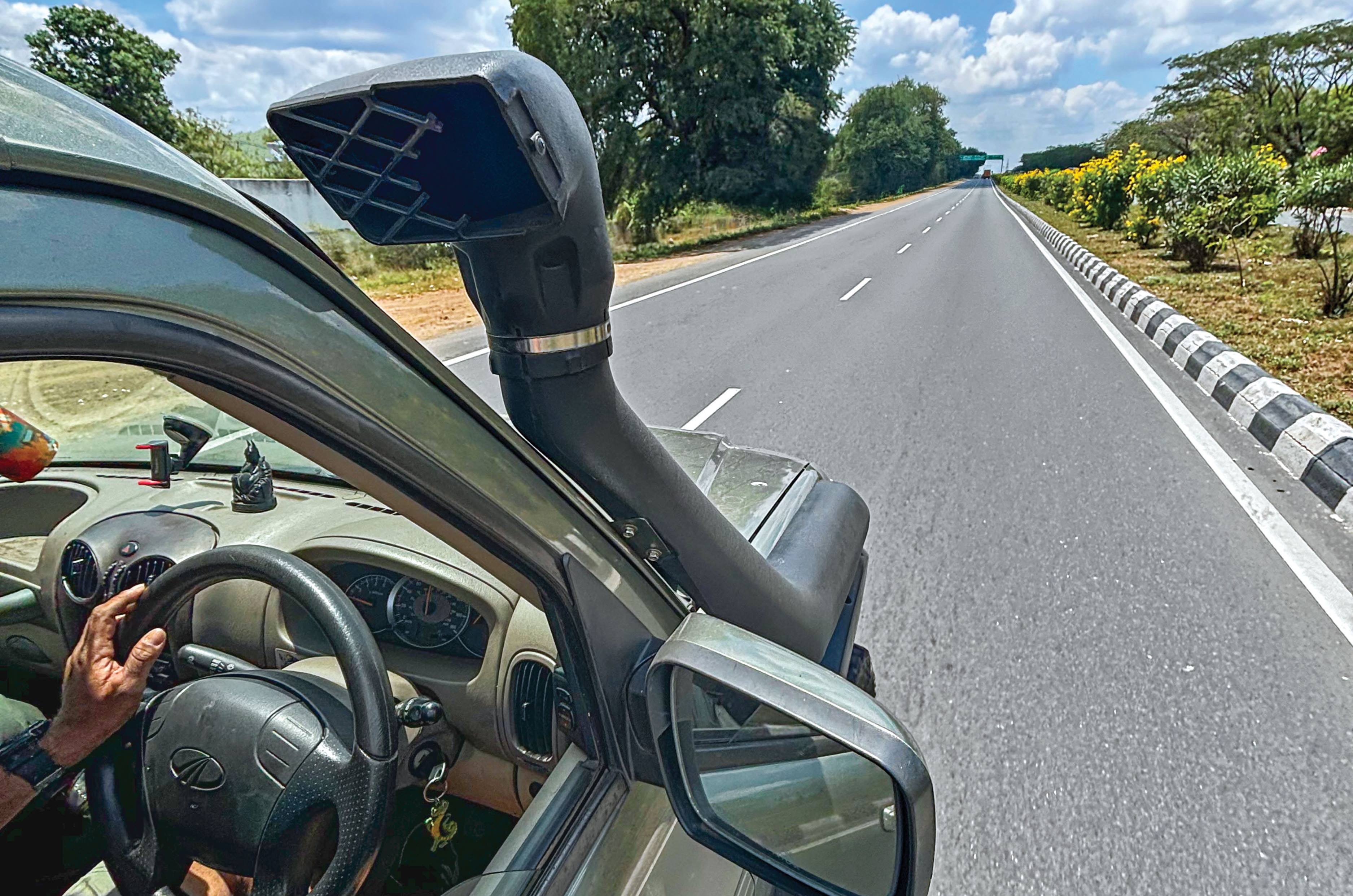
A canopy was added to cover the pickup bed, custom bicycle mounts were welded onto the floor of the bed, a roof-mounted tent, a side awning, solar panels on the roof, an AC-to-DC converter to run devices off the solar panels, a roof carrier, a snorkel, the legendary Warn M8000 winch, metal off-road bumpers, nine auxiliary lamps. Kitchen sink? Pah! There was no space left!
Life has other plans
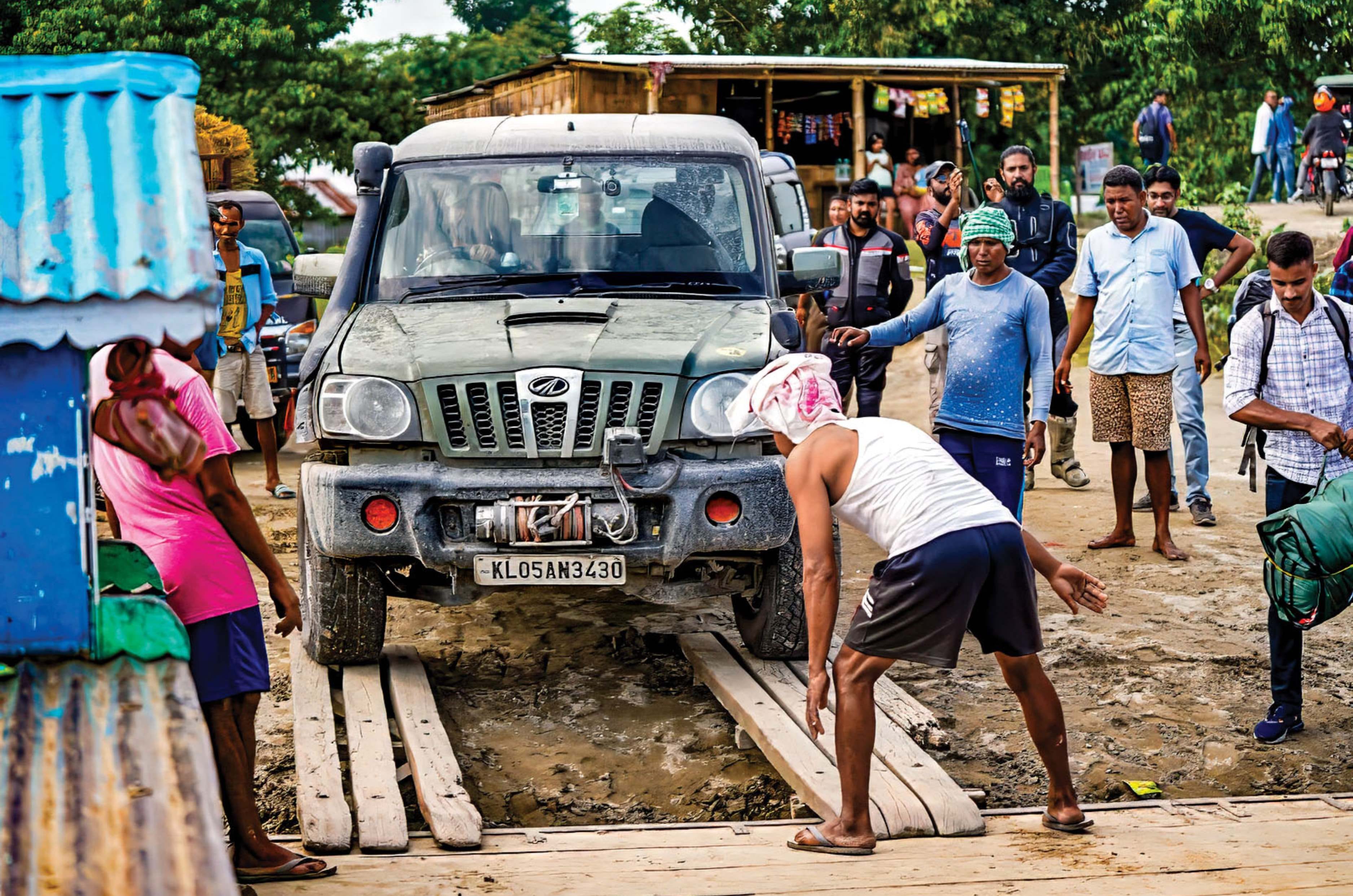
The snorkel allows some river crossing, but the Brahmaputra had to be crossed on this raft.
For reasons beyond the scope of this story, the Getaway spent most of its first two years parked up with no place to go. It preened, posed, went for the occasional camping trip and lent itself to all the mall crawler memes you can think of.
Then came August 2018. The skies over Kerala opened up. Rivers breached banks, houses were flooded up to the first floor in some places, and parts of middle Kerala were unreachable unless you had a boat or a vehicle with a snorkel. The official rescue teams quickly found themselves overwhelmed, so the Getaway, along with all of Kerala’s 4×4 community, stepped in to assist. The need of the hour was clean bedsheets, towels, underwear, drinking water, easy-to-reheat food and a way to get these supplies to people stranded in homes surrounded by flood waters or cut off by landslides. We loaded the Getaway’s pickup bed to the sky and drove through bonnet-deep water for about three days, handing out generously donated essentials. We stopped only when the rains subsided and when one of the people we thought needed help asked if we were carrying blue underwear. His favourite colour apparently!
Extremely useful as a backup car for our business because it can carry a mechanic, medic, tools, medical kit and motorcycles, with room to spare.
Soon after the rains subsided, the Motor Vehicles Department in Kerala started a serious clampdown run on modified vehicles, and we figured it was time to strip the Getaway of everything but the essentials. The School Of Dirt – our off-road motorcycling school – was in full swing by then, and the Getaway was the backup car because it could carry a mechanic, medic and two broken motorcycles at a go. We kept the winch, the snorkel and the mud-terrain tyres. We added new features like the comprehensive tool kit for off-road trail fixes and an exhaustive medical kit for when things go wrong far from a hospital. This thing can carry a lot!
We’ve had a few heart-in-mouth moments, but the Getaway always got us home safe.
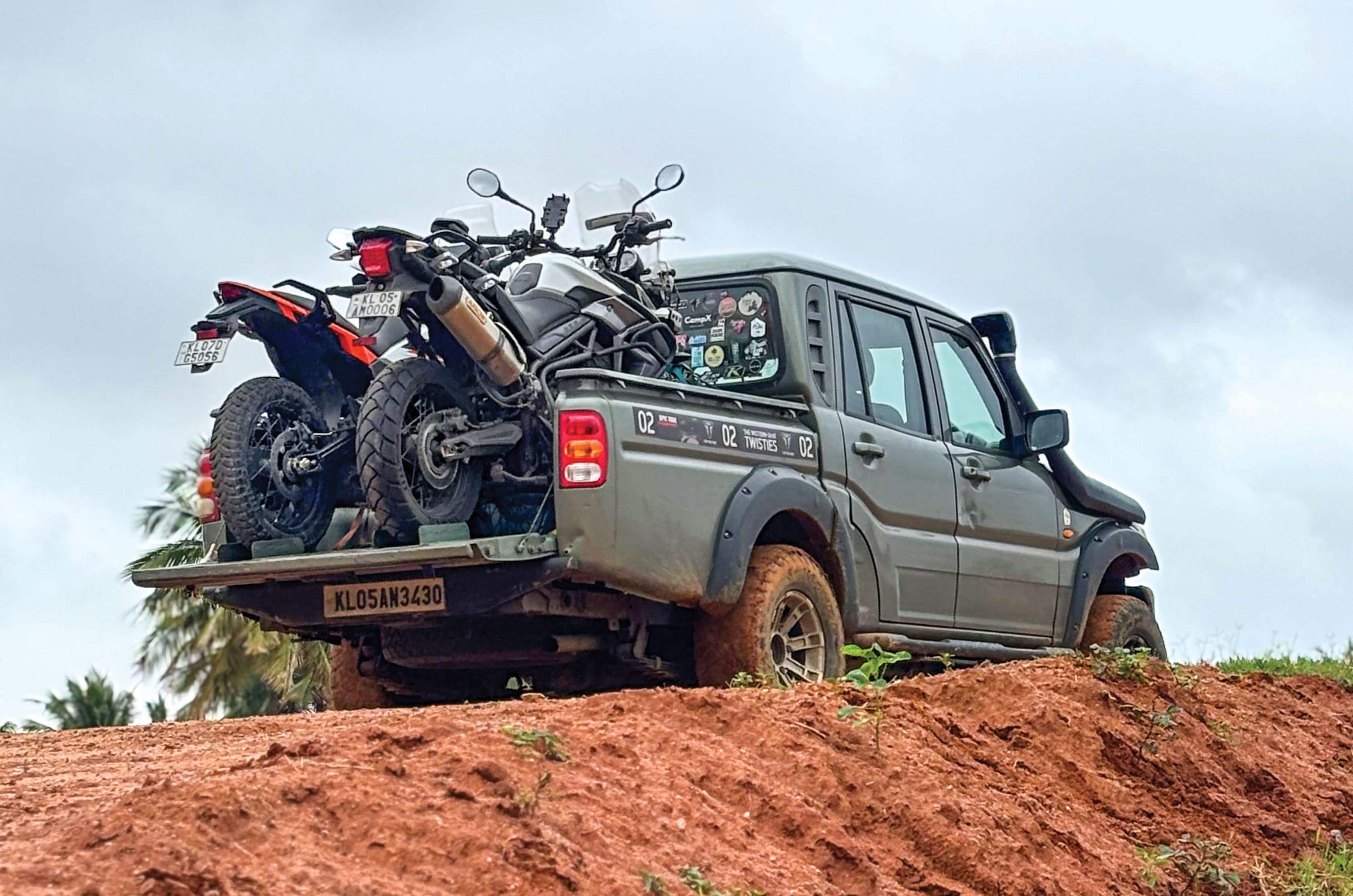
The next eight years were when the Getaway really pulled its own weight in gold. Most notably, the two 8,000km Kottayam-to-Kohima round trips, mostly with a 250kg Tiger 1200 strapped to its back, and about 1,10,000km criss-crossing South India with us and paraphernalia in it. It has been our hotel room and our home away from home when the adventure motorcycle thrill started booming. More than anything, it has been as reliable as a hammer and didn’t need much more than a full tank of diesel and some duct tape to get to the next destination.
Wear and tear on big bikes is expensive. Getaway helps mitigate that expense.
We figured a long time ago that using its ‘certified’ 600kg payload capacity to carry a motorcycle is a huge cost saving for a startup business. Ever since all nice and fast things became sin goods in the eyes of the government, carrying the bike to the start of the trip and using it only at the event became a much more economical proposition than riding it all the way. An example? A proper load- and speed-rated rear tyre on the Tiger 1200 costs Rs 25,000, and with the way I ride the bike, I obliterate that poor tyre in just 3,500km. That and the expensive mechanical wear and tear on these big bikes ultimately meant it was cheaper to load the bike on the back of the Getaway and transport it to the event.
Spare a thought
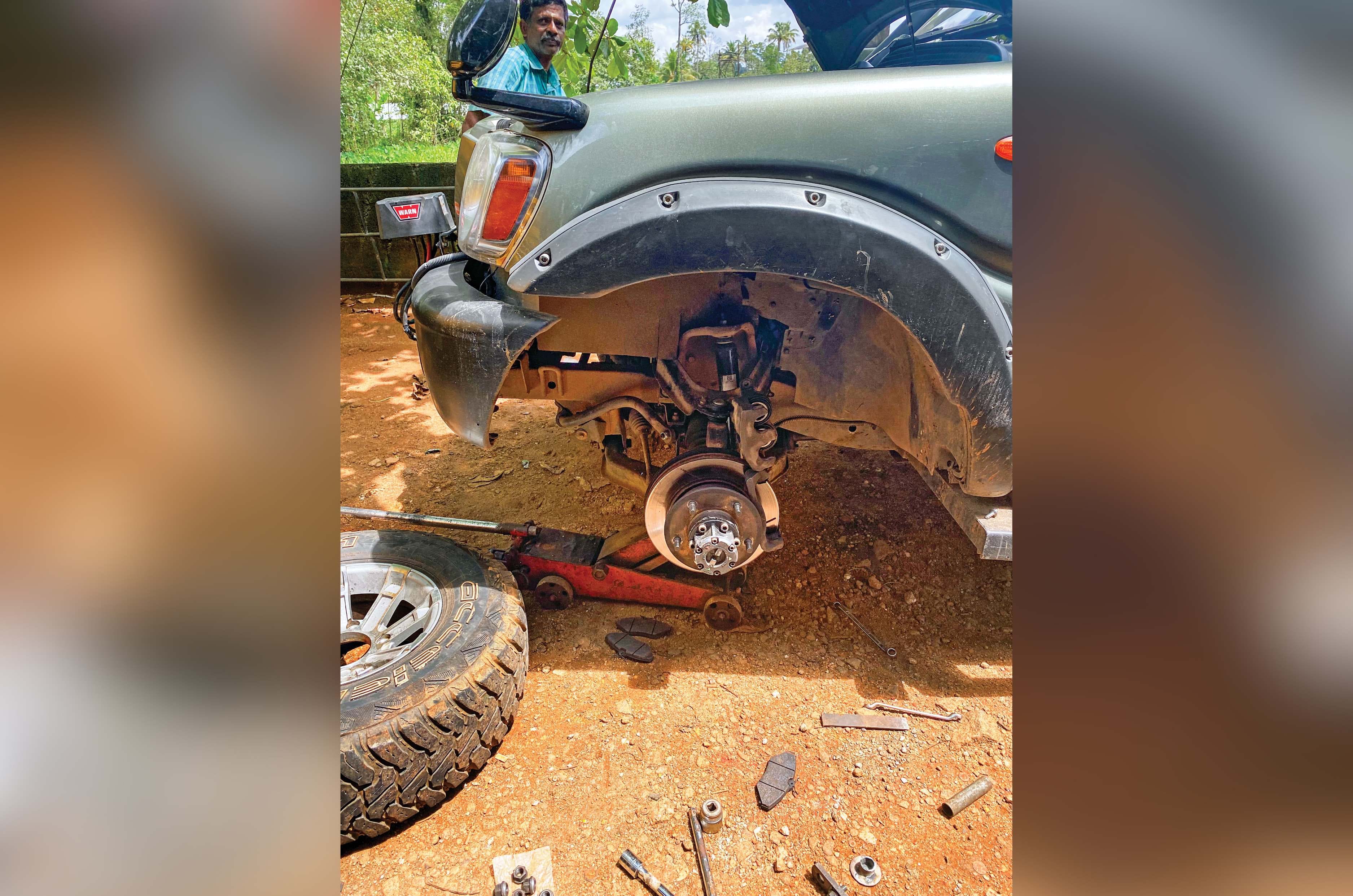
This being a Mahindra and based largely on the Scorpio, parts are available everywhere in India, and mechanics know their way around the Getaway’s Scorpio bloodline despite the pickup’s rarity. We run the car on a preventive maintenance schedule because we really work it hard, and no matter what, it gets fresh air, oil and diesel filters every 5,000km. The engine and transmission oil get changed at the same time, the leaf springs at the back are realigned and reshaped every 15,000km and the torsion bar front suspension gets re-adjusted every time we notice it starting to sag. We don’t have a bed liner for the pickup bed, so once a year, we check it in to a paint spa for a fresh coat to prevent rusting from all the scratches. That’s it.
Easily repaired because it shares a lot of parts with the Scorpio.
The engine has never needed an overhaul, and it is helpful that the bomb-proof 2.6 CRDe engine will run on anything that resembles diesel. The weak link in the mechanical package is the clutch – if you’re not reasonably careful every time you start off on a slope, it’ll vaporise fast. Still, the clutch pack along with the clutch release bearing works out to something like Rs 6,000, so apart from the inconvenience of being stranded, it really doesn’t hurt the wallet.
Also, because of our carelessness, we’ve chewed through three rear differentials in the course of the last decade (sometimes the cable-operated Lamda differential doesn’t fully disengage thanks to a corroded cable, and if you are not careful, you end up driving with a partially locked differential on the road). The rear differential turned out to be one of the most expensive spares on the Getaway, working out to around Rs 40,000 a pop, and even that is not too bad considering a broken tail-lamp on a Hilux will set you back Rs 30,000. We’ve since discarded the locking differential and keep fingers crossed that the winch will yank us out when the time comes. Also, don’t break the rear windshield – it is harder to source than a Ferrari 250 GTO!
With a full load, the Getaway still runs around 10 kilometres for every litre of diesel consumed, and that, along with its 60-litre fuel tank, gives it a useful range of 600km.
1,50,000km of highways and trails, and it is still going strong!
The Getaway doesn’t seem to lose much on resale value either. Back in 2016, Rish bought it for Rs 11 lakh and some spare change (on road!). Because every other new lifestyle pickup truck in the market is considerably more expensive, I think people are coming around to the sweet spot of utility, value and comfort that the Getaway hits. It is a reasonably simple vehicle with zero electronics (no ABS even!) and so lends itself to hard work and easy fixes happily. Still, well-maintained Getaways are few and far between and their owners (like us) are loathe to let them go. The ones you find on used-car portals are bad. Trust me, I’ve looked.
What next?
No one is more excited about the launch of the Getaway’s replacement than I am. The new Lifestyler (weird name) looks very cool, and the more powerful engines will definitely make fully loaded cross-country trips effortless. The expected base price is positively tasty, and I hope it will come with maintenance costs to match.
It does seem a bit too fancy, though, and I worry about the interiors that are no longer the hose-down kind. I hope Mahindra will offer a more pared-down version that will allow people like me to use it with dirty boots and greasy gloves guilt-free. In the mountaineering world, when someone successfully summits a peak, you ask, “Who’s your sherpa” The Getaway has been The School Of Dirt’s unfailing sherpa. The Lifestyler has its work cut out.
Petrol Diesel Price Today: हर दिन की शुरुआत सिर्फ सूरज की किरणों से नहीं होती, बल्कि पेट्रोल और डीजल की नई कीमतों से भी होती है, जो आम आदमी की जेब पर सीधा असर डालती हैं। सुबह 6 बजे देश की तेल विपणन कंपनियां (OMCs) ताजा दरें जारी करती हैं, जो अंतरराष्ट्रीय बाजार में कच्चे तेल की कीमतों और डॉलर-रुपए की विनिमय दर में आए बदलावों पर आधारित होती हैं। ये बदलाव रोजमर्रा की जिंदगी को प्रभावित करते हैं, चाहे वो ऑफिस जाने वाला व्यक्ति हो या फल-सब्जी बेचने वाला व्यापारी।
ऐसे में हर दिन की कीमतों की जानकारी रखना सिर्फ जरूरी ही नहीं, बल्कि समझदारी भी है। सरकार की यह प्रणाली पारदर्शिता सुनिश्चित करती है ताकि उपभोक्ताओं को किसी तरह की भ्रमित जानकारी न मिले।
आपके शहर में आज का पेट्रोल-डीजल का भाव
ये रहे 14 सितंबर 2026 के प्रमुख शहरों के पेट्रोल-डीजल के ताजा रेट
नई दिल्ली: पेट्रोल ₹102.12 प्रति लीटर और डीजल ₹95.20 प्रति लीटर।
मुंबई: पेट्रोल ₹111.18 और डीजल ₹97.83 प्रति लीटर।
कोलकाता: पेट्रोल ₹113.47 जबकि डीजल ₹99.82 प्रति लीटर।
चेन्नई: पेट्रोल ₹107.77 और डीजल ₹99.55 प्रति लीटर।
गुरुग्राम: पेट्रोल ₹102.77 तथा डीजल ₹95.44 प्रति लीटर।
नोएडा: पेट्रोल ₹102.12 और डीजल ₹95.56 प्रति लीटर।
बेंगलुरु: पेट्रोल ₹110.93 जबकि डीजल ₹98.80 प्रति लीटर।
भुवनेश्वर: पेट्रोल ₹109.92 और डीजल ₹100.92 प्रति लीटर।
चंडीगढ़: पेट्रोल ₹98.10 तथा डीजल ₹86.09 प्रति लीटर।
हैदराबाद: पेट्रोल ₹115.69 और डीजल ₹103.82 प्रति लीटर।
जयपुर: पेट्रोल ₹112.66 जबकि डीजल ₹97.78 प्रति लीटर।
लखनऊ: पेट्रोल ₹102.05 और डीजल ₹95.55 प्रति लीटर।
पटना: पेट्रोल ₹113.35 तथा डीजल ₹99.36 प्रति लीटर।
तिरुवनंतपुरम: पेट्रोल ₹115.49 और डीजल ₹104.40 प्रति लीटर।
पिछले दो साल से स्थिर क्यों हैं कीमतें?
मई 2022 के बाद से केंद्र और कई राज्यों द्वारा टैक्स में कटौती की गई, जिसके बाद पेट्रोल-डीजल की कीमतों में स्थिरता देखी जा रही है। हालांकि अंतरराष्ट्रीय बाजार में उतार-चढ़ाव होता रहता है, फिर भी भारतीय उपभोक्ताओं के लिए कीमतें तुलनात्मक रूप से स्थिर बनी हुई हैं।
किन कारणों से तय होती हैं ईंधन की कीमतें?
कच्चे तेल की कीमतें:
पेट्रोल और डीजल का उत्पादन मुख्य रूप से कच्चे तेल से होता है। जब अंतरराष्ट्रीय स्तर पर कच्चे तेल की कीमतें बढ़ती हैं, तो इसका असर सीधे भारतीय बाजार पर पड़ता है।
डॉलर के मुकाबले रुपया:
भारत अधिकतर कच्चा तेल आयात करता है, और यह डॉलर में खरीदा जाता है। यदि रुपया कमजोर होता है, तो ईंधन महंगा हो जाता है।
सरकारी टैक्स और शुल्क:
केंद्र और राज्य सरकारें पेट्रोल-डीजल पर भारी टैक्स लगाती हैं, जो खुदरा मूल्य का बड़ा हिस्सा होते हैं। यही कारण है कि राज्यों में कीमतों में अंतर होता है।
रिफाइनिंग की लागत:
कच्चे तेल को इस्तेमाल लायक बनाने की प्रक्रिया (रिफाइनिंग) में भी खर्च होता है। ये लागत कच्चे तेल की गुणवत्ता और रिफाइनरी की क्षमता पर निर्भर करती है।
मांग और आपूर्ति का संतुलन:
बाजार में ईंधन की मांग अगर बढ़ जाती है, तो कीमतें भी ऊपर जाने लगती हैं। खासकर त्योहारों, गर्मी या सर्दी के मौसम में ईंधन की खपत ज्यादा होती है।
कैसे करें अपने शहर की कीमतें SMS से चेक?
अगर आप मोबाइल से ईंधन की कीमत जानना चाहते हैं, तो ये प्रक्रिया आसान है:
Indian Oil ग्राहक: अपने शहर का कोड टाइप करें और उसे “RSP” के साथ 9224992249 पर भेजें।
BPCL ग्राहक: “RSP” लिखकर 9223112222 पर भेजें।
HPCL ग्राहक: “HP Price” लिखकर 9222201122 पर भेजें।
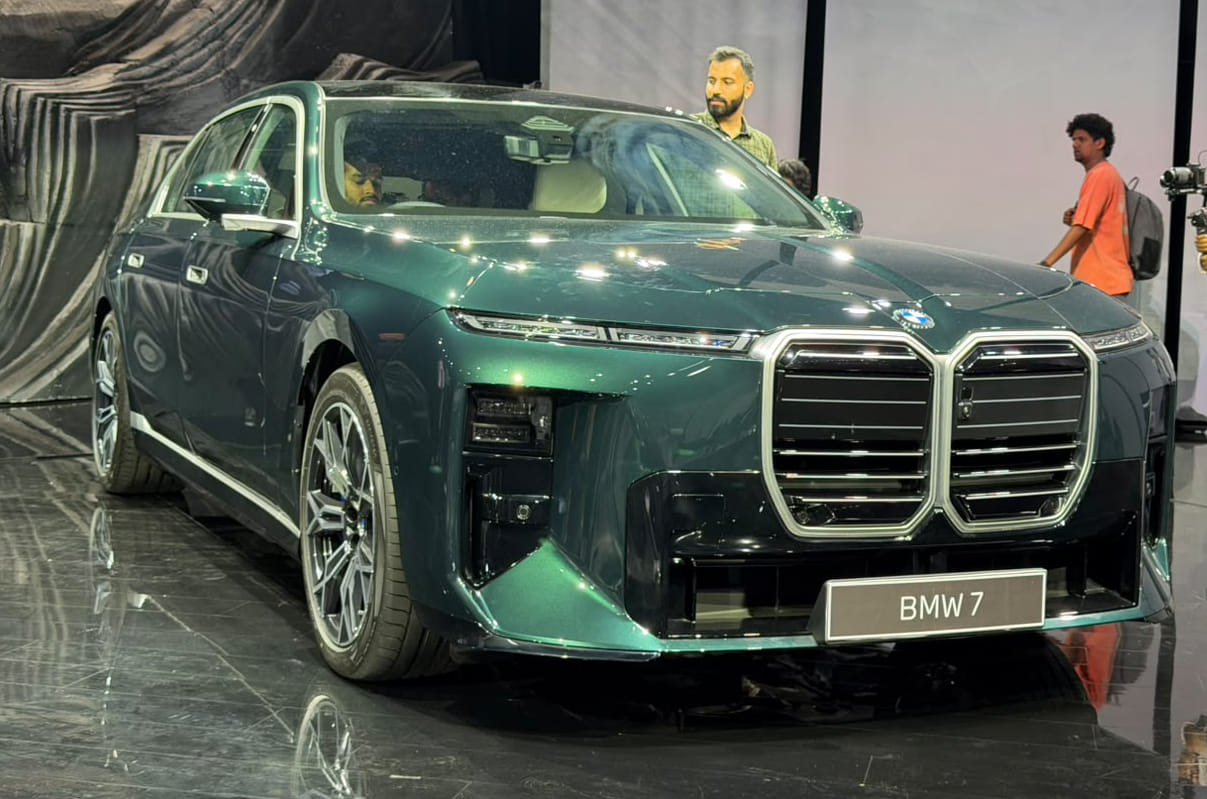
BMW has launched the facelifted 7 Series in India at Rs 1.95 crore. The updated sedan gets revised styling, a redesigned cabin and a 3.0-litre turbo-petrol engine with a 48V mild-hybrid system. The India-spec 7 Series is now offered only as the petrol-powered 740, with the diesel version dropped. Inside, the biggest change is BMW’s new display layout, comprising a 17.9-inch central touchscreen, 14.6-inch passenger display and a full-width Panoramic Vision display. Other highlights include powered, heated, ventilated and massaging seats, a 31.3-inch 8K rear screen and four-zone climate control.
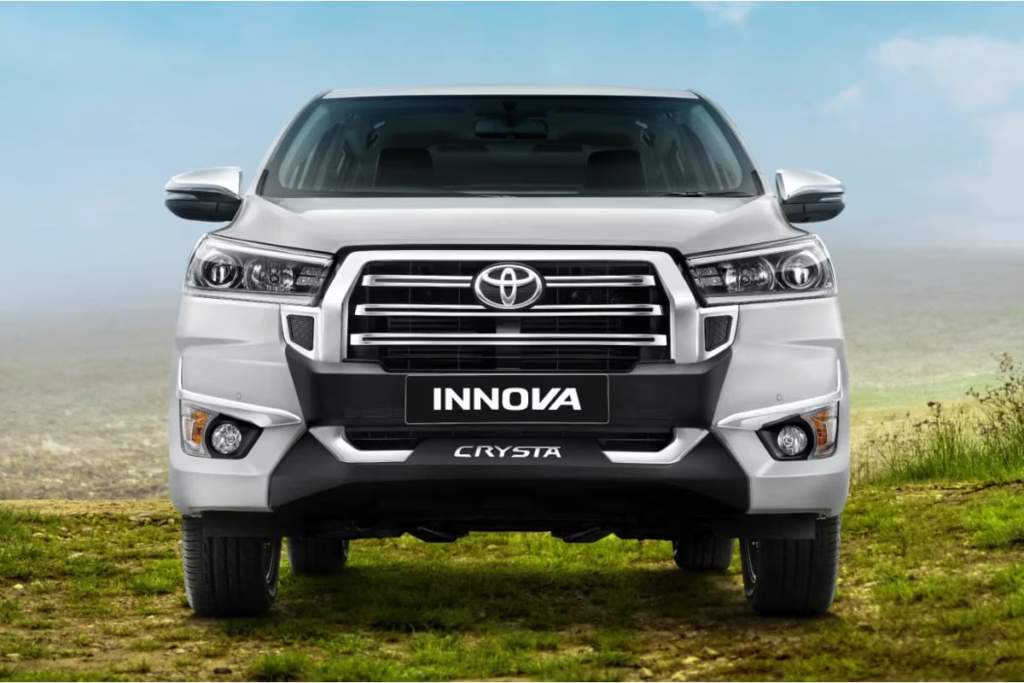
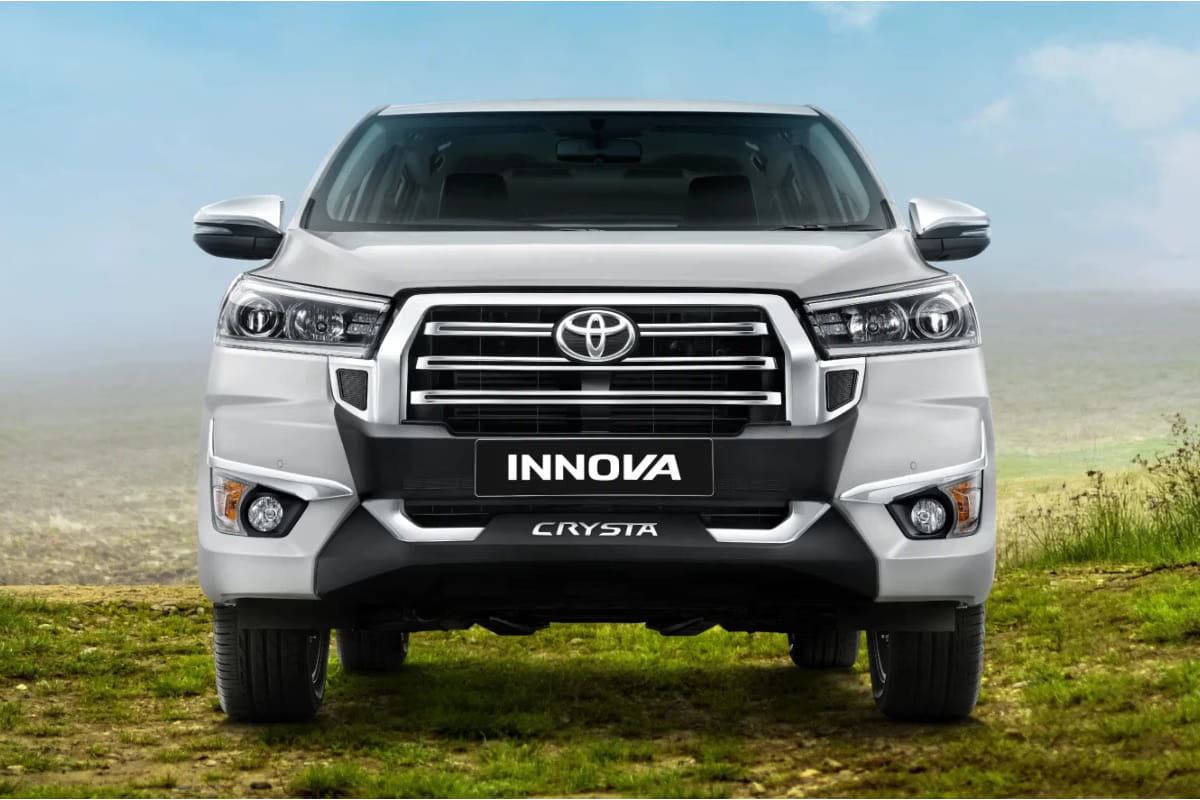
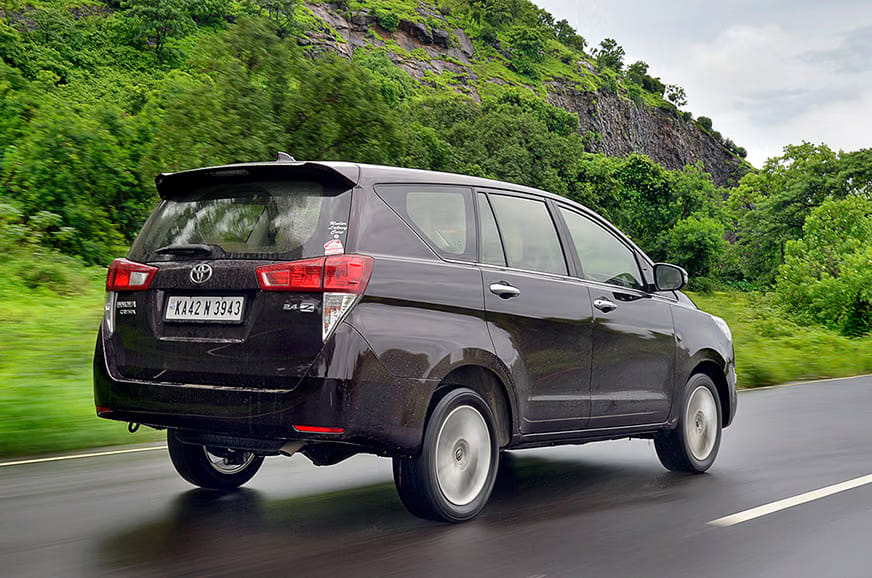
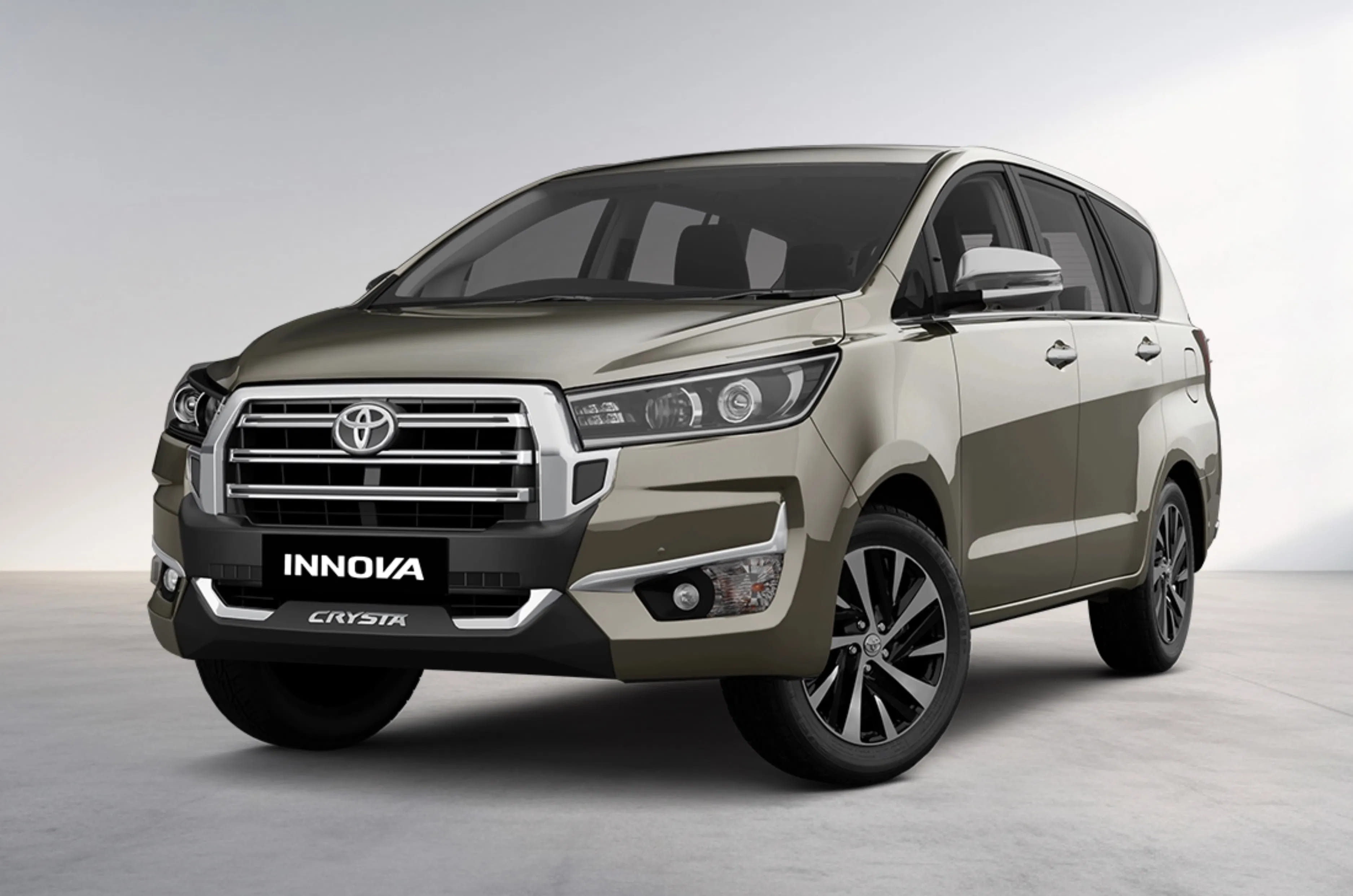
The Toyota Innova Crysta has been a mainstay in the Indian MPV market for years, building a reputation for longevity, reliability and practicality. It is powered by a 2.4-litre diesel engine paired with a 5-speed manual gearbox and is available in seven- and eight-seat configurations. Here are three reasons to consider the Innova Crysta and two reasons why it may not be for you.
Pros
Peace of mind ownership
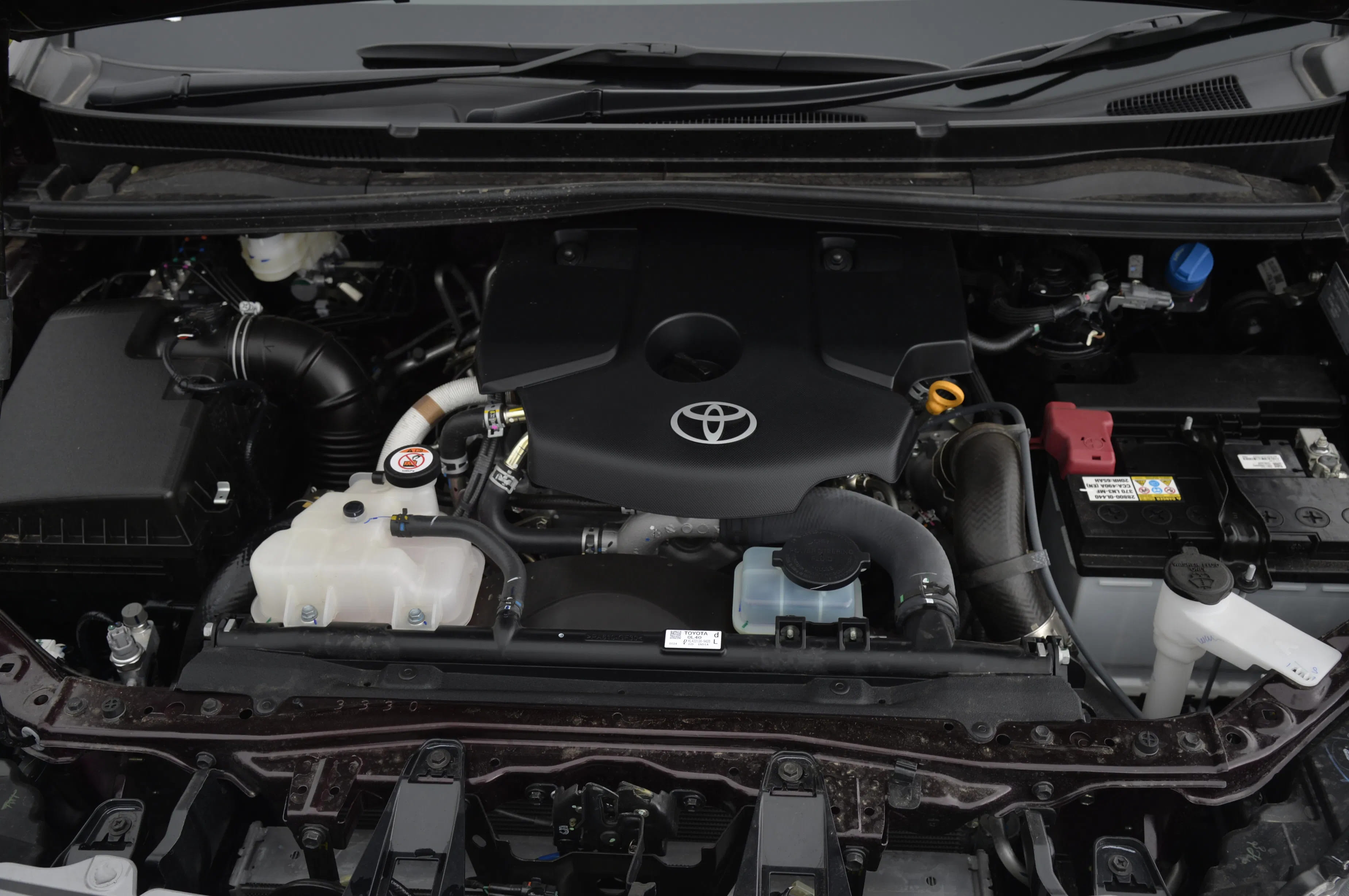
The Innova has a long-standing reputation for mechanical robustness and reliability, which remains a major reason for its appeal. The 2.4-litre diesel makes 150hp and 343Nm, and is known for its refined and dependable nature. Toyota also offers warranty coverage of up to three years or 1,00,000km, with an extended warranty available up to five years or 2,20,000km.
Space and practicality
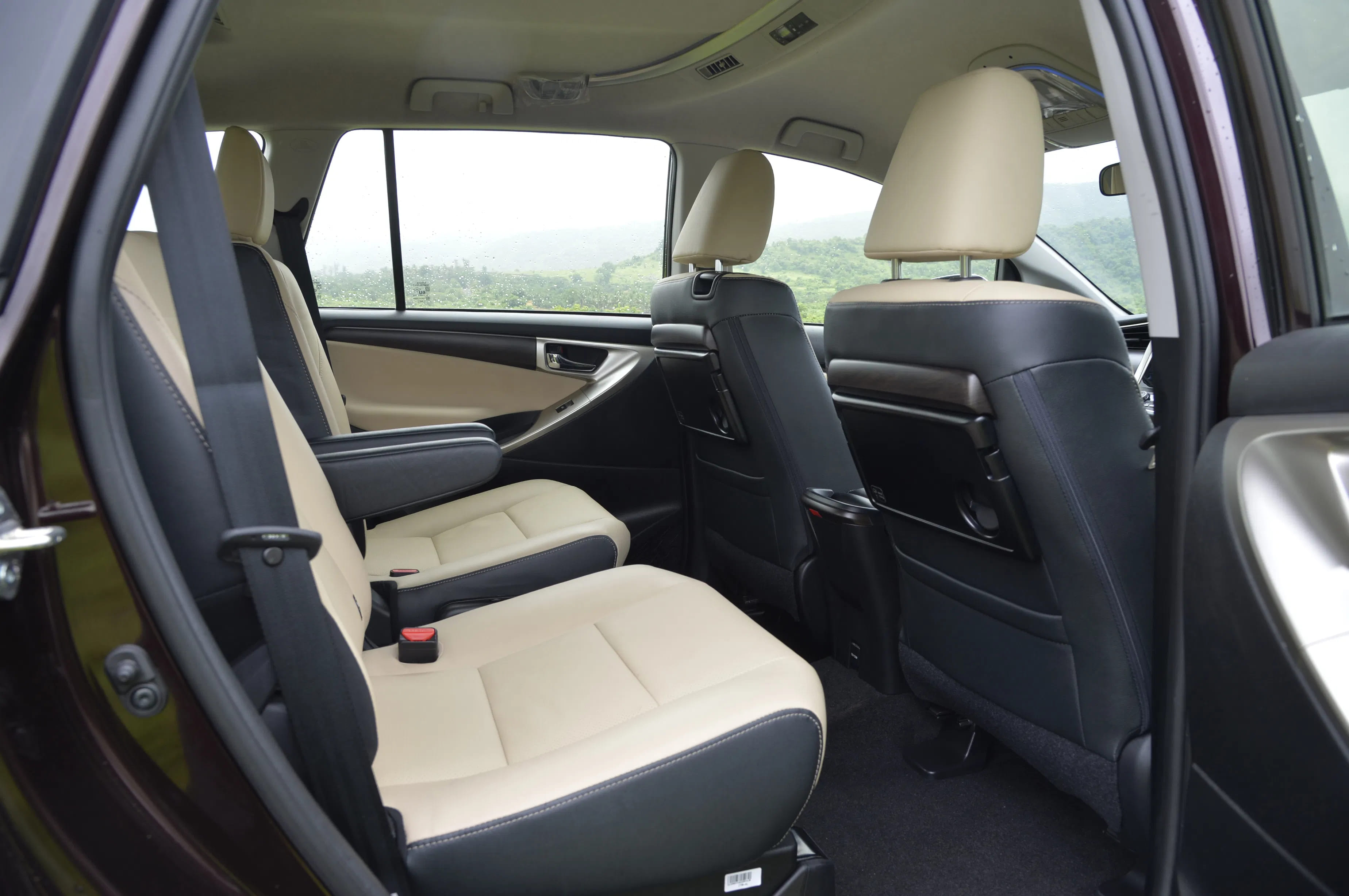
The Innova is available in seven- and eight-seat configurations, with the former getting captain’s chairs in the second row and the latter a bench seat. The seven-seat layout offers a more comfortable second row, while the eight-seat version prioritises seating capacity and practicality.
The third row is reasonably spacious for average-sized adults, while all three rows get AC vents and the second row gets separate blower controls. Fold-out tray tables also add to the practicality for passengers on longer journeys. The Innova also benefits from Toyota’s established service and after-sales network.
Good highway manners
The 2.4-litre diesel has enough performance for highway driving, with a good reserve of power for overtaking at higher speeds. It remains comfortable while cruising and doesn’t feel out of breath on faster expressways. The ride is generally comfortable, but the Innova can feel unsettled over sharp-edged and rutted surfaces, while its body-on-frame construction also results in some lumpiness at low speeds.
Cons
Heavy steering
The Crysta uses hydraulic power steering, which makes the steering feel heavy, particularly at low speeds. It can also give some kickback through the wheel when driving over potholes, which is more noticeable on broken roads. This makes manoeuvring the large MPV in tight spaces more cumbersome than it could be.
Priced on the expensive side
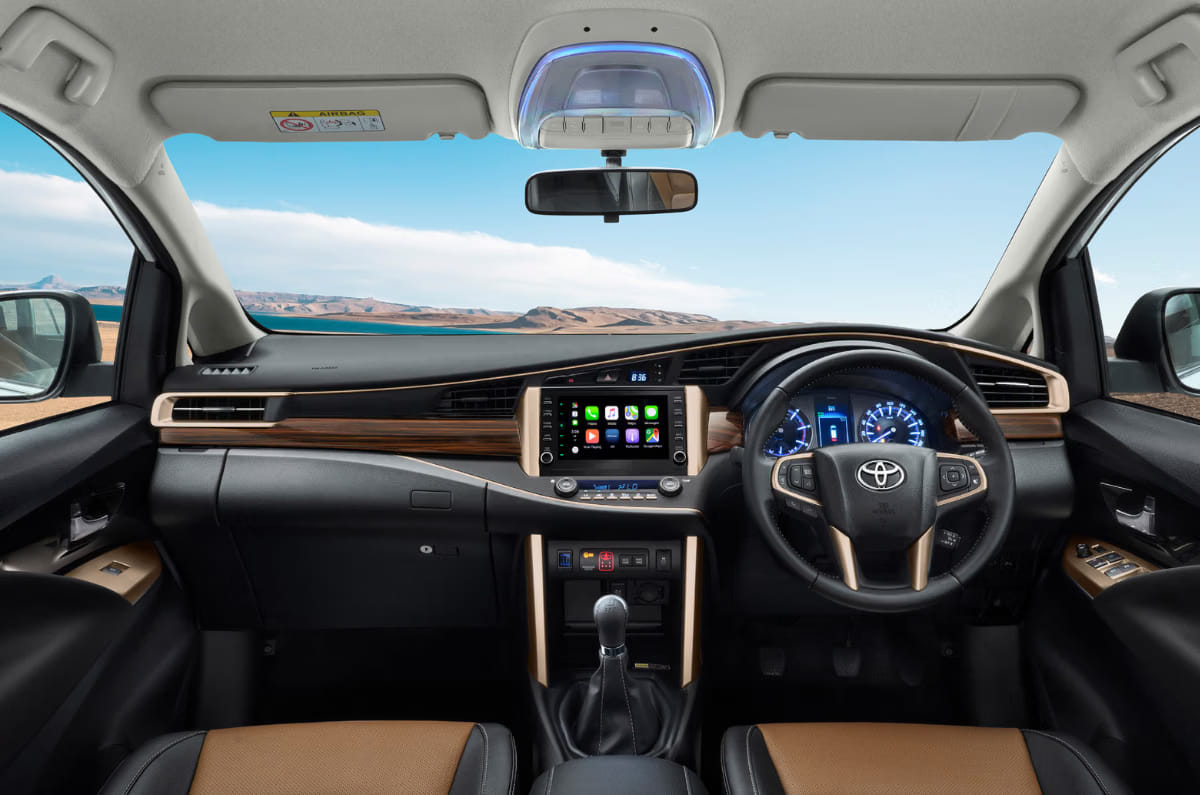
The Innova Crysta was launched in 2016, and its age is now evident in the cabin. It remains spacious and comfortable, but the interior has plenty of hard plastics and the infotainment system feels dated compared with newer MPVs. The Kia Carens Clavis, for instance, offers a similarly practical three-row layout with a more modern and premium cabin. At Rs 19.72 lakh to Rs 26.77 lakh (ex-showroom), the Crysta’s pricing makes its ageing interior harder to overlook.