Less than a year after its 2025 update, Mahindra is introducing another facelift for the Thar. In the months leading up to its arrival, camouflaged prototypes of the SUV have been spied on our roads, and Mahindra recently shared teasers too. Here’s what you can expect from the 2026 Mahindra Thar facelift, likely to launch on September 22.
What will the Mahindra Thar 3 door facelift look like?
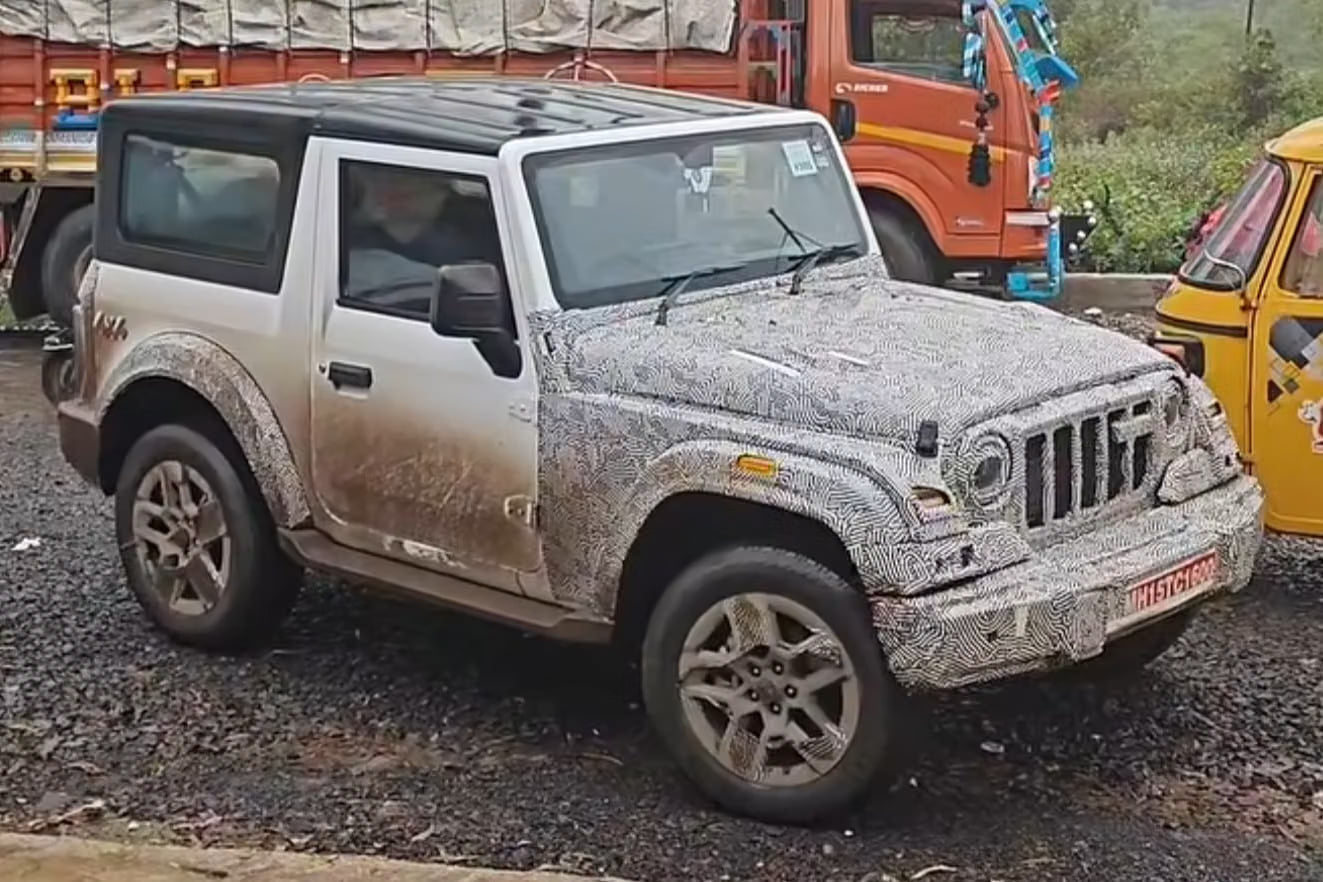
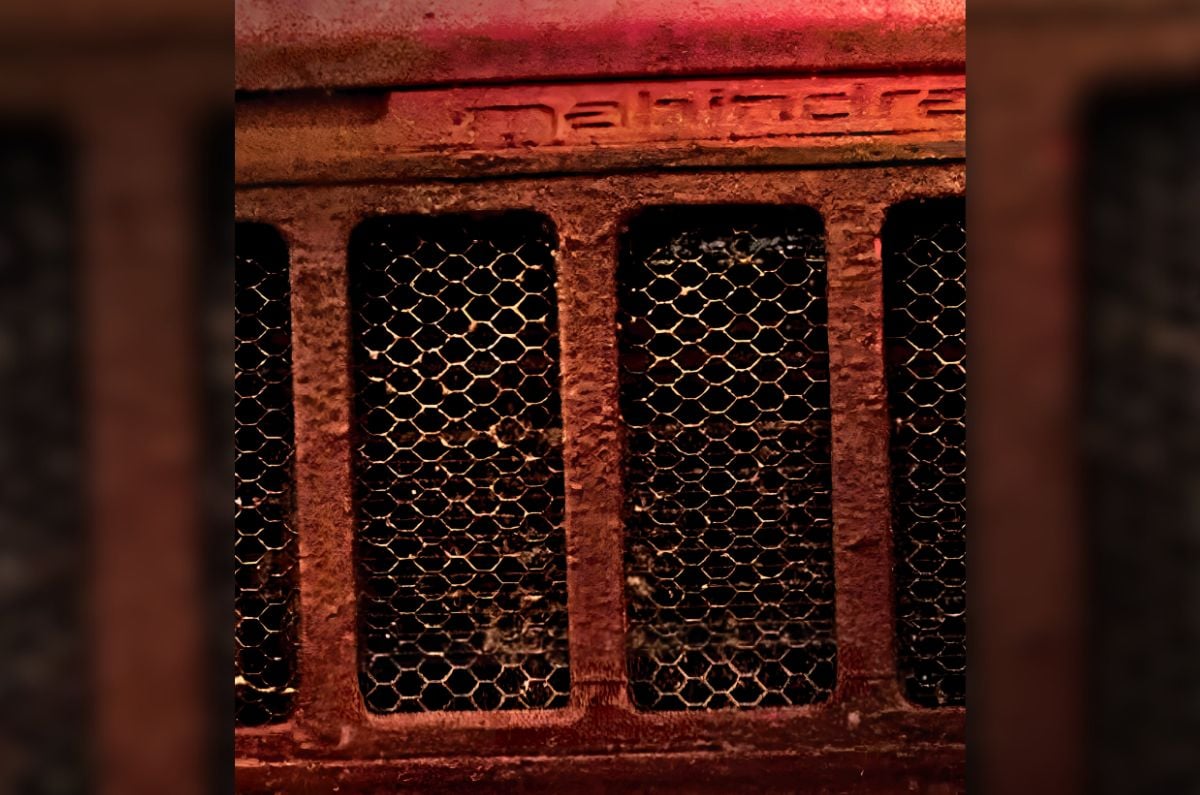
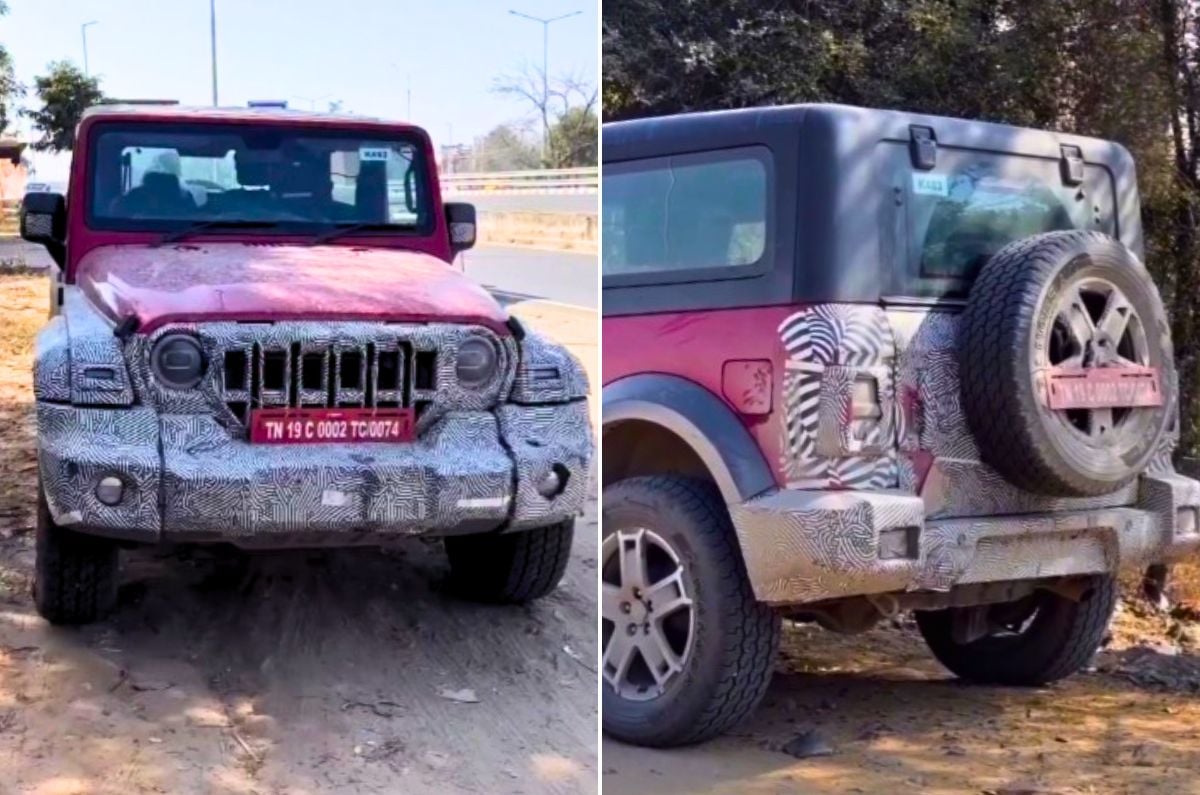
Teasers of the Mahindra Thar facelift provide a glimpse of what it would look like. There’s a new look for the grille with a honeycomb pattern and possibly a revised design for the alloy wheels. Spy shots of the Thar facelift hint at Thar Roxx-borrowed design elements such as projector LED headlamps with C-shaped daytime running lamps (DRLs), revisions to the bumpers and tail-lamp detailing.
What will the Mahindra Thar 3 door facelift interior look like?
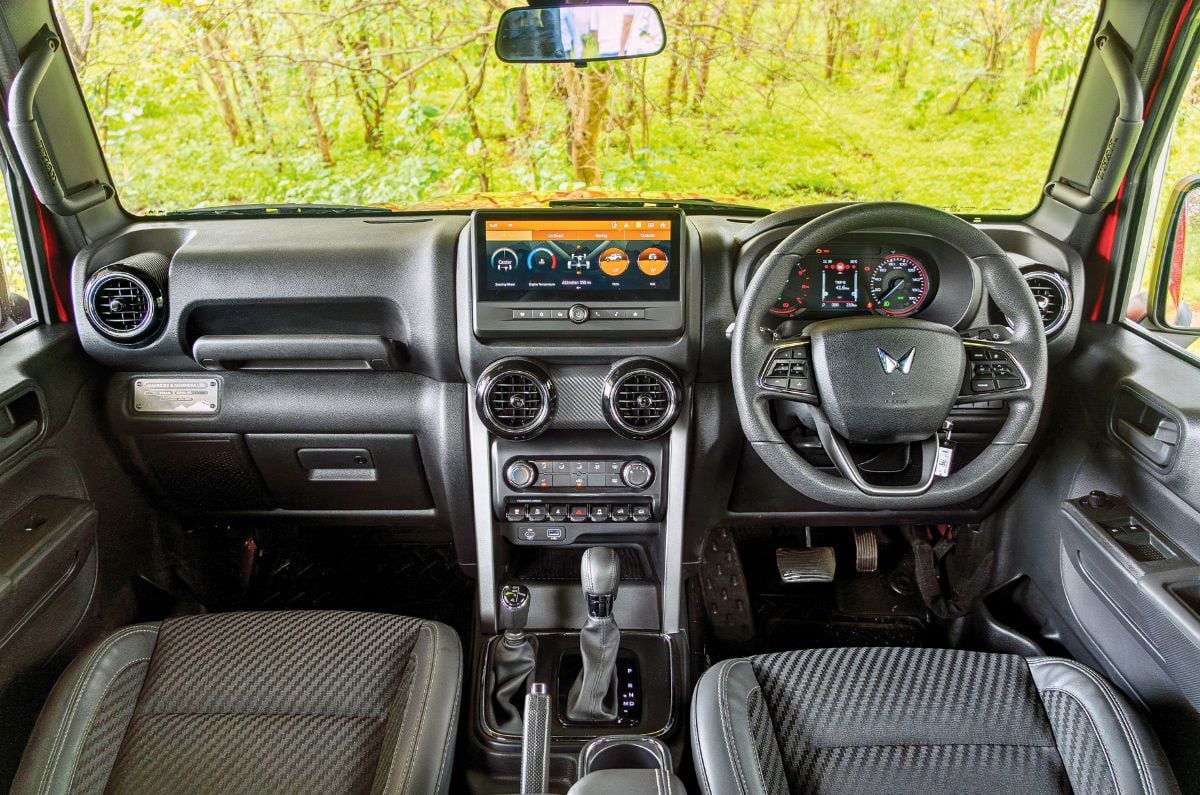
The Thar facelift is expected to retain the current version’s cabin layout. However, Mahindra could likely bring leatherette seat upholstery and newer trim materials throughout the interior to keep it fresh.
Will the Mahindra Thar 3 door facelift get new features?
Current Mahindra Thar 3 door interior used for representational purposes.
Although the 2025 update for the Thar brought a 10.25-inch infotainment display, rear AC vents, a rear wiper and washer and a rearview camera, many modern niceties were still missing at its price. Mahindra is likely to fix that with this year’s update by possibly introducing features such as a digital driver’s display, a 360-degree camera, front-seat ventilation, a wireless phone charger and auto AC.
Will the Mahindra Thar 3 door facelift retain the engines of the current version?
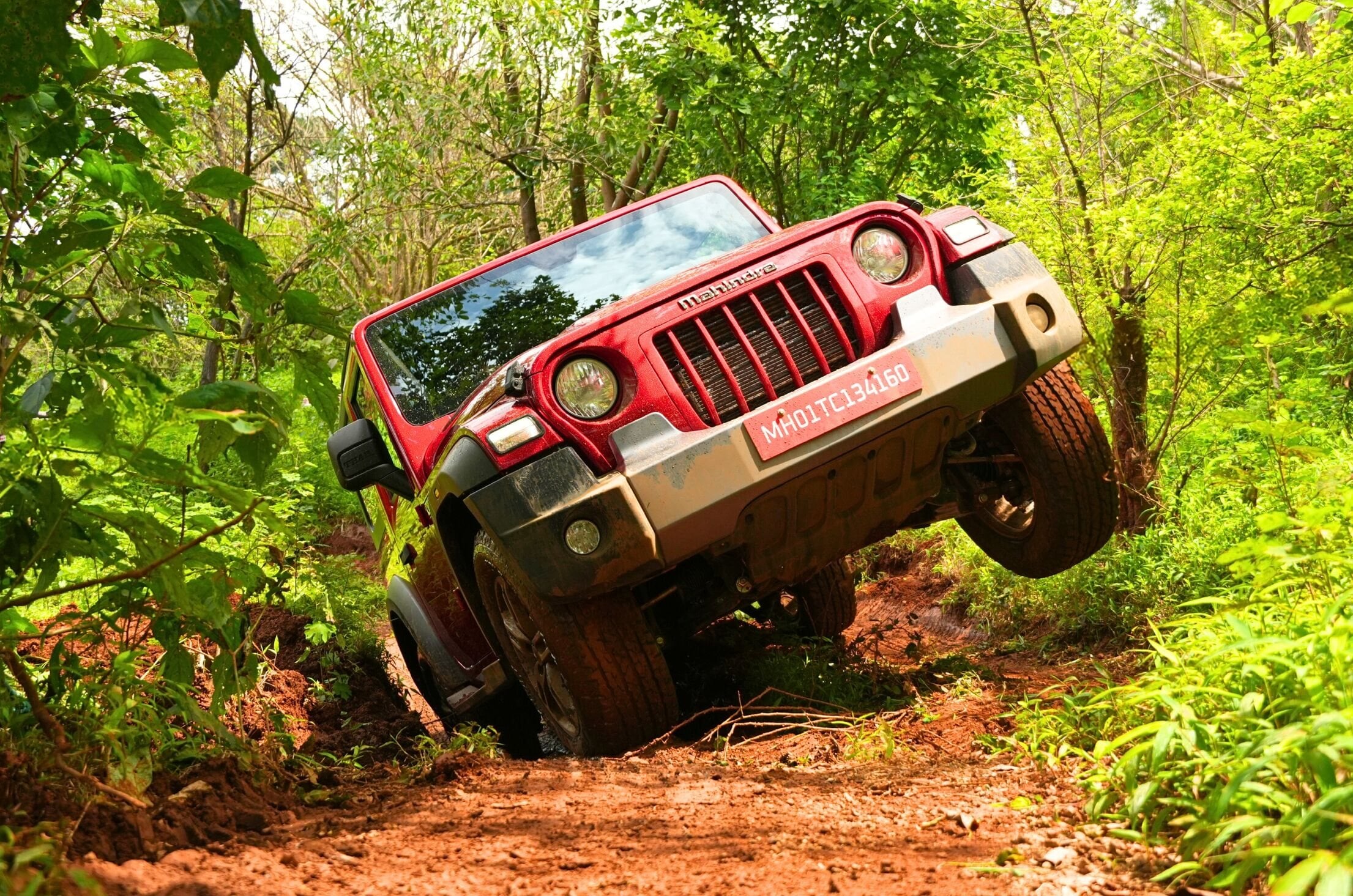
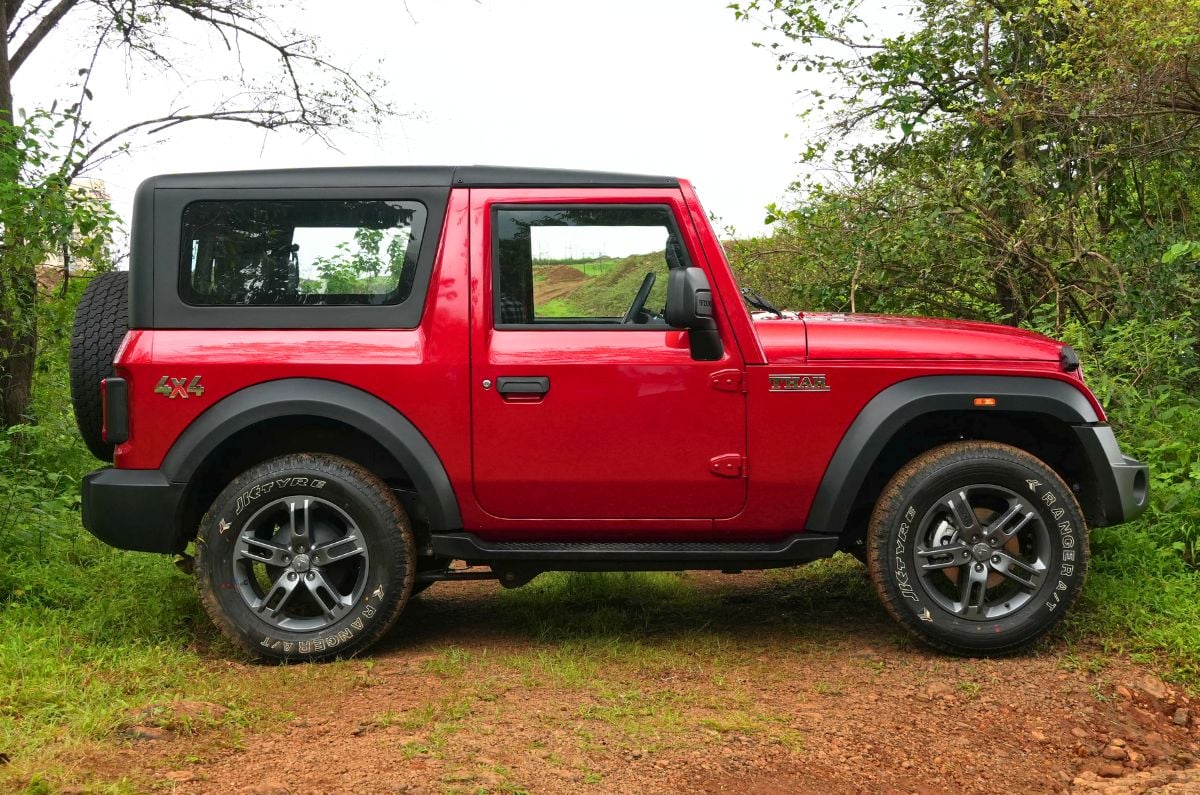
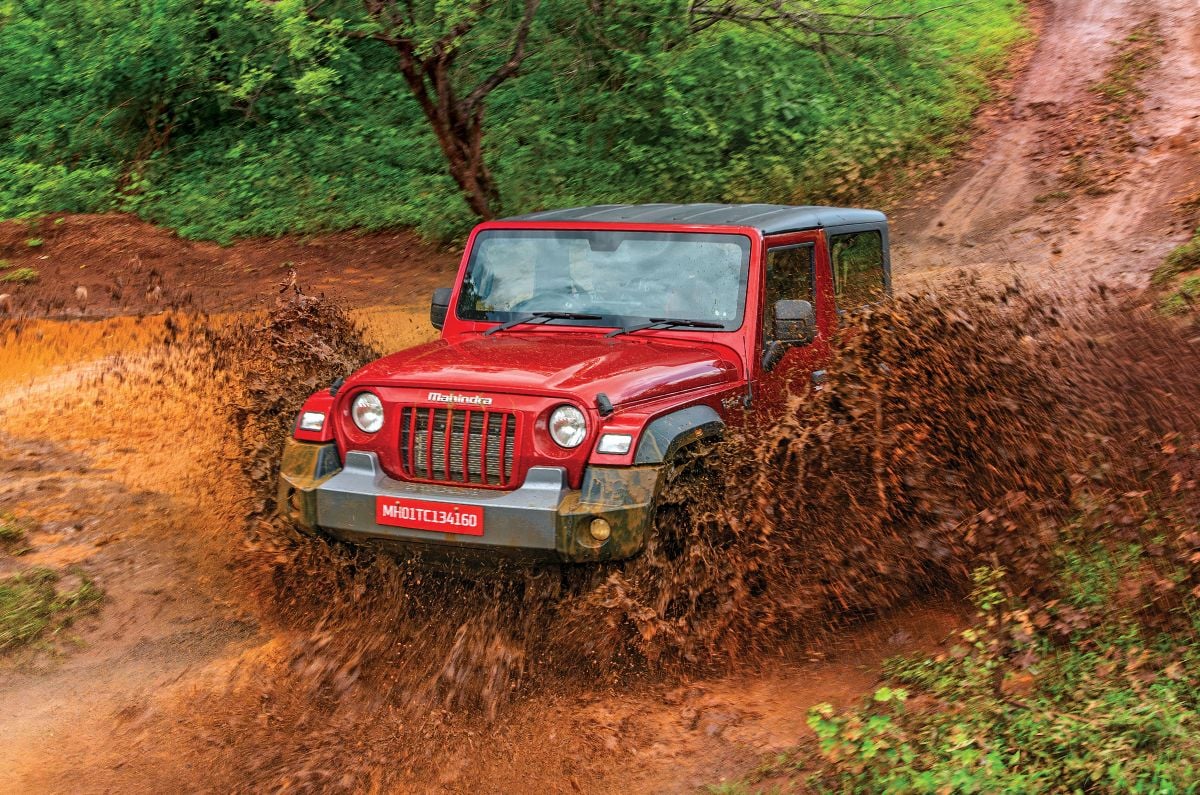
Current Mahindra Thar used for representational purposes.
Yes, the Mahindra Thar facelift is likely to retain the engine options powering the version currently on sale. These include a 119hp, 300Nm 1.5-litre diesel engine, a 132hp, 300Nm 2.2-litre diesel engine and a 152hp, 300Nm (320Nm AT) 2.0-litre turbo-petrol. All come with a 6-speed manual as standard, while the latter two also offer a 6-speed automatic gearbox. The 1.5-litre and 2.2-litre diesel engines come solely with RWD and 4×4 configurations, respectively, while the 2.0-litre turbo-petrol mill offers both drive layouts.
What is the Mahindra Thar 3 door facelift’s expected price?
The Mahindra Thar facelift is expected to come at a slight premium over the current version. For reference, the current Thar has a starting price of Rs 10.32 lakh and goes up to Rs 18 lakh (both ex-showroom). It will continue to rival the likes of the Maruti Jimny and Force Gurkha 3 door.
Picture the scene: you’re a commando who’s just parachuted behind enemy lines. Along with you and your team are a bunch of military off-roaders. It’s been a tough jump. High winds, terrain, difficult odds. While the men all make it intact, the machines break up and are destroyed. The team has to salvage what it can, reassemble a couple of off-roaders from the parts of the half dozen parachuted out. What’s clear is that special forces and the military need a tougher, more capable off-roader, one engineered with today’s tech and requirements in mind.
From the school of hard knocks
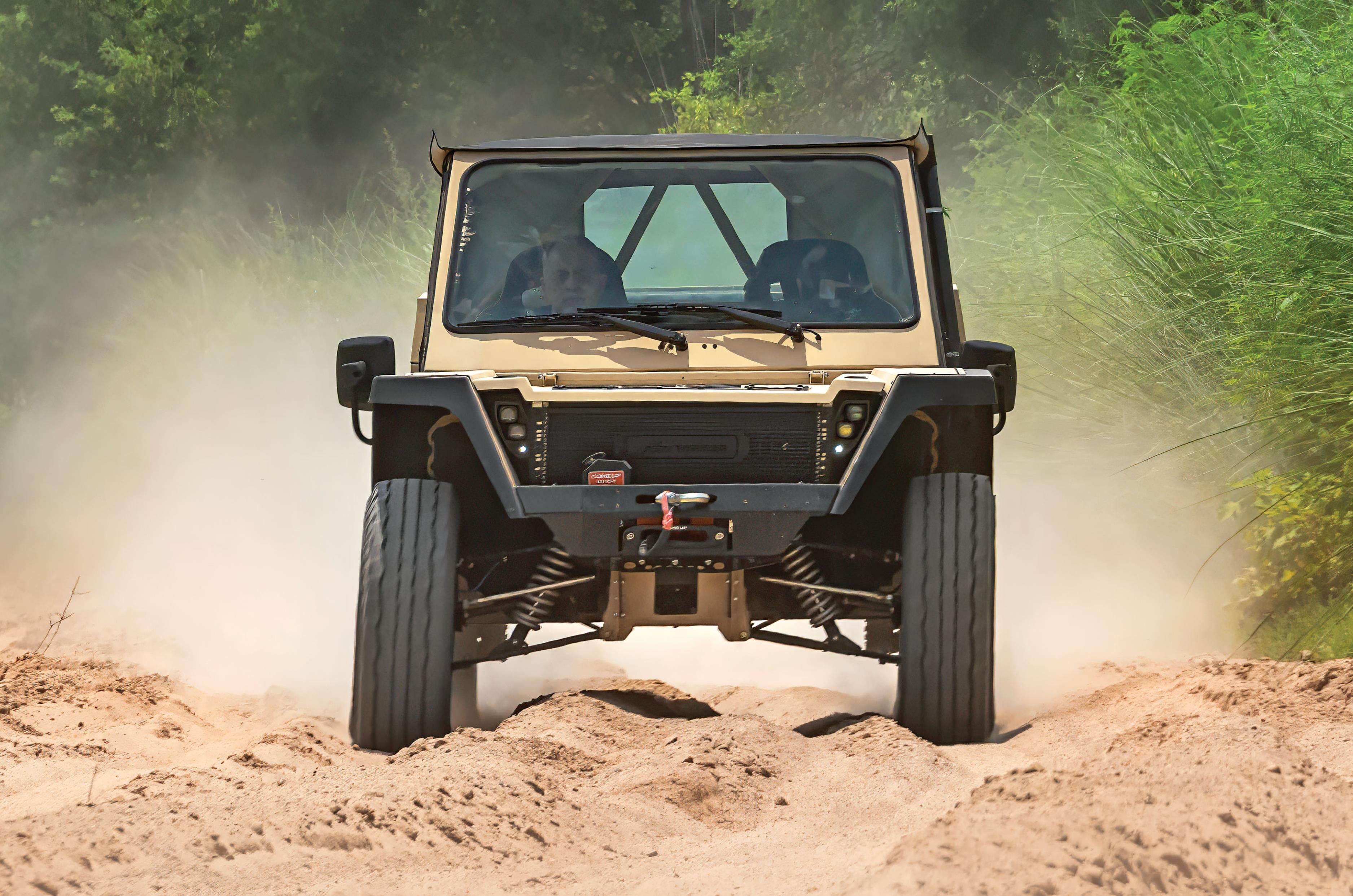
The Tomcar is purpose-engineered and built for special forces.
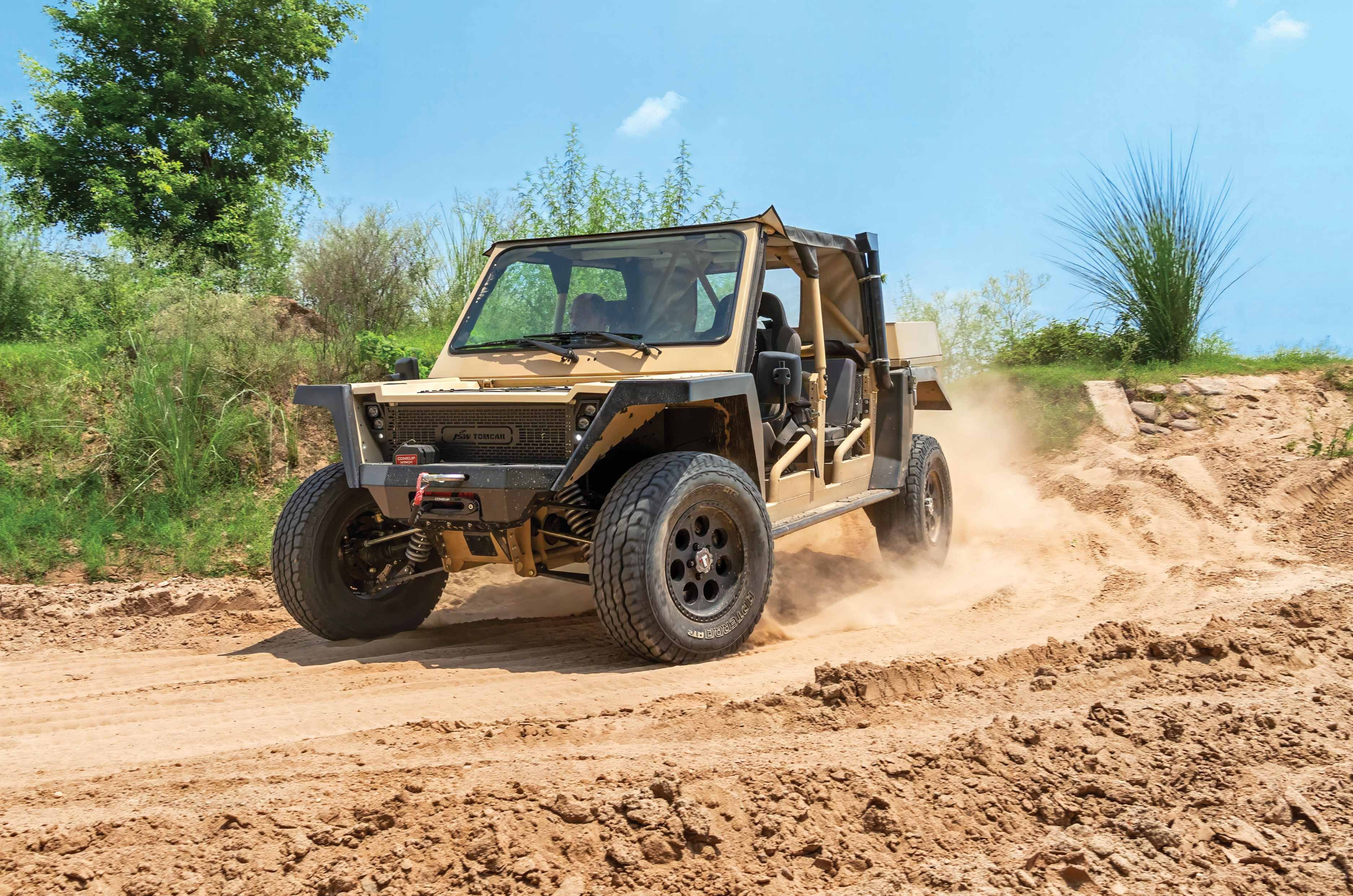
This then is the Tomcar: a military off-roader explicitly designed for commando operations. Designed to survive a parachute drop without requiring a rebuild or a massive parachute, heavy rigging and cushioning equipment, it sets an all-new benchmark. The Tomcar is built to take hard knocks, and that’s because the structure is fundamentally different.
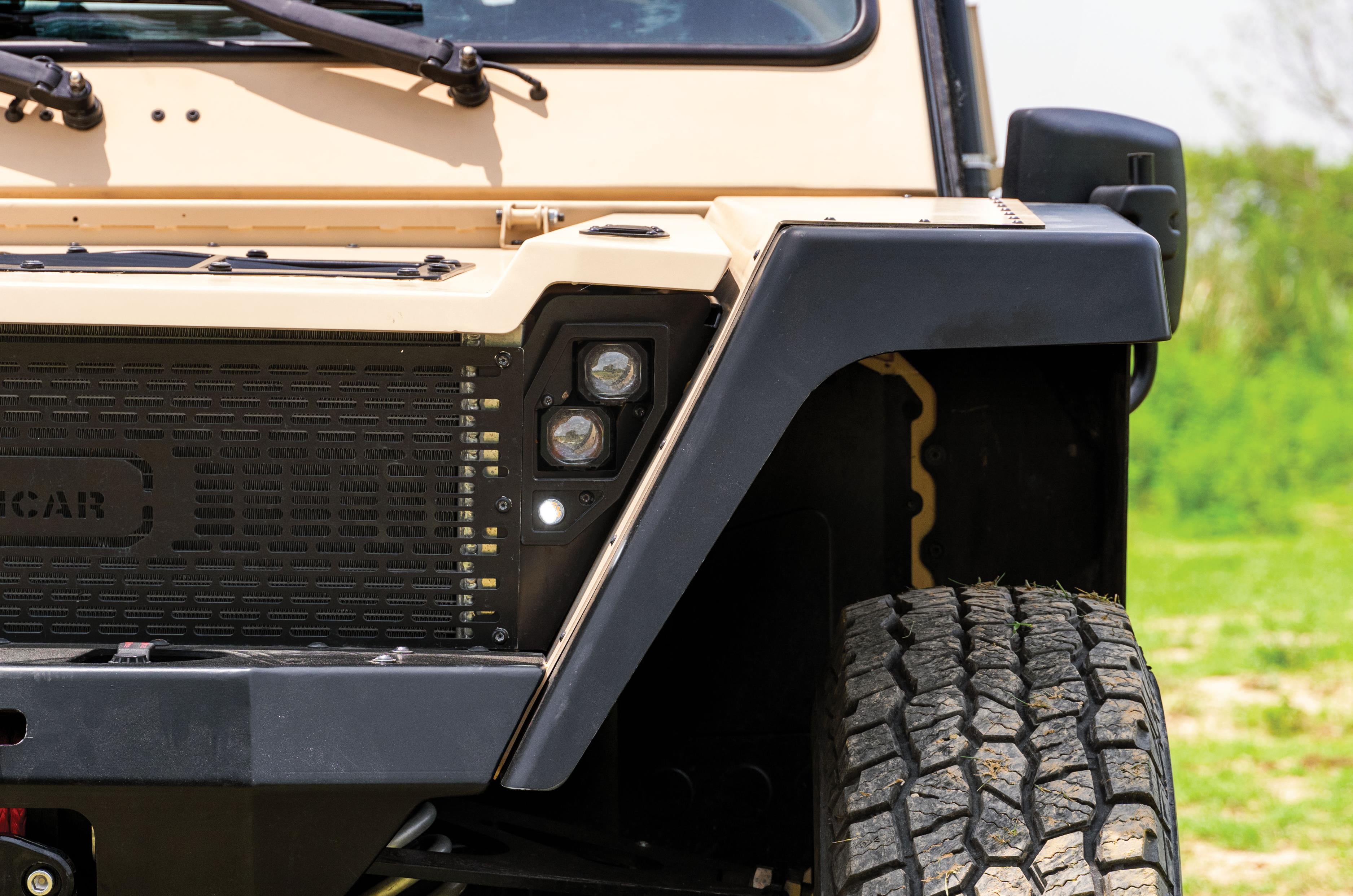
Compact nose and tiny LED headlights are unique.
This is evident even when you take a quick glance at the Tomcar TX. It looks like nothing you’ve seen before. Stubby nose, tiny headlights, no doors and a heavy-set rear. What’s for certain is that every small bit is purpose-built and functional, and the only decorative bit seems to be the badge at the rear.
No form, all function
Let’s start with what you can’t see: the monocoque frame. Unlike other off-roaders that use bolted frames, the Tomcar has a one-piece, fully welded frame and integrated roll cage. Designed specifically and tested to absorb and dissipate the extreme G-forces of an air drop (without bending or shearing), it forms the centrepiece of the design. Perfectly in sync with the concept of a very durable, over-engineered vehicle that can be air-dropped or dragged out of aerial transport at low speed. What’s even more impressive is that it can easily be repaired in the field with basic hand tools.
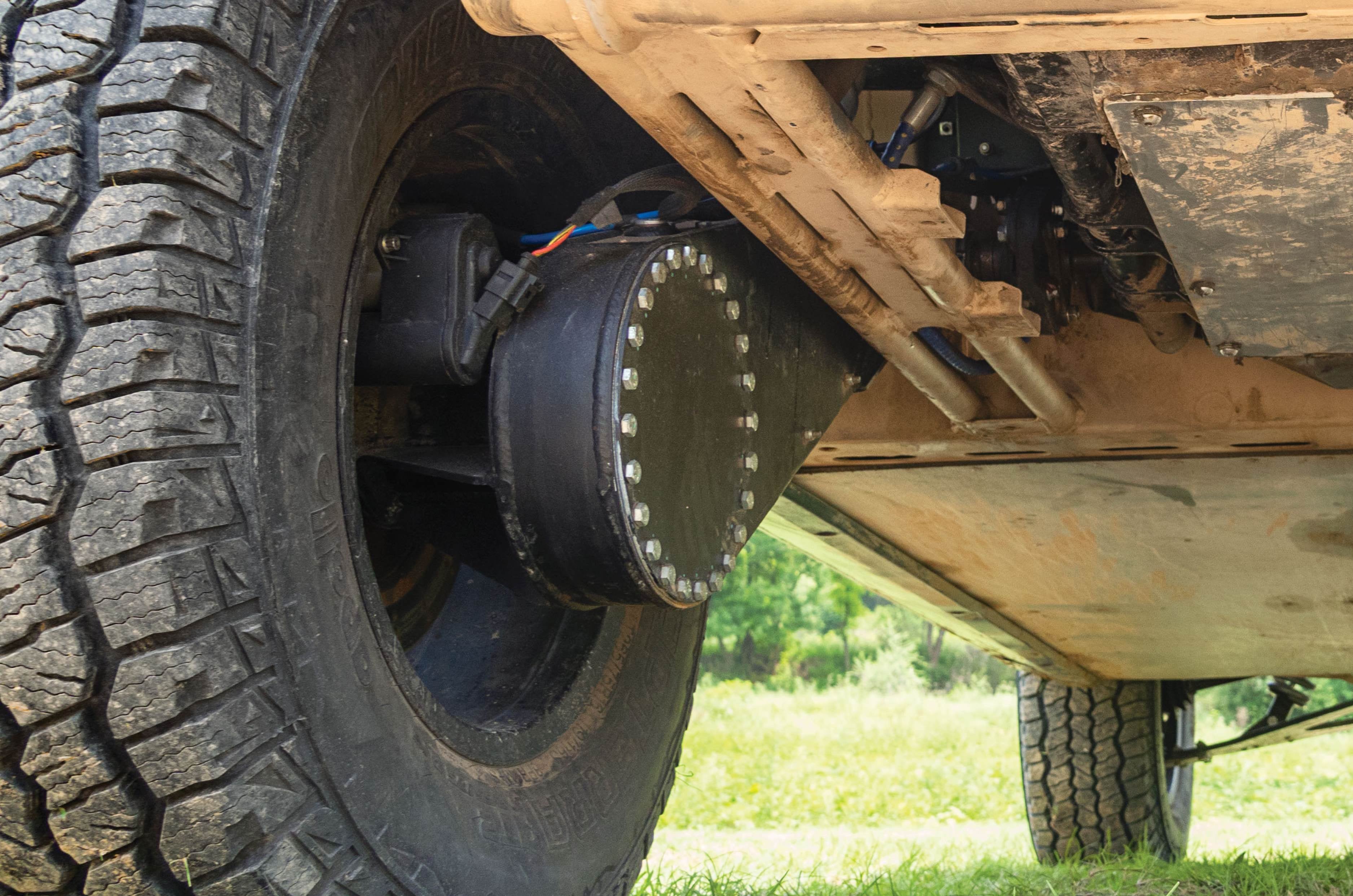
Independent rear suspension and chain drive in one single compact unit.
Next up, the all-independent suspension, which has massive travel and long suspension arms. The heavy-duty suspension offers up to 14 inches of travel and 17 inches (430mm) of ground clearance. This setup uses massive coil springs, not dissimilar to Baja racers, and motorsport-like damper systems with remote reservoirs. This enables it both to take hard knocks and remain stable at speed. This is so that the Tomcar can cruise effortlessly across undulating terrain at speed and provide a stable platform.
Special powers
175hp engine sits low in the back, aids traction and lends stability.
I walk around the rear and take a good look as the next piece of the puzzle falls in place. There are vents at the rear, and that means that’s where the engine sits. Done to maximise traction, like VW-based Baja buggies, the Tomcar has its 1.5-litre four-cylinder engine mounted low in the rear. The Chevy engine makes 175hp and 275Nm torque.
Flat floor prevents it from snagging on rough terrain.
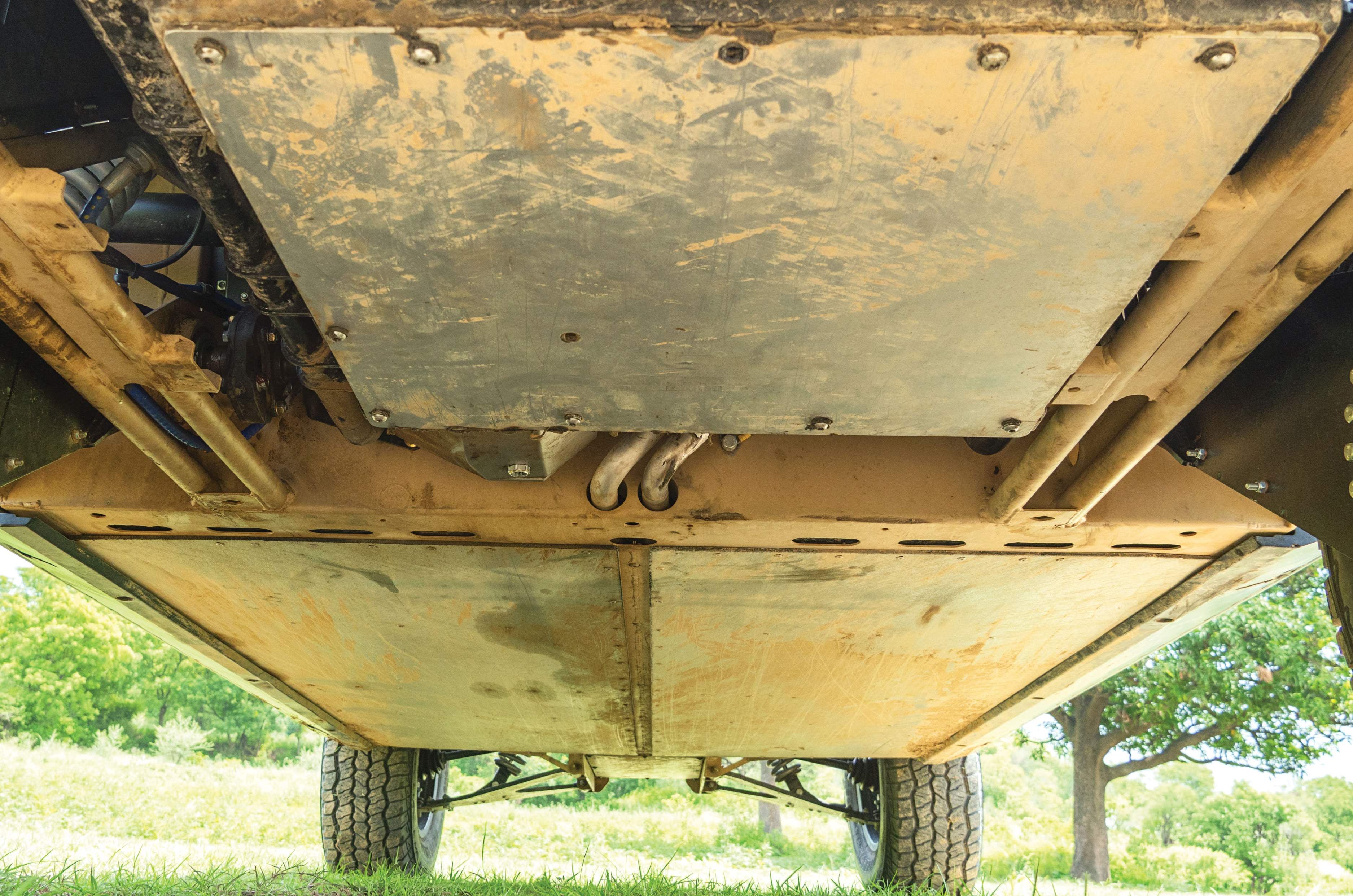
The TX uses a CVT gearbox for easy use and good torque manipulation. This is placed at the rear with the engine and sends power forward to two transfer cases that are sandwiched together. The first transfer case allows you to shift from rear-wheel drive to four-wheel drive instantly with a mere push of a lever. Bang! The second gives you low range, and along with that, regular gearbox directional functionality – Drive, Neutral and Reverse. There is no Park, only an E-parking brake. These differentials have another unique tech – they are both air-locking and are engineered so that the Tomcar has a completely flat belly – nothing hangs down so it can slide over terrain without the belly fouling. Even more interesting is how power gets transferred to the rear wheels; it’s done through a pair of double chain-drive systems, encased in the hardened steel swing arms!
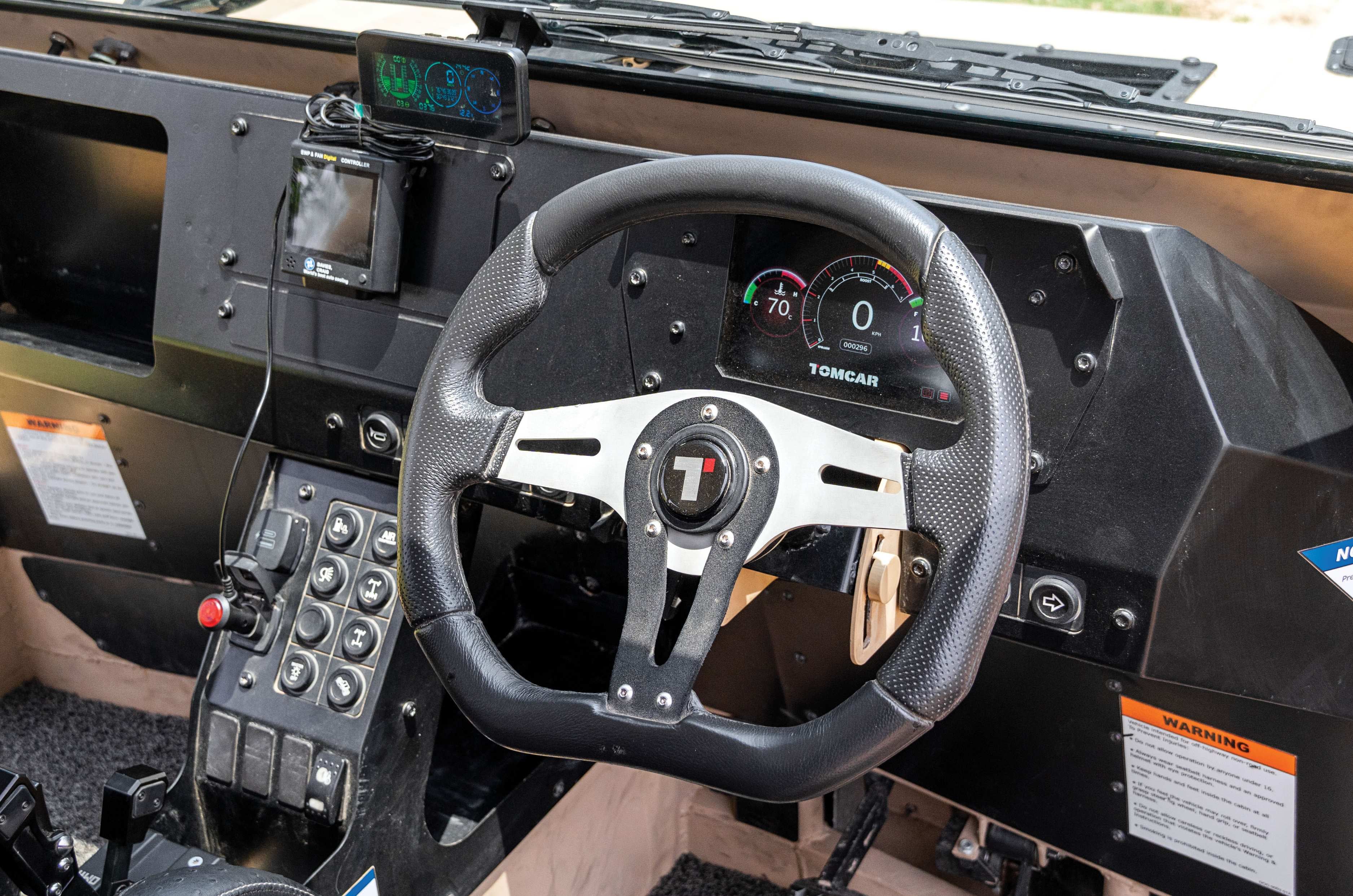
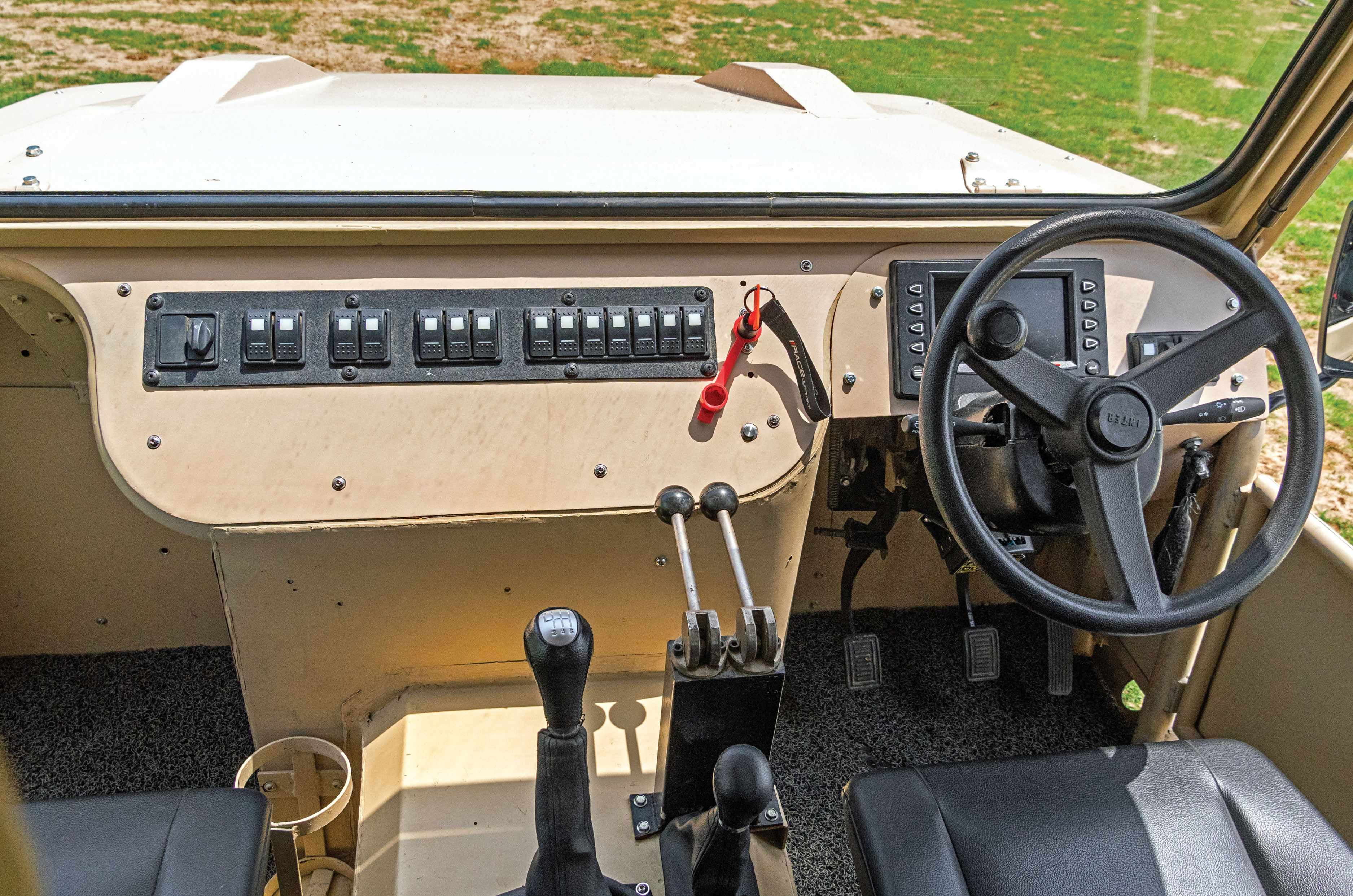
Basic dash and instruments get the job done.
In addition, the Tomcar has been made for easy serviceability in the field. Components often have a backup, and the vehicle can even function with a high degree of redundancy. There are, for example, two end-to-end fuel systems and twin radiators, and then bits like the suspension have load paths designed specifically to break at specific points where parts are easy to replace. What’s also impressive is that this 1.3-tonne vehicle can carry or pull more than a tonne.
Floats like a butterfly
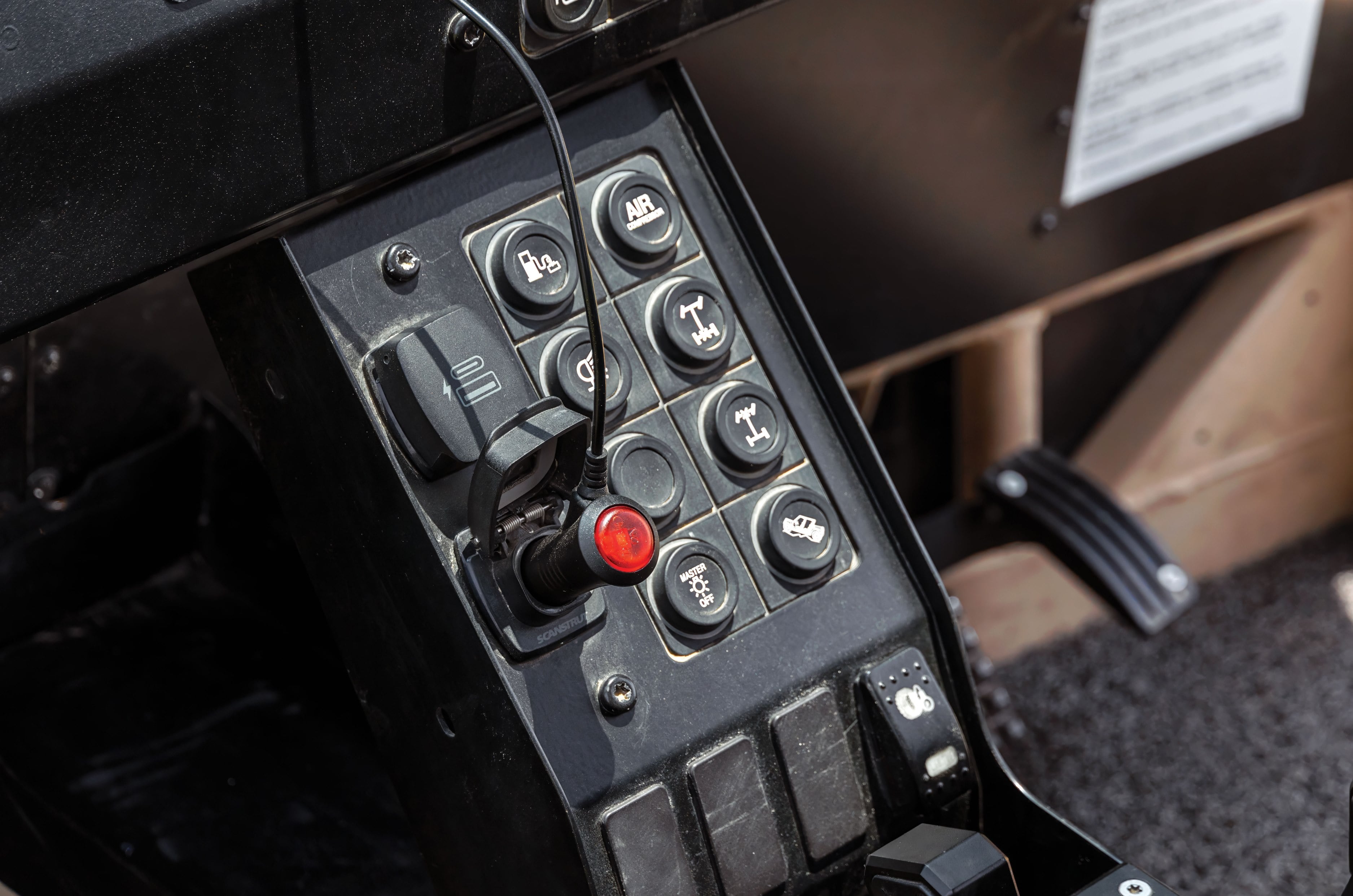
Big buttons are hardy, can deal with dirt and are easy to hit with gloves on.
With this kind of unique specification, it’s little wonder that this vehicle feels unique to drive. For a start, with no doors, you just slide in behind the wheel. Start up is pretty straightforward, and you can sort of tell this vehicle will be comfortable to operate even with heavy gloves.
Initially, the sound of the quad drive chains at the rear dominates. A gnashing, chainsaw-like ripping sound, it combines with the whine of the CVT to give the Tomcar a unique sound signature. And from slow speeds, especially in sand, the CVT does require a buildup of revs before it pulls forward happily.
Once you build a bit of momentum, however, progress over the sand feels effortless. You can just float over big ruts and carry on without too much deflection of the wheel. A lot of this is because it has the weight of the engine pushing down over the rear-driven wheels, and the stiff chassis and soft, long-travel suspension deal beautifully with the soft undulating surface. While most 4x4s feel heavy when driving through sandy river beds like the one we are on, and tend to bog down and struggle when you slow to a crawl, the Tomcar feels right at home. It’s even relatively easy to steer and place it alongside another vehicle on the narrower sections of this riverbed. Sure, the turning radius isn’t great, and it pays to be ham-fisted with the steering, but what surprises me is just how much speed I can carry without it getting uncomfortable.
It feels completely at home even on seriously difficult off-road trails.
What’s also very impressive is its ability to do some serious off-roading. Running along the steep sides of the ravine, you can feel the low centre of gravity, which feels like it sits somewhere below the level of the driver’s seat. And then we climb an extremely steep hill, the Tomcar ‘walking’ up the step-like undulations of the trail with superb rear traction. Only the engine and CVT system seem to strain with the load of the uphill climb.
Also super impressive is the ride. The stiff chassis, long-travel suspension and motorsport damper system mean you can carry speed over sections you normally only have to crawl over. You look at a broken trail and drive over, fully expecting to be tossed around, but the Tomcar stays flat, so you add more speed. And this goes on for a bit until eventually stopping distances rein you in. Want to carry speed over rough terrain? This thing operates in another dimension.
Making India’s extreme off-roaders
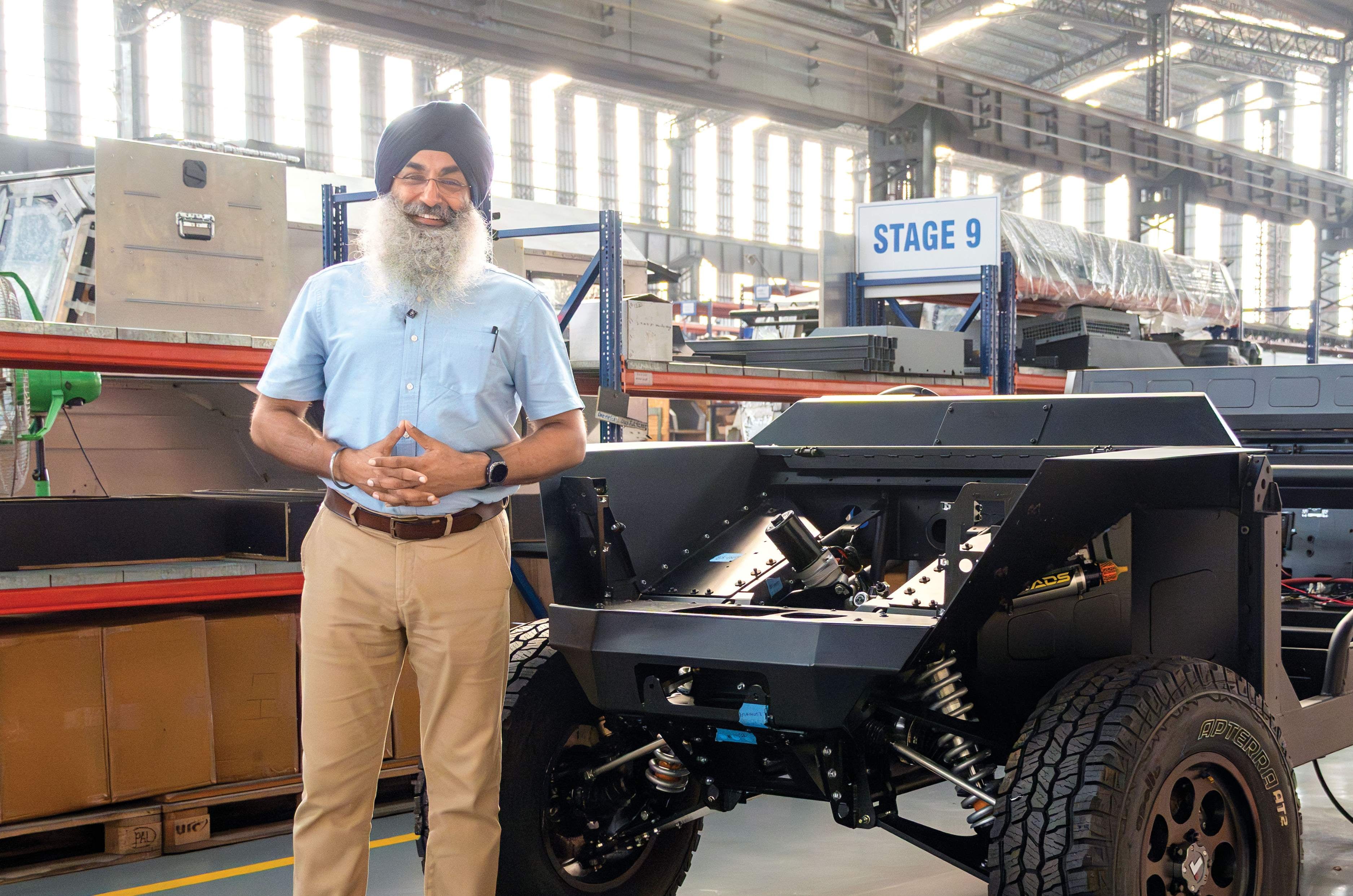
CEO and founder director of JSW Sarbloh Motors started his journey in extreme off-roading.
One of Jaskirat Singh Nagra’s first off-road excursions landed him, and his family car, in a ditch. Things, however, have looked up since then. Not only has his company Sarbloh Motors made several winning contenders for events like the Rain Forest Challenge and Orange Festival in Arunachal, it, along with JSW Defence, also makes the Sherp and Tomcar in India. Up next, the company’s own EX4. And with 140 Sherps already produced and a line already setup for tactical ATVs, you can expect many more extreme off-roaders to be built by this company.
The EX4: Engineered, designed and made in India
EX4’s wheel articulation with independent suspension.
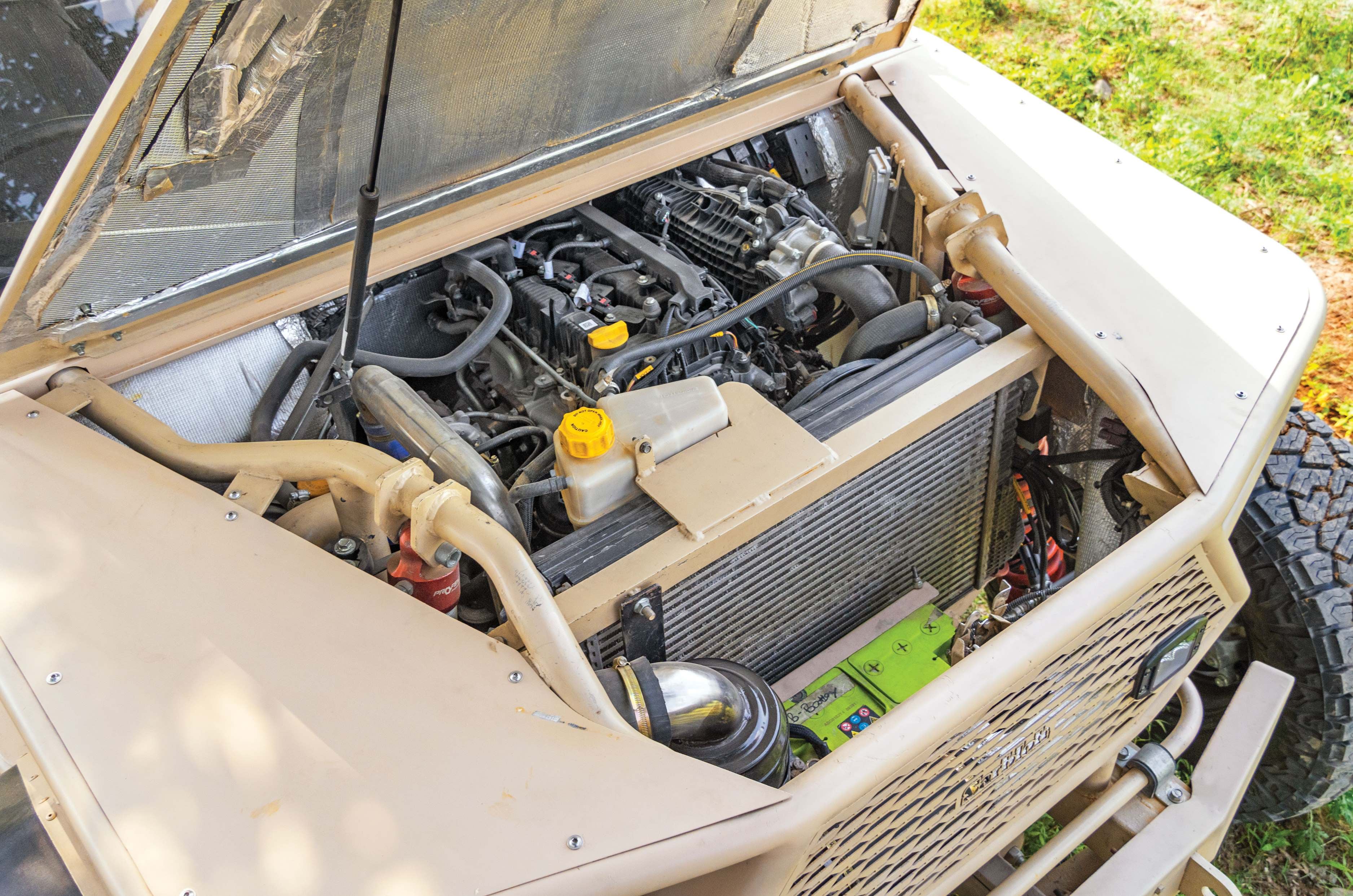
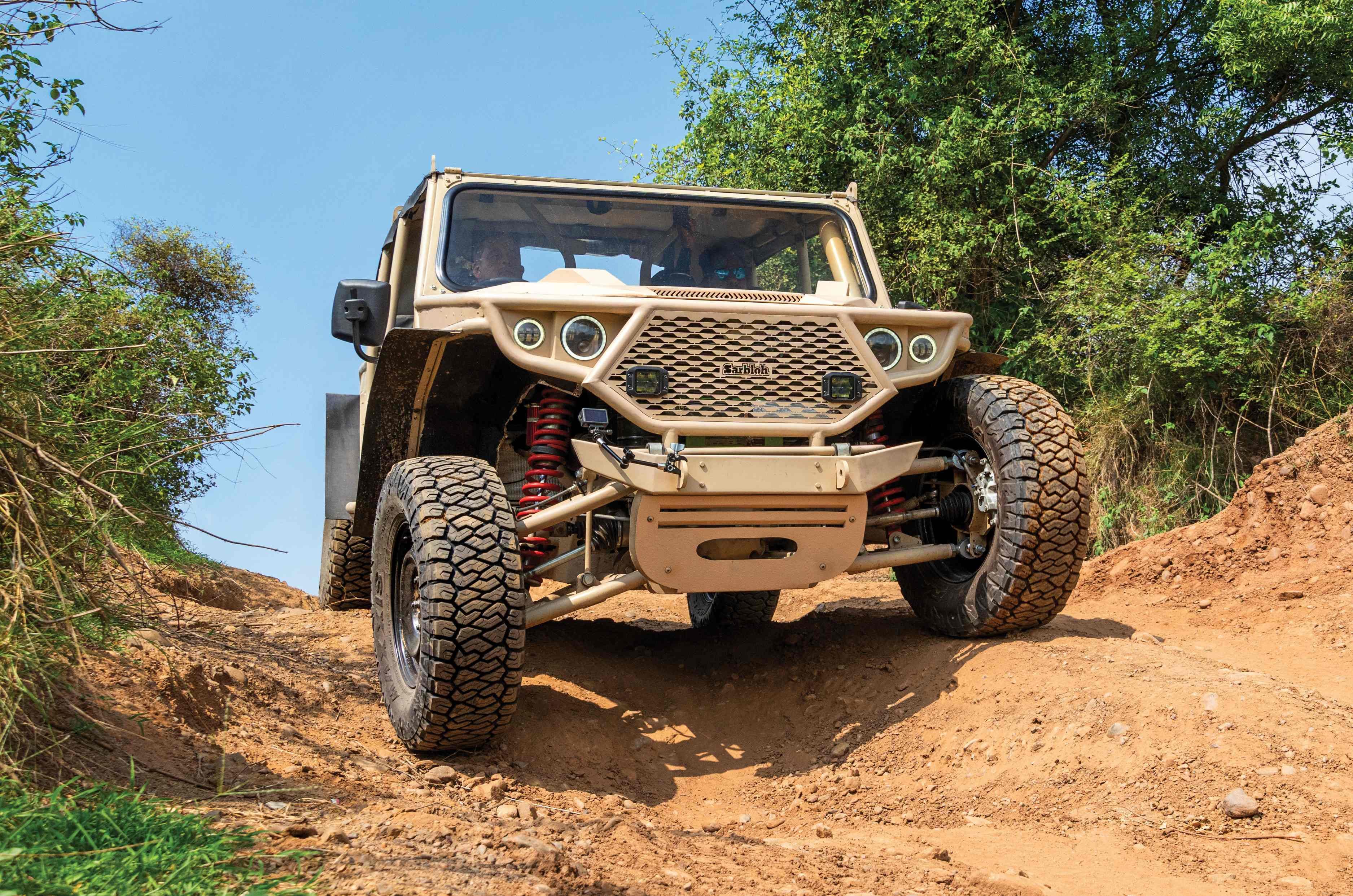
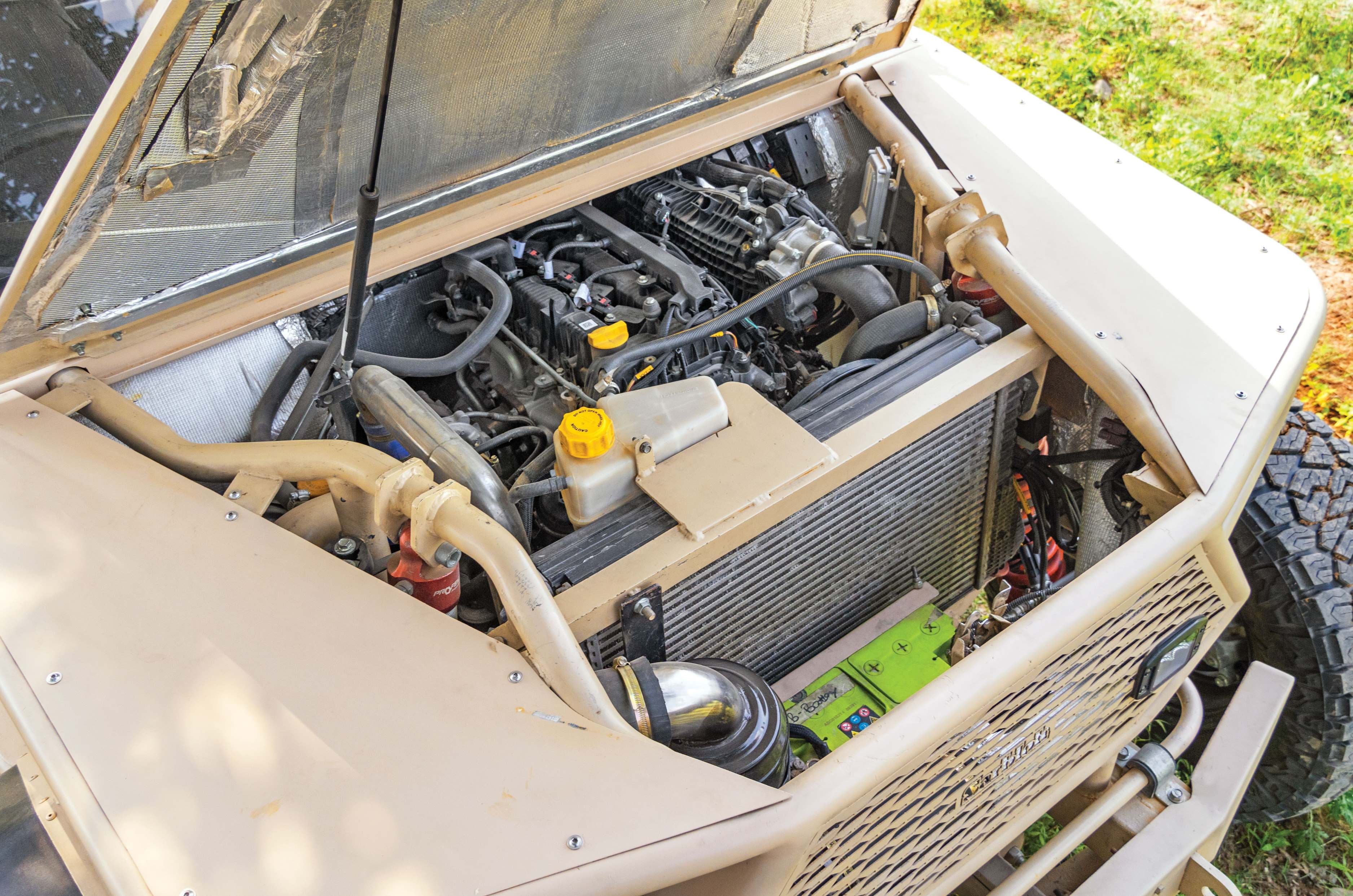
While the Tomcar is a tactical ATV meant to function as the tip of the sword, the EX4 is a home-grown scout vehicle built to take on difficult terrain and tough off-road conditions. Based on an extreme off-roader, this is a more conventional vehicle that has its engine up front and extremely short front and rear overhangs. Power comes via the same 175hp 1.5-litre turbo-petrol, and then this one even gets the option of a 2.0 diesel that makes 167hp. The latter is sourced from Fiat/Jeep or Stellantis. The chassis is a tubular space frame, and from the dimensions, you can sort of tell that this thing evolved from a Rain Forest Challenge buggy.
It can be had with a 175hp petrol or 167hp diesel.
A large A-arm suspension up front and an elongated rear trailing arm help it clamber over most obstacles, and like the Tomcar, it uses canister-fed, motorsport-based dampers that can be adjusted over a wide range. Now, despite the engine being in front, the nose is pretty compact, and interestingly, the anti-roll bar can be seen running around the front of the grille! Of course, the tyres form the extremities of the car; it gets rubber or plastic fenders around the side, and check this out, you can raise the windscreen so you can stick a weapon out and defend yourself if you are in the front seat.
The snorkel is placed with the frame.
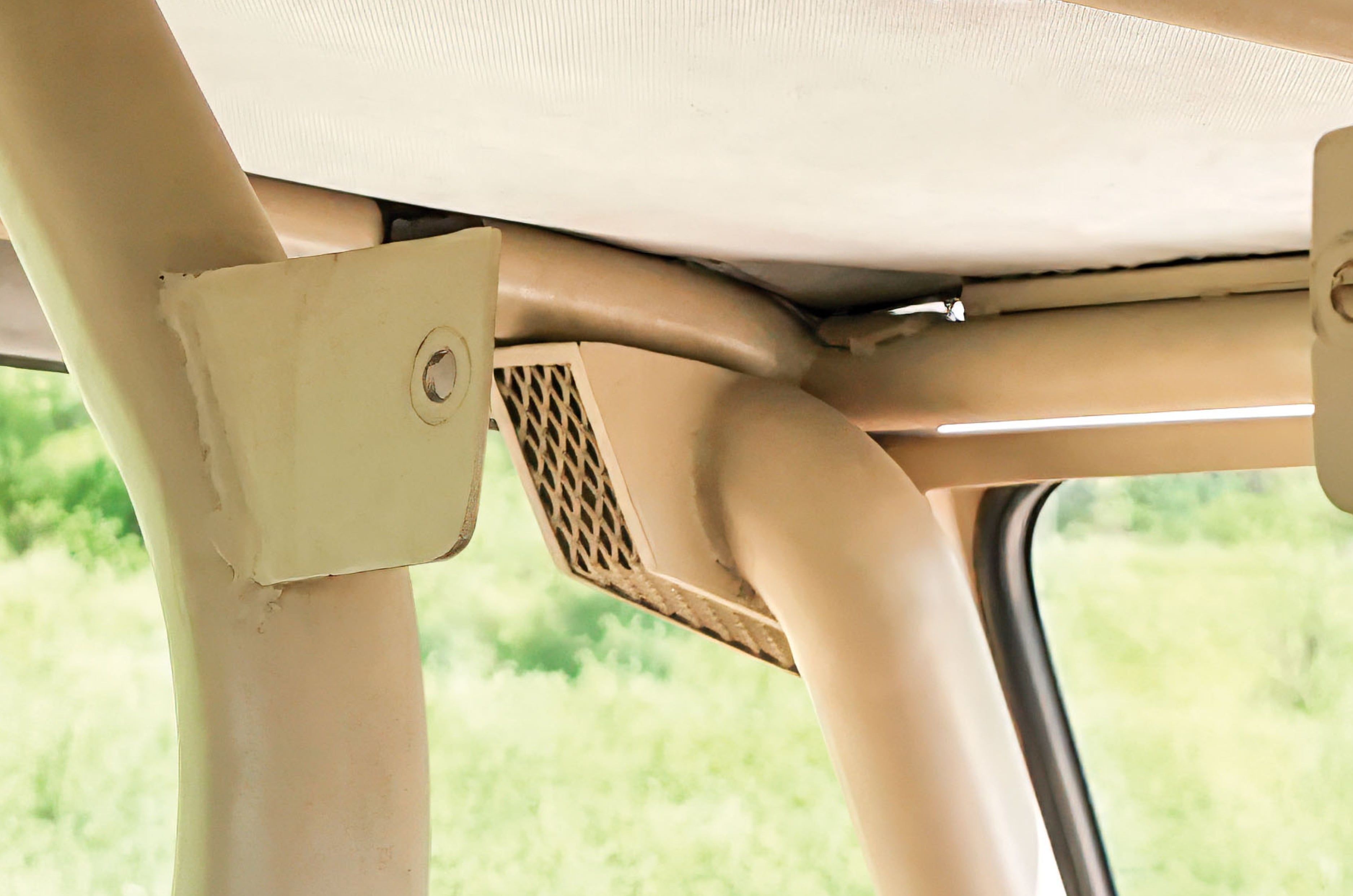
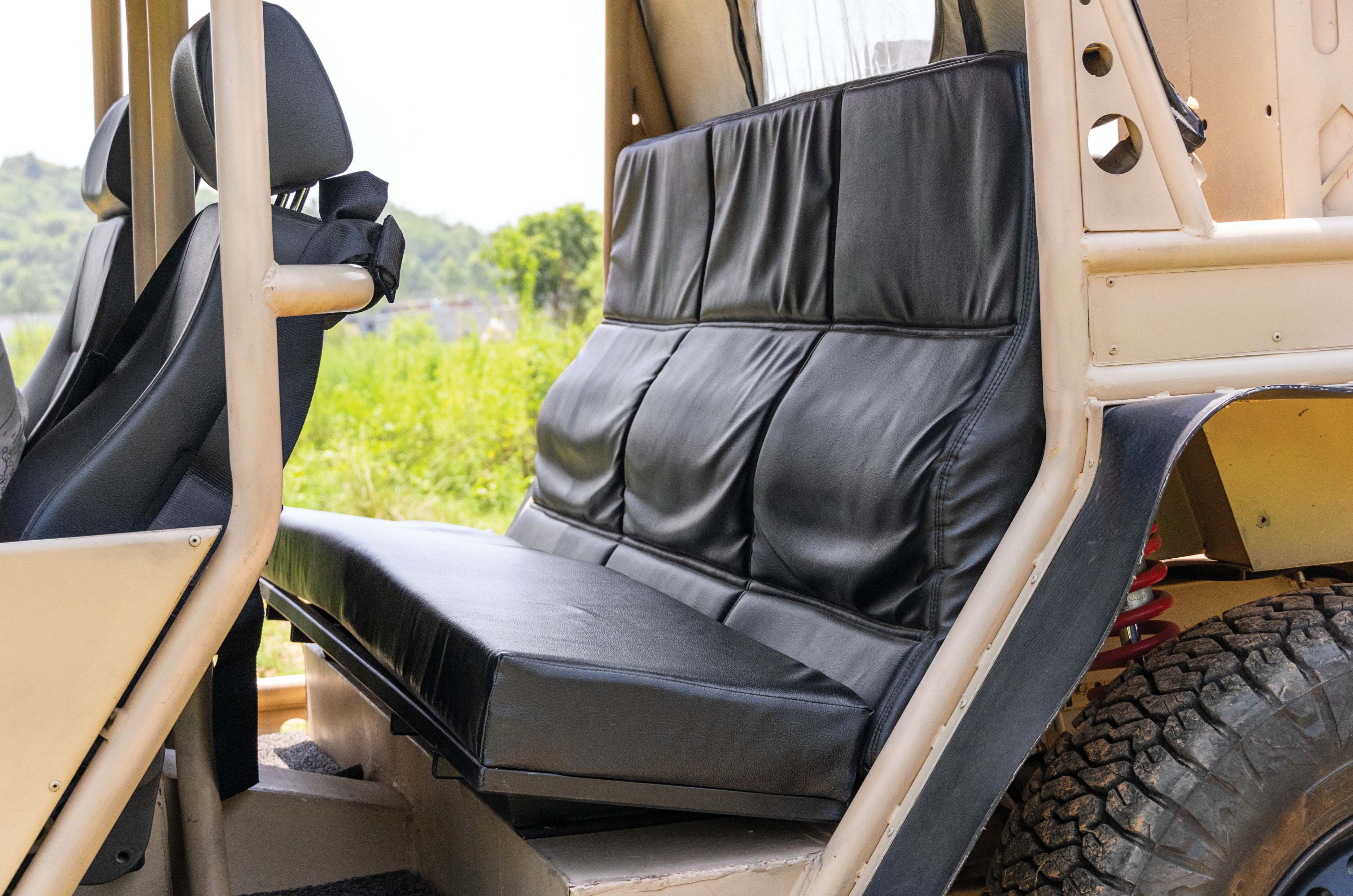
Unlike the Tomcar, this one also has mini doors, look behind the A-pillar on the left and you see the snorkel (neatly hidden away), and walk around to the rear and you get a sense of just how compact this car is. It’s so tight, even the spare sticks out the back. Also interesting are the large brackets on the roof, in case you want to air-lift this vehicle or hoist it onto a ship.
This prototype has many basic features that are likely to be upgraded in future versions.
Once behind the wheel, the EX4 feels more ‘direct,’ the manual gearbox making it feel much more sprightly. And then once you find traction in the sand, it takes off and accelerates better too. If anything, this one clearly has more zip, and it feels lighter on its feet too. The ride on this early prototype, however, isn’t anywhere as stable, and the faster you go, the more it bobs and gets tossed around. What’s also clear as you up the speed is that directional stability isn’t as good. That said, it is more willing to turn and take tighter corners. What you also hear while driving the EX4 is the intake, placed not too far from your ear, and that’s especially when you work the throttle and ask for more air. Where it shines is in extreme off-road conditions. Steep climbs with low traction, drops that could give you nose bleed, these are taken in its stride, the low range and superior traction not even needing the intervention of the locking differential for the most part. The EX4 is available from Rs 40 lakh.
Compact rear carries essential water supply for troop.
Bespoke by design
Blessed with the functional focus of a moon buggy, the ability to drive over terrain at speed that would have a regular 4×4-based military off-roader bouncing all over the place, the Tomcar is a purpose-built weapon system engineered by the end user. Designed to push the envelope in specific areas and deliver speed and dependability over rough terrain, it possesses a unique set of characteristics that are sure to give our special forces and advanced tactical units a unique advantage. And the cherry on top is that it is made right here in India by JSW Tomcar (part of JSW Defence).
Petrol Diesel Price Today: हर दिन की शुरुआत सिर्फ सूरज की किरणों से नहीं होती, बल्कि पेट्रोल और डीजल की नई कीमतों से भी होती है, जो आम आदमी की जेब पर सीधा असर डालती हैं। सुबह 6 बजे देश की तेल विपणन कंपनियां (OMCs) ताजा दरें जारी करती हैं, जो अंतरराष्ट्रीय बाजार में कच्चे तेल की कीमतों और डॉलर-रुपए की विनिमय दर में आए बदलावों पर आधारित होती हैं। ये बदलाव रोजमर्रा की जिंदगी को प्रभावित करते हैं, चाहे वो ऑफिस जाने वाला व्यक्ति हो या फल-सब्जी बेचने वाला व्यापारी।
ऐसे में हर दिन की कीमतों की जानकारी रखना सिर्फ जरूरी ही नहीं, बल्कि समझदारी भी है। सरकार की यह प्रणाली पारदर्शिता सुनिश्चित करती है ताकि उपभोक्ताओं को किसी तरह की भ्रमित जानकारी न मिले।
आपके शहर में आज का पेट्रोल-डीजल का भाव
ये रहे 20 सितंबर 2026 के प्रमुख शहरों के पेट्रोल-डीजल के ताजा रेट
नई दिल्ली: पेट्रोल ₹102.12 प्रति लीटर और डीजल ₹95.20 प्रति लीटर।
मुंबई: पेट्रोल ₹111.18 और डीजल ₹97.83 प्रति लीटर।
कोलकाता: पेट्रोल ₹113.47 जबकि डीजल ₹99.82 प्रति लीटर।
चेन्नई: पेट्रोल ₹107.77 और डीजल ₹99.55 प्रति लीटर।
गुरुग्राम: पेट्रोल ₹102.77 तथा डीजल ₹95.44 प्रति लीटर।
नोएडा: पेट्रोल ₹102.12 और डीजल ₹95.56 प्रति लीटर।
बेंगलुरु: पेट्रोल ₹110.93 जबकि डीजल ₹98.80 प्रति लीटर।
भुवनेश्वर: पेट्रोल ₹109.92 और डीजल ₹100.92 प्रति लीटर।
चंडीगढ़: पेट्रोल ₹98.10 तथा डीजल ₹86.09 प्रति लीटर।
हैदराबाद: पेट्रोल ₹115.69 और डीजल ₹103.82 प्रति लीटर।
जयपुर: पेट्रोल ₹112.66 जबकि डीजल ₹97.78 प्रति लीटर।
लखनऊ: पेट्रोल ₹102.05 और डीजल ₹95.55 प्रति लीटर।
पटना: पेट्रोल ₹113.35 तथा डीजल ₹99.36 प्रति लीटर।
तिरुवनंतपुरम: पेट्रोल ₹115.49 और डीजल ₹104.40 प्रति लीटर।
पिछले दो साल से स्थिर क्यों हैं कीमतें?
मई 2022 के बाद से केंद्र और कई राज्यों द्वारा टैक्स में कटौती की गई, जिसके बाद पेट्रोल-डीजल की कीमतों में स्थिरता देखी जा रही है। हालांकि अंतरराष्ट्रीय बाजार में उतार-चढ़ाव होता रहता है, फिर भी भारतीय उपभोक्ताओं के लिए कीमतें तुलनात्मक रूप से स्थिर बनी हुई हैं।
किन कारणों से तय होती हैं ईंधन की कीमतें?
कच्चे तेल की कीमतें:
पेट्रोल और डीजल का उत्पादन मुख्य रूप से कच्चे तेल से होता है। जब अंतरराष्ट्रीय स्तर पर कच्चे तेल की कीमतें बढ़ती हैं, तो इसका असर सीधे भारतीय बाजार पर पड़ता है।
डॉलर के मुकाबले रुपया:
भारत अधिकतर कच्चा तेल आयात करता है, और यह डॉलर में खरीदा जाता है। यदि रुपया कमजोर होता है, तो ईंधन महंगा हो जाता है।
सरकारी टैक्स और शुल्क:
केंद्र और राज्य सरकारें पेट्रोल-डीजल पर भारी टैक्स लगाती हैं, जो खुदरा मूल्य का बड़ा हिस्सा होते हैं। यही कारण है कि राज्यों में कीमतों में अंतर होता है।
रिफाइनिंग की लागत:
कच्चे तेल को इस्तेमाल लायक बनाने की प्रक्रिया (रिफाइनिंग) में भी खर्च होता है। ये लागत कच्चे तेल की गुणवत्ता और रिफाइनरी की क्षमता पर निर्भर करती है।
मांग और आपूर्ति का संतुलन:
बाजार में ईंधन की मांग अगर बढ़ जाती है, तो कीमतें भी ऊपर जाने लगती हैं। खासकर त्योहारों, गर्मी या सर्दी के मौसम में ईंधन की खपत ज्यादा होती है।
कैसे करें अपने शहर की कीमतें SMS से चेक?
अगर आप मोबाइल से ईंधन की कीमत जानना चाहते हैं, तो ये प्रक्रिया आसान है:
Indian Oil ग्राहक: अपने शहर का कोड टाइप करें और उसे “RSP” के साथ 9224992249 पर भेजें।
BPCL ग्राहक: “RSP” लिखकर 9223112222 पर भेजें।
HPCL ग्राहक: “HP Price” लिखकर 9222201122 पर भेजें।
LPG Price 19 September 2026: रसोई गैस सिलेंडर की कीमत आम आदमी के घर के बजट पर सीधा असर डालती है। महीने की शुरुआत में जब घरेलू खर्च का हिसाब लगाया जाता है, तो LPG सिलेंडर की कीमत भी उसमें अहम हिस्सा होती है। वहीं, कमर्शियल गैस के दाम होटल, रेस्तरां, ढाबों और दूसरे कारोबारों की लागत को प्रभावित करते हैं। ऐसे में तेल कंपनियों की ओर से जारी होने वाले नए LPG रेट पर हर महीने ग्राहकों की नजर रहती है।
आज 19 सितंबर 2026 को भी LPG सिलेंडर के दामों को लेकर अपडेट सामने आया है। अगर आप इस महीने सिलेंडर बुक करने की तैयारी में हैं, तो ऑर्डर करने से पहले अपने शहर में लागू कीमत जरूर चेक कर लें। अलग-अलग शहरों में टैक्स और स्थानीय परिस्थितियों के चलते LPG के दाम अलग हो सकते हैं। आइए जानते हैं आज आपके शहर में घरेलू और कमर्शियल सिलेंडर कितने रुपये में मिल रहा है।
घरेलू गैस के दाम स्थिर, कमर्शियल सिलेंडर में हुआ था बदलाव
आज 14.2 किलो वाले घरेलू LPG सिलेंडर की कीमतों में कोई बदलाव नहीं हुआ है। 19 किलो वाला कमर्शियल सिलेंडर भी आज उसी रेट पर मिल रहा है। हालांकि, सितंबर की शुरुआत में सरकारी तेल कंपनियों ने कमर्शियल सिलेंडर की कीमत में 9.50 रुपये की बढ़ोतरी की थी। घरेलू LPG के दाम में कोई संशोधन नहीं किया गया था।
दिल्ली से चेन्नई तक, जानिए कितने में मिल रहा सिलेंडर
शहर
घरेलू LPG
कमर्शियल LPG
दिल्ली
₹942
₹2,747.50
मुंबई
₹941.50
₹2,701
कोलकाता
₹968
₹2,884
बेंगलुरु
₹944.50
₹2,831
हैदराबाद
₹994
₹2,996
चेन्नई
₹957.50
₹2,916.50
जयपुर
₹945.50
₹2,776
नोएडा
₹939.50
₹2,747.50
गुरुग्राम
₹950.50
₹2,764.50
घर बैठे ऐसे पता करें LPG का ताजा भाव
सिलेंडर का रेट जानने के लिए अब गैस एजेंसी के चक्कर लगाने की जरूरत नहीं है। संबंधित तेल कंपनी की आधिकारिक वेबसाइट पर LPG प्राइसिंग सेक्शन में जाकर अपनी लोकेशन चुनें और लागू कीमत देख लें।
IndianOil (Indane): cx.indianoil.in
Bharat Petroleum (Bharat Gas): ebharatgas.com
Hindustan Petroleum (HP Gas): myhpgas.in
मोबाइल ऐप से बुकिंग और ट्रैकिंग भी आसान
ग्राहक संबंधित कंपनी के मोबाइल ऐप से कीमत देखने के साथ-साथ सिलेंडर बुक और डिलीवरी ट्रैक कर सकते हैं। IndianOil के लिए IndianOil One, Bharat Gas के लिए Hello BPCL और HP Gas के लिए HP Pay ऐप उपलब्ध हैं।
WhatsApp और SMS से भी मिल सकती है जानकारी
अगर ऐप या वेबसाइट इस्तेमाल नहीं करना चाहते, तो रजिस्टर्ड मोबाइल नंबर के जरिए WhatsApp या SMS सेवा का सहारा लिया जा सकता है। इससे ग्राहक अपने LPG अकाउंट से जुड़ी जानकारी और सिलेंडर की कीमत आसानी से पता कर सकते हैं।
Petrol Diesel Price Today: हर दिन की शुरुआत सिर्फ सूरज की किरणों से नहीं होती, बल्कि पेट्रोल और डीजल की नई कीमतों से भी होती है, जो आम आदमी की जेब पर सीधा असर डालती हैं। सुबह 6 बजे देश की तेल विपणन कंपनियां (OMCs) ताजा दरें जारी करती हैं, जो अंतरराष्ट्रीय बाजार में कच्चे तेल की कीमतों और डॉलर-रुपए की विनिमय दर में आए बदलावों पर आधारित होती हैं। ये बदलाव रोजमर्रा की जिंदगी को प्रभावित करते हैं, चाहे वो ऑफिस जाने वाला व्यक्ति हो या फल-सब्जी बेचने वाला व्यापारी।
ऐसे में हर दिन की कीमतों की जानकारी रखना सिर्फ जरूरी ही नहीं, बल्कि समझदारी भी है। सरकार की यह प्रणाली पारदर्शिता सुनिश्चित करती है ताकि उपभोक्ताओं को किसी तरह की भ्रमित जानकारी न मिले।
आपके शहर में आज का पेट्रोल-डीजल का भाव
ये रहे 19 सितंबर 2026 के प्रमुख शहरों के पेट्रोल-डीजल के ताजा रेट
नई दिल्ली: पेट्रोल ₹102.12 प्रति लीटर और डीजल ₹95.20 प्रति लीटर।
मुंबई: पेट्रोल ₹111.18 और डीजल ₹97.83 प्रति लीटर।
कोलकाता: पेट्रोल ₹113.47 जबकि डीजल ₹99.82 प्रति लीटर।
चेन्नई: पेट्रोल ₹107.77 और डीजल ₹99.55 प्रति लीटर।
गुरुग्राम: पेट्रोल ₹102.77 तथा डीजल ₹95.44 प्रति लीटर।
नोएडा: पेट्रोल ₹102.12 और डीजल ₹95.56 प्रति लीटर।
बेंगलुरु: पेट्रोल ₹110.93 जबकि डीजल ₹98.80 प्रति लीटर।
भुवनेश्वर: पेट्रोल ₹109.92 और डीजल ₹100.92 प्रति लीटर।
चंडीगढ़: पेट्रोल ₹98.10 तथा डीजल ₹86.09 प्रति लीटर।
हैदराबाद: पेट्रोल ₹115.69 और डीजल ₹103.82 प्रति लीटर।
जयपुर: पेट्रोल ₹112.66 जबकि डीजल ₹97.78 प्रति लीटर।
लखनऊ: पेट्रोल ₹102.05 और डीजल ₹95.55 प्रति लीटर।
पटना: पेट्रोल ₹113.35 तथा डीजल ₹99.36 प्रति लीटर।
तिरुवनंतपुरम: पेट्रोल ₹115.49 और डीजल ₹104.40 प्रति लीटर।
पिछले दो साल से स्थिर क्यों हैं कीमतें?
मई 2022 के बाद से केंद्र और कई राज्यों द्वारा टैक्स में कटौती की गई, जिसके बाद पेट्रोल-डीजल की कीमतों में स्थिरता देखी जा रही है। हालांकि अंतरराष्ट्रीय बाजार में उतार-चढ़ाव होता रहता है, फिर भी भारतीय उपभोक्ताओं के लिए कीमतें तुलनात्मक रूप से स्थिर बनी हुई हैं।
किन कारणों से तय होती हैं ईंधन की कीमतें?
कच्चे तेल की कीमतें:
पेट्रोल और डीजल का उत्पादन मुख्य रूप से कच्चे तेल से होता है। जब अंतरराष्ट्रीय स्तर पर कच्चे तेल की कीमतें बढ़ती हैं, तो इसका असर सीधे भारतीय बाजार पर पड़ता है।
डॉलर के मुकाबले रुपया:
भारत अधिकतर कच्चा तेल आयात करता है, और यह डॉलर में खरीदा जाता है। यदि रुपया कमजोर होता है, तो ईंधन महंगा हो जाता है।
सरकारी टैक्स और शुल्क:
केंद्र और राज्य सरकारें पेट्रोल-डीजल पर भारी टैक्स लगाती हैं, जो खुदरा मूल्य का बड़ा हिस्सा होते हैं। यही कारण है कि राज्यों में कीमतों में अंतर होता है।
रिफाइनिंग की लागत:
कच्चे तेल को इस्तेमाल लायक बनाने की प्रक्रिया (रिफाइनिंग) में भी खर्च होता है। ये लागत कच्चे तेल की गुणवत्ता और रिफाइनरी की क्षमता पर निर्भर करती है।
मांग और आपूर्ति का संतुलन:
बाजार में ईंधन की मांग अगर बढ़ जाती है, तो कीमतें भी ऊपर जाने लगती हैं। खासकर त्योहारों, गर्मी या सर्दी के मौसम में ईंधन की खपत ज्यादा होती है।
कैसे करें अपने शहर की कीमतें SMS से चेक?
अगर आप मोबाइल से ईंधन की कीमत जानना चाहते हैं, तो ये प्रक्रिया आसान है:
Indian Oil ग्राहक: अपने शहर का कोड टाइप करें और उसे “RSP” के साथ 9224992249 पर भेजें।
BPCL ग्राहक: “RSP” लिखकर 9223112222 पर भेजें।
HPCL ग्राहक: “HP Price” लिखकर 9222201122 पर भेजें।
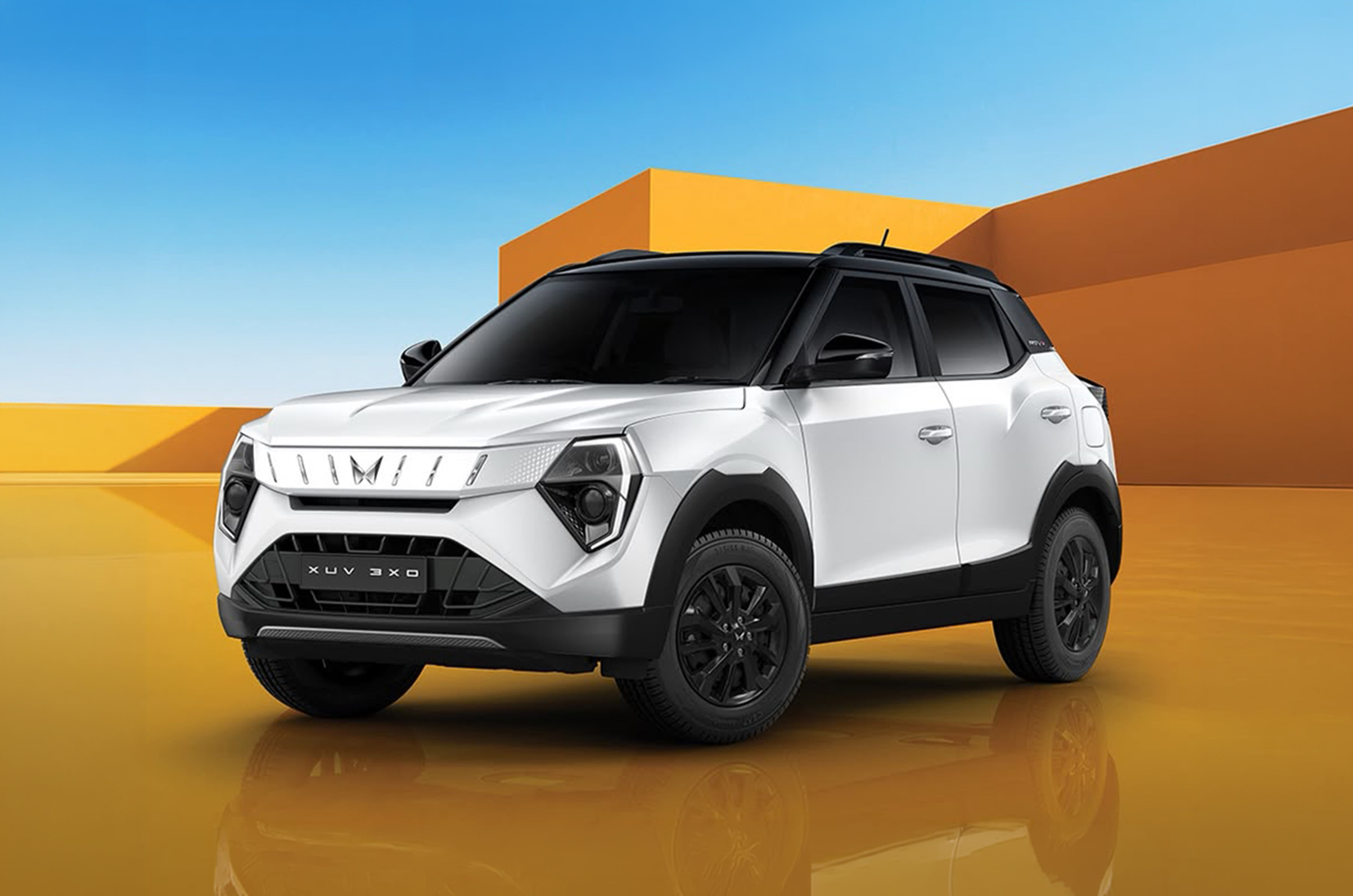
Mahindra has expanded the XUV 3XO RevX line-up with a new RevX Edge trim. Priced from Rs 9.39 lakh (ex-showroom), the RevX Edge essentially makes a few features more accessible from higher up in the trim lineup. Mahindra has also expanded the powertrain lineup on the RevX range, now offering it with a diesel engine and a more affordable 1.2-litre turbo-petrol automatic variant. Let’s look at all the updates in closer detail.
Here’s a look the prices (ex-showroom) of the newly introduced variants:
Trim
Petrol-MT
Petrol-AT
Diesel-MT
Diesel-AMT
RevX M(O)
Rs 9.99 lakh
RevX Edge
Rs 9.39 lakh
Rs 10.59 lakh
Rs 10.59 lakh
RevX Edge (O)
Rs 9.89 lakh
Rs 11.09 lakh
Rs 11.09 lakh
Rs 11.91 lakh
Mahindra XUV 3XO RevX Edge: what’s new?
The new RevX Edge and RevX Edge (O) trims sit above the previously launched RevX M and RevX M (O) trims. Overall, the new Edge trims are positioned bang in the centre of the XUV 3XO lineup. The XUV 3XO is now available in a total of 11 trims: MX1, MX2, RevX M, RevX M (O), RevX Edge, Rev X Edge (O), AX5, RevX A, AX5L, AX7, AX7L. Meanwhile, the previously available MX2 Pro, MX3 and MX3 pro trim have been discontinued.
Over the RevX M (O) trim, the new RevX Edge adds 10.25-inch touchscreen with wireless Apple CarPlay and Android Auto, a rearview camera, a Type C USB port and cruise control. The Rev X Edge (O) further adds a panoramic sunroof, roof rails, electrically foldable ORVMs, auto headlamps and wipers, remote entry and push button start.
As before, the RevX trims continue to be set apart from the regular trims with a dual-tone paint shade, a body-coloured grille and blacked-out alloy wheels.
Safety features such as 6 airbags, ESC, ISOFIX child-seat mounts, reverse parking sensors, three-point seat belts and seat-belt reminders for all passengers are standard across the entire XUV 3XO range.
Mahindra XUV 3XO RevX Edge powertrain options
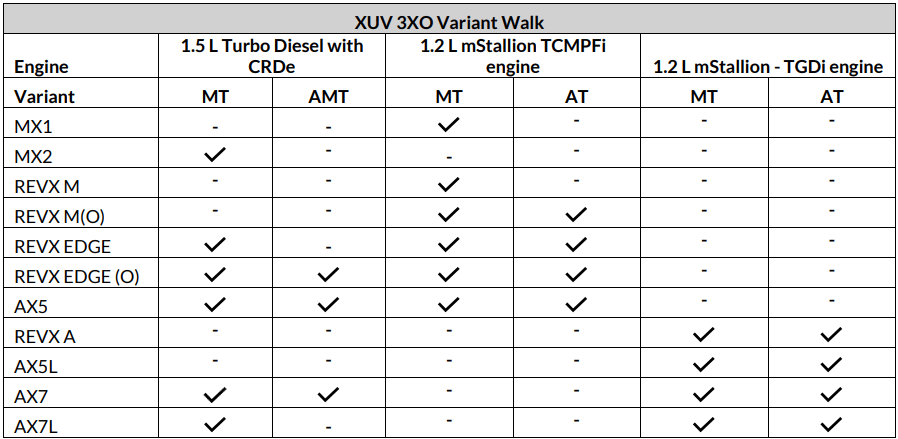
When the RevX trims were introduced last year, it was made available with the 111hp, 1.2-litre turbo-petrol and the 131hp, 1.2-litre TGDi turbo-petrol engines. Now, Mahindra has expanded the powertrain lineup to also include the 117hp, 1.5-litre diesel engine with manual and AMT gearboxes, but the RevX trims are no longer with the 131hp, TGDi turbo-petrol engine.
Here’s a look at the full variant spread of the updated XUV 3XO lineup
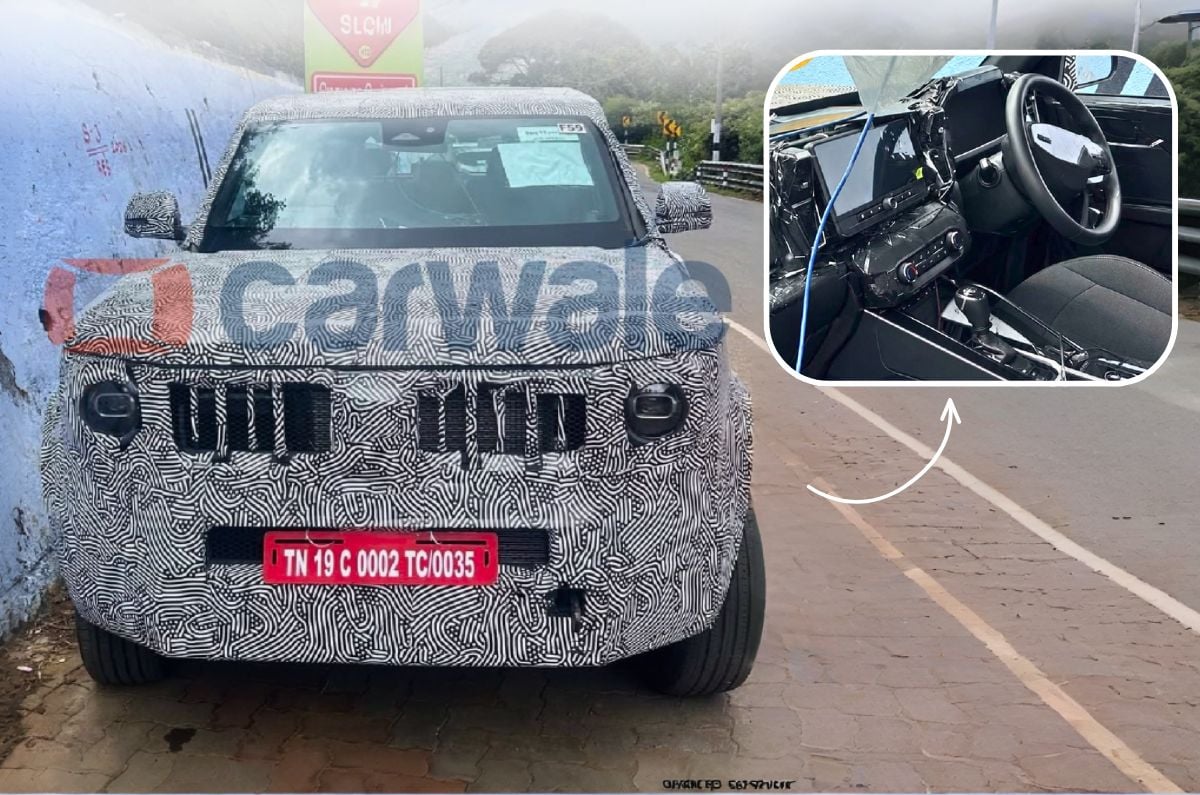
A close-to-production test mule of the Mahindra Vision S-based SUV has been spied once again, this time offering a clearer look at the interior. The spy shots suggest that the production-spec Vision S could borrow several design elements from Mahindra’s existing SUVs, including the Thar, Thar Roxx and XUV 7XO. The exterior remains heavily camouflaged, but appears to carry the same design elements seen in previous spy shots.
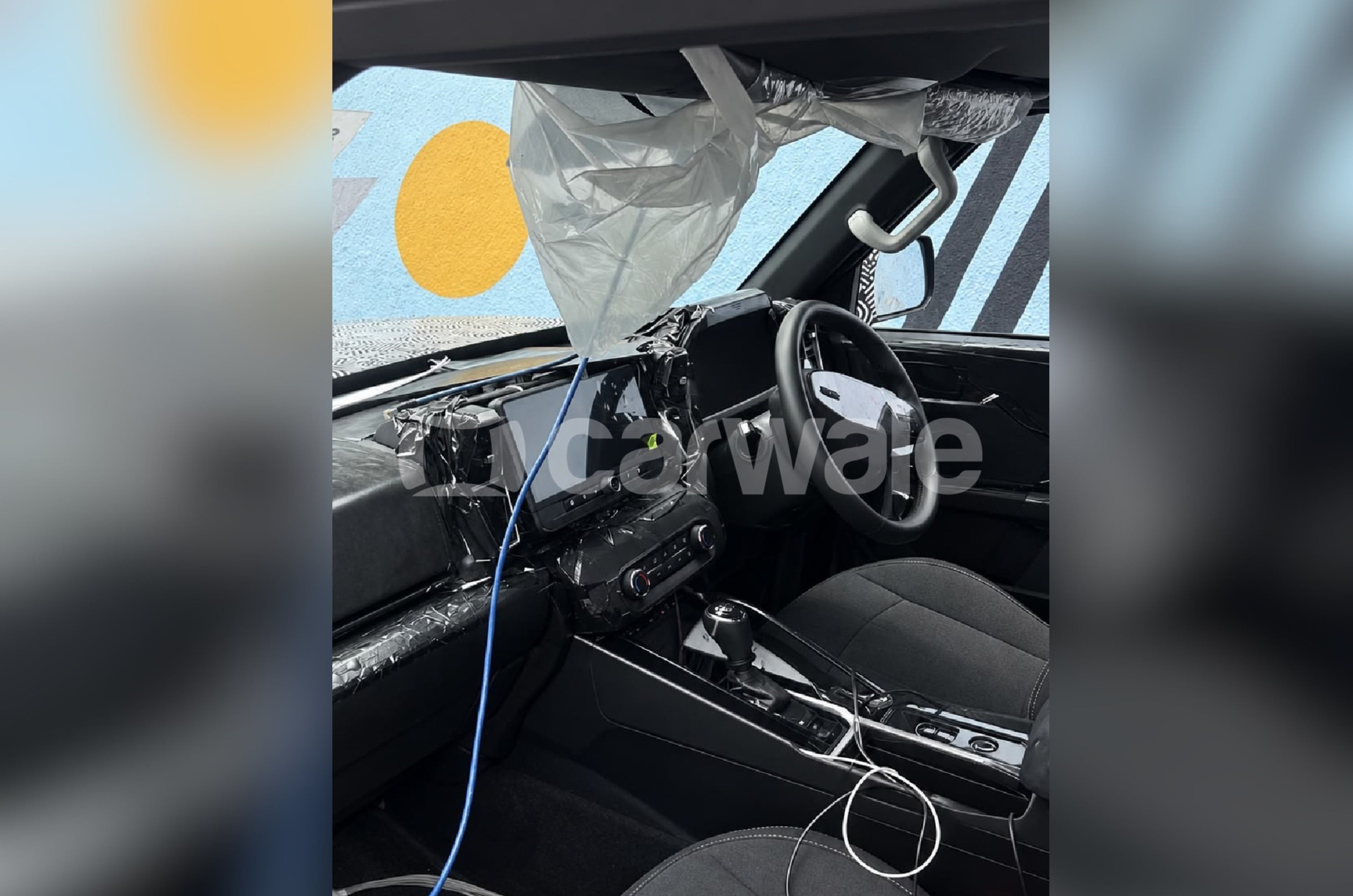
XUV 7XO-like steering wheel and a Thar Roxx-like infotainment can be seen
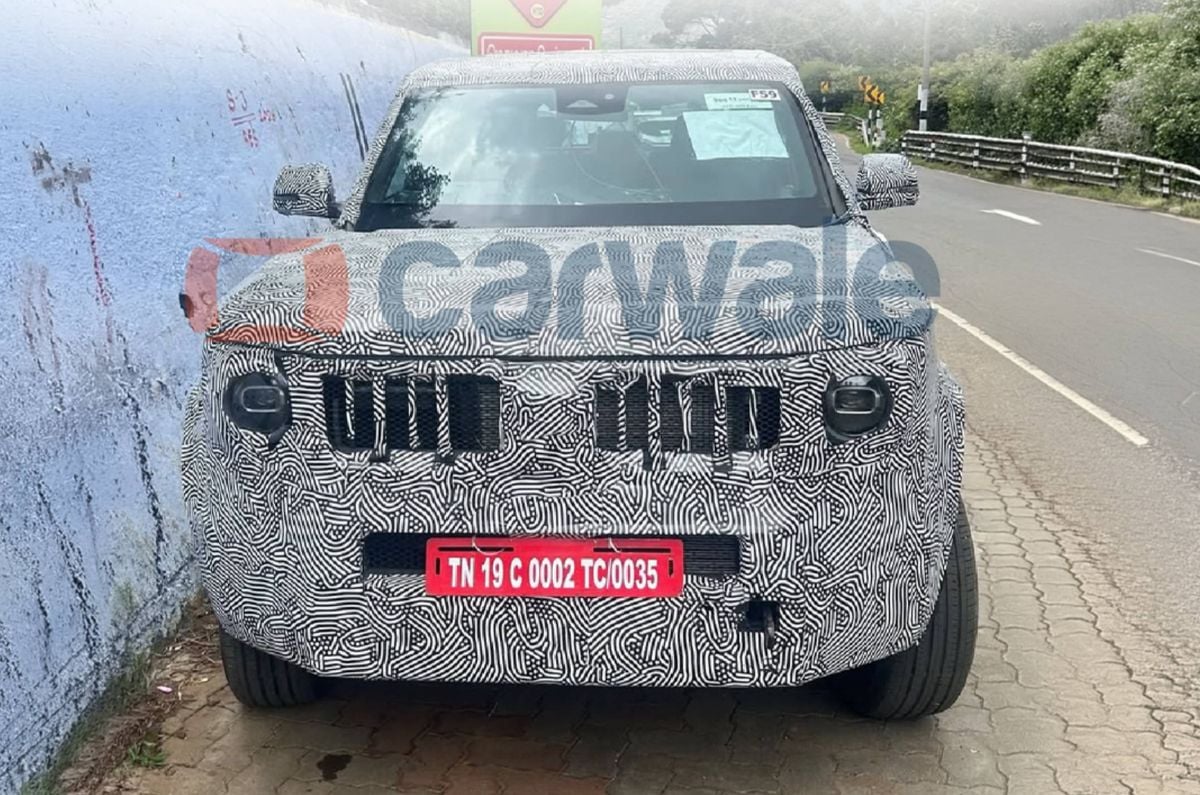
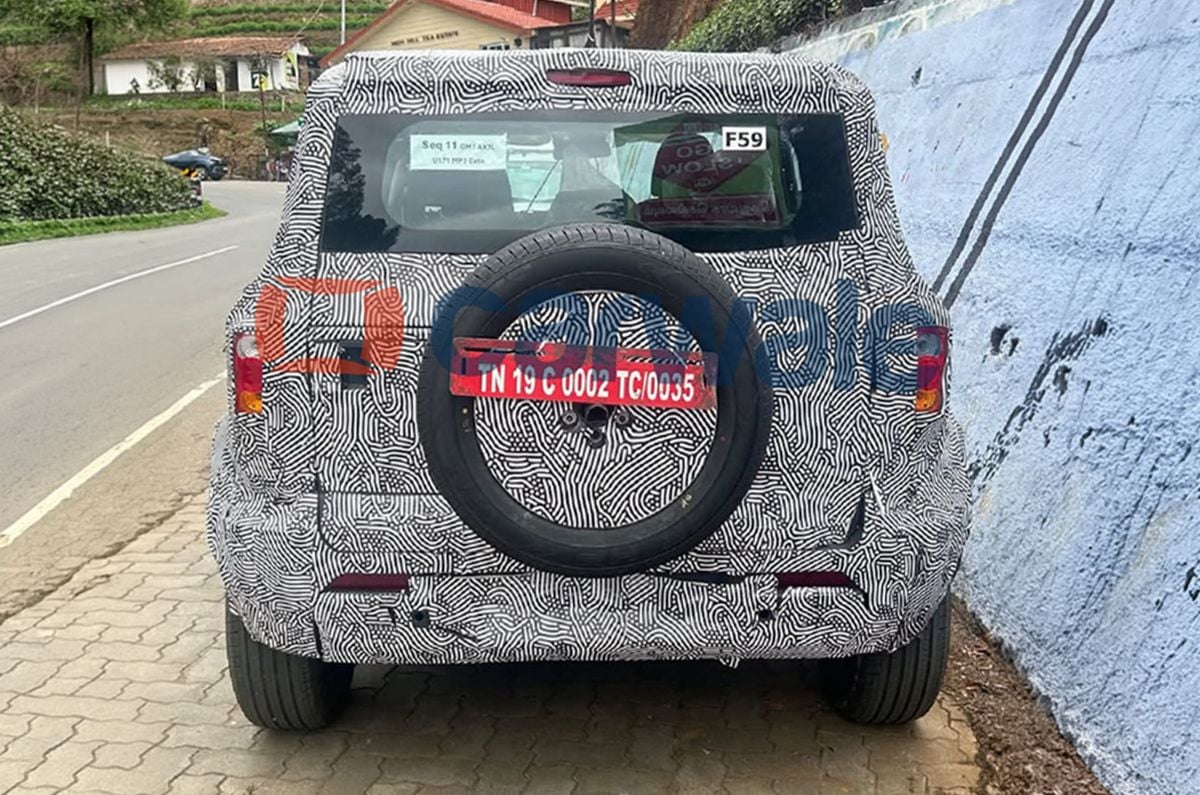
Thar Roxx-like circular headlights and a tailgate-mounted spare wheel can be spotted
Mahindra Vision S spied: What was spotted?
Some elements seem to be borrowed from the Thar 3-door and Thar Roxx
Image source: Carwale
The new spy shots appear to show the automatic version of the SUV based on the Vision S concept, as indicated by the drive selector on the centre console. The cabin features a two-spoke steering wheel that looks similar to the one seen on the Mahindra XUV 7XO. The infotainment touchscreen appears similar to the 10.25-inch unit used in the Thar 3-door and Thar Roxx, while the climate control panel is the same unit seen in both models. The protruding AC vents are one of the design elements carried over from the Vision S concept. A digital driver’s display housed within a binnacle can also be seen.
The centre console houses the drive selector stalk, an electronic parking brake and some storage spaces. The seats are finished in black fabric upholstery with contrasting white stitching. However, the production-spec SUV could feature a different upholstery theme.
Projector headlights, tailgate-mounted spare wheel can be seen
Image source: Carwale
Although heavily camouflaged, some exterior design elements are visible. These include a grille with vertical struts and a tailgate-mounted spare wheel. The tailgate-mounted spare wheel is expected to help not compromise boot space, which could otherwise be taken up by an underbody-mounted spare, particularly given the vehicle’s sub-4-metre length. The SUV also gets Thar Roxx-like circular headlights with projector elements. Previous test mules have also revealed flush-type door handles and a panoramic sunroof.
Image source: Carwale
The Vision S-based SUV will use Mahindra’s NU_IQ platform, which supports petrol, diesel, hybrid and electric powertrains. As part of its Vision 2027 roadmap announced in 2025, Mahindra said its NU_IQ-based SUVs would enter production from 2027.
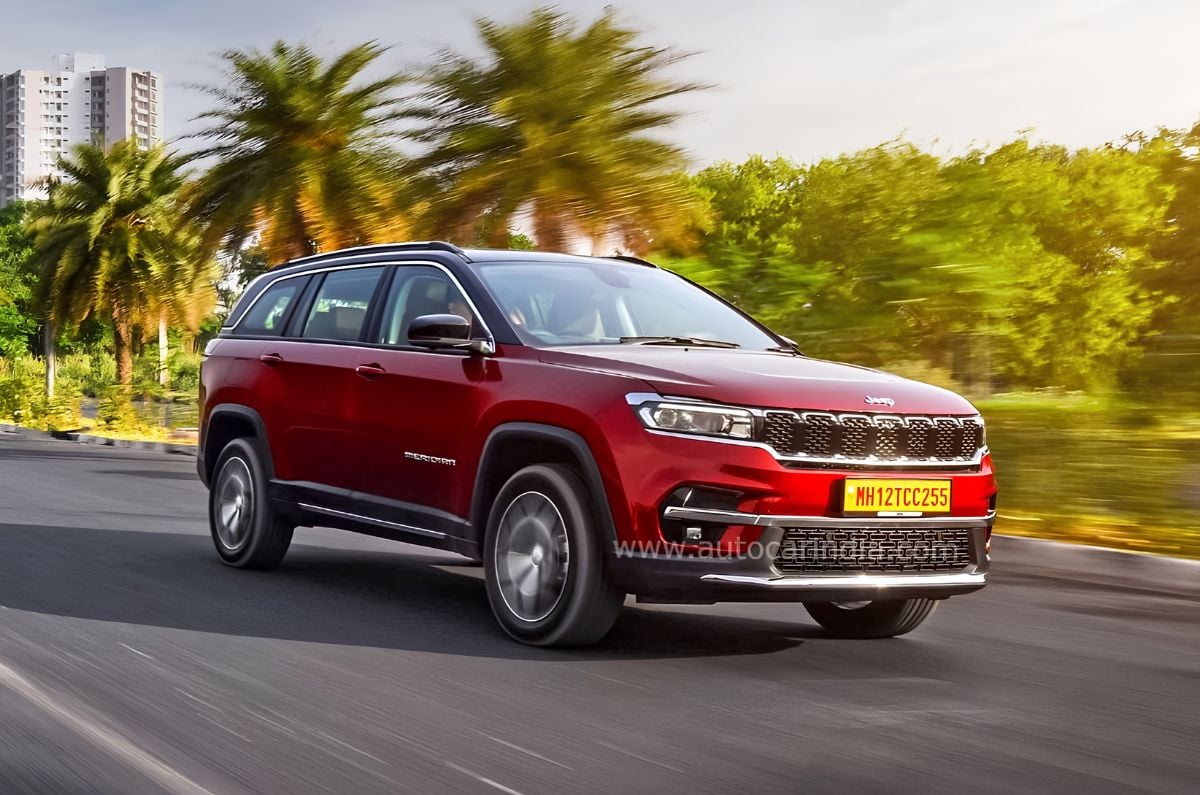
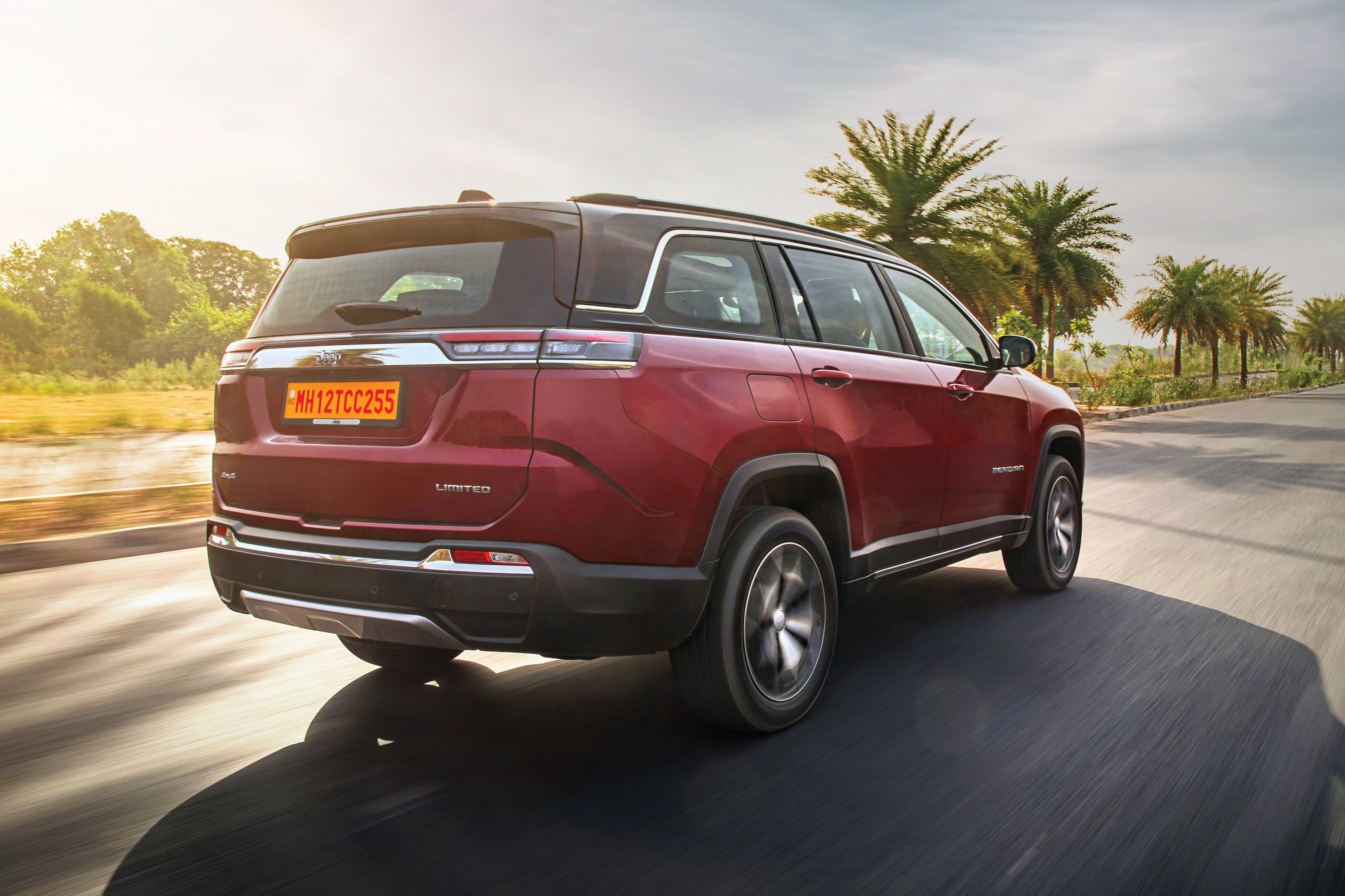
If you’re in the market for an executive three-row SUV, the Jeep Meridian comes across as a competent offering. Launched in 2022, the Meridian uses the same underpinnings as the Compass, but gets unique body panels and a longer wheelbase to accommodate an extra row of seats. Over the years, Jeep has ensured it keeps the Meridian up to speed with the competition through variant rejigs, feature additions, and special edition versions. If the Meridian is on your radar, we present reasons why it’s worth buying, along with reasons to look elsewhere.
Reasons to buy the Jeep Meridian
Outstanding ride and handling balance
Thanks to an independent suspension setup with Frequency Selective Damping (FSD) and Hydraulic Rebound Stoppers (HRS), the Meridian takes rough road surfaces in its stride. Ride quality on the Meridian is phenomenal, as it remains remarkably stable on any road surface it travels on. On the other hand, minimal body roll and accurate steering with good feedback help the Meridian shine when it comes to handling.
Impeccable highway manners
The Meridian’s 170hp/350Nm turbo-diesel mill delivers power linearly and is quite torquey. Combined with its supple ride quality from its beefy suspension and tall gearing from its 9-speed automatic gearbox, the Meridian makes for a brilliant highway car.
Excellent off-road capability
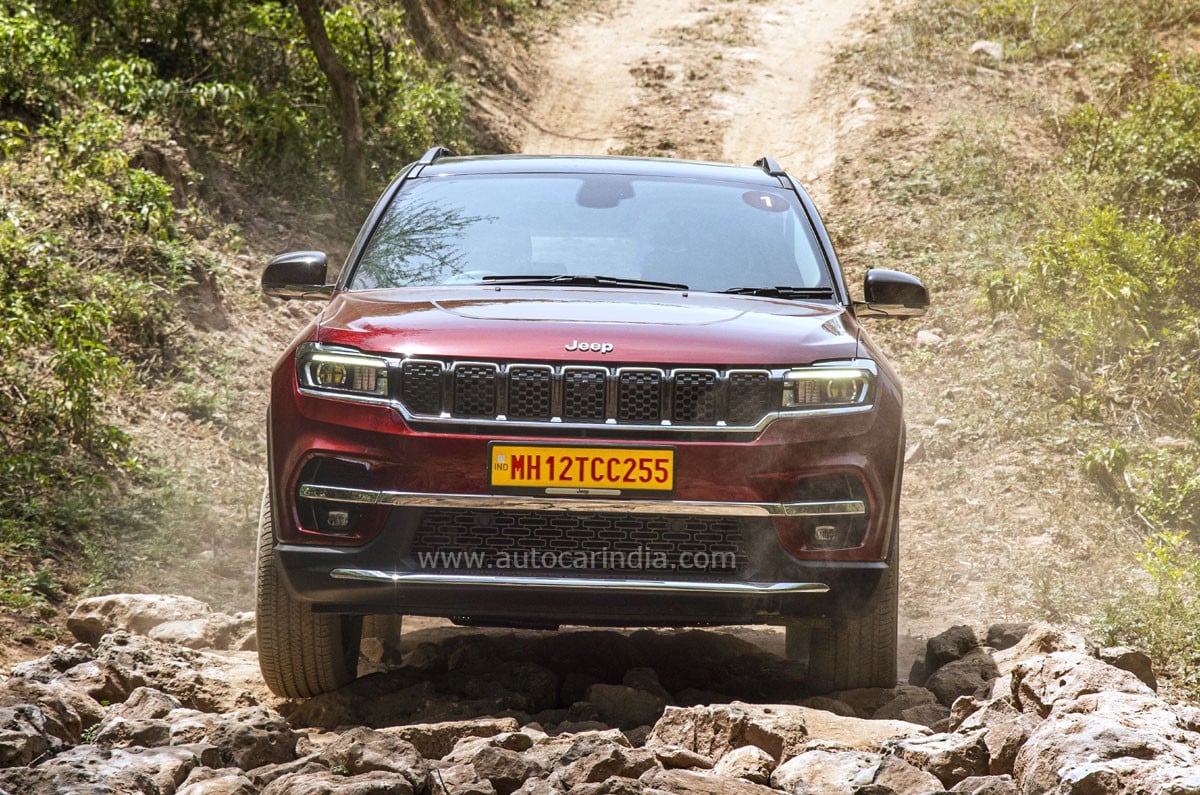
The Meridian’s outstanding driving dynamics aren’t just limited to the tarmac; it handles off-road equally well. Unlike its rivals that offer an AWD drive layout, the Meridian stands out with a proper 4×4 layout. Being a Jeep SUV, the off-road capabilities of the Meridian are exceptional, and it offers multiple off-road modes along with a low-range transfer case. We’ve extensively tested its off-road ability and came away impressed. Though owners may not use the Meridian’s 4×4 system often, it’s nice to know that its capabilities have your back if you do go off-road.
Reasons not to buy the Jeep Meridian
Lack of engine options
Powering the Meridian is the same 2.0-litre turbo-diesel engine that also does duty in the smaller Compass SUV. There’s no petrol engine on offer, which could likely deter a section of buyers who have moved on from diesels. Rivals like the Kia Sorento offer a turbo-petrol strong-hybrid engine in addition to a diesel.
Cramped third-row seat
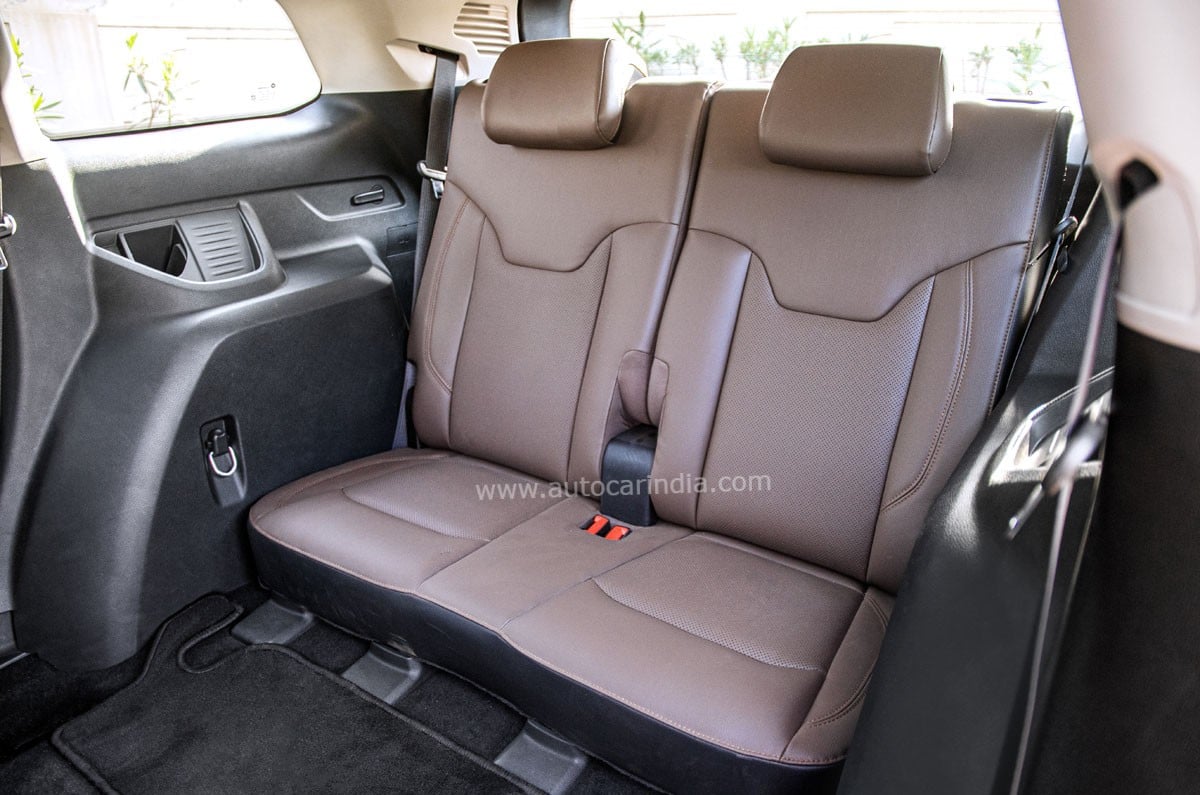
Though the Meridian’s first and second rows offer a comfortable seating experience, the same can’t be said for its third row. Accessing the third row is easy thanks to the tumble function of the second-row seats, but the space on offer is disappointing compared to other 7-seat SUVs. The seat is placed low on the floor, leading to a ‘knees-up’ seating experience. Additionally, because lower variants lack a sliding function for the second-row seats, foot space also takes a hit. Overall, the third row of the Meridian is best reserved for kids or kept folded for more boot space.
The Mahindra Thar will soon get another facelift, which sources suggest will happen on September 22. Notably, the current-gen 3-door Thar was launched in October 2020 and received a facelift in October 2025, with slight revisions to the design and feature suite. So the upcoming model will be the second facelift for the second-generation Thar. Test mules of the facelifted model suggest the Thar could get a revised fascia, new lighting elements and fresh alloy wheels. Some feature additions are also expected.
It will get a Thar Roxx-like grille, headlights and taillights
Likely to get feature additions like a wireless phone charger
Expected to retain the existing powertrain configurations
Mahindra Thar facelift: Expected changes
Will borrow exterior design elements from the bigger Thar Roxx
Image source: @rider_viishal on Instagram
Test mules of the upcoming 2026 Mahindra Thar facelift have been doing rounds on Indian roads for some time now, with certain design elements borrowed from the Thar Roxx. These include a new grille, projector LED headlights with C-shaped DRLs, a fresh alloy wheel design and redesigned taillights. Mahindra is expected to offer the 2026 Thar facelift with all these new design elements.
Could get some new modern-day features
The current Mahindra Thar’s dashboard is shown for representative purposes only.
While the 2025 facelift added a new 10.25-inch infotainment touchscreen, a Thar Roxx-like steering wheel, rear AC vents, and a rear wiper and washer to the Thar, it is still not as feature-rich as other Mahindra models. It lacks a sunroof, powered and ventilated seats, a wireless phone charger, and a 360-degree camera, all of which have become common in modern-day cars that have a similar price to the Thar. While official details of feature additions on the 2026 Thar facelift are yet to be revealed, Mahindra might add some of the mentioned missing features to make the SUV more modern.
Expected to continue with the same powertrain options
The current Mahindra Thar is shown for representative purposes only.
The Mahindra Thar is available with three engine options: a 152hp 2.0-litre turbo-petrol, a 119hp 1.5-litre diesel, and a 132hp 2.2-litre diesel. The 1.5-litre diesel comes only with a 6-speed manual gearbox and rear-wheel drive (RWD) setup. The 2.0-litre turbo-petrol is also available with RWD, while four-wheel-drive (4WD) is available as an option. The 2.2-litre diesel gets 4WD as standard. Both the 2.0-litre turbo-petrol and 2.2-litre diesel engines can also be paired with a 6-speed torque-converter automatic gearbox. The 2026 Mahindra facelift is expected to continue with the same powertrain options as the current model.
One of the most prominent criticisms of the Mahindra Thar is its lumpy ride quality due to the old ladder-frame chassis, double-wishbone front suspension and a multi-link rear with coil springs. While this setup gives the Thar its renowned off-road prowess, the ride quality on paved roads still does not match the Thar Roxx’s. Mahindra could improve this with the facelifted model.
Official details on the 2026 Mahindra Thar facelift will be revealed at its possible launch on September 22. What will definitely change are the SUV’s prices that currently range from Rs 10.32 lakh to Rs 18 lakh (ex-showroom).
US Sanctions India Petrol Price: अमेरिकी संसद ने रूस पर कड़े प्रतिबंधों वाले बिल को पास कर दिया है। यह राष्ट्रपति ट्रंप को रूस से कच्चा तेल खरीदने वाले देशों पर 100% तक टैरिफ लगाने का अधिकार देता है। अब सबसे बड़ा सवाल आम आदमी के मन में यह है कि क्या इस फैसले के बाद भारत में पेट्रोल और डीजल के दाम आसमान छूने लगेंगे?
अगर भारत रूसी सस्ता क्रूड ऑयल खरीदना बंद करता है या अमेरिका बैन लगाता है, तो पेट्रोल की कीमतें अचानक किसी एक झटके में नहीं बढ़ेंगी। इसका असर इस बात पर निर्भर करेगा कि भारत विकल्प के तौर पर कहां से तेल खरीदता है, ग्लोबल क्रूड के दाम क्या रहते हैं और सरकार-तेल कंपनियां टैक्स में कितनी राहत देती हैं। इन 7 पॉइंट्स में समझिए आपकी जेब पर कितना बोझ पड़ेगा।
1. भारत आखिर कितना रूसी तेल खरीदता है?
साल 2022 के बाद से रूस भारत के लिए सस्ते कच्चे तेल का सबसे बड़ा स्रोत बन गया। वित्तीय वर्ष 2026 में भारत ने $40.8 अरब डॉलर का रूसी तेल आयात किया, जो कुल कच्चे तेल आयात का 30.3% था। जुलाई 2026 तक भारत के कुल तेल आयात में अकेले रूस की हिस्सेदारी 51% पहुंच गई थी। भारत अपनी जरूरत का 88% से ज्यादा कच्चा तेल आयात करता है। अगर रूसी सप्लाई रुकती है, तो भारत को बहुत बड़े पैमाने पर नया सप्लायर ढूंढना होगा।
2. क्या रूसी तेल बंद होते ही तुरंत महंगा हो जाएगा पेट्रोल?
जरूरी नहीं कि तुरंत ऐसा हो, और न ही यह गणित सीधा काम करता है।अगर भारतीय रिफाइनरियां (IOC, BPCL, HPCL) रूस से तेल खरीदना बंद करती हैं, तो वे मिडिल ईस्ट, अफ्रीका और अमेरिका से क्रूड खरीद सकती हैं। पहले रूस $10 प्रति बैरल से ज्यादा का डिस्काउंट दे रहा था। हालांकि, मिड-2026 में रूस के ‘उराल्स’ क्रूड पर डिस्काउंट घटकर सिर्फ $1 से $2 प्रति बैरल रह गया है। यानी डिस्काउंट पहले से ही काफी कम हो चुका है, इसलिए रूसी तेल बंद होने का झटका उतना भयानक नहीं होगा जितना साल-दो साल पहले होता।
3. अंतरराष्ट्रीय बाजार में कच्चे तेल की कीमतें है सबसे बड़ा खतरा
असली चुनौती भारत के रिफाइनरों के लिए ही नहीं, बल्कि पूरी दुनिया के लिए होगी। अगर अमेरिकी बैन के कारण रूसी क्रूड इंटरनेशनल मार्केट से बाहर हो जाता है, तो ग्लोबल मार्केट में तेल की किल्लत हो जाएगी। मिडिल ईस्ट में भू-राजनीतिक तनावों और सप्लाई में आ रही रुकावटों के कारण ब्रेंट क्रूड का भाव $105 प्रति बैरल के आसपास पहुंच चुका है। जब दुनिया में तेल की सप्लाई घटेगी, तो कच्चे तेल के दाम सभी के लिए बढ़ जाएंगे।
4. भारत दूसरा तेल ढूंढ तो लेगा, लेकिन ‘कीमत’ चुकानी होगी
भारत के पास सऊदी अरब, यूएई, इराक और अफ्रीकी देशों से तेल खरीदने का पुराना अनुभव है। लेकिन सप्लायर बदलना सिर्फ एक नया टैंकर भेजने जितना आसान नहीं होता। हर रिफाइनरी का स्ट्रक्चर खास तरह के कच्चे तेल के लिए डिजाइन होता है।साथ ही अचानक जब भारत और अन्य देश नए विकल्पों की ओर भागेंगे, तो बाजार में प्रीमियम और माल भाड़ा काफी बढ़ जाएगा, जिससे क्रूड एक्विजिशन कॉस्ट महंगी हो जाएगी जिसका सीधा असर अंततः ग्राहकों पर ही पड़ेगा।
5. भारत में पेट्रोल-डीजल की कीमतें कैसे तय होती हैं?
पेट्रोल पंप पर मिलने वाले पेट्रोल की कीमत सिर्फ कच्चे तेल के दाम पर निर्भर नहीं करती, बल्कि इसमें कई लेयर शामिल होती हैं।
पेट्रोल पंप की अंतिम कीमत = कच्चे तेल की लागत + रिफाइनिंग खर्च + भाड़ा + डीलर कमीशन + केंद्र की एक्साइज ड्यूटी + राज्यों का वैट (VAT)
पेट्रोल-डीजल जीएसटी से बाहर हैं। जब भी अंतरराष्ट्रीय बाजार में कच्चा तेल बेकाबू होता है, केंद्र सरकार एक्साइज ड्यूटी घटाकर और तेल कंपनियां अपने मार्जिन को एडजस्ट करके आम जनता को सीधी महंगाई से बचाती हैं। जैसा मार्च 2026 में क्रूड $122 पहुंचने पर ₹10/लीटर एक्साइज घटाकर किया गया था।
6. तो आखिर कितने रुपये बढ़ सकते हैं पेट्रोल के दाम?
इसका कोई एक तय आंकड़ा जैसे ₹10 या ₹20 नहीं दिया जा सकता। यह इन 3 संभावित स्थितियों पर निर्भर करेगा:
सिचुएशन 1 (सामान्य हालात): भारत रूस के बजाय दूसरे देशों से तेल खरीदता है और ग्लोबल सप्लाई सामान्य रहती है। इसका असर ये होगा कि तेल कंपनियों की लागत थोड़ी बढ़ेगी, लेकिन पेट्रोल-डीजल के दाम पर इसका असर ना के बराबर या बहुत मामूली होगा।
सिचुएशन 2 (रूस की सप्लाई पूरी ठप): अंतरराष्ट्रीय बाजार में रूसी तेल रुकने से ब्रेंट क्रूड तेजी से महंगा होता है। इससे रिफाइनरियों के मार्जिन पर दबाव बढ़ेगा और घरेलू बाजार में पेट्रोल-डीजल ₹2 से ₹5 तक महंगे हो सकते हैं।
सिचुएशन 3 (रूस बैन + मिडिल ईस्ट संकट): अगर रूस के तेल पर रोक के साथ-साथ खाड़ी देशों में युद्ध/तनाव से सप्लाई ठप हो जाए। यह सबसे चिंताजनक स्थिति होगी। सरकार के लिए पुरानी दरों पर पेट्रोल बेचना मुश्किल हो जाएगा और कीमतों में बड़ा इजाफा देखना पड़ सकता है।
7. अमेरिकी टैरिफ का सीधा असर पेट्रोल पर नहीं, एक्सपोर्ट पर होगा
यह बिल पास होने के बाद राष्ट्रपति ट्रंप को शक्ति देता है, यह अपने आप भारत पर 100% ड्यूटी लागू नहीं करता। वैसे अगर अमेरिका 100% टैरिफ लगाता है, तो इसका असर भारत के पेट्रोल पंप पर नहीं, बल्कि अमेरिका जाने वाले भारतीय एक्सपोर्ट्स (कपड़ा, आईटी, जेम्स, दवाइयां) पर पड़ेगा। इससे भारतीय रुपया कमजोर होगा और घूम-फिरकर भारत के आयात बिल पर दबाव बनाएगा।
भारत के सामने दोहरी चुनौती
भारत के सामने इस समय दो बड़े जोखिम ऑयल शॉक और ट्रेड शॉक खड़े हैं। सस्ता रूसी तेल छोड़ें, महंगा विकल्प चुनें और पेट्रोल-डीजल महंगा होने का खतरा झेलें। या फिर रूस से तेल खरीदना जारी रखें, अमेरिका के 100% टैरिफ का सामना करें और अपने एक्सपोर्ट सेक्टर को नुकसान पहुंचाएं।
फिलहाल, ग्राहकों को तुरंत पैनिक होने की जरूरत नहीं है, क्योंकि सरकार और तेल विपणन कंपनियां (OMCs) वैश्विक उथल-पुथल के बीच कीमतों को स्थिर रखने का पूरा प्रयास करेंगी।