Hyundai compact EV to debut by end of 2026

Hyundai compact EV to debut by end of 2026

At its 2026 CEO Investor Day, Hyundai revealed plans to debut its made-in-India compact electric SUV by March 2027. However, Tarun Garg, Managing Director and CEO of Hyundai Motor India, in an interaction with our sister publication Autocar Professional, confirmed the EV will debut earlier than that, by the end of 2026. Garg also said that the EV will initially use battery cells from Svolt, before moving to its original plan to source them from Exide. 

  1. To be built on the E-GMP (K) platform that underpins the Inster EV
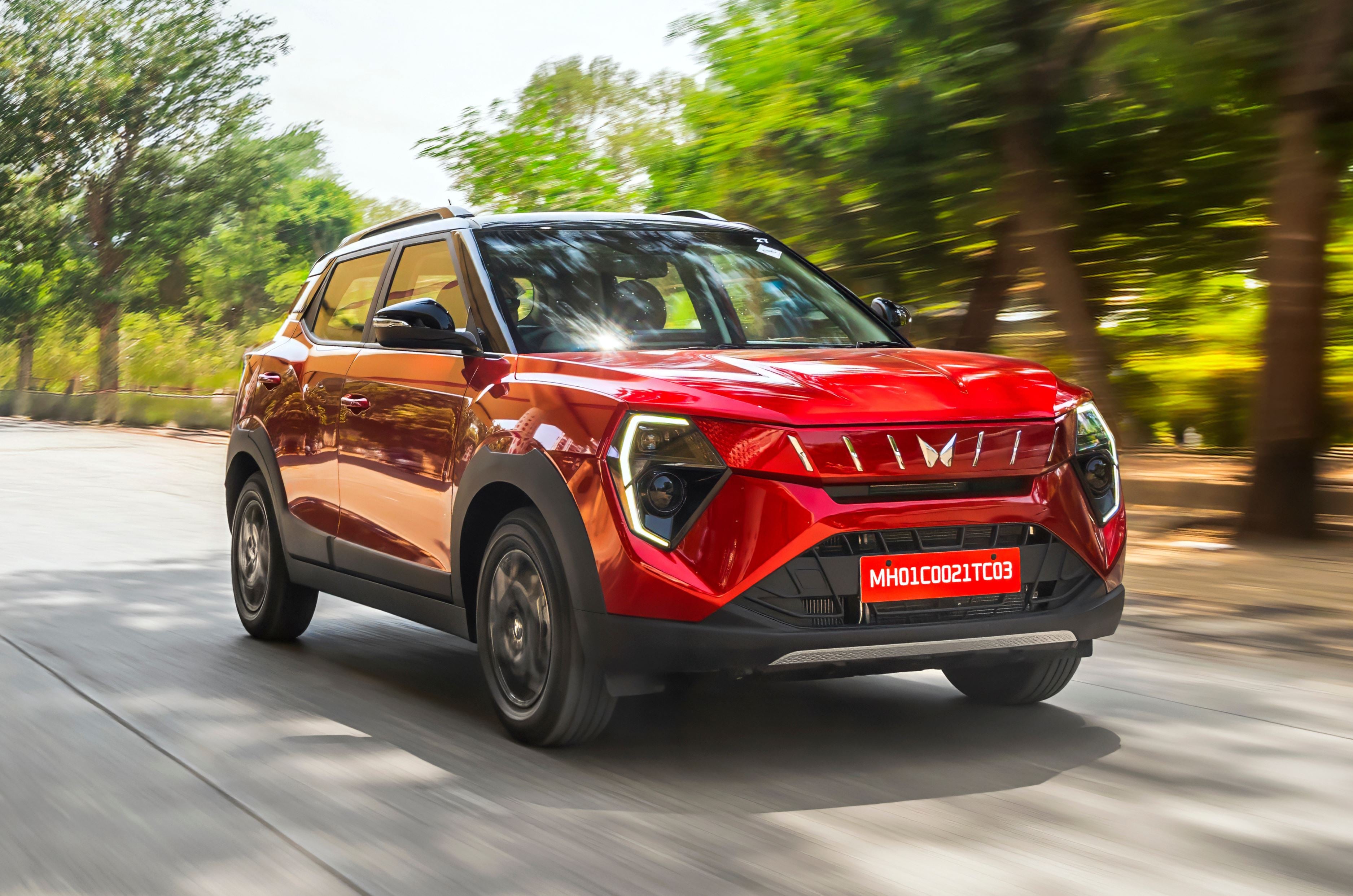
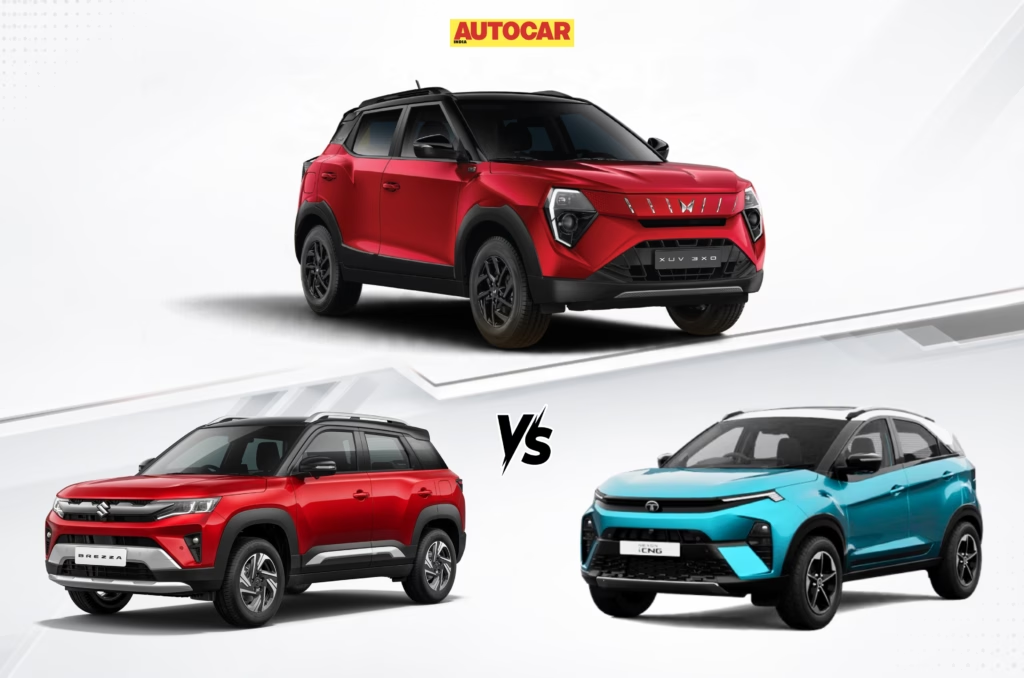
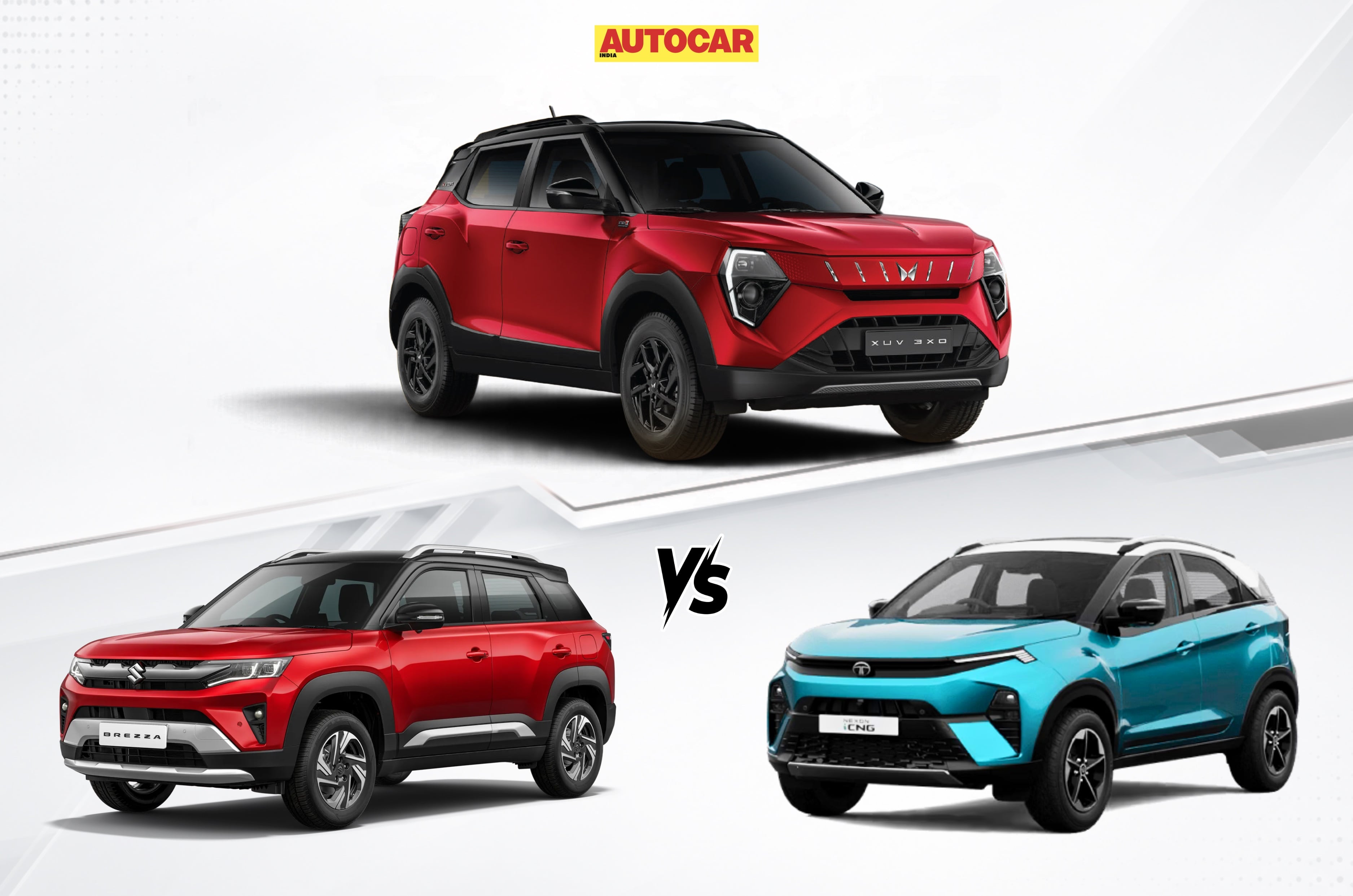
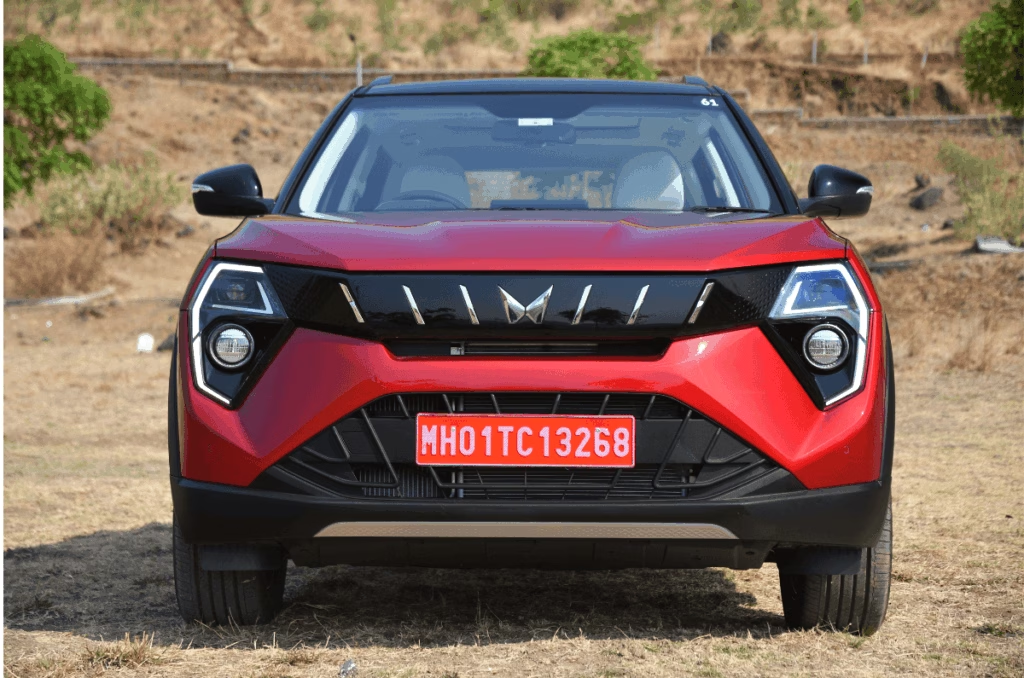
  2. Will rival the Tata Nexon EV, Mahindra XUV 3XO EV and Kia Syros EV

Hyundai has also revealed it expects EVs to account for more than 7 percent of its domestic sales within the next year. In FY26 (April 2025 to March 2026), EVs accounted for a 1 percent share of total Hyundai sales in the country, a figure similar to FY25 (April 2024 to March 2025).

Upcoming Hyundai compact EV: More details

Svolt to supply battery cells initially, after Exide flagged production delays earlier

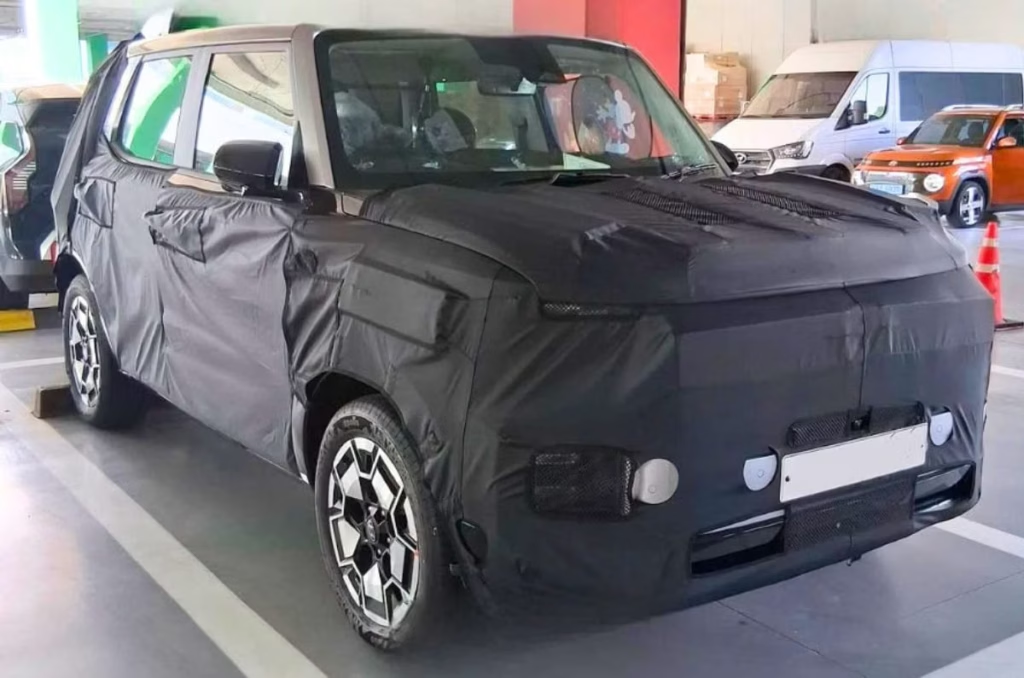
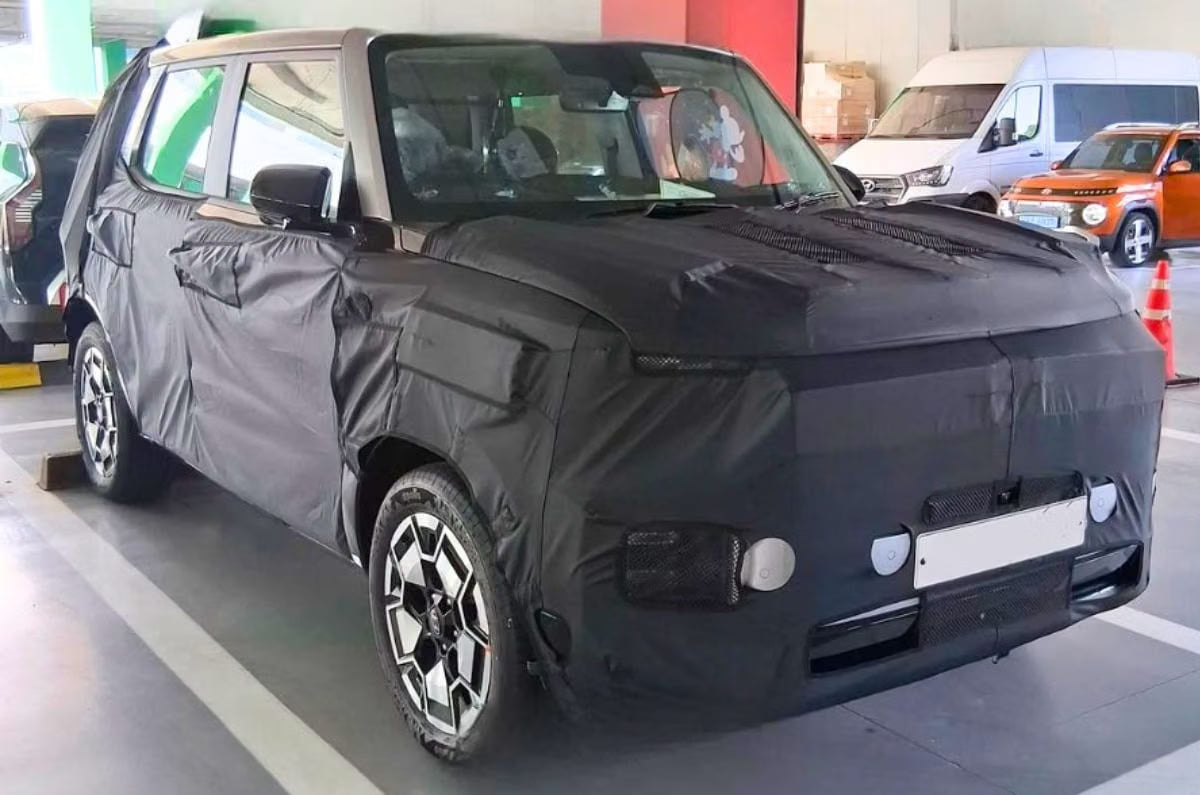
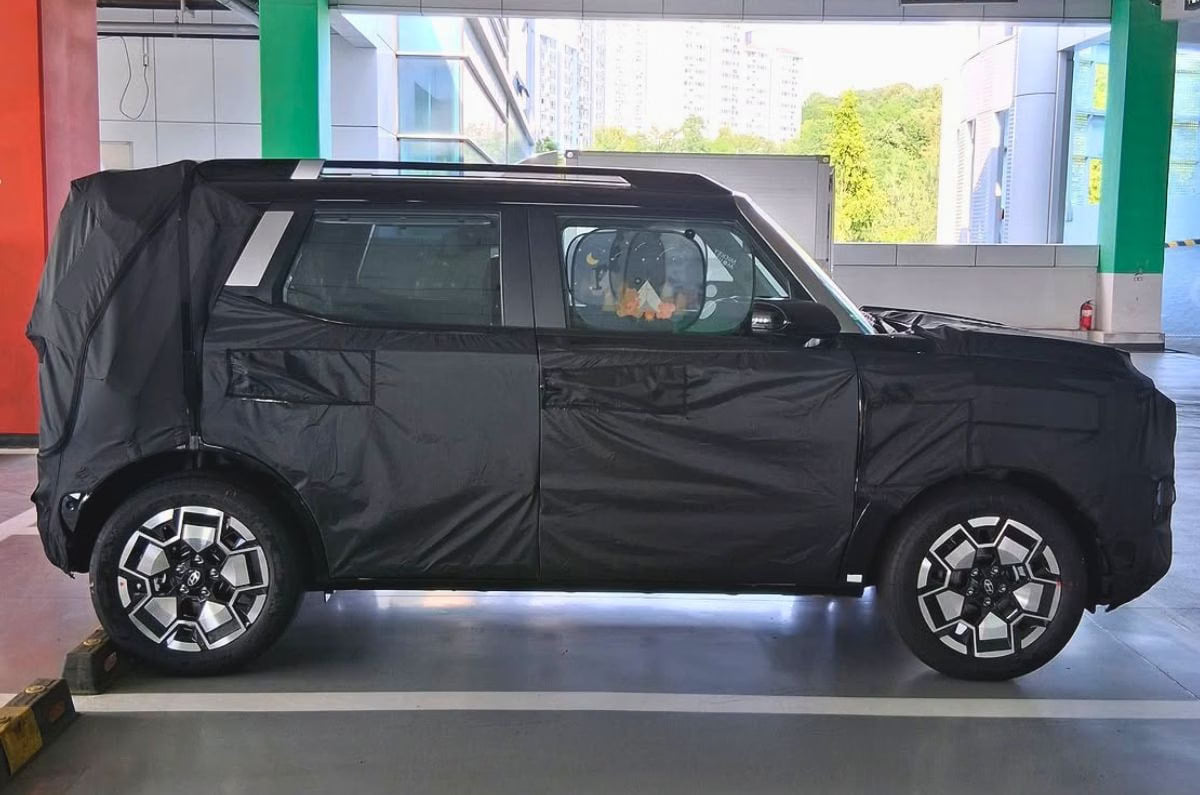
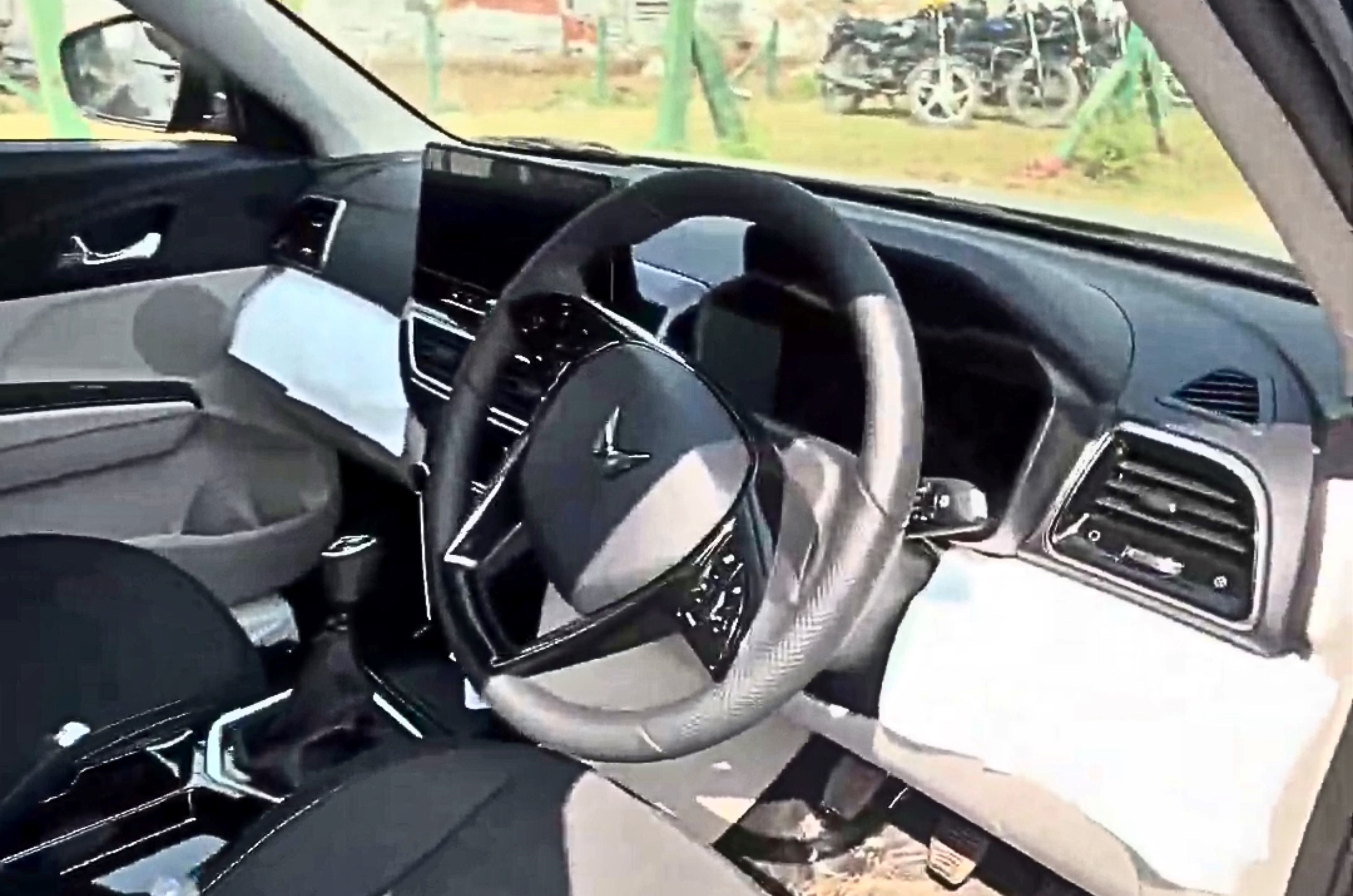
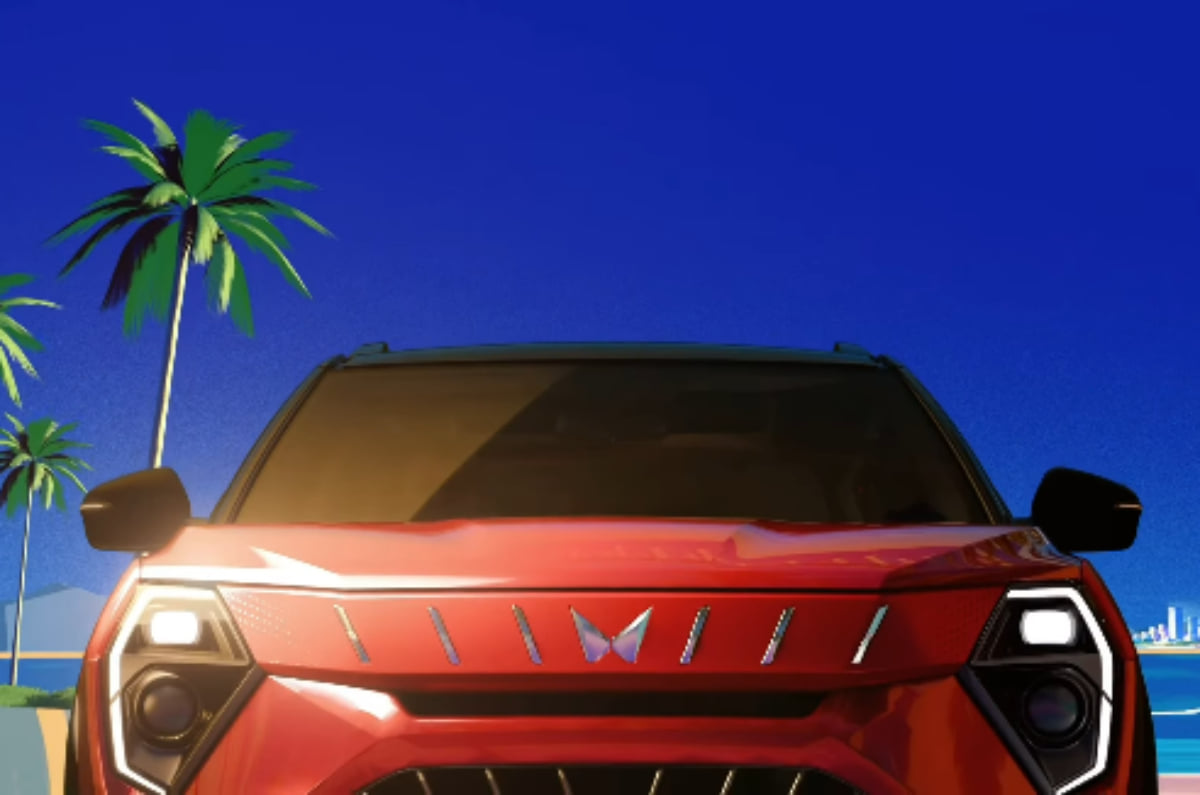
Image source: @joonsun_erin on Instagram

The upcoming compact EV will initially use Svolt battery cells. “We are already ready with the new EV using Svolt cells. Otherwise, the programme could have been delayed, and we did not want to delay the vehicle,” Garg said to Autocar Professional. However, Hyundai subsequently plans to source locally produced cells through its association with Exide, as was originally planned. Notably, Exide revealed in August 2026 that battery production is delayed and that they would not be able to supply components by FY27 (by March 2027). 

Will be underpinned by the Inster’s E-GMP (K) platform

The upcoming compact EV, codenamed HE1i, will be underpinned by the E-GMP (K) platform, also used by the internationally available Inster EV. It will be offered in two versions: standard range and long range, but exact specifications are under wraps. For context, the Inster EV is also available in standard and long-range versions, with 42kWh and 45kWh batteries, respectively, offering a WLTP-claimed range of up to 355km.

Hyundai has also confirmed that the new compact EV will get a ‘next-generation infotainment system’, which could be the Pleos Connect infotainment system seen on several new-age Hyundai models now, and a ‘Level 2 assisted driving technology’. It will be manufactured at Hyundai’s Sriperumbudur facility in Tamil Nadu. Upon launch, it will lock horns with the Tata Nexon EV, Mahindra XUV 3XO EV and Kia Syros EV. 

With inputs from Ketan Thakkar and Hormazd Sorabjee

MG Hector Tomahawk PHEV vs Toyota Innova Hycross Hybrid specs, features compared

MG Hector Tomahawk PHEV vs Toyota Innova Hycross Hybrid specs, features compared
MG Hector Tomahawk PHEV vs Toyota Innova Hycross Hybrid

While both models here are hybrids and have 7 seats across three rows, they offer different hybrid technologies. With the ADAPT platform-based JSW MG Hector Tomahawk PHEV, India has its first-ever mass-market plug-in hybrid vehicle making its entry in the hugely popular SUV segment. On the other hand, the TNGA-C platform-based Toyota Innova Hycross is an MPV and offers a strong-hybrid powertrain. Here’s how they stack up in their fully loaded trims.

Explore full specs, features and a price breakdown in our Hector Tomahawk PHEV and Innova Hycross Hybrid comparison.

MG Hector Tomahawk PHEV Essence vs Toyota Innova Hycross Hybrid ZX (O): Dimensions

The Innova Hycross is larger and offers a slightly bigger boot with all seats in place

MG Hector Tomahawk PHEV Essence vs Toyota Innova Hycross Hybrid ZX (O) dimensions


MG Hector Tomahawk PHEV

Toyota Innova Hycross Hybrid

Length (mm)

4,745

4,755

Width (mm)

1,850

1,850

Height (mm)

1,770

1,790

Wheelbase (mm)

2,810

2,850

Boot space (litres)

192

239

Wheel size (inches)

18

18

The Innova Hycross Hybrid is 10mm longer and 20mm taller than the Hector Tomahawk PHEV. The Toyota MPV also has a wheelbase that’s longer by 40mm, while both cars have identical width figures and sport 18-inch alloy wheels in their top-spec trims. The Innova Hycross Hybrid’s luggage capacity with the third row in place is greater by 47 litres. One of the factors limiting the outright cargo volume of the Hector Tomahawk PHEV is its more space-consuming plug-in hybrid tech.

MG Hector Tomahawk PHEV Essence vs Toyota Innova Hycross Hybrid ZX (O): Powertrain

The plug-in hybrid powertrain of the MG SUV is more fuel-efficient and offers more power 

MG Hector Tomahawk PHEV Essence vs Toyota Innova Hycross Hybrid ZX (O) powertrain options


MG Hector Tomahawk PHEV

Toyota Innova Hycross Hybrid

Engine

1.5-litre naturally aspirated petrol

2.0-litre naturally aspirated petrol

Battery size

20.5kWh

1.6kWh

Electric motor type

Permanent magnet synchronous motor

Permanent magnet synchronous motor

Drive configuration

FWD

FWD

Total system output

198hp, 230Nm

184hp, 188Nm

Transmission

DHT

eCVT

0-100kph

9.0 seconds

10.69 seconds*

Claimed mileage

50kpl

22.16kpl

Fuel tank

52 litres

52 litres

AC charging

7.5 hrs at 3.3kW (10-100%)

DC fast charging

35 mins at 25kW (30-80%)

*Autocar India-tested 0-100kph time.

The strong hybrid powertrain of the Toyota Innova Hycross offers a couple of drive modes – including pure-electric and engine + electric. However, its compact nickel metal hydride (NiMH) battery means that the EV mode of the Innova Hycross Hybrid is understandably more limited than the MG Hector Tomahawk PHEV’s, requiring the 2.0-litre petrol engine to step in more often.

The claimed mileage figure of the Innova Hycross Hybrid is 27.84kpl worse than the MG plug-in hybrid SUV, and despite the same fuel tank size, the former’s combined range tops out at around 800km, as per our real-world test of the Toyota MPV. Meanwhile, the plug-in hybrid system of the MG Hector Tomahawk PHEV offers more flexibility and comes with four main drive modes. The larger 20.5kWh battery pack and 1.5-litre engine allow for a combined claimed range of over 1,100km.

The Hector Tomahawk PHEV not only offers a claimed pure-electric range of over 115km, but it can also have the engine charging the battery pack while the electric motor drives the front wheels. This is a drive mode that isn’t offered with the Toyota Innova Hycross Hybrid. To extract the highest possible efficiency from its hybrid system, the Hector Tomahawk PHEV needs to be plugged in to an AC or a DC charger in order to fully top up its battery pack.

Depending on the battery’s SoC, both cars can rely entirely on their petrol engine to drive the wheels. Compared to the Innova Hycross Hybrid’s e-CVT (electronically controlled continuously variable transmission), the Hector Tomahawk PHEV gets a DHT (Dedicated Hybrid Transmission) with an e-clutch. The combined output of the MG Hector Tomahawk PHEV is 14hp and 42Nm more than what the Toyota Innova Hycross Hybrid offers. 

MG Hector Tomahawk PHEV Essence vs Toyota Innova Hycross Hybrid ZX (O): Exterior features

Different body styles aside, both cars are similarly equipped on the outside

MG Hector Tomahawk PHEV Essence vs Toyota Innova Hycross Hybrid ZX (O) exterior features


MG Hector Tomahawk PHEV

Toyota Innova Hycross Hybrid

Auto LED headlamps

Yes

Yes

LED DRLs

Yes

Yes

Backlit logo

Yes

No

Sequential turn signals

Yes

Yes

Front fog lamps

No

Yes (LED)

Rear fog lamps

Yes (LED)

No

Welcome lights

No

Yes

Powered ORVMs

Yes (with auto-fold function)

Yes (with auto-fold function)

Body cladding

Yes

No

Roof rails

Yes

No

Rear spoiler

Yes

Yes

Powered tailgate

Yes

Yes

Radio antenna

Windscreen-integrated

Sharkfin

Colours

Mono-tone and dual-tone

Mono-tone

The MG Hector Tomahawk PHEV is offered in two dual-tone colour options and six mono-tone shades, including a couple of bolder choices. The Toyota Innova Hycross Hybrid is restricted to six simpler-looking colours. The  SUV body style aside, the Hector Tomahawk PHEV also sports a backlit ‘MG’ logo up front plus prominent roof rails and body cladding.

Where the Innova Hycross Hybrid gets the traditional sharkfin radio antenna, the Hector Tomahawk PHEV has its antenna embedded in the windscreen. The Toyota Innova Hycross Hybrid gets front LED fog lamps, whilst the MG Hector Tomahawk PHEV features rear LED fog lamps. While the top-spec trims of both cars get automatic LED headlamps and sequential turn indicators, it’s only the Toyota that offers ‘welcome’ lights.

MG Hector Tomahawk PHEV Essence vs Toyota Innova Hycross Hybrid ZX (O): Interior features

The Hector Tomahawk PHEV offers even more modern on-board tech than the Hycross

MG Hector Tomahawk PHEV Essence vs Toyota Innova Hycross Hybrid ZX (O) interior features


MG Hector Tomahawk PHEV

Toyota Innova Hycross Hybrid

Infotainment screen

15.6-inch (with swipe gestures)

10.1-inch

Digital driver’s display

8.8-inch

7.0-inch MID

Panoramic sunroof

Yes (dual-pane)

Yes (dual-pane)

Steering adjustment

Tilt & telescopic

Tilt & telescopic

Driver’s seat adjustment

6-way powered

8-way powered

Memory poweredYes (with ‘retreat’ function)Yes

Co-driver’s seat adjustment

4-way powered

4-way manual

Sliding & reclining second row

Yes

Yes (powered ottoman seats)

Split rear seats

Yes (second & third rows)

Yes (second & third rows)

Ventilated front seats

Yes

Yes

Leatherette upholstery

Yes

Yes

Rear sunblinds

Yes

Yes

Rear armrest

Yes (with cupholders)

Yes (individual armrests)

Wireless charger

Yes (50W)

No

Automatic climate control

Yes (dual-zone)

Yes (single-zone)

Ambient lighting

Yes (256 colours)

Yes (single-colour)

Audio system

10-speaker Infinity

9-speaker JBL

Wireless Apple CarPlay & Android Auto

Yes

Yes (CarPlay only)

USB ports

Yes (5 ports)

Yes (4 ports)

Connected car tech

Yes

Yes

Voice assistant

Yes (AI-powered & multilingual)

Yes

OTA updates

Yes

No

Multi-app support

Yes

No

The infotainment features of the top-spec MG Hector Tomahawk PHEV are more comprehensive. It comes with a larger touchscreen that supports swipe-gesture functionalities, along with an AI-powered voice assistant with six languages supported. MG’s tie-up with Jio means that there are plenty of apps offered – including gaming, streaming and more. The Hector Tomahawk PHEV also offers OTA software updates, wireless connectivity for both Apple CarPlay and Android Auto and a built-in 50-watt wireless charger.

The MG SUV’s convenience features further include a more comprehensive 256-colour ambient lighting system, a fully digital instrument panel, dual-zone AC, a powered front passenger seat, a ‘retreat’ function for the driver’s seat when the door is opened, armrest-integrated cupholders for the second row, and an additional USB port over the top-spec Toyota Innova Hycross Hybrid.

However, the latter offers individual & powered captain chairs for the second row with a fold-away ottoman function. The 7-seat capability of the Innova Hycross comes by way of a three-seat third bench. The minimalist interior of the Hector Tomahawk PHEV looks modern but the increased reliance on the touchscreen can come in the way of everyday usability, especially while on the move. The Innova Hycross Hybrid’s interior, meanwhile, offers plenty of physical switchgear that are much easier to use.

MG Hector Tomahawk PHEV Essence vs Toyota Innova Hycross Hybrid ZX (O): Safety features

Both cars are relatively well-equipped on the safety front

MG Hector Tomahawk PHEV Essence vs Toyota Innova Hycross Hybrid ZX (O) safety features


MG Hector Tomahawk PHEV

Toyota Innova Hycross Hybrid

Airbags

6

6

ABS with EBD

Yes

Yes

Electronic stability program

Yes

Yes

Traction control system

Yes

No

Hill-hold assist

Yes

Yes

TPMS

Yes

Yes

Parking sensors

Yes (front & rear)

Yes (front & rear)

360-degree camera

Yes

Yes

Electronic parking brake

Yes (with auto-hold function)

Yes (with auto-hold function)

Auto-dimming IRVM

Yes

Yes

Rain-sensing wipers

Yes

No

ISOFIX

Yes

Yes

Rear wiper and defogger

Yes

Yes

All-wheel disc brakes

Yes

Yes

ADAS

Yes

Yes

The fully loaded trims of both these cars offer all the basic passive and active safety aids that buyers at this price bracket expect. While both come with ADAS (Advanced Driver Assistance Systems), it’s the MG Hector Tomahawk PHEV that packs in more features within its ADAS suite. Its adaptive cruise control aid integrates Bend Cruise Assistance (BCA), which slows down the vehicle when approaching corners. There’s also Traffic Jam Assist, which works alongside other active lane-keeping measures.

MG Hector Tomahawk PHEV Essence vs Toyota Innova Hycross Hybrid ZX (O): Other features

The MG SUV adds a few nice-to-have features over the equivalent Innova Hycross

MG Hector Tomahawk PHEV Essence vs Toyota Innova Hycross Hybrid ZX (O) other features


MG Hector Tomahawk PHEV

Toyota Innova Hycross Hybrid

Drive modes

Yes (4)

Yes (3)

Paddle shifters

No

Yes

V2V and V2L

Yes

No

The MG Hector Tomahawk PHEV offers Eco, Normal, Sports and Custom drive modes, whereas the Toyota Innova Hycross Hybrid gets Eco, Normal and Power – one less than the MG. The latter also lacks Vehicle to Vehicle (V2V) and Vehicle to Load (V2L) functionalities that are available with the Hector Tomahawk PHEV.

Conclusion

MG Hector Tomahawk PHEV Essence vs Toyota Innova Hycross Hybrid ZX (O) prices


MG Hector Tomahawk PHEV

Toyota Innova Hycross Hybrid

Prices (In Rs, lakh)

27.79

31.84

While the prices of the MG Hector Tomahawk PHEV are currently introductory, the delta between the two cars here is steep. The top-spec Toyota Innova Hycross Hybrid ZX (O) is priced Rs 4.05 lakh more than fully loaded Essence trim of the MG plug-in hybrid SUV. Its affordability factor notwithstanding, the Hector Tomahawk PHEV Essence trim gets a more comprehensive & punchier hybrid powertrain that offers better mileage, along with a better-finished and more premium-looking interior. Moreover, if you prefer an SUV body style, the MG Hector Tomahawk PHEV would be worth a serious look.

Also read

MG Hector Tomahawk EV vs PHEV: Differences explained

Maruti Brezza ZXi+ vs Tata Nexon Fearless+ PS: Which should you buy?

Hyundai to debut new compact electric SUV by Q4 FY27

Hyundai to debut new compact electric SUV by Q4 FY27

Hyundai has announced a new compact electric SUV for India at its 2026 CEO Investor Day. The new EV will be designed and manufactured in India and is slated to debut in the country by the last quarter of FY 2027 (by March 2027). Jose Munoz, President and CEO of Hyundai Motor Company, said, “A brand-new compact SUV is coming, designed and localised in India.” 

  1. A ‘next-gen infotainment’ and Level-2 ADAS are confirmed features
  2. Will be built on the E-GMP (K) platform and manufactured in Tamil Nadu
  3. Will compete with the Tata Nexon EV and Mahindra XUV 3XO EV

Upcoming Hyundai compact EV: All we know so far

It will be built on the E-GMP (K) platform and will be a rival to the Nexon EV

The upcoming EV, codenamed HE1i, was first announced at Hyundai’s Investor Day 2025. Later, we got to know it will be a born-electric vehicle built on the E-GMP (K) platform, which also underpins the Inster EV offered abroad. It will be manufactured at Hyundai’s Sriperumbudur facility in Tamil Nadu.

The HE1i EV will use localised Exide-sourced batteries and will be offered in two versions: standard range and long range, the exact specifications of which are unknown. For context, the Euro-spec Inster is offered with a 42kWh battery with 300km WLTP-claimed range and a long-range 49kWh battery with 355km claimed range.

Image source: @joonsun_erin on Instagram

The new compact EV is confirmed to have a “next-generation infotainment system”, which could be the Pleos Connect infotainment system also expected on the upcoming third-generation Creta, and “Level 2 assisted driving technology”. 

The upcoming Hyundai compact EV will be positioned as a rival to the Tata Nexon EV, Mahindra XUV 3XO EV and Kia Syros EV. Being a localised offering, it could have a lower price tag than the Syros EV, which is currently the most expensive option in the segment. 

Hyundai confirms next-gen Creta and i10 for India

Hyundai expects electrified vehicles to account for 50 percent of India sales by 2030. Currently, it sells two EVs in the country: the Creta Electric and Ioniq 5, and the upcoming compact eSUV will give the carmaker a share in the more accessible segment of India’s EV market.

Maruti Brezza ZXi+ vs Tata Nexon Fearless+ PS: Which should you buy?

Maruti Brezza ZXi+ vs Tata Nexon Fearless+ PS: Which should you buy?
Maruti Brezza vs Tata Nexon

The Maruti Brezza and Tata Nexon are among the bestselling compact SUVs in the Indian market. While the former received a comprehensive update that introduced cosmetic changes, more features and a powerful new turbo-petrol engine, the latter continues to attract consumers with a wide choice of powertrains. If you are looking to buy a compact SUV, we compare the Brezza’s top-spec ZXi+ trim and the Nexon Fearless+ PS to find out which offers better value for money.

Explore full specs, features and a price breakdown in our Brezza vs Nexon comparison.

Maruti Brezza vs Tata Nexon: Dimensions

Brezza is taller, while Nexon has a bigger boot

Maruti Brezza vs Tata Nexon: Dimensions


Maruti Brezza

Tata Nexon

Difference

Length (mm)

3,995

3,995

Width (mm)

1,790

1,804

-14

Height (mm)

1,685

1,620

+65

Wheelbase (mm)

2,500

2,498

+2

Ground clearance (mm)

198

208

-10

Boot space (litres)

328

382

-54

Only the length of both models is identical. Beyond that, the Brezza is taller and has a slightly longer wheelbase than the Nexon. On the other hand, the Nexon is wider, rides higher off the ground and has a larger boot.

Maruti Brezza vs Tata Nexon: Powertrain options

Brezza ZXi+ offers limited powertrain options

Maruti Brezza vs Tata Nexon: Powertrain options


Maruti Brezza

Tata Nexon

Powertrain

Naturally aspirated petrol | Turbo-petrol

Turbo-petrol | CNG | Turbo-diesel 

Engine configuration

1.5-litre, 4-cyl | 1.0-litre, 3-cyl

1.2-litre, 3-cyl | 1.2-litre, 3-cyl | 1.5-litre, 4-cyl 

Power (hp)

103 | 110 

120 | 100 |115

Torque (Nm)

139 | 170

170 | 170 | 260

Transmission

6MT | 6AT

6MT / 7DCT | 6MT / 6AMT | 6MT 

The Brezza ZXi+ is available only with the naturally aspirated petrol automatic and turbo-petrol manual powertrains. On the other hand, the Nexon Fearless+ PS offers a wide range of options: a turbo-petrol manual and automatic, a diesel manual and automatic, and a CNG manual. As for their turbo-petrol engines, the torque is identical, but the Nexon’s larger mill delivers more power.

Maruti Brezza vs Tata Nexon: Exterior features 

Nexon offers some feel-good features like welcome/goodbye animations

Maruti Brezza vs Tata Nexon: Exterior features 


Maruti Brezza

Tata Nexon

Headlights 

LED projector

LED projector

Tail-lights

LED

Connected LED

Welcome/goodbye animations

No

Yes

Sequential turn indicators

No

Yes

Daytime running lamps (DRLs)

Yes

Yes

Fog lamps

LED

LED

Wheels

16-inch

16-inch

Outside rearview mirrors (ORVMs)

Electrically adjustable, auto-folding

Electrically adjustable, auto-folding

Roof rails

Yes

Yes

Rear wiper, washer

Yes

Yes

Colour options

Monotone and dual-tone

Dual-tone

Both the Brezza and Nexon are similarly equipped on the exterior, with LED light setups, DRLs, fog lamps, electrically adjustable and auto-folding ORVMs and 16-inch alloy wheels. However, the Nexon gets some fancier features such as welcome/goodbye animations for the light setups, along with sequential turn indicators. As for colour options, the Nexon is limited to dual-tone schemes, whereas the Brezza offers monotone options as well.

Maruti Brezza vs Tata Nexon: Interior features 

Brezza not as well equipped as Nexon

Maruti Brezza vs Tata Nexon: Interior features


Maruti Brezza

Tata Nexon

Instrument cluster

Analogue dials with MID

10.25-inch display

Infotainment screen

10.1-inch

10.25-inch

Head-up display

Yes

No

Android Auto, Apple CarPlay

Wireless

Wireless

Sunroof

Single-pane

Panoramic

Audio system

6-speaker Arkamys Surround Sense

9-speaker JBL

Climate control

Automatic

Automatic

Rear AC vents

Yes

Yes

Driver seat adjustment

Manual

Manual

Front seat ventilation

Yes

Yes

Seat upholstery

Leatherette

Leatherette

Wireless phone charger

Yes

Yes

Air purifier

Yes

Yes

Connected car tech

Yes

Yes

Rear centre armrest

Yes

Yes

Rear sunshade

No

Yes

Ambient lighting

64-colour

No

60:40 split folding seat

Yes

Yes

Apart from multi-colour ambient lighting and a head-up display, the Brezza’s overall interior equipment falls short of the Nexon’s. The latter comes packed with features such as a digital driver’s display as opposed to analogue dials on the former, a panoramic sunroof, a slightly larger infotainment screen, more speakers and rear window sunshades.  

Maruti Brezza vs Tata Nexon: Driving tech

Brezza misses out on drive modes

Maruti Brezza vs Tata Nexon: Driving tech


Maruti Brezza

Tata Nexon

Drive modes

No

Eco, City and Sport

Paddleshifters

Yes

Yes

Cruise control

Yes

Yes

While paddleshifters and cruise control are available on both models, drive modes are offered only with the Nexon.

Maruti Brezza vs Tata Nexon: Safety features

Brezza comes equipped with more advanced safety tech 

Maruti Brezza vs Tata Nexon: Safety features


Maruti Brezza

Tata Nexon

BNCAP rating 

5 stars

5 stars

Blind-spot warning

Yes

No

Safe-exit warning

Yes

No

Rear cross-traffic alert

Yes

No

Airbags

6

6

Camera setup

360-degree

360-degree

Parking sensors

Front and rear

Front and rear

Disc brakes

Front only

Front only

Tyre-pressure monitoring system

Yes

Yes

Interior rearview mirror (IRVM)

Auto-dimming 

Auto-dimming

Hill-hold assist

Yes

Yes

ESC

Yes

Yes

Both the Brezza and Nexon have achieved a 5-star BNCAP crash-safety rating and are equally matched in terms of offering a basic safety kit, along with features such as a 360-degree camera and front parking sensor. But only the former comes with advanced safety systems such as rear cross-traffic alert and blind-spot and safe-exit warnings.

Maruti Brezza vs Tata Nexon: Price and verdict

Brezza’s more affordable, but Nexon’s powertrain range is hard to ignore

Maruti Brezza vs Tata Nexon: Prices


Maruti Brezza

Tata Nexon

NA petrol AT

13.54

Turbo petrol MT

11.16

12.34

Turbo petrol AT

12.55

Turbo diesel MT

13.45

Turbo diesel AMT

14.10

CNG MT

13.30

Comparing only the turbo-petrol manual powertrain, which is common to both, the Brezza is Rs 1.18 lakh more affordable than the Nexon. Notably, the Brezza ZXi+ NA petrol automatic costs almost a lakh rupees more than the Nexon Fearless+ PS turbo-petrol automatic. This is due to the higher tax on the 1.5-litre unit powering the Brezza. Moreover, the Nexon has a Fearless+ A PS trim that sits above the Fearless+ PS trim and brings Level 2 ADAS, but it is limited to the turbo-petrol automatic.

When it comes to choosing between the two, we’d recommend the Tata Nexon. Though the Brezza’s ZXi+ trim starts at a more affordable price point and is backed by Maruti’s widespread and hassle-free service experience, the Nexon’s multiple powertrain options are simply hard to ignore. Additionally, the Tata comes with more bells and whistles than the Maruti, and that’s why it’s our pick.

All prices are ex-showroom, India.

Kia dealer sets national record delivering 150 Syros EVs in one day

Kia dealer sets national record delivering 150 Syros EVs in one day
kia syros ev delivery record

Kia India dealer partner Incheon Kia has set a new national record for the most electric cars of a single model delivered in a single day. 150 units of the recently launched Syros EV were handed over to customers by Incheon Kia in Kochi on August 17.

Incheon Kia sets a completely fresh record with the Syros EV

Coinciding with Malayalam New Year, Incheon Kia’s mega-delivery feat was certified by the India Book of Records. This is an entirely new record, as India Book of Records does not have any prior records for maximum single-model EVs delivered in a single day. The 150 cars formed the first batch of Kia Syros EVs delivered to customers in Kochi.

Following the deliveries, the Syros EVs were flagged off individually by senior Kia India executives, including MD and CEO Gwanggu Lee (pictured). Incheon Kia said it has received more than 650 bookings for the Syros EV, with 150 of those cars now delivered. The dealer is also closing on 50,000 sales since its inception seven years ago, with 10,000 sales projected for this year alone.

Kia Syros EV details

Launched on July 23, the Syros EV is Kia’s second mass-market electric model for the Indian market. The compact SUV is offered with 42kWh and 51.4kWh battery options, both of which are wired up to a 255Nm front-mounted motor producing 135hp and 171hp, respectively. In terms of MIDC-claimed range, the 42kWh battery manages 443km, while the 51.4kWh pack is rated at 526km. Pricing for the Syros EV starts at Rs 13.5 lakh and top off at Rs 30 lakh (ex-showroom), and it rivals the Tata Nexon EV and Mahindra XUV 3XO.

Vinfast VF5 Spied testing in India

Vinfast VF5 Spied testing in India
Vinfast VF5 prototype front quarter static

We exclusively reported earlier this year that Vinfast is considering launching the VF5 SUV in India. Ahead of its arrival, a heavily camouflaged prototype has been spotted on our roads, hinting at the design of the India-spec version. When the VF5 arrives here, it’ll be positioned below the VF6 midsize electric SUV. Secondly, the Vietnamese carmaker is also expected to utilise a fleet version of the VF5 for its Green SM taxi service

  1. India-spec VF5 likely to have different soft parts compared to global-spec VF5.
  2. VF5 expected to be available for private and fleet buyers like the VF MPV 7.

Vinfast VF5: What the spy shots revealed

While the overall silhouette of the prototype is largely similar to the global-spec VF5, there were differences spotted. The front-end of the prototype has a more upright look with a clamshell bonnet compared to the global-spec VF5’s more swooping nose. Headlamp units positioned lower down on the sides of the bumper suggest a split design. The headlamps themselves feature a revised look, suggesting that the India-spec VF5 would have a revised fascia in comparison to the global-spec version. 

In profile, the mule sported a similar design for the glass house, black wheel arches, a black section on the C-pillar, and moulding on the lower sides of the doors to the global-spec VF5. 

The rear end was spotted with a raked windscreen, while a concealed horizontal section on the tailgate suggests a connected LED tail-lamp setup with a look that differs from the global-spec VF5. Moreover, there was also a spoiler-mounted stop lamp, while the bumper lower down gets a curved look with horizontal reflectors and a hexagonal layout for the license plate.

Inside, the test mule had a completely different layout from the global-spec VF5. It had an all-black colour scheme, a two-spoke steering wheel, and cup holders on the centre console. Unlike the global-spec VF5, which has a dedicated instrument cluster, the prototype does without it and gets a large floating infotainment display, which is likely to be the main source of all information and functionality.

The India-spec VF5 is expected to be under 4 metres in length. For context, the global-spec VF5 is 3,967mm long, 1,723mm wide, 1,579mm high and has a 2,514mm wheelbase. 

Vinfast VF5: Expected powertrain

The global-spec VF5 is offered with two battery packs. There’s a 29.6kWh battery pack paired to a front-mounted motor developing 95hp and 135Nm. Also, there’s a larger 37.23kWh battery pack mated with a front-mounted motor delivering 136hp and 135Nm. NEDC-claimed ranges for the 29.6kWh and 37.23kWh are 268km and 326km, respectively. It remains to be seen what is brought to India.

Vinfast VF5: Expected price

Expect the Vinfast VF5 to be priced in the ballpark of Rs 12 lakh. Once launched, it will take on the likes of the Tata Nexon EV (Rs 12.49 lakh to Rs 17.49 lakh) and the Mahindra XUV 3XO EV (Rs 13.89 lakh to Rs 14.96 lakh).

All prices are ex-showroom, India

Yokohama launches Geolandar X-CV tyre range

Yokohama launches Geolandar X-CV tyre range
Yokohama

Yokohama India has launched the Geolandar X-CV tyre range for crossover and premium SUVs. Originally developed for larger luxury SUVs, the locally manufactured Geolandar X-CV is now being offered in 16-inch wheel sizes for the first time, expanding its reach to compact and midsize SUVs. The range will eventually be available in 32 sizes spanning 16 to 20 inches, with 17 sizes available immediately and the remaining 15 sizes set to be introduced over the next two to three months. Yokohama claims the new tyre delivers 20 percent better wet grip and 10 percent longer tyre life than its conventional tyre, based on the company’s internal testing.

  1. Available in 32 sizes from 16-20 inches
  2. Claimed 20 percent better wet grip and 10 percent longer tyre life
  3. 17 sizes available now; remaining to follow 

Yokohama Geolandar X-CV: what does it fit?

The Geolandar X-CV has been developed for a wide range of crossover and premium SUVs. Yokohama says it is suitable for compact and midsize models such as the Maruti Suzuki Brezza, Kia Sonet, Tata Nexon EV, Harrier EV, Mahindra XUV700 and Kia Seltos, while also catering to luxury SUVs including the BMW X5, Porsche Cayenne, Volvo XC90, Mercedes-Benz GLS, Audi Q7 and Range Rover models.

Yokohama Geolandar X-CV: features

According to Yokohama, the Geolandar X-CV has been developed to meet the requirements of crossover SUVs and electric vehicles. It features an asymmetric tread pattern, four wide circumferential grooves, Micro Silica compound, 2D and 3D sipes, five-pitch variation technology, a reinforced two-ply sidewall and a full nylon cover. The company says these technologies are designed to improve wet grip, cornering stability, braking performance, wear characteristics, durability, high-speed stability and cabin refinement.

The tyre is also EV-compatible, with its construction designed to handle the higher weight and instant torque characteristics of electric SUVs while maintaining durability and driving refinement. The Geolandar X-CV will be available from August 2026 through Yokohama Club Network outlets and select authorised dealers, with a no-cost EMI offer available at launch.

Mahindra Thar Roxx gets up to Rs 1.20 lakh discount in August 2026

Roxx

Mahindra is offering discounts across much of its ICE line-up in August 2026. The Thar Roxx and Scorpio N receive the highest benefits among the brand’s mainstream SUVs this month, while offers are also available on the Scorpio Classic, Thar, XUV 3XO, Bolero Neo and Bolero Neo Plus. Offers are valid until August 31 and may vary depending on the region, dealer and stock availability.

Disclaimer: Offers may vary by region, dealer, stock availability and customer eligibility. Please check with your nearest authorised Mahindra dealership for exact details.

Mahindra Scorpio N discounts in August 2026

Up to Rs 1.25 lakh off

The Scorpio N is available with benefits of up to Rs 1,25,000. These include a cash discount of Rs 1,00,000 and accessories worth Rs 25,000. These discounts apply to existing pre-facelift stock available with dealers.

The Scorpio N is priced between Rs 13.69 lakh and Rs 25.49 lakh (ex-showroom). It rivals the Tata Safari and Thar Roxx. It impresses with its smooth petrol and diesel engines and off-road capability, although the third-row seats and luggage space are not great.

Mahindra Thar Roxx discounts in August 2026

Up to Rs 1.20 lakh off

The Thar Roxx receives benefits of up to Rs 1.20 lakh this month. This comprises a cash discount of Rs 92,000 along with a ceramic coating package worth Rs 28,000. Priced between Rs 12.52 lakh and Rs 23.52 lakh, the Thar Roxx rivals the Force Gurkha 5-door and serves as a more practical alternative to the three-door Thar. It combines the Thar’s off-road capability with a more practical cabin, better refinement and stronger road manners.

Mahindra Scorpio Classic discounts in August 2026

Up to Rs 75,000 off

Mahindra is offering benefits of up to Rs 75,000 on the Scorpio Classic. The offer comprises a cash discount of Rs 50,000 and accessories worth Rs 25,000. Priced between Rs 13.37 lakh and Rs 17.40 lakh, the Scorpio Classic continues to appeal with its refined diesel engine and rugged character, although it lacks the features and driving sophistication of newer rivals.

Mahindra Thar discounts in August 2026

Up to Rs 50,000 off

The three-door Thar is available with a cash discount of up to Rs 50,000 this month. Priced between Rs 10.32 lakh and Rs 18.00 lakh, the Thar rivals the Force Gurkha and Maruti Suzuki Jimny. It offers great  off-road capability and is offered with refined and punchy petrol and diesel engine options, although luggage space is limited and access to the rear seats can be cumbersome.

Mahindra Bolero Neo and Bolero Neo Plus discounts in August 2026

Up to Rs 45,000 off

The Bolero Neo and Bolero Neo Plus receive cash discounts of up to Rs 45,000. The Bolero Neo is priced between Rs 8.99 lakh and Rs 10.79 lakh, while the Bolero Neo Plus costs Rs 11.39 lakh to Rs 12.49 lakh. Both SUVs are built to withstand rough roads and heavy use, although they are not as refined or as well equipped as newer compact SUVs.

Mahindra XUV 3XO discounts in August 2026

Up to Rs 40,000 off

The XUV 3XO is available with a cash discount of up to Rs 40,000 this month. Priced from Rs 7.79 lakh to Rs 15.04 lakh (ex-showroom), the XUV 3XO rivals the Maruti Brezza, Tata Nexon, Hyundai Venue, Kia Sonet, Skoda Kylaq and Nissan Magnite. It offers strong petrol and diesel engines along with a feature-rich cabin, although its boot is smaller than several rivals.

All prices are ex-showroom, India.

Kia Seltos vs Tata Sierra diesel automatic: Real world mileage compared

Kia Seltos vs Tata Sierra diesel automatic real world mileage comparison

Alongside the Hyundai Creta, the only SUVs in this segment offering a diesel engine mated to a torque-converter automatic transmission (AT) are the Kia Seltos and the Tata Sierra. Where the all-new Sierra was introduced in November 2025, the second-gen Seltos entered the fray in January 2026. The Sierra diesel-AT version is limited to five trim options, but its Seltos counterpart is available in eleven. So, which one of these 5-seater midsize SUVs offers higher fuel economy?

Explore full specs, features and a price breakdown in our Seltos vs Sierra comparison.

Kia Seltos vs Tata Sierra diesel automatic: Specifications

The Sierra offers more power, but it is also heavier than the Seltos

Kia Seltos vs Tata Sierra diesel automatic: Specifications


Kia Seltos

Tata Sierra

Engine

4 cyl, diesel

4 cyl, diesel

Displacement (cc)

1493

1497

Power (hp)

116 (4,000rpm)

118 (4,000rpm)

Torque (Nm)

250 (1,500-2,750rpm)

280 (1,500-2,750rpm)

Gearbox

6-speed AT

6-speed AT

Fuel tank (litres)

47

50

Even though their turbocharged engines are of similar sizes, it’s the Tata Sierra’s unit that produces 2hp and 30Nm more. Moreover, the power and torque figures of these cars are achieved over the same engine RPM range. Compared to the Seltos, the Sierra diesel comes with a slightly larger fuel tank (by 3 litres), whilst the gearboxes on both are 6-speed torque-converter automatic units. Both cars are equipped with a variable-geometry turbocharger, thus improving power delivery and reducing turbo lag.

Kia Seltos vs Tata Sierra diesel automatic: Real-world fuel efficiency

Despite featuring an ‘Eco’ mode and weighing less, the Seltos fared slightly worse than the Sierra

Kia Seltos vs Tata Sierra diesel automatic real world mileage comparison chart

During our real-world fuel economy test, the Seltos diesel managed an average that was 0.5kpl worse than the Sierra. It was also 0.73kpl thirstier in the city, whilst consuming 0.26kpl more fuel than its Tata rival out on the highway. Despite being heavier than a comparable diesel-automatic trim of the Seltos, the relatively lower engine RPM of the Sierra when cruising at 100kph helps its efficiency. For reference, the Seltos’ diesel engine was spinning much faster at 100kph, at 2,100 RPM. Neither SUV gets an automatic engine stop-start system to reduce fuel burn further, but the Seltos does come with an Eco drive mode.

Kia Seltos vs Tata Sierra diesel automatic: Prices

Kia Seltos vs Tata Sierra diesel automatic prices


Kia Seltos

Tata Sierra

Price range (in Rs, lakh)

15.32-21.82

15.99-21.29

The most affordable trim of the Kia Seltos diesel with the torque-converter automatic gearbox costs Rs 67,000 less than its equivalent Tata Sierra. At the top-end of the spectrum, the latter has a price advantage of Rs 53,000.

Autocar India’s fuel efficiency testing

Before our real-world fuel efficiency tests, we fill our test cars’ tanks to the brim and maintain tyre pressures based on the manufacturer’s recommendations. These cars are driven in fixed city and highway loops in and around Navi Mumbai, and we maintain certain average speeds. Throughout the tests, there is only one person in each car, running the air conditioner and other electricals, such as the audio system, indicators and wipers, when required, just like a regular user would. Periodic driver swaps further neutralise variations in driver patterns. At the end of each cycle, we calculate efficiency by filling the tanks to full again.

Prices are ex-showroom, India.

Also read

Nissan Gravite CNG real world fuel economy tested, explained

Maruti Brezza vs Tata Nexon real world CNG mileage comparison

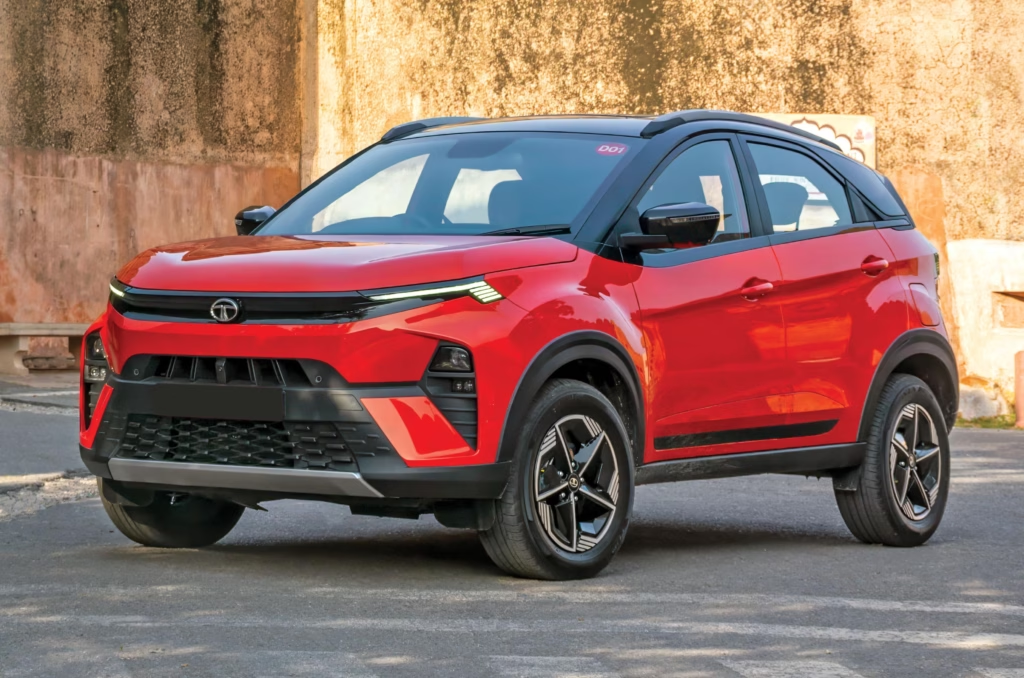
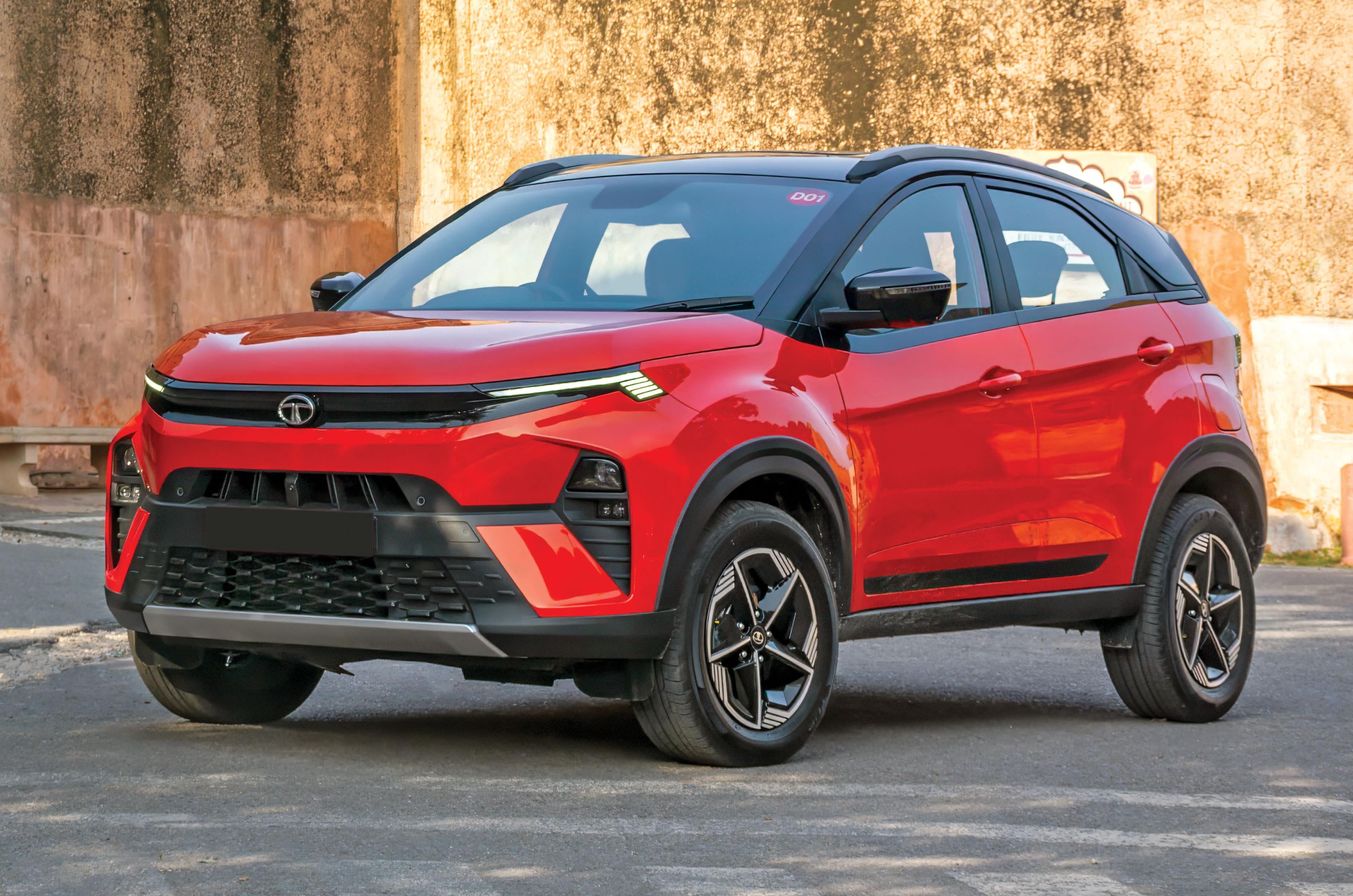
Tata Nexon special editions explained

Tata Nexon special editions

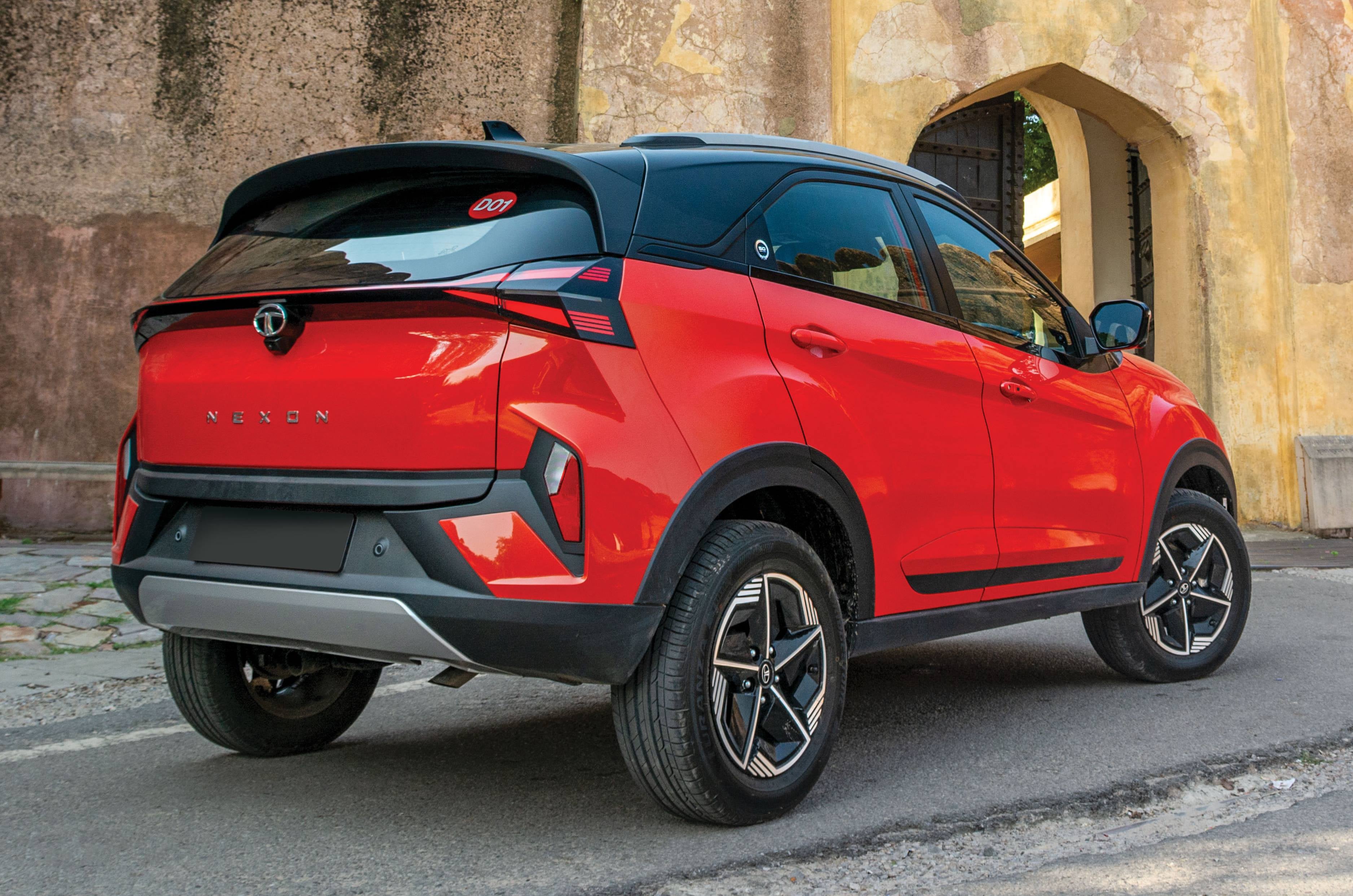
Over the years, Tata Motors has introduced multiple special editions of the Nexon, each aimed at buyers seeking a more distinctive appearance or additional features over the standard model. The Nexon is currently the only compact SUV in India to be offered with three factory-backed special editions.

While all three retain the standard Nexon’s engines and mechanical package, each follows a different approach. The Camo Edition adds exclusive colours and a handful of equipment upgrades, whereas the Dark and Red Dark editions primarily focus on cosmetic changes. All three editions can also be specified with an ADAS suite, although it remains available only on the top-spec petrol dual-clutch automatic variant. Here’s what sets each special edition of the Nexon apart.

Tata Nexon Camo Edition

The Camo Edition is the latest addition to the Nexon range and is available for a limited period. Based on the Creative+ and Fearless+ trims, it is the only special edition that adds equipment over the equivalent standard variants.

The Camo Edition is offered in two exclusive exterior colours, Munnar Mist and Coorg Cloud, along with a ‘Camo’ badge on the front fender and Camo-themed perforation on the front-seat headrests.

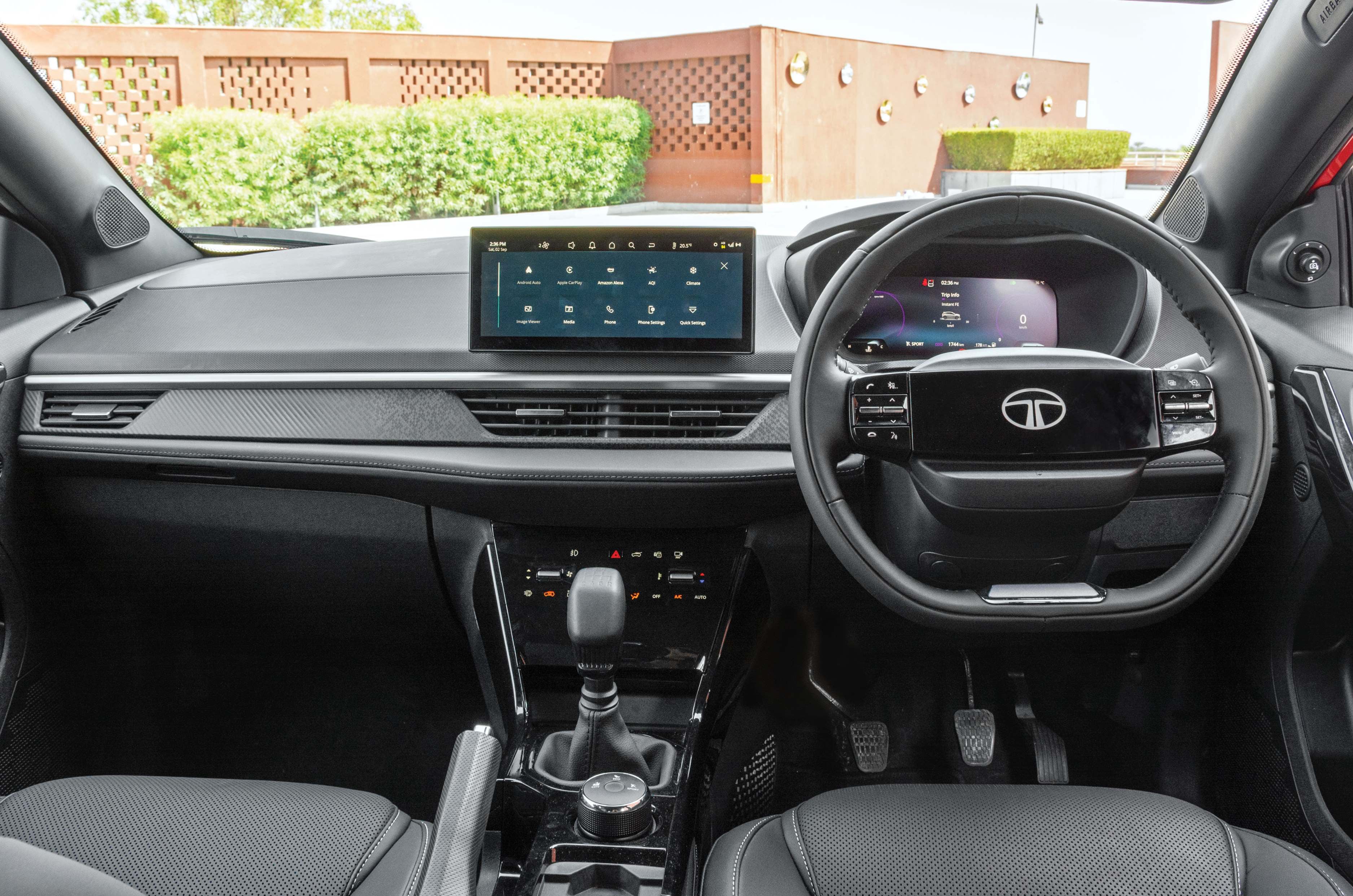
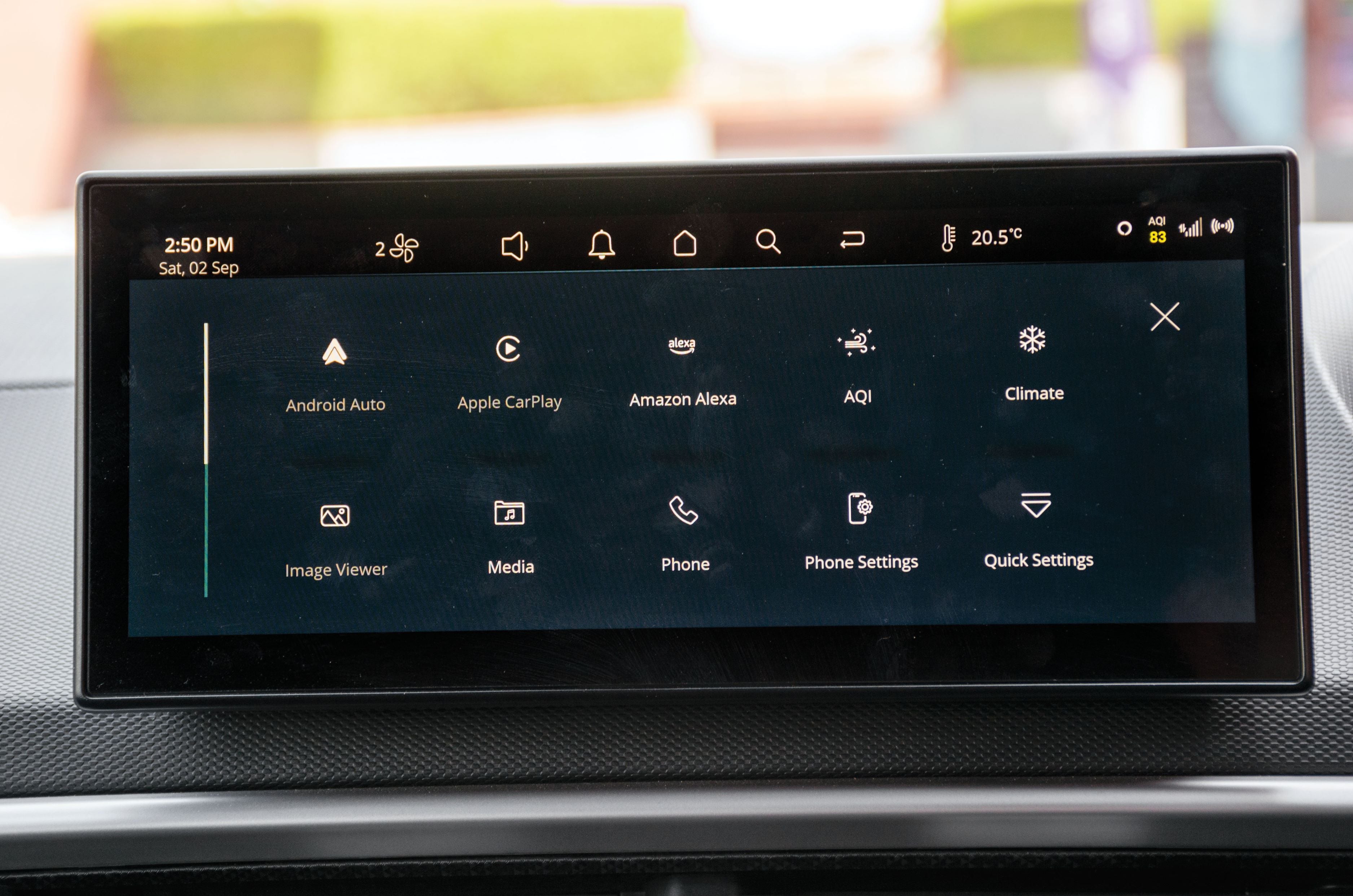
Inside, it upgrades to Tata’s 12.3-inch touchscreen, replacing the 10.25-inch unit fitted to the equivalent standard Nexon variants. This is also the only Nexon to get the larger 12.3-inch touchscreen, which is otherwise seen on larger Tata models such as the Harrier and Safari. It also adds an integrated dashcam that works with the 360-degree camera system.

Like the standard Nexon, the Camo Edition is available with petrol, diesel and CNG engines across manual and automatic gearbox options.

Tata Nexon Dark Edition

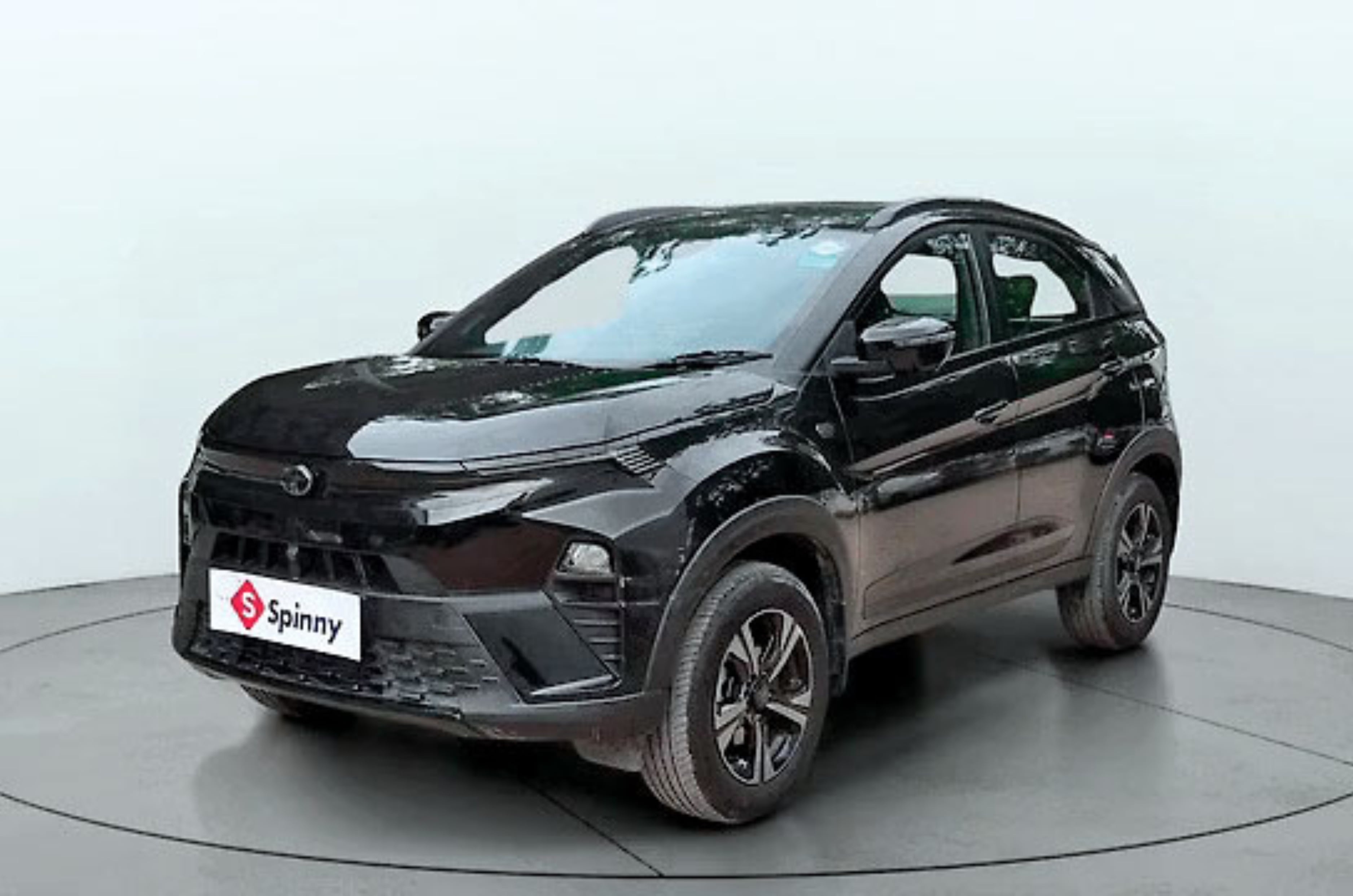
Unlike the Camo Edition, the Dark Edition does not introduce any exclusive equipment. Instead, it focuses on giving the Nexon a darker appearance inside and out while retaining the features of the underlying trim.

The Dark Edition receives an all-black exterior treatment, including black-finished alloy wheels, a black skid plate and ‘#Dark’ badging on the front fender. Inside, it gets an all-black cabin with black leatherette upholstery, black dashboard trim with a blue insert and blue contrast stitching, giving it a more understated appearance than the standard model.

The Dark Edition is available in Nexon’s Creative+ and Fearless+ trims with petrol, diesel and CNG powertrains, depending on the variant.

Tata Nexon Red Dark Edition

The Red Dark Edition combines the Dark Edition’s blacked-out exterior with a contrasting red-themed cabin. Like the Dark Edition, it is primarily a cosmetic package and does not introduce any exclusive features over the equivalent standard variant.

The exterior carries forward the all-black Dark Edition styling, while the cabin switches to ‘Carnelian Red’ leatherette upholstery, red contrast stitching and matching interior accents.

Like the Dark Edition, the Red Dark Edition is offered with petrol, diesel and CNG powertrains with manual and automatic gearbox options.

The Tata Nexon special edition line-up

The Nexon remains one of the few compact SUVs in India to be offered with special editions. While most rivals are sold only in their standard trims, Tata has steadily expanded the Nexon range with the Dark, Red Dark and now the Camo Edition.

These editions have also proved popular with buyers. Tata Motors has previously said that special editions contribute around 15 percent or more of sales, depending on the model, while Dark Editions account for an even higher share on the Harrier and Safari. With three distinct special editions now on sale, the Nexon offers buyers more choice than any other compact SUV in the segment without altering its underlying mechanical package.