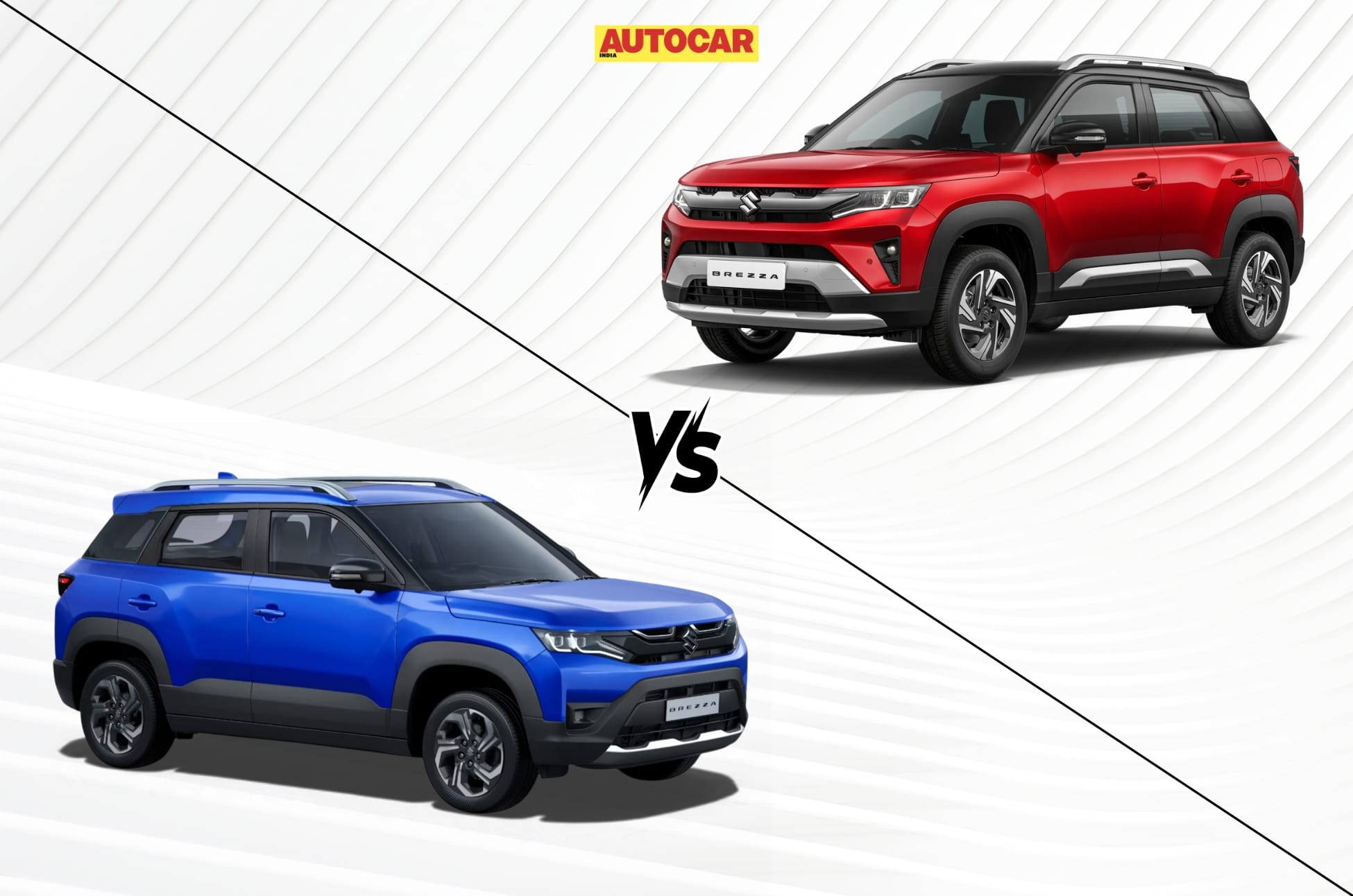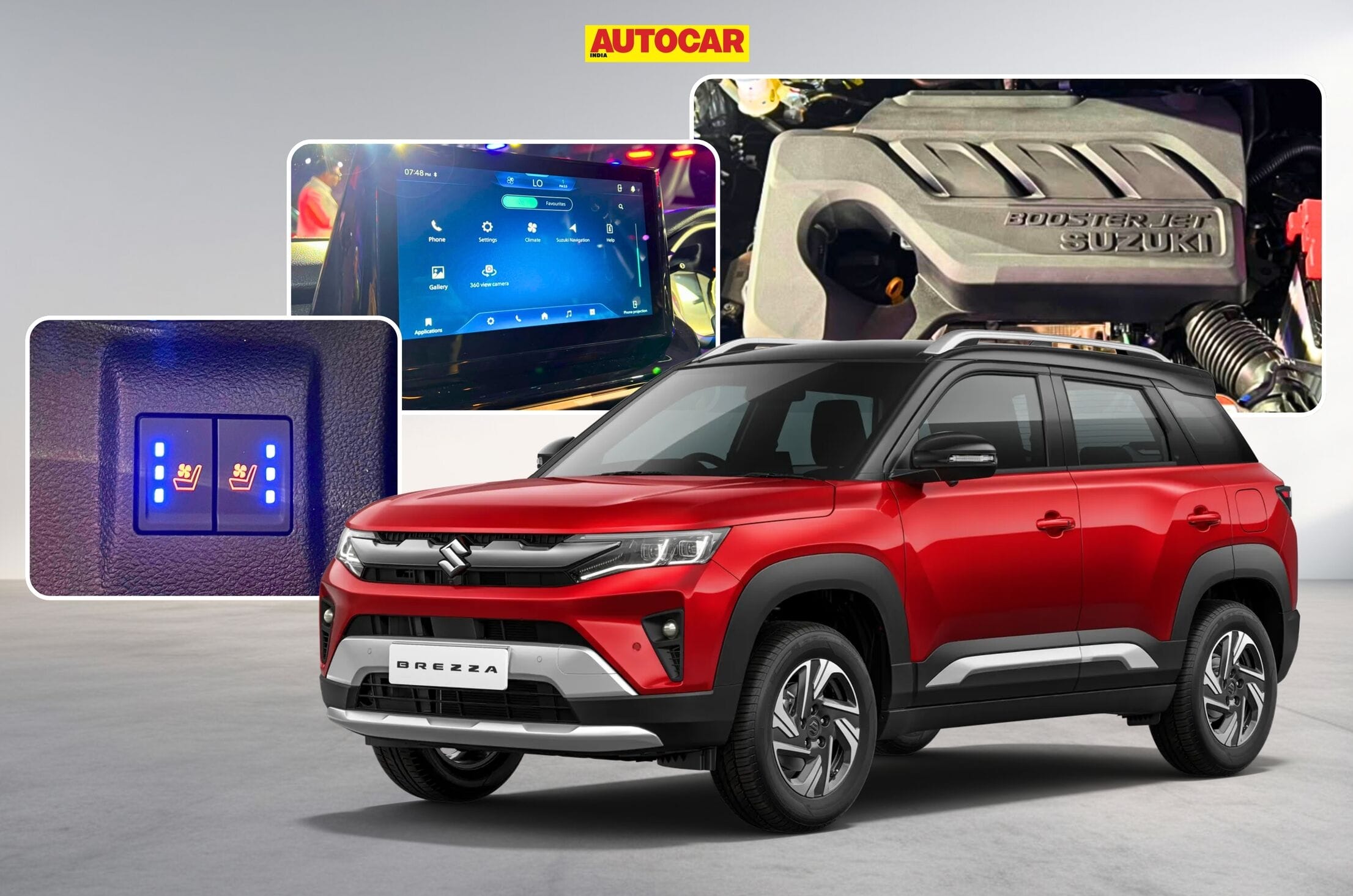
Maruti Suzuki Brezza’s cumulative sales cross 15 lakh units

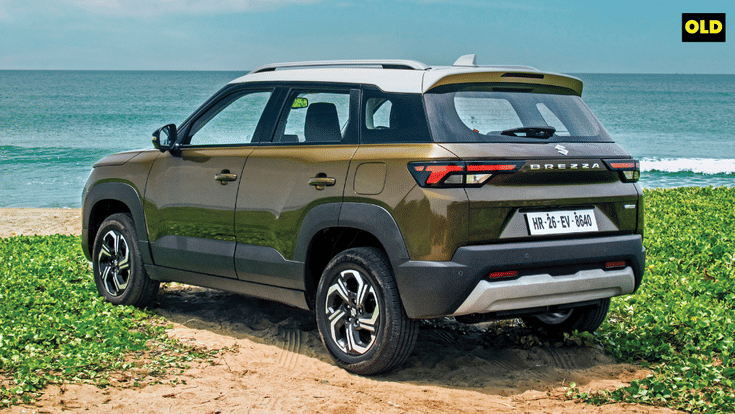
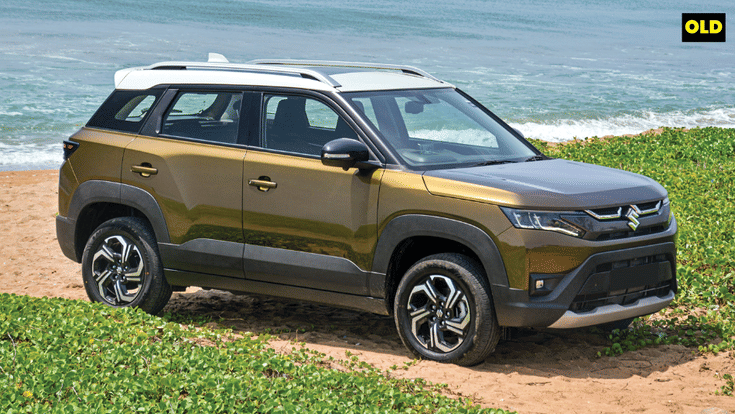
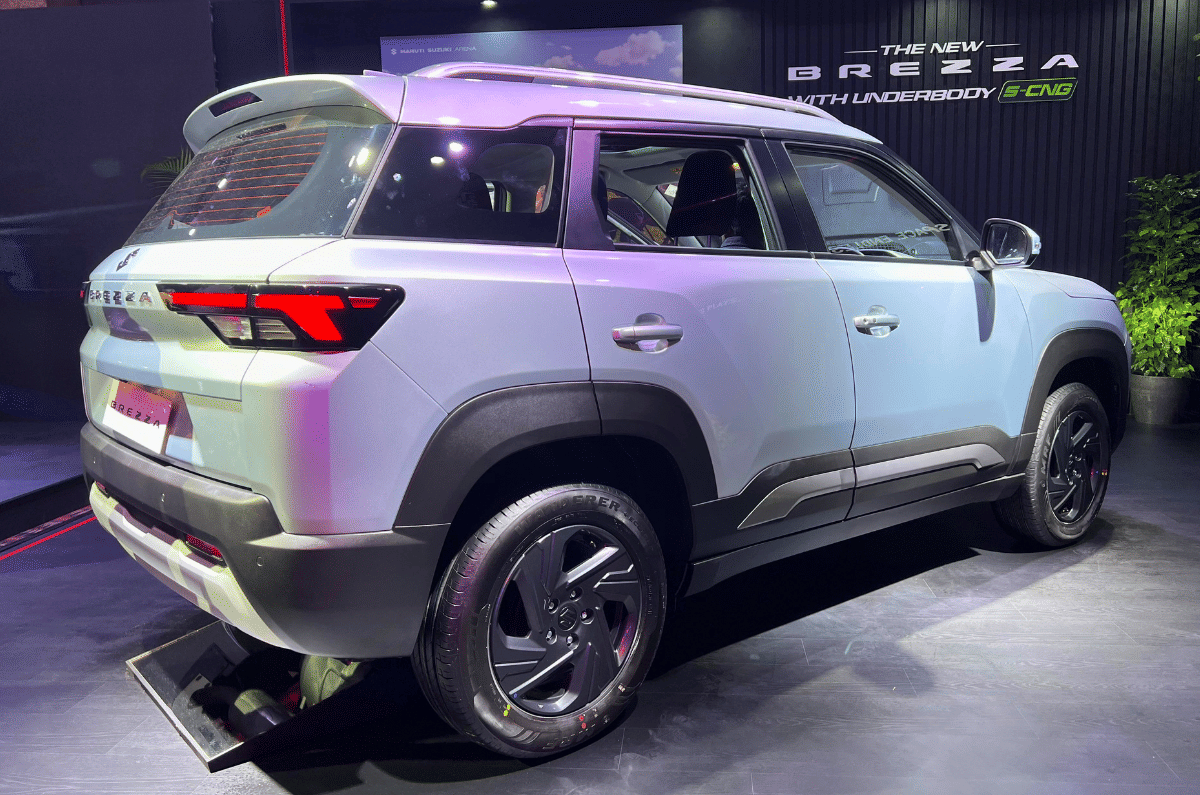
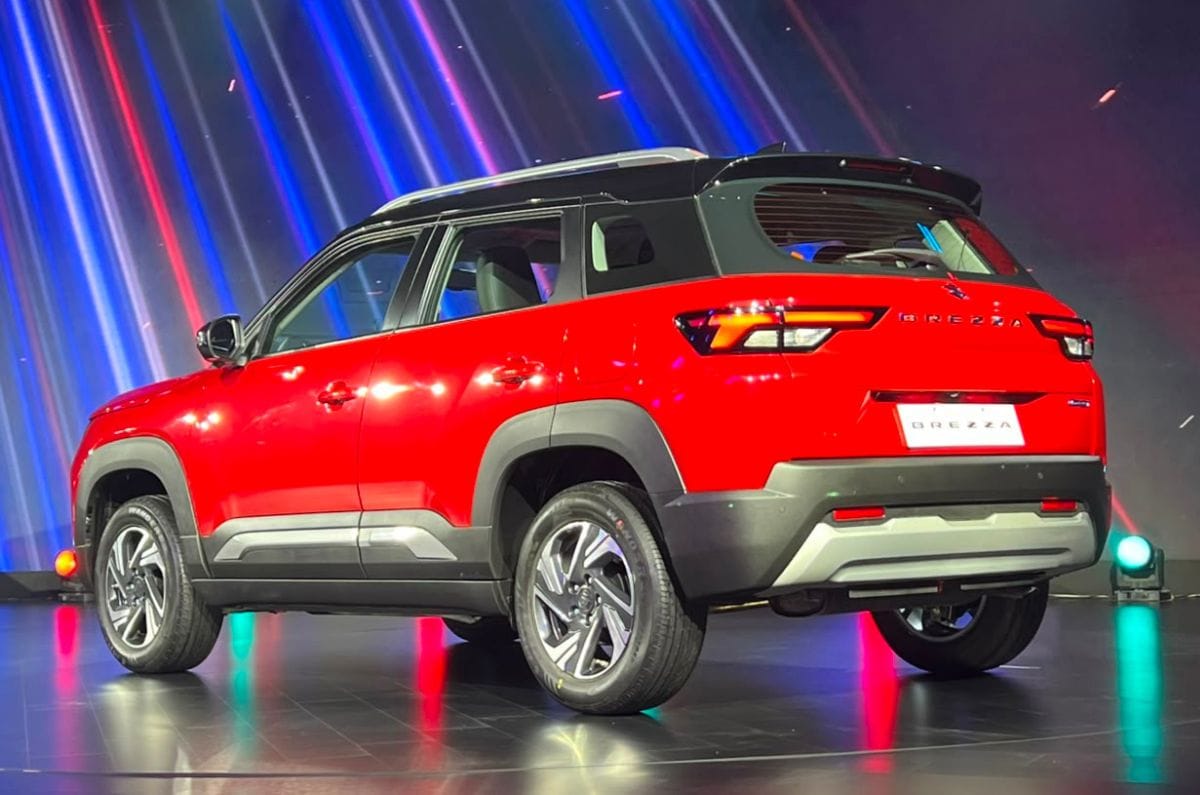
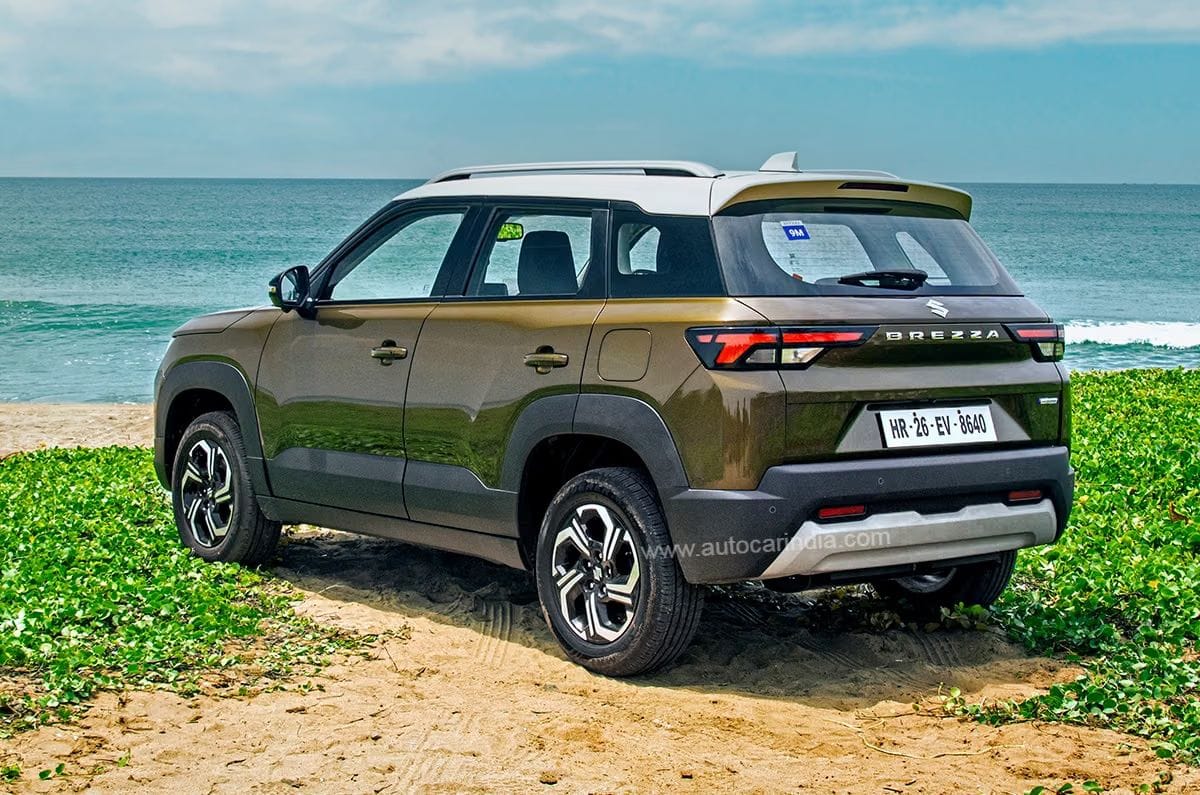
Maruti Brezza rear quarter static

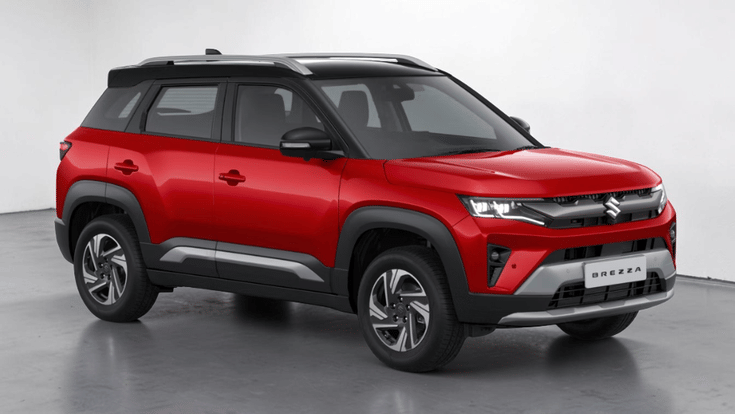
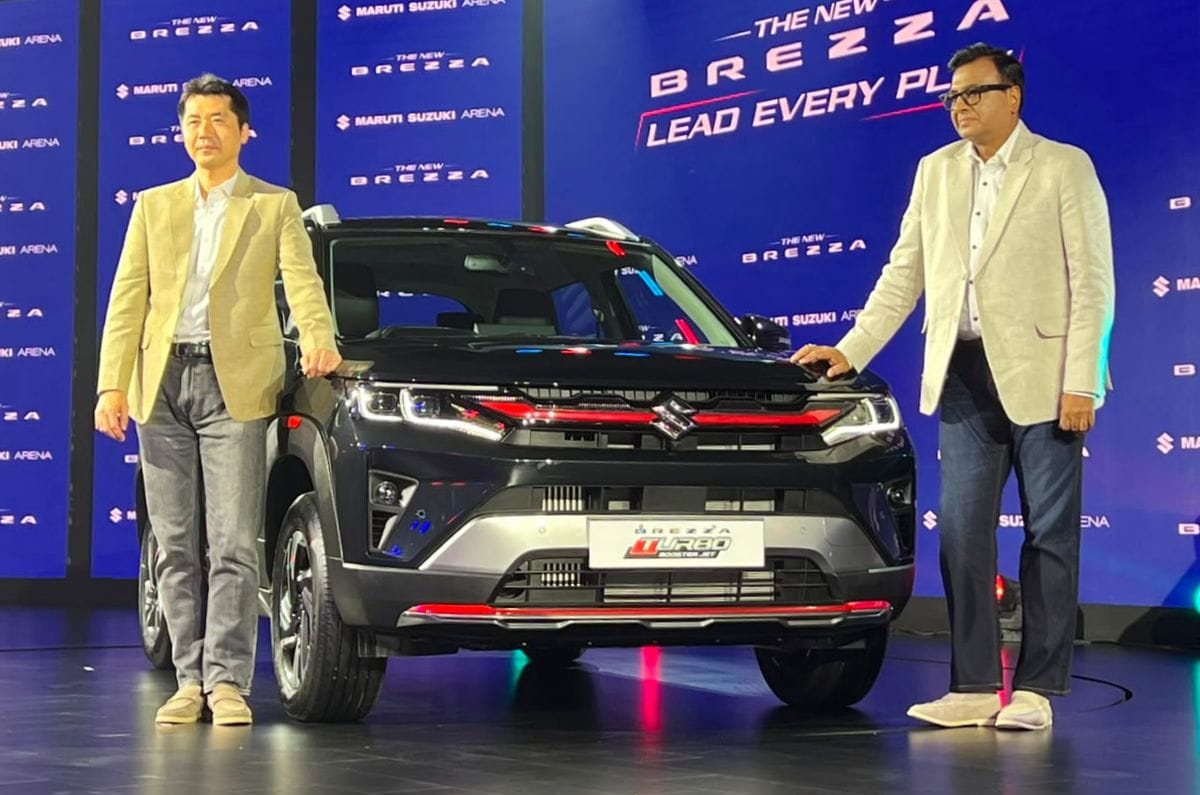
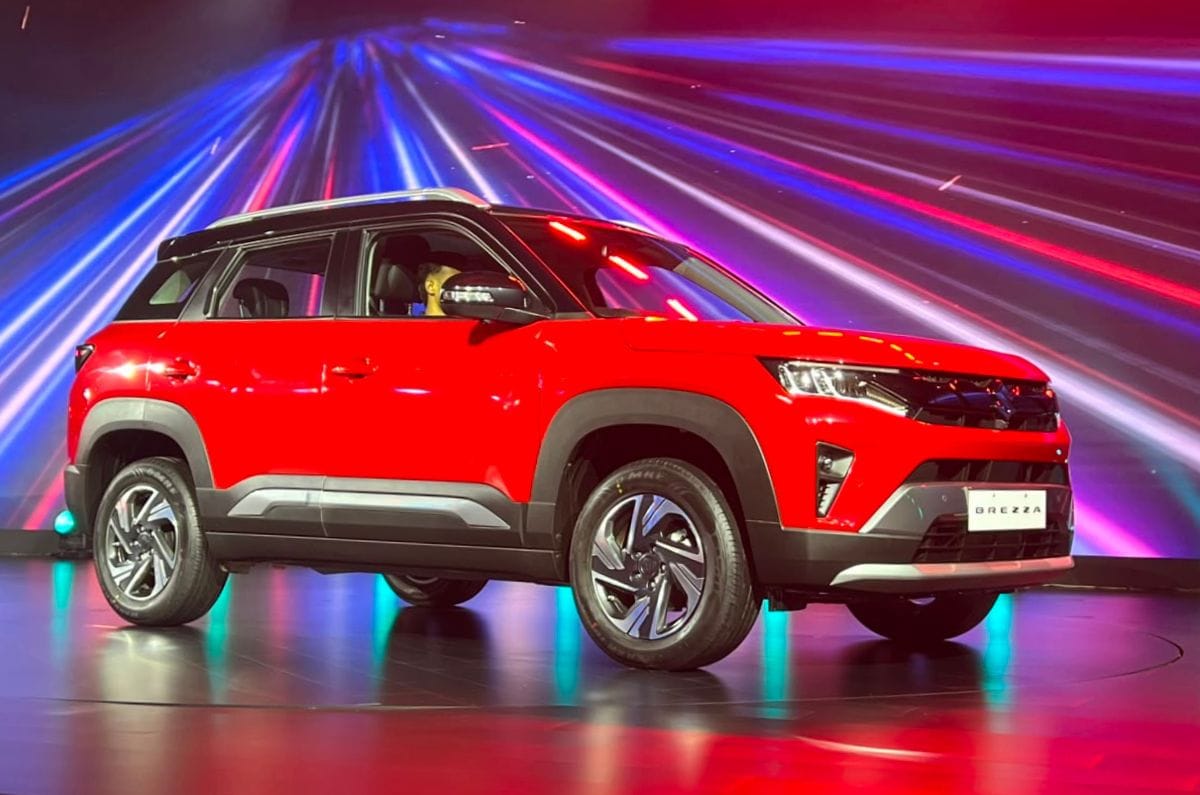
Maruti Suzuki India has launched the 2026 Brezza at a starting price of Rs 7.40 lakh. This marks the first major update for the second-generation model introduced in 2022. Meanwhile, cumulative sales of the Brezza have surpassed the 15 lakh mark (15,14,717 units), and given the ongoing strong customer demand for compact SUVs – 3,97,609 units in Q1 FY2027 with 24% year-on-year (YoY) growth – Maruti will be looking to capitalise on this segment’s momentum with the updated model.

Maruti Brezza: 15 lakh units and counting

With domestic market sales of 14.6 lakh units (14,61,889 units) and exports of 52,828 units, the Maruti Brezza’s cumulative sales have surpassed the 15 lakh mark (15,14,717 units). The Brezza remains the best-selling compact SUV in India, with a yawning 422,478-unit lead over the Tata Nexon (10,92,239 units). The Tata Punch, which crossed the 800,000 milestone earlier this month, is the third highest-selling compact SUV.   

Maruti Brezza cumulative sales: 15.1 lakh units since launch

Launched on March 8, 2016


Fiscal year

Units

YoY% change

Brezza exports 

FY2016

5,563

0

FY2017

1,08,640

1,197

FY2018

1,48,462

36.65%

865

FY2019

1,57,880

6.34%

1,222

FY2020

1,10,641

-29.92%

546

FY2021

94,635

-14.46%

4,451

FY2022

1,13,751

20.19%

21,254

FY2023

1,45,665

28.05%

20,991

FY2024

1,69,897

16.63%

423

FY2025

1,89,163

11.33%

663

FY2026

1,80,104

-4.78%

1,111

FY2027*

37,488

-20.31%

105

Total

14,61,889


52,828

*April-June 2026


From diesel roots to multi-powertrain strategy

For the first four years of its existence, the Brezza was available only with a diesel engine – the Fiat-sourced 1.3-litre DDiS turbocharged 88hp powerplant, which was discontinued in April 2020 when Maruti Suzuki exited diesel. In February 2020, to comply with the BS VI emission norms, Maruti introduced the 1.5-litre K15B petrol engine in the new Brezza. The strategic move to have only diesel power in the initial years paid off, and the Brezza was India’s best-selling SUV for four straight years – FY2017 (1,08,640 units), FY2018 (1,48,462 units), FY2019 (1,57,880 units) and FY2020 (1,10,641 units).
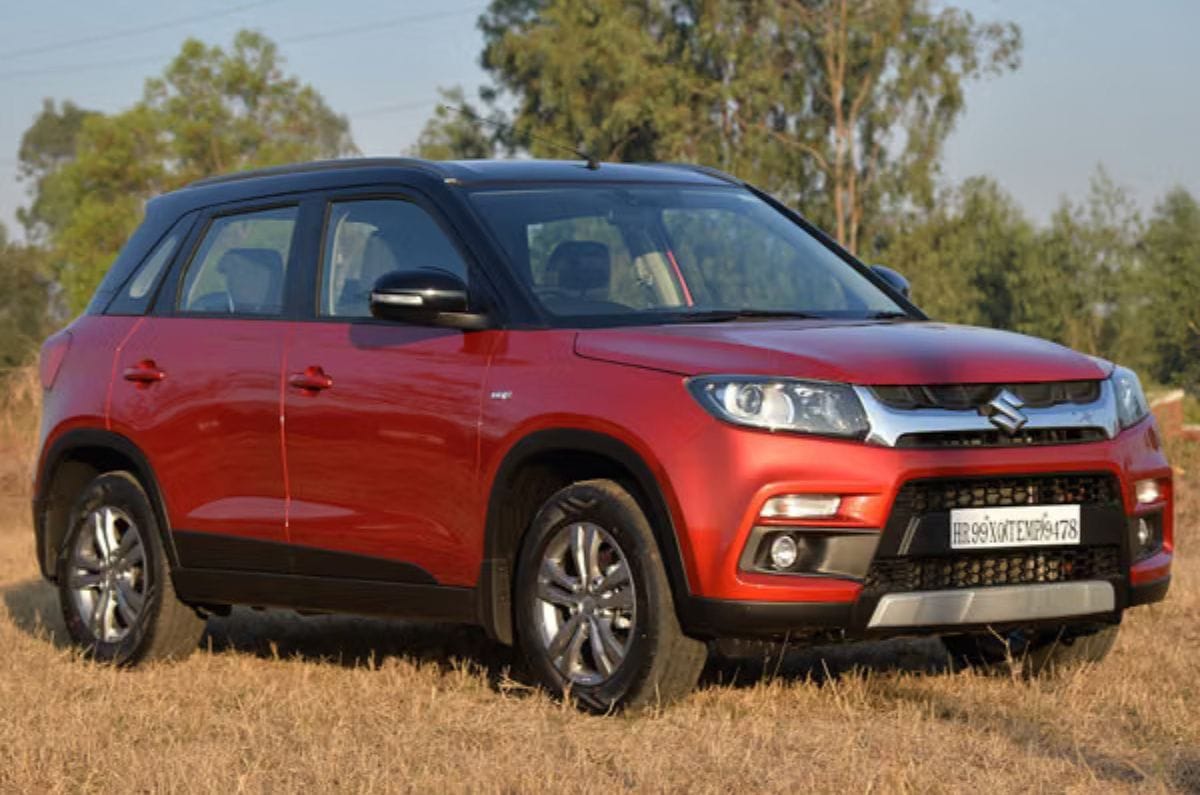
First-generation Brezza

In FY2021, sales dropped 14 percent YoY to 94,635 units, which also meant that the Brezza lost its No. 1 SUV title to the Hyundai Creta (1,20,035 units) that year and has not regained it since then. Despite registering double-digit growth in FY2022, FY2023, FY2024 and FY2025, the highest overall ranking the Brezza could manage since FY2020 was No. 2 in FY2021. 

Q1 FY2027 Dip and the Facelift Wait Effect

In FY2027’s first quarter (April-June 2026), the Maruti Brezza has sold 37,488 units, down 20 percent YoY (Q1 FY2026: 47,044 units), a decline which can be attributed to potential buyers awaiting the launch of the MY2026 Brezza, which gets exterior and interior updates, new features and an additional turbo-petrol engine option.

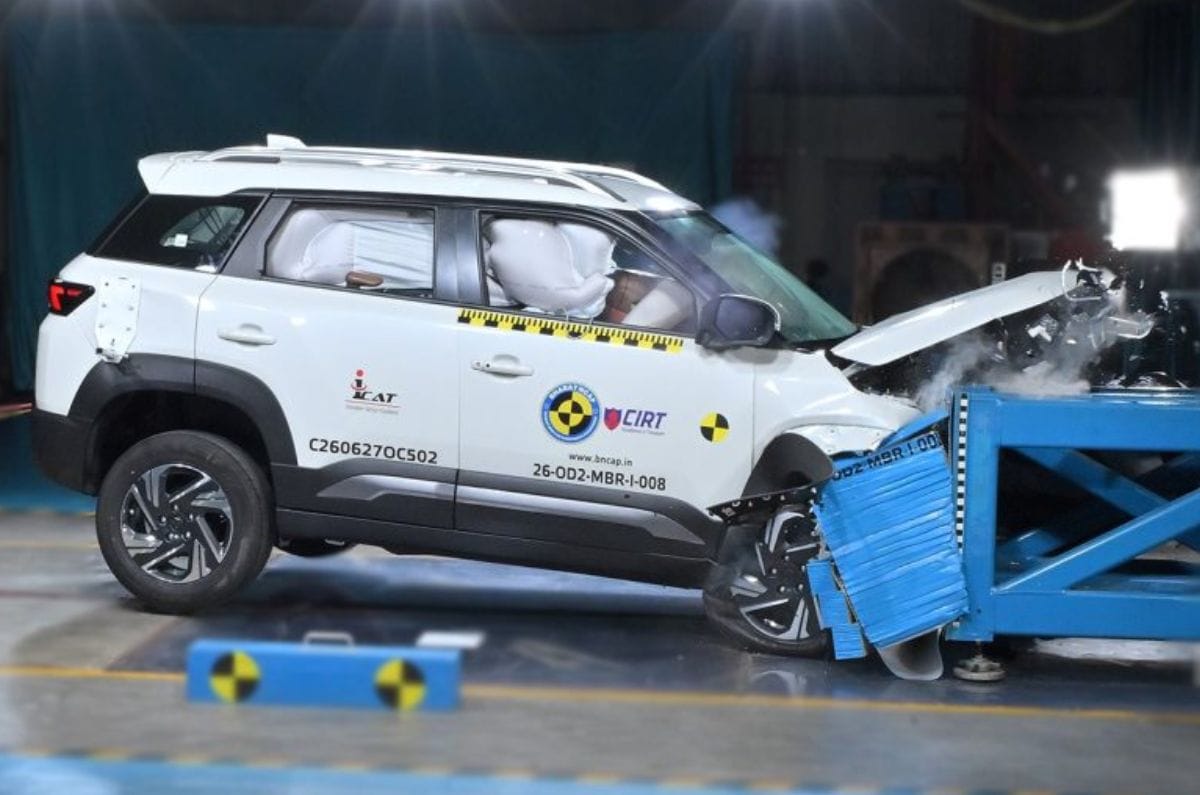
With 14.6 lakh units sold in the domestic market from launch till end-June 2026, the Brezza accounts for a third or 34 percent of Maruti Suzuki’s total UV sales of 42.7 lakh units (42,71,696 UVs) in the same period. Will the new MY2026 Brezza, which has received a 5-star Bharat NCAP crash safety rating, deliver new sales momentum for this popular SUV category remains to be seen.

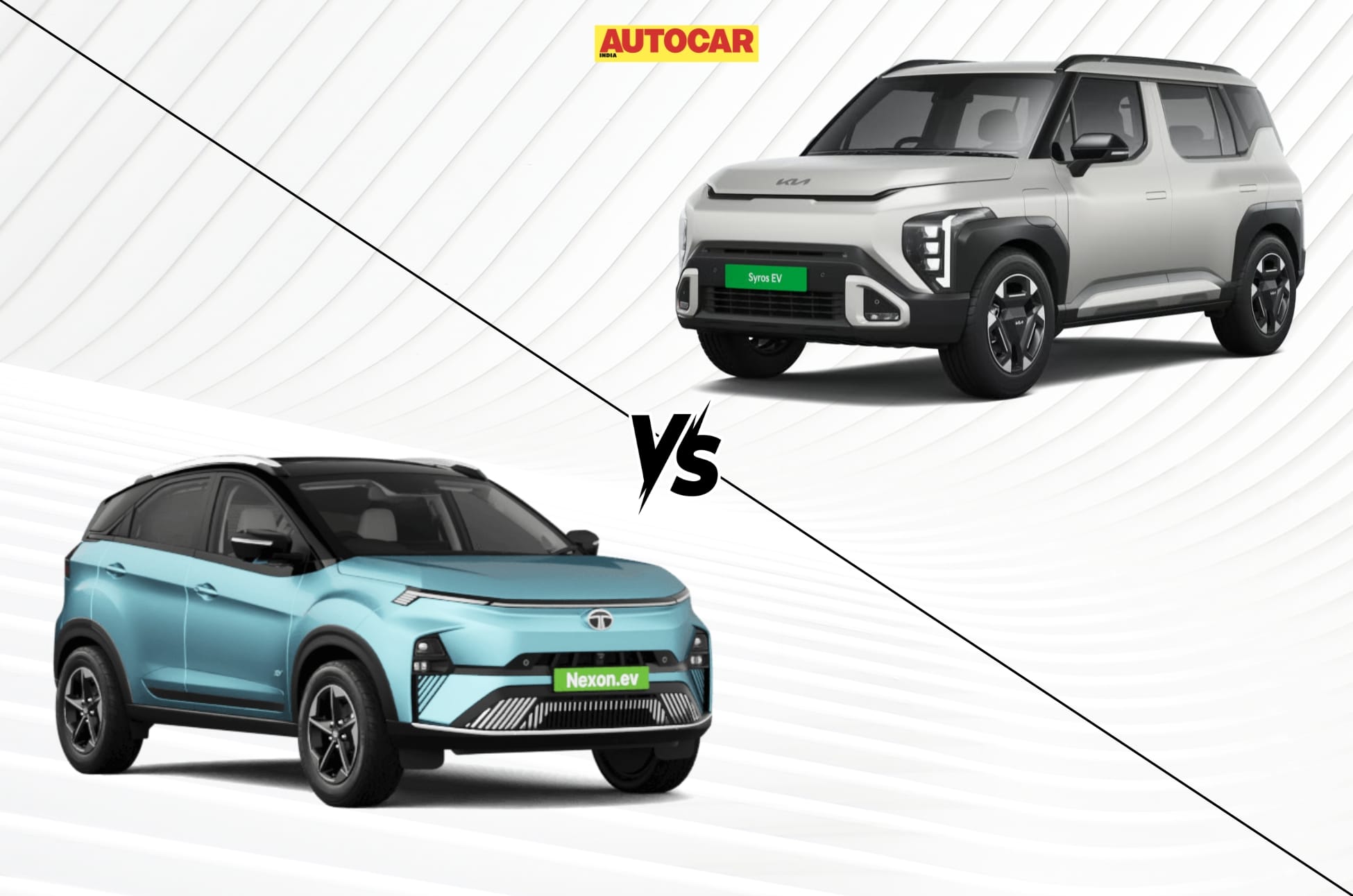
Kia Syros EV vs Tata Nexon EV: Whose top spec trim offers better value?

Kia Syros EV vs Tata Nexon EV

Kia has taken its first aim to crack the compact electric SUV space with the Syros EV. On the other hand, Tata has been dominating this very segment with the Nexon EV that’s been on the market for quite some time. But how do both SUVs fare when comparing specifications and features of their respective top-spec versions? For this comparison, we’ve chosen the Kia Syros EV’s X-Line variant and the Nexon EV’s Empowered+ A 45 variant.

Explore full specs, features, and a price breakdown in our Syros EV vs Nexon EV comparison.

Kia Syros EV vs Tata Nexon EV: Dimensions

Syros EV is comparatively the larger vehicle here

Kia Syros EV vs Tata Nexon EV: Dimensions


Kia Syros EV

Tata Nexon EV

Length (mm)

3,995

3,995

Width (mm)

1,805

1,802

Height (mm)

1,670

1,625

Wheelbase (mm)

2,550

2,498

Frunk (litres)

16

11.6

Boot space (litres)

390

350

Wheel size (inches)

17

16

While both SUVs have identical length, the Syros EV is 3mm wider, 45mm taller, and gets a 52mm longer wheelbase than the Nexon. Additionally, the former gets a 40-litre larger boot, a 4.4-litre larger frunk, and rides on wheels an inch bigger than the Nexon EV.

Kia Syros EV vs Tata Nexon EV: Powertrains 

Syros EV gets the larger battery pack, more powerful motor, and higher claimed range figure

Kia Syros EV vs Tata Nexon EV top-spec: Powertrains 


Kia Syros EV

Tata Nexon EV

Battery size (kWh)

51.4

45

Electric motor setup

Single motor

Single motor

Drive layout

FWD

FWD

Power (hp)

171

144

Torque (Nm)

255

215

Claimed 0-100kph time (seconds)

8.1

8.9

ARAI range (km)

526

489

The Syros EV features the largest battery pack in its segment with a 51.4kWh battery pack. Not only is its battery pack larger than the Nexon’s, but it also has a more powerful motor, leading to a quicker claimed 0-100kph time and a segment-best ARAI range that’s 37km higher than the Nexon’s.

Kia Syros EV vs Tata Nexon EV top-spec: Charging speeds and times 

Syros EV supports faster charging speeds

Kia Syros EV vs Tata Nexon EV top-spec: Charging speeds and times 


Kia Syros EV

Tata Nexon EV

Battery size (kWh)

51.4

45

7.2kW AC charging (10-100 percent)

6 hours 36 minutes

11kW AC charging (10-100 percent)

8.9 hrs


DC fast charging (10-80 percent)

39 minutes at 100kW

40 minutes at 60kW

The Syros EV supports higher charging output than the Nexon EV, be it at AC or DC speeds. But despite this, the Nexon EV’s smaller battery helps it juice up quicker at AC speeds, while DC fast charging times are almost similar to the Syros EV’s. 

Kia Syros EV vs Tata Nexon EV: Exterior features

Syros EV top-spec limited to one colour 

Kia Syros EV vs Tata Nexon EV top-spec: Exterior features


Kia Syros EV

Tata Nexon EV

LED headlamps

Automatic

Automatic

LED tail-lamps

Yes

Connected

DRLs

Yes

Connected

Front fog lamps

LED

LED

Puddle lamps w/ logo projection

Yes

No

Powered and foldable ORVMS

Yes

Yes

Flush door handles

Yes

No

Rear spoiler

Yes

Yes

Colour options

2, monotone and matte

5, dual tone 

On the outside, the Syros EV gets goodies such as flush door handles with motorised opening for the front handles, and puddle lamps with logo projection, which the Nexon EV skips. But with the Syros EV in top-spec guise, you’re limited to only black exterior paint in either matte or gloss finish. On the other hand, the Nexon offers five dual tone paint choices with a black roof as standard at the top-end.

Kia Syros EV vs Tata Nexon EV: Interior features 

Sliding and reclining rear seats with seat base ventilation found only on the Syros EV

Kia Syros EV vs Tata Nexon EV: Interior features 


Kia Syros EV

Tata Nexon EV

Infotainment screen

12.3-inch

12.3-inch

Digital driver’s display

12.3-inch

10.25-inch

HVAC display

5-inch

No

Apple CarPlay & Android Auto

Wireless

Wireless

Connected car tech

Yes

Yes

Sunroof

Panoramic

Panoramic

Sound system

8-speaker Harmon Kardon

9-speaker JBL

Automatic climate control

Yes

Yes

Wireless charger

Yes

Yes

Driver’s seat adjustment

4-way powered

No

Ventilated front seats

Yes

Yes

Rear seat base ventilation

Yes

No

Rear sunshades

Yes

Yes

Rear centre armrest

Yes

Yes

Sliding, reclining rear seats

Yes

No

OTA updates

Yes

Yes

Ambient lighting 

Yes

Yes

Air purifier

No

Yes

Rear AC vents

Yes

Yes

While Kia and Tata have packed a lot of features for their respective models, the former has the edge here. The Syros EV gets a larger digital driver’s display, powered driver seat, rear seat base ventilation, and sliding and reclining rear seats. But it misses out on an additional speaker and an air purifier, which the Nexon EV gets.

Kia Syros EV vs Tata Nexon EV: Driving features

Both models are on par with driving features

Kia Syros EV vs Tata Nexon EV: Driving features


Kia Syros EV

Tata Nexon EV

Drive modes

Eco, Normal, Sport

Eco, City, Sport

V2L function

Yes

Yes

Multi-level regen braking

Yes

Yes

Paddleshifters for regen

Yes

Yes

Cruise control

Adaptive

Adaptive

In the driving features department, the Syros EV and Nexon EV are equally equipped with drive modes, regen paddle shifters, adaptive cruise control, and V2L functionality.

Kia Syros EV vs Tata Nexon EV: Safety features

Syros EV yet to achieve BNCAP certification

Kia Syros EV vs Tata Nexon EV: Safety features


Kia Syros EV

Tata Nexon EV

Bharat NCAP rating

Yet to be tested

5 stars

Airbags

6

ABS with EBD

Yes

Yes

Electronic stability program

Yes

Yes

Follow-me-home headlamps

Yes

No

Hill hold control

Yes

Yes

Hill descent control

No

Yes

TPMS

Yes

Yes

360-degree camera

Yes

Yes

Parking sensors

Front, rear, side

Front and rear 

Electronic parking brake

Yes (w/ auto-hold)

Yes (w/ auto-hold)

Rain-sensing wipers

No

Yes

Auto-dimming IRVM

Yes

Yes

ISOFIX child seat anchors

Yes

Yes

Rear wiper, defogger

Yes

Yes

Disc brakes

All wheel

All wheel

Level 2 ADAS

Yes

Yes

While the Tata Nexon EV has already scored a 5-star rating in BNCAP tests, the Syros EV is yet to be tested. But for the latter, a similar rating can be expected considering its ICE version has already attained a 5-star rating. 

Both the Syros EV and Nexon EV come well equipped with basic and advanced safety features, including a Level 2 ADAS suite and a 360-degree camera. Here, the Kia gets follow-me-home headlamps and additional parking sensors on the side over the Tata. However, hill descent control and rain-sensing wipers are found only on the latter.

Kia Syros EV vs Tata Nexon EV: Prices and Verdict 

Syros EV X-Line pricier by Rs 3.5 lakh

Kia Syros EV vs Tata Nexon EV: Price 


Kia Syros EV

Tata Nexon EV

Price (Rs lakh)

20.00

17.49

In top-specification guise, the Syros EV is Rs 3.5 lakh pricier than the Nexon EV. Between the two, it’s the Nexon EV we find as the better value proposition. While the Syros EV is the larger vehicle dimensionally, has the larger battery pack, more powerful motor, and the higher claimed range, it doesn’t justify the extra premium that it commands over the Nexon EV. The Nexon EV may not have as much claimed range or features as the Syros EV, but it isn’t bad by segment standards. 

All prices are ex-showroom, India. 

नई Brezza फेसलिफ्ट के लॉन्च होते ही इसके टर्बो इंजन और GST का क्या ये कैसा मामला चर्चा में आया? मारुति सुजुकी ने सब साफ-साफ बताया

Maruti Brezza 2026: Maruti Suzuki India ने उन बातों को खारिज कर दिया है, जिनमें कहा गया था कि नई Brezza कॉम्पैक्ट SUV का 1.0-लीटर टर्बो बूस्टरजेट पेट्रोल इंजन बदले हुए GST स्ट्रक्चर का फायदा उठाने के लिए लाया गया था। कंपनी का कहना है कि यह इंजन टैक्स में बदलाव लागू होने से काफी पहले से ही डेवलप किया जा रहा था।

नई Brezza के लॉन्च के मौके पर Maruti Suzuki India के सीनियर एग्जीक्यूटिव ऑफिसर (मार्केटिंग और सेल्स) पार्थो बनर्जी ने कहा, “नई Brezza में टर्बो पेट्रोल इंजन लाने के पीछे GST कोई वजह नहीं थी। यह बाद में सोचा गया फैसला नहीं था। हम इस पर पहले से ही काम कर रहे थे।”

उन्होंने आगे कहा, “प्रोडक्ट साइकल लंबे होते हैं। इसका GST से कोई लेना-देना नहीं है।”

यह स्पष्टीकरण इसलिए जरूरी है क्योंकि नए GST स्ट्रक्चर में कुछ छोटी पेट्रोल कारों के लिए कम टैक्स ब्रैकेट बनाया गया है। सितंबर 2025 में लागू हुए GST बदलावों के बाद, 4,000mm से कम लंबाई और 1,200cc से छोटे इंजन वाली पेट्रोल कारों पर 18% GST लगता है। जबकि बड़ी इंटरनल कंबशन इंजन (ICE) वाली कारों पर 40% की दर से टैक्स लगाया जाता है।

GST स्लैब में आई नई Brezza

नई Brezza की लंबाई 3,995 mm है। जहां इसका नया 1.0-लीटर टर्बो बूस्टरजेट पेट्रोल इंजन (997 cc) 18% GST स्लैब के दायरे में आता है। वहीं, इसका मौजूदा 1.5-लीटर K15C पेट्रोल इंजन (1,462 cc डिस्प्लेसमेंट वाला) अभी भी 40% स्लैब में शामिल है।

GST कटौती से सस्ती हुई Brezza

GST में बदलाव से पहले, Brezza पर कुल 45% टैक्स लगता था, जिसमें 28% GST और कंपनसेशन सेस शामिल था। बदलाव के बाद, इस पर टैक्स घटकर 40% हो गया, जिससे पूरी रेंज की कीमतों में 1.12 लाख रुपये तक की कमी आई। जहां पुरानी Brezza की शुरुआती कीमत 8.26 लाख रुपये (एक्स-शोरूम) थी, वहीं नए मॉडल की शुरुआती कीमत 7.40 लाख रुपये (एक्स-शोरूम) है।

नई Brezza में तीन पावरट्रेन ऑप्शन

नई Brezza में 1.0-लीटर टर्बो बूस्टरजेट पेट्रोल इंजन दिया गया है, जो 110.2 PS की पावर और 170 Nm का टॉर्क जनरेट करता है और इसके साथ छह-स्पीड मैनुअल ट्रांसमिशन मिलता है। हालांकि, मारुति सुजुकी ने 1.5-लीटर K15C पेट्रोल इंजन को छह-स्पीड मैनुअल और ऑटोमैटिक ट्रांसमिशन ऑप्शन के साथ बरकरार रखा है। इसके अलावा, S-CNG वेरिएंट भी पेश किया है जिसमें नए अंडरबॉडी CNG टैंक का कॉन्फिगरेशन दिया गया है।

SUV सेगमेंट की रफ्तार धीमी, लेकिन बाजार में दबदबा बरकरार

Maruti Suzuki की SUV रणनीति में Brezza की भूमिका अहम बनी हुई है। हालांकि, SUV सेगमेंट का तेजी से बढ़ना अब थोड़ा धीमा हो गया है, फिर भी भारत के पैसेंजर व्हीकल (PV) मार्केट में इसका सबसे बड़ा योगदान है।

बनर्जी ने कहा, “अब SUV सेगमेंट की हिस्सेदारी कुल PV इंडस्ट्री का लगभग 57-58% है। इसमें अब ज्यादा बढ़ोतरी नहीं हो रही है। वहीं, कॉम्पैक्ट SUV की हिस्सेदारी लगभग 30% है।”

FY26 में बिकीं 47 लाख से ज्यादा कारें

इंडस्ट्री के आंकड़े भी इस बात की पुष्टि करते हैं। FY26 में कुल 47.07 लाख पैसेंजर व्हीकल की बिक्री हुई, जिसमें से 26.70 लाख यूनिट SUV थीं। यानी कुल PV मार्केट में SUV की हिस्सेदारी करीब 57% रही। वहीं, कॉम्पैक्ट SUV सेगमेंट में 14.46 लाख यूनिट की बिक्री हुई, जो पूरे पैसेंजर व्हीकल बाजार का लगभग 31% हिस्सा है।

पार्थो बनर्जी ने कहा “कॉम्पैक्ट SUV सेगमेंट तेजी से बढ़ रहा है क्योंकि इस सेगमेंट में ज्यादा प्रोडक्ट्स मौजूद हैं। मिड-साइज SUV सेगमेंट भी बढ़ रहा है। यह ग्रोथ पूरी तरह से मार्केट में आने वाले नए प्रोडक्ट्स पर निर्भर करती है।”

बता दें कि Brezza देश की सबसे ज्यादा बिकने वाली कॉम्पैक्ट SUV में से एक बनी हुई है। FY26 में, इसकी बिक्री करीब 1.80 लाख यूनिट रही। वहीं, , इस सेगमेंट में Tata Nexon सबसे आगे रही, जिसकी बिक्री 2.16 लाख यूनिट दर्ज की गई।

बनर्जी ने यह भी कहा कि मौजूदा फाइनेंशियल ईयर में Brezz की बिक्री में गिरावट आई क्योंकि ग्राहक नए मॉडल का इंतजार कर रहे थे, और प्रोडक्शन से जुड़ी दिक्कतों की वजह से सप्लाई सीमित रही।

उन्होंने बताया, “इस साल (FY27) हमारी Breza की बिक्री कम रही क्योंकि मार्केट को नए मॉडल का इंतजeर था। हमें प्रोडक्शन से जुड़ी दिक्कतों का भी सामना करना पड़ा।”

यह भी पढ़ें: Maruti Brezza 2026 Launch: ₹7.40 लाख में नई SUV की एंट्री, टर्बो इंजन और 5-स्टार सेफ्टी के साथ Nexon-Venue को देगी टक्कर

Maruti Brezza new vs old: Differences and similarities explained

Maruti Brezza new vs old models compared

Four years after replacing the Vitara Brezza, the ‘Brezza’ nameplate has received its first lifecycle update. With this, the 2026 Maruti Brezza offers buyers a multitude of new features and styling tweaks that the brand hopes will keep its compact SUV competitive among segment rivals that include the Hyundai Venue, Kia Sonet, Skoda Kylaq and Tata Nexon. Having said that, let’s find out the main differences between the new Maruti Suzuki Brezza and its predecessor.

Maruti Brezza new vs old: Exterior design

Changes on the outside are mostly limited to the soft parts

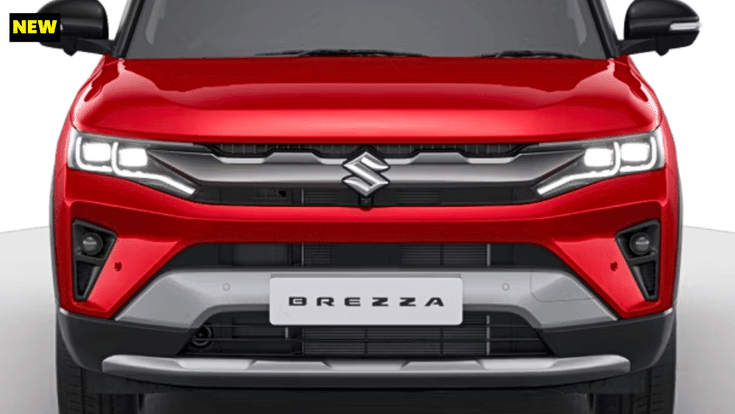
New Maruti Brezza front
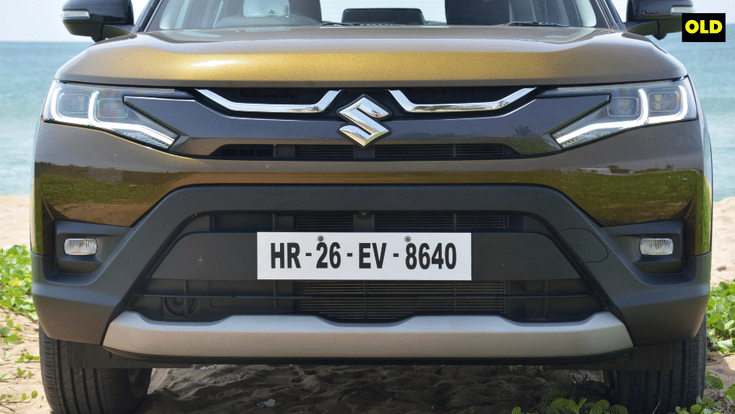
Old Maruti Brezza front
 

To help differentiate the 2026 Brezza from the old model, Maruti Suzuki has given it a few noticeable styling tweaks. For starters, there’s a new grille at the front and it’s finished in dark chrome. The front bumper has been redesigned as well, and it comes with an additional silver plastic garnish. Maruti has also re-done the front fog-lamp design. The LED units now sit inside a cone-shaped housing and have been moved further up the bumper compared to the old Brezza.

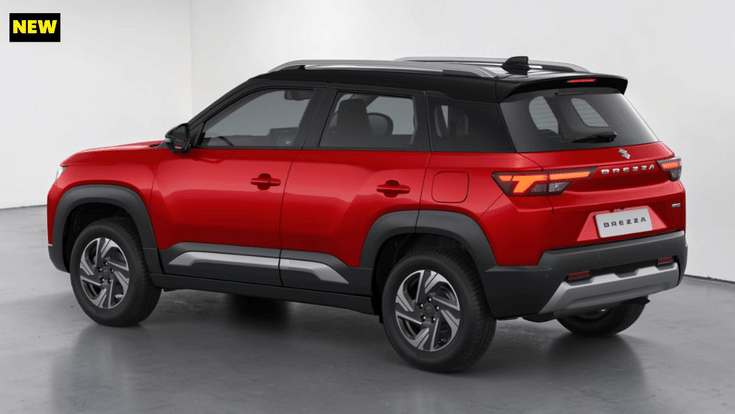
New Maruti Brezza rear quarter
Old Maruti Brezza rear quarter
 

Along the sides, the 2026 Brezza features new 16-inch alloy wheels with a two-tone finish and dual-tone body cladding. The rest of the styling details remain identical to the old model. Maruti has done away with the Brave Khakhi and Exuberant Blue mono-tone colours, replacing them with Vivacious Orange and Lustrous Beige tones. The Sizzling Red with Bluish Black Roof dual-tone colour remains, but the other two options are now Lustrous Beige and Pearl Arctic White with the same ‘Blueish Black’ roof. The rear of the 2026 Brezza looks largely similar to the old model. Finally, the new Brezza Turbo gets red accents all around and different door cladding, along with ‘Turbo Boosterjet’ branding.

Maruti Brezza new vs old: Interior design and features

Few styling tweaks and new features add to this interior’s overall appeal

New Maruti Brezza interior design
Old Maruti Brezza interior design
 

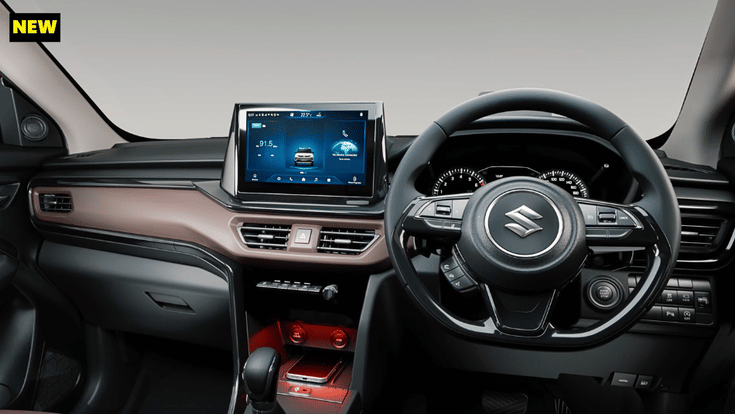
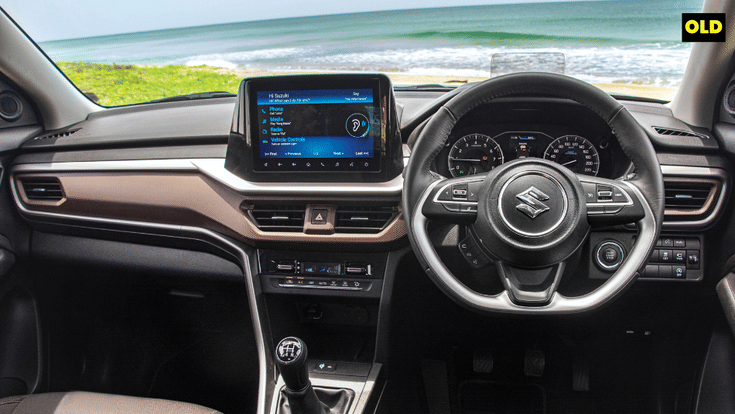
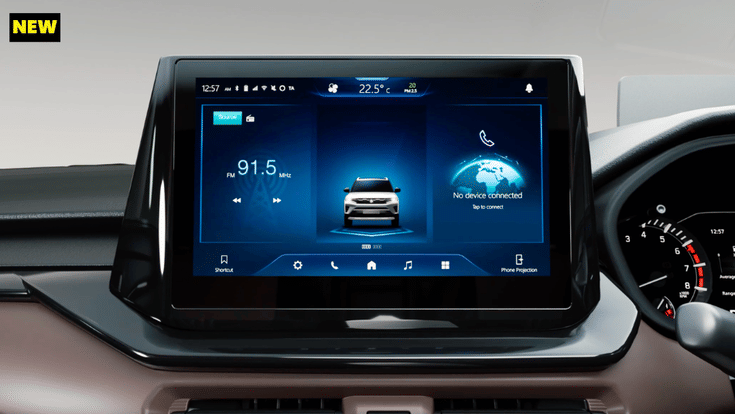
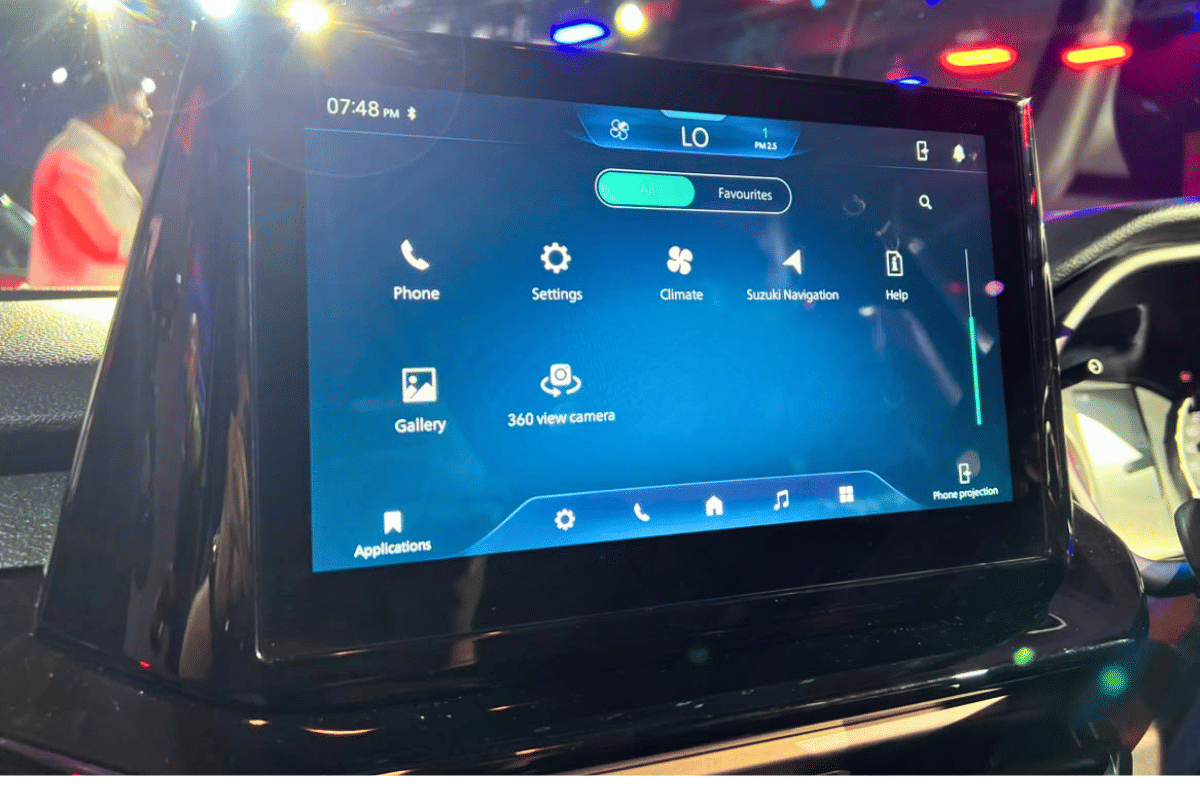
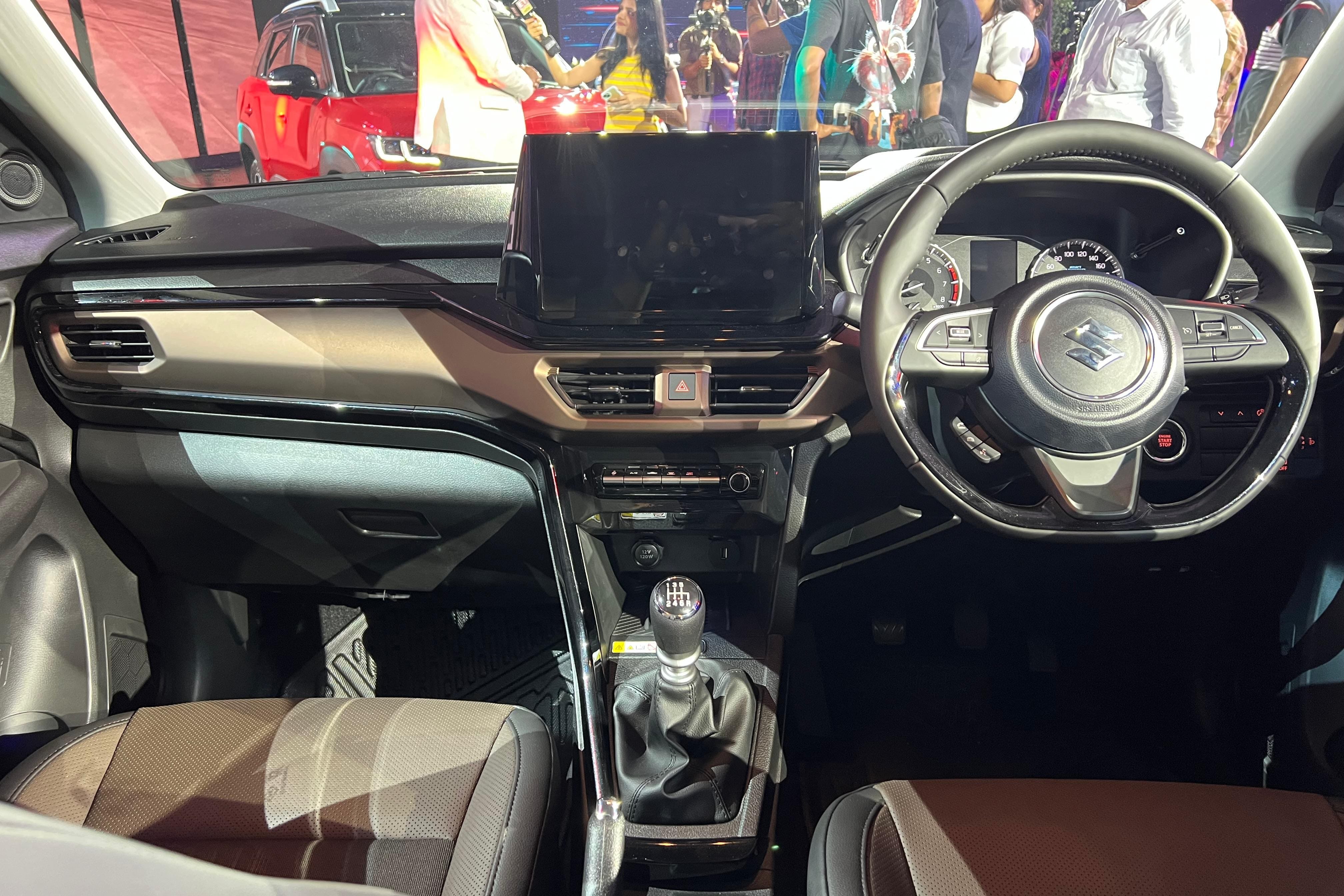
The overall design and layout of the Maruti Brezza’s interior hasn’t changed with the 2026 facelift. However, some of the tweaks that the brand has made are quite easy to spot. The first amongst these is the new 10.1-inch touchscreen head unit, which features the Suzuki SmartPlay Pro X infotainment system. For reference, the previous mode’s SmartPlay Pro+ system came with a 9-inch touchscreen. The silver-coloured plastic trim on the dashboard and doors in the old Brezza have given way to gloss-black trim in the 2026 model. These look nice and premium but are a magnet for fingerprints and scratches.
New Maruti Brezza touchscreen
Old Maruti Brezza touchscreen
 

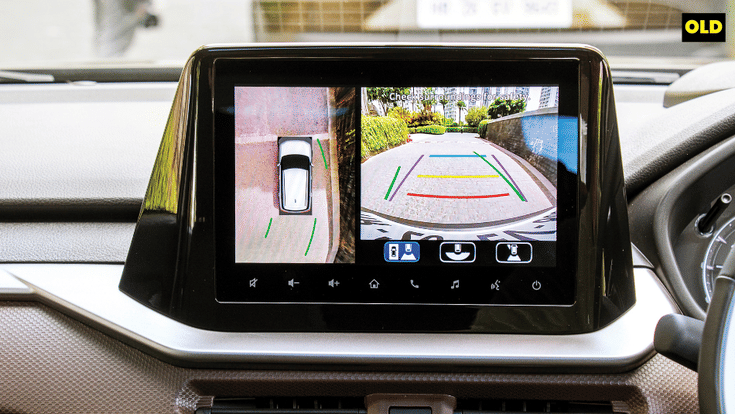
Further down the centre stack, the Brezza facelift gets a new HVAC panel with physical, piano-style keys and a single rotary dial – this has been borrowed from the Victoris. Although stylish to look at, it no longer has a dedicated display to show the temperature and blower speed – these have been moved to the infotainment screen. The climate control does get a PM2.5 filter with an AQI display now, though.

New Maruti Brezza front seats
Old Maruti Brezza front seats
 

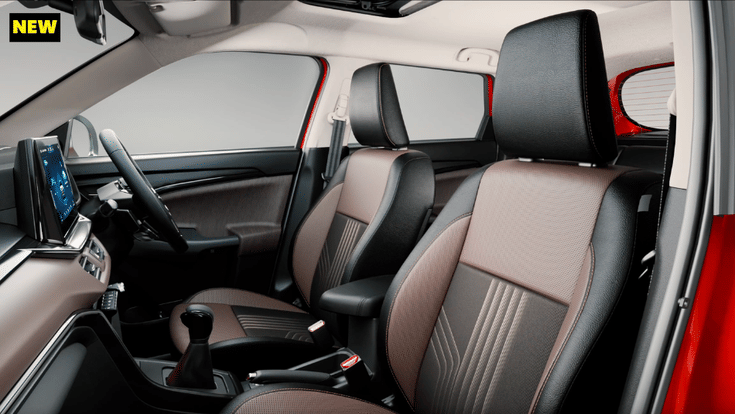
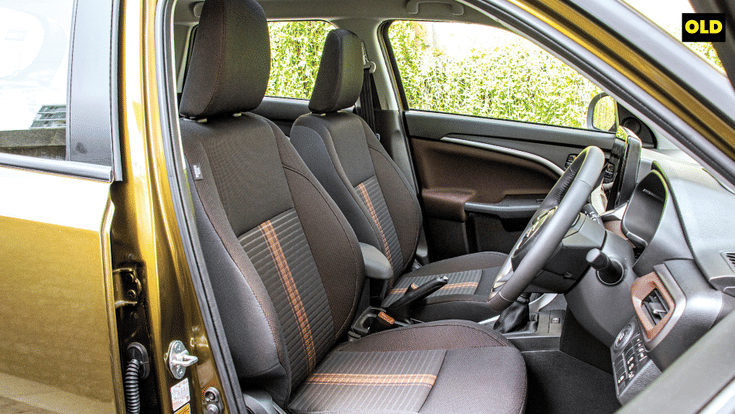
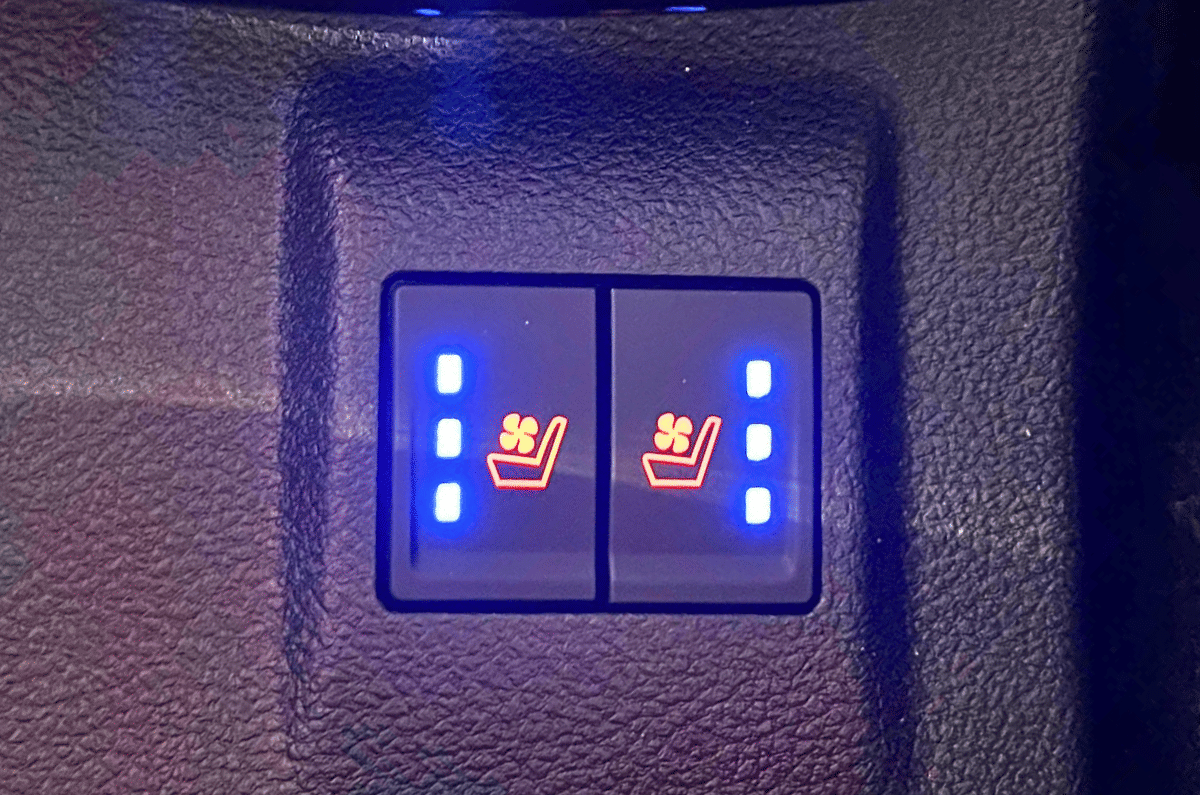
While the design of the steering wheel and instrument cluster remain unchanged, the Brezza now gets suction-type front-seat ventilation, 64-colour ambient lighting, dual-tone part-leatherette seats, Suzuki Navigation built-in, and new driver-assistance features like safe-exit warning, blind-spot warning, lane-departure alert and rear cross-traffic alert.

Maruti Brezza new vs old: Engine and gearbox

Differences between the old and new Brezza are more than skin-deep

Maruti has carried over the K15C four-cylinder petrol engine with the automatic engine stop-start system from the pre-facelift Brezza. In the 2026 Brezza, this 1.5-litre mill continues to produce 103hp and 139Nm. In its CNG avatar as well, the Brezza facelift’s engine output of 88hp and 122Nm remains the same as the old model. However, the difference with the new model is that it gets underbody CNG tanks, which don’t eat up boot space.

New Maruti Brezza front quarter
Old Maruti Brezza front quarter
 

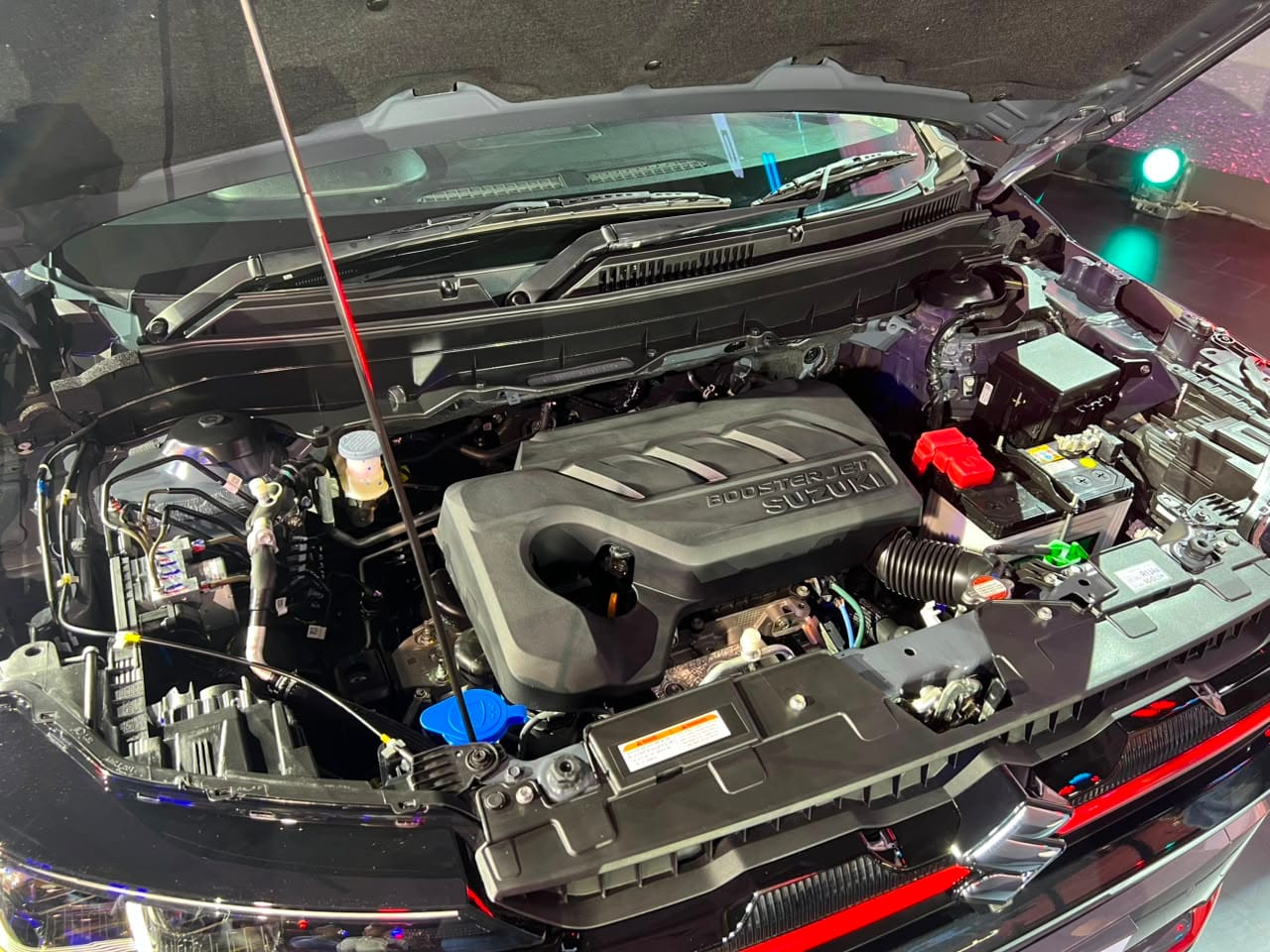
The other difference between the 2026 Maruti Brezza and its predecessor is the inclusion of a 1.0-litre turbo-petrol engine with direct injection. Also used in the Fronx, this ‘Boosterjet’ powerplant has been retuned for the Brezza, so it now makes 110hp and 170Nm. The Turbo and CNG versions are only offered with the new 6-speed manual gearbox, which replaces the old 5-speed unit. Meanwhile, the naturally aspirated engine can be paired with the 6-speed torque converter automatic transmission, which was available with the pre-facelift model as well.

The step up from a 5-speed manual gearbox to a 6-speed unit also means that the 2026 Brezza offers better fuel economy. The pre-facelift Brezza with the naturally aspirated engine and manual gearbox had a claimed mileage of up to 17.80kpl, while its 2026 equivalent claims a figure of up to 21.09kpl. The 2026 Brezza CNG also has a higher claimed fuel economy of 26.90km/kg, where the old model’s was 25.51km/kg. Maruti claims that the new Turbo variants of the Brezza have a fuel economy of up to 20.47kpl.

Maruti Brezza new vs old: Prices

Despite the various updates and additions that the 2026 Maruti Brezza gets over its predecessor, its new Turbo version starts at an introductory price of Rs 7.40 lakh. This is lower than the base price of the pre-facelift model, which started at Rs 8.26 lakh. The 1.0-litre engine of the new Turbo variants make them eligible for higher tax breaks – the old Brezza’s 1.5-litre engine didn’t allow for this. That said, Maruti Suzuki is yet to disclose the prices of the rest of the variants of the 2026 Brezza.

Prices are ex-showroom, Delhi

Also read

2026 Maruti Brezza: All that’s new over its predecessor

3 reasons to buy the Honda ZR-V, and 3 reasons not to

Maruti Brezza 2026 Launch: ₹7.40 लाख में नई SUV की एंट्री, टर्बो इंजन और 5-स्टार सेफ्टी के साथ Nexon-Venue को देगी टक्कर

Maruti Brezza 2026 Launch: देश की कार निर्माता कंपनी Maruti Suzuki ने भारतीय बाजार में अपनी 2026 Maruti Suzuki Brezza फेसलिफ्ट को लॉन्च कर दिया है, जिसकी शुरुआती कीमत 7.40 लाख रुपये (एक्स-शोरूम) है। नई Brezza फेसलिफ्ट में आपको नया 1.0-लीटर टर्बो बूस्टरजेट पेट्रोल इंजन, नई स्टाइलिंग, दमदार फीचर्स और अतिरिक्त सुरक्षा टेक्नोलॉजी देखने को मिलेगी। इसके साथ ही मौजूदा पेट्रोल और CNG वर्जन को भी कई अपडेट के साथ पेश किया गया है।

Maruti Brezza 2026: इंजन और पावरट्रेन

Maruti Brezza 2026 की सबसे बड़ी खासियत इसका नया 1.0-लीटर टर्बो बूस्टरजेट पेट्रोल इंजन है, जो 6-स्पीड मैनुअल गियरबॉक्स के साथ आएगा और 110.2 PS की पावर और 170 Nm का टॉर्क जनरेट करेगा। Maruti Suzuki ने इसकी फ्यूल एफिशिएंसी 20.47 kmpl बताई है। यह नया टर्बो-पेट्रोल ऑप्शन उन ग्राहकों को ध्यान में रखकर पेश किया गया है, जो तेज़ रफ़्तार और बेहतर परफॉर्मेंस चाहते हैं।

टर्बो-पेट्रोल इंजन के अलावा Maruti Suzuki Brezza 2026 में पहले वाला 1.5-लीटर K15C Dual Jet Dual VVT पेट्रोल इंजन भी जारी रहेगा। यह इंजन 103.05 PS की पावर और 139 Nm का टॉर्क देता है। इसमें अब पुराने 5-स्पीड मैनुअल गियरबॉक्स की जगह नया 6-स्पीड मैनुअल ट्रांसमिशन दिया गया है। इसके साथ ही पैडल शिफ्टर्स वाला 6-स्पीड ऑटोमैटिक गियरबॉक्स का विकल्प भी मिलता रहेगा।

वहीं, S-CNG वर्जन (87.8 PS और 121.5 Nm) को भी नए अंडरबॉडी CNG टैंक के साथ अपडेट किया गया है, जिससे बूट स्पेस ज्यादा मिलता है। इसमें आइडल स्टार्ट-स्टॉप टेक्नोलॉजी और नया 6-स्पीड मैनुअल गियरबॉक्स भी दिया गया है।

Maruti Brezza 2026: डिजाइन और फीचर्स में बड़े बदलाव

2026 Brezza फेसलिफ्ट के बाहरी हिस्से में कई कॉस्मेटिक बदलाव किए गए हैं। इसमें नई स्मोक क्रोम ग्रिल, मेटैलिक ग्रे स्किड प्लेट, नए डुअल-टोन साइड क्लैडिंग और नए डिजाइन वाले प्रिसिजन-कट अलॉय व्हील्स दिए गए हैं। टर्बो वेरिएंट्स में खास ‘Turbo Boosterjet’ बैजिंग भी है, और खरीदार स्पोर्टी रेड एक्सेंट वाले खास टर्बो एक्सेसरी पैकेज का विकल्प भी चुन सकते हैं।

इंटीरियर की बात करें तो, SUV के केबिन में कई नए फीचर्स जोड़े गए हैं। Maruti Brezza 2026 में अब 10.1-इंच का SmartPlay Pro X टचस्क्रीन इंफोटेनमेंट सिस्टम मिलता है, जिसमें इन-बिल्ट Alexa, वायरलेस Android Auto और Apple CarPlay, इंटरनेट कनेक्टिविटी, ओवर-द-एयर अपडेट्स और 35 से ज्यादा ऐप्स की सुविधा है। अन्य खासियतों में प्रीमियम Arkamys सराउंड सेंस ऑडियो सिस्टम, 64-कलर एम्बिएंट लाइटिंग, लेदरेट सीट्स, वेंटिलेटेड फ्रंट सीट्स, AQI डिस्प्ले वाला PM2.5 एयर प्यूरीफायर, एक्टिव कूलिंग वाला वायरलेस स्मार्टफोन चार्जर और इलेक्ट्रिक सनरूफ शामिल हैं।

Maruti Brezza 2026: सेफ्टी फीचर्स को किया गया अपग्रेड

Brezza फेसलिफ्ट के लॉन्च के साथ इसकी सुरक्षा को भी बेहतर बनाया गया है। अब इस नई SUV में ब्लाइंड स्पॉट वॉर्निंग के साथ लेन चेंज अलर्ट, रियर क्रॉस ट्रैफिक अलर्ट, सेफ एग्जिट वॉर्निंग, टायर प्रेशर मॉनिटरिंग सिस्टम, फ्रंट पार्किंग सेंसर और अतिरिक्त व्यूइंग मोड वाला अपग्रेडेड 360-डिग्री कैमरा जैसे फीचर्स मिलते हैं। इसके अलावा, Brezza को 5-स्टार भारत NCAP सेफ़्टी रेटिंग भी मिली है।

नई Brezza 2026 को सात एक्सीटरियर कलर ऑप्शन में पेश किया गया है, जिनमें दो नए शेड — Vivacious Orange और Lustrous Beige शामिल हैं। ग्राहक अपनी पसंद के अनुसार लुक पाने के लिए टर्बो, टेरास्केप और मेट्रोस्केप एक्सेसरी पैकेज में से भी चुन सकते हैं।

Maruti Brezza 2026: कीमत और मुकाबला

Brezza फेसलिफ्ट 2026 की शुरुआती कीमत ₹7.40 लाख (एक्स-शोरूम) है, जबकि मारुति सुज़ुकी अलग से सभी वेरिएंट्स की कीमतों की पूरी लिस्ट जारी करेगी। कंपनी के मुताबिक, अब तक 14 लाख से ज्यादा ग्राहक Brezza को अपना चुके हैं। ऐसे में मारुति को उम्मीद है कि अपडेटेड SUV भारत के तेजी से बढ़ते और प्रतिस्पर्धी कॉम्पैक्ट SUV सेगमेंट में अपनी पकड़ और मजबूत करेगी।

नई Brezza Facelift को ऐसे समय में लॉन्च किया गया है, जब कॉम्पैक्ट SUV सेगमेंट में कॉम्पिटिशन लगातार बढ़ रहा है। यह अपडेटेड SUV Tata Nexon, Hyundai Venue, Kia Sonet, Mahindra XUV 3XO and Skoda Kylaq जैसे मॉडल्स को टक्कर देगी।

यह भी पढ़ें: मंगलुरु के छात्रों ने बनाई AI-पावर्ड ड्राइवरलेस इलेक्ट्रिक कार, जो खुद पहचानती है रास्ता

2026 Maruti Brezza: All that’s new over its predecessor

Maruti Brezza

The 2026 Maruti Brezza facelift brings several updates over the outgoing model to strengthen its position in the highly competitive mid-size SUV segment. The refreshed SUV borrows a couple of features from the Victoris, Maruti’s flagship Arena SUV, and also gains an additional engine option from the Fronx. Here’s a look at everything that’s new on the updated Brezza.

1. Turbo-petrol engine

Turbo-petrol engine

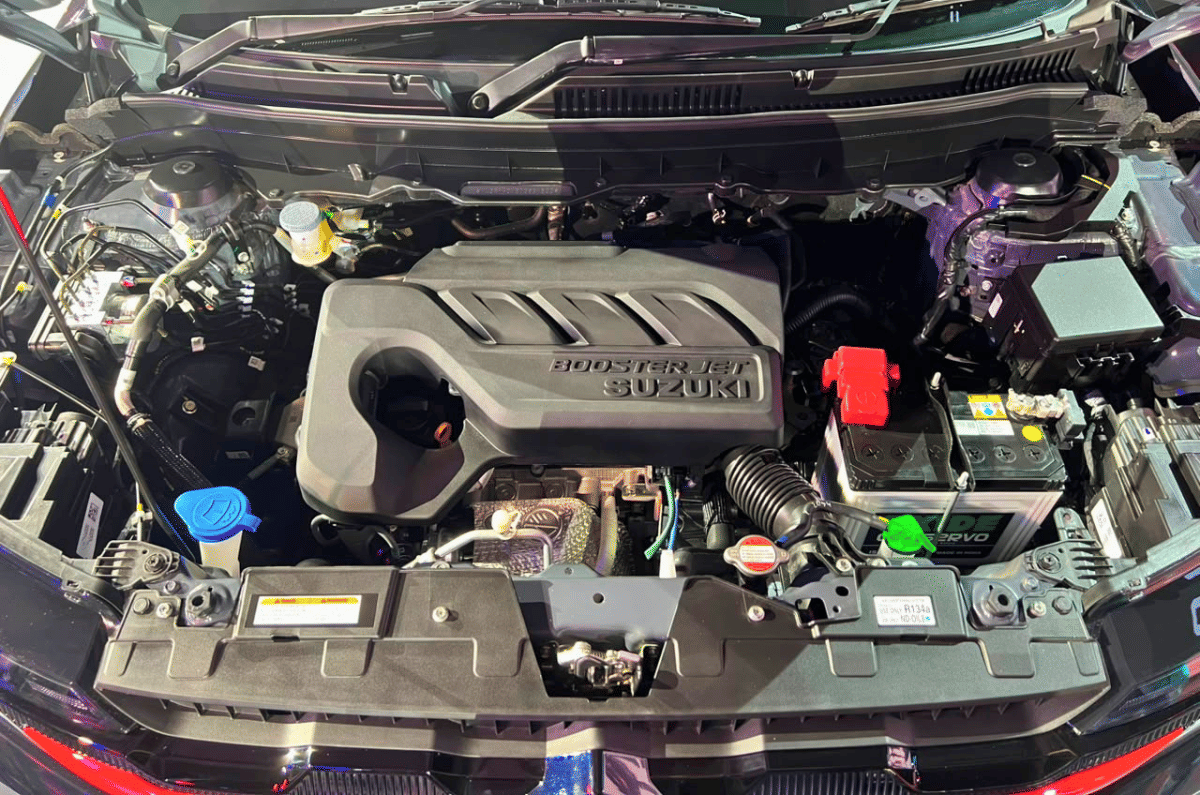
One of the highlights of the new Brezza is the addition of a turbo-petrol engine option. After the Fronx, the Brezza is the second SUV to get the brand’s 1-litre, 3-cylinder direct injection turbo-petrol motor, producing 110hp and 170Nm. The same unit, for reference, has been tuned to deliver outputs of 100hp and 147.6Nm in the Fronx.

2. 6-speed manual transmission

6-speed manual transmission

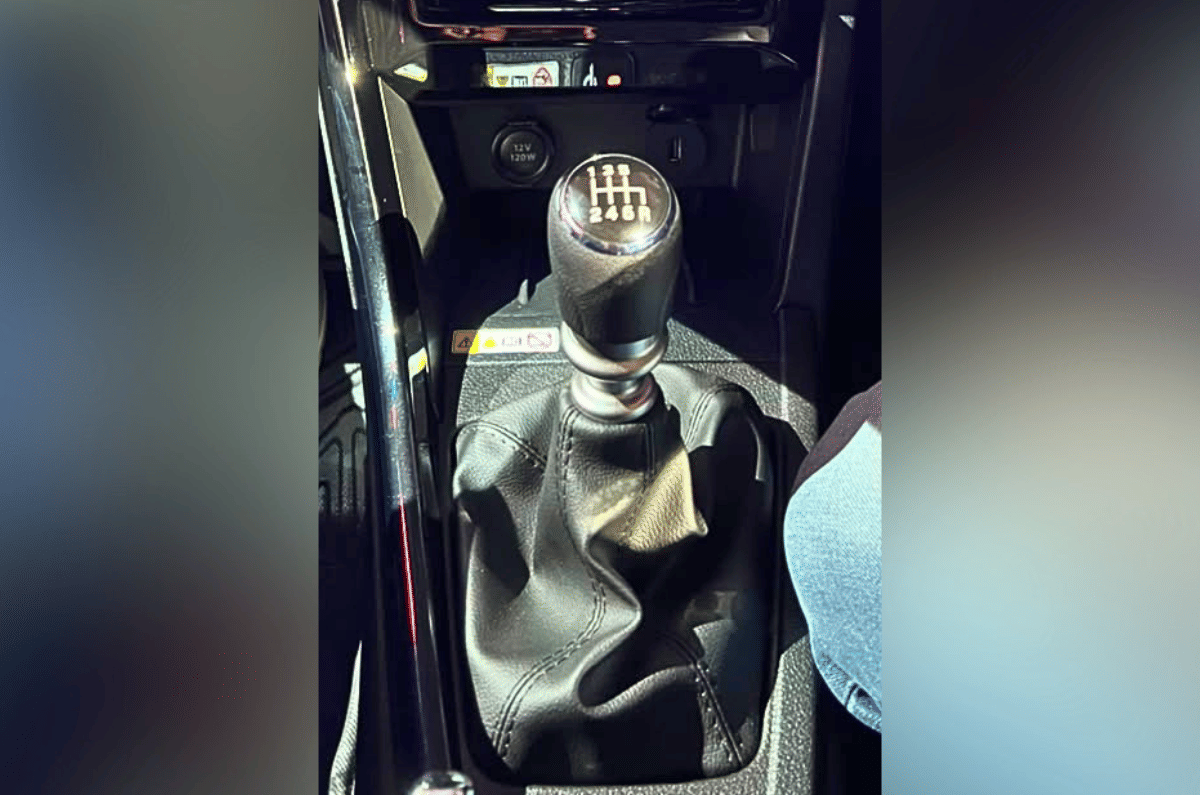
While the Fronx pairs a 5-speed manual transmission with its turbo-petrol engine, the Brezza opts for a 6-speed unit. Even, the 1.5-litre naturally aspirated petrol and CNG versions of the Arena SUV get a 6-speed manual transmission as standard, instead of the 5-speed unit on offer before.

3. Underbody CNG tank

Underbody CNG tank

After offering an underbody-mounted CNG tank with the Victoris, the carmaker has added the same to the Brezza. Unlike a conventional CNG cylinder placed in the boot, this arrangement frees up luggage space. However, the updated Brezza no longer comes with a spare wheel, regardless of the powertrain. Instead, it gets a puncture repair kit.

4. Larger 10.1 inch touchscreen

Larger 10.1 inch touchscreen

Another upgrade introduced with the Brezza facelift is a Victoris-like 10.1-inch touchscreen with a new UI/UX interface, replacing the previous 9-inch unit. However, the 4-speaker, 2-tweeter setup has been carried over in the updated SUV. 

5. Front ventilated seats

Front ventilated seats

With the 2026 Brezza facelift, Maruti has finally added front ventilated seats, a feature that was missing from the SUV despite being offered by rivals such as the Hyundai Venue, Tata Nexon, Skoda Kylaq and Kia Syros. The addition improves comfort for both the driver and front passenger. New colours for the ambient lights and leatherette seats have also been added.

6. New safety features

The 2026 Brezza facelift now gets a blind spot warning system, which alerts the driver with a visual warning when another vehicle is travelling in the blind spot. In addition to the blind spot warning system, Maruti has equipped the Brezza with a tyre pressure monitoring system and front parking sensors. The SUV also gets a rear cross-traffic alert, improving safety while reversing out of parking spaces. However, the Brezza still does not get an ADAS suite.

2026 Maruti Brezza scores 5-star Bharat NCAP rating

The 2026 Brezza facelift has undergone Bharat NCAP crash tests, where it secured a full 5-star safety rating. The pre-facelift version, however, was never tested by BNCAP. For those not in the know, the current-generation Brezza is based on the same Global-C platform as its predecessor, but Maruti now calls it the TECT platform. The previous-generation Brezza earned a 4-star Global NCAP crash safety rating.

2026 Maruti Brezza launched at Rs 7.40 lakh

2026 Maruti Brezza

Maruti Suzuki has launched the 2026 Brezza at a starting price of Rs 7.40 lakh. The carmaker’s compact SUV gets major updates, including a new engine option, gearbox, feature additions and minor changes to its exterior. The 2026 Maruti Brezza will take on the likes of the Hyundai Venue, Skoda Kylaq, Tata Nexon, Mahindra XUV 3XO, Kia Sonet and Syros.

  1. New 1.0-litre ‘Boosterjet’ engine produces 110hp and 170Nm.
  2. 5-speed manual gearbox replaced by a new 6-speed unit.
  3. Front seat ventilation, air purifier, larger 10.1-inch touchscreen on board.

2026 Maruti Brezza powertrains 

Finally gets a turbo-petrol and an underbody-mounted CNG kit 

The biggest update for the Brezza comes under its hood. It gets a new 1.0-litre ‘Boosterjet’ direct-injection turbo-petrol engine that develops 110hp and 170Nm. The previous version’s 103hp, 139Nm, 1.5-litre naturally aspirated petrol engine has been retained with the option of pairing it with a CNG kit. However, CNG versions now feature an underbody-mounted kit like the Victoris, which saves boot space. All powertrains are paired with a new 6-speed manual gearbox as standard, while only the 1.5-litre petrol engine offers a 6-speed automatic transmission. 

2026 Maruti Brezza exterior updates

Mild updates bring a revised fascia and new alloy wheel designs

On the outside, Maruti has introduced minor styling updates for its compact SUV. The revised fascia gets a newly designed grille with a panel connecting the headlamps finished in dark chrome. The bumper is slightly redesigned with dark chrome elements and a new look for the faux skid plate. While the LED headlamps with L-shaped DRLs have been carried over, the fog lamps have been positioned slightly upwards and sit in a new triangular housing. 

In profile, the lower sides of the doors feature new dual-tone cladding and the 16-inch alloy wheels have a fresh design. It’s at the rear where the 2026 Brezza does not see as many changes, as it gets the same tail-lamps and bumper design as before.

2026 Maruti Brezza dimensions 

Length (mm)

3,995

Width (mm)

1,790

Height (mm)

1,685

Wheelbase (mm)

2,500

2026 Maruti Brezza interior and feature updates  

Gets a larger infotainment display and front seat ventilation 

Inside, the 2026 Brezza’s cabin gets a revised look. While the same black-and-brown theme is retained, there are newer trim materials, and silver trim pieces from the previous version are now finished in gloss black. The dual-tone leatherette-finished seats feature updated upholstery, and there’s a new set of HVAC switches borrowed from the Victoris.

In the features department, new additions include a larger 10.1-inch (up from 9-inch) Smartplay Pro X infotainment system with built-in navigation and Alexa, 64-colour ambient lighting, front-seat ventilation, air purifier and active cooling for the wireless phone charger. On the safety front, the Brezza now features a tyre pressure monitoring system, blind-spot warning, rear cross-traffic alert, safe exit warning and parking sensors at the front. 

.2026 Maruti Brezza launched at Rs 7.40 lakh

Maruti Brezza front quarter static

Maruti Suzuki has launched the 2026 Brezza at a starting price of Rs 7.40 lakh. The carmaker’s compact SUV gets major updates, including a new engine option, gearbox, feature additions and minor changes to its exterior. The 2026 Maruti Brezza will take on the likes of the Hyundai Venue, Skoda Kylaq, Tata Nexon, Mahindra XUV 3XO, Kia Sonet and Syros.

2026 Maruti Brezza powertrains 

Finally gets a turbo-petrol and an underbody-mounted CNG kit 

The biggest update for the Brezza comes under its hood. It gets a new 1.0-litre turbo-petrol engine that develops 110hp and 170Nm. The previous version’s 103hp, 139Nm 1.5-litre naturally aspirated petrol engine has been retained with the option of pairing it with a CNG kit. However, CNG versions now feature an underbody-mounted kit like the Victoris, which saves boot space. All powertrains are paired with a new 6-speed manual gearbox as standard, while only the 1.5-litre petrol engine offers a 6-speed automatic transmission. 

2026 Maruti Brezza exterior updates

Mild updates bring a revised fascia and new alloy wheel designs

On the outside, Maruti has introduced minor styling updates for its compact SUV. The revised fascia gets a newly designed grille with a panel connecting the headlamps finished in dark chrome. The bumper is slightly redesigned with dark chrome elements and a new look for the faux skid plate. While the LED headlamps with L-shaped DRLs have been carried over, the fog lamps have been positioned slightly upwards and sit in a new triangular housing. In profile, the lower sides of the doors feature new dual-tone cladding and the 16-inch alloy wheels have a fresh design. It’s at the rear where the 2026 Brezza does not see as many changes, as it gets the same tail-lamps and bumper design as before.

Turbo-petrol powered versions feature minor cosmetic upgrades, bringing some distinction with a ‘Turbo’ badge on the tailgate along with red accents for the grille, faux skid plates, wheel arches, and ‘Turbo Boosterjet’ stickers on the rear quarter glass. Maruti has also introduced new Vivacious Orange and Lustrous Beige paint options along with dual-tone finishes with a black roof on these colours as well.

2026 Maruti Brezza dimensions 

Length (mm)

3,995

Width (mm)

1,790

Height (mm)

1,685

Wheelbase (mm)

2,500

2026 Maruti Brezza interior and feature updates  

Gets a larger infotainment display and front seat ventilation 

Inside, the 2026 Brezza’s cabin gets a revised look. While the same black-and-brown theme is retained, there are newer trim materials, and silver trim pieces from the previous version are now finished in gloss black. The dual-tone leatherette-finished seats feature updated upholstery, and there’s a new set of HVAC switches borrowed from the Victoris.

In the features department, new additions include a larger 10.1-inch (up from 9-inch) Smartplay Pro X infotainment system with built-in navigation and Alexa, 64-colour ambient lighting, front-seat ventilation, air purifierand active cooling for the wireless phone charger. On the safety front, the Brezza now features a tyre pressure monitoring system, blind-spot warning, rear cross-traffic alert, safe exit warning and parking sensors at the front. 

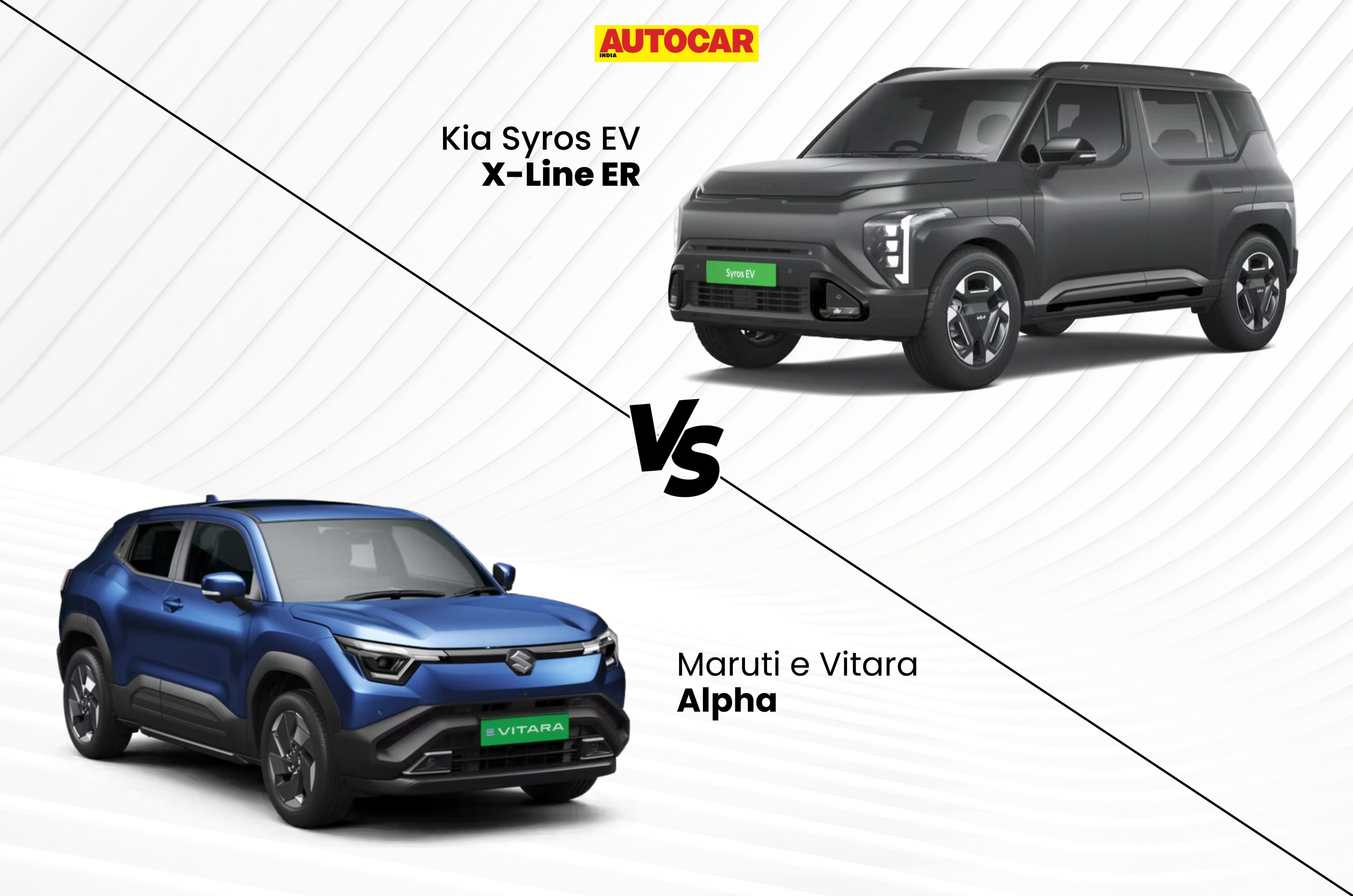
Kia Syros EV vs Maruti e Vitara: Whose top-spec trim offers more value?

Kia Syros EV vs Maruti e Vitara top trim

Kia India has officially launched its second mass-market electric car, the Syros EV. While the sub-4m Syros EV directly rivals the Tata Nexon EV and Mahindra XUV 3XO, the Kia’s pricing sees quite a bit of overlap with that of the Maruti Suzuki e Vitara, which is of a segment above. In fact, the top-spec trims of both electric SUVs are identically priced. Therefore, we compared the top-spec versions of the Syros EV and e Vitara on paper to determine which electric SUV offers more bang for your buck.

Kia Syros EV vs Maruti Suzuki e Vitara: Top trim dimensions

e Vitara is longer, but Syros EV is wider and taller

Kia Syros EV X-Line ER vs Maruti e Vitara Alpha dimensions


Syros EV

e Vitara

Length (mm)

3,995

4,275

Width (mm)

1,805

1,800

Height (mm)

1,670

1,640

Wheelbase (mm)

2,550

2,700

Frunk (litres)

16

Wheel size (inches)

17

18

Expectedly, the Syros EV is 280mm shorter overall (150mm shorter wheelbase) than the e Vitara, but interestingly, the Kia compact SUV is 5mm wider and 30mm taller. Neither Kia nor Maruti Suzuki quote precise boot space figures for their respective electric SUVs, but it’s worth noting that the Syros EV comes with a 16-litre frunk, while the e Vitara completely lacks storage space up front. However, the top-spec e Vitara does get larger alloy wheels than the equivalent Syros EV.

Kia Syros EV vs Maruti Suzuki e Vitara: Top trim powertrains

Syros EV is quicker, e Vitara claims higher range and has a bigger battery

Kia Syros EV X-Line ER vs Maruti e Vitara Alpha battery and range


Syros EV

e Vitara

Battery size (kWh)

51.4

61

Electric motor setup

Single motor, front

Single motor, front

Drive layout

FWD

FWD

Power (hp)

171

174

Torque (Nm)

255

193

Claimed 0-100kph time (seconds)

8.1

8.7

ARAI range (km)

526

543

The Syros EV’s battery pack is almost 10kWh smaller than that of the e Vitara, but the Kia is only 17km behind in terms of ARAI-claimed range. Both electric SUVs are front-wheel drive and make similar amounts of power, but the Syros EV edges ahead by a significant 62Nm in terms of torque output. This is partly why the Syros EV claims a 0.6sec quicker 0-100kph time than that of the e Vitara.

Kia Syros EV vs Maruti Suzuki e Vitara: Top trim charging speeds

Syros EV supports higher DC wattages

Kia Syros EV X-Line ER vs Maruti e Vitara Alpha charging times


Syros EV

e Vitara

Battery size (kWh)

51.4

61

7.4kW AC charging (10-100 percent)

9 hrs

11kW AC charging (10-100 percent)

8.9 hrs

DC fast charging (10-80 percent)

39 mins at 100kW

45 mins at 70kW

Kia and Maruti Suzuki quote AC charging speeds at different wattages, so the Syros EV and e Vitara can’t be directly compared on this front. However, it’s noteworthy that though the e Vitara has a larger battery than the Syros EV, the former takes roughly the same amount of time for a 10-100 percent charge at 7.4kW as the latter does at 11kW. Coming to DC charging, the Syros EV supports up to 100kW, while the e Vitara tops out at 70kW.

Kia Syros EV vs Maruti Suzuki e Vitara: Top trim exterior features

Syros EV gets puddle lamps, but e Vitara offers much greater choice in colours

Kia Syros EV X-Line ER vs Maruti e Vitara Alpha exterior features


Syros EV

e Vitara

LED projector headlamps

Yes (auto)

Yes (auto)

Front fog lamps

Yes

Yes

LED tail-lamps

Yes

Yes

Puddle lamps w/ logo projection

Yes

No

Roof rails

Yes

No

Powered ORVMs

Yes

Yes

Auto-folding ORVMs

Yes

Yes

Flush door handles

Yes

No

Body cladding

Yes

Yes

Rear spoiler

Yes

Yes

Colour options

2, monotone

10, monotone + dual-tone

Both electric SUVs are quite evenly matched in terms of exterior features, but the Syros EV takes the lead by way of roof rails and door-mounted puddle lamps that project the Kia logo. The Syros EV has flush door handles too, but some may appreciate the e Vitara’s conventional door handles more. Colours are a square win for the e Vitara, as it offers six monotone options and four dual-tone finishes. The Syros X-Line ER can be had in either Aurora Black Pearl or Matte Graphite, both of which are difficult to maintain. Buyers who want other colours have no option but to consider lower-spec Syros EV variants.

Kia Syros EV vs Maruti Suzuki e Vitara: Top trim interior features

Syros EV beats e Vitara with panoramic sunroof, cooled rear seat bases, and more

Kia Syros EV X-Line ER vs Maruti e Vitara Alpha interior features


Syros EV

e Vitara

Infotainment screen

12.3-inch

10.1-inch

Digital driver’s display

12.3-inch

10.25-inch

Climate control display

5-inch

Sunroof

Panoramic

Fixed single-pane

Wireless charger

Yes

Yes

Driver’s seat adjustment

4-way powered

10-way powered

Ventilated front seats

Yes

Yes

Rear seat base ventilation

Yes

No

Automatic climate control

Yes

Yes

Ambient lighting

Yes

Yes

Sound system

8-speaker Harmon Kardon

8-speaker Infinity

Apple CarPlay & Android Auto

Wireless

Wireless

Connected car tech

Yes

Yes

OTA updates

Yes

Yes

Rear sunshades

Yes

No

Rear centre armrest

Yes

Yes

Sliding, reclining rear seats

Yes

Yes

Even on the inside, the Syros EV’s feature set comes out on top. Over the e Vitara, the Syros EV packs larger infotainment and instrument displays, an additional screen for climate control settings, a panoramic sunroof, rear sunshades, and ventilation for the rear seat bases – this feature is not available even in electric SUVs a segment above the Syros EV. The e Vitara’s only advantage over the Syros EV is a greater gamut of electrical adjustment for the driver’s seat.

Kia Syros EV vs Maruti Suzuki e Vitara: Top trim driving features

Syros EV scores big on convenience by way of paddle shifters for regen modes

Kia Syros EV X-Line ER vs Maruti e Vitara Alpha driving features


Syros EV

e Vitara

Drive modes

Eco, Normal, Sport

Eco, Normal, Sport

Terrain modes

No

Snow

V2L function

Yes

No

Multi-level regen braking

Yes

Yes

Paddle shifters for regen

Yes

No

Cruise control

Adaptive

Adaptive

Both the Syros EV and e Vitara come with three drive modes and adaptive cruise control, but the Kia SUV inches forward thanks to vehicle-to-load (V2L) functionality, which lets you power external devices from the battery pack. The Syros EV also offers paddle shifters to cycle through the regenerative braking levels, while the e Vitara makes do with just a knob on the centre console. However, the e Vitara does offer a Snow terrain mode over the Syros EV.

Kia Syros EV vs Maruti Suzuki e Vitara: Top trim safety features

e Vitara wins thanks to an extra airbag, rain-sensing wipers, and 5-star BNCAP score

Kia Syros EV X-Line ER vs Maruti e Vitara Alpha safety features


Syros EV

e Vitara

Bharat NCAP rating

Yet to be tested

5 stars

Airbags

6

7

ABS with EBD

Yes

Yes

Electronic stability program

Yes

Yes

Follow-me-home headlamps

Yes

Yes

Hill hold control

Yes

Yes

TPMS

Yes

Yes

360-degree camera

Yes

Yes

Parking sensors

Front, rear, side

Front, rear

Electronic parking brake

Yes (w/ auto-hold)

Yes (w/ auto-hold)

Rain-sensing wipers

No

Yes

Auto-dimming IRVM

Yes

Yes

ISOFIX child seat anchors

Yes

Yes

Rear wiper, defogger

Yes

Yes

Disc brakes

Front, rear

Front, rear

Level 2 ADAS

Yes

Yes

Acoustic vehicle alert system

Yes

Yes

Coming to safety, the e Vitara finally scores a win. It’s the only one here to come with seven airbags and rain-sensing wipers, whereas the Syros EV sets itself apart with side parking sensors. The e Vitara also holds a 5-star crash safety rating from Bharat NCAP, while the Syros EV has not been tested yet. It’s worth noting, though, that the ICE-powered Syros was awarded 5 stars by Bharat NCAP, so a similar rating for the compact SUV’s electric derivative is very possible.

Kia Syros EV vs Maruti Suzuki e Vitara: Top trim prices

Syros EV for buyers seeking features, e Vitara for those who want a bigger car

Kia Syros EV X-Line ER vs Maruti e Vitara Alpha price comparison


Syros EV

e Vitara

Price (Rs, lakh)20.0019.99

As noted previously, there is next to no difference in the pricing of the Syros EV X-Line ER and e Vitara Alpha, which means the final decision comes down to your needs and preferences. If you want as many features as possible, are fine with a dark colour, and don’t mind smaller dimensions and funkier styling, the Syros EV X-Line ER is the one to go for. On the other hand, if you want the price you pay to be reflected in the size of the car, more choice in colours, more conventional looks, and are happy to forgo some features, you can consider the e Vitara.

It’s also worth noting that both the Syros EV and e Vitara can be purchased with battery-as-a-service (BaaS), which converts the cost of the battery into separate usage-based EMIs, thereby lowering the upfront cost. Kia has yet to reveal the BaaS price of the Syros EV X-Line ER, but the e Vitara Alpha costs Rs 14.49 lakh – Rs 5.5 lakh off the sticker price – with a Rs 4.39/km battery usage fee.

All prices are ex-showroom, India.

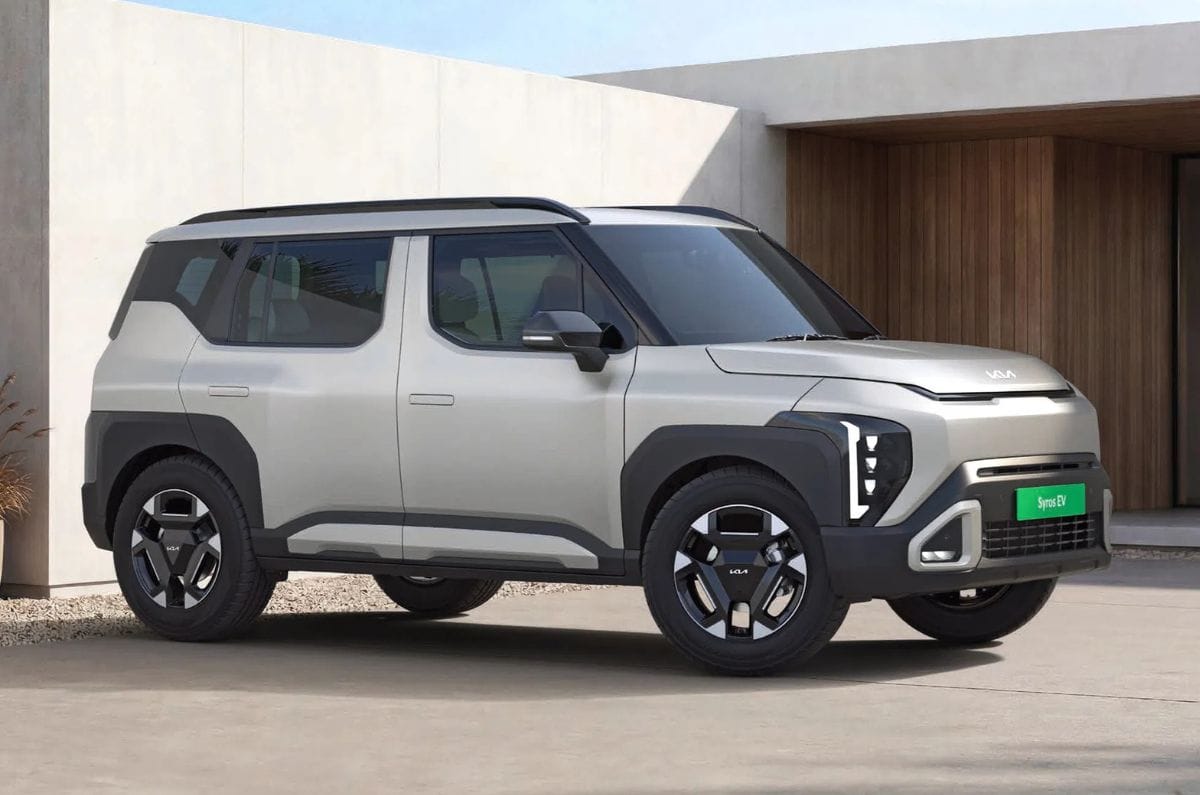
Kia Syros EV launched at Rs 13.49 lakh

Kia Syros EV launched

The Kia Syros EV has been launched in India with prices ranging between Rs 13.49 lakh and Rs 19.99 lakh (ex-showroom). It’s also available with BaaS, under which prices start at Rs 7.99 lakh, and Rs 3.3 is charged additionally for per kilometre of usage. This is Kia’s most affordable EV in India, and the brand’s second mass-market EV offering after the Carens Clavis. It is, however, more expensive than its direct rivals, the Tata Nexon EV and Mahindra XUV 3XO EV.