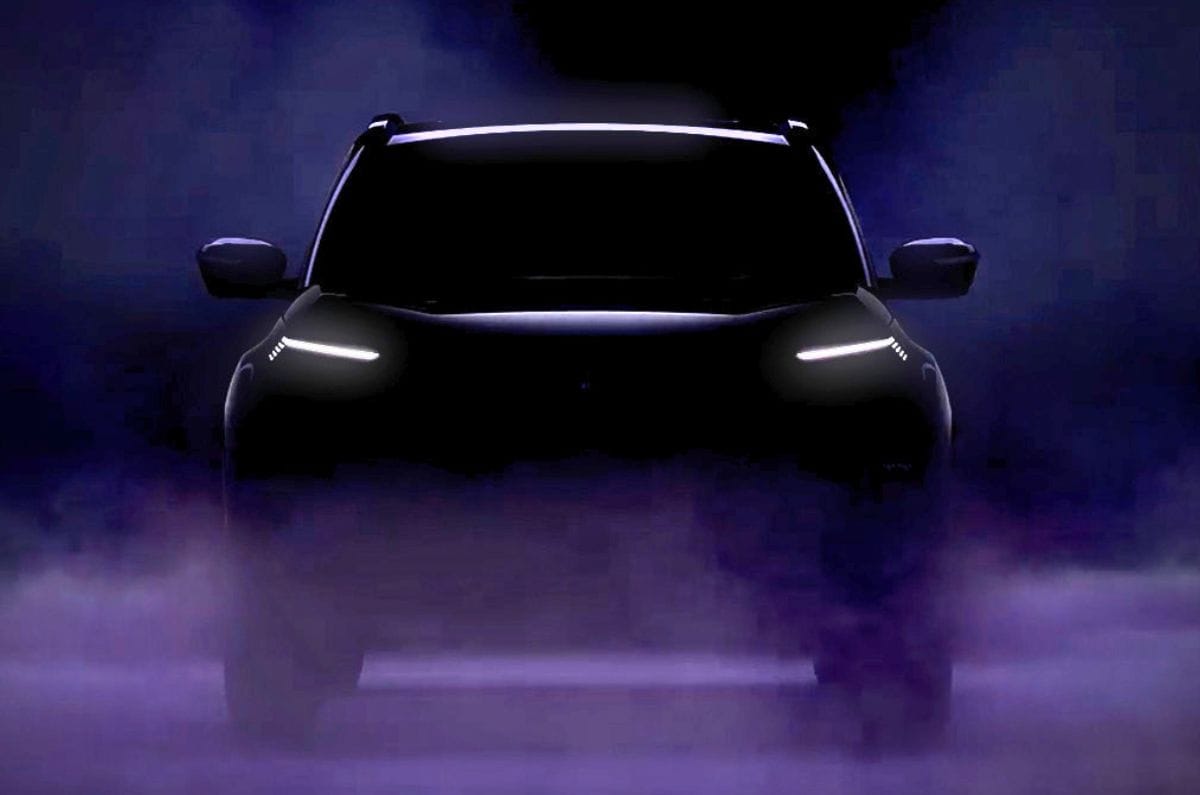
Maruti Suzuki Brezza Facelift कल होगी लॉन्च, नए डिजाइन, 360° कैमरा और 10.1-इंच टचस्क्रीन के साथ

Maruti Suzuki Brezza Facelift: Maruti Suzuki कल Brezza का फेसलिफ्ट वर्जन लॉन्च करने वाली है और यह अपडेटेड कॉम्पैक्ट SUV डीलरशिप पर पहुंचनी भी शुरू हो गई है। फिलहाल, नई Brezza की बुकिंग पहले से शुरू हो चुकी है और सोशल मीडिया पर डीलरशिप से इसकी कई तस्वीरें और वीडियो भी सामने आए हैं। इससे साफ है कि नई Brezza अपने नए लुक और ज्यादा फीचर्स वाले केबिन के साथ अब मार्केट में लॉन्च होने के लिए पूरी तरह तैयार है।

एक्सटीरियर में बदलाव

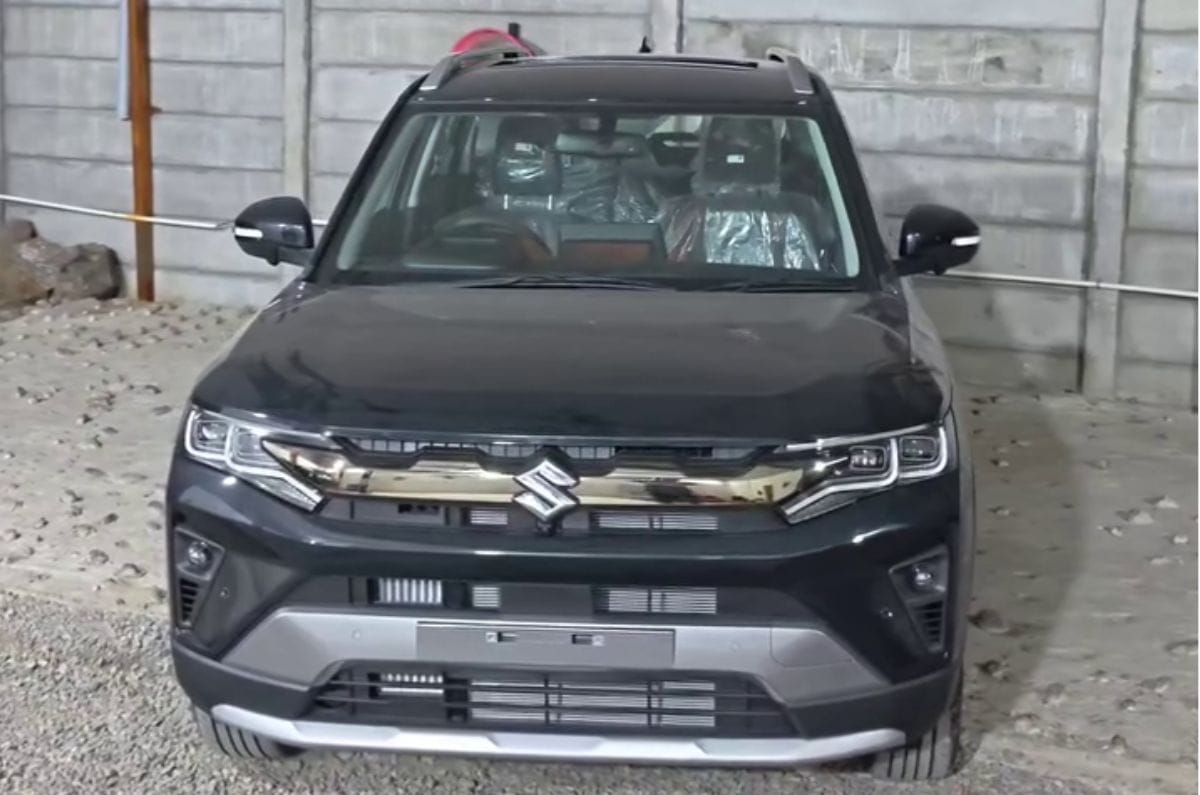
पहले लीक हुई तस्वीरों के आधार पर, नई Brezza Facelift का जाना-पहचाना सीधा स्टांस (upright stance) बरकरार रखा गया है, इसलिए पहली नजर में यह काफी हद तक Brezza जैसी ही दिखेगी। ज्यादातर दिखाई देने वाले बदलाव सामने की तरफ हैं, जहां Maruti Suzuki ने एक नई ग्रिल और नए डिज़ाइन वाला बंपर दिया है। इसके अलावा, हेडलैंप और DRLs के डिजाइन में भी थोड़ा बदलाव किया गया है।

वहीं साइड से देखने पर, SUV में नए अलॉय व्हील डिजाइन मिलने की उम्मीद है, जबकि पीछे की तरफ बंपर और टेल-लैंप के अंदरूनी हिस्सों में मामूली बदलाव हो सकते हैं। इसके अलावा, कनेक्टेड LED टेल लैंप की भी चर्चा हो रही है, हालांकि इस बारे में अभी कोई पक्की जानकारी नहीं है।

केबिन में बदलाव

नई Maruti Suzuki Brezza Facelift के इंटीरियर में पहले के मुकाबले ज्यादा बदलाव देखने को मिलेंगे। कंपनी ने सेंटर कंसोल का डिजाइन अपडेट किया है और इसमें कई नए कंफर्ट और कन्वीनियंस फीचर्स जोड़े हैं, ताकि यह कॉम्पैक्ट SUV सेगमेंट में और ज्यादा प्रतिस्पर्धी बन सके।

नए Brezza Facelift में ऑटो-डिमिंग IRVM, सनग्लास होल्डर, ऑटोमैटिक क्लाइमेट कंट्रोल, स्टोरेज के साथ नए डिजाइन का सेंटर आर्मरेस्ट, माउंटेड कंट्रोल्स वाला रीच और रेक-एडजस्टेबल स्टीयरिंग व्हील, 360-डिग्री कैमरा, वायरलेस चार्जिंग पैड और फ्रंट पार्किंग सेंसर्स जैसे फीचर्स शामिल होने की उम्मीद है।

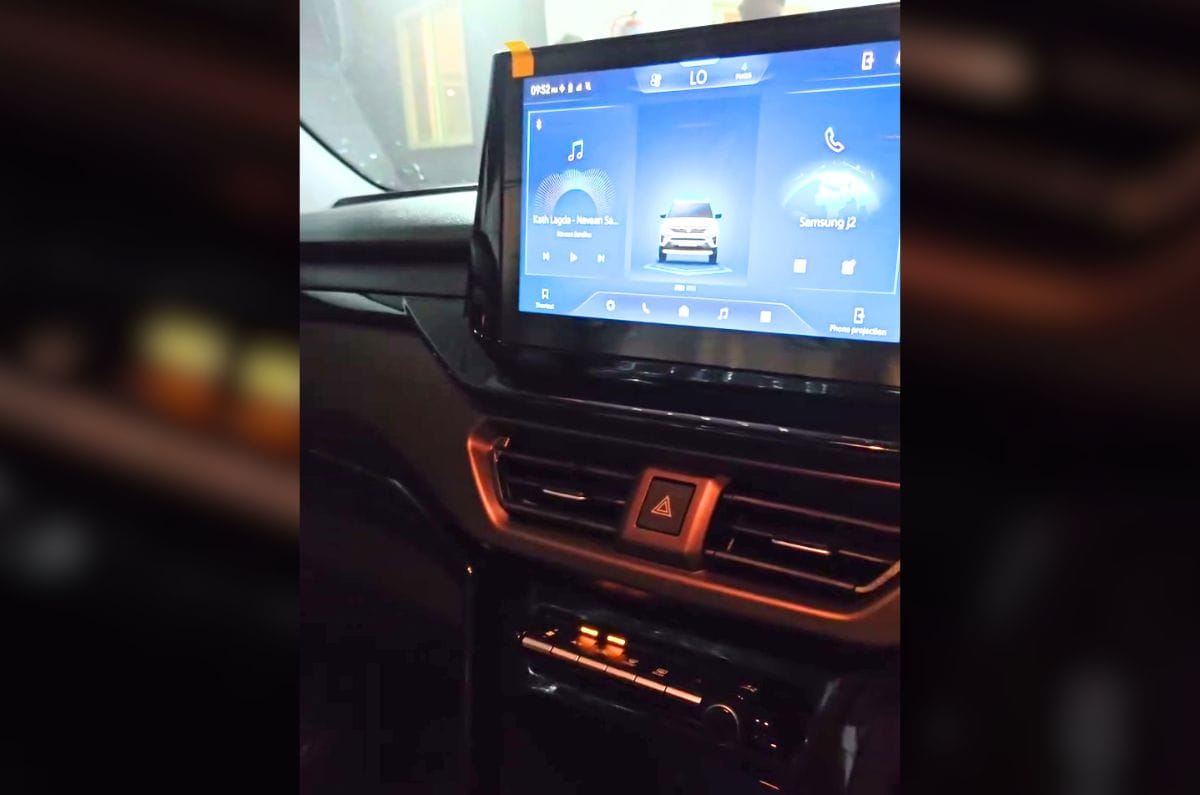
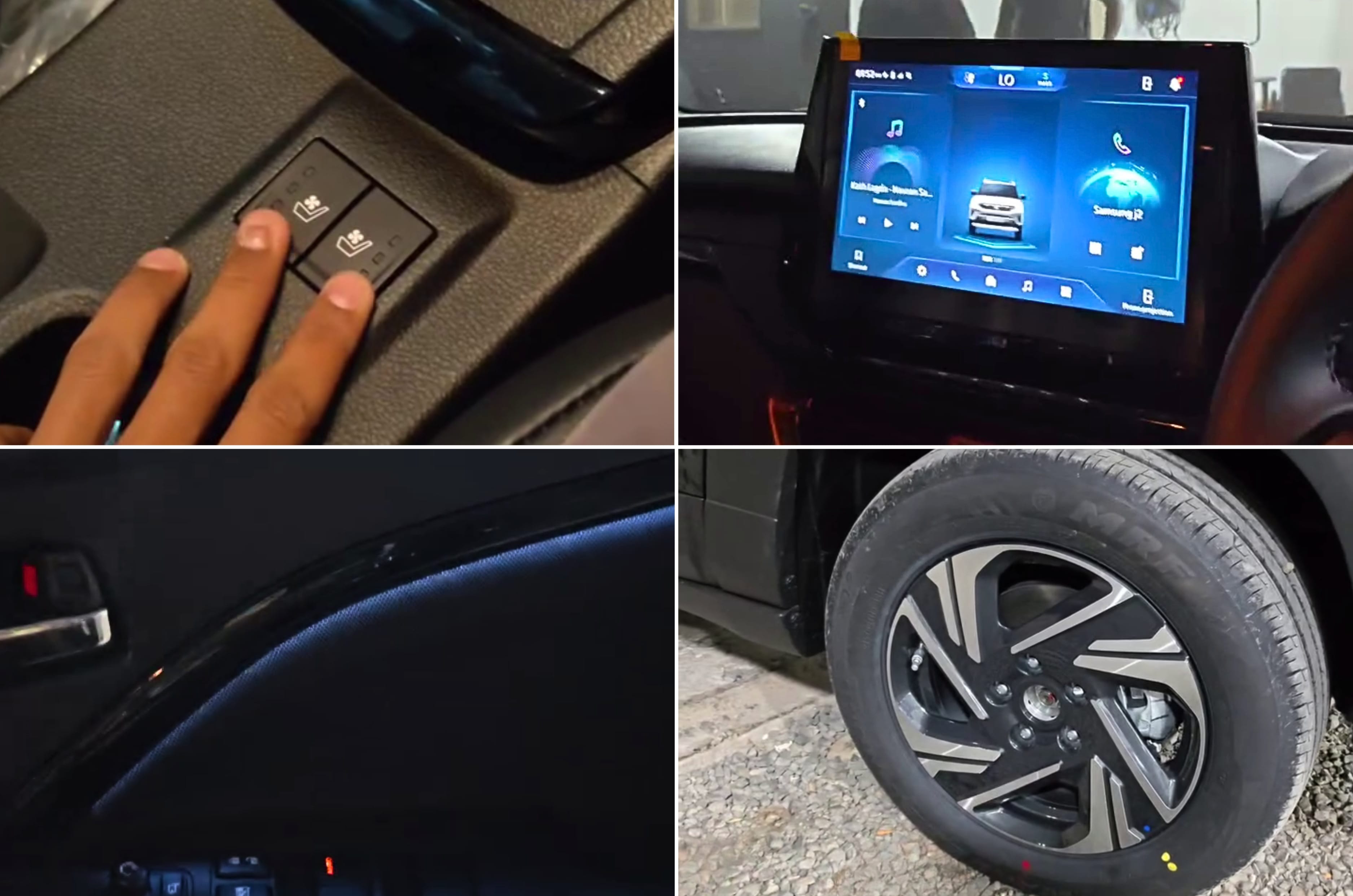
इस फेसलिफ्ट में सबसे बड़ा बदलाव 10.1 इंच का नया टचस्क्रीन इंफोटेनमेंट सिस्टम हो सकता है, जिसमें इन-बिल्ट ऐप्स और Amazon Alexa सपोर्ट मिलेगा। इसके अलावा, वेंटिलेटेड फ्रंट सीटें भी मिलने की संभावना है, जो खासकर गर्म इलाकों में रहने वाले ग्राहकों के लिए काफी उपयोगी फीचर साबित हो सकती हैं।

इंजन और पावरट्रेन विकल्प

नई Brezza में तीन तरह के इंजन विकल्प मिलने की उम्मीद है। इनमें 1.5-लीटर नैचुरली एस्पिरेटेड K15C पेट्रोल इंजन (जो 103 hp की पावर और 139 Nm का टॉर्क देता है), 1.0-लीटर टर्बो-पेट्रोल इंजन (जो 110 hp की पावर और 170 Nm का टॉर्क देता है) और एक CNG वेरिएंट शामिल हैं।

ट्रांसमिशन की बात करें तो, पेट्रोल वेरिएंट में 6-स्पीड मैनुअल और टॉर्क कन्वर्टर ऑटोमैटिक गियरबॉक्स का विकल्प मिल सकता है। वहीं, CNG मॉडल केवल मैनुअल गियरबॉक्स के साथ आएगा। इसके अलावा, CNG वेरिएंट में अंडरबॉडी-माउंटेड CNG टैंक मिलने की संभावना है। इससे बूट स्पेस पहले के मुकाबले ज्यादा मिलेगा और कार की उपयोगिता भी बेहतर होगी।

बुकिंग और पोजिशनिंग

नई Brezza Facelift की बुकिंग 11,000 रुपये की टोकन राशि के साथ पहले ही शुरू हो चुकी है और यह SUV पूरे भारत में एरीना डीलरशिप के जरिए बेची जाएगी। मार्केट में नई Brezza का मुकाबला Tata Nexon, Mahindra XUV 3XO, Hyundai Venue और इस सेगमेंट की अन्य कॉम्पैक्ट SUVs से होगा।

यह भी पढ़ें: Suzuki SV-7GX ग्लोबली लॉन्च, मिलेगा 645cc V-Twin इंजन और V-Strom 650 वाला भरोसा

Maruti Suzuki Brezza Facelift 24 जुलाई को होगी लॉन्च, मिलेंगे E20 पेट्रोल के अनुकूल 2 इंजन और दमदार फीचर्स

क्या आप एक मिड साइज SUV लेने की सोच रहे हैं? अगर हां, तो Maruti Suzuki India आपके लिए एक बजट फ्रेंडली कार पेश करने जा रही है। दरअसल, देश की सबसे बड़ी कार निर्माता कंपनी 24 जुलाई को Brezza का नया फेसलिफ्ट वर्जन लॉन्च करेगी। नए अवतार में आने वाली इस SUV में कई डिजाइन और टेक्नोलॉजी अपडेट्स के साथ नए पावरट्रेन विकल्प भी देखने को मिल सकते हैं।

साल 2016 में लॉन्च होने के बाद से ही Brezza भारत में सबसे ज्यादा बिकने वाली SUVs में शामिल रही है। अब तक इस SUV की 14 लाख से ज्यादा यूनिट्स बिक ​​चुकी हैं, जिससे यह Maruti Suzuki के SUV पोर्टफोलियो में एक अहम मॉडल बन गई है।

बता दें कि पिछले हफ्ते Maruti Suzuki ने Brezza की बुकिंग शुरू कर दी थी। ग्राहक इस नए वर्जन को कंपनी की वेबसाइट या डीलरशिप के जरिए 11,000 रुपये की टोकन राशि देकर बुक कर सकते हैं।

किन SUV से है मुकाबला?

Maruti Suzuki Brezza अभी अपनी दूसरी जेनरेशन में है, जो 2022 में आई थी। पिछले कुछ सालों में, इसे अपने सबसे बड़े कॉम्पिटिटर Tata Nexon से कड़ी टक्कर मिली है, जो कॉम्पैक्ट SUV सेगमेंट में सबसे आगे रही है। इस सेगमेंट में Hyundai Venue, Kia Sonet और Mahindra XUV 3XO जैसे दमदार मॉडल भी मौजूद हैं।

इंजन और पावरट्रेन

अगर हम कॉम्पैक्ट SUV सेगमेंट में Brezza के कॉम्पिटिटर को देखें, तो वे न सिर्फ पावरट्रेन के मामले में ज्यादा ऑप्शन देते हैं, बल्कि उनमें कई शानदार फीचर्स भी मिलते हैं। ऐसे में, मॉडल को नया बनाए रखने और बिक्री को लगातार जारी रखने के लिए एक फेसलिफ्ट की जरूरत है।

फिलहाल, Brezza में अभी 1.5-लीटर नैचुरली-एस्पिरेटेड पेट्रोल इंजन मिलता है, जो ज्यादा से ज्यादा 103 PS की पावर और 139 Nm का पीक टॉर्क देता है। इस इंजन के साथ 5-स्पीड मैनुअल ट्रांसमिशन या 6-स्पीड ऑटोमैटिक टॉर्क कन्वर्टर का ऑप्शन मिलता है। इसमें 5-स्पीड MT के साथ CNG का ऑप्शन (88 PS और 121 Nm) भी उपलब्ध है। उम्मीद है कि Brezza फेसलिफ्ट में ये सभी ऑप्शन बने रहेंगे।

इस SUV में सबसे बड़ा बदलाव 1.0-लीटर टर्बो पेट्रोल इंजन का जुड़ना होगा। यह वही इंजन है जो अभी Maruti Suzuki Fronx में इस्तेमाल हो रहा है, जिसमें 100 PS की मैक्सिमम पावर और 148 Nm का पीक टॉर्क मिलता है। उम्मीद है कि टर्बो पेट्रोल इंजन के साथ 6-स्पीड मैनुअल गियरबॉक्स मिलेगा और इसमें ऑटोमैटिक ट्रांसमिशन का ऑप्शन नहीं होगा। ऐसा शायद कीमत को कंट्रोल में रखने के लिए किया जा सकता है।

1.5-लीटर नैचुरली-एस्पिरेटेड पेट्रोल और 1.0-लीटर टर्बो पेट्रोल, दोनों इंजन E20 पेट्रोल के अनुकूल होंगे।

इसके अलावा, टर्बो पेट्रोल इंजन अपनी परफॉर्मेंस के लिए जाने जाते हैं, न कि ज्यादा माइलेज के लिए। यह बात Maruti Suzuki की उस खासियत से कुछ हद तक अलग है, जिसके लिए कंपनी ईंधन की ज्यादा बचत करने वाली कारों के लिए जानी जाती है।

फीचर्स

फीचर्स की बात करें तो, मारुति सुजुकी की कारें इस मामले में सेगमेंट में सबसे आगे नहीं हैं। इसका मतलब यह नहीं है कि उनमें फीचर्स की कमी है। बस बात यह है कि कॉम्पैक्ट SUV सेगमेंट में दूसरी कंपनियां ज्यादा फीचर्स देती हैं।

हालांकि, Brezza फेसलिफ्ट के साथ इसमें बड़े बदलाव हो सकते हैं। उम्मीद है कि इसमें एडवांस्ड ड्राइवर असिस्टेंस सिस्टम (ADAS), पैनोरमिक सनरूफ, बड़ी टचस्क्रीन इंफोटेनमेंट स्क्रीन, आगे की तरफ वेंटिलेटेड सीटें, एम्बिएंट लाइटिंग और डुअल-टोन अलॉय व्हील्स जैसे फीचर्स मिलेंगे।

एक्सटीरियर और इंटीरियर स्पेसिफिकेशन्स

एक्सटीरियर डिजाइन की बात करें तो इसमें ज्यादा बड़े बदलाव की उम्मीद नहीं है। इसमें फ्रंट ग्रिल और बंपर में हल्के बदलाव किए जा सकते हैं, जबकि रियर बंपर में भी थोड़ा अपडेट देखने को मिल सकता है।

मुख्य बदलाव केबिन के अंदर किए जाएंगे, ताकि इन-कैबिन फीचर्स के मामले में Brezza फेसलिफ्ट अपने कॉम्पिटिटर्स को कड़ी टक्कर दे सके।

यह भी पढ़ें: Upcoming Auto Launches: नई कार या बाइक खरीदने का बना रहें प्लान? मार्केट में धमाल मचाने आ रही ये 6 नई गाड़ियां

Maruti Brezza facelift leaked ahead of launch

Maruti Suzuki Brezza facelift leaked

The updated Maruti Suzuki Brezza is one of the most anticipated new cars in the compact segment, and ahead of its launch on July 24, the new Brezza has been spied completely undisguised at a dealership stockyard. It gets subtle cosmetic updates on the outside, important feature upgrades on the inside, but most importantly, a brand-new engine option as well. 

  1. Brezza facelift to get new 1.0-litre turbo-petrol engine 
  2. Interior gets new 10.1-inch touchscreen, ventilated seats, ambient lighting 
  3. Bookings for the new Brezza are already underway 

Maruti Suzuki Brezza facelift exterior and interior updates 

This is the first mid-lifecycle update for the Brezza since the second-generation model was introduced in 2022, and the updates on the outside and rather minimal. The grille design has been slightly reworked and it gets a new golden finish as opposed to the grey coloured grille on the current car. It also gets a revised bumper with repositioned fog lamps housed within triangular surrounds. The headlamps and the LED DRLs, however, remain unchanged. In profile, the only notable update includes a new set of dual-tone alloy wheels, while the rear has remained largely unchanged. 

The Brezza will get a larger 10.1-inch touchscreen and revised HVAC controls. 

The interior sees more meaningful updates, with the highlight being the 10.1-inch infotainment screen that’s also seen on the Victoris. It also adds ambient lighting, front ventilated seats and revised switchgear for the HVAC controls (also shared with the Victoris). There’s also use of new gloss-black trim materials or the dashboard and door pads. On the safety front, the Brezza now gets front parking sensors and it is also expected to come with LEVEL 2 ADAS suite. 

Maruti Suzuki Brezza new engine and specs 

The biggest update on the Brezza is the addition of a new engine option. It now gets the 1.0-litre Boosterjet turbo-petrol engine from the Fronx. This 3-cylinder engine is expected to produce 110hp and 170Nm, meaning it will come in a higher state if tune than what it is offered with on the Fronx. Transmission options, however, will be limited to just a 6-speed manual gearbox. Crucially, this engine will finally allow the Brezza to qualify for the sub-4m tax slab. 

Other upgrades will include new alloys, ambient lighting and ventilated front seats. 

The new 1.0-litre turbo-petrol engine is expected to be offered alongside the existing 103hp, 1.5-litre naturally aspirated petrol engine. The CNG kit paired to this engine is also expected to continue, but it’s now expected to have the Victoris CNG-like underbody tank setup.

It will be interesting to see how Maruti prices the new Brezza. Despite the cosmetic and equipment upgrades, the 1.0-litre engine should help bring down the prices given that it finally qualifies for the sub-4m tax bracket. Whether it undercuts the existing Brezza or is priced roughly the same remains to be seen. For reference, the Brezza currently has an ex-showroom price of Rs 8.26 lakh to Rs 12.86 lakh. It will continue to take on rivals like the Hyundai Venue, Tata Nexon, Skoda Kylaq, Mahindra XUV 3XO, Kia Sonet and Syros.

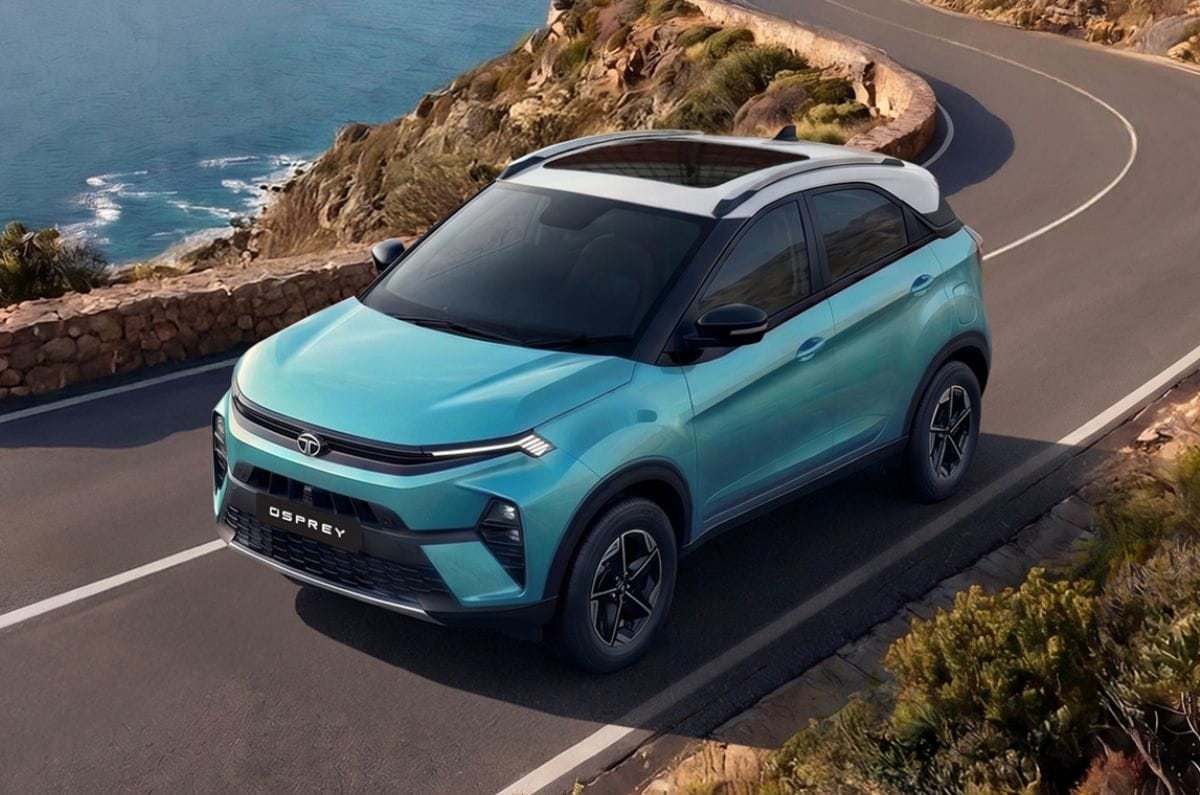
Tata Nexon will be launched in South Africa as the Osprey

Tata Osprey South Africa front three quarter

Tata Motors will be launching the Nexon in South Africa as the Osprey, sometime between July and September 2026. The Tata Osprey, known in India as the Nexon, will join the automaker’s South African portfolio that currently includes the combustion-powered Tiago, Punch, Curvv and Harrier. According to the Indian brand, the name has been inspired by a bird of prey that’s commonly found in several parts of South Africa.

  • South Africa-spec Nexon named after a bird of prey
  • Fifth Tata model in South Africa

All we know about the upcoming Tata Osprey

Tata Motors South Africa hasn’t given out much details on the upcoming Osprey’s. However, similar to the Nexon sold in India, the Tata Osprey will also be sold with a five-star NCAP safety rating. “South African customers increasingly demand vehicles that combine contemporary styling, technology, practicality and safety along with excellent value for money and the Tata Osprey delivers on all fronts,” said Jeff Allison, General Manager, Marketing and Product for Tata Motors Passenger Vehicles South Africa.

Tata Osprey South Africa teaser

The powertrain options of the upcoming Osprey are undisclosed as of now. However, the combustion-powered Tata Nexon in India is offered with a 120hp 1.2-litre three-cylinder turbo-petrol engine and an 115hp 1.5-litre four-cylinder diesel mill. Depending on the trim level, gearbox options include a 5-speed manual, 6-speed manual, 5-speed AMT (automated manual transmission), or a 6-speed DCT (dual-clutch automatic transmission). No word if the brand is planning to launch the fully electric version of the Osprey.

On the features front, the Osprey could be available with dual 10.25-inch displays, automatic climate control, wireless Apple CarPlay & Android Auto, wireless charging, a panoramic sunroof, a JBL audio system and an ADAS (Advanced Driver Assistance Systems) suite. Considering the Nexon costs less than the Curvv in India, this is likely to be the case for the upcoming Osprey in the South African market as well. After re-entering the South African market in August 2025, Tata Motors has witnessed growth and customer demand in the country, the Indian automaker stated. “The introduction of the Tata Osprey marks another important milestone in our journey,” mentioned Allison.

Also read

Ferrari Amalfi Spider launched at Rs 4.6 crore

Next-gen Toyota Hilux teased ahead of launch this month

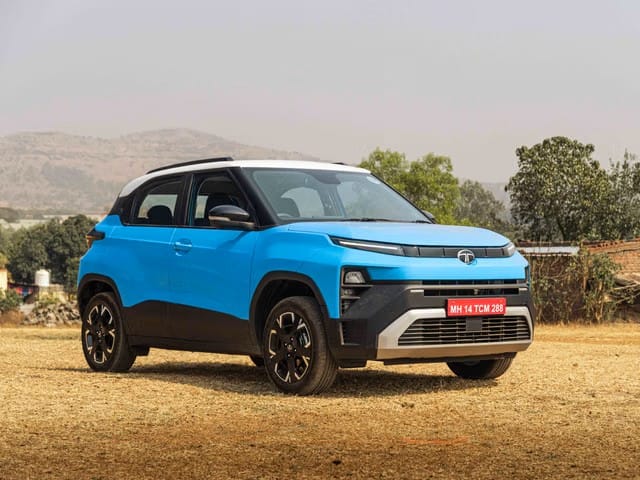
Tata Punch crosses 8 lakh sales milestone

Tata Punch

The Tata Punch has crossed the 8 lakh domestic sales milestone, becoming the second SUV in Tata Motors’ current passenger vehicle line-up after the Nexon to do so. The figures include combined wholesales of the Punch petrol, CNG and Punch EV, as Tata Motors does not report separate dispatch numbers for its ICE and electric models. The milestone comes less than five months after the Punch crossed the 7 lakh sales mark in early February this year.

  1. Record 21,006 units dispatched in June 2026
  2. Available with petrol, CNG and electric powertrains

From its launch in October 2021 until the end of June 2026, Tata Motors dispatched 797,479 units of the Punch. The remaining 2,521 units needed to cross the 8 lakh mark were sold in the first few days of July.

Tata Punch sales
Fiscal yearUnitsYoY change
FY2022*52,716
FY20231,33,819154%
FY20241,70,07627%
FY20251,96,56716%
FY20261,83,980-6%
FY2027**60,32167%
Total7,97,479

*Launched on October 21, 2021
**April-June 2026

Tata Punch sales momentum 

The Punch recorded its highest-ever monthly wholesales of 21,006 units in June 2026 and was India’s best-selling SUV in the first quarter of FY2027, with 60,321 units dispatched. Monthly sales have exceeded the 20,000-unit mark three times since the model’s launch, with all three instances coming this year.

Between February and June 2026, the Punch added another 1 lakh sales, helped by monthly wholesales of 18,748 units in February, 20,977 in March, 19,107 in April, 20,208 in May and 21,006 in June.

Tata Punch facelift expands line-up

Tata Motors launched the updated Punch in January this year with exterior and interior changes, additional features and new powertrain options. The range now includes a 1.2-litre turbo-petrol engine, a CNG-AMT option and an updated Punch EV with revised battery options and a Battery-as-a-Service (BaaS) programme.

The Punch is currently offered with petrol, CNG and electric powertrains across 32 variants. Prices for the petrol range start at Rs 5.70 lakh, while the CNG version starts at Rs 6.80 lakh. The updated Punch EV is priced from Rs 9.69 lakh (all prices, ex-showroom).

Tata Punch becomes fastest compact SUV to 8 lakh sales

The Punch crossed 1 lakh wholesales just 10 months after launch in October 2021, reached 4 lakh in June 2024, 5 lakh in January 2025, 6 lakh in July 2025 and 7 lakh in early February 2026. The latest run from 7 lakh to 8 lakh has taken less than five months, making it the quickest 1 lakh sales milestone for the model so far.

According to Tata Motors’ sales data, the Punch has become the fastest compact SUV to cross 8 lakh domestic wholesales. The Maruti Brezza took around 80 months to reach the milestone, followed by the Hyundai Venue at 85 months and the Tata Nexon at 89 months, while the Punch achieved it in a little over 57 months from launch.

With inputs from Dhruv Dhaka

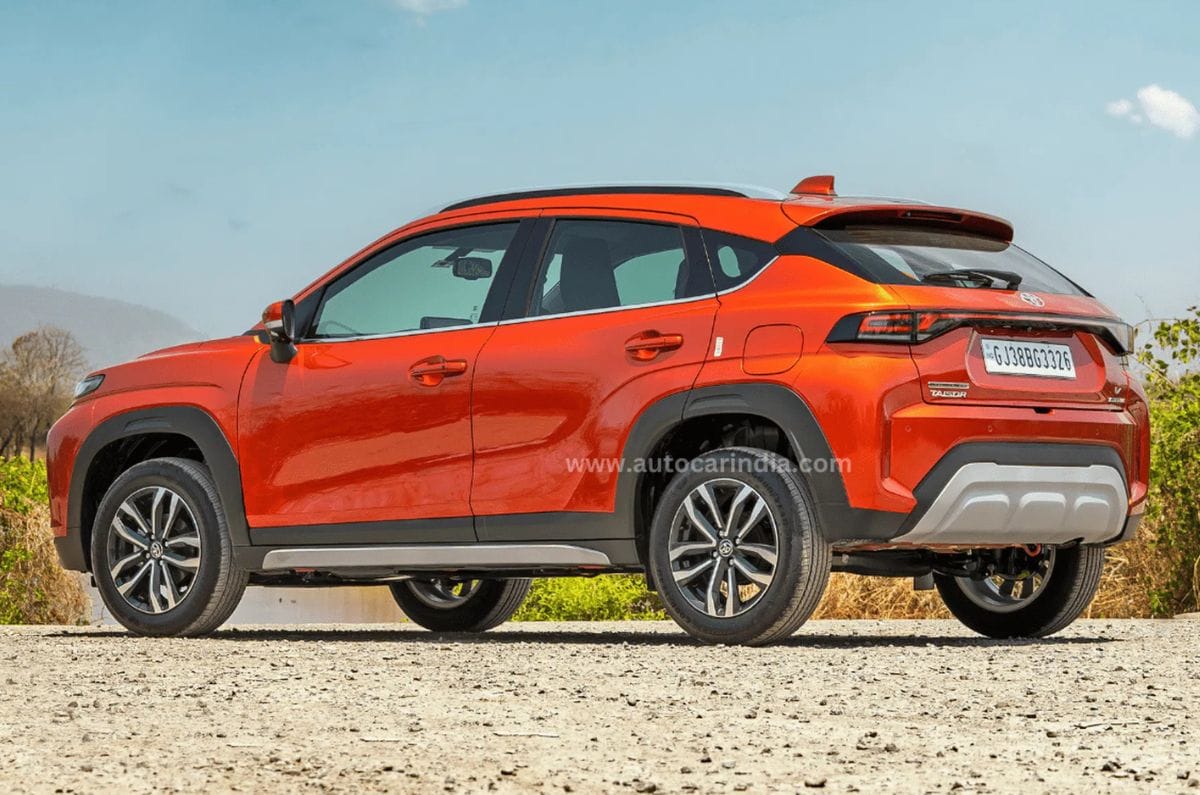
3 reasons to buy the Toyota Taisor and 2 not to

Toyota Taisor rear quarter static

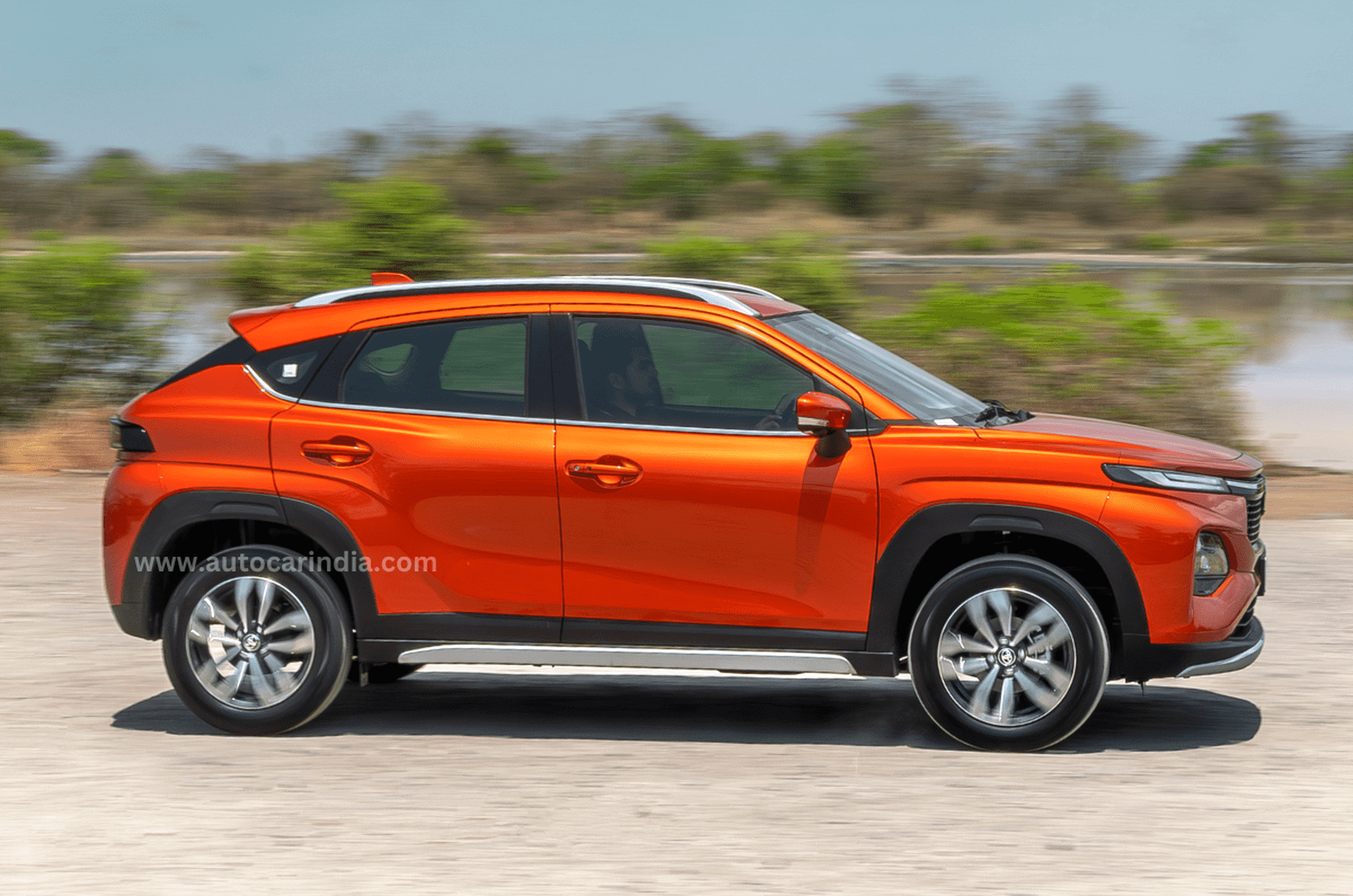
If you are in the market for a compact Toyota SUV, then the Urban Cruiser Taisor is your only option. The Toyota Urban Cruiser Taisor shares a lot of components and feature set with its Maruti Suzuki brethren and is aimed at those who want the premiumness associated with the Toyota badge. Before signing on the dotted line, however, here are a few key facts of the Toyota Taisor you need to keep in mind. First up, the pros…

Capable powertrain

Peppy turbo engine pairs especially well with the automatic gearbox

One of the biggest pros of the Toyota Taisor lies under the bonnet. The 1.0-litre three-cylinder turbo-petrol engine with direct injection produces 100hp and 148Nm of torque. This engine makes up for its lack of outright cubic capacity by being eager to rev all the way up to a redline of 6,000rpm. Not only is it peppy and responsive, but this three-pot unit has a linear power delivery – all the while remaining smooth and refined.

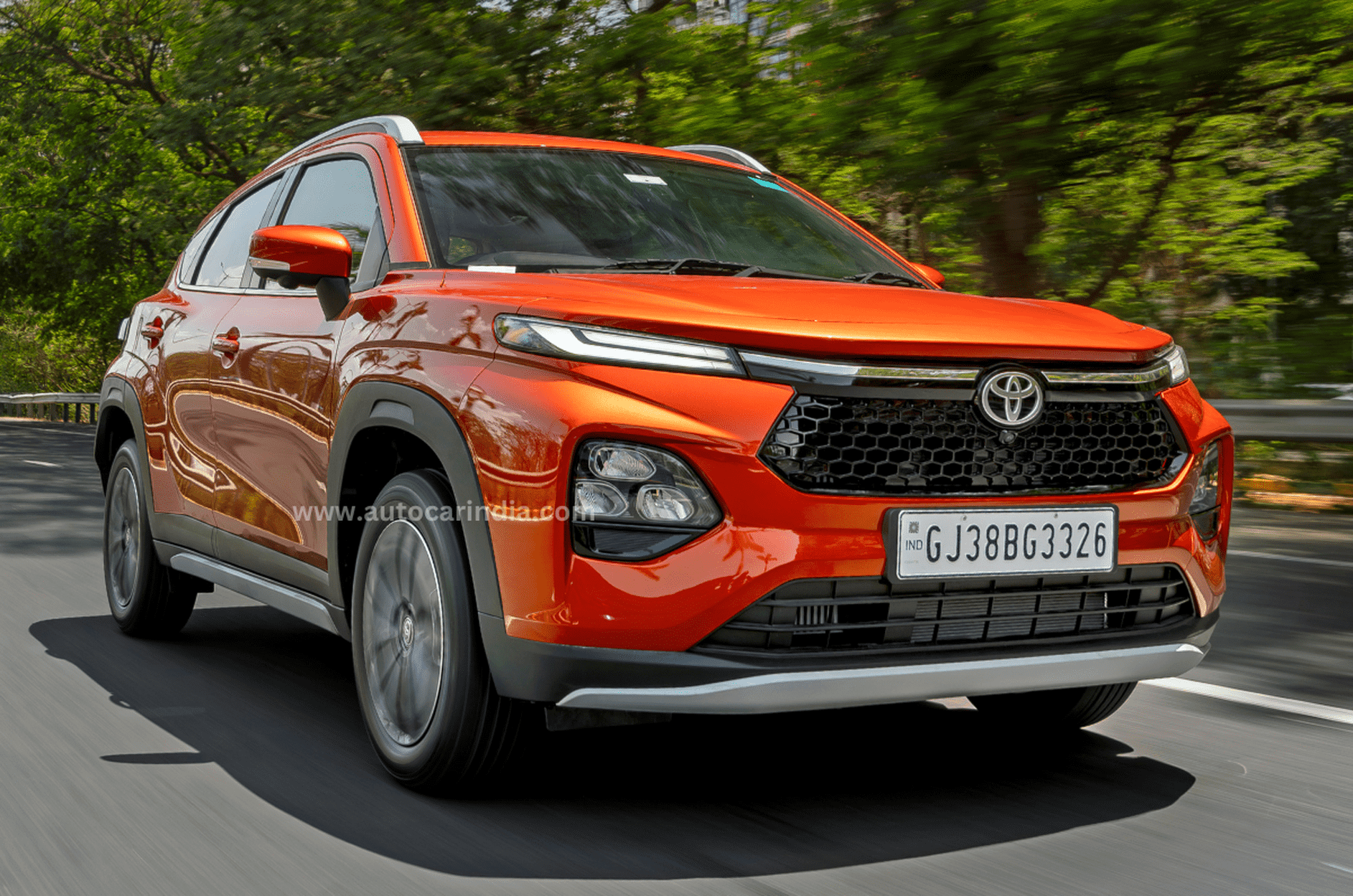
Toyota Taisor front quarter tracking

Then there’s the 6-speed torque converter automatic gearbox, which is offered with the G and V trims of the Taisor. Like the turbo-petrol engine, this transmission is smooth in its operation too. It also responds promptly to the steering-mounted paddle shifters, and in manual mode, this gearbox does not upshift automatically, increasing driver engagement even more. All of this pays dividends, as we clocked the Taisor Turbo achieving the sprint from 0-100kph in 11.86 seconds. For reference, that’s slightly quicker than the 120hp Kia Sonet with the DCT. The 5-speed manual gearbox of the Taisor is also a pleasure to use, thanks to its light and tactile operation.

Confident handler

Firm suspension and light steering come together well in the Taisor

Toyota Taisor side tracking

While the stiffly sprung suspension of the Taisor feels a bit busy at low speeds, things change as the speed climbs. The inherent stiffness inspires confidence as the car feels stable even at triple-digit speeds. At low speeds, the light steering of the Taisor makes lane changes and parking manoeuvres easy to execute. The small turning radius aids manoeuvrability further.

Sorted ergonomics and comfort

Easily accessible controls and comfy rear seats make settling in fuss-free

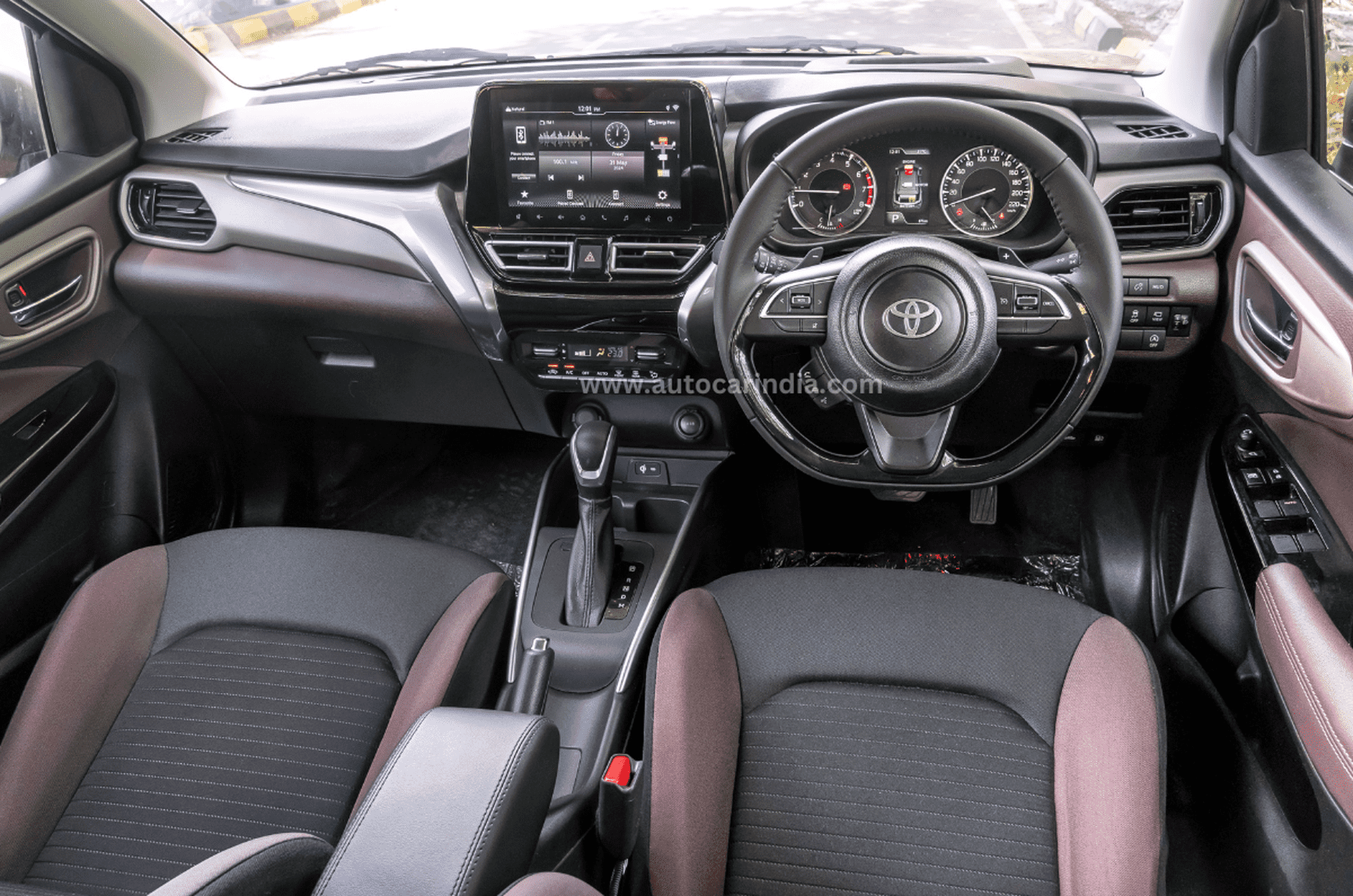
Toyota Taisor interior

Along with the adjustable seat, tilt and telescopic adjustment for the steering makes getting into a comfortable driving position in the Taisor quite easy. All the controls fall to hand easily, and there’s also an adjustable centre armrest for the driver, that will come in handy over long drives, especially in the case of the automatic version.

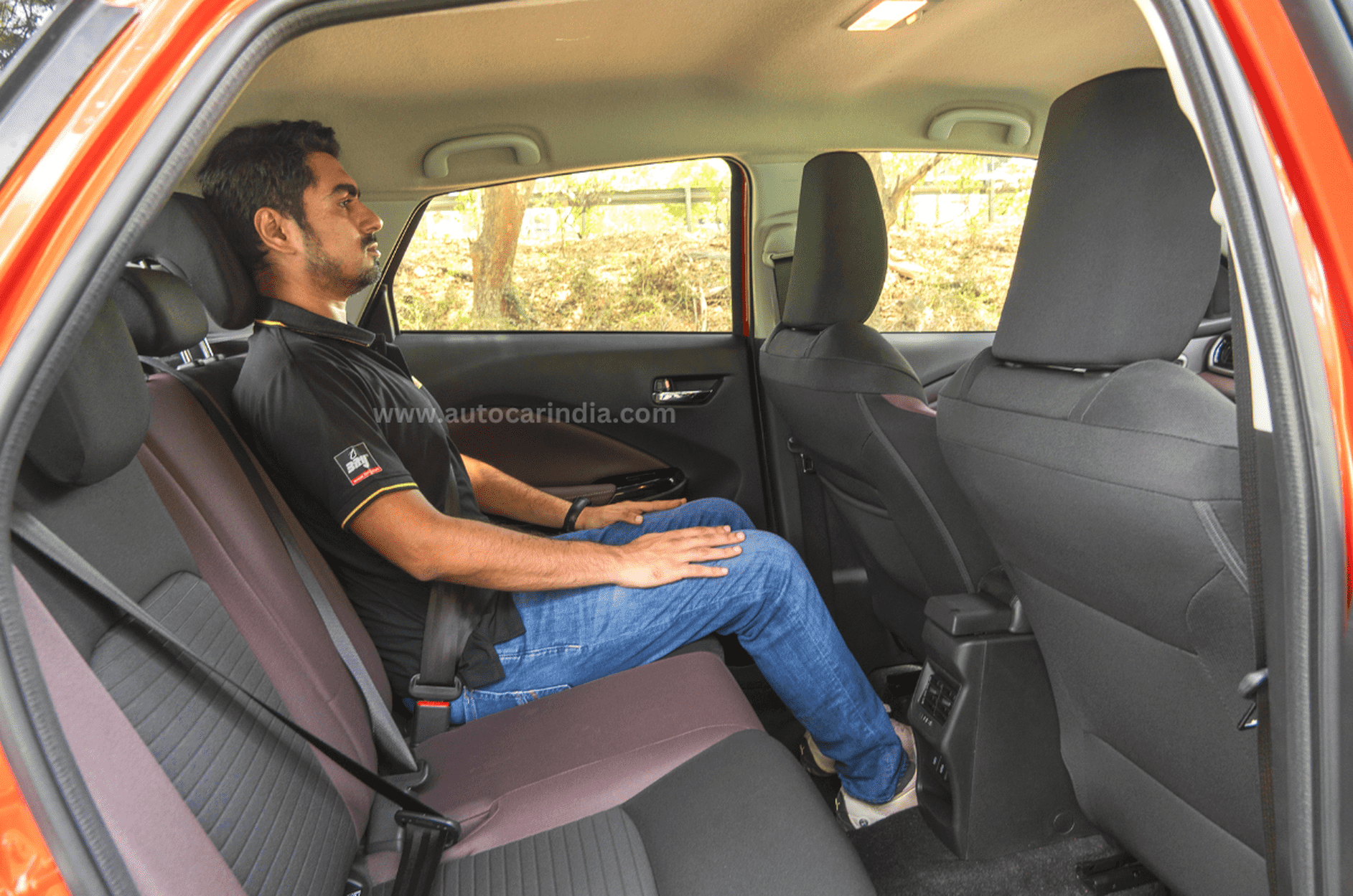
Toyota Taisor rear seats

The cabin feels spacious despite the relatively compact size of this car, while the rear seats are comfortable and offer good legroom as well. Adding to this comfort factor and overall safety at the back are features such as rear AC vents, USB Type-C ports, three headrests and three-pointed seatbelts. Also useful is the 360-degree camera system, which helps navigating tight parking spots less tense.

However, the Toyota Taisor is not without its cons. Here are the important ones.

Missing features

The Taisor isn’t as well-equipped as some rivals

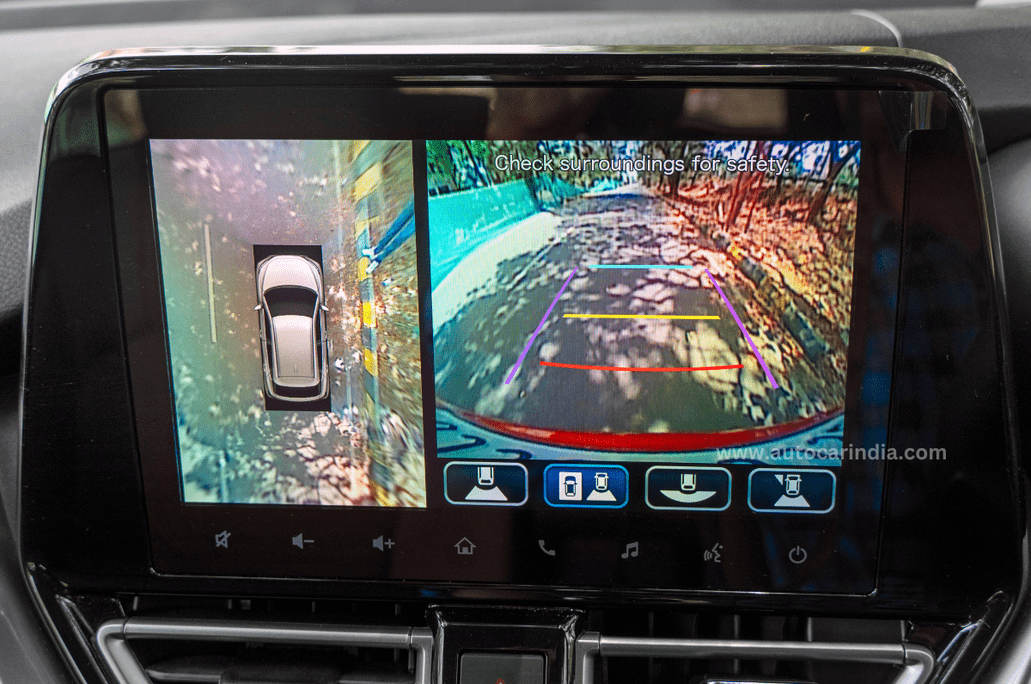
Toyota Taisor 360-degree camera

While the 360-degree camera is good to have, its low resolution impacts usability to an extent, especially in poor weather or in the dark. The Taisor doesn’t get load sensors for the rear seats, which means the belt reminder chime will go on for 90 seconds unless they are properly buckled. Other missing features here include a powered sunroof, ventilated seats, LED ambient lighting, powered front seats, leatherette upholstery, a rear centre armrest, ADAS and a larger infotainment screen, to name a few.

Sub-optimal insulation and plastic quality

These issues are not as prevalent in newer compact SUVs

Toyota Taisor plastic quality

There’s no dearth of hard plastics in the Taisor’s cabin, with much of the surfaces being covered in sub-optimal plastic trim. Sound insulation also leaves a lot to be desired, as road and engine noises seep into the cabin easily.

Also read

4 reasons to buy the Tata Curvv and 3 reasons to skip it

3 reasons to buy the Tata Nexon, and 2 reasons not to

All you need to know about the upcoming Kia Syros EV

Kia Syros EV front quarter static

Kia is aiming at the growing compact electric SUV segment with the upcoming Syros EV, set to be its second mass-market electric model for India. The Syros EV utilises the same K1 platform as its ICE-powered counterpart. Bookings for the Syros EV are already open ahead of its launch, scheduled for the end of July 2026. In this article, we answer everything that you need to know about the Syros EV.

1. What battery pack options does the Kia Syros EV offer, and how much power does its motor produce?

The Kia Syros EV offers the same 42kWh and 51.4kWh battery packs that do duty in the Kia Carens Clavis EV and the Hyundai Creta Electric. Both are mated to a front-mounted motor. In the 42kWh guise, the motor delivers 135hp and 255Nm, but in the 51.4kWh guise, power is bumped to 171hp, while torque remains the same. The 51.4kWh battery pack and its 171hp motor make it the model with the largest battery pack and the most powerful motor in the class. Kia claims a 0-100kph sprint in 8.1 seconds with the 51.4kWh version.

2. What is the claimed range of the Kia Syros EV?

The ARAI-rated range is 443km for the 42kWh battery pack and 543km for the larger 51.4kWh unit. Not only does the Syros EV have a higher claimed range than the Clavis EV and the Creta Electric, but its 543km figure is also the highest in the compact electric SUV segment.

3. What charging speeds does the Kia Syros EV support, and how long does it take to charge?

The Kia Syros EV supports up to 11kW AC charging speeds, while DC charging is capped at 100kW. A 10-100 percent top-up for the 42kWh version takes 6 hours with the 7.4kW charger and 4 hours with the 11kW unit. In the 51.4kWh guise, the same takes 7 hours and 15 minutes with a 7.4kW charger and 4 hours and 50 minutes with an 11kW charger. Kia also claims that with a 100kW DC fast charger, both batteries can charge from 10 to 80 percent in 39 minutes.

4. How different is the Kia Syros EV from the ICE Syros on the outside and inside?

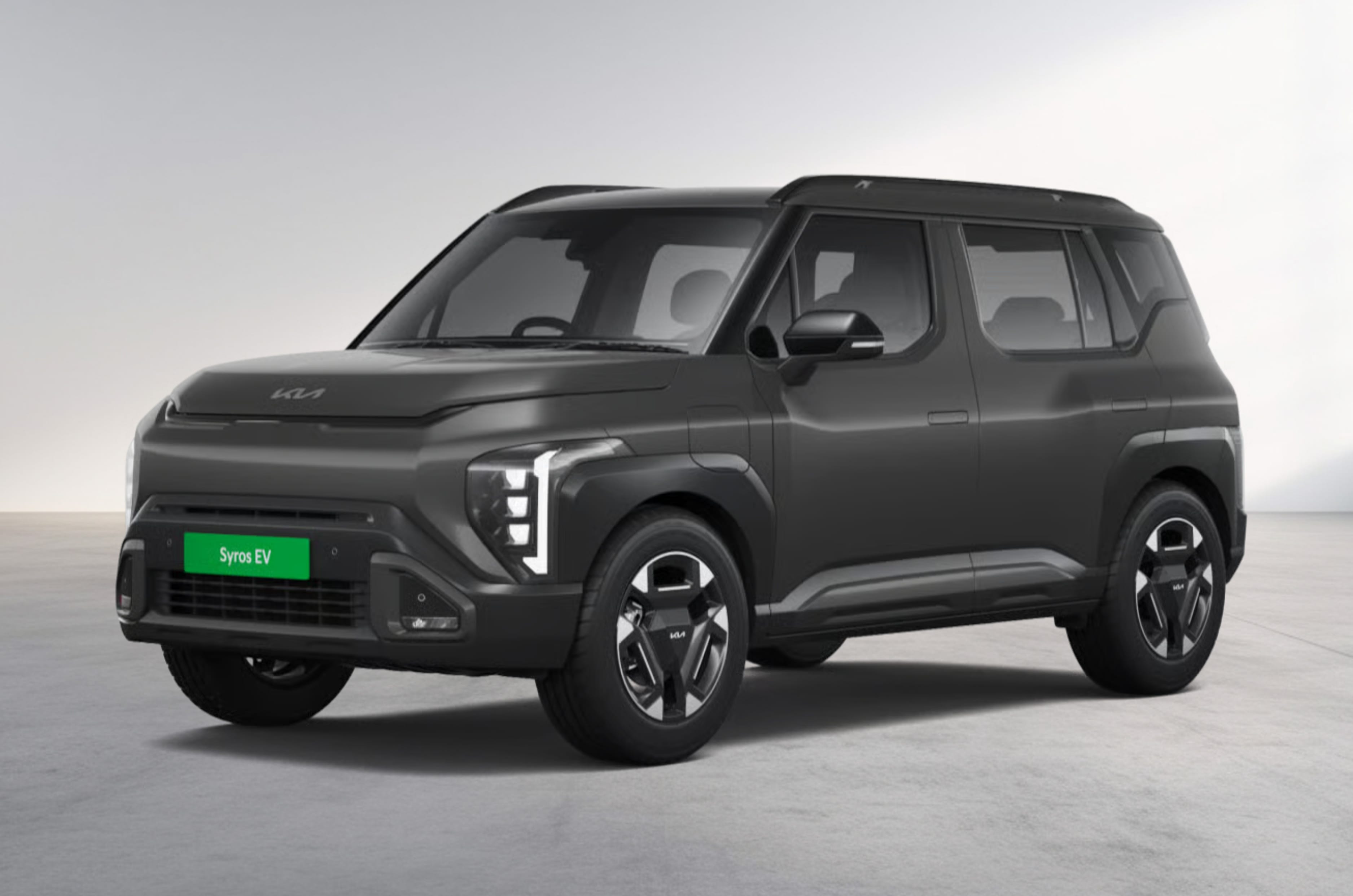
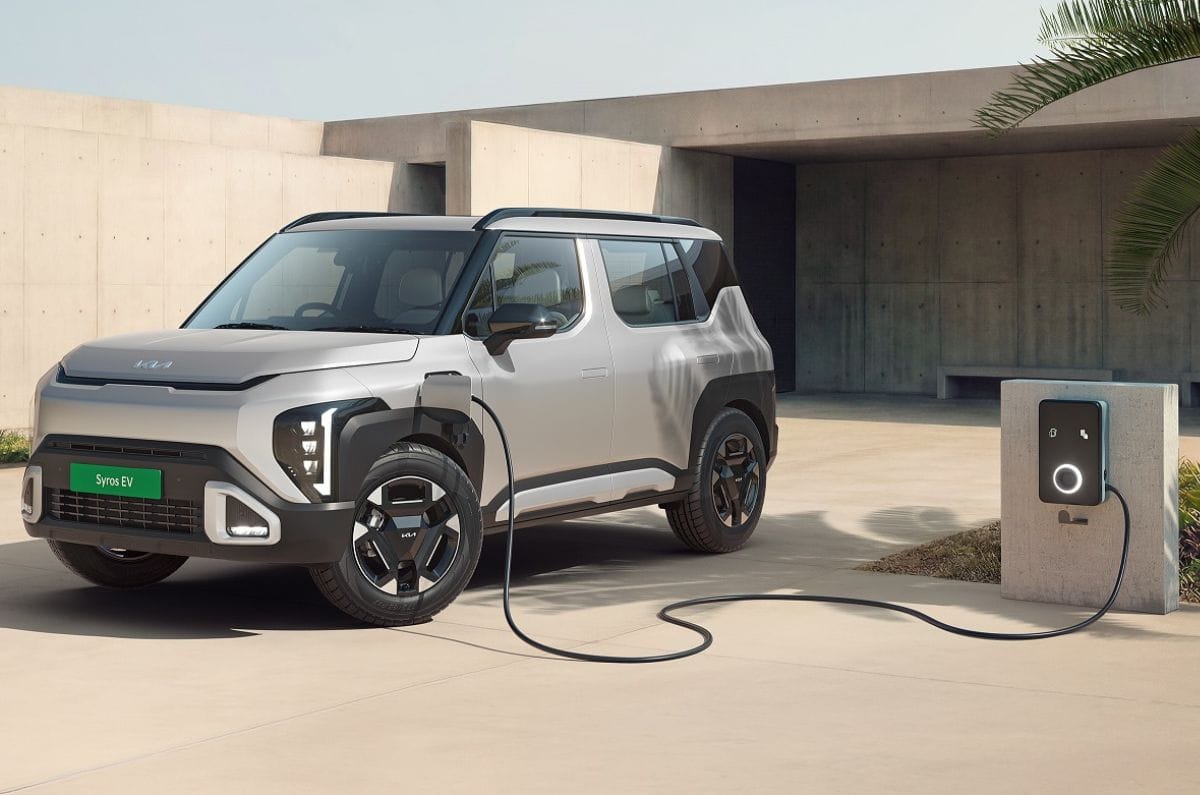
The Kia Syros EV may look largely similar to the ICE Syros, but it comes with a charging flap on the front fender, EV badging at the rear and a different set of alloy wheels that give it some distinction. Apart from these differences, it retains the overall tall-boy silhouette, front and rear bumper designs and lighting elements found on its combustion-powered counterpart.

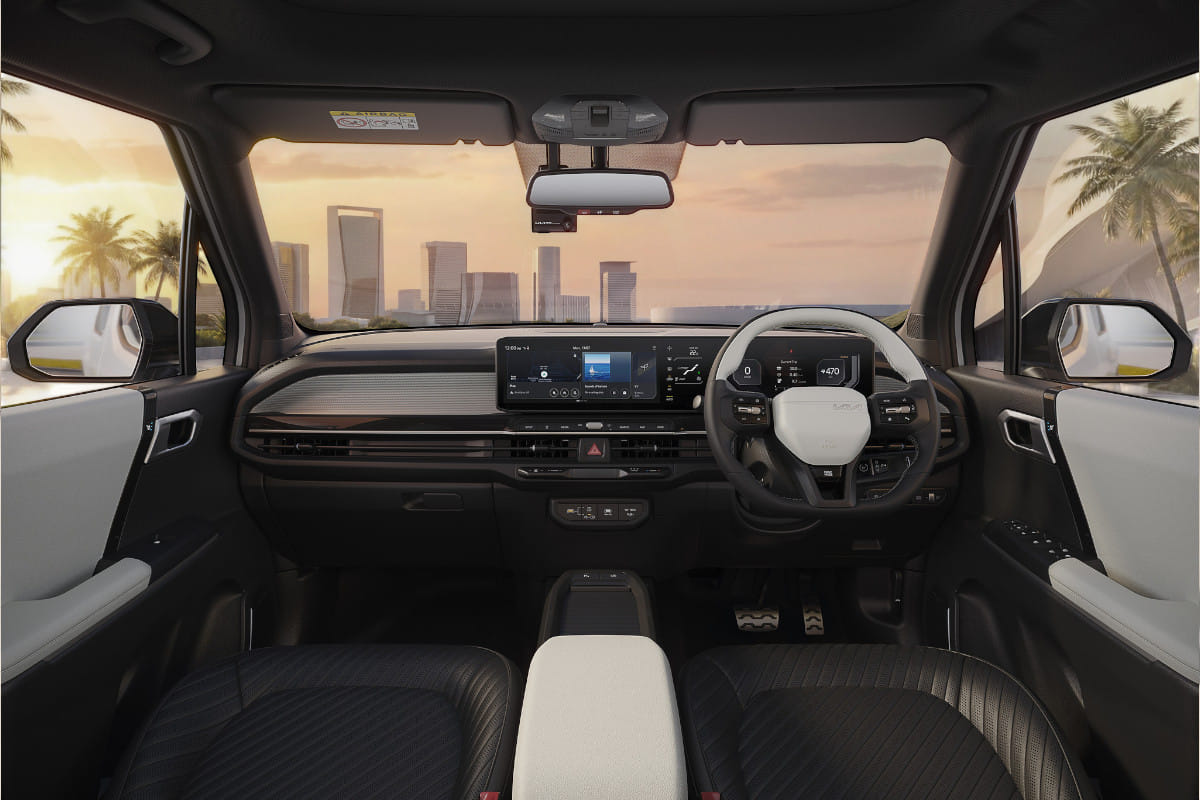
Inside, the dashboard layout remains the same as the ICE Syros, but there are some revisions to the centre console, which is high-set and features storage spaces and retractable cup holders. Also, the drive select lever has shifted to the steering wheel column.

5. What features does the Kia Syros EV come with?

For starters, the Kia Syros EV retains its ICE counterpart’s unique sliding and reclining rear seat with a ventilation function for the seat base. It also gets features such as dual 12.3-inch screens, a 5-inch HVAC control screen, wireless Apple CarPlay and Android Auto, a wireless charging pad, an 8-speaker Harman Kardon sound system, a panoramic sunroof, 64-colour ambient lighting and rear sunshades.

6. What does the Kia Syros EV offer over the ICE-powered Syros?

Apart from having EV-specific features such as a 16-litre frunk, regenerative braking, a virtual engine sound system and vehicle-to-load (V2L) functionality, it gets Level 2 ADAS, automatic flush door handles, a 360-degree camera setup, a dual-camera dashcam, a digital key, puddle lamps, multi-colour ambient lighting and metal pedals over the ICE-powered Syros.

7. What is the expected price of the Kia Syros EV?

The Kia Syros EV is expected to be priced from Rs 15 lakh to Rs 20 lakh, ex-showroom. It will take on the Mahindra XUV 3XO EV and the segment-reigning Tata Nexon EV, among others.

Kia Syros EV से उठा पर्दा और बुकिंग शुरू, 526KM की रेंज से Nexon EV और Mahindra XUV 3XO EV को देगी टक्कर! जानिए बाकी फीचर्स

Kia Syros EV: तेजी से बढ़ते इलेक्ट्रिक SUV सेगमेंट में Tata Nexon EV और Mahindra XUV 3XO EV जैसे कॉम्पिटिटर्स को टक्कर देने के लिए, Kia ने Carens Clavis EV के बाद अब भारत में अपना दूसरा मास-मार्केट इलेक्ट्रिक मॉडल, Syros EV पेश किया है। इस EV के लिए कंपनी ने ₹25,000 में प्री-बुकिंग भी शुरू कर दी है। यह मॉडल बेहतर ड्राइविंग रेंज, तेज चार्जिंग, एडवांस्ड टेक्नोलॉजी और एक कॉम्प्रिहेंसिव ओनरशिप पैकेज देने का वादा करता है।

Kia Syros EV की खासियत क्या है?

इसकी सबसे बड़ी खासियत है इसकी ARAI-सर्टिफाइड ड्राइविंग रेंज है, जो बड़े 51.4 kWh बैटरी पैक के साथ 526 km तक चल सकती है। Kia के अनुसार, यह अपने सेगमेंट की पहली SUV है जो 500 km का आंकड़ा पार करती है। खरीदार 42 kWh बैटरी का विकल्प भी चुन सकते हैं, जिसकी रेंज 443 km बताई गई है। इसके अलावा, Kia Syros EV में लगी इलेक्ट्रिक मोटर 171 PS की पावर जनरेट करती है। वहीं, बड़े बैटरी पैक वाले मॉडल में यह SUV 0 से 100 किलोमीटर प्रति घंटे की रफ्तार सिर्फ 8.1 सेकंड में पकड़ सकती है।

रोजाना इस्तेमाल के लिए यह कितनी प्रैक्टिकल है?

Kia का कहना है कि Syros EV को 100 kW DC फास्ट चार्जर से 39 मिनट में 10% से 80% तक चार्ज किया जा सकता है। इसमें चार्जिंग परफॉर्मेंस को बेहतर बनाने के लिए 10.8 kW का ऑनबोर्ड AC चार्जर और बैटरी कंडीशनिंग टेक्नोलॉजी भी दी गई है। MyKia ऐप के जरिए, मालिक एक ही वॉलेट का इस्तेमाल करके 23 चार्जिंग ऑपरेटर्स के 20,300 से ज्यादा चार्जिंग पॉइंट्स का इस्तेमाल कर सकते हैं, जबकि Kia के डीलरशिप नेटवर्क में 129 से ज्यादा DC फास्ट चार्जिंग लोकेशन्स और 275 से ज्यादा EV-रेडी वर्कशॉप्स शामिल हैं।

Kia Syros EV में कौन-कौन से फीचर्स हैं?

Syros EV में 30-इंच का ट्रिनिटी पैनोरमिक डिस्प्ले है, जिसमें डिजिटल इंस्ट्रूमेंट क्लस्टर, टचस्क्रीन इंफोटेनमेंट सिस्टम और क्लाइमेट कंट्रोल शामिल हैं। इसके अन्य फीचर्स में वायरलेस Android Auto और Apple CarPlay, Harman Kardon का 8-स्पीकर साउंड सिस्टम, ओवर-द-एयर सॉफ्टवेयर अपडेट, आगे और पीछे वेंटिलेटेड सीटें, पैनोरमिक सनरूफ, V2L (व्हीकल-टू-लोड) क्षमता, डिजिटल की (Key) और 16-लीटर का फ्रंट स्टोरेज कम्पार्टमेंट शामिल हैं।

नई इलेक्ट्रिक SUV कितनी सुरक्षित है?

सुरक्षा एक और ऐसा पहलू है जिस पर Kia ध्यान दे रही है। Syros EV में लेवल 2 ADAS के साथ 16 ऑटोनॉमस ड्राइविंग असिस्टेंस फंक्शन मिलते हैं। इसके अलावा, इसमें छह एयरबैग, 360-डिग्री कैमरा, इलेक्ट्रॉनिक स्टेबिलिटी कंट्रोल, सभी पहियों पर डिस्क ब्रेक, टायर प्रेशर मॉनिटरिंग सिस्टम और कुल 25 स्टैंडर्ड सुरक्षा फीचर दिए गए हैं।

Kia ओनरशिप के क्या फायदे दे रही है?

प्रोडक्ट के अलावा, Kia EV की ओनरशिप से जुड़ी आम चिंताओं को दूर करने की कोशिश कर रही है। इसके लिए वह लाइफटाइम हाई-वोल्टेज बैटरी वारंटी (शर्तों के साथ, 15 साल तक), एक ‘एश्योर्ड बायबैक’ प्रोग्राम और शुरुआती खरीद लागत को कम करने के मकसद से ‘बैटरी-एज-अ-सर्विस’ फाइनेंसिंग ऑप्शन दे रही है।

यह भी पढ़ें: Royal Enfield Shotgun 650 का लिमिटेड एडिशन लॉन्च, जानें कीमत और बुकिंग का तरीका

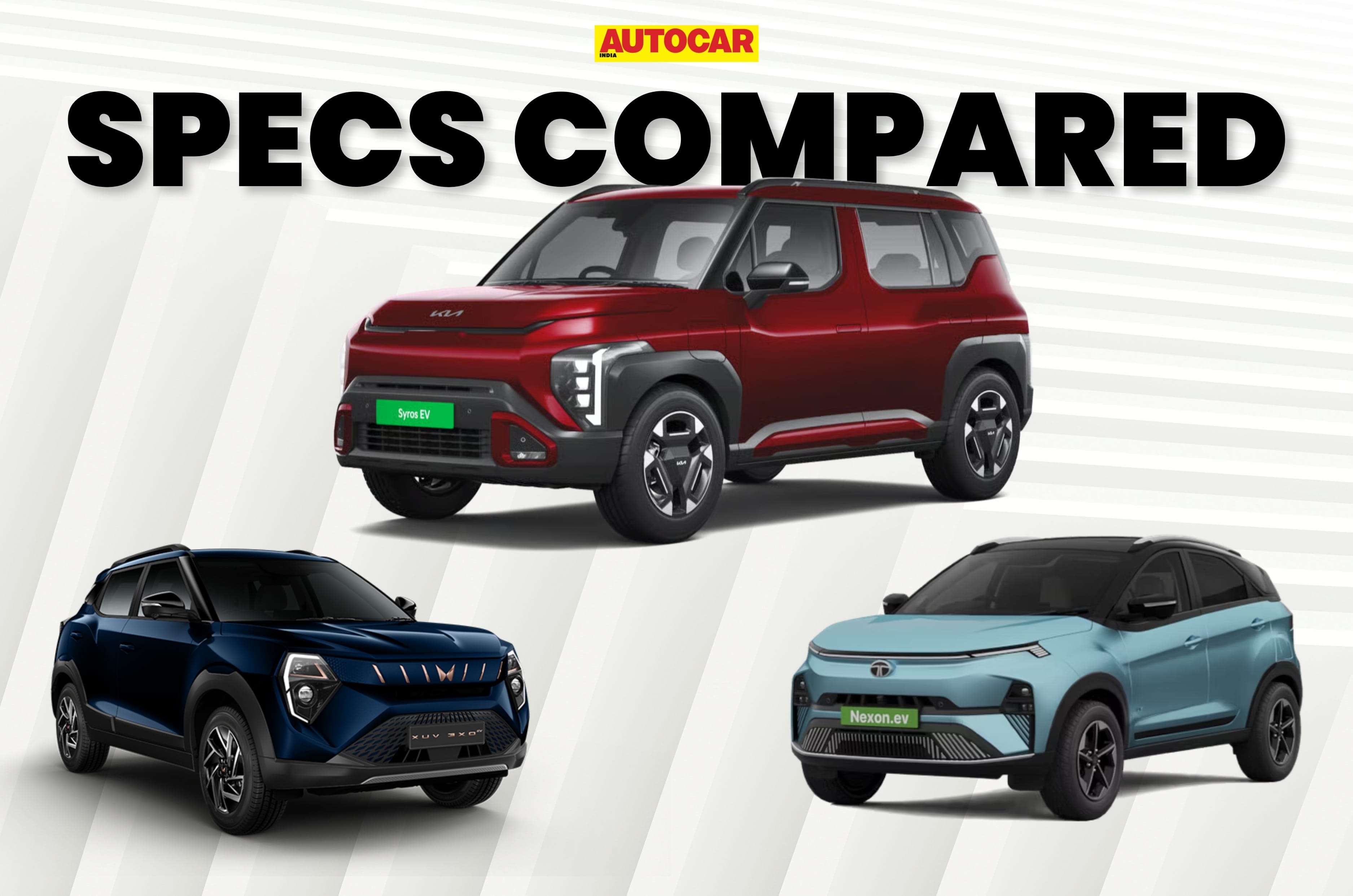
Kia Syros EV vs Nexon EV vs XUV 3XO EV: Specifications compared

Kia Syros EV vs rivals: Specifications compared

Kia recently unveiled the Syros EV as its smallest all-electric model in India. While prices are yet to be announced, Kia has revealed its variant-wise features, specifications, and powertrain options. The Syros EV will compete with the Tata Nexon EV and Mahindra XUV 3XO EV. Here’s how its specifications and powertrain options compare with its rivals. 

Kia Syros EV vs rivals: Dimensions

Kia is yet to reveal the ground clearance and boot space of the Kia Syros EV

Kia Syros EV vs rivals: Dimensions and other specifications


Kia Syros EV

Tata Nexon EV

Mahindra XUV 3XO EV

Length

3,995mm

3,995mm

3,990mm

Width

1,805mm

1,802mm

1,821mm

Height

1,670mm

1,625mm

1,653mm

Wheelbase

2,550mm

2,498mm

2,600mm

Ground clearance

190-205mm

190mm

Boot space 

350 litres

364 litres

The Kia Syros EV is similar in size to the Tata Nexon EV and Mahindra XUV 3XO EV, with a length of 3,995mm. The dimensional differences between the three SUVs are minimal, with variations limited to a few millimetres in most areas. The Syros EV is the tallest of the three at 1,670mm, while its 2,550mm wheelbase is longer than the Nexon EV’s but shorter than the XUV 3XO EV’s.

Kia Syros EV vs rivals: Powertrain options

The Syros EV and Nexon EV get two battery options, XUV 3XO EV gets just one

Kia Syros EV vs rivals: Powertrain options


Kia Syros EV

Tata Nexon EV

Mahindra XUV 3XO EV

Battery pack (kWh)

42 | 51.4

30 | 45

39.4

Drive configuration

FWDFWDFWD

Power (hp)

135 | 171

129 | 144

150

Torque (Nm)

255 | 255

215 | 215

310

ARAI range (km)

443 | 526

275 | 489

351

AC charging time*

4h 50m | 4h

4h 18m | 6h 36m

6h 50m

*AC charging times: Syros EV with an 11kW AC charger; Nexon EV and XUV 3XO EV with a 7.2kW AC charger.

The Kia Syros EV’s 51.4kWh is offered with the largest battery pack in the segment and delivers the highest claimed range. Its claimed range of 526km, is 37km more than the Tata Nexon EV’s 45kWh variant and 175km more than the Mahindra XUV 3XO EV. The 42kWh battery pack offers a claimed range that is 168km longer than the Tata Nexon EV’s 30kWh battery and 92km longer than the Mahindra XUV 3XO EV’s. While the Syros EV’s electric motor produces the highest power output at 171hp, the Mahindra XUV 3XO EV leads in torque with 310Nm.

For a 0-100 percent charge, the Kia Syros EV’s 42kWh battery takes 4 hours 50 minutes, while the 51.4kWh battery takes 4 hours using an 11kW AC charger. The Tata Nexon EV’s smaller and larger battery packs take 4 hours 18 minutes and 6 hours 36 minutes, respectively, with a 7.2kW AC charger. The Mahindra XUV 3XO EV takes 6.5 hours with the same 7.2kW AC charger. The Kia Syros EV supports up to 100kW DC fast charging, while the Tata Nexon EV and Mahindra XUV 3XO EV support up to 60kW and 50kW DC fast charging, respectively.

Kia Syros EV vs rivals: Prices

Kia is yet to reveal the prices of the Syros EV

Kia Syros EV vs rivals: Prices (in Rs, lakh)


Kia Syros EV

Tata Nexon EV

Mahindra XUV 3XO EV

Price

To be revealed

12.49 to 17.49

13.89 to 14.96

The Tata Nexon EV has a lower starting price than the Mahindra XUV 3XO EV by Rs 1.4 lakh, while its top-spec variant is Rs 2.53 lakh more expensive. The Kia Syros EV’s regular prices are expected to be in a similar range to those of its rivals; however, Kia’s Battery-as-a-Service (BaaS) option could reduce the initial purchase cost.

Prices are ex-showroom, India.

Kia Syros EV variants and features explained

Kia Syros EV variants explained

Kia has unveiled its second mass-market electric model for India in the form of the Syros EV. Though it shares its K1 platform with its ICE counterpart, it utilises the same battery packs found on the larger Carens Clavis EV. While prices are yet to be announced, they are expected to be in the Rs 15 lakh to 20 lakh range. At launch, it will take on the likes of the Tata Nexon EV, which currently dominates the segment, and the Mahindra XUV 3XO EV. In this article, we explain all the variants on offer, the colours, the standard safety kit, and the variant-wise features of the Syros EV.  

Kia Syros EV variant-wise battery pack options

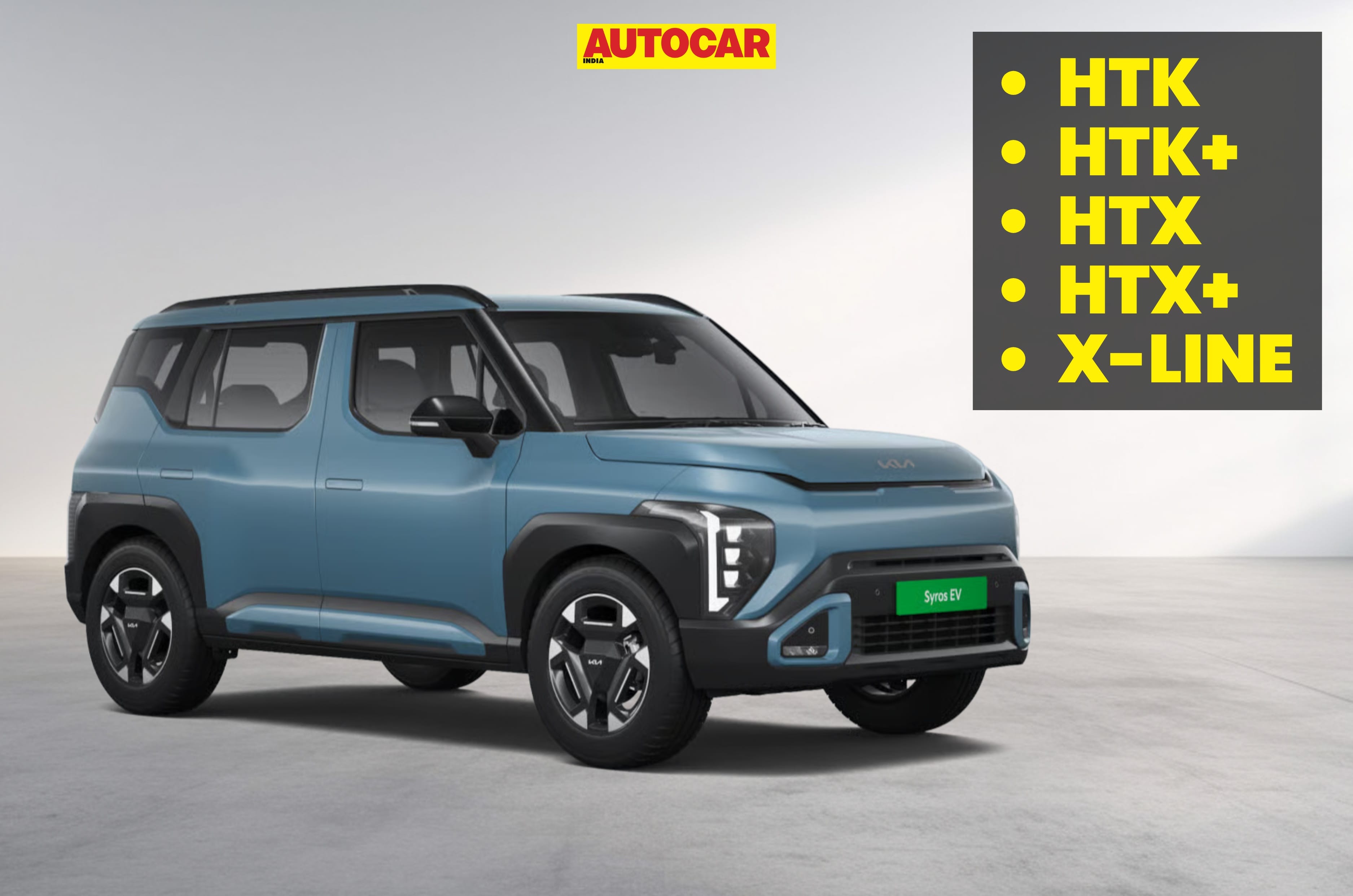
Offered in seven variants across five trims 

Kia Syros EV variant-wise battery pack options 

Trim 

42kWh

51.4kWh (Extended range)

HTK

Yes

HTK+

Yes

Yes

HTX

Yes

Yes

HTX+

Yes

X-Line

Yes

The Kia Syros EV offers a choice of 42kWh and 51.4kWh battery packs. While the base HTK trim solely offers a 42kWh option, the mid-level HTK+ and HTX trims additionally offer the larger 51.4kWh battery pack. Meanwhile, the higher-end HTX+ and X-Line trims are available only with the 51.4kWh battery pack.

Both battery packs are paired to a front-mounted motor, which develops 135hp and 171hp in 42kWh and 51.4kWh guises, respectively. In both versions, the motor produces an identical 255Nm of torque. Kia claims a 0-100kph time of 8.1 seconds in 51.4kWh guise. While the 42kWh battery pack gets an ARAI-claimed range of 443km, the 51.4kWh version’s claimed range is 526km.  Not only has Kia equipped the Syros EV with the largest battery pack in its segment (51.4kWh), but it also gets the most powerful motor and the highest claimed range figure in its class.

Both versions support up to 11 kW AC charging speeds, while DC charging support is up to 100kW. At 11kW AC speeds, a smaller 42kWh battery takes four hours to charge from 10-80 percent, while the 51.4kWh battery takes an additional 50 minutes. However, with a 100kW DC charger, both versions can charge from 10-80 percent in the same 39 minutes, claims Kia.

Kia Syros EV exterior and interior colours 

Nine options for the exterior, three for the interior

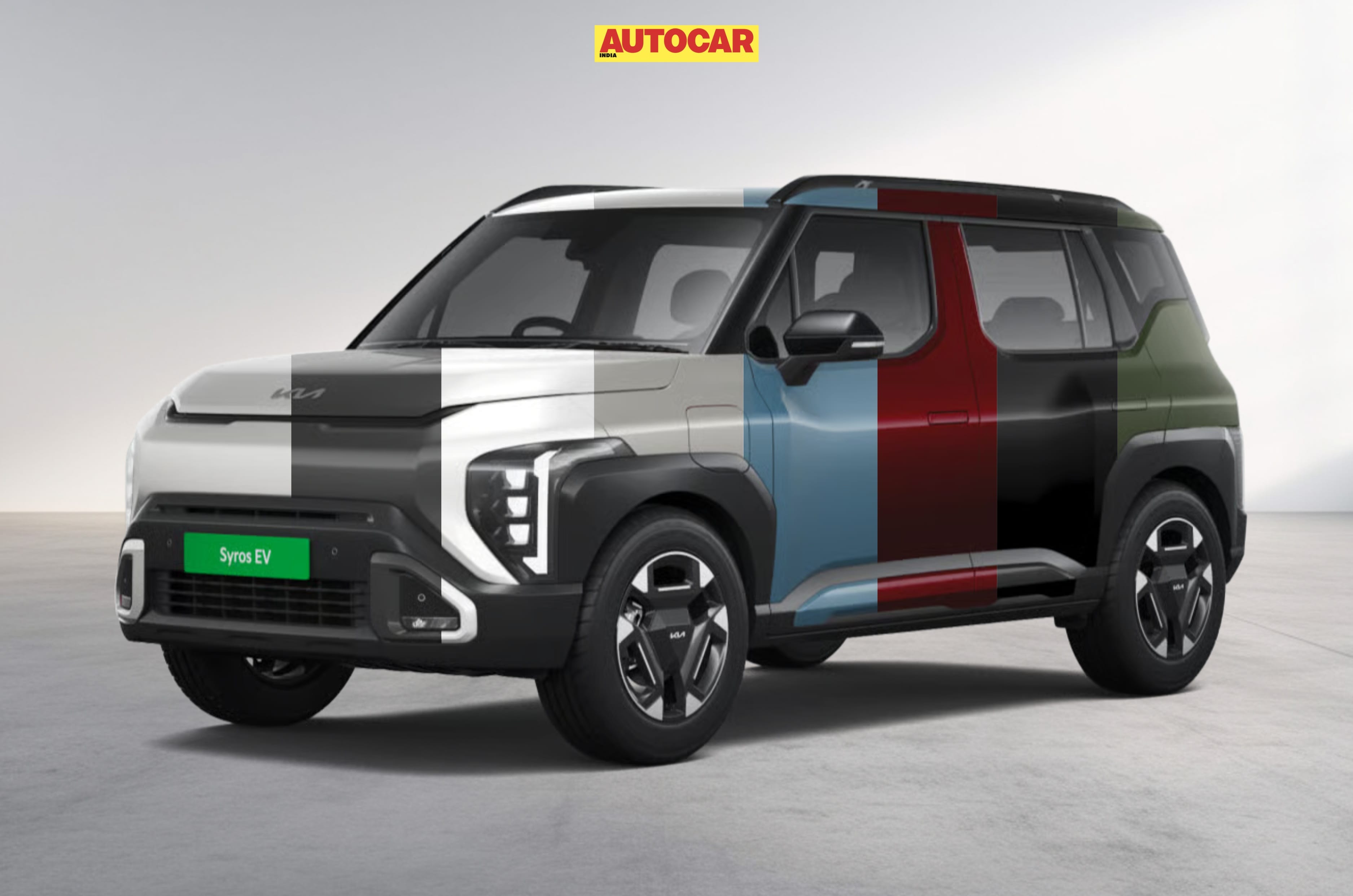
The Kia Syros EV is available only in nine monotone colour options. These include Ivory Silver Matte, Frost Blue, Gravity Grey, Pewter Olive, Magma Red, Ivory Silver Gloss, Aurora Black Pearl, Glacier White Pearl, and Xclusive Matte Graphite. Of these, the top X-Line trim is available solely in the Aurora Black Pearl and Xclusive Matte Graphite colours.

Inside, the Syros EV offers three interior and seat upholstery options depending on the chosen trim. HTK, HTK+ and HTX trims get blue and grey semi-leatherette seat upholstery and green accents throughout the interior, while the HTX+ trim gets black and white leatherette seat upholstery and white accents throughout the interior. The top X-Line trim comes with black and green leatherette seat upholstery with green accents across the interior.

Kia Syros EV standard safety kit 

Gets six airbags, electronic parking brake, hill start assist, TPMS, to name a few

As standard, the Kia Syros EV is equipped with six airbags, ABS, brake assist, ESC, stability control, hill-start assist, tyre pressure monitoring system (TPMS), all-wheel disc brakes, electronic parking brake with auto hold, follow-me-home headlamps, virtual engine sound system, child lock, rear parking sensors, speed sensing door locks, impact sensing auto door unlock, 3-point seatbelts for all seats, ISOFIX anchors, rear occupant alert, front passenger airbag on/off switch, and rear occupant alert.

Kia Syros EV variant-wise features list 

HTK

Battery pack options: 42kWh

  • LED headlamps, DRLs, foglamps, and tail-lamps
  • 16-inch aero-optimised alloy wheels 
  • Flush door handles 
  • Shark fin antenna 
  • Blue and grey fabric-leatherette seat upholstery 
  • 12.3-inch infotainment system 
  • 12.3-inch digital driver’s display 
  • Wireless Android Auto and Apple CarPlay 
  • 4 speakers and 2 tweeters 
  • Steering-mounted controls 
  • Tilt-adjustable steering 
  • Drive modes (Eco, Sport, Normal) 
  • 4x USB Type-C ports 
  • Portable charging cable 
  • Front centre console with retractable cup holders and storage 
  • Front centre armrest
  • Electronic parking brake with auto hold
  • Seatback pocket (front passenger seat)
  • Rear window sunshades 
  • Front adjustable headrests 
  • Rear AC vents 
  • Day/night IRVM 

HTK+ 

Battery pack options: 42kWh, 51.4kWh (Extended Range-ER)

Features over HTK

  • Rear view camera 
  • Cruise control
  • 100W Type-C charging port 
  • 17-inch aero-optimised alloy wheels (ER)

HTX 

Battery pack options: 42kWh, 51.4kWh (Extended Range-ER)

Features over HTK+

  • Panoramic sunroof
  • Rear wiper and washer
  • LED rear turn indicators 
  • All door windows up/down with key 
  • All door windows one-touch up/down with anti-pinch function
  • Sliding and reclining rear seats 
  • 60:40 split rear seat
  • Rear centre armrest with cupholder 
  • Rear adjustable headrests 
  • Rear defogger 
  • Rear parcel tray 
  • LED cabin lights, boot lamp
  • Seatback pocket (driver seat)
  • Connected-car tech (ER)
  • OTA software updates (ER)

HTX+ 

Battery pack options: 51.4kWh (Extended Range-ER)

Features over HTX

  • Automatic flush door handles
  • Black and white leatherette seat upholstery 
  • Leatherette-wrapped steering wheel 
  • Leatherette finish for armrest and door trims
  • Metal pedals 
  • 12.3-inch infotainment display with onboard navigation 
  • 5-inch HVAC control display
  • 8-speaker Harman Kardon sound system 
  • Dual dash cam 
  • Auto-dimming IRVM
  • Battery heating system 
  • Front seat ventilation 
  • Rear seat ventilation (seat base only) 
  • 4-way powered driver seat 
  • Wireless phone charger 
  • Front parking sensors

X-Line 

Battery pack options: 51.4kWh (Extended Range-ER)

Features over HTX+

  • 64-colour ambient lighting 
  • LED footwell lamps
  • Black and green leatherette seat upholstery 
  • Level 2 ADAS
  • Vehicle to Load (V2L) functionality 
  • Puddle lamps with logo projection 
  • Digital key