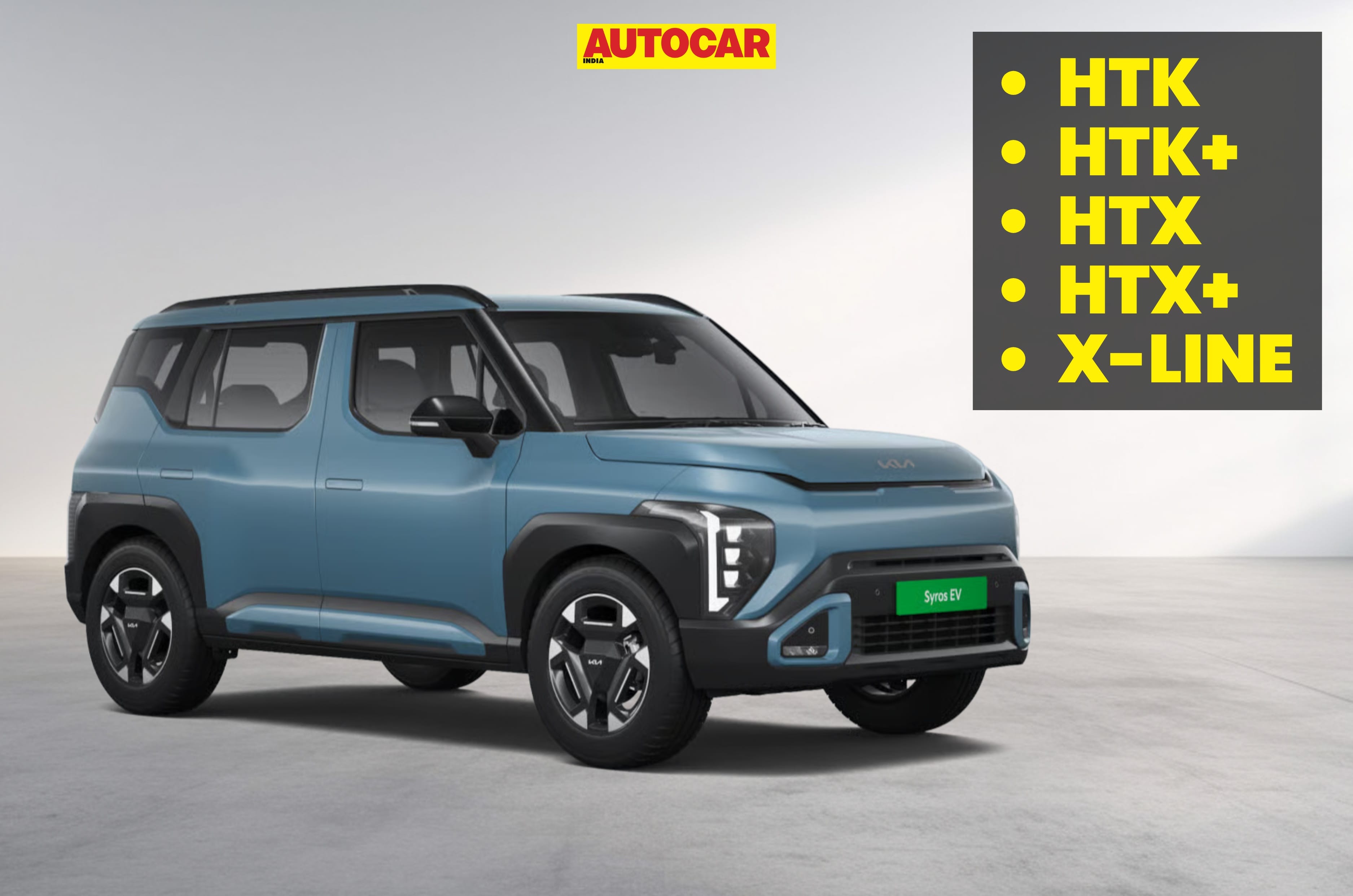
Kia Syros EV variants and features explained

Kia Syros EV variants explained

Kia has unveiled its second mass-market electric model for India in the form of the Syros EV. Though it shares its K1 platform with its ICE counterpart, it utilises the same battery packs found on the larger Carens Clavis EV. While prices are yet to be announced, they are expected to be in the Rs 15 lakh to 20 lakh range. At launch, it will take on the likes of the Tata Nexon EV, which currently dominates the segment, and the Mahindra XUV 3XO EV. In this article, we explain all the variants on offer, the colours, the standard safety kit, and the variant-wise features of the Syros EV.  

Kia Syros EV variant-wise battery pack options

Offered in seven variants across five trims 

Kia Syros EV variant-wise battery pack options 

Trim 

42kWh

51.4kWh (Extended range)

HTK

Yes

HTK+

Yes

Yes

HTX

Yes

Yes

HTX+

Yes

X-Line

Yes

The Kia Syros EV offers a choice of 42kWh and 51.4kWh battery packs. While the base HTK trim solely offers a 42kWh option, the mid-level HTK+ and HTX trims additionally offer the larger 51.4kWh battery pack. Meanwhile, the higher-end HTX+ and X-Line trims are available only with the 51.4kWh battery pack.

Both battery packs are paired to a front-mounted motor, which develops 135hp and 171hp in 42kWh and 51.4kWh guises, respectively. In both versions, the motor produces an identical 255Nm of torque. Kia claims a 0-100kph time of 8.1 seconds in 51.4kWh guise. While the 42kWh battery pack gets an ARAI-claimed range of 443km, the 51.4kWh version’s claimed range is 526km.  Not only has Kia equipped the Syros EV with the largest battery pack in its segment (51.4kWh), but it also gets the most powerful motor and the highest claimed range figure in its class.

Both versions support up to 11 kW AC charging speeds, while DC charging support is up to 100kW. At 11kW AC speeds, a smaller 42kWh battery takes four hours to charge from 10-80 percent, while the 51.4kWh battery takes an additional 50 minutes. However, with a 100kW DC charger, both versions can charge from 10-80 percent in the same 39 minutes, claims Kia.

Kia Syros EV exterior and interior colours 

Nine options for the exterior, three for the interior
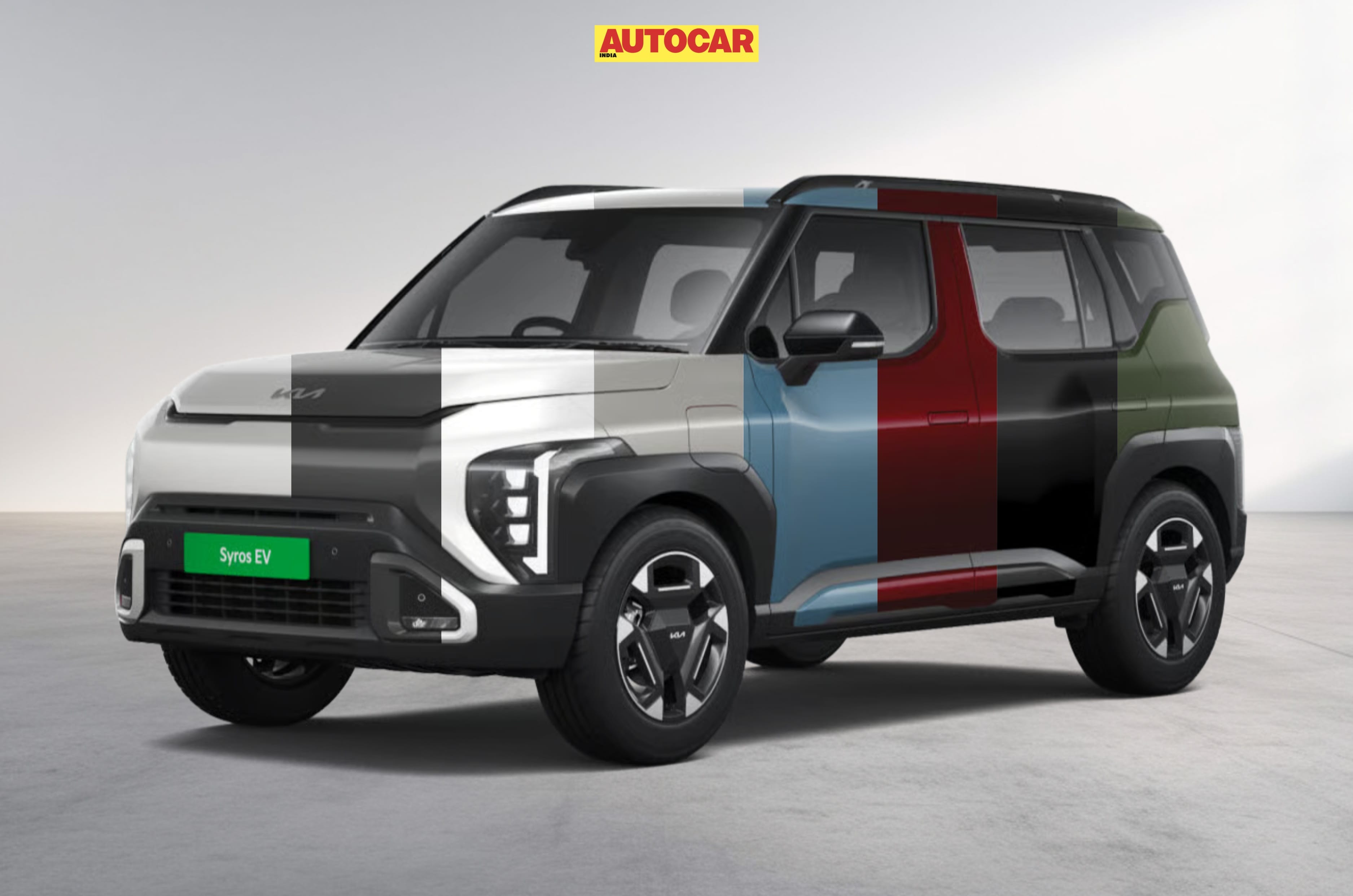
The Kia Syros EV is available only in nine monotone colour options. These include Ivory Silver Matte, Frost Blue, Gravity Grey, Pewter Olive, Magma Red, Ivory Silver Gloss, Aurora Black Pearl, Glacier White Pearl, and Xclusive Matte Graphite. Of these, the top X-Line trim is available solely in the Aurora Black Pearl and Xclusive Matte Graphite colours.

Inside, the Syros EV offers three interior and seat upholstery options depending on the chosen trim. HTK, HTK+ and HTX trims get blue and grey semi-leatherette seat upholstery and green accents throughout the interior, while the HTX+ trim gets black and white leatherette seat upholstery and white accents throughout the interior. The top X-Line trim comes with black and green leatherette seat upholstery with green accents across the interior.

Kia Syros EV standard safety kit 

Gets six airbags, electronic parking brake, hill start assist, TPMS, to name a few

As standard, the Kia Syros EV is equipped with six airbags, ABS, brake assist, ESC, stability control, hill-start assist, tyre pressure monitoring system (TPMS), all-wheel disc brakes, electronic parking brake with auto hold, follow-me-home headlamps, virtual engine sound system, child lock, rear parking sensors, speed sensing door locks, impact sensing auto door unlock, 3-point seatbelts for all seats, ISOFIX anchors, rear occupant alert, front passenger airbag on/off switch, and rear occupant alert.

Kia Syros EV variant-wise features list 

HTK

Battery pack options: 42kWh

  • LED headlamps, DRLs, foglamps, and tail-lamps
  • 16-inch aero-optimised alloy wheels 
  • Flush door handles 
  • Shark fin antenna 
  • Blue and grey fabric-leatherette seat upholstery 
  • 12.3-inch infotainment system 
  • 12.3-inch digital driver’s display 
  • Wireless Android Auto and Apple CarPlay 
  • 4 speakers and 2 tweeters 
  • Steering-mounted controls 
  • Tilt-adjustable steering 
  • Drive modes (Eco, Sport, Normal) 
  • 4x USB Type-C ports 
  • Portable charging cable 
  • Front centre console with retractable cup holders and storage 
  • Front centre armrest
  • Electronic parking brake with auto hold
  • Seatback pocket (front passenger seat)
  • Rear window sunshades 
  • Front adjustable headrests 
  • Rear AC vents 
  • Day/night IRVM 

HTK+ 

Battery pack options: 42kWh, 51.4kWh (Extended Range-ER)

Features over HTK

  • Rear view camera 
  • Cruise control
  • 100W Type-C charging port 
  • 17-inch aero-optimised alloy wheels (ER)

HTX 

Battery pack options: 42kWh, 51.4kWh (Extended Range-ER)

Features over HTK+

  • Panoramic sunroof
  • Rear wiper and washer
  • LED rear turn indicators 
  • All door windows up/down with key 
  • All door windows one-touch up/down with anti-pinch function
  • Sliding and reclining rear seats 
  • 60:40 split rear seat
  • Rear centre armrest with cupholder 
  • Rear adjustable headrests 
  • Rear defogger 
  • Rear parcel tray 
  • LED cabin lights, boot lamp
  • Seatback pocket (driver seat)
  • Connected-car tech (ER)
  • OTA software updates (ER)

HTX+ 

Battery pack options: 51.4kWh (Extended Range-ER)

Features over HTX

  • Automatic flush door handles
  • Black and white leatherette seat upholstery 
  • Leatherette-wrapped steering wheel 
  • Leatherette finish for armrest and door trims
  • Metal pedals 
  • 12.3-inch infotainment display with onboard navigation 
  • 5-inch HVAC control display
  • 8-speaker Harman Kardon sound system 
  • Dual dash cam 
  • Auto-dimming IRVM
  • Battery heating system 
  • Front seat ventilation 
  • Rear seat ventilation (seat base only) 
  • 4-way powered driver seat 
  • Wireless phone charger 
  • Front parking sensors

X-Line 

Battery pack options: 51.4kWh (Extended Range-ER)

Features over HTX+

  • 64-colour ambient lighting 
  • LED footwell lamps
  • Black and green leatherette seat upholstery 
  • Level 2 ADAS
  • Vehicle to Load (V2L) functionality 
  • Puddle lamps with logo projection 
  • Digital key 

3 reasons to buy the Tata Nexon, and 2 reasons not to

tata nexon

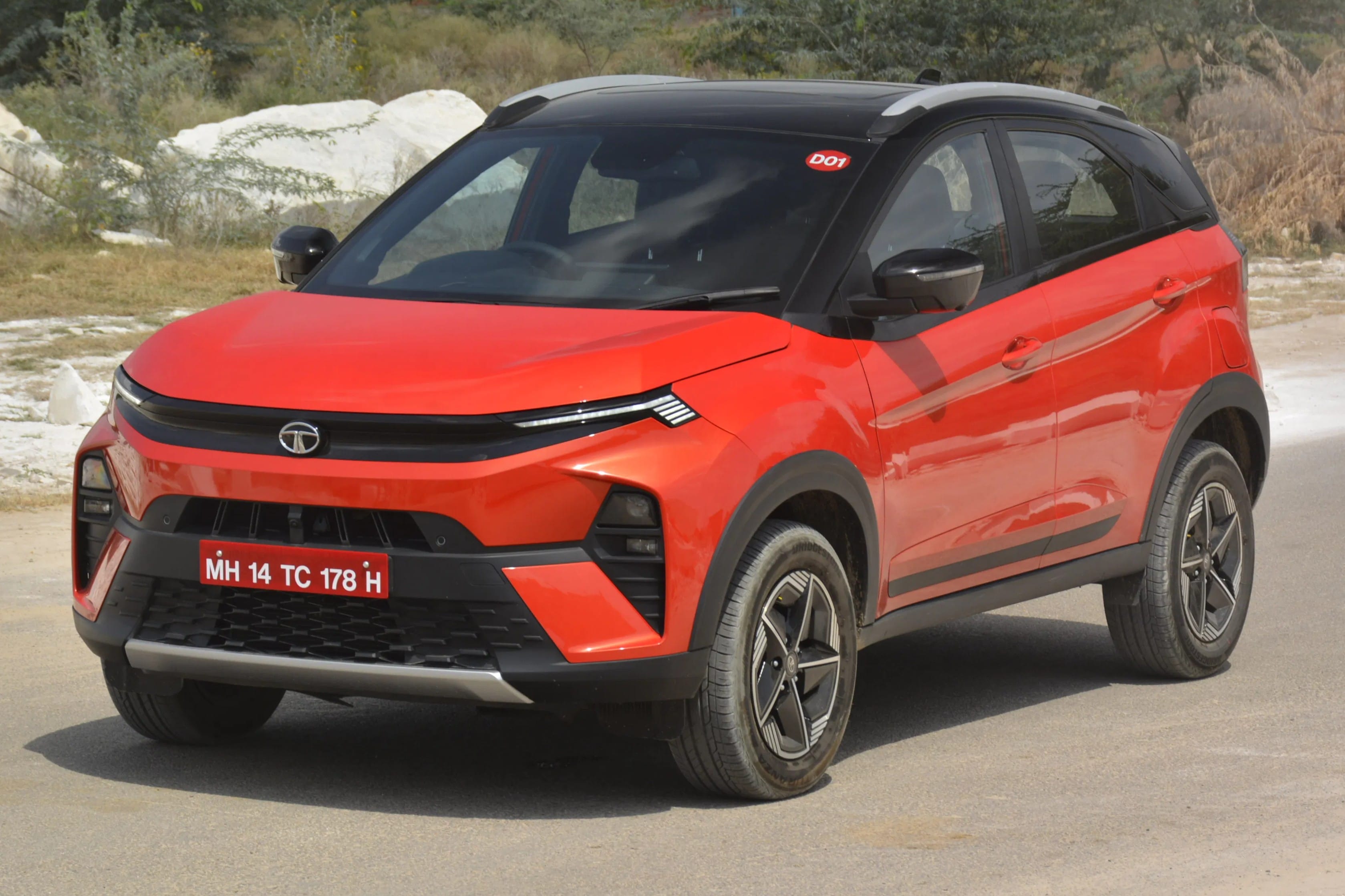
The Tata Nexon first hit the Indian market in 2017, and even after nine years and two facelifts, the compact SUV regularly ranks in the upper echelons of the monthly sales charts. If you’re considering purchasing a Nexon, listed below are three of its most prominent strengths, and two areas where it falls short of rivals.

Pros

Diverse powertrain line-up

Buyers can choose between petrol, diesel, CNG, and electric options

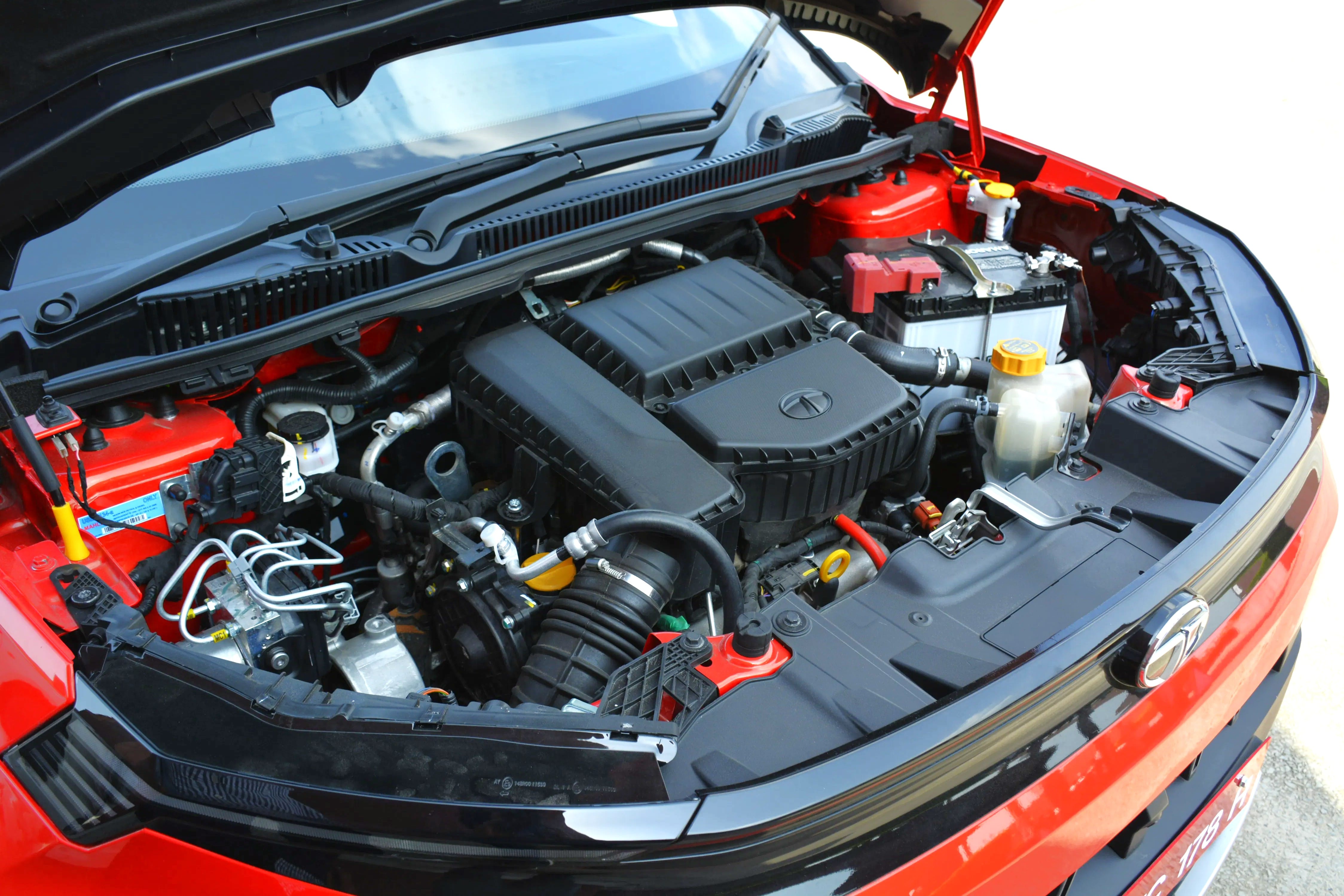
One of the Nexon’s biggest trump cards is its wide array of powertrains on offer: petrol, diesel, CNG, and electric (Nexon EV). Petrol and CNG Nexon buyers get a 1.2-litre 3-cylinder turbocharged engine 120hp and 170Nm in petrol guise, while the CNG makes 100hp instead. The Nexon diesel is powered by a 1.5-litre 4-cylinder mill that develops 115hp and 260Nm, whereas the EV offers 30kWh and 45kWh battery packs.

There’s quite a bit of gearbox choice too. The Nexon petrol alone can be had with one of four gearbox options: 5-speed manual, 6-speed manual, 6-speed AMT, and 7-speed DCT. Diesel variants of the compact SUV offer either a 6-speed manual or 6-speed AMT, while the Nexon CNG gets a 6-speed manual only.

Comfortable ride quality

Can take virtually any broken road in its stride

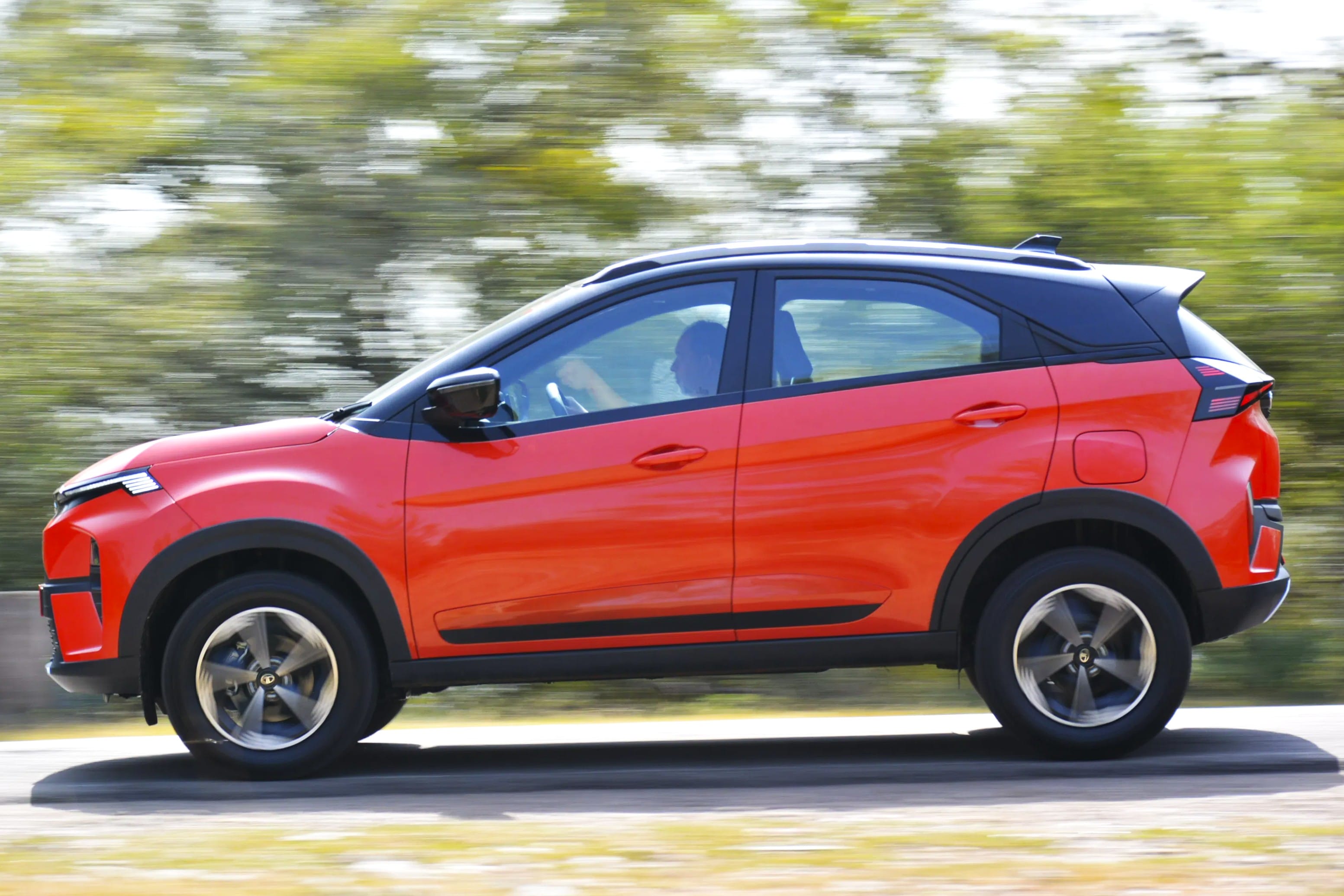
As we noted in our 2023 Nexon review, the compact SUV rides very well on all types of roads. There’s a hint of stiffness in the ride at low speeds, but as you go faster, it immediately smoothes out. The Nexon rides flat despite its relatively tall 208mm ground clearance, and exhibits impressive body control and bump absorption over broken patches.

Feature-rich cabin

Highlights include dual 10.25-inch displays, panoramic sunroof, and 360-deg camera

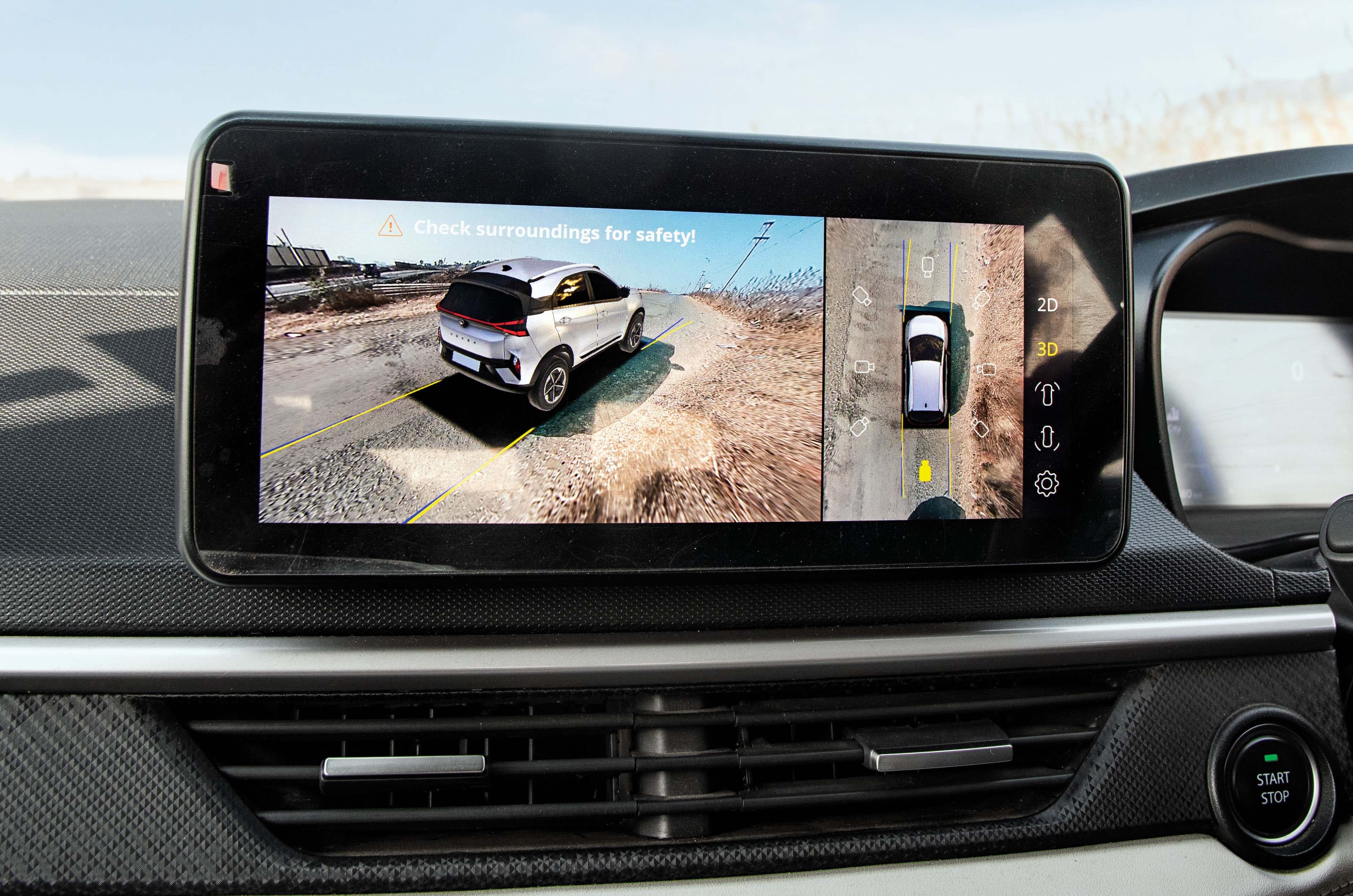
Another aspect of the Nexon that struck a chord with Indian buyers is its extensive feature set. Depending on the variant, the Nexon packs goodies like a 10.25-inch infotainment touchscreen, a 10.25-inch digital driver’s display, a panoramic sunroof, an 8-speaker JBL sound system, ventilated front seats, ADAS, connected car tech, a cabin air purifier, auto-dimming IRVM, wireless charging pad, a 360-degree camera, automatic climate control, and more.

Cons

Interior ergonomics and quality could be better

No proper cupholders and distracting touch-capacitive controls

While the Nexon’s interior looks premium at first glance, a closer look reveals some foibles. First off, there are no proper cupholders in the Nexon’s cabin, which can be an annoyance at times. The driver’s seat doesn’t offer electrical adjustment either, and the seat ventilation button is concealed from view because it’s located at the base of the seat.

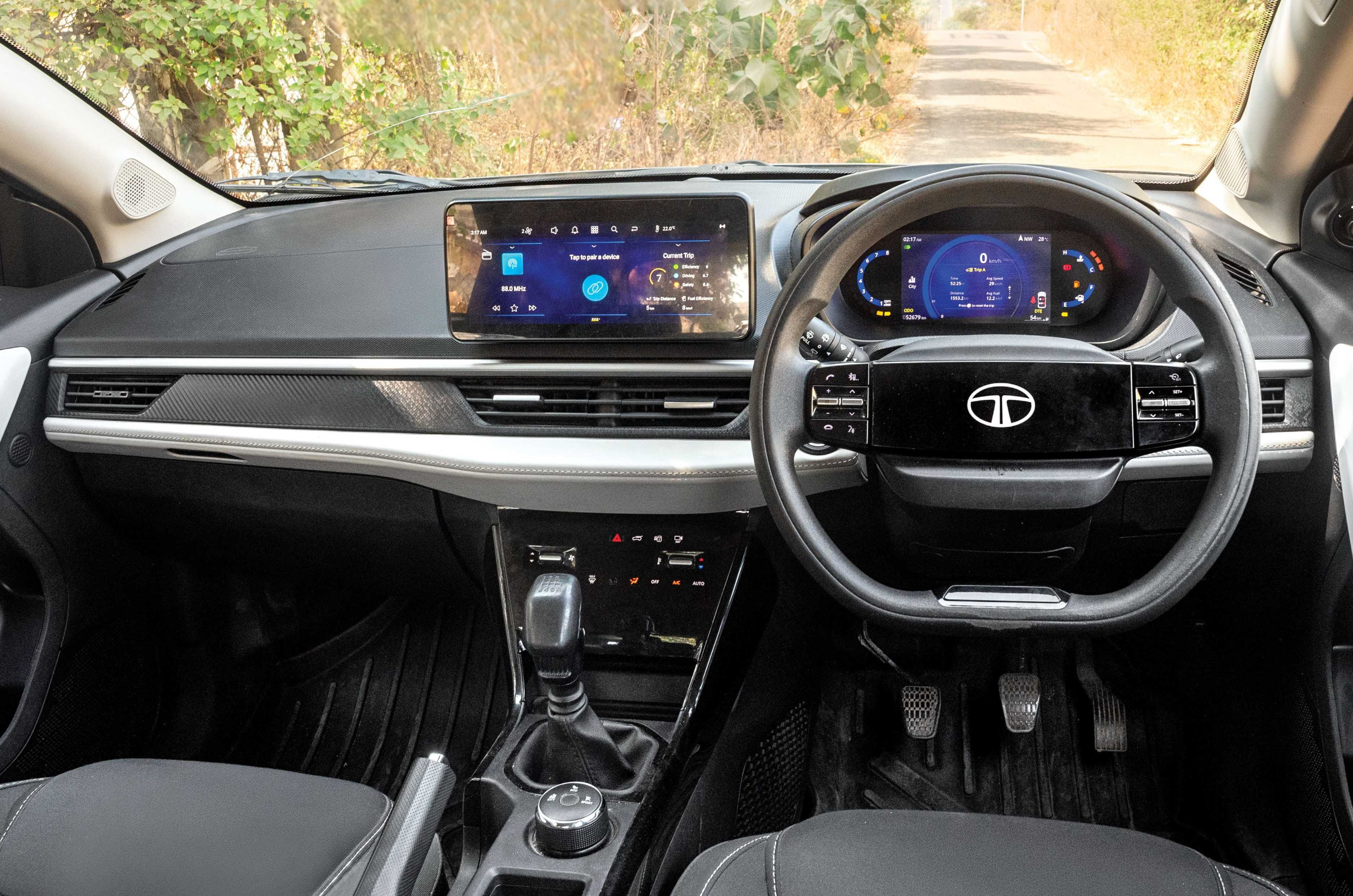
Tata has also used some gloss-black trim pieces for the Nexon’s interior, which are difficult to keep clean they attract fingerprints and dust. Overall build quality is not that impressive too, and the touch-capacitive controls for the AC and steering can be fiddly to operate while on the move.

6-speed MT not that great

Long throws and snappy clutch

The 6-speed manual offered with the Nexon could do with some more tuning. While the gearbox’s gates are well-defined, its throws are long and the shift action isn’t the most pleasing. The snappy clutch also detracts from the smoothness of the driving experience.

What to expect from the updated Maruti Brezza

Maruti Brezza rear quarter static

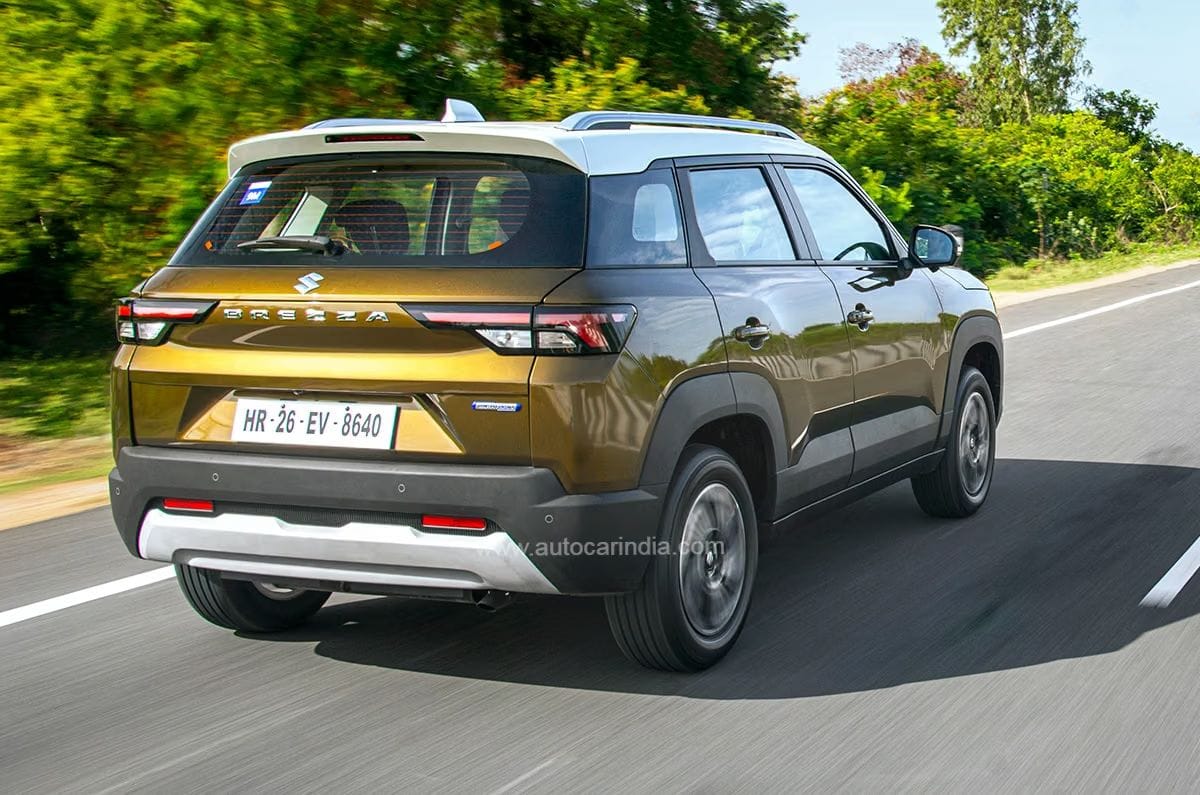
Maruti Suzuki will debut the updated Brezza on July 24, 2026. This will be the first update to the second-generation Brezza, which was first introduced in 2022. Bookings for the compact SUV have already commenced for a token amount of Rs 11,000. Ahead of its debut, here’s everything you can expect from the updated Maruti Brezza.

What exterior changes could the updated Maruti Brezza get?

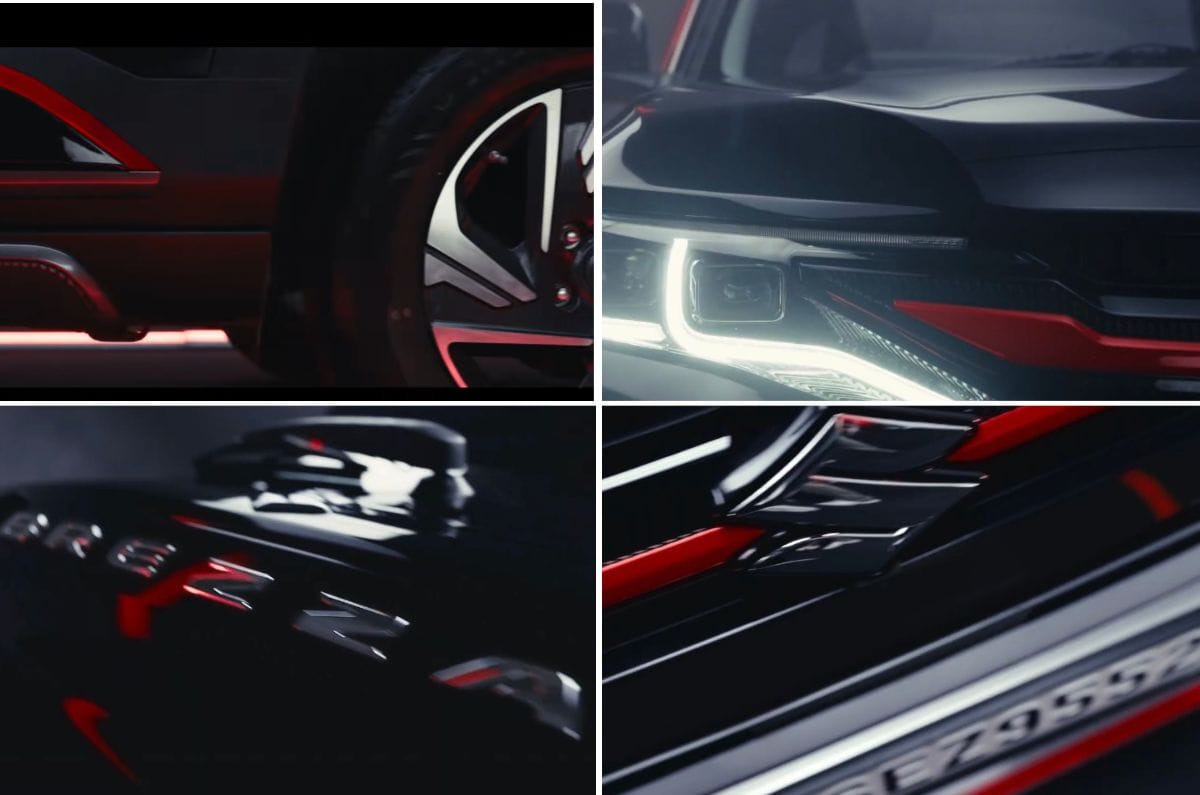
Maruti Suzuki had recently shared a teaser of the updated Brezza online, hinting at new design changes. These include a revised grille design with a thin red strip connecting the headlamps and a red trim for the lower side of the front bumper. Additionally, there’s cladding on the lower side of the doors, while the ‘Brezza’ branding on the tailgate is done in a new font. 

A new design for the alloy wheels was partially spotted and is likely to have a 4-spoke design as seen on the prototypes. The front bumper is restyled, with the squarish fog lamps positioned slightly higher, a silver trim, and a silver faux skid plate. Meanwhile, the LED headlamps with L-shaped DRLs and slim LED tail lamps are retained.

What interior changes and feature additions are likely on the updated Maruti Brezza

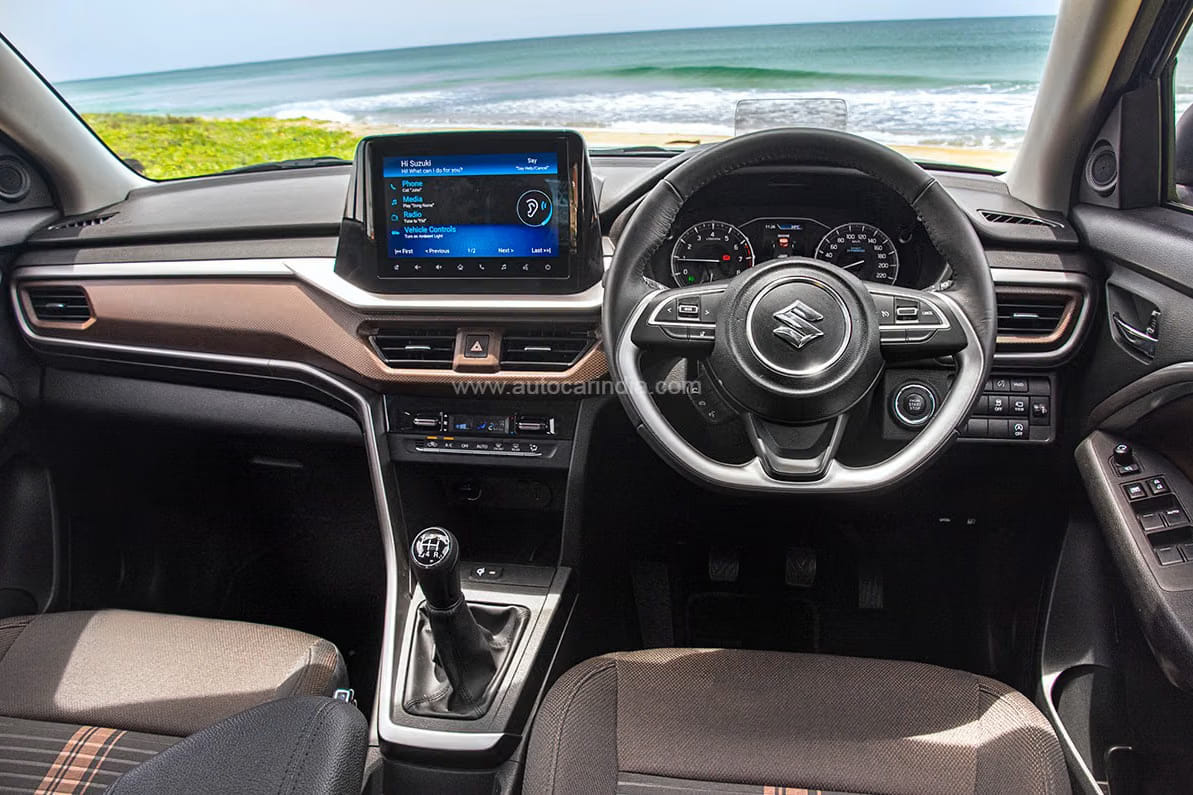
Current Brezza’s interior used for representation.

Maruti is expected to keep the overall cabin layout similar to the current version, albeit with an updated colour scheme and trim materials. A glimpse of the cabin from the teaser showcased an HUD unit and a free-standing infotainment screen, which was also there on the current version. The latter could be upgraded from the current 9-inch display to a larger 10.-inch unit from the Victoris.

Additionally, a new comfort feature was spotted in the form of curved side bolstering for the rear headrests. Features like a powered driver’s seat, front-seat ventilation and ambient lighting are expected to make it to the equipment list.  Level 2 ADAS could be part of the safety kit, along with front parking sensors, as the latter was spotted on testing mules.

What powertrains will the updated Maruti Brezza offer?

Credit: @HarshitMakkarvlogs via YouTube

The Brezza is the only compact SUV in the segment that does not offer a turbo-petrol engine. This could change as the Fronx’s 1.0-litre Boosterjet turbo-petrol unit is likely to make it on the Brezza. A 6-speed manual gearbox is likely to be paired with this engine, as a prototype of the Brezza was spotted in February 2026 with this transmission. A CNG kit could be paired with this engine as well.

If powered by the 1.0-litre mill, the Brezza would be eligible for the lower 18 percent GST rate compared to the 28 percent GST rate for the current version’s 1.5-litre naturally aspirated petrol engine.

What is the expected price of the updated Maruti Brezza

The substantial introduction of upgrades over the current version is likely to make the Brezza slightly pricier. The outgoing Brezza has an ex-showroom price of Rs 8.26 lakh to Rs 12.86 lakh. It will continue to take on rivals like the Hyundai Venue, Tata Nexon, Skoda Kylaq, Mahindra XUV 3XO, Kia Sonet and Syros. 

कार का माइलेज हो रहा है कम? मारुति, हुंडई, टाटा और Kia समेत हर पेट्रोल कार के लिए जानिए ईंधन बचाने के सबसे आसान तरीके

भारत में कार खरीदते समय लोग सबसे पहले उसके माइलेज पर ध्यान देते हैं। पेट्रोल और डीजल की लगातार बढ़ती कीमतों के बीच अब अच्छी माइलेज पहले से भी ज्यादा जरूरी हो गई है। वहीं, देश में E20 पेट्रोल के इस्तेमाल के बढ़ने के बाद भी ईंधन की बचत को लेकर लोगों की चिंता बढ़ी है। हालांकि, कार कंपनियों का कहना है कि E20 पेट्रोल से माइलेज में थोड़ी कमी आ सकती है, लेकिन किसी भी कार का वास्तविक माइलेज काफी हद तक आपकी ड्राइविंग की आदत, गाड़ी की देखभाल और सड़क की स्थिति पर भी निर्भर करता है।

चाहे आपके पास मारुति सुजुकी स्विफ्ट, हुंडई क्रेटा, टाटा नेक्सन, महिंद्रा XUV 3XO या किआ सेल्टोस जैसी कोई भी कार हो, कुछ आसान टिप्स अपनाकर आप हर लीटर ईंधन में ज्यादा दूरी तय कर सकते हैं और अपनी ईंधन लागत को कम कर सकते हैं।

क्या E20 पेट्रोल से कार का माइलेज कम हो जाता है?

E20 पेट्रोल में 20% इथेनॉल और 80% पेट्रोल मिलाया जाता है। इथेनॉल में सामान्य पेट्रोल की तुलना में एनर्जी कम होती है। यही वजह है कि E20 पेट्रोल इस्तेमाल करने पर कार का माइलेज थोड़ा कम हो सकता है। 4 जुलाई को पेट्रोलियम एवं प्राकृतिक गैस मंत्रालय, भारी उद्योग मंत्रालय और सड़क परिवहन एवं राजमार्ग मंत्रालय की संयुक्त प्रेस कॉन्फ्रेंस में मारुति सुजुकी इंडिया के वरिष्ठ अधिकारी राहुल भारती ने बताया कि E20 पेट्रोल की कैलोरीफिक वैल्यू, E10 पेट्रोल के मुकाबले करीब 3 से 3.5 प्रतिशत कम होती है। इसी कारण माइलेज में भी लगभग इतनी ही कमी देखने को मिल सकती है। उन्होंने उदाहरण देते हुए कहा कि अगर कोई कार सामान्य तौर पर 20 किलोमीटर प्रति लीटर का माइलेज देती है, तो E20 पेट्रोल इस्तेमाल करने पर उसका माइलेज करीब 0.6 किलोमीटर प्रति लीटर तक कम हो सकता है।

कार का माइलेज कैसे बढ़ाएं?

चाहे आपकी कार E10 पेट्रोल पर चलती हो या E20 पेट्रोल पर, अच्छी माइलेज पाने का सबसे आसान तरीका है संतुलित और आराम से ड्राइविंग करना। तेज रफ्तार में अचानक एक्सीलेटर दबाने, बार-बार तेज ब्रेक लगाने और इंजन को बेवजह ज्यादा आरपीएम (स्पीड) पर चलाने से बचें। इससे ईंधन की खपत बढ़ जाती है। शहर के ट्रैफिक में गाड़ी चलाते समय धीरे-धीरे एक्सीलेटर दबाएं। इससे इंजन पर कम दबाव पड़ता है और ईंधन की बचत होती है। वहीं, हाईवे पर जहां संभव हो, एक समान गति बनाए रखकर गाड़ी चलाने से भी बेहतर माइलेज मिल सकता है।

क्या टायर का प्रेशर माइलेज पर असर डालता है?

टायर में सही हवा होना कार की माइलेज के लिए बहुत जरूरी है। अगर टायर में हवा कम होगी, तो सड़क पर उसका रोलिंग रेजिस्टेंस बढ़ जाएगा। ऐसे में इंजन को ज्यादा ताकत लगानी पड़ेगी और ईंधन की खपत भी बढ़ जाएगी। इसलिए कार मालिकों को कम से कम हर 15 दिन में एक बार टायर का प्रेशर जरूर जांचना चाहिए। हमेशा कंपनी द्वारा बताए गए तय प्रेशर के अनुसार ही टायर में हवा भरवाएं। इससे न सिर्फ माइलेज बेहतर होगी, बल्कि टायर की उम्र भी बढ़ेगी।

क्या समय पर सर्विस न कराने से कार का माइलेज कम हो जाता है?

अगर कार की सर्विस समय पर नहीं कराई जाती, तो उसका सीधा असर माइलेज पर पड़ सकता है। एयर फिल्टर गंदा या जाम होने, स्पार्क प्लग घिस जाने और इंजन ऑयल पुराना होने से इंजन पहले जितनी क्षमता से काम नहीं कर पाता। इससे ईंधन की खपत बढ़ जाती है और माइलेज कम हो जाती है। इसलिए कार की नियमित सर्विस कराना बहुत जरूरी है। समय पर सर्विस होने से इंजन बेहतर तरीके से काम करता है, ईंधन की बचत होती है और कार की परफॉर्मेंस भी अच्छी बनी रहती है। हर कार के साथ मिलने वाली ओनर मैनुअल में सर्विस का पूरा शेड्यूल दिया होता है। उसी के अनुसार समय-समय पर सर्विस कराते रहें। यह न सिर्फ कार को बेहतर स्थिति में रखता है, बल्कि कम ईंधन में ज्यादा दूरी तय करने में भी मदद करता है।

क्या ज्यादा सामान रखने से कार का माइलेज कम हो जाता है?

कार में जितना ज्यादा वजन होगा, इंजन को उसे चलाने के लिए उतनी ही ज्यादा मेहनत करनी पड़ेगी। इसलिए अगर आप डिग्गी में बिना जरूरत का भारी सामान रखते हैं, तो इससे ईंधन की खपत बढ़ सकती है और माइलेज कम हो सकती है। इसके अलावा, कार की छत पर लगाए जाने वाले रूफ कैरियर या रूफ बॉक्स भी हवा के प्रवाह में रुकावट पैदा करते हैं। खासकर हाईवे पर इनकी वजह से कार को आगे बढ़ने में ज्यादा ताकत लगती है, जिससे माइलेज पर असर पड़ता है।

क्या गाड़ी खड़ी होने पर इंजन चालू रखना सही है?

आज की पेट्रोल कारें खड़ी रहने पर भी ईंधन खर्च करती हैं। अगर आपको एक मिनट या उससे ज्यादा समय तक कहीं रुकना है, तो जहां संभव हो, इंजन बंद कर देना बेहतर होता है। इससे ईंधन की बचत होती है। आजकल कई नई कारों में ऑटो स्टार्ट-स्टॉप सिस्टम दिया जाता है। यह सुविधा ट्रैफिक सिग्नल या लंबे इंतजार के दौरान अपने आप इंजन बंद कर देती है और जरूरत पड़ने पर दोबारा चालू कर देती है, जिससे ईंधन की बचत होती है।

क्या एसी चलाने से कार का माइलेज कम हो जाता है?

जी हां, लेकिन इसका असर इस बात पर निर्भर करता है कि आप कार कैसे चला रहे हैं। अगर आप लंबे समय तक एसी को सबसे कम तापमान पर चलाते हैं, तो इंजन पर अतिरिक्त दबाव पड़ता है और ईंधन की खपत बढ़ सकती है। बेहतर माइलेज के लिए एसी का तापमान 22 से 24 डिग्री सेल्सियस के बीच रखना अच्छा माना जाता है। इसके अलावा, रीसर्कुलेशन मोड का इस्तेमाल करने से भी एसी जल्दी ठंडा करता है और ईंधन की बचत में मदद मिलती है।

क्या प्रीमियम पेट्रोल से माइलेज बढ़ जाती है?

हर बार ऐसा नहीं होता। अगर आपकी कार बनाने वाली कंपनी ने खास तौर पर प्रीमियम पेट्रोल इस्तेमाल करने की सलाह नहीं दी है, तो केवल ज्यादा ऑक्टेन वाला पेट्रोल भरवाने से माइलेज में कोई बड़ा फर्क नहीं पड़ता। भारत में बिकने वाली ज्यादातर पेट्रोल कारें सामान्य पेट्रोल पर बेहतर तरीके से चलने के लिए बनाई जाती हैं। जिन कारों में E20 पेट्रोल की अनुमति है, वे भी सामान्य रूप से उसी ईंधन पर अच्छी तरह काम करती हैं। इसलिए बिना जरूरत सिर्फ माइलेज बढ़ाने के लिए प्रीमियम पेट्रोल पर अतिरिक्त खर्च करना जरूरी नहीं है।