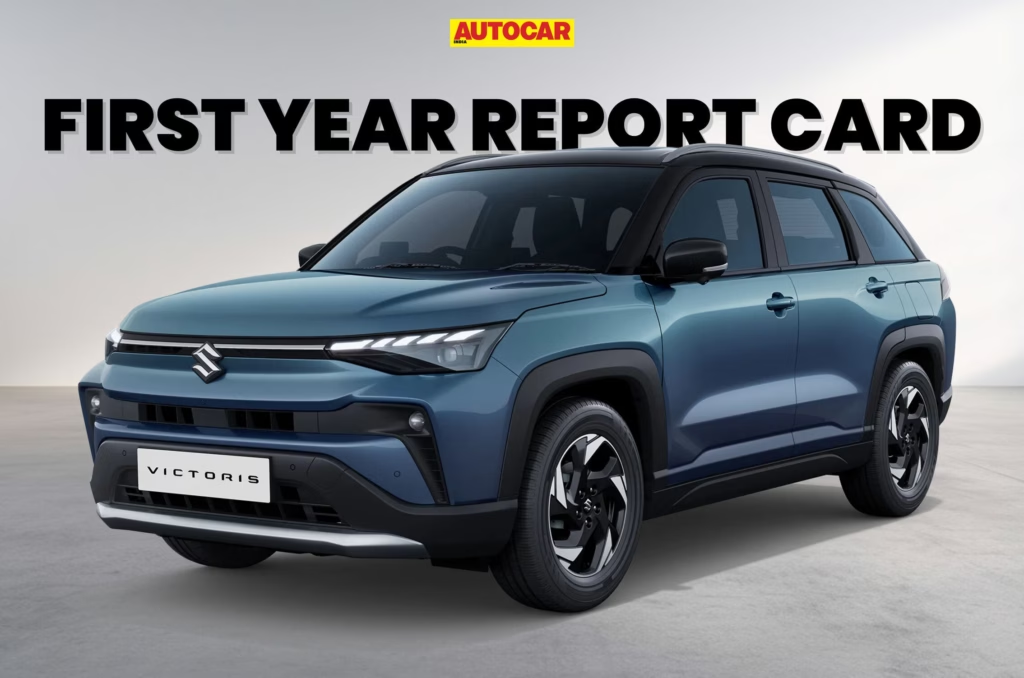
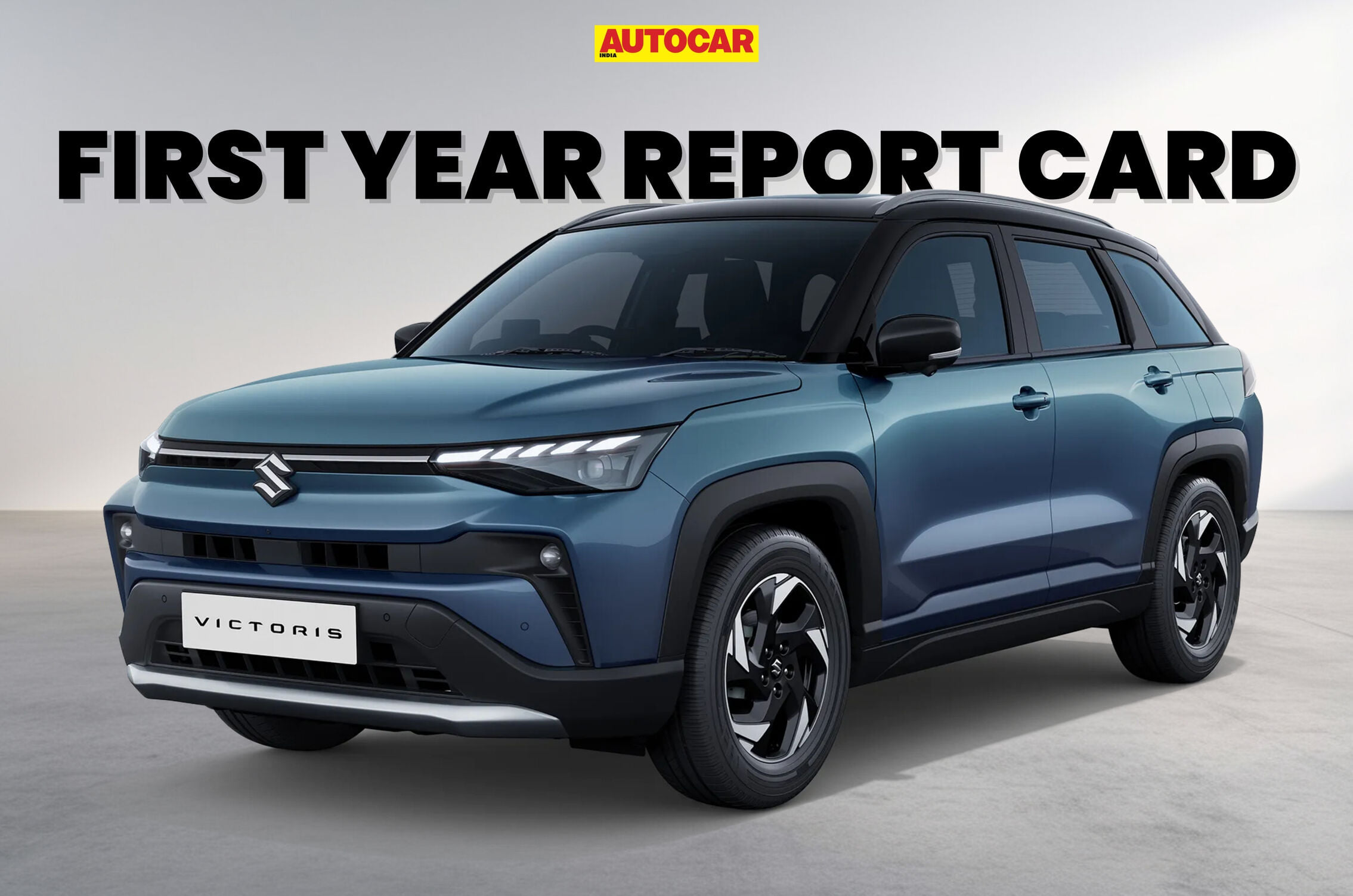
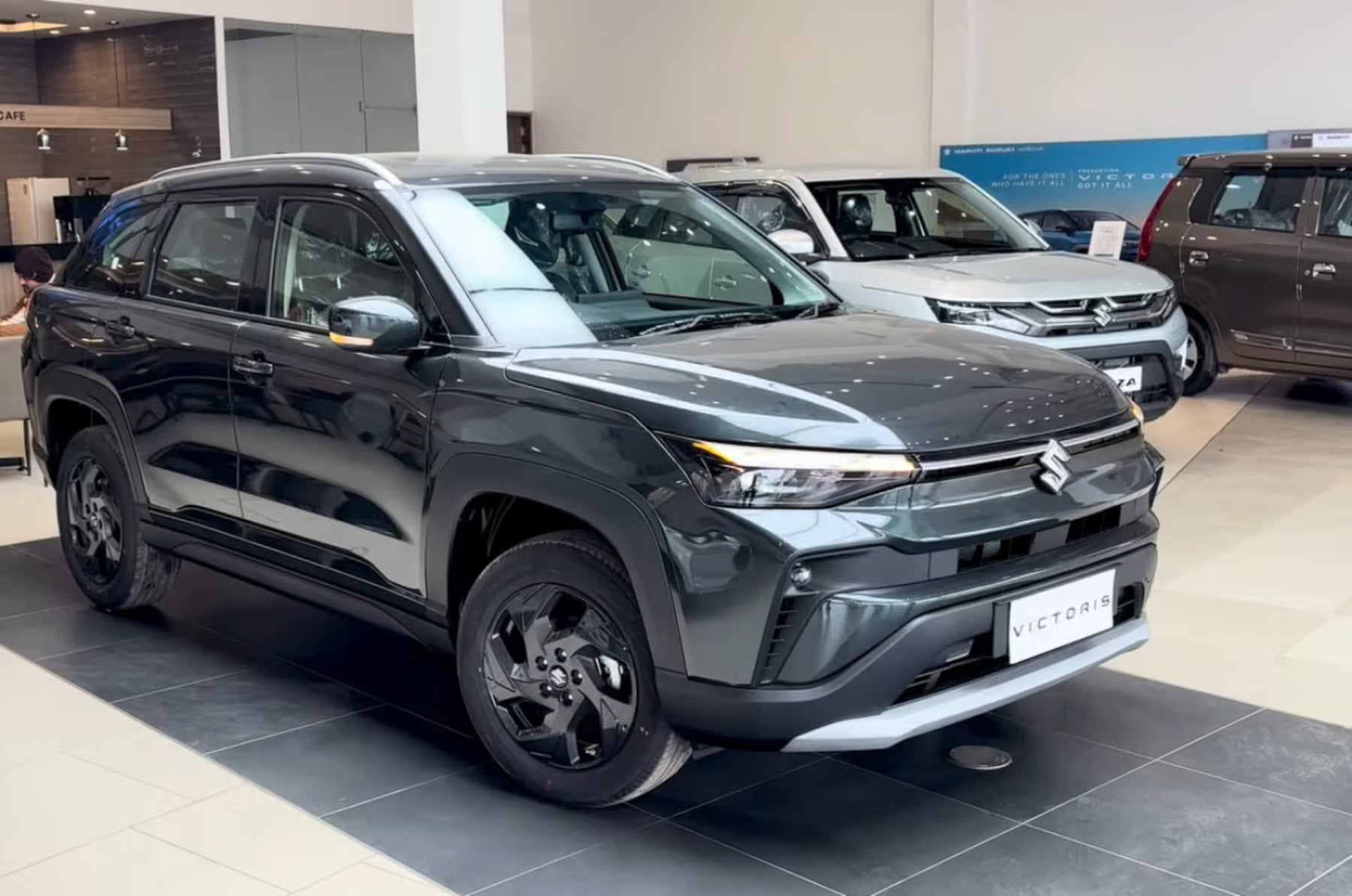
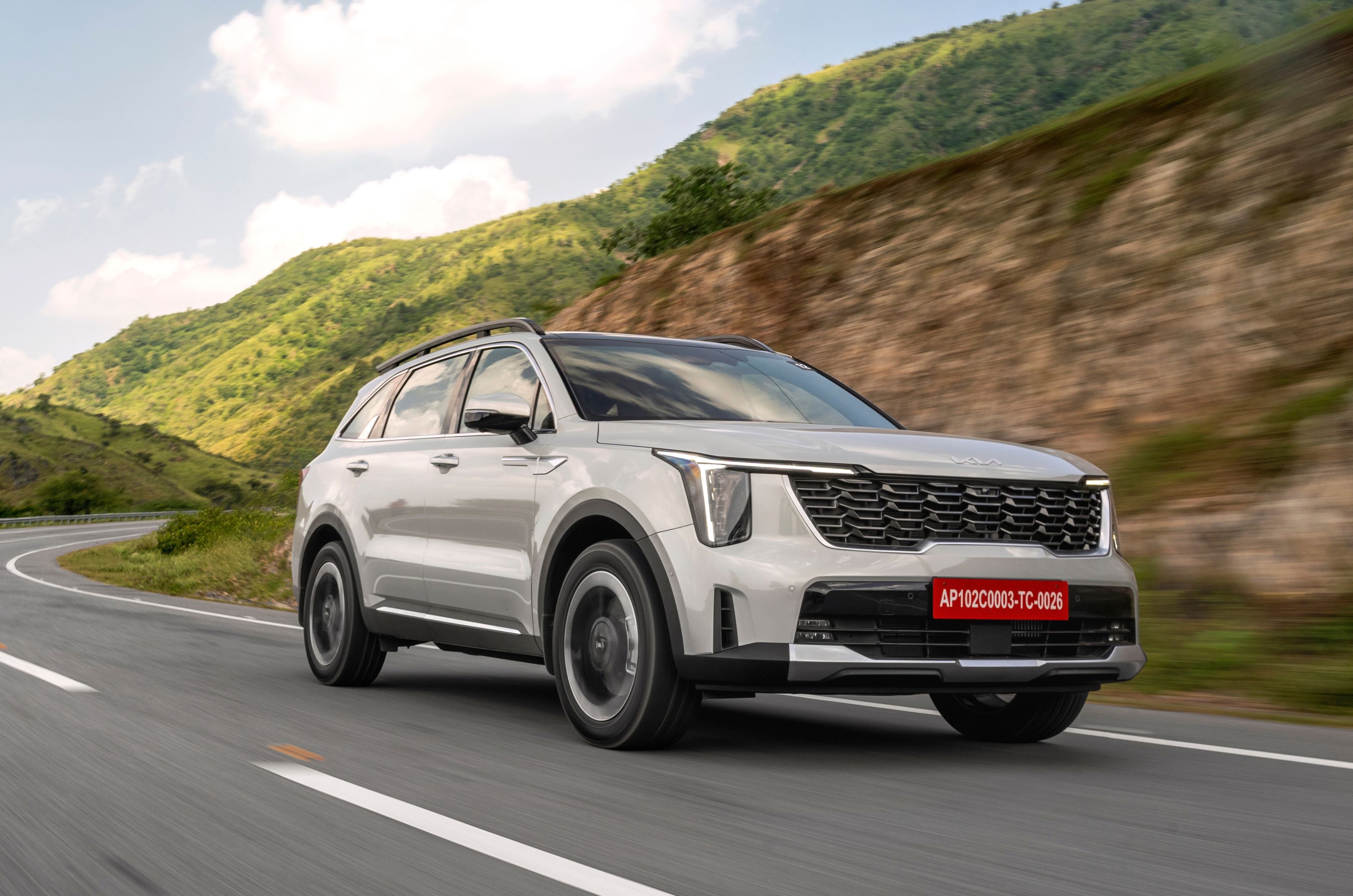
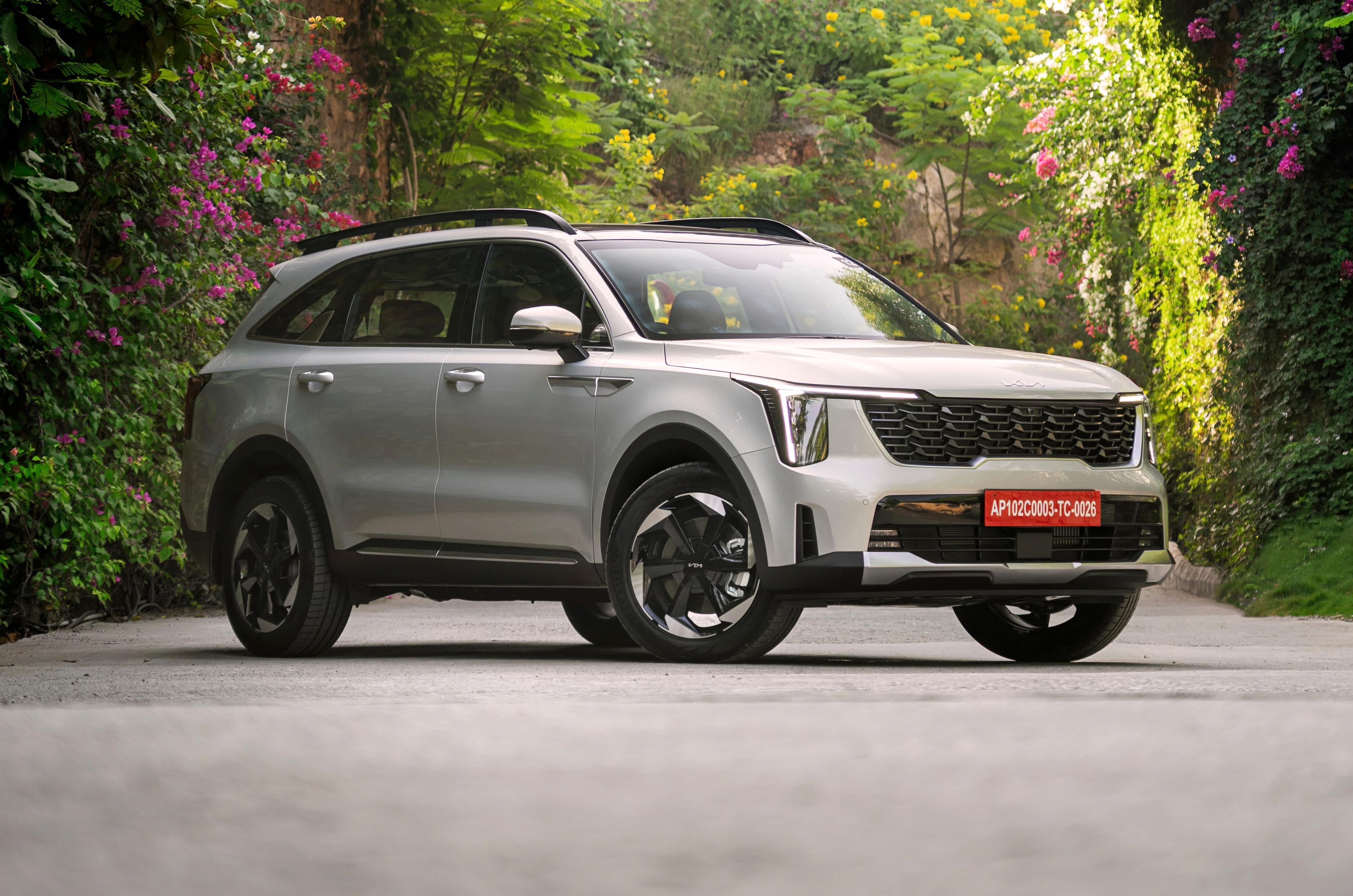
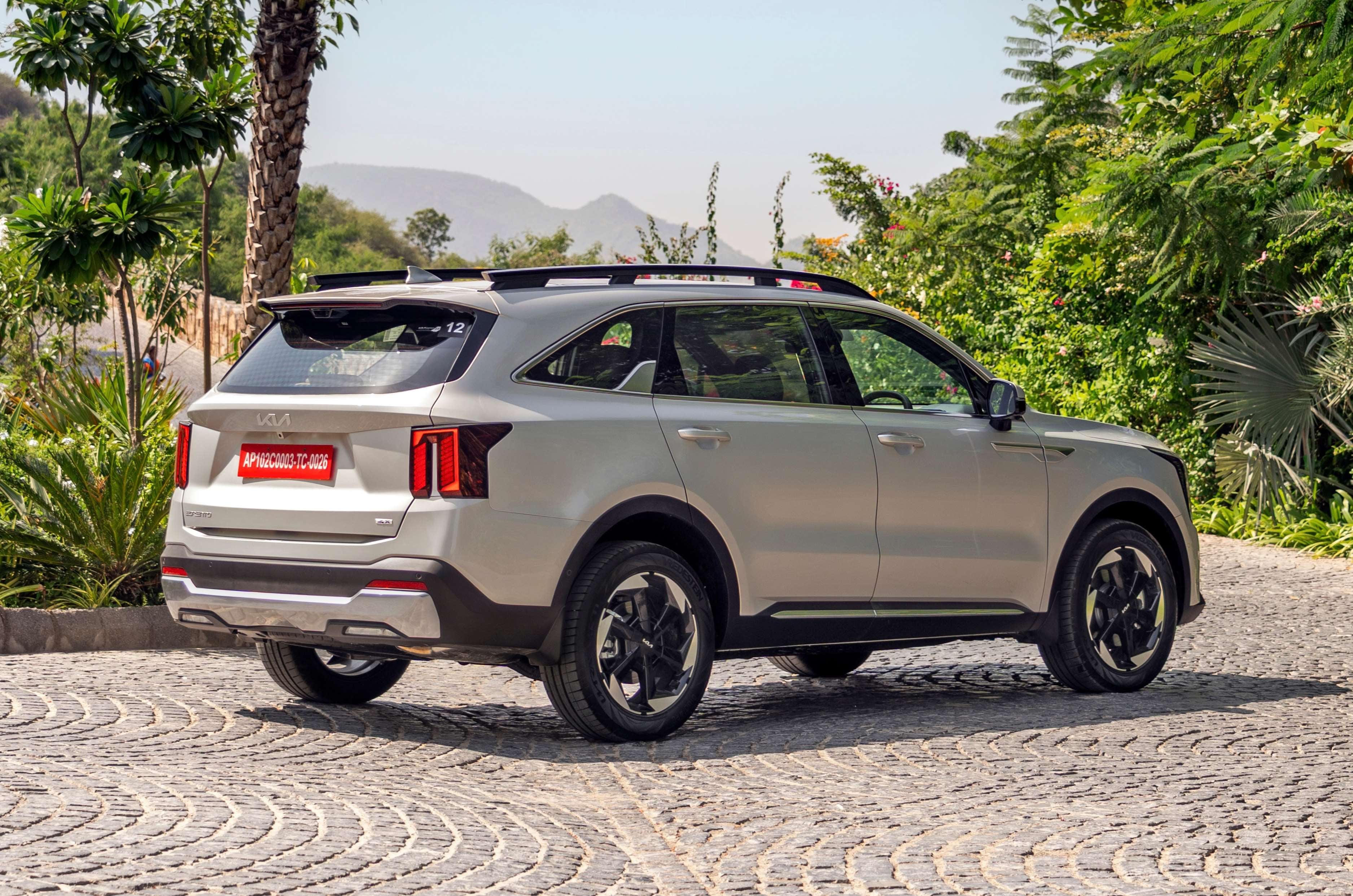
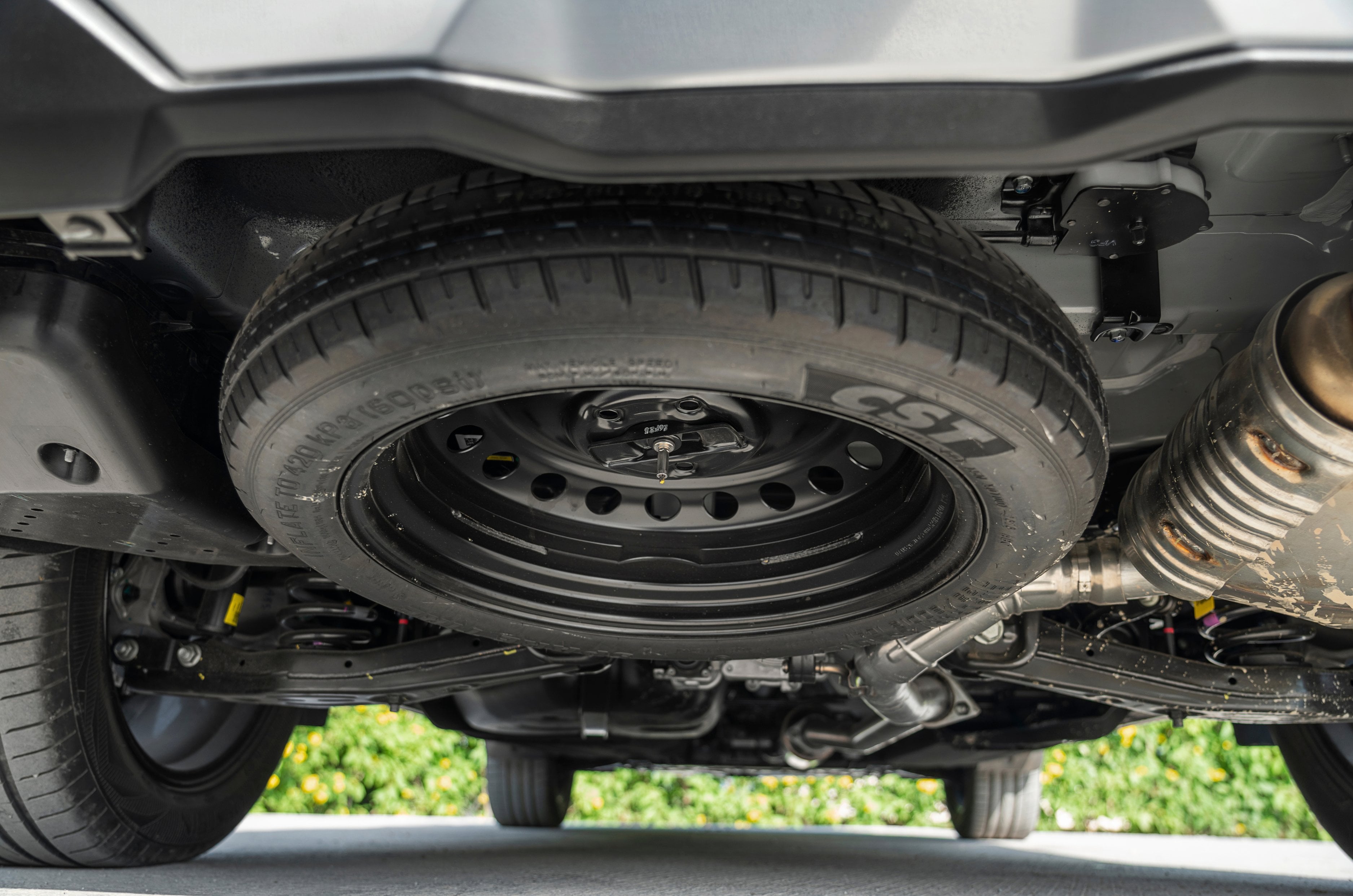
Maruti Suzuki introduced the Victoris SUV on September 15, 2026, as its second mid-size SUV. With the Victoris, Maruti aimed to capture a larger share of the mid-size SUV segment by retailing it through its widespread Arena dealership network, in contrast to its Nexa-sold stablemate, the Grand Vitara. The Victoris shares its platform and engines with the Grand Vitara but sports a distinct exterior design. Additionally, it introduced features such as an underbody-mounted CNG tank and became the first Maruti model to feature a Level 2 ADAS suite.
Victoris records 1,47,602 units in total sales in its first year.
Prices have increased/decreased for select variants; still range between Rs 10.5 lakh and Rs 19.99 lakh.
No variant rejigs took place in its first year.
Maruti Victoris sales
In its first year since launch, the Maruti Suzuki Victoris recorded sales of 1,47,602 units, averaging roughly 12,300 units per month. Monthly volumes began at 4,261 units in September 2025 and rose quickly to 13,496 units in October 2025. Following a minor dip to 12,300 units in November 2025, sales dropped by nearly half in December 2025. Peak sales were recorded in January 2026 at 15,240 units, after which the SUV maintained steady monthly volumes ranging between 10,000 and 13,000 units.
Despite launching after the Grand Vitara, the Victoris achieves higher monthly sales figures, largely supported by Maruti Suzuki’s wider Arena dealership network. Notably, the SUV crossed the 1-lakh sales milestone within eight months of launch—outpacing the Grand Vitara to reach this mark.
Maruti Victoris variant -wise price
Variant
Price now (Rs lakh)
Price at launch (Rs lakh)
1.5 LXi
10.50
10.50
1.5 LXi CNG
11.55
11.50
1.5 VXi
11.85
11.80
1.5 VXi AT
13.41
13.36
1.5 VXi CNG
12.90
12.80
1.5 VXi strong hybrid eCVT
16.43
16.38
1.5 ZXi
13.62
13.57
1.5 ZXi AT
15.18
15.13
1.5 ZXi CNG
14.66
14.57
1.5 ZXi strong hybrid eCVT
18.00
17.80
1.5 ZXi(O)
13.69
14.08
1.5 ZXi(O) AT
15.25
15.64
1.5 ZXi(O) strong hybrid
18.43
18.39
1.5 ZXi+
15.39
15.24
1.5 ZXi+ AT
17.34
17.19
1.5 ZXi+ AT AWD
18.69
18.64
1.5 ZXi+ strong hybrid eCVT
19.52
19.47
1.5 ZXi+(O)
15.48
15.82
1.5 ZXi+(O) AT
17.43
17.77
1.5 ZXi+(O) AT AWD
19.27
19.22
1.5 ZXi+(O) strong hybrid eCVT
19.99
19.99
The Victoris is priced between Rs 10.50 lakh and Rs 19.99 lakh, and is offered in several variants. Depending on the variant, prices have increased by up to Rs 20,000 because of hikes by the carmaker due to a rise in input costs. However, select variants of the Victoris saw a price cut of up to Rs 39,000 in July 2026.
Maruti Victoris milestones
Within its first year in the market, Maruti hasn’t introduced or discontinued any of its variants. Additionally, the SUV has not been subject to any recalls.
Maruti Victoris specifications
The Victoris is offered with petrol, CNG, and strong-hybrid powertrains. The petrol and CNG versions use a 1.5-litre naturally aspirated engine: the former produces 103hp and 139Nm, while the latter outputs 88hp and 122Nm. Petrol variants feature a 5-speed manual or a 6-speed automatic transmission, with the automatic also available in an all-wheel-drive (AWD) configuration. CNG versions come exclusively with a 5-speed manual.
The strong-hybrid variant is powered by a 1.5-litre naturally aspirated Atkinson-cycle petrol engine producing 92hp and 122Nm, paired with an e-CVT. The system incorporates a 0.76 kWh battery and an electric motor generating 80hp and 141Nm, delivering a combined peak power output of 116 hp.
In terms of fuel efficiency, the claimed figures for the petrol manual, petrol automatic, and petrol AWD variants are 21.18kpl, 21.06kpl, and 19.07kpl, respectively. The strong-hybrid model leads with a claimed efficiency of 28.65kpl, while the CNG version delivers 27.02km/kg.
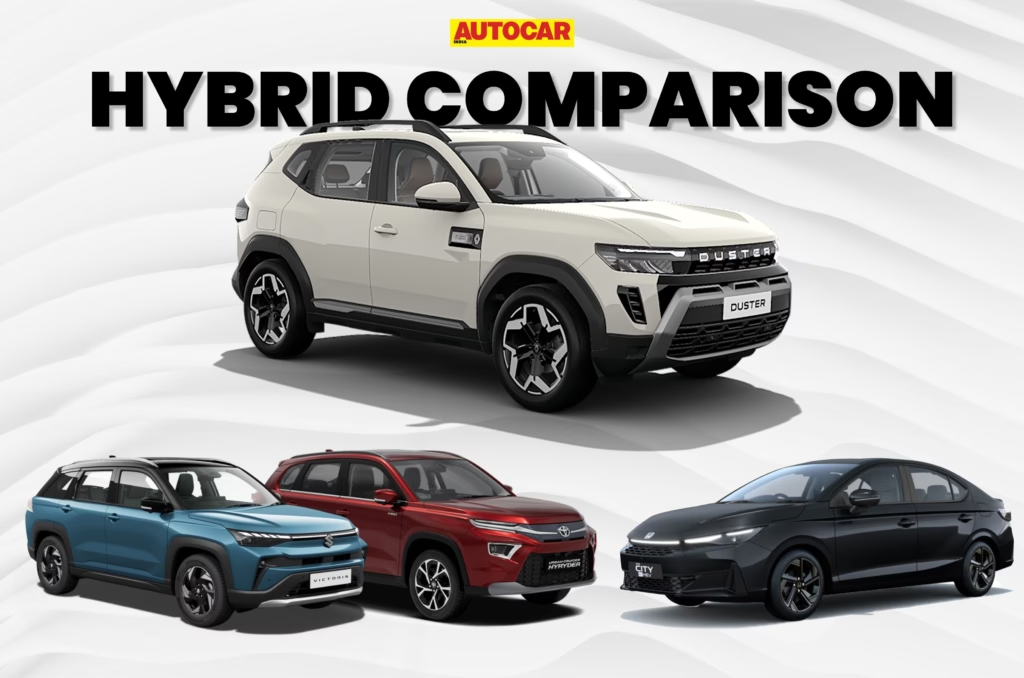
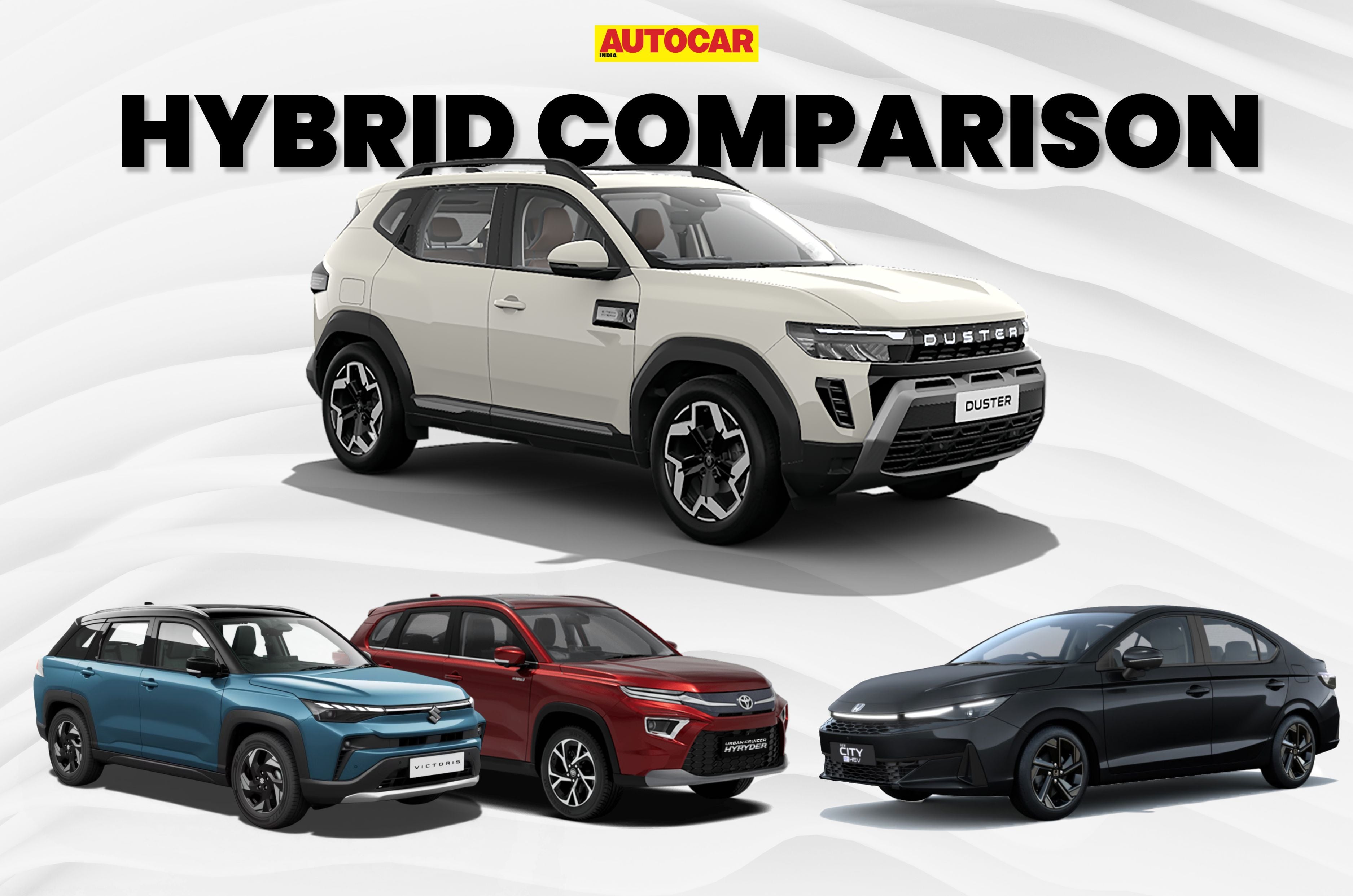
The new Renault Duster has been launched with a strong hybrid powertrain option, a first for the nameplate in India. The latest from Renault competes in the midsize SUV space, where only the Maruti Grand Vitara, Maruti Victoris and Toyota Hyryder currently offer a hybrid choice. Honda does not offer a hybrid setup with the Elevate at the moment, though the City midsize sedan has been equipped with one. But how do these vehicles stack up on paper when it comes to specifications? Let’s find out.
Renault Duster hybrid spec comparison
Duster has the highest power output
Renault Duster hybrid specs vs Grand Vitara, Victoris, Hyryder and City e:HEV
Hybrid system
Combined power
Combined torque
Transmission
Mileage
Battery size | Voltage
Duster
1.8L 4cyl + 2 e-motors
160hp
–
Multi-mode automatic
29kpl
1.4kWh | 247V
Grand Vitara
1.5L 3cyl + e-motor
116hp
141Nm
eCVT
27.97kpl
0.60kWh | 177.6V
Victoris
1.5L 3cyl + e-motor
116hp
141Nm
eCVT
28.65kpl
0.60kWh | 177.6V
Hyryder
1.5L 3cyl + e-motor
116hp
141Nm
eCVT
27.97kpl
0.60kWh | 177.6V
City e:HEV
1.5L 4cyl + e-motor
126hp
253Nm
eCVT
27.13kpl
Not available | 172.8V
While we are yet to sample the Duster hybrid in real-world conditions, the above specs table suggests it takes a more performance-led approach than the rest. Its four-cylinder naturally aspirated petrol engine is the largest by cubic capacity here, and paired with two electric motors, this hybrid setup delivers the highest peak power output. Renault claims a 0-100kph time of 9.61 seconds, which it says makes the Duster hybrid the quickest in the segment. The brand has not revealed a combined torque figure yet, though the Duster’s traction motor produces 208Nm on its own.
Renault SUV’s multi-mode gearbox stands out
The Duster’s multi-mode automatic gearbox has two gears for the motor and four gears for the engine. Renault claims that this setup creates an 8-speed combination in hybrid mode, and it stands out as the others use an eCVT unit, which is known for a smooth driving experience. Moreover, the Duster hybrid’s larger, higher-voltage battery further points to more electric assistance than the rest. The French brand claims that 80 percent of city drives are possible in EV mode alone, while the Duster hybrid’s ARAI-certified mileage of 29kpl is the highest of all the cars here.
Midsize SUVs offer most powertrains
Only PHEV is missing
Save for plug-in hybrid, midsize SUVs offer almost every major powertrain choice, including petrol, CNG, diesel and electric. Hyundai Creta is expected to adopt a hybrid powertrain in its next generation, due in 2027, and its Kia Seltos sibling is also set to follow suit. The new Tata Sierra’s ARGOS platform is hybrid-ready, giving the homegrown carmaker the flexibility to introduce a hybrid version in the future. Volkswagen and Skoda are also working on hybrid midsize SUVs for the Indian market.
The Renault Duster will get a strong-hybrid powertrain in India on October 17, joining the existing 1.0-litre and 1.3-litre turbo-petrol options. Bookings are open for Rs 21,000. Here’s what to expect from the new hybrid variant, including its powertrain, features and rivals.
1. What is the claimed mileage of the Renault Duster hybrid?
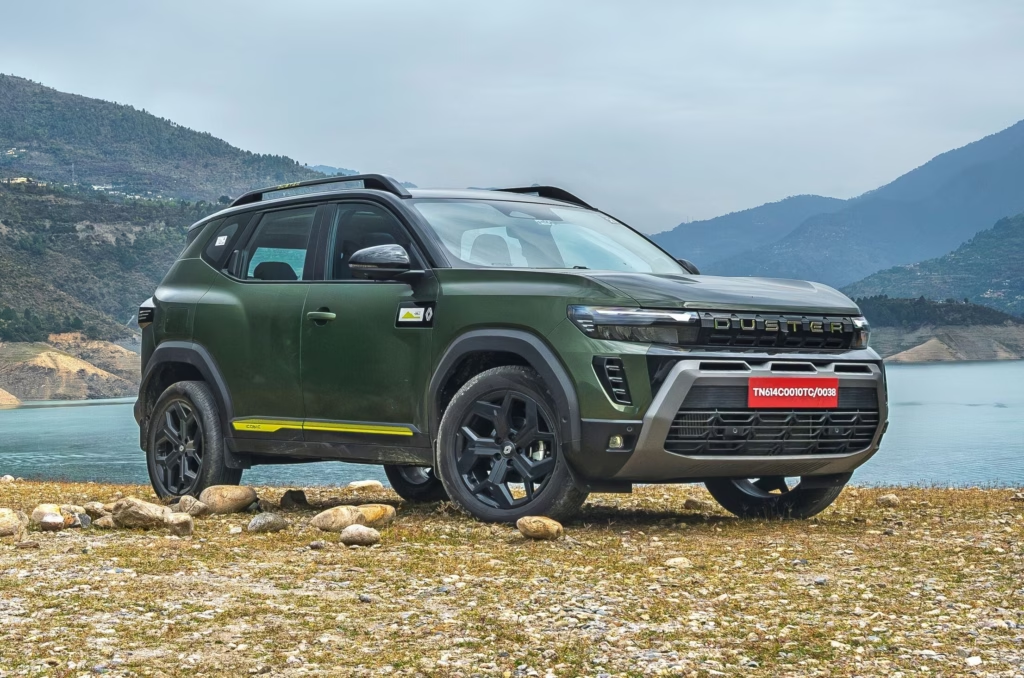
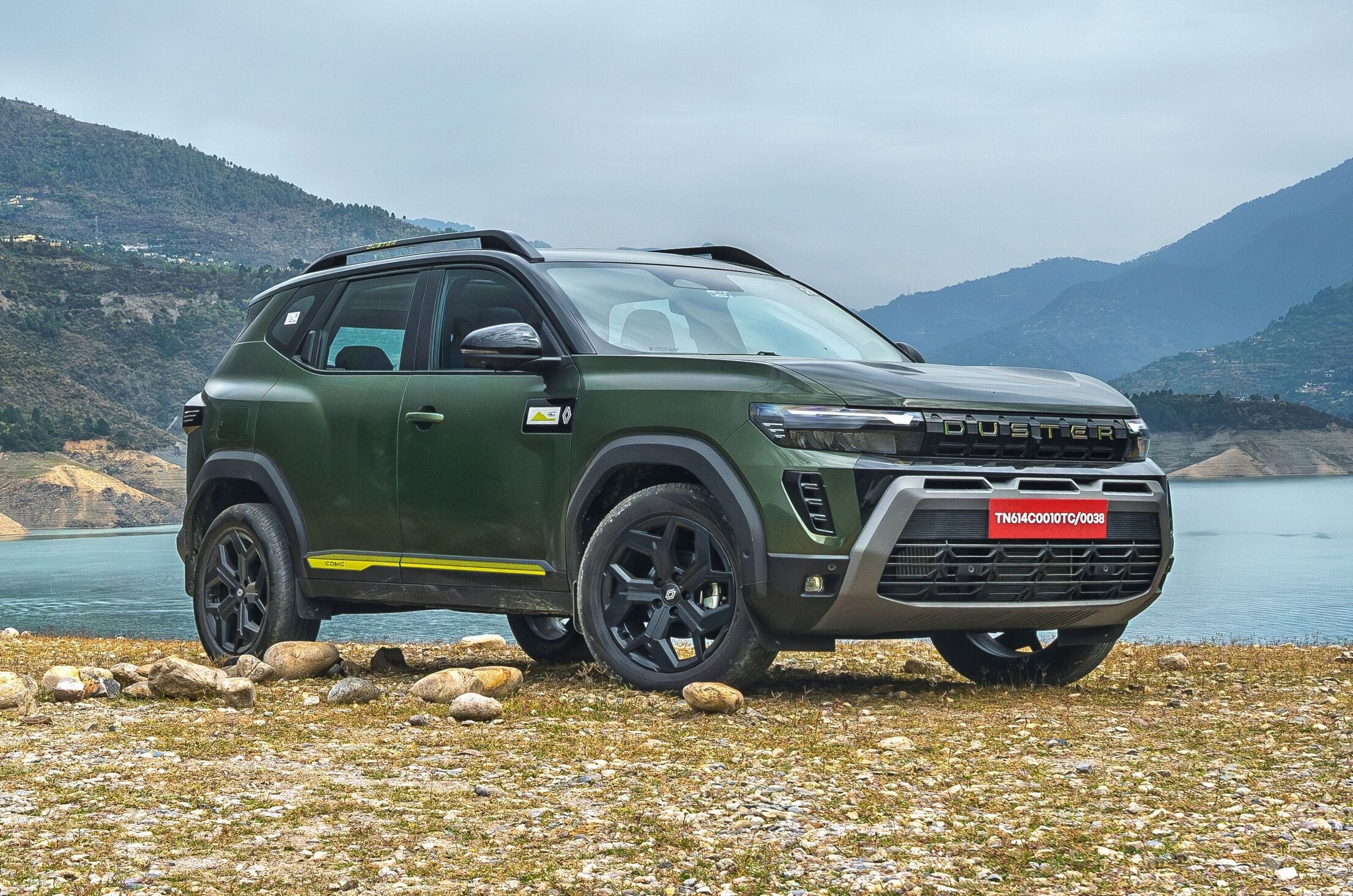
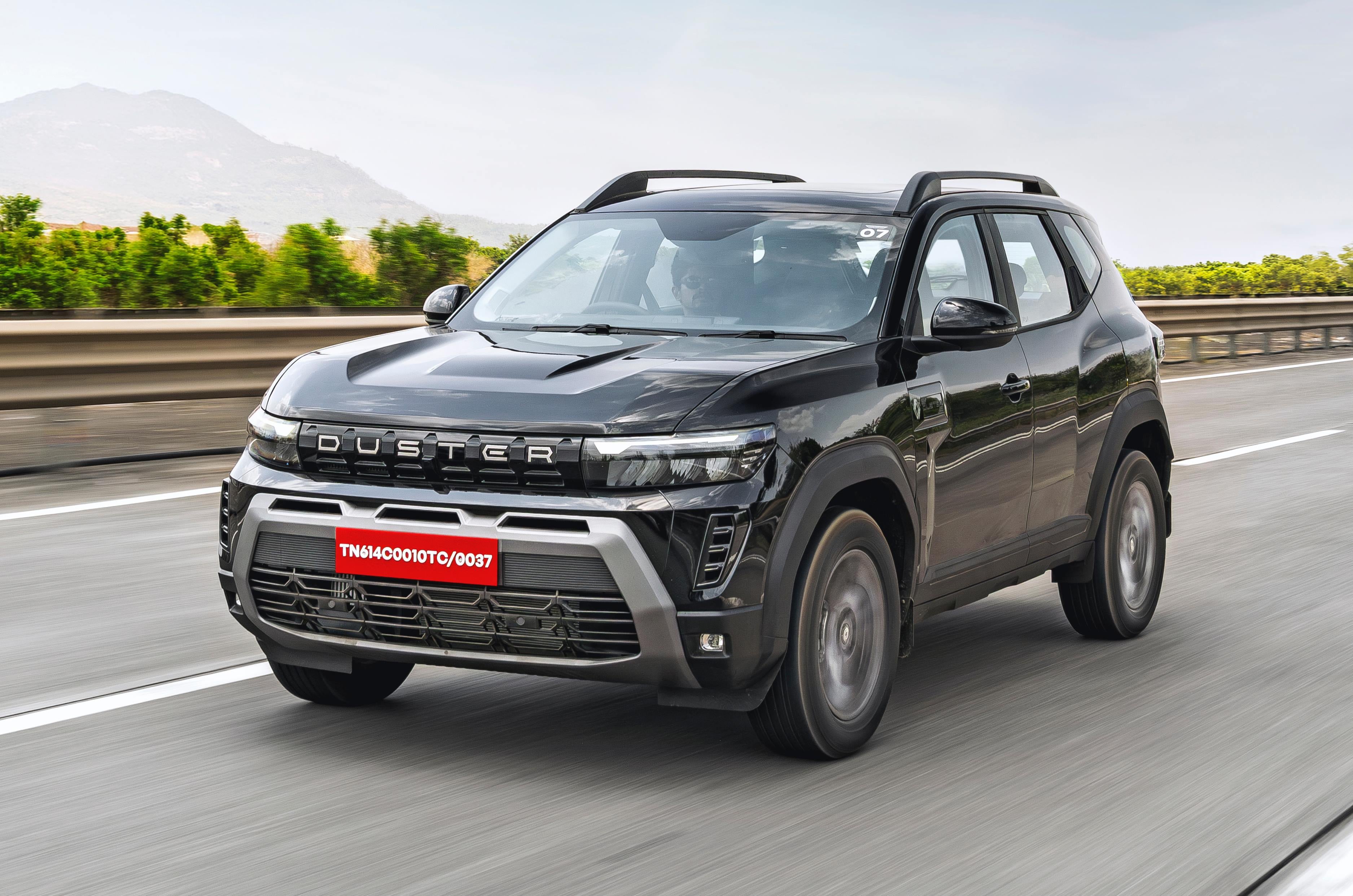
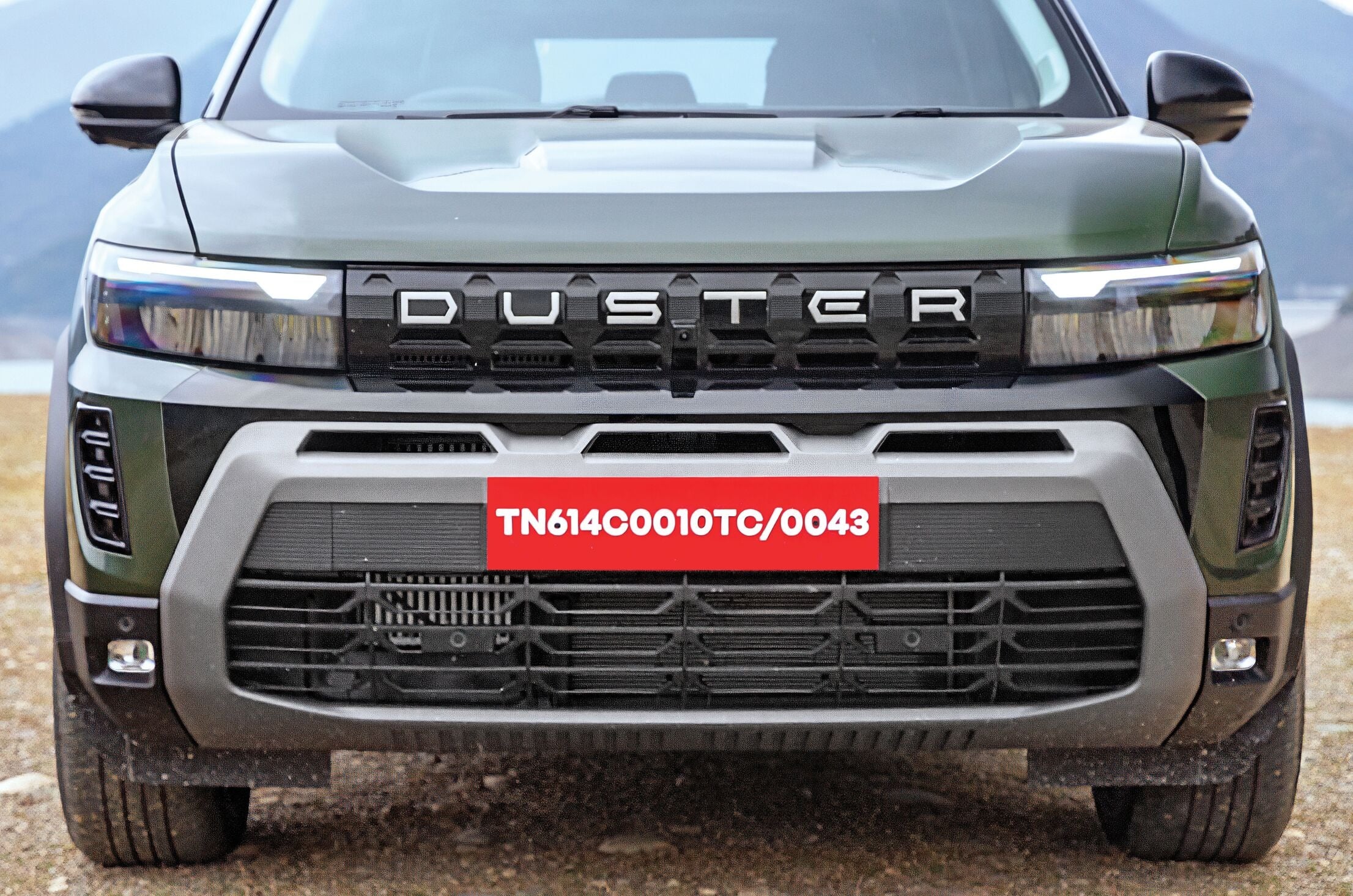
Current Renault Duster image, used for representation only.
The Renault Duster hybrid has an ARAI-rated fuel efficiency of 29kpl, compared with 19.41kpl for the 1.0-litre turbo-petrol manual, 17.75kpl for the 1.3-litre turbo-petrol manual and 18.45kpl for the 1.3-litre turbo-petrol DCT. The hybrid is Renault’s answer for the absence of a diesel option on the new Duster and is expected to give buyers seeking better fuel efficiency an alternative to the turbo-petrol versions.
Its claimed efficiency is also higher than that of the Maruti Suzuki Grand Vitara and Toyota Urban Cruiser Hyryder strong hybrids, both rated at 27.97kpl, and the Maruti Suzuki Victoris strong hybrid, rated at 28.65kpl.
2. How does the Duster’s hybrid system work?
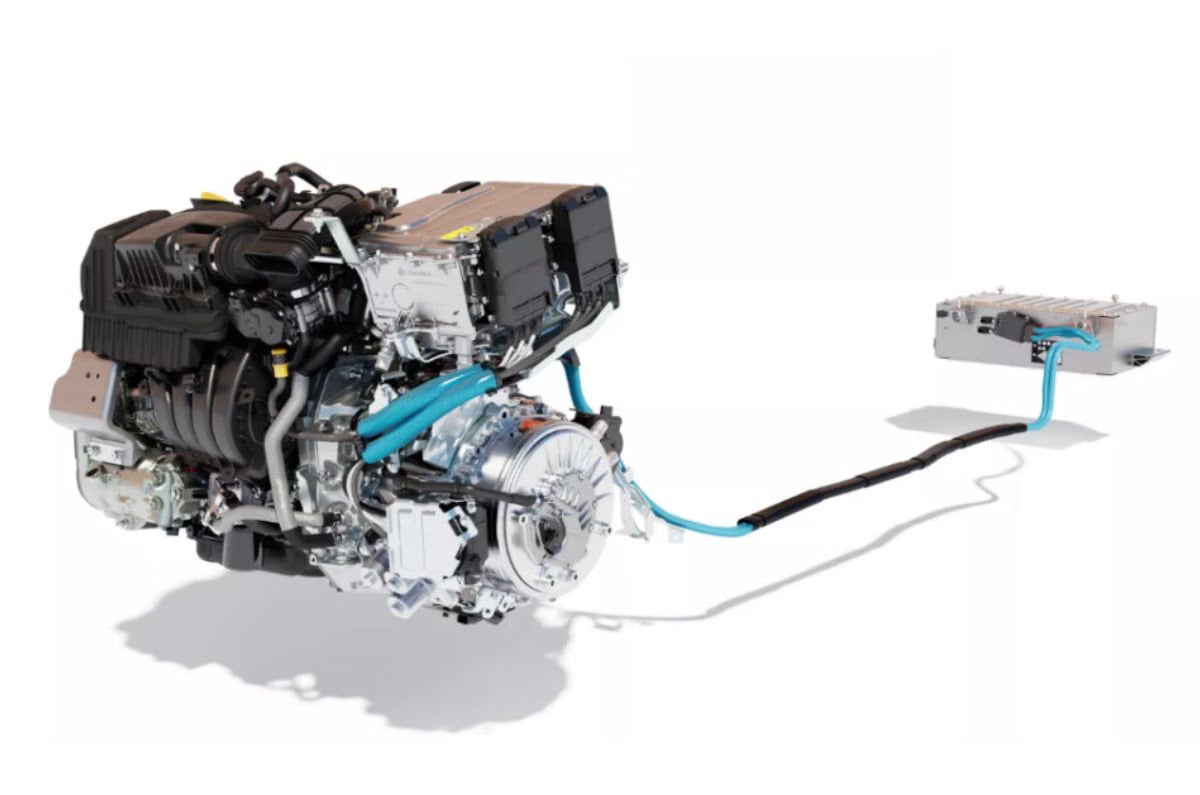
Renault’s 160hp E-Tech hybrid powertrain.
The E-Tech system combines a 1.8-litre four-cylinder naturally aspirated petrol engine with two electric motors: a 20hp unit that acts as a generator and a 49hp motor that drives the wheels. The system produces a combined 160hp and 172Nm, supported by a 1.4kWh battery.
A multi-mode automatic gearbox with fixed gear ratios sends power to the wheels. Unlike the e-CVT used by the Maruti Suzuki Grand Vitara, Victoris and Toyota Urban Cruiser Hyryder, Renault’s transmission can shift between ratios. Engine revs may therefore rise and fall more noticeably as the system changes between electric drive, engine drive and combined operation. The battery charges while driving and does not need to be plugged in.
Renault says the hybrid system can cover up to 80 percent of city driving in electric mode, using the battery and electric motor at low speeds and switching on the petrol engine when required. Regenerative braking helps recharge the battery while driving.
3. Which SUVs will rival the Renault Duster hybrid?
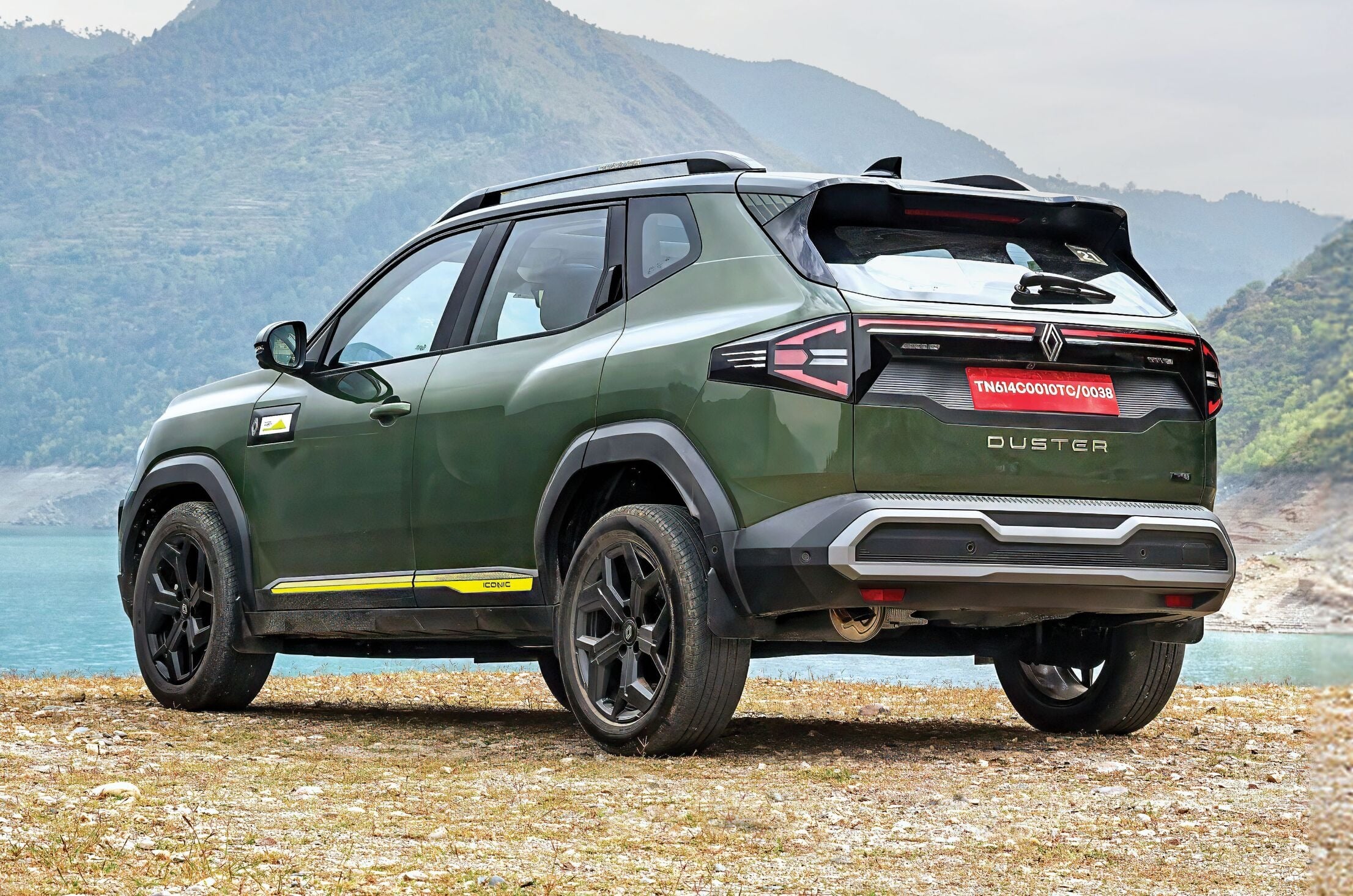
Current Renault Duster image, used for representation only.
The Duster hybrid will compete with the strong-hybrid versions of the Maruti Suzuki Grand Vitara, Maruti Suzuki Victoris and Toyota Urban Cruiser Hyryder. The Toyota and Suzuki siblings use Toyota’s strong-hybrid system, which pairs a 1.5-litre, three-cylinder petrol engine with electric motors and a 0.60kWh battery, producing a combined 116hp and 141Nm.
4. Will the Renault Duster hybrid look different from the regular Duster?
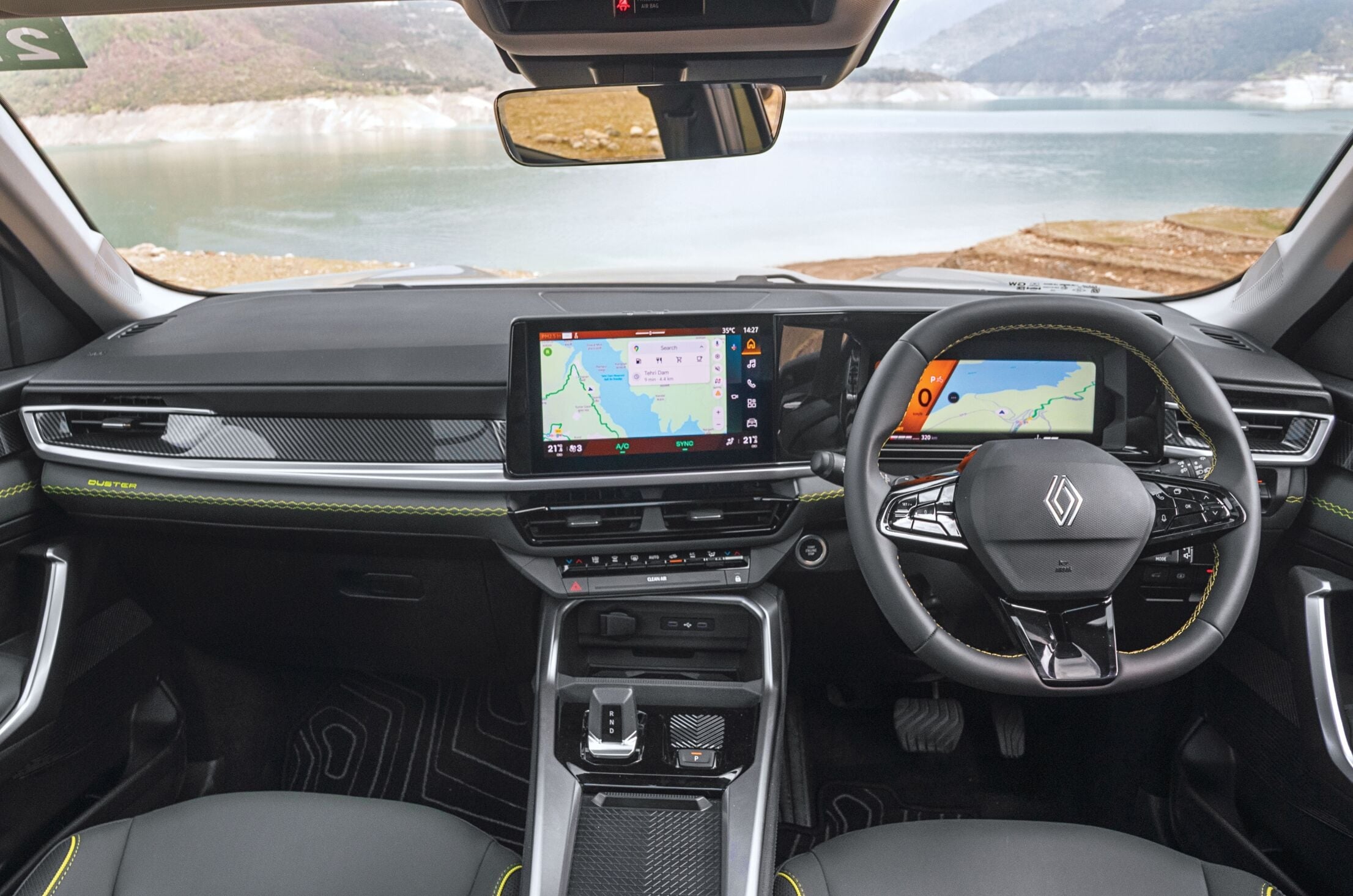
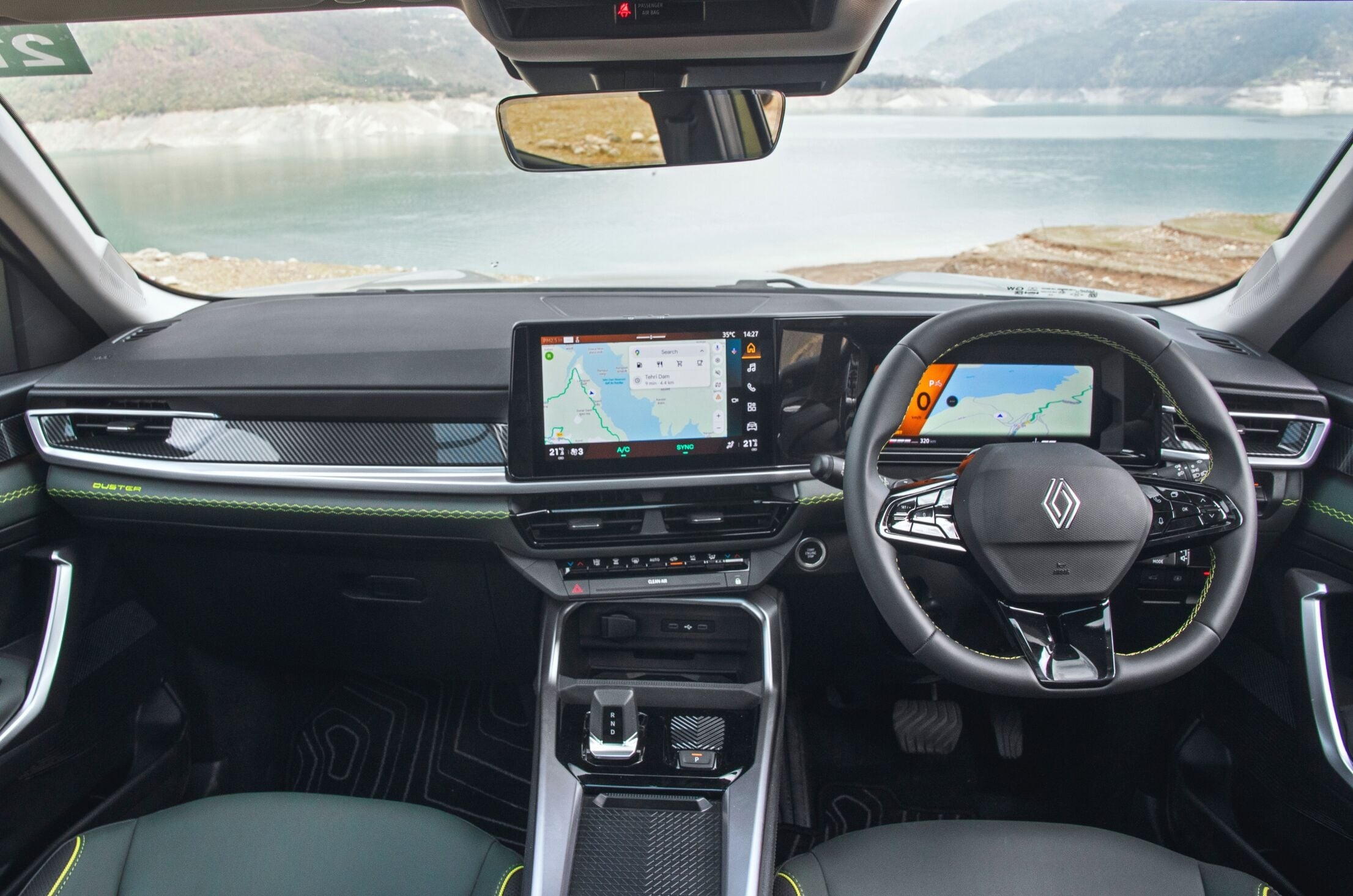
Current Renault Duster interior image, used for representation only.
The hybrid is expected to retain the regular Duster’s exterior design and cabin layout, along with a broadly similar feature list. A hybrid badge could help distinguish it from the turbo-petrol variants, with the powertrain being the main difference.
5. What is the expected price of the Renault Duster hybrid?
Current Renault Duster image, used for representation only.
The Renault Duster hybrid is expected to be priced between Rs 20 lakh and Rs 22 lakh (ex-showroom), commanding a premium over the turbo-petrol variants due to its more complex hybrid powertrain and the added fuel-efficiency benefits it offers.
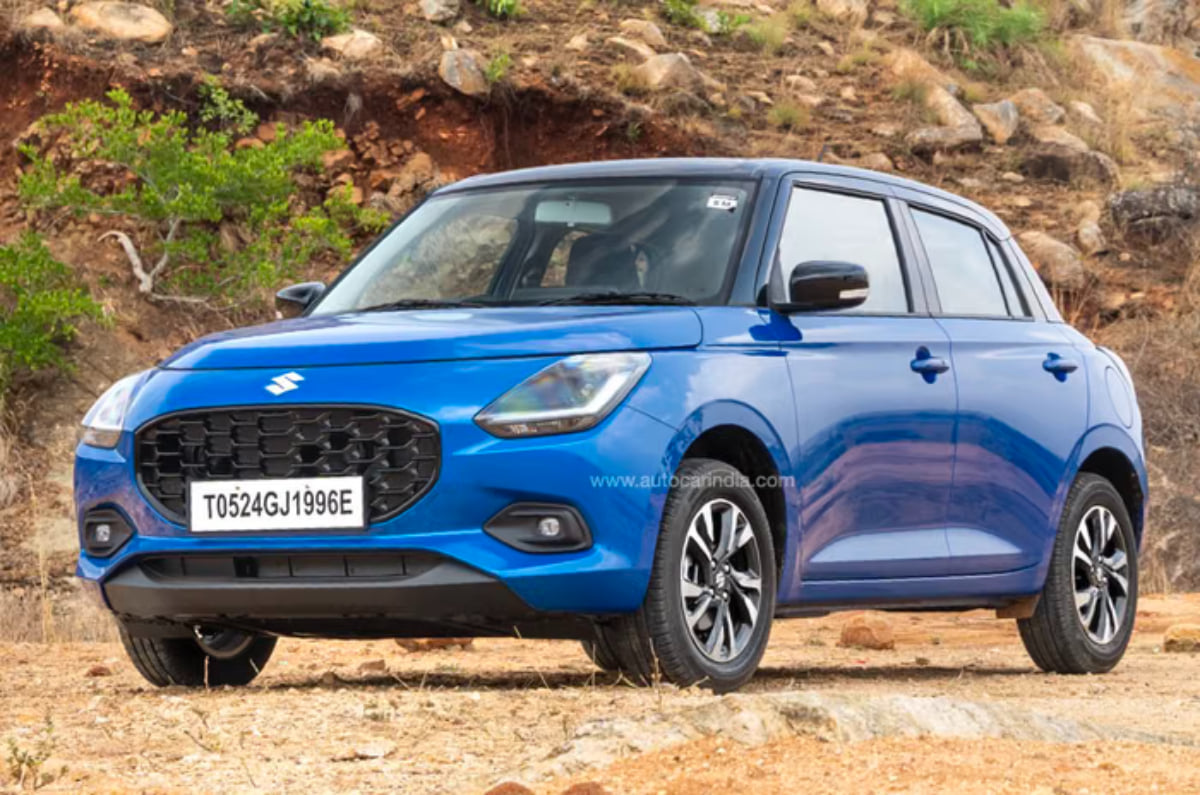
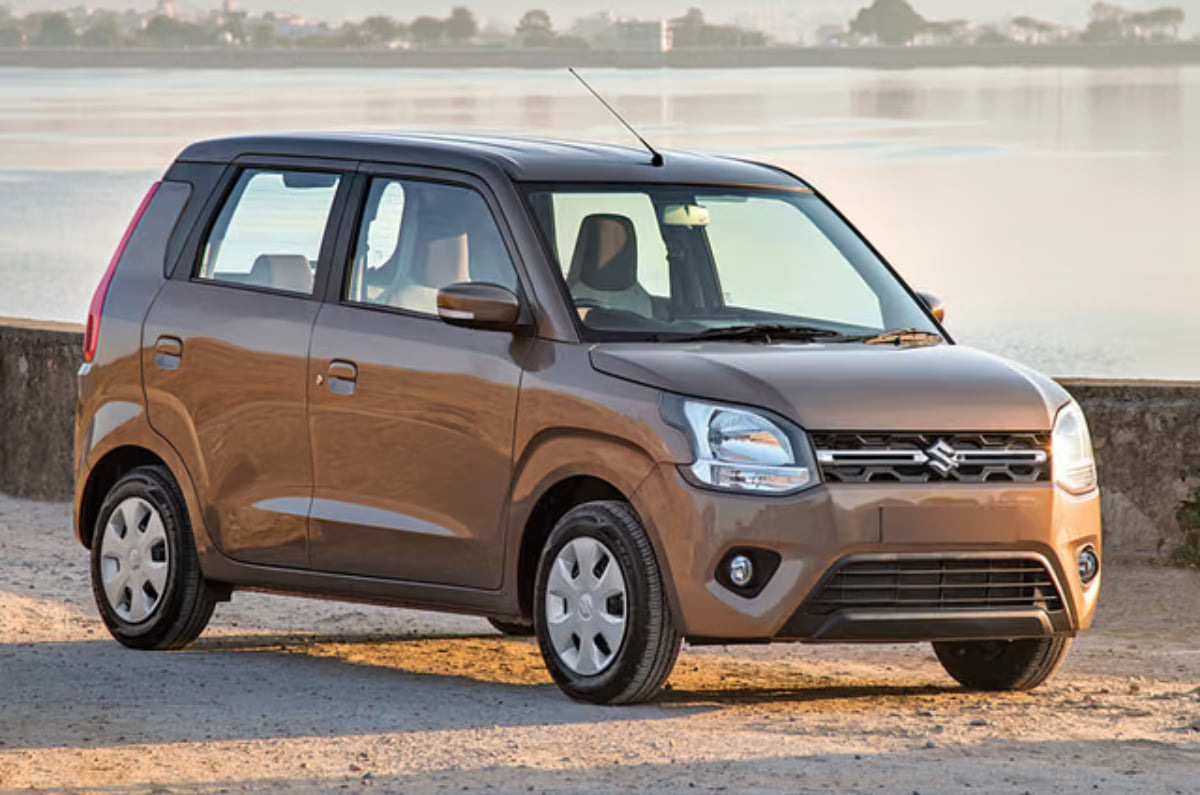
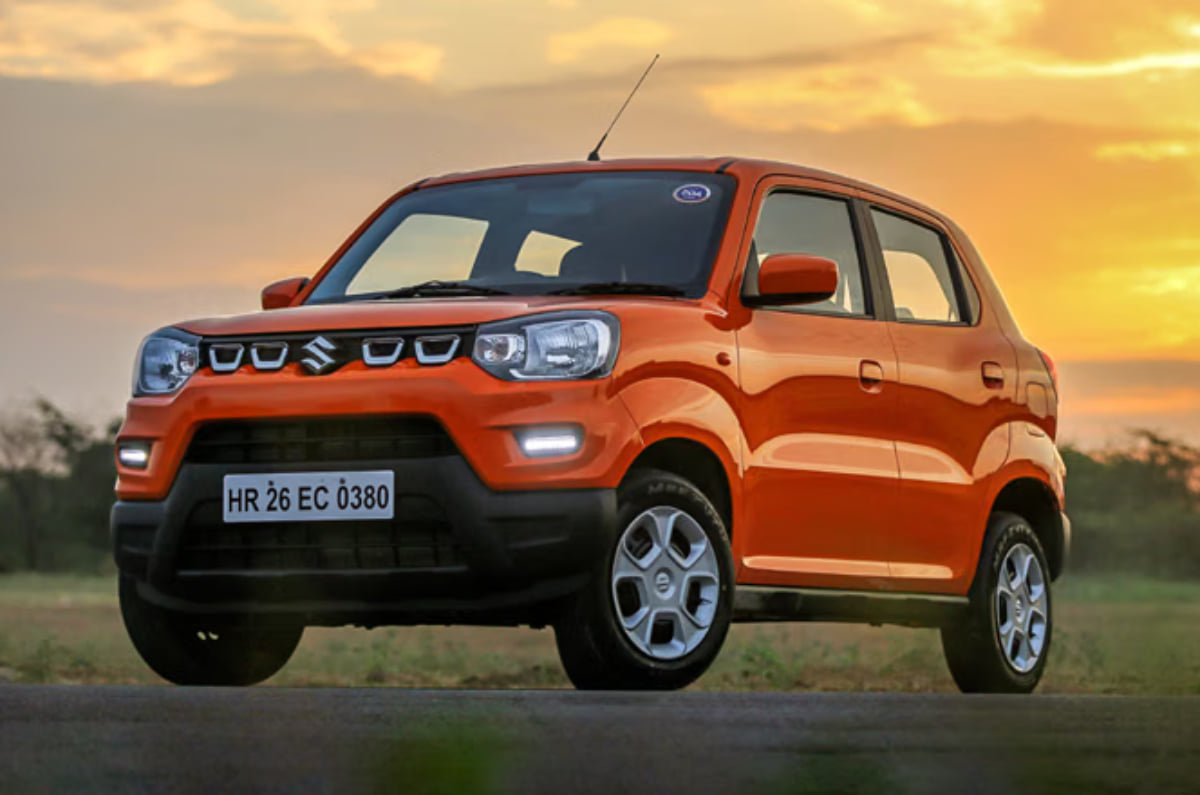
Maruti Suzuki is offering discounts on the Victoris, Swift, Wagon R, Alto K10, Celerio, S-Presso and Eeco in October 2026. The highest benefits are available on the Victoris strong hybrid, at up to Rs 1.65 lakh. These offers include cash discounts, exchange or scrappage bonuses, loyalty benefits and additional offers, depending on the model and variant.
Disclaimer: Offers may vary by city and are subject to stock availability. Check with your nearest dealer for exact details.
Maruti Victoris discounts in October 2026
Up to Rs 1.65 lakh off
The Maruti Victoris strong hybrid gets benefits of up to Rs 1.65 lakh, comprising a Rs 40,000 cash discount, a Rs 30,000 loyalty upgrade bonus and an exchange bonus of up to Rs 95,000. A scrappage bonus of up to Rs 45,000 is available as an alternative to the exchange bonus. The petrol variant gets benefits of up to Rs 1.10 lakh, while the CNG variant gets benefits of up to Rs 95,000. Both variants are available with exchange or scrappage benefits, alongside other applicable offers.
The Victoris is priced between Rs 10.50 lakh and Rs 19.99 lakh and rivals the Hyundai Creta, Kia Seltos, Tata Sierra and Honda Elevate.
Maruti Swift discounts in October 2026
Up to Rs 71,000 off
The Swift Blitz Edition petrol variants are available with benefits of up to Rs 71,000, including discounted accessory kits. Other petrol variants get benefits of up to Rs 40,000, comprising a Rs 10,000 cash discount, a Rs 25,000 exchange bonus and a Rs 5,000 additional discount. The CNG variants get benefits of up to Rs 30,000, including an exchange bonus of Rs 25,000 and an additional discount of Rs 5,000. The Swift is priced between Rs 5.84 lakh and Rs 8.74 lakh and rivals the Hyundai Grand i10 Nios and Tata Tiago.
Maruti Celerio discounts in October 2026
Up to Rs 67,500 off
The Maruti Celerio petrol variants get benefits of up to Rs 67,500, comprising a Rs 40,000 cash discount, a Rs 25,000 exchange bonus and a Rs 2,500 additional discount. The CNG variants get benefits of up to Rs 47,500, including a Rs 20,000 cash discount, a Rs 25,000 exchange bonus and a Rs 2,500 additional discount. The Celerio is priced between Rs 4.70 lakh and Rs 6.75 lakh and rivals the Tata Tiago and Renault Kwid.
Maruti Wagon R discounts in October 2026
Up to Rs 67,000 off
The Wagon R Waltz Edition petrol variants get benefits of up to Rs 67,000, including a free accessory kit worth Rs 38,000 and an additional offer of Rs 1,900. Other petrol variants get benefits of up to Rs 57,500, comprising a Rs 30,000 cash discount, a Rs 25,000 exchange bonus and a Rs 2,500 additional discount. The CNG variants get benefits of up to Rs 52,500, including a Rs 25,000 cash discount, a Rs 25,000 exchange bonus and a Rs 2,500 additional discount. The Wagon R is priced between Rs 4.99 lakh and Rs 7.24 lakh and rivals the Tata Tiago and Citroen C3.
Maruti Alto K10 discounts in October 2026
Up to Rs 57,500 off
The Alto K10 LXi petrol variant gets benefits of up to Rs 57,500, comprising a Rs 30,000 cash discount, a Rs 25,000 exchange bonus and a Rs 2,500 additional discount. Other petrol variants get benefits of up to Rs 47,500, while the CNG variants are available with benefits of up to Rs 37,500. A scrappage bonus of up to Rs 10,000 is available as an alternative to the exchange bonus. The Alto K10 is priced between Rs 3.70 lakh and Rs 5.45 lakh and rivals the Renault Kwid.
Maruti S-Presso discounts in October 2026
Up to Rs 37,500 off
The S-Presso petrol variants get benefits of up to Rs 37,500, comprising a Rs 10,000 cash discount, a Rs 25,000 exchange bonus and a Rs 2,500 additional discount. The CNG variants get benefits of up to Rs 27,500, including an exchange bonus of Rs 25,000 and an additional discount of Rs 2,500. The S-Presso is priced between Rs 3.50 lakh and Rs 5.27 lakh and rivals the Renault Kwid and Alto K10.
Maruti Eeco discounts in October 2026
Up to Rs 37,500 off
The Eeco petrol variants get benefits of up to Rs 37,500, comprising a Rs 10,000 cash discount, a Rs 25,000 exchange bonus and a Rs 2,500 additional discount. The CNG variants get benefits of up to Rs 32,500, with a lower cash discount of Rs 5,000, while the exchange bonus and additional discount remain unchanged. The Maruti Eeco is priced between Rs 5.28 lakh and Rs 6.46 lakh.
Maruti Suzuki Festive Offers 2026: अगर आप इस नवरात्रि या दशहरा पर Maruti Suzuki की कार खरीदने की सोच रहे हैं, तो आपके कुछ पैसे बच सकते हैं, क्योंकि कंपनी अपनी Nexa रेंज की कारों पर भारी डिस्काउंट दे रही है। देश की सबसे बड़ी कार बनाने वाली कंपनी अपने लगभग सभी मॉडल्स – जैसे XL6, Jimny, Invicto, Fronx, Grand Vitara और e-Vitara – पर डील्स दे रही है। इन स्कीम्स में मॉडल और वैरिएंट के हिसाब से कैश डिस्काउंट, एक्सचेंज बोनस, लॉयल्टी बेनिफिट्स, वारंटी पैकेज और स्क्रैपेज से जुड़े इंसेंटिव्स शामिल हैं। दिलचस्प बात यह है कि जहां इस महीने कुछ प्रोडक्ट्स पर अच्छे-खासे फायदे मिल रहे हैं, वहीं हाल ही में अपडेट हुई Baleno पर कोई फेस्टिव ऑफर नहीं है। अब आइए, इन स्कीम्स की डिटेल्स पर एक नजर डालते हैं।
Maruti Suzuki Baleno: कोई फेस्टिव ऑफर नहीं
बलेनो का नया वर्शन (फेसलिफ़्ट) मारुति सुज़ुकी के अक्टूबर के फेस्टिव कैंपेन का हिस्सा नहीं है। स्कीम के डॉक्यूमेंट के अनुसार, यह प्रीमियम हैचबैक अभी बिना किसी अतिरिक्त फेस्टिव फ़ायदे के मिल रही है।
Maruti Suzuki Fronx: टर्बो वेरिएंट्स पर कैश फायदे
Fronx पर मुख्य रूप से इसके टर्बो-पेट्रोल वेरिएंट्स पर फयदे मिल रहे हैं। Maruti Suzuki Turbo वेरिएंट्स पर ₹12,100 का कैश डिस्काउंट दे रही है, जबकि नॉन-टर्बो पेट्रोल और CNG वर्शन पर कोई कैश बेनिफिट नहीं मिल रहा है। खरीदार इसके अलावा ₹10,000 का एक्सचेंज बोनस और ₹5,000 का PCM बोनस भी पा सकते हैं, जिससे योग्य ग्राहकों के लिए कुल फायदा और बढ़ जाता है।
Maruti Suzuki Jimny और XL6
फेस्टिव सीजन के दौरान Jimny पर सीधे ₹35,000 का कैश डिस्काउंट मिल रहा है। हालांकि, इस लाइफस्टाइल SUV पर कोई एक्सचेंज बोनस नहीं दिया जा रहा है।
वहीं, XL6 पर ₹31,000 का कैश बेनिफिट, ₹20,000 का एक्सचेंज बोनस और ₹10,000 का PCM बोनस मिल रहा है।
Maruti Suzuki Grand Vitara: भारी एक्सचेंज बोनस
Maruti Suzuki Grand Vitara Smart Hybrid पर मिलने वाले ऑफर्स इसके वेरिएंट के हिसाब से अलग-अलग हैं। इसके Sigma वेरिएंट पर ₹35,000 का कैश डिस्काउंट मिल रहा है, जबकि Delta वेरिएंट पर ₹25,000 का कैश बेनिफिट दिया जा रहा है। Delta CNG खरीदने वालों को ₹20,000 और Zeta CNG वेरिएंट पर ₹10,000 का कैश डिस्काउंट मिल रहा है।
इसके अलावा, कंपनी Grand Vitara के Zeta, Alpha और AWD वेरिएंट पर 5 साल का वारंटी पैकेज भी दे रही है। चुनिंदा पुराने वाहनों को एक्सचेंज करने पर ग्राहकों को ₹30,000 का अतिरिक्त एक्सचेंज बोनस और पुरानी कार से नई कार में अपग्रेड करने पर ₹20,000 का बोनस मिल सकता है।
Grand Vitara Strong Hybrid पर मिलने वाले फायदे भी काफी आकर्षक हैं। इस वेरिएंट पर ग्राहकों को ₹1.85 लाख तक के रोड टैक्स बेनिफिट का फायदा मिल सकता है। इसके साथ 5 साल का वारंटी पैकेज, ₹50,000 का एक्सचेंज बोनस और चुनिंदा पुरानी कारों को अपग्रेड करने पर ₹30,000 का बोनस भी दिया जा रहा है।
Maruti Suzuki e Vitara: मुफ्त चार्जर और अपग्रेड बोनस
Maruti Suzuki अपनी हाल ही में लॉन्च हुई e-Vitara पर भी फेस्टिव ऑफर्स दे रही है। खरीदारों को मुफ़्त चार्जर और होम इंस्टॉलेशन पैकेज के साथ-साथ ₹30,000 का एक्सचेंज बोनस भी मिलेगा।
Maruti Suzuki Invicto: ₹80,000 तक की छूट
Invicto MPV पर चुनिंदा पुरानी गाड़ियों के बदले ₹50,000 का एक्सचेंज बोनस और ₹30,000 का अपग्रेड बोनस मिल रहा है।
स्कीम के अतिरिक्त फायदे
Maruti Suzuki का कहना है कि 15 साल से ज्यादा पुरानी गाड़ियों के मालिक स्क्रैपेज फायदे के लिए पात्र हो सकते हैं। कंपनी यह भी बताती है कि ग्राहक एक्सचेंज बोनस या स्क्रैपेज बोनस में से कोई एक चुन सकते हैं। दोनों फायदे एक साथ नहीं मिलेंगे।
कंपनी 0 से 6 साल पुरानी गाड़ियों के एक्सचेंज पर PCM बोनस भी दे रही है। यह इंसेंटिव स्टैंडर्ड एक्सचेंज फायदे के अलावा दिया जाता है।
इसके अलावा, अपनी पुरानी Maruti गाड़ी को एक्सचेंज करने वाले मौजूदा Maruti Suzuki ग्राहकों के लिए अपग्रेड लॉयल्टी बोनस भी उपलब्ध है। इस फायदे को एक्सचेंज बोनस के साथ जोड़ा जा सकता है, लेकिन अगर ग्राहक स्क्रैपेज का विकल्प चुनता है तो यह लागू नहीं होगा।
डिस्क्लेमर: ऊपर बताए गए ऑफर सोर्स इमेज में दिए गए स्कीम डॉक्यूमेंट पर आधारित हैं। डिस्काउंट, एक्सचेंज बोनस, अपग्रेड फायदे और दूसरे इंसेंटिव शहर, डीलरशिप, वेरिएंट, पात्रता की शर्तों और स्टॉक की उपलब्धता के आधार पर अलग-अलग हो सकते हैं। ग्राहकों को सलाह दी जाती है कि वे अपनी चुनी हुई गाड़ी पर लागू सही ऑफर के बारे में जानने के लिए अपनी नजदीकी Maruti Suzuki डीलरशिप से संपर्क करें।
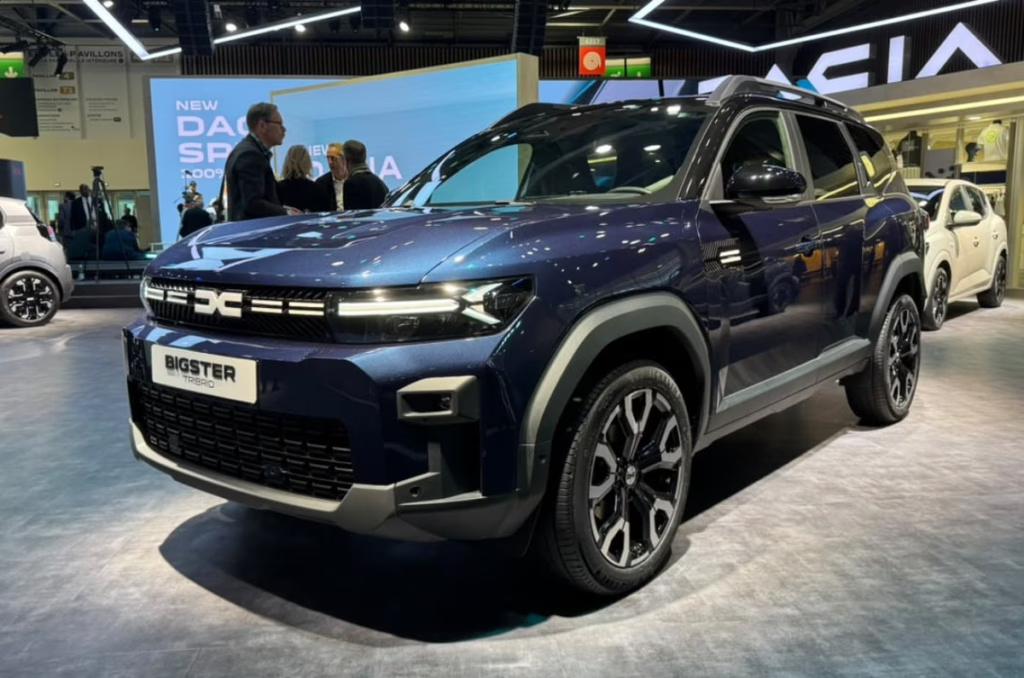
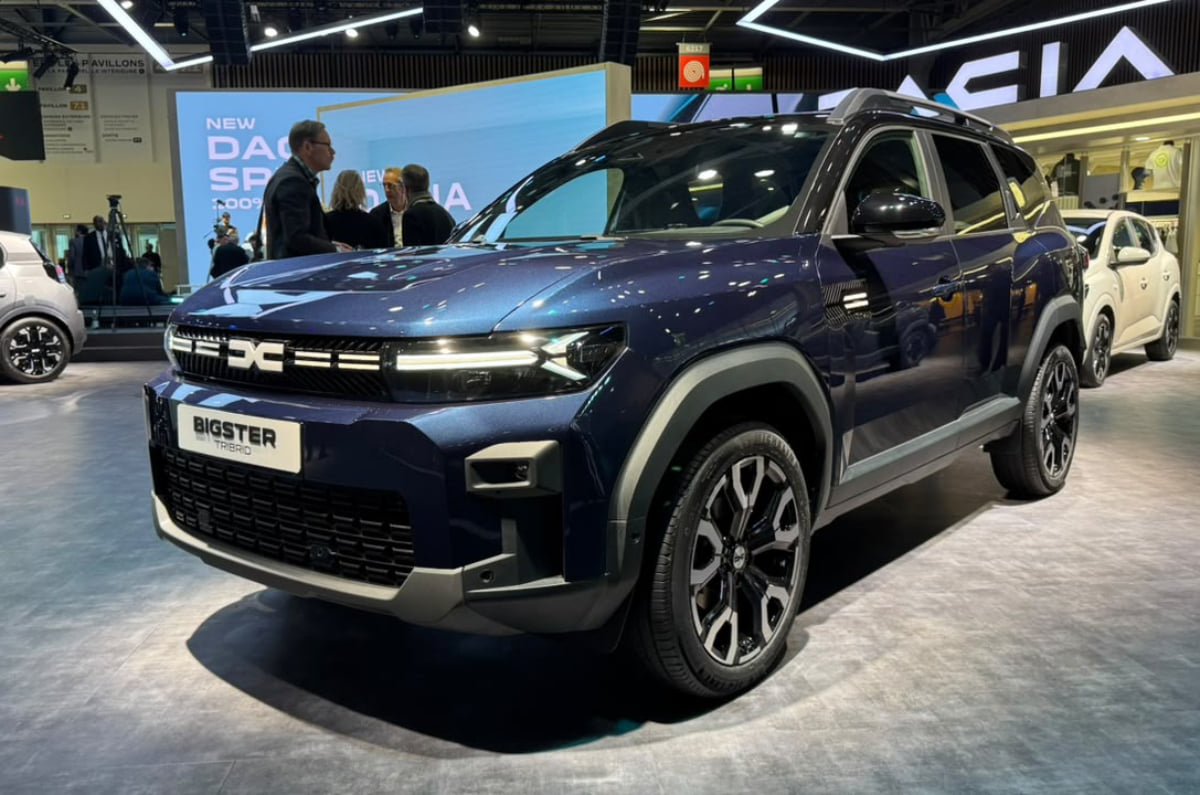
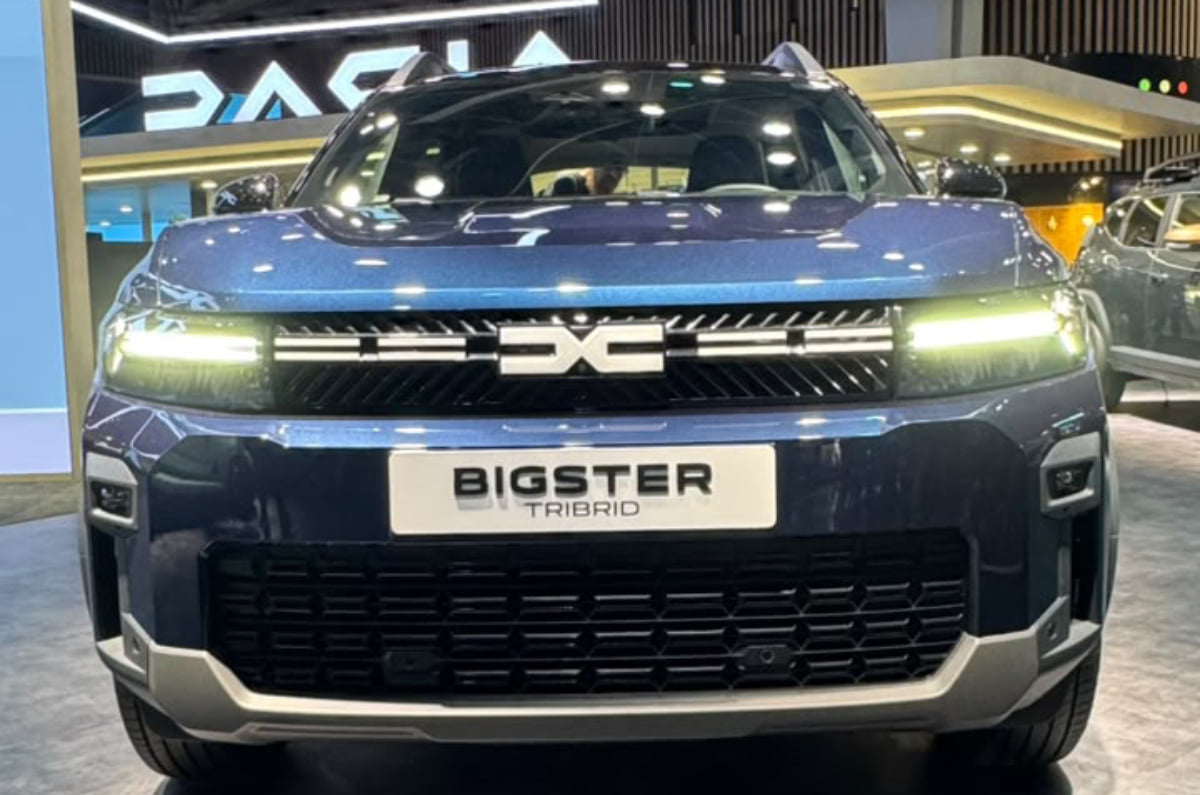
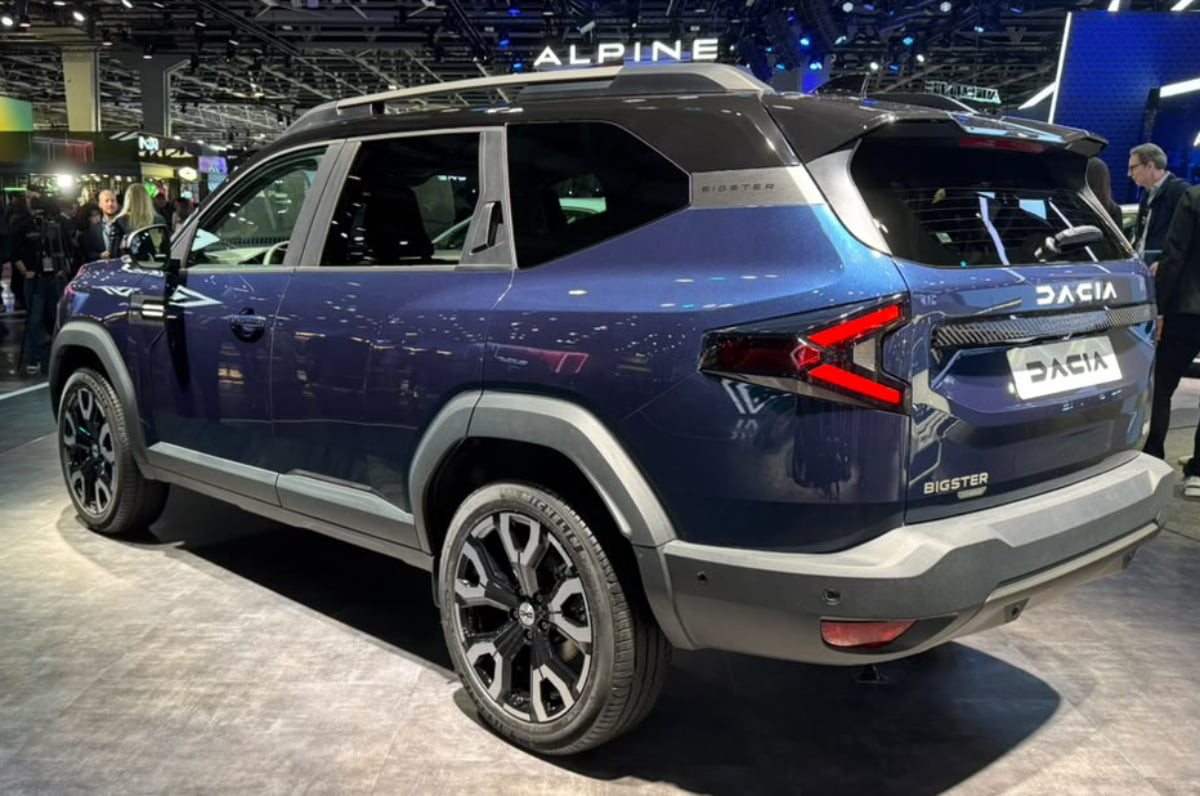
The Dacia Bigster, which is expected to come to India as a Renault in 2027, was showcased at the 2026 Paris Motor Show. The three-row SUV is expected to be positioned as a larger alternative to the Renault Duster, with turbo-petrol and strong-hybrid powertrain options. The hybrid system is set to debut in India in the Duster on October 17, 2026.
Dacia Bigster: Powertrain
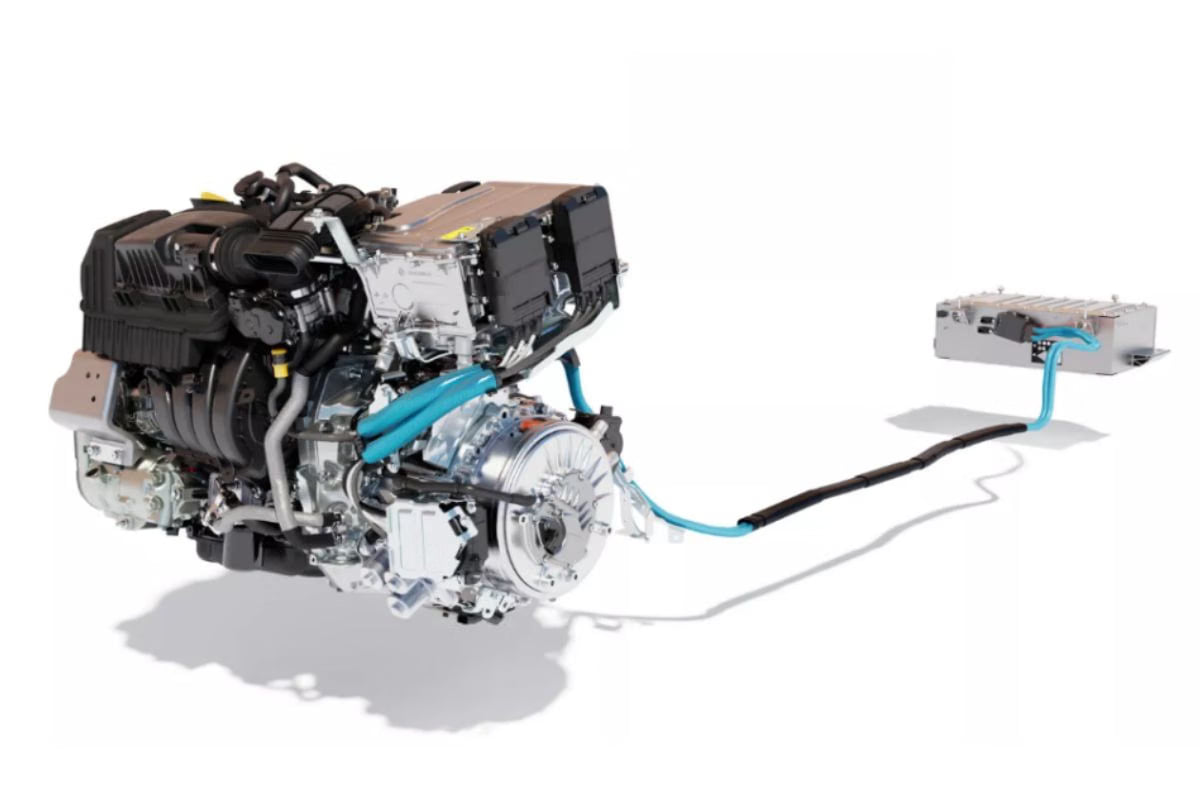
Renault strong hybrid E-Tech 160hp powertrain.
The India-bound Bigster is expected to get 1.3-litre turbo-petrol and 1.8-litre strong-hybrid powertrain options. The latter will make its India debut in the Renault Duster later this week.
In the Duster hybrid, the 1.8-litre naturally aspirated petrol engine works with two electric motors and a 1.4kWh battery to produce a combined 160hp and 172Nm. The system uses a multi-mode automatic gearbox with fixed gear ratios. Since this is a strong-hybrid setup, the battery does not require charging via an external source, and it charges while the vehicle is being driven. Renault claims the Duster hybrid can cover up to 80 percent of city driving in electric mode.
The Bigster is expected to use the same hybrid setup, though its power and torque figures could differ due to its larger size.
Dacia Bigster: Exterior
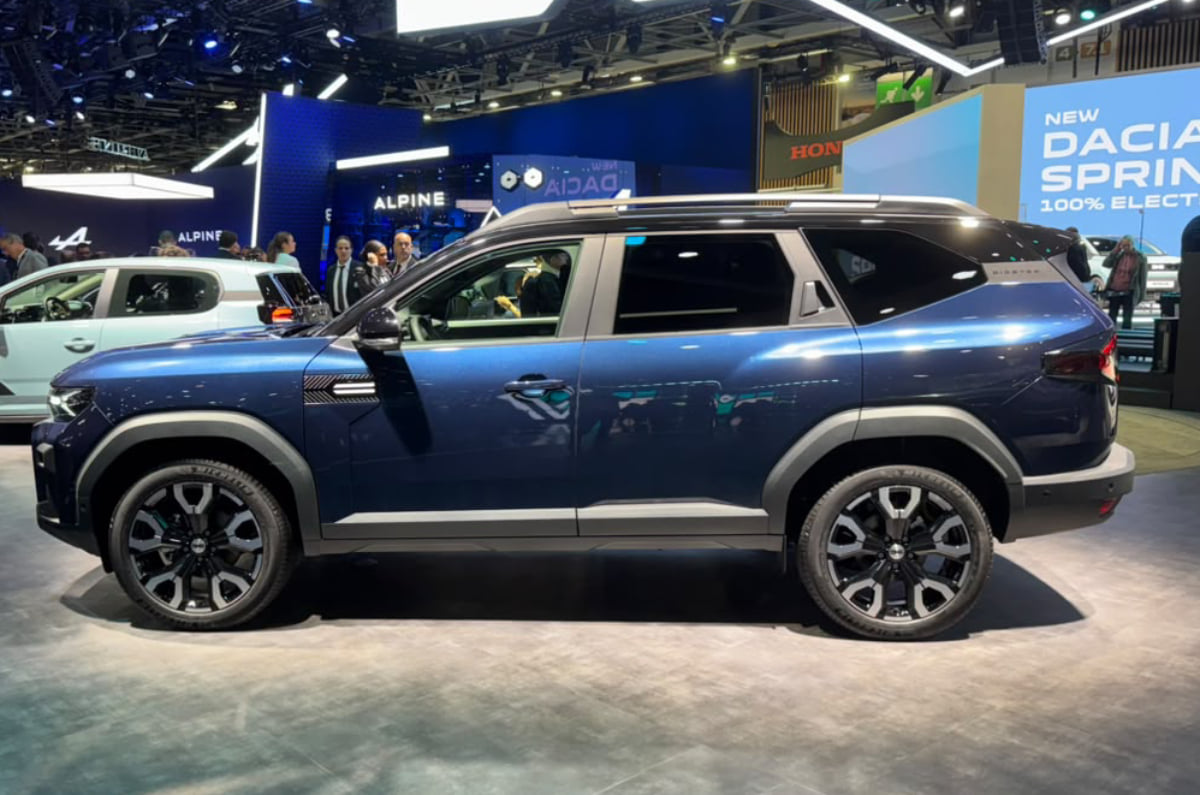
The Bigster is 230mm longer overall than the India-spec Duster, with a 45mm longer wheelbase and much of the added length at the rear overhang. The European Dacia Bigster features a chunky front skid plate, rugged-looking front and rear bumpers, and LED daytime running lights.
Like the India-spec Duster, the India-bound Bigster is expected to get revised styling compared to its Dacia counterpart, including changes to the grille and bumpers. The India-spec Duster gets connected tail-lamps, unlike the European Dacia Duster, which has separate units.
Dacia Bigster: Interior and layout
Renault Duster interior image used for representation only.
The India-bound Bigster is expected to be a seven-seater with three rows. Its cabin layout is expected to be similar to that of the new Renault Duster, with additional features likely for the larger SUV. The Duster gets a 10.1-inch touchscreen infotainment system, a 10.25-inch digital instrument cluster, dual-zone climate control and a wireless phone charger.
Dacia Bigster: India launch and rivals
The Renault-badged Bigster is expected to arrive in India in 2027. It will sit above the Duster in Renault’s SUV line-up and is expected to compete with three-row SUVs such as the Hyundai Alcazar, Mahindra XUV 7XO and MG Hector Tomahawk range.
A Nissan version of the three-row SUV has also been spotted testing in India.
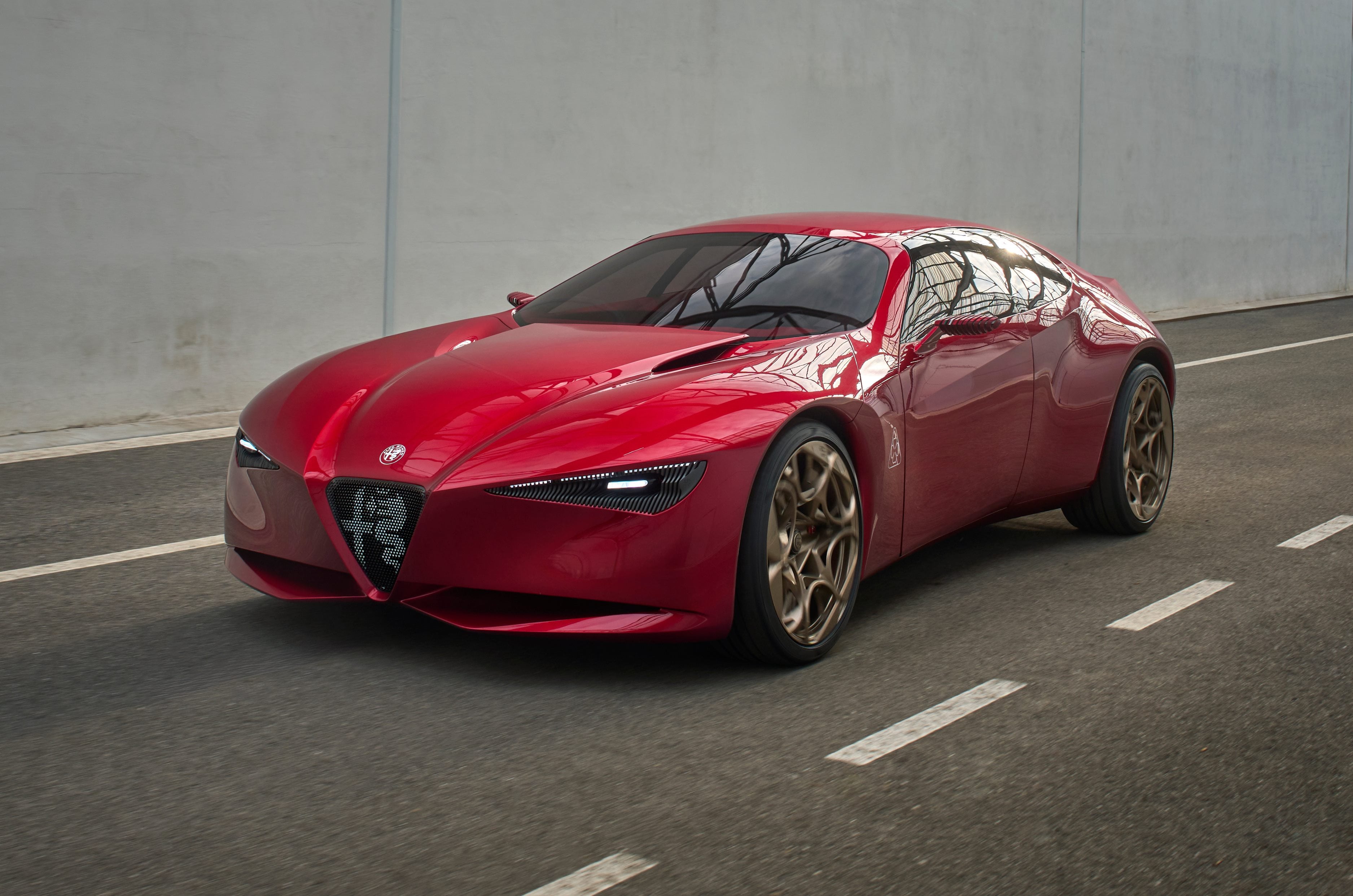
Alfa Romeo’s major reveal at the 2026 Paris Motor Show is the Cuorerosso, a four-door concept that previews a new design language dubbed ‘Necessary Beauty’. In addition, the Cuorerosso debuts a strong hybrid version of Alfa Romeo’s 2.9-litre twin-turbo V6, which is used in the Giulia, Stelvio, and 33 Stradale.
Alfa Romeo Cuorerosso powertrain
Alfa Romeo says that the Cuorerosso serves as a precursor to a “multi-energy approach” that the carmaker’s future models will follow, specifically mild hybrid, strong hybrid, plug-in hybrid, and full-electric powertrains. To put it succinctly, Alfa Romeo wants to put “technology and innovation at the service of driving pleasure and sportiness.”
The Cuorerosso’s 2.9-litre V6 hybrid powertrain is mated to a torque converter automatic gearbox, an all-wheel drive system, and a carbonfibre driveshaft – the concept weighs 1,750kg. It’s also equipped with steer-by-wire tech, which eliminates physical linkages between the steering rack and wheels in favour of full electronic control.
Alfa Romeo Cuorerosso exterior design
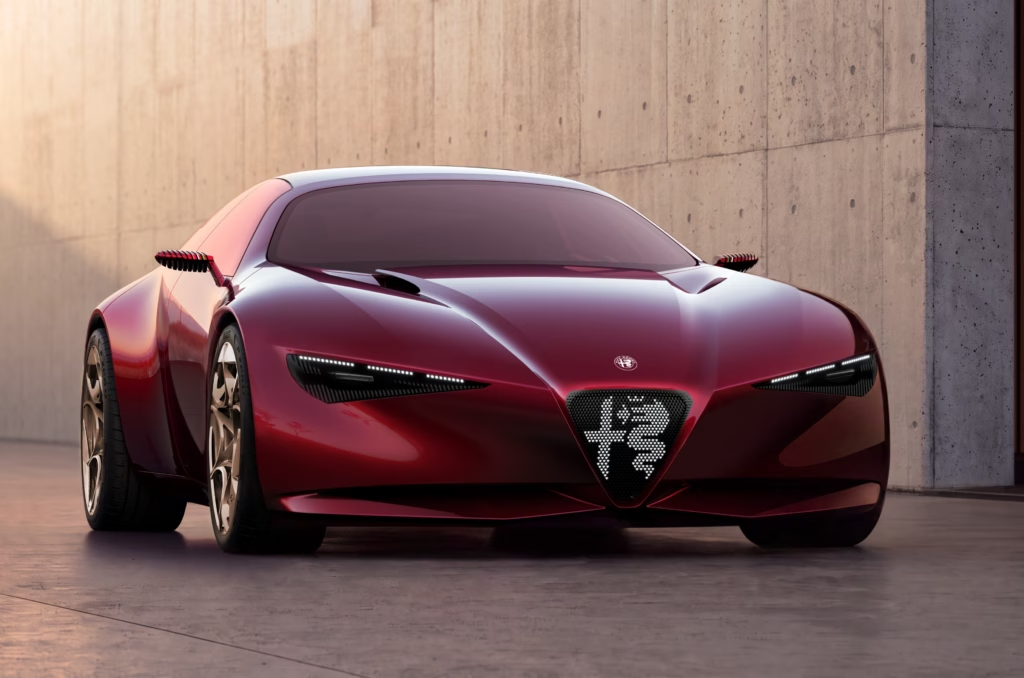
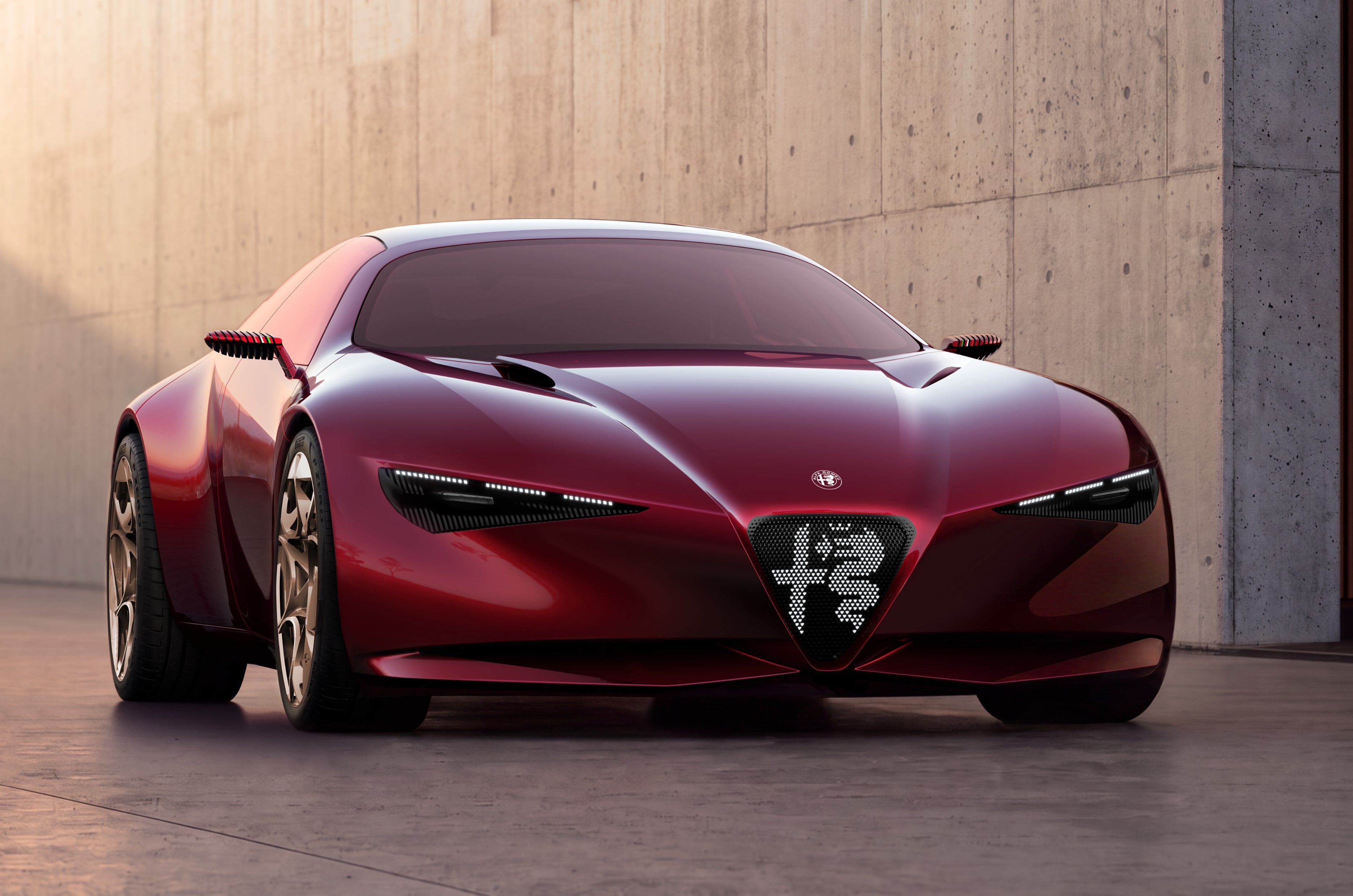
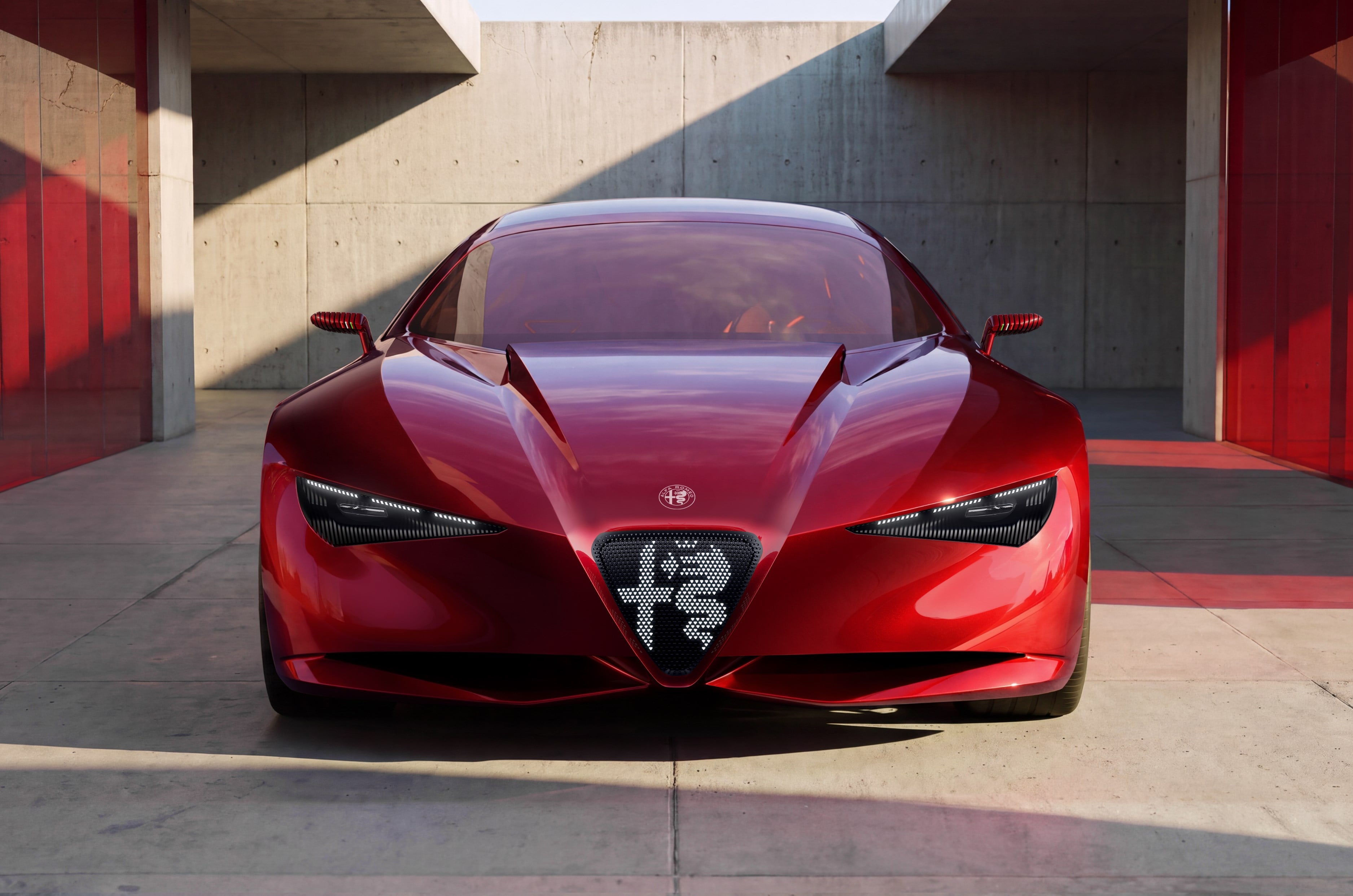
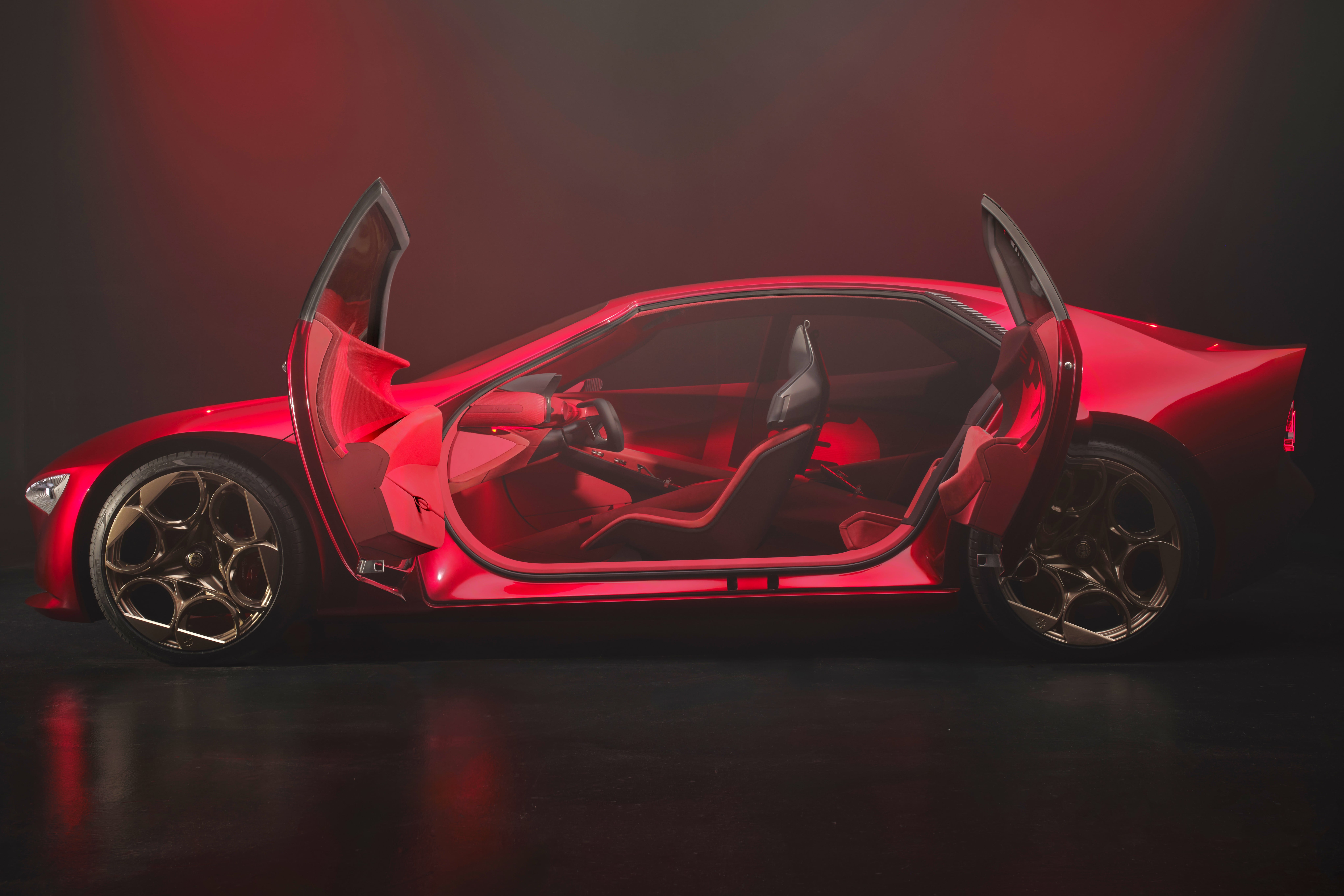
Stretching the tape at 4,700mm long, 1,980mm wide, and 1,331mm tall, with a wheelbase of 2,930mm, the Cuorerosso doesn’t stray all that far from the Alfa Romeo Giulia in terms of dimensions. The styling, though, is a different story. Up front, the Cuorerosso looks quite menacing thanks to its swept-back triangular headlamps and segmented eyebrow-like DRLs, which flank a backlit grille that displays the Alfa Romeo motif in a pixel pattern – the brand’s emblem sits right above the grille too.
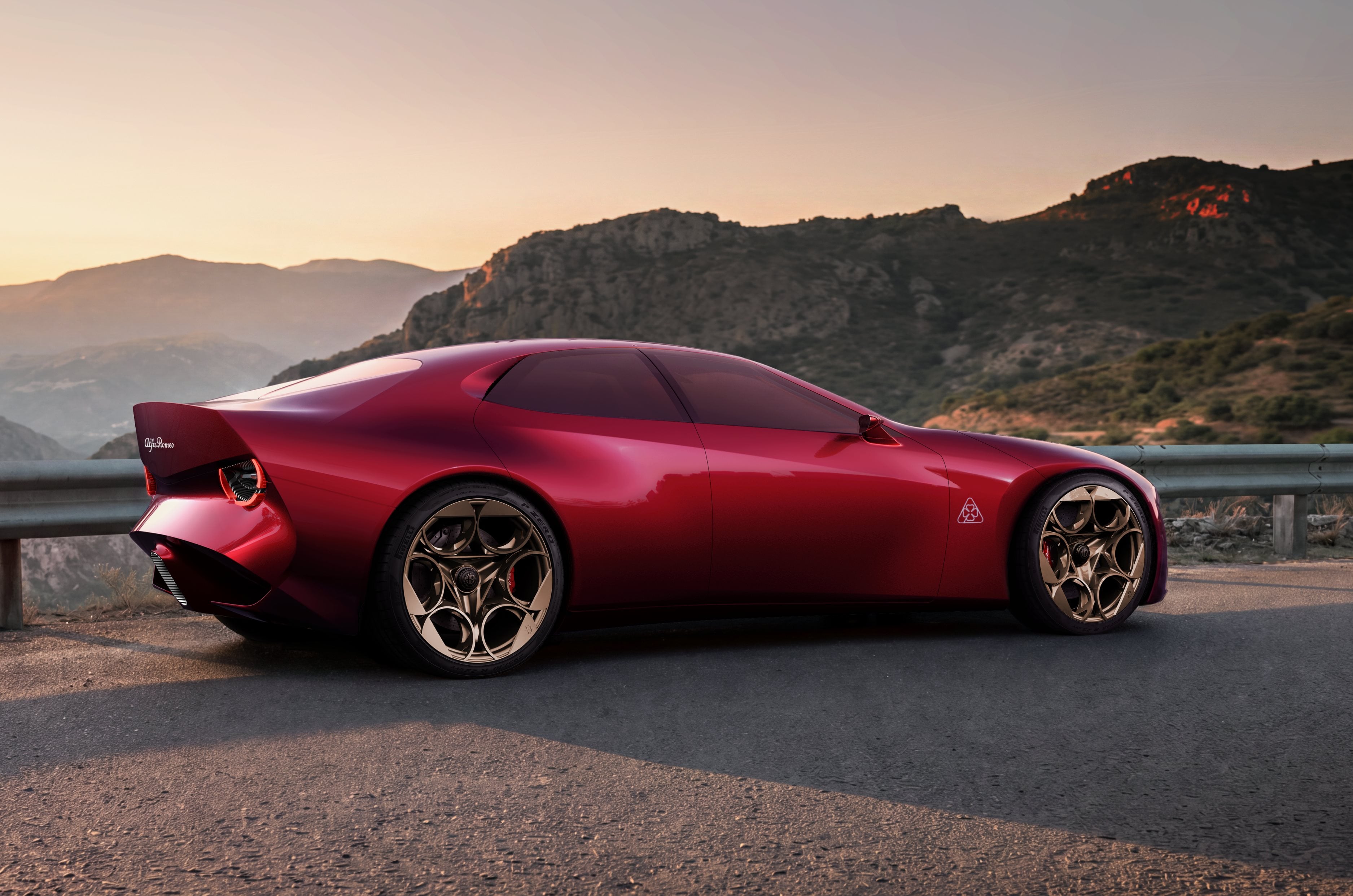
Sleek air intakes can be seen on the front bumper, while the bonnet looks very sculpted and muscular, with air exits opening up just ahead of the windscreen. Over to the side, the 22-inch bronze-coloured forged alloy wheels immediately stand out, and so do the slatted ORVMs and heavily flared rear wheel arches. Rear-hinged back doors are another flamboyant styling touch on the Cuorerosso.
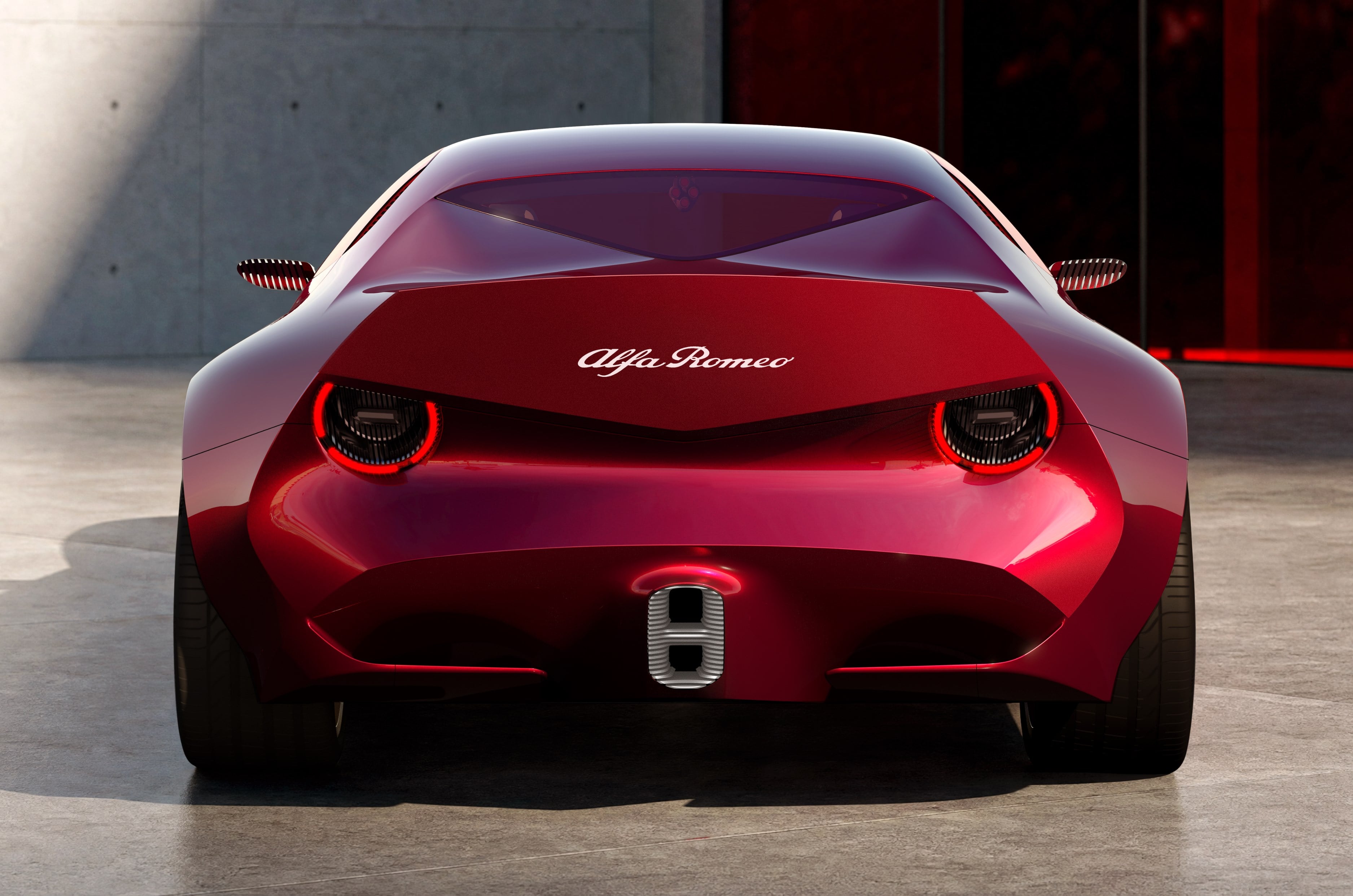
The rear end of the Cuorerosso is characterised by a large integrated ducktail spoiler, below which sits a pair of crescent-shaped tail-lamps and an Alfa Romeo wordmark. The sharply-protruding bumper lends a cool wedge-like shape to the rear, especially when viewed from the side, and includes a centrally positioned dual-exhaust setup flanked by air exits. Alfa Romeo claims a 0.28Cd drag coefficient for the Cuorerosso.
Alfa Romeo Cuorerosso interior
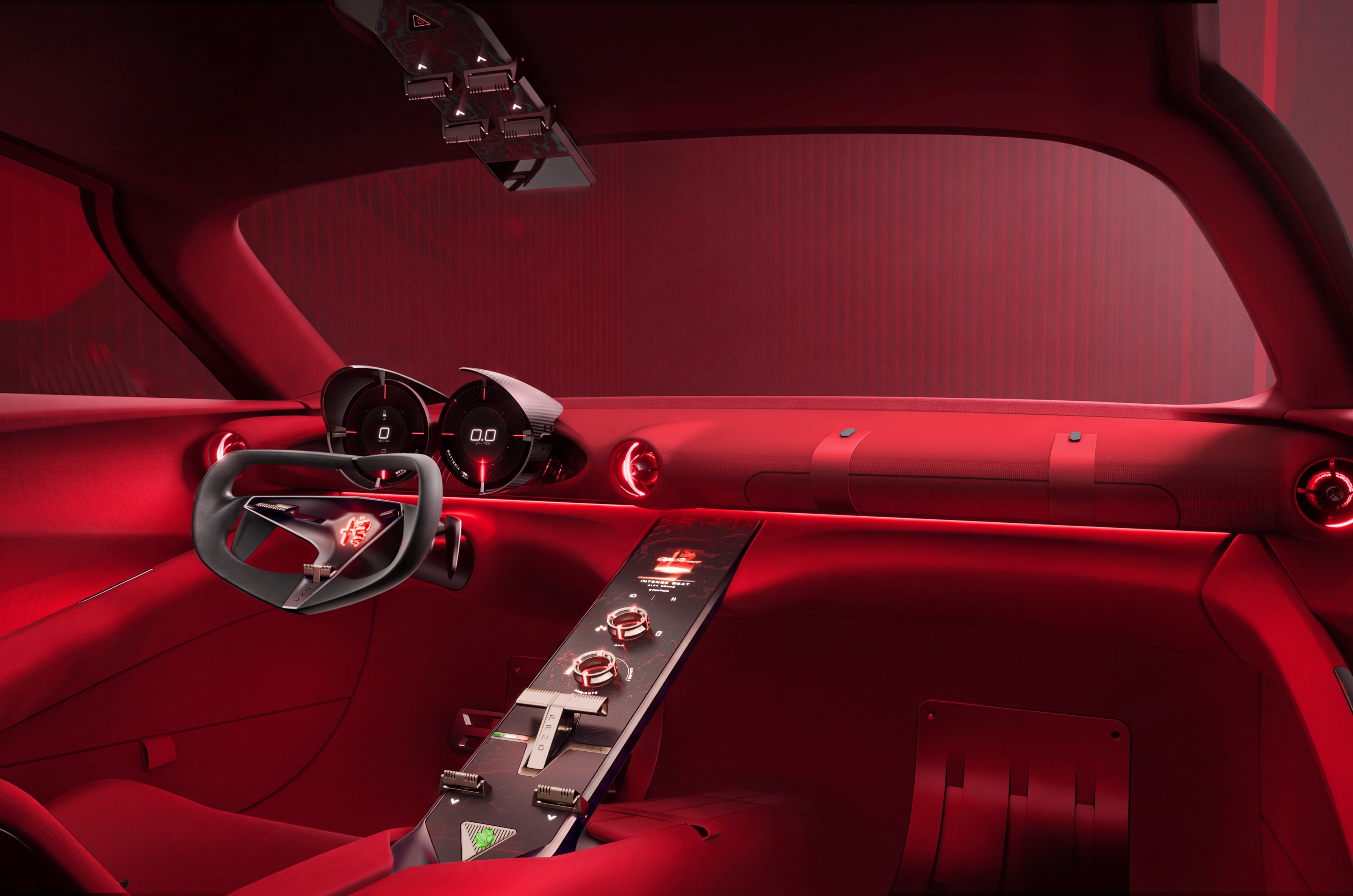
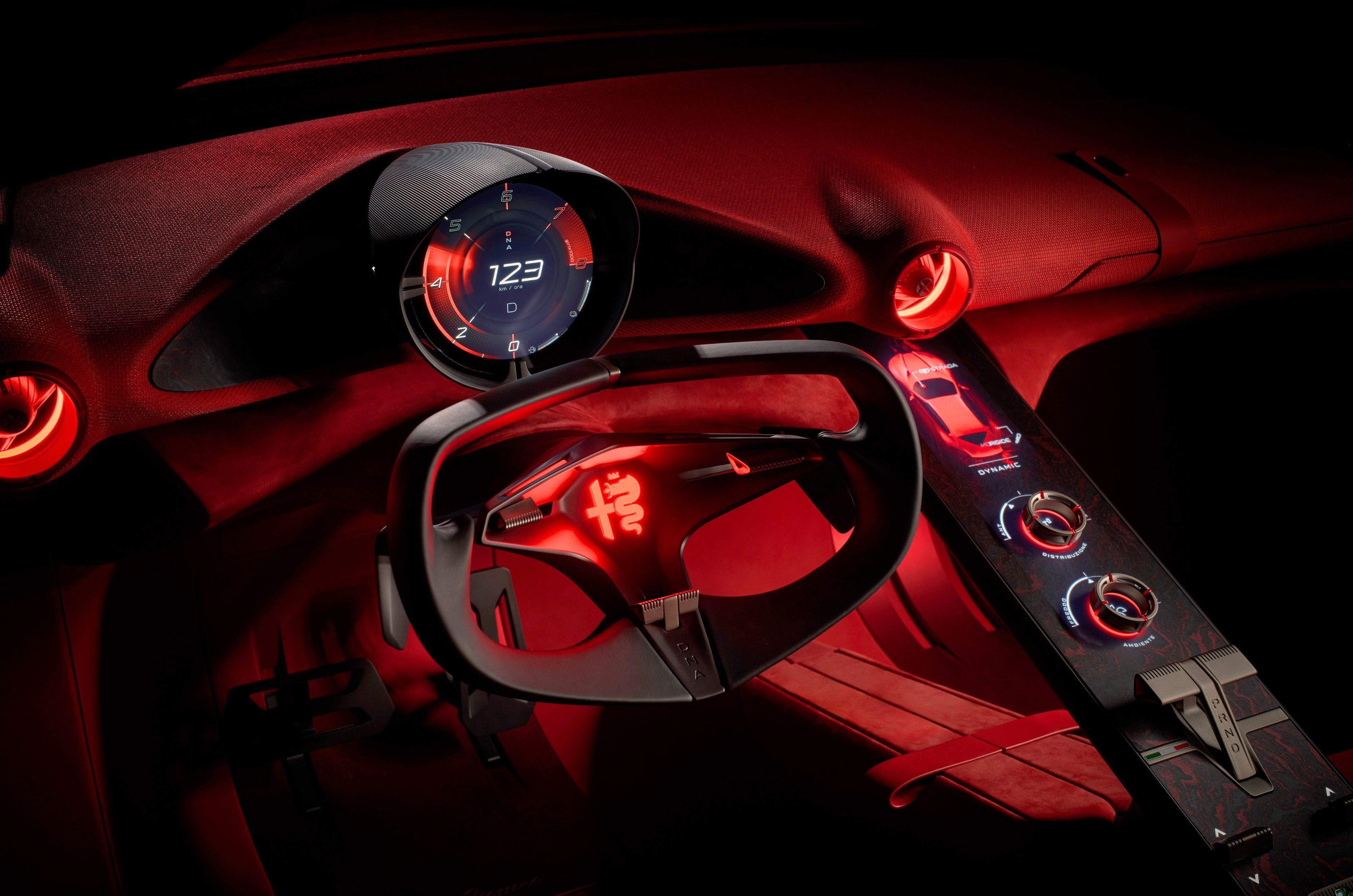
Inside, the Cuorerosso has a 2+2 seating layout and is just as radical as its exterior. For one, the colour scheme is predominantly red to convey the Cuorerosso’s sporty intentions, and there’s red ambient lighting in various spots too. The centre console has a pass-through design, and integrates a ‘Magma Display’ that combines physical controls with a digital interface. An aircraft-style gear selector can also be seen in the lower half of the centre console, along with a clover leaf emblem that glows green.
Ahead of the driver sits an unconventional-looking three-spoke steering wheel that has a flat top and a pointed bottom, while the central hub is dished inward and sports an Alfa Romeo emblem that glows red. Behind the steering wheel sits a pair of digital dials, which remain separate during normal driving and merge into one large dial if you start picking up the pace.
The Cuorerosso itself is unlikely to make it to production, but if it’s any indication of Alfa Romeo’s future, things look to be quite exciting for the Italian marque.
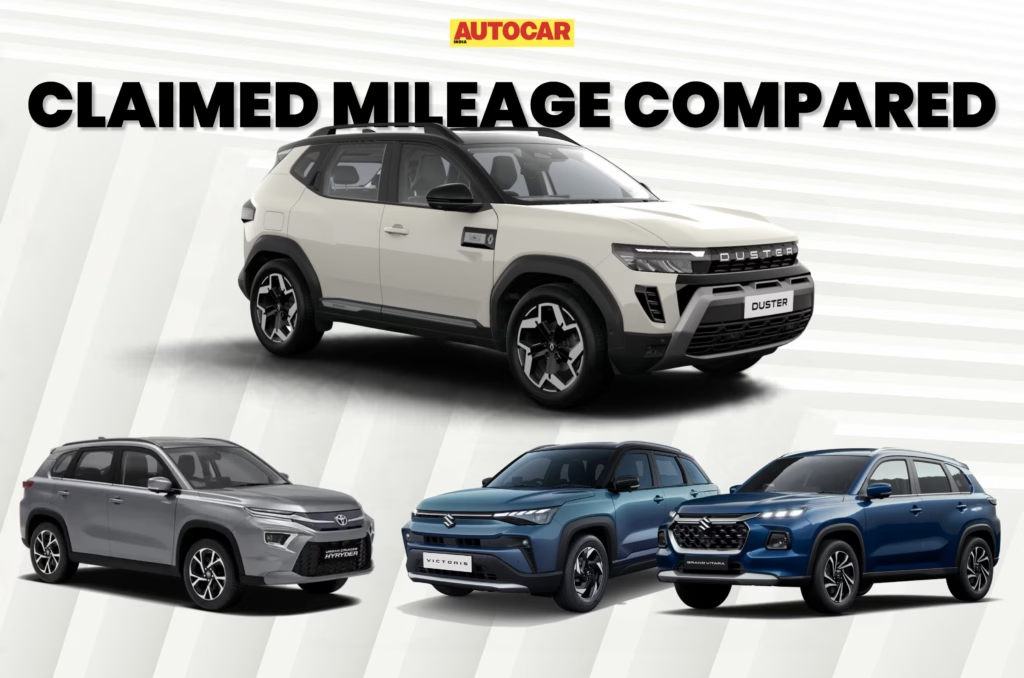
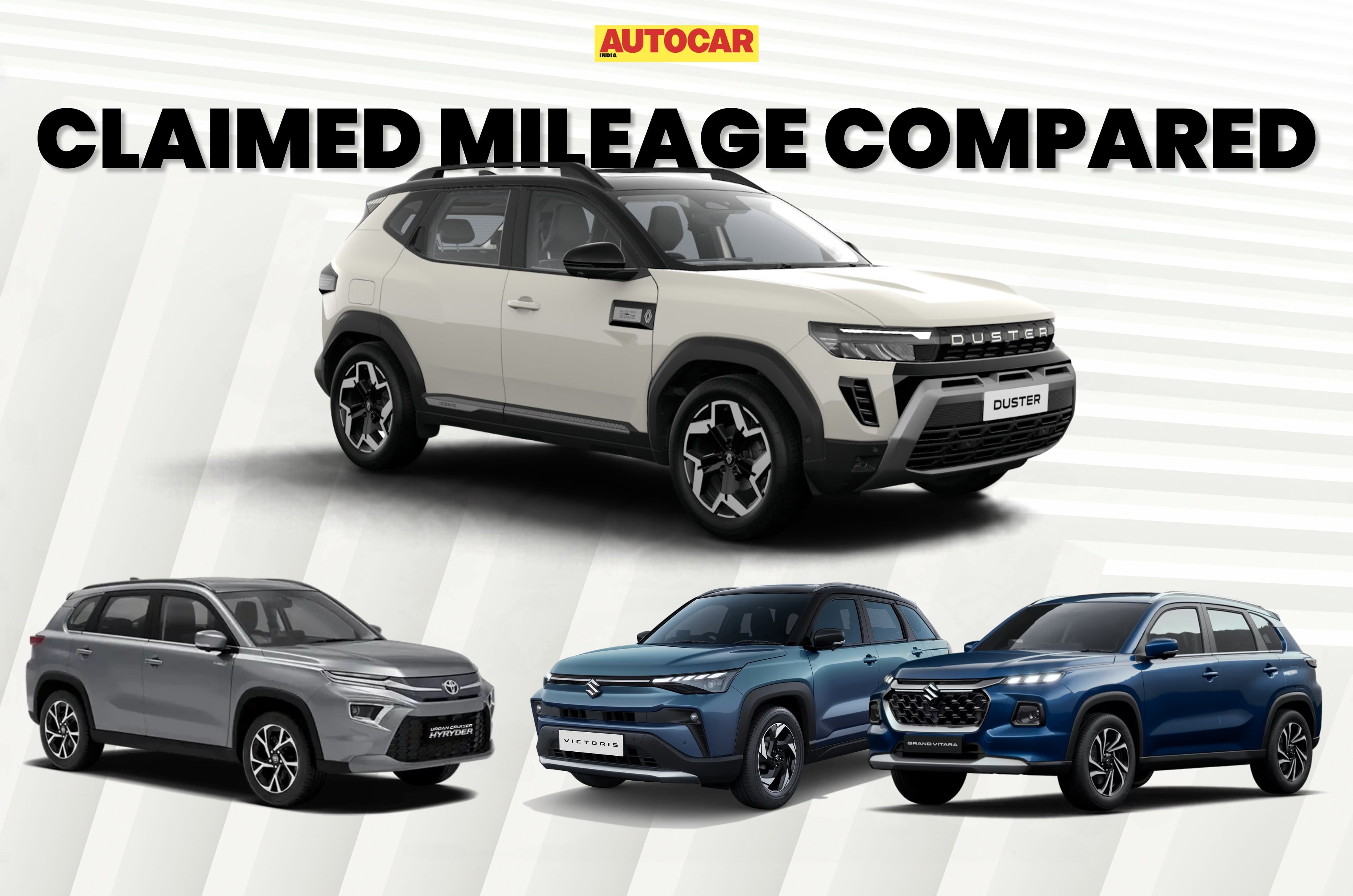
Around seven months after launching the new-gen Duster in India, Renault is now getting ready to bring the hybrid version of its midsize SUV. Featuring what the French brand calls “strong hybrid E-Tech 160” powertrain, this version of the Duster is aimed at buyers who want good mileage without sacrificing performance. Having said that, let’s see how the Renault Duster hybrid compares in terms of claimed fuel efficiency when compared to segment rivals.
Renault Duster hybrid vs rivals: Claimed mileage
The Duster hybrid’s ARAI mileage of 29kpl gives it an upper hand among its strong-hybrid rivals
Renault Duster hybrid vs rivals: ARAI claimed mileage (kpl)
Renault Duster hybrid
29
Maruti Suzuki Grand Vitara strong hybrid
27.97
Maruti Suzuki Victoris strong hybrid
28.65
Toyota Urban Cruise Hyryder strong hybrid
27.97
The Renault Duster hybrid’s ARAI-claimed mileage of 29kpl, which is 1.03kpl higher than what its Maruti Grand Vitara strong hybrid and Toyota Urban Cruise Hyryder strong hybrid rivals claim. It is only the Maruti Victoris with its strong-hybrid powertrain that comes close to matching the claimed figure of the Renault SUV, with a margin of just 0.35kpl between the two cars.
The Renault Duster’s strong hybrid powertrain comprises a 1.8-litre four-cylinder petrol engine that’s assisted by two electric motors and a 1.4kWh battery pack, resulting in a combined output of 160hp and 172Nm. According to Renault, the electric motors of the Duster hybrid include a 20hp unit that acts as a generator and a 49hp motor that drives the front wheels. While all models here offer an automatic transmission, the Duster hybrid features what Renault calls an “intelligent multi-mode transmission”. The rest come equipped with an e-CVT (electronically controlled continuous variable transmission).
The battery pack of the Renault Duster hybrid is larger than what the Urban Cruiser Hyryder strong hybrid offers. Considering the latter shares its underpinnings with the Grand Vitara strong hybrid, their battery packs would be the same too. For reference, the Toyota Urban Cruiser Hyryder’s strong-hybrid version is equipped with a 0.60kWh lithium-ion battery, which makes it less than half the size of the battery pack fitted to the Duster hybrid. This capacity advantage also likely explains the Renault SUV’s higher claimed range.
The Sorento is Kia’s flagship combustion-powered SUV for the Indian market. It’s also Kia India’s first hybrid offering, but if that doesn’t strike your fancy, a diesel is also on offer. The Sorento contends in the premium three-row SUV segment, locking horns with the Volkswagen Tayron, Jeep Meridian, and Skoda Kodiaq. Now that we’ve reviewed the Kia Sorento, here are three reasons why you should bring one home, and three reasons why you may want to consider one of its rivals.
Pros
Well-judged powertrain offerings
The Sorento can be had with either a 1.6-litre direct-injection turbo-petrol strong hybrid powertrain (230hp, 380Nm) mated to a 6-speed torque converter, or a 2.2-litre diesel engine (193hp, 442Nm) coupled to an 8-speed dual-clutch automatic. Both are available with front-wheel drive and all-wheel drive too. Of these, the hybrid is our pick for city driving because it’s smooth, instantly responds to throttle inputs, and the 1.49kWh battery pack allows it to run in pure-electric mode for better fuel efficiency – speaking of which, the Sorento hybrid claims 19.6kpl with FWD and 17.7kpl with AWD. On the highway, though, the turbo-petrol gets vocal and starts to run out of breath if pushed hard.
Highway frequenters, then, should look towards the diesel-powered Sorento. The low-end response is good, but not as immediate as the hybrid’s, and torque is delivered in a strong, linear surge, making it an excellent highway cruiser. Another highlight is the wet-clutch DCT, which slurs its gear changes like a torque converter and adds to the smoothness of the driving experience. Refinement is also good for the most part, with the diesel engine emitting a gruff note only under hard acceleration.
Feature-packed cabin with a premium feel
Inside, the Sorento offers a blend of quality, technology, and ergonomics that majorly outclasses rivals. The dashboard is decked out in soft-touch materials, there’s a healthy amount of physical controls, and overall quality levels are fabulous for the price.
As for features, the Sorento is absolutely loaded, especially in higher variants. You get goodies like dual 12.3-inch screens, a heads-up display, a panoramic sunroof, powered and ventilated front seats, ventilated second-row captain’s chairs (6-seat), Level 2 ADAS, a 12-speaker Bose sound system, dual-zone climate control, 64-colour ambient lighting, a camera-based IRVM, rear-window sunshades, a powered tailgate, connected car tech, and more.
Outstanding ride quality
Kia has tuned the Sorento’s suspension exceptionally well, with a clear prioritisation of comfort over sportiness. It glides along bad roads at high speeds with ease, almost never needing you to lift off. Part of the credit here goes to the tall-sidewall tyres, which round off sharp jolts and filter high-frequency shocks. While there is a bit of body movement at highway speeds, the Sorento never feels unsettled or busy.
Cons
Knees-up seating in third row
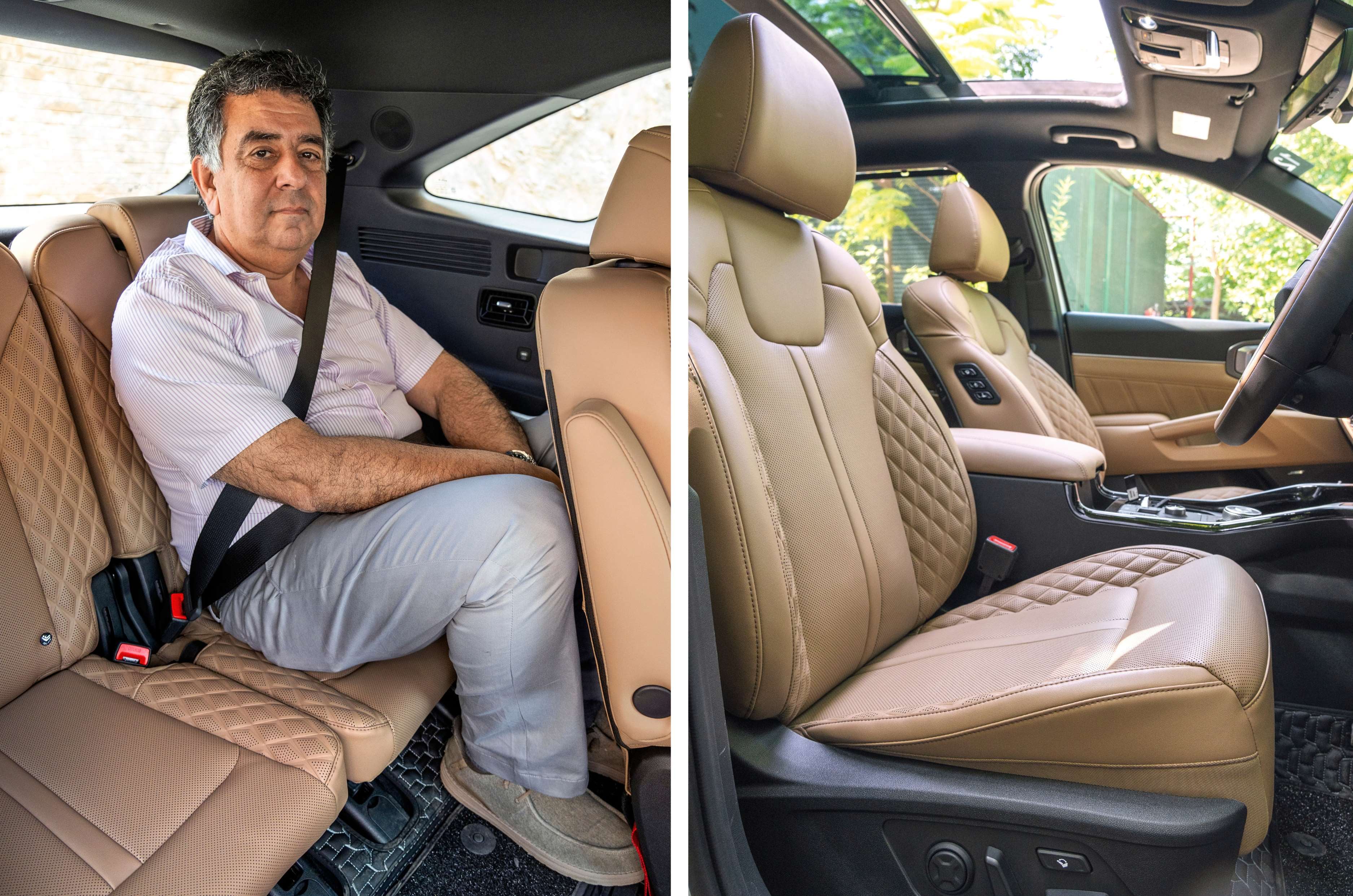
While the first and second rows of the Sorento are very spacious and comfortable, the outlook on the third row (left image) is mixed. Legroom is decent, but the seat base is mounted nearly flat on the floor, which means there’s no under-thigh support and you’re sat knees-up. The Sorento’s third row, then, is best-suited to small children.
Not as engaging to drive as European rivals
Since the Sorento is softly-sprung and has a higher 208mm ground clearance, it isn’t quite as dynamically sharp as the Tayron and Kodiaq – a bit of body roll rears its head during hard cornering. The steering feel is light, but not as fluid or progressive as those of the Sorento’s European rivals, and there’s a dead zone around the straight-ahead position too.
Top-end variants are expensive
Pricing for the Sorento is very broad and competitive, starting at Rs 27.99 lakh for the base-spec diesel-FWD variant. However, prices for the top-spec HTX and HTX(A) trims range from Rs 37.49 lakh to Rs 40.19 lakh, which is rather steep. It doesn’t help that these trims are offered solely with AWD – FWD versions could’ve helped bring the HTX’s price down.
The Sorento is a big bet for Kia India, and you can tell. Six trims, two powertrains, front- and all-wheel drive, six or seven seats and 32 versions in all. This is not a toe in the water exercise but a full-blooded dive into the deep end of the executive SUV pool. More than that, it is a case study in how to launch a product in India, because Kia has got the basics right before it has even started talking about features.
Start with the powertrains, which for this class of SUV could hardly be better judged. There is a strong 2.2-litre diesel for diesel die-hards and there are still plenty of those. And then there is a 1.6-litre turbo-petrol strong hybrid whose timing couldn’t be more perfect. Petrol prices are climbing, E20 has quietly eaten into real-world efficiency, and buyers want diesel-like running costs from a smooth, quiet powertrain without lying awake worrying about diesel’s long-term future. The Sorento hybrid is pitched squarely at that anxiety.
The strategy behind the car is just as interesting. This fourth-generation (MQ4) Sorento arrives in India towards the end of its global life cycle. It is still a current product, but one due to be replaced internationally next year, while India will carry on with this one. That is actually a very smart move. A car this late in its life has its development costs largely amortised, and Kia India can bring some of the tooling here, which slashes the investment.
And this is a properly localised car, not a screwdriver job. The body is stamped and welded at Kia’s Anantapur plant, and the dashboard and seats are made here too. That is what makes the Rs 27.99 lakh starting price possible. The catch is that localisation on this scale only pays off with volume, and Kia wants to sell around 40,000 Sorentos a year. That is a big number for a Rs 30-40 lakh SUV. Can it get there?
Kia Sorento exterior design and engineering
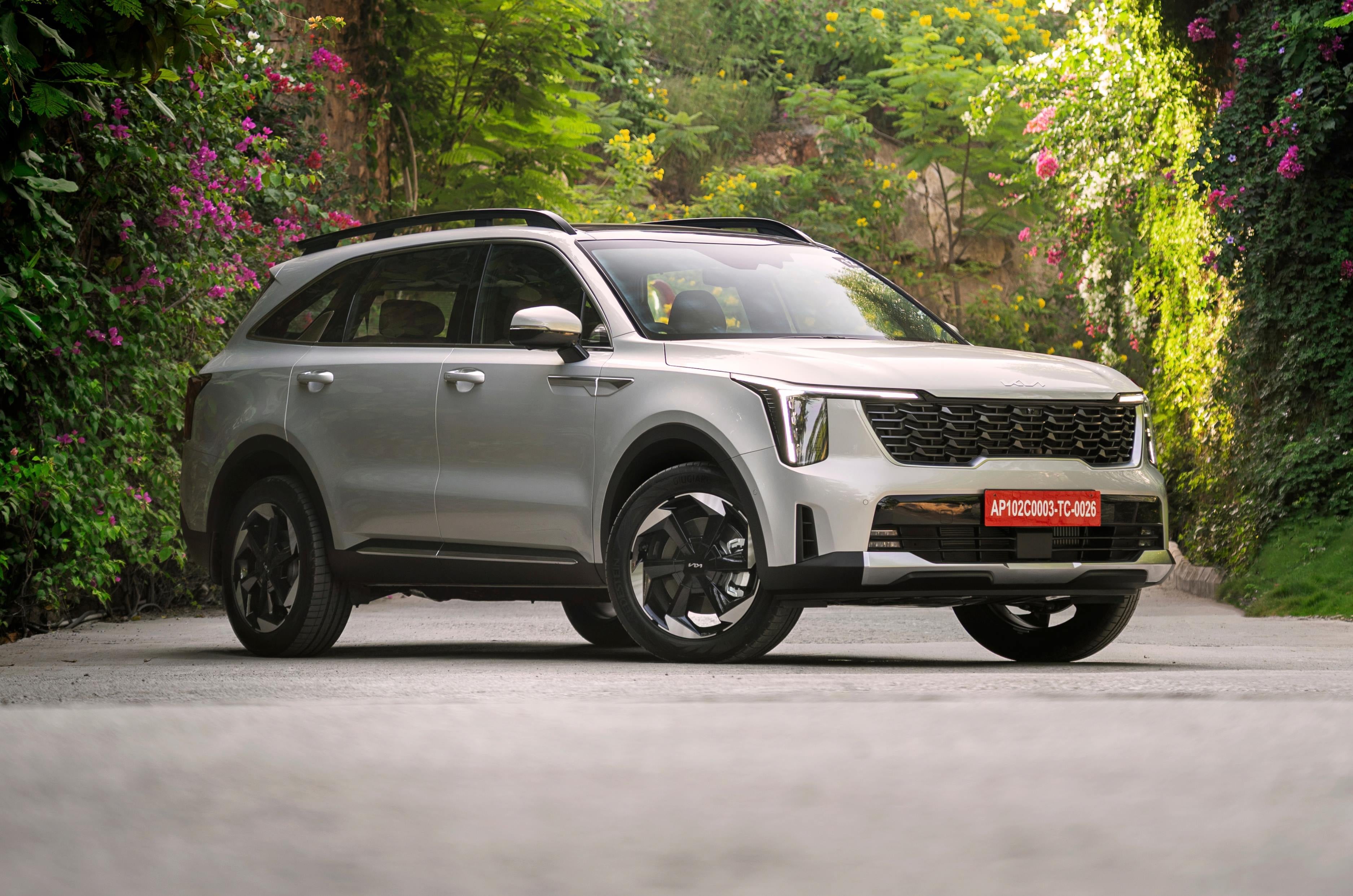
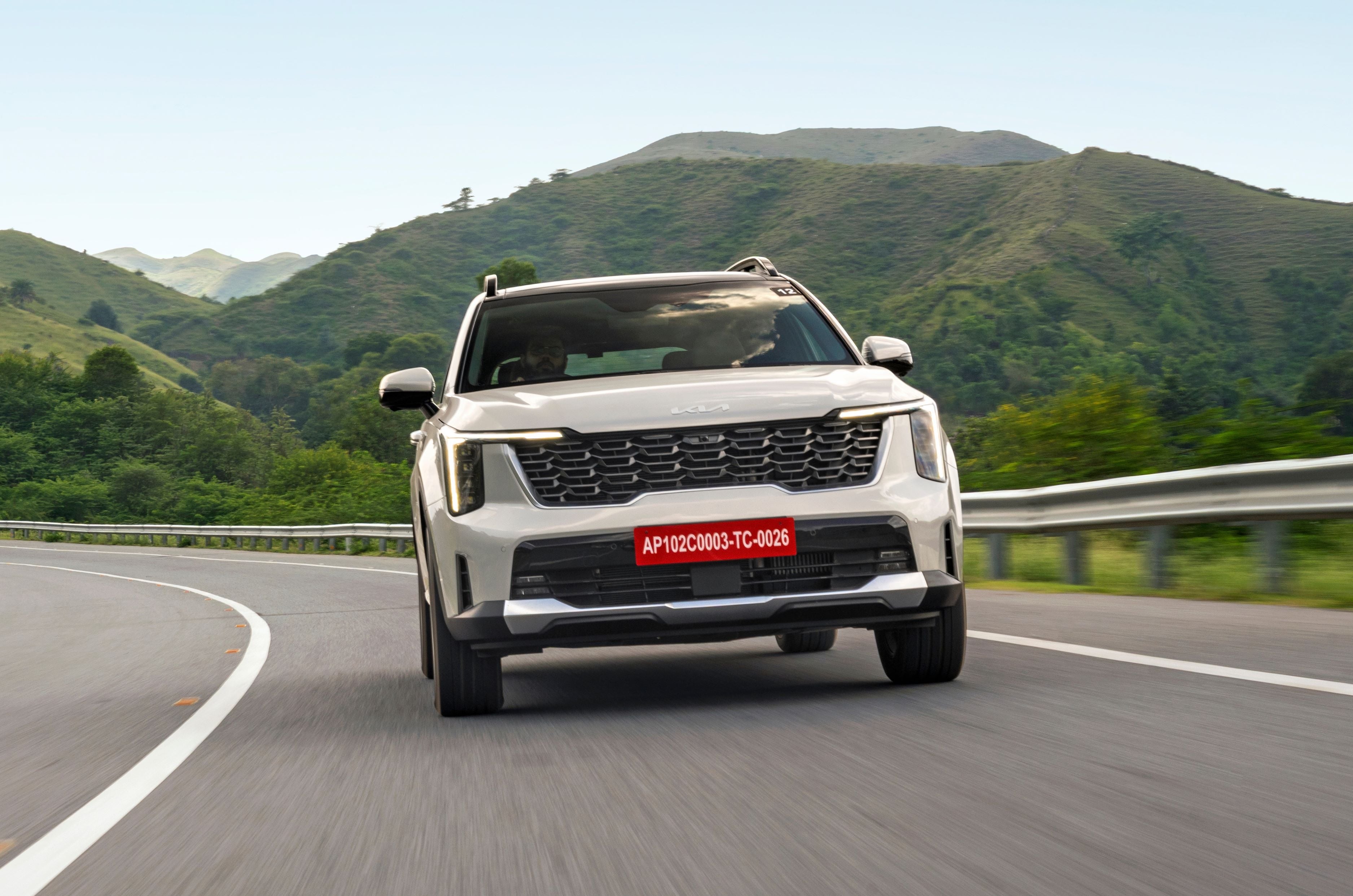
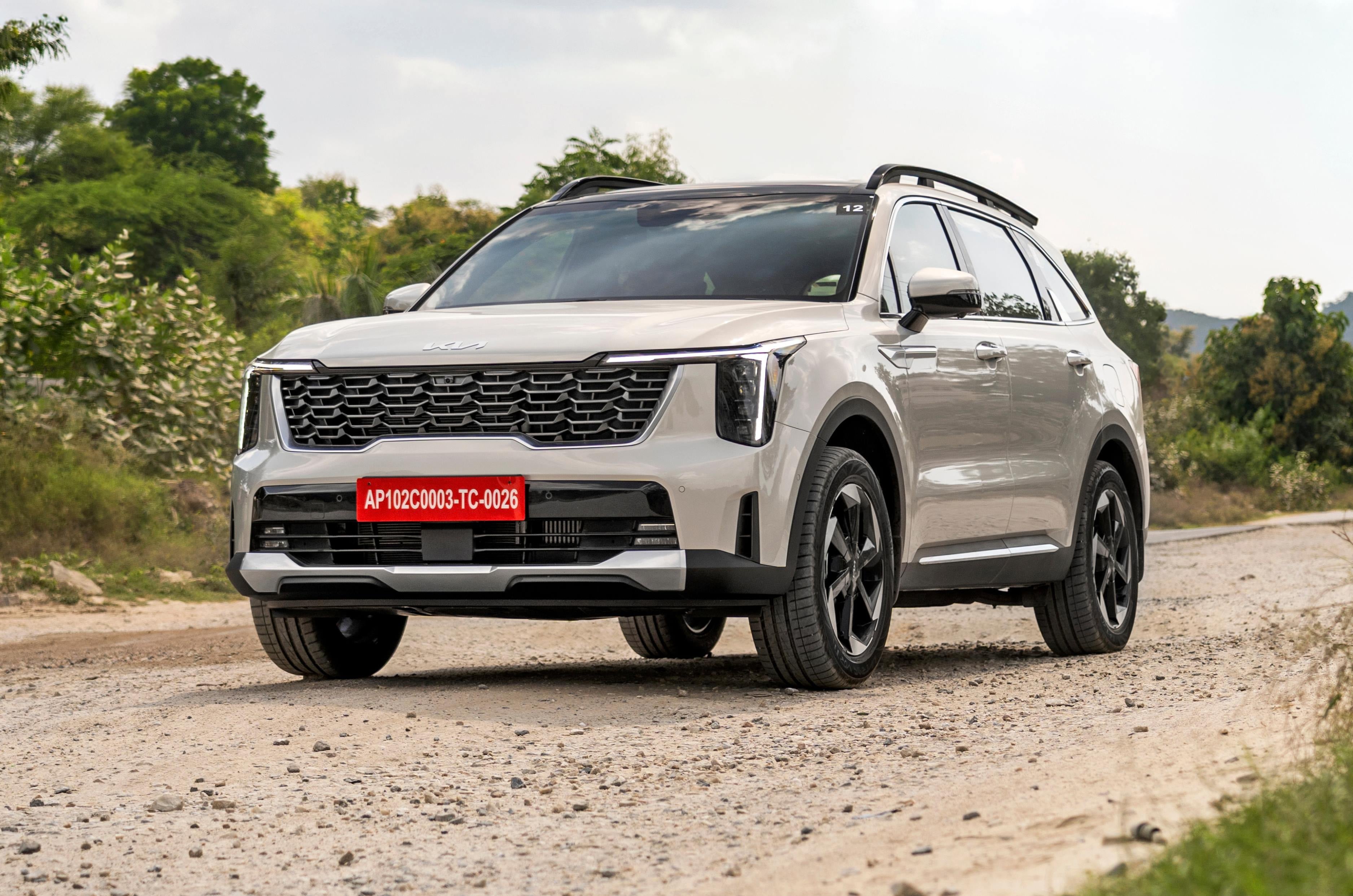
Based on the gen 4 Sorento, it carries over the older and more palatable design language.
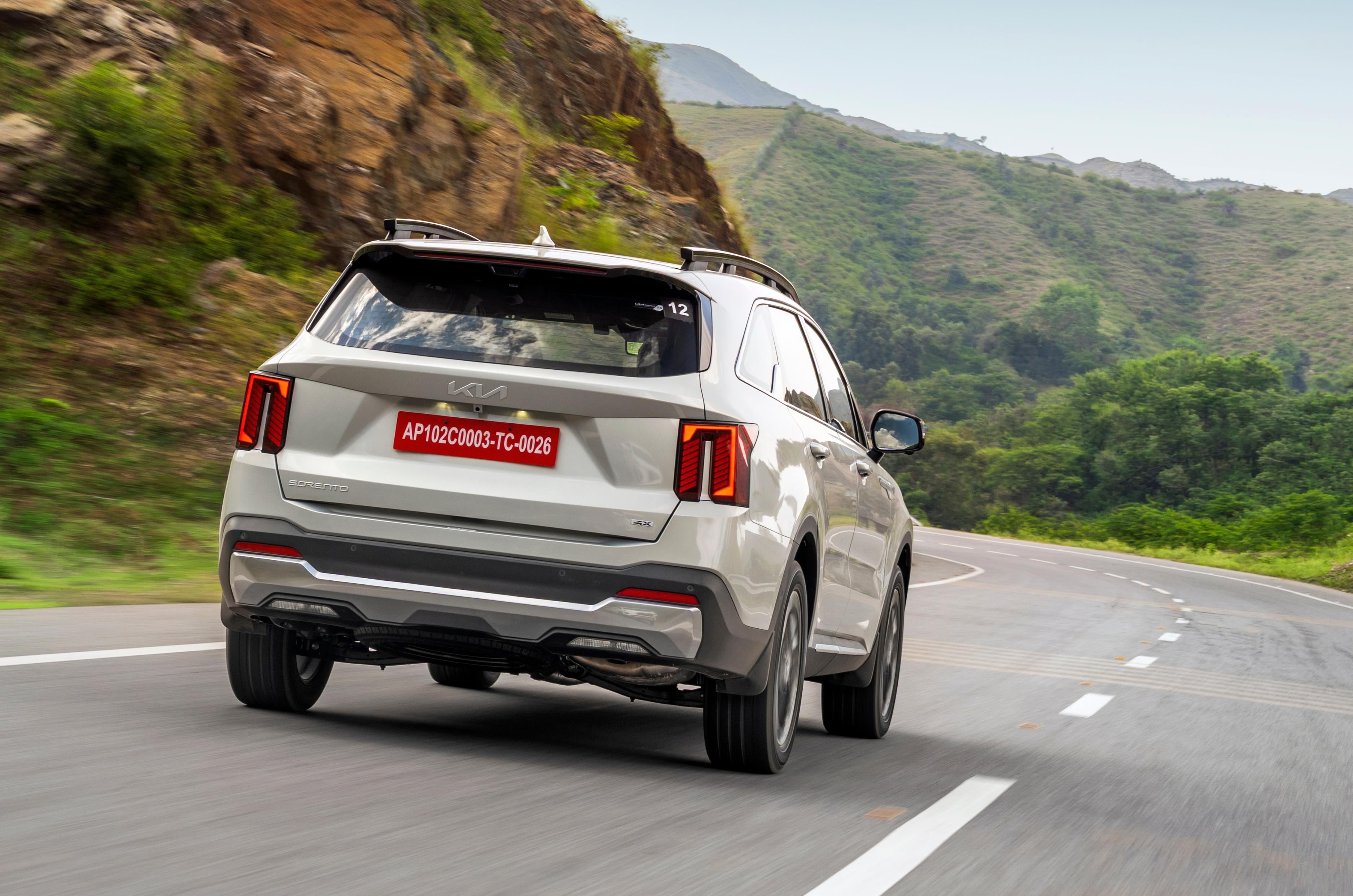
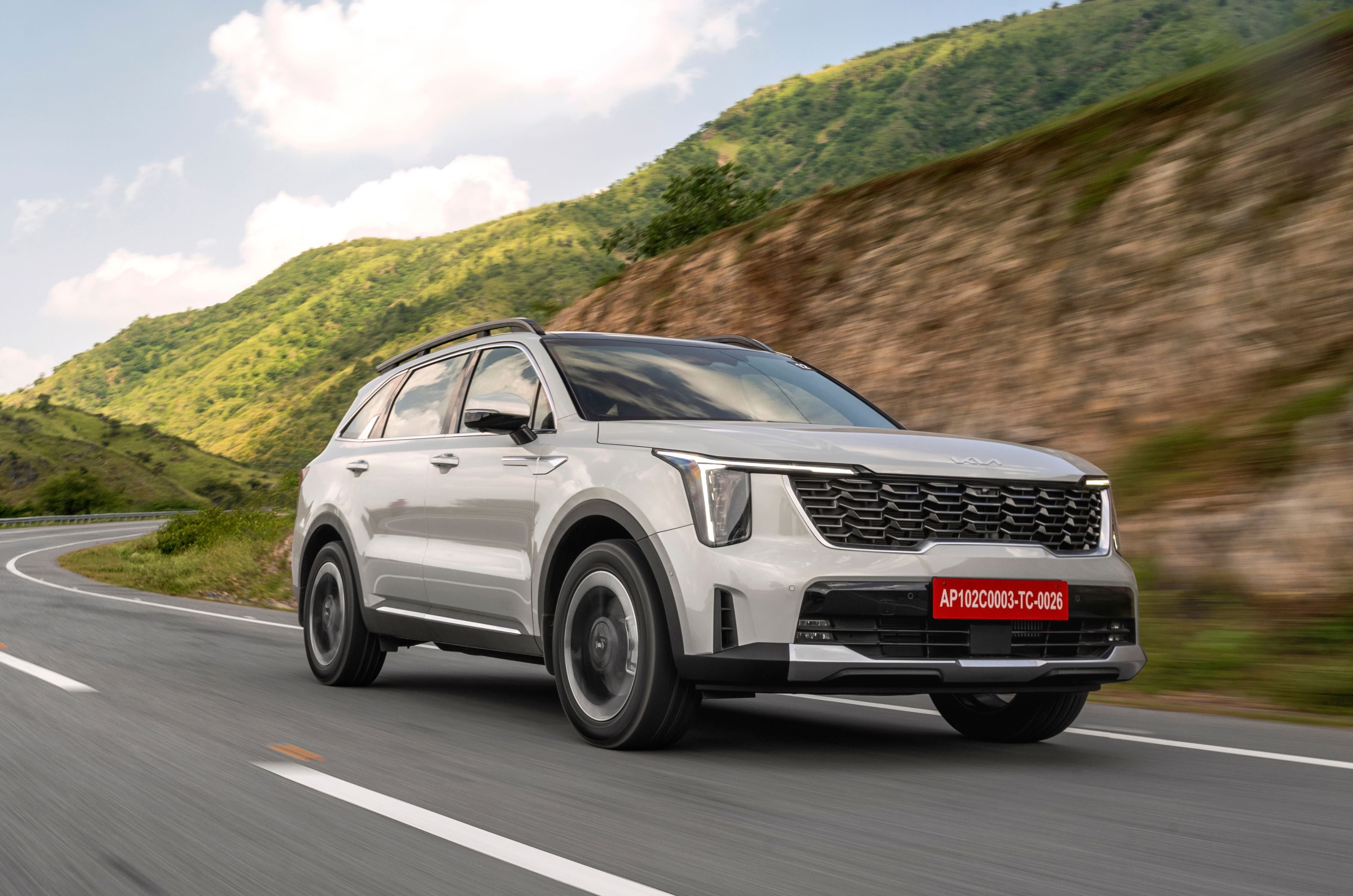
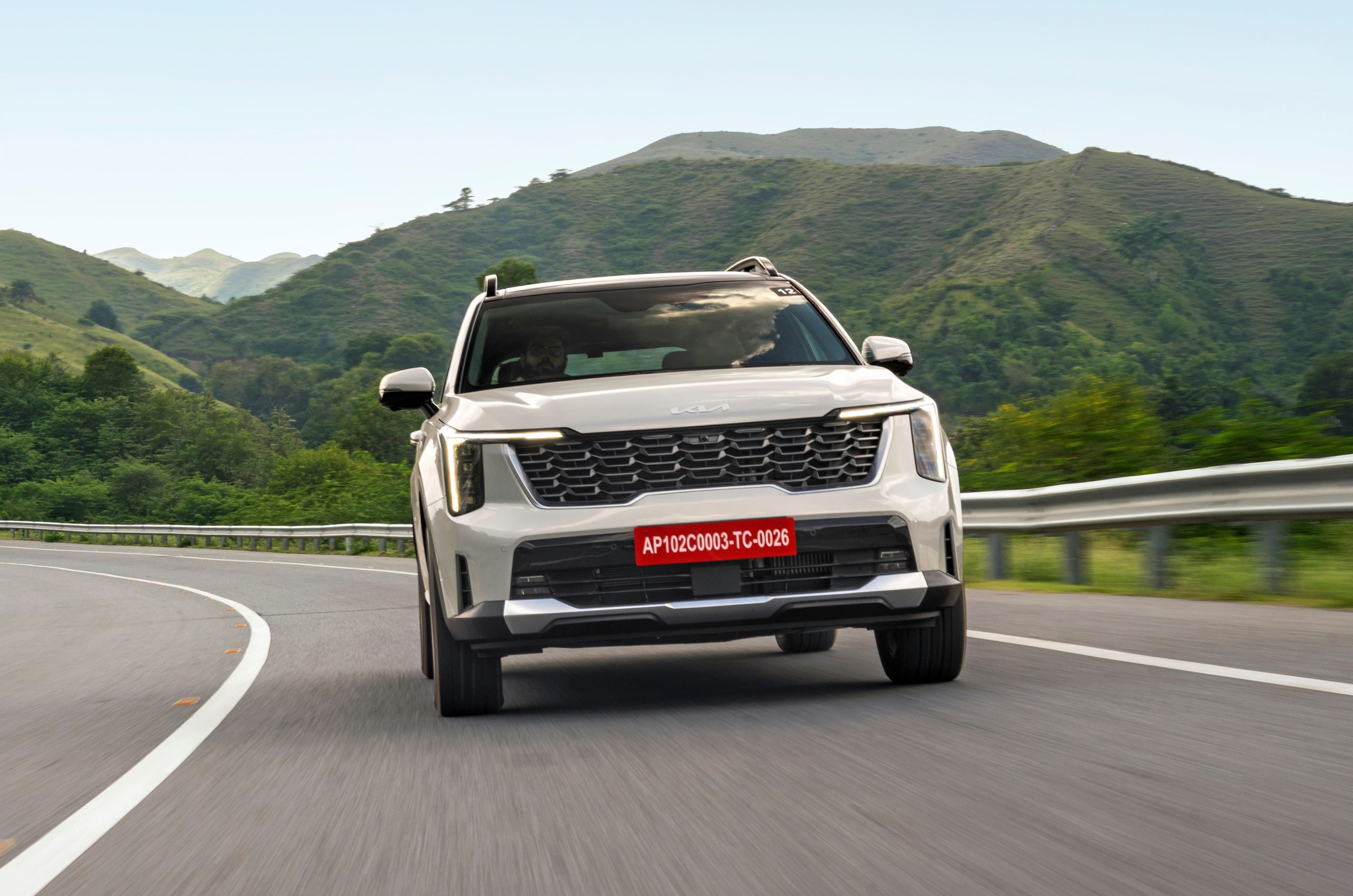
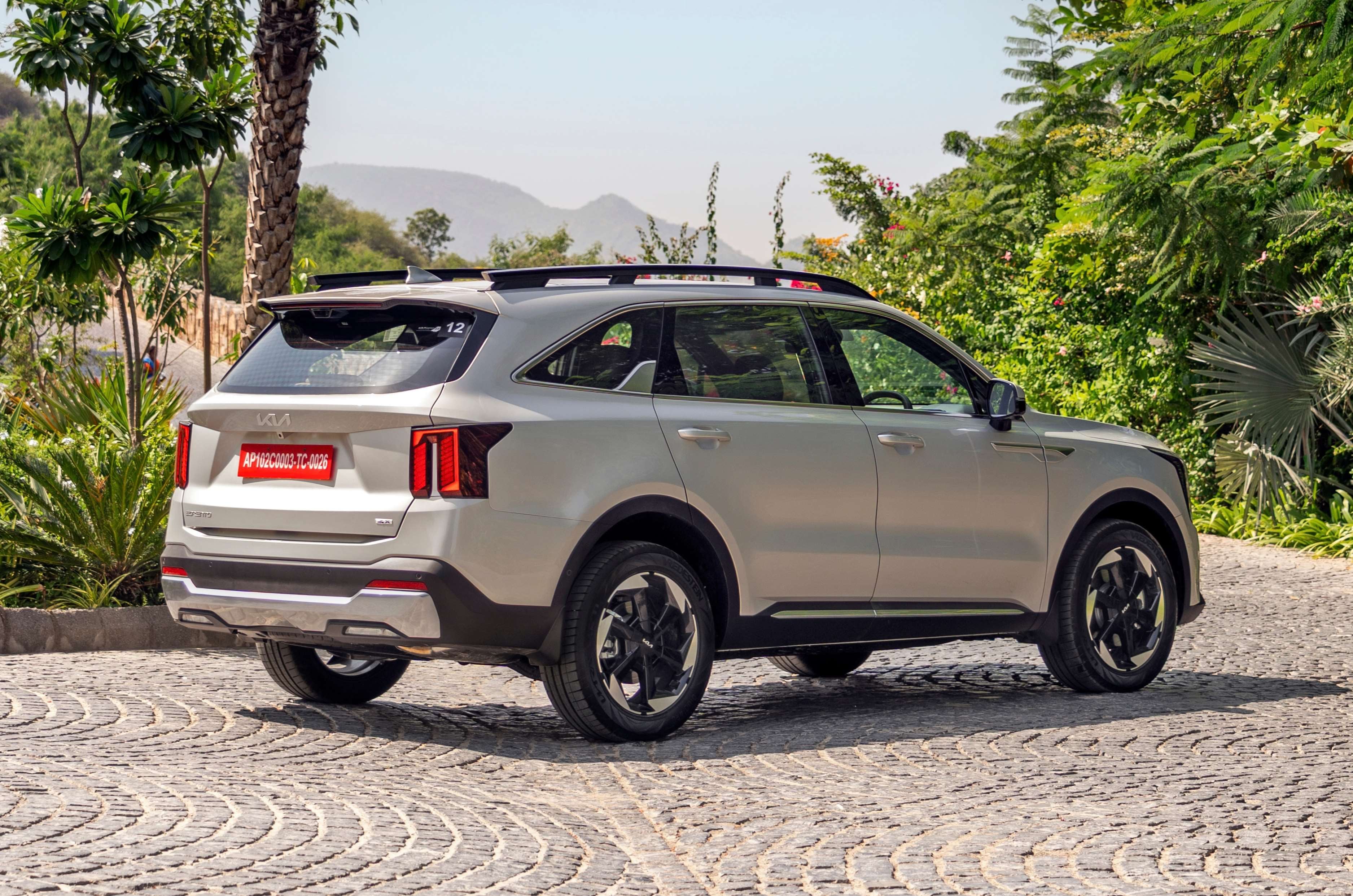
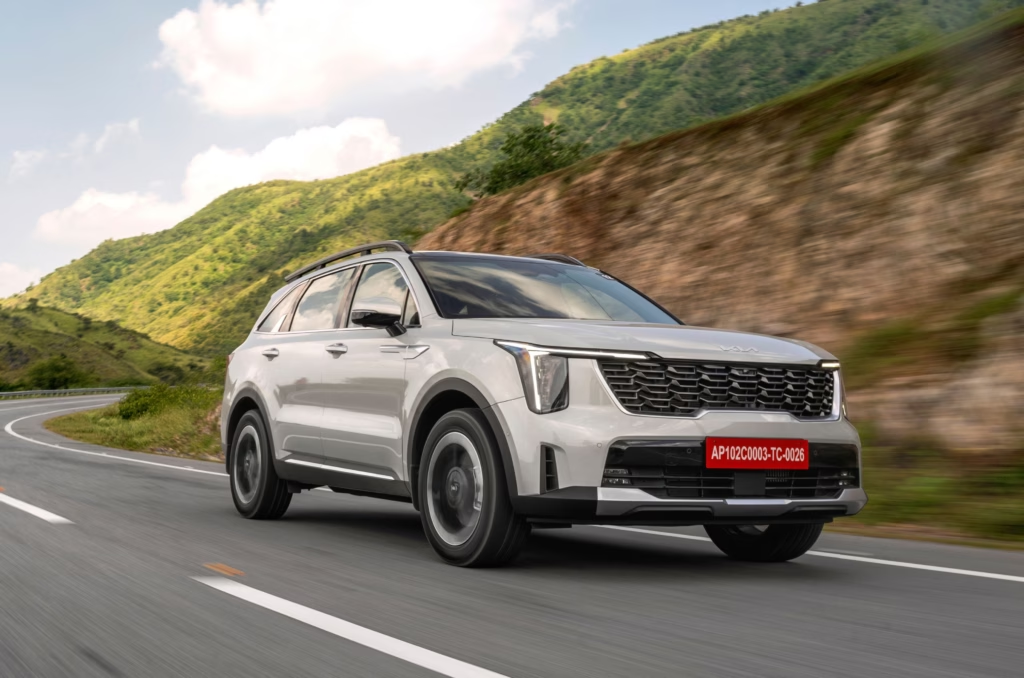
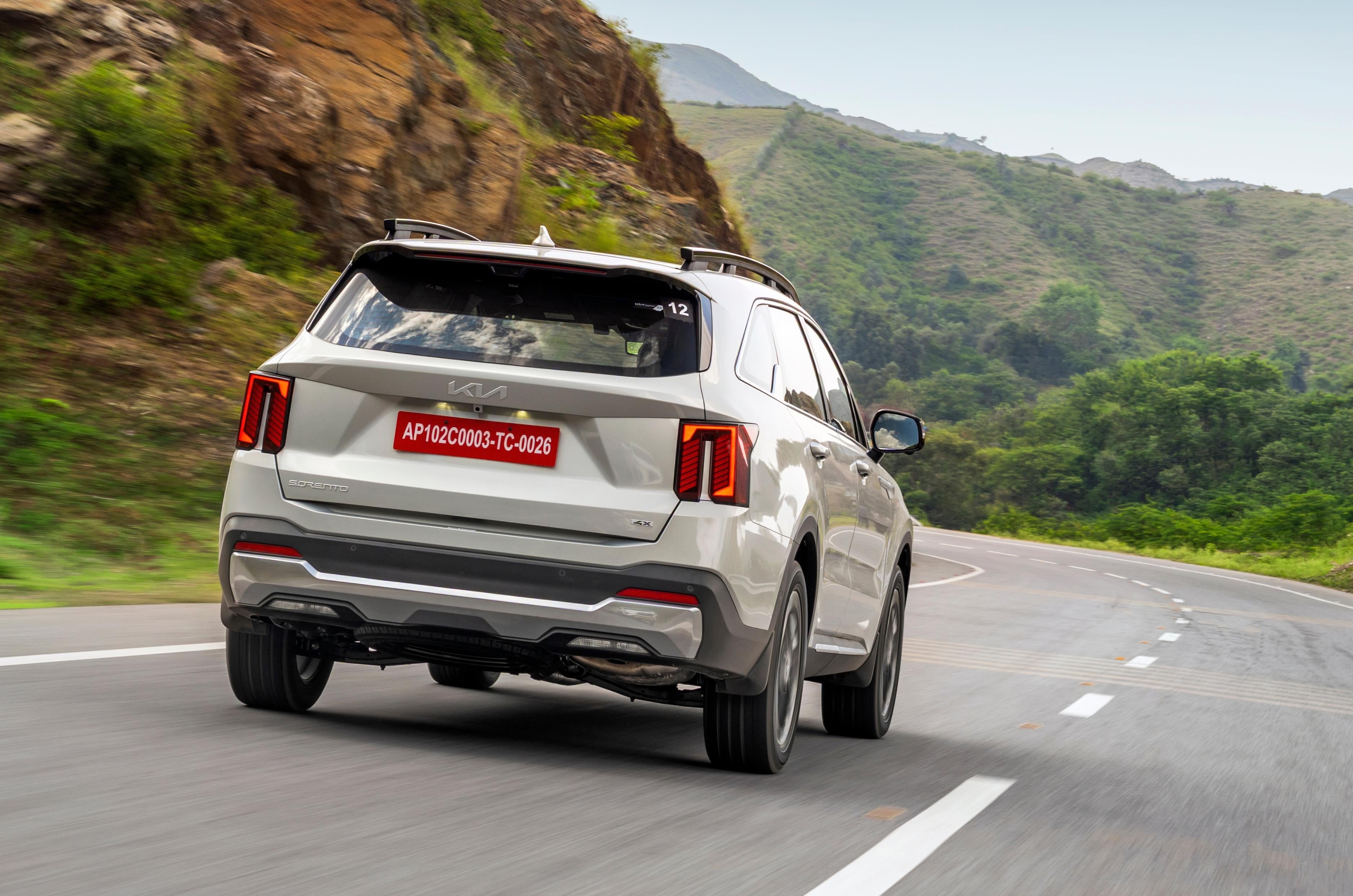
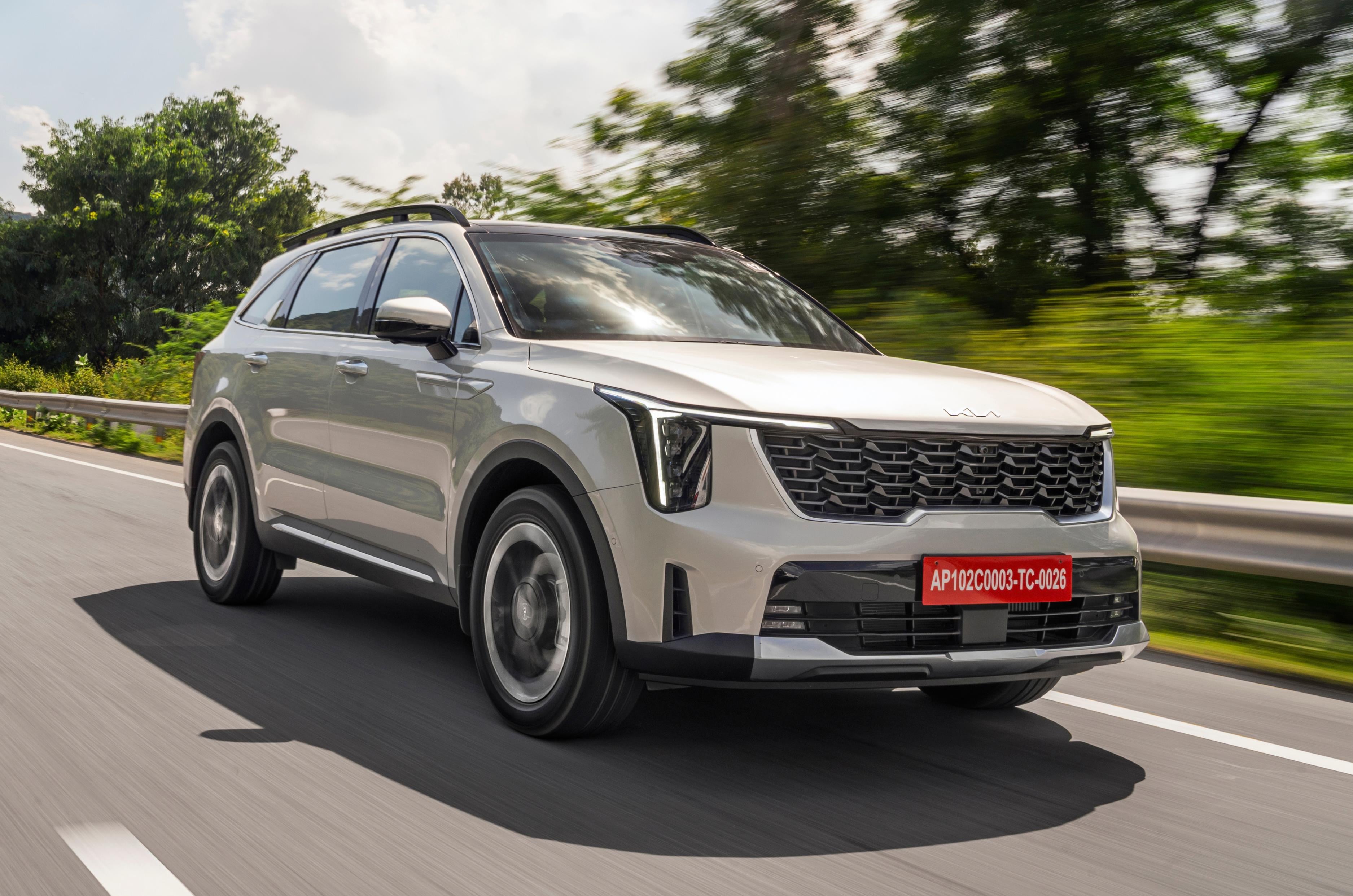
The Sorento sits on Hyundai-Kia’s MQ4 platform, the freshest architecture in its class, and it has already had a mid-life update to keep it looking current. The 2024 facelift brought the nose in line with the design language Kia kicked off with the EV9, so you get vertically stacked LED headlights, Y-shaped daytime running lamps and an aggressive looking bumper with wide intakes. At the back are L-shaped wraparound tail-lamps, and thankfully no light bar stretched across the tailgate.
Beats the rivals in length, width, and wheelbase.
Kia’s stated aim was a more technical, precise look, one meant to signal tight build quality and engineering sophistication. It is a trick the German premium brands have used for years, and Kia has clearly taken a leaf out of their book. The Sorento looks crisp and expensive rather than flashy, and is likely to age well too.
Spare wheel mounted under the floor frees up room in the boot.
What it does not have is brute presence. Despite being the longest, widest and tallest SUV in its segment, at 4,815mm long, 1,900mm wide and 1,785mm tall on a 2,815mm wheelbase, it does not loom in your mirrors the way a Fortuner does. The sloping roofline at the rear softens the silhouette and lends it a hint of crossover, and some will see it as a big Seltos rather than a junior Land Cruiser. Clearly this is not an SUV that looks like it can bully its way through traffic.
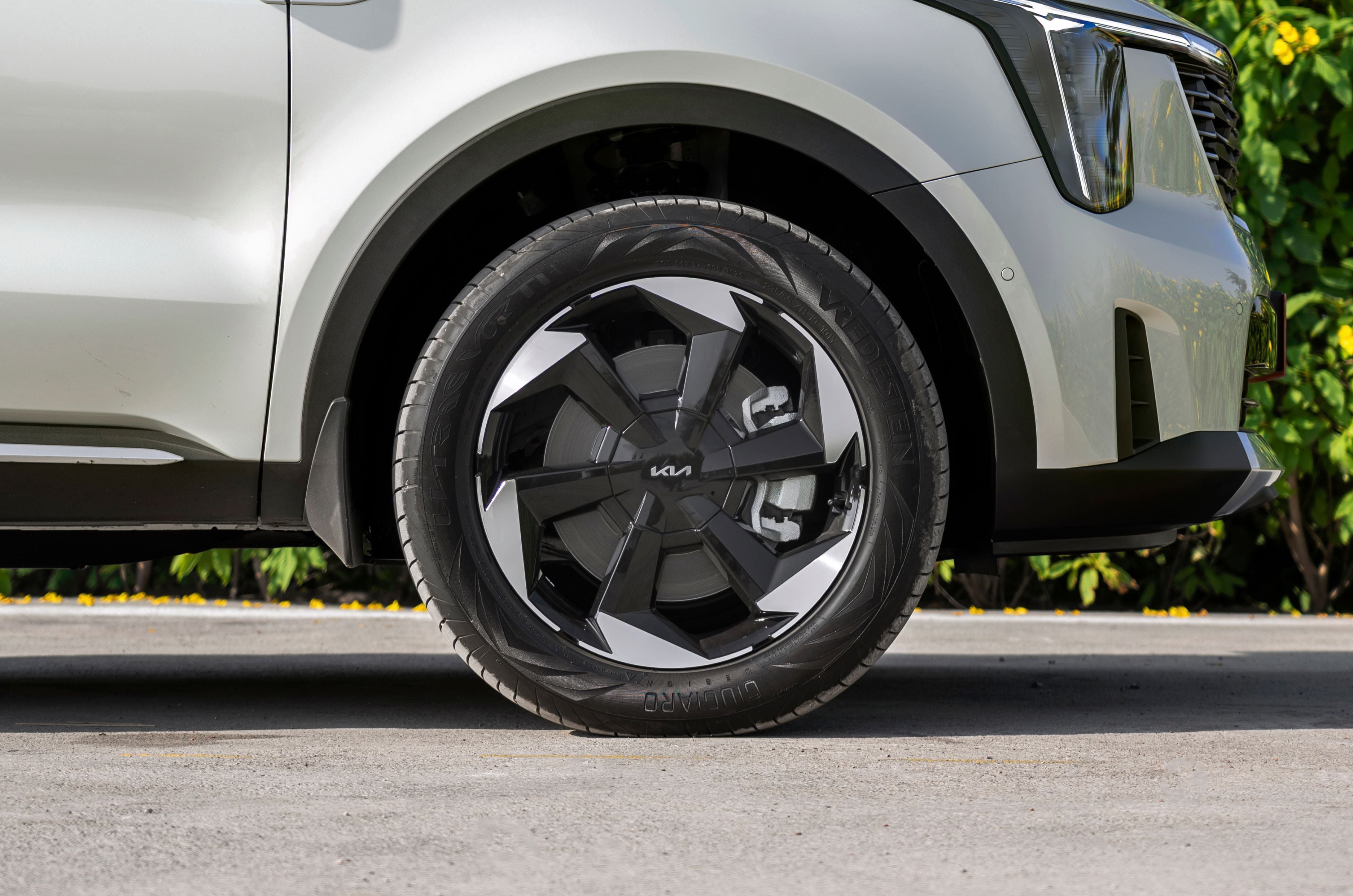
A more unique design could’ve been used for the 19-inch alloys.
The 19-inch dual-tone alloys could have been more distinctive, too an effect exaggerated by the chunky 235/55 R19 tyres. Those tall sidewalls, though, are not a styling misstep so much as an engineering choice, and they play a big part in how this car rides. More on that later.
Kia Sorento interior space and comfort
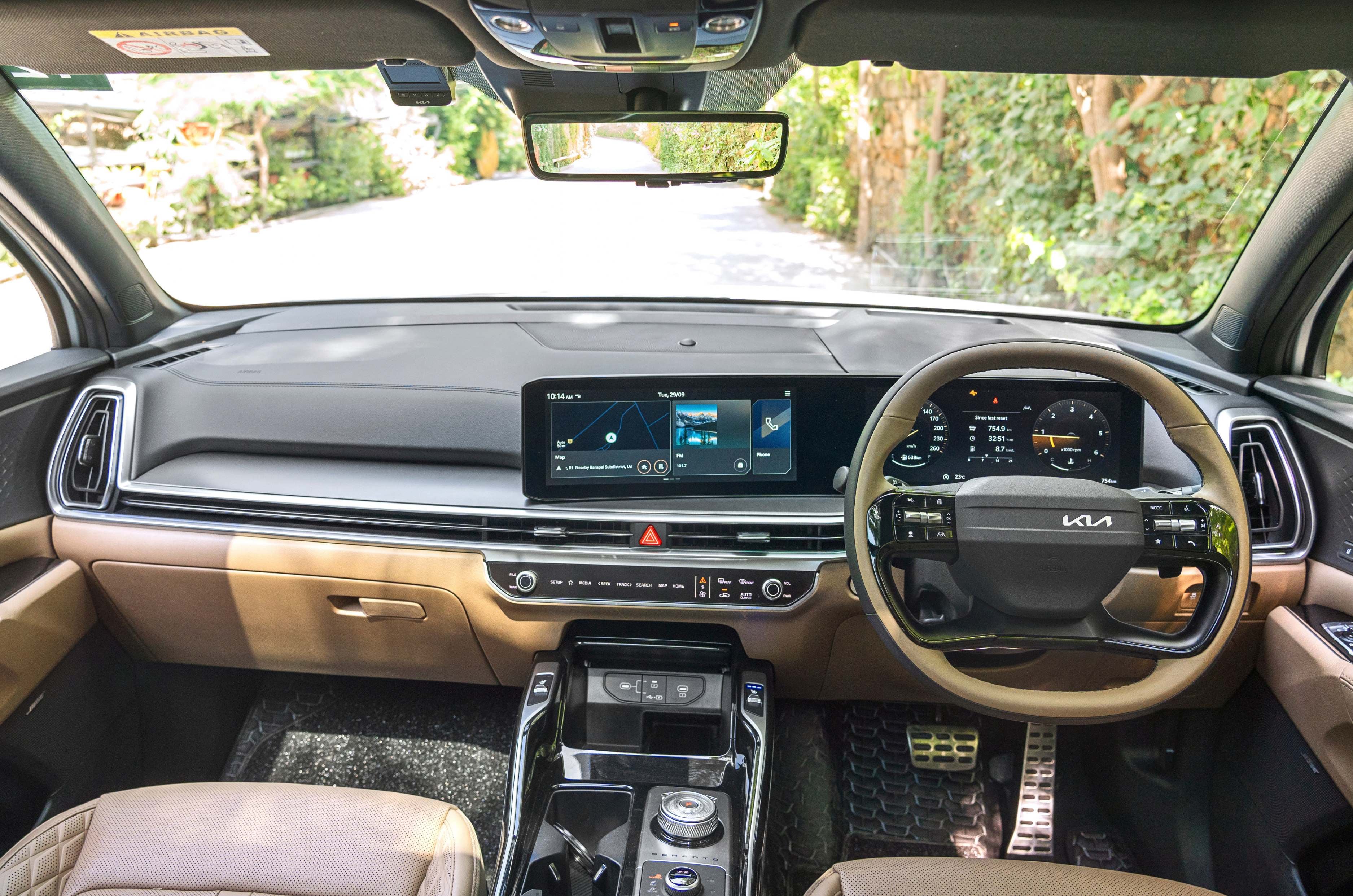
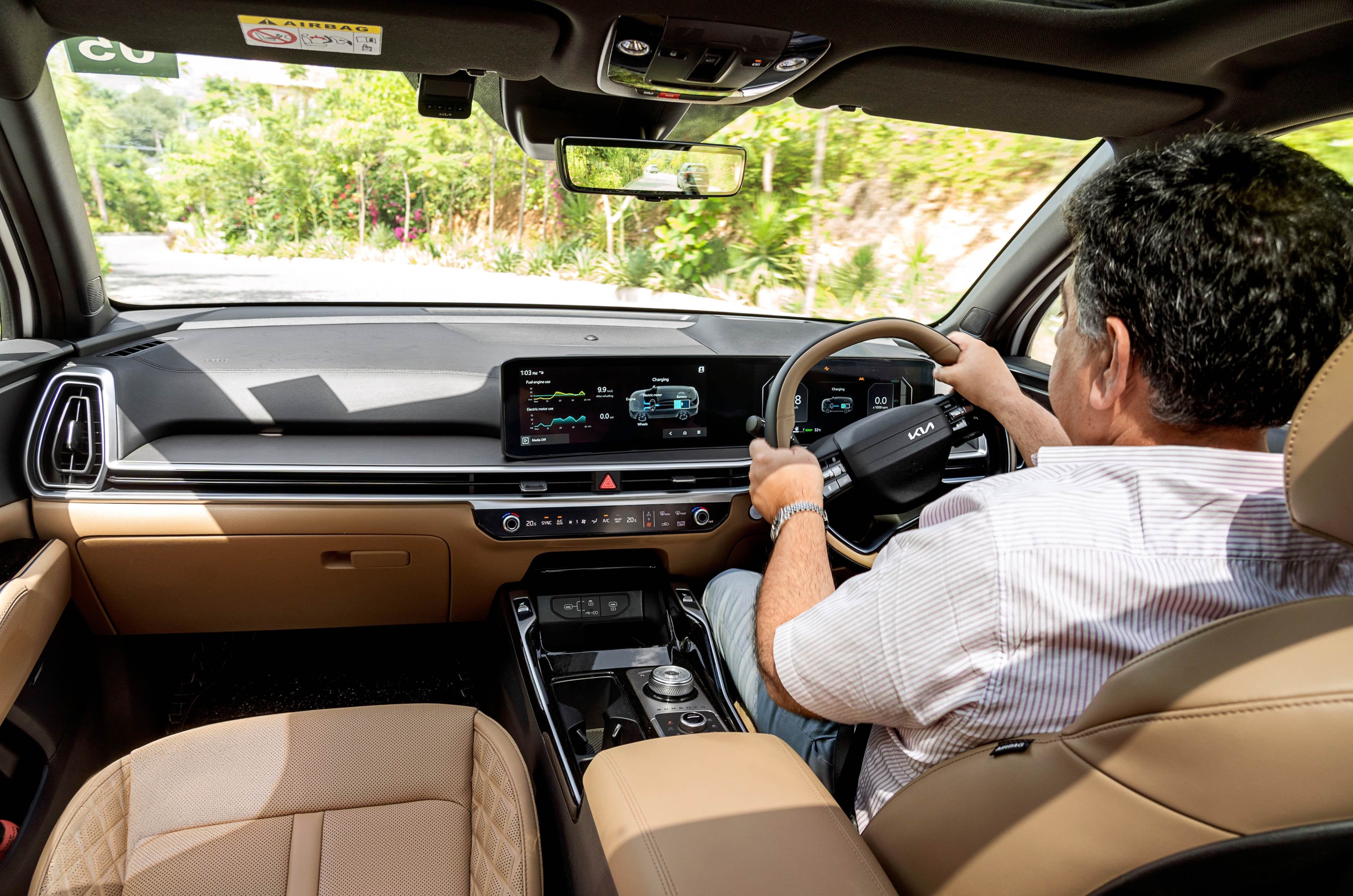
Clutter-free dashboard with solid build and plush feel.
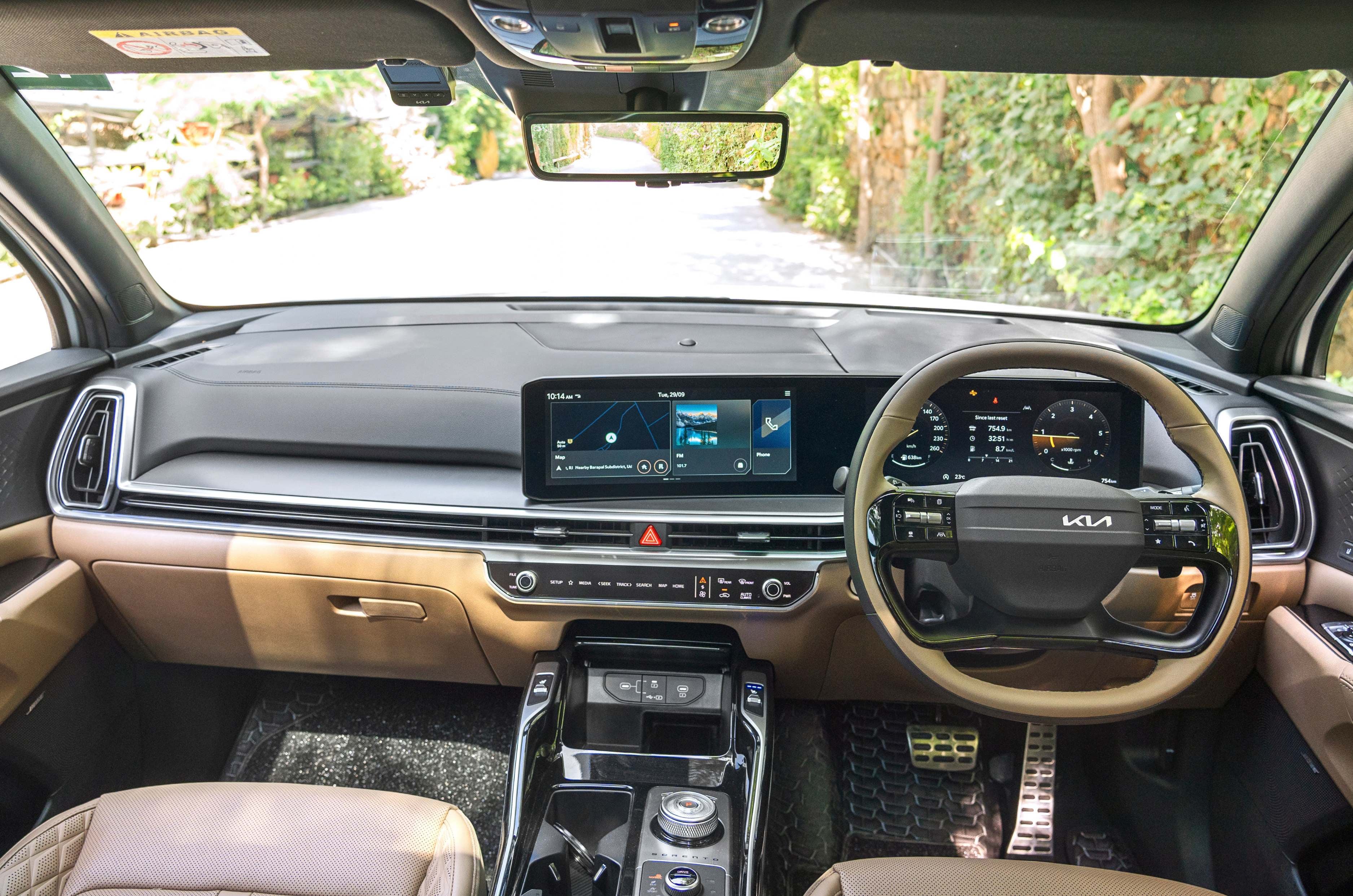
If the exterior is quietly effective, the cabin is where Kia has truly aced it. The Sorento offers a mix of quality, equipment and ergonomics that nothing at this price can match. Soft-touch materials cover everything you are likely to touch, including the spots where your knee rests against the centre console. There is a healthy count of physical buttons, and they click with a precision that feels engineered rather than sourced. The knurled finish on the rotary drive selector and the switchgear adds a tactile richness you normally pay German money for.
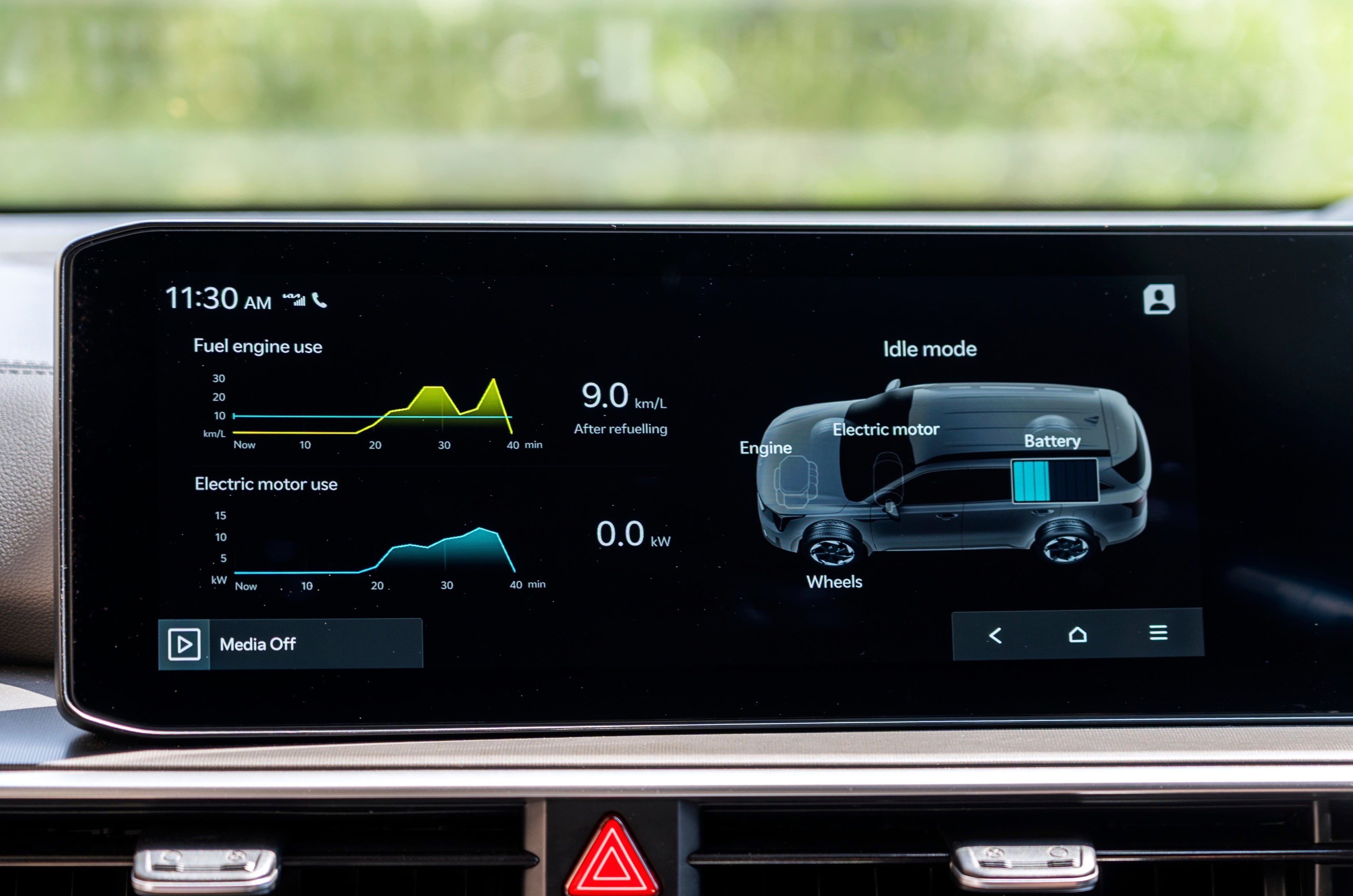
Hybrid variant gets exclusive data for power flow and efficiency.
As with its Hyundai cousins, the real ace is the software. The 12.3-inch infotainment system is logically laid out, menus are where you expect them to be, and getting to a feature takes a tap or two rather than a treasure hunt. Kia has also kept the climate controls off the main screen. They live on a touch-sensitive bar below it, with scrollers and a button that toggles the bar between air-con and infotainment shortcuts. It is a clever, space-saving solution, though you will occasionally find it in the wrong mode just when you need it.
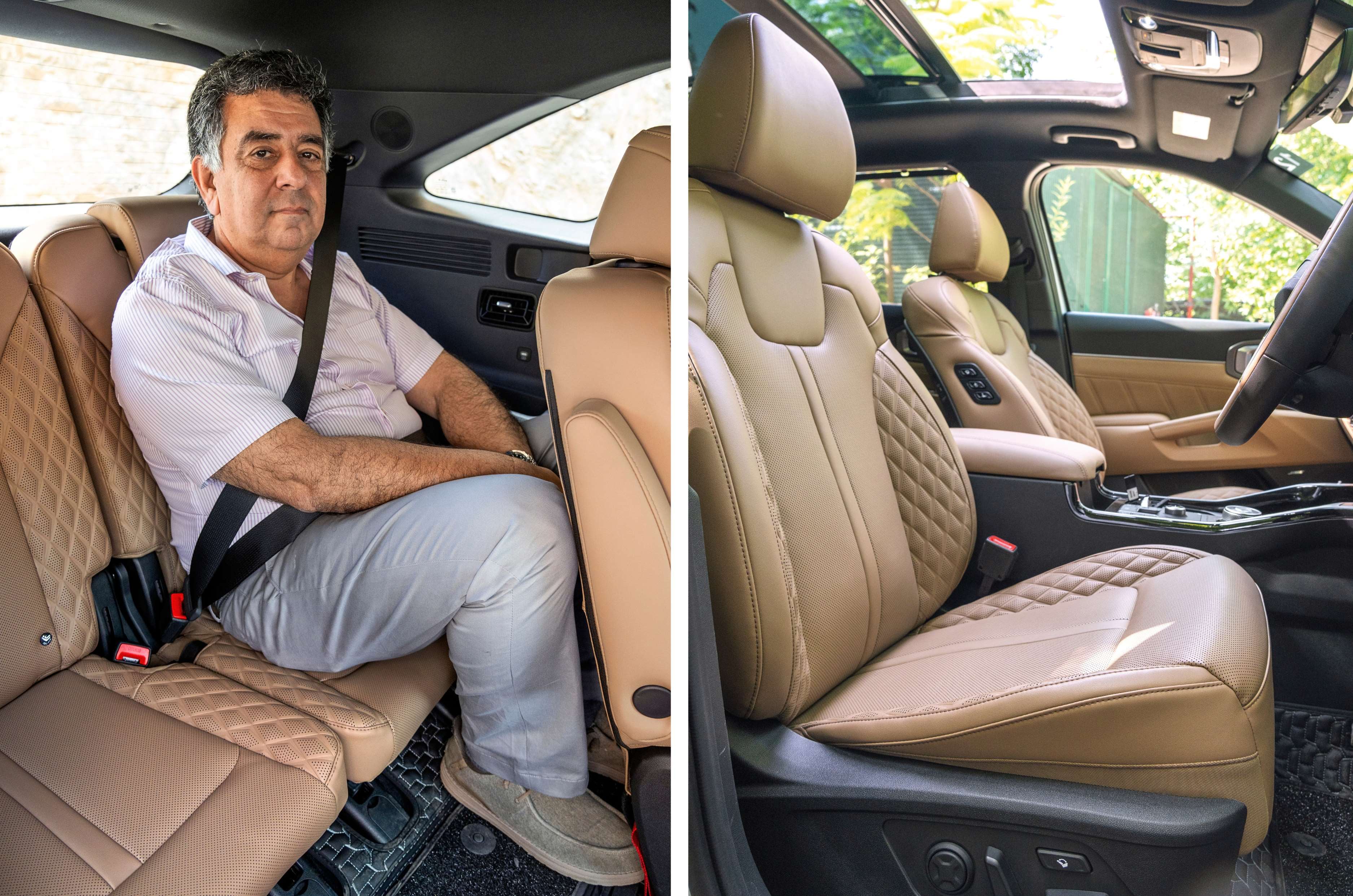
L: Third row seat placed on floor results in knees-up seating; best for children. R: Broad, supportive and well-cushioned front seats are electric and also get ventilation.
The front seats are fully powered, with 10-way adjustment, lumbar support and ventilation, and the passenger seat gets a boss mode so whoever sits behind can push it forward. Coming to the third row, access is easy. You can either walk through the gap between the captain chairs or press a button on the seat, which electrically slides and tilts it forward. Once there, the news is mixed. Legroom is better than you expect, but the seat base is mounted almost flat on the floor, so there is no under-thigh support and your knees point at the roof. Treat it as a space for children or short hops. At least the third row gets its own blower controls and USB ports.
Spacious middle-row with ventilated and adjustable captain chairs; bench seat version also available.
One of the Sorento’s highlights, however, is the second-row experience. Our test car was the top HTX with six seats, and its second-row captain chairs are ventilated too, a rarity in this class. They are the best seats in the house. There is lots of legroom, a commanding view out and good under-thigh support, comparable to the Innova Hycross’s middle-row captain chairs, though the Toyota seats you a touch higher. A neat detail is the cupholder moulded into the door, up near the handle, where it is actually easy to reach.
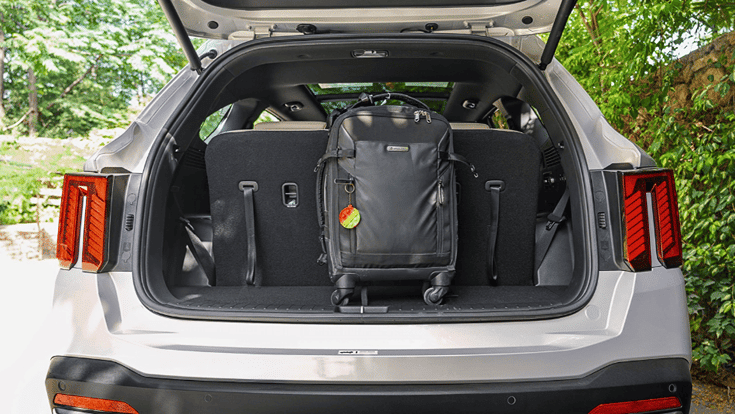
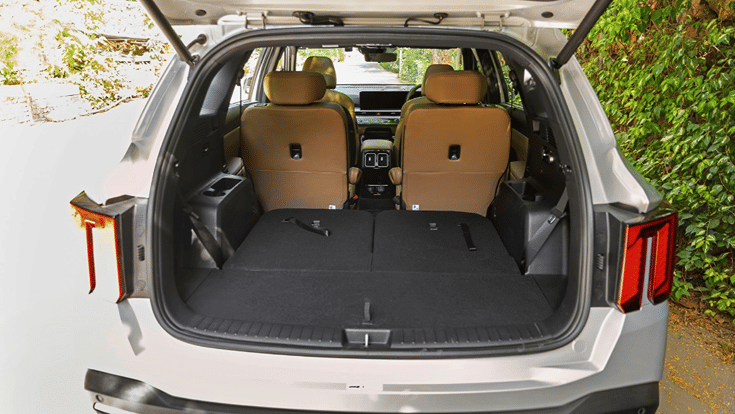
With all three rows up, the boot is a modest 179 litres; fold the third row and that grows to 813 litres. A full-size spare is welcome, but it is slung under the body, which is not the most convenient place to reach. Overhead, the massive panoramic roof floods the cabin with light and adds to the sense of space.
Kia Sorento features and technology
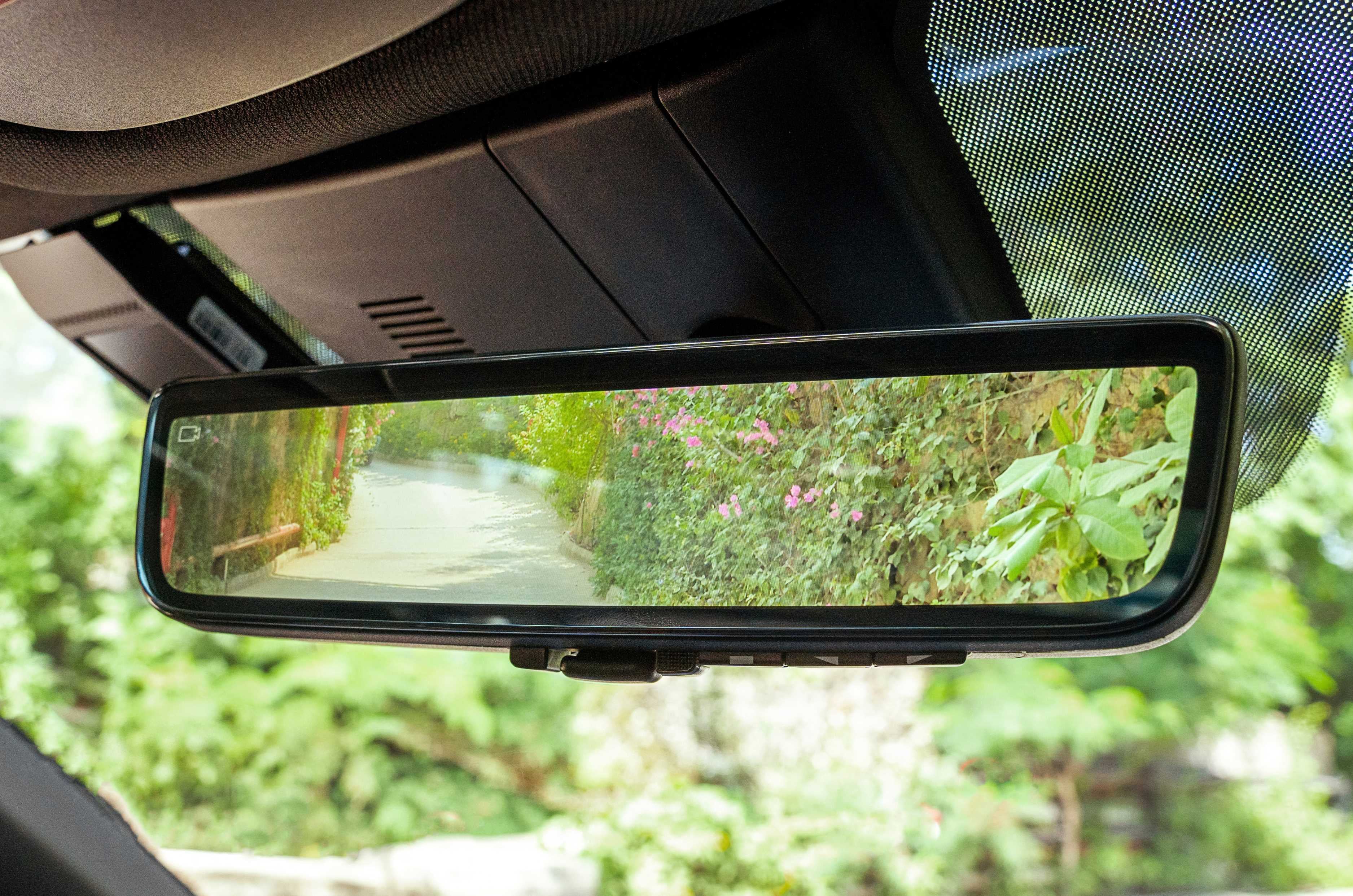
Digital IRVM offers excellent resolution and can be adjusted for level and brightness.
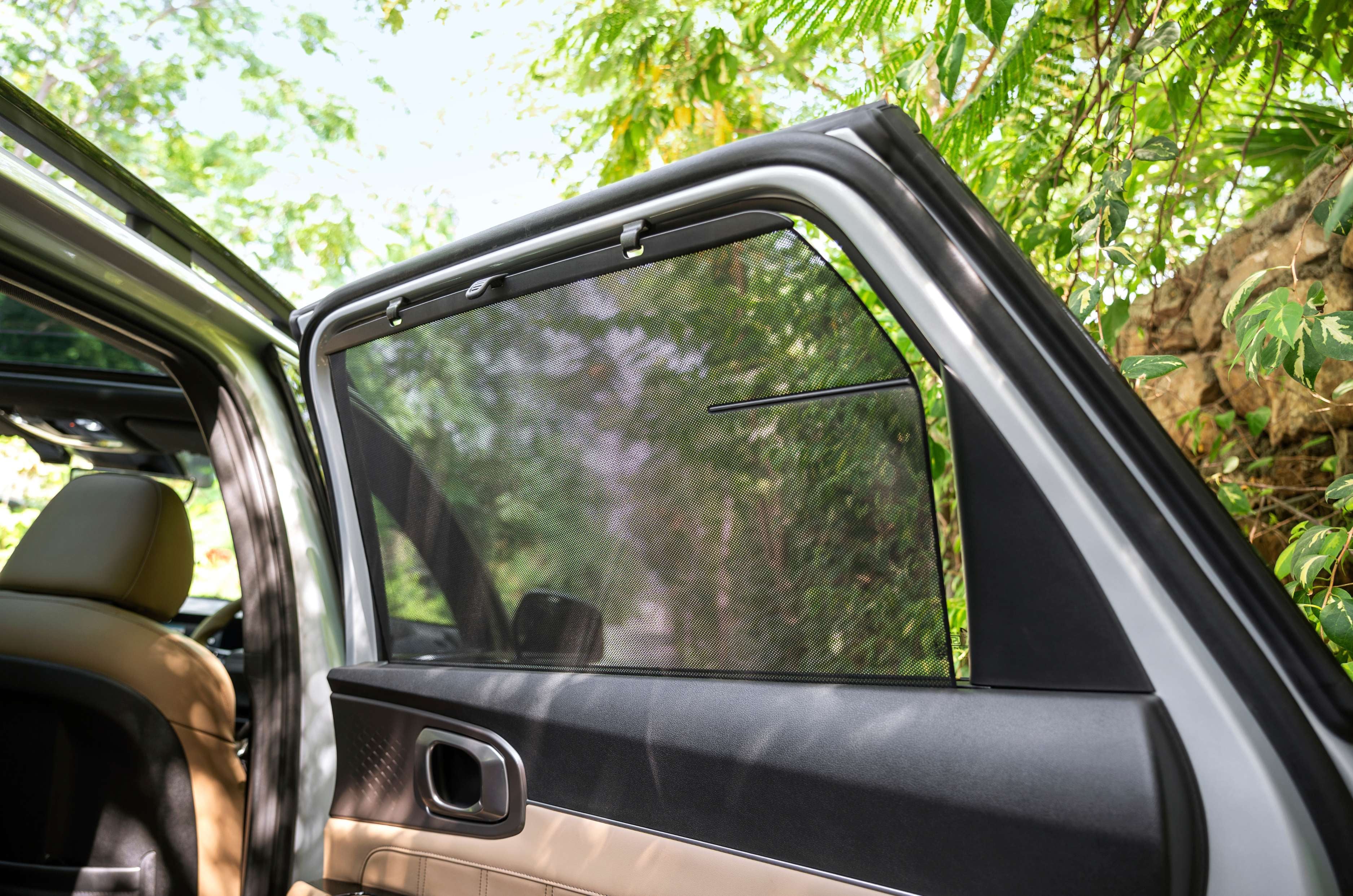
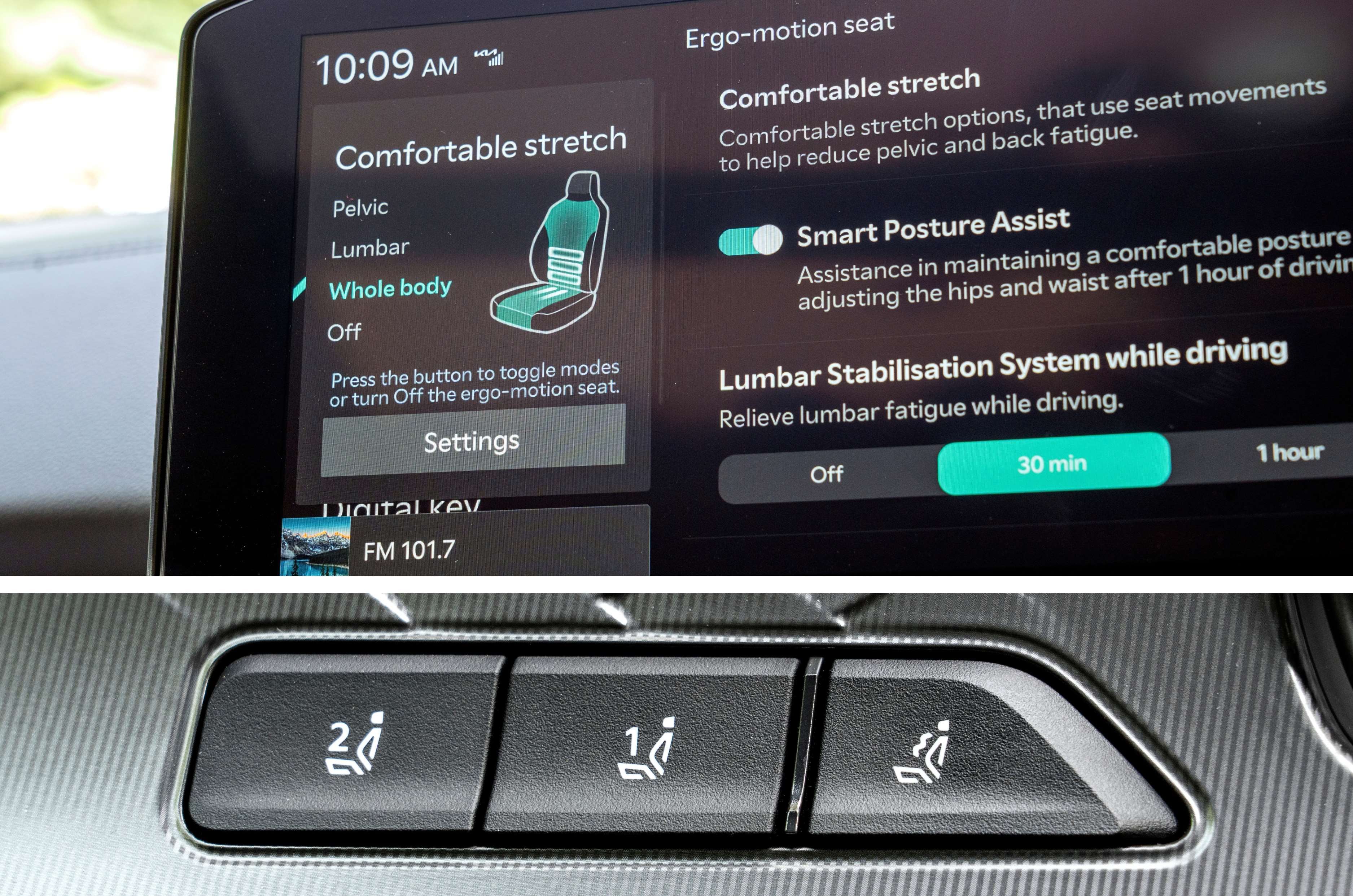
The equipment list is huge. In addition to the aforementioned 12.3-inch touchscreen, powered front seats, ventilated captain’s chairs, and panoramic sunroof, the Sorento comes packed with a 12.3-inch digital driver’s display, a head-up display, a 12-speaker Bose system, dual-zone climate control, a powered tailgate, rear-window sunshades, 64-colour ambient lighting and a digital rear-view mirror that flips back to a conventional one at the turn of a knob. The driver’s seat even gets an ‘ergo-motion’ mode that simulates a massage function by shifting the contours around.
Ergo mode for driver seat acts like a massage by moving the contours to avoid a stiff back on a long trip.
Safety is just as thorough, with 10 airbags, a 360-degree camera, front and rear dashcams, remote parking assist, TPMS and Level 2+ ADAS on the (A) trims. There is even real-time generative AI, a first for any Sorento globally.
Kia Sorento performance and refinement
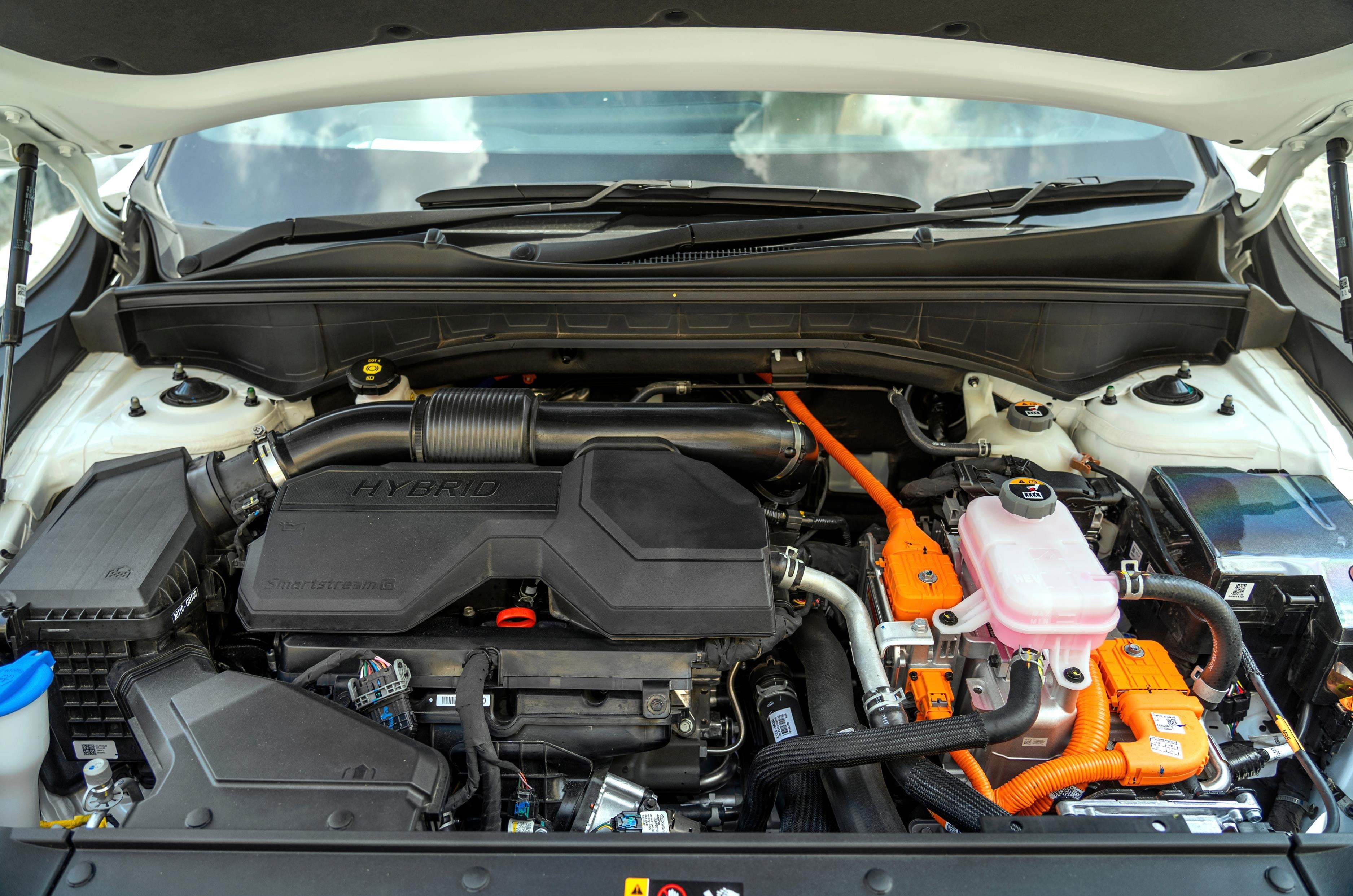
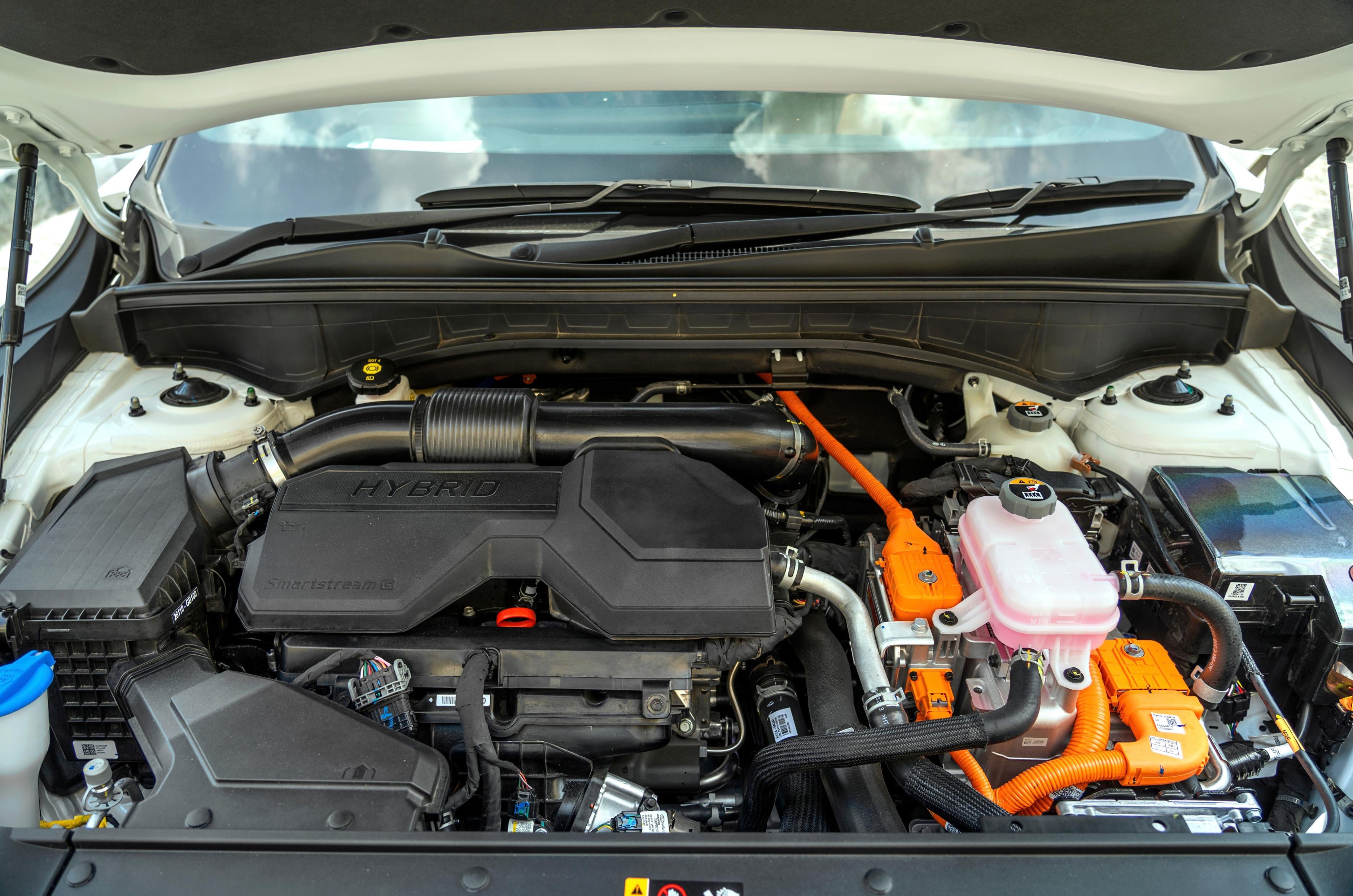
1.6-litre turbo-petrol engine paired with an electric motor and 6-speed torque converter automatic.
First up, the hybrid. Its 1.6-litre turbo-petrol makes 180hp and 265Nm, and the electric motor adds 65hp and 264Nm. The combined figure rating is 230hp and 380Nm of torque You can tell this the hybrid is the one for the city the moment you pull away, because the response is instant. It is well mated to the 6-speed torque-converter automatic, and the handover from electric to petrol power is close to seamless.
Hybrid variant is smooth in the city but gets noisy on the highway especially during overtakes.
The 1.49kWh battery lets it run in EV mode for a decent stretch at crawling speeds, and in stop-go traffic the hybrid makes eminent sense. Power delivery is refined, seamless and relaxing, and efficiency should be strong; The limitation is the motor itself. With only 65hp to shift a car weighing over two tonnes, it cannot do the heavy lifting on its own, so when you want to make quick progress the engine kicks in early. Push hard on the highway and the four-cylinder gets noisy and starts to run out of steam.
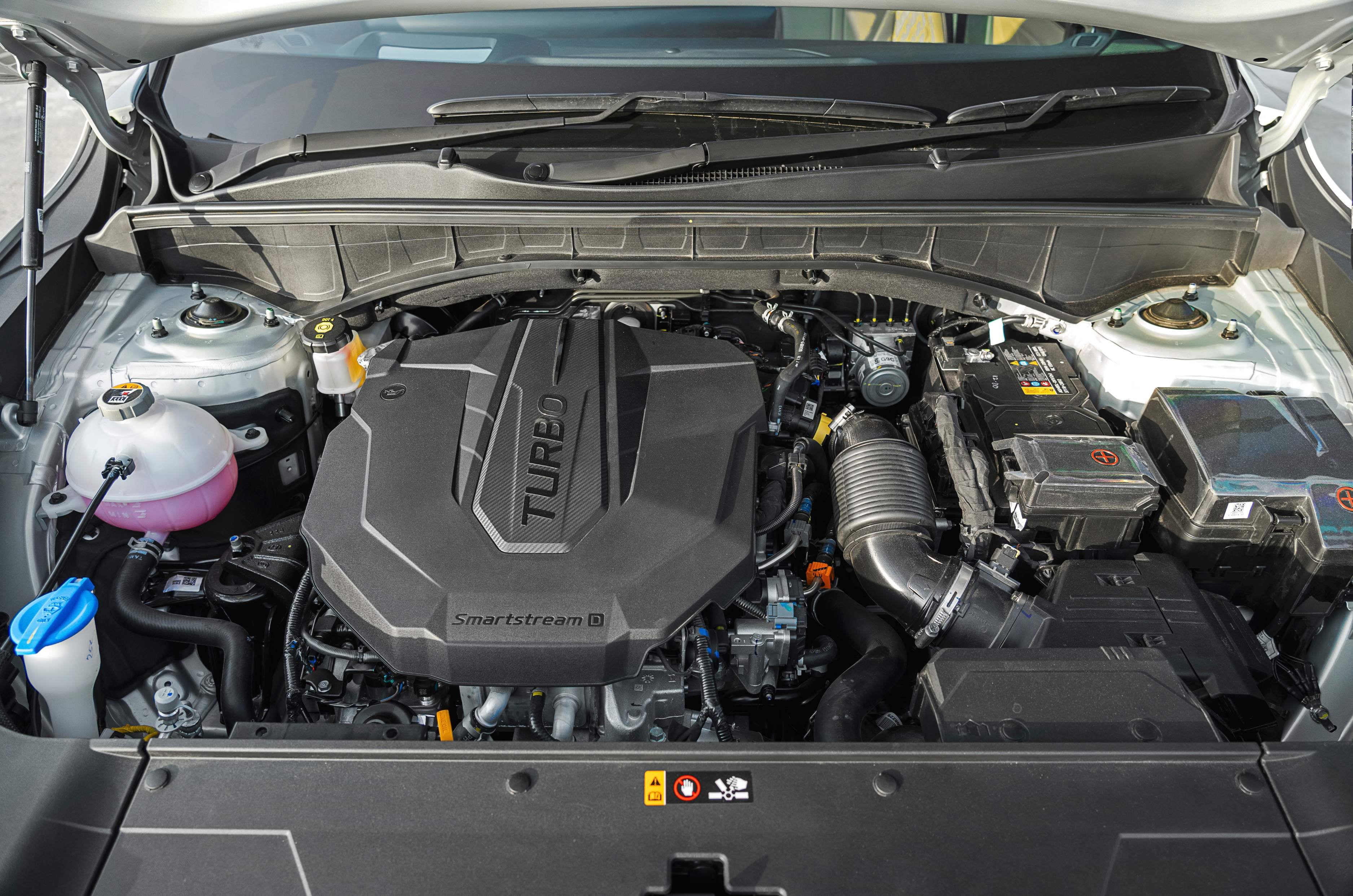
2.2-litre diesel engine makes 193hp mated to an 8-speed DCT and is the same unit seen on the Carnival.
Which is where the diesel comes in. The 2.2-litre is familiar from the Carnival, but it feels a lot sprightlier in the lighter Sorento. Its 193hp and 442Nm arrive in a strong, linear surge, and this is a fantastic, long-legged cruiser. Settle into eighth gear on an open highway and it simply lopes along, the engine barely working. It is also more tractable at low speeds than you might expect, pulling cleanly at part throttle from very low revs, so it can double as a city car, although its low-end response does not come close to the hybrid’s. It’s only when you floor it to dart through traffic that you experience a bit of hesitation, and its hear that you can use the paddle shifts to be in the right gear at the right time of the 8-speed DCT which comes as a pleasant surprise.
The diesel‘s strong torque and effortless cruising makes it perfect for long trips.
Rather than the snappy, slightly jerky shifts typical of dual-clutch boxes, this DCT slurs its changes almost like a torque converter, which adds to the smoothness of the whole package. The reason is that it is a wet-clutch unit, which also bodes well for durability in Indian traffic. The diesel is quite refined for the most part and its only when pushed hard that it gets audible and takes on a gruff note.
Both get drive modes; You can play with the Eco, Normal, Sport and Smart (or auto) modes in the diesel which alters the power delivery. In Sport, the throttle response is sharper and the default mode we liked whilst in Eco you can feel the response a bit dulled down. The Sorento Hybrid gets just Eco, Sport and Smart modes and in Eco mode EV running is prioritised. In addition, the AWD versions get Snow, Sand and Mud terrain modes which we didn’t a get chance to fully experience.
Kia Sorento mileage
In terms of fuel efficiency, the hybrid is rated at a highly frugal 19.60kpl with front-wheel drive and 17.70kpl with AWD, while the diesel returns 17.66kpl and 15.79kpl respectively on the Indian test cycle. In real-world city driving the gap between the hybrid and diesel could be bigger, depending on traffic. On long cross-country runs, though, with extended stints of cruising in high gears, the diesel could well be the more frugal of the two.
Kia Sorento ride and handling
The Sorento’s ride comfort is simply outstanding, and it comes as a pleasant surprise. That’s because Kias have traditionally been stiffer sprung than their Hyundai cousins, but here Kia has clearly prioritised comfort over sportiness, and the suspension is on the soft side. The way it smothers bad roads at speed is remarkable. Around Udaipur, where several stretches are properly broken, we never once had to lift off for a bad patch. The car just soaked it up and kept going.
Ride quality is segment best and it is unfazed over broken roads.
The isolation it gives its passengers is shockingly good, and those tall-sidewall tyres deserve part of the credit. They do a fine job of rounding off sharp jolts and filtering out the high-frequency shocks that a suspension alone cannot fully absorb. At highway speeds there is a bit of body movement on the undulating bits but its not disconcerting and both versions feel stable and planted at high speeds, which matters in a car this tall.
Our HTX test cars came with AWD as standard. We did not get a chance to test its off-road ability properly, but on dirt roads it felt sure-footed and secure. A proper off-road test will reveal how capable the all-wheel-drive system, though we doubt owners will really want to test the Sorento’s off-road capability.
Steering is light but lacks consistency and sharpness of European rivals.
The steering is less impressive. There is a dead zone around the straight-ahead position, and it does not feel as fluid or progressive as its European rivals’. The Volkswagen Tayron and Skoda Kodiaq are both dynamically sharper. One reason is because the Sorento rides taller too, as ground clearance has been raised from the global car’s 176mm to 208mm, and there is a touch of body roll when you push hard through corners.
But that misses the point. On balance, the Sorento’s ride and handling are superbly judged for the people who will buy it. Kia has done a fine job of understanding what a premium SUV buyer in India wants, and it has tailored the car accordingly.
Kia Sorento price and verdict
As a package, the Sorento hits it out of the park; rivals have a lot of catching up to do.
If the product does not win you over, the pricing certainly will. A starting price of Rs 27.99 lakh has set the cat amongst the pigeons, putting the Sorento within striking distance of the Mahindra XUV 7XO. And with its size, features and overall polish, the Sorento will not just nibble at the top end of the 7XO’s pie but with the Hybrid could also tempt a few Innova Hycross buyers. As for the Volkswagen Tayron and Skoda Kodiaq, the Sorento makes them look overpriced and underequipped.
The lower and mid variants are exceptional value. The top-end HTX, at Rs 37.49-40.19 lakh depending on fuel and seating, is pricey by comparison, around Rs 5 lakh more than an equivalent HTK, because it comes with AWD as standard. Here Kia has missed a trick. An HTX with two-wheel drive, a few lakh cheaper, would have been a far easier sell to the many buyers who want all the features and ventilated rear seats but will never leave the tarmac. That however is a small quibble that Kia can easily correct.
The lasting impression is that the Sorento feels premium, bordering on luxury. It is fantastically equipped, it rides beautifully, and it offers a choice of two powertrains that are each right for a distinct type of buyer. Most of all, it fits what the Indian SUV buyer actually wants with uncanny precision. Will Kia hit its target of 40,000 sales a year? That could be a tall order. But what there is no doubt about is that Kia has built another winner.