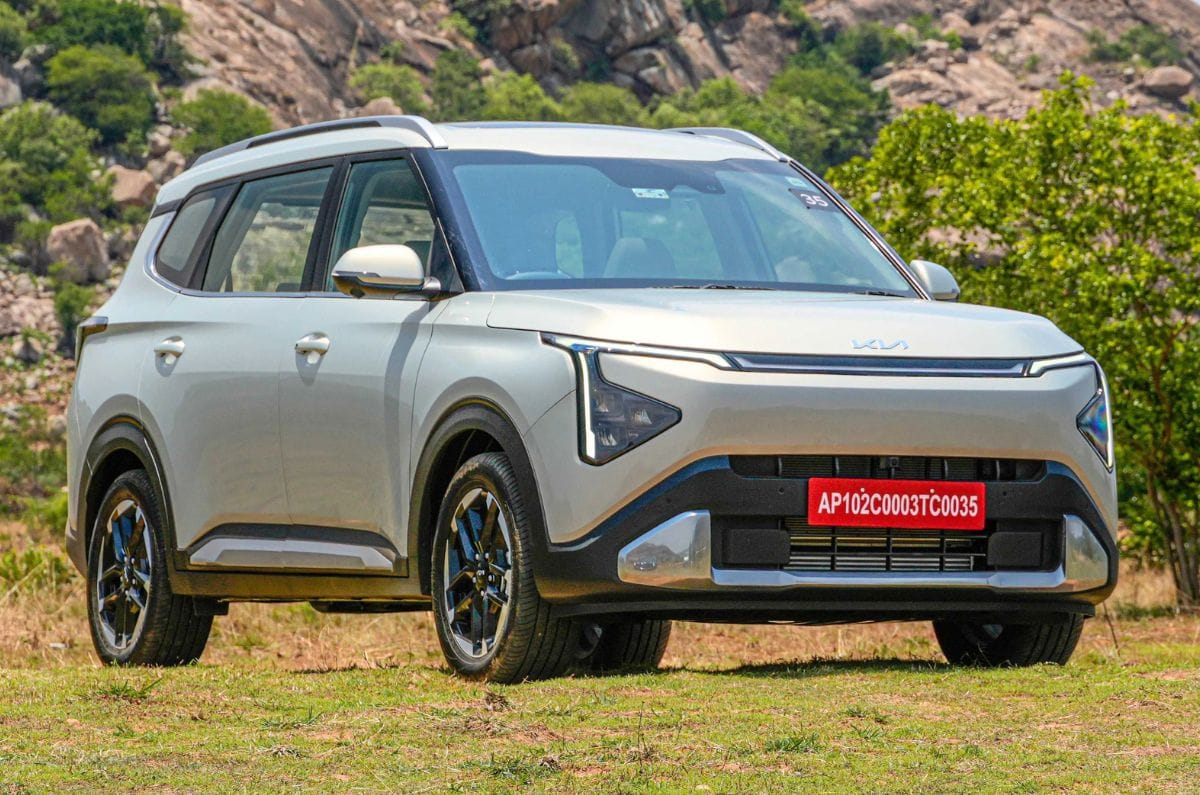
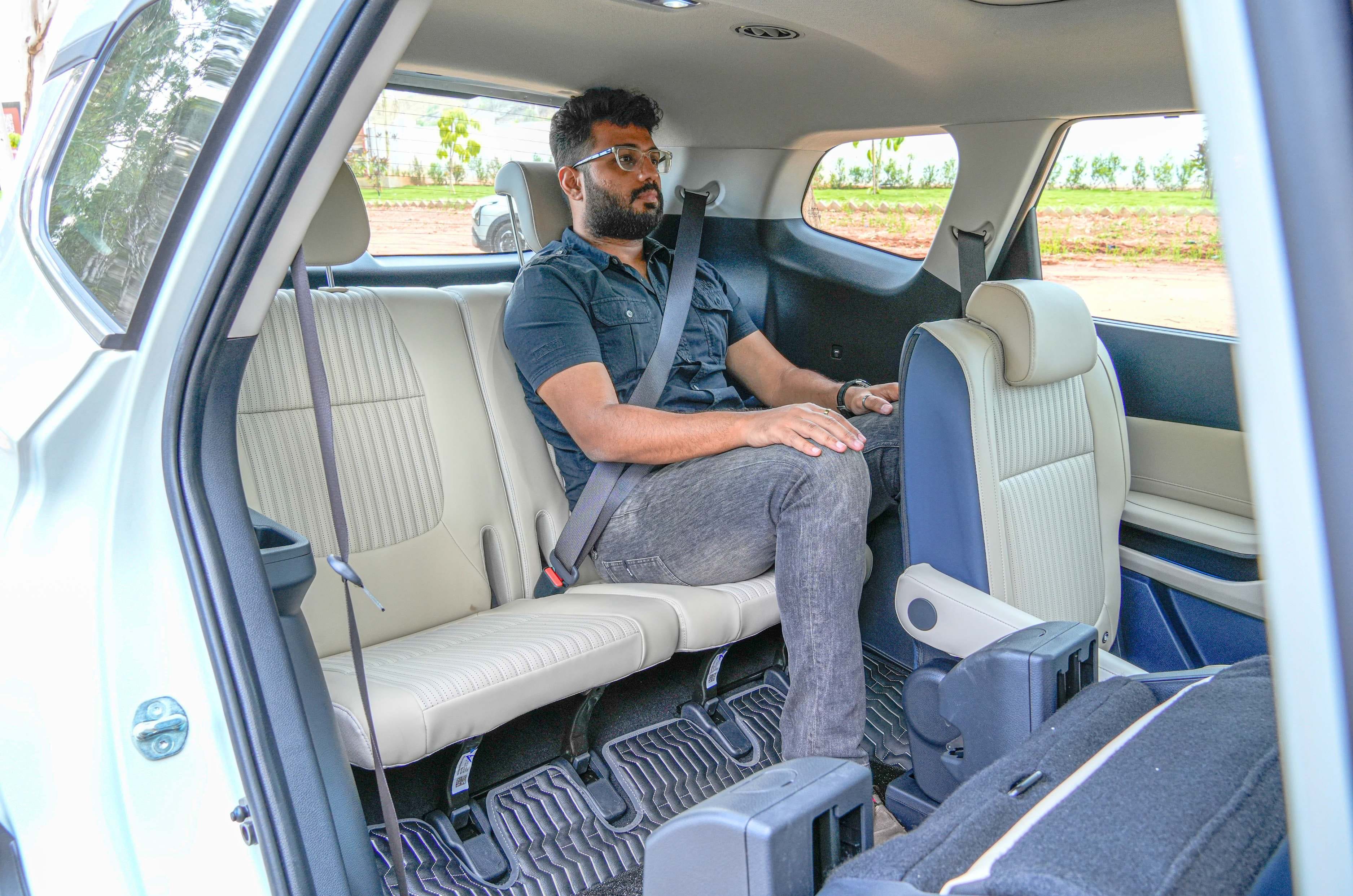
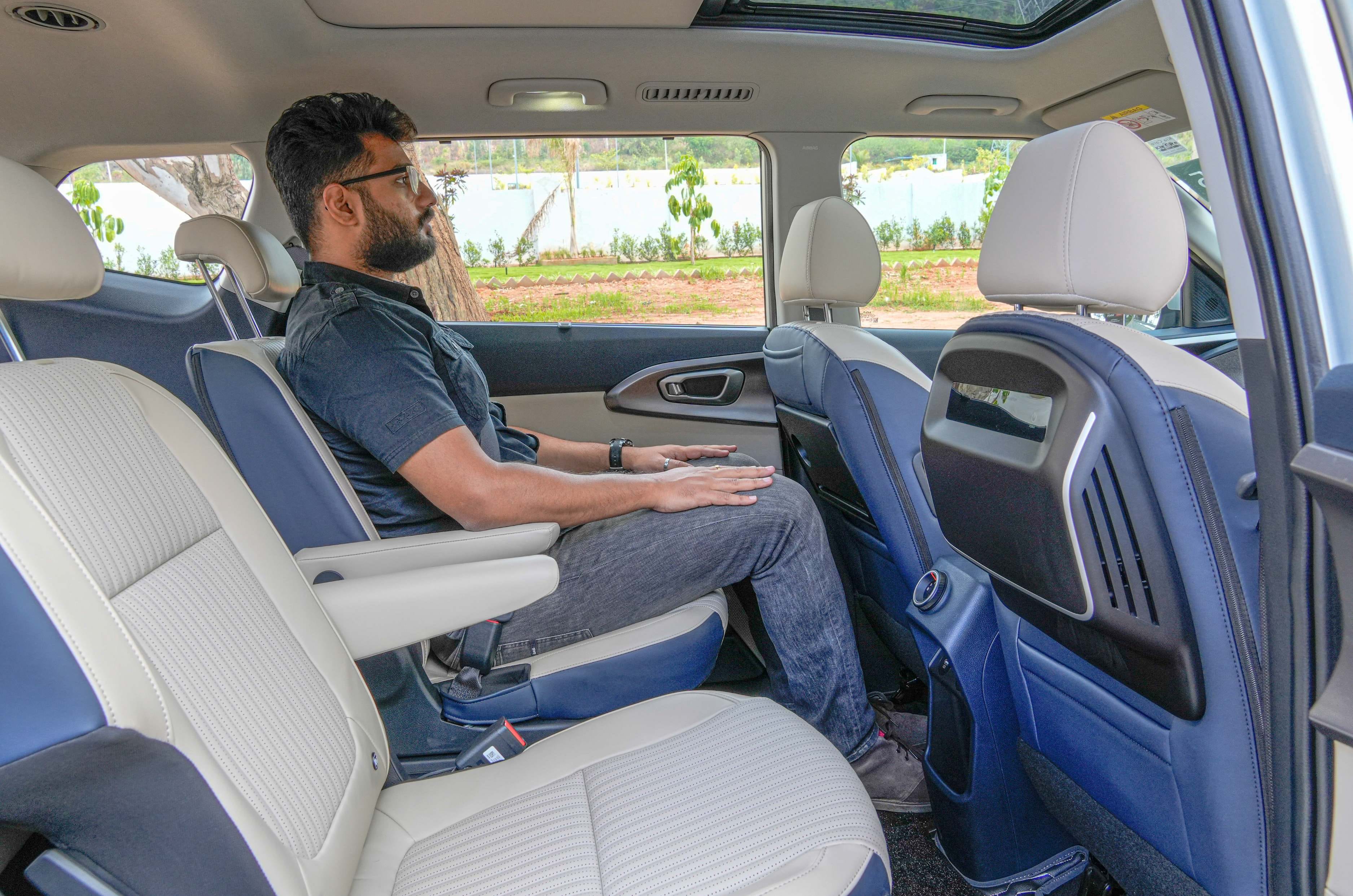
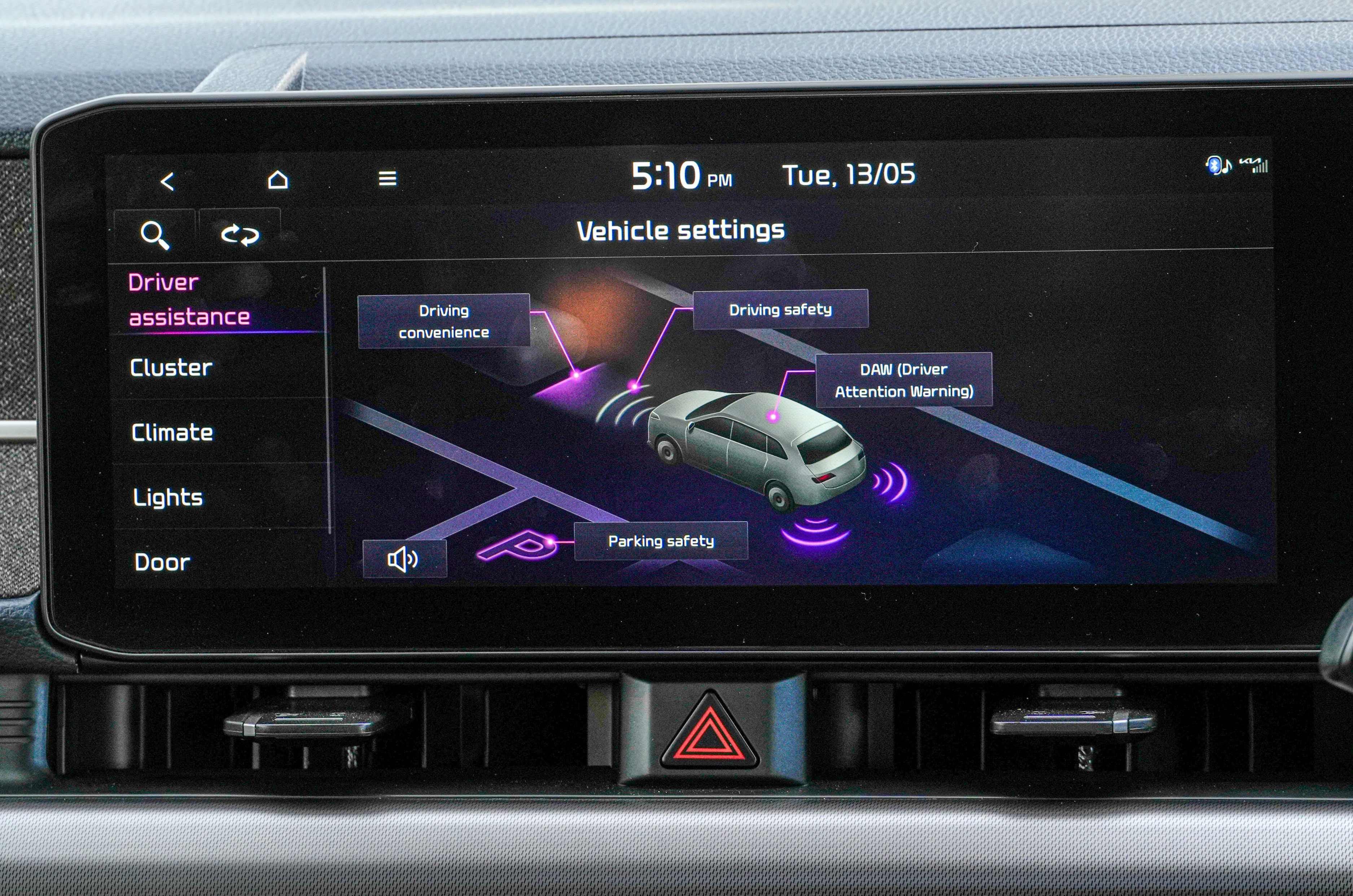
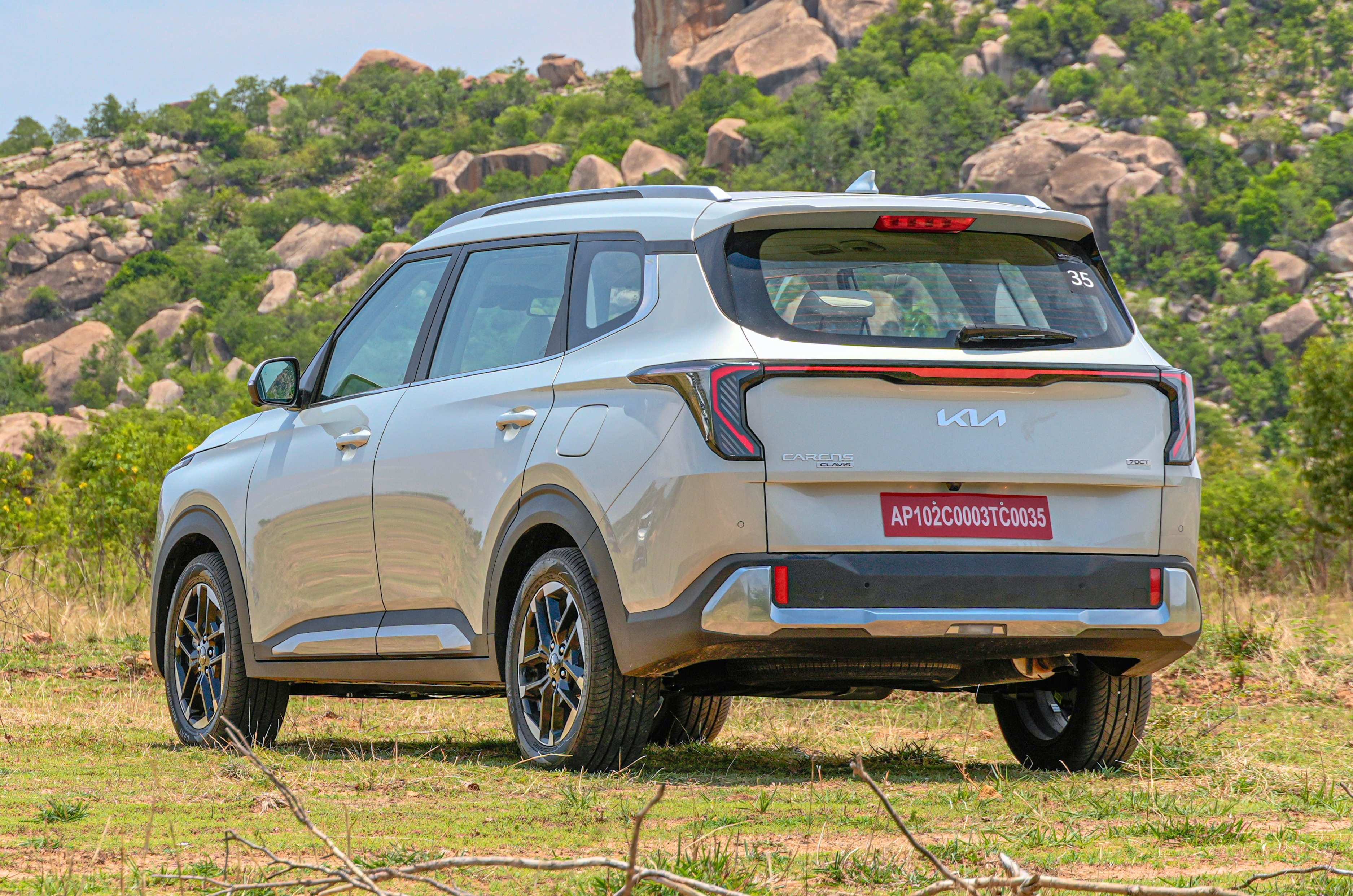
Maruti Suzuki has launched the 2026 Brezza at a starting price of Rs 7.40 lakh. The carmaker’s compact SUV gets major updates, including a new engine option, gearbox, feature additions and minor changes to its exterior. The 2026 Maruti Brezza will take on the likes of the Hyundai Venue, Skoda Kylaq, Tata Nexon, Mahindra XUV 3XO, Kia Sonet and Syros.
2026 Maruti Brezza powertrains
Finally gets a turbo-petrol and an underbody-mounted CNG kit
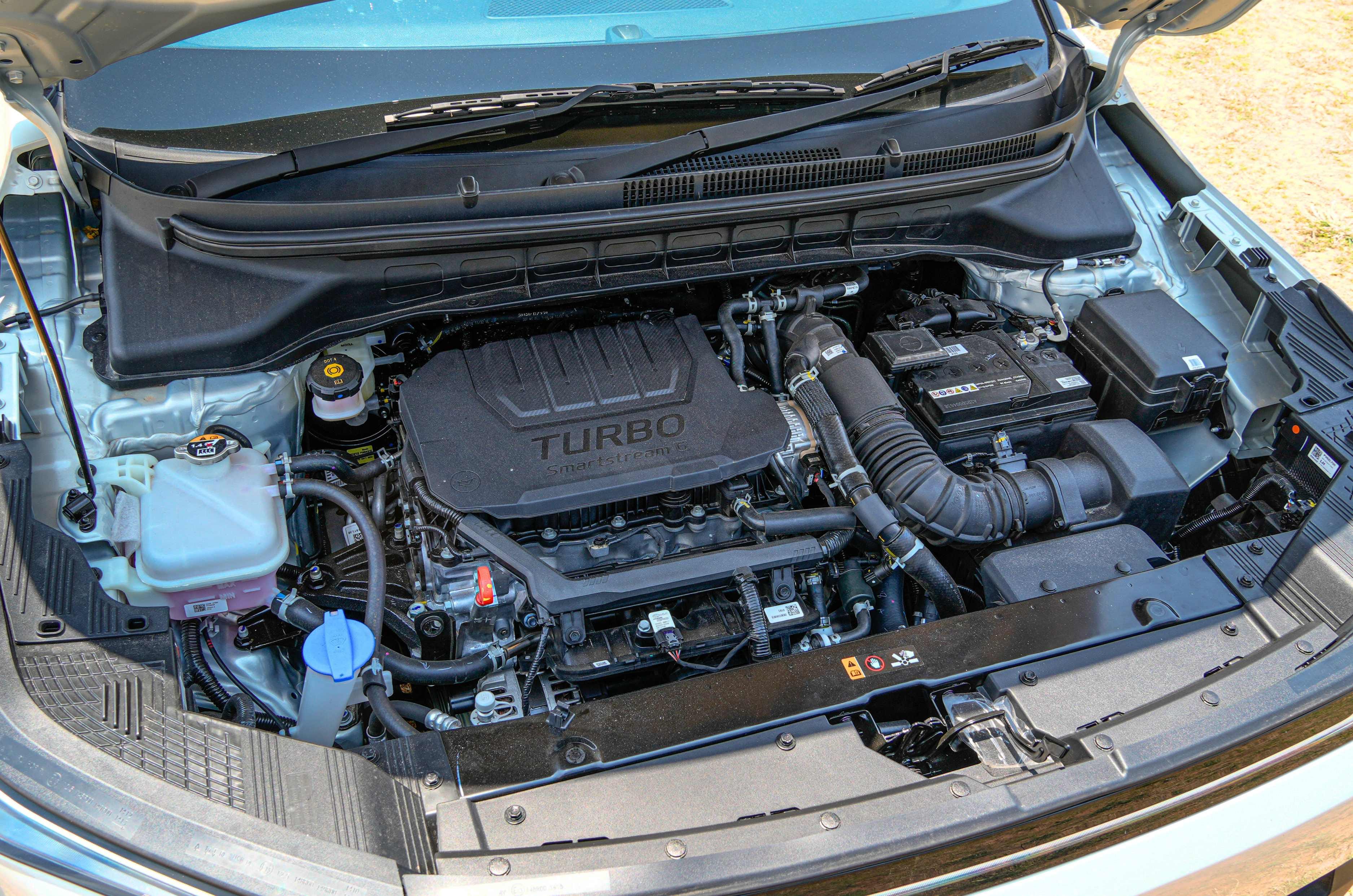
The biggest update for the Brezza comes under its hood. It gets a new 1.0-litre turbo-petrol engine that develops 110hp and 170Nm. The previous version’s 103hp, 139Nm 1.5-litre naturally aspirated petrol engine has been retained with the option of pairing it with a CNG kit. However, CNG versions now feature an underbody-mounted kit like the Victoris, which saves boot space. All powertrains are paired with a new 6-speed manual gearbox as standard, while only the 1.5-litre petrol engine offers a 6-speed automatic transmission.
2026 Maruti Brezza exterior updates
Mild updates bring a revised fascia and new alloy wheel designs
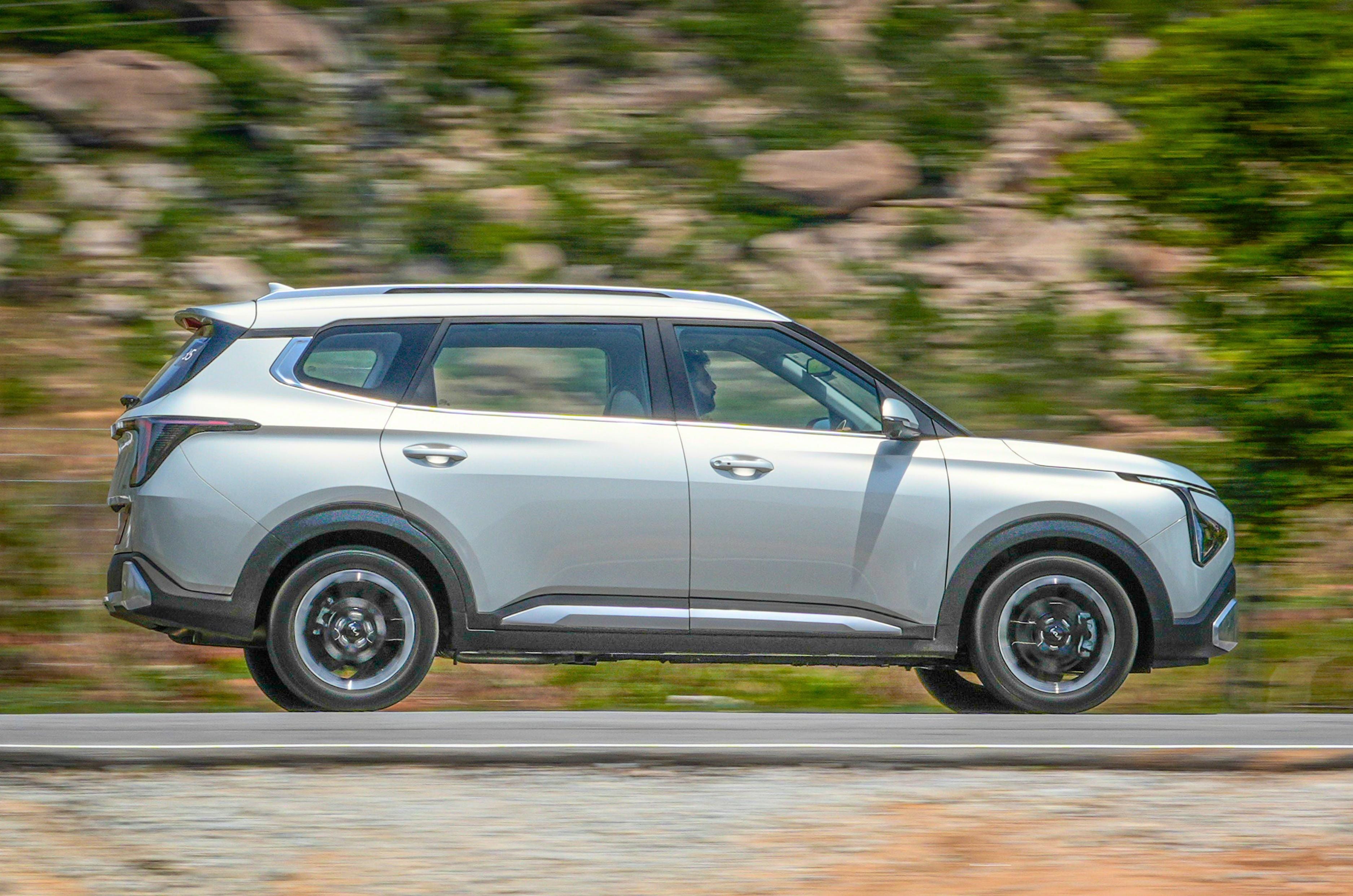
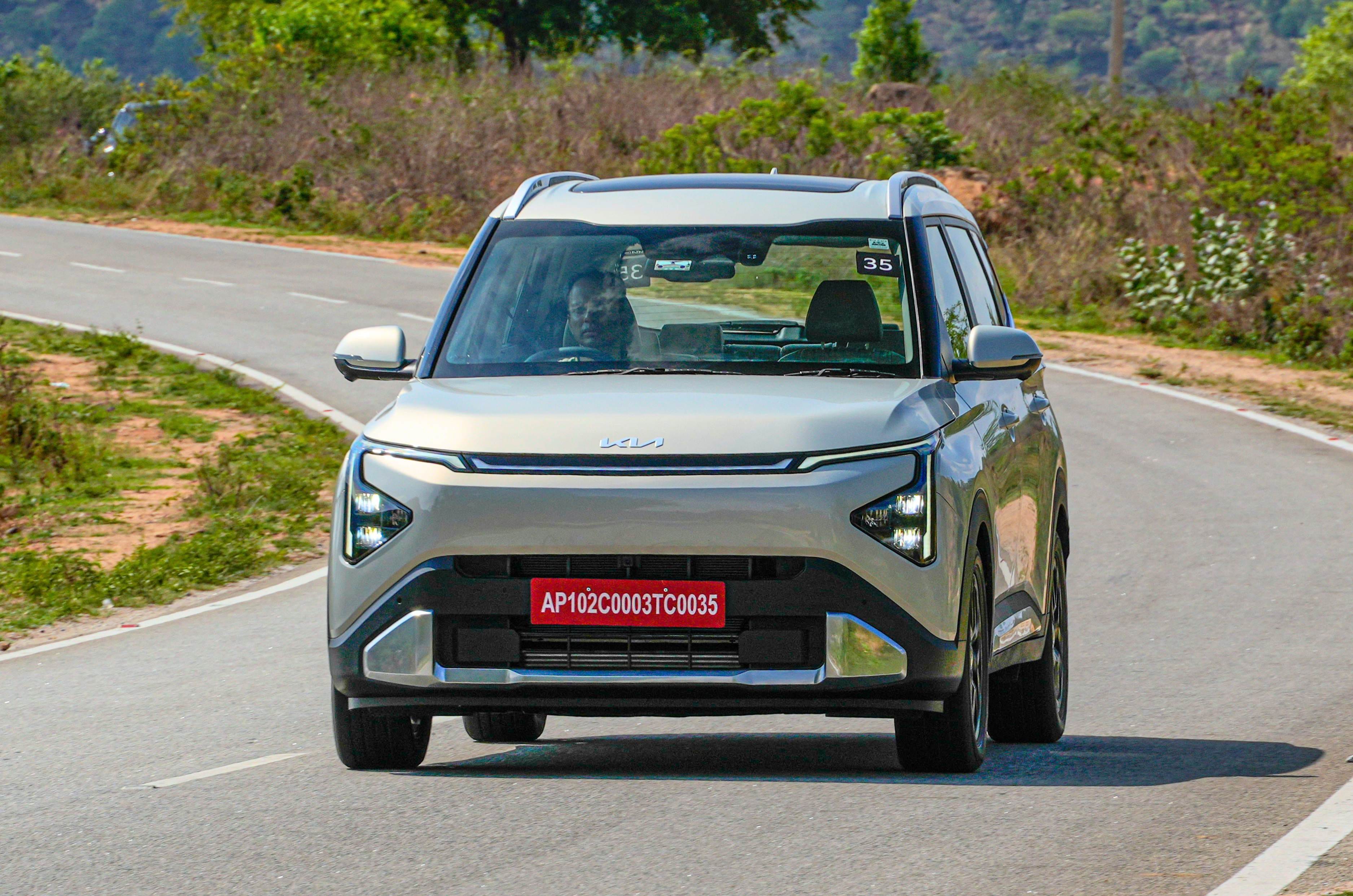
On the outside, Maruti has introduced minor styling updates for its compact SUV. The revised fascia gets a newly designed grille with a panel connecting the headlamps finished in dark chrome. The bumper is slightly redesigned with dark chrome elements and a new look for the faux skid plate. While the LED headlamps with L-shaped DRLs have been carried over, the fog lamps have been positioned slightly upwards and sit in a new triangular housing. In profile, the lower sides of the doors feature new dual-tone cladding and the 16-inch alloy wheels have a fresh design. It’s at the rear where the 2026 Brezza does not see as many changes, as it gets the same tail-lamps and bumper design as before.
Turbo-petrol powered versions feature minor cosmetic upgrades, bringing some distinction with a ‘Turbo’ badge on the tailgate along with red accents for the grille, faux skid plates, wheel arches, and ‘Turbo Boosterjet’ stickers on the rear quarter glass. Maruti has also introduced new Vivacious Orange and Lustrous Beige paint options along with dual-tone finishes with a black roof on these colours as well.
2026 Maruti Brezza dimensions
Length (mm)
3,995
Width (mm)
1,790
Height (mm)
1,685
Wheelbase (mm)
2,500
2026 Maruti Brezza interior and feature updates
Gets a larger infotainment display and front seat ventilation
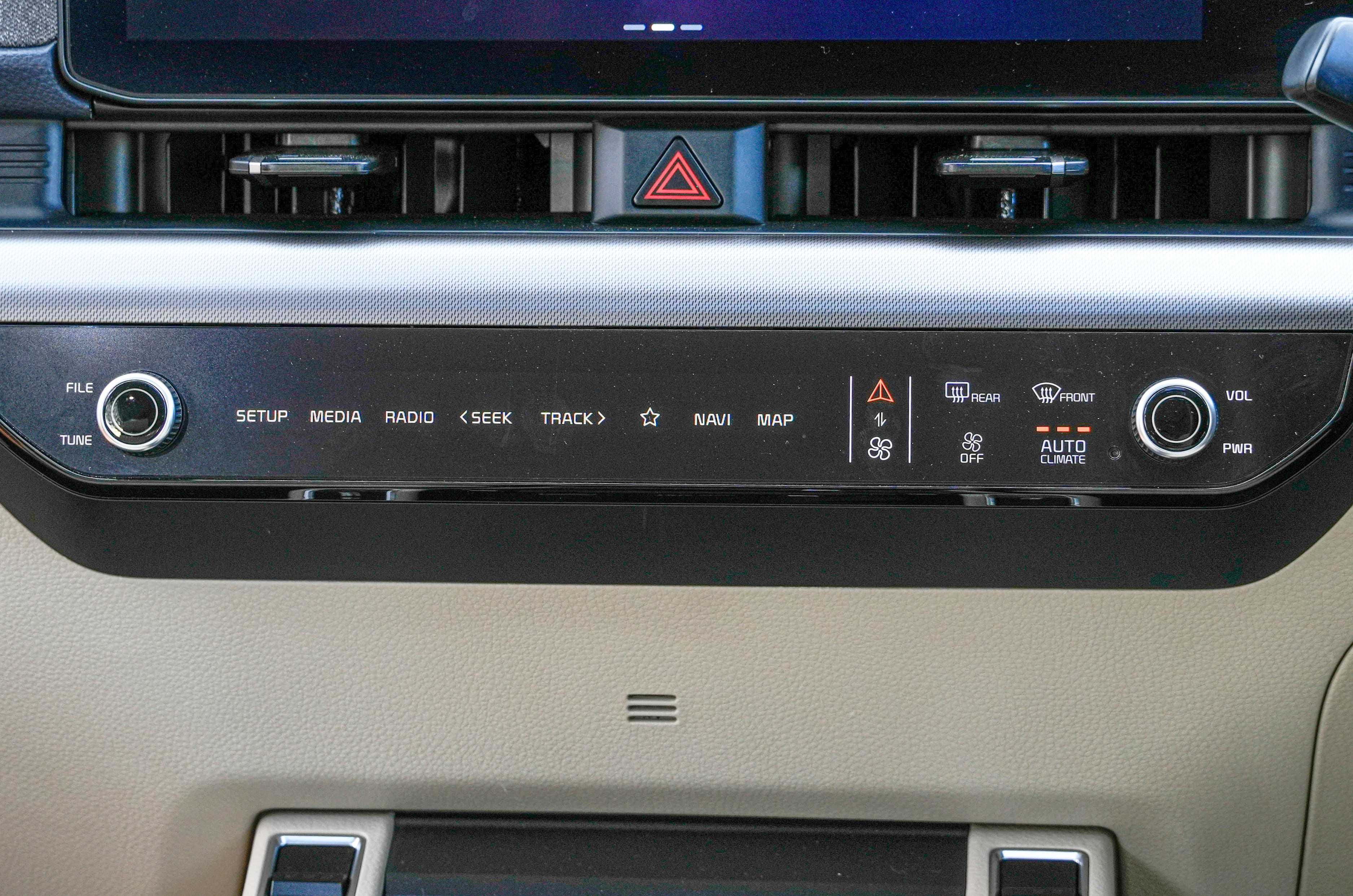
Inside, the 2026 Brezza’s cabin gets a revised look. While the same black-and-brown theme is retained, there are newer trim materials, and silver trim pieces from the previous version are now finished in gloss black. The dual-tone leatherette-finished seats feature updated upholstery, and there’s a new set of HVAC switches borrowed from the Victoris.
In the features department, new additions include a larger 10.1-inch (up from 9-inch) Smartplay Pro X infotainment system with built-in navigation and Alexa, 64-colour ambient lighting, front-seat ventilation, air purifierand active cooling for the wireless phone charger. On the safety front, the Brezza now features a tyre pressure monitoring system, blind-spot warning, rear cross-traffic alert, safe exit warning and parking sensors at the front.
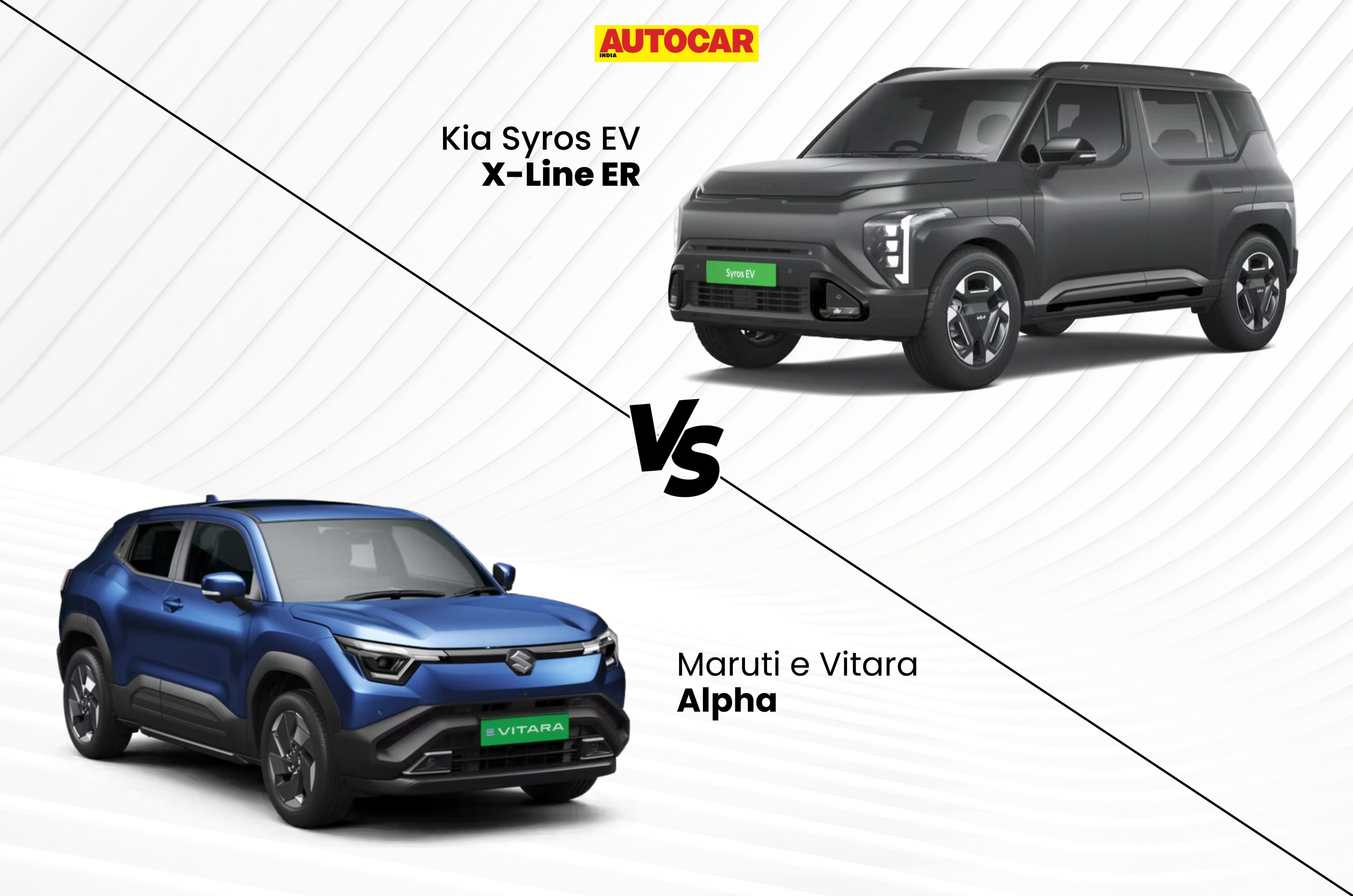
Kia India has officially launched its second mass-market electric car, the Syros EV. While the sub-4m Syros EV directly rivals the Tata Nexon EV and Mahindra XUV 3XO, the Kia’s pricing sees quite a bit of overlap with that of the Maruti Suzuki e Vitara, which is of a segment above. In fact, the top-spec trims of both electric SUVs are identically priced. Therefore, we compared the top-spec versions of the Syros EV and e Vitara on paper to determine which electric SUV offers more bang for your buck.
Kia Syros EV vs Maruti Suzuki e Vitara: Top trim dimensions
e Vitara is longer, but Syros EV is wider and taller
Kia Syros EV X-Line ER vs Maruti e Vitara Alpha dimensions
Syros EV
e Vitara
Length (mm)
3,995
4,275
Width (mm)
1,805
1,800
Height (mm)
1,670
1,640
Wheelbase (mm)
2,550
2,700
Frunk (litres)
16
–
Wheel size (inches)
17
18
Expectedly, the Syros EV is 280mm shorter overall (150mm shorter wheelbase) than the e Vitara, but interestingly, the Kia compact SUV is 5mm wider and 30mm taller. Neither Kia nor Maruti Suzuki quote precise boot space figures for their respective electric SUVs, but it’s worth noting that the Syros EV comes with a 16-litre frunk, while the e Vitara completely lacks storage space up front. However, the top-spec e Vitara does get larger alloy wheels than the equivalent Syros EV.
Kia Syros EV vs Maruti Suzuki e Vitara: Top trim powertrains
Syros EV is quicker, e Vitara claims higher range and has a bigger battery
Kia Syros EV X-Line ER vs Maruti e Vitara Alpha battery and range
Syros EV
e Vitara
Battery size (kWh)
51.4
61
Electric motor setup
Single motor, front
Single motor, front
Drive layout
FWD
FWD
Power (hp)
171
174
Torque (Nm)
255
193
Claimed 0-100kph time (seconds)
8.1
8.7
ARAI range (km)
526
543
The Syros EV’s battery pack is almost 10kWh smaller than that of the e Vitara, but the Kia is only 17km behind in terms of ARAI-claimed range. Both electric SUVs are front-wheel drive and make similar amounts of power, but the Syros EV edges ahead by a significant 62Nm in terms of torque output. This is partly why the Syros EV claims a 0.6sec quicker 0-100kph time than that of the e Vitara.
Kia Syros EV vs Maruti Suzuki e Vitara: Top trim charging speeds
Syros EV supports higher DC wattages
Kia Syros EV X-Line ER vs Maruti e Vitara Alpha charging times
Syros EV
e Vitara
Battery size (kWh)
51.4
61
7.4kW AC charging (10-100 percent)
–
9 hrs
11kW AC charging (10-100 percent)
8.9 hrs
–
DC fast charging (10-80 percent)
39 mins at 100kW
45 mins at 70kW
Kia and Maruti Suzuki quote AC charging speeds at different wattages, so the Syros EV and e Vitara can’t be directly compared on this front. However, it’s noteworthy that though the e Vitara has a larger battery than the Syros EV, the former takes roughly the same amount of time for a 10-100 percent charge at 7.4kW as the latter does at 11kW. Coming to DC charging, the Syros EV supports up to 100kW, while the e Vitara tops out at 70kW.
Kia Syros EV vs Maruti Suzuki e Vitara: Top trim exterior features
Syros EV gets puddle lamps, but e Vitara offers much greater choice in colours
Kia Syros EV X-Line ER vs Maruti e Vitara Alpha exterior features
Syros EV
e Vitara
LED projector headlamps
Yes (auto)
Yes (auto)
Front fog lamps
Yes
Yes
LED tail-lamps
Yes
Yes
Puddle lamps w/ logo projection
Yes
No
Roof rails
Yes
No
Powered ORVMs
Yes
Yes
Auto-folding ORVMs
Yes
Yes
Flush door handles
Yes
No
Body cladding
Yes
Yes
Rear spoiler
Yes
Yes
Colour options
2, monotone
10, monotone + dual-tone
Both electric SUVs are quite evenly matched in terms of exterior features, but the Syros EV takes the lead by way of roof rails and door-mounted puddle lamps that project the Kia logo. The Syros EV has flush door handles too, but some may appreciate the e Vitara’s conventional door handles more. Colours are a square win for the e Vitara, as it offers six monotone options and four dual-tone finishes. The Syros X-Line ER can be had in either Aurora Black Pearl or Matte Graphite, both of which are difficult to maintain. Buyers who want other colours have no option but to consider lower-spec Syros EV variants.
Kia Syros EV vs Maruti Suzuki e Vitara: Top trim interior features
Syros EV beats e Vitara with panoramic sunroof, cooled rear seat bases, and more
Kia Syros EV X-Line ER vs Maruti e Vitara Alpha interior features
Syros EV
e Vitara
Infotainment screen
12.3-inch
10.1-inch
Digital driver’s display
12.3-inch
10.25-inch
Climate control display
5-inch
–
Sunroof
Panoramic
Fixed single-pane
Wireless charger
Yes
Yes
Driver’s seat adjustment
4-way powered
10-way powered
Ventilated front seats
Yes
Yes
Rear seat base ventilation
Yes
No
Automatic climate control
Yes
Yes
Ambient lighting
Yes
Yes
Sound system
8-speaker Harmon Kardon
8-speaker Infinity
Apple CarPlay & Android Auto
Wireless
Wireless
Connected car tech
Yes
Yes
OTA updates
Yes
Yes
Rear sunshades
Yes
No
Rear centre armrest
Yes
Yes
Sliding, reclining rear seats
Yes
Yes
Even on the inside, the Syros EV’s feature set comes out on top. Over the e Vitara, the Syros EV packs larger infotainment and instrument displays, an additional screen for climate control settings, a panoramic sunroof, rear sunshades, and ventilation for the rear seat bases – this feature is not available even in electric SUVs a segment above the Syros EV. The e Vitara’s only advantage over the Syros EV is a greater gamut of electrical adjustment for the driver’s seat.
Kia Syros EV vs Maruti Suzuki e Vitara: Top trim driving features
Syros EV scores big on convenience by way of paddle shifters for regen modes
Kia Syros EV X-Line ER vs Maruti e Vitara Alpha driving features
Syros EV
e Vitara
Drive modes
Eco, Normal, Sport
Eco, Normal, Sport
Terrain modes
No
Snow
V2L function
Yes
No
Multi-level regen braking
Yes
Yes
Paddle shifters for regen
Yes
No
Cruise control
Adaptive
Adaptive
Both the Syros EV and e Vitara come with three drive modes and adaptive cruise control, but the Kia SUV inches forward thanks to vehicle-to-load (V2L) functionality, which lets you power external devices from the battery pack. The Syros EV also offers paddle shifters to cycle through the regenerative braking levels, while the e Vitara makes do with just a knob on the centre console. However, the e Vitara does offer a Snow terrain mode over the Syros EV.
Kia Syros EV vs Maruti Suzuki e Vitara: Top trim safety features
e Vitara wins thanks to an extra airbag, rain-sensing wipers, and 5-star BNCAP score
Kia Syros EV X-Line ER vs Maruti e Vitara Alpha safety features
Syros EV
e Vitara
Bharat NCAP rating
Yet to be tested
5 stars
Airbags
6
7
ABS with EBD
Yes
Yes
Electronic stability program
Yes
Yes
Follow-me-home headlamps
Yes
Yes
Hill hold control
Yes
Yes
TPMS
Yes
Yes
360-degree camera
Yes
Yes
Parking sensors
Front, rear, side
Front, rear
Electronic parking brake
Yes (w/ auto-hold)
Yes (w/ auto-hold)
Rain-sensing wipers
No
Yes
Auto-dimming IRVM
Yes
Yes
ISOFIX child seat anchors
Yes
Yes
Rear wiper, defogger
Yes
Yes
Disc brakes
Front, rear
Front, rear
Level 2 ADAS
Yes
Yes
Acoustic vehicle alert system
Yes
Yes
Coming to safety, the e Vitara finally scores a win. It’s the only one here to come with seven airbags and rain-sensing wipers, whereas the Syros EV sets itself apart with side parking sensors. The e Vitara also holds a 5-star crash safety rating from Bharat NCAP, while the Syros EV has not been tested yet. It’s worth noting, though, that the ICE-powered Syros was awarded 5 stars by Bharat NCAP, so a similar rating for the compact SUV’s electric derivative is very possible.
Kia Syros EV vs Maruti Suzuki e Vitara: Top trim prices
Syros EV for buyers seeking features, e Vitara for those who want a bigger car
Kia Syros EV X-Line ER vs Maruti e Vitara Alpha price comparison
Syros EV
e Vitara
Price (Rs, lakh)
20.00
19.99
As noted previously, there is next to no difference in the pricing of the Syros EV X-Line ER and e Vitara Alpha, which means the final decision comes down to your needs and preferences. If you want as many features as possible, are fine with a dark colour, and don’t mind smaller dimensions and funkier styling, the Syros EV X-Line ER is the one to go for. On the other hand, if you want the price you pay to be reflected in the size of the car, more choice in colours, more conventional looks, and are happy to forgo some features, you can consider the e Vitara.
It’s also worth noting that both the Syros EV and e Vitara can be purchased with battery-as-a-service (BaaS), which converts the cost of the battery into separate usage-based EMIs, thereby lowering the upfront cost. Kia has yet to reveal the BaaS price of the Syros EV X-Line ER, but the e Vitara Alpha costs Rs 14.49 lakh – Rs 5.5 lakh off the sticker price – with a Rs 4.39/km battery usage fee.
Stocks to Watch: शेयर बाजार में 24 जुलाई को कई बड़े स्टॉक्स एक्शन में रह सकते हैं। जून तिमाही के नतीजों, प्रोडक्ट लॉन्च, ब्लॉक डील और अहम कॉरपोरेट अपडेट्स के चलते इन शेयरों पर निवेशकों की नजर रहेगी। कुछ कंपनियों ने उम्मीद से बेहतर प्रदर्शन किया है, जबकि कुछ के नतीजे अनुमान से कमजोर रहे। ऐसे में इन 10 स्टॉक्स पर निवेशकों की करीबी नजर रहेगी।
Infosys
आईटी सर्विसेज कंपनी Infosys का जून तिमाही में कंसोलिडेटेड शुद्ध मुनाफा तिमाही आधार पर 8.6% घटकर 7,769 करोड़ रुपये रहा। यह CNBC-TV18 के अनुमान से कम है। कंपनी का रेवेन्यू 3.9% बढ़कर 48,211 करोड़ रुपये रहा। EBIT 10,163 करोड़ रुपये और EBIT मार्जिन 21.1% रहा।
IndiGo
एविएशन कंपनी IndiGo जून तिमाही में 238 करोड़ रुपये के घाटे में आ गई। पिछले साल इसी तिमाही में कंपनी को 2,176 करोड़ रुपये का मुनाफा हुआ था। कंपनी का रेवेन्यू 20% बढ़कर 24,854 करोड़ रुपये रहा। विमान ईंधन पर खर्च बढ़ने से EBITDAR मार्जिन 15.6% पर आ गया।
Maruti Suzuki
ऑटोमोबाइल कंपनी Maruti Suzuki की नई Brezza को Bharat NCAP में 5-स्टार सेफ्टी रेटिंग मिली है। कंपनी 24 जुलाई को इसे लॉन्च करेगी। सभी वेरिएंट में 6 एयरबैग स्टैंडर्ड होंगे। इसके साथ कई एडवांस सेफ्टी फीचर्स भी मिलेंगे।
Sona BLW
ऑटो कंपोनेंट कंपनी Sona BLW का शुद्ध मुनाफा 46.7% बढ़कर 178.5 करोड़ रुपये रहा। कंपनी का रेवेन्यू 52.4% बढ़कर 1,301 करोड़ रुपये और EBITDA 42.6% बढ़कर 293.3 करोड़ रुपये हो गया। हालांकि EBITDA मार्जिन 22.5% रह गया।
Cyient
इंजीनियरिंग और आईटी सर्विसेज कंपनी Cyient का शुद्ध मुनाफा तिमाही आधार पर 90% बढ़कर 104 करोड़ रुपये रहा। कंपनी का रेवेन्यू 7.7% बढ़कर 2,076 करोड़ रुपये रहा। EBIT 20% बढ़कर 187 करोड़ रुपये हो गया। EBIT मार्जिन 9% पर पहुंच गया।
Suryoday SFB
स्मॉल फाइनेंस बैंक Suryoday SFB का शुद्ध मुनाफा 75 करोड़ रुपये रहा, जो पिछले साल 35 करोड़ रुपये था। बैंक की नेट इंटरेस्ट इनकम (NII) 27.8% बढ़कर 316 करोड़ रुपये हो गई। नेट NPA 1.27% और ग्रॉस NPA 6.6% रहा।
Motilal Oswal
ब्रोकिंग कंपनी Motilal Oswal का ऑपरेटिंग प्रॉफिट 14.04% बढ़कर 609 करोड़ रुपये रहा। एसेट और प्राइवेट वेल्थ मैनेजमेंट कारोबार का ऑपरेटिंग PAT 46% बढ़कर 335 करोड़ रुपये हो गया। हाउसिंग फाइनेंस कारोबार का मुनाफा 36% बढ़ा, जबकि वेल्थ और कैपिटल मार्केट कारोबार में दबाव रहा।
Shadowfax Tech
लॉजिस्टिक्स टेक कंपनी Shadowfax Tech में करीब 1,047.5 करोड़ रुपये की ब्लॉक डील हो सकती है। Eight Roads, Flipkart और IMM India Fund 9.08% तक हिस्सेदारी बेच सकते हैं। सौदा 197 रुपये प्रति शेयर के फ्लोर प्राइस पर होने की संभावना है।
Orient Cement
सीमेंट कंपनी Orient Cement का शुद्ध मुनाफा 62.4% घटकर 77 करोड़ रुपये रह गया। कंपनी का रेवेन्यू 30.3% घटकर 604 करोड़ रुपये रहा। EBITDA 144 करोड़ रुपये रहा। हालांकि EBITDA मार्जिन बढ़कर 23.8% हो गया।
NIIT Learning
एडटेक कंपनी NIIT Learning का शुद्ध मुनाफा 16.4% बढ़कर 57.4 करोड़ रुपये रहा। कंपनी का रेवेन्यू 25.2% बढ़कर 565 करोड़ रुपये रहा। EBITDA 92.8 करोड़ रुपये रहा। हालांकि EBITDA मार्जिन 16.4% पर आ गया।
पहली तिमाही के नतीजे
सीमेंट, बैंकिंग, इलेक्ट्रिकल और कैपिटल गुड्स सेक्टर की कई कंपनियां शुक्रवार (24 जुलाई) को जून तिमाही के नतीजे जारी करेंगी। इनमें ACC, Bank of Baroda, Bank of India, CG Power and Industrial Solutions, Aaron Industries, Arihant Capital Markets और Automotive Stampings and Assemblies शामिल हैं। निवेशकों की नजर इन कंपनियों के रेवेन्यू, मुनाफे और ऑपरेशनल प्रदर्शन पर रहेगी।
Disclaimer: यहां मुहैया जानकारी सिर्फ सूचना के लिए दी जा रही है। यहां बताना जरूरी है कि मार्केट में निवेश बाजार जोखिमों के अधीन है। निवेशक के तौर पर पैसा लगाने से पहले हमेशा एक्सपर्ट से सलाह लें। मनीकंट्रोल की तरफ से किसी को भी पैसा लगाने की यहां कभी भी सलाह नहीं दी जाती है।
Kia Syros EV Launch: अगर आप इलेक्ट्रिक कार खरीदने की सोच रहे हैं, तो Kia आपके लिए एक नया और किफायती विकल्प लेकर आया है। दरअसल, कंपनी ने अपनी नई Syros EV को भारत में लॉन्च कर दिया है, जो न सिर्फ Kia की सबसे सस्ती इलेक्ट्रिक कार है, बल्कि इसे Battery-as-a-Service (BaaS) मॉडल के साथ भी खरीदा जा सकता है। बता दें कि इस मॉडल की शुरुआती कीमत 7.99 लाख रुपये रखी गई है, जबकि बैटरी की कीमत अलग से फाइनेंस की जाएगी, जिसके लिए ग्राहकों को 3.3 रुपये प्रति किलोमीटर की EMI देनी होगी। इसके अलावा, इस इलेक्ट्रिक SUV की डिलीवरी 30 जुलाई से शुरू होगी।
Kia Syros EV कंपनी की अब तक की सबसे किफायती इलेक्ट्रिक कार है। यह Carens Clavis EV के बाद Kia का दूसरा मास-मार्केट इलेक्ट्रिक मॉडल है। इसकी शुरुआती कीमत 13.49 लाख रुपये (एक्स-शोरूम) है, जबकि टॉप-स्पेक X-Line ER वेरिएंट की कीमत 19.99 लाख रुपये (एक्स-शोरूम) तक जाती है।
कंपनी ने Syros EV को अपने मजबूत K1 प्लेटफॉर्म पर तैयार किया है। यह इलेक्ट्रिक SUV ग्राहकों को दो बैटरी पैक विकल्पों के साथ मिलेगी—42 kWh और 51.4 kWh। इन बैटरी ऑप्शन के साथ Kia का लक्ष्य ज्यादा से ज्यादा ग्राहकों को इलेक्ट्रिक मोबिलिटी की ओर आकर्षित करना है।
छोटे बैटरी पैक वाला वेरिएंट ARAI-सर्टिफाइड MIDC फुल-साइकिल रेंज में 443 किलोमीटर तक चल सकता है। वहीं, बड़े 51.4 kWh बैटरी पैक वाले मॉडल की रेंज 526 किलोमीटर तक बताई गई है। इसके साथ ही Kia Syros EV अपने सेगमेंट की पहली ऐसी इलेक्ट्रिक SUV बन गई है, जिसने 500 किलोमीटर से ज्यादा की प्रमाणित रेंज का आंकड़ा पार किया है।
इसकी बड़ी बैटरी एक इलेक्ट्रिक मोटर को पावर देती है, जो 171 PS (लगभग 169 bhp) की पावर जेनरेट करती है, जिससे यह SUV 0 से 100 km/h की रफ्तार 8.1 सेकंड में पकड़ लेती है।
Syros EV में 100 kW DC फास्ट चार्जिंग की भी सुविधा है, जिससे बैटरी 39 मिनट में 10% से 80% तक चार्ज हो सकती है। इसमें 10.8 kW का ऑनबोर्ड AC चार्जर भी मिलता है।
फीचर लिस्ट
Syros EV का डिजाइन ICE-पावर्ड Syros जैसा ही है, लेकिन इसमें कुछ खास EV स्टाइलिंग एलिमेंट्स दिए गए हैं। इसके अलावा, इनमें Kia की क्लोज्ड-ऑफ Digital Tiger Face ग्रिल, Ice Cube LED हेडलैंप, Star Map LED DRLs और टेल लैंप, फ्लश-फिटिंग डोर हैंडल्स और 17-इंच के डुअल-टोन एयरो अलॉय व्हील शामिल हैं।
इंटीरियर की बात करें तो, इसके अंदर 30-इंच का पैनोरमिक डिस्प्ले है, जिसमें 12.3-इंच का टचस्क्रीन इंफोटेनमेंट सिस्टम, 12.3-इंच का डिजिटल इंस्ट्रूमेंट क्लस्टर और 5-इंच का क्लाइमेट कंट्रोल इंटरफेस शामिल है।
Kia Syros EV के अन्य फीचर्स में डुअल-पेन पैनोरमिक सनरूफ, एम्बिएंट लाइटिंग, फोर-वे पावर ड्राइवर सीट, स्लाइडिंग और रिक्लाइनिंग रियर सीट, वेंटिलेटेड फ्रंट और रियर सीट, आठ-स्पीकर वाला Harman Kardon ऑडियो सिस्टम, वायरलेस Android Auto और Apple CarPlay, वायरलेस फोन चार्जर, 16-लीटर का फ्रंक (फ्रंट ट्रंक), स्मार्ट डैशकैम, 360-डिग्री कैमरा और 16 ऑटोनॉमस फंक्शन वाला लेवल 2 ADAS शामिल हैं।
सेफ्टी फीचर्स
Kia Syros EV में यात्रियों की सुरक्षा का भी खास ध्यान रखा गया है। इसमें 6 एयरबैग, इलेक्ट्रॉनिक स्टेबिलिटी कंट्रोल (ESC), हिल-स्टार्ट असिस्ट, ऑटो होल्ड के साथ इलेक्ट्रॉनिक पार्किंग ब्रेक, टायर प्रेशर मॉनिटरिंग सिस्टम (TPMS), ISOFIX चाइल्ड सीट एंकर जैसे सेफ्टी फीचर्स दिए गए हैं।
इसके अलावा, इसमें ब्लाइंड व्यू मॉनिटर और आगे, पीछे व साइड पार्किंग सेंसर भी मिलते हैं, जो ड्राइविंग के दौरान सुरक्षा और सुविधा को बेहतर बनाते हैं।
Syros EV की कीमतें (एक्स-शोरूम):
Battery Pack
Variant
Price
42 kWh
HTK
₹13.49 lakh
42 kWh
HTK+
₹14.99 lakh
42 kWh
HTX
₹15.99 lakh
51.4 kWh (Extended Range)
HTK+ ER
₹16.99 lakh
51.4 kWh (Extended Range)
HTX ER
₹17.99 lakh
51.4 kWh (Extended Range)
HTX+ ER
₹19.49 lakh
51.4 kWh (Extended Range)
X-Line ER
₹19.99 lakh
ओनरशिप के फायदे
Kia ने Syros EV के साथ ग्राहकों के लिए कई खास फायदे भी पेश किए हैं। कंपनी पहले मालिक को हाई-वोल्टेज बैटरी पर 15 साल की अनलिमिटेड किलोमीटर वारंटी दे रही है। इसके अलावा, कंपनी ने अश्योर्ड बायबैक प्रोग्राम भी शुरू किया है, जिसके तहत तीन साल बाद कार की रीसेल वैल्यू 80% तक मिल सकती है।
वहीं, ग्राहकों को बेहतर चार्जिंग सुविधा देने के लिए Kia के K-Charge नेटवर्क के जरिए 20,300 से ज्यादा चार्जिंग पॉइंट्स तक पहुंच मिलेगी।
Maruti Suzuki Brezza Facelift: Maruti Suzuki कल Brezza का फेसलिफ्ट वर्जन लॉन्च करने वाली है और यह अपडेटेड कॉम्पैक्ट SUV डीलरशिप पर पहुंचनी भी शुरू हो गई है। फिलहाल, नई Brezza की बुकिंग पहले से शुरू हो चुकी है और सोशल मीडिया पर डीलरशिप से इसकी कई तस्वीरें और वीडियो भी सामने आए हैं। इससे साफ है कि नई Brezza अपने नए लुक और ज्यादा फीचर्स वाले केबिन के साथ अब मार्केट में लॉन्च होने के लिए पूरी तरह तैयार है।
एक्सटीरियर में बदलाव
पहले लीक हुई तस्वीरों के आधार पर, नई Brezza Facelift का जाना-पहचाना सीधा स्टांस (upright stance) बरकरार रखा गया है, इसलिए पहली नजर में यह काफी हद तक Brezza जैसी ही दिखेगी। ज्यादातर दिखाई देने वाले बदलाव सामने की तरफ हैं, जहां Maruti Suzuki ने एक नई ग्रिल और नए डिज़ाइन वाला बंपर दिया है। इसके अलावा, हेडलैंप और DRLs के डिजाइन में भी थोड़ा बदलाव किया गया है।
वहीं साइड से देखने पर, SUV में नए अलॉय व्हील डिजाइन मिलने की उम्मीद है, जबकि पीछे की तरफ बंपर और टेल-लैंप के अंदरूनी हिस्सों में मामूली बदलाव हो सकते हैं। इसके अलावा, कनेक्टेड LED टेल लैंप की भी चर्चा हो रही है, हालांकि इस बारे में अभी कोई पक्की जानकारी नहीं है।
केबिन में बदलाव
नई Maruti Suzuki Brezza Facelift के इंटीरियर में पहले के मुकाबले ज्यादा बदलाव देखने को मिलेंगे। कंपनी ने सेंटर कंसोल का डिजाइन अपडेट किया है और इसमें कई नए कंफर्ट और कन्वीनियंस फीचर्स जोड़े हैं, ताकि यह कॉम्पैक्ट SUV सेगमेंट में और ज्यादा प्रतिस्पर्धी बन सके।
नए Brezza Facelift में ऑटो-डिमिंग IRVM, सनग्लास होल्डर, ऑटोमैटिक क्लाइमेट कंट्रोल, स्टोरेज के साथ नए डिजाइन का सेंटर आर्मरेस्ट, माउंटेड कंट्रोल्स वाला रीच और रेक-एडजस्टेबल स्टीयरिंग व्हील, 360-डिग्री कैमरा, वायरलेस चार्जिंग पैड और फ्रंट पार्किंग सेंसर्स जैसे फीचर्स शामिल होने की उम्मीद है।
इस फेसलिफ्ट में सबसे बड़ा बदलाव 10.1 इंच का नया टचस्क्रीन इंफोटेनमेंट सिस्टम हो सकता है, जिसमें इन-बिल्ट ऐप्स और Amazon Alexa सपोर्ट मिलेगा। इसके अलावा, वेंटिलेटेड फ्रंट सीटें भी मिलने की संभावना है, जो खासकर गर्म इलाकों में रहने वाले ग्राहकों के लिए काफी उपयोगी फीचर साबित हो सकती हैं।
इंजन और पावरट्रेन विकल्प
नई Brezza में तीन तरह के इंजन विकल्प मिलने की उम्मीद है। इनमें 1.5-लीटर नैचुरली एस्पिरेटेड K15C पेट्रोल इंजन (जो 103 hp की पावर और 139 Nm का टॉर्क देता है), 1.0-लीटर टर्बो-पेट्रोल इंजन (जो 110 hp की पावर और 170 Nm का टॉर्क देता है) और एक CNG वेरिएंट शामिल हैं।
ट्रांसमिशन की बात करें तो, पेट्रोल वेरिएंट में 6-स्पीड मैनुअल और टॉर्क कन्वर्टर ऑटोमैटिक गियरबॉक्स का विकल्प मिल सकता है। वहीं, CNG मॉडल केवल मैनुअल गियरबॉक्स के साथ आएगा। इसके अलावा, CNG वेरिएंट में अंडरबॉडी-माउंटेड CNG टैंक मिलने की संभावना है। इससे बूट स्पेस पहले के मुकाबले ज्यादा मिलेगा और कार की उपयोगिता भी बेहतर होगी।
बुकिंग और पोजिशनिंग
नई Brezza Facelift की बुकिंग 11,000 रुपये की टोकन राशि के साथ पहले ही शुरू हो चुकी है और यह SUV पूरे भारत में एरीना डीलरशिप के जरिए बेची जाएगी। मार्केट में नई Brezza का मुकाबला Tata Nexon, Mahindra XUV 3XO, Hyundai Venue और इस सेगमेंट की अन्य कॉम्पैक्ट SUVs से होगा।
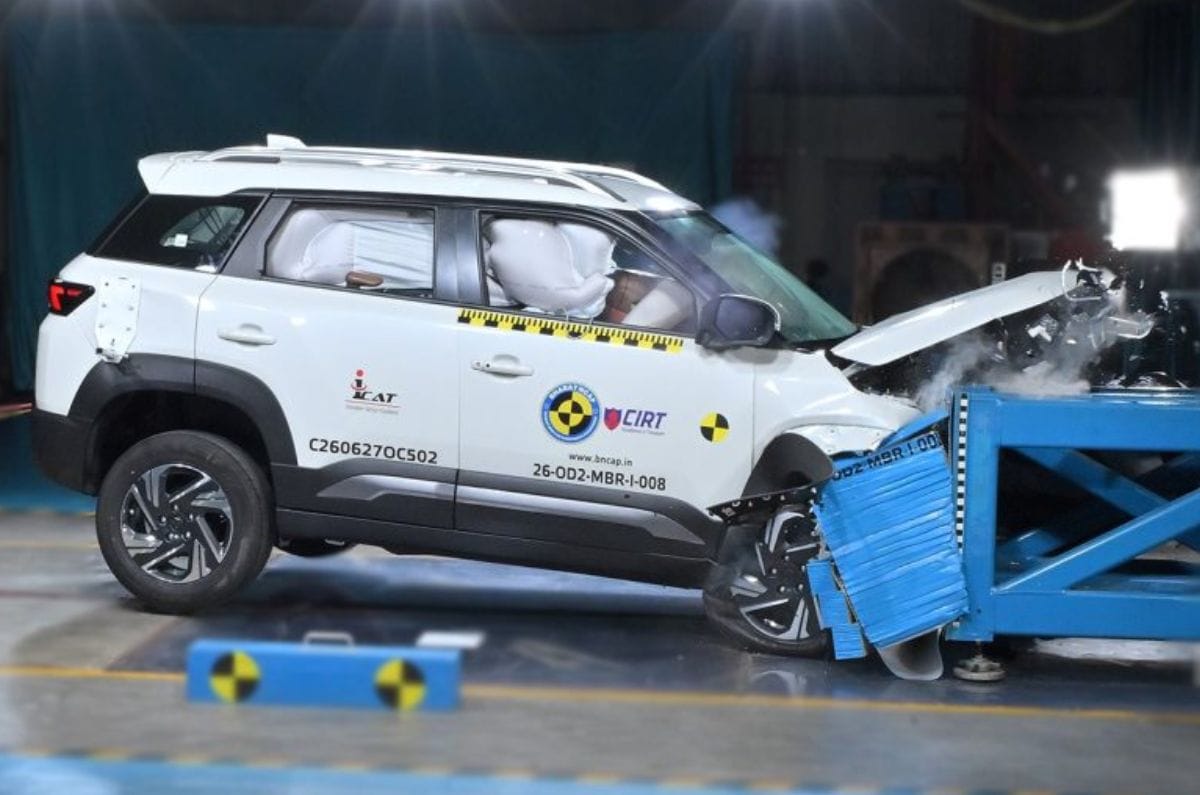
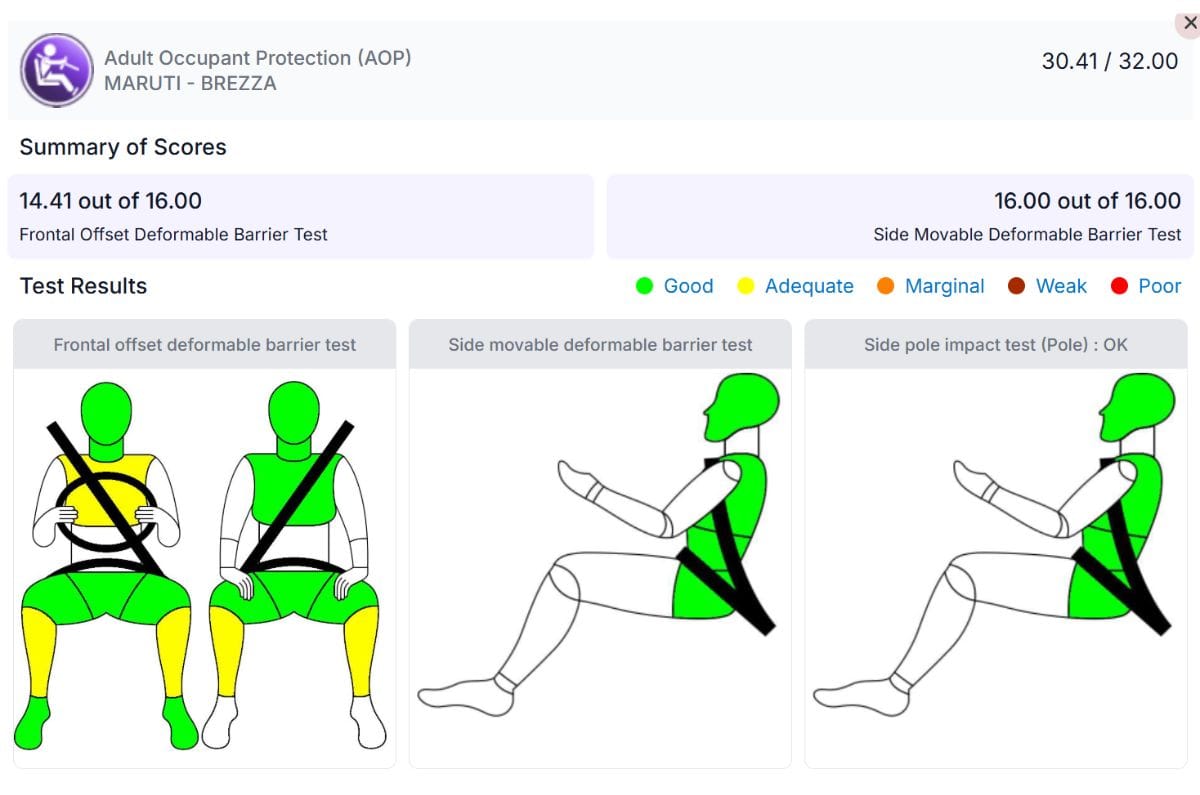
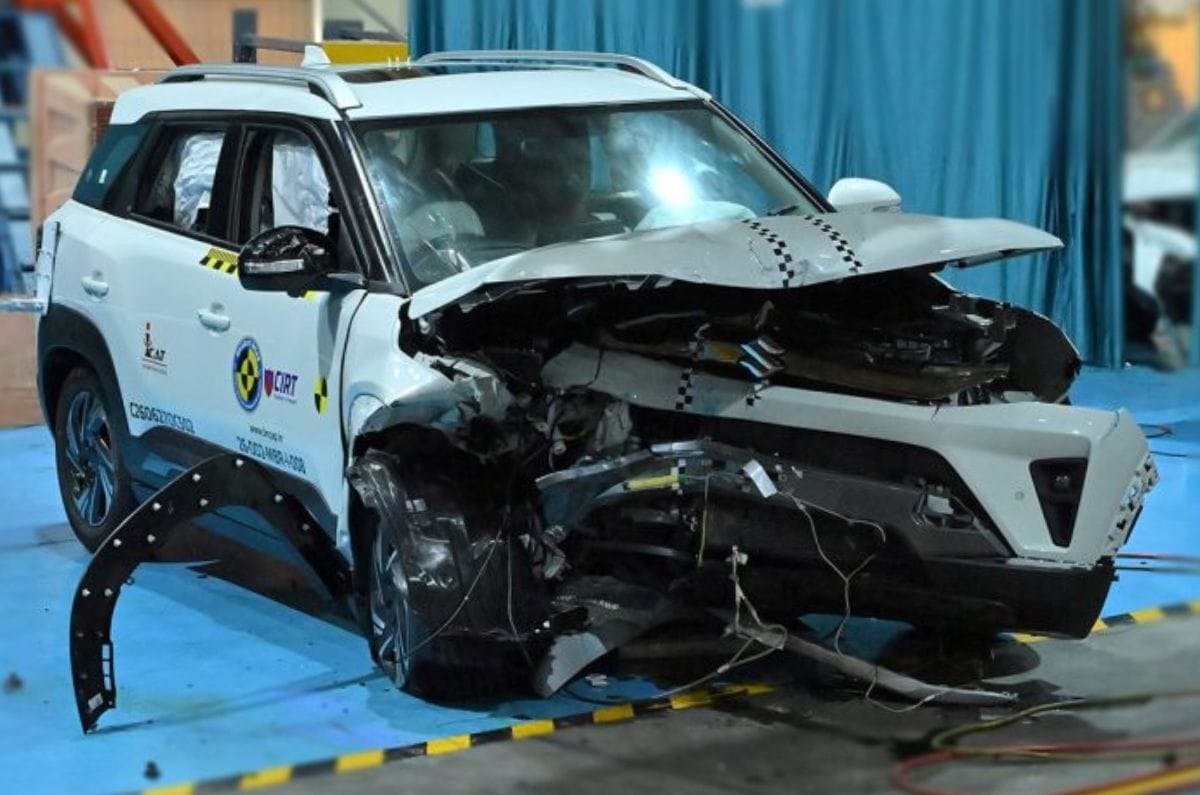
Bharat NCAP has released the crash test results of the 2026 Maruti Suzuki Brezza ahead of the compact SUV’s official launch tomorrow. The Brezza facelift has achieved a 5-star crash safety rating for both adult occupant protection (AOP) and child occupant protection (COP) tests, scoring 30.41/32 points and 43/49 points, respectively.
The ZXI+ 1.5L 6AT variant of the upcoming Brezza was tested
Test results apply to all variants of the Brezza facelift
In the frontal offset deformable barrier test, the driver’s head, neck, pelvis, thighs and feet received ‘good’ protection, while the chest and tibiae received ‘adequate’ protection. In the same test, all critical parts of the co-driver received ‘good’ protection, except the tibiae, which received ‘adequate’ protection.
In the side movable barrier and side pole impact tests, all critical parts of the passenger, including head, chest, abdomen and pelvis, received ‘good’ protection. In the side pole impact test (pole), it received a notable ‘OK’.
For the COP tests, child seats of both the 18-month-old and 3-year-old dummies were set to a rearward direction. The test results suggest that both dummies scored a full 8 out of 8 points in the frontal and 4 out of 4 in the side crash test.
Although the 2026 Maruti Brezza scored full points for the dynamic score (24 out of 24) and CRS installation score (12 out of 12), it lost 6 points in the vehicle assessment score. As a result, the compact SUV scored 43 out of 49 points in the overall child occupant protection tests.
For the crash test, the 2026 Brezza’s ZXI+ 1.5L 6AT variant was tested, but the results apply to all other variants as well. The tested variant, Bharat NCAP suggests, is equipped with 6 airbags, electronic stability control (ESC), seat belt reminders on all seats, seatbelt pretensioners on the front-row seats and ISOFIX child seat anchorages on the rear outboard seats.
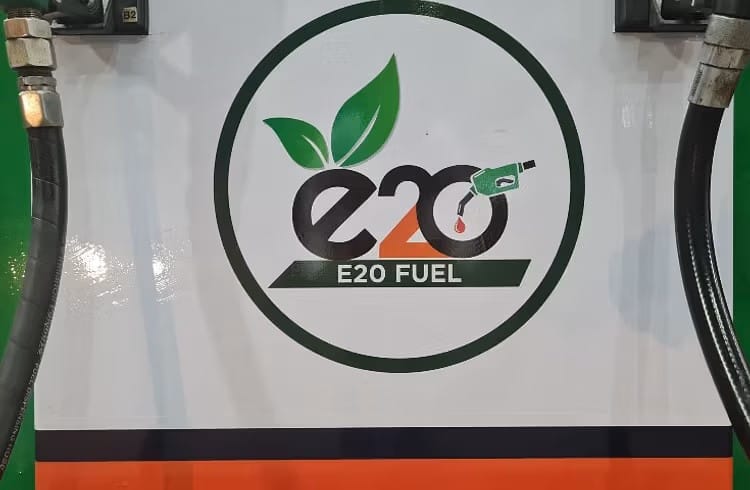
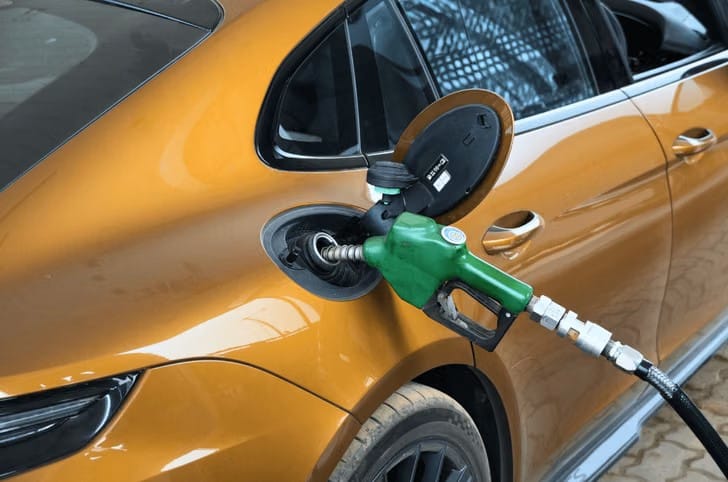
India completed the nationwide rollout of E20 petrol in April last year, making it the standard grade of petrol sold at fuel stations across the country. E20 contains 20 percent ethanol and 80 percent petrol, replacing the lower ethanol blends that were sold previously.
The transition has raised several questions among vehicle owners about compatibility, fuel efficiency, maintenance, warranties and long-term reliability. We separate the facts from the misconceptions and answer the key questions around E20.
1. What is E20 petrol and why has India switched to it?
E20 is fuel blended with 20 percent ethanol and 80 percent petrol. Ethanol is a biofuel produced from agricultural feedstocks such as sugarcane, maize and surplus food grains. India introduced the Ethanol Blended Petrol (EBP) Programme in 2003 with E5 petrol, and while the blended percentage kept varying for a while, it was eventually increased to E10 before completing the nationwide rollout of E20 in 2025, five years ahead of the planned implementation. According to the government, the programme aims to reduce dependence on imported crude oil, improve energy security, lower emissions and create an additional market for agricultural produce.
2. Can I use E20 fuel in my car or bike?
New petrol cars and two-wheelers sold in India today are compatible with E20 petrol. Under the government’s roadmap, vehicle manufacturers were required to make new petrol models manufactured from April 2023 compatible with E20.
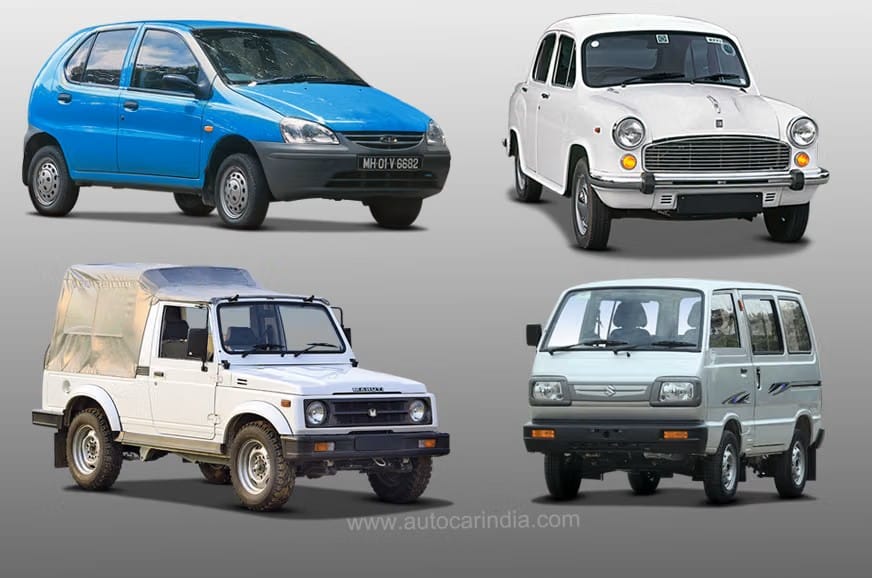
Vehicles manufactured before April 2023 were designed for lower ethanol blends, so compatibility may vary depending on the model and year of manufacturing. However, some brands state that they had E20 material compliance before 2023, for a list click here.
3. How do I know if my car is E20 compatible?
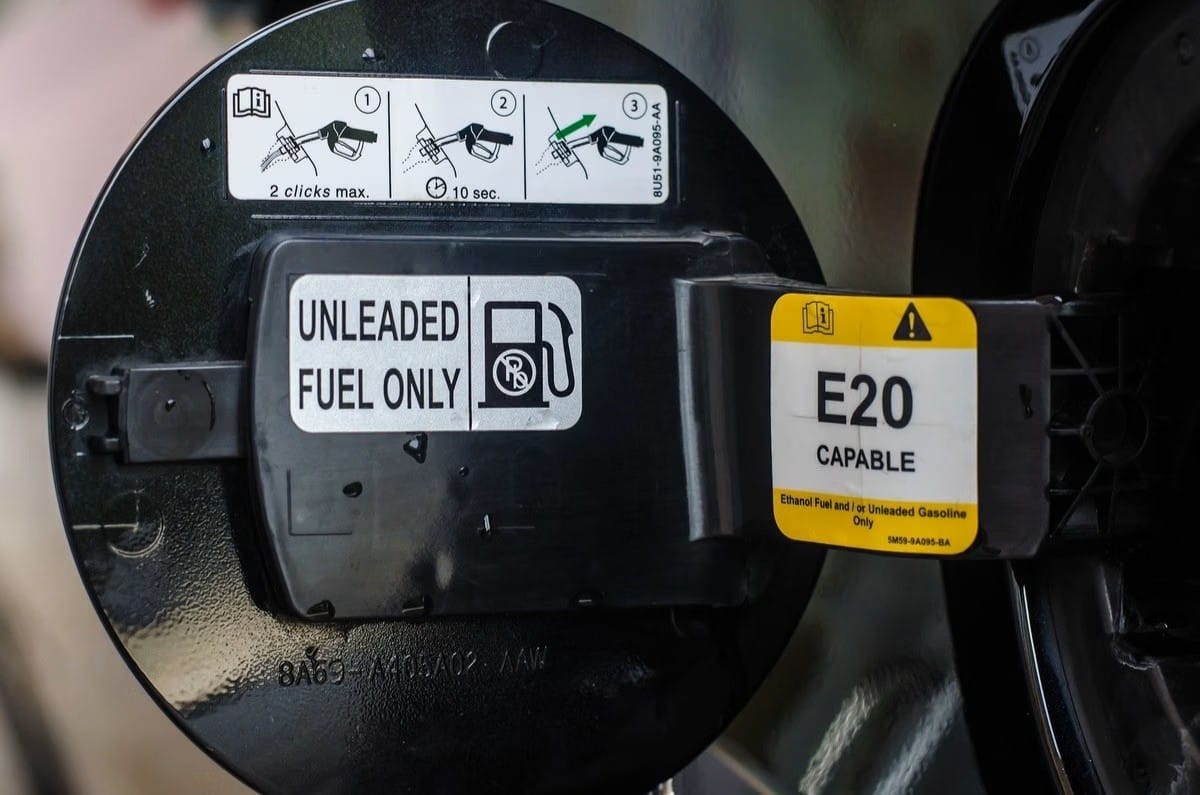
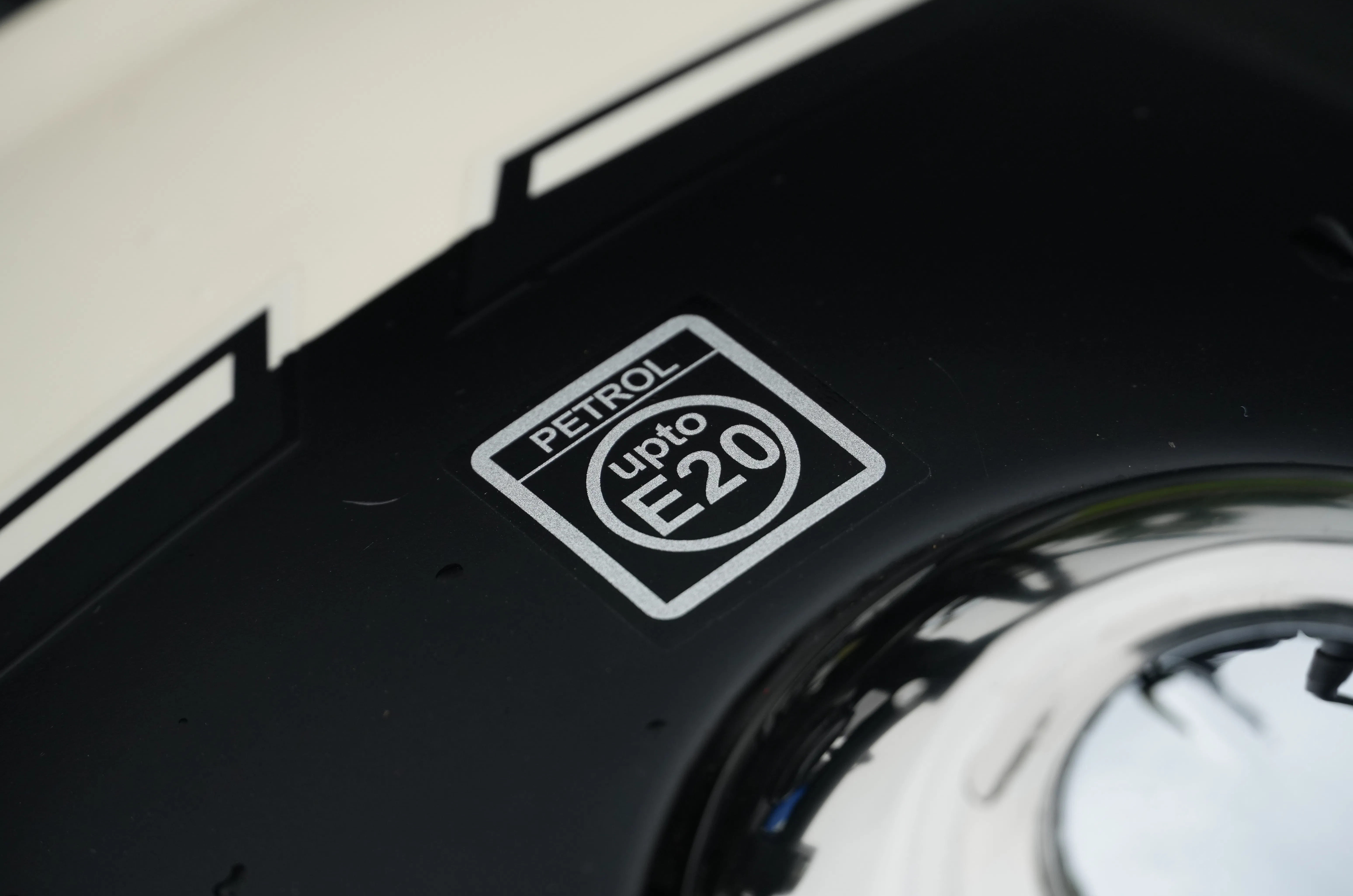
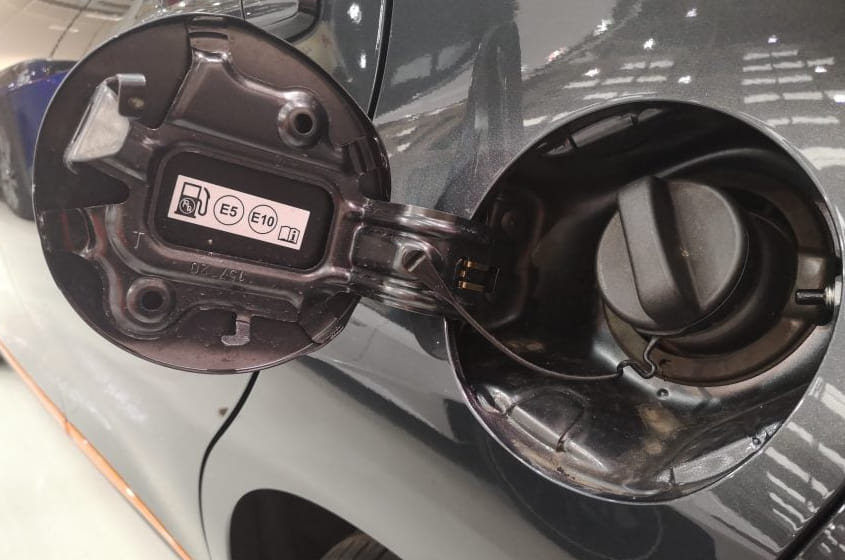
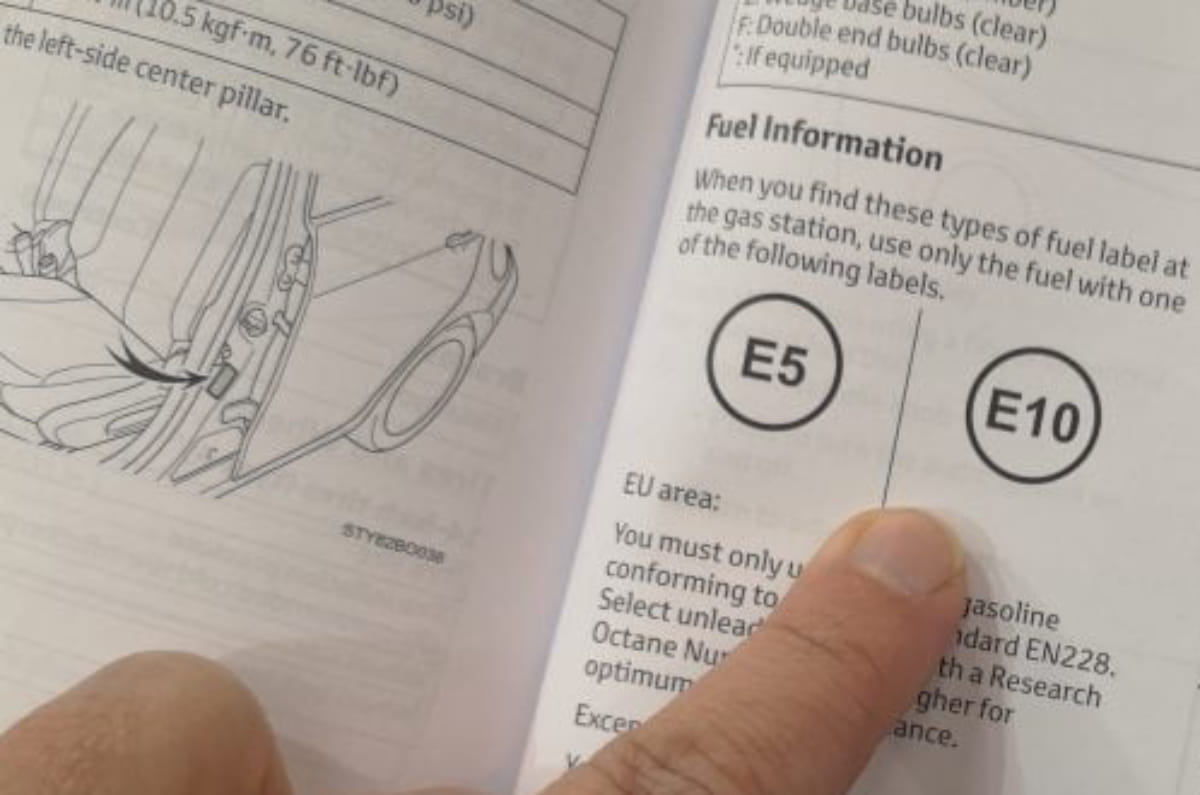
The easiest way is to check your vehicle’s fuel flap or the owner’s manual or contact the manufacturer’s authorised dealership. As part of the government’s E20 roadmap, manufacturers progressively introduced E20-compatible petrol vehicles from 2023 onwards. However, compatibility can vary depending on the model and year of manufacture, so owners should not assume that every petrol vehicle is fully E20-compatible.
4. Can E20 damage older engines or fuel-system components?
Concerns about E20 mainly relate to older vehicles that were not originally designed for higher ethanol blends. While ethanol has not been found to significantly directly affect metal fuel-system components, prolonged exposure to E20 can accelerate wear in some older rubber and plastic parts such as fuel hoses, seals, O-rings, gaskets and certain fuel pipes if they are made from materials that are not ethanol compatible.
Before approving E20, ARAI tested metals, elastomers and plastics commonly used in fuel systems. The study found no significant corrosion of metal components, but certain rubber compounds and plastics used in older vehicles showed greater deterioration than with E10 fuel. These findings prompted manufacturers to use ethanol-compatible materials in newer vehicles. Thus, owners of older vehicles should keep up with regular servicing and follow the manufacturer’s recommended maintenance schedule, increasing the inspection frequency if damage is suspected.
5. Does E20 reduce fuel efficiency?
Yes. E20 fuel generally returns lower fuel efficiency than petrol with a lower ethanol content because ethanol contains less energy than petrol. The exact reduction varies depending on the vehicle, engine and calibration.
E20 vs E10 mileage test results
Creta N Line
Dzire (BS 6)
Polo GT TSI
Dzire (BS 4)
Registration year
2024
2024
2017
2016
Average speed
17.8kph
20.25kph
18.0
19.3
Kpl on E20
10.59
14.24
9.13
9.8
Kpl on E10
12.12
14.81
9.63
11.19
Kpl variance
1.53
0.57
0.50
1.39
% variance
-12.62
-3.84
-5.19
-12.42
ARAI estimates a fuel efficiency drop of 1-6 percent with E20, while some manufacturers put it closer to 7-8 percent. In Autocar India’s real-world testing, both newer E20-compatible cars and older pre-E20 vehicles recorded a measurable drop in mileage when compared with an equivalent E10 blend. Among the newer cars, the Maruti Suzuki Dzire recorded a 3.8 percent drop, while the Hyundai Creta N Line saw a 12.6 percent decline.
Among older BS4-era cars, the Volkswagen Polo GT TSI posted a 5.2 percent drop, while the older Maruti Suzuki Dzire recorded a mileage drop of 12.4 percent.
The results also showed that there is no single figure applicable to every vehicle. Factors such as engine calibration and compression ratio all influence fuel efficiency, meaning some vehicles adapt better to E20 than others.
6. Does E20 improve performance or reduce emissions?
Octane rating test results
Fuel type
RON result
Regular E20 petrol
98.2 RON
XP95
98.8 RON
Yes, but not in a way that most motorists are likely to notice. E20 has a higher-octane rating than regular petrol, which improves resistance to engine knocking and can benefit engines designed to take advantage of higher-octane fuel.
The government says E20 aims to lower emissions by replacing a portion of petrol with domestically produced ethanol which is a renewable fuel. For most motorists, however, the most noticeable effect of switching to E20 is likely to be a small drop in mileage rather than a change in vehicle performance.
7. Is E20’s water contamination issue a real problem?
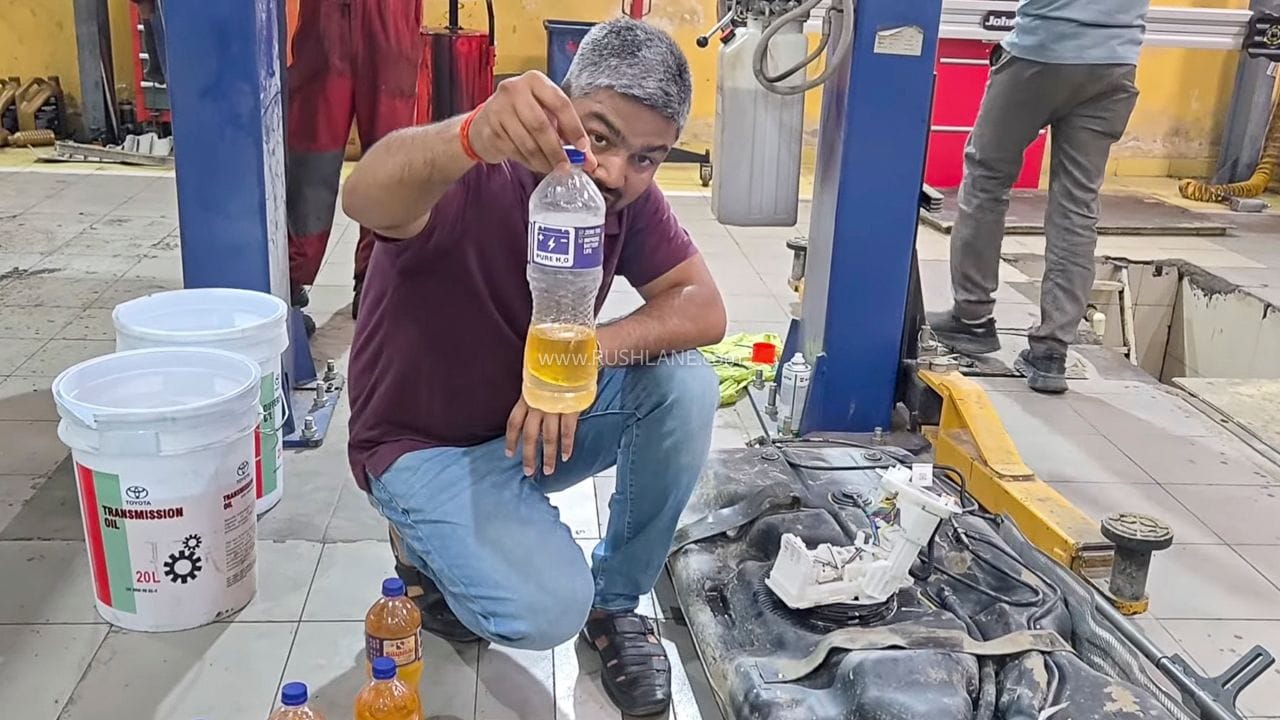
Image credit – Rushlane
Ethanol is hygroscopic, meaning it has the capability to absorb moisture. As a result, E20 is more susceptible to water contamination if excess moisture enters the fuel during storage or handling. In severe cases, this can lead to phase separation, where the ethanol and water separate from the petrol, affecting fuel quality.
Some petrol pump operators have raised concerns that existing underground storage tanks, particularly during the monsoon or in coastal areas, could be more prone to moisture ingress, increasing the risk of phase separation. However, the government and the Federation of Automobile Dealers Associations (FADA) says that there is no evidence linking E20 itself to widespread fuel contamination or vehicle failures.
8. Will using E20 affect my vehicle’s warranty?
For most owners, no. Vehicle manufacturers have said that using E20 petrol will not affect the warranty of their vehicles, and valid warranties will continue to be honoured. The government, SIAM and several manufacturers have stated that vehicles continue to be covered under their standard warranty terms when fuelled with E20, for a full list click here. SIAM has also said that OEMs will honour the warranty committed to customers for E20 usage, and that insurance claims will remain unaffected.
9. Why isn’t E20 petrol cheaper than regular petrol?
Although E20 contains 20 percent ethanol, it is not cheaper than regular petrol because ethanol currently costs more to procure and blend than petrol under prevailing market conditions. The cost of ethanol procurement, tax, transportation, blending and distribution offsets any potential saving from replacing a portion of petrol with domestically produced ethanol.
Any savings from lower crude oil imports are realised at the national level rather than by consumers through lower pump prices.
10. Why can’t I still buy E10 or pure petrol?
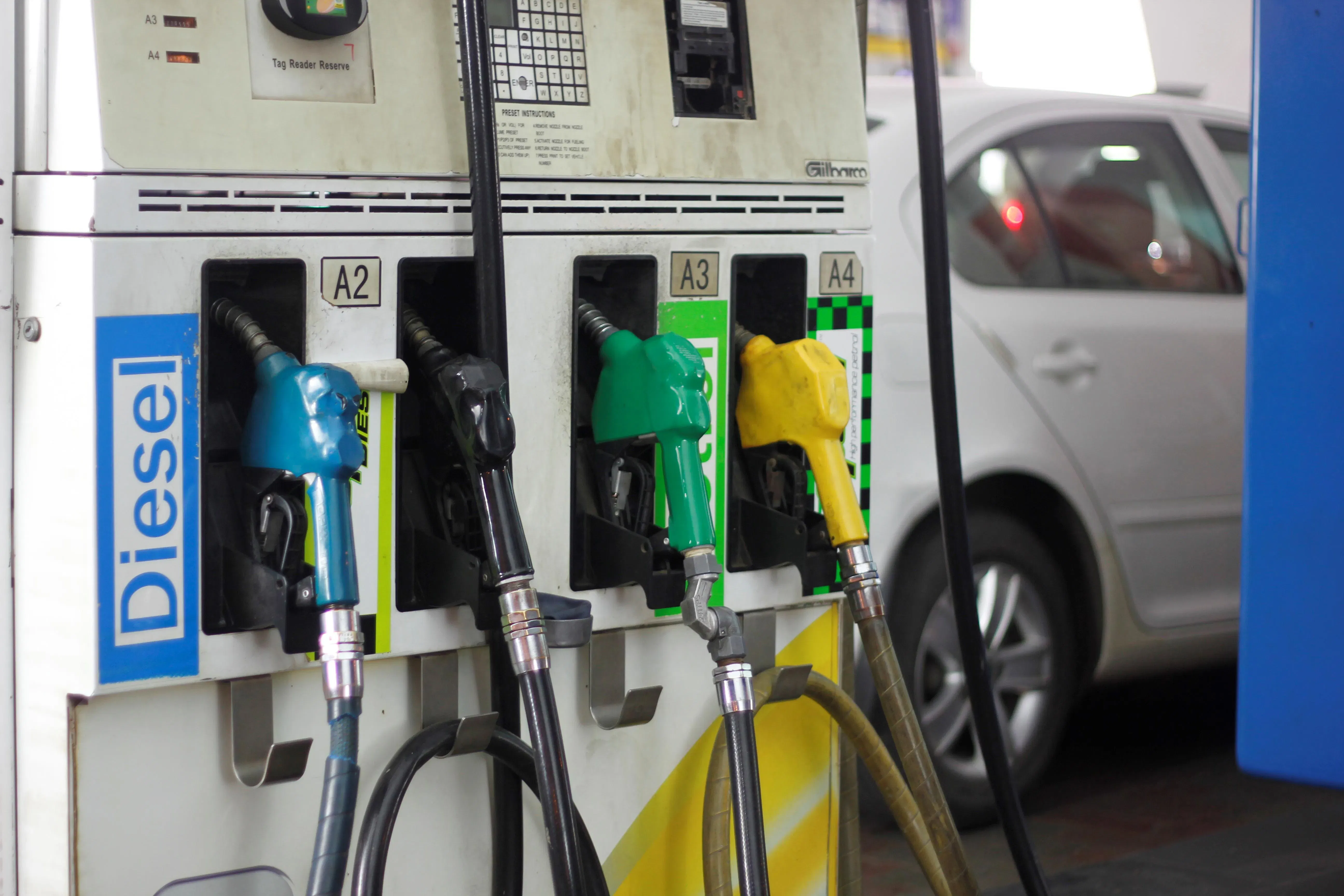
Because by policy E20 is now India’s standard petrol. Following the nationwide rollout of the Ethanol Blending Programme, oil companies have standardised regular petrol and premium 95-octane petrol to an E20 blend. Maintaining parallel supplies of E10 and E20 would require separate storage, transportation and dispensing infrastructure, making nationwide distribution significantly more complex.
As a result, motorists can no longer choose between E10 and E20 at regular fuel stations. The only exception is 100-octane petrol, such as IndianOil XP100 and HP Power100, which remains effectively ethanol-free because it is a niche fuel sold in limited volumes. For most vehicle owners, however, E20 is now the only petrol available.
11. Is the government planning to increase ethanol blending beyond E20?
Not yet, but the groundwork has begun. While the government has said no decision has been taken to mandate petrol with more than 20 percent ethanol, it has begun preparing the regulatory framework for higher blends.
In May 2026, the Bureau of Indian Standards (BIS) notified fuel quality standards for E22, E25, E27 and E30 petrol, indicating that the government is laying the groundwork for future adoption. It has also proposed recognising E85 and E100 fuels under the Central Motor Vehicles Rules.
Separately, the government has tasked the Automotive Research Association of India (ARAI) with studying the impact of E25 petrol on existing E10- and E20-compatible vehicles, including its effect on fuel efficiency, durability, emissions and engine performance under long-term use.
However, any move beyond E20 will require extensive testing and consultation with vehicle manufacturers, fuel companies and research agencies to assess engine durability, emissions and fuel-system compatibility before it is introduced.
12. What should owners of older cars do now?
If your vehicle is not certified as E20-compatible, it does not necessarily mean it will experience immediate problems. However, owners should follow the manufacturer’s guidance, keep up with regular servicing and replace worn fuel-system components as required. It would also be prudent to increase the frequency of inspection of your vehicles fuel system to ensure there is no corrosive damage and catch it before it gets acute.
If you own a classic car, an older imported vehicle or a high-performance model designed for lower ethanol blends, using ethanol-free 100-octane petrol may be worth considering.
13. Can I convert my vehicle to run on E20 fuel?
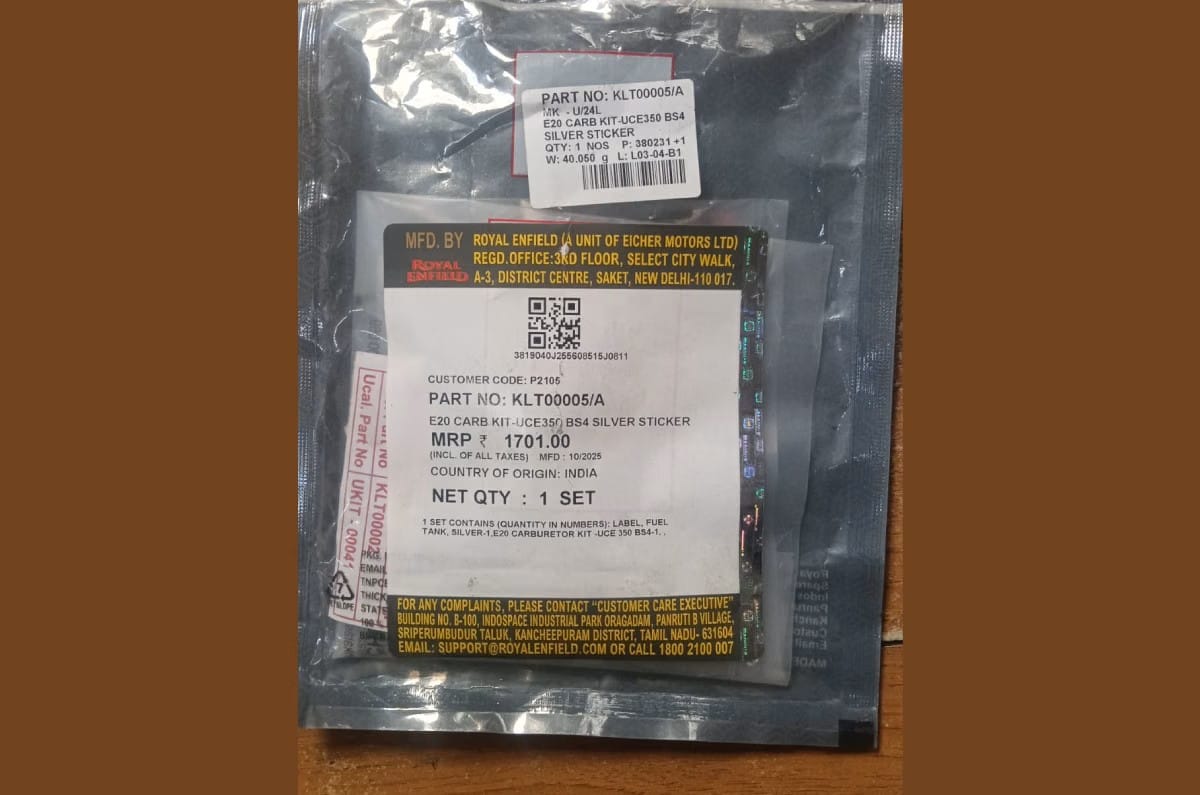
Yes, but official upgrade programmes are currently limited and while a few manufacturers, like Royal Enfield and Maruti Suzuki, had mentioned a plan for these earlier, they don’t have much to say for now. In a recent government press conference that aimed to quell the E20 backlash, Maruti stated that the kits are for R&D purpose only.
Theoretically, it’s possible to replace critical components susceptible to E20 damage with those designed to handle the fuel – especially if your vehicle is still in production – and if you feel the need to, you can go ahead and have parts like fuel lines, fuel pump and gaskets replaced but by your authorised workshops only.
So, should you be worried about E20 petrol?
Not worried, but alert. Modern petrol cars and bikes designed or updated for E20 are engineered to run on the fuel without major issues, and extensive testing by the government, research agencies and manufacturers found no evidence of widespread reliability concerns.That said, E20 is not without trade-offs. Most motorists should expect a small reduction in fuel efficiency.
For owners of older vehicles, it would be wise to pay closer attention to fuel-system maintenance.
Kia is one of the few automakers in India that has three MPVs in its line-up, with the most popular one being the Carens Clavis. This is a segment that’s witnessed growth in the past couple of years, supporting the Korean brand’s focus on selling multiple MPVs. Built on the same K2 platform as the Carens, the Clavis is aimed at buyers who want more premium styling and feature set spread across more variants and trim levels. Here are some facts to keep in mind before a Carens Clavis.
Reasons to buy the Kia Carens Clavis
Spacious & well-equipped cabin
One of the strongest suits of the Carens Clavis is its tech-rich and practical interior
Whether you get the 6-seater or 7-seater version of the Kia Carens Clavis, space isn’t an issue. A one-touch tumble & fold feature means that getting into the third row is pretty straight-forward. This last row also has enough room to accommodate two adults without fuss while also providing dedicated AC vents, USB ports, headrests and three-point seatbelts. With 216 litres of boot space, you can easily store several soft bags.
The 6-seater version gets captain seats for the second row that not only look premium but also get individual armrests for extra comfort. There’s no dearth of headroom and kneeroom for the middle-row occupants. Depending on the trim level, this row also benefits from the two-pane panoramic sunroof, blower control, sunblinds, tray table, and air purifier. A manually operated ‘boss’ mode liberates even more room for the occupant seated behind the co-driver’s seat. Passengers will have no trouble with ingress or egress as second-row accessibility is good.
Practicality up front comes from ventilated seats, cooled cupholders and a wireless charger. The dual 12.3-inch screens are high-resolution units that enable a clean and smooth user experience. Some of the other feature highlights here include the 8-speaker Bose audio system, 64-colour ambient lighting system, leatherette upholstery, dashcam, and Level 2 ADAS (Advanced Driver-Assistance Systems). The latter is well-calibrated for our erratic road conditions, particularly functions such as blind-spot monitoring, lane-keeping assist and rear cross-traffic alert.
Powertrain options galore
The Carens Clavis is offered with three engine options four transmission choices
Under the bonnet of the Kia Carens Clavis can be one of three engines: a 1.5-litre naturally aspirated four-cylinder petrol, 1.5-litre direct-injected turbo-petrol, or a 1.5-litre four-cylinder turbo-diesel. A 6-speed manual gearbox is offered with all them. The turbo-petrol mill is also available with a 6-speed iMT (intelligent manual transmission) and a 7-speed DCT (dual-clutch automatic transmission). Meanwhile, the oil burner can be mated to a 6-speed AT (automatic transmission). The only diesel option in the segment, this Kia MPV’s 1.5-litre turbo-diesel engine can return 15-16kpl on highway runs.
Good ride and high-speed stability
This MPV rewards drivers with relaxed driving manners
The 17-inch wheels on the top-spec turbo-petrol variants allow for a pliant-enough ride, with the diesel variants featuring 16-inch rims actually feeling supple. Regardless of the wheel size, the Carens Clavis feels surefooted on the road, staying planted even as speeds rise. The bigger wheels make this MPV take corners decently compared to the variants with the smaller wheels, but this is only true if it’s driven sedately.
Reasons not to buy the Kia Carens Clavis
Not for enthusiastic drivers
Lacklustre powertrains and noticeable body-roll relegates this Kia to sedate driving roles
While the 1.5-litre turbo-petrol engine produces 160hp and 253Nm, it lacks excitement. Pushing it past 4,200rpm does not result in quicker gain of pace, but it instead leads to the engine’s coarse note nearing redline to enter the cabin. The 7-speed DCT, meanwhile, isn’t smooth in the city where it hesitates to shift between lower cogs – this is a gearbox that doesn’t like being rushed.
The Carens Clavis with the diesel engine and 6-speed AT is also good at cruising long distances at highway speeds. However, this oil burner could’ve done with more punch – the issue becoming really noticeable when driving on uphill slopes with a full house. With most of the weight being transferred to the rear, and this being a front-wheel drive (FWD) car, there isn’t enough oomph to pull the Carens Clavis up inclines with ease. This lack of power, combined with the slow downshifts of the automatic gearbox, means that quick overtakes will require some planning.
If you enjoy taking corners with enthusiasm, then the Carens Clavis isn’t for you. The body-roll is especially noticeable in the variants with the 16-inch wheels due to their smaller-section tyres. While the body-roll is less evident in the cars with the 17-inch wheels, taking a corner with any hint of aggressive will lead to body-roll.
Unintuitive touch-enabled buttons
This issue plagues the top trims of the Carens Clavis
Top trims of the Kia Carens Clavis get a switchable, touch-sensitive panel to operate the car’s HVAC and infotainment systems. Not only is there an issue with reflections catching you out while trying to use this panel, but you could accidentally press the wrong button or control. This can be distracting whilst driving as you’ll have to look away from the road in order to use most of the controls on this panel. Meanwhile, lower trims get easy-to-use physical switchgear for these functions.
Gets pricey quickly
Top variants are far more expensive than rivals
The range-topping variants of the Kia Carens Clavis cost well over Rs 20 lakh, with even mid-spec variants priced north of Rs 15 lakh. When compared to rivals such as the Maruti Suzuki XL6, this makes the Caren Clavis up to Rs 7.14 lakh.
Suzuki SV 7GX: Suzuki ने अपनी 645cc V-ट्विन इंजन वाली बाइक को नए अवतार में वापस पेश किया है। यह वही इंजन है, जो पहले बंद हो चुकी V-Strom 650 में मिलता था। लेकिन अब कंपनी ने इसे नई मिडिलवेट बाइक SV-7GX में दिया है, जिसे इस महीने दुनिया भर में लॉन्च किया गया है। नई SV-7GX में पुराने मॉडल की तुलना में कई आधुनिक इलेक्ट्रॉनिक फीचर्स दिए गए हैं।
अमेरिका में इस बाइक की शुरुआती कीमत करीब 8,399 डॉलर और ब्रिटेन में 6,999 पाउंड रखी गई है। हालांकि, Suzuki ने अभी भारत में इसकी कीमत या लॉन्च डेट की आधिकारिक घोषणा नहीं की है। इसलिए, अभी ऑनलाइन जो भी कीमत बताई जा रही है, वह सिर्फ एक अंदाजा है, पक्की जानकारी नहीं।
भारतीय ग्राहकों के लिए यह बाइक इसलिए खास मानी जा रही है क्योंकि इसका 645cc इंजन पहले V-Strom 650XT में इस्तेमाल किया जा चुका है। इससे अंदाजा लगाया जा सकता है कि भारतीय सड़कों पर इसका प्रदर्शन कैसा हो सकता है। अब आइए जानते हैं कि नई Suzuki SV-7GX में क्या-क्या फीचर्स मिल सकते हैं और भारत लॉन्च को लेकर अभी क्या जानकारी सामने आई है।
Suzuki SV-7GX: इसमें कौन सा इंजन है?
Suzuki SV-7GX में कंपनी ने 645cc, 90-डिग्री V-twin इंजन का इस्तेमाल किया है। इस इंजन को Euro 5+ उत्सर्जन नियमों के हिसाब से अपडेट किया गया है। यह इंजन करीब 73 hp की पावर और 64 Nm का टॉर्क जनरेट करता है। इस बाइक में सबसे बड़ा बदलाव राइड-बाय-वायर थ्रॉटल है, जो Suzuki के ‘Intelligent Ride System’ को सपोर्ट करता है। इससे राइडिंग मोड चुनने और ट्रैक्शन कंट्रोल को एडजस्ट करने की सुविधा मिलती है, जबकि पहले के मॉडल में साधारण मैकेनिकल थ्रॉटल कंट्रोल होता था। इसमें ‘बाई-डायरेक्शनल क्विकशिफ्टर’ भी स्टैंडर्ड तौर पर मिलता है, जो पहले वाले V-Strom 650 में नहीं था।
Suzuki SV-7GX: इसमें कौन-सी टेक्नोलॉजी है?
Suzuki SV-7GX में पुराने LCD इंस्ट्रूमेंट क्लस्टर की जगह अब 4.2-इंच का TFT कलर डिस्प्ले दिया गया है। यह डिस्प्ले स्मार्टफोन कनेक्टिविटी को सपोर्ट करता है, जिससे यूजर्स को टर्न-बाय-टर्न नेविगेशन, कॉल और मैसेज अलर्ट के साथ मौसम की जानकारी भी मिल सकेगी।
Suzuki ने इसमें एडजस्टेबल विंडस्क्रीन, नकल गार्ड और इंटीग्रेटेड रियर लगेज कैरियर भी दिया है। इससे यह बाइक सिर्फ स्पोर्ट्स राइडिंग के बजाय रोजाना आने-जाने और वीकेंड पर घूमने-फिरने, दोनों के लिए सही बन जाती है।
इसका दूसरा वर्जन, SV-7GXV, मैकेनिकल और इलेक्ट्रॉनिक पार्ट्स के मामले में तो वैसा ही है, लेकिन इसमें ‘Pearl Brilliant White’ पेंट स्कीम और Black कलर के चेसिस पार्ट्स दिए गए हैं, जो इसे ज्यादा सिंपल लुक देते हैं।
क्या भारत के बारे में कोई जानकारी है?
अभी तक कोई आधिकारिक जानकारी नहीं है। Suzuki Motorcycle India ने अभी तक यह कन्फर्म नहीं किया है कि SV-7GX को स्थानीय स्तर पर कब लॉन्च किया जाएगा। अभी कुछ वेबसाइट्स पर जो कीमत के अनुमान दिख रहे हैं, उनके पीछे Suzuki की कोई आधिकारिक घोषणा नहीं है।
ध्यान देने वाली बात यह है कि SV-7GX का मुख्य इंजन पहले V-Strom 650XT में कई सालों तक बिक चुका है (उस मॉडल के बंद होने से पहले)। इसलिए, जो राइडर्स यह जानना चाहते हैं कि यह प्लेटफॉर्म भारतीय सड़कों पर कैसा प्रदर्शन करेगा, उनके पास पहले से ही एक अच्छा संदर्भ बिंदु है, भले ही स्थानीय स्तर पर इसके लॉन्च की अभी कोई पुष्टि नहीं हुई है।
Maruti Suzuki has announced yet another price hike across its vehicle range of up to Rs 30,000, effective from August 2026. This will be the second price hike from Maruti Suzuki in short succession, having just, following a similar hike of up to Rs 30,000 introduced in June.
This will be Maruti’s third price hike in 2026
Rising input costs and commodity inflation cited as reasons
In a regulatory filing with the stock exchanges, the company cited persistent commodity inflation and rising input costs as the primary drivers behind the adjustment. The automaker stated it attempted to absorb cost increases through internal efficiency measures and cost reduction initiatives. However, sustained pressure on operating margins necessitated “passing a fraction of the cost burden on to the market.”
When announcing its previous revision in June, Maruti Suzuki had also attributed the decision to a sustained rise in input costs and elevated inflationary pressures.
The exact price adjustment will vary depending on the specific model and variant. The upcoming August price adjustment follows a pattern of broader industry price revisions aimed at managing raw material volatility, with Mahindra, BYD and Tata Motors among others announcing price hikes in recent weeks.