Single Father ने सिखाया कि प्यार किसी Gender का मोहताज नहीं | Father raised her daughter alone

Single Father ने सिखाया कि प्यार किसी Gender का मोहताज नहीं | Father raised her daughter alone

“तुम अकेले बेटी नहीं पाल पाओगे”
ये बात विराज़ ने कई बार सुनी।
लेकिन उन्होंने जवाब शब्दों से नहीं दिया।
हर रात कुछ नया सीखा।
हर सुबह एक बेहतर पिता बनने की कोशिश की।
आज उनकी 6 साल की बेटी स्कूल से लौटकर सबसे पहले अपने पापा को ही ढूँढती है, क्योंकि उसके लिए वही उसकी सबसे सुरक्षित जगह हैं।

कुछ कहानियाँ हमें याद दिलाती हैं कि प्यार किसी रिश्ते का नाम नहीं, निभाने का नाम है।

क्या आपको लगता है कि Parenting किसी एक Gender की ज़िम्मेदारी है? कमेंट में बताइए।

Single Father Raising Daughter, Parenting Story By Single Father, Single Parent Success Story

#thebetterindia #goodnews #positivestories #indianews #thebetterindiahindi #hindi

Follow us for more:

Facebook: https://www.facebook.com/thebetterindia.hindi
Instagram: https://www.instagram.com/thebetterindia.hindi/
Twitter: https://twitter.com/TbiHindi
LinkedIn: https://www.linkedin.com/company/the-better-india-hindi/

Website: https://hindi.thebetterindia.com/

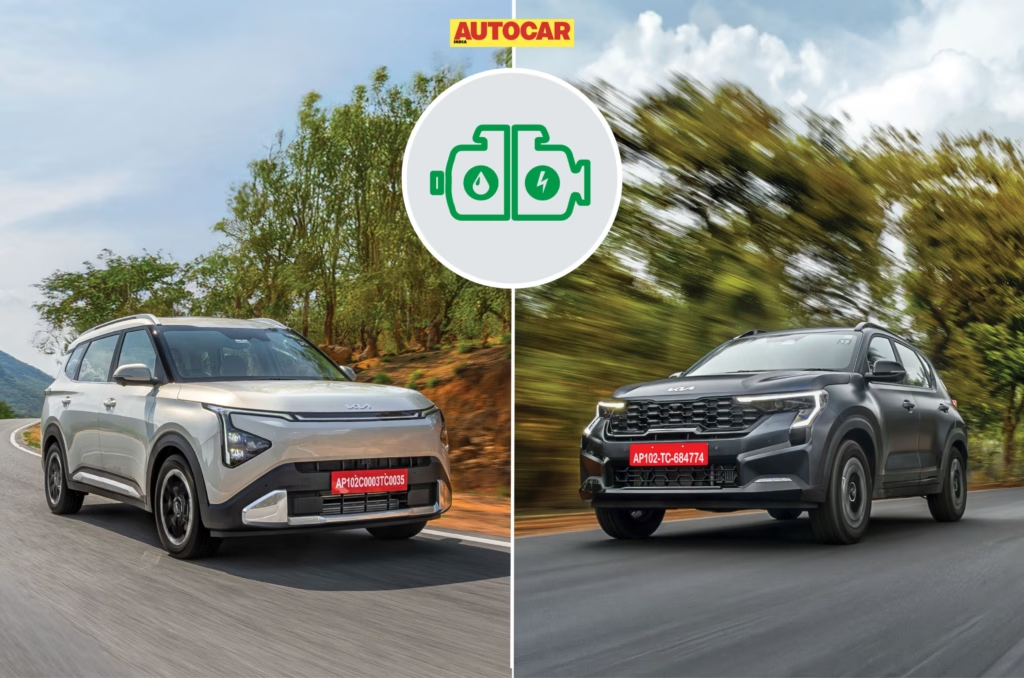
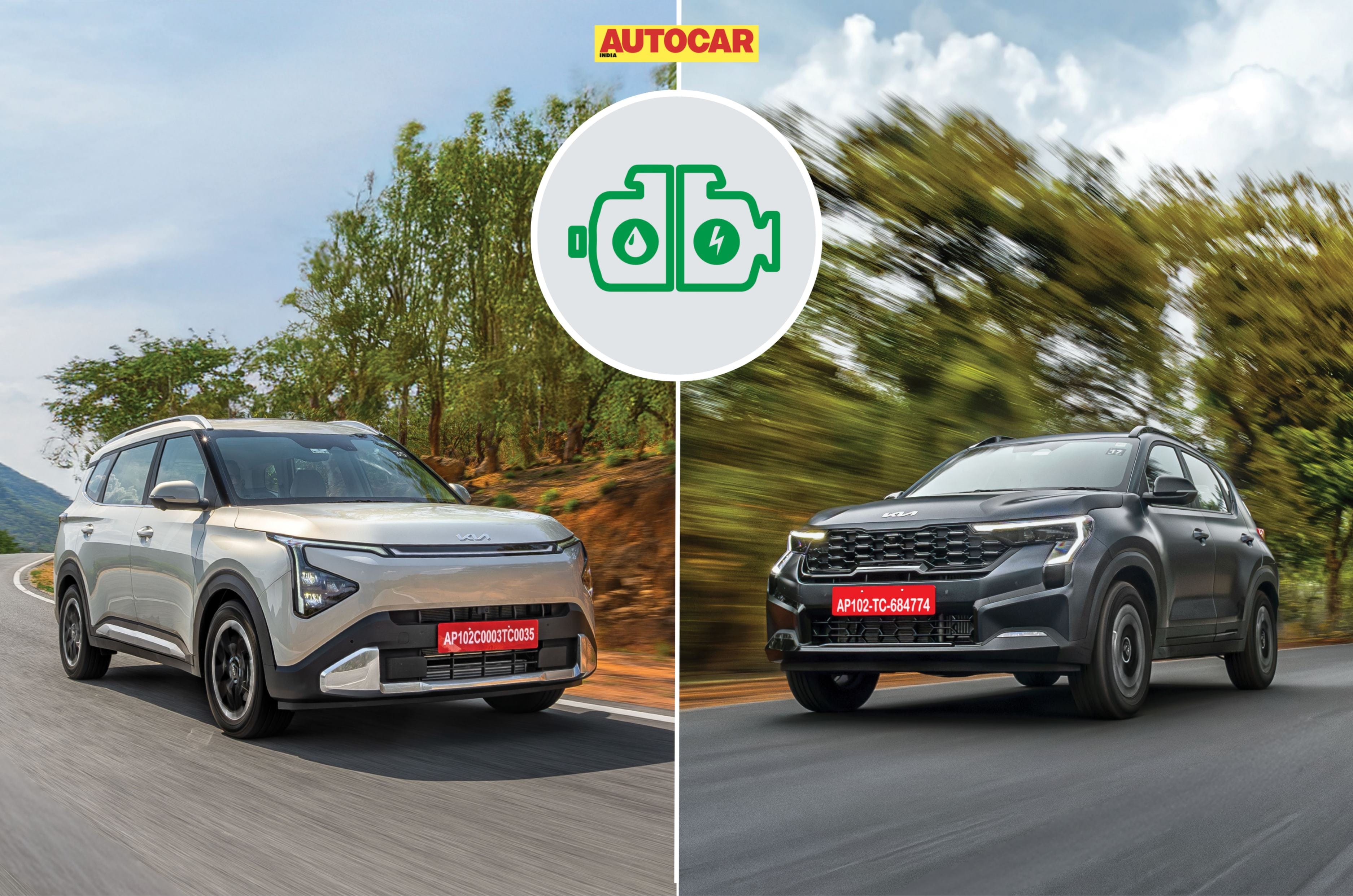
Kia confirms Sonet, Carens Clavis hybrids by 2029

Kia confirms Sonet, Carens Clavis hybrids by 2029

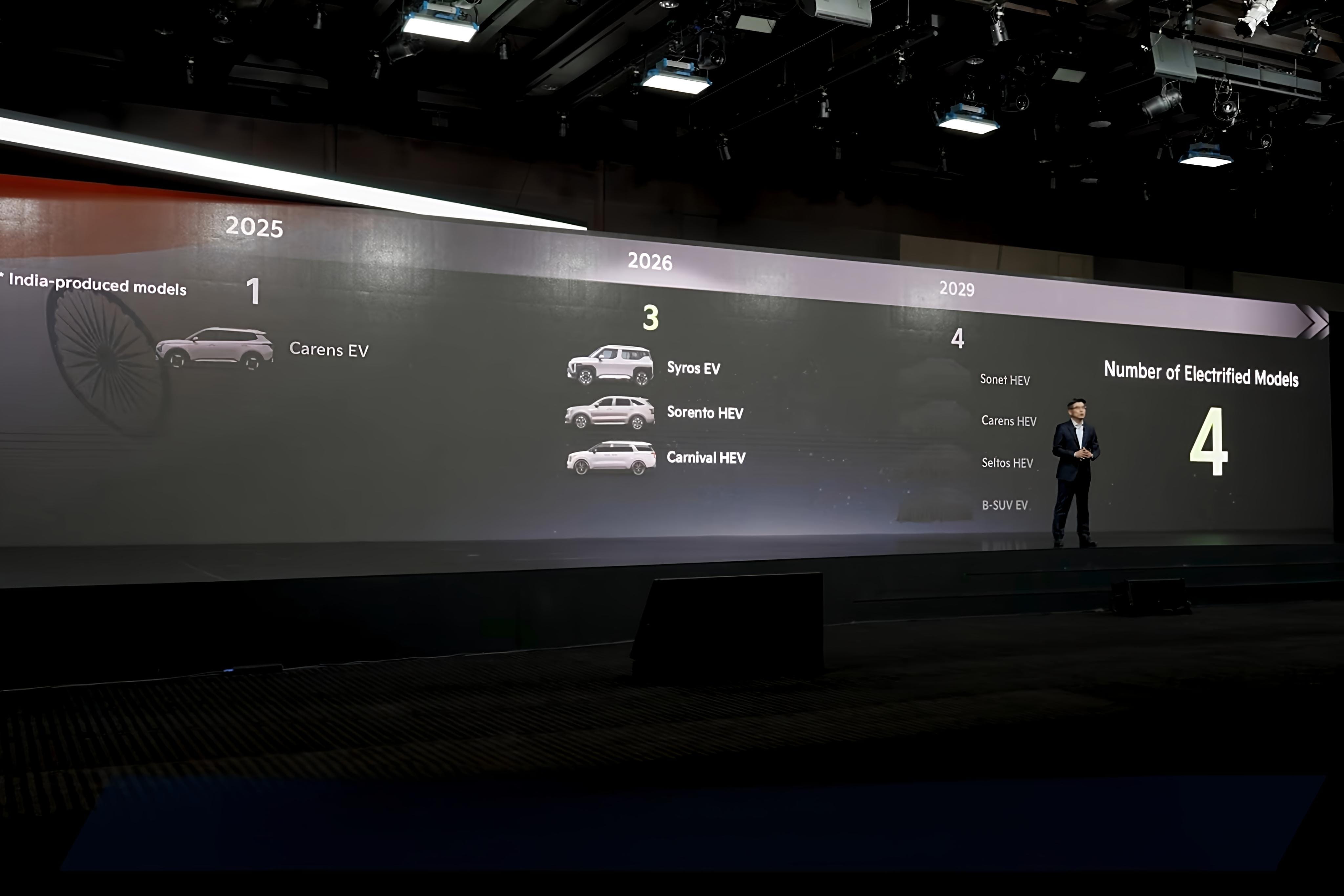
At its 2026 CEO Investor Day event, Kia President and CEO Ho Sung Song confirmed that the Sonet and Carens Clavis will have hybrid powertrains in India by 2029. Additionally, the Korean carmaker also announced that it will introduce a locally developed B-segment electric SUV. “From 2027 onward, we will extend hybrid electric vehicle (HEV) offerings to key local models such as the Sonet, Carens and Seltos, while introducing a locally developed B-SUV EV,” said Song. 

  1. Sonet and Carens Clavis hybrids to arrive on next-gen versions. 
  2. Locally developed and made B-segment SUV to be all-electric.
  3. Carnival and Sorento hybrids to arrive this year.

Kia Sonet, Carens Clavis hybrid: Additional details

Kia’s most affordable model, the Sonet, is due for a next-generation update in 2027, and it will receive a hybrid powertrain by 2028 or 2029. Exact technical details are unknown at the moment, but the carmaker has been working on a strong-hybrid powertrain for the Sonet, as we previously reported.

The second-generation Sonet will move to the K1 platform, which underpins the Venue and Syros currently. This platform will not only be hybrid-compatible but also support the latest electrical and electronics (E&E) architecture, enabling over-the-air updates and remote diagnostics, while also addressing the lack of rear seat space in the current version. 

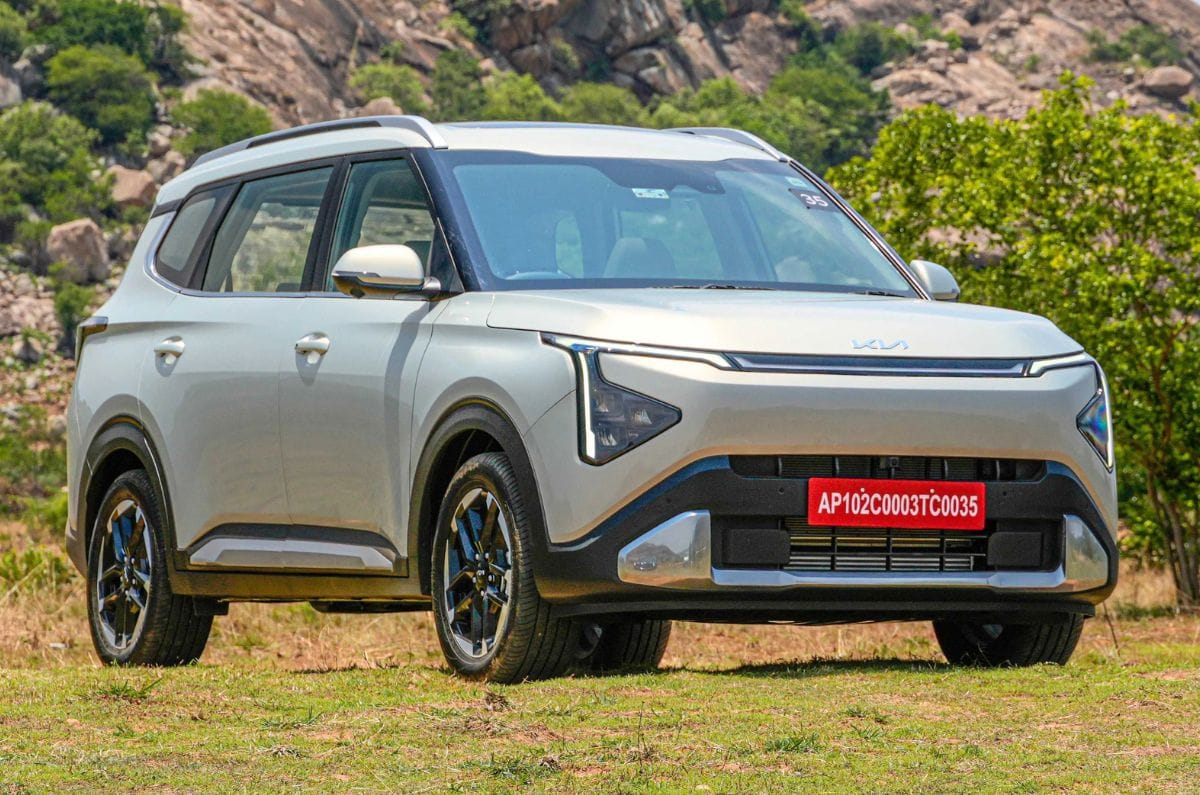
Current Kia Carens Clavis used for representation.

The Kia Carens Clavis MPV will also get a hybrid powertrain in its next-generation version by 2029. Currently, the MPV is offered in naturally aspirated petrol, turbo-petrol, diesel, and all-electric powertrains. However, it is expected to utilise the Seltos’ hybrid setup, which is due in 2027. Our sources suggest that the Seltos hybrid is expected to be based on the existing 115hp, 1.5-litre naturally aspirated engine.

Kia B-segment electric SUV: Additional details 

Previously, we reported that Kia has been evaluating a B-segment SUV, and we have now learnt that it will be electric. Secondly, the SUV will be developed and made locally. Specifications of this model are yet to be finalised. We expect this model to slot in between the Syros and Seltos, likely measuring around 4.2 metres in length. It will be Kia’s contender in the growing midsize electric SUV space.

Kia Carnival hybrid: Additional details 

Global-spec Carnival hybrid used for representation

Kia has also confirmed that the Carnival hybrid is set for a launch sometime this year. While exact technical details remain unknown, the global-spec Carnival strong-hybrid is powered by a 1.6-litre turbo-petrol engine paired with a hybrid system. It develops a combined output of 242hp and 367Nm, while power is sent to the front wheels via a 6-speed automatic gearbox.

By 2030, the Korean carmaker plans to expand its lineup to ten models comprising ICE, hybrid and EV-powered models. Out of these, eight models will be electrified, Song stated.

Mutual Funds: सोने ने दिया 9% रिटर्न, फिर भी निवेशकों ने इन फंड्स में लगाए ₹1.40 लाख करोड़

Mutual Funds: जुलाई 2026 में सोने ने करीब 9% का रिटर्न दिया। इसके बावजूद भारतीय निवेशकों ने सबसे ज्यादा भरोसा मनी मार्केट फंड्स पर जताया। Vallum Capital की अगस्त 2026 की Monthly Macro Grid Chartbook के मुताबिक, जुलाई में इन फंड्स में 1.40 लाख करोड़ रुपये का निवेश आया। दिलचस्प बात यह है कि जून में इसी कैटेगरी से 65,530 करोड़ रुपये निकल गए थे।

सिर्फ मनी मार्केट फंड ही नहीं, फिक्स्ड इनकम फंड्स में भी वापसी देखने को मिली। जुलाई में इनमें 5,947 करोड़ रुपये का निवेश आया, जबकि जून में 53,006 करोड़ रुपये की निकासी हुई थी। दूसरी तरफ, सोने की कीमत बढ़ने के बावजूद प्रेशियस मेटल फंड्स में निवेश घटकर 4,084 करोड़ रुपये रह गया, जो जून में 8,680 करोड़ रुपये था।

SIP में लगातार बढ़ रहा निवेश

सुरक्षित निवेश की तरफ झुकाव का मतलब यह नहीं था कि निवेशकों ने शेयर बाजार से दूरी बना ली। Franklin Templeton India की रिपोर्ट के मुताबिक, जुलाई में SIP योगदान 12% बढ़कर 31,961 करोड़ रुपये पहुंच गया। वहीं SIP खातों की संख्या भी 12.5% बढ़कर 10.63 करोड़ हो गई।

हालांकि, औसत मासिक SIP योगदान में मामूली गिरावट आई। यह 3,012 रुपये से घटकर 3,007 रुपये रह गया।

म्यूचुअल फंड इंडस्ट्री ने बनाया नया रिकॉर्ड

जुलाई में म्यूचुअल फंड इंडस्ट्री का कुल एसेट्स अंडर मैनेजमेंट (AUM) बढ़कर रिकॉर्ड 85.8 लाख करोड़ रुपये पहुंच गया। इस दौरान इक्विटी फंड्स का AUM 15.3% बढ़कर 38.40 लाख करोड़ रुपये हो गया। वहीं पैसिव फंड्स का AUM सालाना आधार पर 24% से ज्यादा बढ़ा।

सबसे ज्यादा पैसा कहां गया?

इक्विटी फंड्स के भीतर भी निवेशकों की पसंद साफ नजर आई। स्मॉलकैप फंड्स में जुलाई के दौरान 7,768 करोड़ रुपये आए, जबकि मिडकैप फंड्स में 6,192 करोड़ रुपये का निवेश हुआ। Vallum Capital के मुताबिक, जुलाई में माइक्रोकैप शेयर 4.6% और स्मॉलकैप शेयर 2.8% चढ़े।

निवेशकों ने क्यों सुरक्षित विकल्प चुने?

डेटा बताता है कि जुलाई में निवेशकों ने सिर्फ सबसे ज्यादा रिटर्न देने वाली एसेट क्लास का पीछा नहीं किया। एक तरफ SIP और इक्विटी में निवेश जारी रहा, तो दूसरी तरफ बड़ी रकम मनी मार्केट और फिक्स्ड इनकम फंड्स में गई। इससे साफ है कि निवेशक बेहतर रिटर्न के साथ-साथ लिक्विडिटी और कम जोखिम वाले विकल्पों को भी प्राथमिकता दे रहे थे।

Vallum Capital का कहना है कि जुलाई में सोने की तेजी की बड़ी वजह अमेरिका की उम्मीद से कमजोर जॉब्स रिपोर्ट रही। इससे फेडरल रिजर्व की अगली ब्याज दर बढ़ोतरी की उम्मीद कुछ कमजोर पड़ी। साथ ही अमेरिकी ट्रेजरी यील्ड में नरमी ने भी सोने की कीमतों को सहारा दिया।

SBI खाताधारकों को बड़ा झटका! 1 अक्टूबर से बैंक से कैश निकालना होगा महंगा, जानें ये नया नियम

Disclaimer: यहां दी गई जानकारी सिर्फ सामान्य जागरूकता के लिए है। किसी भी निवेश, लोन, टैक्स, बीमा या दूसरे वित्तीय फैसले लेने से पहले संबंधित एक्सपर्ट्स से सलाह जरूर लें। मनीकंट्रोल किसी भी फाइनेंशियल प्रोडक्ट या सर्विस की सिफारिश नहीं करता।

BWF World Championship में पहली बार हुआ गोल्डन प्वाइंट, पर मेजबान भारत के खिलाफ

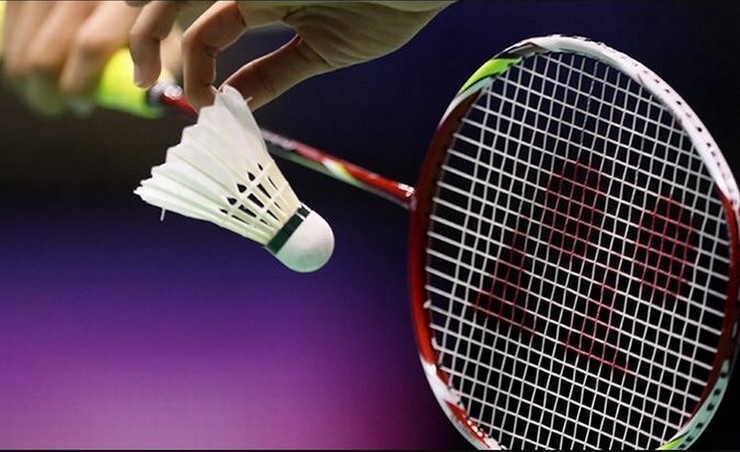
Badminton tournament

इंदिरा गांधी इंडोर स्टेडियम में चल रही बीडब्ल्यूएफ वर्ल्ड चैंपियनशिप में यह पहला मौका है, जब कोई गेम गोल्डन पॉइंट तक पहुंचा है। अशित सूर्या और अमृता प्रमुतेश की भारतीय जोड़ी एमरे सोनमेज़ और यास्मीन बेक्तास से 71 मिनट चले रोमांचक मुकाबले में 21-16, 29-30, 22-24 से हार गयी।पहला गेम आसानी से जीतने के बावजूद, भारतीय जोड़ी दूसरा गेम गोल्डन पॉइंट में हार गयी और निर्णायक गेम में मैच अपने नाम नहीं कर सकी।

क्या होता है गोल्डन प्वाइंट?

इस वर्ल्ड चैंपियनशिप में यह पहला मौका है, जब कोई गेम गोल्डन पॉइंट तक पहुंचा है। दूसरे गेम में भारतीय जोड़ी तुर्की की जोड़ी को कड़ी टक्कर दे रही थी और दोनों जोड़ियां बारी-बारी से पॉइंट जीत रही थीं। जब कोई भी जोड़ी गेम जीतने के लिए जरूरी दो पॉइंट की बढ़त नहीं बना पायी, तो गोल्डन पॉइंट का नियम लागू हुआ। गोल्डन पॉइंट तुरंत उस गेम के विजेता (30-29) का फैसला करता है, और दो पॉइंट की बढ़त वाले सामान्य नियम को दरकिनार कर देता है।

तुर्की की जोड़ी गोल्डन पॉइंट में सफल रही और दूसरा गेम जीतकर मैच में वापसी की। आखिरकार उन्होंने निर्णायक गेम 24-22 से जीता। गोल्डन पॉइंट का एक मशहूर उदाहरण है ऑल इंग्लैंड 2021 फ़ाइनल में विक्टर एक्सेलसन के ख़िलाफ़ ली जी जिया की जीत। उन्होंने पहला गेम 30-29 से जीता और फिर निर्णायक गेम 21-9 से जीतकर खिताब अपने नाम किया था।

दो टीमों के हटने के बाद रिज़र्व लिस्ट से इन नये खिलाड़ियों को आख़िरी समय में एंट्री मिली थी। जब उन्हें इस कन्फर्मेशन के बारे में पता चला, तो वे एक स्टेट चैंपियनशिप खेल रहे थे। अशित ने कहा, “हम स्टेट चैंपियनशिप खेल रहे थे और अब हम यहां हैं। यह हमारे लिए किसी सपने के सच होने जैसा है।”

भारतीय जोड़ी ने कहा, “यह हमारे लिए एक स्प्रिंगबोर्ड (आगे बढ़ने का ज़रिया) का काम करेगा। हमें उम्मीद है कि हम इससे और बेहतर होंगे।”अशित ने कहा, “यह हमारे लिए एक कड़ा मुक़ाबला था। हमने पहला गेम जीता और आत्मविश्वास के साथ आगे बढ़े। लेकिन हम सडन डेथ पॉइंट नहीं जीत पाये।” अमृता ने कहा कि यह अनुभव भविष्य के टूर्नामेंट में उनकी मदद करेगा। उन्होंने कहा, “हम यह सीखेंगे कि जब मौका मिले तो मैच पॉइंट कैसे जीतें। आख़िर तक मैच को खींचने का कोई फ़ायदा नहीं है।”


कल का मौसम: 20 अगस्त को इन 15+ राज्यों में होगी आफत की बारिश! हिमाचल से यूपी-बिहार तक IMD का अलर्ट जारी, ऐसा रहेगा वेदर

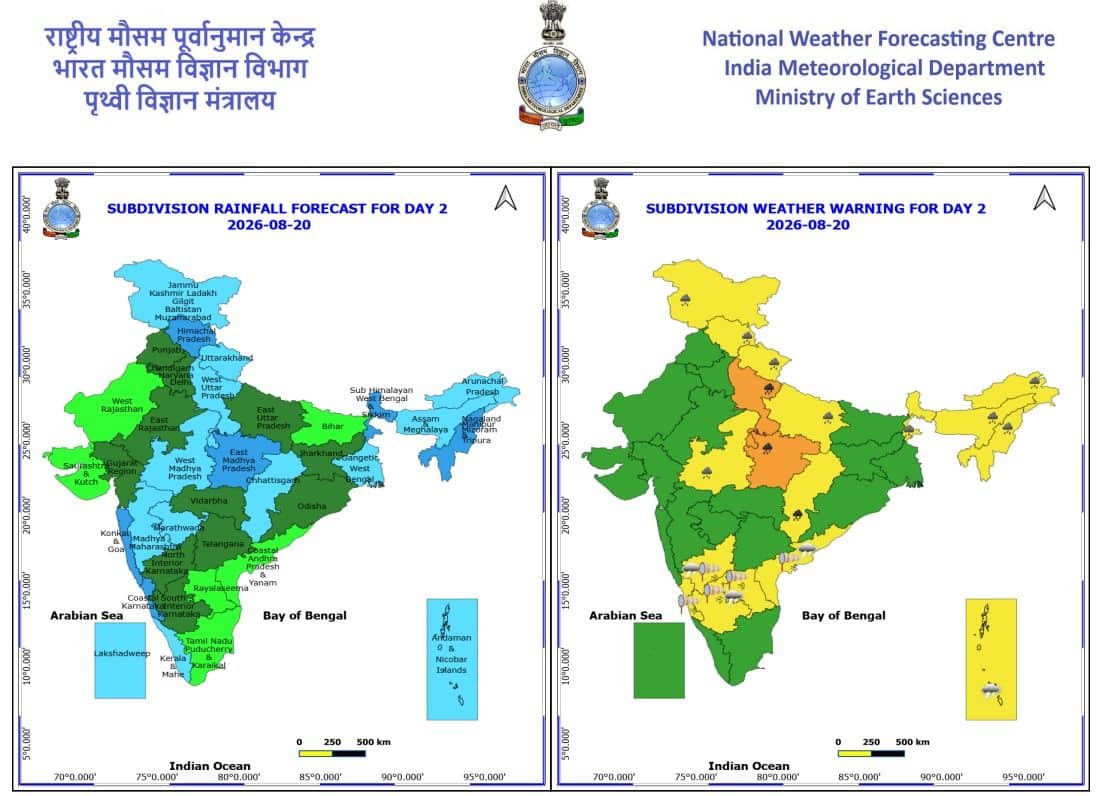
India Weather Update: देश के कई हिस्सों में मानसूनी बारिश ने विकराल रूप धारण कर रखा है। इस बीच भारत मौसम विज्ञान विभाग (IMD) ने 20 अगस्त के लिए मौसम का डिटेल्ड पूर्वानुमान जारी कर दिया है। IMD के मुताबिक 15 से भी अधिक राज्यों में भारी बारिश, तेज हवाओं और आंधी-तूफान की आशंका है। उत्तर भारत के पहाड़ी इलाकों से लेकर मध्य भारत के मैदानी इलाकों और पूर्वोत्तर राज्यों तक बारिश का दौर बेहद आक्रामक रहने वाला है। कई राज्यों में मूसलाधार बारिश के चलते आम जनजीवन प्रभावित होने की आशंका जताई गई है। इसे लेकर लोगों को सतर्क रहने की सलाह दी गई है।

मौसम विभाग के बुलेटिन के मुताबिक 20 अगस्त को देश के तीन प्रमुख राज्यों में मौसम का सबसे ज्यादा रौद्र रूप देखने को मिल सकता है। मध्य प्रदेश के पूर्वी हिस्से, छत्तीसगढ़ और पश्चिमी उत्तर प्रदेश में अलग-अलग जगहों पर भारी से बहुत भारी बारिश होने की पूरी संभावना है।

पहाड़ी राज्यों और पूर्वोत्तर भारत में भारी बारिश का अलर्ट

उत्तर भारत के पहाड़ी क्षेत्रों में मौसम के तल्ख तेवर जारी रहेंगे। हिमाचल प्रदेश, उत्तराखंड और जम्मू-कश्मीर-लद्दाख के अलग-अलग इलाकों में 20 अगस्त को भारी बारिश की चेतावनी दी गई है। पहाड़ों पर होने वाली इस बारिश से भूस्खलन और चट्टानें खिसकने का खतरा बना रहेगा। इसके अलावा पश्चिमी मध्य प्रदेश, पूर्वी उत्तर प्रदेश और उप-हिमालयी पश्चिम बंगाल और सिक्किम में भी अलग-अलग स्थानों पर भारी बारिश दर्ज की जा सकती है।

पूर्वोत्तर भारत के राज्यों में भी मानसूनी बारिश कहर बरपाने को तैयार है। मौसम विभाग ने अरुणाचल प्रदेश, असम, मेघालय, नागालैंड, मणिपुर, मिजोरम और त्रिपुरा में 20 अगस्त को अलग-अलग जगहों पर मूसलाधार बारिश का अनुमान जताया है। इन राज्यों में बारिश के साथ-साथ कई जगहों पर बिजली चमकने और बादलों की तेज गड़गड़ाहट भी देखने को मिलेगी।

बिहार, झारखंड और दक्षिण भारत में आंधी-तूफान और कड़कती बिजली का साया

20 अगस्त को देश के बड़े हिस्से में आंधी-तूफान और बिजली कड़कने का गखतरा मंडरा रहा है। बिहार, झारखंड, पश्चिम बंगाल, सिक्किम, पूर्वी राजस्थान, मध्य प्रदेश, केरल व माहे, तटीय कर्नाटक, दक्षिण आंतरिक कर्नाटक, तमिलनाडु, पुडुचेरी, कराईकल और तेलंगाना के अलग-अलग हिस्सों में बिजली कड़कने के साथ 30 से 40 किलोमीटर प्रति घंटे की रफ्तार से तेज हवाएं चलने की संभावना जताई गई है।

अंडमान और निकोबार द्वीप समूह, आंध्र प्रदेश और उत्तर आंतरिक कर्नाटक में मौसम और भी ज्यादा उग्र रह सकता है। इन क्षेत्रों में बिजली गिरने की घटनाओं के साथ 40 से 50 किलोमीटर प्रति घंटे की तेज रफ्तार से झोंकेदार हवाएं चल सकती हैं। इसके अलावा छत्तीसगढ़, मध्य महाराष्ट्र, मराठवाड़ा, उत्तराखंड, जम्मू-कश्मीर, अरुणाचल प्रदेश, असम, मेघालय और नागालैंड-मणिपुर के विभिन्न इलाकों में भी सिर्फ बिजली चमकने की चेतावनी जारी की गई है।

तेज हवाओं का प्रकोप और समुद्र में मछुआरों के लिए चेतावनी

मैदानी और तटीय इलाकों में तेज हवाओं का जोर देखने को मिलेगा। आंध्र प्रदेश और कर्नाटक के कई स्थानों पर दिनभर तेज सतही हवाएं चलने का अनुमान है। समुद्र में बन रहे मौसमी दबाव के कारण मछुआरों को गहरे पानी में न जाने की सख्त हिदायत दी गई है। अरब सागर में सोमालिया और ओमान के तटों के साथ-साथ पश्चिमी-मध्य, उत्तर-पश्चिम और पूर्व-मध्य अरब सागर के अधिकांश हिस्सों में 45 से 55 किलोमीटर प्रति घंटे की रफ्तार से तूफानी हवाएं चलेंगी।

kjhkj

इनकी स्पीड बढ़कर 65 किलोमीटर प्रति घंटे तक पहुंच सकती है। वहीं बंगाल की खाड़ी के क्षेत्र में मन्नार की खाड़ी, कोमोरिन क्षेत्र और दक्षिण श्रीलंका तट से सटे दक्षिण-पश्चिम बंगाल की खाड़ी में भी 45 से 55 किलोमीटर प्रति घंटे की गति से तूफानी हवाएं चलने और 65 किमी प्रति घंटे तक झोंके आने की आशंका जताई गई है।

ये भी पढ़ें- Bihar Highway Project: बिहार में ₹3,591 करोड़ से बनेगा फोरलेन हाईवे, 9,450 करोड़ रुपये की 4 रेल प्रोजेक्ट को कैबिनेट की मंजूरी

What Brazil’s 50-year ethanol experiment tells us

What Brazil’s 50-year ethanol experiment tells us
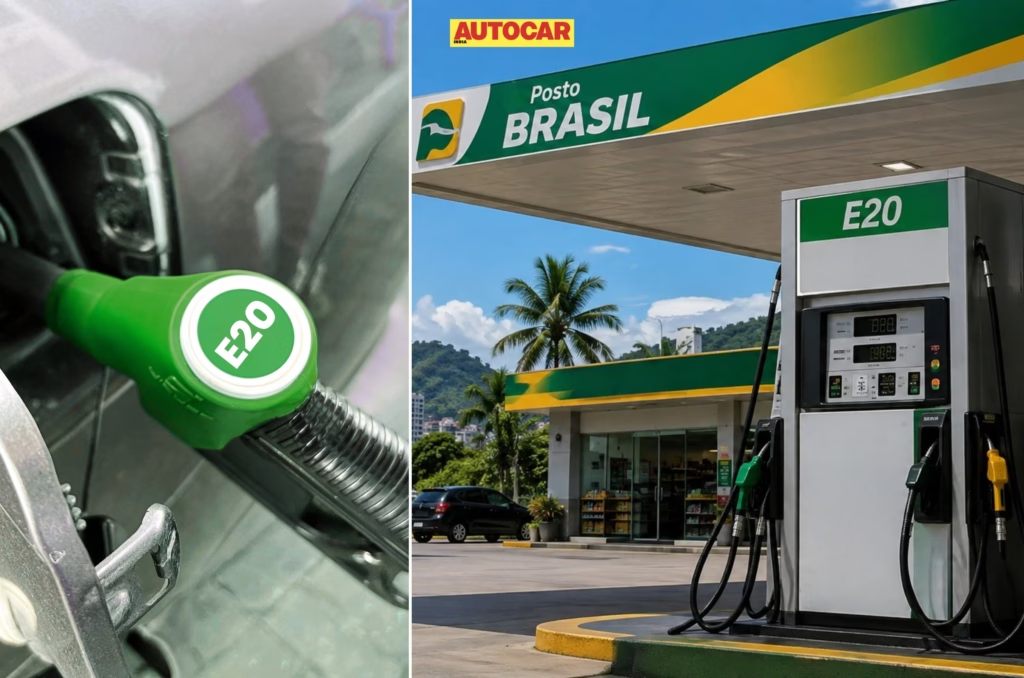
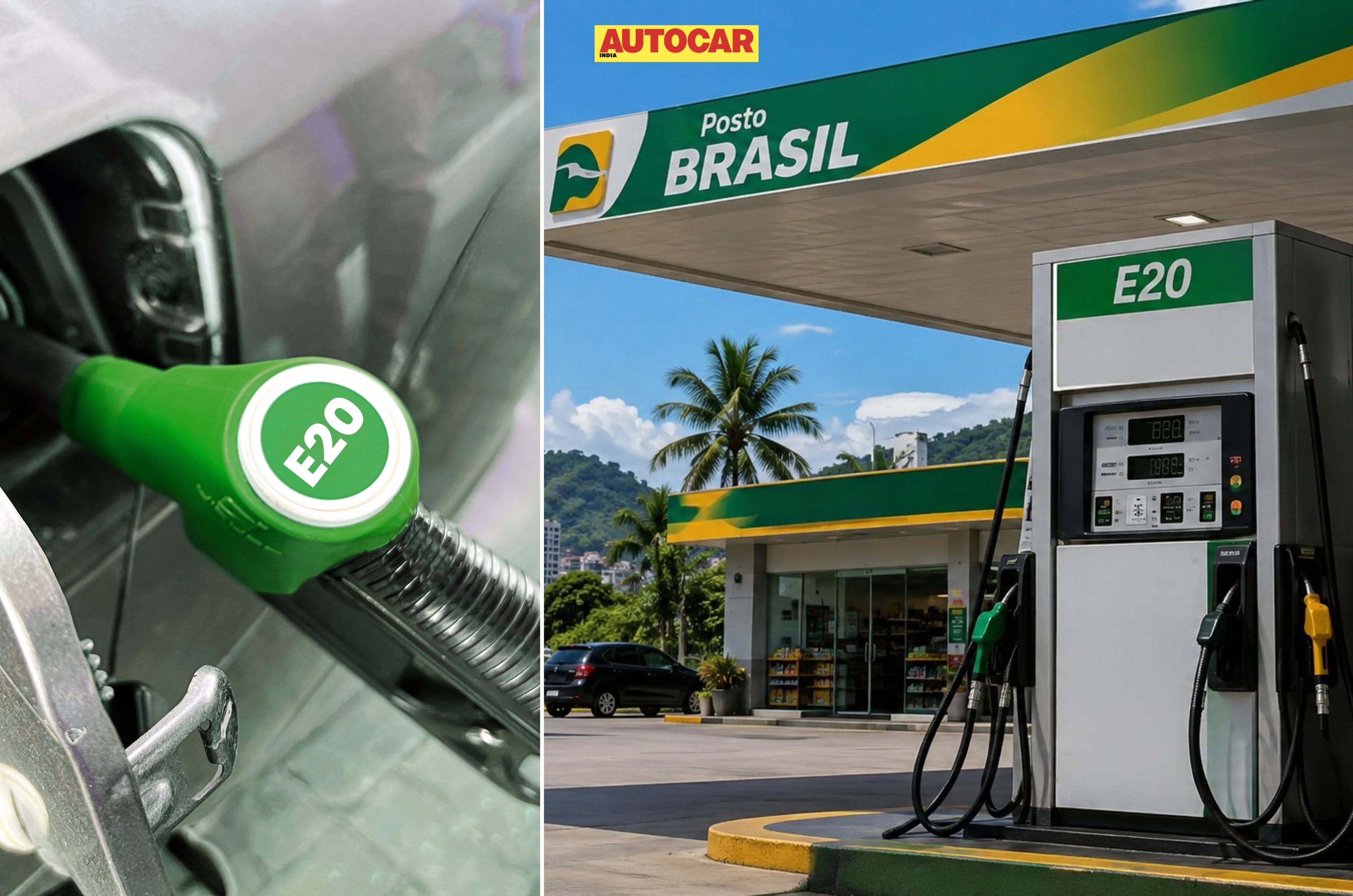
E20 fuel in Brazil

The forced introduction of E20 has set social media ablaze, with outraged car and bike owners complaining bitterly of damage to their vehicles and a drop in fuel efficiency. The anger isn’t irrational. The efficiency drop is real and, going by Autocar India’s own tests, larger than the figures the government itself has acknowledged. 

But while there’s no debate over the mileage penalty, the bigger fear is long-term damage to the vast majority of cars on our roads that are not E20-compliant. It’s a worry fanned by social media and by the way the government has handled the concern. Field trials conducted by the Automotive Research Association of India (ARAI) before the rollout reportedly found no major compatibility issues even in legacy vehicles. 

However, that report has never been made public, which has only deepened suspicion among car and bike owners. Most damaging of all was the Society of Indian Automobile Manufacturers (SIAM) formally flagging alarming levels of contamination in a letter it was later forced to publicly withdraw. Crucially, SIAM’s concern was contaminated fuel carrying worrying levels of chlorine, not the blend itself. That distinction has been lost in the noise, and it sits at the heart of the confusion, even panic, among customers fearing the worst.

So, is E20 the menace it is being made out to be, or is fuel contamination the bigger issue? The fact is, there is no workshop epidemic yet, though sceptics will argue it’s only a matter of time before engines start giving trouble. What social media is amplifying right now is the theoretical damage of a higher blend. That doesn’t make the concerns baseless, since long-term effects take years to show, but the truth is that panic and outrage are currently running well ahead of the evidence. Which makes it worth studying the one country that actually has the evidence, gathered over 50 years: Brazil.

The Brazil experience

If you think India’s leap from E10 to E20 was abrupt, consider what happened there. In November 1975, squeezed by the oil crisis and desperate to protect its foreign currency reserves, the Brazilian government launched Proalcool and shoved its motorists in at the deep end. “The blends with gasoline started at 20 percent. It went very soon up to 30 percent, and it was imposed by the government,” says Peter Gilbert, head of Operational Marketing and Customer Tech Services at Infineum Brazil, a fuel and lubricant additive specialist company whose business, it should be said, depends on ethanol-blended fuels working well. 

The documented history broadly bears him out, with one point worth noting: there was a brief low-blend ramp-up with E10, but that lasted roughly two to three years against the five decades of E20 and above since. Compare that with India, which took nearly two decades from its 2003 blending programme to reach E10. And like India, Brazil never kept an escape hatch. “There was no E0 when E20 was introduced,” says Gilbert, and there is none today: the mandated blend has since climbed through 25, 27 and 30 percent, and since August this year, all pumps in Brazil, including the super-premium ones, dispense E32.

But what is telling is the kind of cars running around on E20 in the late 1970s. Back then, cars were mainly carburetted with no fuel injection, no closed-loop control and no lambda sensors – machinery far cruder than even the oldest E10-era car on Indian roads today. So what broke?

According to Gilbert, remarkably little that could be pinned on E20 itself. “There weren’t any major issues reported,” he says. “There were issues related to the materials of the fuel system, the gaskets and the rubbers used at that time, but that has changed.”

His colleague Leandro Benvenutti, Infineum’s product manager for Latin America, says the trouble in 1970s and 1980s Brazil came almost entirely from dedicated alcohol cars running pure hydrous ethanol (E100), not from petrol cars on E20. “Everything we can remember from that time is related to these alcohol vehicles, not to the gasoline vehicles using E20,” he says. Carburettor corrosion, clogged jets, perished hoses and O-rings: all of it, in their experience, traced back to E100. “If there were problems in the other [non-flex fuel] vehicles, they were really not important at all.”

A caveat both experts volunteer: 1970s Brazil is not 2020s India, and the comparison is not like-for-like. “It’s difficult to correlate to vehicles today,” Gilbert admits. What the Brazilian record offers is not proof that nothing will go wrong here, but a large, long-running natural experiment in which the E20-specific damage everyone feared did not show up.

So what about India’s E10 cars?

Asked what he’d tell a worried Indian owner running an E10-era car on E20, Benvenutti replies, “There is no reason for panic. We don’t expect any immediate impact.” Note the word immediate. The honest answer regarding the long term is unknown, and to their credit, neither of Infineum’s experts pretends otherwise. Over years, rubber components in cars whose materials weren’t specified for E20 may embrittle sooner, and Benvenutti concedes older cars and motorcycles “may see issues with time”. But complicating the issue is attribution – what is due to ethanol and what is not. Rubber parts perish with pure petrol, too. 

Benvenutti recalls his father’s flex-fuel car whose fuel hose dried out and leaked after years of use. “Was that really caused by the ethanol, or was that something going to happen anyway after five or ten years?” If there is a cost to owners, in other words, it is most likely a shortened life for cheap parts such as hoses, gaskets and O-rings rather than failures of expensive ones. “The risk for the metal components, the hard components like valves, injectors and pumps, is much lower if you maintain this product within spec,” explains Gilbert. That last clause matters, and we’ll revisit it.

On material margins, Benvenutti is careful not to overclaim. He believes manufacturers build in buffers. “If I am developing an engine, I would prefer to keep some buffer,” he remarks but adds that he is not a materials specialist and that the buffer may mean a component lasting eight years instead of 10. Whether every manufacturer selling in India engineered that headroom is a question only the manufacturers can answer.

Calibration is key

The more concrete near-term issue isn’t corrosion. It’s calibration. E20 carries less energy per litre, so the engine management system must inject more fuel to keep the mixture correct. Most closed-loop systems that have been around since the move to BS-II fuel-injection in 2000 should easily adapt, but if an older car’s injectors or fuel-trim maps run out of adjustment range, the mixture runs lean. The tell-tale? “Probably the most impactful result will be a light on your cluster. You will see the malfunction indication light on,” says Benvenutti. If your check engine light comes on after the switch to E20, that’s your car telling you it can’t fully compensate. Whether yours will is a manufacturer-by-manufacturer, even model-by-model chance.

Then there is Brazil’s import experience, which is genuinely striking and even reassuring. European and Japanese cars homologated for E10 markets are sold in Brazil and run on E30, now E32, every day. “I haven’t seen any report on issues with those engines,” says Gilbert. And there is no exemption at the top of the market. With no E0 sold anywhere in the country, every Ferrari, Lamborghini and Porsche in Brazil fills up on E32; even the super-premium pumps dispense it. Ask whether a supercar owner can escape the blend, and the answer is emphatic. “No way,” says Benvenutti. 

Low volumes are no excuse to offer a special blend, unlike in India, where supercars have the safety net of a high-priced E0 premium fuel. Benvenutti points out that even a manufacturer bringing in a handful of sports cars must ensure the car is fit for the market’s fuel. “I would not imagine any OEM bringing one unit and selling it if that’s not prepared for that market.” The one genuine weak spot he flags concerns independent, grey-market imports, which arrive exactly as built for the European or Japanese market with no local adaptation. Much of ethanol’s impact is based on anecdotal data rather than any controlled study, but it is decades of anecdotes across millions of cars, from hatchbacks to hypercars.

How much evidence of ethanol impact is there?

Enough of it to take seriously. Start with a fact that rarely features in the Indian debate: Brazil is not a country of new cars. Punishing taxes on new vehicles and tight credit mean Brazilians hold on to their cars for a long time, and the tax system actively rewards them for doing so. Most states have long exempted the oldest cars from the annual IPVA vehicle tax, and a constitutional amendment now makes that exemption national for anything 20 years or older. The result, as per the Brazilian auto components association Sindipeças, is a fleet averaging over 11 years old, with 7.3 million vehicles past 16 years and some 220,000 past 25. Every one of them fills up on E27-to-E32 petrol because nothing else is sold. No doubt, much of this ageing fleet is flex-fuel, engineered from birth to drink anything up to E100, so their survival may seem overplayed, but only up to a point. 

Flex-fuel technology arrived in Brazil only in 2003 with the Volkswagen Golf, which means the country’s first two and a half decades on E20-and-higher blends were served entirely by ordinary petrol cars, and the earliest of those were designed for no ethanol whatsoever; the blend was simply imposed on them, which is exactly what’s happening in India today. The cars that predate the flex era and the imported non-flex cars still running on E32 haven’t seen a trend of ethanol casualties. There is no scrapyard full of ethanol victims; the old cars are still on the road.

Then there’s the formal testing. Before Brazil raised its mandate from E27 to E30 in August 2025, a working group under the country’s Ministry of Mines and Energy ran durability tests on vehicles representative of the national fleet. ANFAVEA, Brazil’s association of vehicle manufacturers (the counterpart to our SIAM), reported that the tests showed no adverse effects on engine durability or performance, with one telling condition attached: provided fuel quality standards are met. Independently, a year-long University of Nebraska-Lincoln study ran E30 in ordinary non-flex-fuel state government vehicles in the US and found no adverse effects either. None of this is a guarantee for every ageing car in India, but it is consistent, multi-source evidence that corroborates Infineum’s findings.

The dangerous C word 

So is the all-clear justified? Only conditionally, and the condition is the same one ANFAVEA attached: clean fuel made and blended to specification. And this is where India’s real problem appears to lie. If genuine damage is occurring in Indian fuel systems, the evidence points not to the ethanol blend but to what’s riding along with it: chloride contamination picked up during the production process and from storage tanks. SIAM’s now-withdrawn letter reported chloride levels of up to 500 ppm in samples from vehicle tanks and 350 ppm at retail outlets, figures the petroleum ministry has vehemently contested. Ministry officials say their own testing found high chlorine levels at just two pumps and that plastic sample containers had corrupted some tests and thrown up false readings. Yet, even a fraction of SIAM’s figures would dwarf the 3 ppm the ministry itself treats as the acceptable ceiling. 

Also, 3 ppm is only a guideline. India has yet to mandate BIS limits for chloride in fuel ethanol – something Brazil has enforced by law at 1 ppm for years. Chlorides corrode fuel pumps, injectors and valves regardless of whether a car was designed for E10 or E20, which is precisely why blaming the blend misdiagnoses the disease. The Brazilian experience, in short, largely acquits ethanol. It says nothing to acquit the fuel quality actually coming out of Indian pumps, and fixing that is a question of standards and enforcement, not of retreating to E10. 

The E20 debate, now thoroughly political, will no doubt rage on: the government and its agencies on one side, and on the other, opposition parties and a swarm of influencers and social media experts riding the outrage for popularity and views, but few of them have bothered to put an independent expert on record. The good thing is that science and first-hand experience – Brazil’s, in this case – take no sides. And that’s the side we are on.


7 improvements Skoda Slavia facelift gets over its predecessor

7 improvements Skoda Slavia facelift gets over its predecessor

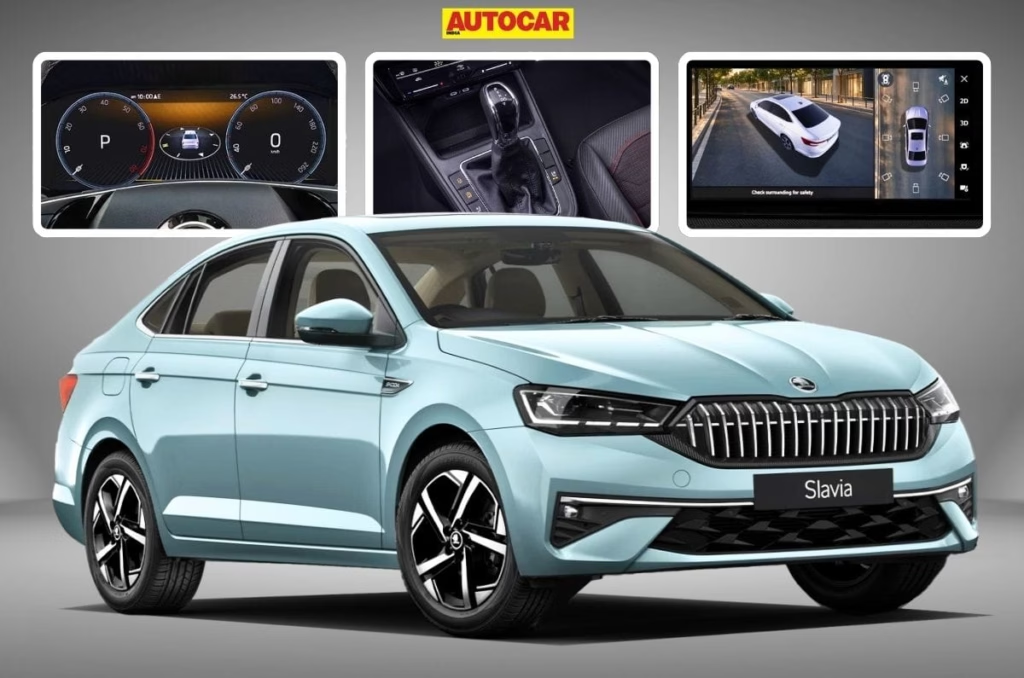
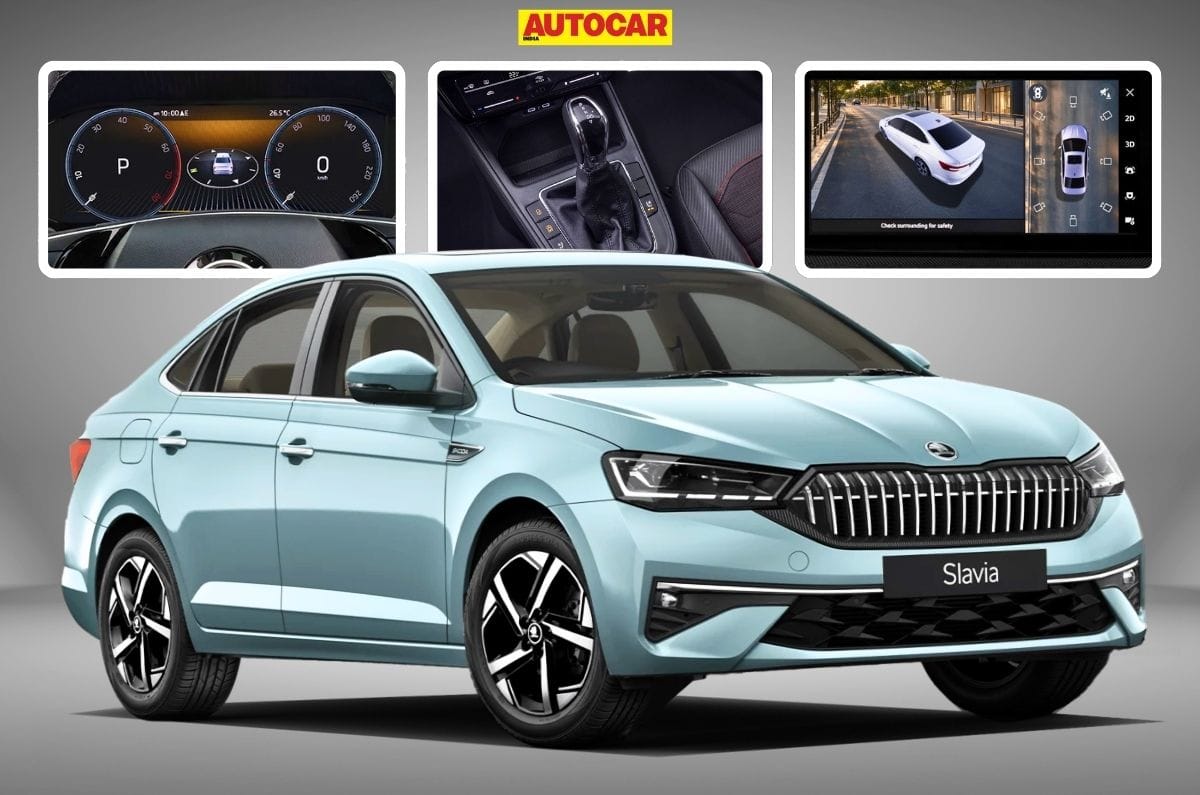
The Skoda Slavia has received its first facelift in India since its launch in 2021. The facelift has given it a slightly revamped exterior and interior design, while also introducing a new automatic gearbox and some comfort and convenience features. Here are all the improvements the new Skoda Slavia facelift offers.

New automatic transmission

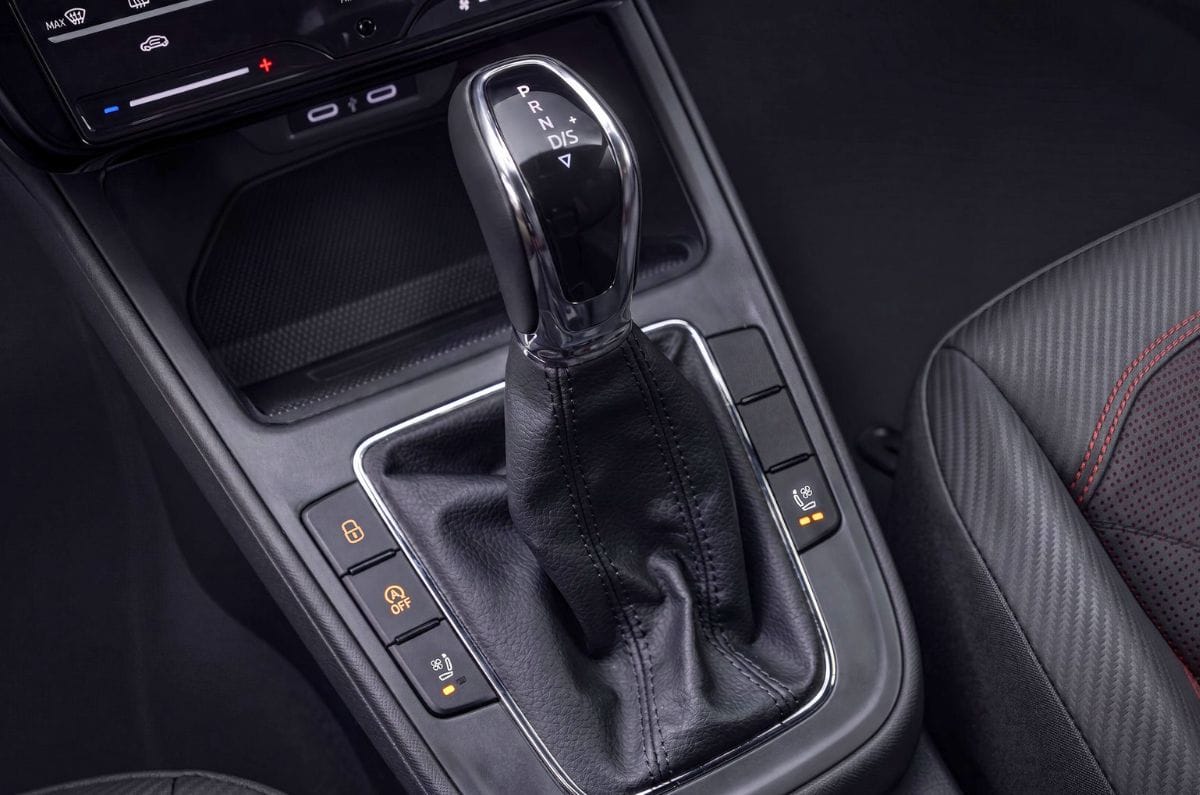
The 1.0L TSI engine Slavia facelift is offered with a new 8-speed AT

The Skoda Slavia facelift continues with the 115hp, 1.0-litre direct-injection turbo-petrol and the 150hp, 1.5-litre direct-injection turbo-petrol engines. However, the smaller engine is offered with a new 8-speed torque converter automatic transmission (AT) which replaces the predecessor’s 6-speed AT. The 1.0L TSI is also offered with a 5-speed manual transmission, while the larger 1.5L TSI engine gets a 7-speed dual-clutch automatic transmission (DCT) only. 

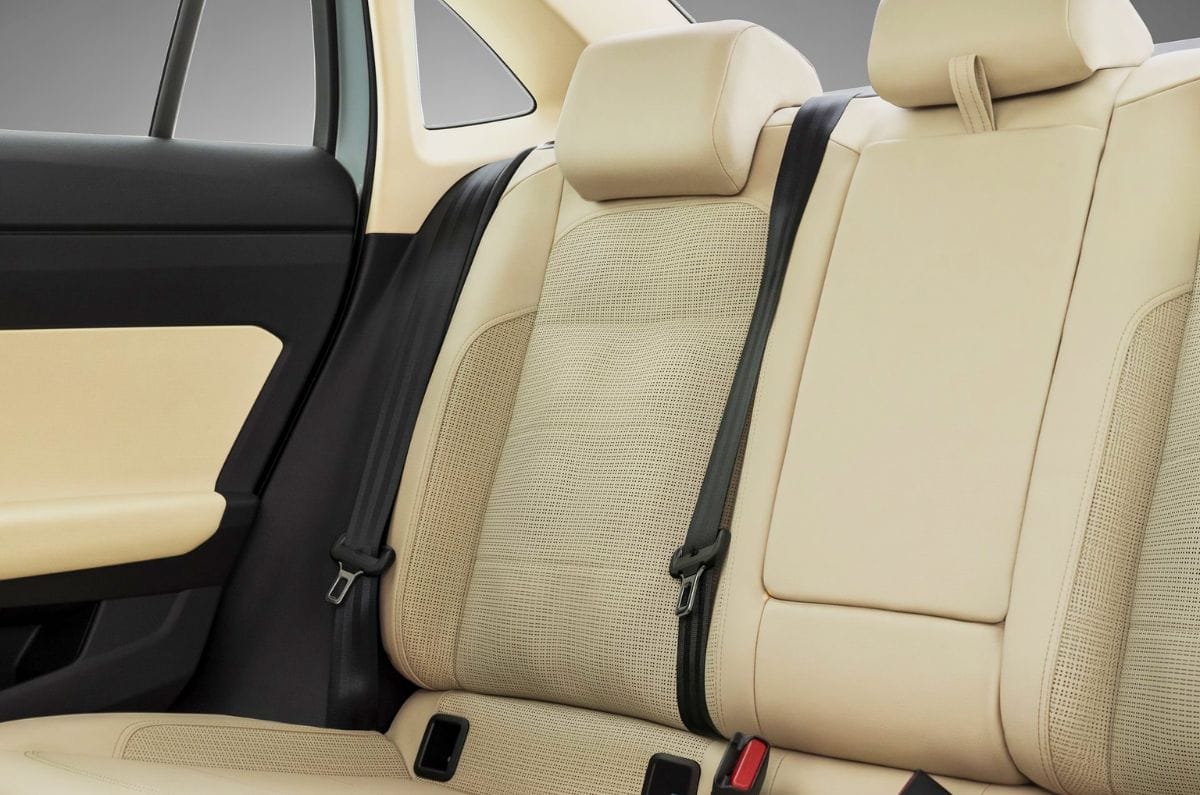
Rear seat massager

Top-spec Slavia facelift gets a massager on the rear outboard seats

A massage function has been added to the rear outboard seats of the Slavia facelift, making it the only sedan in its segment to offer such a feature. It borrows this rear seat massager feature from the Skoda Kushaq, which is also the only midsize SUV in India with such a feature. On the Slavia facelift, Skoda will be offering this feature on the top-spec Prestige and Monte Carlo trims.

Larger digital driver’s display

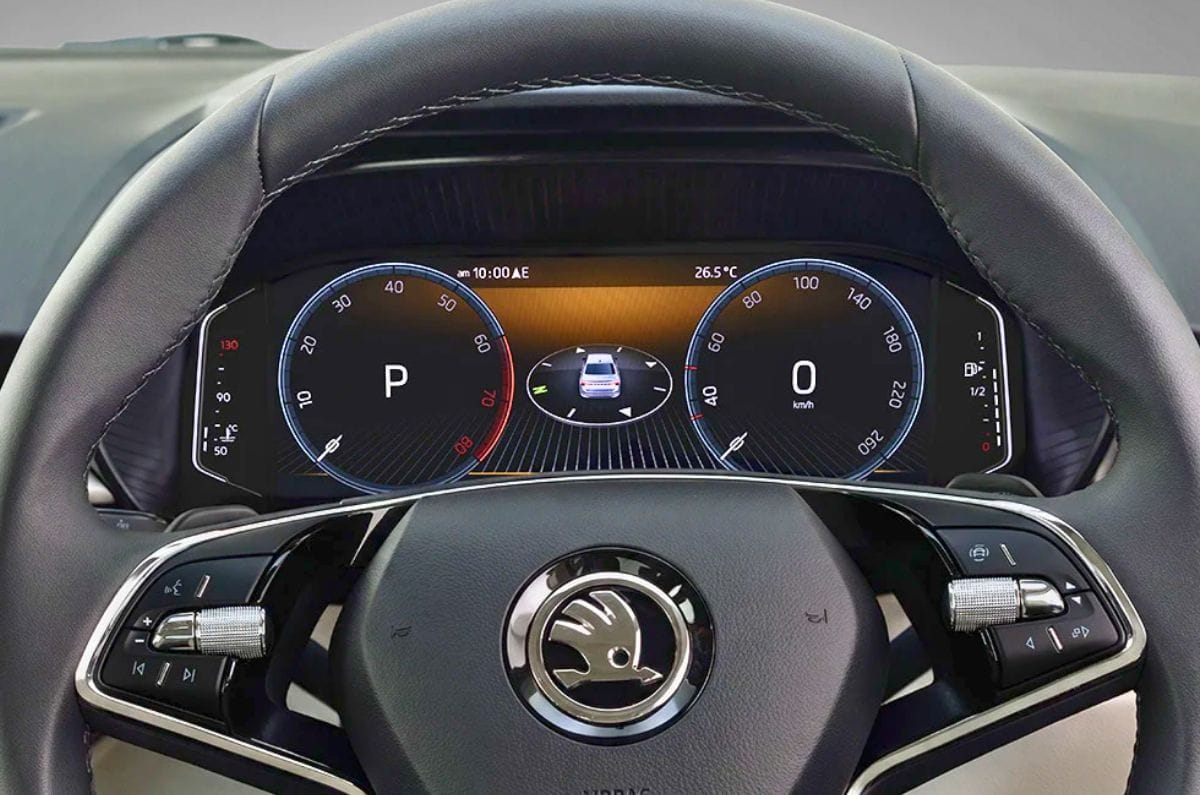
It gets a larger 10.25-inch digital driver’s display with the facelift

With the facelift, Skoda is replacing the predecessor’s 8-inch digital driver’s display, which featured massive bezels around it, with a newer 10.25-inch unit. This screen, along with showing the digital feed of the speedometer and tachometer, will also offer turn-by-turn navigation. However, the 10.25-inch driver’s display will be offered only on the Prestige and Monte Carlo trims, while the mid-spec Signature and Sportline will continue with the smaller 8-inch display, and the entry-spec Classic and Classic+ will sport analogue dials with a multi-information display (MID). 

New 360-degree camera and front parking sensors

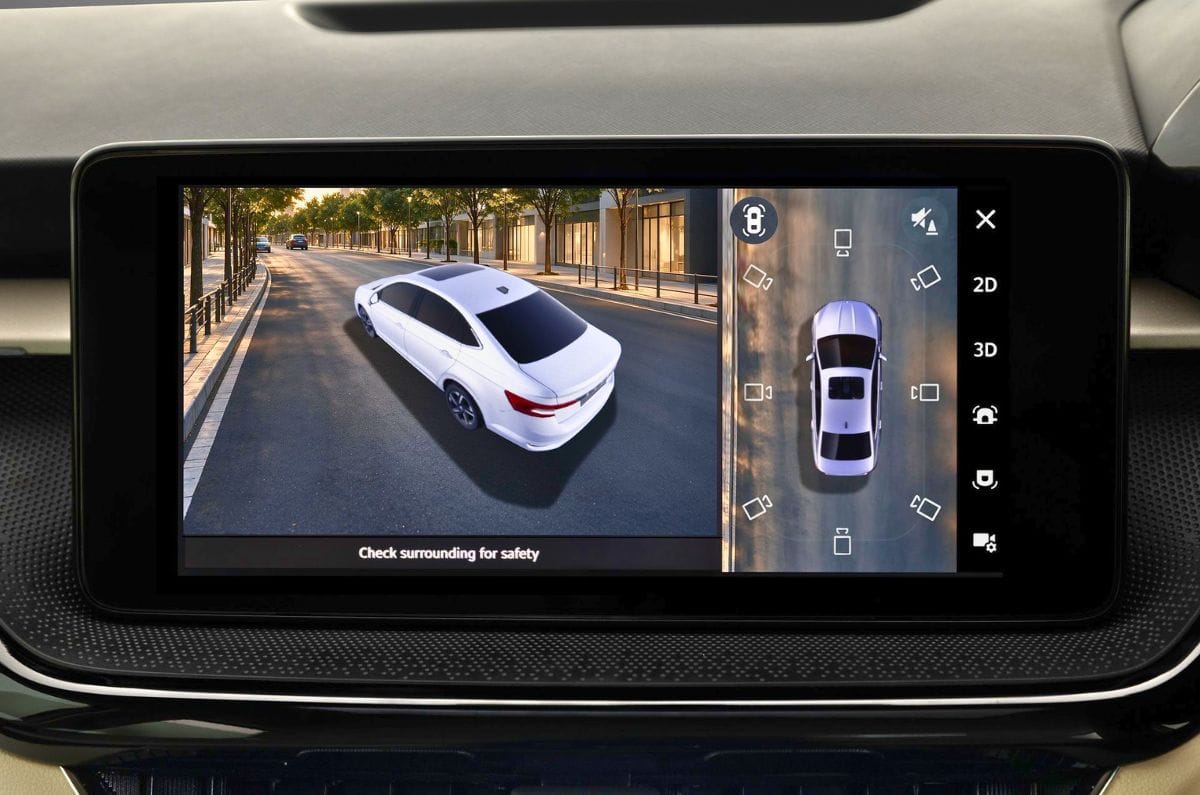
Skoda has yet to reveal which variants will be equipped with these new features

The Skoda Slavia facelift also gets a 360-degree camera and new front parking sensors in addition to the rear parking sensors, which are definitely expected to make navigating tight lanes and parking in tight spaces easier. However, Skoda has yet to reveal which variants these features will be offered in. 

Improved AC performance

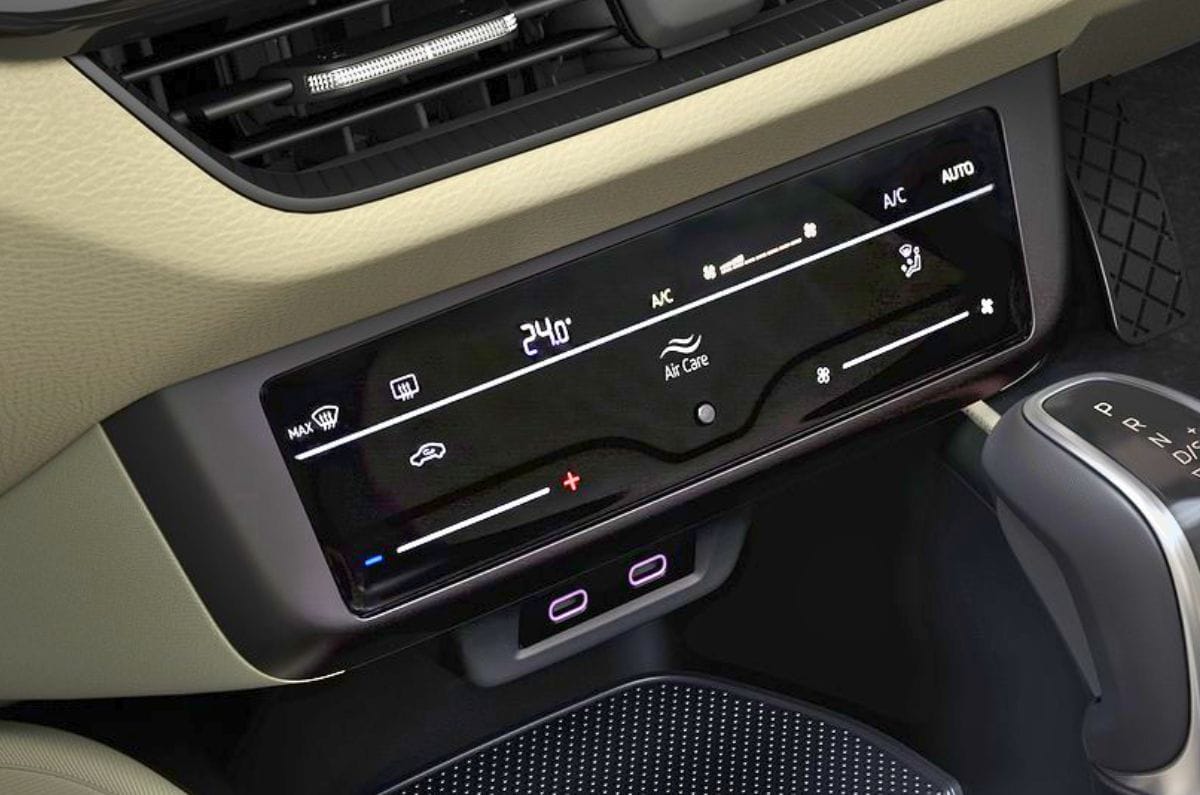
Skoda now uses a variable-geometry compressor to boost the AC performance

One of the major criticisms of the Slavia was the climate control performance, which the manufacturer claims to fix with the facelifted model. What Skoda has done is replace the previous model’s fixed-geometry AC compressor with a variable-geometry unit, thereby making the climate control more powerful than before.

Introduces a Google Cloud-based AI assistant 

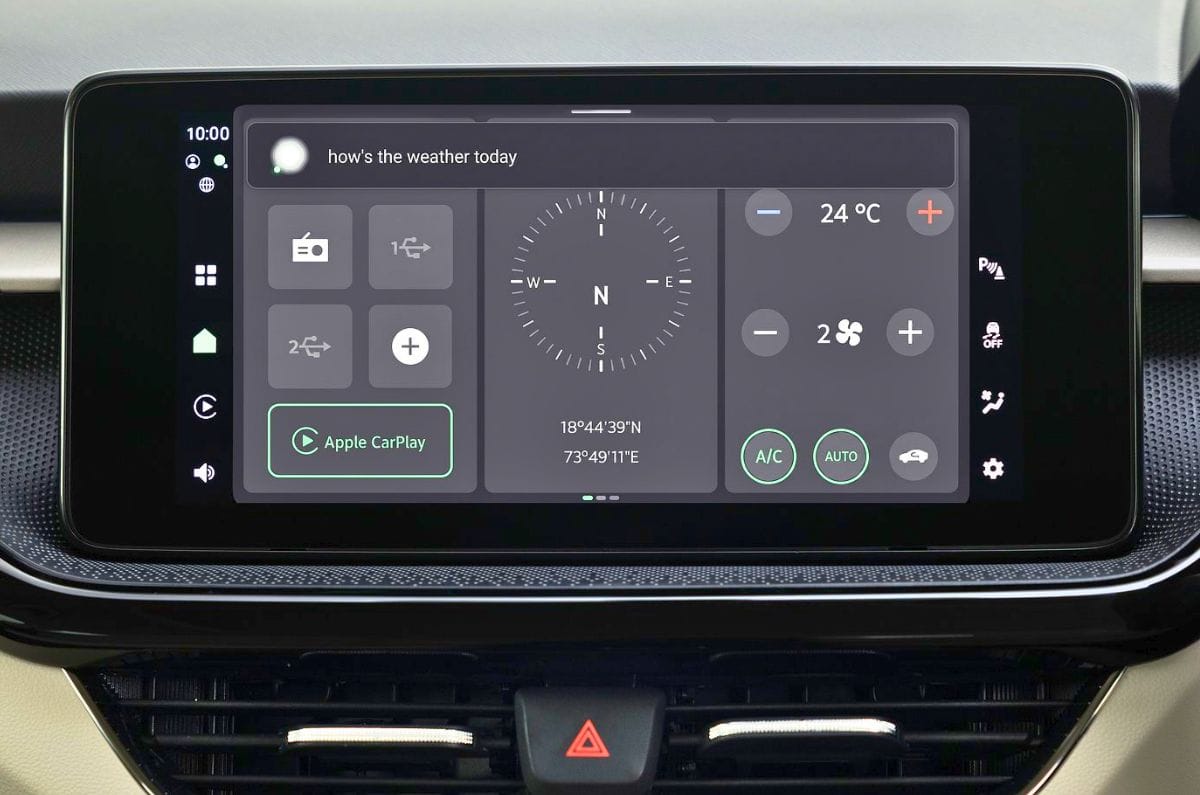
The AI assistant provides real-time information and enables hands-free controls

While the 10.1-inch touchscreen infotainment system is the same as before, it gets a more modern user interface and gets an AI companion powered by Google Cloud’s Automotive AI Agent. Skoda says that the AI assistant is “developed to recognise Indian English accents” and “provides real-time access to information via voice commands and enables hands-free control of music, calls, climate settings and other functions.”

New exterior lighting elements

Lighting elements in the DRLs, fog lamps and taillights have been revamped

Skoda Slavia facelift headlight
Skoda Slavia facelift taillight
 

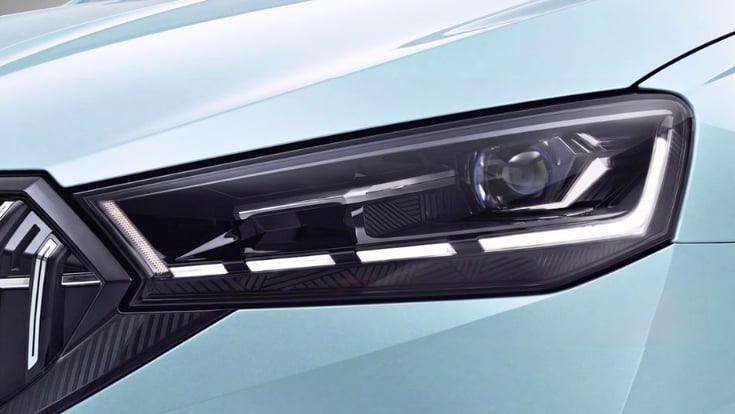
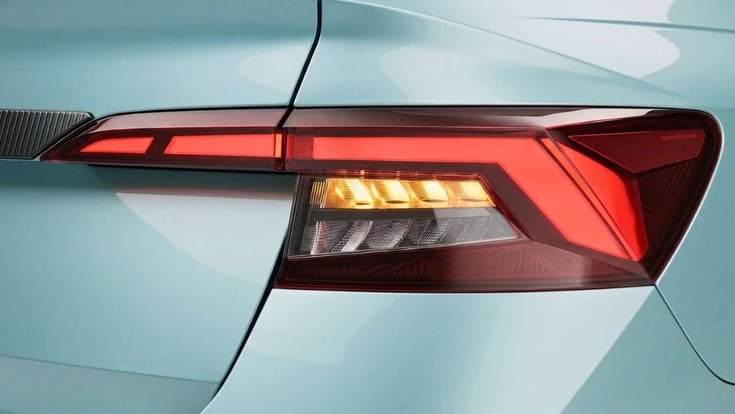
With the facelift, Skoda has made some design changes to the Slavia, including fresh lighting elements. At the front, the headlight housing is the same, but is offered with segmented LED DRLs. The front fog lamps have also been redesigned to have a pixel-like shape. Like the headlights, the taillight housing is the same as the older model, but it sports new LED elements that make it look sharper and more modern than before.

WTC Final की राह हुई आसान, शुभमन ने बोला कैसे भी करके खेलना है फाइनल

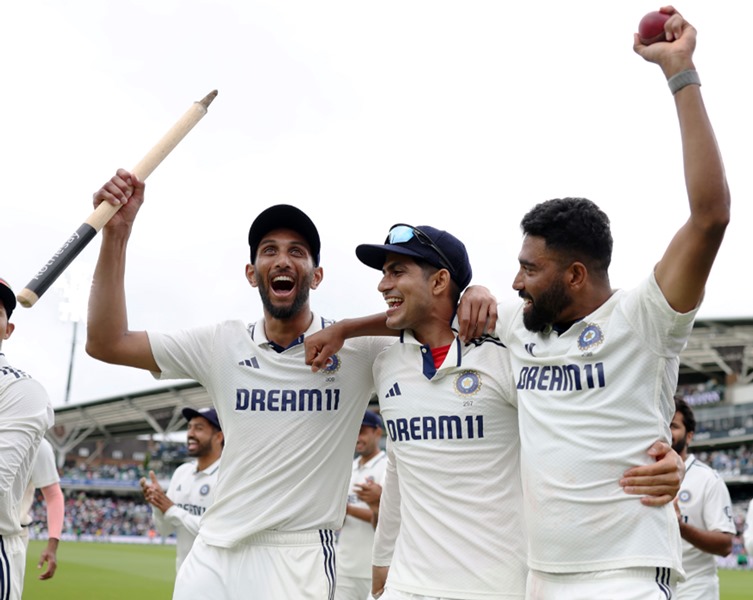
गॉल टेस्ट जीतने के बाद विश्व टेस्ट चैंपियनशिप अंक तालिका में पांचवे स्थान पर ठहरी टीम इंडिया के लिए खुश खबरी लाया है। हालांकि टीम को अभी एक लंबा रस्ता तय करना है लेकिन विश्व टेस्ट चैंपियनशिप खेलने की उम्मीद की किरण बाकी है।

भारतीय कप्तान इस जीत से खुश थे क्योंकि इससे कुछ हद तक दबाव कम हुआ, हालांकि भारत विश्व टेस्ट चैंपियनशिप में 53.33 प्रतिशत अंकों के साथ पांचवें स्थान पर बना हुआ है। भारत जल्द ही चौथे स्थान पर आ सकता है अगर कोलंबो टेस्ट वह जीत जाता है साथ ही ऑस्ट्रेलिया बांग्लादेश को दूसरे टेस्ट में हरा सकती है तो।

इस मैच से पहले भारत का जीत प्रतिशत 48 था और ऑस्ट्रेलिया का जीत प्रतिशत 83 था जो बांग्लादेश से हार के बाद 77 हो गया। हालांकि पिछले साल दक्षिण अफ़्रीका के ख़िलाफ़ घरेलू मैदान पर मिली 2-0 की हार ने भारत को मुश्किल स्थिति में डाल दिया है।60 अंक प्रतिशत तक पहुंचने के लिए भारत को बाक़ी 8 टेस्ट में 66 और अंक चाहिए।

इसका मतलब है छह जीत और दो ड्रॉ (80 अंक) या सात जीत (84 अंक)। इनमें से पांच टेस्ट ऑस्ट्रेलिया के ख़िलाफ़ होंगे, जिसके विरुद्ध भारत ने 2008 से अब तक घरेलू मैदान पर पिछली पांच सीरीज़ में 12-2 का रिकॉर्ड बनाया है।पिछले WTC चक्र में फ़ाइनलिस्ट टीमों का अंक प्रतिशत 69.44 (दक्षिण अफ़्रीका) और 67.54 (ऑस्ट्रेलिया) था।

6 जीत और दो हार भारत को 62.96 प्रतिशत तक ले जाएंगी, जबकि 7 जीत और 1 हार के साथ वह 68.52 प्रतिशत पर पहुंचेगा।यानी भारत के पास अब भी ग़लती की बहुत कम गुंजाइश बची है।

भारत की स्थिति पर एक नजर:

टेस्ट 10
जीत 5
हार 4
ड्रॉ 1
अंक प्रतिशत 53.15

आगामी सीरीज़:

श्रीलंका (विदेशी धरती पर) 1 टेस्ट
न्यूज़ीलैंड (विदेशी धरती पर) 2 टेस्ट
ऑस्ट्रेलिया (घरेलू धरती पर) 5 टेस्ट

त्रिकोणीय मुकाबले ने भारत को डाला मुश्किल में

न्यूजीलैंड अगर इंग्लैंड से 2-1 या 3-0 से टेस्ट सीरीज हार जाती तो भारत के फायदे की बात होती लेकिन न्यूजीलैंड ने इंग्लैंड को 2-1 से सीरीज हराकर भारत की स्थिति थोड़ी और मुश्किल कर दी है। फिलहाल मुकाबला 3 टीमों ऑस्ट्रेलिया, दक्षिण अफ्रीका और न्यूजीलैंड के बीच लग रहा है। भारत के लिए 8 में से जो 2 सबसे ज्यादा मुश्किल मुकाबले हैं वह न्यूजीलैंड के खिलाफ ही देखने को मिलेंगे। अन्य 6 में शायद भारत को उतनी मुश्किल ना हो क्योंकि श्रीलंका से भारत अभ्यास मैच और गॉल टेस्ट जीता है और ऑस्ट्रेलिया भारतीय धरती पर बोर्डर गावस्कर ट्रॉफी खेलेगी।

पहले शतक से मिला पहला मैन ऑफ द मैच, क्या बोले देवदत्त पड्डीकल

Devdutt Padikkal

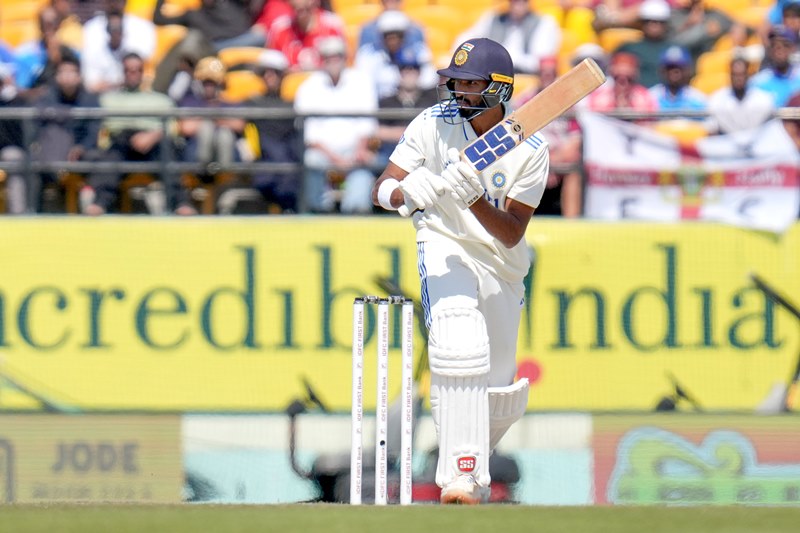
भारत की पहली पारी में 167 रन बनाने वाले और दूसरी पारी में 44 रनों की पारी खेलने वाले देवदत्त पड्डीकल को गॉल टेस्ट में मैन ऑफ द मैच का पुरुस्कार मिला। बॉर्डर गावस्कर टेस्ट सीरीज 2024 में टेस्ट डेब्यू करने वाले देवदत्त लंबे समय से टीम से बाहर थे और उनको सांई सुदर्शन की चोट के कारण मौका मिला था जो उन्होंने भुना लिया। देवदत्त का यह पहला टेस्ट शतक था जो उन्हें  मैन ऑफ द मैच का पुरुस्कार दे गया।

देवदत्त पडिक्कल ने कहा कि उन्होंने इस ख़ास पल का सपना देखा था।पडिक्कल ने कहा, ” मैंने इस पल का सपना देखा है। पिछले दो सालों से, मैं सच में बहुत मेहनत कर रहा हूँ ताकि जब मुझे वह मौका मिले, तो मैं ऐसा कुछ खास कर सकूँ, और मुझे ऐसा करके बहुत खुशी होती है।”

शुरुआत में स्पिन के खिलाफ उनके आक्रामक इरादे और निर्णायक फुटवर्क के बारे में पूछे जाने पर पडिक्कल ने कहा,”हाँ, मुझे लगता है कि हमने इस पर लंबी चर्चा की है, खासकर जब आप स्पिन खेल रहे हों, तो यह ज़रूरी है कि आपके दिमाग में कुछ प्लान हों। आप वहाँ जाकर हर समय रिएक्ट करने की उम्मीद नहीं कर सकते। यह ज़रूरी है कि आपके दिमाग में कुछ शॉट हों जिन्हें आप मैदान में उतरते ही खेलना चाहते हैं, ताकि आप बॉलर पर भी कुछ प्रेशर डाल सकें। तो, मुझे लगता है कि पिछले एक साल में, हमने अपनी ताकत में ऐसे तरीके खोजने की कोशिश की है जिन्हें आप सच में लागू कर सकें ताकि आप प्रेशर वापस डाल सकें।”

पडिक्कल ने साथ ही कहा, ”हाँ, बिल्कुल। मुझे लगता है कि जब आपको यह क्लैरिटी होती है कि आप क्या करना चाहते हैं, तो मुझे लगता है कि इससे आपके फुटवर्क में भी कॉन्फिडेंस आता है। मुझे लगता है कि मैं बस यह पक्का करना चाहता था कि मैं जो भी करूँ, उसमें 100% कमिटेड रहूँ। भले ही वह डिफेंसिव शॉट हो, मैं यह पक्का करना चाहता हूँ कि मैं उसे खेलने के लिए सच में कमिटेड रहूँ, इसलिए इससे मेरा फुटवर्क बहुत बेहतर हो गया।”

शतक को बड़े में बदलने की काबिलियत पर उन्होंने कहा, ”मुझे सच में लगता है, यह बस और रन बनाने की भूख है। मुझे बस वहाँ बैटिंग करने में मज़ा आता है, और जैसे ही आप 100 रन बनाते हैं, रिलैक्स करना और वह राहत महसूस करना आसान होता है। लेकिन मेरे लिए यह ज़रूरी है कि अगली 20-30 गेंदें सच में बहुत ज़रूरी फेज़ हों, जिसमें मैं यह पक्का करने की कोशिश करता हूँ कि मैं पूरी तरह से फोकस्ड रहूँ, पूरी तरह से वहाँ रहूँ। मुझे लगता है कि जब मैं 100 के बाद पहली 10 गेंदें पार कर लेता हूँ, तो मेरा काम बहुत आसान हो जाता है। और इतने सालों में, मैंने बहुत से क्रिकेटरों को बड़े रन बनाते, बड़े शतक बनाते देखा है, खासकर कर्नाटक में। इसलिए उन्हें बैटिंग करते देखकर मेरा भी मन करता है कि मैं भी वैसा ही करूँ।