Market Next Week: भारत से अमेरिका तक आ रहे ये आंकड़े, अगले हफ्ते तय करेंगे मार्केट की चाल

Market next week: 31 अगस्त से शुरू हो रहे अगले कारोबारी हफ्ते मार्केट की चाल मुख्य तौर पर जीडीपी के घरेलू आंकड़ों, कच्चे तेल के भाव और अमेरिका में गैर-कृषि पेरोल रिपोर्ट पर निर्भर करेगा। इसके अलावा एनालिस्ट्स के मुताबिक मैक्रोइकनॉमिक रिलीज, ऑटो सेल्स के आंकड़े और विदेशी निवेशकों की ट्रेडिंग एक्टिविटी भी आने वाले दिनों में बाजार की दिशा तय करेंगे। पिछले कारोबारी हफ्ते यानी 17-21 अगस्त के दौरान घरेलू इक्विटी बेंचमार्क इंडेक्सेज सेंसेक्स (Sensex) 276.32 प्वाइंट्स यानी 0.35% गिरा, तो निफ्टी (Nifty) 76.35 प्वाइंट्स यानी 0.31% नीचे आया। लगातार तीसरे हफ्ते ये लाल हुए।

Market next week: क्या कहना है एक्सपर्ट्स का?

रेलिगेयर ब्रोकिंग के सीनियर वाइस प्रेसिडेंट (रिसर्च) अजीत मिश्र का कहना है कि आने वाला कारोबारी हफ्ता काफी अहम रहने वाला है। जीडीपी के घरेलू आंकड़े और वैश्विक आर्थिक आंकड़े मार्केट की दिशा तय करने में अहम भूमिका निभा सकते हैं। भारतीय अर्थव्यस्था में बात करें तो जून 2026 तिमाही के आंकड़े 31 अगस्त को जारी होंगे। अजीत के मुताबिक निवेशकों की नजर अगस्त महीने के मैन्युफैक्चरिंग और सर्विसेज पीएमआई के आंकड़ों, जीएसटी कलेक्शंस, फॉरेन एक्सचेंज रिजर्व और रुपये की चाल पर भी रहेगी।

अजीत के मुताबिक सबसे बड़ा ट्रिगर तो अमेरिकी रोजगार का आंकड़ा रहेगा। 4 अगस्त को अगस्त के नॉन-फार्म पेरोल्स का आंकड़ा आएगा। अजीत का मानना है कि यग फेडरल रिजर्व के सितंबर महीने की मौद्रिक नीति, अमेरिकी डॉलर, ट्रेजरी यील्ड्स और एमर्जिंग मार्केट्स में फंड्स फ्लो से जुड़ी उम्मीदों पर असर डाल सकता है। विदेशी पोर्टफोलियो निवेशकों (FPIs) ने अगस्त में भारतीय इक्विटीज में अब तक ₹30,919 करोड़ का नेट निवेश किया है और लगातार दूसरे महीने उनकी नेट खरीदारी जारी रही।

ऑनलाइन ट्रेडिंग और वेल्थ-टेक फर्म एनरिच मनी के सीईओ पोनमुडी आर का कहना है कि घरेलू स्तर पर जून तिमाही के जीडीपी आंकड़े ब्रोडर रिस्क सेंटिमेंट के लिए अहम होंगे। इससे यह पता चलेगा कि घरेलू अर्थव्यवस्था किस चाल से बढ़ रही है, खासतौर से ऐसे समय में जब एनर्जी प्राइसेज रॉकेट बने हुए हैं और पश्चिमी एशिया में तनाव अभी भी बना हुआ है।

पोनमुडी का कहना है कि जैक्सन होल में फेड चेयर कैविन वार्श के हॉकिश कमेंट के बाद अब अमेरिकी मौद्रिक नीति वैश्विक बाजारों के लिए सबसे बड़ा कैटेलिस्ट बन गई है। पोनमुडी का कहना है कि मार्केट की नजर अब 4 सितंबर को आने वाले अगस्त की जॉब्स रिपोर्ट के साथ-साथ अगली इनफ्लेशन रीडिंग पर भी नजर रहेगी। इन आंकड़ो से यह तय होगा कि सितंबर में रेट हाइक की हाल में बढ़ी उम्मीदें बनी रहती हैं या कम होती हैं।

रिसर्च एनालिस्ट फर्म एचएसटी वेल्थ के फाउंडर और सीईओ हरिसेल्वन राधाकृष्णन का कहना है कि सोमवार को भारतीय इकॉनमी के लिए जून तिमाही के जीडीपी के आंकड़े के आंकड़े आएंगे, जिससे घरेलू आर्थिक विकास की दिशा पता चलेगी। वहीं शुक्रवार को आने वाला अमेरिकी रोजगार का आंकड़ा वैश्विक बाजारों के सेंटिमेंट पर असर डाल सकता है। उनका कहना है कि इसके बाद निवेशक फिर से फेडरल रिजर्व की सितंबर की मौद्रिक नीतियों को लेकर अपनी उम्मीदों को रिव्यू करेंगे।

लेवरेज्ड ETF के लिए कोर्स करना जरूरी, दक्षिण कोरिया ने इस कारण बनाया नियम

Meesho कब आएगी मुनाफे में? शेयर खरीदने से पहले प्वाइंटवाइज चेक करें एक्सपर्ट कैलकुलेशन

डिस्क्लेमर: मनीकंट्रोल.कॉम पर दिए गए सलाह या विचार एक्सपर्ट/ब्रोकरेज फर्म के अपने निजी विचार होते हैं। वेबसाइट या मैनेजमेंट इसके लिए उत्तरदायी नहीं है। यूजर्स को मनीकंट्रोल की सलाह है कि कोई भी निवेश निर्णय लेने से पहले हमेशा सर्टिफाइड एक्सपर्ट की सलाह लें।
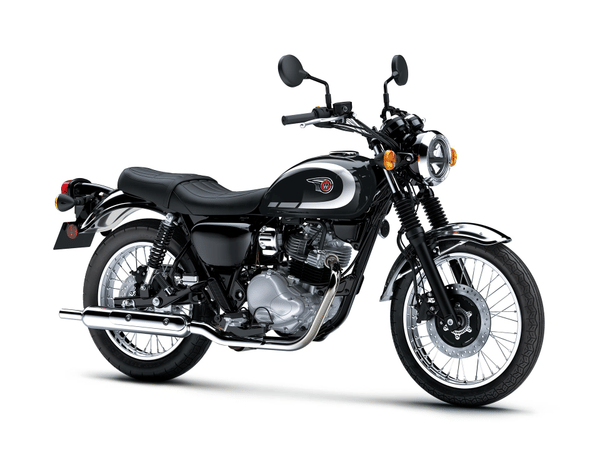
Kawasaki W230 gets a new colour for 2027

Kawasaki W230 gets a new colour for 2027
2027 Kawasaki W230

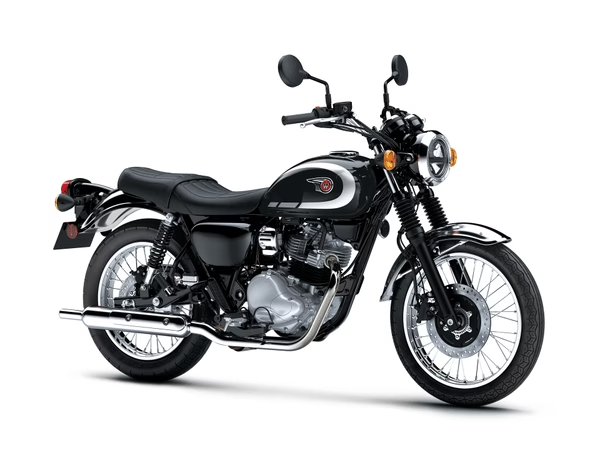
Kawasaki has revealed the 2027 W230 with a new Ebony colour option, replacing the Metallic Matte Dark Green that the bike was available with in 2026. The update is purely cosmetic, with no mechanical, feature or price changes accompanying the new colour in global markets. A single colour option is offered, as was the case with the outgoing scheme.

  1. New Ebony colour replaces Metallic Matte Dark Green
  2. No mechanical changes; 233cc air-cooled single continues unchanged

2027 Kawasaki W230 details

The W230 is powered by the same engine as the KLX230

The W230 is powered by a 233cc air-cooled single-cylinder engine producing 18hp at 7,000rpm and 18.6Nm at 5,800rpm, paired with a 6-speed gearbox. Suspension is handled by a conventional telescopic fork at the front and twin shock absorbers at the rear, sticking with the retro theme of the bike. Braking hardware includes disc brakes at both ends – a 265mm front and 220mm rear.

With a kerb weight of 143kg, the W230 is a relatively lightweight motorcycle and perhaps one of the lightest in its class. That, along with a low 745mm seat height, makes the W230 an incredibly accessible motorcycle for most riders, even those just getting started out.

Unfortunately, the Kawasaki W series in India hasn’t had much of an impact in terms of sales. The W800 was previously available in our market, as was the India-made Kawasaki W175. While the MY24 W175 is still listed on the Kawasaki India site, it’s highly unlikely there’s any stock of that bike left, given that several other models in Kawasaki India’s lineup are now MY27 units.

Kawasaki has long considered India a key manufacturing hub for its smaller-displacement retro models, and while plans for the W230 in India have not been confirmed by Kawasaki, the modern classic segment it targets has seen significant growth here, including the ever-growing popularity of models like the Classic 350 and the more recently revealed Honda CB500.

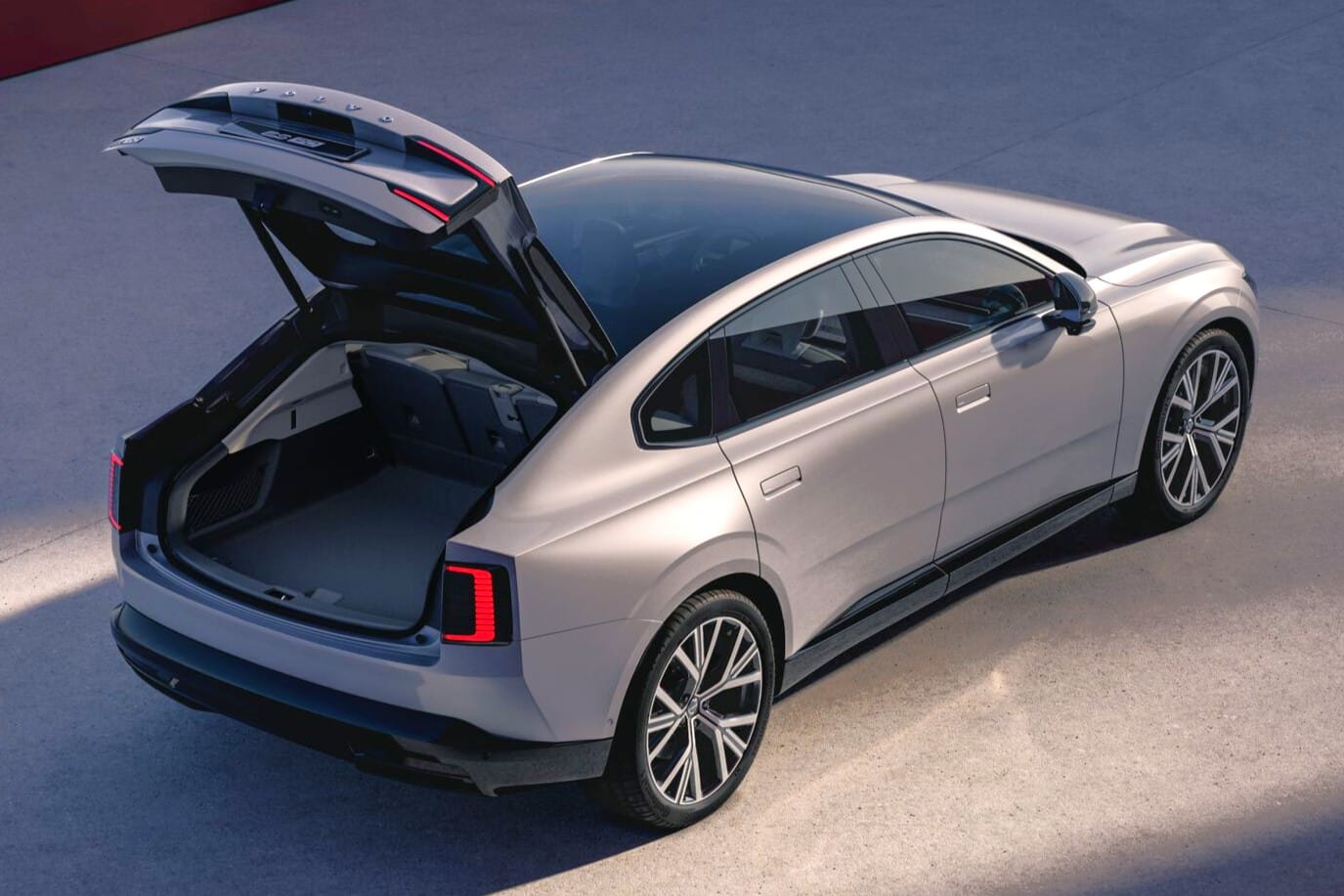
Volvo EX90, ES90 India launch on October 12

Volvo EX90, ES90 India launch on October 12
volvo ex90 es90 india launch

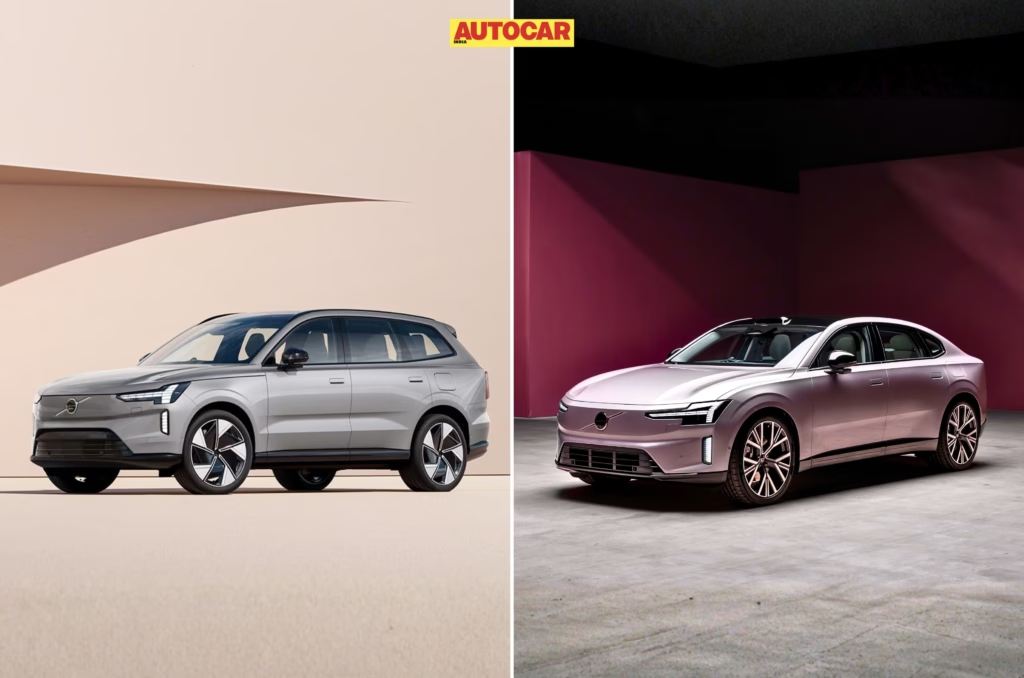
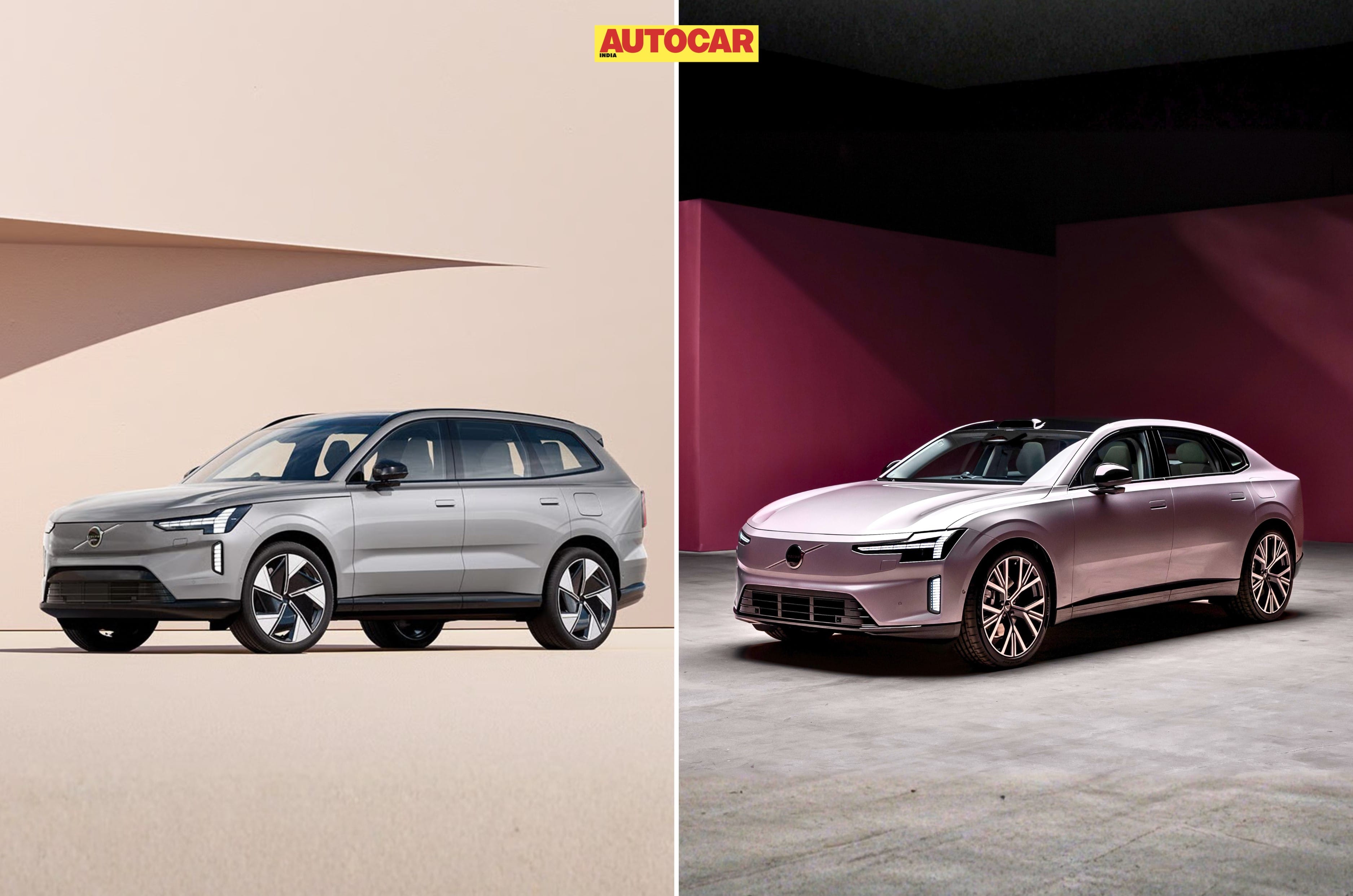
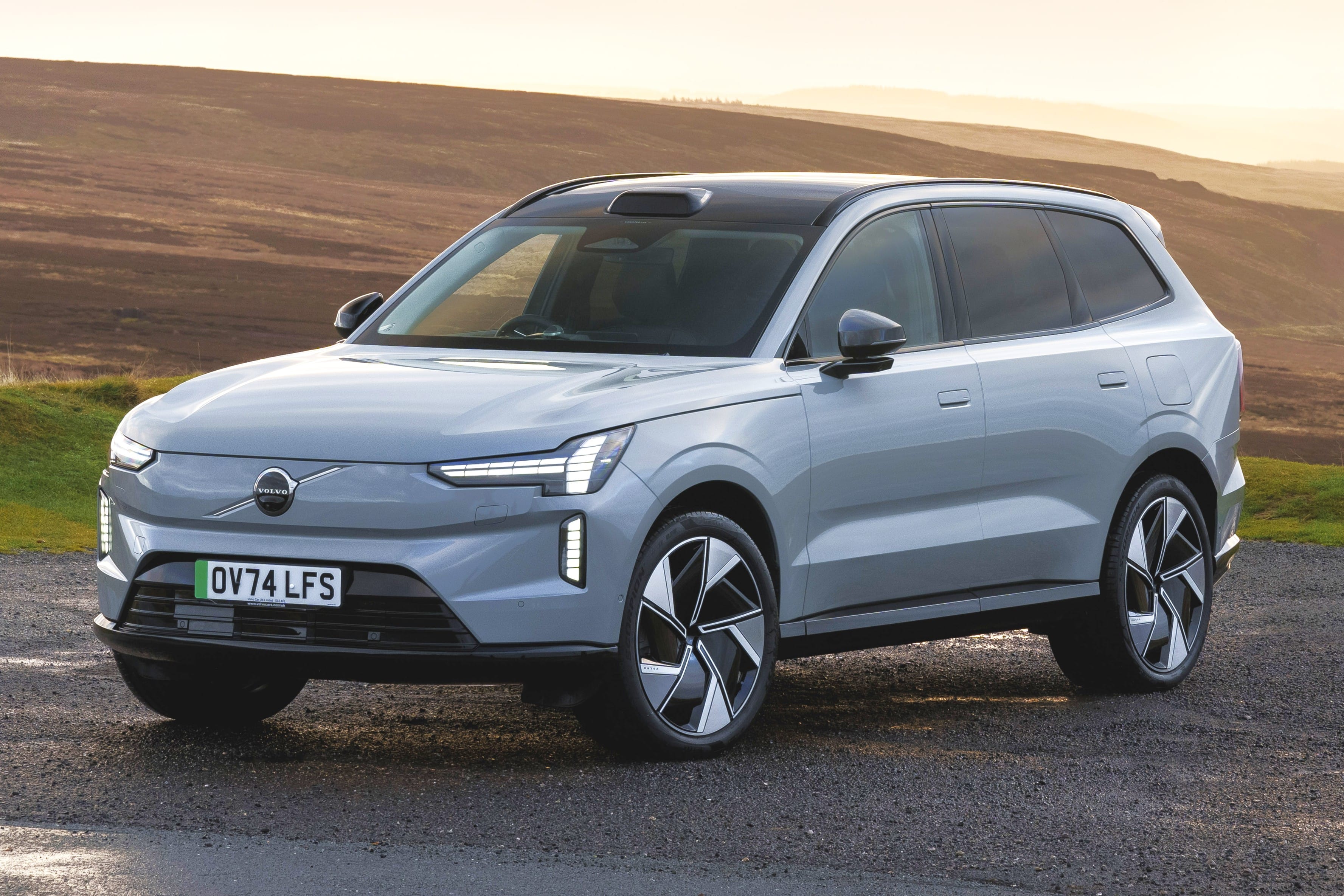
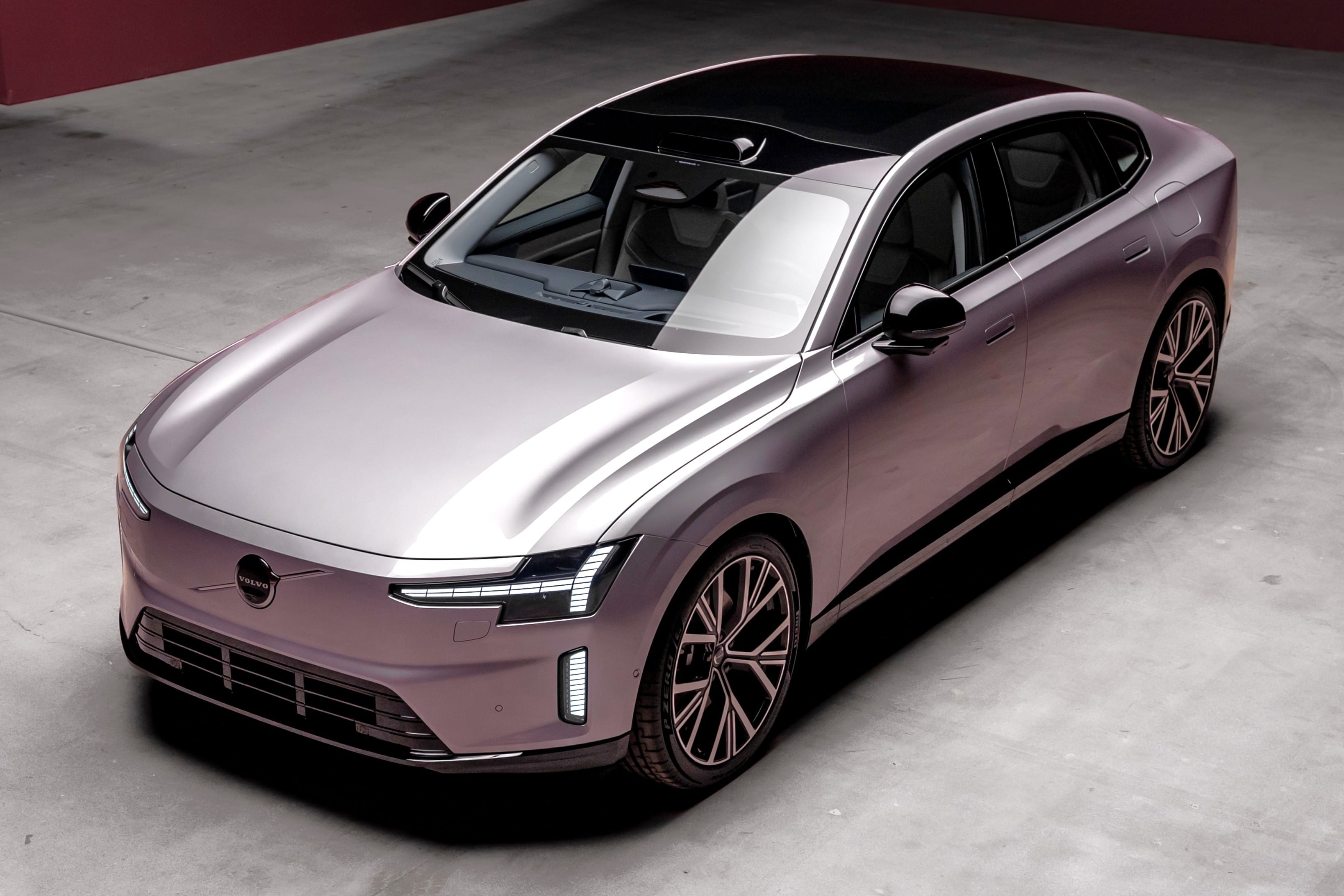
Volvo has confirmed that it will launch two new EVs, the EX90 SUV and the ES90 sedan, in India on October 12, 2026. The EX90 and ES90 will serve as Volvo’s flagship electric offerings for the Indian market. Notably, the ES90 will mark Volvo India’s return to the luxury sedan space, following the discontinuation of the S90 in June 2025. The EX90 is expected to rival the likes of the Mercedes-Benz EQS and Kia EV9, while the ES90 is likely to go up against the BMW i5.

Volvo EX90, ES90 battery and range

Identical 92kWh RWD and 106kWh AWD powertrains

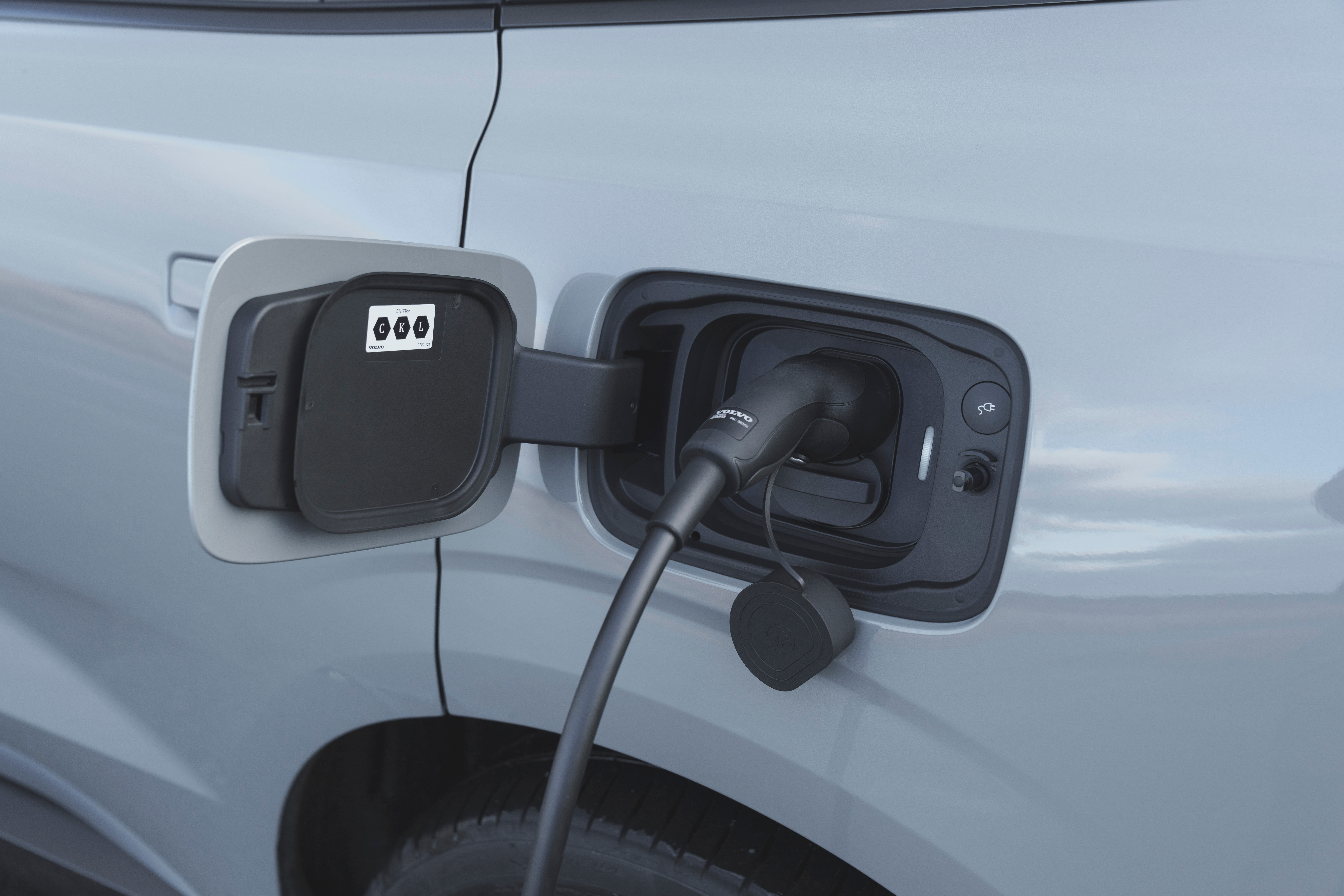
The EX90 and ES90 are both underpinned by Volvo’s SPA2 platform, which features as 800V electrical architecture. In global markets, both EVs can be had in 92kWh (Single Motor) and 106kWh (Twin Motor) guises. In 92kWh spec, the EX90 and ES90 get a single rear-mounted motor (RWD) outputting 333hp and 480Nm. Meanwhile, the 106kWh battery option is split into Twin Motor and Twin Motor Performance variants, developing 456hp/670Nm and 680hp/870Nm, respectively.

For the EX90, 0-100kph comes up in a claimed 6.6 seconds for the 92kWh, 5.3 seconds for the 106kWh Twin Motor, and 4 seconds for the Twin Motor Performance. The ES90 Twin Motor is slightly slower from 0-100kph at 5.4 seconds, but mirrors the EX90 for the other variants.

As for WLTP range, the EX90 92kWh is rated at 565km, while the Twin Motor and Twin Motor Performance trims manage 608km and 602km, respectively. Meanwhile, the ES90’s WLTP range is certified at 664km for the 92kWh variant and 696km for the 106kWh versions.

Coming to charging speeds, both the EX90 and ES90 can utilise up to 350kW DC charging, and take 22 minutes for a 10-80 percent charge across all variants.

Volvo EX90, ES90 exterior design

Look quite different compared to the XC90 and S90

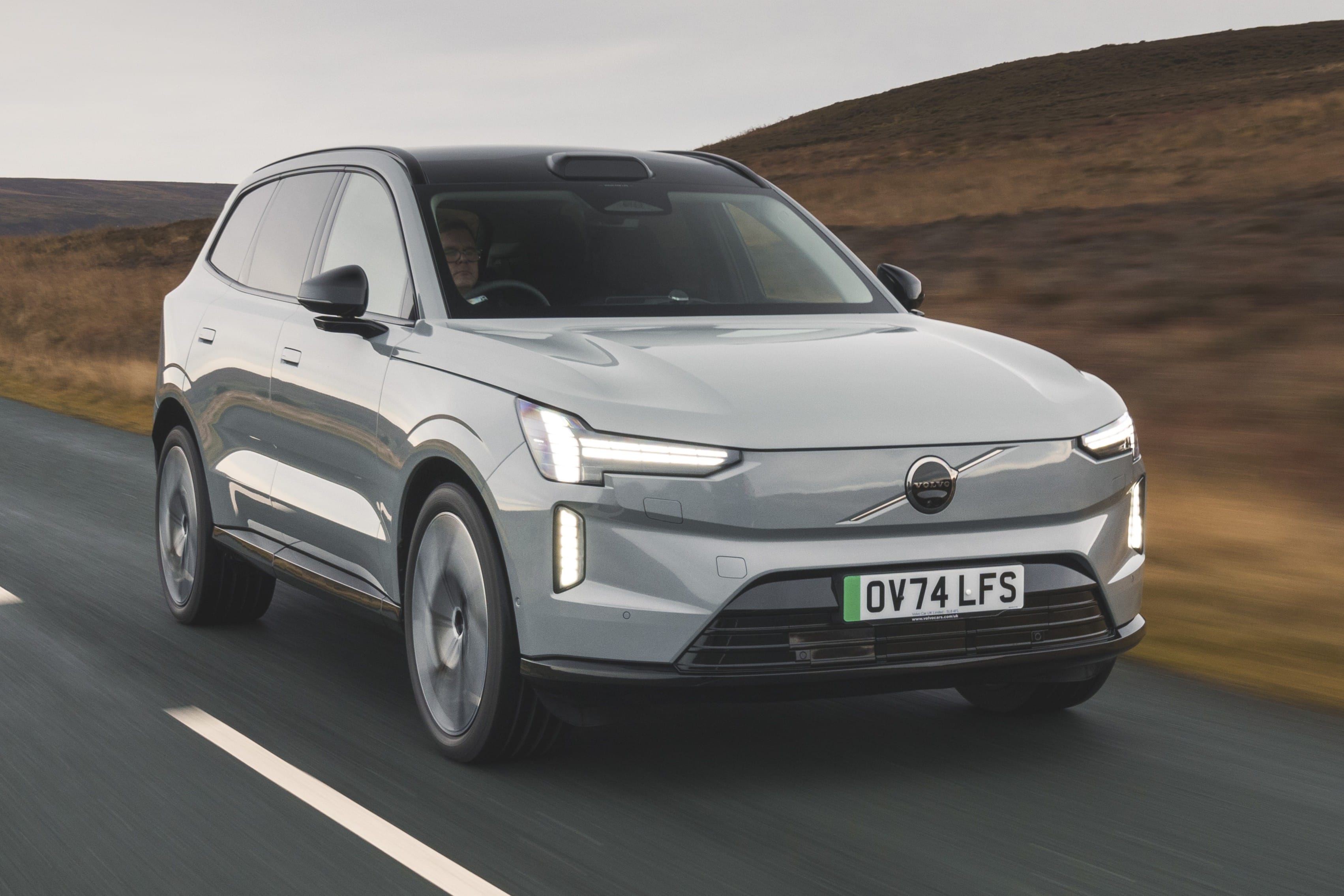
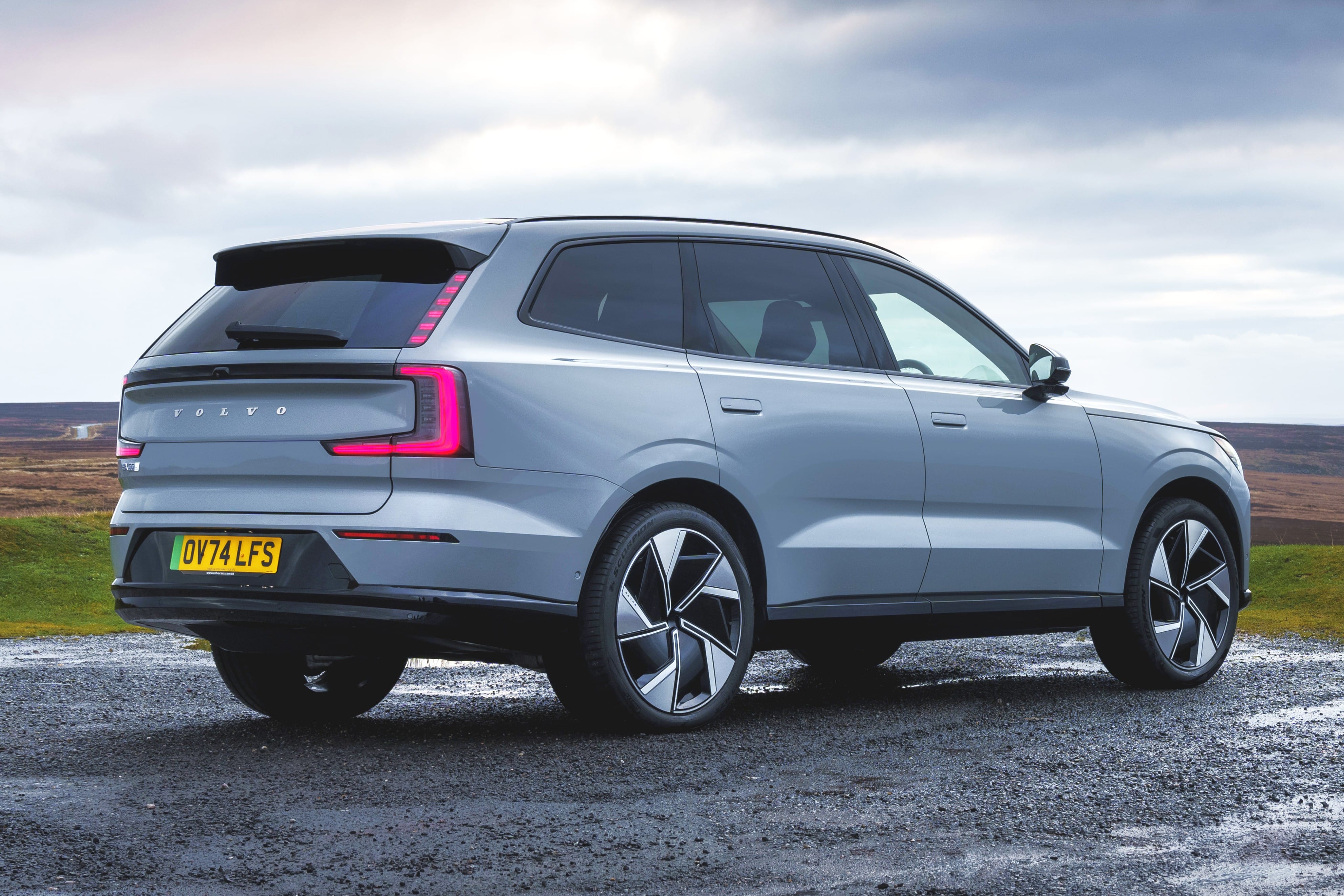
Measuring 5,037mm in length, 1,964mm in width, 1,744mm in height, and 2,985mm in wheelbase, the EX90 is dimensionally similar to the XC90, but sports a distinct design. Up front, the EX90 has sleeker T-shaped headlamps with pixel-like ‘Thor’s Hammer’ DRL signatures, below which sits a pair of slim vertically-arranged fog lamps. The Volvo badge is placed front and centre on the grille-less fascia, with a discreet air dam underneath. A LiDAR sensor can also be spotted on the leading edge of the roof.

The side profile of the EX90 is cleanly-styled, with a prominent shoulder line and gently rising glass area, and there’s not much in the way of body cladding Volvo claims a drag coefficient of 0.29Cd. 20-inch alloy wheels are fitted as standard, with 21- and 22-inchers optionally available. Over to the rear, the EX90 gets C-shaped LED tail-lamps with an additional vertical row of brake lights flanking the rear windscreen. Other styling elements of note include a sizable roof spoiler and a Volvo wordmark on the bootlid.

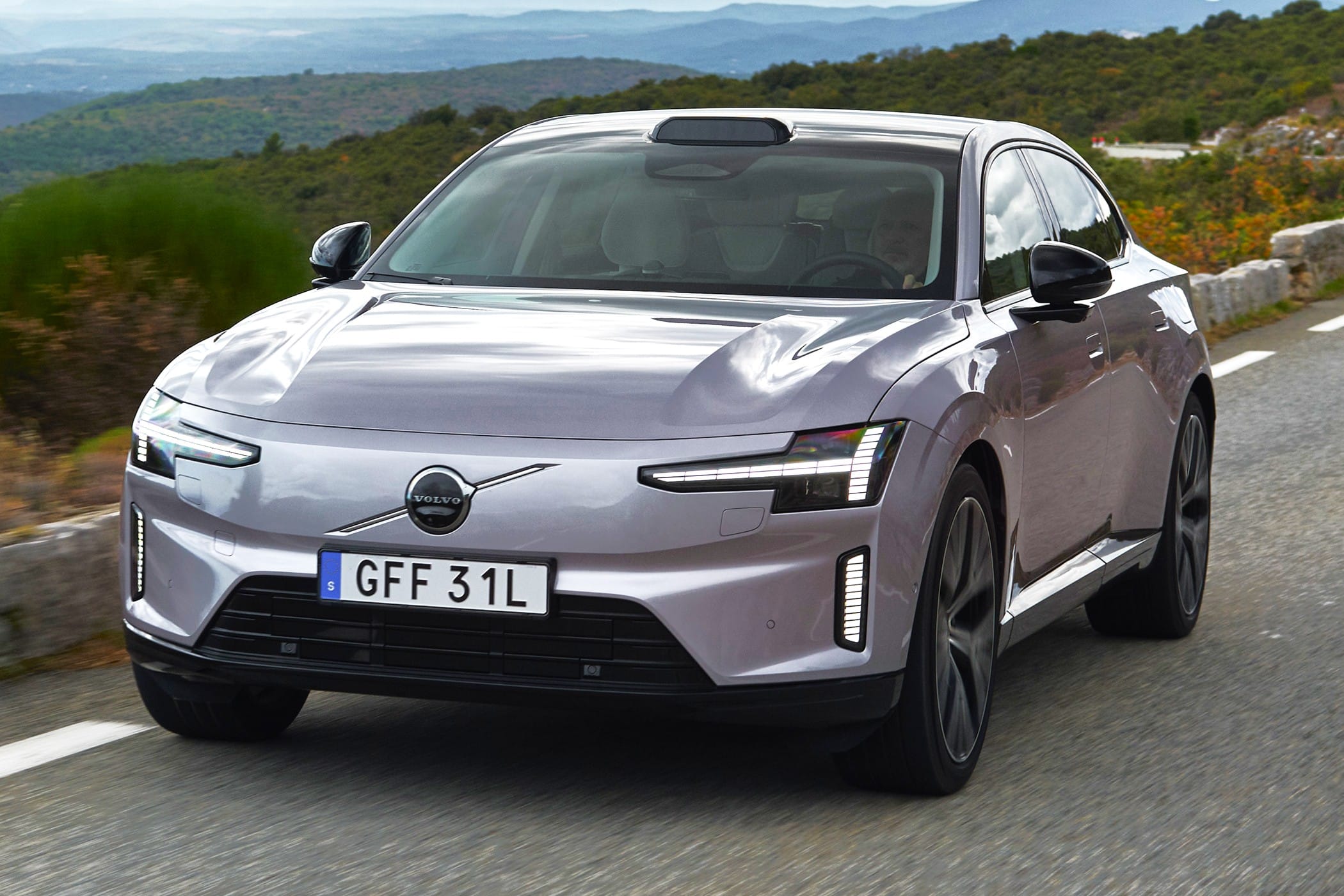
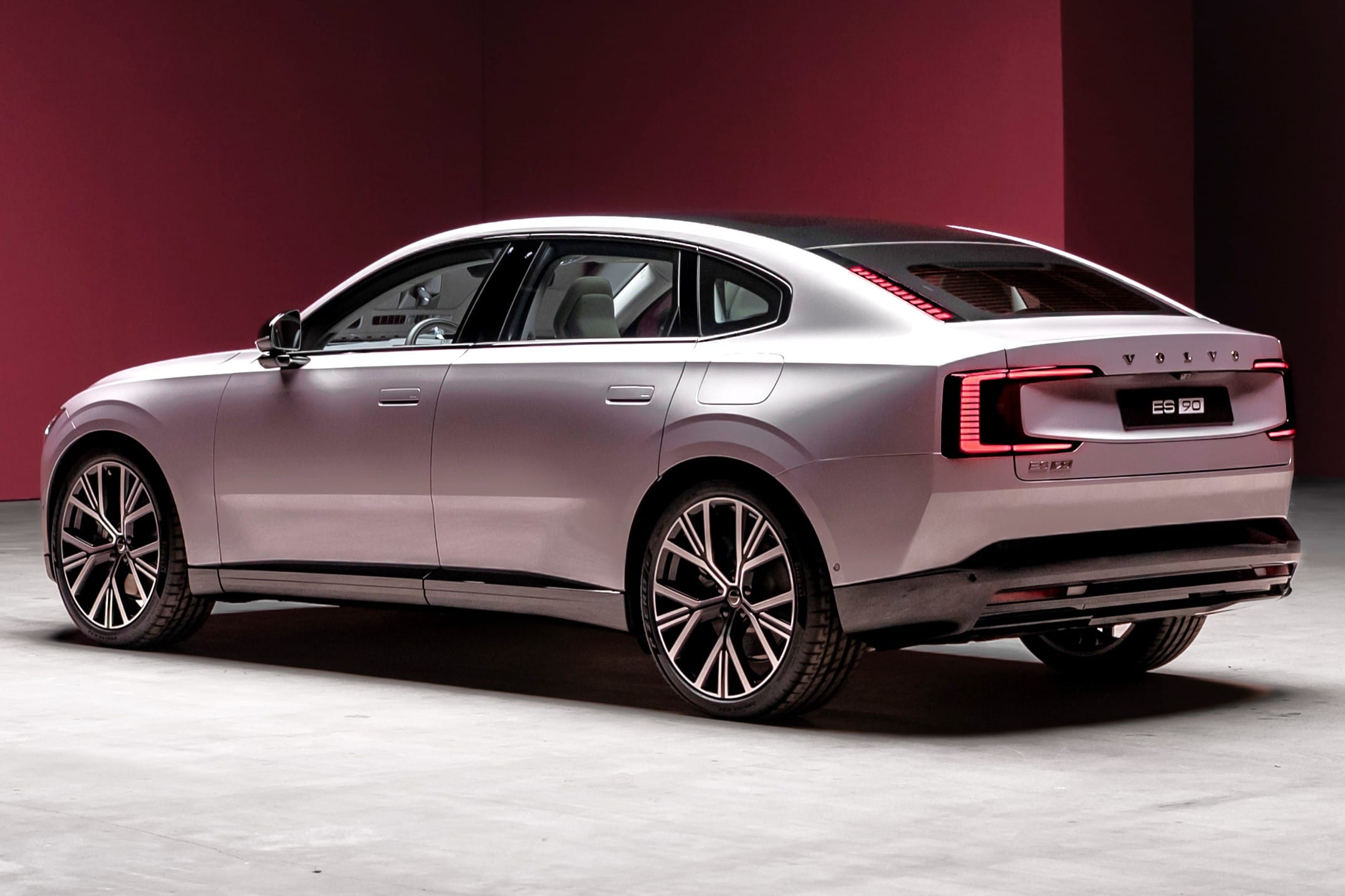
Coming to the ES90, it adopts very similar styling cues to the EX90, like the Thor’s Hammer DRLs, vertical fog lamps, grille-less fascia, brake lights around the rear windshield, Volvo wordmark on the bootlid, gloss black bumpers and skirts, and more. However, the ES90 sets itself apart with slightly reshaped headlamps and tail-lamps, different alloy wheel designs (sizes range from 20 to 22 inches), and of course, its sedan form factor.

Thanks to its more low-slung proportions, the ES90 sports a drag coefficient of 0.25, which makes it the most aerodynamic Volvo car to date.

Volvo EX90, ES90 interior and features

14.5-inch infotainment touchscreen sits front and centre on the dash

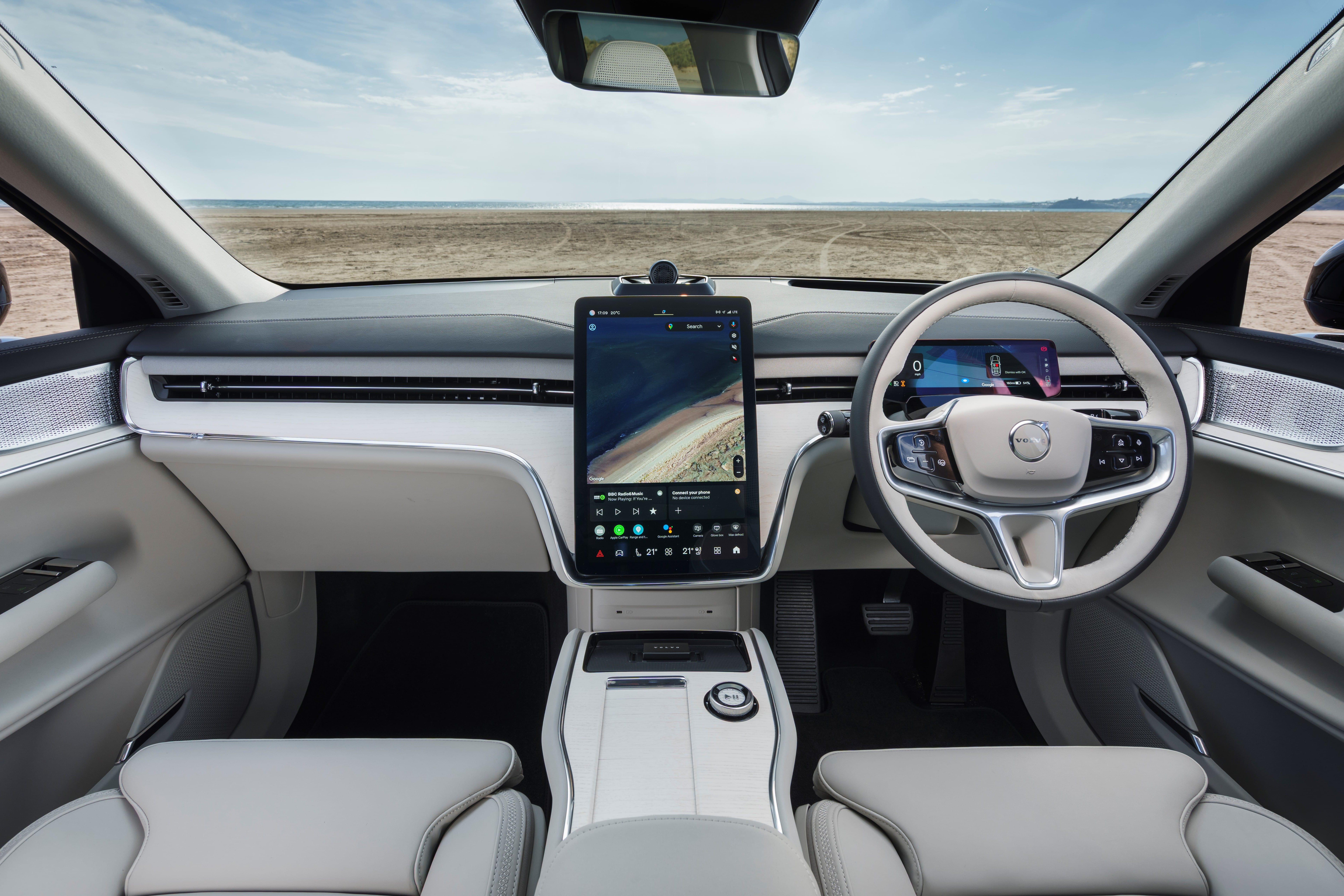
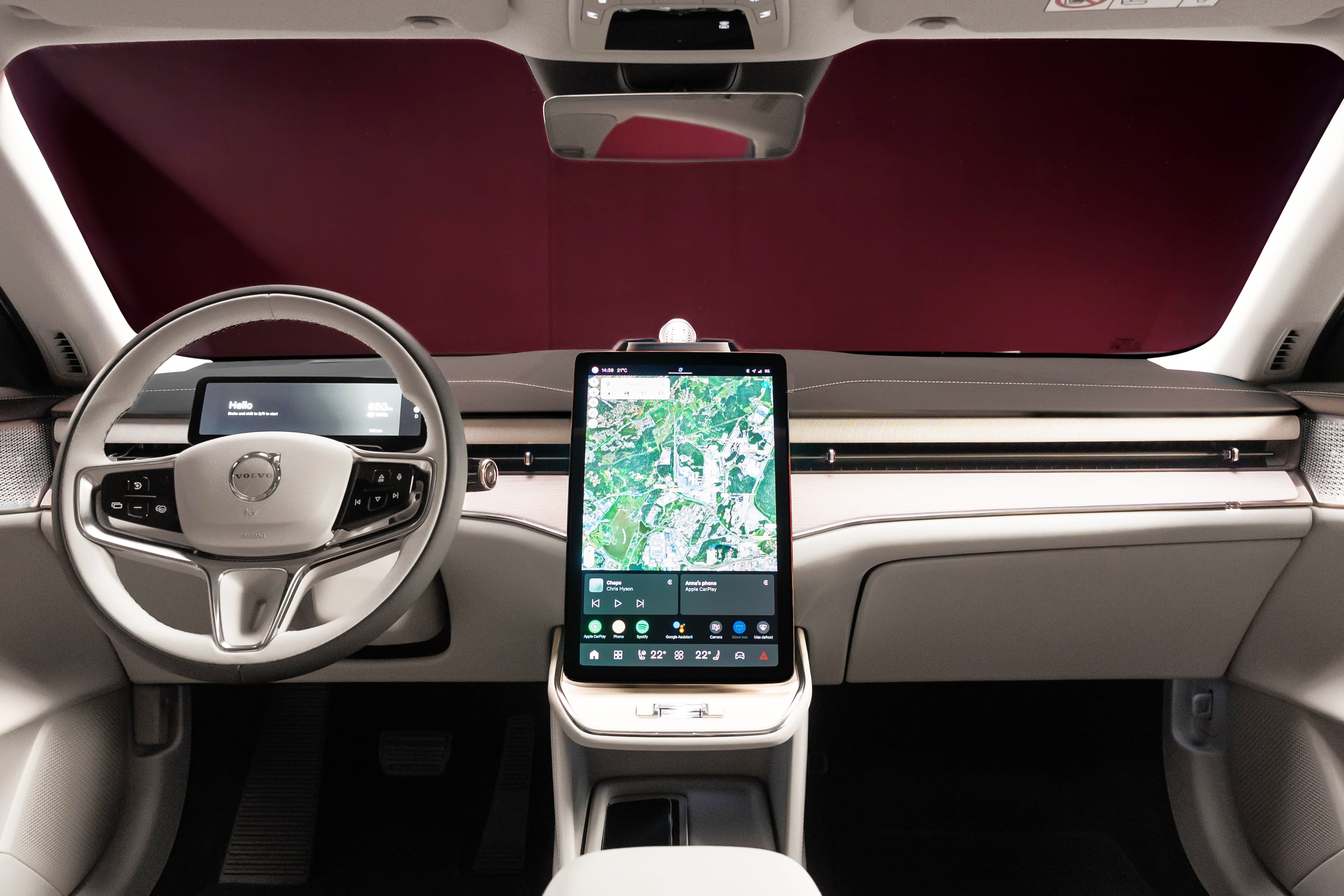
Inside, the EX90 and ES90 are very similar in terms of dashboard layout. Both get a minimalistic dashboard dominated by a 14.5-inch Google-based portrait touchscreen that incorporates much of the in-car functionality physical controls are few and far between. There’s also a floating centre console, a three-spoke steering wheel with a neat layered design, a slim 9-inch digital driver’s display, and a 13.2-inch heads-up display.

The area between the portrait screen and centre console, however, differs between the two. The EX90 has a split design with a more open cubby, whereas the ES90 has a more enclosed storage space with two buttons underneath the touchscreen.

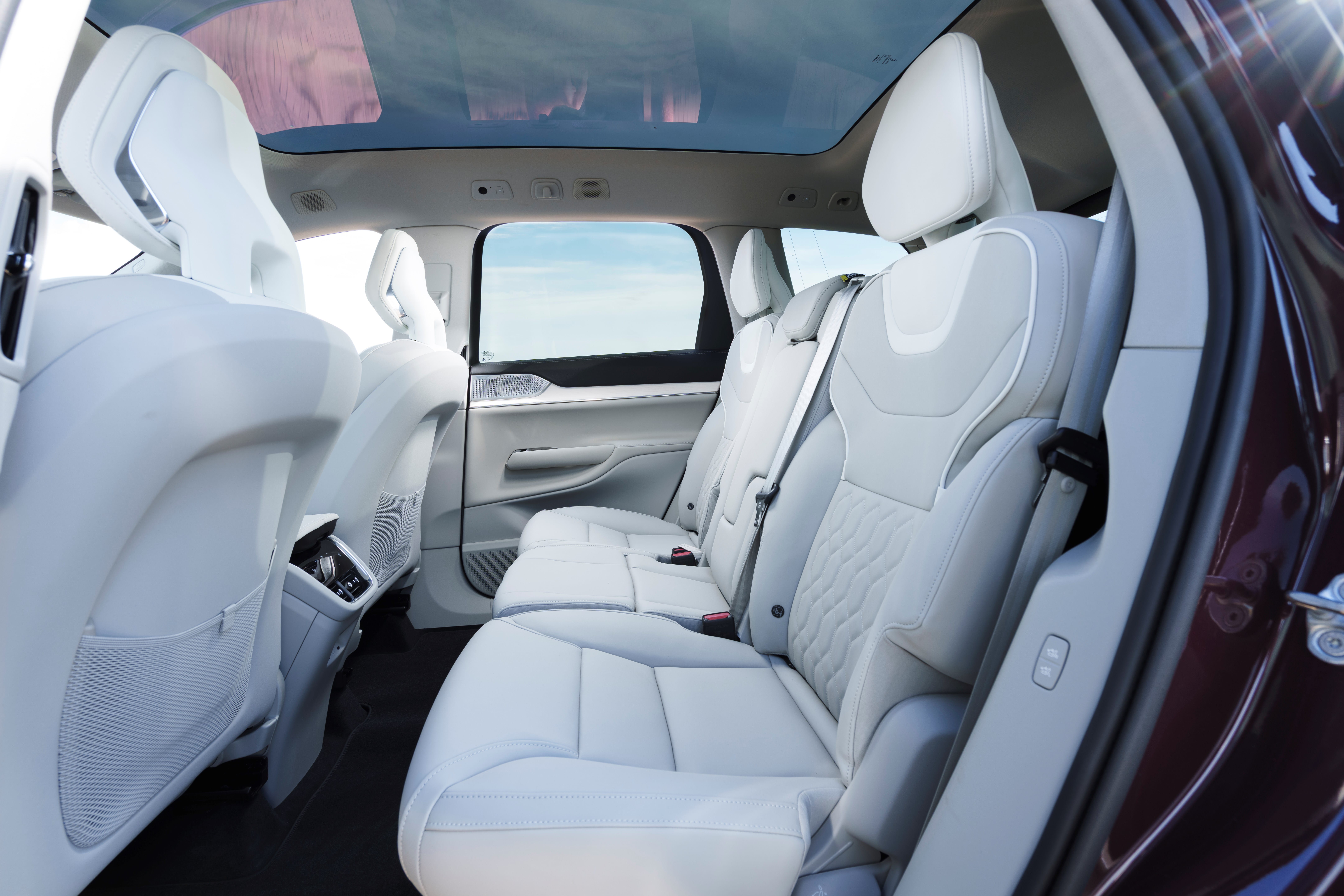
While the ES90 is a 5-seater, the EX90 is a 7-seater as standard, with certain variants offering a 6-seat configuration with captain’s chairs for the second row. In some markets, Volvo even offers a 4-seater version of the EX90 with a rear centre console that integrates a refrigerator, rivalling the likes of the Mercedes Maybach EQS SUV. Boot space is pegged at up to 384 litres with all three rows up for the EX90 and 424 litres for the ES90. The EX90 additionally gets a 45-litre frunk, while the ES90 features a 27-litre space.

As for creature comforts, both EVs pack a 5G connection to aid OTA updates, a digital key, ambient lighting, four-zone climate control, a cabin air purifier, a wireless charging pad, a 360-degree camera, powered front seats, a panoramic glass roof, a Bose sound system, connected car tech, auto park assist, Level-3 ADAS, V2L functionality, and lots more. The EX90 is touted to be Volvo’s safest car to date, holding 5-star crash safety ratings from Euro NCAP and NCAP. The ES90, however, is yet to be crash-tested by an NCAP agency.

Maruti Fronx hits 2 lakh-unit export milestone in record time

Maruti Fronx hits 2 lakh-unit export milestone in record time
Maruti Fronx export

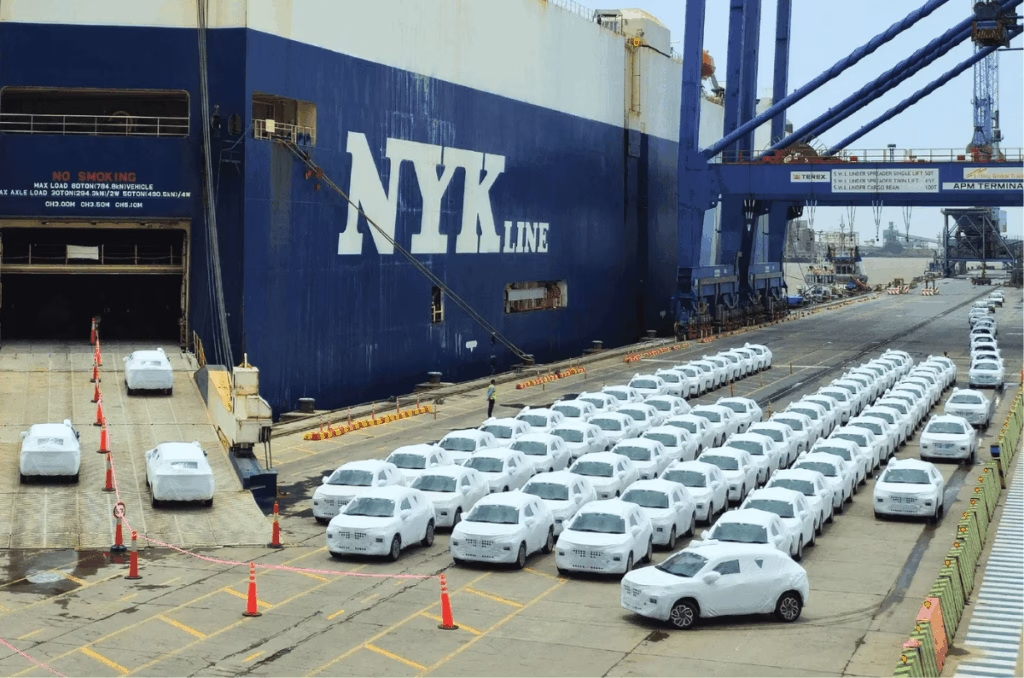
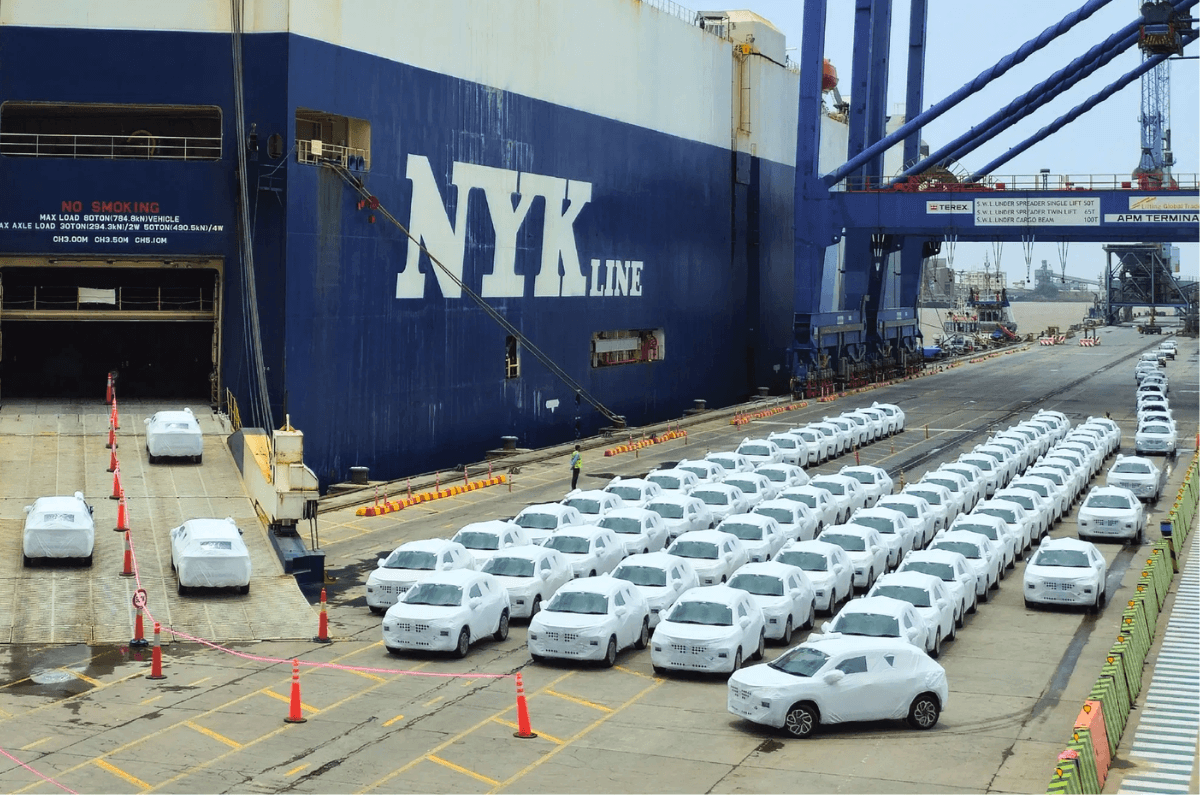
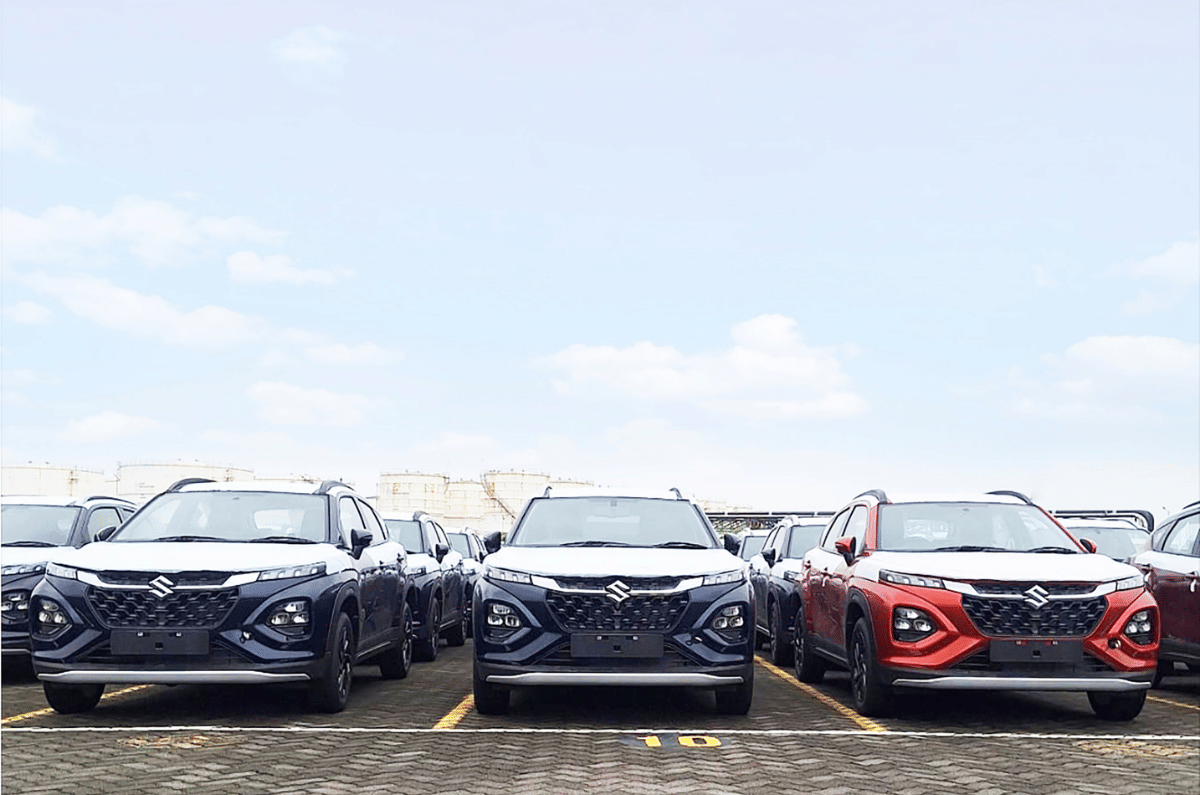
The Maruti Fronx has crossed 2 lakh exports from India in under 38 months, the fastest time for an SUV, as per the Society of Indian Automobile Manufacturers (SIAM). Exports of the Fronx began in June 2023, and it hit the 1 lakh-unit milestone in just about 25 months after that in July 2025, which is also the quickest time for an SUV. Maruti Suzuki manufactures the Fronx at its Hansalpur plant in Gujarat, and it is exported to nearly 90 countries.

“Since FY24-25, the Fronx has been India’s number one exported passenger vehicle…Sustained focus on exports has earned the Company the number one position in passenger vehicle exports from India…All three of India’s top exported passenger vehicles in Q1 FY26-27 were from Maruti Suzuki. The growing export volumes year-on-year are a strong endorsement of the reliability and appeal of the Company’s products across global markets,” Maruti Suzuki MD and CEO Hisashi Takeuchi said

Maruti Suzuki exports in recent years

Maruti Suzuki exports in recent years

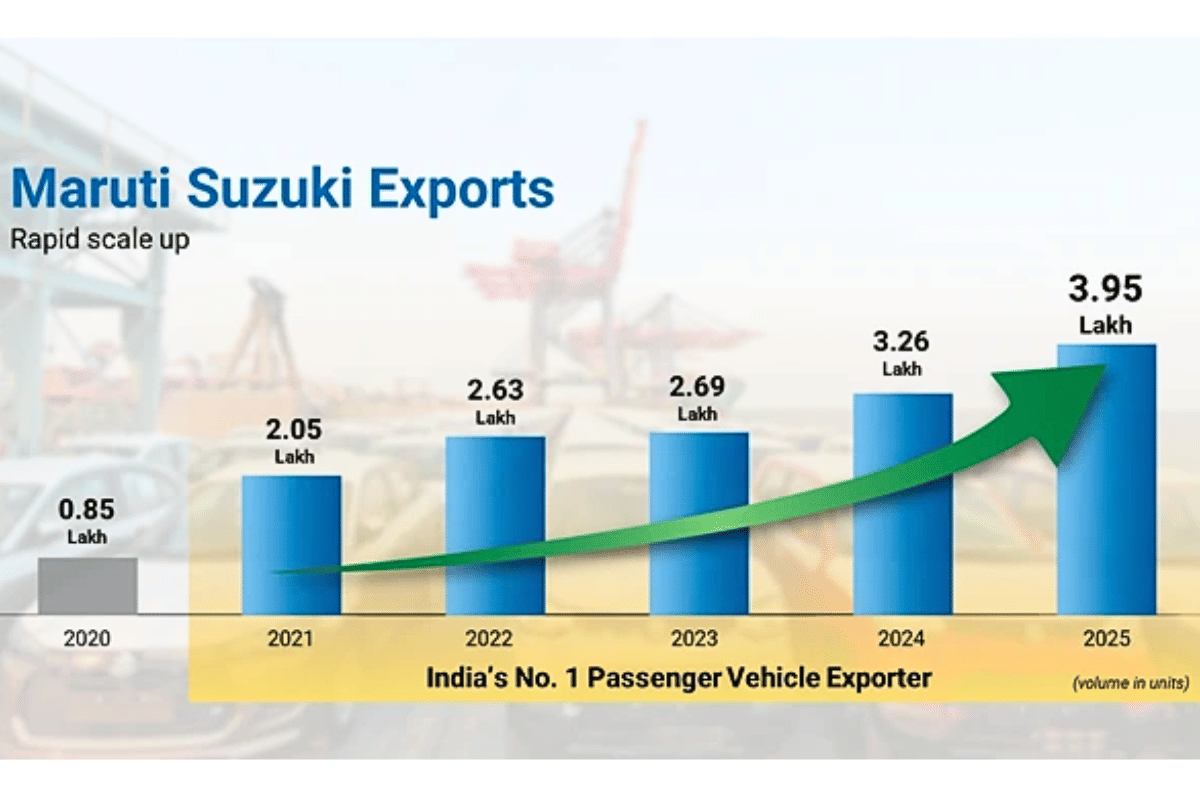
Maruti Suzuki exported 3.95 lakh passenger vehicles in 2025, its highest-ever tally in a calendar year and over 21 percent more than in 2024. It also remained India’s biggest passenger vehicle exporter for the fifth year in a row, sending 18 models to more than 100 countries. Its exports from India have largely grown over the years. Shipments jumped by more than 140 percent in 2021 compared to 2020, before growth slowed to 28 percent in 2022. The rise was even smaller in 2023, at just over 2 percent. Exports picked up again in 2024, growing by a little over 21 percent, and continued at a similar pace in 2025. Like the Fronx, the e Vitara electric SUV is also built at the Hansalpur facility, and its exports started last year.

Mahindra Scorpio Lifestyler pickup truck unveiled

Mahindra Scorpio Lifestyler pickup truck unveiled
Mahindra Scorpio Lifestyler

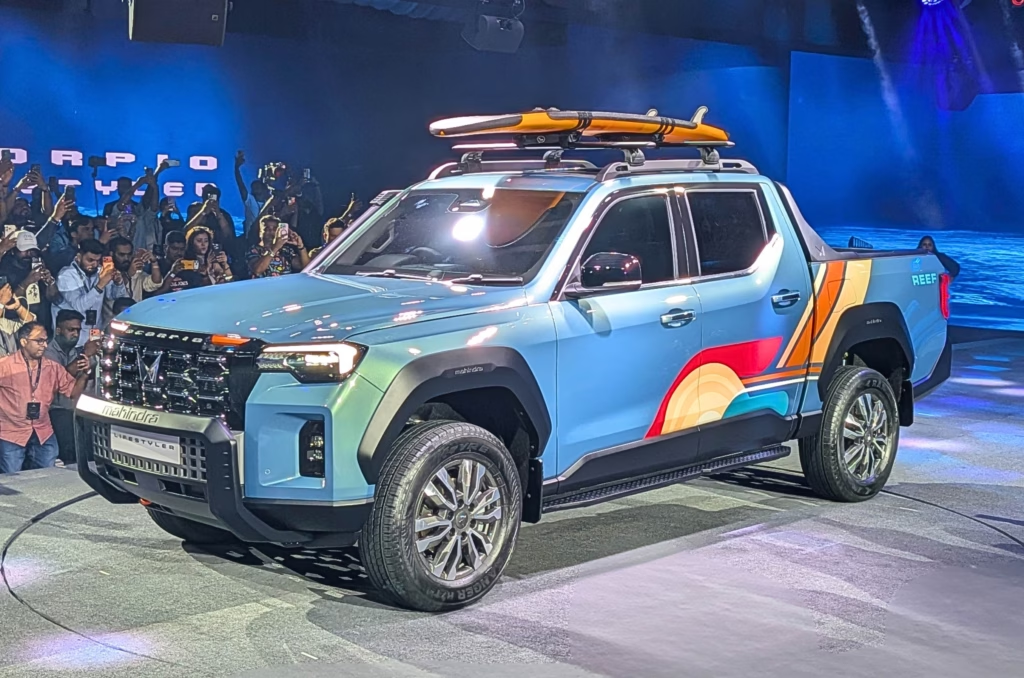
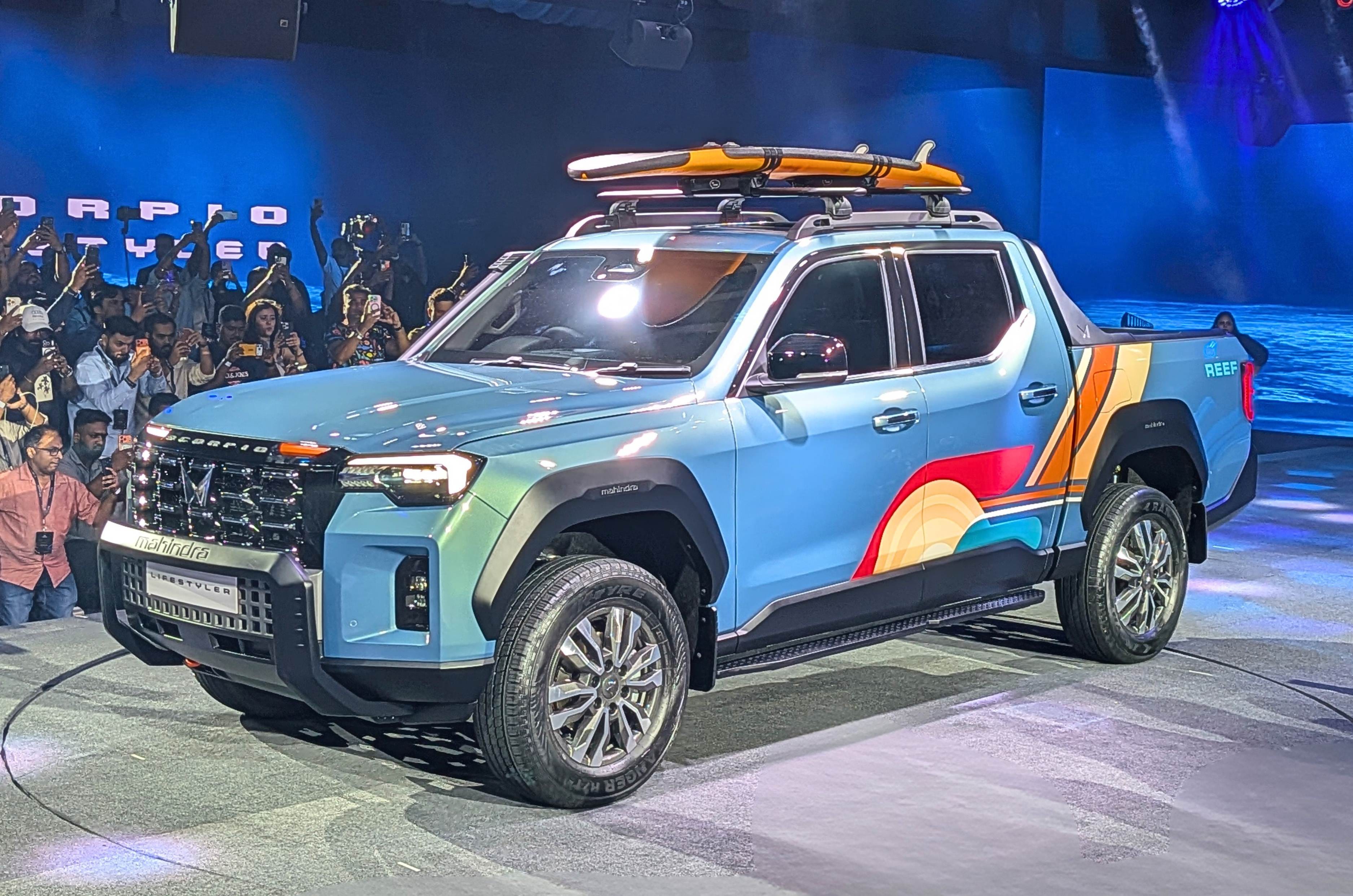
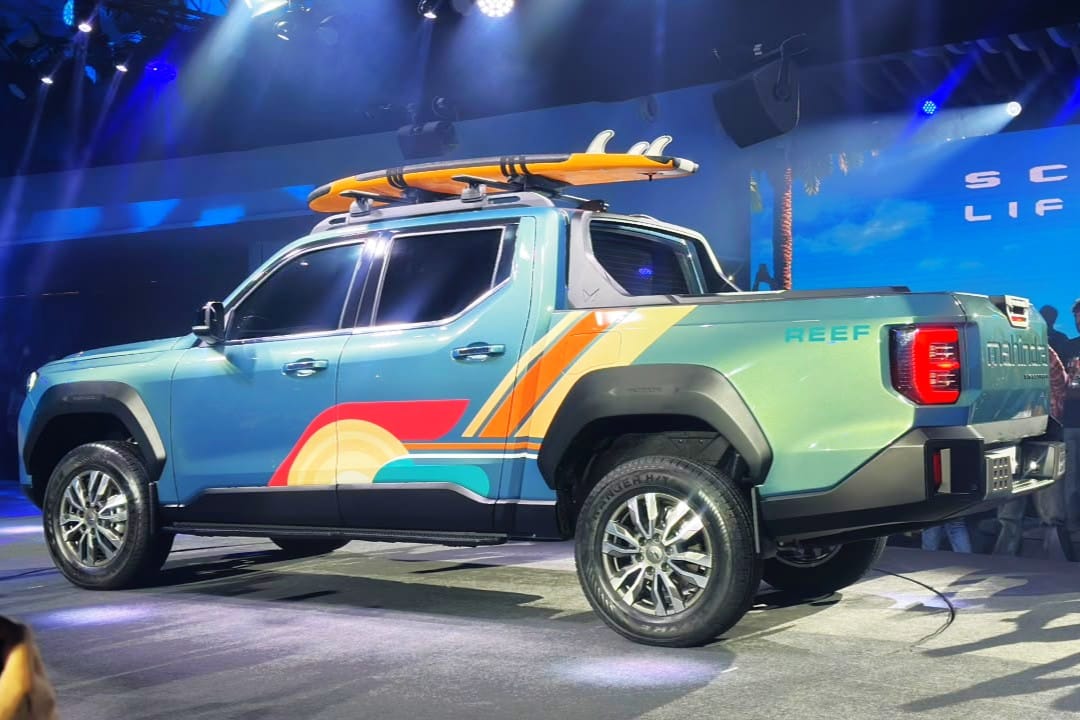
Mahindra has pulled the covers off its long-awaited lifestyle pickup truck based on the 2023 Global Pik Up concept, christening it the Scorpio Lifestyler. Underpinned by the same body-on-frame chassis as that of the Scorpio N, the Scorpio Lifestyler will butt heads with the Toyota Hilux and Isuzu D-Max V-Cross in India. The pickup truck will be sold in several global markets too, where it’ll drop the ‘Scorpio’ branding and just be known as the Lifestyler.

Prices for the Mahindra Scorpio Lifestyler are confirmed to start below Rs 19.79 lakh (ex-showroom) in India, with launch pegged by April 2027. The Scorpio Lifestyler would therefore undercut its rivals significantly, both of which start above Rs 25 lakh.

Mahindra Scorpio Lifestyler exterior design

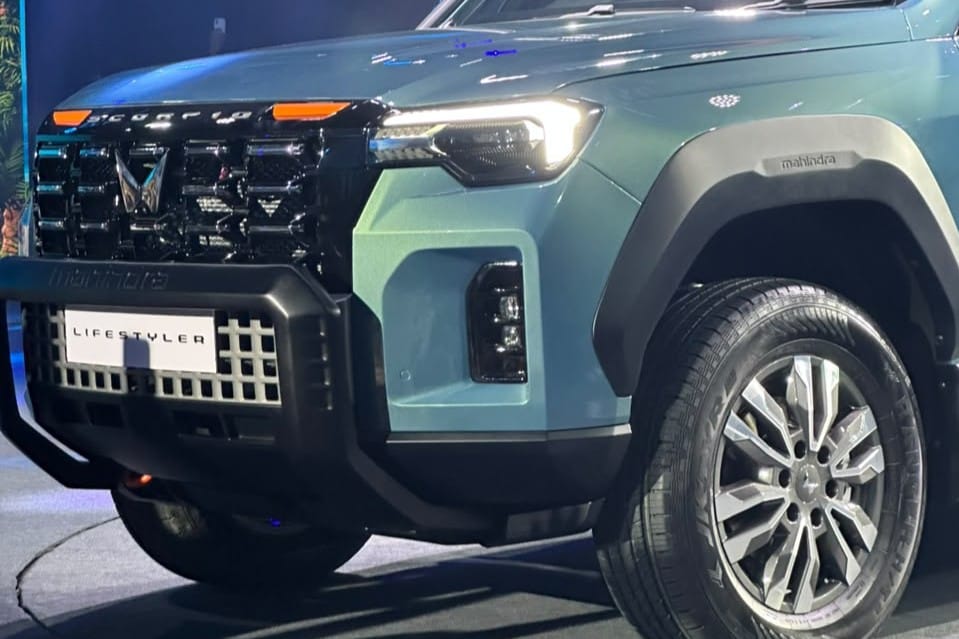
Up front, the Scorpio Lifestyler has high-set LED headlamps with L-shaped DRL signatures, a wide honeycomb-patterned grille with chrome accents, and a ‘Scorpio’ wordmark on the leading edge of the bonnet. Underneath, there’s a muscular skid plate bearing ‘Mahindra’ lettering, a meshed air dam, and vertically oriented LED fog lamps.

Over to the side, the Scorpio Lifestyler features a double-cab configuration, and gets dual-tone alloy wheels shod in off-road tyres, chunky side cladding, roof rails, and a kinked beltline. The rear end of the Scorpio Lifestyler is characterised by vertically oriented LED tail-lamps housing C-shaped DRLs, which flank a large ‘Mahindra’ wordmark molded into the bootlid. Below, the bumper looks similarly rugged to the one up front.

Mahindra Scorpio Lifestyler interior and features

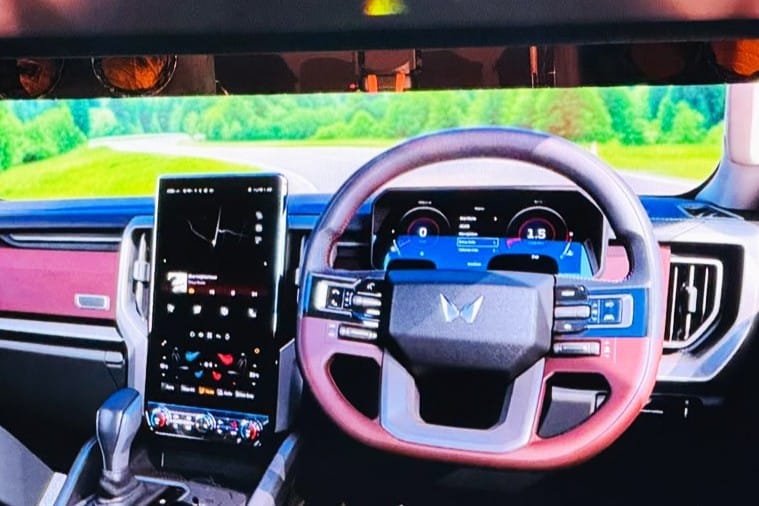
Inside, the Scorpio Lifestyler is much more upmarket than its rugged exterior suggests. The dashboard prominently sports a portrait-oriented infotainment touchscreen flanked by AC vents, below which there’s a climate control panel and various physical controls. Ahead of the driver sits a three-spoke steering wheel and a digital driver’s display, while the transmission tunnel features lots more physical controls. In terms of creature comforts, the Scorpio Lifestyler is likely to pack wireless Apple CarPlay and Android Auto, dual-zone climate control, connected car tech, terrain modes, and more.

Yamaha R2 pre-bookings now open

Yamaha R2 pre-bookings now open

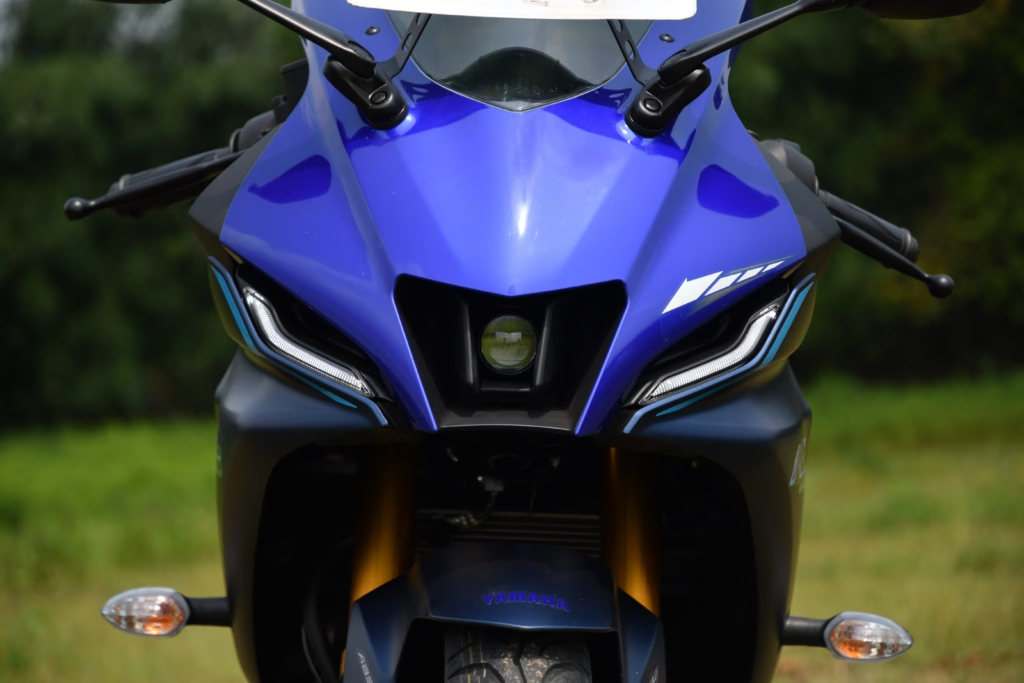
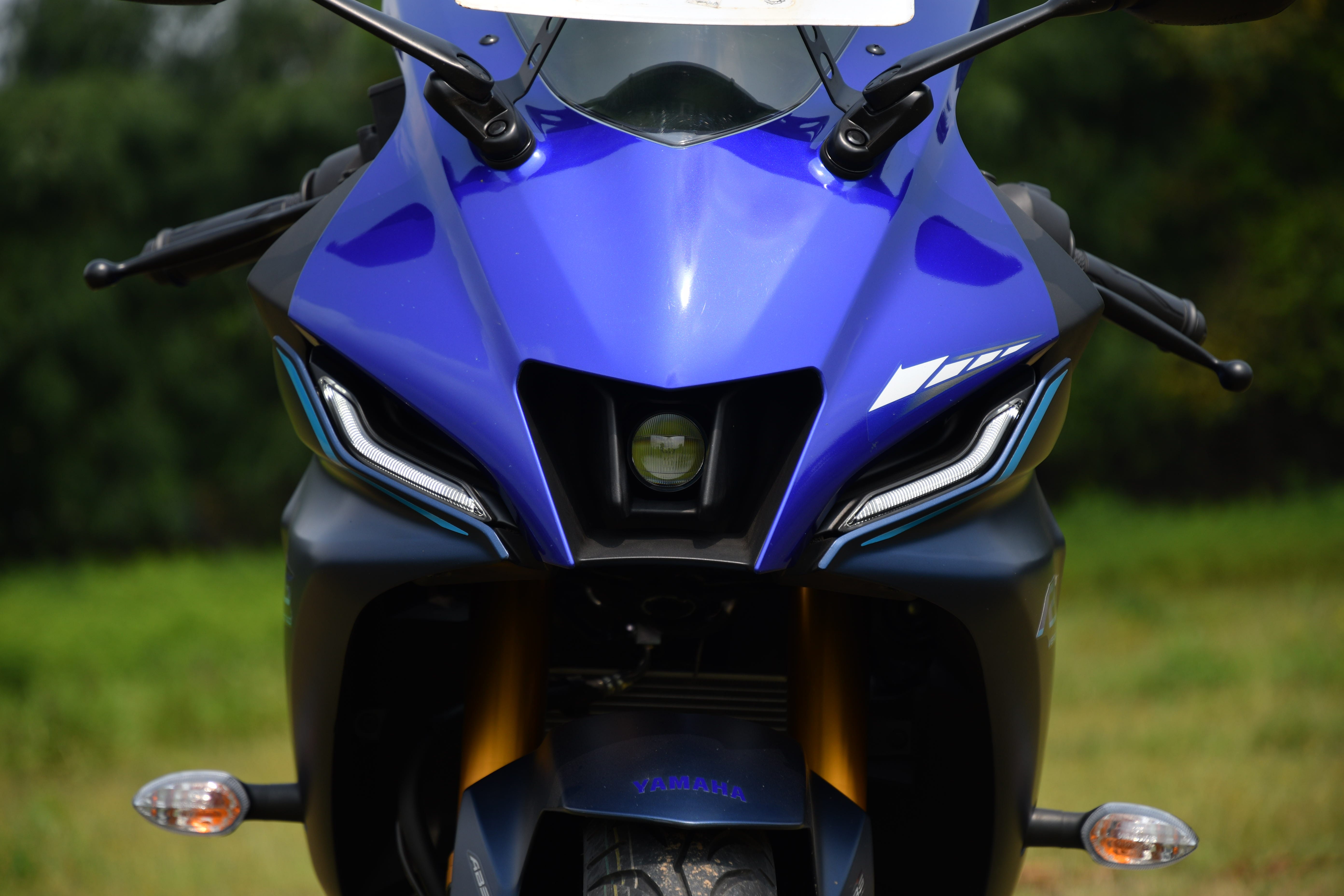
Yamaha has started accepting pre-bookings for an amount of Rs 10,000, for its much anticipated R2 supersport that is slated to launch on August 27. Here’s a rundown of all the things we know so far about the newest Yamaha on the block

  1. Yamaha R2 could be priced between Rs 2 lakh – 2.20 lakh
  2. To be powered by a 200-220cc engine
  3. Will sit above the R15 M in Yamaha’s lineup

Yamaha R2: What to expect?

Will rival the Hero Karizma XMR and KTM RC 200

We exclusively reported early this year that the R2 will be launched in India. It will carry forth the same spirit of its younger sibling – the R15 – in terms of its riding experience. Which means, it’s safe to say that it will be powered by a high-revving, higher displacement, single-cylinder engine that will punch well above its weight, much like the R15’s, delectable 155cc engine does. 

Details on the exact engine capacity are not yet clear, but we expect it to be slightly over 200cc, likely in the 200-220cc range. Power figures are also yet to be confirmed, although sources suggest performance should be on par with, if not better than, its key rivals. The Yamaha will go up against the KTM RC 200 and Hero Karizma XMR, both of which produce around 25hp, suggesting the Yamaha could offer a similar output. 

Where the R15 also holds an advantage, and where the R2 is likely to as well, is kerb weight. It is expected to be lighter than its rivals, which should give it an advantage in terms of agility and power-to-weight ratio. For example, the KTM weighs 160kg, the Karizma 163.5kg, while the current Yamaha R15 V4 weighs in at just 141kg.

As mentioned earlier, the Yamaha R2 will not replace the Yamaha R15. That said, the current R15 line-up will be streamlined, and we expect that the range topping M will be discontinued to make way for the R2. It’s also possible that the current R15 S (which is based on the gen-3 R15) will also be discontinued.

With current R15 prices starting at Rs 1.57 lakh for the S and going up to Rs 1.98 lakh for the top M variant, we expect that the R2 range could start at around Rs 2-2.2 lakh, depending on how aggressive Yamaha plans to be. The R2 will be manufactured entirely in India and will also be exported from here to other global markets.

The pre-booking amount of Rs 10,000 is fully refundable, although refunds will only be processed after September 5. The bike is slated to launch on August 27, with Yamaha giving priority to customers who pre-book before the launch.

Audi global CEO backs broader powertrain mix as regional strategy takes shape

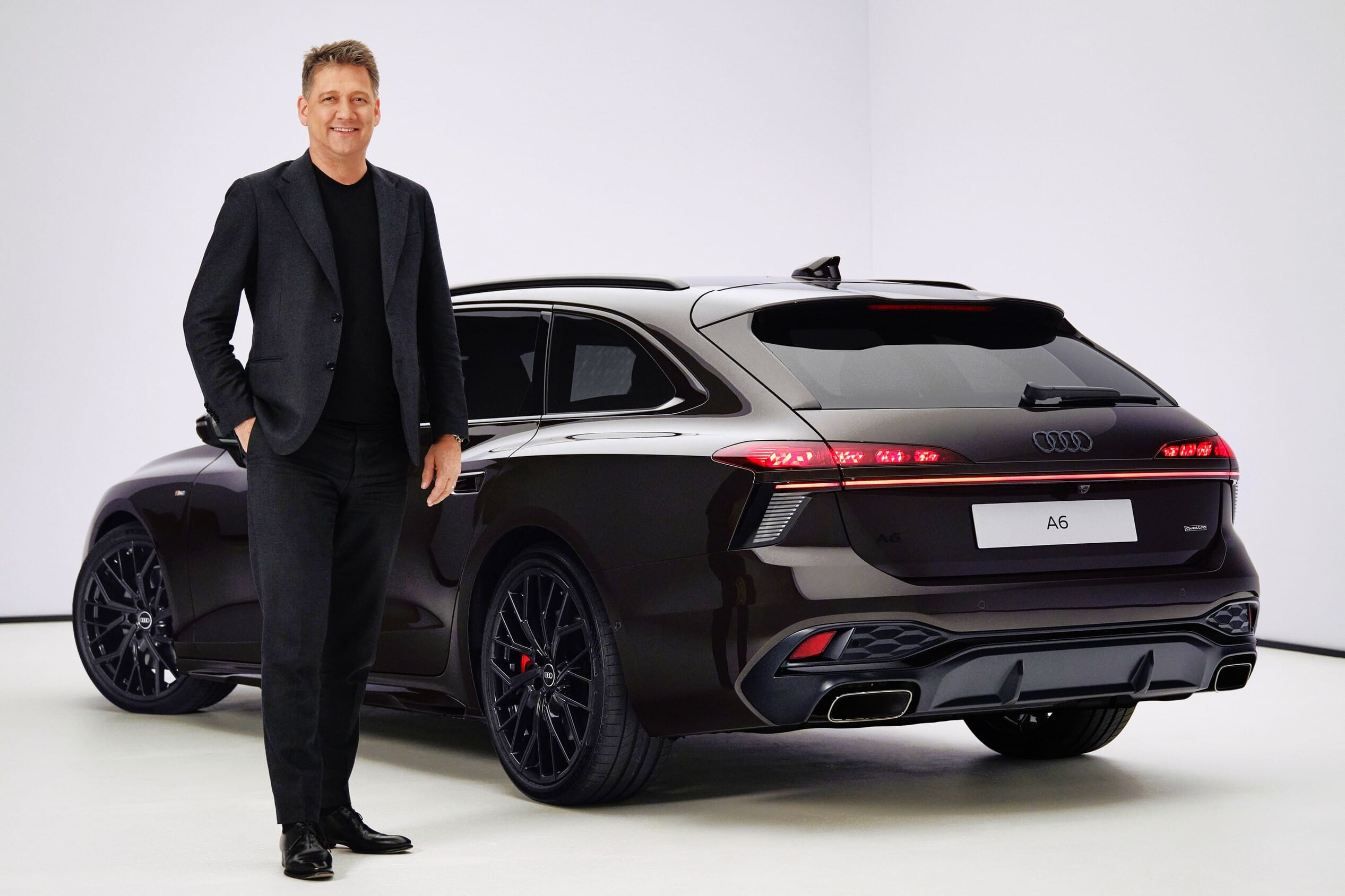
Audi CEO Gernot Dollner next to an A6 Avant

Audi will pursue a broader powertrain strategy spanning battery-electric vehicles, plug-in hybrids and combustion engines, stepping away from its earlier plan to become an all-electric carmaker. Global CEO Gernot Döllner said he reviewed Audi’s all-electric strategy after taking charge and decided that the company needed a more balanced product and powertrain mix to address the varying pace of EV adoption across markets.

“When I joined Audi, there was an all-electric strategy in place, which was one of the first things I reviewed,” Döllner told Autocar India in an exclusive interview. “We found a more balanced strategy between plug-in hybrids, especially important for Europe, combustion engine and electric.”

Global EV sales downturn lent ICE powertrains more time

The slower-than-expected pace of EV adoption in several global markets has extended the relevance of combustion engines and plug-in hybrids. Audi expects to retain a focused combustion-engine and plug-in-hybrid portfolio, particularly for SUVs.

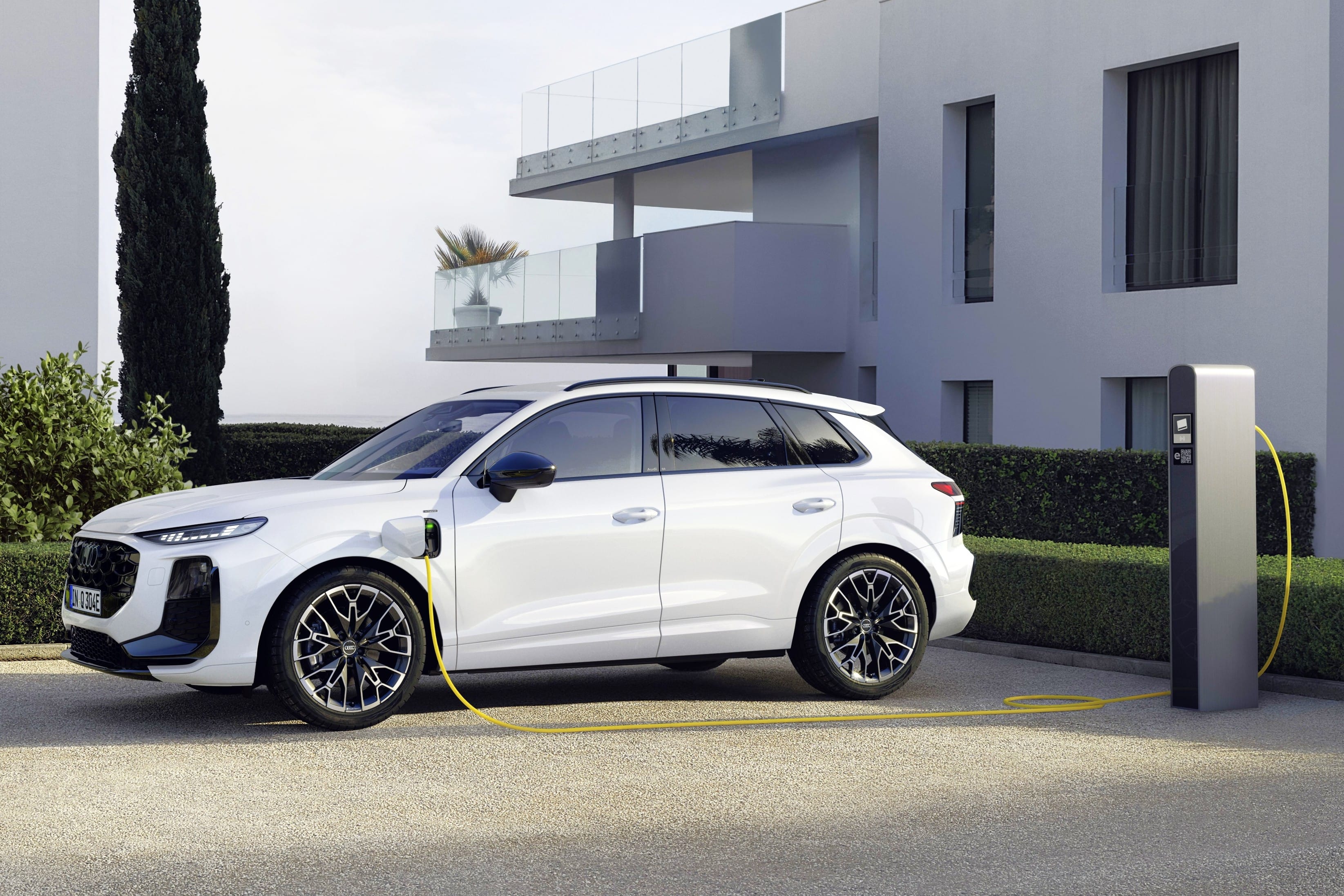
Audi Q3 PHEV

The company has recently completed a major investment cycle covering new petrol and diesel engines, plug-in hybrids and battery-electric vehicles designed to meet Euro 7 and other global regulations.

“For sure, the majority of our investment will be in battery electric. That’s a given,” Döllner said.

Audi will continue to invest selectively in combustion engines, including efficiency improvements and transmission technology, but Döllner expects the pace of innovation to be much faster in EVs.

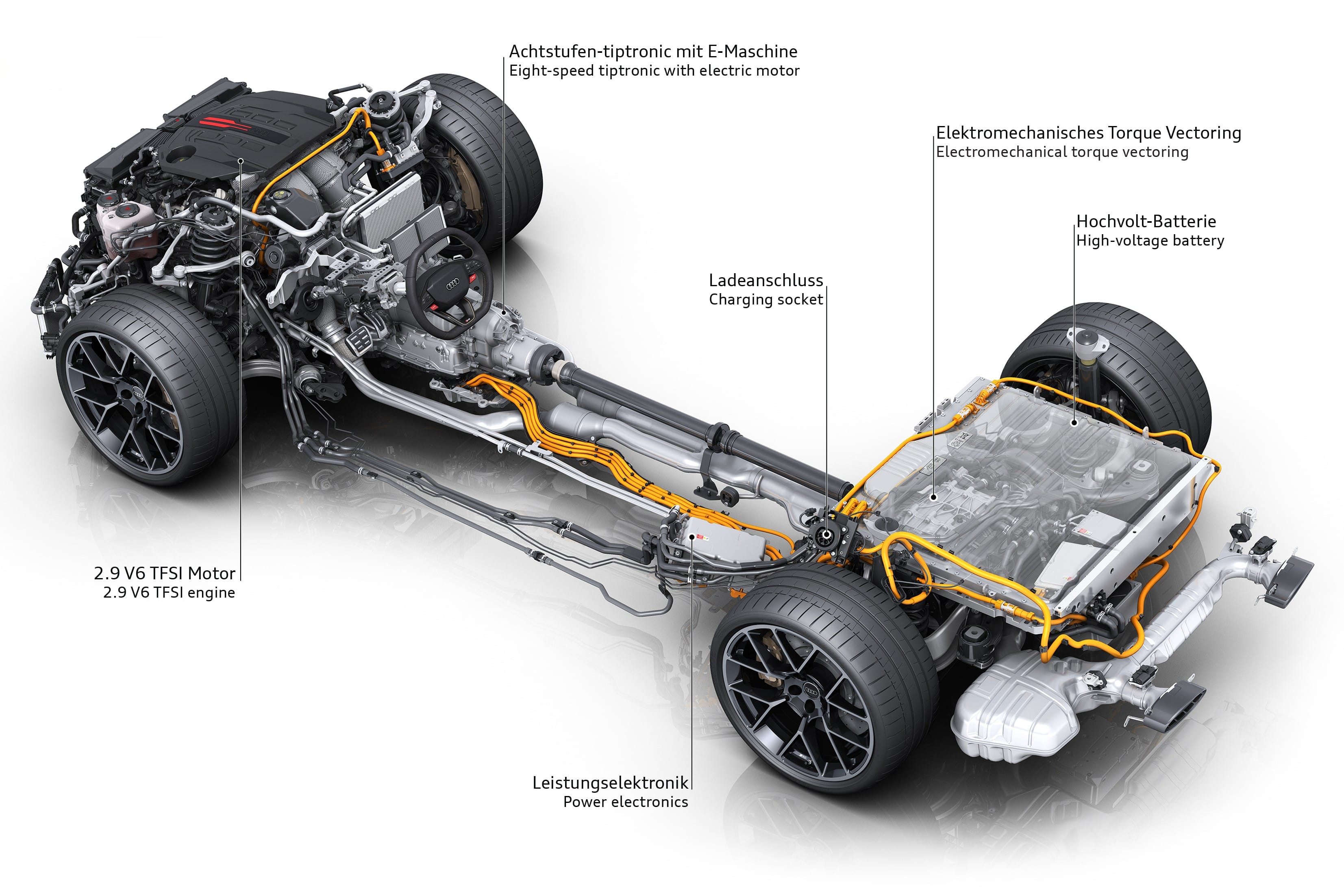
Audi RS5 plug-in hybrid powertrain

“The combustion engine is fairly mature. It’s at the very end of a 100-year innovation cycle, and battery electric is still at the very beginning, to be honest,” he said. “The dominant part of our investment will definitely be on the battery-electric side.”

Electric remains Audi’s leading technology

Audi’s decision to retain combustion engines and plug-in hybrids does not alter its long-term direction towards electric vehicles.

“Electric is, for Audi, still the leading technology,” Döllner said. “It’s our main priority to step by step become more electric.”

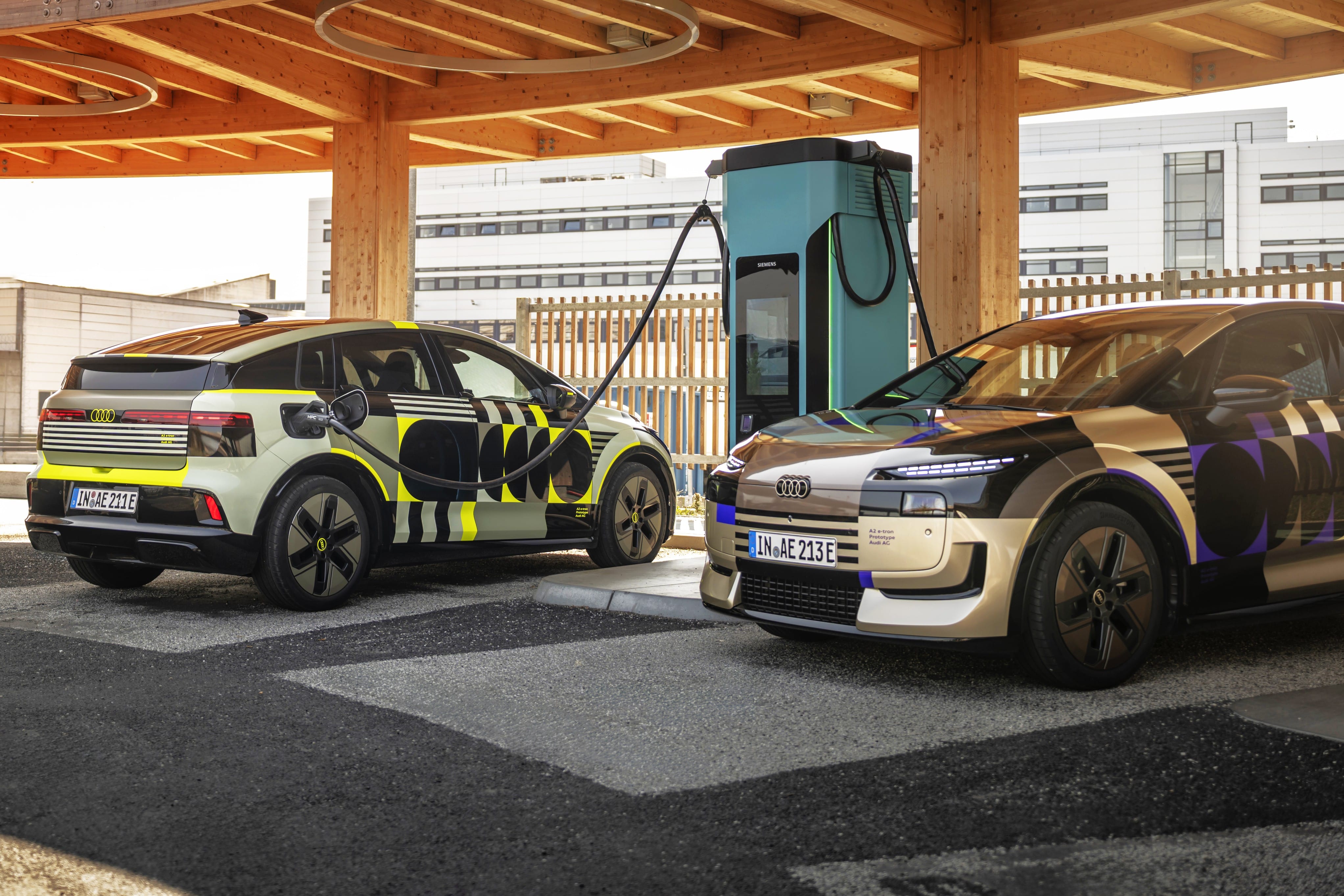
Prototypes of upcoming Audi A2 e-tron

Audi currently has four battery-electric model lines globally and expects to increase this to five by the end of the year, with some available in more than one body style. The company will, however, tailor the powertrain mix to individual regions. Plug-in hybrids will be particularly important in Europe, while the requirements of the US market will influence Audi’s future combustion-engine and PHEV portfolio, especially for SUVs.

In India, Audi’s immediate focus remains on petrol and electric vehicles. Diesel is not part of its current plan. The case for plug-in hybrids will depend partly on whether they receive any benefit under the India-EU FTA. New electric products are also planned for India.

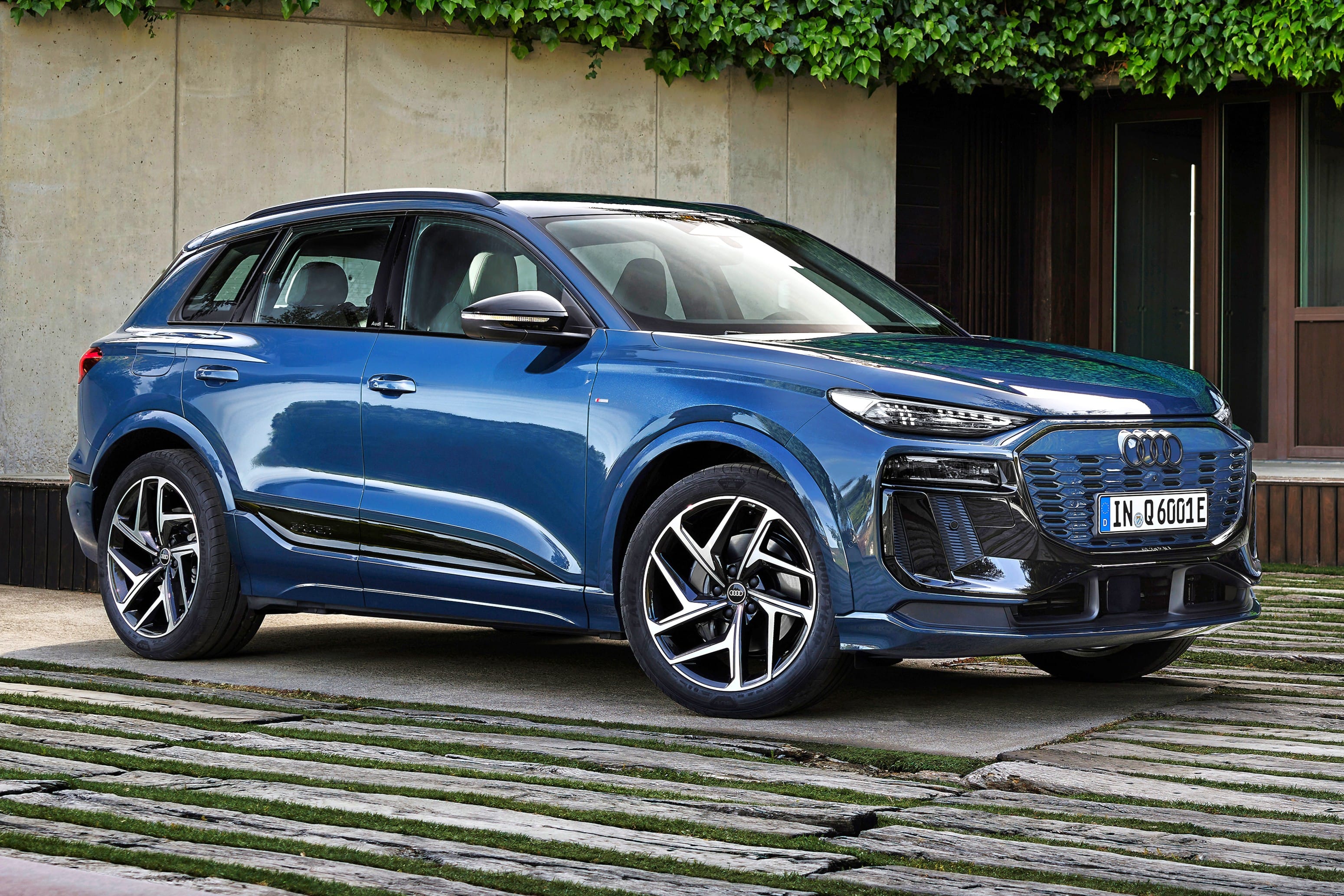
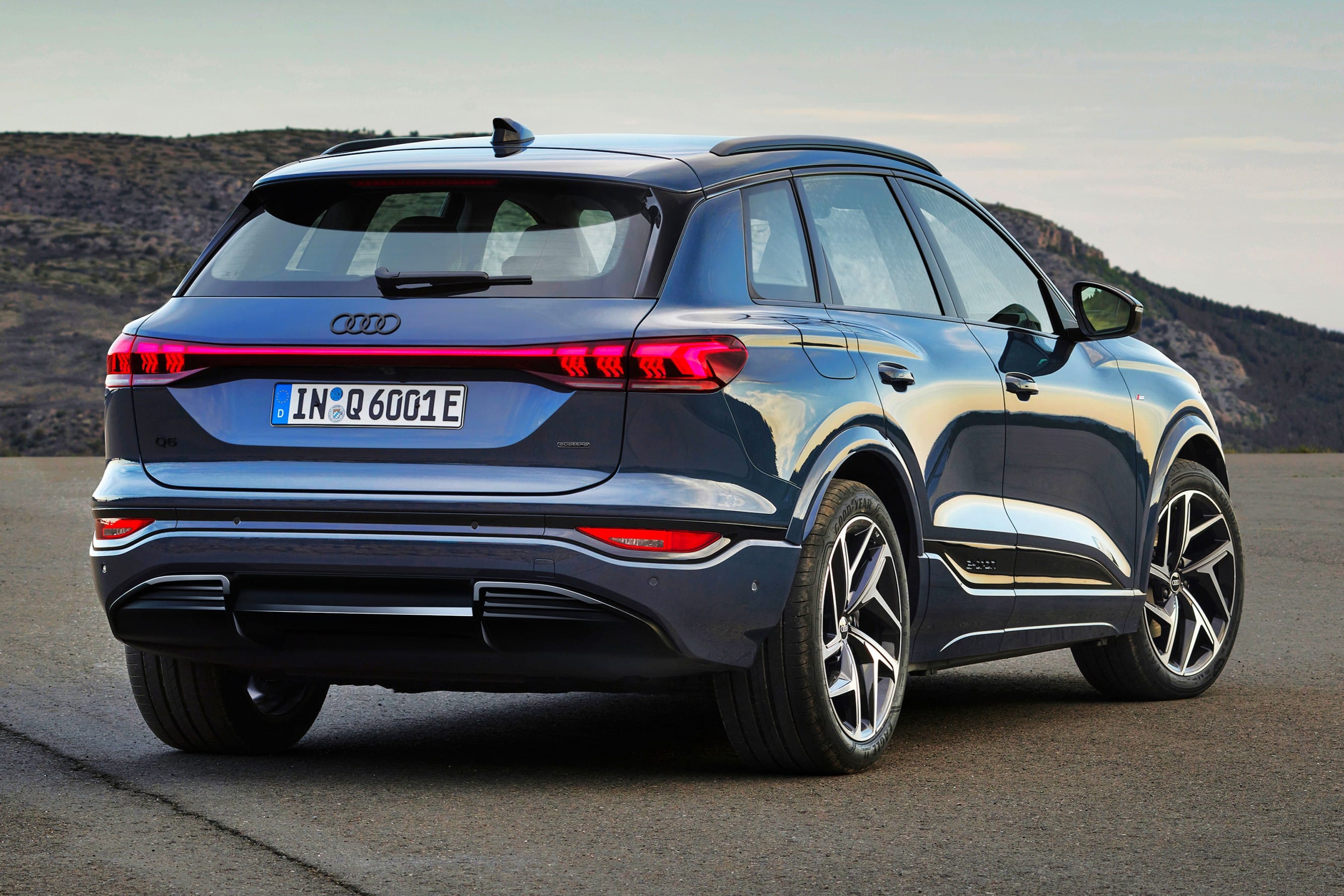
Audi Q6 e-tron

“From what I know, we also have decided to enter with new products in the electric segment in India,” Döllner said.

Audi has decided to assemble an electric vehicle in India, Autocar India learns, although the model and launch timing are still being worked out. The move from fully imported EVs to local assembly is now a question of when, rather than if.

The company was among the first luxury carmakers to enter India’s EV market with models such as the e-tron, e-tron Sportback, e-tron GT and Q8 e-tron. High import duties, however, restricted their reach and affected their resale-value proposition.

Audi Q6 e-tron

The Q6 e-tron is among the products being studied, but Audi has not decided which EV will be assembled in India. The selected model will need to offer the right combination of volume, pricing and suitability for local conditions.

Audi believes electric SUVs make more practical sense in India because their ground clearance is better suited to local road conditions. Sedans have not been ruled out, but SUVs offer a more practical proposition for battery-electric vehicles in the country.

Regional focus to shape future products

The broader powertrain approach is part of Döllner’s effort to make Audi more responsive to the requirements of individual regions.

“Audi has to act much more regional,” he said. “The times where we had a one size fits all, and we then bring it to China, just extend the wheelbase and do the same car, that doesn’t work anymore. We have to listen carefully to the markets.”

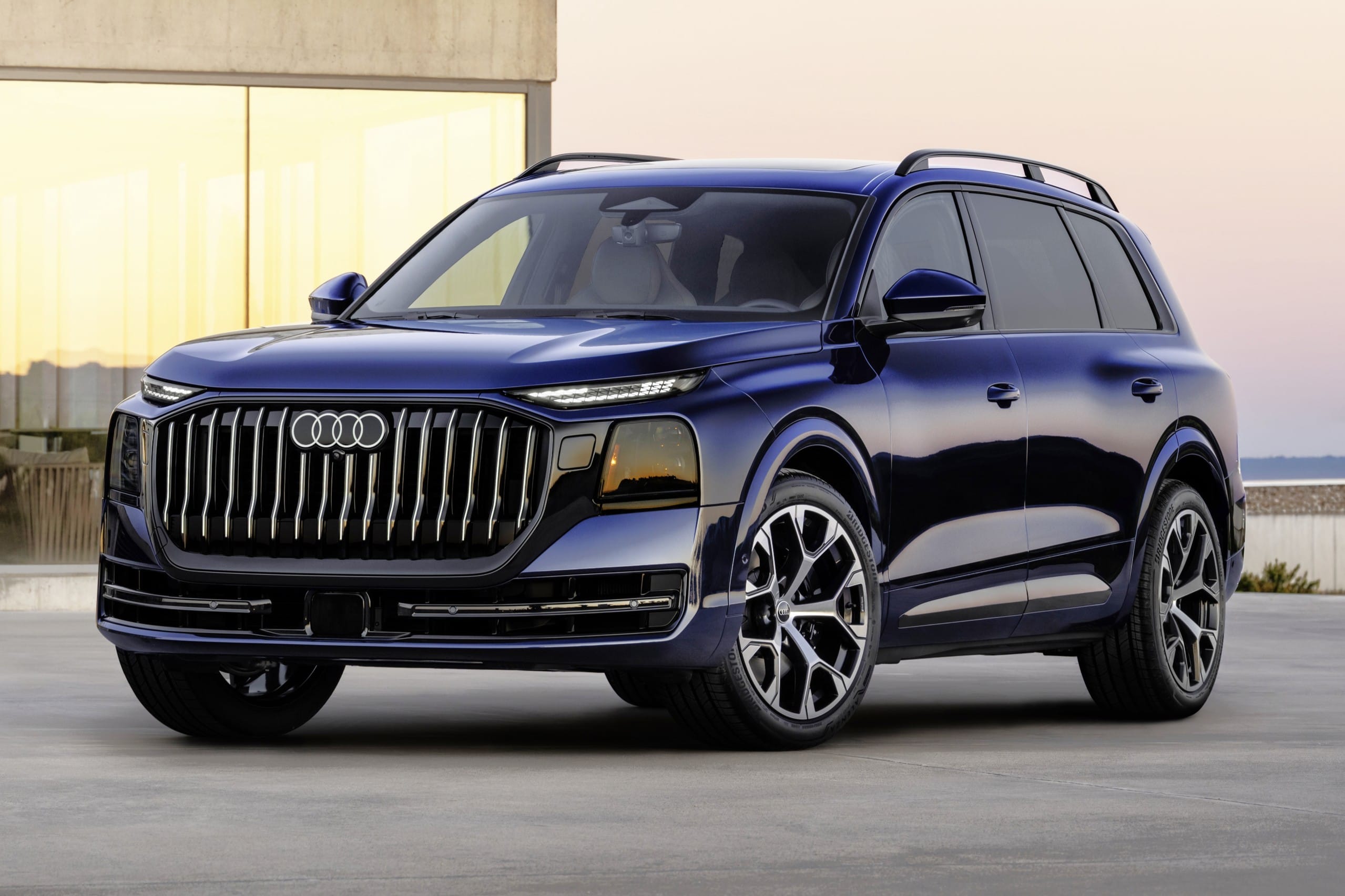
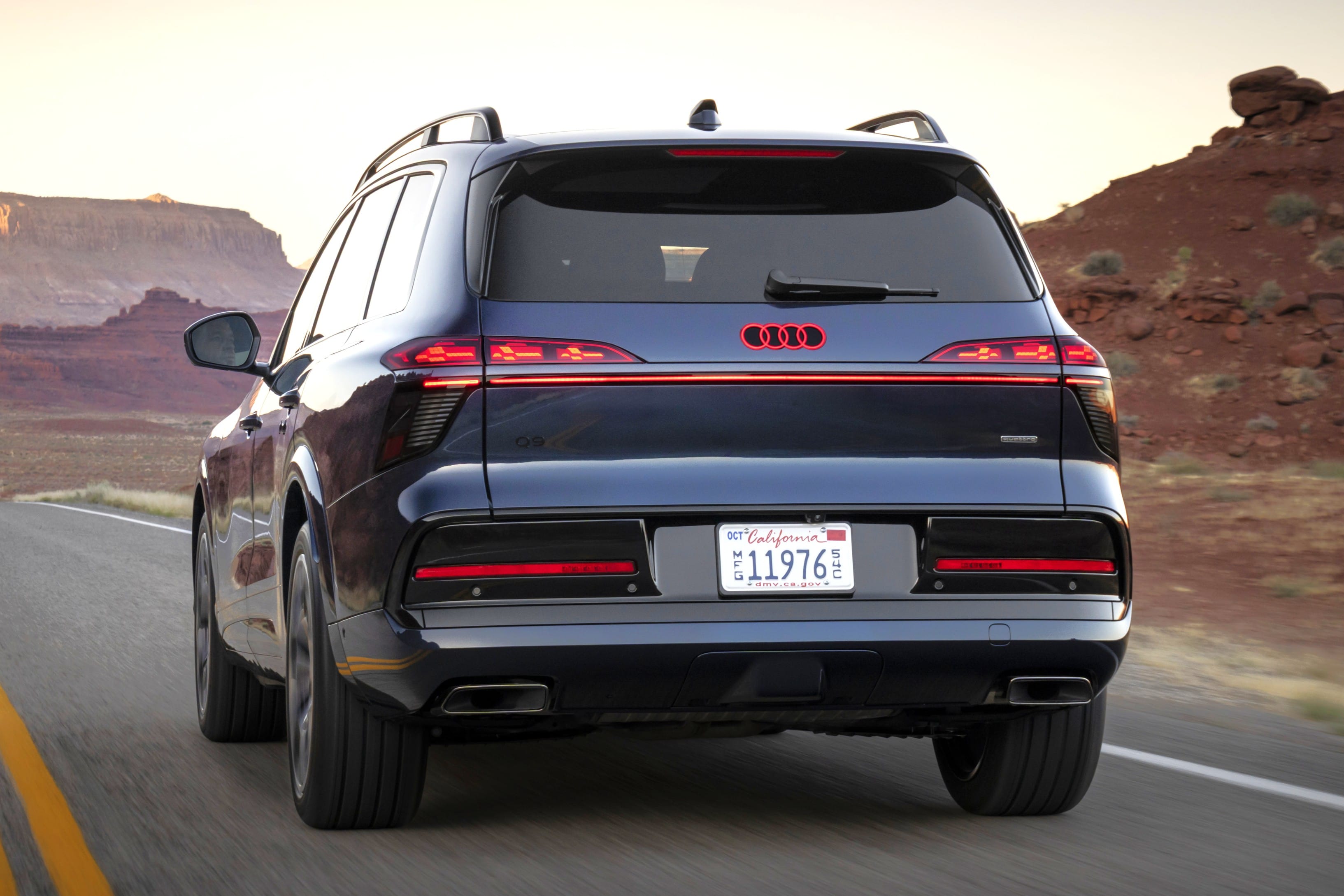
The Q9 is the first clear example of that approach. Conceived around the requirements of American customers, it will be the first Audi to make its market debut in the US.

Audi Q9

“The Q9 is a perfect proof point of a car. The biggest Audi we’ve ever built,” Döllner said. “That car would not be there without the American market.”

India does not yet generate the volumes required for Audi to develop country-specific models. Local requirements covering ground clearance, suspension, tyres, weather, dust and fuel quality are, however, fed into its global development process. The introduction of new models in India is also expected to move closer to their global launches, helping Audi benefit from the interest created when a vehicle is revealed internationally.

Döllner said the improvement in India’s manufacturing and automotive technology has changed how the country is viewed within the global industry.

Audi Q9

“India is also an excellent proof point. It’s really unbelievable what the car industry has developed in India and what level of perfection and technology products are delivered,” he said.

“In the past, there has been this strong European automotive industry, and the world has turned around. Now we have a very dynamic Chinese market, a growing and rising Indian automotive industry. The US is a story of its own.”

“What keeps me awake at night is if we are able to change fast enough,” Döllner said. “We have to speed up.”

KTM RC 490 and RC 790 confirmed to be in development

KTM RC 490 and RC 790 confirmed to be in development

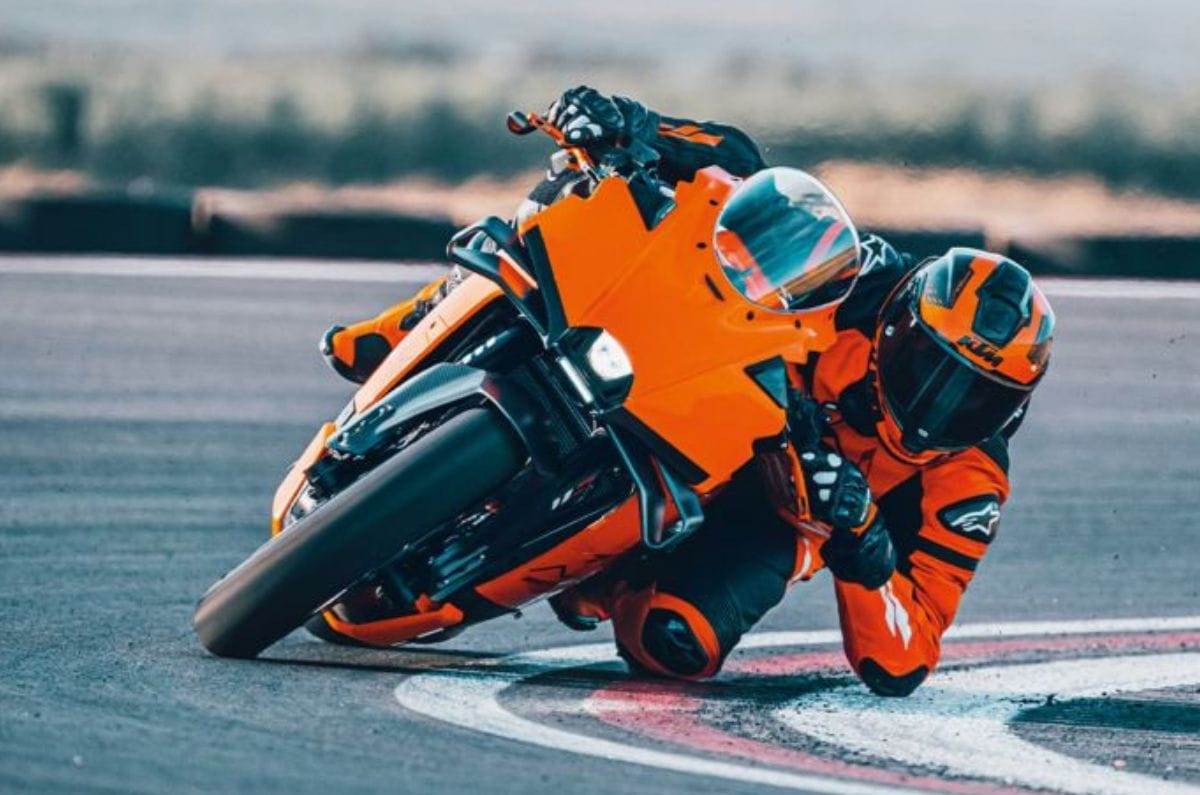
“Where is the Gen-3 Duke-based RC 390?” has been a pressing question in many people’s minds. While we still wait to hear about the 390, we now know that there’s an RC 490 and a 790 coming, according to KTM CEO Gottfried Neumeister in a recent interview.

  1. RC 490 to be based on a new platform not shared with China-exclusive RC 450
  2. RC 790 should share a lot with the freshly updated KTM 790 Duke

KTM RC 490 and RC 790: What do we know so far?

While it sounds closer to RC 450, RC 490 will be based on a different platform

“We definitely want to extend our RC [supersport] line-up; the 990 was first, and we’ll have a 790 and a 490, like other brands with mid- and lower-class presence and in a segment that is growing,” were his exact words, which tell us two things.

One, there will be not one but two new RC motorcycles, and two, the absence of the 390 could mean that KTM intends for the 490 to be the new entry-level supersport in global markets at least.

Based on previous information, we know that this 490 will not be the same as the China-exclusive RC 450. It will be a new platform, jointly developed by Bajaj and KTM and will likely be derived from the current 390 LC4c platform. It’s reported to use a twin-cylinder engine, with its smoothness likely to be the big differentiator. There’s no official launch timeline as yet.

Ever since the 390 Duke was updated to Gen 3 in mid-2023, KTM fans have been anticipating the update to reach the RC 390 as well. However, that hasn’t happened yet, and the latest RC 390 sold in India still uses the older LC4 373cc engine.

For the RC 790, however, we have a blueprint to look at in the recently revealed 790 Duke. Traditionally, Dukes serve as a precursor to RCs; if that continues to be the case here, the upcoming RC 790 should share the updated LC8c platform and the parallel twin-cylinder engine that makes a similar, if not the exact same, 104hp and 87Nm of torque. However, the power delivery will likely be different to account for the RC’s high-revving nature.

At this point, it’s worth mentioning that KTM had recently launched the 990 RC R, followed by the track-focused 990 RC R Cup. These are currently the newest supersport motorcycles in the Austrian manufacturer’s global portfolio.

BMW reportedly puts its upcoming G-Class, Defender rival on ice

bmw x5 off-road

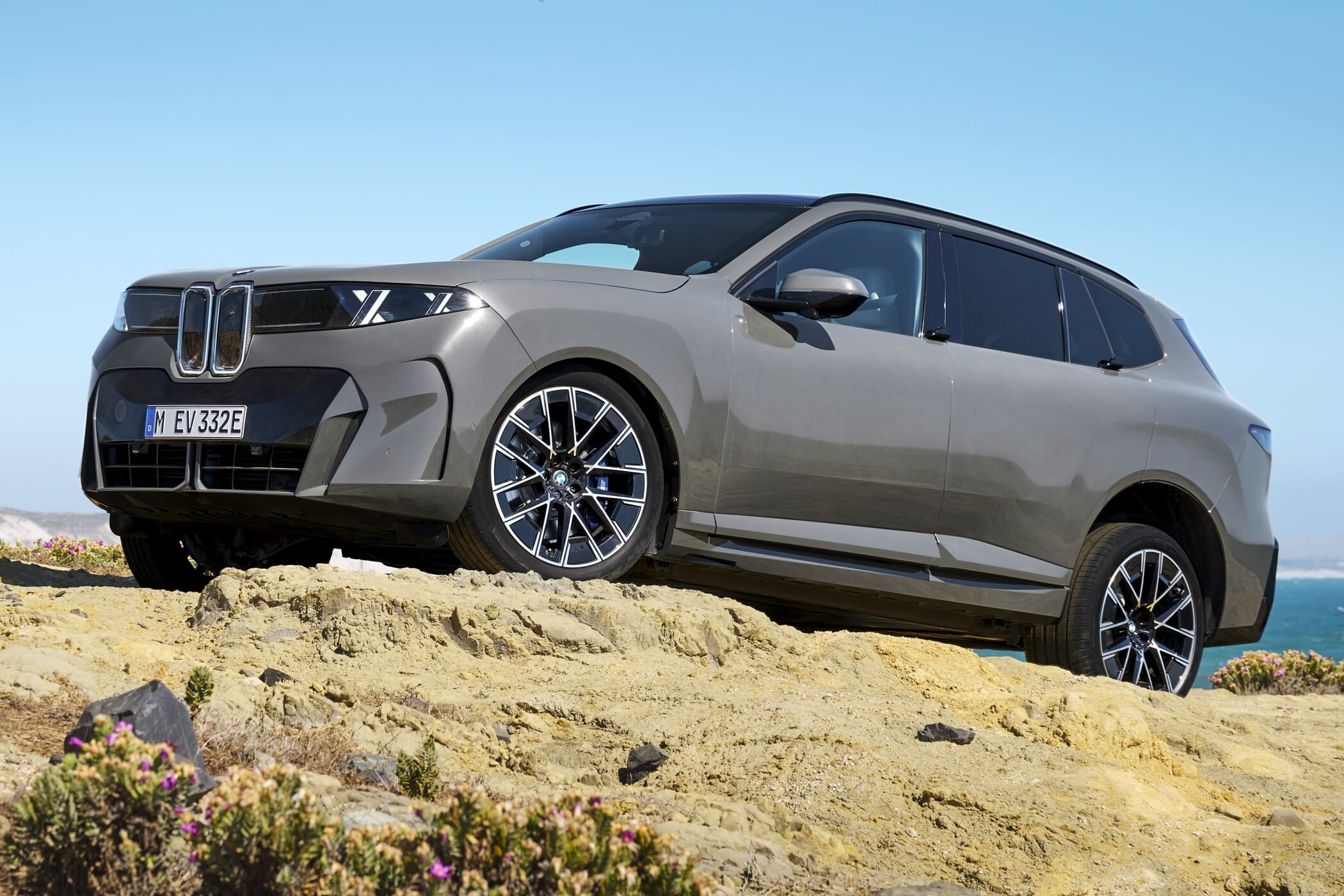
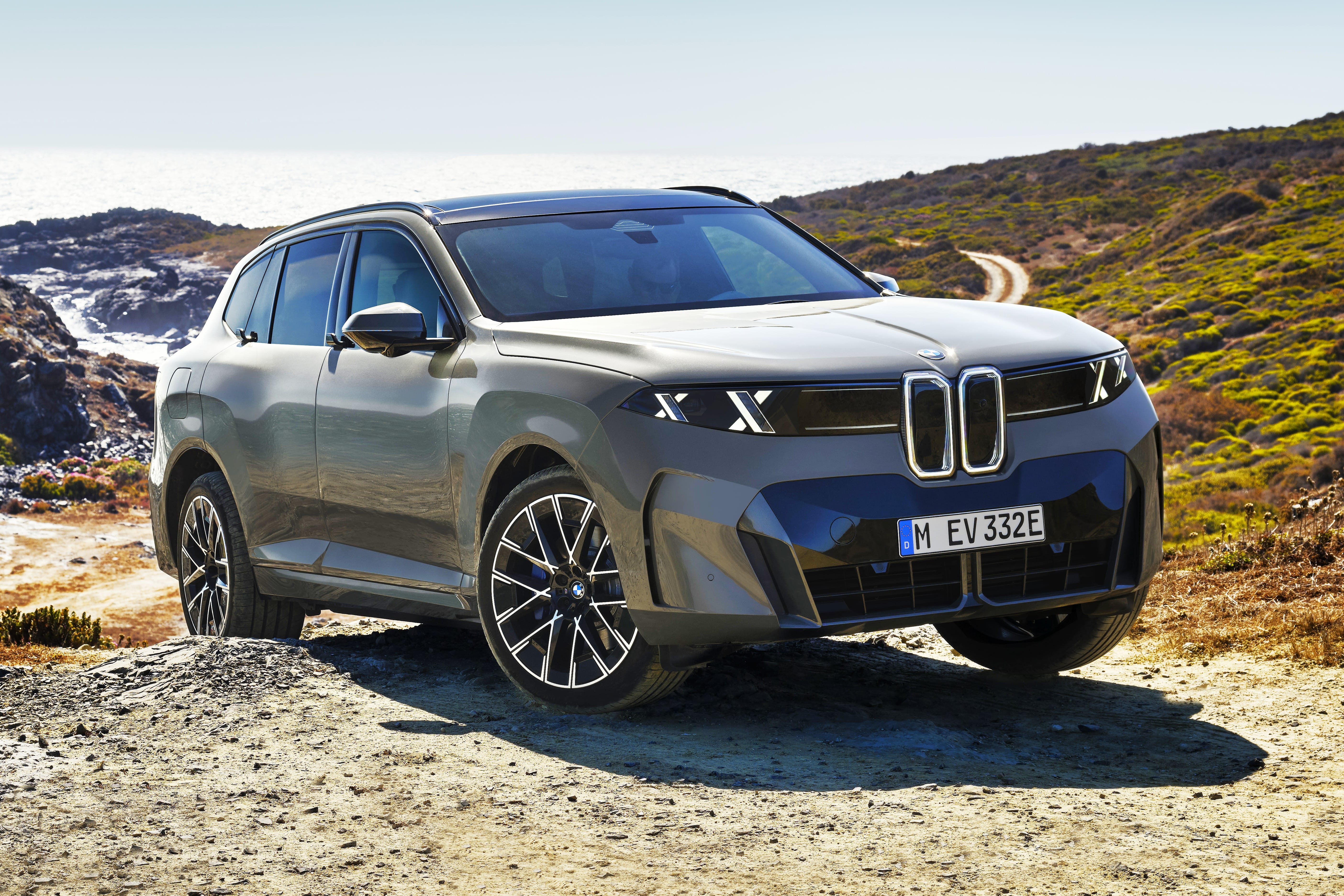
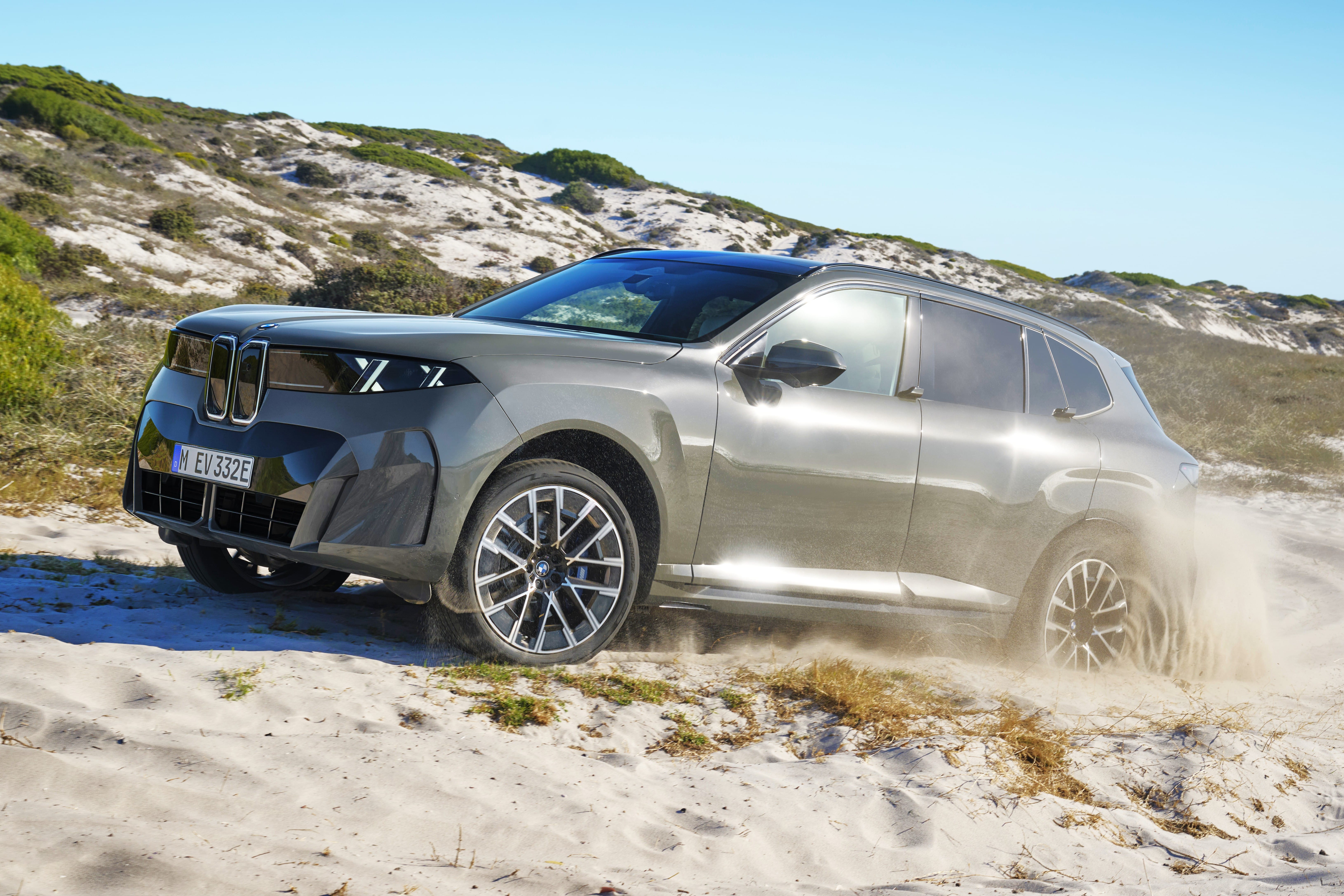
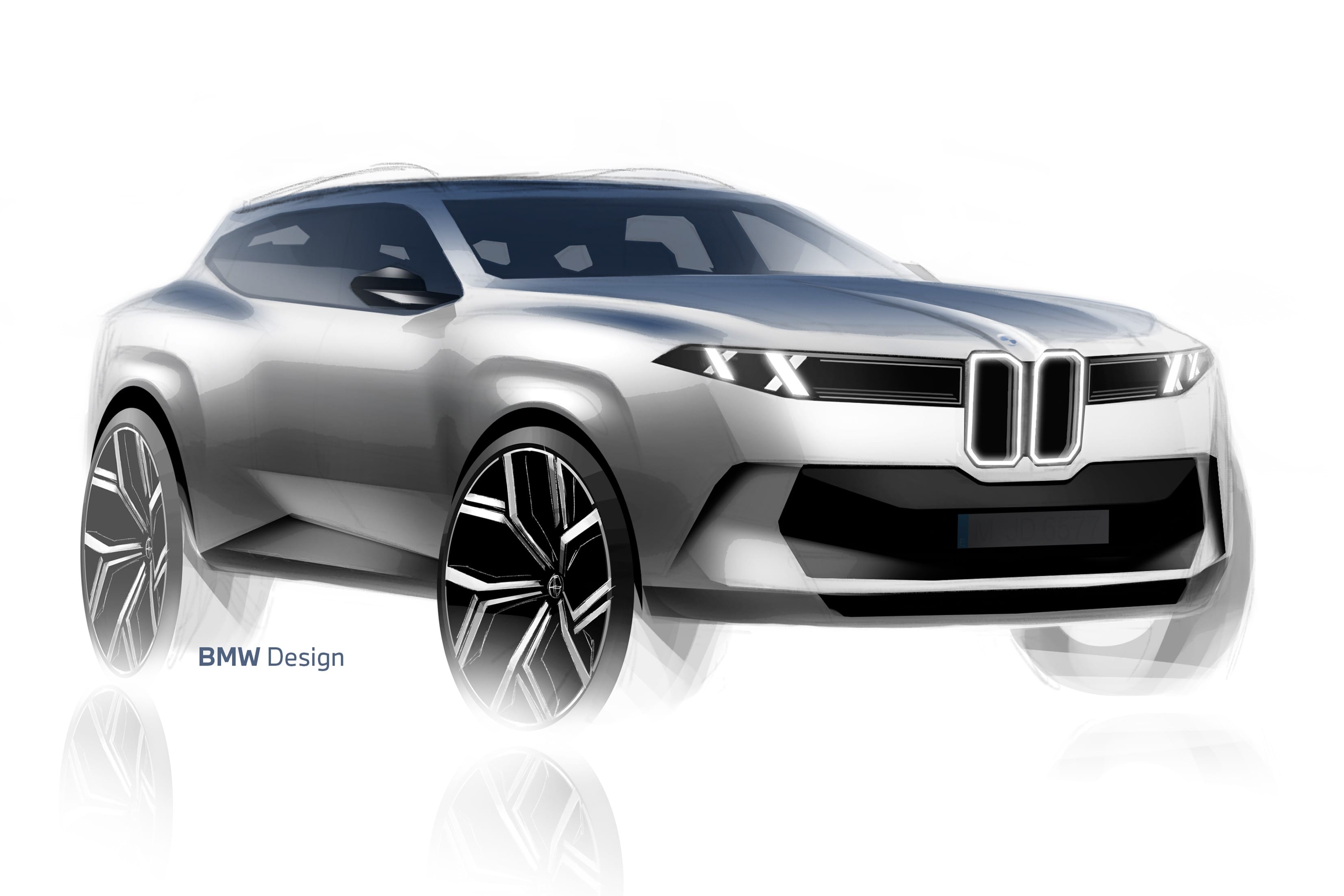
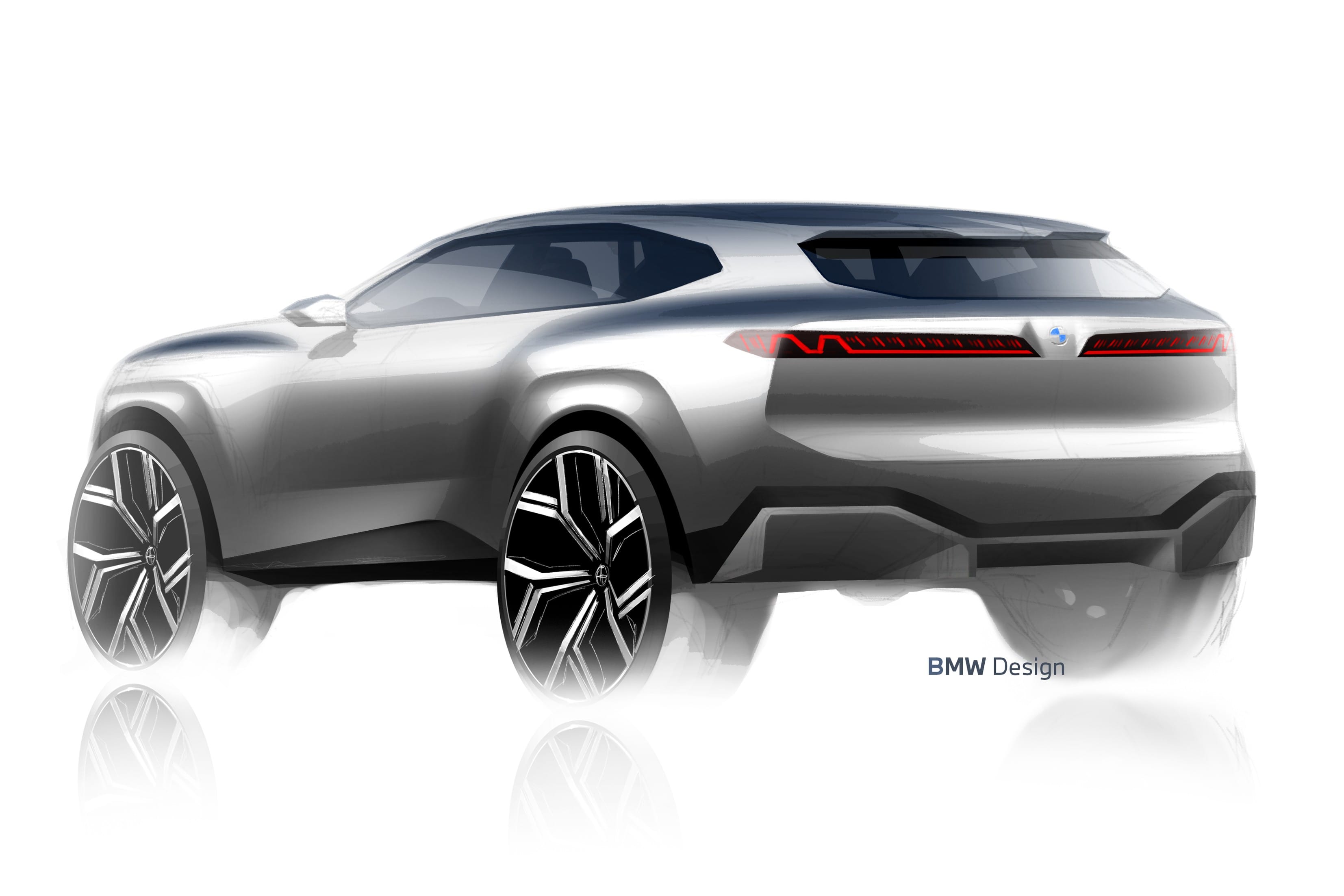
BMW’s luxury off-roader project, codenamed G74, has reportedly failed to receive final internal approval and is on hold due to changing global market conditions. The rugged luxury SUV was purported to be BMW’s rival to the Mercedes-Benz G-Class and Land Rover Defender, but it’s now uncertain whether it will ever reach production.

Market pressures prompt BMW to re-evaluate product portfolio

Fifth-gen BMW X5. Image used for representation only.

According to recent media reports, one of the reasons behind the G74 project’s halt is concern over the size of the luxury off-roader segment relative to the investment required to develop a dedicated model. BMW is also adopting a more disciplined approach to its model portfolio in light of increasing competition in markets like China, as well as tariffs, trade barriers, currency fluctuations, tightening emissions regulations in Europe, and broader geopolitical uncertainty.

Speaking after the company’s second-quarter financial results, CEO Milan Nedeljković said BMW is re-evaluating which technologies, model variants, and powertrains it will need in the coming years instead of assuming existing development programmes remain viable. “In all these areas, we are taking significant steps and increasing the pace. For example, we are once again reviewing which technologies, model variants and drivetrains we will need in the future. In addition, we are looking at where new partnerships could make economic and technological sense,” he noted.

Fifth-gen BMW X5. Image used for representation only.

Nedeljković highlighted the rapid deterioration of market conditions in China as a key concern for the portfolio review. He said Chinese manufacturers are increasingly expanding into Europe, Latin America, and other global markets, creating additional competitive pressure. Although Nedeljković did not mention the G74 directly, insiders claim the off-road SUV has already become one of the first casualties of BMW’s ongoing product review.

The G74 was reportedly targeting a 2029 launch, and sources say BMW can still approve or cancel projects up to around 18 months before production begins. BMW has not officially confirmed the cancellation of the G74 yet, and since the project is currently on hold rather than permanently scrapped, there remains scope for it to return if market conditions improve.

Everything we know about the BMW G74 off-road SUV

Fifth-gen BMW X5 design document. Image used for representation only.

While BMW never officially confirmed the existence of the G74 project, reports over the past few years suggested the carmaker was developing a purpose-built off-road SUV to rival the G-Class and Defender. In reference to the luxury off-roader segment, a senior BMW manager told Autocar UK in 2025: “We’re aware of the market potential [of such a vehicle]. It’s more than just discussions. We have been planning this for a while. It will definitely need an internal combustion engine.” Earlier this year, BMW M boss Frank van Meel even added to the speculation by stating he ‘wouldn’t say no’ to an off-road SUV fettled by the performance division.

The G74 project was expected to be underpinned by a heavily-modified derivative of the existing CLAR platform, which also underpins the fifth-gen BMW X5. This would have allowed the G74 to be offered with multiple powertrain options, including plug-in hybrid and fully electric, and the SUV’s production was ostensibly planned for BMW’s Spartanburg plant in South Carolina.

Fifth-gen BMW X5 design document. Image used for representation only.

Reports suggest the BMW G74 was designed with a 7-seat layout in mind, while the exterior featured a rugged iteration of the Neue Klasse design language and a bootlid-mounted spare wheel. The SUV was even mooted to be christened the X8, and serve as a spiritual successor to the BMW XM, which is expected to be discontinued in 2028.

JSW Motors’ Chery iCar V23-based electric SUV to offer AWD

Chery iCar V23

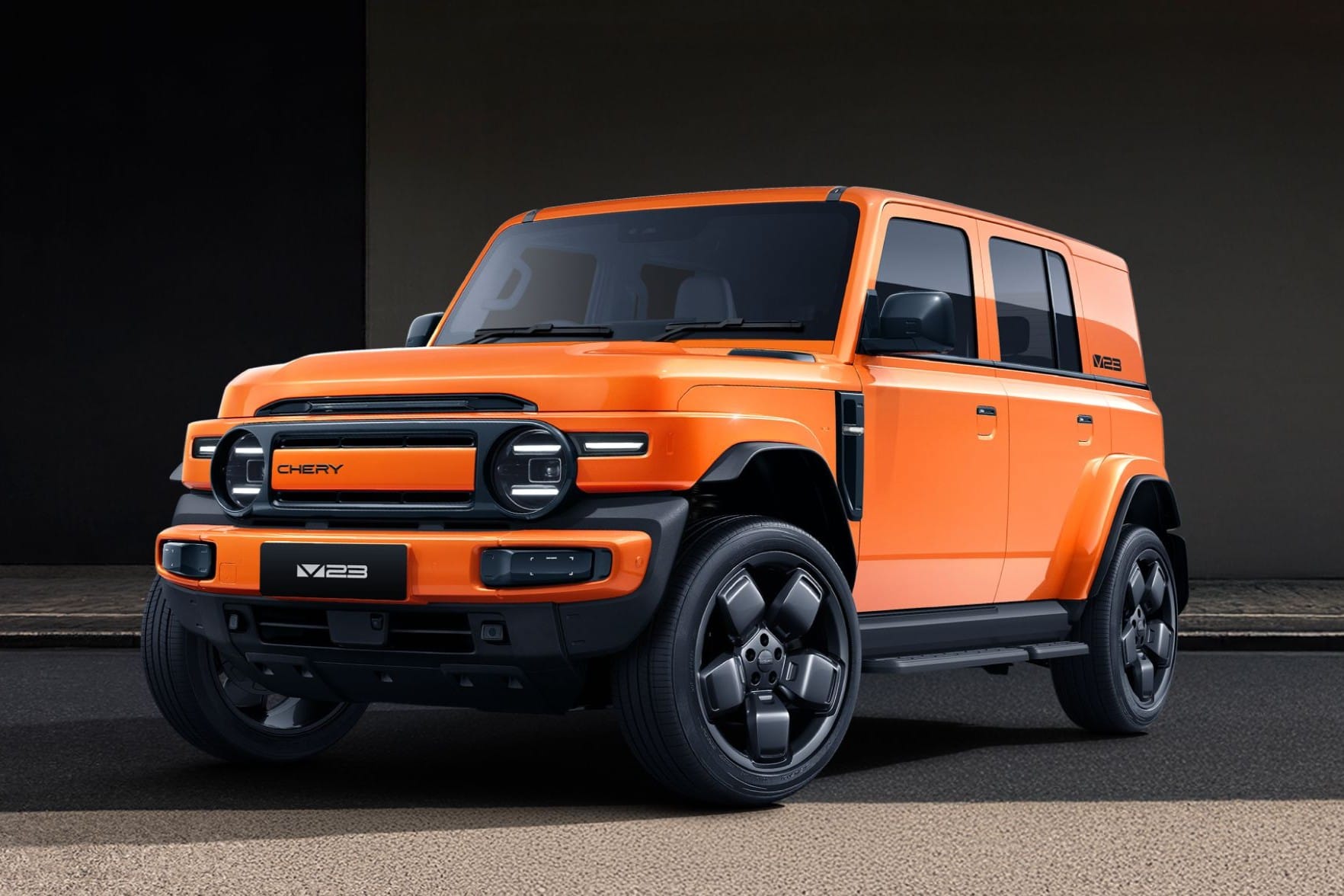
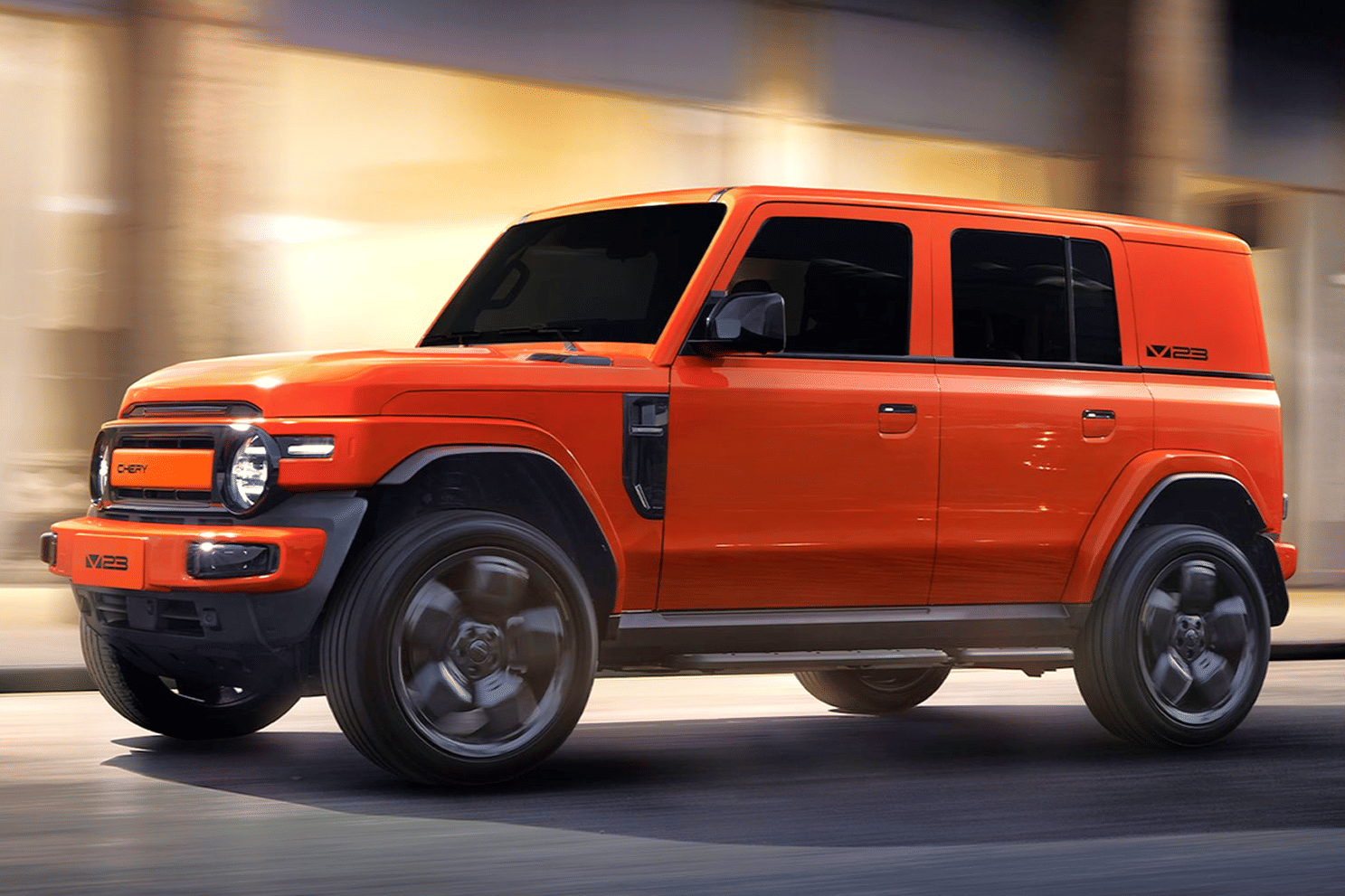
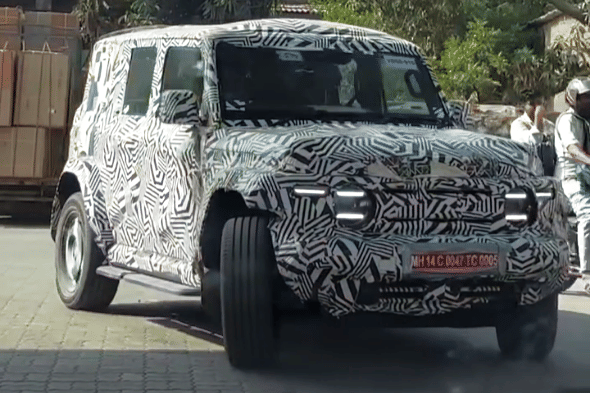
JSW Motors’ third model, an electric SUV based on the Chery iCar V23, is expected to be sold with a dual-motor all-wheel drive powertrain in India, per our sources. This EV will be the first mass-market electric off-roader in India, and its closest rival will be the Mahindra Thar Roxx, which is ICE-powered, but also a 5-door off-road-focused SUV. We even reported previously that JSW’s iCar V23-based EV may be priced under Rs 20 lakh (ex-showroom).

JSW Motors’ iCar V23-based electric SUV: Powertrain

In global markets, the dual-motor AWD version of the iCar V23 packs an 81.76kWh NMC battery pack with an NEDC-certified range of 430km. Combined output is pegged at 211hp and 292Nm, which makes for a rather brisk 0-100kph time of 7.5 seconds (claimed). Top speed is rated at 140kph. The global-spec iCar V23 also supports up to 6.6kW AC and 104kW DC charging speeds.

JSW Motors’ iCar V23-based electric SUV: Exterior and interior

Credit: @torqueculturee via Instagram

Test mules of JSW’s iCar V23-based EV have been spotted on Indian roads on several occasions, hinting at a very similar design to that of the global model. For reference, the global-spec iCar V23 measures 4,220mm in length, 1,915mm in width, and 1,845mm in height, with a wheelbase of 2,735mm. It also has an unladen ground clearance of 210mm.

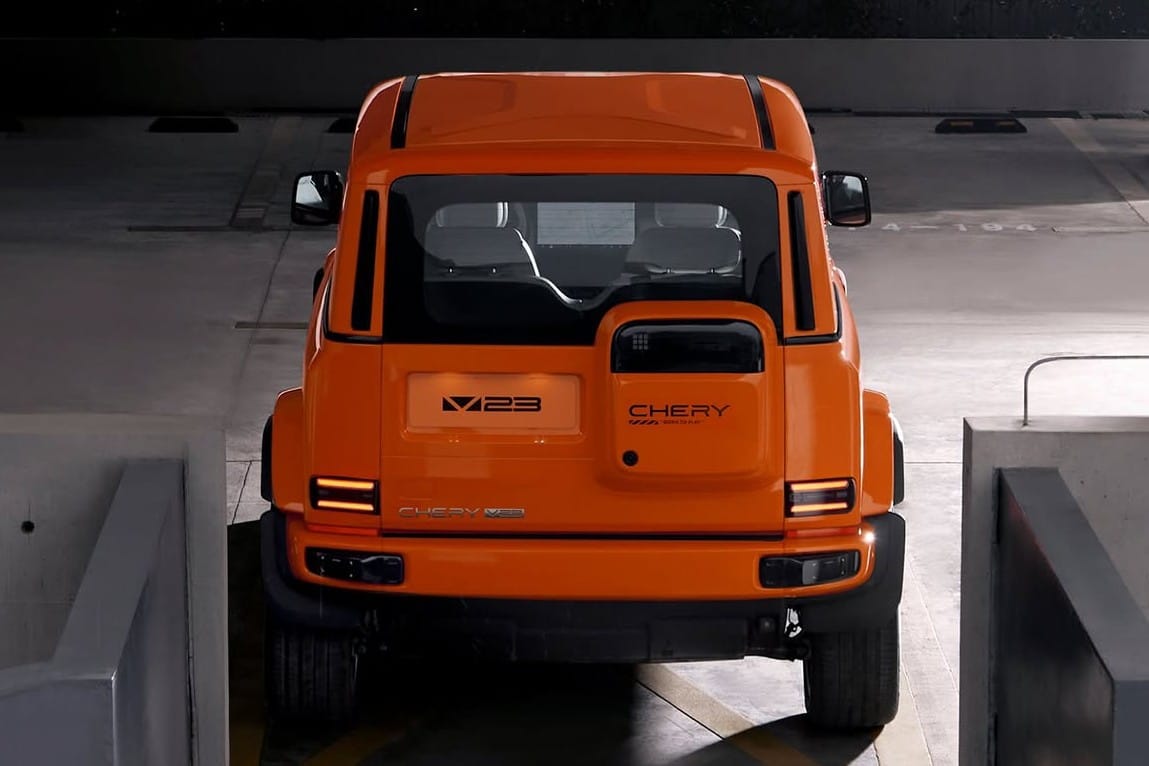
Size-wise, then, the iCar V23 slots between the Maruti Jimny and Thar Roxx. Styling highlights for the iCar V23 include butch and boxy proportions, muscular bumpers, flared and squared-off fenders, 21-inch alloy wheels, circular LED headlamps, low-set rectangular tail-lamps, and a bootlid-mounted spare wheel.

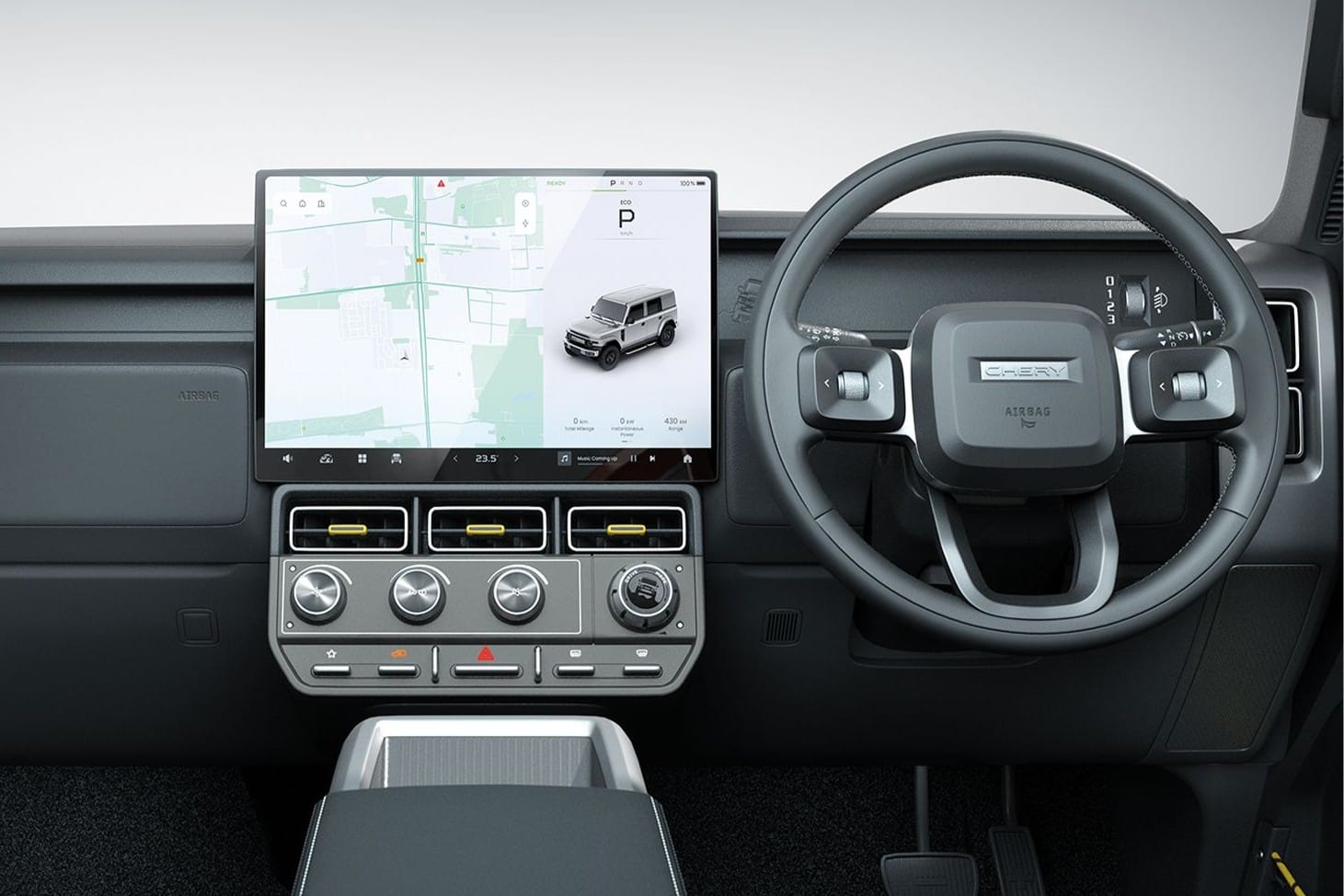
Inside, the iCar V23 sports a minimalist dashboard layout, comprising a massive 15.4-inch infotainment touchscreen, a three-spoke steering wheel, and two rows of physical controls on the centre console. As for features, the global-spec iCar V23 packs wireless Apple CarPlay and Android Auto, a 540-degree camera, six drive modes, ADAS, powered and ventilated front seats, V2L functionality, a digital key, a 7-speaker sound system, and more.