Redmi ने गुरुवार को भारत में अपना नया Redmi 17 5G स्मार्टफोन लॉन्च कर दिया है। इस फोन को Amazon और कंपनी के अधिकृत आउटलेट्स से खरीदा जा सकेगा। ग्लोबल वेरिएंट की तरह भारत में भी यह स्मार्टफोन तीन अलग-अलग कलर ऑप्शन में उपलब्ध होगा। आइए जानते हैं Redmi 17 5G की कीमत और इसके स्पेसिफिकेशंस के बारे में।
भारत में Redmi 17 5G की कीमत
Redmi 17 5G के 6GB RAM + 128GB स्टोरेज वाले मॉडल की शुरुआती कीमत ₹39,999 है। वहीं, 8GB RAM + 128GB स्टोरेज वाले मॉडल की कीमत ₹41,999 है। खास बात यह है कि कंपनी ने दोनों मॉडल्स की नेट इफेक्टिव कीमत क्रमशः ₹23,999 और ₹26,999 तय की है।
यह फोन भारत में 10 सितंबर 2026 से Amazon और Xiaomi के अधिकृत आउटलेट्स के जरिए खरीदा जा सकेगा। Redmi 17 5G को Absolute Black, Endless Blue और Eternal Orange जैसे तीन कलर ऑप्शन में पेश किया गया है।
Redmi 17 5G के स्पेसिफिकेशन्स
Redmi 17 5G में डुअल-सिम स्लॉट है और यह Android 16 पर आधारित HyperOS3 पर चलता है। इस हैंडसेट में 6.9-इंच का HD+ डिस्प्ले होगा, जिसका रिफ्रेश रेट 120Hz तक और पीक ब्राइटनेस 825 निट्स होगी।
पावर की बात करें तो, इस स्मार्टफोन में Qualcomm का ऑक्टा-कोर Snapdragon 4 Gen 5 चिप है, जो 4nm प्रोसेस पर बना है। इसमें Adreno GPU के साथ 8GB तक LPDDR4x RAM और 256GB तक UFS 2.2 ऑनबोर्ड स्टोरेज भी मिलता है, जिसे माइक्रो-SD कार्ड से 2TB तक बढ़ाया जा सकता है।
फोटोग्राफी के लिए, इस हैंडसेट में डुअल रियर कैमरा सेटअप है, जिसमें f/1.8 अपर्चर वाला 50MP का मेन सेंसर और एक सेकेंडरी कैमरा शामिल है। सेल्फी के लिए, स्मार्टफोन में f/2.05 अपर्चर वाला 8MP का कैमरा दिया गया है।
Redmi 17 5G में 7,900mAh की बैटरी है और यह 45W वायर्ड फास्ट चार्जिंग और 22.5W रिवर्स वायर्ड चार्जिंग को सपोर्ट करता है। इस डिवाइस का साइज 170.12×78.42×8.8mm है। कनेक्टिविटी के लिए, Redmi 17 5G में 5G और 4G LTE नेटवर्क के साथ डुअल-बैंड Wi-Fi, Bluetooth, NFC, GPS और USB Type-C पोर्ट की सुविधा है। इसमें 3.5mm हेडफोन जैक भी दिया गया है।
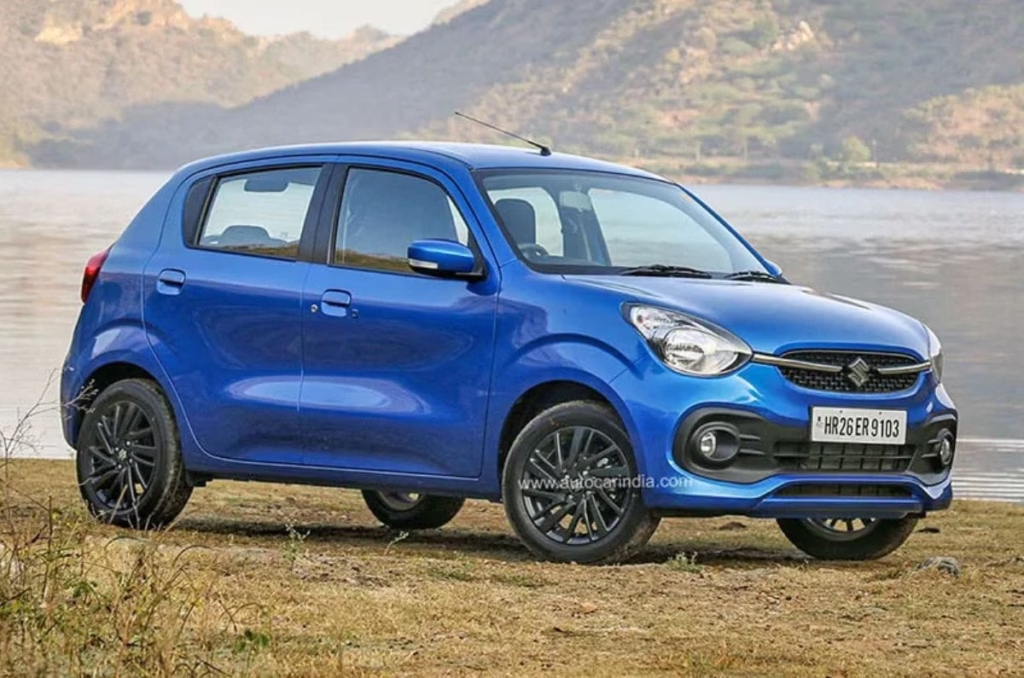
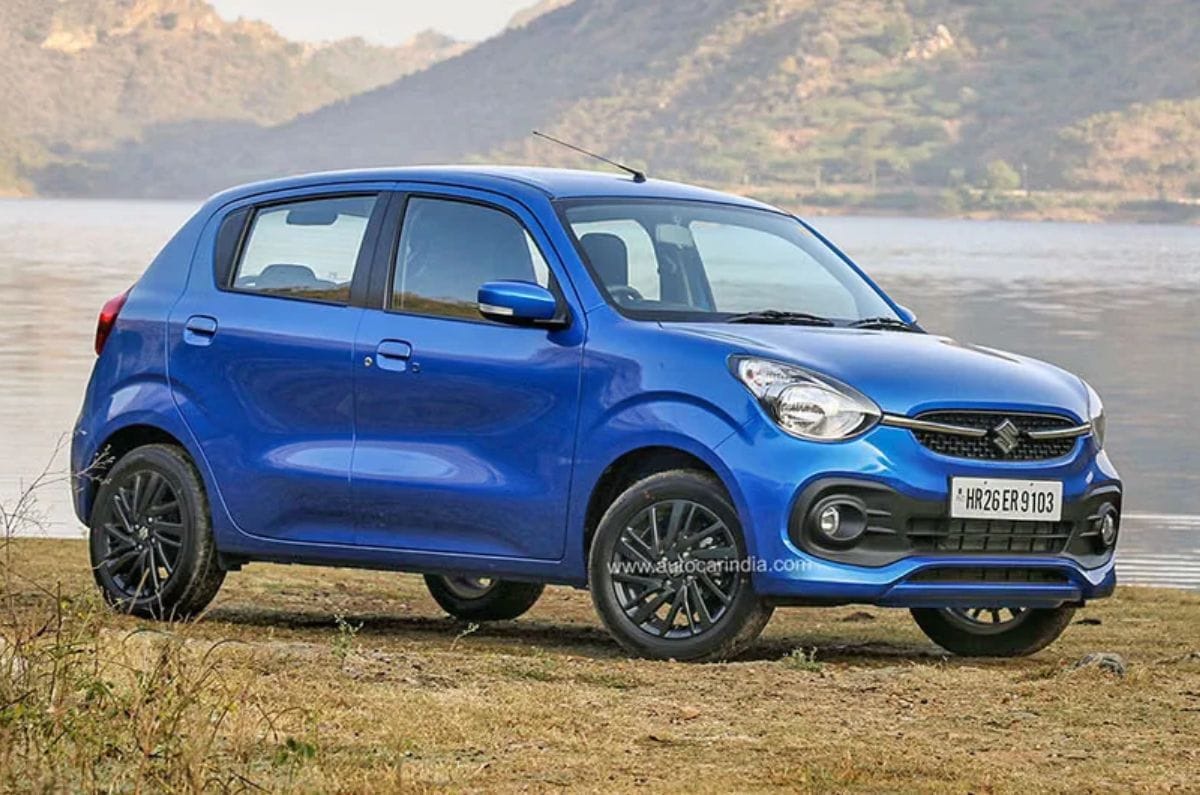
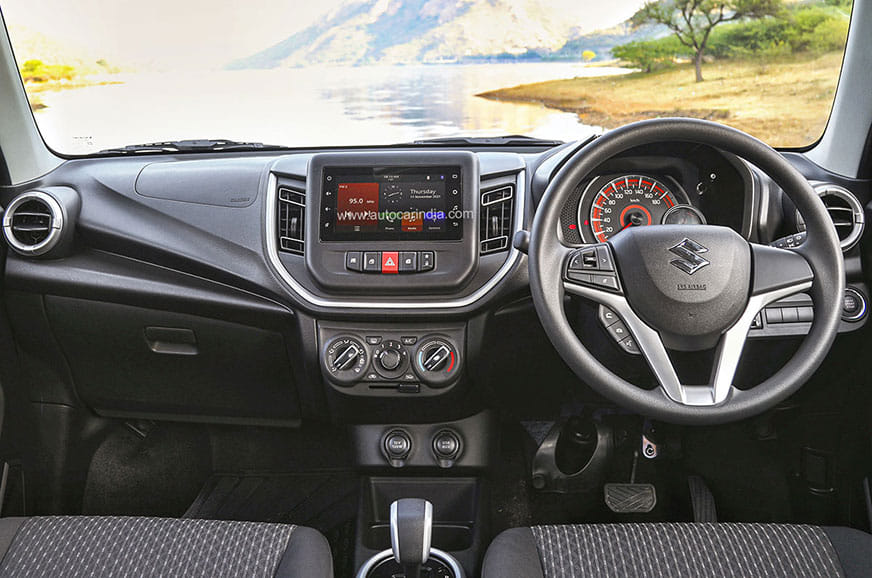
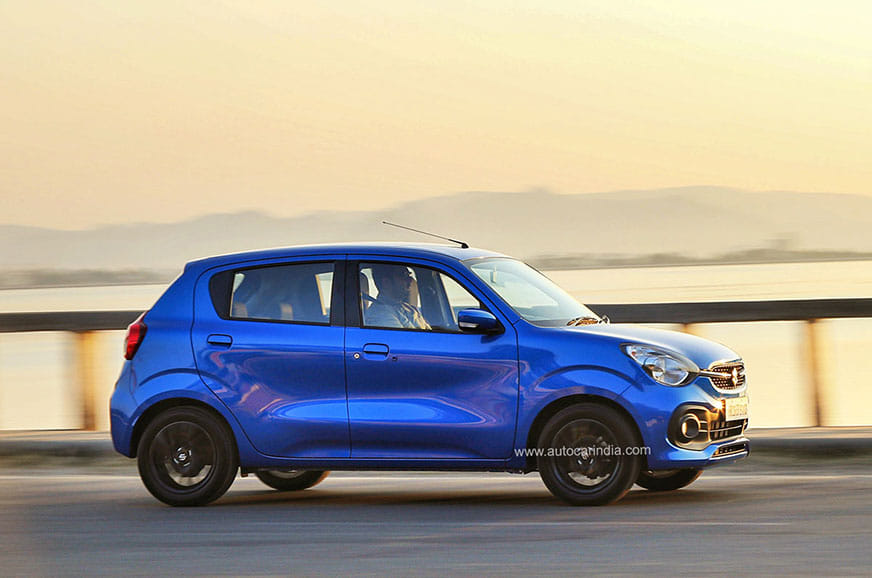
The Celerio is positioned between the cheaper Alto K10 and the even more popular Wagon R in Maruti Suzuki’s line-up. Priced between Rs 4.70 lakh and Rs 6.75 lakh (ex-showroom), the Celerio is available in petrol and CNG versions with manual and AMT gearbox options, just like its rivals. While the second-gen model arrived on the entry-level hatchback scene in 2021, it hasn’t received a single facelift in the following five years, placing it at a disadvantage over some of its competitors. This Heartect platform-based hatchback goes up against the likes of the new-gen Tata Tiago and its own stablemate, the Wagon R.
Reasons to buy the Maruti Celerio
City slicker
The Celerio’s urban-friendly demeanour is great for regular commutes
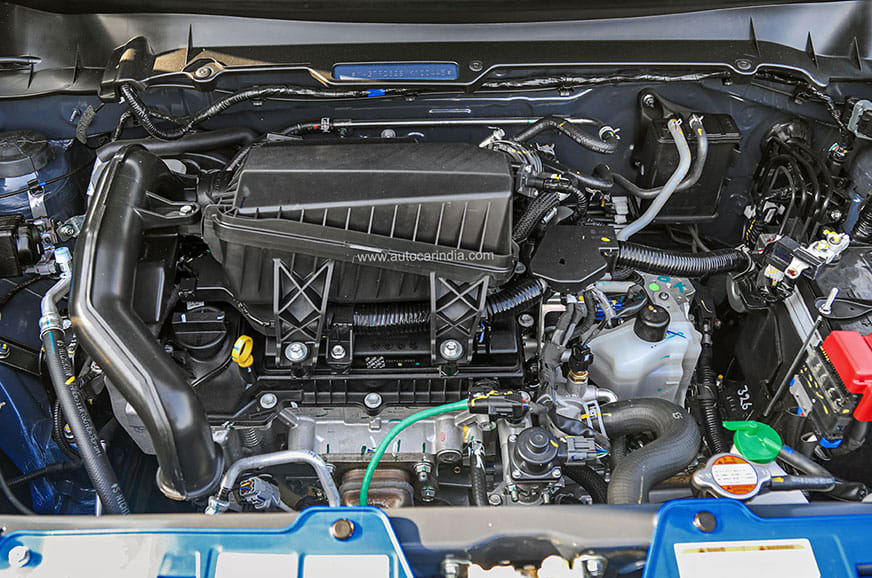
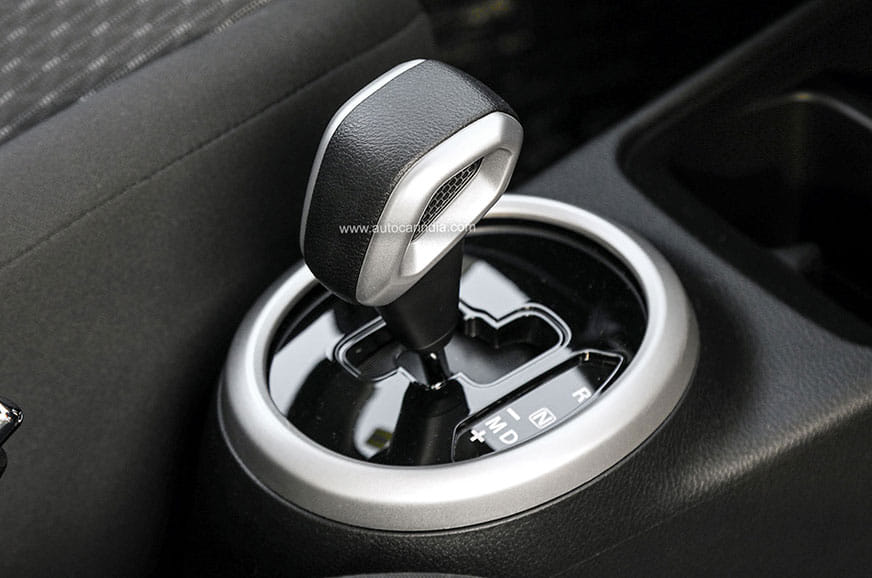
One of the factors making the Maruti Celerio a great urban runabout is its 1.0-litre three-cylinder engine. It builds power smoothly right from lower RPMs which, along with a slick 5-speed manual gearbox and a light clutch, make pottering around town an easy affair. Those seeking an even easier time commuting can pick the AMT (automated manual transmission), whose shifts are relatively smooth as far as AMTs go.
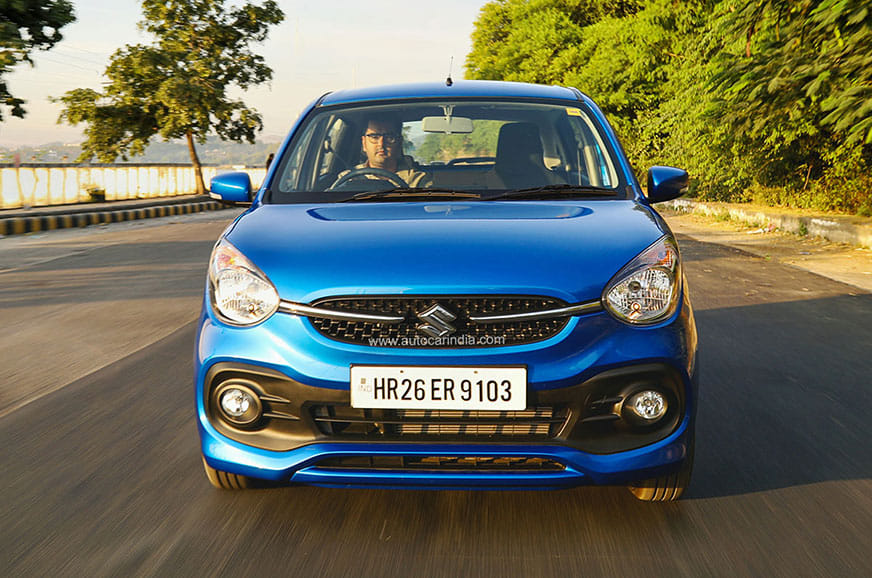
Helping matters further in the city is the plaint suspension, which soaks up bumps at lower speeds without much fuss. The light steering, tight turning radius and good front visibility also go a long way in helping you navigate compact parking spots and bustling city traffic. And despite its cost-friendly design, the height-adjustment feature for the driver’s seat means finding a suitable position isn’t too much of an issue.
Efficiency champ
This is Maruti Suzuki’s most frugal offering in the country
Not only is it easy to drive, but the Maruti Celerio will not have you complaining about fuel economy either. The petrol version with the 5-speed manual transmission has a claimed mileage of up to 25.24kpl, while the AMT option is rated at 26kpl – making the Celerio AMT the most fuel-efficient petrol car in the market. All variants of the Celerio come with an automatic engine stop-start function, further reducing fuel consumption. While this feature isn’t enabled when running on CNG (in VXi MT only), the claimed mileage of 34.43km/kg is better than that of the Maruti Wagon R CNG and the Renault Kwid CNG.
Roomy boot
The Celerio’s boot affords more space than some rivals
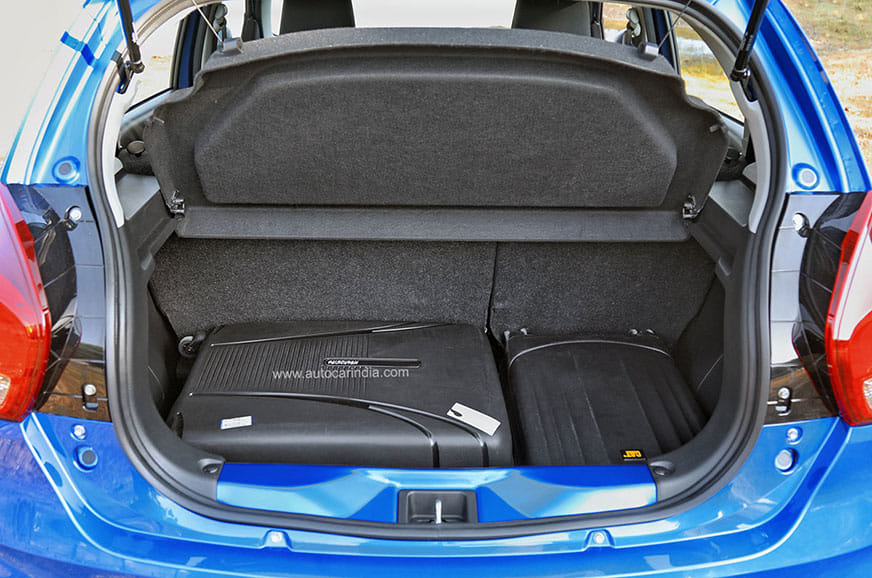
At 292 litres, the boot of the Maruti Celerio is bigger than those rivals such as the Tata Tiago and Renault Kwid. This is enough to accommodate two large suitcases and a couple of carry-on-sized bags, with still some room to spare. If you need even more space, the 60:40 split-folding rear seats will come in handy. On the other hand, the loading lip is high and relatively narrow, making loading or unloading heavier items cumbersome.
Reasons to avoid the Maruti Celerio
Ergonomic niggles
This interior has a few sore points that’ll take getting used to
Compared to most of its adversaries, the power window switches of the Maruti Celerio aren’t placed on the doors. The front ones are positioned on the dashboard, whilst the rear switches are found on the rear centre pedestal between the front seats. Buttons to operate the door and power-window locks are also on the dashboard. Then there are the thick A-pillars, which can obstruct your view at junctions and roundabouts.
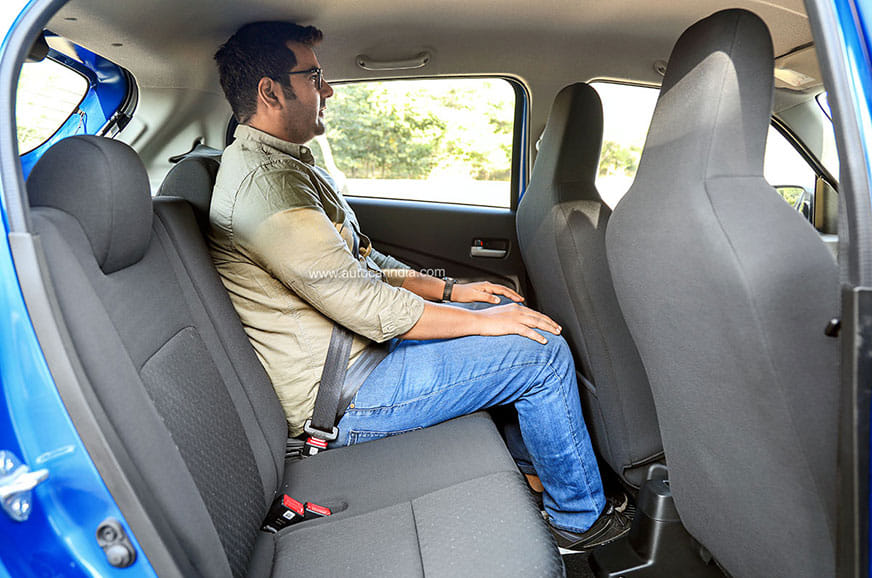
The well-cushioned rear seats of the Celerio offer plenty of kneeroom for even taller occupants. However, headroom isn’t all that good, and the fixed headrests are positioned way too low to be effective. The angled design of these headrests also means that they poke into your back, which can be uncomfortable.
Unimpressive material quality and feature set
The Celerio’s cabin isn’t the most up-to-date in this segment
When compared to the new-gen Tata Tiago, the interior of the Maruti Celerio looks and feels a touch dated. There’s plenty of hard plastics which, even though are accompanied by shiny trim and a sculpted dashboard, feel pretty basic. The relatively simple design is backed by an equipment list that isn’t particularly competitive either.
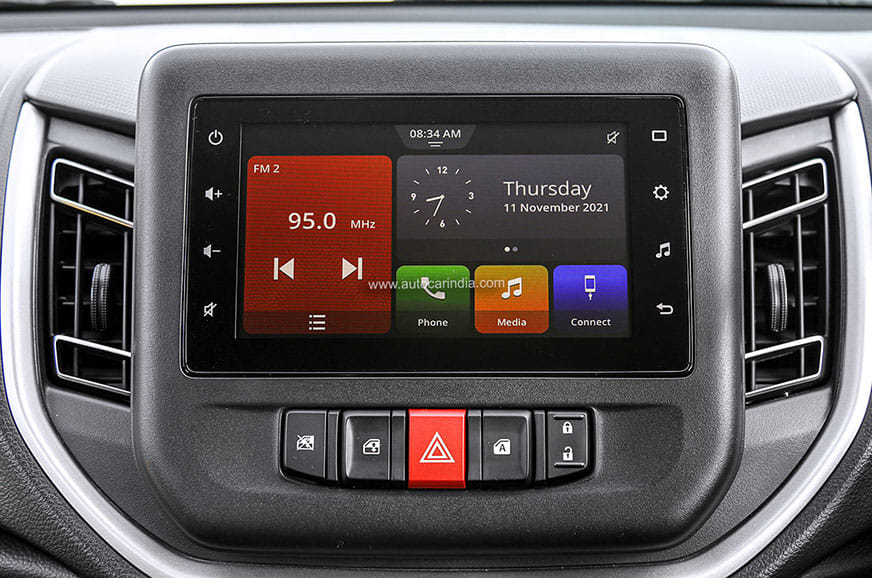
For instance, even the top trim level of the Celerio doesn’t come with a rearview camera. There’s also no automatic climate control system, while Apple CarPlay and Android Auto both require a wired connection. The touch-infotainment screen is a 7-inch unit, whereas a similarly priced Tata Tiago offers an 8-inch setup. On the outside, the Maruti Celerio gets the old-school ‘flip-up’ door handles.
Imperfect on a highway
This hatchback isn’t particularly meant to be driven hard or fast
While it’s perfectly at home in the city, the Maruti Suzuki Celerio isn’t as good out on the open road. The lifeless steering aside, the body moves around enough – both of which robs you of confidence required to push the car any harder.
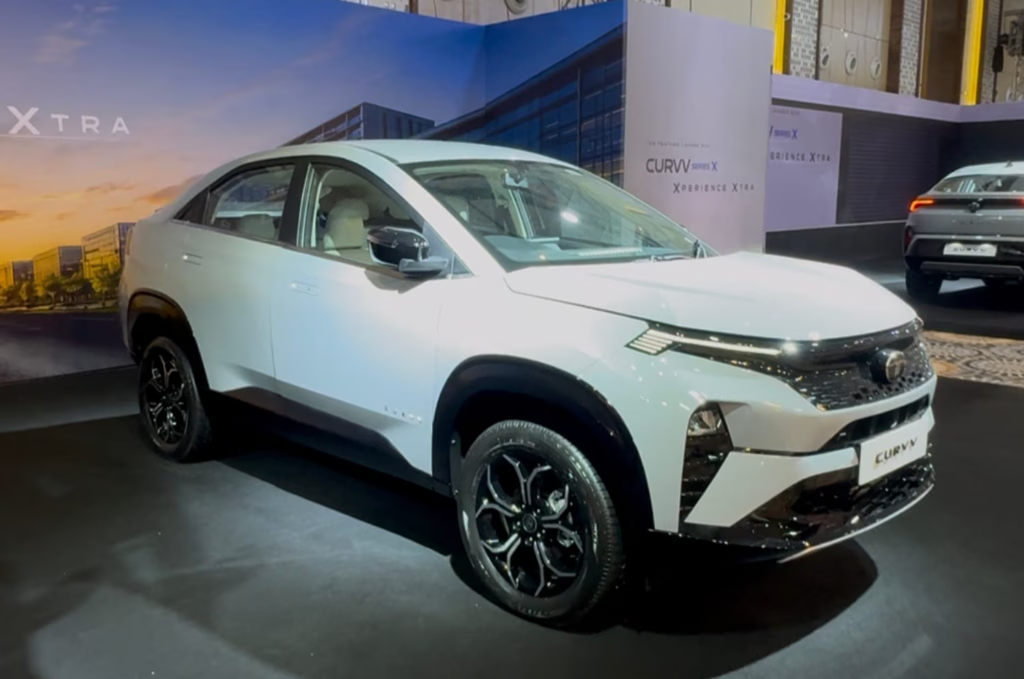
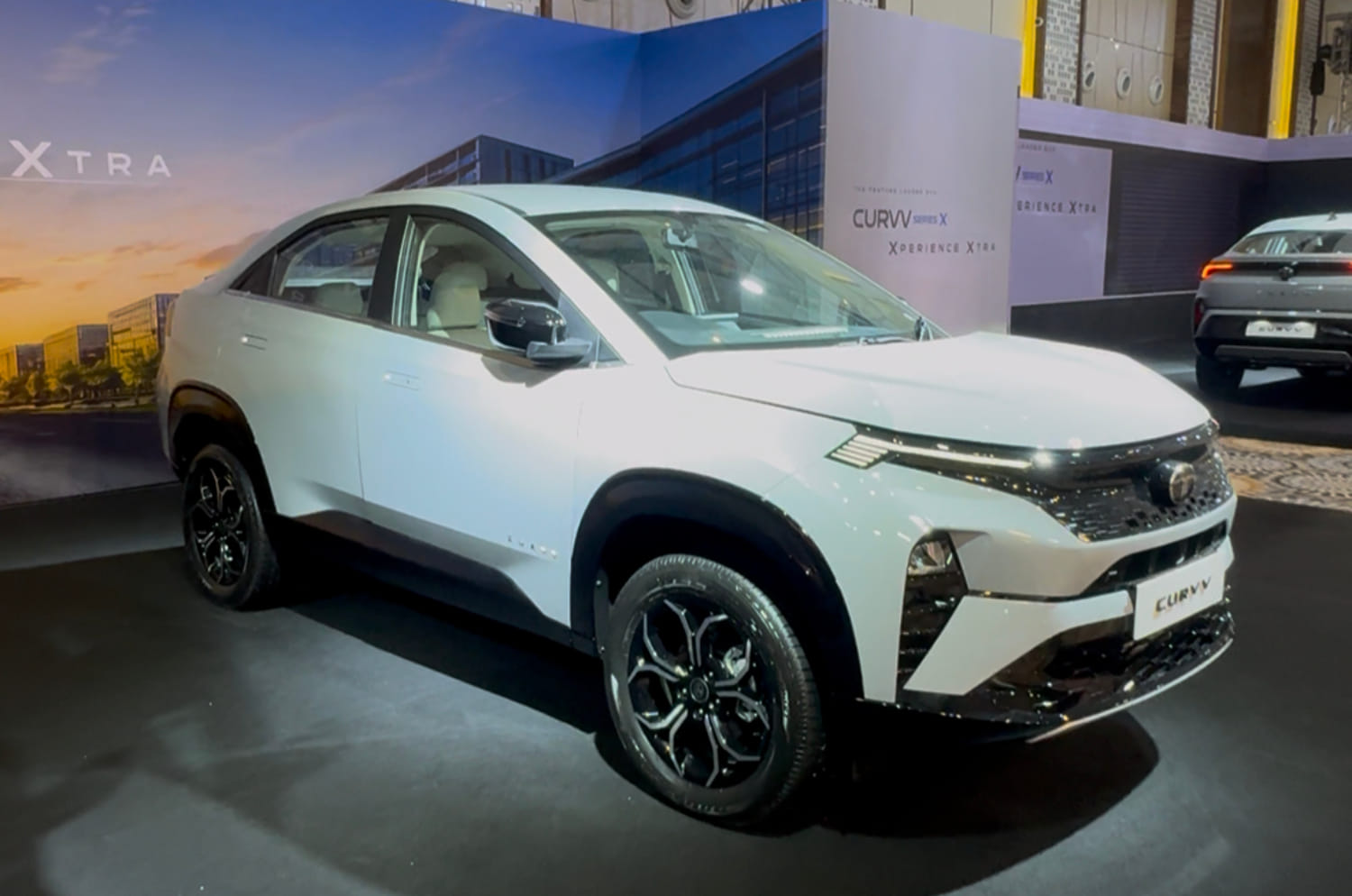
Tata Motors has introduced the Curvv Series X, with prices ranging from Rs 9.9 lakh to Rs 18.5 lakh (ex-showroom). The new range gets a reshuffled variant lineup, with features from higher variants moved to lower and mid-spec versions. Tata has also expanded the availability of the #DARK edition across the range, while the powertrain remains unchanged.
Tata Curvv Series X price
Tata Curvv Series X ex-showroom prices
Variant
Price
Smart X
Rs 9.9 lakh
Pure X
Rs 10.99 lakh
Pure X+
Rs 11.79 lakh
Creative X
Rs 12.91 lakh
Accomplished X
Rs 13.99 lakh
Accomplished X+
Rs 18.5 lakh
The Smart X is the most affordable variant in the lineup, priced Rs 14,000 higher than the previous base trim. The petrol-diesel price gap has been reduced to Rs 1.3 lakh from Rs 1.5 lakh previously, while the premium for the automatic gearbox has also come down to Rs 1.3 lakh from Rs 1.5 lakh.
Tata Curvv Series X interior and features
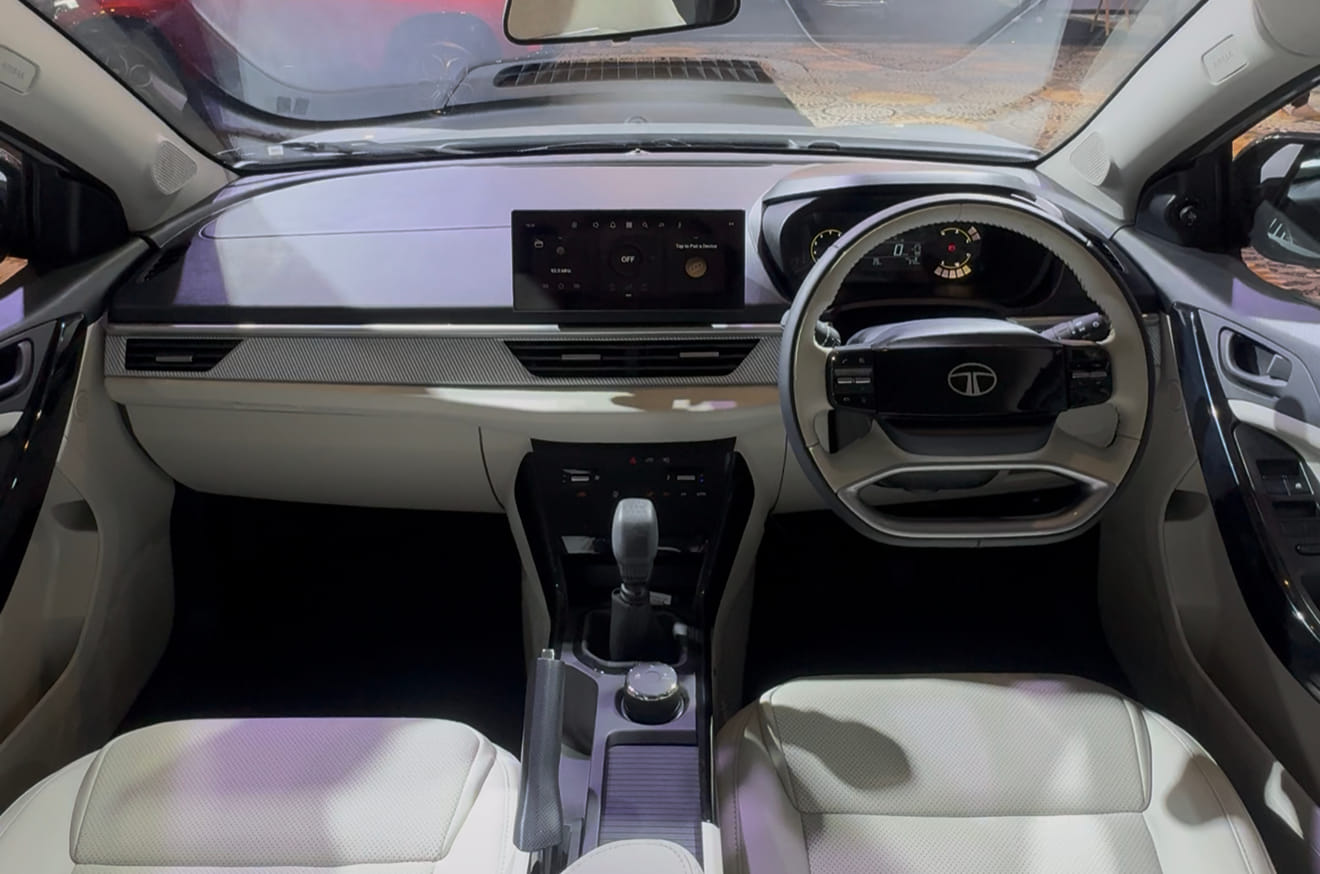
The Curvv Series X gets a 10.25-inch infotainment screen with wireless Android Auto and Apple CarPlay, automatic climate control, cruise control and a rear-view camera. It also gets a 10.25-inch digital cockpit, smart key with push-button start, front and rear USB ports, Wi-Fi connectivity and multiple drive modes.
The cabin gets a lighter interior theme with leatherette upholstery and leatherette finishes on the steering wheel, gear-shift knob and centre-console armrest. Rear passengers get dedicated AC vents, a rear armrest and reclining rear seats. The front seat-back is 10mm slimmer, while the rear seat has been moved 20mm rearwards and 10mm lower.
Other features include a panoramic sunroof, 360-degree 3D surround-view camera with a blind-view monitor, front parking assist, rain-sensing wipers and automatic headlamps. Safety equipment includes six airbags, ESP, hill-hold control, ABS with EBD and rear parking sensors.
Tata Curvv Series X exterior
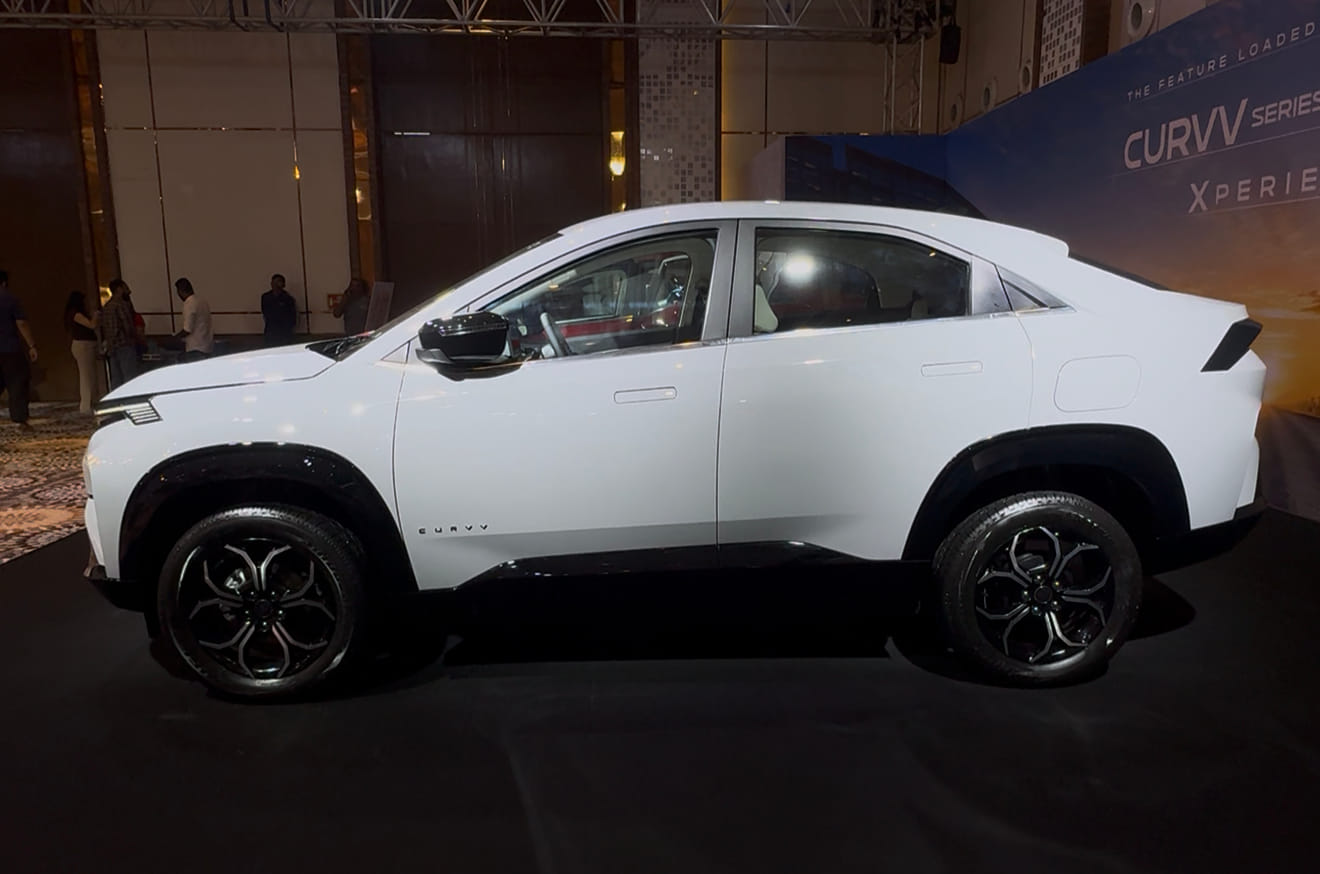
The Curvv Series X retains the SUV-coupe design of the existing model, with flush door handles, an illuminated four-spoke steering wheel, LED headlamps, DRLs and tail-lamps, and a rear spoiler. The Series X gets a black grille treatment in place of the earlier chrome finish. The #DARK edition is now available from lower down the range, with a blacked-out exterior and Obsidian-themed interior. It gets 17-inch diamond-cut alloy wheels, while higher versions offer 18-inchers.
Tata Curvv Series X powertrain
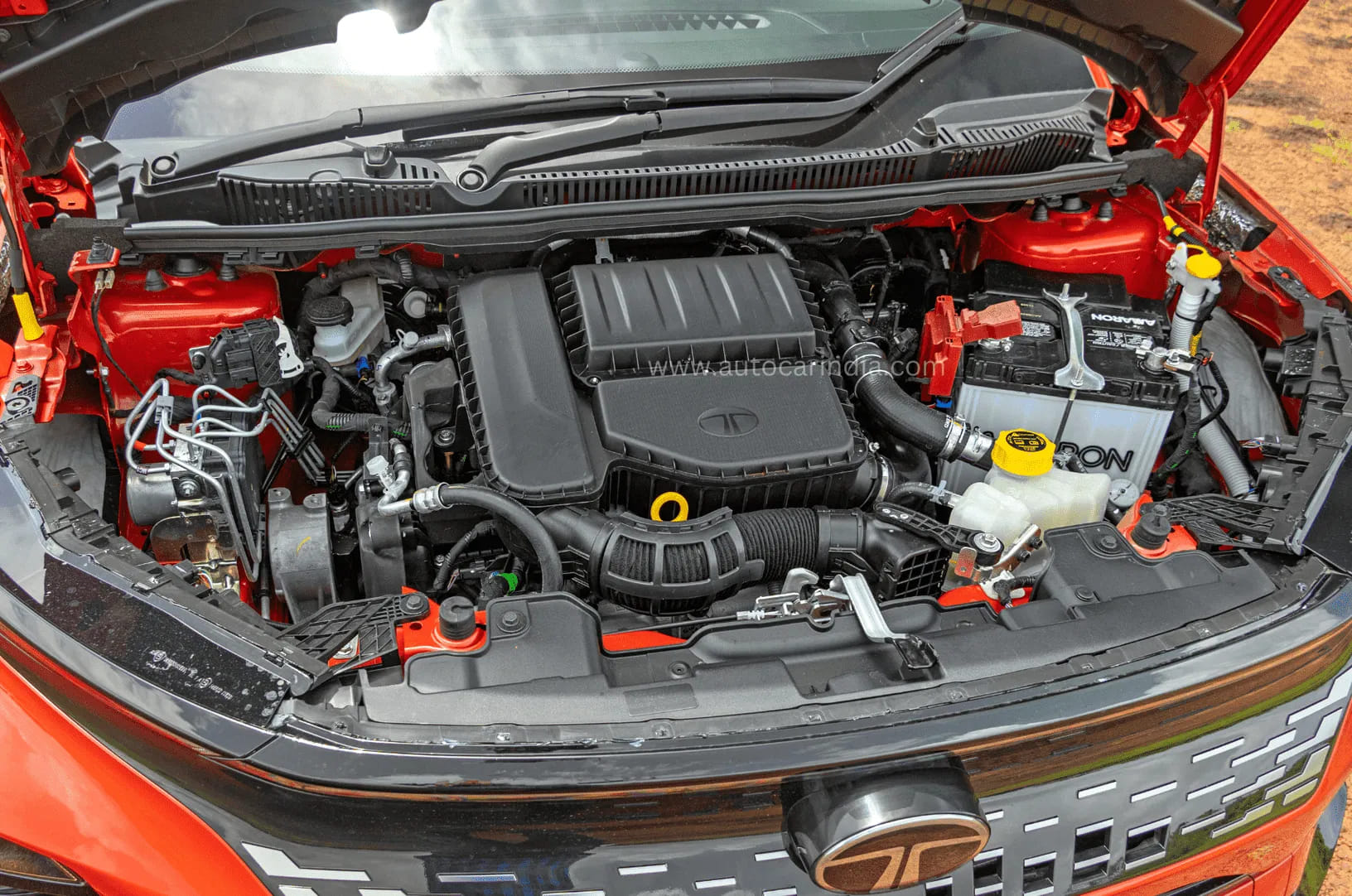
The Curvv Series X continues with three engine options: a 1.2-litre turbo-petrol producing 120hp and 170Nm, a 1.2-litre direct-injection turbo-petrol producing 125hp and 225Nm, and a 1.5-litre diesel producing 118hp and 260Nm.
The 1.2-litre turbo-petrol and 1.5-litre diesel are available with a 6-speed manual and 7-speed dual-clutch automatic, while the 1.2-litre direct-injection turbo-petrol is exclusive to the top-spec Accomplished X+ and is paired with the 7-speed DCA.
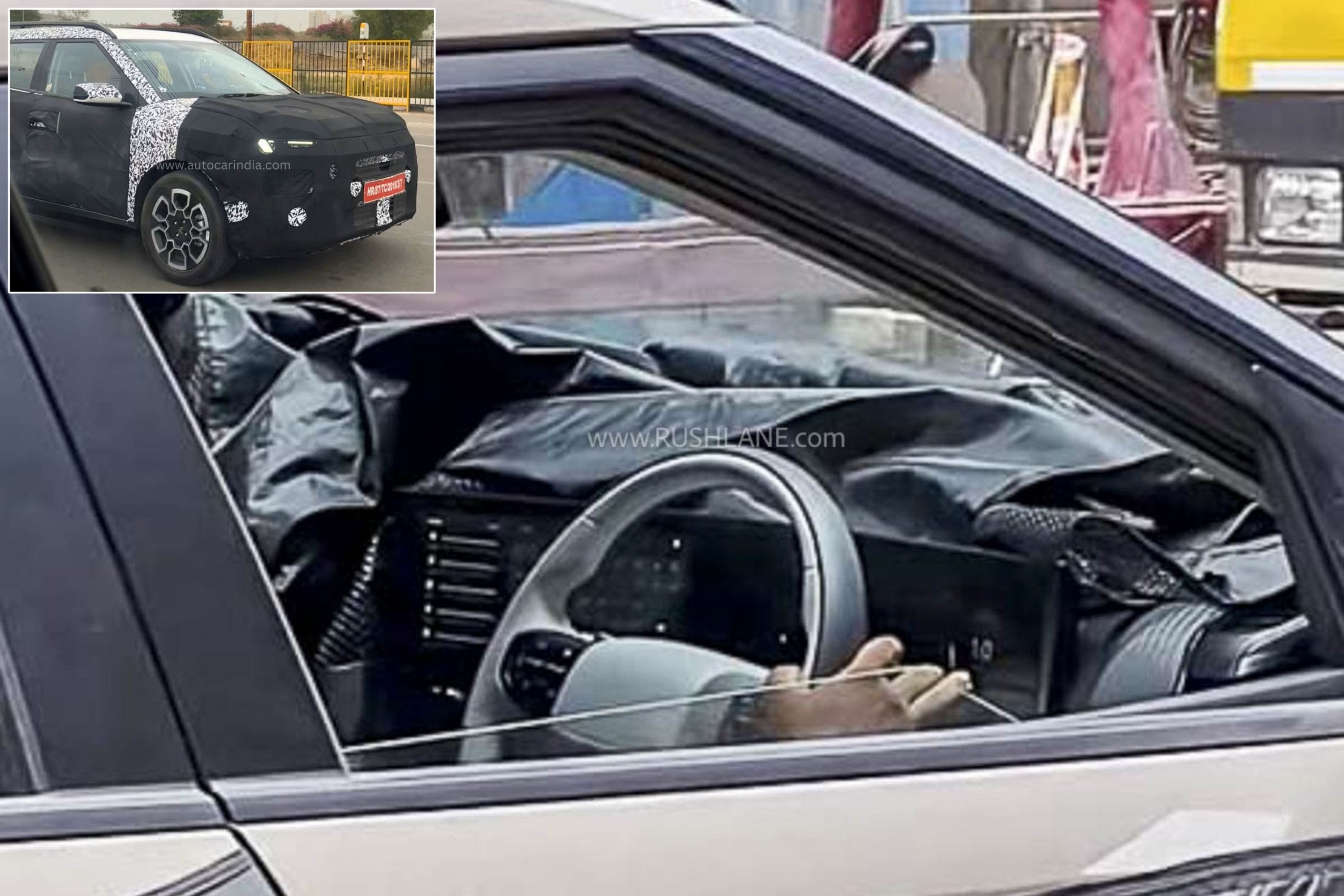
Some newly released spy shots of Hyundai’s upcoming Bayon-based midsize SUV offer the first glimpse of its interior. This SUV is expected to launch in the festive season as an alternative to Hyundai’s other midsize SUV, the highly popular Creta. However, the spy shots here indicate that the Bayon-based SUV will offer a more modern interior layout.
Hyundai Bayon-based SUV interior: What do the spy shots reveal?
Credit: Ankan Baruah via YouTube
Among the most notable elements visible in the spy shots is a new curved set of displays, similar to the dual 12.3-inch screens found in top-spec variants of the smaller Venue. By contrast, the Creta comes with dual 10.25-inch displays at most, and its infotainment system doesn’t natively support wireless Apple CarPlay and Android Auto – a separate USB adapter is required for that. We expect the Bayon-based SUV to rectify this shortcoming with updated infotainment software.
A dual-tone steering wheel resembling that of the Venue can be observed too. Like many of Hyundai’s newer cars, the steering wheel is expected to bear the four-dot motif that signifies ‘H’ in Morse code. Its black-and-white finish likely informs the overall colour scheme of the cabin as well.
Credit: Ankan Baruah via YouTube
In the second spy shot, we can clearly see a black-and-white finish for the door liners. The Bayon-based SUV also looks to have circular interior door handles.
Hyundai Bayon-based SUV: What else do we know?
On the outside, the Bayon-based SUV is anticipated to adopt Hyundai’s latest ‘Art of Steel’ design language, which is seen in newer global models like the eighth-gen Elantra and fifth-gen Tucson. Expect the Bayon-based SUV to sport T-shaped light bars at the front and rear, squared-off wheel-arch cladding, new alloy wheels, edgy proportions, and lots of cuts and creases on the bodywork.
The Bayon-based SUV will differ majorly from the Creta in powertrain offerings. We exclusively reported in July that the upcoming Hyundai SUV is expected to get the Creta’s 115hp 1.5-litre 4-cylinder naturally aspirated petrol engine with its respective 6-speed manual and CVT options. However, this engine will also be offered in CNG form, which will make the Bayon-based SUV the first Hyundai car over four metres long to be powered by CNG.
An underbody CNG tank is expected for the Bayon-based SUV as well, allowing it to directly rival the Maruti Suzuki Victoris, which is the only CNG-powered midsize SUV with an underbody tank at the moment.
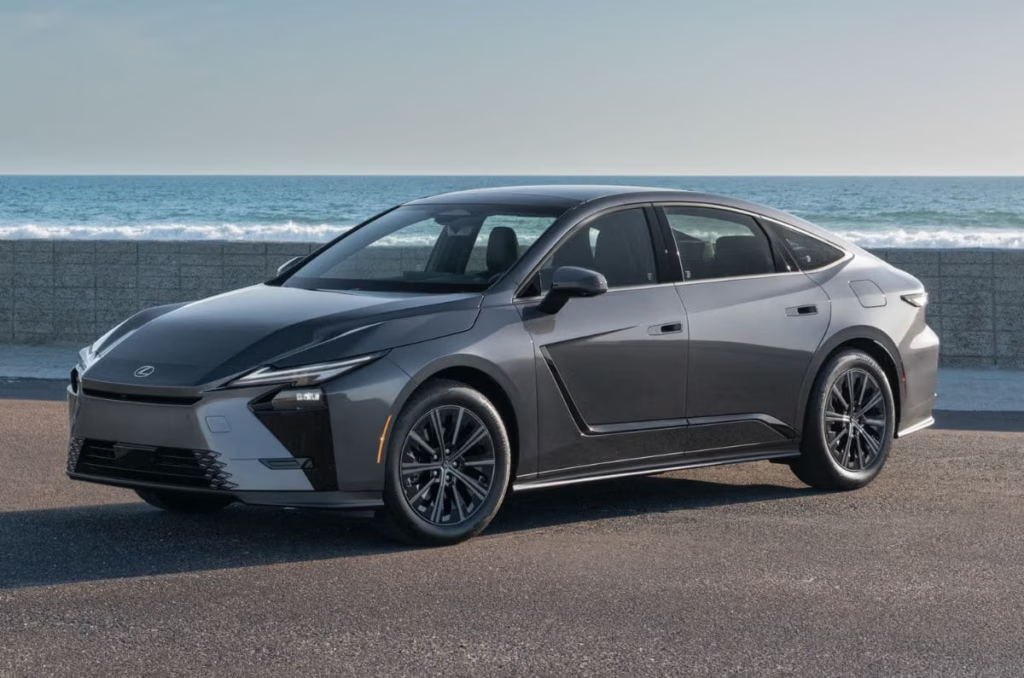
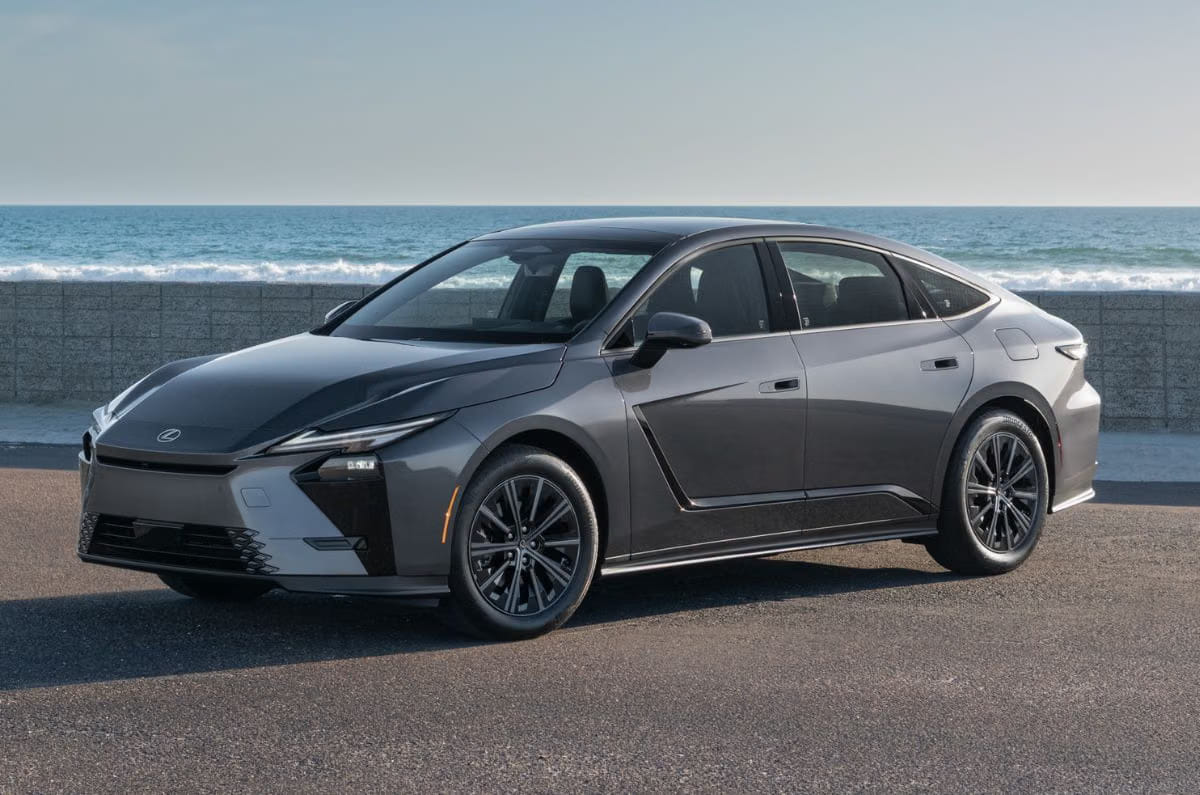
The Lexus ES is available in India in two forms: the ES 350h strong hybrid and the ES 500e EV. The 350h was added to the ES range in July, joining the 500e that launched earlier this year. Beyond the new powertrain options, the latest ES gets a larger footprint, a redesigned cabin and a host of new features. Here’s everything you need to know.
1. How much do the Lexus ES 350h and ES 500e cost in India
The Lexus ES 350h is priced at Rs 66.10 lakh for the Exquisite variant and Rs 71.80 lakh for the Luxury trim, whereas the ES 500e costs Rs 89.99 lakh (all prices are ex-showroom). Both versions get an eight-year/2,00,000km warranty, covering the vehicle and its battery.
2. What powertrain does the Lexus ES 350h get?
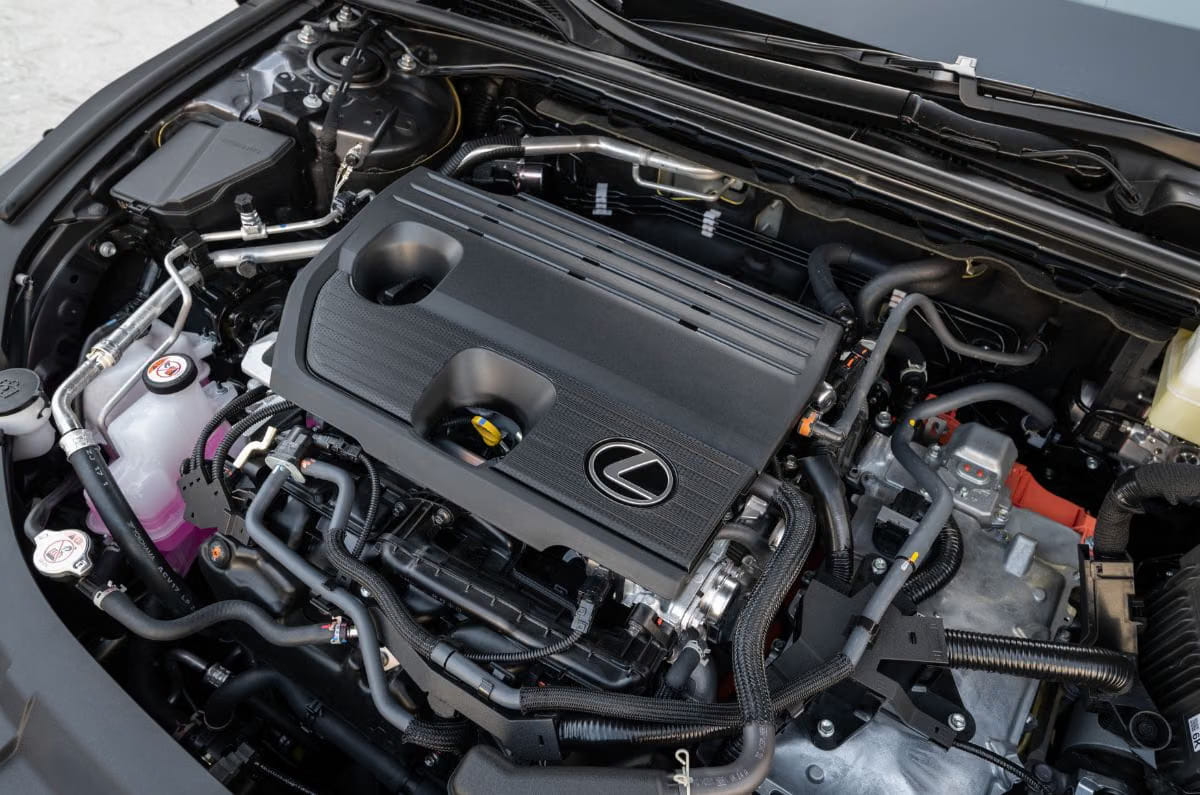
The ES 350h uses a 2.5-litre four-cylinder naturally aspirated petrol engine paired with an electric motor and lithium-ion battery. The petrol engine produces 186hp and 235Nm, while the electric motor develops 201hp and 270Nm in isolation. The combined system output is 244hp. Power is sent to the front wheels through an e-CVT gearbox. Lexus claims an ARAI-certified fuel efficiency of 25.22kpl.
3. What battery, motor and range does the Lexus ES 500e offer?
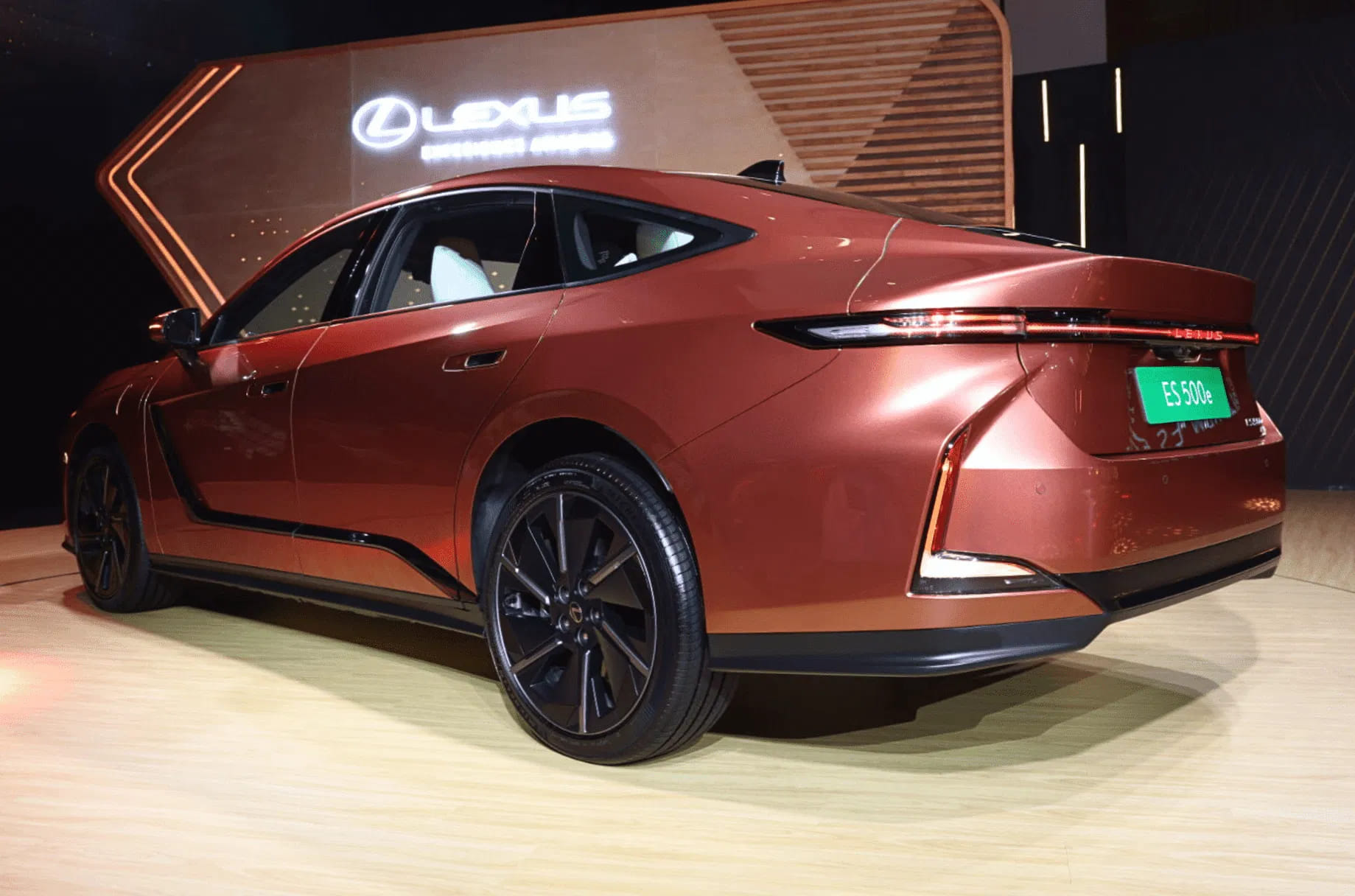
The ES 500e gets a 74.68kWh battery and two electric motors, one on each axle. The front motor produces 227hp and 267Nm, while the rear motor makes 120hp and 170Nm. The combined output is 343hp and 438Nm, with a claimed 0-100kph time of 5.5sec. Lexus claims a range of 580km on a full charge. The ES 500e supports 11kW AC charging, while a 150kW DC fast charger can charge the battery from 10 to 80 percent in 28 minutes. A 2.8kW portable charger is also offered.
4. What are the key features of the Lexus ES?
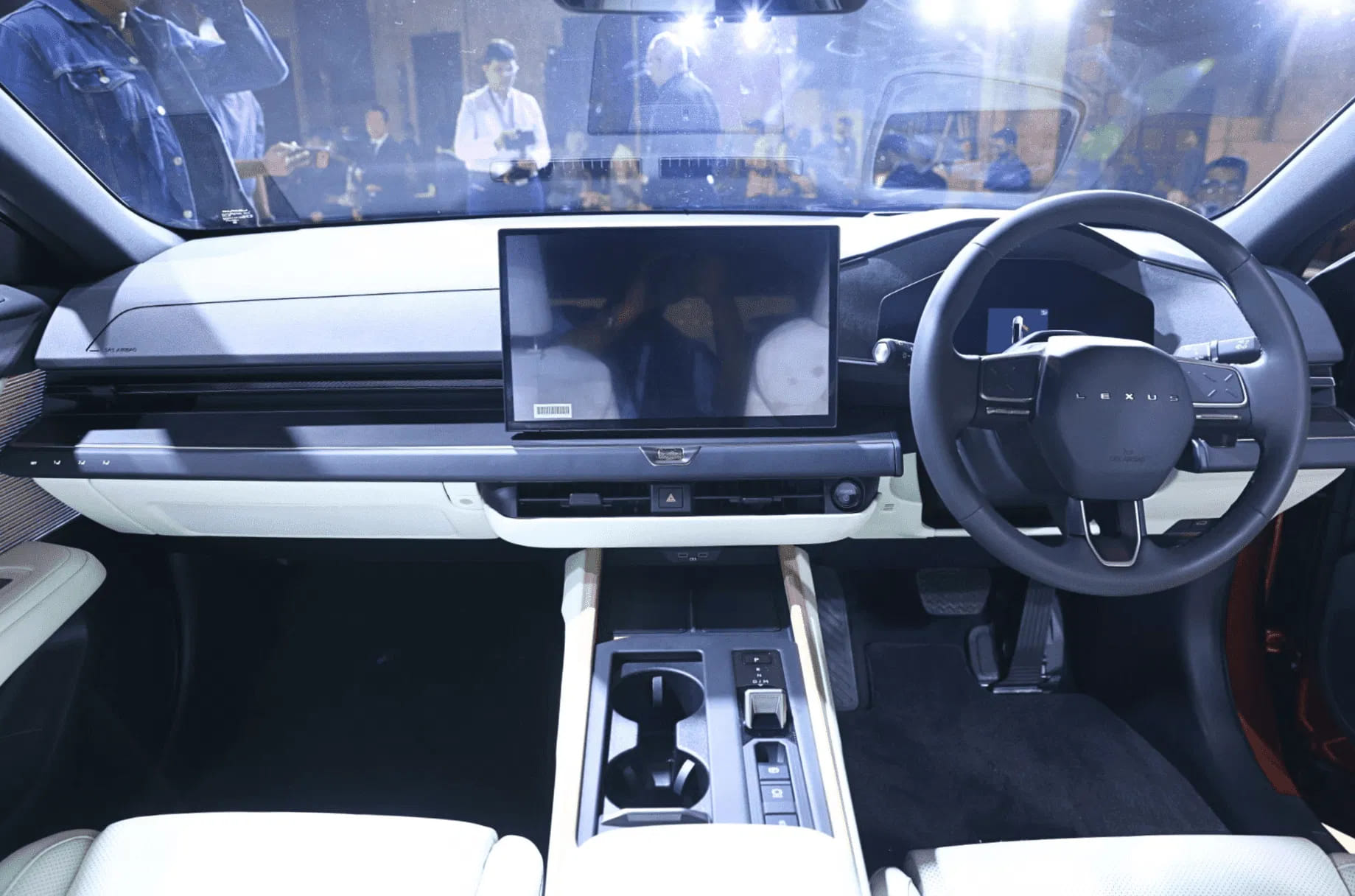
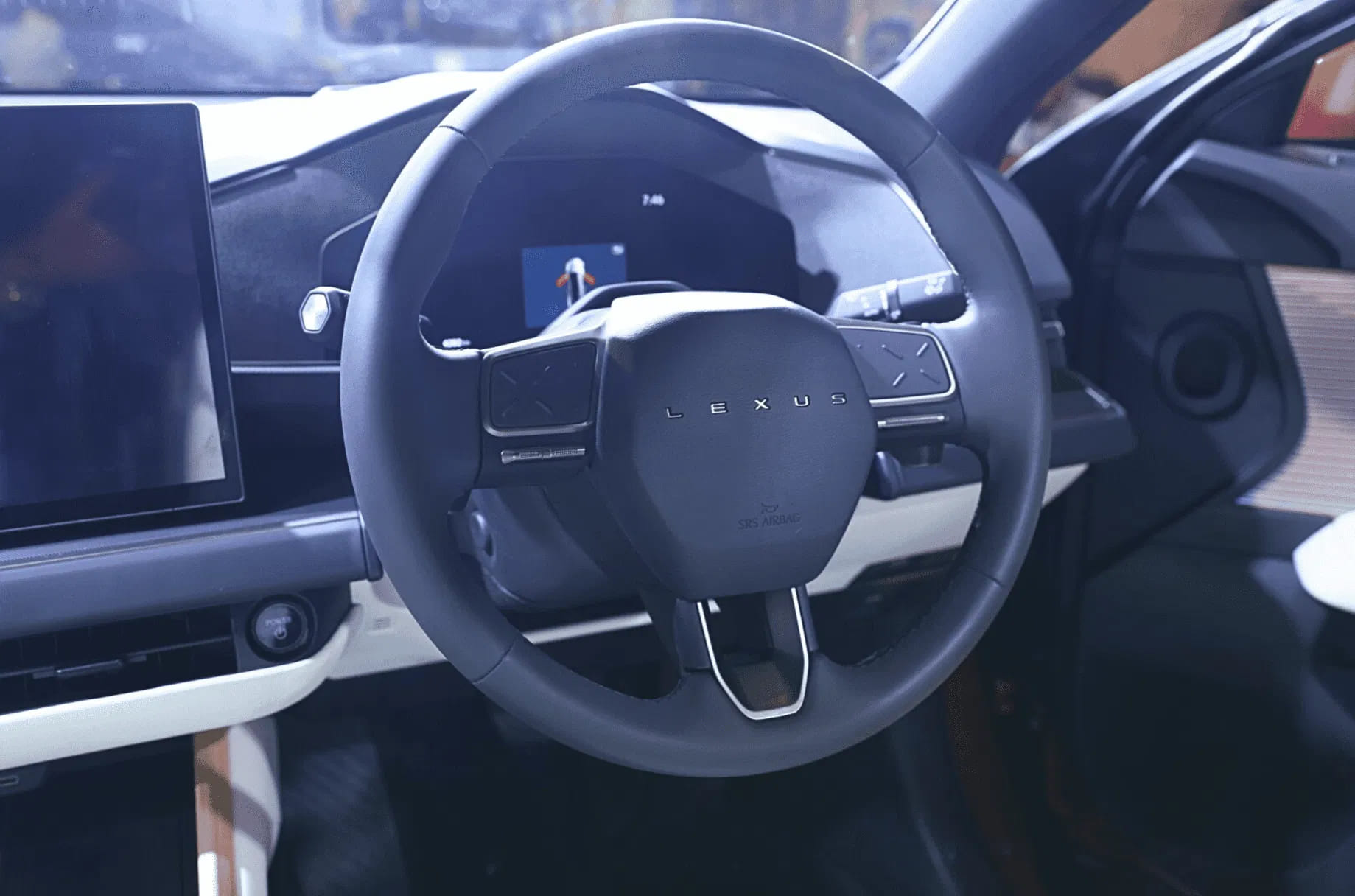
The new ES gets a dual-tone cabin with a 14-inch touchscreen and a 12.3-inch digital driver’s display. It also gets a Mark Levinson premium audio system, wireless Apple CarPlay and Android Auto, wireless phone charging and three-zone climate control. Other features include powered front seats with heating and ventilation, a head-up display, digital inside rearview mirror, ambient lighting, rear window sunshades and a power-operated boot lid.
One of the ES’s standout features is proximity-sensing controls. Physical controls are integrated into the dashboard and steering wheel and illuminate when they detect a hand approaching, combining touch controls with physical switches.
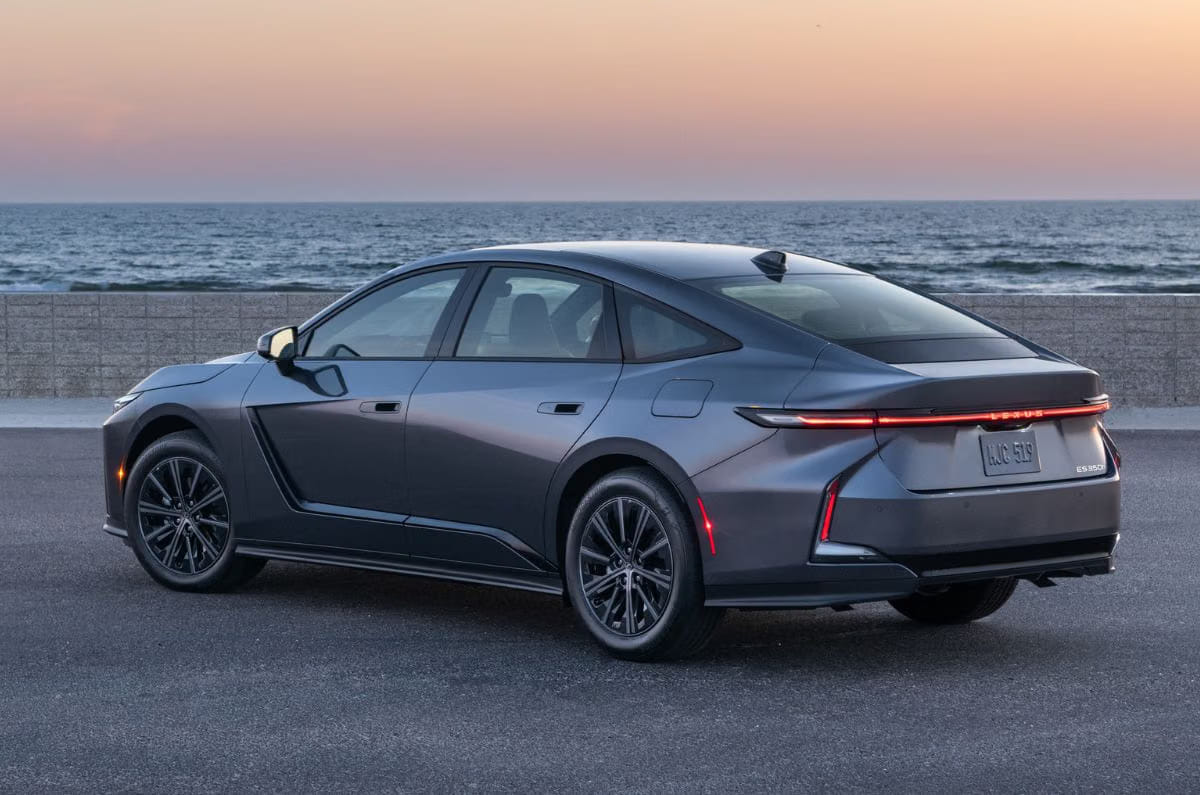
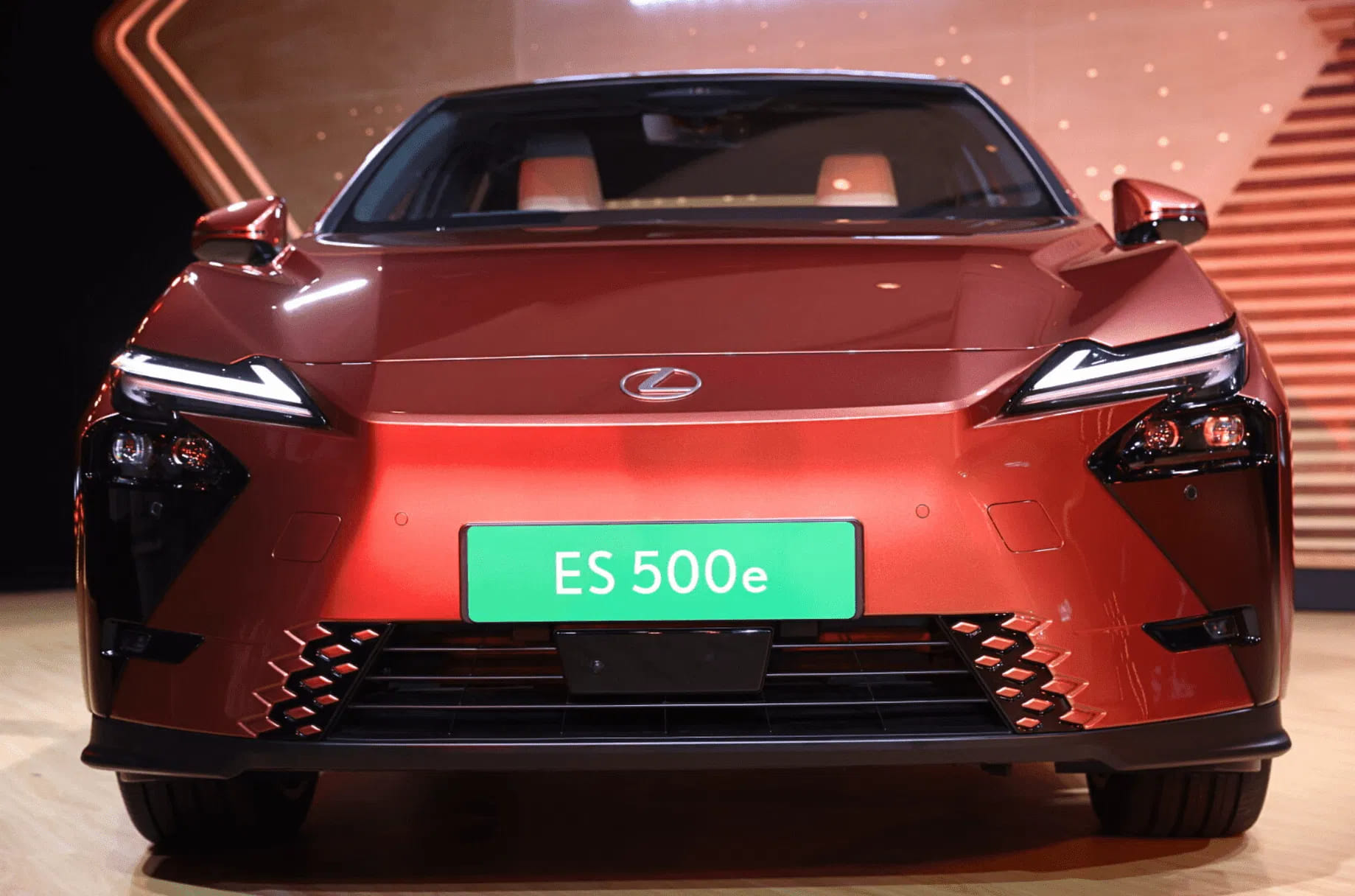
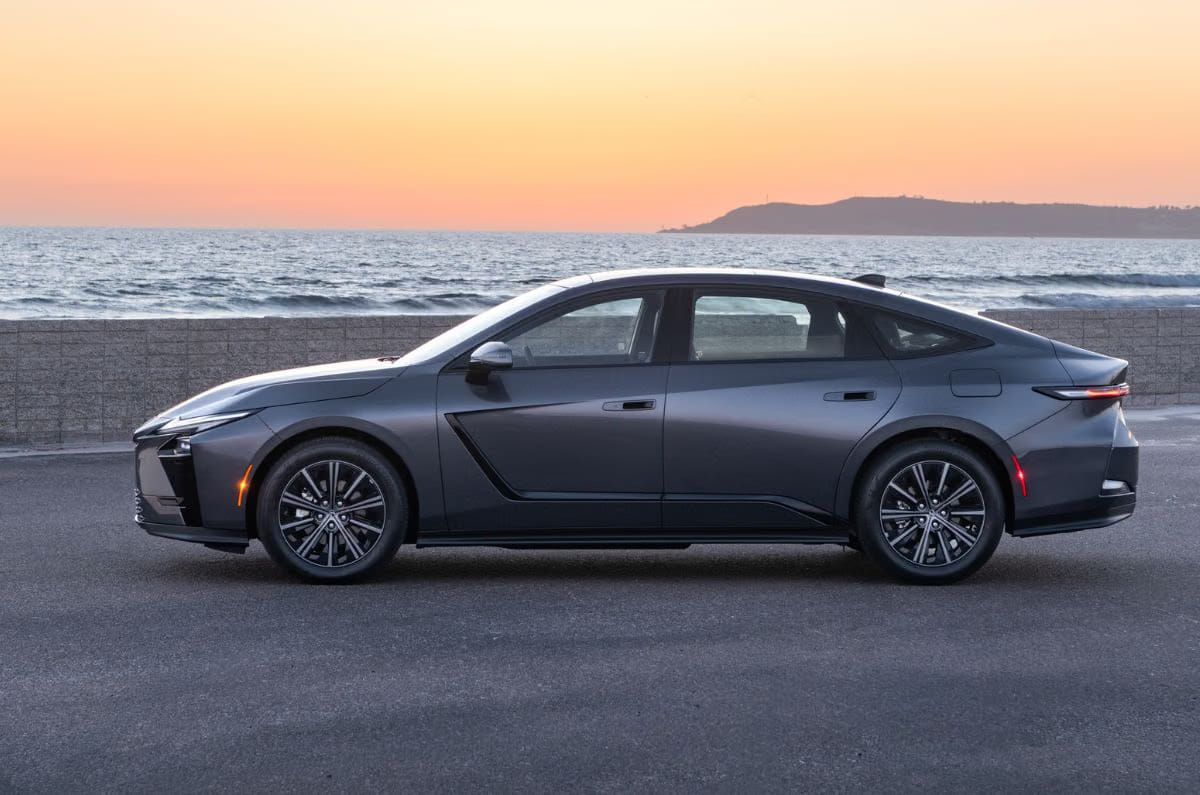
The exterior gets Lexus’s new design language, with a sealed-off front end, Twin L-signature lighting and a connected rear light bar. The new ES also has a coupe-like roofline and a rising beltline.
5. How spacious is the new Lexus ES?
The new ES measures 5,145mm long, 1,920mm wide and 1,575mm tall. It is 170mm longer, 55mm wider and 130mm taller than the previous-generation model, while the wheelbase has increased by 80mm to 2,950mm. Lexus has increased ground clearance for India by 20mm to 158mm. The larger dimensions are complemented by a lower window line and thinner seats and trim pieces, while the longer wheelbase frees up more space inside the cabin.
6. What safety and ADAS features does the Lexus ES get?
The ES 350h gets Lexus Safety System+, which includes a pre-collision system, adaptive cruise control, lane keep assist, lane departure alert, automatic emergency braking, a blind-spot monitor and automatic high beam. It also gets eight airbags, Isofix and top-tether mounts and an emergency brake signal. The Luxury variant additionally gets a drive monitor.
The ES 500e gets 10 airbags, a 360-degree camera setup, blind-spot monitoring, adaptive high-beam assist, radar-guided cruise control, lane-change assist and a driver drowsiness monitor. Electronic stability control and all-round parking sensors are also standard.
7. Where is the Lexus ES made, and which cars does it compete with?
The ES is locally assembled in India. The Lexus ES competes with luxury sedans such as the Mercedes-Benz E-Class, BMW 5 Series and Audi A6. The ES stands out in the segment by offering buyers a choice of hybrid and fully electric powertrains.
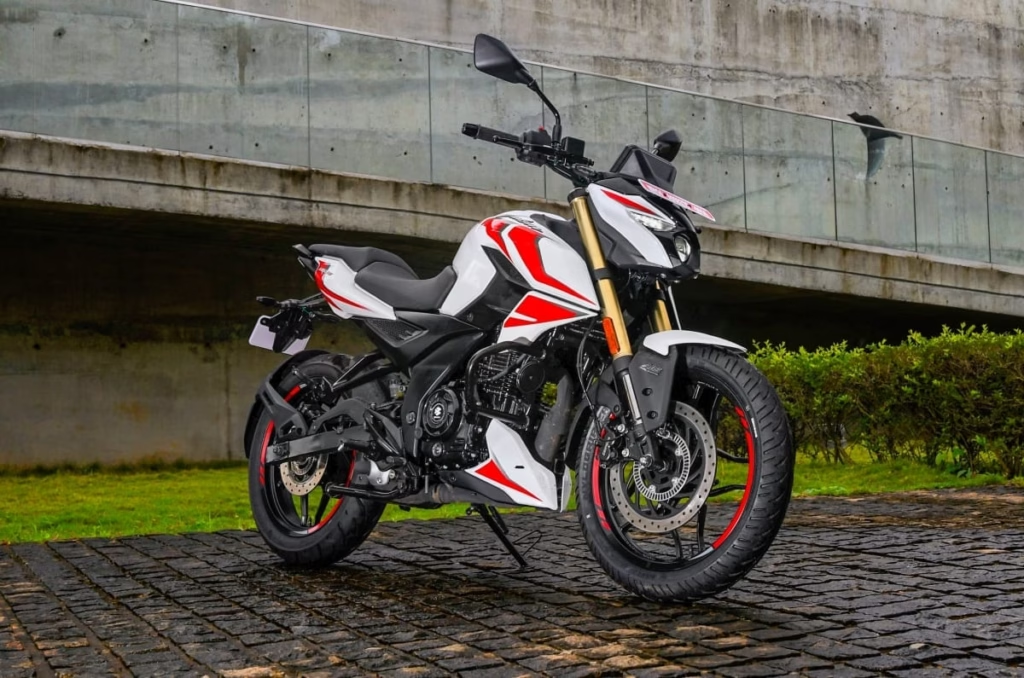
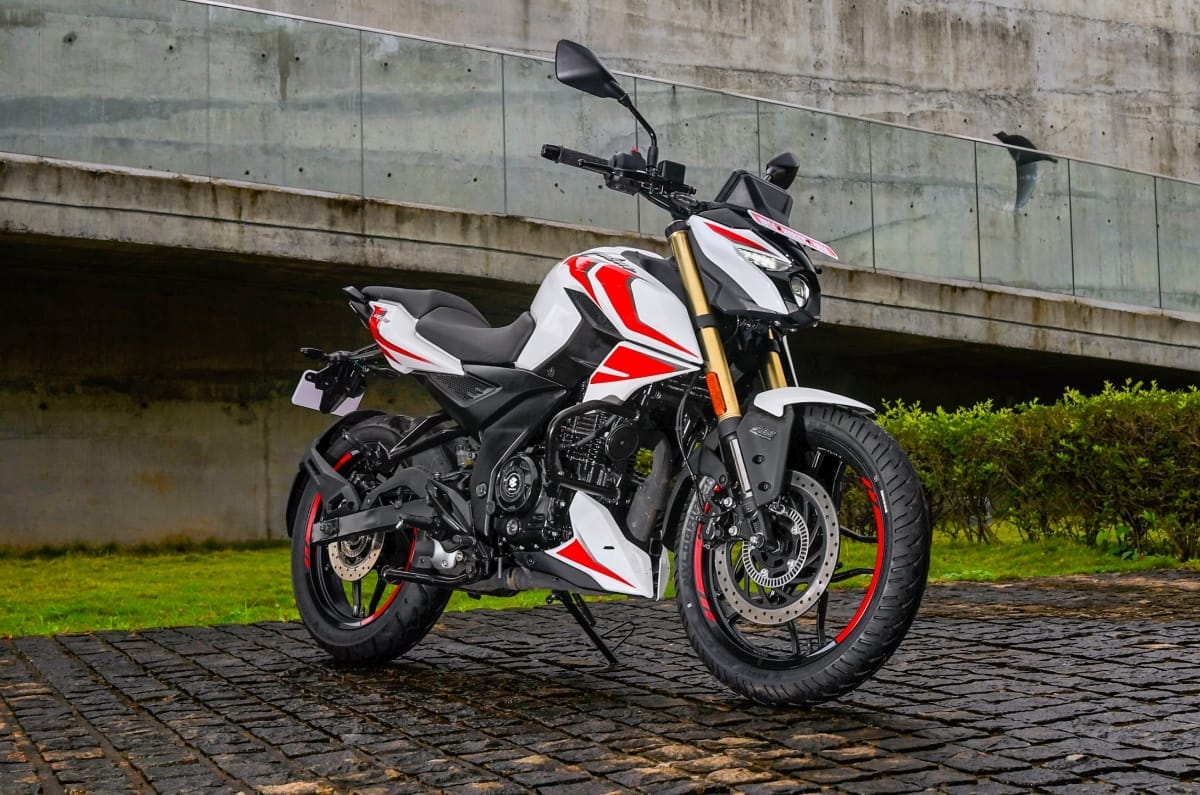
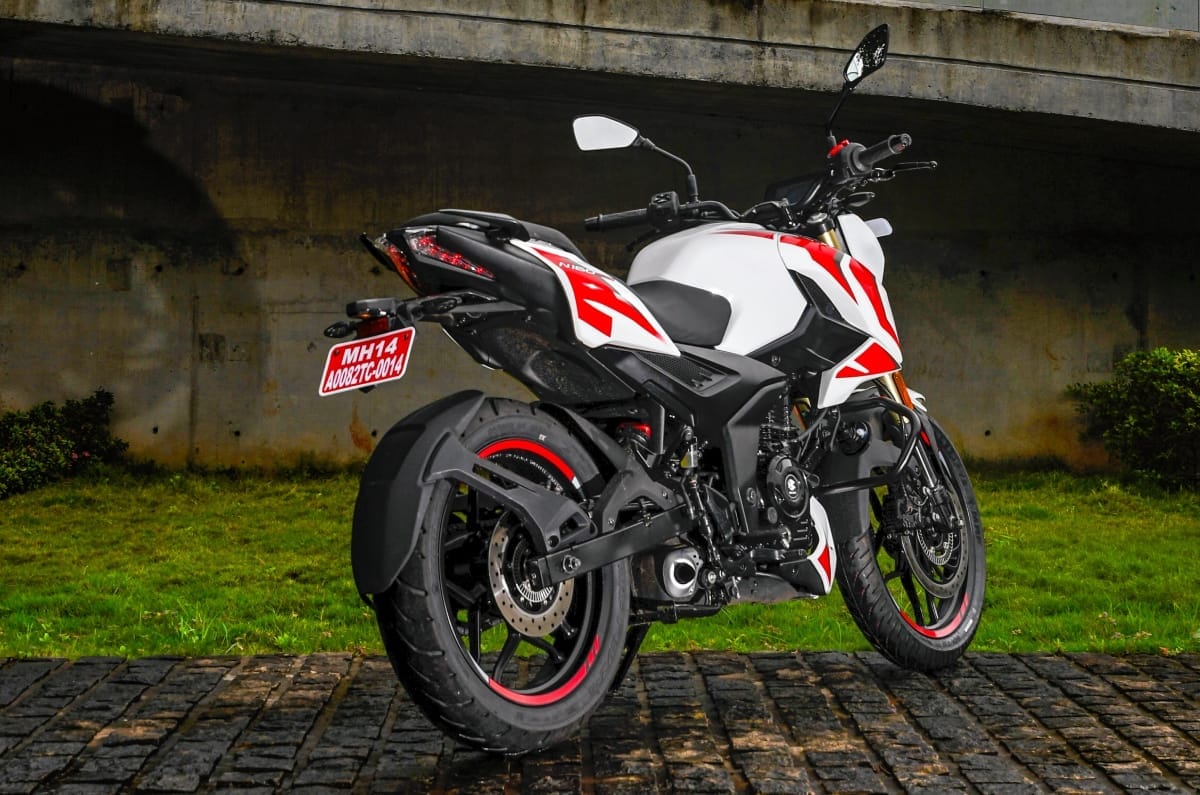
The Bajaj Pulsar N160 4V SS is the top variant of the updated N160 range, bringing a significantly reworked engine with ride-by-wire, a new 37mm USD fork, a 5-inch TFT display and Google Maps casting to a segment that was already competitive. It continues alongside the 2-valve N160 rather than replacing it. Here’s what works in its favour and a couple of reasons it might not be for everyone.
Reasons to buy the Bajaj Pulsar N160 4V SS
Smooth, tractable and genuinely quick
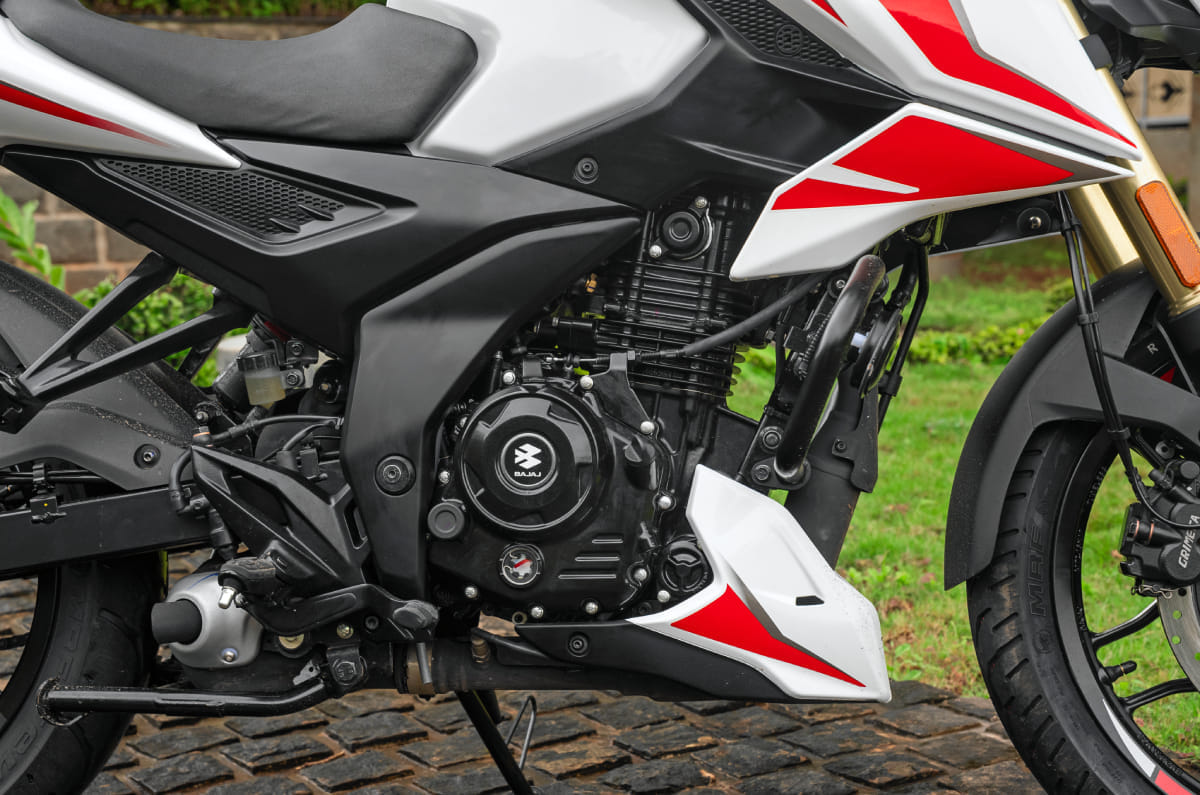
The new 4-valve engine is a more significant step up than the numbers alone might suggest. Despite producing 18.5hp at 9,500rpm from the same 165cc displacement, it retains the excellent smoothness and tractability of the outgoing 2-valve unit, with only minor vibrations at high revs and a very light clutch pull. During our time with the bike, we found it genuinely pleasant to ride in the city at lower revs, while still having enough performance higher up in the range to more closely match the TVS Apache RTR 160 4V, which was a rival it previously trailed.
TFT display and features that justify the step up
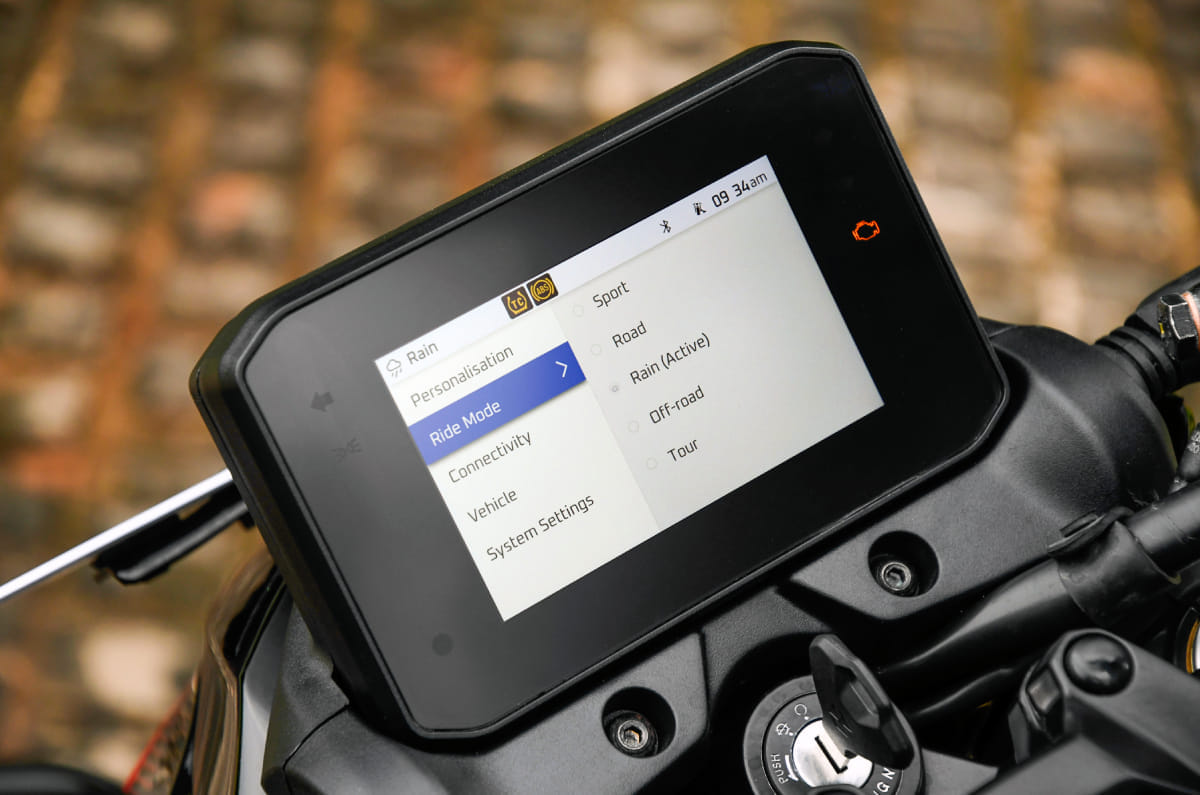
The SS model comes with a 5-inch TFT display that happens to be the most feature-rich instrument cluster in the segment, offering Bluetooth music control, document storage and Google Maps casting. The last feature works seamlessly on Android devices (with the phone screen staying off during casting) but iOS users will need to keep their screen on, which is a Google limitation rather than Bajaj’s. Ride-by-wire unlocks four riding modes, making this the only bike in the 160cc segment to offer them. Dual-channel ABS and a larger 300mm front disc are also part of the SS package.
Competitive pricing
At Rs 1.43 lakh (ex-showroom), the N160 4V SS is priced slightly above the equivalent top variant of the TVS Apache RTR 160 4V but offers a more comprehensive feature set in return. With a 4-valve engine, ride-by-wire, a USD fork, dual-channel ABS and feature-rich TFT display, the value proposition is genuinely strong for what the segment offers.
Reasons to skip the Bajaj Pulsar N160 4V SS
Suspension is on the firmer side
Despite the move to the larger 37mm USD fork, the overall suspension tune retains the taut, firm character of previous N160 models. It handles rough roads competently and corners well, but doesn’t have the soft, cushioned feel of rivals like the Apache RTR 160 4V. Riders who spend long hours in the saddle or frequently encounter broken urban surfaces may find it harder work than the competition.
Kerb weight and turning radius
At 151kg, the N160 4V SS is not the lightest motorcycle in its class, and this makes itself felt in slow-speed city manoeuvring. The turning radius in particular is less generous than ideal for navigating tight urban situations and that’s a practical drawback that everyday commuters are likely to notice more than those who primarily ride on open roads.
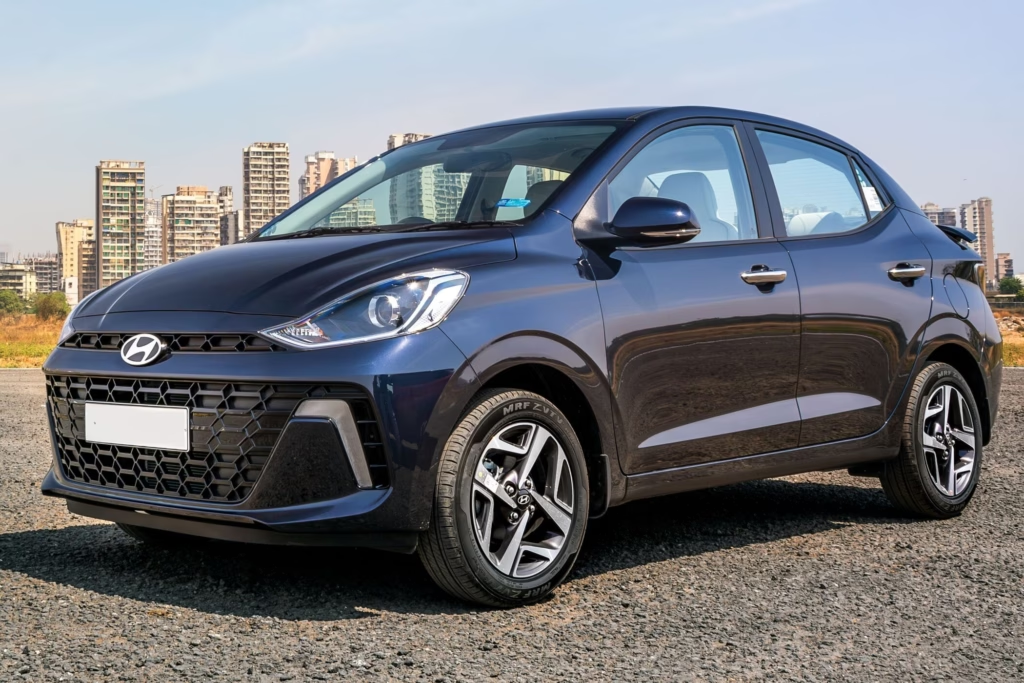
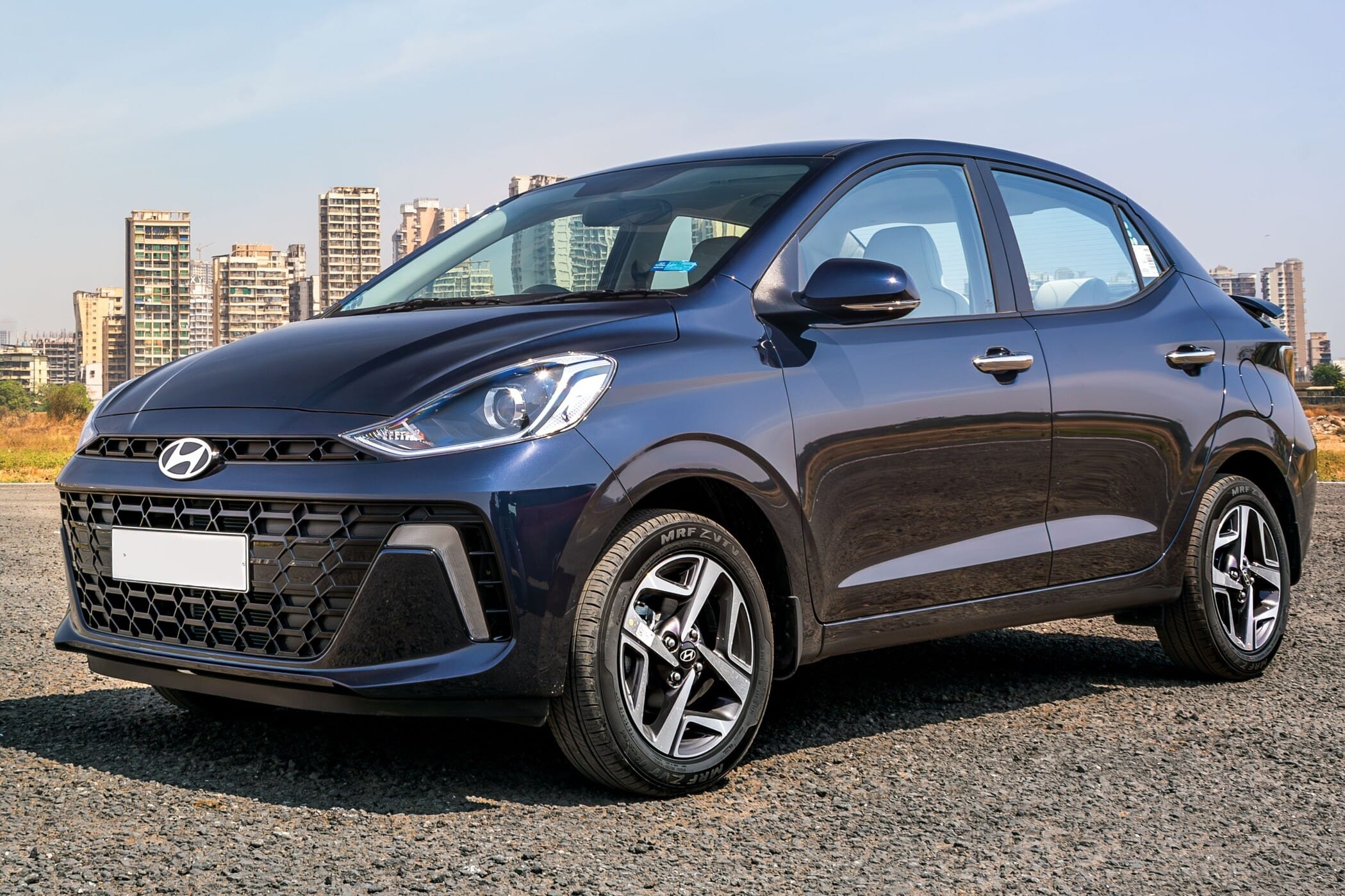
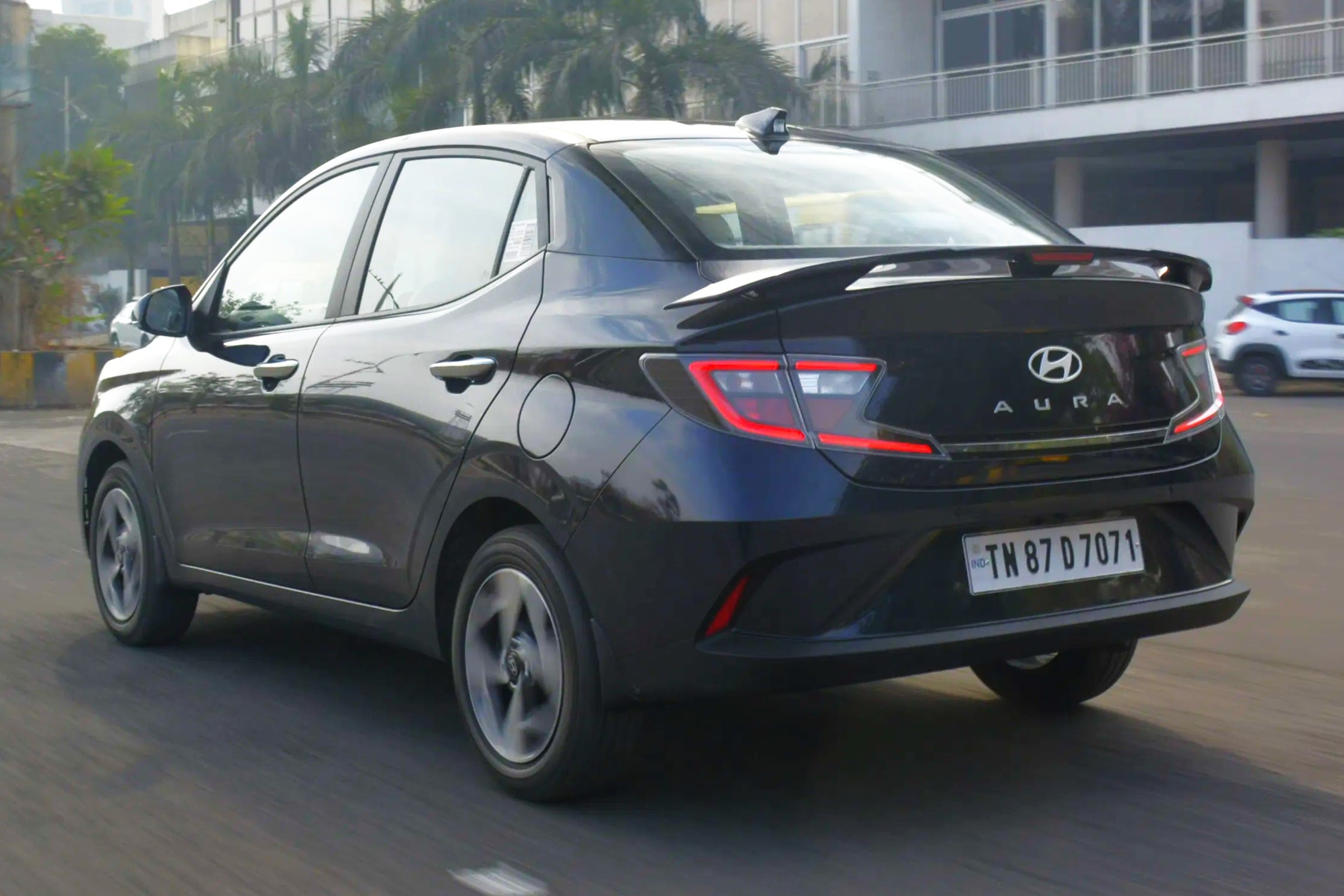
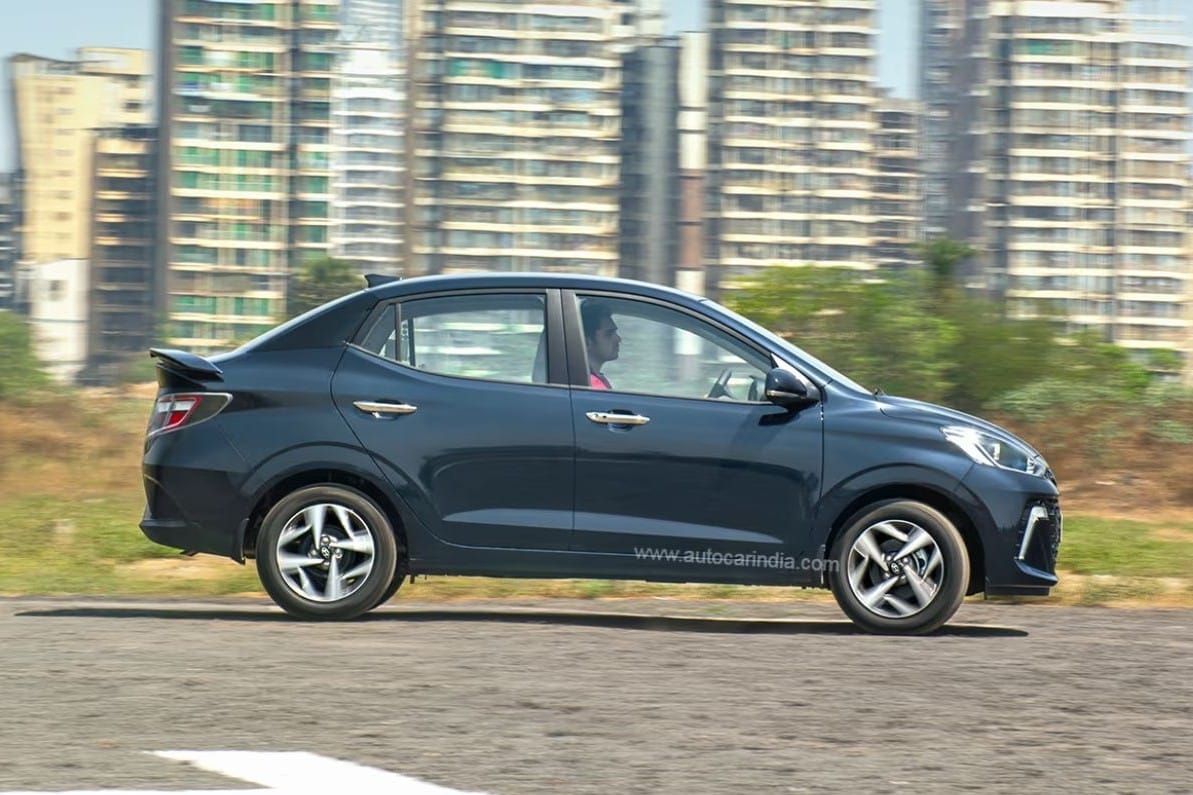
The Aura is Hyundai’s contender for the compact sedan segment, rivalling the likes of the Maruti Suzuki Dzire, Honda Amaze, and Tata Tigor. If you’re planning to bring home a Hyundai Aura, we’ve listed its most prominent strengths and weaknesses below.
Pros
Well-built interior
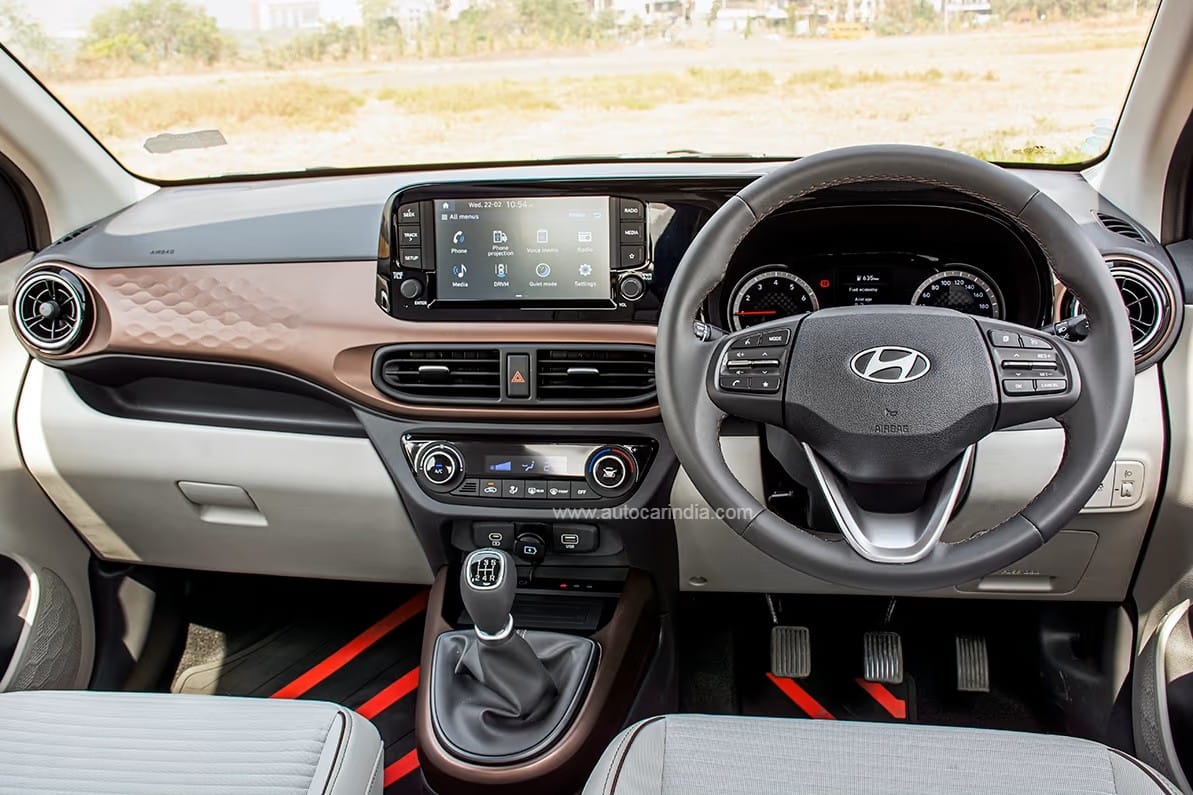
Step inside the Aura and you’ll be impressed with its bright colour scheme and excellent fit-and-finish. The central dashboard trim and centre console surround are decked out in a copper colour, which lends the front end of the cabin a unique look, and the leather-wrapped steering wheel and gear knob in higher trims do well to add a premium touch.
Smooth and refined engine
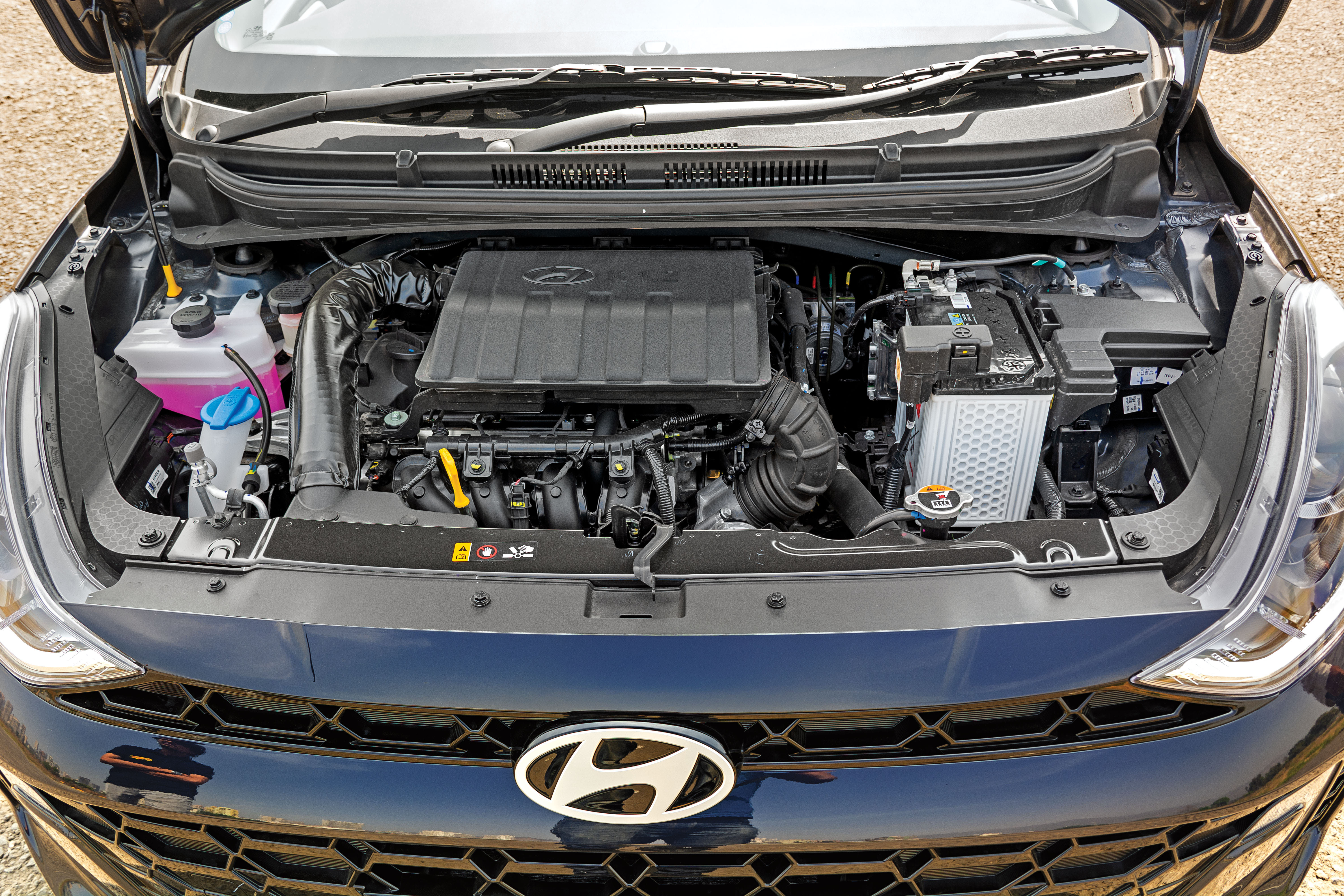
Under the bonnet, the Aura packs a sole 1.2-litre 4-cylinder naturally aspirated engine that can be had in either 83hp petrol or 69hp CNG guise. Gearbox options comprise a 5-speed manual and 5-speed AMT for the petrol, while the CNG gets only the former transmission.
As mentioned in our review of the Aura, the petrol-MT powertrain feels quite smooth and refined. It responds well to part-throttle inputs and effortlessly keeps up with traffic. That said, the Aura is best-suited to easygoing urban commuting, as performance is neither brisk nor exciting.
Easy to drive
In addition to its refined engine, the Aura has a very smooth and light steering feel, an absorbent ride, and a slick-shifting manual gearbox with a light clutch. Not to mention, the Aura’s relatively compact footprint makes it easy to manoeuvre in city traffic and on tight roads.
Cons
Falls short on cabin space
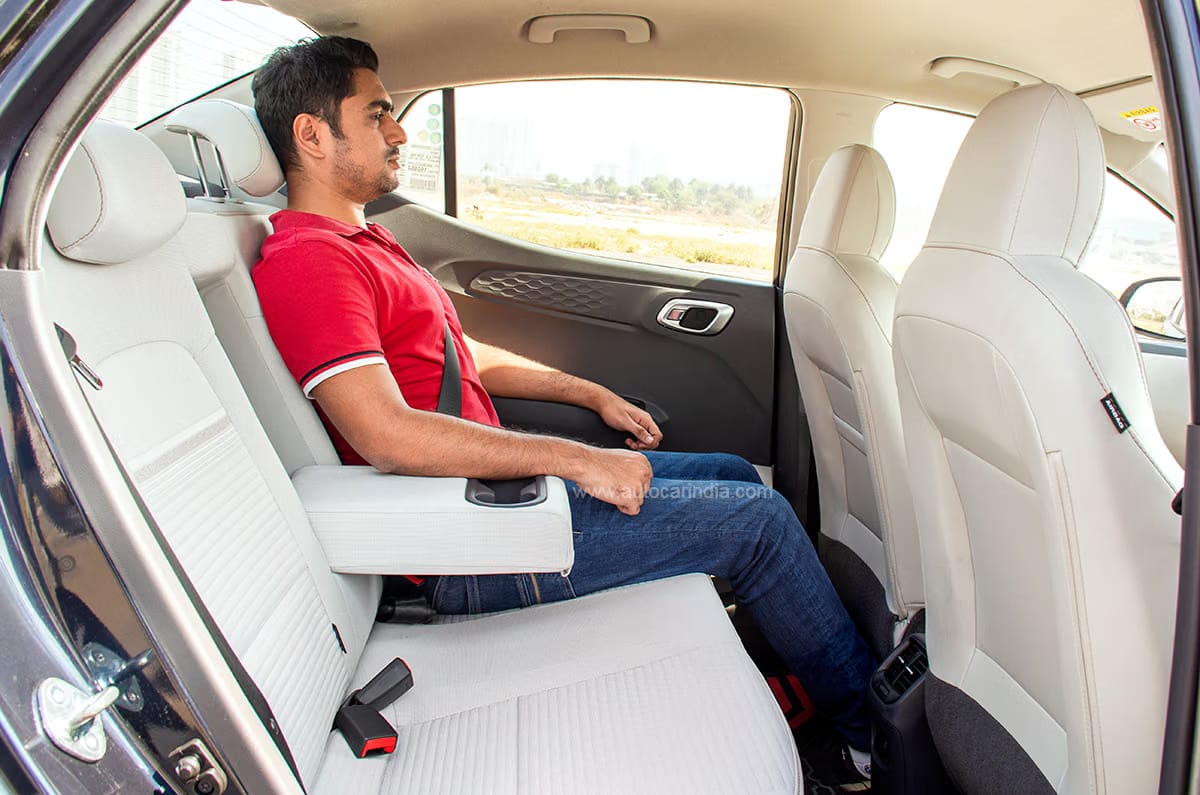
Though the Aura’s rear seat offers ample legroom, the narrow width of the car makes the bench best-suited for two adults only. The front seats aren’t the most comfortable either, as the cushioning is a tad too firm, the head restraints are not adjustable, and taller occupants with broader frames may find them too narrow.
Lacks some creature comforts
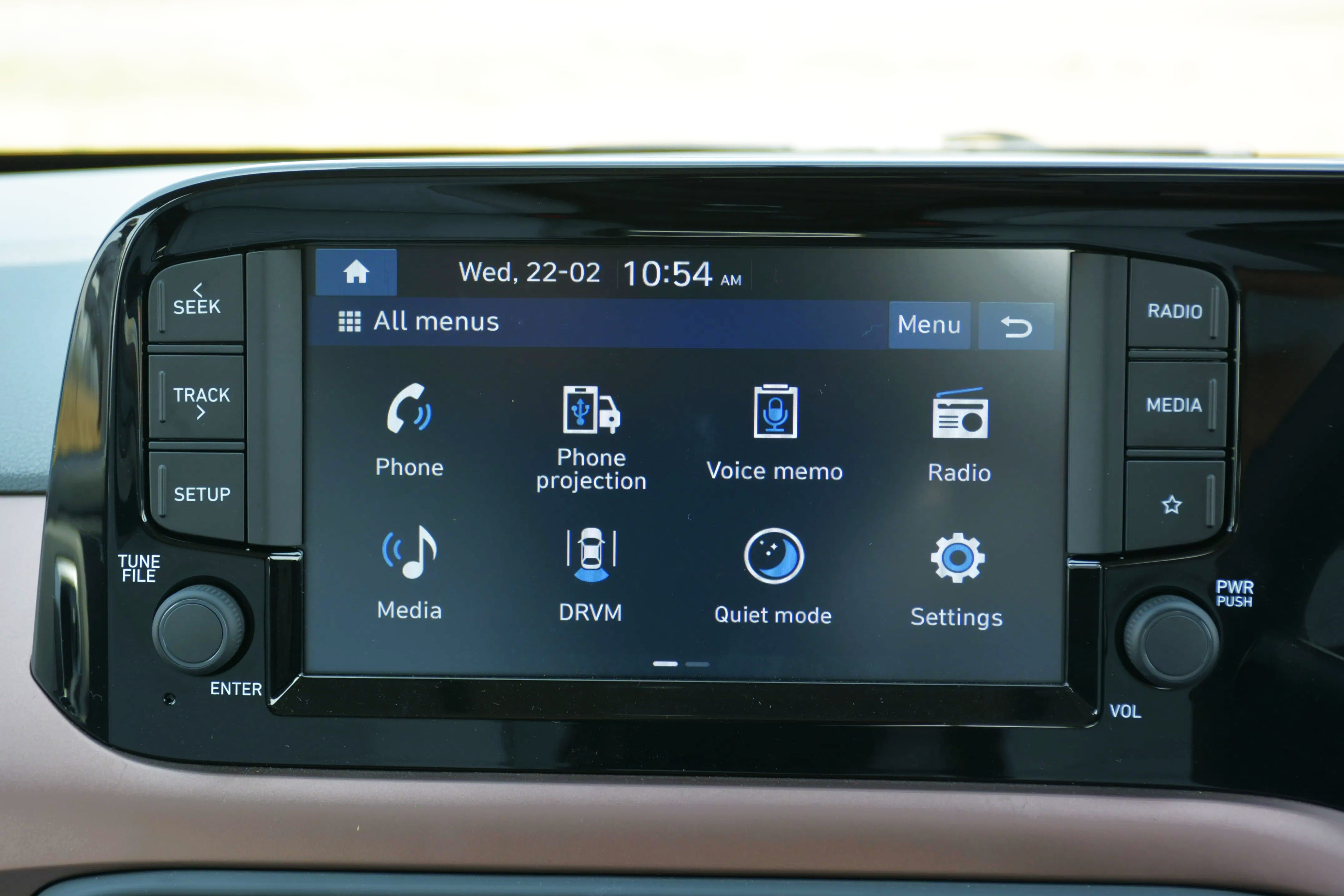
The Aura comes packed with much of the safety and convenience kit you need, but misses out on a lot of the nice-to-haves offered by rivals like the Dzire and Amaze. Specifically, the Aura doesn’t get a sunroof, a 360-degree camera, ADAS, built-in wireless Android Auto and Apple CarPlay, paddle shifters (for AMT), and connected car tech.
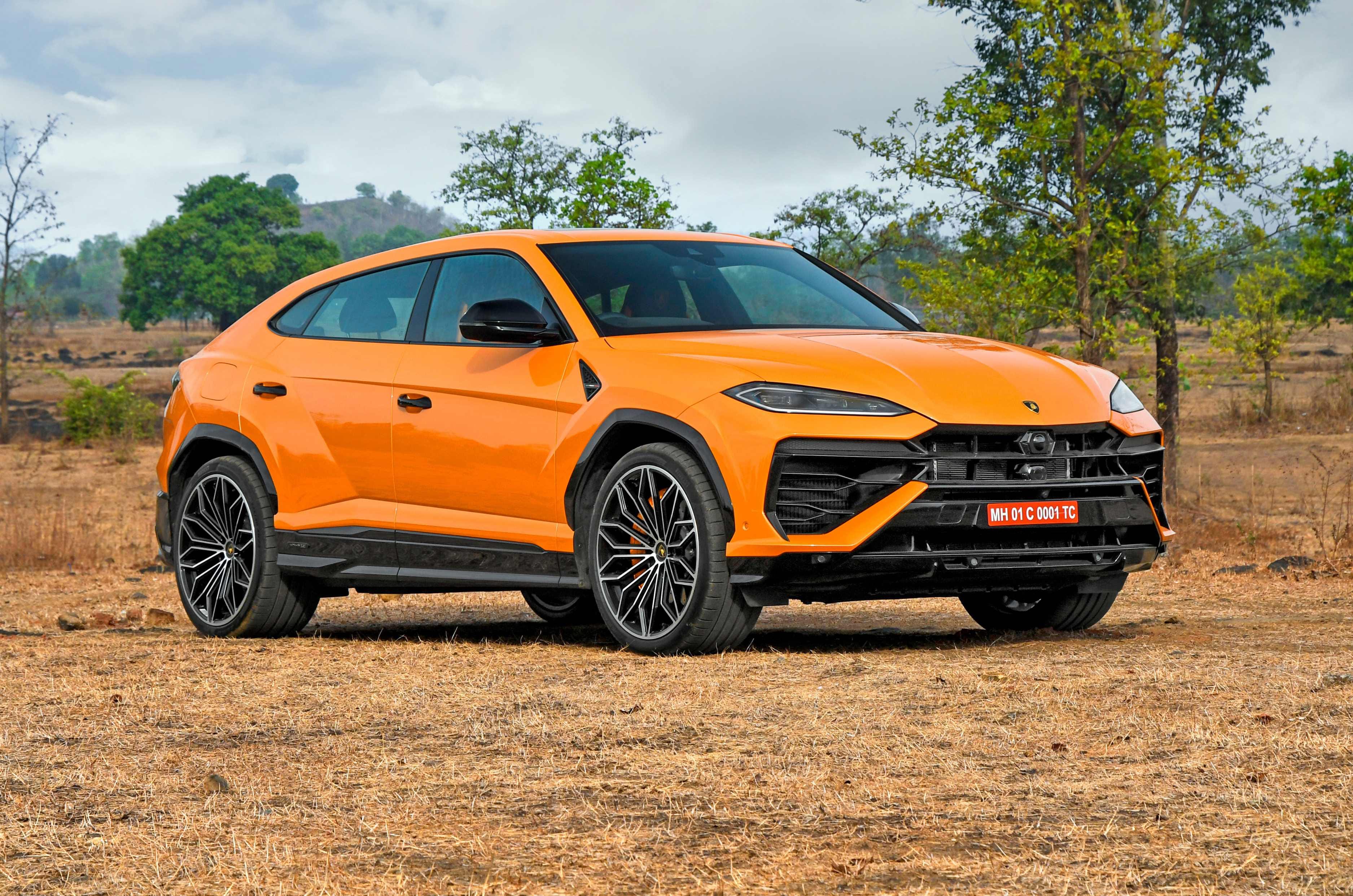
When introduced originally, the Lamborghini Urus rewrote the playbook of what an SUV could be. Sharp to look at, ferociously fast and with a mighty V8 soundtrack, the Urus has become the benchmark of performance SUVs. Now though, thanks to ever tightening regulations, the Urus has had to pivot to hybridisation. But has that diluted the experience? We got behind the wheel of the Lamborghini Urus SE to answer that question.
Lamborghini Urus SE Exterior Design and Engineering – 9/10
Urus SE has a more rounded-off design than its predecessor, but it’s no less menacing.
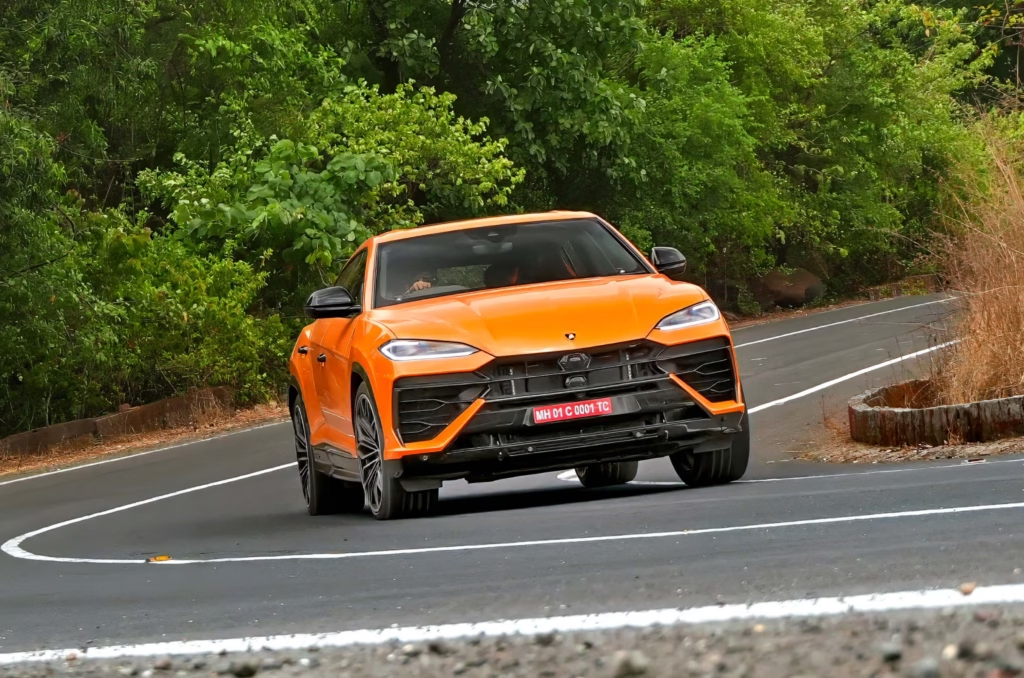
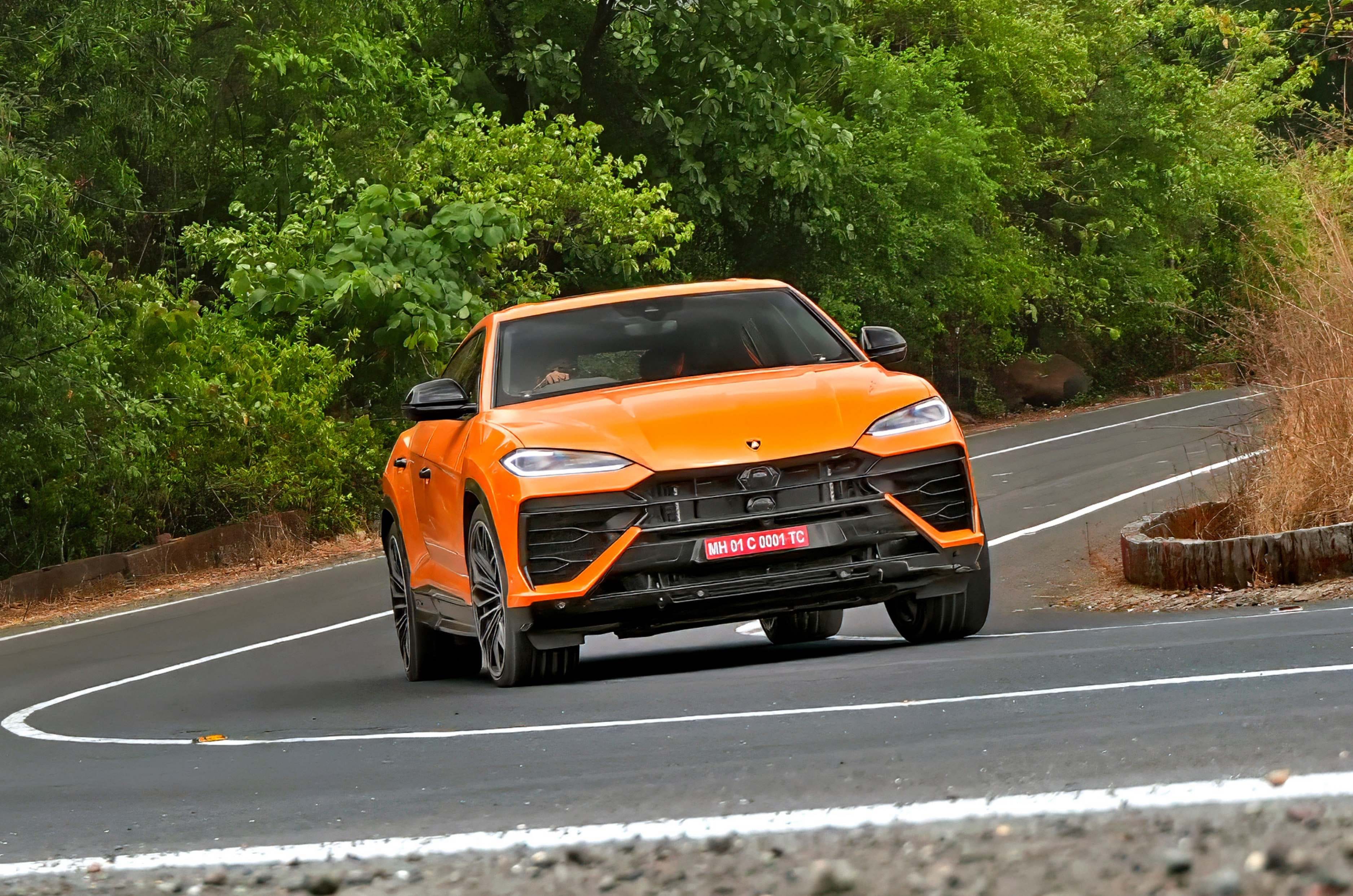
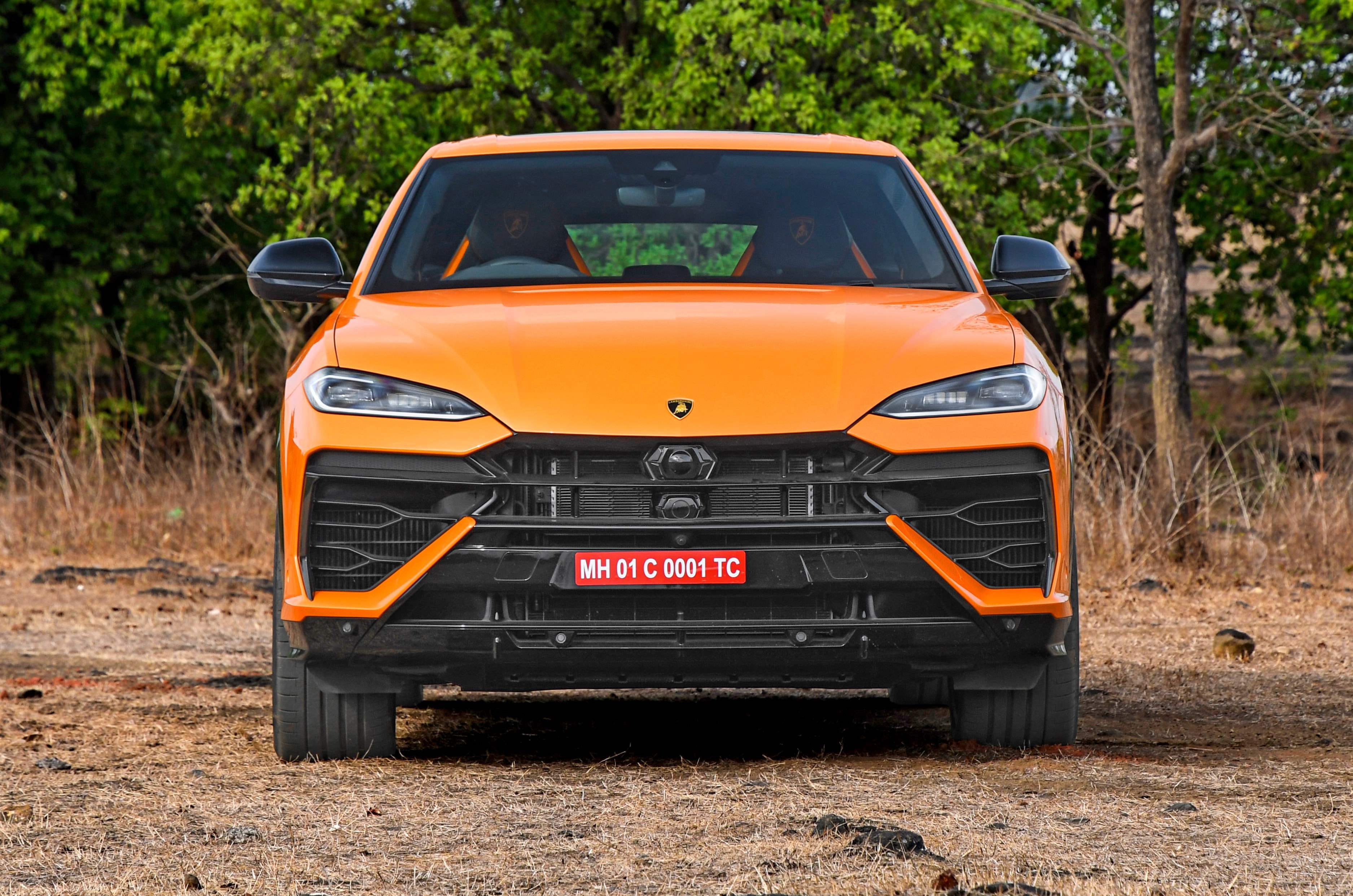
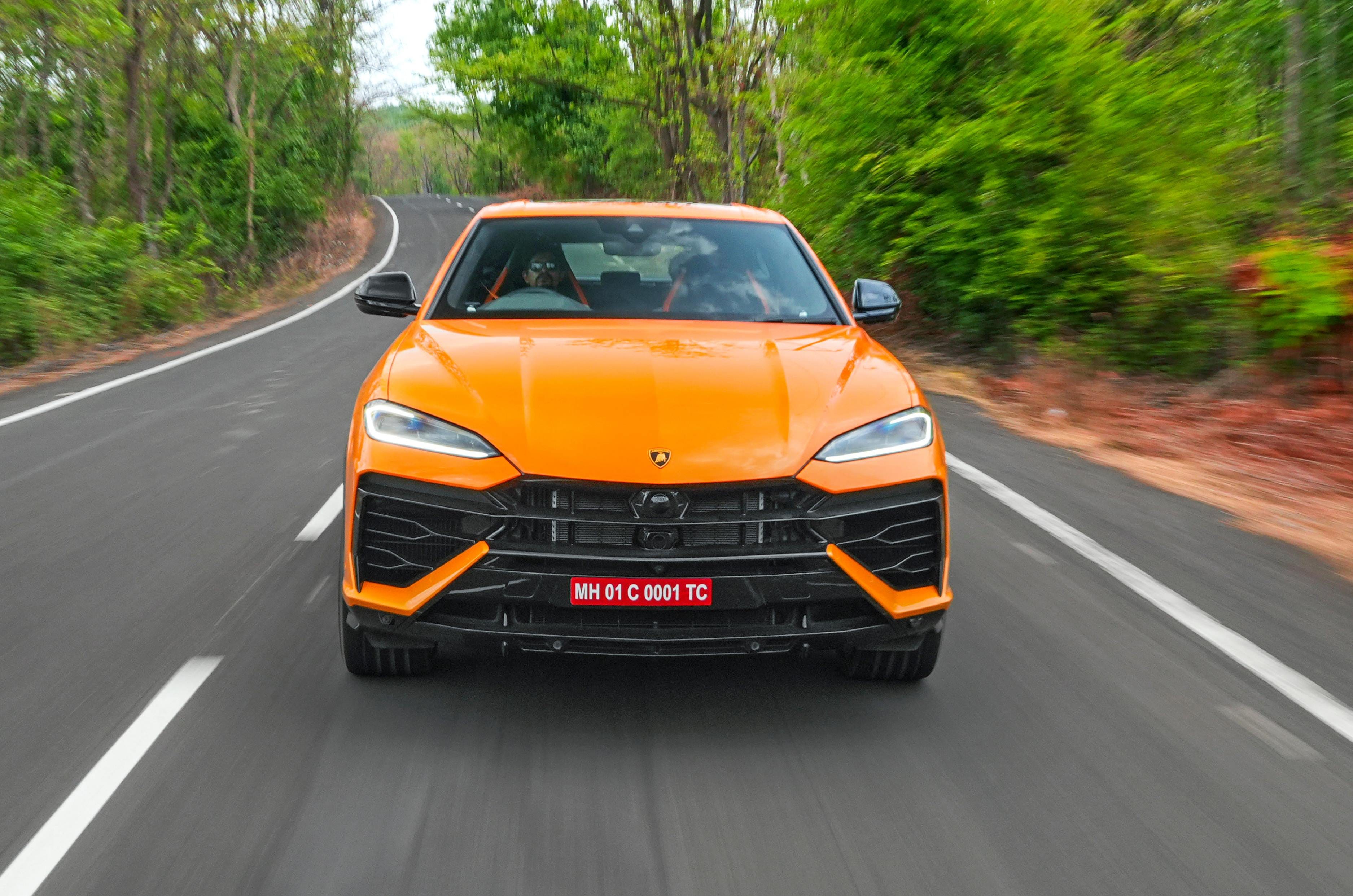
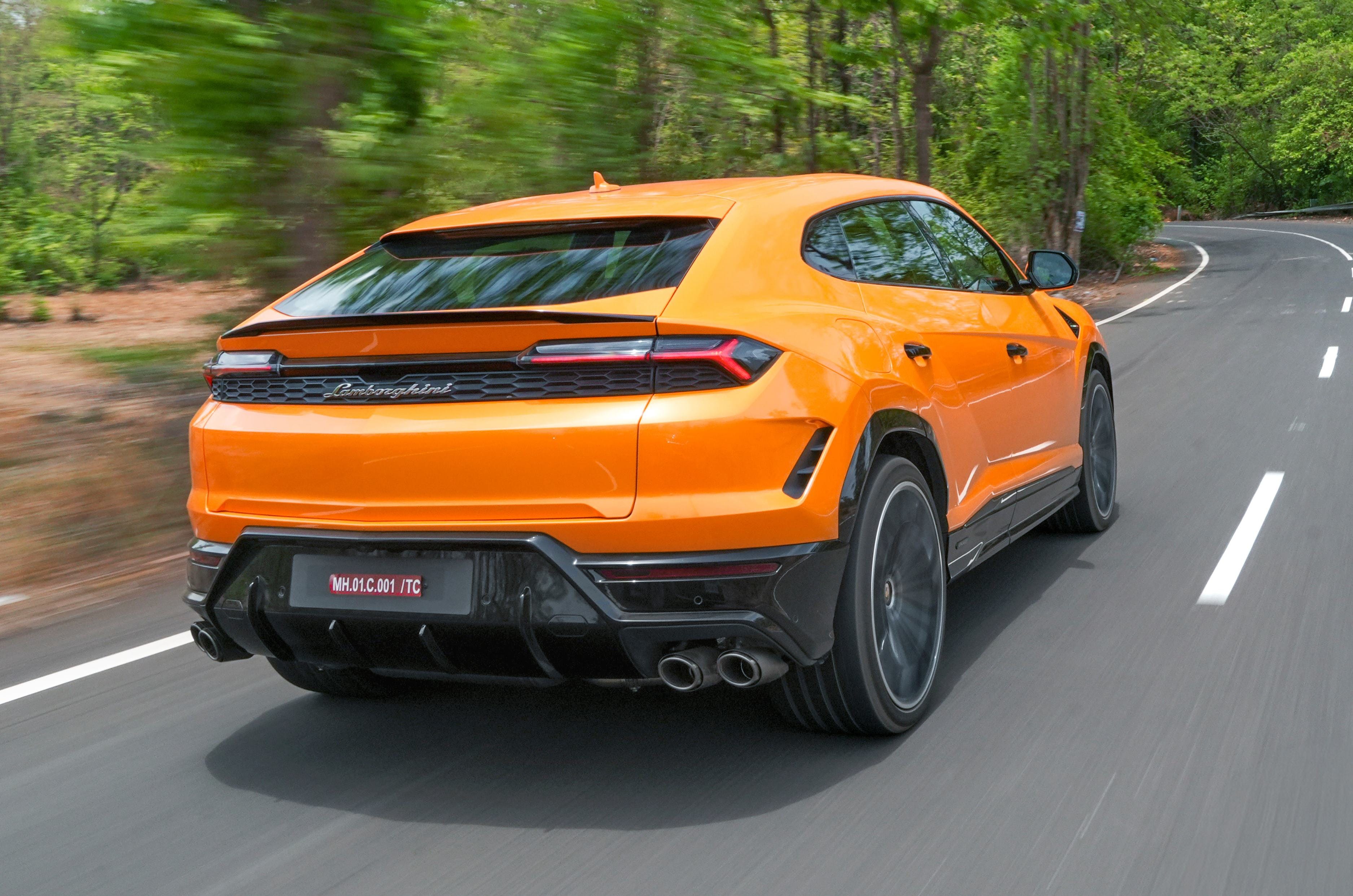
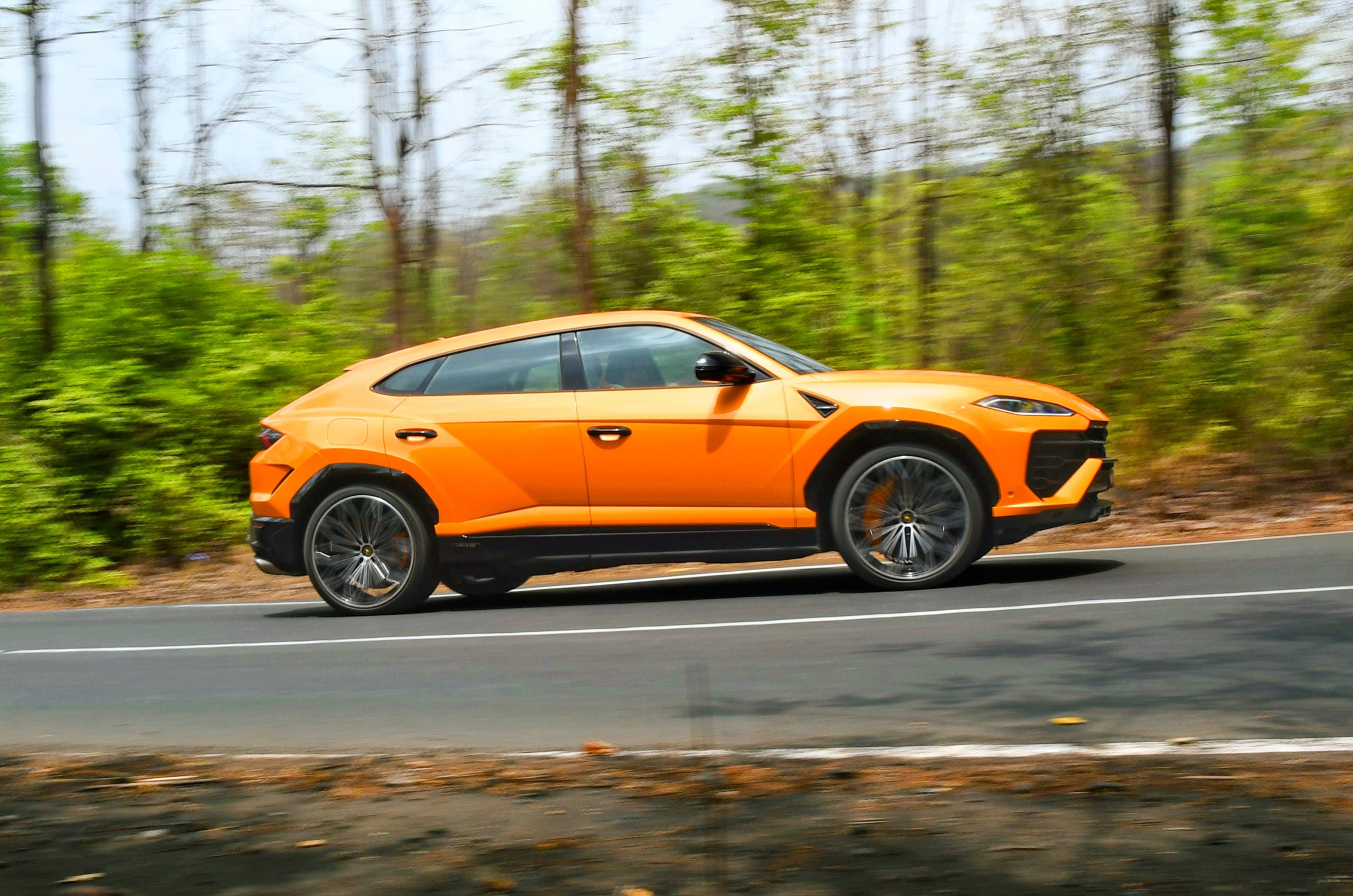
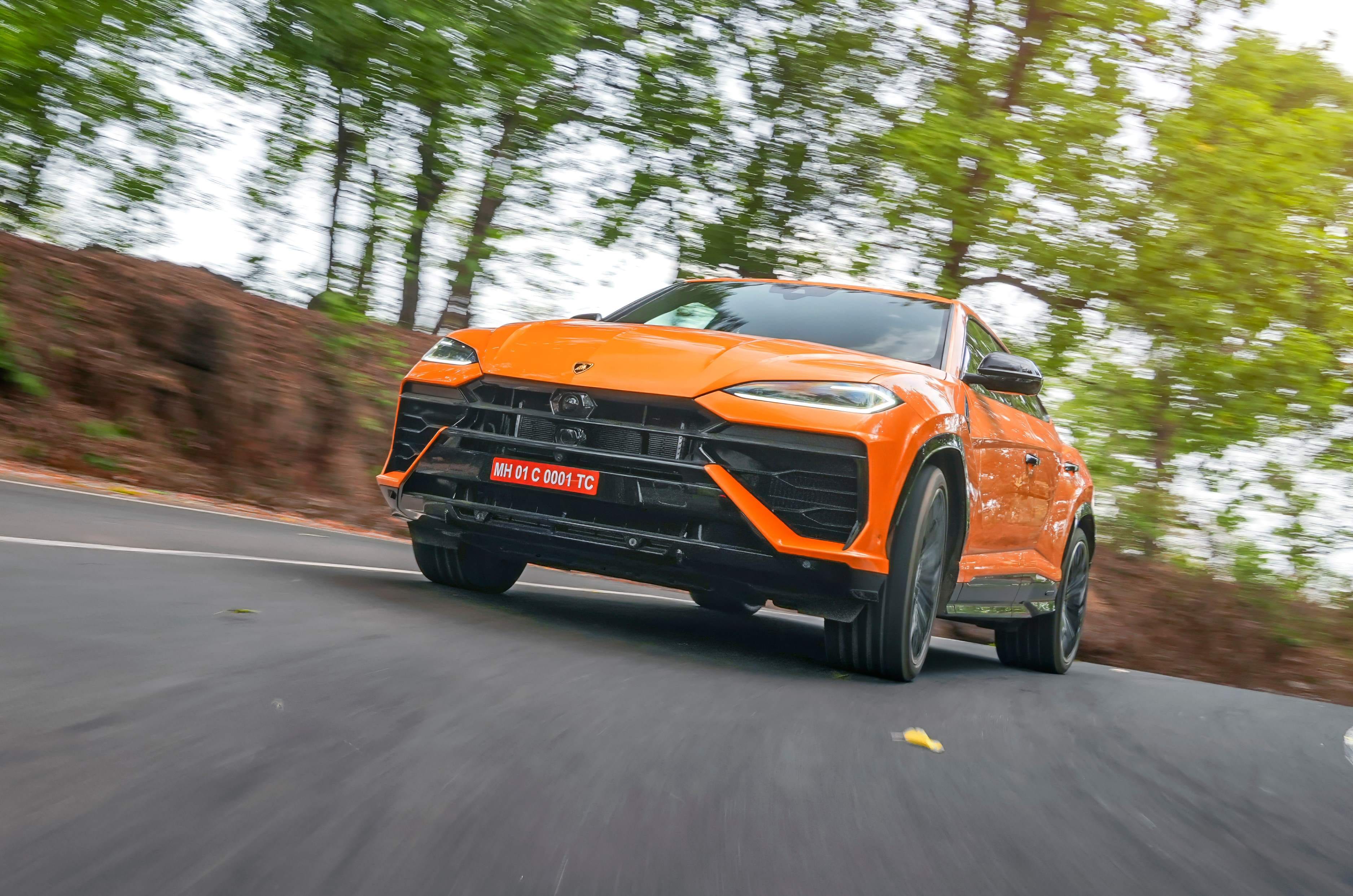
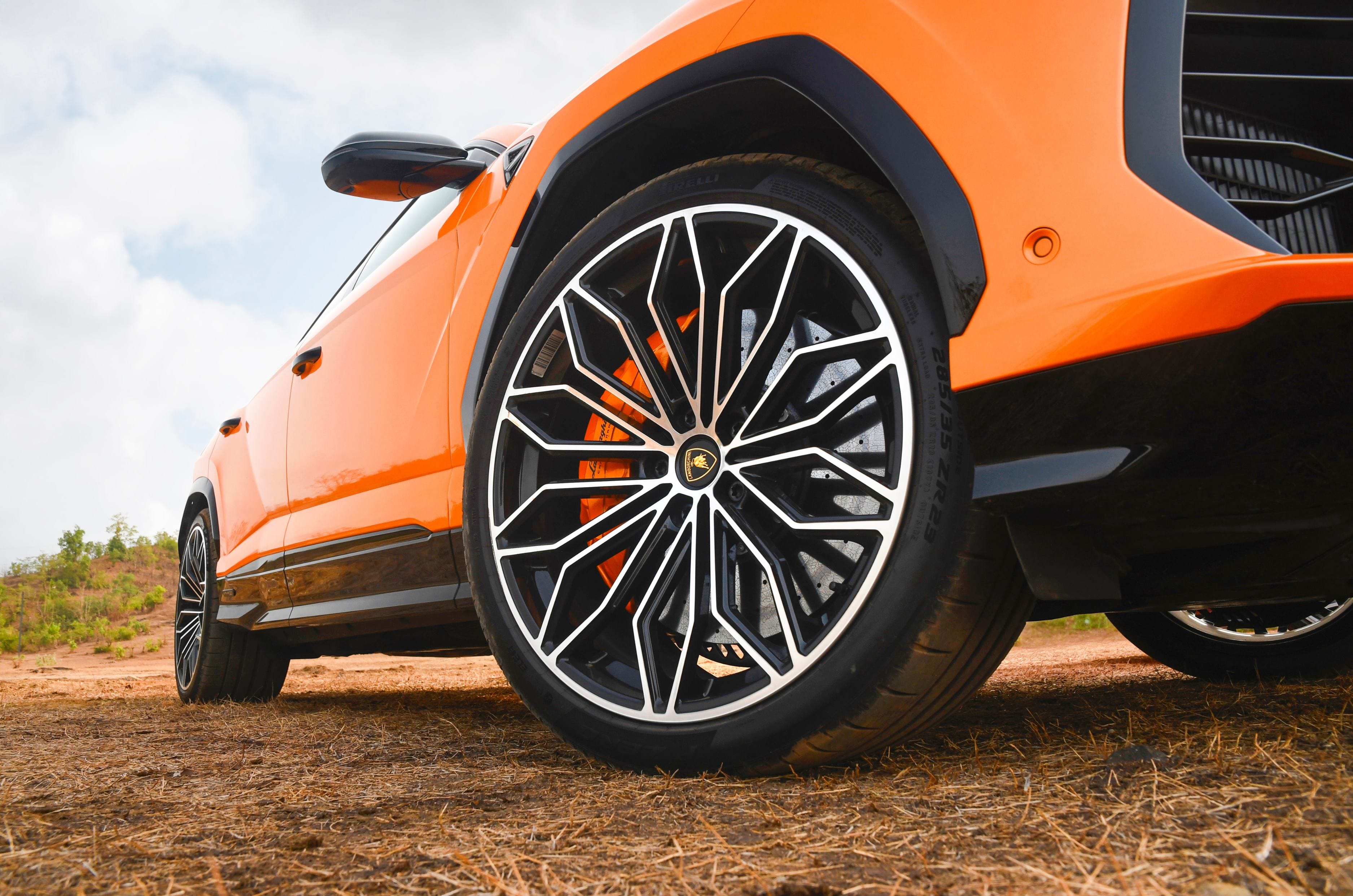
In comparison to the older Urus and the mad Urus Performante, the Urus SE does appear a bit softer and more rounded off. But that’s not to say it lacks presence by any means. It’s still full of sharp angles and surfaces, the Arancio Borealis optional paint on our test car looked stunning as did the diamond-cut, multi-spoke 23-inch alloy wheels. Up front, there’s a new bonnet, redesigned bumper and a larger front grille, while the slimmer headlights are now matrix LED units and a different DRL signature.
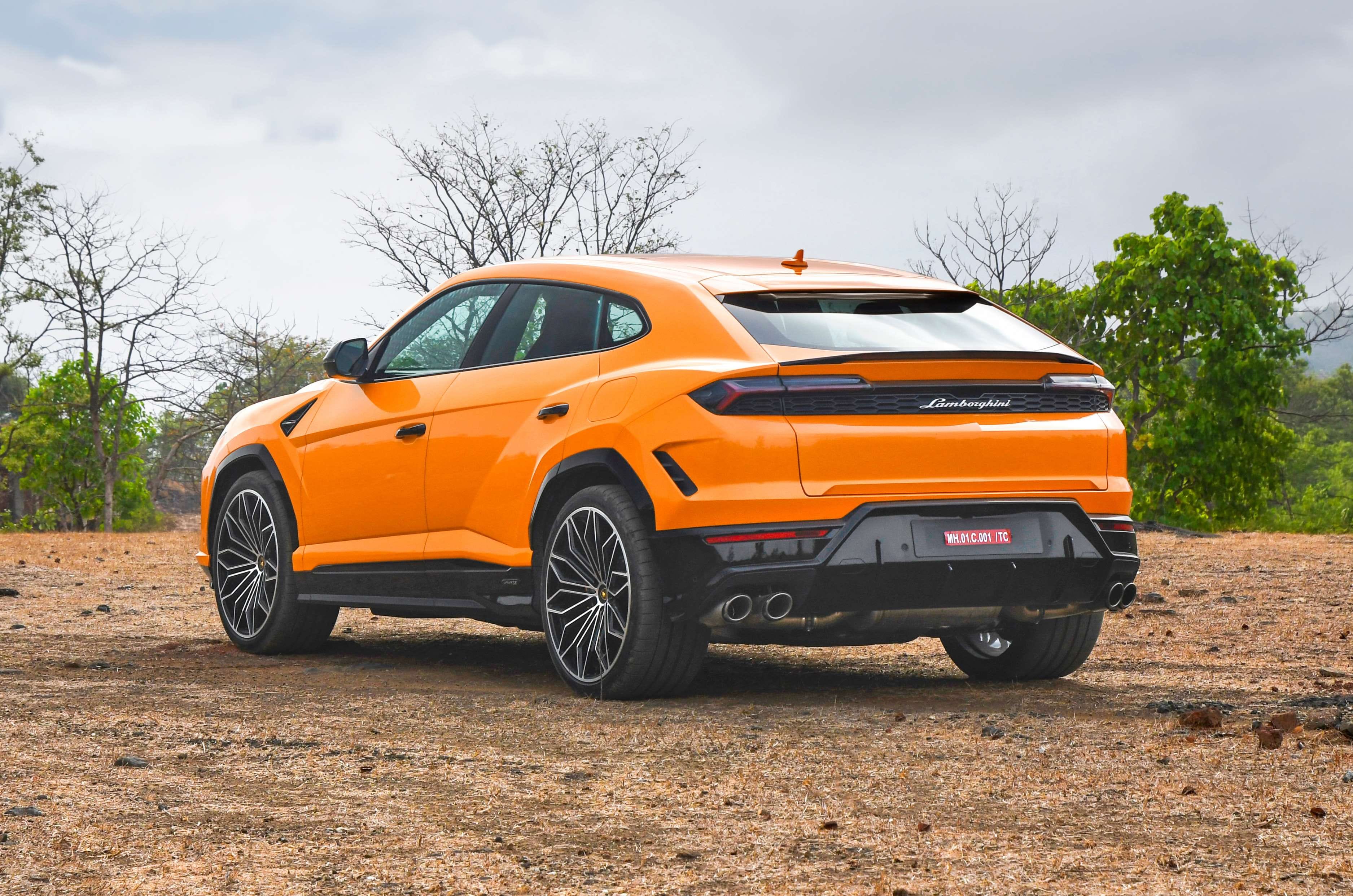
Rear end features quad-exhaust setup, sporty raked roofline, and a hexagon-patterned grille connecting the tail-lights.
The differences are immediately apparent at the rear too, with a new tailgate, rear bumper and a connecting tail-light grille. As always, Lamborghini’s Ad Personam personalisation programme offers an enormous scope for customisation, so buyers can tailor the Urus SE as per their needs. It remains a substantial machine, measuring 5.12m long and 2.02m wide, with a 3m wheelbase. Kerb weight is a hefty 2,505kg, which makes the fact that it can sprint from 0-100kph in just 3.4sec all the more impressive.
Lamborghini Urus SE Interior Space and Comfort – 8/10
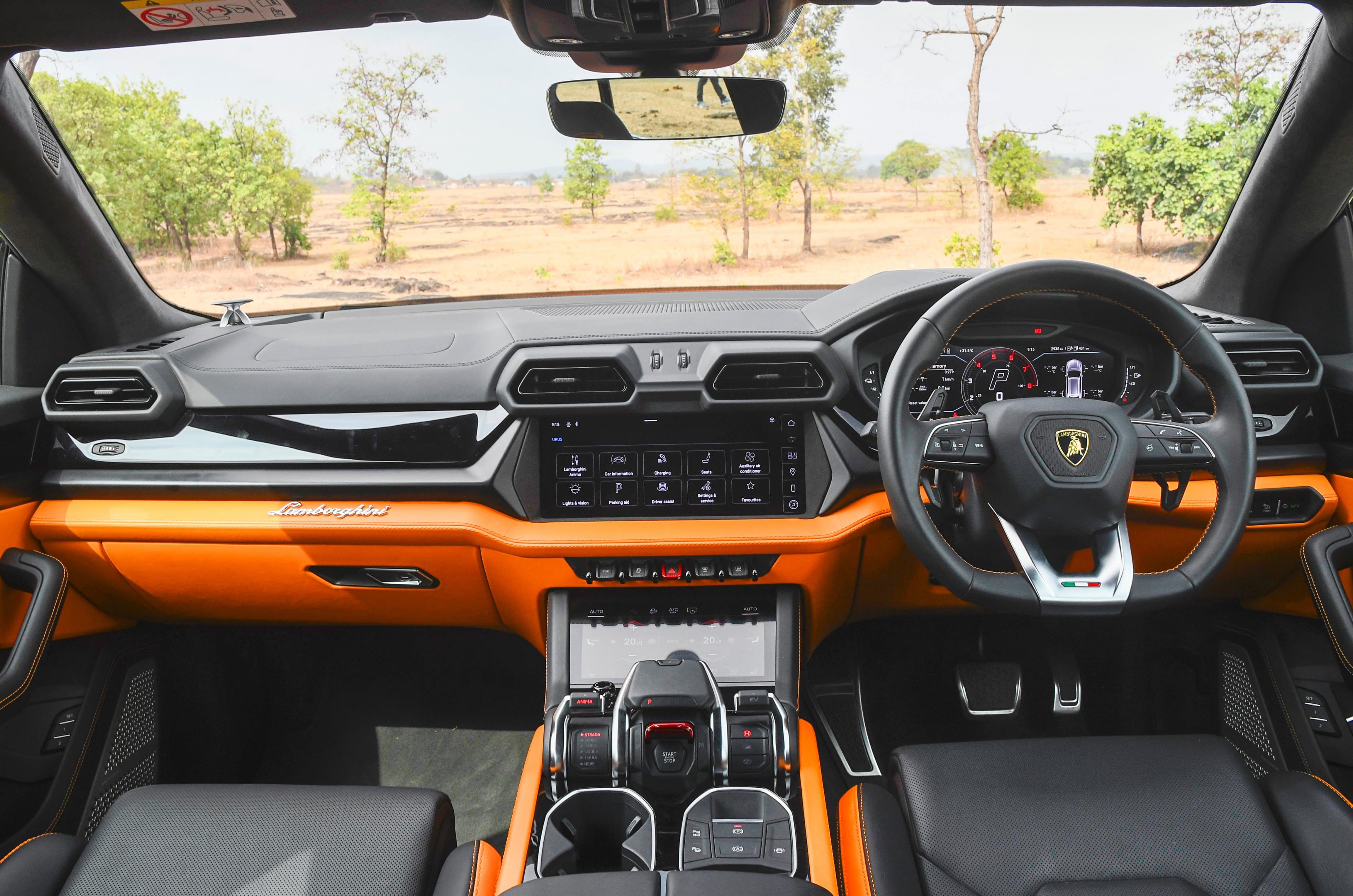
Dashboard layout is premium and feature-loaded, and gets a lot of Lamborghini theatrics.
Inside, the Urus SE retains the familiar Lamborghini approach of combining the ambience of a supercar with the practicality expected of an SUV. However, the changes here are less apparent than those on the outside. The centre console is ever so slightly redesigned with a new array of toggle switches under the touchscreen. The touchscreen itself is larger than the earlier Urus, with updated graphics and a slicker user interface.
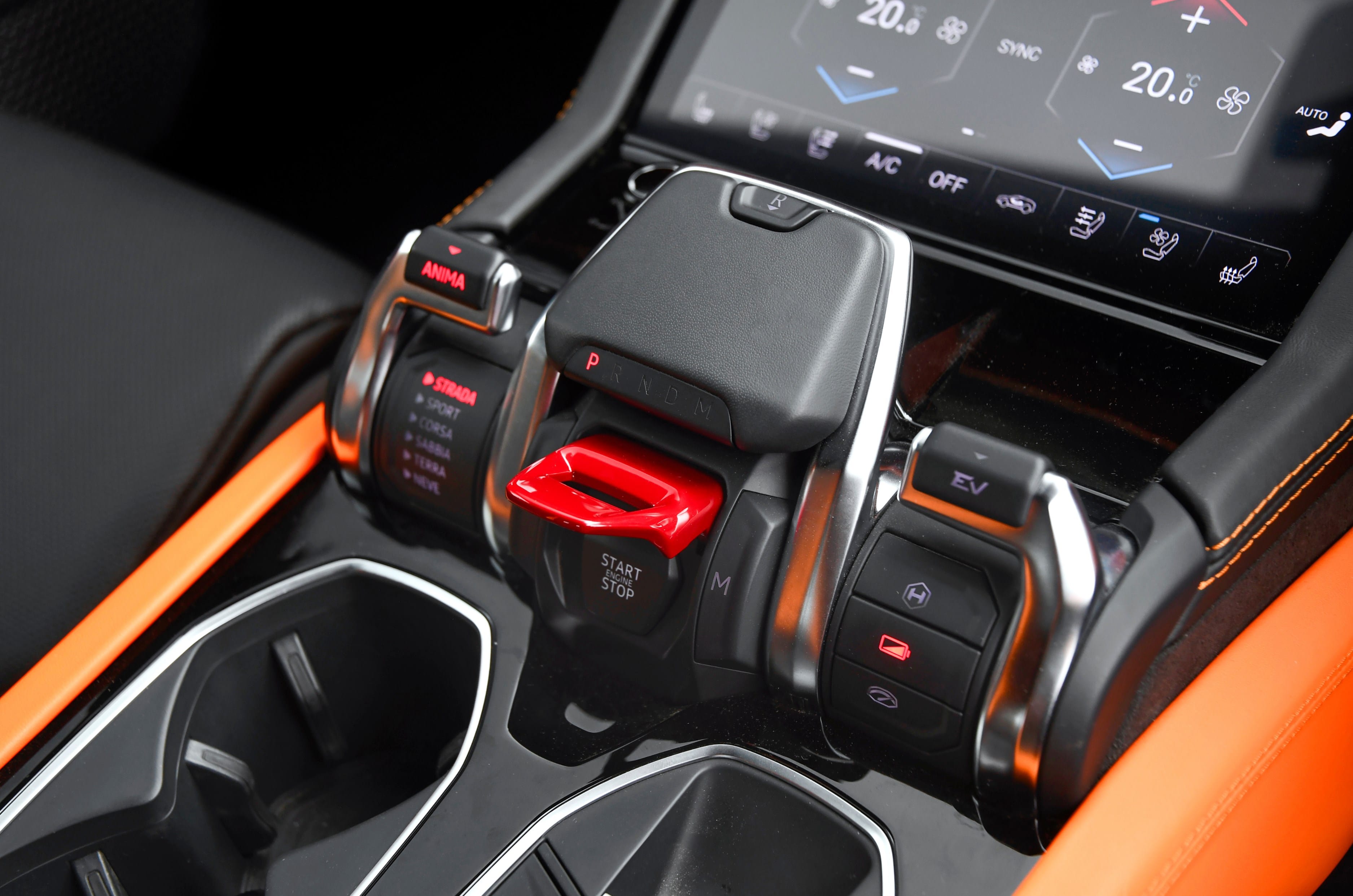
Lamborghini’s signature flip-up engine start/stop button is inspired by those of fighter jets.
There’s plenty of visual theatre, too, and it looks just as extroverted as the outside. Standout elements include the hexagonal AC vents, the Lamborghini badging on the dashboard, the aircraft-style levers for the drive modes and of course, the fighter-jet inspired flap-up engine start/stop button. Lamborghini has also introduced new colour and trim combinations with the SE, with our test car featuring the same predominantly orange theme as on the outside.
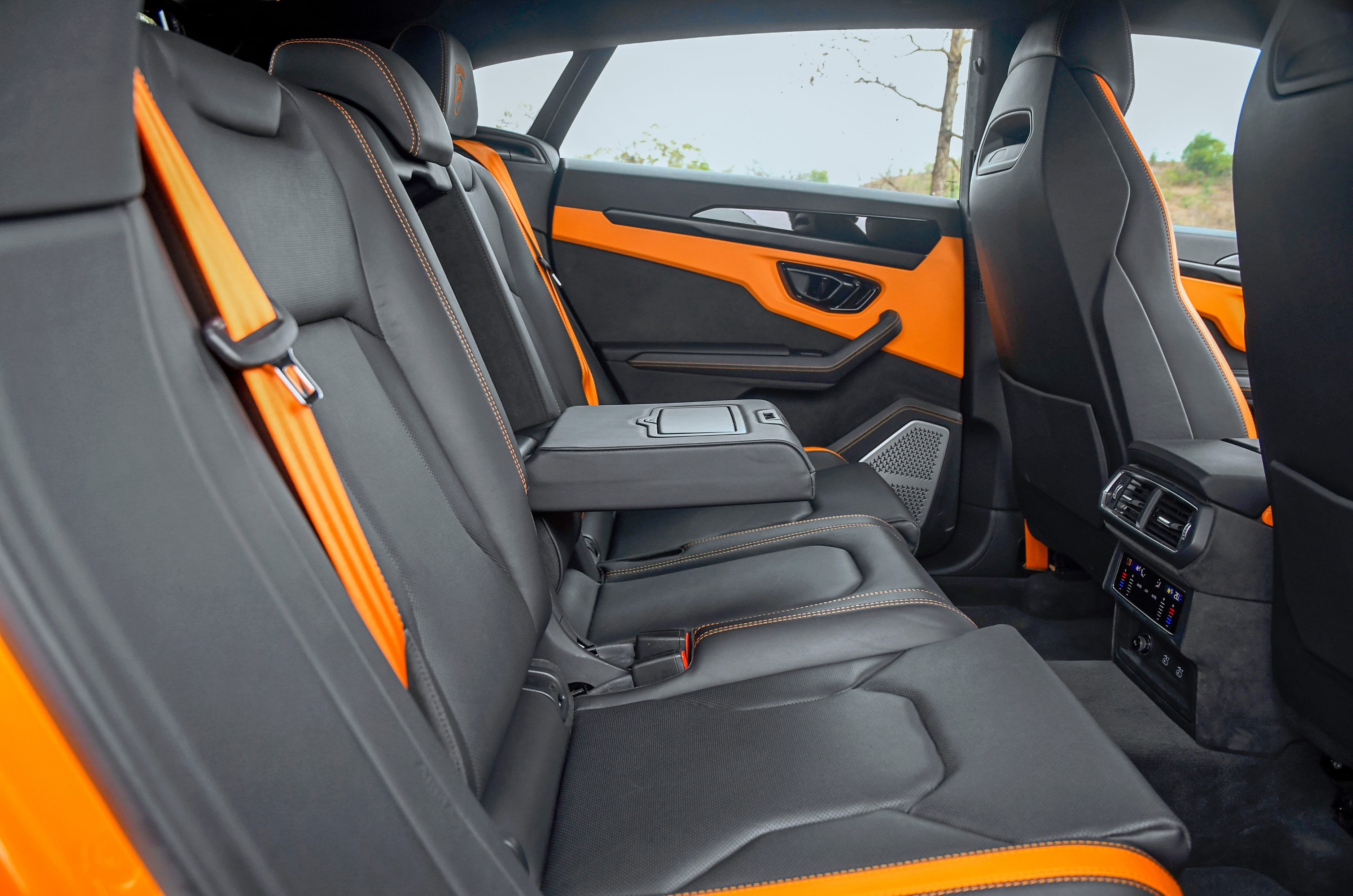
Rear space is surprisingly plentiful given the Urus SE’s sporty proclivities.
Despite all the drama, this remains a practical SUV. The long wheelbase means there’s plenty of legroom at the rear and it’s wide enough for three too, though taller passengers may find headroom a bit tight thanks to the tapering roofline. The front seats are large, well padded and the optional Lamborghini crest on the headrests just adds to the ambience. The glovebox is decent sized, there’s cupholders and the boot offers 454 litres of capacity.
Lamborghini Urus SE Features and Safety – 8/10
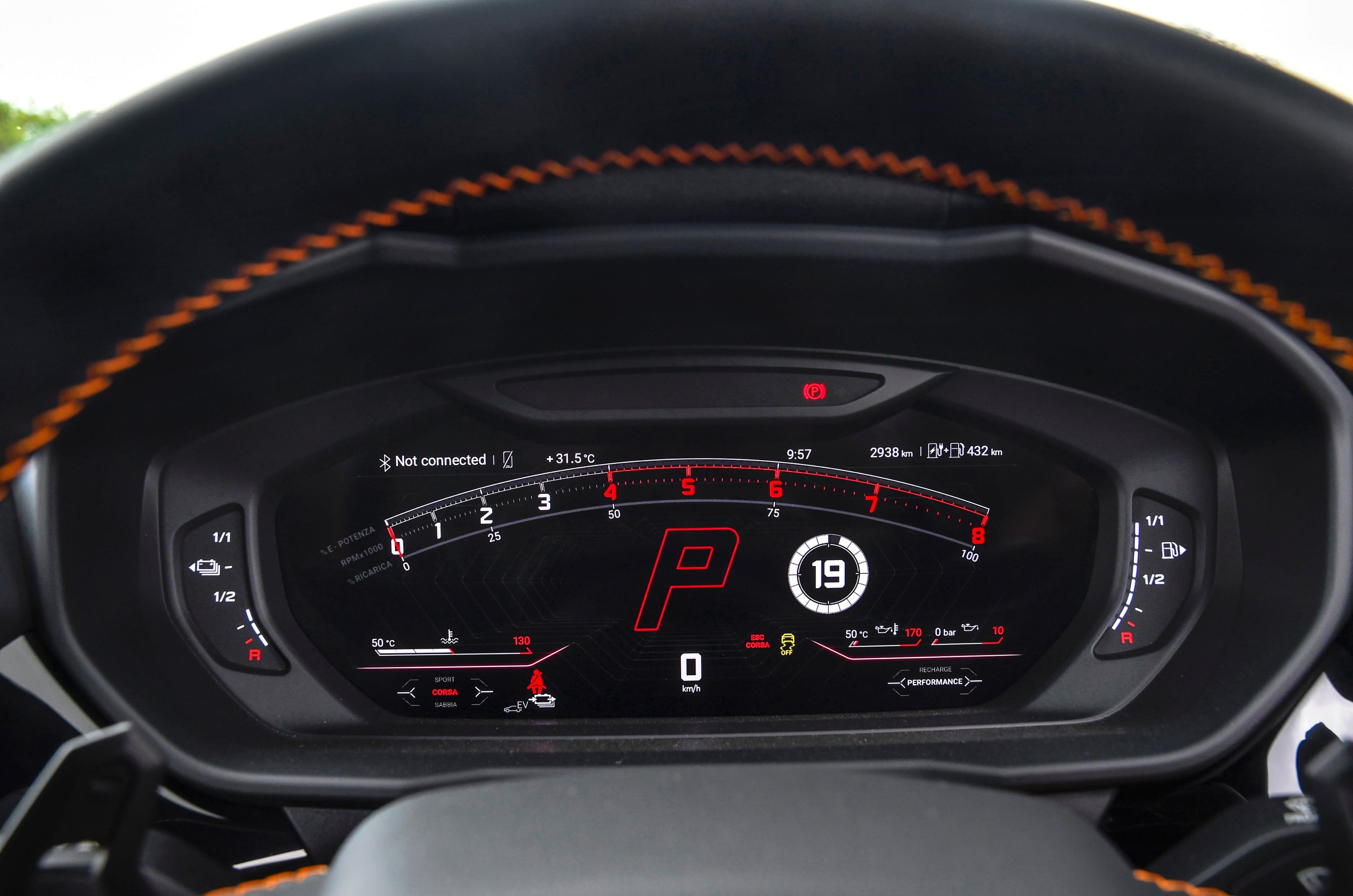
Info-packed driver’s display interface can get confusing at times.
As standard, the Urus SE gets plenty of features like the three screen setup – for the infotainment, AC system and driver’s display – wireless Android Auto and Apple CarPlay, LED matrix headlamps, four-zone auto climate control, leather upholstery, 360-degree camera, connected car tech and so much more.
The SE also gets a comprehensive technology upgrade, with the new user interface being one of the more significant updates. It features a carousel-style layout on the touchscreen to access the numerous sub-menus it packs in, while the driver’s display shows all sorts of data pertaining to the hybrid system, navigation, media and other car-related info. Navigating all the sub-menus can get confusing, however.
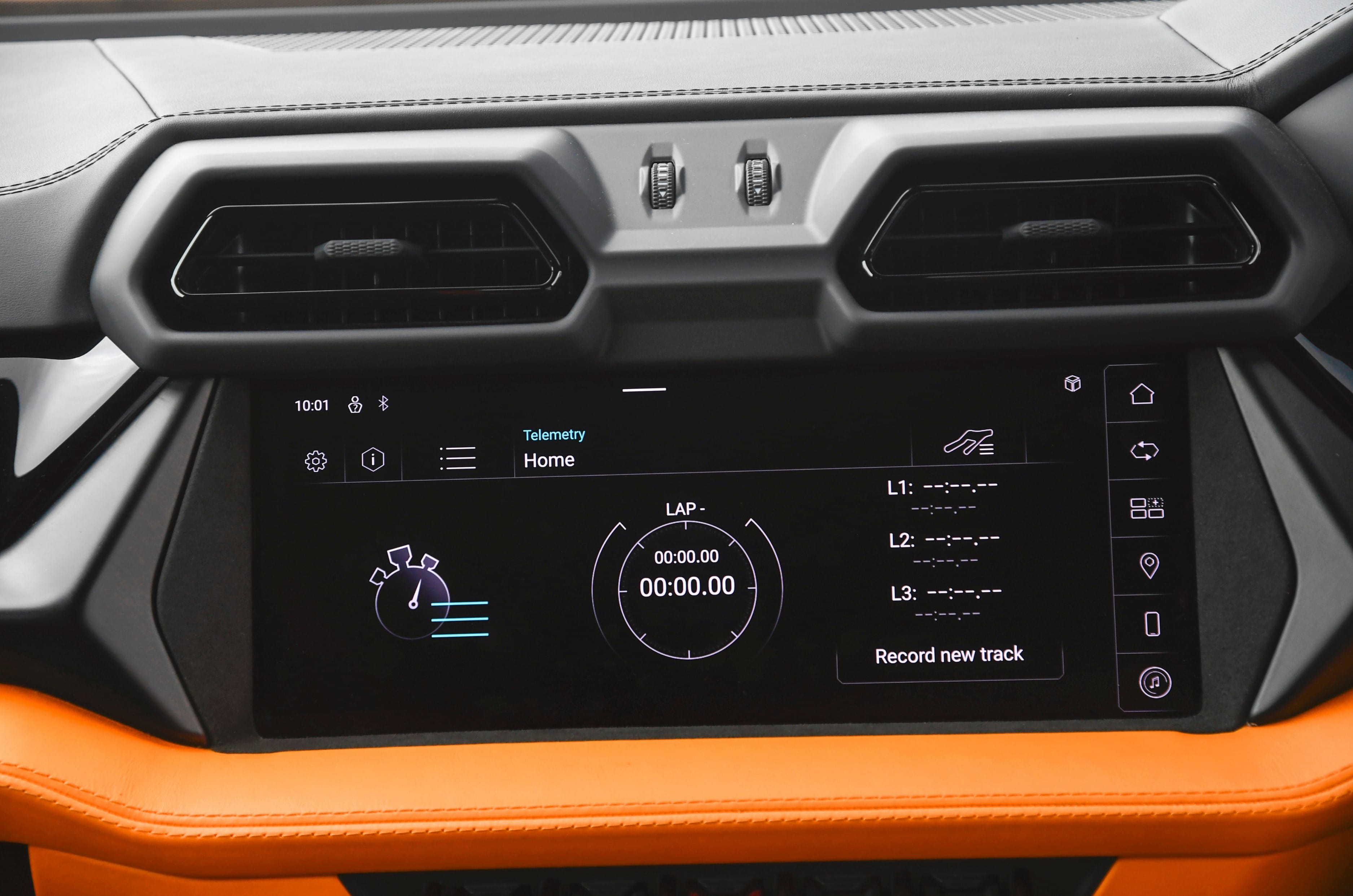
New Lamborghini Telemetry function comes with over 300 pre-loaded racetracks to record lap times on.
There’s also ‘Lamborghini Telemetry’ that can display lap times and sector information for more than 300 preloaded circuits, as well as record new tracks. Connected services extend to navigation, real-time traffic, remote locking, vehicle-status information, remote charging, remote cooling of the cabin and various safety and security alerts.
Also part of the package is ADAS tech like autonomous emergency braking, lane keep assist, adaptive cruise control and more. But there’s a lot that’s optional too, like a large panoramic sunroof, a Bang and Olufsen 3D audio system and a whole lot more, apart from the usual trim, material and stitching options. On the whole, the Urus SE is well-equipped but some of the optional extras really could have been standard fitment given the asking price.
Lamborghini Urus SE Performance and Refinement – 9/10
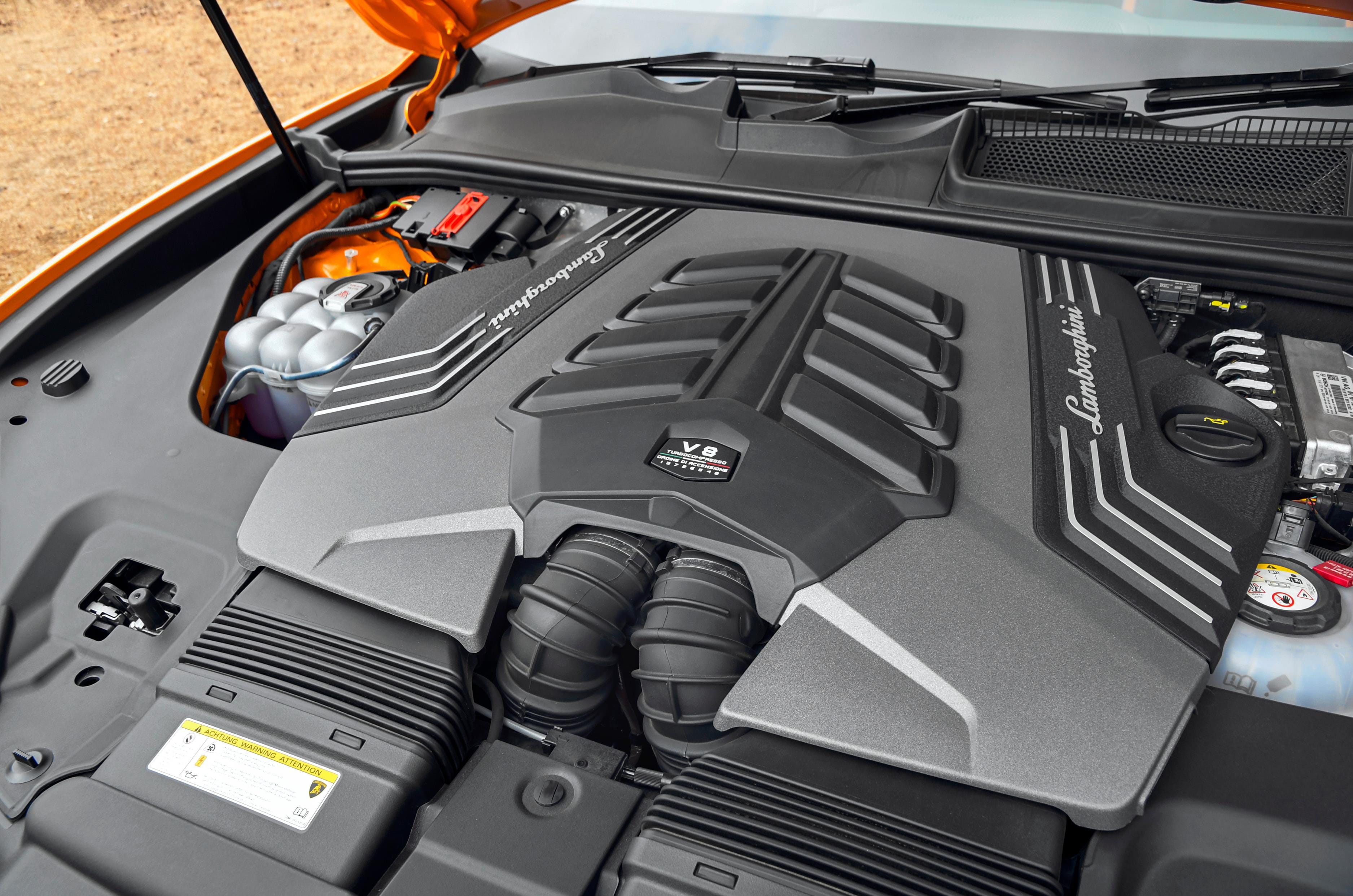
Twin-turbo V8 and electric motor develop a combined 800hp and 950Nm.
As for the numbers, they are, predictably, staggering. The Urus SE combines the familiar 4.0-litre twin-turbo V8 with a 25.9kWh lithium-ion battery and a permanent-magnet synchronous electric motor for an eye-watering combined output of 800hp and 950Nm. The result is 0-100kph in 3.4sec and 0-200kph in 11.2sec, with a claimed top speed of 312kph. Those figures put the Urus SE firmly in supercar territory, despite its size and weight.
And it does feel like one from behind the wheel too, especially in a straight line. Acceleration is relentless and it feels borderline scary on narrow, two-lane roads. The Urus SE always feels like it has power in reserve, especially when you’ve got the powertrain fully dialled up. There’s Strada mode for everyday driving, Sport for when you want to have a bit more fun and of course, Corsa for when you want a proper scare. Couple that with the hybrid system in its full performance mode, and the SE can really feel overwhelming. But if you don’t drive with a heavy foot, it’s surprisingly cordial and sedate. The SE really has a Jekyll and Hyde character about it.
Unrelenting acceleration can get scary on public roads.
What makes the SE more interesting than simply being a faster Urus is the way the electric motor has been integrated. Of course, it’s to help with emissions and meet regulations, but it’s also to boost performance. In EV mode, it can reach up to 135kph and go as far as 66km. But with a flick of a switch, it can turn from silent to violent.
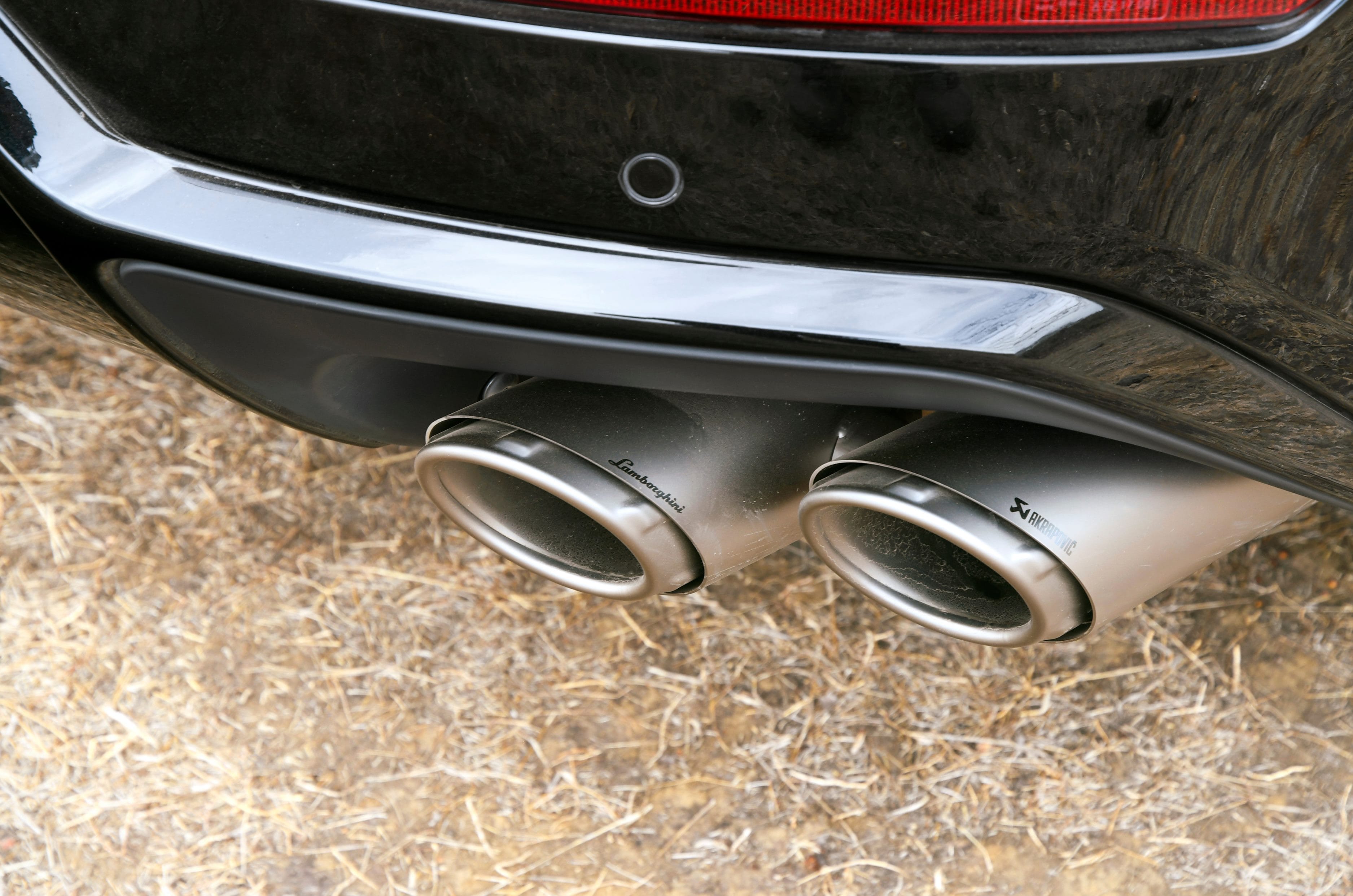
The V8 also hasn’t become anonymous with the hybridisation. It still makes its presence felt, especially through the optional Akrapovic exhaust our car came fitted with, but it does feel a bit subdued. It’s also piped through the speakers, which doesn’t feel entirely ethical but it does help its case.
Optional Akrapovic exhaust system helps enhance the V8’s aural character.
Lamborghini has also paid considerable attention to keeping performance consistent, with additional cooling for the powertrain and brakes. Not that we ever managed to push it so hard to test out that claim. And apart from the aforementioned drive modes, there’s even some off-road modes baked in, but how many buyers actually take their prized possession off the grippy stuff remains to be seen.
Lamborghini Urus SE Mileage and Efficiency – 7/10
This is where the Urus SE’s plug-in hybrid system makes a big difference. Lamborghini quotes a WLTP combined energy consumption of 4.67km/kWh plus 17.54kpl. With a discharged battery, however, combined claimed fuel efficiency falls to 7.75kpl.
Thanks to the 25.9kWh battery, the Urus SE claims a 66km all-electric range.
The headline figure therefore needs some context. The SE’s efficiency advantage is greatest when the battery is regularly topped up. With a claimed 66km of EV range, many shorter daily journeys can theoretically be completed without the V8 needing to fire up at all.
For longer journeys, the hybrid system allows the electric motor and V8 to share the workload. But once the battery is depleted, this remains a 2.5-tonne SUV with a twin-turbo V8, so expectations of conventional-SUV fuel economy would be unrealistic.
Lamborghini Urus SE Ride Comfort and Handling – 8/10
Ride isn’t all that absorbent due to the low-profile Pirelli P Zero tyres.
The Urus SE uses a multilink suspension setup front and rear with semi-active dampers, all of which make this large SUV feel engaging around corners without sacrificing comfort. There is a sense of pliancy at low speeds with the ride firming up as speeds rise. Of course, riding on 23-inch wheels means you can feel potholes and road imperfections, but still it isn’t uncomfortable by any means.
Rear-wheel steering, semi-active dampers, e-diff, and torque vectoring help make the Urus SE a keen handler.
It also gets rear-wheel steering, which helps make it more manageable at lower speeds while contributing to agility at higher speeds. The SE feels eager to change direction and the e-diff and clever torque vectoring system do their best to keep things tidy around bends. You also get a good sensation from the steering which has good heft to it and the Pirelli P Zero tyres it comes with are grippy too. Lamborghini has also worked on the aerodynamics, with a new rear aero lip and diffuser increasing rear downforce by 35 percent over the Urus S. Overall though, the SE feels agile enough but there’s no escaping its heavy kerb weight.
Giant carbon-ceramic brakes peek out from behind the 23-inch alloys.
You’re also backed by massive carbon-ceramic brakes, measuring 440mm at the front and 410mm at the rear, and they do take some time getting used to. They may not have the initial bite like with conventional steel brakes, but the stopping power is immense and they stay consistent despite repeated hard braking, which is essential in something as big and powerful as the Urus SE.
Lamborghini Urus SE Value for Money – 7/10
The Urus SE is arguably the most convincing expression yet of Lamborghini’s super-SUV. More importantly, it hasn’t sacrificed the characteristics that make a Lamborghini feel special in the pursuit of meeting ever tightening restrictions. There’s still a V8, it’s still outlandish inside and out, and it still delivers a driving experience that goes well beyond what you’d expect from something this large. All of that while adding the benefit of the plug-in hybrid system for performance and efficiency, as well as properly usable EV range.
The Urus SE is the all-in-one Lamborghini.
At Rs 4.47 crore (ex-showroom, before options), of course, the Urus SE is expensive. But that’s almost beside the point. The Urus SE isn’t for those who expect rational value; it is for those who want a vehicle that can combine supercar pace, SUV practicality, luxury, all-electric driving and aspirational brand value all in one package. As a technological statement and a performance SUV then, the Urus SE makes a compelling case for Lamborghini’s hybrid future.
8 सितंबर को होने वाले Apple इवेंट में iPhone 18 लाइनअप के Pro वेरिएंट्स के साथ-साथ एक नया फोल्डेबल फोन भी लॉन्च होने की उम्मीद है। लेकिन अगर हम खास तौर पर iPhone 18 Pro की बात करें, तो यह डिवाइस काफी शानदार होने वाला है और अपने पिछले मॉडल से थोड़ा बेहतर होगा। लीक्स और अफवाहों के जरिए इस डिवाइस के बारे में काफी जानकारी सामने आई है। आइए, इस फोन के बारे में वे सभी बातें जानते हैं जो आपको पता होनी चाहिए।
भारत में Apple iPhone 18 Pro की कीमत और रिलीज डेट
Apple iPhone 18 Pro को 8 सितंबर, 2026 को iPhone 18 Pro Max और iPhone Ultra के साथ लॉन्च किया जाएगा। कीमत की बात करें तो, GF सिक्योरिटीज के एनालिस्ट जेफ पु, MacRumors और अन्य सूत्रों से मिली कई रिपोर्ट्स से पता चलता है कि यह डिवाइस अपने पिछले मॉडल की तुलना में $250 से $350 तक महंगा होगा। इसे ध्यान में रखते हुए, हम कह सकते हैं कि iPhone 18 Pro भारत में लगभग ₹1,63,900 की कीमत पर आ सकता है।
Apple iPhone 18 Pro का कैमरा और स्पेसिफिकेशन्स
iPhone 18 Pro में 6.3 इंच की OLED डिस्प्ले मिल सकती है, जो 120Hz रिफ्रेश रेट के साथ आएगी। फोन में Apple A20 Pro चिपसेट दिया जा सकता है, जिसे 2nm प्रोसेस पर बनाया जाएगा।
लीक्स के मुताबिक, नया चिपसेट पिछले मॉडल के मुकाबले करीब 15% ज्यादा तेज हो सकता है और इसकी एनर्जी एफिशिएंसी लगभग 30% बेहतर हो सकती है। फोन में 5100mAh की बैटरी मिलने की भी उम्मीद है, जो MagSafe वायरलेस चार्जिंग को सपोर्ट कर सकती है।
कैमरे की बात करें तो, Apple iPhone 18 Pro में ट्रिपल रियर कैमरा सेटअप हो सकता है, जिसमें 48MP का प्राइमरी शूटर, 48MP का अल्ट्रा-वाइड-एंगल सेंसर और 48MP का टेलीफोटो सेंसर शामिल होगा। वहीं, सेल्फी और वीडियो कॉल के लिए 18MP का फ्रंट कैमरा भी मिल सकता है।
बता दें कि iPhone 18 Pro का डिजाइन इसके पिछले मॉडल जैसा ही हो सकता है। इससे जुड़ी लीक जानकारी के अनुसार, यह फोन एक नए कलर ऑप्शन में भी आएगा – एक गहरा चेरी टोन, जो Cosmic Orange iPhone 17 की लोकप्रियता को दोहराने की कोशिश करेगा।
Android to iPhone Contacts Transfer: Android से Apple डिवाइस पर स्विच करना कई लोगों के लिए मुश्किल हो सकता है। हालांकि, पिछले कुछ सालों में Google और Apple दोनों ने यूजर्स के लिए एक डिवाइस इकोसिस्टम से दूसरे में जाना आसान बना दिया है। 2015 में, Apple ने अपना पहला Android ऐप ‘Move to iOS’ लॉन्च किया था, जो यूजर्स को Android फोन से iPhone पर अपना डेटा ट्रांसफर करने की सुविधा देता है। यह ऐप तब काम आता है जब यूजर्स Android फोन से नए iPhone पर स्विच करते समय उसे सेट अप कर रहे होते हैं। ऐसे में, यूजर्स अपना नया iPhone सेट अप करने के बाद भी Android फोन से अपने ऐप्स, कॉन्टैक्ट्स और दूसरी फाइलों को iPhone पर ट्रांसफर कर सकते हैं।
अगर आप भी Android स्मार्टफोन से नए iPhone पर स्विच कर रहे हैं, तो हमने एक स्टेप-बाय-स्टेप गाइड तैयार की है, ताकि आप आसानी से अपने कॉन्टैक्ट्स को Android से iPhone पर ट्रांसफर कर सकें।
‘Move to iOS’ ऐप के जरिए Android से iPhone पर कॉन्टैक्ट्स कैसे ट्रांसफर करें
सबसे पहले अपने पुराने Android फोन में Wi-Fi ऑन करें।
अब Google Play Store खोलें और Move to iOS ऐप डाउनलोड करें।
Move to iOS ऐप खोलें। इसके बाद Continue पर टैप करें और आगे बढ़ने के लिए Agree बटन पर क्लिक करें।
अब Automatically Send विकल्प पर क्लिक करें।
Continue पर टैप करें। अगर फोन लोकेशन की परमिशन मांगता है, तो उसे ऑन कर दें।
इसके बाद Continue पर क्लिक करें और स्क्रीन पर दिए गए निर्देशों को फॉलो करें।
अब अपना नया iPhone ऑन करें।
iPhone को सेटअप करने के लिए स्क्रीन पर दिए गए निर्देशों का पालन करें।
Quick Start स्क्रीन पर Set Up Without Another Apple Device विकल्प चुनें और आगे बढ़ें।
अब Transfer Your Apps & Data स्क्रीन पर From Android विकल्प पर टैप करें।
इसके बाद आपके iPhone की स्क्रीन पर एक कोड दिखाई देगा। अब अपने Android फोन पर जाएं और iPhone पर दिख रहा यही कोड दर्ज करें।
आपका iPhone एक अस्थायी Wi-Fi नेटवर्क बनाने के लिए कहेगा। यहां Connect पर टैप करें।
इसके बाद डेटा ट्रांसफर की एक नई स्क्रीन दिखाई देगी। यहां आप जिस डेटा को iPhone में ट्रांसफर करना चाहते हैं, उसे चुनें। अगर आपको कॉन्टैक्ट्स भी ट्रांसफर करने हैं, तो Contacts का विकल्प जरूर चुनें।
अब स्क्रीन पर दिए गए निर्देशों का पालन करते हुए अपने iPhone का सेटअप पूरा करें।
डेटा ट्रांसफर पूरा होने के बाद आपके पुराने Android फोन में सेव सभी कॉन्टैक्ट्स नए iPhone में दिखाई देने लगेंगे।
Google अकाउंट सिंक करके Android से iPhone में कॉन्टैक्ट्स कैसे ट्रांसफर करें
अगर आपने अपना नया iPhone पहले ही सेटअप कर लिया है, तब भी आप Google अकाउंट की मदद से Android फोन के कॉन्टैक्ट्स को iPhone में आसानी से ट्रांसफर कर सकते हैं। इसके लिए नीचे दिए गए स्टेप्स फॉलो करें:
सबसे पहले अपने Android फोन में Contacts ऐप खोलें।
अब स्क्रीन के ऊपर बाईं तरफ दिए गए तीन हॉरिजॉन्टल लाइन वाले आइकन पर टैप करें।
यहां Manage Contacts विकल्प पर क्लिक करें।
इसके बाद Move Contacts पर टैप करें।
अब From स्क्रीन पर Phone या SIM का विकल्प चुनें।
स्क्रीन के ऊपर बाईं तरफ Select All पर टैप करें और फिर Done पर क्लिक करें।
अब To स्क्रीन पर उस Google अकाउंट को चुनें, जिसमें आप अपने कॉन्टैक्ट्स सिंक करना चाहते हैं। इसके बाद Move पर टैप करें।
कॉन्टैक्ट्स Google अकाउंट में सिंक होने के बाद Android फोन को अलग रख दें और अपने iPhone पर जाएं।
iPhone में Settings ऐप खोलें।
नीचे स्क्रॉल करके Mail सेटिंग्स में जाएं और उसे खोलें।
अब Account > Add Account पर टैप करें और उसी Google अकाउंट की जानकारी दर्ज करें, जिसे आपने Android फोन में इस्तेमाल किया था।
स्क्रीन पर दिए गए निर्देशों का पालन करते हुए आगे बढ़ें। जब Gmail स्क्रीन दिखाई दे, तो यहां Contacts का विकल्प ऑन कर दें।
अब Keep on My iPhone पर टैप करें और फिर Save पर क्लिक करें।
इसके बाद आपके Android फोन के कॉन्टैक्ट्स iPhone की Phone ऐप में दिखाई देने लगेंगे।