दक्षिण कोरिया की टेक कंपनी Samsung ने चुपचाप कुछ ग्लोबल मार्केट में अपना नया एंट्री-लेवल स्मार्टफोन Samsung Galaxy A08 लॉन्च कर दिया है। यह नया स्मार्टफोन अभी कंपनी की वेबसाइट पर बिक्री के लिए उपलब्ध है और इसे सिर्फ एक ही RAM और स्टोरेज कॉन्फिगरेशन में पेश किया गया है। यह फोन तीन अलग-अलग कलर ऑप्शन में आता है।
Samsung Galaxy A08 में ऑक्टा-कोर MediaTek Helio चिपसेट दिया गया है, जिसकी पीक क्लॉक स्पीड 2.2GHz है। फोन में डुअल रियर कैमरा सेटअप है, जिसमें 50MP का मेन कैमरा है। इसमें 6,000mAh की बैटरी और 6.7-इंच का LCD टचस्क्रीन दिया गया है।
Samsung Galaxy A08 की कीमत और उपलब्धता
Samsung Galaxy A08 की कीमत UAH 10,699 (लगभग 23,000 रुपये) रखी गई है। यह कीमत फोन के 4GB RAM और 128GB स्टोरेज वाले एकमात्र वेरिएंट की है। नया स्मार्टफोन फिलहाल Samsung Ukraine ऑनलाइन स्टोर के जरिए खरीदा जा सकता है।
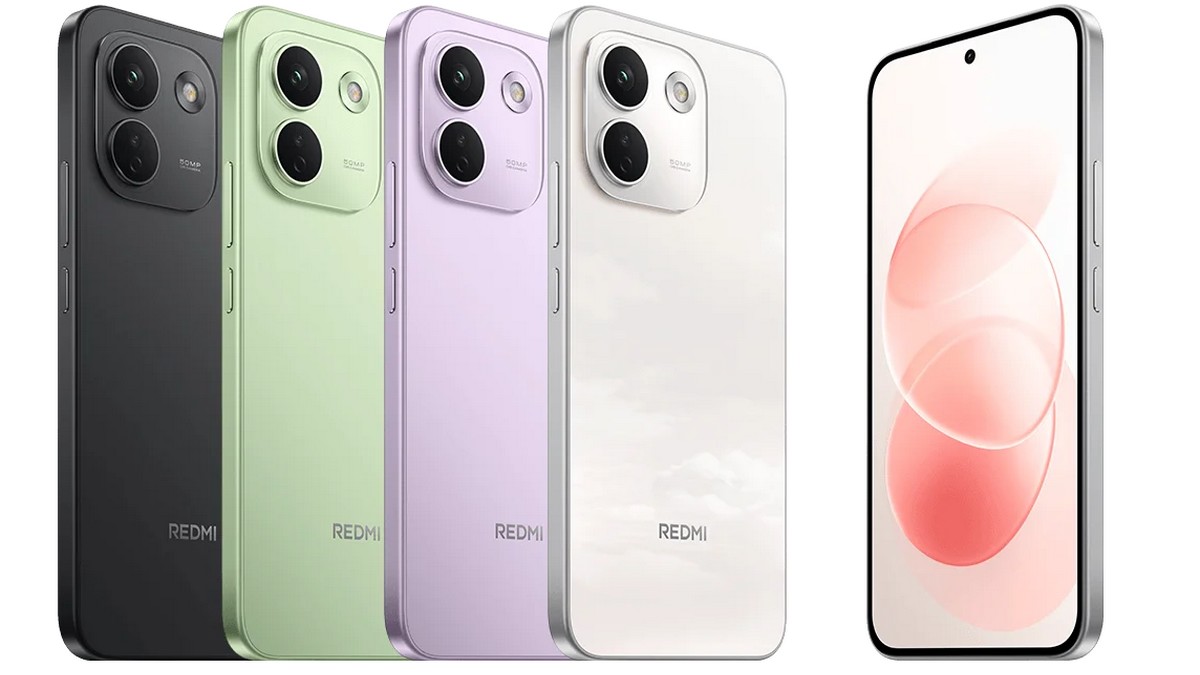
Samsung Galaxy A08 को तीन कलर ऑप्शन में लॉन्च किया गया है। इनमें Dark Blue, Green और Silver कलर शामिल हैं।
Samsung Galaxy A08 के स्पेसिफिकेशन्स और फीचर्स
Samsung Galaxy A08 एक डुअल-सिम स्मार्टफोन है, जो Android 16 पर आधारित One UI 8 पर चलता है। कंपनी ने इस हैंडसेट के लिए 2032 तक सॉफ्टवेयर सपोर्ट देने का वादा किया है। Galaxy A08 में 6.7-इंच का HD+ (720 x 1,600 पिक्सल) PLS LCD टचस्क्रीन है, जो 120Hz तक का रिफ्रेश रेट और 16 मिलियन कलर्स देता है।
इसके अलावा, फोन में ऑक्टा-कोर MediaTek Helio G99 चिपसेट दिया गया है। यह 6nm प्रोसेस पर बना है और इसमें छह एफिशिएंसी कोर (2.0GHz पर क्लॉक किए गए) और दो परफॉर्मेंस कोर हैं, जो 2.2GHz की पीक क्लॉक स्पीड देते हैं। Galaxy A08 में 4GB RAM और 128GB इंटरनल स्टोरेज भी है, जिसे माइक्रो-SD कार्ड के जरिए 2TB तक बढ़ाया जा सकता है।
कैमरे की बात करें तो Samsung Galaxy A08 में डुअल रियर कैमरा सेटअप है, जिसमें 50MP (f/1.8) का मेन कैमरा है जो ऑटोफोकस और 10x तक डिजिटल जूम की सुविधा देता है। इसमें f/2.4 अपर्चर वाला 2MP का सेकेंडरी कैमरा भी है। सेल्फी और वीडियो कॉल के लिए स्मार्टफोन के फ्रंट में 8MP (f/2.0) का कैमरा दिया गया है। यह फोन 120 fps तक HD वीडियो रिकॉर्डिंग को सपोर्ट करता है।
Samsung Galaxy A08 में 6,000mAh की बैटरी दी गई है। कनेक्टिविटी के लिए फोन में 4G LTE, डुअल-बैंड Wi-Fi, Bluetooth 5.3, USB Type-C पोर्ट, GPS, BeiDou, Galileo और OZSS का सपोर्ट मिलता है।
सिक्योरिटी के लिए फोन में फिंगरप्रिंट सेंसर दिया गया है। इसके अलावा, इसमें एम्बिएंट लाइट सेंसर और प्रॉक्सिमिटी सेंसर भी मिलते हैं। Samsung Galaxy A08 का डाइमेंशन 167.4×77.4x8mm है और इसका वजन करीब 197 ग्राम है।
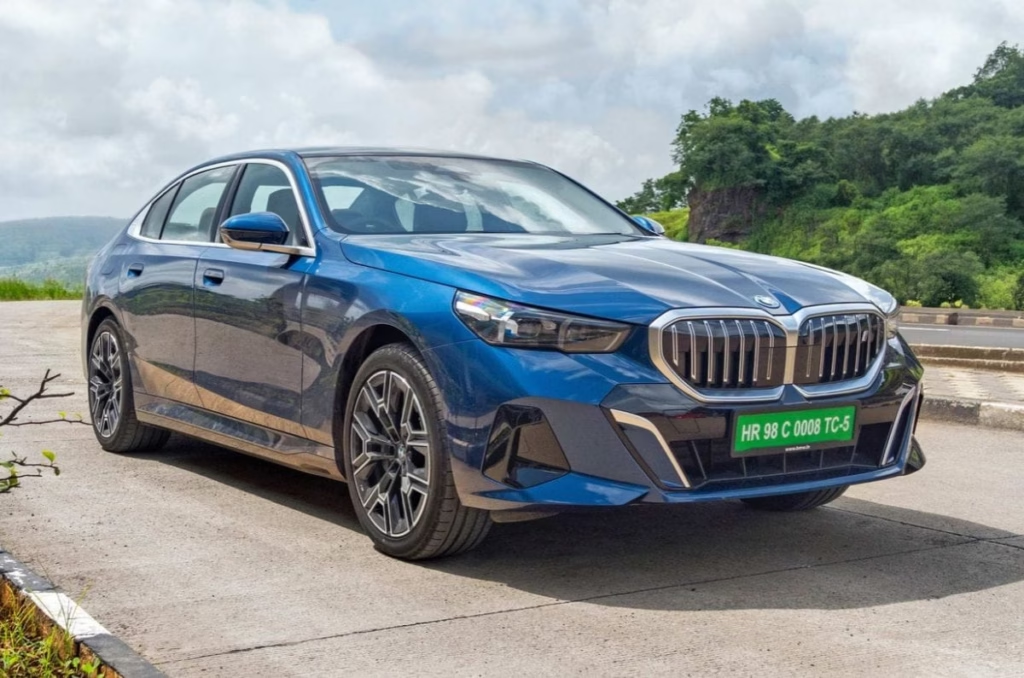
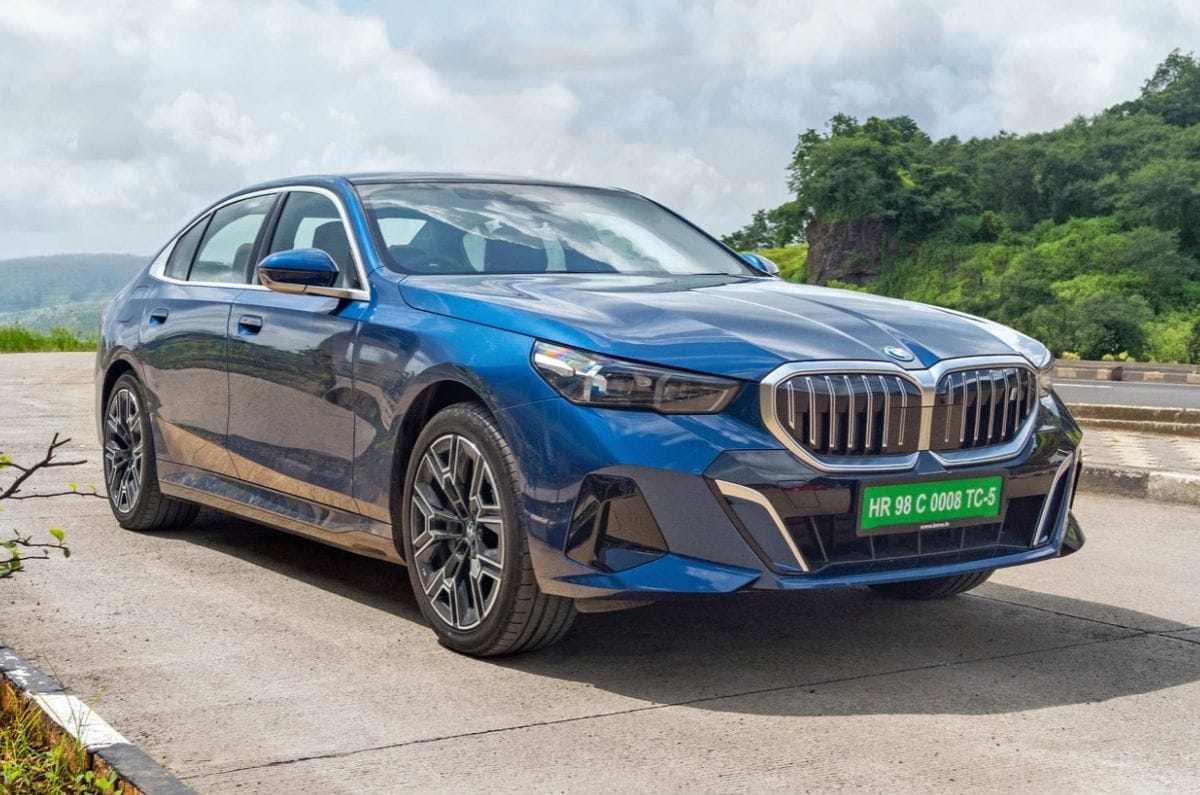
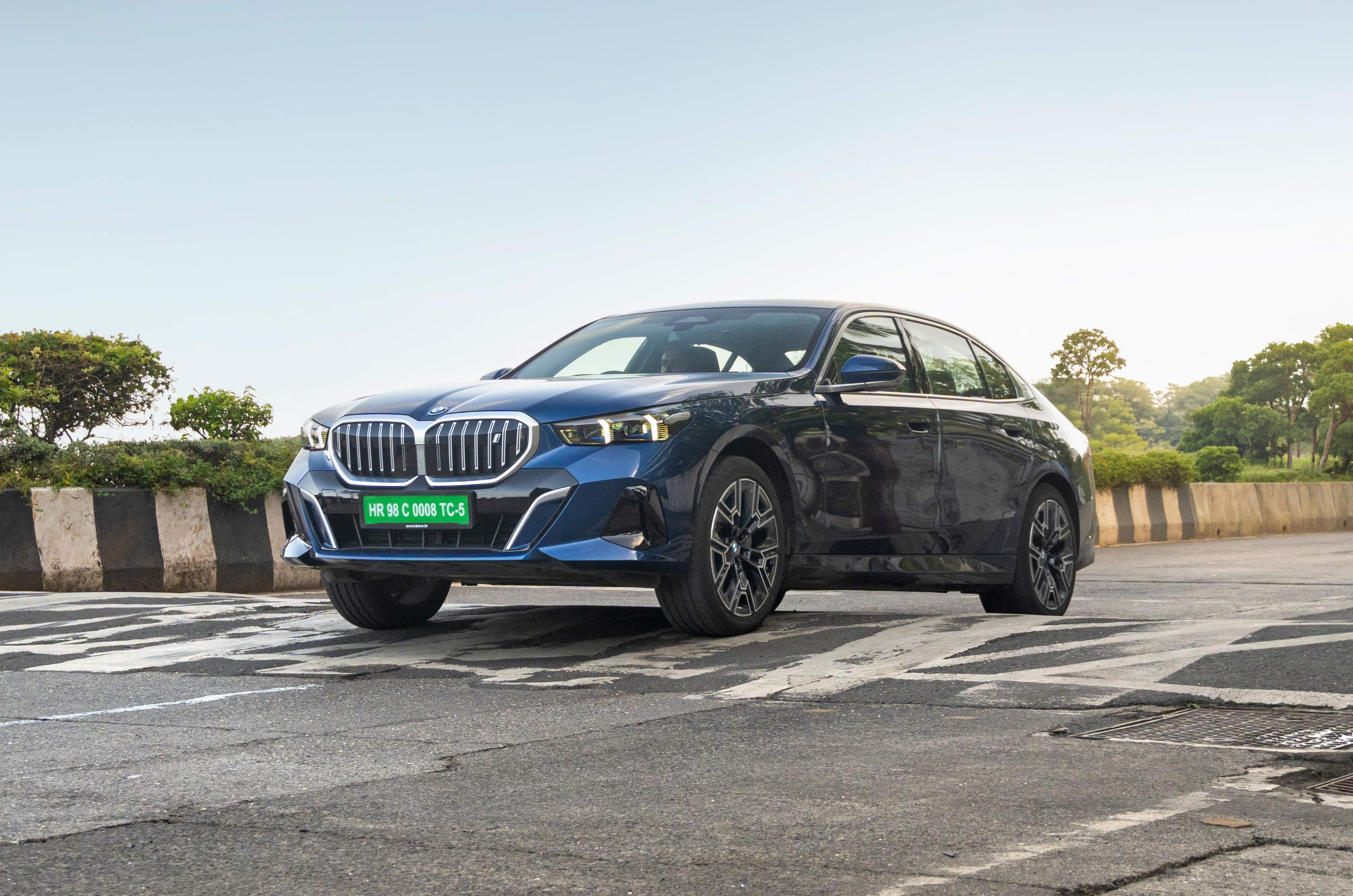
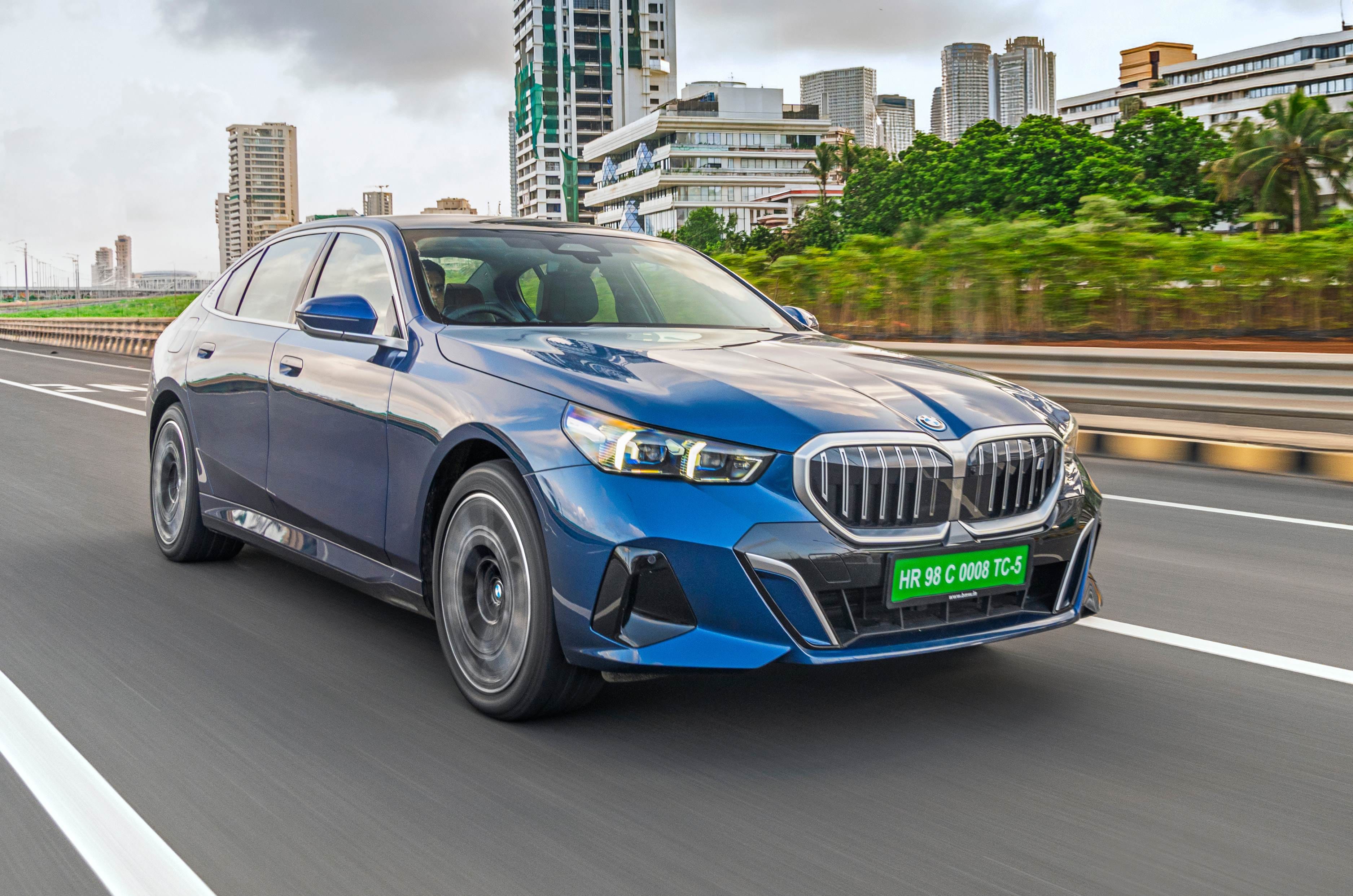
Starting at Rs 79.60 lakh, the i5 LWB eDrive 35L M Sport variant costs Rs 3 lakh more than its petrol-powered 530Li M Sport sibling. Within the BMW i5 line-up in India, the i5 LWB slots below the range-topping standard-wheelbase i5 M60 xDrive, which costs Rs 39.90 lakh more. Here are some of the main pros and cons of the BMW i5 LWB.
Reasons to buy the BMW i5 LWB
More wheelbase equals more interior space
Carrying four occupants in the i5 LWB will be a breeze
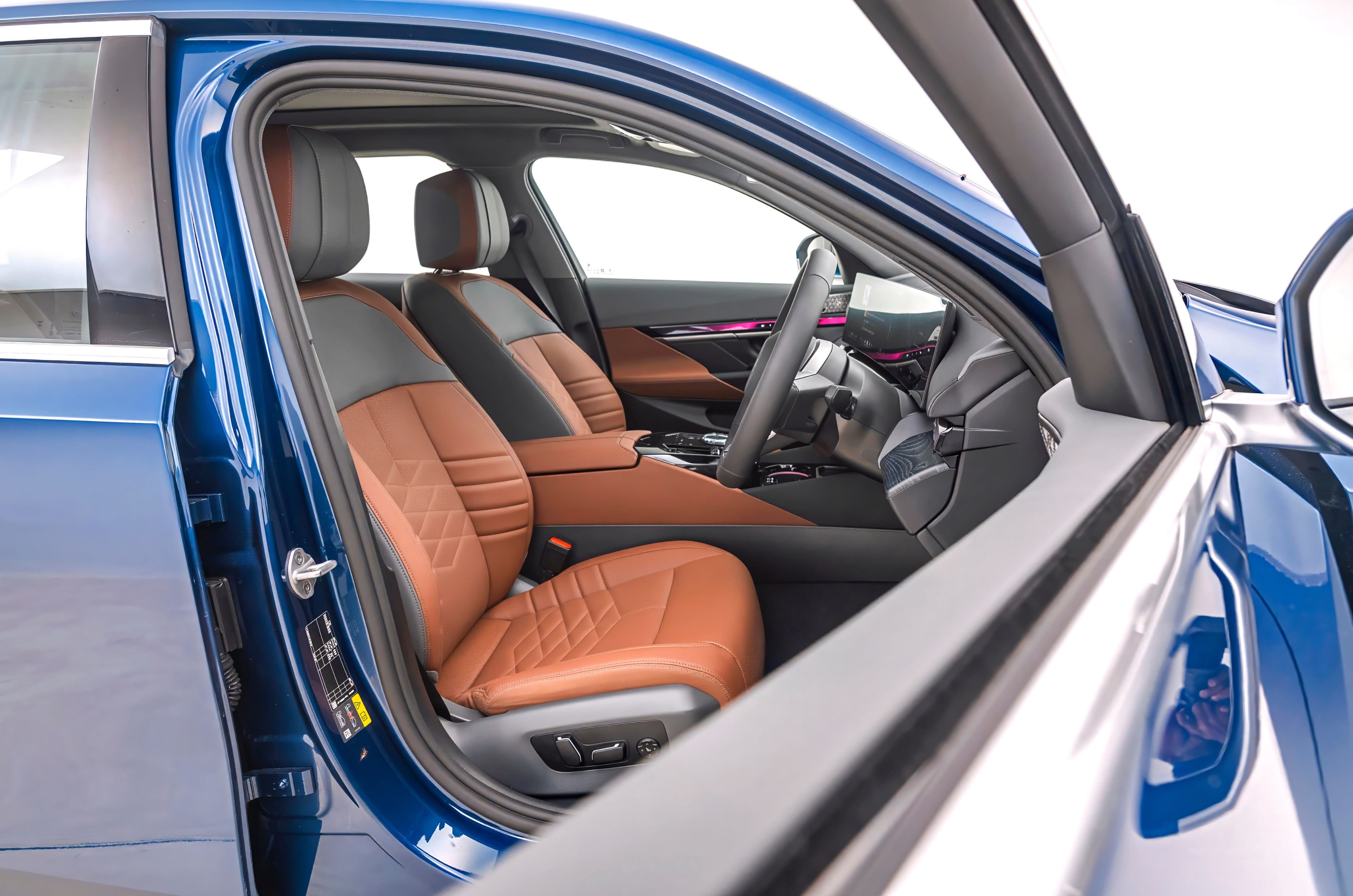
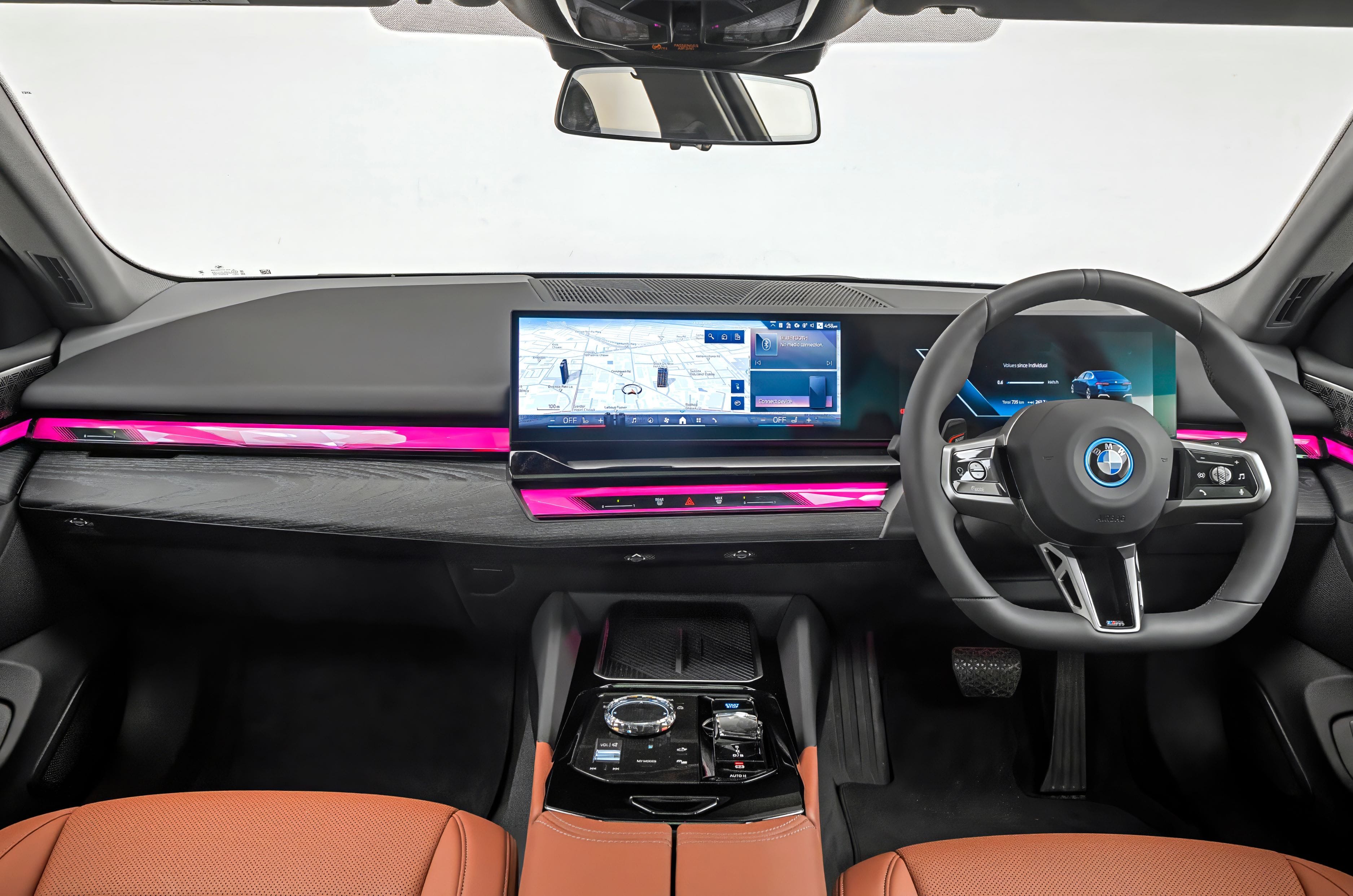
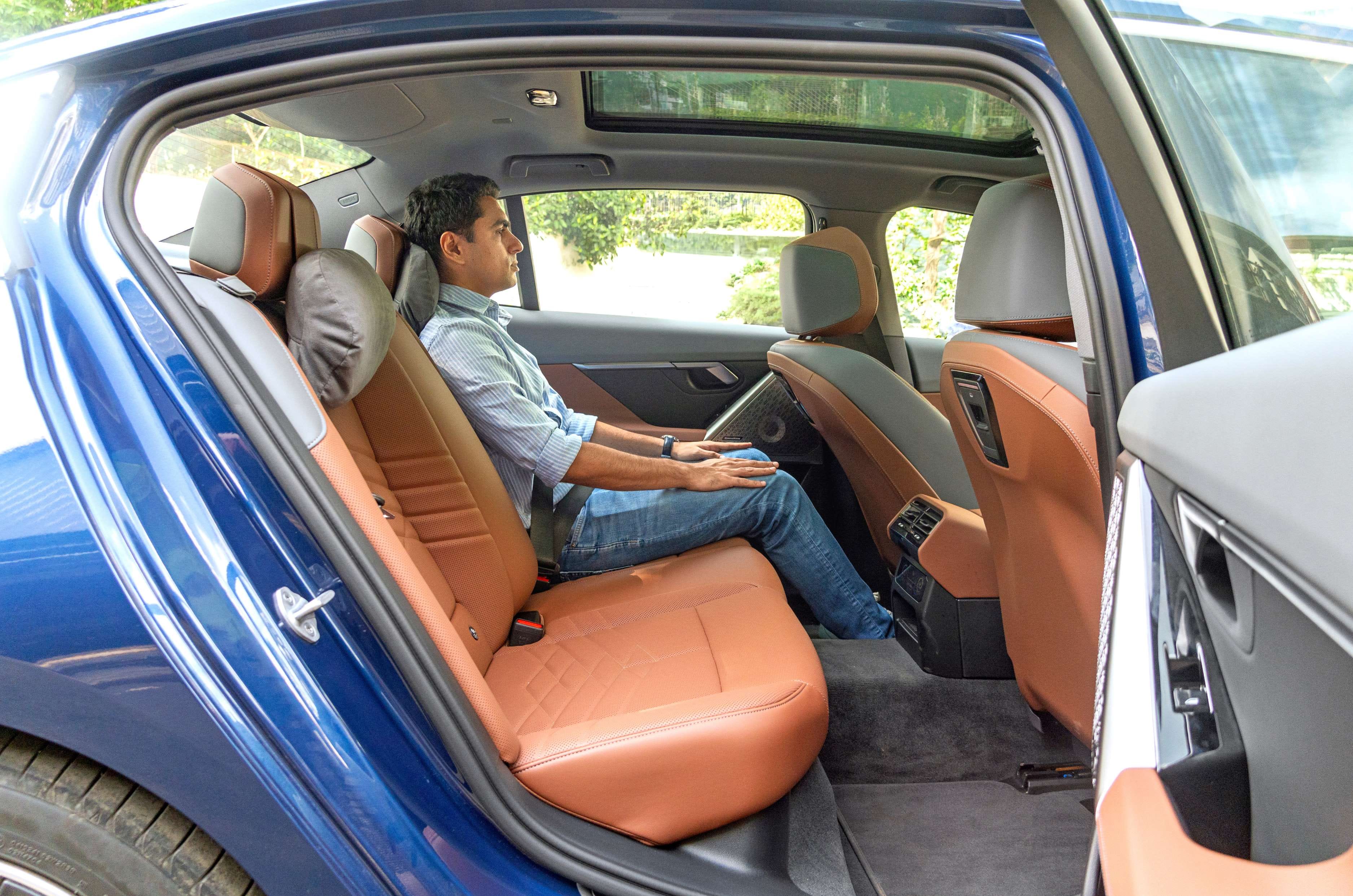
The additional 110mm gained between the front and rear wheels of the BMW i5 LWB over the standard-wheelbase i5 means that space on the inside isn’t on short supply. Despite lacking the manually adjustable thigh support feature found in earlier 5 Series models, the ventilated front seats of the i5 LWB feel really comfortable and supportive. There’s also plenty of legroom at the back, with the long wheelbase allowing occupants to stretch out and relax – perfect for the chauffeur-driven. Furthermore, the contouring of the rear bench provides the outer occupants with a true sense of luxury.
Plush ride
Bad roads will not pose a problem for the BMW i5 LWB
While the i5 LWB gets larger (20-inch) alloy wheels shod with lower-profile tyres when compared to the petrol-powered 5 Series LWB, it adds a rear air suspension system. This helps make the i5 LWB’s ride plush as it absorbs bad roads in its stride, ensuring occupants don’t get tossed around. The raised ground clearance (by 18mm) of the i5 LWB means that driving over poor surfaces and speed bumps even with four occupants onboard remains a relatively stress-free experience.
Brimming with tech
The long-wheelbase i5 offers plenty in the way of modern-day equipment
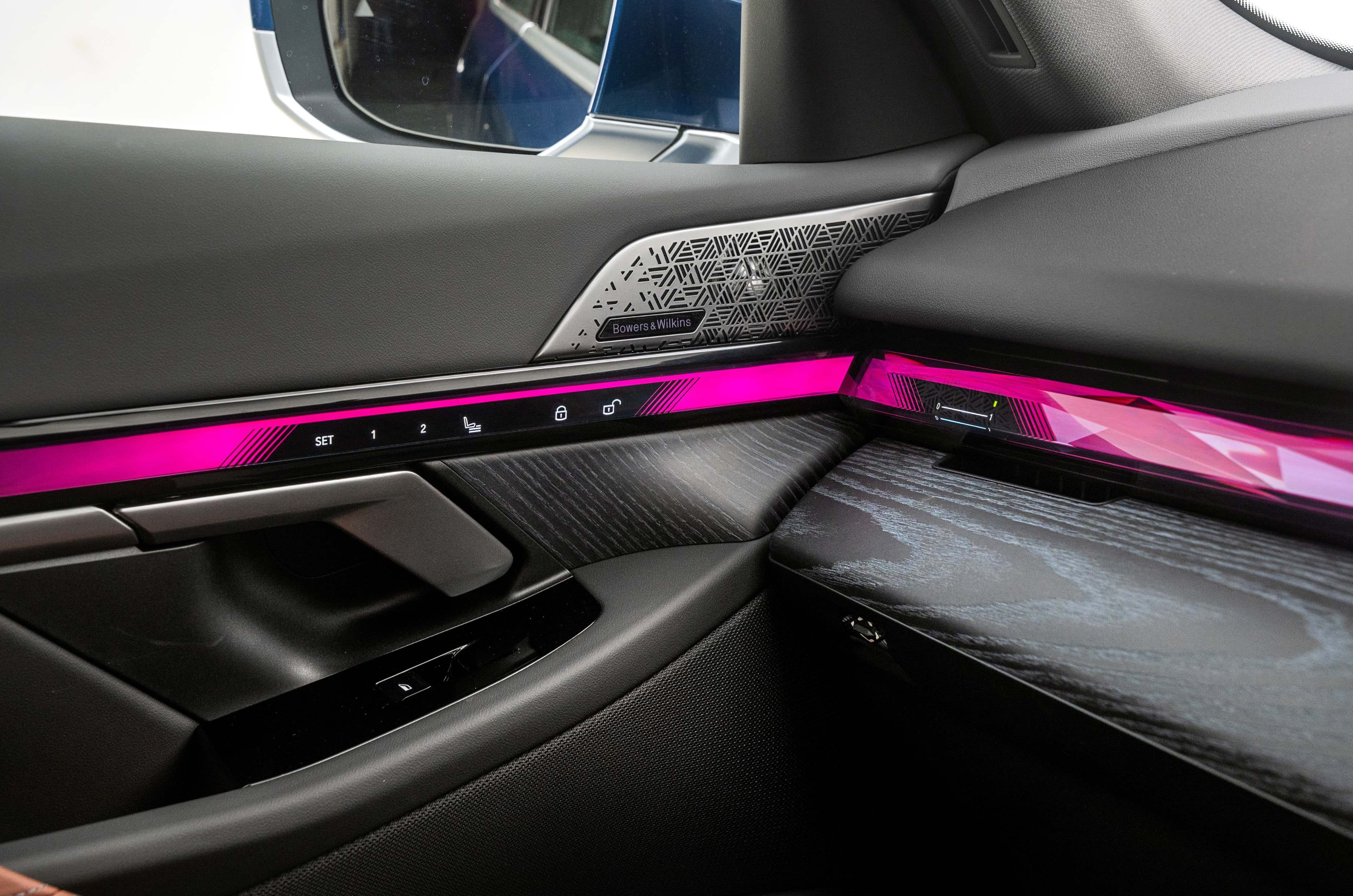
Adaptive LED headlamps and a powered boot aside, the BMW i5 LWB comes with a fixed panoramic glass roof with integrated LEDs, multi-colour ambient lighting, a four-zone climate control system, and dual curved displays powered by the BMW OS 8.5. There’s also the My BMW app, wireless Apple CarPlay & Android Auto, an immersive 17-speaker Bowers & Wilkins audio system, an onboard camera enabling selfies, and wireless charging pads for the front- & rear-seat occupants.
The catalogue of the long-wheelbase i5 also includes adaptive cruise control, auto-emergency braking, active steering assist, cross-traffic alert, automatic parking assistance, etc. The i5 LWB’s useful feature set adds multiple regenerative braking settings – there’s Adaptive, High, Mid and Low settings. Finally, the dedicated one-pedal ‘B’ mode allows the EV to be brought to a complete halt without touching the brake pedal.
Reasons to not buy the BMW i5 LWB
Missing rear-seat features
BMW could have offered more in the way of conveniences for rear-seat passengers
The outer rear seats of the BMW i5 LWB cannot be adjusted for recline, and the protruding head cushions aren’t as comfortable as those in a Mercedes-Benz E-Class. The battery pack, along with the tall central tunnel on the floor, results in a raised seating position, especially impacting headroom for the rear-centre passenger. While the i5 LWB misses out on a head-up display, it’ll be the lack of rear sunblinds, a ‘boss’ mode for the front-passenger seat, dedicated rear audio controls and soft-close doors that chauffeur-driven buyers will come to miss.
Compromised boot
The boot space of the i5 LWB isn’t as accommodaing as the combustion-powered 5 Series
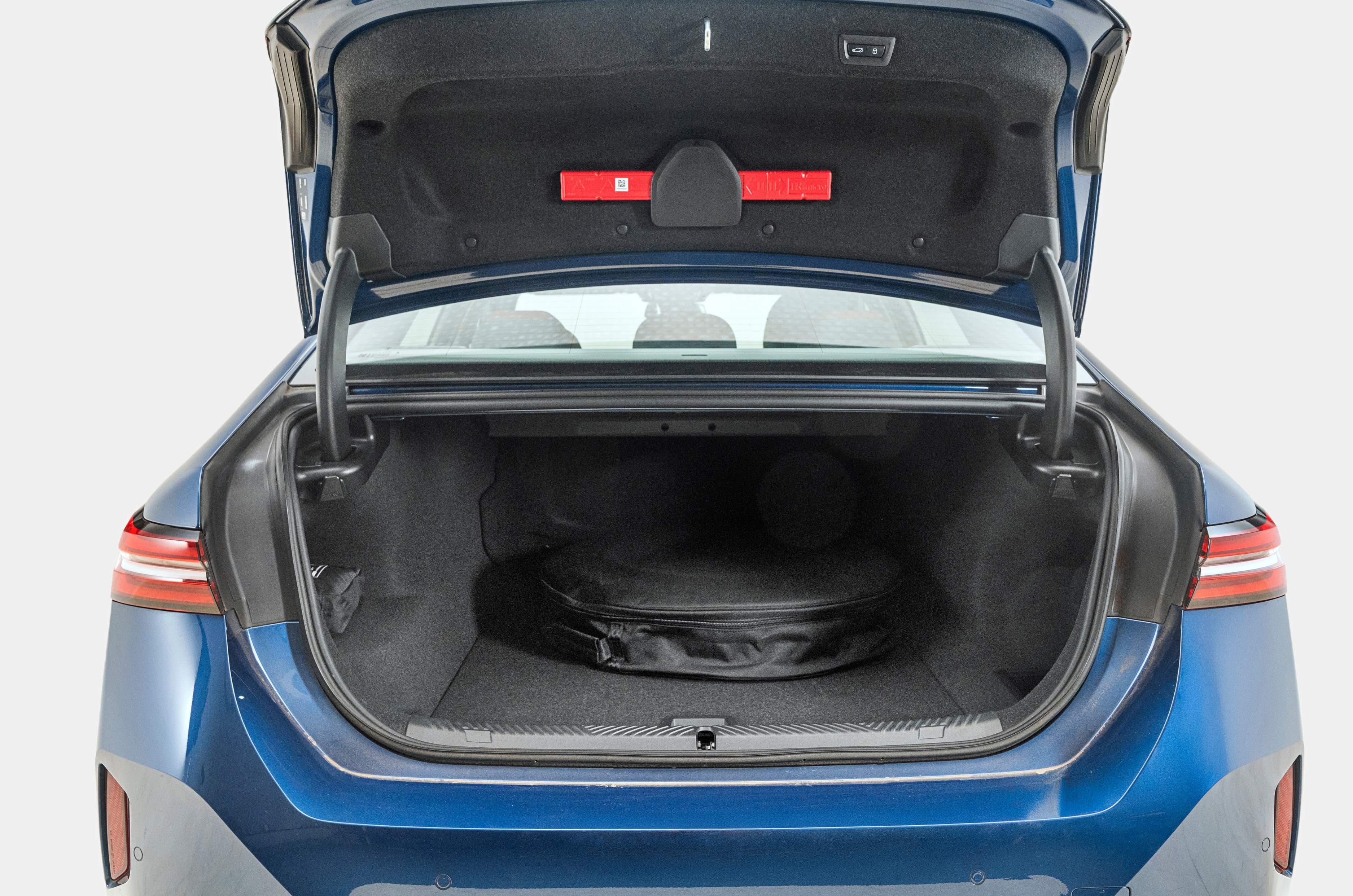
When it comes to carrying cargo, buyers of the BMW i5 LWB will be left a little disappointed. While the 500-litre capacity is comparable to that of the combustion-powered 5 Series LWB, the space-saver spare wheel is placed in the boot rather than tucked underneath it. This eats into valuable cargo room, which could otherwise have been used to accommodate more luggage.
Not BMW enough when behind the wheel
The electric 5 Series is not the most engaging 5 Series to drive
The electric powertrain of the i5 LWB offers enough poke up to 100kph, while feeling smooth and responsive to inputs. However, not only did we find the i5 LWB to be a touch slower from 0-100kph but also in our 20-80kph and 40-100kph acceleration tests than the 530Li. Then there’s the brake pedal, which lacks feel, while the transition from regenerative braking to mechanical braking also doesn’t feel natural.
BMW has managed to achieve a perfect 50:50 weight distribution with the i5 LWB, but the higher ground clearance and softer suspension setup has resulted in this fully electric 5 Series feeling less engaging to drive. Those with a verve for driving will notice the lack of precision and sharpness that’s usually associated with a 5 Series.
Xiaomi ने भारत में अपनी Redmi Note 17 सीरीज के दो नए स्मार्टफोन Redmi Note 17 Pro और Redmi Note 17 Pro Max लॉन्च कर दिए हैं। इनमें Pro Max को ज्यादा प्रीमियम मॉडल के तौर पर पेश किया गया है। इसकी सबसे बड़ी खासियत 10,000mAh की सिलिकॉन-कार्बन बैटरी है। वहीं Redmi Note 17 Pro में 9,000mAh की बैटरी दी गई है। दोनों फोन में 6.83 इंच का 1.5K AMOLED डिस्प्ले, 120Hz रिफ्रेश रेट और 3,500 निट्स तक की पीक ब्राइटनेस मिलती है। फोन Android 16 पर आधारित Xiaomi के HyperOS 3 पर चलते हैं।
Redmi Note 17 Pro को दो स्टोरेज वेरिएंट में लॉन्च किया गया है।
8GB RAM + 128GB: ₹33,999
8GB RAM + 256GB: ₹36,999
इस फोन की बिक्री 17 सितंबर से शुरू होगी।
Redmi Note 17 Pro Max की कीमत
Pro Max की कीमत ज्यादा है, लेकिन इसमें बड़ी बैटरी और ज्यादा पावरफुल फीचर्स मिलते हैं।
8GB RAM + 256GB: ₹44,999
12GB RAM + 256GB: ₹50,999
इसकी बिक्री 23 सितंबर से शुरू होगी।
कंपनी नए फोन पर बैंक ऑफर के तहत ₹5,000 तक की छूट भी दे रही है। दोनों स्मार्टफोन Amazon, Xiaomi के ऑनलाइन स्टोर और चुनिंदा ऑफलाइन रिटेल स्टोर्स के जरिए खरीदे जा सकेंगे।
3,500 निट्स की ब्राइटनेस वाला AMOLED डिस्प्ले
Redmi Note 17 Pro और Pro Max दोनों में 6.83 इंच का 1.5K AMOLED डिस्प्ले दिया गया है। इसका रिफ्रेश रेट 120Hz है, जिससे स्क्रॉलिंग और एनिमेशन ज्यादा स्मूद नजर आ सकते हैं।
डिस्प्ले में:
1.5K रेजोल्यूशन
120Hz रिफ्रेश रेट
3,200Hz टच सैंपलिंग रेट
3,500 निट्स तक पीक ब्राइटनेस
12-बिट कलर टेक्नोलॉजी
68.7 अरब तक कलर्स का सपोर्ट
मिलता है।
स्क्रीन को Corning Gorilla Glass Victus 2 से सुरक्षा दी गई है। दोनों फोन में Dolby Atmos सपोर्ट वाले स्टीरियो स्पीकर भी मिलते हैं। बैटरी में बड़ा अंतर, Pro Max में 10,000mAh
बैटरी इन दोनों फोन की सबसे बड़ी खासियतों में से एक है।
Redmi Note 17 Pro में 9,000mAh की सिलिकॉन-कार्बन बैटरी दी गई है, जो 67W फास्ट चार्जिंग सपोर्ट करती है। वहीं Redmi Note 17 Pro Max में 10,000mAh की सिलिकॉन-कार्बन बैटरी है और यह 100W फास्ट चार्जिंग सपोर्ट करता है।
Xiaomi के मुताबिक Pro Max की बैटरी 1,600 से ज्यादा चार्जिंग साइकल के बाद भी 80 प्रतिशत क्षमता बनाए रखने के लिए रेटेड है। इसमें 27W वायर्ड रिवर्स चार्जिंग का फीचर भी दिया गया है। यानी जो यूजर फोन को बार-बार चार्ज नहीं करना चाहते या लंबे समय तक गेमिंग, वीडियो और दूसरे काम करते हैं, उनके लिए Pro Max ज्यादा आकर्षक विकल्प हो सकता है।
दोनों स्मार्टफोन में डुअल रियर कैमरा सेटअप दिया गया है।
इसमें:
50MP मेन कैमरा
8MP सुपर-वाइड एंगल कैमरा
शामिल हैं।
हालांकि सेल्फी कैमरे में दोनों मॉडल अलग हैं। Redmi Note 17 Pro Max में 32MP फ्रंट कैमरा, जबकि Redmi Note 17 Pro में 16MP सेल्फी कैमरा दिया गया है। फोन में AI आधारित इमेजिंग फीचर्स भी मिलते हैं, जिनकी मदद से फोटो से ग्लेयर, रिफ्लेक्शन और अनचाही वस्तुओं को हटाया जा सकता है।
Pro और Pro Max में अलग-अलग प्रोसेसर
परफॉर्मेंस के लिए दोनों मॉडल में अलग चिपसेट दिए गए हैं। Redmi Note 17 Pro में Snapdragon 6s Gen 4 प्रोसेसर और 8GB तक RAM मिलती है। Redmi Note 17 Pro Max में Qualcomm Snapdragon 6 Gen 5 प्रोसेसर और 12GB तक RAM का विकल्प है। इसलिए दोनों में केवल बैटरी ही नहीं, बल्कि प्रोसेसिंग पावर और RAM के मामले में भी अंतर है।
HyperOS 3 और Android 16
दोनों फोन Xiaomi के HyperOS 3 पर चलते हैं, जो Android 16 पर आधारित है। कंपनी ने इन स्मार्टफोन के लिए 4 साल के OS अपडेट और 6 साल के सिक्योरिटी अपडेट देने का वादा किया है। लंबे समय तक फोन इस्तेमाल करने वाले ग्राहकों के लिए यह एक महत्वपूर्ण बात है।
पानी और धूल से सुरक्षा
Redmi Note 17 Pro सीरीज में मजबूत प्रोटेक्शन भी दिया गया है। दोनों फोन को IP66, IP68 और IP69K रेटिंग के साथ पेश किया गया है। Pro Max में एक फोटोक्रोमिक रियर पैनल का विकल्प भी मिलता है, जो सीधी धूप पड़ने पर अपना रंग/शेड बदल सकता है।
अगर आपका बजट करीब ₹34,000-₹37,000 है और आप बड़ी बैटरी के साथ AMOLED डिस्प्ले वाला फोन चाहते हैं, तो Redmi Note 17 Pro पर विचार किया जा सकता है। वहीं अगर आपका बजट ₹45,000 से ऊपर है और आपकी प्राथमिकता बड़ी बैटरी, 100W चार्जिंग, ज्यादा RAM और बेहतर सेल्फी कैमरा है, तो Redmi Note 17 Pro Max ज्यादा फीचर वाला विकल्प है। खास तौर पर 10,000mAh बैटरी और 100W चार्जिंग Pro Max को उन यूजर्स के लिए अलग बनाती है जो बैटरी बैकअप को सबसे ज्यादा महत्व देते हैं।
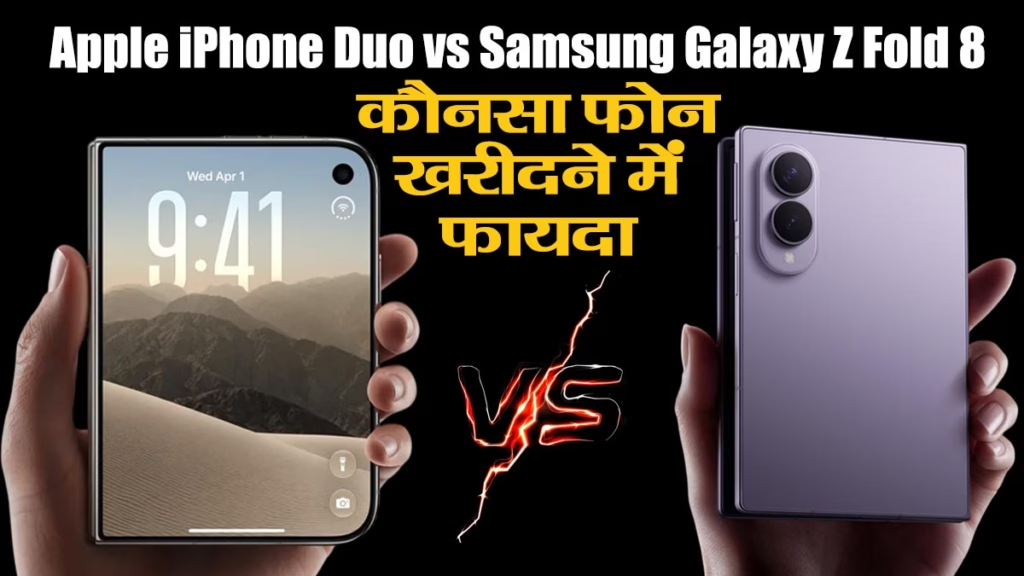
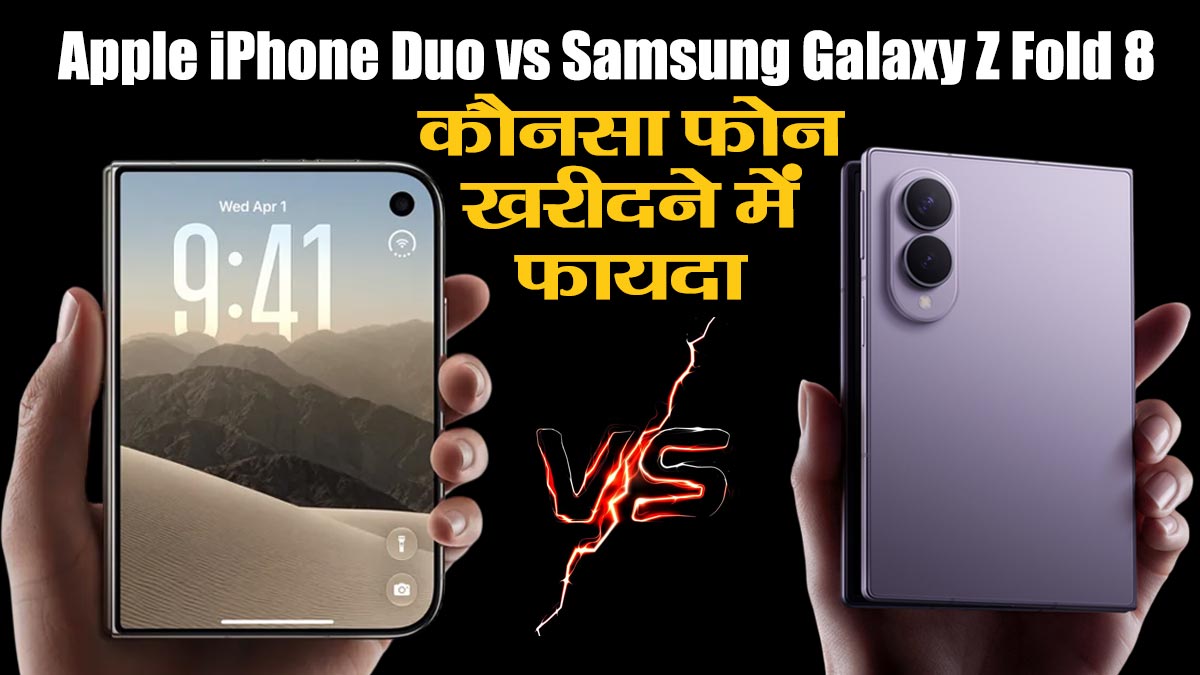
Apple iPhone Duo vs Samsung Galaxy Z Fold 8 कौनसा फोन खरीदना समझदारी डिस्प्ले में दोनों का मुकाबला बराबरी का iPhone Duo में फोन खोलने पर 7.6 इंच की इनर स्क्रीन मिलती है, जबकि बाहर की तरफ 5.4 इंच का डिस्प्ले दिया गया है। Apple ने दोनों स्क्रीन में ProMotion और Always-On Display का सपोर्ट दिया है। इनकी पीक आउटडोर ब्राइटनेस 3,000 निट्स तक है।
इनर डिस्प्ले पर नैनो-टेक्सचर फिनिश दी गई है, जिससे रोशनी का प्रतिबिंब कम करने में मदद मिलती है। Galaxy Z Fold 8 में भी 7.6 इंच की मेन स्क्रीन है, लेकिन कवर स्क्रीन 5.5 इंच की है। इसमें Dynamic AMOLED 2X पैनल और 120Hz रिफ्रेश रेट मिलता है।
बड़ी स्क्रीन के मामले में दोनों लगभग बराबर हैं। iPhone Duo का फायदा ProMotion और नैनो-टेक्सचर जैसे फीचर्स में है, जबकि Samsung का 5.5 इंच कवर डिस्प्ले थोड़ा बड़ा है। प्रोसेसर: Apple का A20 Pro बनाम Snapdragon iPhone Duo में Apple का A20 Pro चिपसेट दिया गया है। कंपनी के मुताबिक यह 2nm प्रोसेस पर बना है और इसमें 6-core CPU, 7-core GPU और Neural Engine दिया गया है।
Apple का दावा है कि यह पिछली पीढ़ी के iPhone 17 Pro की तुलना में लगातार परफॉर्मेंस में 35 प्रतिशत तक बेहतर है। दूसरी तरफ Galaxy Z Fold 8 में Snapdragon 8 Elite Gen 5 for Galaxy प्रोसेसर मिलता है। यह खास तौर पर हाई-एंड परफॉर्मेंस और AI फीचर्स के लिए तैयार किया गया है।
दोनों ही फ्लैगशिप लेवल के प्रोसेसर हैं। iPhone Duo उन लोगों को आकर्षित करेगा जो Apple के हार्डवेयर और iOS इकोसिस्टम को पसंद करते हैं, जबकि Samsung का Snapdragon Android और Galaxy AI यूजर्स के लिए मजबूत विकल्प है।
कैमरा : Samsung के मेगापिक्सल ज्यादा, Apple का वीडियो फोकस मजबूत iPhone Duo में 48MP Fusion Main और 48MP Fusion Ultra Wide कैमरा दिए गए हैं। मेन कैमरा ऑप्टिकल-क्वालिटी 2x जूम देता है। फोन से Dolby Vision के साथ 4K वीडियो 120fps तक रिकॉर्ड किया जा सकता है।
Galaxy Z Fold 8 में 50MP वाइड और 50MP अल्ट्रा-वाइड कैमरा मिलता है। इसमें 2x ऑप्टिकल-क्वालिटी जूम और 10x तक डिजिटल जूम दिया गया है। Samsung फोन से 8K वीडियो 30fps तक रिकॉर्ड किया जा सकता है। सिर्फ मेगापिक्सल देखें तो Samsung आगे है, लेकिन वीडियो रिकॉर्डिंग और Dolby Vision जैसे फीचर्स के कारण iPhone Duo कंटेंट क्रिएटर्स के लिए ज्यादा आकर्षक हो सकता है।
बैटरी: iPhone Duo का दावा ज्यादा वीडियो प्लेबैक का Apple ने iPhone Duo में डुअल-बैटरी आर्किटेक्चर दिया है और कंपनी के मुताबिक फोन इनर डिस्प्ले पर 31 घंटे तक वीडियो प्लेबैक दे सकता है। Galaxy Z Fold 8 में 4,800mAh बैटरी है और इसका वीडियो प्लेबैक टाइम 26 घंटे तक बताया गया है। iPhone Duo करीब 20 मिनट में 50 प्रतिशत तक चार्ज हो सकता है और वायरलेस चार्जिंग से लगभग 30 मिनट में 50 प्रतिशत तक चार्ज होने का दावा है।
उपलब्ध आंकड़ों के आधार पर वीडियो प्लेबैक में iPhone Duo आगे दिखाई देता है। AI और सॉफ्टवेयर में अलग-अलग अनुभव iPhone Duo iOS 27.1 पर चलता है और फोल्डिंग स्क्रीन के लिए Split View, दो Home Screen पेज, साइड नेविगेशन और अपडेटेड StandBy जैसे फीचर्स मिलते हैं। इसमें Apple Intelligence के साथ नया Siri AI भी है। Galaxy Z Fold 8 Android आधारित Samsung सॉफ्टवेयर पर चलता है और इसमें Galaxy AI के फीचर्स दिए गए हैं।
Samsung का फोकस AI आधारित कंटेंट क्रिएशन, एडिटिंग और प्रोडक्टिविटी पर है। नतीजा: अगर आप iPhone, Mac और Apple के दूसरे डिवाइस इस्तेमाल करते हैं तो iPhone Duo ज्यादा सहज लगेगा। वहीं Android और Samsung Galaxy इकोसिस्टम पसंद करने वालों के लिए Fold 8 ज्यादा बेहतर विकल्प हो सकता है।
कीमत में सबसे बड़ा अंतर यही वह जगह है जहां दोनों फोन के बीच सबसे बड़ा फर्क नजर आता है। Apple iPhone Duo vs Samsung Galaxy Z Fold 8: कौन-सा फोल्डेबल फोन है बेहतर? फोल्डेबल स्मार्टफोन बाजार में अब मुकाबला और दिलचस्प हो गया है।
Apple ने पहली बार फोल्डेबल सेगमेंट में iPhone Duo के साथ एंट्री की है, जबकि Samsung पहले से ही अपनी Galaxy Z Fold 8 के साथ इस बाजार में मजबूत स्थिति बनाए हुए है। दोनों फोन किताब की तरह खुलने वाले फोल्डेबल डिजाइन के साथ आते हैं, लेकिन कीमत, कैमरा, प्रोसेसर, सॉफ्टवेयर और बैटरी के मामले में दोनों में काफी अंतर है। सबसे बड़ा अंतर कीमत का है।
भारत में Apple iPhone Duo की शुरुआती कीमत 2,99,900 रुपए है, जबकि Samsung Galaxy Z Fold 8 की शुरुआती कीमत करीब 1,74,999 रुपए है। यानी शुरुआती मॉडल के हिसाब से iPhone Duo के लिए करीब 1.25 लाख रुपए ज्यादा खर्च करने होंगे। फिर कौन-सा फोन खरीदना समझदारी होगी?
अगर बजट सबसे अहम है, तो Galaxy Z Fold 8 साफ तौर पर ज्यादा किफायती विकल्प है। इसकी शुरुआती कीमत iPhone Duo से करीब 1.25 लाख रुपए कम है और इसके बावजूद आपको 7.6 इंच की फोल्डेबल स्क्रीन, फ्लैगशिप Snapdragon प्रोसेसर और 50MP कैमरे मिलते हैं।
Apple का इकोसिस्टम, iOS, वीडियो रिकॉर्डिंग, लंबी बैटरी प्लेबैक और 2TB तक स्टोरेज आपकी प्राथमिकता है और बजट बड़ी समस्या नहीं है, तो iPhone Duo प्रीमियम विकल्प बन सकता है। एक्सपर्ट्स के मुताबिक iPhone Duo तकनीक और Apple के फोल्डेबल सेगमेंट में बड़ी एंट्री जरूर है, लेकिन 2,99,900 रुपए की शुरुआती कीमत इसे आम भारतीय खरीदार की पहुंच से काफी दूर रखती है।
दूसरी तरफ Galaxy Z Fold 8 कम कीमत में लगभग उसी आकार की फोल्डेबल मेन स्क्रीन और दमदार फ्लैगशिप हार्डवेयर देता है। इसलिए ज्यादातर भारतीय खरीदारों के लिए Galaxy Z Fold 8 ज्यादा प्रैक्टिकल विकल्प नजर आता है, जबकि iPhone Duo मुख्य रूप से प्रीमियम Apple अनुभव चाहने वाले ग्राहकों को आकर्षित करेगा।
अगर आप मिड रेंज में Android फोन खरीदने की सोच रहे हैं, तो यह आर्टिकल आपके लिए फायदेमंद साबित हो सकता है। दरअसल, आज यानी मंगलवार को Redmi ने अपना Redmi Note 17 Pro सीरीज लॉन्च कर दिया है। इस लाइनअप में Redmi Note 17 Pro Max और Redmi Note 17 Pro शामिल हैं, जो हाल ही में लॉन्च हुए Redmi Note 17 के बाद Note 17 सीरीज़ में दूसरे और तीसरे मॉडल के तौर पर आए हैं। नए Redmi Note 17 Pro Max में 10,000mAh की बैटरी और ऑक्टा-कोर Snapdragon 6 सीरीज का चिपसेट लगा है। जबकि Note 17 Pro में 9,000mAh की बैटरी दी गई है और Snapdragon 6s सीरीज का SoC है। अब चलिए जानते हैं दोनों फोन के स्पेसिफिकेशन्स और कीमत के बारे में।
भारत में Redmi Note 17 Pro और Note 17 Pro Max की कीमत और उपलब्धता
भारत में Redmi Note 17 Pro के बेस वेरिएंट (8GB RAM और 128GB स्टोरेज) की कीमत 36,999 रुपये से शुरू होती है। वहीं, इसके 8GB + 256GB RAM और स्टोरेज वाले हायर-एंड मॉडल की कीमत 39,999 रुपये है। दूसरी ओर, Redmi Note 17 Pro Max के बेस 8GB + 256GB मॉडल की कीमत 49,999 रुपये से शुरू होती है।
आखिर में, Redmi Note 17 Pro Max के सबसे महंगे 12GB + 256GB वाले मॉडल की कीमत Rs. 55,999 है। वहीं, कंपनी SBI, Axis Bank और IDFC First Bank के कार्ड्स पर Rs. 5,000 तक का इंस्टेंट डिस्काउंट या HDB Financial Services के साथ Rs. 5,000 तक का कैशबैक भी दे रही है।
बता दें कि Redmi Note 17 Pro की भारत में बिक्री 17 सितंबर से शुरू होगी, जबकि Redmi Note 17 Pro Max की बिक्री 23 सितंबर से शुरू होगी। दोनों स्मार्टफोन को Amazon के जरिए खरीदा जा सकेगा। Redmi Note 17 Pro Max को Matcha Green, Secret Sunrise और Stealth Black कलर ऑप्शन में पेश किया गया है, जबकि Redmi Note 17 Pro Cloud Blue, Purple Vibe और Stealth Black कलर ऑप्शन में उपलब्ध होगा।
Redmi Note 17 Pro Max के स्पेसिफिकेशन्स और फीचर्स
Redmi Note 17 Pro Max एक डुअल-सिम स्मार्टफोन है, जो Android 16 पर आधारित HyperOS 3 के साथ आता है। कंपनी का कहना है कि फोन को 4 साल तक OS अपडेट और 6 साल तक सिक्योरिटी अपडेट मिलेंगे।
इस स्मार्टफोन में 6.83 इंच का 1.5K AMOLED डिस्प्ले दिया गया है। इसका रेजोल्यूशन 1,280 x 2,772 पिक्सल है और इसमें 120Hz तक का रिफ्रेश रेट मिलता है। डिस्प्ले में 12-बिट कलर डेप्थ, 3,500 निट्स तक की पीक ब्राइटनेस, 3,200Hz तक का इंस्टेंट टच सैंपलिंग रेट, HDR10+ सपोर्ट और Dolby Vision दिया गया है। फोन की स्क्रीन 100 प्रतिशत DCI-P3 कलर गैमट को सपोर्ट करती है। इसमें Wet Touch 2.0 फीचर भी दिया गया है, जिससे गीली स्क्रीन पर भी टच का इस्तेमाल किया जा सकता है।
Redmi Note 17 Pro Max में Qualcomm का 4nm ऑक्टा-कोर Snapdragon 6 Gen 5 चिपसेट दिया गया है। इसकी अधिकतम क्लॉक स्पीड 2.6GHz तक है। फोन में 12GB तक LPDDR5x RAM, Adreno GPU और 256GB तक UFS 4.1 स्टोरेज मिलती है।
डस्ट और पानी से बचाव के लिए फोन को IP66, IP68 और IP69K रेटिंग मिली है। यानी स्मार्टफोन को धूल और पानी से काफी हद तक सुरक्षित रखने के लिए डिजाइन किया गया है।
कैमरे की बात करें तो Redmi Note 17 Pro Max में डुअल रियर कैमरा सेटअप है, जिसमें ऑप्टिकल इमेज स्टेबलाइजेशन के साथ 50MP (f/1.5) का प्राइमरी रियर कैमरा और 8MP का अल्ट्रावाइड कैमरा शामिल है। Pro Max मॉडल में सेल्फी और वीडियो कॉल के लिए 32MP (f/2.2) का फ्रंट कैमरा भी दिया गया है। यह फोन 4K/30 fps तक की वीडियो रिकॉर्डिंग कर सकता है।
Redmi Note 17 Pro Max में 10,000mAh की बैटरी है, जो 100W वायर्ड फास्ट चार्जिंग और 27W वायर्ड रिवर्स फास्ट चार्जिंग को सपोर्ट करती है। कनेक्टिविटी के लिए इसमें 5G, 4G LTE, डुअल-बैंड Wi-Fi, ब्लूटूथ 6.0 और USB Type-C पोर्ट जैसे फीचर्स भी हैं। इसमें प्रॉक्सिमिटी सेंसर, एम्बिएंट लाइट सेंसर, एक्सेलेरोमीटर, ई-कंपास, IR ब्लास्टर और सिक्योरिटी के लिए इन-डिस्प्ले फिंगरप्रिंट सेंसर जैसे ऑनबोर्ड सेंसर भी शामिल हैं। फोन का साइज 163.44×78.27×8.57mm है और वजन लगभग 229 ग्राम है।
Redmi Note 17 Pro के स्पेसिफिकेशन्स और फीचर्स
Redmi Note 17 Pro में Redmi Note 17 Pro Max जैसा ही OS, सॉफ्टवेयर सपोर्ट, डिस्प्ले और इनग्रेस प्रोटेक्शन रेटिंग मिलती है। हालांकि, इस फोन में ऑक्टा-कोर Snapdragon 6s Gen 4 SoC प्रोसेसर है, जो 2.4GHz तक की पीक क्लॉक स्पीड देता है। इसमें Pro Max मॉडल जैसा ही रियर कैमरा सेटअप भी मिलता है।
इसके अलावा, इस फोन के फ्रंट में 16MP (f/2.4) का सेल्फी कैमरा है, जो 1080p/30 fps तक वीडियो रिकॉर्ड कर सकता है। साथ ही, Redmi Note 17 Pro Max में 9,000mAh की बैटरी है, जो 67W वायर्ड फास्ट चार्जिंग और 22.5W वायर्ड रिवर्स चार्जिंग को सपोर्ट करती है।
LOOK OUT FOR: Suspension wear, Infotainment issues
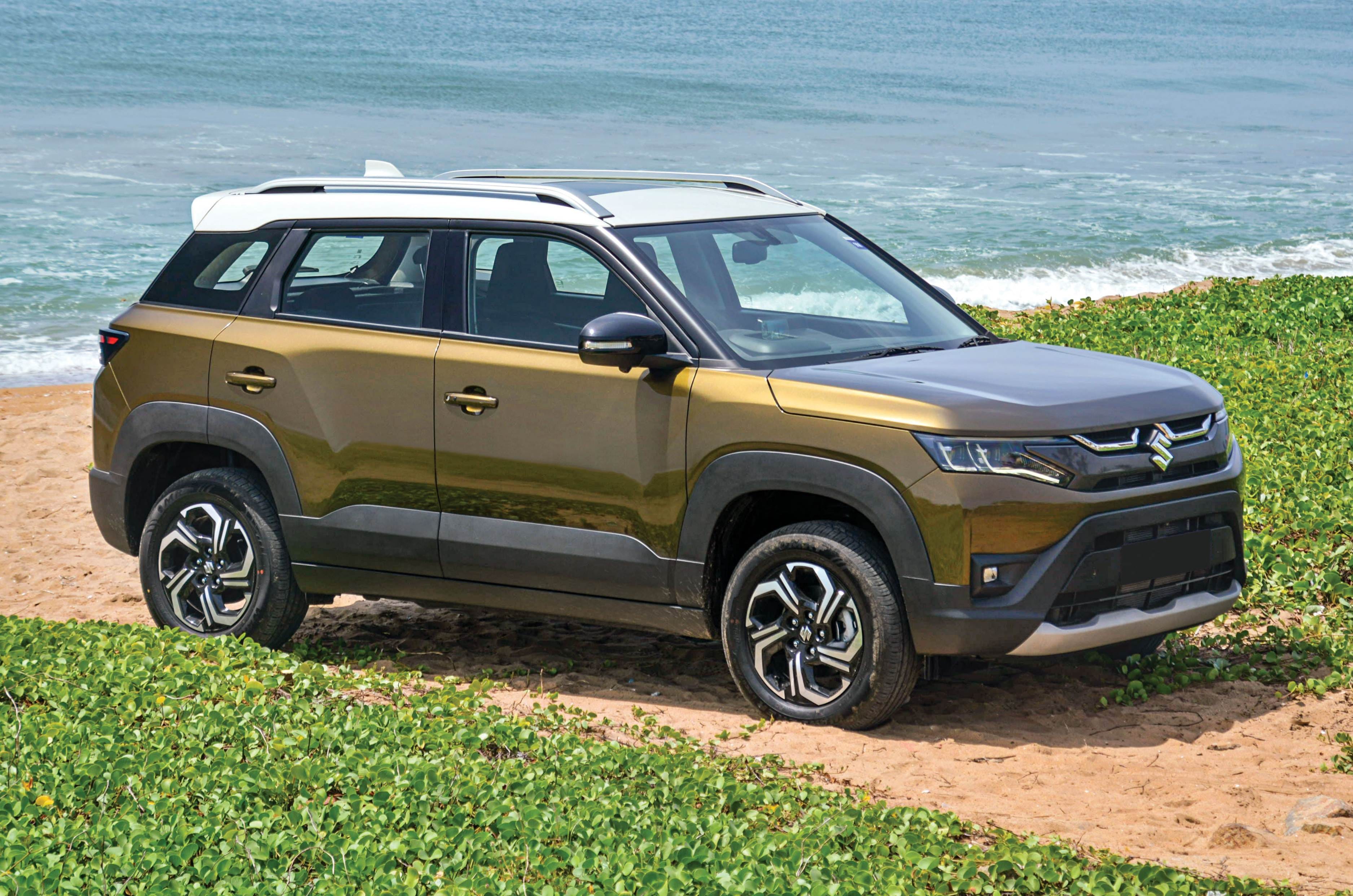
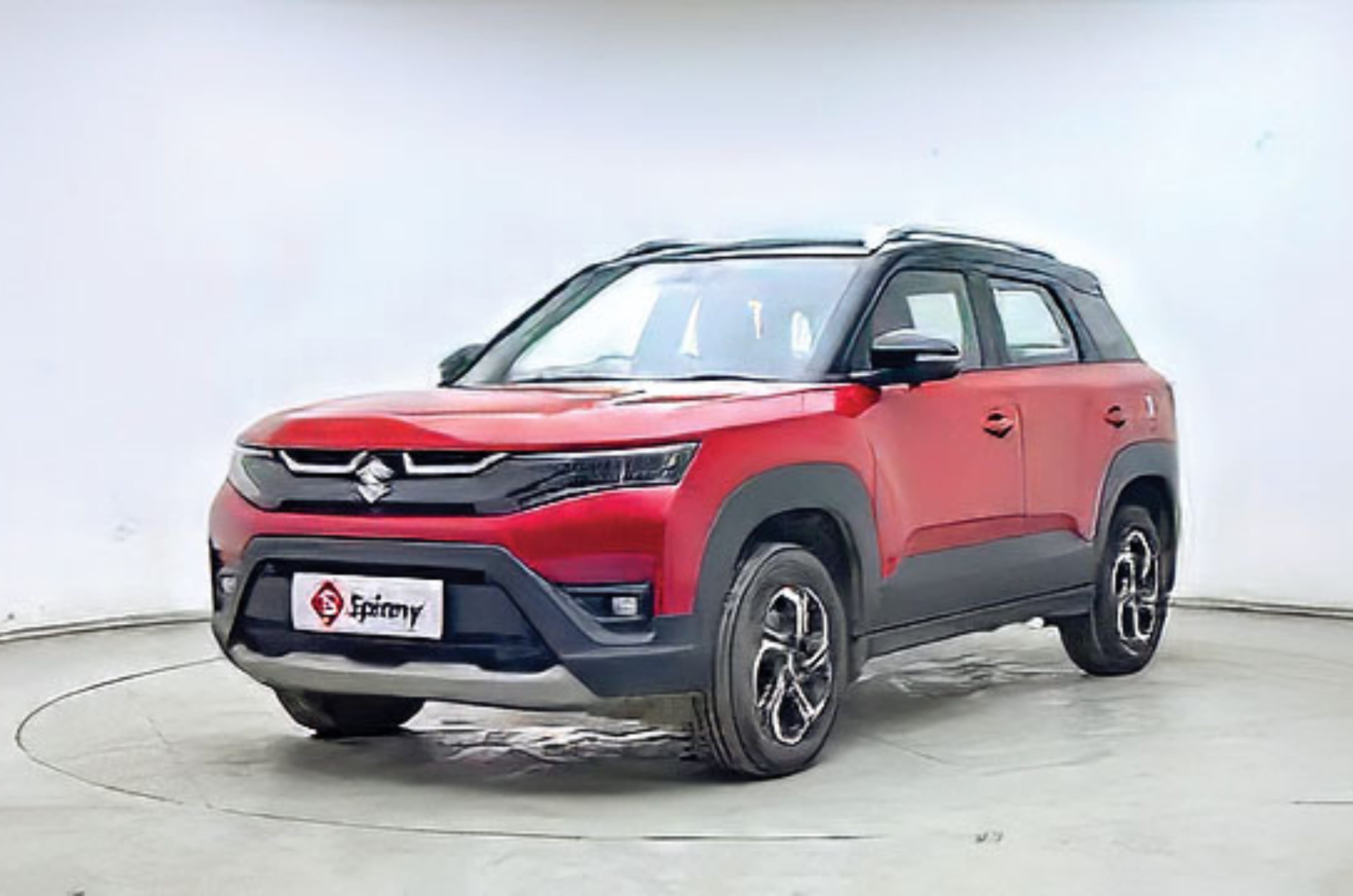
The Maruti Brezza has long been one of the most sensible choices in the compact SUV segment, and the 2022 update made it considerably more desirable. It brought a sharper design, a more efficient petrol engine, a new automatic gearbox and a substantial increase in equipment. Being comfortable, practical and relatively inexpensive to run, the Maruti Brezza makes a strong case as a used buy. Here’s all you need to know when looking for one.
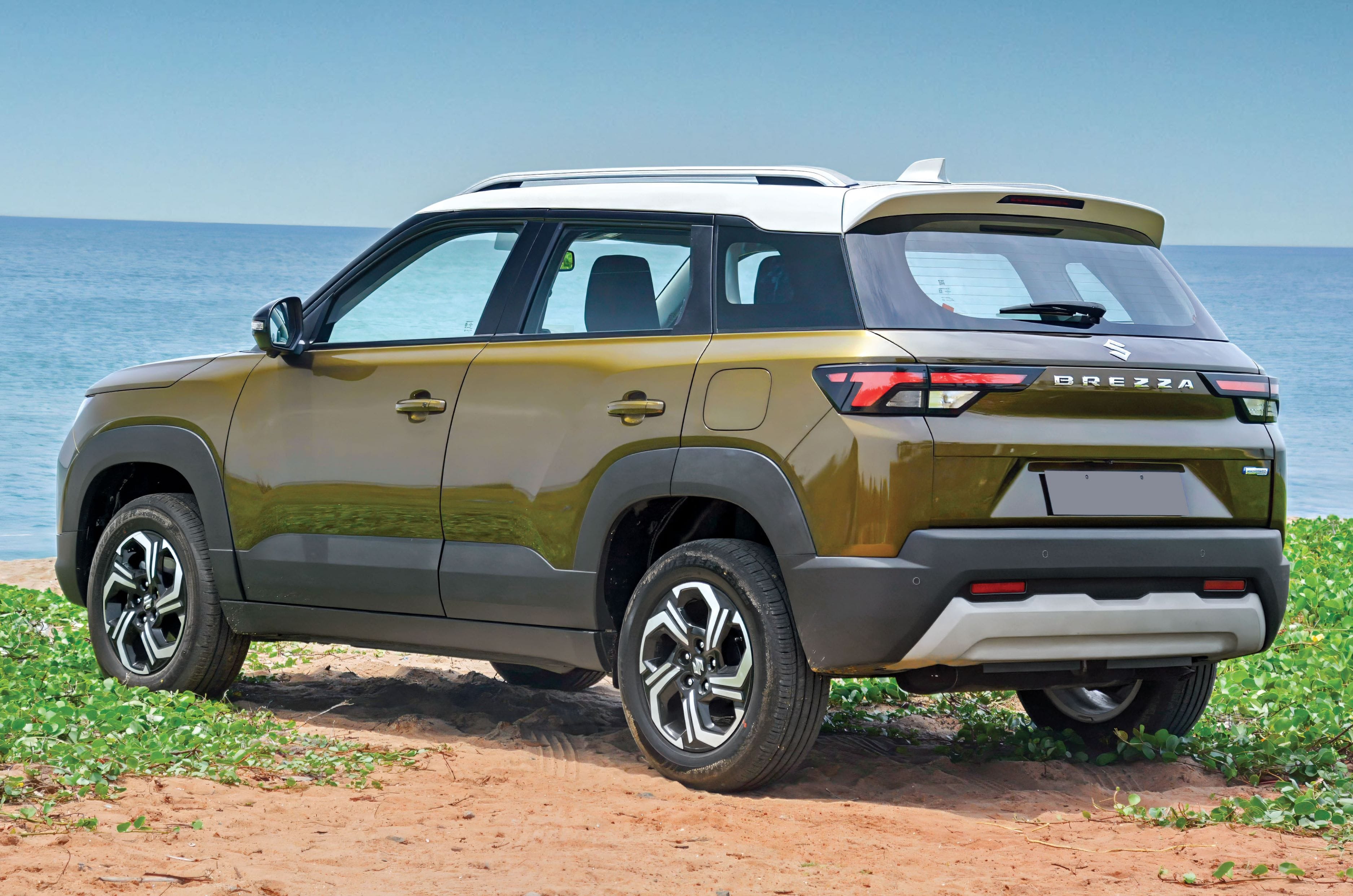
In terms of cosmetics, the 2022 Brezza was a complete reskin with new sheet metal all around and a new grille and bumpers, slimmer LED headlamps, new LED tail-lights and fresh 16-inch alloy wheels. The rear number plate was moved down onto the bumper, while the sharper surfacing and revised lighting gave it a more contemporary appearance. Dual-tone colour options were also offered, giving it a more upmarket look.
Petrol and CNG powertrains; up to 20.15kpl claimed mileage
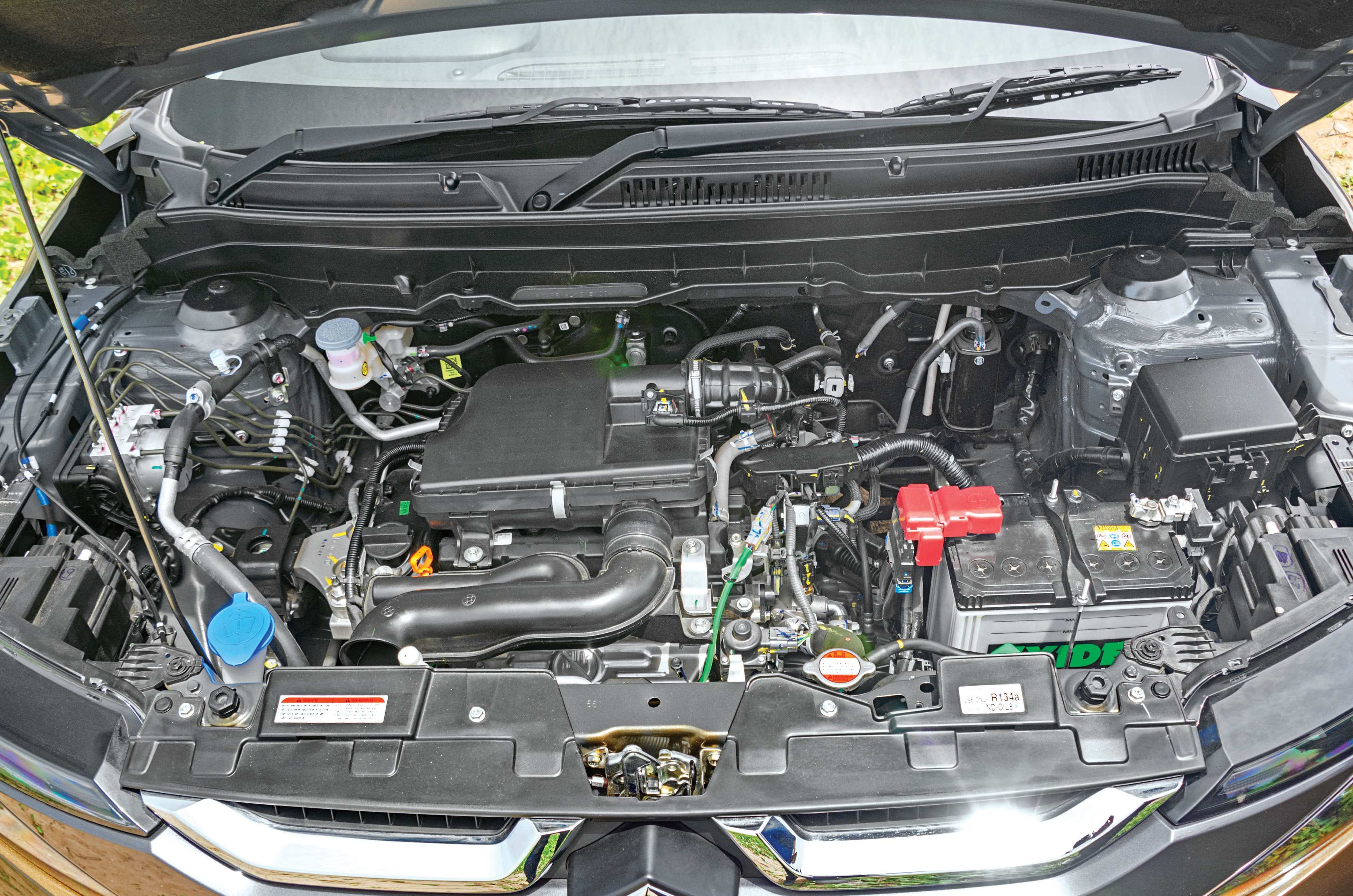
The biggest change was under the hood, with the Brezza receiving Maruti’s 1.5-litre K15C DualJet petrol engine. It uses two injectors per cylinder and, together with the Smart Hybrid system, puts out 103hp and 137Nm. The other major change was the new 6-speed torque-converter automatic gearbox with paddle shifters, replacing the older 4-speed unit. The standard 5-speed manual gearbox was carried over. The updated Brezza also got auto start-stop and a lithium-ion battery as part of its mild-hybrid system. Maruti claimed fuel efficiency of 20.15kpl for the manual and 19.80kpl for the automatic.
In 2023, Maruti also launched the Brezza CNG, which used the same 1.5-litre engine that put out a lower 88hp and 121.5Nm on CNG and came with the manual only. The Brezza CNG was offered in three trims, and Maruti claimed a fuel economy of 25.51km/kg.
The petrol manual is ideal for most users as it’s easy to drive, reasonably efficient and generally the most affordable version to buy. Those doing most of their running in the city should consider the automatic, which is smooth and far more convenient in traffic. Meanwhile, the CNG makes sense for high-mileage users. The 1.5-litre engine isn’t punchy, so don’t buy the Brezza expecting strong performance, especially when overtaking at highway speeds.
Maruti Suzuki Brezza variants and features
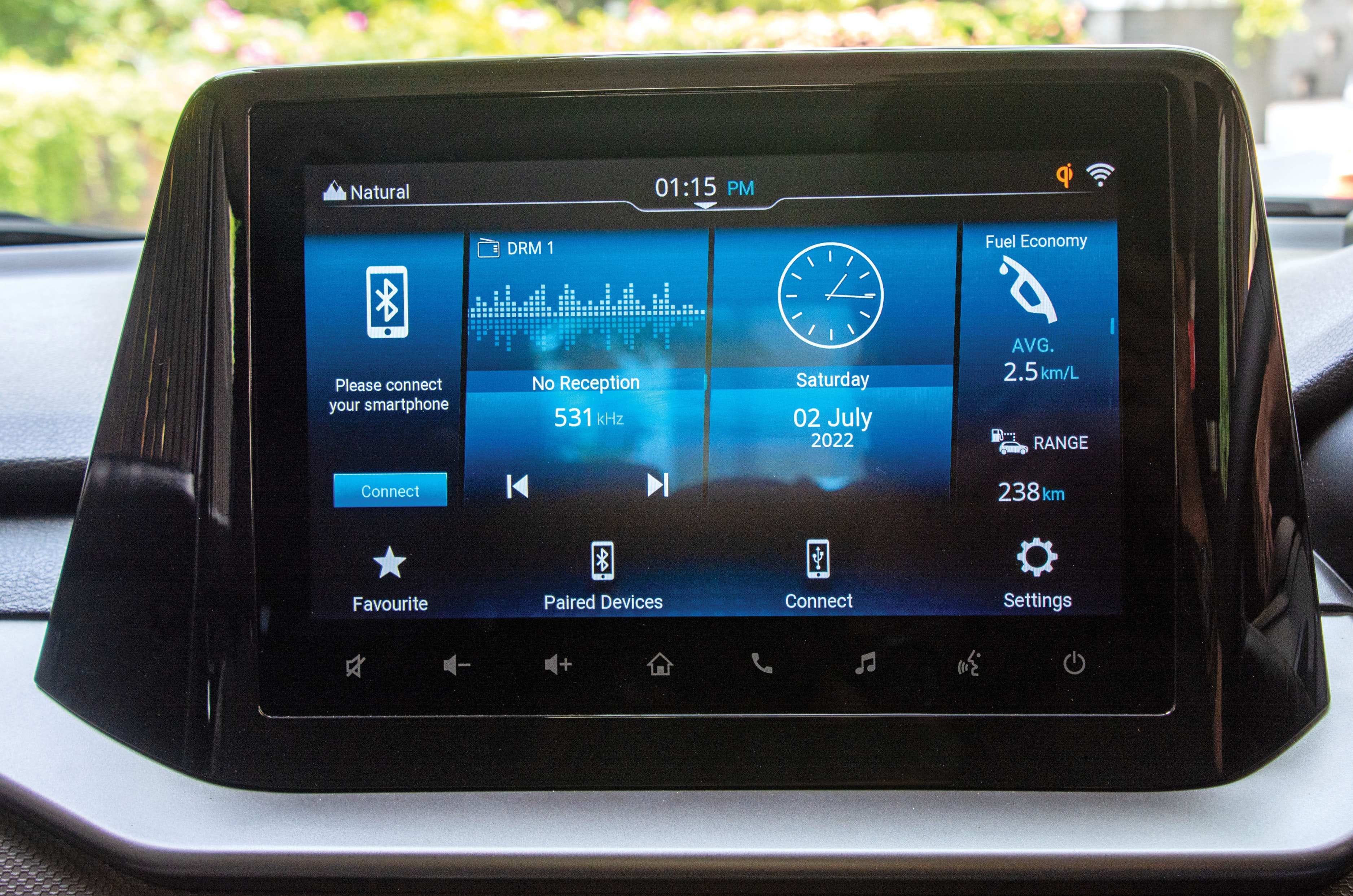
9-inch infotainment system, 360-degree camera, head-up display and more
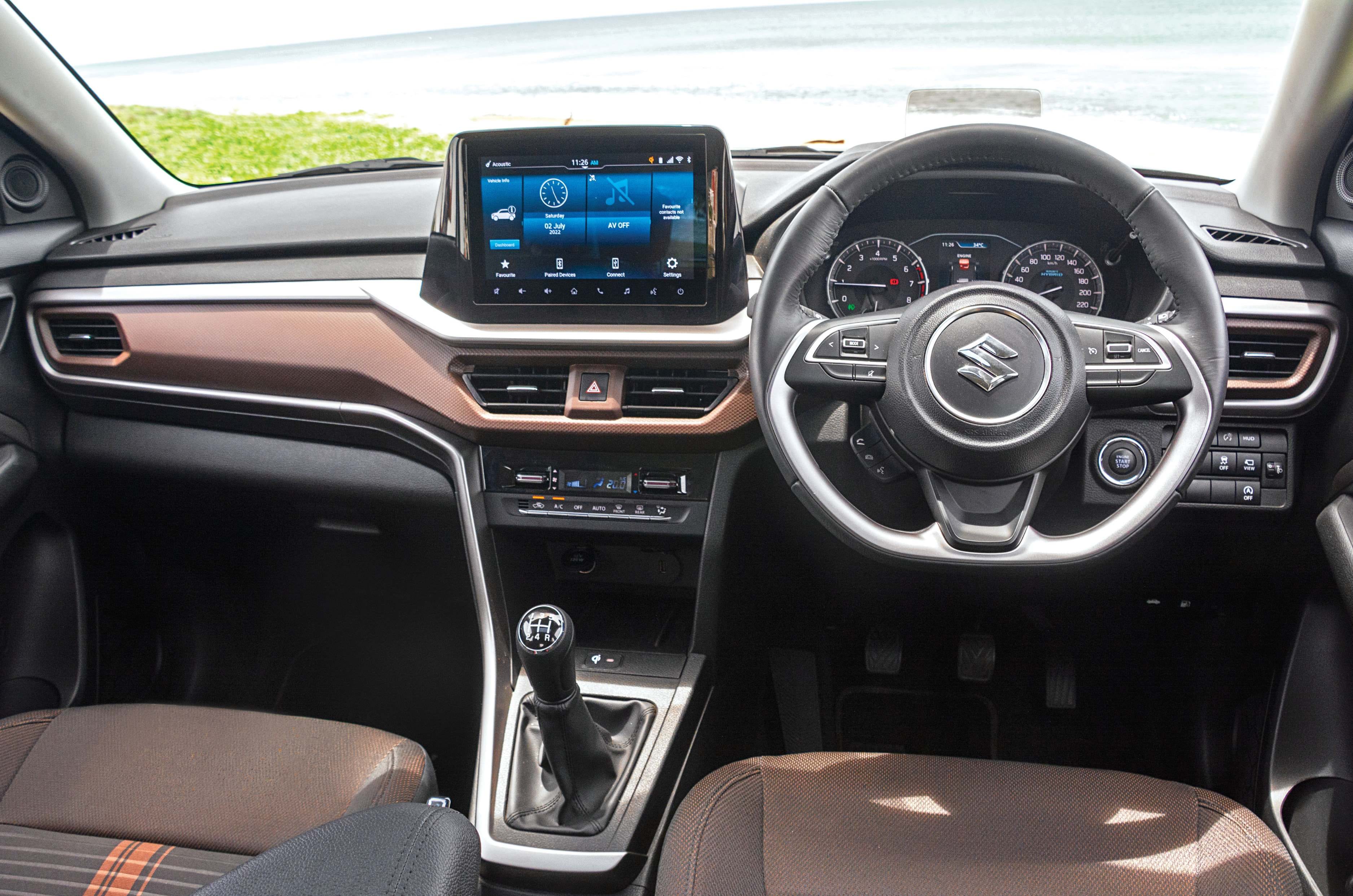
As for variants, there were four main trims – LXi, VXi, ZXi and ZXi+. The top-spec ZXi+ packs in features such as a 9-inch SmartPlay Pro+ touchscreen with Android Auto and Apple CarPlay, a 360-degree camera, head-up display, sunroof, connected-car tech, cruise control, auto climate control, LED lighting and six airbags. Lower variants are reasonably well equipped too, so it’s worth choosing the car based on condition and service history rather than simply chasing the highest trim.
Brezza aftersales details
Being a Maruti product, the Brezza is easy to maintain and spare parts are widely available. Maruti’s extensive service network is another advantage, particularly for buyers intending to keep the car for several years. The Brezza also has strong resale demand, which helps lower depreciation. It’s worth looking for an example with a complete service history and, where applicable, an extended warranty.
What to look out for in a used Maruti Suzuki Brezza
Suspension wear
Brezza owners have reported of noises or looseness from the suspension as the car ages. Drive the car over uneven roads and speed breakers, and listen for any noises or excessive crashing. Also check the condition of the tyres, as uneven wear can point towards alignment or suspension issues.
Infotainment issues
The Brezza gets a 9-inch touchscreen, 360-degree camera and head-up display. While the screen is generally responsive, owners have reported glitches, including camera display problems and phone disconnections. Before buying, test the touchscreen thoroughly, connect Android Auto/Apple CarPlay and make sure the 360-degree camera and HUD work correctly.
Potential defect in front seatbelts and airbag
Brezza units manufactured between November 2 and November 28, 2022, were recalled over a possible defect in a child part of the front seatbelt shoulder height adjuster assembly. Later, Brezza’s manufactured between December 8, 2022 and January 12, 2023, were included in another recall involving a possible airbag-controller defect. Make sure any car from these periods has had the relevant recall work completed.
Second-hand Maruti Suzuki Brezza price and resale value
Rs 7 lakh-11 lakh
The Brezza continues to command a healthy price in the used market. Current listings show examples spanning a wide range depending on variant, mileage and condition. However, be careful about paying too close to the price of a new Brezza. A low-mileage, single-owner example with a full service history is worth paying a little extra for, but condition should remain the priority.
Maruti Suzuki Brezza fact file
Years produced
2022-2026
Price when new
Rs 8 lakh-13.96 lakh (ex-showroom, India)
Engine
4 cyls, 1462cc, petrol / 4 cyls, 1462cc, petrol+CNG
Samsung Galaxy S26 FE को सोमवार को भारत में कंपनी के लेटेस्ट ‘फैन एडिशन’ मॉडल के तौर पर लॉन्च किया गया। यह पिछले साल के Galaxy S26 FE का सक्सेसर है और इसमें 120Hz रिफ्रेश रेट वाला 6.7-इंच का Dynamic AMOLED 2X डिस्प्ले दिया गया है। इसके अलावा, इस हैंडसेट में Exynos 2500 प्रोसेसर और 50MP के प्राइमरी सेंसर दिए गए हैं।
भारत में Samsung Galaxy S26 FE की कीमत और उपलब्धता
भारत में Samsung Galaxy S26 FE के 8GB RAM और 256GB ऑनबोर्ड स्टोरेज वाले एकमात्र वेरिएंट की कीमत 79,999 रुपये है। यह Pistachio, Blueberry और Graphite कलर ऑप्शन में उपलब्ध है।
लॉन्च ऑफर के तहत, ग्राहक पुराना स्मार्टफोन एक्सचेंज करके 8,000 रुपये तक का अपग्रेड बोनस पा सकते हैं। साथ ही, चुनिंदा NBFC पार्टनर के जरिए 30 महीने तक की नो-कॉस्ट EMI और 3,000 रुपये का अतिरिक्त अपग्रेड बोनस पाने का विकल्प भी है।
इसके अलावा, ग्राहक प्रमुख बैंक कार्ड से पेमेंट करने पर 7,000 रुपये तक का कैशबैक पा सकते हैं। वहीं, 12 महीने की नो-कॉस्ट बैंक EMI का विकल्प भी चुना जा सकता है। Samsung के ई-स्टोर से खरीदारी करने वाले ग्राहकों को 18 महीने की बैंक EMI का विकल्प भी मिलेगा।
Samsung Galaxy S26 FE के फीचर्स और स्पेसिफिकेशन्स
डुअल-सिम (नैनो + नैनो) वाला Samsung Galaxy S26 FE, Android 17 पर आधारित One UI 9 पर चलता है। इसमें सात साल तक सॉफ्टवेयर और सिक्योरिटी अपडेट मिलने का वादा किया गया है। इस फोन में 6.7-इंच का FHD+ Dynamic AMOLED 2X डिस्प्ले है, जिसका रिफ्रेश रेट 120Hz है और ब्राइटनेस 1,900 निट्स तक है।
फोन के अंदर Exynos 2500 प्रोसेसर लगा है, जिसे 3nm प्रोसेस से बनाया गया है। इसके साथ 8GB RAM और 256GB स्टोरेज मिलती है। कैमरे की बात करें तो Galaxy S26 FE में ट्रिपल रियर कैमरा सेटअप है, जिसमें OIS के साथ 50MP का वाइड कैमरा, 123-डिग्री फील्ड ऑफ व्यू वाला 12MP का अल्ट्रा-वाइड कैमरा और OIS व 3x ऑप्टिकल जूम वाला 8MP का टेलीफोटो कैमरा शामिल है। वहीं, सेल्फी और वीडियो कॉल के लिए इसमें 12MP का फ्रंट कैमरा भी है।
यह फोन Gemini Omni को भी सपोर्ट करता है, जो गैलरी में मौजूद फोटो और वीडियो का इस्तेमाल करके वीडियो क्लिप बना और एडिट कर सकता है। हैंडसेट में कनेक्टिविटी के लिए 5G, 4G LTE, Wi-Fi 6E, Wi-Fi Direct और Bluetooth 5.4 जैसे ऑप्शन दिए गए हैं।
बैटरी की बात करें तो, Samsung Galaxy में 4,900mAh की बैटरी है जो 45W वायर्ड चार्जिंग को सपोर्ट करती है। Samsung का दावा है कि 45W एडॉप्टर का इस्तेमाल करके यह फोन लगभग 30 मिनट में 69% तक चार्ज हो सकता है। यह 15W फास्ट वायरलेस चार्जिंग और वायरलेस पावरशेयर को भी सपोर्ट करता है। फोन का साइज 161.6 x 76.9 x 7.4 mm है और वजन 193 ग्राम है। इसमें धूल और पानी से बचाव के लिए IP68 रेटिंग भी दी गई है।
स्मार्टफोन में अक्सर कई तरह की सॉफ्टवेयर से जुड़ी दिक्कतें आ सकती हैं। इसके अलावा, लंबे समय तक इस्तेमाल करने से जमा हुआ कैशे (Cache) और दूसरी रुकावटें आपके Android फोन को धीमा कर सकती हैं। अगर ऐसी समस्याएं लगातार बनी रहती हैं और सामान्य तरीके से उन्हें ठीक करना मुश्किल हो जाए, तो Android फोन को फैक्ट्री रीसेट करने की सलाह दी जाती है।
इसके अलावा, अगर आप अपना स्मार्टफोन बेचने वाले हैं, तो उसे फैक्ट्री रीसेट करना जरूरी है। इससे फोन में मौजूद आपका निजी डेटा और दूसरी पहचान से जुड़ी जानकारी डिलीट हो जाती है।
Android यूजर्स अपने फोन को दो तरीकों से आसानी से फैक्ट्री रीसेट कर सकते हैं। पहला तरीका है फोन को Recovery Mode में जाकर रीसेट करना और दूसरा तरीका Settings के जरिए फोन को रीसेट करना है।
अगर आप सोच रहे हैं कि ऊपर बताई गई किसी भी वजह से अपने Android स्मार्टफोन को फैक्ट्री रीसेट कैसे करें, तो हमने आपकी मदद के लिए एक स्टेप-बाय-स्टेप गाइड तैयार की है। हालांकि, आगे बढ़ने से पहले, यह पक्का कर लें कि आपने अपने सभी कॉन्टैक्ट्स और दूसरी लोकल तौर पर सेव की गई जानकारी का बैकअप अपने Google अकाउंट या किसी बाहरी हार्ड ड्राइव में ले लिया है।
Settings से Android फोन को Factory Reset कैसे करें
सबसे पहले अपने Android फोन को अनलॉक करें।
इसके बाद फोन में Settings खोलें।
अब नीचे स्क्रॉल करके System Settings में जाएं।
यहां स्क्रीन के नीचे दिखाई दे रहे Reset options पर टैप करें।
इसके बाद Erase all data (factory reset) के विकल्प पर क्लिक करें।
अब स्क्रीन के नीचे दाईं ओर दिए गए Erase all data बटन पर टैप करें।
फैक्ट्री रीसेट की पुष्टि करने के लिए अपने फोन का PIN दर्ज करें।
कुछ सेकंड बाद आपका Android फोन रीस्टार्ट होना शुरू हो जाएगा और फोन में मौजूद सभी डेटा डिलीट हो जाएगा।
Recovery Mode के जरिए Android फोन को Factory Reset कैसे करें
सबसे पहले अपने Android फोन को बंद करें।
अब Recovery Mode में जाने के लिए Power और Volume Down बटन को करीब 5 सेकंड तक एक साथ दबाकर रखें। ऐसा करने पर Fastboot मेन्यू दिखाई देगा।
अब Volume Up और Volume Down बटन की मदद से Recovery Mode विकल्प पर जाएं।
इसके बाद अपनी पसंद की पुष्टि करने के लिए Power बटन दबाएं।
अब स्क्रीन पर “No command” लिखा दिखाई देगा। यहां Power बटन को दबाकर रखें और तुरंत Volume Up बटन को दबाकर छोड़ दें। इससे Recovery Menu खुल जाएगा।
इसके बाद फिर से Power बटन को दबाकर रखें और उसी समय Volume Up बटन को दबाकर छोड़ दें।
अब Volume बटन की मदद से Wipe data या Factory reset विकल्प पर जाएं और इसे चुनने के लिए Power बटन दबाएं।
कुछ सेकंड इंतजार करें। इसके बाद आपका Android फोन रीस्टार्ट होगा और फैक्ट्री रीसेट की प्रक्रिया शुरू हो जाएगी।
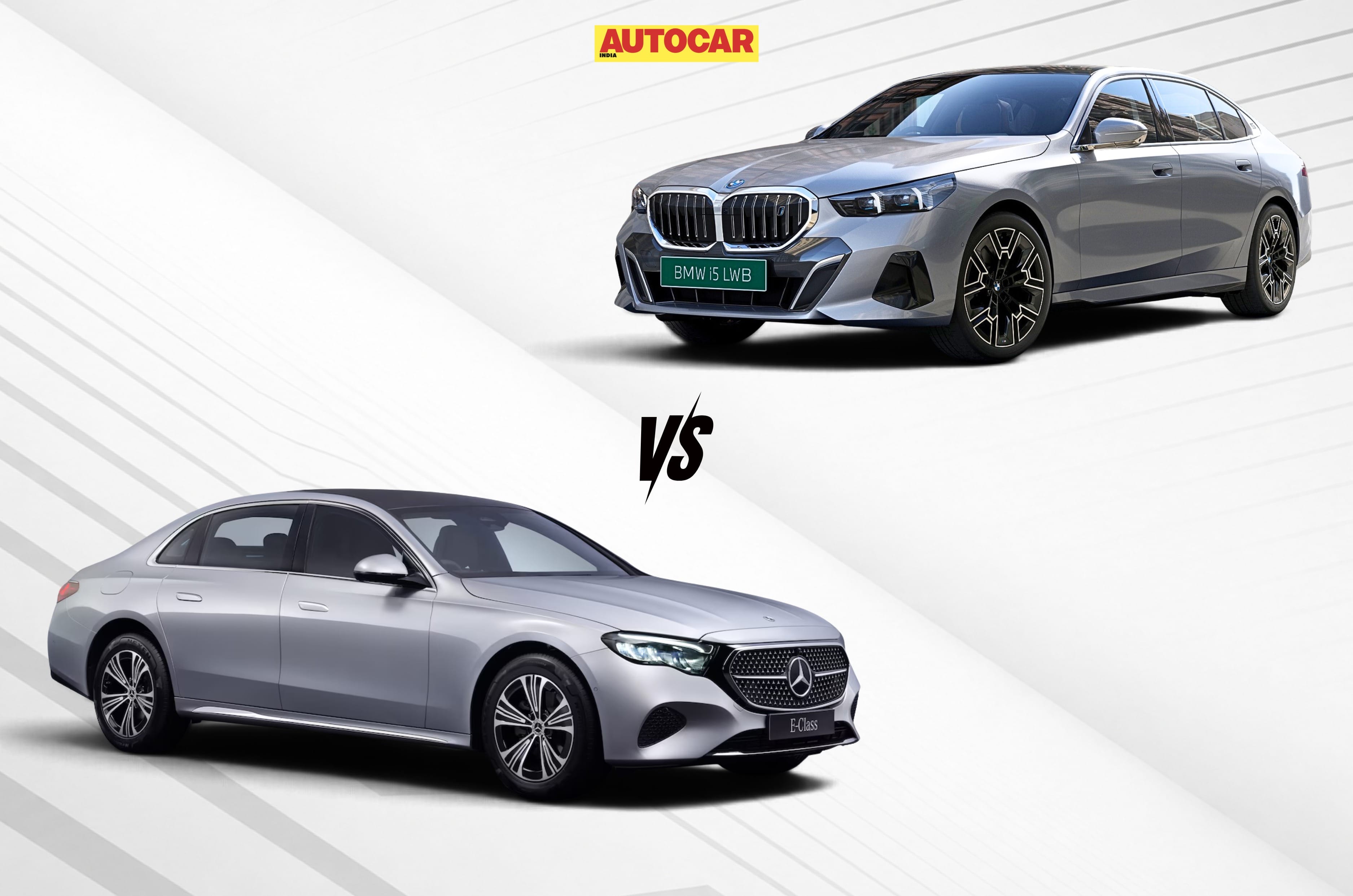
The BMW i5 LWB and Mercedes-Benz E 220d take different approaches to the luxury sedan. BMW no longer offers a diesel engine with the 5 Series in India, so for buyers with high annual running who want an efficient 5 Series, the electric i5 is the only option. The E-Class, meanwhile, continues to offer a diesel powertrain in the form of the E 220d, alongside petrol versions. Both are aimed at buyers seeking a spacious, chauffeur-friendly luxury sedan, but their powertrains make for very different ownership propositions. Here’s how they compare.
BMW i5 LWB vs Mercedes E-Class: Dimensions
i5 is wider, while length, height and wheelbase are similar
BMW i5 LWB
Mercedes E 220d
Length
5,175mm
5,092mm
Width
2,156mm
1,880mm
Height
1,520mm
1,493mm
Wheelbase
3,105mm
3,094mm
Wheel size
20-inch
18-inch
The i5 LWB is significantly wider than the E-Class – by 276mm – while the two are fairly similar in length, height and wheelbase. The BMW also gets larger 20-inch wheels compared with the Mercedes’s 18-inch units.
Another point of difference is the suspension. The i5 LWB gets rear-axle air suspension, which should help with ride comfort, while the E 220d uses a steel setup with selective damping, which also does a great job of blunting sharp bumps and keeping the car as level as possible over cracks and ruts.
BMW i5 LWB vs Mercedes E-Class: Powertrain
i5 is quicker and more powerful; E 220d has more torque
BMW i5 LWB
Mercedes E 220d
Powertrain
Single electric motor
2.0-litre diesel + 48V mild hybrid
Power
268hp
197hp
Torque
410Nm
440Nm
Transmission
Single-speed automatic
9-speed automatic
Drive layout
Rear-wheel drive
Rear-wheel drive
0-100kph
6.7sec
7.6sec
Battery
81.6kWh
–
Claimed range
669km, MIDC
–
The i5 has the clear advantage in power and acceleration, but the E 220d has more torque than its electric rival. The i5 should also be smoother, as expected of an EV, while the E-Class is exceptionally fuel efficient for a luxury sedan and can manage more than 800km on a full tank.
The i5 gets a large 81.6kWh battery pack and has a claimed MIDC range of 669km. Considering this figure, a real-world range of over 500km should be achievable, which is enough for highway runs. Longer journeys will still need to be planned around charging stops, whereas the E-Class does not face this limitation.
On paper, the i5 makes a strong case, particularly for buyers who primarily drive in the city and have access to charging. The E 220d, however, is better suited to those who regularly mix city driving with long highway journeys and want the convenience of quick refuelling.
BMW i5 LWB vs Mercedes E-Class: Exterior features
i5 gets adaptive LEDs; both have electric folding mirrors
BMW i5 LWB
Mercedes E 220d
LED headlights
Adaptive LED
LED
LED DRLs
Yes
Yes
LED tail-lights
Yes
Yes
Illuminated grille
Yes
No
Powered ORVMs
Yes
Yes
Powered tail-gate
Yes
Yes
Door handles
Flap type
Flush-fitting
In terms of exterior features, both sedans are similarly equipped. Both get LED headlights, LED daytime running lamps (DRLs), LED tail-lights, powered outside rearview mirrors (ORVMs) and a powered tailgate. The i5 LWB, however, gets adaptive LED headlights and an illuminated grille. The two also differ in their door-handle designs, with the i5 using flap-type handles and the E-Class getting flush-fitting units.
BMW i5 LWB vs Mercedes E-Class: Interior and features
i5 focuses on front-seat comfort, while the E-Class prioritises the rear
BMW i5 LWB
Mercedes E 220d
Digital driver’s display
12.3-inch
12.3-inch
Central touchscreen
14.9-inch
14.4-inch
Passenger display
No
12.3-inch
Wireless Apple CarPlay/Android Auto
Yes
Yes
Four-zone climate control
Yes
Yes
Front-seat ventilation
Yes
No
Rear-seat recline
No
Up to 36 degrees
Wireless charging
Front and rear
Front and rear
Audio system
17-speaker Bowers & Wilkins
17-speaker Burmester
Ambient lighting
Yes
Yes
Rear sunblinds
No
Yes
Panoramic sunroof
Yes
Yes
Electric seat adjustment from rear
No
Yes
Soft-close doors
No
Yes
Both offer a similar baseline of luxury equipment, but their priorities differ. The i5 adds ventilated front seats and a larger central display, while the E 220d has a more comprehensive set of rear-seat features, including electric recline, sunblinds, soft-close doors and the ability to adjust the front passenger seat from the rear. For a chauffeur-driven buyer, that gives the Mercedes an advantage in rear-seat functionality.
BMW i5 LWB vs Mercedes E-Class: Safety features
Both get ADAS and 360-degree cameras
BMW i5 LWB
Mercedes E 220d
Airbags
8
8
360-degree camera
Yes
Yes
Lane departure warning
Yes
Yes
Blind-spot monitoring
Yes
Yes
Automatic Emergency Braking
Yes
Yes
Parking assist
Yes
Yes
TPMS
Yes
Yes
Auto hold
Yes
Yes
The two cars are closely matched on safety features, with both offering 8 airbags, lane departure warning, blind-spot monitoring, automatic emergency braking, 360-degree cameras and parking assistance.
BMW i5 LWB vs Mercedes E-Class: Prices
BMW i5 LWB is Rs 3.90 lakh cheaper
Price (ex-showroom)
BMW i5 LWB
Mercedes E 220d
Price
Rs 79.60 lakh
Rs 83.50 lakh
At Rs 79.60 lakh, the i5 LWB is Rs 3.90 lakh more affordable than the E 220d and is also cheaper than the petrol E-Class. Factoring in the lower running costs of an EV, particularly for buyers who can charge at home, the BMW makes a strong financial case.
BMW i5 LWB vs Mercedes E-Class: Verdict
On paper, the BMW i5 LWB is the stronger choice if outright performance, lower running costs and a more front-seat-focused cabin are priorities. It is more powerful, quicker and cheaper to buy, while home charging can make it substantially cheaper to run.
The Mercedes E 220d makes the stronger case for chauffeur-driven use, with a more rear-seat-focused cabin, along with the longer range and quicker refuelling of its diesel powertrain.
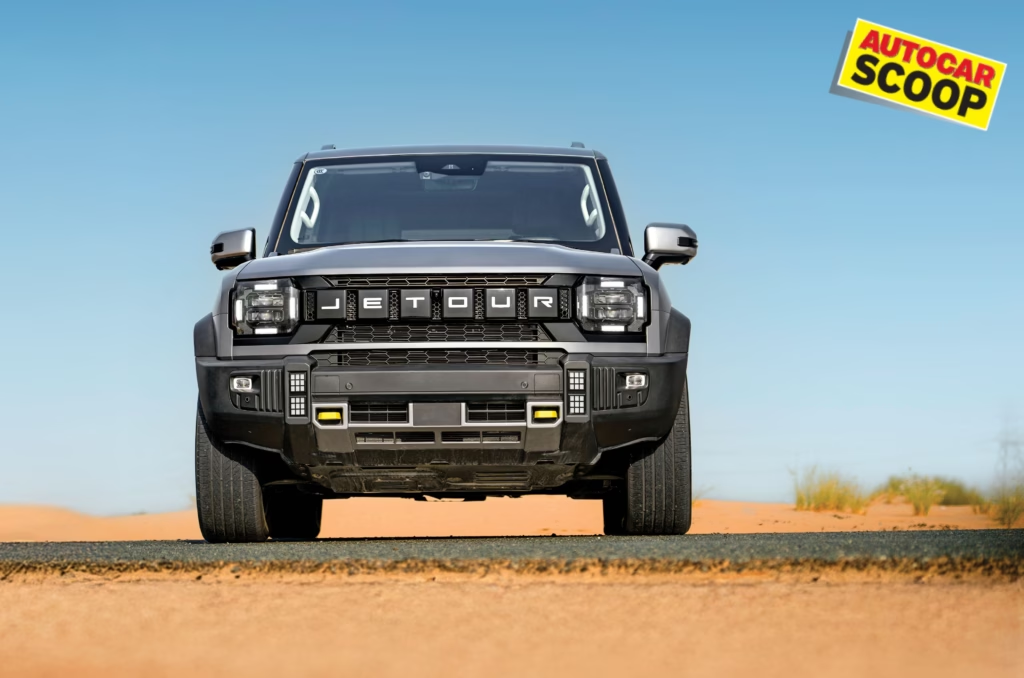
JSW Group’s homegrown automotive company, JSW Motors, will christen its debut model the “Combat,” we can exclusively report. The plug-in hybrid SUV will be based on the Chery Jetour T2, and is expected to launch in India during this festive season.
JSW Combat price expectation
We understand that JSW Motors is keen to price the Combat aggressively, possibly in the Rs 30 lakh-50 lakh (ex-showroom) range. The Combat would be the first 5-seater plug-in hybrid SUV in that range, and its closest rival would be the strong-hybrid Honda ZR-V. However, the rugged trappings of the Combat could also make it a worthwhile alternative to the venerable Toyota Fortuner, which is one of the most popular SUVs in this price band.
JSW Combat exterior and interior
The Combat is anticipated to retain the styling of the Jetour T2, albeit with subtle changes to the headlamps, grille, and bumpers, as well as JSW badging. It features boxy, upright proportions with squarish LED headlamps, chunky bumpers, generous cladding, 20-inch alloy wheels, roof rails, vertically oriented LED tail-lamps, and a bootlid-mounted spare wheel in a squircle-shaped cover.
Inside, the Combat will get a clean dashboard layout with a 15.6-inch infotainment touchscreen, a 10.6-inch digital driver’s display, and a four-spoke steering wheel (bearing JSW branding). As for features, the global-spec Jetour T2 packs a 12-speaker sound system, wireless Apple CarPlay and Android Auto, a panoramic sunroof, a 540-degree camera (360 degrees + underfloor view), powered and ventilated front seats, ambient lighting, adaptive cruise control, and more. Expect the JSW Combat to largely match this features list.
JSW Combat powertrain details
As noted previously, the Combat will get a plug-in hybrid powertrain that is likely to use a 1.5-litre direct-injection turbo-petrol engine working in tandem with two electric motors and an 18.4kWh battery. In the global-spec T2, this powertrain outputs a combined 360hp and 610Nm, which is routed to the front wheels via a 3-speed dedicated hybrid transmission. While the T2 is available in front-wheel drive and all-wheel drive guises globally, the Combat is expected to sport the former layout only.
The 18.4kWh battery delivers an NEDC-claimed all-electric range of 90km in the T2, and it can be charged from 30-100 percent in around 3 hours using a 6.6kW AC charger, and from 30-80 percent in 27 minutes using a 50kW DC outlet. Combined driving range is rated at 1,200km. The JSW Combat’s powertrain specifications are likely to be quite similar to those of this T2 spec.