Pro-Stock Yamaha R3 Race bike: Giant Killer

Race-spec Yamaha R3: Giant Killer

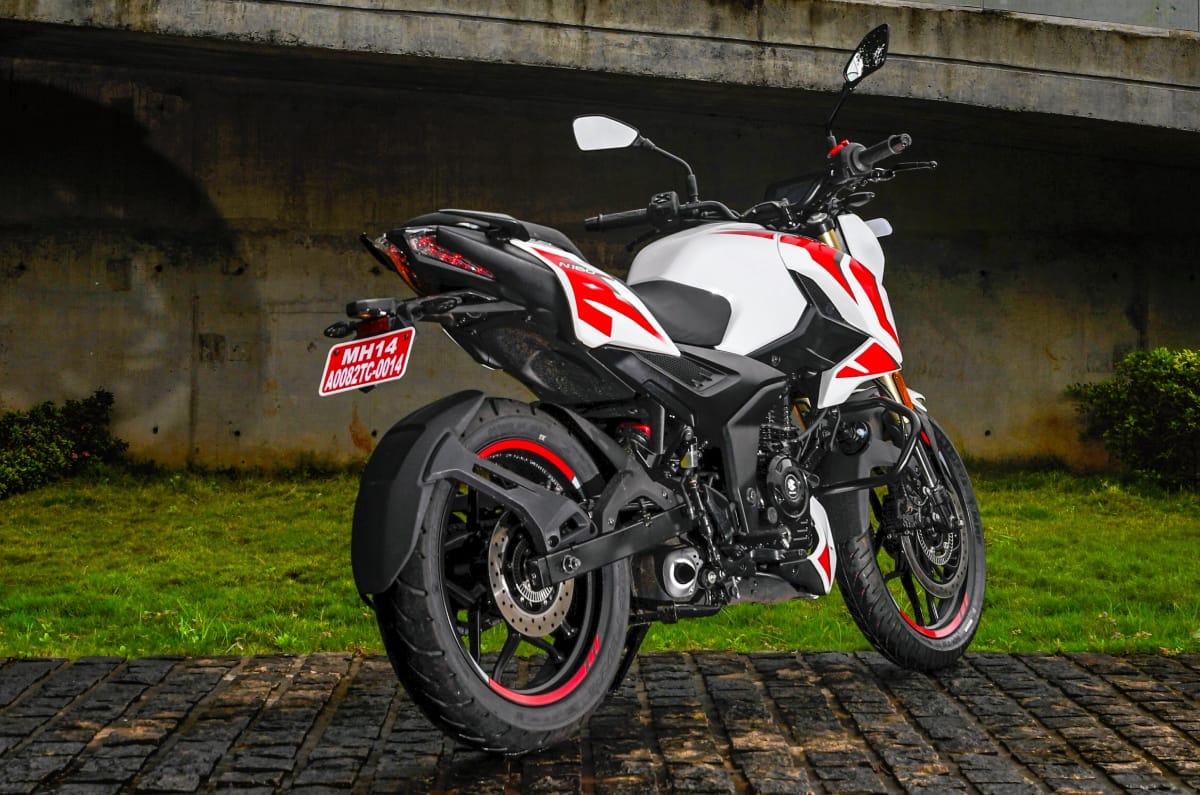
1:47.392. That’s the new lap record set last year by Team RACR’s Rahil Pillarisetty on this very bike. If you know your lap times around the Madras International Circuit, you’ll realise just how devastatingly fast that is. For some frame of reference, the fastest stock bike we ever ran at the Autocar Track Day (back when it used to be held at the MIC) was a 2019 Ducati Panigale V4 S, ridden by 11-time national champion Rajini Krishnan, which set a 1:49.001. Yes, Rajini also would have surely improved the timing if he had more time to work on the bike setup, and yes, the latest Panigale will be quicker. However, it still bends the mind when you realise that this race bike you see here is based on a humble Yamaha R3.

Recipe for speed

As you can imagine, a lot has changed on the donor bike, but there’s still a fair amount of the stock motorcycle’s soul preserved underneath. That’s because this bike comes under the Pro Stock 300-400cc category, which allows a lot of modifications, but also places quite a few restrictions.

It would be easier to start with the significant things that aren’t allowed. The brake components have to be from any FMSCI homologated vehicle, and aftermarket brakes aren’t allowed. Forged metal or carbon-fibre wheels are not allowed either, although replacement wheels from any Indian-made FMSCI homologated vehicle are permitted. Fancy weight saving materials like carbon fibre, titanium and magnesium are also on the no-no list, and the main chassis has to be absolutely stock.

The engine capacity cannot be changed, but major modifications are allowed. This bike uses racing camshafts, larger throttle bodies, a ported head and bigger valves (by 1mm). Engine management is handled by an ARacer ECU, which also brings in a quickshifter, and the engine breathes through large trumpets. Cooling is vital, and the 321cc parallel-twin engine runs a massive racing radiator, which fills up much of the frontal area.

Deceptive power

The result of all these changes is a 55hp power output measured at the rear wheel, which is a big jump over the 36hp dyno figure recorded by the stock motorcycle. The engine redline is set at 14,000rpm, and the peak power sweet spot is between 12,000 and 13,000rpm. That power, combined with a super-light racing chassis, explains how speeds as high as 190kph were recorded during the races at the MIC circuit.

Very short action quick throttle, but it’s quite heavy.

Having ridden plenty of big bikes over the years, I wasn’t initially overwhelmed by the performance. But witnessing how effortlessly it would fly past stock RC 390s and R3s on the straights quickly made it evident that this is a seriously quick bike. In fact, the RACR R3 was never dropped dramatically even by more powerful bikes between the corners.

Because the rules don’t allow gearbox modifications, the engine doesn’t scream through the gears with the short-geared ferocity I’d anticipated. Instead, it spends time revving through each gear, and you have to be careful not to go much higher than that 12-13,000rpm sweet spot. An extremely short throttle action (all of it in about a quarter turn of the accelerator) meant that it’s easy to call for all fifty five horses. However, that quick-turn throttle was also quite heavy, and I found this to be one of the more fatiguing aspects of riding this bike. After all, this was the only ‘heavy’ element to this motorcycle.

Featherweight fun

Things like an aluminium fuel tank and subframe, as well as fibreglass bodywork and a complete strip-down of every non-essential element, help cut the weight down to just 132kg – with its 8-litre fuel tank full! That lack of weight, along with the high-performance K-Tech/Öhlins front/rear suspension combo, is what really made this bike magic to ride.

Regulations don’t allow for aftermarket brakes.

The corner speeds that it is capable of nearly fried my brain, and this is entirely where the bike makes that incredible lap time. No matter how much I tried, I simply couldn’t get myself to fling the bike into corners with the sort of speed that it is built for. Despite this, I had a blast riding the bike through the day, and that was largely because it was rather friendly and encouraging. The suspension was set to perfectly handle MIC’s bumpy layout, and I only truly realised how well it was doing this when I hopped onto the Ducati Panigale V2 the next day (page 122), and was startled by how much it was being affected by the bumps.

Of course, the bike is quite tiny, but I did manage to fit on it okay after the RACR crew kindly set the adjustable RCB footpegs to their lowest position. We left the suspension settings in Rahil’s setup, and that seemed to work well for me. He is a good ten-fifteen kilos lighter than me, but his immense skill and speed also make the suspension work much harder than I could, so it evened out in the end.

This bike is purely built to function, evident in the ‘jugaad’ sun visor for the tiny racing display!

As you’d expect from something that carries such little mass, the R3’s steering is light and incredibly quick, but it also has a reassuring sense of composure. This faith in the chassis quickly allowed me to stop being intimidated by the bike and simply enjoy riding it. All things considered, the bike’s deliciously light and poised handling is why I truly fell in love with it.

Even the stock brakes worked perfectly well, partly because of the lack of weight, and also because MIC doesn’t have many particularly heavy braking zones. Of course, at pure race pace, I imagine it could be quite a different animal, and that’s where the steering damper would earn its place, but for my pace, it was a complete joy.

Like many internal engine components, this skinny, lightweight racing chain has a very short life and needs replacing every race weekend.

Racing 101

As you might expect, there are zero electronic rider assists, but I never felt like it needed any. The bike runs on MRF racing slick tyres, which offered very good grip, but not a lot of feedback, and I wasn’t getting much feel for where the limit lay. Team RACR made sure I had the full racing experience, with tyre warmers being slapped on between every session and a giant cooling fan being pointed at the radiator when the bike was parked in the pits.

In fact, a bike like this would make for a superb track toy, and it will teach you the art of carrying higher corner speeds instead of more lazily using the power of a bigger bike on corner exits. However, such major engine modifications are best avoided. Because this is such a highly stressed engine, it needs part changes every race weekend and a full rebuild every two race weekends. The latter includes changing core components like the camshafts, pistons, and even the crankshaft!

In fact, Rajini let me know that running just one of these bikes for an entire season costs about Rs 25 lakh when you factor in routine part-change costs and crash damage. Team RACR ran three of them last year, with Rajini himself piloting one – and they even had an additional bike as a spare!

Racing is undoubtedly an expensive business, and Team RACR does this with no support from Yamaha India, something that will hopefully change soon. What really earns my respect, though, is that this is a relatively small operation that has fully developed this bike in-house in Chennai. Despite this, they managed to beat a factory race team last year, and Rahil won the overall championship on this very bike.

Hero Xoom 160: For the journey, not the detour

Hero Xoom 160: For the journey, not the detour

The Hero Xoom 160 is unlike anything else currently sold in India. Styled like an adventure scooter and borrowing elements from European maxi-scooters, it aims to offer more space, comfort and touring ability than a conventional scooter. After spending extended time with it in Mumbai, it’s clear that Hero has got some aspects very right, but a few key areas stop it from being as convincing as its styling suggests.

Xoom 160 Design and Practicality – 8/10

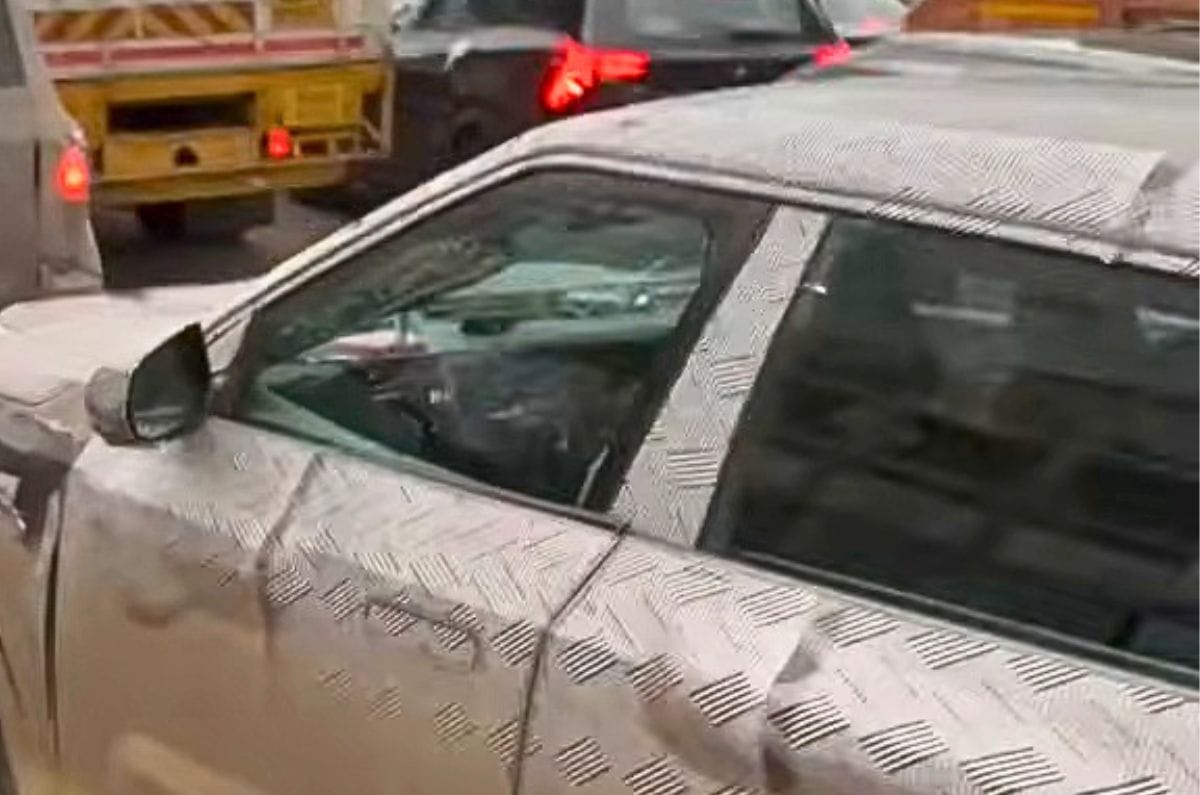
The Xoom 160 stands out with its ADV-styling

The Xoom 160 makes a strong first impression. From its prominent front beak and block-pattern tyres to the sharp twin-LED headlamp, everything about the scooter projects an adventure-inspired image. It also has genuine road presence and feels noticeably larger than a conventional scooter, one that makes passersby give it a second glance.

The front beak with twin headlights look striking

Hero has made good use of that size. There is a practical front storage cubby for everyday items, while the underseat compartment offers 22 litres of storage and can accommodate certain full-face helmets. Taller riders will also appreciate the generous knee room, which makes the riding position feel much less restrictive than the Aerox 155.

Xoom 160 Features and Quality – 6/10

The instrumentation and switchgear are big letdowns in an overall strong package. 

One area where the Xoom 160 already feels dated is its instrumentation and switchgear. Despite being Hero’s flagship scooter, the switchgear lacks the premium feel and even other newer Hero products such as the Xoom 125 have nicer switchgear.

The LCD display offers Bluetooth connectivity and all the expected information, but it is small and not particularly easy to read on the move. The scooter does get keyless operation and a remote seat-release function, both of which add a degree of convenience and premium feel.

The overall feature distribution is somewhat puzzling as it has been with most Hero’s. Another example of this is how the smaller Xoom 125 receives segment-first, sequential LED indicators, while the more expensive Xoom 160 makes do with conventional bulb indicators.

Xoom 160 Performance and Refinement – 8/10

The performance isn’t as exciting as its chief rival but the engine is superbly refined.

The key fob looks and feels premium, unlike the switch cubes.

The 156cc liquid-cooled, four-valve engine is one of this scooter’s highlights. It is smooth, refined and delivers its performance in a very linear manner.

Unlike the Yamaha Aerox 155, the Xoom 160 doesn’t feel particularly sporty or aggressive. Instead, it focuses on refinement and ease of use. In our performance tests, the Aerox reaches 80kph quicker, but the gap disappears by the time both scooters reach 100kph. Considering the Xoom’s substantial weight disadvantage, that is an impressive result. An excessively long accelerator twist action does impact the engine’s effortlessness, though.

The engine also remains smooth at higher speeds and feels well suited to long-distance riding. Talking about long-distance riding, Hero will also sell you a top-box.

Xoom 160 Ride and Handling – 7/10

Once leaned in, the Xoom holds its line well through the corners.

At 142kg, the Xoom 160 is around 16kg heavier than the Aerox 155, and that weight is impossible to ignore in the city. Filtering through traffic, changing direction and negotiating corners all require more effort than on a conventional scooter.

Switchgear looks a generation older

Although, the weight does bring in some benefits. The scooter feels planted and stable at speed, and once leaned into a corner, it holds its line confidently. However, it never feels particularly eager or agile and is more comfortable cruising than being ridden aggressively. The block-pattern tyres offer adequate dry-weather grip, although wet-weather confidence could be better.

Xoom 160 Comfort and suspension setup – 6/10

The seat height is low enough to not intimidate shorter riders.

The riding position is comfortable and accommodating. The 787mm seat height is approachable, while the floorboard on either side of the underspine allows riders to either sit conventionally or stretch their legs forward in typical maxi-scooter fashion.

However, the suspension does not live up to the promise of the styling. Ride quality is noticeably firmer than expected, particularly on broken roads and this was something the lighter riders in our office felt more acutely. While the seat cushioning is excellent and helps improve long-distance comfort, it cannot completely mask the stiff suspension setup. A more absorbent suspension tune and rear preload adjustability would have significantly improved the overall experience.

Xoom 160 Fuel efficiency and braking – 7/10

The Xoom returned an average fuel economy of 38.7kpl

The Xoom’s 7-litre fuel tank – the largest on any Indian-made scooter – enhances its touring credentials. Highway comfort is also good, with the engine feeling relaxed and vibrations remaining well controlled at cruising speeds.

In our instrumented fuel-efficiency tests, the Xoom 160 returned 38.7kpl overall, with figures of 39.6kpl on the highway and 37.9kpl in the city. These are respectable numbers, although not class-leading.

Interestingly, the scooter’s fuel-efficiency display consistently showed figures that were nearly 10kpl lower than what we achieved during testing.

Braking performance is reassuring and despite its weight, the Xoom sheds speed well. The 240mm front disc provides decent stopping power without feeling overly aggressive, while the ABS calibration remains unobtrusive.

Xoom 160 Price and Verdict – 7/10

At Rs 1.40 lakh, it costs Rs 3,000 less than the Base Aerox 155.

The Hero Xoom 160 is an interesting scooter because it attempts something genuinely different. It combines maxi-scooter proportions with adventure-inspired styling and delivers practicality and refinement 

However, the execution does not fully match the promise suggested by the design. The firm suspension, dated switchgear and missing features prevent it from becoming the complete package it could have been.

Even so, there is a lot to like here. The Xoom 160 is refined, spacious and priced at Rs 1.40 lakh, it is unlike anything else in the segment. Hero may not have extracted the full potential from the concept, but it has shown that there is room in India for a more convincing maxi-scooter in the future.

JK Cement Q1 Result: 20% बढ़ा रेवेन्यू लेकिन 14% गिरा मुनाफा, ये है वजह, सोमवार को रहेगी शेयरों पर नजर

JK Cement Q1 Result: सीमेंट सेक्टर की दिग्गज कंपनी जेके सीमेंट के लिए चालू वित्त वर्ष 2026 की शुरुआत मिली-जुली रही। एक तरफ इसके रेवेन्यू में 20% से अधिक की तेजी आई तो दूसरी तरफ ऑपरेटिंग लेवल पर कंपनी को झटका लगा और शुद्ध मुनाफा भी 14% से अधिक घट गया। कंपनी ने 18 जुलाई को जून तिमाही के कारोबारी नतीजे पेश किए और अब सोमवार 20 जुलाई को मार्केट खुलने पर शेयरों पर इसका असर दिख सकता है। अभी इसके शेयरों के स्थिति की बात करें तो 17 जुलाई को बीएसई पर यह 0.65% की गिरावट के साथ ₹5388.90 (JK Cement Share Price)s पर बंद हुआ था। पिछले साल 20 अगस्त 2025 को बीएसई पर यह एक साल के हाई ₹7,565 पर था जिससे 10 महीने में यह 38.27% फिसलकर 12 जून 2026 को एक साल के निचले स्तर ₹4,670.05 पर आ गया था।

JK Cement Q1 Result: खास बातें

चालू वित्त वर्ष 2027 की पहली तिमाही में जेके सीमेंट का ऑपरेशनल रेवेन्यू सालाना आधार पर 20.3% बढ़कर ₹4,031.7 करोड़ पर पहुंच गया लेकिन शुद्ध मुनाफा इस दौरान 14.5% गिरकर ₹277 करोड़ पर आ गया। ऑपरेटिंग लेवल पर भी कंपनी को जून तिमाही में दबाव झेलना पड़ा। इसका ऑपरेटिंग प्रॉफिट सालाना आधार पर 5.8% गिरकर जून तिमाही में ₹647.7 करोड़ पर आ गया तो ईबीआईटीडीए मार्जिन भी सिकुड़कर 20.5% से 16.1% पर आ गया। मार्जिन में गिरावट के चलते इसकी कमाई पर दबाव पड़ा और रेवेन्यू में दोहरे अंकों की ग्रोथ के बावजूद शुद्ध मुनाफा नीचे आया।

जून तिमाही में कंपनी की वॉल्यूम ग्रोथ मजबूत बनी रही और सालाना आधार पर इसमें 18% की तेजी आई। ग्रे सीमेंट का वॉल्यूम 19% तो व्हाइट सीमेंट और पुट्टी का वॉल्यूम 11% बढ़ा। जून तिमाही में ग्रे सीमेंट की बिक्री 59.6 लाख टन रही तो व्हाइट सीमेंट की बिक्री 5.4 लाख टन रही जोकि सालाना आधार पर 29% अधिक रहा।

कंपनी के मुताबिक दोहरे अंकों में वॉल्यूम ग्रोथ की वजह वित्त वर्ष 2026 की दूसरी छमाही में शुरू हुए 6 MTPA क्षमता विस्तार और यूएई से कम आयात पर व्हाइट सीमेंट वॉल्यूम में हुई बढ़ोतरी है। ऑपरेटिंग प्रॉफिट को लेकर कंपनी का कहना है कि प्राइस हाइक और व्हाइट सीमेंट वॉल्यूम में तेजी के बावजूद मेंटेनेंस और पैकेजिंग कॉस्ट में उछाल के चलते इसे झटका लगा।

विस्तार की योजना को लेकर कंपनी का कहना है कि ग्रे सीमेंट कैपेसिटी बढ़ाने का काम योजना के मुताबिक ही बढ़ रहा है। अभी इसकी क्षमता 32.3 MTPA है जिसे बढ़ाकर वित्त वर्ष 2028 तक 40 MTPA और वित्त वर्ष 2030 तक 50 MTPA करने की योजना है। इसे लेकर कंपनी ने अगले दो साल में ₹5000-₹6000 करोड़ के कैपिटल एक्सपेंडिचर (कैपेक्स) की योजना बनाई है।

Stock in Focus: 20 जुलाई को इस नवरत्न कंपनी के शेयरों पर रहेगी नजर, विलय के बड़े प्लान को बोर्ड की मंजूरी

डिस्क्लेमर: यहां मुहैया जानकारी सिर्फ सूचना के लिए दी जा रही है। यहां बताना जरूरी है कि मार्केट में निवेश बाजार जोखिमों के अधीन है। निवेशक के तौर पर पैसा लगाने से पहले हमेशा एक्सपर्ट से सलाह लें। मनीकंट्रोल की तरफ से किसी को भी पैसा लगाने की यहां कभी भी सलाह नहीं दी जाती है।

All you need to know about the Suzuki e-Access

Suzuki e-Access

The Suzuki e-Access is the first electric two-wheeler from Suzuki Motorcycle India, built on an entirely new platform developed in-house rather than shared with the petrol Access 125. It brings Suzuki’s reputation for reliability to a segment increasingly crowded with newer entrants. Here are answers to some of the most commonly asked questions about it.

What is the price of the Suzuki e-Access?

The Suzuki e-Access is available in a single variant priced at Rs 1.88 lakh (ex-showroom, Delhi). At this price, it is one of the more expensive electric scooters from a mainstream manufacturer in the country, sitting above the TVS iQube S and Bajaj Chetak C3501, and closer to the Ather Rizta S in pricing.

What motor and battery does the Suzuki e-Access use?

The Suzuki e-Access is powered by a hub-mounted permanent magnet synchronous motor producing 3.5kW of rated power and 6kW of peak power, with 90Nm of torque at the rear wheel. The battery is a 3kWh LFP (Lithium Ferrous Phosphate) pack – a chemistry that offers relatively longer battery life and better thermal stability compared to the NCM batteries used in most rival electric scooters, but at the cost of lower energy density and, as a result, lower range for a given pack size. 

What is the charging time of the Suzuki e-Access?

The e-Access ships with a portable 600W charger capable of topping up a flat battery to full in 6 hours 20 minutes. In our real-world test, we verified the actual charging time to be 6 hours flat when plugged into a standard 12A, 3-pin socket – slightly faster than the claimed figure. There is no fast-charging option available.

What is the range of the Suzuki e-Access?

Suzuki claims an IDC range of 95km on a full charge. In our real-world range test conducted in Ride A mode – the more powerful of the two ride modes – the e-Access covered 88.4km before the battery was fully depleted. Notably, the range indicator on the display was reliable throughout, with the scooter displaying an estimated range of 93km at the start of the run and never catching us by surprise as the battery dropped. Riding in the more efficient Eco mode will yield additional range. The e-Access comes closest to its claimed IDC figure in real-world conditions compared to other electric scooters we have tested.

What is the top speed of the Suzuki e-Access?

The Suzuki e-Access has a claimed top speed of 80kph, which should be achievable in either of its two Ride modes – Ride A and Ride B. Both offer identical peak power and throttle response, differing only in the level of regenerative braking intervention, with Ride B providing a gentler regen effect than Ride A. There’s also a lower-power Eco mode, which in our tests reached a VBOX-verified 55kph.

AIBE 21 Result 2026 Out: बीसीआई ने जारी किया एआईबीई 21 का रिजल्ट, 65.92% उम्मीदवार सफल घोषित

AIBE 21 Result 2026 Out: देश की अदालतों में बतौर वकील का करियर बनाने का सपना देखने और कानून की पढ़ाई करने वाले उम्मीदवारों के लिए आज अहम दिन है। बार काउंसिल ऑफ इंडिया (BCI) ने अपना ये सपना पूरा करने के लिए ऑल इंडिया बार एग्जामिनेशन (AIBE) 21 परीक्षा में हिस्सा लेने वाले उम्मीदवारों का इंतजार खत्म कर दिया है। बीसीआई ने एआईबीई 21 का रिजल्ट 2026 आज घोषित कर दिया है। इस साल कुल 1,15,805 कैंडिडेट्स ने परीक्षा पास की है, जिससे कुल पास परसेंटेज 65.92% हो गया है। जो कैंडिडेट्स परीक्षा में बैठे थे, वे ऑफिशियल वेबसाइट allindiabarexamination.com पर अपना रिजल्ट देख सकते हैं।

रिजल्ट घोषित करने से पहले, मॉनिटरिंग कमेटी द्वारा प्रश्न पत्र और रिजल्ट समरी की समीक्षा करने के बाद बीसीआई ने क्वालिफाइंग मार्क्स को तीन अंक कम करने का भी फैसला किया। एआईबीई 21 परीक्षा 7 जून, 2026 को देश के 60 शहरों में 292 परीक्षा केंद्रों पर आयोजित की गई थी। कुल 1,75,701 कैंडिडेट्स ने परीक्षा दी थी। इसमें 1,10,909 पुरुष उम्मीदवार, 64,784 महिला उम्मीदवार और आठ ट्रांसजेंडर उम्मीदवार शामिल थे।

एआईबीई 21 पासिंग मार्क्स क्यों कम किए गए?

शुरू में, एआईबीई 21 के लिए क्वालिफाइंग मार्क्स जनरल कैटेगरी के परीक्षार्थियों के लिए 45 मार्क्स और एससी, एसटी और पीडब्लूडी उम्मीदवारों के लिए 40 अंक तय किए गए थे, कुल 100 मार्क्स में से। हालांकि, प्रश्न पत्र और परीक्षार्थियों के ओवरऑल प्रदर्शन की समीक्षा करने के बाद, मॉनिटरिंग कमेटी ने एकमत से क्वालिफाइंग मार्क्स में तीन मार्क्स कम करके रिजल्ट को मॉडरेट करने का फैसला किया।

अगली एआईबीई 22 परीक्षा 29 नवंबर को होगी

बार काउंसिल ऑफ इंडिया ने यह भी बताया है कि ऑल इंडिया बार एग्जामिनेशन (AIBE) 22, 29 नवंबर, 2026 को होगा। ऑनलाइन पंजीकरण प्रक्रिया 19 अगस्त, 2026 से शुरू होगा और 27 अक्टूबर, 2026 तक चलेगा। कैंडिडेट 28 अक्टूबर तक आवेदन शुल्क भर सकेंगे, जबकि करेक्शन विंडो 30 अक्टूबर को बंद हो जाएगी। एडमिट कार्ड 14 नवंबर को जारी किए जाएंगे, और रिजल्ट अनुमानित तौर से 7 जनवरी से 10 जनवरी, 2027 के बीच घोषित कर दिए जाएंगे। बीसीआई ने उम्मीदवारों को एआईबीई 22 के बारे में ताजा अपडेट, नोटिफिकेशन और विस्तृत निर्देशों के लिए नियमित तौर पर आधिकारिक एआईबीई और बार काउंसिल ऑफ़ इंडिया की वेबसाइट देखते रहने की सलाह दी है।

PGIMER BSc Nursing Admit Card 2026: 24 जुलाई को होने वाली परीक्षा का एडमिट कार्ड जारी, आधिकारिक वेबसाइट से करें डाउनलोड

2026 F1 Belgian GP schedule, India timings

F1 Belgian GP schedule

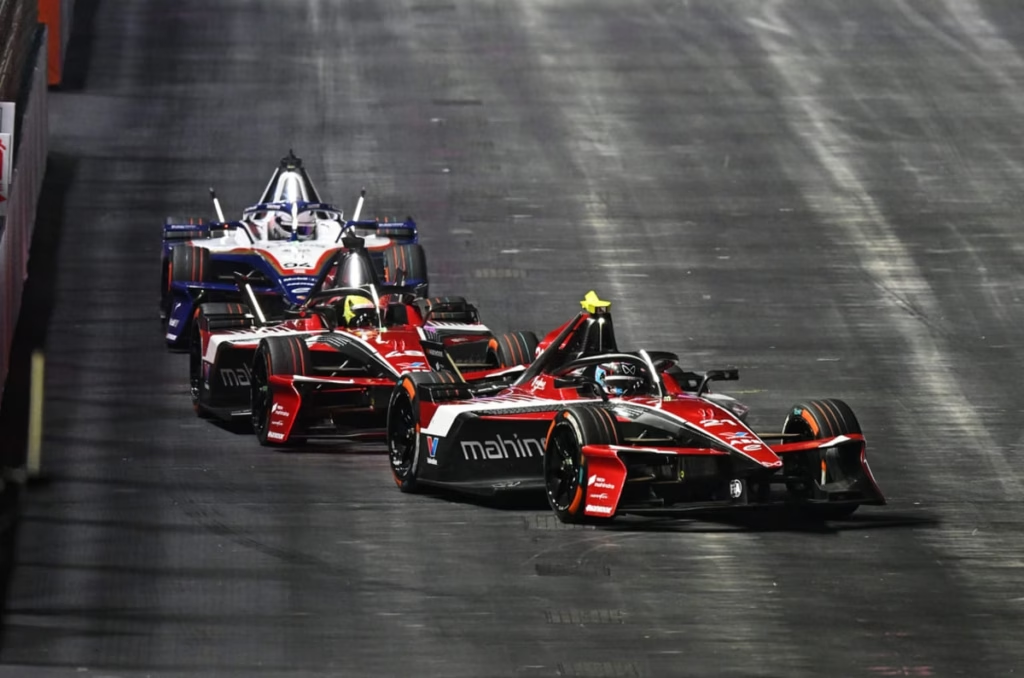
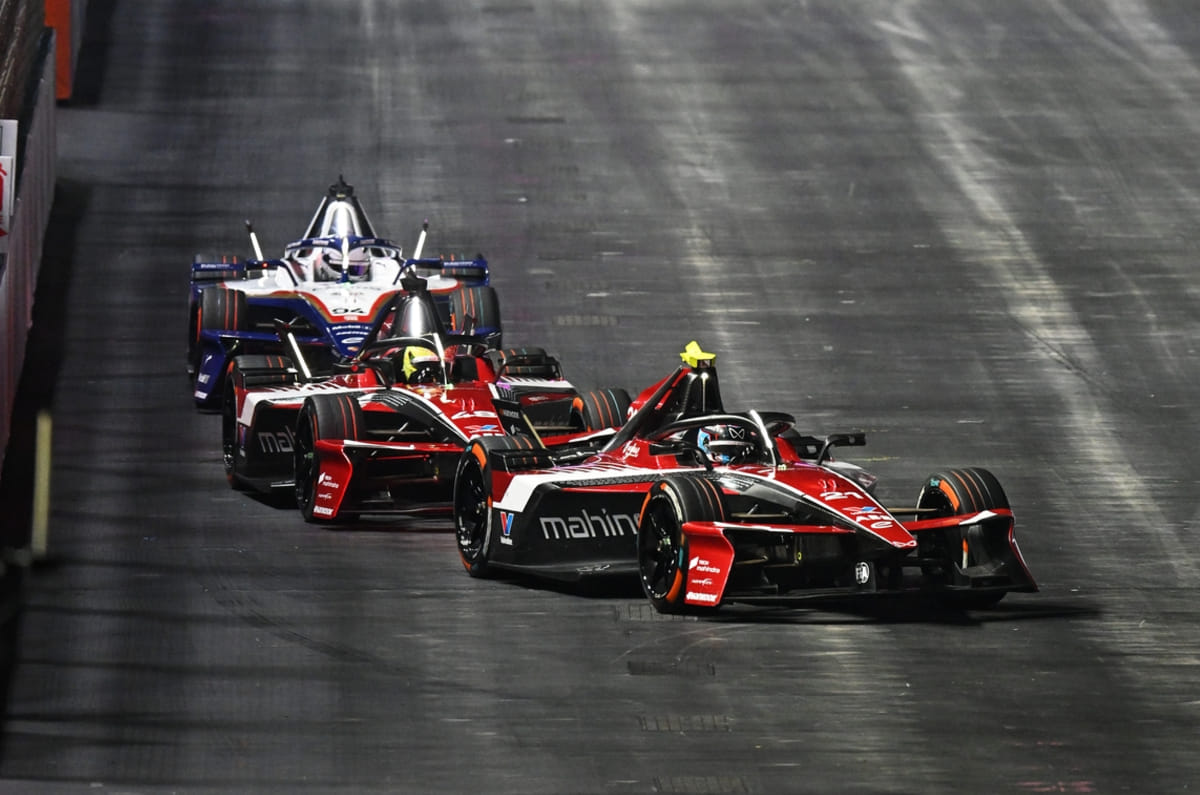
Formula 1 heads to the iconic Spa-Francorchamps this weekend for Round 10 of the 2026 world championship. The title fight has tightened at the top, with just 25 points separating Kimi Antonelli and George Russell, while Lewis Hamilton is just another seven points behind.

The circuit will also host Formula 2, with India’s Kush Maini looking to continue his progress up the order. Here’s our ultimate guide for when and where to tune in from India.

F1 Belgian GP schedule

F1 Belgian GP India timings

After his incredible run of five wins in a row, Antonelli’s title charge has taken a big hit due to reliability issues. As a result, his once 66-point lead has now been slashed to just 25 points. Moreover, Ferrari has emerged as a genuine contender for race wins, winning two out of the last three races.

Lando Norris, meanwhile, has been handed a 10-place grid penalty for the Belgian GP after McLaren opted to fit a new power electronics unit to his car in a bid to improve recent reliability issues. The team is hopeful that the overtaking opportunities at Spa will help counteract the grid penalty. 

F1 Belgian GP: Where to watch?    

All F1 Belgian GP sessions will be streamed live on the FanCode and F1 TV apps.

2026 F1 Belgian GP schedule IST

Date

Day

Session

Time

July 17

Friday

FP1

5pm

July 17

Friday

FP2

8:30pm

July 18

Saturday

FP3

4pm

July 18

Saturday

Qualifying

7:30pm

July 19

Sunday

Race

6:30pm

F2 Belgian GP schedule

F2 Belgian GP India timings

Red Bull junior Nikola Tsolov comes to Belgium with six race wins to his name so far this season, including double victory at Silverstone. He currently leads the championship by 17 points from Gabriele Mini. Rafael Camara and Alexander Dunne, meanwhile, are locked in a tight battle for third place in the standings, with just two points separating them.

India’s Kush Maini is also firmly in the top five battle. A strong weekend at Silverstone, where he finished on the podium in the Feature Race, saw him move up from P9 to P6 overall – just six points behind fifth-placed Noel Leon.

F2 Belgian GP: Where to watch?

All F2 Belgian GP sessions will be streamed live on the FanCode and F1 TV apps.

2026 F2 Belgian GP schedule IST

Date

Day

Session

Time

July 17

Friday

Practice

2:35pm

July 17

Friday

Qualifying

7:25pm

July 18

Saturday

Sprint Race

5:45pm

July 19

Sunday

Feature Race

1:30pm


NEET UG 2026 Result जारी! पंजाब और हरियाणा के छात्रों ने किया टॉप, लड़कियों का शानदार रहा प्रदर्शन

NEET UG Result 2026: नेशनल टेस्टिंग एजेंसी (NTA) ने नेशनल एलिजिबिलिटी कम एंट्रेंस टेस्ट (अंडरग्रेजुएट), NEET UG 2026 री-एग्जाम का रिजल्ट और फाइनल आंसर-की जारी कर दी है। एग्जाम में शामिल हुए 20 लाख से अधिक उम्मीदवार अब आधिकारिक वेबसाइट पर अपना स्कोरकार्ड देख सकते हैं। इस बार पंजाब के आर्यन गुप्ता और हरियाणा के पांशुल बंसल ने संयुक्त रूप से 715/720 अंक हासिल कर ऑल इंडिया रैंक-1 (AIR 1) प्राप्त की है। कुल 11.21 लाख उम्मीदवार क्वालिफाई हुए हैं। क्वालिफाई करने वाले उम्मीदवारों में 58 प्रतिशत से अधिक महिलाएं शामिल हैं। एग्जाम 13 भाषाओं में आयोजित की गई थी।

क्यों जल्दी जारी हुआ रिजल्ट?

NTA द्वारा जारी फाइनल आंसर-की के अनुसार, परीक्षा का एक सवाल ड्रॉप कर दिया गया है। इसी आधार पर अंतिम परिणाम तैयार किए गए हैं। NTA ने कहा कि NEET-UG के नतीजे समय पर घोषित किए गए हैं ताकि मेडिकल कोर्स में एडमिशन और उम्मीदवारों की काउंसलिंग का शेड्यूल योजना के अनुसार आगे बढ़ सके।

सभी क्वालिफ़ाई करने वाले उम्मीदवारों में से 58 प्रतिशत से ज़्यादा महिलाएं हैं। पुरुषों की तुलना में महिलाओं के क्वालिफ़ाई करने की दर भी अधिक रही। परीक्षा में शामिल होने वाली 56.8 प्रतिशत महिलाएं क्वालिफ़ाई हुईं हैं। जबकि पुरुषों के मामले में यह आँकड़ा 55.1 प्रतिशत था।

लड़कियों का प्रदर्शन रहा बेहतर

इस साल NEET UG 2026 में लड़कियों का प्रदर्शन लड़कों से बेहतर रहा:-

  • कुल सफल उम्मीदवारों में 58% से अधिक लड़कियां हैं।
  • परीक्षा में शामिल हुई 56.8% छात्राएं सफल रहीं।
  • 55.1% छात्र क्वालिफाई कर सके।

कैटेगरी के अनुसार सफल उम्मीदवार

जनरल (General): 2.91 लाख

OBC-NCL: 5.12 लाख

SC: 1.59 लाख

ST: 63,716

जनरल-EWS: 95,026

PwBD: 3,666

PwD: 303

साथ ही सभी कैटेगरी के कट-ऑफ अंक और पर्सेंटाइल भी जारी कर दिए गए हैं।

कितने छात्रों ने बनाए बड़े स्कोर?

NTA ने विभिन्न राज्यों और केंद्र शासित प्रदेशों के टॉपर्स की लिस्ट भी जारी की है। इनमें प्रमुख नाम हैं:-

जिगमेट यांगचेन लामो (लद्दाख) – 530 अंक

ध्रुव त्रिपाठी (अंडमान और निकोबार द्वीप समूह) – 606 अंक

फहमीदा अनीस (लक्षद्वीप) – 573 अंक

इसके अलावा पूर्वोत्तर भारत के सभी राज्यों के टॉपर्स की लिस्ट भी जारी की गई है। कुल 17 राज्य टॉपर्स ने 700 या उससे अधिक अंक। जबकि 26 राज्य टॉपर्स ने 690 से अधिक अंक हासिल किए हैं।

परीक्षा शुल्क वापसी की प्रक्रिया

NTA ने बताया कि 3 मई को आयोजित परीक्षा में शामिल हुए उम्मीदवार परीक्षा शुल्क की वापसी (Refund) के लिए अपनी बैंक खाते की जानकारी ऑनलाइन जमा कर सकते हैं। अब तक 11.46 लाख से अधिक उम्मीदवार अपनी बैंक डिटेल्स जमा कर चुके हैं।

ऐसे करें रिजल्ट चेक

री-NEET UG 2026 परीक्षा में शामिल उम्मीदवार आधिकारिक वेबसाइट पर जाकर एप्लीकेशन नंबर और पासवर्ड की मदद से अपना स्कोरकार्ड डाउनलोड कर सकते हैं।

NEET UG 2026 का रिजल्ट जारी होने के साथ ही अब उम्मीदवारों की नजर काउंसलिंग प्रक्रिया पर होगी, जिसके जरिए देशभर के मेडिकल और डेंटल कॉलेजों में MBBS, BDS और अन्य मेडिकल पाठ्यक्रमों में दाखिले की प्रक्रिया शुरू होगी।

NEET UG 2026 refund: नीट यूजी फीस रिफंड के लिए अब तक सिर्फ 52% ने किया अप्लाई, एनटीए ने आखिरी बार बैंक डिटेल देने की डेट बढ़ाकर 31 जुलाई की

NEET UG 2026 refund: नेशनल टेस्टिंग एजेंसी (NTA) ने नीट यूजी 2026 के उम्मीदवारों के लिए एग्जाम फीस रिफंड के लिए अपनी बैंक डिटेल्स जमा या अपडेट करने की डेडलाइन एक बार फिर बढ़ाने का फैसला किया है। यह फैसला इसलिए लिया गया क्योंकि मीडिया रिपोर्ट्स के मुताबिक, 50% से ज्यादा योग्य उम्मीदवार पिछली डेडलाइन तक अपनी बैंकिंग डिटेल्स जमा नहीं कर पाए थे। समय बढ़ाने से उम्मीदवारों को फीस वापसी की प्रक्रिया सफलतापूर्वक पूरा करने का दूसरा मौका मिलता है।

52% उम्मीदवारों ने बैंक डिटेल्स दी हैं

एनटीए ने बताया कि 14 जुलाई, 2026 तक, सिर्फ 11,46,401 उम्मीदवारों ने अपनी बैंक डिटेल्स जमा की हैं। एजेंसी ने उन लोगों के लिए रिफंड प्रक्रिया आगे बढ़ानी शुरू कर दी है जिन्होंने अपनी बैंक खाते की जानकारी सफलतापूर्वक अपडेट कर ली है। जिन उम्मीदवारों ने अभी तक प्रक्रिया पूरी नहीं की है, उनसे जल्द से जल्द अपनी डिटेल्स जमा करने का आग्रह किया गया है।

नीट यूजी 2026 रिफंड की डेडलाइन बढ़ाई गई

एनटीए ने अब बैंक खाते की जानकारी अपडेट या जमा करने की आखिरी तारीख 31 जुलाई, 2026 रात 11:50 बजे तक बढ़ा दी है। पिछली डेडलाइन 14 जुलाई थी। यह एक्सटेंशन इसलिए दिया गया है ताकि सभी पात्र उम्मीदवारों को उनकी परीक्षा फीस का रिफंड मिल जाए। जो परीक्षार्थी रिवाइज्ड डेडलाइन से पहले अपने बैंक अकाउंट की डिटेल्स अपडेट नहीं करते हैं, उन्हें रिफंड मिलने में देरी हो सकती है।

कैंडिडेट्स को रिफंड क्यों मिल रहा है?

मीडिया रिपोर्ट्स के मुताबिक, नीट यूजी 2026 पहले 3 मई, 2026 को आयोजित की गई थी। लेकिन पेपर लीक होने के दावों के कारण, इसे रद्द कर दिया गया और 21 जून, 2026 को एक बार फिर से नेशनल एलिजिबिलिटी कम एंट्रेंस टेस्ट आयोजित किया गया। परीक्षा रद्द होने की सूचना के साथ ही एनटीए और सरकारी ने सभी परीक्षार्थियों को परीक्षा शुल्क वापस करने का फैसला किया, जिसके तहत यह प्रक्रिया की का जा रही है। रिफंड पाने के लिए 03 मई 2026 को हुई पहली परीक्षा में शामिल सभी परीक्षार्थियों को एनटीए नीट के आधिकारिक पोर्टल पर अपने बैंक संबंधी जानकारी को अपडेट या सुधार करना होगा। परीक्षा के बाद सभी उम्मीदवारों को मुआवजा सुनिश्चित करने के लिए एनटीए ने परीक्षा शुल्क वापसरी की प्रक्रिया को आगे बढ़ाया है। रिफंड सीधे कैंडिडेट्स द्वारा दिए गए बैंक अकाउंट्स में ट्रांसफर किया जा रहा है।

ICSI CSEET Result 2026: बेटियां बनी आईसीएसआई सीएसईईटी के रिजल्ट में टॉपर, जानें कैसे देख सकते हैं अपना रिजल्ट

ICSI CSEET Result 2026: बेटियां बनी आईसीएसआई सीएसईईटी के रिजल्ट में टॉपर, जानें कैसे देख सकते हैं अपना रिजल्ट

ICSI CSEET Result 2026: इंस्टीट्यूट ऑफ कंपनी सेक्रेटरीज ऑफ इंडिया ने कंपनी सेक्रेटरी एग्जीक्यूटिव एंट्रेंस टेस्ट (CSEET) जून 2026 सत्र का रिजल्ट आज 15 जुलाई 2026 को जारी कर दिया है। जून सत्र की परीक्षा में शामिल सभी उम्मीदवार आईसीएसआई की आधिकारिक वेबसाइट icsi.edu पर आवेदन संख्या और जन्मतिथि की मदद से अपना रिजल्ट कम मार्क्स स्टेटमेंट देख और डाउनलोड कर सकते हैं। इस साल के नतीजों में पहले 3 पायदान पर देश की होनहार बेटियों ने कब्जा जमाया है। गुनगुन ने आल इंडिया रैंक (AIR) 1 हासिल, जबकि सृष्टि दूसरे और छवि कमल मित्तल तीसरी पायदान पर रहीं। आईसीएसआई सीएसईईटी जून 2026 का आयोजन 1 जून से 4 जून 2026 के बीच किया गया था।

पास होने के लिए जरूरी हैं 40% अंक

आईसीएसआई ने सीएसईईटी जून 2026 परीक्षा पास करने के लिए पहले से तय मानदंड लागू रखे हैं। उम्मीदवार को हर विषय में कम से कम 40% अंक लाना अनिवार्य है। साथ ही सभी विषयों में कुल 50% या उससे अधिक अंक प्राप्त करना भी जरूरी होगा। दोनों शर्तें पूरी होने पर ही उम्मीदवार को परीक्षा में सफल माना जाएगा।

रिजल्ट की हार्ड कॉपी नहीं भेजी जाएगी

आईसीएसआई ने साफ किया है कि किसी भी उम्मीदवार को रिजल्ट या मार्क्स स्टेटमेंट की प्रिंटेड कॉपी डाक से नहीं भेजी जाएगी। इसलिए सभी अभ्यर्थियों को सलाह दी गई है कि वे ऑनलाइन उपलब्ध रिजल्ट डाउनलोड करके उसकी प्रिंट कॉपी अपने पास सुरक्षित रखें। आगे की प्रवेश प्रक्रिया में इसी दस्तावेज की जरूरत पड़ेगी।

ऐसे चेक करें सीएसईईटी जून 2026 का रिजल्ट

  • सबसे पहले आईसीएसआई की आधिकारिक वेबसाइट icsi.edu पर जाएं।
  • वेबसाइट पर CSEET June 2026 Result लिंक पर क्लिक करें।
  • अपना एप्‍लिकेशन नंबर, डेट ऑफ बर्थ और स्क्रीन पर दिख रहा सिक्‍योरिटी कोड दर्ज करें।
  • जानकारी सबमिट करते ही स्क्रीन पर रिजल्‍ट कम मार्क्‍स स्‍टेटमेंट दिखाई देगा।
  • उम्मीदवार इसे डाउनलोड करके भविष्य के लिए सुरक्षित रख सकते हैं।

उम्मीदवार कल से करें सर्टिफाइड कॉपी देखने के लिए आवेदन

जो उम्मीदवार अपनी उत्तर पुस्तिका देखना चाहते हैं या उसकी प्रमाणित कॉपी (Certified Copy) प्राप्त करना चाहते हैं, उन्हें 16 जुलाई 2026 से 14 अगस्त 2026 के बीच ये मौका दिया गया है। उम्मीदवार रिजल्ट जारी होने की तारीख से 30 दिनों के भीतर अपने SMASH Portal Login के माध्यम से आवेदन कर सकते हैं। आंसर बुक के निरीक्षण (Inspection) के लिए 450 रुपये प्रति विषय शुल्क देना होगा जबकि प्रमाणित कॉपी लेने के लिए 500 रुपये प्रति विषय शुल्क निर्धारित किया गया है। आईसीएसआई ने स्पष्ट किया है कि जमा की गई फीस किसी भी स्थिति में वापस नहीं की जाएगी।

अंकों के सत्यापन का भी मिलेगा मौका

यदि किसी उम्मीदवार को अपने प्राप्त अंकों पर संदेह है तो वह अंक सत्यापन (Verification of Marks) के लिए भी आवेदन कर सकता है। इसके लिए रिजल्ट घोषित होने के 21 दिनों के भीतर SMASH पोर्टल के जरिए आवेदन करना होगा। मार्क्स वेरिफिकेशन के लिए 250 रुपये प्रति विषय शुल्क देना होगा। यह शुल्क भी नॉन-रिफंडेबल रहेगा।

CLAT 2027 Registration: कर लें तैयारी जल्द जारी होगा क्लैट 2027 का नोटिफिकेशन, जानें प्रक्रिया, जरूरी योग्यता और परीक्षा का पैटर्न

CBSE’s 3-language policy: अंतरिम राहत से सुप्रीम कोर्ट का इनकार, सर्वोच्च अदालत ने पूछा, क्या अंग्रेजी को भारतीय भाषा मान लिया गया है?

CBSE’s 3-language policy: केंद्रीय माध्यमिक शिक्षा बोर्ड (CBSE) ने अपने सभी संबद्ध स्कूलों में 6ठी कक्षा से 3 भाषा नीति लागू करने का फैसला किया है। बोर्ड के इस फैसले के खिलाफ देश की सर्वोच्च अदालत में याचिका दायर की गई है। इस पर सुनवाई करते हुए सुप्रीम कोर्ट ने अंतरिम राहत देने से इनकार कर दिया। सुप्रीम कोर्ट ने मंगलवार को कहा कि यह दोबारा देखने लायक है कि क्या इंग्लिश को देसी भाषा माना जा सकता है।

सुप्रीम कोर्ट ने पॉलिसी पर अंतरिम रोक लगाने से इनकार करते हुए कहा कि यह हिंदी और दूसरी क्षेत्रीय भाषाओं को बढ़ावा देने के संवैधानिक मकसद को आगे बढ़ाने वाला कदम लगता है। मुख्य न्यायाधीश सूर्यकांत और जस्टिस जॉयमाल्या बागची और जस्टिस वी. मोहन की बेंच नेशनल एजुकेशन पॉलिसी (NEP) के तहत तीन-भाषा पॉलिसी को लागू करने को चुनौती देने वाली पिटीशन के एक बैच पर सुनवाई कर रही थी।

सर्वोच्च न्यायालय ने नहीं दी अंतरिम राहत

सुप्रीम कोर्ट की बेंच ने अंतरिम रोक लगाने से इनकार करते हुए कहा कि डिटेल में सुनवाई के बिना ऐसी राहत पर विचार नहीं किया जा सकता। अब इस मामले की सुनवाई 22 जुलाई को होगी। साथ ही कोर्ट ने केंद्र और सीबीएसई को अपने जवाब फाइल करने का निर्देश दिया। कोर्ट ने अपनी टिप्पणि में कहा कि देसी भाषाओं के नाम और क्या इंग्लिश को उनमें से एक माना जा सकता है? इस सवाल पर फिर से सोचने की जरूरत हो सकती है।

पिटीशनर्स ने प्रैक्टिकल चुनौतियों को उठाया

याचिकाकर्ताओं की ओर से पेश वरिष्ठ वकीलों ने तर्क दिया कि छात्रों को 22 भाषाओं में से चुनाव करने की सुविधा के बावजूद तीन-भाषा पॉलिसी को लागू करने से गंभीर प्रैक्टिकल चुनौतियां आएंगी। उन्होंने कहा कि स्कूलों को इतनी सारी भाषाओं के लिए काबिल टीचर नियुक्त करने और जरूरी आधारभूत संरचना तैयार करने में मुश्किल होगी। उन्होंने यह भी बताया कि एनसीईआरटी ने 1 जुलाई तक सभी 22 भाषाओं के लिए शिक्षा सामग्री अपलोड करने का वादा किया था, लेकिन अभी सिर्फ तीन भाषाओं के लिए टेक्स्टबुक्स उपलब्ध हैं। पिटीशनर्स ने तर्क दिया कि यह निर्देश तब दिया है जब सीबीएसई ने मौजूदा शैक्षिक सत्र से कक्षा 9 के लिए तीन-भाषा फॉर्मूला जरूरी करने वाला अपना पिछला सर्कुलर वापस ले लिया है।

केंद्र ने दिया नेशनल एजुकेशन पॉलिसी का हवाला

केंद्र और सीबीएसई की ओर से पेश हुए अतिरिक्त सॉलिसिटर जनरल ऐश्वर्या भाटी ने कोर्ट को बताया कि सरकार और शिक्षा बोर्ड 10 दिनों के अंदर अपने विस्तृत जवाब दाखिल करेंगे। योजना का बचाव करते हुए, केंद्र ने कहा कि नेशनल एजुकेशन पॉलिसी (NEP) 2020 भारतीय मूल्यों पर आधारित एक शिक्षा व्यवस्था की कल्पना करती है। इसका मकसद देश को एक बराबर और जीवंत नॉलेज सोसाइटी में बदलना है।

CBSE 2nd Board Exam Result Class 10: इस हफ्ते जारी होगा 10वीं कक्षा दूसरी बोर्ड परीक्षा का रिजल्ट? जानें नतीजों में क्यों हो रही है देरी