CBSE Class 12 Supplementary Result 2026: केंद्रीय माध्यमिक शिक्षा बोर्ड (CBSE) ने कक्षा 12 की पूरक परीक्षा (Supplementary exam) 2026 में हिस्सा लेने वाले छात्रों के लिए अहम घोषणा की है। इस परीक्षा में हिस्सा लेने वाले छात्रों का रिजल्ट जारी हो चुका है। इसके बाद अब बोर्ड ने छात्रों के लिए रिजल्ट के बाद मिलने वाली सुविधाओं का शेड्यूल घोषित कर दिया है। यह नोटिस 27 अगस्त को जारी किया गया है।
नोटिस के मुताबिक, उम्मीदवार पहले अपनी मूल्यांकन की हुई आंसर बुक की स्कैन कॉपी के लिए ऑनलाइन आवेदन कर सकते हैं। इसके बाद अंकों का सत्यापन, री-इवैल्यूएशन, या दोनों करवा सकते हैं। बोर्ड ने छात्रों को सलाह दी है कि वे बताए गए कार्यक्रम और निर्देशों का ध्यान से पालन करें, क्योंकि डेडलाइन के बाद या ऑफलाइन मोड से जमा किए गए आवेदन स्वीकार एक्सेप्ट नहीं किए जाएंगे।
सीबीएसई कक्षा 12 सप्लीमेंट्री 2026: जरूरी तारीखें और फीस
नोटिस के एनेक्सर I में दिए गए शेड्यूल के मुताबिक, छात्र 31 अगस्त से 1 सितंबर, 2026 तक अपनी मूलयांकन की हुई आंसर बुक की स्कैन कॉपी के लिए आवेदन कर सकते हैं। फीस 100 रुपये प्रति विषय है। जिन उम्मीदवारों को स्कैन कॉपी मिलेगी, वे फिर मार्क्स के वेरिफिकेशन, री-इवैल्यूएशन, या दोनों के लिए अप्लाई कर सकते हैं।
स्कैन की हुई आंसर बुक : 31 अगस्त से 1 सितंबर
स्कैन की हुई कॉपी की फीस : हर विषय के लिए 100 रुपये
मार्क्स का वेरिफिकेशन : 7 से 8 सितंबर
री-इवैल्यूएशन : 7 से 8 सितंबर
वेरिफिकेशन फीस : हर आंसर बुक के लिए 100 रुपये
री-इवैल्यूएशन फीस : हर सवाल के लिए 100 रुपये
सीबीएसई सप्लीमेंट्री रिजल्ट 2026: छात्र मार्क्स को कैसे चैलेंज कर सकते हैं?
छात्रों को सबसे पहले मूल्यांकन की हुई आंसर बुक की स्कैन की हुई कॉपी लेनी होगी। इसे मिलने के बाद, वे मूल्यांकन, टोटलिंग या कवर पेज पर डाले गए अंकों में अंतर चेक कर सकते हैं। री-इवैल्यूएशन रिक्वेस्ट सिर्फ थ्योरी वाले हिस्से और पूरे सवाल के लिए स्वीकार की जाएंगी, किसी सवाल के हिस्से के लिए नहीं।
सभी आवेदन और शुल्क भुगतान सिर्फ तय प्रक्रिया के जरिए ऑनलाइन एक्सेप्ट किए जाएंगे। सीबीएसई ने यह भी कहा है कि एक भी अंक की कमी को ध्यान में रखा जाएगा। री-इवैल्यूएशन का नतीजा फाइनल होगा, जिसमें आगे कोई अपील या रिव्यू नहीं होगा।
UGC NET June 2026 Result: नेशनल टेस्टिंग एजेंसी (NTA) ने यूजीसी नेट जून 2026 के रिजल्ट घोषित कर दिए हैं और 84 विषयों के लिए सब्जेक्ट और श्रेणी के हिसाब से कट-ऑफ मार्क्स जारी कर दिए हैं। जो उम्मीदवार परीक्षा में शामिल हुए थे, वे आधिकारिक वेबसाइट ugcnet.nta.nic.in पर लॉग इन करके अपने रिजल्ट और श्रेणी के हिसाब से कट-ऑफ मार्क्स देख सकते हैं। बता दें, तीन विषयों अंग्रेजी, कॉमर्स ओर सोशियोलॉजी की परीक्षा सितंबर में दोबारा होगी, जिसके बाद इनका रिजल्ट जारी किया जाएगा।
यूजीसी नेट जून 2026 परीक्षा के लिए कुल 7,73,806 कैंडिडेट ने पंजीकरण किया था। इसमें 4,30,195 (55.59%) महिलाएं, 3,43,575 (44.40%) पुरुष और 36 (0.01%) थर्ड-जेंडर कैंडिडेट शामिल थे। यूजीसी नेट जून 2026 की परीक्षा 22, 23, 24, 25, 29, 30 जून और 5 जुलाई को देश भर के 286 शहरों में 655 परीक्षा केंद्रों पर 87 सब्जेक्ट के लिए कंप्यूटर-बेस्ड टेस्ट (CBT) मोड में आयोजित की गई थी। इंग्लिश, कॉमर्स और सोशियोलॉजी – की परीक्षा 9 और 10 सितंबर को दोबारा होगी।
यूजीसी नेट जून 2026 परीक्षा के 84 विषयों के लिए उम्मीदवारों के प्रश्नपत्र, अस्थायी उत्तर कुंजी और रिकॉर्डेड रिस्पॉन्स 16 अगस्त को जारी किए गए थे। इन पर आपत्ति दर्ज कराने के लिए उम्मीदवारों को 18 अगस्त तक समय दिया गया था। परीक्षार्थियों द्वारा सबमिट की गई चुनौतियों की विशेषज्ञों ने समीक्षा की, जिसके बाद फाइनल आंसर की को फाइनल किया गया, और परिणाम प्रोसेस किए गए।
एक नजर में रिजल्ट
84 विषयों में परीक्षा के लिए पंजीकृत 7,73,806 उम्मीदवारों में से 6,07,151 उम्मीदवार शामिल हुए।
JRF और असिस्टेंट प्रोफेसर के लिए क्वालिफाई हुए कैंडिडेट : 4,241
असिस्टेंट प्रोफेसर और PhD में एडमिशन के लिए क्वालिफाई हुए कैंडिडेट : 45,904
सिर्फ PhD के लिए क्वालिफाई हुए कैंडिडेट : 97,434
इन उम्मीदवारों को नहीं दिखेगा स्कोरकार्ड
एनटीए ने कहा कि इंग्लिश, कॉमर्स और सोशियोलॉजी विषयों की परीक्षा देने वाले उम्मीदवार अगर यूजीसी नेट जून 2026 का स्कोरकार्ड एक्सेस करने की कोशिश करेंगे, तो उन्हें “इनवैलिड एप्लीकेशन नंबर/पासवर्ड” मैसेज मिल सकता है। इन उम्मीदवारों का स्कोरकार्ड/रिजल्ट उनकी परीक्षाएं दोबारा होने के बाद ही मिलेगा। यह परीक्षाएं 9 और 10 सितंबर, 2026 को दोबारा आयोजित होंगी।
एजेंसी के आधिकारिक नोटिस में लिखा है, “योग्य उम्मीदवार के पात्रता मानदंड, स्वघोषणा, अलग-अलग दस्तावेज वगैरह को यूजीसी नेट जून 2026 के सूचना बुलेटिन में बताए गए मानकों के हिसाब से संबंधित अधिकारिकयों द्वारा तय प्रक्रिया के हिसाब से वेरिफाई किया जाएगा।”
UPSC CAPF AC result 2026: संघ लोक सेवा आयोग (UPSC) ने सेंट्रल आर्म्ड पुलिस फोर्स (असिस्टेंट कमांडेंट्स) परीक्षा, 2026 का रिजल्ट घोषित कर दिया है। यह परीक्षा 19 जुलाई 2026 को आयोजित की गई थी। इस परीक्षा में शामिल उम्मीदवार आयोग की आधिकारिक वेबसाइट पर जारी पीडीएफ फाइल में अपना रोल नंबर चेक कर सकते हें। जो कैंडिडेट्स लिखित परीक्षा में सफल हुए हैं, उन्हें अब फिजिकल स्टैंडर्ड्स टेस्ट (PST) और फिजिकल एफिशिएंसी टेस्ट (PET) देना होगा। शॉर्टलिस्ट किए गए उम्मीदवारों के रोल नंबर यूपीएससी द्वारा जारी ऑफिशियल रिजल्ट डॉक्यूमेंट में दिए गए हैं।
शॉर्टलिस्ट किए गए कैंडिडेट्स को क्या करना होगा
शॉर्टलिस्ट कैंडिडेट्स की उम्मीदवार अस्थायी है। आगे के चरणों के लिए विचार किए जाने से पहले उन्हें सभी पात्रता जरूरतें पूरी करनी होंगी। जो उम्मीदवार पीएसटी या पीईटी के लिए चयनित हुए हैं, उन्हें लिखित परीक्षा के 15 दिनों के अंदर आयोग के पोर्टल पर लॉग इन करना होगा। उन्हें अपनी डीटेल्स और शैक्षिक योग्यता स्टेटस अपडेट करना होगा और प्रमाण के तौर पर जरूरी दस्तावेज अपलोड करने होंगे। जो उम्मीदवार यह प्रक्रिया पूरा नहीं करेंगे, उन्हें परीक्षा के आगे के चरण में शामिल नहीं होने दिया जाएगा।
कैंडिडेट्स को अपना पता, उच्च शिक्षा प्रमाण, एम्प्लॉयमेंट या सर्विस एक्सपीरियंस, फोर्स की प्रेफरेंस, मैरिटल स्टेटस, पेरेंटल डिटेल्स और दूसरी जानकारी, जहां भी लागू हो, अपडेट करनी पड़ सकती है। इसके बाद उन्हें ऑनलाइन एप्लीकेशन फॉर्म जमा करना होगा। पहले ही सभी जरूरी जानकारी और डॉक्यूमेंट्स अपलोड कर चुके उम्मीदवारों को भी लॉग इन करना होगा, अपनी डिटेल्स चेक करनी होंगी और आखिर में ऑनलाइन आवेदन फॉर्म जमा करना होगा। उन्हें जमा किए गए फॉर्म का प्रिंटआउट भी ले लेना चाहिए, क्योंकि PST/PET स्टेज पर और पर्सनैलिटी टेस्ट या इंटरव्यू के लिए ई-समन लेटर या ई-एडमिट कार्ड बनाने के लिए इसकी जरूरत होगी।
पीएसटी और पीईटी कार्यक्रम
गृह मंत्रालय के अधीन सशस्त्र सीमा बल (SSB) को नोडल अथॉरिटी के तौर पर नामित किया गया है, शॉर्टलिस्ट किए गए कैंडिडेट्स को PST/PET की तारीख, समय और जगह के बारे में बताएगा।
जरूरी जानकारी एसएसबी भर्ती वेबसाइट पर अपलोड की जाएंगी। ई-एडमिट कार्ड भी ऑनलाइन जारी किए जाएंगे, जबकि कैंडिडेट्स को उनकी रजिस्टर्ड ईमेल आईडी के जरिए जानकारी मिलेगी। कैंडिडेट्स को सलाह दी गई है कि वे नियमित एसएसबी वेबसाइट और अपने ईमेल के स्पैम फोल्डर के साथ इनबॉक्स को चेक करते रहें।
पीएसटी के लिए आने वाले उम्मीदवारों को अपना ई-एडमिट कार्ड, आखिर में जमा किए गए डीएएफ की हार्ड कॉपी और एक वैलिड फोटो आइडेंटिटी प्रूफ जैसे आधार कार्ड, ड्राइविंग लाइसेंस, पासपोर्ट या वोटर आइडेंटिटी कार्ड साथ लाना होगा।
Only the day before I would be surprised with a passenger ride in a prototype of Bentley’s new electric SUV, I just so happened to be engaged in a conversation about why an EV would be so well suited to this brand in particular. Yes, as we’ve said in the past, EVs are perfect for luxury applications – smooth, silent and effortless as they are. But the other realisation we made was that Bentley, despite leaning into sportiness as one of its core brand pillars, has never been a slave to weight loss. Even its lightest car in 85 years – the new, stripped-down Supersports – is but one kilogram shy of two tonnes! And yet its cars have always managed to deliver the comfort expected of a super-luxury vehicle, and somehow also the poise and agility of a sports tourer. A tricky balance indeed.
Reining in 2.5-tonne-plus vehicles, then, isn’t so much a challenge for Bentley’s chassis engineers as it is standard operating procedure. And thus, when the time came to create the brand’s first EV – a five-metre SUV no less – weight management was the last thing on their minds. Being a luxury EV with the full technological might of the Volkswagen Group behind its development, it would be all too easy to just squeeze out a bunch of eye-watering performance figures and leave it at that. But Bentley engineers say that won’t necessarily be the case, and certainly not the focus. The focus, instead, was on making the Torcal walk the razor-thin line between sport and luxury that every one of their cars is required to.
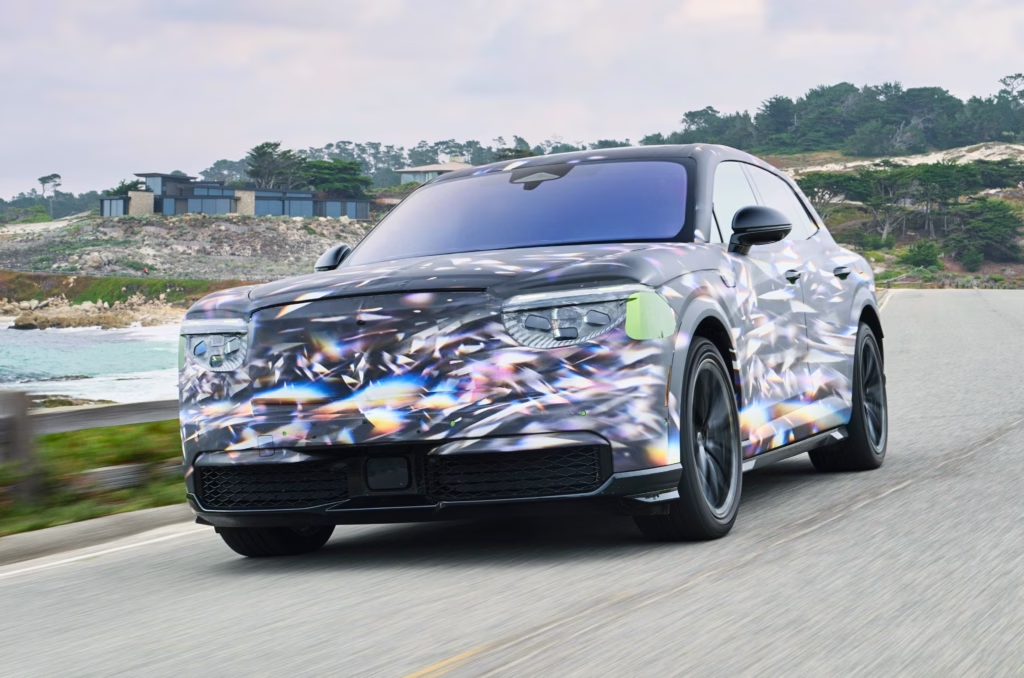
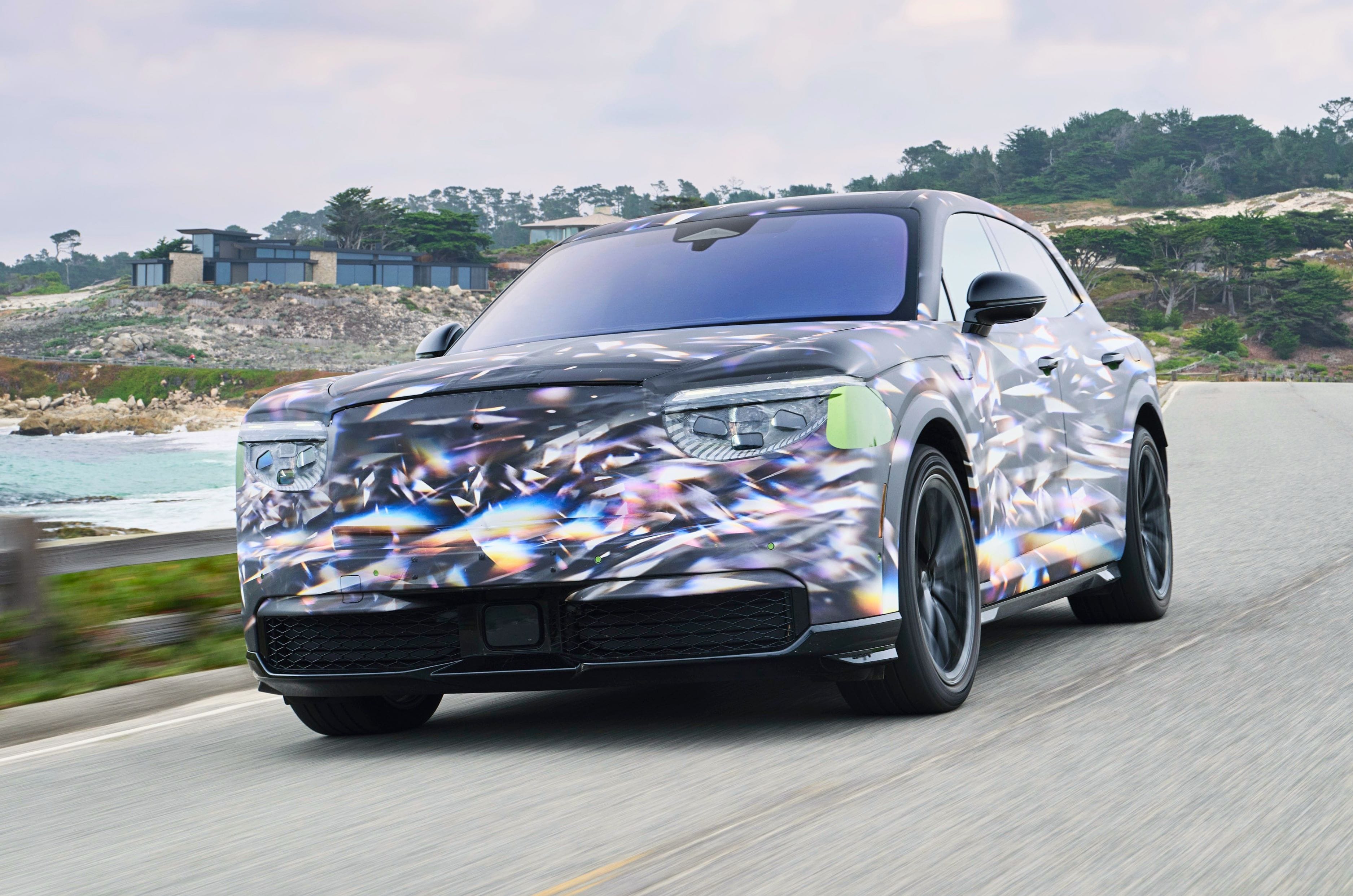
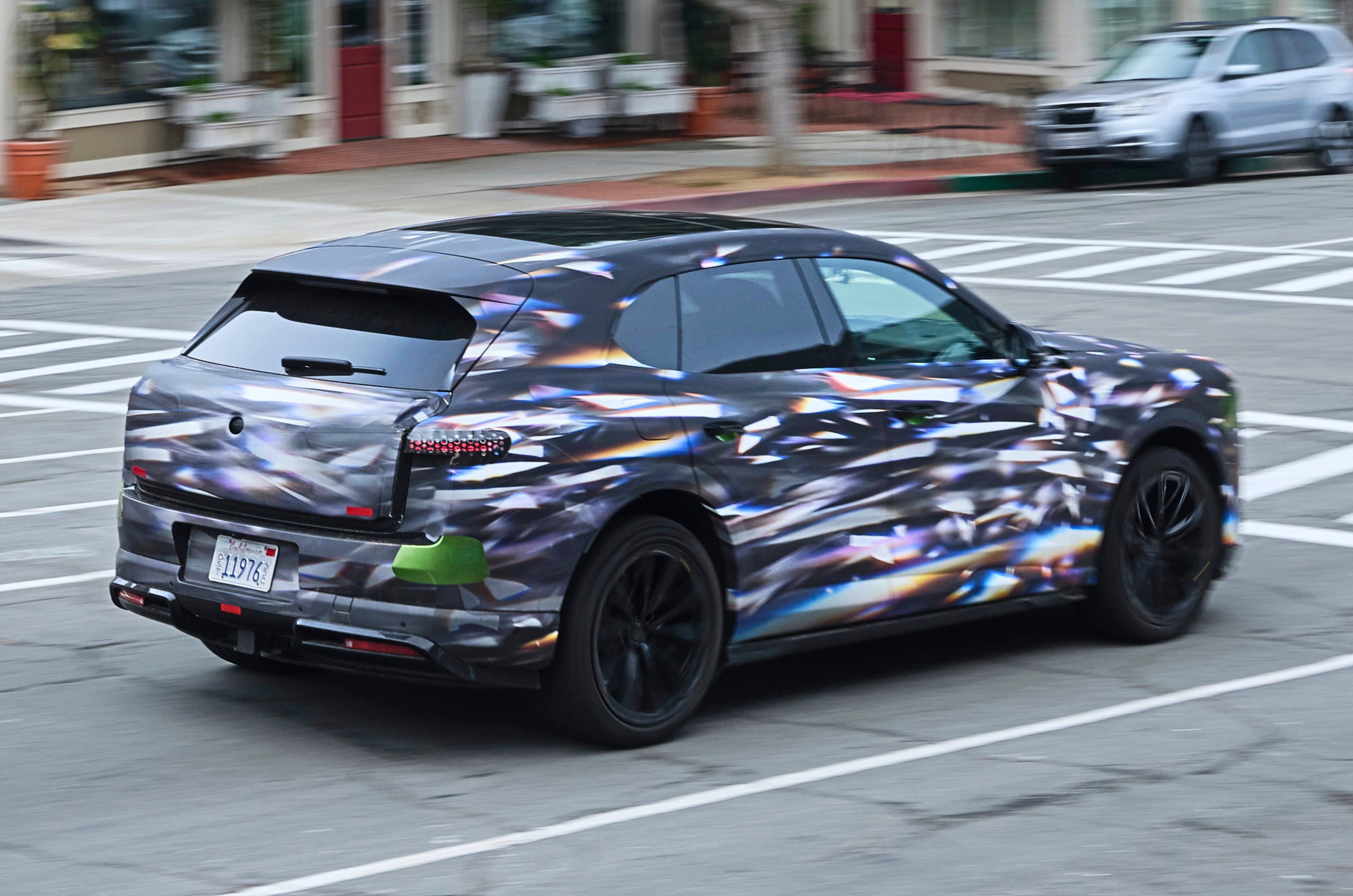
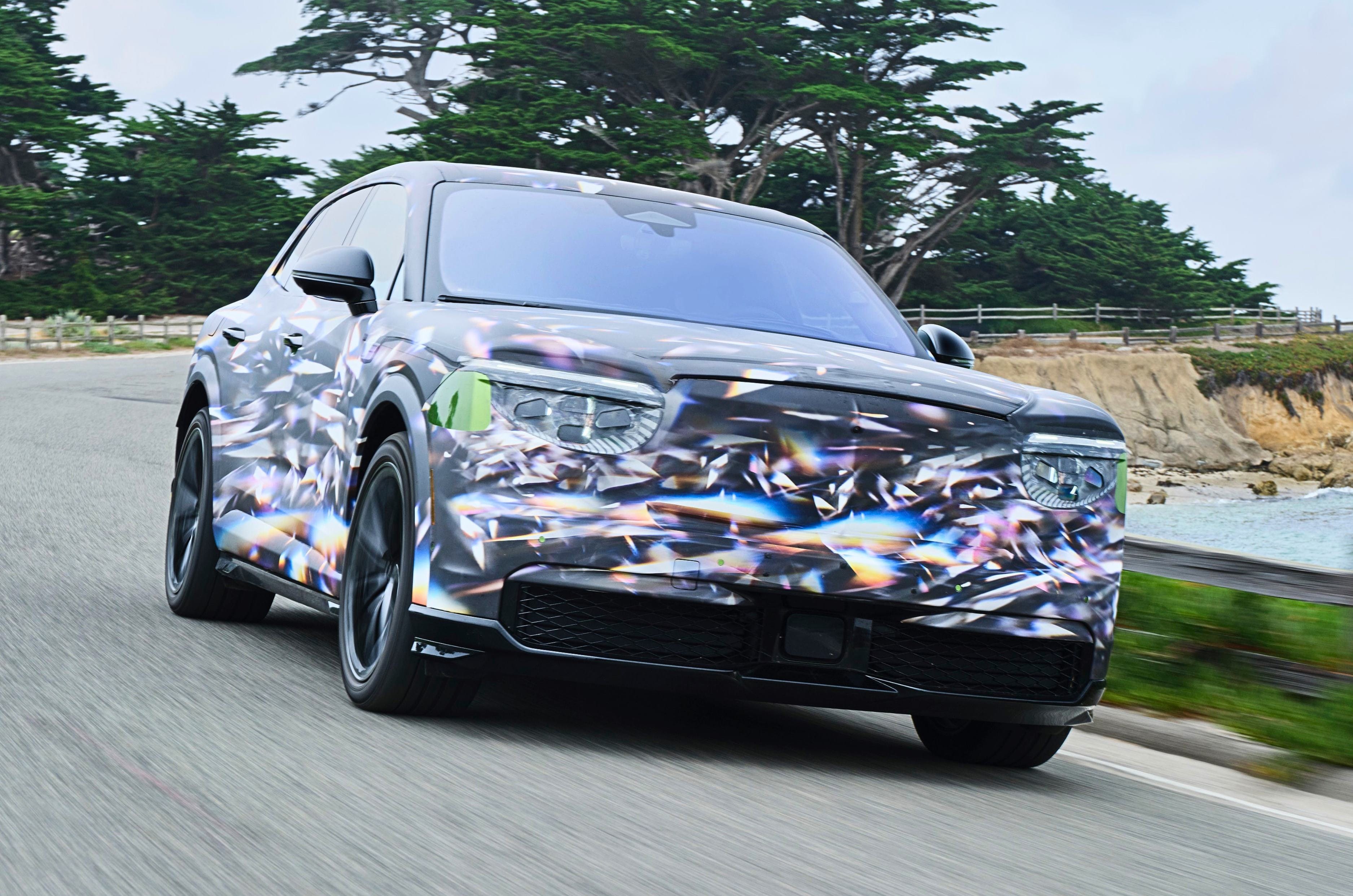
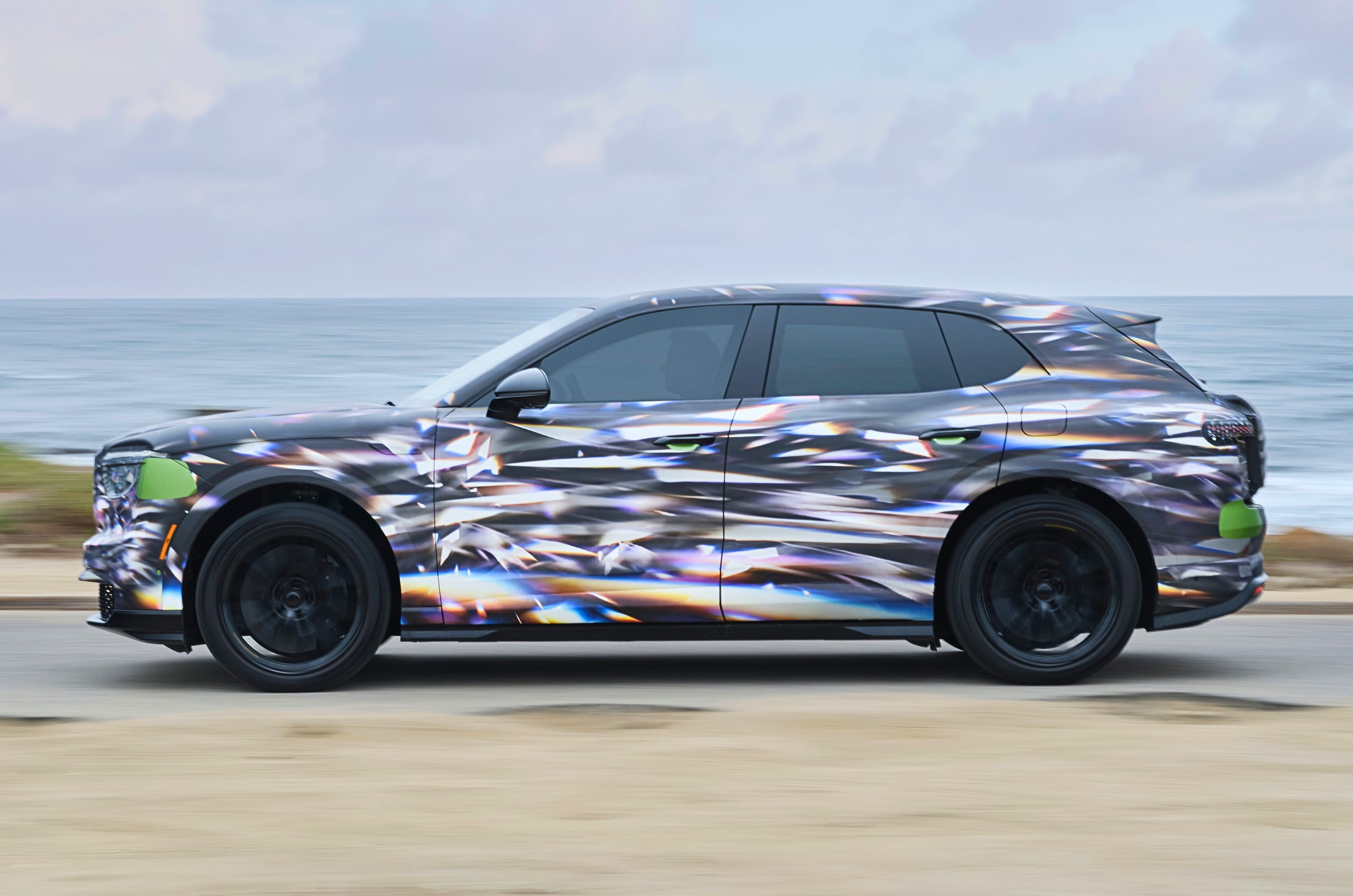
The Torcal prototype rolls silently into view at the driveway of our hotel in Monterey, California shrouded as it is in its crystalline camouflage – a motif we’ll revisit later. It hides the details well enough, but what’s clear is that this a tall and squared-off SUV, much like the Bentayga, and though aerodynamics will no doubt have been a consideration, that Bentley boldness is recognisable in its bluff front fascia. It’s actually a little smaller than a Bentayga, but the smaller front overhangs tell me they’re making good use of its wheelbase.
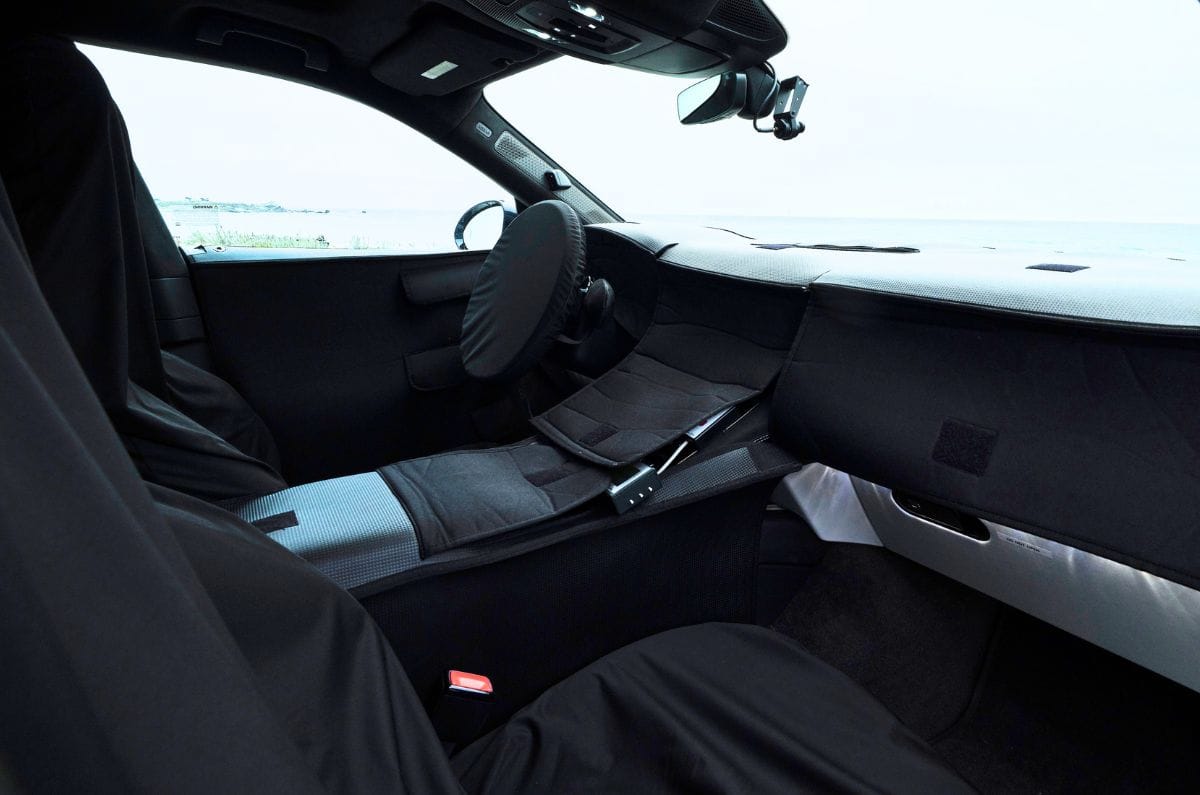
We’re ushered quickly into the cabin, which too is wrapped up from floor to headliner, and quickly given a brief before prying eyes can come in for a closer look. There’s stuff we’re told about that I can’t reveal today, but I’m hurriedly making notes all the same. But then Torcal product line director Martin Page presses the start button, and my brain does a somersault. “It’s… idling?” I mutter, as he cracks a smile from the driver’s seat.
Digital meets analogue
Yes, they’ve given the Torcal the sound of a V8, the most enduring engine layout the brand has used in its century of making cars. And while this is hardly the first EV to mimic an engine, there’s a mesmerising authenticity to it that I’ve never experienced from a synthetised setup before. I’d go as far as saying sounds better – more layered and full-bodied than the twin-turbo 4.0-litre you’ll find in the Continental range, and we’re still at a standstill. It’s uncanny.
As we move off, the sound swells, ebbs and flows with an almost flawed resonance that fills up the cabin. It’s not loud or overwhelming; but it’s ever present, though I’m told it can be switched off if not desired. I’m told the car is in ‘Bentley’ mode – the middle ground, as we know from existing models – and once on the move, the sound fades into the background.
The story behind the V8 sound is almost as fascinating as the sound itself. Any other brand would record one of its V8 engines, play the recording through the speakers and call it a day. But in keeping with Bentley’s history of doing things painstakingly by hand, they recorded the sound and got an orchestra to recreate it with live instruments. What I’m listening to is a mix of drums, viola and bass guitar – every beat and note fed into a machine and algorithmically meted back out in proportion with the torque demand. Moving up to Sport mode suitably increases the volume and even alters the pitch slightly, but what doesn’t change is the genuine feeling that somewhere up front, an old-school, hairy-chested V8 is thumping away to move us forward.
The crystal method
The over-engineering doesn’t stop there, however; Bentley’s handcrafted approach extends to the graphics of the Torcal – both physical and digital. The diamond motif has long been a part of the Bentley brand, and you’ll see it everywhere from its cars’ grille mesh patterns, to stitching, to upholstery quilting. Something catches my eye from under the sheet that covers the rear doors, which I carefully lift up to catch a sneak peek.
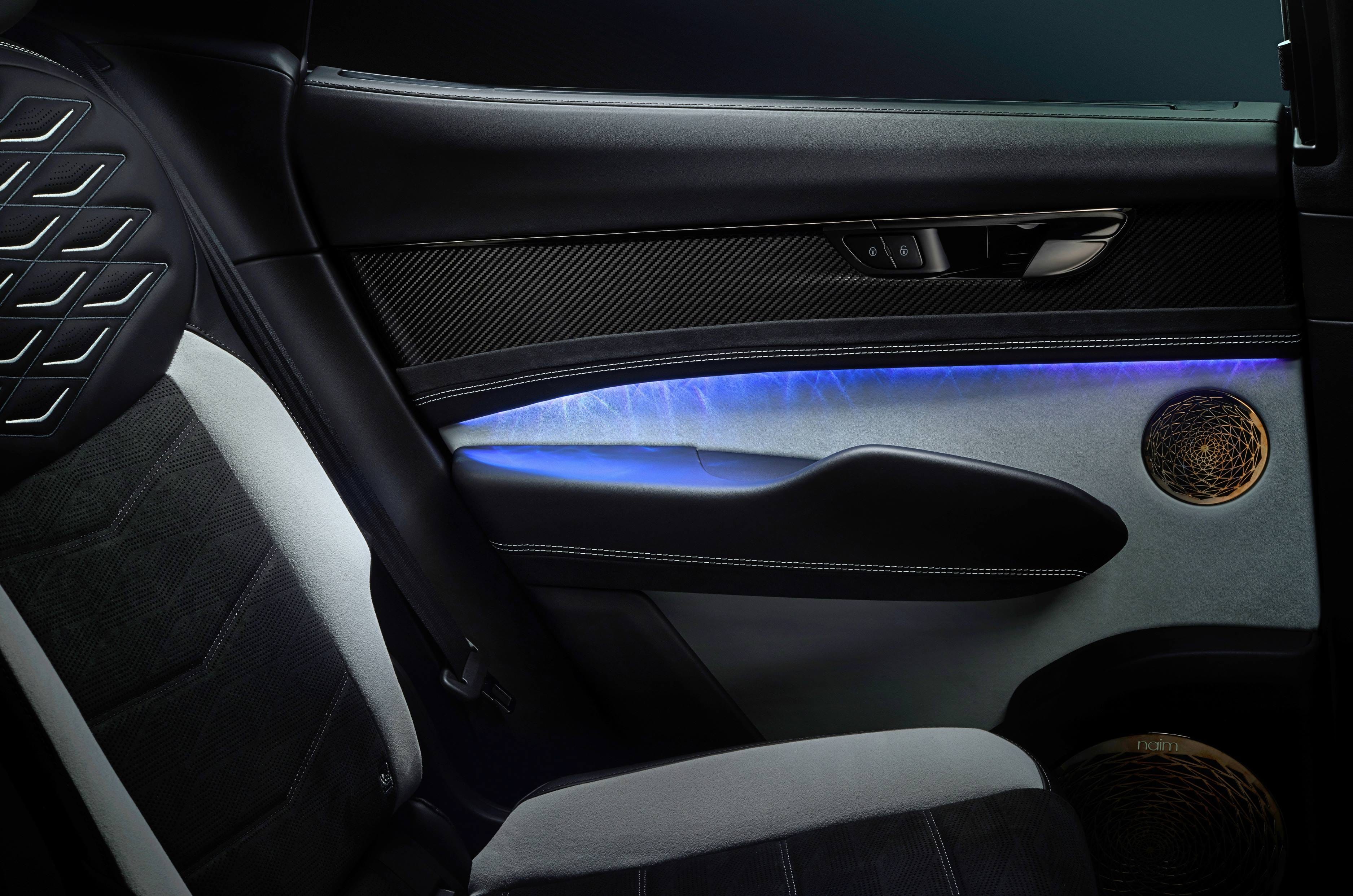
It’s ambient lighting, shimmering, moving as it cascades across a soft Merino wool door card. The idea was to simulate light flowing through crystal, and though it’s probably a simulated effect, it is incredibly convincing, and oddly relaxing to stare at. Curiously, it’s blue, and we’re in Sport mode, Bentley having chosen to buck the trend of equating ‘Sport’ with ‘red’.
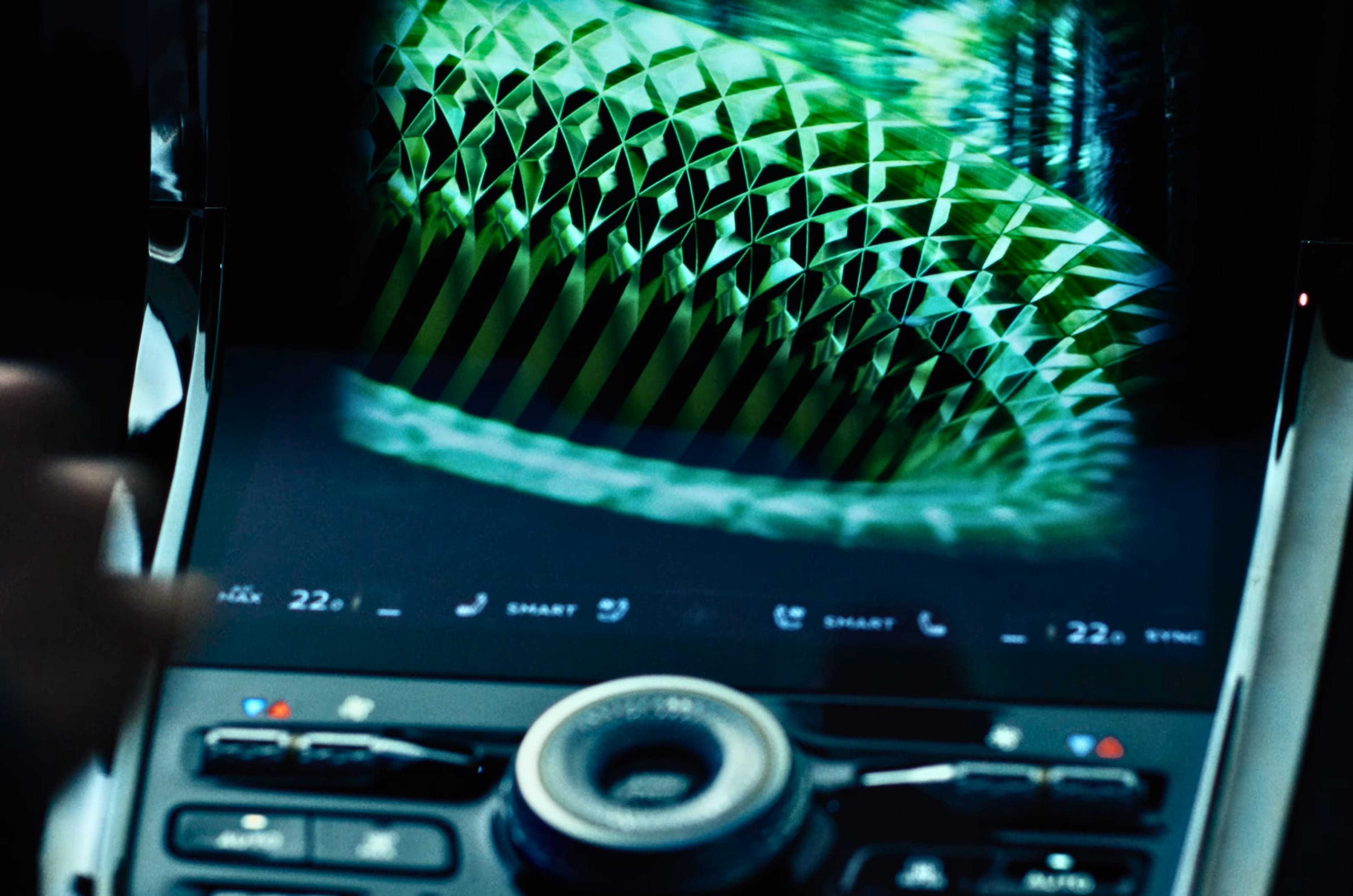
But as Martin cycles back and forth through the modes of the ‘Curation Engine’ – a luxurious way to say ‘drive mode selector’ – I notice something else. The graphics on the curved touchscreen – also with a crystalline theme – are slick and incredibly sharp, in a way I haven’t seen in any Bentley before. Credit to the new-gen PPE (Premium Platform Electric) and its E&E architecture the Torcal shares with the electric Cayenne, I suppose.
I then glance at the digital speedo, which shows a digital number encased in a ring of crystal, which again hides a fascinating story. This seemingly innocuous graphical element is not the result of Adobe After Effects or, god forbid, generative AI. Bentley commissioned Cumbria Crystal to make a cut crystal tube and then shone light through it from various angles. This was filmed and then programmed to play back in sync with the car’s speed, so what you’re seeing is high-res footage of real light passing through real glass, moving in a circle as the car goes faster. But what is luxury, if not unnecessary excess?
Effortless heft
My mind circles back to my conversation from the previous evening, however, as we approach the Freeway. Bentley hasn’t revealed power and torque figures yet, describing them only as ‘ample’, and that’s clear as we break off the on-ramp and merge into the swarm of American commuters hurrying to work. The seat-of-the-pants sensation is one of power that feels effortless, if not hurried, if that makes sense, which is in line with any of the V8 hybrid cars Bentley also sells.
Bentley also hasn’t revealed the kerb weight figure, but going by other EVs of this size and nature, my guess puts it well past 2.5 tonnes and closer to 2.7 or 2.8. Not that you can tell from inside, where there’s a composure that feels truest to the contemporary range of Bentley models. The Torcal uses two-chamber air suspension, adaptive dampers and active anti-roll bars to control its immense mass, and I suspect a bit of magic too, because here too, they’ve managed to find a balance. I noticed the prototype was riding on 22-inch wheels with supercar-like 315-section rear tyres, and road noise is kept incredibly well in check.
The ride is hefty but not harsh like some sports SUVs, comfortable but not floaty like some outright luxury SUVs. It stays steady on the Freeway, and as we get back to the narrower roads that snake around Pebble Beach, it stomps out imperfections with authority. As Martin takes the opportunity to lean it into some curvier bits of road, I sense a bit of give and roll, but not too much. I’m told they could have erased it entirely, but that would feel too unnatural.
And that sums up the Torcal nicely. It feels ‘natural’, and even from this short passenger ride, a great exercise in manufacturing analogue authenticity from what is a very digital set of tools. When advancing beyond the realm of mundane transportation and into more desirable applications – luxury, or performance, for instance, of which Bentleys have to do both – an EV has to be more convincing. So far, ballistic numbers have been that route for most, but there is an increasing effort to build tangible character into these cars that must be applauded. The Torcal feels like one of the best examples of this yet, and though far from the finished product, it’s a promising sign that Bentley is on the right track with its first EV.
Nvidia Q2 Result and IT Stocks: दुनिया की सबसे बड़ी चिप कंपनियों में शुमार एनविडिया के धमाकेदार तिमाही नतीजों ने ग्लोबल एआई ट्रेड को एक और मजबूती दी है। यह ऐसे समय में आया है जब निवेशक सवाल उठाने लगे थे कि एआई शेयरों की तेज रफ्तार आगे भी जारी रह पाएगी या नहीं। चिप कंपनी एनवीडिया ने रेवेन्यू, कमाई और गाइडेंस को लेकर बाजार के अनुमान को पछाड़ दिया। वहीं कंपनी का डेटा-सेंटर बिजनेस भी शानदार स्पीड से बढ़ता रहा। इससे एशियाई बाजारों में सेंटीमेंट मजबूत हुआ और शुरुआती कारोबार में MSCI का एशिया पैसेफिक इंडेक्स और दक्षिण कोरिया का टेक-हैवी इंडेक्स कोस्पी उछल पड़ा। हालांकि निवेशकों के लिए बड़ा सवाल ये है कि एआई पर खर्च और कमाई में बढ़ोतरी की रफ्तार इतनी मजबूत है या नहीं कि पूरे एआई इकोसिस्टम में मौजूदा ऊंचे वैल्यूएशन को सही ठहरा सके।
Nvidia ने दूर की AI की मांग से जुड़ी चिंता
एनविडिया के लिए इस वित्त वर्ष 2027 की दूसरी तिमाही यानी 26 जुलाई को समाप्त होने वाली तिमाही में इसका रेवेन्यू सालाना आधार पर दोगुने से अधिक बढ़कर $9622 करोड़ पर पहुंच गया जोकि एनालिस्ट्स के $9217 करोड़ के अनुमान से अधिक रहा। कंपनी का EPS भी $2.10 के अनुमान की तुलना में $2.22 पर रहा। सबसे मजबूत परफॉरमेंस तो कंपनी के डेटा-सेंटर बिजनेस का रहा, जिसका रेवेन्यू सालाना आधार पर 117% बढ़कर $8900 करोड़ हो गया, जबकि अनुमान $8633 करोड़ का था।
अब आगे की बात करें तो करीब 2% के कम या ज्यादा के साथ इस तिमाही में कंपनी को करीब $10.8 करोड़ के रेवेन्यू की उम्मीद है। साथ ही कंपनी ने अगले वित्त वर्ष 2028 में लगभग 70% रेवेन्यू ग्रोथ की उम्मीद जताई है। इससे AI इंफ्रास्ट्रक्चर पर लगातार मजबूत खर्च की उम्मीद बनी हुई है।
रेमंड जेम्स इंवेस्टमेंट के चीफ मार्केट स्ट्रैटेजिस्ट मैट ओर्टोन (Matt Orton) के मुताबिक इन आंकड़ों से AI ट्रेड के बने रहने के संकेत मिल रहे हैं। उनका कहना है कि इससे चिप की मजबूत कंज्यूमर डिमांड, एआई को तेजी से अपनाने और पूरी सप्लाई चेन में लगातार बढ़ते ऑर्डर बैकलॉग का संकेत मिल रहा है। यह उन चिप कंपनियों के लिए पॉजिटिव है, जिनके शेयरों में हाल में तेज गिरावट आई थी।
लेकिन बनी हुई है वैल्यूएशन की चिंता
धमाकेदार कारोबार नतीजे से एआई की मांग को लेकर कुछ चिंता जरूर कम हुई है लेकिन हाई वैल्यूएशन को लेकर चिंता अभी खत्म नहीं हुई है। मार्केट एक्सपर्ट अजय बग्गा का कहना है कि एनविडिया के ऐसे नतीजे एक-दो साल पहले आते शेयर रॉकेट बन जाते लेकिन इस बार मार्केट का रिस्पांस सीमित रहा। नतीजे के बाद इसके शेयरों में हल्की तेजी आई। हालांकि बाद में कंपनी के सीईओ जेनसेन हुआंग (Jensen Huang) के आउटलुक और एक नए AWS सौदे के बाद शेयर तेजी से ऊपर चढ़े।
अजय का कहना है कि अब निवेशकों का सवाल बदला है और अब वे एआई के डिमांड की बजाय यह पूछ रहे हैं कि AI शेयरों की कीमतों में पहले से कितनी ग्रोथ शामिल हो चुकी है। ट्रे़डिंगडॉटकॉम के सीईओ Peter McGuire का भी कहना है कि कंपनी पिछले दो वर्षों से लगातार कमाई के अनुमान को पीछे छोड़ रही है, लेकिन साल 2024 के आखिरी से शेयर पर इसका असर पहले जैसा मजबूत नहीं दिख रहा। हालांकि पीटर के मुताबिक 2023-24 के AI तेजी की तुलना में वैल्यूएशन अब थोड़े नीचे आए हैं।
AI Stocks और Indian IT Stocks के लिए क्या है मतलब
एनविडिया के नतीजे ऐसे समय आए हैं जब कई वैश्विक चिप कंपनियों के शेयर हाल ही में धड़ाम हो गए थे। अमेरिका में माइक्रोन टेक (Micron Tech) और सैनडिस्क (SanDisk) जैसी चिप कंपनियों के शेयर दो महीनों में करीब 28% तक टूट चुके हैं तो दक्षिण कोरिया की सैमसंग इलेक्ट्रॉनिक्स (Samsung Electronics) और एसके हीनिक्स में भी लगभग 25-30% की गिरावट आई। एलारा की एक रिपोर्ट के मुताबिक ताइवान-फोकस्ड फंड से इस साल पहली बार लगातार दो हफ्तों तक पैसा निकला। वहीं दक्षिण कोरिया से $75.8 करोड़ की निकासी हुई, जो तीन महीनों में सबसे अधिक रही। ऐसे में एनविडिया के धमाकेदार नतीजे काफी अहम हैं और संकेत मिल रहा कि चिप स्टॉक्स की कमजोरी एआई की मांग कम होने का संकेत नहीं है।
भारतीय आईटी कंपनियों पर असर की बात करें तो इसका रुझान मिला-जुला है। चिप स्टॉक्स की गिरावट से भारतीय आईटी स्टॉक्स को फायदा मिला क्योंकि वैश्विक निवेशक महंगे हार्डवेयर शेयरों का विकल्प खोज रहे थे। एक तरफ चिप स्टॉक्स में तेज गिरावट आई तो दो महीने में निफ्टी आईटी करीब 20% चढ़ गया। इसे बेहतर वैल्यूएशन और मजबूत घरेलू लिक्विडिटी से भी सपोर्ट मिला। अब आगे की बात करें तो मार्केट एक्सपर्ट सुनील सुब्रमणियन के मुताबिक एनविडिया के धमाकेदार नतीजे से भारतीय आईटी स्टॉक्स को झटका लग सकता है क्योंकि एक बार फिर चिप कंपनियो में निवेश बढ़ सकता है।
डिस्क्लेमर: मनीकंट्रोल.कॉम पर दिए गए सलाह या विचार एक्सपर्ट/ब्रोकरेज फर्म के अपने निजी विचार होते हैं। वेबसाइट या मैनेजमेंट इसके लिए उत्तरदायी नहीं है। यूजर्स को मनीकंट्रोल की सलाह है कि कोई भी निवेश निर्णय लेने से पहले हमेशा सर्टिफाइड एक्सपर्ट की सलाह लें।
NEET PG 2026 Admit Card: नीट पीजी 2026 के लिए पंजीकृत उम्मीदवार अपने एडमिट कार्ड का इंतजार कर रहे थे। इन छात्रों का इंतजार खत्म करते हुए नेशनल बोर्ड ऑफ एग्जामिनेशन इन मेडिकल साइंसेज (NBEMS) ने नेशनल एलिजिबिलिटी-कम-एंट्रेंस टेस्ट फॉर पोस्टग्रेजुएट (NEET PG) 2026 का एडमिट कार्ड जारी कर दिया है। पंजीकृत उम्मीदवार अपनी यूजर आईडी और पासवर्ड का इस्तेमाल करके आधिकारिक वेबसाइट nbe.edu.in से नीट पीजी परीक्षा का हॉल टिकट डाउनलोड कर सकते हैं।
नीट पीजी 2026, एमडी, एमएस और पोस्टग्रेजुएट डिप्लोमा प्रोग्राम में एडमिशन के लिए होता है। नीट पीजी 2026 परीक्षा 30 अगस्त को एक ही शिफ्ट में सुबह 9 बजे से दोपहर 12:30 बजे तक होगा। एडमिट कार्ड में कैंडिडेट की जरूरी डिटेल्स होंगी, जैसे उनका नाम, रोल नंबर, एप्लीकेशन नंबर, जन्म तिथि, फोटो, एग्जाम की तारीख और समय, रिपोर्टिंग टाइम, एग्जाम सेंटर की डिटेल्स और एग्जाम के दिन की गाइडलाइंस।
पोस्टग्रेजुएट मेडिकल एंट्रेंस एग्जाम कंप्यूटर-बेस्ड टेस्ट (CBT) मोड में होगा। नीट पीजी 2026 प्रश्न पत्र में 180 मल्टीपल-चॉइस सवाल (MCQs) होंगे। यह परीक्षा 3 घंटे 30 मिनट की होगी। क्वेश्चन पेपर में एमबीबीएस करिकुलम के विषय होंगे।
नीट पीजी 2026: मार्किंग स्कीम
उम्मीदवारों को हर सही जवाब के लिए चार मार्क्स दिए जाएंगे, जबकि हर गलत जवाब के लिए एक मार्क्स काटा जाएगा। बिना जवाब वाले सवालों के लिए कोई मार्क्स नहीं दिए जाएंगे या काटे नहीं जाएंगे।
नीट पीजी 2026: एडमिट कार्ड डाउनलोड करने के स्टेप्स
कैंडिडेट्स नीचे दिए गए स्टेप्स की मदद से नीट पीजी 2026 एडमिट कार्ड डाउनलोड कर सकते हैं:
ऑफिशियल वेबसाइट natboard.edu.in पर जाएं।
होमपेज पर, नीट पीजी एग्जामिनेशन सेक्शन चुनें।
नीट पीजी एडमिट कार्ड लिंक पर क्लिक करें। एक नई विंडो खुलेगी।
अपनी यूजर आईडी और पासवर्ड के साथ अपनी लॉगिन डिटेल्स डालें और सबमिट करें।
नीट पीजी परीक्षा हॉल टिकट स्क्रीन पर दिखाई देगा।
सभी डिटेल्स वेरिफाई करें और एडमिट कार्ड डाउनलोड करें।
कैंडिडेट्स को परीक्षा केंद्र पर नीट पीजी 2026 एडमिट कार्ड की एक प्रिंटेड कॉपी, एक वैध मूल फोटो पहचान पत्र साथ ले जाना होगा।
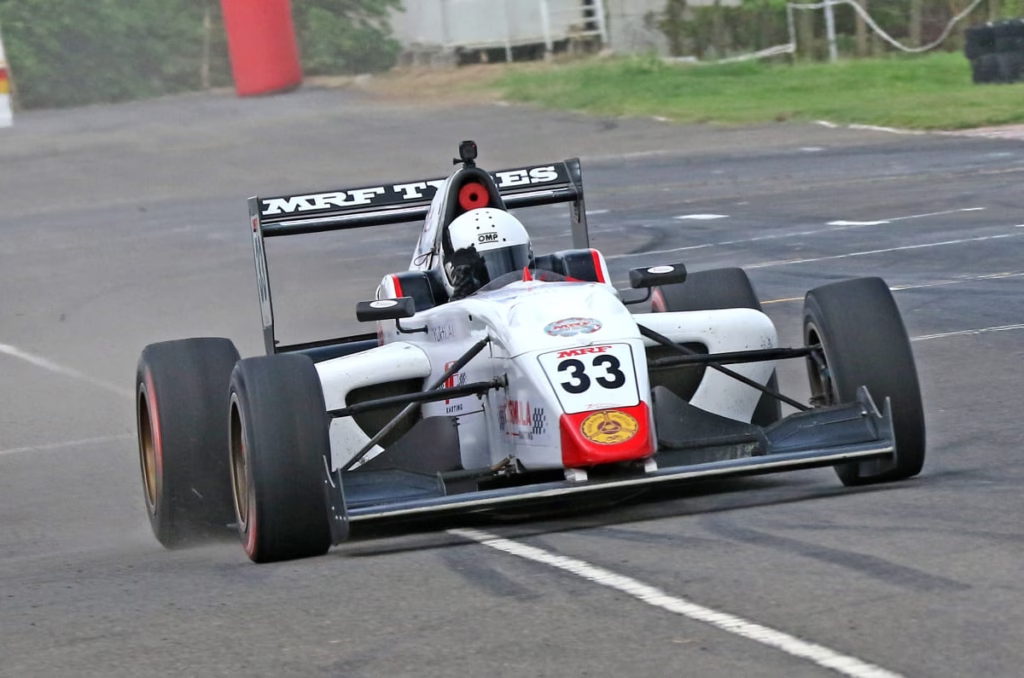
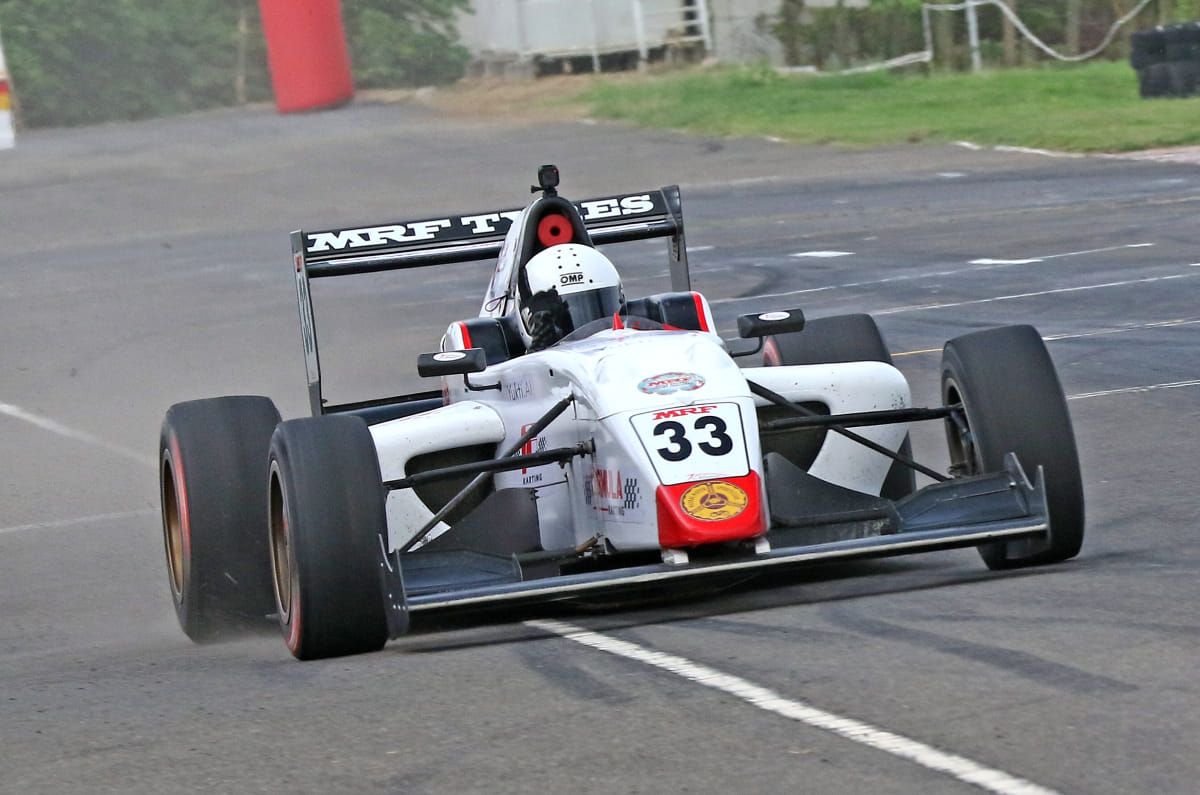
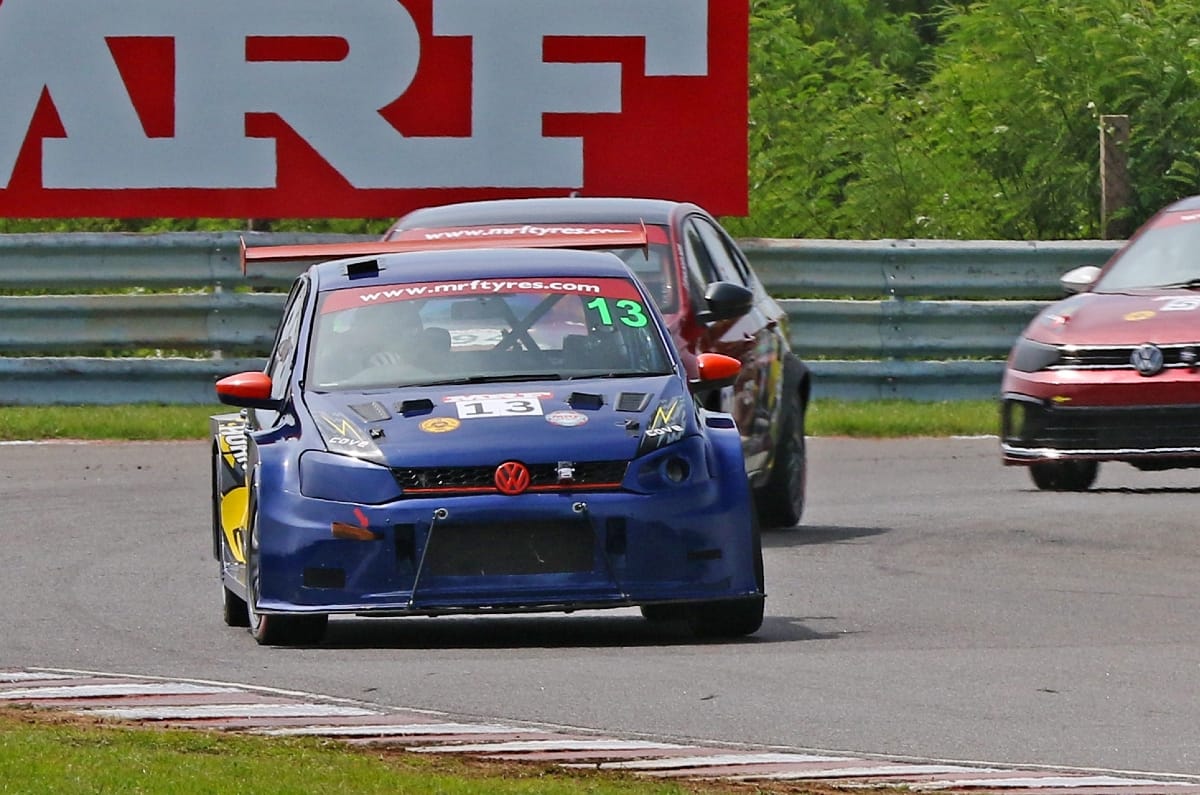
The 2026 MRF Indian National Racing Challenge 4W kicked off with Round 1 held at the Madras International Circuit. This year’s championship attracted a total of 56 entries across multiple classes.
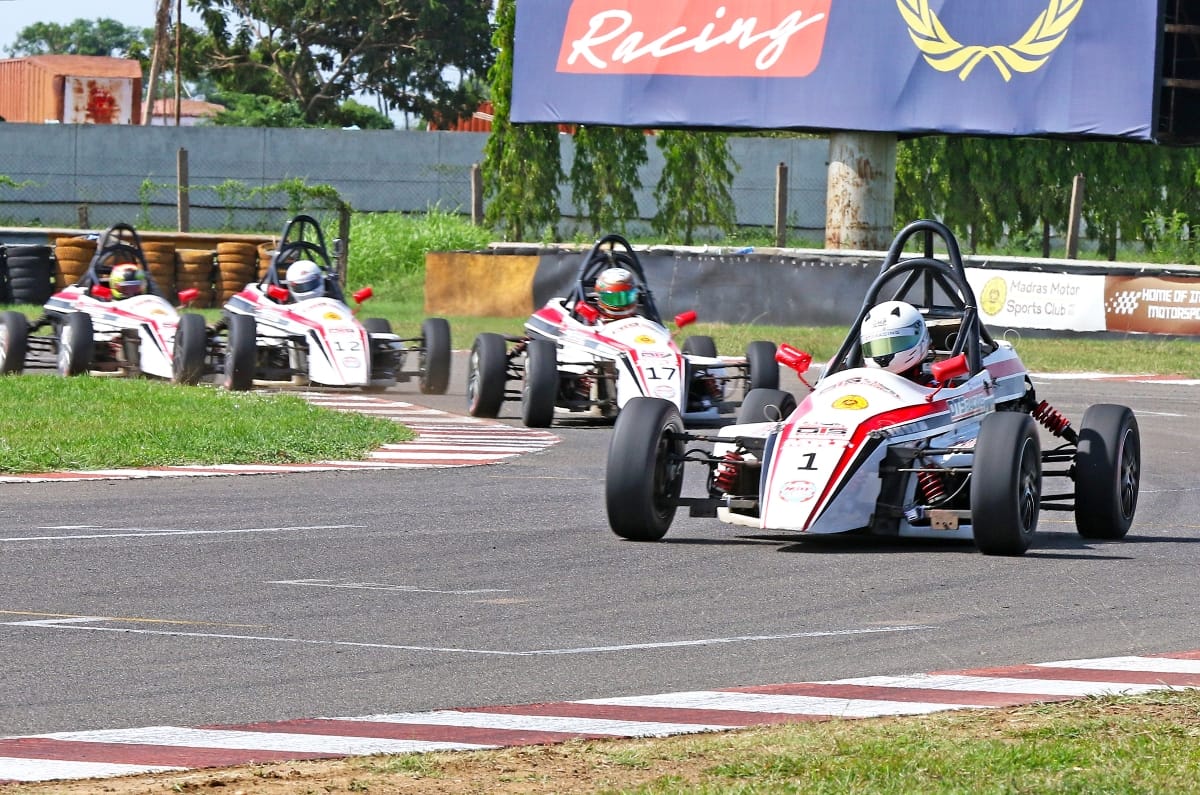
Teenagers Saishiva Sankaran and Bhuvan Bonu emerged as the star performers in the MRF Formula 2000 and Formula 1600 classes. But the opening round also saw seasoned racers like Ritesh Rai, Diljith TS and Pratik Sonawane highlighting their experience with emphatic wins.
MRF Formula 2000
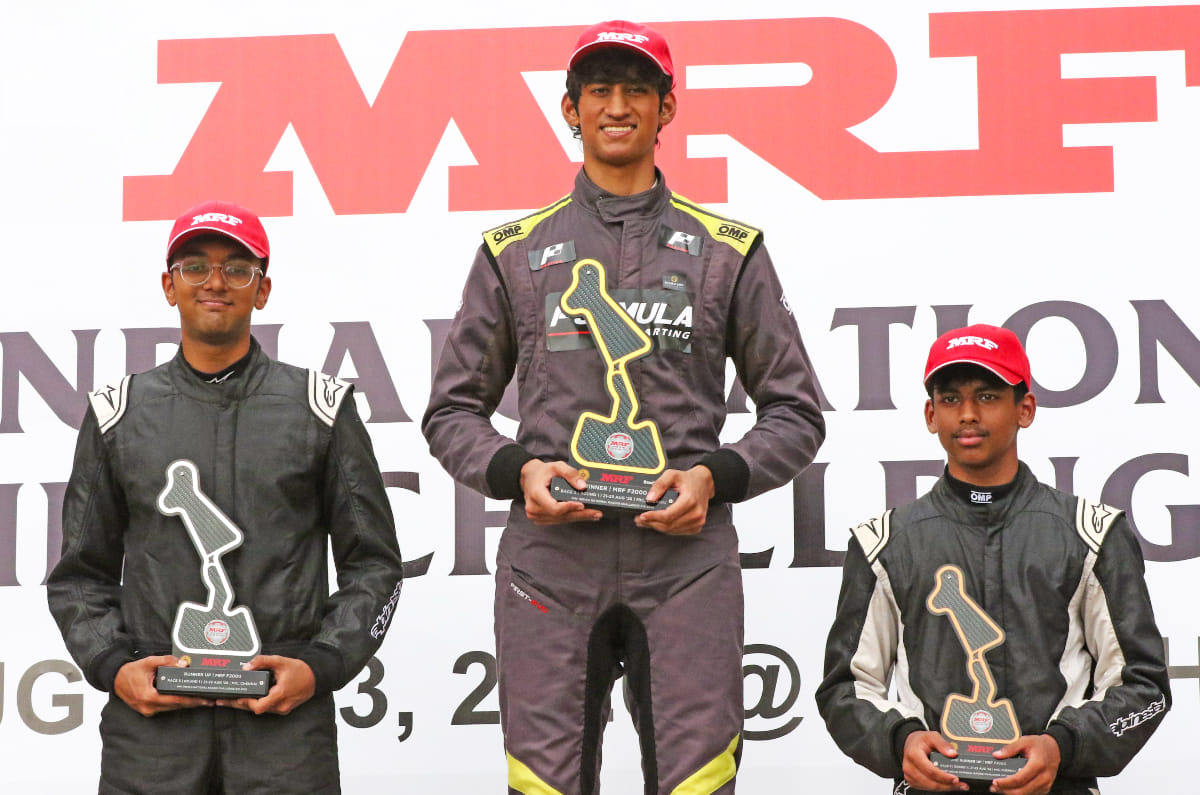
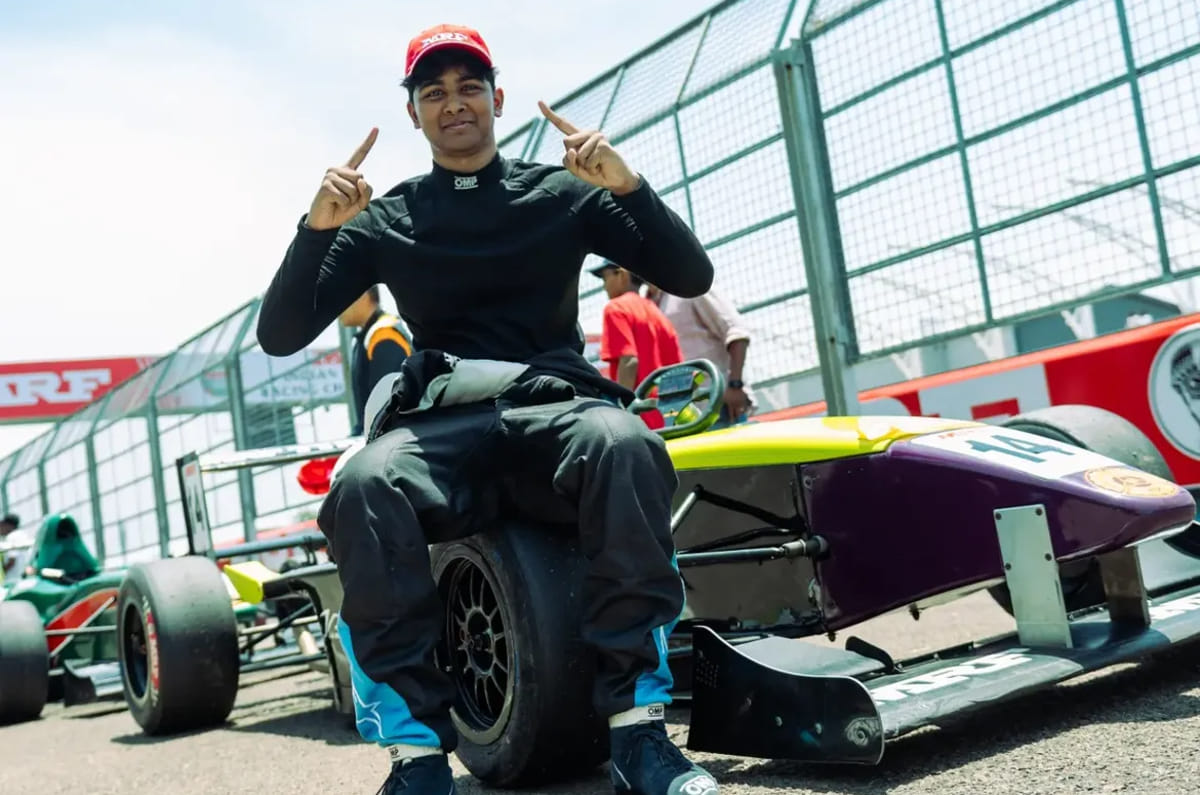
After winning the 2025 Formula 1600 title, Sankaran moves up to the Formula 2000 category this year. Despite suffering poor starts, the 18-year-old gained ground and defeated Aditya Patnaik to take victory in all three races.
MRF Formula 2000 Race 1
1. Saishiva Sankaran – 14mins 47.457sec
2. Aditya Patnaik – 14mins 48.121sec
3. Swarnav Das – 14mins 53.134sec
MRF Formula 2000 Race 2
1. Saishiva Sankaran – 20mins 11.403sec
2. Aditya Patnaik – 20mins 13.709sec
3. Krishay Gutte – 20mins 15.857sec
MRF Formula 2000 Race 3
1. Saishiva Sankaran – 16mins 22.565sec
2. Aditya Patnaik – 16mins 27.649sec
3. Swarnav Das – 16mins 33.095sec
MRF Formula 1600
Gyan S won the first Formula 1600 race after Bonu suffered a drop in power in the closing laps. But Bonu bounced back the next day, with the 16-year-old surviving some tough moments to win the remaining two races.
MRF Formula 1600 Race 1
1. Gyan S – 16mins 28.952sec
2. Priyanka Vijay – 14mins 52.355sec + 1 lap
3. Bhuvan Bonu – 14mins 59.959sec + 1 lap
MRF Formula 1600 Race 2 (only two finishers)
1. Bhuvan Bonu – 21mins 19.141sec
2. Evan Shrawan – 21mins 47.811sec
MRF Formula 1600 Race 3
1. Bhuvan Bonu – 18mins 10.216
2. Gyan Satish – 16mins 22.952sec + 1 lap
3. Shivansh Bejoy – 16mins 34.435sec + 1 lap
Indian Super Touring Cars
Former Indian National Champion Arjun Narendran returns to active racing after several years away. He qualified in pole position for the first Indian Super Touring Cars race, but spun out of the lead. To further add to his woes, he was unable to start Race 2 as the necessary repairs to his car could not be completed in time.
With his key rival out of the running, Ritesh Rai ended up taking victory in both the races.
Indian Super Touring Cars Race 1
1. Ritesh Rai (Buzzing Hornet Motorsports) – 19mins 01.310sec
2. Aman Nagdev (Buzzing Hornet Motorsports) – 19mins 15.179sec
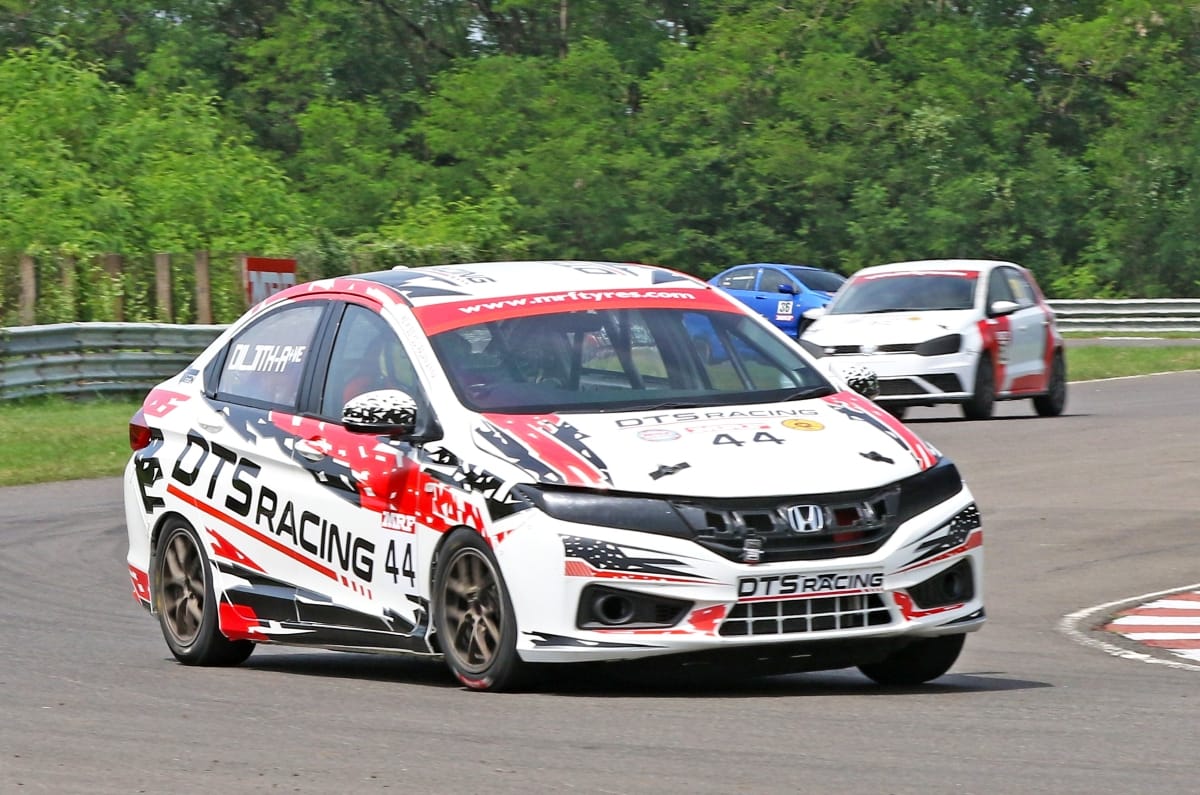
Diljith TS led a clean sweep for DTS Racing in the Super Stock Class. Deepa S John, the only female racer in the class, also finished on the podium in both races.
Super Stock Race 1
1. Diljith TS (DTS Racing) – 20mins 58.700sec
2. Deepa S John (DTS Racing) – 19mins 02.465sec + 1 lap
3. Deepa S John (DTS Racing) – 19mins 21.307sec + 1 lap
Polo Cup
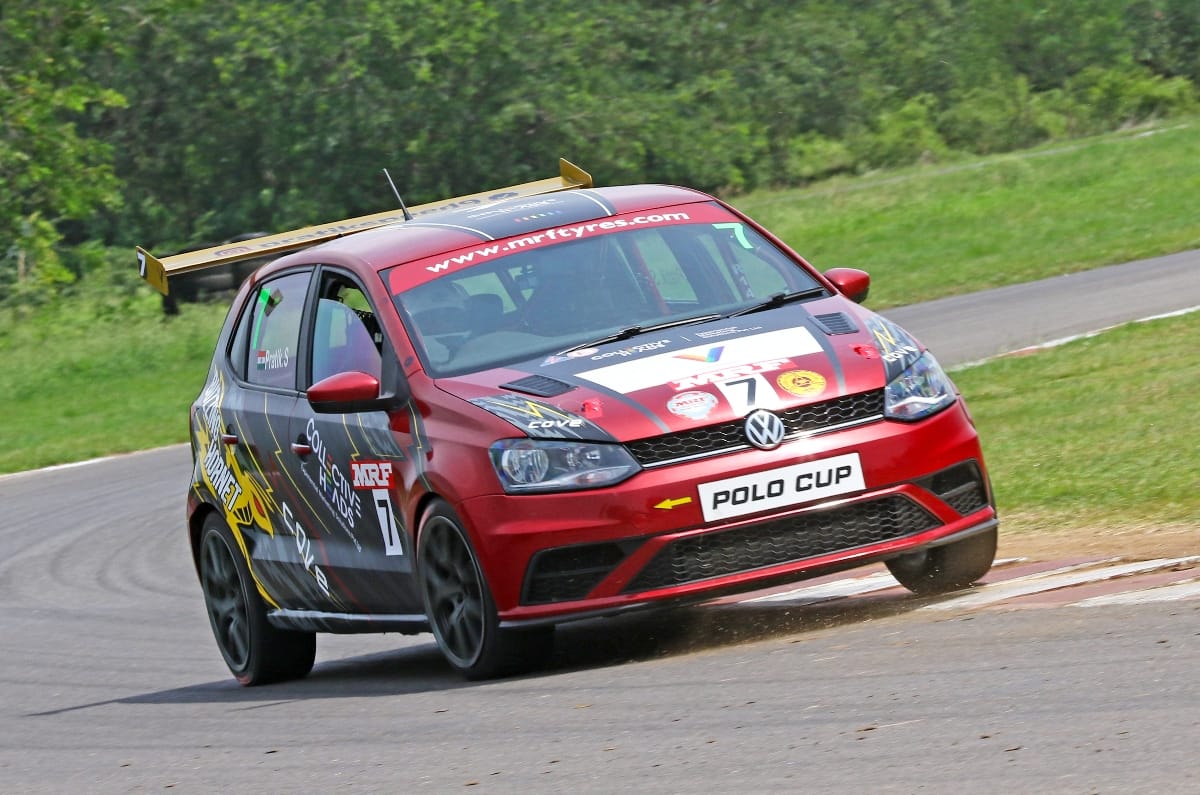
Former Polo Cup and Ameo Cup champion Pratik Sonawane fought off rookie Neel Shah to win both races in this class. Hitarth Bhatt and Balaji Raju also enjoyed strong Polo Cup debuts, with each driver scoring a P3 result.
Polo Cup Race 1
1. Pratik Sonawane – 19mins 38.049sec
2. Neel Shah – 19mins 40.454sec
3. Hitarth Bhatt – 19mins 43.247sec
Polo Cup Race 2
1. Pratik Sonawane – 19mins 39.604sec
2. Neel Shah – 19mins 55.514sec
3. Balaji Raju – 20mins 00.495sec
Formula LGB 1300
Viswas Vijayaraj also took a clean sweep, this time in the Formula LGB 1300 class. This included the reverse grid Race 2, where he started from P8 on the grid, but made it to the front of the pack by the end of the first lap. Over in the Junior category, Sri Lankan racer Kaveen Diyyan Rajapaksa enjoyed a fruitful round, winning all three races.
GATE 2027 Registration: इंडियन इंस्टीट्यूट ऑफ टेक्नोलॉजी, मद्रास (IITM) इस हफ्ते ग्रेजुएट एप्टीट्यूड टेस्ट इन इंजीनियरिंग (GATE) 2027 के लिए ऑनलाइन पंजीकरण प्रक्रिया शुरू करेगा। इस महीने की शुरुआत में आईआईटी मद्रास द्वारा शेयर किए गए संशोधित कार्यक्रम के अनुसार, ऑनलाइन रजिस्ट्रेशन प्रक्रिया 27 अगस्त, 2026 (गुरुवार) से शुरू होगी। इस प्रक्रिया के शुरू होने के बाद उम्मीदवारों को आधिकारिक गेट 2027 वेबसाइट, यानी gate2027.iitm.ac.in पर अपना ऑनलाइन फॉर्म भरना होगा।
इस बार, भारतीय नागरिकता वाले सभी इच्छुक उम्मीदवारों को डिजीलॉकर पर भी रजिस्टर करना होगा। गेट 2027 में शामिल होने के इच्छुक किसी उम्मीदवार के पास अगर अभी तक डिजीलॉकर पर वेरिफाइड अकाउंट नहीं है तो उन्हें 27 अगस्त तक ऐसा कर लेना चाहिए। उम्मीदवार यह भी ध्यान दें कि गेट ऑनलाइन एप्लिकेशन प्रोसेसिंग सिस्टम्स (GOAPS) पोर्टल के जरिए गेट 2027 के लिए आवेदन करते समय उनका नाम डिजीलॉकर से वेरिफाई किया जाएगा। अगर उनके नाम में कोई गलती है, तो कैंडिडेट गेट 2027 के लिए आवेदन करने से पहले डिजीलॉकर पर उसे ठीक कर सकेंगे। नहीं तो, करेक्शन विंडो के दौरान, लागू नियमों के अनुसार इसे बदला जा सकता है।
गेट 2027 के लिए रिवाइज्ड शेड्यूल देखें
गेट ऑनलाइन एप्लीकेशन प्रोसेसिंग सिस्टम (GOAPS) शुरू होने की तारीख : 14 अगस्त, 2026
नियमित ऑनलाइन रजिस्ट्रेशन की आखिरी तारीख (बिना लेट फीस के): 27 अगस्त, 2026
बढ़ी हुई ऑनलाइन पंजीकरण की आखिरी तारीख (लेट फीस के साथ): 21 सितंबर, 2026
गेट 2027 आवेदन में सुधार करने की शुरुआती तारीख : 27 सितंबर, 2026
गेट 2027 आवेदन में सुधार करने की आखिरी तारीख : 30 सितंबर, 2026
शैक्षिक योग्यता : इंजीनियरिंग, टेक्नोलॉजी, आर्किटेक्चर, साइंस, कॉमर्स, आर्ट्स या ह्यूमैनिटीज में किसी भी सरकारी-मंज़ूर अंडरग्रेजुएट प्रोग्राम के तीसरे साल या उससे ऊपर पढ़ रहे स्टूडेंट्स एलिजिबल हैं।
डिप्लोमा के जरिए बीई में प्रवेश लेने वाले छात्र : डिप्लोमा के बाद दूसरे साल में प्रवेश लेने वाले बीई के तीसरे साल या उससे ऊपर पढ़ रहे छात्र भी योग्य हैं।
उम्र सीमा : गेट 2027 के लिए अप्लाई करने की कोई उम्र सीमा नहीं है।
प्रयास की संख्या : कोई कैंडिडेट कितनी बार गेट के लिए आवेदन कर सकता है, इस पर कोई रोक नहीं है।
पेपर का चुनाव : कैंडिडेट बताए गए कॉम्बिनेशन में से ज्यादा से ज्यादा दो गेट 2027 पेपर चुन सकते हैं। हालांकि, उम्मीदवारों को सलाह दी जाती है कि वे अपनी क्वालिफाइंग डिग्री के विषय के हिसाब से सही पेपर चुनें।
गेट 2027 इंजीनियरिंग, टेक्नोलॉजी, साइंस, कॉमर्स, आर्ट्स, आर्किटेक्चर और ह्यूमैनिटीज में अंडरग्रेजुएट लेवल के विषयों के बारे में उम्मीदवारों की समझ का मूल्यांकन करने के लिए आयोजित किया जाता है। इसे आईआईएससी और आईआईटी मिलकर नेशनल कोऑर्डिनेशन बोर्ड (NCB), उच्च शिक्षा विभाग, शिक्षा मंत्रालय (MoE), भारत सरकार की ओर से आयोजित करते हैं।
सफल उम्मीदवार, शिक्षा मंत्रालय द्वारा समर्थित संस्थान परास्नातक और डॉक्टोरल पाठ्यक्रम में प्रवेश के लिए गेट स्कोर का इस्तेमाल कर सकते हैं। साथ ही इन्हें वित्तीय मदद भी मिल सकती है, जबकि कई सार्वजनिक क्षेत्र के संस्थान अपने यहां भर्ती के लिए गेट स्कोर का इस्तेमाल करते हैं।
ICSI CS Professional, Executive Result: इंस्टीट्यूट ऑफ कंपनी सेक्रेटरीज ऑफ इंडिया (ICSI) जून 2026 सत्र के लिए सीएस प्रोफेशनल और एग्जीक्यूटिव प्रोग्राम के रिजल्ट मंगलवार, 25 अगस्त, 2026 को घोषित करेगा। दोनों प्रोग्राम के रिजल्ट सुबह 11 बजे और दोपहर 2 बजे घोषित किए जाएंगे। उम्मीदवारों को अपने रिजल्ट, सब्जेक्ट के हिसाब से मार्क्स का ब्रेक-अप, ऑफिशियल वेबसाइट icsi.edu पर ऑनलाइन चेक करने होंगे।
सीएस प्रोफेशनल प्रोग्राम (सिलेबस 2022) और एग्जीक्यूटिव प्रोग्राम (सिलेबस 2022) एग्जामिनेशन, जून, 2026 सेशन का रिजल्ट मंगलवार, 25 अगस्त, 2026 को नीचे दिए गए शेड्यूल के अनुसार घोषित किया जाएगा:
एग्जीबिशन का स्टेज टाइम
प्रोफेशनल प्रोग्राम (सिलेबस 2022): सुबह 11 बजे
एग्जीक्यूटिव प्रोग्राम (सिलेबस 2022): दोपहर 2 बजे
एग्जीक्यूटिव प्रोग्राम परीक्षा (सिलेबस 2022) का फॉर्मल ई-रिजल्ट-कम-मार्क्स स्टेटमेंट कैंडिडेट्स को उनके रेफरेंस, इस्तेमाल और रिकॉर्ड के लिए डाउनलोड करने के लिए उपलब्ध होगा। रिजल्ट-कम-मार्क्स स्टेटमेंट की कोई फिजिकल कॉपी जारी नहीं की जाएगी।
प्रोफेशनल प्रोग्राम (सिलेबस 2022) एग्जामिनेशन का रिजल्ट-कम-मार्क्स स्टेटमेंट रिजल्ट घोषित होने के तुरंत बाद उम्मीदवारों को उनके रजिस्टर्ड पते पर भेज दिया जाएगा। अगर किसी उम्मीदवार को रिजल्ट की घोषणा के 30 दिनों के अंदर रिजल्ट-कम-मार्क्स स्टेटमेंट की फिजिकल कॉपी नहीं मिलती है, तो वे अपनी जानकारी के साथ इंस्टीट्यूट से exam@icsi.edu पर संपर्क कर सकते हैं।
आईसीएसआई सीएस प्रोफेशनल और एग्जीक्यूटिव दिसंबर सत्र 2026 परीक्षा की तारीख
आईसीएसआई के इसी नोटिस में, अगले सीएस प्रोफेशनल और एग्जीक्यूटिव दिसंबर सत्र 2026 परीक्षा की तारीख घोषित की गई है। नोटिस के अनुसार, कंपनी सेक्रेटरीज प्रोफेशनल प्रोग्राम (सिलेबस 2022) और एग्जीक्यूटिव प्रोग्राम (सिलेबस 2022) के एग्जाम सोमवार, 21 दिसंबर, 2026 से सोमवार, 28 दिसंबर, 2026 तक दोपहर के सत्र में होंगे। ऑनलाइन एनरोलमेंट एप्लीकेशन 26 अगस्त, 2026 से शुरू होंगे।
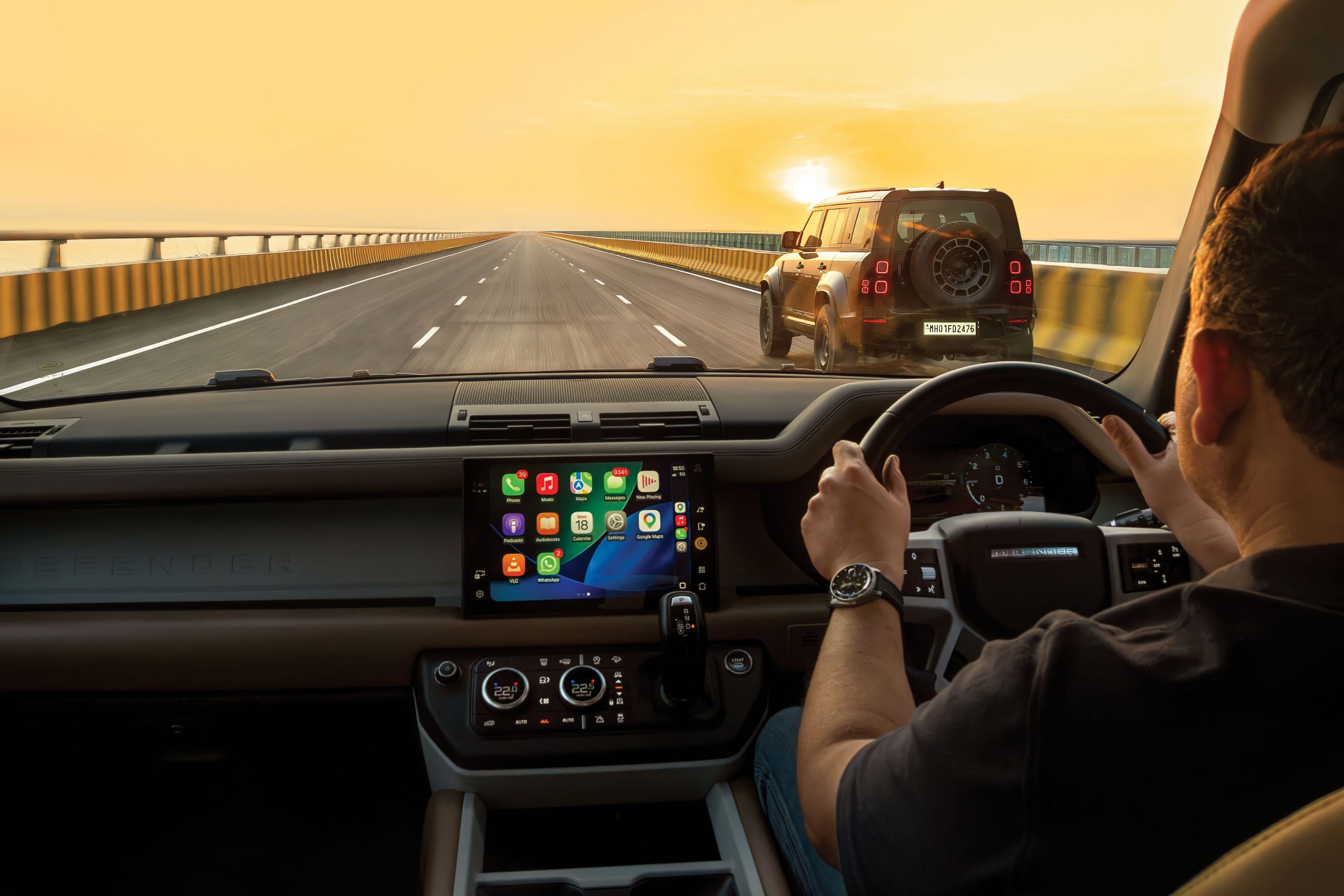
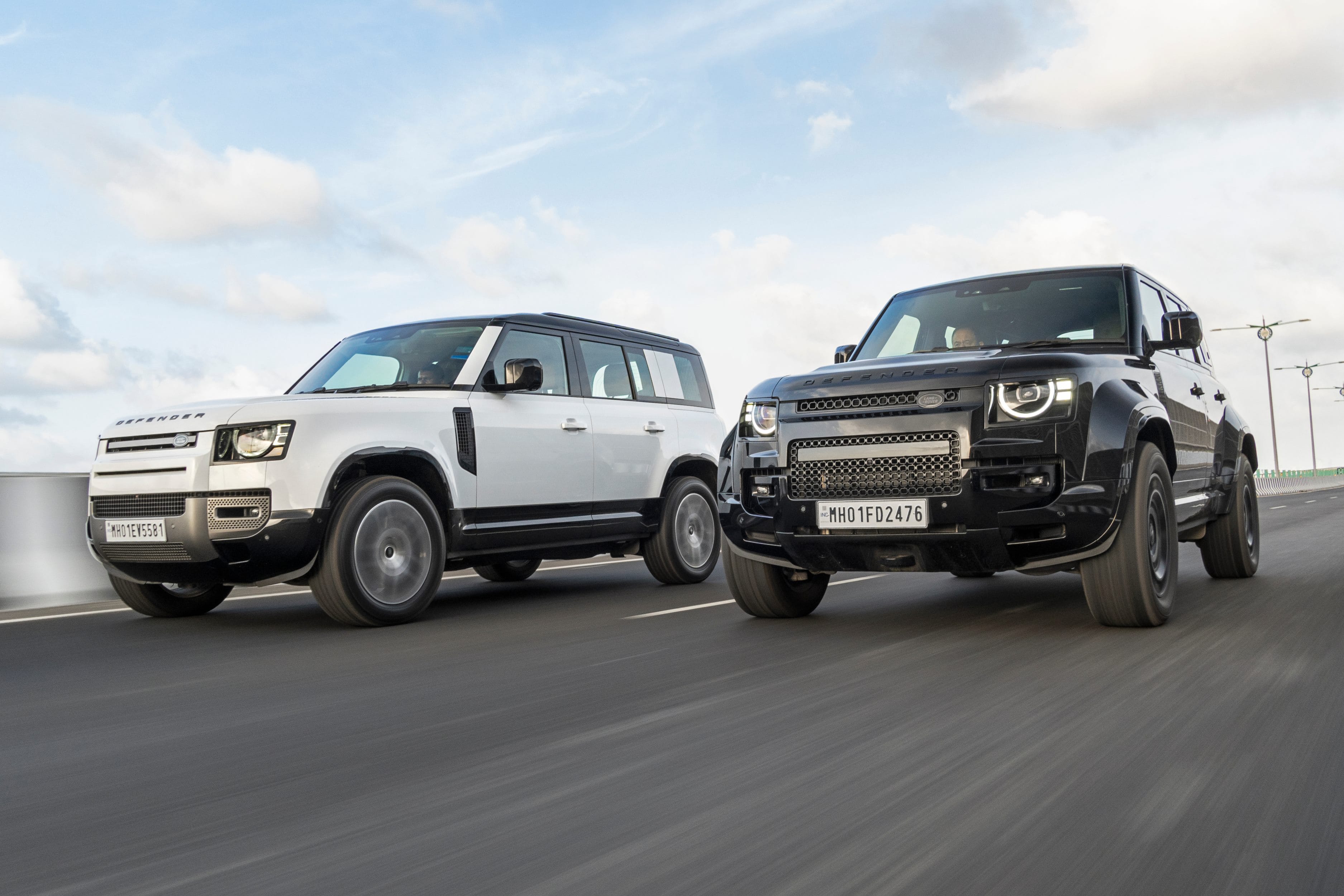
SUVs powered by V8 engines are becoming rarer by the day. Downsizing, electrification, ever‑tightening emissions regulations – the V8 is fading. Yet here we are in 2026, with Land Rover offering not one but two V8s. On the same model! Calls for a mini celebration, doesn’t it? And something of a journey of discovery. So how, and why, does the Defender come powered by two distinctly different V8s? Are they different enough to co-exist? Do their specifications tell a story? And are they fundamentally different from behind the wheel? Answers to these and more in this fascinating tale of two V8s.
Individual identity
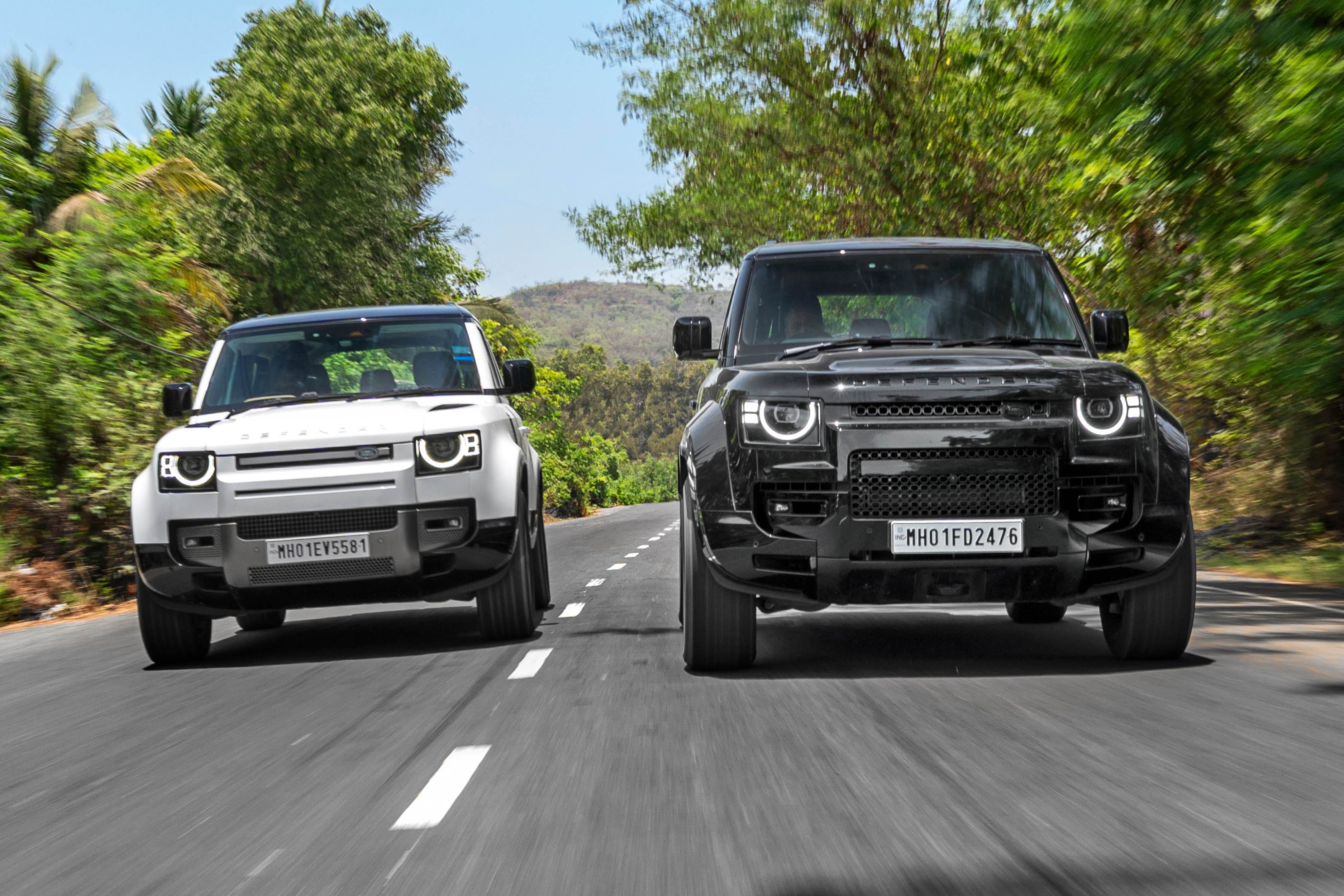
The Octa looks much more menacing than the regular Defender.
Job number one: telling them apart. Which is relatively easy when you have the two sitting cheek by jowl. But out on their own, with no reference and no back-and-forth visual comparison, it’s more difficult.
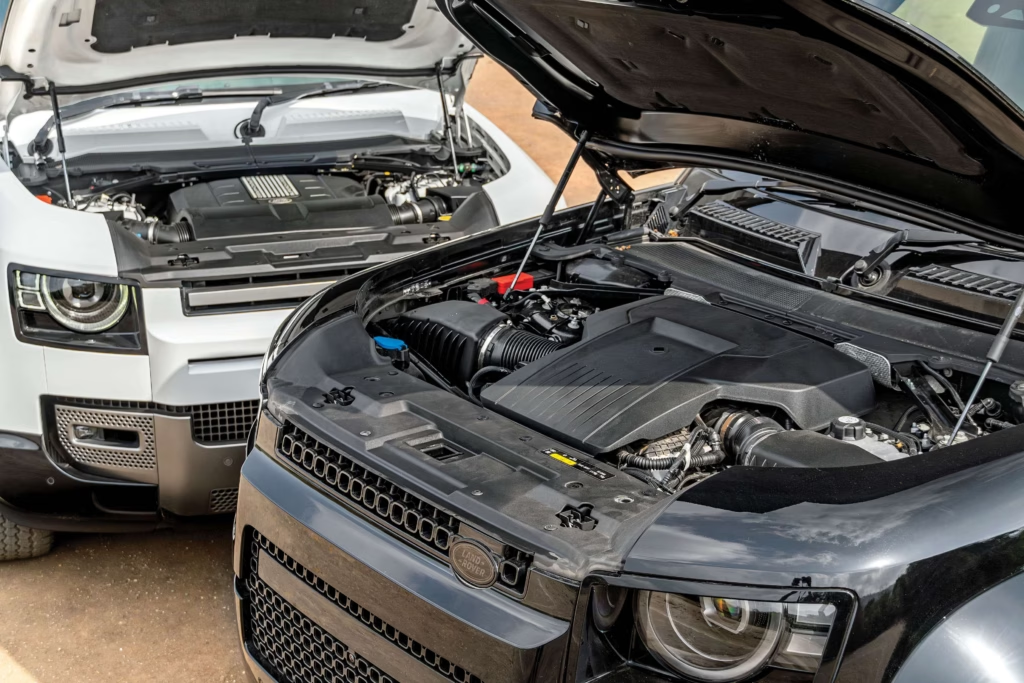
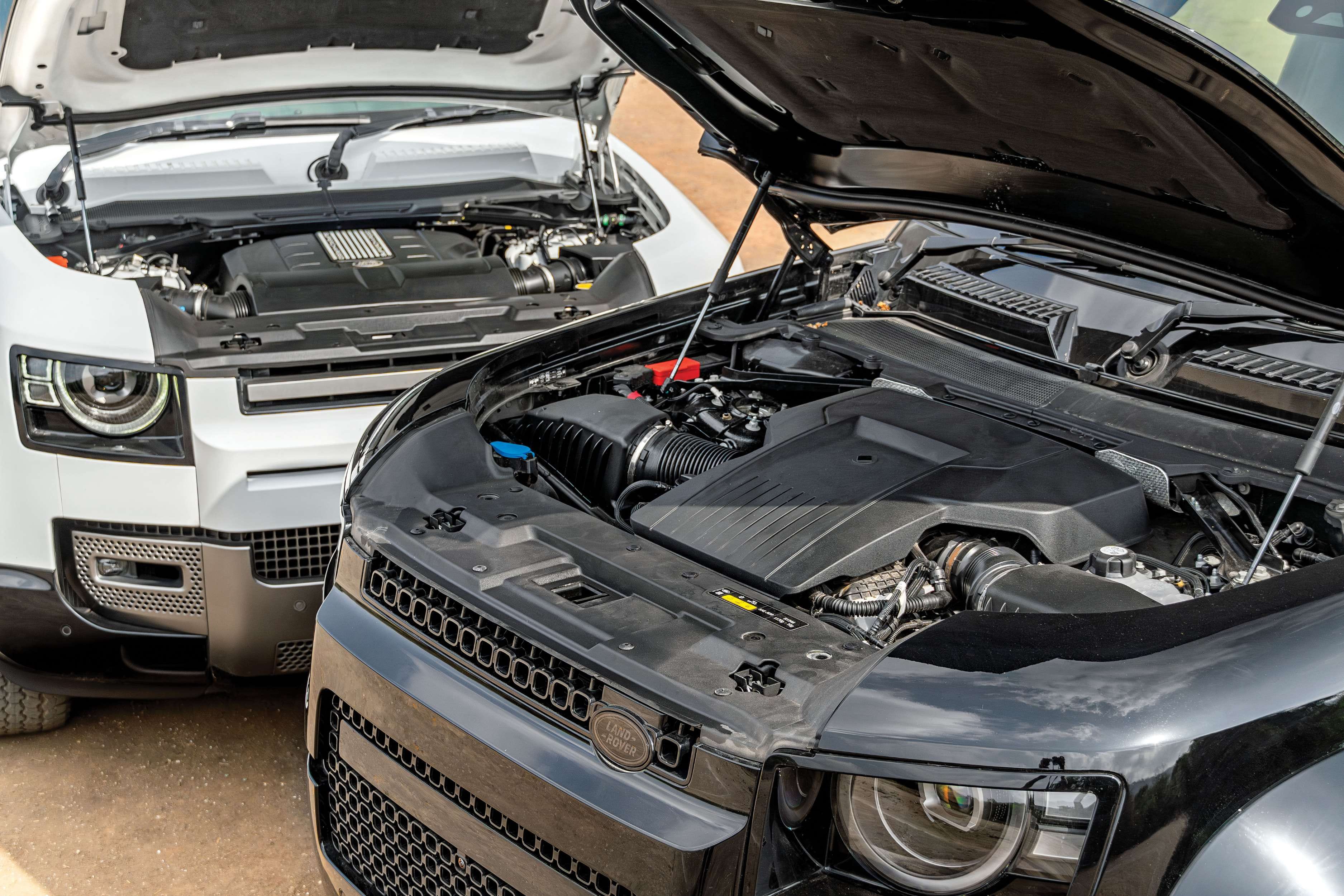
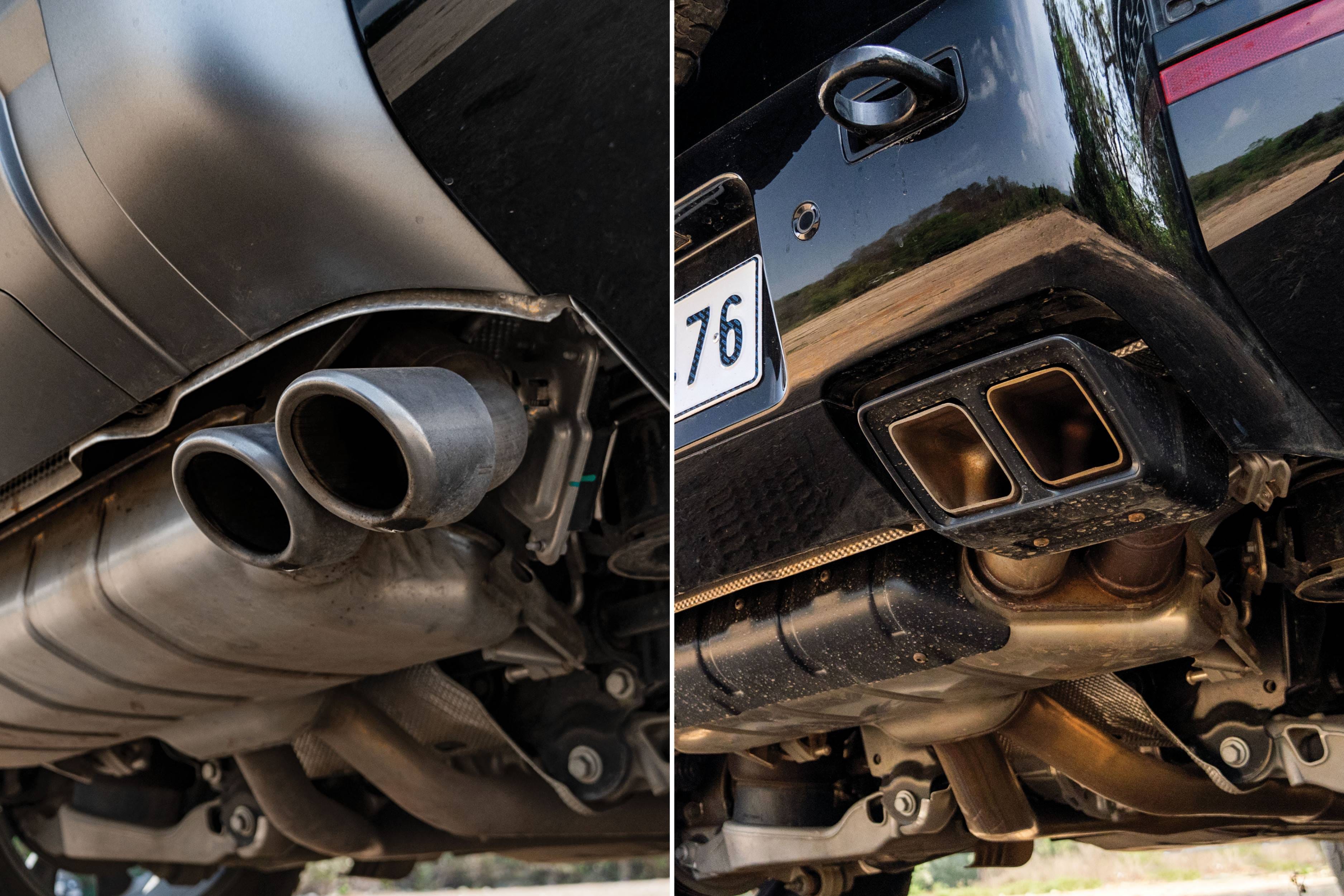
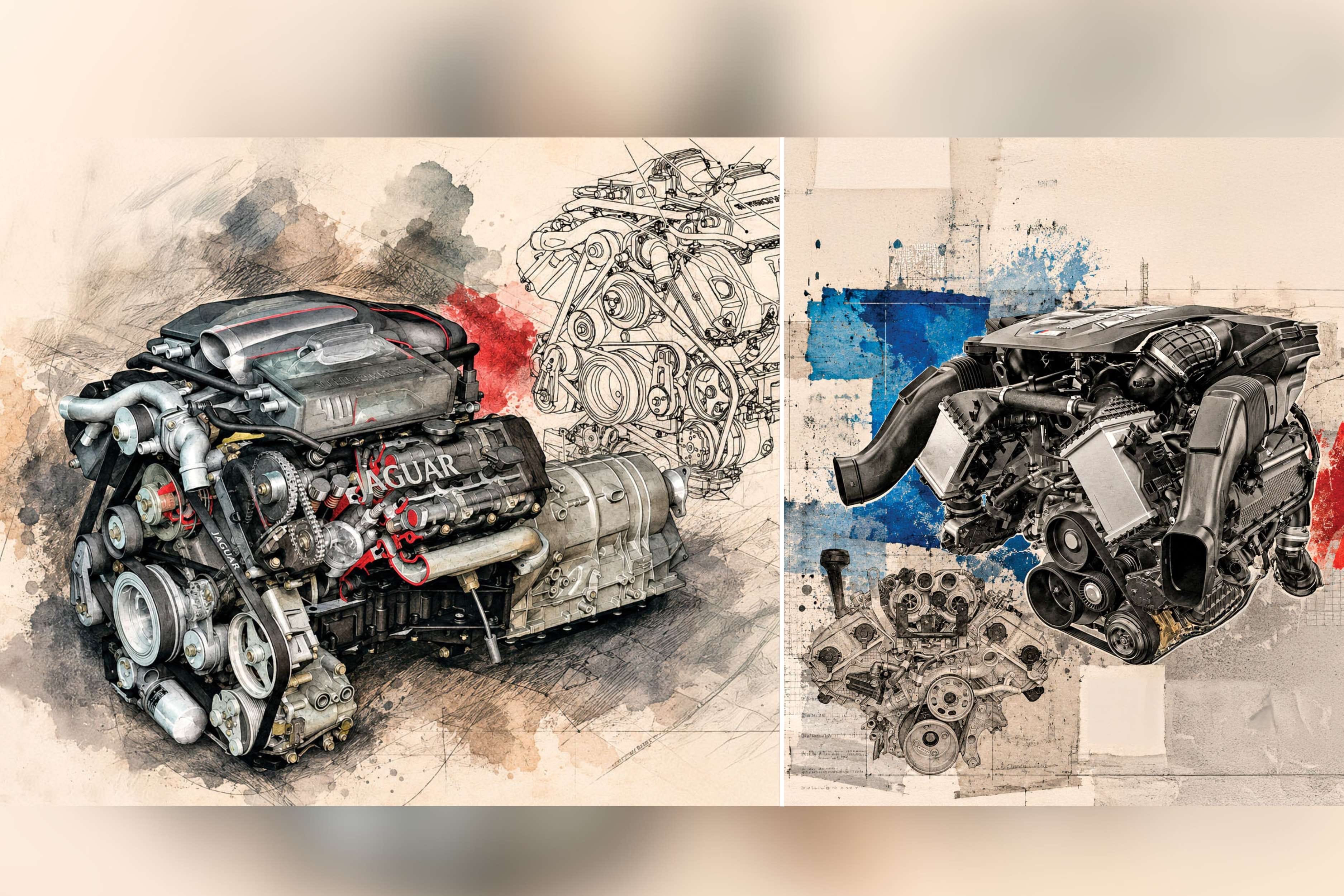
Now, most of us – at least those of us who admire the Defender – know the Octa. A bold move from Land Rover, it comes with BMW’s 4.4‑litre twin‑turbo S68 under the louvered bonnet. That, and its linked suspension, which make the Octa super stable over rough ground. Not only does it get the V8 from BMW’s sledgehammer M5, the Octa, like all good performance cars, wears its intent on the outside. A wider stance, flared wheel arches, square exhaust tips and a stance that screams ‘Defender on steroids’. Most of the visual enhancements are also functional, but it also looks wide-shouldered and bulked up without going over the top… a job well done. And then, of course, there is the Octa badge, both on the grille and behind the ‘C’ pillar.
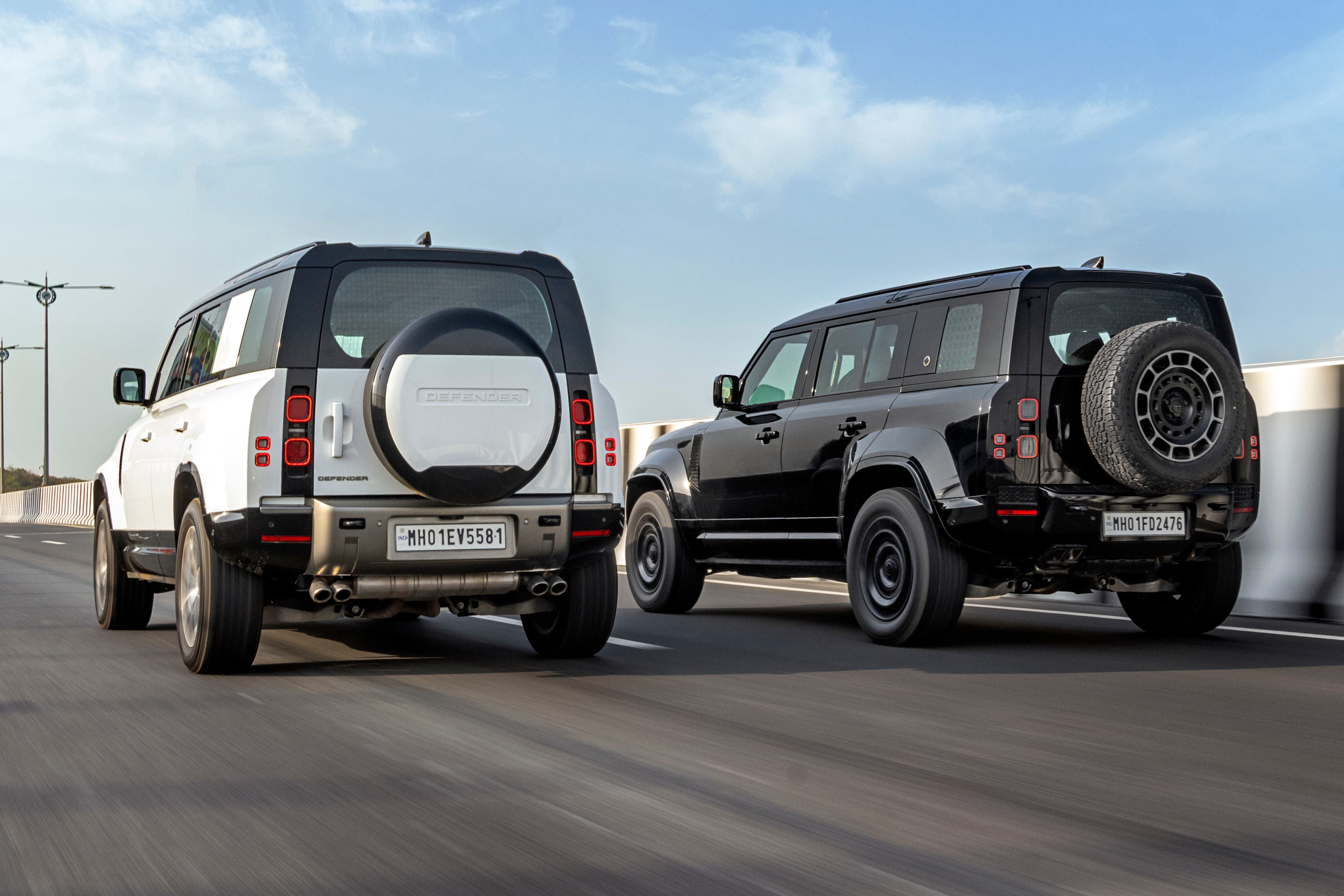
L: The Defender V8 gets more traditional rounded exhausts; R: The Octa’s quad rectangular exhaust tips stand out.
The Defender V8, which gets Jaguar’s AJ133 engine, is much stealthier and less in your face. From the outside, it looks like a regular Defender. No V8 badge, no identifying features, nothing. In fact, look at it from the front or the side, and it’s almost impossible to tell. You can, however, tell from the rear. The horizontally placed quad round exhausts stick out at the rear and clearly tell you this is something special. Otherwise, this is a regular Defender – attractive and full of visual appeal, but not something that stands out as something special. Could this be the Defender’s best‑kept secret?
Supercharged slayer
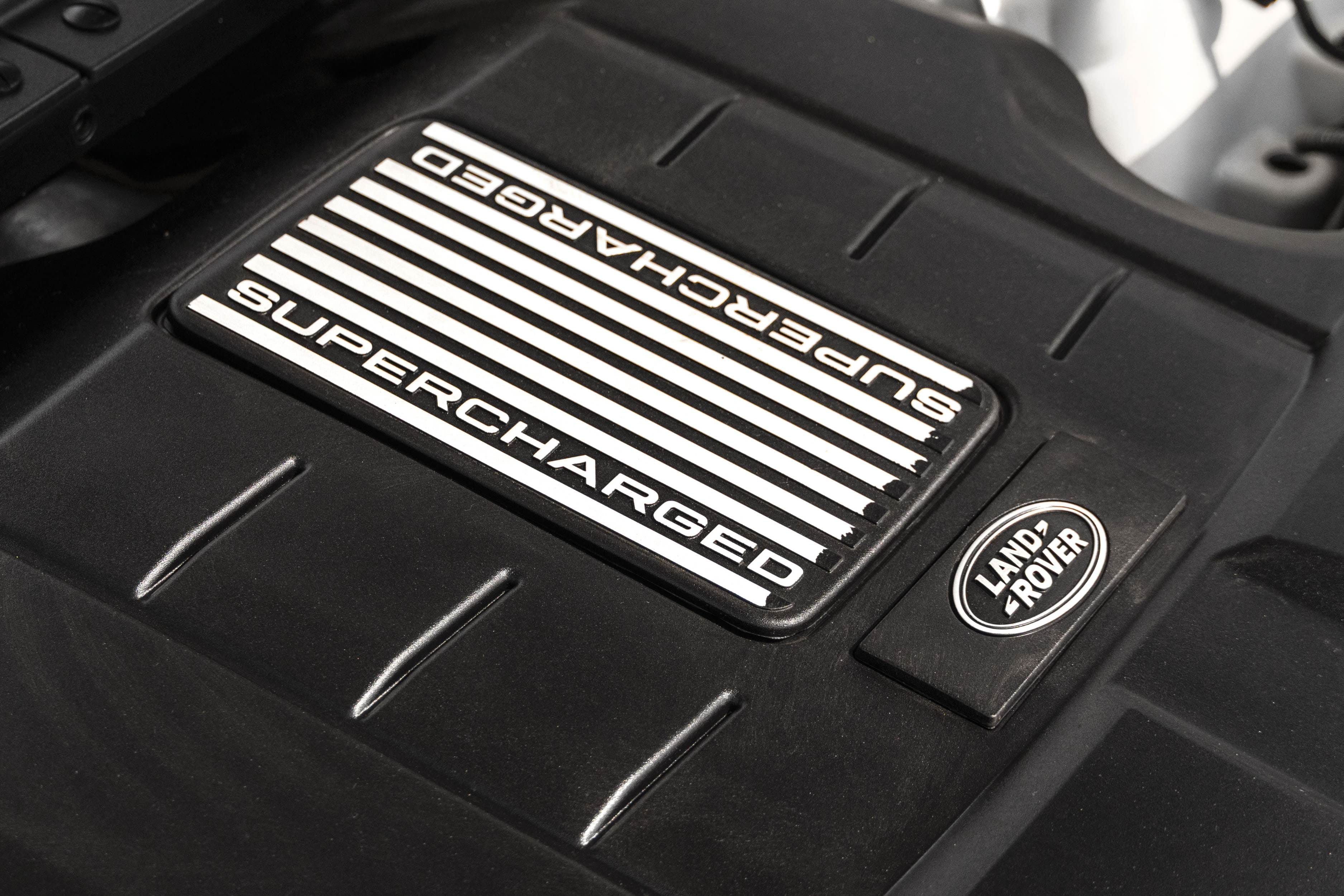
Defender V8 gets ‘supercharged’ written on the cover.
From behind the wheel, the differences are stark. The AJ133 engine is a familiar friend, earlier seen in many a Jaguar and Range Rover. In this Defender, it produces 425hp, with a large Roots-type supercharger adding some refined whine to the exhaust note. The sound that dominates, however, is a silky-smooth but unmistakable V8 ‘woofle’. Rev the engine even slightly, and a meaty growl emerges with crisp burbles on the overrun. It’s not AMG loud, nowhere near, or as raucous either, but the sound of the honey-smooth V8 is pure theatre and just gets me grinning. Why does it sound so clear and clean? There’s no turbo muffling the exhaust note, of course, and no turbo lag either. Which also explains the immediacy of the throttle responses.
In fact, tap the pedal even from idle, and the Defender V8 shoots forward, the crankshaft-driven supercharger pumping air into the engine instantly. This makes the Defender V8 feel light on its feet, and what’s even more charming is that it pulls cleanly in the mid-range, the engine spinning freely and enthusiastically towards the top. This is addictive, and long pulls to the redline are just so much fun. If you value thoroughbred engine characteristics over everything else, this engine will delight you.
Supercharger makes for instant low-end response from the AJ V8.
Now, putting so much performance into a dedicated off-roader may seem futile. But what Land Rover has done is make the Defender fundamentally sound. It’s not a ladder frame, for one, so when you drive around corners, it manages to do it in a neat and tidy manner. And that’s despite the additional weighty hardware like bulky differentials, stout driveshafts, and a robust transfer case, all needed for serious off-roading and not just slippery conditions.
So it comes as something of a surprise that the Defender V8, with its light steering and neat and tidy driving manners, can handle the performance without any fuss. It speaks volumes about how well Land Rover has engineered this platform and given it both loads of on-road capability as well as bona fide off-road chops.
The AJ-V8-powered Defender is not as effective a performance machine as the Octa.
Try and use all the performance all the time, and that feeling of composure slowly fades. You start feeling the bulk, you want more stability and confidence from the brakes, and the gearbox feels slow and laid back. And what’s this, no paddle shifters? Huh?
All pumped up
The Defender Octa amps it up to another level. Bold, brash and devastatingly effective when its full potential is unleashed, it is an all new type of animal. Initial impressions, however, immediately tell you the V8 is turbocharged. Squeeze the throttle, and the responses are initially laid back. This is especially true in comparison to the supercharged V8.
Both engines are brilliant, but both are also very distinct in the manner in which they make power.
Once past the initial softness in the throttle, however, it surges forward with relentless force, a flood of torque unleashed from the turbos spooling up. And that’s even if you haven’t pinned the throttle. A few more purposeful prods of the throttle, and the massive gulf in performance between the two Defenders is soon apparent. It’s not the 0-100kph or even the 0-150kph times, it’s just the massive surge you feel in raw thrust when you feed in the throttle.
The BMW‑sourced 4.4‑litre twin‑turbo V8 is a technological powerhouse and one of the most technically complex engines around. With 635hp and up to 800Nm in launch mode, it transforms the Defender into something approaching a super off-roader. And where the Jaguar engine is all about response, this BMW one, in contrast, is all about mid‑range and top-end muscle. In fact, knock back a few gears on the quick gearbox, plant your foot, and the Defender Octa charges forward with such ferocity that you’ll question the need for anything faster.
Where the BMW engine also differs is in the soundtrack. At low revs, the turbos and cross-bank exhaust system muffle and mute the V8’s natural exuberance and growl. But while the engine sounds are muffled at low revs, they soon build into a deep, muscular roar as the revs climb. Clearly not as sweet or as sonorous as the Jaguar V8, but well in line with the heady performance the Octa delivers.
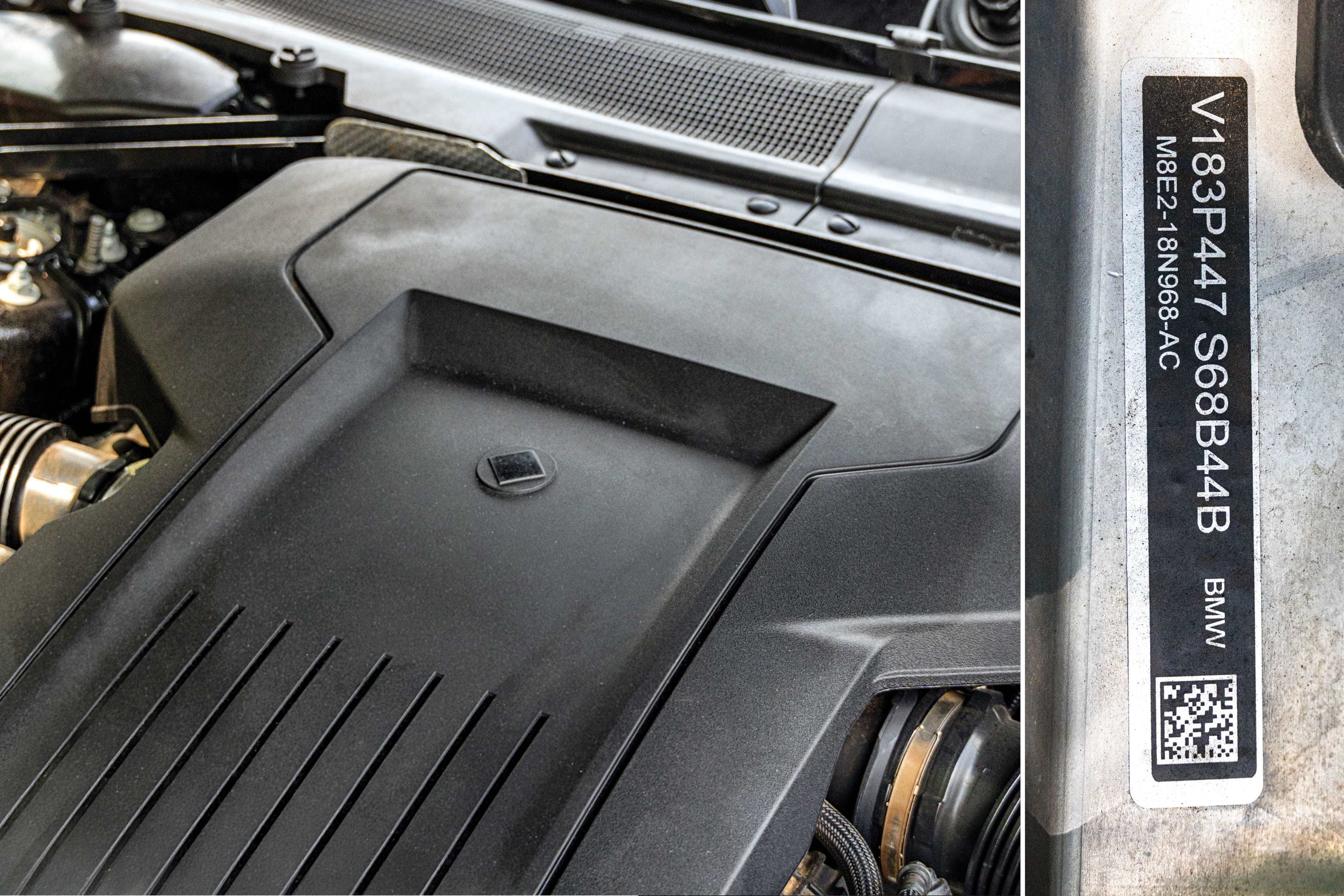
Octa badge (and BMW part number) tell the BMW V8-powered Defender apart.
The Octa also sits higher off the ground, thanks to its Tenneco‑Monroe 6D suspension system. This clever setup links all four dampers, acting like a virtual anti‑roll bar. The result is uncanny composure as the Octa just smothers broken roads. Drive over a poorly paved surface, and you initially feel there’s something not right. The layer of insulation between the road and you is so thick, you feel almost nothing. No big movements, no being tossed around, no big thuds. And then, what really is a game changer is that the Octa stays relatively flat when you hurl it into a corner, the tall SUV staying composed and relaxed while off-road-centric tyres howl away in protest. And it isn’t just well composed in corners, there’s very little pitching either, so you fly down poorly paved and broken sections like you are riding a hovercraft-like stable platform.
This technical marvel allows the two‑and‑a‑half‑tonne off‑roader to feel agile and secure, furthering the impression that the Octa is a Defender on steroids. Also of note, this genuinely feels like two SUVs in one – a real off-roader and the other a bona fide performance SUV that can carry real speed and put power down even on gravel, dirt tracks and unpaved sections.
Defenders of the faith
So why two V8s? The answer lies in the regulations. The AJ V8 cannot meet upcoming Euro 7 norms, but India doesn’t yet enforce equivalent standards. And that allows JLR to continue offering it here. The BMW V8 future‑proofs the Defender and has created an all-new type of performance off-roader with the Octa.
These performance off-roaders are so accomplished on road, they genuinely are multi-role SUVs.
It’s also a clever product strategy. The AJ V8-powered Defender starts at Rs 1.40 crore, offering V8 thrills at a much more affordable price. The more capable Defender Octa, on the other hand, starts at a much loftier Rs 2.62 crore. One has the traditional feel of a V8, smooth, refined and powerful; the other is a bona fide performance icon, with brutal power delivery and a massive ability to carry speed over just about any surface.
Two distinct flavours, two distinct price points, one model line.
The Defender’s dual‑V8 strategy is nothing short of remarkable. In a world where eight‑cylinders are disappearing, Land Rover offers buyers a choice between a supercharged and a turbocharged V8. Together, they make the Defender unique. And that makes this one of the most fascinating chapters in the Defender story. Take a bow, Land Rover.
Bits, bolts, and burbles
BMW’s S68 is an ‘M’ engine that displaces 4.4 litres. It uses an aluminium block and heads, and a cross-plane crankshaft. The bore and stroke dimensions (89mm × 88.3mm) are typically BMW – square. The engine revs to 7,200rpm, and the DOHC valvetrain gets an electrically actuated VANOS system for faster, more precise camshaft phasing. The hot vee twin-turbo layout is designed to reduce turbo lag, and the cross-bank exhaust manifold merges pulses to optimise turbine efficiency. This sacrifices some of the traditional V8 burble but sharpens response. To handle the extra loads, a high-capacity oil pump with an external oil cooler ensures consistent pressure under high lateral loads, while a multi-stage cooling circuit stabilises temperatures during track use. The S68 also integrates a 48V mild-hybrid system that provides a 9kW and 200Nm of torque fill.
Defender V8 fact file
110 P425*
Octa
Price
Rs 1.40 crore
Rs 2.62 crore
Kerb weight
2,434kg
2,585kg
Engine
5,000cc supercharged V8
4,395cc twin-turbo V8
Bore and stroke
92.5mm x 93.0mm
89mm x 88.3mm
Compression ratio
9.5
10.5
Power
425hp at 6600rpm
635hp at 7000rpm
Torque
550Nm from 1800-5000rpm
750Nm from 1800-5855rpm
Claimed 0-100kph time
5.8sec
4.0sec
Maximum speed
191kph
250kph
*The supercharged-V8 Defender variants are temporarily unavailable for purchase in India, but they’re expected to return soon.
The Jaguar AJ V8 is a family of aluminium V8s produced from 1996 onwards. Offered in naturally aspirated and supercharged forms, it was Jaguar’s flagship petrol engine, engineered to combine refinement with strong performance. Evolving through three generations, the aluminium block and heads kept weight down to around 205-215kg, and it used chain driven camshafts, later evolving to double roller chains for greater durability. Supercharged “R” variants like the one in the Defender pushed outputs to 450hp, giving cars like the XJR and XKR formidable pace at the time. By 2009, the Gen III AJ V8 expanded to 5.0 litres (94 × 92mm bore and stroke), introduced direct fuel injection, and raised compression to 11.5:1. Power on the supercharged versions could exceed 500hp, and this 450hp version, with a bit of digital massaging, could also be made to increase in power.