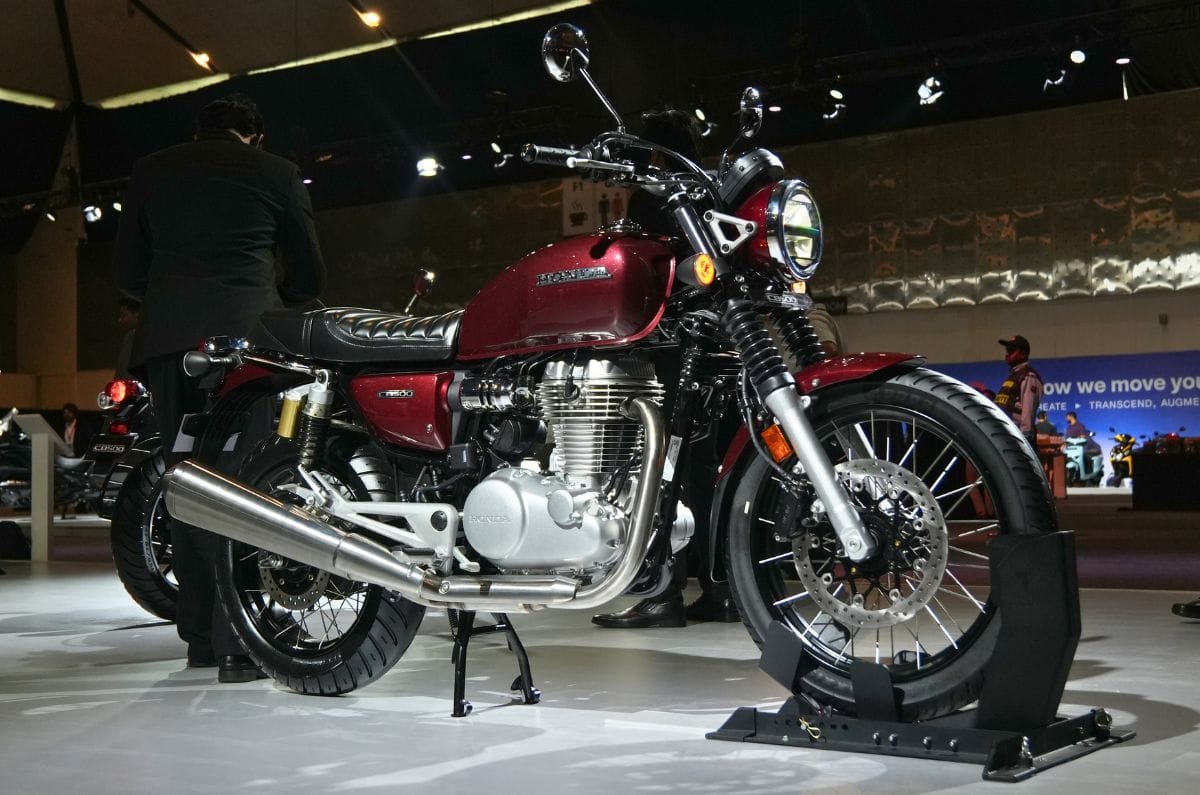
The CB500 was one of the hot-ticket reveals from Honda Motorcycle and Scooter India (HMSI) recently and it enters a segment of the market where it will sit virtually in a class of its own. The CB500 is based on the same platform as the CB350 line of bikes but with nuanced differences.
Powered by a 501cc, long-stroke thumper
Launch likely to happen around October-November
Likely to slot in between Harley-Davidson X440 and RE Interceptor 650
Powered by a 501cc, air/oil-cooled, single-cylinder engine making 28hp and 43.3Nm of torque, the CB500 sits virtually in a league of its own, occupying the space vacated by the erstwhile Royal Enfield 500cc models. While the CB350 models have competitive pricing, sitting around the Rs 2 lakh ballpark (ex-showroom, Delhi), the CB500 will be considerably more expensive.
This is partly due to the larger engine and additional features but a large contributing factor is the higher GST rate. The new regime taxes two-wheelers above 350cc at 40 percent, which is more than double the 18 percent tax levied on machines below that mark.
As a result, it is likely that the CB500 will slot into the market between Rs 2.80 lakh – Rs 3.00 lakh (ex-showroom) upon its launch, which is likely to take place in October-November 2026. While this is sure to relegate it to a niche audience, the CB500 – on paper, at least – promises a unique riding experience in today’s marketplace.
Upon launch, there will be three variants on offer. The base CB500 will come with simple colours and alloy wheels, the mid-spec variant will have metallic finish solid paint and cross-spoke rims permitting tubeless tyres and the top model will have exclusive colours and graphics as well as those aforementioned laced rims.
The nearest challengers to the CB500 are the Hero-built Harley-DavidsonX440 models (Rs 2.35 lakh – Rs 2.85 lakh), although the X440s use a smaller engine with lesser torque. At its price point, the CB500 will slot in below the Royal Enfield 650s, which start at Rs 3.39 lakh (ex-showroom, Chennai) with the Interceptor 650.
ISRO Recruitment 2026: अंतरिक्ष विभाग (DoS) और भारतीय अंतरिक्ष अनुसंधान केंद्र (ISRO) ने हाल के वर्षों में अपनी सबसे बड़ी भर्ती प्रक्रिया के लिए नोटिफिकेशन जारी किया है। अंतरिक्ष विभाग और इसरो ने 746 अलग-अलग पदों पर भर्ती प्रक्रिया शुरू की है। इनमें से कम से कम 43 बैकलॉग पद हैं। इसरो में नौकरी से जुड़ी सभी डिटेल्स ऑफिशियल वेबसाइट isro.gov.in/careers पर चेक कर सकते हैं।
आवेदन ऑनलाइन मोड में करना होगा। इच्छुक और योग्य उम्मीदवार इसरो के ऑफिशियल रिक्रूटमेंट पोर्टल पर 17 अगस्त 2026 तक फॉर्म भर सकते हैं। इन पदों पर भर्ती के लिए इसरो ने 27 जुलाई से 29 जुलाई के बीच तीन नोटिफिकेशन जारी किए थे। इसके तहत 336 रेगुलर और 410 अप्रेंटिसशिप पद शामिल हैं। इसरो की इस भर्ती प्रक्रिया के तहत वैज्ञानिकों और इंजीनियरों से लेकर प्रशासनिक स्टाफ और अप्रेंटिस तक के पद पर भर्तियां की जाएंगी। इसमें 92 पद साइंटिस्ट और इंजीनियर के भी हैं। इसरो साइंटिस्ट की सैलरी पे-मैट्रिक्स लेवल-10 के हिसाब से होती है।
किन पदों पर कितनी वैकेंसी?
इसरो के भर्ती अभियान को अलग-अलग श्रेणी में बांटा गया है, जिससे हर वर्ग और योग्यता वाले अभ्यर्थियों को मौका मिल सके: इस ताजा भर्ती प्रक्रिया का सबसे बड़ा हिस्सा इसरो सेंट्रलाइज्ड रिक्रूटमेंट बोर्ड (ICRB) के जरिए 244 लेवल-4 प्रशासनिक पदों पर भर्ती का है। इनमें 113 सहायक, 81 कनिष्ठ निजी सहायक, 22 अपर डिविजन क्लर्क, 10 आशुलिपिक, स्वायत्त संस्थानों के लिए 17 सहायक और एक स्वायत्त संस्थान के लिए एक कनिष्ठ निजी सहायक शामिल हैं।
इस भर्ती में वेतन मैट्रिक्स के लेवल-10 में 92 वैज्ञानिक/इंजीनियर ‘एससी’ पद भी शामिल हैं। इलेक्ट्रॉनिक्स में सबसे ज्यादा 34 पद खाली हैं। इसके बाद मैकेनिकल (26), कंप्यूटर साइंस (13), सिविल (10), इलेक्ट्रिकल (4), प्रशीतन और एयर-कंडीशनिंग (2), आर्किटेक्चर (2) और अहमदाबाद के भौतिक अनुसंधान प्रयोगशाला (पीआरएल) में एक सिविल इंजीनियर का पद हैं।
परमानेंट भर्ती के साथ, URSC, बेंगलुरु ने 2026-27 के लिए 410 अप्रेंटिसशिप पोस्ट की घोषणा की है। इनमें 220 ग्रेजुएट अप्रेंटिस, 120 टेक्नीशियन अप्रेंटिस और 70 डिप्लोमा इन कमर्शियल प्रैक्टिस अप्रेंटिस शामिल हैं।
ग्रेजुएट अप्रेंटिसशिप में इलेक्ट्रॉनिक्स और कम्युनिकेशन इंजीनियरिंग (83 पोस्ट) सबसे ज़्यादा हैं, इसके बाद मैकेनिकल (50), कंप्यूटर साइंस (40), केमिकल (15), इंडस्ट्रियल इंजीनियरिंग और मैनेजमेंट (10), एयरोनॉटिकल (10), एयरोस्पेस (10) और ऑटोमोबाइल इंजीनियरिंग (2) हैं। टेक्नीशियन अप्रेंटिसशिप में 38 इलेक्ट्रॉनिक्स, 30 कंप्यूटर साइंस, 30 मैकेनिकल, 10 इलेक्ट्रिकल, 5 सिविल, 5 इंस्ट्रूमेंटेशन और 2 ऑटोमोबाइल इंजीनियरिंग पोस्ट शामिल हैं।
अप्रेंटिस और साइंटिस्ट वेतन
इसरो अप्रेंटिस एक्ट, 1961 के तहत कानूनी जरूरतों को पूरा करने और नए स्नाताकों को प्रशिक्षित करने के लिए अप्रेंटिस भर्ती करता है। सभी उम्मीदवारों को मासिक स्टाइपेंड मिलता है, जो 10,900 रुपये से 12,300 रुपये है। वहीं, साइंटिस्ट/’SC’ के पद पर चयनित होने वाले उम्मीदवारों का शुरुआती बेसिक पे 56,100 रुपये प्रति माह होगा। इसके साथ ही केंद्र सरकार के नियमानुसार डीए, एचआरए और मेडिकल जैसी अन्य तमाम सुविधाएं भी मिलेंगी।
इसरो में नौकरी के लिए जरूरी योग्यता
साइंटिस्ट और इंजीनियर के पदों पर भर्ती के लिए संबंधित ट्रेड में बीई या बीटेक की डिग्री होनी चाहिए, जिसमें कम से कम 65% अंक होने जरूरी हैं। इस बार साइंटिस्ट पदों के लिए GATE (2025 या 2026) स्कोर के आधार पर शॉर्टलिस्टिंग की जाएगी। इसके बाद शॉर्टलिस्ट किए गए युवाओं को इंटरव्यू के लिए बुलाया जाएगा। अंतिम चयन में 50% वेटेज गेट स्कोर का और 50% वेटेज इंटरव्यू का रहेगा। वहीं प्रशासनिक और अप्रेंटिस पदों के लिए अलग-अलग लिखित परीक्षा या मेरिट के आधार पर चयन किया जाएगा।
UP Police Constable 2025 Result: उत्तर प्रदेश में पुलिस कांस्टेबल भर्ती परीक्षा में शामिल उम्मीदवार बेसब्री से लिखित परीक्षा परिणाम घोषित होने का इंतजार कर रहे हैं। इस परीक्षा का आयोजन 8, 9 और 10 जून को किया गया था। उत्तर प्रदेश पुलिस भर्ती एवं प्रोन्नति बोर्ड (UPPRPB) ने यूपी पुलिस कांस्टेबल भर्ती 2025 लिखित परीक्षा का परिणाम जारी कर दिया है। परीक्षा में शामिल उम्मीदवार आधिकारिक वेबसाइट पर अपना पंजीकरण नंबर और जन्मतिथि दर्ज करके परिणाम और अंतिम उत्तर कुंजी देख सकते हैं। इस परीक्षा में 76,184 अभ्यर्थियों को शॉर्टलिस्ट किया गया है। सफल उम्मीदवार 17 अगस्त से प्रस्तावित डीवी और पीएसटी में हिस्सा लेंगे। इन परीक्षार्थियों की पीईटी सितंबर 2026 में आयोजित होगी। अभ्यर्थी बोर्ड की
21 लाख से अधिक युवाओं ने दी थी 32679 पदों के लिए परीक्षा
यूपी पुलिस कांस्टेबल भर्ती 2025 लिखित परीक्षा में 32679 पदों के लिए 21 लाख से अधिक युवा शामिल हुए थे। कुल विज्ञापित पदों के सापेक्ष लगभग 2.33 गुना (कुल 76,184 अभ्यर्थी) को डॉक्युमेंट वेरिफिकेशन और शारीरिक मानक परीक्षण (DV/PST) के लिए बुलाया गया है।
आर्थिक रूप से कमजोर वर्ग (EWS) वर्ग कटऑफ – 247.93434
महिला श्रेणी – 247.35926
अनुसूचित जाति (SC) वर्ग कटऑफ – 239.34407
महिला श्रेणी – 236.31995
अनुसूचित जनजाति (ST) वर्ग कटऑफ – 220.10639
महिला श्रेणी – 211.47988
न्यूनतम अंक (Qualifying Marks):
अनारक्षित (Unreserved): 30%
ईडब्ल्यूएस (EWS): 25%
अन्य पिछड़ा वर्ग (OBC): 25%
अनुसूचित जाति / अनुसूचित जनजाति (SC/ST): 20%
यूं चेक करें यूपी पुलिस कांस्टेबल रिजल्ट
यूपीपीआरपीबी की आधिकारिक वेबसाइट uppbpb.gov.in पर जाएं।
होमपेज पर उपलब्ध “UP Police Constable Result 2026 / Merit List” लिंक पर क्लिक करें।
अपना रजिस्ट्रेशन नंबर / रोल नंबर और जन्म तिथि दर्ज कर सबमिट करें।
आपका रिजल्ट और मेरिट लिस्ट स्क्रीन पर आ जाएगी।
इसे डाउनलोड करें और भविष्य के लिए प्रिंट आउट निकाल लें।
अभ्यर्थियों को सलाह दी जाती है कि वे फर्जी खबरों से सावधान रहें और रिजल्ट से जुड़ी सटीक
जानकारी के लिए केवल आधिकारिक पोर्टल पर ही भरोसा करें।
आगे की चयन प्रक्रिया
डॉक्यूमेंट वेरिफिकेशन (DV): सफल उम्मीदवारों के शैक्षणिक प्रमाण पत्र, पहचान पत्र, निवास प्रमाण पत्र और श्रेणी प्रमाण पत्रों की जांच की जाएगी।
शारीरिक मानक परीक्षण (PST): इसमें पुरुषों के लिए न्यूनतम लंबाई 168 सेमी (सामान्य/ओबीसी/एससी) तथा सीने का फुलाव कम से कम 5 सेमी होना आवश्यक है। महिला अभ्यर्थियों के लिए न्यूनतम लंबाई 152 सेमी (सामान्य/ओबीसी/एससी) और वजन कम से कम 40 किग्रा होना अनिवार्य है।
शारीरिक दक्षता परीक्षा (PET): शारीरिक परीक्षा केवल क्वालिफाइंग नेचर की होगी। इसमें पुरुष अभ्यर्थियों को 25 मिनट में 4.8 किलोमीटर और महिला अभ्यर्थियों को 14 मिनट में 2.4 किलोमीटर की दौड़ पूरी करनी होगी। यह प्रक्रिया अगस्त माह से शुरू होने की संभावना है।
स्कॉटलैंड के ग्लासगो में खेले जा रहे राष्ट्रमंडल खेल में भारत ने भारोत्तोलन में 8 मेडल पा लिये हैं। भारतीय भारोत्तोलक लवप्रीत सिंह ने 110 कि.ग्रा वर्ग में रिकॉर्ड 388 कि.ग्रा वजन उठाकर रजत पदक प्राप्त किया। इसके अलावा उन्होंने कॉमनवेल्थ रिकॉर्ड बनाते हुए 176 कि.ग्रा स्नेच में वजन उठाया और फिर क्लीन एंड जर्क में 212 कि.ग्रा वजन उठाया।
Result Update: Weightlifting Men's +110KG
Lovepreet Singh powers to a Silver with a total lift of 388kg, adding India's 8th Weightlifting medal at the Commonwealth Games.
He also rewrites the Games record books with a 176kg Snatch, setting a new Commonwealth Games record.… pic.twitter.com/sJgrbtwhaF
न्यूजीलैंड के डेविड एंड्रयू लिटि ने क्लीन एवं जर्क में खेलों का रिकॉर्ड 223 किग्रा भार उठाते हुए कुल 389 किग्रा (166 किग्रा और 223 किग्रा) वजन के साथ स्वर्ण पदक जीता।पिछले राष्ट्रमंडल खेलों में कांस्य पदक जीतने वाले लवप्रीत ने इस बार अपने प्रदर्शन में सुधार करते हुए रजत पदक जीता।
इसके साथ ही उन्होंने भारोत्तोलन में भारत के लगातार तीन स्पर्धाओं के पदक नहीं जीत पाने का सिलसिला भी तोड़ा। भारतीय भारोत्तोलन दल ने खेलों में अपने अभियान का समापन एक स्वर्ण, छह रजत और एक कांस्य सहित कुल आठ पदक के साथ किया।
भारतीय भारोत्तोलक मार्टिना देवी मेबाम का राष्ट्रमंडल खेलों में पदार्प भावनाओं से भरा रहा जब यह 18 वर्षीय खिलाड़ी मुकाबले से बाहर होने की कगार से वापसी करने में सफल रहीं लेकिन पदक से चूककर महिलाओं के 86 किग्रा से अधिक भारवर्ग में पांचवें स्थान पर रहीं।
Congratulations to Lovepreet Singh on clinching the Silver Medal in the Men's 110+ kg weightlifting event at the Commonwealth Games with a total lift of 388kg.#Cheer4Bharat#CWG2026pic.twitter.com/pYffsUZdeS
— Dr Mansukh Mandaviya (@mansukhmandviya) July 30, 2026
मणिपुर की मार्टिना ने स्नैच में 105 किग्रा और क्लीन एवं जर्क में 140 किग्रा सहित कुल 245 किग्रा वजन उठाया। उनका कुल भार न्यूजीलैंड की तुई अलोफा पटोलो (115 किग्रा और 130 किग्रा) के बराबर रहा।हालांकि कम असफल प्रयासों के आधार पर पटोलो को चौथा स्थान मिला।
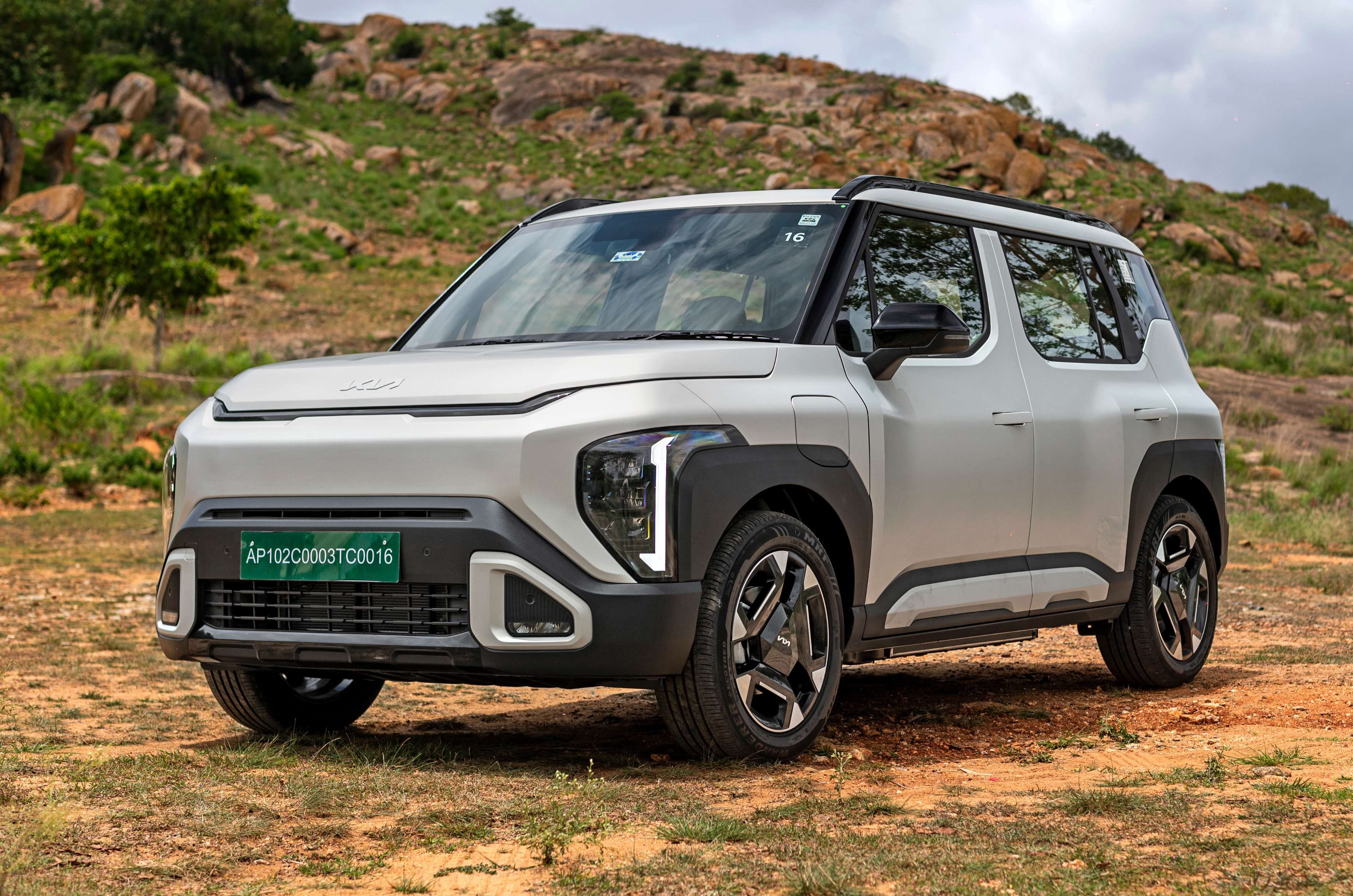
After the Carens Clavis EV, the Kia Syros EV is the carmaker’s second mass-market zero-emission vehicle in India. The electric Syros rivals the Mahindra XUV 3XO EV and the Tata Nexon EV, and we recently got behind the wheel to find out what it does well and where it falls short. If you are planning to bring this Kia EV home, here are three reasons to consider it and two reasons why you may want to think again.
Pros
Impressive performance and range
First, let’s discuss some numbers. The Kia Syros EV is offered with two battery pack options: 42kWh and 51.4kWh. Both power a front axle-mounted electric motor, producing 135hp with the smaller battery and 171hp with the larger unit. Torque remains the same at 255Nm for both versions.
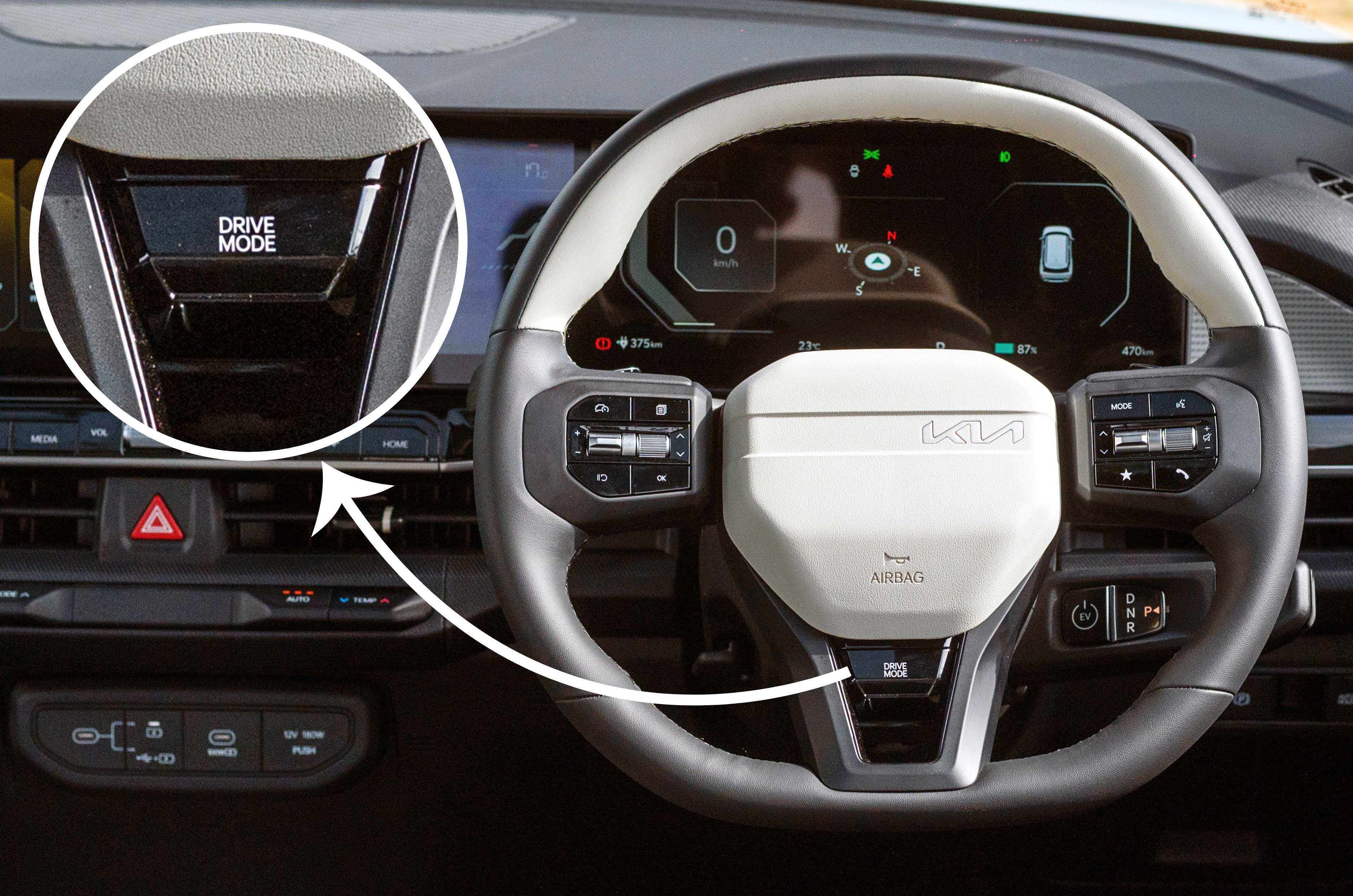
We drove the 51.4kWh version, which Kia claims can sprint from 0-100kph in 8.1 seconds. In our experience, performance was brisk. The EV comes with Eco, Normal and Sport drive modes, and throttle response becomes a little sharper as you move through them. Initial response across modes is linear, though there is a strong shove as you press the throttle further. Even in Eco and Normal, overtaking is effortless, and there is rarely a need to switch to Sport for a quick pass.
The MIDC range is 526km for the 51.4kWh battery pack and 443km for the 42kWh unit. While our short drive wasn’t enough to verify these figures, the larger battery should comfortably deliver around 400km of real-world range on a single charge.
Spacious and practical cabin
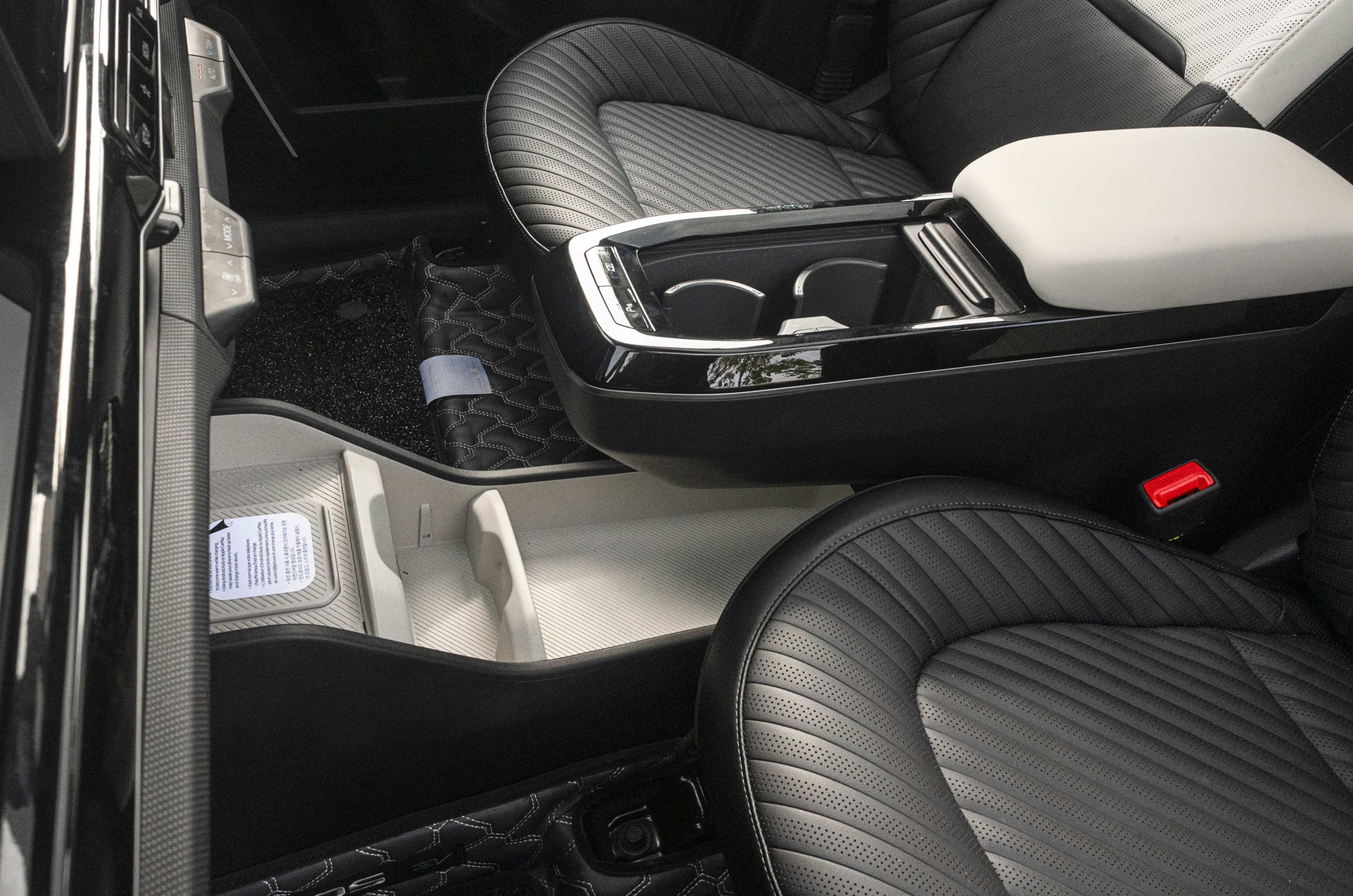
Like the ICE version, the Syros EV offers plenty of space for passengers. Since the drive selector is placed on the steering column, Kia has redesigned the centre console to create more storage space. Its upper section gets a small storage area below the armrest and two cup holders with a sliding cover. The console’s lower section offers a larger storage space for a bag, another cup holder and a wireless phone charger. Also, the front door pockets are large enough to hold a couple of bottles and an umbrella.
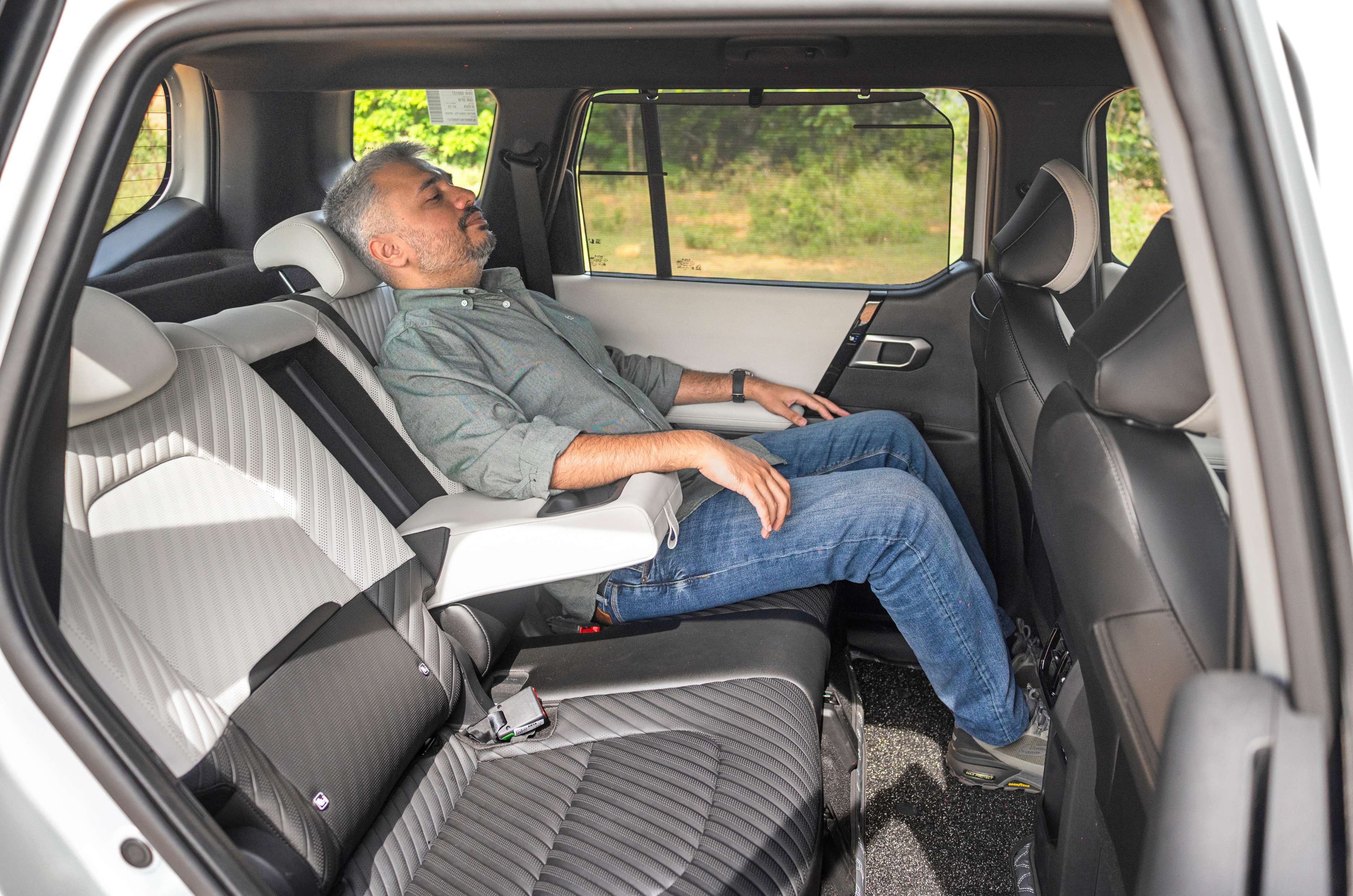
The front seats are comfortable and supportive, and the rear-seat space continues to be one of the compact SUV’s biggest strengths, with plenty of room all around. The battery pack raises the floor slightly, but sliding the rear bench backwards makes it much more comfortable. The EV’s flat floor is another advantage, and rear-seat ventilation (for the base) has been carried over from the ICE version.
The boot space remains unchanged at 390 litres with the rear seat pushed back and 465 litres with it slid forward. Rear seats can also be folded to carry larger items, and being an EV, it also offers a 16-litre frunk (front boot).
Feature-packed
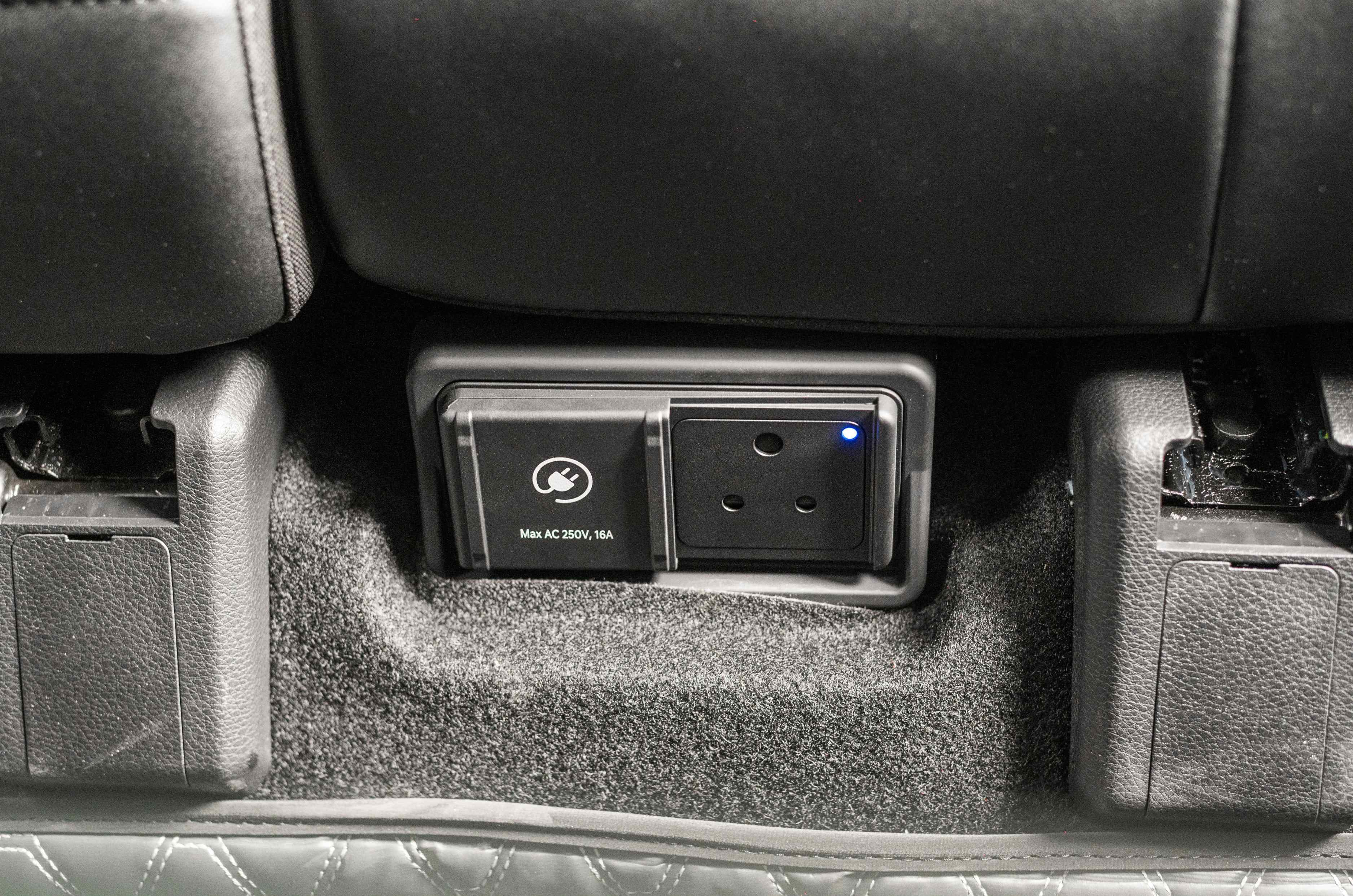
The EV gets Kia’s Trinity Panoramic Display, which includes two 12.3-inch screens for infotainment and the driver’s display, along with a 5-inch screen for the climate control. Wireless Android Auto and Apple CarPlay are offered, while the top trims also feature an eight-speaker Harman Kardon sound system. To pamper occupants at the back, AC vents and sunblinds are standard across the range. The household-style three-pin socket in the back seat is exclusive to the top-spec X-Line trim.
As for safety, the Syros EV comes with six airbags, all-wheel disc brakes, tyre-pressure monitoring and Isofix child-seat mounts as standard. The X-Line trim also gets a 360-degree camera and an ADAS (advanced driver assistance systems) suite with features such as adaptive cruise control with stop-and-go, lane-keep assist, forward and rear collision avoidance and a blind-spot camera. Notably, the ICE version no longer gets ADAS.
At the time of writing, the Syros EV has not yet received an official crash-safety rating. However, since the ICE version has already earned a 5-star Bharat NCAP crash-safety rating, the EV is expected to achieve a similar result.
Cons
Body roll through the corners
The ride on the Syros EV is slightly more absorbent than the ICE version, although there is still an underlying firmness. This helps keep the car stable, but because it is tall and narrow, there is noticeable body roll around the corners.
Pricey at the top end
The Kia Syros EV is priced from Rs 13.5 lakh for the 42kWh version, while the 51.4kWh Extended Range starts at Rs 17 lakh. The fully loaded X-Line trim is priced at Rs 20 lakh. At this price, it competes with the Tata Nexon EV (Rs 12.49 lakh-17.49 lakh) and Mahindra XUV 3XO EV (Rs 13.89 lakh-14.69 lakh) compact SUVs, as well as larger EVs such as the MG Windsor EV (Rs 14.7 lakh-19 lakh) and Maruti e Vitara (Rs 15.99 lakh-19.99 lakh).
Top-spec Kia Syros X-Line.
The 42kWh version does offer strong value for money, but the larger 51.4kWh Extended Range version is a tougher sell. It costs noticeably more than its direct rivals and even overlaps with higher-battery versions of the MG Windsor EV and Maruti e Vitara. While the Syros EV has several strengths, many buyers may want a bigger SUV for similar money. Kia’s Battery-as-a-Service (BaaS) scheme lowers the upfront purchase cost, but similar plans are also available with the MG and Maruti EVs.
Ex-showroom prices mentioned above are as of July 30, 2026.
HAL Recruitment 2026: देश के सार्वजनिक क्षेत्र के रक्षा संस्थान हिंदुस्तान एयरोनॉटिक्स लिमिटेड (HAL) ने इंजीनियरिंग डिग्री धारक उम्मीदवारों के लिए शानदार अवसर पेश किया है। एचएएल ने डिजाइन ट्रेनी और मैनेजमेंट ट्रेनी के पदों पर भर्ती के लिए नोटिफिकेशन जारी किया है। इसके तहत 120 पदों पर नियुक्तियां की जाएंगी। इच्छुक और योग्य उम्मीदवार एचएएल की आधिकारिक वेबसाइट halindia.co.in के करियर सेक्शन में ऑनलाइन आवेदन कर सकते हैं। इन पदों के लिए ऑनलाइन आवेदन 29 जुलाई से शुरू हो चुके हैं। आवेदन के इच्छुक उम्मीदवार 14 अगस्त को दोपहर 2.00 बजे तक अप्लाई कर सकते हैं।
पदों का विवरण
डिजाइन ट्रेनी (60 पद): इसके तहत एचएएल के अनुसंधान एवं विकास (R&D) केंद्रों में नियुक्तियां की जाएंगी। इसमें एयरोनॉटिकल, इलेक्ट्रिकल, इलेक्ट्रॉ निक्स, इंस्ट्रूमेंटेमेंटेशन, मैकेनिकल, कंप्यूटर साइंस और मेटलर्जी जैसी इंजीनियरिंग शाखाओं में डिग्री प्राप्त कर चुके अभ्यर्थी आवेदन कर सकते हैं।
मैनेजमेंट ट्रेनी (60 पद): यह पद उत्पादन, ओवरहॉल और सर्विस डिवीजनों के लिए हैं। इसमें मैकेनिकल, इलेक्ट्रिकल, इलेक्ट्रॉ निक्स, सिविल, प्रोडक्शन, मेटलर्जी और कंप्यूटर साइंस स्ट्री म के उम्मीदवार पात्र हैं। चयनित उम्मीदवारों को बेंगलुरु, तुमकुरु, हैदराबाद, नासिक, कोरापुट, बैरकपुर, लखनऊ, कानपुर और कोरवा स्थित एचएएल की विभिन्न यूनिट में तैनात किया जाएगा।
शैक्षणिक योग्यता और आयु सीमा
शैक्षणिक योग्यता : संबंधित इंजीनियरिंग ब्रांच में न्यूनतम 70% कुल अंकों के साथ बी.ई. या बी.टेक. की डिग्री होना अनिवार्य है। अनुसूचित जाति (SC), अनुसूचित जनजाति (ST) और दिव्यांग (PwBD) श्रेणी के अभ्यर्थियों के लिए न्यूनतम अंक 60% निर्धारित किए गए हैं। जो अभ्यर्थी बी.ई./बी.टेक. के अंतिम वर्ष या अंतिम सेमेस्टर में पढ़ाई कर रहे हैं, वे भी आवेदन करने के पात्र हैं, बशर्ते इंटरव्यू के समय तक उनके पास डिग्री का प्रमाण पत्र उपलब्ध हो।
आयु सीमा : 14 अगस्त 2026 के आधार पर अनारक्षित (UR) और ईडब्ल्यूएस (EWS) उम्मीदवारों के लिए अधिकतम आयु 28 वर्ष तय की गई है। आरक्षित श्रेणियों (OBC-NCL, SC, ST यों , PwBD) को नियमानुसार आयु सीमा में छूट दी जाएगी।
स्टाइपेंड (सैलरी): ट्रेनिंग अवधि के दौरान चयनित अभ्यर्थियों को 50,000 रुपये का शुरुआती बेसिक पे, वेरिएबल डीए और अन्य भत्ते दिए जाएंगे।
चयन प्रक्रिया : अभ्यर्थियों का चयन कंप्यूटर आधारित ऑनलाइन परीक्षा (CBT) और पर्सनल इंटरव्यू के आधार पर किया जाएगा। लिखित परीक्षा 5 और 6 सितंबर 2026 को आयोजित की जाना प्रस्तावित है।
आवेदन शुल्क : सामान्य, ओबीसी और ईडब्ल्यूएस श्रेणी के अभ्यर्थियों के लिए आवेदन शुल्क 500 रुपये है। एससी, एसटी, दिव्यांगजनों और एचएएल नों के आंतरिक कर्मचारियों को आवेदन शुल्क से पूरी तरह छूट दी गई है।
आवेदन कैसे करें?
आवेदन करने के लिए उम्मीदवार सीधे hal-india.co.in पर जाएं, ‘Careers’ टैब में विज्ञापन संख्या HAL/CHRC-TM/RECT-02/2026 पर क्लिक करें, अपने मोबाइल नंबर व ईमेल से रजिस्ट्रेशन करें और 14 अगस्त दोपहर 2:00 बजे से पहले अपना आवेदन फॉर्म सबमिट करें।
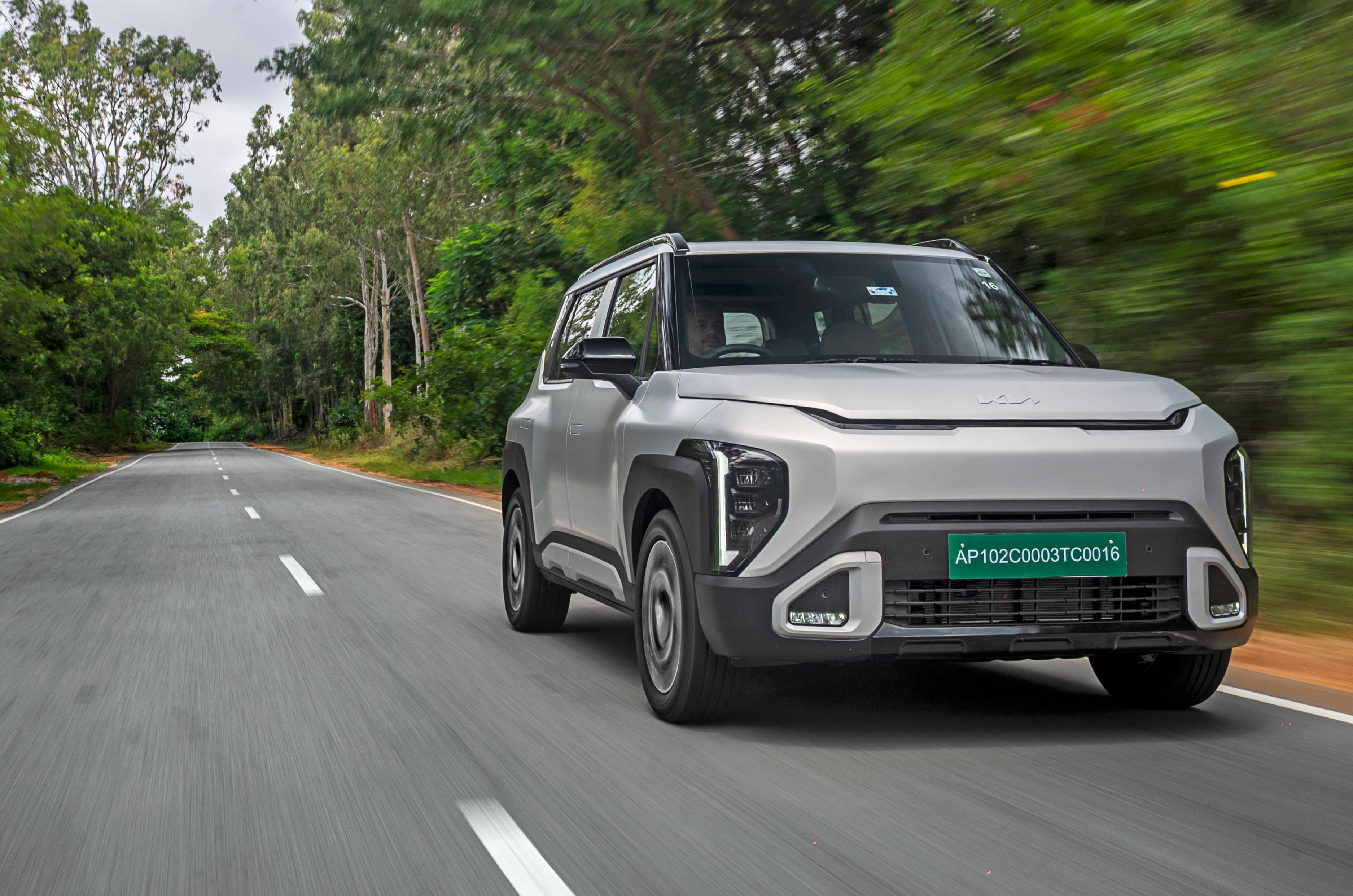
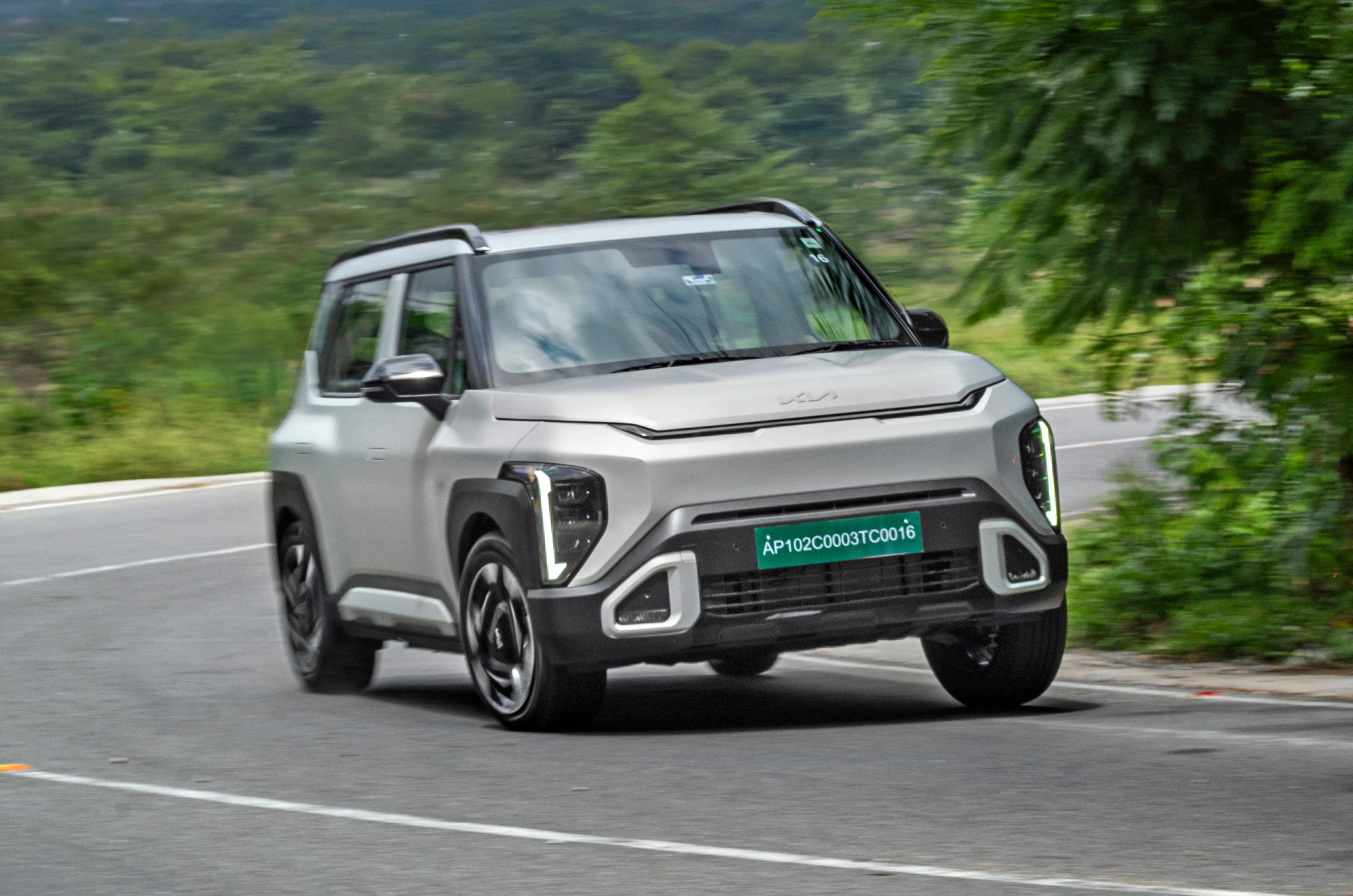
Kia has chosen the Syros to be its second mass market EV for the Indian market. Despite its superb packaging, oddball styling and high initial prices held back the original ICE version against traditional compact SUV rivals. However, EV customers are generally more accepting of avant-garde design, so can the Syros EV find success where the ICE version couldn’t? We drove it in Bengaluru to find out.
Kia Syros EV Exterior Design and Engineering – 7/10
EV has a slimmer intake above the number plate and slightly different lower bumper
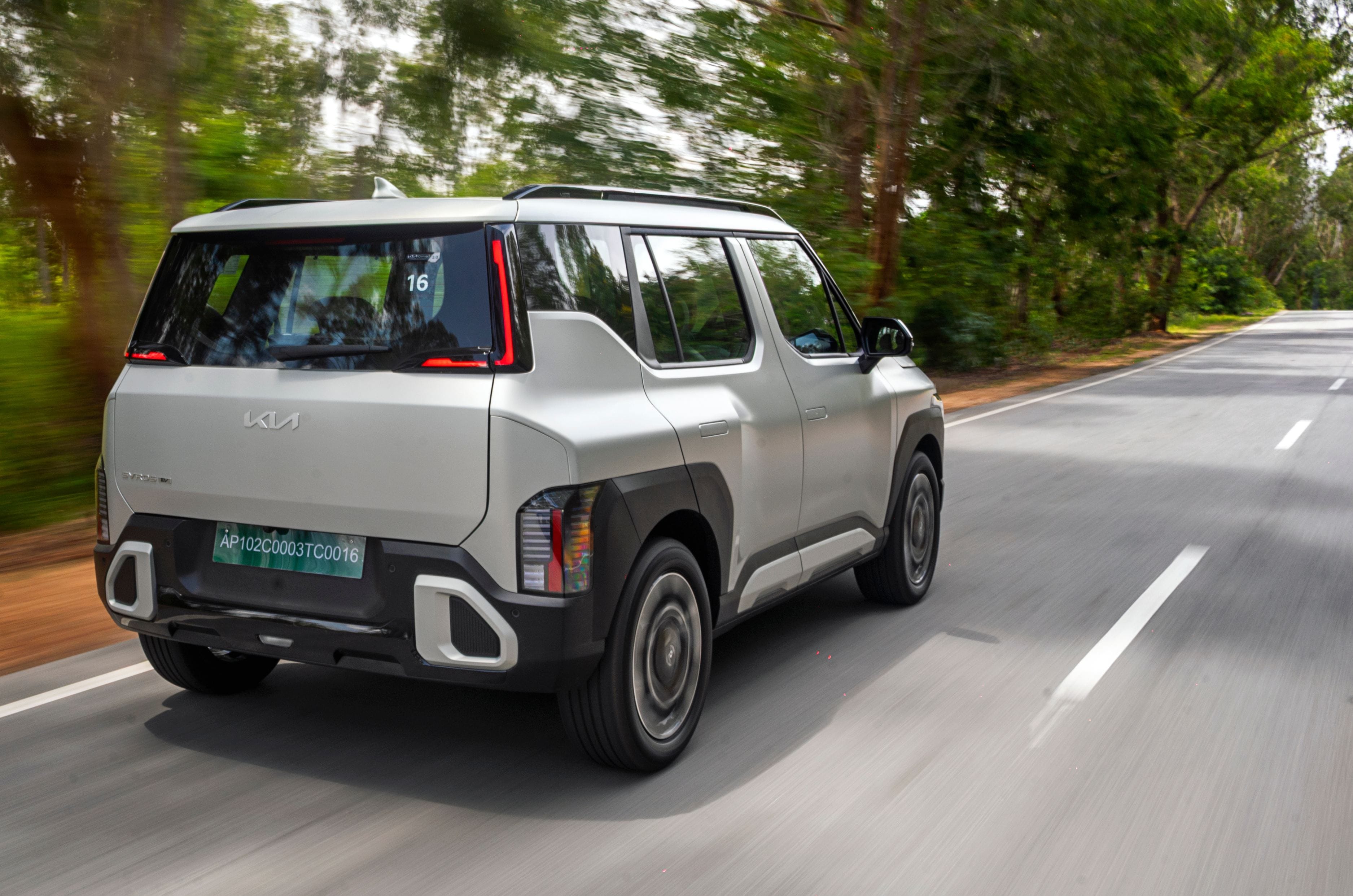
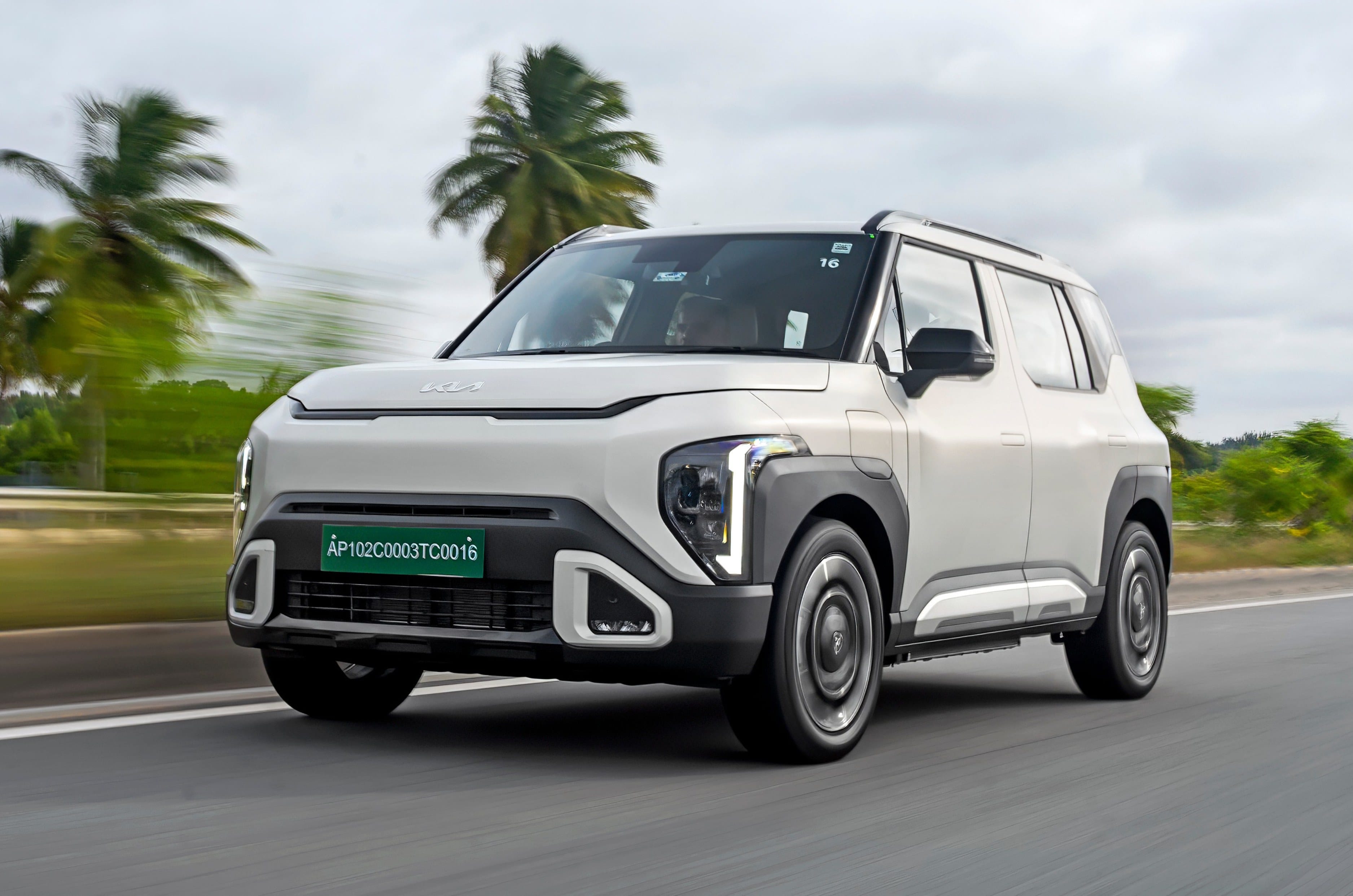
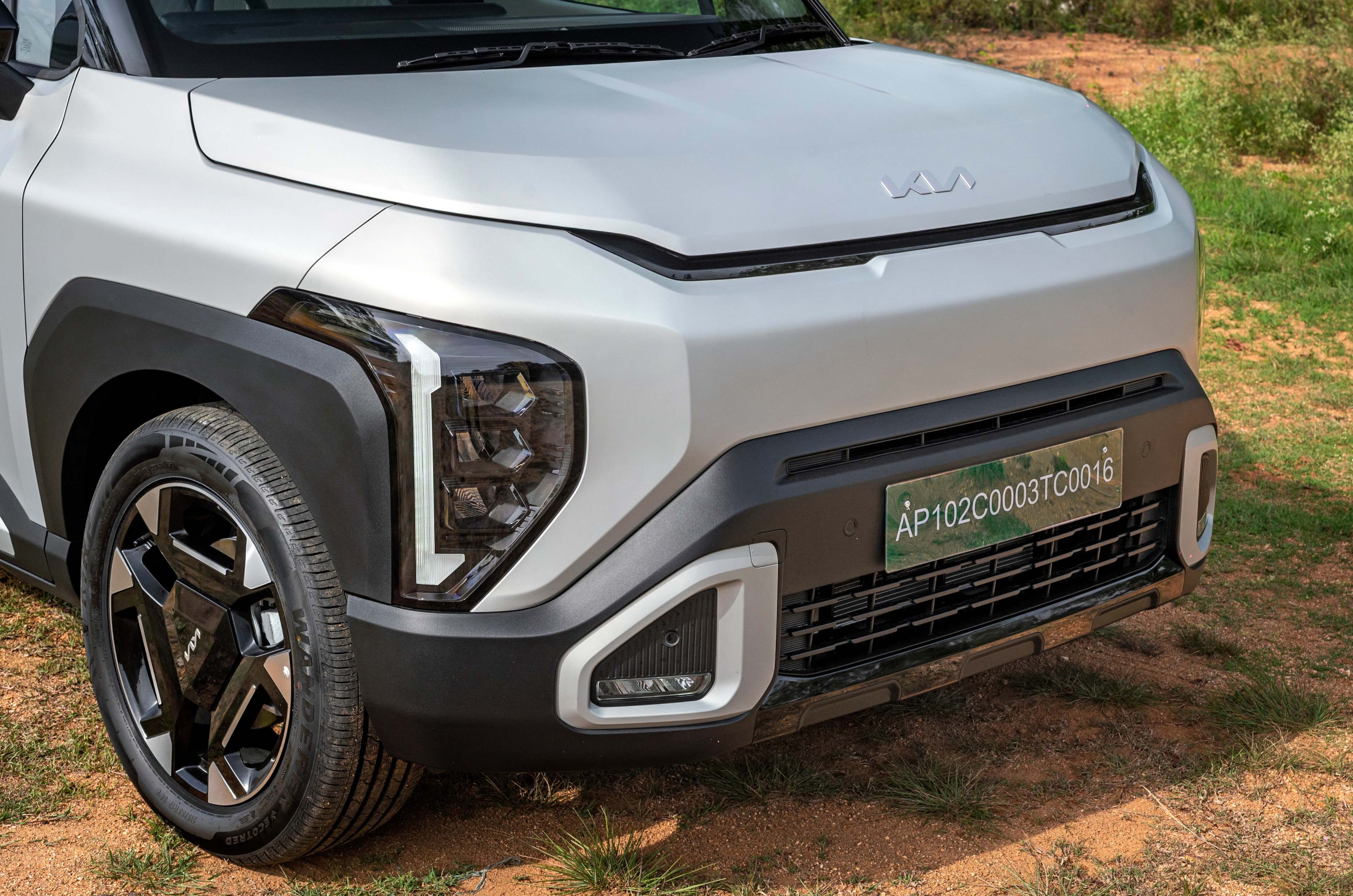
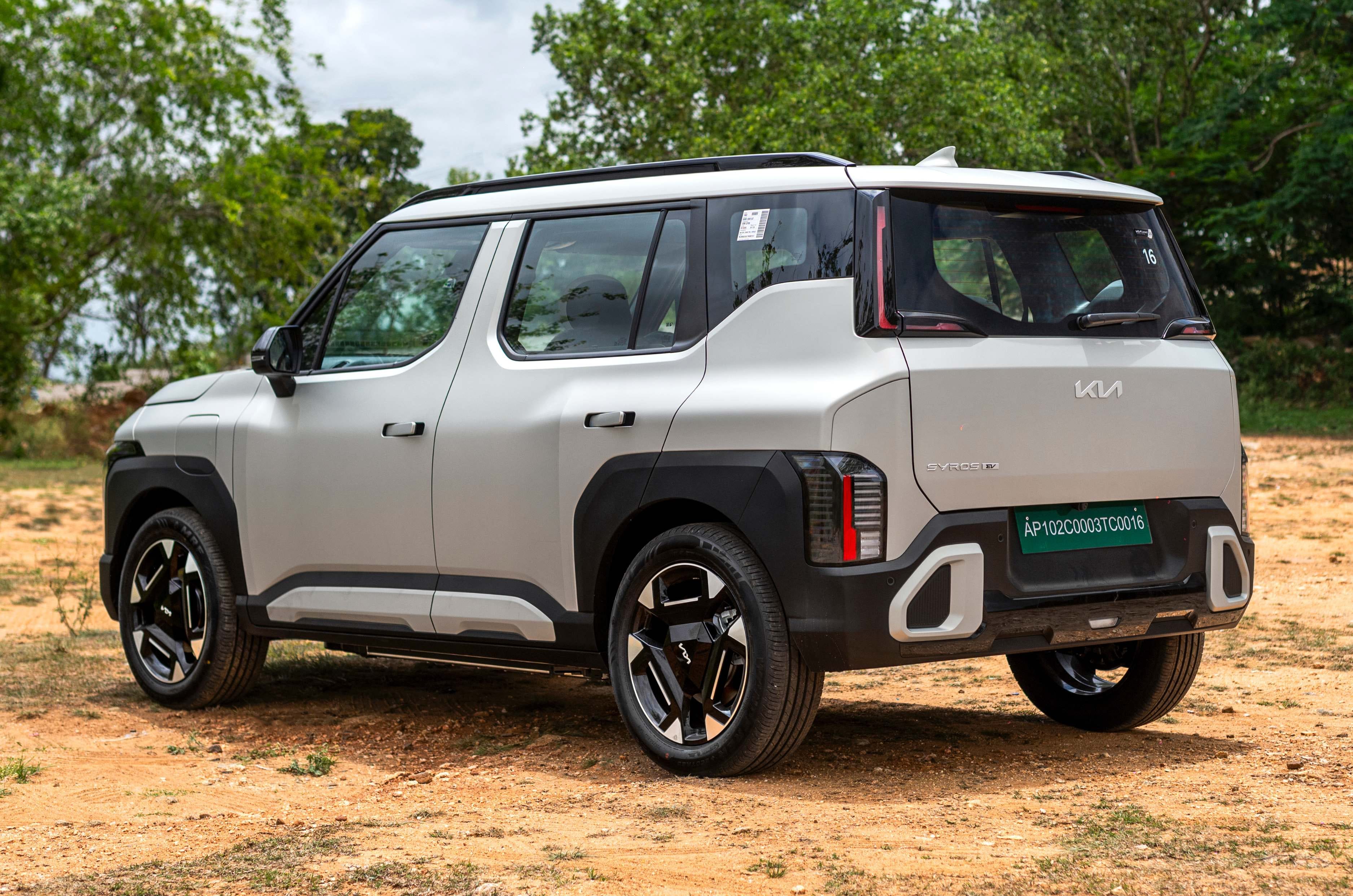
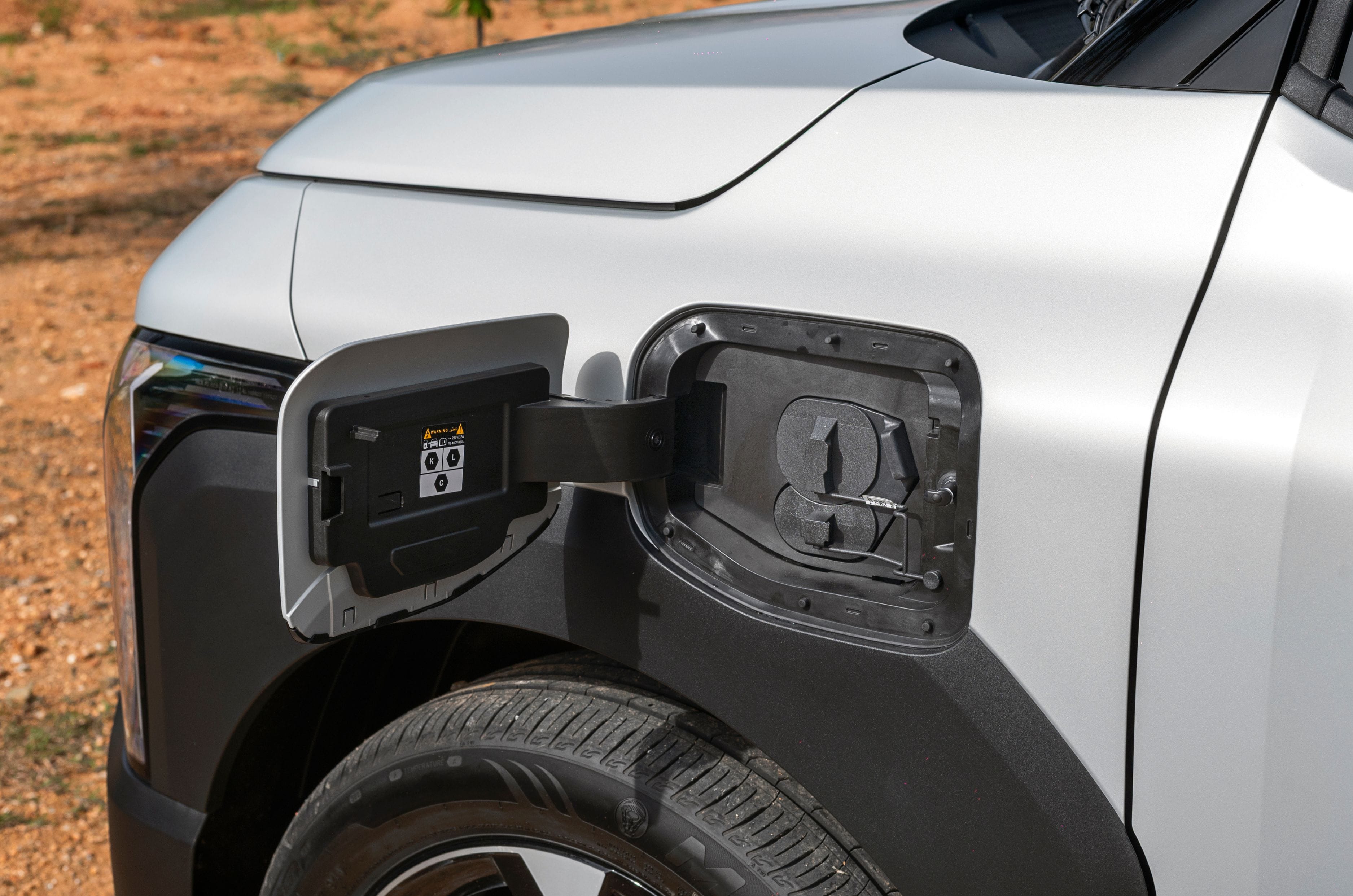
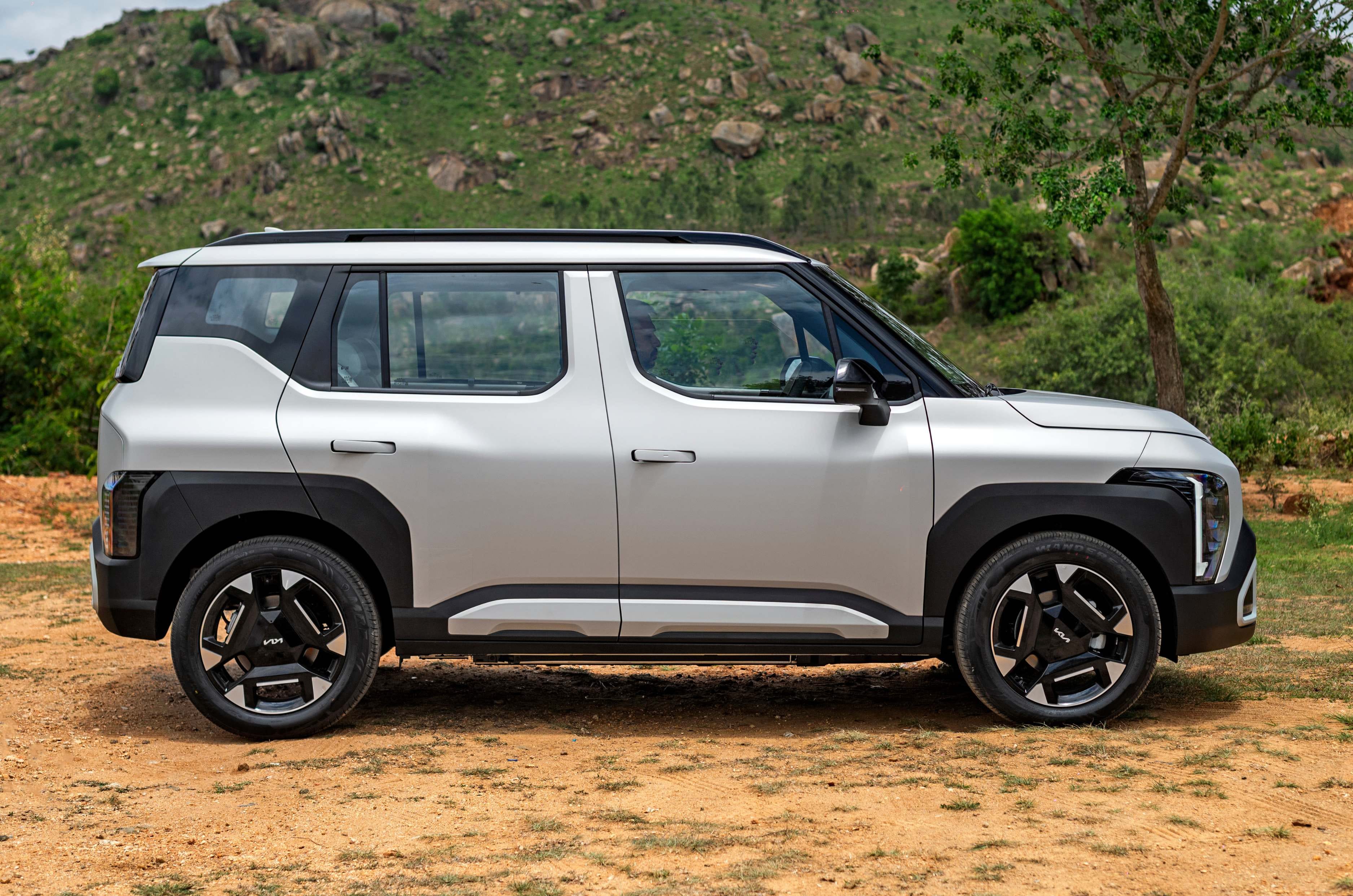
A game of spot the difference between the Syros EV and the ICE version would prove challenging for the casual observer, so here is the cheatsheet. Up front, the bumper is ever so slightly different, with a slimmer cooling slot above the number plate and minor tweaks to the body-coloured triangular pods that house the LED fog lamps. Apart from the charging port on the front left fender and the shorter roof rails, the profile is unchanged. Crouch down, though, and you’ll notice the battery pack is visible, like it is on the Hyundai Creta Electric. Kia claims ground clearance is 197mm which is 7mm more than the ICE version. The tri-spoke 17-inch alloys are the same ones that debuted on the ICE car but were discontinued with the facelift. No differences round the back either, save for an EV badge on the tailgate.
Split lighting lifts the otherwise bland rear
If you didn’t like the way the Syros looked, the EV isn’t going to change your mind. It is distinctive, though – like a Japanese kei car only larger, and Korean. Its blanked-off fascia looks appropriate on an EV, and the vertically oriented headlights give it a unique look. The cladding lower down on the bumper carries on to the wheel arches, doors and the rear, adding some muscle. Breaking up the large greenhouse are the pronounced B-pillar and the upward kink in the C-pillar, both of which are neatly done. And while the tailgate looks a bit blank, the split lighting – with L-shaped elements framing the rear windscreen and larger units at the edge of the bumper – looks great when lit up.
Syros EV Interior Space and Comfort – 10/10
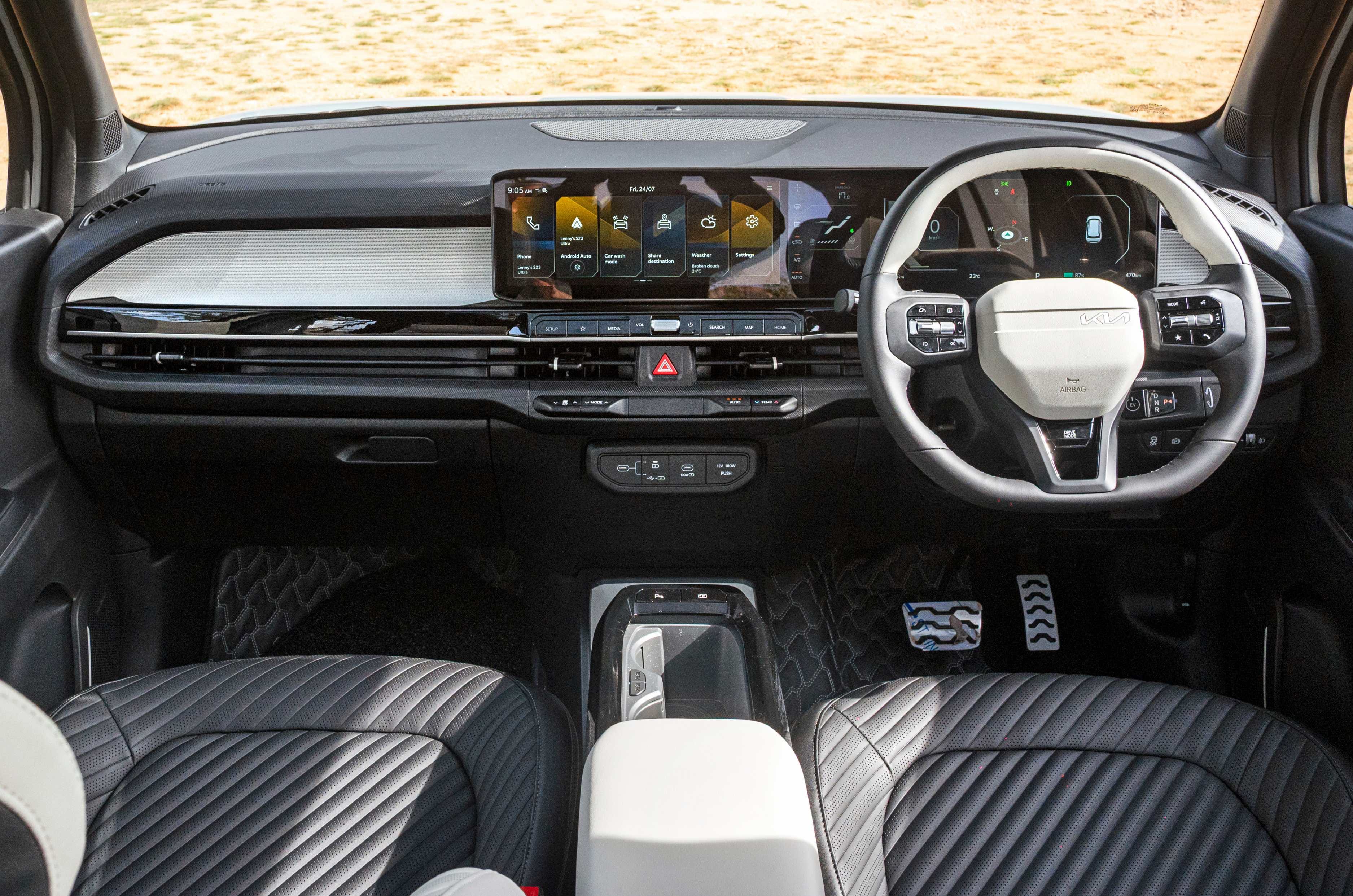
Dash layout is identical to the ICE version, but it gets the 3-spoke ‘wheel from the Seltos
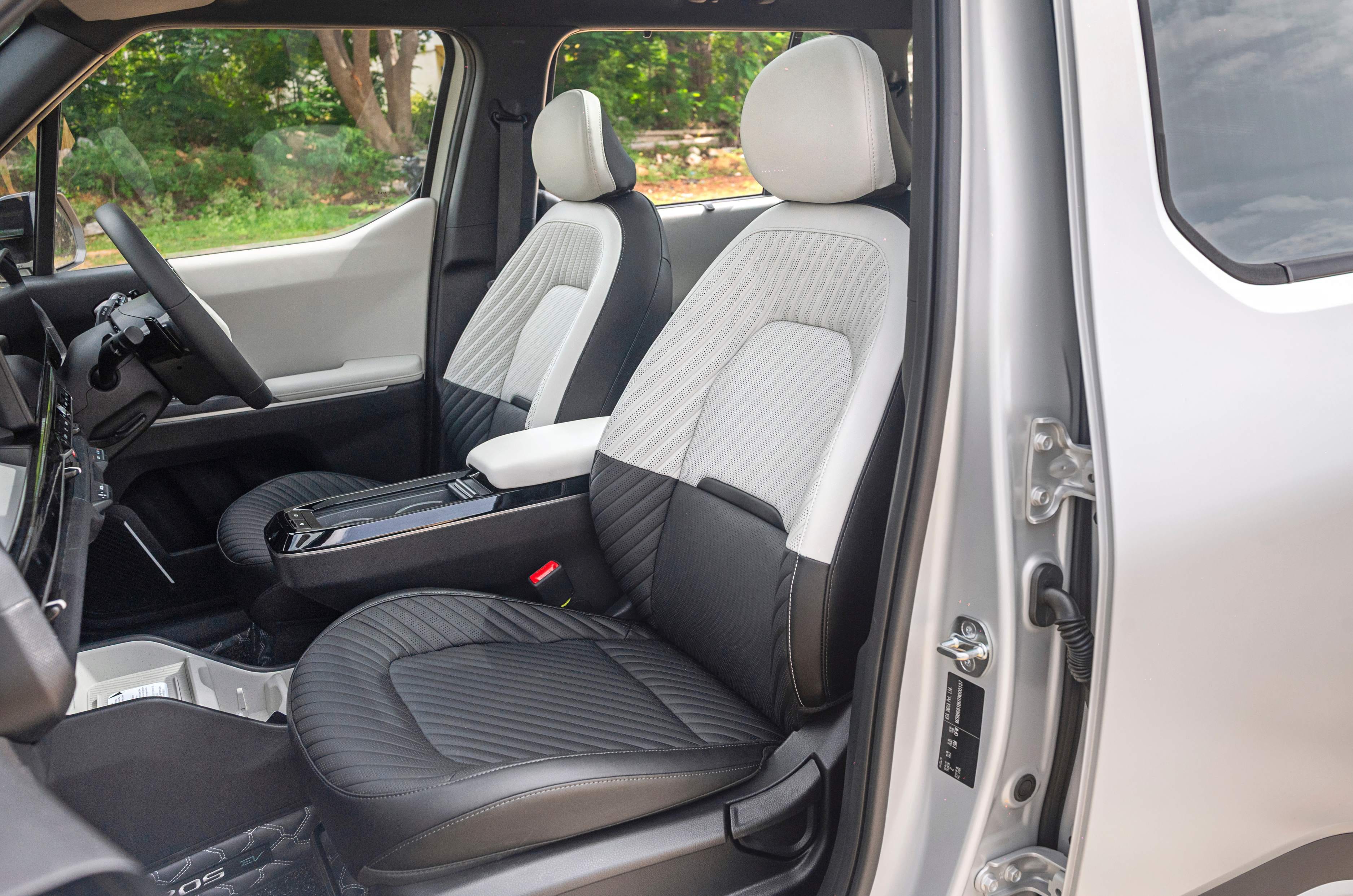
Step inside and you start to understand why the Syros EV looks the way it does. Space for passengers, their knick-knacks and luggage is in abundance. With the EV’s drive selector positioned on the steering column, Kia has re-engineered the centre console to liberate a lot more storage. It now has two levels: the top floating portion has a small cubby under the armrest, along with two cupholders with their own sliding cover, while the lower level has a large storage area for a bag or such, another cupholder and a wireless charger. The front door pockets are just as accommodating, with room for a couple of bottles and an umbrella.
New center console has a lot of storage spaces
The front seats are supportive and comfortable, with heating and ventilation along with 4-way power adjustment for the driver. While the dash layout is unchanged, the EV gets the Seltos’ three-spoke steering wheel, but adjustment is still limited to rake and not reach. The EV uses a slightly different colour palette inside: our HTX+ test car gets a smart-looking black-and-off-white theme, the X-Line features a darker black-and-green ambience, while all other trims get an airy light grey and pastel blue theme. While most surfaces are hard plastic, the quality of the materials, fit and finish is top notch.
Front seats are comfy with heating, ventilation for both and power adjustment for the driver
The back seat remains a highlight, with plenty of room all around. The floor is slightly higher because of the battery pack, which means thigh support isn’t as good as in the ICE version. However, if you slide the bench back and stretch out, this isn’t much of an issue. A benefit of the raised floor is that it is now completely flat. Ventilation for the seat base carries over, but the backrest still misses out, as Kia says it would restrict its recline angle.
Higher floor slightly affects thigh support, but there’s ample room to stretch out
Boot space is identical to the ICE Syros at 390 litres with the seat all the way back, and 465 litres with it slid forward. The rear seats also split-fold – though not completely flat – to carry longer items. There is a 16-litre frunk too, though it is rather narrow.
Kia Syros EV Features and Safety – 9/10
Sitting proud on the dash is what Kia calls the Trinity Panoramic Display, comprising two 12.3-inch screens for the infotainment and driver’s display, with a 5-inch screen in between for the HVAC controls. The driver’s display is logically laid out, easy to read and offers some customisation, while the infotainment is sharp, snappy and has a clean UI. The EV gets a dedicated tab that shows several parameters related to the battery, range and energy consumption. It can also help find the nearest charger, condition the battery before charging, as well as set up charging schedules.
Handy drive mode button to cycle between Eco, Normal and Sport modes
The infotainment also offers wireless Android Auto and Apple CarPlay and, on the top trims, powers a superb Harman Kardon audio system with eight speakers, including one on the dash and a subwoofer in the boot. Sunblinds and rear AC vents are standard, while the massive panoramic sunroof features on all but the bottom two trims. Our second-from-top HTX+ also gets an integrated dashcam.
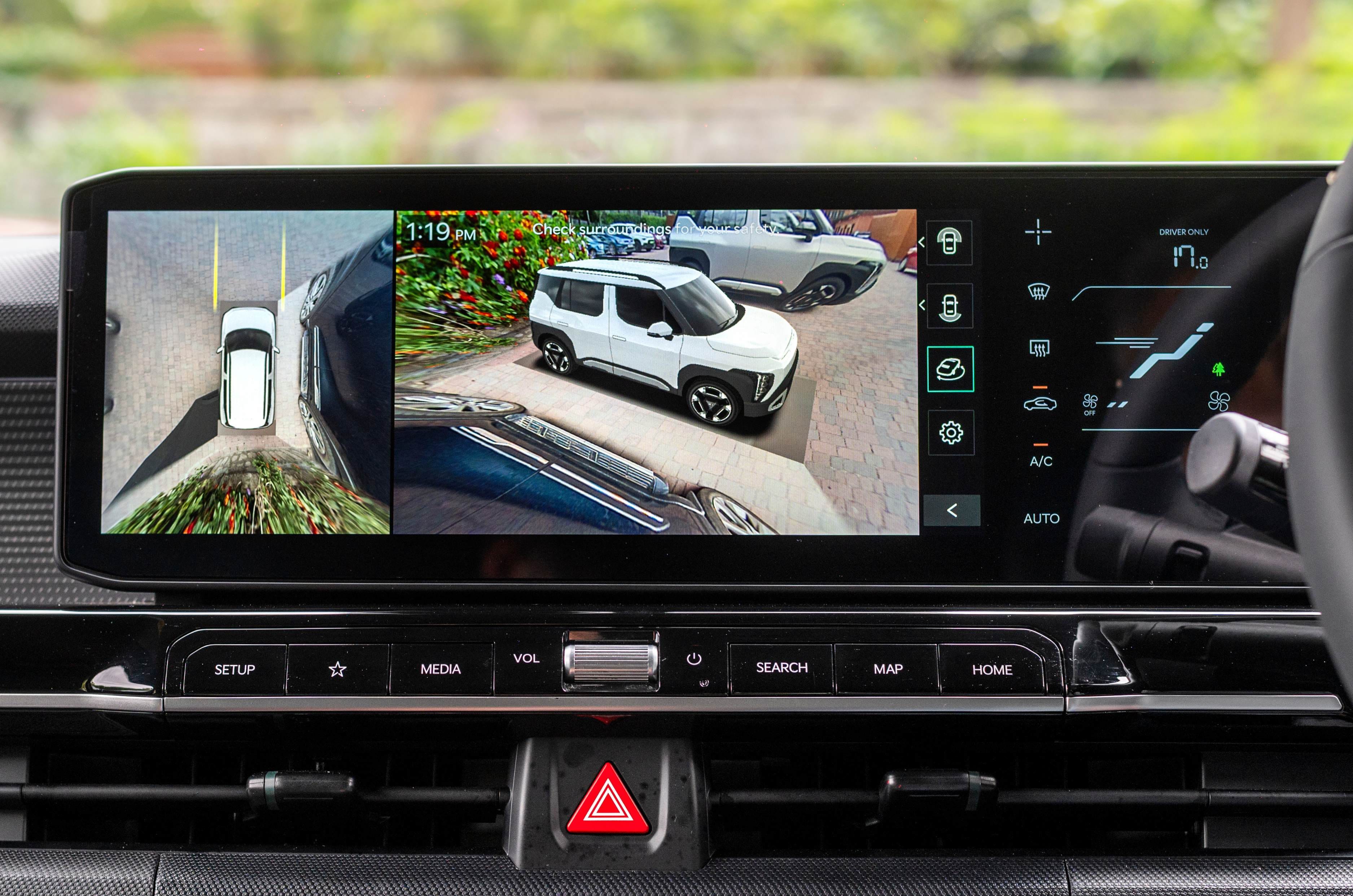
360-degree camera is sharp, but only available on top X-Line trim
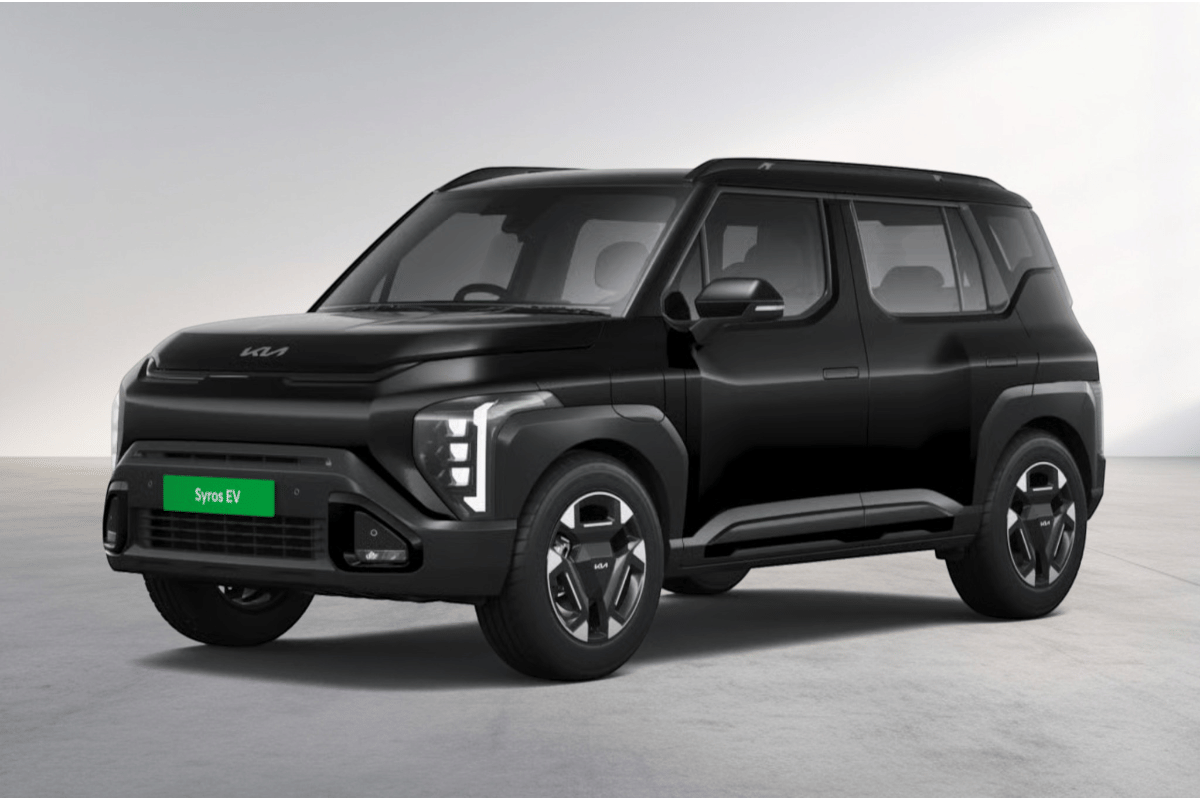
Overall, the Syros EV is very well equipped, but some features are available only on the top X-Line variant, including Level 2 ADAS, ambient lighting, a 360-degree camera and a household-style three-pin socket in the back seat. Restricting features to the top trim isn’t unusual; however, the X-Line can only be had in Aurora Black Pearl or Matte Graphite, which might not be to all tastes.
V2L power outlet under the rear seat
The standard safety suite is robust, including six airbags, all-wheel disc brakes, tyre pressure monitoring and ISOFIX mounts. The ADAS suite is also comprehensive, including adaptive cruise control with stop-and-go, lane keep assist, forward and rear collision avoidance, and a blind-spot camera. At the time of writing, the Syros EV does not yet have an official crash safety rating, but considering the ICE version has a five-star BNCAP rating, a similar result for the EV can be expected.
Kia Syros EV Performance and Refinement – 9/10
The Syros EV is available with the same 42kWh and 51.4kWh NMC battery packs as the Carens Clavis EV and the Hyundai Creta Electric. Here too, they power a single motor on the front axle producing 135hp with the smaller battery and 171hp with the extended-range version. Torque is identical on both at 255Nm.
Borrows the 42 and 51.4kWh battery packs from the Carens Clavis EV
Performance was brisk on our 51.4kWh test car, with the 0-100kph sprint claimed to take 8.1 seconds. There are three drive modes to choose from – Eco, Normal and Sport – with each sharpening throttle response a little more than the last. Initial response in all modes is linear so as not to overwhelm those who aren’t used to the instant torque, but there is a strong shove as you get further into the throttle. Overtaking, then, is quite effortless, even in Eco and Normal, almost never needing a switch to Sport for a quick pass.
Initial acceleration is linear, but there is plenty of shove for quick overtakes
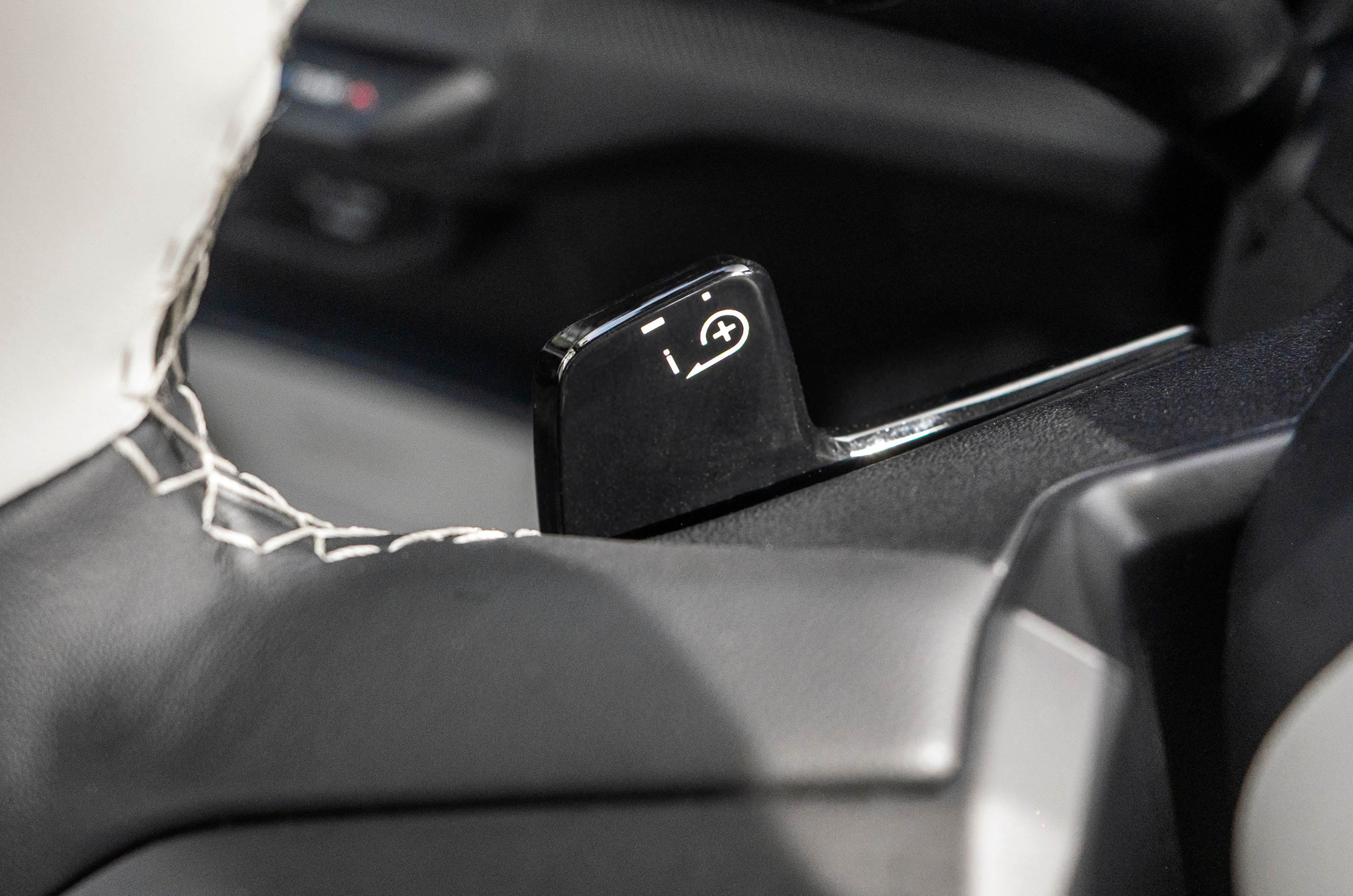
The regen braking modes – selected via the paddle shifters – are also very well calibrated, with a noticeable increase in resistance in each mode and the ability to turn it off completely. Holding the left paddle engages one-pedal driving, which uses regen to bring the car to a full stop. It works quite seamlessly and can be very convenient once you get used to it.
Regen modes are well calibrated and the i-Pedal function is handy in the city
Refinement is good too, with no noticeable motor whine making its way into the cabin. It’s so quiet, in fact, that Kia has added a virtual humming sound to warn pedestrians. Since there is no engine note inside the cabin, you do hear a bit more road noise, but at no point does it become intrusive.
Kia Syros EV Range and Efficiency – 8/10
Claimed MIDC range for the 51.4kWh battery is 526km, while the 42kWh unit claims 443km. Our short drive didn’t allow us to test these claims, but if the real-world range we achieved in the Clavis EV and Creta Electric is anything to go by, the Syros EV Extended Range should comfortably manage around 400km on a single charge. We will verify this when we have the car for longer.
Capable of DC fast charging at up to 100kW
Topping up a depleted battery from 10 to 80 percent is said to take 39 minutes on a 100kW DC fast charger. The same charge using the optional 11kW wallbox charger, is said to take almost five hours for the Extended Range and four hours for the Standard Range.
Kia Syros EV Ride Comfort and Handling – 8/10
The ride on the Syros EV is a touch more absorbent than on its ICE counterpart. Sharp bumps don’t come through to the cabin as abruptly, but there is still an underlying firmness to it. This firmness is there to help body control, but being a tall, narrow car, there is still a fair bit of body roll through the corners. It does feel stable though, and overall grip is strong.
There’s plenty of body roll, but it remains stable through the bends
Steering feel is also good, and it weighs up as speeds rise, which helps with high-speed stability. The four-wheel disc brakes are strong too, bringing the Syros to a confident halt when you drop the anchors. Overall, it isn’t the most entertaining car to drive, but it feels stable and secure at speed while being easy to manoeuvre in tight spaces.
Kia Syros EV Value for Money – 7/10
Introductory prices for the Syros EV start at Rs 13.5 lakh for the 42kWh version and Rs 17 lakh for the 51.4kWh Extended Range. If you want the fully loaded X-Line, that’ll be a cool Rs 20 lakh. To reduce the upfront purchase cost, a BaaS scheme is available with prices starting at Rs 7.99 lakh, and battery rental costing Rs 3.3 per kilometre. To sweeten the deal, Kia is offering a 15-year/unlimited-kilometre HV battery warranty for the first owner, along with an assured buyback value of up to 80 percent after three years.
Its pricing means the Syros EV rivals the Tata Nexon EV and Mahindra XUV 3XO EV, as well as larger EVs like the MG Windsor and Maruti e Vitara. As such, the 42kWh Syros EV makes for a very compelling option, undercutting its rivals in the sub-four-metre EV space. It is easily the most spacious in this segment and is very well equipped even in the lower trims. However, its case weakens with the 51.4kWh Extended Range. It is significantly pricier than its immediate rivals, overlapping with the larger-battery versions of the Windsor and e Vitara. While the Syros EV has its merits and even outdoes them in some areas, buyers might find the allure of a bigger car for the same money too hard to resist.
स्कॉटलैंड के ग्लासगो में चल रहे राष्ट्रमंडल खेल 2026 की पैरा एथलेटिक्स की टी47 स्पर्धा की 100 मीटर दौड़ में दिलीप महादू गवित ने सिर्फ 10.71 सेकेंड में सबसे पहले बाधा पार कर ली और भारत को स्वर्ण पदक जिताया। इसके अलावा त्रिवेंद्रम के एथलीट मोहम्मद बेसिल मोरसिंगनाथ ने 10.83 सेकेंड में इस दौड़ को पूरा किया और सिल्वर मेडल जीता।
Result Update: Men's 100M T47
A spectacular double podium finish!
TOPS athlete Dilip Mahadu Gavit stormed to Gold with a Games Record (10.71s) and Season Best, becoming the first Indian male para athlete to win a CWG Gold in Para Athletics and only the second Indian para… pic.twitter.com/iWwnRVvy6N
यह पैरा एथलेटिक्स में भारत के लिए एक एतिहासिक दिन रहा। दिलीप महादू गवित पहले ऐसे एथलीट बने जिन्होंने पैरा एथलेटिक्स में भारत के लिए गोल्ड जीता। इंग्लैंड के केविन सैंटोस ने 10.85 सेकेंड के सत्र के अपने सर्वश्रेष्ठ का समय के साथ कांस्य पदक जीता।
A historic double podium for Bharat!
Heartiest congratulations to Dilip Mahadu Gavit for winning Gold with a Games Record (10.71s) and Mohammed Basil for clinching Silver (10.83s) in the Men's Para 100m T47.
— Dr Mansukh Mandaviya (@mansukhmandviya) July 29, 2026
पुरुषों की 100 मीटर टी47 स्पर्धा पैरा एथलेटिक्स की फर्राटा प्रतियोगिता है जिसमें एक हाथ में शारीरिक अक्षमता या उसके अभाव वाले खिलाड़ी हिस्सा लेते हैं। इससे शरीर के एक हिस्से की ताकत, गति या समन्वय प्रभावित होता है।इन दो पदकों के साथ भारत पदक तालिका में तीन स्वर्ण, नौ रजत और तीन कांस्य पदक लेकर आठवें स्थान पर पहुंच गया।
Adani Ports Q1 Result: अदाणी ग्रुप की पोर्ट कंपनी अदाणी पोर्ट्स एंड स्पेशल इकनॉमिक जोन (APSEZ) ने आज चालू वित्त वर्ष 2027 की पहली तिमाही अप्रैल-जून 2026 के कारोबारी नतीजे पेश किए। देशी-विदेशी कारोबार के दम पर रेवेन्यू और ऑपरेटिंग प्रॉफिट की मजबूत ग्रोथ ने इसके मुनाफे को सपोर्ट किया और यह 10% उछल पड़ा।
Adani Ports Q1 Result: खास बातें
जून 2026 तिमाही में अदाणी पोर्ट्स का शुद्ध मुनाफा सालाना आधार पर ₹3,311 करोड़ से 10% उछलकर ₹3,650 करोड़ पर पहुंच गया। इस दौरान ऑपरेशंस से कंपनी का रेवेन्यू भी 19% बढ़कर ₹10,821 करोड़ पर पहुंच गया। ऑपरेटिंग लेवल पर भी कंपनी का परफॉरमेंस दमदार रहा। अदाणी पोर्ट्स का जून तिमाही में ईबीआईटीडीए ₹6,541 करोड़ रहा जोकि सालाना आधार पर 19% अधिक है लेकिन मार्जिन में इस दौरान हल्की सुधार दिखी और यह 60.2% से 60.4% पर पहुंच गया।
वैसे तो कंपनी का देश-विदेश में कारोबार तेजी से आगे बढ़ा लेकिन घरेलू पोर्ट बिजनेस अहम बना रहा। कंपनी के घरेलू पोर्ट्स बिजनेस से रेवेन्यू सालाना आधार पर 12% बढ़ा। इसे बेहतर कार्गो मिक्स, हाई रियलाइजेशंस और कॉर्गो वॉल्यूम में उछाल से सपोर्ट मिला। जून तिमाही में घरेलू बंदरगाहों ने 115.3 मिलियन मीट्रिक टन (MMT) कार्गो संभाला। इसके घरेलू पोर्ट्स बिजनेस का ईबीआईटीडीए मार्जिन 74% रहा जिसे इंडस्ट्री में शानदार माना जाता है।
अदाणी पोर्ट्स का कहना है कि यह अब तक के सबसे बड़े पोर्ट कैपेसिटी एक्सपैंशन प्रोग्राम पर काम कर रही है। जून 2026 तक इसकी घरेलू पोर्ट क्षमता 653 MMT थी और कंपनी का लक्ष्य दिसंबर 2030 तक इसे बढ़ाकर 1,000 MMT करने का लक्ष्य है। जून तिमाही के दौरान पूरे भारत में कार्गो मार्केट में इसकी हिस्सेदारी 27.6% थी, जबकि कंटेनर कार्गो मार्केट में हिस्सेदारी 44.8% थी।
जून तिमाही में कंपनी के इंटरनेशनल पोर्ट्स बिजनेस का रेवेन्यू और ईबीआईटीडीए रिकॉर्ड लेवल पर पहुंच गया। इस सेगमेंट से रेवेन्यू सालाना आधार पर 80% बढ़कर ₹1,747 करोड़ हो गया, जबकि ईबीआईटीडीए 256% उछलकर ₹730 करोड़ हो गया। इसे ऑस्ट्रेलिया और कोलंबो में शानदार परफॉरमेंस से सपोर्ट मिला।
(यह स्टोरी अभी बढ़ाई जा रही है)
डिस्क्लेमर: यहां मुहैया जानकारी सिर्फ सूचना के लिए दी जा रही है। यहां बताना जरूरी है कि मार्केट में निवेश बाजार जोखिमों के अधीन है। निवेशक के तौर पर पैसा लगाने से पहले हमेशा एक्सपर्ट से सलाह लें। मनीकंट्रोल की तरफ से किसी को भी पैसा लगाने की यहां कभी भी सलाह नहीं दी जाती है।
Commonwealth Games 2026 में भारत के लिए सबसे ज्यादा गोल भारोत्तोलन से आए हैं। अगर आज भारत के 1 दर्जन गोल अंकतालिका पर गढ़े हुए हैं तो 8 भारोत्तोलन से मेडल आए हैं। ऐसे में भारत के लिए एक और बार पदक का बोझ उठाया गया और 69 किग्रा वर्ग में हरजिंदर कौर ने कुल 227 किलो उठाकर रजत पदक पाया।
SEC आर्माडिलो में खेलते हुए, 29 वर्षीय भारतीय वेटलिफ्टर ने कुल 227 किग्रा (101 किग्रा स्नैच 126 किग्रा क्लीन एंड जर्क) का भार उठाकर कॉमनवेल्थ गेम्स में लगातार अपना दूसरा पदक हासिल किया।हरजिंदर ने बर्मिंघम 2022 में महिलाओं के 71 किग्रा कैटेगरी में कुल 212 किग्रा (93 किग्रा स्नैच 119 किग्रा क्लीन एंड जर्क) का भार उठाकर कांस्य पदक जीता था।
कनाडा की शार्लेट सिमोन्यू ने 240किग्रा (108किग्रा 132किग्रा) के राष्ट्रमंडल खेल रिकॉर्ड कुल वजन के साथ स्वर्ण पदक जीता, जबकि ऑस्ट्रेलिया की नया फीबे हेमन ने 218किग्रा (97किग्रा 121किग्रा) के साथ कांस्य पदक हासिल किया।
Result Update: Weightlifting, Women’s 69KG
Harjinder Kaur delivers a personal best performance to clinch Silver in the Women's 69kg event at the Commonwealth Games, lifting a brilliant 227kg (101kg in Snatch and 126kg in Clean & Jerk).
हरजिंदर का स्नैच मुक़ाबला शानदार रहा, जिसमें उन्होंने 95किग्रा, 99किग्रा और 101किग्रा का वजन सफलतापूर्वक उठाया। उनकी आख़िरी लिफ़्ट कुछ समय के लिए कॉमनवेल्थ गेम्स का रिकॉर्ड बनी, लेकिन फिर सिमोन्यू ने 104किग्रा और 108किग्रा की सफल लिफ़्ट के साथ उसे तोड़ दिया।
भारतीय खिलाड़ी ने क्लीन एंड जर्क में भी अपना शानदार फ़ॉर्म जारी रखा और 120किग्रा, 123किग्रा और 126किग्रा का वजन उठाकर बढ़त बना ली। उनकी आख़िरी लिफ़्ट भी कुछ समय के लिए कॉमनवेल्थ गेम्स का रिकॉर्ड बनी, लेकिन सिमोन्यू ने क्लीन एंड जर्क की अपनी पहली कोशिश में 127किग्रा का वजन उठाकर जवाब दिया और आखिरकार स्वणै जीतने के सफर में इस रिकॉर्ड को और बेहतर किया।