Tiger Shroff Firing Case में मुंबई पुलिस का बड़ा खुलासा, प्रेस कॉन्फ्रेंस में क्या कहा

Tiger Shroff Firing Case में मुंबई पुलिस का बड़ा खुलासा, प्रेस कॉन्फ्रेंस में क्या कहा

Tiger Shroff Firing Case

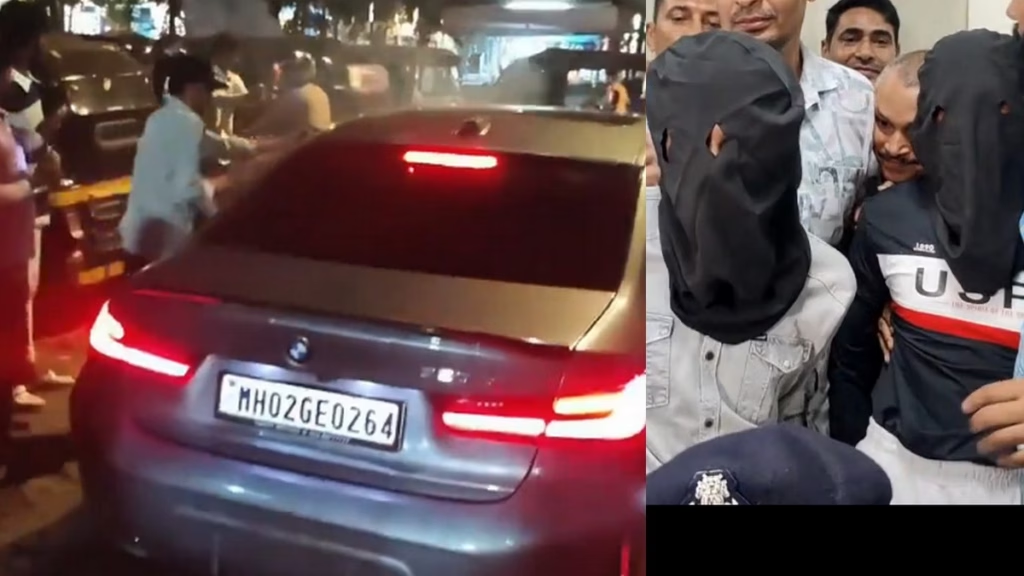
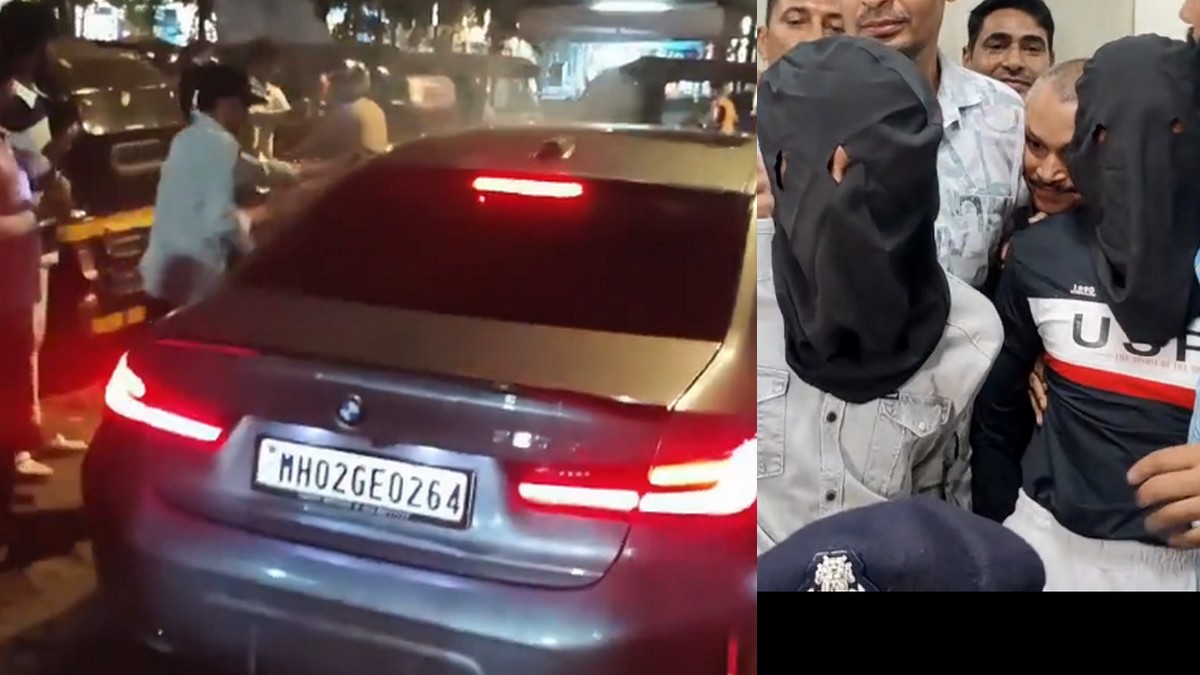
बॉलीवुड अभिनेता टाइगर श्रॉफ की कार पर मुंबई के जुहू इलाके में हुई फायरिंग के मामले में पुलिस को बड़ी सफलता मिली है। राजस्थान के कोटा रेलवे स्टेशन से तीन संदिग्धों को हिरासत में लिया गया है। मुंबई पुलिस की क्राइम ब्रांच इस मामले की जांच कर रही है।

ALSO READ: BSNL यूजर्स ध्यान दें! ऐसे चेक करें रिचार्ज की वैलिडिटी और बचा हुआ डेटा, ये हैं 4 आसान तरीके

पुलिस के मुताबिक वारदात के बाद आरोपी नेपाल भागने की फिराक में थे। हालांकि, आरोपियों की उम्र को लेकर सामने आई जानकारी में बाद में बदलाव हुआ है। मुंबई पुलिस ने स्पष्ट किया है कि गिरफ्तार किए गए तीनों आरोपी नाबालिग नहीं हैं।


यह घटना 18 अक्टूबर 2026 की शाम को हुई थी। टाइगर श्रॉफ एक फुटबॉल ग्राउंड से निकल रहे थे, तभी बाइक सवार तीन लोग वहां पहुंचे। इनमें से दो लोगों ने अभिनेता की कार पर कथित तौर पर गोलीबारी की और इसके बाद मौके से फरार हो गए। घटना में टाइगर श्रॉफ सुरक्षित बच गए। शुरुआती रिपोर्टों में उनके ड्राइवर और एक ऑटो रिक्शा चालक के घायल होने की जानकारी भी सामने आई थी।

ALSO READ: Electric Scooter : सस्ते स्कूटर की होने वाली है धमाकेदार इंट्री, जान लीजिए फीचर्स, और क्या हो सकती है कीमत

कोटा रेलवे स्टेशन से पकड़े गए तीन आरोपी


मुंबई पुलिस और राजस्थान पुलिस ने संयुक्त कार्रवाई करते हुए कोटा रेलवे स्टेशन से तीन संदिग्धों को पकड़ा। इस ऑपरेशन में राजस्थान पुलिस के साथ एंटी-गैंगस्टर टास्क फोर्स (AGTF) ने भी सहयोग किया।


पुलिस के अनुसार, आरोपियों को पकड़ने के लिए कई विशेष टीमें गठित की गई थीं। जांच के दौरान पुलिस ने घटनास्थल के आसपास लगे सीसीटीवी कैमरों की फुटेज, तकनीकी विश्लेषण और जमीनी स्तर पर की गई पड़ताल की मदद ली। जांच में आरोपियों की गतिविधियों का पता अंधेरी वेस्ट रेलवे स्टेशन से लेकर मुंबई के उत्तरी हिस्से और फिर सूरत तक लगाया गया। इसके बाद उनके पुणे-जयपुर एक्सप्रेस ट्रेन में सवार होने की जानकारी मिली। आगे की कार्रवाई में कोटा पुलिस ने उन्हें पकड़ लिया।

ALSO READ: UP चुनाव 2027 : सर्वे में BJP को बढ़त का दावा, योगी सरकार से 77% संतुष्ट, CM पद के लिए योगी आदित्यनाथ पहली पसंद

कौन हैं पकड़े गए आरोपी?


शुरुआती जानकारी में तीन संदिग्धों में से एक की उम्र 17 साल बताई गई थी। वहीं, अन्य दो की पहचान बिहार के बेगूसराय निवासी 22 वर्षीय ऋतिक कुमार उर्फ रोशन और हरियाणा के सोनीपत निवासी 18 वर्षीय रेहान के रूप में बताई गई। हालांकि, मुंबई पुलिस की क्राइम ब्रांच ने बाद में स्पष्ट किया कि इस मामले में पकड़े गए तीनों आरोपी नाबालिग नहीं हैं। पुलिस के मुताबिक, एक आरोपी की उम्र 18 साल और बाकी दो की उम्र 22 साल है। इस तरह आरोपियों की उम्र को लेकर शुरुआती रिपोर्टों और पुलिस के बाद के बयान में अंतर सामने आया है।


नेपाल भागने की फिराक में थे आरोपी


मुंबई पुलिस ने सोमवार को प्रेस कॉन्फ्रेंस में बताया कि फायरिंग के बाद आरोपी नेपाल भागने की योजना बना रहे थे। पुलिस अब यह पता लगाने में जुटी है कि वारदात के पीछे किसका हाथ था और आरोपियों को किसी अन्य व्यक्ति या गिरोह से निर्देश मिले थे या नहीं। मुंबई पुलिस ने कहा कि आरोपियों को मुंबई लाने की प्रक्रिया जारी है। इस कार्रवाई में दिल्ली, गुजरात और राजस्थान पुलिस भी सहयोग कर रही हैं।


जांच के लिए बनाई गईं करीब 20 विशेष टीमें


मुंबई पुलिस के डीसीपी राज तिलक रौशन के मुताबिक, रविवार शाम करीब सात बजे बाइक पर तीन लोग आए थे। इनमें से दो ने टाइगर श्रॉफ की कार पर गोलीबारी की और इसके बाद फरार हो गए। घटना की गंभीरता को देखते हुए मुंबई पुलिस की क्राइम ब्रांच ने आरोपियों का पता लगाने के लिए करीब 20 विशेष टीमें बनाई थीं।

पुलिस ने सीसीटीवी फुटेज, तकनीकी जानकारी और स्थानीय स्तर पर जुटाए गए सुरागों की मदद से उनकी आवाजाही का पता लगाया। पुलिस ने इस मामले में हत्या के प्रयास और आर्म्स एक्ट से संबंधित धाराएं लगाई हैं। जांच आगे बढ़ने के साथ अन्य गिरफ्तारियां होने की संभावना से भी इनकार नहीं किया गया है।


मुख्यमंत्री देवेंद्र फडणवीस ने दिया कार्रवाई का भरोसा


महाराष्ट्र के मुख्यमंत्री देवेंद्र फडणवीस ने टाइगर श्रॉफ से बात कर मामले में उचित कार्रवाई का भरोसा दिया है। उन्होंने कहा कि घटना के लिए जिम्मेदार लोगों को ढूंढ निकाला जाएगा और इस तरह की वारदातों को बर्दाश्त नहीं किया जाएगा। फडणवीस के मुताबिक, आरोपियों के महाराष्ट्र के बाहर से, संभवतः विदेश से, काम करने की आशंका की भी जांच की जा रही है। इसके लिए अन्य राज्यों की पुलिस और केंद्रीय एजेंसियों के साथ समन्वय किया जाएगा।


अब आगे क्या करेगी पुलिस?


फिलहाल पुलिस आरोपियों को मुंबई लाने, फायरिंग के पीछे की वजह का पता लगाने और संभावित साजिश की जांच में जुटी है। जांच में यह भी पता लगाया जाएगा कि वारदात में इस्तेमाल की गई बाइक और हथियार कहां से आए तथा आरोपियों को किसने मदद पहुंचाई। पुलिस की जांच पूरी होने और आधिकारिक तौर पर अधिक जानकारी सामने आने के बाद मामले की तस्वीर और स्पष्ट हो सकेगी।
Electric Scooter : सस्ते स्कूटर की होने वाली है धमाकेदार इंट्री, जान लीजिए फीचर्स, और क्या हो सकती है कीमत

Electric Scooter : सस्ते स्कूटर की होने वाली है धमाकेदार इंट्री, जान लीजिए फीचर्स, और क्या हो सकती है कीमत

aprila scooter

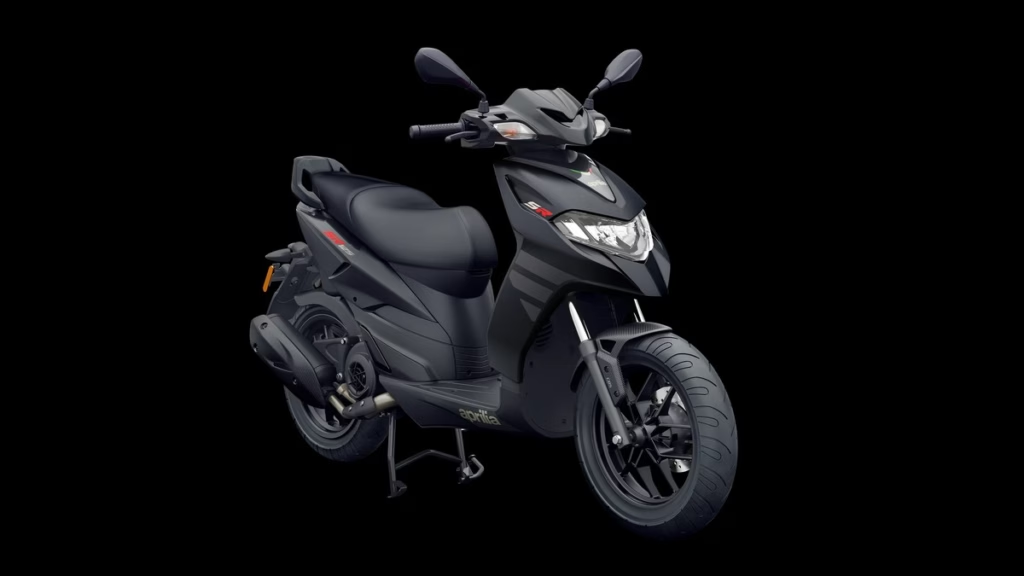
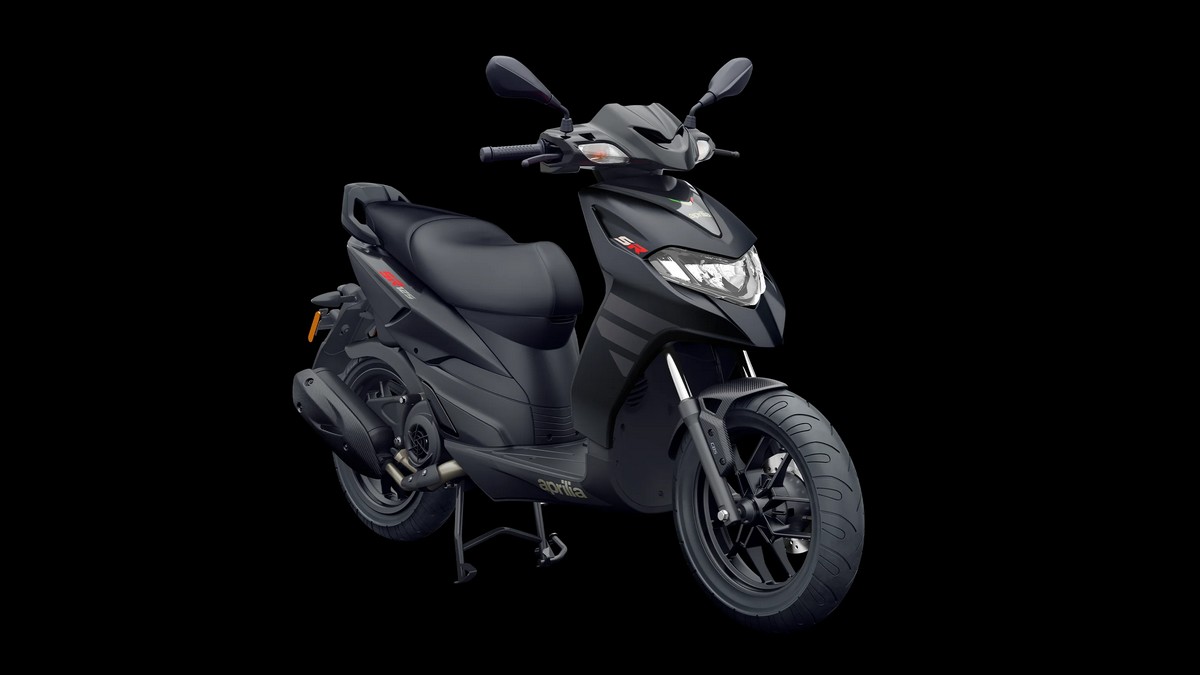
इटली की वाहन निर्माता कंपनी पियाजियो ग्रुप (Piaggio Group) भारतीय बाजार में अपनी इलेक्ट्रिक स्कूटर रेंज का विस्तार करने की तैयारी कर रही है। कंपनी भारत के लिए एक नया स्कूटर प्लेटफॉर्म विकसित कर रही है, जिस पर पेट्रोल और इलेक्ट्रिक दोनों तरह के स्कूटर तैयार किए जाएंगे। कंपनी की योजना इस नई रेंज को 2027 में अप्रिलिया (Aprilia) ब्रांड के तहत लॉन्च करने की है। इसकी शुरुआती कीमत करीब 85,000 रुपये (एक्स-शोरूम) हो सकती है।

ALSO READ: Electric Scooter : सस्ते इलेक्ट्रिक स्कूटर के साथ रोजाना का सफर होगा आसान, मिलेगी 130 KM की रेंज, जान लीजिए दूसरे फीचर्स

पियाजियो व्हीकल्स के चेयरमैन, सीईओ और मैनेजिंग डायरेक्टर डिएगो ग्राफी ने नई स्कूटर रेंज की योजनाओं की पुष्टि की है। कंपनी के मुताबिक, इस रेंज में इलेक्ट्रिक स्कूटर के साथ 125cc पेट्रोल इंजन वाला मॉडल भी शामिल होगा। इनकी कीमत 85,000 रुपये से लेकर 1.30 लाख रुपये (एक्स-शोरूम) के बीच रखी जा सकती है। इस रेंज के ऊंचे कीमत वाले मॉडल प्रीमियम इलेक्ट्रिक स्कूटर होंगे।


₹85,000 से ₹1.30 लाख के बीच होगी कीमत


कंपनी का लक्ष्य भारतीय बाजार में उन ग्राहकों को आकर्षित करना है, जो किफायती कीमत पर नया पेट्रोल या इलेक्ट्रिक स्कूटर खरीदना चाहते हैं। डिएगो ग्राफी के मुताबिक, कंपनी 85,000-90,000 रुपये की शुरुआती कीमत से लेकर 1.20-1.30 लाख रुपये तक के सेगमेंट को ध्यान में रखकर उत्पाद पेश करेगी। इस रेंज में अधिक कीमत वाले प्रीमियम इलेक्ट्रिक वेरिएंट भी शामिल होंगे।


कंपनी पिछले कुछ वर्षों से भारत के लिए इस नए प्लेटफॉर्म पर काम कर रही है। यह प्लेटफॉर्म भारत में पियाजियो की विस्तार योजनाओं का अहम हिस्सा है। इसके जरिए कंपनी पेट्रोल स्कूटर के साथ इलेक्ट्रिक दोपहिया वाहनों के बाजार में भी अपनी मौजूदगी मजबूत करना चाहती है।

ALSO READ: Electric Scooter : इलेक्ट्रिक स्कूटर क्यों हैं भविष्य की सवारी? जानिए वो फायदे जिन्हें नजरअंदाज करना मुश्किल

इलेक्ट्रिक और पेट्रोल दोनों स्कूटर के लिए बनेगा नया प्लेटफॉर्म


पियाजियो का नया प्लेटफॉर्म खासतौर पर भारतीय बाजार की जरूरतों को ध्यान में रखकर विकसित किया जा रहा है। कंपनी ने इसे शुरुआत से ही इलेक्ट्रिक और पेट्रोल, दोनों तरह के स्कूटरों को ध्यान में रखकर डिजाइन किया है।


आमतौर पर कंपनियां अपने मौजूदा पेट्रोल स्कूटर प्लेटफॉर्म में बदलाव करके इलेक्ट्रिक मॉडल तैयार करती हैं। हालांकि, पियाजियो का कहना है कि उसका नया प्लेटफॉर्म शुरुआत से ही इलेक्ट्रिक पावरट्रेन को समायोजित करने के लिए तैयार किया गया है। इससे लागत, परफॉर्मेंस और ड्राइविंग रेंज के बीच बेहतर संतुलन बनाने में मदद मिल सकती है।


कंपनी भारत में इलेक्ट्रिक दोपहिया वाहन उद्योग से जुड़े नए घटनाक्रमों पर भी नजर रख रही है। इनमें दिल्ली की घोषित ईवी पॉलिसी 2026 भी शामिल है। हालांकि, पियाजियो की रणनीति किसी एक राज्य तक सीमित रहने के बजाय पूरे भारतीय बाजार को ध्यान में रखकर स्कूटर लॉन्च करने की है।


Vespa ब्रांड के तहत फिलहाल नहीं आएगा इलेक्ट्रिक स्कूटर


पियाजियो ने यह भी स्पष्ट किया है कि फिलहाल वेस्पा (Vespa) ब्रांड के तहत इलेक्ट्रिक स्कूटर लॉन्च करने की उसकी योजना नहीं है। कंपनी के मुताबिक, मौजूदा कॉन्फिगरेशन में किफायती कीमत के साथ अपेक्षित रेंज और परफॉर्मेंस हासिल करना चुनौतीपूर्ण है।


इसी वजह से कंपनी नए प्लेटफॉर्म पर ध्यान केंद्रित कर रही है, जिसे इलेक्ट्रिक स्कूटर की जरूरतों के मुताबिक तैयार किया जा रहा है। कंपनी का उद्देश्य लागत को नियंत्रित रखते हुए बेहतर परफॉर्मेंस, पर्याप्त रेंज और ग्राहकों की जरूरतों के अनुरूप उत्पाद तैयार करना है।


भारत से दूसरे देशों में भी निर्यात करेगी कंपनी


पियाजियो भारत को सिर्फ घरेलू बिक्री का बाजार नहीं, बल्कि वैश्विक उत्पादन और निर्यात केंद्र के रूप में भी विकसित करना चाहती है। कंपनी के महाराष्ट्र स्थित बारामती प्लांट में बनने वाले कुल दोपहिया वाहनों में से फिलहाल लगभग 10-20 प्रतिशत का निर्यात विभिन्न देशों में किया जाता है।


कंपनी का लक्ष्य इस हिस्सेदारी को बढ़ाकर कम से कम 50 प्रतिशत तक पहुंचाना है। यानी भारत में बनने वाले उसके कुल दोपहिया वाहनों का आधा हिस्सा घरेलू बाजार के साथ-साथ अंतरराष्ट्रीय बाजारों में निर्यात के लिए तैयार करने की योजना है।


भारत में निर्मित अप्रिलिया RS 457 और Tuono 457 पहले से ही कई अंतरराष्ट्रीय बाजारों में निर्यात किए जाते हैं। कंपनी भविष्य में आने वाले मॉडलों के साथ भी इसी रणनीति को अपनाना चाहती है।

ALSO READ: Electric Scooter : इलेक्ट्रिक या पेट्रोल स्कूटर: रोजाना 30 KM चलाने पर किसमें होगी ज्यादा बचत? जानिए 5 साल का पूरा हिसाब

यूरोप में भी बिकेंगे नए स्कूटर


डिएगो ग्राफी के मुताबिक, विकास के चरण में मौजूद नए इलेक्ट्रिक और पेट्रोल स्कूटर सिर्फ भारत के लिए नहीं होंगे। इनके समान वेरिएंट यूरोप के बाजारों में भी निर्यात किए जाएंगे।


इस तरह पियाजियो की आगामी स्कूटर रेंज भारतीय ग्राहकों के लिए किफायती विकल्प उपलब्ध कराने के साथ-साथ कंपनी की वैश्विक विस्तार रणनीति का भी हिस्सा होगी। हालांकि, इन स्कूटरों के अंतिम डिजाइन, फीचर्स, बैटरी क्षमता, वास्तविक रेंज और लॉन्च की सटीक तारीख की जानकारी अभी सामने नहीं आई है।


River Mobility expands to Nepal

River Mobility expands to Nepal
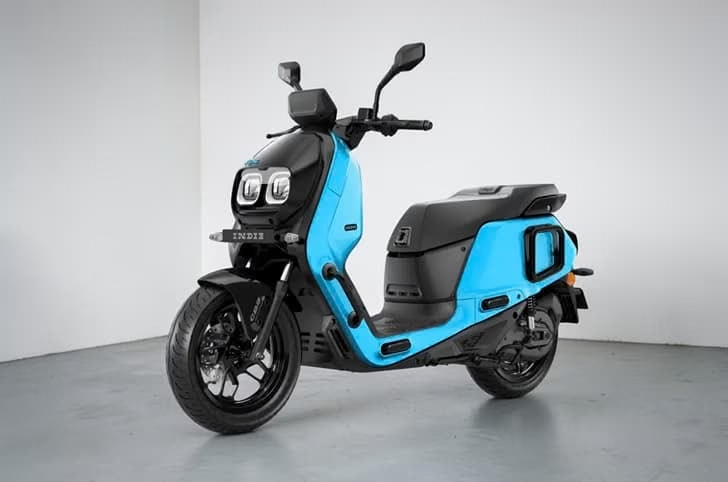
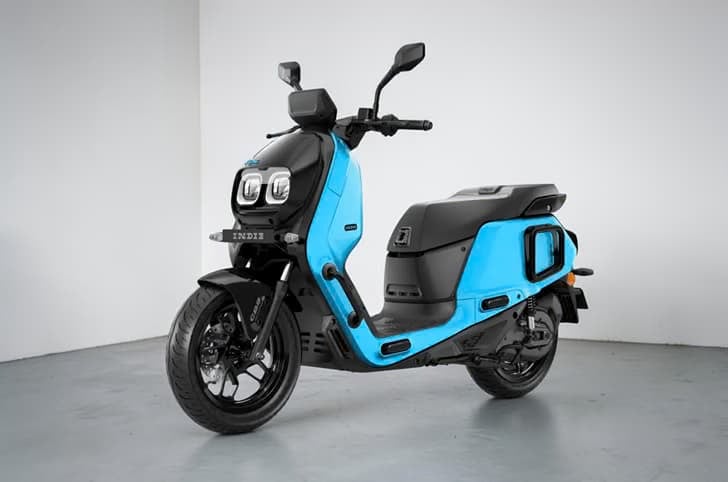
An indoor render of the River Indie.

River Mobility has entered Nepal in partnership with Vishal Group opening its first international retail and service outlet in Kathmandu. Its flagship electric scooter, the Indie, is priced at NPR 3.7 lakh (ex-showroom, Kathmandu).

  1. Partnered with Vishal Group to open first international store
  2. Will retail flagship Indie electric scooter
  3. Nepal is the first market River enters outside India

River Mobility International Expansion  

Plans to expand its network across Nepal

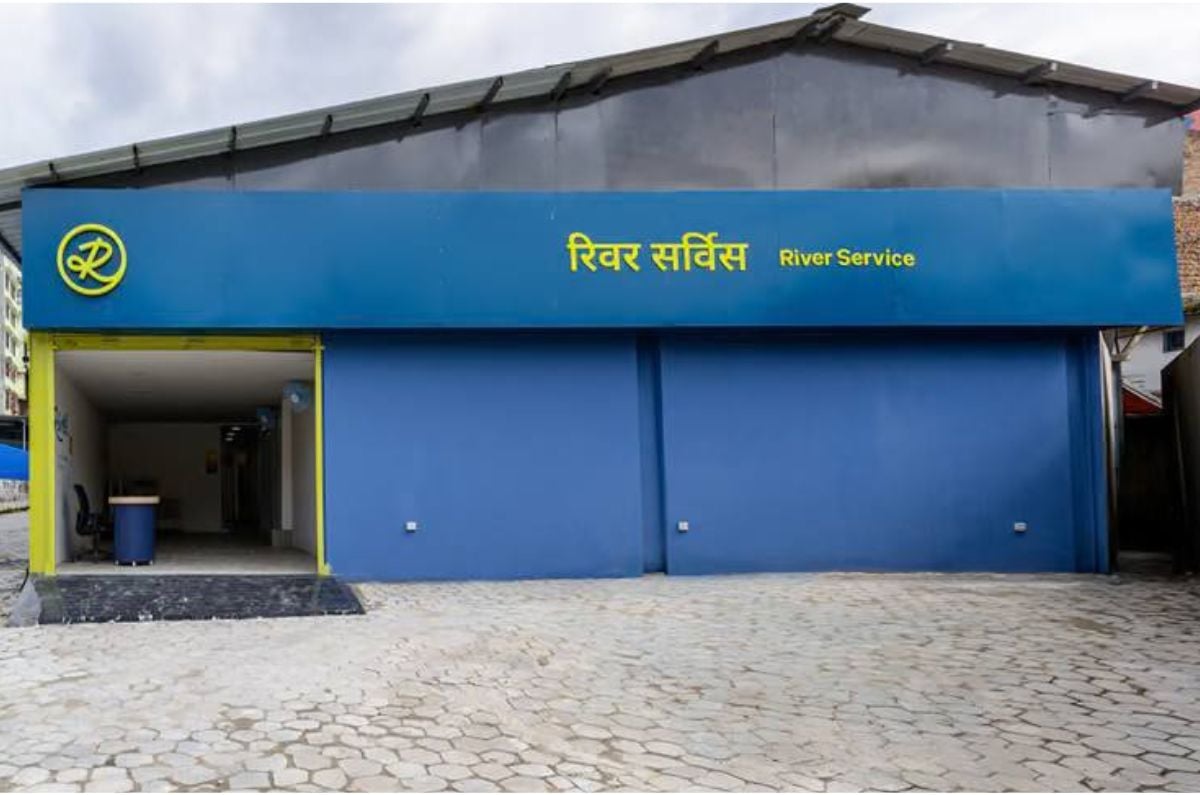
Bengaluru-based electric two-wheeler manufacturer River Mobility has opened its first international store in Nepal. The retail and service outlet in Naxal, Kathmandu, was made possible through a partnership with regional conglomerate Vishal Group. Through this outlet, the brand will retail its flagship electric scooter the Indie, along with accessories and merchandise. To provide after-sales services and customer support, a dedicated service centre has also been established.

Beyond Kathmandu, River plans to expand its footprint to key cities across Nepal to broaden customer access and after-sales reach. The River Indie is priced at NPR 3.7 lakh (ex-showroom, Kathmandu), equivalent to approximately Rs 2.30 lakh, making it roughly Rs 73,000 more expensive than its Indian price tag (Rs 1.57 lakh ex-showroom, Bengaluru). Test rides and bookings are available at the new outlet.

River currently operates over 90 stores across India, including Karnataka, Kerala, Tamil Nadu, Maharashtra, Telangana, Andhra Pradesh and Delhi-NCR, with plans to increase its domestic retail network to more than 400 stores by March 2028, covering existing and new markets.

With inputs from Eshisha Java and Suraj Sreekumar. NPR-to-INR conversions are based on exchange rates at the time of writing.

Festive benefits of up to Rs 5,999 available on Yamaha bikes and scooters

Festive benefits of up to Rs 5,999 available on Yamaha bikes and scooters
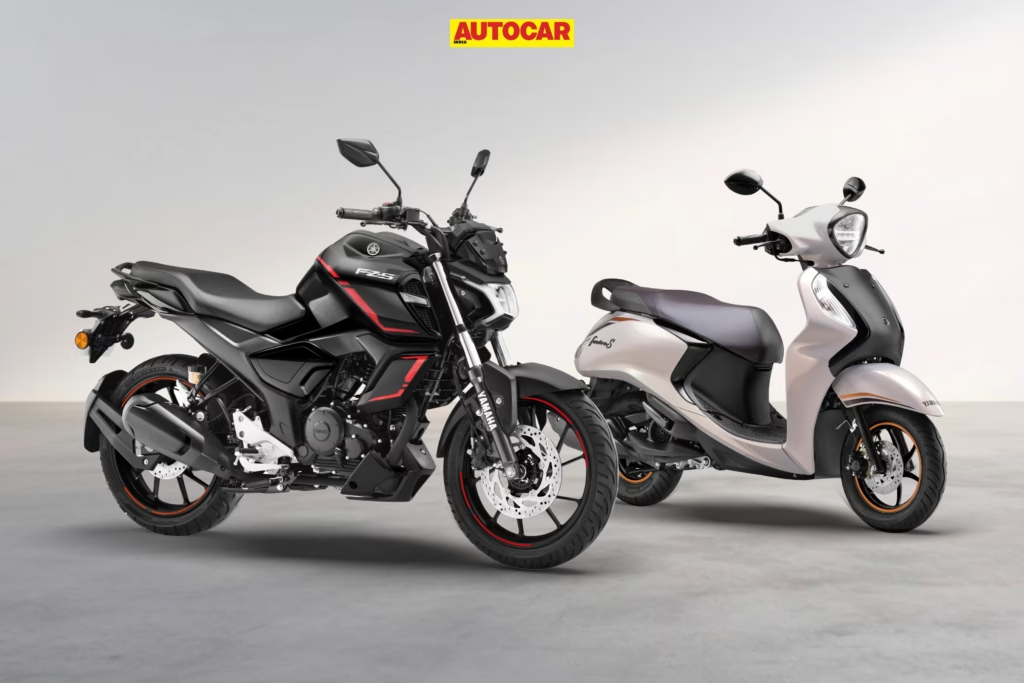
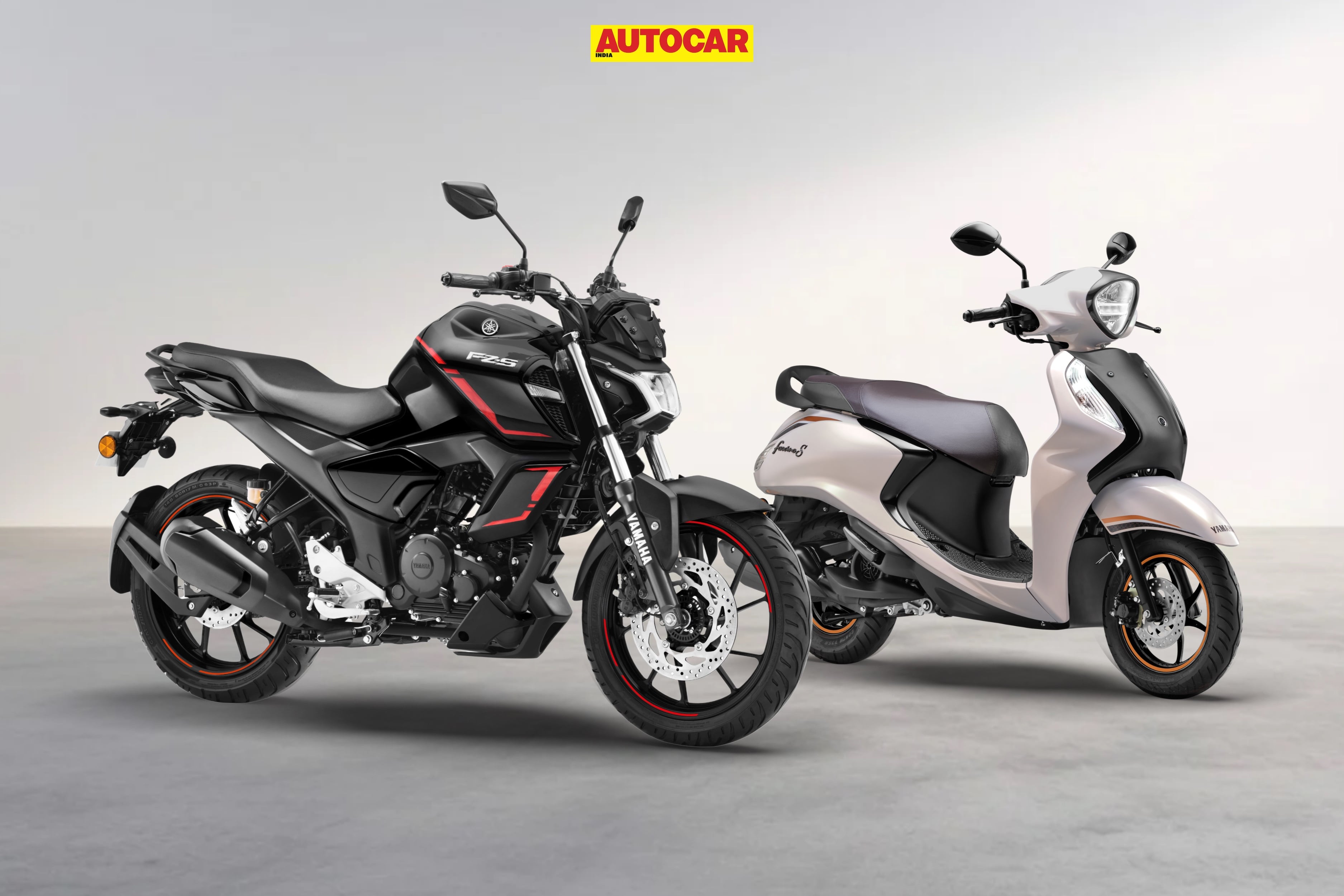
Yamaha FZ Rave and Fascino.

Yamaha Motor India has announced the beginning of its festive season offers, covering most of its popular motorcycles and scooters. The offers come in the form of insurance premium benefits, low down payment with flexible finance schemes, or both. Yamaha has told us that the insurance benefits mentioned here is the minimum amount customers can expect to get on their premiums.

  1. Yamaha R15 and MT-15 don’t get any discount benefits
  2. FZ series get the highest offer of the bunch

Yamaha festive offers: The breakdown

Aerox, R15S and EC-06 are completely exempted

The Fascino and RayZR 125, both recently updated, get the least amount of offers. The 125cc scooter duo, besides sharing the same platform, also share the same Rs 3,399 benefit for the insurance and a lowered down payment of Rs 2,499. The FZ series, now consisting of seven different variants, get Rs 5,999 as insurance benefit and Rs 3,900 as the down payment. The R15 and the MT-15 do not get any insurance benefits, just a lowered down payment of Rs 4,999. The XSR155, on the other hand, gets Rs 5,555 worth of insurance benefit and the same lowered down payment amount.

Type

Product/Variant

Insurance Benefit*

Low down payment*

Yamaha Hybrid scooter range

Fascino 125, RayZR 125

Rs 3,399

Rs 2,499

Yamaha FZ series

FZ-S (FZ-S Fi Hybrid, FZ-S Fi, FZ-S Fi V4 DLX and FZ-S Fi V4)


FZ (FZ Rave, FZ-Fi and FZ Blue Flex)

Rs 5,999

Rs 3,900

Yamaha 155cc motorcycles

XSR155

Rs 5,555

Rs 4,999

Yamaha 155cc motorcycles

R15 and MT-15

NA

Rs 4,999

The recently launched Yamaha R2 does not get any offers at this time, nor do the Aerox, R15S and Yamaha’s first electric scooter, the EC-06. The Japanese manufacturer has specified that the offers are currently not applicable in the states of Keralam and Tamil Nadu. Elsewhere in the country, the insurance benefits have been effective from October 1 (October 10 in Maharashtra) to November 15. The lowered down payment and finance schemes have been effective since October 1 and will remain so until the end of November. 

* Terms and conditions apply. Insurance benefits based on the applicable insurance cost, excluding add-ons.

VLF Strada launched from Rs 1.20 lakh

VLF Strada launched from Rs 1.20 lakh
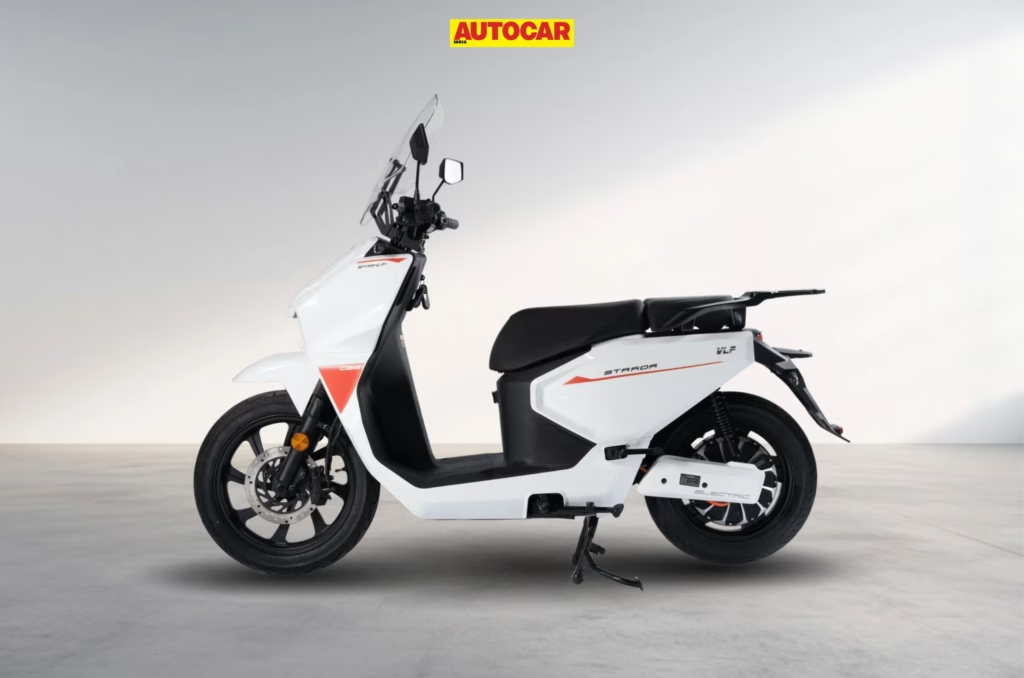
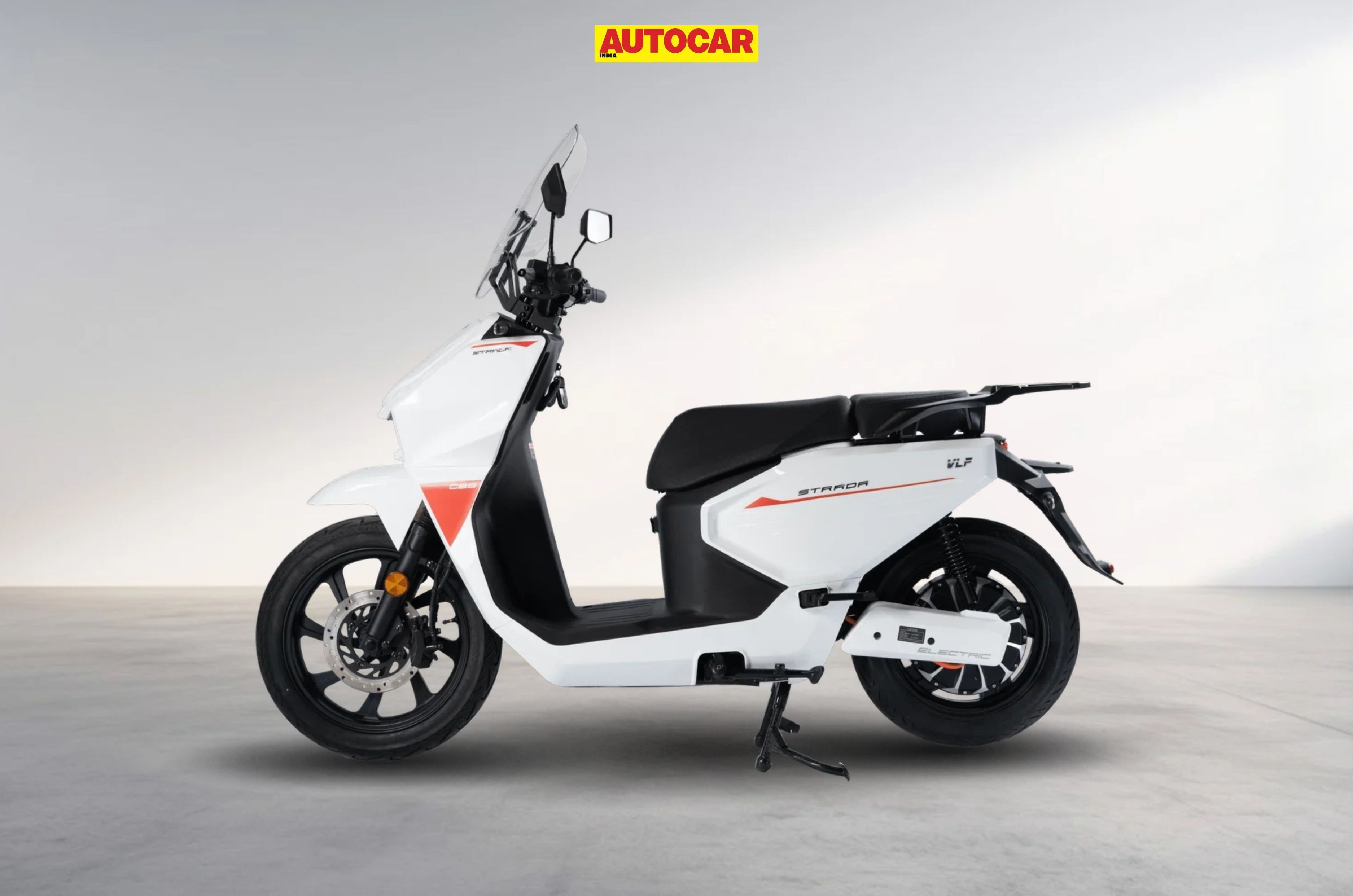
VLF Strada's left profile in Luna White colour.

VLF (or Velocifero) is a brand with Italian heritage but manufactures its scooters in Zhejiang, China. Kolhapur-based Motohaus brought VLF to India in 2024 and manages sales and service in the country. The company has introduced a new electric scooter named Strada in two variants, priced at Rs 1.20 lakh and Rs 1.55 lakh, meant to replace the Tennis, its first launch in India.

  1. City variant has a 2.16kWh removable battery
  2. Max variant has two removable units with 4.32kWh total capacity
  3. Rated top speed is 85kph in the top Sport ride mode
  4. Bookings are open for Rs 999 for the City and for Rs 1,999 for the Max

VLF Strada details

Two variants and a shared 4.8kW BLDC motor

The Strada has two variants, City and Max, both of which share a BLDC, hub-mounted motor with 4.8kW peak power and 34Nm of peak torque; rated power is 3kW. The base City variant has a single 2.16kWh removable LFP battery, and the Max variant doubles that to two batteries with a total capacity of 4.32kWh. Both the motor and the battery units are rated for IP67 ingress protection. There are three ride modes on offer: Eco, City and Sport. Depending on the ride mode, the top speed varies as well. Eco tops out at 45kph, City at 65kph and Sport at 85kph.

The IDC range is 130km for City and 250km for Max. VLF claims the single battery system can charge from 20-100 percent in three hours, and the same takes six hours for both batteries. The company hasn’t specified the charging speed to achieve these times, nor has it mentioned the wattage of the bundled charger. We’re currently awaiting clarifications on the same.

VLF has designed the Strada with a sporty look, but the scooter’s dimensions should make it accessible to most people. It has a split-seat configuration with a seat height of 780mm without compromising on the ground clearance, which is a healthy 175mm. VLF has listed the kerb weight of the scooter at a surprisingly light 98kg, and this is likely for the City variant with the smaller battery pack. The Max variant should weigh notably more. Front and rear suspension units are par for the course, with a 31mm telescopic fork and a preload-adjustable twin shock.

Tyre size is an area where the Strada stands out, quite literally, with a 16-inch front wheel and a 14-inch rear. In the scooter segment, most options tend to stick to 10-14-inch tyres, and therefore this is certainly an interesting move from VLF. Larger tyre sizes are associated with more stable rides as well, so it remains to be seen how the Strada does on that front. Stopping the scooter are a 240mm front disc and a 220mm rear disc. There’s no ABS, but a combined braking system (CBS) is standard.

Features include a 5-inch TFT display, all-LED lighting with dual-projector headlights, an integrated windshield, a keyless ignition system and an integrated luggage rack. There are four colour options on offer: Carbonio Black, Luna White, Titanio Grey and Urbano Silver. VLF also showcases pictures of a pannier mounted on the rack, so it’s likely that an accessory line-up is on the cards.

Priced at Rs 1.20 lakh for the City variant and Rs 1.55 lakh for the Max variant, the VLF Strada is a rival to established models such as the TVS iQube 2.2 (Rs 1.16 lakh), TVS Orbiter V1 (Rs 1.01 lakh), Chetak C2501 (Rs 99,802), Ather Konarc (Rs 99,999) and Vida VX2 Go 2.2 (Rs 99,999). VLF Strada is already available on Motohaus’s Indian website, with bookings open for Rs 999 for City and Rs 1,999 for Max.

All prices mentioned are ex-showroom.

Opinion: The Japanese are finally taking India more seriously

Opinion: The Japanese are finally taking India more seriously
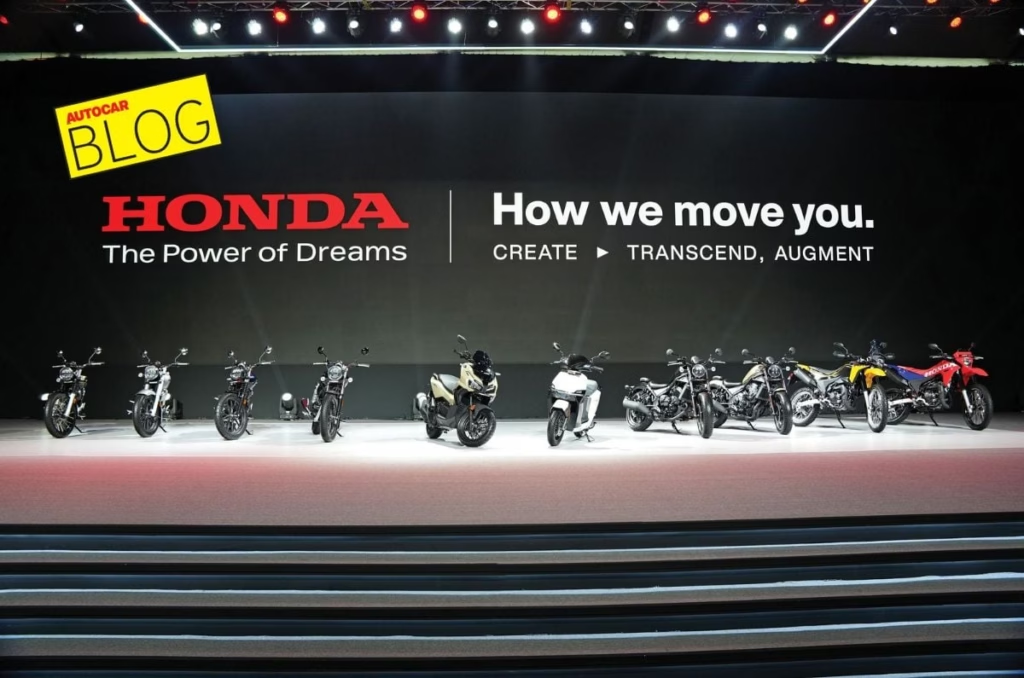
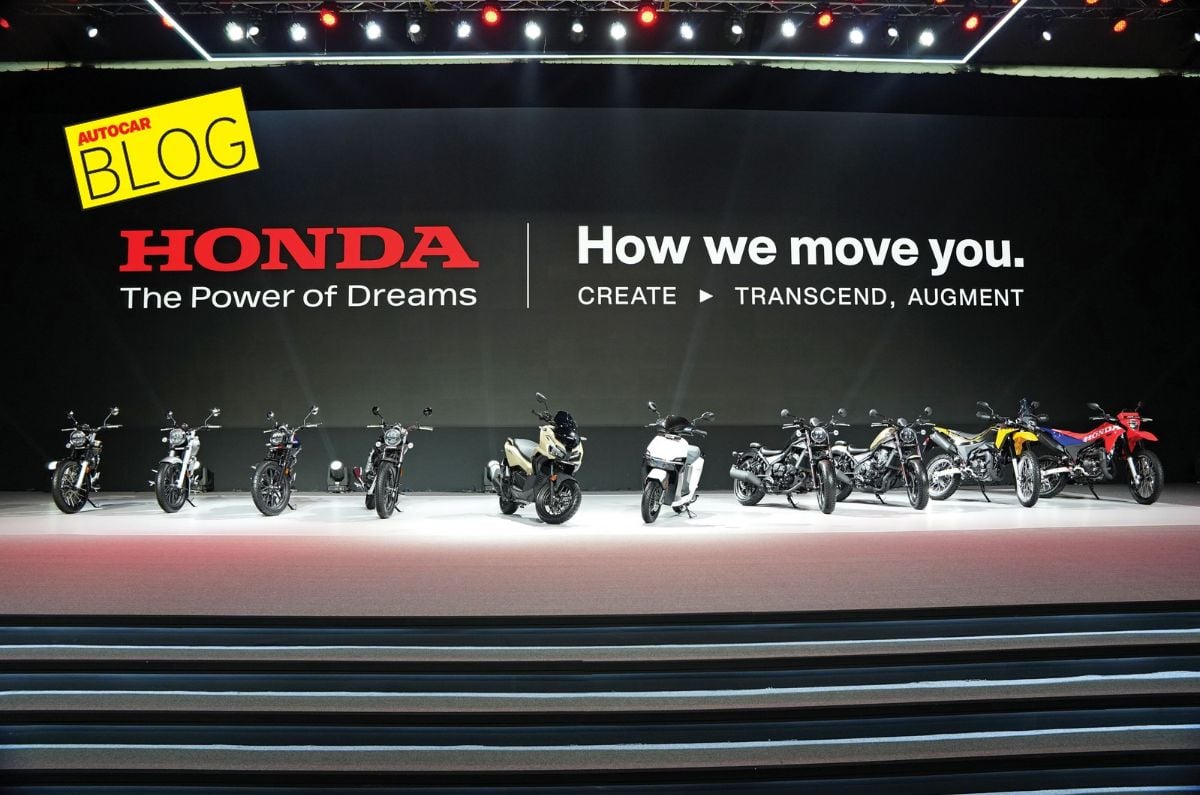
Honda bikes onstage at a big press event

2026 has revealed a change in how the Japanese treat our market. After years of being content to watch Indian competitors moving forward into more premium segments, the Japanese have finally realised that this is a space they can no longer ignore. 

The world’s biggest two-wheeler manufacturer is leading this charge. Honda recently held a huge event in Delhi in July, where they revealed ten new premium two-wheelers for India. That event on its own was a good sign, but there was still the very real concern of what these products would be priced at. After all, Indian enthusiasts have been burned by unrealistic pricing from the Japanese far too many times in the past.

Thankfully, things seem different this time around. So far, Honda has already released prices for the Rebel 300 (Rs 2.22 lakh-2.62 lakh), ADV160 (Rs 1.7 lakh), the QC3 electric scooter (Rs 1.35 lakh), XR300L and XR300 Rally (Rs 1.83 lakh & Rs 2.08 lakh, respectively) and the CB500 (Rs 2.75 lakh-3.02 lakh). All these prices are very reasonable and are either directly comparable with rivals or are at a small but justifiable premium. 

The best way to highlight this shift within Honda’s pricing strategy is to examine its own prices from a few years ago. The far superior Rebel 300 costs less today than the Rs 2.29 lakh price in 2022 for the now-discontinued CB300F. 

Sure, the Rebel now benefits from a lower GST structure, but the opposite holds true for the Honda CB1000 Hornet SP, which is priced at Rs 13.29 lakh. In comparison, the older CB1000R cost Rs 14.46 lakh in 2019, and it had far less fancy equipment. With Honda’s big bikes, the main issue is no longer the price but the fact that many of them aren’t available half the time. 

These new Hondas hold their own when compared with rivals as well. The new QC3 electric scooter is priced bang on par with equivalent rivals from Ather, Bajaj and TVS, and it will finally get Honda taken seriously in the EV space. The new CB500 is also priced Rs 10,000 lower than the top-spec Harley-Davidson X440 T, which is its closest rival. 

Yamaha is another manufacturer that has started to take crucial steps ahead. The awfully overdue XSR155 was finally introduced to India late last year, the R2 was just launched, and the NMax 155 will be coming in next year as well. These are good moves, but Yamaha needs to do more to cater to Indian riders who want more than just 150-200cc products. Kawasaki has localised a handful of its small bikes and we hear Suzuki is in the process of improving localisation on some of its big bikes as well, which is welcome news. 

None of these companies are taking these calls because they suddenly feel for the poor Indian motorcycle enthusiast who is crying out for more options. Those calls have gone unheeded for the better part of a decade.

The fact is that the Japanese (particularly Honda) are now seriously feeling the heat from local competition. Indian manufacturers (particularly TVS) have made massive gains over the last 5-10 years in all segments from scooters to EVs to premium motorcycles. Competition always benefits the customer, and it’s competition that we have to thank for this new enthusiasm shown by the Japanese towards the Indian market.

Honda, Suzuki and Yamaha e-scooter sales cross 10,000 units in 2026

Honda, Suzuki and Yamaha e-scooter sales cross 10,000 units in 2026
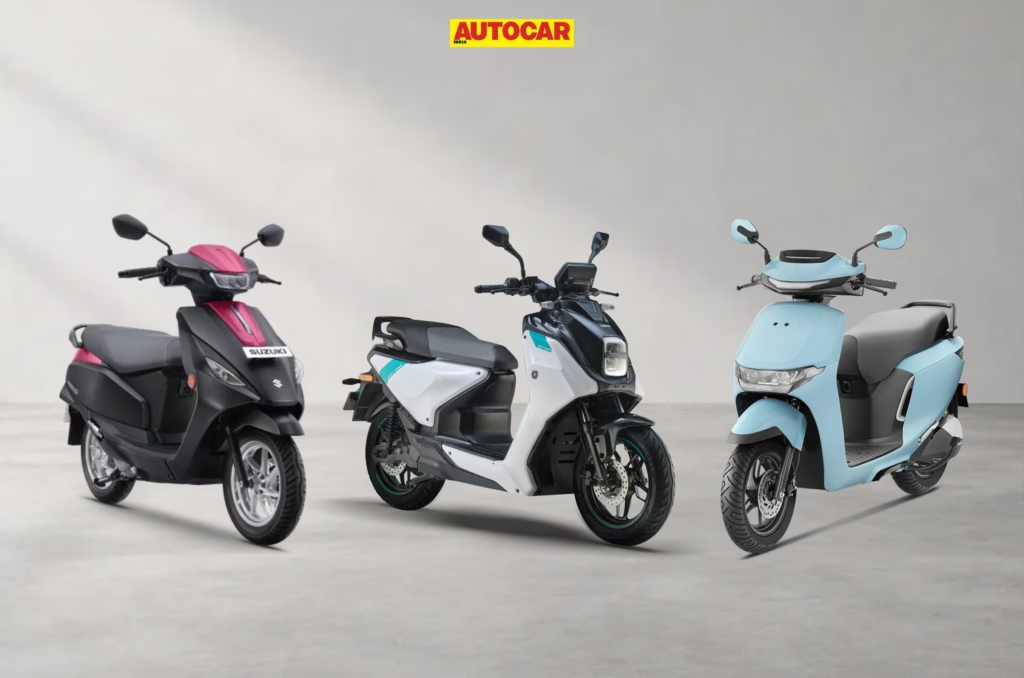
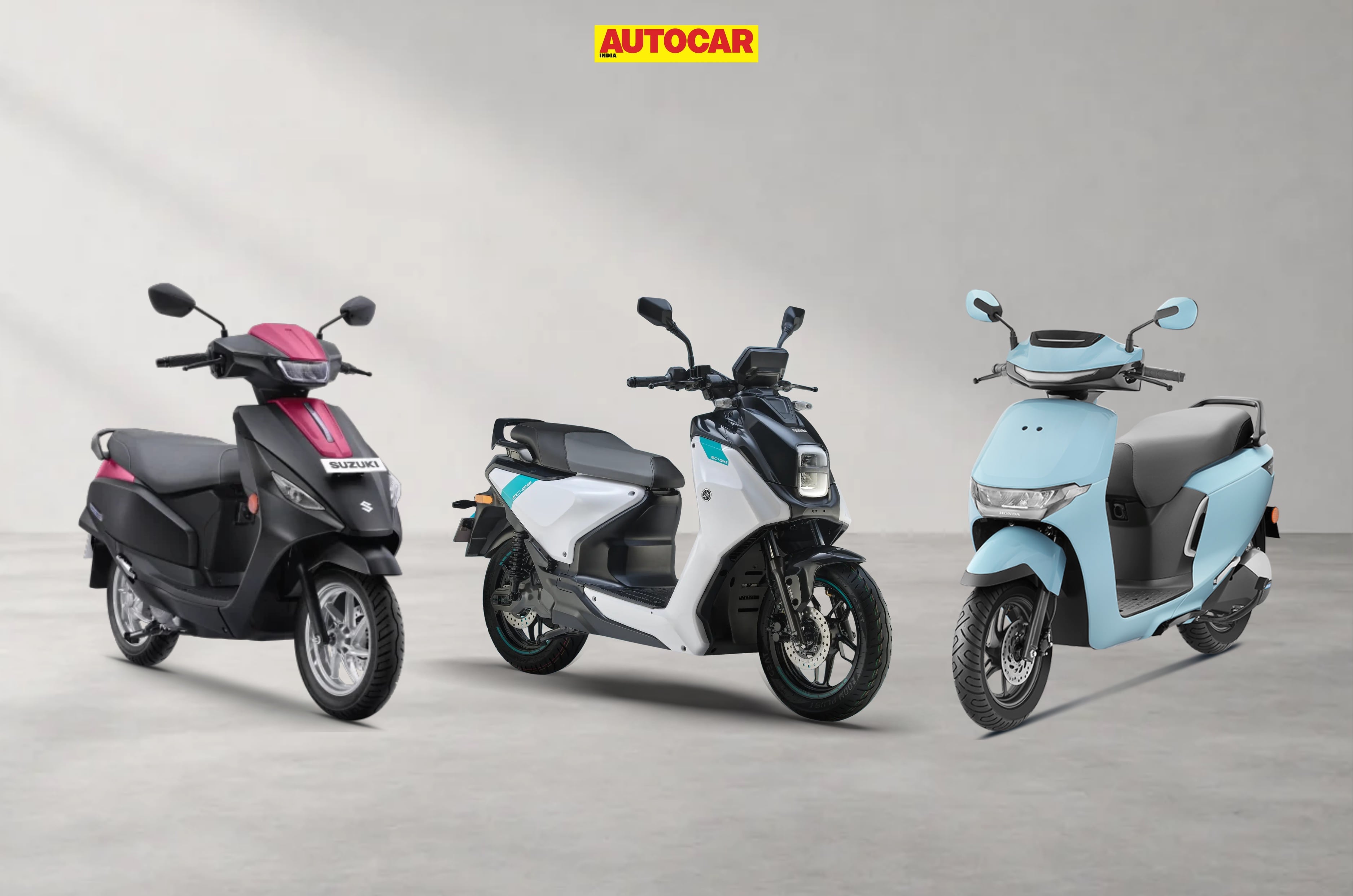
Graphic with Honda, Suzuki and Yamaha e-scooters

Cumulative retail sales of the three Japanese electric scooter manufacturers in India – Honda, Suzuki and Yamaha – have crossed the 10,000-units mark for the first time in a calendar year. As per the latest Vahan statistics, this triumvirate have delivered 10,735 units to their customers between January 1 and October 8 in 2026. 

Last year, Honda, which was the sole e-2-wheeler OEM in India, had sold 7,730 units of the Activa-e and QC1, less of the former and more of the latter. While Suzuki entered the market in January 2026 with its e-Access, Yamaha plugged in two months later in March with its EC-O6. This makes 2026 the first year when all these three Japanese OEMs are part of the Indian electric scooter market.

A look at the OEMs’ monthly performance reveals that Honda Motorcycle & Scooter India has sold 5,536 units in this year to date, accounting for 51 percent of the total 10,735 Japanese e-scooters delivered. HMSI’s best monthly sales this year were in September (1,107 units), marking the first time the OEM has crossed 1,000 units. This number can only improve following the recent launch of its third e-scooter for India – the QC3. 

The initial rollout of the QC3 will be limited to five cities across the country: Delhi, Agra, Cuttack, Surat and Kollam, with a nationwide rollout to follow in a phased manner.. 

Suzuki Motorcycle India, which entered the India e-2W market with its e-Access in January this year as an alternative to the popular petrol-engined Suzuki Access 125, has delivered 4,133 units till October 8. This gives the company a 39 percent share of the three Japanese OEM’s total e2W retail sales. The monthly sales chart reveals that monthly sales have crossed 600 units for three months running: July (606 units), August (674 units) and September (657 units). Rather creditable considering this is an expensive product, priced at Rs 1.88 lakh (ex-showroom) and the costliest amongst the Japanese EVs. 

India Yamaha Motor, which plugged into the e-2W market this March, has retailed 1,066 units, which gives it a 10 percent share of the 10,735 units delivered by Honda, Suzuki and Yamaha. Yamaha’s vehicle of entry is the EC-06, its first electric scooter developed in collaboration with River Mobility. IYM’s highest monthly sales to date were in September (232 units)

Japanese OEMs have 0.66 percent share of e-2Ws sold in 2026 so far

As the monthly retail sales data table depicts, combined Honda-Suzuki-Yamaha sales were at their highest in September 2026 (1,996 units), which gives them a 1 percent share of the record 2,07,850 e-2Ws sold in India last month. Of the total 16,10,854 e-2Ws sold between January 1 and October 8, these three Japanese OEMs with 10,735 units have a meagre 0.66 percent share. 

Among the reasons for their minimal presence in this booming segment of the Indian EV industry is that Honda, Suzuki and Yamaha entered the e-2W market late, as compared to their ICE legacy rivals TVS Motor Co (January 2020), Bajaj Auto (January 2020) or Hero MotoCorp Vida (November 2022).

While market leader TVS has sold 4,22,274 iQubes and Orbiters for a 26 percent market share of the e-2W sales in 2026 to date, Bajaj Auto has delivered 3,61,988 Chetaks (22 percent share), Ather Energy has sold 2,67,579 units (17 percent share) and Hero Vida 1,77,541 e-scooters (11 percent share). 

There is also the issue of their stiff model pricing in a value-conscious market, which has a plethora of more affordable e-scooters which are also more tech-laden, as well as a limited sales network compared to the Indian legacy OEMs as well as a host of startups which are regulars in the monthly Top 10 e-2W OEM chart. 

VinFast takes first step toward entering Indian two-wheeler market

VinFast takes first step toward entering Indian two-wheeler market
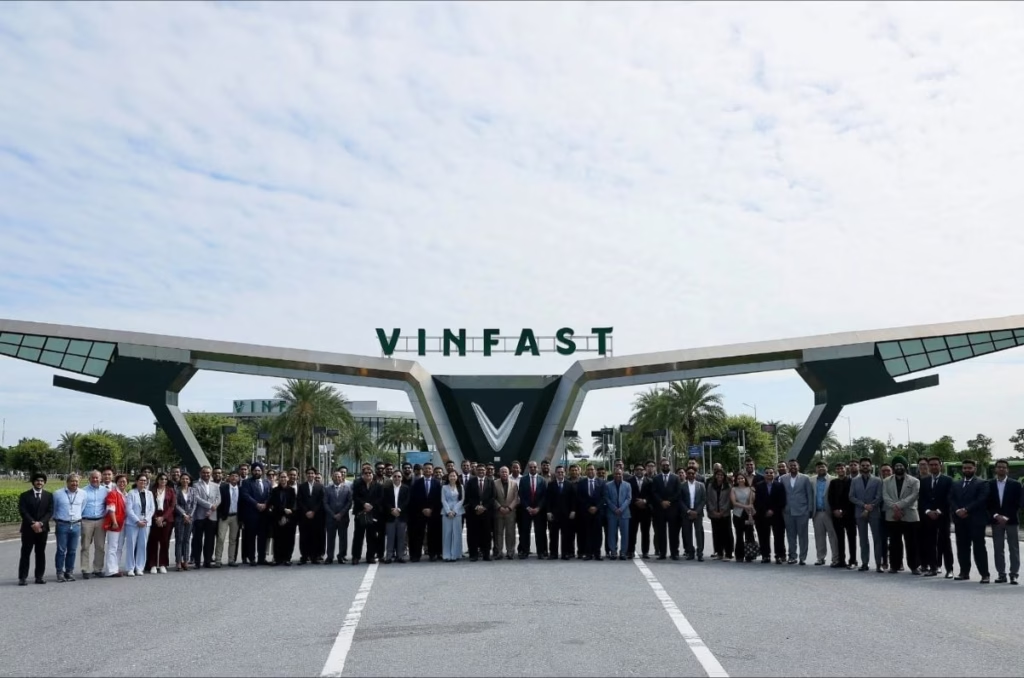
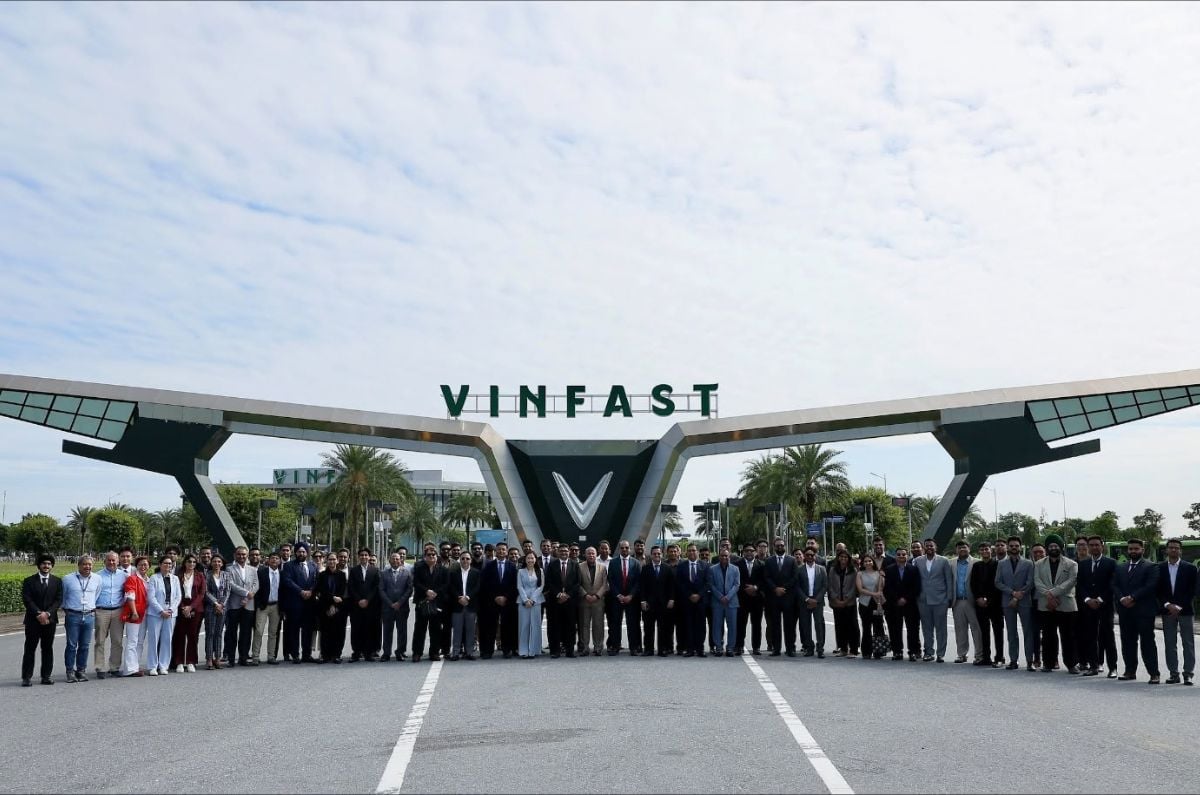
An outdoor image showing large group of people standing together in front of the Vinfast headquarter

VinFast entered the Indian market in 2025, with activities spanning from the distribution, manufacturing and assembly of electric cars. Following this, the brand also showed some e-scooters at Auto Expo and then subsequently patented designs of some of them in our market, all hinting at plans to enter the huge Indian two-wheeler market. The signing of these letters of intent (LOIs) and partnering with numerous electric two-wheeler dealers now marks a new phase in the brand’s expansion in the Indian market.

  1. Partnered with 50+ electric two-wheeler dealers across 15 states
  2. Plans to establish showrooms across 34 cities
  3. Line-up likely to feature the recently patented Viper and Rasad e-scooters

Retail network expansion details   

Over 50 showrooms panned 15 states

Vinfast and its dealer partners will work together to establish 50+ electric two-wheeler showrooms across 34 cities in 15 states and territories. The locations that the company is targeting to establish a presence in first include Delhi, Rajasthan, Punjab, Madhya Pradesh, Chhattisgarh, Uttar Pradesh, Maharashtra, Gujarat, Karnataka, Telangana, Tamil Nadu, Kerala, Andhra Pradesh, West Bengal and Odisha. Through these partnerships VinFast plans to bring its electric scooter line-up to the country, though it hasn’t shared any timelines so far. Initial line-up expected to feature the Viper and Rasad electric scooters, following design patents filed in India earlier this year.

These selected cities and regions have large two-wheeler markets, providing significant room for the brand’s expansion. VinFast says in fiscal year 2025-2026 there were 21.41 million two-wheelers registered, of which electric vehicles accounted for only 6.54 percent. When VinFast does officially launch some of its models in our country, it will have to ward off stiff competition from both established legacy players as well as mould-breaking start-ups like Bajaj, TVS, Hero, Suzuki, Yamaha, Ather and River.

iPhone खरीदने का शानदार मौका, Reliance Digital का बड़ा ऑफर, iPhone 15, 16 और 17 पर भारी छूट

iPhone खरीदने का शानदार मौका, Reliance Digital का बड़ा ऑफर, iPhone 15, 16 और 17 पर भारी छूट

iphone 15

दशहरा यानी दशहरा (Dasara/Dussehra) का त्योहार नजदीक आते ही देश में फेस्टिव सीजन ऑफर्स की शुरुआत हो गई है। इसी कड़ी में Reliance Digital ने भारत में Apple iPhone खरीदने वालों के लिए आकर्षक ऑफर्स का ऐलान किया है। कंपनी iPhone 15, iPhone 16 और नई iPhone 17 सीरीज पर डिस्काउंट, एक्सचेंज बोनस और चुनिंदा बैंक कार्ड पर कैशबैक का लाभ दे रही है।

ALSO READ: Electric Scooter : इलेक्ट्रिक स्कूटर क्यों हैं भविष्य की सवारी? जानिए वो फायदे जिन्हें नजरअंदाज करना मुश्किल

यह ऑफर ऐसे समय में आया है जब Apple ने पुराने iPhone मॉडल की कीमतों में बढ़ोतरी की है। रिपोर्ट के मुताबिक, स्टोरेज चिप की सप्लाई में आई अभूतपूर्व कमी के कारण Apple ने पिछले महीने पुराने iPhone मॉडल की कीमतों में इजाफा किया था। ऐसे में Reliance Digital के ये ऑफर्स ग्राहकों के लिए खास हो सकते हैं।


iPhone 17 पर मिल रहा बड़ा फायदा


Reliance Digital पर Apple iPhone 17 (256GB) की MRP 99,900 रुपये है। हालांकि, ऑफर के तहत इसे 79,899 रुपये में खरीदा जा सकता है। इसके अलावा पुराने स्मार्टफोन को एक्सचेंज करने वाले ग्राहकों को iPhone 17 पर 8,000 रुपये तक का एक्सचेंज डिस्काउंट दिया जा रहा है। चुनिंदा बैंक कार्ड से भुगतान करने पर अतिरिक्त कैशबैक का लाभ भी मिल सकता है। इस तरह पुराने फोन के एक्सचेंज और बैंक ऑफर का फायदा उठाकर ग्राहक iPhone 17 की प्रभावी कीमत को और कम कर सकते हैं।


iPhone 15 भी हुआ सस्ता


iPhone 15 पर भी Reliance Digital की ओर से ऑफर दिया जा रहा है। इस मॉडल की MRP 59,899 रुपये बताई गई है। पुराना फोन एक्सचेंज करने पर ग्राहकों को 3,000 रुपये का एक्सचेंज बोनस मिलेगा। इसके अलावा चुनिंदा बैंक कार्ड पर पात्र ग्राहकों को 1,500 रुपये तक का अतिरिक्त कैशबैक मिल सकता है।


iPhone 16 पर भी ऑफर


Reliance Digital के फेस्टिव ऑफर में iPhone 16 सीरीज को भी शामिल किया गया है। कंपनी की ओर से iPhone 15, 16 और 17 सीरीज पर अलग-अलग डिस्काउंट और एक्सचेंज बेनिफिट दिए जा रहे हैं। ऑफर की वास्तविक कीमत ग्राहक द्वारा चुने गए मॉडल, स्टोरेज वेरिएंट, पुराने फोन की एक्सचेंज वैल्यू और इस्तेमाल किए जा रहे बैंक कार्ड पर निर्भर करेगी।


iPhone 17 Pro और 17 Pro Max पर भी बड़ा डिस्काउंट


नई iPhone 17 Pro सीरीज खरीदने की योजना बना रहे ग्राहकों के लिए भी ऑफर उपलब्ध है। iPhone 17 Pro की शुरुआती कीमत 1,34,900 रुपये और iPhone 17 Pro Max की शुरुआती कीमत 1,49,900 रुपये है। ऑफर के तहत इन दोनों मॉडल की प्रभावी कीमत क्रमशः 56,990 रुपये और 71,990 रुपये तक कम हो सकती है। हालांकि, यह कीमत विभिन्न डिस्काउंट, एक्सचेंज और कैशबैक लाभों को मिलाकर बताई गई है। इसलिए ग्राहक को अंतिम भुगतान से पहले सभी ऑफर की पात्रता और शर्तों की जांच करनी चाहिए।


Reliance Digital का ऑफर कब से?


Reliance Digital के ये नए ऑफर भारत में 9 अक्टूबर से लागू होने की जानकारी दी गई है। दशहरा और फेस्टिव सीजन को देखते हुए कंपनी का यह ऑफर iPhone खरीदने वाले ग्राहकों को आकर्षित कर सकता है।


खरीदने से पहले इन बातों का रखें ध्यान


iPhone खरीदने से पहले ग्राहक को केवल विज्ञापित कीमत नहीं, बल्कि अंतिम कीमत जरूर जांचनी चाहिए। एक्सचेंज बोनस के लिए पुराने फोन का मॉडल, स्थिति और एक्सचेंज वैल्यू महत्वपूर्ण होगी। इसी तरह बैंक कैशबैक केवल निर्धारित कार्ड और नियमों के तहत ही मिल सकता है। इसलिए खरीदारी से पहले Reliance Digital पर संबंधित iPhone मॉडल की कीमत, स्टॉक, एक्सचेंज वैल्यू, बैंक ऑफर और कैशबैक की शर्तें जरूर जांचें।

E3 Trion deliveries begin

E3 Trion deliveries begin
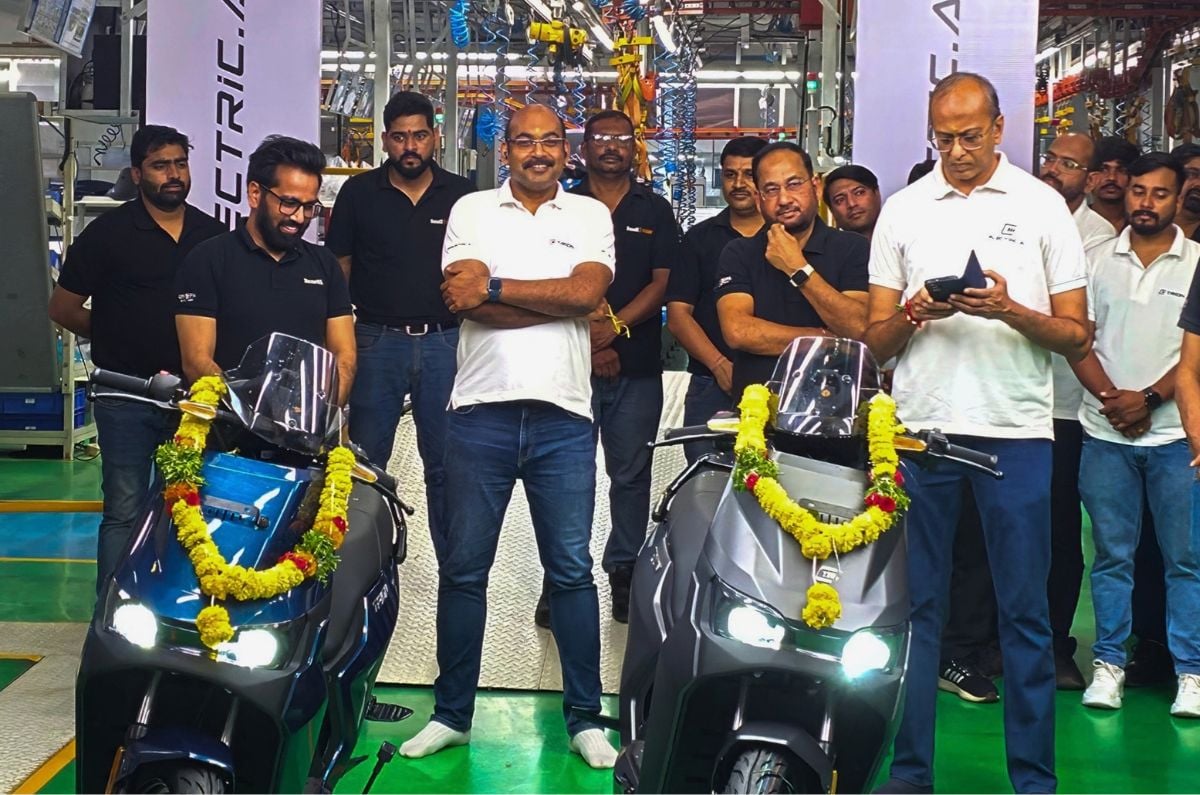
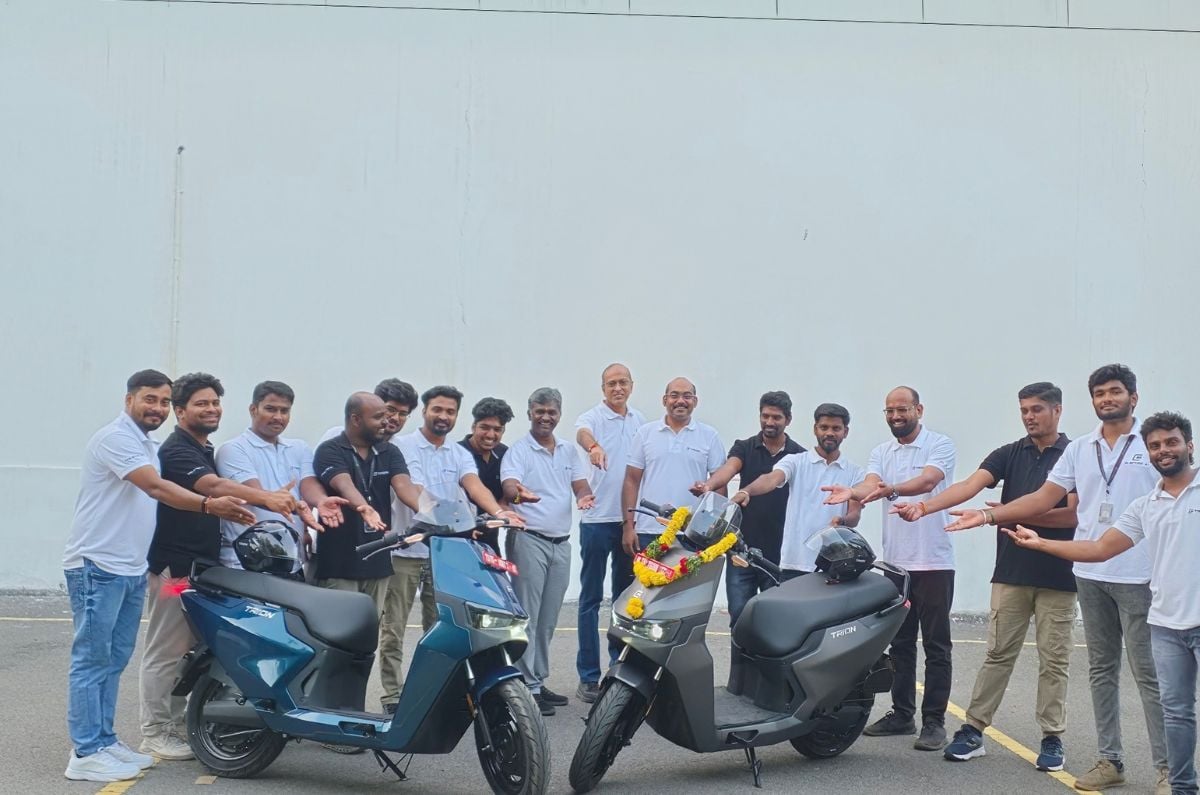
An indoor image showing the roll-out of E3 Trion from factory-line

Bengaluru-based electric mobility startup E3 Electric.Ai has started production of the E3 Trion electric scooter at its Hyderabad manufacturing plant and it will begin deliveries from today onwards.

  1. Available in two battery pack options across three variants
  2. The first 100 customers will receive optional extended warranty at an additional cost
  3. Prices start at Rs 1 lakh and go up to Rs 1.20 lakh (ex-showroom Bengaluru)

E3 Trion details  

Offered in 2.3kWh and 3kWh battery packs, with up to 165km IDC range

The E3 Trion is offered in three variants: C1, C1X and C2 and deliveries for the variants will begin in a phased manner. Across the three variants, the scooter will be available in two battery pack options 2.3kWh and 3kWh. The base C1 is offered in the 2.3kWh battery pack which is removable, whereas the C1X and C2 will comprise the 3kWh fixed battery pack. The C1, C1X and C2 have a claimed IDC range of 108km, 165km and 128km respectively. The scooters will feature 14-inch wheels at both ends

The first 100 E3 Trion customers will receive an extended warranty covering the battery pack and specified key parts for eight years or 1 lakh kilometres, whichever comes first. They will also receive one year of E3 Wingman roadside assistance as well. The combined offering is valued at Rs 6,500 for the C1 with its 2.3kWh battery and Rs 8,500 for the C1X and C2, which uses a 3kWh battery.

With pricing starting at Rs 1 lakh for the base C1, Rs 1.10 lakh for the C1X, and Rs 1.20 lakh for the top-spec C2 variant, the E3 Trion goes head-to-head with established family scooters like the Bajaj Chetak, TVS Orbiter V2, TVS iQube 3.1kWh, Ampere Nexus EX+, and Ather Konarc.