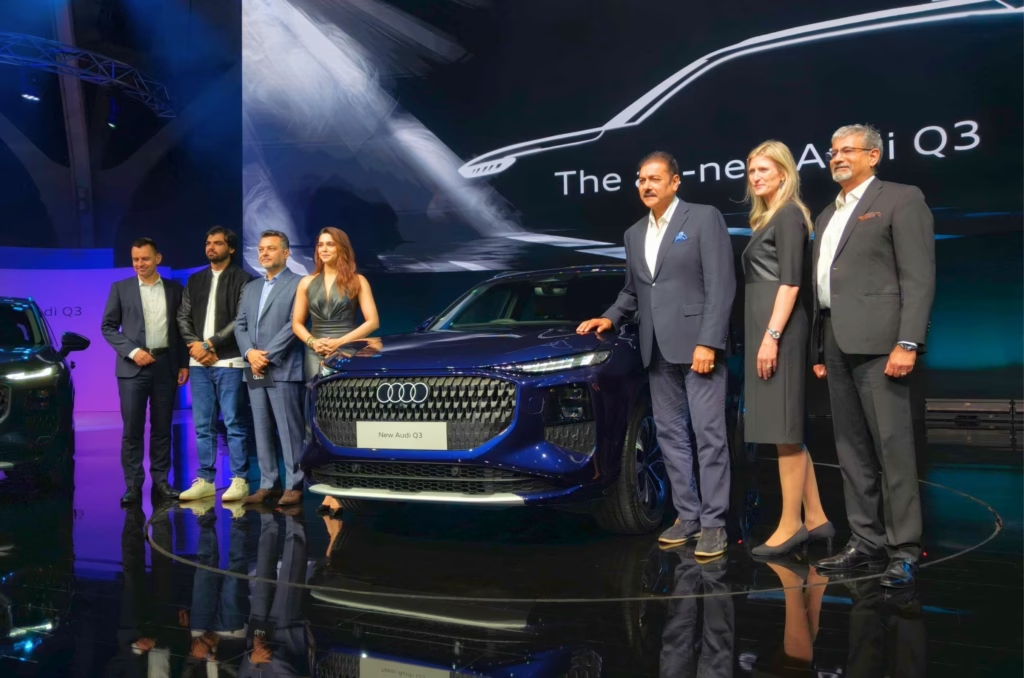
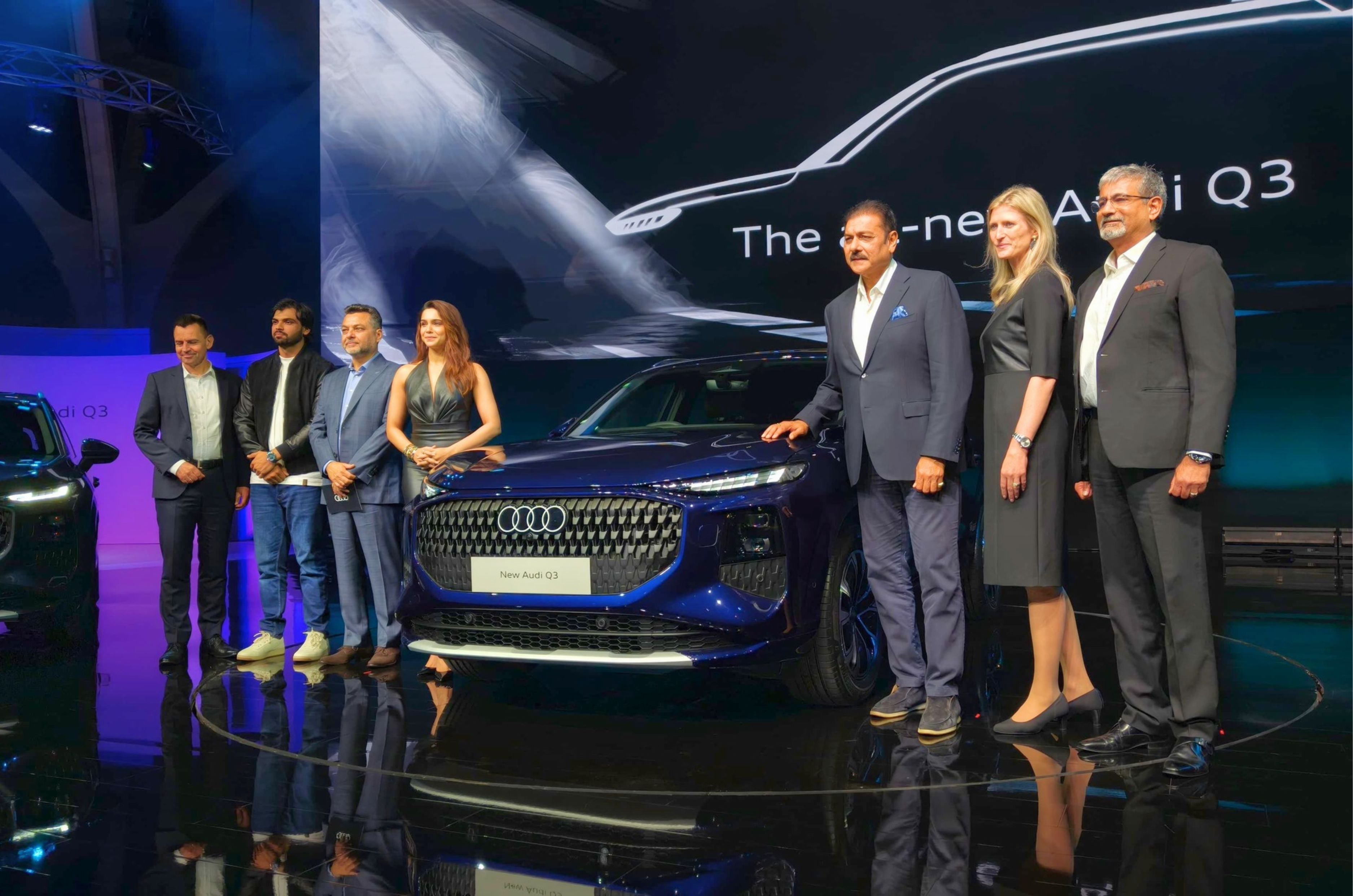
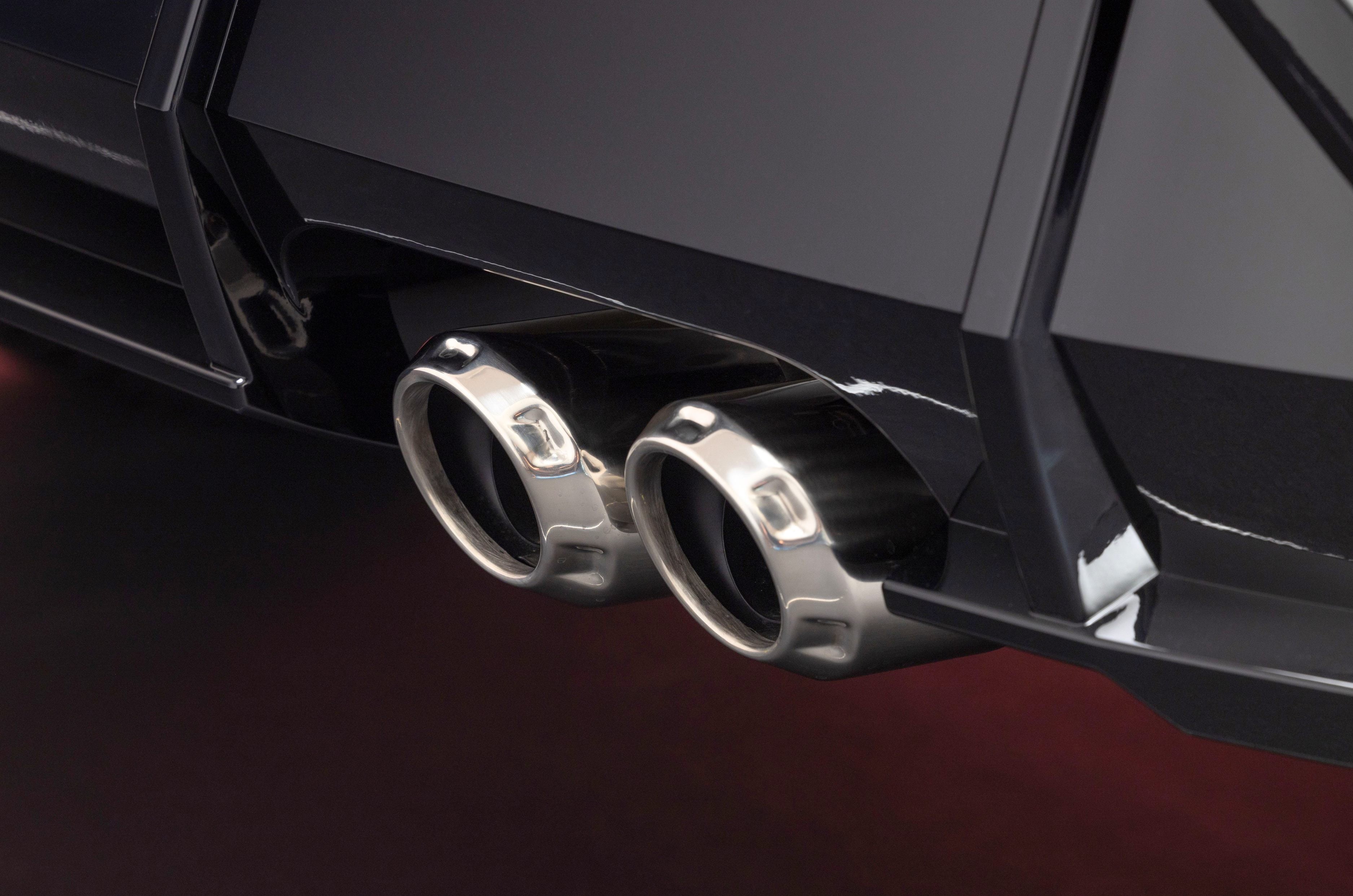
Audi has launched the 2026 Q3 in India at Rs 51.99 lakh (ex-showroom). This is the third-generation entry-level luxury SUV in India, which is being offered in two trims: Nova and Zenith, and the latter’s price is yet to be revealed. It sports extensive design changes inside and outside, additional features and a turbo-petrol engine option only. The 2026 Audi Q3 is being assembled at the manufacturer’s Chhatrapati Sambhajinagar plant in Maharashtra, and its deliveries are also underway.
Only luxury car in its segment with an AWD setup
Features split-style headlights and 18-inch alloy wheels
Gets dual digital screens, panoramic sunroof, 3-zone AC
2026 Audi Q3 exterior design
Gets split-style headlights, taillights and 18-inch alloy wheels
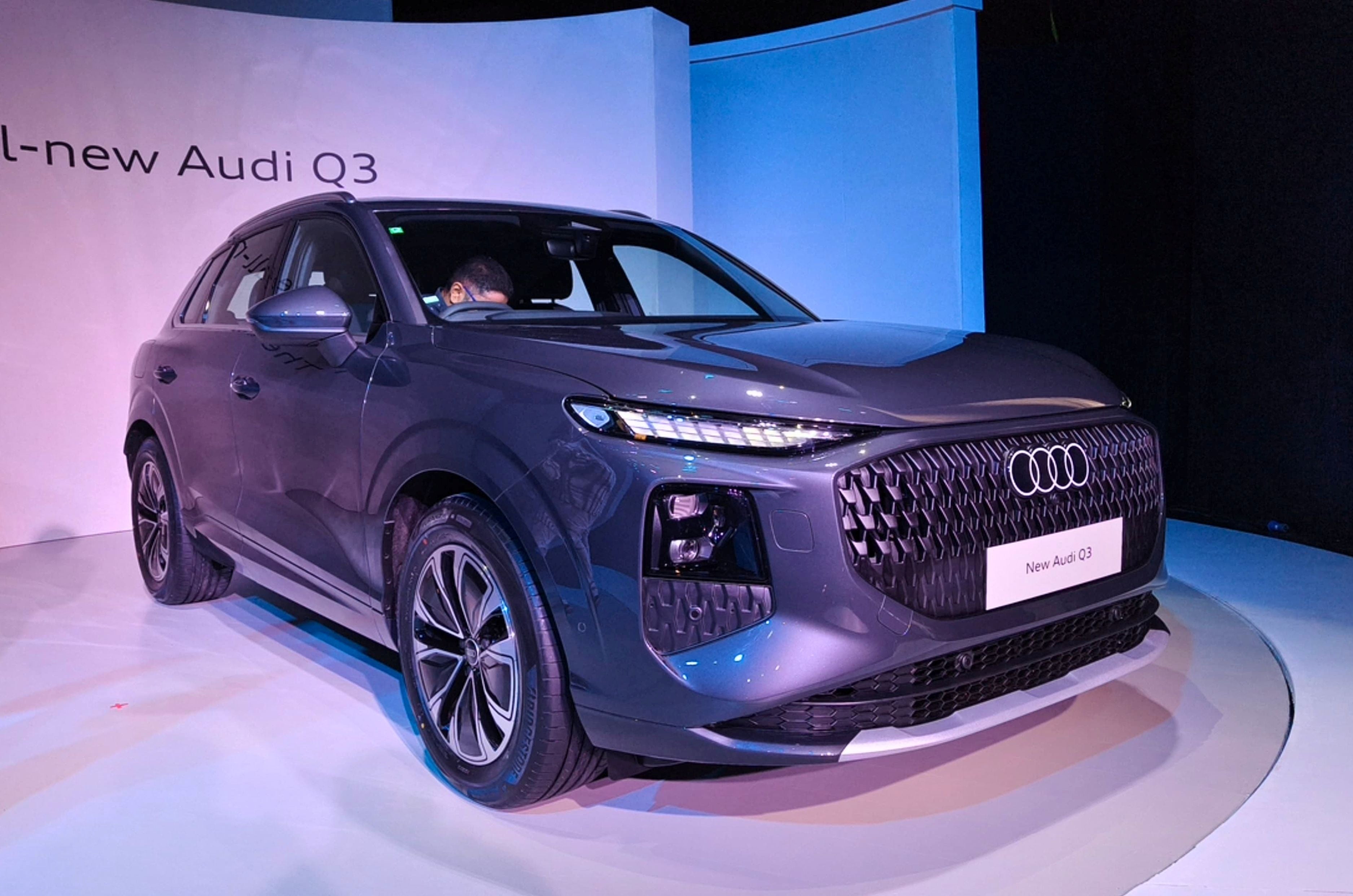
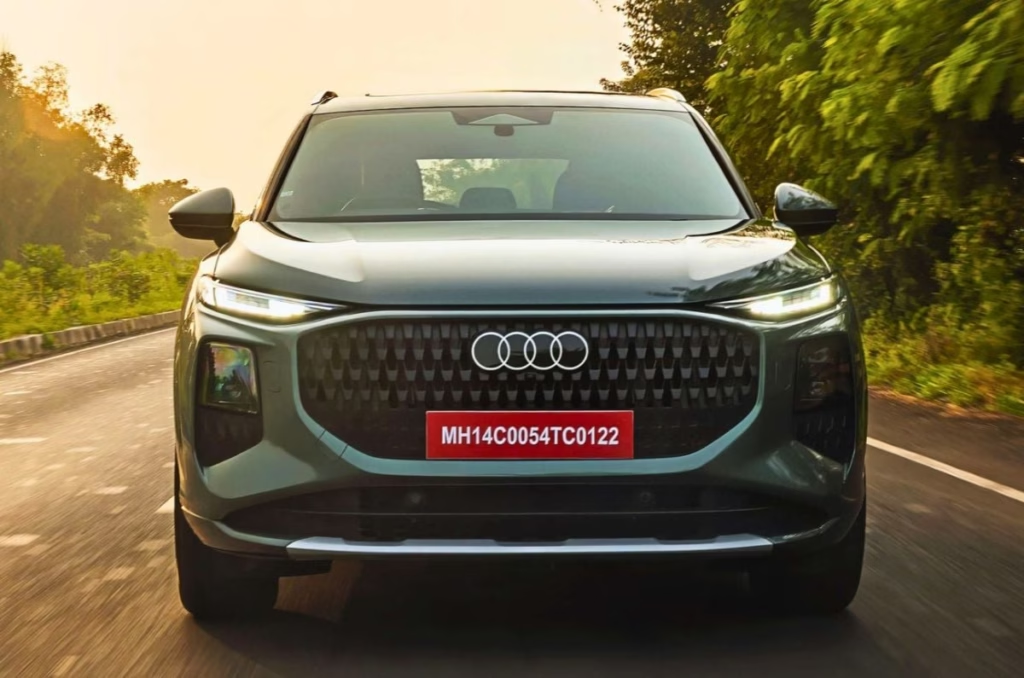
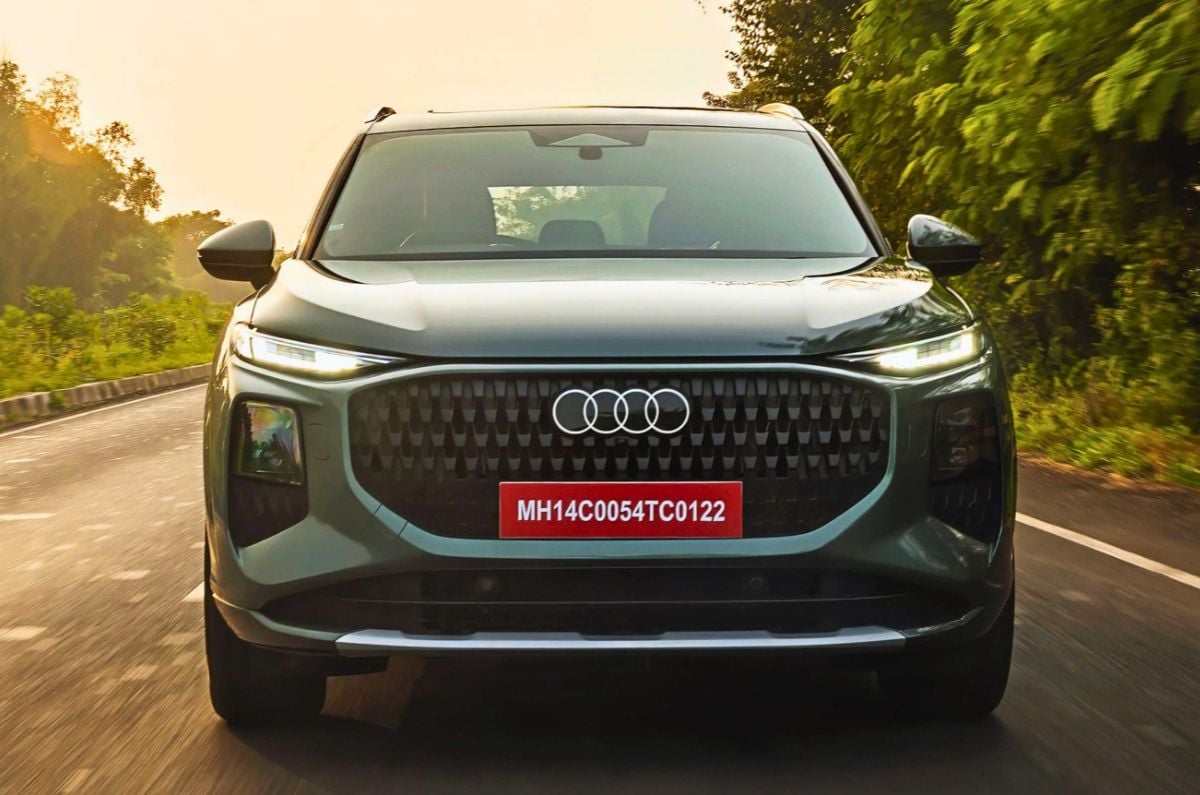
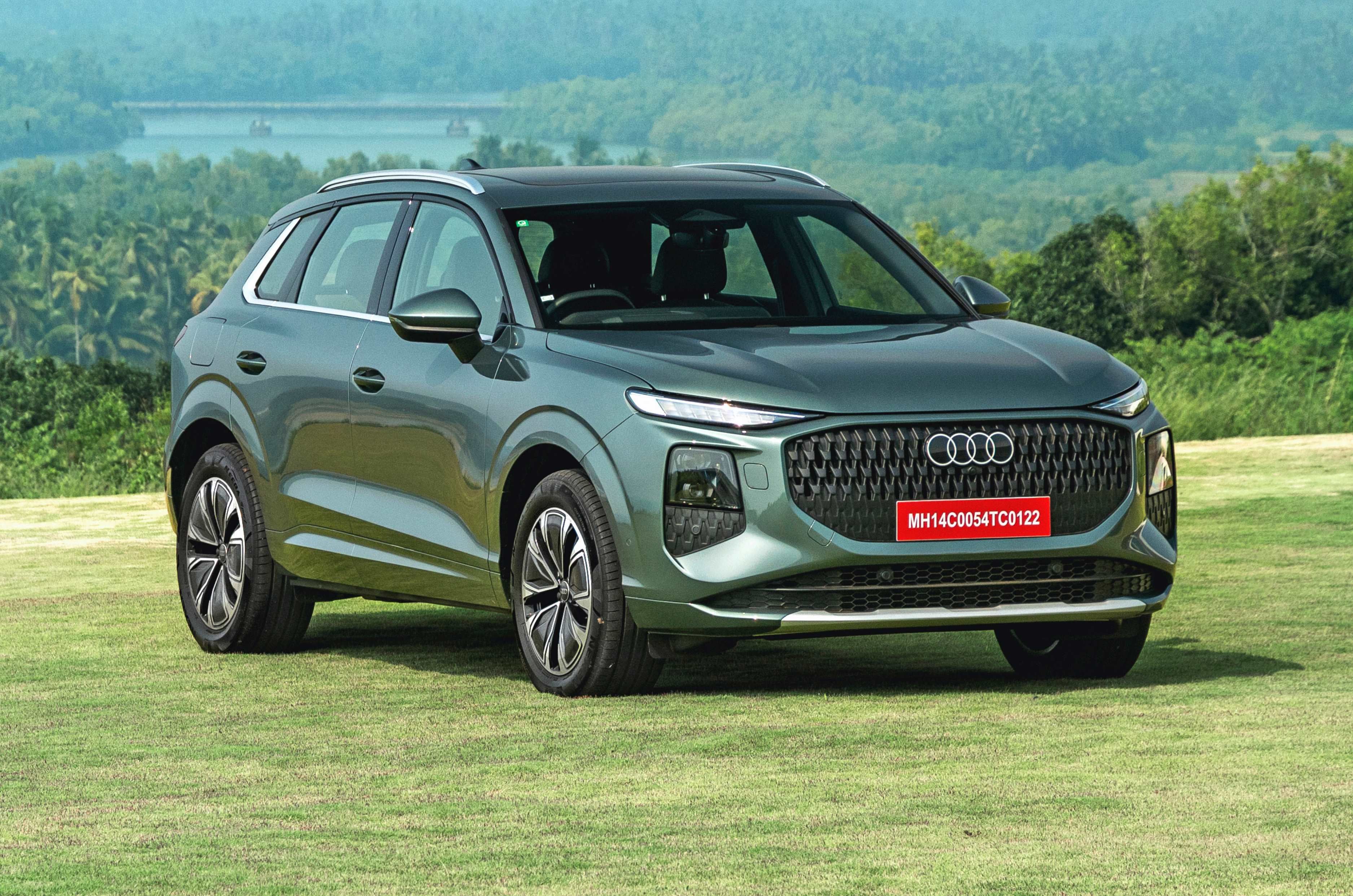
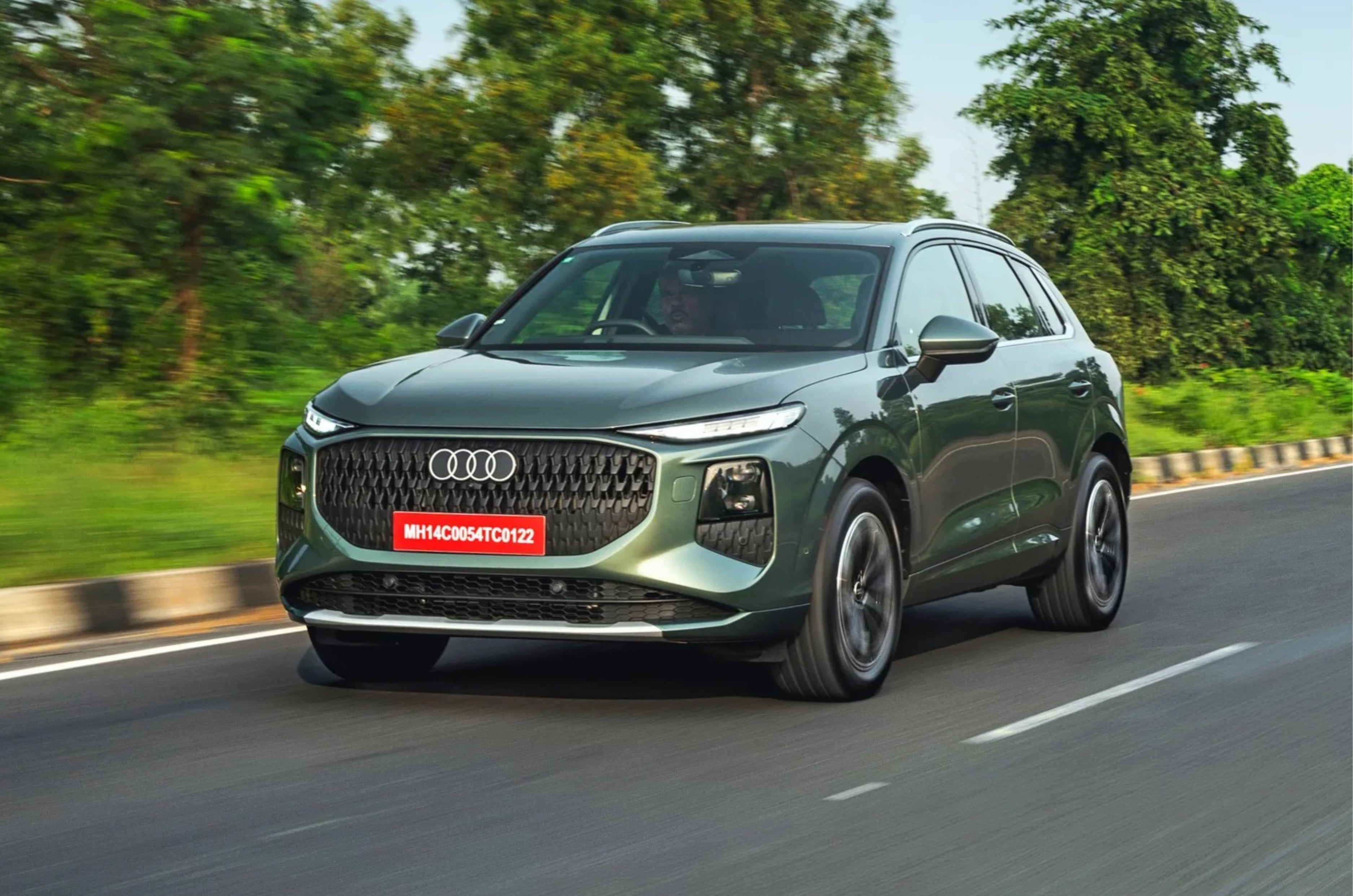
Being a generation update, the 2026 Audi Q3 comes with a thoroughly redesigned exterior. It gets split-style headlights, with LED DRLs at the top and the main digital Matrix LED headlights on the bumper with dedicated washers. The LED DRLs and headlights feature lighting signatures, and in fact the latter can even project important ADAS information on the road in the driver’s direct field of vision for improved safety. It also gets a large grille with honeycomb mesh elements and similar air intakes on the lower section of the bumper.
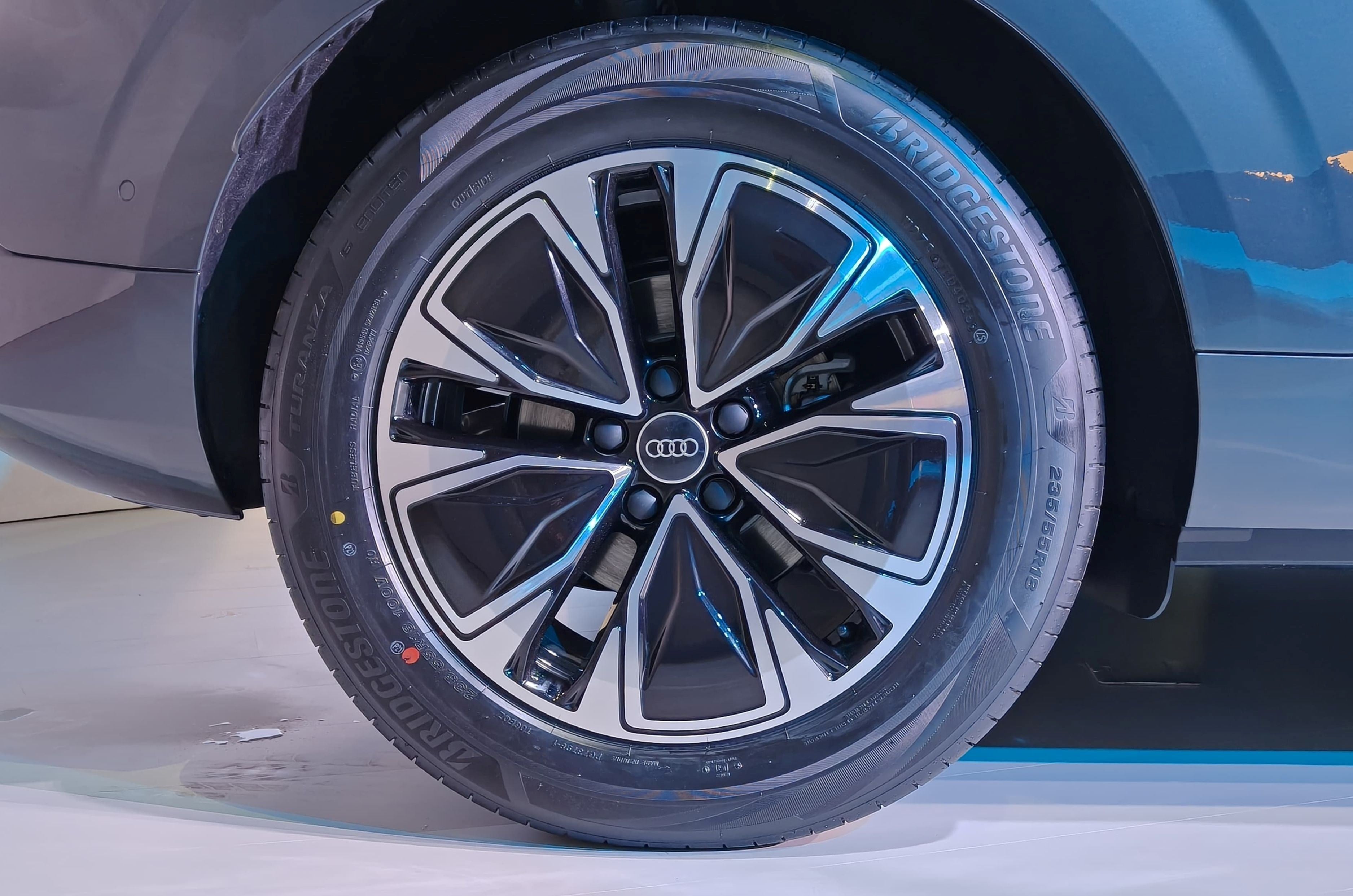
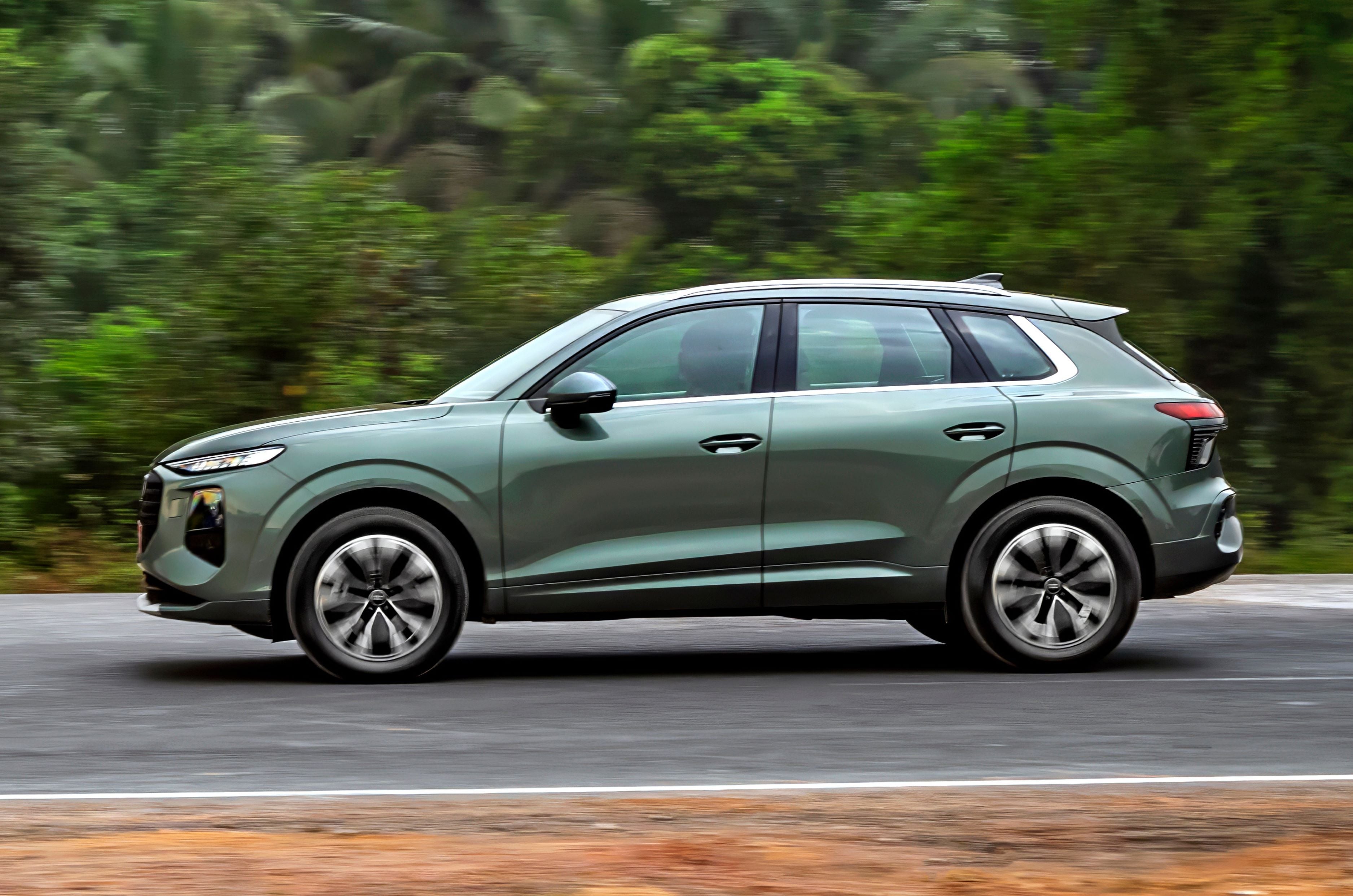
In profile, the Q3 features 18-inch alloy wheels as standard with self-centring hubcaps. It also gets a chrome windowline, slim roof rails and slightly flared wheel arches.
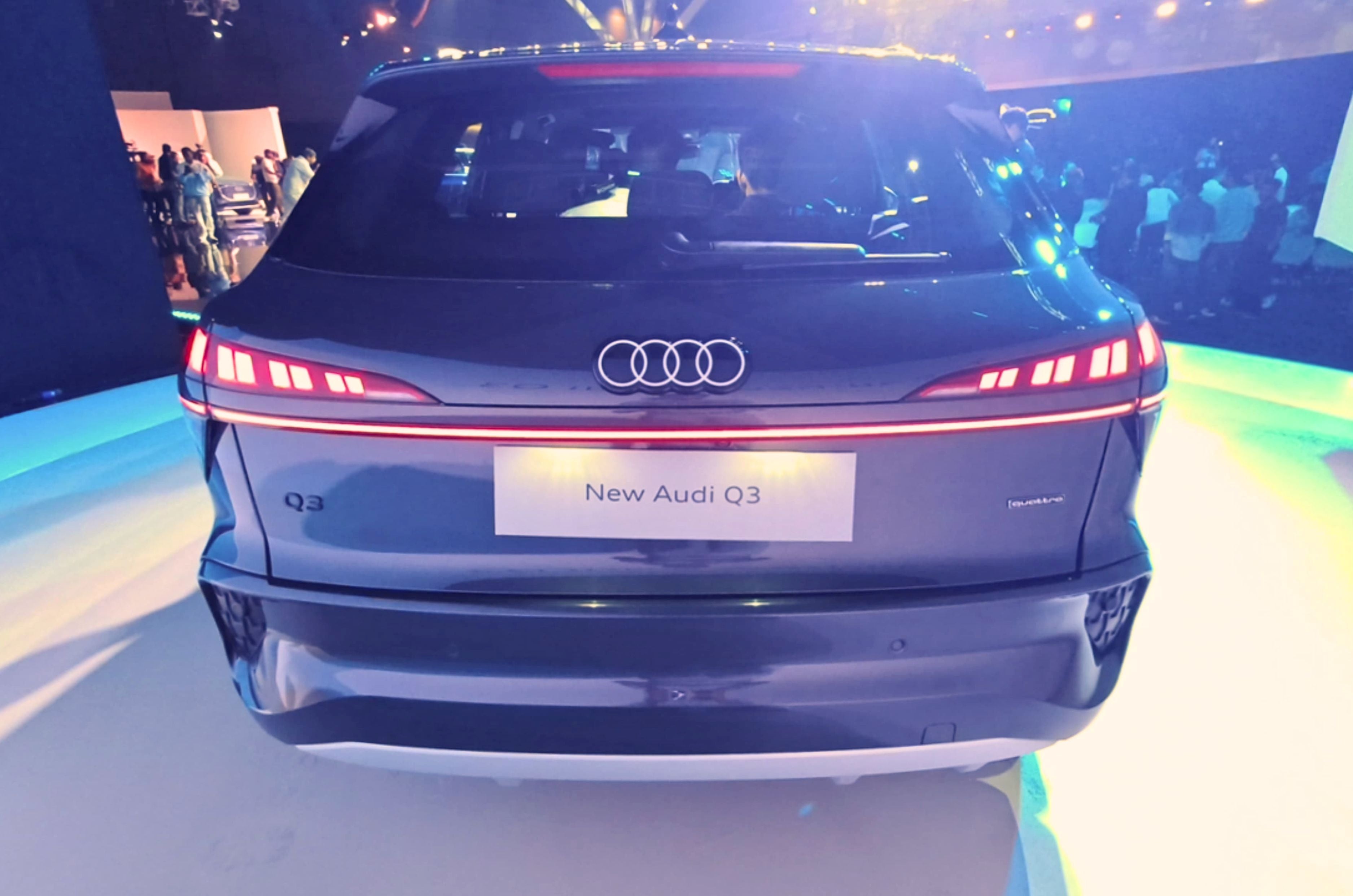
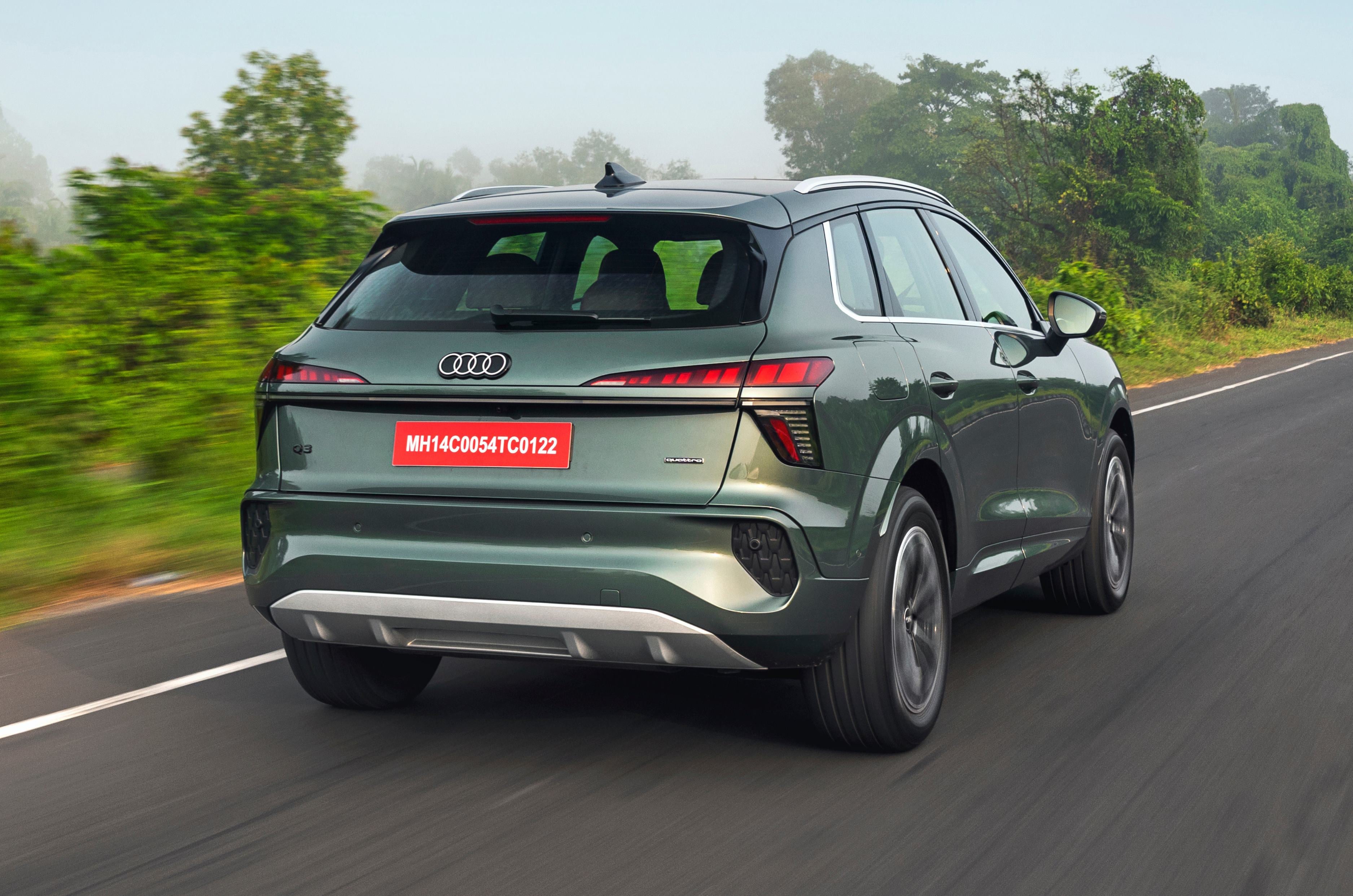
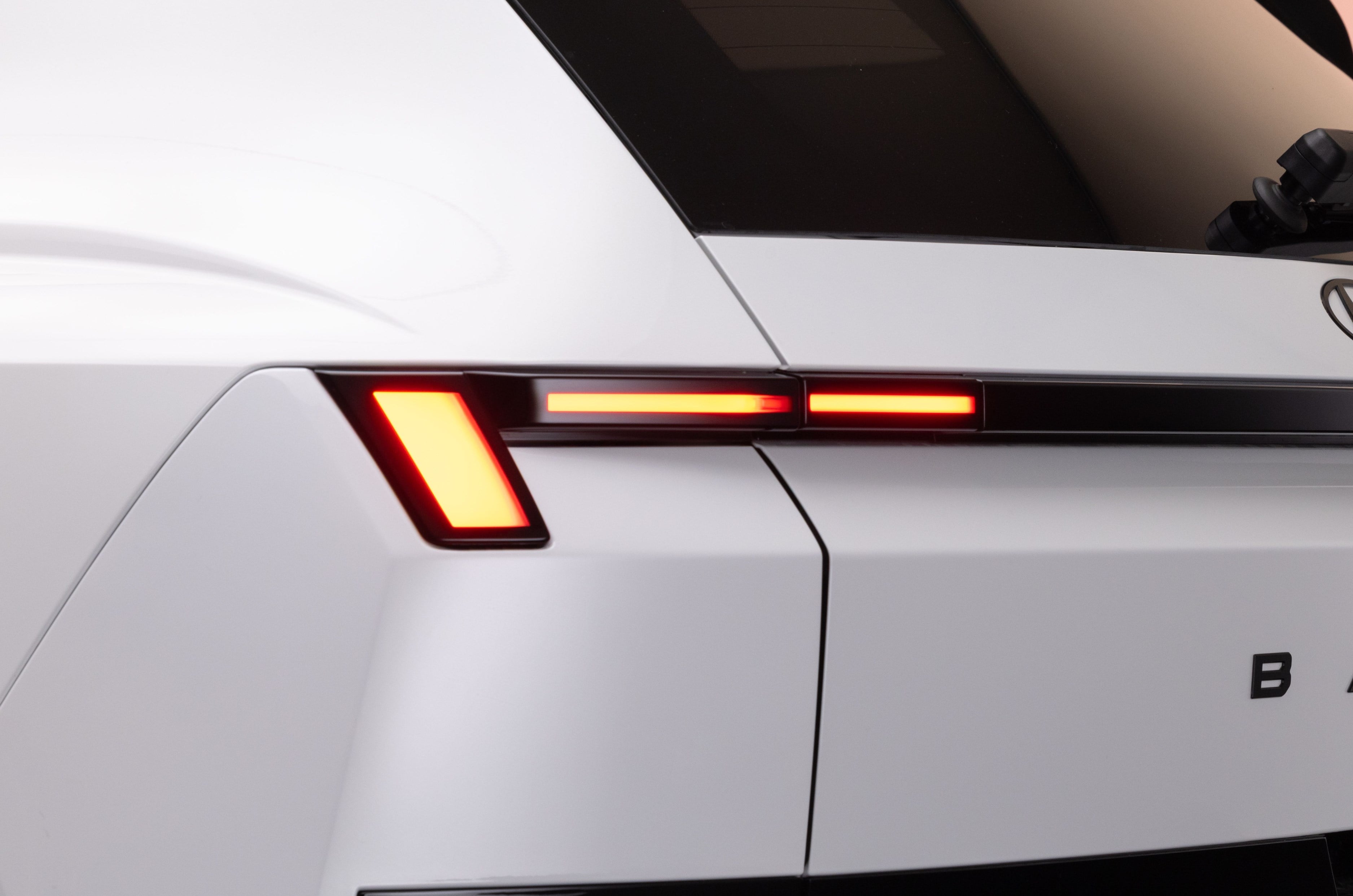
At the rear, it features split LED taillights; the lower unit is connected by a thin strip of light bar. The Audi logo at the rear is illuminated. Audi is also offering a roof-mounted spoiler and a rear wiper and washer.
Here are the dimensions and other specifications of the 2026 Audi Q3:
2026 Audi Q3 dimensions and other specifications
Length
4,531mm
Width
1,859mm
Height
1,601mm
Wheelbase
2,681mm
Boot space
488 litres
2026 Audi Q3 interior design and features
Gets a hexagonal steering wheel, curved displays and a decently equipped cabin
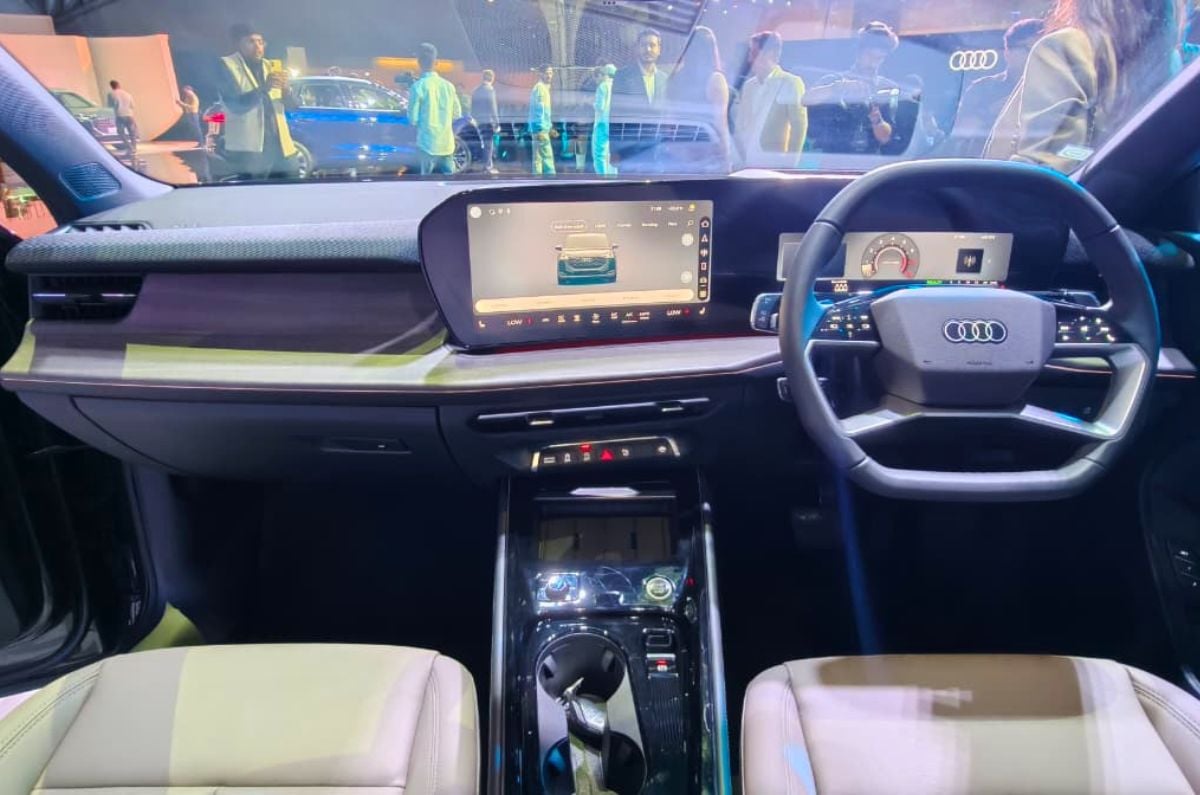
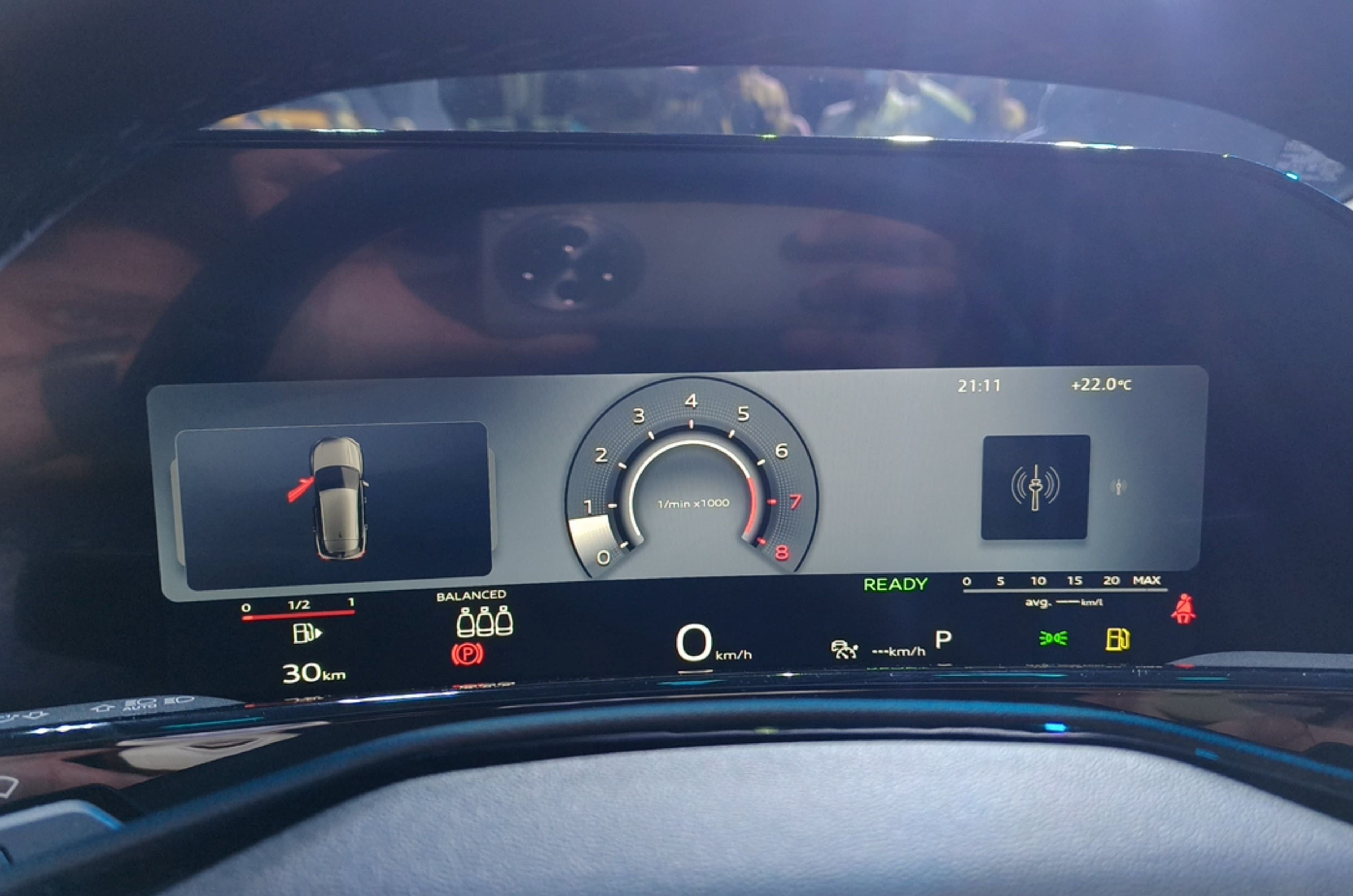
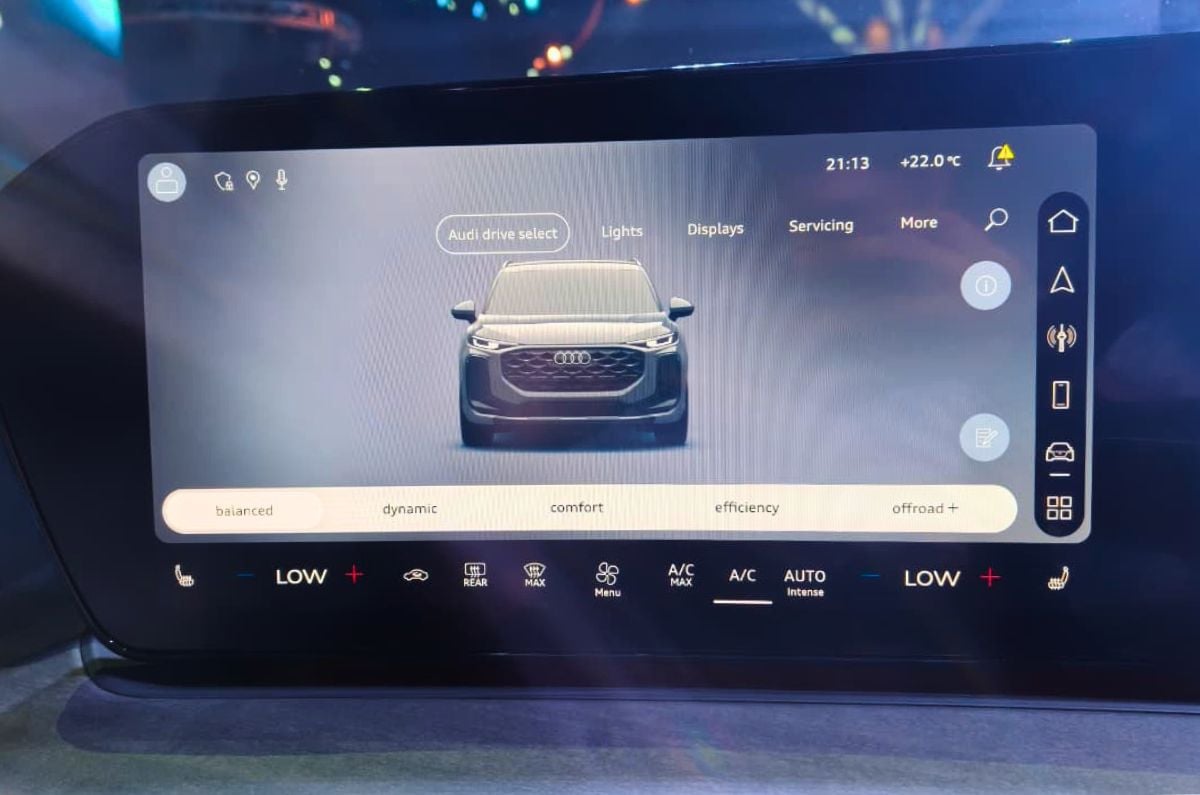
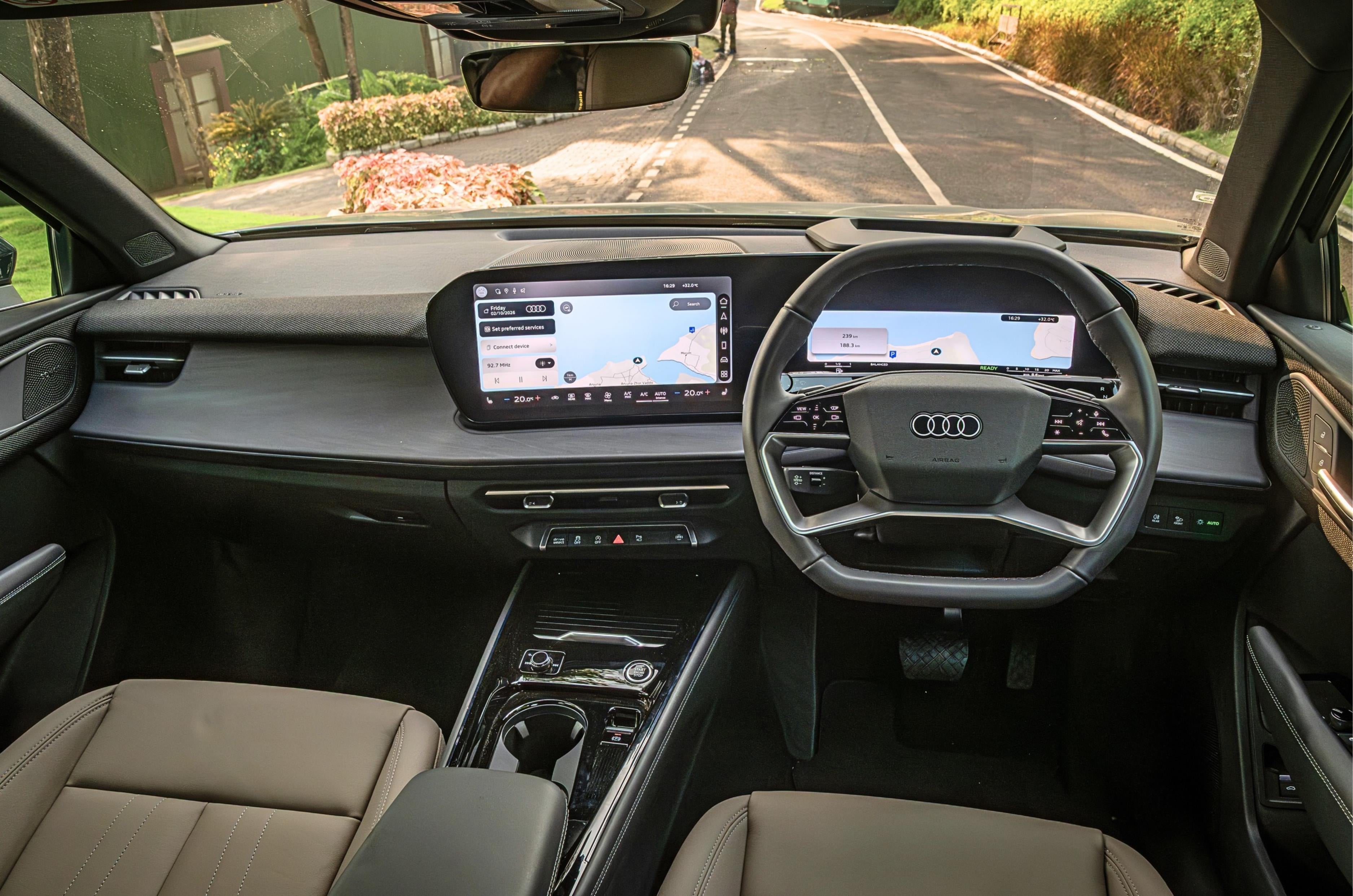
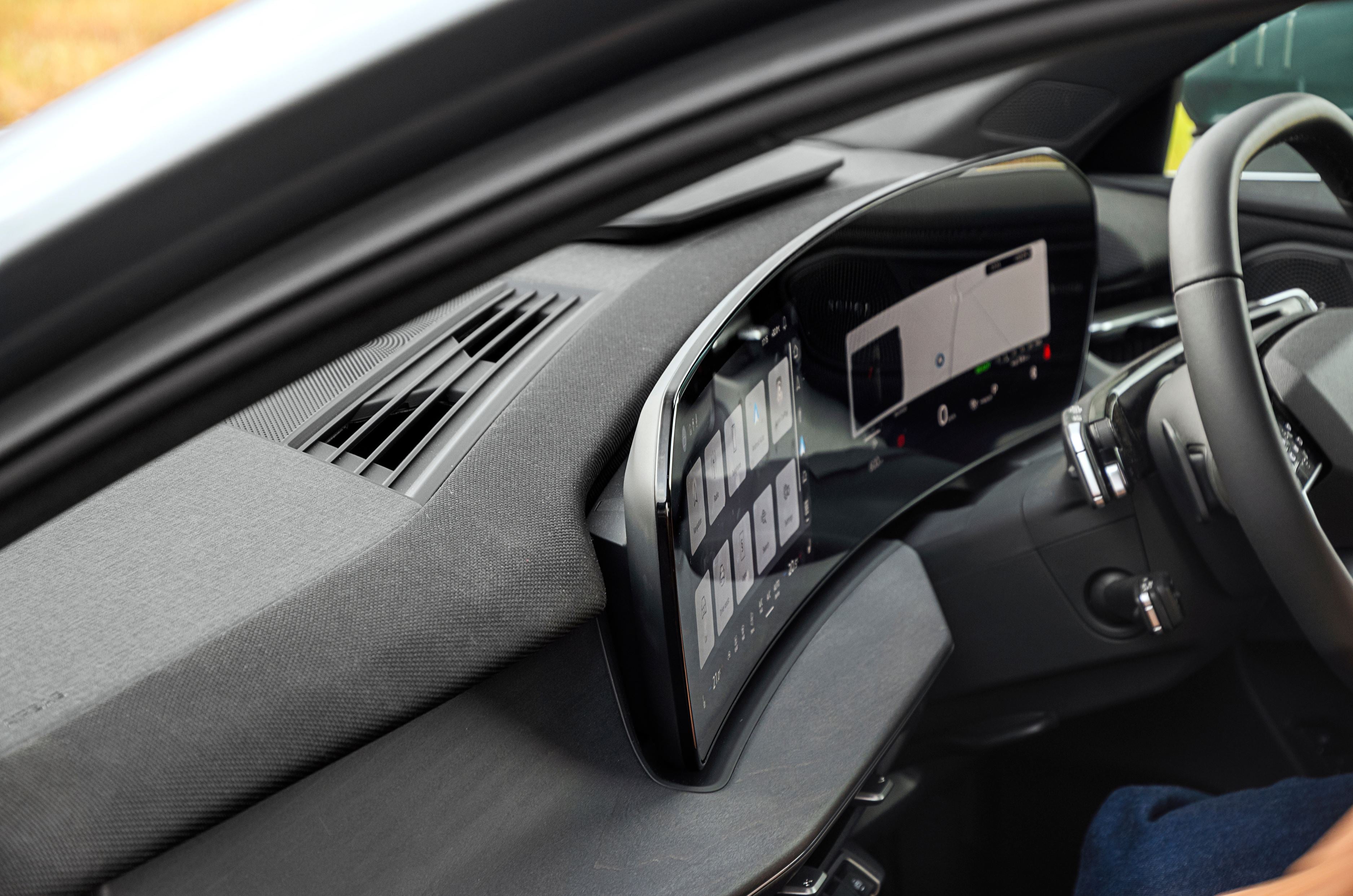
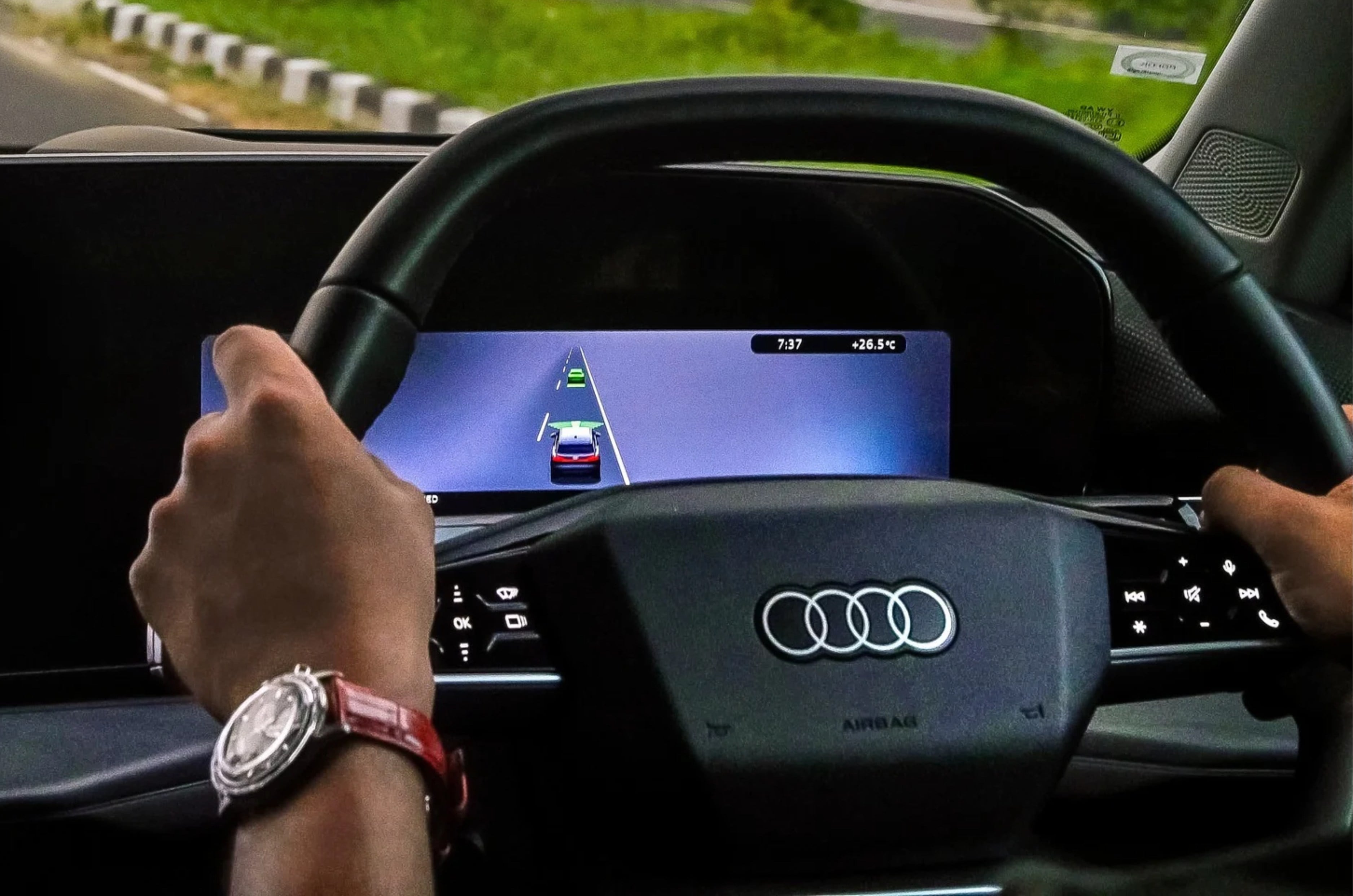
Inside, the Audi Q3 has a minimalistic dashboard and features dual digital screens (a 12.8-inch infotainment touchscreen and an 11.9-inch digital driver’s display) arranged in a curved setup. It also gets a 4-spoke hexagonal steering wheel with touch-enabled controls. Notably, the right-side stalk on the steering wheel works as a drive selector, while the left one can be used to control the headlights and turn indicators.
The drive selector on the steering column has enabled a cleaner centre console, featuring a wireless phone charger, two cupholders, and an electronic parking brake. The centre console extends to a centre armrest for front passengers. The seats get leatherette upholstery, and the front seats are powered and heated. The driver’s seat has a memory function that is also tied to the powered outside rearview mirrors (ORVMs).
On the feature front, it is equipped with a 3-zone climate control, a panoramic sunroof, a 12-speaker Sonos sound system, a coloured head-up display (HUD), and a powered tailgate. Safety-wise, it gets 9 airbags, a rear parking camera (not a 360-degree surround-view system), hill hold and hill climb assists, and an advanced driver assistance systems (ADAS) suite.
2026 Audi Q3 powertrain
Gets a 2.0-litre turbo-petrol engine and an AWD setup
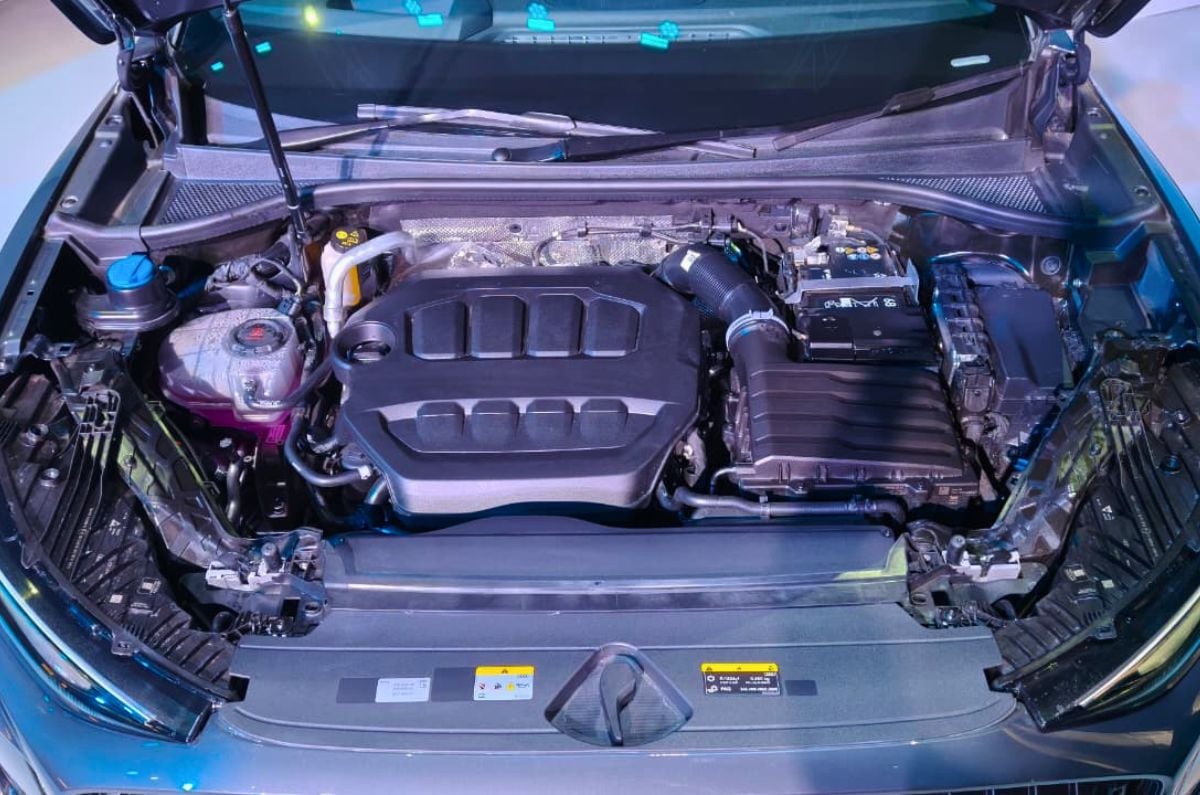
The 2026 Audi Q3 is powered by a 2.0-litre direct-injection turbo-petrol engine that produces 204hp and 320Nm. It is mated to a 7-speed dual-clutch automatic transmission (AT) which sends power to all wheels (AWD). This powertrain enables a claimed 0-100kph sprint of 7.1 seconds and a top speed of 229kph.
The Audi Q3 is the only rival in the segment to offer AWD. Rivals like the BMW X1 and Mercedes-Benz GLA are front-wheel-drive (FWD) only.
Audi is all set to launch the new Q3 in India on October 16, 2026. The third-generation model is the German luxury marque’s entry-level SUV for India, and its first model for our market as part of its new product offensive. The upcoming Audi Q3 sports a completely new design both inside and out, an updated feature set and a single turbo-petrol powertrain. Here’s a closer look at what to expect from this compact luxury SUV.
1. What does the new Audi Q3 look like?
Now gets split headlamps, Digital Matrix LEDs, an updated grille and more
The third-gen Audi Q3 has ditched the conventional placement for the headlamps. Instead, it sports a split arrangement with the new Digital Matrix LED units located in the bumper and slim LED DRLs placed above them. The former houses 25,600 individually controlled pixels, while the latter double up as turn indicators and offer four light signatures. The wide honeycomb grille of the Q3 now gets the brand’s new 2D logo with an integrated radar for the ADAS suite.
Design highlights along the sides include the 18-inch alloy wheels with self-levelling centre caps, silver roof rails and shiny trim stretching between the A pillar and the roof. The rear of the new Q3 features split LED tail-lamps connected by a sleek light bar, an illuminated Audi logo on the tailgate, and a silver skid plate in the bumper. The new Q3 looks bigger than the outgoing model, though its 2,681mm wheelbase is unchanged.
2. How is the interior of the new Audi Q3?
A spacious boot, solid build, curved displays and a new gear selector are some of the highlights
The boot of the new Audi Q3 has a capacity of 488 litres, which can be further expanded by folding down the 40:20:40 rear seats. There’s also a space-saver spare under the boot floor. This is a modern-looking interior, sporting an angled dashboard and centre console, curved digital displays and a hexagonal steering wheel. Meanwhile, placed on the steering column is the new stalk-type gear selector.
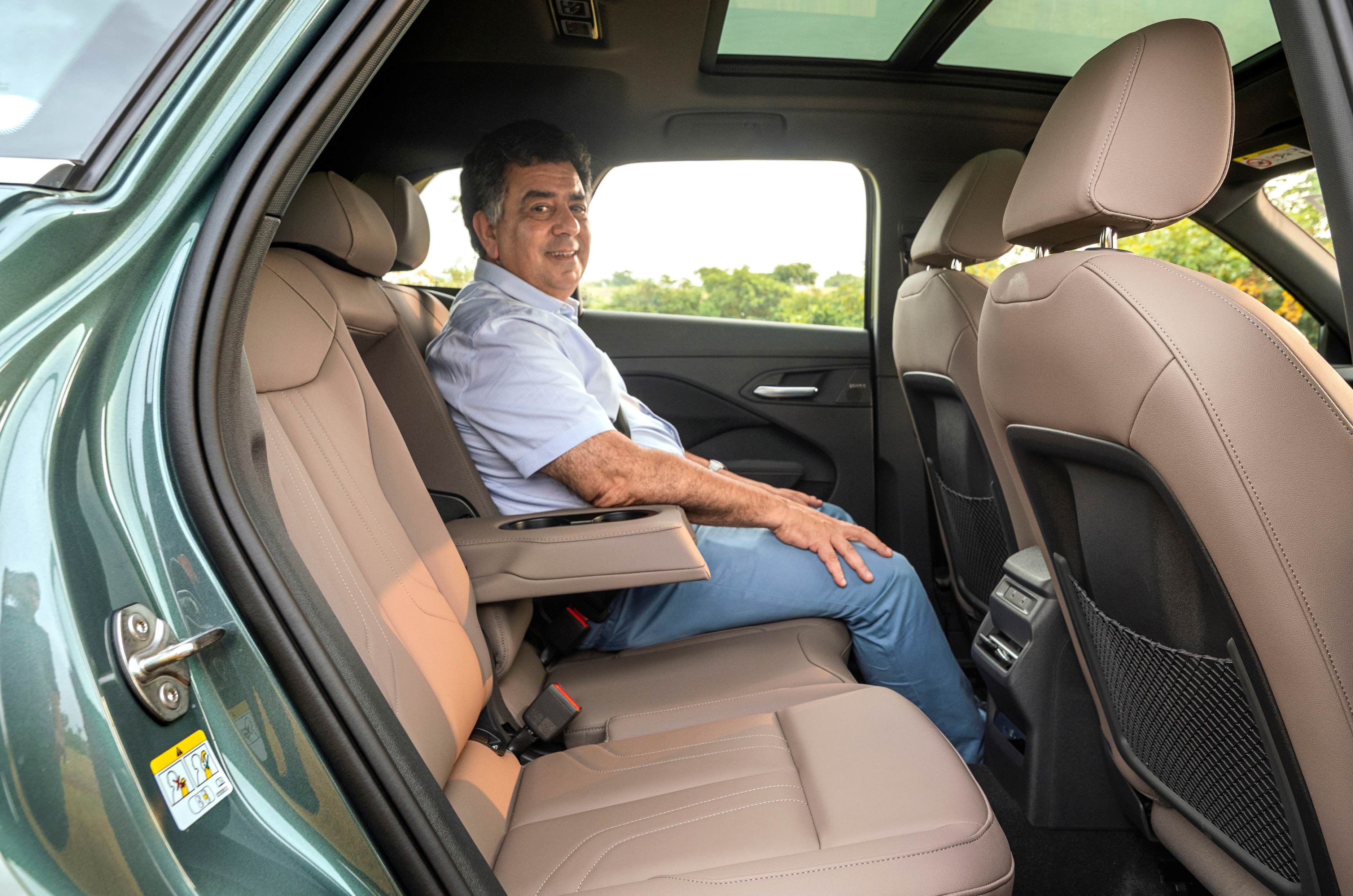
Leather upholstery aside, this interior also gets fabric and wood trim. There are hard plastics lower down in the cabin, but the overall build quality is impressive. The front seats are well-bolstered and will be comfortable even on long drives, but the rear ones are best reserved for two adults. Conveniences at the back include a fold-down armrest with cupholders, two USB-C outlets, seat-back pockets and rear AC vents.
3. What features does the new Audi Q3 offer?
Headline tech includes a 12-speaker Sonos audio system, panoramic sunroof, head-up display and 9 airbags
The new Audi Q3 offers a range of conveniences and tech – including a powered tailgate, multi-zone automatic climate control, powered & heated front seats with memory, and a 12-speaker Sonos audio system. There’s also a panoramic sunroof, a 12.8-inch touch-infotainment system, and an 11.9-inch digital driver’s display.
Rounding off the tech features of the Audi Q3 are 9 airbags, an auto-park function, and ADAS (advanced driver assistance systems) with adaptive cruise control and auto-emergency braking. Surprisingly, the new Q3 doesn’t get lane-keep assist, a 360-degree camera, or even ventilated seats.
4. What engine and gearbox does the new Audi Q3 get?
The new Q3 will only be offered with a 204hp turbo-petrol engine and quattro all-wheel drive
Under the bonnet of the new Audi Q3 is a 2.0-litre turbo-petrol engine with direct injection, rated at 204hp and 320Nm. Mated to this TFSI mill is a 7-speed dual-clutch automatic gearbox with paddle shifters, while drive is sent to all four wheels via Audi’s quattro all-wheel-drive system.
There are multiple drive modes as well, including an ‘off-road’ setting. Audi claims a 0-100kph time of 7.1 seconds for the new Q3. However, there will be no diesel, hybrid or fully electric powertrains at launch.
5. What is the expected price of the new Audi Q3?
The new model is to be pricier than the outgoing Q3
The new Audi Q3 is expected to come at a premium over the outgoing model, which is priced between Rs 43.67 lakh and Rs 53 lakh (ex-showroom). The closest rivals of the Q3 will include the BMW X1 and Mercedes-Benz GLA.
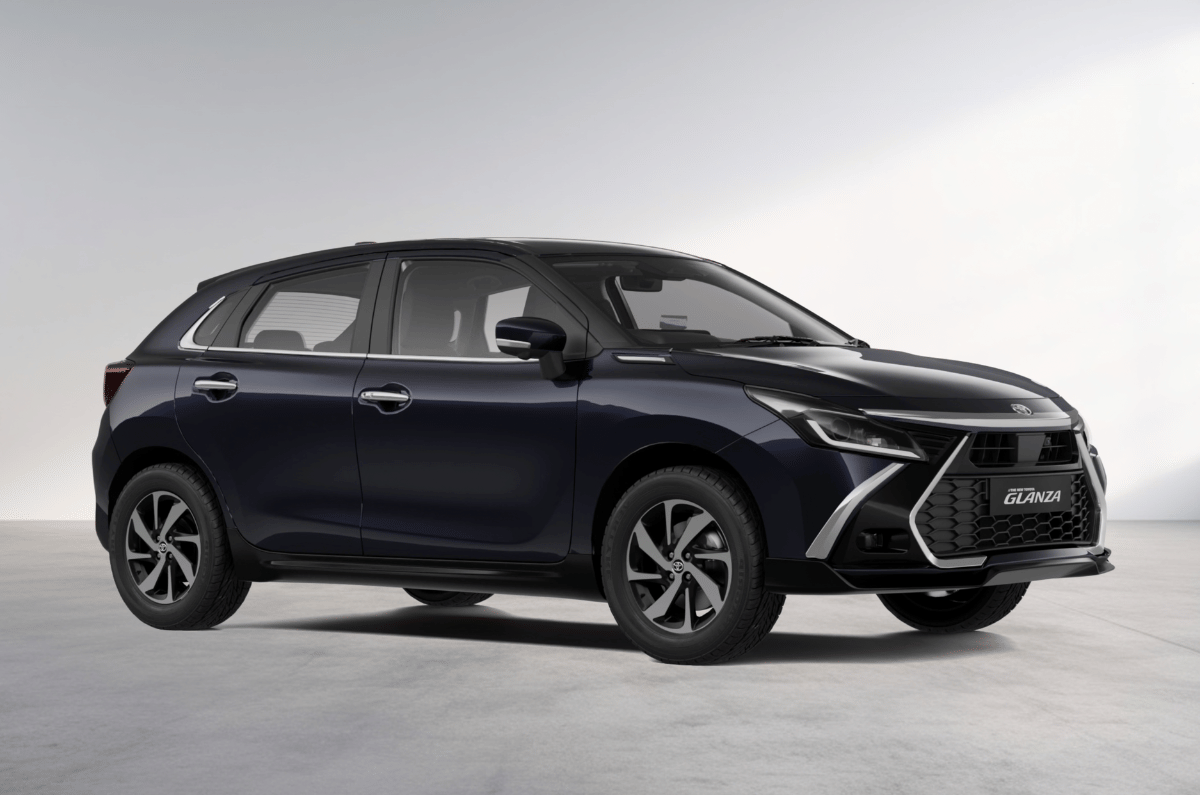
The 2026 Toyota Glanza facelift was launched in October, and it gets new powertrain options, additional features and minor design changes. However, it also misses out on a few things. Here, we look at what the updated Toyota hatchback gets right and where there is room for improvement.
Hits
More efficient powertrain
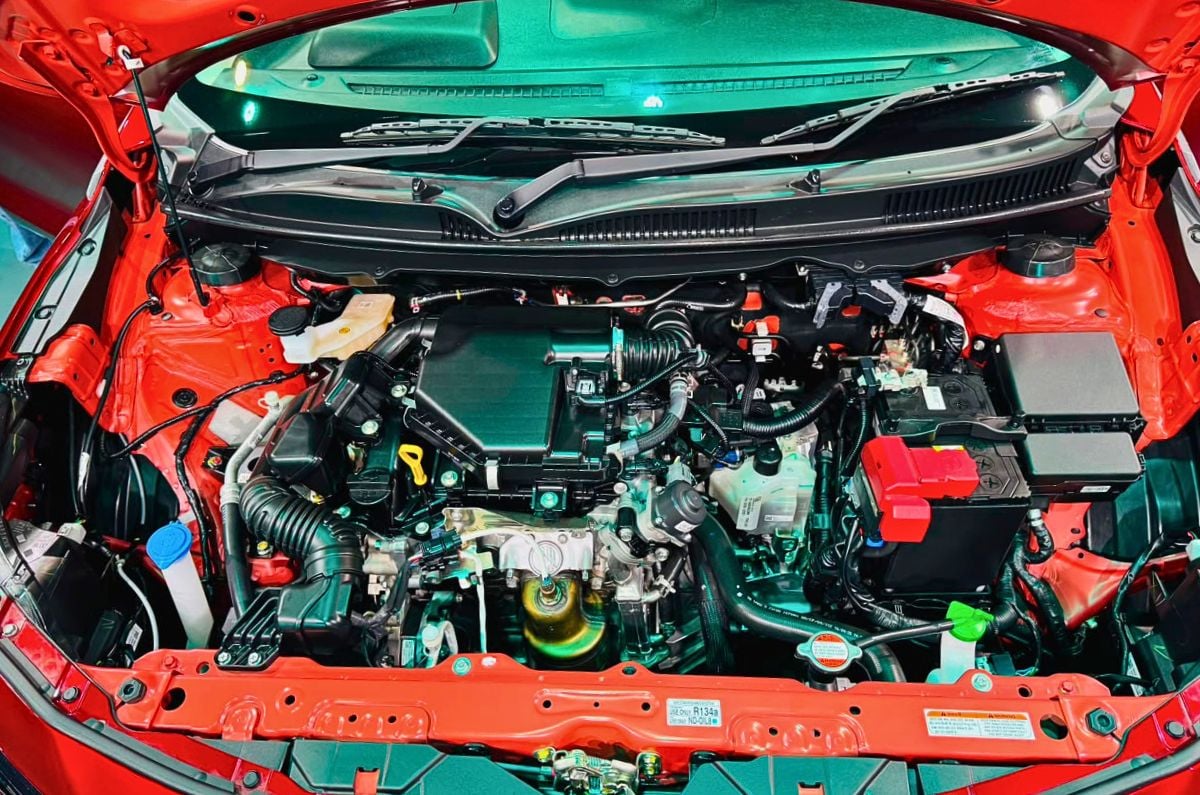
The Glanza now gets a new 1.2-litre, 3-cylinder naturally aspirated engine that runs on petrol and CNG. Compared to the previous four-cylinder engine, claimed fuel efficiency in petrol mode has improved to 23.80kpl with the manual transmission, up from 22.35kpl, and 24.77kpl with the AMT, up from 22.94kpl.
In CNG mode, the claimed mileage has increased to 33.61km/kg with the manual gearbox, up from 30.61km/kg. The new AMT option for the Glanza CNG has a claimed mileage of 34.47km/kg.
Automatic gearbox choice with CNG
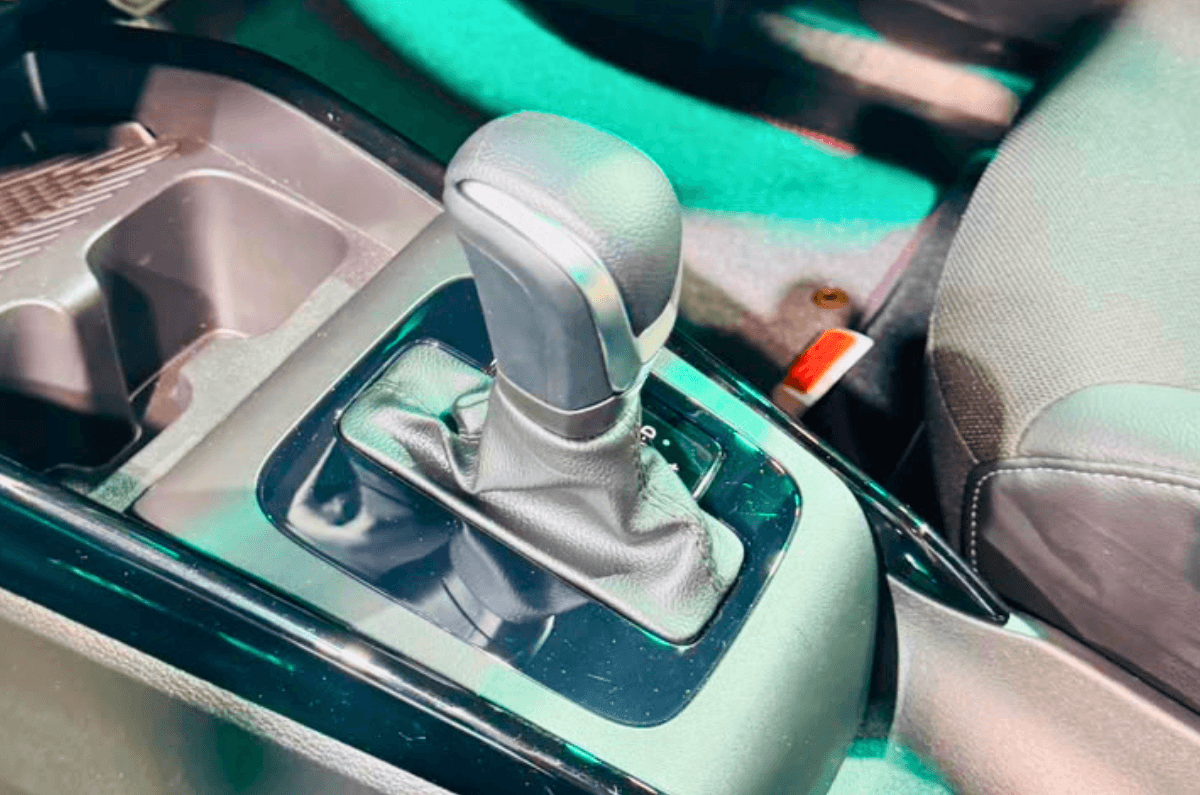
With the Glanza facelift, Toyota has introduced the choice of an automatic gearbox, an AMT in this case. Buyers who regularly commute in stop-and-go traffic will appreciate the ease of driving, along with the good fuel efficiency claimed by the carmaker.
New convenience and safety features
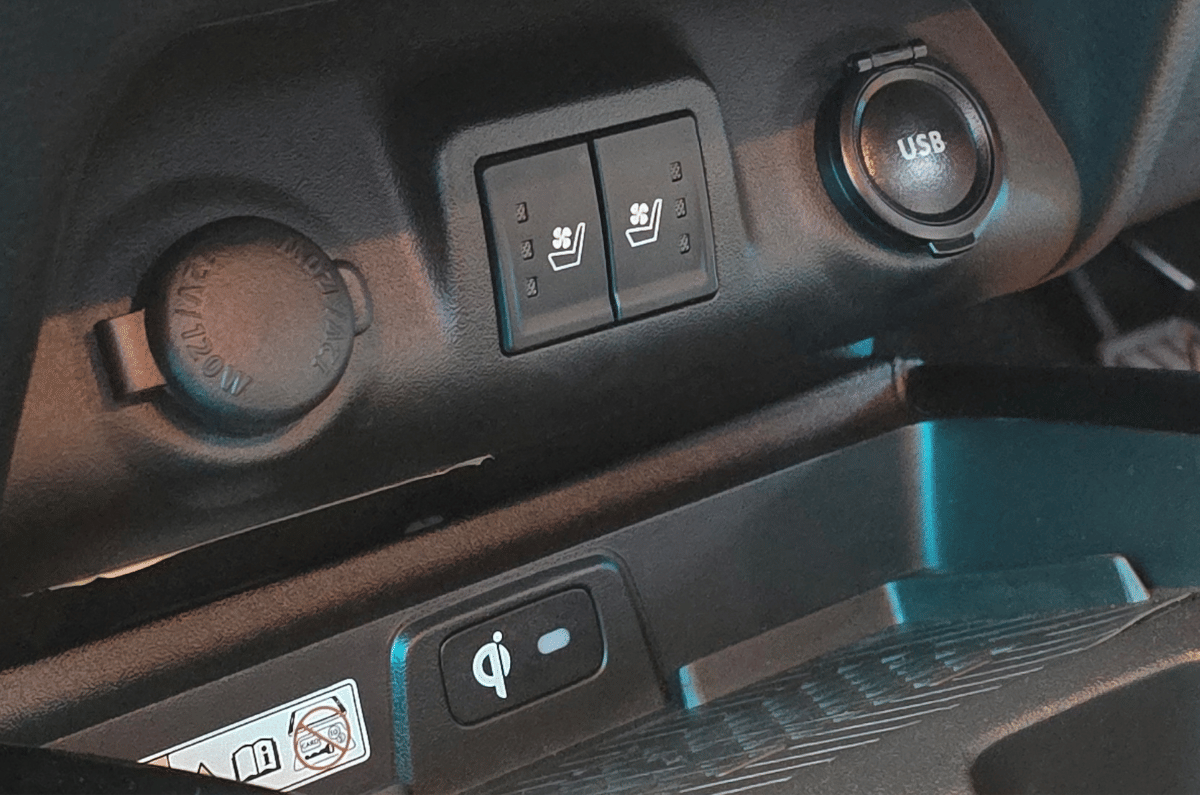
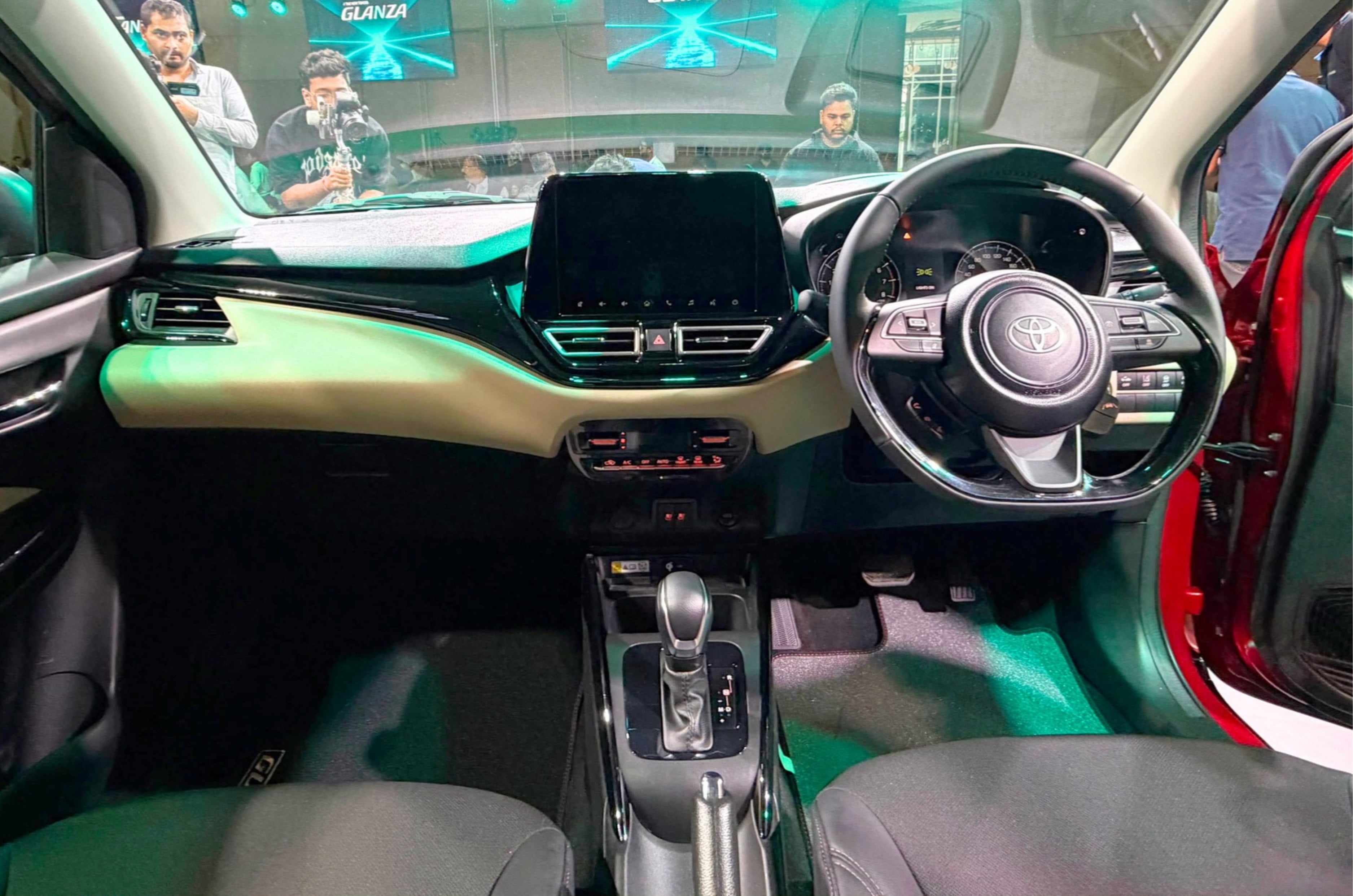
Given our climate, ventilated front seats are a welcome addition. The new Level 2 ADAS suite should also improve the Glanza’s safety quotient.
While we haven’t reviewed the new Glanza yet, our experience with the Baleno facelift gives us a reference point. During our brief test drive, the ADAS features worked as intended and felt well calibrated, without being overly intrusive. A wireless charger with ventilation has been added as well.
Continues to offer physical controls
Like the outgoing model, the facelifted Glanza continues to offer plenty of physical controls for functions such as climate control and audio. These are easier to use and less distracting than accessing functions buried under multiple sub-menus on the touchscreen.
Misses
Priced comparatively higher than Baleno
Glanza vs Baleno petrol prices (Rs lakh)
Glanza petrol trim
Price
Baleno petrol trim
Price
Price difference
E MT
6.99
Sigma MT
5.99
-1
S MT | AMT
7.71 | 8.31
Delta MT | AMT
7 | 7.5
-0.71 | -0.81
G MT | AMT
8.73 | 9.33
Zeta MT | AMT
8 | 8.5
-0.73 | -0.83
V MT | AMT
9.99 | 10.59
Alpha MT | AMT
9.1 | 9.6
-0.89 | -0.99
V(O) MT | AMT
10.49 | 10.98
Alpha (O) MT | AMT
9.5 | 9.99
-0.99
Glanza vs Baleno CNG prices (Rs lakh)
Glanza CNG trim
Price
Baleno CNG trim
Price
Price difference
S MT | AMT
8.76 | 9.31
Delta MT | AMT
7.92 | 8.32
-0.84 | -0.99
G MT | AMT
9.68 | 10.23
Zeta MT | AMT
8.92 | 9.32
-0.76 | -0.91
The Glanza is pricier than the Baleno across comparable petrol variants, with the price difference ranging from Rs 71,000 to Rs 1 lakh. The gap is similar for the CNG versions, with the Toyota hatchback costing between Rs 76,000 to Rs 99,000 relatively more. Since the changes between the two are largely cosmetic, the price difference seems significant.
New engine makes relatively less power and torque
In petrol mode, the new engine produces 83hp and 112Nm, which is 7hp and 1Nm less than the outgoing model’s four-cylinder unit. In CNG mode, it produces 70hp and 102Nm. This is 7hp less but 4.5Nm more than the outgoing model. Based on our experience with the Baleno, which uses the same powertrains, the new engine doesn’t feel as peppy as the older K-Series unit or as strong at higher revs.
Misses out on some features offered by rivals
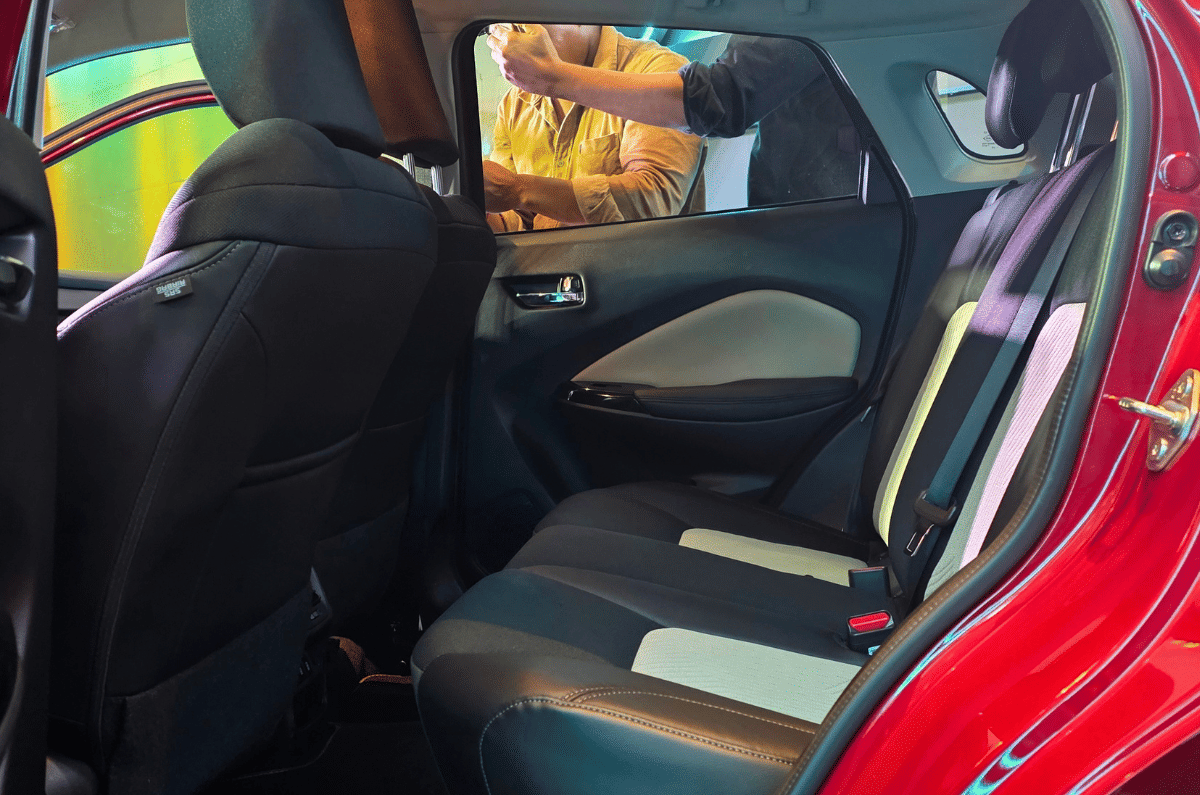
A rear centre armrest would have improved passenger comfort in a premium hatchback like the Glanza, and a single-pane sunroof would also have added to its appeal. Both features are available on its direct rivals, the Tata Altroz and Hyundai i20.
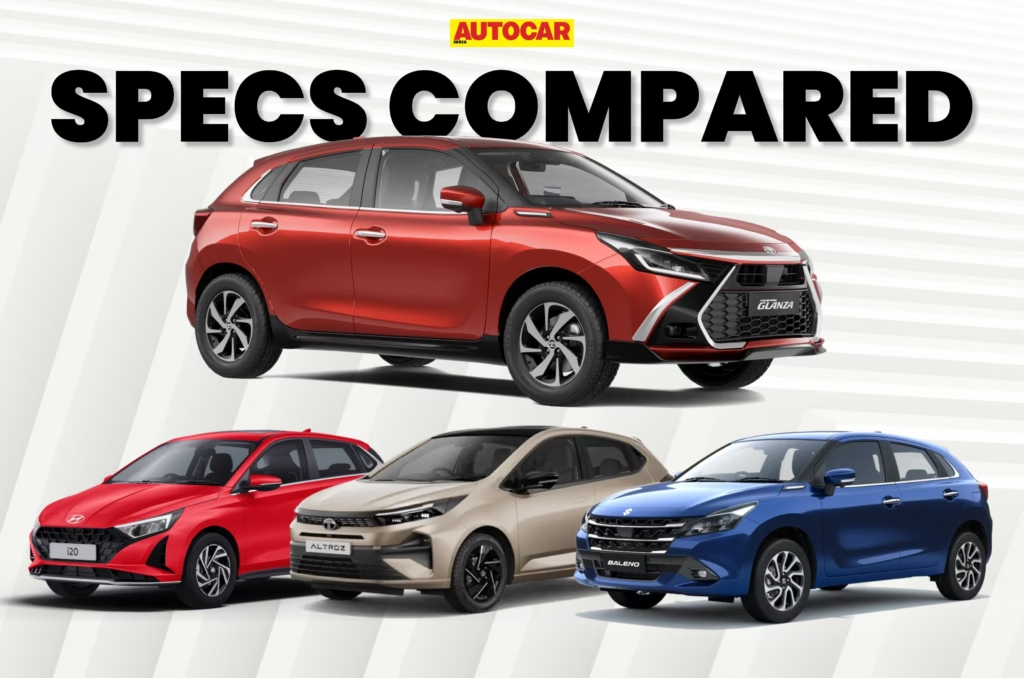
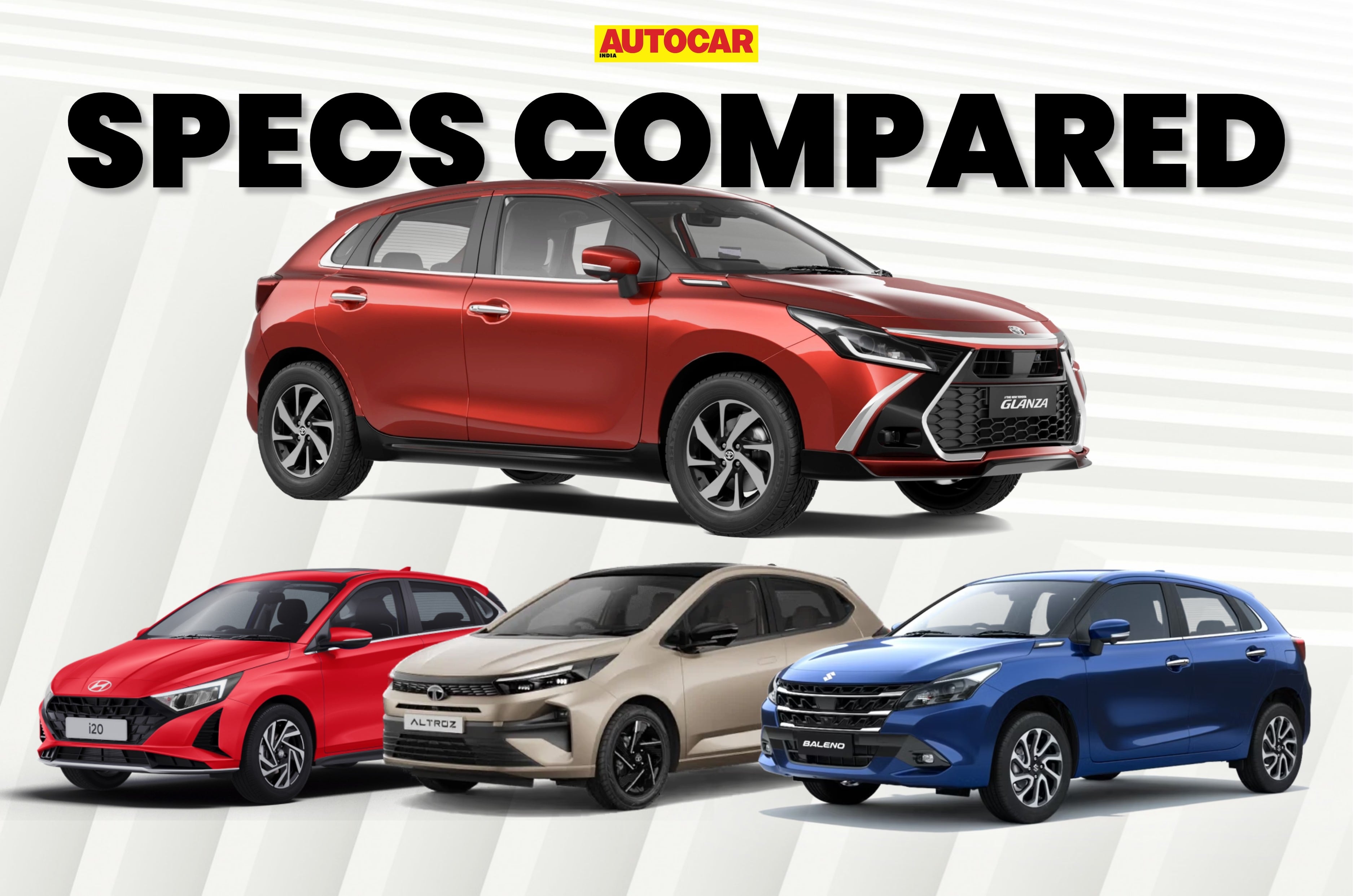
The Toyota Glanza is a premium hatchback that shares its underpinnings and powertrain with the Maruti Suzuki Baleno. The 2026 update brings changes to its styling and features, along with a CNG-AMT option. We compare it with the Baleno, Hyundai i20 and Tata Altroz in terms of specifications, features and prices.
2026 Toyota Glanza vs rivals: Dimensions
The i20 has the longest wheelbase, while the Altroz has the largest boot
Dimensions
Toyota Glanza
Maruti Suzuki Baleno
Hyundai i20
Tata Altroz
Length
3,990mm
3,990mm
3,995mm
3,990mm
Width
1,745mm
1,745mm
1,775mm
1,755mm
Height
1,530mm
1,530mm
1,505mm
1,523mm
Wheelbase
2,520mm
2,520mm
2,580mm
2,501mm
Boot space
TBA
318 litres
311 litres
345 litres
The Glanza and Baleno share the same length, width, height and wheelbase. The i20 is marginally longer than the other three and has the greatest width and wheelbase. The Altroz offers the largest boot capacity at 345 litres, ahead of the Baleno’s 318 litres and the i20’s 311 litres. Toyota has yet to confirm the facelifted Glanza’s boot capacity, although its badge-engineered relationship with the Baleno suggests the two could have similar luggage space.
2026 Toyota Glanza vs rivals: Engine specifications
The Glanza gets petrol and CNG options, with manual and AMT gearboxes
Engine specifications
Toyota Glanza
Maruti Suzuki Baleno
Hyundai i20
Tata Altroz
Petrol engine
1.2-litre, 3-cylinder
1.2-litre, 3-cylinder
1.2-litre, 4-cylinder
1.2-litre, 3-cylinder
Petrol power
83hp
83hp
83hp (MT); 88hp (IVT)
88hp
Petrol torque
112Nm
112Nm
114.7Nm
115Nm
CNG option
Yes
Yes
No
Yes
CNG power
70hp
70hp
–
74hp
CNG torque
102Nm
102Nm
–
103Nm
Diesel option
No
No
No
Yes
Transmission options
5-speed MT, 5-speed AMT
5-speed MT, 5-speed AMT
5-speed MT, IVT
5-speed MT, 5-speed AMT, 6-speed DCT
The Glanza’s new 1.2-litre three-cylinder engine produces 83hp and 112Nm in petrol mode, down 7hp and 1Nm compared with the outgoing four-cylinder unit. Claimed fuel efficiency stands at 23.80kpl with the manual and 24.77kpl with the AMT. In CNG mode, output drops to 70hp and 102Nm, with claimed efficiency of 33.61km/kg for the manual and 34.47km/kg for the AMT.
Like the Glanza, the Baleno offers petrol and CNG powertrains with manual and AMT options. The i20 is petrol-only, while the Altroz offers petrol, CNG and diesel engines. The Altroz is also the only one of these four to offer a diesel engine, while the Glanza and Baleno now add the convenience of an AMT with CNG.
2026 Toyota Glanza vs rivals: Features
Glanza adds ventilated seats and Level 2 ADAS, while the i20 and Altroz get sunroofs
Features
Toyota Glanza
Maruti Suzuki Baleno
Hyundai i20
Tata Altroz
Head-up display
Yes
Yes
No
No
Ventilated front seats
Yes
Yes
No
No
360-degree camera
Yes
Yes
No
Yes
Wireless phone charger
Yes, with cooling
Yes, with cooling
Yes
Yes
Sunroof
No
No
Yes
Yes
Infotainment touchscreen
9-inch
9-inch
10.25-inch
10.25-inch
Instrument cluster
Analogue dials with MID
Analogue dials with MID
TFT display
10.25-inch digital
Wireless Android Auto and Apple CarPlay
Yes
Yes
Yes
Yes
Automatic climate control
Yes
Yes
Yes
Yes
Rear AC vents
Yes
Yes
Yes
Yes
Adaptive cruise control
Yes
Yes
No
No
The Glanza and Baleno share several key features, including a head-up display, ventilated front seats, a 360-degree camera and a cooled wireless charger. Both also use a 9-inch touchscreen and analogue instrument dials with a multi-information display.
The i20 and Altroz offer larger 10.25-inch infotainment screens and sunroofs, which the Glanza and Baleno do not get. The Altroz also has a fully digital instrument cluster. All four offer automatic climate control, rear AC vents and wireless smartphone connectivity.
2026 Toyota Glanza vs rivals: Safety
Glanza and Baleno get Level 2 ADAS
Safety features
Toyota Glanza
Maruti Suzuki Baleno
Hyundai i20
Tata Altroz
Level 2 ADAS
Yes
Yes
No
No
Airbags
6
6
6
6
Tyre-pressure monitoring system
Yes
Yes
Yes
Yes
Electronic stability control
Yes
Yes
Yes
Yes
Hill-hold assist
Yes
Yes
Yes
Yes
ABS with EBD
Yes
Yes
Yes
Yes
ISOFIX child-seat mounts
Yes
Yes
Yes
Yes
The Glanza facelift adds Level 2 ADAS, including adaptive cruise control, lane-keeping assist, lane-departure warning and prevention, autonomous emergency braking and high-beam assist. It also gets a tyre-pressure monitoring system. The Baleno offers Level 2 ADAS as well, while all four hatchbacks have six airbags, electronic stability control, hill-hold assist, ABS with EBD and ISOFIX child-seat mounts.
2026 Toyota Glanza vs rivals: Price
Glanza prices range from Rs 6.99 lakh to Rs 10.98 lakh
Price (ex-showroom)
Toyota Glanza
Maruti Suzuki Baleno
Hyundai i20
Tata Altroz
Price range
Rs 6.99 lakh-10.98 lakh
Rs 5.99 lakh-9.99 lakh
Rs 6 lakh-11.64 lakh*
Rs 6.30 lakh-10.75 lakh
The Baleno has the lowest starting price at Rs 5.99 lakh, making it Rs 1 lakh cheaper than the Glanza. The Altroz starts at Rs 6.30 lakh, while the i20’s entry price is Rs 6 lakh. At the top end, the i20 is the most expensive at Rs 11.64 lakh with the N-line trim, followed by the Glanza at Rs 10.98 lakh. The Altroz tops out at Rs 10.75 lakh, while the Baleno has the lowest top-spec price at Rs 9.99 lakh. The Glanza’s higher starting and top-end prices place it above its badge-engineered sibling, the Baleno, across the range.
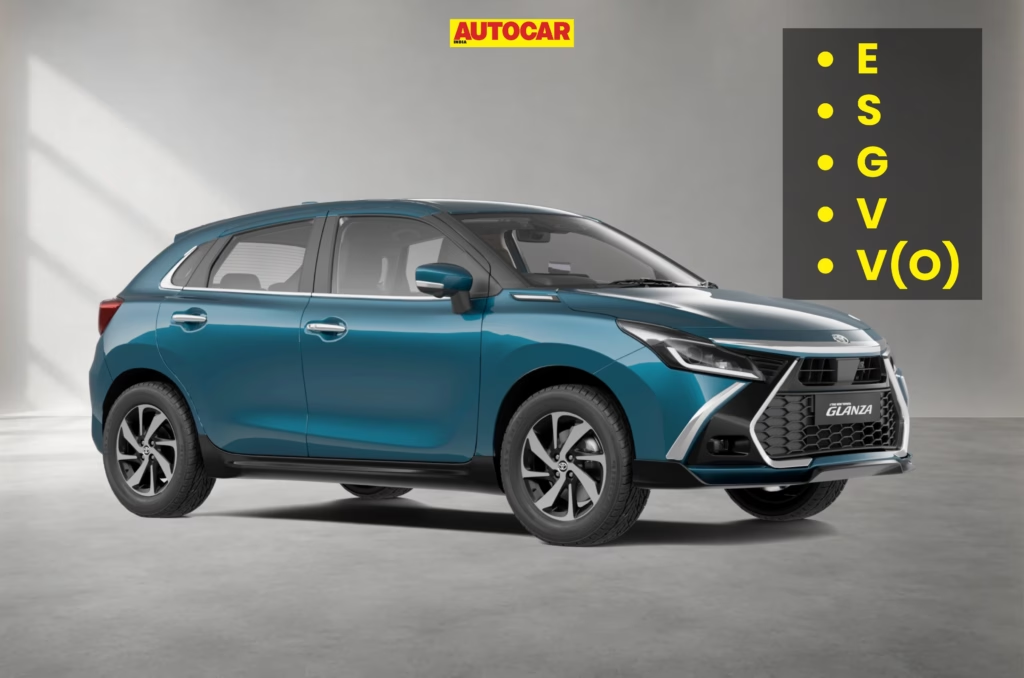
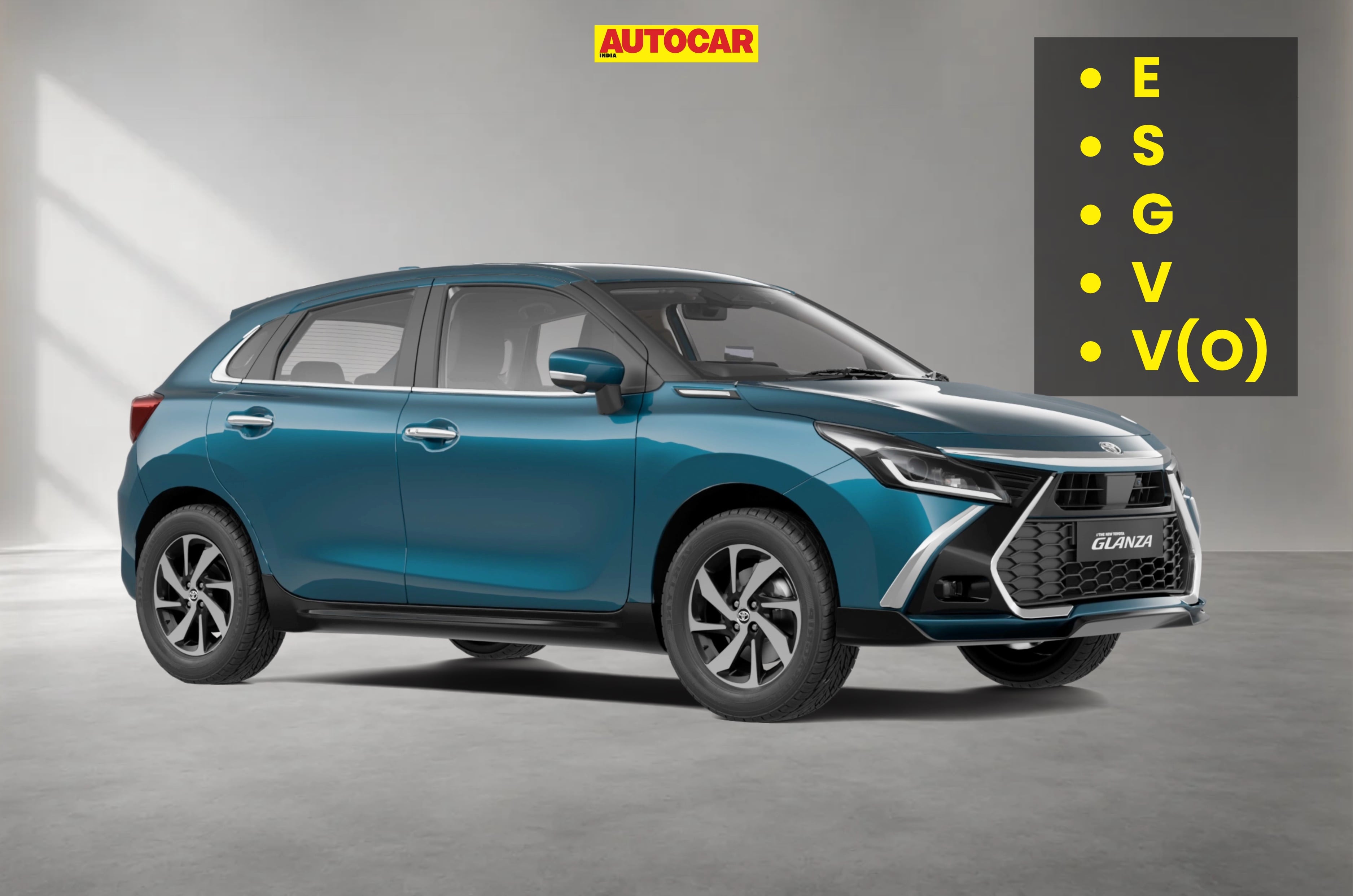
The Toyota Glanza received a facelift in October 2026, with prices starting at Rs 6.99 lakh, ex-showroom. As part of this mid-lifecycle update, the premium Toyota hatchback gets a slightly tweaked exterior, additional features, an upgraded safety suite and a new petrol engine. Here, we take a closer look at the Glanza’s variants and their features.
Toyota Glanza prices and powertrains
New Toyota Glanza prices (Rs lakh)
Trim
1.2 petrol MT
1.2 petrol AMT
1.2 petrol-CNG MT
1.2 petrol-CNG AMT
E
6.99
–
–
–
S
7.71
8.31
8.76
9.31
G
8.73
9.33
9.68
10.23
V
9.99
10.59
–
–
V(O)
10.49
10.98
–
–
Toyota has deployed a 1.2-litre 3-cylinder naturally aspirated petrol engine to power the new Glanza, and it produces peak outputs of 83hp and 112Nm. Both 5-speed manual and 5-speed AMT options are available with this engine. As before, a factory-fitted CNG option is also on offer. In CNG mode, power and torque fall to 70hp and 102Nm, respectively. A 5-speed manual gearbox continues to be available here, and Toyota has also introduced an AMT option with the Glanza CNG.
Toyota Glanza exterior colour options
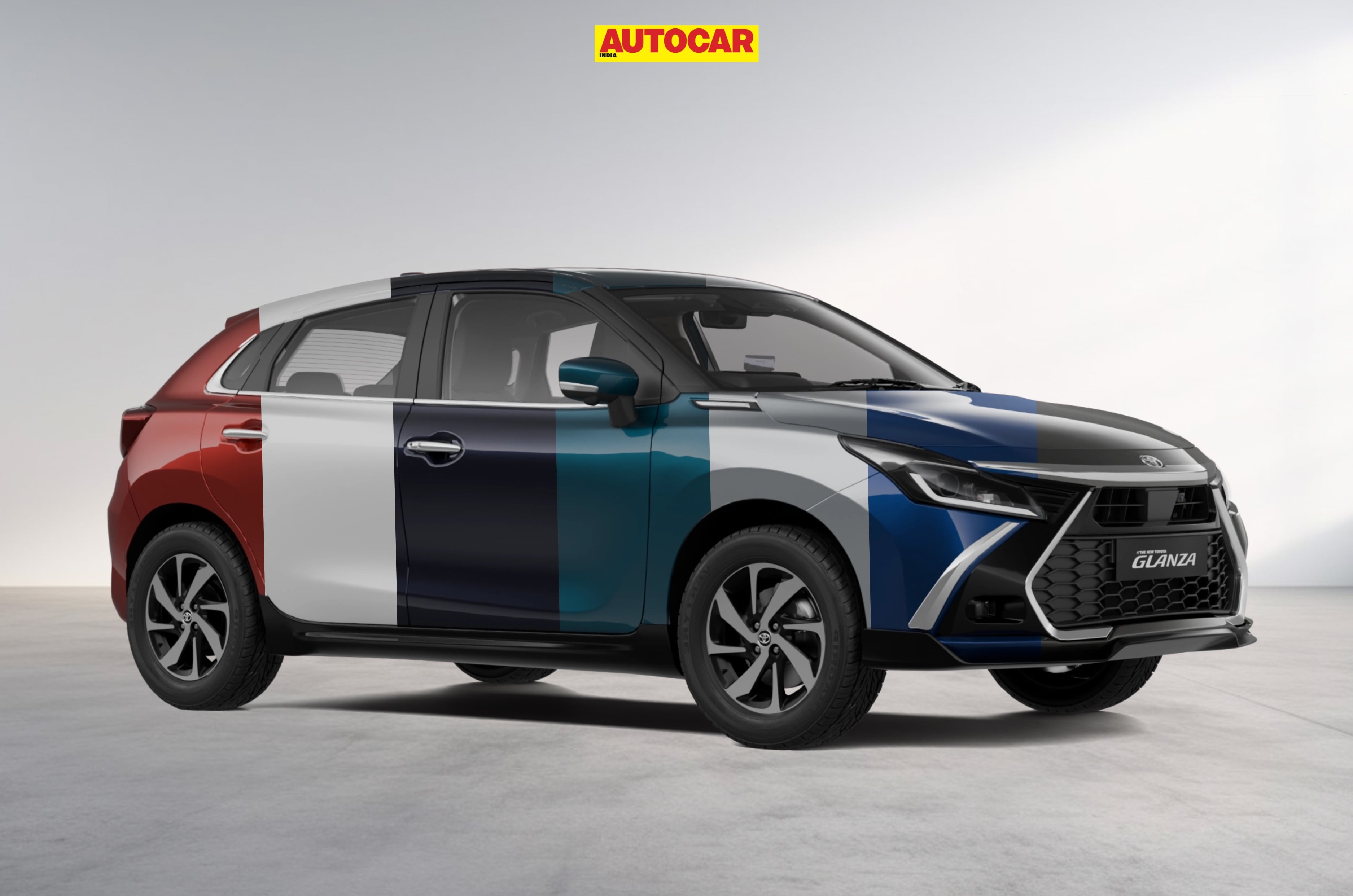
A total of seven exterior colours are offered with the new Glanza. These include Sportin Red, Cafe White, Gaming Grey, Insta Blue, Enticing Silver, Bluish Black and Digital Teal Green. The latter two colours have been introduced with the Glanza facelfit.
Toyota Glanza variant-wise features
E – Rs 6.99 lakh
1.2-litre petrol with 5MT
6 airbags
ABS with EBD
Electronic stability program (ESP) with hill-hold control
Rear window defogger
Three-point seatbelts for all passengers
Keyless entry
Power windows for all passengers
One-touch up/ down for the driver’s side power window
Fabric upholstery
Tilt adjustment for the steering wheel
Adjustable seat headrests
15-inch wheels with cover
Halogen projector headlamps
LED tail-lights
Shark fin-type antenna
Body-coloured bumpers
S – Rs 7.71 lakh onwards
1.2-litre petrol with 5MT/ AMT, CNG with MT/AMT
In addition to E
Tyre-pressure monitoring system (TPMS)
Rear AC vents
Rear fast-charging USB Type-A and Type-C ports
Steering-mounted audio controls
Electrically foldable and adjustable outside rearview mirrors (ORVMs)
7-inch touchscreen
Wireless Android Auto and Apple CarPlay
Four speakers
Front centre sliding armrest
Rear parcel shelf
Body-coloured door handles
Body-coloured ORVMs with turn indicators
G – Rs 8.73 lakh onwards
1.2-litre petrol with 5MT/ AMT, CNG with MT/AMT
In addition to S
Rearview camera
Toyota i-Connect safety features
Rear wiper with washer
Telescopic adjustment for the steering wheel
Driver’s seat height adjustment
Push-button start/stop
Automatic climate control
Wireless charger with a cooling vent underneath
9-inch touchscreen
Six-speaker Arkamys sound system
Footwell lighting
Automatic LED projector headlights
16-inch alloy wheels
LED daytime running lights (DRLs)
Chrome-finished door handles
V – Rs 9.99 lakh onwards
1.2-litre petrol with 5MT/ AMT
In addition to G
360-degree camera
Head-up display
Cruise control
Auto-dimming interior rearview mirror (IRVM)
Vanity mirror lamp
Leatherette seat upholstery
Leather-wrapped steering wheel
Clarion sound system
Front ventilated seats
LED fog lamps
V (O) – Rs 10.49 lakh onwards
1.2-litre petrol with 5MT/ AMT
In addition to V
Level 2 ADAS
Adaptive cruise control
Lane keep assist
Lane departure warning
Advanced emergency braking
Forward collision warning
Which Toyota Glanza variant should you buy?
Considering the good mix of useful and feel-good features, as well as the powertrain options on offer, the mid-spec G variant is the one we recommend. It’s also one of the only two Glanza trims to offer the full range of engine and transmission options, adding further to its appeal. The Glanza G range starts at Rs 8.73 lakh and goes up to Rs 10.23 lakh.
Ex-showroom prices mentioned above are as on October 14, 2026.
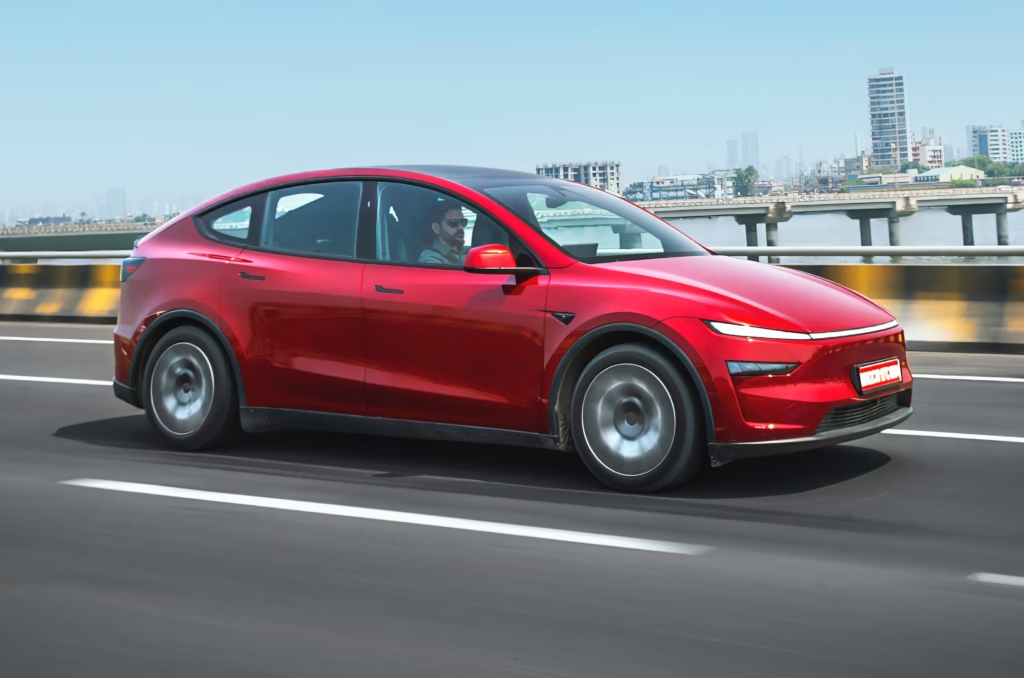
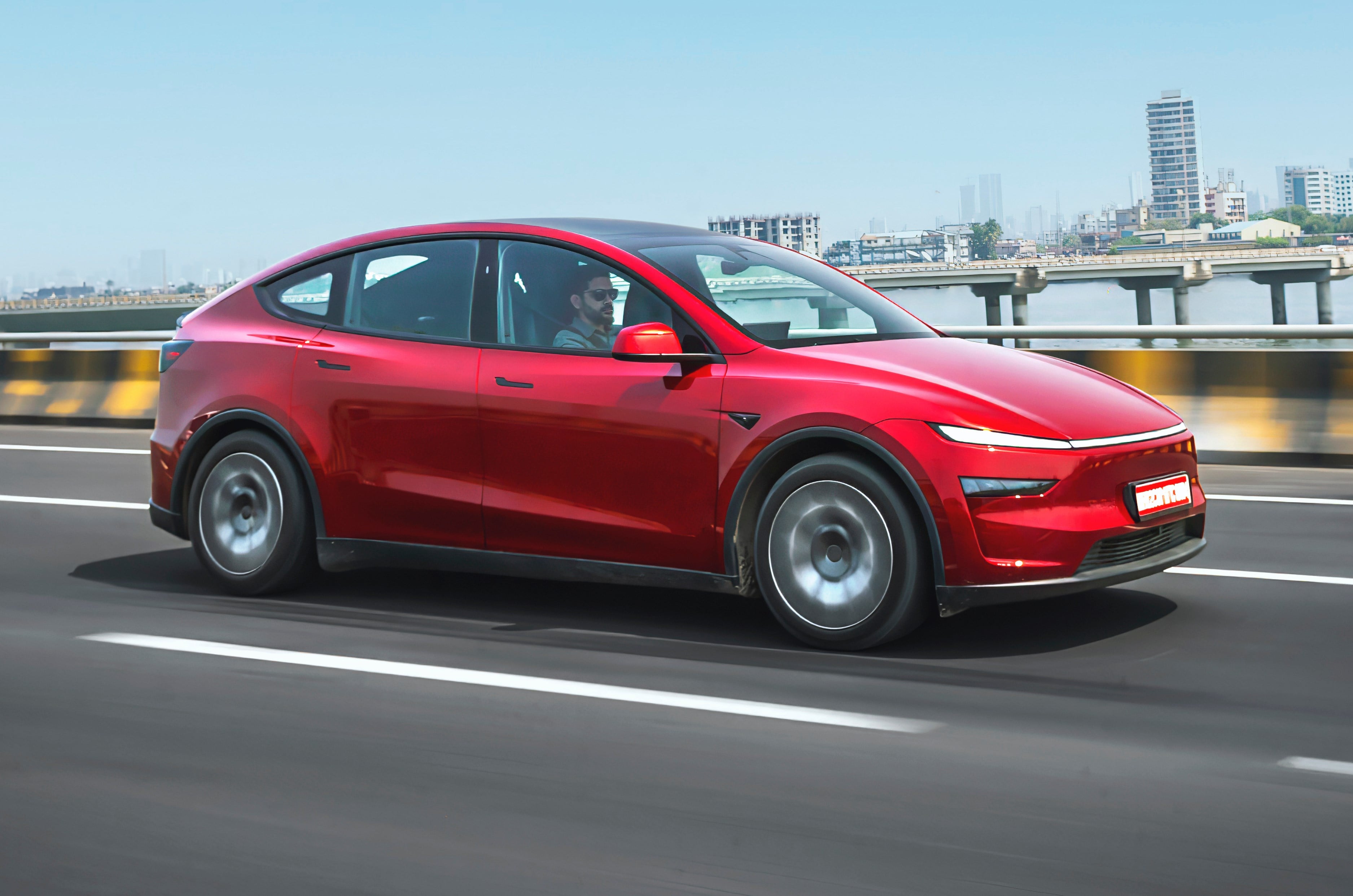
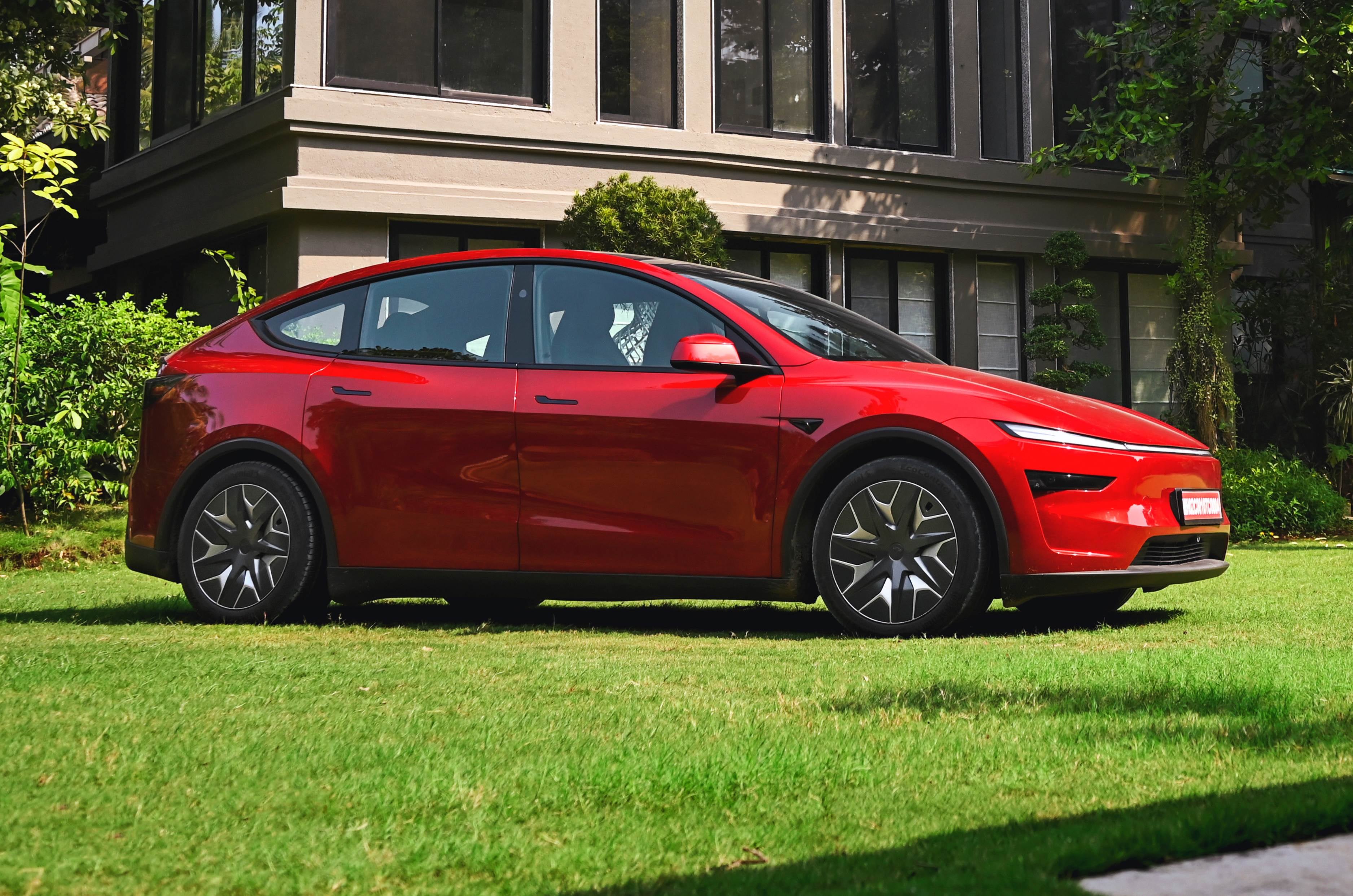
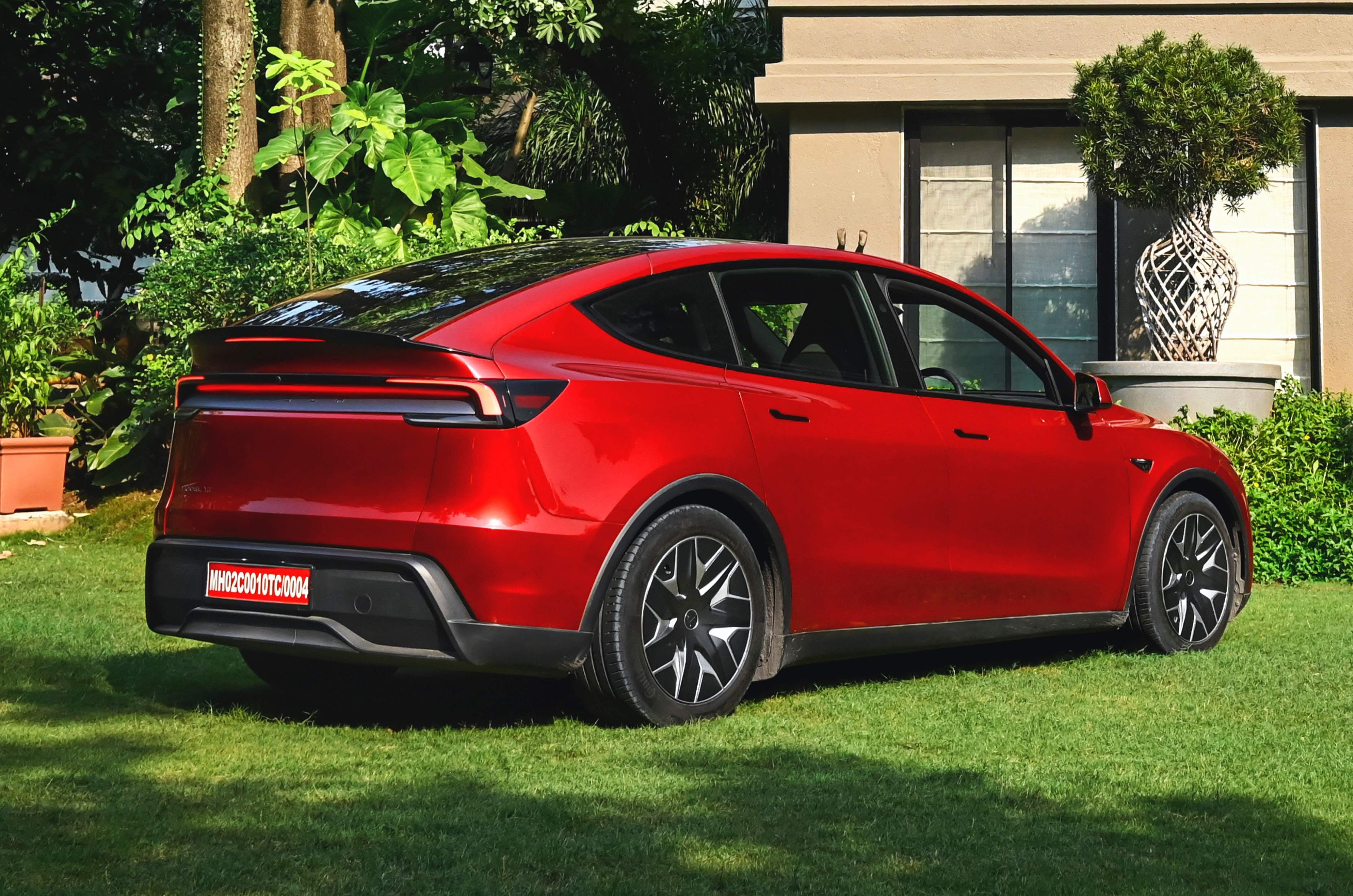
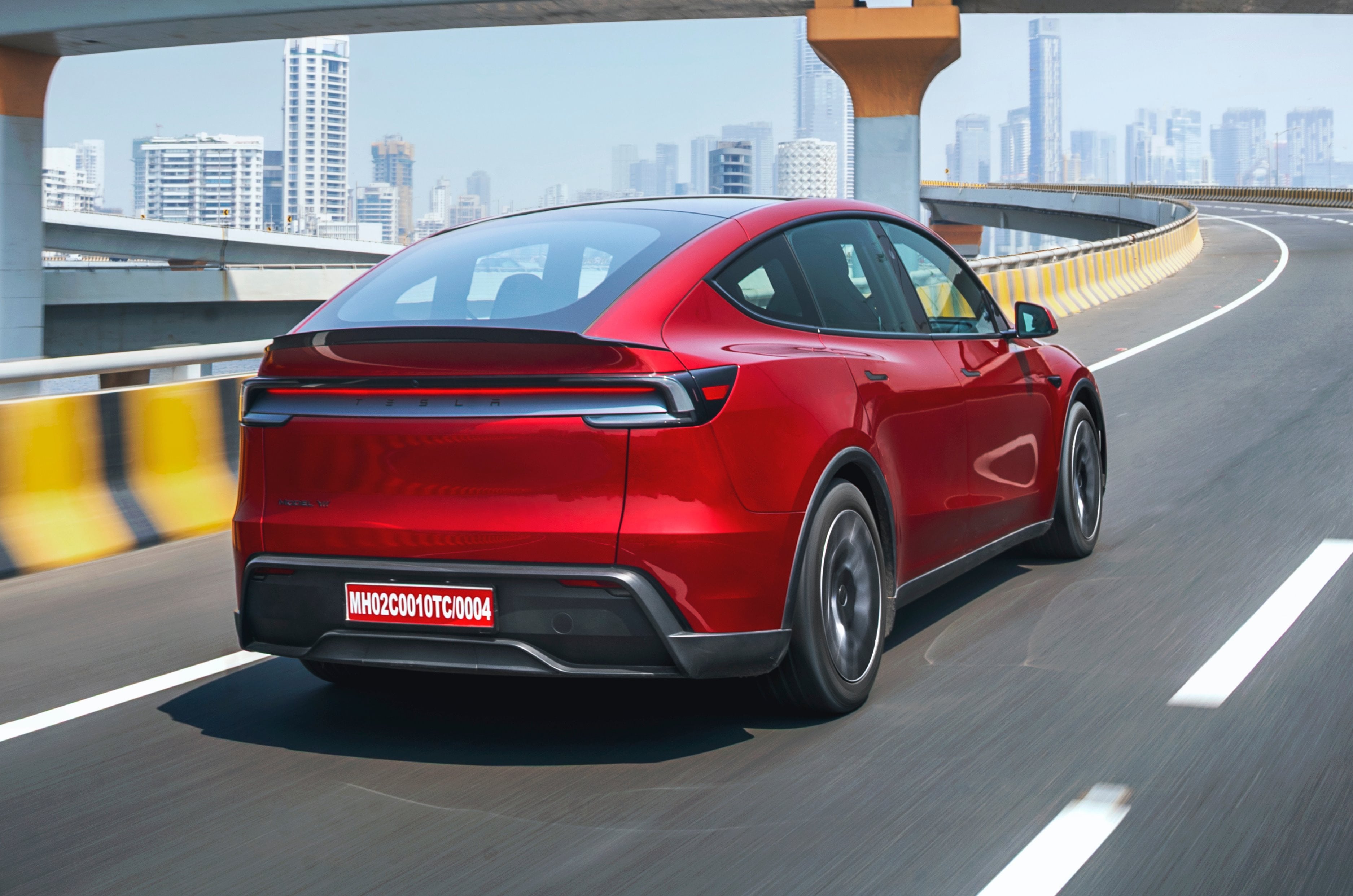
The Tesla Model Y is a tech-loaded electric crossover that prioritises cabin space and performance over everything else. The new Model Y L takes that formula a step further, adding a third row of seats, a longer wheelbase, more power with an all-wheel drive setup, more range and more sophisticated suspension as well. Given the additions, naturally it costs more than the standard-wheelbase, real wheel drive versions, but is the Y L actually worth the extra outlay?
Model Y Exterior Design and Engineering – 6/10
Appears near-identical to the Model Y, but the Y L is longer, taller and has a longer wheelbase.
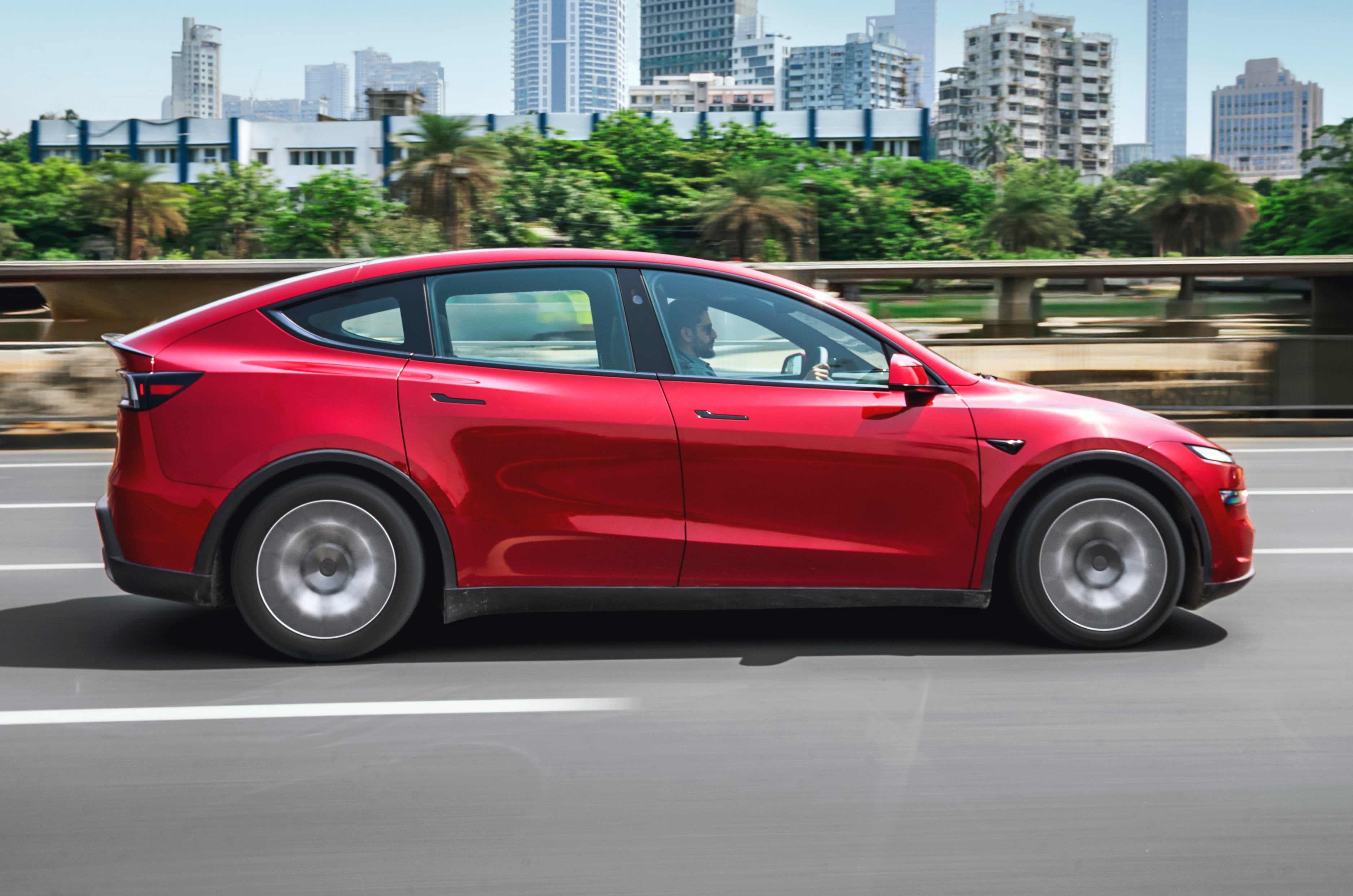
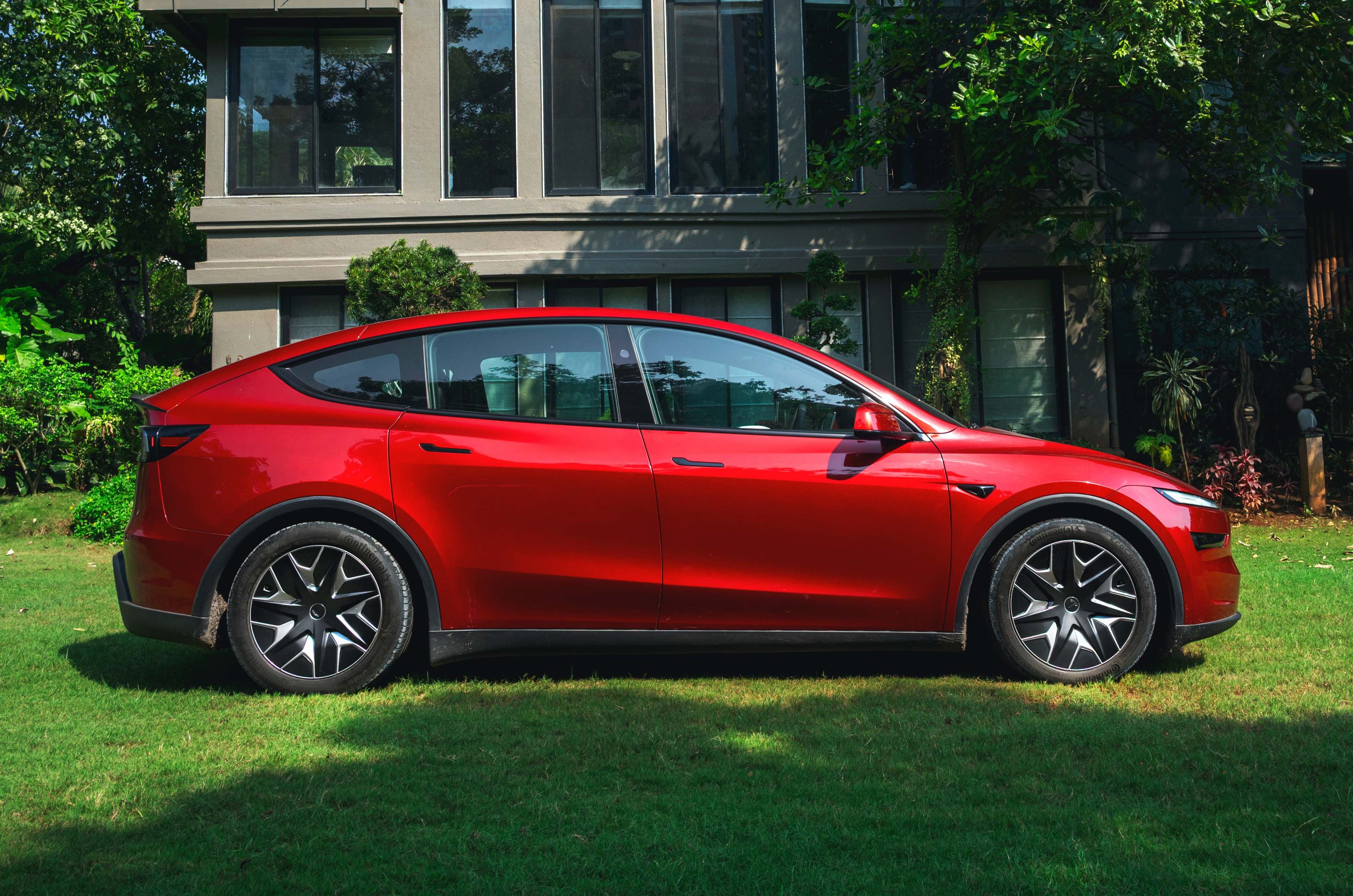
At first glance, the L looks very familiar to the Model Y, but this version looks noticeably larger from the side and rear. The Model Y L measures 4,969mm in length and 1,664mm in height, 1,982mm in width with a 3,040mm wheelbase, which makes it 179mm longer overall and 40mm taller than the Model Y, and it also has a 150mm longer wheelbase. At 166mm (unladen), the Y L has decent ground clearance but considering the longer wheelbase, you have to be extra careful going over big speedbreakers otherwise you will end up scraping the belly.
The growth in dimensions is particularly apparent in the raised and extended roofline, plus the expanded rear glass and rear-quarter glass area. The other changes include a new bootlid spoiler and the 19-inch alloy wheels have a more enclosed design, both in the interest of further aero optimisation.
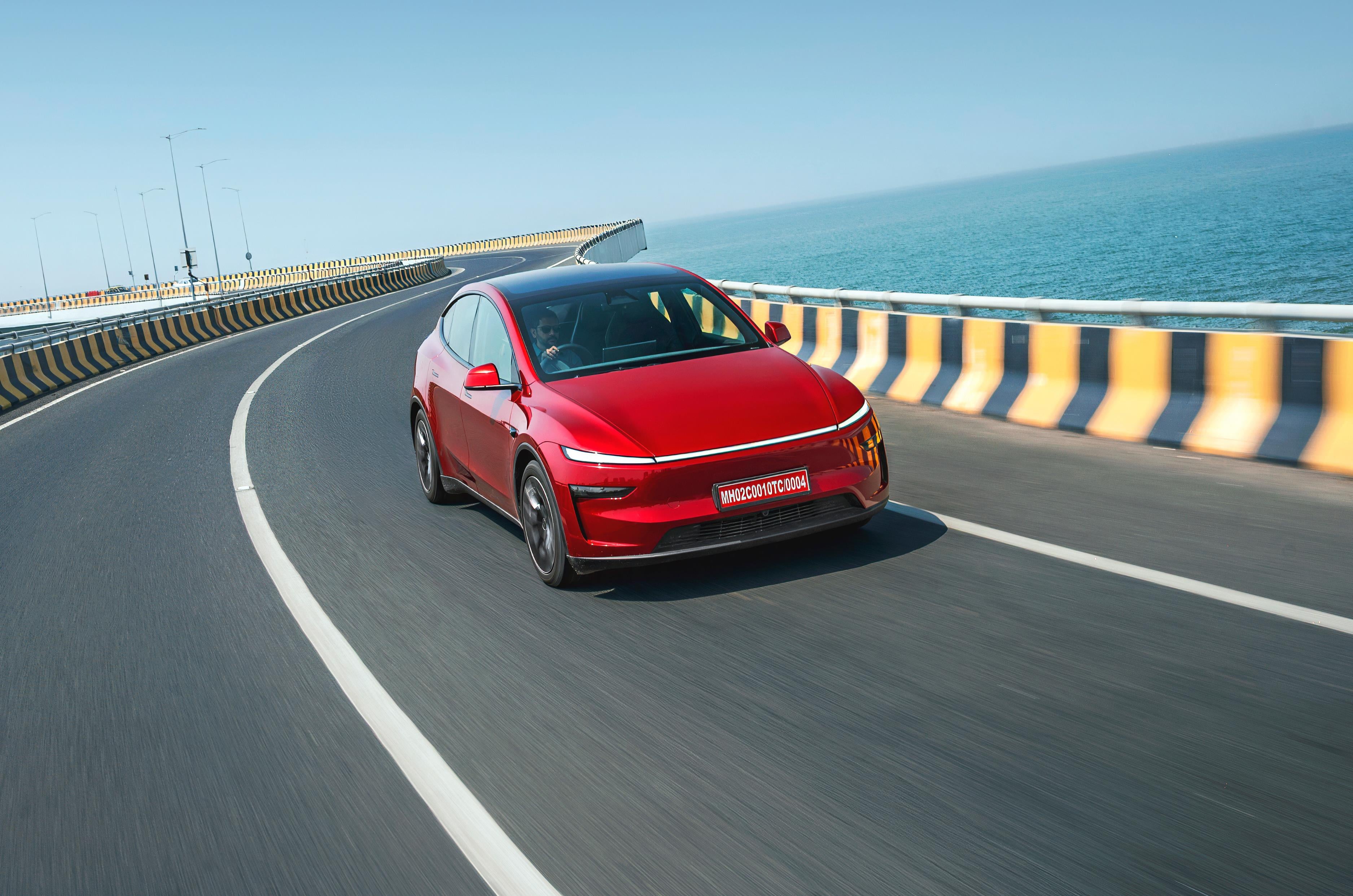
Other than that, the smooth, aerodynamic silhouette with minimalist detailing and distinctive lighting elements remain. The overall design is unmistakably Tesla, although the extra length gives it slightly more road presence. That said, the Model Y L doesn’t suddenly become a traditional SUV just because it has grown. Its rounded, slightly anonymous shape with clean surfacing continues to favour aerodynamic efficiency over visual appeal. But it looks distinctive and as such, has carved out a niche for itself in terms of design.
Model Y Interior Space and Comfort – 8/10
Minimalist design remains the same, save for a new textured finish on top of the dashboard.
This is where the Model Y L takes a larger step up. The standard Model Y already had a spacious cabin, but the Y L has even more room and brings further versatility, by adding a third row of seats. It is a six-seater rather than a seven-seater, with two individual captain’s chairs in the middle row instead of the standard car’s bench.
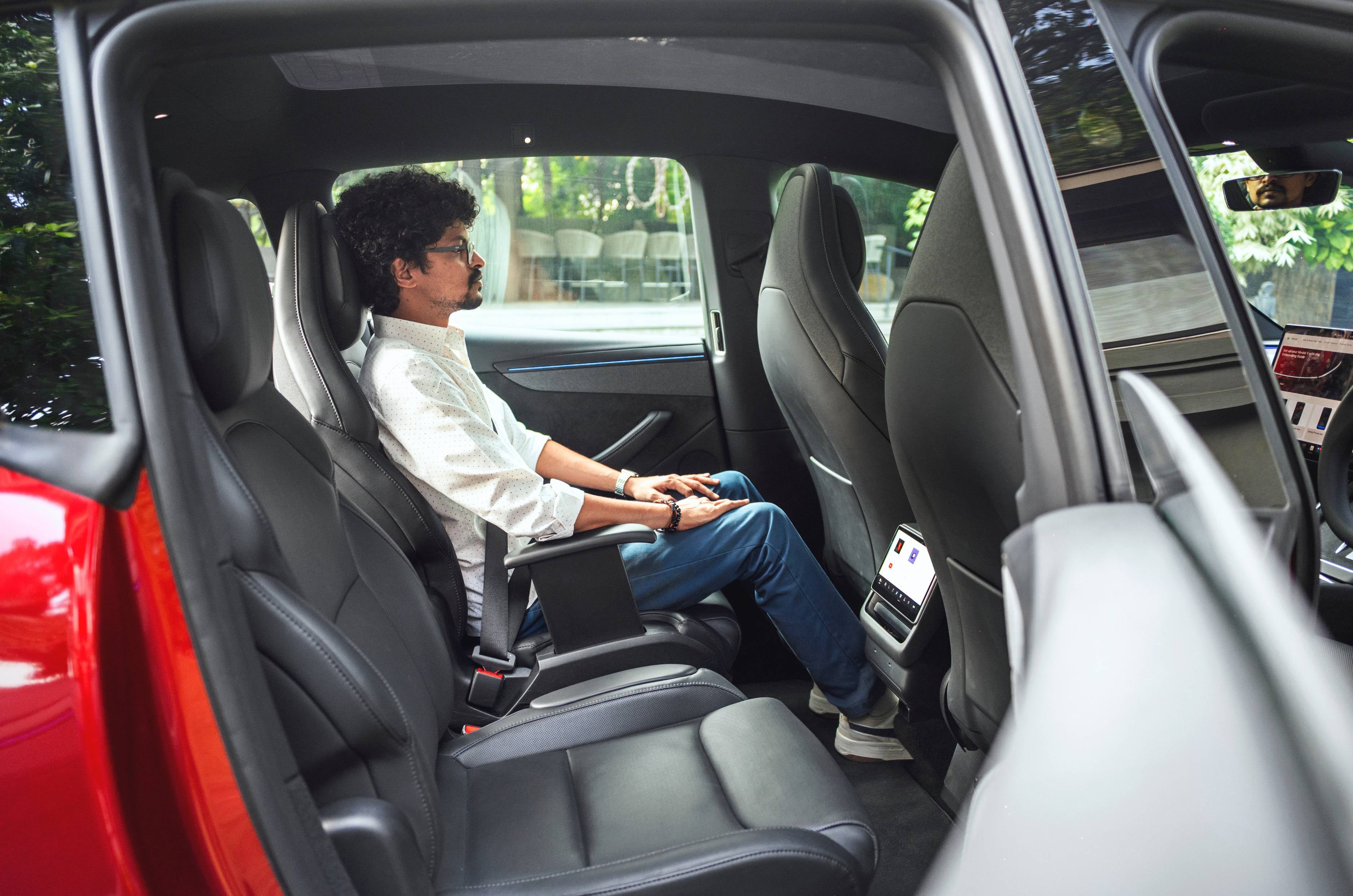
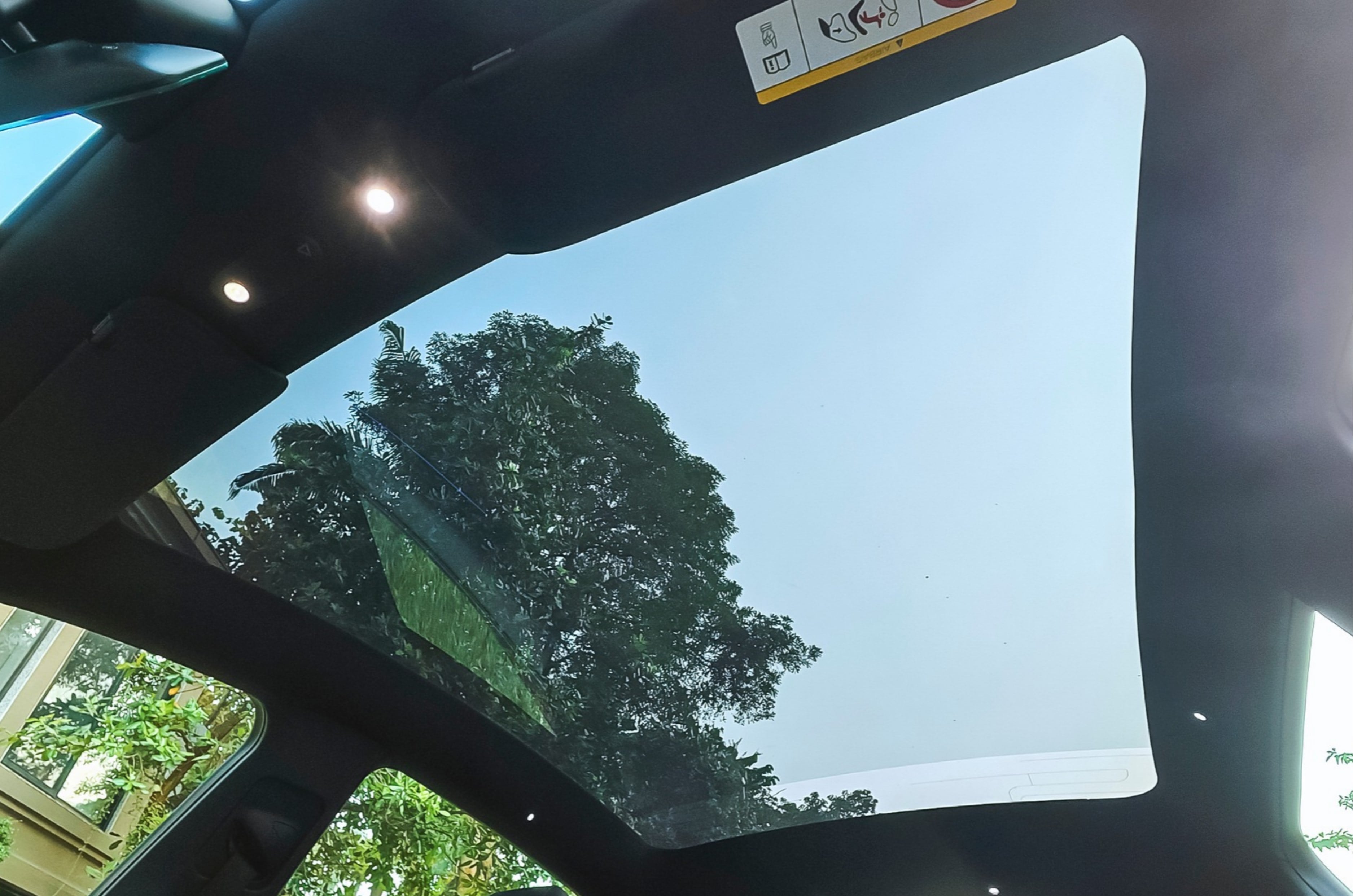
The front seats may be simple-looking but they are plush and comfy, and the extended underthigh support enhances comfort especially for taller people. These seats are also heated, cooled and feature electric adjustment. The second row is arguably the highlight, however. The individual captain’s seats are very comfy, and they feature integrated headrests, a heating and cooling function, along with power adjustment and powered armrests too. The extra wheelbase and taller roof of course gives passengers more room to stretch out and as such there’s no shortage of legroom or headroom here. The larger windows, coupled with the tinted panoramic glass roof further enhances the sense of space. However, since there are no window blinds or a sunshade for the roof, the large glasshouse area means the cabin heats up too easily especially on a hot, sunny day.
Captain seats are very comfy and there’s plenty of legroom and headroom here.
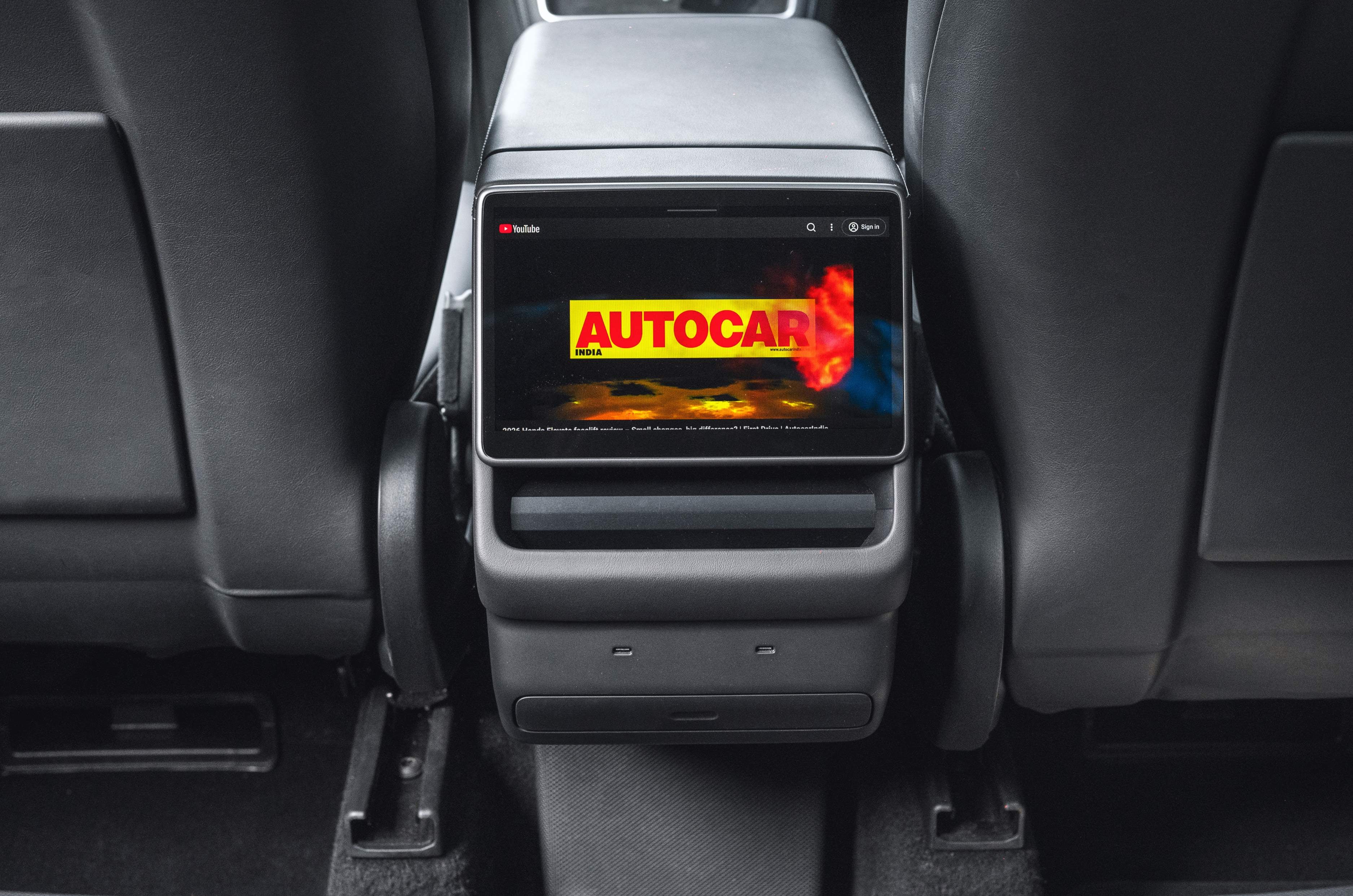
Middle row passengers are well-catered too, however. Apart from the aforementioned heated/cooled and powered seats, you also get cupholders, charging ports, cupholders and a 8-inch touchscreen. This centrally-mounted unit is just as slick to use as the one in the front and it controls several functions, along with the ability to play videos and games.
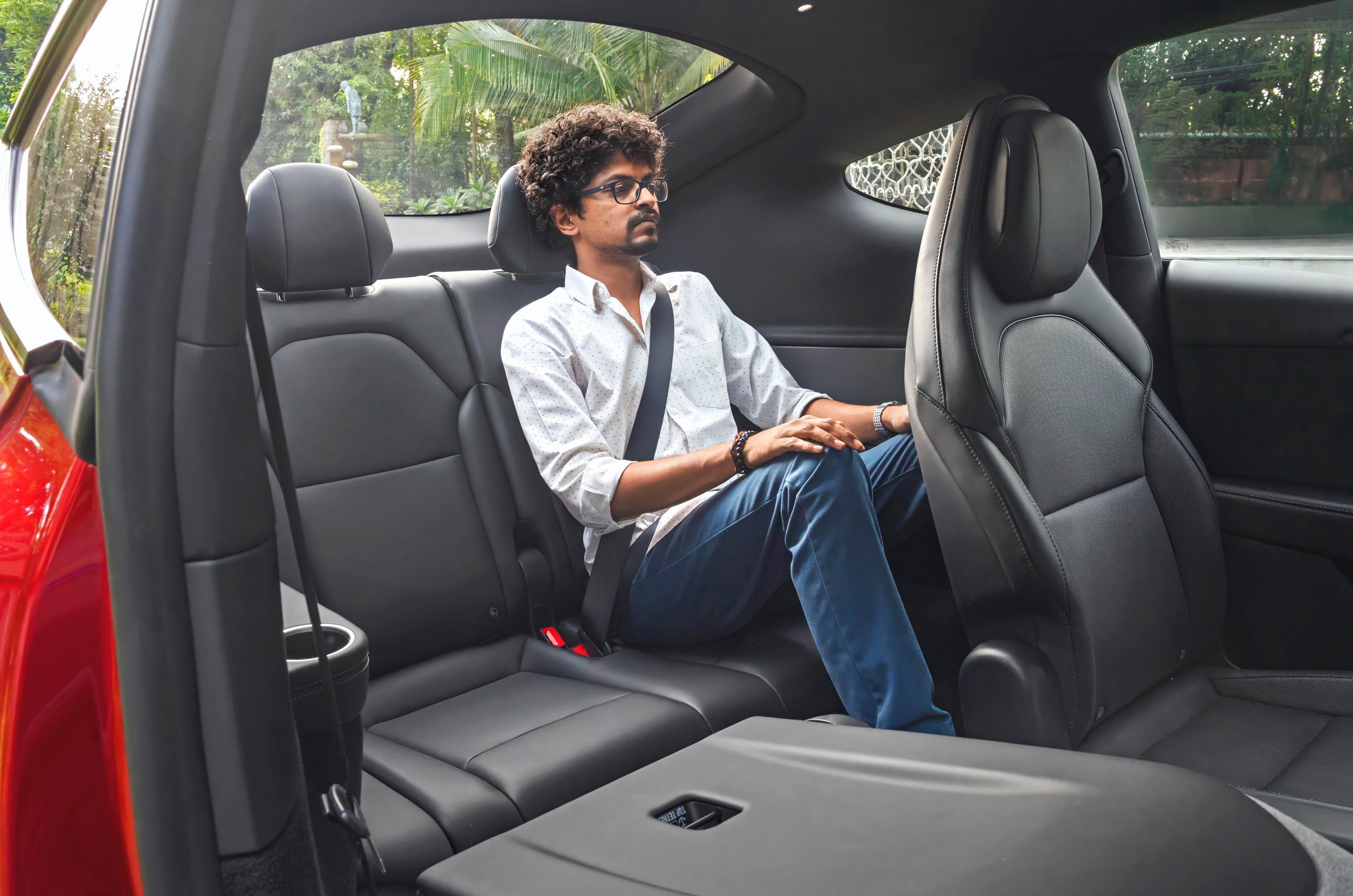
Seating is knees-up, but the third row is usable even for adults.
The third row, however, comes as a bit of a surprise. Considering the low seat, you’re sat in a knees-up position but space back here is genuinely usable for adults, with adequate headroom and kneeroom. Dedicated AC vents, cup holders and type C charging ports are useful inclusions and show that the rearmost seats aren’t simply an afterthought. Like in the middle, here too the large window and untinted rear windscreen lets in a considerable amount of heat.
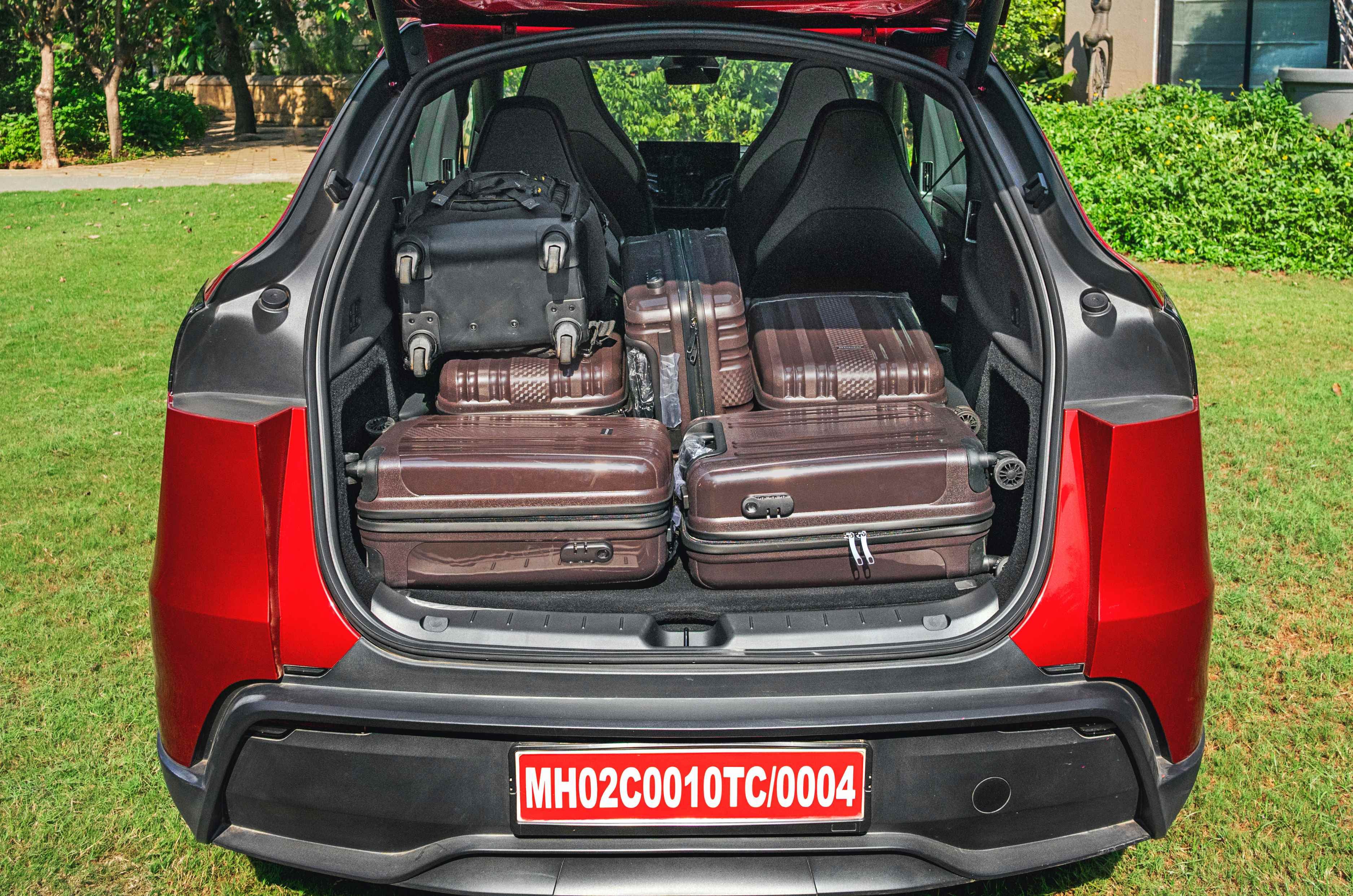
420-litre boot can be expanded to a massive 1,076 litres by folding the third row; more room under the boot floor too.
Luggage space is another important consideration for a family focused car such as the Y L. With all three rows up, boot space is a respectable 420 litres which can be further expanded to a massive 1,076 litres by electronically folding the third row. Then there’s also a considerable amount of storage space under the boot floor and a properly usable 117-litre frunk. As such, the Y L remains practical despite the added seats. It’s worth noting though, there’s no spare wheel.
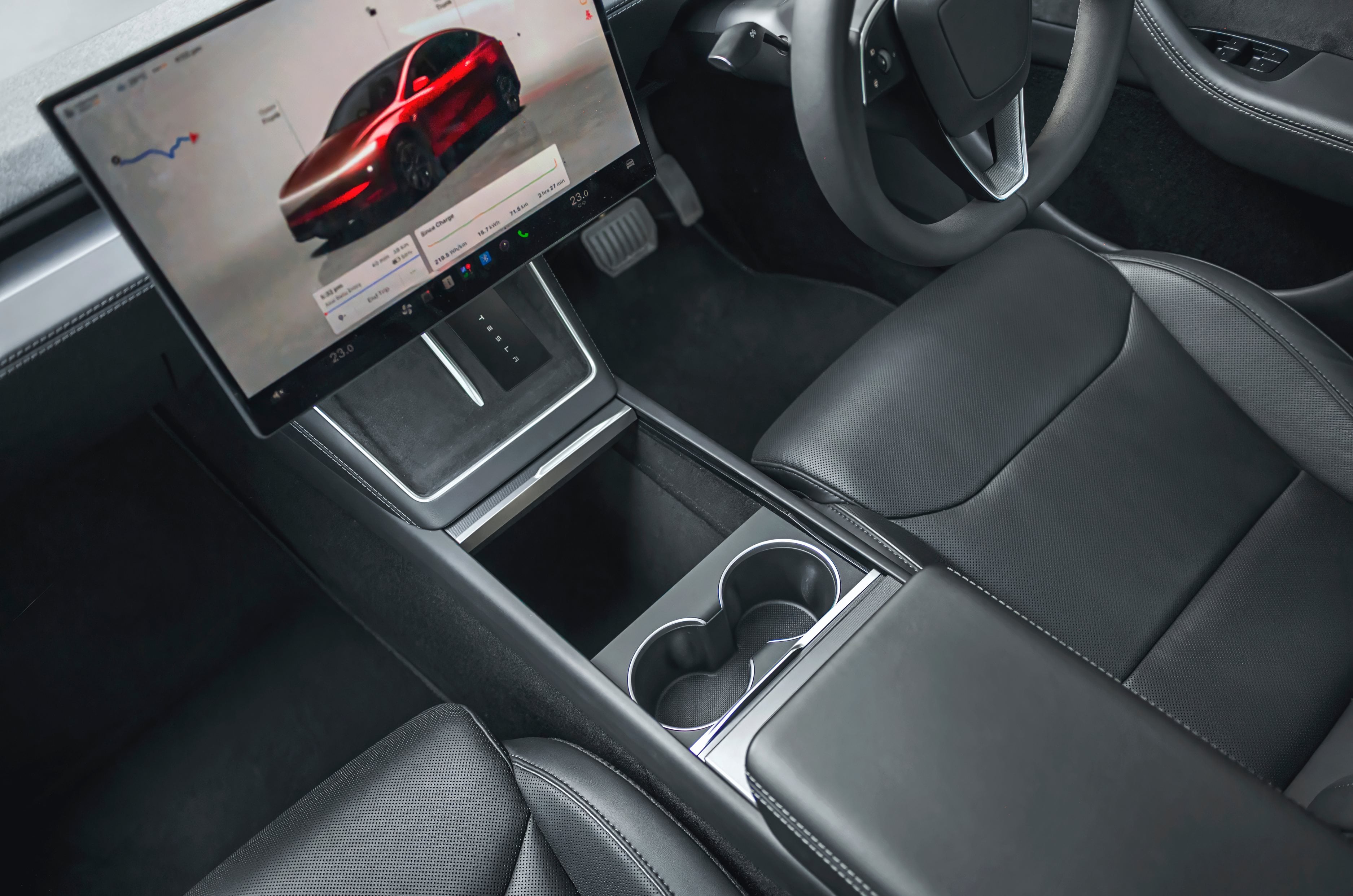
Practical cabin features a large storage box in the centre, cup holders, two wireless phone chargers, and space under the centre armrest.
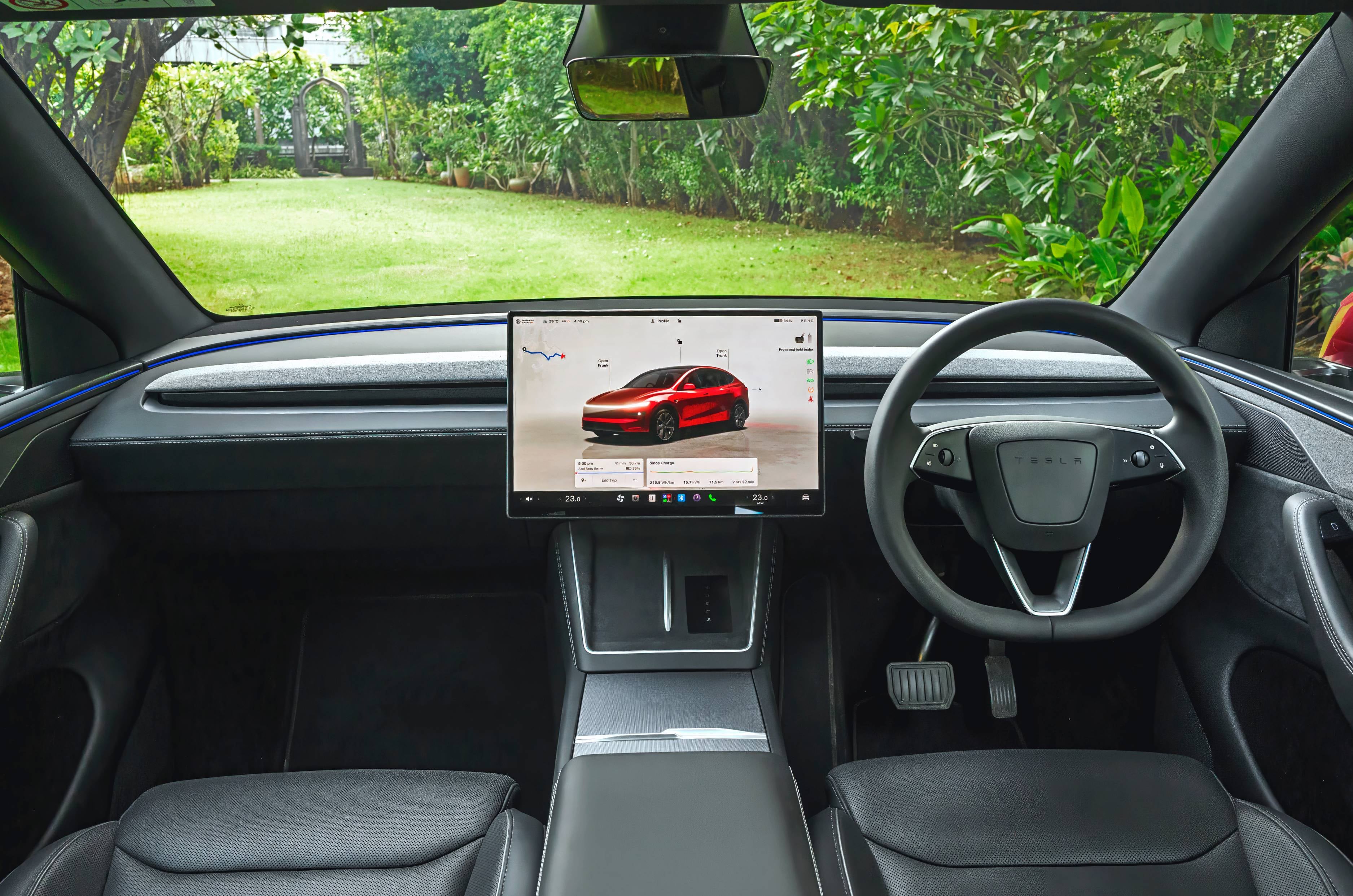
Up front, the cabin retains Tesla’s familiar minimalist layout. A large central touchscreen dominates the dashboard, with very few physical controls to interrupt the clean design. This extended model gets a textured finish on top of the dashboard, but the overall layout remains largely unchanged. It also remains a practical place, with a large cubby space in the centre console, storage under the centre armrest, multiple cupholders and seat back pockets.
Model Y Features and Safety – 7/10
Y L gets a Sport drive mode and two settings for the new adaptive dampers.
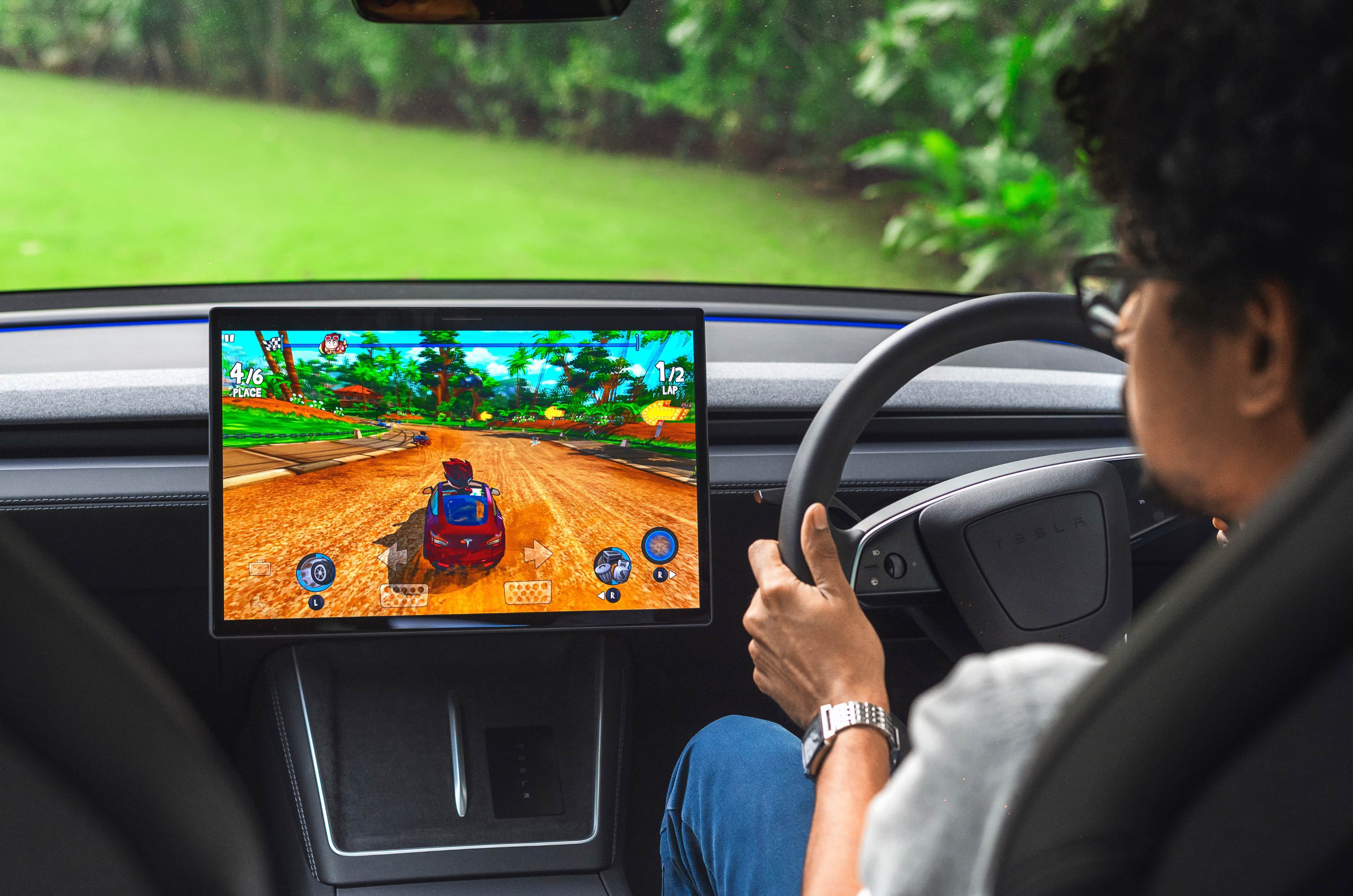
Technology has always been central to Tesla’s appeal, and the Model Y L continues with that approach. Apart from the aforementioned 8-inch rear screen, the main party piece of this car is the central 16-inch touchscreen. This screen is easily one of the best in the business in terms of resolution and responsiveness.
16-inch touchscreen is one of the sharpest around and packs in the typical Tesla quirks and features.
The screen is slick and feature-packed, but the reliance on it for everyday functions remains a usability compromise. Adjusting climate settings and accessing basic vehicle functions like adjusting the mirrors and opening the frunk require navigating menus, which isn’t as intuitive as using dedicated switches. It looks modern and gives the cabin a clean appearance, but a little more emphasis on straightforward ergonomics wouldn’t hurt.
8-inch rear screen is just as slick and can bes used to play videos and control other functions.
But thankfully, you do get the Grok AI assistant as a part of the package which can pretty much do everything for you right from setting the AC, to setting the navigation, finding a charger and much more. It can converse in multiple languages and also constantly learns more about you, so it’s said to get more intuitive as you spend more time with it.
Other features include a panoramic glass roof, dual wireless phone chargers, multi-colour ambient lighting, a superb sounding audio system with 18 speakers and a subwoofer, heated/ventilated and powered front two rows of seats, heated third row seats, all LED lights and so much more. There’s also connected-car tech, and as with any Tesla it gets over-the-air updates, so the car is constantly improving without the need to visit a service centre.
Tinted glass roof helps the cabin feel airy but no sunshade means it heats up quickly as well.
Safety equipment includes nine airbags and a suite of driver-assistance features, including lane-departure warning, lane-keeping assist and blind-spot monitoring. The car also has high-resolution cameras all around it which provide a great view of the surroundings, although Tesla’s more advanced Autopilot capabilities remain absent in India.
The technology is impressive, but the screen-centric interface requires some acclimatisation. Some buyers may find the learning curve frustrating, especially while driving. But for the tech-savvy buyers the Y L is aimed at, they will find this approach very appealing.
Model Y Performance and Refinement – 9/10
Dual-motor, all-wheel-drive powertrain puts out over 500hp and does 0-100kph in a claimed 5 seconds.
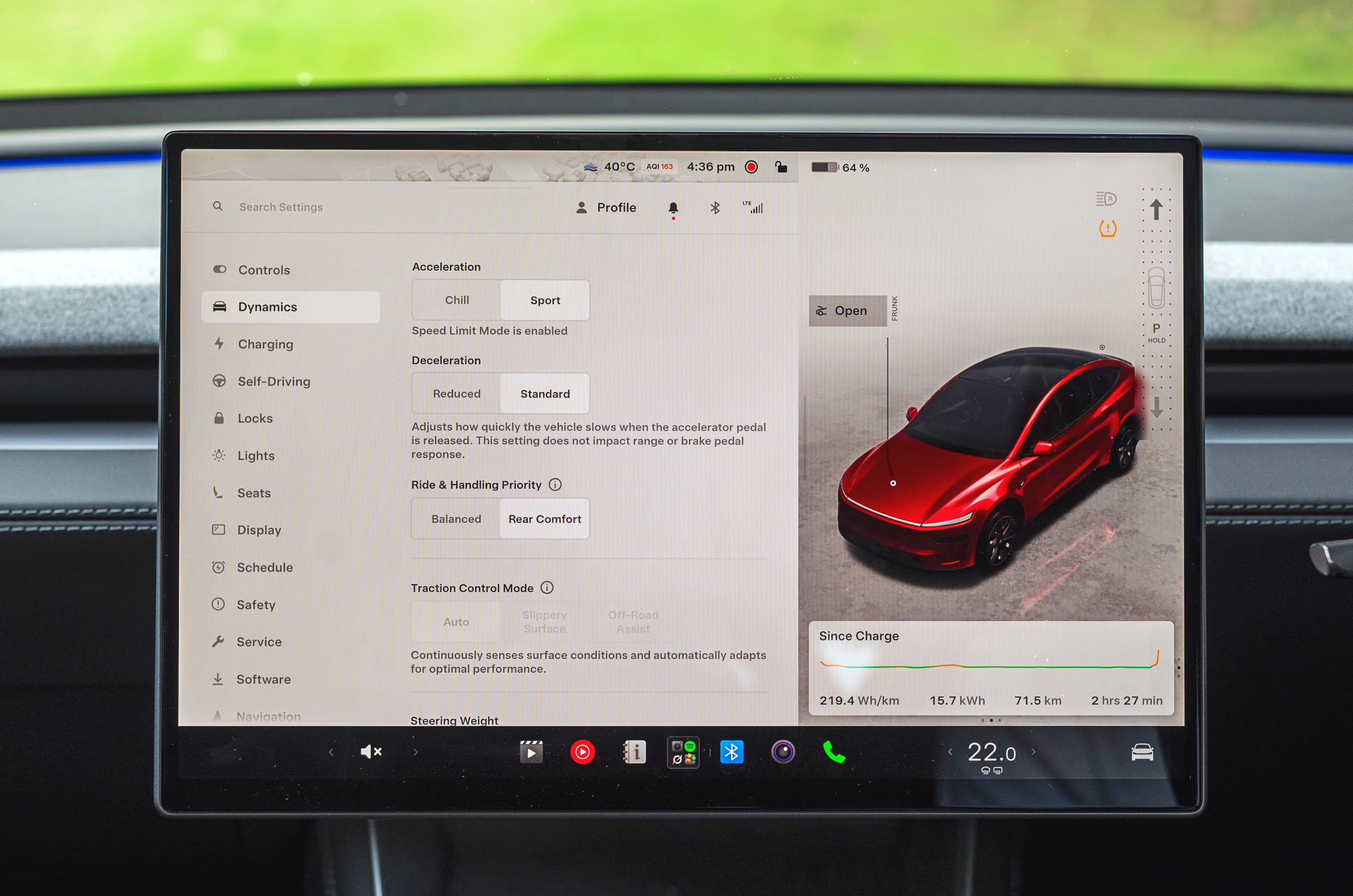
The Model Y L is offered in India with a dual-motor all-wheel-drive setup, unlike the rear-wheel-drive only Model Y variants. Tesla does not officially list powertrain specifications, but it has an estimated combined system output of 514hp and 590Nm and the brand claims a 0-100kph time of 5 sec and a top speed of 201kph. We did a quick acceleration test and managed a 0-100kph time of 5.02sec, though we couldn’t test the top speed as our car was electronically limited to 120kph. For a family crossover which is estimated to weigh over two tonnes, the performance is properly brisk. Expectedly, acceleration feels very potent and as typical of any high-performance EV, the Model Y L pins you back into the seat. However, there is a certain progression to the power delivery and the added traction of the all wheel drive setup makes it feel manageable and not overwhelming. There’s also two drive modes, Chill and Sport, the latter of which is exclusive for the Y L. And they have a corresponding effect on the response of the powertrain, with Sport obviously feeling much more immediate.
The added performance also makes overtaking on highways and closing gaps in traffic particularly effortless, as is reflected in the rolling acceleration figures. 20-80kph takes 2.85sec while 40-100kph is dispatched in just 2.94sec.
As with the standard Model Y, the Model Y L also impresses with its refinement. The cabin is superbly insulated from the outside world, thanks in part to the double glazed windows, with barely any road, tyre and wind noise filtering through into the cabin.
Model Y Mileage / Range and Efficiency – 7/10
Tesla Supercharger is said to add up to 288km of range in 15 mins; has a WLTP-rated range of 681km.
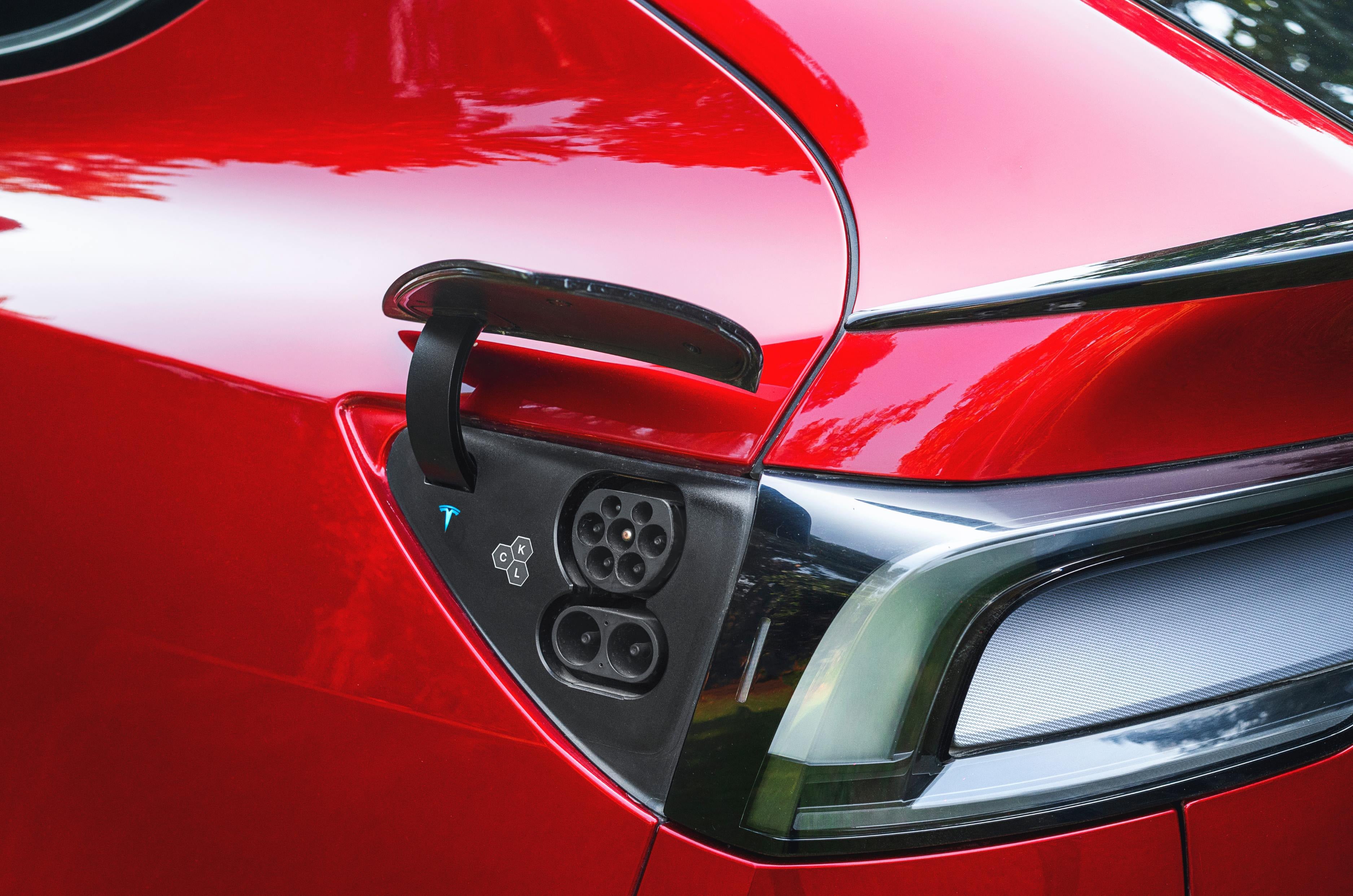
Tesla claims a WLTP range of 681km, from the Model Y L’s 88kWh (estimated) NMC battery pack. That’s more than the standard RWD Model Y, for reference. It can also add up to 288km of range in 15 minutes when connected to a Tesla Supercharger, according to the company. Speaking of which, the electric crossover is capable of accepting up to 250kW on DC fast charging and 11kW on AC charging. As always, real world range will depend on driving conditions, speed, weather and other factors.
Model Y Ride Comfort and Handling – 7/10
Adaptive dampers and longer wheelbase does make the Y L feel more settlled than the standard Model Y.
The standard Model Y’s ride and handling package is competent, although its low-speed ride is noticeably firm, especially on uneven surfaces. Tesla has made changes to the L’s suspension, equipping it with adaptive dampers in a bid to improve comfort and body control.
This is a particularly relevant upgrade for a longer, heavier vehicle designed to carry more passengers. As with everything else, this is also controlled via the touchscreen with two settings available – Balanced and Rear Comfort. The latter softens things down and gives it a slightly plusher feel, while the former represents a good middle ground between ride comfort and handling. Even though the difference in the modes isn’t that great, the Y L does feel more composed over broken roads and avoids transmitting as much movement into the cabin as the Standard Model Y.
The longer wheelbase also helps the car feel a bit more settled at speed, although manoeuvring in confined spaces is more cumbersome, and this is particularly amplified thanks to the rather poor turning circle. Like the standard Model Y’s, the Y L’s steering is light and easy to use, but it isn’t particularly feelsome. There’s also three modes for the steering, which progressively add more weight. The handling too is more competent and predictable rather than entertaining. It doesn’t feel as agile as the Model Y but body movements do seem better controlled thanks to the adaptive dampers.
There’s two levels of regenerative braking – Standard and Reduced. Standard is the stronger setting and best for use in the city as it almost functions like a one-pedal mode while Reduced is for highway use as it allows for some coasting.
Model Y Value for Money – 7/10
The Model Y L is for those who want a spacious, quick, refined, and cutting-edge premium EV for the family.
Priced at Rs 61.99 lakh (ex-showroom), the Tesla Model Y L makes for a more compelling case than the standard Model Y despite costing 10 lakh more. It still costs a fair bit more than its most direct rivals, the BMW iX1 LWB and the BYD Sealion 7, but the Y L is more spacious with more seats. The Model Y L does have its compromises though. It’s over reliant on the touchscreen for even basic functions and the large glasshouse means the cabin heats up easily. The larger dimensions, poor turning circle, low ground clearance and long wheelbase also means it is more challenging to maneuver in the city and while parking.
But it brings a lot more to the table too. There’s more cabin space, the added versatility of a third row, a more potent dual-motor powertrain with all-wheel-drive and a higher claimed range as well. And it retains its strengths of being featured-packed, with excellent refinement and massive cargo space. Tesla says that buyers are now preferring to opt for the Y L over the Model Y considering all the additional things it brings, and that really doesn’t come as a surprise. So for buyers who want a spacious, quick, refined and cutting-edge electric crossover for the family, the Tesla Model Y L fits the bill perfectly.
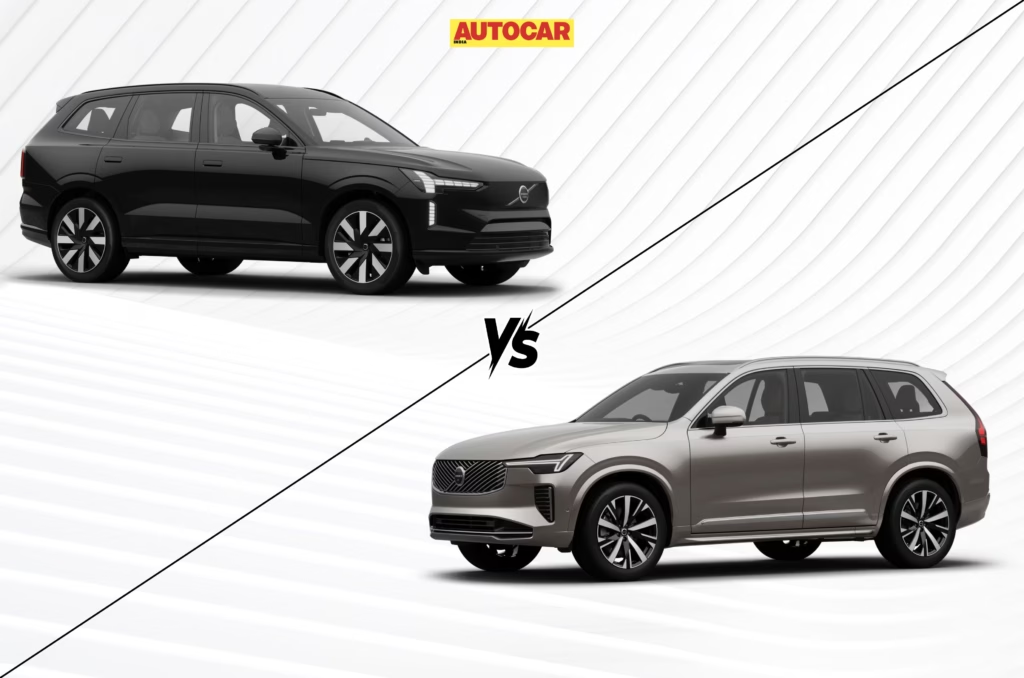
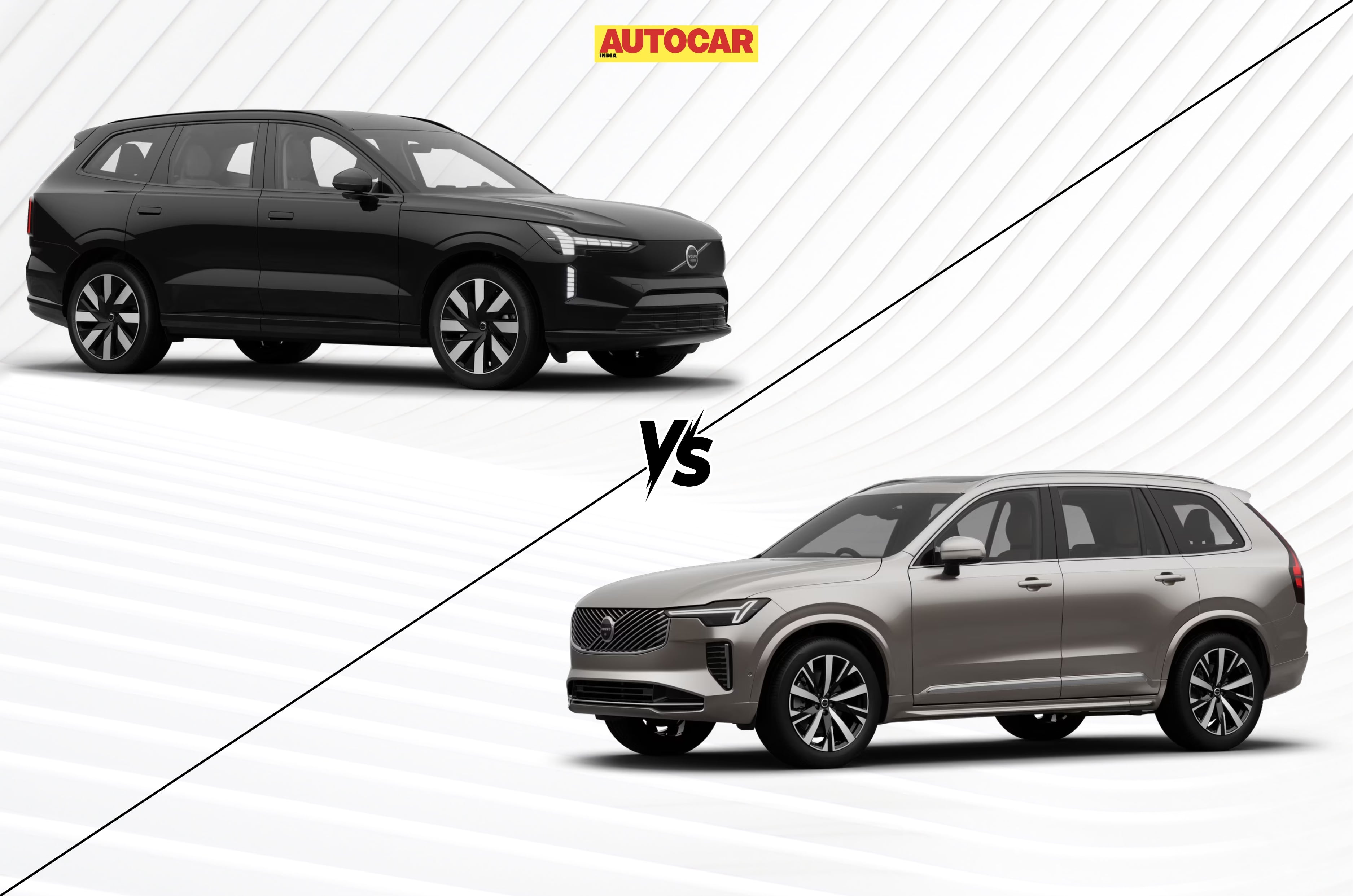
Volvo India launched the EX90, its flagship electric SUV, in October 2026. It serves as an electric alternative to the XC90, the carmaker’s flagship ICE SUV. While the two models differ in their powertrains, they also vary in pricing, exterior design, interior features and more. Here is how the two Volvo SUVs compare.
Volvo EX90 vs XC90: Exterior
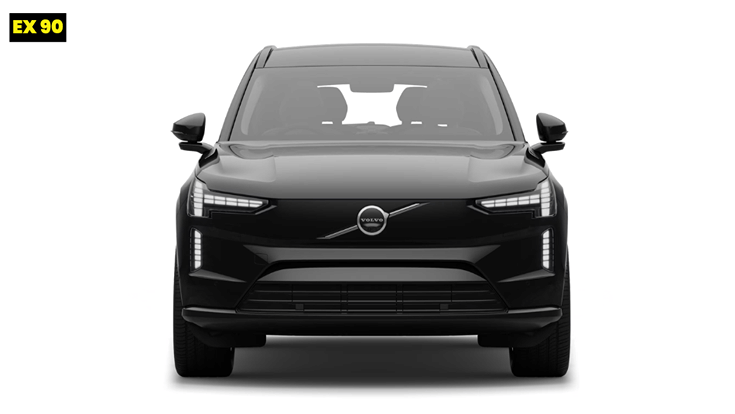
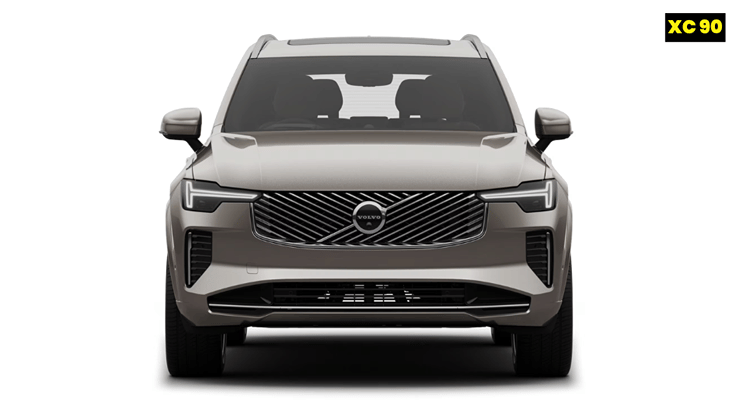
The EX90 has a simpler front design, with a closed-off grille, and vertical lighting elements on either side of the bumper. In comparison, the Volvo XC90 gets a more traditional front fascia with a prominent grille and a slightly different bumper. Both get hammer-shaped LED DRLs, though the ones on the EX90 have a pixel-like design. Also, main headlamps are hidden behind the DRLs on the EV.
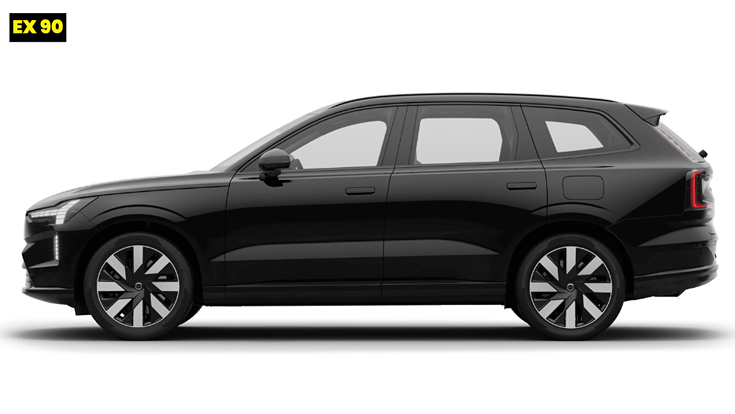
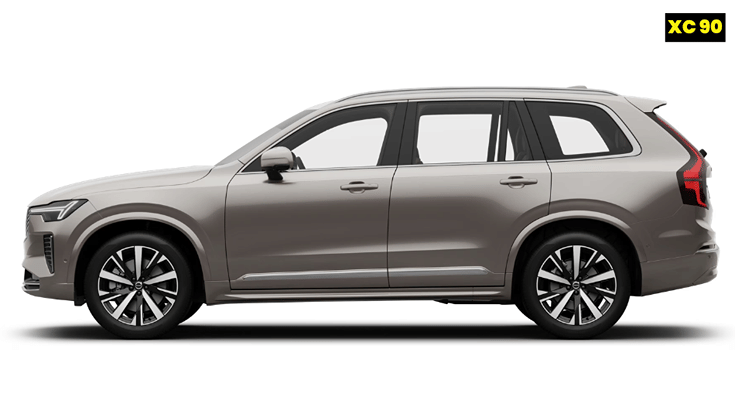
In profile, the EX90 features electrically operated flush-fitting door handles and a gently sloping rear roofline. In comparison, the Volvo XC90 opts for manual pull-type door handles and a slightly more upright stance. Both SUVs feature blacked-out B-pillars, sculpted wheel arches devoid of cladding and roof-mounted spoilers. While the XC90 has a chrome outline around the glass area, the EV skips it.
Speaking of dimensions, the Volvo EX90 is 5,037mm long, 1,964mm wide and 1,744mm tall. This makes the EV 84mm longer and 33mm wider, but 27mm lower than the XC90. Both SUVs have an almost identical wheelbase, with the EX90’s 2,985mm wheelbase being just 1mm longer. It also gets larger 21-inch wheels, compared to the XC90’s 20-inch wheels.
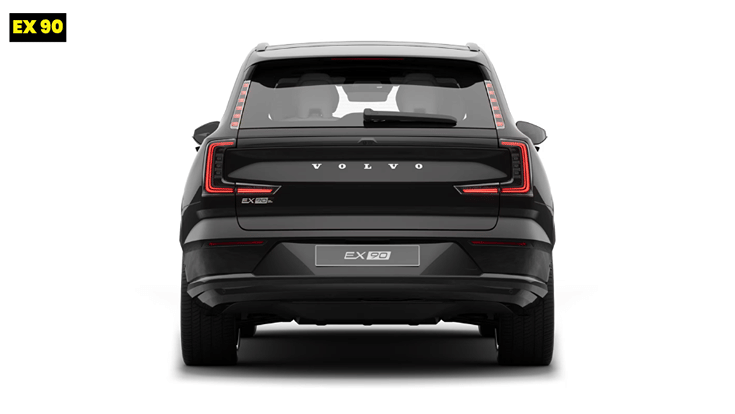
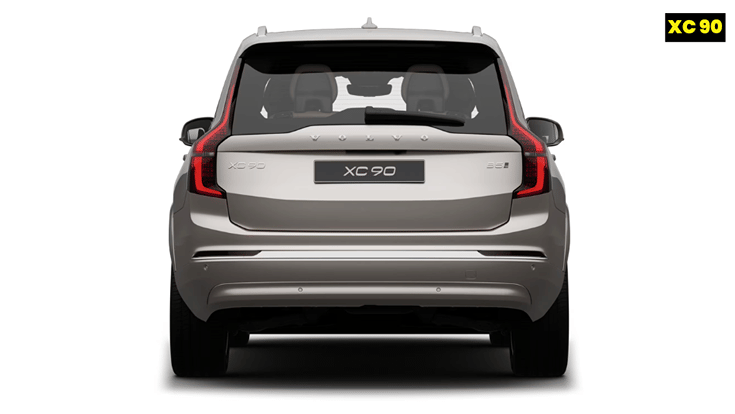
Both SUVs feature slim vertical LED lights along the sides of the rear windscreen, although their designs differ slightly. The tail-lamps also have different designs, while the ‘VOLVO’ lettering is positioned on different locations on the tailgate. The rear bumper designs vary as well.
Volvo EX90 vs XC90: Interior and features
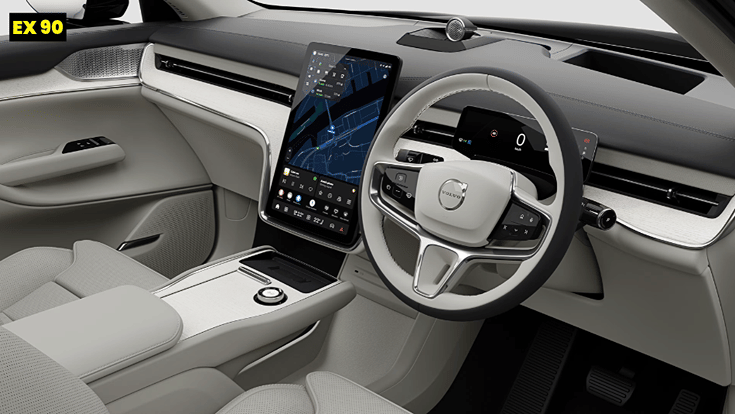
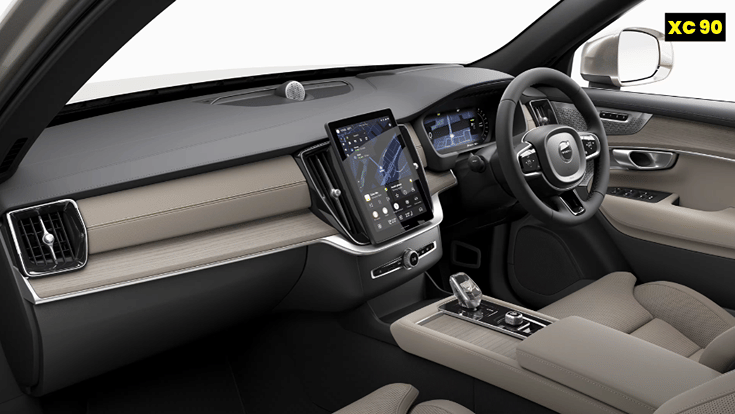
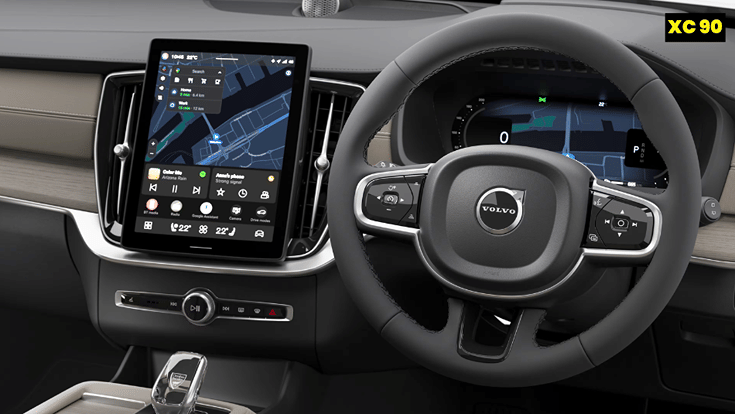
Both the Volvo XC90 and EX90 get air suspension, a 360-degree camera setup, an ADAS suite, four-zone climate control and an onboard air purifier. Both also feature front-seat heating, ventilation and massage functions, and a Bowers & Wilkins audio system. However, the XC90 has 19 speakers, while the EX90 gets 25 speaker units. Middle row seats don’t get heating, ventilation or massage functions on either SUV.
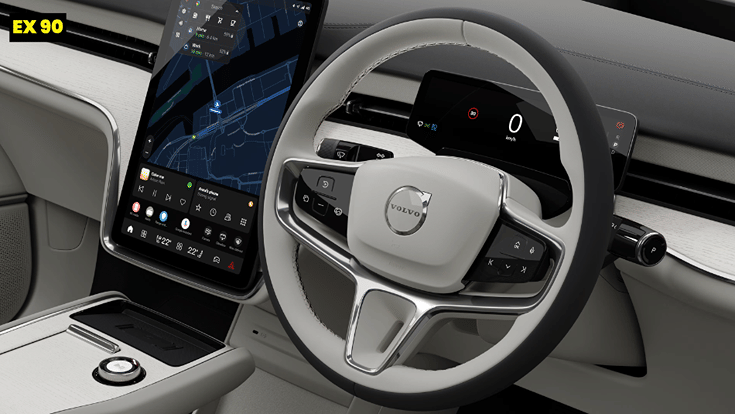
While both get vertically oriented touchscreens, they differ in sizes – 11.2 inches on the XC90 and 14..5 inches on the EX90. Some physical control have been provided on the XC90 under the touchscreen, while its electric counterpart does not feature them. The design for the steering wheel also differs in both cars. Also, the XC90 gets a panoramic sunroof, while the EX90 has an electrochromic glass roof, whose tint can be changed from the central touchscreen.
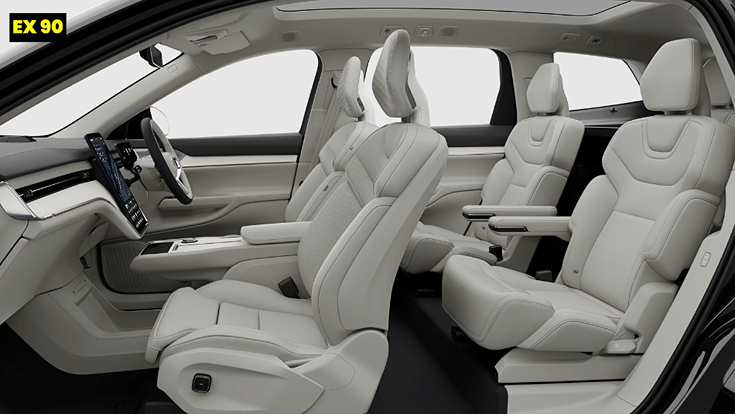
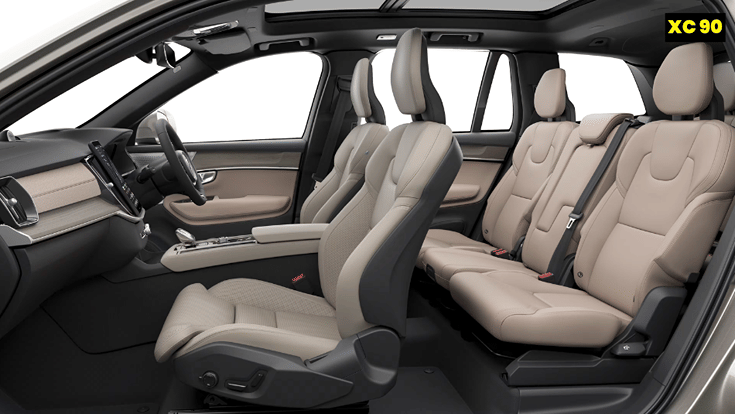
As for the seating capacity, the EX90 is on offer in a six seater configuration, featuring captain seats in the middle row. Meanwhile, the XC90 is a seven-seater SUV. Two interior colour options – Cardamom and Blond – are available with the XC90, while the EX90 is sold with one colour – Dawn. The XC90’s boot capacity with all seats up is 302 litres, while the EX90 claims 324 litres; the EV also gets a 46 litre frunk.
Volvo EX90 vs XC90: Powertrain
The India-spec EX90 comes with a 106kWh battery pack, which powers a dual electric motor setup. Combined output is 456hp and 670Nm, with a claimed 0-100kph sprint time of 5.5 seconds. Claimed range stands at 625km on the WLTP cycle.
On the other hand, the XC90 features a 2.0-litre, four-cylinder, turbocharged petrol engine with support from a 48V mild-hybrid system. Peak power is 250hp and max torque is 360Nm, which is 206hp and 310Nm less relatively. Its 0-100kph sprint time of 7.94 seconds is slower by 2.44 seconds.
Volvo EX90 vs XC90: Prices
EX90
XC90
Price difference
Price (Rs)
1.26 crore
98.80 lakh
27.20 lakh
At Rs 1.26 crore, the Volvo EX90 is the more expensive model in this comparison, costing Rs 27.20 lakh more. Beyond the price difference, the two models mainly differ in their powertrains and peak power outputs, while differences in their exterior and interior features are relatively less. The choice between them will depend on factors such as the buyer’s driving requirements, family size and performance.
Ex-showroom prices mentioned above are as on October 13, 2026.
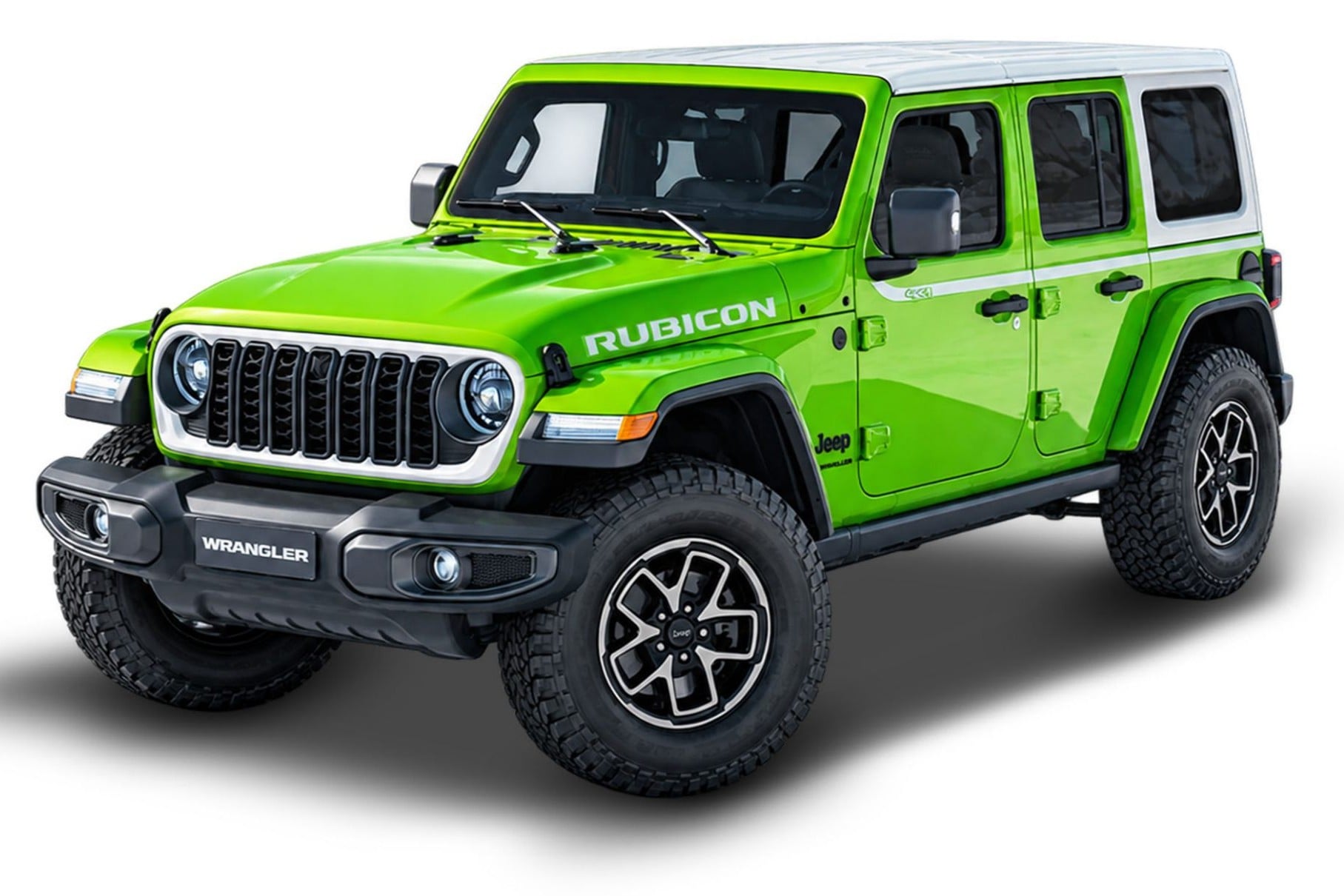
Following the reveal of the Wrangler Whitecap Mojito Limited Edition last month, Jeep has announced that the special-edition off-roader will cost Rs 73.55 lakh – a Rs 1.25 lakh premium over the Wrangler Rubicon on which the Whitecap Mojito is based. Only 25 units of the Wrangler Whitecap Mojito were offered in India, and Jeep has sold all of them. Globally, a total of 250 units of the Wrangler Whitecap Edition were made available.
Jeep Wrangler Whitecap Mojito Limited Edition: Exterior and interior changes
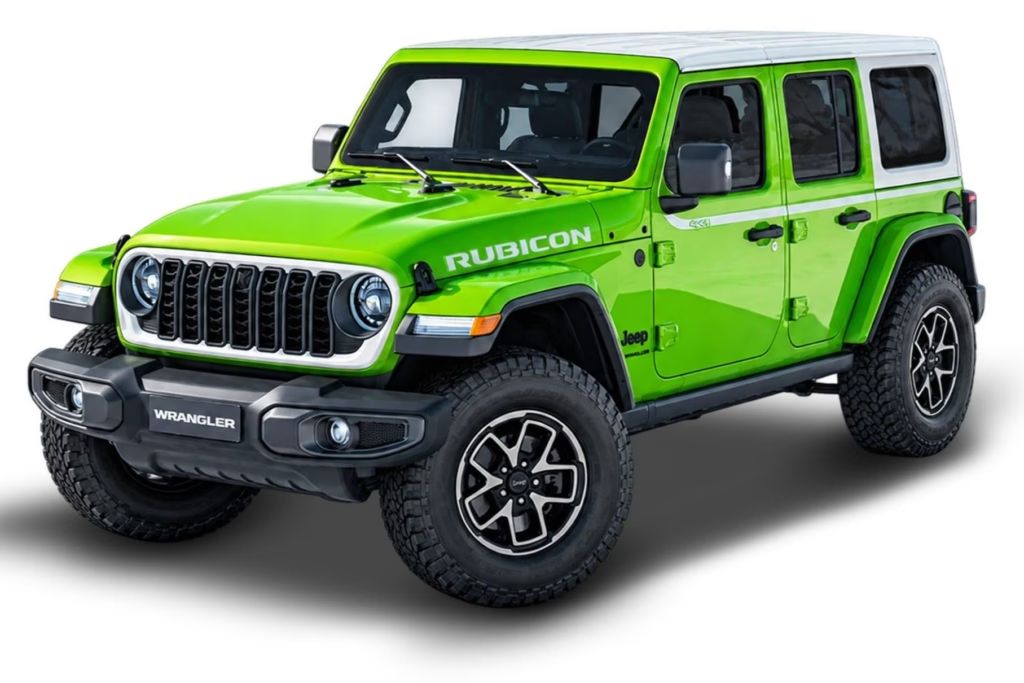
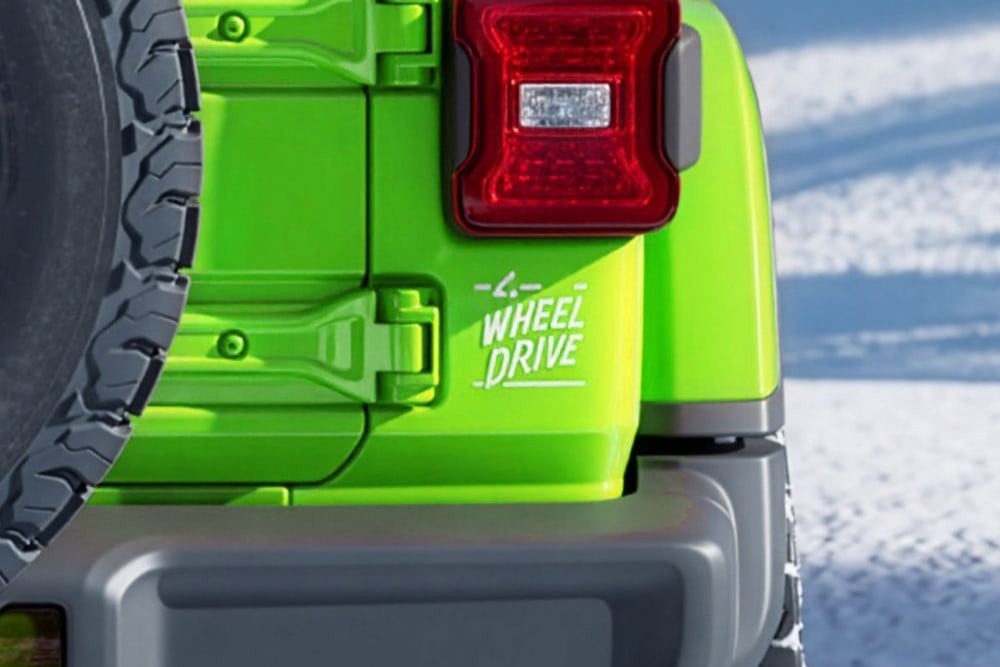
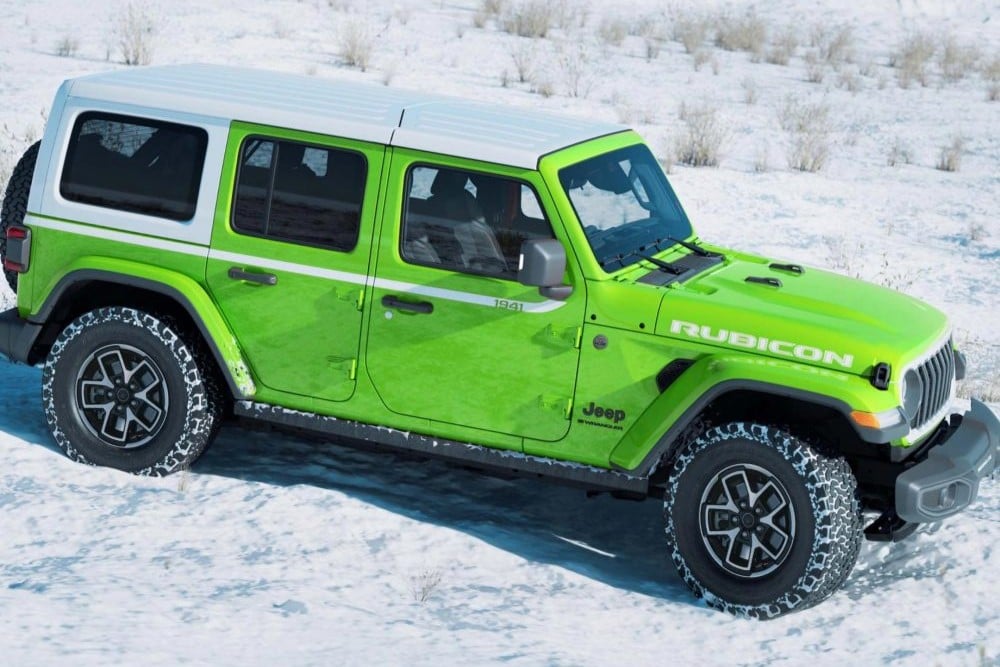
On the outside, this special-edition Wrangler Rubicon comes finished in an exclusive bright-green ‘Mojito’ shade, along with a white finish for the roof. The grille features a white surround, while the side profile gets ‘1941’ decals (a reference to the original Willys MB Jeep’s debut year) and body-coloured fenders. There’s also a white ‘4 Wheel Drive’ sticker on the boot lid.
The interior of the Wrangler Whitecap Mojito gets only two additions: a built-in dashcam and reinforced grab handles. Elsewhere, the special edition retains the feature set of the standard Wrangler Rubicon, such as a 12.3-inch infotainment touchscreen, 12-way powered front seats, an ADAS suite, 6 airbags, dual-zone climate control, a 9-speaker Alpine sound system with a subwoofer, a 7-inch driver’s display, and more.
Jeep Wrangler Whitecap Mojito Limited Edition: Engine and gearbox
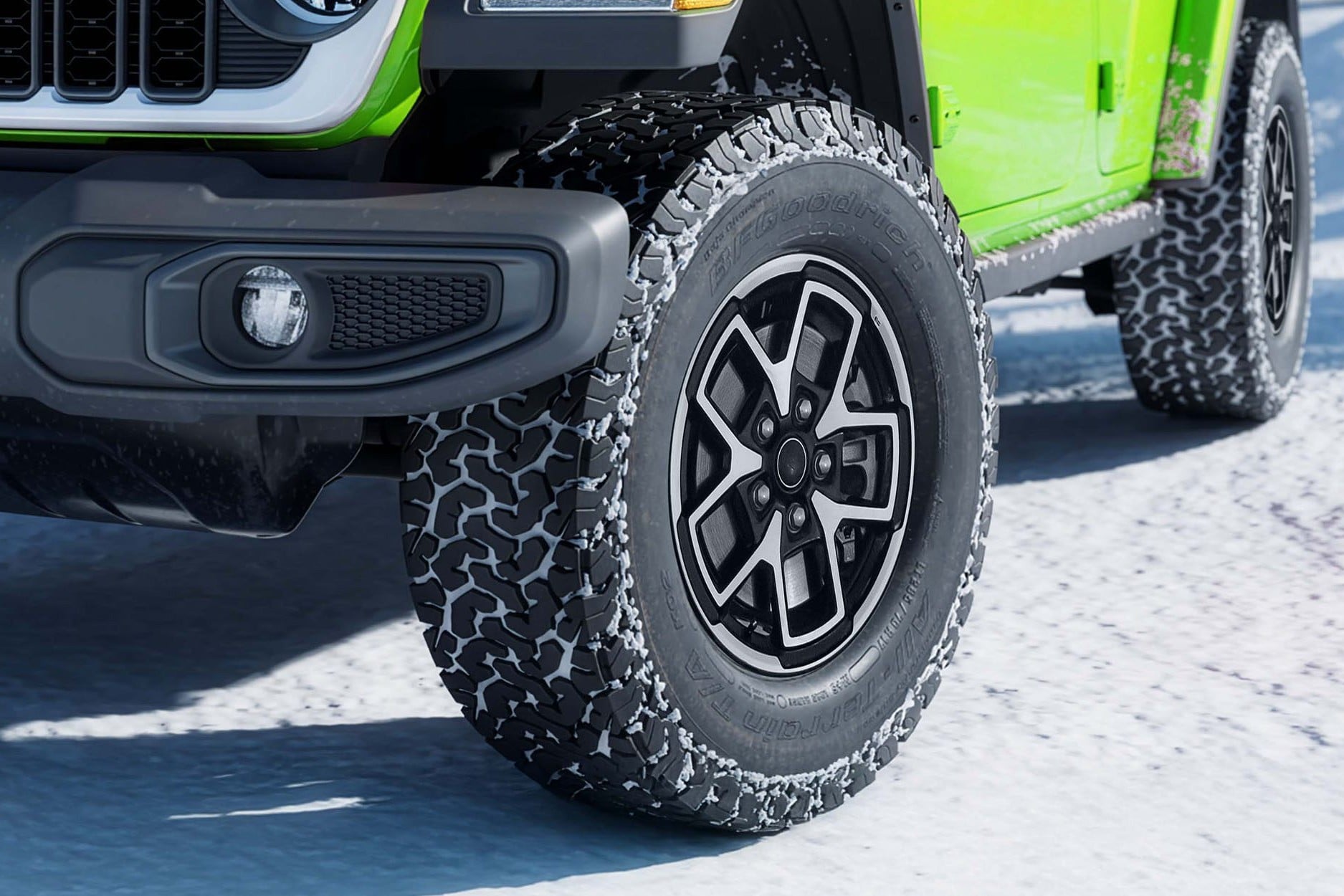
Under the skin, the Wrangler Whitecap Mojito is identical to the Rubicon. It’s powered by a 2.0-litre four-cylinder direct-injection turbo-petrol engine developing 272hp and 400Nm, paired with an 8-speed automatic transmission that channels the grunt to all four wheels via a standard 4×4 system. Since it’s based on the more off-road-capable Rubicon variant, the Wrangler Whitecap Mojito also packs hardware like heavy-duty Dana axles, an integrated off-road camera, reinforced suspension, rock rails, 255-section off-road tyres with 17-inch wheels, high-clearance front fender flares, and more.
While the Wrangler Whitecap is currently sold out in India, Jeep hinted at the possibility of bringing the special edition back in light of healthy demand. “The first 25 vehicles will remain a highly exclusive chapter in the Whitecap story, while the strength of customer interest is encouraging us to explore how we could bring this distinctive expression of Wrangler back to India in the future,” said Kumar Priyesh, business head and director – Automotive Brands, Stellantis India.
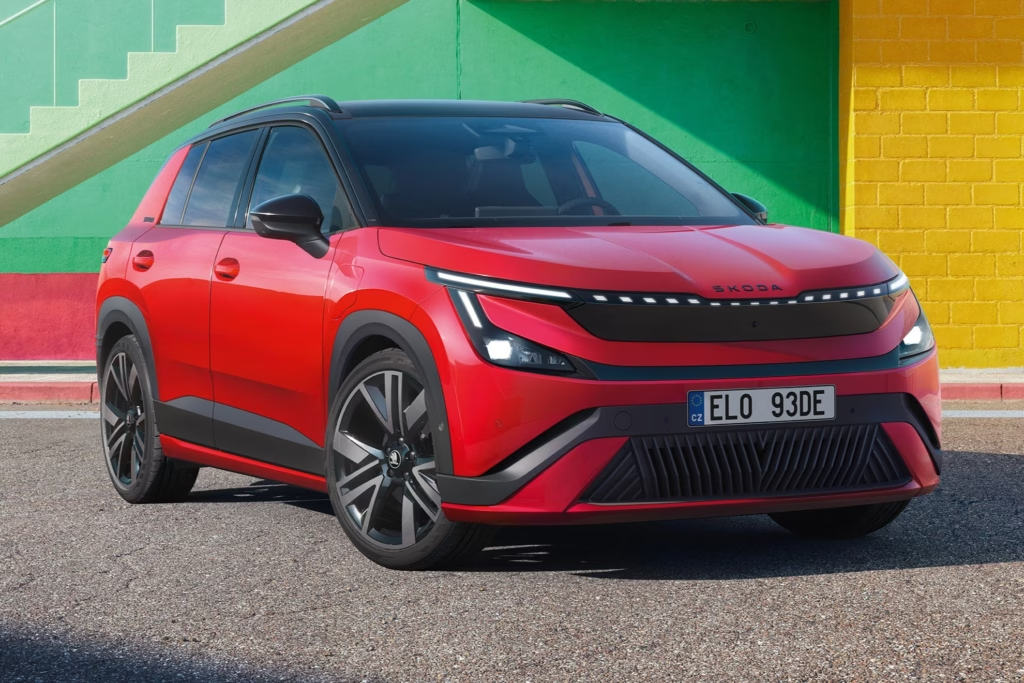
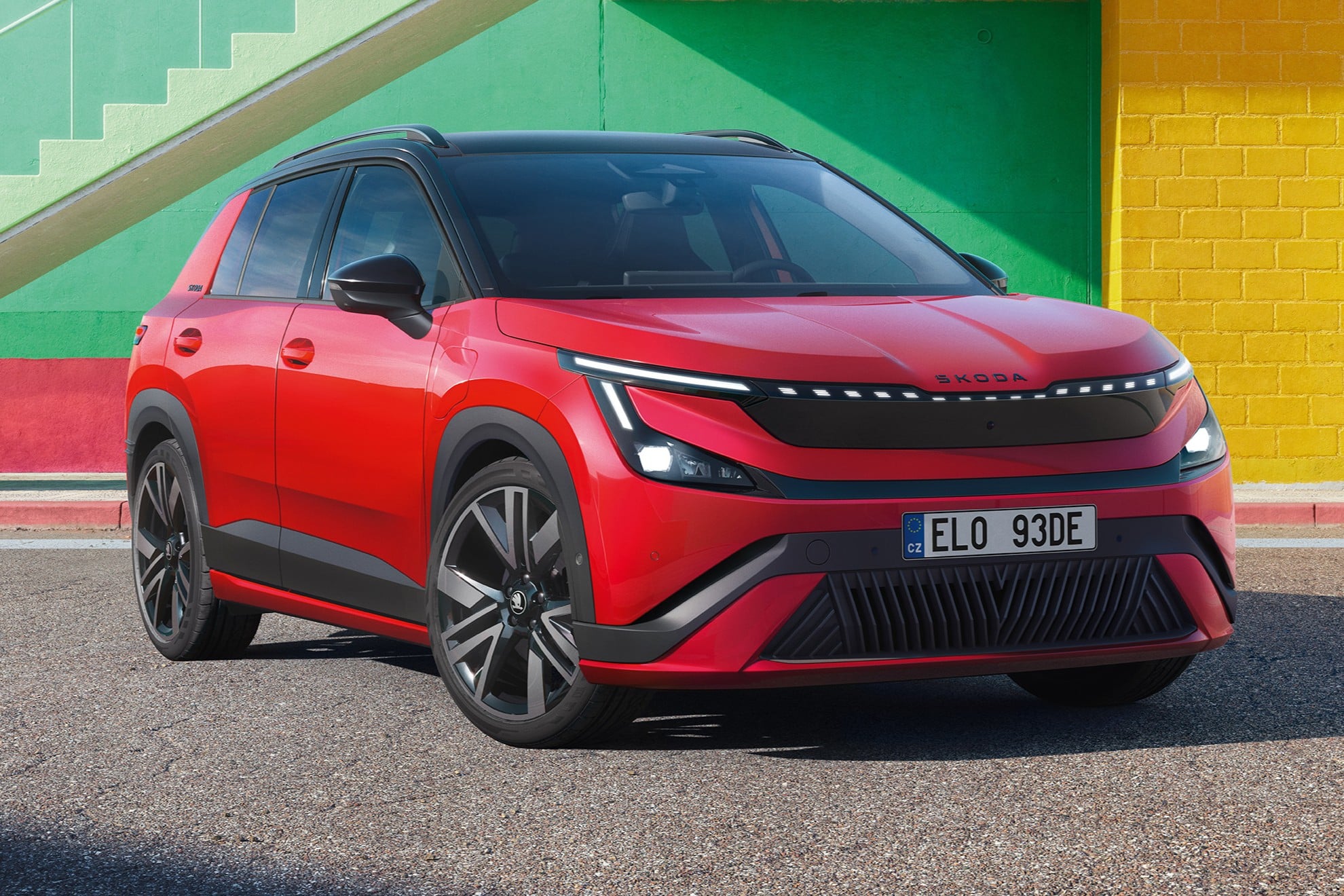
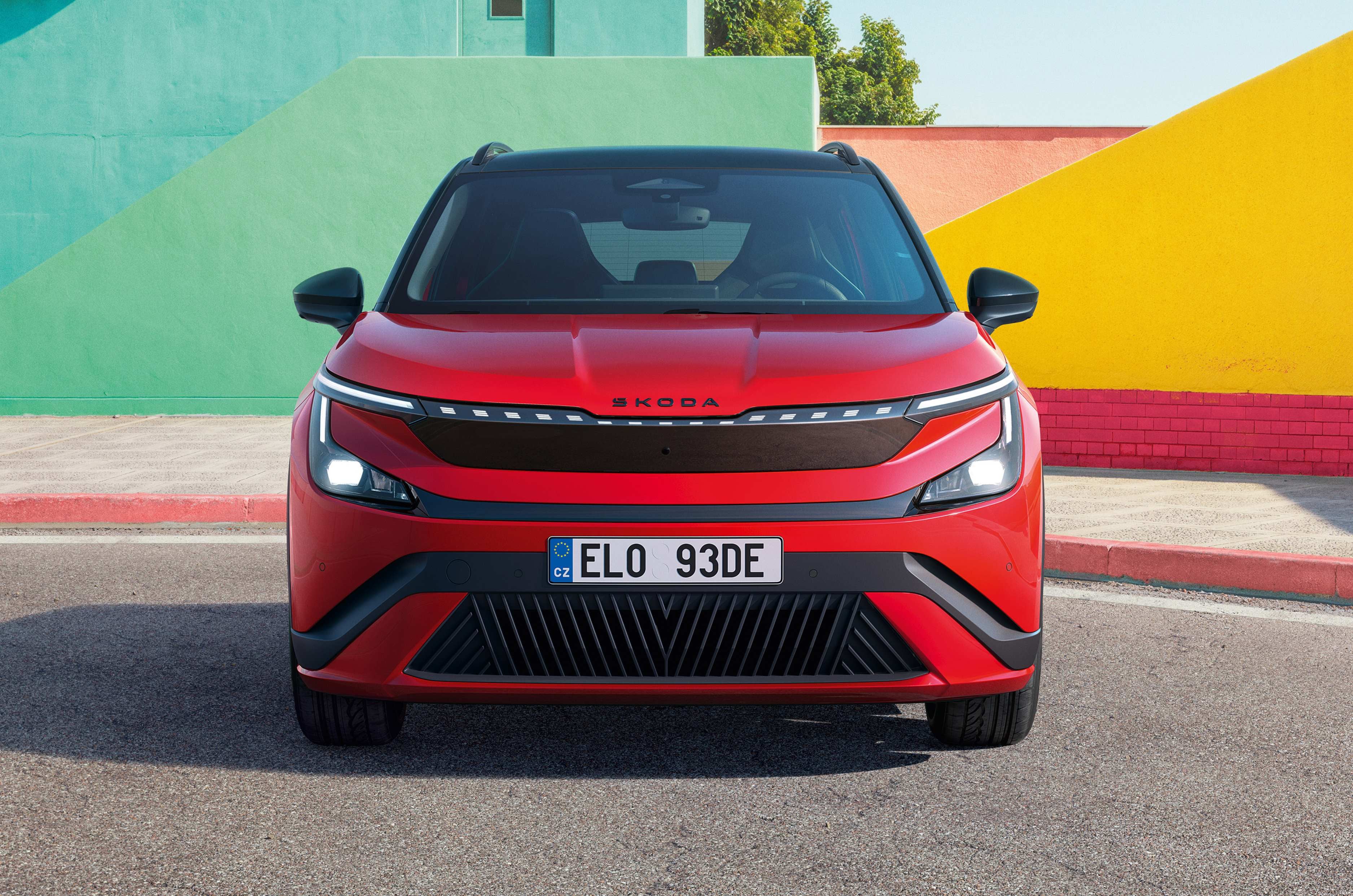
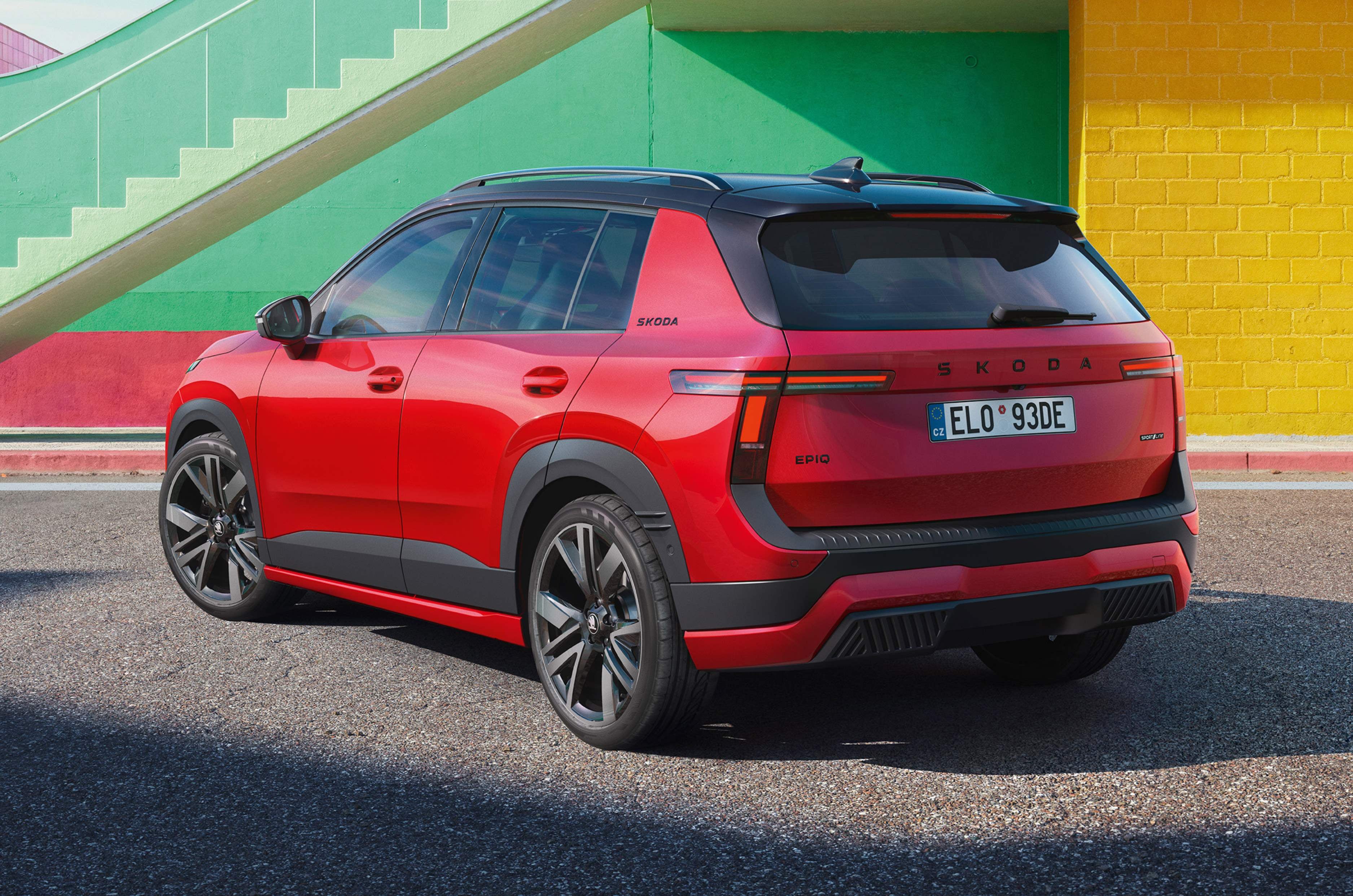
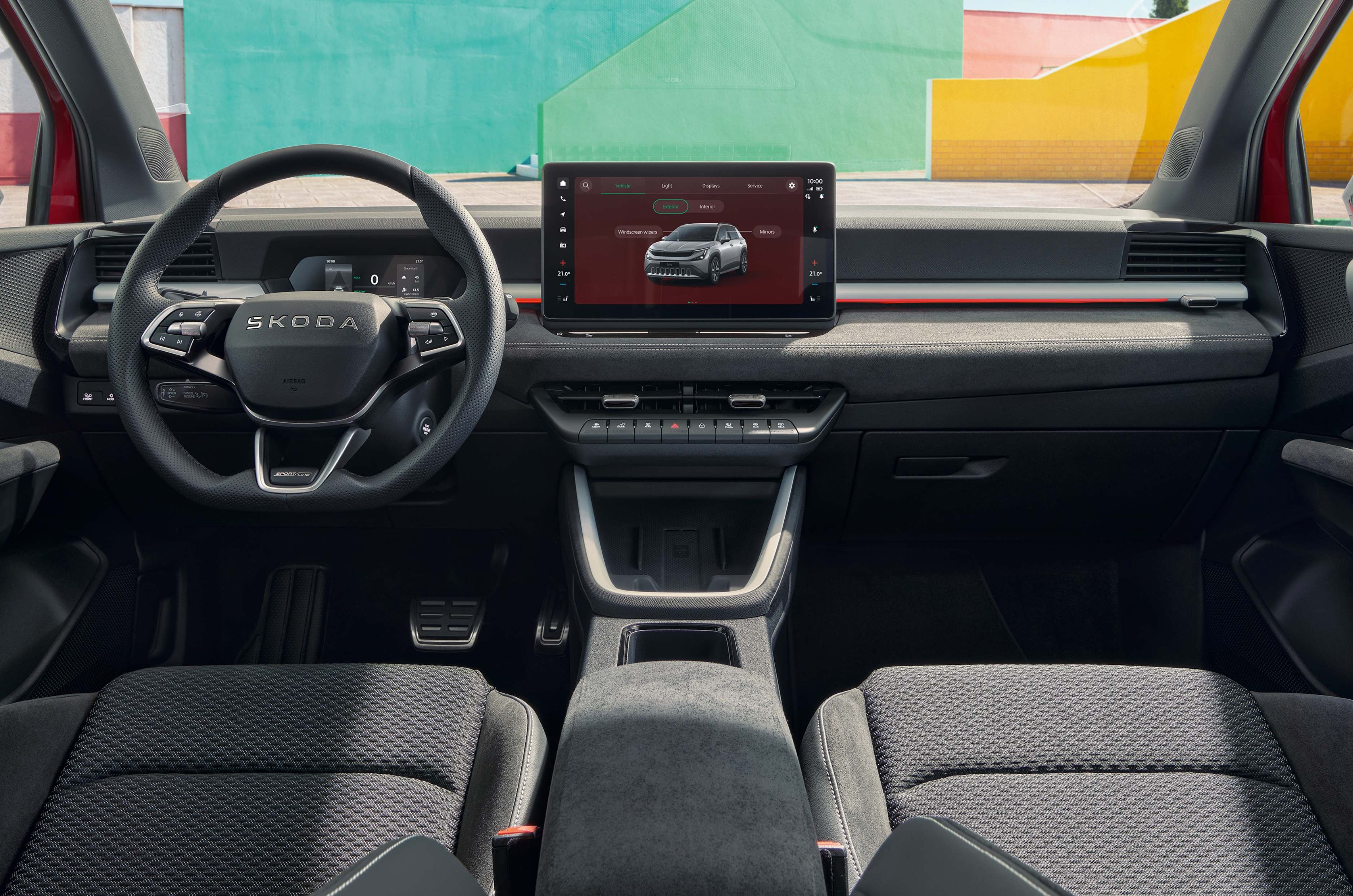
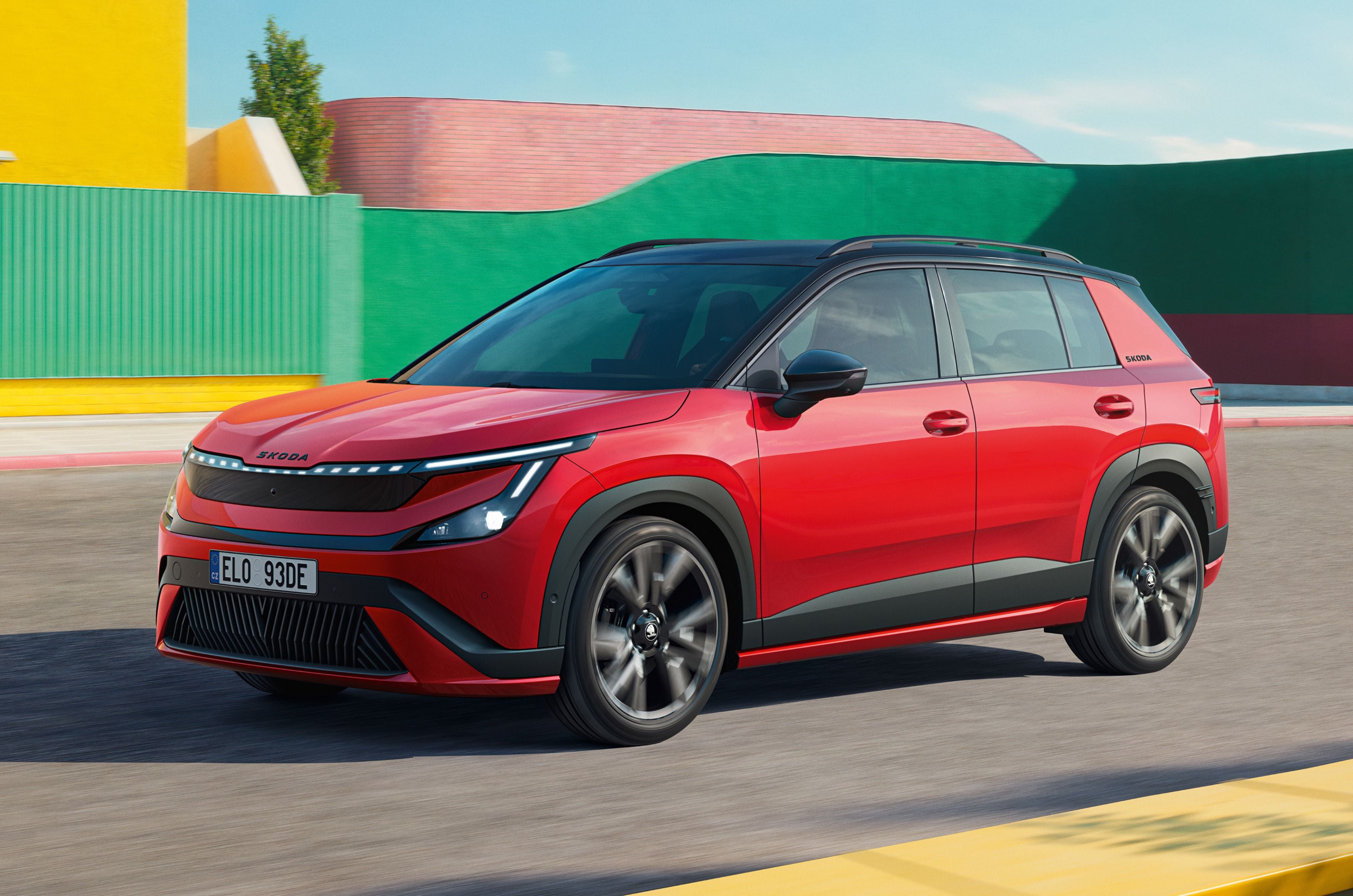
Skoda has extended the spicier ‘Sportline’ treatment to its entry-level EV, the Epiq. In Sportline guise, the Epiq features several cosmetic upgrades over the standard model while retaining its battery pack options, albeit in a higher state of tune.
Exterior gets body-coloured bumpers, a segmented LED strip, and blacked-out Skoda badges.
Optional 20-inch alloy wheels—the largest available on the Epiq, with an exclusive design.
Black-theme cabin and suede for the dashboard, door pads, armrest and seat upholstery.
Offered in two variants: 40 (38.5kWh) and 55 (55 kWh); Claimed range of up to 440km.
Skoda Epiq Sportline: What’s new?
Changes to the front end of the Epiq include a segment LED strip across the grille, a body-coloured bumper, and a revised air intake grille. Updates to its profile include a gloss black finish for the outside rear-view mirrors (ORVMs) and exclusive designs for the 19-inch and optional 20-inch alloy wheels. The latter size is the largest available on the Epiq.
Additionally, there’s a black finish for the Skoda branding on the bonnet, C-pillar and tailgate, and also for the Epiq badge. A Sportline badge on the tailgate and a body-coloured rear bumper bring further distinction over the standard model. Optional equipment includes a panoramic sunroof, two-tone paint with a black roof, and a tow bar.
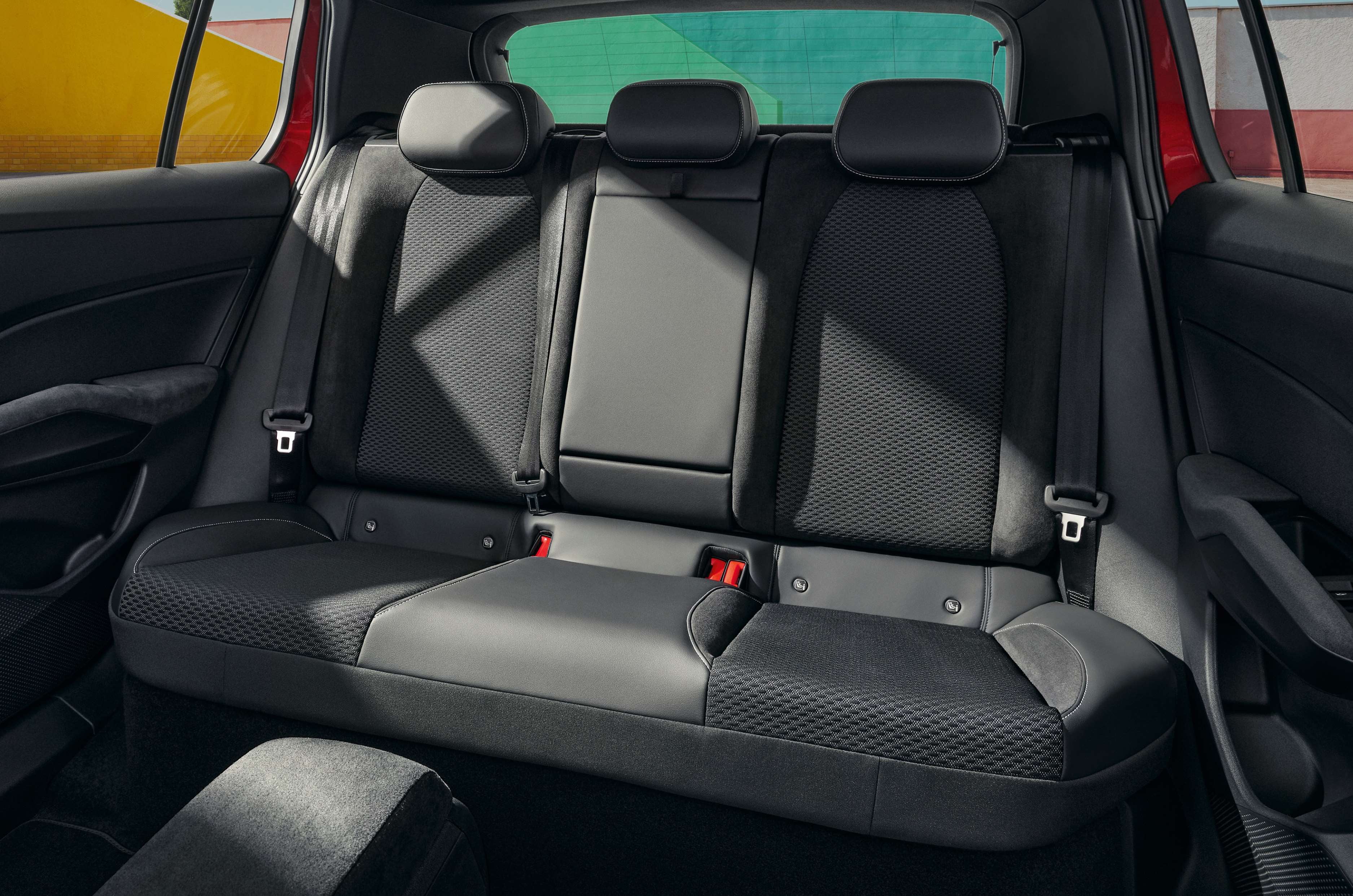
Like other Skoda Sportline models, the Eqiq Sportline also gets an all-black theme for its interior. The dashboard trim, door pads, armrest, and sport seats are wrapped in suede, while there’s a flat-bottomed three-spoke steering wheel with a Sportline badge and a stainless-steel finish for the pedals. The infotainment and digital driver’s display get red Sportline-themed graphics.
Standard kit includes keyless entry, electrically adjustable and heated front seats, a heated steering wheel, dual-zone climate control, digital key, wireless phone charging, rear-view camera and a dark tint for the rear-view mirrors. Optional features include an ADAS suite, on-board navigation, connected car tech, a 360-degree camera, a 10-speaker Canton sound system, frunk, and parking assist.
The Epiq Sportline is available only in the higher-end ‘40’ and ‘50’ variants, which are also available on the standard model. ‘40’ guise versions use a 38.5kWh battery pack with a front-mounted motor producing 135hp and 267Nm, while ‘55’ variants use a 55kWh battery pack with the motor delivering 211hp and 290Nm. Top speed for both versions is capped at 160kph, and claimed range figures for the 40 and 55 variants are 310km and 440km, respectively. Skoda says that both battery packs can do a 10-80 percent top-up within 24 minutes via DC fast charging.
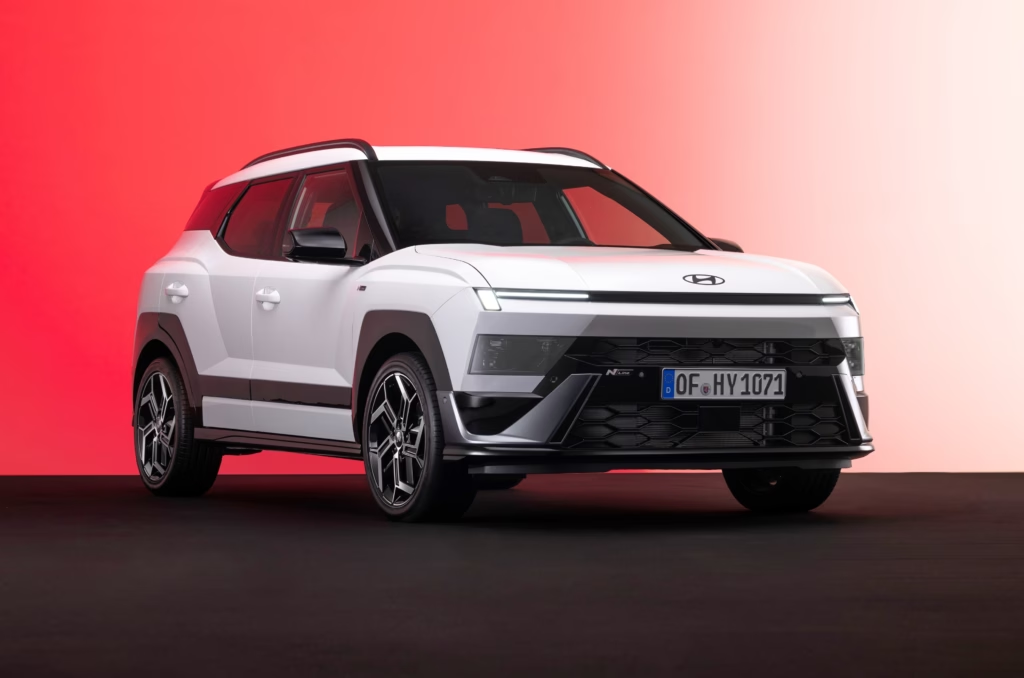
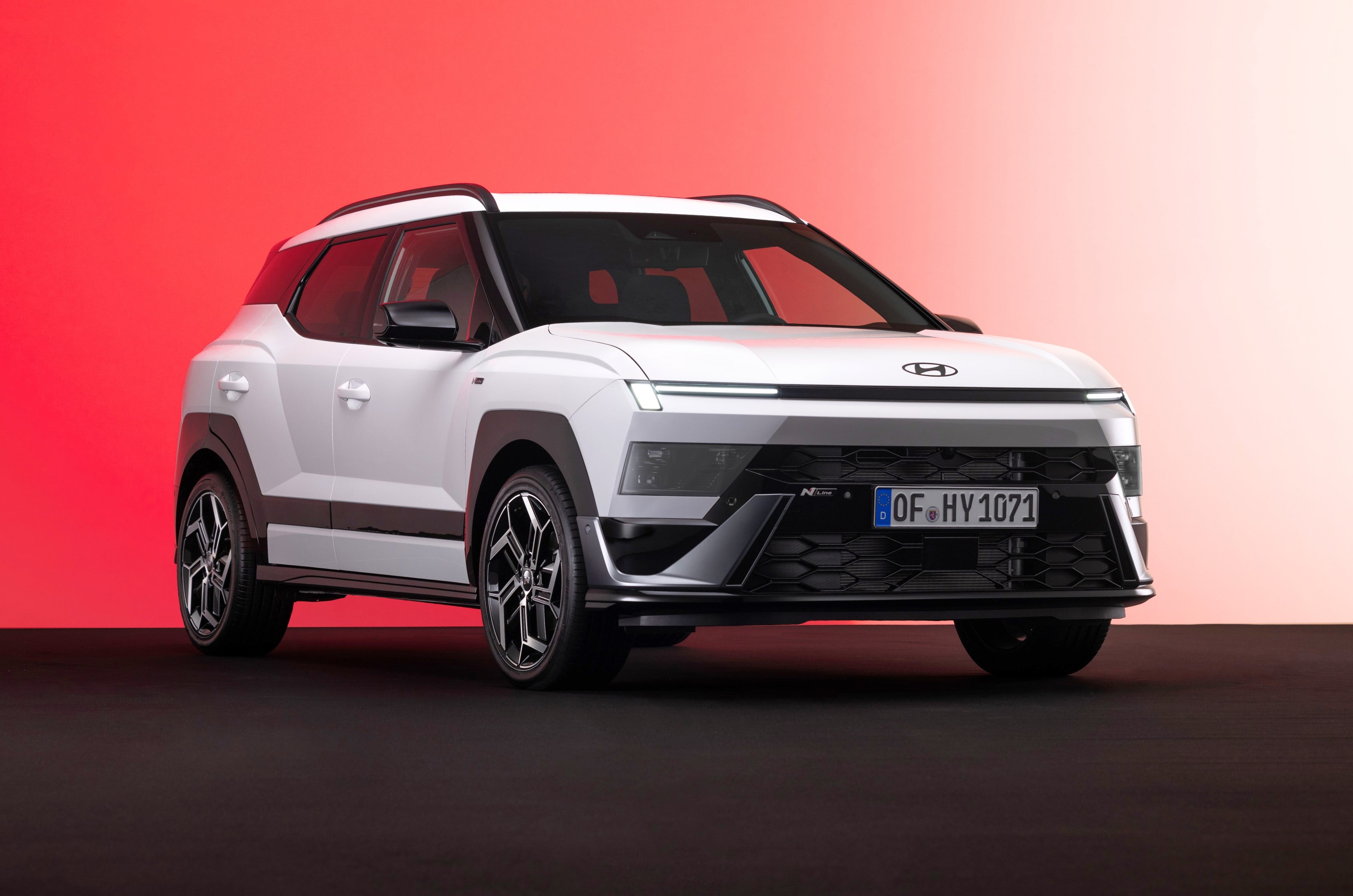
Alongside the recent reveal of the India-spec Bayon, Hyundai unveiled the SUV’s sporty N Line version at Paris Motor Show 2026. The Bayon N Line shares its top hat with the standard India-spec model, but has sportier touches all around and different engines.
2026 Hyundai Bayon N Line exterior design
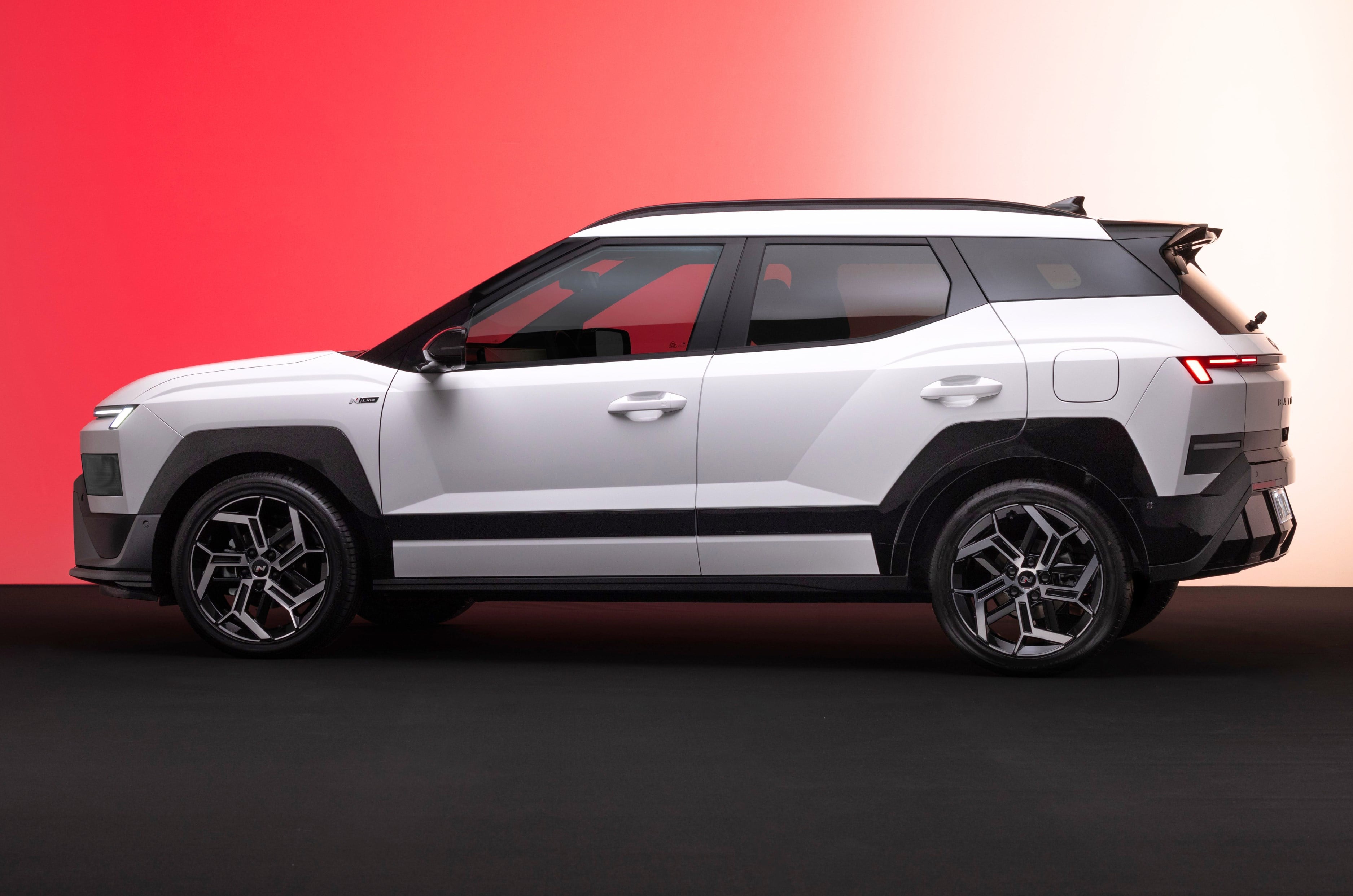
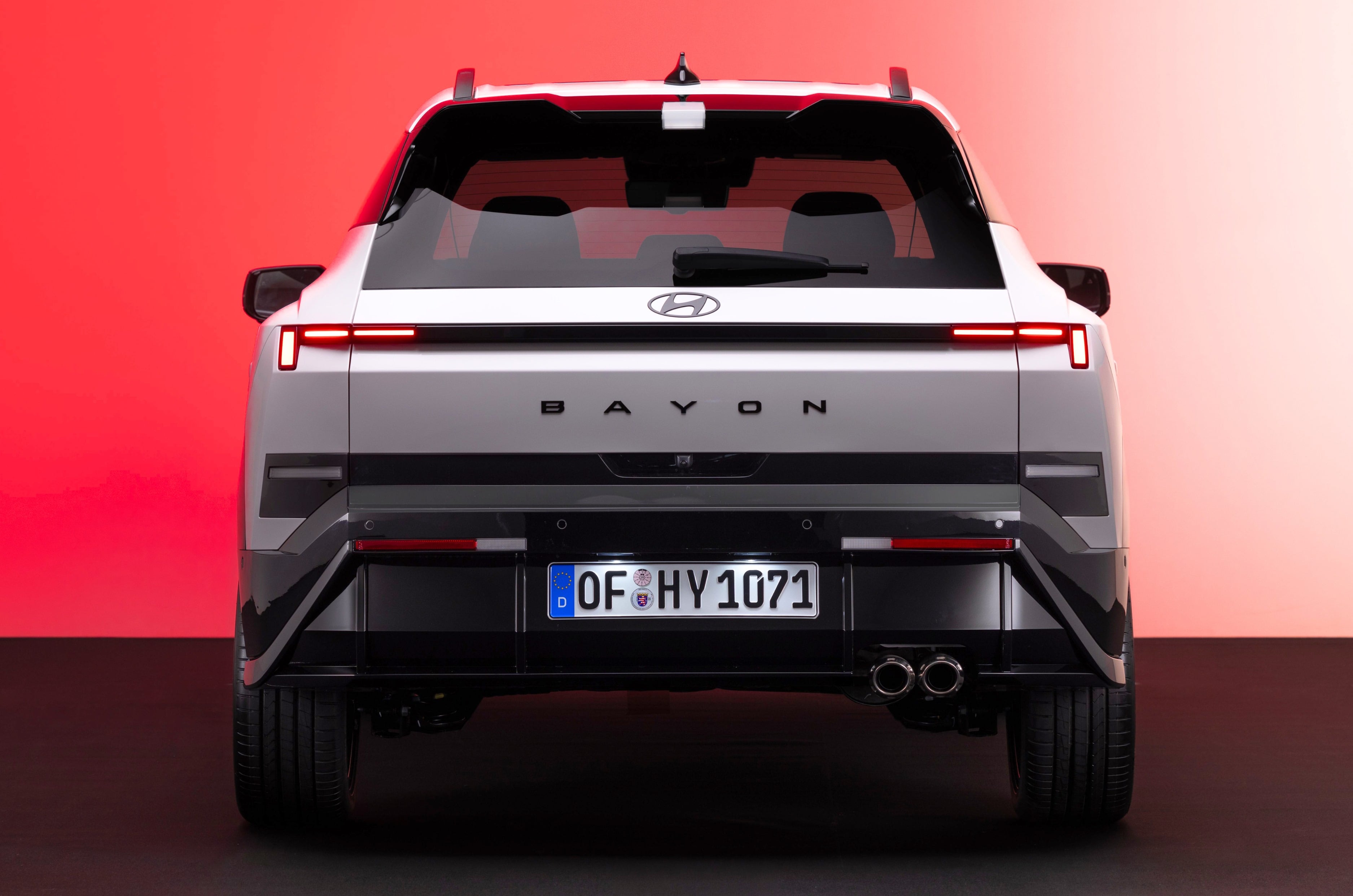
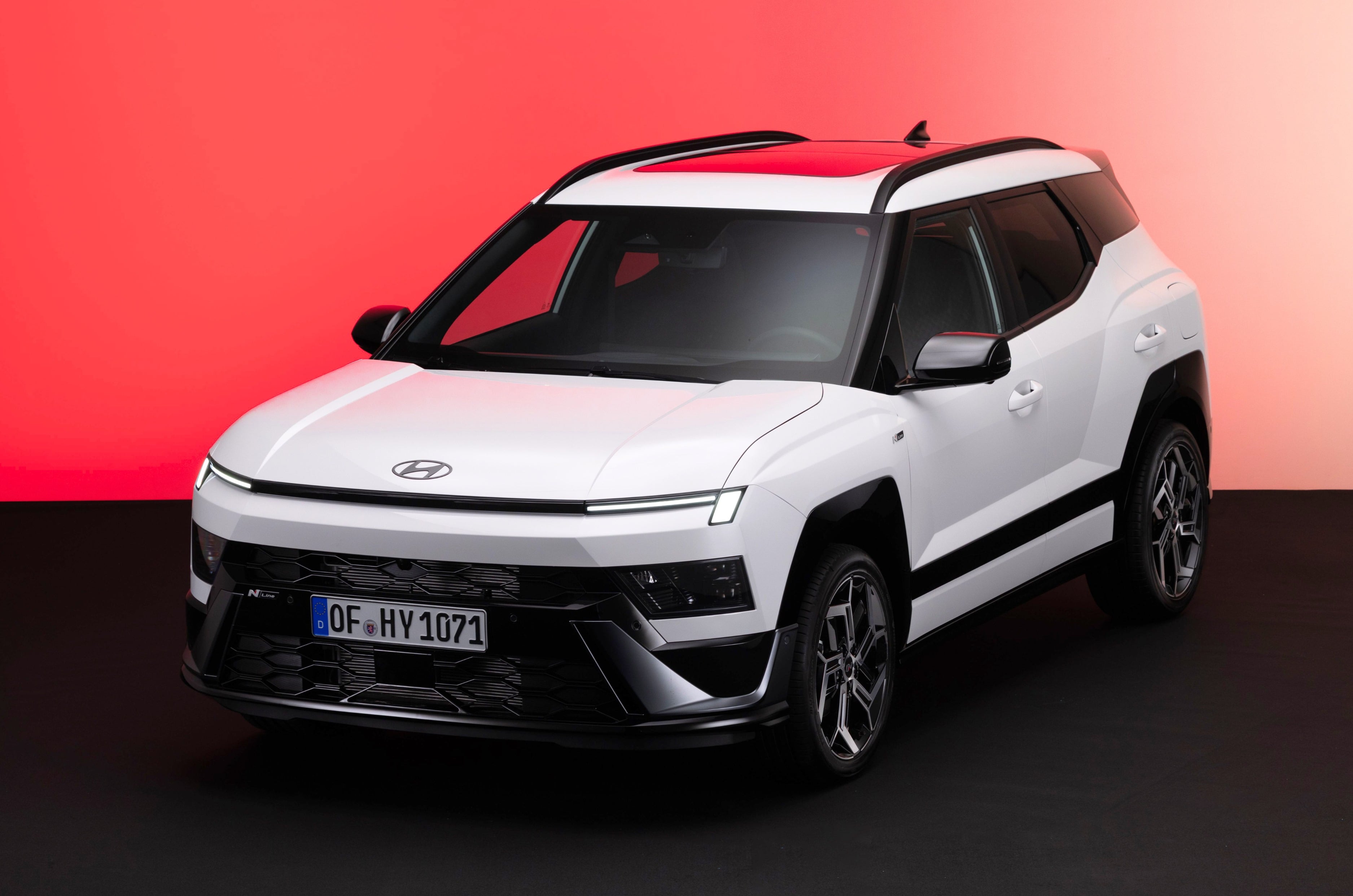
Much like the India-spec Bayon, the N Line features design cues like L-shaped front and rear lights, squared-off headlamp units, boxy wheel-arch cladding and flared fenders, a Bayon wordmark on the bootlid, and a heavily kinked windowline. However, the Bayon N Line differentiates itself with sportier styling elements.
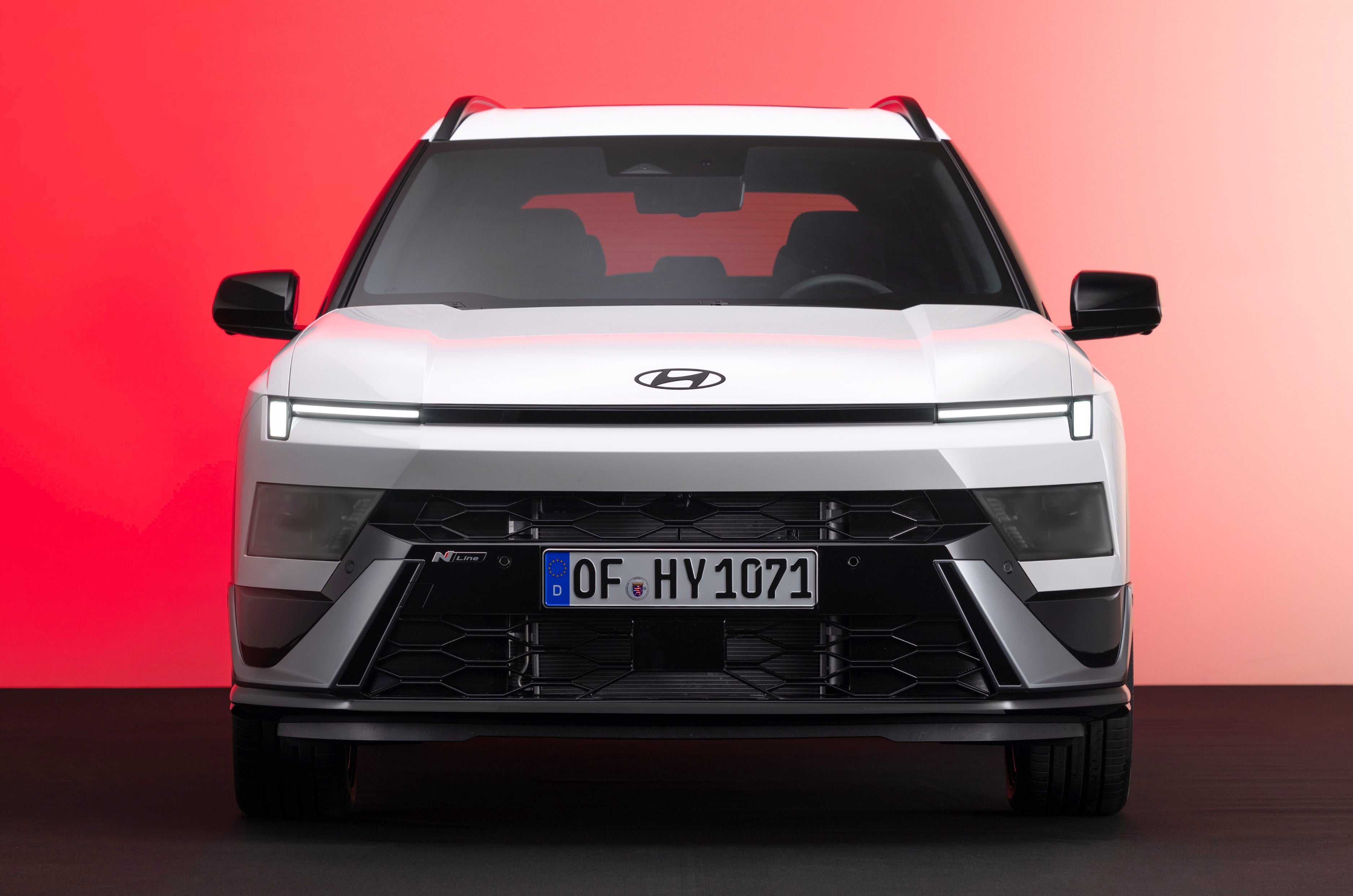
Up front, the Bayon N Line has a different bumper with a more open design, blacked-out cladding, winglets, and a honeycomb pattern for the grille. An ‘N Line’ badge can also be seen on the left side of the bumper, and the headlamps look to have a smoked finish.
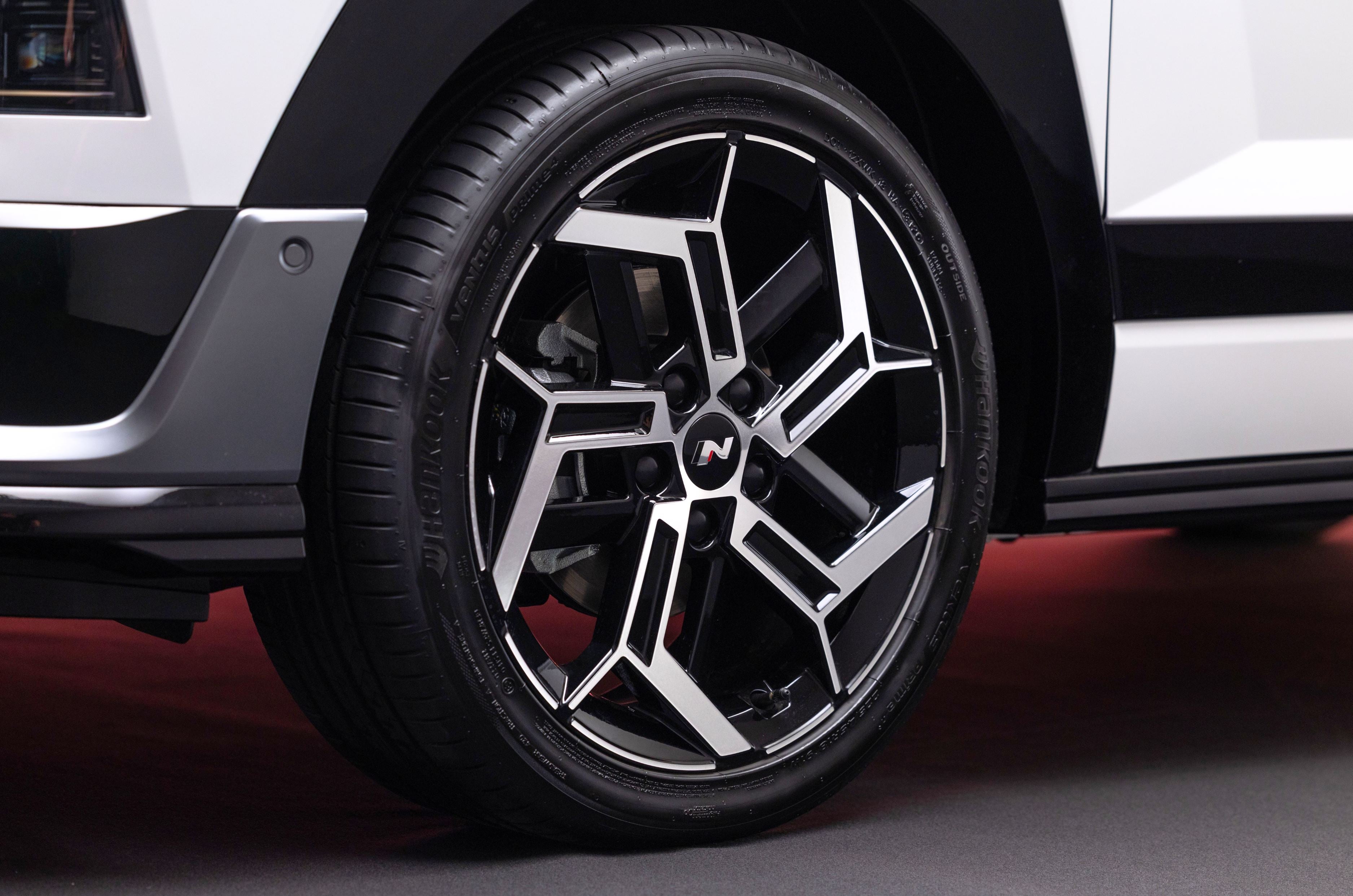
Over to the side, the N Line gets gloss-black finishes for the cladding and ORVMs, larger 18-inch alloy wheels, and N Line badging on the front fenders. The roof rails are also slimmer than the ones seen on the India-spec Bayon. At the back, the Bayon N Line sports a bigger twin-ridge roof spoiler, dual exhaust tips, a fully black bumper, and black finishes for the Hyundai emblem and Bayon wordmark on the bootlid.
The Europe-spec Bayon stretches the tape at 4,245mm long, 1,810mm wide, and 1,565mm tall, with a wheelbase of 2,600mm. These dimensions place it perfectly between the Venue and Creta in terms of size, and you can expect the India-spec Bayon to not stray that far off from them.
2026 Hyundai Bayon N Line interior and features
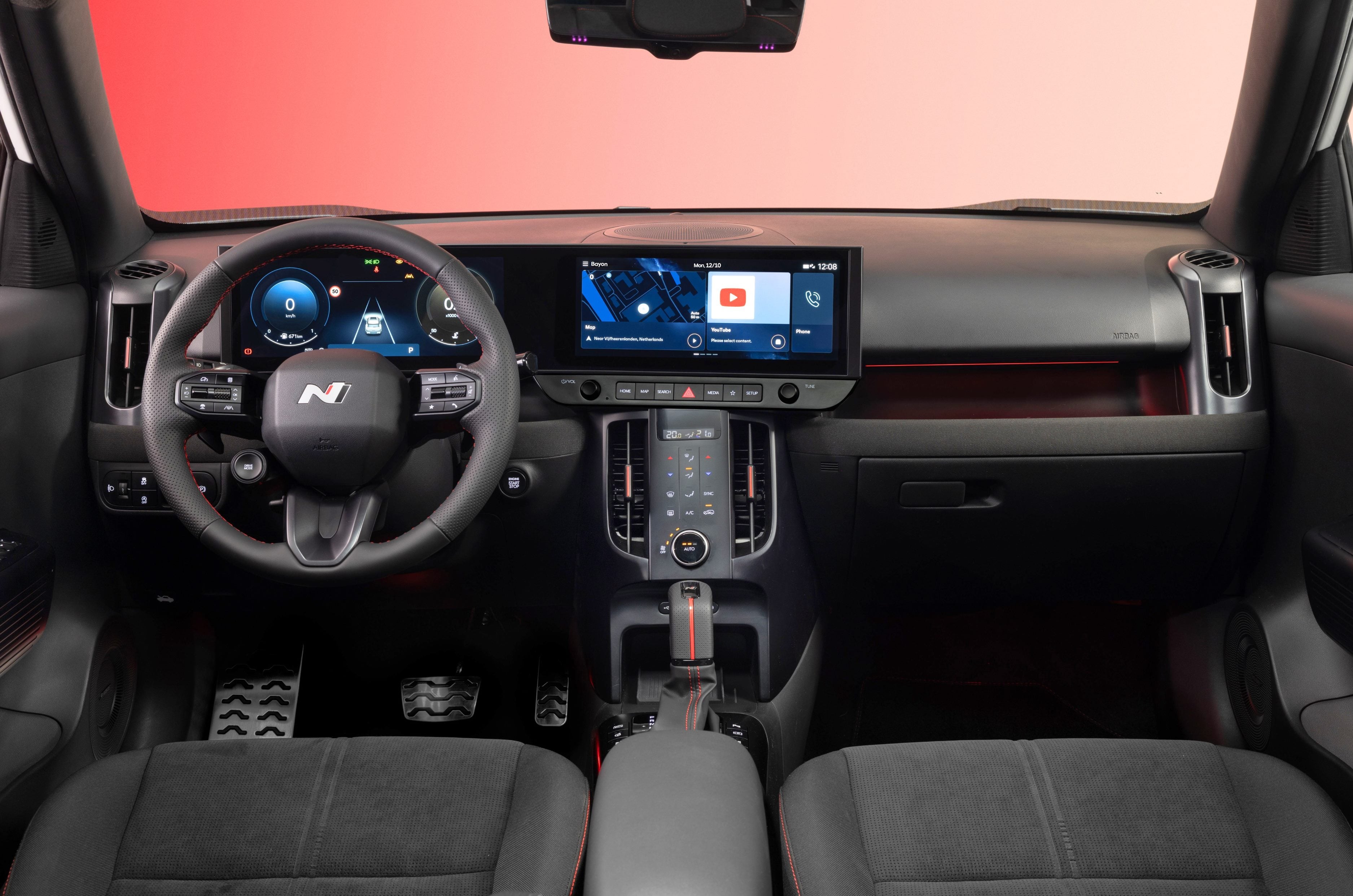
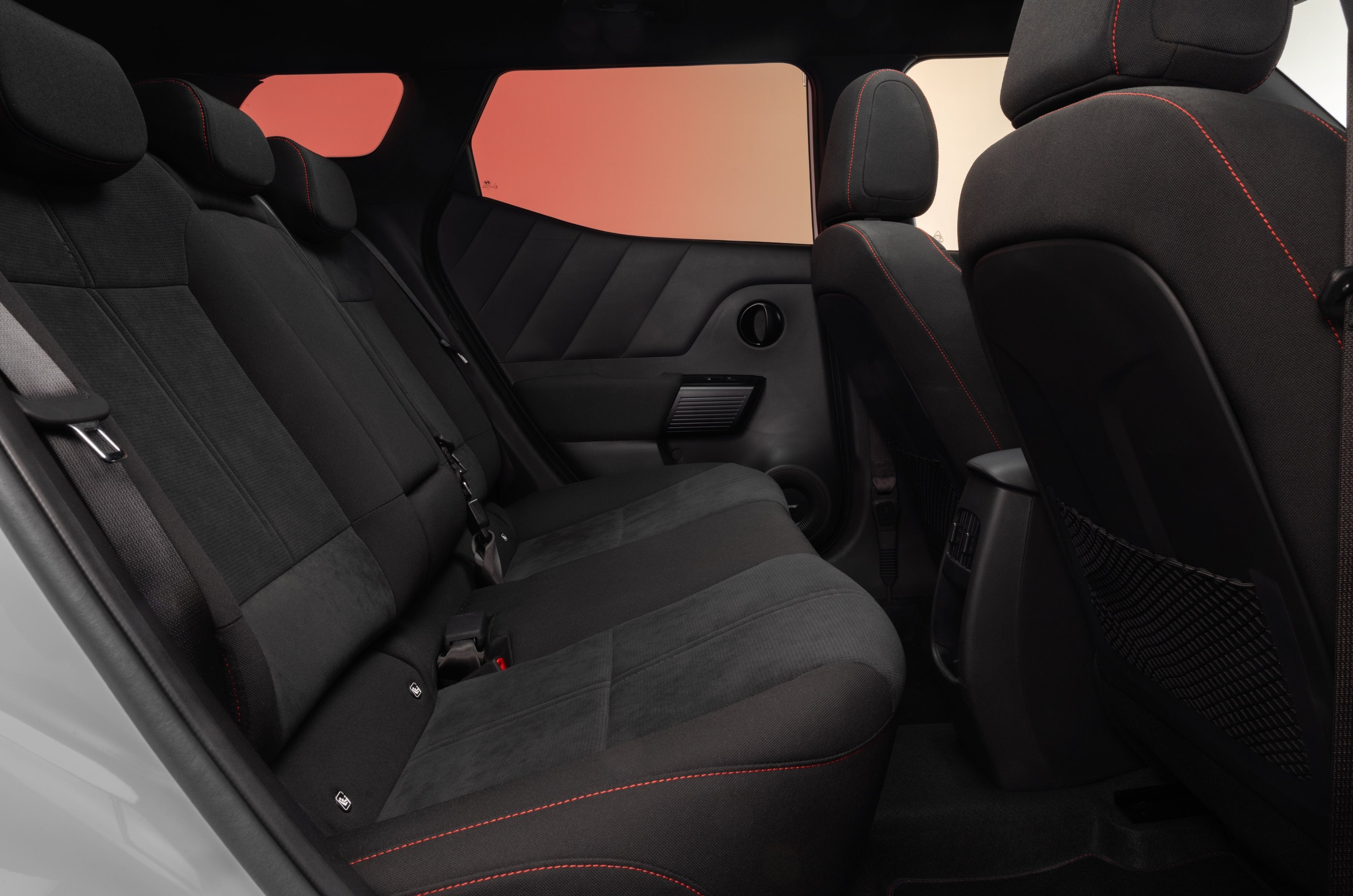
Similar to the outside, the core interior layouts of the India-spec Bayon and the N Line are identical, including a curved pair of 12.3-inch displays, a vertical design for the centre console (à la the fourth-gen i20), vertically oriented air vents, an open storage space on the co-driver side of the dashboard, among others. The Bayon N Line, however, brings in sportier touches like a black interior colour scheme with red accents and contrast stitching, Alcantara-esque seat upholstery, and an N-Line-specific steering wheel and gear lever.
As for features, the Bayon N Line offers wireless Apple CarPlay and Android Auto, ambient lighting, a panoramic sunroof, heated and ventilated front seats, reclining rear seats, a digital key, an 8-speaker Bose sound system, Level 2 ADAS, connected car tech, a wireless charging pad, dual-zone climate control, and more. Notably, Hyundai has not mentioned the inclusion of a generative AI voice assistant for the Bayon N Line, which the India-spec model will get. Coming to boot space, Hyundai claims 440 litres for non-hybrid versions of the Europe-spec Bayon.
2026 Hyundai Bayon N Line engine and gearbox
Where the India-spec Bayon will be powered solely by a 115hp 1.5-litre naturally aspirated four-cylinder petrol engine mated to either a 6-speed manual or CVT automatic, the N Line will be offered with Hyundai’s 1.0-litre three-pot direct-injection turbo-petrol motor in two states of tune – 90hp and 115hp – along with 6-speed manual and 7-speed dual-clutch automatic gearbox options.
Hyundai claims a 0-100kph time of as low as 10.8 seconds for the Bayon N Line – likely the 115hp DCT version – going up to 14.1 seconds for presumably the 90hp MT variant. Additionally, a strong-hybrid version will join the Europe-spec Bayon line-up at a later date, comprising a 1.6-litre direct-injection petrol engine, an electric motor, and a 6-speed DCT for a combined output of 138hp. It will also get adaptive regenerative braking that can be controlled by the steering-mounted paddle shifters.
Similarly, the India-spec Bayon is expected to receive a CNG version sometime after launch, which will strap an underbody tank to the SUV and allow it to directly rival the likes of the Maruti Suzuki Victoris, Maruti Suzuki Grand Vitara, and Toyota Hyryder.
Will the Hyundai Bayon N Line come to India
Hyundai is yet to confirm whether the Bayon N Line will be available in India, but given the positioning and target demographic of the model that will soon go on sale here, the prospect is unlikely (at least initially). The India-spec Bayon’s relatively sedate 1.5-litre engine, borrowed from the Creta, encourages smooth and relaxed driving over outright sportiness, and the incoming CNG version further reinforces the notion that this model will serve as Hyundai’s answer to the Victoris – a practical, no-nonsense midsize SUV that’s high on feel-good factor and low on running costs.