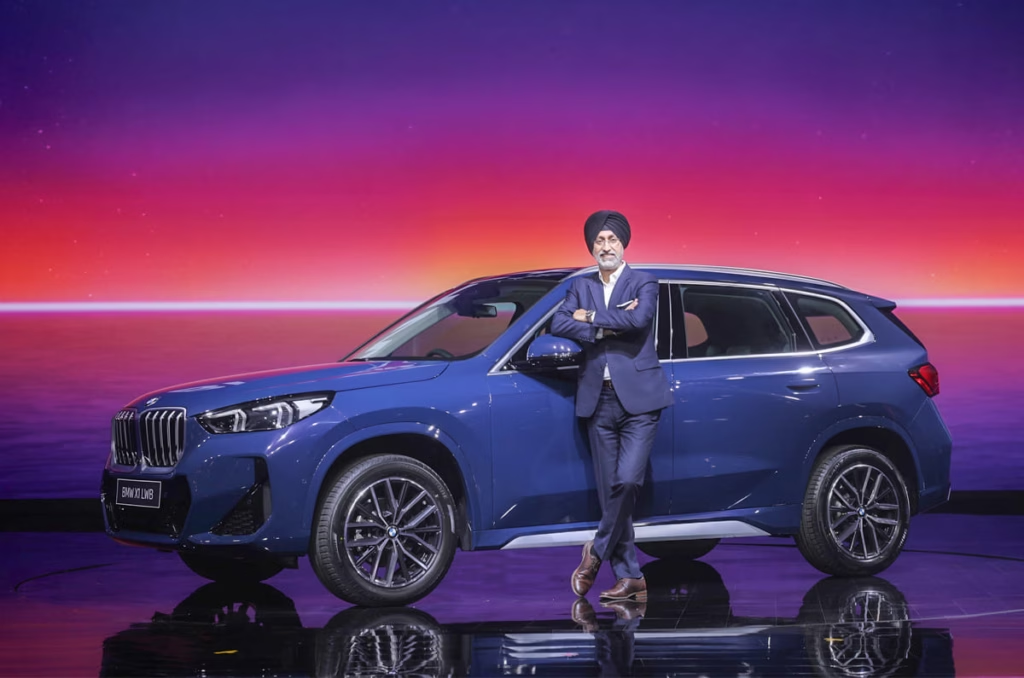
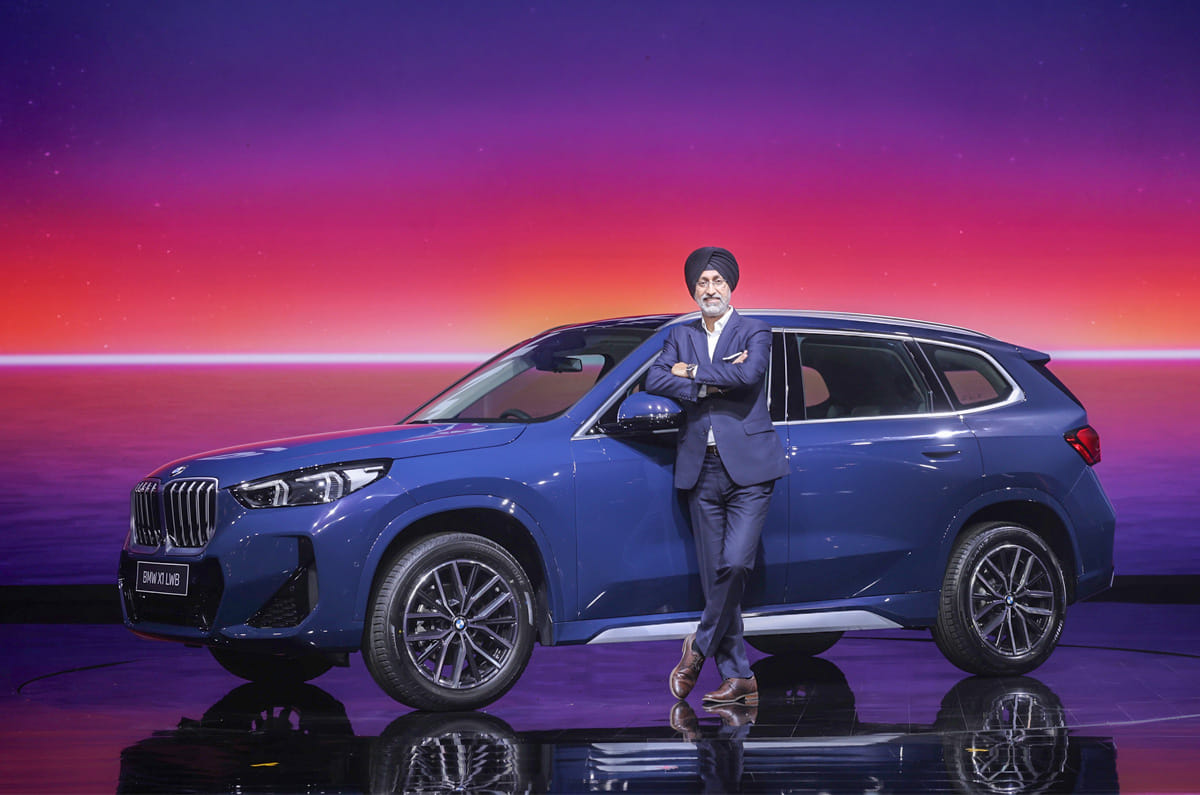
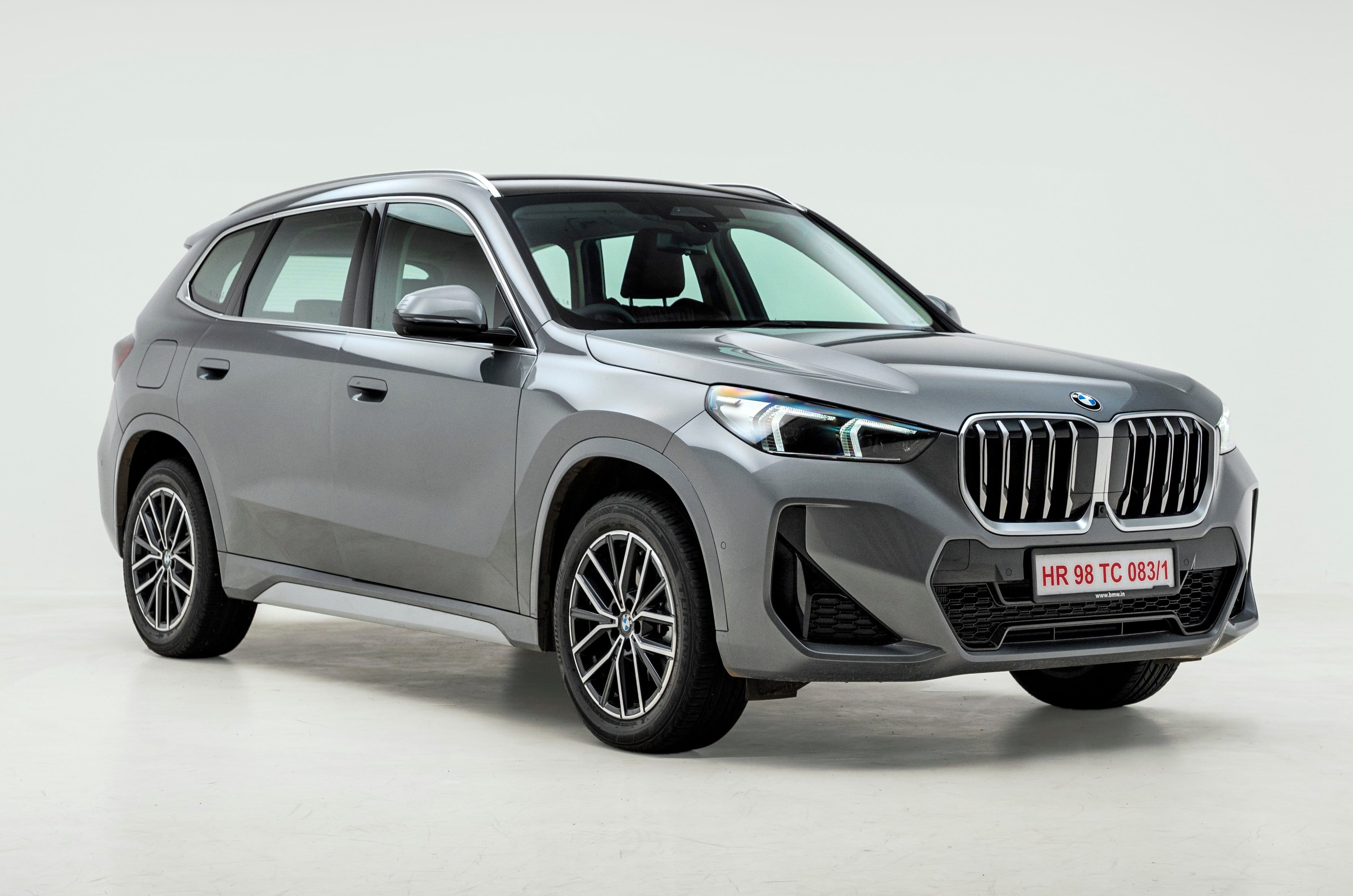
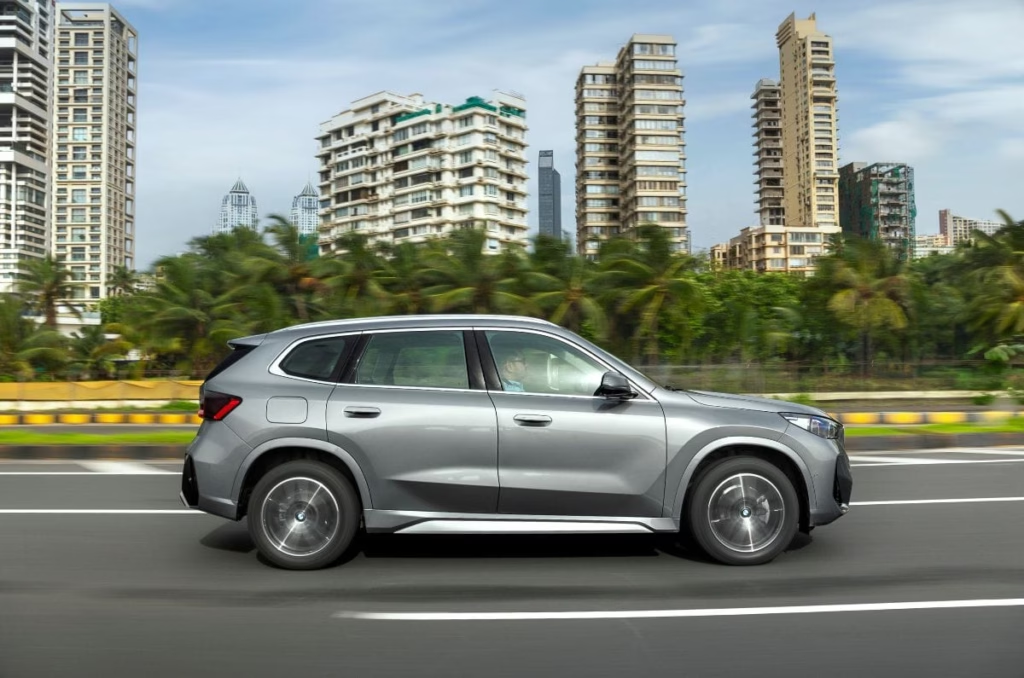
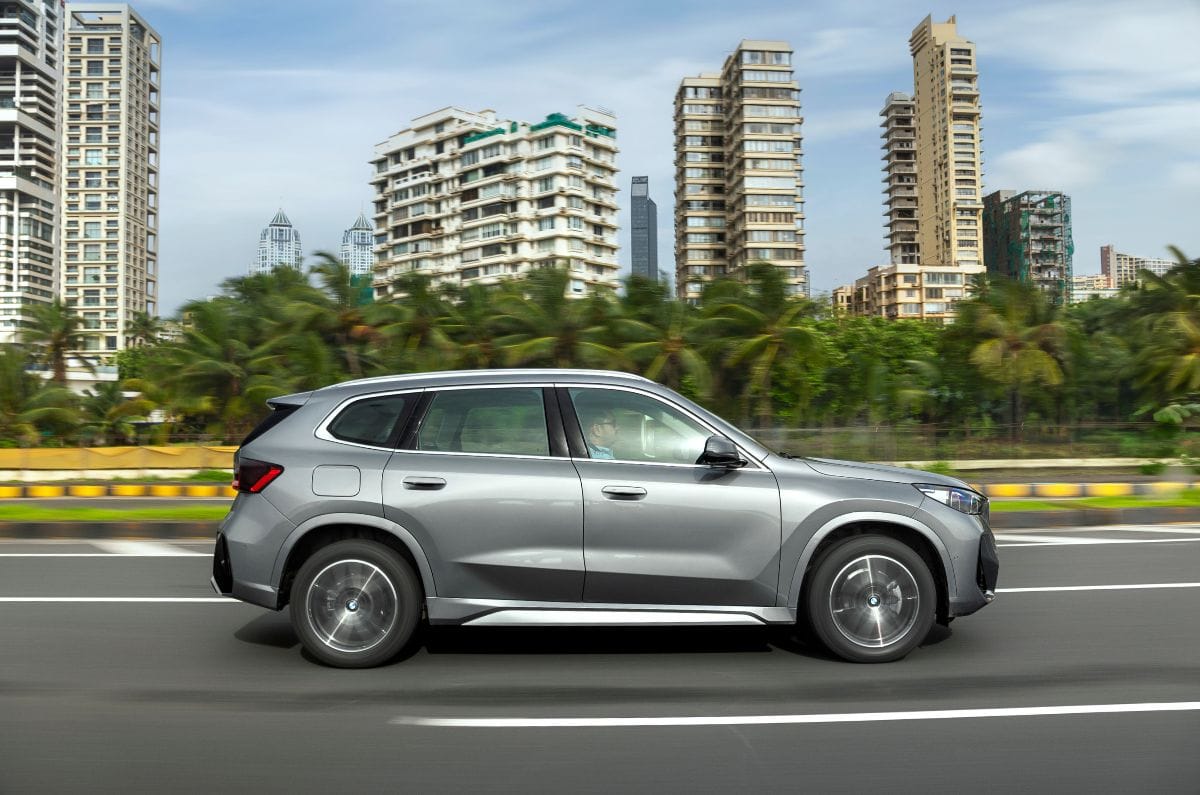
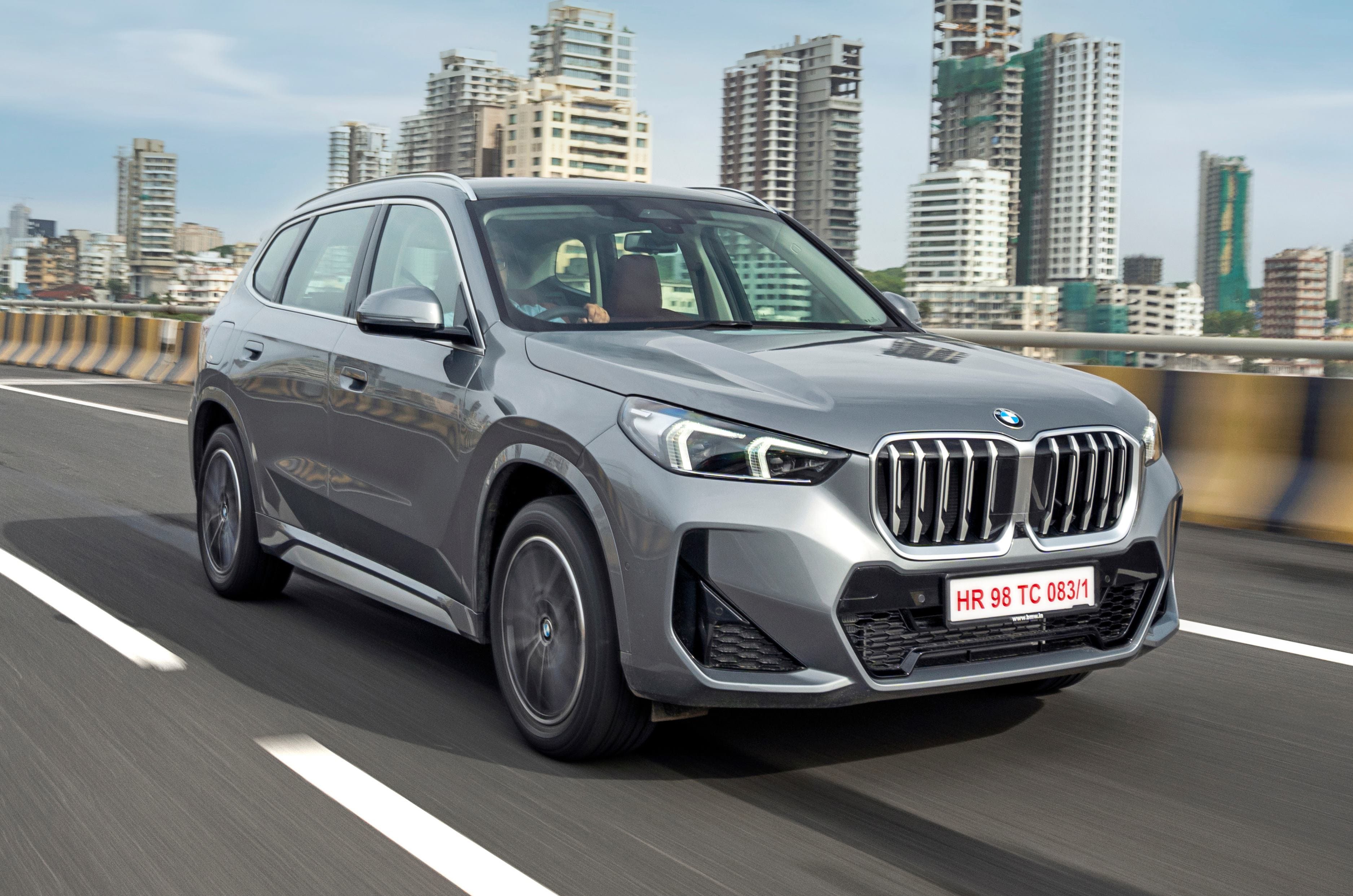
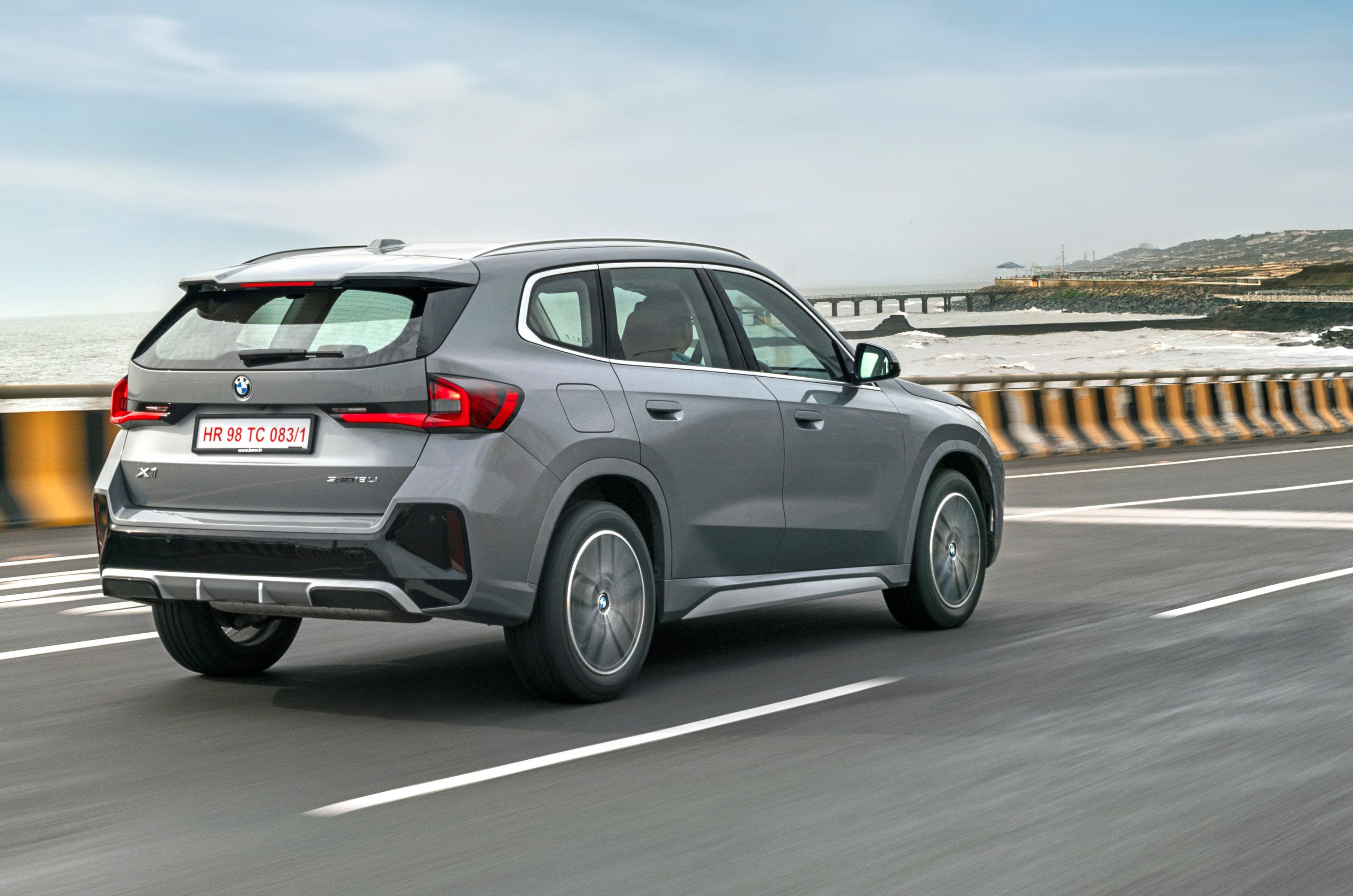
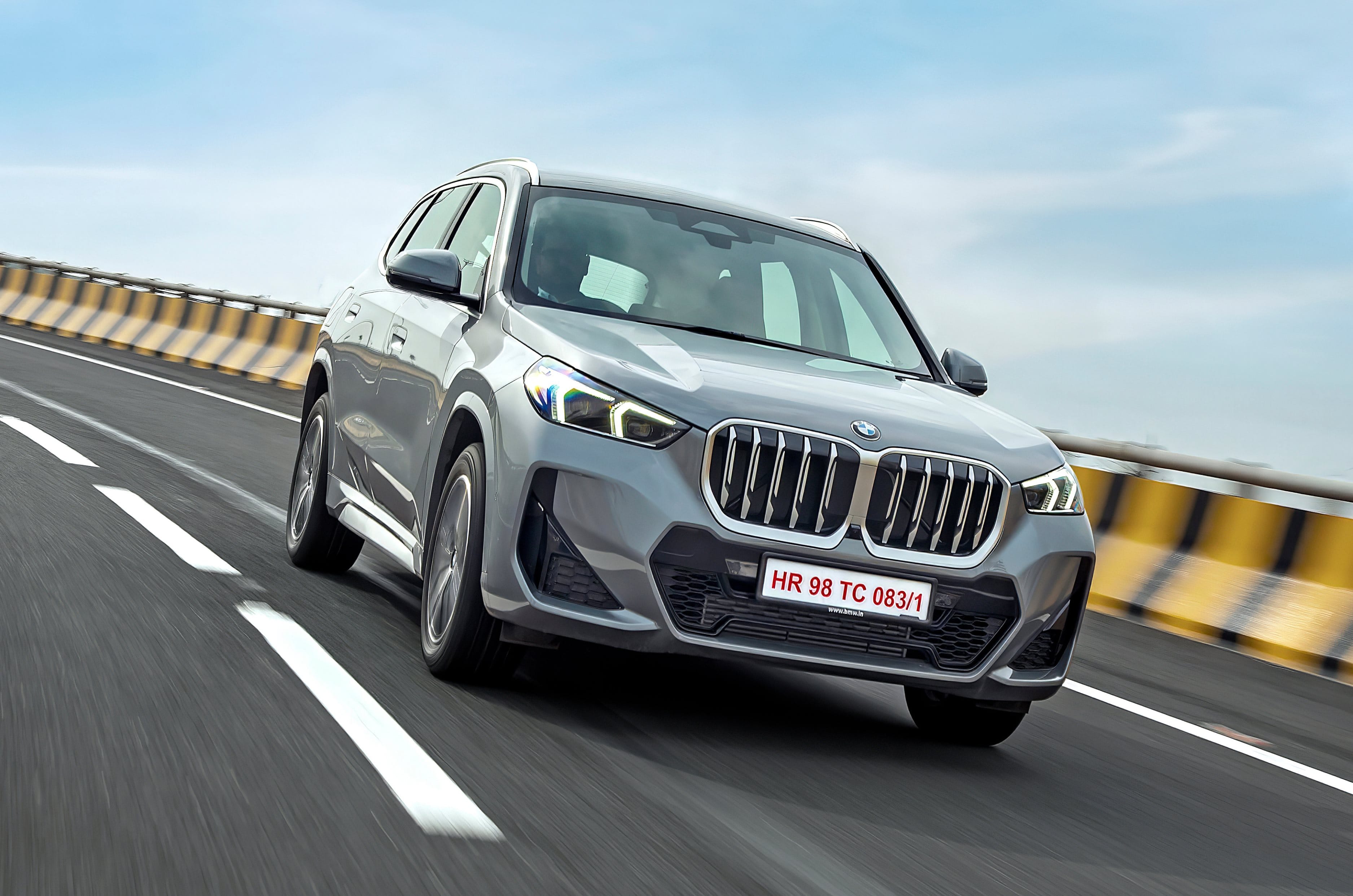
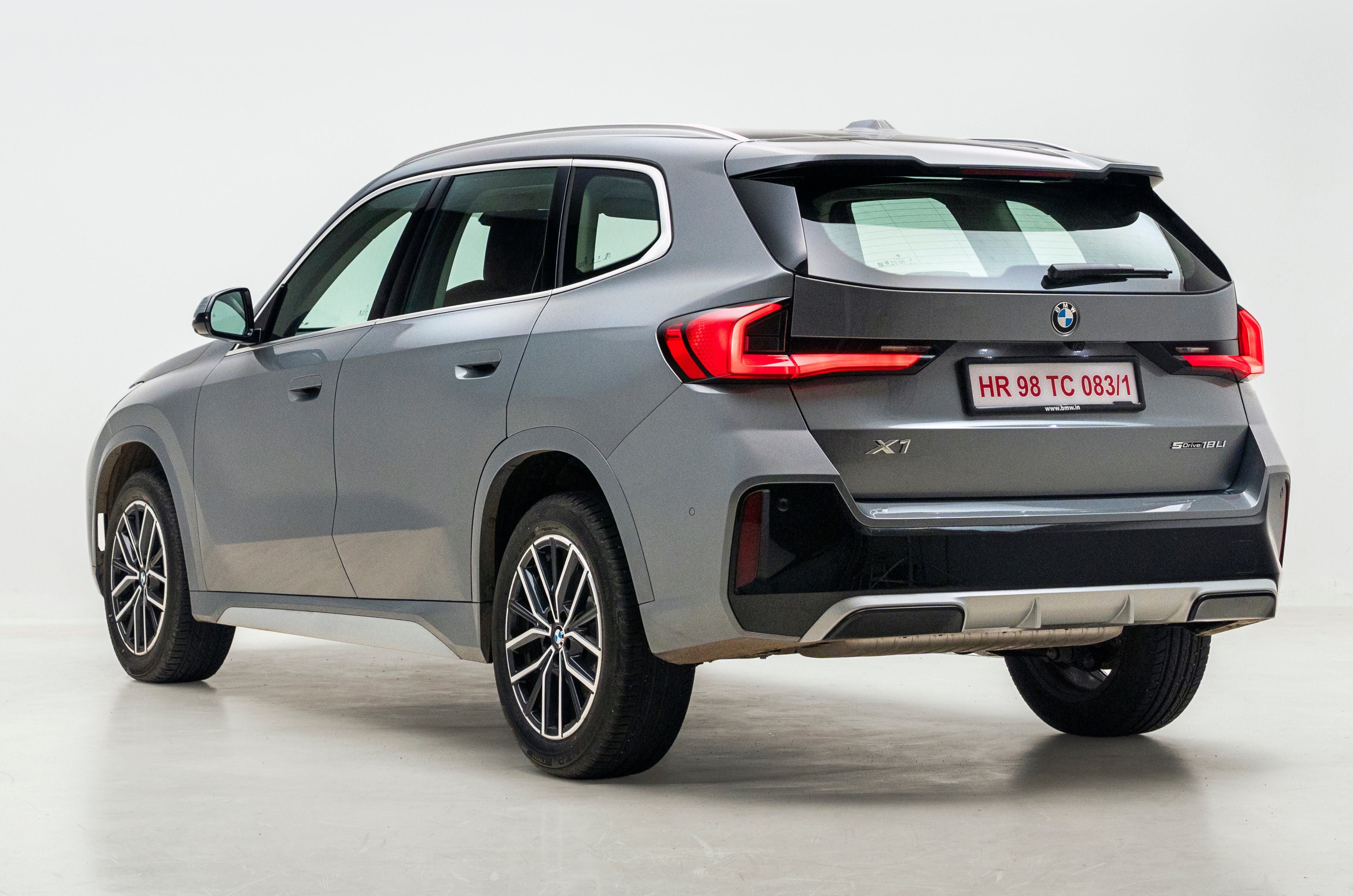
BMW has launched the long wheelbase X1 in India at a price of Rs 49.90 lakh (ex-showroom). This adds to the regular, short wheelbase X1 lineup that continues to be on sale with both petrol and diesel engines. The X1 LWB, however, is solely available with a petrol engine and comes with the M Sport styling package as standard. For reference, the standard wheelbase X1 petrol is priced at Rs 50.90 lakh, which means the X1 LWB is Rs 1 lakh more affordable than the latter.
X1 LWB solely available with a 156hp, 1.5-litre petrol engine
Gets a 108mm longer wheelbase than the regular X1
Comes with improved rear seating and revised suspension tuning
Here’s a look at the prices of the BMW X1 range in India:
Model
Price (ex-showroom)
X1 LWB sDrive 18Li
Rs 49.90 lakh
X1 sDrive 18i
Rs 50.90 lakh
iX1 eDrive LWB 20L
Rs 52.70 lakh
The new LWB model is now the most affordable variant in X1 lineup.
BMW X1 LWB exterior and interior details
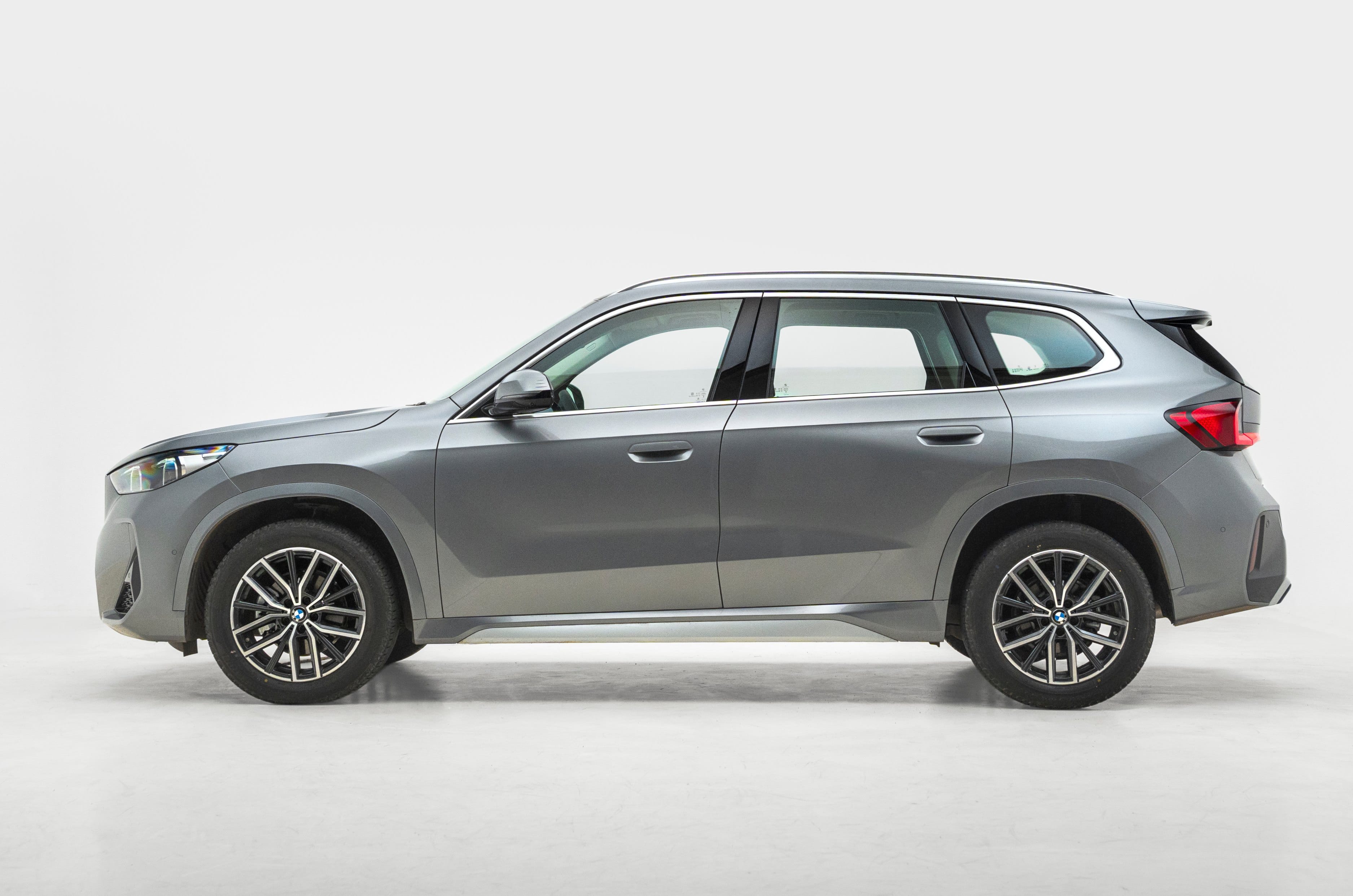
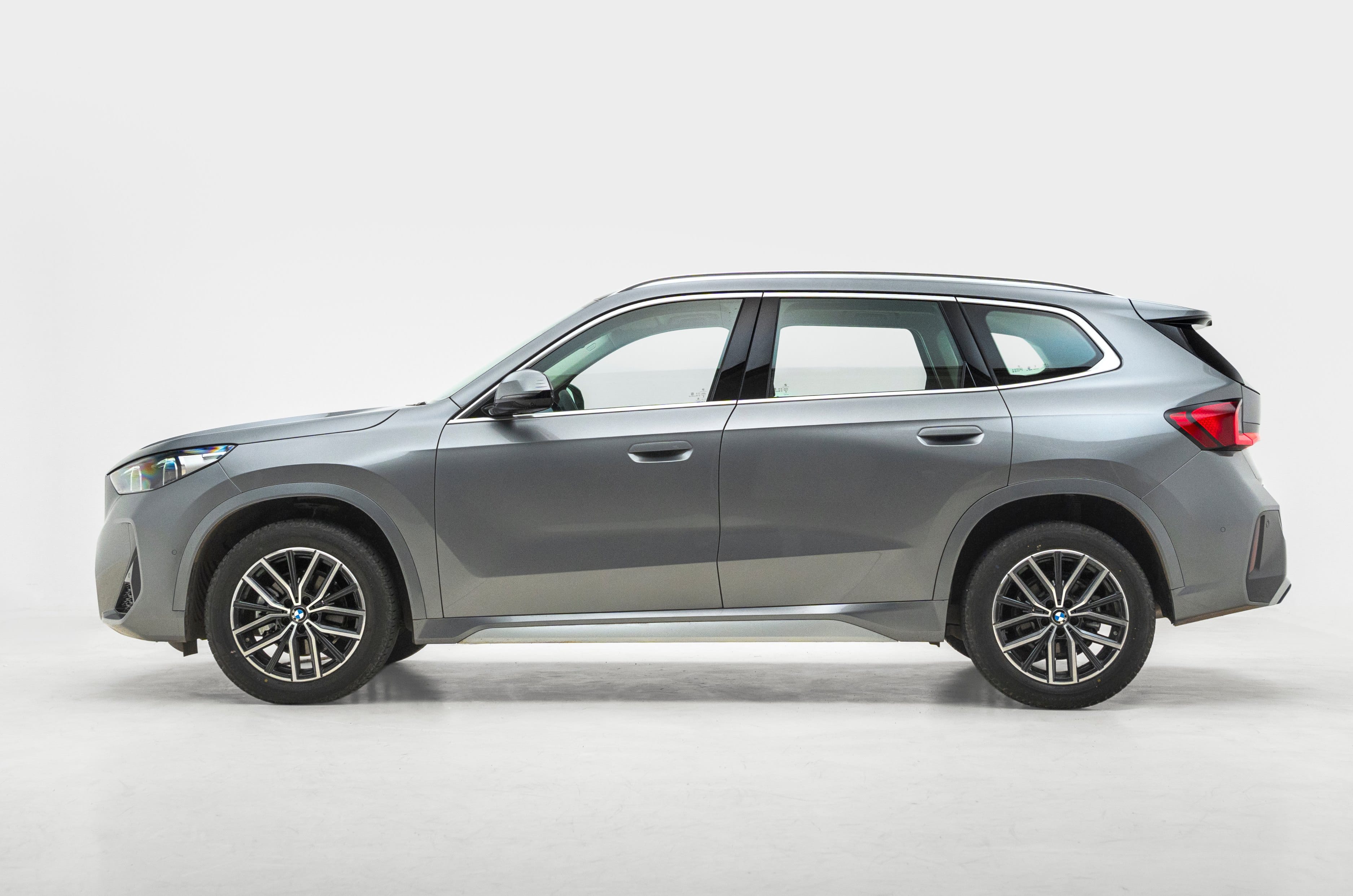
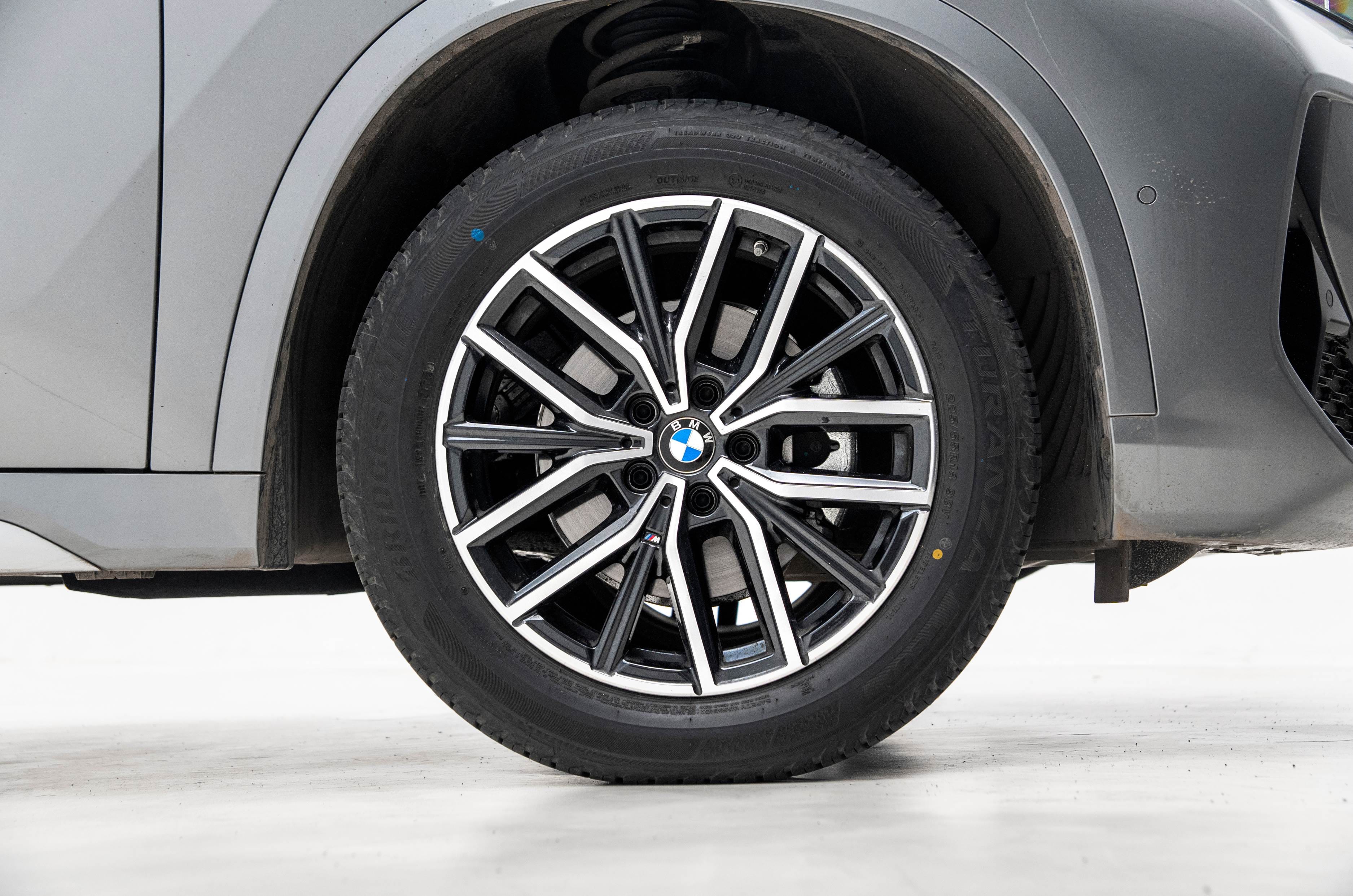
The biggest update on the X1 LWB compared to the standard X1 is that it is dimensionally larger than the latter. It is 116mm longer overall, with 108mm of that added length at the wheelbase alone. Elsewhere, it gets the same peeled-back headlamps, the same M Sport styling pack with sporty-looking bumpers and the same edgy tail-lights. Even the 18-inch alloys have been carried over from the short wheelbase model. The only little distinguishing element is a chrome surround for the large windows, which on the the standard X1 gets a blacked-out finish. A shadow package, however, is available as an optional extra. The X1 LWB is available in four colors – Night Dusk Blue, Skyscraper Grey, Carbon Black and Mineral White.
The wheelbase is longer by 108mm compared to the regular X1.
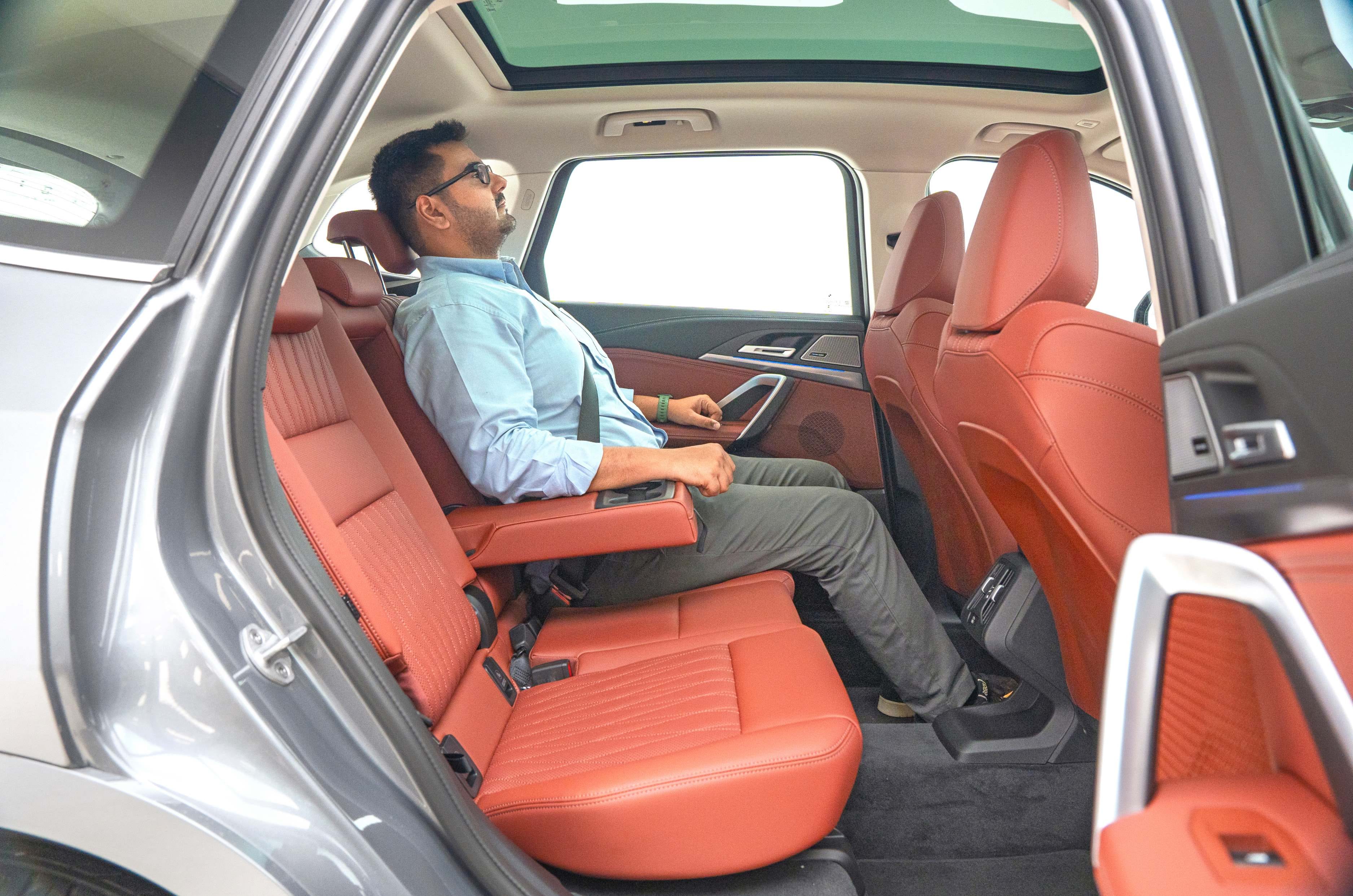
On the inside, apart from the obvious additional legroom for the rear seat passengers, the X1 LWB also gets a redone rear seat. There’s enhanced cushioning, while a 15mm longer seat base adds a bit more by way of thigh support. You also have the option to recline the backrest by a couple of degrees.
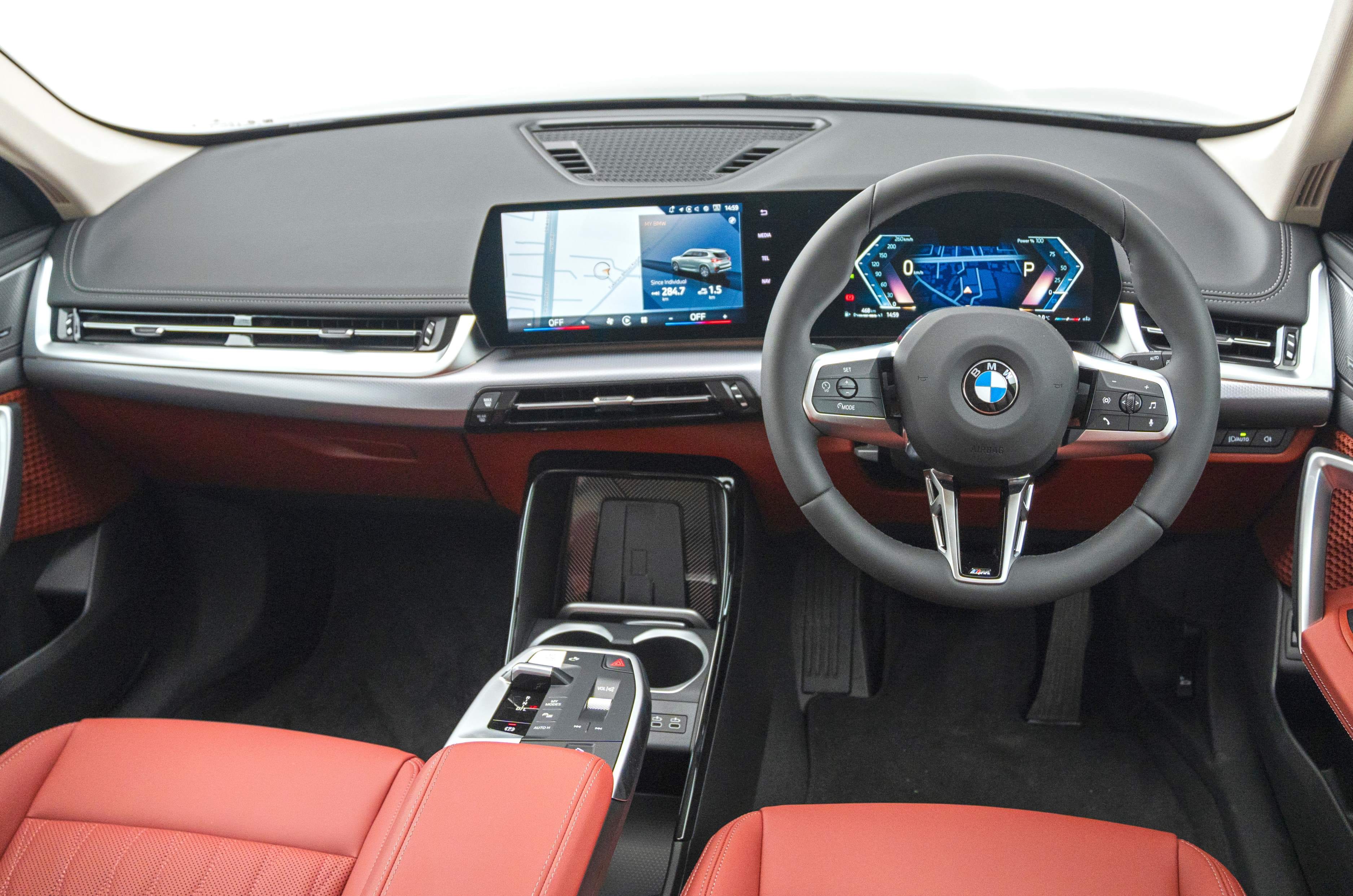
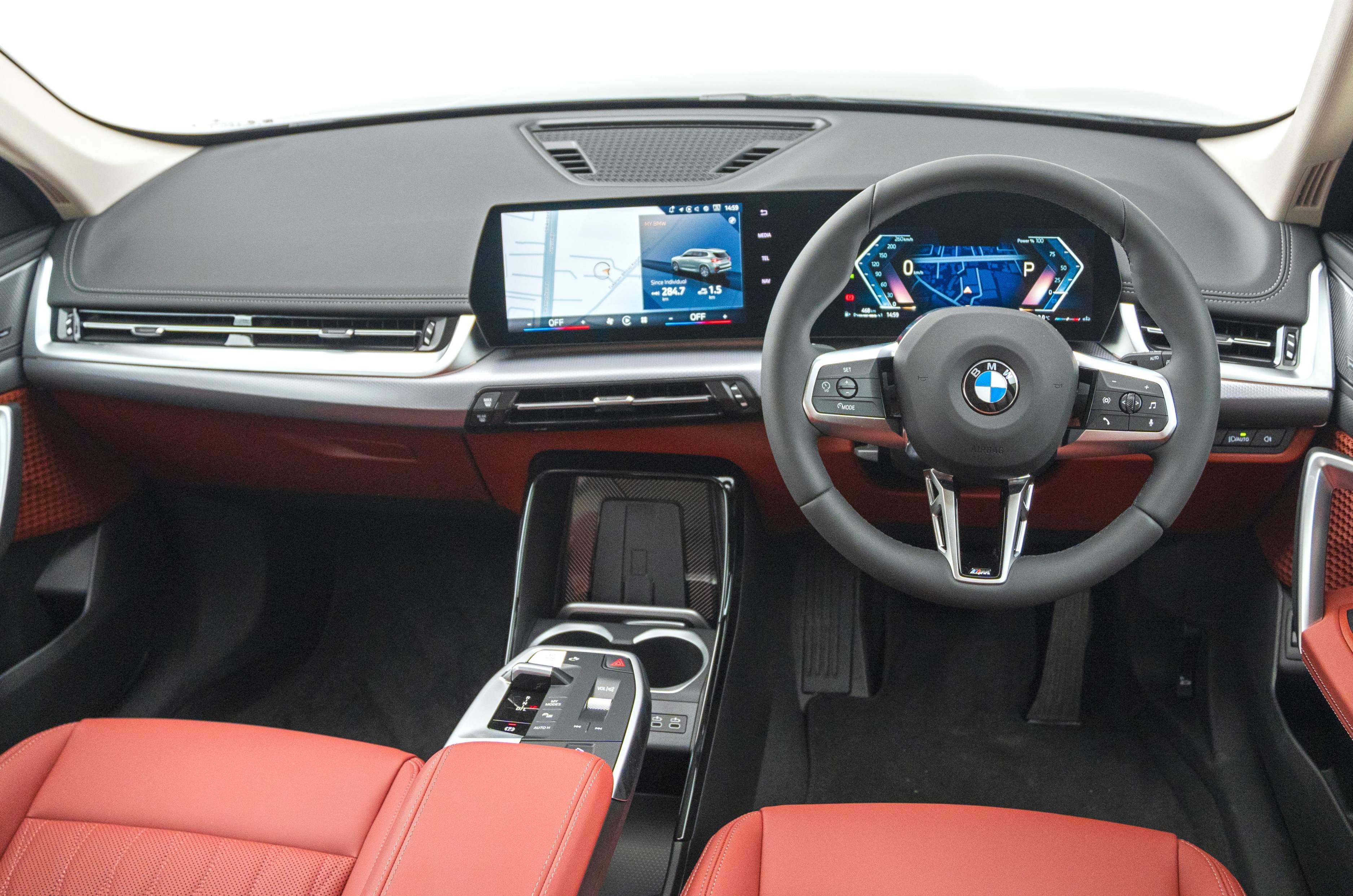
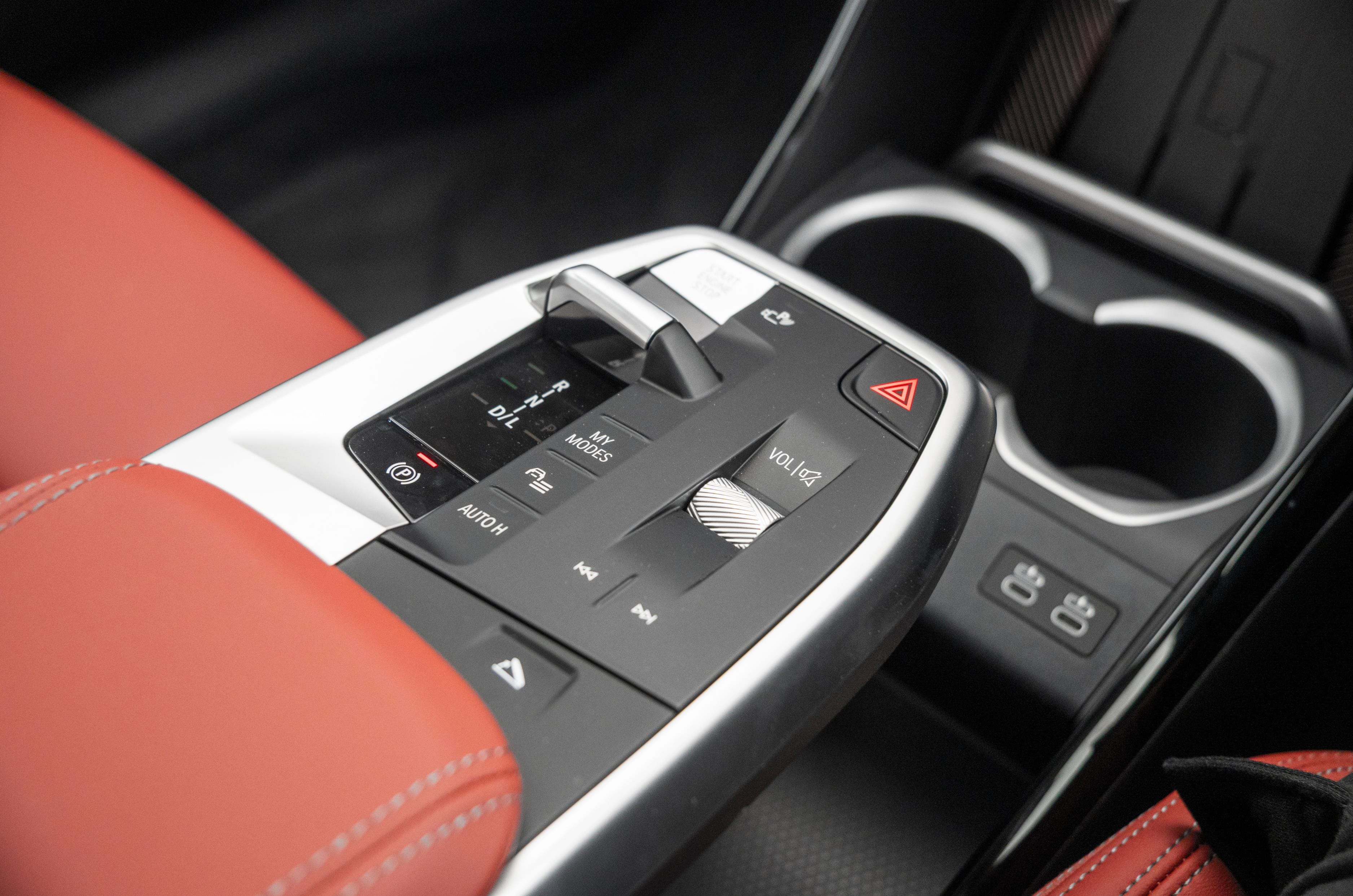
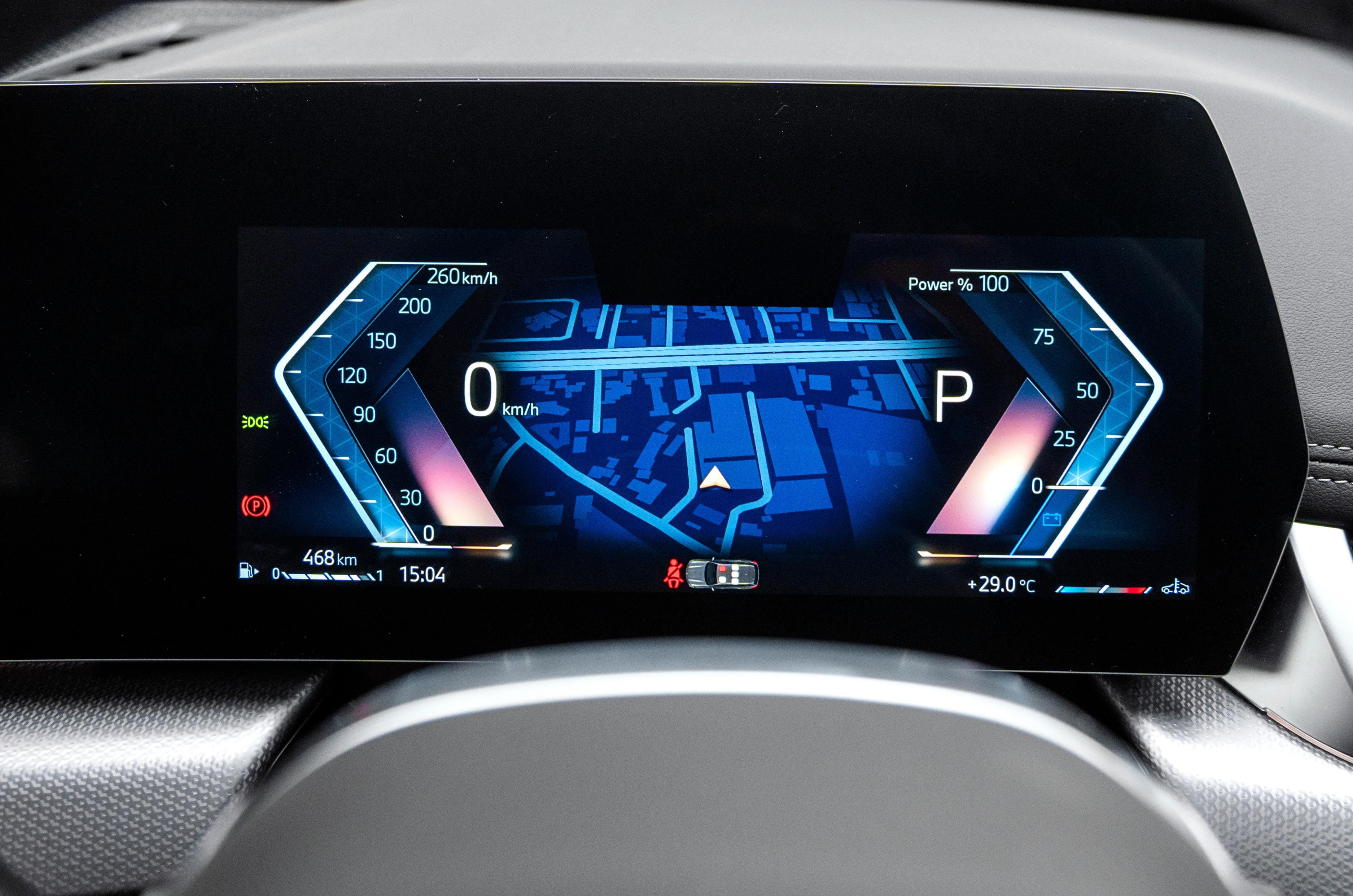
Up front, the X1 LWB is no different from the standard-wheelbase X1. The dashboard gets a 10.25-inch digital instrument cluster and a 10.7-inch touchscreen, asymmetric AC vents and also an upright wireless phone charging pad at the base of the dash. There’s also a floating centre console, which houses a few key buttons, such as for the gear selector, volume control and driving modes.
Dashboard remains unchanged from the regular X1.
You also get features like a adaptive LED headlamps, panoramic sunroof, 360-degree camera, powered front seat and a 12-speaker Harman Kardon sound system. It, however, misses out on ventilation and massage functions for the front seats, as well as dedicated climate zone for the rear passengers. The safety kit includes 8 airbags, ABS, ESC and Isofix child-seat mounts, among other features. The X1 LWB also packs a few ADAS functions such as auto emergency braking and lane departure warning and assist. Adaptive cruise control, however, is missing.
BMW X1 LWBpowertrain and specs
Under the hood, the X1 LWB just gets a sole engine option – a 1.5-litre 3-cylinder direct-injection turbo-petrol engine developing 156hp (up by 20hp over the X1) and 230Nm. This is routed to the front wheels via a 7-speed dual-clutch automatic, and in our testing, the X1 LWB achieved a 0-100kph time of 9.58 seconds. Unlike the standard X1, the LWB will not be offered with a diesel engine. BMW has also tweaked the X1 LWB’s suspension to deliver better ride comfort.
The X1, uniquely, is the only long-wheelbase model in its segment where it sees competition from the likes of the Mercedes-Benz GLA, Audi Q3 and Mini Countryman C. For reference, the standard wheelbase X1 is priced at Rs 50.90 lakh (ex-showroom).
Maruti Suzuki is slated to launch the Baleno facelift on September 5, 2026. This will be the first update to the second-gen Baleno, which was introduced in 2022. Ahead of its arrival, here’s everything you can expect from the facelift of Maruti’s premium hatchback.
1. What exterior updates are expected on the Maruti Baleno facelift?
Credit: Harsh Vlogs via YouTube
Heavily camouflaged prototypes of the upcoming Baleno facelift have been spied previously on our roads. Test mules hint at what the Baleno facelift could get in terms of design. While the overall silhouette will remain the same, the facelift is likely to have revisions to the grille, bumpers, and alloy wheels.
2. What interior updates are expected on the Maruti Baleno facelift?
Current Maruti Baleno interior used for representation.
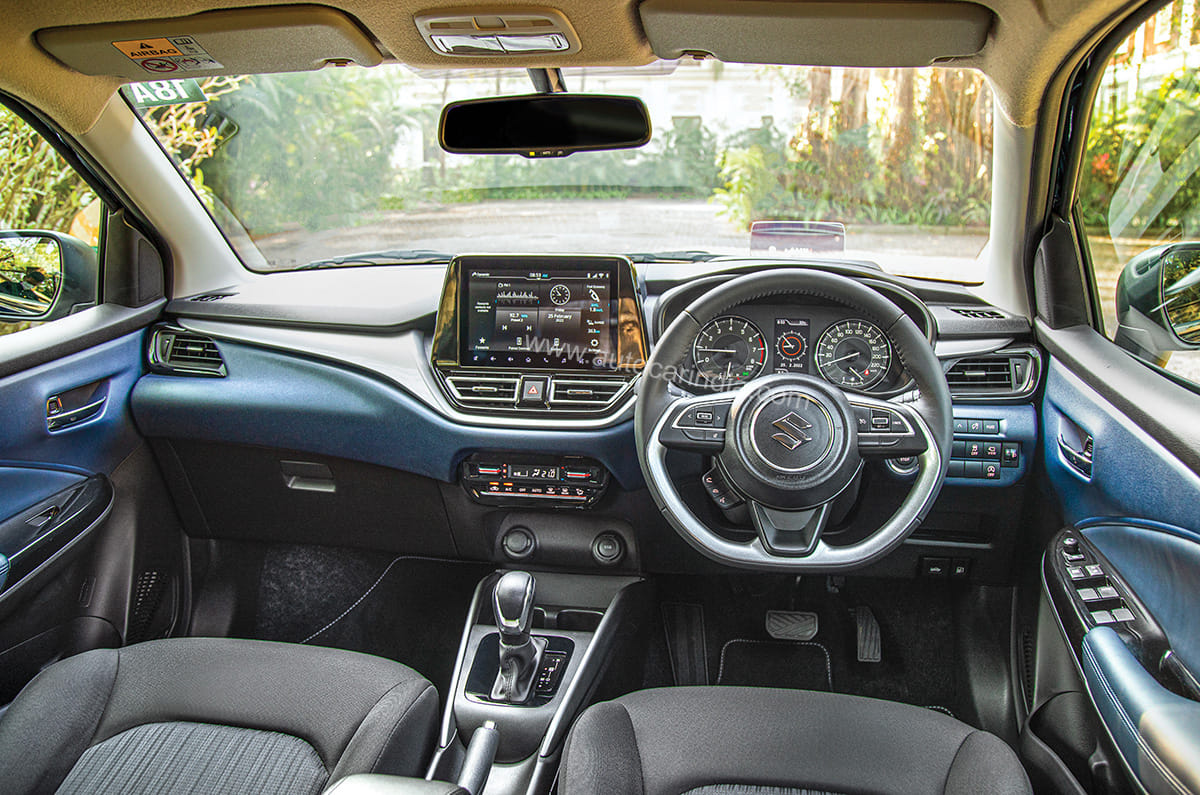
On the inside, the Baleno facelift is expected to retain the cabin layout of the current model. This includes a layered dashboard look with a freestanding infotainment system sitting atop the dash, trapezoidal AC vents, physical knobs for HVAC controls and a flat-bottom steering wheel. However, Maruti could introduce updated trim materials, seat upholstery and a new colour scheme.
3. What features will the Maruti Baleno facelift get?
Current Baleno’s head-up display used for representation.
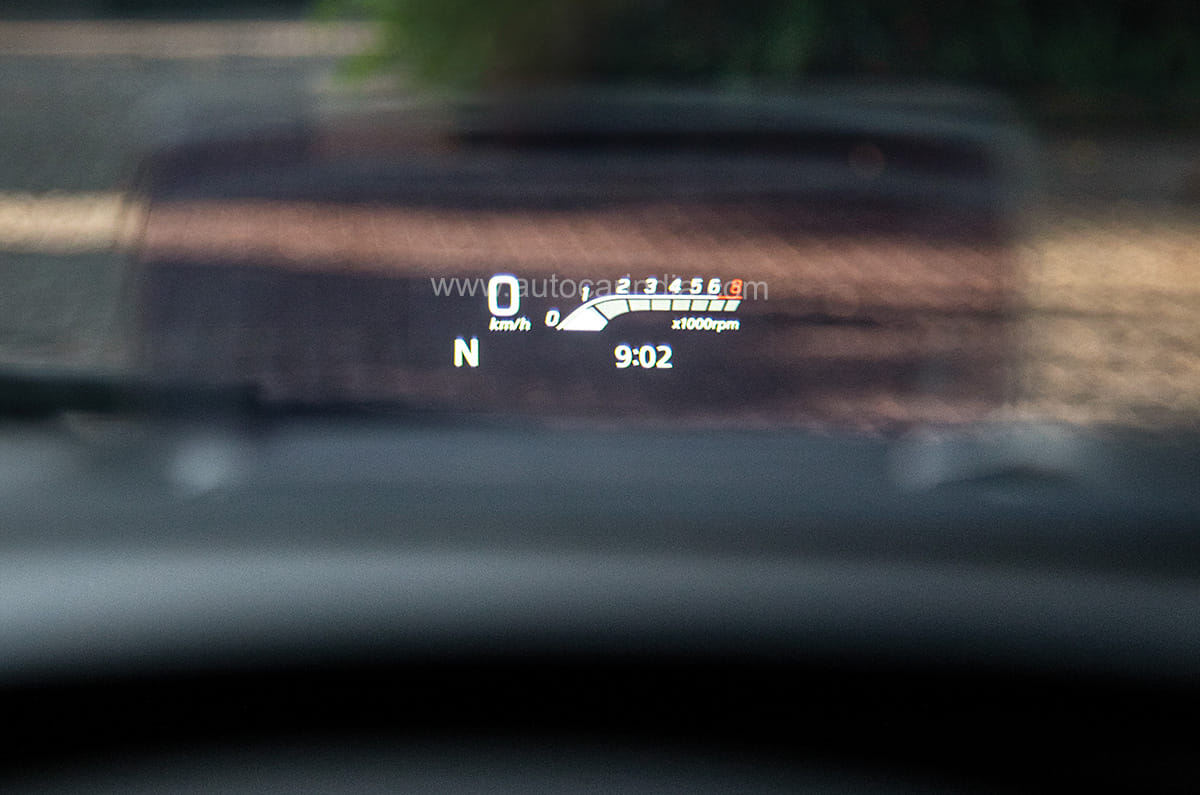
With the facelift, Maruti is expected to equip the Baleno with a single-pane sunroof and ambient lighting, features that rivals already offer. On the other hand, it will retain features from the current version, which include a 9-inch infotainment system with Apple CarPlay and Android Auto, a head-up display (HUD), 6-speaker Arkamys audio system, voice assistant, OTA updates, auto-dimming IRVM, keyless entry, automatic climate control, connected car tech and a 360-degree camera.
4. What powertrain options is the Maruti Baleno facelift expected to have?
Current Maruti Baleno 1.2-litre engine used for representation
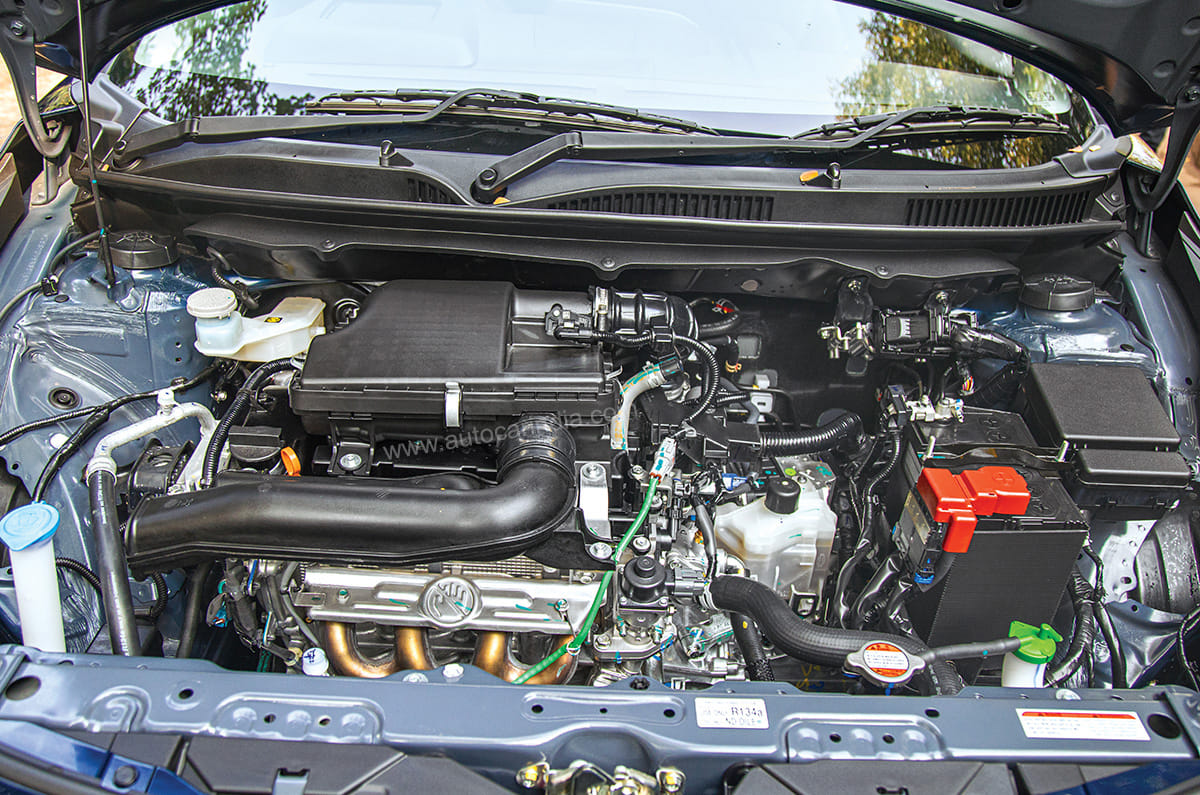
The Maruti Baleno facelift is expected to retain the current version’s powertrain option. This includes a 1.2-litre naturally aspirated petrol engine developing 90hp and 113Nm paired to either a 5-speed manual or AMT gearbox. A factory-fitted CNG kit can be paired to this engine, which develops 78hp and 99Nm in CNG mode, and is paired solely with a 5-speed manual.
5. What is the expected price of the Maruti Baleno facelift?
Updates to the Baleno facelift are expected to make it slightly pricier than the current version. For reference, the Baleno currently has a price tag of Rs 5.99 lakh to Rs 9.48 lakh (ex-showroom). It will take on the likes of the Hyundai i20, Tata Altroz and the Toyota Glanza.
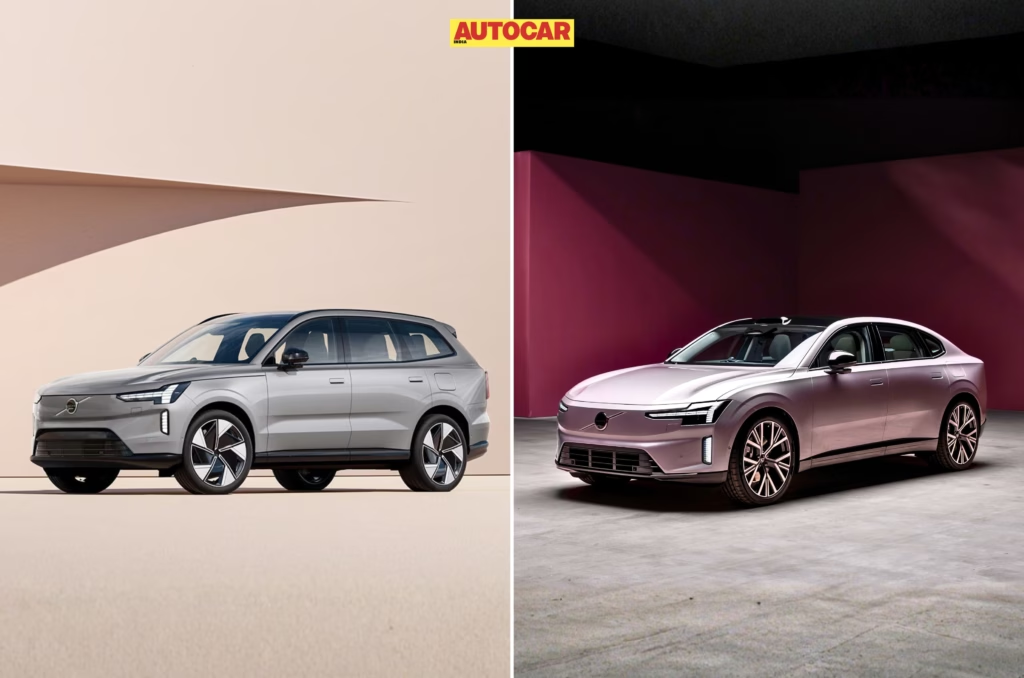
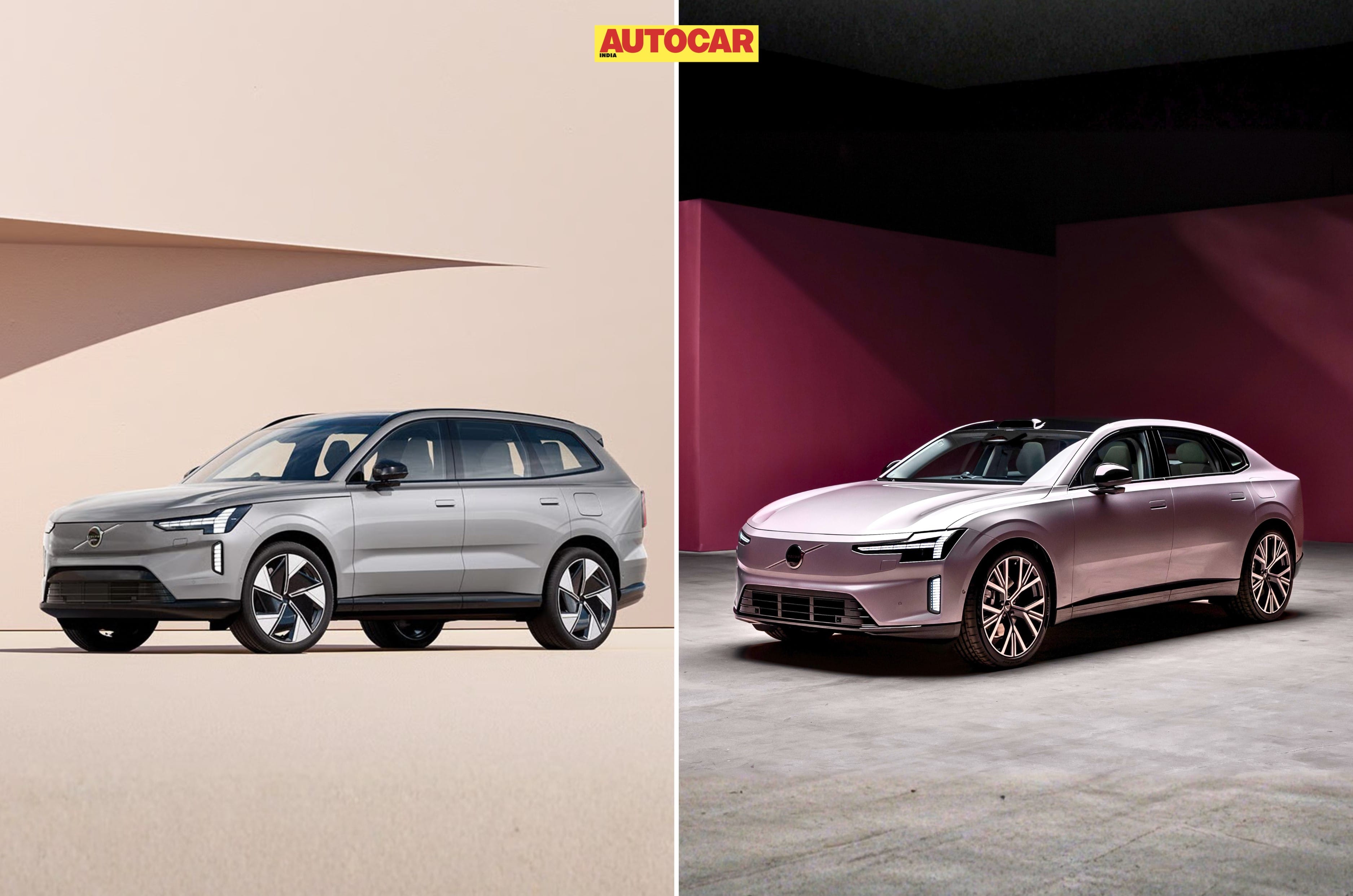
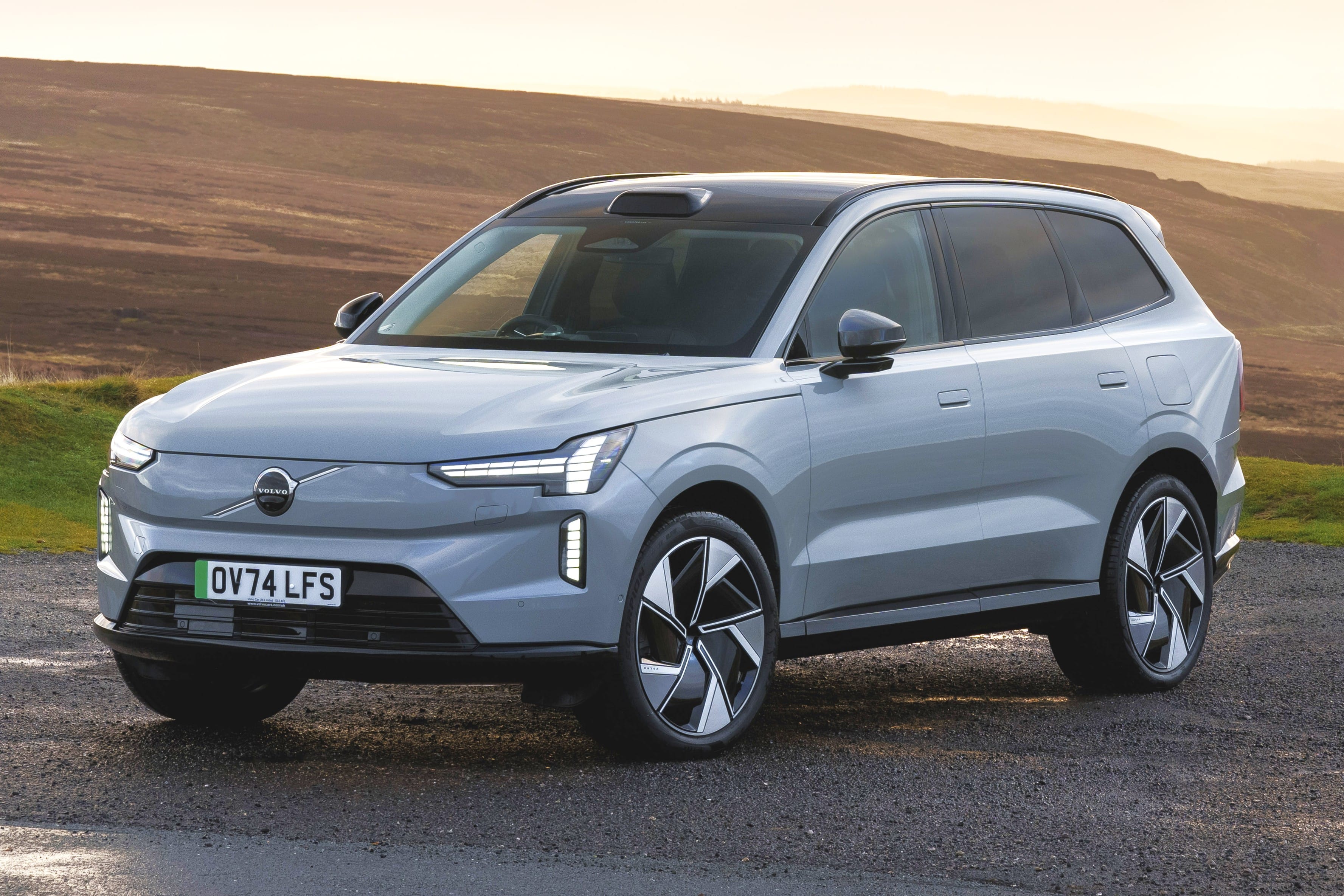
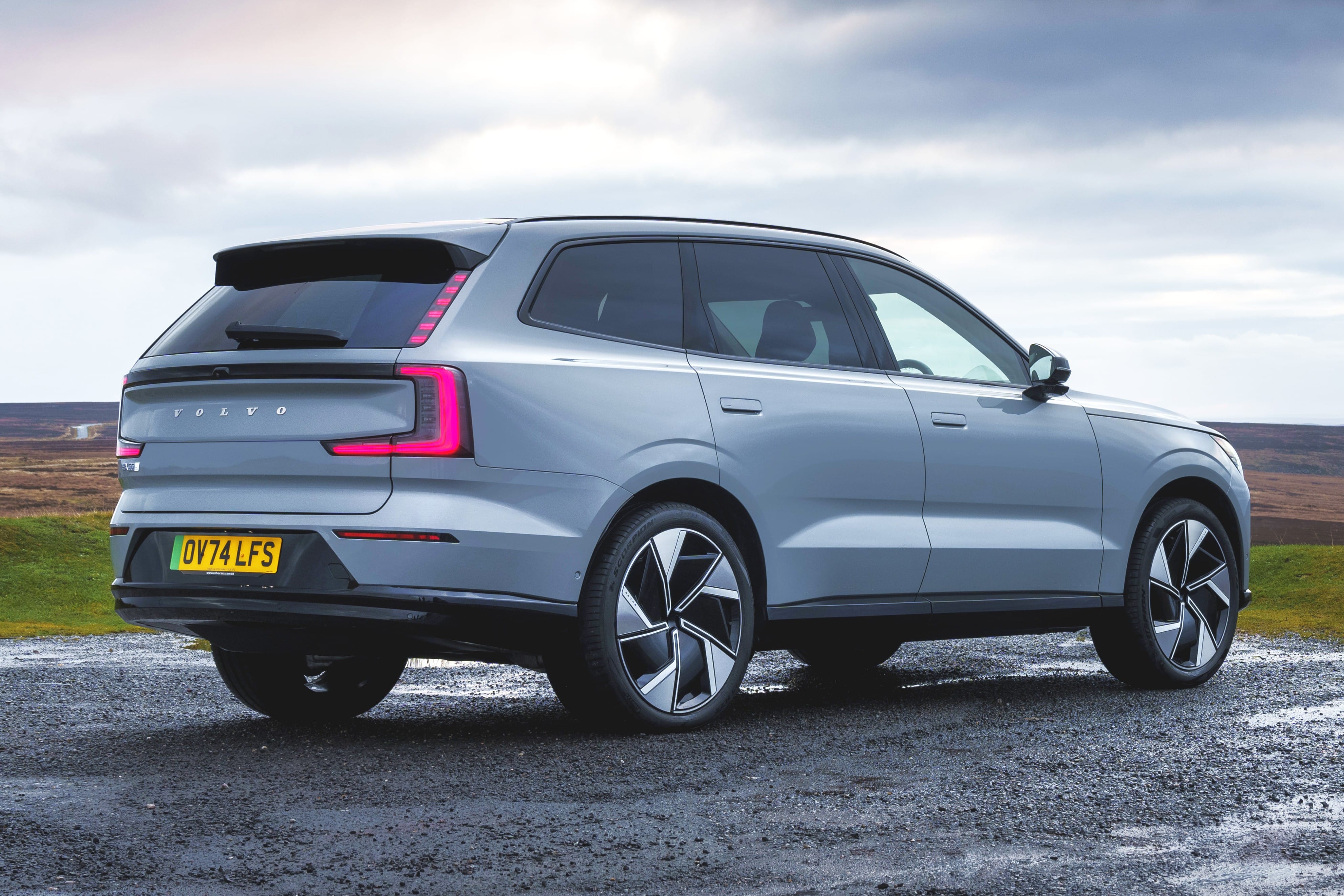
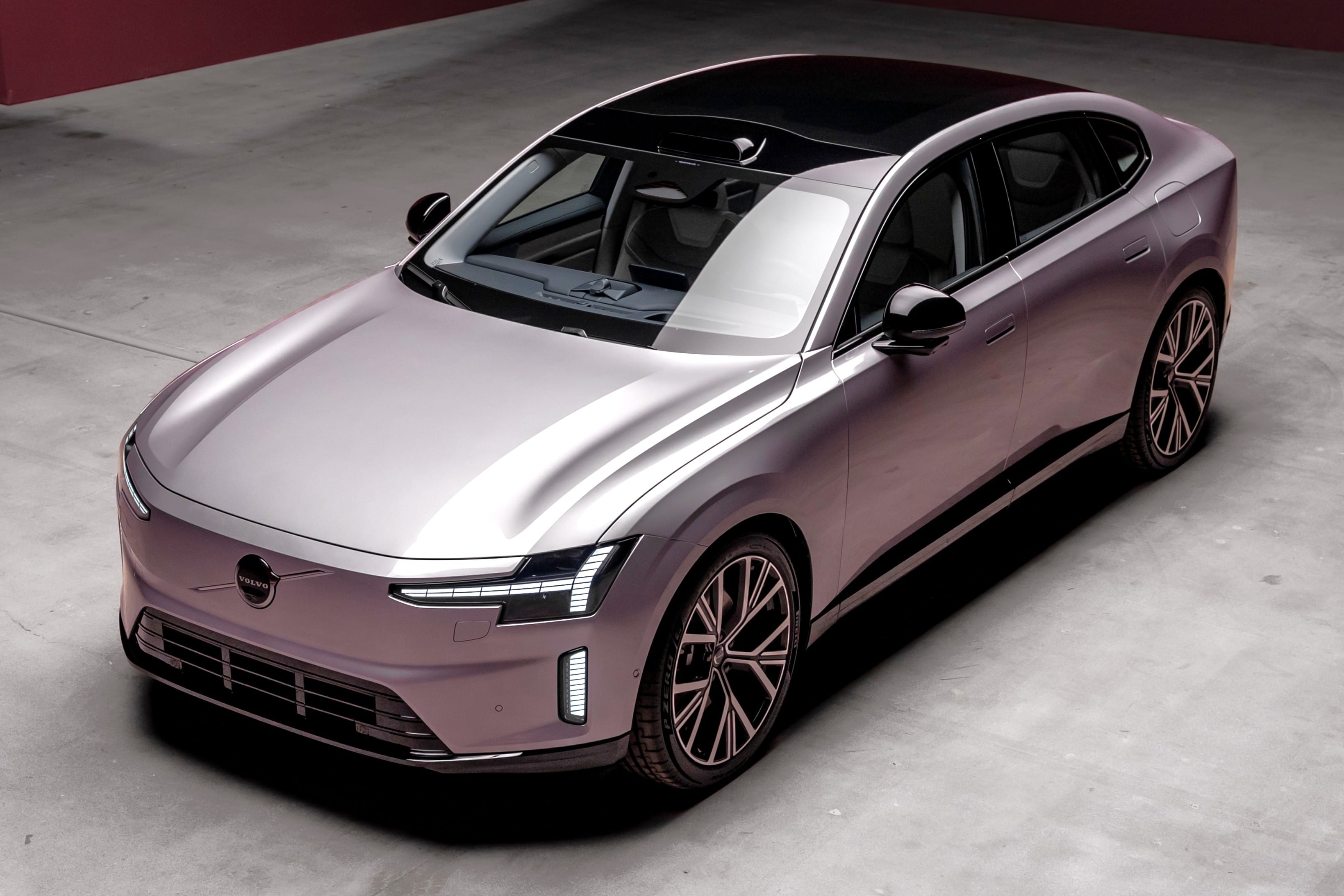
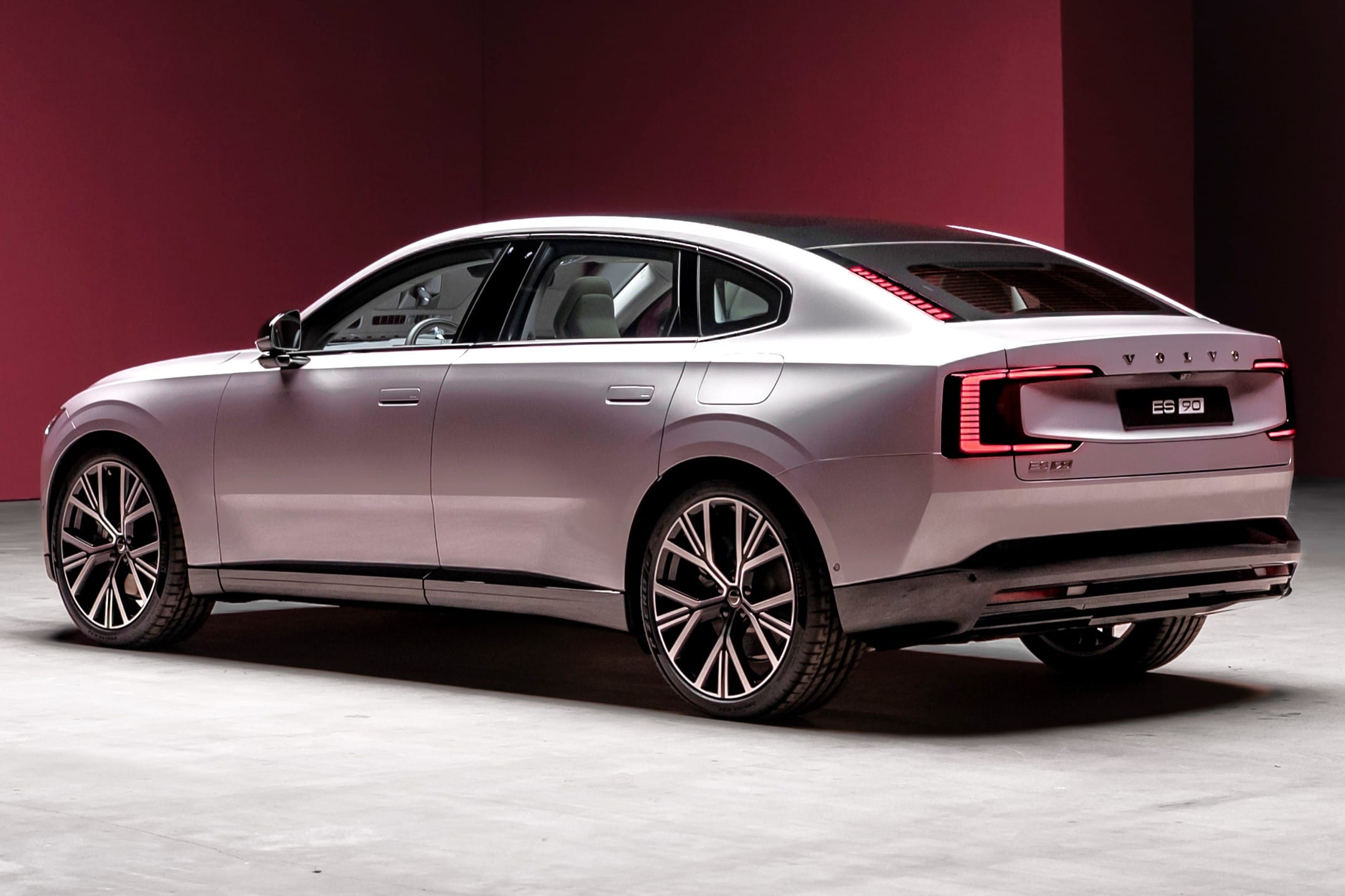
Volvo has confirmed that it will launch two new EVs, the EX90 SUV and the ES90 sedan, in India on October 12, 2026. The EX90 and ES90 will serve as Volvo’s flagship electric offerings for the Indian market. Notably, the ES90 will mark Volvo India’s return to the luxury sedan space, following the discontinuation of the S90 in June 2025. The EX90 is expected to rival the likes of the Mercedes-Benz EQS and Kia EV9, while the ES90 is likely to go up against the BMW i5.
Volvo EX90, ES90 battery and range
Identical 92kWh RWD and 106kWh AWD powertrains
The EX90 and ES90 are both underpinned by Volvo’s SPA2 platform, which features as 800V electrical architecture. In global markets, both EVs can be had in 92kWh (Single Motor) and 106kWh (Twin Motor) guises. In 92kWh spec, the EX90 and ES90 get a single rear-mounted motor (RWD) outputting 333hp and 480Nm. Meanwhile, the 106kWh battery option is split into Twin Motor and Twin Motor Performance variants, developing 456hp/670Nm and 680hp/870Nm, respectively.
For the EX90, 0-100kph comes up in a claimed 6.6 seconds for the 92kWh, 5.3 seconds for the 106kWh Twin Motor, and 4 seconds for the Twin Motor Performance. The ES90 Twin Motor is slightly slower from 0-100kph at 5.4 seconds, but mirrors the EX90 for the other variants.
As for WLTP range, the EX90 92kWh is rated at 565km, while the Twin Motor and Twin Motor Performance trims manage 608km and 602km, respectively. Meanwhile, the ES90’s WLTP range is certified at 664km for the 92kWh variant and 696km for the 106kWh versions.
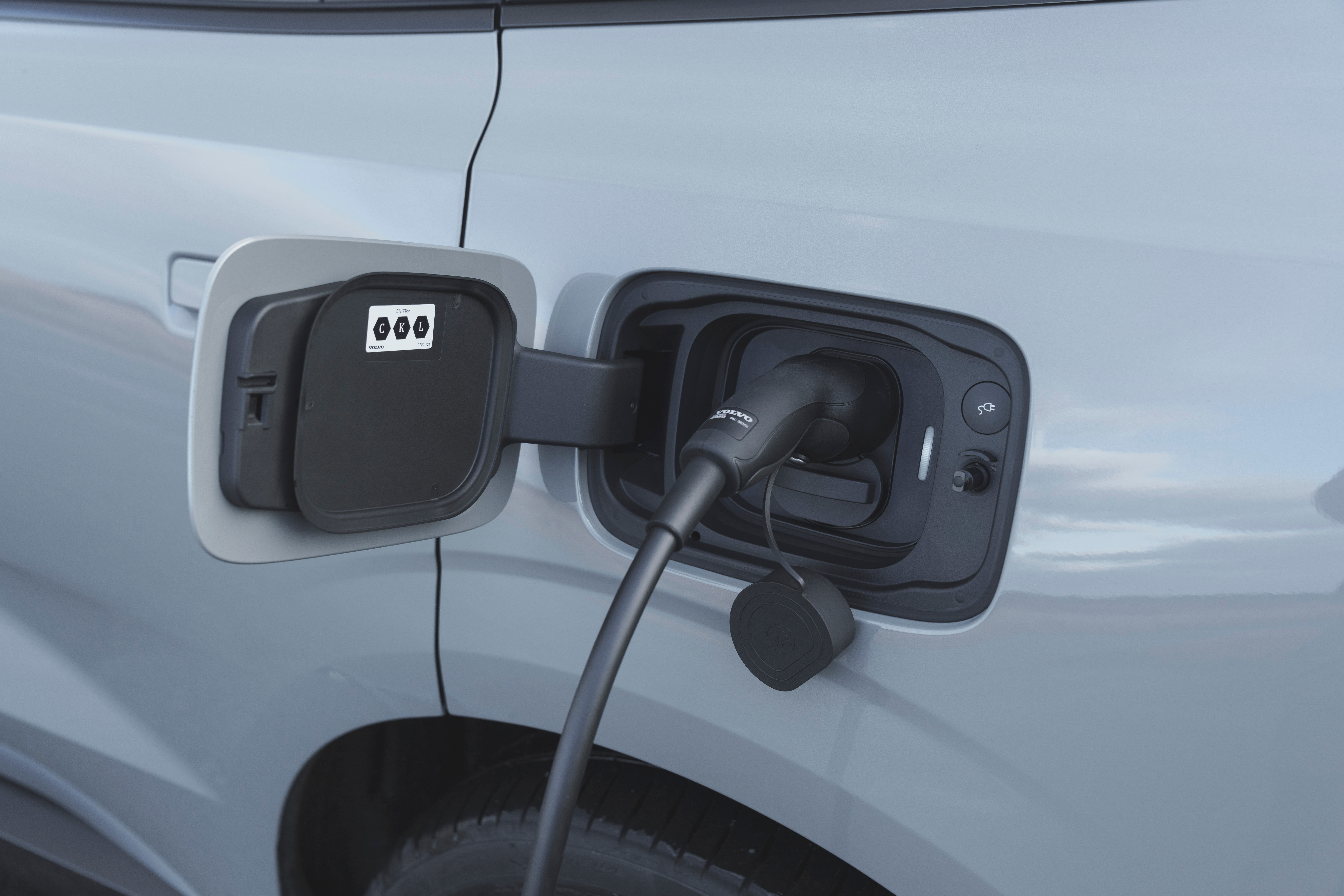
Coming to charging speeds, both the EX90 and ES90 can utilise up to 350kW DC charging, and take 22 minutes for a 10-80 percent charge across all variants.
Volvo EX90, ES90 exterior design
Look quite different compared to the XC90 and S90
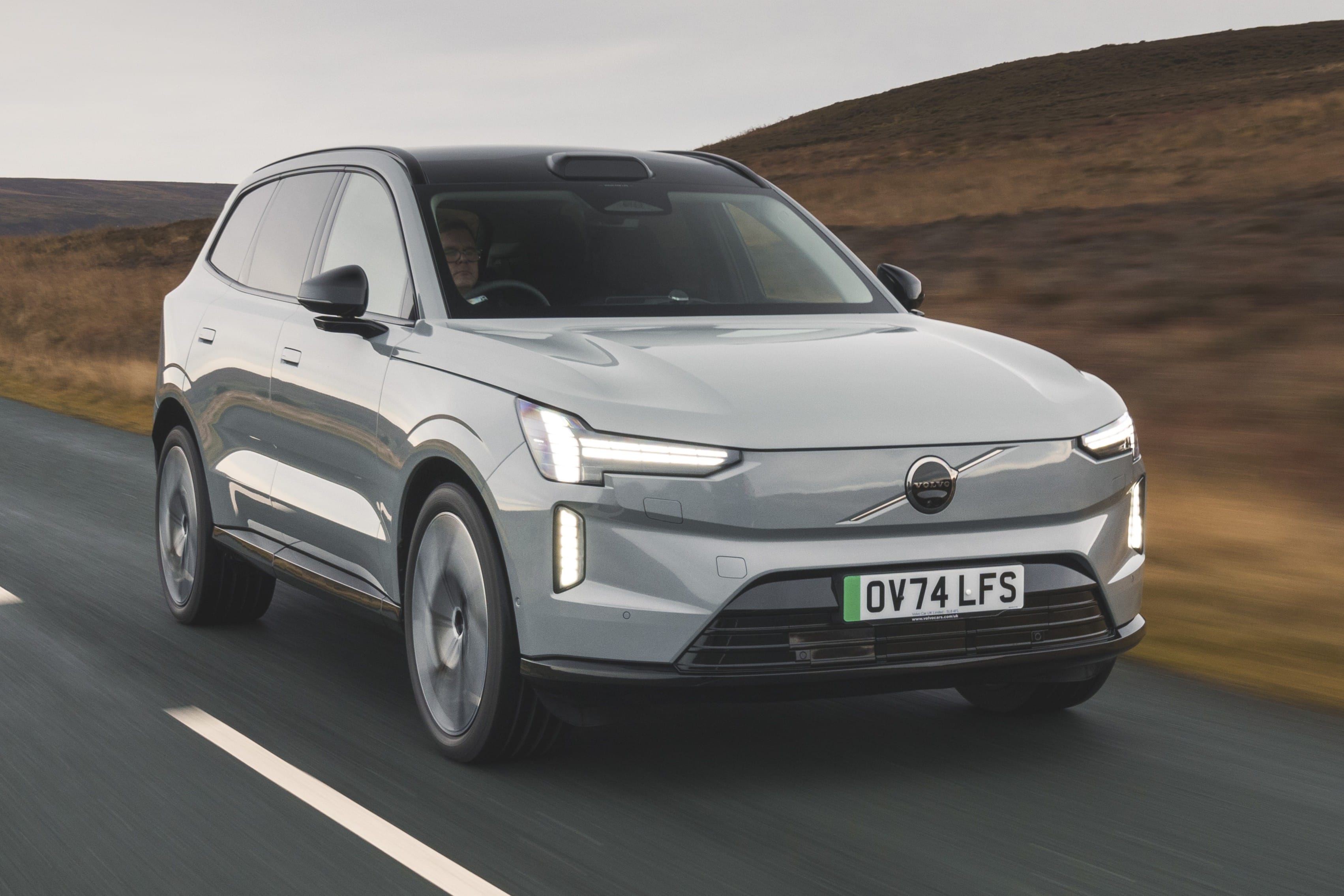
Measuring 5,037mm in length, 1,964mm in width, 1,744mm in height, and 2,985mm in wheelbase, the EX90 is dimensionally similar to the XC90, but sports a distinct design. Up front, the EX90 has sleeker T-shaped headlamps with pixel-like ‘Thor’s Hammer’ DRL signatures, below which sits a pair of slim vertically-arranged fog lamps. The Volvo badge is placed front and centre on the grille-less fascia, with a discreet air dam underneath. A LiDAR sensor can also be spotted on the leading edge of the roof.
The side profile of the EX90 is cleanly-styled, with a prominent shoulder line and gently rising glass area, and there’s not much in the way of body cladding– Volvo claims a drag coefficient of 0.29Cd. 20-inch alloy wheels are fitted as standard, with 21- and 22-inchers optionally available. Over to the rear, the EX90 gets C-shaped LED tail-lamps with an additional vertical row of brake lights flanking the rear windscreen. Other styling elements of note include a sizable roof spoiler and a Volvo wordmark on the bootlid.
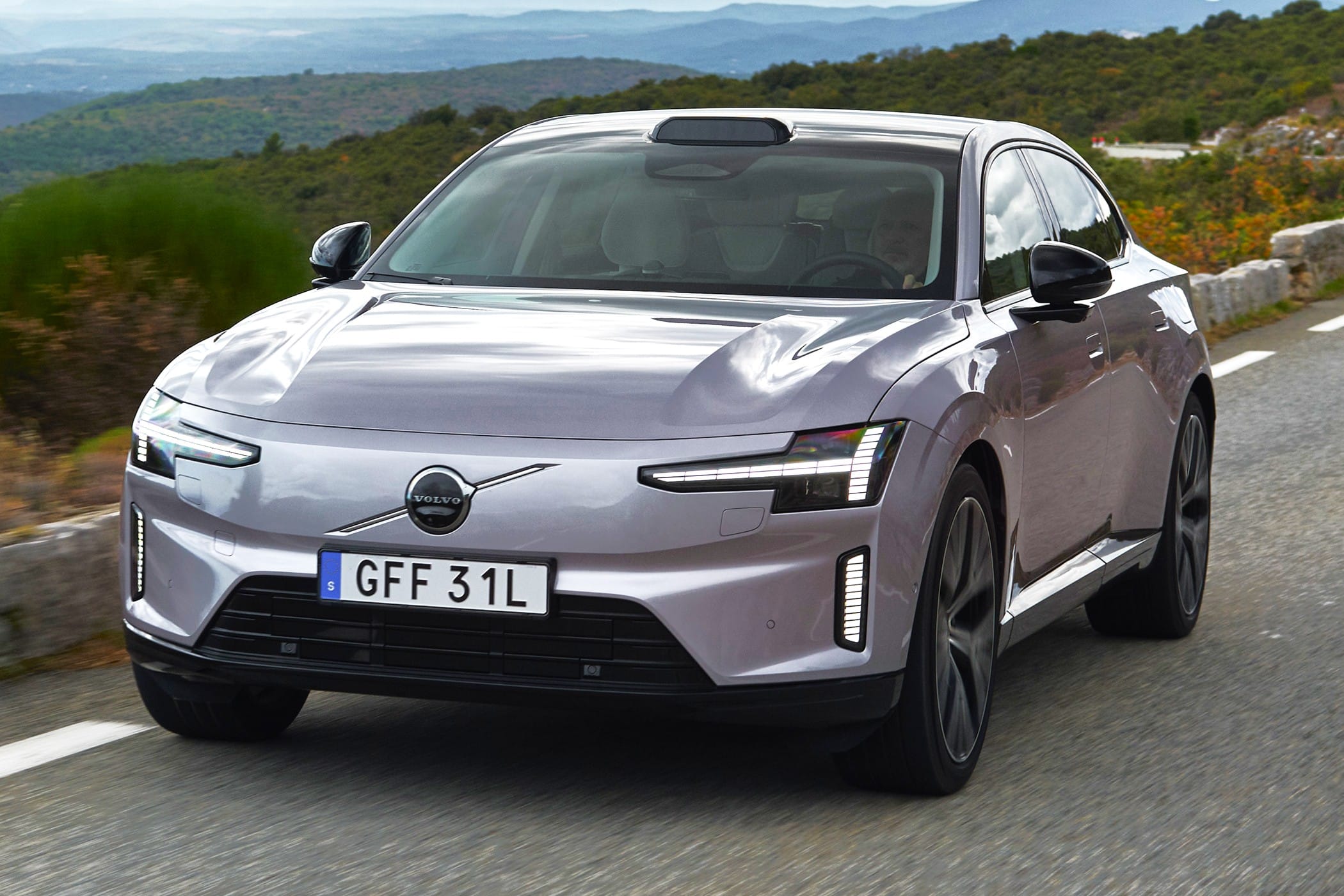
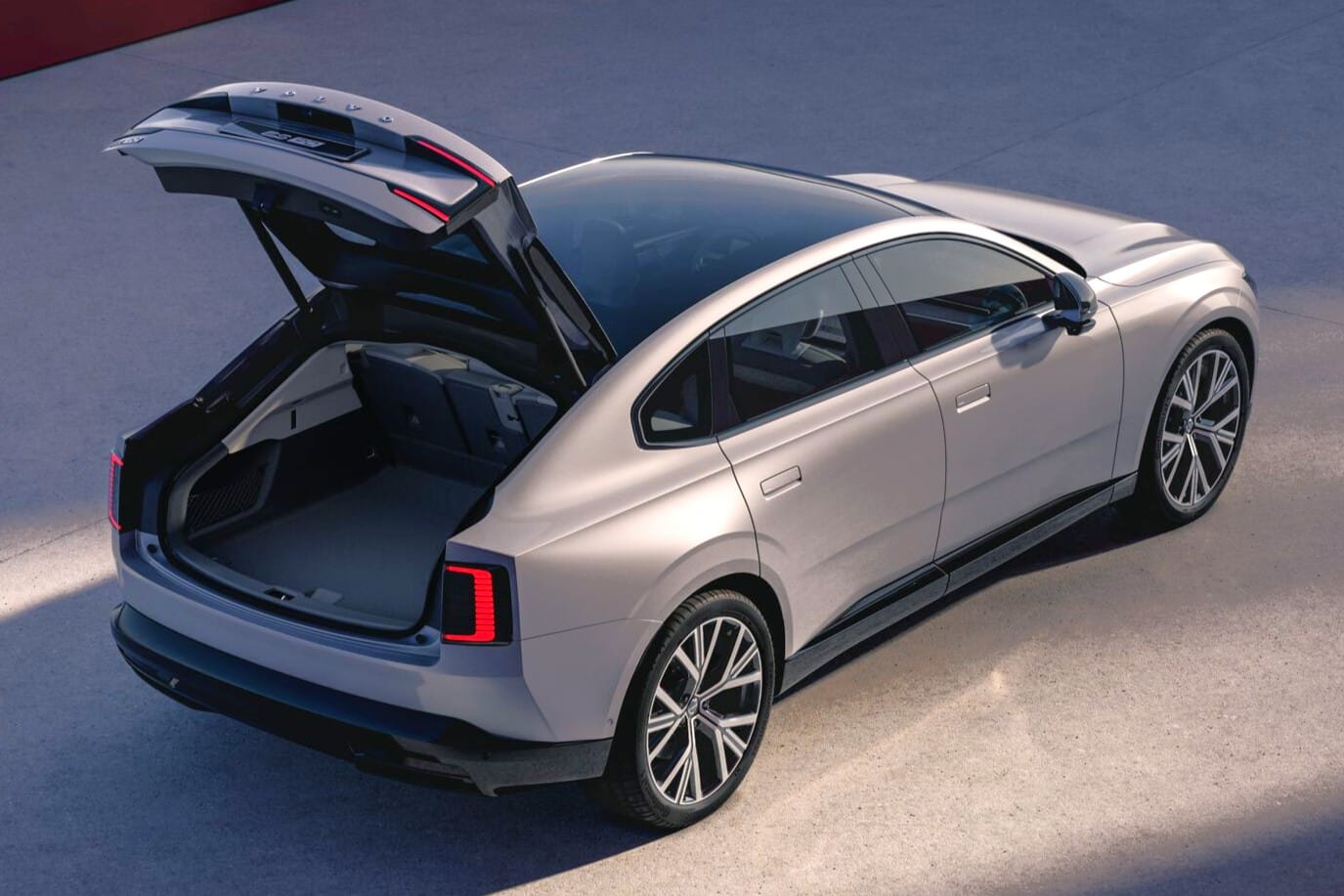
Coming to the ES90, it adopts very similar styling cues to the EX90, like the Thor’s Hammer DRLs, vertical fog lamps, grille-less fascia, brake lights around the rear windshield, Volvo wordmark on the bootlid, gloss black bumpers and skirts, and more. However, the ES90 sets itself apart with slightly reshaped headlamps and tail-lamps, different alloy wheel designs (sizes range from 20 to 22 inches), and of course, its sedan form factor.
Thanks to its more low-slung proportions, the ES90 sports a drag coefficient of 0.25, which makes it the most aerodynamic Volvo car to date.
Volvo EX90, ES90 interior and features
14.5-inch infotainment touchscreen sits front and centre on the dash
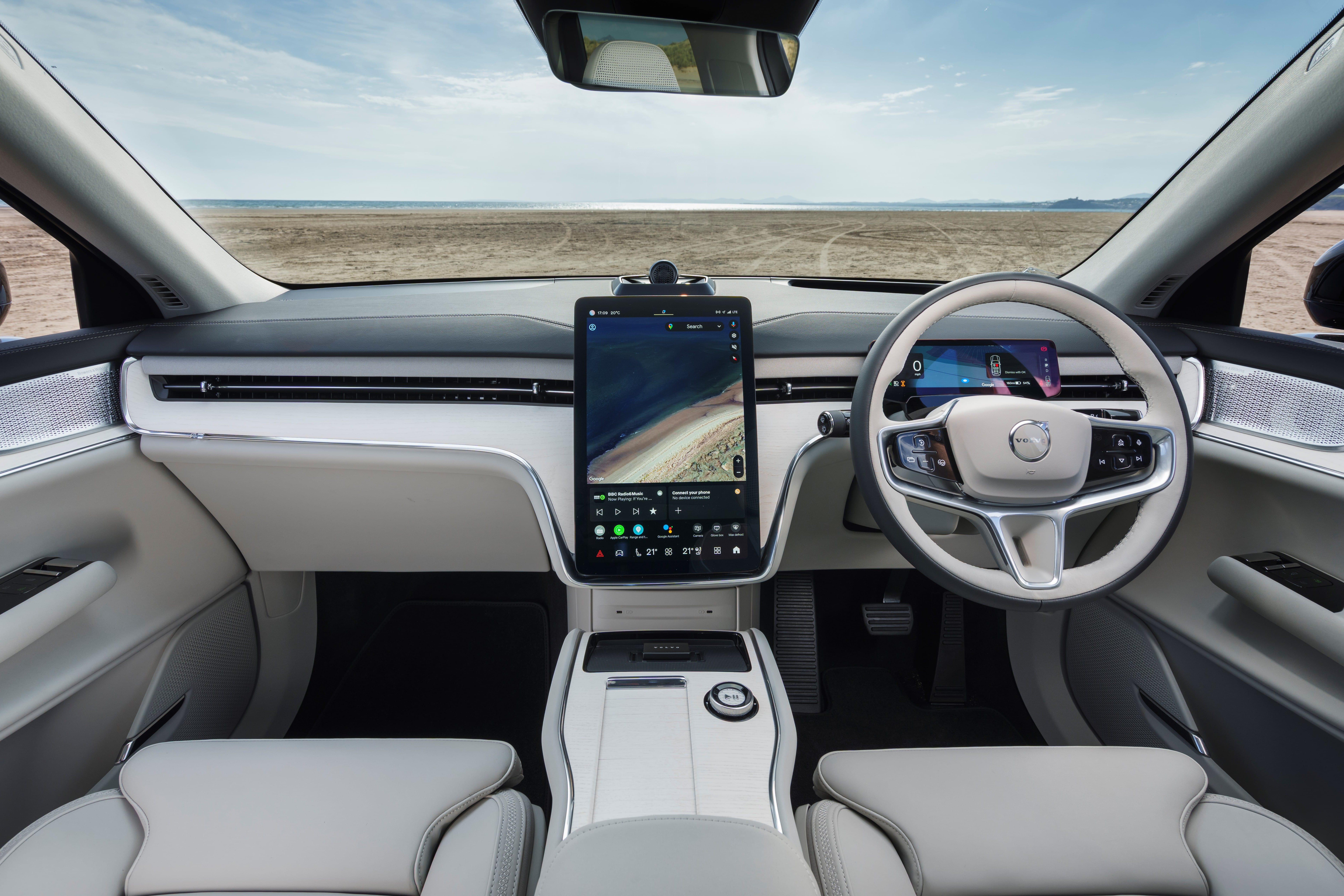
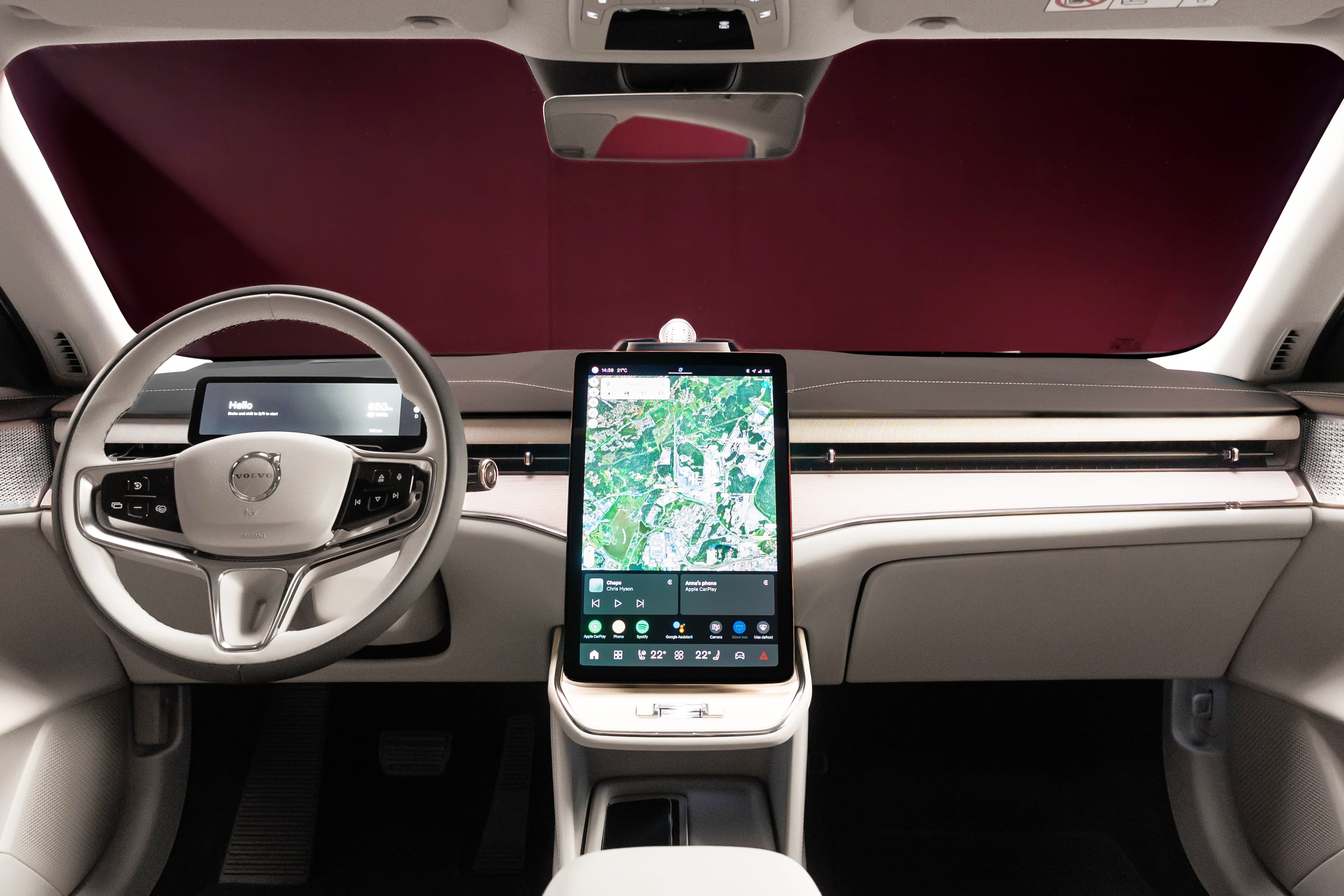
Inside, the EX90 and ES90 are very similar in terms of dashboard layout. Both get a minimalistic dashboard dominated by a 14.5-inch Google-based portrait touchscreen that incorporates much of the in-car functionality– physical controls are few and far between. There’s also a floating centre console, a three-spoke steering wheel with a neat layered design, a slim 9-inch digital driver’s display, and a 13.2-inch heads-up display.
The area between the portrait screen and centre console, however, differs between the two. The EX90 has a split design with a more open cubby, whereas the ES90 has a more enclosed storage space with two buttons underneath the touchscreen.
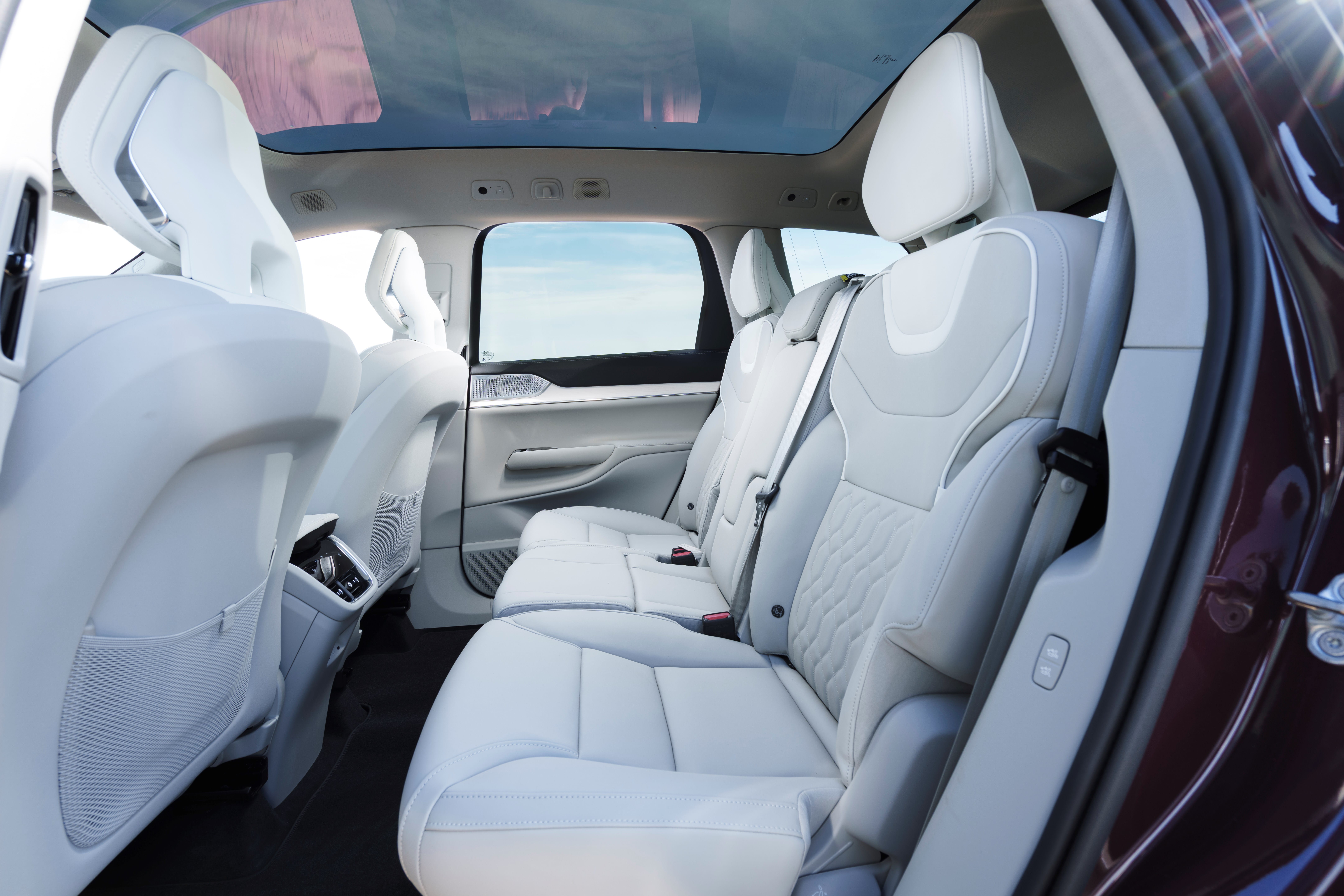
While the ES90 is a 5-seater, the EX90 is a 7-seater as standard, with certain variants offering a 6-seat configuration with captain’s chairs for the second row. In some markets, Volvo even offers a 4-seater version of the EX90 with a rear centre console that integrates a refrigerator, rivalling the likes of the Mercedes Maybach EQS SUV. Boot space is pegged at up to 384 litres with all three rows up for the EX90 and 424 litres for the ES90. The EX90 additionally gets a 45-litre frunk, while the ES90 features a 27-litre space.
As for creature comforts, both EVs pack a 5G connection to aid OTA updates, a digital key, ambient lighting, four-zone climate control, a cabin air purifier, a wireless charging pad, a 360-degree camera, powered front seats, a panoramic glass roof, a Bose sound system, connected car tech, auto park assist, Level-3 ADAS, V2L functionality, and lots more. The EX90 is touted to be Volvo’s safest car to date, holding 5-star crash safety ratings from Euro NCAP and NCAP. The ES90, however, is yet to be crash-tested by an NCAP agency.
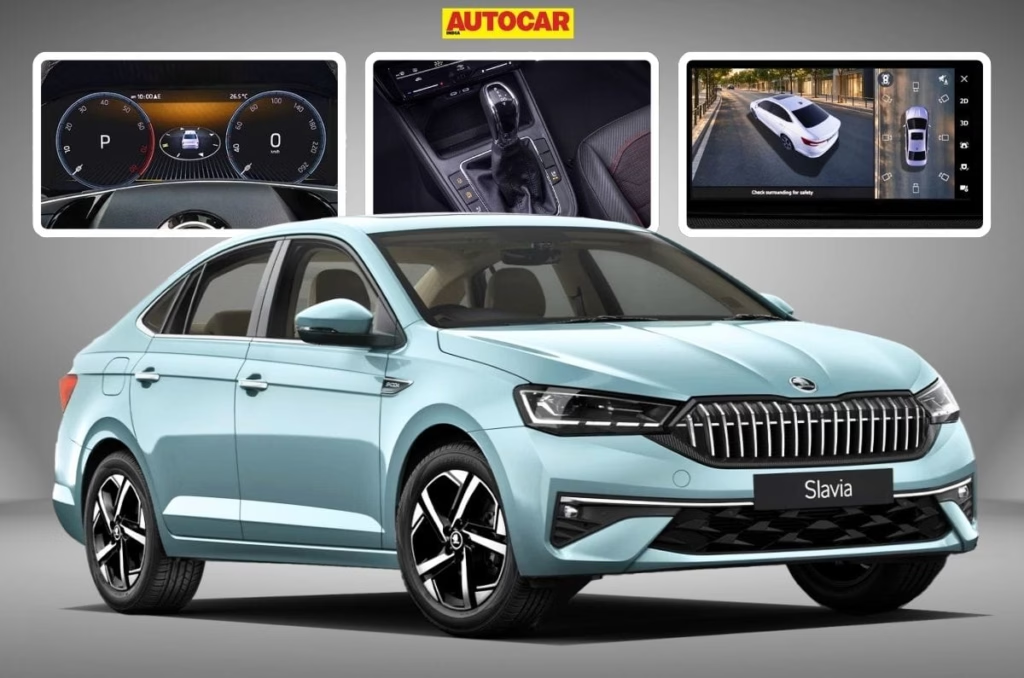
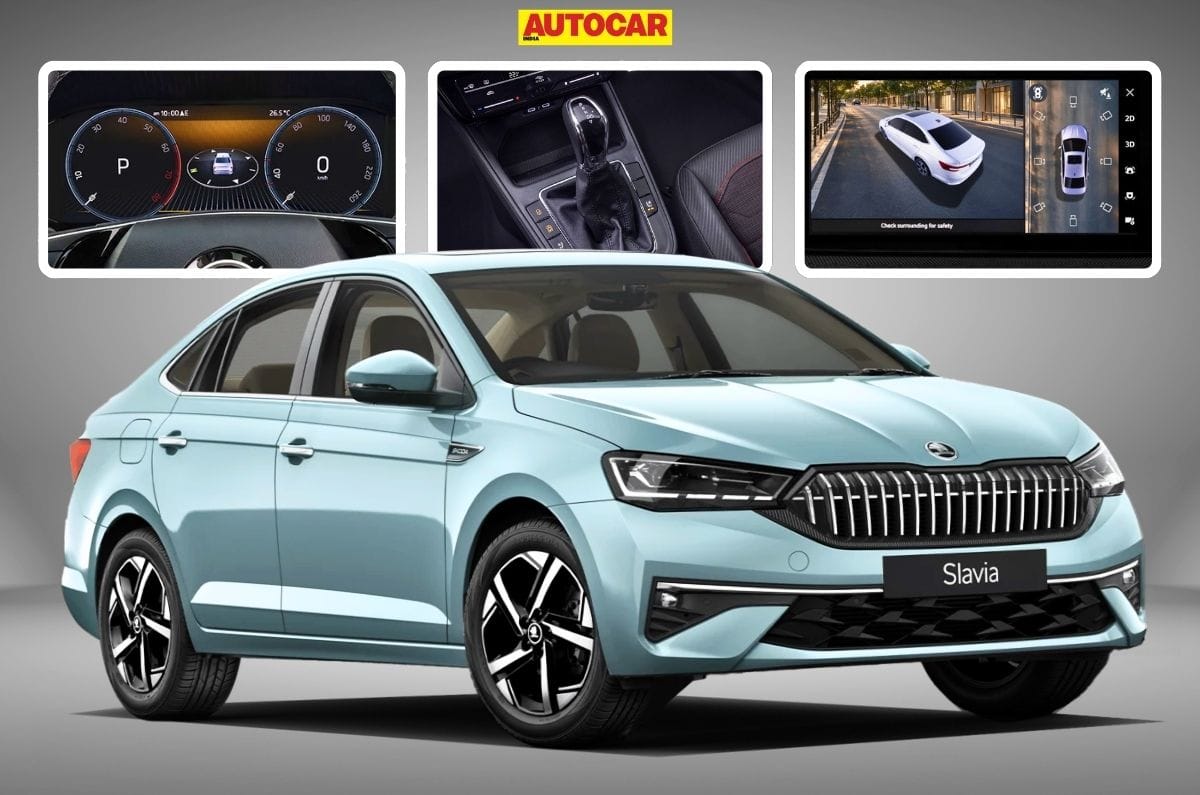
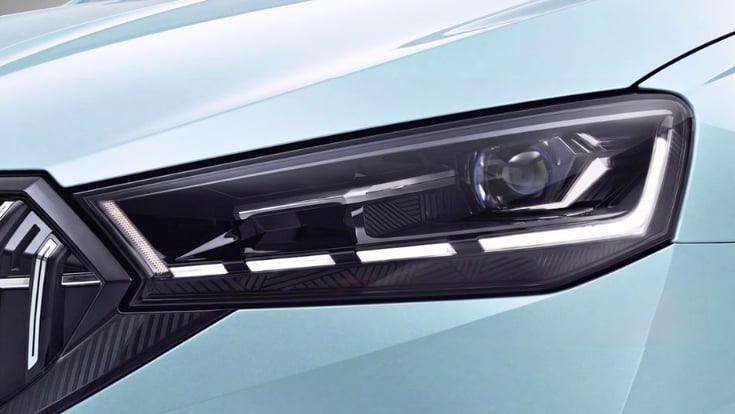
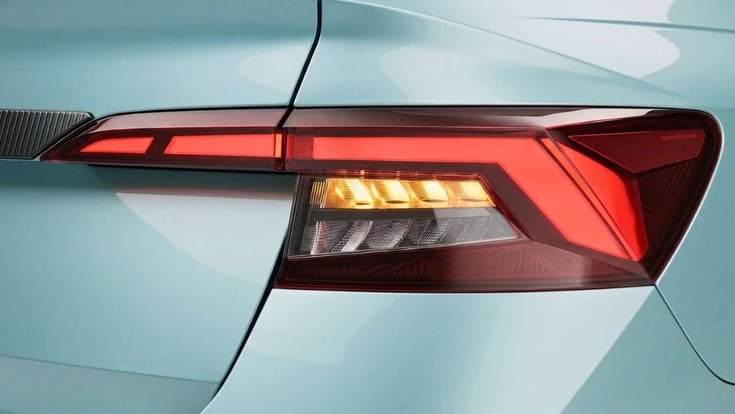
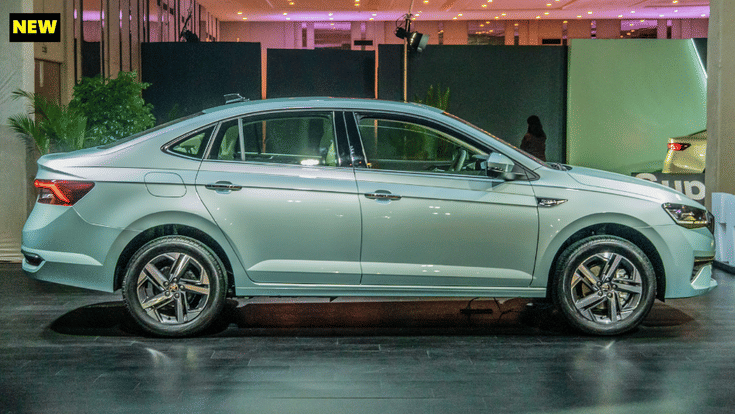
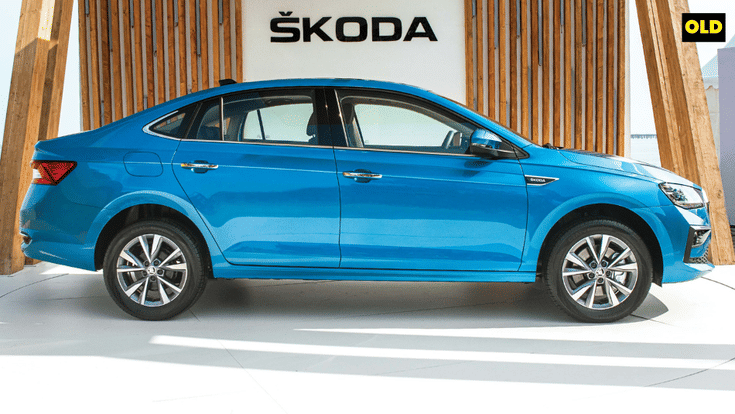
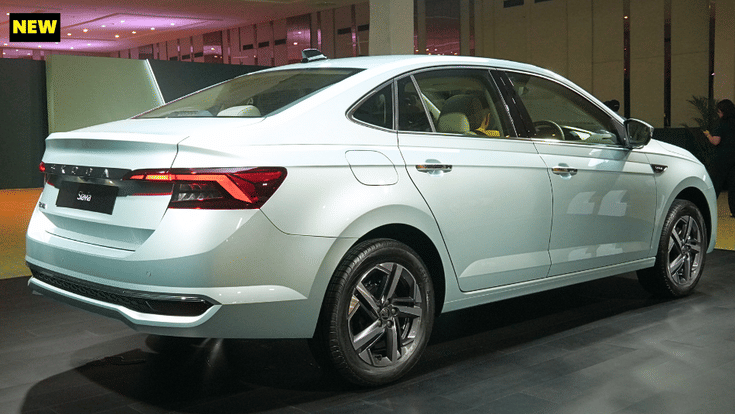
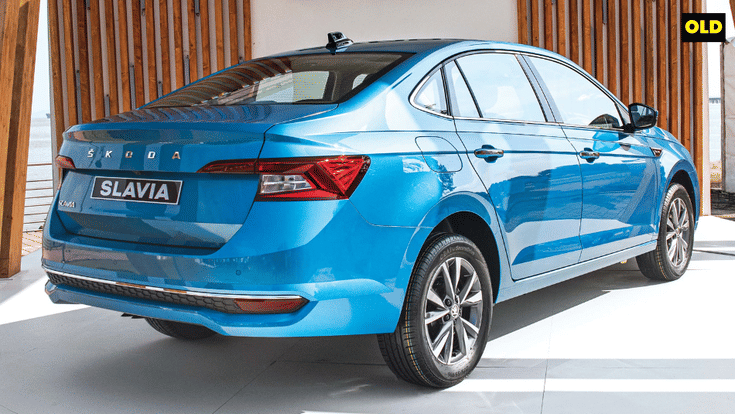
The Skoda Slavia has received its first facelift in India since its launch in 2021. The facelift has given it a slightly revamped exterior and interior design, while also introducing a new automatic gearbox and some comfort and convenience features. Here are all the improvements the new Skoda Slavia facelift offers.
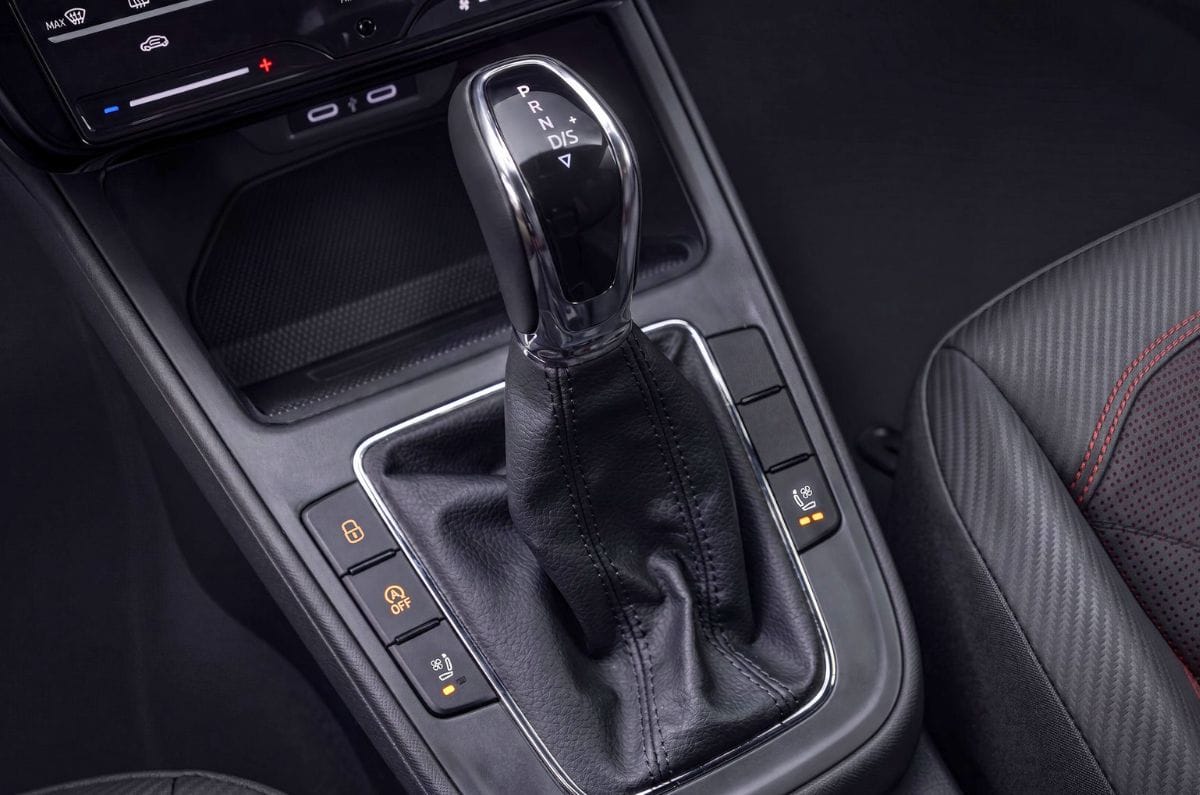
New automatic transmission
The 1.0L TSI engine Slavia facelift is offered with a new 8-speed AT
The Skoda Slavia facelift continues with the 115hp, 1.0-litre direct-injection turbo-petrol and the 150hp, 1.5-litre direct-injection turbo-petrol engines. However, the smaller engine is offered with a new 8-speed torque converter automatic transmission (AT) which replaces the predecessor’s 6-speed AT. The 1.0L TSI is also offered with a 5-speed manual transmission, while the larger 1.5L TSI engine gets a 7-speed dual-clutch automatic transmission (DCT) only.
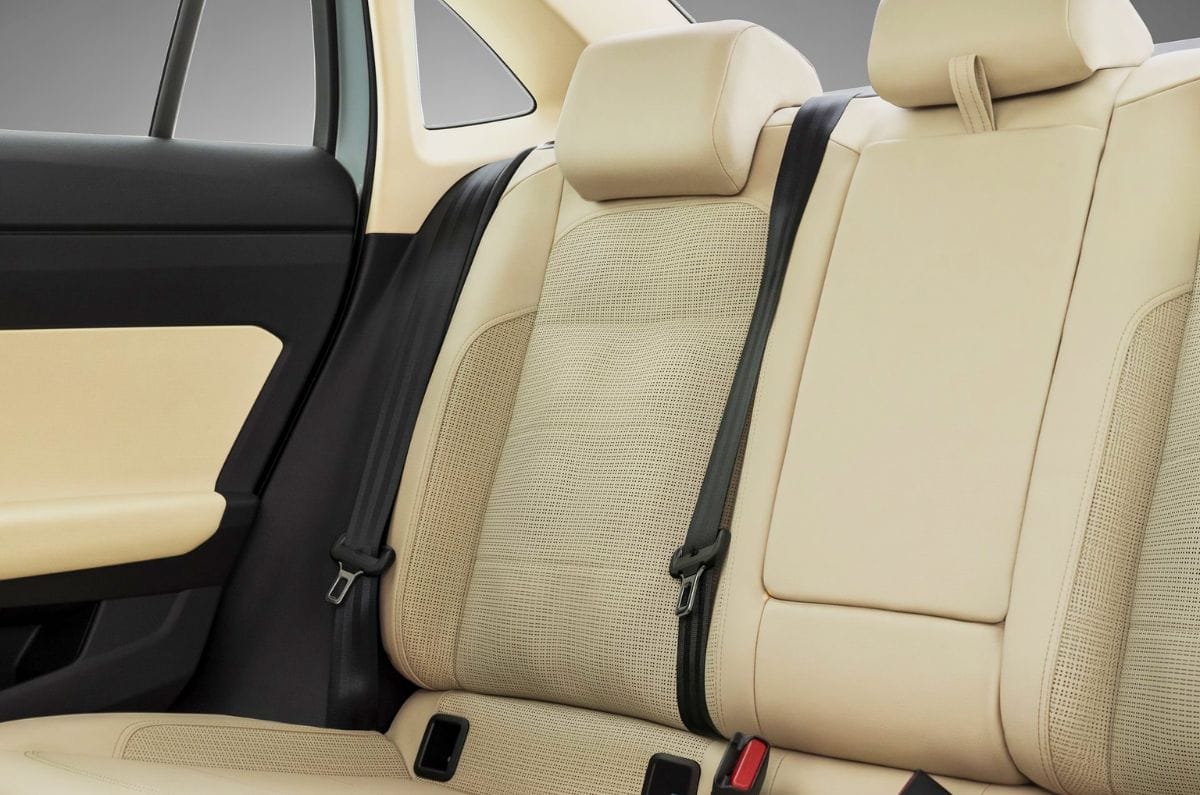
Rear seat massager
Top-spec Slavia facelift gets a massager on the rear outboard seats
A massage function has been added to the rear outboard seats of the Slavia facelift, making it the only sedan in its segment to offer such a feature. It borrows this rear seat massager feature from the Skoda Kushaq, which is also the only midsize SUV in India with such a feature. On the Slavia facelift, Skoda will be offering this feature on the top-spec Prestige and Monte Carlo trims.
Larger digital driver’s display
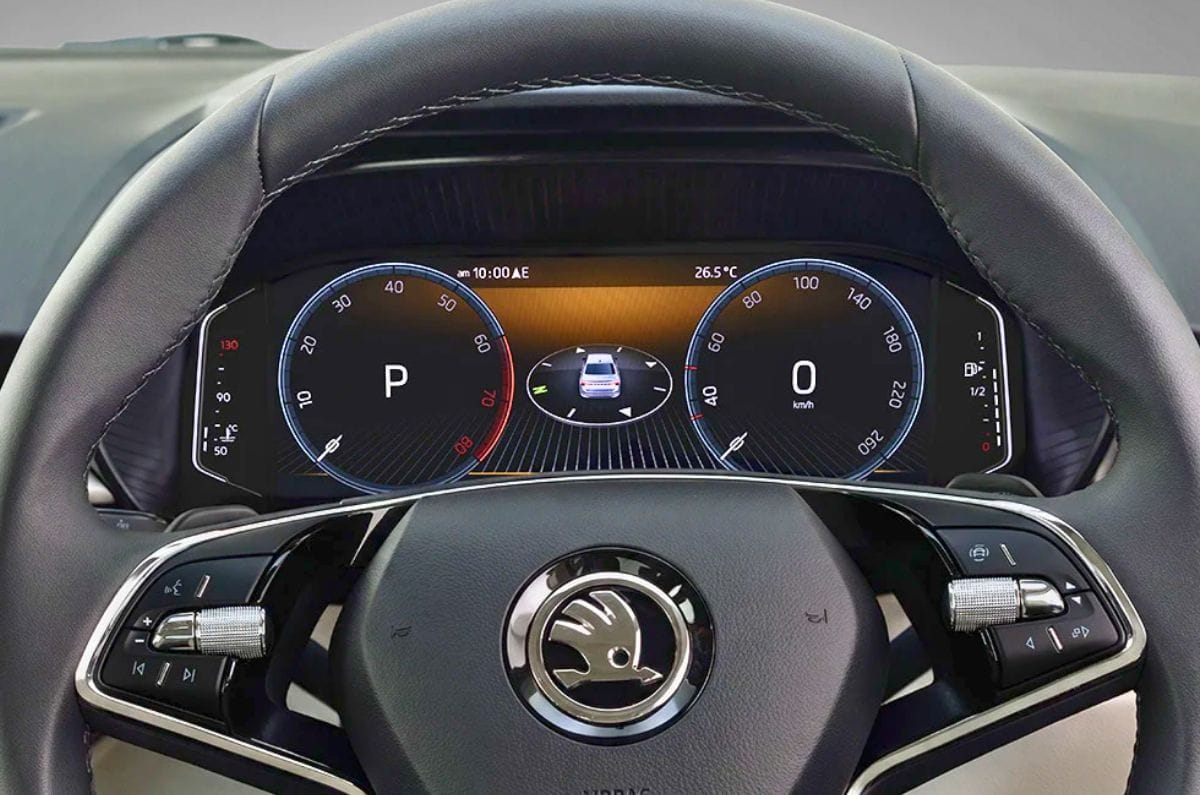
It gets a larger 10.25-inch digital driver’s display with the facelift
With the facelift, Skoda is replacing the predecessor’s 8-inch digital driver’s display, which featured massive bezels around it, with a newer 10.25-inch unit. This screen, along with showing the digital feed of the speedometer and tachometer, will also offer turn-by-turn navigation. However, the 10.25-inch driver’s display will be offered only on the Prestige and Monte Carlo trims, while the mid-spec Signature and Sportline will continue with the smaller 8-inch display, and the entry-spec Classic and Classic+ will sport analogue dials with a multi-information display (MID).
New 360-degree camera and front parking sensors
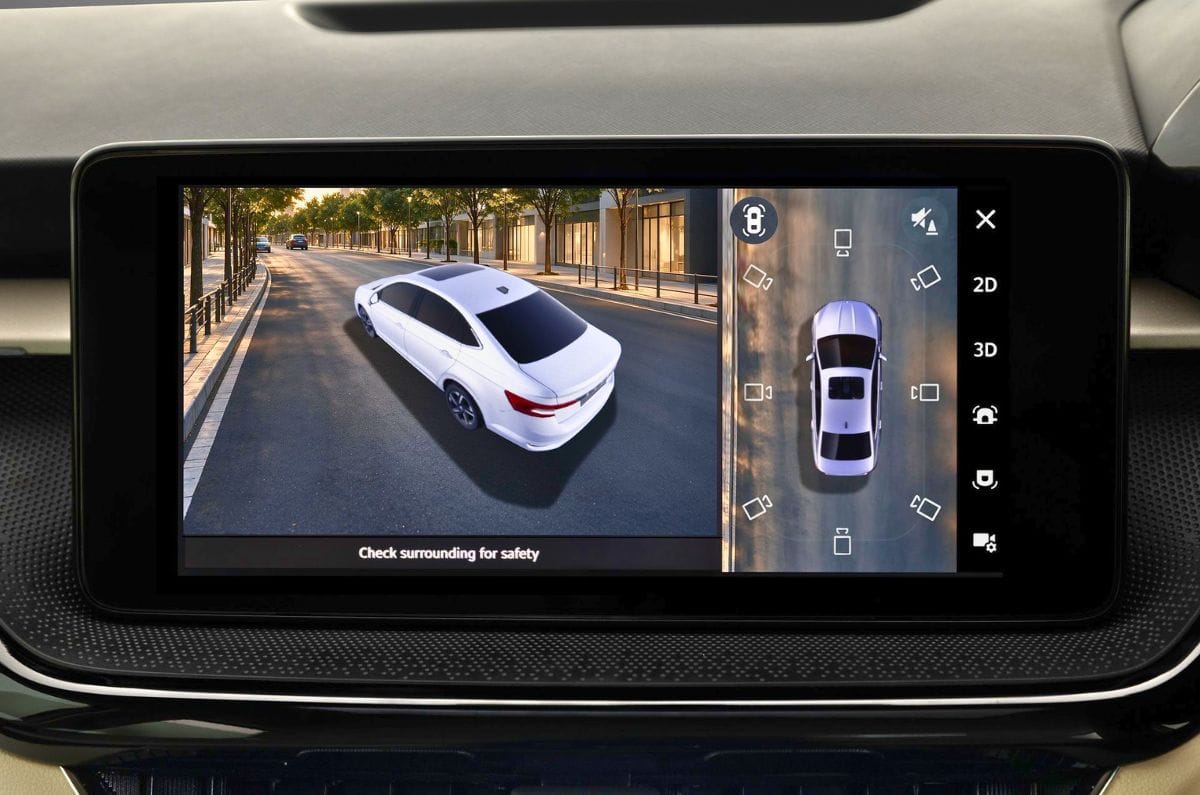
Skoda has yet to reveal which variants will be equipped with these new features
The Skoda Slavia facelift also gets a 360-degree camera and new front parking sensors in addition to the rear parking sensors, which are definitely expected to make navigating tight lanes and parking in tight spaces easier. However, Skoda has yet to reveal which variants these features will be offered in.
Improved AC performance
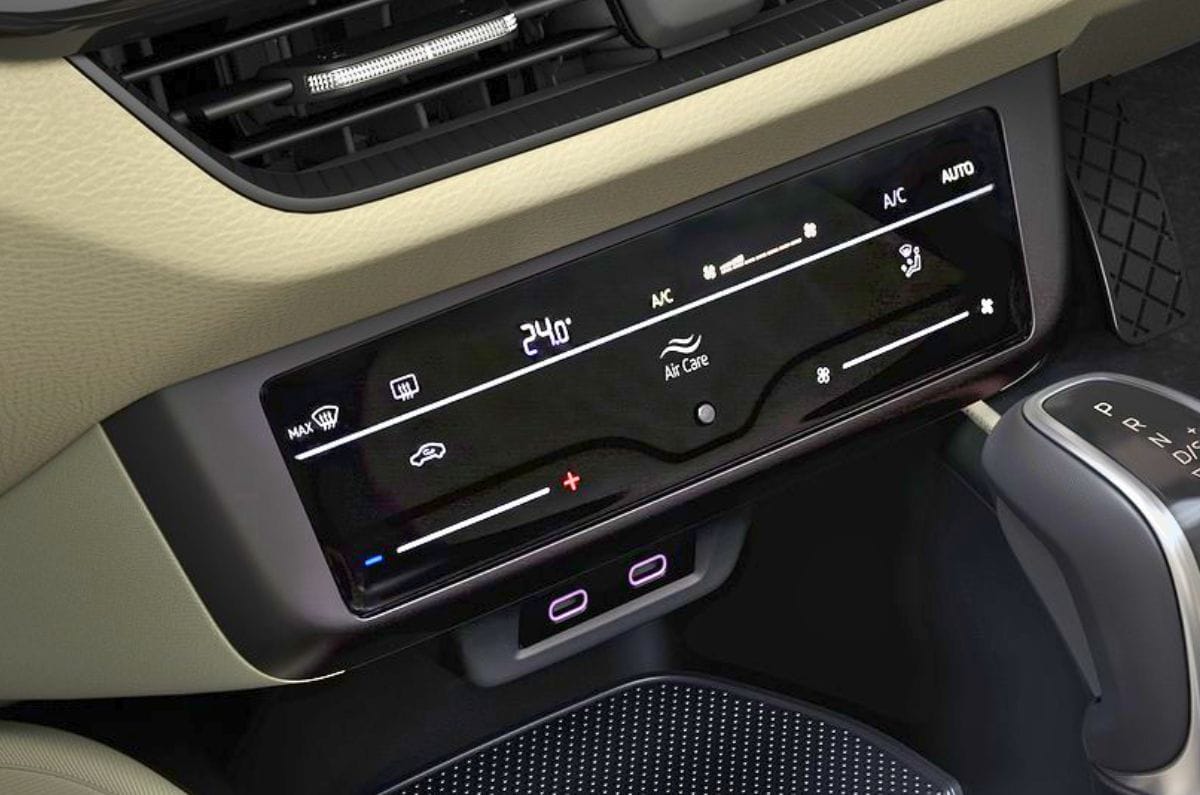
Skoda now uses a variable-geometry compressor to boost the AC performance
One of the major criticisms of the Slavia was the climate control performance, which the manufacturer claims to fix with the facelifted model. What Skoda has done is replace the previous model’s fixed-geometry AC compressor with a variable-geometry unit, thereby making the climate control more powerful than before.
Introduces a Google Cloud-based AI assistant
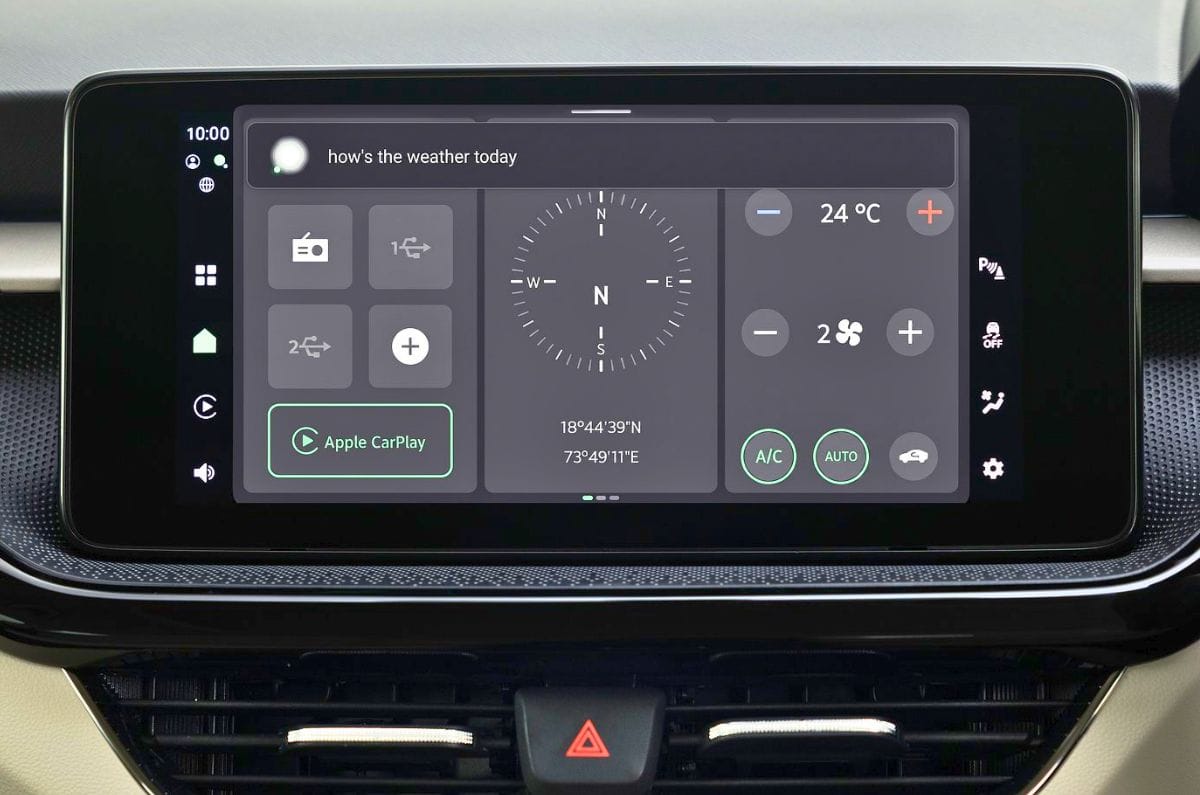
The AI assistant provides real-time information and enables hands-free controls
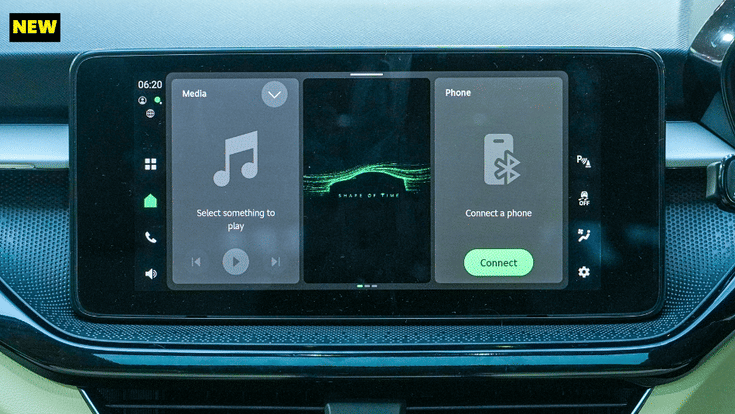
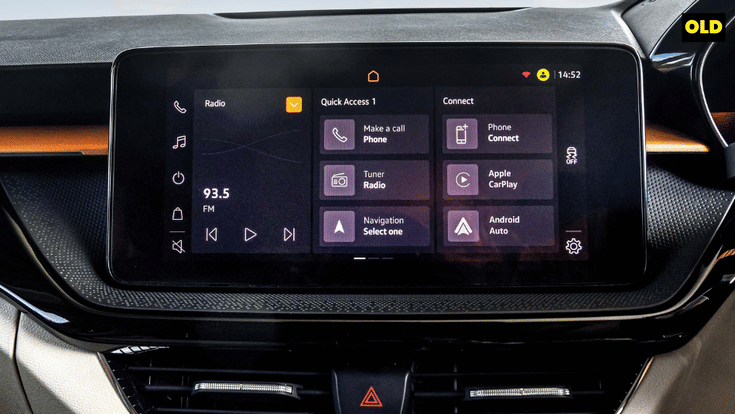
While the 10.1-inch touchscreen infotainment system is the same as before, it gets a more modern user interface and gets an AI companion powered by Google Cloud’s Automotive AI Agent. Skoda says that the AI assistant is “developed to recognise Indian English accents” and “provides real-time access to information via voice commands and enables hands-free control of music, calls, climate settings and other functions.”
New exterior lighting elements
Lighting elements in the DRLs, fog lamps and taillights have been revamped
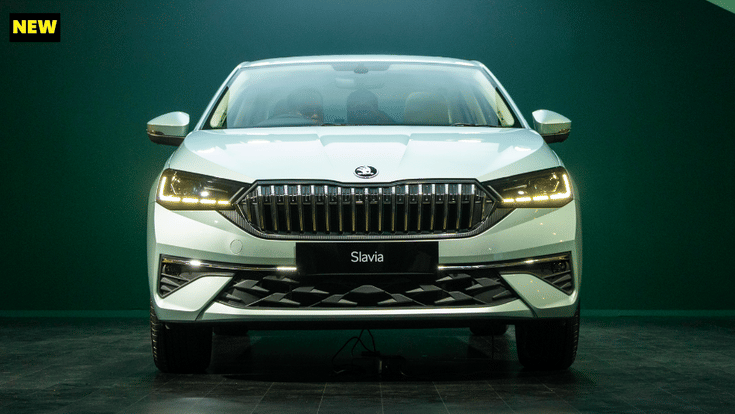
With the facelift, Skoda has made some design changes to the Slavia, including fresh lighting elements. At the front, the headlight housing is the same, but is offered with segmented LED DRLs. The front fog lamps have also been redesigned to have a pixel-like shape. Like the headlights, the taillight housing is the same as the older model, but it sports new LED elements that make it look sharper and more modern than before.
A long-wheelbase BMW X1 isn’t a new idea. China has had an extended-length X1 for years, and we got it in India last year in the form of the all-electric iX1 LWB. The X1 LWB brings the formula to the ICE X1 range. BMW says the standard-wheelbase X1 will continue to sell, though we assume the LWB will be the only X1 down the road.
BMW X1 LWB Exterior Design and Engineering – 7/10
The X1 might be BMW’s smallest SUV, but it’s not particularly small anymore. It’s 116mm longer overall with 108mm of that added length at the wheelbase alone. Importantly, the longer wheelbase doesn’t look unusually long, and so the proportions work.
Lengthened body but well-proportioned design
In person, the X1 LWB doesn’t look vastly different to the standard wheelbase model. It’s got the same peeled back headlamps, same M Sport styling pack and same edgy tail lights. The 18-inch rims are shared with the other X1s, but a more exciting design and or a larger size would have done much for the look. A chrome surround for the large windows is a small detail distinction to the standard X1 that uses a black effect, while the conventional grille here serves as a distinguishing element to the iX1 that sports a closed-off grille.
18-inch wheels shared with regular X1; larger wheels would have done much for the look.
BMW X1 LWB Interior Space and Comfort – 8/10
Long wheelbase opens up huge space at the back
Thanks to wide opening rear doors and a large door aperture, getting into the back of the X1 LWB is very convenient. And once you’re inside, you’ll be amazed by the sense of space that you get there.
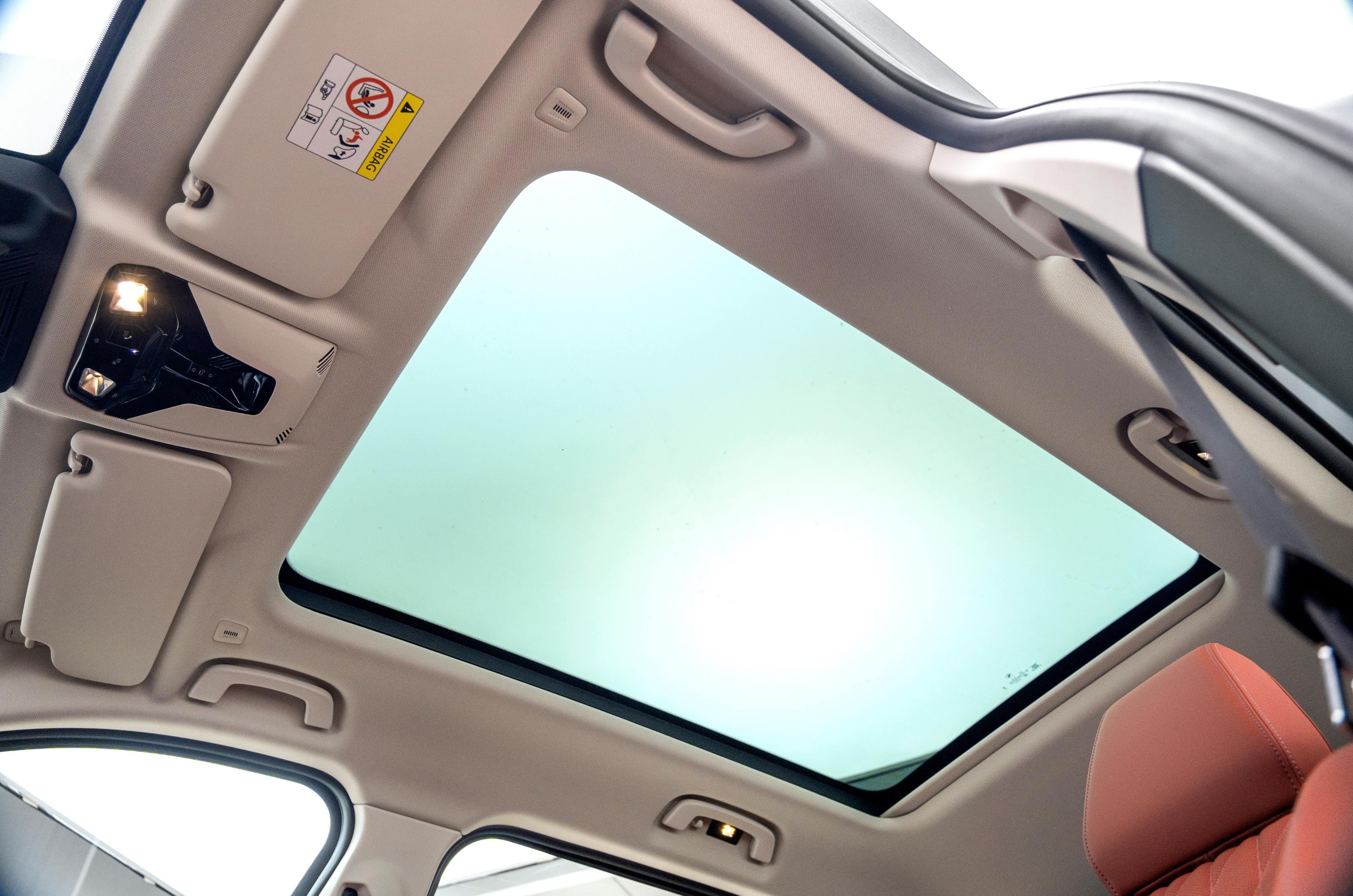
Even six footers will find legroom generous and helping the feeling of space is the large glasshouse. The panoramic glass roof (it doesn’t open) lets in lots of light and the rear windows are also large. Pity, they don’t get adjustable sunshades.
Rear seat gets a longer base and enhanced cushioning for better comfort.
Like the iX1 LWB, the X1 LWB also benefits from a redone rear seat. There’s enhanced cushioning while a 15mm longer seat base adds a bit more by way of thigh support. The seating position itself is very good, and if you want a more relaxed setting, you also have the option to recline the backrest by a couple of degrees. The extra leg room also makes the X1 LWB that little bit comfier for a middle passenger who will have more space to keep his or her feet on either side of the high centre tunnel. Still, the rear seat is best for two.
Dashboard is identical to the standard wheelbase X1.
Up front, the X1 LWB is no different to the standard wheelbase X1. The dash with its asymmetric AC vents looks youthful and what also adds some flavour to the X1’s cabin is the upright wireless phone charging pad at the base of the dash. There’s also a floating centre console, which houses a few key buttons, such as for the gear selector, volume control and driving modes. There’s some storage under the front centre armrest but oddly, the lid opens towards the passenger side.
Floating centre console gets a few physical controls and some storage underneath.
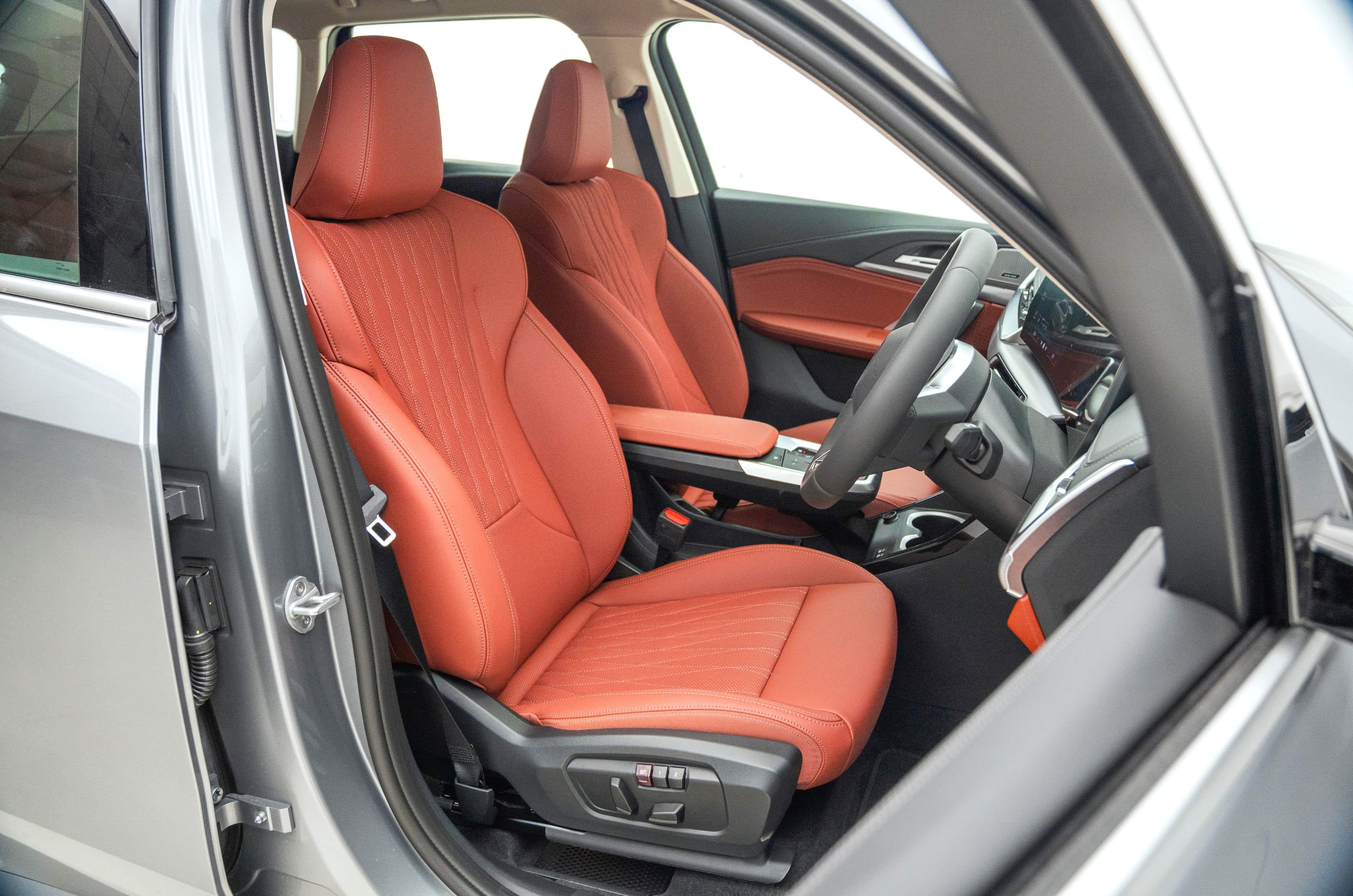
Upholstery choices include the brown you see here as well as a white on black theme which we suspect would be a pain to keep clean. The front seats themselves look sporty and also hold you really well, but unfortunately, the X1’s seat massage function has been dropped on the long wheelbase model. There’s also no seat ventilation function. An M Sport steering is standard but feels a bit too chunky in most hands, and also misses on paddleshifters.
Front seats are sporty, but they miss out on ventilation and massage functions.
In terms of quality, key touch points look and feel good. There are padded materials on the dash and the textured metal-like effect is nicely done. However, it’s not quite got the same attention to detail as pricier BMWs. The USB slots on the dash, for one, aren’t backlit, so you’ll fumble with wires in the dark. The ambient lighting, too, isn’t as vibrant as, say, in a Mercedes GLA. BMW says boot capacity stands at 540 litres and there is plenty of space for large bags. Packaged under the boot floor is a space-saver spare tyre.
BMW X1 LWB Features and Safety – 7/10
X1 LWB is available in a single M Sport trim
The X1 LWB sports BMW’s twin screen Curved Display. The 10.25-inch digital instrument cluster does give all the info you need, but the presentation with hexagonal themes isn’t appealing even after all these years. The 10.7-inch touchscreen has its highs and lows, too. It’s crisp and responsive, but packs in way too much, including the climate control settings. The menus, frankly, can feel overwhelming on the go. The crisp 360-degree camera does get our vote. A Reversing Assistant that retraces the path in and automatically backs out (up to 50m) is a handy function to get you out of tricky situations.
Instrument cluster offers lots of information, but the presentation with hexagonal themes isn’t appealing.
Interestingly, BMW offers a subscription service to unlock more advanced maps, customizable icons, and more screen themes and modes. Other features include a digital key, allowing you to share access with up to 18 friends and family members, while the 12-speaker Harman Kardon sound system is rather nice, too.
Headlining the list of comfort features is the panoramic glass roof, and there’s power adjust for both front seats. Rear seat passengers get dedicated rear AC vents but there’s no dedicated zone for the rear section of the cabin. A fold-down armrest and USB type C charging port are other functions at the back.
Panoramic glass roof lets in lots of light, but isn’t openable.
Safety kit includes 8 airbags, ABS, ESC and Isofix child seat mounts among other features. The X1 LWB also packs in a few ADAS functions such as auto emergency braking and lane departure warning and assist. Adaptive cruise control, however, is missed.
BMW X1 LWB Performance and Refinement – 7/10
1.5-litre, three-cylinder turbo-petrol is only engine on X1 LWB
BMW is launching the X1 LWB in S-Drive 18 Li form, which is a complicated way of saying that it’s powered by a 1.5-litre three-cylinder turbo petrol engine. Yes, you read that right. The engine is E25 compliant, but there’s no diesel option for the moment, and buzz is there won’t be one in the future either.
Performance is adequate but unexciting
The X1 LWB’s petrol engine makes 156hp and 230Nm and all the power goes to the front wheels only, via a seven-speed dual-clutch transmission. A fact to note, 156hp is the upgraded power figure. On the standard wheelbase X1, the engine makes 136 horsepower.
Unfortunately, the power bump doesn’t magically transform the X1 LWB into something sporty. In ordinary city driving, you really won’t have a problem with the performance on hand. There’s enough power for the urban grind. It’s just that when you pick up the pace, you’ll miss that reserve of power that you just expect in a luxury car.
Refinement is good but the engine thrums when extended
Sport mode does make the engine feel a bit more urgent, but it’s also in Sport mode that the engine can’t hide its three-cylinder-ness. When it’s time to overtake, for instance, and you press down on the accelerator pedal, there is a bit of a delay, then you hear the engine thrum, and that’s not a very BMW sound. Performance is also not very BMW. We managed a 0-100 kph time of 9.58 seconds.
Then again, the X1 LWB’s USP is the rear seat, and there will be buyers who rarely, if ever, take the wheel. If you’ve instructed your chauffeur to drive in an easygoing manner, you will note that engine noise is actually pretty well-contained.
BMW X1 LWB Mileage and Efficiency – 8/10
While we haven’t put the X1 LWB to the full test it should prove to be more efficient than rivals’ four-cylinder turbo-petrol units. Of course, it won’t be outright frugal because the X1 LWB is a substantial vehicle. We expect real-world fuel economy in the 7-10kpl band with the figure rising to 9-12kpl over highway drives.
BMW X1 LWB Ride Comfort and Handling – 8/10
Suspension has been tweaked for better comfort on the X1 LWB
The X1 LWB might be front-wheel drive only but there is a crispness to the way it changes direction. You will like the feel at the steering wheel and you get a good sense of connect too. Unfortunately, the handling isn’t supported by the engine. Long story short, this is not the BMW for keen drivers.
As for ride comfort, BMW has tweaked the suspension for the X1 LWB, and they’ve done a pretty good job of things. The suspension works quiet, it feels absorbent, and it’s only when you’re really paying attention that you’ll notice a distant firmness to the setup.
BMW X1 LWB price and verdict – 8/10
X1 LWB makes for a great backseat SUV
Prices for the X1 LWB will be announced on August 21. We expect BMW to keep pricing within the Rs 50-55 lakh (estimated, ex-showroom) band, which would make the X1 LWB a very enticing proposition.
Rear seat space is the highlight and immediately gives the BMW bragging rights over the Mercedes GLA and Audi Q3. Thing is, the X1 LWB’s appeal is almost too tied to the rear seat experience. The drive experience is just so-so. Performance is fine for the daily grind but the three cylinder unit does little to excite. If that’s not a deal breaker for you, the BMW X1 LWB is sure worth a long, hard look.
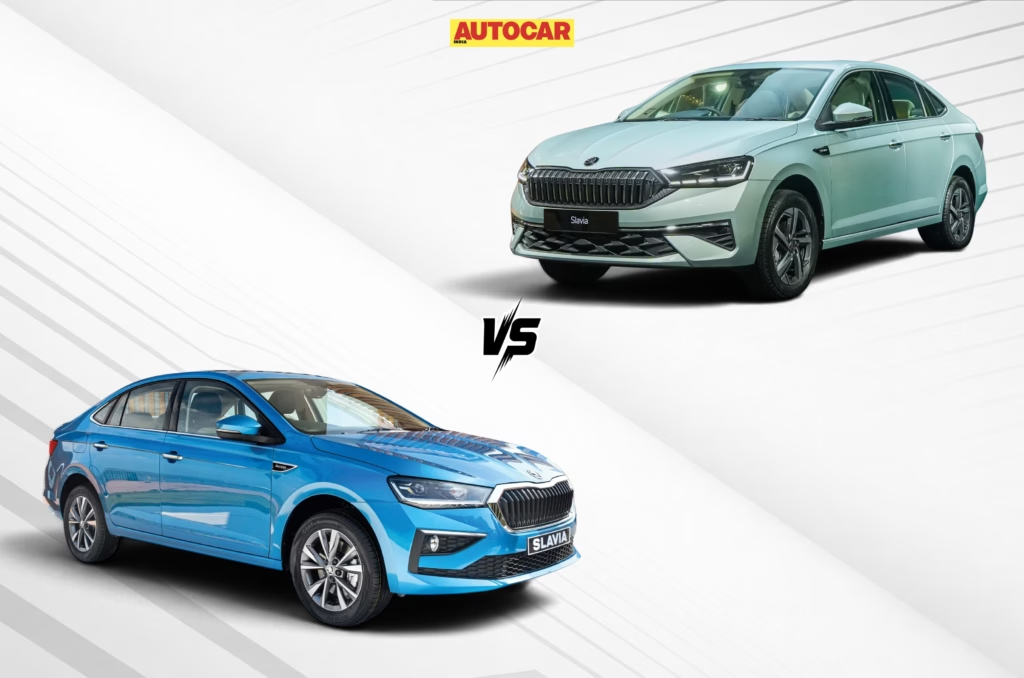
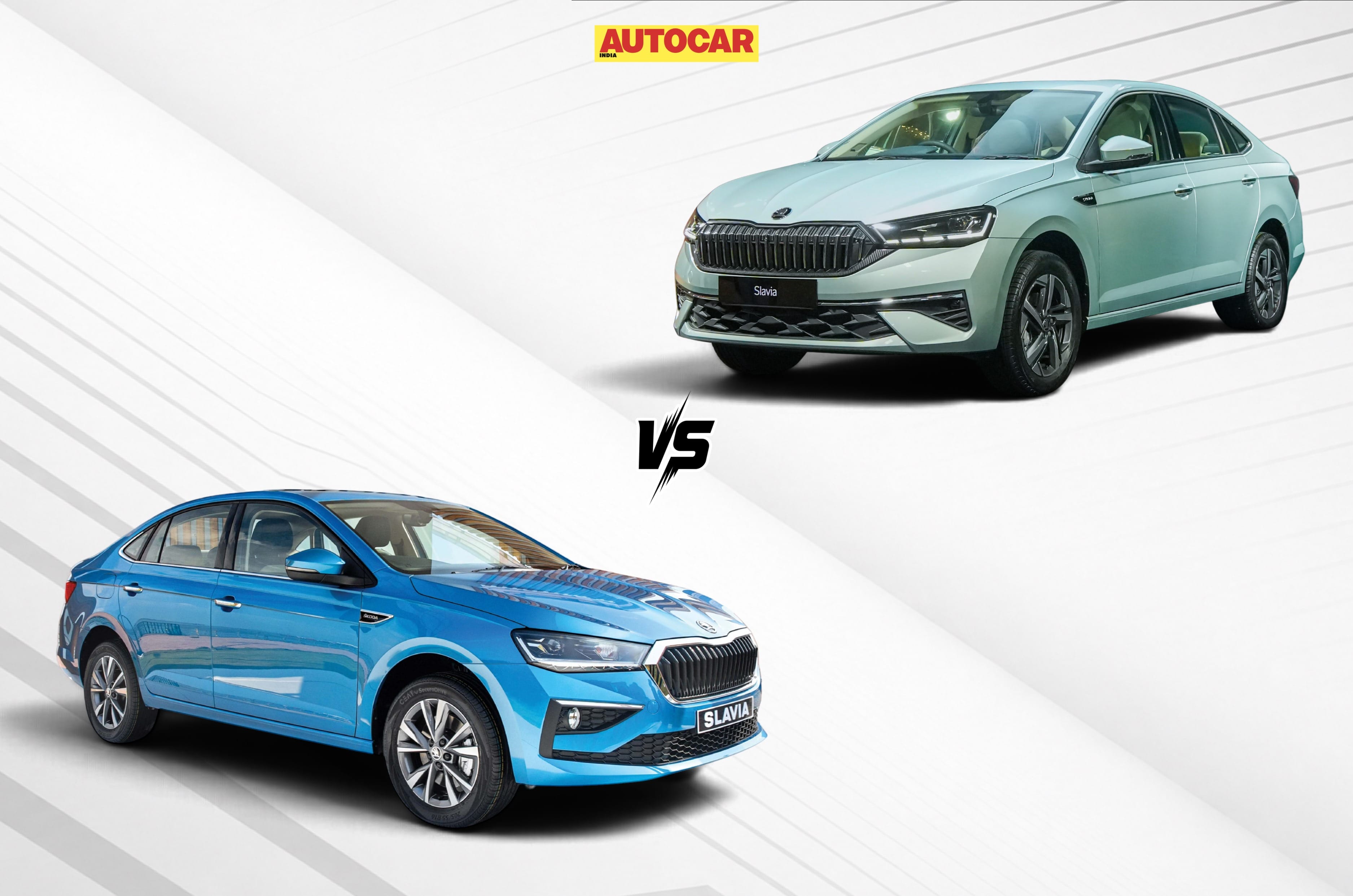
It took Skoda three and a half years to bring the first facelift of the Slavia to market. However, with this mid-cycle update, the Czech carmaker has introduced minor cosmetic tweaks and added a few new features to its midsize sedan. Furthermore, the Skoda Slavia facelift has hit showrooms ahead of the updated Volkswagen Virtus. The Slavia’s competition also includes the Honda City and Hyundai Verna. Without further ado, here are some of the differences and similarities between the old and new Skoda Slavia.
Skoda Slavia new vs old: Exterior design
Changes on the outside are limited to updated bumpers and light signatures
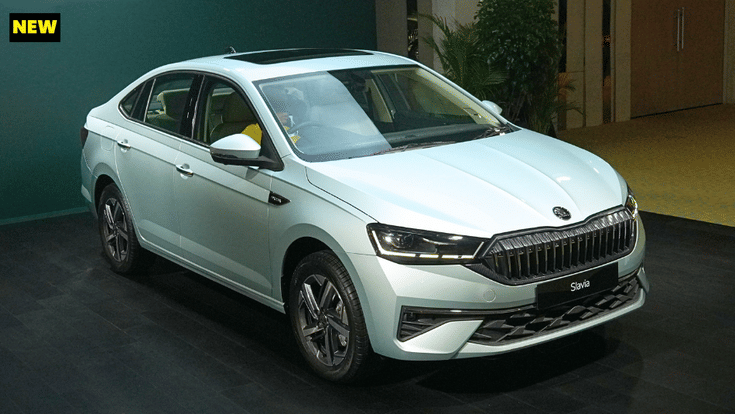
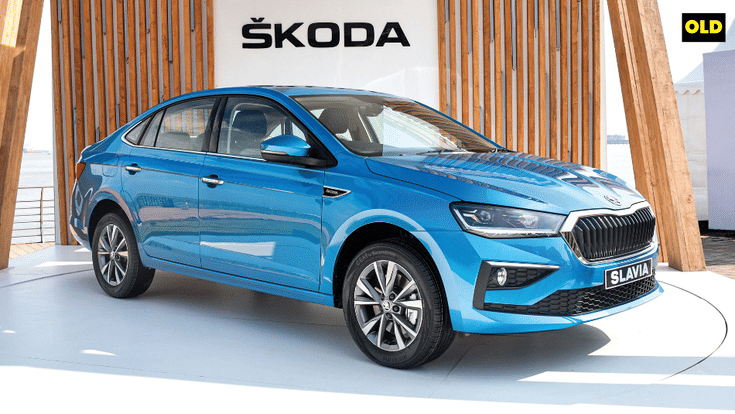
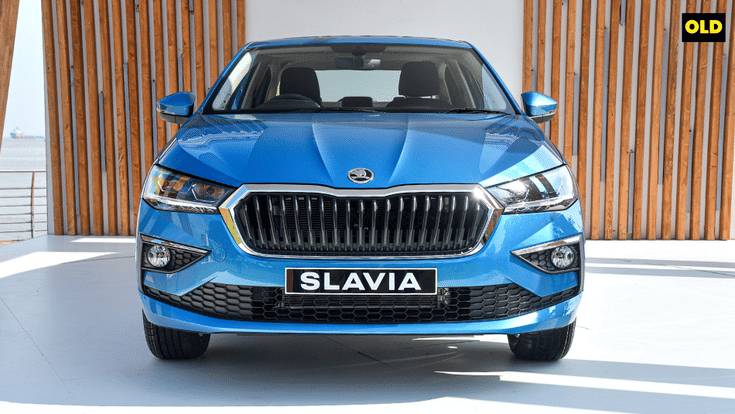
The front of the Skoda Slavia now gets a new bumper with a shiny piece of trim running its full width and small LED fog lamps. The design of the grille hasn’t changed but its chrome surround has been removed in favour of two different black bars. While the shape of the headlamp housing is the same as before, the internals have been revised – the daytime running signatures are different too.
Viewed from the side, the new Slavia carries forward the same silhouette and overall proportions as its predecessor. Details such as the beltline, chrome lining along the windowline, and the ‘Skoda’ plaque above the front fenders remain. However, what has changed is the design of the 16-inch alloy wheels, which now look more bold and sport a two-tone finish.
Similar to the front, the lights at the back of the new Slavia feature the same housing as the old model. However, Skoda has tweaked the internal LED elements of the tail-lamps. Compared to the old Slavia that had a prominent ‘SKODA’ lettering across its bootlid, the new model features a piece of plastic trim with the brand name spelled on it. The rear bumper hasn’t been revised in any significant way, though. However, the Slavia does come in two new colours: Arctic Silver and Cappuccino Beige.
Skoda Slavia new vs old: Interior design
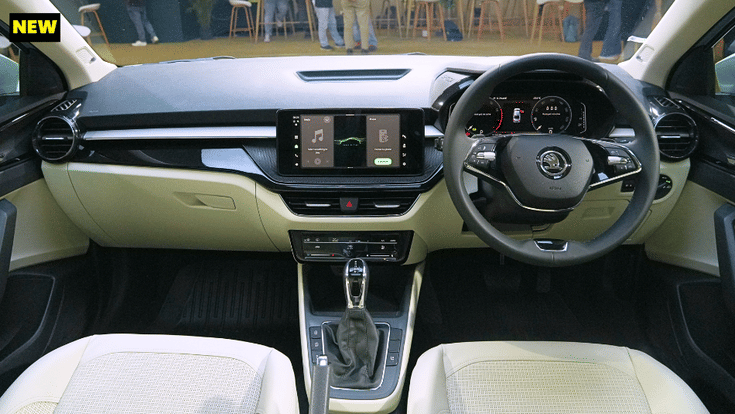
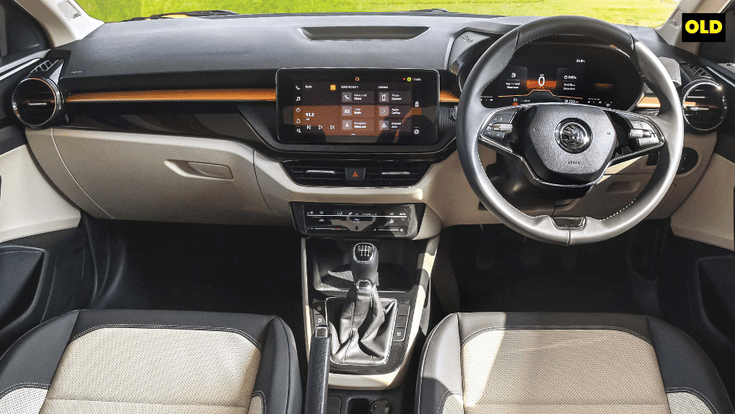
The facelift brings a couple of notable updates to the interior over the old model
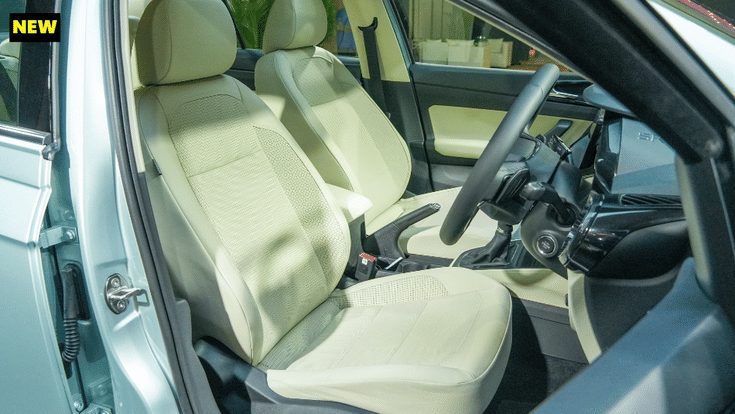
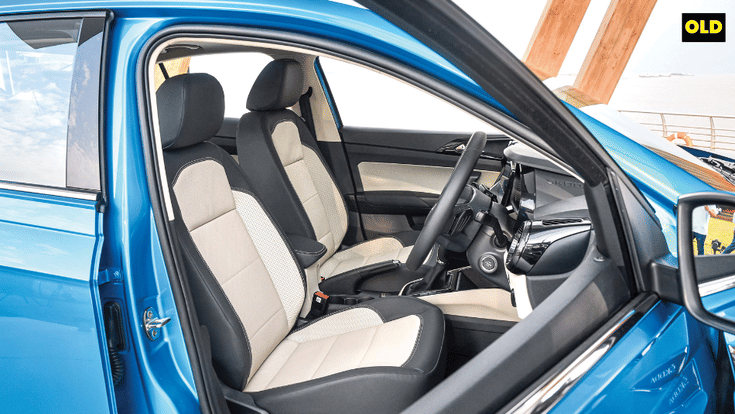
Where the top-spec of the old model offered a beige & black dual-tone leatherette seats, the new Slavia gets fully beige seats. The design of these seats don’t appear to have changed with this facelift, but they do get a new pattern now.
Shifting focus to the dashboard, the new Skoda Slavia is available with a 10.25-inch digital instrument cluster – the old model’s unit maxed out at 8 inches. The infotainment screen has also grown larger by the slightest of margins – from 10 inches to 10.1 inches. The new infotainment system also offers a built-in AI assistant powered by Google Cloud, while the feed from the Slavia’s new 360-degree camera is also displayed on this screen. Finally, the outer seats at the back are now available with a massaging function.
Features such as a cooled glovebox, powered & ventilated front seats, an electric sunroof, wireless Apple CarPlay & Android Auto, automatic climate control, LED ambient lighting, 6 airbags, electronic stability control, hill-hold control and a tyre-pressure monitoring system are offered with both models.
Skoda Slavia new vs old: Engine and gearbox
Engine options remain the same, but a new gearbox comes aboard
The new Skoda Slavia gets the same engine options as its predecessor. The 1.0-litre direct injection three-cylinder turbo-petrol engine makes 115hp and 178Nm, whilst the 1.5-litre direct injection four-cylinder turbo-petrol mill outputs 150hp and 250Nm. While the smaller motor gets a 6-speed manual transmission as standard, it can now be had with an 8-speed torque-converter automatic gearbox. Like before, the larger engine is only available with the 7-speed dual-clutch automatic transmission.
The old Skoda Slavia has been available in Classic, Signature, Sportline, Prestige and Monte Carlo trims. However, there’s now a new Classic+ option as well – slotted between Classic and Signature trims.
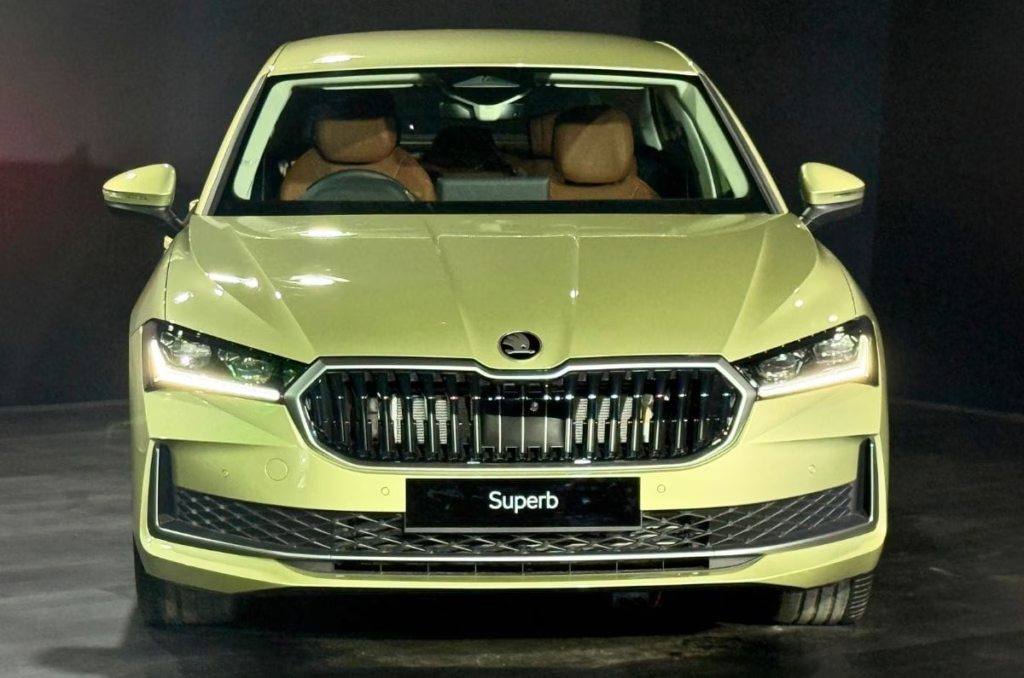
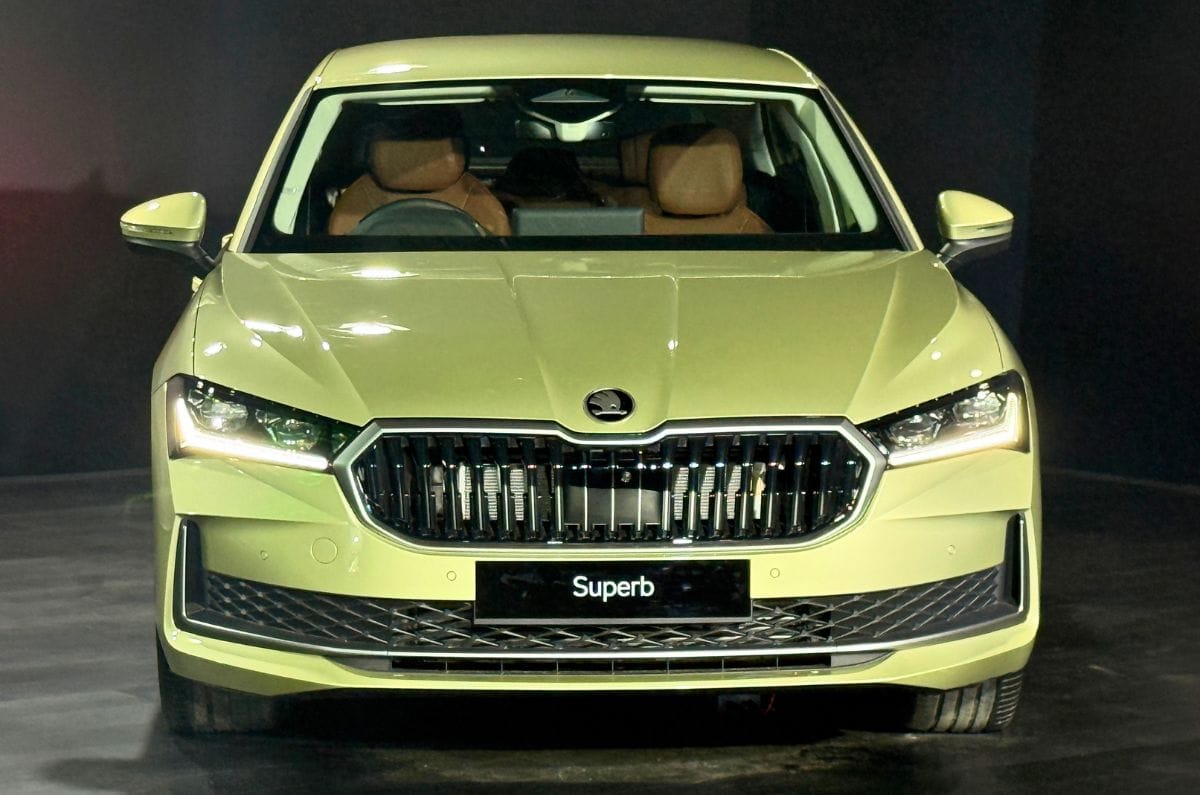
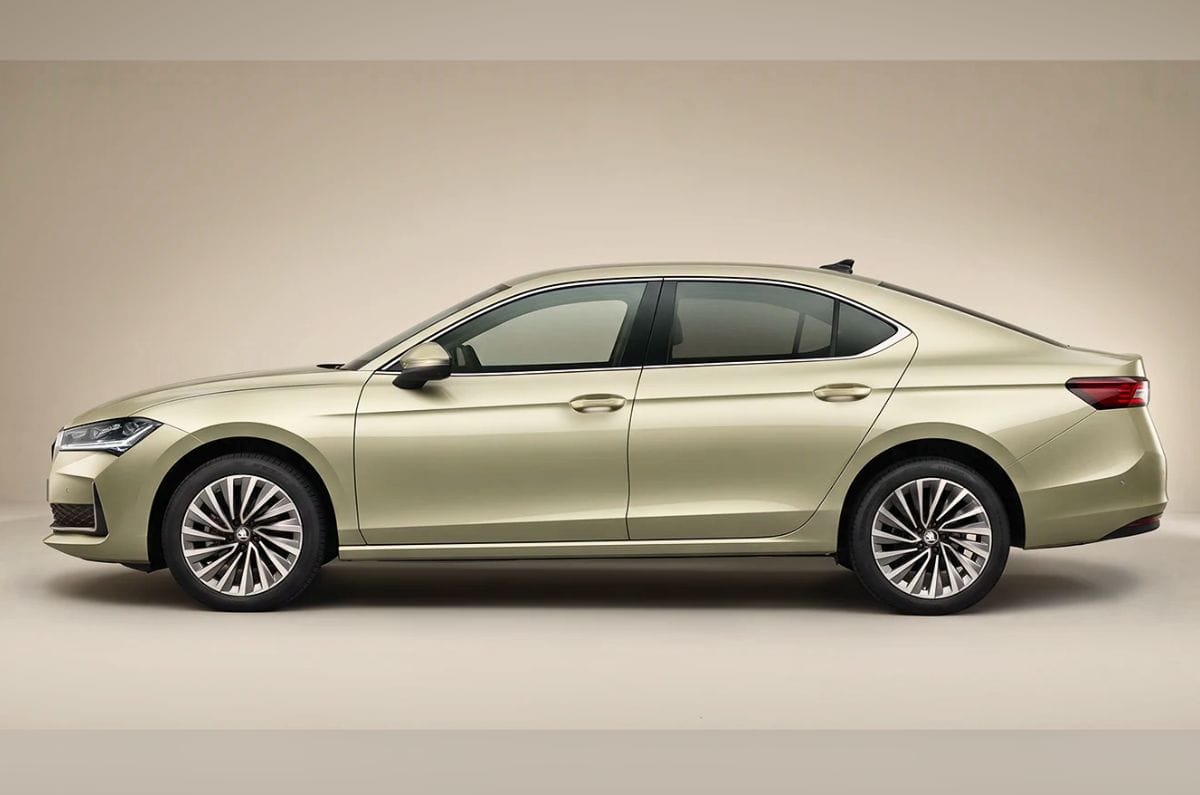
Skoda has revealed the flagship fourth-generation Superb in India ahead of the sedan’s expected launch in the first half of 2027. The Czech manufacturer will bring the Superb’s range-topping Laurin & Klement (L&K) trim to India as a completely built unit (CBU) import. Customers can now register their interest in the Skoda Superb at dealerships, with deliveries slated to commence in the second quarter of 2027.
Powered by a 150hp diesel engine, allowing a 9.2s 0-100kph claimed time
Matrix LED headlights, LED tail-lights and 18-inch alloys to be offered
Cabin gets a 12.9-inch infotainment unit, 3-zone AC and a 14-speaker sound system
Interestingly, the Superb was previously brought to India as a CBU import in 2024. However, this will be the first time the fourth-generation model is officially offered to Indian customers. Its arrival also marks the return of a diesel engine to the wider Volkswagen Group in India after a six-year absence. Diesel engines were last offered by the group in the country in 2020, before the BS6 emission norms came into effect.
Skoda Superb powertrain details
India-spec Superb will get a 150hp 2.0-litre diesel engine with a FWD setup
The India-spec Skoda Superb will be powered by a 2.0-litre diesel engine that produces 150hp and 290Nm. It will be mated to a 7-speed dual-clutch automatic transmission (DCT) that sends power to the front wheels (FWD). With this engine in the Superb, Skoda claims a 0-100kph sprint time of 9.2 seconds and an electronically limited top speed of 225kph.
A more powerful 193hp version of this engine, paired with an all-wheel-drive (AWD) system, was showcased at the 2025 Auto Expo, but has now been ruled out for the final India-spec version.
The India-spec Superb will, however, be offered with Progressive Dynamic Steering and Dynamic Chassis Control (DCC) to automatically adjust the handling balance based on driving speed, road conditions and selected driving mode.
Skoda Superb exterior design
Matrix LED headlights, 18-inch alloy wheels and wraparound LED tail-lights
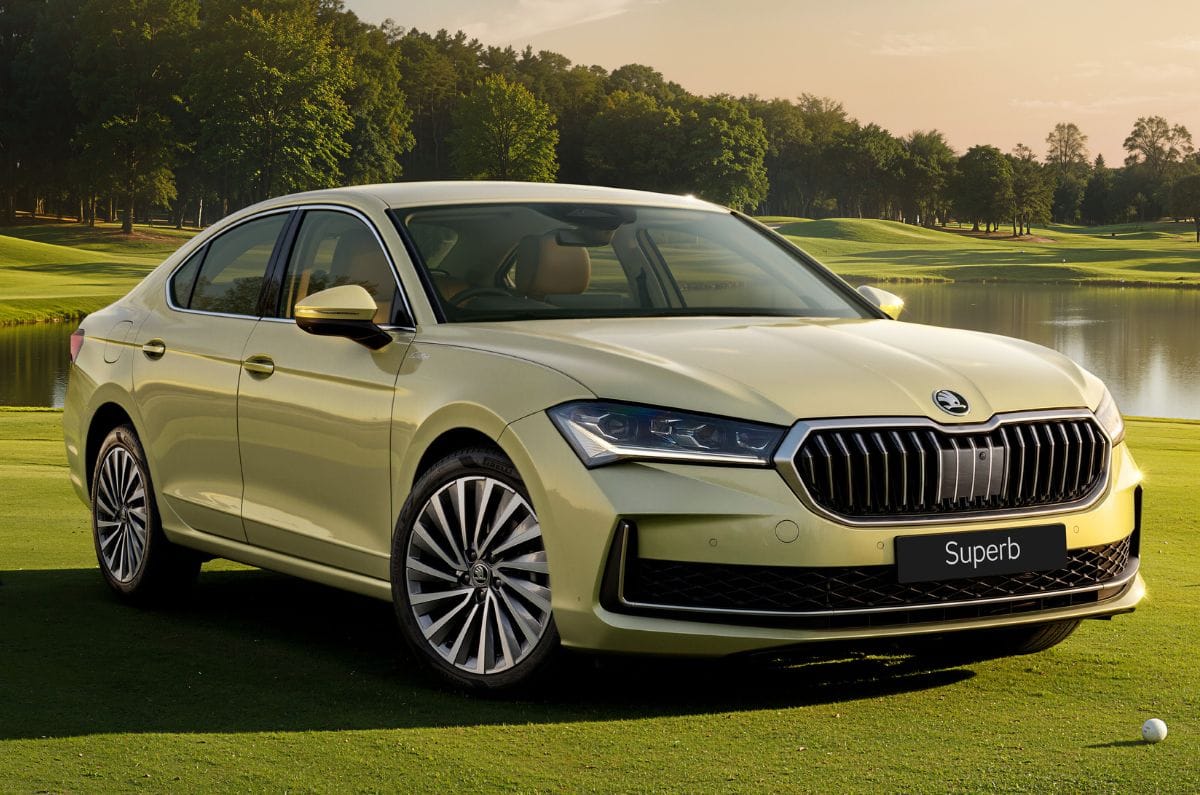
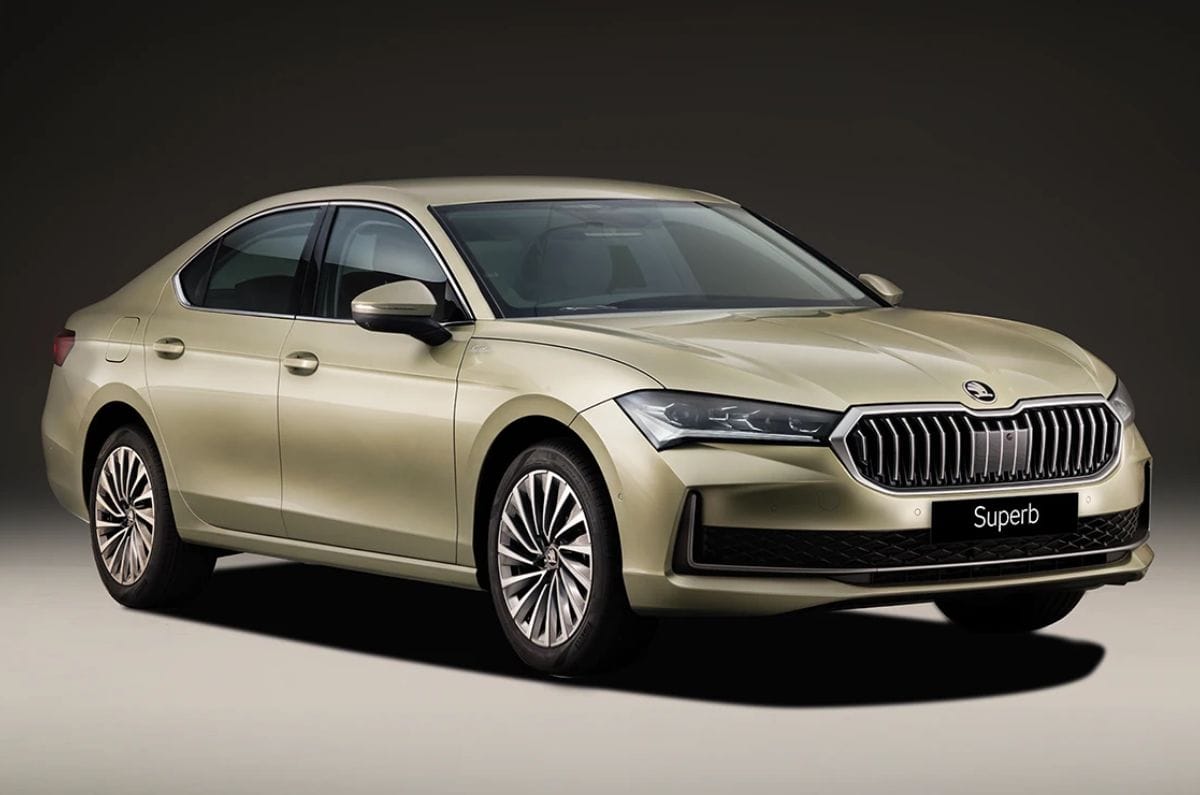
The fourth-generation Skoda Superb retains the elegant look usually associated with the model. Up front, it features the Skoda Signature grille with chrome slats and a chrome surround. The bumper has honeycomb mesh air inlets and a horizontal chrome bar in the centre. It gets Matrix LED headlights with a cornering function and LED daytime running lamps (DRLs) with welcome and goodbye animations.
Moving on to the profile, Skoda will offer the Superb with 18-inch dual-tone alloys as standard. The window surrounds have a chrome finish, and the front fenders have the ‘Laurin & Klement’ badge. At the rear are wraparound LED tail-lights with the same welcome animations as the front DRLs and a Skoda wordmark on the tailgate.
Below are the dimensions of the Skoda Superb:
India-spec Skoda Superb dimensions and other specifications
Length
4,912mm
Width
1,849mm
Height
1,511mm
Wheelbase
2,841mm
Ground clearance
138mm (for UK-spec model)
Boot space
645 litres (for UK-spec model)
Skoda Superb interior design and features
Gets a cognac-hued cabin, two digital screens and a lot of convenience features
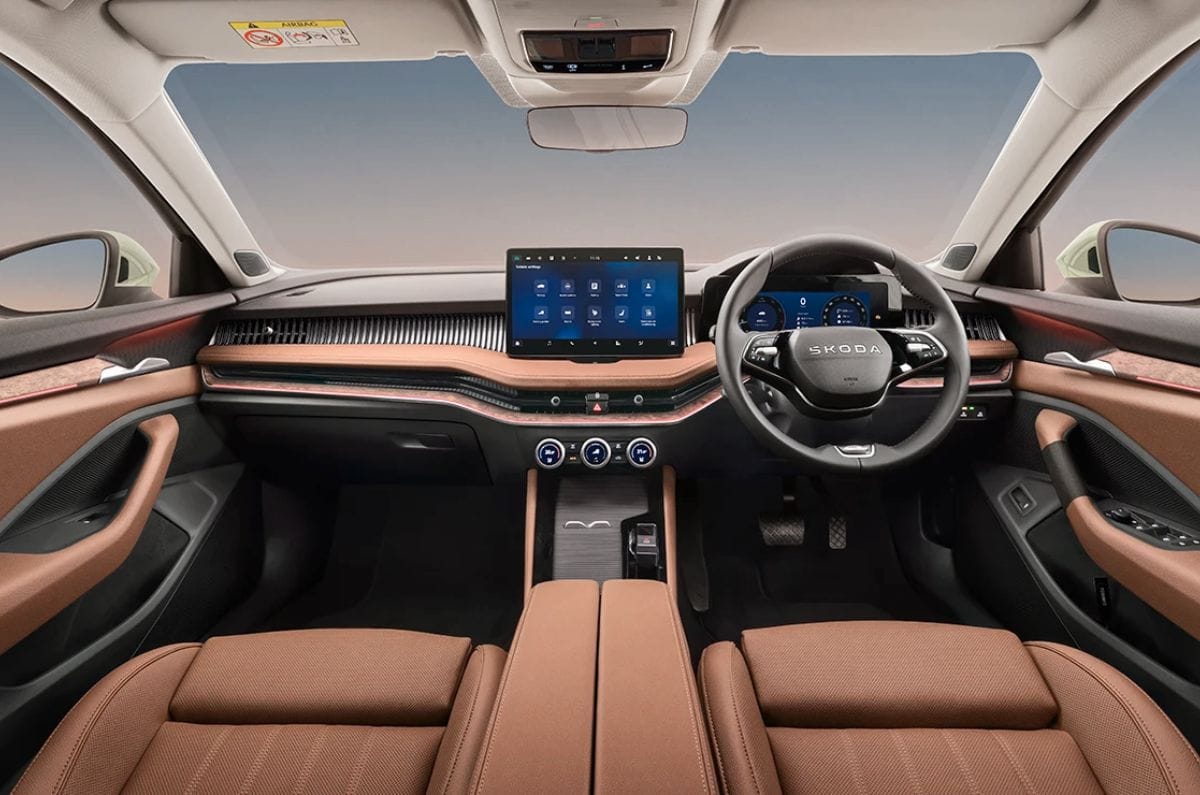
The interior, too, is as elegant as the exterior, featuring a dual-tone black-and-Cognac cabin theme and a simple dashboard with a 12.9-inch touchscreen infotainment system, a 10-inch digital driver’s display and a 3-spoke steering wheel with ‘Skoda’ wordmark. Like the Kodiaq SUV, it gets rotary dials with digital screens on the centre console to operate climate and audio controls. The seats have leatherette upholstery that matches the cabin’s colour scheme.
Other features include a 14-speaker Canton sound system, triple-zone climate control, a 25-Watt wireless phone charger, rear sunblinds and a powered tailgate with gesture support. The front seats are powered and offer features such as memory, heating, ventilation and massage. The Skoda Superb also comes with a ‘Sleep Package’ as standard, featuring adjustable headrests for the rear outboard seats and two blankets for added comfort.
Safety features include 10 airbags, a 360-degree camera, Level 2 advanced driver assistance systems (ADAS), an electronic parking brake, a tyre-pressure monitoring system (TPMS) and automatic parking assistance.
As a CBU import, the Skoda Superb is expected to have a premium positioning and be priced in the Rs 55 lakh-60 lakh range. However, with the India-EU Free Trade Agreement (FTA) set to come into force in 2027, reduced import duties could make the Superb more affordable. If Skoda manages to price it competitively, the Superb could be a fitting alternative to the Toyota Camry, currently the only other sedan in this premium segment.
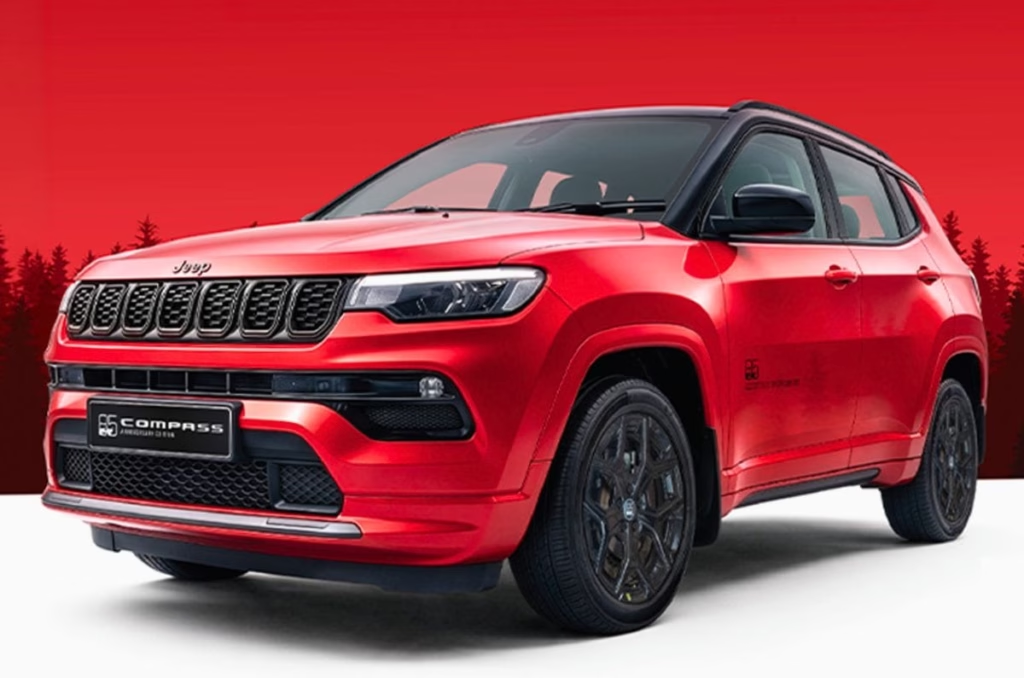
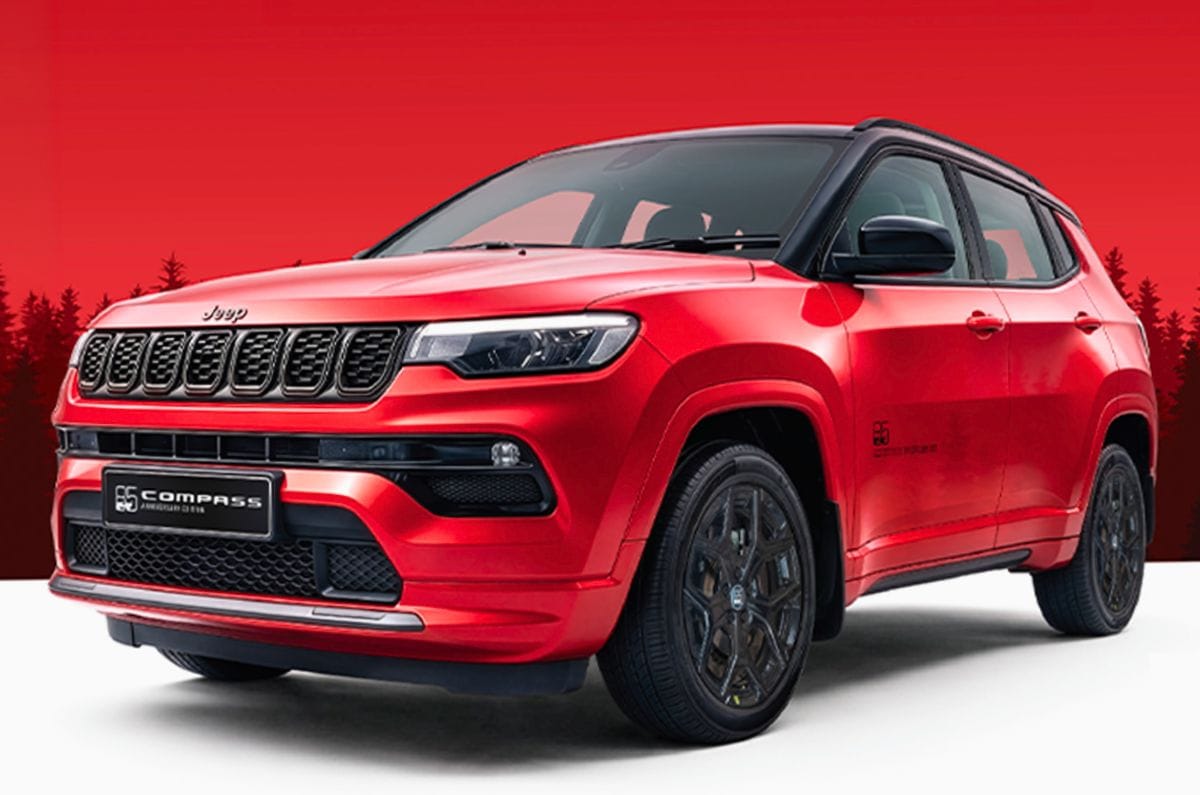
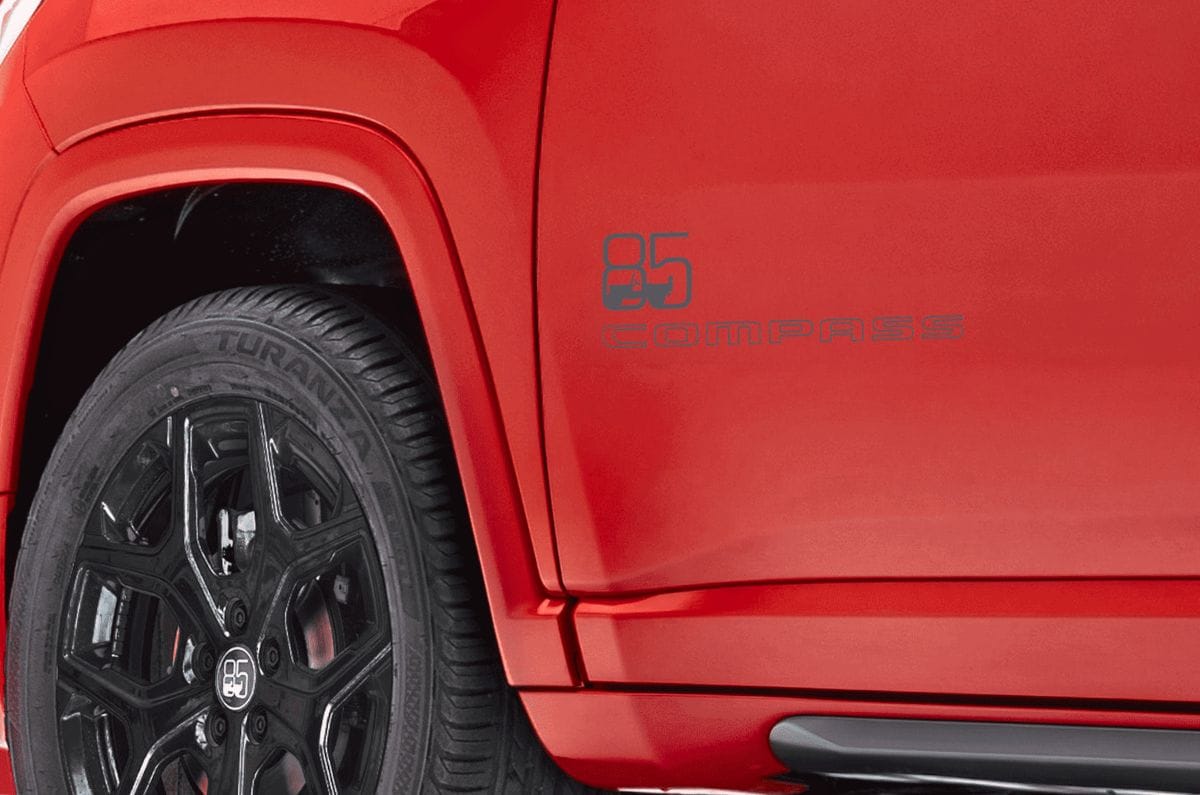
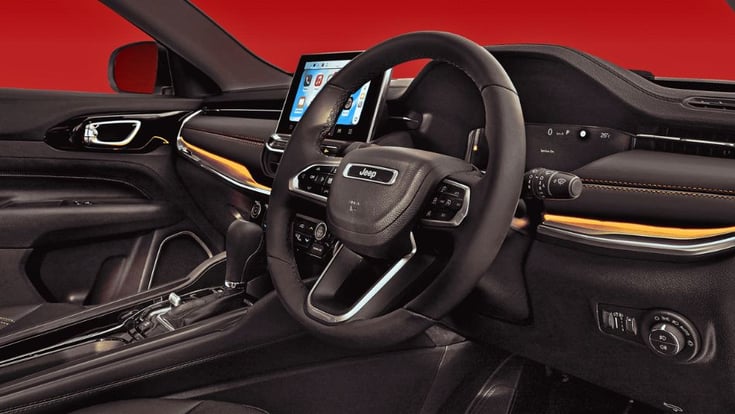
Jeep has launched the Compass 85th Anniversary Edition in India to commemorate 85 years of the brand globally. It is based on the higher-spec Model S (O) trim with identical prices starting at Rs 26.70 lakh (ex-showroom). It has a limited production run of only 85 units. Compared to the standard Compass, it offers some exterior decals, black alloy wheels, an all-black cabin with gold-coloured accents and a few additional features.
Equipped with a 2.0L diesel engine with MT, AT options
On the outside, the only changes are the new ‘85’ decals on the doors, tailgate and wheel hub caps, and gloss-black 18-inch black alloy wheels. Everything else is the same, including the LED headlights with eyebrow-shaped LED DRLs, a black grille with 7 slats, LED fog lamps, alloy wheel design, LED taillights and LED rear fog lamps.
Sports an all-black cabin with gold accents, and offers some new features
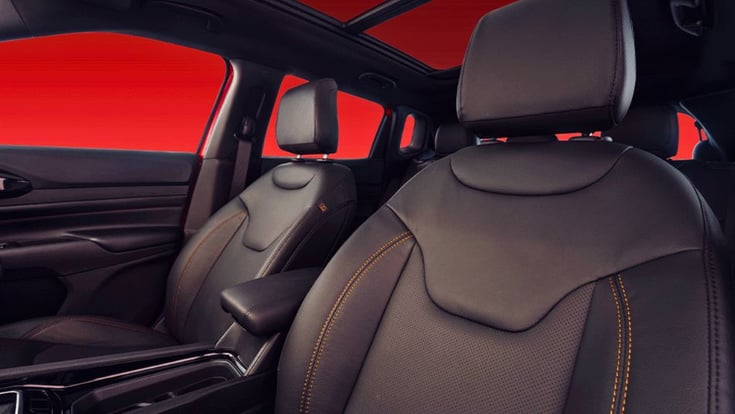
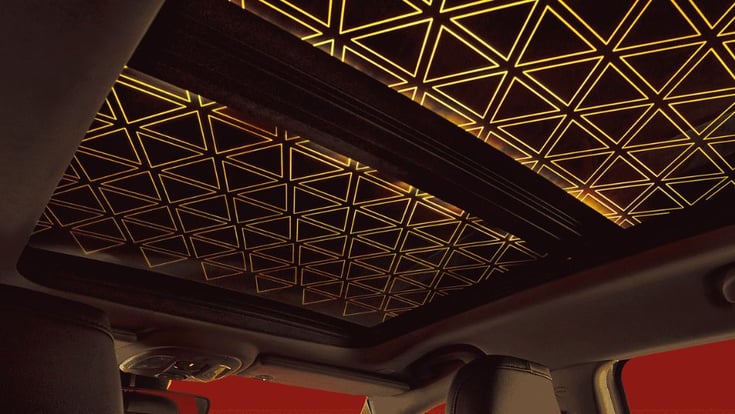
Inside, the Jeep Compass 85th Anniversary Edition is offered with an all-black cabin that looks sporty, with Mayan Gold accents for contrast. The seats also get black leatherette upholstery with the same gold-coloured stitching. This golden hue is also extended to the ambient lighting and illumination on the panoramic sunroof’s sides.
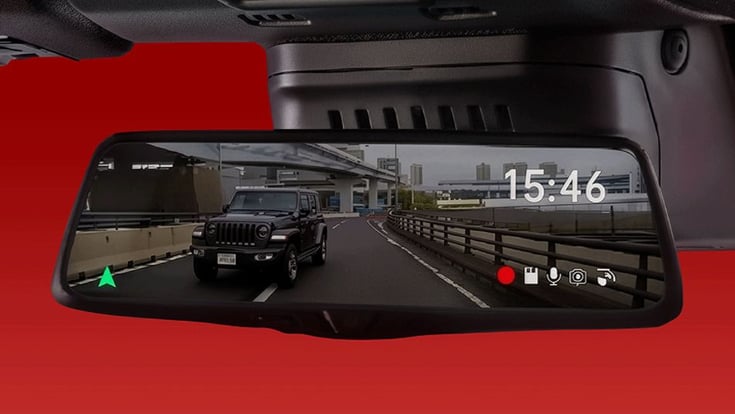
The Compass 85th Anniversary Edition is also available with an 85th Anniversary AXS accessory pack that equips it with additions like illuminated elements on the panoramic sunroof, a digital inside rearview mirror (IRVM), and front and rear dashcams. Other features are the same as the standard Compass, including powered and ventilated front seats, memory function on the driver’s seat, a 10.1-inch touchscreen infotainment system, a 9-speaker Alpine sound system, dual-zone climate control and a wireless phone charger.
Gets the same powertrains as the standard Compass Model S (O)
The Compass 85th Anniversary Edition is powered by the same 2.0-litre diesel engine that produces 170hp and 350Nm. It is offered with a 6-speed manual or a 9-speed automatic transmission, the latter of which is also available with a four-wheel-drive (4WD) option.
Notably, the Jeep Compass 85th Anniversary Edition shares its entire price range with the Model S (O) trim, but Jeep has yet to announce the price of the 85th Anniversary AXS accessory pack. Bookings are open at pan-India Jeep dealerships and the Jeep India website.
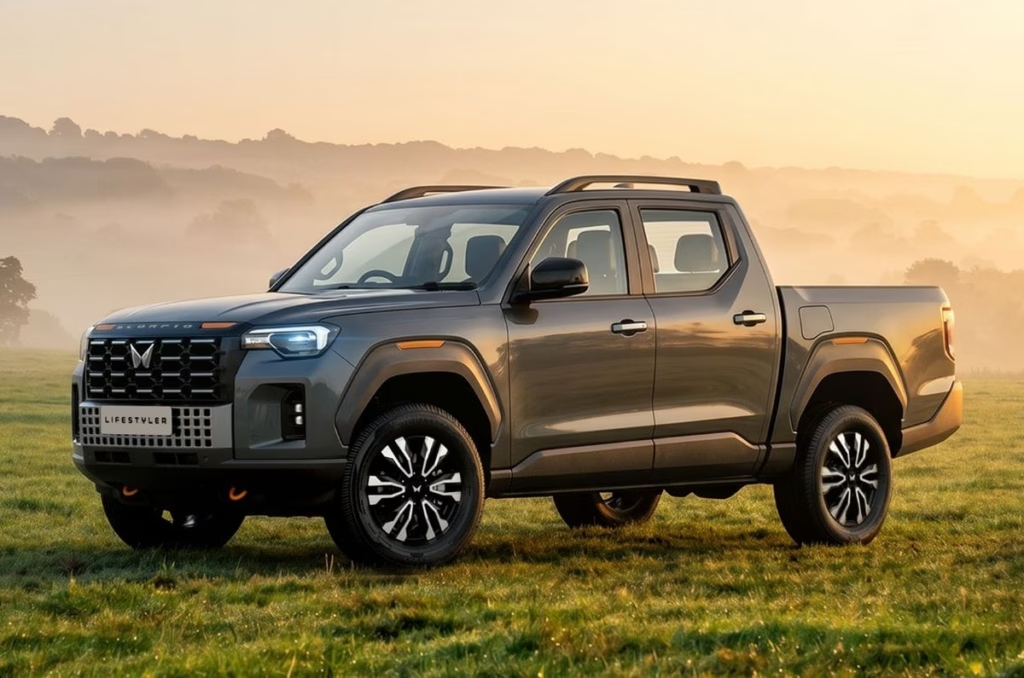
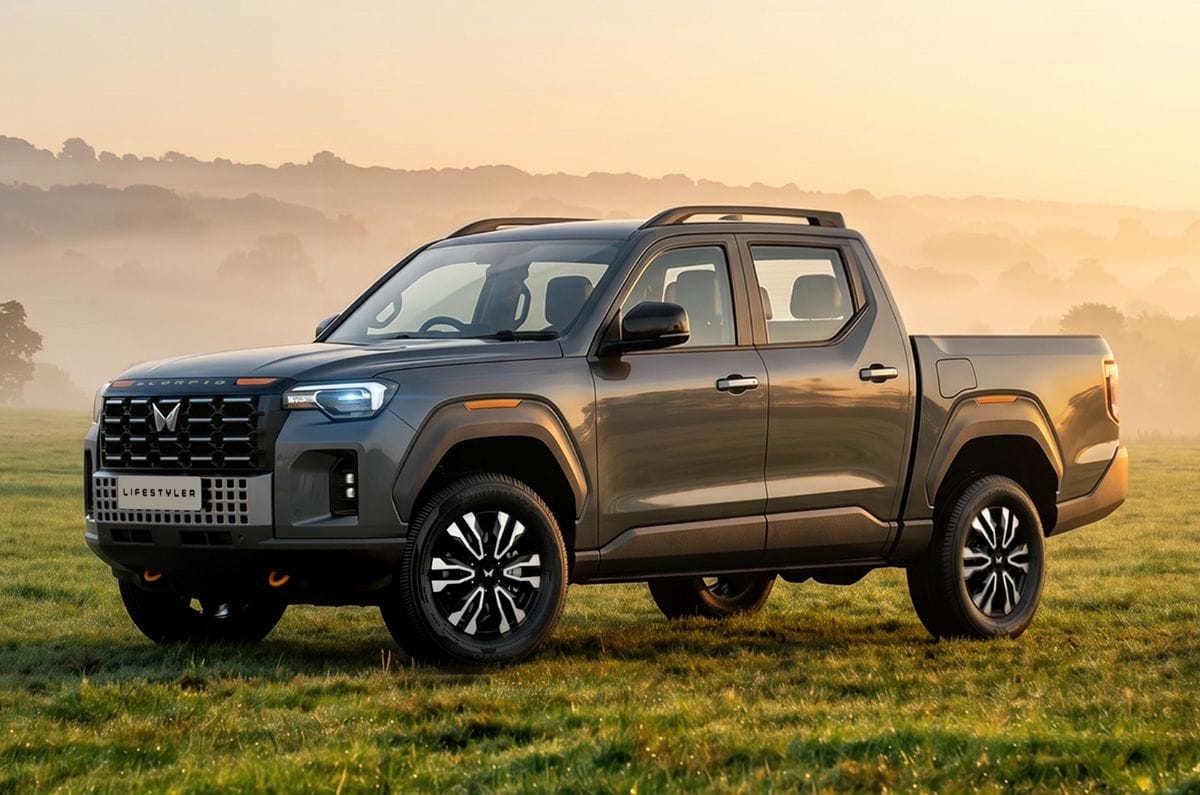
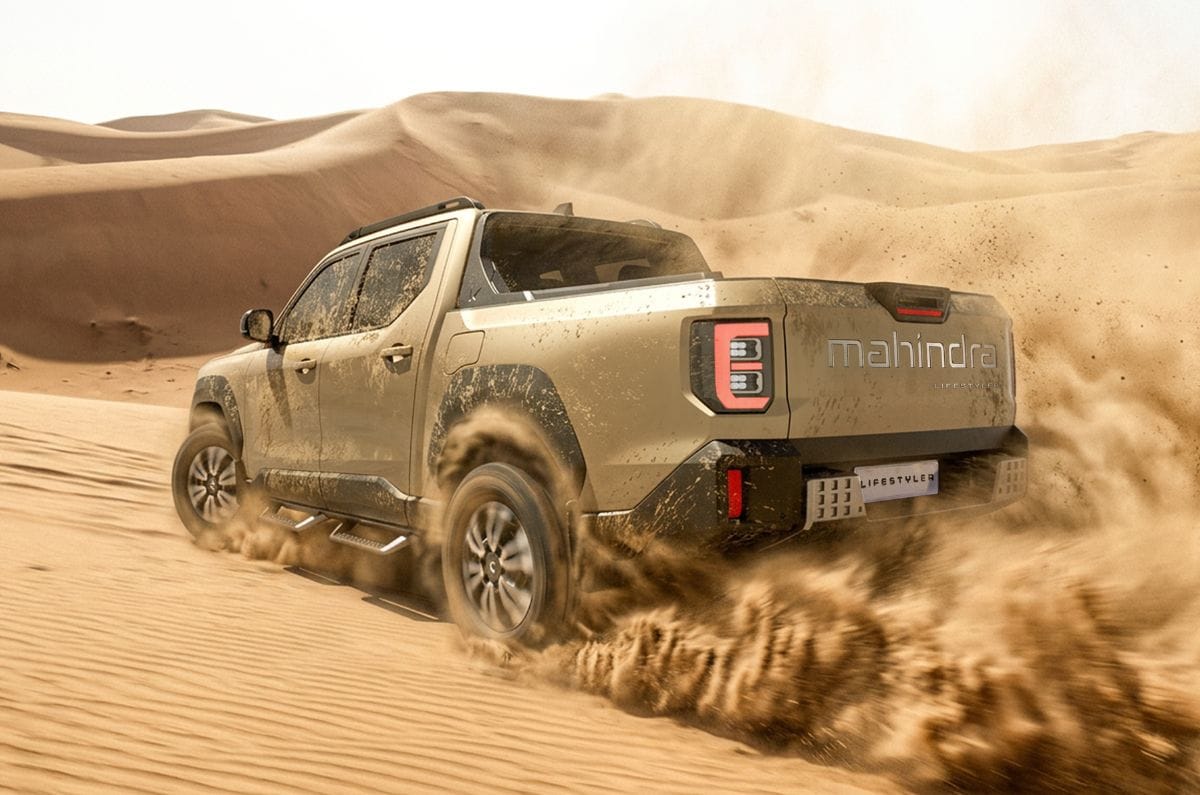
The Mahindra Scorpio Lifestyler will join the pickup truck segment upon its launch sometime before April 2027. Based on the Scorpio N SUV’s ladder-frame platform, Mahindra’s new pickup truck will simply carry the ‘Lifestyler’ moniker in markets abroad. While the automaker is yet fully disclose most of this car’s details, it has confirmed a starting price of under Rs 19.79 lakh (ex-showroom). So, if you’re awaiting the Mahindra Scorpio Lifestyler, here are some important points to keep in mind.
1. Does the Mahindra Scorpio Lifestyler’s design reflect its name?
There’s enough visual drama here to draw in buyers wanting a lifestyle pickup truck
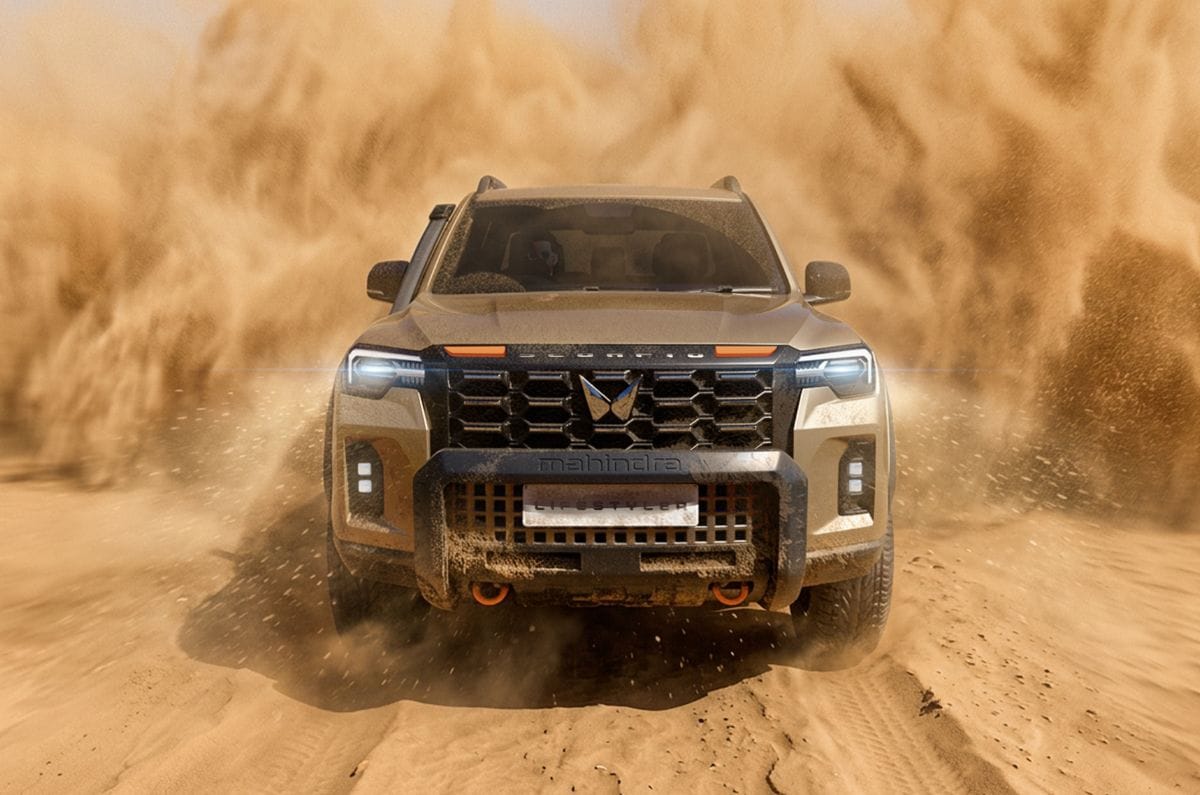
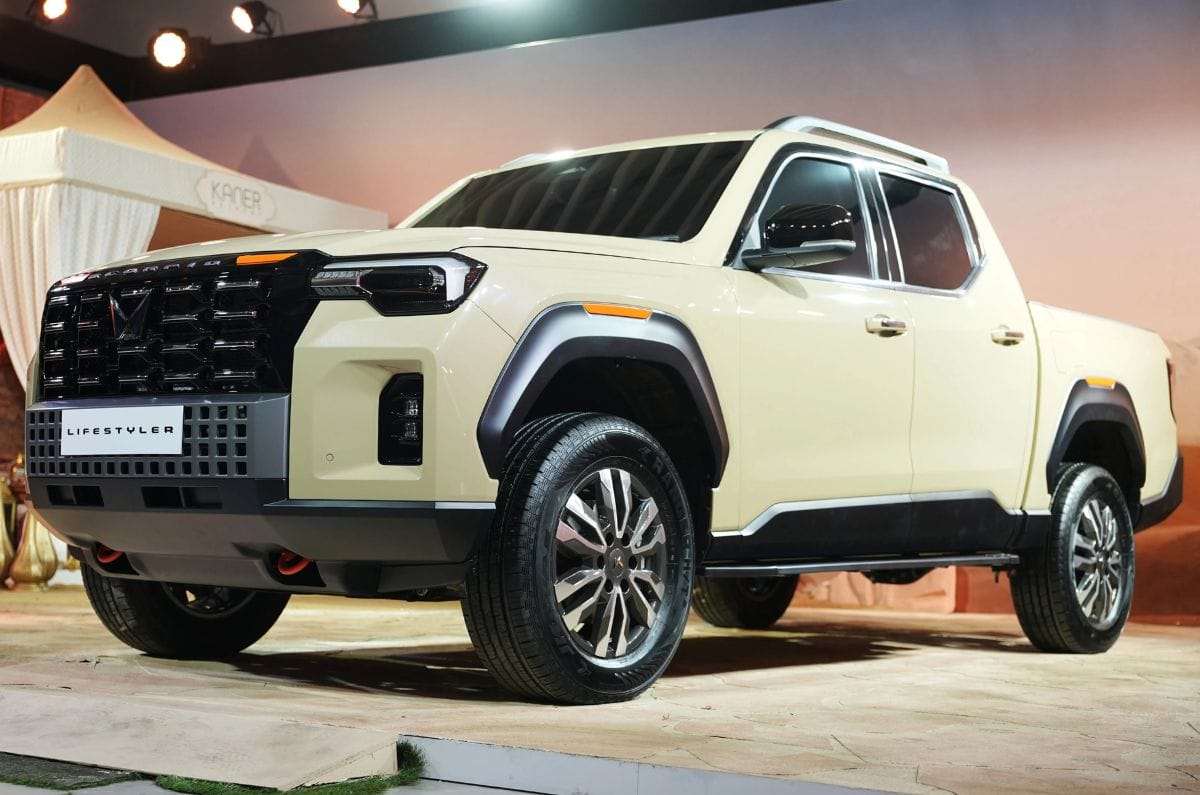
An upright and boxy silhouette, a squared-off front fascia, rugged-looking body cladding, deep wheel wells and of course, a sizeable bed – the Mahindra Scorpio Lifestyler has all basic ‘pickup truck’ design aspects covered. Backing its ‘lifestyler’ suffix visually are three avatars as shown during the model’s reveal. There’s the Valley Edition that’s finished in Artemis Grey, Reef Edition with an Aquareef colour, and a Trail Edition that sports the so-called Sahara Beige colour scheme. Each of these get their own unique exterior decals and badging.
While there are some visual cues that this is the Scorpio N’s platform sibling (such as the ‘Scorpio’ badging at the top of the front grille), the Lifestyler pickup has several design cues that are unique to it. One of these is the prominent Double Cab body and a short bed at the back, which appears to be shorter than the one found on the Hilux. The headlamps are sleeker and more intricately styled units with a different LED DRL pattern. Depending on the avatar chosen, the chunky front bumper of the Scorpio Lifestyler can be had with an integrated bullbar, whilst vertically aligned fog lamps are available too.
The top portion of the boxy-looking grille is finished in black and gets orange reflector elements, which match the orange tow hooks placed either side of a bash plate. The lower portion of the grille features large squares arranged in a mesh pattern. This design is mirrored on the rear bumper, which also features static reflectors on the sides and an integrated footstep that’s lit for better visibility in the dark. There are large C-shaped DRLs, LED tail-lamps, plus ‘Mahindra’ and ‘Lifestyler’ branding on the tailgate. The Scorpio Lifestyler also gets roof rails and side steps, and a kinked rear windowline.
2. How is the interior of the Mahindra Scorpio Lifestyler?
The interior of this pickup truck combines modern with rugged quite well
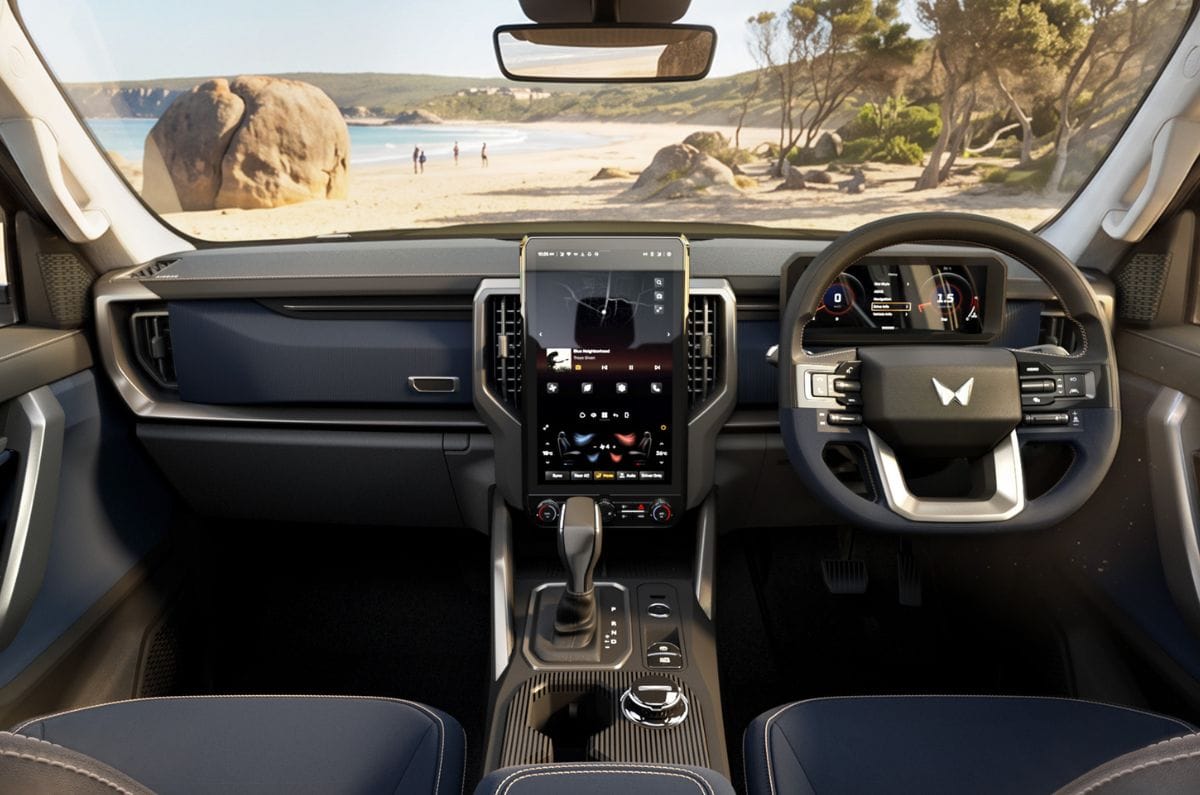
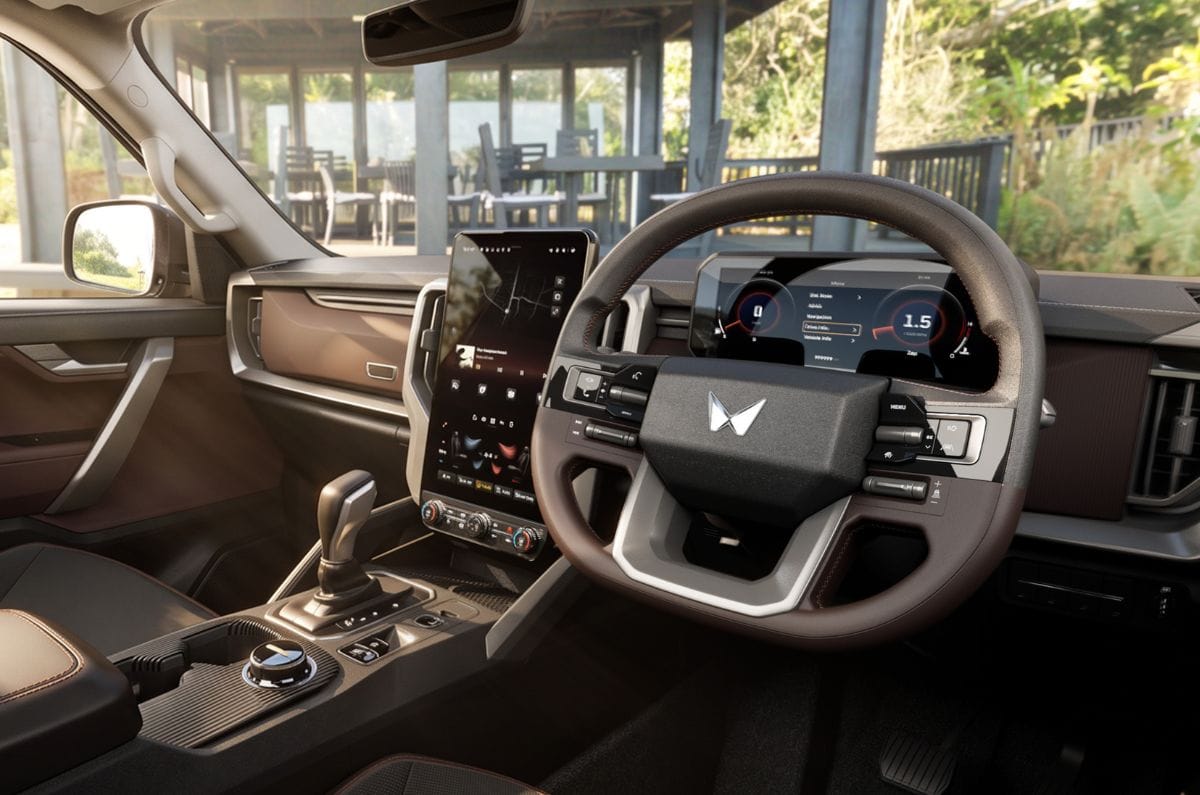
The squircle steering of the Mahindra Scorpio Lifestyler looks busy with its assortment of physical buttons and scroll wheels. Placed behind this on the dashboard is a fully digital instrument cluster with a multi-information section in the centre. In the middle of the dash is a large portrait-oriented touchscreen, flanked by vertically arranged central air-con vents. Placed below this screen are some physical switchgear, with the centre pedestal home to a few more important controls and cupholders.
The upright design of the dashboard with its flat top, along with the large door handles and pillar-integrated grab handles, add to the rugged appeal of this interior. The Reef Edition gets a blue & black dual-tone interior with white stitching, while the Valley Edition features a brown & black theme with brown and white stitching. As for the Trail Edition, its cabin sports contrasting yellow stitching. The interior of the Scorpio Lifestyler also includes leatherette and satin silver trim, plus some chrome detailing.
3. What are some of the features of the Mahindra Scorpio Lifestyler?
The Scorpio Lifestyler is to be well-equipped with several modern conveniences and safety gear
Some of the kit that the Mahindra Scorpio Lifestyler is expected to offer include dual-zone automatic climate control with rear vents, powered front seats, a powered sunroof, push-button start, an electronic parking brake with auto-hold, drive/terrain modes, a premium audio system, wireless Apple CarPlay & Android Auto, and wireless phone charging. On the safety front, there will be multiple airbags, electronic stability control, hill-start assist, hill-descent control, surround-view cameras and a tyre-pressure monitoring system.
4. What engine and gearbox options will the Mahindra Scorpio Lifestyler offer?
The Scorpio Lifestyler is expected to offer buyers both petrol and diesel powertrains
Powering the Mahindra Scorpio Lifestyler are likely to be a choice of two engine options: a mHawk 2.2-litre diesel and an mStallion 2.0-litre direct-injection turbo-petrol engine, which are the same units found under the bonnet of the Scorpio N SUV. The exact output of these powerplants will be revealed closer to the launch of this pickup. Meanwhile, transmission choices could include a 6-speed manual and a 6-speed torque-converter automatic. With a starting price of under Rs 19.79 lakh (ex-showroom), the Mahindra Scorpio Lifestyler will find itself positioned closer to the Isuzu D-Max rather the more expensive Toyota Hilux.
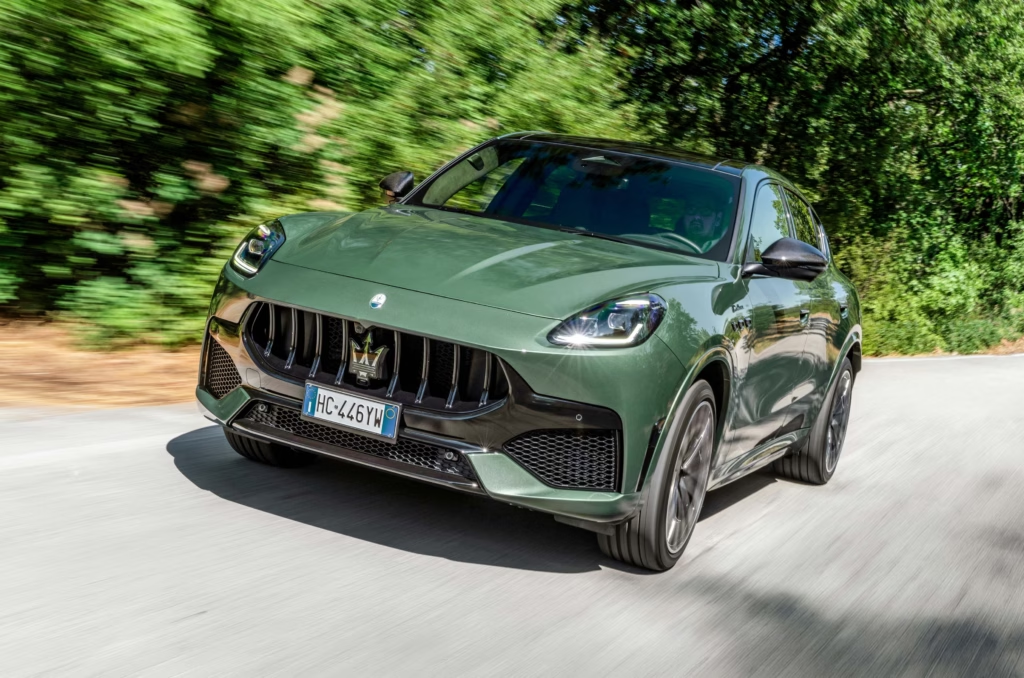
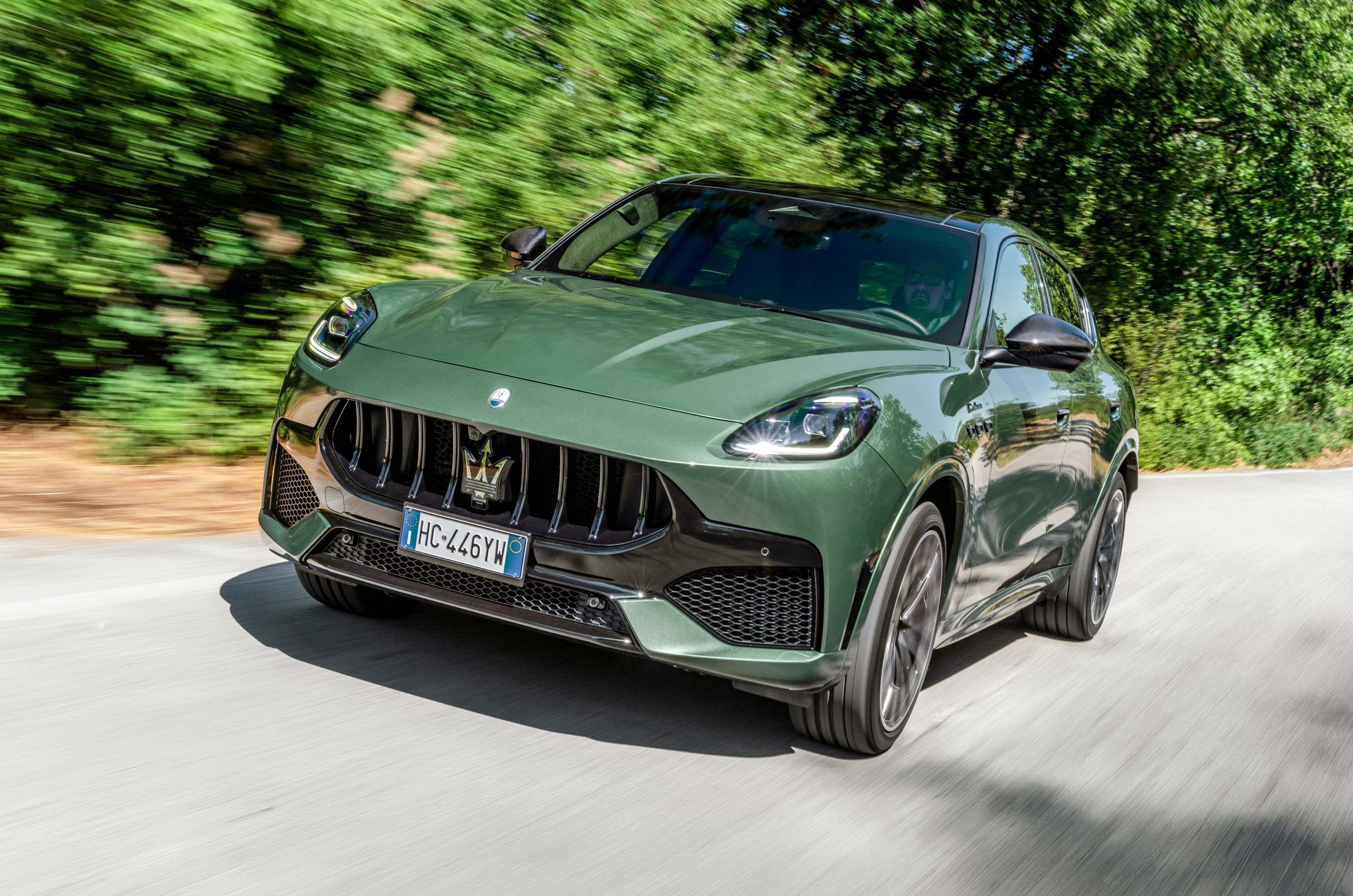
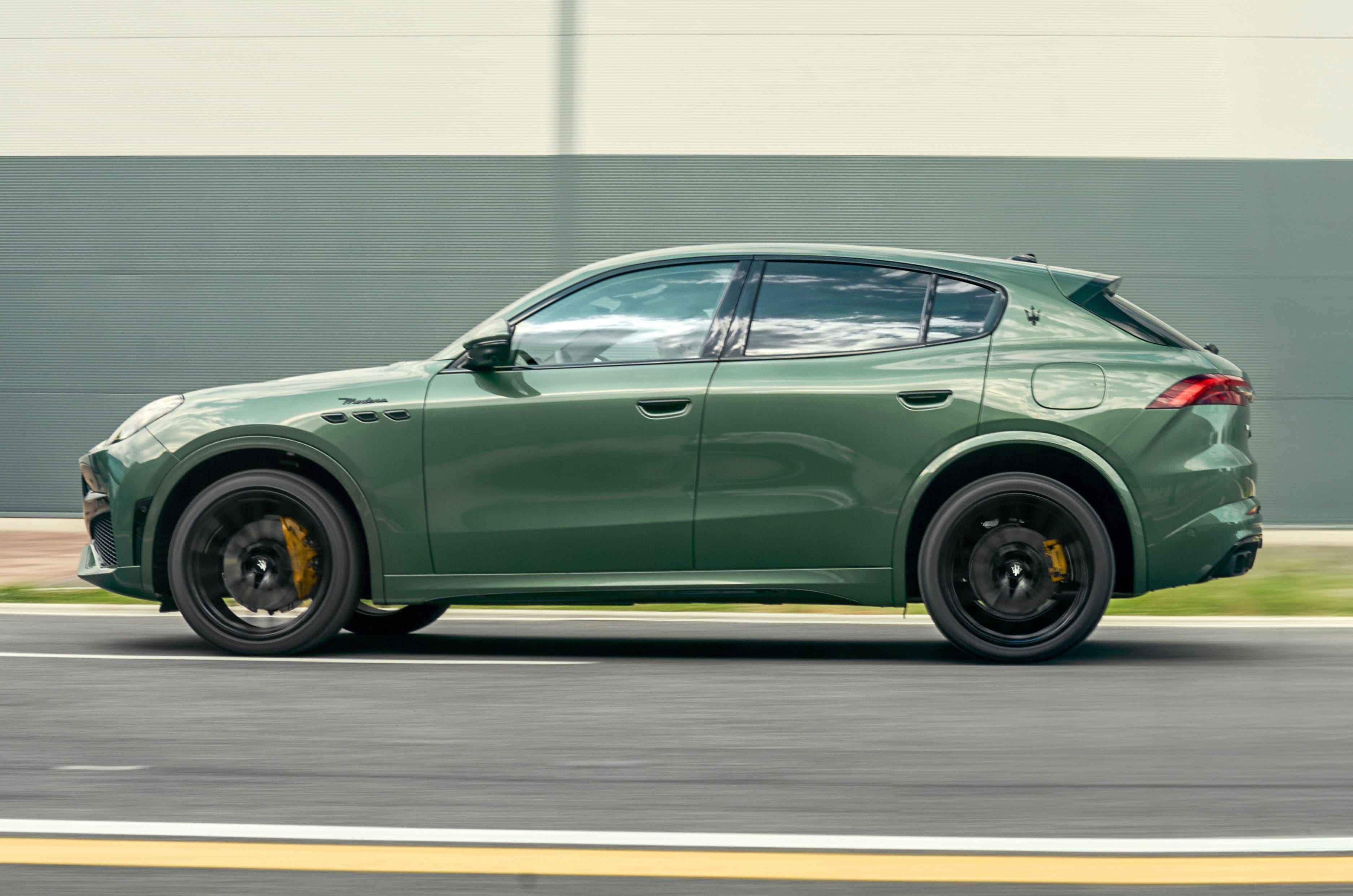
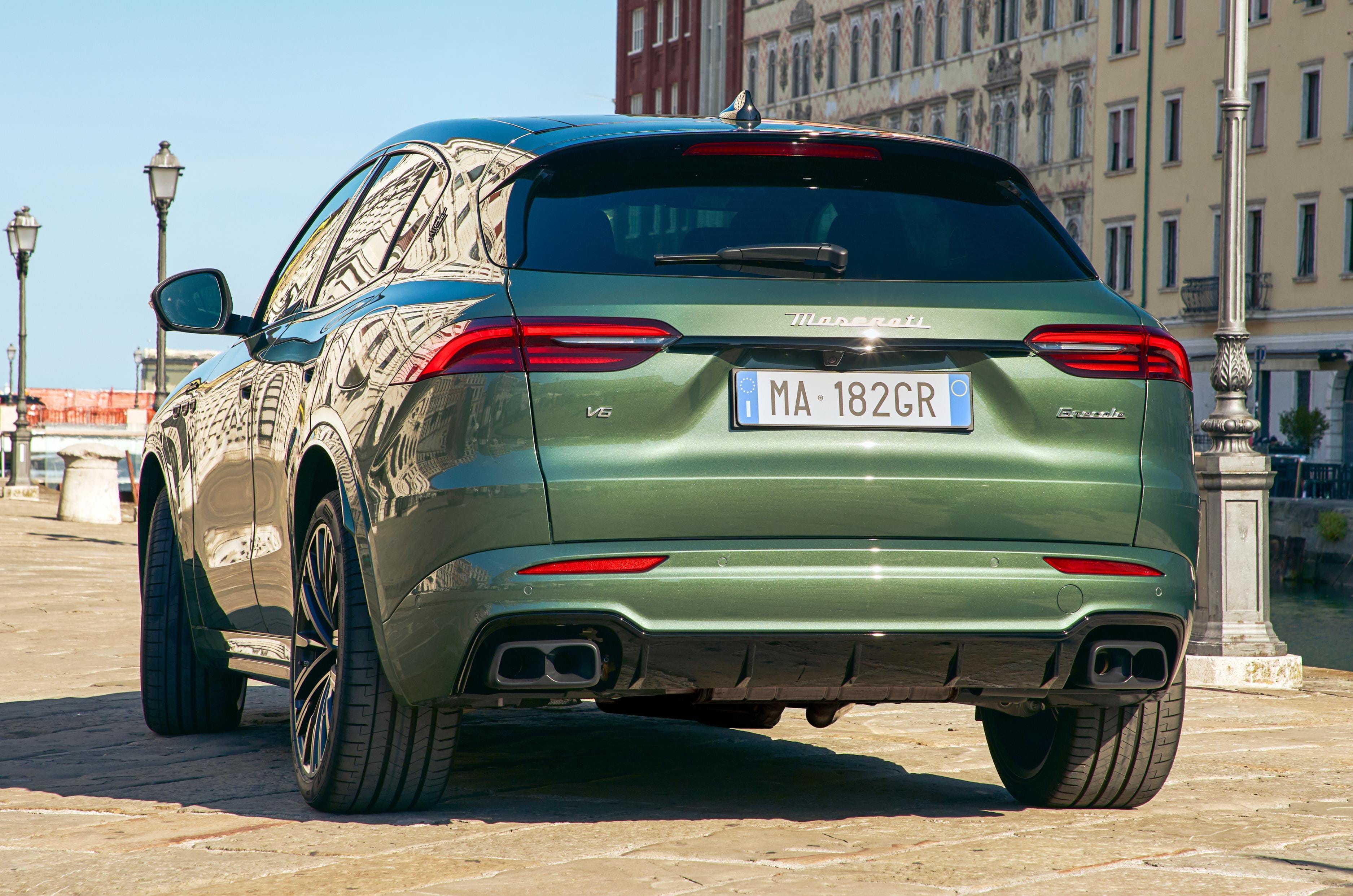
The Grecale is Maserati’s take on the mid-size luxury SUV and in SUV-crazy India will likely be the first port of call for buyers intrigued by the iconic brand. It’s been updated outside, inside and under the hood to help convert that mystique into sales.
2027 Maserati Grecale Exterior Design and Engineering – 8/10
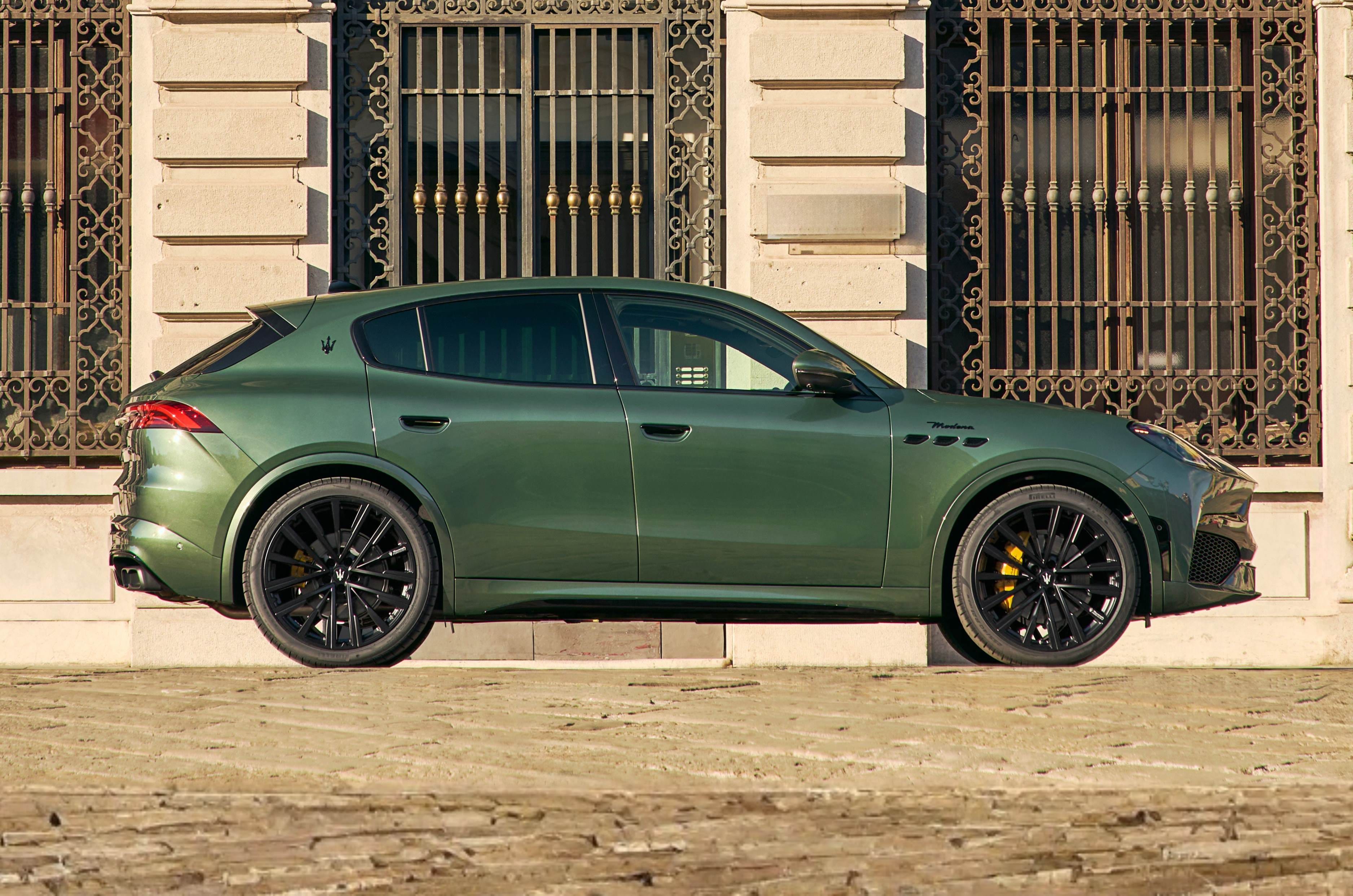
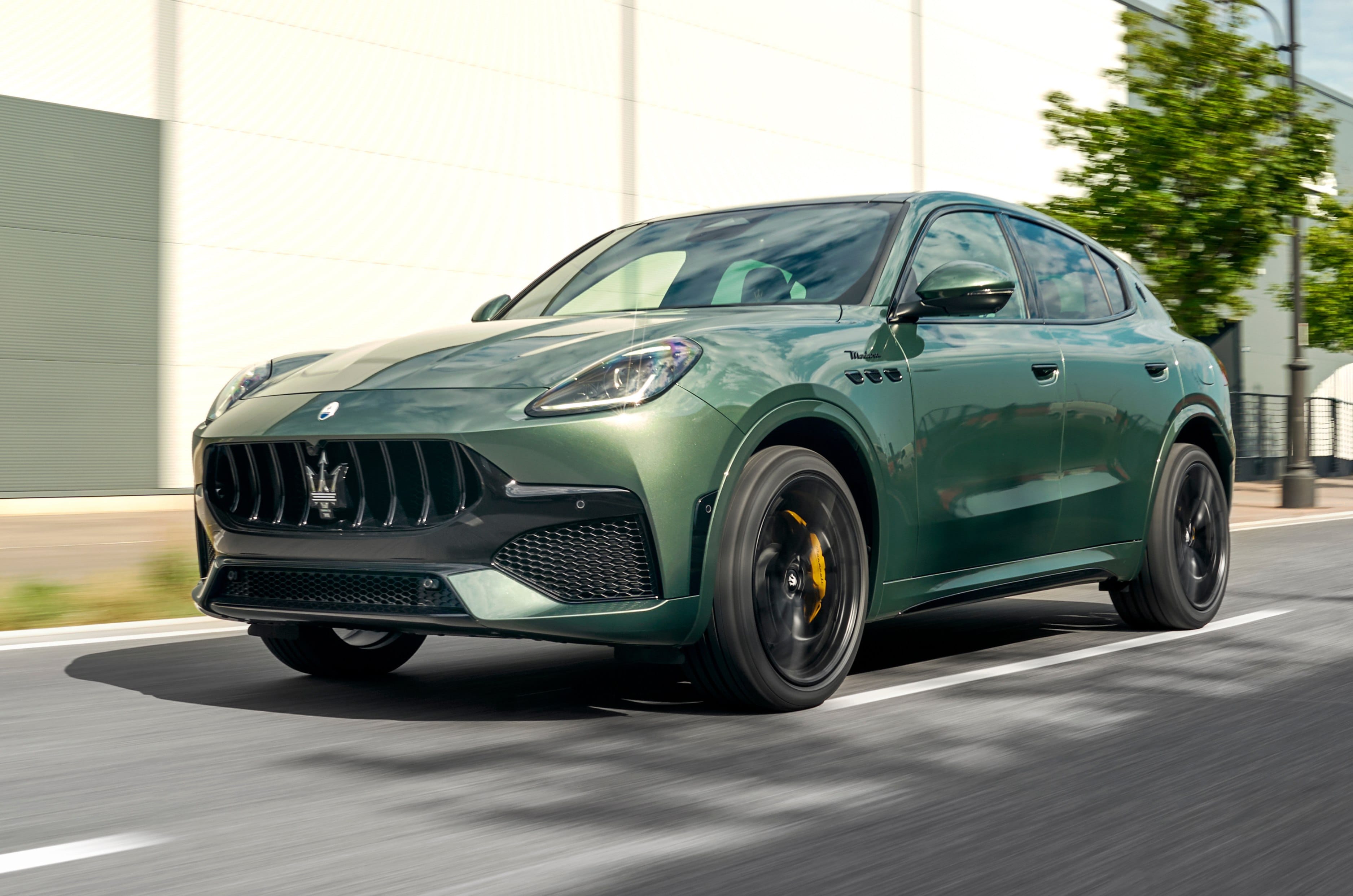
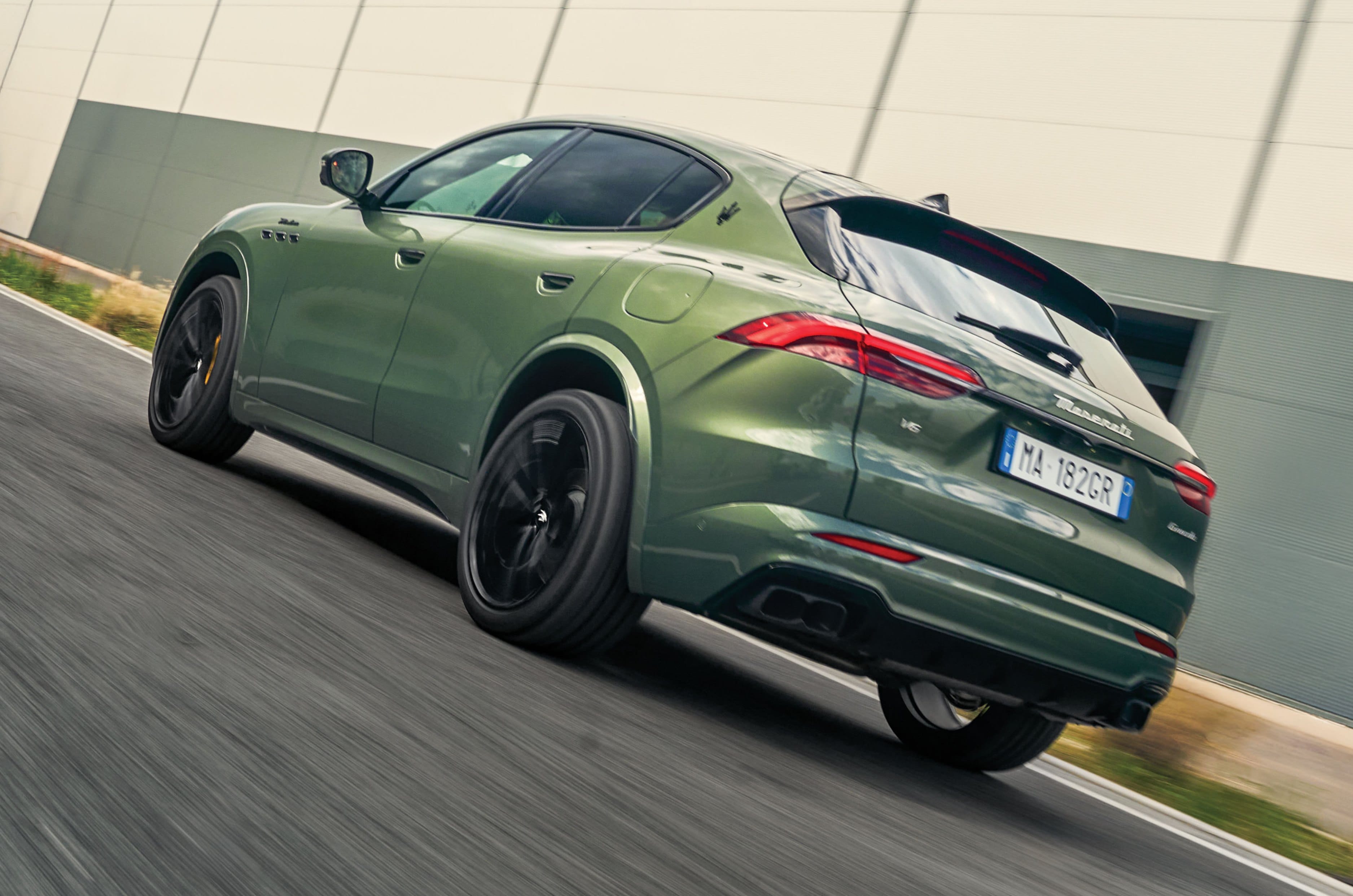
Like most Maseratis, the Grecale is one of those cars that looks better in the metal than it does in photographs. There’s Italian flair to the design, with the proportions finely balanced across its 4.8m length. The classic Maserati cues – voluptuous fenders, vents aft of the front wheels and the cut of the glasshouse – are all there and help establish the marque, even in profile.
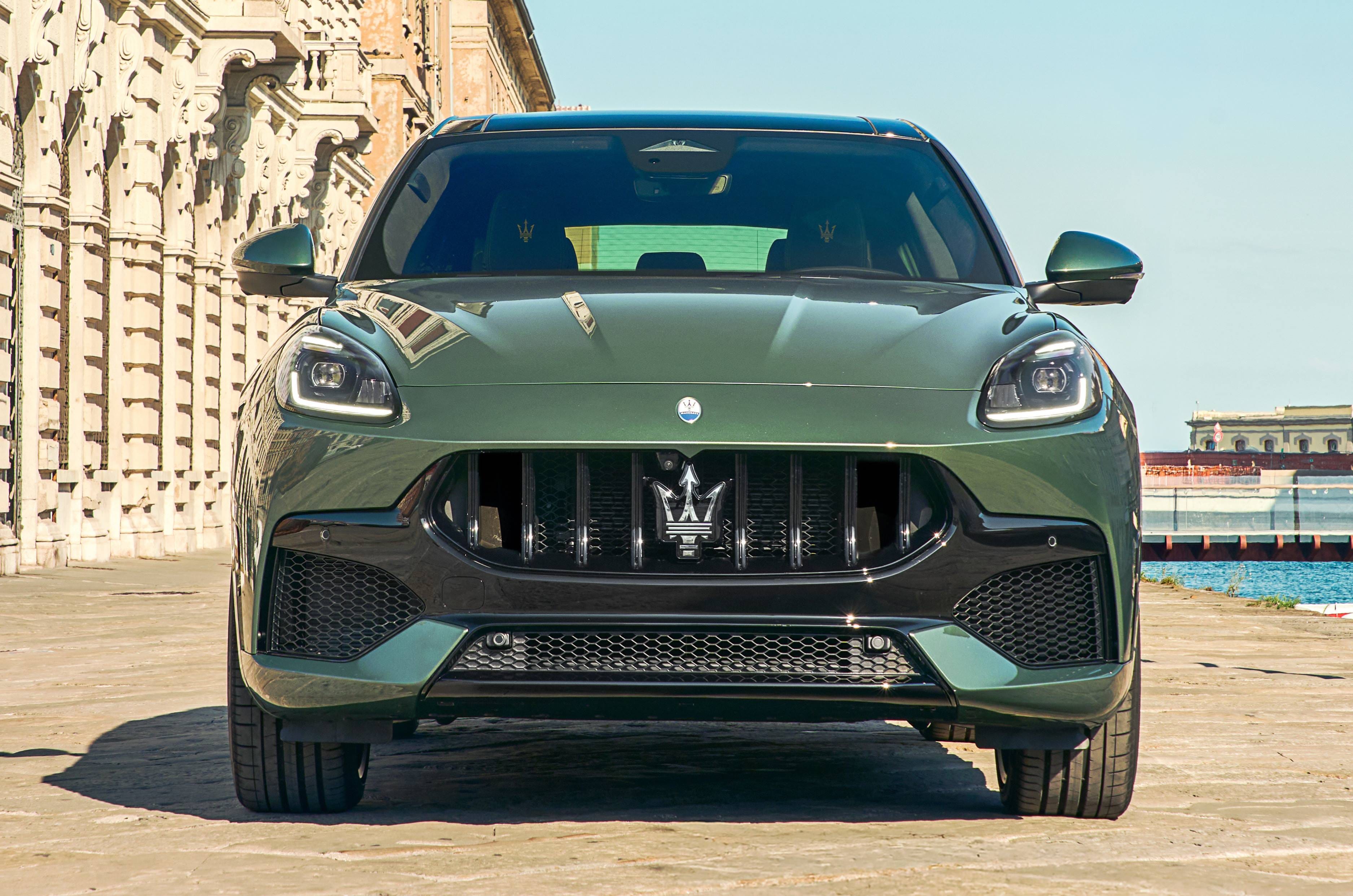
The 2027 Grecale gets a more prominent concave grille with the Trident logo at its centre.
The key visual change comes at the front. A strong horizontal crease visually divides the face into two distinct sections. The upper portion retains the familiar sculpted Maserati look, while the lower section adopts a far more technical and aggressive appearance. Larger air intakes flank a more pronounced concave grille, with the Trident logo taking centre stage. The changes aren’t dramatic, but they make the Grecale look considerably sportier and give it much stronger road presence. Ahem, that visual link to the humble Suzuki Swift is also less pronounced now.
Signature vents on the front fenders add character to the Grecale’s profile.
There are minor tweaks to the trim elsewhere and, as ever, there’s lots of scope to customise the appearance. I wouldn’t change our test car’s arresting Verde Royale-on-black colour scheme, thank you very much.
2027 Maserati Grecale Interior Space and Comfort – 8/10
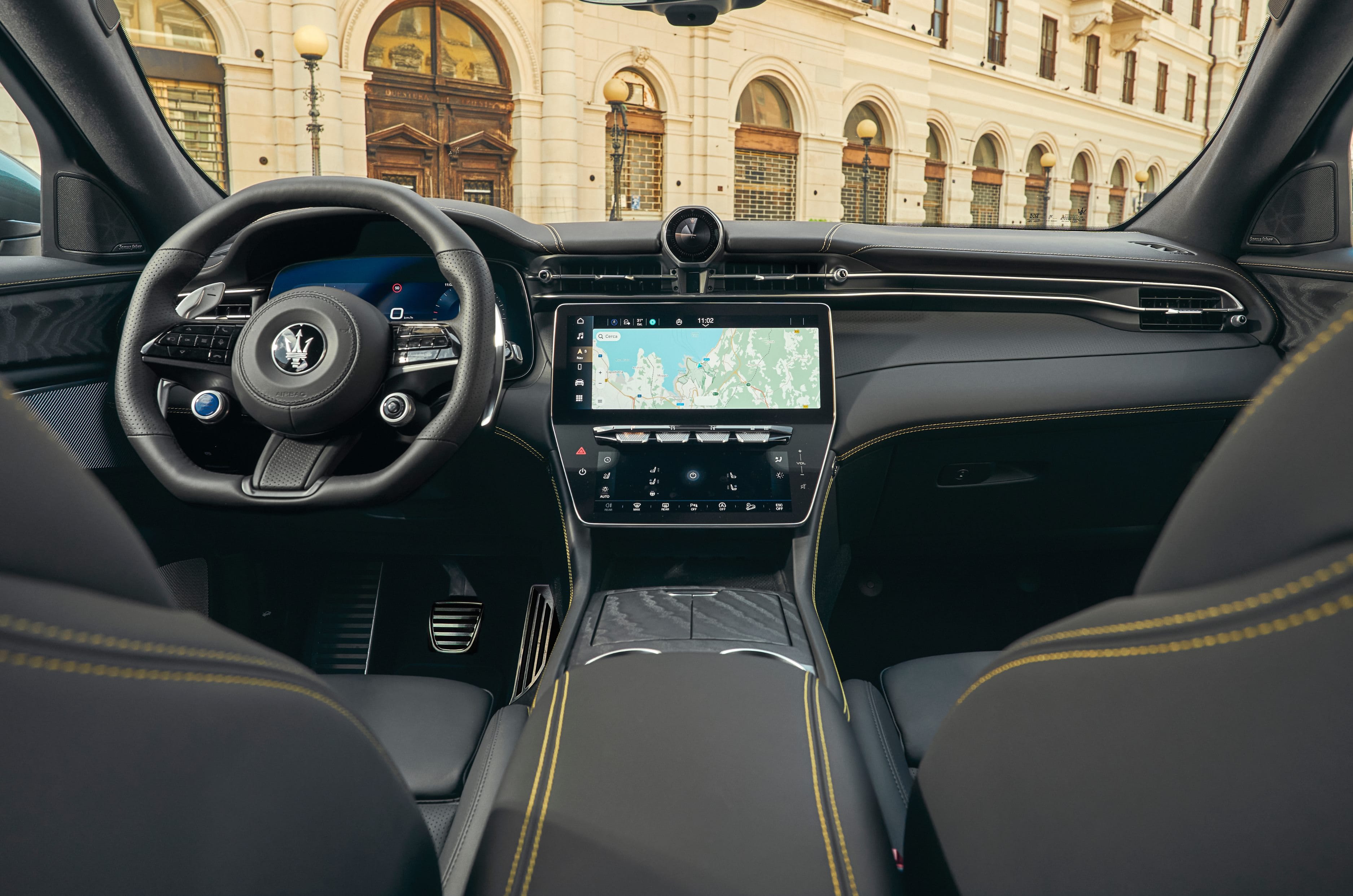
The cabin continues to combine rich leather upholstery with stitched dashboard detailing.
Not much has changed inside, but that’s no bad thing because this remains a cabin that strikes a nice balance between modern technology and traditional Italian craftsmanship.
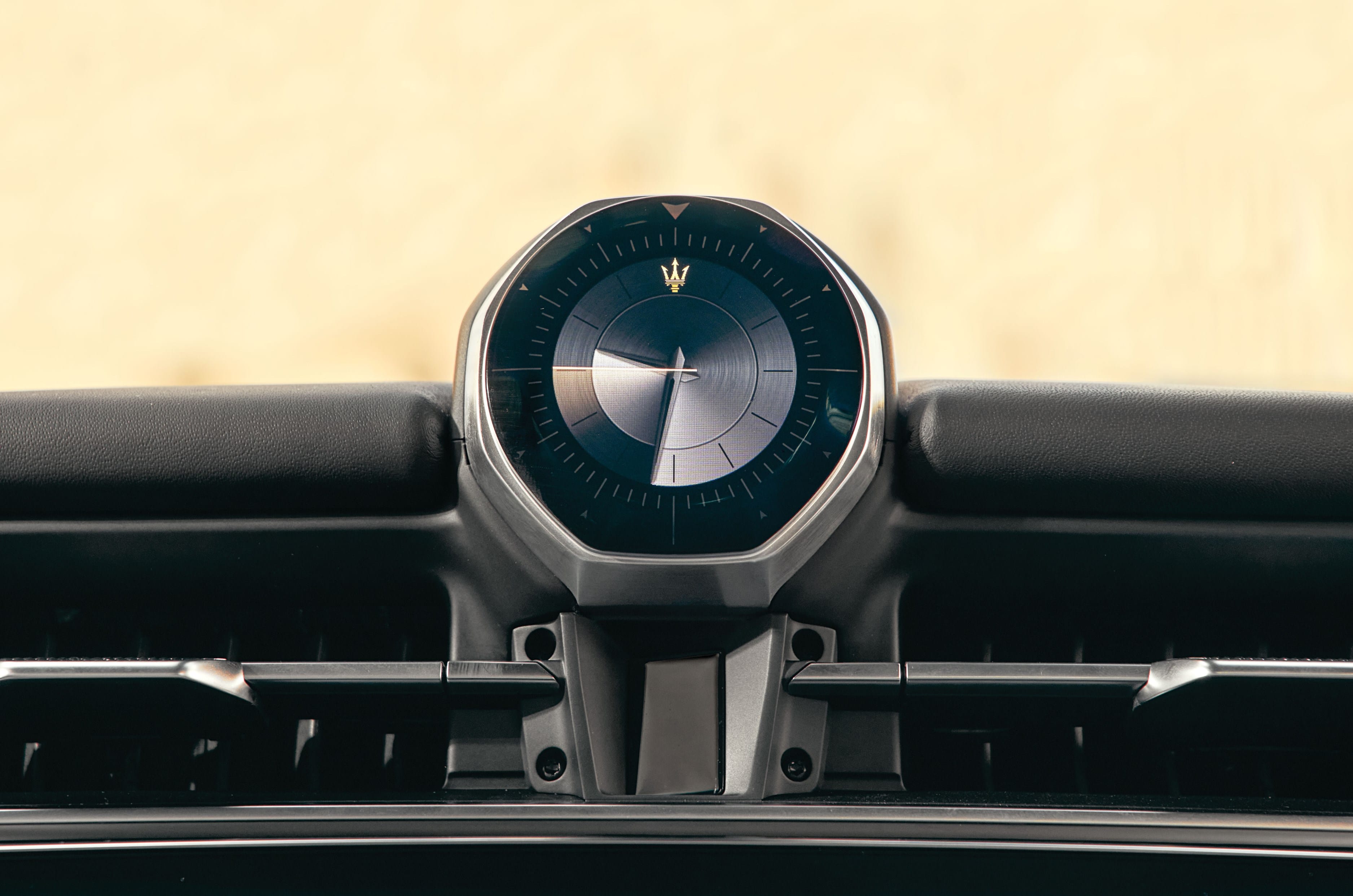
There are still four displays: a digital instrument cluster, a large central touchscreen, a lower touchscreen for climate control functions and Maserati’s signature clock. Each has been subtly updated. The digital clock gets a revised face and new glass designed to mimic the appearance of a conventional analogue timepiece while retaining its digital functionality.
The digital clock gets a new face and glass designed to imitate an analogue timepiece.
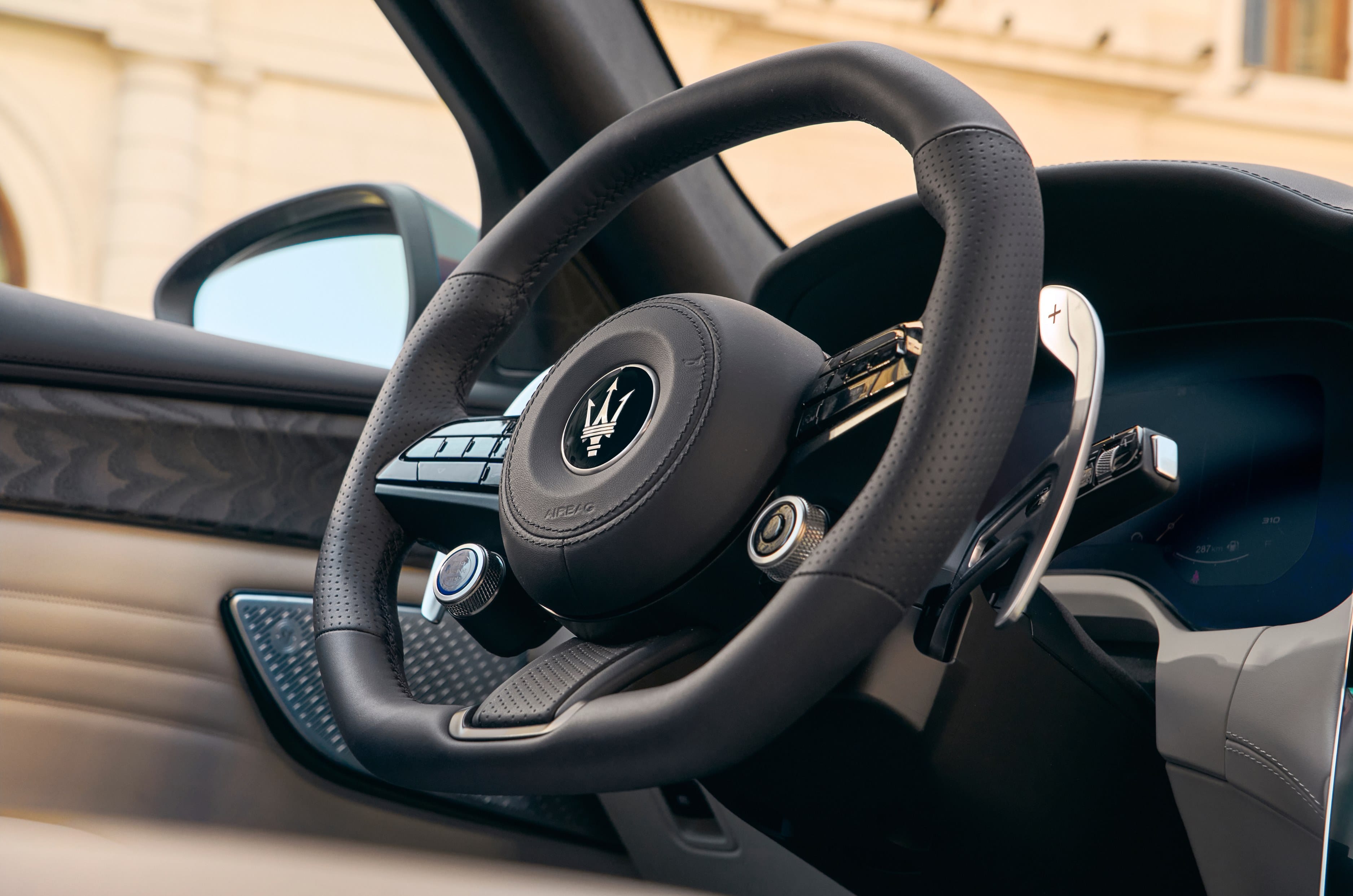
Lower down, the old gear selector buttons have made way for metallic toggle switches that look and feel richer. The steering wheel has also been redone with a squared-off shape that feels great to hold. Behind it sit Maserati’s trademark oversized aluminium paddle shifters, mounted to the steering column, and they remain among the most satisfying paddle shifters you’ll use in any performance SUV.
Grecale’s aluminium paddle shifters are among the most satisfying to use.
Despite the screen-heavy layout, the Grecale’s interior isn’t lacking on warmth. Rich leather upholstery, beautifully stitched dashboard trim and some plush materials (exposed carbon fibre for the win) tell you a lot of love and work has gone into putting the interior together. Some plastics do feel ordinary, though.
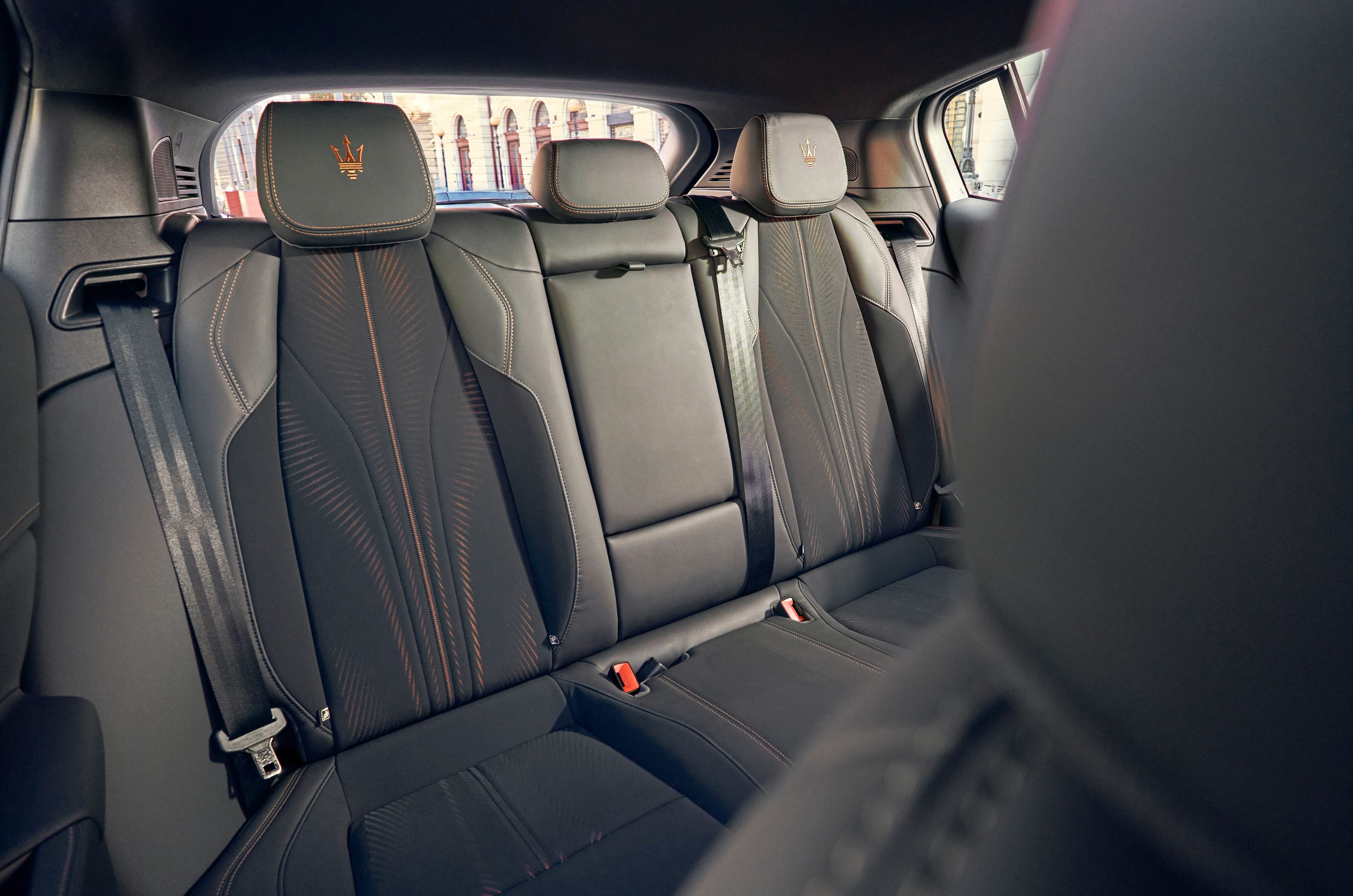
Rear passengers get good kneeroom and headroom, although the backrest is not reclinable.
The front seats are supportive and are the best ones in the house. While rear seat space is better than that of a Porsche Macan (the car the Grecale was built to beat), it’s not the ideal buy for chauffeur-driven buyers who will see more value in a like-priced Merc GLE or BMW X5.
Rear-seat passengers will find kneeroom and headroom more than adequate, although a reclinable backrest would have added another layer of comfort.
2027 Maserati Grecale Performance and Refinement – 8/10
The Grecale continues to be offered in three flavours – GT, Modena and Trofeo – but today’s Modena isn’t exactly the same as the one before. While the Modena was powered by a 2.0-litre four-cylinder turbo-petrol producing 330hp, the new Modena, confusingly enough, also gets Maserati’s 3.0-litre Nettuno V6, with output pegged at 390hp. It neatly bridges the gap between the entry-level 300hp Grecale GT and the full-fat 530hp Trofeo.
2027 Grecale Modena switches to 3.0-litre V6 from the erstwhile 2.0-litre 4-cylinder mill.
It’s easy to fall for the charms of the ‘new’ Modena. The new 390hp V6 comes across as a much more natural fit for something with the Maserati badge. There’s ready power at hand and a nice pull past 6,500rpm when the roads allow. There’s great fun working through the gears too, partly because of the feel at the paddles and partly because of the ‘braaap’ from the exhaust during shifts. The soundtrack, in general, is very appealing, with a gentle growl growing into a muscle-car burble. How much of that sound originates from the engine and exhaust, and how much is enhanced through the speakers, is difficult to tell, but the end result is undeniably enjoyable.
2027 Maserati Grecale Ride Comfort and Handling – 8/10
Its sporty setup lets some road imperfections through, but it stops short of feeling uncomfortable.
What’s also easy to glean is that the Grecale isn’t trying to be a soft, comfort-focused luxury SUV. There is a definite sporting edge to the way it rides and handles. You’ll feel bumps and imperfections in the road more readily than you would in some rivals, although it never crosses the line into feeling harsh or uncomfortable.
Adaptive dampers let you adjust the suspension response through via drive modes.
Adaptive dampers allow you to tailor the suspension’s responses depending on the selected drive mode, and while they do make a noticeable difference, even the most comfort-oriented setting stops short of completely isolating you from the road. The way to look at it is that it allows a little more of the driving experience to filter through, reminding you that this is a Maserati first and an SUV second. The crisp handling is up there with the now-retired Porsche Macan ICE, and that’s high praise.
2027 Maserati Grecale Price and Verdict – 8/10
The updates for 2026 may not completely transform the Grecale, but they make an already distinctive luxury SUV a more convincing proposition. The sharper styling gives it greater visual presence, while the introduction of the V6-powered Modena fills an important gap in the range. More importantly, it strengthens the Grecale’s case for anyone in the market for an SUV that prioritises driver appeal.
The timing couldn’t be better either. Maserati is renewing its focus on India with a new dealer network and a stronger push in the market. The Grecale will continue to command a premium over similarly sized luxury SUVs (we expect the range to start at Rs 1.2 crore ex-showroom), but it has the style and character to charm its way into contention.