
2026 Tata Sierra EV review: Rough with the smooth

Tata Sierra EV

We’ve said in the past, the Sierra is the best Tata model on sale currently, representing the best of the brand’s learnings over the years. We’ve also said Tata’s electric powertrains are better than the equivalent combustion engines on offer. So, combine the two, and it’s undoubtedly a winning formula. But with EV tech and customer expectations moving so rapidly these days, is that necessarily a foregone conclusion?

2026 Tata Sierra EV exterior design and engineering – 9/10

Retains the ICE version’s sharp looks and practicality while incorporating a large battery.
Tata Sierra EV

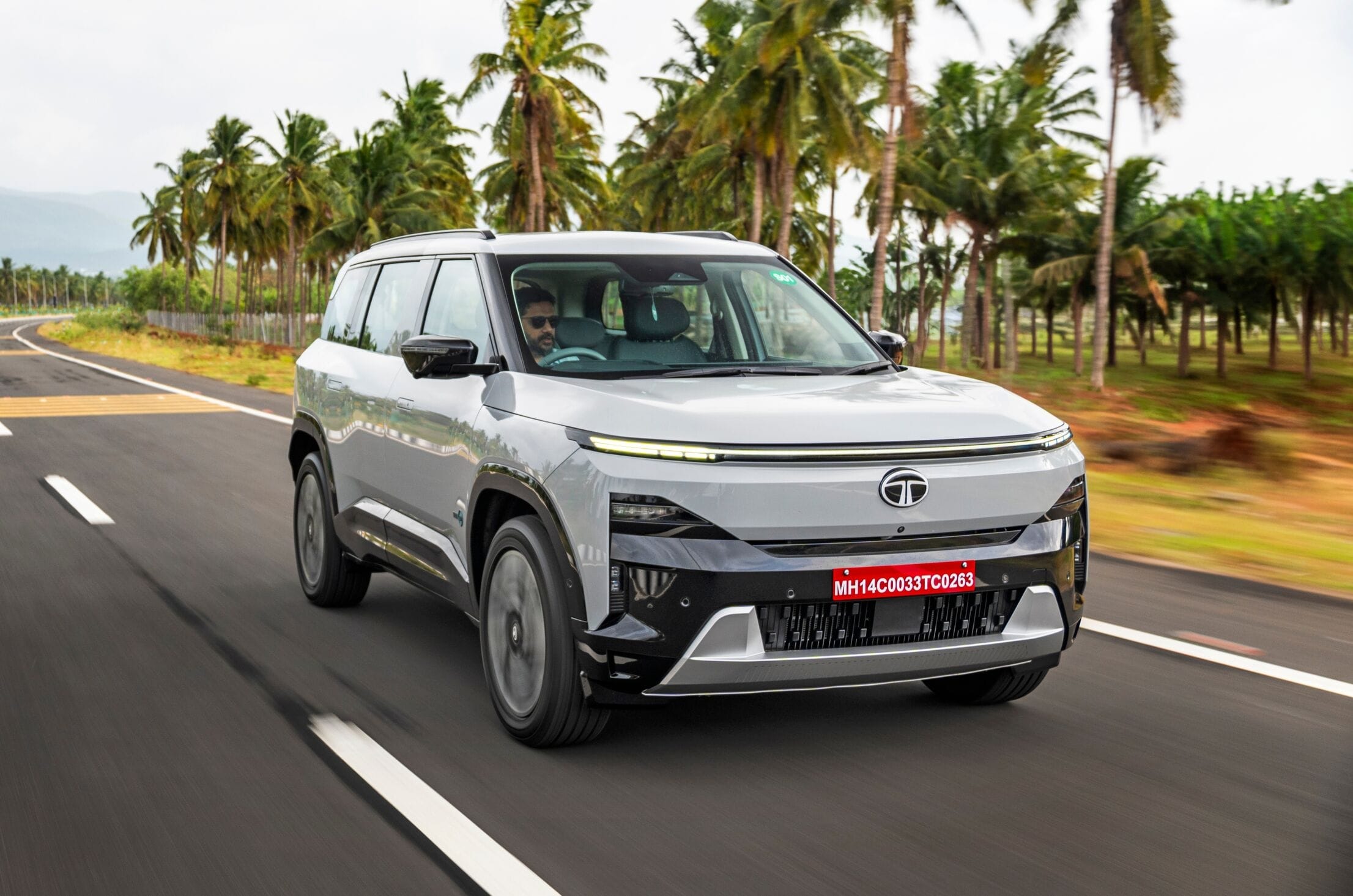
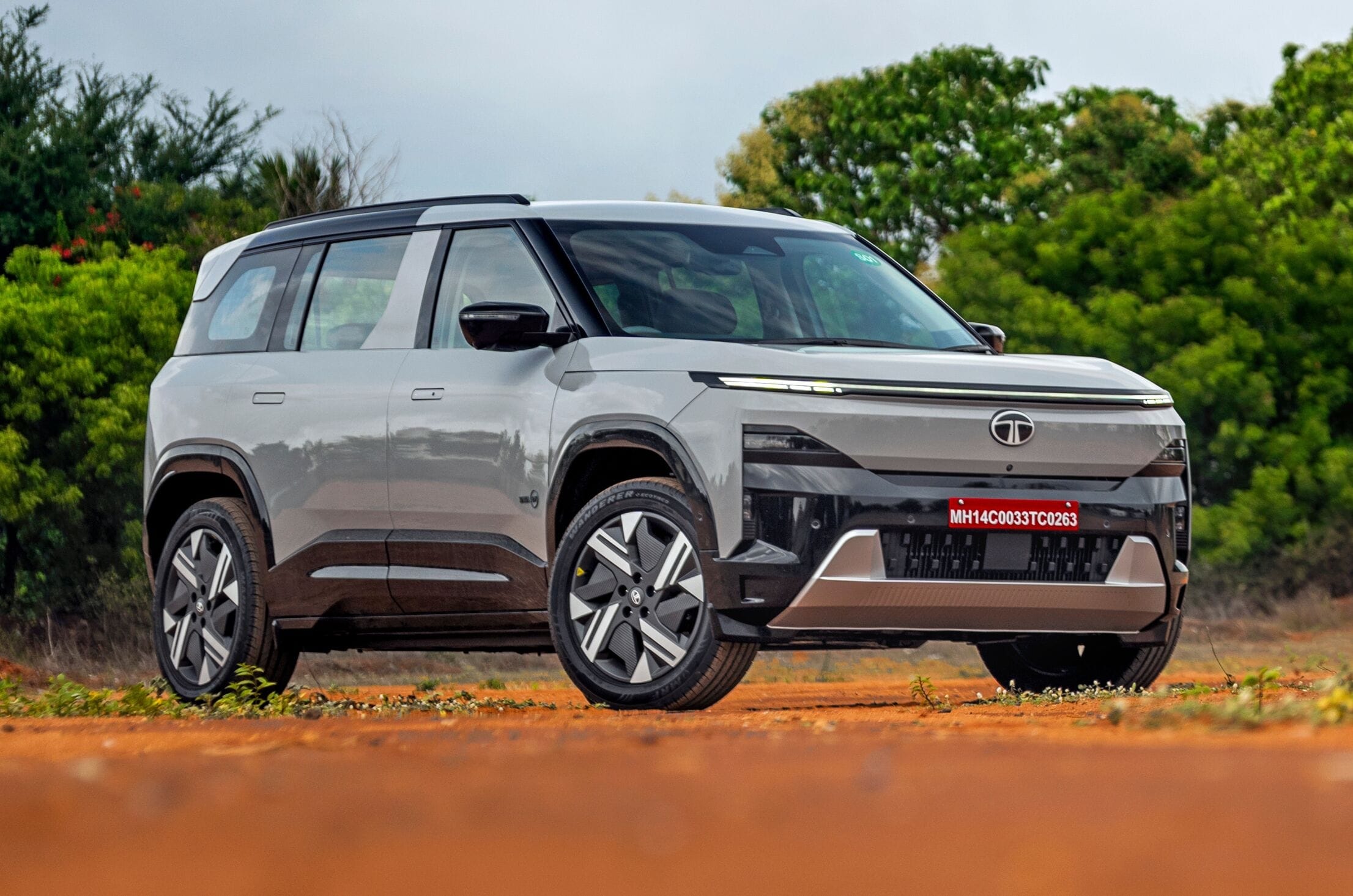
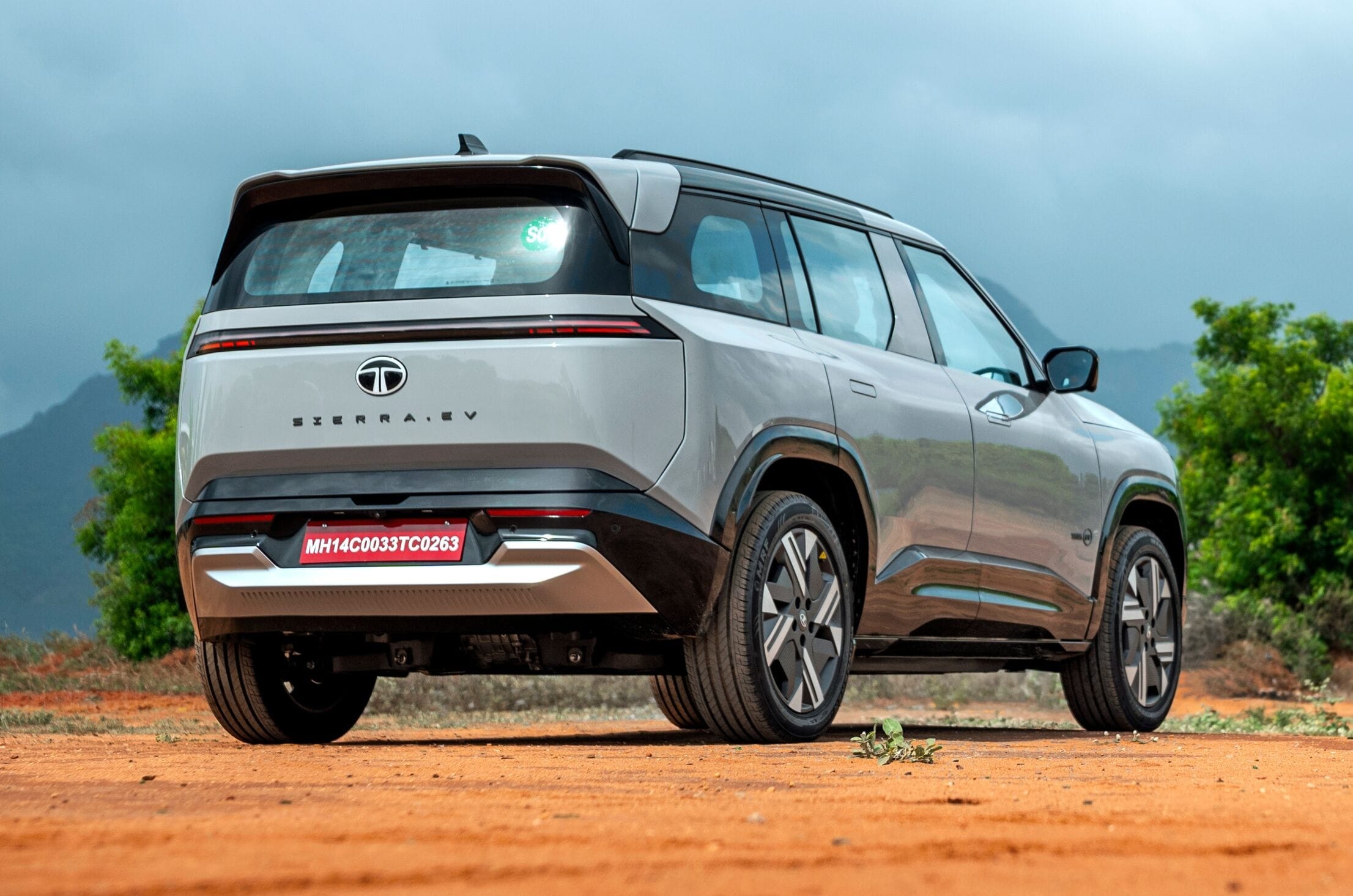
The new Sierra is a bold piece of design, and this has been carried over to – and perhaps even improved – on the electric version. It’s a welcome departure from the notion that all EVs need to be shaped like bars of soap for better aero efficiency. Instead, it is upright and boxy, albeit smoothed out just enough for air to flow over it a bit better.
Tata Sierra EV

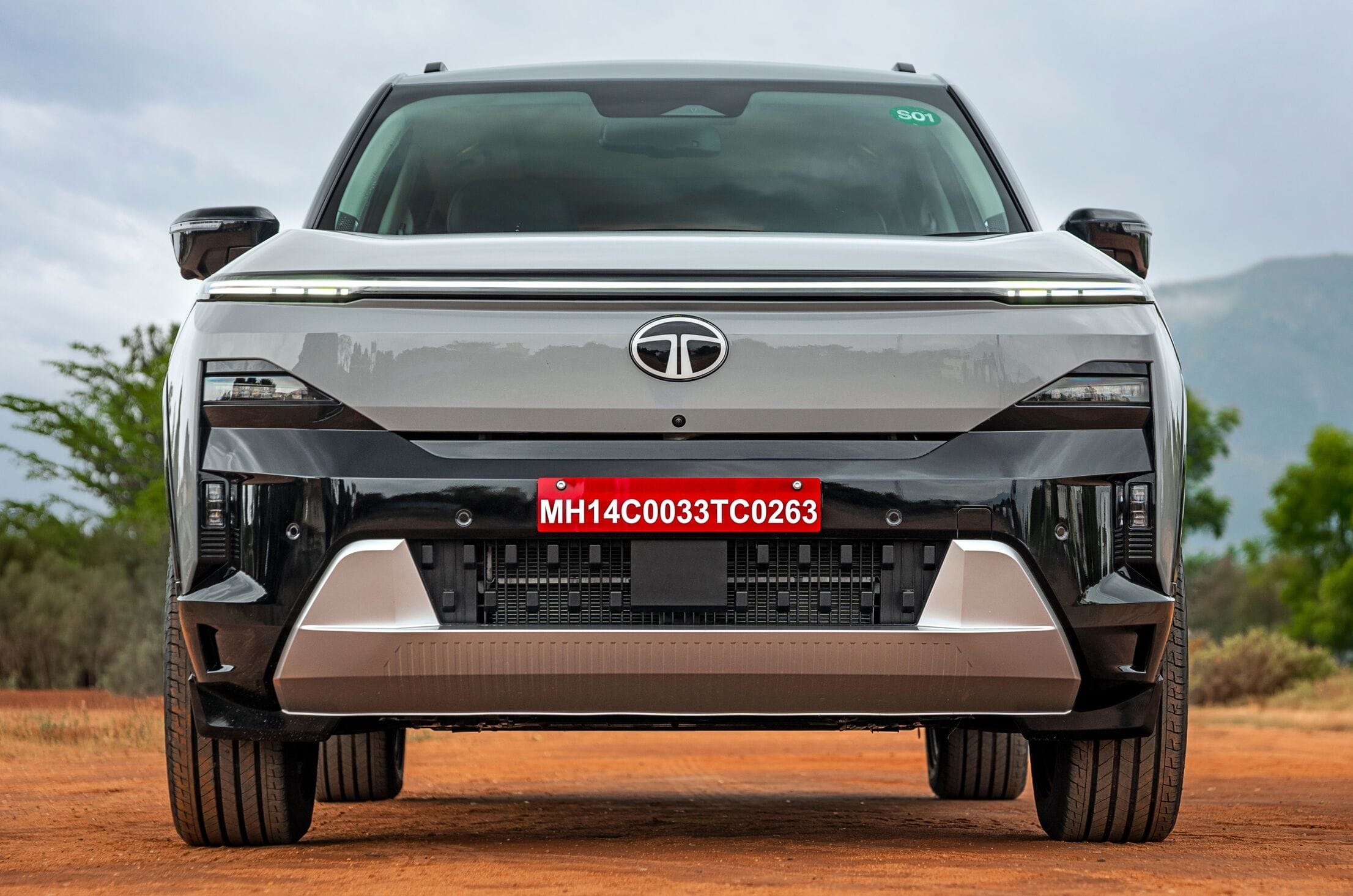
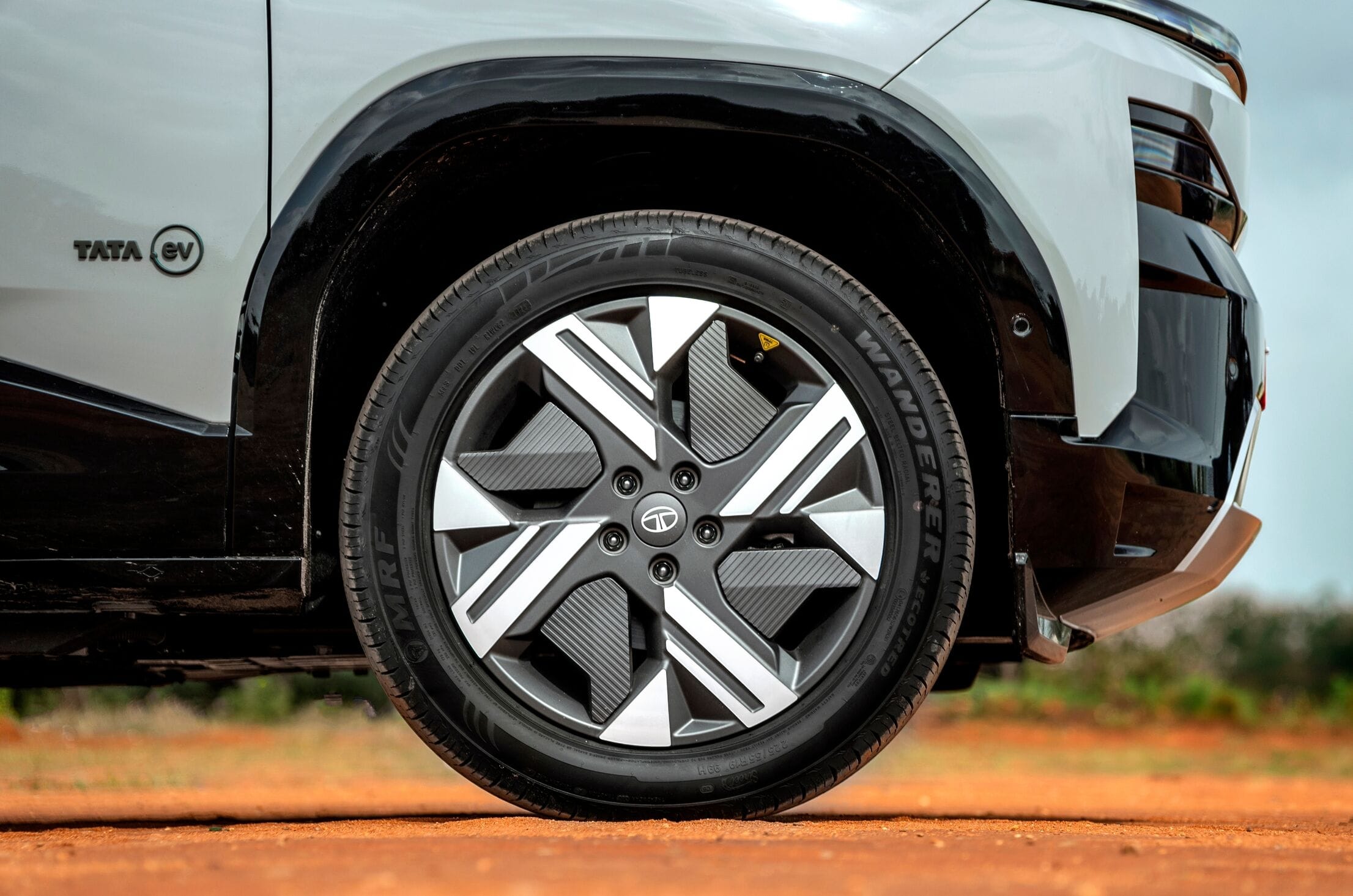
The difference is up front, where the gloss black surround for the headlamps found in the ICE version has been replaced by a body-coloured panel to give that EV-typical ‘grille-less’ look. For contrast, the gloss black treatment has been applied lower down in the bumper instead. Perhaps the wheels could have been more different – they are the same design as the ICE model, albeit in a matte finish rather than gloss. The badges now say ‘Sierra.ev’ on the sides and rear, and have a blue-coloured outer edge.
Tata Sierra EV

To the untrained eye, it might not immediately be apparent which version is which, but conversely, this is unmistakably a Sierra, and that is perhaps more important.

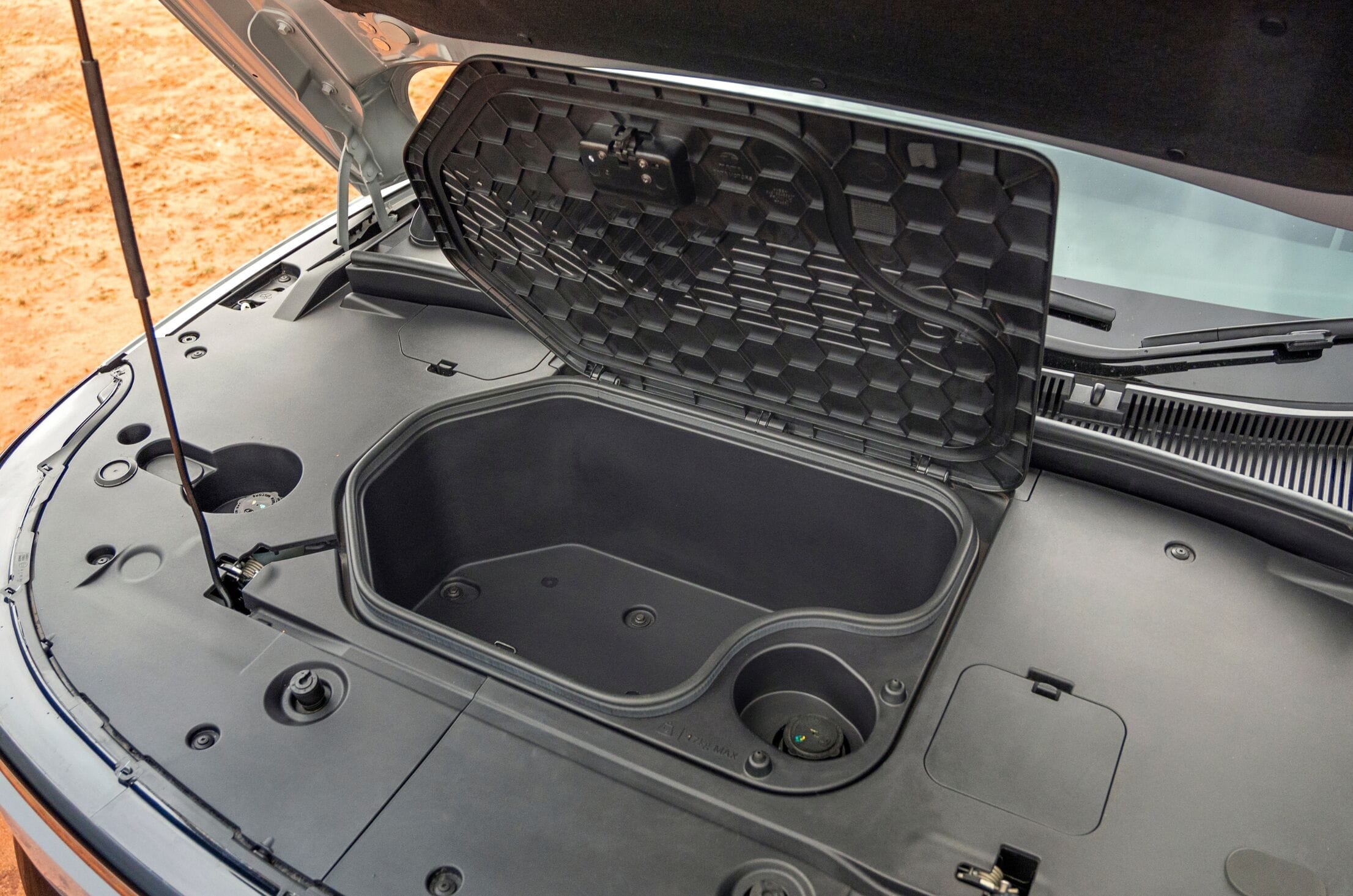
Little practicality has been lost in the move to electric; in fact, some has been gained. Almost as if to drive the point home that, despite the similar looks, this is a pure EV underneath, it gets a frunk that holds 55 litres in the single-motor models, and 35 litres in the dual-motor version. Good enough for the charging cable or small valuables you don’t want to keep in the main boot. 
Tata Sierra EV

There’s also still 205mm of ground clearance, despite the battery pack, and thanks to its use of prismatic cells and C2P (cell to pack) packaging, it doesn’t weigh or impede on cabin and boot space as much as conventional batteries of similar capacity (like the ones in the Harrier EV).

2026 Tata Sierra EV interior space and comfort – 7/10

Superb space and comfort, though quality inconsistencies and ergonomic gaffes remain.
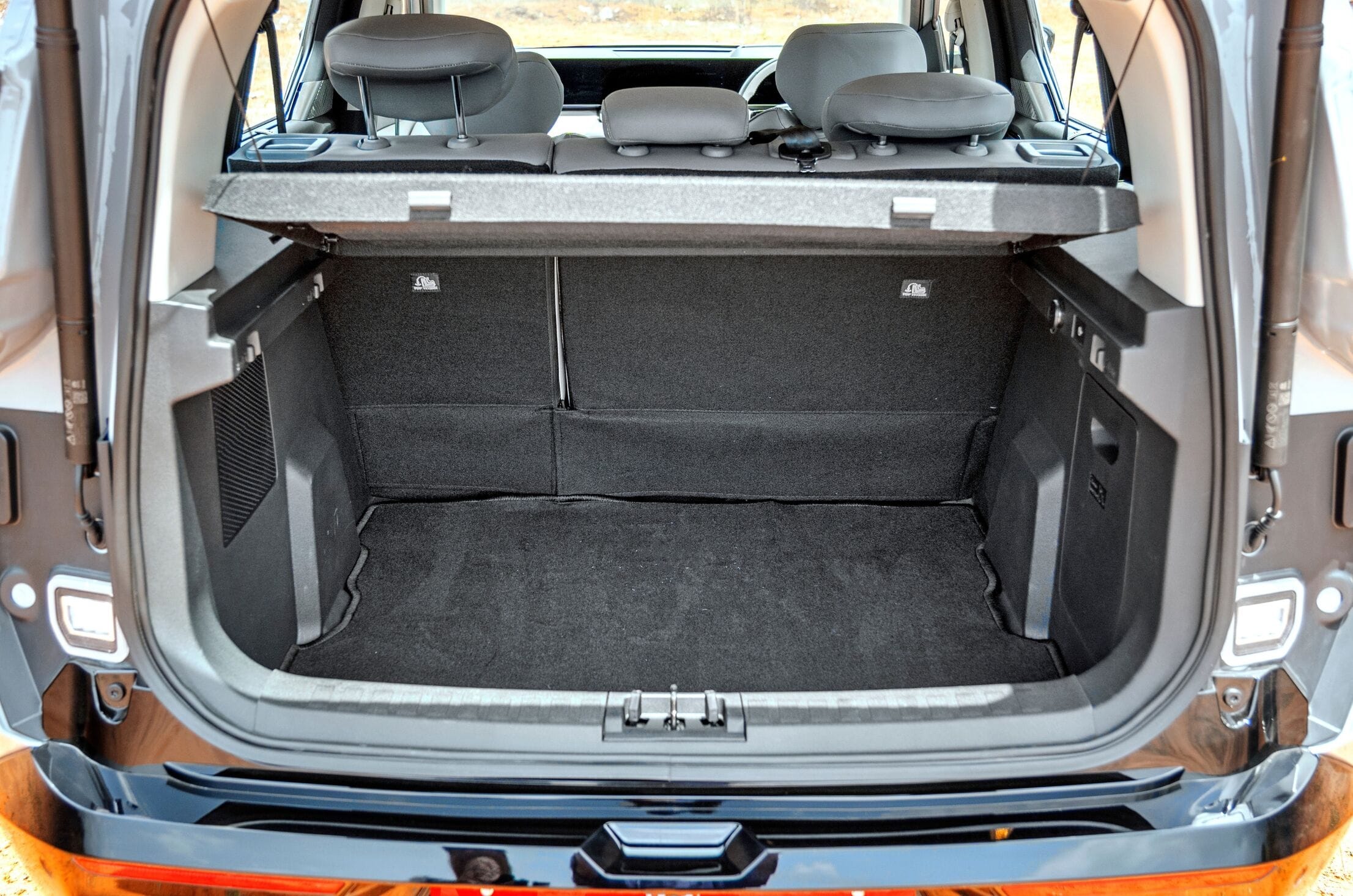
Tata Sierra EV

However, while boot space has been retained at a cavernous 622 litres (floor to roof), a casualty of the battery pack is the spare wheel, which was previously mounted under the body. You now only get a puncture repair kit.
Tata Sierra EV

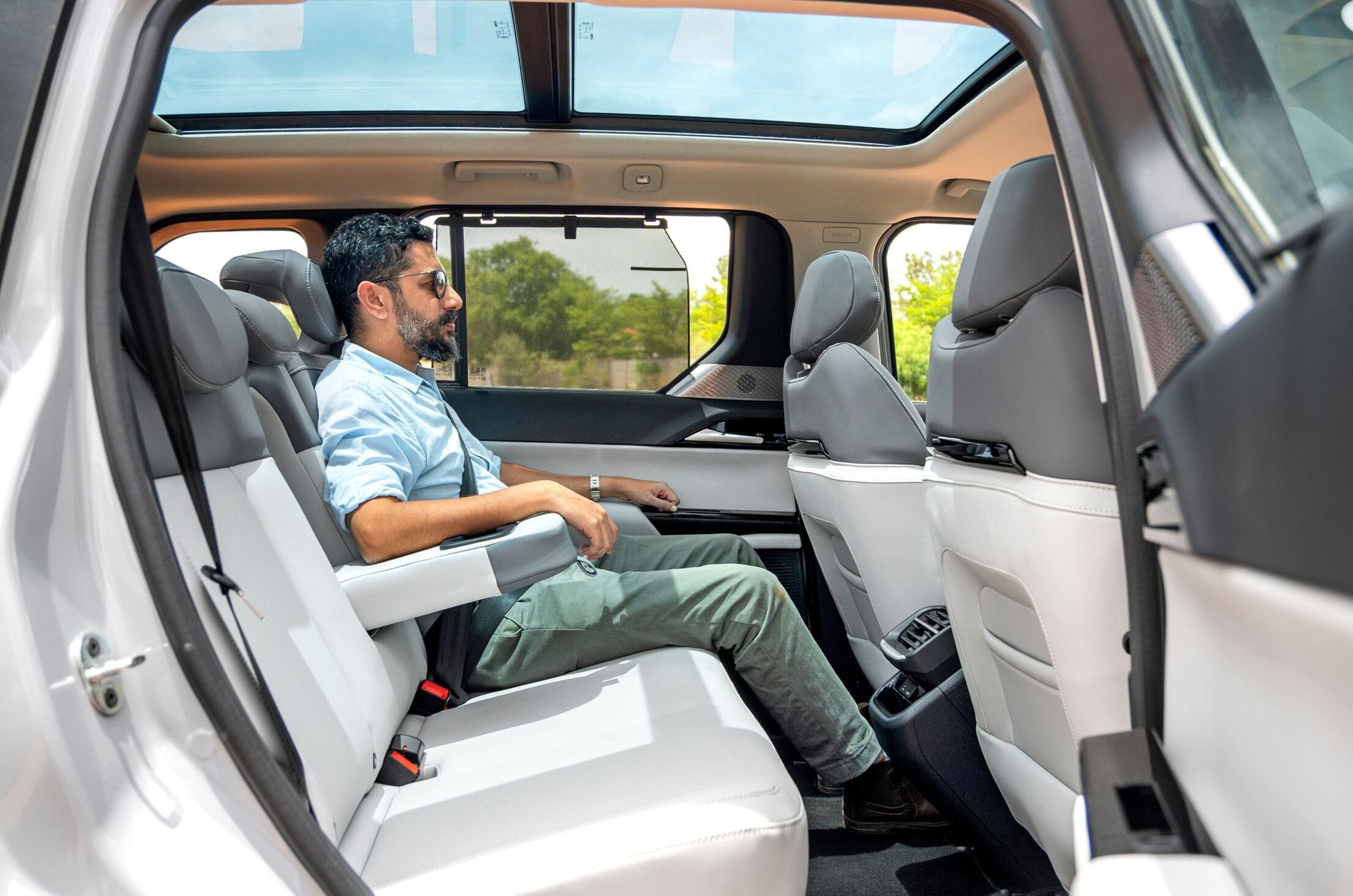
There’s seemingly no compromise to space or comfort in the cabin in the move to electric power. Engineers say the floor height has gone up by less than an inch compared to the ICE Sierra, and in truth there is no perceptible difference when you’re sat in the back seat. It remains spacious and comfortable, and even gets a small amount of backrest recline. The awkward L-shaped B-pillar returns, leaving a conspicuous gap next to the sun blind that could have easily been avoided. As before, you get a gigantic sunroof on top-spec trims that lets in a lot of light.
Tata Sierra EV

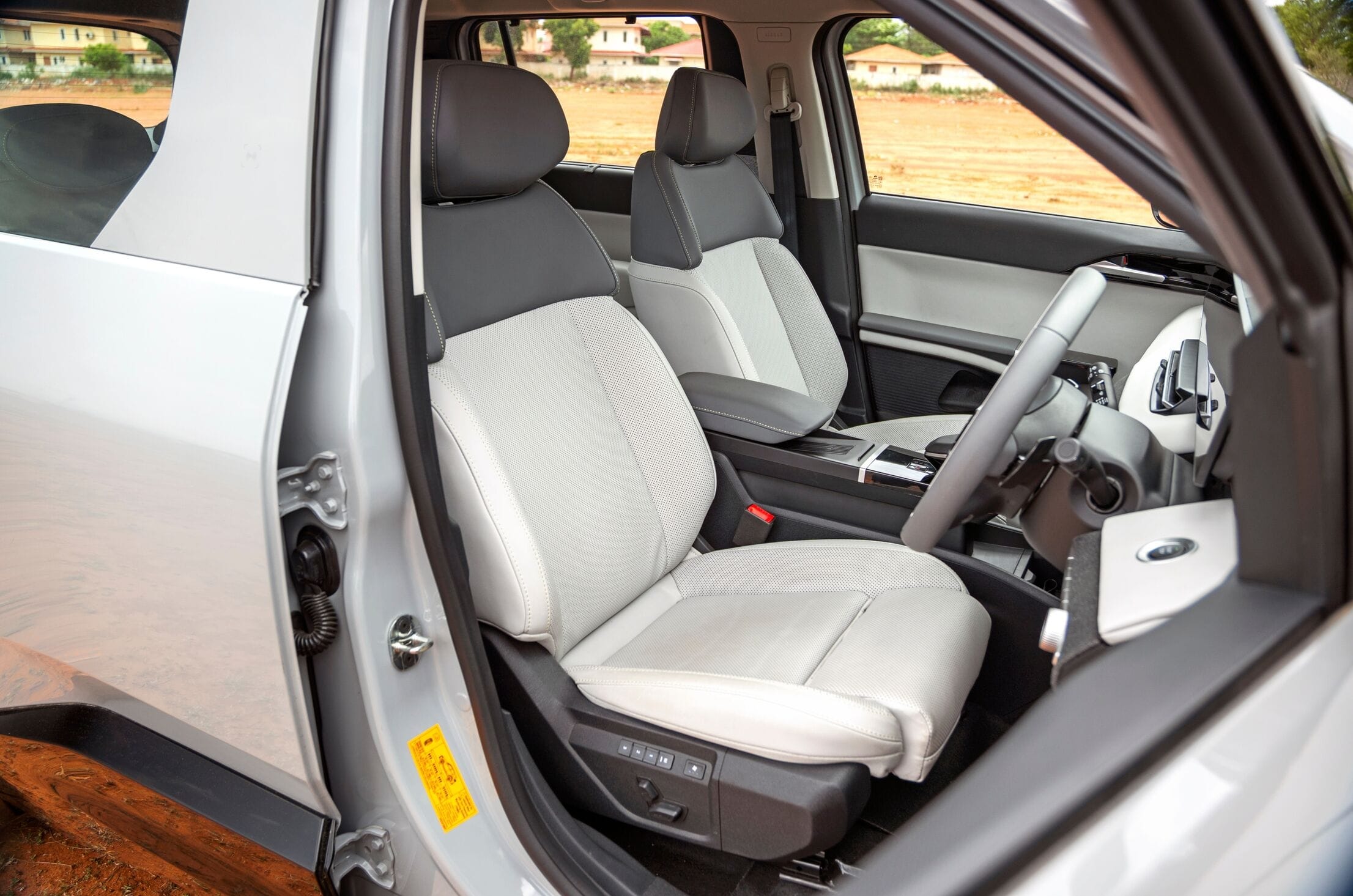
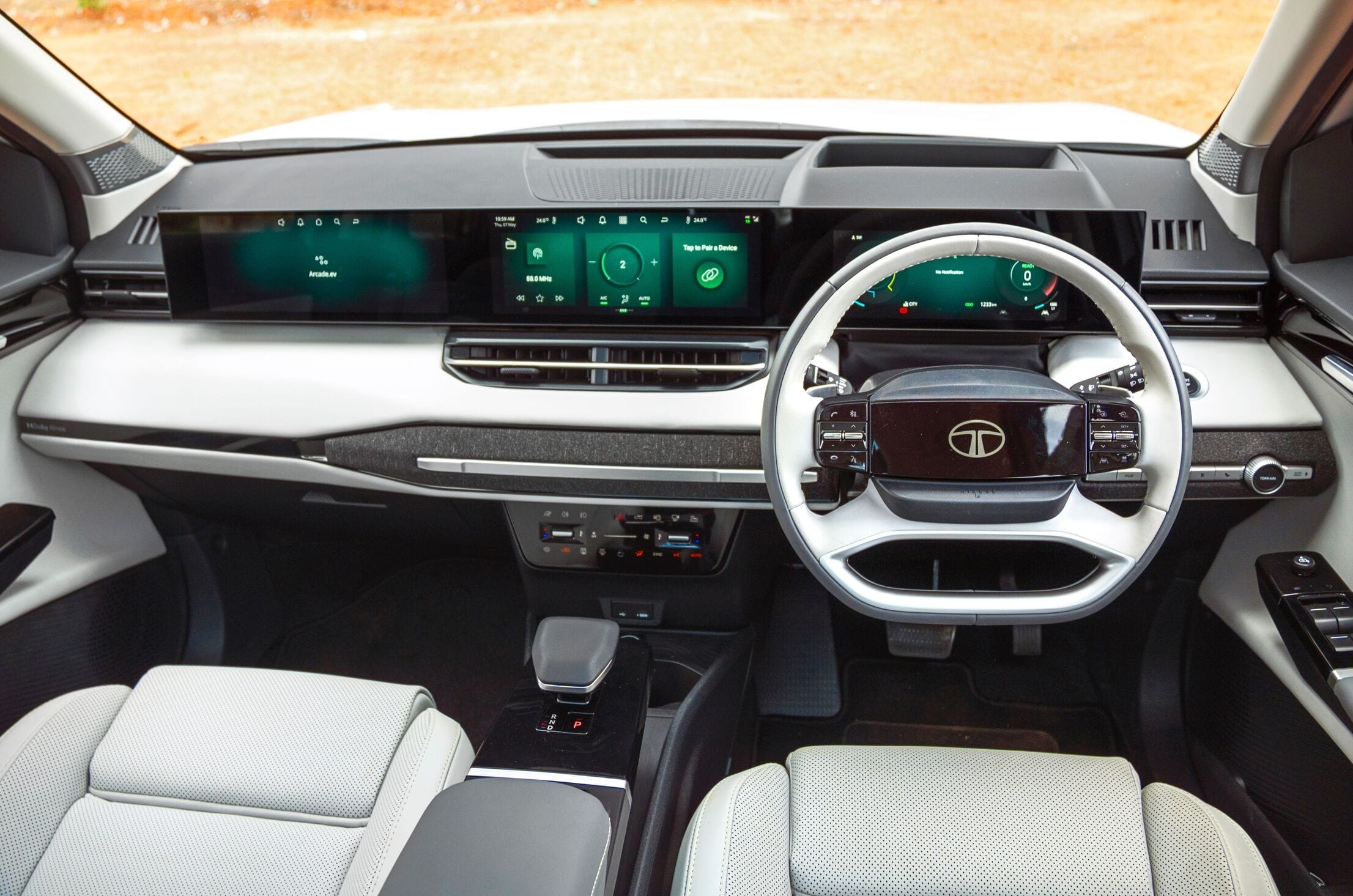
Up front, the lounge-like ambiance remains, with a cream-coloured, leatherette-bound dashboard and a textured fabric surface for the ‘sound bar’ central speaker. The three-screen stack adds a techy vibe to this atmosphere, and between the seats is a pedestal for the drive selector. The front seats are very comfortable and offer a good amount of shoulder support – something often overlooked in seat design.
Tata Sierra EV

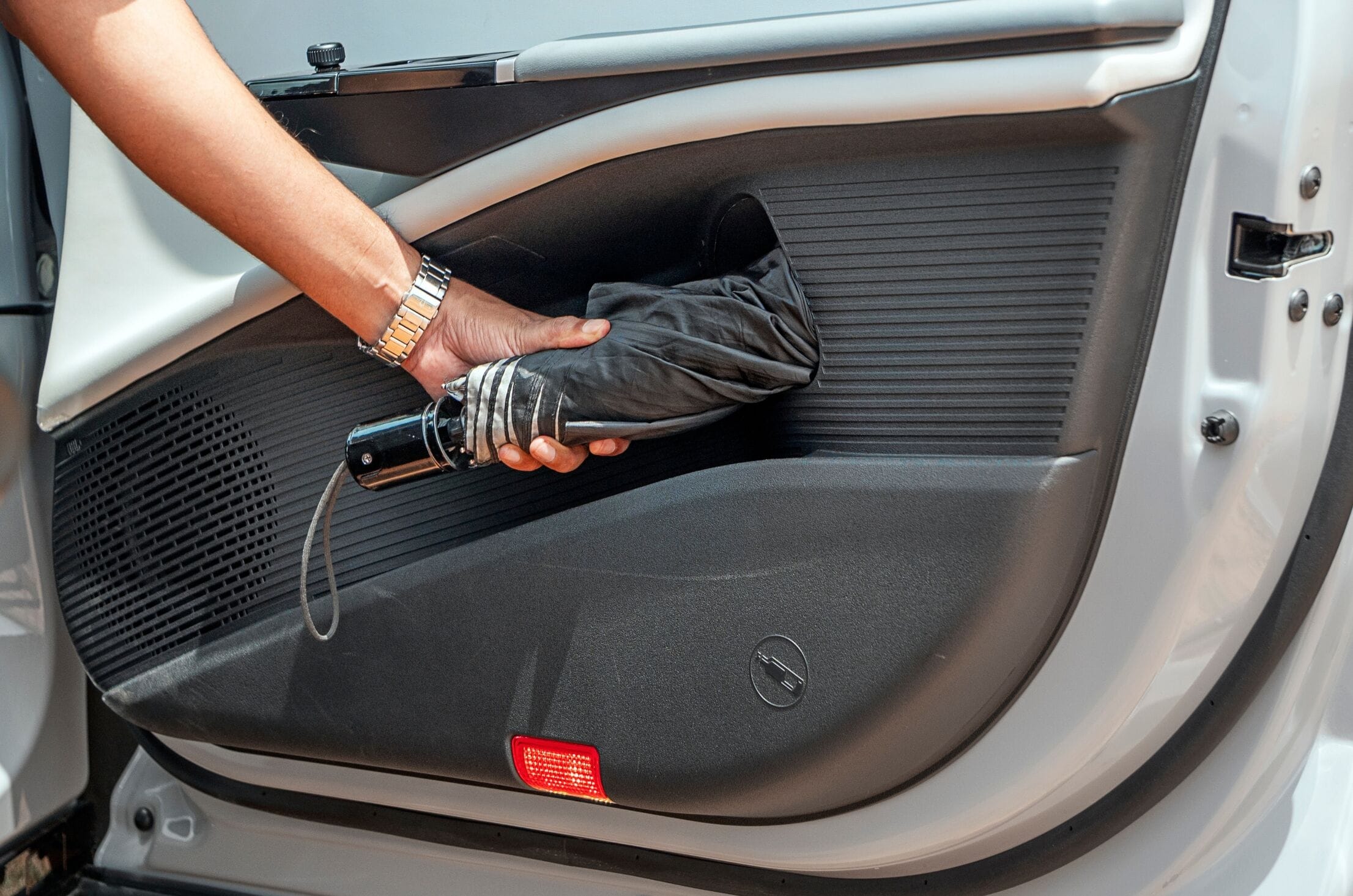
For every soft surface and attractive trim piece, however, there is visible hard plastic, rough edges, crooked stitching and misaligned panel fit, which are an eyesore, especially at this price. And while the design is attractive, its execution could have been far better considered from a practicality and ergonomics standpoint. For example, the pedestal-mounted drive selector is set at a comfortable height, but wastes the space below it. Consequently, the storage box behind it is narrow, tall and harder to reach, while the cupholders are tiny and forced to the base of the dashboard. And while the inclusion of small umbrella holders in the door cards is a nice touch, there is no drain plug, so surplus water will collect in the door pockets. Good intentions; poor execution.

2026 Tata Sierra EV features and safety – 9/10

Packed to the gills with safety and tech, more so even than the ICE version.
Tata Sierra EV

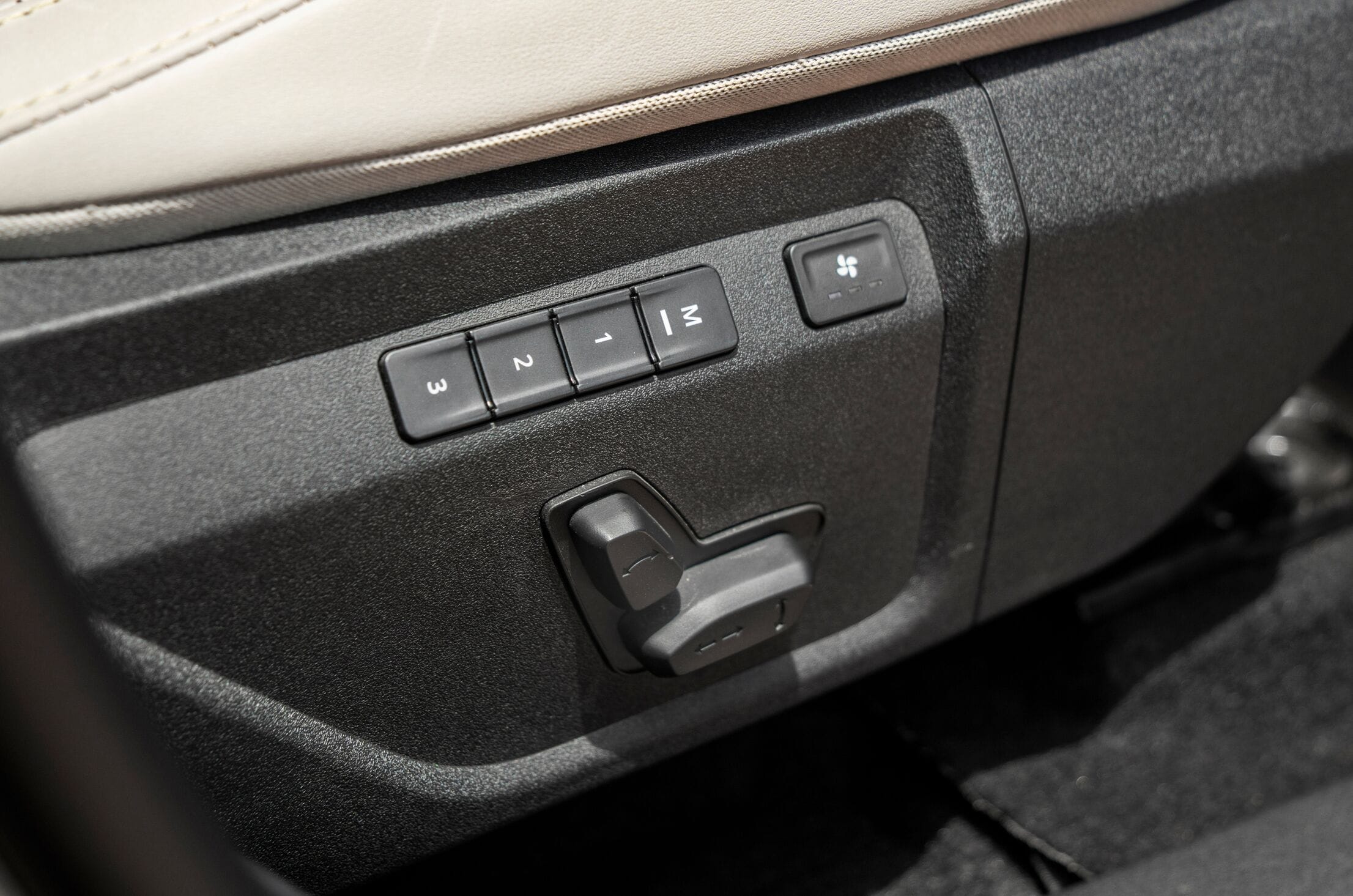
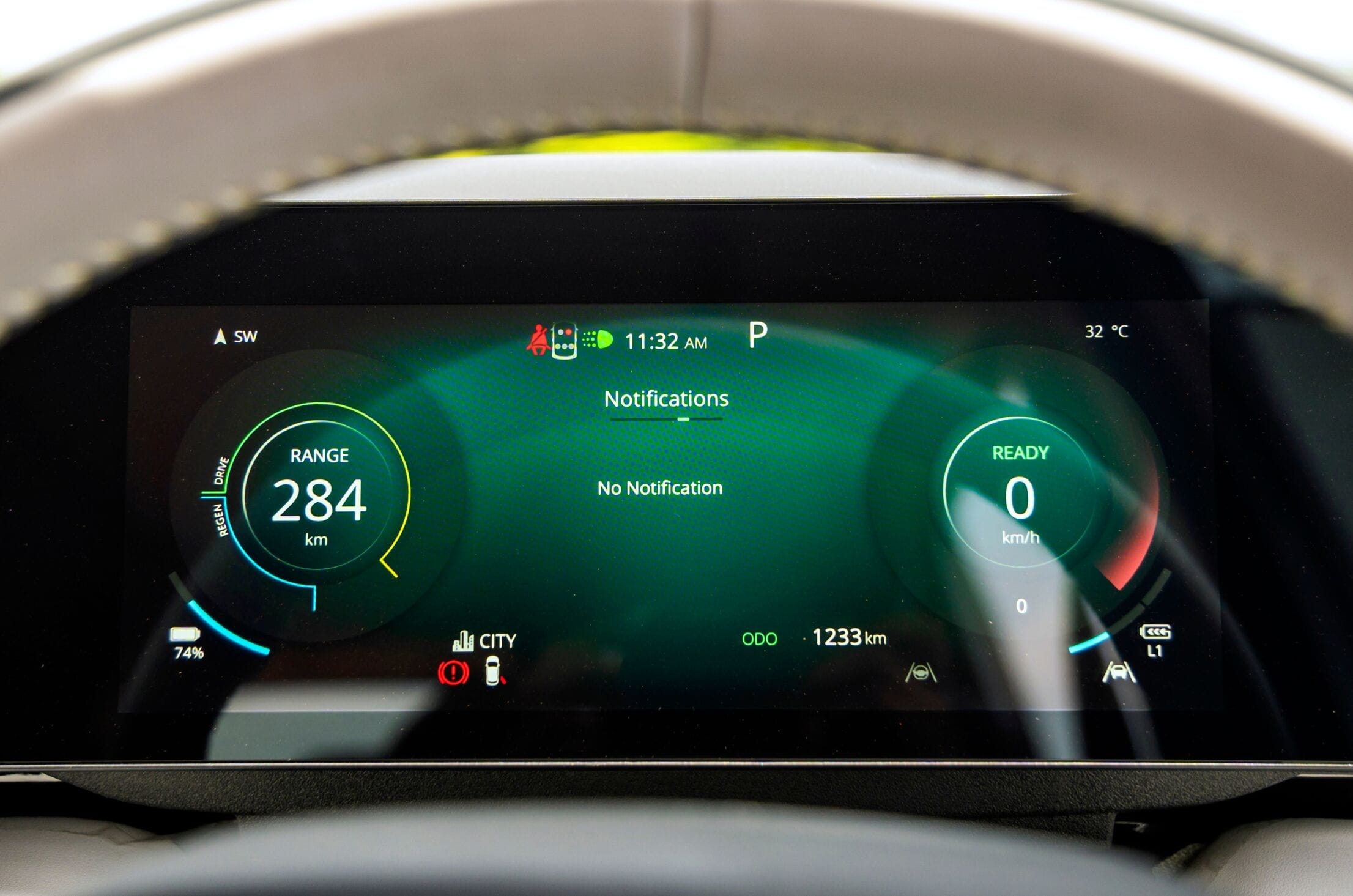
Tata in the last few years has caught up to the features freight train that has the Indian car industry in a stranglehold. The Sierra EV is, thus, one of if not the best equipped in its segment, with every conceivable gizmo imaginable on the top-spec Empowered A variant. And as always, the EV gets a small edge on its ICE counterpart, which comes in the form of a powered front passenger seat, as well as an HUD alongside the three-screen layout (instead of either one or the other).
Tata Sierra EV

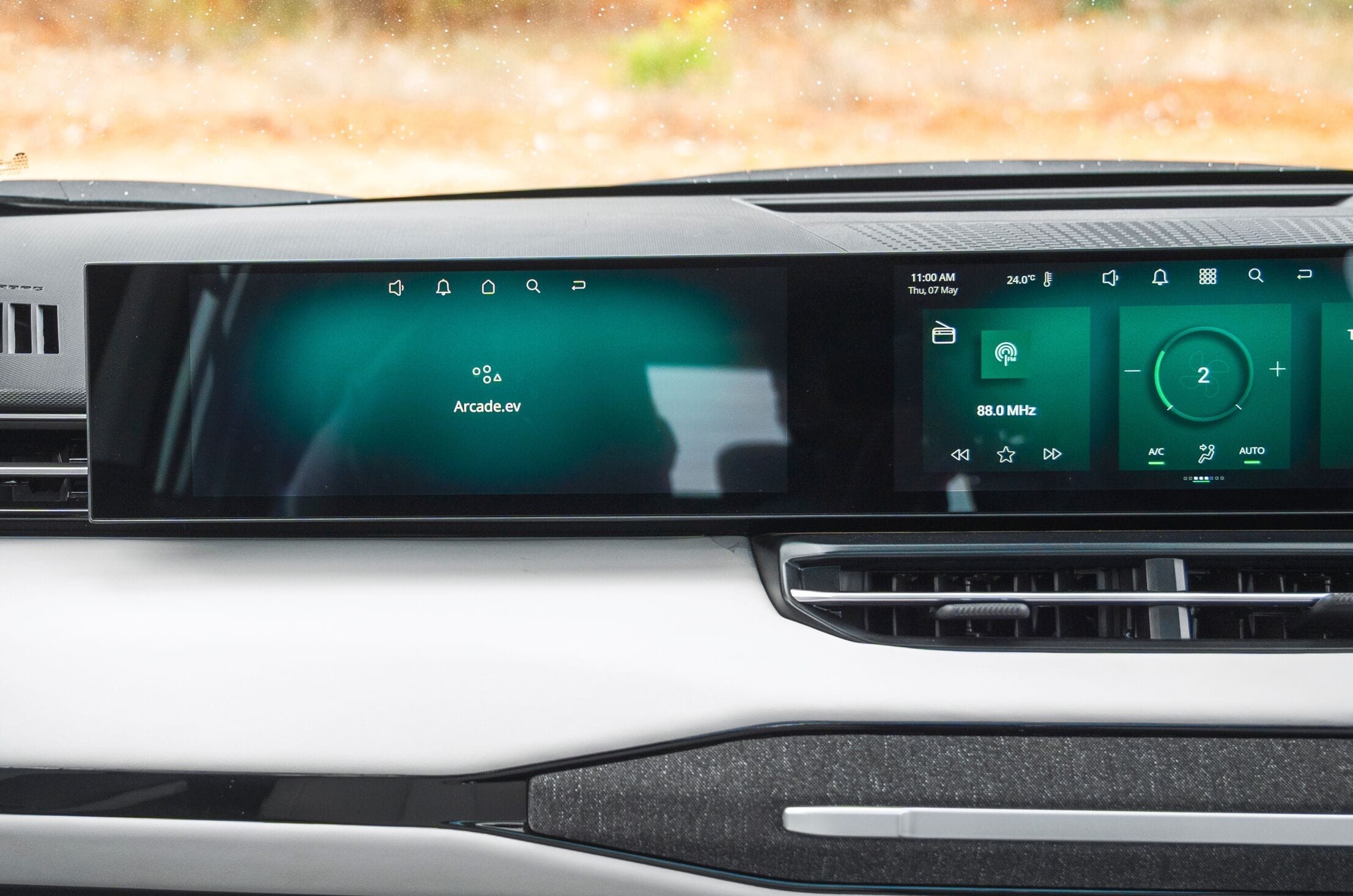
Those front seats are ventilated too, and the driver gets a memory function. There’s a full ADAS suite, drive modes, regen modes and terrain modes, the panoramic sunroof, dual-zone auto climate control, a 12-speaker JBL Black sound system with Dolby Atmos, an onboard air purifier, connected car tech and much, much more. There’s also a clever integration with Google Maps that predicts what the car’s SOC will be when you reach your destination, helping you plan better. 
Tata Sierra EV

The screens are crisp and smooth in their animations, although as before, the 10.25-inch driver’s display feels a bit too cluttered; the HUD actually provides a cleaner and more focused driver display. And while Tata is not the first brand to do it, the passenger screen feels like a gimmick, more so now that there is a multiplayer gaming suite that lets all passengers connect their phones to the car and play from their own device.
Tata Sierra EV

While there hasn’t been a crash test of the EV specifically, the ICE Sierra scored a 5-star Bharat NCAP rating, which should feasibly carry forward to this car too. Apart from an extensive ADAS suite on the top trim, there are 6 airbags as standard, as well as several other safety features.

2026 Tata Sierra EV performance and refinement – 8/10

Dual-motor QWD version brings AWD to the segment and delivers class-best performance.

The Sierra EV can be had in one of three powertrain configurations – a 63kWh battery with a rear motor, a 75kWh battery with a rear motor, or the one we’ve got to test drive – the 75kWh battery with dual motors. This makes the Sierra the first to bring AWD to this segment and is, expectedly, the most potent version, with a class-leading output of 306hp and 504Nm. Despite weighing in at around 2.1 tonnes, the SUV can sprint to 100kph from a standstill in a claimed 5.8sec. However, while it is undoubtedly capable of that, it doesn’t feel neck-snappingly quick off the line. Instead, it is quite undramatic, and frankly that is fine in a family SUV such as this. It’s a smooth and refined powertrain, as we’ve come to expect from Tata Motors’ EVs over the years.
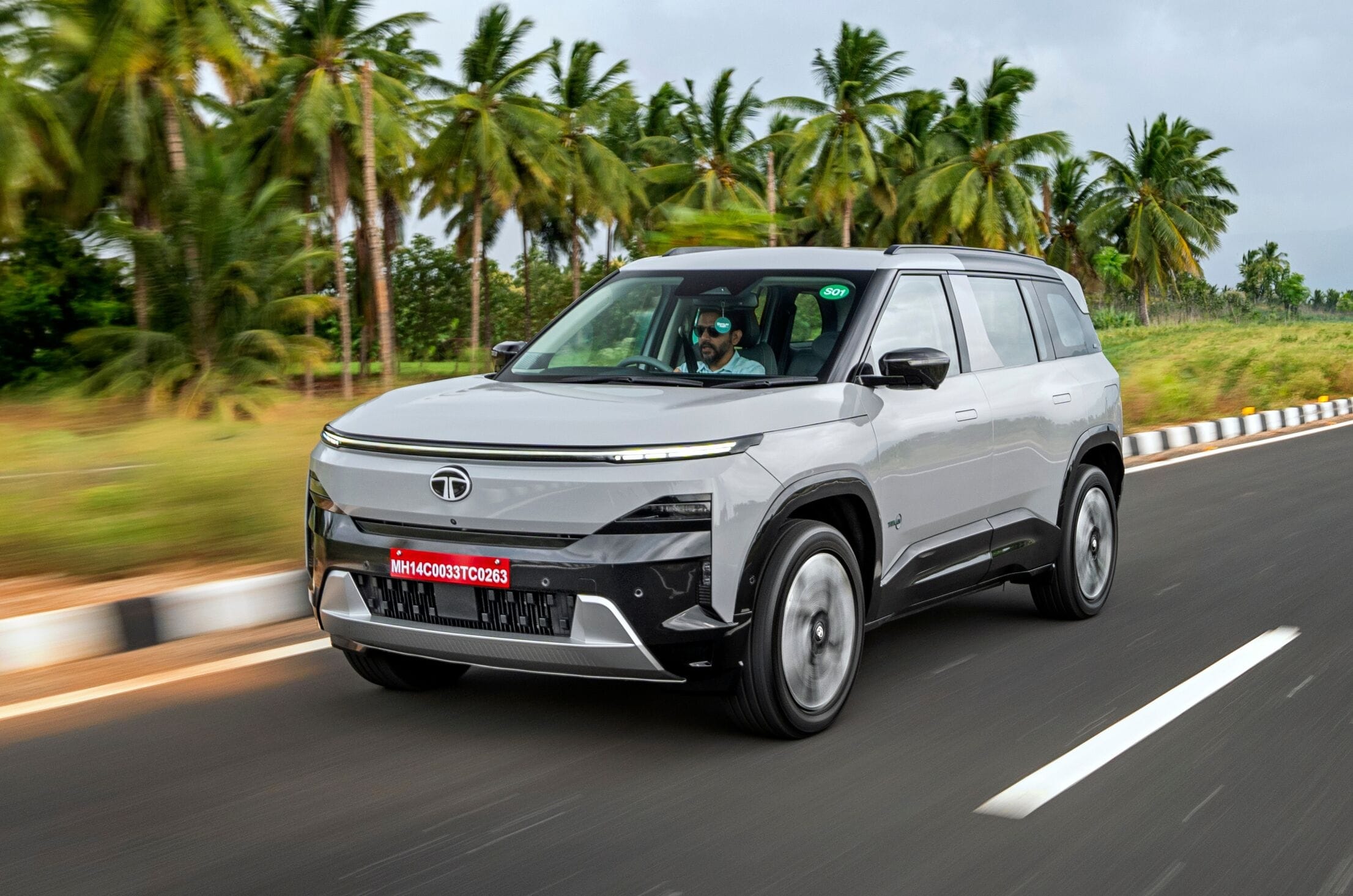
Tata Sierra EV

That said, it perhaps feels a bit too similar to older Tata EVs, considering this is a new-generation model. Where newer EVs now have greater responsiveness off the line, this one still has a small dead zone at the start of the pedal travel, after which power comes in abruptly, and this requires care in stop-go traffic. Thereafter, it’s delivered in a constant lump of torque, where others have managed to program in some sort of progression. A minor criticism, and it’s still a far better experience than any ICE powertrain, but the EV game has since moved on.
Tata Sierra EV

There are drive modes, though apart from a noticeable dullness in Eco mode, the rest – City, Sport and Boost – don’t feel too different from one another. Similarly, the regen modes – easily accessible using the steering-mounted paddles – don’t feel all that different from one another.
Tata Sierra EV

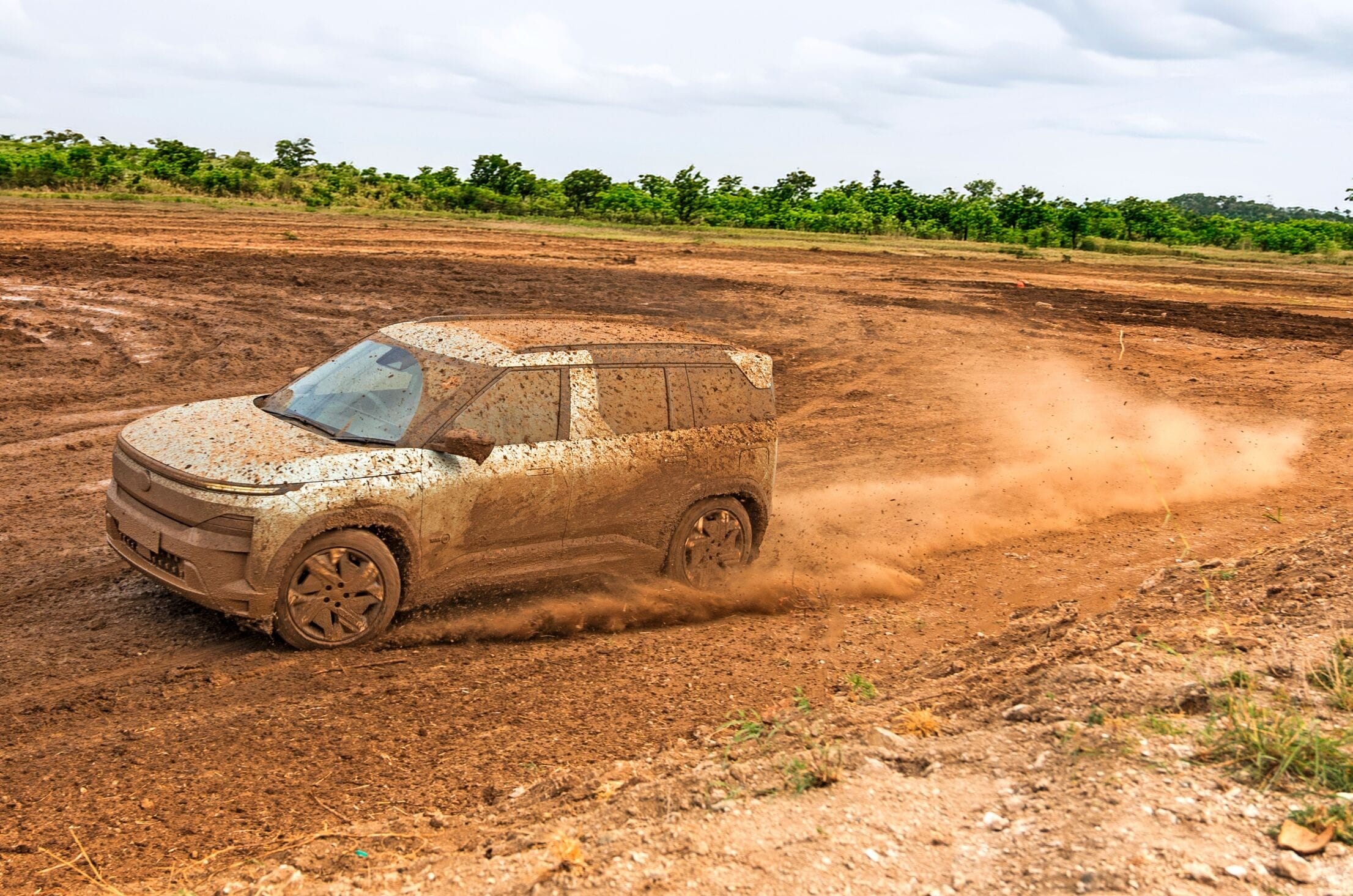
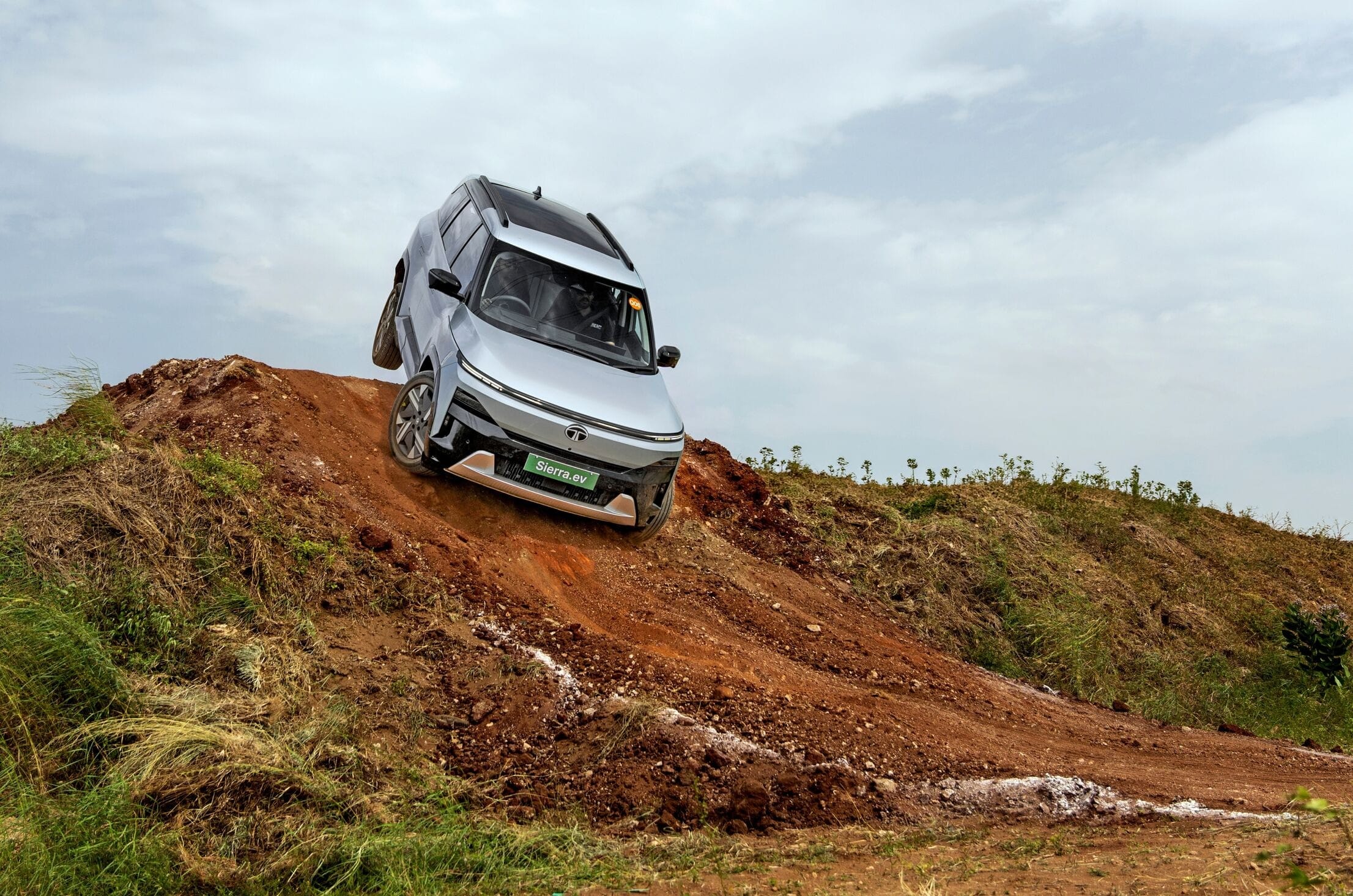
The Sierra EV QWD was rather impressive on the off-road course Tata Motors set up for it, which wasn’t the usual walk in the park, and had some pretty significant obstacles. Put it down to the short overhangs that improve approach and departure angles, or the responsiveness of the e-motors, but the result was surprisingly effortless. We didn’t even need to delve into the terrain modes for the most part, though there were instances where it would fumble shifting torque between the left and right wheels mid obstacle.

2026 Tata Sierra EV range and efficiency – 8/10

Big battery means big numbers, though a real-world test remains.

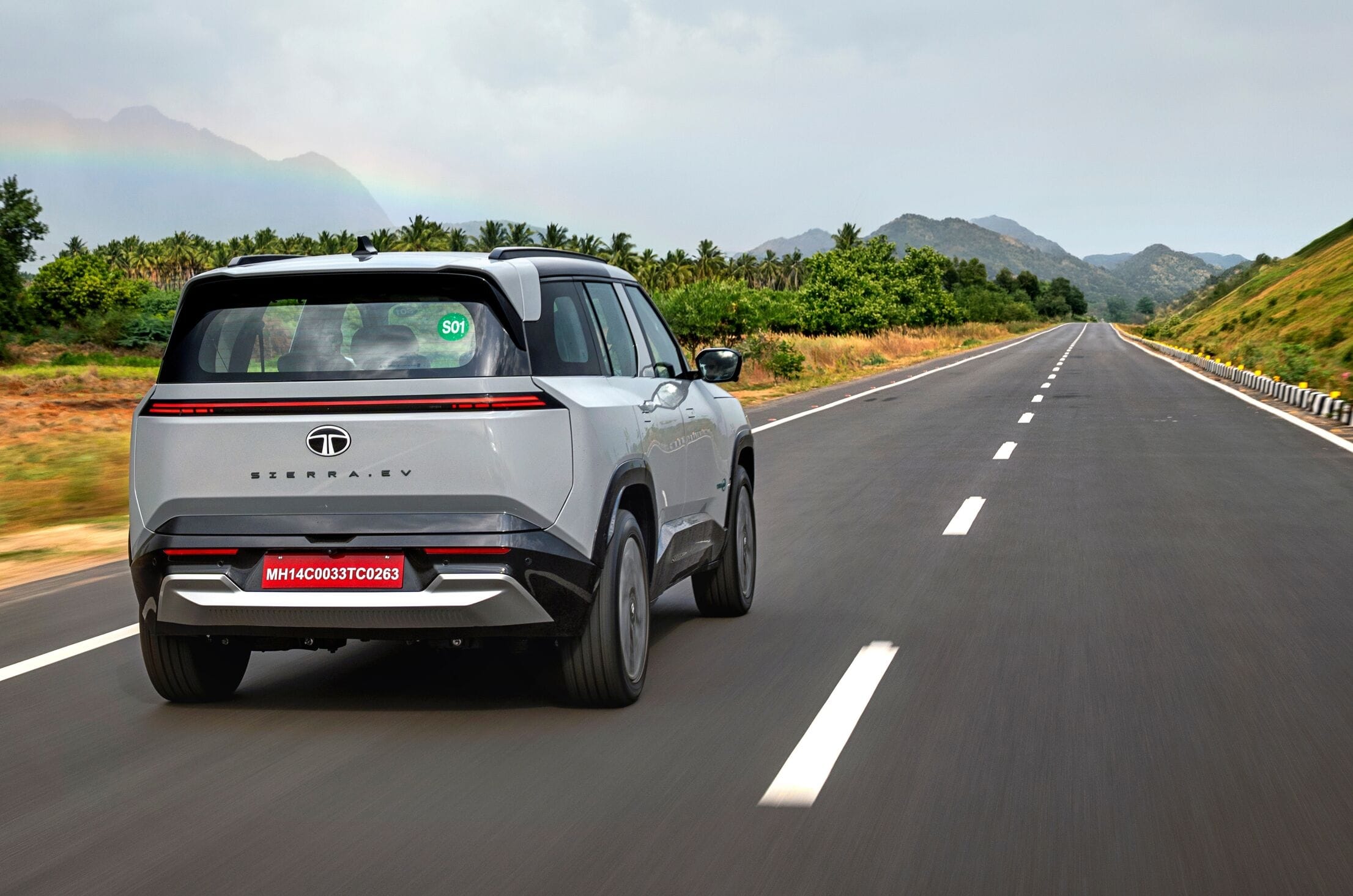
63kWh and 75kWh are among the bigger batteries offered in this segment, with only the Mahindra BE 6 offering a larger 78kWh unit. The Sierra’s smaller pack is rated at 565km on the MIDC, while the larger at 665km for the single motor and 624km for the dual motor. Tata itself says the MIDC rating won’t be achieved in real-world use, but that the larger battery can deliver upwards of 500km realistically.
Tata Sierra EV

When it comes to charging, on a 7.2kW AC charger, the 63kWh pack will take 8.9 hours to get from 10-100 percent, while the 75kWh pack will take 10.5 hours. On a 120kW DC charger, meanwhile, both will do a 20-80 percent top-up in about 26 minutes. At what rate the car actually accepts charge, however, remains to be seen. Tata offers a 15-year warranty on the battery of the Sierra EV, which is reassuring.

2026 Tata Sierra EV ride comfort and handling – 8/10 

No compromise on comfort, despite added weight. Handles amicably too.

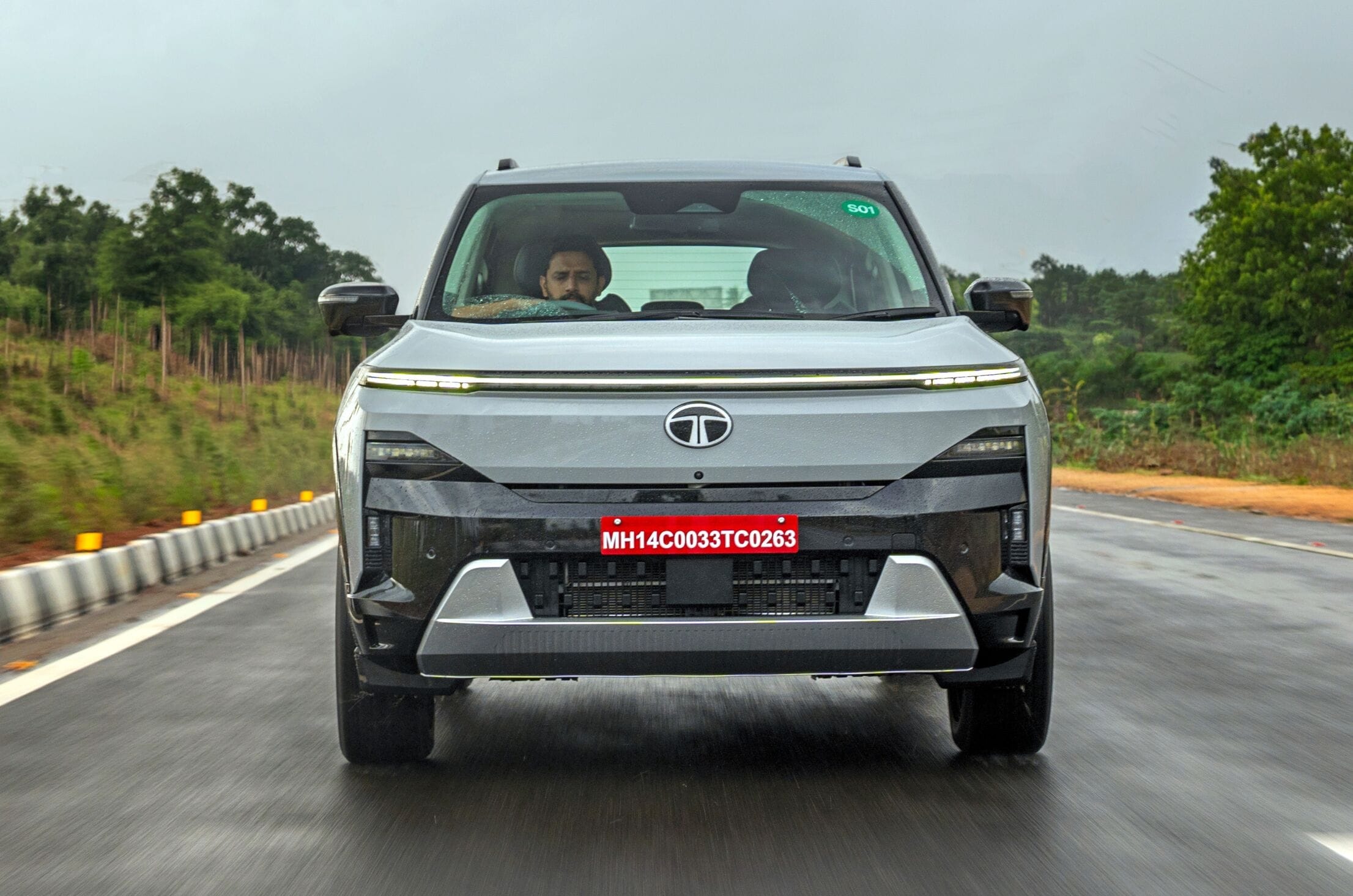
Tata SUVs have always been great in the dynamics department, and that continues here too. Despite the 19-inch wheels and the 2.1-tonne kerb weight, the Sierra EV can handle any manner of surface with equal composure and comfort. Put it down to the frequency dependent dampers (FDD) but no pothole is too big, nor surface too broken to upset the SUV.
Tata Sierra EV

It holds its line well at high speeds and lane change manoeuvres can be made with confidence and little effort. Similarly, at low speeds, the steering is light without feeling loose, letting you change direction easily even in traffic.
Tata Sierra EV

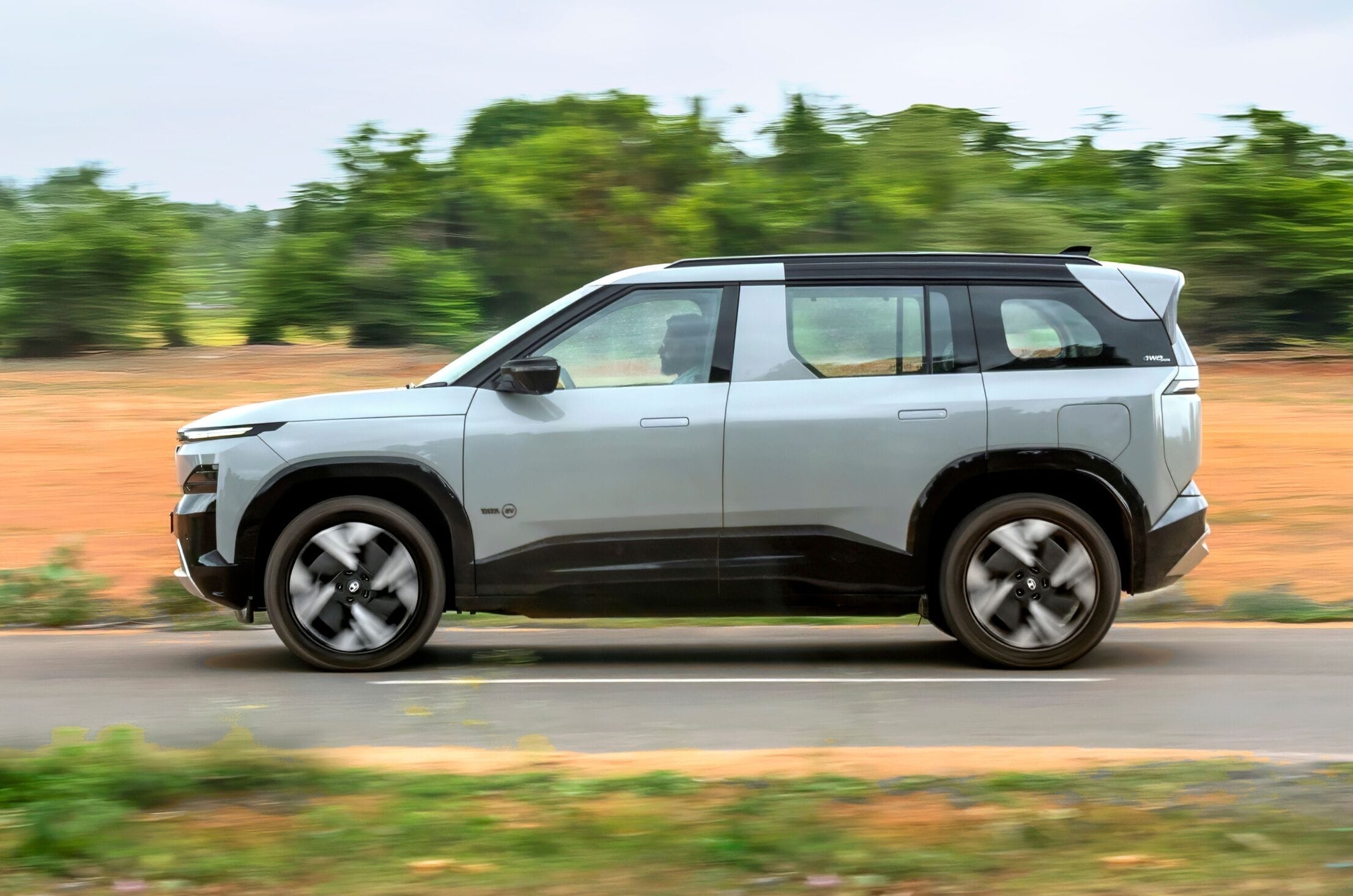
High-speed handling too is also pretty engaging, helped no doubt by its lower centre of gravity, and if you really wanted to, you could lean onto the Sierra EV quite hard. That said, it is a tall, high-riding vehicle, so an acceptable amount of body roll is present. The boxy profile, however, does result in some wind noise around the A-pillars at high speed, made more apparent by the silent powertrain.

2026 Tata Sierra EV price and verdict – 7/10

Overlaps with Curvv and Harrier, but feels the better EV than either of them.

It’s not much of a surprise that the Sierra EV is the best Tata you can buy right now, as it the latest product of the brand’s strategy of constant evolution and improvement. It’s not without its flaws, of course, but these feel less like huge deal breakers, and more like matters of finesse in manufacturing and calibration that Tata should take the time to address.
Tata Sierra EV

Apart from being a great EV, it’s also just a very good family car, offering space, comfort and the features Indian buyers now expect. The bigger problem for Tata could be where it fits between the Curvv and Harrier EVs, because there is some price overlap, and in our opinion, it surpasses them both overall. And while, at Rs 18.79 lakh to Rs 25.99 lakh, it is priced at the upper end of its segment, it does pack in a lot, and sits on par with the BE 6, which doesn’t have an AWD variant. Which of these two is better is a question for another time, but for now, the Sierra EV has the makings of a winner.

Volkswagen Tayron Life vs R-Line: Differences, similarities explained

Volkswagen Tayron Life vs R-Line

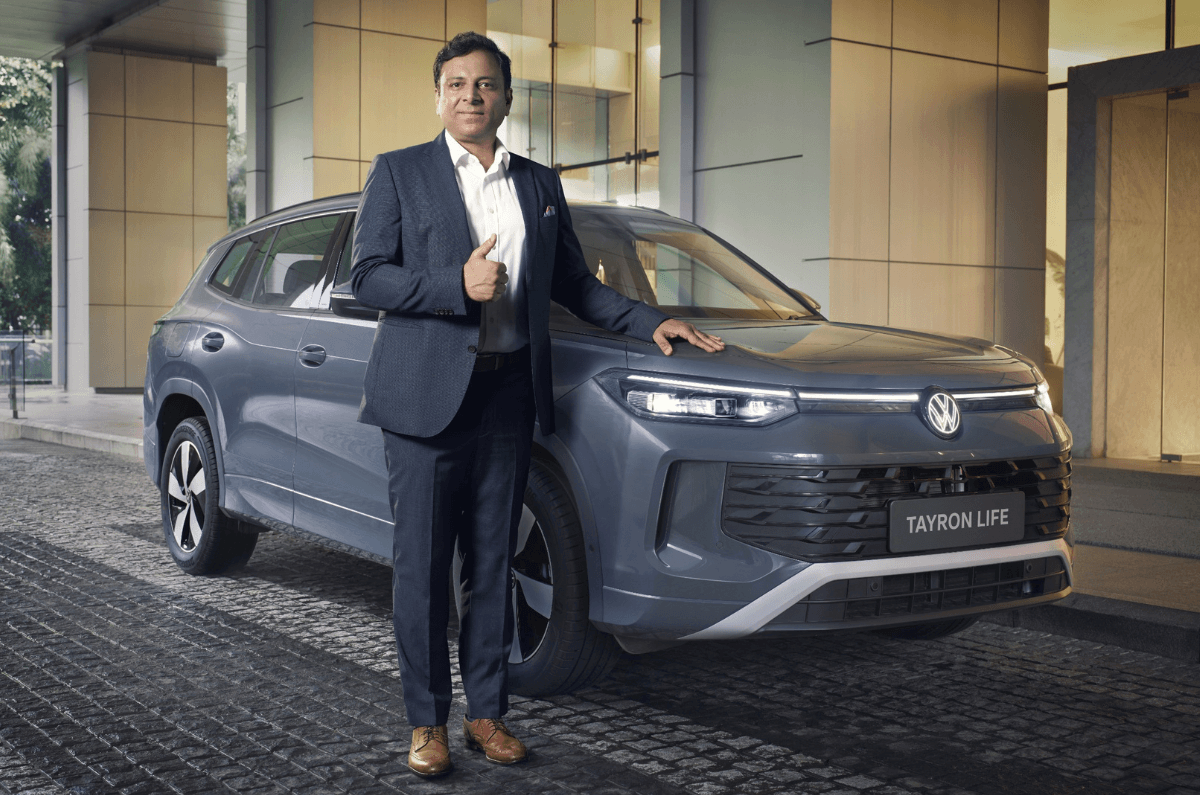
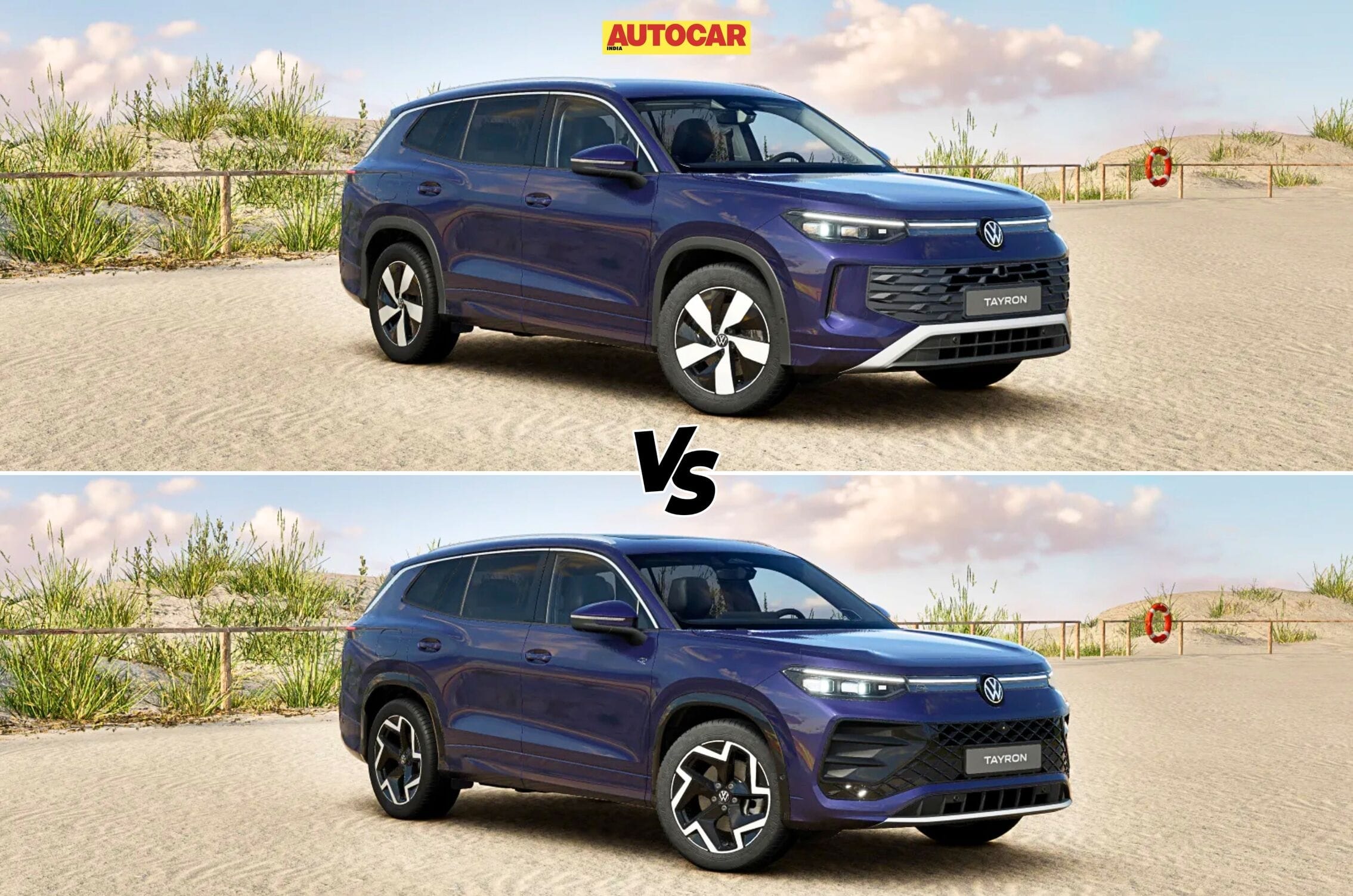
The Volkswagen Tayron Life serves as the entry-level trim in the SUV’s line-up, slotting below the range-topping R-Line. While a price gap between the two is a given, how different are they in terms of features, and what sets them apart visually? Here’s a closer look at the differences between the two trims.

Volkswagen Tayron Life vs R-Line: Exterior

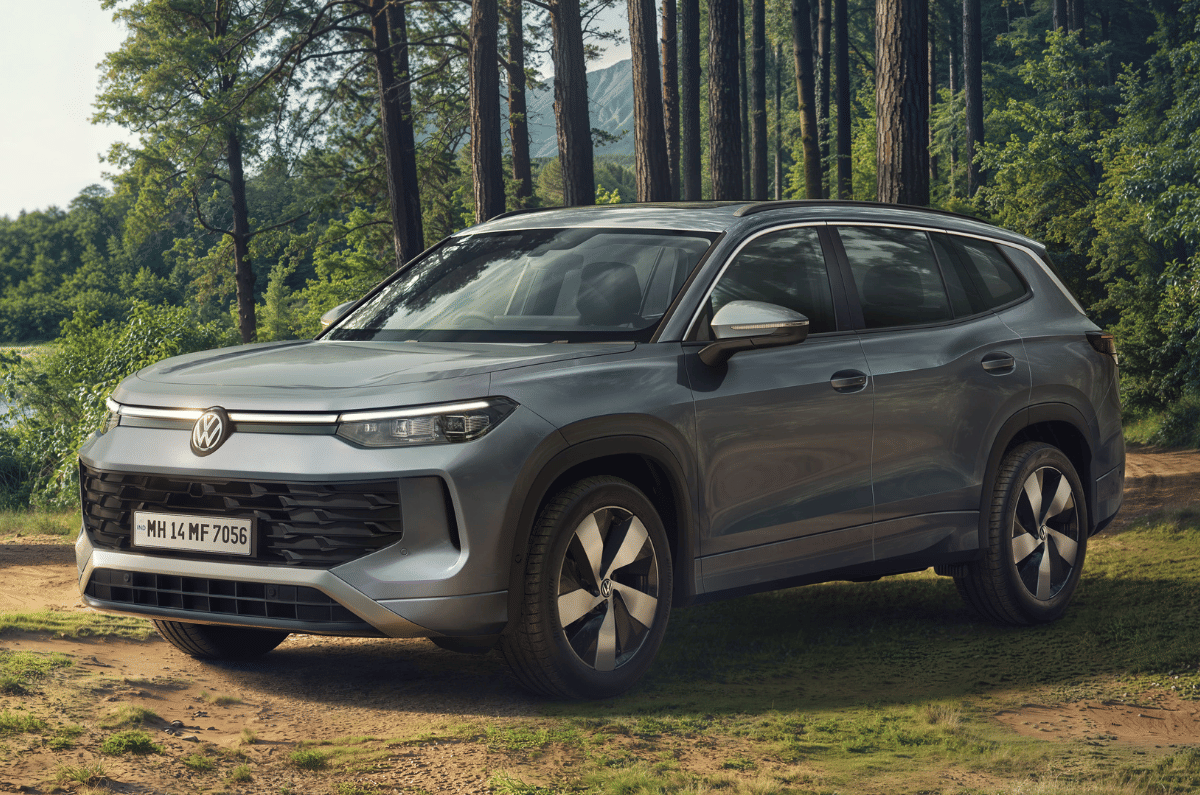
Volkswagen Tayron Life
Volkswagen Tayron R-Line
 

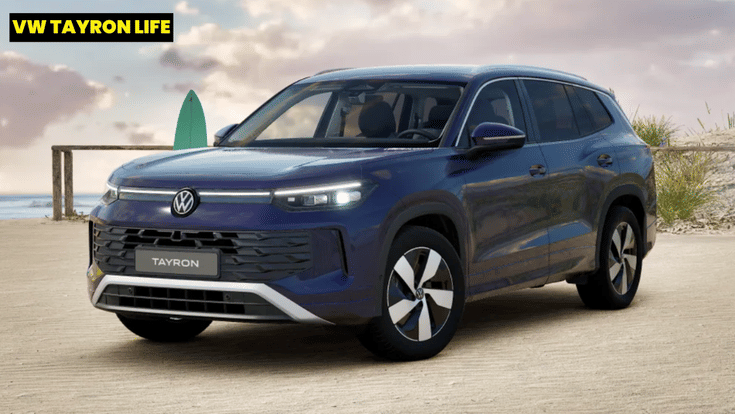
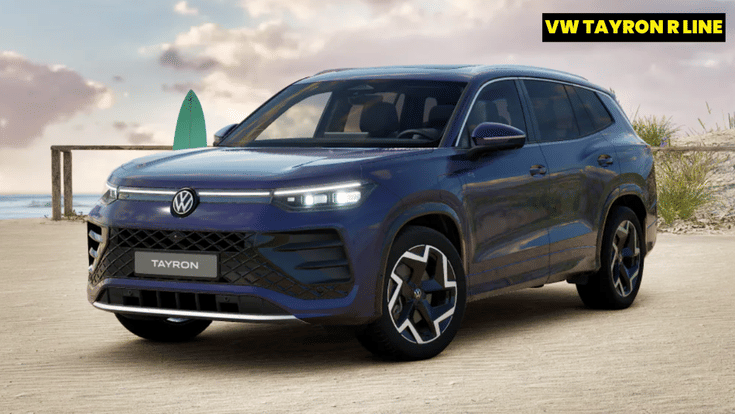
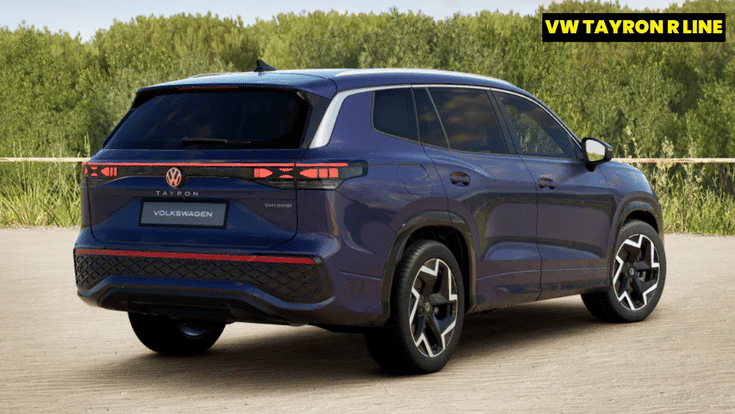
The Life trim has a cleaner-looking front bumper with L-shaped grille slats. The R-Line, meanwhile, gets a sportier front end with a criss-cross grille pattern and large air intakes on either side of the bumper. Other R-Line-specific styling elements include a gloss black front grille, wheel-arch cladding and rear bumper trim. Also, Matrix LED headlights are also exclusive to the R-Line.

Volkswagen Tayron Life
Volkswagen Tayron R-Line
 

In profile, the most noticeable difference is the alloy wheel design. The Life rides on 18-inch alloy wheels, an inch smaller than those on the R-Line. The styling remains clean, with a rising shoulder line stretching from the rear doors to the rear end, while the silver window surround extends from the roof and dips towards the rear glass. A chrome strip further adds to the look.

That said, several exterior features are common to both trims, including illuminated Volkswagen logos at the front and rear, illuminated LED light bars, body-coloured ORVMs and door handles, and a panoramic sunroof.

Volkswagen Tayron Life vs R-Line: Interior

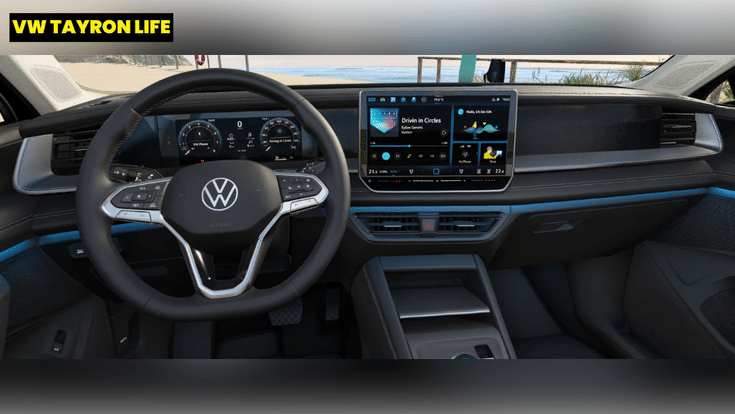
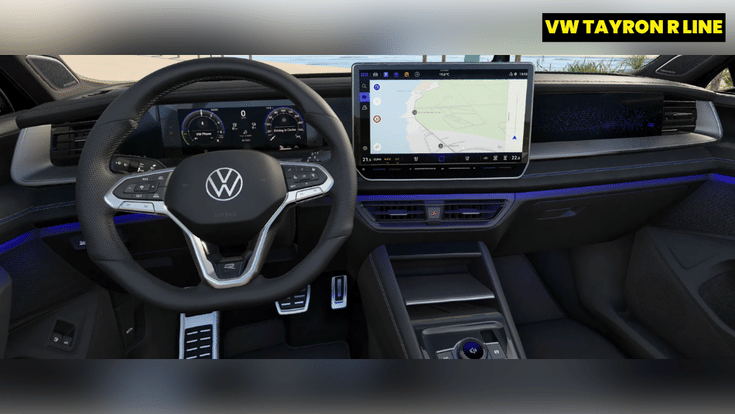
The cabin layout is largely the same in both trims, and most of the key comfort and convenience features are shared. Both get a heated steering wheel with paddle shifters, a 10.25-inch driver’s display, wireless Apple CarPlay and Android Auto, three-zone climate control, powered front seats with heating, ventilation and massage functions, sliding and reclining second-row seats, and a powered tailgate.

Volkswagen Tayron Life
Volkswagen Tayron R-Line
 

The biggest differences lie in the infotainment and premium features. The Life gets a 12.9-inch touchscreen paired with an 8-speaker audio system, while the R-Line upgrades to a 15-inch touchscreen and an 11-speaker Harman Kardon sound system. The latter also exclusively gets a head-up display, illuminated ‘R’ inserts on the dashboard and doors, a black roof lining, and matte chrome interior accents.

Volkswagen Tayron Life
Volkswagen Tayron R-Line
 

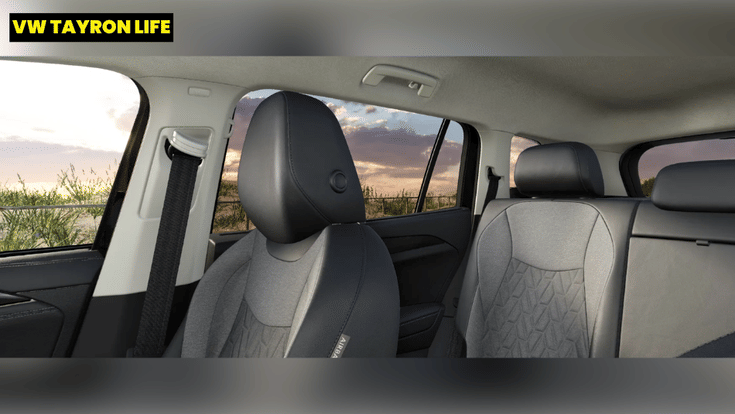
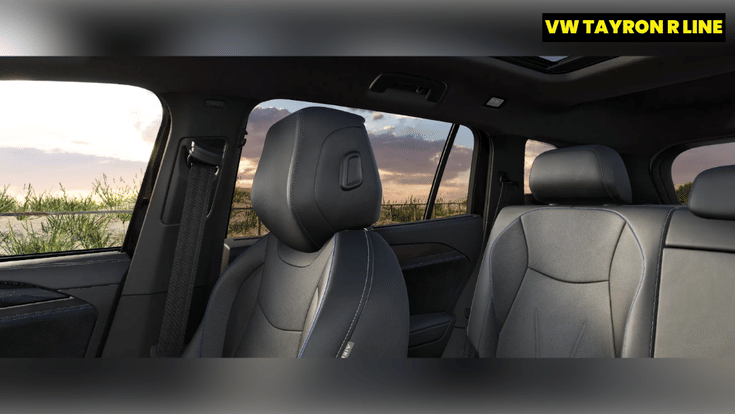
Another key difference is seating. The R-Line is the only trim to get a third row, making it a seven-seater, while the Life is offered as a five-seater. As a result, the Life offers a much larger 885-litre boot, compared to the R-Line’s 345-litre luggage capacity with all seats up.

Volkswagen Tayron Life vs R-Line: Powertrain

This is one area where the two trims don’t differ. The same 2-litre turbo-petrol unit used in the Tayron R-Line also does duty in the Life trim, producing identical peak outputs of 204hp and 320Nm. Additionally, transmission duties are handled by a 7-speed dual-clutch automatic unit, which sends drive to all four wheels.

Volkswagen Tayron Life vs R-Line: Price

Tayron trimPrice (Rs lakh)
Life41.99
R-Line46.99

As the entry-level trim in the Tayron line-up, the Life is priced Rs 5 lakh lower than the R-Line, at Rs 41.99 lakh. Volkswagen has taken a similar approach to Skoda, which offers the Kodiaq Lounge as a more affordable five-seater alternative to the higher-spec seven-seater variants.

The Volkswagen Tayron rivals the Skoda Kodiaq and Jeep Meridian. Like the R-Line, the Life trim is also locally assembled at Volkswagen’s Chhatrapati Sambhajinagar (formerly Aurangabad) plant in Maharashtra.

All you need to know about the Nissan Tekton

Nissan Tekton

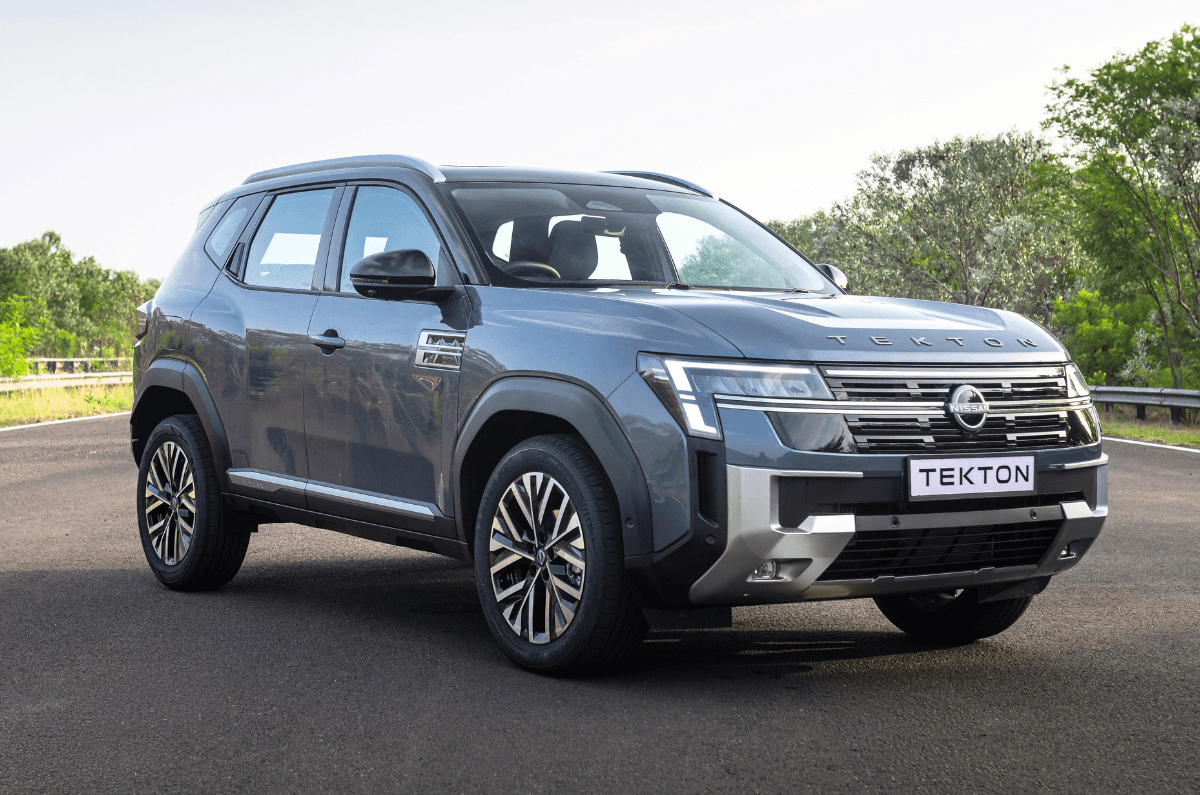
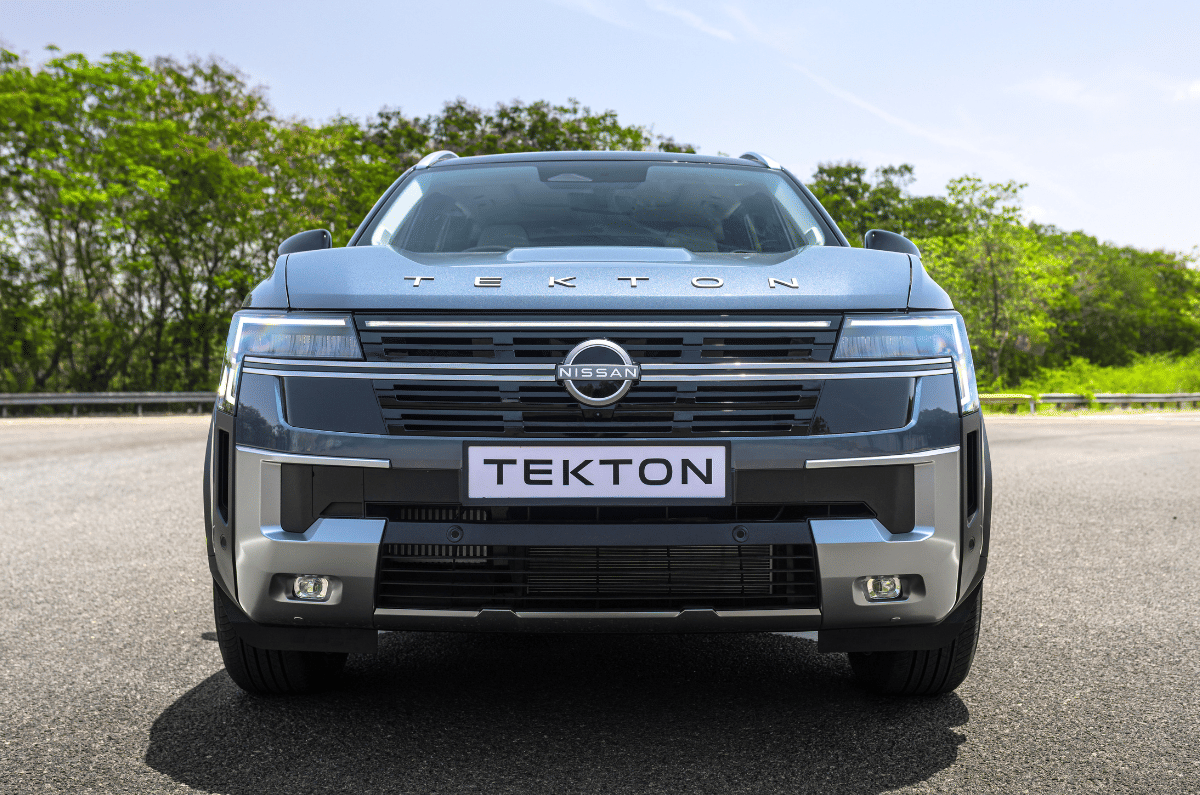
After several delays, Nissan has finally launched the Tekton in India. The SUV is the carmaker’s version of the Renault Duster, featuring a few design changes while sharing the same underpinnings. Competing with the likes of the Hyundai Creta, Kia Seltos, Tata Sierra, Maruti Grand Vitara and more, here’s everything you should know about Nissan’s new midsize SUV contender.

Is the Nissan Tekton pricier than the Renault Duster?

Nissan Tekton

The Tekton range starts at Rs 10.49 lakh, ex-showroom, similar to the Duster. At the entry level, the Tekton is priced on par with the Duster and is among the most affordable midsize SUVs, with only the MG Astor and Citroen Aircross costing less. The Maruti Victoris follows with a premium of just Rs 1,000, while the Maruti Grand Vitara, Hyundai Creta, Kia Seltos, Tata Sierra, Skoda Kushaq, Volkswagen Taigun, Toyota Hyryder and Honda Elevate are all priced higher.

At the top end, the Tekton costs Rs 10,000 more than the Duster at Rs 18.59 lakh. Even then, it’s still cheaper than the Seltos, Creta, Sierra, Hyryder, Victoris, and Grand Vitara. The Aircross remains the most affordable midsize SUV by a wide margin.

When will the Nissan Tekton hybrid launch in India

As we have exclusively reported before, the Tekton will not be adding a hybrid powertrain option. Renault will be keeping the Horse Powertrain-derived strong hybrid system exclusive for the Duster, positioning it as a key competitive advantage in the increasingly crowded midsize SUV space.

The Tekton offers a choice between 100hp 1-litre and 163hp 1.3-litre turbo-petrol engine options. A 6-speed manual gearbox is standard, but an automatic gearbox, a 6-speed dual-clutch unit in this case, is offered with the more powerful mill only.

What is the fuel-efficiency of the Nissan Tekton?

PowertrainClaimed fuel efficiency (kpl)
100hp 1L turbo-petrol 6MT19.41
163hp 1.3L turbo-petrol 6MT17.8
163hp 1.3L turbo-petrol 6DCT18.5

Evidently, the 1.0-litre turbo-petrol paired with a manual gearbox delivers the highest efficiency at 19.41kpl in the line-up. The 1.3-litre turbo-petrol returns 18.5kpl with the dual-clutch automatic and 17.8kpl with the manual gearbox. Since the powertrains are shared between the Nissan and Renault badge-engineered SUVs, their claimed fuel-efficiency figures are similar. 

Is the Nissan Tekton larger in overall size than its rivals?

Nissan Tekton

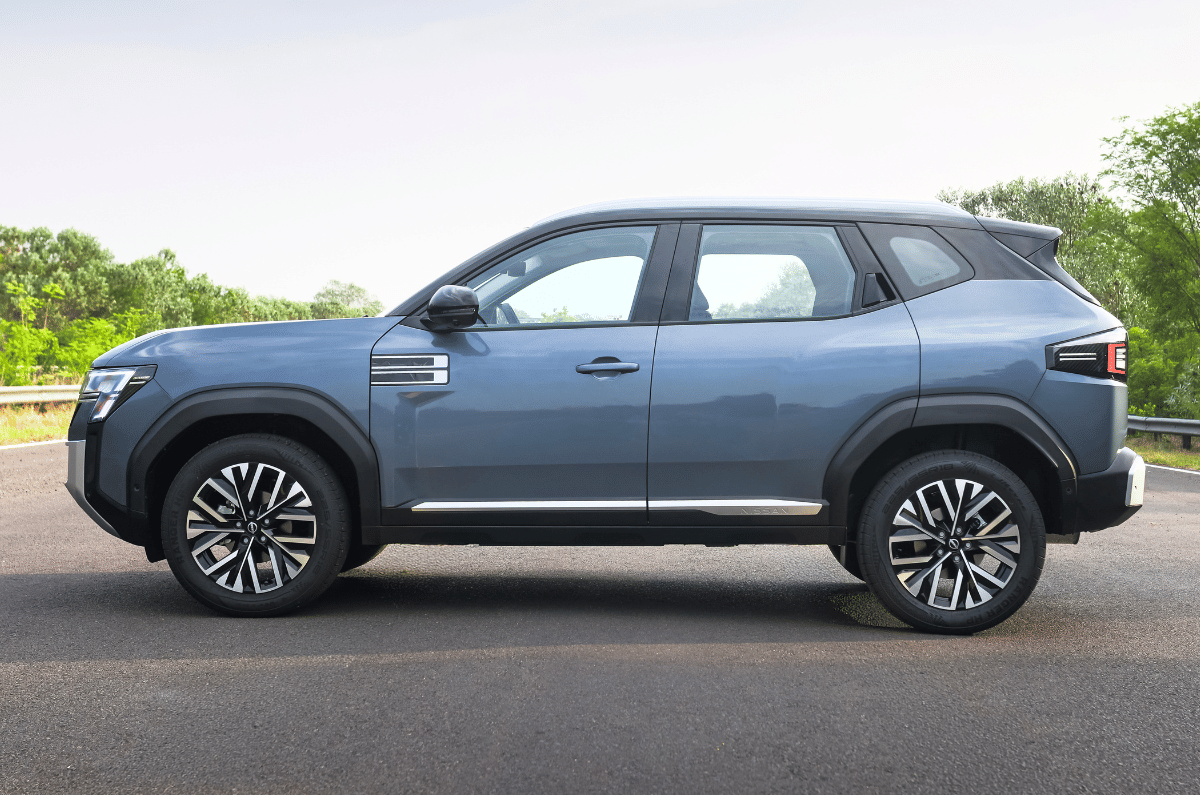
The Tekton shares its height, wheelbase, ground clearance and wheel size options with the Duster. It is, however, 6mm longer and 2mm wider due to its different styling. Compared to its midsize SUV rivals, the Tekton is longer than the Sierra, Creta, Grand Vitara, Kushaq, Taigun, Elevate, Astor and Aircross. However, it falls short of the Seltos by 111mm, the Hyryder by 16mm and the Victoris by 11mm. When it comes to wheelbase, the Sierra leads the segment, followed by the Seltos, Aircross, and then the Tekton. 

The Nissan SUV’s 212mm ground clearance is the second-highest in the segment after the Elevate. It also shares the largest 518-litre boot capacity in the segment with the Duster.

Does the Nissan Tekton have a spacious interior?

Nissan Tekton

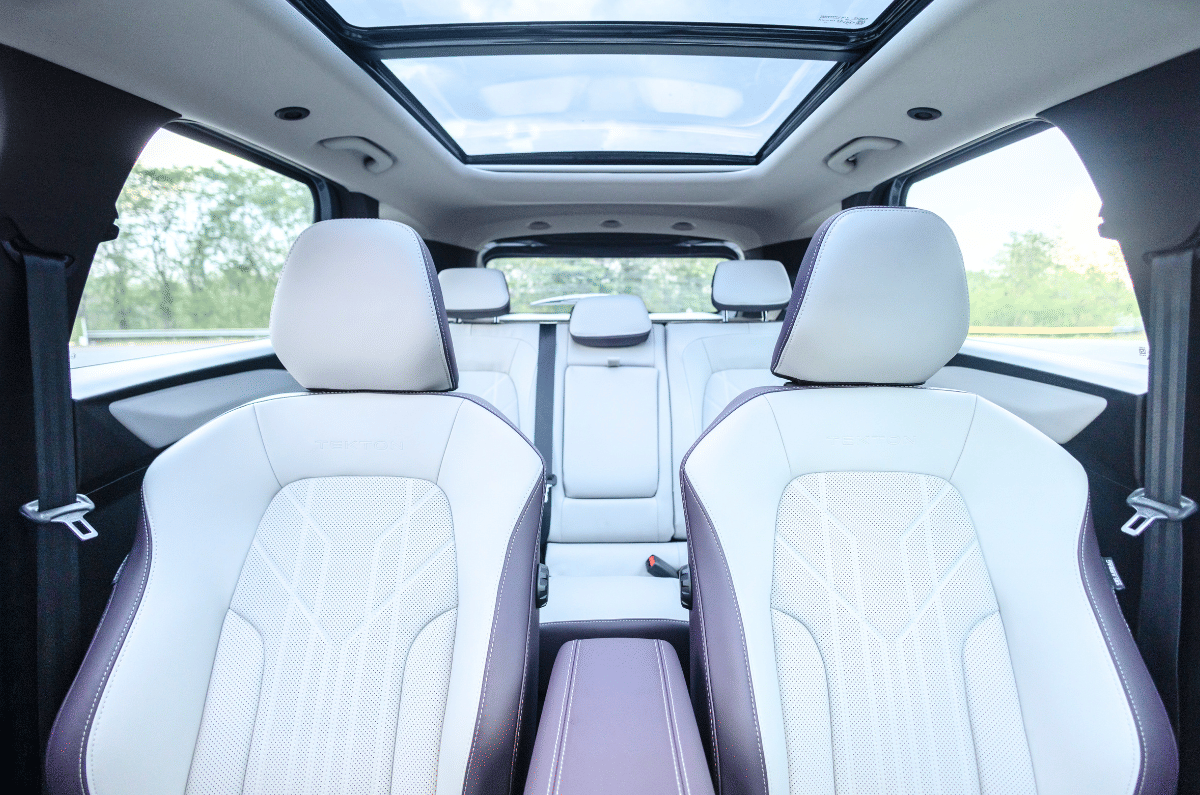
Its front seats are supportive and well-cushioned, and they also feature electric adjustment and ventilation. The rear seat is comfortable for two adults, while a third passenger can fit in. However, the limited shoulder room and the transmission hump make it less comfortable for three occupants over longer journeys.

At the rear, there’s enough kneeroom and plenty of headroom for six-footers. The large panoramic sunroof and windows make the cabin feel airy. Rear passengers also get a centre armrest with cup holders, dedicated AC vents and charging ports.

Which Nissan Tekton variant should you buy?

Nissan Tekton

The N-Connecta trim, priced between Rs 13.69 lakh and Rs 16.49 lakh, ex-showroom, is our pick of the Tekton range. It packs a good mix of features, including a 10.25-inch digital instrument cluster, a panoramic sunroof, dual-zone climate control, 18-inch alloy wheels, wireless charger a six-speaker sound system and more. Buyers also get a choice between the two turbo-petrol engine options, along with their respective manual and automatic gearbox pairings.

Higher Tekton trims add features like Google integration for the touchscreen, ventilated front seats, MyNISSAN connected car tech, powered tailgate, 360-degree camera, Level 2 ADAS and more.

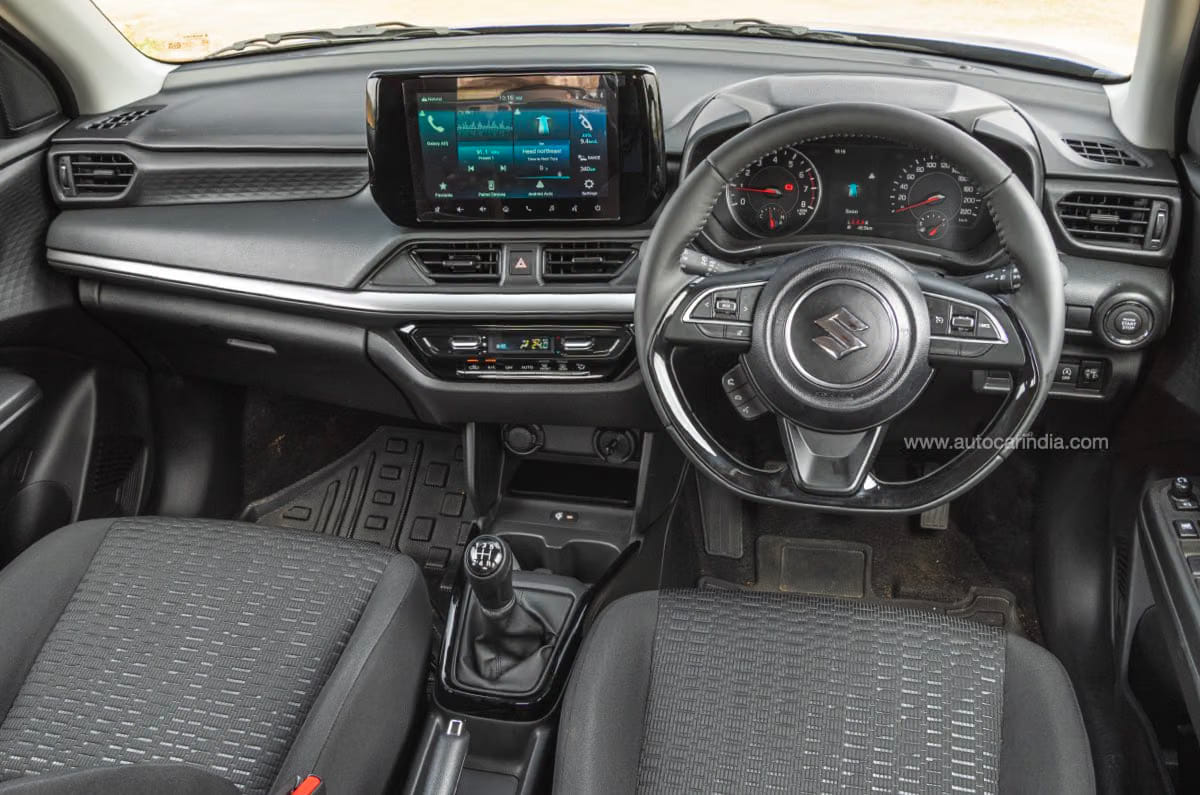
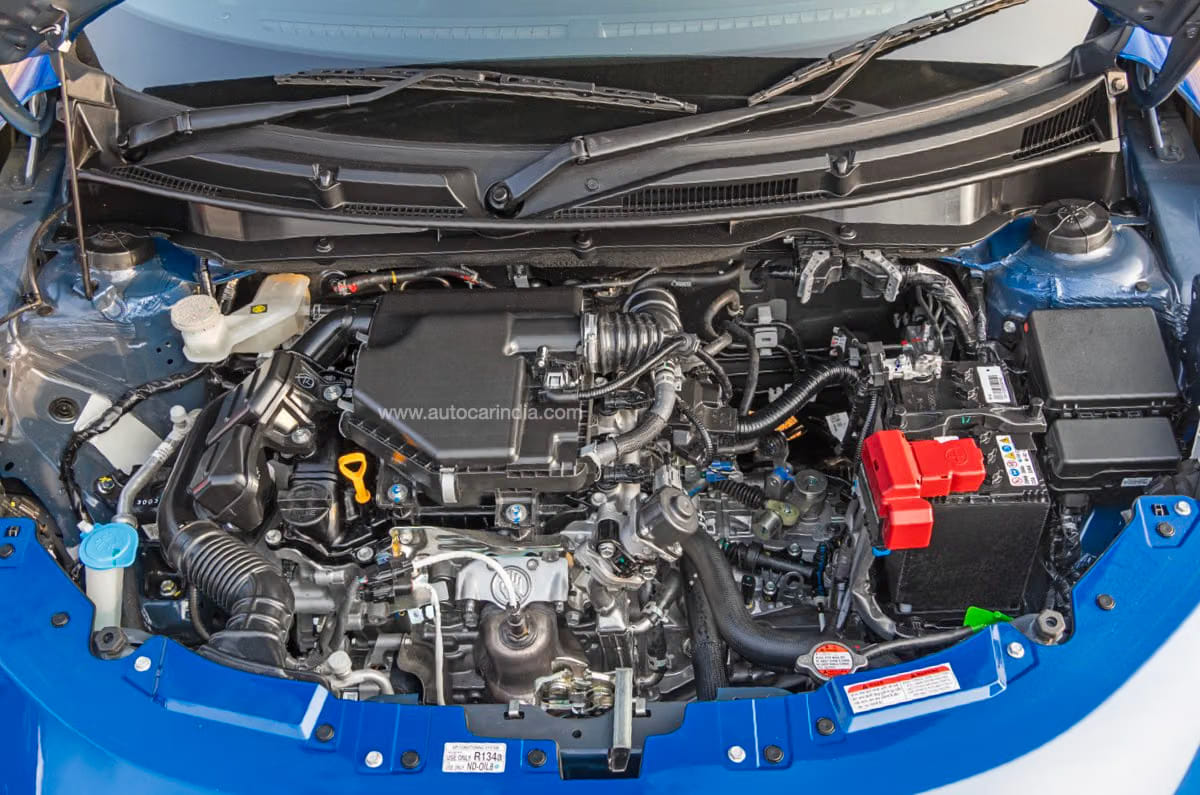
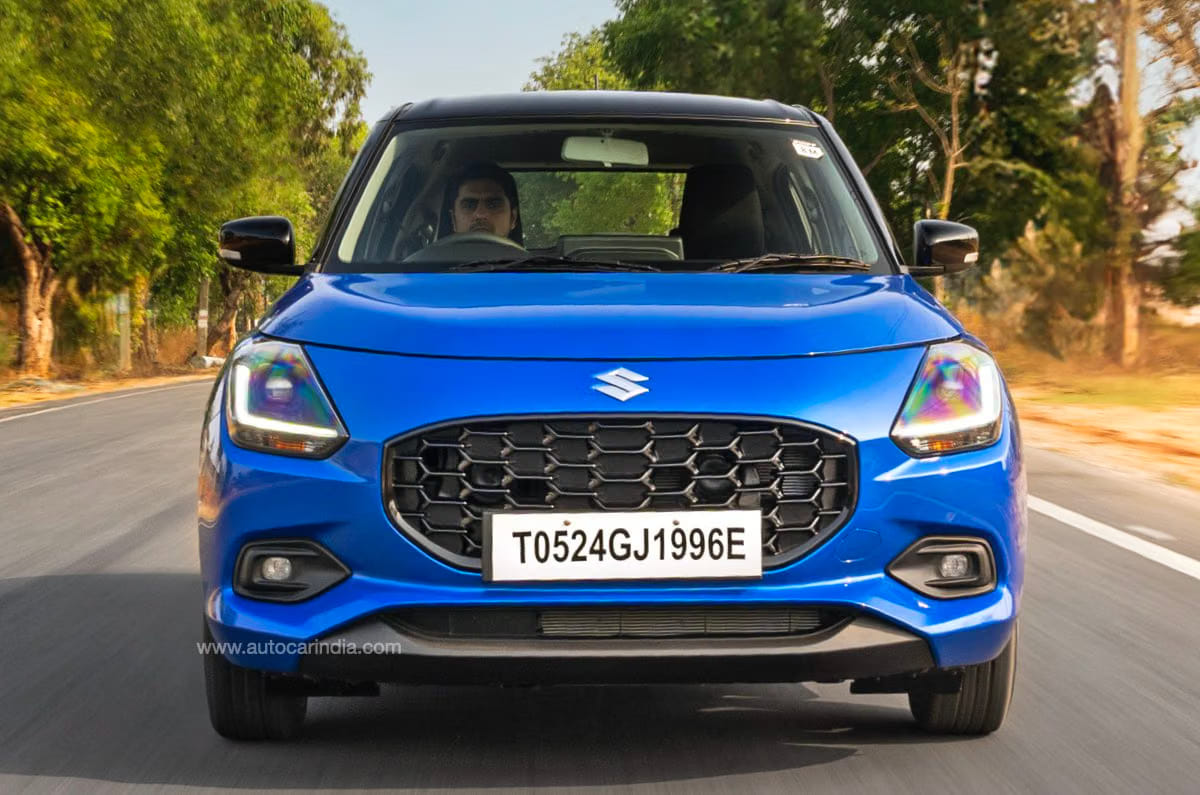
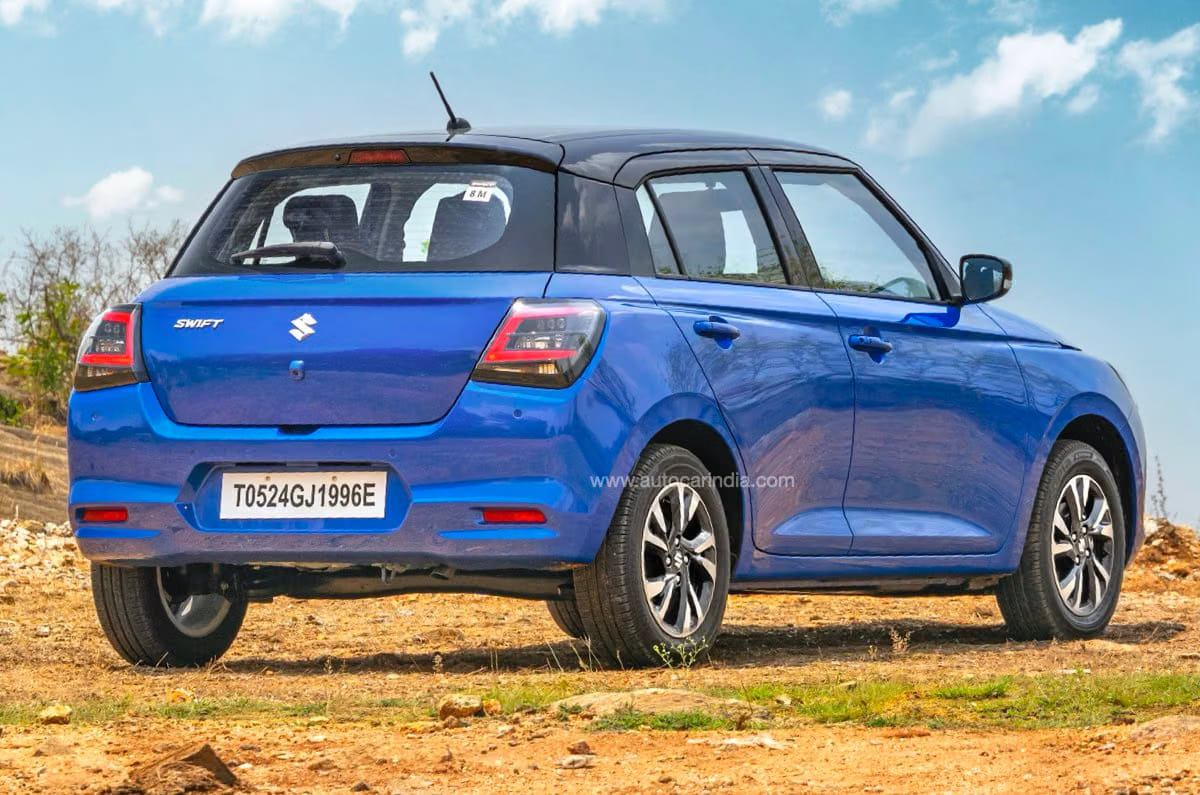
3 reasons to buy the Maruti Suzuki Swift and 3 to skip it

Swift

The Maruti Suzuki Swift remains one of the most popular premium hatchbacks in India. It combines compact dimensions with light controls, strong fuel efficiency and engaging driving manners, making it well suited to everyday use. However, buyers should also be aware of a few compromises before making a purchase.

Here are three reasons to consider the Swift, and three reasons to look elsewhere.

Reasons to buy

Excellent real-world fuel efficiency

Low running costs without compromising everyday usability

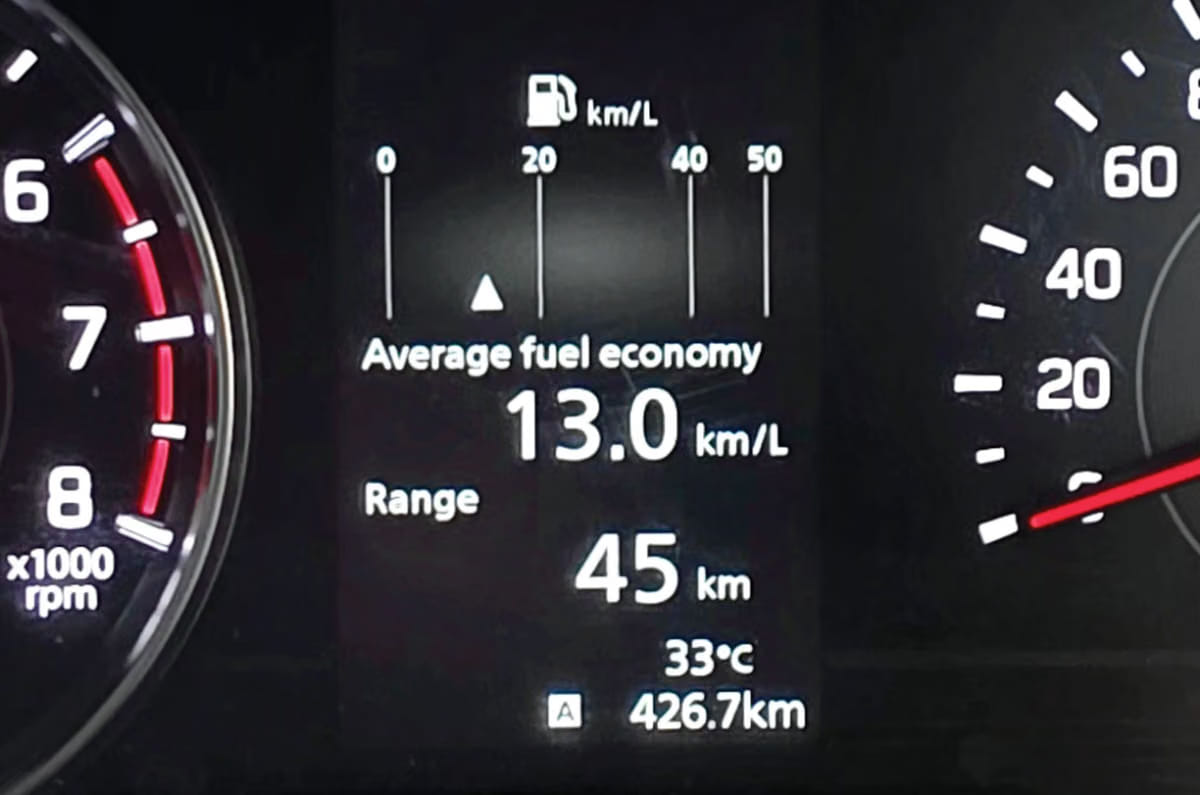
Hilariously good fuel economy, even in rushhour, start-stop traffic. 

Fuel efficiency is one of the Swift’s biggest strengths. Its 1.2-litre, three-cylinder petrol engine is tuned to prioritise efficiency while remaining easy to drive in everyday conditions. In Autocar India’s real-world tests, the manual returned 14kpl in the city and 19kpl on the highway, while the AMT managed 12.7kpl and 19.1kpl respectively.

The engine delivers smooth low-speed responses, the clutch is light, the 5-speed manual gearbox offers short, precise shifts and is pleasant to use, and the automatic stop-start system further helps reduce fuel consumption in traffic.

Engaging handling and light controls

Fun to drive without compromising everyday usability

The Swift continues to be one of the more enjoyable hatchbacks to drive. Steering is precise, body roll is well controlled and front-end grip inspires confidence on winding roads, while its compact dimensions make it equally easy to manoeuvre through city traffic.

Ride quality is comfortable for everyday driving, although sharper bumps are felt more noticeably than in some rivals. Braking performance is confidence inspiring and the light steering and controls make it effortless to drive every day.

Practical and well equipped

Comfortable cabin with a well-rounded feature list

The Swift offers a comfortable driving position, supportive front seats and adequate rear-seat space for two adults. Storage spaces around the cabin are generous, and the 265-litre boot is sufficient for everyday luggage.

Higher variants add a 9-inch touchscreen with wireless Android Auto and Apple CarPlay, wireless charger, rear AC vents, connected-car technology and automatic climate control. Six airbags are offered as standard across the range, strengthening its safety package.

Reasons to skip

Engine lacks enthusiasm

Performance takes a back seat to efficiency 

The Swift’s 1.2-litre petrol engine is refined in everyday driving but isn’t particularly exciting to drive. Its 82hp and 112Nm outputs are adequate for city commuting and highway cruising, but enthusiastic drivers may find the mid-range and top-end performance lacking. 

The three-cylinder engine also transmits mild vibrations into the cabin at idle, something buyers accustomed to four-cylinder engines may notice.

AMT feels dated

Convenient in traffic but not the smoothest automatic

The 5-speed AMT works well for relaxed city driving, but under hard acceleration, gearshifts remain slow and noticeable. This affects performance and makes the automatic feel less engaging than the manual version.

Buyers looking for a smoother automatic driving experience may prefer hatchbacks that offer CVT, DCT or torque-converter automatic gearboxes.

Top variants face stronger competition

Pricing overlaps with larger hatchbacks

The Swift’s higher variants are priced close to larger premium hatchbacks such as the Baleno that offer more cabin space, greater comfort and a richer interior experience. While the Swift remains well equipped, its cabin relies heavily on hard plastics, which makes it feel less premium than some rivals.

For buyers shopping at the top end of the range, it is worth comparing alternatives before making a decision.

Volkswagen Tayron Life trim launched at Rs 41.99 lakh

Volkswagen Tayron

Volkswagen has introduced the lower-spec Tayron Life trim in India at Rs 41.99 lakh, pricing it Rs 5 lakh lower than the range-topping R-Line. Compared to the Tayron R-Line, the Life trim misses out on the sporty cosmetic treatment and a pair of seats in the third row.

Volkswagen Tayron Life engine and gearbox details

The same 204hp, 320Nm 2-litre turbo-petrol unit used in the R-Line also does duty in the Tayron Life. Similarly, transmission duties are handled by a 7-speed dual-clutch automatic gearbox, which sends drive to all four wheels.

Volkswagen Tayron Life exterior highlights

Since it misses out on the R-Line styling package, parts like the front grille, cladding under the doors and over the wheel arches and rear bumper trim are not finished in gloss black. Speaking of the bumper ahead, it has a much cleaner look with L-shaped slats (inverted on the left half section) on the grille. A silver-painted trim is placed below the grille, which complements the overall look. That said, slim Matrix LED headlights and an illuminated VW roundel bridged by a wide light bar are similar to the top-spec trim.

Volkswagen Tayron Life

The Tayron is a 4,792mm-long SUV, with a wheelbase of 2,789mm. In profile, it’s easy to notice a different design for the alloy wheels, which measure relatively an inch less at 18 inches. In fact, the wheels resemble those on the Volkswagen Golf GTI. Styling continues to be clean with neat lines. The shoulder line swells from the rear doors to the tail and the silver surround dips down from the roof to the rear glass section. A chrome strip adds to the look as well.

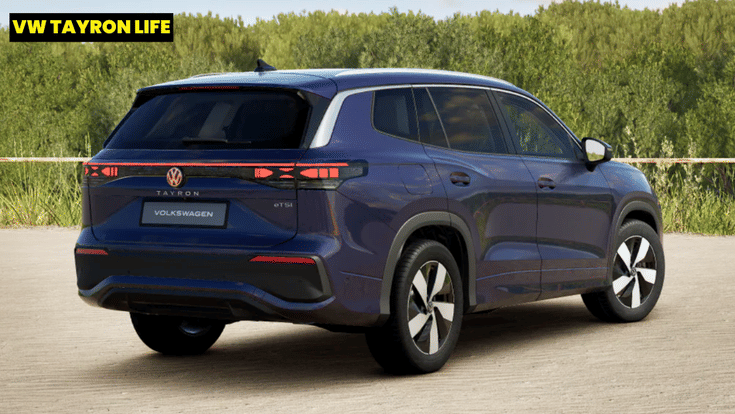
At the back, changes are limited to a simpler design for the bumper, while features like intricately done tail-lights with LED elements, a light bar, illuminated VW logo and roof spoiler have been carried over.

Volkswagen Tayron Life interior and features

Save for the ‘R’ badges on certain parts and third-row seats, not a lot differs when it comes to the interior. Even the list of features between the two trims is largely similar, including a 15-inch touchscreen, a 10.25-inch digital instrument cluster, a panoramic sunroof, three-zone automatic climate control, powered front seats with ventilation and massaging functions, two wireless smartphone charging pads, 360-degree camera, 9 airbags and Level 2 ADAS.

Volkswagen Tayron rivals

The VW Tayron is up against rivals like the Skoda Kodiaq and Jeep Meridian. Like the R-Line, the Life trim is locally assembled at the carmaker’s Chhatrapati Sambhajinagar (previously Aurangabad) facility in Maharashtra.

Nissan Tekton vs Kia Seltos: Whose top-spec trim offers better value?

Nissan Tekton vs Kia Seltos top-spec trim comparison

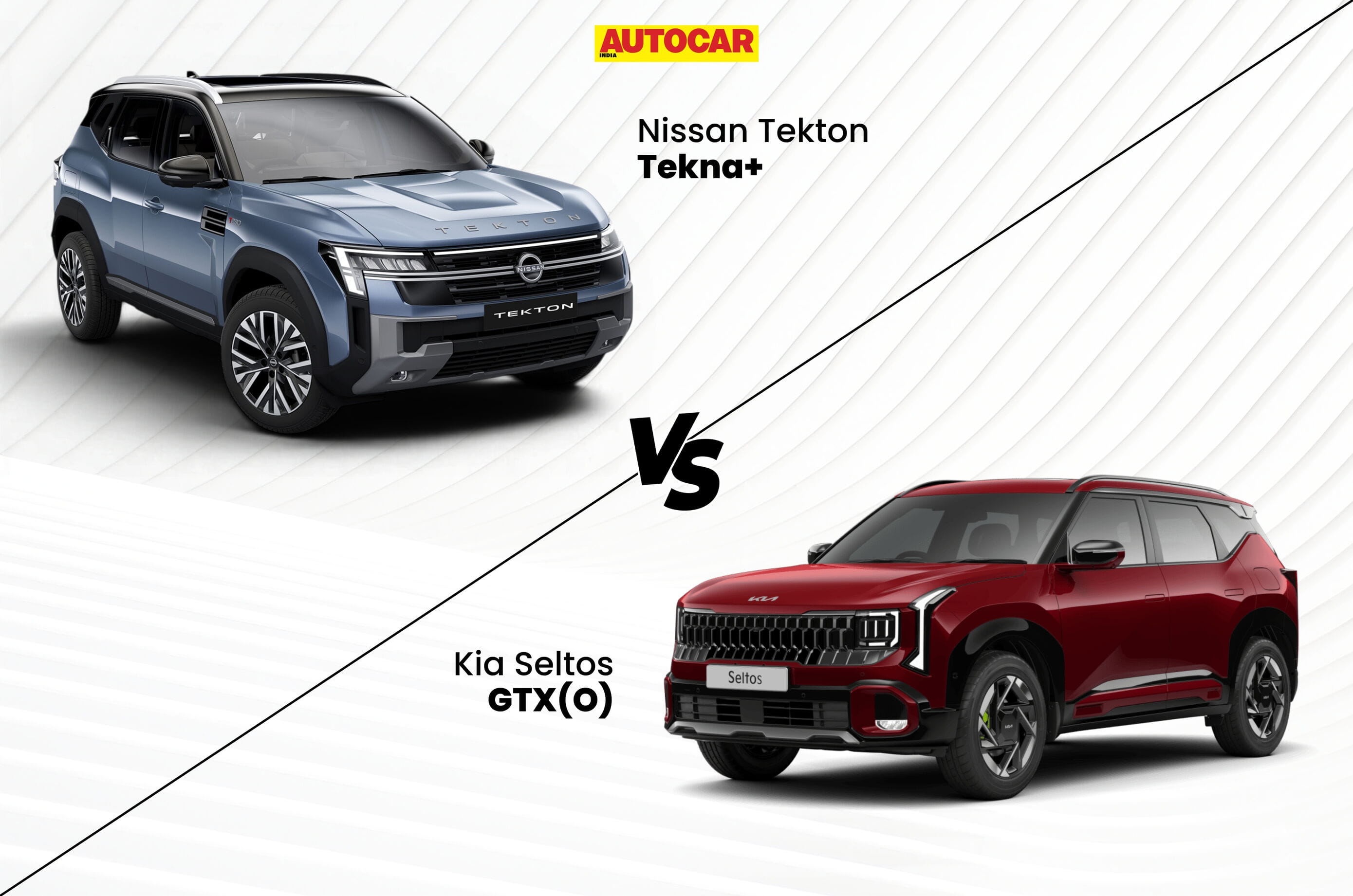
The Nissan Tekton is the latest entrant in the burgeoning midsize SUV segment, within which the Kia Seltos is a very popular option. The Seltos underwent a generational upgrade earlier in 2026, offering larger dimensions, better safety credentials, and more features. To that end, let’s take an in-depth look at the top-spec Tekton Tekna+ and Seltos GTX(O) trims to find out which midsize SUV is better value for money.

Nissan Tekton vs Kia Seltos: Top trim dimensions

Tekton is smaller than Seltos overall, but offers higher ground clearance and boot space

Nissan Tekton vs Kia Seltos top trim dimensions compared


Tekton

Seltos

Difference

Length (mm)

4,349

4,460

-111

Width (mm)

1,815

1,830

-15

Height (mm)

1,674

1,635

+39

Wheelbase (mm)

2,657

2,690

-33

Ground clearance (mm)

212

200

+12

Boot space (litres)

518

447

+71
Wheel size (inches)18180

Though the Seltos is considerably longer and slightly wider than the Tekton, the Nissan SUV is taller, partly by way of its 12mm higher ground clearance. The Tekton further one-ups the Seltos with a substantially larger boot capacity. In terms of wheel size, however, both midsize SUVs come with 18-inch alloys.

Nissan Tekton vs Kia Seltos: Top trim engine and gearbox options

Tekton has more powerful 4-cyl turbo-petrol engine, but Seltos offers diesel option

Nissan Tekton vs Kia Seltos top trim powertrains compared


Tekton

Seltos

Engine

1.0 turbo-petrol / 1.3-litre turbo-petrol

1.5 diesel / 1.5 turbo-petrol

No. of cylinders

3 / 4

4 / 4

Power (hp)

100 / 163

116 / 160

Torque (Nm)

166 / 280

250 / 253

Gearbox 

6MT / 6DCT

6AT / 7DCT

The Tekton is available with 100hp 1.0 turbo-petrol MT and 163hp 1.3 turbo-petrol DCT powertrains in its top-spec Tekna+ trim, whereas the Seltos GTX(O) can be had in either 1.5 turbo-petrol DCT or 1.5 diesel AT guise. Offering the latter powertrain is a major plus point for the Seltos, as many midsize SUV buyers still favour diesel engines.

That said, buyers interested in these SUVs’ 4-cyl turbo-petrol variants would likely lean in the Tekton’s favour, as its 1.3-litre engine is not only smaller than the Seltos’ 1.5-litre mill, but also develops 3hp and 27Nm more. Additionally, the Tekton’s wet-clutch DCT should make for smoother operation at slower speeds than the Seltos’ dry-clutch unit.

It’s also worth noting that for budget-constrained buyers whose usage is primarily in the city, the Tekton’s 1.0 turbo-petrol option is a good choice. However, it’s paired solely with a 6-speed manual, which isn’t as convenient in stop-go city traffic as an automatic transmission.

Nissan Tekton vs Kia Seltos: Top trim exterior features

Tekton stands out with powered tailgate and rear fog lamps

Nissan Tekton vs Kia Seltos top trim exterior features compared


Tekton

Seltos

Headlamps

LED

LED

LED DRLs

Yes

Yes

Welcome/goodbye lighting sequence

Yes

Yes

Puddle lamps

Optional

No

Tail-lamps

Connected LED

Connected LED

Fog lamps

Front, rear

Front

Rear spoiler

Yes

Yes

Electrically adjustable ORVMs

Yes

Yes

Auto-folding ORVMsYesYes

Shark-fin antenna

Yes

Yes

Roof rails

Yes

Yes

Powered tailgate

Yes

No

Colour

Monotone, dual-tone

Monotone, dual-tone, matte

Both the Tekton and Seltos are quite evenly matched on this front, but the Nissan SUV edges ahead thanks to the inclusion of rear fog lamps and a powered tailgate. The latter feature can be quite handy in instances where your hands are full and you can’t prop the bootlid up yourself.

While the Seltos does offer four more monotone colours than the Tekton does, the Kia SUV only gets two dual-tone options – the Tekton features five. However, the Seltos is the only one here to offer a matte paint finish as part of its X-Line cosmetic package, which can be opted for at no additional cost.

Nissan Tekton vs Kia Seltos: Top trim interior features

Seltos is better-equipped than the Tekton

Nissan Tekton vs Kia Seltos top trim interior features compared


Tekton

Seltos

Panoramic sunroof

Yes

Yes

Touchscreen size

10.1 inches

12.3 inches

Driver’s display

10.25 inches

12.3 inches
Heads-up displayNoYes

Wireless Apple CarPlay, Android Auto

Yes

Yes

Powered driver seat

6-way

10-way
Memory, welcome functions for driver seatNoYes

Powered co-driver seat

6-way

No

Lumbar adjustment 

Manual

Powered

Cabin air purifier

Yes

Yes

Automatic climate control

Dual-zone

Dual-zone

Rear AC vents

Yes

Yes

Seat upholstery

Leatherette

Leatherette

Wireless charging pad

Optional

Yes

Sound system

6-speaker Arkamys

8-speaker Bose

Ventilated front seats

Yes

Yes

60:40 split rear seats

Yes

Yes
Rear sunshadesOptionalYes

Rear armrest

Yes

Yes

Connected car tech

Yes

Yes

Ambient lighting

48 colours

64 colours

Coming to interior features, the Seltos easily takes the victory. Compared to the Tekton, the Seltos gets larger screens, a heads-up display, broader electrical adjustment and powered lumbar adjust for the driver’s seat (along with memory and welcome functions), a Bose sound system with more speakers, and an expanded roster of colours for the ambient lighting system. The Tekton’s sole edge over the Seltos in this department is a powered co-driver seat.

Nissan Tekton vs Kia Seltos: Top trim driving features

Tekton allows you to alter steering feel, Seltos gets terrain modes

Nissan Tekton vs Kia Seltos top trim driving features compared


Tekton

Seltos

Drive modes

Eco, Comfort

Eco, Normal, Sport
Steering modesEco, ComfortNo

Paddle Shifters

Yes

Yes

Cruise Control

Adaptive

Adaptive
Terrain modesNoSnow, Mud, Sand

While the Seltos offers three drive modes instead of the Tekton’s two, the Nissan SUV additionally gets presets to adjust the steering feel. However, the Seltos is the only one here to pack terrain modes.

Nissan Tekton vs Kia Seltos: Top trim safety features 

Seltos features more advanced ADAS and built-in dashcams

Nissan Tekton vs Kia Seltos top trim safety features compared


Tekton

Seltos
Bharat NCAP rating5 stars5 stars

Airbags

6

6

Parking sensors

Front, rear

Front, rear, side

Camera setup

360-degree

360-degree

Front and rear dashcams

Optional

Yes

Electronic parking brake

DCT only

Yes

ADAS

Level 2

Level 2+

TPMS

Yes

Yes
Driver drowsiness detectionYesYes

Hill start assist

Yes

Yes

Front and rear disc brakes

Yes

Yes

ESC

Yes

Yes

Auto-dimming IRVM

Yes

Yes
Rain-sensing wipersYesYes

While both SUVs are equipped with pretty much every safety feature you need, the Seltos emerges as the winner thanks to its inclusion of side parking sensors and built-in dashcams. Moreover, the Seltos’ Level 2+ ADAS suite packs 28 features, which is nearly double the Tekton’s 15 ADAS functions.

Nissan Tekton vs Kia Seltos: Top trim prices and verdict

Tekton is up to Rs 5.08 lakh more affordable

Nissan Tekton vs Kia Seltos top trim price compared


Tekton

Seltos

Price range (In Rs, lakh) 

16.49-18.59

21.57-21.82

Pricing is a sweeping victory for the Tekton, as its range-topping Tekna+ trim starts at Rs 16.49 lakh by way of the aforementioned budget-friendly 1.0 turbo MT powertrain, whereas the Seltos GTX(O) starts at Rs 21.57 lakh – a delta of over Rs 5 lakh. Comparing the top-spec DCT variants of both SUVs, the Tekton is just shy of Rs 3 lakh cheaper than the Seltos, which is quite a big gap.

Therefore, if your budget is around Rs 20 lakh, the Tekton is the obvious choice. If you can stretch your budget by a few more lakhs, though, the Seltos is the better option. Kia India’s service network and retail footprints are also much more widespread than Nissan’s, which is an important consideration for buyers.

All prices are ex-showroom, India.

एक ही 40°C, फिर भी अलग एहसास! जानिए भारत, दुबई और फ्रांस में गर्मी का फर्क

भारत, दुबई और फ्रांस में अगर टेम्परेचर 40 डिग्री सेल्सियस हो, तो इसका मतलब यह नहीं कि तीनों जगह गर्मी एक जैसी महसूस होगी। मौसम, नमी, हवा की रफ्तार, धूप की तीव्रता और वहां के इंफ्रास्ट्रक्चर की वजह से गर्मी का अहसास बदल जाता है। यही कारण है कि एक ही टेम्परेचर अलग-अलग देशों में अलग एक्सपीरियंस देता है। आइए जानते हैं कि 40°C पर कहां कितनी तपिश महसूस होती है और इसके पीछे कौन-से फैक्टर जिम्मेदार हैं:

1. एक जैसा टेम्परेचर, लेकिन महसूस अलग

Dubai Airport issues update following closure - full statement - Manchester Evening News

भारत, दुबई और फ्रांस में अगर टेम्परेचर 40°C हो, तब भी तीनों जगह गर्मी एक जैसी महसूस नहीं होती। इसकी वजह यह है कि हर देश का मौसम, वातावरण, नमी, हवा और रहने का तरीका अलग होता है। इसलिए शरीर को गर्मी का अहसास भी अलग-अलग होता है।

2. फ्रांस में गर्मी का असर 

1600x900 Nice, France, Villefranche-Sur-Mer background image | Best Free Download images

गर्मियों में फ्रांस में दिन 15 से 17 घंटे तक लंबे होते हैं, जिससे धूप ज्यादा देर तक रहती है। सड़कें, इमारतें और फुटपाथ पूरे दिन गर्मी सोख लेते हैं और रात में भी गर्म रहते हैं। कई बार हवा कम चलने से गर्मी बाहर नहीं निकल पाती और मौसम ज्यादा तपता हुआ महसूस होता है।

3. घरों का डिजाइन भी बड़ी वजह है

UAE Travel News: दुबई ट्रैवल के लिए बड़ा अपडेट, 9 एयरलाइंस ने बदल दिए नियम | dubai-flight-cancellation-news-airlines-update-for-dubai-know-before-travel-advisory-2026-airport-latest-news | Asianet News Hindi

फ्रांस के ज्यादातर पुराने घर ठंड से बचाने के लिए बनाए गए हैं। उनकी दीवारें मोटी और खिड़कियां छोटी होती हैं, जिससे घर के अंदर की गर्मी आसानी से बाहर नहीं निकलती। इसके अलावा कई जगहों पर पहले से एसी और सीलिंग फैन आम नहीं थे, इसलिए हीटवेव के दौरान लोगों को ज्यादा परेशानी होती है।

4. दुबई का रेगिस्तानी इलाका

6,461,000+ Scorching Heat Stock Photos, Pictures & Royalty-Free Images - iStock | Heat wave, Hot weather, Heat stroke

दुबई रेगिस्तानी इलाका है, इसलिए वहां धूप बहुत तेज होती है और गर्म हवाएं चलती हैं। हालांकि, लगभग सभी इमारतों, मॉल, बस स्टॉप, मेट्रो और कारों में एयर कंडीशनिंग की सुविधा होती है। इसी वजह से बाहर गर्मी ज्यादा होने के बावजूद लोगों को अंदर राहत मिलती है।

5. भारत में लोग गर्मी के आदी हैं

पुराने घरों के बाहर चबूतरा क्यों बनता था? इसकी असली वजह जानकर आप भी कहेंगे- कमाल की सोच थी - News18 हिंदी

भारत में हर साल कई राज्यों में टेम्परेचर 40°C या उससे ऊपर पहुंच जाता है। लंबे समय से ऐसी गर्मी झेलने के कारण लोग और उनका शरीर इस मौसम के काफी हद तक आदी हो जाते हैं। यहां के कई घर भी ऐसे बनाए जाते हैं जिनमें ऊंची छत, बरामदा और क्रॉस वेंटिलेशन जैसी सुविधाएं होती हैं, जो गर्मी कम करने में मदद करती हैं।

6. गर्मी का एहसास बदलता है

पुलकित-कृति की शादी का राजवंश कनेक्शन, इस लैविश हेरिटेज होटल में लेंगे सात फेरे, Photos - Pulkit samrat kriti kharband to marry in itc grand heritage hotel gurugram inspired by mughal maratha

सिर्फ टेम्परेचर ही नहीं, बल्कि हवा में नमी, हवा की रफ्तार, धूप की तीव्रता, इमारतों का डिजाइन और आसपास का वातावरण भी तय करते हैं कि 40°C कितना गर्म महसूस होगा। यही वजह है कि एक ही टेम्परेचर अलग-अलग जगहों पर अलग एक्सपीरियंस देता है।

7. तीनों देशों में अंतर

Wallpaper sunset, building, skyscrapers, panorama, Dubai, UAE, UAE, Dubai Dubai for mobile and desktop, section город, resolution 2000x1307 - download

फ्रांस में लंबे समय तक धूप, गर्म इमारतें और सीमित कूलिंग व्यवस्था हीटवेव को ज्यादा कठिन बना सकती है। दुबई में तेज गर्मी के बावजूद मॉडर्न एसी इंफ्रास्ट्रक्चर राहत देता है। वहीं भारत में लोग गर्म मौसम के ज्यादा आदी हैं, लेकिन 40°C से ऊपर की गर्मी में भी पर्याप्त पानी पीना और धूप से बचाव करना जरूरी रहता है।

हर देश में 40°C का टेम्परेचर एक जैसा दिखाई दे सकता है, लेकिन उसका असर वहां के मौसम, नमी, हवा, धूप और इंफ्रास्ट्रक्चर के अनुसार अलग होता है। इसलिए केवल टेम्परेचर देखकर गर्मी का सही अंदाजा नहीं लगाया जा सकता।

ऐसे मौसम में सबसे जरूरी है कि पर्याप्त पानी पिएं, तेज धूप से बचें और शरीर को ठंडा रखने के उपाय अपनाएं। चाहे भारत हो, दुबई या फ्रांस, हीटवेव के दौरान सावधानी और सही तैयारी ही सेफ रहने का सबसे अच्छा तरीका है।