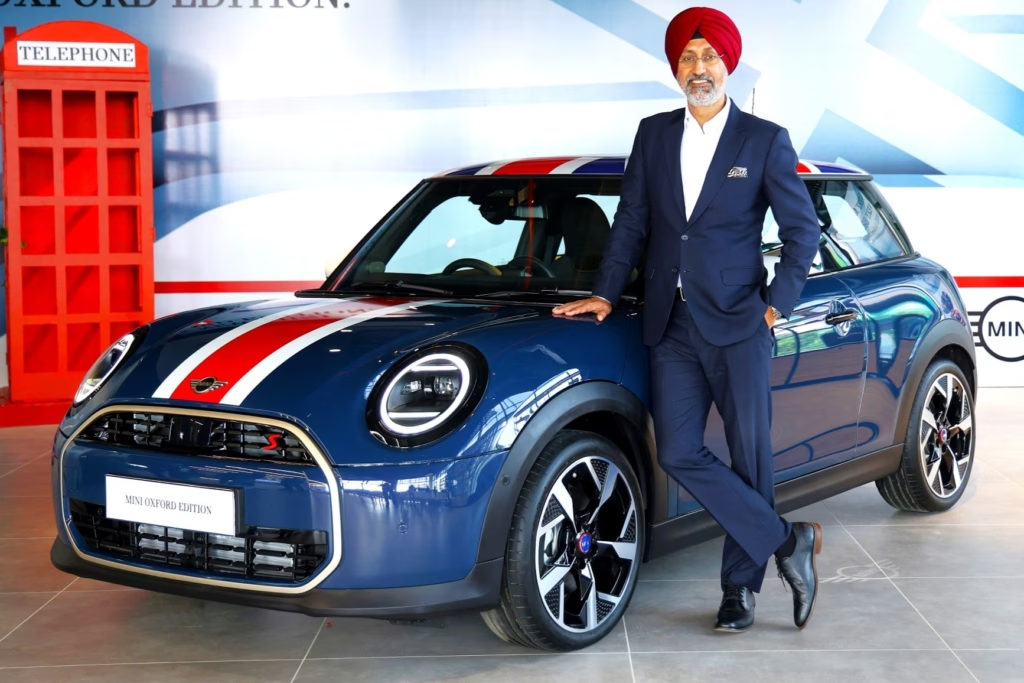
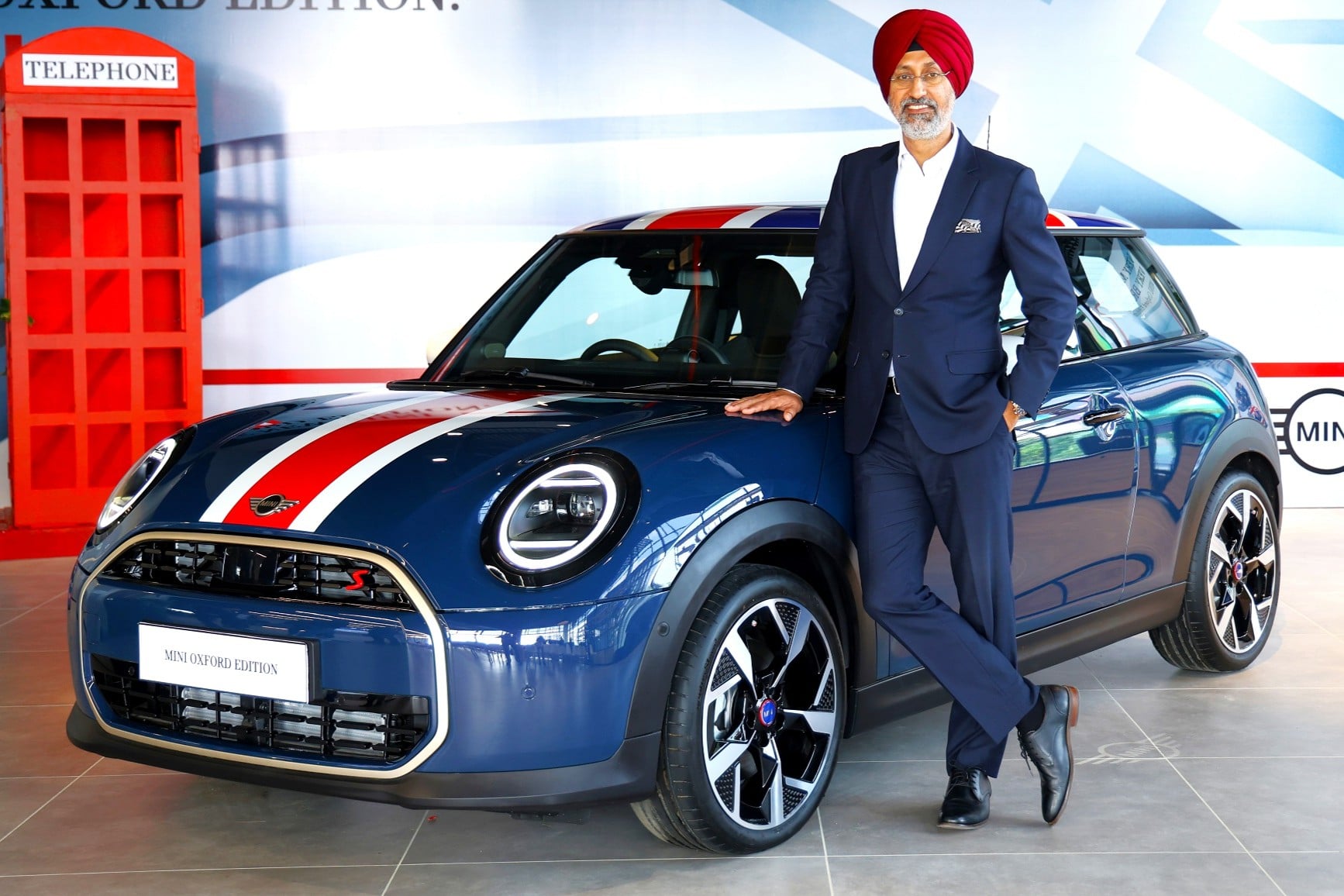
Mini India has launched the Cooper Oxford Edition in India at an asking price of Rs 55.5 lakh (ex-showroom). The special-edition 3-door hatchback celebrates a quarter-century of modern Mini production at the BMW Group’s Oxford plant. As such, the Cooper Oxford Edition sports lots of design touches inspired by the Union Jack. Mini is offering the Cooper Oxford Edition in limited quantities, with deliveries starting immediately.
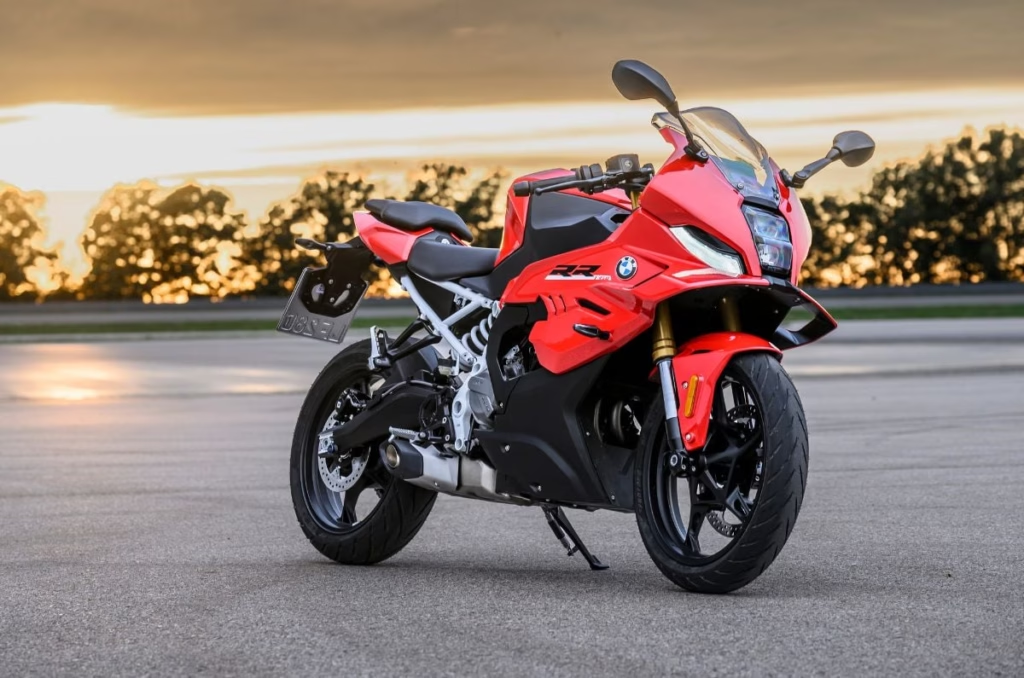
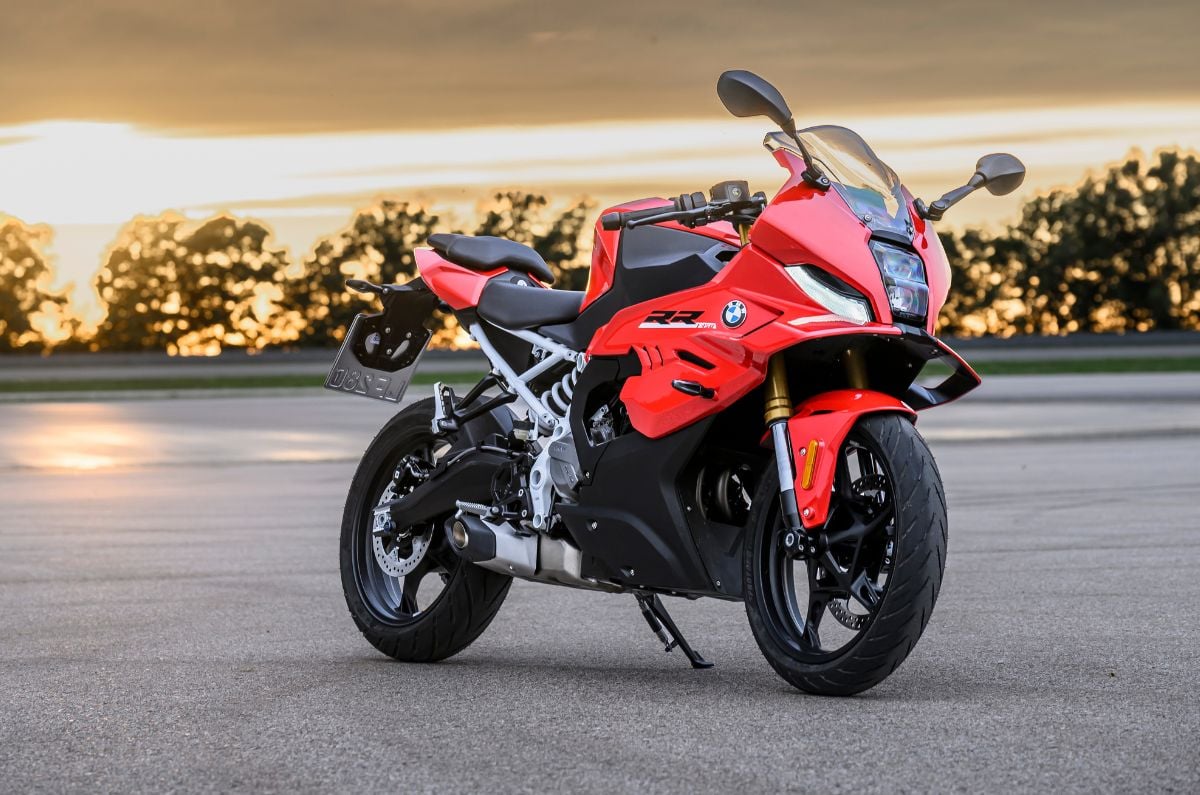
BMW has revealed the third motorcycle based on its 420cc engine platform, the F 450 RR. This follows the F 450 GS which was revealed last November and the F 450 R, which debuted as recently as two weeks ago. These trio of motorcycles are manufactured by TVS in Hosur.
F 450 RR shares the same 420cc engine and chassis with the other two BMW 450s
Total of three colour options available across four variants
No prices or an Indian launch timeline, just like the F 450 R
BMW F 450 RR: What you should know
A familiar engine and chassis, fine-tuned for track use
BMW’s newest entry to its entry-level motorcycle segment shares its engine and steel tubular chassis that carries said engine as a stressed member, similar to its other two 450s. Its 420cc, twin-cylinder, liquid-cooled mill continues to mete out 48hp at 8,750rpm and 43Nm at 6,750 rpm. Other technical aspects such as the suspension, brakes and kerb weight are closer to its sport-naked sibling, the F 450 R, with sportbike-like design details like winglets and a full fairing, of course.
The F 450 RR has 17-inch tyres at both ends, KYB-supplied 43mm USD fork and monoshock suspension units – the latter offers rebound and preload adjustability as standard. The standard seat height is 790mm and BMW offers two seat options, to either increase it to 810mm, or drop it down to 775mm. Brakes are the same as the R, a 310mm front disc with a Brembo four-piston monobloc caliper and a ByBre 240mm rear disc. The base variant of the F 450 RR has a kerb weight of 177kg.
The F 450 RR has four variants, Base, Exclusive, M Sport and M Sport with Innovation Package. As standard, all four get the exact same rider aids as the R, some of which are, dual-channel and lean-sensitive ABS, a 6.5-inch TFT display with smartphone connectivity, and three ride modes (Rain, Road and Race). The Base gets a single Cosmic Black colour. Stepping up to the Exclusive variant gets you the Racing Red colour, a bi-directional quickshifter and Sport suspension that adds rebound and compression adjustability to the USD fork. The third M Sport variant gives you an additional user-customisable Race Pro ride mode and an Snaefell white/M Motorsport color scheme. The top variant, M Sport with Innovation Package, cinches down the package with ERC (Easy Ride Clutch) – BMW’s take on clutchless riding that we first saw on the F 450 GS.
BMW hasn’t revealed prices for the F 450 RR, or a timeline for an Indian launch, like the F 450 R. For context, the F 450 GS reached our shores six months after its international reveal, which means that the R and the RR could be expected in the first quarter of 2027. Once they get here, we anticipate the F 450 R to be the most affordable option with the F 450 RR sitting between it and the F 450 GS. Currently, the F 450 GS Base starts at Rs 4.95 lakh. BMW has another built-by-TVS sportbike in its line-up, the G 310 RR listed on the BMW Motorrad India website. The G 310 R and G 310 GS were discontinued last year, leaving the future of the G 310 RR uncertain.
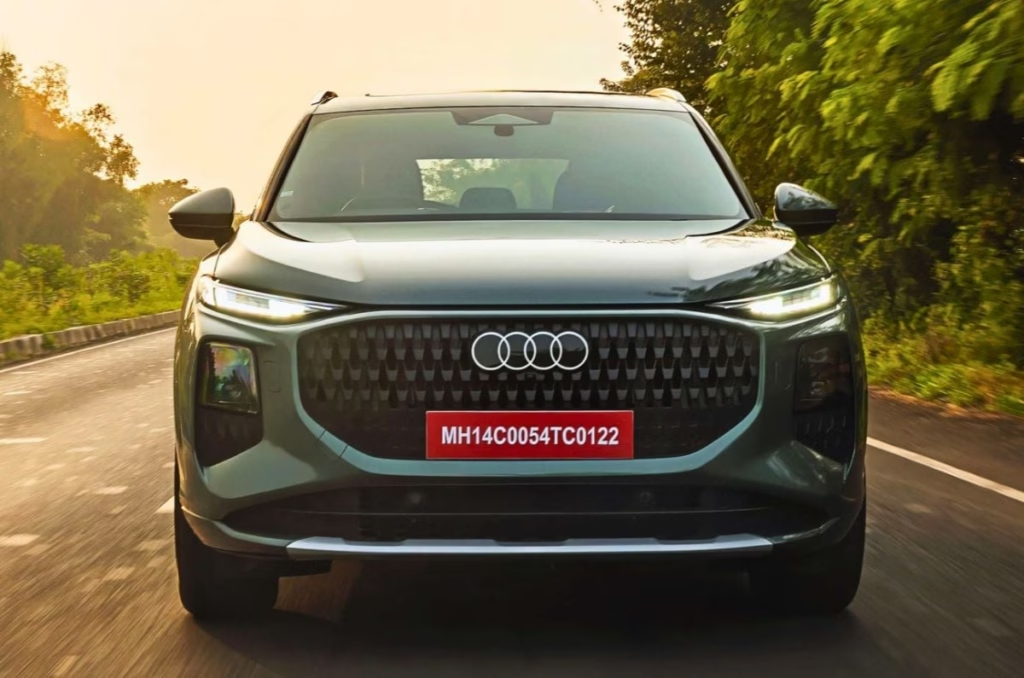
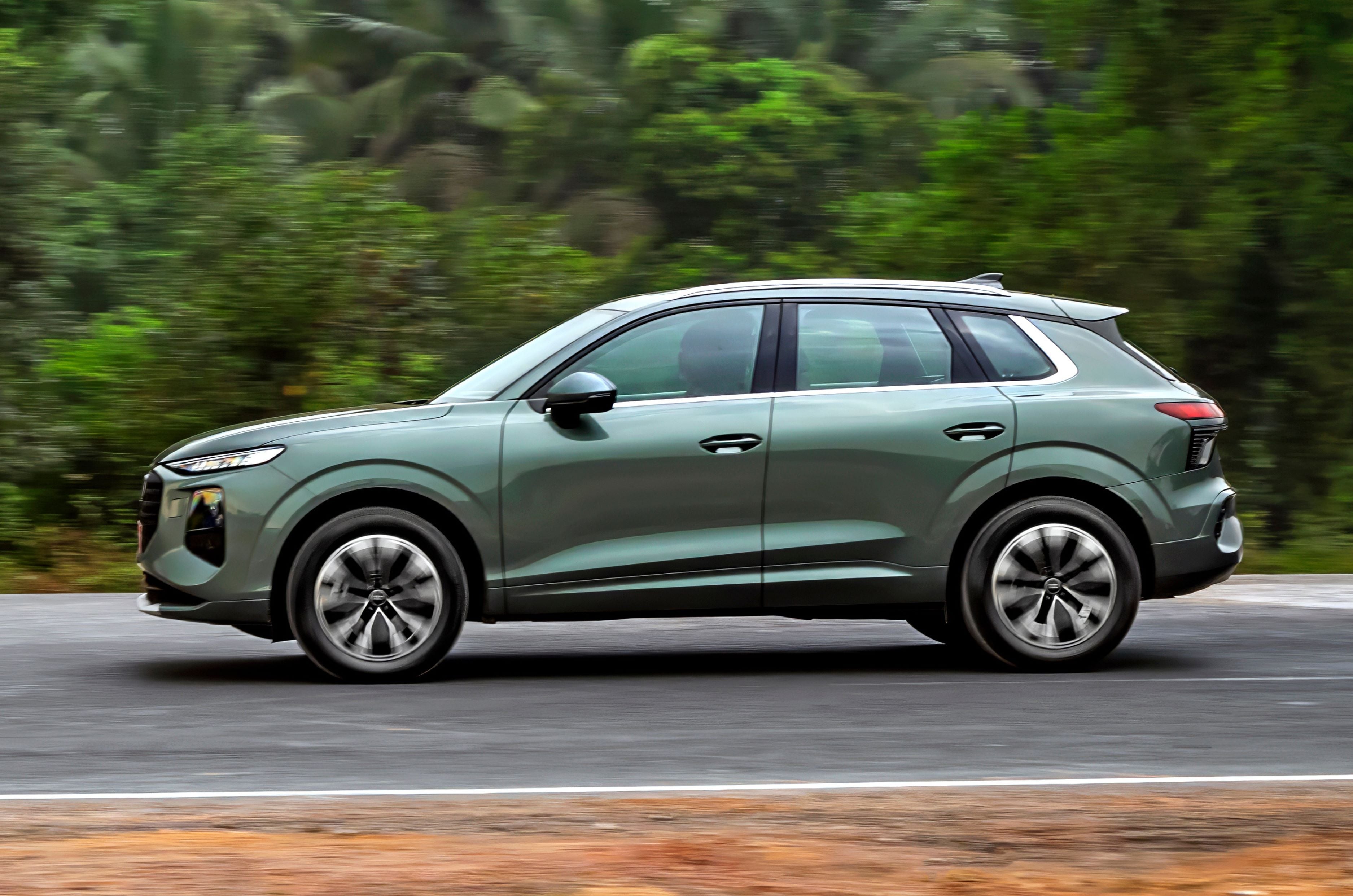
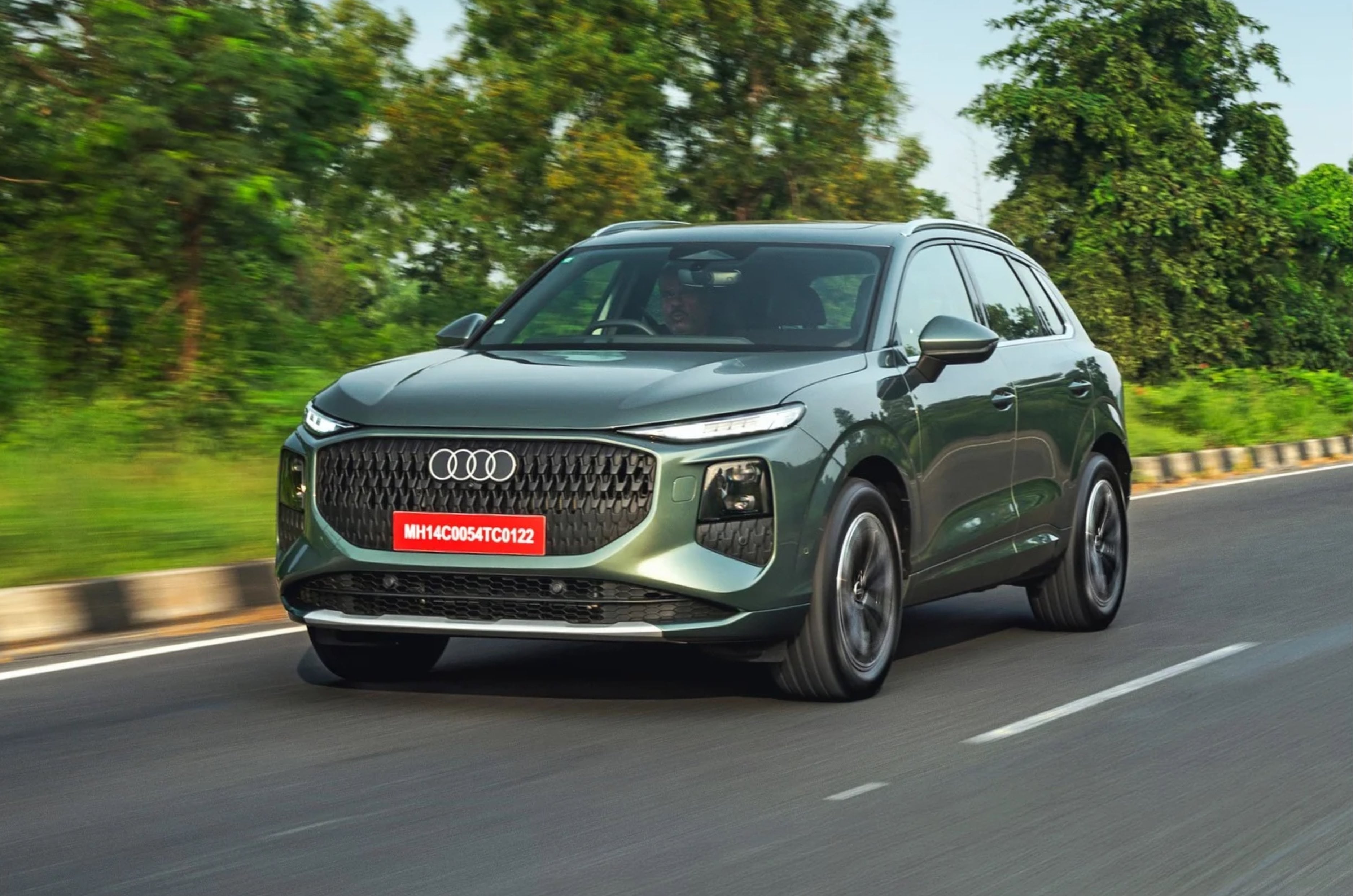
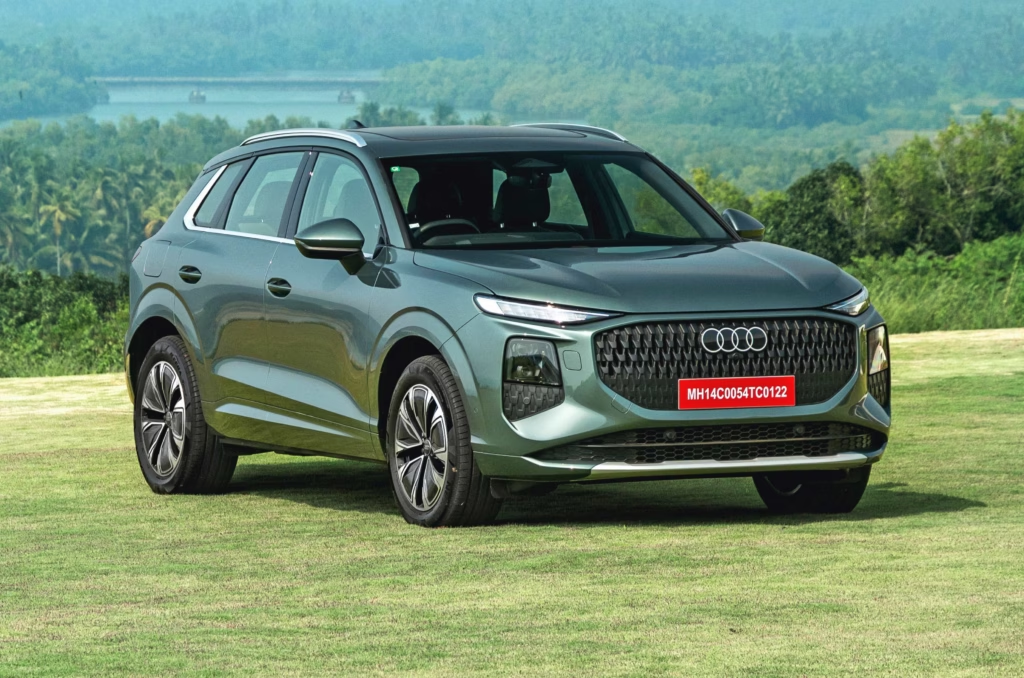
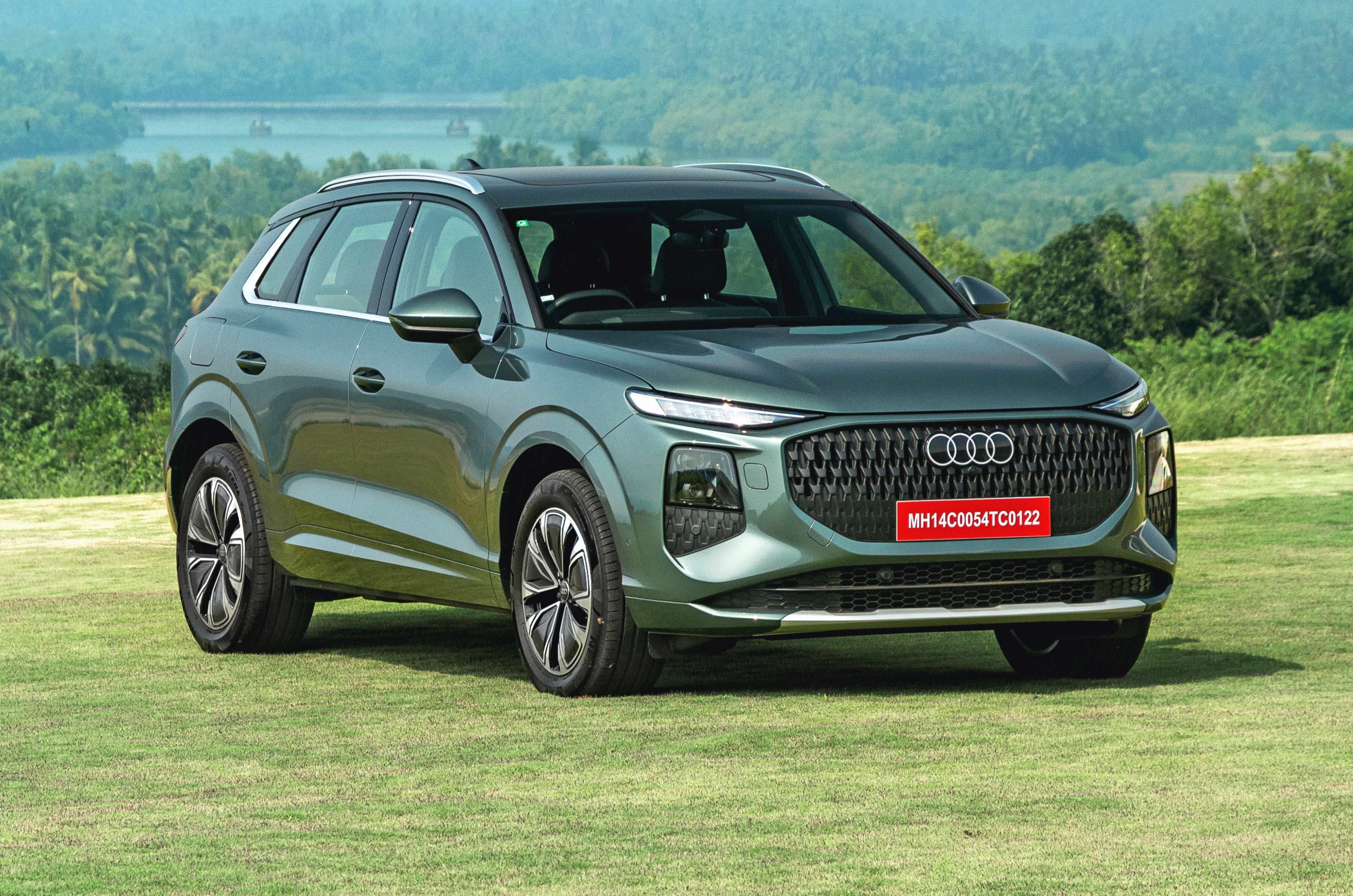
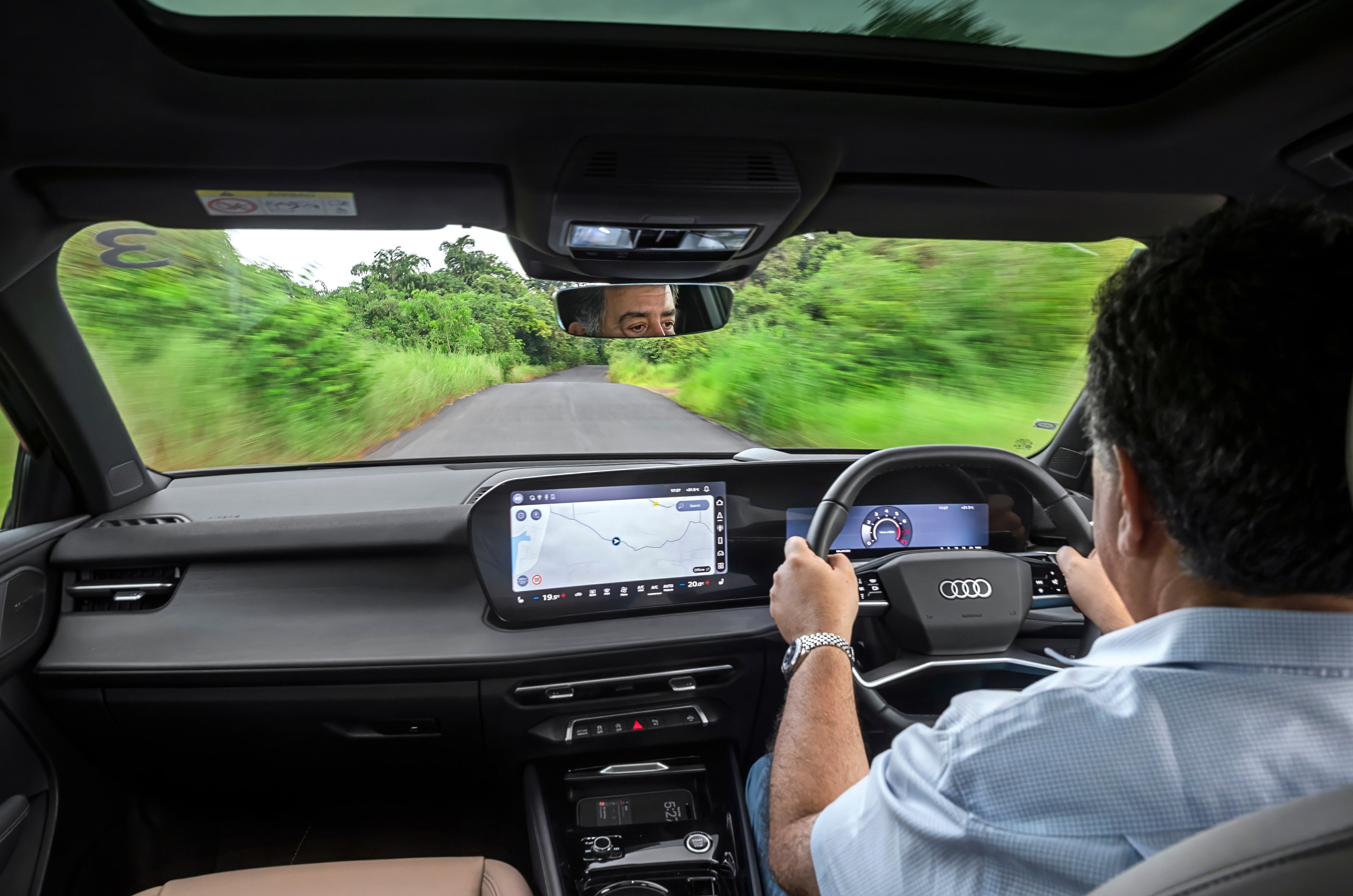
Audi is all set to launch the new Q3 in India on October 16, 2026. The third-generation model is the German luxury marque’s entry-level SUV for India, and its first model for our market as part of its new product offensive. The upcoming Audi Q3 sports a completely new design both inside and out, an updated feature set and a single turbo-petrol powertrain. Here’s a closer look at what to expect from this compact luxury SUV.
1. What does the new Audi Q3 look like?
Now gets split headlamps, Digital Matrix LEDs, an updated grille and more
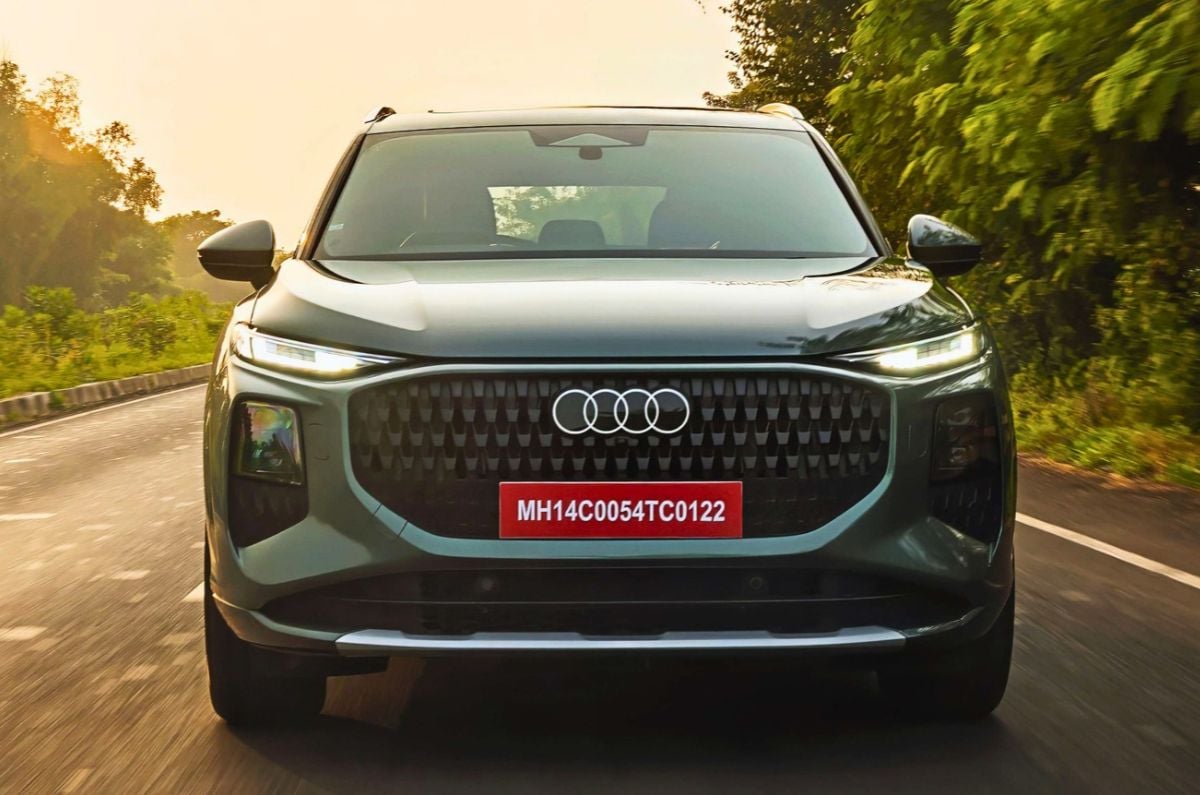
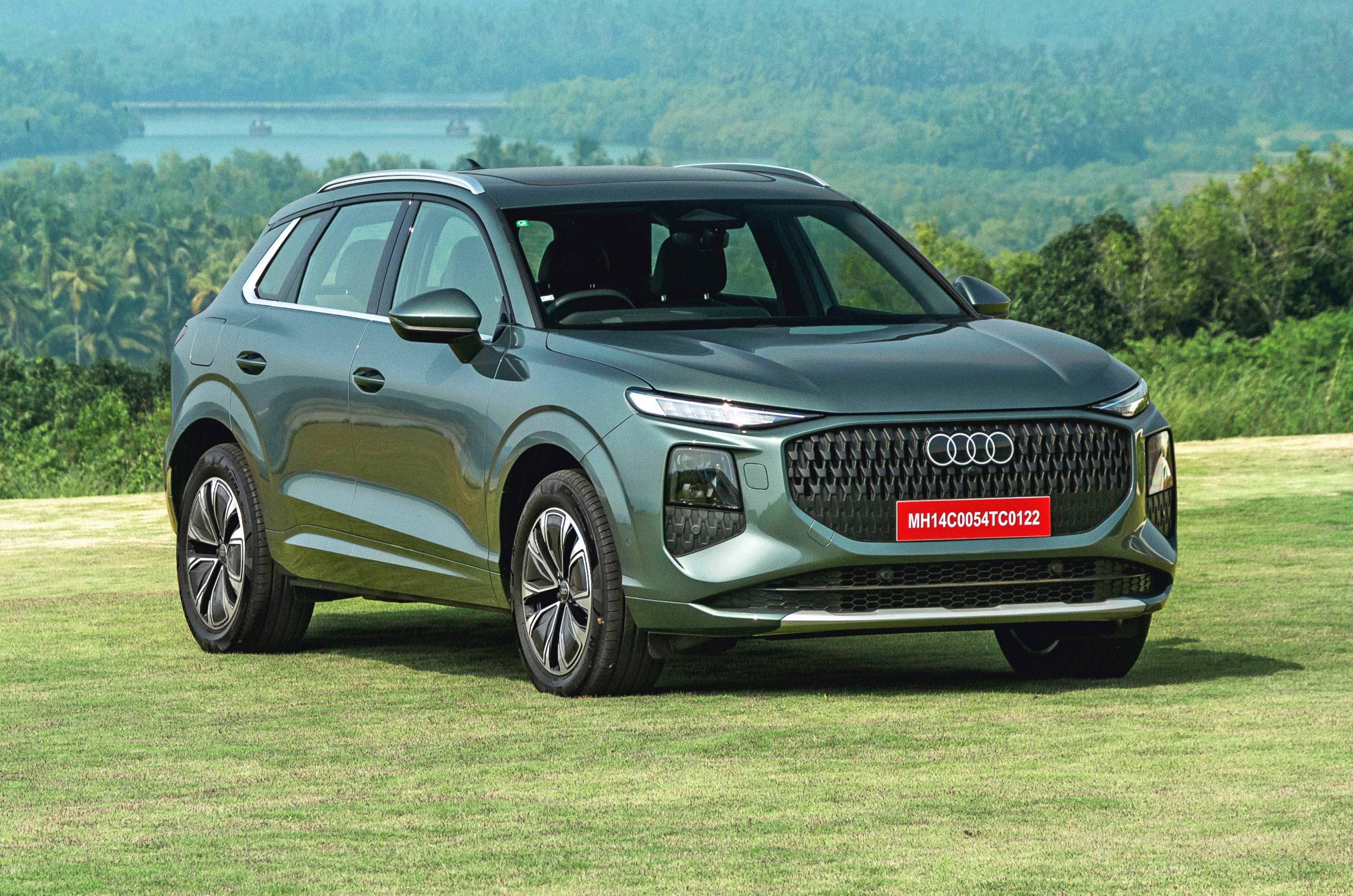
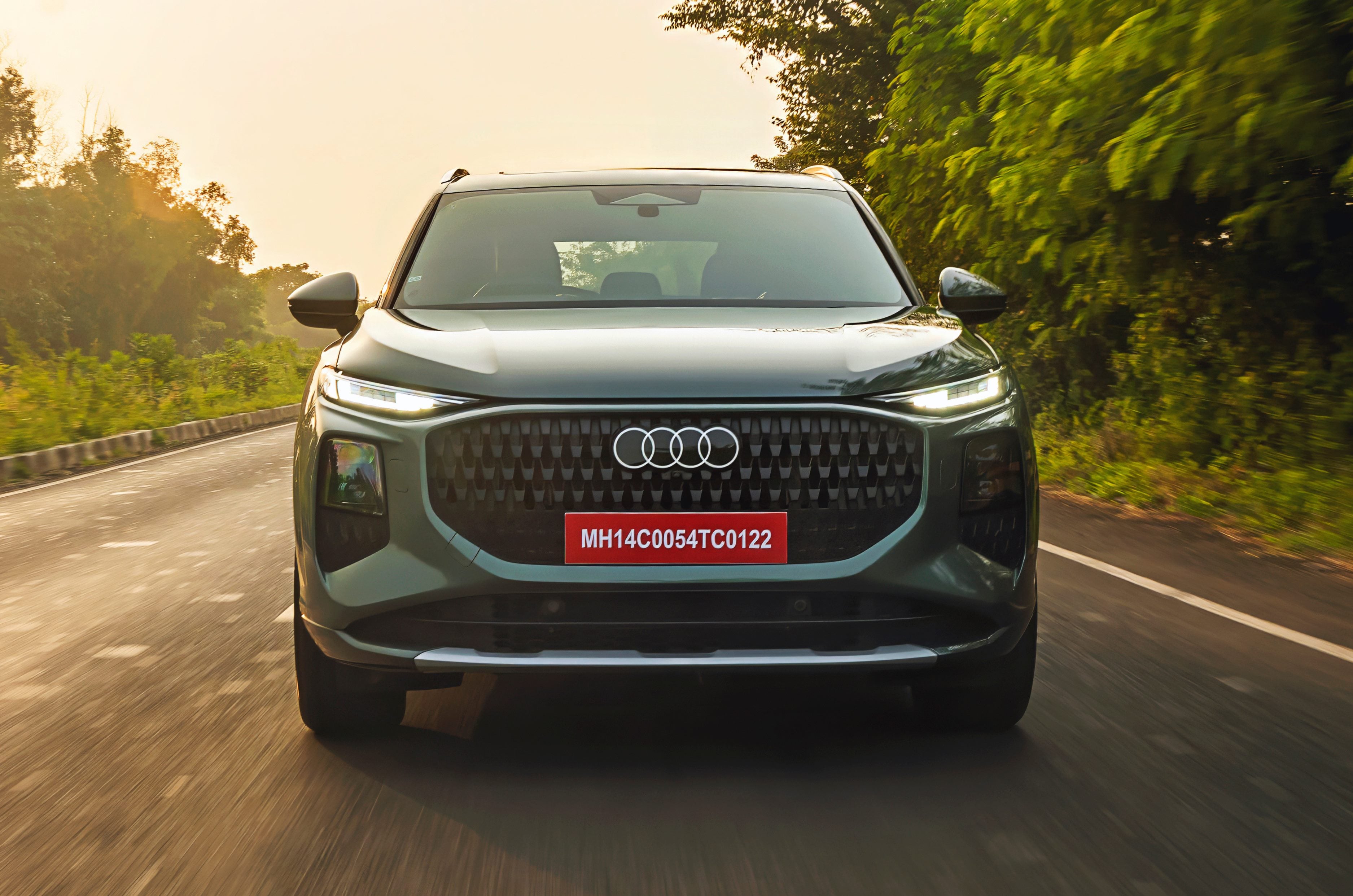
The third-gen Audi Q3 has ditched the conventional placement for the headlamps. Instead, it sports a split arrangement with the new Digital Matrix LED units located in the bumper and slim LED DRLs placed above them. The former houses 25,600 individually controlled pixels, while the latter double up as turn indicators and offer four light signatures. The wide honeycomb grille of the Q3 now gets the brand’s new 2D logo with an integrated radar for the ADAS suite.
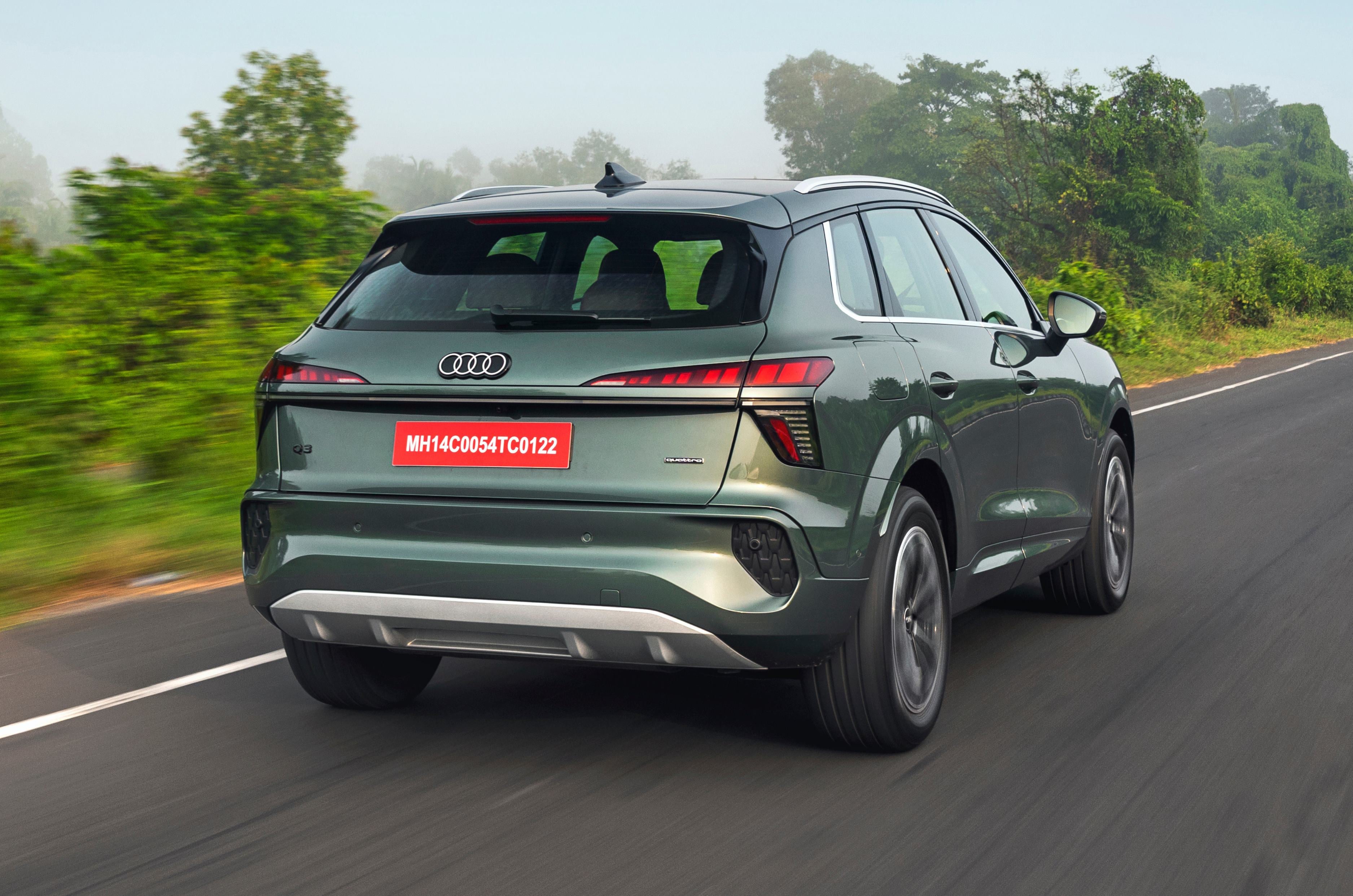
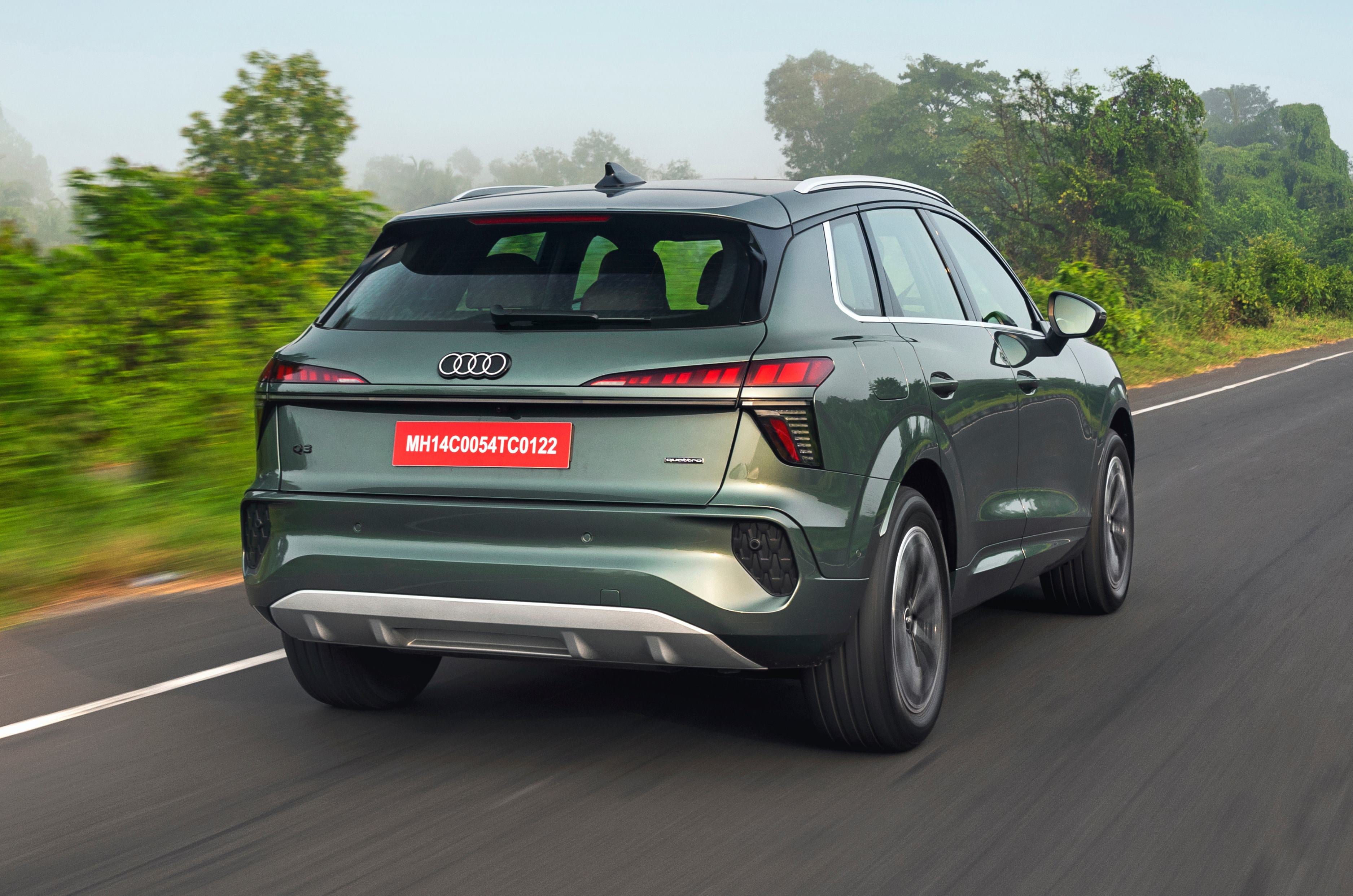
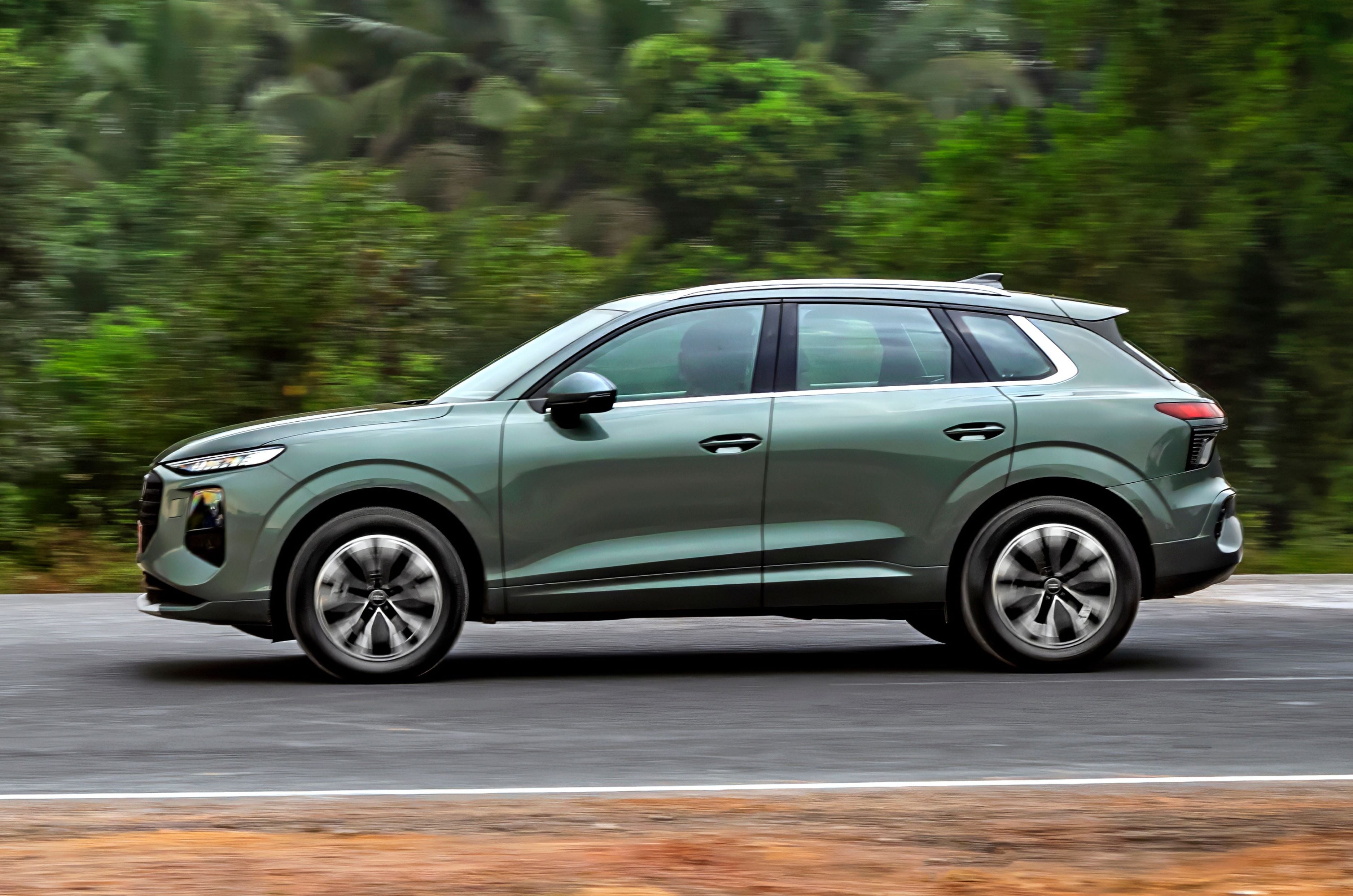
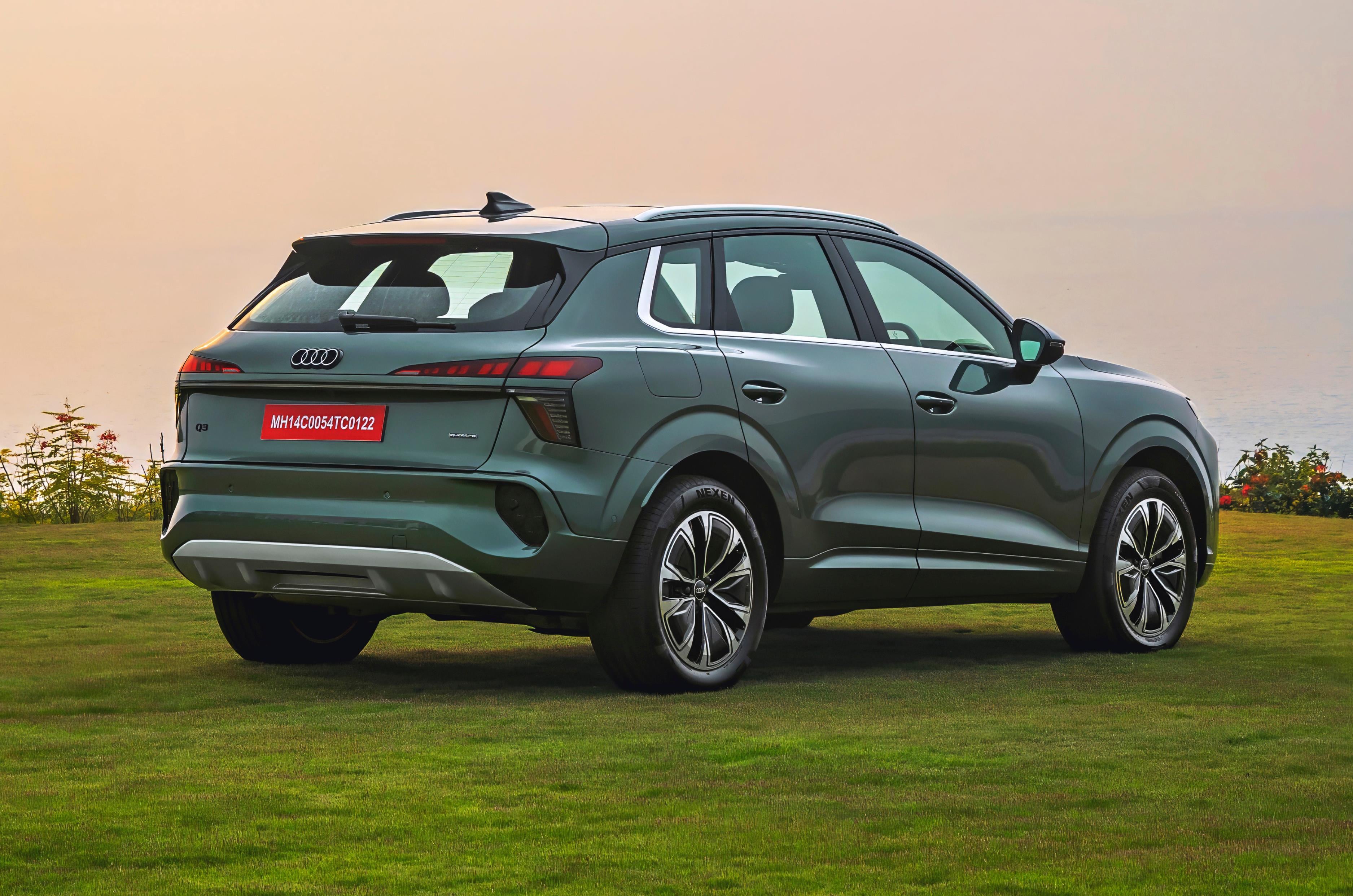
Design highlights along the sides include the 18-inch alloy wheels with self-levelling centre caps, silver roof rails and shiny trim stretching between the A pillar and the roof. The rear of the new Q3 features split LED tail-lamps connected by a sleek light bar, an illuminated Audi logo on the tailgate, and a silver skid plate in the bumper. The new Q3 looks bigger than the outgoing model, though its 2,681mm wheelbase is unchanged.
2. How is the interior of the new Audi Q3?
A spacious boot, solid build, curved displays and a new gear selector are some of the highlights
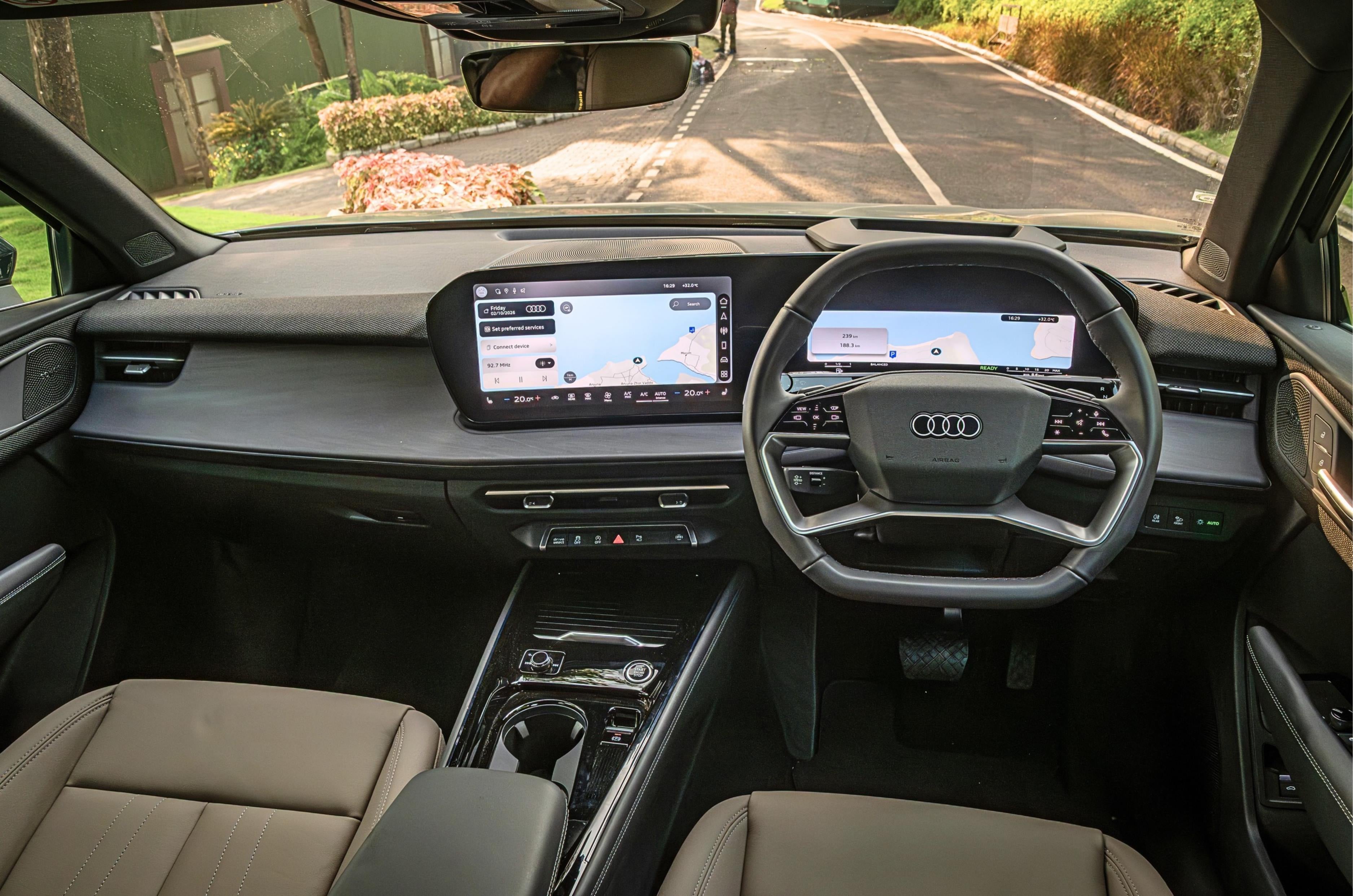
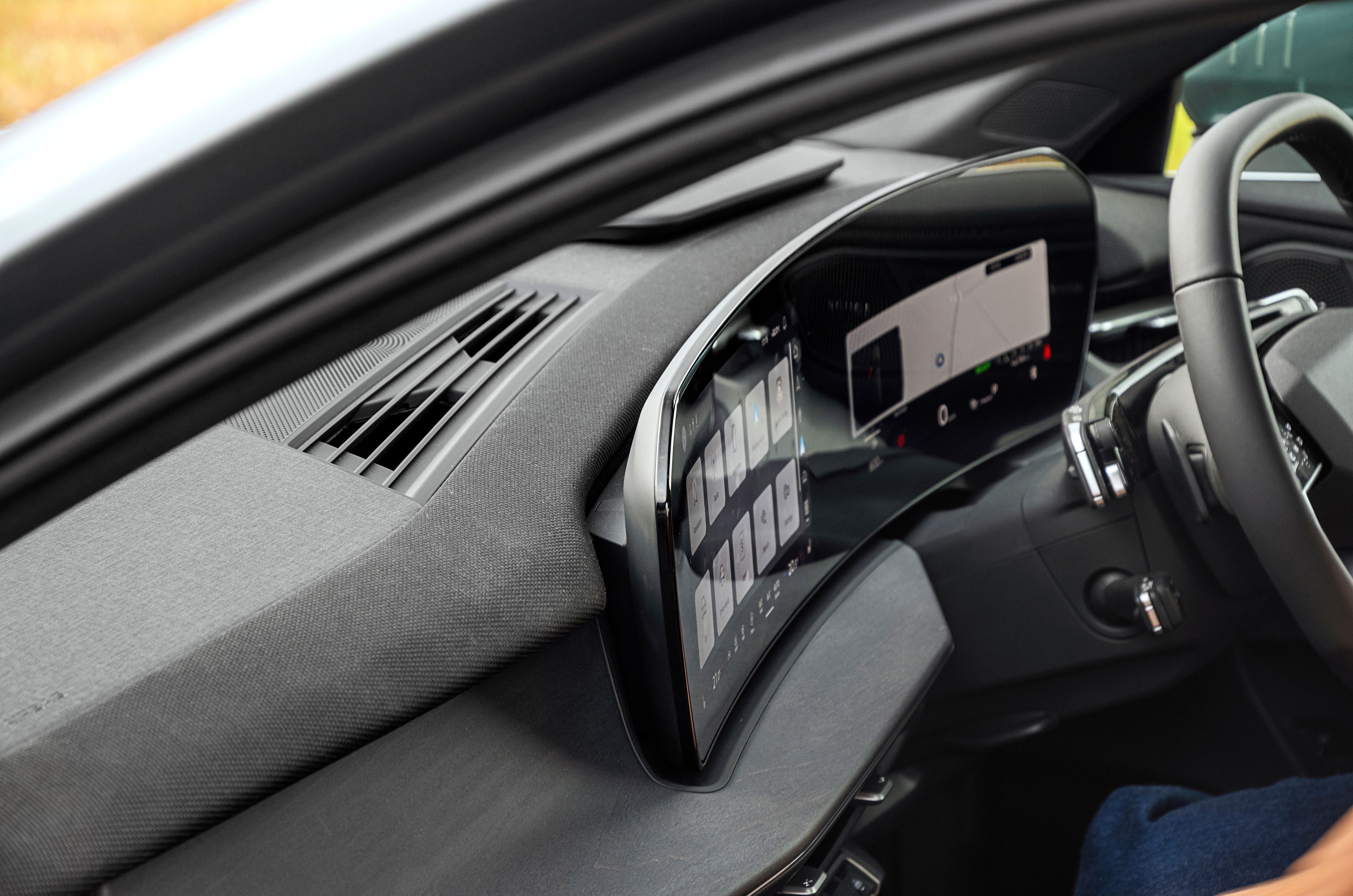
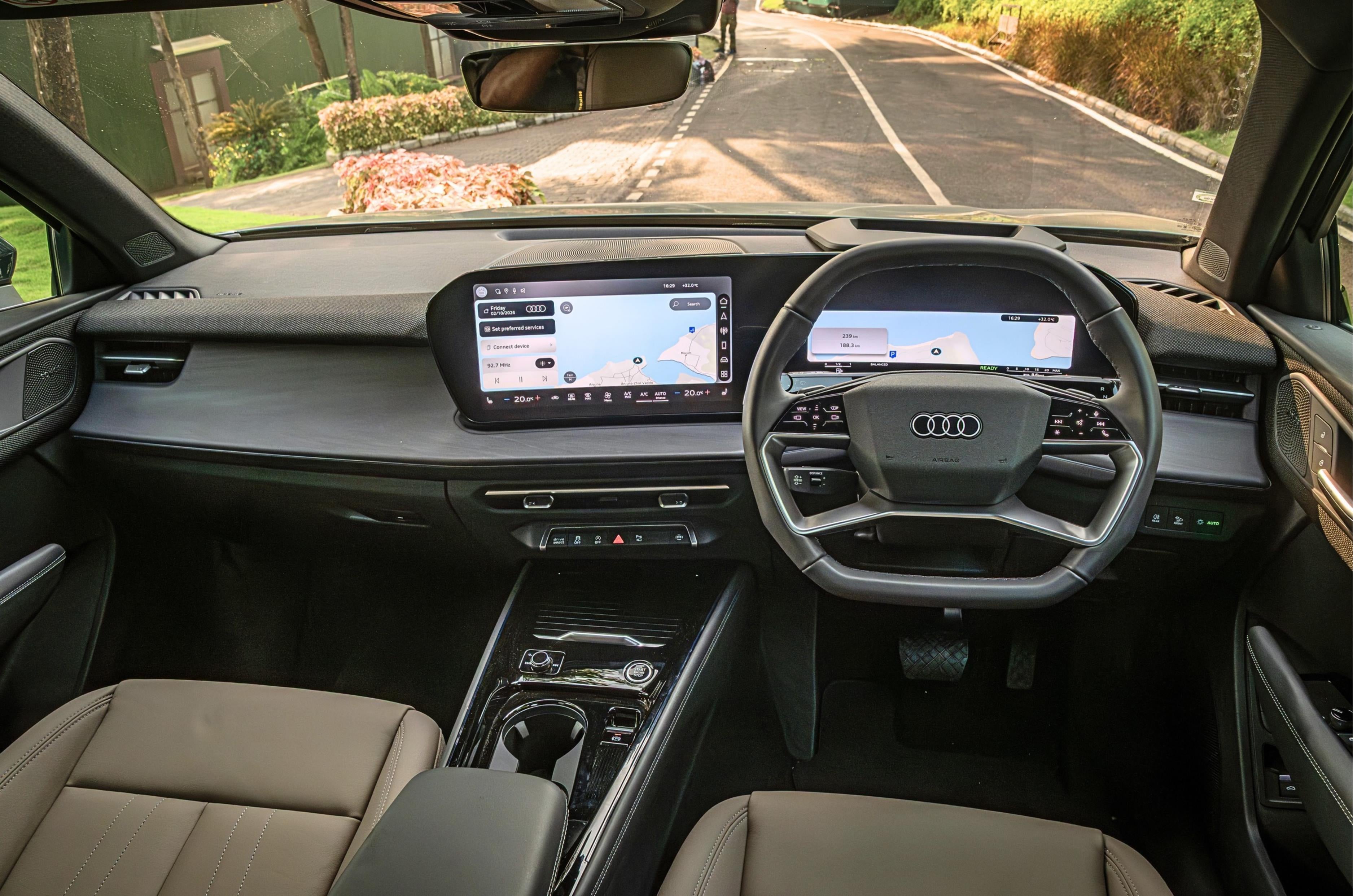
The boot of the new Audi Q3 has a capacity of 488 litres, which can be further expanded by folding down the 40:20:40 rear seats. There’s also a space-saver spare under the boot floor. This is a modern-looking interior, sporting an angled dashboard and centre console, curved digital displays and a hexagonal steering wheel. Meanwhile, placed on the steering column is the new stalk-type gear selector.
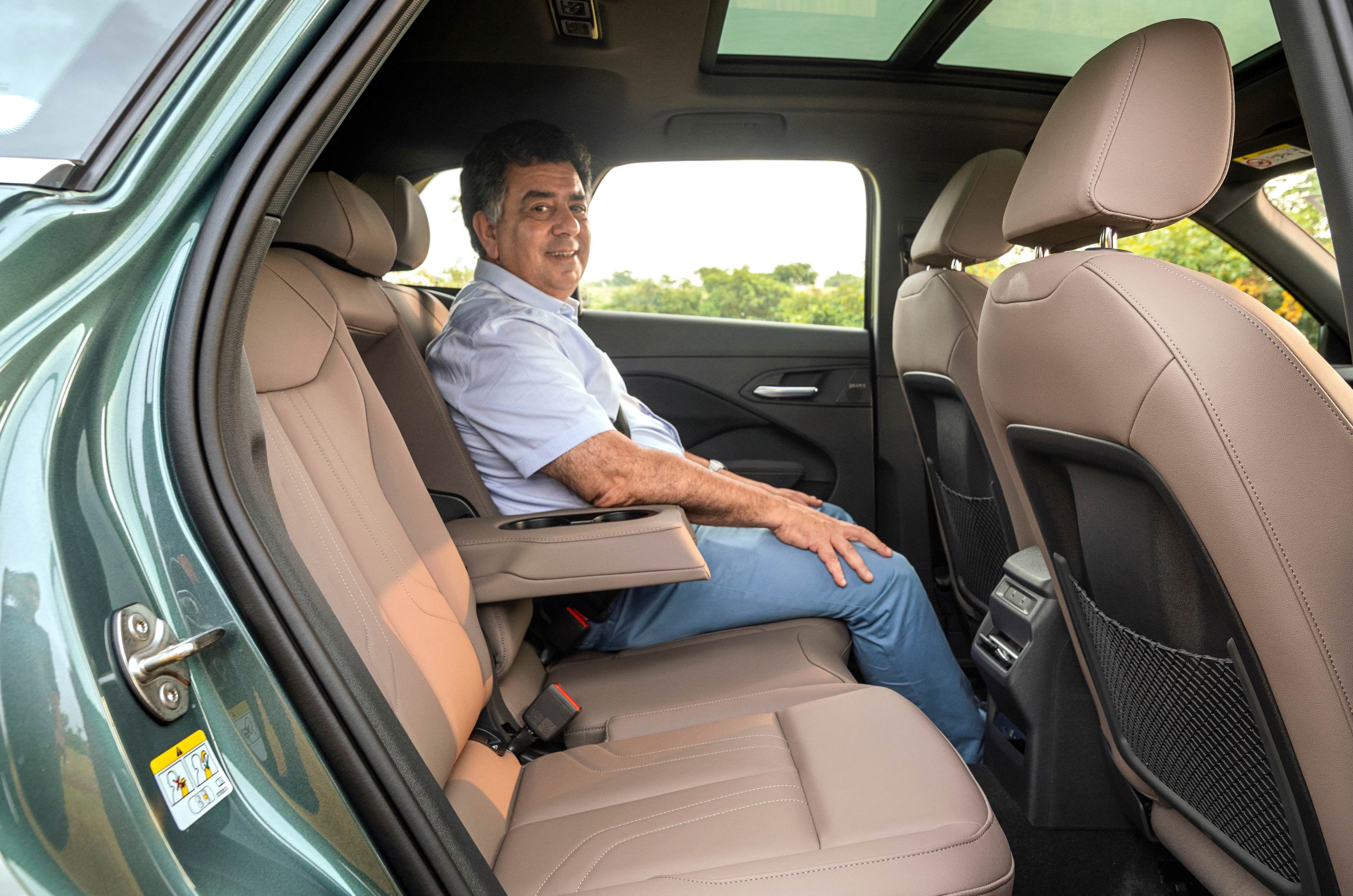
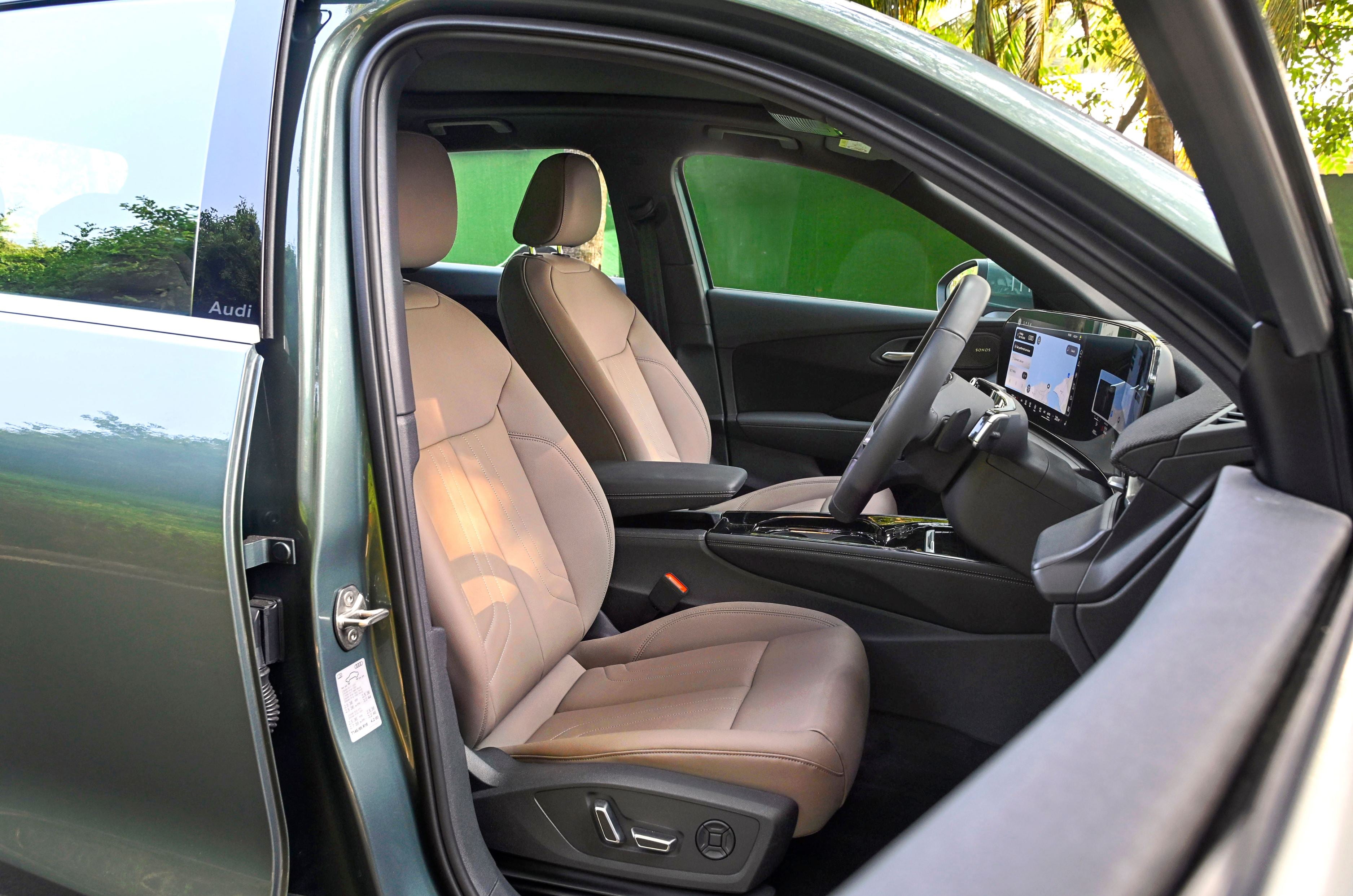
Leather upholstery aside, this interior also gets fabric and wood trim. There are hard plastics lower down in the cabin, but the overall build quality is impressive. The front seats are well-bolstered and will be comfortable even on long drives, but the rear ones are best reserved for two adults. Conveniences at the back include a fold-down armrest with cupholders, two USB-C outlets, seat-back pockets and rear AC vents.
3. What features does the new Audi Q3 offer?
Headline tech includes a 12-speaker Sonos audio system, panoramic sunroof, head-up display and 9 airbags
The new Audi Q3 offers a range of conveniences and tech – including a powered tailgate, multi-zone automatic climate control, powered & heated front seats with memory, and a 12-speaker Sonos audio system. There’s also a panoramic sunroof, a 12.8-inch touch-infotainment system, and an 11.9-inch digital driver’s display.
Rounding off the tech features of the Audi Q3 are 9 airbags, an auto-park function, and ADAS (advanced driver assistance systems) with adaptive cruise control and auto-emergency braking. Surprisingly, the new Q3 doesn’t get lane-keep assist, a 360-degree camera, or even ventilated seats.
4. What engine and gearbox does the new Audi Q3 get?
The new Q3 will only be offered with a 204hp turbo-petrol engine and quattro all-wheel drive
Under the bonnet of the new Audi Q3 is a 2.0-litre turbo-petrol engine with direct injection, rated at 204hp and 320Nm. Mated to this TFSI mill is a 7-speed dual-clutch automatic gearbox with paddle shifters, while drive is sent to all four wheels via Audi’s quattro all-wheel-drive system.
There are multiple drive modes as well, including an ‘off-road’ setting. Audi claims a 0-100kph time of 7.1 seconds for the new Q3. However, there will be no diesel, hybrid or fully electric powertrains at launch.
5. What is the expected price of the new Audi Q3?
The new model is to be pricier than the outgoing Q3
The new Audi Q3 is expected to come at a premium over the outgoing model, which is priced between Rs 43.67 lakh and Rs 53 lakh (ex-showroom). The closest rivals of the Q3 will include the BMW X1 and Mercedes-Benz GLA.
The Tesla Model Y is a tech-loaded electric crossover that prioritises cabin space and performance over everything else. The new Model Y L takes that formula a step further, adding a third row of seats, a longer wheelbase, more power with an all-wheel drive setup, more range and more sophisticated suspension as well. Given the additions, naturally it costs more than the standard-wheelbase, real wheel drive versions, but is the Y L actually worth the extra outlay?
Model Y Exterior Design and Engineering – 6/10
Appears near-identical to the Model Y, but the Y L is longer, taller and has a longer wheelbase.
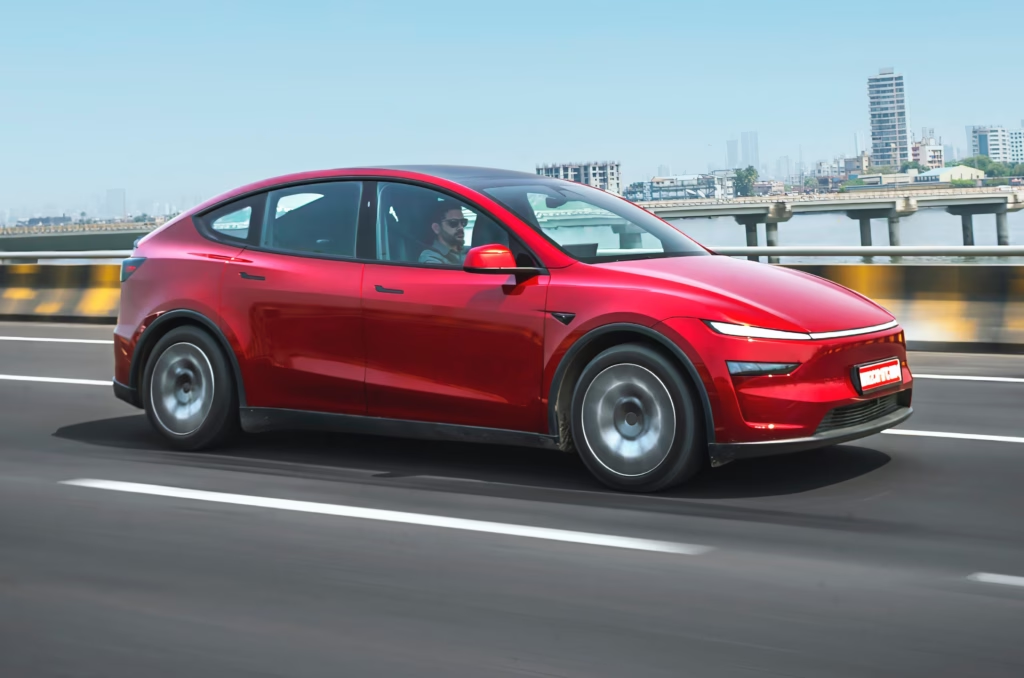
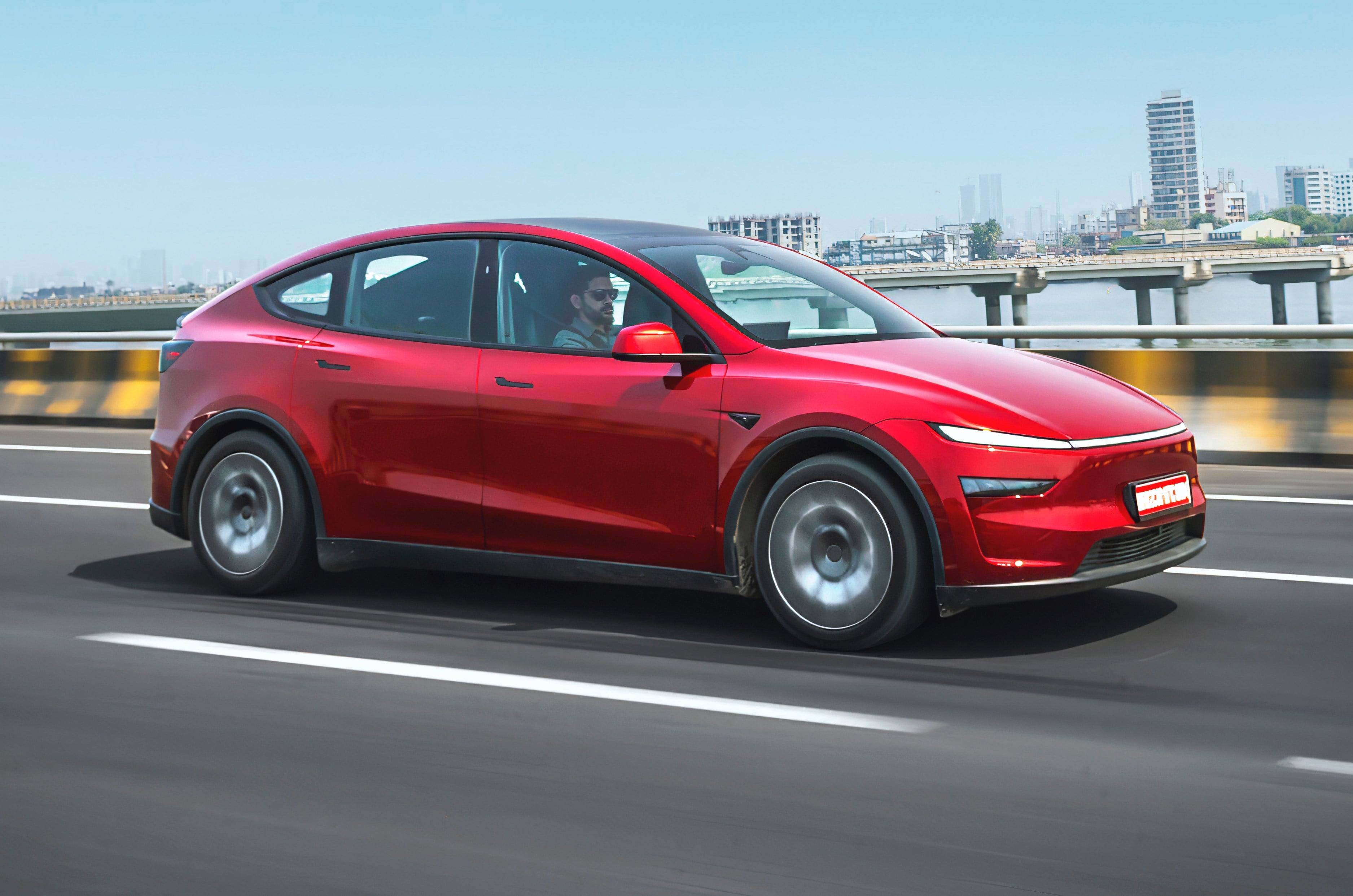
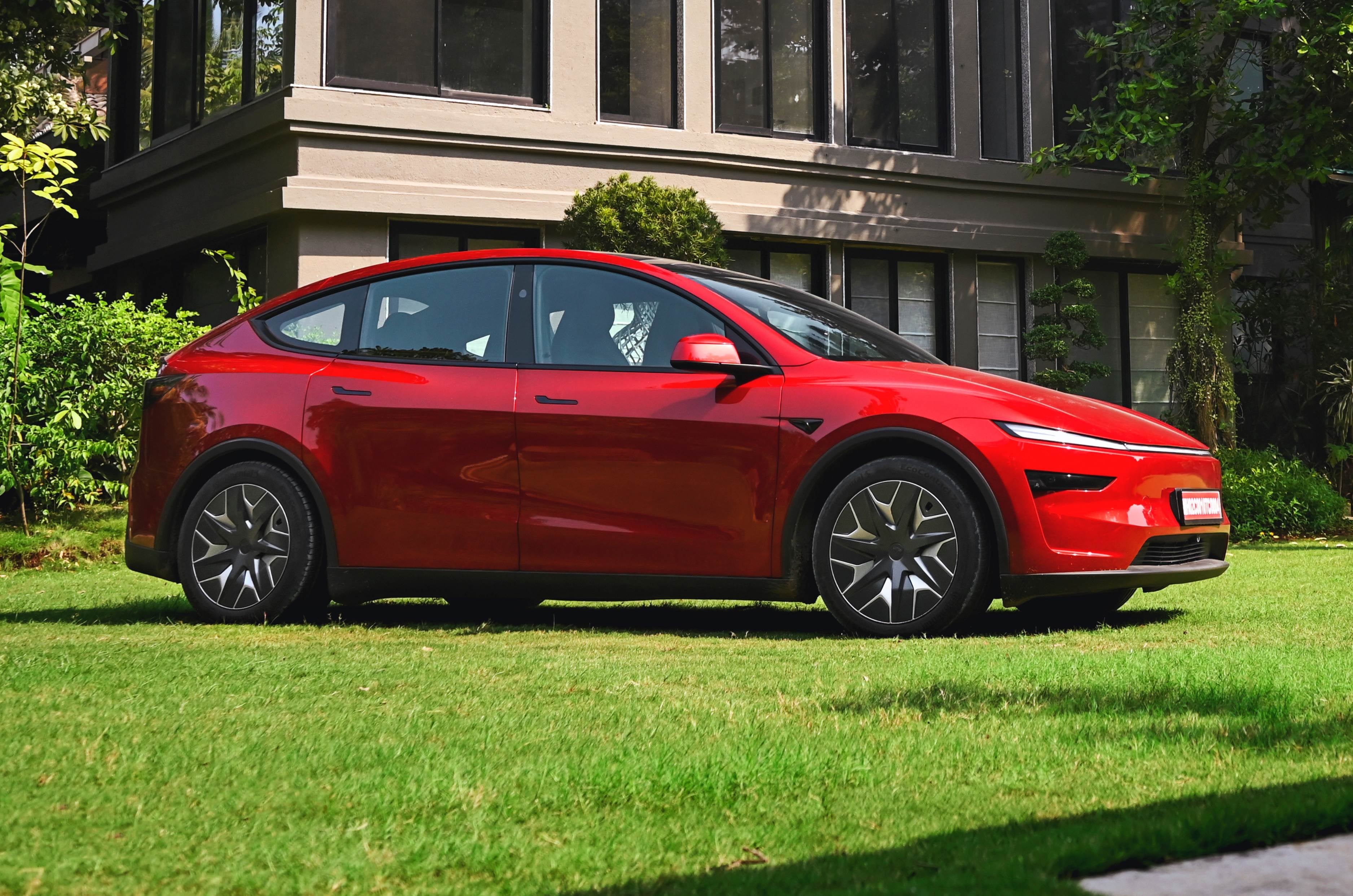
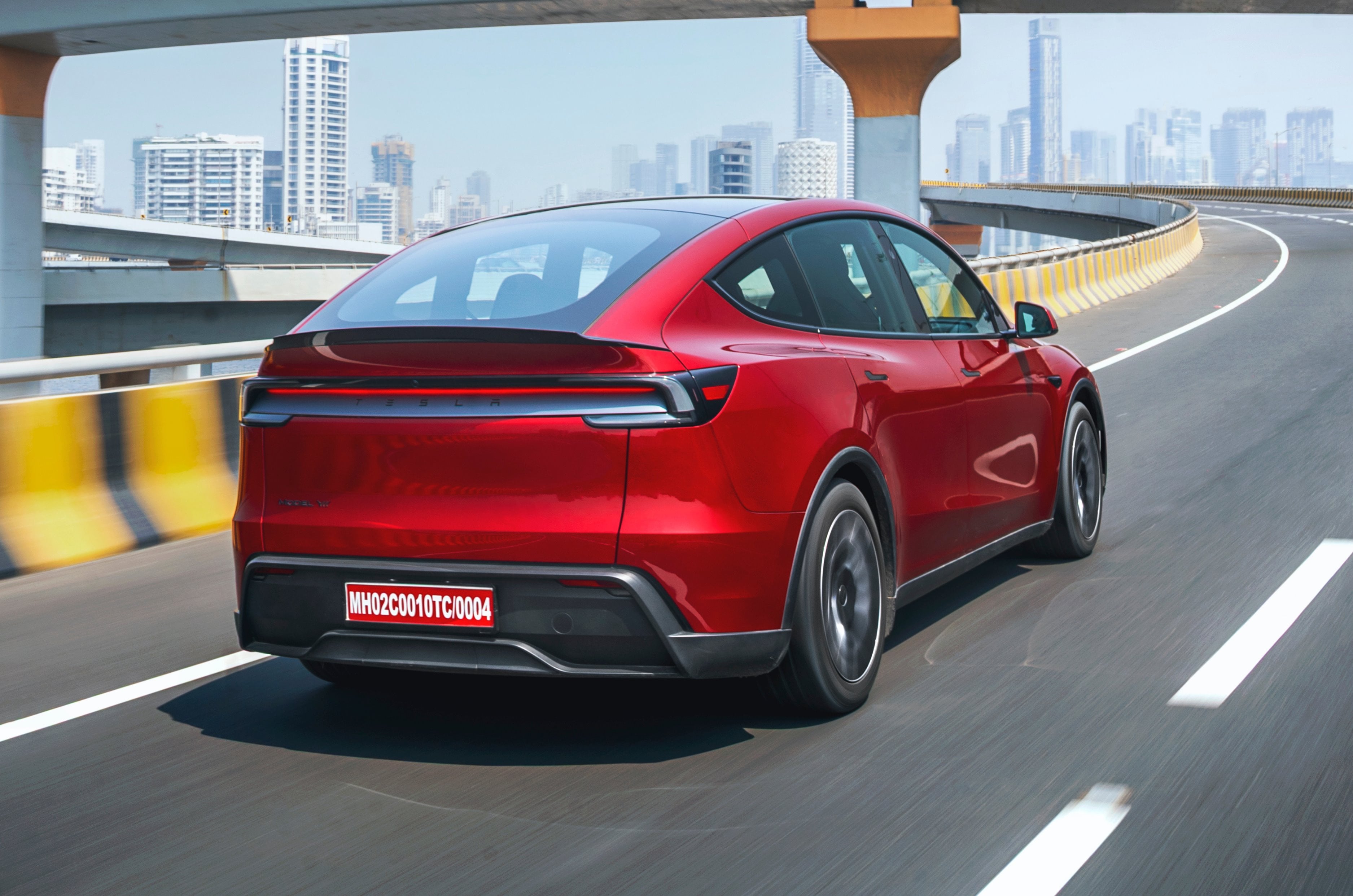
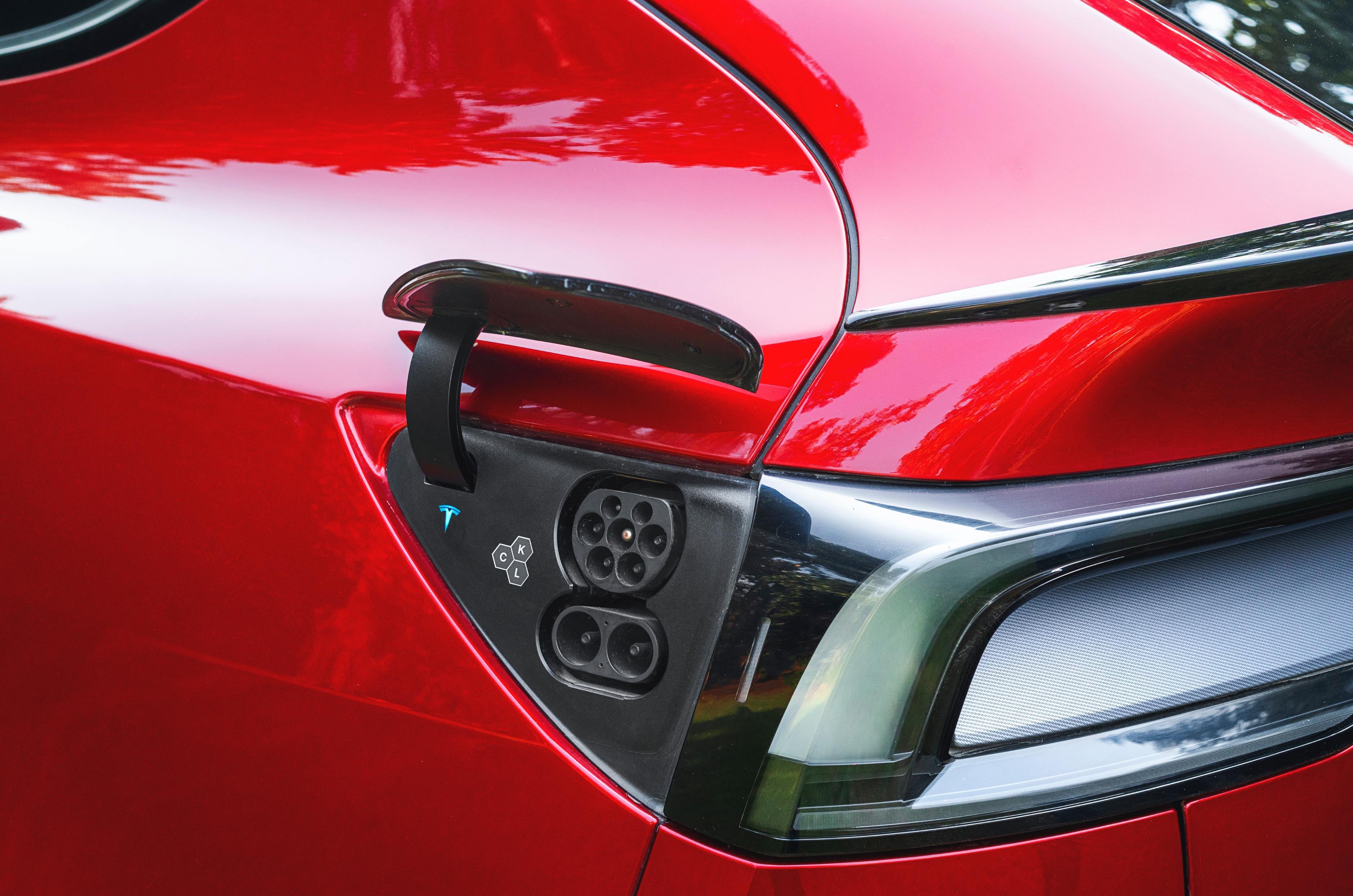
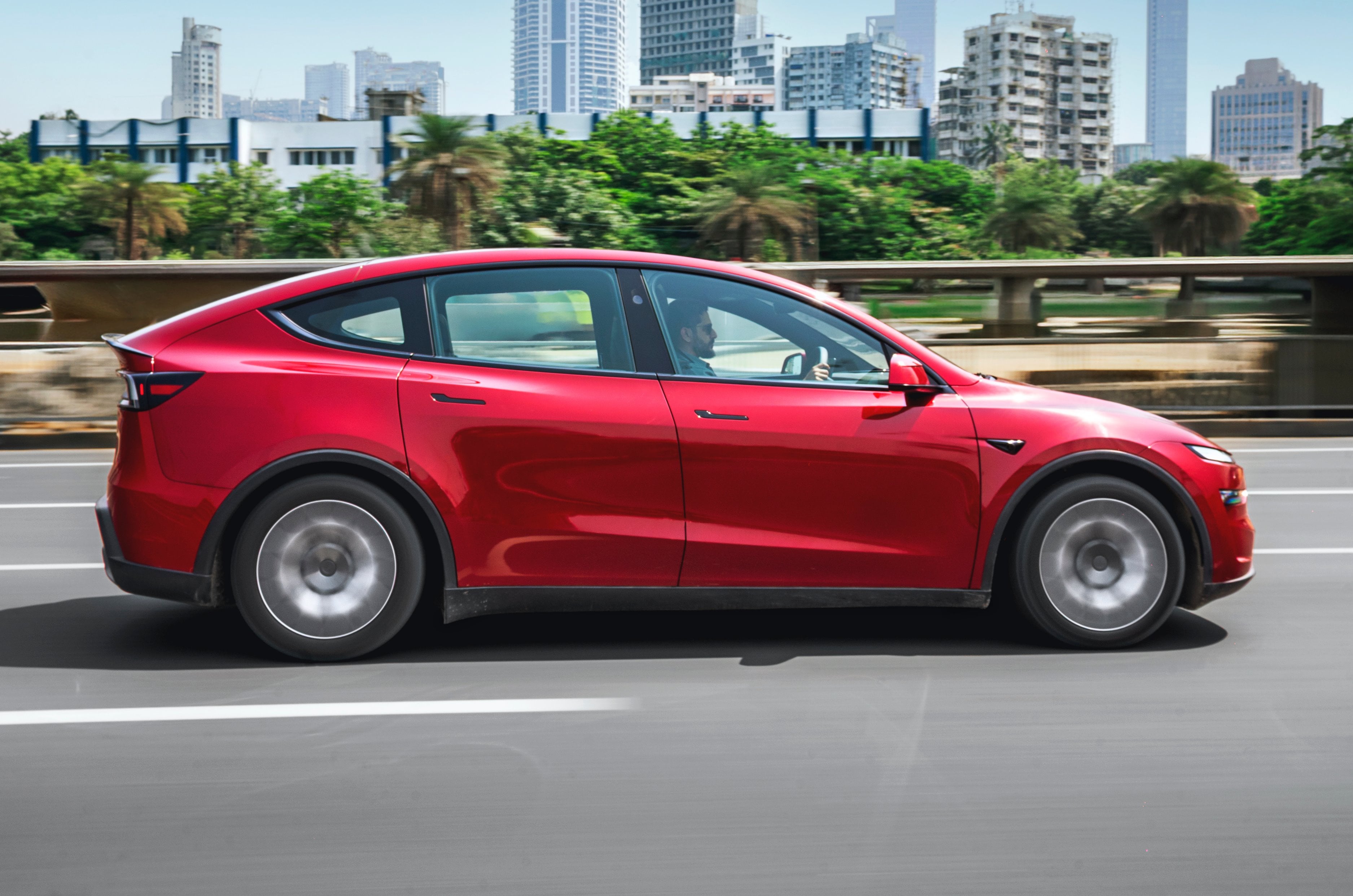
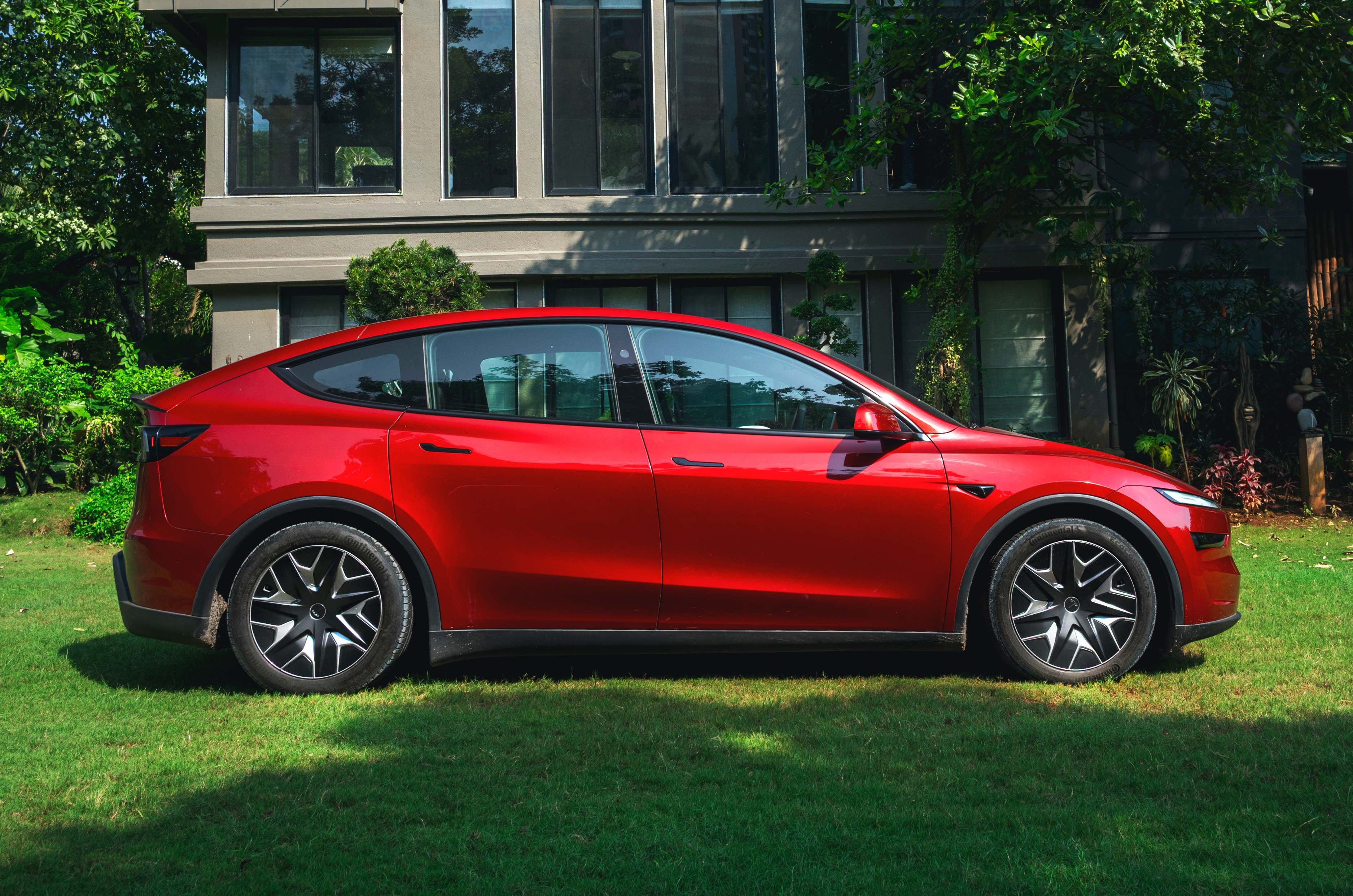
At first glance, the L looks very familiar to the Model Y, but this version looks noticeably larger from the side and rear. The Model Y L measures 4,969mm in length and 1,664mm in height, 1,982mm in width with a 3,040mm wheelbase, which makes it 179mm longer overall and 40mm taller than the Model Y, and it also has a 150mm longer wheelbase. At 166mm (unladen), the Y L has decent ground clearance but considering the longer wheelbase, you have to be extra careful going over big speedbreakers otherwise you will end up scraping the belly.
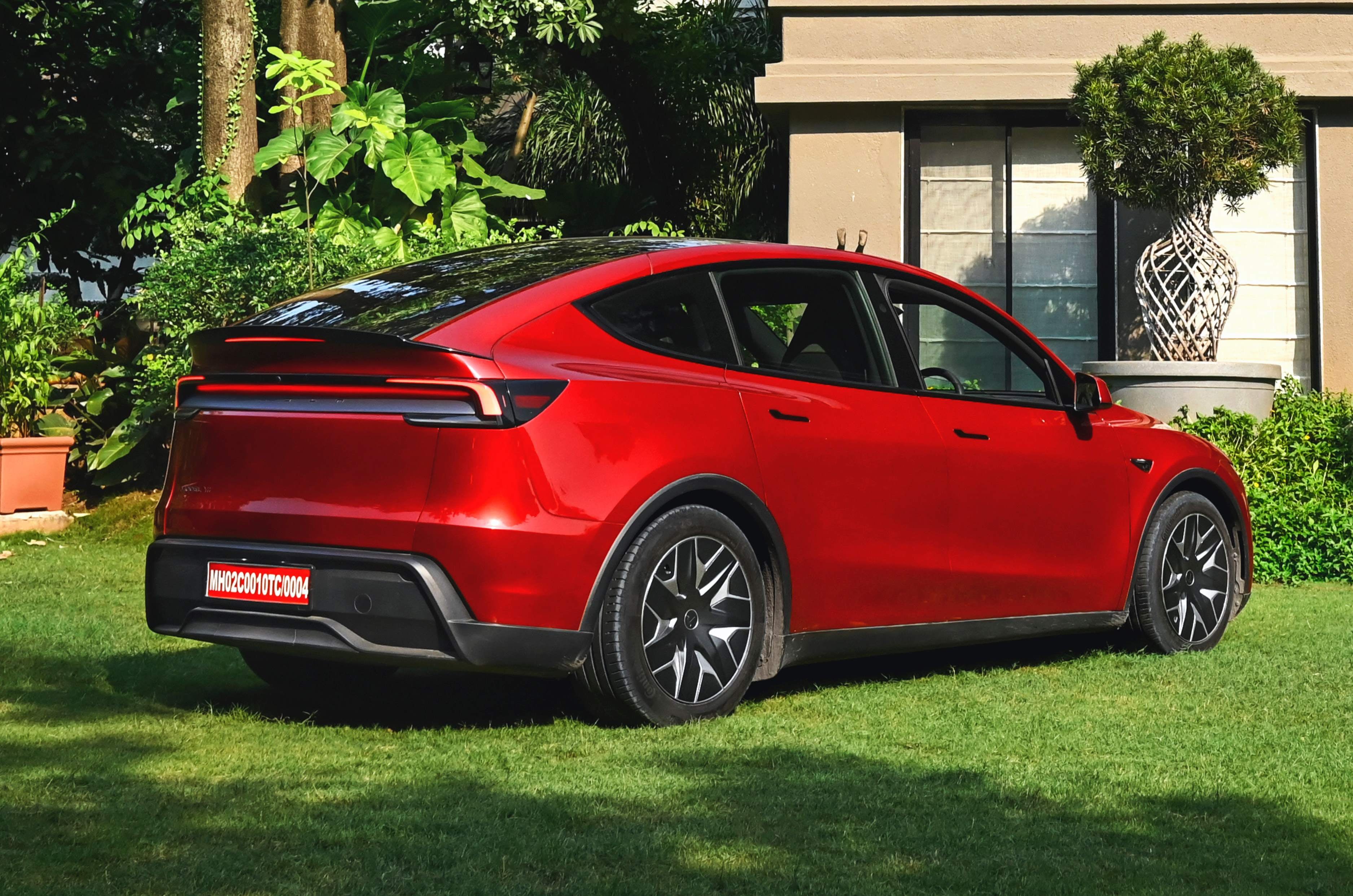
The growth in dimensions is particularly apparent in the raised and extended roofline, plus the expanded rear glass and rear-quarter glass area. The other changes include a new bootlid spoiler and the 19-inch alloy wheels have a more enclosed design, both in the interest of further aero optimisation.
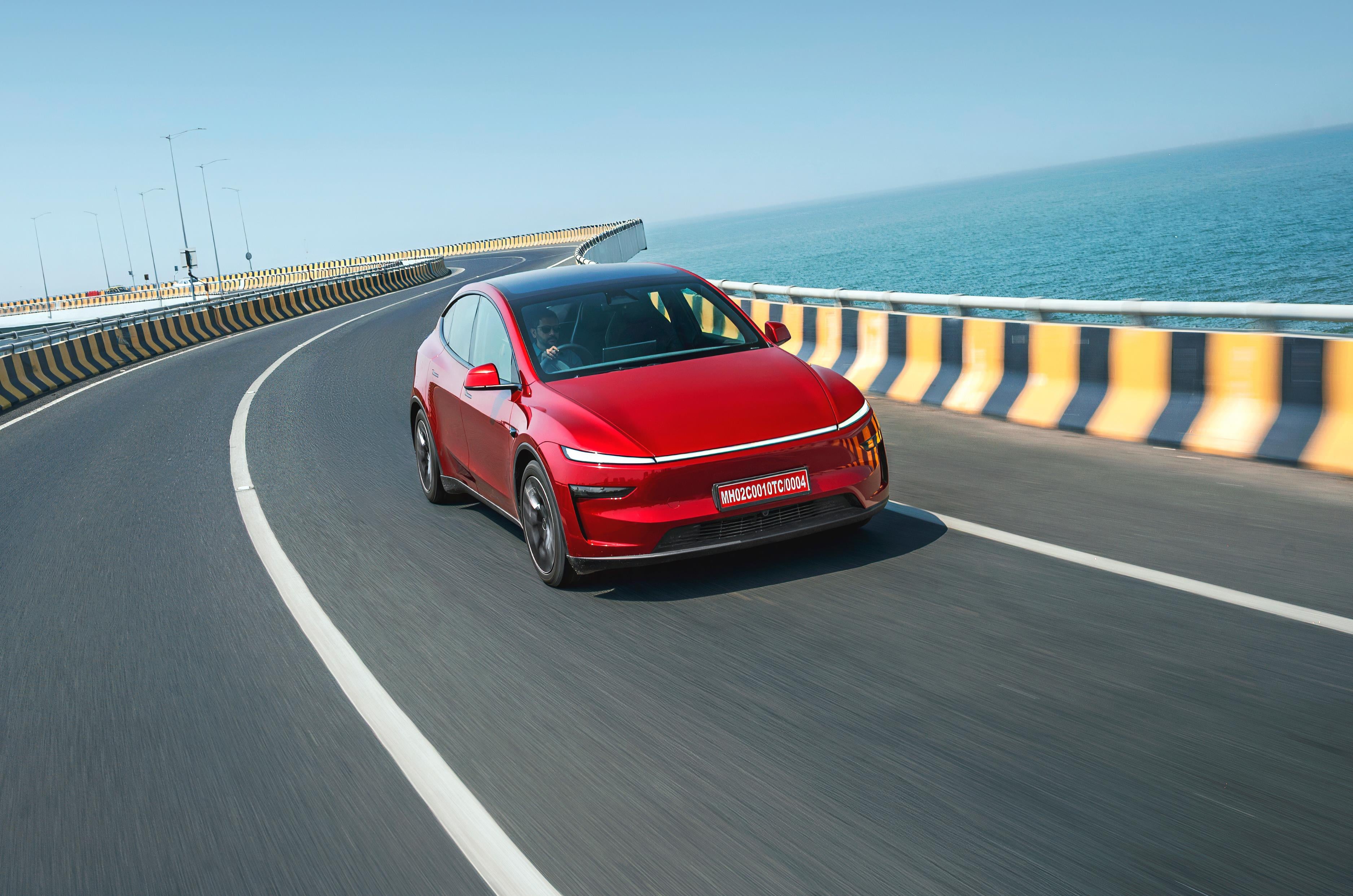
Other than that, the smooth, aerodynamic silhouette with minimalist detailing and distinctive lighting elements remain. The overall design is unmistakably Tesla, although the extra length gives it slightly more road presence. That said, the Model Y L doesn’t suddenly become a traditional SUV just because it has grown. Its rounded, slightly anonymous shape with clean surfacing continues to favour aerodynamic efficiency over visual appeal. But it looks distinctive and as such, has carved out a niche for itself in terms of design.
Model Y Interior Space and Comfort – 8/10
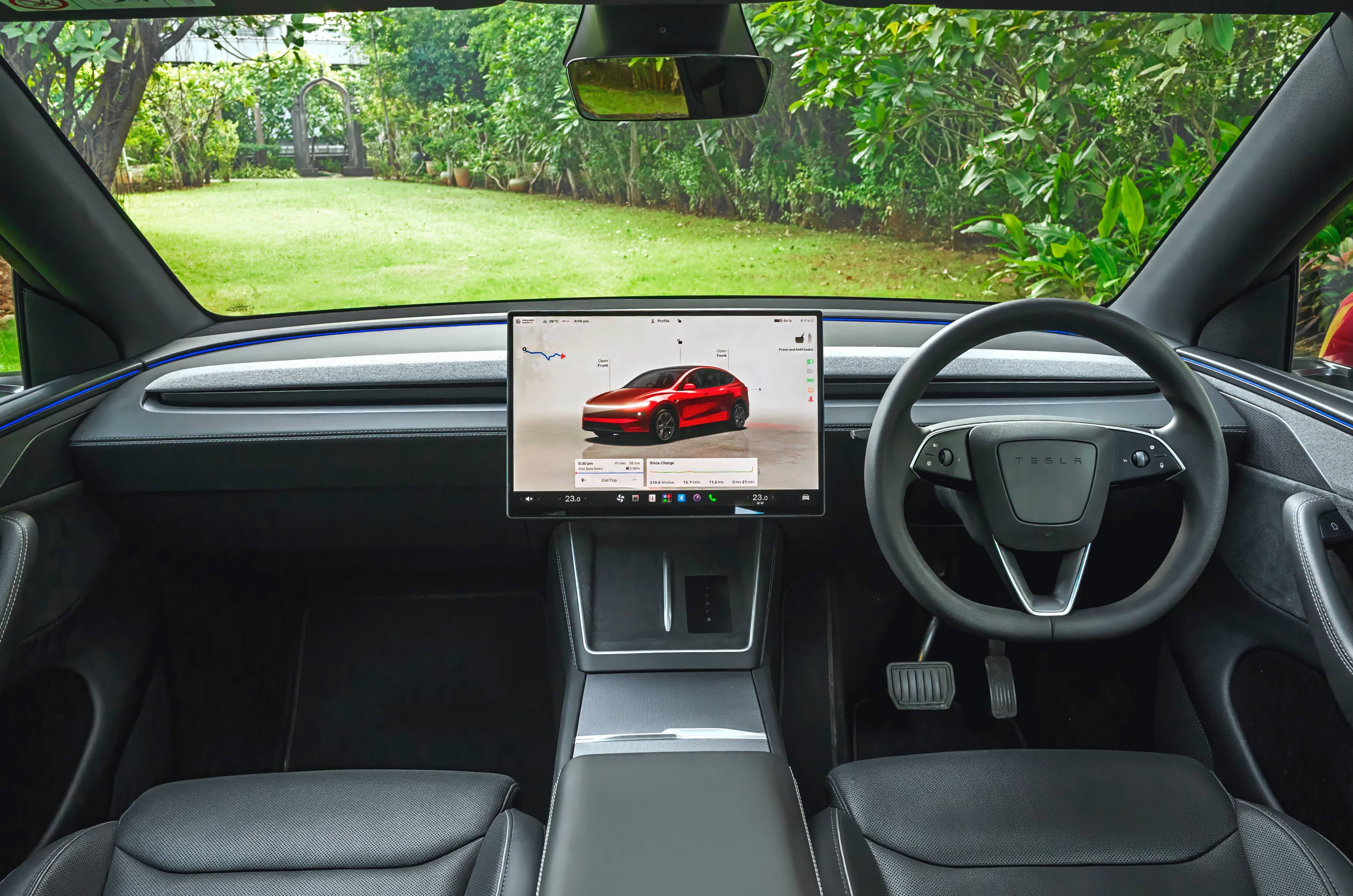
Minimalist design remains the same, save for a new textured finish on top of the dashboard.
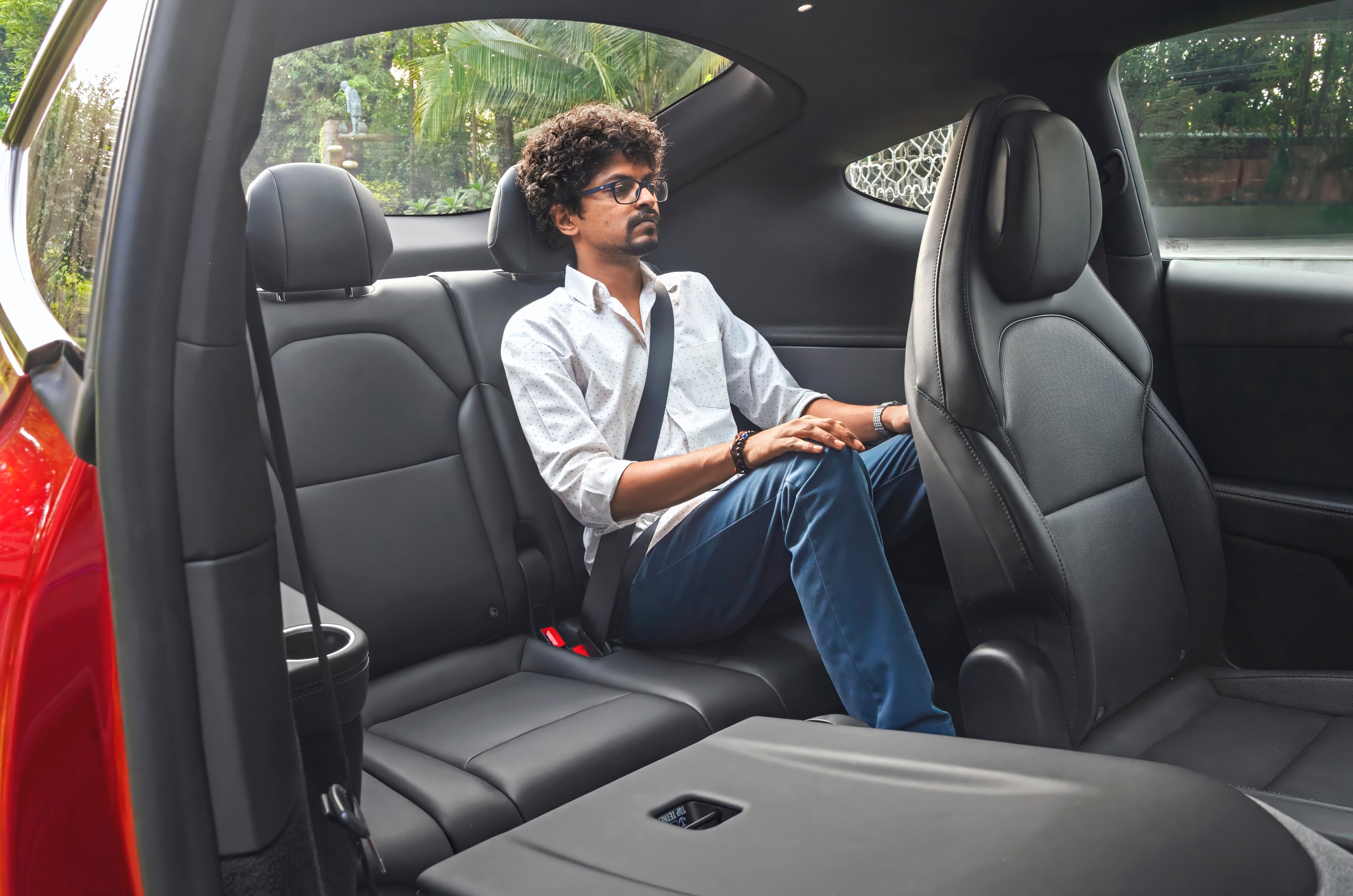
This is where the Model Y L takes a larger step up. The standard Model Y already had a spacious cabin, but the Y L has even more room and brings further versatility, by adding a third row of seats. It is a six-seater rather than a seven-seater, with two individual captain’s chairs in the middle row instead of the standard car’s bench.
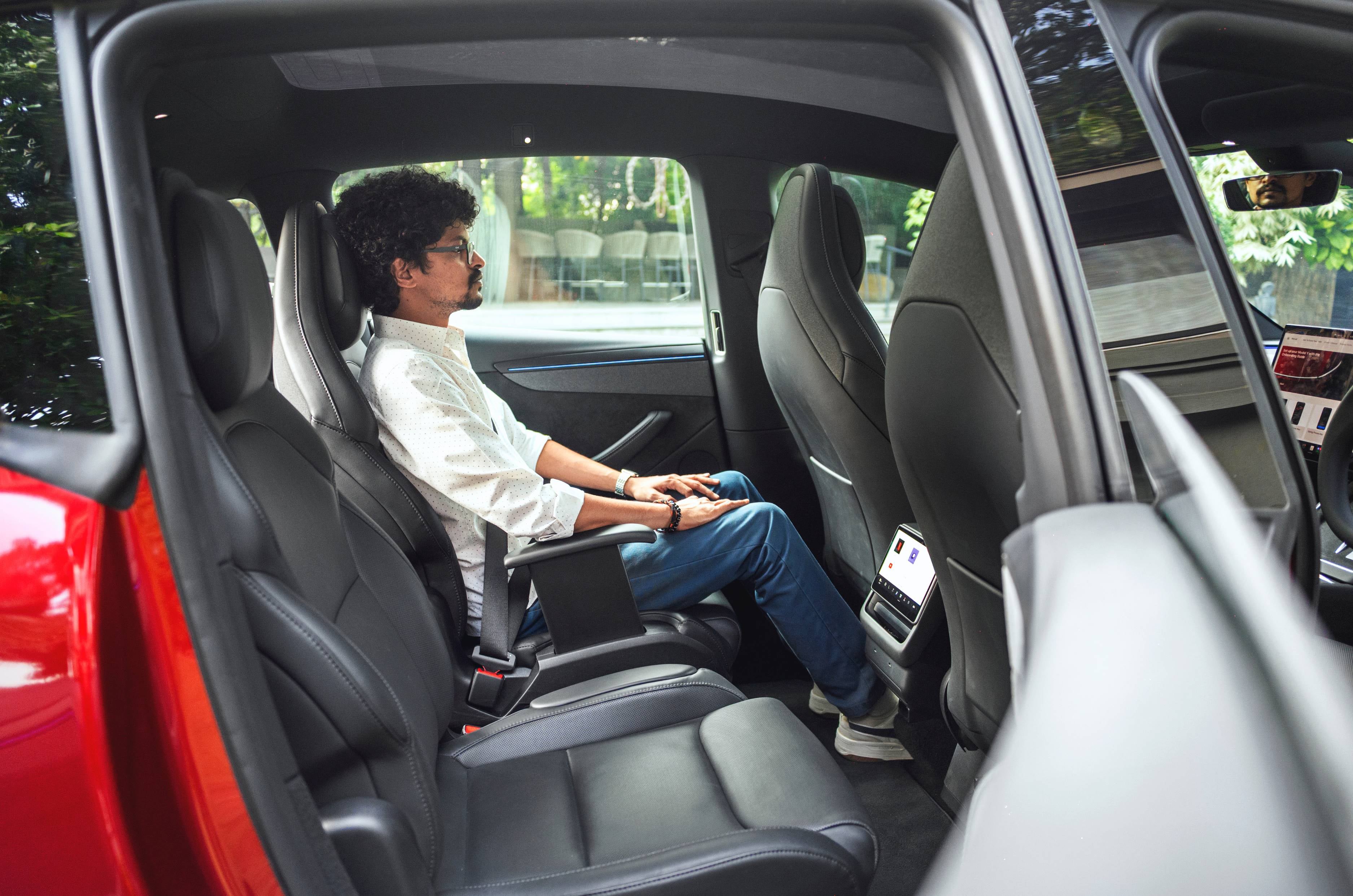
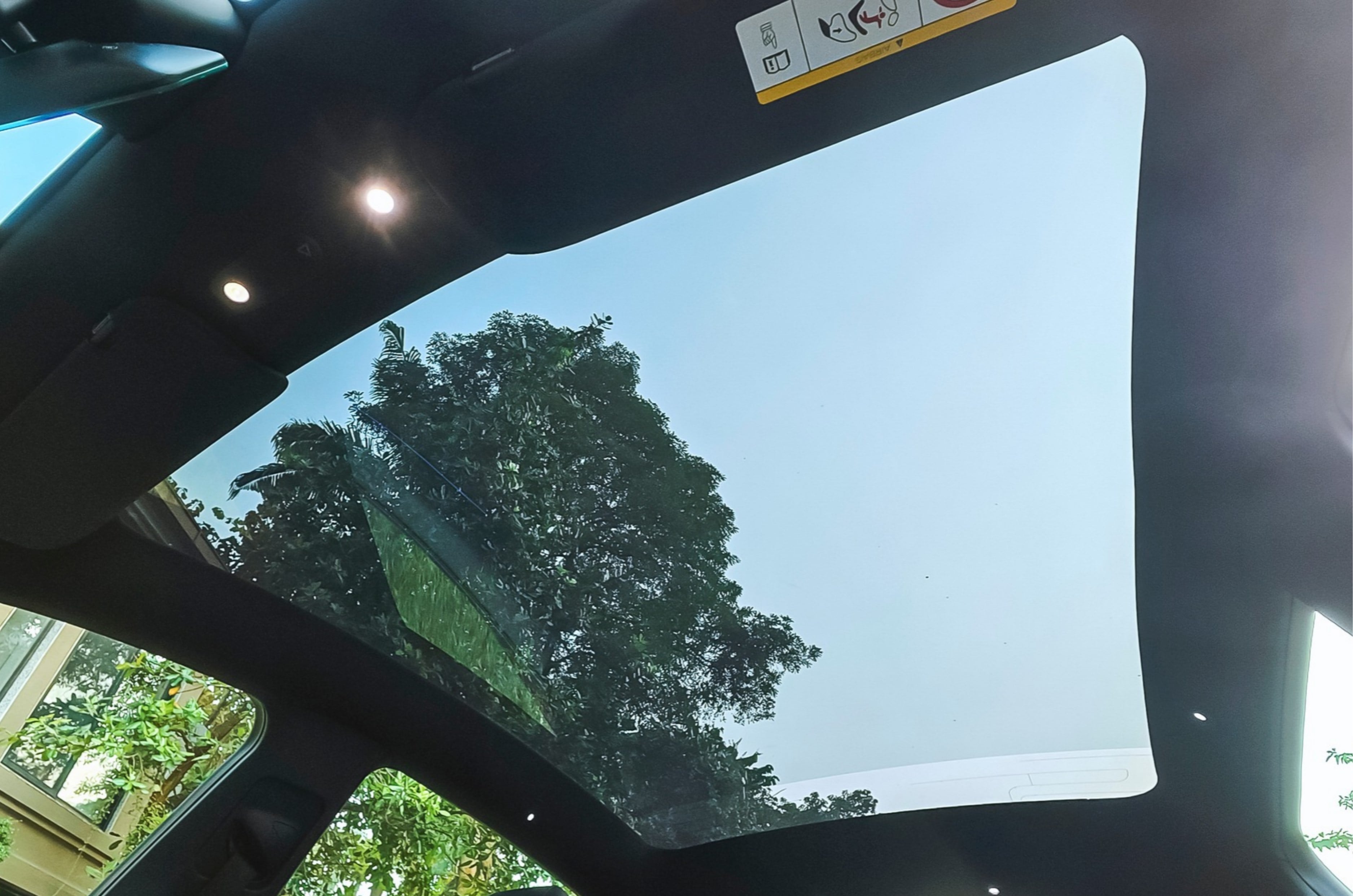
The front seats may be simple-looking but they are plush and comfy, and the extended underthigh support enhances comfort especially for taller people. These seats are also heated, cooled and feature electric adjustment. The second row is arguably the highlight, however. The individual captain’s seats are very comfy, and they feature integrated headrests, a heating and cooling function, along with power adjustment and powered armrests too. The extra wheelbase and taller roof of course gives passengers more room to stretch out and as such there’s no shortage of legroom or headroom here. The larger windows, coupled with the tinted panoramic glass roof further enhances the sense of space. However, since there are no window blinds or a sunshade for the roof, the large glasshouse area means the cabin heats up too easily especially on a hot, sunny day.
Captain seats are very comfy and there’s plenty of legroom and headroom here.
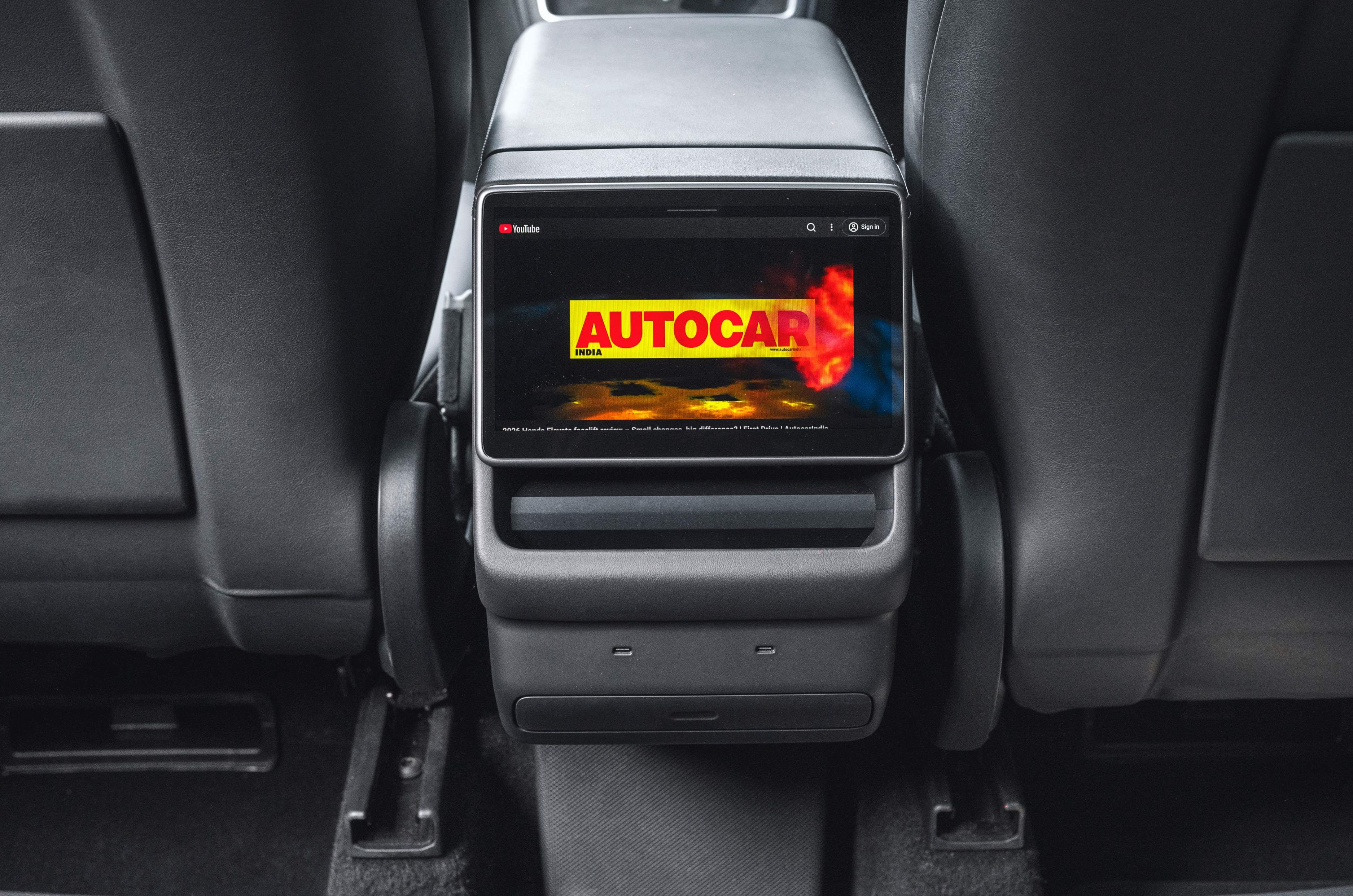
Middle row passengers are well-catered too, however. Apart from the aforementioned heated/cooled and powered seats, you also get cupholders, charging ports, cupholders and a 8-inch touchscreen. This centrally-mounted unit is just as slick to use as the one in the front and it controls several functions, along with the ability to play videos and games.
Seating is knees-up, but the third row is usable even for adults.
The third row, however, comes as a bit of a surprise. Considering the low seat, you’re sat in a knees-up position but space back here is genuinely usable for adults, with adequate headroom and kneeroom. Dedicated AC vents, cup holders and type C charging ports are useful inclusions and show that the rearmost seats aren’t simply an afterthought. Like in the middle, here too the large window and untinted rear windscreen lets in a considerable amount of heat.
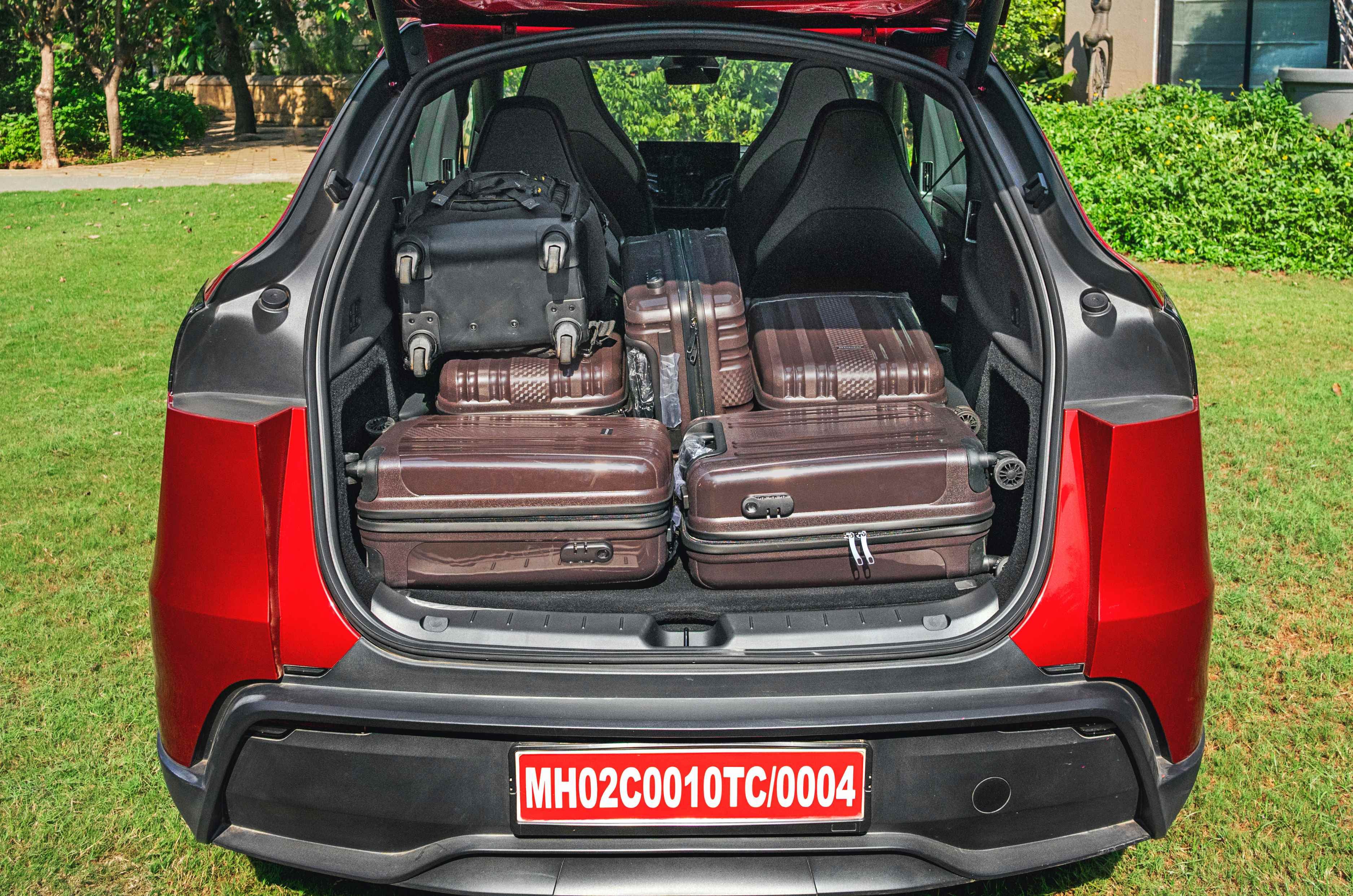
420-litre boot can be expanded to a massive 1,076 litres by folding the third row; more room under the boot floor too.
Luggage space is another important consideration for a family focused car such as the Y L. With all three rows up, boot space is a respectable 420 litres which can be further expanded to a massive 1,076 litres by electronically folding the third row. Then there’s also a considerable amount of storage space under the boot floor and a properly usable 117-litre frunk. As such, the Y L remains practical despite the added seats. It’s worth noting though, there’s no spare wheel.
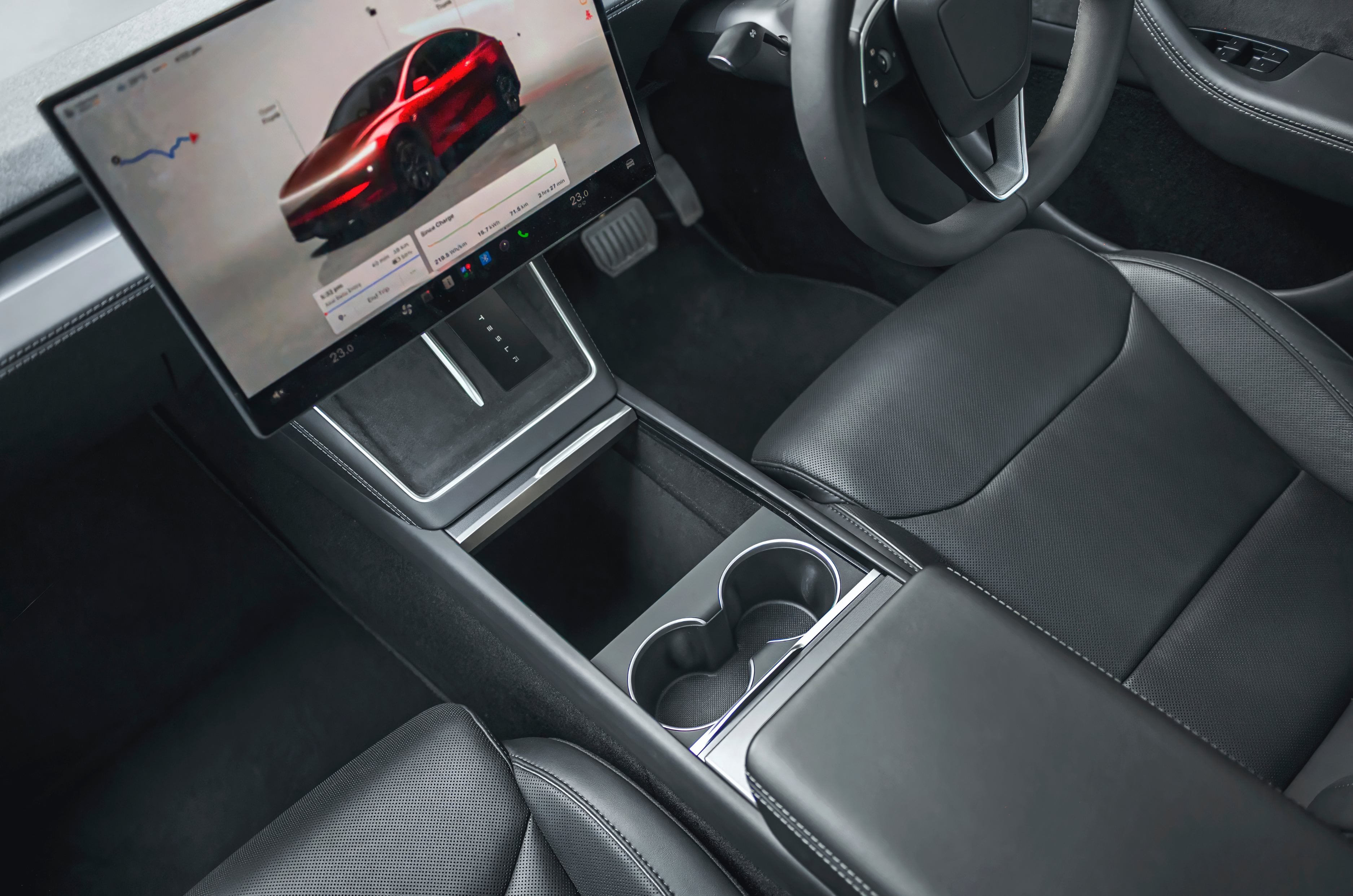
Practical cabin features a large storage box in the centre, cup holders, two wireless phone chargers, and space under the centre armrest.
Up front, the cabin retains Tesla’s familiar minimalist layout. A large central touchscreen dominates the dashboard, with very few physical controls to interrupt the clean design. This extended model gets a textured finish on top of the dashboard, but the overall layout remains largely unchanged. It also remains a practical place, with a large cubby space in the centre console, storage under the centre armrest, multiple cupholders and seat back pockets.
Model Y Features and Safety – 7/10
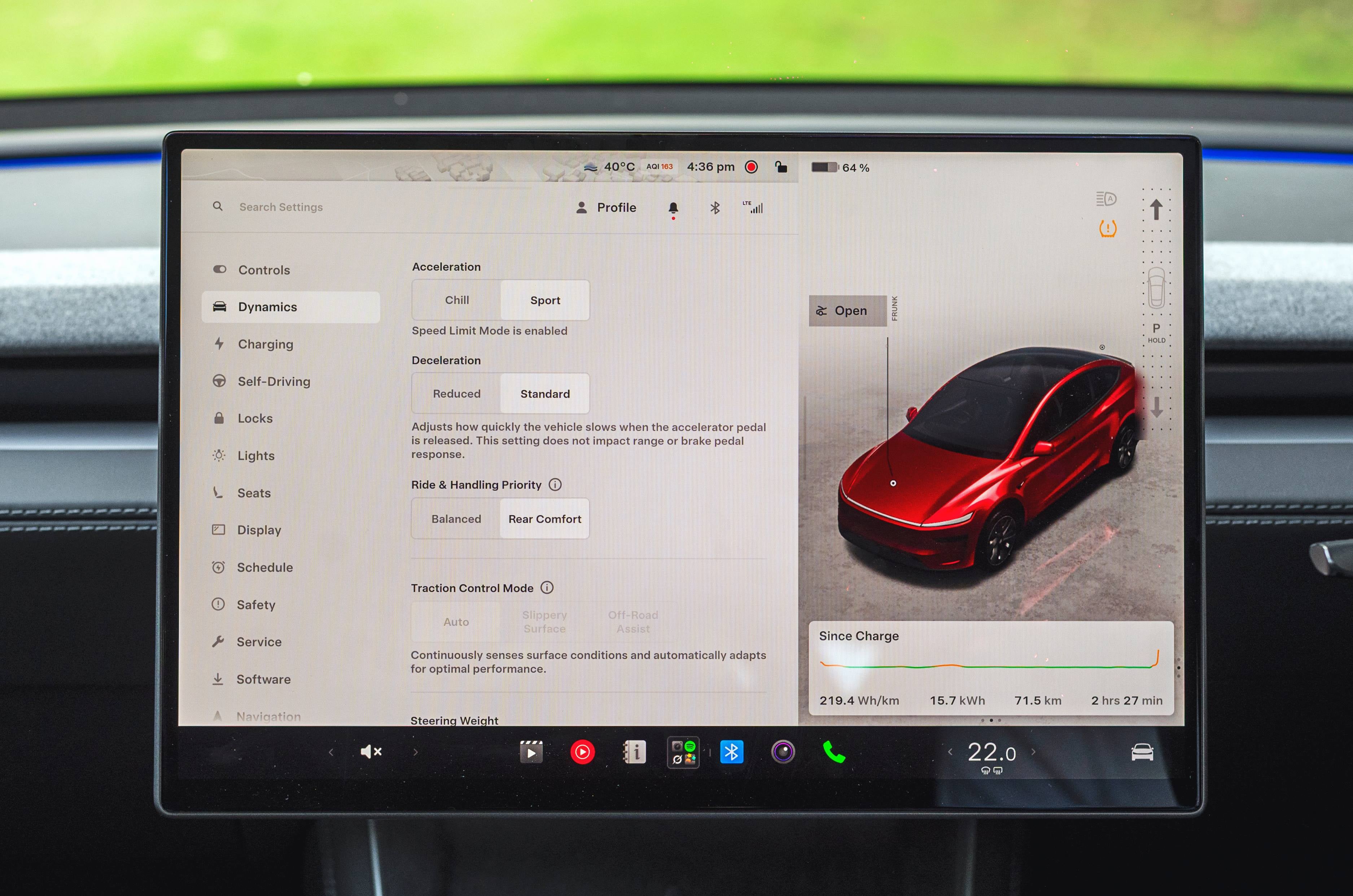
Y L gets a Sport drive mode and two settings for the new adaptive dampers.
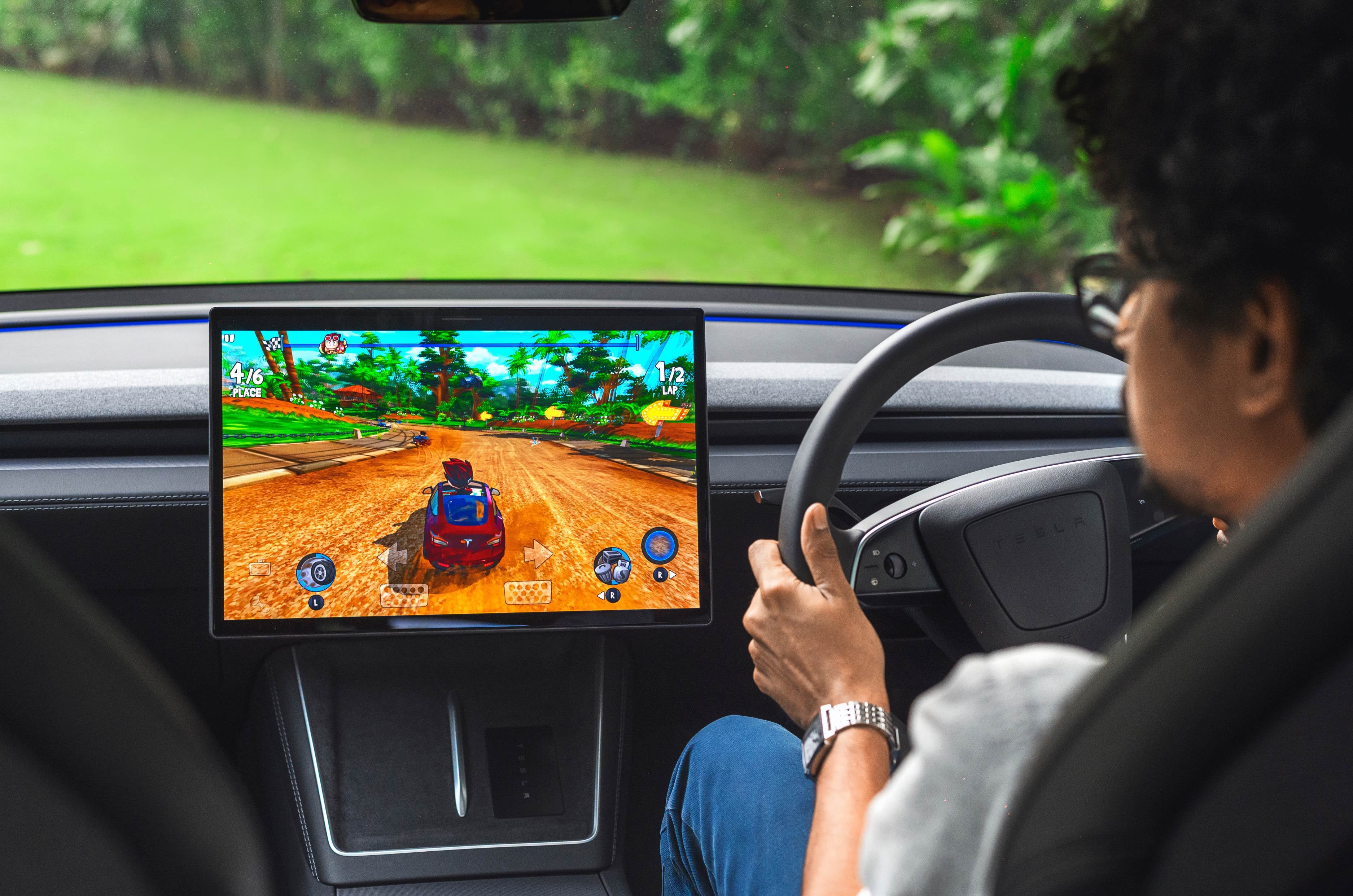
Technology has always been central to Tesla’s appeal, and the Model Y L continues with that approach. Apart from the aforementioned 8-inch rear screen, the main party piece of this car is the central 16-inch touchscreen. This screen is easily one of the best in the business in terms of resolution and responsiveness.
16-inch touchscreen is one of the sharpest around and packs in the typical Tesla quirks and features.
The screen is slick and feature-packed, but the reliance on it for everyday functions remains a usability compromise. Adjusting climate settings and accessing basic vehicle functions like adjusting the mirrors and opening the frunk require navigating menus, which isn’t as intuitive as using dedicated switches. It looks modern and gives the cabin a clean appearance, but a little more emphasis on straightforward ergonomics wouldn’t hurt.
8-inch rear screen is just as slick and can bes used to play videos and control other functions.
But thankfully, you do get the Grok AI assistant as a part of the package which can pretty much do everything for you right from setting the AC, to setting the navigation, finding a charger and much more. It can converse in multiple languages and also constantly learns more about you, so it’s said to get more intuitive as you spend more time with it.
Other features include a panoramic glass roof, dual wireless phone chargers, multi-colour ambient lighting, a superb sounding audio system with 18 speakers and a subwoofer, heated/ventilated and powered front two rows of seats, heated third row seats, all LED lights and so much more. There’s also connected-car tech, and as with any Tesla it gets over-the-air updates, so the car is constantly improving without the need to visit a service centre.
Tinted glass roof helps the cabin feel airy but no sunshade means it heats up quickly as well.
Safety equipment includes nine airbags and a suite of driver-assistance features, including lane-departure warning, lane-keeping assist and blind-spot monitoring. The car also has high-resolution cameras all around it which provide a great view of the surroundings, although Tesla’s more advanced Autopilot capabilities remain absent in India.
The technology is impressive, but the screen-centric interface requires some acclimatisation. Some buyers may find the learning curve frustrating, especially while driving. But for the tech-savvy buyers the Y L is aimed at, they will find this approach very appealing.
Model Y Performance and Refinement – 9/10
Dual-motor, all-wheel-drive powertrain puts out over 500hp and does 0-100kph in a claimed 5 seconds.
The Model Y L is offered in India with a dual-motor all-wheel-drive setup, unlike the rear-wheel-drive only Model Y variants. Tesla does not officially list powertrain specifications, but it has an estimated combined system output of 514hp and 590Nm and the brand claims a 0-100kph time of 5 sec and a top speed of 201kph. We did a quick acceleration test and managed a 0-100kph time of 5.02sec, though we couldn’t test the top speed as our car was electronically limited to 120kph. For a family crossover which is estimated to weigh over two tonnes, the performance is properly brisk. Expectedly, acceleration feels very potent and as typical of any high-performance EV, the Model Y L pins you back into the seat. However, there is a certain progression to the power delivery and the added traction of the all wheel drive setup makes it feel manageable and not overwhelming. There’s also two drive modes, Chill and Sport, the latter of which is exclusive for the Y L. And they have a corresponding effect on the response of the powertrain, with Sport obviously feeling much more immediate.
The added performance also makes overtaking on highways and closing gaps in traffic particularly effortless, as is reflected in the rolling acceleration figures. 20-80kph takes 2.85sec while 40-100kph is dispatched in just 2.94sec.
As with the standard Model Y, the Model Y L also impresses with its refinement. The cabin is superbly insulated from the outside world, thanks in part to the double glazed windows, with barely any road, tyre and wind noise filtering through into the cabin.
Model Y Mileage / Range and Efficiency – 7/10
Tesla Supercharger is said to add up to 288km of range in 15 mins; has a WLTP-rated range of 681km.
Tesla claims a WLTP range of 681km, from the Model Y L’s 88kWh (estimated) NMC battery pack. That’s more than the standard RWD Model Y, for reference. It can also add up to 288km of range in 15 minutes when connected to a Tesla Supercharger, according to the company. Speaking of which, the electric crossover is capable of accepting up to 250kW on DC fast charging and 11kW on AC charging. As always, real world range will depend on driving conditions, speed, weather and other factors.
Model Y Ride Comfort and Handling – 7/10
Adaptive dampers and longer wheelbase does make the Y L feel more settlled than the standard Model Y.
The standard Model Y’s ride and handling package is competent, although its low-speed ride is noticeably firm, especially on uneven surfaces. Tesla has made changes to the L’s suspension, equipping it with adaptive dampers in a bid to improve comfort and body control.
This is a particularly relevant upgrade for a longer, heavier vehicle designed to carry more passengers. As with everything else, this is also controlled via the touchscreen with two settings available – Balanced and Rear Comfort. The latter softens things down and gives it a slightly plusher feel, while the former represents a good middle ground between ride comfort and handling. Even though the difference in the modes isn’t that great, the Y L does feel more composed over broken roads and avoids transmitting as much movement into the cabin as the Standard Model Y.
The longer wheelbase also helps the car feel a bit more settled at speed, although manoeuvring in confined spaces is more cumbersome, and this is particularly amplified thanks to the rather poor turning circle. Like the standard Model Y’s, the Y L’s steering is light and easy to use, but it isn’t particularly feelsome. There’s also three modes for the steering, which progressively add more weight. The handling too is more competent and predictable rather than entertaining. It doesn’t feel as agile as the Model Y but body movements do seem better controlled thanks to the adaptive dampers.
There’s two levels of regenerative braking – Standard and Reduced. Standard is the stronger setting and best for use in the city as it almost functions like a one-pedal mode while Reduced is for highway use as it allows for some coasting.
Model Y Value for Money – 7/10
The Model Y L is for those who want a spacious, quick, refined, and cutting-edge premium EV for the family.
Priced at Rs 61.99 lakh (ex-showroom), the Tesla Model Y L makes for a more compelling case than the standard Model Y despite costing 10 lakh more. It still costs a fair bit more than its most direct rivals, the BMW iX1 LWB and the BYD Sealion 7, but the Y L is more spacious with more seats. The Model Y L does have its compromises though. It’s over reliant on the touchscreen for even basic functions and the large glasshouse means the cabin heats up easily. The larger dimensions, poor turning circle, low ground clearance and long wheelbase also means it is more challenging to maneuver in the city and while parking.
But it brings a lot more to the table too. There’s more cabin space, the added versatility of a third row, a more potent dual-motor powertrain with all-wheel-drive and a higher claimed range as well. And it retains its strengths of being featured-packed, with excellent refinement and massive cargo space. Tesla says that buyers are now preferring to opt for the Y L over the Model Y considering all the additional things it brings, and that really doesn’t come as a surprise. So for buyers who want a spacious, quick, refined and cutting-edge electric crossover for the family, the Tesla Model Y L fits the bill perfectly.
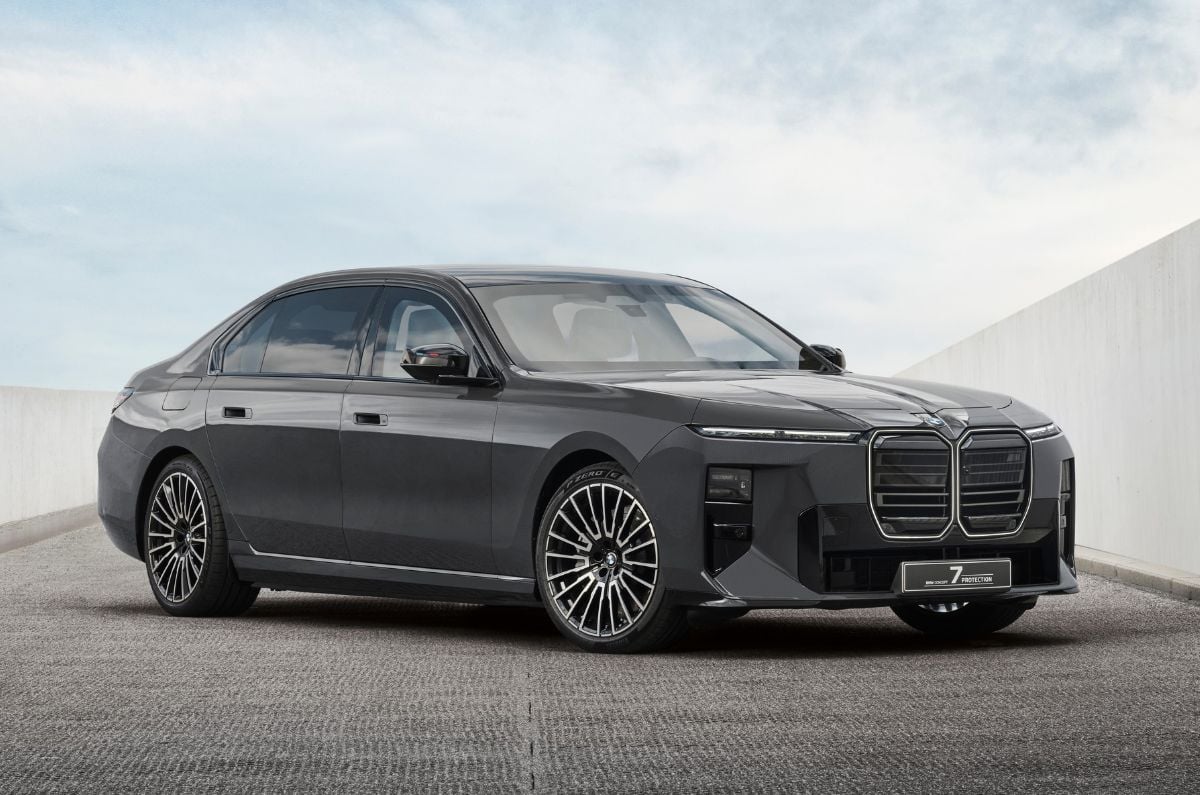
BMW has revealed the Concept 7 Protection as an armoured version of its flagship 7 Series sedan. The automaker says that it’s aimed at individuals, companies and organisations that need protection without compromising on comfort, driving experience and discretion. The Concept 7 could pave the way for additional ‘Protection’ models in the future, according to BMW.
Hero Motors Q2 Results: ऑटो कंपोनेंट बनाने वाली Hero Motors का दूसरी तिमाही में मुनाफा दोगुने से ज्यादा बढ़ गया। कंपनी ने मंगलवार, 13 अक्टूबर को नतीजे जारी किए। यह पिछले महीने लिस्टिंग के बाद कंपनी का पहला रिजल्ट है। जुलाई-सितंबर तिमाही में कंपनी को ₹10.2 करोड़ का नेट प्रॉफिट हुआ। पिछले साल इसी तिमाही में यह ₹4.73 करोड़ था। यानी मुनाफे में करीब 115% की बढ़ोतरी हुई।
कंपनी का रेवेन्यू भी 24.9% बढ़कर ₹319.3 करोड़ हो गया। पिछले साल इसी तिमाही में यह ₹255.7 करोड़ था। वहीं, EBITDA 92% बढ़कर ₹35.9 करोड़ पहुंच गया। एक साल पहले यह ₹18.7 करोड़ था। EBITDA मार्जिन में भी सुधार हुआ। यह पिछले साल के 7.3% से बढ़कर 11.3% हो गया। यानी कंपनी की कमाई का मार्जिन बेहतर हुआ है।
ब्रिटेन की कंपनी में हिस्सेदारी बढ़ाएगी
Hero Motors अपनी सब्सिडियरी कंपनी Hewland Engineering में हिस्सेदारी बढ़ाने जा रही है। कंपनी इसके मौजूदा शेयरधारकों William Hewland और Siobhan Hewland से 39% अतिरिक्त हिस्सेदारी खरीदेगी। इस सौदे पर करीब 6 लाख पाउंड खर्च होंगे।
इस खरीद के बाद Hewland Engineering में Hero Motors की हिस्सेदारी 51% से बढ़कर 90% हो जाएगी। सौदे के तहत £1 की कीमत वाले 8,039 शेयर खरीदे जाएंगे। कंपनी को उम्मीद है कि यह सौदा करीब छह महीने में पूरा हो जाएगा। इसके लिए किसी सरकारी या नियामकीय मंजूरी की जरूरत नहीं है।
क्या काम करती है Hewland Engineering?
Hewland Engineering ब्रिटेन की कंपनी है। इसकी शुरुआत 29 मई 1957 को हुई थी। यह हाई-परफॉर्मेंस गाड़ियों के ट्रांसमिशन और ड्राइवट्रेन से जुड़े पार्ट्स बनाती है। कंपनी मोटरस्पोर्ट, इलेक्ट्रिक गाड़ियों और एयरोस्पेस सेक्टर के लिए भी काम करती है। इसके अलावा, यह ग्राहकों की जरूरत के हिसाब से इंजीनियरिंग समाधान तैयार करती है और रिसर्च पर भी पैसा खर्च करती है।
Hero Motors का कारोबार
Hero Motors ऑटोमोबाइल कंपनियों के लिए पावरट्रेन से जुड़े प्रोडक्ट बनाती है। कंपनी इनकी डिजाइनिंग से लेकर मैन्युफैक्चरिंग और सप्लाई तक का काम करती है। इसका कारोबार भारत के अलावा अमेरिका, यूरोप और आसियान क्षेत्र में भी फैला है।
कंपनी दोपहिया गाड़ियों, इलेक्ट्रिक साइकिल, ऑफ-रोड गाड़ियों, इलेक्ट्रिक और हाइब्रिड कारों के लिए प्रोडक्ट बनाती है। भारी गाड़ियों के लिए भी इसके पास सॉल्यूशंस हैं। BMW, Ducati, Enviolo, Formula Motorsport, Hummingbird EV और HWA जैसी कंपनियां इसकी ग्राहक हैं।
Hero Motors का शेयर मंगलवार को NSE पर 0.82% गिरावट के साथ ₹154.44 पर बंद हुआ। हालांकि, स्टॉक अभी भी अपने आईपीओ प्राइस से करीब 56.95% ऊपर है।
Disclaimer: यहां मुहैया जानकारी सिर्फ सूचना के लिए दी जा रही है। यहां बताना जरूरी है कि मार्केट में निवेश बाजार जोखिमों के अधीन है। निवेशक के तौर पर पैसा लगाने से पहले हमेशा एक्सपर्ट से सलाह लें। मनीकंट्रोल की तरफ से किसी को भी पैसा लगाने की यहां कभी भी सलाह नहीं दी जाती है।
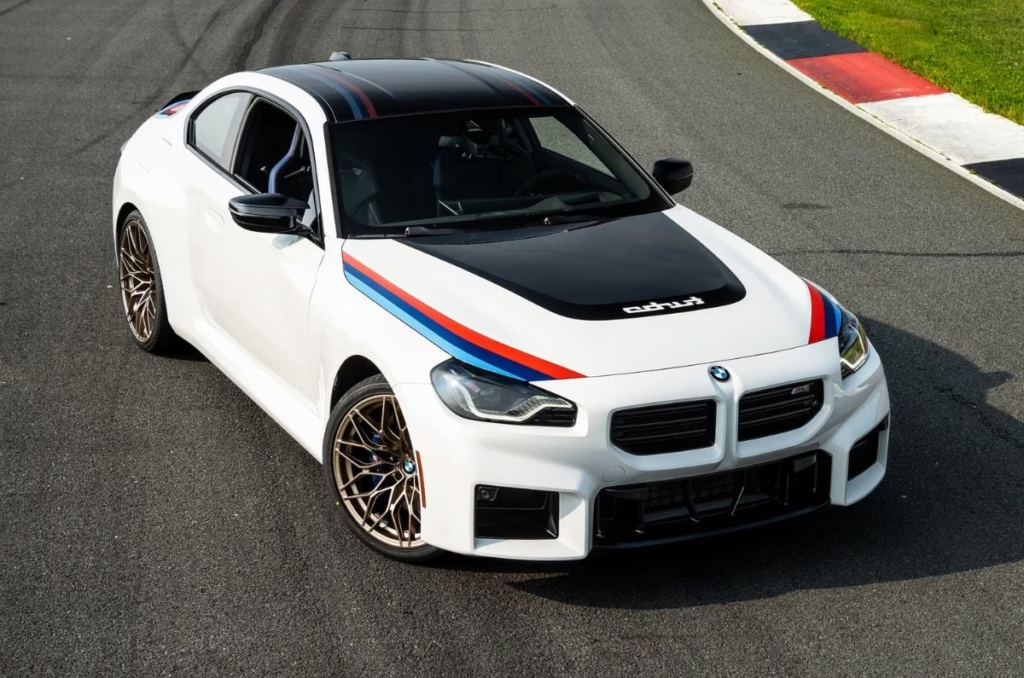
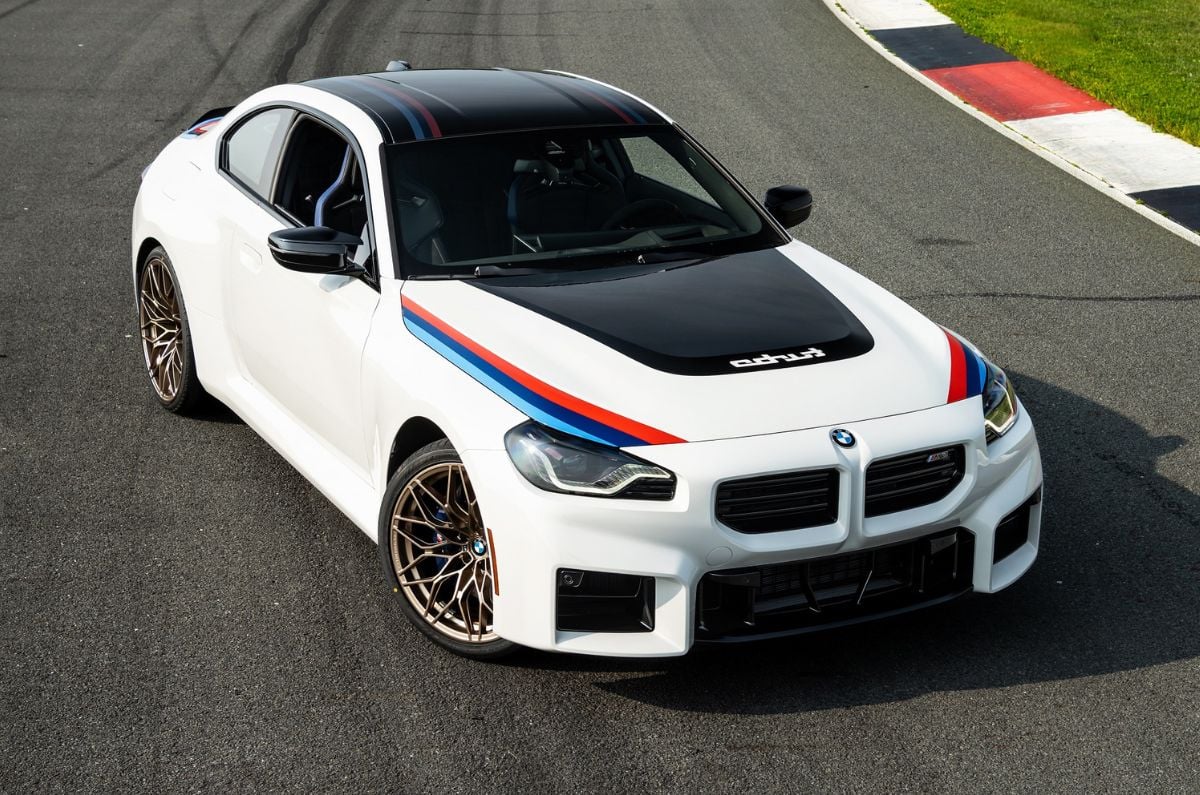
BMW has opened bookings for the limited-run M2 xDrive Turbo Edition in India. This ultra-exclusive model pays tribute to the BMW 2002 Turbo from 1973 which has a rather unique story in BMW’s history. More on that later, but the M2 xDrive Turbo Edition will be available in limited numbers in India with a first-come, first-served basis allocation. Expect prices to be announced in the coming weeks.
BMW M2 xDrive Turbo Edition: what is it paying tribute to?
This special-edition M2 pays tribute to the BMW 2002 Turbo sedan which was launched during the global oil crisis in 1973. At the time, it was the first series-production passenger car to use an exhaust gas turbocharger, something that has since defined the template for a lot of performance cars. The turbocharger, of course, was in the interest of reducing fuel consumption, but that doesn’t mean it was any slouch – with 170hp, 2.0-litre engine, a top-speed of 211kph and a 0-100kph time of 7.0 seconds, it was quite fast for its time. Well-kept examples of 2002 Turbo cost well over 100,000 Euros today, says BMW.
Audi India is set to launch the third-gen Q3 on Friday, 16 October. It will replace the current Q3, which has been around for quite a while, as Audi India’s entry-level SUV. More importantly, the third-gen Q3 will usher in some of the latest tech that Audi offers, which should make the SUV much more competitive against rivals like the Mercedes-Benz GLA and BMW X1. But will it? Now that we’ve reviewed the new Q3, here are three reasons why you should consider it over rivals, and two reasons why you may want to think twice about buying one.
Pros
Punchy turbo-petrol engine
Like its predecessor, the third-gen Q3 is powered by a 2.0-litre four-cylinder direct-injection turbo-petrol engine developing 204hp and 320Nm. It’s the biggest and strongest engine in its segment, and save for some brief hesitation at low revs, remains a gem. As soon as the turbo is on song, this engine is eager and free-revving, responding promptly in the city and building speed easily on the highway. Audi claims a 0-100kph time of 7.1 seconds for the new Q3 – a segment-best figure.
The Q3’s engine continues to be paired with a 7-speed dual-clutch automatic, which is a great companion. Downshifts are quick and easy, and engaging Sport mode or flicking the paddle shifters will give you full control. Audi’s Quattro all-wheel drive system is standard fit for the Q3 as well, giving you more confidence when driving on slippery surfaces.
Excellent ride and handling balance
Audi has tuned the new Q3’s suspension very well. The setup has the typical firmness you expect from a European car, but it’s never uncomfortable and absorbs potholes and broken roads with great composure. Part of the credit goes to the 55-profile tyres too, as their thick sidewalls soak up much of the shock before it reaches the suspension.
The handling of the new Q3 is surprisingly good too, with the variable-ratio steering effectively loosening at low speeds and weighing up as you increase the pace. There’s a slight amount of slack around the straight-ahead position, but the steering remains very accurate and direct regardless. Despite its quick steering, the Q3 also remains stable at highway speeds and changes lanes with ease and agility.
Well-built interior
Among the most noticeable leaps of the new Q3 over the outgoing model is on the inside. The dashboard sports a cleaner and more modern layout, housing an 12.8-inch infotainment touchscreen and 11.9-inch digital driver’s display. Much of the leather in the cabin has been ditched in favour of fabric, and plastic quality isn’t that great in the lower regions, but even so, the Q3’s interior feels well put-together and more robust than those of its rivals.
Cons
Lack of powertrain options
The Q3’s turbo-petrol engine is undoubtedly lovely, but that’s about it as far as powertrain options go. There will be no diesel, hybrid, or electric versions of the India-spec Q3, at least at launch. This puts the Audi SUV at a disadvantage, since the GLA and X1 can be had with diesel engines – the BMW is available as a long-wheelbase EV too (iX1 LWB). Offering Quattro as standard may also drive up the price of the new Q3, which could dissuade buyers who prefer a lower price tag over all-wheel drive.
Some features still missing
While the Q3 has a decent list of equipment, including a 12-speaker Sonos sound system, a panoramic sunroof, powered and heated front seats, dual-zone climate control, adaptive cruise control, auto-park assist, and more, there are still some features that Audi missed out on.
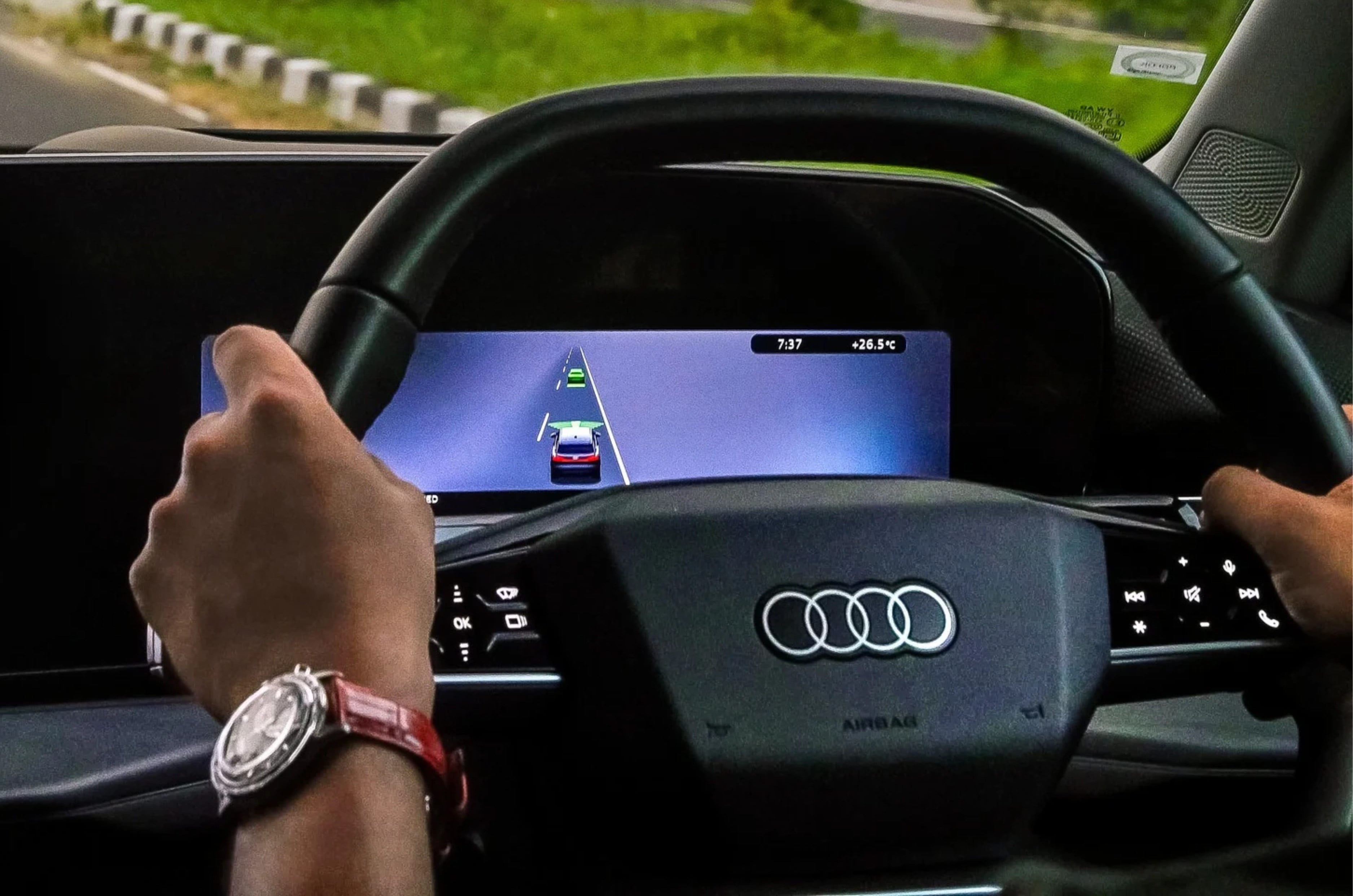
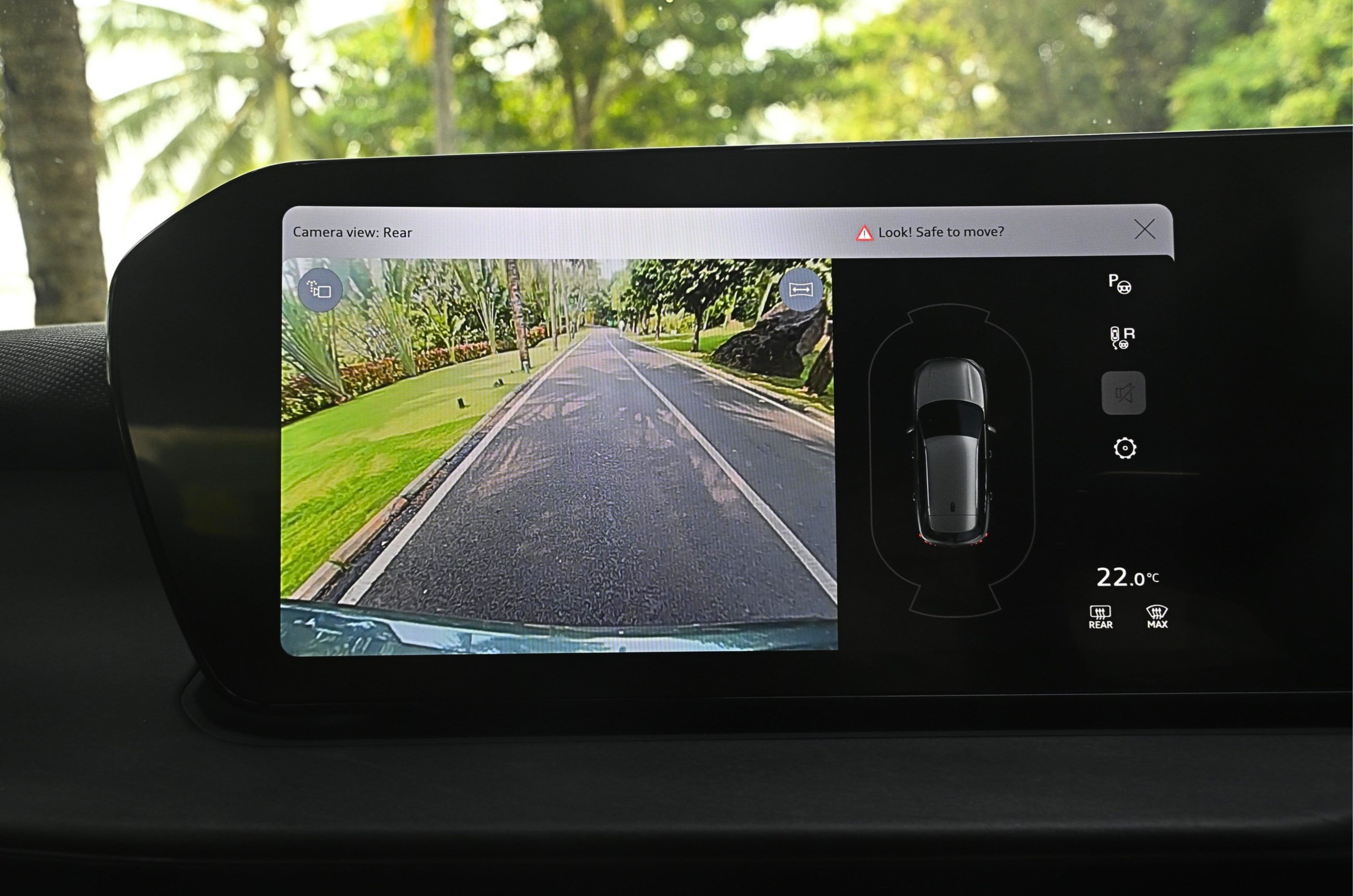
Chief among them is seat ventilation, which makes much more sense than heated seats in our climate conditions. Another big miss is a 360-degree camera, as it greatly helps with maneuovring and parking in tight spaces. The included rear camera’s resolution (pictured above) is disappointing too. Lastly, there are no ADAS features aside from adaptive cruise control – lane-keep assist and blind-spot monitoring would’ve come in handy.
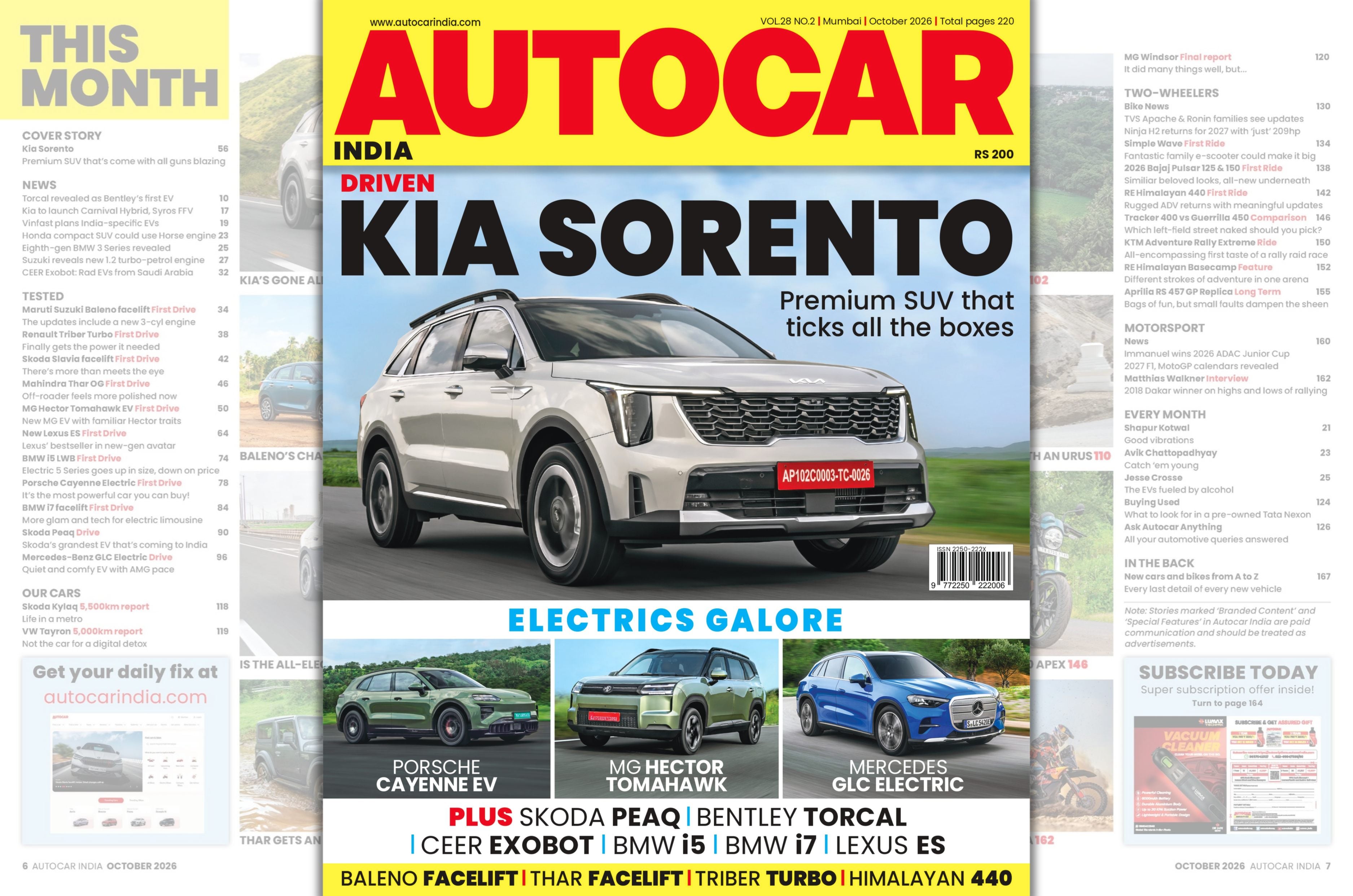
This month, we go big on power and even bigger on premium metal. The cover story is Kia’s biggest swing yet at the executive SUV segment, and then there’s a family SUV with more horsepower than a Lamborghini, and BMW’s electric onslaught continues with a new long-wheelbase sedan and a sharper flagship limousine.
Kia Sorento: Cover Story
Six trims, two powertrains, up to seven seats and 32 variants in all. Kia isn’t dipping a toe into the premium SUV pool; it’s diving straight in, locally assembling the Sorento from Rs 27.99 lakh to take on the Skoda Kodiaq and VW Tayron. Has Kia cracked the code, or has it bitten off more than it can chew?
Porsche Cayenne Electric: First Drive
Forget hypercars. The most powerful vehicle currently on sale in India is a family SUV, the Cayenne Electric, with more horsepower than your senses can fathom. We took it to an airstrip to see what that actually does to your stomach.
BMW i5 LWB & i7 Facelift: First Drives
BMW’s electric push continues, with a long-wheelbase i5 slotting in between the iX1 and flagship i7. Can BMW’s long-wheelbase playbook continue to work? And there’s also the i7 getting a sharper face and more tech to go with it, like it didn’t have enough already.
Mercedes-Benz GLC Electric: Drive
The first-gen electric GLC was far from ideal. The new one, however, is a completely new generation with an 800V architecture, 330kW charging and a claimed 715km range. We took all 489 of its horses to the Autobahn to see how much of an improvement it has been over its predecessor.
MG Hector Tomahawk EV: First Drive
Don’t let the familiar name fool you. The Hector Tomahawk EV rides on MG’s all-new ADAPT platform, bigger than the Mahindra XEV 9S in every dimension, with a PHEV sibling already waiting in the wings.
Maruti Suzuki Baleno, Renault Triber Turbo and Skoda Slavia: First Drives
India’s favourite premium hatch, the Baleno, gets a new engine and ADAS, the budget-friendly Triber finally gets the power it’s been begging for, and the Slavia’s facelift turns out to be more than skin-deep.
Mahindra Thar OG: First Drive
The original three-door Thar gets another round of updates, bringing changes to its engines, equipment and chassis. With the off-road icon continuing to evolve, we head out to discover what this latest iteration brings to the table.
Taking the High Road: Features
Goa’s new Porvorim Elevated Corridor opens on NH66, and we test it in two ways: solo against Google Maps’ ETA in an MG Cyberster, and then flanked by a dozen supercars, Ferraris, a McLaren 750S and a Lamborghini Huracan among them, for its proper initiation.
Rocket Ship to the Moon: Feature
A Lamborghini SUV is already an exercise in excess. Take it somewhere unexpected, add a little spectacle, and you have the ingredients for an automotive adventure that refuses to be ordinary.
Royal Enfield Himalayan 440
The original Himalayan is back with a bigger engine and a handful of meaningful changes. In a world where adventure bikes keep getting more complicated, there’s something rather appealing about going back to basics.
Tracker 400 vs Guerrilla 450: Comparison
Two left-field street nakeds, the Triumph Tracker 400 and Royal Enfield Guerrilla 450, go head-to-head. One takes its inspiration from flat-track racers, while the other fancies itself a sporty roadster. Both want your money, and neither is particularly interested in being sensible about it.
KTM Adventure Rally Extreme: Ride
Adventure riding is all well and good until the road disappears, the terrain turns hostile and you begin questioning your life choices. We get a taste of KTM’s rally raid experience, where the only shortcut is having the skill to take one.