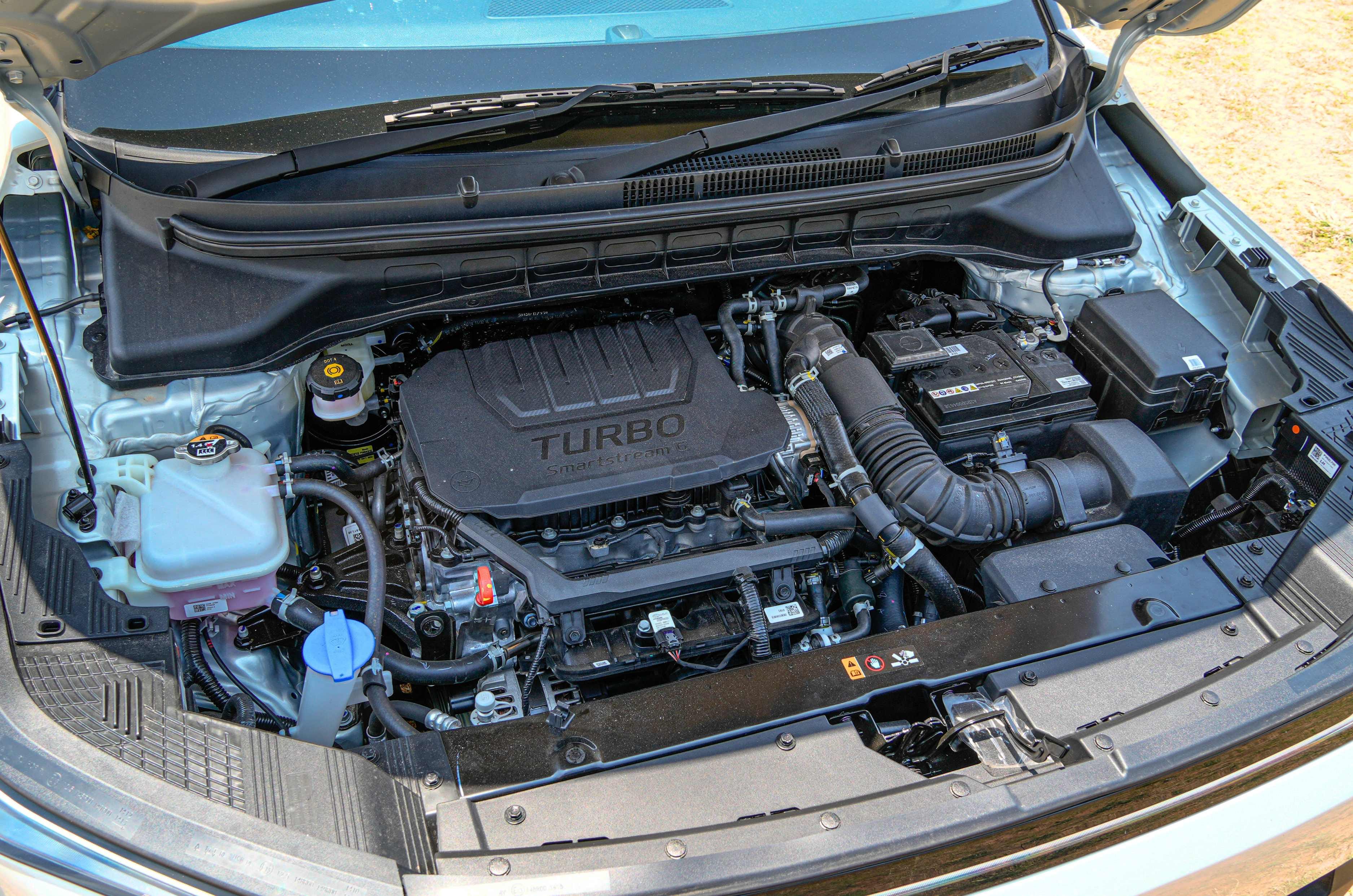
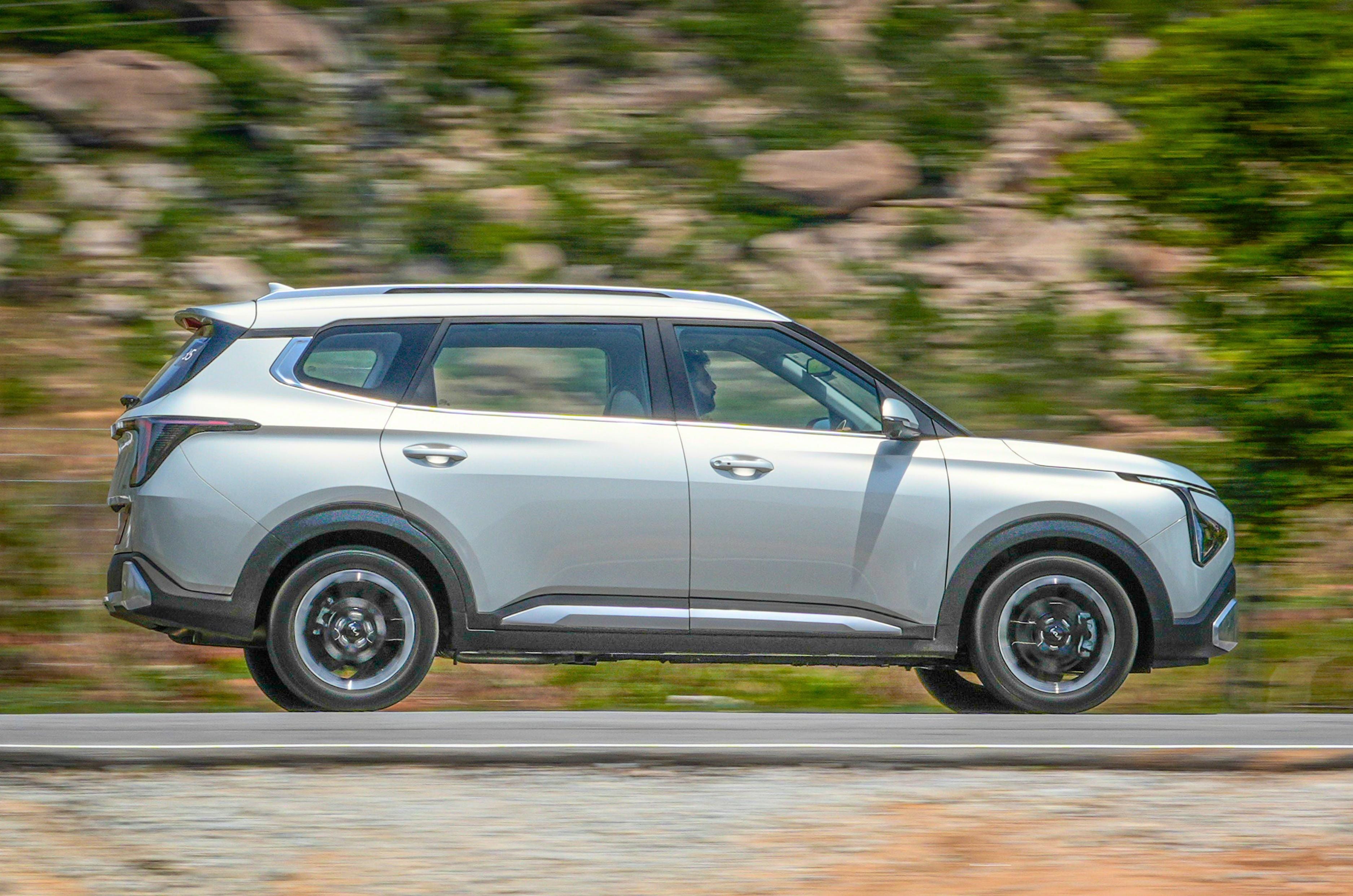
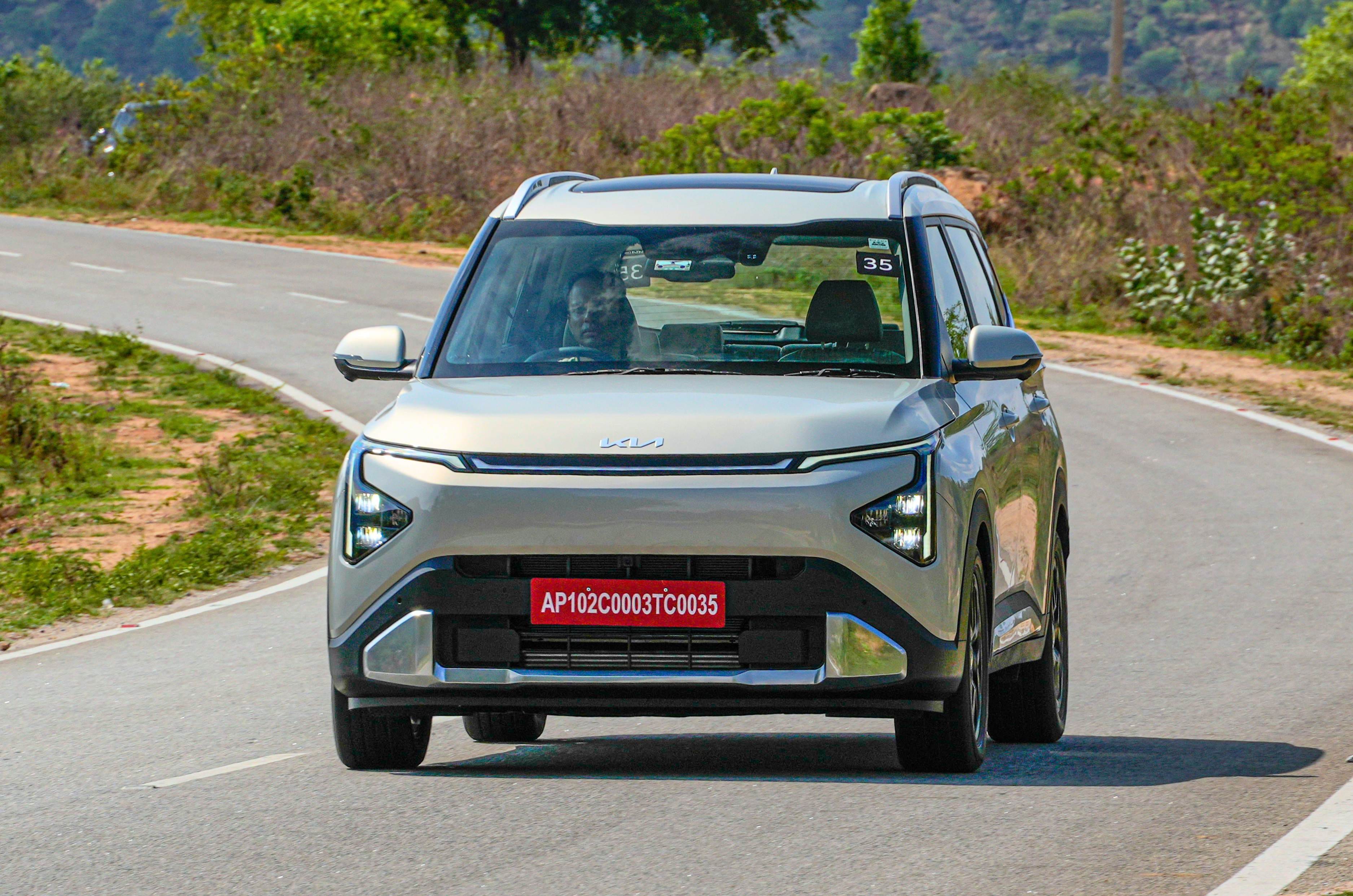
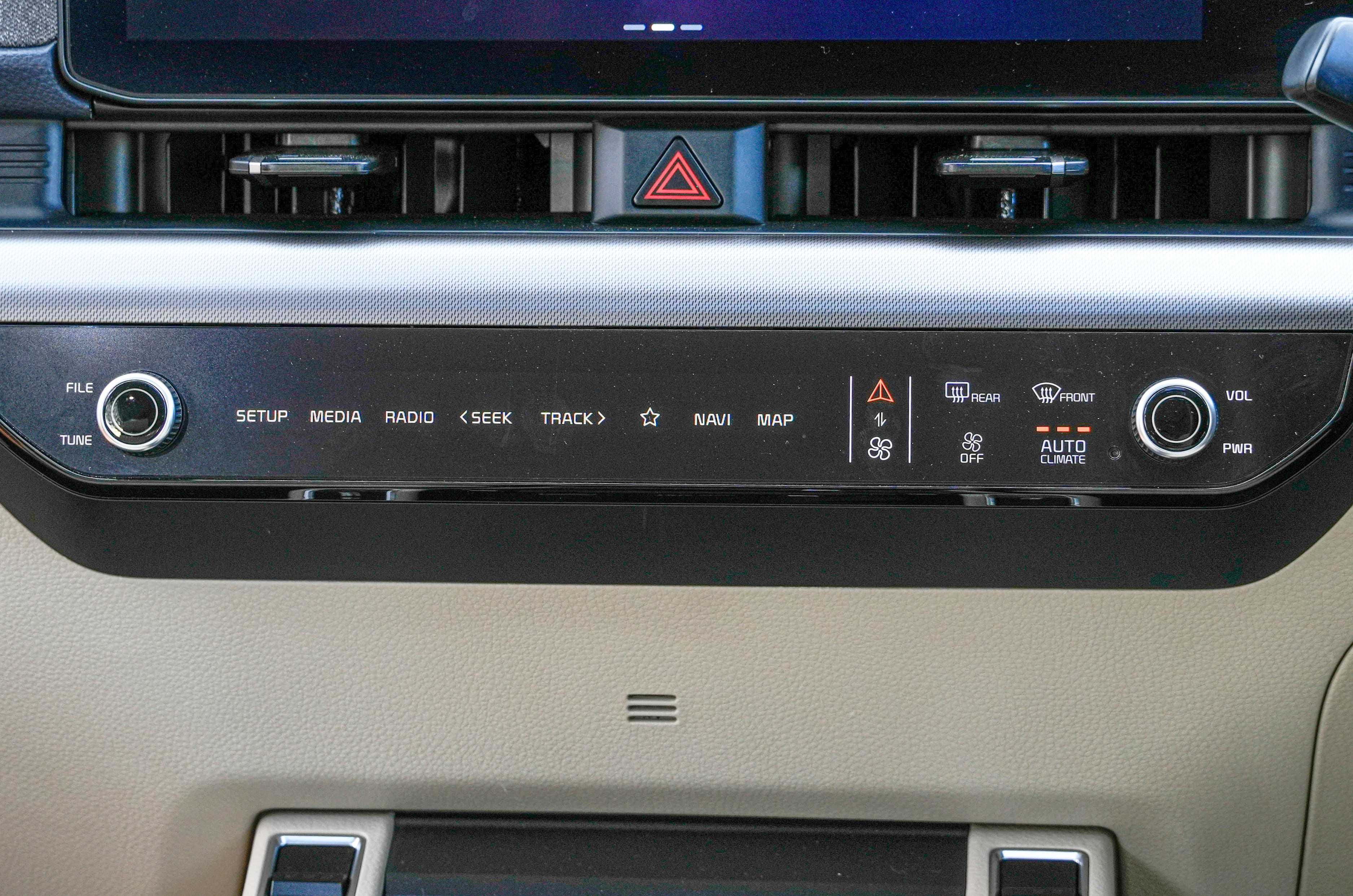
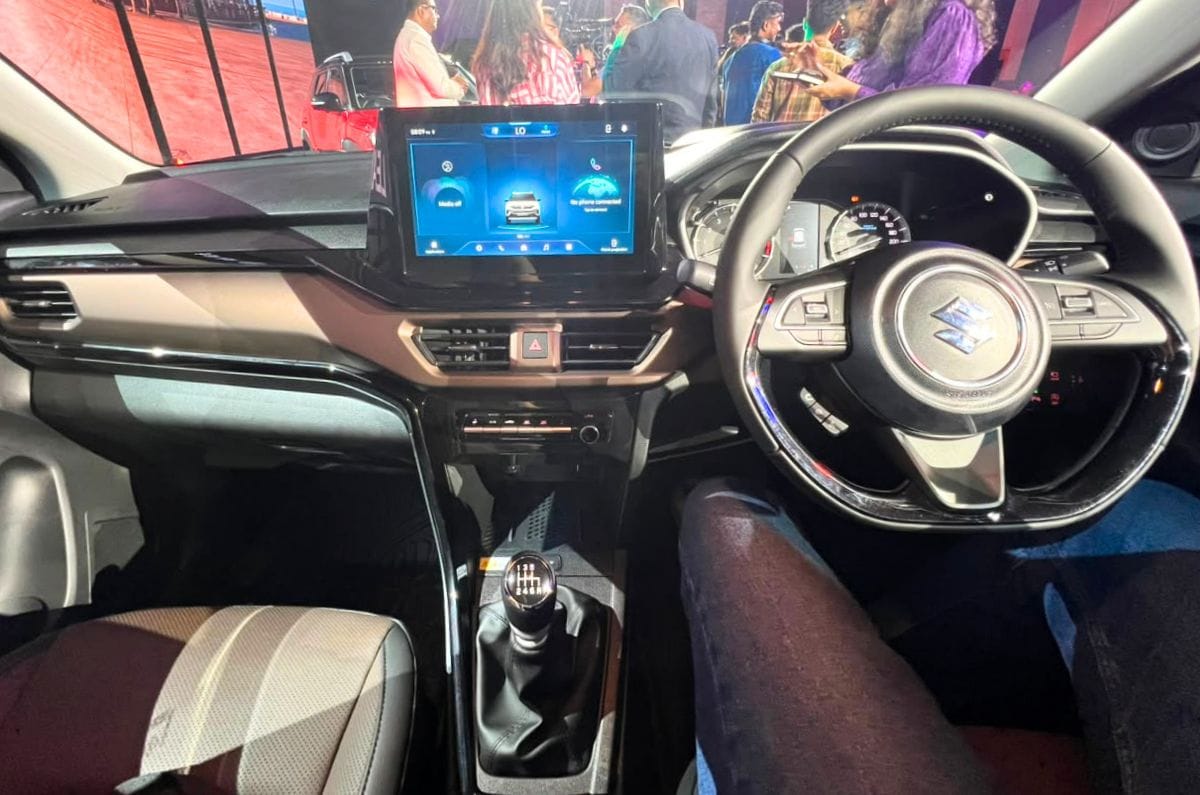
The 2026 Maruti Brezza’s interior sees more meaningful updates than the exterior. The highlight is the 10.1-inch infotainment screen that’s also seen on the Victoris. It also adds ambient lighting, ventilated seats at the front and revised switchgear for the HVAC controls (also shared with the Victoris). There’s also use of new gloss-black trim materials on the dashboard and door pads, replacing the silver trim seen on the pre-facelift car. On the safety front, the Brezza now gets front parking sensors, and it is also expected to come with a Level 2 ADAS (advanced driver assistance systems) suite. The seats also get new leatherette upholstery, and as always, the Brezza remains generously spacious on the inside.
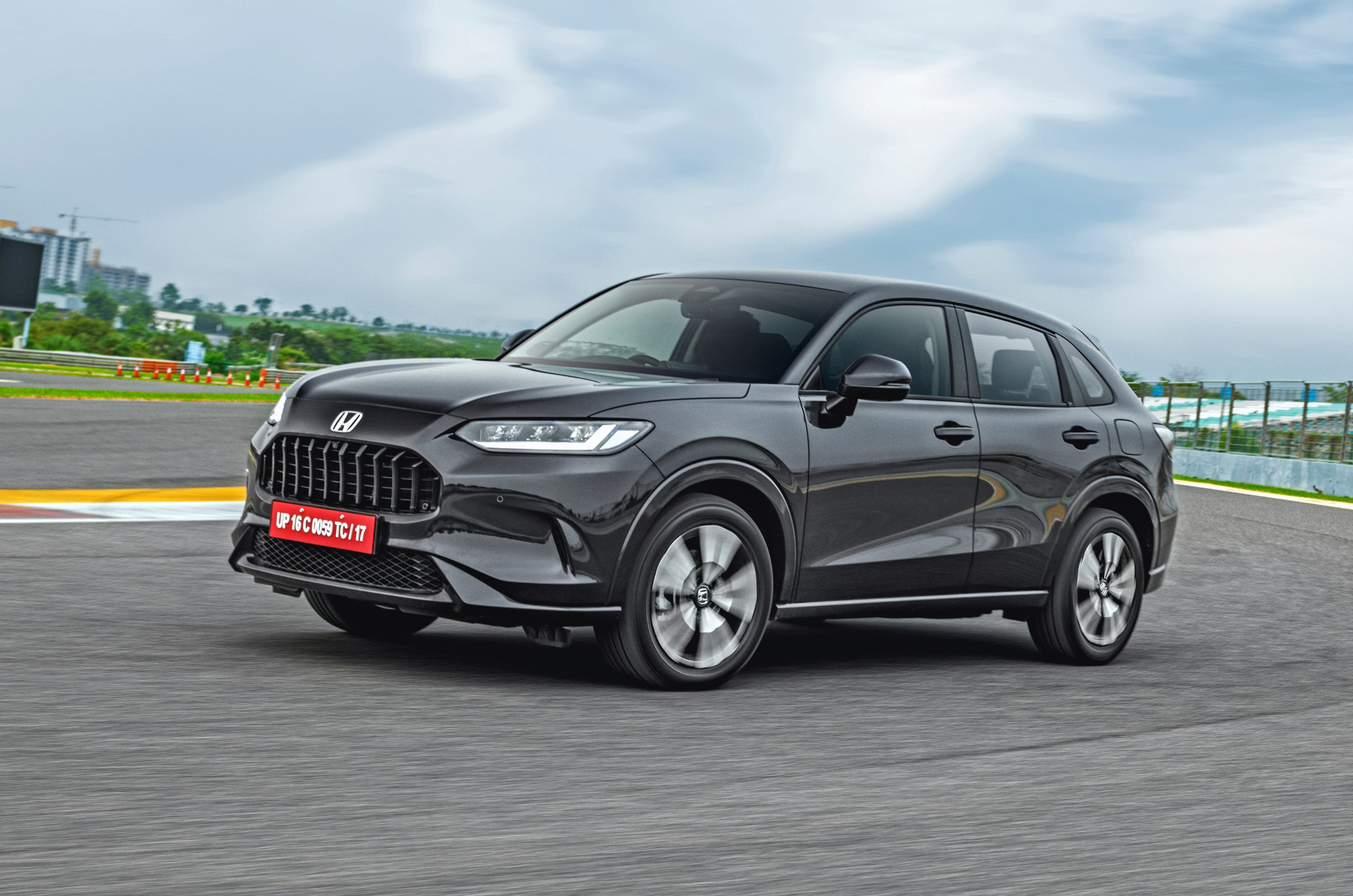
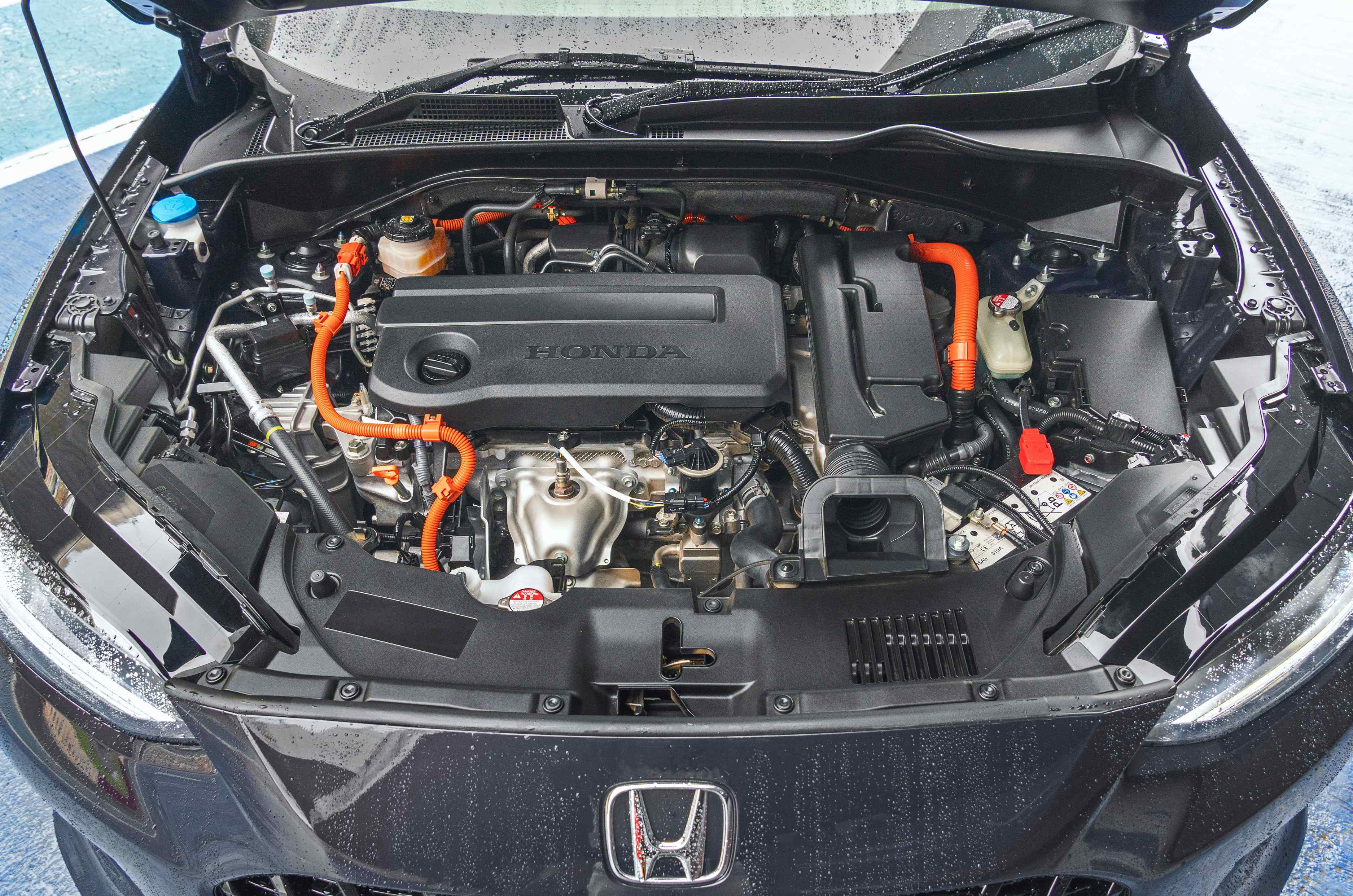
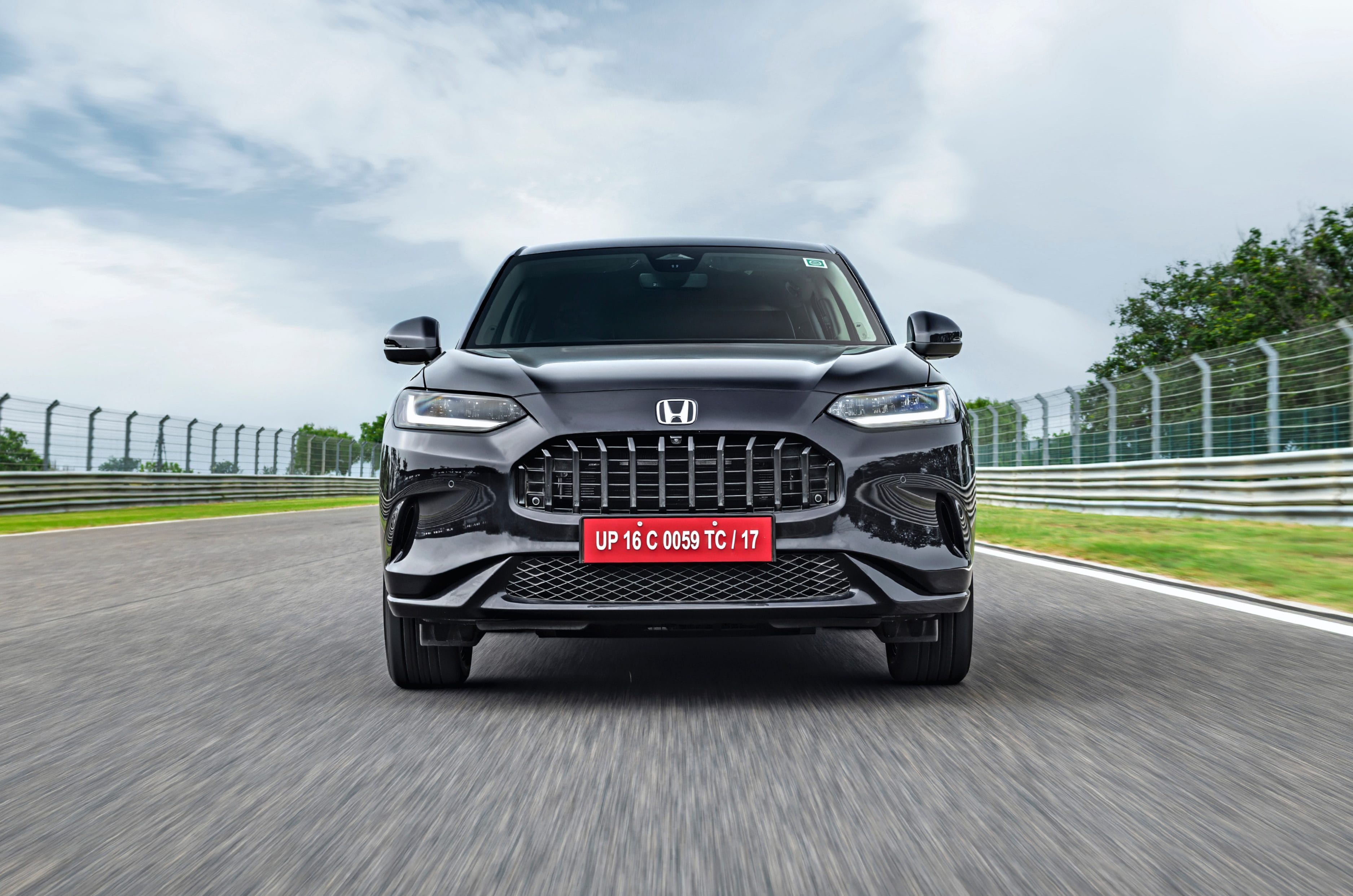
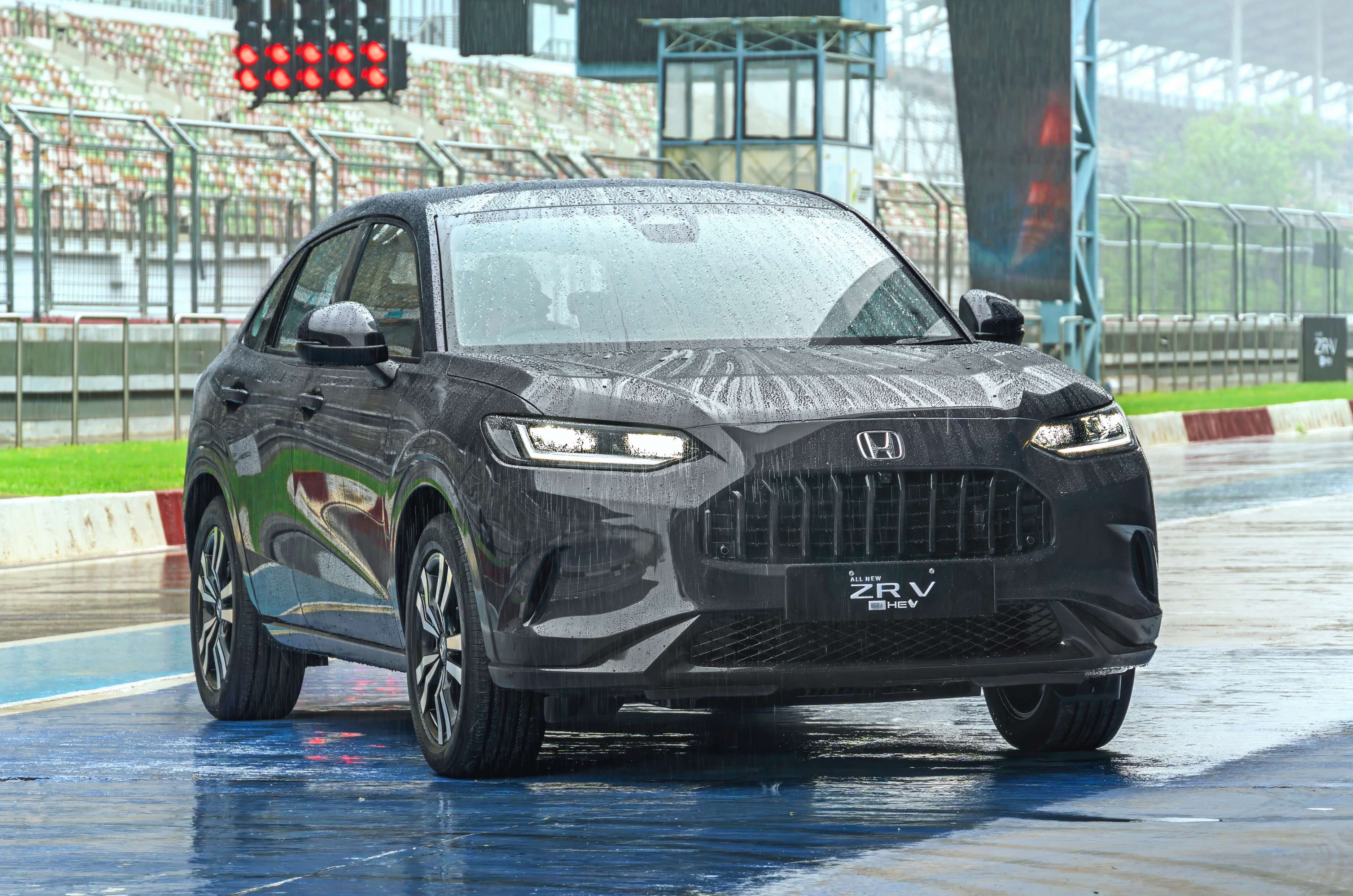
The Honda ZR-V is the carmaker’s first hybrid SUV in India and its being brought here via the CBU route from Japan as a brand builder or a halo product. It’s also the first of a few global products being launched in India, so it gives us an idea of what we can expect from Honda in the coming years. Honda says the ZR-V is a “Sports Hybrid” meaning it prioritizes performance and fuel efficiency in equal parts, which is why the company gave us a chance to briefly experience it at the Buddh International Circuit.
Honda ZR-V Exterior Design and Engineering – 8/10
Hybrid powertrain is smooth, seamless, zippy and promises to be efficient as well
The Honda ZR-V is a strong hybrid SUV that features a 2.0-litre, four-cylinder, direct injection, petrol engine that runs on the more efficient Atkinson cycle and it works in tandem with two, permanent magnet synchronous electric motors. The powertrain produces a max combined output of 184hp and 315Nm which is channeled to the front wheels only via an eCVT transmission. The SUV has a claimed 0-100kph time of 7.9 seconds and an electronically limited top speed of 172kph. Internationally, the ZR-V is also offered with an all-wheel-drive (AWD) setup and a 1.5-litre turbo-petrol engine producing 180hp and 240Nm but that is currently not on the cards for India.
It’s responsive off the line and feels composed at high speeds
The strong hybrid powertrain feels smooth and zippy right from the get-go. What’s great is that it makes all the 315Nm of torque from standstill, so it feels quick right from launch and you’re never left wanting more. Power delivery is smooth and linear and it’s also keen to respond to part-throttle inputs. The powertrain is also very refined with barely any engine, road or tyre noise filtering through.
At low speeds with light throttle inputs, the ZR-V will stay in pure EV mode as long as the battery has enough charge. Unlike some other strong hybrids however, you can’t manually choose EV mode. Push the accelerator harder and the engine will come on, with the SUV moving to the hybrid drive mode. In this mode, the electric motor is still powering the wheels with the engine acting as a generator to keep the battery topped up. Then there’s the engine drive mode, which is specifically used at high speeds. Here, it’s the engine powering the wheels with the electric motor assisting.
However, there are drive modes that you can change – Eco, Normal and Sport – and these don’t have an effect on the output or how the powertrain works but just the response. There’s paddleshifters too, for cycling between the regenerative braking modes and they do work effectively. As for the friction brakes, the ZR-V comes with discs all around and they felt predictable and confidence-inspiring out on track.
Honda ZR-V Mileage and Efficiency – 8/10
Honda claims the ZR-V will do an impressive 22.80kpl. Considering it’s a hybrid, real-world efficiency should be close to the claimed but we’ll have to reserve judgement till we actually subject the SUV to our fuel efficiency tests.
Honda ZR-V Ride Comfort and Handling – 7/10
Considering we drove it on BIC’s smooth tarmac surface and only for a few laps, giving a definitive verdict on its ride comfort is difficult. As for high speed composure, the SUV felt stable.
In terms of handling, the ZR-V felt enjoyable to drive around the corners. Handling on the whole was stable and predictable, thanks to a well-weighted and precise steering. A slalom course also demonstrated its tidy body control and it felt eager to change directions.
Honda ZR-V Exterior Design and Engineering – 7/10
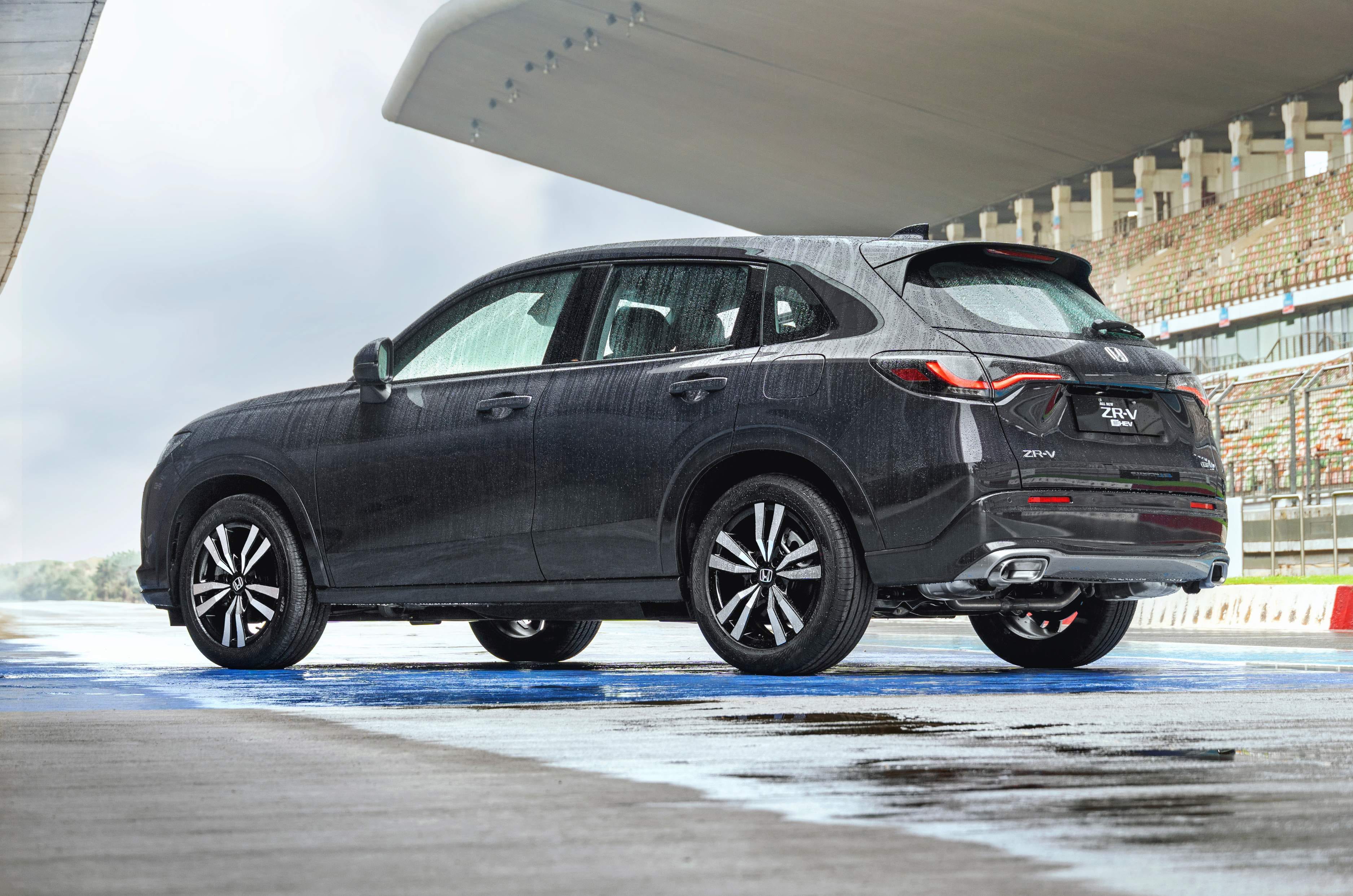
Unlike most SUVs which have a squared-off and upright stance, the Honda ZR-V has a sleek, crossover-like design, with rounded-off and clean surfaces. Up front, it gets slim LED headlights with L-shaped daytime running lamps (DRLs), a black grille with vertical slates and a bumper that houses functional air vents on either side.
ZR-V’s styling is more like a crossover than an upright SUV.
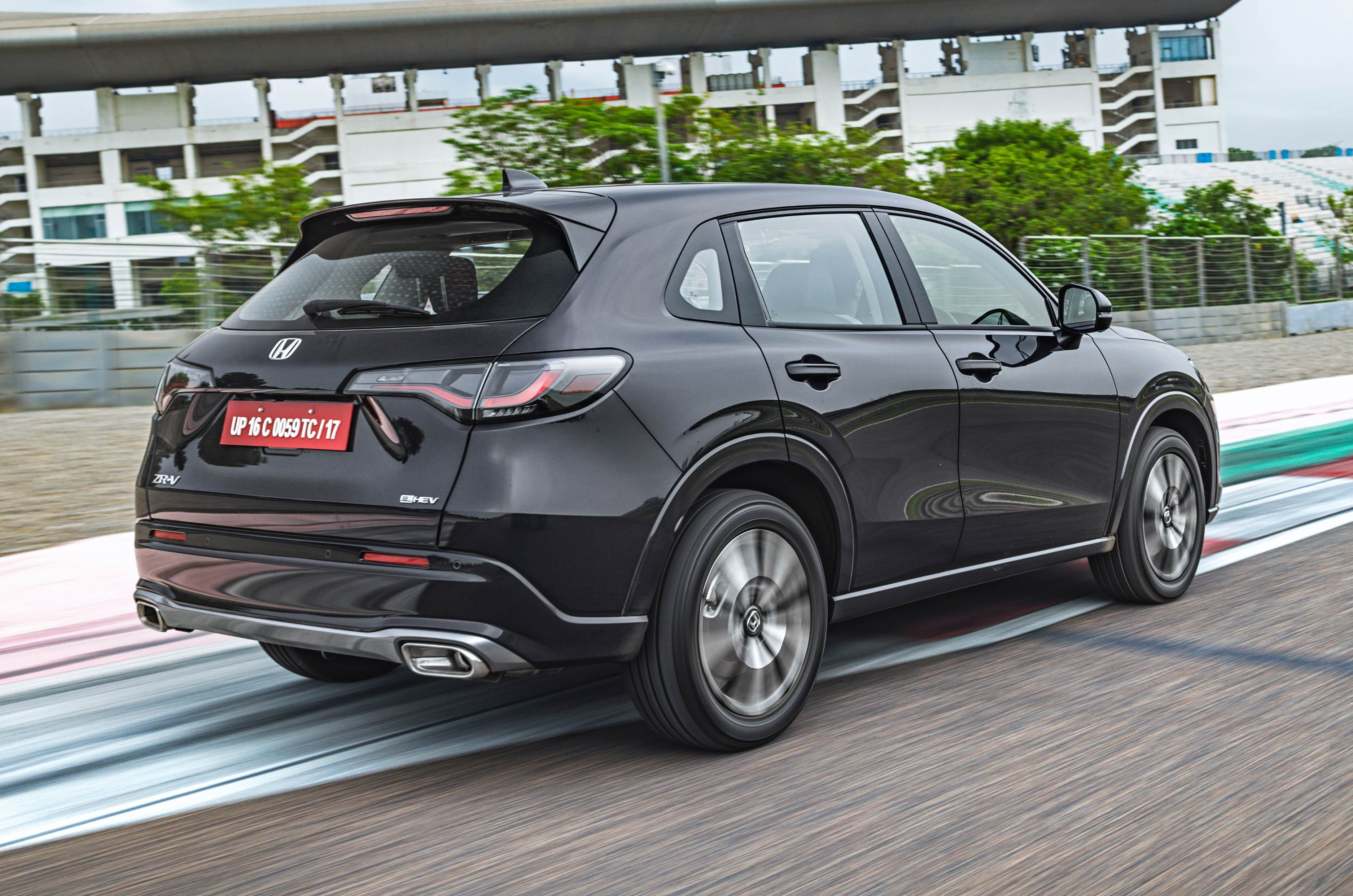
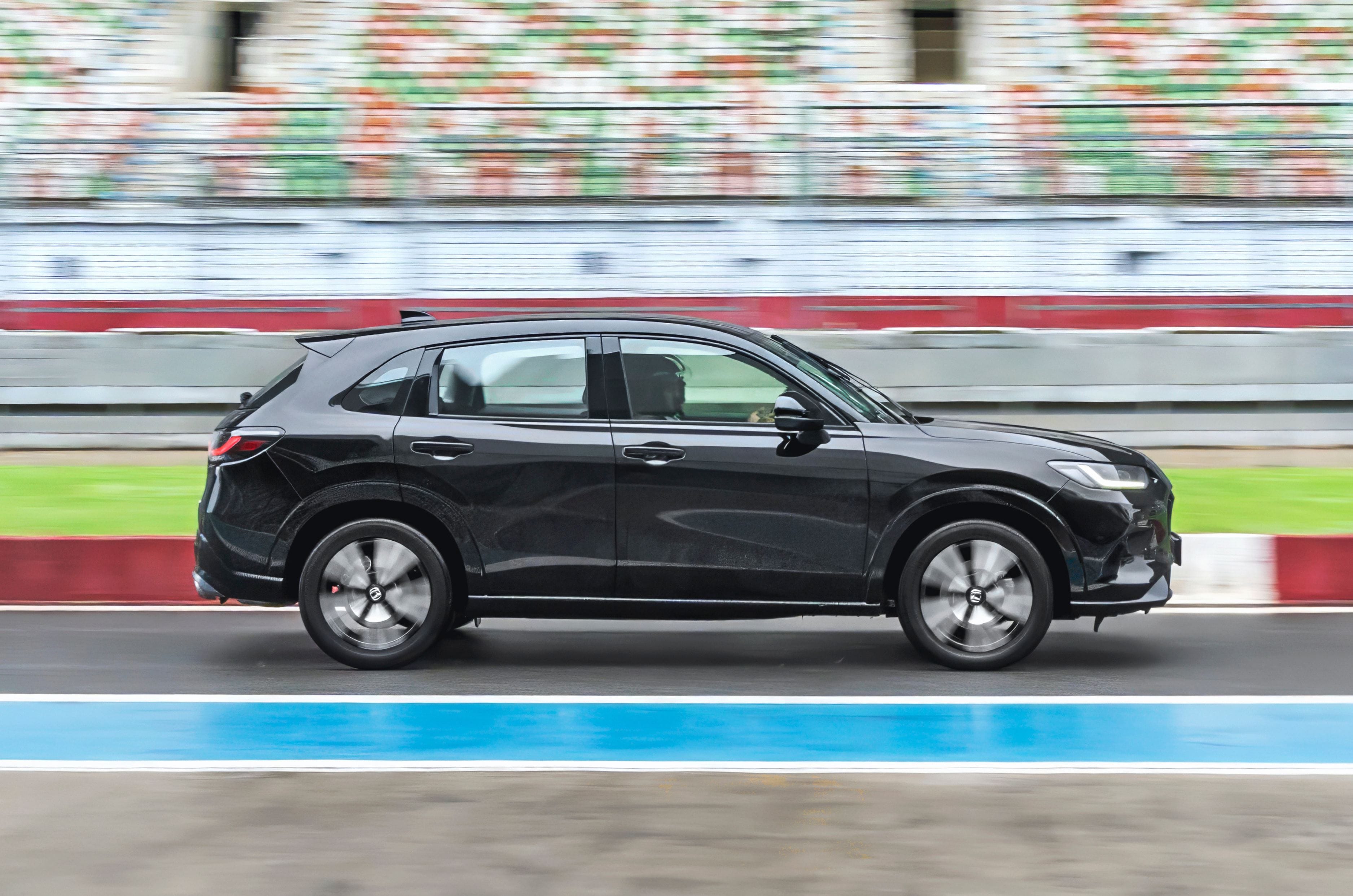
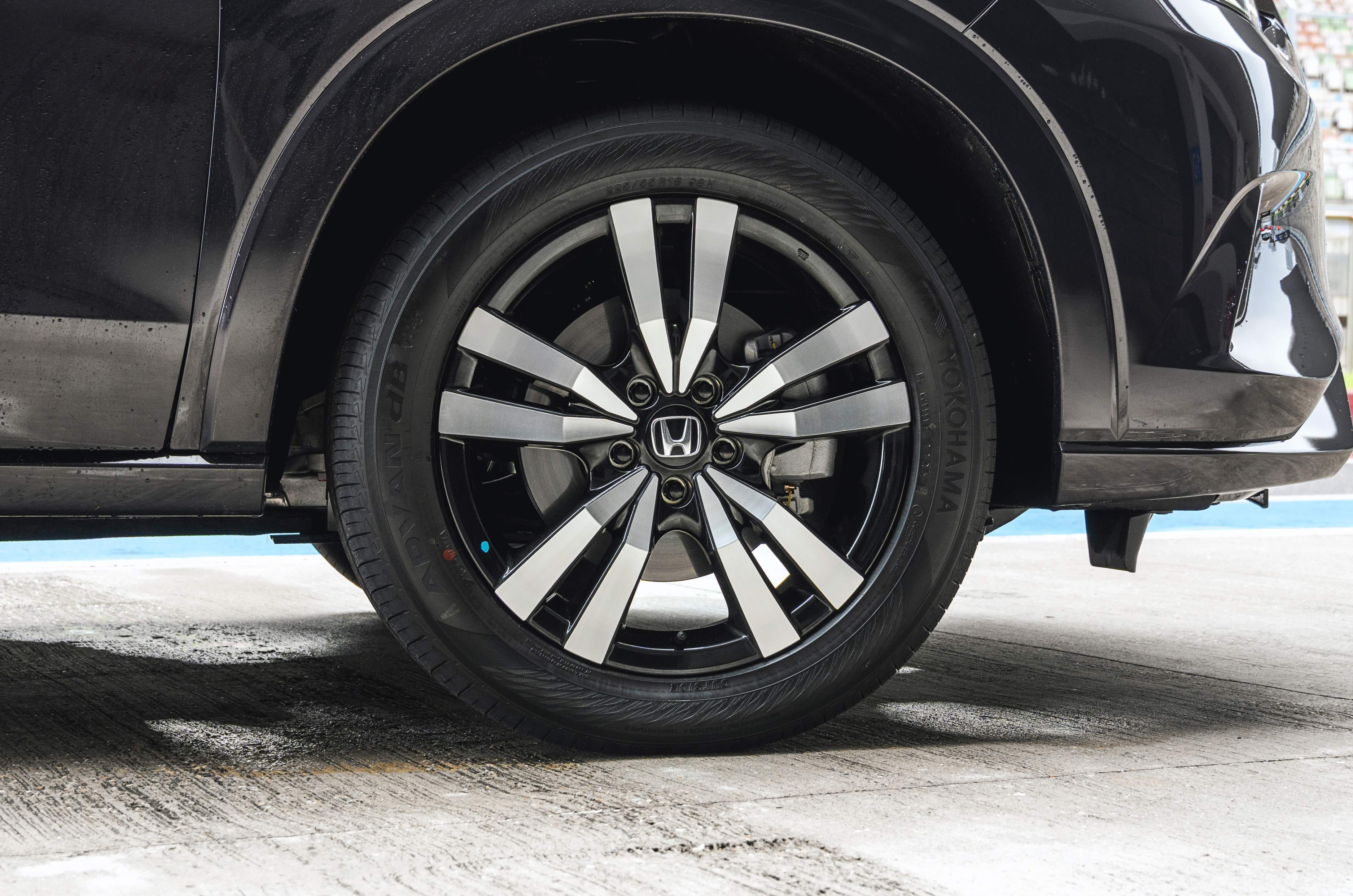
Along the sides, there’s stylish 18-inch alloy wheels with a dual-tone finish, body-coloured cladding around the wheel arches and a tapering roofline at the rear. Unlike most SUVs today, the ZR-V doesn’t get connected tail-lights, instead you get clear-lens taillamps with LED elements. Then there’s a roof-mounted spoiler element and lower down in the bumper, you get dual exhausts.
18-inch alloys get an attractive dual-tone finish.
On the whole, the ZR-V styling comes across as subtle and not striking. And given its dimensions of just over 4.5m in length and 1.8m in width, it doesn’t quite have the presence of its rivals. And it also doesn’t help that Honda is only offering four colours, all of which are subdued.
Honda ZR-V Interior Space and Comfort – 7/10
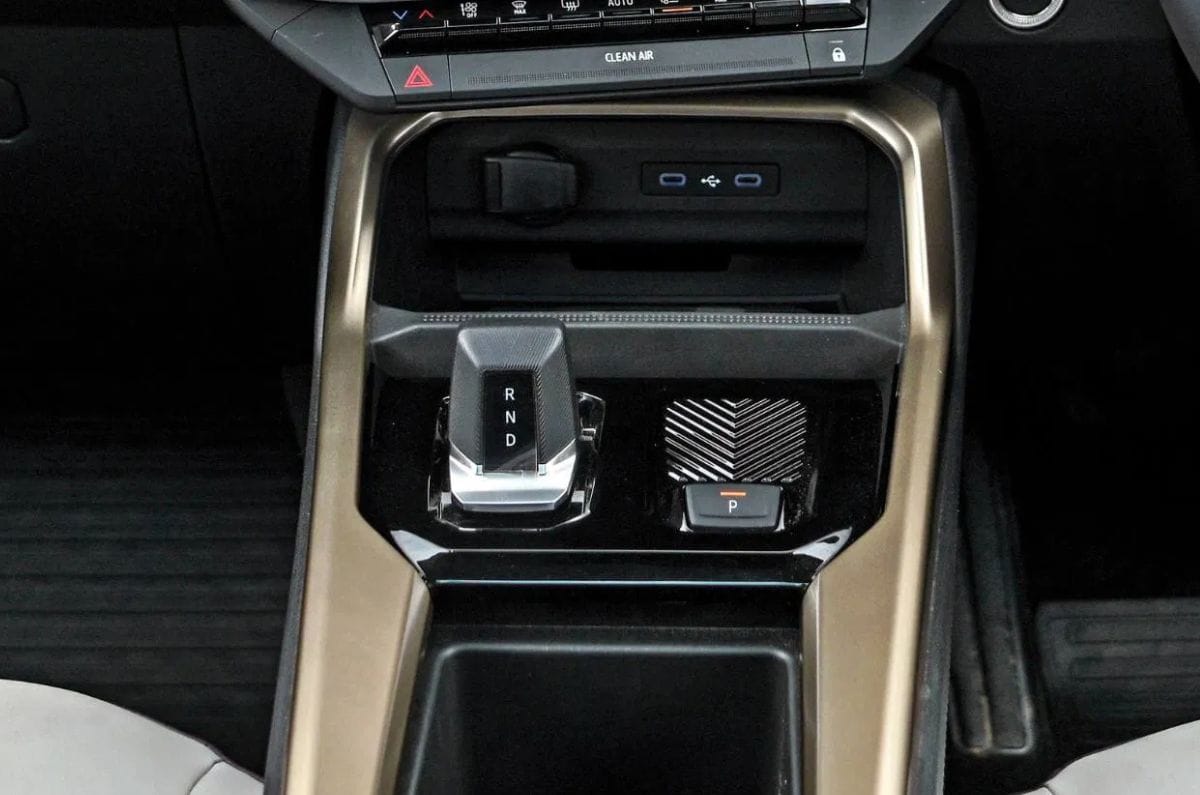
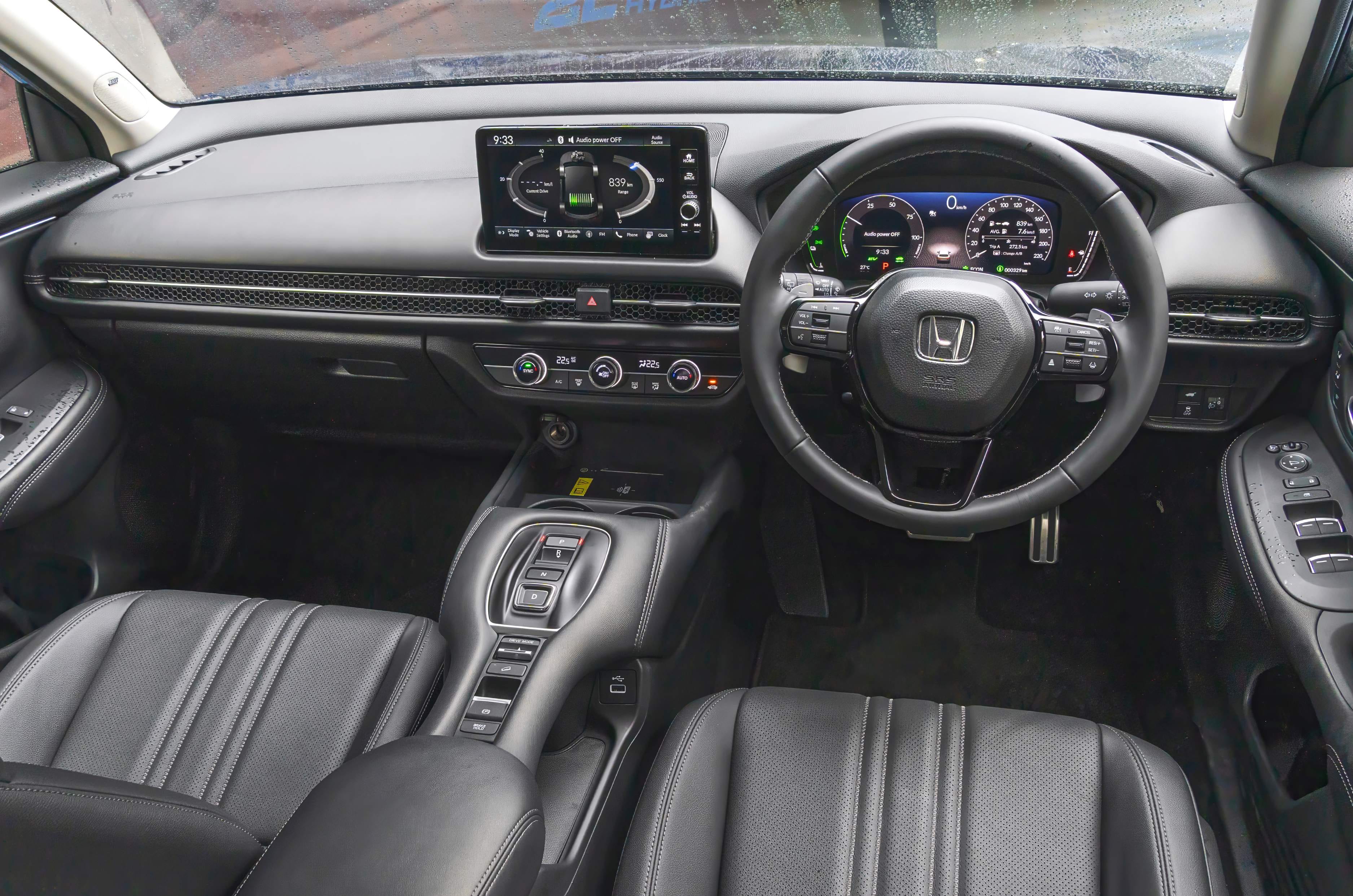
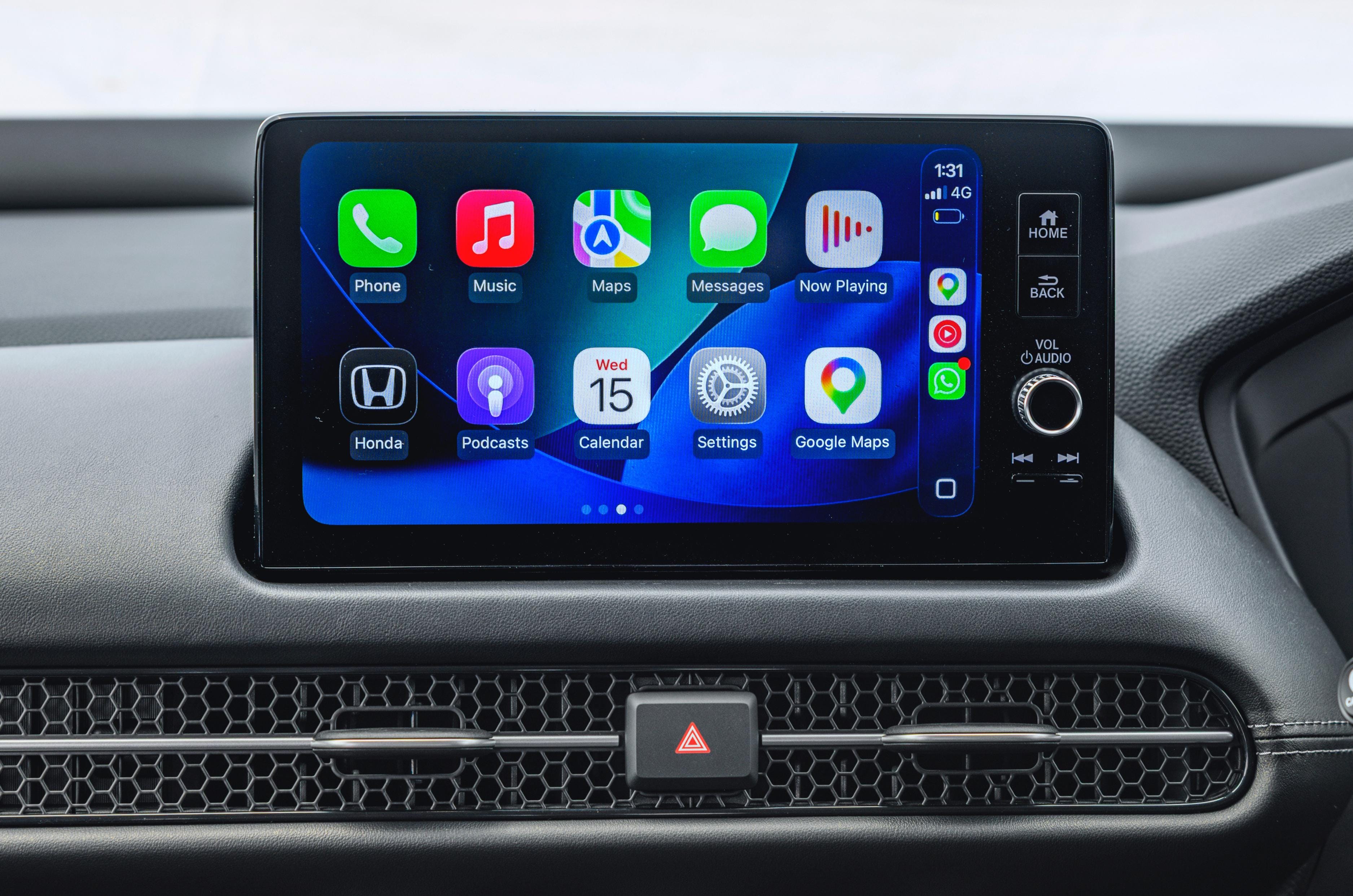
The interior of the ZR-V is typically Honda, which means its practical, comfy and well-finished. There’s plenty of soft touch materials around and I like that the dashboard is low-set which enables a great view out. A 9-inch touchscreen sits on top of the dash, and though it’s nice that it gets physical controls, the size and the UI leaves more to be desired by today’s standards. There’s a honeycomb grille that runs the width of the dash, separated by a silver trim piece which does look premium. Lower down you get similar physical AC controls like on the Honda City with rotary knobs that are satisfying to operate. There’s more buttons on the centre console too, for the drive modes, parking brake and in place of a traditional drive selector.
Cabin is practical and well-finished with plenty of soft-touch materials around
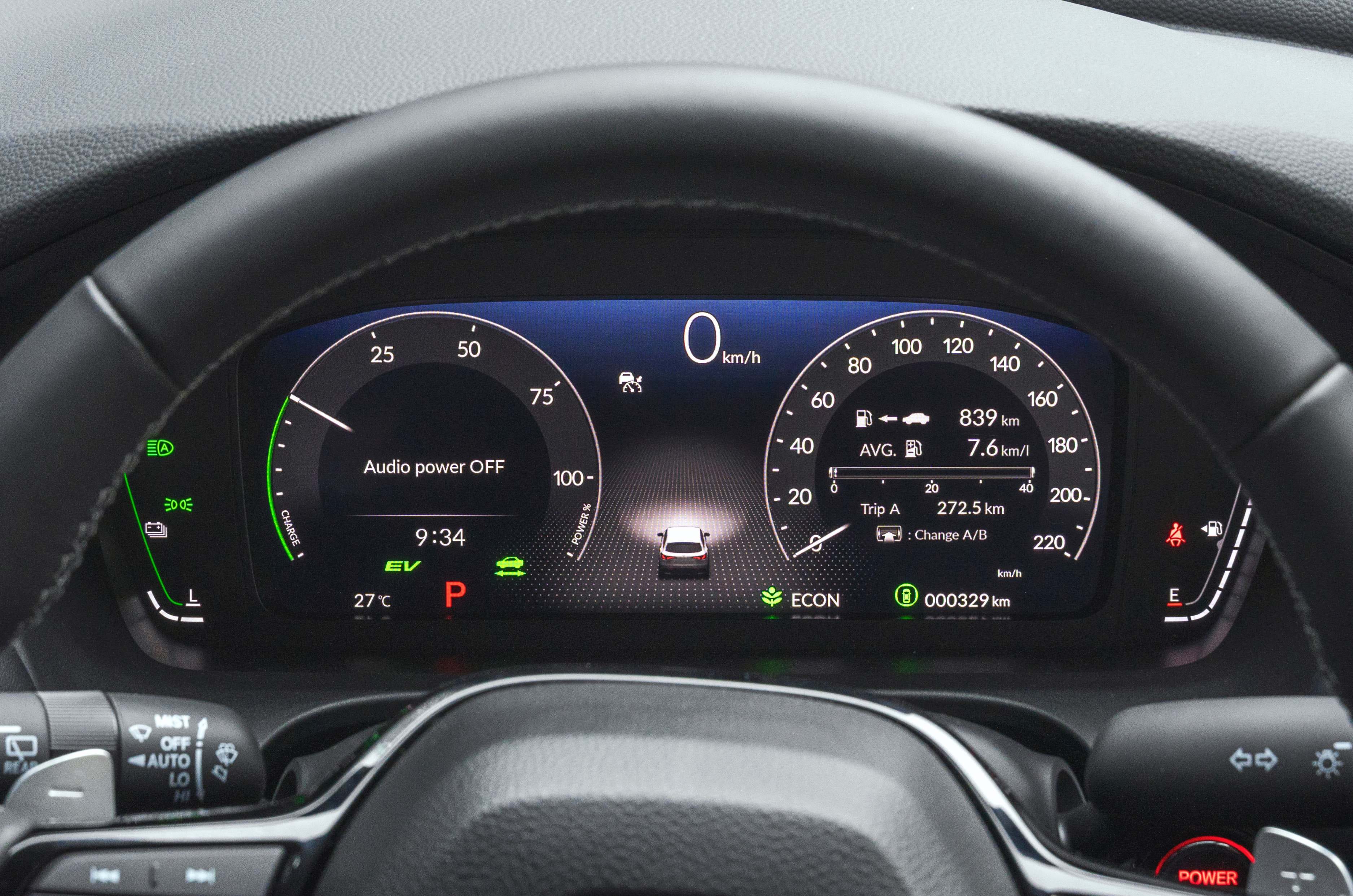
Then you get a well-executed, fully digital instrument cluster that’s customisable and shows you all sorts of driving data, the charge status and a flow chart of the powertrain. The front seats are well-padded, comfortable and feel premium too. Storage spaces are also well thought out, with a decent sized glove box and door bins, storage under the centre armrest and in the centre console.
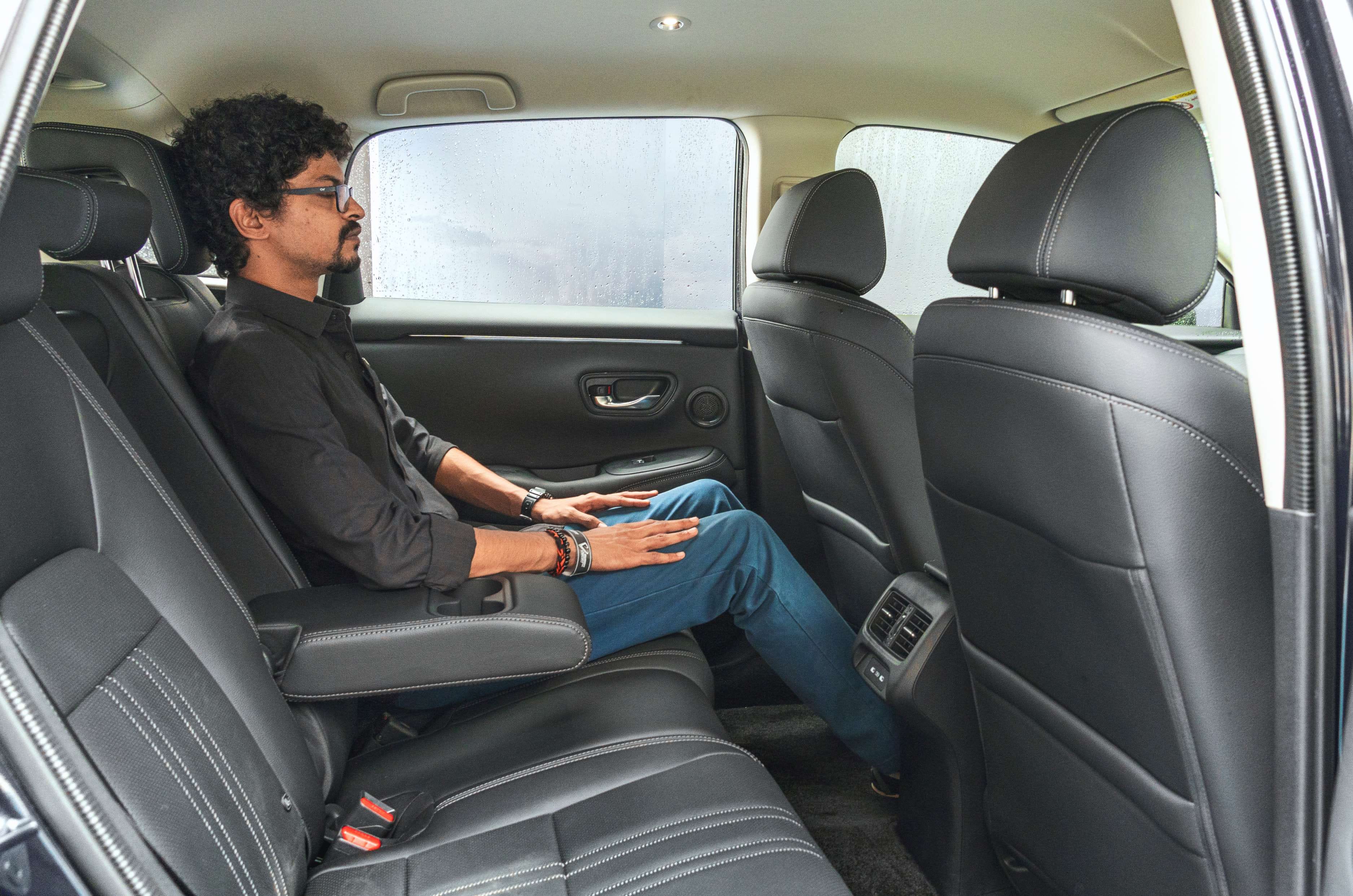
Rear is comfy and spacious enough but low seat results in a bit of a knees-up seating position; also misses sun blinds.
Getting into the rear is quite easy thanks to the low set seat, even though the sill is on the higher side. Once in, you’ll find it a comfy place to be with enough space for three passengers and plenty of legroom. However, the low set seat results in a slightly knees-up seating position, there are no sunblinds and the tapering roofline means people over 6 feet will find the headroom to be tight. As for features here, there’s dedicated AC vents, type C charging ports, a fold-down armrest with cupholders and three-point seatbelts and adjustable headrests for all three passengers.
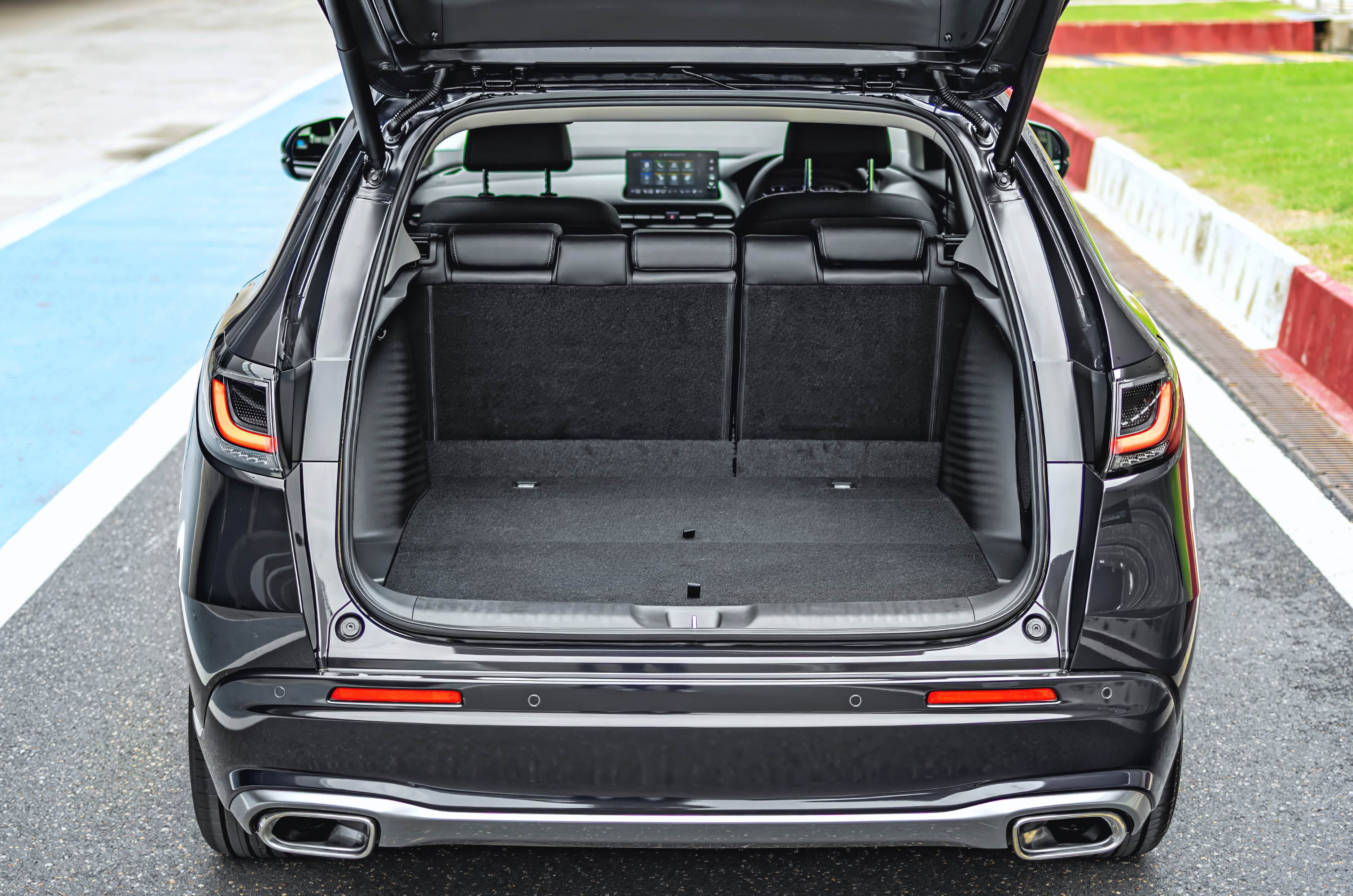
The boot is large too and the loading lip isn’t that high. With the rear seats folded down in a 60:40 split, you can fit in 1313 litres of cargo. There’s no underboot storage though as that’s taken up by the hybrid battery and there’s no spare tyre either.
Honda ZR-V Features and Safety – 6/10
As for features, the ZR-V gets a 10.25-inch digital cluster, a 9-inch touchscreen with Android Auto and Apple CarPlay, a 12-speaker Bose audio system, dual-zone climate control, leatherette upholstery, 8-way powered driver’s seat with memory, 4-way powered front passenger seat, wireless charger, electric tailgate with gesture, electric parking brake and ambient lighting. However, some important features like a panoramic sunroof and heated, ventilated and massaging front seats are missing, all of which could have been offered at the expected price point.
9-inch screen is small by today’s standards but its bright and features physical controls
As for the safety kit, you get a 360-degree parking camera (it is quite low res though), 8 airbags, tyre pressure monitor, hill-start and hill-descent assist, traction control and ISOFIX child seat mounts. It even packs in Level 2 ADAS tech which brings in autonomous emergency braking, lane keep assist, blind spot monitor, adaptive cruise control and more. On the whole though, the ZR-V is under equipped for its expected price.
10.25-inch digital cluster is crisp and shows plenty of info.
Honda ZR-V Value for Money – 5/10
So that’s a brief drive impression of the Honda ZR-V for you. We’ll have to reserve our definitive verdict till we get to experience the SUV out in the real-world and subject it to our performance and fuel efficiency tests.
The ZR-v is being brought as a CBU import from its home market in Japan
The Honda ZR-V has its downsides like the missing features, its relatively compact footprint and lack of road presence and being a full import it’s going to be expensive as well, around the Rs 45 lakh mark. But it has a practical, comfy and well-finished interior and comes with a smooth and seamless hybrid powertrain that is quick and promises to be efficient as well. As such, the Honda ZR-V is going to be a niche product, so it remains to be seen as to how many takers would it find in our market.
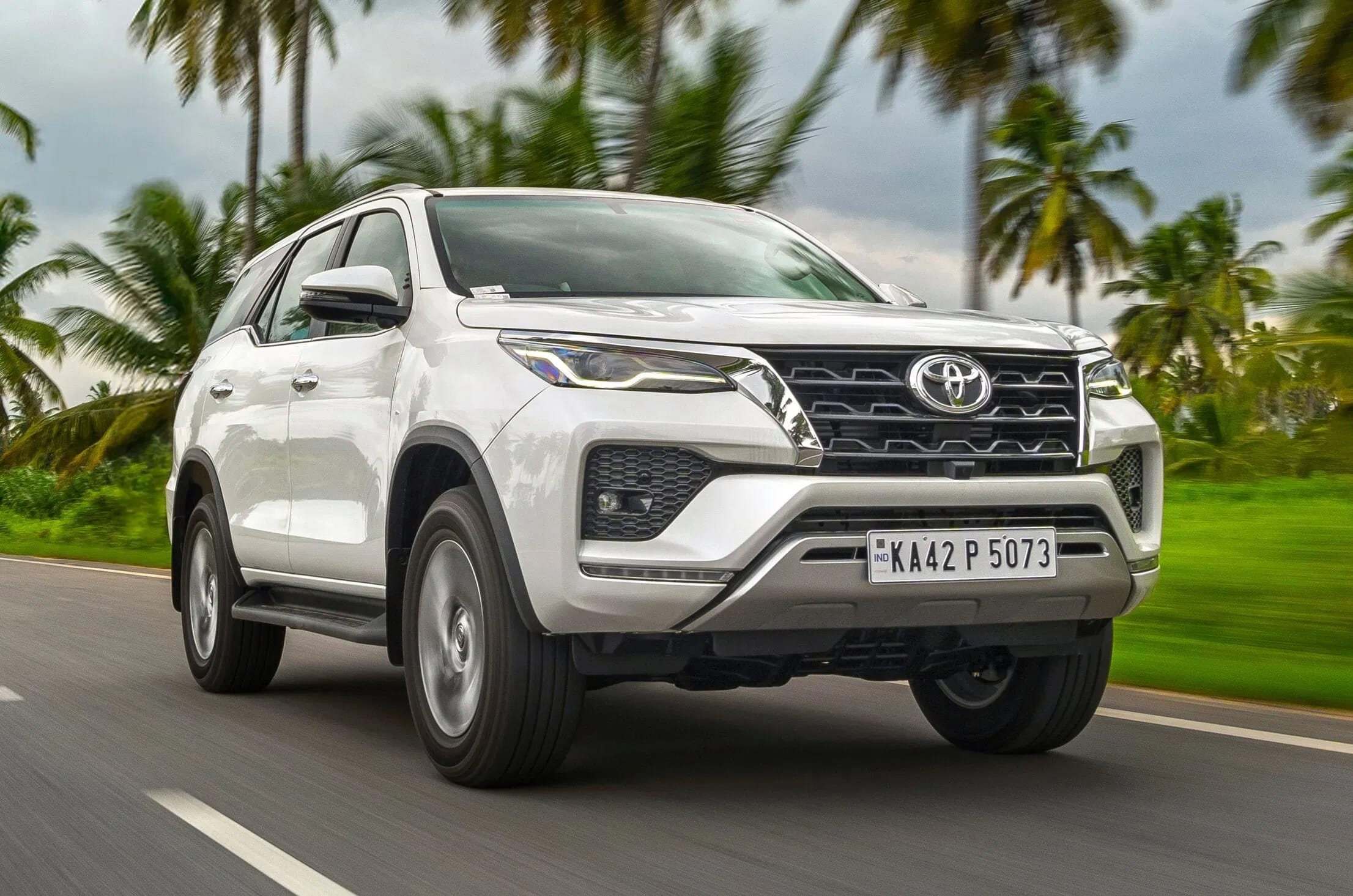
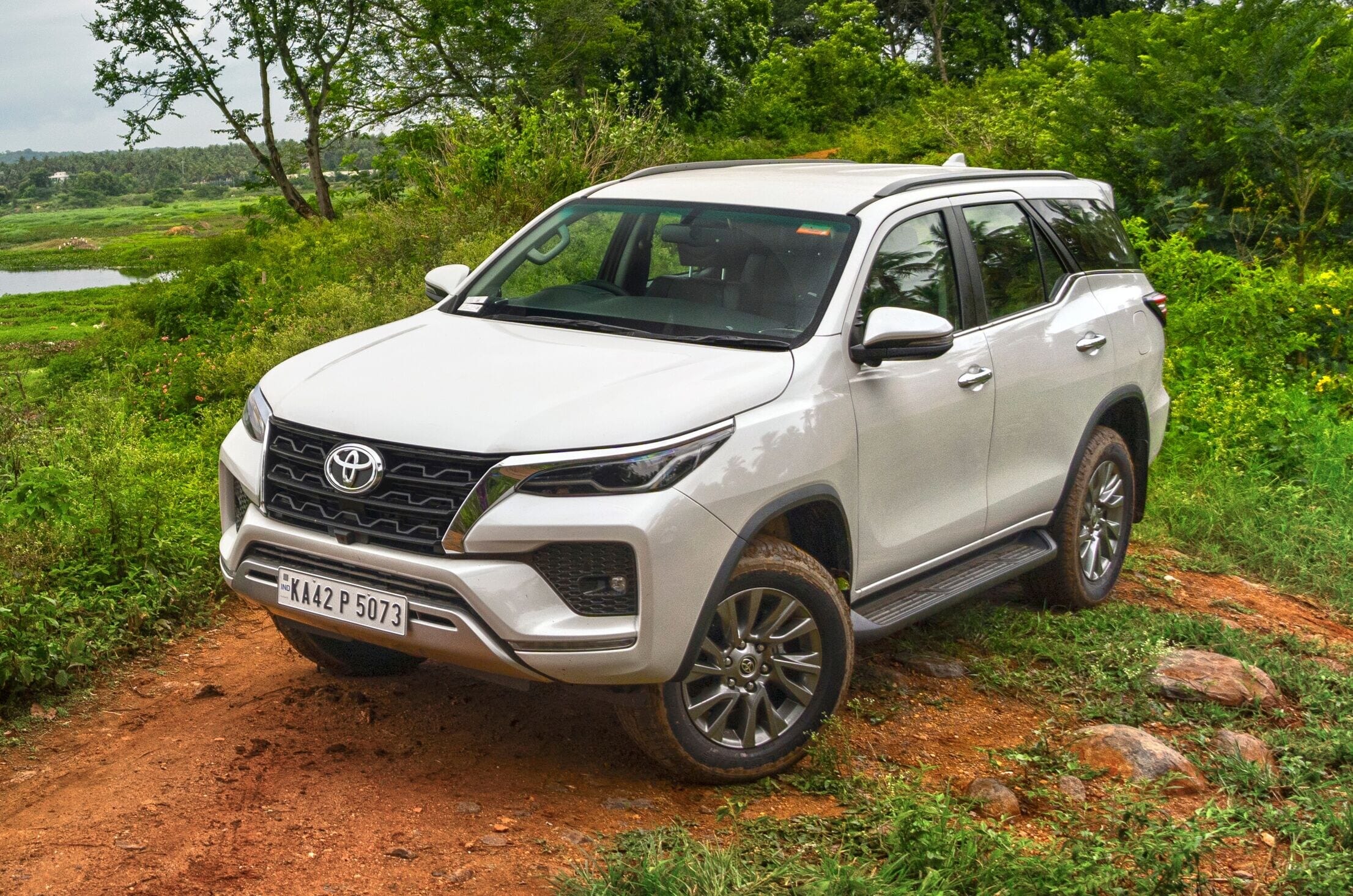
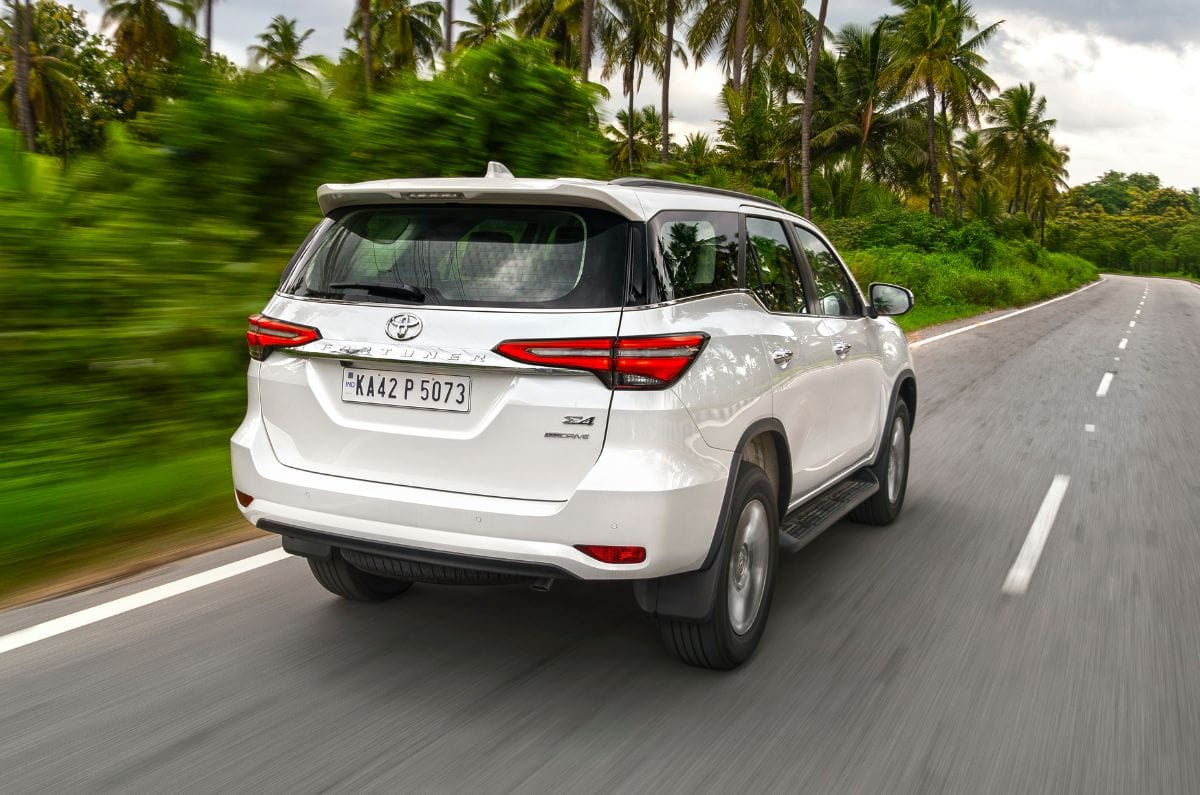
The Toyota Fortuner is one of the most popular SUVs in India and continues to be among Toyota’s bestselling models. It is known for its powerful engines, rugged construction, off-road ability, and Toyota’s reputation for reliability. The SUV is currently available in its second-generation facelift, which was launched in 2021. If you’re planning to buy one, here are two reasons to consider the Fortuner and two reasons why you may want to look at other options. Let’s start with the positives.
Reasons to buy the Toyota Fortuner:
Feels indestructible
Robust suspension and body-on-frame construction make it feel bulletproof
The Toyota Fortuner’s body-on-frame construction makes it feel solid and built to last. Its suspension is tough and is designed to handle rough roads with ease. While the ride feels firm at low speeds and small bumps can be felt inside the cabin, the suspension handles large potholes, broken roads, and unpaved tracks without much trouble.
The Fortuner is also one of the most capable off-road SUVs in its segment. It comes with a low-range transfer case, Multi-Terrain Select (MTS) modes, an electronic differential lock, and a water wading capacity of 700 mm. These features make it easy to drive through muddy trails, rocky paths, steep inclines, and even waterlogged roads. Whether you’re heading to the mountains or exploring off the beaten path, the Fortuner has the hardware to handle it with confidence.
Offers a strong performance
The torquey diesel engine allows for a sub-10s 0-100kph real-world run time
One of the Fortuner’s biggest strengths is its engine options. It is offered with a 2.7-litre petrol engine that makes 166hp and 245Nm, and a 2.8-litre diesel engine that produces 204hp and up to 500Nm. The diesel engine is also available with a 48V mild-hybrid system.
We tested the diesel-automatic version, which sprinted from 0-100 kmph in 9.96 seconds. That’s impressive for an SUV of this size and weight. The diesel engine delivers its maximum torque from low revs, so the Fortuner feels effortless to drive in the city and while overtaking on highways. It doesn’t need to be revved hard, although performance starts to taper off at higher revs.
The six-speed automatic gearbox is tuned for smooth and reliable performance rather than quick gear changes. It works well for daily driving and long-distance cruising, but enthusiasts may find it less engaging than the faster-shifting automatic transmissions offered by some newer SUVs.
Reasons to not buy the Toyota Fortuner:
Interior does not feel premium
The cabin looks dated and misses out on a lot of feel-good features
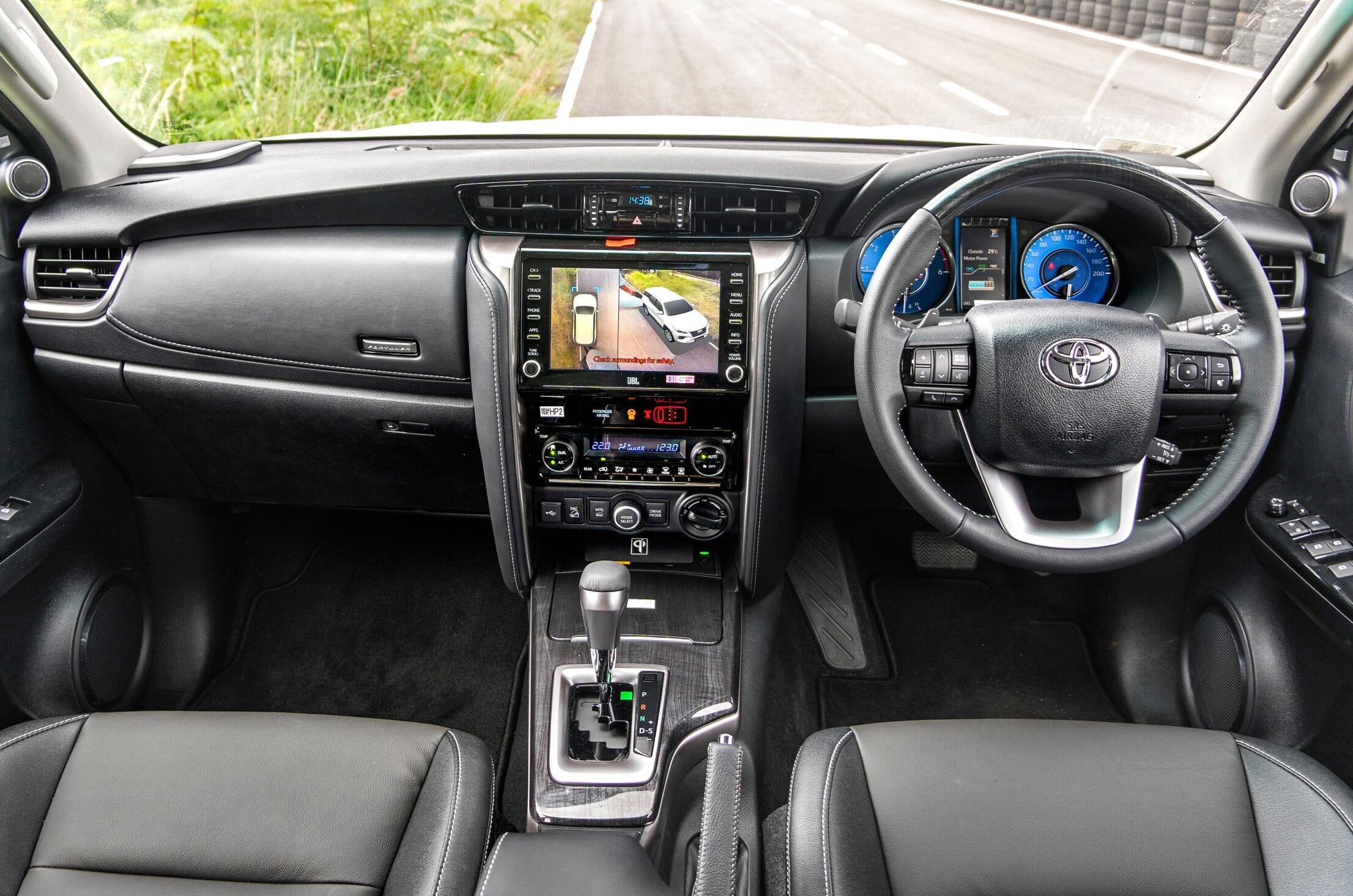
The Toyota Fortuner’s interior is starting to feel dated compared to newer rivals. While the 2021 facelift brought some updates, the overall dashboard design and cabin layout have remained largely unchanged since the second-generation model arrived in India. Compared to SUVs like the MG Majestor, Skoda Kodiaq, Volkswagen Tayron, and Jeep Meridian, the Fortuner’s cabin does not feel as modern or premium. The use of hard plastics and average-quality switches also remind you that this is an older design. At a price point that goes close to Rs 50 lakh, the cabin feels like it could offer more in terms of quality and sophistication.
The Fortuner’s feature list is another area where it falls behind newer rivals. It gets useful features like ventilated front seats, an 8-inch touchscreen infotainment system, dual-zone climate control, an 11-speaker JBL audio system, a 360-degree camera, and a powered tailgate on select variants. However, it misses out on features like a sunroof, advanced driver assistance system (ADAS), powered front seats, and an electronic parking brake, which are now available in several more affordable SUVs. Even the 360-degree camera quality feels average compared to newer competitors, making the Fortuner feel less tech-focused than its rivals.
Prices are on the steeper end
The Fortuner is priced at a premium over its rivals
Toyota Fortuner ex-showroom prices vs rivals
Model
Price range
Toyota Fortuner
Rs 34.76 lakh to Rs 50.46 lakh
MG Majestor
Rs 40.99 lakh to Rs 44.99 lakh
Jeep Meridian
Rs 23.33 lakh to Rs 35.96 lakh
Skoda Kodiaq
Rs 36.99 lakh to Rs 46.99 lakh
Volkswagen Tayron
Rs 41.99 lakh to Rs 46.99 lakh
The Toyota Fortuner is priced from Rs 34.76 lakh to Rs 50.46 lakh (ex-showroom), making it one of the most expensive SUVs in its segment. At this price, it is expected to offer a more premium experience, but its dated cabin, average material quality, and missing modern features make it feel expensive compared to newer rivals.
However, the Fortuner’s appeal goes beyond features and cabin quality. Its rugged construction, off-road capability, proven reliability, strong resale value, and Toyota’s widespread service network continue to attract buyers. For many, the confidence of owning a durable and low-maintenance SUV outweighs the lack of premium features offered by newer rivals. These qualities have helped the Fortuner maintain a strong following in India, despite falling behind competitors in areas like interior quality and technology.
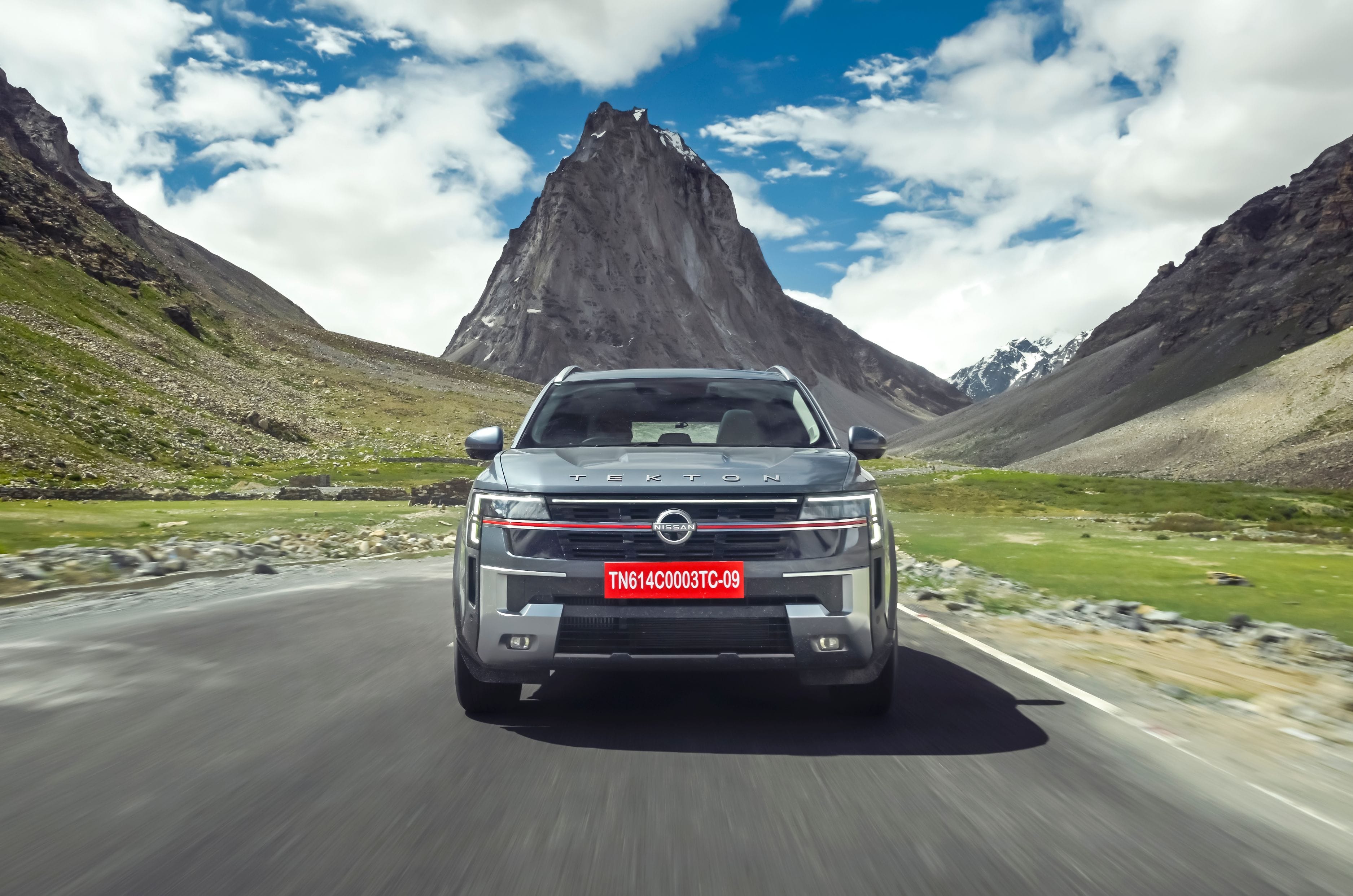
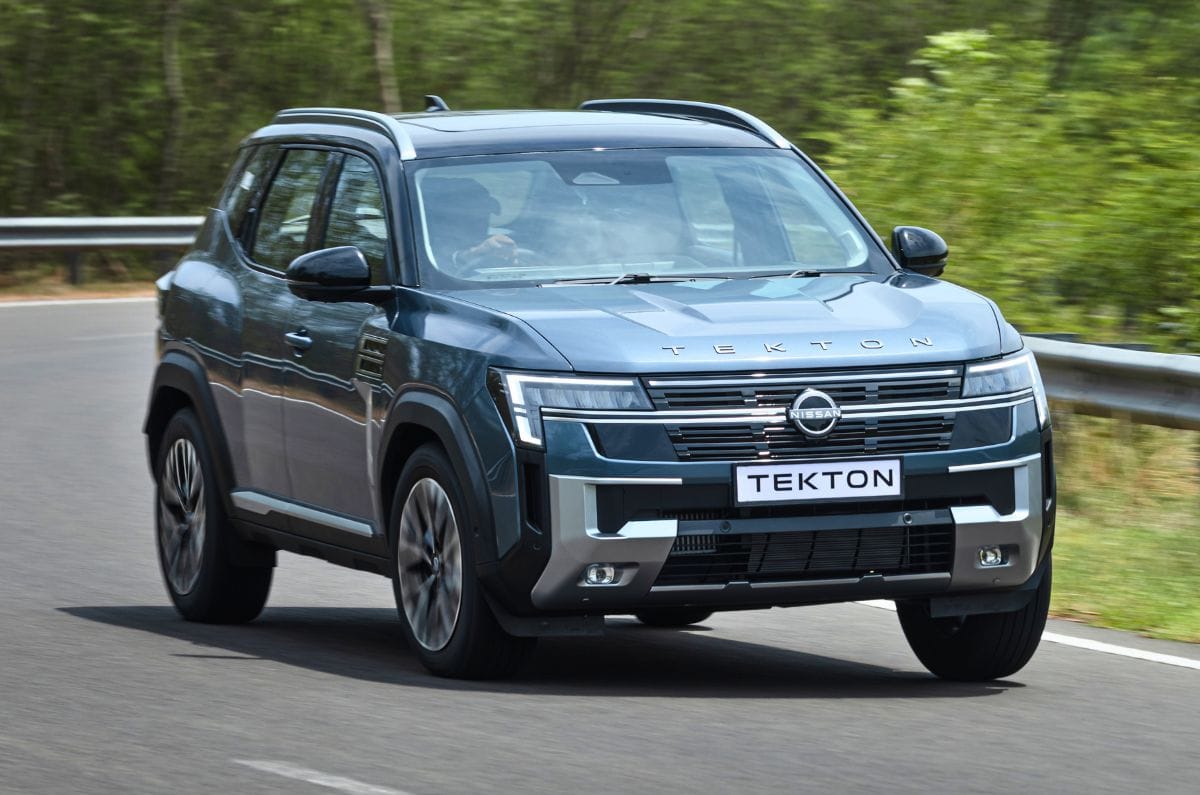
The Nissan Tekton joined the ever-ballooning midsize SUV segment in July 2026, becoming the third model in the Japanese brand’s India line-up. Priced between Rs 10.49 lakh and Rs 18.59 lakh (ex-showroom), the Tekton is Nissan’s flagship offering in the country. As a direct alternative to its platform sibling, the Renault Duster, does the Tekton offer compelling reasons for you to seriously consider it? Let’s find out.
Reasons to buy the Nissan Tekton
Polished dynamics
The Tekton strikes a great balance between ride and handling
If you are someone who loves getting behind the wheel of your midsize SUV but doesn’t want the ride quality to be compromised, the Nissan Tekton is a worthy candidate. Even hitting large potholes does not unsettle this SUV, merely registering in your ears. The ride remains supple and forgiving, absorbing road imperfections without complaints. There’s also no underlying, uncomfortable firmness to the Tekton’s ride at city speeds either.
Once you get going, you realise that the Tekton likes changing directions – its eagerness to turn does not come at the cost of uncontained body roll. The ‘Light’ and ‘Heavy’ steering modes work as intended, making the wheel feelsome and precise. Then there are the brakes, which offer plenty of stopping power, while the pedal itself feels natural too. All of these factors inspire confidence and let you push the Tekton a bit more.
Well-designed and tech-rich cabin
Stepping inside the Tekton reveals a premium-looking and well-equipped space
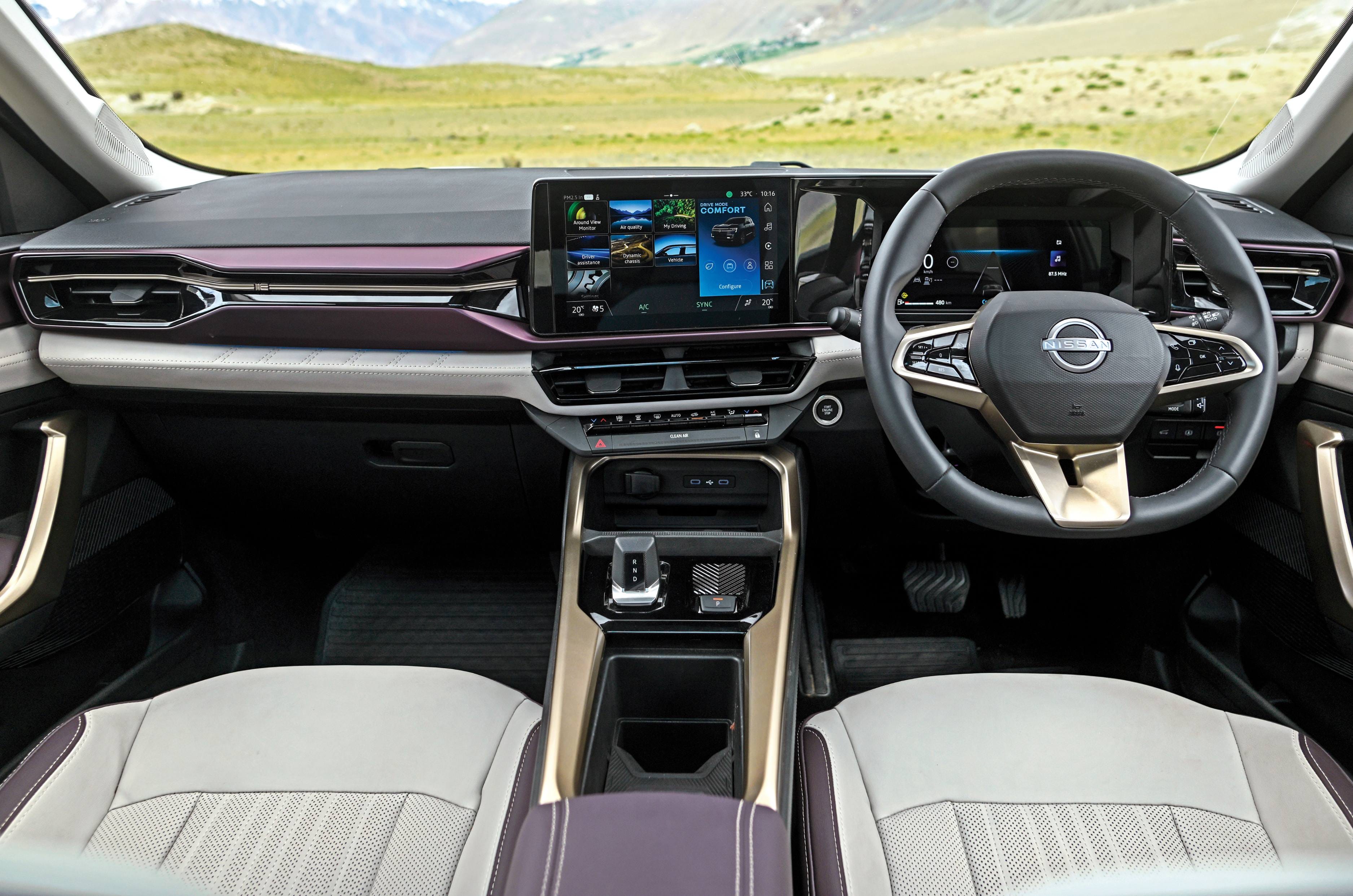
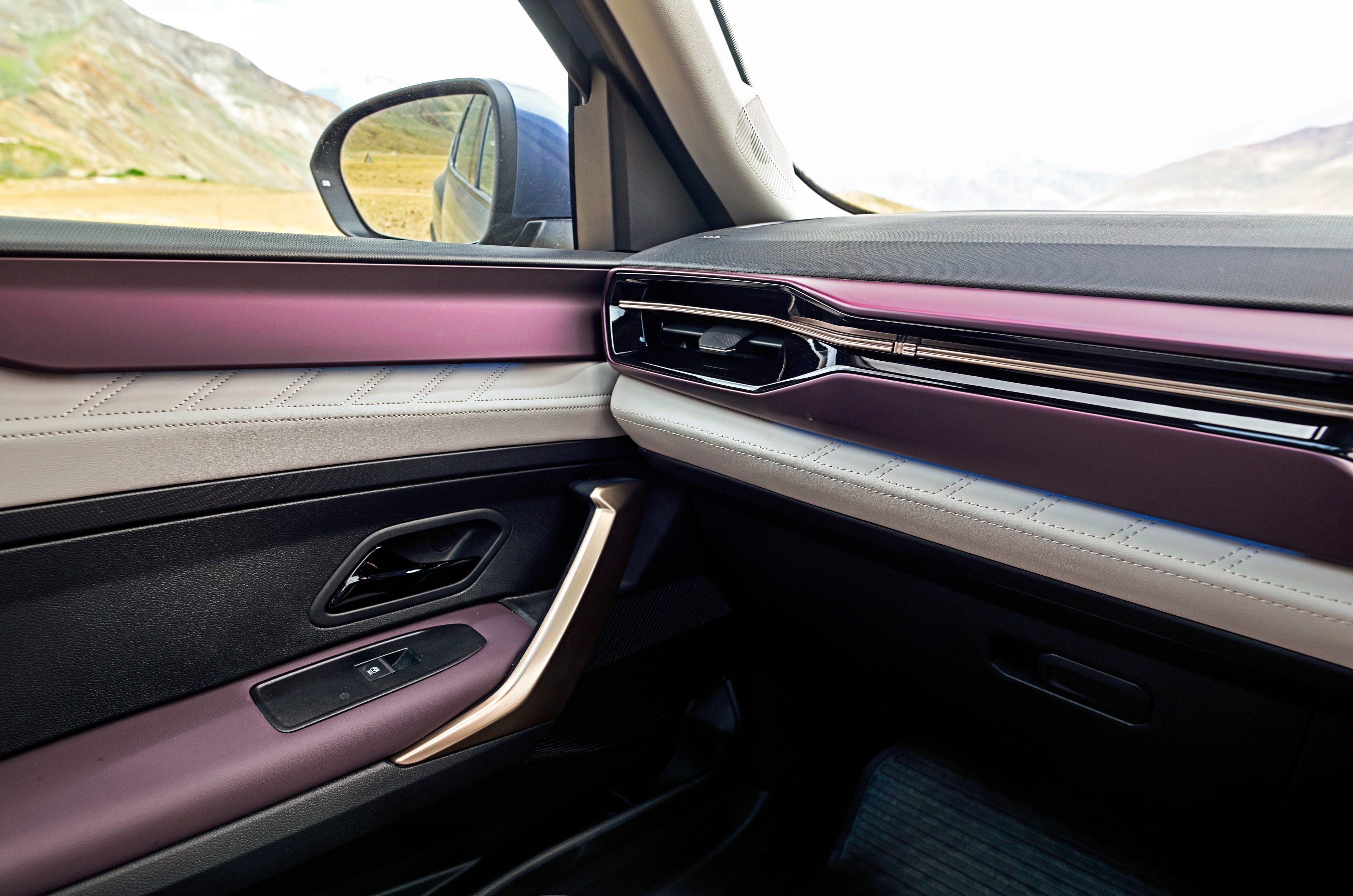
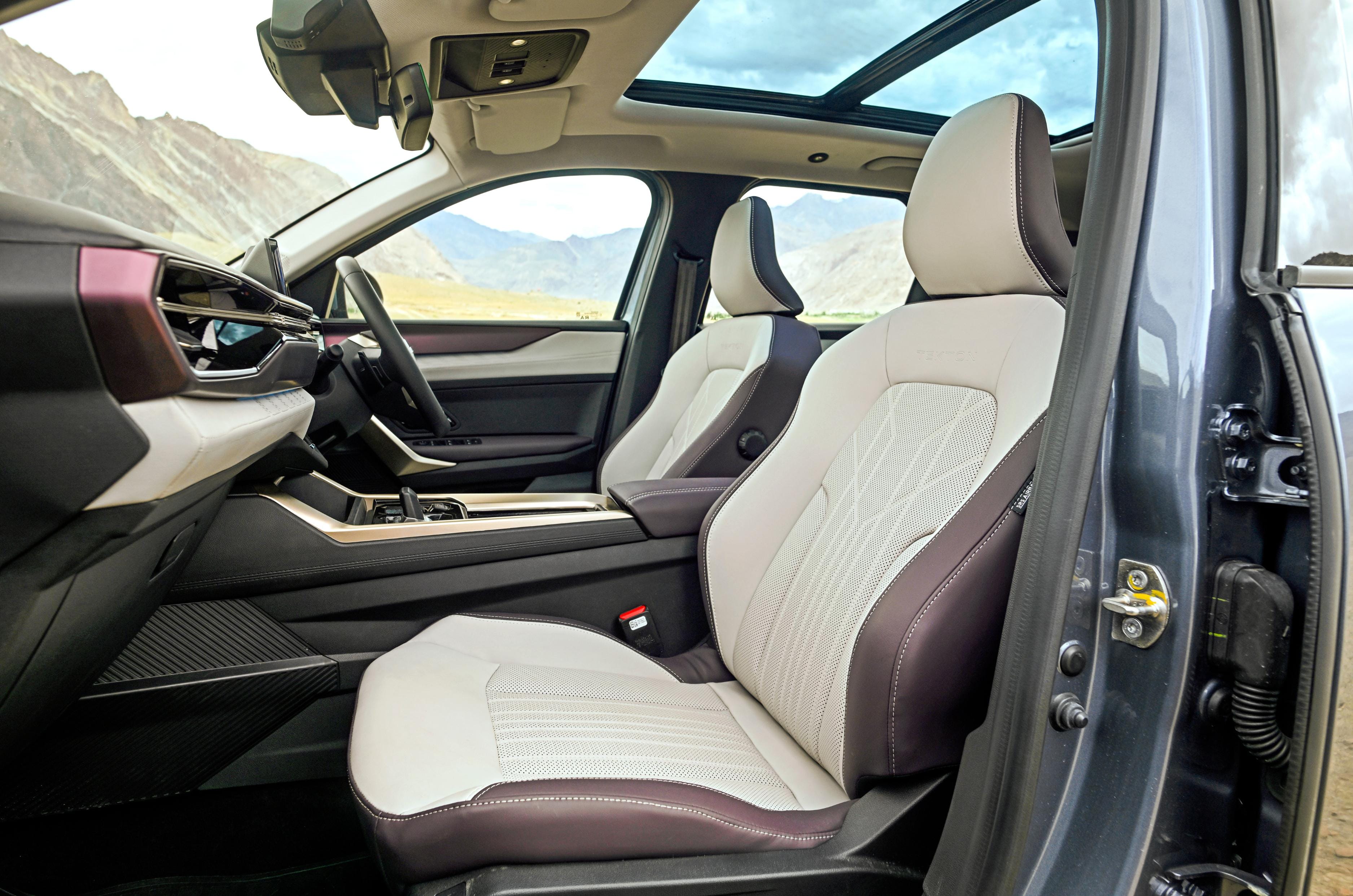
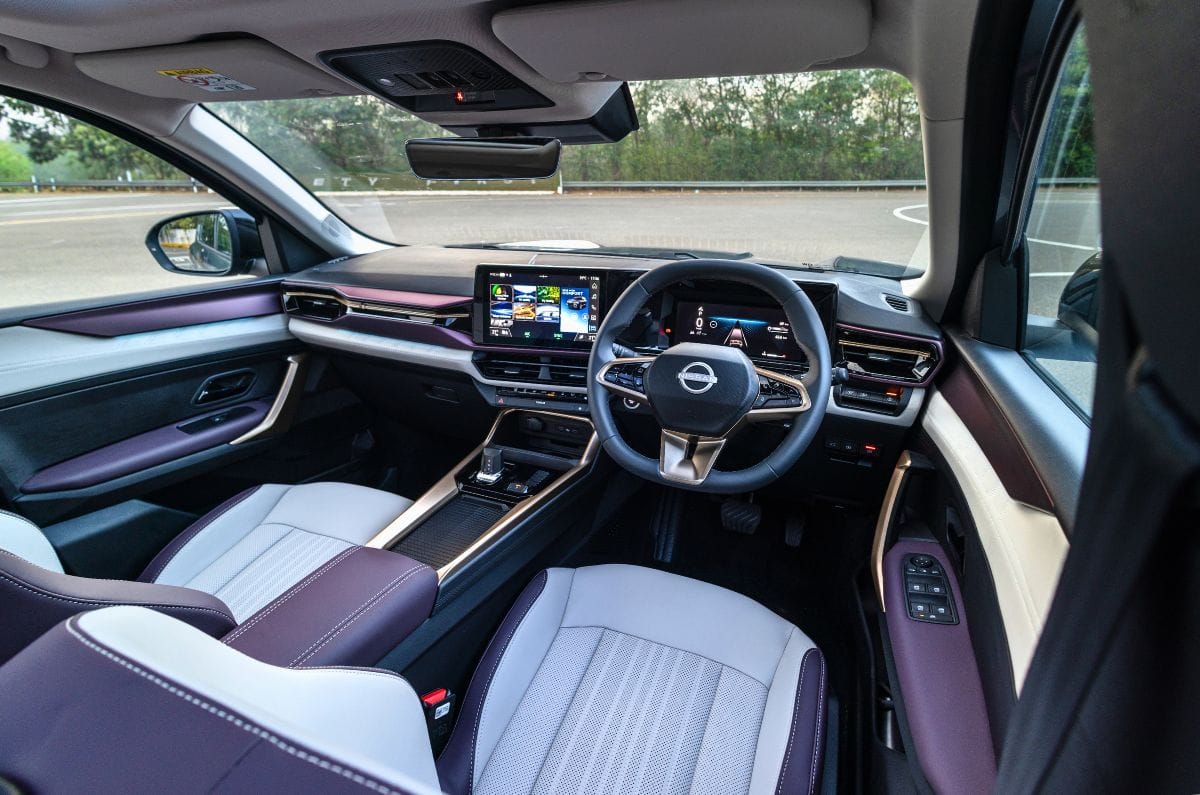
Combined with the classy-looking leatherette padding on the dash and door pads, plus the burgundy, gold and light cream colour scheme, the interior of the top-spec Nissan Tekton looks upmarket. The driving position is great and provides excellent all-round visibility, while the seats themselves are comfy enough to be occupied even over long-distance drives.
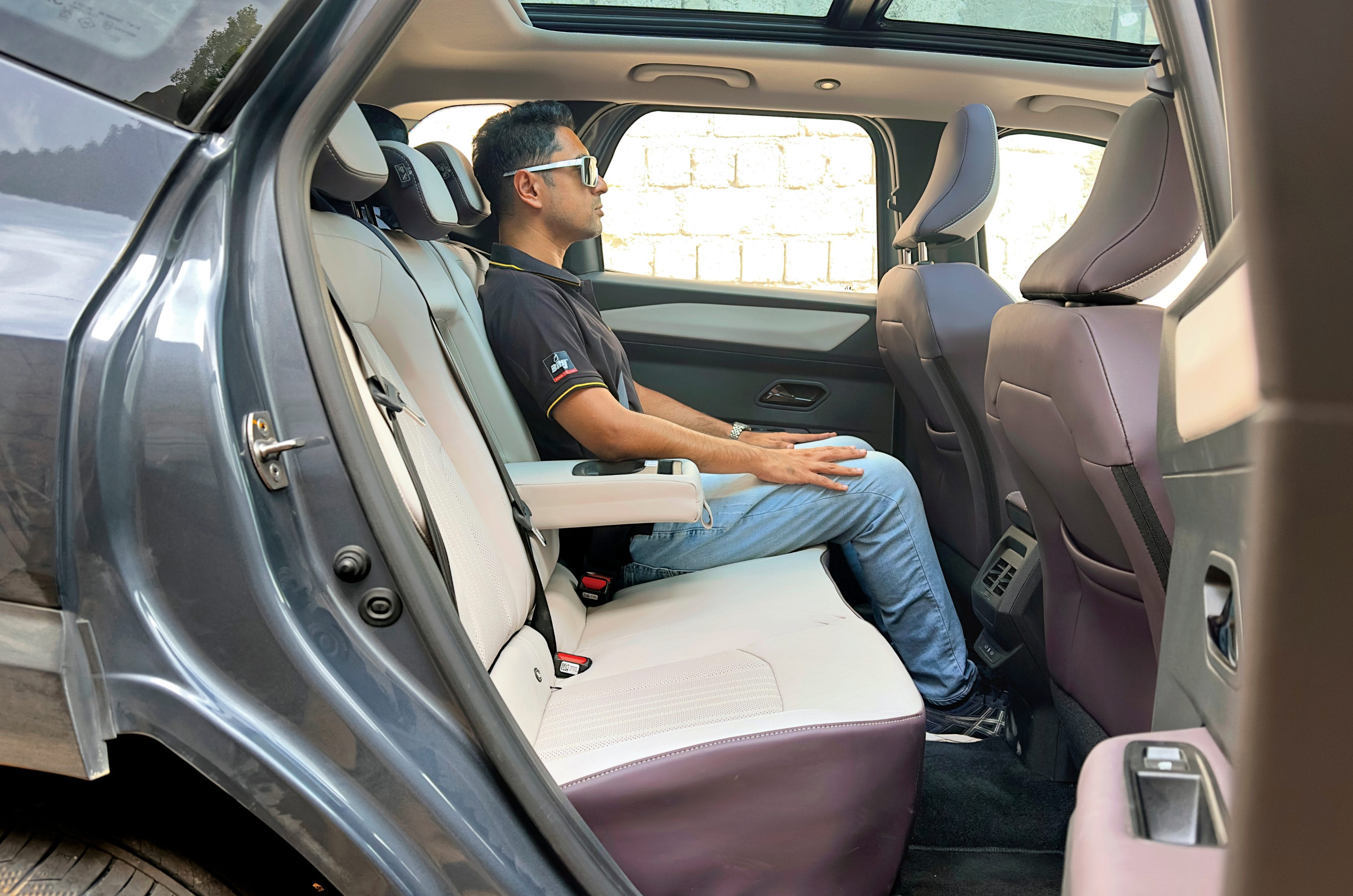
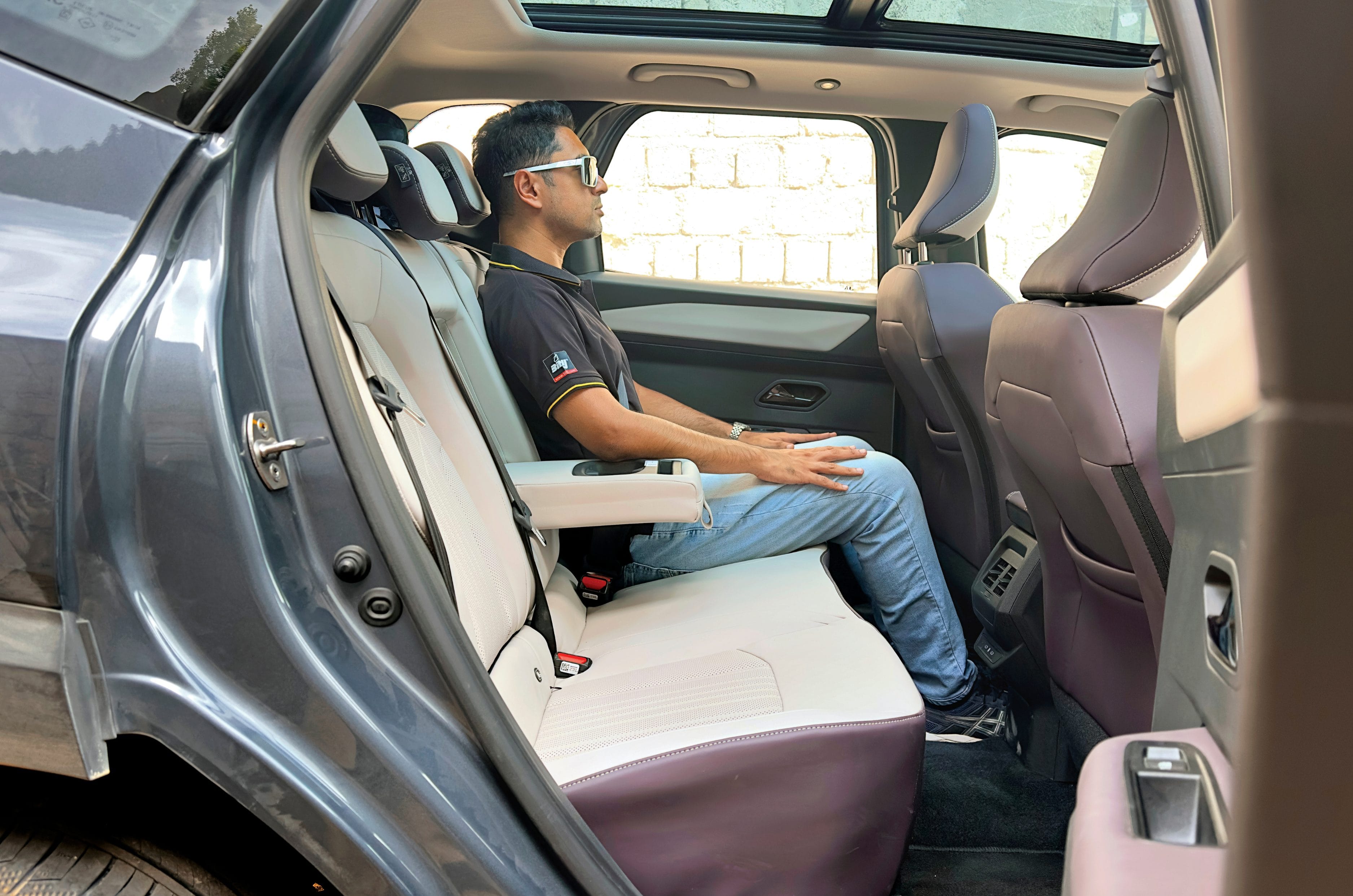
Apart from good under-thigh support and backrest angle, the rear seats offer plenty of space under the front seats, allowing the outer two occupants to stretch out and get comfortable. Furthermore, those at the back have access to USB charging ports, a centre armrest with cup holders and AC vents, with higher variants also benefiting from a panoramic sunroof.
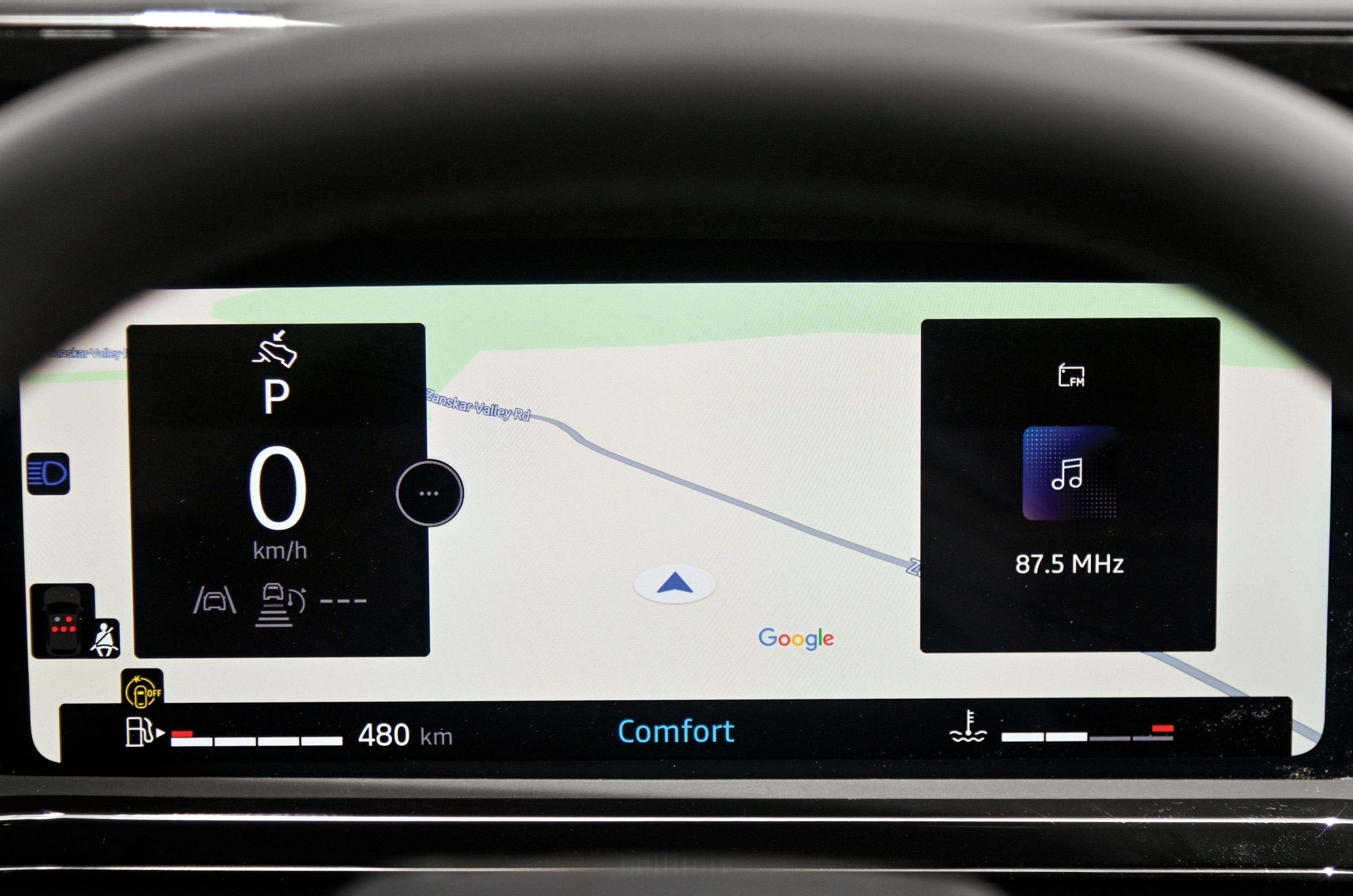
The well-designed digital instrument cluster with its multiple display modes is easy to figure out and use on the move. Coming in handy is tech such as powered front seats with ventilation, wireless Apple CarPlay and Android Auto, built-in Google apps and voice assistance, dual-zone climate control and Level 2 ADAS. Sorted ergonomics make reaching various switchgear and controls an easy affair. There are enough storage cubbies on offer, too.
Spacious boot
The Tekton’s boot can handle family outings or airport pickups
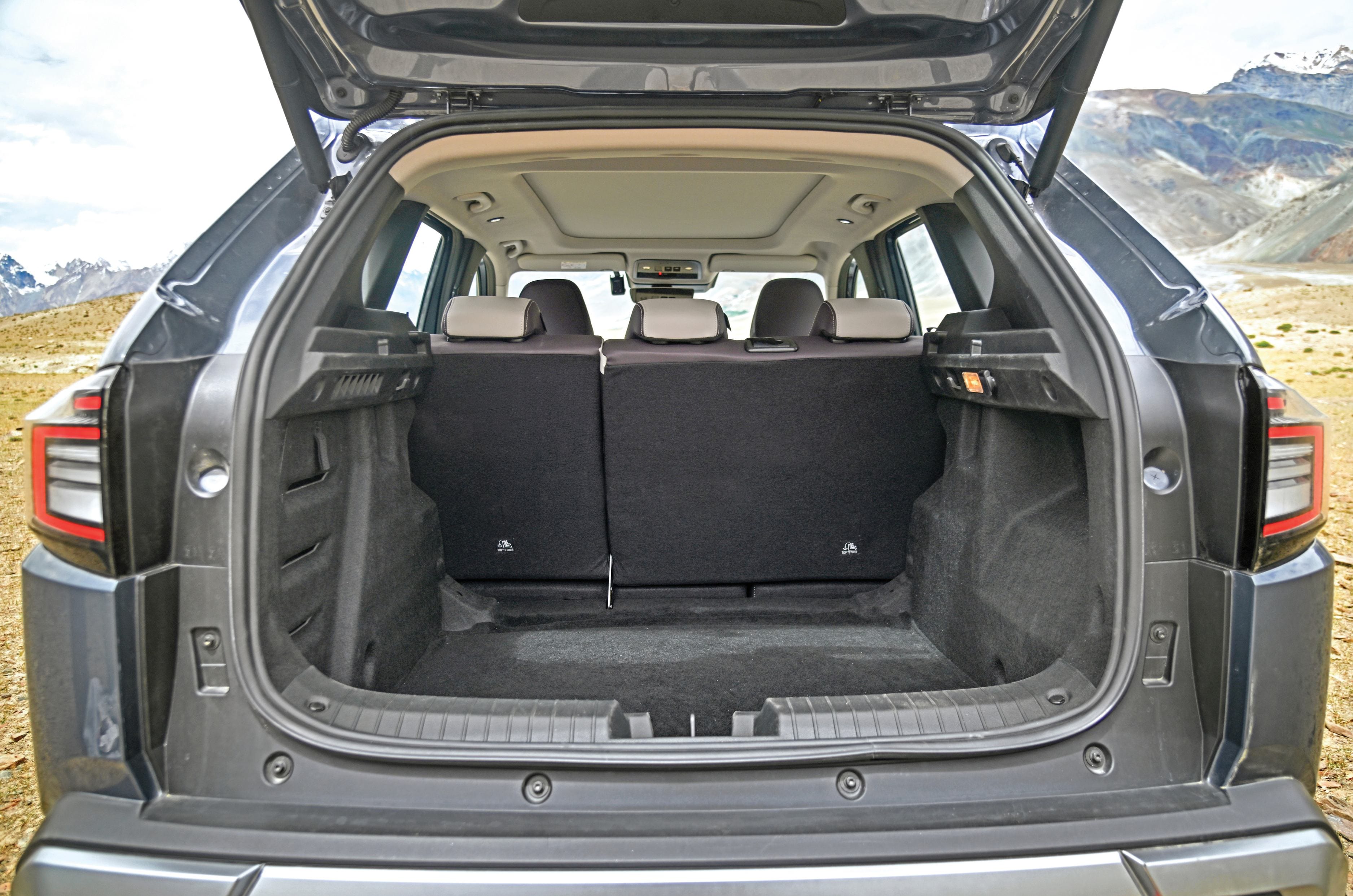
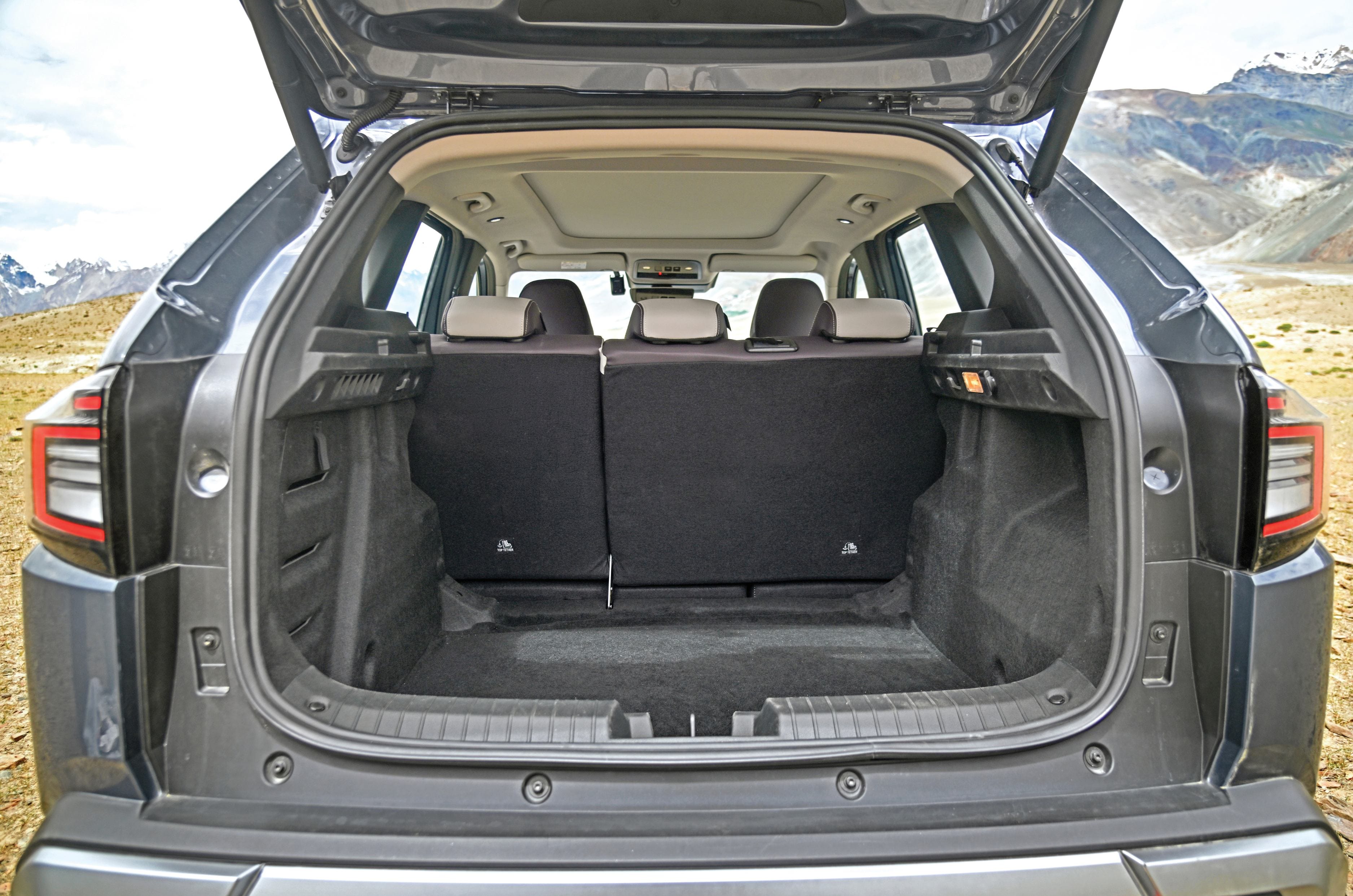
The square shape of the Nissan Tekton’s boot makes it easy to load cargo. Moreover, its 518-litre luggage capacity is the best in the segment – whether you are planning a long road trip or have to shuttle to and from the airport, space won’t be a constraining factor. What’s even more impressive here is that the Tekton’s boot also houses a full-size spare wheel. This alleviates concerns surrounding a flat tyre, should you encounter one.
Reasons not to buy the Nissan Tekton
Sub-par engine performance
Base engine isn’t apt enough, while the larger engine isn’t ideal either
The base 100hp 1.0-litre turbo-petrol engine featuring multi-point fuel injection lacks grunt and isn’t particularly refined, with usable power only good enough for city commutes. The turbo lag is evident till you go past 3,000rpm, requiring the driver to shift gears regularly to keep the engine on the boil. The 6-speed manual transmission (MT) on duty gets shorter gearing to help matters, but you’ll need to slip the clutch to tackle steep inclines, which will be an inconvenience. The gear shifts aren’t as slick as those of a comparable Hyundai Creta or a Kia Seltos.
Moving up to the larger, 163hp 1.3-litre turbo-petrol engine with direct injection doesn’t alleviate all of the issues either. Despite this engine’s higher output than the smaller mill, its weak bottom end can leave the Tekton struggling to get up and go on steep inclines, especially with the engine stop-start function enabled. While it offers more refinement and performance, there’s still noticeable turbo lag below 2,500rpm.
The 6-speed dual-clutch transmission (DCT) shifts between cogs smoothly, but its responses aren’t as quick as one might expect from the type. It upshifts early, perhaps in a bid to boost efficiency, but this makes it feel less responsive. This means you’ll have to take manual control by using the paddleshifters if you want to execute an overtake in a hurry. There’s also no Sport mode to quicken gear shifts – only Comfort and Eco modes are provided. While we are yet to put the Tekton through our rigorous performance tests, the performance on hand is unlikely to impress some buyers.
Lacklustre fuel economy
The Tekton will not be setting mileage benchmarks in the segment
Since the powertrain is mechanically identical to the Duster’s, the fuel economy of the Nissan Tekton in the real world is unlikely to impress. For reference, the Duster with the 1.0-litre engine and 6-speed MT returned 10.98kpl. Meanwhile, the 1.3-litre version recorded 10.47kpl and 10.64kpl with the DCT and MT gearboxes, respectively.
Some features lack execution
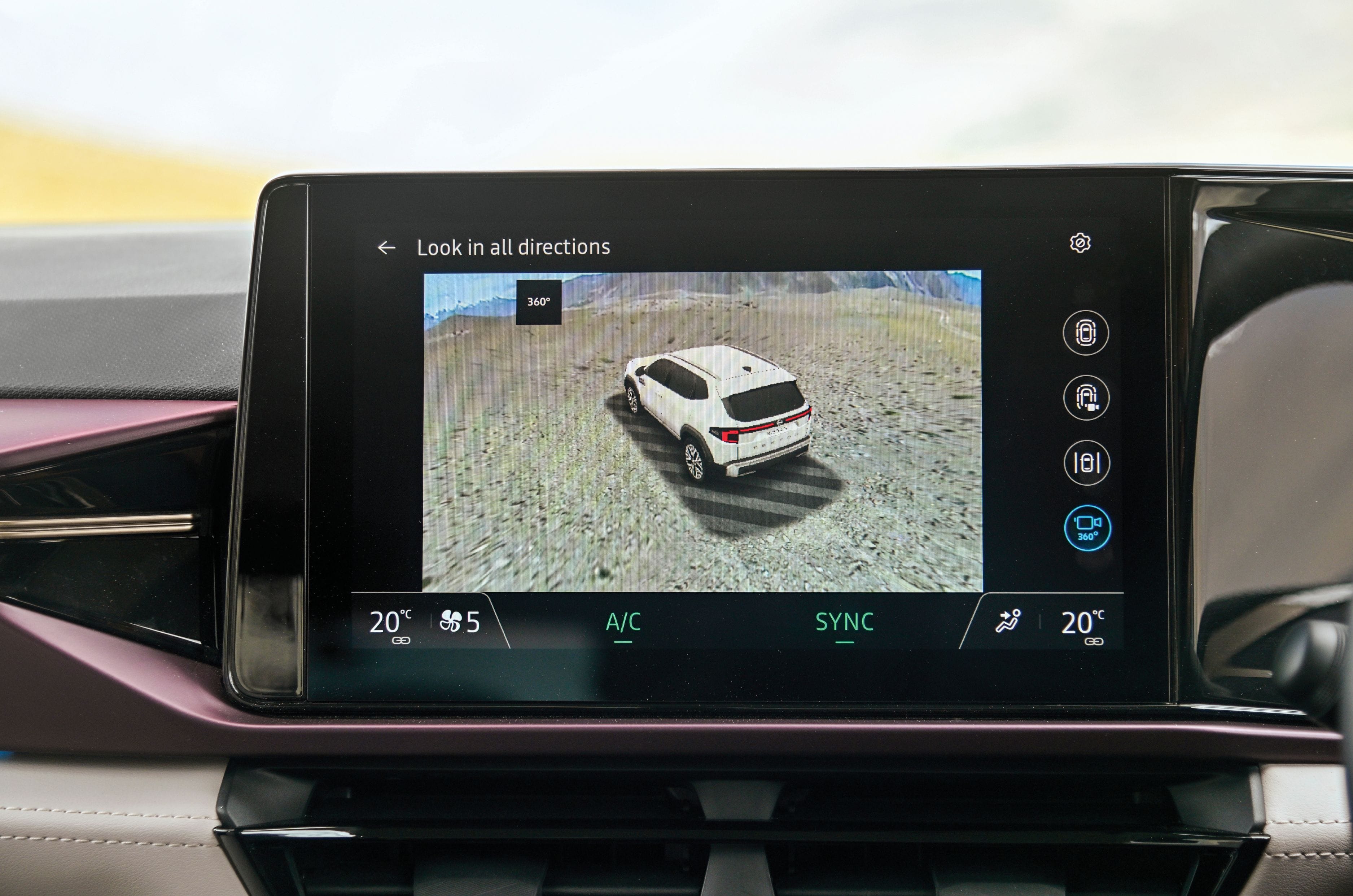
The Nissan Tekton has a few shortcomings when it comes to the quality of some of its features. The 360-degree camera system, for instance, is lacking in outright resolution, which hampers its usability under certain conditions. While the ADAS suite is comprehensive, the lane-keep assist isn’t good at keeping the SUV centred in a lane. Even the adaptive cruise control has its shortcomings – it doesn’t accelerate the Tekton back to its set speed once the traffic starts moving.
Kia Syros EV Launch: अगर आप इलेक्ट्रिक कार खरीदने की सोच रहे हैं, तो Kia आपके लिए एक नया और किफायती विकल्प लेकर आया है। दरअसल, कंपनी ने अपनी नई Syros EV को भारत में लॉन्च कर दिया है, जो न सिर्फ Kia की सबसे सस्ती इलेक्ट्रिक कार है, बल्कि इसे Battery-as-a-Service (BaaS) मॉडल के साथ भी खरीदा जा सकता है। बता दें कि इस मॉडल की शुरुआती कीमत 7.99 लाख रुपये रखी गई है, जबकि बैटरी की कीमत अलग से फाइनेंस की जाएगी, जिसके लिए ग्राहकों को 3.3 रुपये प्रति किलोमीटर की EMI देनी होगी। इसके अलावा, इस इलेक्ट्रिक SUV की डिलीवरी 30 जुलाई से शुरू होगी।
Kia Syros EV कंपनी की अब तक की सबसे किफायती इलेक्ट्रिक कार है। यह Carens Clavis EV के बाद Kia का दूसरा मास-मार्केट इलेक्ट्रिक मॉडल है। इसकी शुरुआती कीमत 13.49 लाख रुपये (एक्स-शोरूम) है, जबकि टॉप-स्पेक X-Line ER वेरिएंट की कीमत 19.99 लाख रुपये (एक्स-शोरूम) तक जाती है।
कंपनी ने Syros EV को अपने मजबूत K1 प्लेटफॉर्म पर तैयार किया है। यह इलेक्ट्रिक SUV ग्राहकों को दो बैटरी पैक विकल्पों के साथ मिलेगी—42 kWh और 51.4 kWh। इन बैटरी ऑप्शन के साथ Kia का लक्ष्य ज्यादा से ज्यादा ग्राहकों को इलेक्ट्रिक मोबिलिटी की ओर आकर्षित करना है।
छोटे बैटरी पैक वाला वेरिएंट ARAI-सर्टिफाइड MIDC फुल-साइकिल रेंज में 443 किलोमीटर तक चल सकता है। वहीं, बड़े 51.4 kWh बैटरी पैक वाले मॉडल की रेंज 526 किलोमीटर तक बताई गई है। इसके साथ ही Kia Syros EV अपने सेगमेंट की पहली ऐसी इलेक्ट्रिक SUV बन गई है, जिसने 500 किलोमीटर से ज्यादा की प्रमाणित रेंज का आंकड़ा पार किया है।
इसकी बड़ी बैटरी एक इलेक्ट्रिक मोटर को पावर देती है, जो 171 PS (लगभग 169 bhp) की पावर जेनरेट करती है, जिससे यह SUV 0 से 100 km/h की रफ्तार 8.1 सेकंड में पकड़ लेती है।
Syros EV में 100 kW DC फास्ट चार्जिंग की भी सुविधा है, जिससे बैटरी 39 मिनट में 10% से 80% तक चार्ज हो सकती है। इसमें 10.8 kW का ऑनबोर्ड AC चार्जर भी मिलता है।
फीचर लिस्ट
Syros EV का डिजाइन ICE-पावर्ड Syros जैसा ही है, लेकिन इसमें कुछ खास EV स्टाइलिंग एलिमेंट्स दिए गए हैं। इसके अलावा, इनमें Kia की क्लोज्ड-ऑफ Digital Tiger Face ग्रिल, Ice Cube LED हेडलैंप, Star Map LED DRLs और टेल लैंप, फ्लश-फिटिंग डोर हैंडल्स और 17-इंच के डुअल-टोन एयरो अलॉय व्हील शामिल हैं।
इंटीरियर की बात करें तो, इसके अंदर 30-इंच का पैनोरमिक डिस्प्ले है, जिसमें 12.3-इंच का टचस्क्रीन इंफोटेनमेंट सिस्टम, 12.3-इंच का डिजिटल इंस्ट्रूमेंट क्लस्टर और 5-इंच का क्लाइमेट कंट्रोल इंटरफेस शामिल है।
Kia Syros EV के अन्य फीचर्स में डुअल-पेन पैनोरमिक सनरूफ, एम्बिएंट लाइटिंग, फोर-वे पावर ड्राइवर सीट, स्लाइडिंग और रिक्लाइनिंग रियर सीट, वेंटिलेटेड फ्रंट और रियर सीट, आठ-स्पीकर वाला Harman Kardon ऑडियो सिस्टम, वायरलेस Android Auto और Apple CarPlay, वायरलेस फोन चार्जर, 16-लीटर का फ्रंक (फ्रंट ट्रंक), स्मार्ट डैशकैम, 360-डिग्री कैमरा और 16 ऑटोनॉमस फंक्शन वाला लेवल 2 ADAS शामिल हैं।
सेफ्टी फीचर्स
Kia Syros EV में यात्रियों की सुरक्षा का भी खास ध्यान रखा गया है। इसमें 6 एयरबैग, इलेक्ट्रॉनिक स्टेबिलिटी कंट्रोल (ESC), हिल-स्टार्ट असिस्ट, ऑटो होल्ड के साथ इलेक्ट्रॉनिक पार्किंग ब्रेक, टायर प्रेशर मॉनिटरिंग सिस्टम (TPMS), ISOFIX चाइल्ड सीट एंकर जैसे सेफ्टी फीचर्स दिए गए हैं।
इसके अलावा, इसमें ब्लाइंड व्यू मॉनिटर और आगे, पीछे व साइड पार्किंग सेंसर भी मिलते हैं, जो ड्राइविंग के दौरान सुरक्षा और सुविधा को बेहतर बनाते हैं।
Syros EV की कीमतें (एक्स-शोरूम):
Battery Pack
Variant
Price
42 kWh
HTK
₹13.49 lakh
42 kWh
HTK+
₹14.99 lakh
42 kWh
HTX
₹15.99 lakh
51.4 kWh (Extended Range)
HTK+ ER
₹16.99 lakh
51.4 kWh (Extended Range)
HTX ER
₹17.99 lakh
51.4 kWh (Extended Range)
HTX+ ER
₹19.49 lakh
51.4 kWh (Extended Range)
X-Line ER
₹19.99 lakh
ओनरशिप के फायदे
Kia ने Syros EV के साथ ग्राहकों के लिए कई खास फायदे भी पेश किए हैं। कंपनी पहले मालिक को हाई-वोल्टेज बैटरी पर 15 साल की अनलिमिटेड किलोमीटर वारंटी दे रही है। इसके अलावा, कंपनी ने अश्योर्ड बायबैक प्रोग्राम भी शुरू किया है, जिसके तहत तीन साल बाद कार की रीसेल वैल्यू 80% तक मिल सकती है।
वहीं, ग्राहकों को बेहतर चार्जिंग सुविधा देने के लिए Kia के K-Charge नेटवर्क के जरिए 20,300 से ज्यादा चार्जिंग पॉइंट्स तक पहुंच मिलेगी।
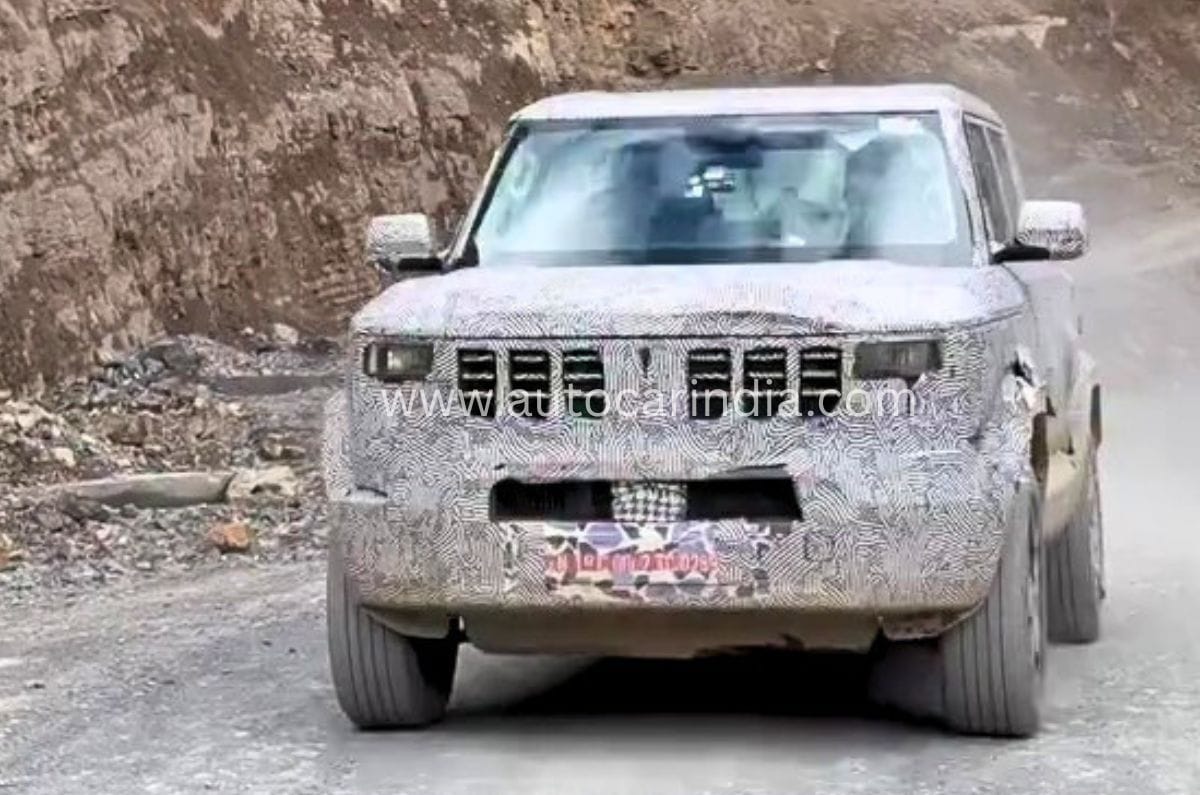
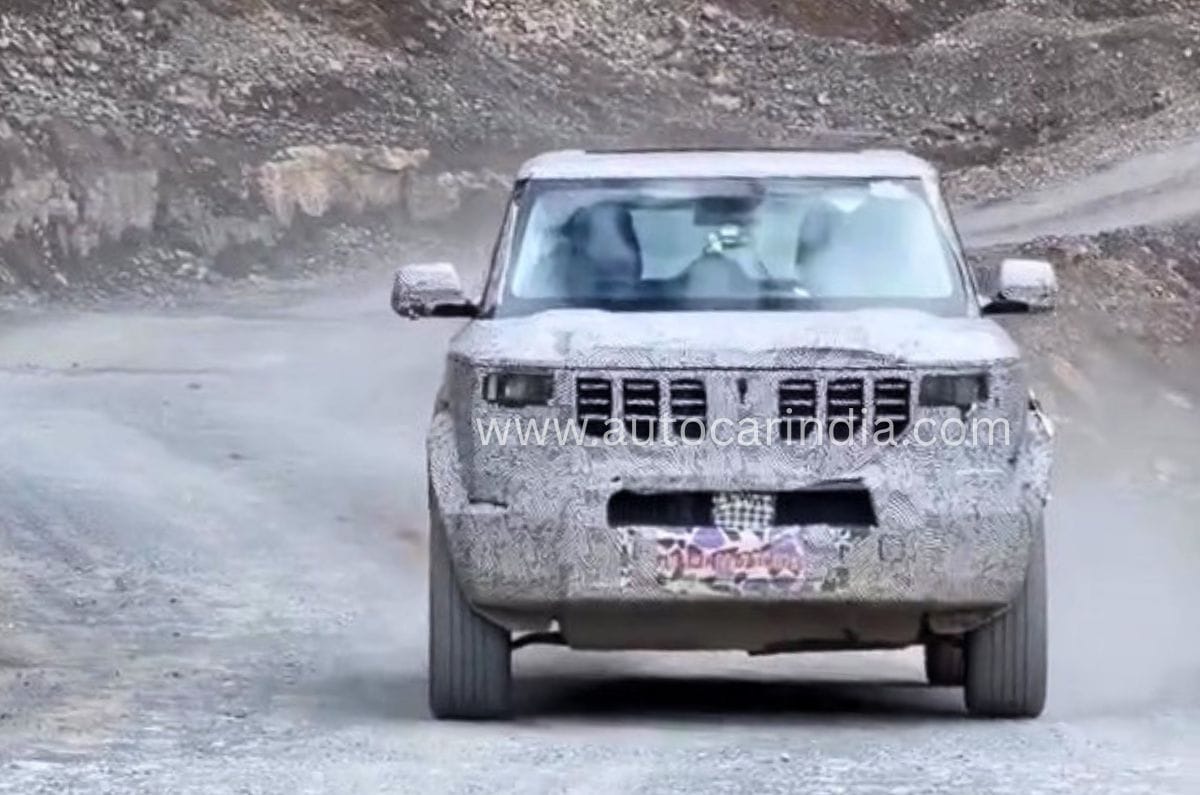
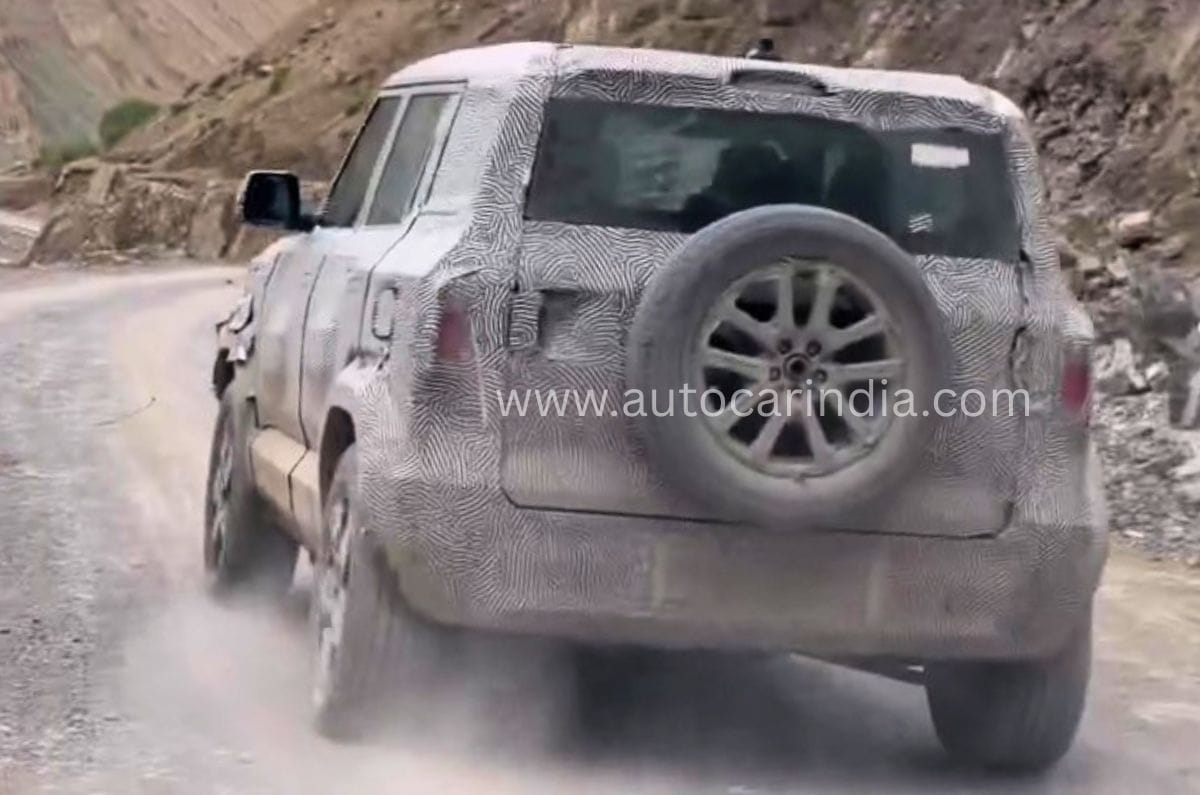
A camouflaged prototype of Mahindra’s all-new SUV has been spied in the town of Kaza in Spiti Valley, Himachal Pradesh, our source indicated. Considering this region sits at an elevation of 3,650 metres above sea level, it appears that Mahindra is conduction high-altitude tests of its upcoming sub-4-metre SUV. The production-spec model of the Vision S, whose concept was first revealed in August 2025, will likely be slotted above the XUV 3XO in the brand’s line-up.
Spy shots confirm short overhangs, boxy silhouette, flush door handles and more.
Features include LED headlamps and panoramic sunroof.
Mahindra Vision S prototype: Exterior design details
The new spy footage reveals several exterior details of the brand’s upcoming SUV
At the front of the prototype is Mahindra’s new six-slat grille, flanking which are sleek LED headlamps. These could sport the same L-shaped design first seen in the Vision S concept. The front fascia of the prototype reveals a muscular-looking clamshell bonnet and a prominent lower air dam with a concealed centre trim, which could be the radar module as part of the car’s ADAS (Advanced Driver Assistance Systems) suite.
The dark patch on top of the windshield is likely where the rain sensors are located. The spy shots show pronounced wheel arches, similar to those seen on the concept car, plus a panoramic sunroof and large ORVMs (outer rearview mirrors). Following the design language of the concept, the prototype features short overhangs, flush door handles, a flat roofline, chunky side cladding, deep wheel wells, a rising beltline towards the rear, and a fuel-filler cap above the left-rear wheel arch.
The upright-looking rear of this Mahindra SUV prototype features vertically oriented LED tail-lamps, a spare wheel mounted to the side-hinged tailgate, a stubby roof spoiler with an integrated high-mounted stop lamp, a sharkfin antenna, and a relatively flush-looking rear bumper. Overall, the boxy proportions and upright stance of the Vision S concept is noticeable here on the prototype as well.
Mahindra Vision S prototype: Expected interior and powertrain details
The production-spec model is expected with a feature-rich cabin and multiple powertrains
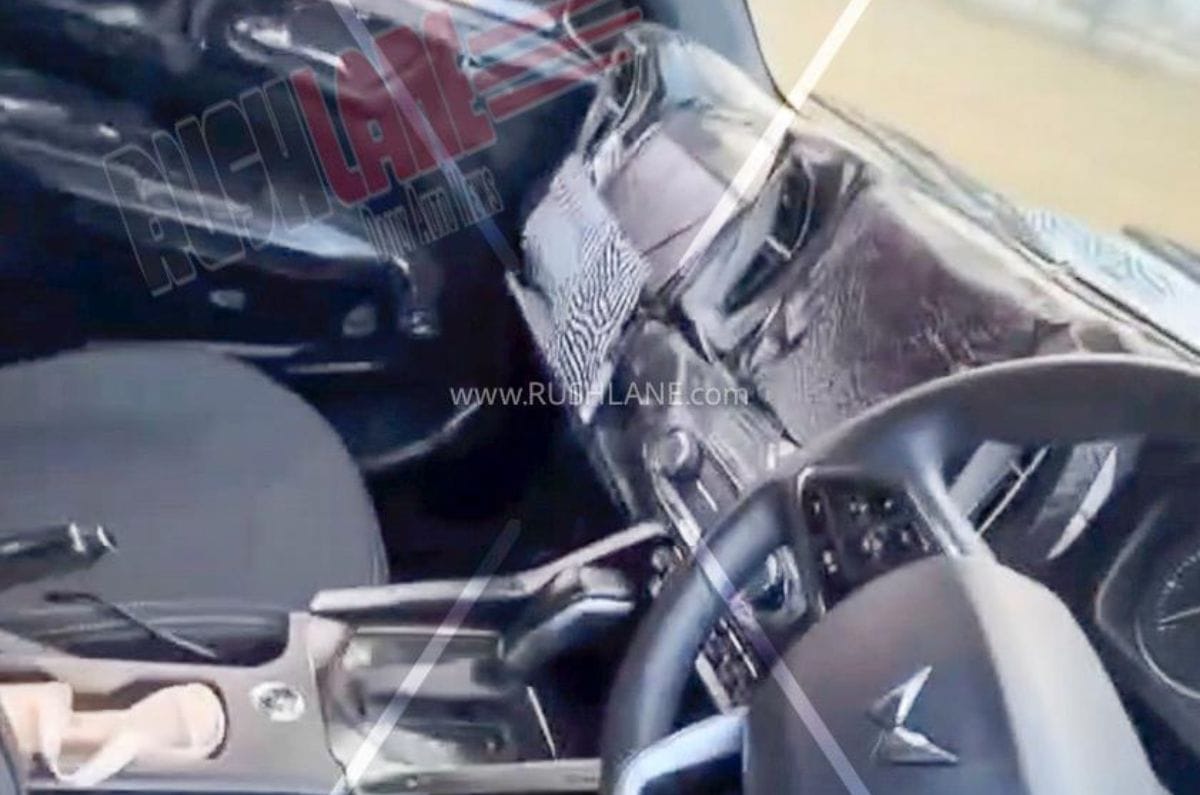
The new spy footage doesn’t reveal many details about the interior of this upcoming Mahindra SUV. However, previous spy shots have shown a version of this interior. To recap, there will be an upright dashboard with an integrated infotainment display, curved AC vents and physical switchgear, and a leather-wrapped steering wheel.
Underpinning the Vision S concept was Mahindra’s new Nu_IQ platform, which supports petrol, diesel, hybrid and fully electric powertrains. While Mahindra hasn’t specified a launch date for this upcoming compact SUV, it’s expected to make its debut sometime in 2027.
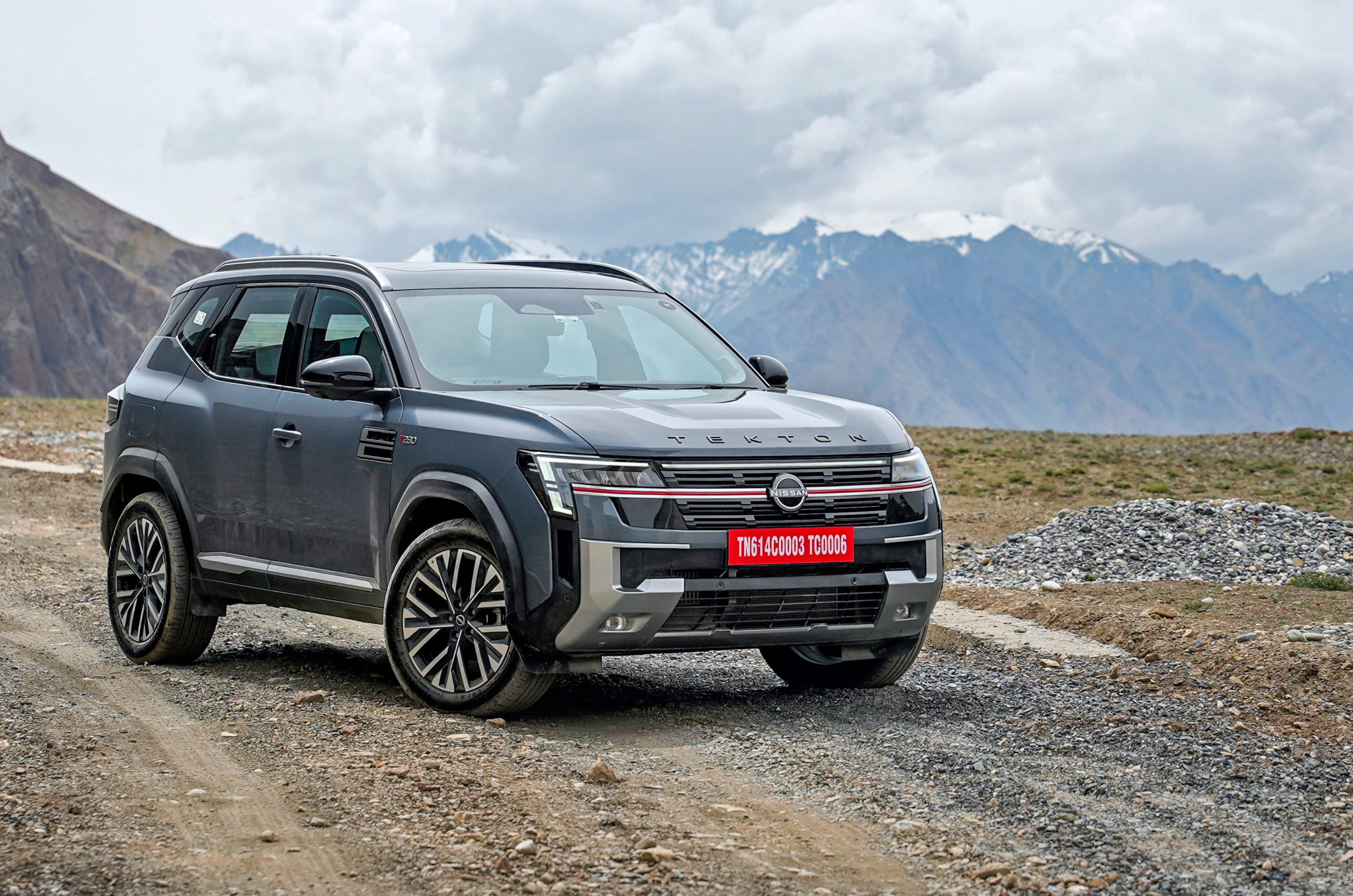
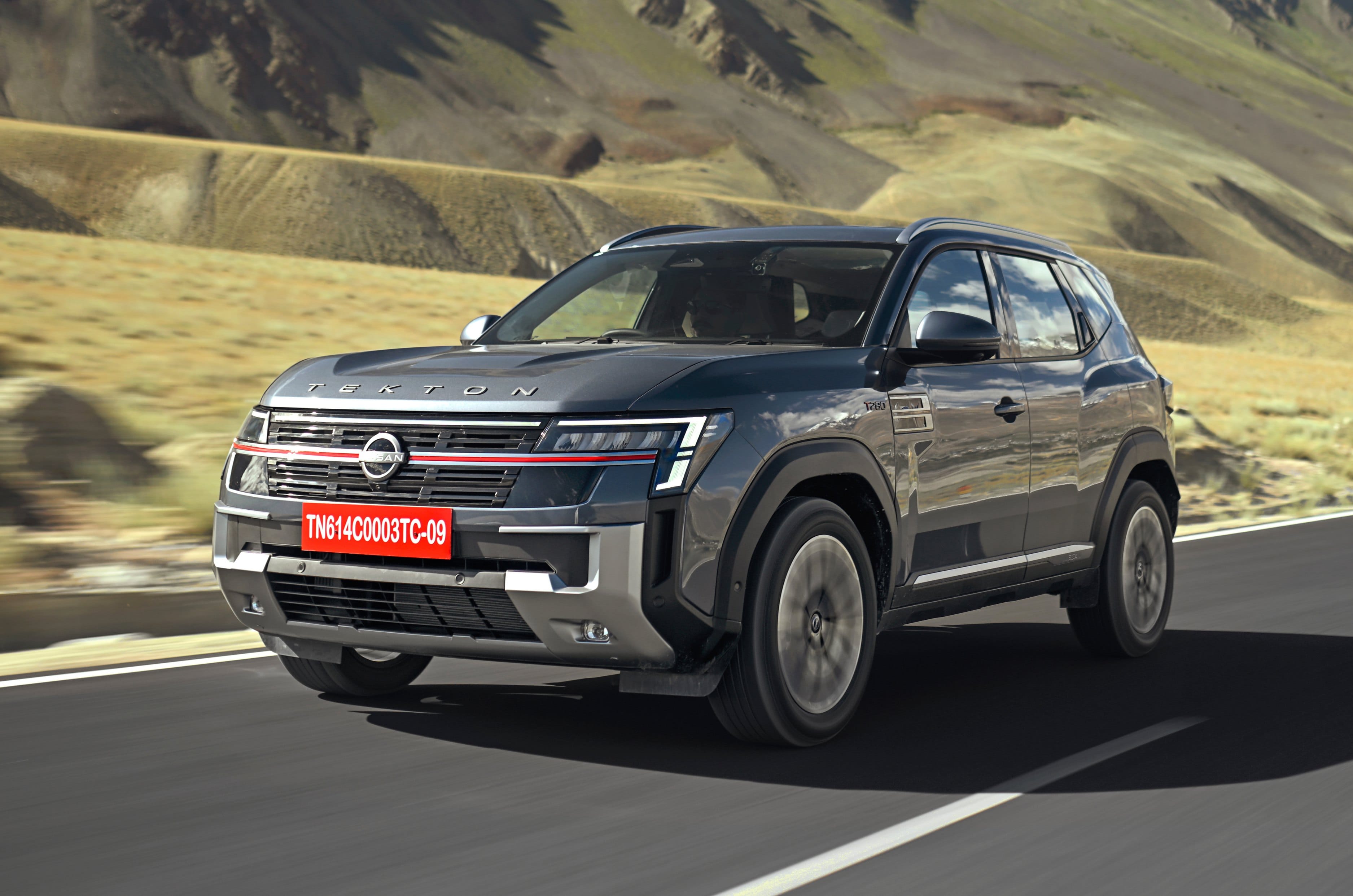
For our first drive of the all-new Tekton, Nissan organized an elaborate 700km plus test drive from Chandigarh to Leh, tackling everything from crowded city traffic and fast highways to mountain passes and broken roads. The aim was to find out whether Nissan’s new midsize SUV has what it takes to take on the Hyundai Creta, Kia Seltos and Maruti Victoris in the real world.
Nissan Tekton Exterior Design and Engineering – 9/10
The Tekton is, in essence, a badge-engineered Renault Duster. It is built at the same plant, on the same assembly line, and shares its platform, powertrains and several components with its French sibling. Nissan, however, has worked hard to give it a distinct identity, drawing inspiration from its flagship Patrol SUV.
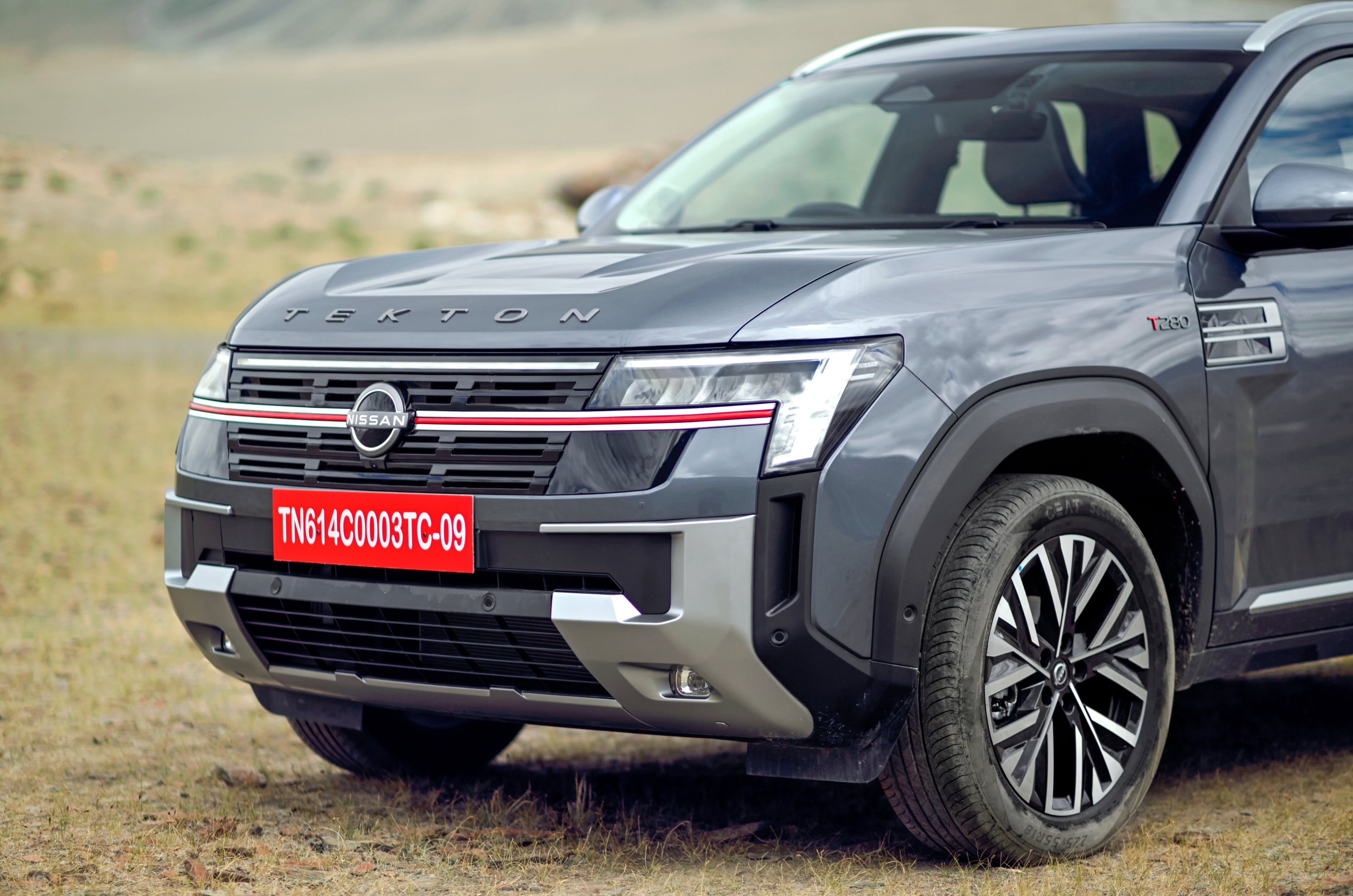
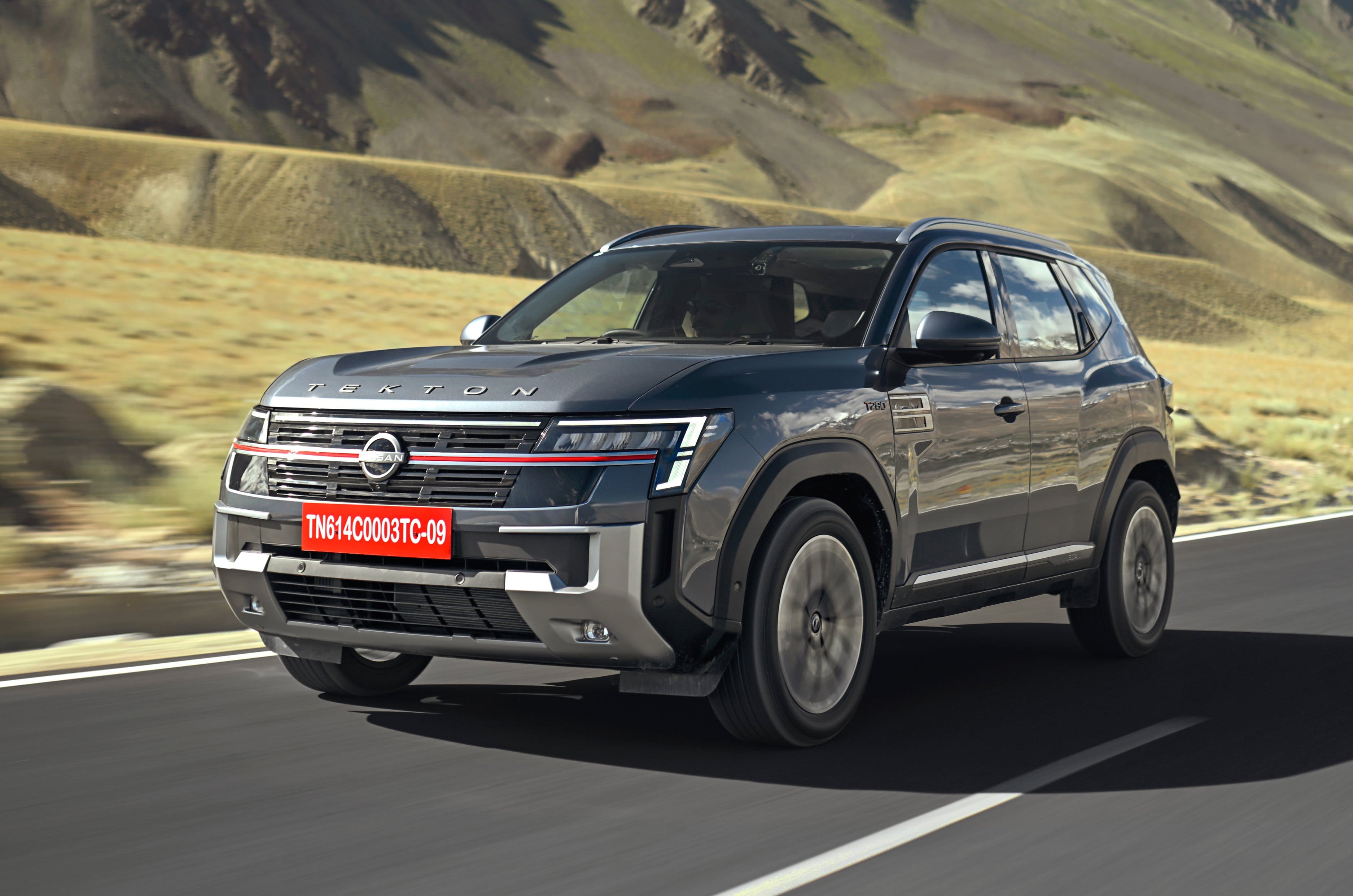
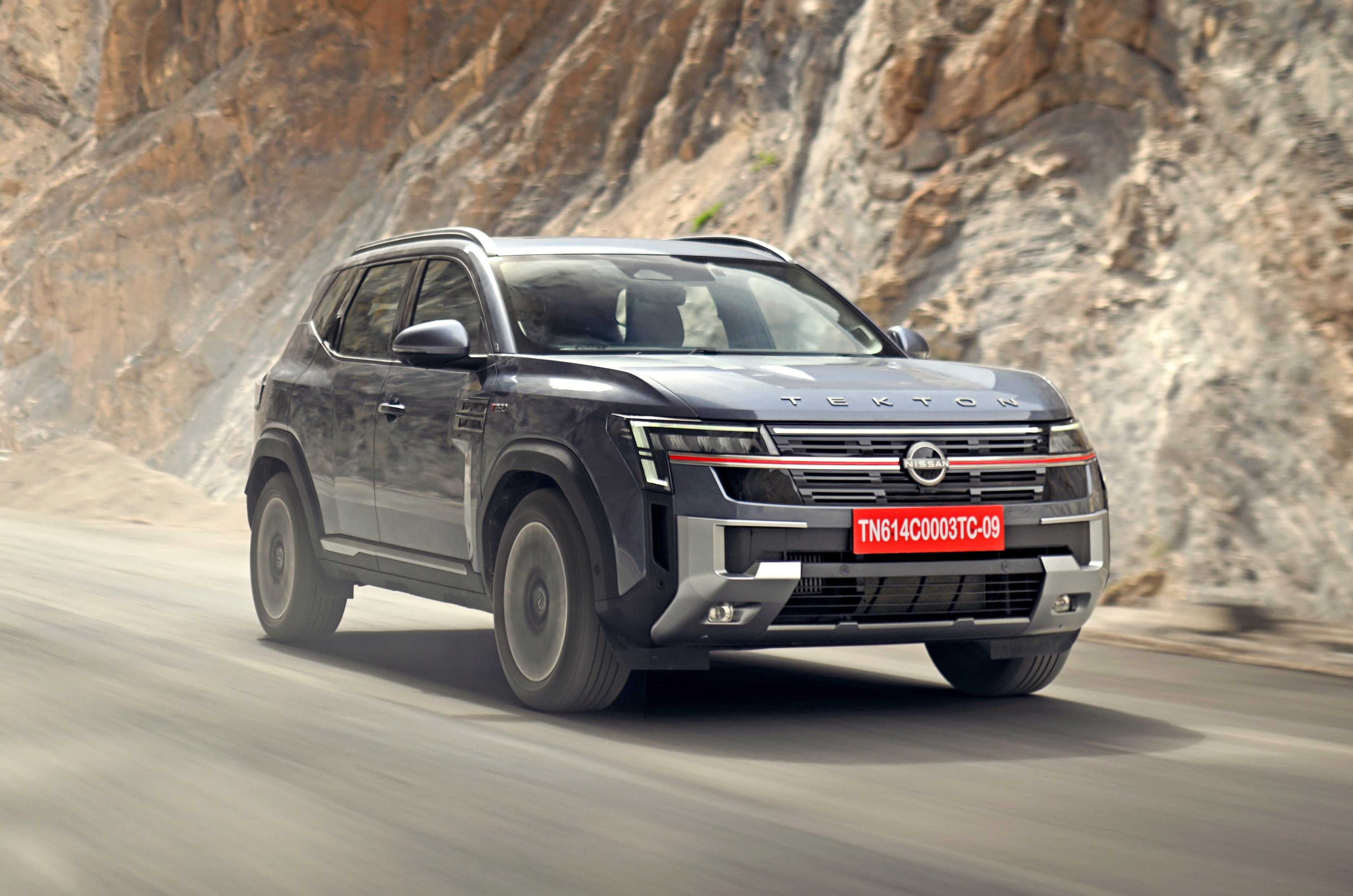
1.3 turbo variants can be identified by the red strip on the grille and T280 badge.
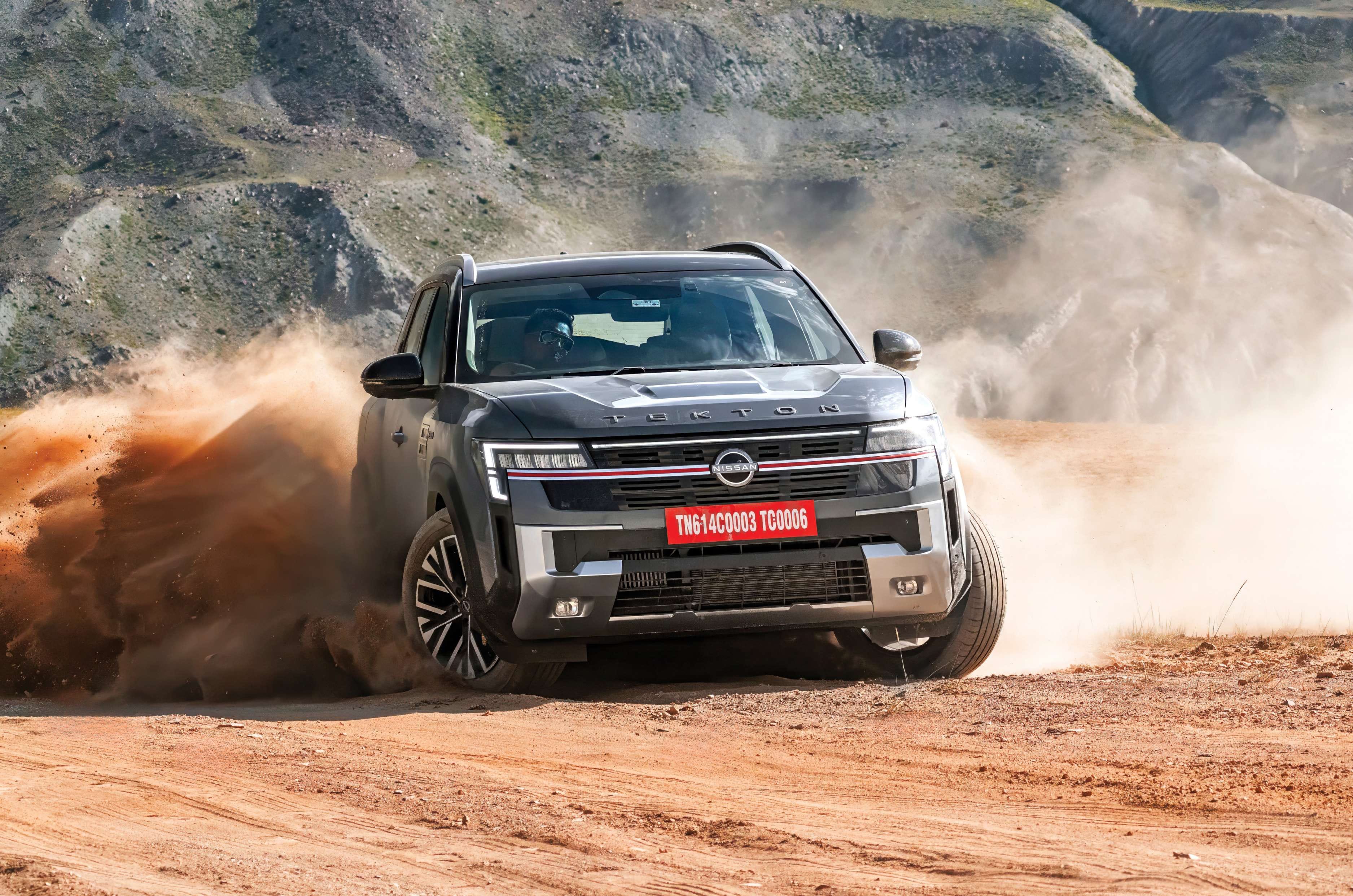
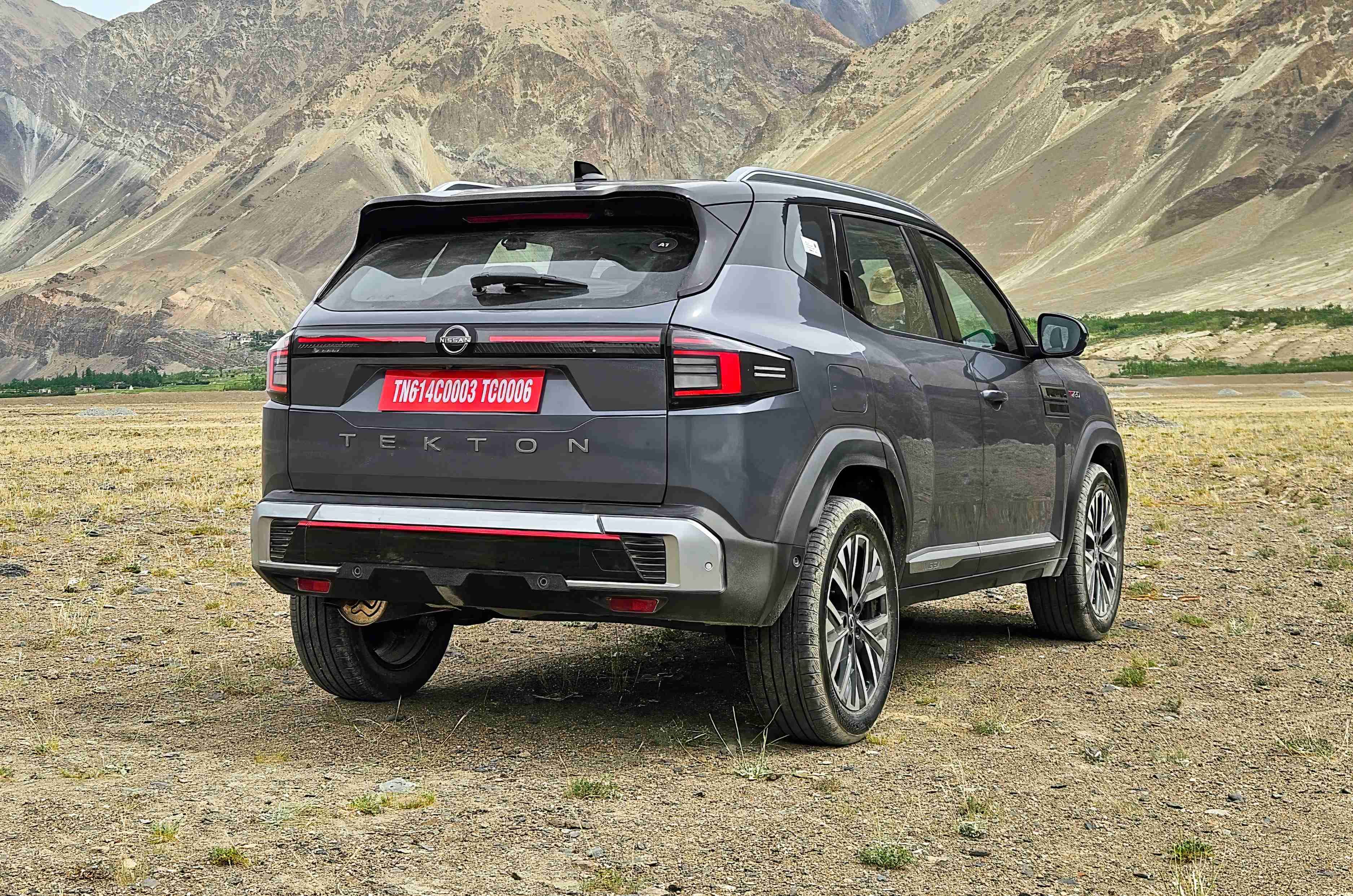
The front end is undoubtedly the highlight. The grille, connected light bar and red accents on the 1.3-litre turbo variants lend it a bold and distinctive look. It even gets functional bumper air scoops and fog lamps, the latter being an increasingly rare feature in this segment. The sculpted bonnet adds plenty of visual muscle, while the side profile is enhanced by attractive 18-inch alloy wheels wrapped in chunky, high-profile tyres.
Practicality extends beyond appearances. Ground clearance stands at an impressive 212mm, making the Tekton well suited to rough terrain. The T280 badge on the front fender denotes the 280Nm produced by the 1.3-litre turbo-petrol engine, while a unique applique depicting the Himalayas adds a touch of character. Its pillar-mounted rear door handles link ties to Nissan SUVs of yore like the Pathfinder and X-Terra.
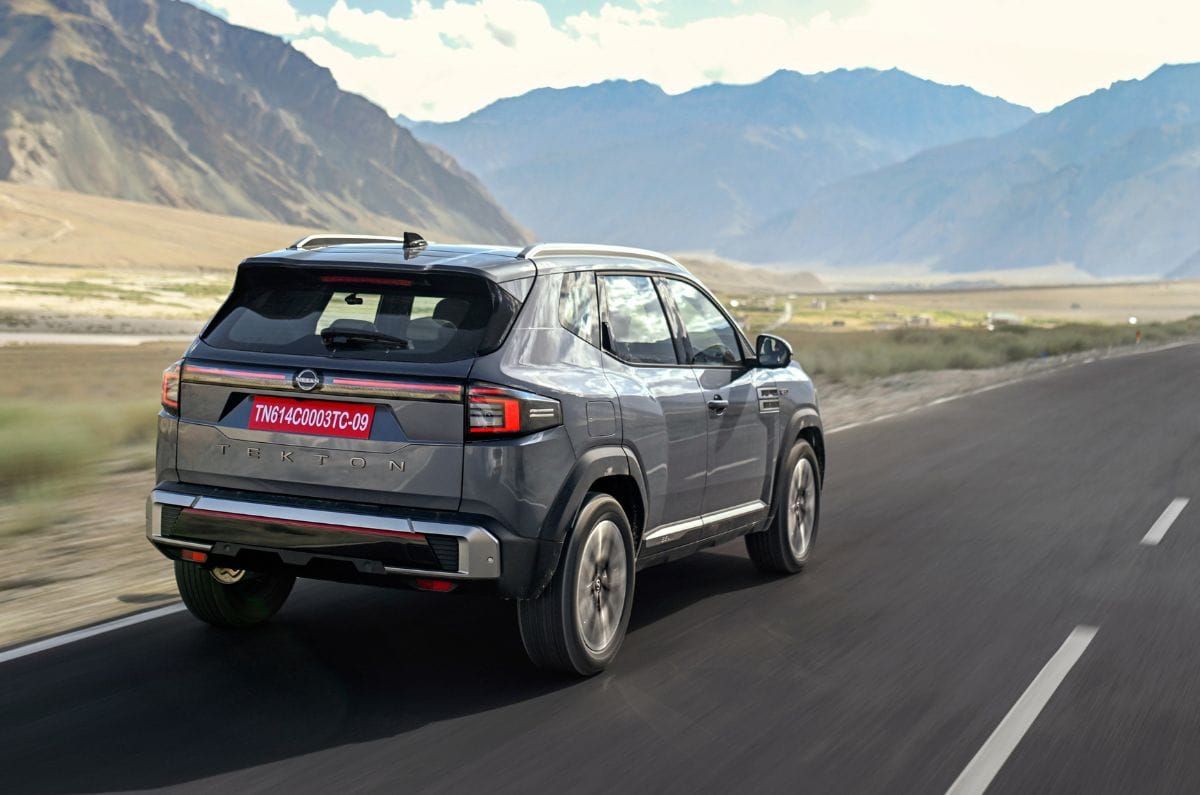
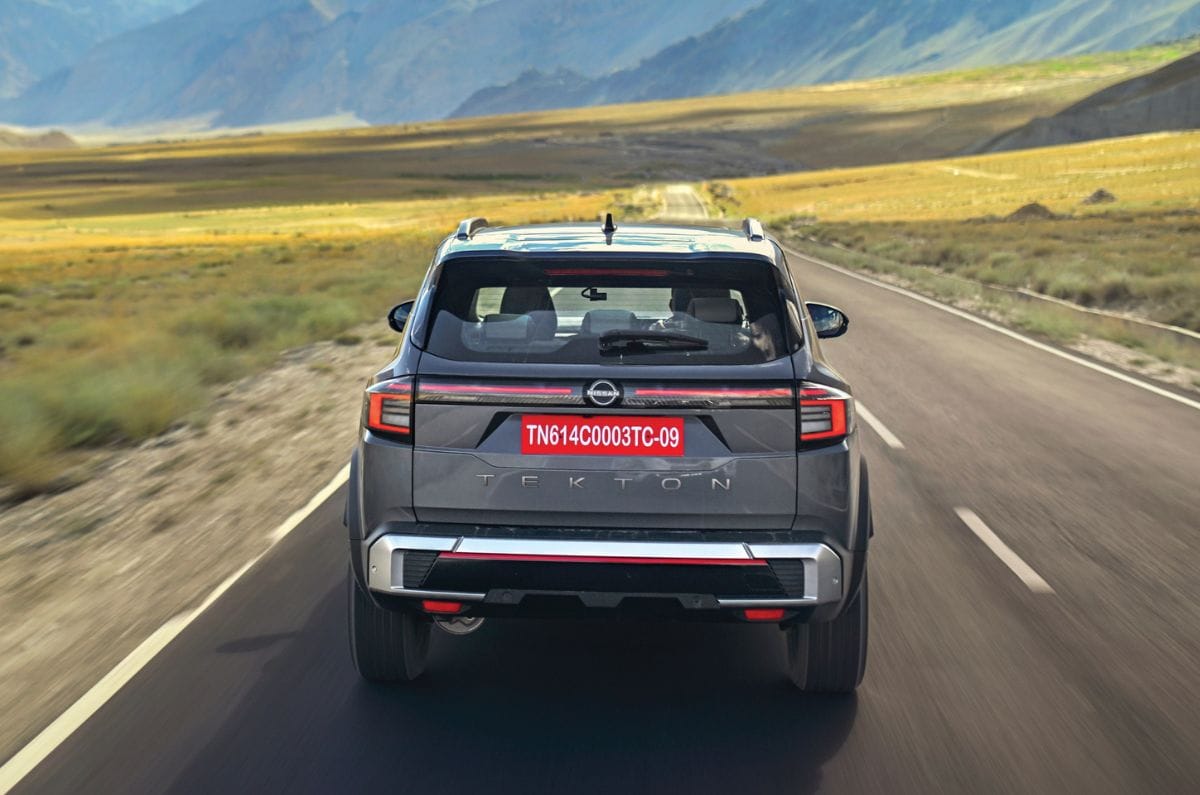
The execution of its tail-lamp design is spot on, looking most similar to the Patrol.
At the rear, the tail-lamp design bears the strongest resemblance to the Patrol and is executed rather well. While the Tekton isn’t the largest SUV in its class, it strikes a pleasing balance between road presence and urban friendliness. We suspect its styling is likely to be one of its biggest selling points.
Nissan Tekton Interior Space and Comfort – 8/10
Inside, Nissan has done a commendable job differentiating the cabin from the Renault Duster. The layout remains familiar, but the padded leatherette on the dash and doorpads look classy and along with the burgundy, gold and light cream colour scheme lends the interior a more premium ambience. There are also subtle Nissan-specific touches on the dash fascia, including an Easter egg inspired by Japanese numerals represented by 2 vertical lines (Ni) and three horizontal lines (san).
Neatly dressed-up interior look and feel quite upmarket.
The driving position is excellent. Visibility is strong, the bonnet is clearly visible from the driver’s seat, and most controls fall easily to hand. Ergonomics are largely spot-on, though taller drivers who prefer a high seating position may find the large plastic panel near the A-pillar slightly intrusive.
Burgandy, gold and light cream colour scheme, along with the soft leatherette paddings enhance the cabin’s premium feel.
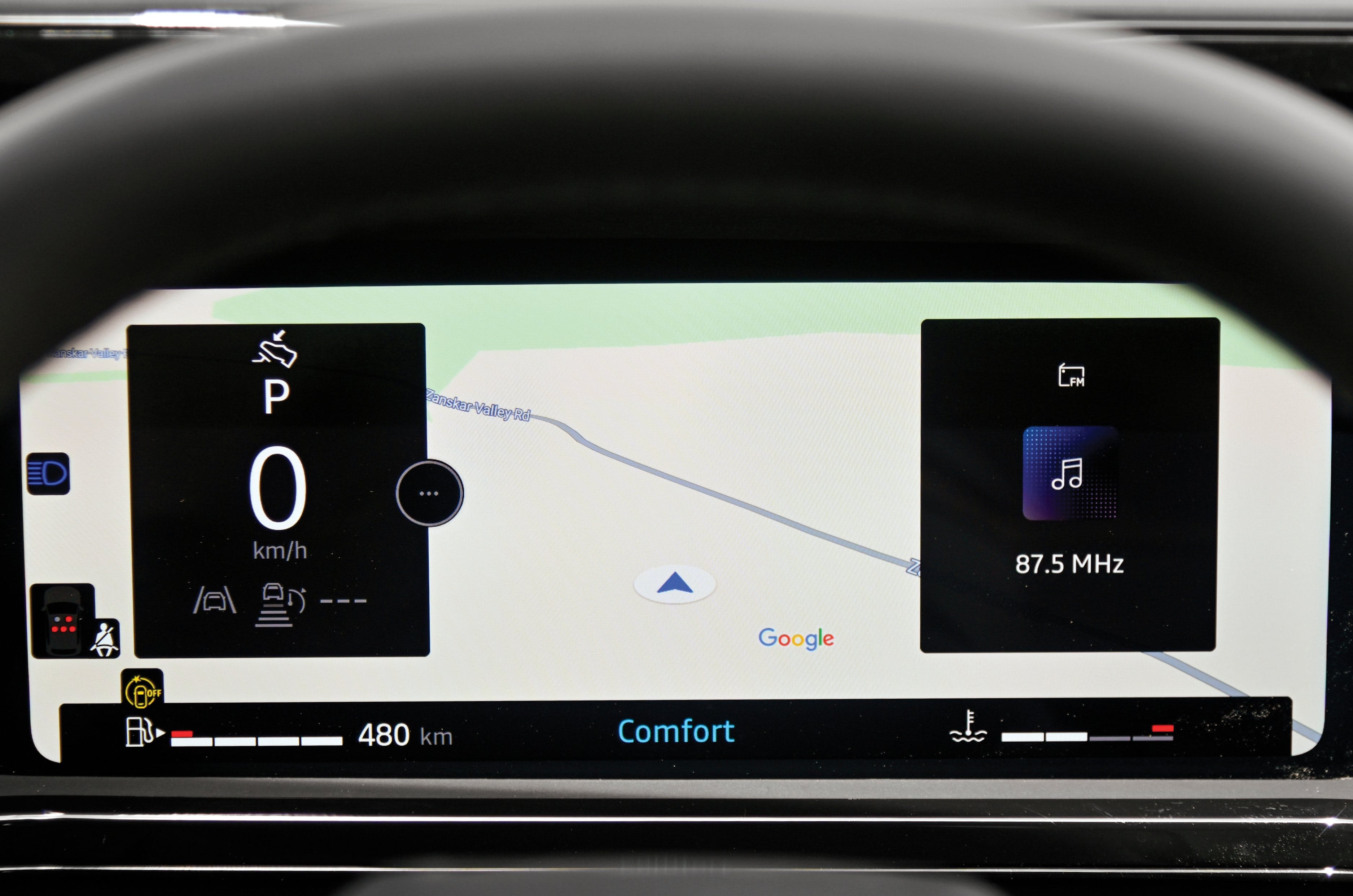
One area where the Tekton needs improvement is air conditioning performance. Even at the lowest temperature setting, the cabin takes time to cool down. Thankfully, the ventilated front seats are highly effective and help offset this weakness. The seats themselves deserve praise for their excellent support and long-distance comfort. The digital instrument cluster is clear and easy to read, offering multiple display layouts, including a full-map view. Unlike the Duster’s less intuitive tachometer display, the Nissan gets a more conventional and user-friendly setup. Physical controls for climate functions, audio settings and ADAS shortcuts are particularly welcome in an era increasingly dominated by fiddly touch panels.
Powered front seats are supportive and have a very effective ventilation function.
Storage solutions are generally well thought out. The cooled wireless charging pad prevents phones from overheating, while USB-C ports and a 12V socket are provided. However, 1-litre bottles cannot be stored vertically in the front door bins; although they can be placed vertically in the rear door bins. Useful storage spaces include deep cupholders and a large central armrest console. The glovebox is generous, though part of it is compromised by the fuse box, just as in the older-gen Duster.
Cabin space is adequate for four adults; seats are very comfy.
Accessing the rear seat requires a bit of effort due to the high step-in and narrow opening, but once seated, comfort levels are impressive. The seat backrest is well angled, under-thigh support is good, and there’s plenty of room beneath the front seats to stretch out. The rear bench is best suited to two adults rather than three, although all occupants get individual headrests and three point seatbelts.
Rear-seat amenities include seatback pockets, rear AC vents, two USB charging ports, a centre armrest and a phone holder. The panoramic sunroof adds a real sense of occasion, especially on scenic drives through the mountains. That said a boss mode for the electrically adjustable front passenger seat and rear sunshades aren’t available.
Cavernous 518-litre boot is ideal for road trips; gets a spare wheel too.
Open the electrically operated tailgate and you’re greeted by a massive 518-litre boot. It comfortably swallows luggage and is the largest in its class, making it ideal for long-distance touring. There’s a full-size spare tyre too.
Nissan Tekton Features and Safety – 9/10
The Tekton is otherwise generously equipped with kit like panoramic sunroof, powered and ventilated front seats, 10.25-inch instrument cluster, 10.1-inch touchscreen which not only gets wireless Android Auto and Apple CarPlay, but it also gets native Google integration including Gemini voice assistant, among other notable features. The only real disappointment is the below par quality of the 360-degree camera system.
With in-built Google, screen works well; 360-degree camera quality is below par.
Safety credentials are strong. Along with a comprehensive ADAS suite, the Tekton has secured a five-star Bharat NCAP rating, just like its Renault sibling. The lane-keep assist didn’t seem to keep the vehicle properly centred within the lane, and it tended to weave between the lane markings.
The adaptive cruise control system also performed well, maintaining safe distances and slowing progressively with traffic. Its acceleration back to the set speed, however, feels somewhat slow regardless of drive mode.
10.25-inch instrument cluster is well executed; gets a full map view too.
Nissan Tekton Performance and Refinement – 7/10
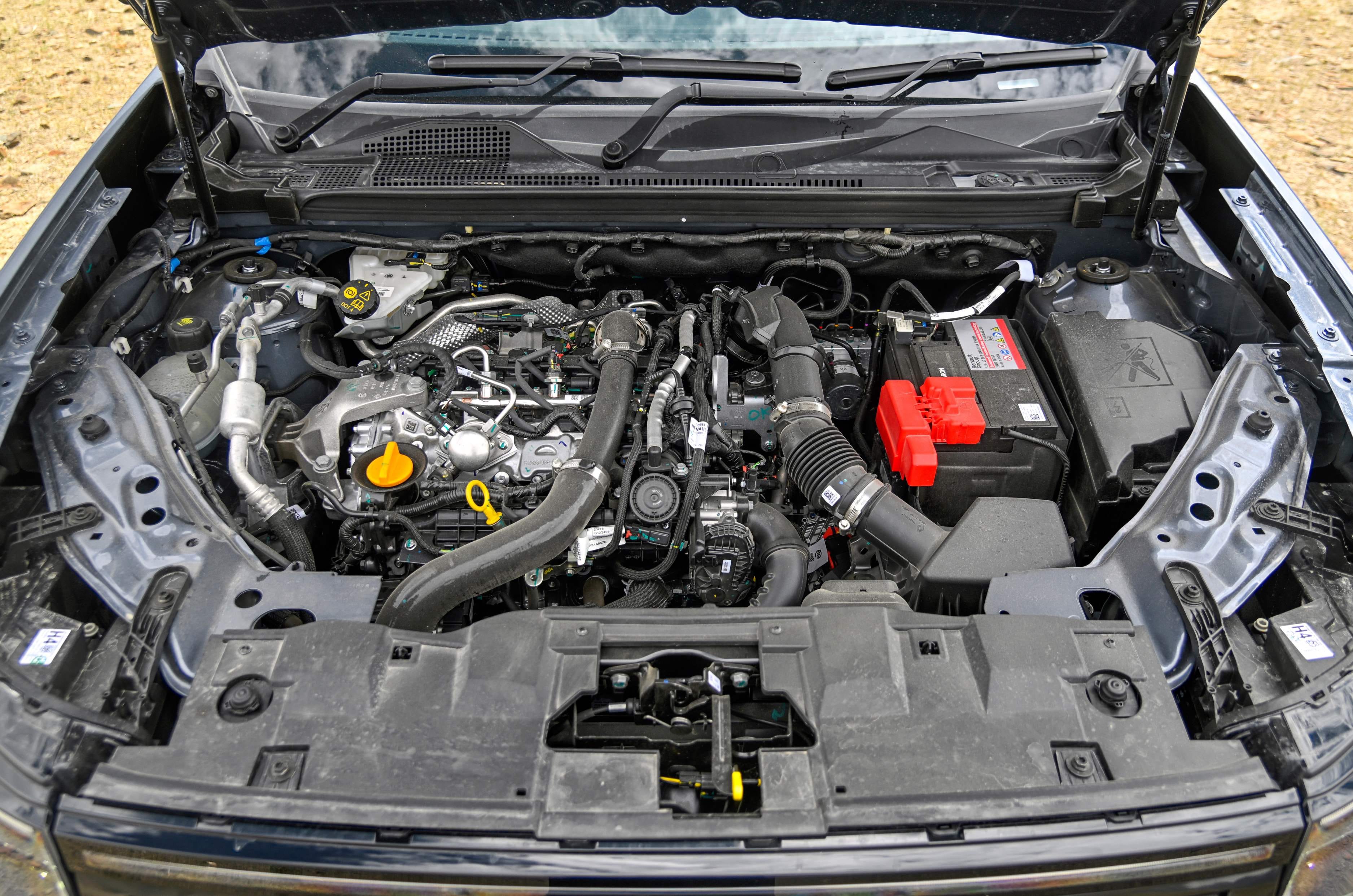
The entry-level powertrain is a 1.0-litre turbo-petrol shared with the Magnite. With some updates though that has taken torque higher to 166Nm – up from 160Nm, while power remains the same at 100hp. It is paired exclusively with a six-speed manual gearbox.
To compensate for the Tekton’s weight and performance demands, Nissan has equipped this version with shorter gearing than the 1.3-litre variants. Around town, it feels perfectly adequate, but the small-capacity turbo engine suffers from noticeable turbo lag. Steep inclines often require clutch slip to get moving, and enthusiastic driving demands frequent gear changes to keep the engine in its power band. Peak boost arrives beyond 3,000rpm, while the gearbox itself lacks the slickness of some Korean and Japanese rivals.
If you love to drive, this is one of those cars that you’re surely going to like.
The 1.3-litre turbo-petrol is significantly more appealing. Refinement levels are better, performance is considerably stronger, and overtaking requires much less planning. Turbo lag is reduced compared to the 1.0-litre, though it hasn’t been eliminated entirely. On steep gradients and under stop-start conditions, the engine occasionally struggles to build revs quickly enough, exposing a weak bottom-end response.
Once past 2,500rpm, however, the turbo wakes up and the Tekton gathers speed with enthusiasm. The engine also produces an appealing turbo whoosh at higher revs, though some may find it intrusive.
Enthusiasts are likely to yearn for a bit more responsiveness from both the engines.
This engine comes with a manual as well as a six-speed wet-clutch dual-clutch automatic transmission, which is the one we drove. Shifts are impressively smooth and seamless, but responses are slower than expected. The gearbox’s tendency to upshift early can make the Tekton feel less responsive than it actually is, often prompting the use of the paddle shifters for quick overtakes.
There are two drive modes – Comfort and Eco – though enthusiasts will miss the absence of a Sport mode. Fortunately, manual mode allows greater control over the transmission and proved particularly enjoyable on mountain roads. In city traffic, however, the combination works well, with smooth low-speed behaviour and a well-calibrated creep function.
Even though we didn’t get a chance to test the Tekton for outright performance and fuel efficiency, we have extensively tested its Renault sibling, and the numbers aren’t particularly impressive. Expectedly, the Duster’s performance testing revealed that the 1.3-litre manual is the quickest variant to 100kph (10.32 sec), , while the 1.3 DCT’s reluctance to allow aggressive launches affects its outright acceleration times (11.33 sec). The 1.0-litre (13.26 sec) delivers acceleration comparable to the naturally aspirated 1.5-litre engines found in the Creta and Seltos.
Nissan Tekton Mileage and Efficiency – 6/10
Once again, taking the Duster’s figures for refence, average real-world fuel efficiency is quite weak too with the 1.0 version (10.98kpl) faring only slightly better than the 1.3 versions (10.47kpl for DCT, 10.64kpl for MT). Like the Duster, all variants of the Tekton get an Eco mode as well as an auto engine stop-start function to keep a check on fuel consumption.
Nissan Tekton Ride Comfort and Handling – 9/10
As with the Renault Duster, Nissan has absolutely nailed the ride-and-handling balance. Unlike many European cars, the Tekton does not feel overly firm at low speeds. Instead, it delivers a supple, absorbent ride that shrugs off poor road surfaces with ease. Even sharp potholes generate more noise than impact inside the cabin.
Unlike some rivals, its low speed ride doesn’t have the typical underlying firmness.
Handling is equally impressive. The Tekton changes direction eagerly and inspires confidence, making it genuinely enjoyable to drive. Its electronic power steering offers Light and Heavy modes, though the lighter setting strikes the better balance between ease and precision. The steering feel is among the best in the segment.
Braking performance is another strong point. Throughout our drive to Leh, the brakes consistently inspired confidence, delivering strong stopping power and natural pedal feel.
Nissan Tekton Value for Money – 8/10
Priced between Rs 10.50 lakh and Rs 18.5 lakh, the Tekton commands a premium of Rs 10,000-50,000 over an equivalent Renault Duster. The range consists of 12 variants: six powered by the 1.0-litre turbo petrol, two by the 1.3-litre manual and four by the 1.3-litre auto, indicating Nissan’s focus on the smaller engine.
The biggest drawbacks of the powertrains though are the lack of outright punch and responsiveness, as well as fuel efficiency that may not satisfy high-mileage users. Neither Renault nor Nissan offers a diesel option, and while the Duster is expected to receive a hybrid powertrain, Nissan has ruled out one for now.
However after 700km behind the wheel, the Nissan Tekton leaves an overall positive impression. It is handsome, well equipped and comfortable, with a premium-feeling cabin and class leading 518-litre boot. The rear seat may not be the most spacious in the segment, but it comfortably accommodates four adults, while its ride-and-handling balance ranks among the very best in class. The Tekton then is a thoroughly competent midsize SUV. And in a segment packed with strong contenders, this one too deserves serious consideration.
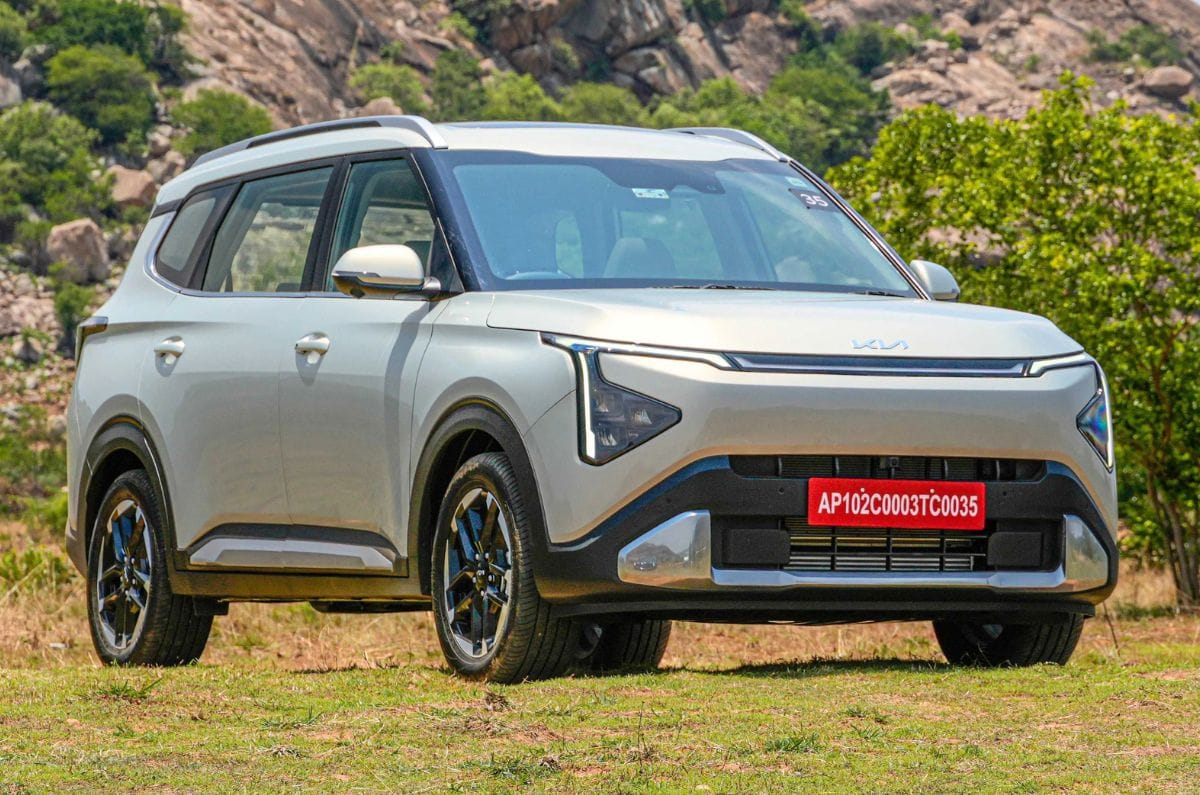
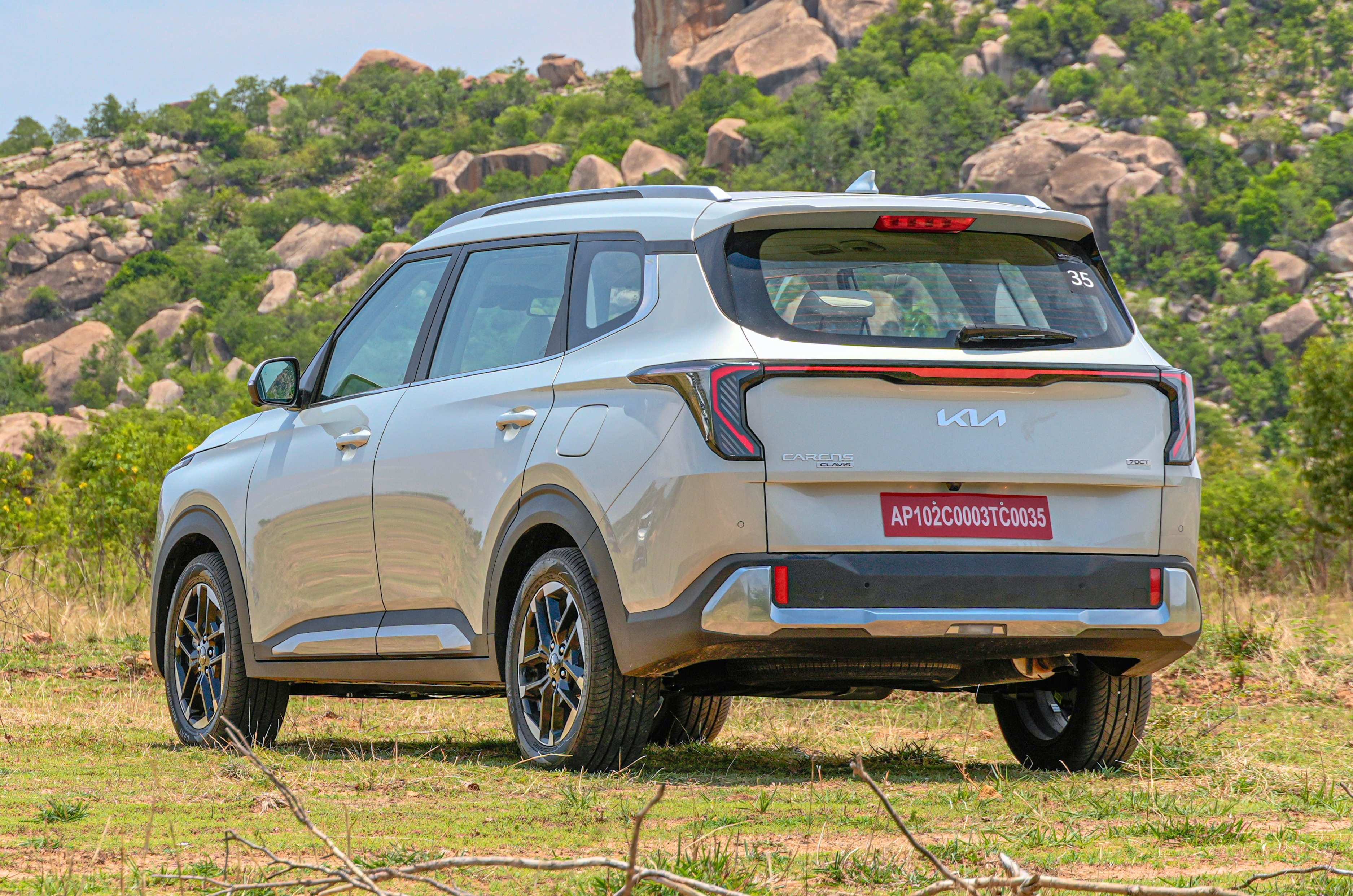
Kia is one of the few automakers in India that has three MPVs in its line-up, with the most popular one being the Carens Clavis. This is a segment that’s witnessed growth in the past couple of years, supporting the Korean brand’s focus on selling multiple MPVs. Built on the same K2 platform as the Carens, the Clavis is aimed at buyers who want more premium styling and feature set spread across more variants and trim levels. Here are some facts to keep in mind before a Carens Clavis.
Reasons to buy the Kia Carens Clavis
Spacious & well-equipped cabin
One of the strongest suits of the Carens Clavis is its tech-rich and practical interior
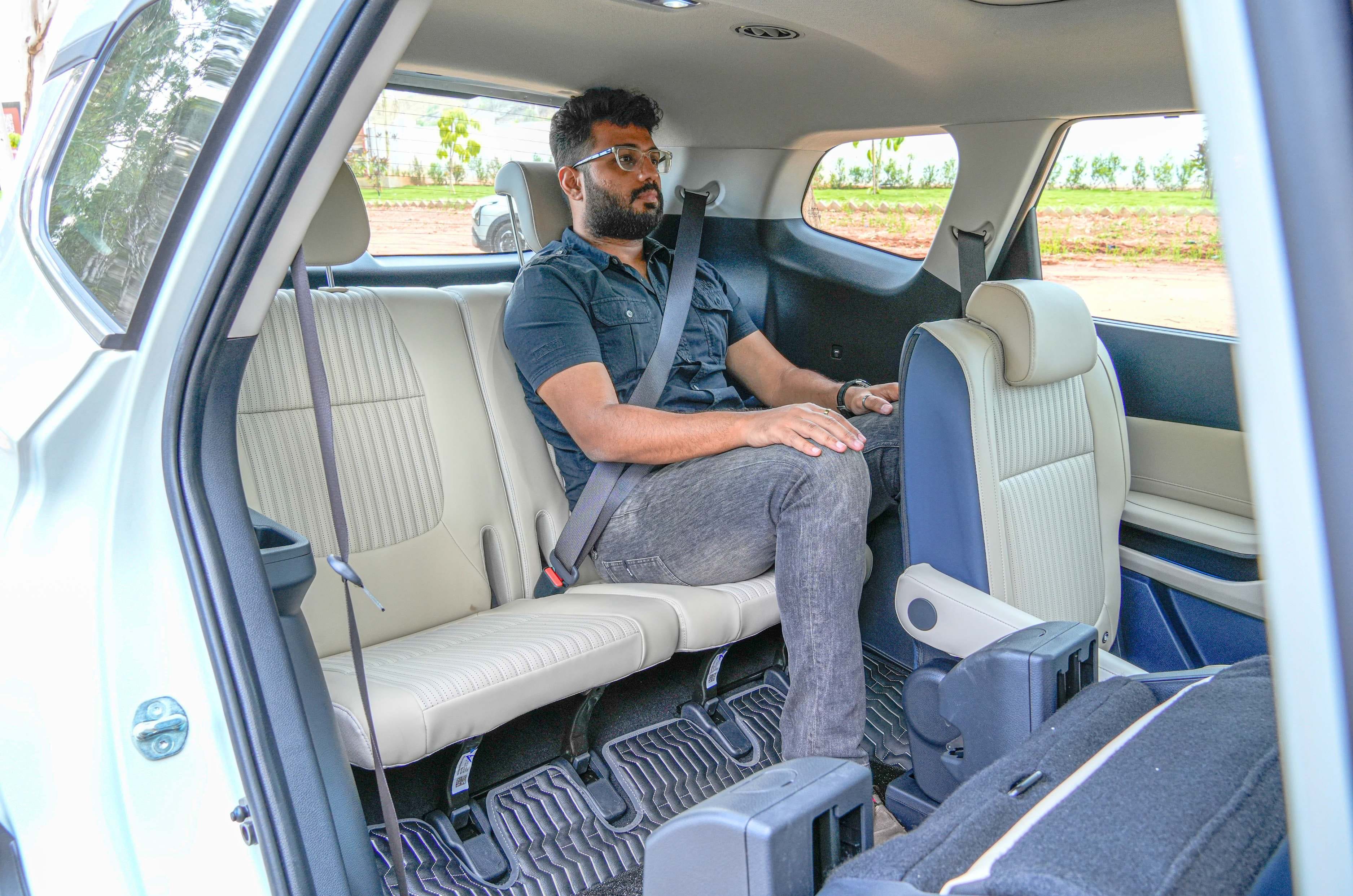
Whether you get the 6-seater or 7-seater version of the Kia Carens Clavis, space isn’t an issue. A one-touch tumble & fold feature means that getting into the third row is pretty straight-forward. This last row also has enough room to accommodate two adults without fuss while also providing dedicated AC vents, USB ports, headrests and three-point seatbelts. With 216 litres of boot space, you can easily store several soft bags.
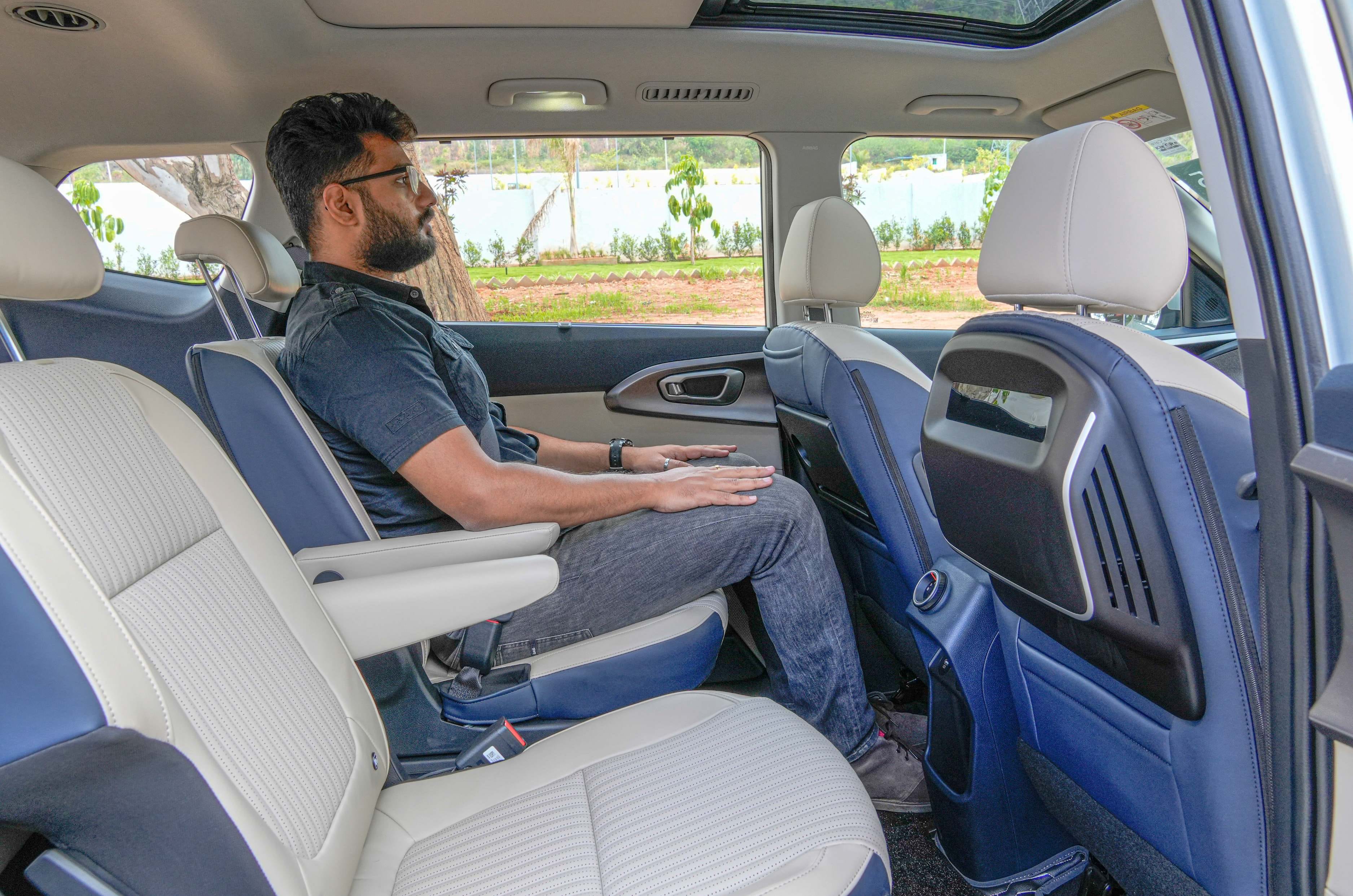
The 6-seater version gets captain seats for the second row that not only look premium but also get individual armrests for extra comfort. There’s no dearth of headroom and kneeroom for the middle-row occupants. Depending on the trim level, this row also benefits from the two-pane panoramic sunroof, blower control, sunblinds, tray table, and air purifier. A manually operated ‘boss’ mode liberates even more room for the occupant seated behind the co-driver’s seat. Passengers will have no trouble with ingress or egress as second-row accessibility is good.
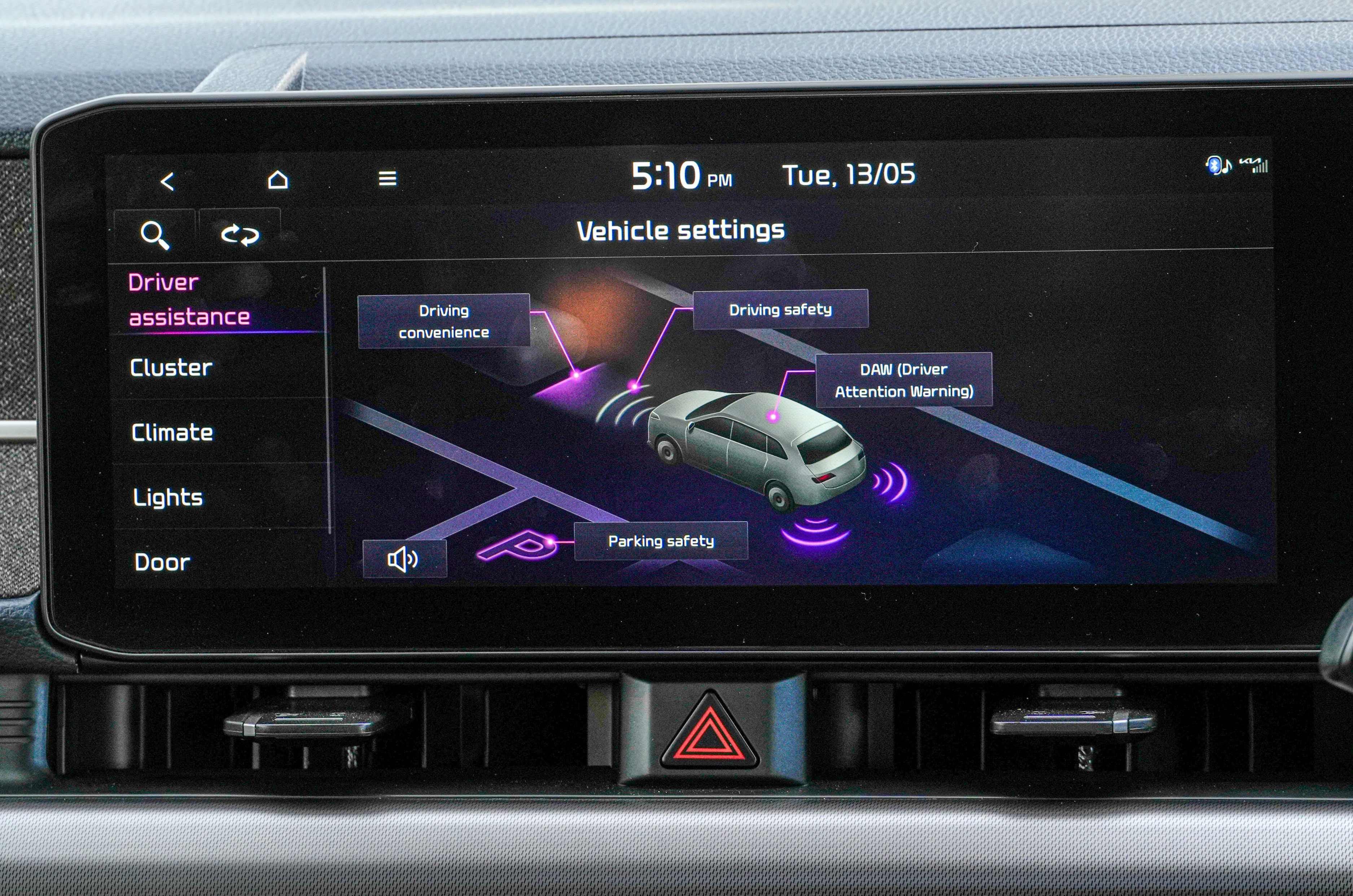
Practicality up front comes from ventilated seats, cooled cupholders and a wireless charger. The dual 12.3-inch screens are high-resolution units that enable a clean and smooth user experience. Some of the other feature highlights here include the 8-speaker Bose audio system, 64-colour ambient lighting system, leatherette upholstery, dashcam, and Level 2 ADAS (Advanced Driver-Assistance Systems). The latter is well-calibrated for our erratic road conditions, particularly functions such as blind-spot monitoring, lane-keeping assist and rear cross-traffic alert.
Powertrain options galore
The Carens Clavis is offered with three engine options four transmission choices
Under the bonnet of the Kia Carens Clavis can be one of three engines: a 1.5-litre naturally aspirated four-cylinder petrol, 1.5-litre direct-injected turbo-petrol, or a 1.5-litre four-cylinder turbo-diesel. A 6-speed manual gearbox is offered with all them. The turbo-petrol mill is also available with a 6-speed iMT (intelligent manual transmission) and a 7-speed DCT (dual-clutch automatic transmission). Meanwhile, the oil burner can be mated to a 6-speed AT (automatic transmission). The only diesel option in the segment, this Kia MPV’s 1.5-litre turbo-diesel engine can return 15-16kpl on highway runs.
Good ride and high-speed stability
This MPV rewards drivers with relaxed driving manners
The 17-inch wheels on the top-spec turbo-petrol variants allow for a pliant-enough ride, with the diesel variants featuring 16-inch rims actually feeling supple. Regardless of the wheel size, the Carens Clavis feels surefooted on the road, staying planted even as speeds rise. The bigger wheels make this MPV take corners decently compared to the variants with the smaller wheels, but this is only true if it’s driven sedately.
Reasons not to buy the Kia Carens Clavis
Not for enthusiastic drivers
Lacklustre powertrains and noticeable body-roll relegates this Kia to sedate driving roles
While the 1.5-litre turbo-petrol engine produces 160hp and 253Nm, it lacks excitement. Pushing it past 4,200rpm does not result in quicker gain of pace, but it instead leads to the engine’s coarse note nearing redline to enter the cabin. The 7-speed DCT, meanwhile, isn’t smooth in the city where it hesitates to shift between lower cogs – this is a gearbox that doesn’t like being rushed.
The Carens Clavis with the diesel engine and 6-speed AT is also good at cruising long distances at highway speeds. However, this oil burner could’ve done with more punch – the issue becoming really noticeable when driving on uphill slopes with a full house. With most of the weight being transferred to the rear, and this being a front-wheel drive (FWD) car, there isn’t enough oomph to pull the Carens Clavis up inclines with ease. This lack of power, combined with the slow downshifts of the automatic gearbox, means that quick overtakes will require some planning.
If you enjoy taking corners with enthusiasm, then the Carens Clavis isn’t for you. The body-roll is especially noticeable in the variants with the 16-inch wheels due to their smaller-section tyres. While the body-roll is less evident in the cars with the 17-inch wheels, taking a corner with any hint of aggressive will lead to body-roll.
Unintuitive touch-enabled buttons
This issue plagues the top trims of the Carens Clavis
Top trims of the Kia Carens Clavis get a switchable, touch-sensitive panel to operate the car’s HVAC and infotainment systems. Not only is there an issue with reflections catching you out while trying to use this panel, but you could accidentally press the wrong button or control. This can be distracting whilst driving as you’ll have to look away from the road in order to use most of the controls on this panel. Meanwhile, lower trims get easy-to-use physical switchgear for these functions.
Gets pricey quickly
Top variants are far more expensive than rivals
The range-topping variants of the Kia Carens Clavis cost well over Rs 20 lakh, with even mid-spec variants priced north of Rs 15 lakh. When compared to rivals such as the Maruti Suzuki XL6, this makes the Caren Clavis up to Rs 7.14 lakh.
After four years of being on sale, Audi India is slated to replace the second-generation Q3 in India. Our dealer sources have indicated that the third-generation Q3 will launch in October 2026. In the months leading up to its debut, Audi’s entry-level luxury SUV has been spied on our roads.
Third-generation Audi Q3 exterior details
Gets a more aggressive look in comparison to the previous-gen
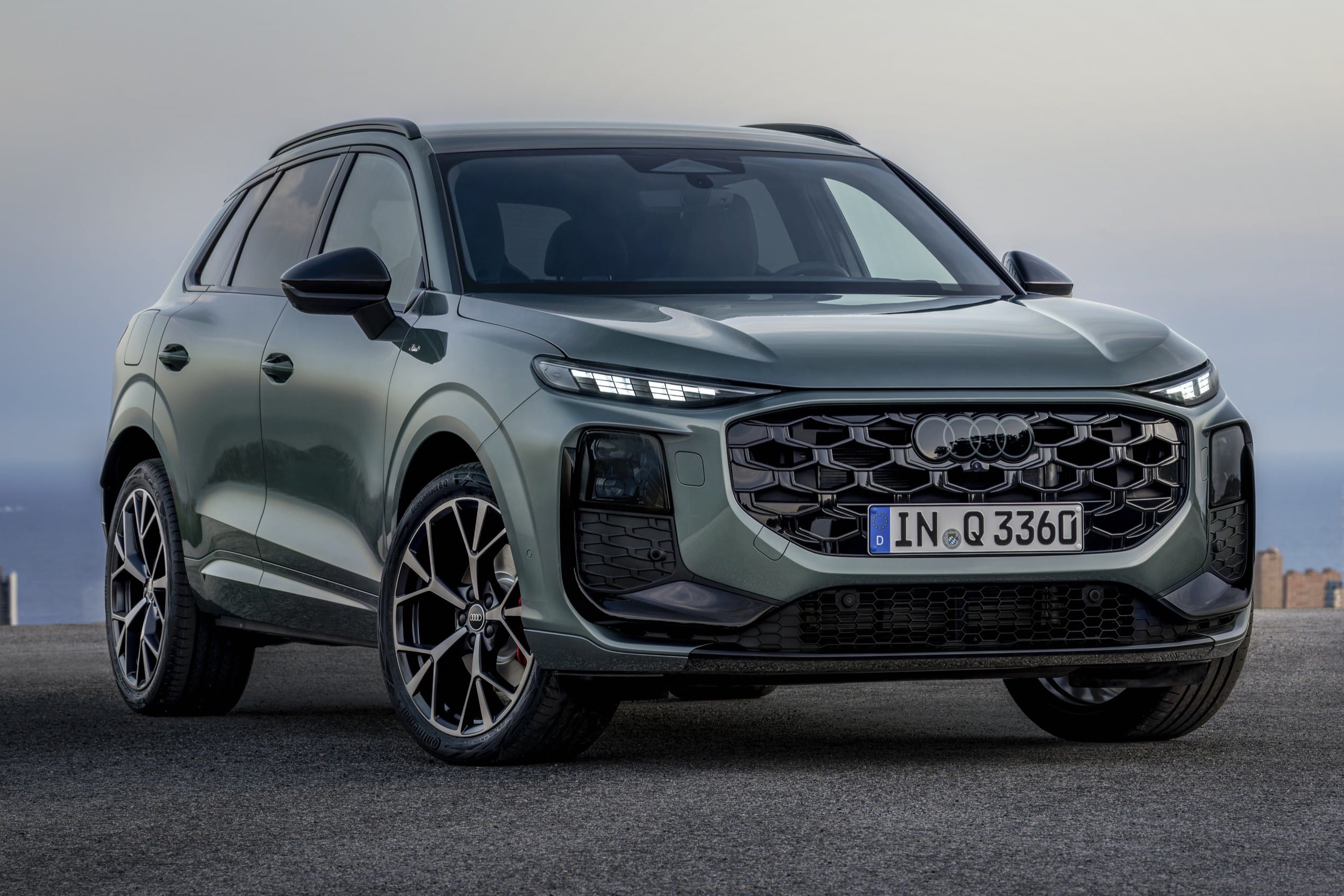
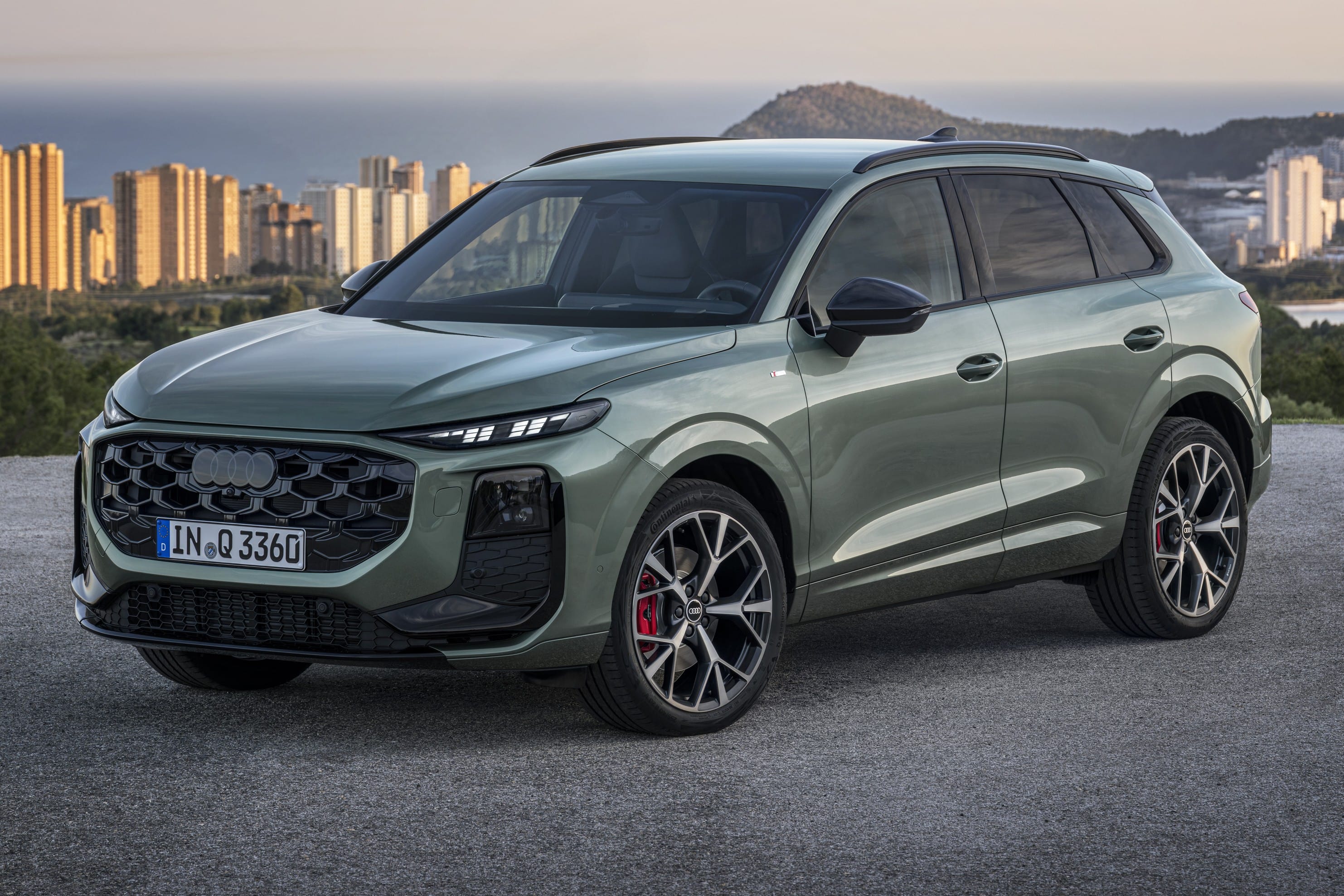
While the previous-gen Q3’s design took an understated approach, the new-gen goes for a flamboyant look. The imposing front-end has a split headlamp design, with slim LED DRLs with four configurable light signatures and vertically stacked LED headlamps. The grille is larger than before, featuring a hexagonal pattern and a 2D Audi logo. The bumper gets a dual-tone look with black surrounds for the headlamps, and there are wide air intakes with a honeycomb pattern.
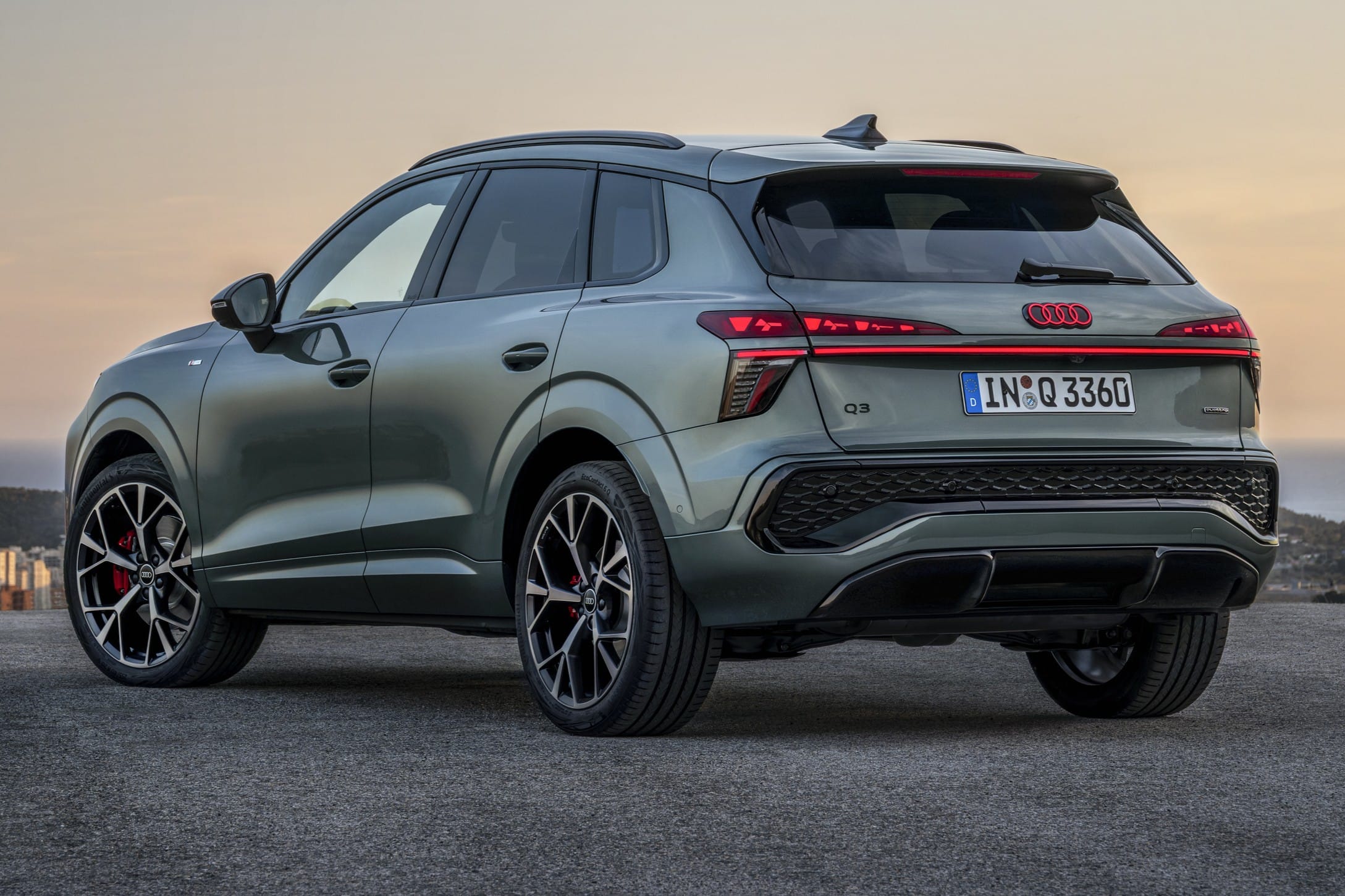
In profile, the Q3 gets a clean design with subtle moulding for the lower side of the doors, and creases over the wheel arches. You also get a split-lamp design for the back, with the main units having a striking design with optional OLED illumination. Additionally, you also get a thin light bar, and the Audi logo is illuminated. Though the global-spec Q3 gets wheel sizes ranging from 18 to 20 inches, expect the India-spec version to have 18-inch rims.
The third-gen Q3 sits on the latest version of the VW Group’s MQB platform. The global-spec version is 4,531mm long, 1,859mm wide, 1,601mm tall, and gets a 2,681mm wheelbase. Compared to the previous generation, it is 96mm longer, 10mm wider, and 6mm shorter, while the wheelbase is 1mm longer.
Third-generation Audi Q3 interior and features
Comes with a driver-focused cabin and updated tech
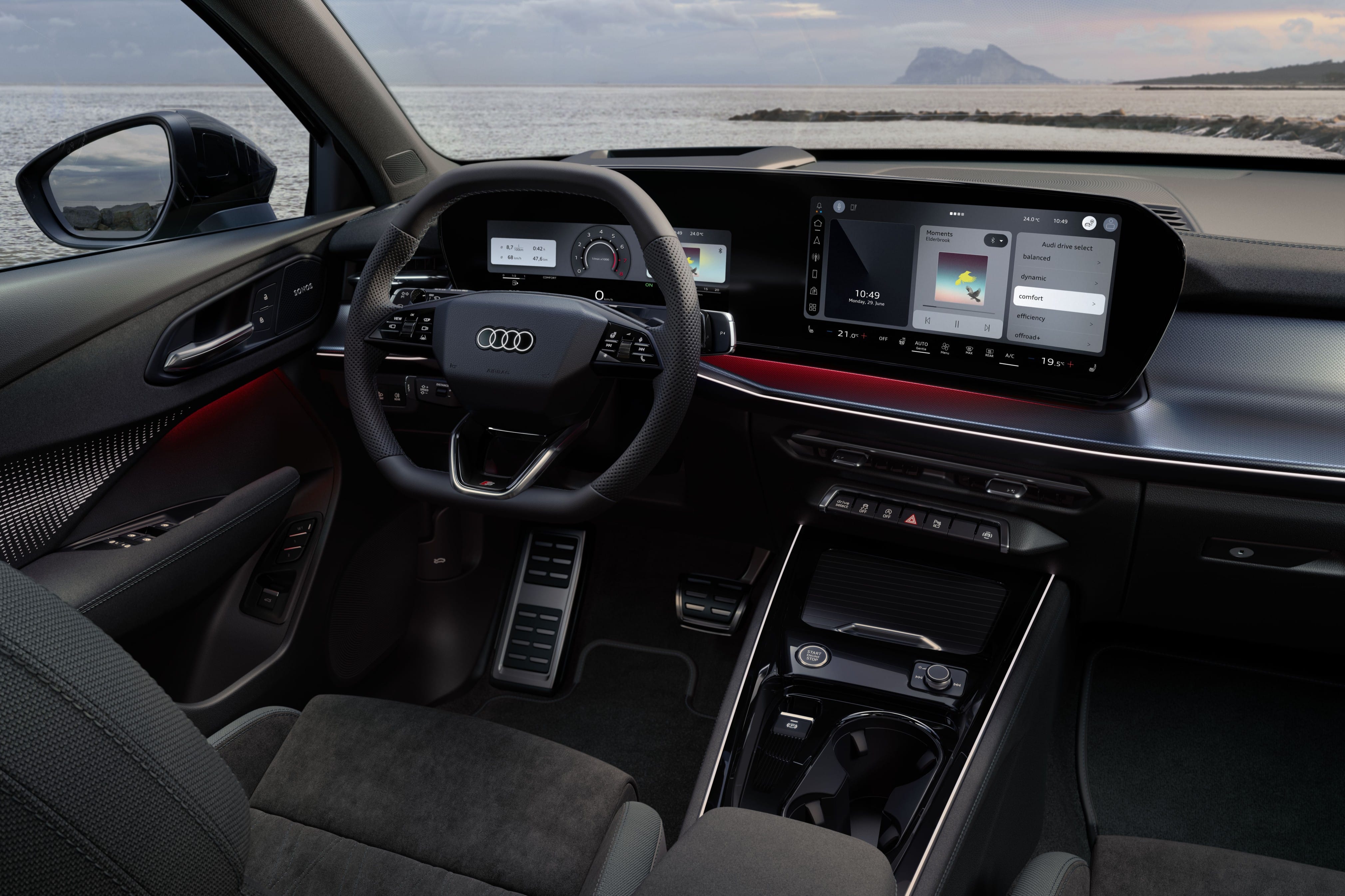
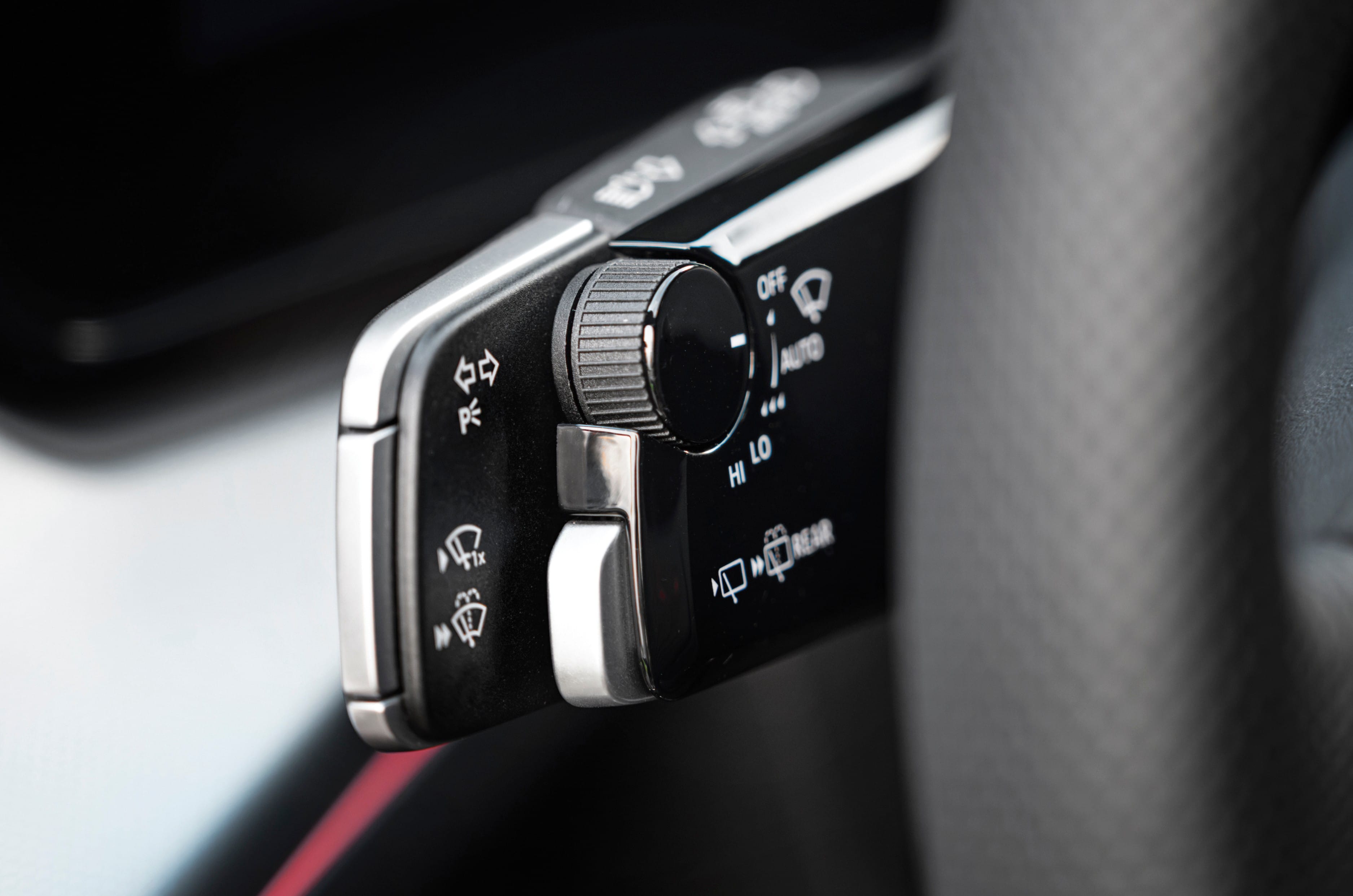
Like the exterior, the interior is also a departure from the current version, with the dashboard angled toward the driver. You get a curved dual-screen setup dominating the dashboard, a new sporty-looking three-spoke flat-bottom steering wheel, and the gear lever has moved from the centre console to the steering column. A unique touch is that controls for the lights, wipers and indicators are combined into a single stalk. However, like most manufacturers, Audi has reduced the number of physical buttons. While the global-spec Q3 gets a black theme for the interior and offers a choice of black or beige seats, it remains to be seen how the India-spec version’s interior would be specced.
As for equipment, the Audi Q3 is expected to have a 11.9-inch digital driver’s display, a 12.8-inch infotainment system with Apple CarPlay and Android Auto, configurable ambient lighting, 3-zone climate control, a panoramic sunroof, a powered driver’s seat, and cooled front seats. The safety kit could include an ADAS suite and a 360-degree camera, along with essentials like 7 airbags, ABS, and ESC.
Third-generation Audi Q3 expected powertrains
Likely to be powered by a single petrol engine
The Q3 is expected to arrive with petrol-only powertrains as its previous generation. It will likely utilise an updated version of the current 2.0-litre TSI unit, churning out 14hp more power at 204hp and 320Nm. A 7-speed DCT handles transmission duties, while you get Quattro AWD as standard.
Third-generation Audi Q3 expected price and rivals
To likely be priced from Rs 50 lakh onward
Expect the new-gen Q3 to be pricier than the previous version. The second-gen that’s currently sold in India has an ex-showroom price of Rs 43.67 lakh to Rs 53 lakh. It will take on the likes of the Mercedes-Benz GLA and the BMW X1. We even had the opportunity to drive the third-gen Q3 in global-spec guise.
क्या आप एक मिड साइज SUV लेने की सोच रहे हैं? अगर हां, तो Maruti Suzuki India आपके लिए एक बजट फ्रेंडली कार पेश करने जा रही है। दरअसल, देश की सबसे बड़ी कार निर्माता कंपनी 24 जुलाई को Brezza का नया फेसलिफ्ट वर्जन लॉन्च करेगी। नए अवतार में आने वाली इस SUV में कई डिजाइन और टेक्नोलॉजी अपडेट्स के साथ नए पावरट्रेन विकल्प भी देखने को मिल सकते हैं।
साल 2016 में लॉन्च होने के बाद से ही Brezza भारत में सबसे ज्यादा बिकने वाली SUVs में शामिल रही है। अब तक इस SUV की 14 लाख से ज्यादा यूनिट्स बिक चुकी हैं, जिससे यह Maruti Suzuki के SUV पोर्टफोलियो में एक अहम मॉडल बन गई है।
बता दें कि पिछले हफ्ते Maruti Suzuki ने Brezza की बुकिंग शुरू कर दी थी। ग्राहक इस नए वर्जन को कंपनी की वेबसाइट या डीलरशिप के जरिए 11,000 रुपये की टोकन राशि देकर बुक कर सकते हैं।
किन SUV से है मुकाबला?
Maruti Suzuki Brezza अभी अपनी दूसरी जेनरेशन में है, जो 2022 में आई थी। पिछले कुछ सालों में, इसे अपने सबसे बड़े कॉम्पिटिटर Tata Nexon से कड़ी टक्कर मिली है, जो कॉम्पैक्ट SUV सेगमेंट में सबसे आगे रही है। इस सेगमेंट में Hyundai Venue, Kia Sonet और Mahindra XUV 3XO जैसे दमदार मॉडल भी मौजूद हैं।
इंजन और पावरट्रेन
अगर हम कॉम्पैक्ट SUV सेगमेंट में Brezza के कॉम्पिटिटर को देखें, तो वे न सिर्फ पावरट्रेन के मामले में ज्यादा ऑप्शन देते हैं, बल्कि उनमें कई शानदार फीचर्स भी मिलते हैं। ऐसे में, मॉडल को नया बनाए रखने और बिक्री को लगातार जारी रखने के लिए एक फेसलिफ्ट की जरूरत है।
फिलहाल, Brezza में अभी 1.5-लीटर नैचुरली-एस्पिरेटेड पेट्रोल इंजन मिलता है, जो ज्यादा से ज्यादा 103 PS की पावर और 139 Nm का पीक टॉर्क देता है। इस इंजन के साथ 5-स्पीड मैनुअल ट्रांसमिशन या 6-स्पीड ऑटोमैटिक टॉर्क कन्वर्टर का ऑप्शन मिलता है। इसमें 5-स्पीड MT के साथ CNG का ऑप्शन (88 PS और 121 Nm) भी उपलब्ध है। उम्मीद है कि Brezza फेसलिफ्ट में ये सभी ऑप्शन बने रहेंगे।
इस SUV में सबसे बड़ा बदलाव 1.0-लीटर टर्बो पेट्रोल इंजन का जुड़ना होगा। यह वही इंजन है जो अभी Maruti Suzuki Fronx में इस्तेमाल हो रहा है, जिसमें 100 PS की मैक्सिमम पावर और 148 Nm का पीक टॉर्क मिलता है। उम्मीद है कि टर्बो पेट्रोल इंजन के साथ 6-स्पीड मैनुअल गियरबॉक्स मिलेगा और इसमें ऑटोमैटिक ट्रांसमिशन का ऑप्शन नहीं होगा। ऐसा शायद कीमत को कंट्रोल में रखने के लिए किया जा सकता है।
1.5-लीटर नैचुरली-एस्पिरेटेड पेट्रोल और 1.0-लीटर टर्बो पेट्रोल, दोनों इंजन E20 पेट्रोल के अनुकूल होंगे।
इसके अलावा, टर्बो पेट्रोल इंजन अपनी परफॉर्मेंस के लिए जाने जाते हैं, न कि ज्यादा माइलेज के लिए। यह बात Maruti Suzuki की उस खासियत से कुछ हद तक अलग है, जिसके लिए कंपनी ईंधन की ज्यादा बचत करने वाली कारों के लिए जानी जाती है।
फीचर्स
फीचर्स की बात करें तो, मारुति सुजुकी की कारें इस मामले में सेगमेंट में सबसे आगे नहीं हैं। इसका मतलब यह नहीं है कि उनमें फीचर्स की कमी है। बस बात यह है कि कॉम्पैक्ट SUV सेगमेंट में दूसरी कंपनियां ज्यादा फीचर्स देती हैं।
हालांकि, Brezza फेसलिफ्ट के साथ इसमें बड़े बदलाव हो सकते हैं। उम्मीद है कि इसमें एडवांस्ड ड्राइवर असिस्टेंस सिस्टम (ADAS), पैनोरमिक सनरूफ, बड़ी टचस्क्रीन इंफोटेनमेंट स्क्रीन, आगे की तरफ वेंटिलेटेड सीटें, एम्बिएंट लाइटिंग और डुअल-टोन अलॉय व्हील्स जैसे फीचर्स मिलेंगे।
एक्सटीरियर और इंटीरियर स्पेसिफिकेशन्स
एक्सटीरियर डिजाइन की बात करें तो इसमें ज्यादा बड़े बदलाव की उम्मीद नहीं है। इसमें फ्रंट ग्रिल और बंपर में हल्के बदलाव किए जा सकते हैं, जबकि रियर बंपर में भी थोड़ा अपडेट देखने को मिल सकता है।
मुख्य बदलाव केबिन के अंदर किए जाएंगे, ताकि इन-कैबिन फीचर्स के मामले में Brezza फेसलिफ्ट अपने कॉम्पिटिटर्स को कड़ी टक्कर दे सके।






 Combined with the classy-looking leatherette padding on the dash and door pads, plus the burgundy, gold and light cream colour scheme, the interior of the top-spec Nissan Tekton looks upmarket. The driving position is great and provides excellent all-round visibility, while the seats themselves are comfy enough to be occupied even over long-distance drives.