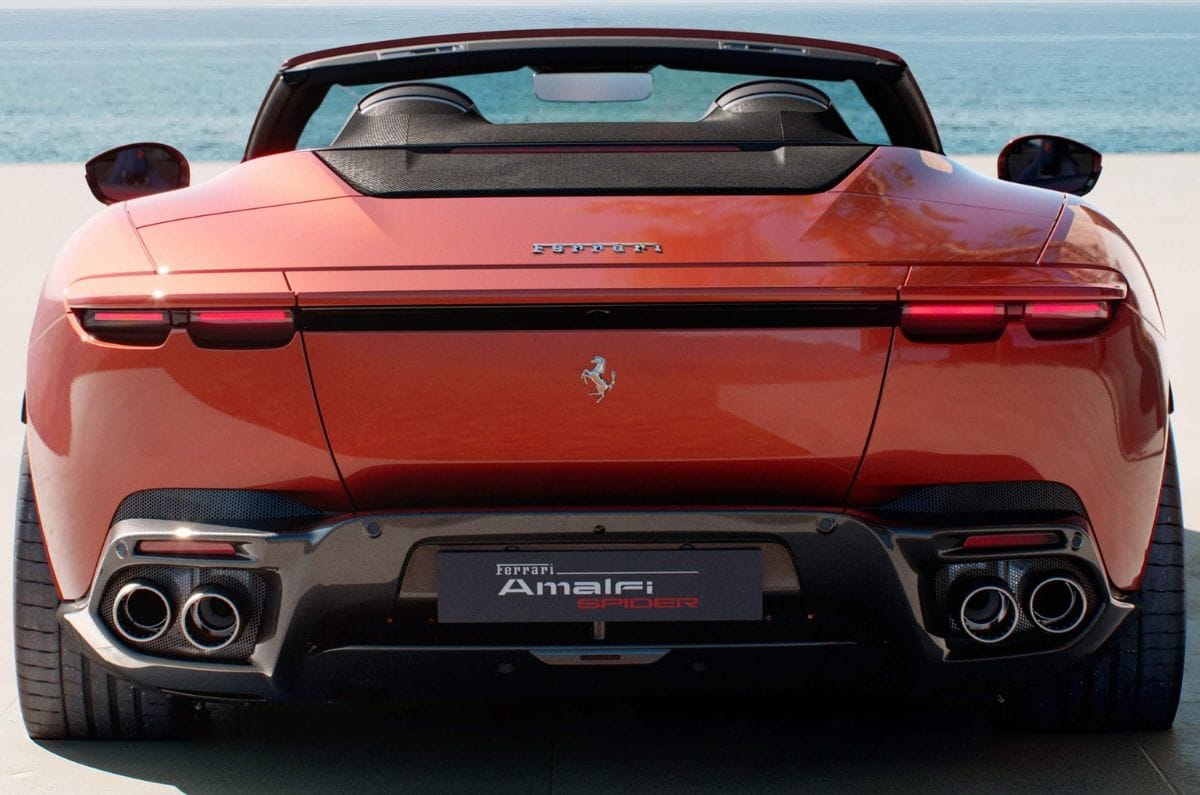
4.6 करोड़ रुपये की Ferrari Amalfi Spider भारत में लॉन्च, 3.3 सेकंड में पकड़ लेगी 100kmph की रफ्तार

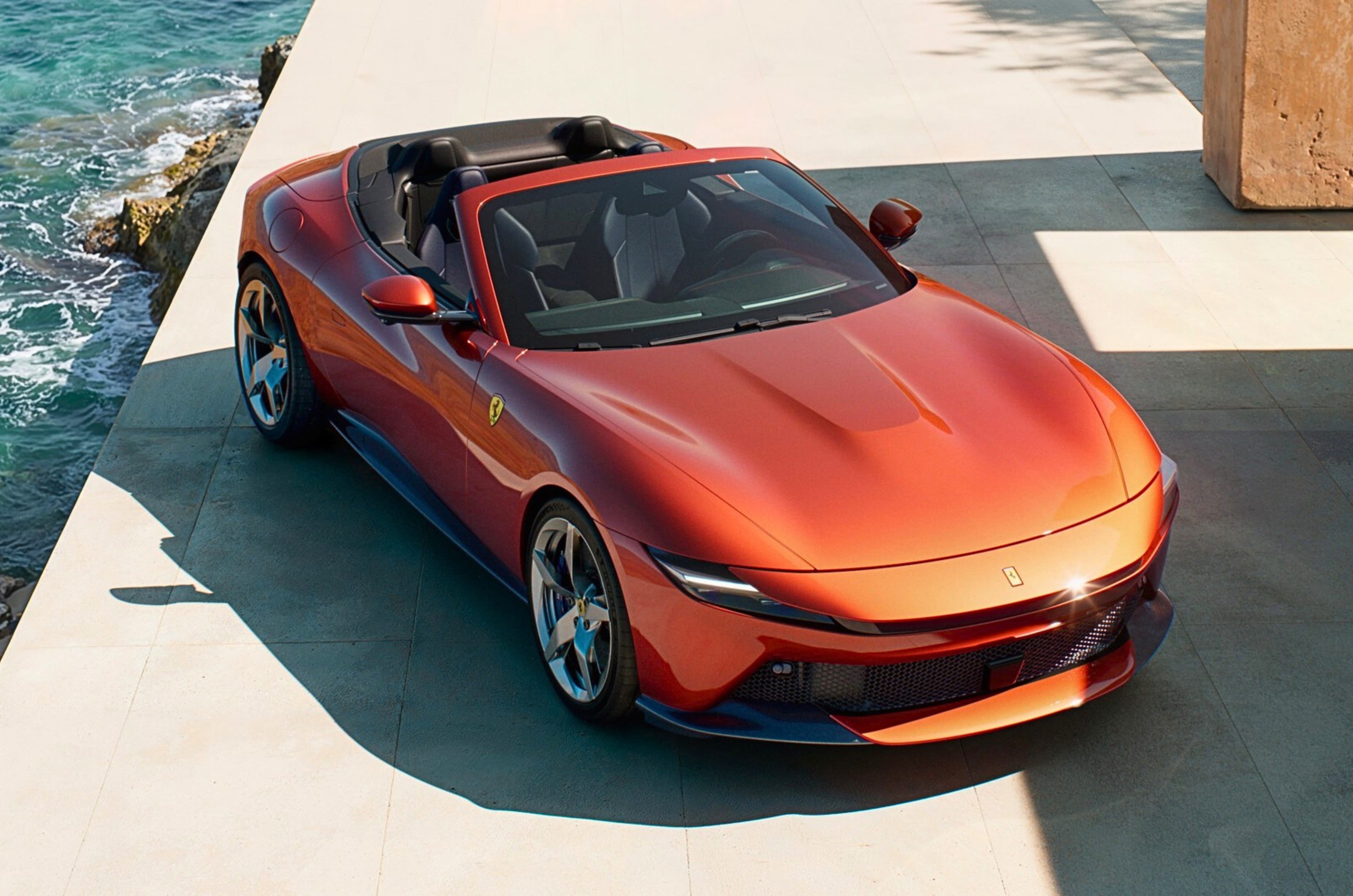
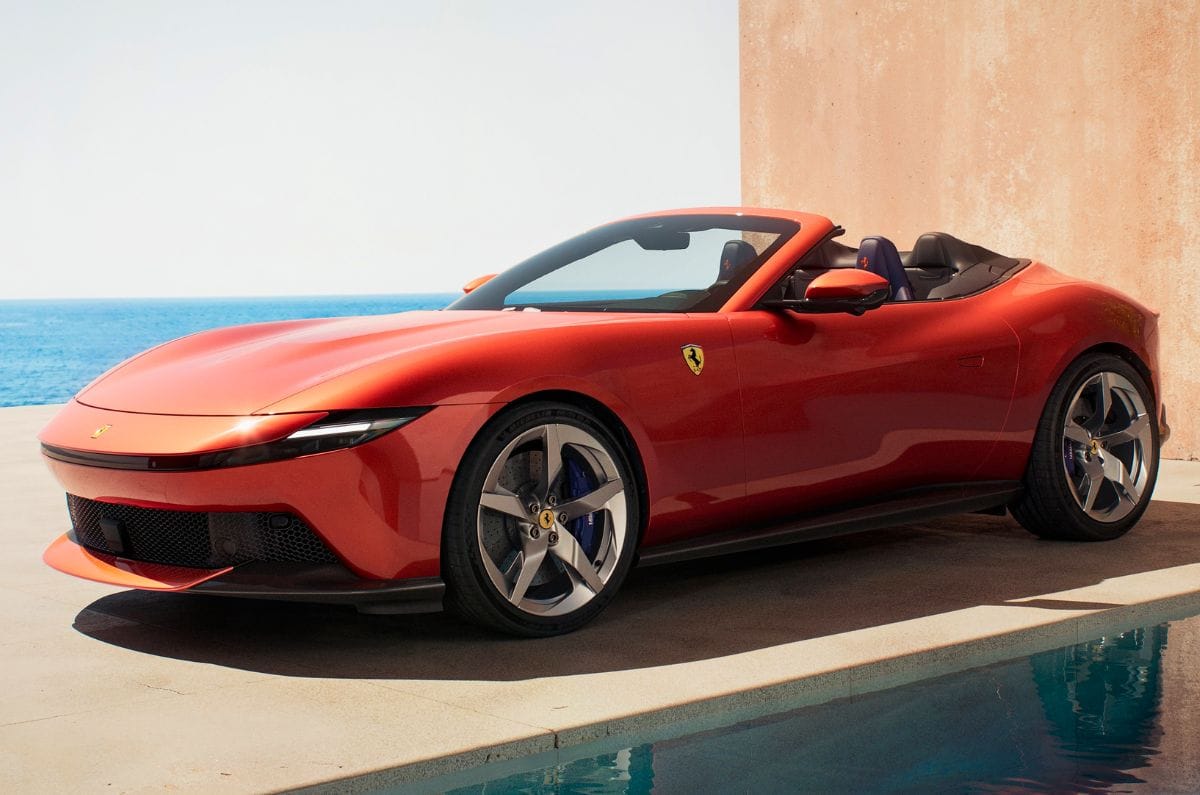
Ferrari India ने अपनी नई Amalfi Spider की बुकिंग लेना शुरू कर दिया है। यह कार कंपनी की Amalfi Grand Tourer का कन्वर्टिबल वर्जन है। मार्च में ग्लोबल लॉन्च के ठीक चार महीने बाद आ रही इस कार की कीमत, ऑप्शन जोड़ने से पहले 4.6 करोड़ रुपये है। Ferrari Amalfi Spider में वही 3.9 लीटर ट्विन-टर्बो V8 इंजन दिया गया है, जो इसके कूपे मॉडल में मिलता है। यह इंजन 640 hp की पावर और 760 Nm का टॉर्क देता है। इसमें पावर को पीछे के पहियों तक पहुंचाने के लिए 8-स्पीड डुअल-क्लच गियरबॉक्स दिया गया है।

भारतीय ग्राहकों के लिए यह कार एक लग्जरी और परफॉर्मेंस का उदाहरण ज्यादा है, क्योंकि इसकी कीमत ज्यादातर लग्जरी कार खरीदारों के बजट से काफी ऊपर है। हालांकि, इससे यह जरूर पता चलता है कि Ferrari भारत को एक महत्वपूर्ण बाजार मान रही है और यहां ग्लोबल लॉन्च के करीब ही अपनी कारें पेश कर रही है।

कीमत और पोजिशनिंग

Amalfi Spider, Amalfi Grand Tourer का कन्वर्टिबल वर्जन है और जाहिर है कि इसकी कीमत इसके हार्ड-टॉप मॉडल से ज्यादा है। इसकी कीमत Amalfi Coupe से ₹52 लाख ज्यादा है, जो अभी ₹4.08 करोड़ में मिल रही है। खरीदारों को इस कार में लंबी दूरी के सफर में आराम और दमदार परफॉर्मेंस दोनों का शानदार अनुभव मिलेगा। इसके अलावा, ओपन-टॉप ड्राइविंग का मजा और अपनी पसंद के मुताबिक कार को कस्टमाइज कराने का विकल्प भी मिलेगा।

इंजन, परफॉर्मेंस

Amalfi Spider में जाना-पहचाना 3.9-लीटर ट्विन-टर्बो V8 इंजन लगा है, जो 640 hp की पावर और 760 Nm का टॉर्क देता है। यह पावर 8-स्पीड डुअल-क्लच ऑटोमैटिक गियरबॉक्स के जरिए सिर्फ पिछले पहियों तक पहुंचती है। Ferrari का दावा है कि यह कार 0 से 100 kmph की रफ्तार सिर्फ 3.3 सेकंड में पकड़ लेती है और इसकी टॉप स्पीड 320 kmph है। हालांकि, कन्वर्टिबल डिजाइन की वजह से यह कार Coupe मॉडल से 86 kg भारी है, लेकिन इसके बावजूद इसकी परफॉर्मेंस लगभग Amalfi Coupe जैसी ही दमदार बनी हुई है।

डिजाइन

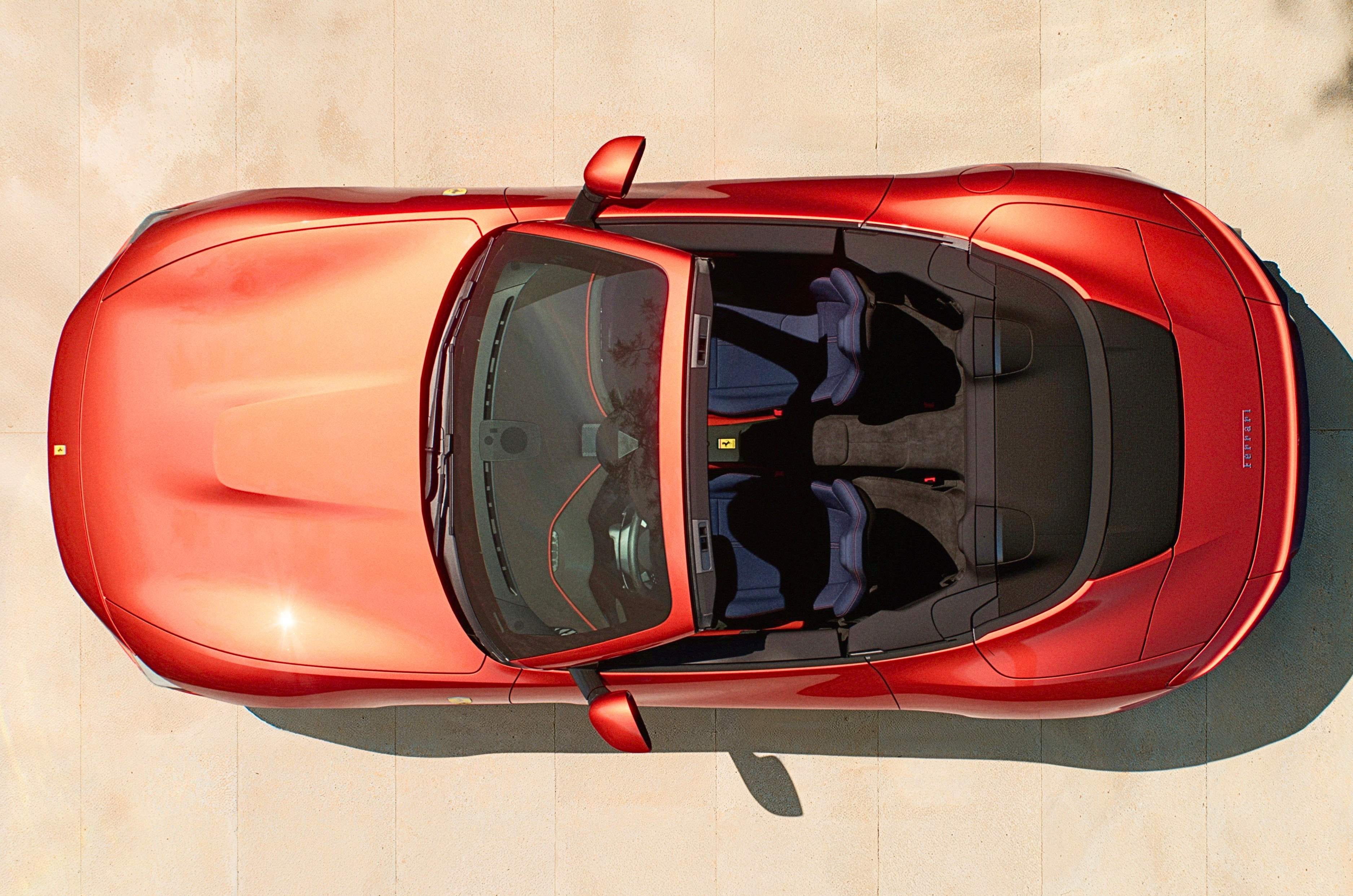
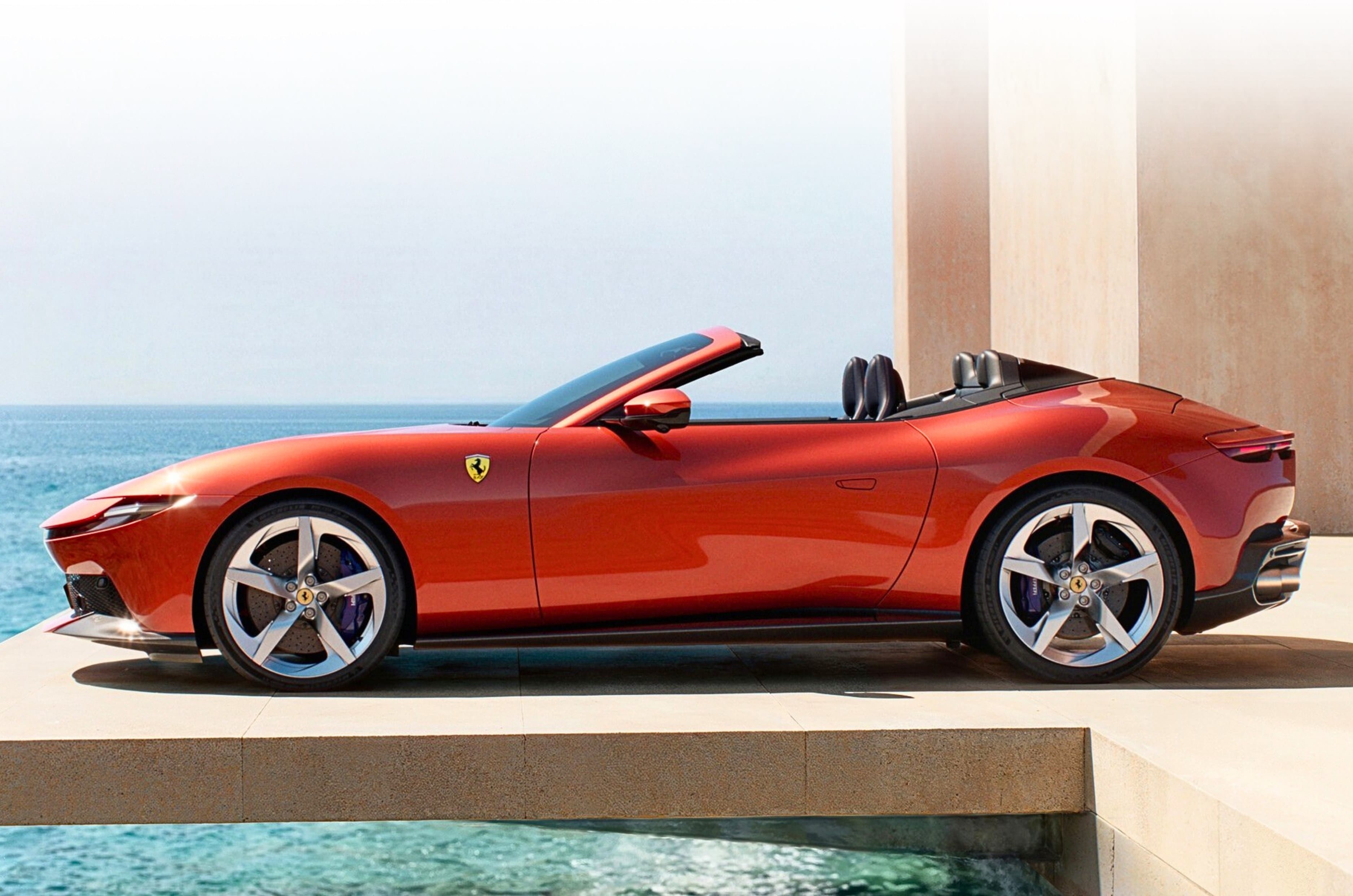
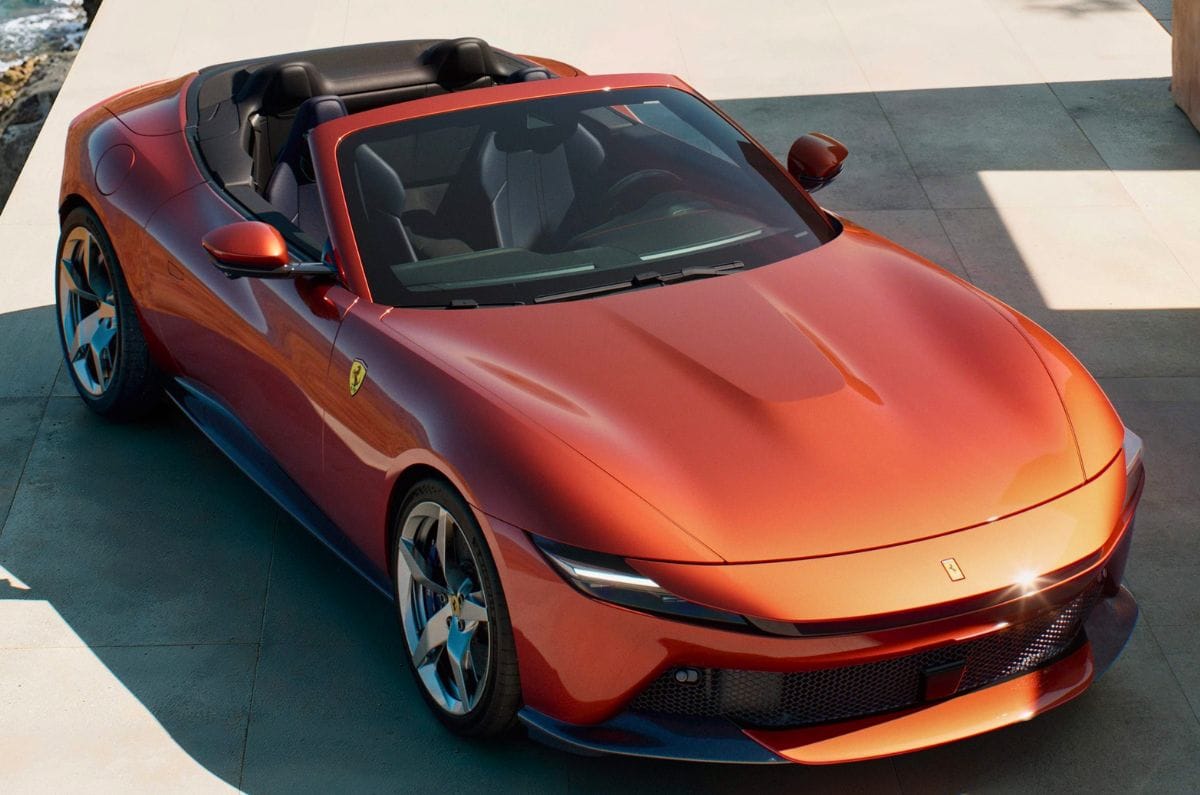
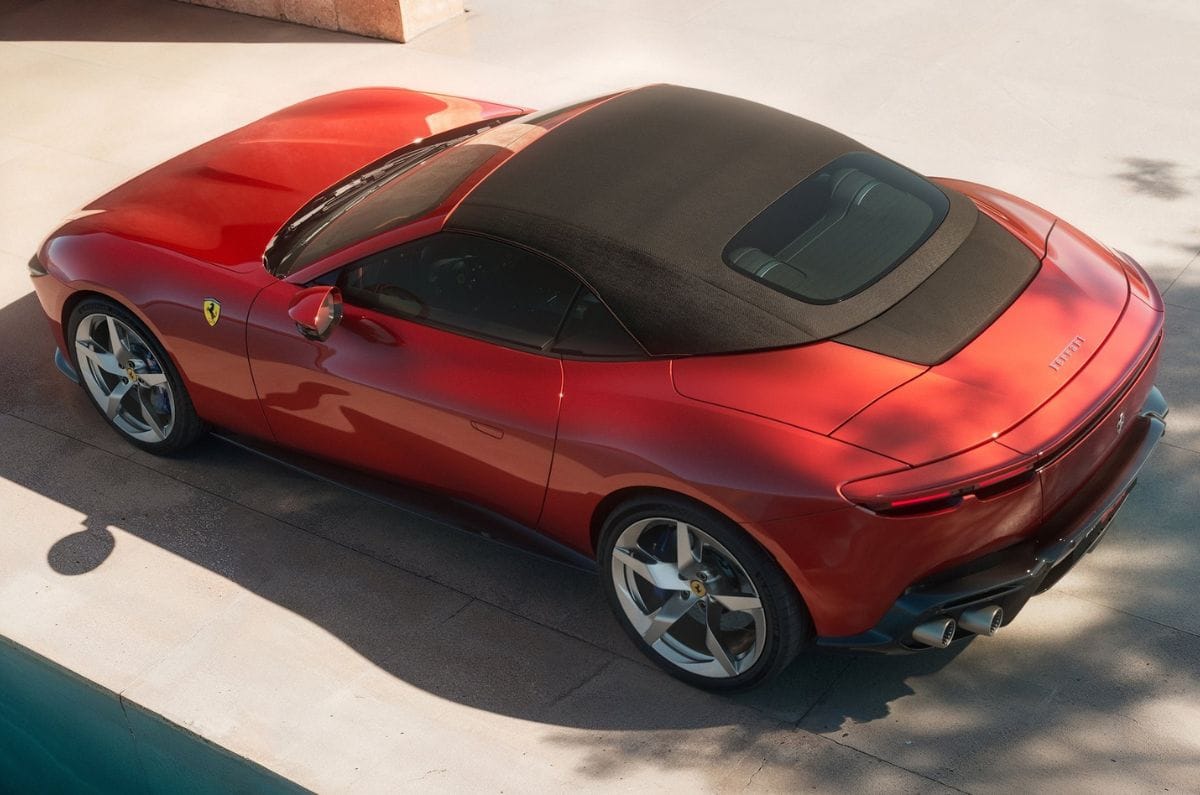
दिखने में, Spider Coupe के स्लीक आकार जैसा ही है, लेकिन इसमें सबसे बड़ा फर्क इसकी फोल्ड होने वाली फैब्रिक रूफ है। यह रूफ 60 kmph तक की रफ्तार पर 13.5 सेकंड में खुल या बंद हो जाती है और यह चार कलर ऑप्शन में उपलब्ध है।

Ferrari का दावा है कि Amalfi Spider की पांच-लेयर (Five-Layer) फैब्रिक रूफ इस तरह तैयार की गई है कि कार के अंदर शोर, वाइब्रेशन और झटके लगभग हार्ड-टॉप मॉडल जितनी ही कम महसूस होती हैं। इसके अलावा, पीछे की सीटों के पीछे खास विंड डिफ्लेक्टर लगाए गए हैं, जो खुली छत के साथ ड्राइविंग के दौरान हवा के शोर को कम करने में मदद करते हैं। इससे लंबी यात्रा भी ज्यादा आरामदायक बनती है। Ferrari ने इस कार के लिए Rosso Tramonto नाम का एक एक्सक्लूसिव एक्सटीरियर (बाहरी) शेड भी पेश किया है, जिससे Amalfi Spider की पहचान बाकी मॉडलों से अलग नजर आती है।

इंटीरियर और फीचर्स

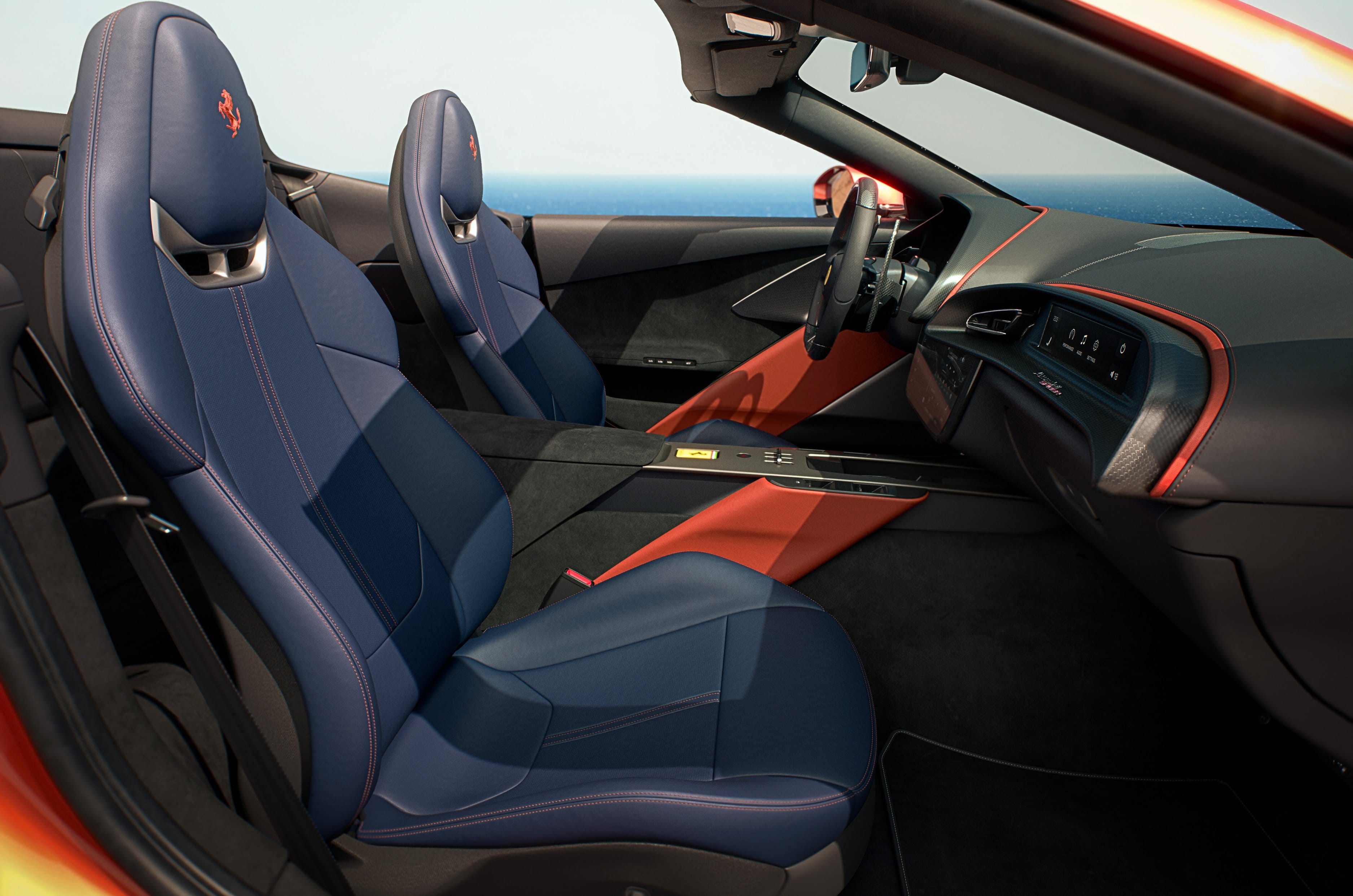
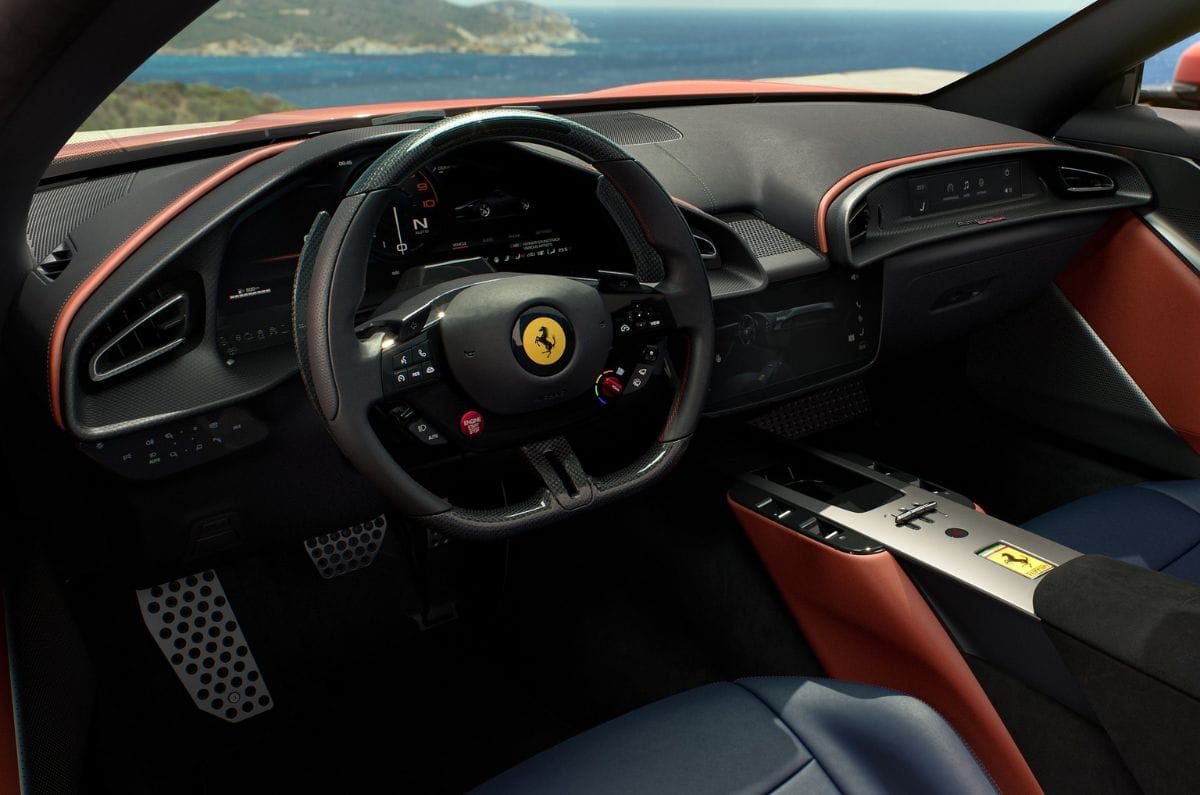
Ferrari Amalfi Spider का इंटीरियर काफी हद तक Amalfi Coupe जैसा ही है। इसमें 2+2 सीटिंग लेआउट दिया गया है, यानी आगे दो और पीछे दो सीटें मिलती हैं। कार का केबिन पूरी तरह ड्राइवर को ध्यान में रखकर डिजाइन किया गया है।

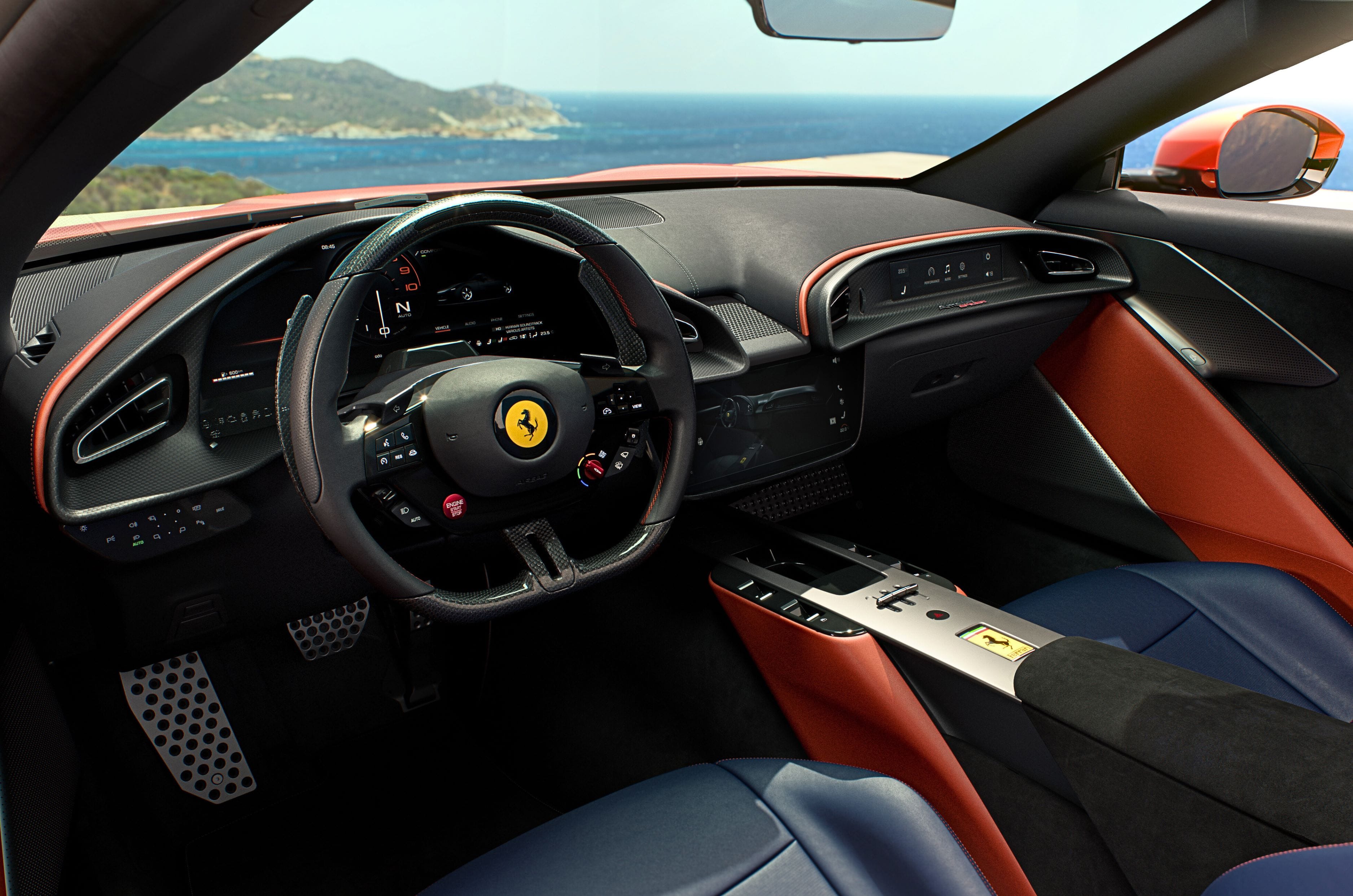
फीचर्स की बात करें तो इसमें 10.25 इंच का टचस्क्रीन इंफोटेनमेंट सिस्टम, 8.8 इंच का पैसेंजर डिस्प्ले और 15.6 इंच का डिजिटल ड्राइवर डिस्प्ले मिलता है। इसके अलावा, कार में पावर्ड स्पोर्ट्स सीट्स, तीन-स्पोक स्टीयरिंग व्हील (जिस पर कई फिजिकल कंट्रोल दिए गए हैं), स्टाइलिश AC वेंट्स और एल्यूमिनियम फिनिश सेंटर टनल दी गई है, जो इसे ‘ग्रैंड टूरर’ होने का अहसास कराते हैं।

टेक्नोलॉजी और आराम के मामले में, Amalfi Spider में वायरलेस Apple CarPlay और Android Auto, कनेक्टेड कार फीचर्स, ADAS, एडेप्टिव क्रूज कंट्रोल, ऑटोमैटिक क्लाइमेट कंट्रोल और वायरलेस चार्जिंग पैड जैसे फीचर्स मिलते हैं। रूफ बंद होने पर इसका बूट स्पेस 255 लीटर और रूफ हटने पर 172 लीटर होता है, जो कन्वर्टिबल सुपरकार के हिसाब से काफी प्रैक्टिकल है।

Ferrari इस कार में सीटों की अपहोल्स्ट्री, इंटीरियर ट्रिम और कलर स्कीम को अपनी पसंद के अनुसार कस्टमाइज कराने का विकल्प भी देती है, जिससे ग्राहक अपनी पसंद के मुताबिक एक अलग और खास Amalfi Spider तैयार कर सकते हैं।

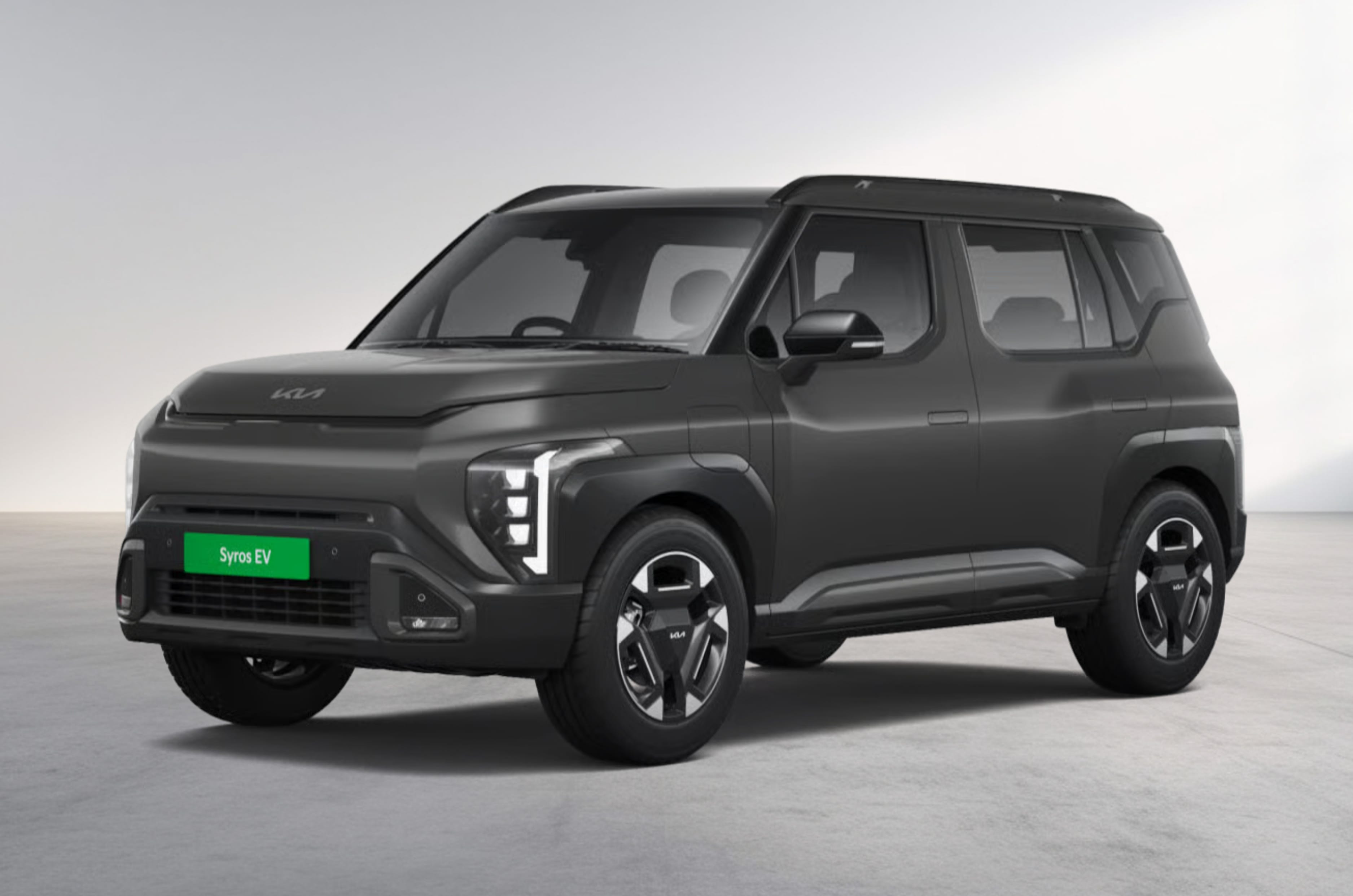
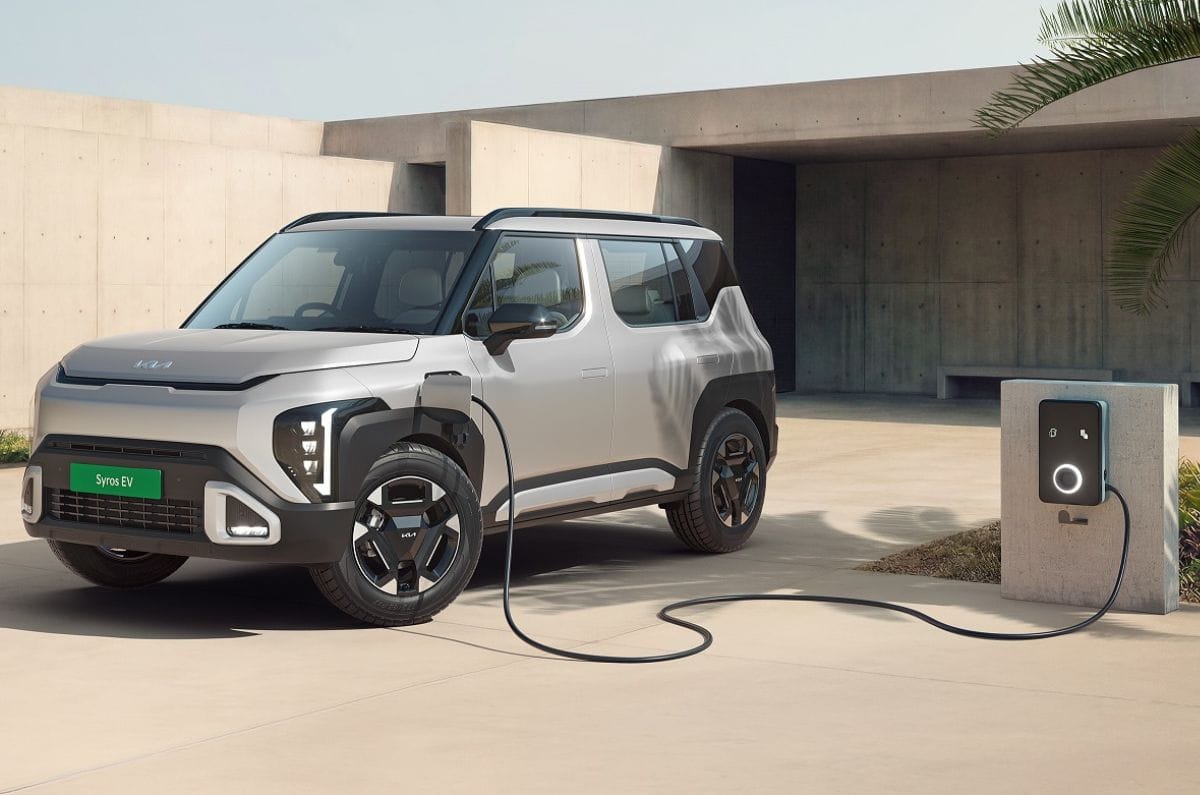
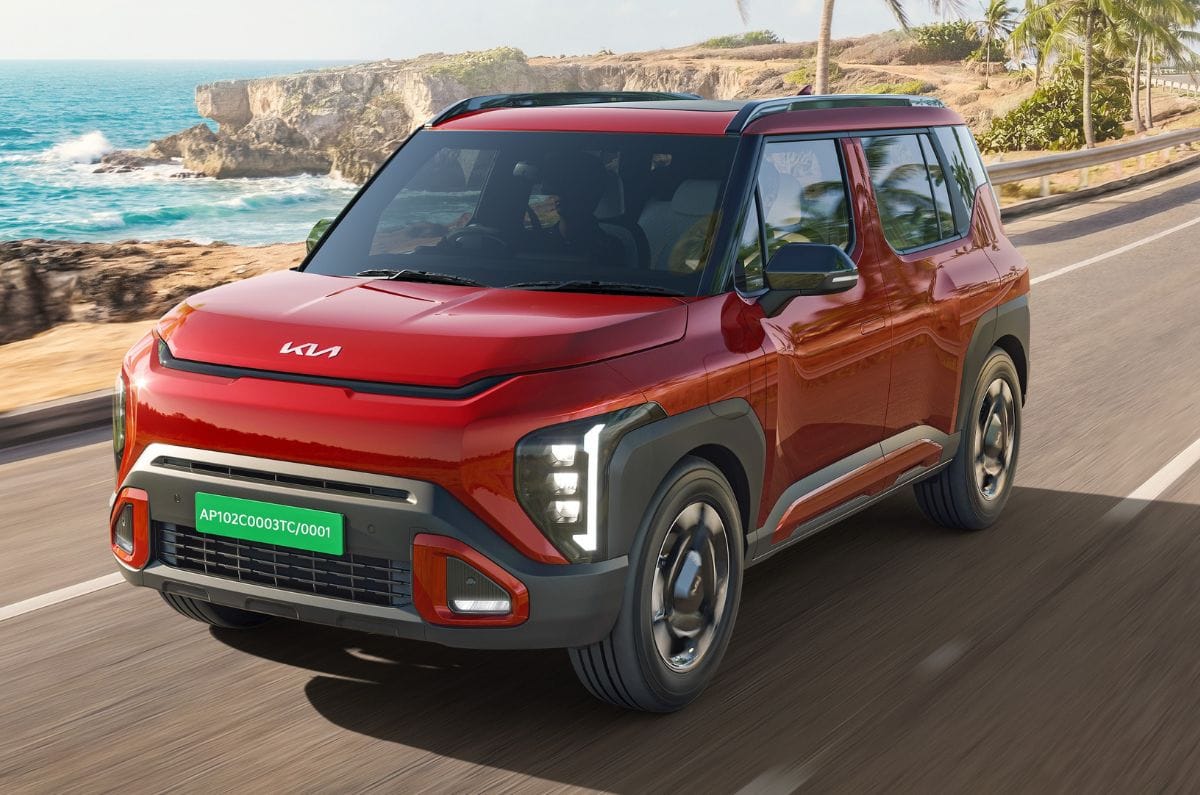
यह भी पढ़ें: Kia Syros EV से उठा पर्दा और बुकिंग शुरू, 526KM की रेंज से Nexon EV और Mahindra XUV 3XO EV को देगी टक्कर! जानिए बाकी फीचर्स

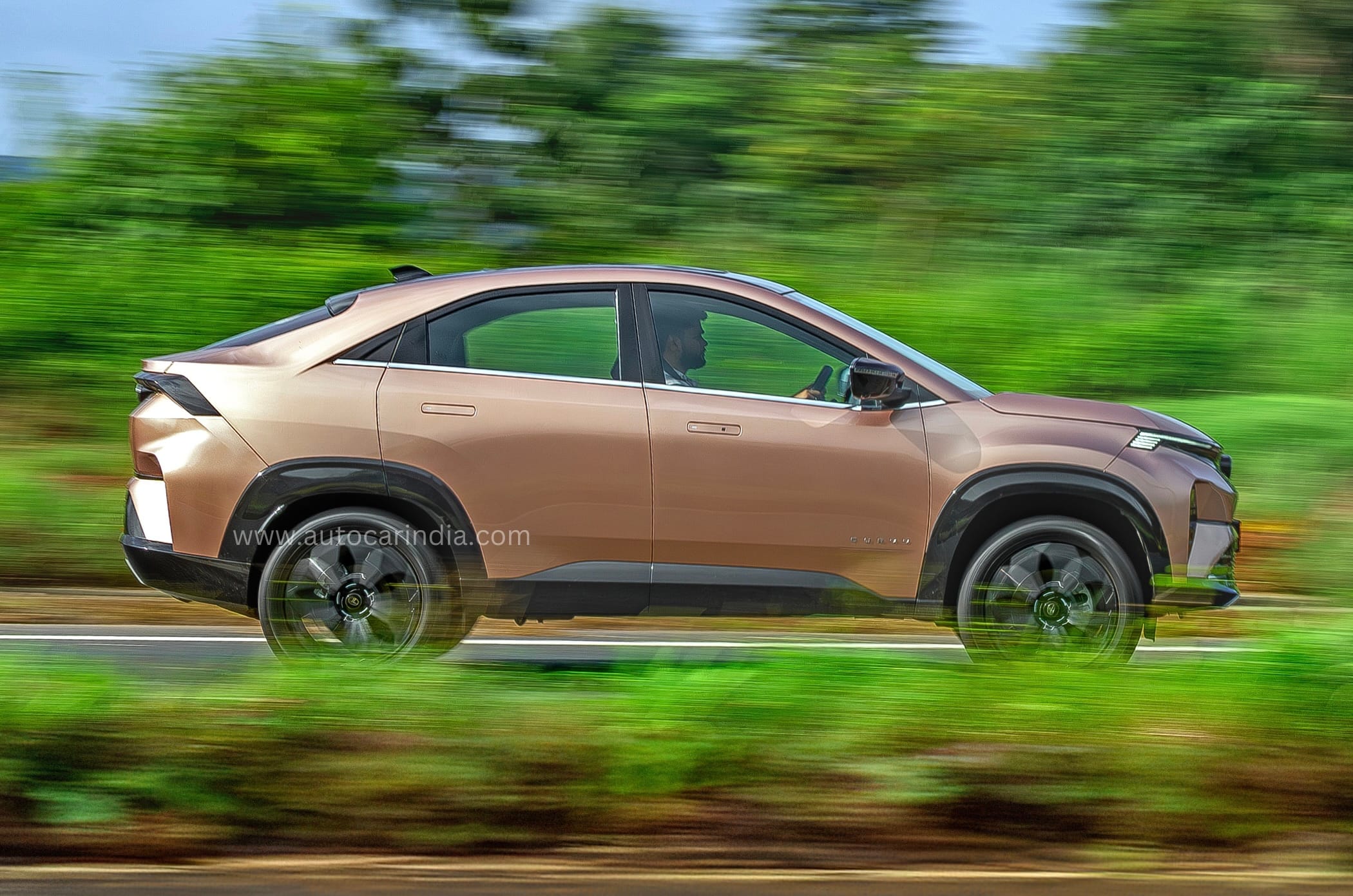
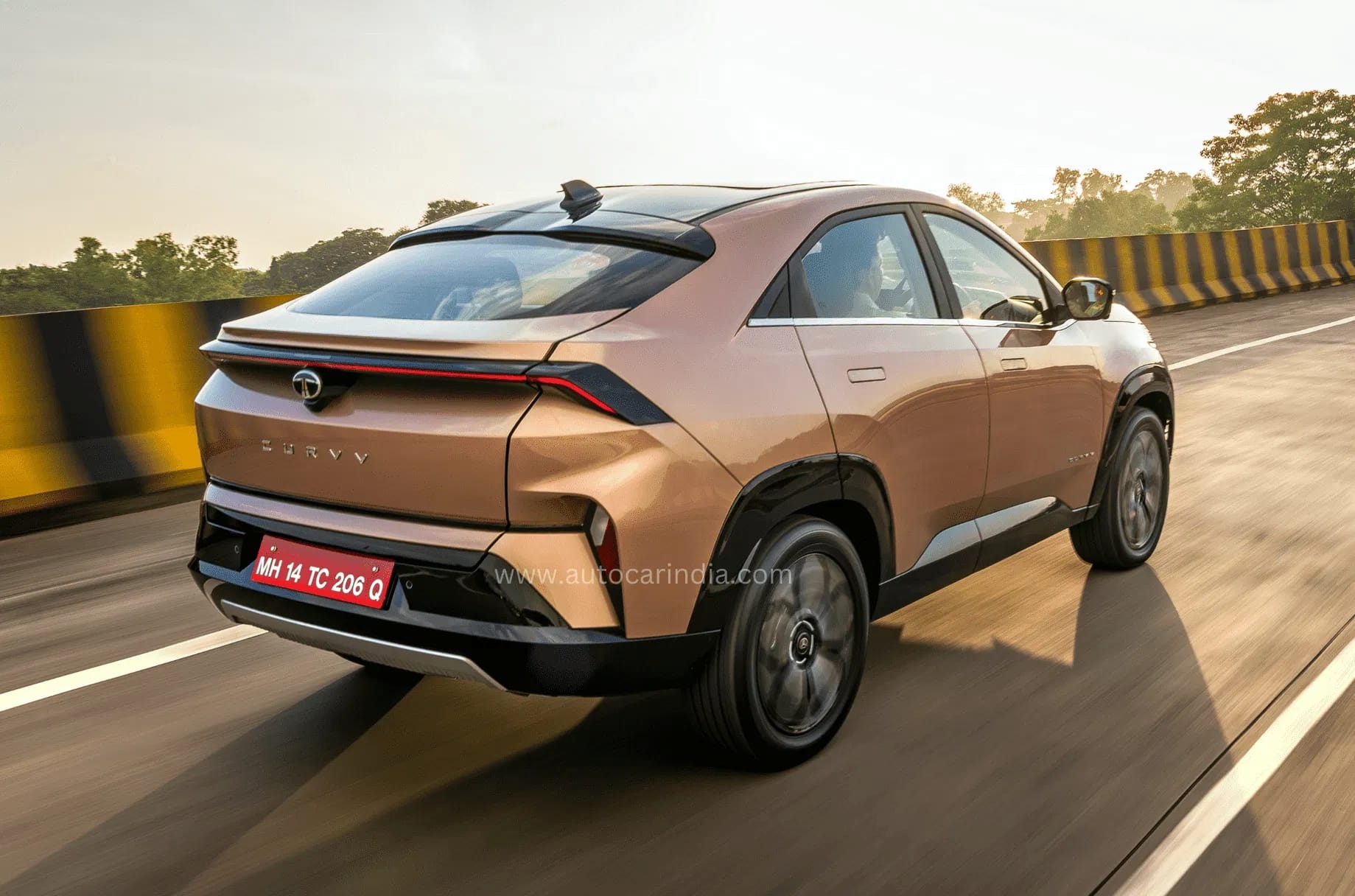
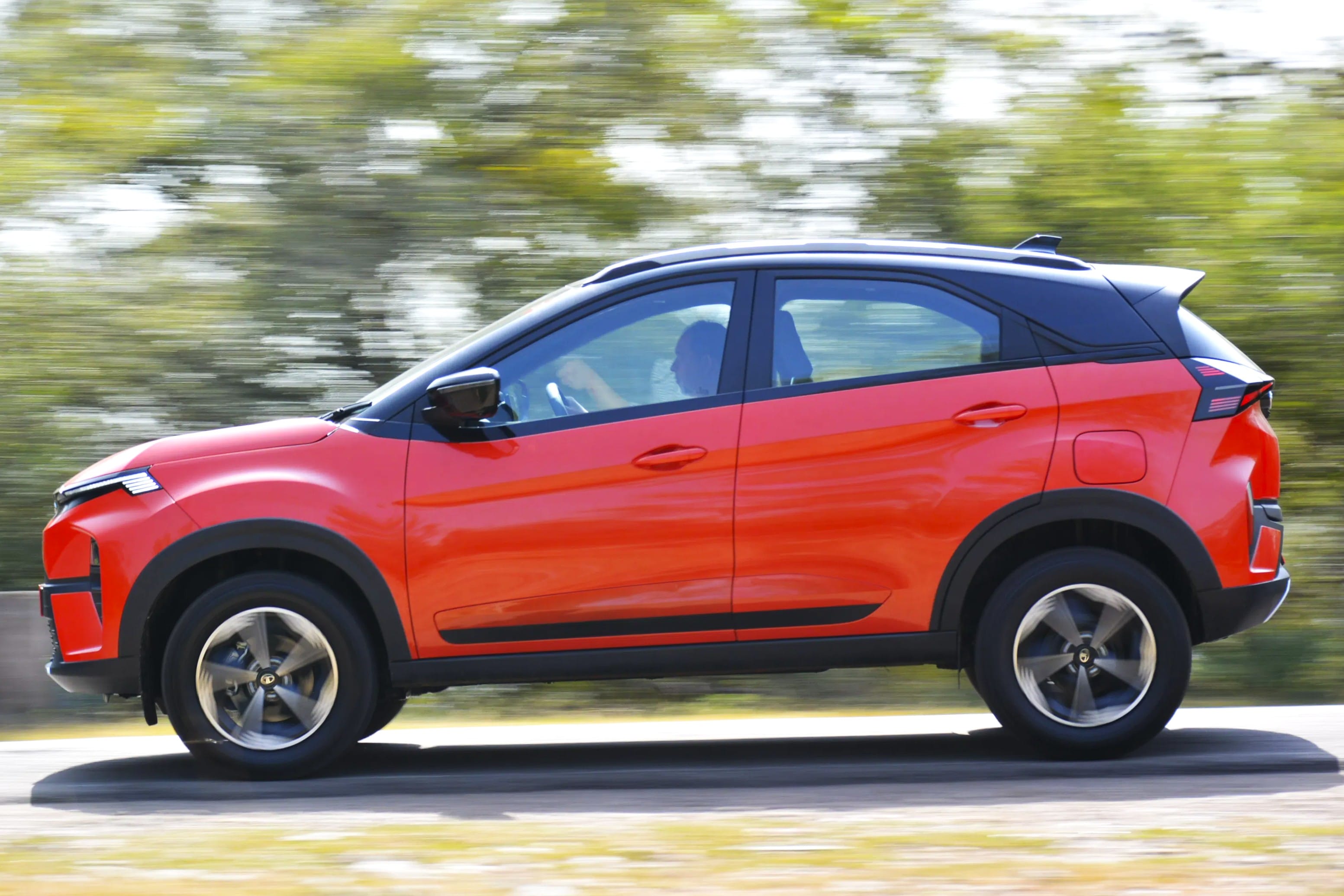
4 reasons to buy the Tata Curvv and 3 reasons to skip it

Tata Curvv rear quarter tracking

Tata introduced the Curvv as its unique take on the midsize SUV space in 2024. Currently, it is one of the two coupe-SUV models in this heavily contested segment. Built on Tata’s ATLAS platform, the Curvv slots between the compact Nexon and the newer, traditional-looking Sierra in the brand’s SUV line-up. If you’re interested in the Curvv, below are the reasons to consider it, as well as reasons to look elsewhere.

Reasons to buy 

Good ride and handling balance 

Like other Tata models, which are known to have a good balance of ride and handling, the Curvv is no different. It feels tough and takes on broken road patches with ease. Low-speed ride may feel a bit stiff, but it smooths out as you increase speed. Where the Curvv does feel at home is at highway speeds, with composed and mature road manners. Body roll when cornering is also kept well in check, and the steering is precise. 

Diverse powertrain offering 

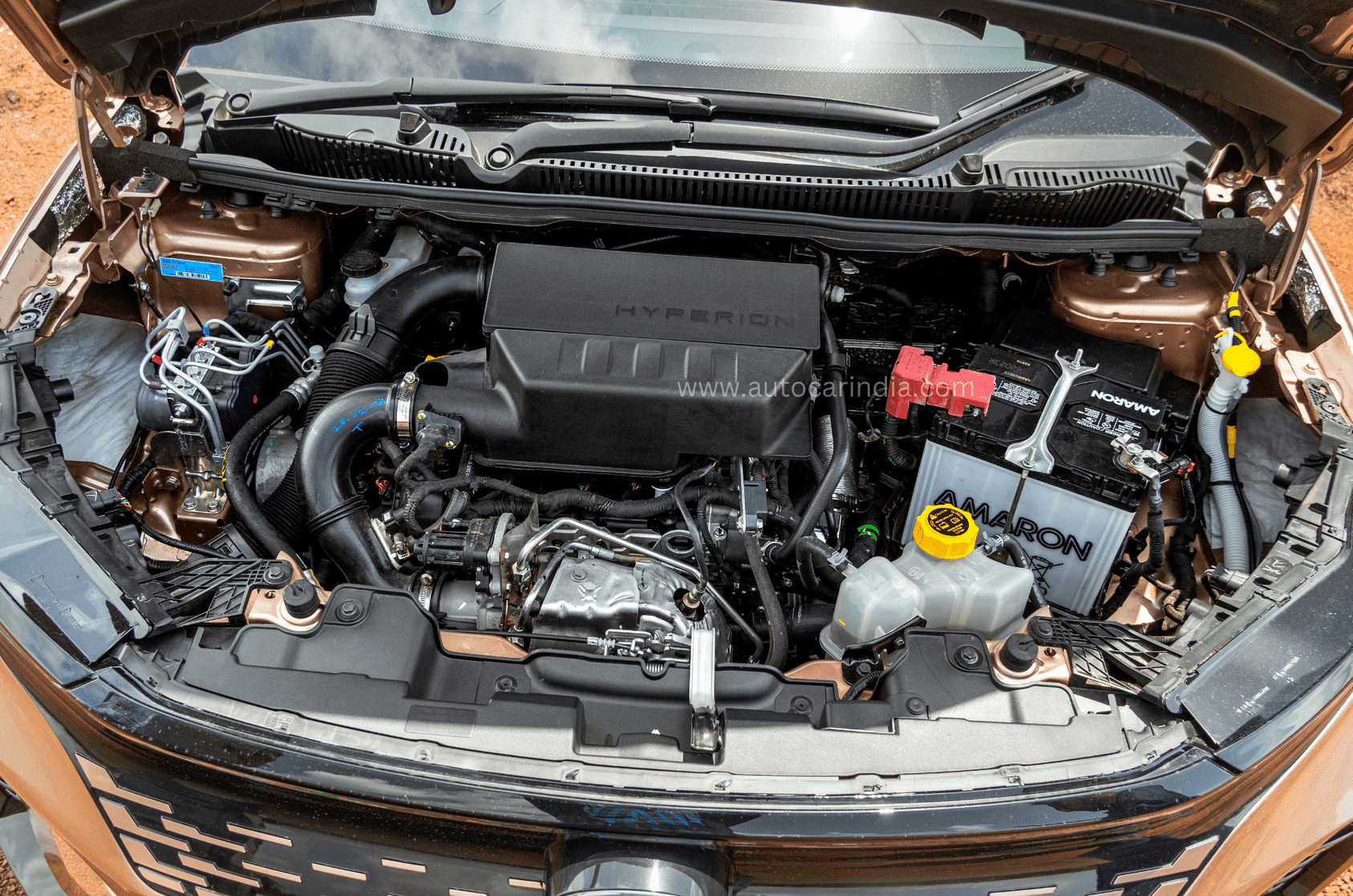
In the mid-size SUV segment, the Curvv is one of the models with a quite diverse powertrain lineup. This includes a 120hp, 170Nm, 1.2-litre turbo-petrol, a 118hp, 260Nm, 1.5-litre diesel, and a 125hp 225Nm 1.2-litre direct-injection turbo-petrol engine. While some SUVs offer only a manual or an automatic gearbox with a particular engine, Tata offers the flexibility of both options, with each of its engines paired to either a 6-speed manual or a 7-speed DCT. 

Well-equipped feature list 

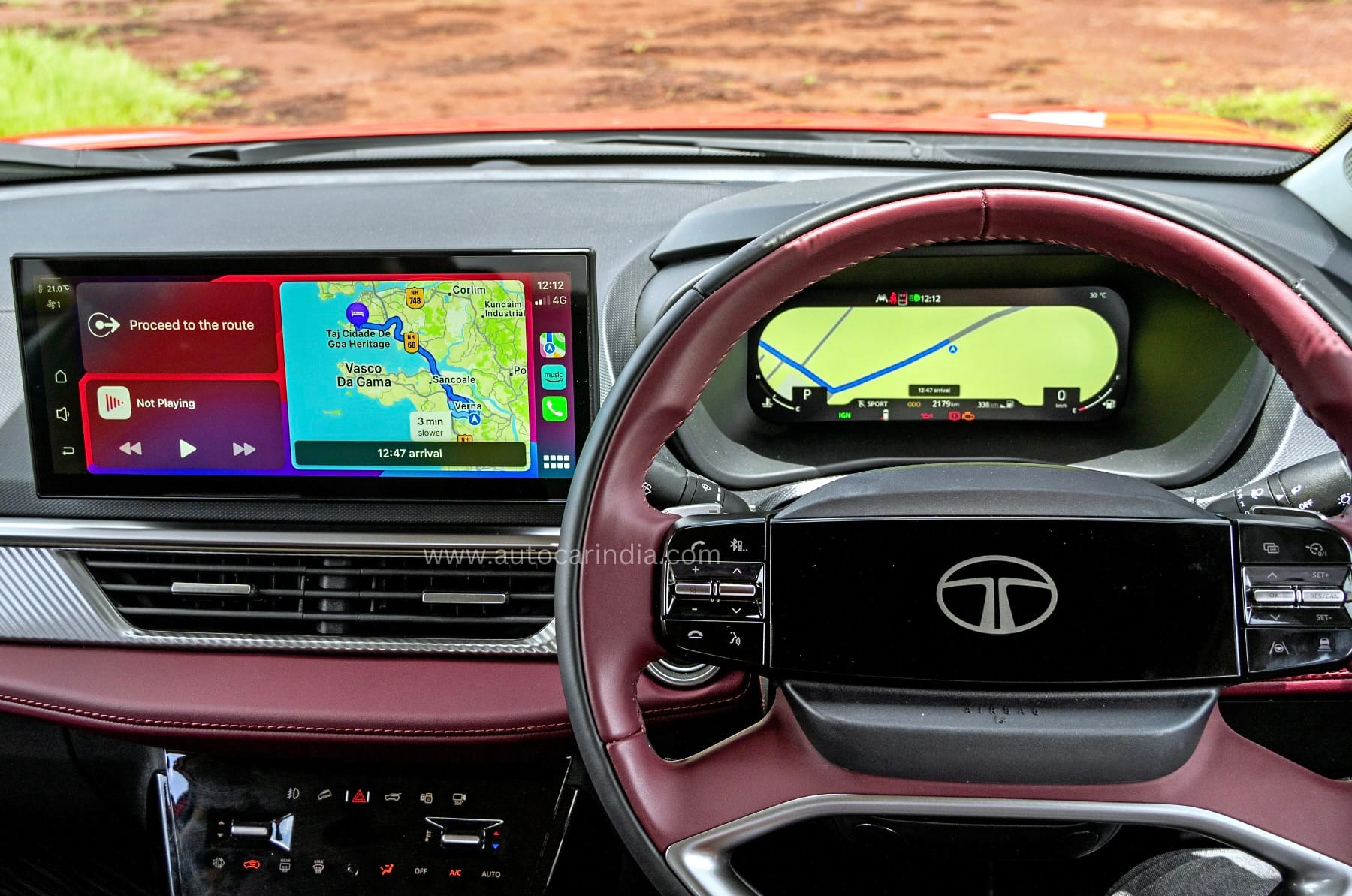
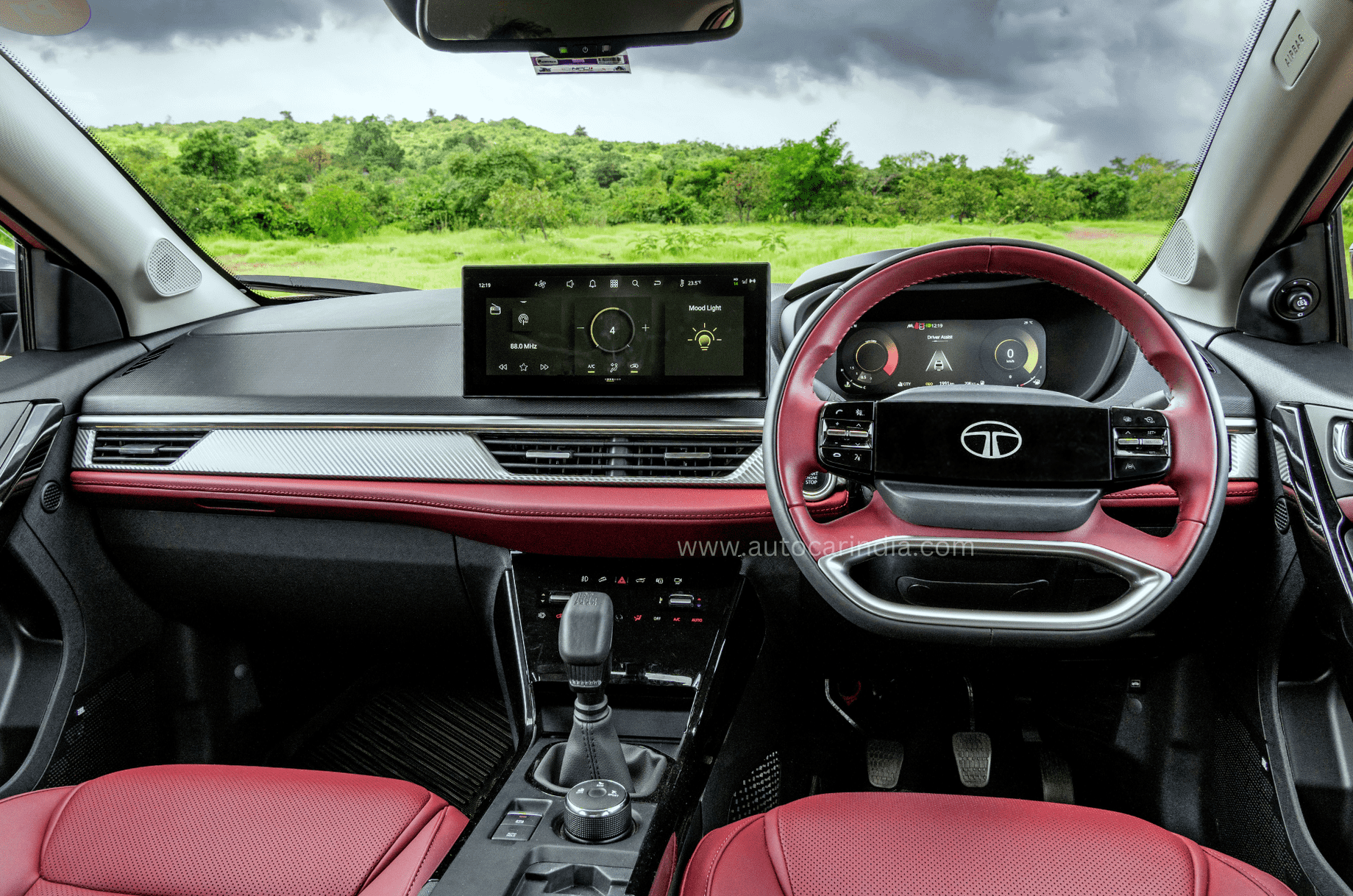
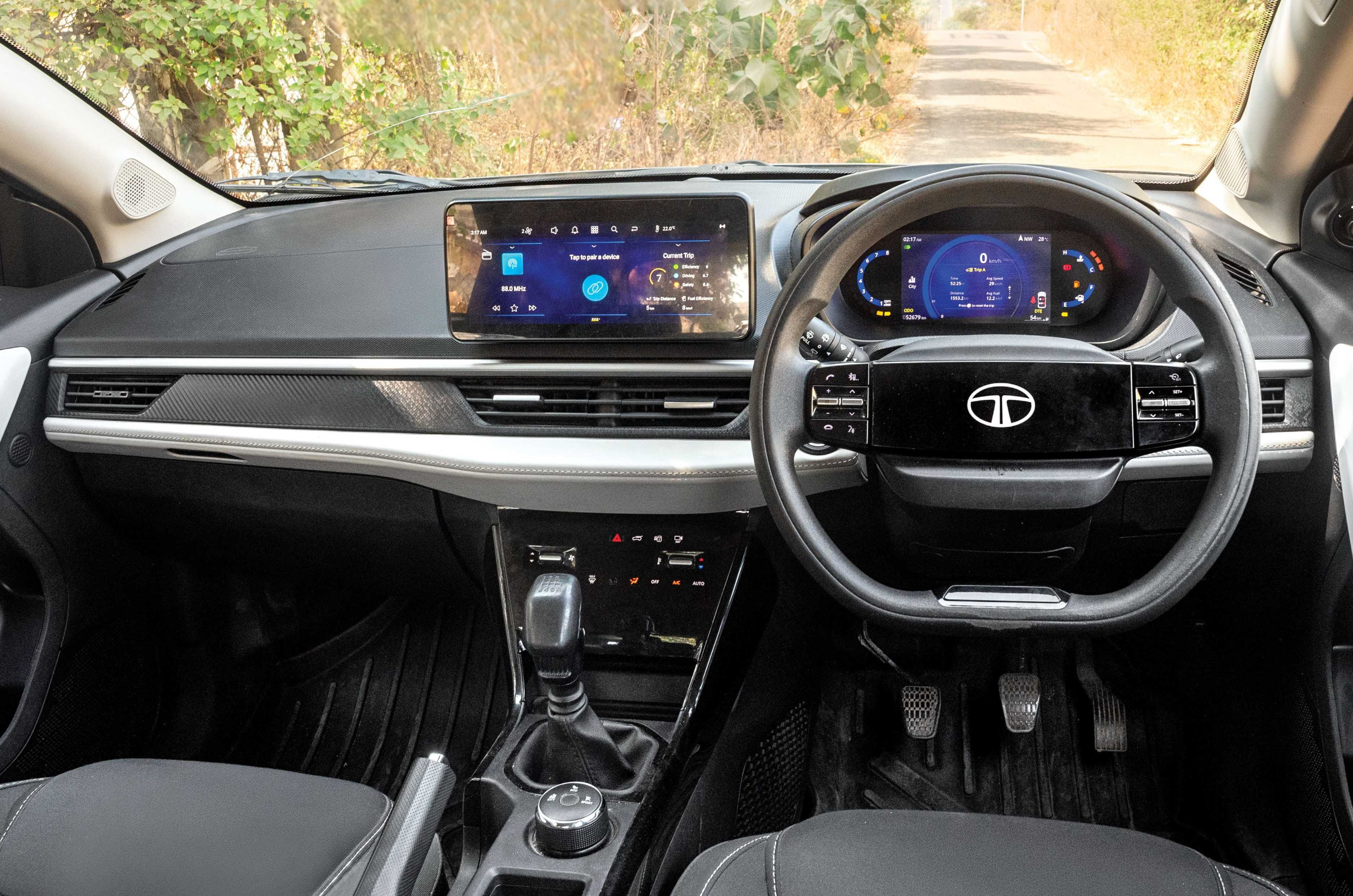
Tata has packed the Curvv with a long list of features. Not only does the Curvv come with tech like a 12.3-inch infotainment display, 10.25-inch digital driver’s display, wireless Apple CarPlay and Android Auto, air purifier, a wireless phone charger, 9-speaker JBL sound system, but it also gets comfort features like a powered driver seat, front seat ventilation, passive ventilation for the rear seats, a panoramic sunroof, rear window sunshades, dual-zone air conditioning, and more. It’s well-equipped on the safety front as well, with level 2 ADAS, a 360-degree camera, blind-spot detection and an auto-dimming IRVM on board. 

Large boot space

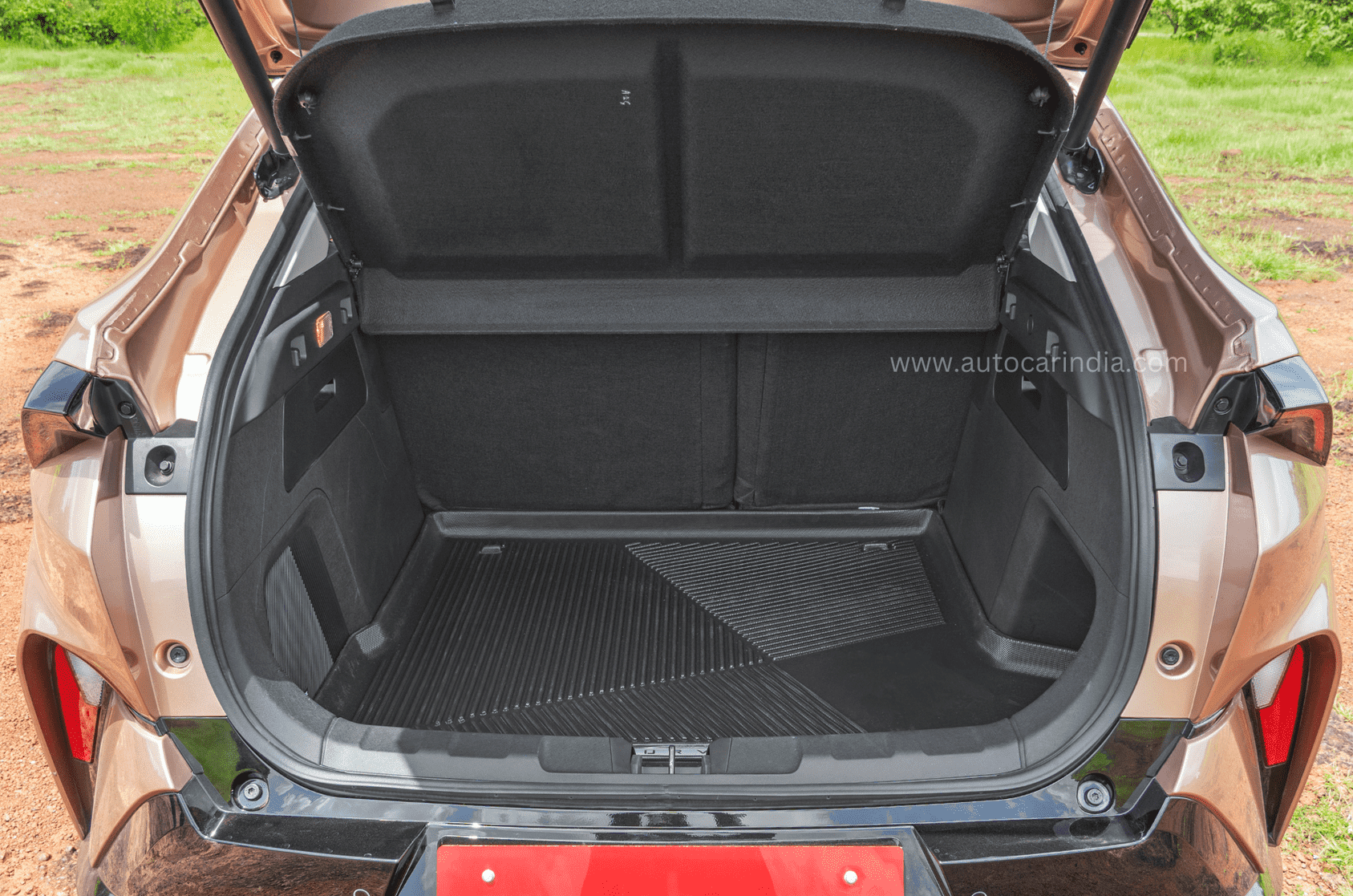
The Curvv is among the models in its class with a large boot space. With a capacity of 500-litres, there’s plenty of room for your luggage needs, and it can also be expanded further by the 60:40 split-folding rear seat.

Reasons to skip 

Limited rear headroom

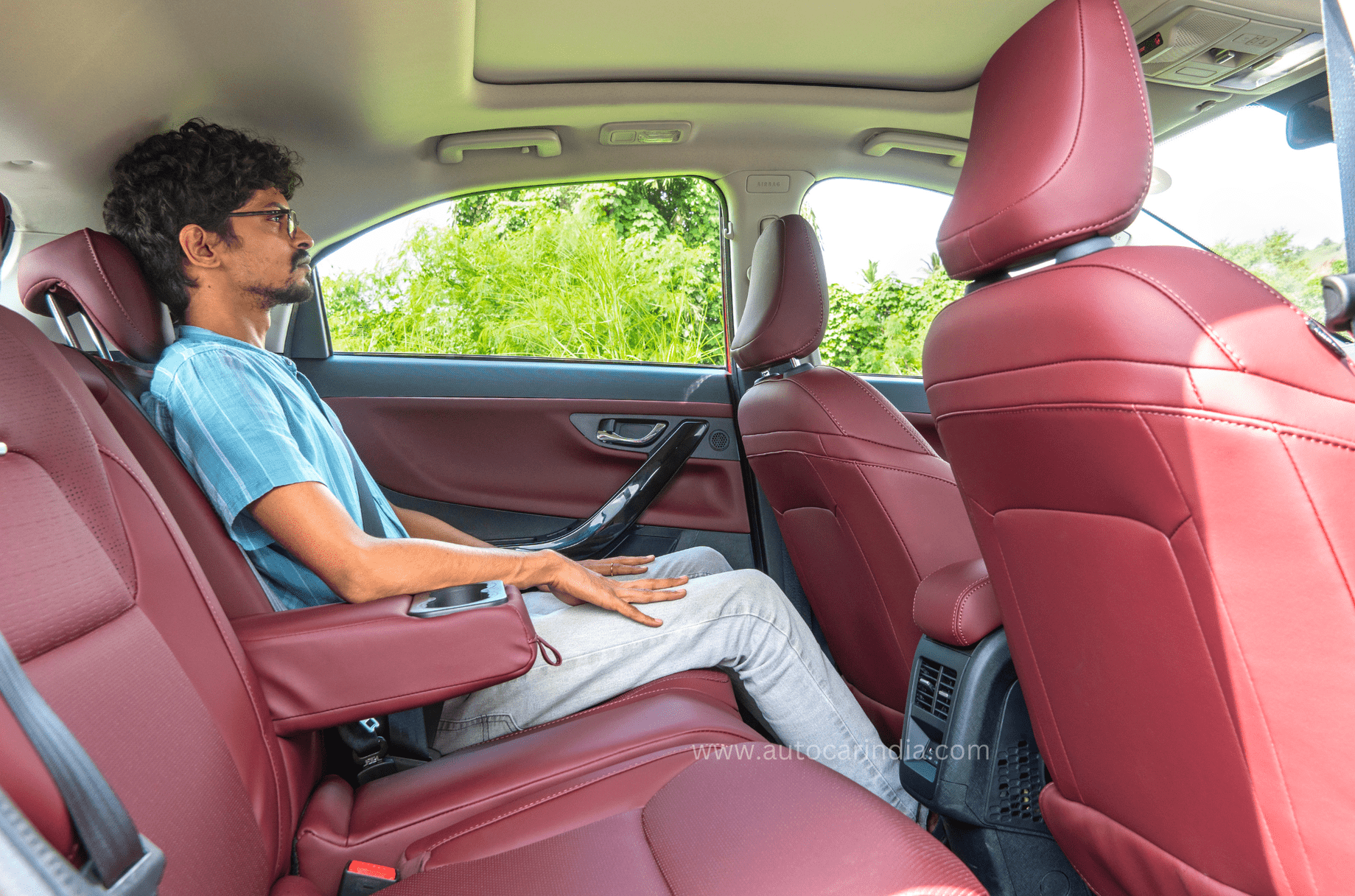
While passengers at the back have adequate legroom, the Curvvs coupe-SUV roofline limits headroom. Though the seat can recline and the headliner is scooped out to help ease things, taller passengers will still find the headroom tight. Additionally, the middle rear seat misses a dedicated headrest, hindering overall comfort. 

Inconsistent fit and finish, ergonomic cabin flaws

While the quality of materials is acceptable, certain areas of the cabin aren’t finished to a T, which is a common issue with Tata models. While there are cupholders at the front, they’re placed in the glovebox, which makes them unusable. Surprisingly, the front centre console does not get cup holders. Additionally, the 12V socket is hard to reach, as it’s placed in a recessed space ahead of the gear lever; the front centre armrest is too small and doesn’t slide, while the storage space below it is suitable only for small items.

Snappy clutch (manual gearbox)

While shifting gears with the manual gearbox is smooth enough, the snappy behaviour of the clutch pedal and long gear throws take away from overall driver involvement. Furthermore, the gear lever is odd to look at and hold.

Ferrari Amalfi Spider launched at Rs 4.6 crore

Ferrari Amalfi Spider

Ferrari India has begun accepting orders for the Amalfi Spider, priced at Rs 4.6 crore, before options. As the name suggests, the Amalfi Spider is the convertible derivative of the Ferrari Amalfi grand tourer, and it’s available in India just a few months after its global debut in March 2026.

Compared to its coupe counterpart, which is currently priced at Rs 4.08 crore (before options), the Amalfi Spider commands a premium of Rs 52 lakh.

Ferrari Amalfi Spider powertrain and performance

Retains coupe’s 640hp twin-turbo V8 

The Amalfi Spider is powered by the same 3.9-litre twin-turbo V8 as its coupe sibling, developing 640hp and 760Nm. This is funnelled solely to the rear wheels via an 8-speed dual-clutch automatic. Ferrari claims a 0-100kph time of 3.3 seconds and a top speed of 320kph – despite its drop-top form factor and 86kg heavier kerb weight, the Amalfi Spider is impressively similar to the coupe in terms of claimed performance.

Ferrari Amalfi Spider exterior and interior

Fabric roof can be operated at up to 60kph

Expectedly, the Amalfi Spider looks identical to its coupe counterpart, with the only major visual differentiator being its folding fabric roof, which opens in 13.5 seconds at speeds of up to 60kph. Buyers can choose one of four colours for the roof, and the five-layer material it uses is said to maintain NVH levels comparable to those of a hard-top Ferrari.

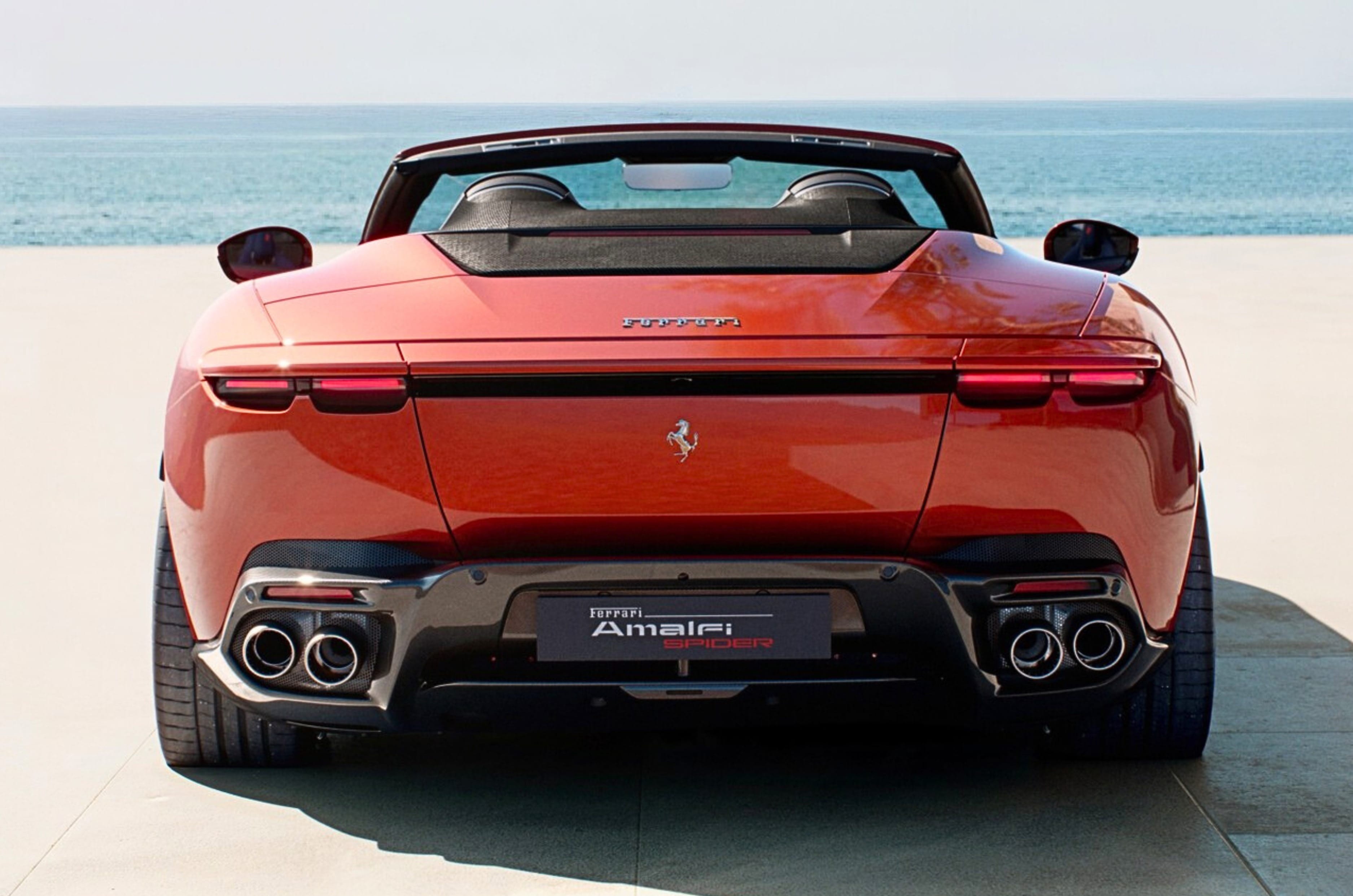
Ferrari has also added wind deflectors to the Amalfi Spider’s rear-seat backrests to keep wind noise under control, and the convertible can be had in an exclusive Rosso Tramonto colour option too.

Mirrors the interior layout of the coupe

The interior layout of the Amalfi Spider is the same as that of the coupe too, with highlights like a 2+2 seating layout, a 10.25-inch central infotainment touchscreen, an 8.8-inch passenger display, a 15.6-inch digital driver’s display, powered sports seats, a three-spoke steering wheel with lots of physical controls, curved AC vents, and an aluminium-milled centre tunnel.

In terms of creature comforts, the Amalfi Spider packs wireless Apple CarPlay and Android Auto, ADAS, connected car tech, adaptive cruise control, automatic climate control, a wireless charging pad, and more. Buyers can also spec the Amalfi Spider’s upholstery, trim pieces, and colour schemes to their individual tastes thanks to a plethora of personalisation options too. As for boot space, the Amalfi Spider is rated at 255 litres with the roof closed, and 172 litres with the roof stowed.

All you need to know about the upcoming Kia Syros EV

Kia Syros EV front quarter static

Kia is aiming at the growing compact electric SUV segment with the upcoming Syros EV, set to be its second mass-market electric model for India. The Syros EV utilises the same K1 platform as its ICE-powered counterpart. Bookings for the Syros EV are already open ahead of its launch, scheduled for the end of July 2026. In this article, we answer everything that you need to know about the Syros EV.

1. What battery pack options does the Kia Syros EV offer, and how much power does its motor produce?

The Kia Syros EV offers the same 42kWh and 51.4kWh battery packs that do duty in the Kia Carens Clavis EV and the Hyundai Creta Electric. Both are mated to a front-mounted motor. In the 42kWh guise, the motor delivers 135hp and 255Nm, but in the 51.4kWh guise, power is bumped to 171hp, while torque remains the same. The 51.4kWh battery pack and its 171hp motor make it the model with the largest battery pack and the most powerful motor in the class. Kia claims a 0-100kph sprint in 8.1 seconds with the 51.4kWh version.

2. What is the claimed range of the Kia Syros EV?

The ARAI-rated range is 443km for the 42kWh battery pack and 543km for the larger 51.4kWh unit. Not only does the Syros EV have a higher claimed range than the Clavis EV and the Creta Electric, but its 543km figure is also the highest in the compact electric SUV segment.

3. What charging speeds does the Kia Syros EV support, and how long does it take to charge?

The Kia Syros EV supports up to 11kW AC charging speeds, while DC charging is capped at 100kW. A 10-100 percent top-up for the 42kWh version takes 6 hours with the 7.4kW charger and 4 hours with the 11kW unit. In the 51.4kWh guise, the same takes 7 hours and 15 minutes with a 7.4kW charger and 4 hours and 50 minutes with an 11kW charger. Kia also claims that with a 100kW DC fast charger, both batteries can charge from 10 to 80 percent in 39 minutes.

4. How different is the Kia Syros EV from the ICE Syros on the outside and inside?

The Kia Syros EV may look largely similar to the ICE Syros, but it comes with a charging flap on the front fender, EV badging at the rear and a different set of alloy wheels that give it some distinction. Apart from these differences, it retains the overall tall-boy silhouette, front and rear bumper designs and lighting elements found on its combustion-powered counterpart.

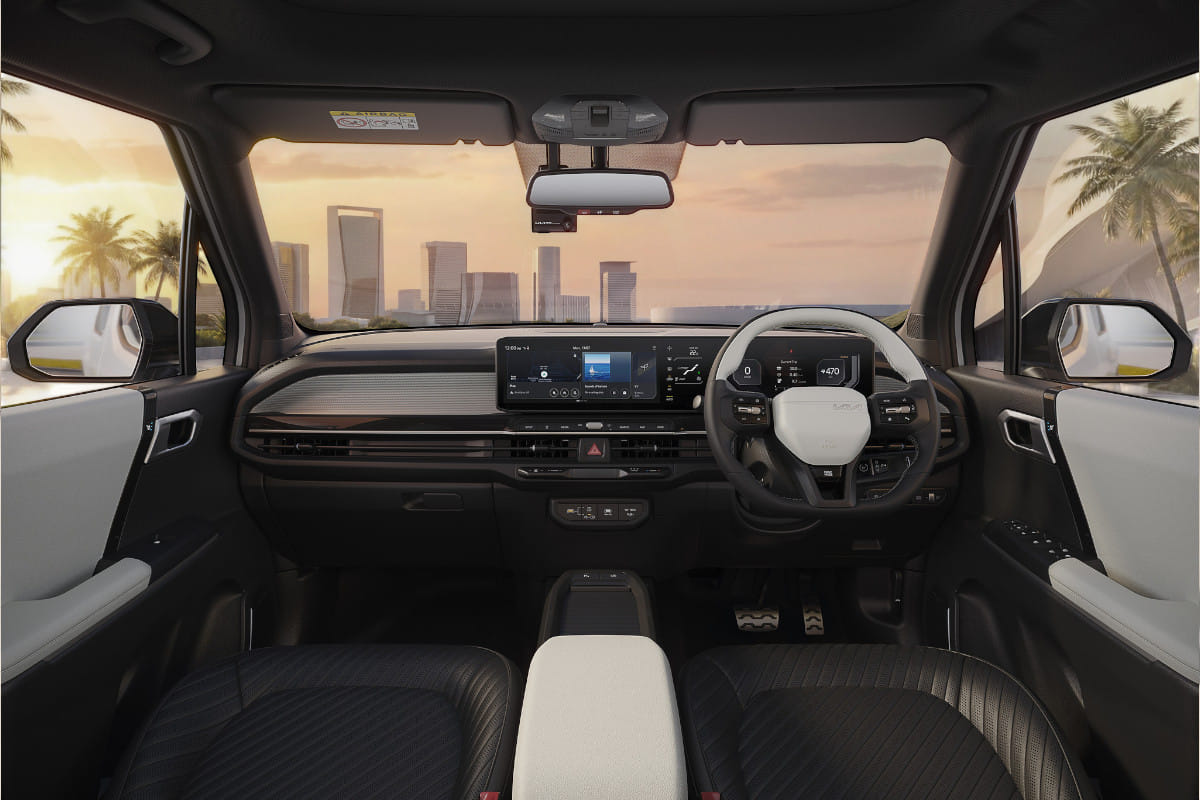
Inside, the dashboard layout remains the same as the ICE Syros, but there are some revisions to the centre console, which is high-set and features storage spaces and retractable cup holders. Also, the drive select lever has shifted to the steering wheel column.

5. What features does the Kia Syros EV come with?

For starters, the Kia Syros EV retains its ICE counterpart’s unique sliding and reclining rear seat with a ventilation function for the seat base. It also gets features such as dual 12.3-inch screens, a 5-inch HVAC control screen, wireless Apple CarPlay and Android Auto, a wireless charging pad, an 8-speaker Harman Kardon sound system, a panoramic sunroof, 64-colour ambient lighting and rear sunshades.

6. What does the Kia Syros EV offer over the ICE-powered Syros?

Apart from having EV-specific features such as a 16-litre frunk, regenerative braking, a virtual engine sound system and vehicle-to-load (V2L) functionality, it gets Level 2 ADAS, automatic flush door handles, a 360-degree camera setup, a dual-camera dashcam, a digital key, puddle lamps, multi-colour ambient lighting and metal pedals over the ICE-powered Syros.

7. What is the expected price of the Kia Syros EV?

The Kia Syros EV is expected to be priced from Rs 15 lakh to Rs 20 lakh, ex-showroom. It will take on the Mahindra XUV 3XO EV and the segment-reigning Tata Nexon EV, among others.

Volvo EX90 India debut on August 19

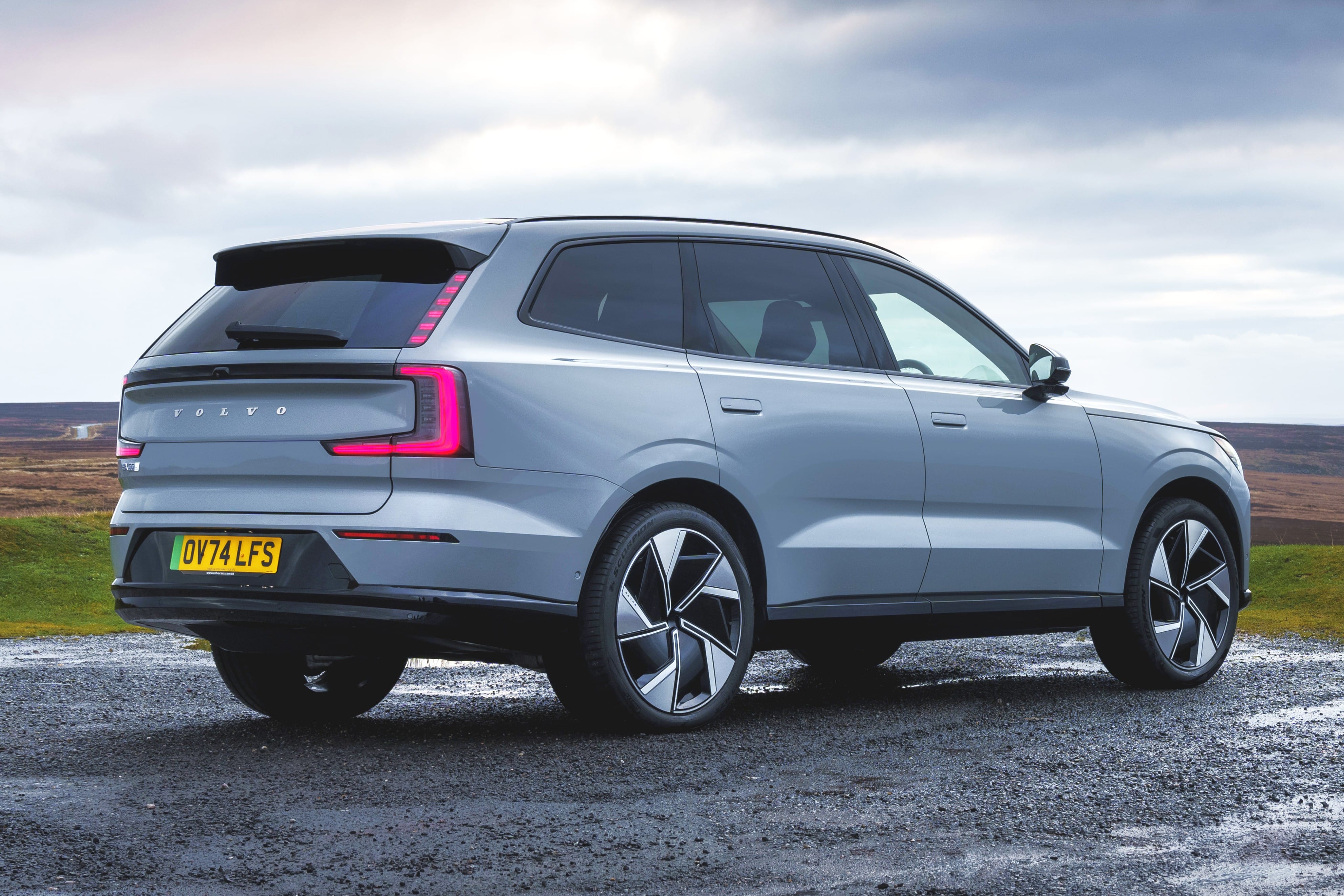
volvo ex90

Volvo has confirmed that the India debut of the EX90 electric SUV will take place on August 19, 2026. The EX90 will be Volvo’s second EV for the Indian market, and is also the Swedish carmaker’s global flagship offering.

Volvo EX90 battery and range

92kWh RWD and 106kWh AWD powertrains

The EX90 is underpinned by an 800V architecture and offers 92kWh (Single Motor) and 106kWh (Twin Motor) battery options. In 92kWh guise, the SUV gets a single rear-mounted motor (RWD) outputting 333hp and 480Nm. 0-100kph comes up in a claimed 6.6 seconds, and the WLTP-rated range is 565km.

Meanwhile, the 106kWh EX90 features a dual-motor AWD setup that outputs 456hp and 670Nm in base spec, and 680hp and 870Nm in the range-topping Performance variant. The former version completes the 0-100kph run in a claimed 5.3 seconds, whereas the latter takes 4 seconds for the same. As for WLTP range, the lower-powered 106kWh variant boasts 608km and the Performance trim manages 602km.

Coming to charging speeds, all three variants of the EX90 can utilise up to 350kW DC charging, and take 22 minutes for a 10-80 percent charge.

Volvo EX90 exterior design

Looks very different compared to the XC90

Measuring 5,037mm in length, 1,964mm in width, 1,744mm in height, and 2,985mm in wheelbase, the EX90 is dimensionally similar to the XC90, but sports a distinct design. Up front, the EX90 has sleeker T-shaped headlamps with pixel-like ‘Thor’s Hammer’ DRL signatures, below which sits a pair of slim vertically-arranged lights. The Volvo badge is placed front and centre on the grille-less fascia, with a discreet air dam underneath. A LiDAR sensor can also be spotted on the leading edge of the roof.

The side profile of the EX90 is cleanly-styled, with a prominent shoulder line and gently rising glass area, and there’s not much in the way of body cladding – Volvo claims a drag coefficient of 0.29Cd. 20-inch alloy wheels are fitted as standard, with 21- and 22-inchers optionally available. Over to the rear, the EX90 gets C-shaped LED tail-lamps with an additional vertical row of lights flanking the rear windscreen. Other styling elements of note include a sizable roof spoiler and a Volvo wordmark on the bootlid.

Volvo EX90 interior and features

14.5-inch infotainment touchscreen sits front and centre on the dash

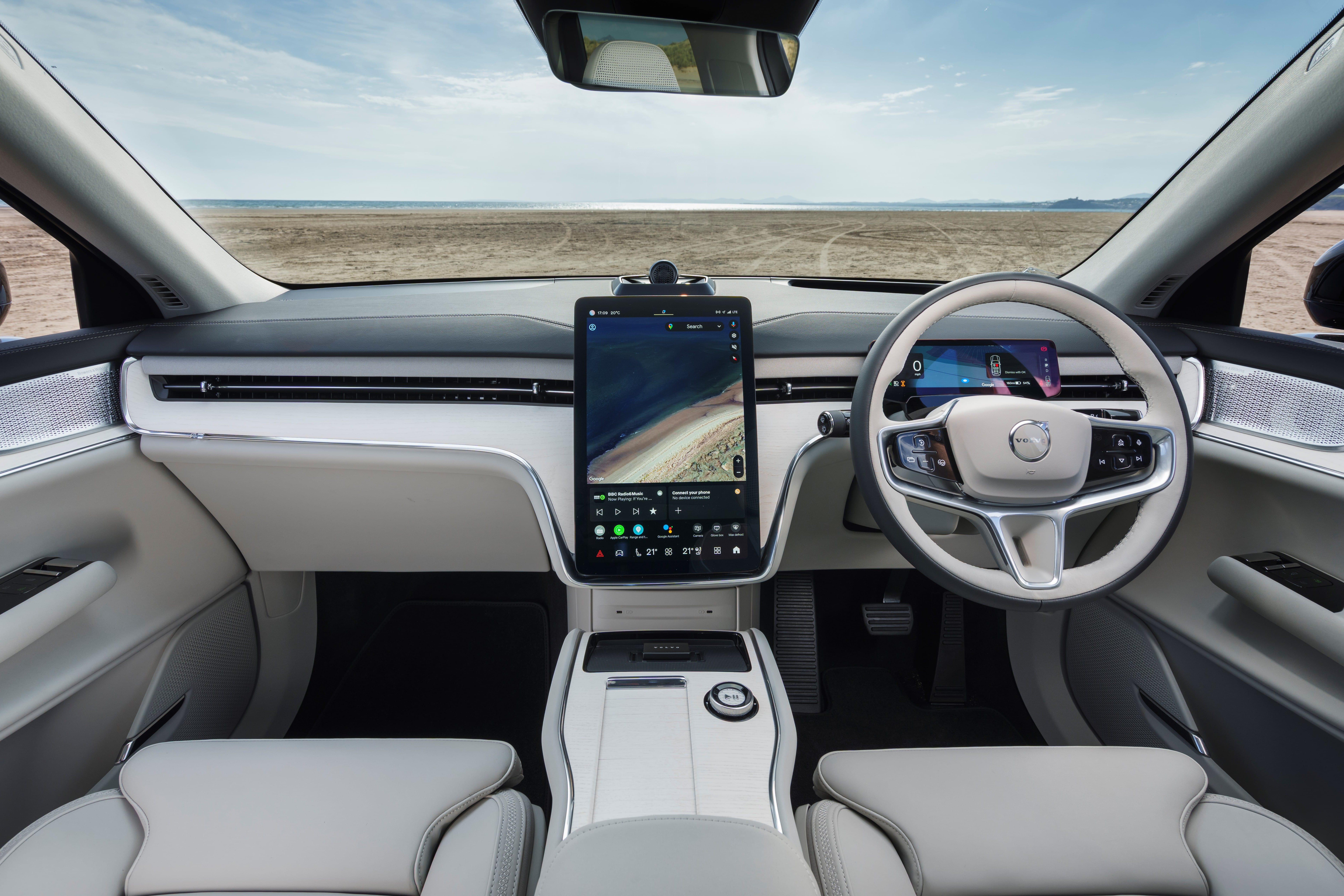
Inside, the EX90’s minimalistic dashboard is dominated by a 14.5-inch Google-based portrait touchscreen that incorporates much of the in-car functionality – physical controls are few and far between. There’s also a floating centre console, a three-spoke steering wheel with a neat layered design, a slim 9-inch digital driver’s display, and a 13.2-inch heads-up display.

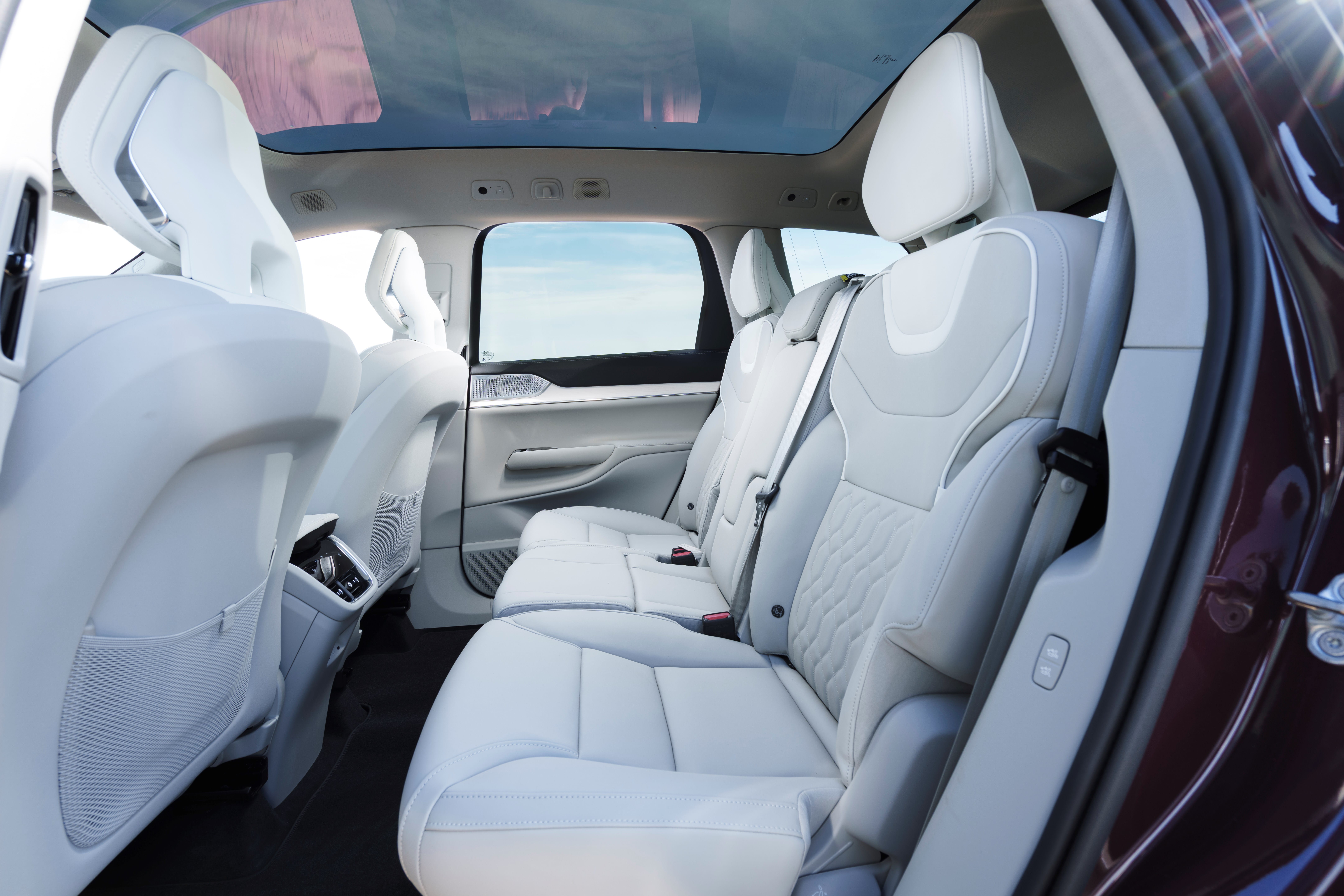
The EX90 is a 7-seater as standard, but certain variants offer a 6-seat configuration with captain’s chairs for the second row as well. In some markets, Volvo even offers a 4-seater version of the EX90 with a rear centre console that integrates a refrigerator, rivalling the likes of the Mercedes Maybach EQS SUV. Boot space is pegged at up to 384 litres with all three rows up, and there’s a 45-litre frunk too.

As for features, the EX90 packs a 5G connection to aid OTA updates, a digital key, ambient lighting, four-zone climate control, a cabin air purifier, a wireless charging pad, a 360-degree camera, powered front seats, a panoramic glass roof, a Bose sound system, connected car tech, auto park assist, Level 3 ADAS, V2L functionality, and more. It’s also claimed to be Volvo’s safest car to date, holding 5-star crash safety ratings from Euro NCAP and NCAP.

Kia Syros EV से उठा पर्दा और बुकिंग शुरू, 526KM की रेंज से Nexon EV और Mahindra XUV 3XO EV को देगी टक्कर! जानिए बाकी फीचर्स

Kia Syros EV: तेजी से बढ़ते इलेक्ट्रिक SUV सेगमेंट में Tata Nexon EV और Mahindra XUV 3XO EV जैसे कॉम्पिटिटर्स को टक्कर देने के लिए, Kia ने Carens Clavis EV के बाद अब भारत में अपना दूसरा मास-मार्केट इलेक्ट्रिक मॉडल, Syros EV पेश किया है। इस EV के लिए कंपनी ने ₹25,000 में प्री-बुकिंग भी शुरू कर दी है। यह मॉडल बेहतर ड्राइविंग रेंज, तेज चार्जिंग, एडवांस्ड टेक्नोलॉजी और एक कॉम्प्रिहेंसिव ओनरशिप पैकेज देने का वादा करता है।

Kia Syros EV की खासियत क्या है?

इसकी सबसे बड़ी खासियत है इसकी ARAI-सर्टिफाइड ड्राइविंग रेंज है, जो बड़े 51.4 kWh बैटरी पैक के साथ 526 km तक चल सकती है। Kia के अनुसार, यह अपने सेगमेंट की पहली SUV है जो 500 km का आंकड़ा पार करती है। खरीदार 42 kWh बैटरी का विकल्प भी चुन सकते हैं, जिसकी रेंज 443 km बताई गई है। इसके अलावा, Kia Syros EV में लगी इलेक्ट्रिक मोटर 171 PS की पावर जनरेट करती है। वहीं, बड़े बैटरी पैक वाले मॉडल में यह SUV 0 से 100 किलोमीटर प्रति घंटे की रफ्तार सिर्फ 8.1 सेकंड में पकड़ सकती है।

रोजाना इस्तेमाल के लिए यह कितनी प्रैक्टिकल है?

Kia का कहना है कि Syros EV को 100 kW DC फास्ट चार्जर से 39 मिनट में 10% से 80% तक चार्ज किया जा सकता है। इसमें चार्जिंग परफॉर्मेंस को बेहतर बनाने के लिए 10.8 kW का ऑनबोर्ड AC चार्जर और बैटरी कंडीशनिंग टेक्नोलॉजी भी दी गई है। MyKia ऐप के जरिए, मालिक एक ही वॉलेट का इस्तेमाल करके 23 चार्जिंग ऑपरेटर्स के 20,300 से ज्यादा चार्जिंग पॉइंट्स का इस्तेमाल कर सकते हैं, जबकि Kia के डीलरशिप नेटवर्क में 129 से ज्यादा DC फास्ट चार्जिंग लोकेशन्स और 275 से ज्यादा EV-रेडी वर्कशॉप्स शामिल हैं।

Kia Syros EV में कौन-कौन से फीचर्स हैं?

Syros EV में 30-इंच का ट्रिनिटी पैनोरमिक डिस्प्ले है, जिसमें डिजिटल इंस्ट्रूमेंट क्लस्टर, टचस्क्रीन इंफोटेनमेंट सिस्टम और क्लाइमेट कंट्रोल शामिल हैं। इसके अन्य फीचर्स में वायरलेस Android Auto और Apple CarPlay, Harman Kardon का 8-स्पीकर साउंड सिस्टम, ओवर-द-एयर सॉफ्टवेयर अपडेट, आगे और पीछे वेंटिलेटेड सीटें, पैनोरमिक सनरूफ, V2L (व्हीकल-टू-लोड) क्षमता, डिजिटल की (Key) और 16-लीटर का फ्रंट स्टोरेज कम्पार्टमेंट शामिल हैं।

नई इलेक्ट्रिक SUV कितनी सुरक्षित है?

सुरक्षा एक और ऐसा पहलू है जिस पर Kia ध्यान दे रही है। Syros EV में लेवल 2 ADAS के साथ 16 ऑटोनॉमस ड्राइविंग असिस्टेंस फंक्शन मिलते हैं। इसके अलावा, इसमें छह एयरबैग, 360-डिग्री कैमरा, इलेक्ट्रॉनिक स्टेबिलिटी कंट्रोल, सभी पहियों पर डिस्क ब्रेक, टायर प्रेशर मॉनिटरिंग सिस्टम और कुल 25 स्टैंडर्ड सुरक्षा फीचर दिए गए हैं।
Kia ओनरशिप के क्या फायदे दे रही है?

प्रोडक्ट के अलावा, Kia EV की ओनरशिप से जुड़ी आम चिंताओं को दूर करने की कोशिश कर रही है। इसके लिए वह लाइफटाइम हाई-वोल्टेज बैटरी वारंटी (शर्तों के साथ, 15 साल तक), एक ‘एश्योर्ड बायबैक’ प्रोग्राम और शुरुआती खरीद लागत को कम करने के मकसद से ‘बैटरी-एज-अ-सर्विस’ फाइनेंसिंग ऑप्शन दे रही है।
यह भी पढ़ें: Royal Enfield Shotgun 650 का लिमिटेड एडिशन लॉन्च, जानें कीमत और बुकिंग का तरीका

3 reasons to buy the Tata Nexon, and 2 reasons not to

tata nexon

The Tata Nexon first hit the Indian market in 2017, and even after nine years and two facelifts, the compact SUV regularly ranks in the upper echelons of the monthly sales charts. If you’re considering purchasing a Nexon, listed below are three of its most prominent strengths, and two areas where it falls short of rivals.

Pros

Diverse powertrain line-up

Buyers can choose between petrol, diesel, CNG, and electric options

One of the Nexon’s biggest trump cards is its wide array of powertrains on offer: petrol, diesel, CNG, and electric (Nexon EV). Petrol and CNG Nexon buyers get a 1.2-litre 3-cylinder turbocharged engine 120hp and 170Nm in petrol guise, while the CNG makes 100hp instead. The Nexon diesel is powered by a 1.5-litre 4-cylinder mill that develops 115hp and 260Nm, whereas the EV offers 30kWh and 45kWh battery packs.

There’s quite a bit of gearbox choice too. The Nexon petrol alone can be had with one of four gearbox options: 5-speed manual, 6-speed manual, 6-speed AMT, and 7-speed DCT. Diesel variants of the compact SUV offer either a 6-speed manual or 6-speed AMT, while the Nexon CNG gets a 6-speed manual only.

Comfortable ride quality

Can take virtually any broken road in its stride

As we noted in our 2023 Nexon review, the compact SUV rides very well on all types of roads. There’s a hint of stiffness in the ride at low speeds, but as you go faster, it immediately smoothes out. The Nexon rides flat despite its relatively tall 208mm ground clearance, and exhibits impressive body control and bump absorption over broken patches.

Feature-rich cabin

Highlights include dual 10.25-inch displays, panoramic sunroof, and 360-deg camera

Another aspect of the Nexon that struck a chord with Indian buyers is its extensive feature set. Depending on the variant, the Nexon packs goodies like a 10.25-inch infotainment touchscreen, a 10.25-inch digital driver’s display, a panoramic sunroof, an 8-speaker JBL sound system, ventilated front seats, ADAS, connected car tech, a cabin air purifier, auto-dimming IRVM, wireless charging pad, a 360-degree camera, automatic climate control, and more.

Cons

Interior ergonomics and quality could be better

No proper cupholders and distracting touch-capacitive controls

While the Nexon’s interior looks premium at first glance, a closer look reveals some foibles. First off, there are no proper cupholders in the Nexon’s cabin, which can be an annoyance at times. The driver’s seat doesn’t offer electrical adjustment either, and the seat ventilation button is concealed from view because it’s located at the base of the seat.

Tata has also used some gloss-black trim pieces for the Nexon’s interior, which are difficult to keep clean they attract fingerprints and dust. Overall build quality is not that impressive too, and the touch-capacitive controls for the AC and steering can be fiddly to operate while on the move.

6-speed MT not that great

Long throws and snappy clutch

The 6-speed manual offered with the Nexon could do with some more tuning. While the gearbox’s gates are well-defined, its throws are long and the shift action isn’t the most pleasing. The snappy clutch also detracts from the smoothness of the driving experience.

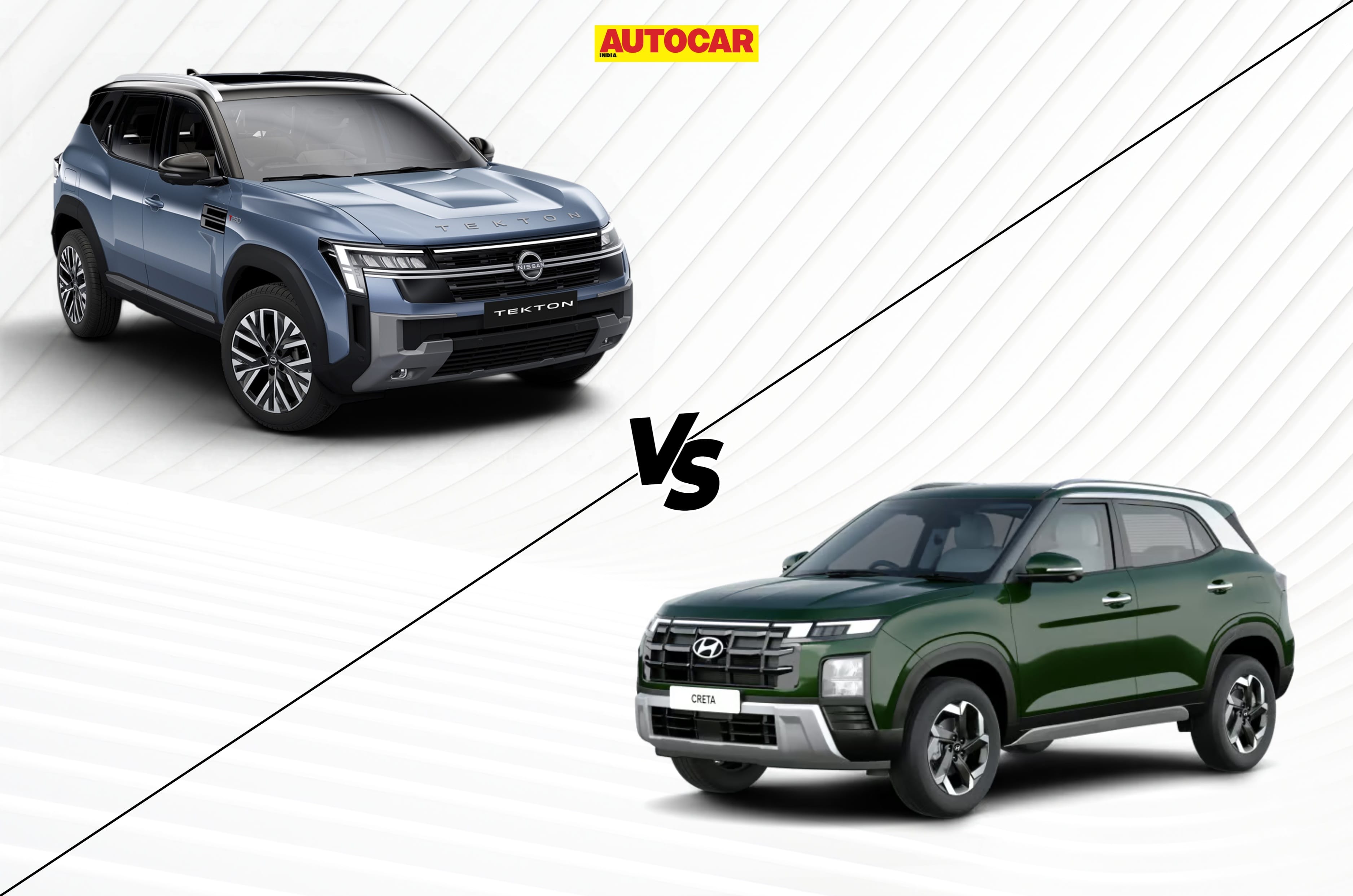
Nissan Tekton vs Hyundai Creta: Whose top trim offers more value?

Nissan Tekton vs Hyundai Creta

The arrival of the Tekton has helped Nissan make a much-needed comeback to the popular mid-size SUV segment. On the other hand, Hyundai has championed this space with the Creta, which continues to lead sales. But which of the two SUVs offers better value when you compare their top-spec versions on paper? We find out. For this comparison, we’ve chosen the Tekna+ and King trims of the Tekton and Creta, respectively.

Explore full specs, features, and a price breakdown in our Tekton vs Creta comparison.

Nissan Tekton vs Hyundai Creta: Dimensions

Tekton’s dimensions are higher than those of the Creta’s

Nissan Tekton vs  Duster: Dimensions 


Nissan Tekton

Hyundai Creta

Difference

Length (mm)

4,349

4,330

+19

Width (mm)

1,815

1,790

+25

Height (mm)

1,674

1,635

+39

Wheelbase (mm)

2,657

2,610

+47

Ground clearance (mm)

212

190

+22

Boot space (litres)

518

433

+85

As far as dimensions are concerned, the Tekton is the larger vehicle overall. It is 19mm longer, 25mm wider, and has a 47mm bigger wheelbase. Additionally, it rides 22mm higher off the ground, and its 518-litre boot is the largest in the segment.

Nissan Tekton vs Hyundai Creta: Engine specifications 

Tekton solely powered by turbo-petrol, while Creta gets diesel and NA petrol engines

Nissan Tekton vs Hyundai Creta: Engine specifications 


Nissan Tekton 

Hyundai Creta

Engine options

Turbo-petrol

Naturally aspirated petrol | Turbo-petrol | Diesel

Displacement 

1.0-litre | 1.3-litre 

1.5-litre | 1.5-litre | 1.5-litre

No. of cylinders

3 | 4

4 | 4 | 4

Power (hp)

100 | 163

115 | 160 | 116

Torque (Nm)

166 | 280

144 | 253 | 250

Gearbox 

6MT | 6DCT

6MT/CVT | 7DCT | 6MT/6AT

In top-spec guise, the Tekton is offered with two turbo-petrol engines, whereas the Creta has a diverse powertrain lineup comprising naturally aspirated petrol, turbo-petrol and diesel engines. The same is the case for gearbox options, as the Creta offers different automatic transmissions depending on the engine chosen. The Nissan Tekton’s 1.0-litre and 1.3-litre turbo-petrol units are the least and most powerful engines here, respectively.  

Nissan Tekton vs Hyundai Creta: Exterior features 

Only the Tekton comes with fog lamps

Nissan Tekton vs Hyundai Creta: Exterior


Nissan Tekton

Hyundai Creta

Headlights

Auto LED

Auto LED

Taillights

Connected LED

Connected LED

DRLs

Connected LED

Connected LED

Front fog lamps

LED

No

Rear fog lamps

LED

No

Puddle lamps

Yes

Yes

Wheels

18-inch

18-inch

Powered ORVMs

Yes

Yes

Roof rails

Yes

Yes

Colour

Monotone, dual tone

Monotone, dual tone, matte

On the exterior front, the Tekton and Creta’s top-spec versions come replete with connected LED light setups, 18-inch alloys, powered ORVMs and roof rails. However, front and rear fog lamps are found only on the Tekton. Monotone and dual-tone colour options are on offer with both models, but the Creta is also available with matte-finished paint jobs. 

Nissan Tekton vs Hyundai Creta: Interior and features

Tekton misses out on feel-good features that the Creta gets

Nissan Tekton vs  Hyundai Creta: Interior and features


Nissan Tekton

Hyundai Creta

Driver’s display

10.25-inch

10.25-inch

Infotainment screen

10.1-inch

10.25-inch

Android Auto, Apple CarPlay

Wireless

Wireless

Audio system

6-speaker Arkamys

8-speaker Bose

Sunroof

Panoramic

Panoramic

Climate control

Dual-zone automatic

Dual-zone automatic

Rear AC vents

Yes

Yes

Driver seat adjustment

6-way

8-way with memory

Front passenger seat adjustment

6-way

8-way

Front seat features

Ventilation

Ventilation

Boss mode

No

Powered

Powered tailgate

Yes

No

Seat upholstery

Leatherette

Leatherette

Reclining rear seats 

No

Yes

Steering wheel adjustment

Tilt, telescopic

Tilt, telescopic

Wireless phone charger

Front

Front and rear

Air Purifier

Yes

No

Sunshades

Magnetic (all windows optional)

Retractable (rear windows)

Connected car tech

Yes

Yes

Rear armrest

Yes

Yes

Ambient lighting 

Yes

Yes

USB ports 

4x type-C

4x type-C

The Tekton comes with an air purifier and a powered tailgate over the Creta, but the latter gets a slightly bigger infotainment screen, additional speakers, more adjustment for the powered front seats, driver seat memory, reclining rear seats, boss mode, and an additional wireless phone charger at the back.

Nissan Tekton vs Hyundai Creta: Driving Features

Tekton gets steering modes, while the Creta gets traction modes

Nissan Tekton vs Hyundai Creta: Driving Features 

Driving Features 

Nissan Tekton

Hyundai Creta

Drive modes

Eco, Comfort

Eco, Normal, Sport

Steering modes

Low effort, High effort

No

Traction modes

No

Snow, mud, sand

Paddle Shifters

Automatic only

Automatic only

Cruise Control

Adaptive

Adaptive

While the ‘Eco’ drive mode is common on both SUVs, the Tekton gets a ‘Comfort’ mode, while the Creta features ‘Normal’ and ‘Sport’ driving modes. Steering modes are present only on the Tekton, while the Creta gets traction control modes for different terrains. In top-spec guise, both SUVs have adaptive cruise control and paddle shifters with their automatic variants.

Nissan Tekton vs Hyundai Creta: Safety features

Both SUVs are equally matched with basic and advanced safety tech

Nissan Tekton vs  Kushaq Prestige: Safety features


Nissan Tekton

Hyundai Creta

Airbags

6

6

ADAS

Level 2

Level 2

Camera setup

360-degree

360-degree

Parking sensors

Front and rear

Front and rear

Electronic parking brake

DCT variant only

Yes

TPMS

Yes

Yes

IRVM

Auto-dimming

Auto-dimming

Rear wiper, washer

Yes

Yes

Rear defogger

Yes

Yes

Hill start assist

Yes

Yes

Hill descent control

DCT only

No

ESC

Yes

Yes

Traction control

Yes

Yes

When it comes to safety, both the Tekton and Creta come well-equipped with safety features including six airbags, parking sensors, TPMS, Level 2 ADAS suite and a 360-degree camera setup. The only difference is that while an electronic parking brake is common on both, the former gets it only on automatic versions, while the latter has it with manual gearbox variants as well. 

Nissan Tekton vs Hyundai Creta: Price and verdict

Nissan Tekton Tekna+ vs Kushaq Prestige: Ex-showroom prices 


Nissan Tekton Tekna+ (Rs lakh)

Hyundai Creta King (Rs lakh)


Turbo-petrol MT

16.49

Turbo-petrol DCT

18.59

19.91

Naturally aspirated petrol MT

17.27

Naturally aspirated petrol CVT

18.68

Diesel MT

18.85

Diesel AT

19.77

The only comparable variant between the Tekton and the Creta is their turbo-petrol automatic versions, where the Tekton is Rs 1.32 lakh cheaper. Between the newly launched Tekton and the reigning Creta, we recommend the former. Not only is the Tekton more affordable, especially when you consider turbo-petrol versions, but you also get more torque. While it does miss out on some feel-good features that the Creta gets, it’s not necessarily a deal-breaker. If your monthly usage consists mainly of highway runs, then the Creta diesel makes for a sensible choice. 

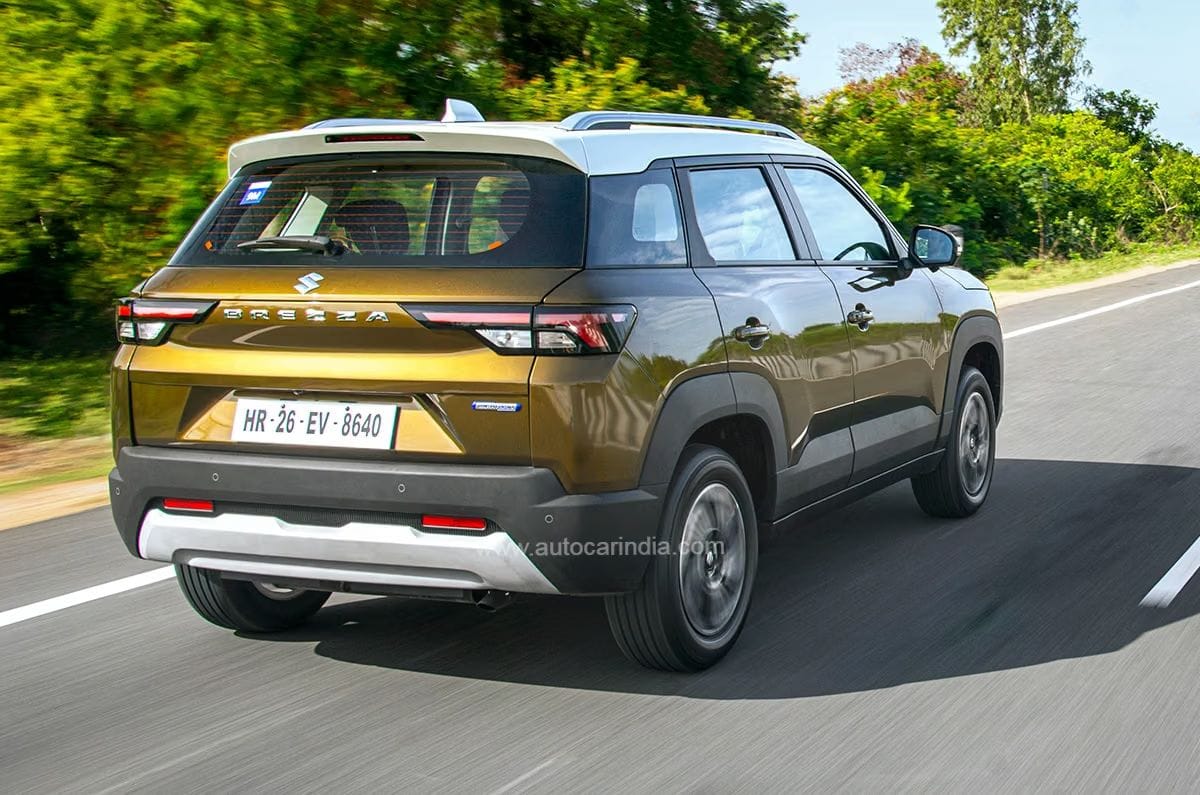
What to expect from the updated Maruti Brezza

Maruti Brezza rear quarter static

Maruti Suzuki will debut the updated Brezza on July 24, 2026. This will be the first update to the second-generation Brezza, which was first introduced in 2022. Bookings for the compact SUV have already commenced for a token amount of Rs 11,000. Ahead of its debut, here’s everything you can expect from the updated Maruti Brezza.

What exterior changes could the updated Maruti Brezza get?

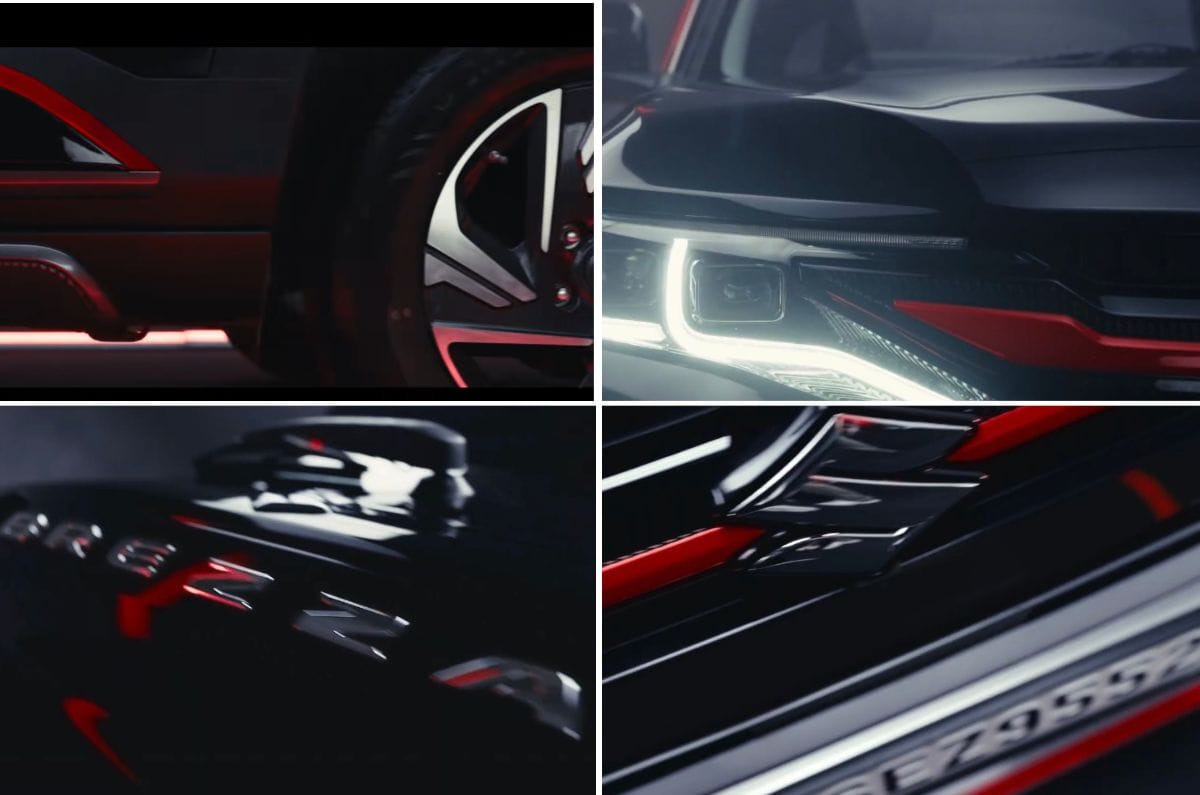
Maruti Suzuki had recently shared a teaser of the updated Brezza online, hinting at new design changes. These include a revised grille design with a thin red strip connecting the headlamps and a red trim for the lower side of the front bumper. Additionally, there’s cladding on the lower side of the doors, while the ‘Brezza’ branding on the tailgate is done in a new font. 

A new design for the alloy wheels was partially spotted and is likely to have a 4-spoke design as seen on the prototypes. The front bumper is restyled, with the squarish fog lamps positioned slightly higher, a silver trim, and a silver faux skid plate. Meanwhile, the LED headlamps with L-shaped DRLs and slim LED tail lamps are retained.

What interior changes and feature additions are likely on the updated Maruti Brezza

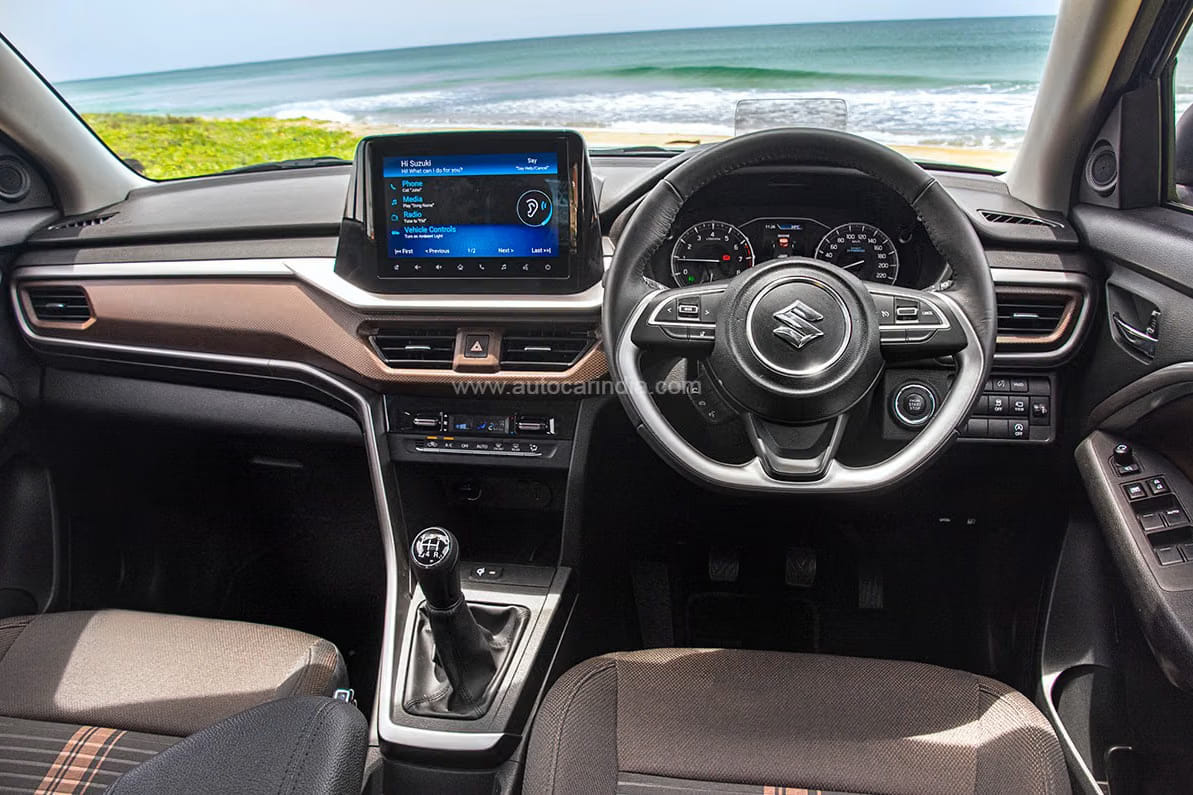
Current Brezza’s interior used for representation.

Maruti is expected to keep the overall cabin layout similar to the current version, albeit with an updated colour scheme and trim materials. A glimpse of the cabin from the teaser showcased an HUD unit and a free-standing infotainment screen, which was also there on the current version. The latter could be upgraded from the current 9-inch display to a larger 10.-inch unit from the Victoris.

Additionally, a new comfort feature was spotted in the form of curved side bolstering for the rear headrests. Features like a powered driver’s seat, front-seat ventilation and ambient lighting are expected to make it to the equipment list.  Level 2 ADAS could be part of the safety kit, along with front parking sensors, as the latter was spotted on testing mules.

What powertrains will the updated Maruti Brezza offer?

Credit: @HarshitMakkarvlogs via YouTube

The Brezza is the only compact SUV in the segment that does not offer a turbo-petrol engine. This could change as the Fronx’s 1.0-litre Boosterjet turbo-petrol unit is likely to make it on the Brezza. A 6-speed manual gearbox is likely to be paired with this engine, as a prototype of the Brezza was spotted in February 2026 with this transmission. A CNG kit could be paired with this engine as well.

If powered by the 1.0-litre mill, the Brezza would be eligible for the lower 18 percent GST rate compared to the 28 percent GST rate for the current version’s 1.5-litre naturally aspirated petrol engine.

What is the expected price of the updated Maruti Brezza

The substantial introduction of upgrades over the current version is likely to make the Brezza slightly pricier. The outgoing Brezza has an ex-showroom price of Rs 8.26 lakh to Rs 12.86 lakh. It will continue to take on rivals like the Hyundai Venue, Tata Nexon, Skoda Kylaq, Mahindra XUV 3XO, Kia Sonet and Syros. 

Ferrari Amalfi Spider India launch on July 17

Open-top Ferrari Amalfi Spider to launch on July 17

The Ferrari Amalfi Spider is launching in India on July 17. It is essentially the drop-top version of the entry-level Amalfi coupe. Save for a new powered open-top setup, the Amalfi Spider’s design is similar to the hardtop version, and it features the same twin-turbo V8 powertrain.

  1. Weighs 86kg more than the Amalfi Coupe 
  2. 0-100kph still takes 3.3 seconds, same as the Coupe 
  3. Is powered by a 3.9-litre twin-turbo V8 with 640hp and 760Nm

Ferrari Amalfi Spider: What to expect

Except for a soft-top roof, everything else is the same as the non-Spider Amalfi version

Compared to the standard hardtop Amalfi, the drop-top Spider features a fabric roof that can be electronically opened or closed in 13.5 seconds at speeds up to 60kph. The Maranello-based manufacturer says that the fabric top “ensures outstanding thermal and sound insulation.”

Everything else is the same as the standard non-Spider Amalfi. The Ferrari Amalfi Spider gets slim LED headlights, joined by a black band, like other Ferrari cars. The front bumper features air splitters that improve aerodynamics and massive air intakes to cool the internals.

In profile, the Amalfi Spider features 245/35 R20 wheels at the front and 285/35 R20 at the rear. It gets flush-type door handles and a black side splitter.

The rear features slim dual LED taillights and an aggressive diffuser featuring dual exhaust tips on both ends. The Amalfi Spider has an active spoiler with three configurations: Low Drag (LD), Medium Downforce (MD) and High Downforce (HD), which adjust automatically depending on the car’s longitudinal and transverse acceleration.

It offers 255 litres of boot space; with the soft top stowed, it reduces to 172 litres. 

Gets the same interior layout as the hardtop Amalfi

The Ferrari Amalfi Spider’s interior design is the same as the hardtop version’s. It offers a 2+2 seating layout with leather upholstery. The dashboard features a 3-spoke steering wheel with physical controls, a 15.6-inch digital driver’s display, a 10.25-inch central touchscreen infotainment system, and an 8.8-inch display for the front passenger.

Other features on the international-spec model include powered front seats, automatic climate control, and a wireless phone charger. On the safety front, it offers a level-2 advanced driver assistance system (ADAS) suite, a 360-degree camera system, and a brake-by-wire system that “improves braking efficiency, reduces pedal travel and enhances modulation”.

Equipped with a twin-turbo V8 that allows a claimed sub-3.5s 0-100kph sprint

Under the hood of the Amalfi Spider is a 3.9-litre twin-turbo V8 engine which churns out 640hp and 760Nm, the same as the standard hard-top version. The front-mid-mounted engine is mated with an 8-speed dual-clutch automatic transmission (DCT) that sends power to the rear wheel. It does a 0-100kph run in 3.3 seconds (claimed), the same as the standard Amalfi, even though it weighs 86kg more. The weight difference is, however, apparent at higher speeds, as the Spider takes 0.4 seconds longer to reach 200kph.

The Ferrari Amalfi is priced at Rs 5.59 crore. However, as Ferrari is accepting orders at reduced prices in anticipation of the upcoming India-EU FTA, the Amalfi Spider is likely to be priced at around Rs 4.5 crore.