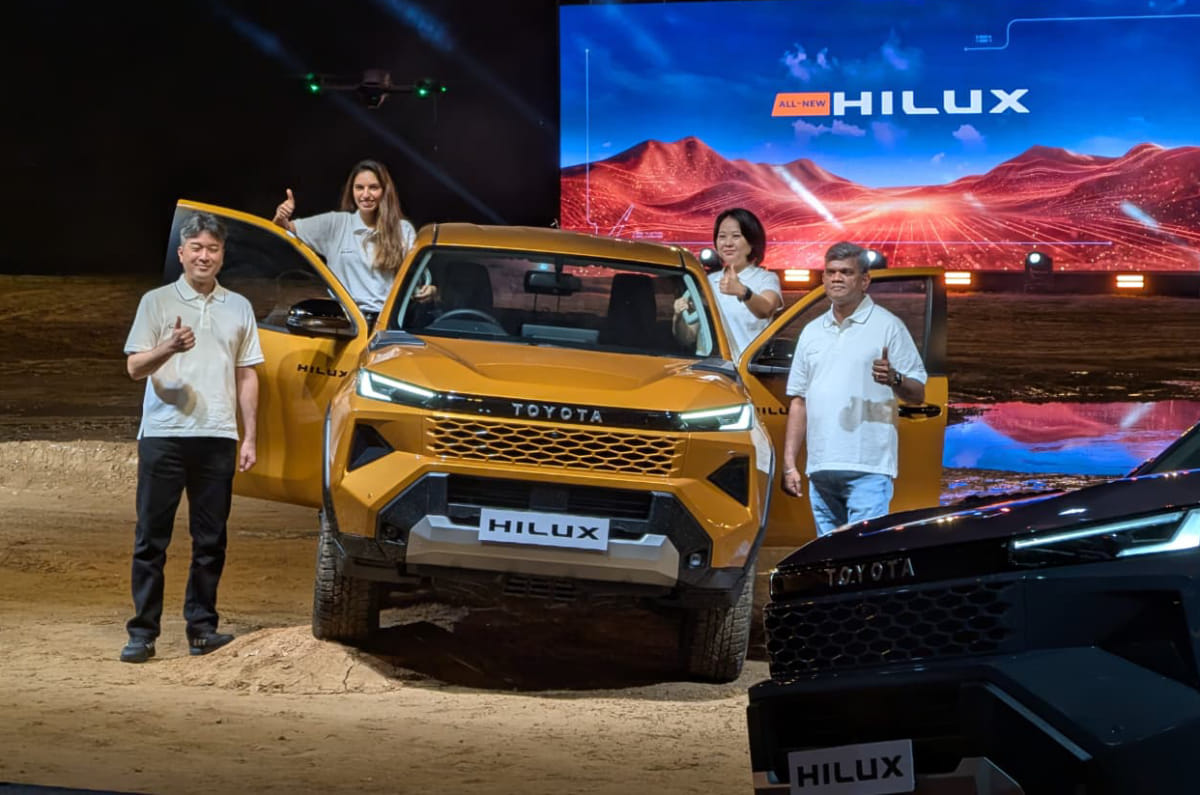
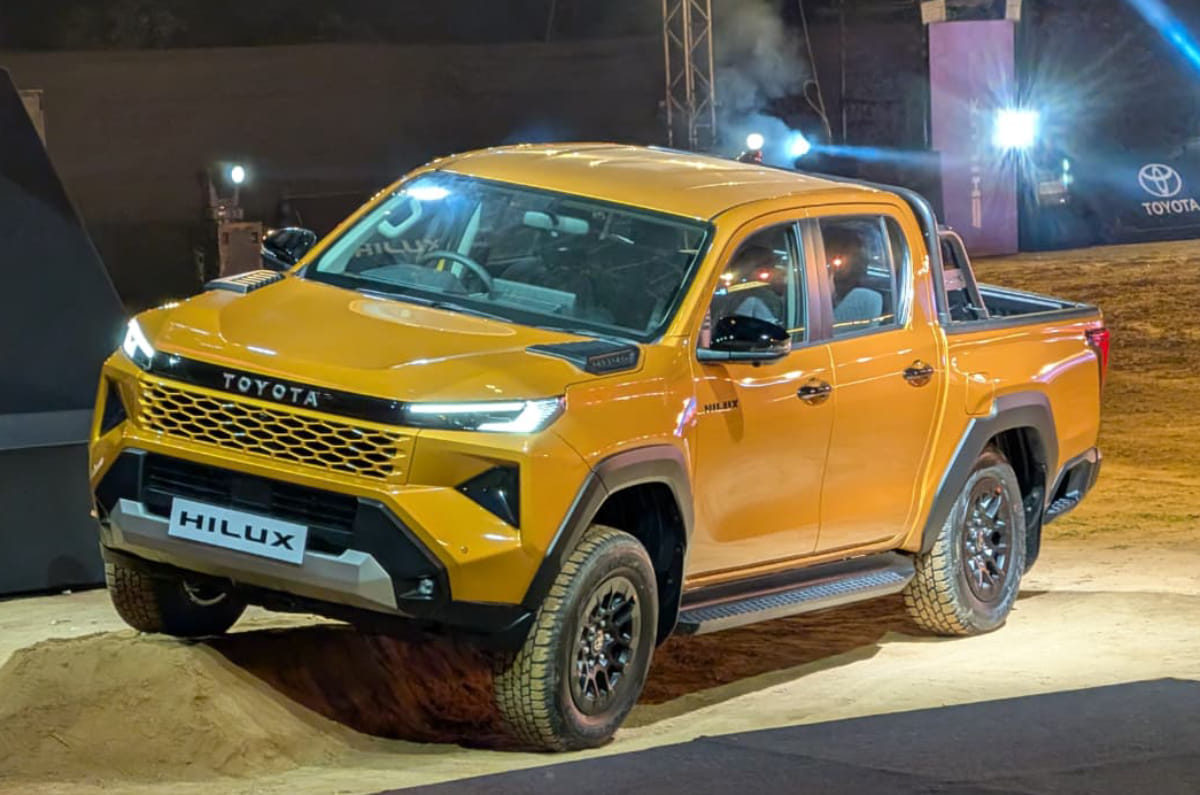
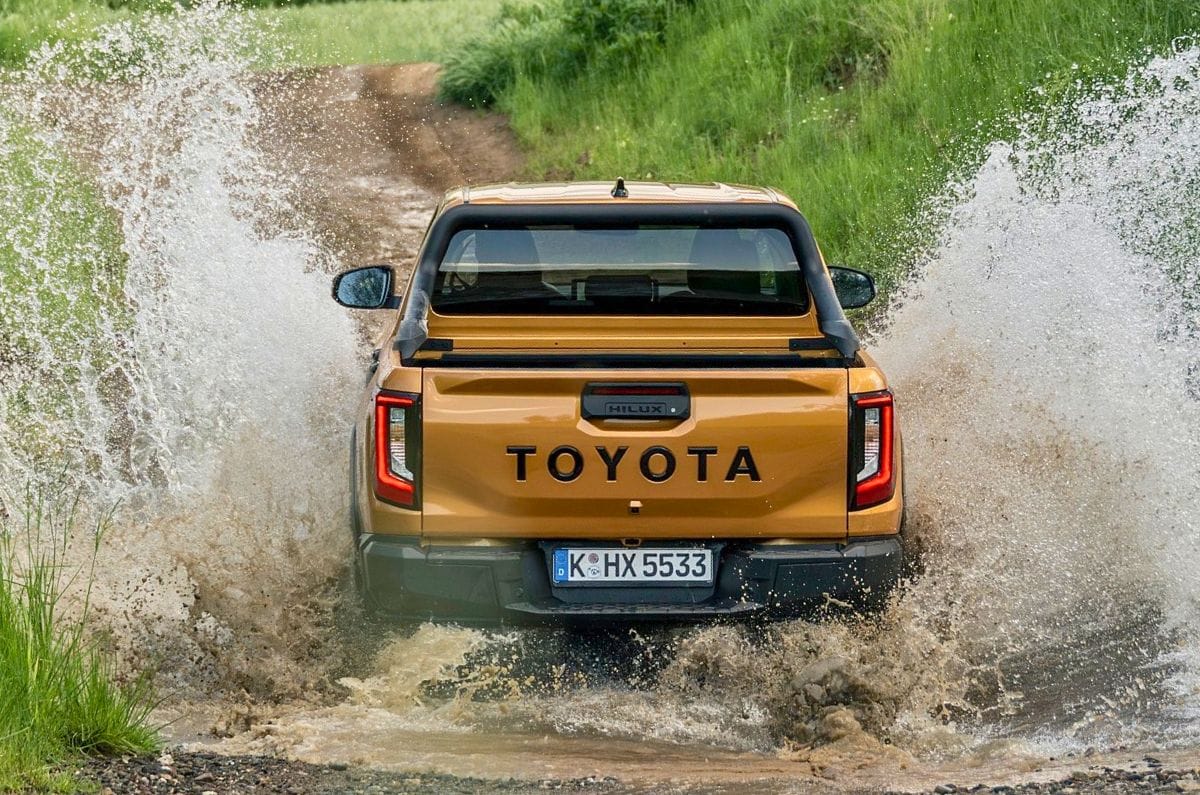
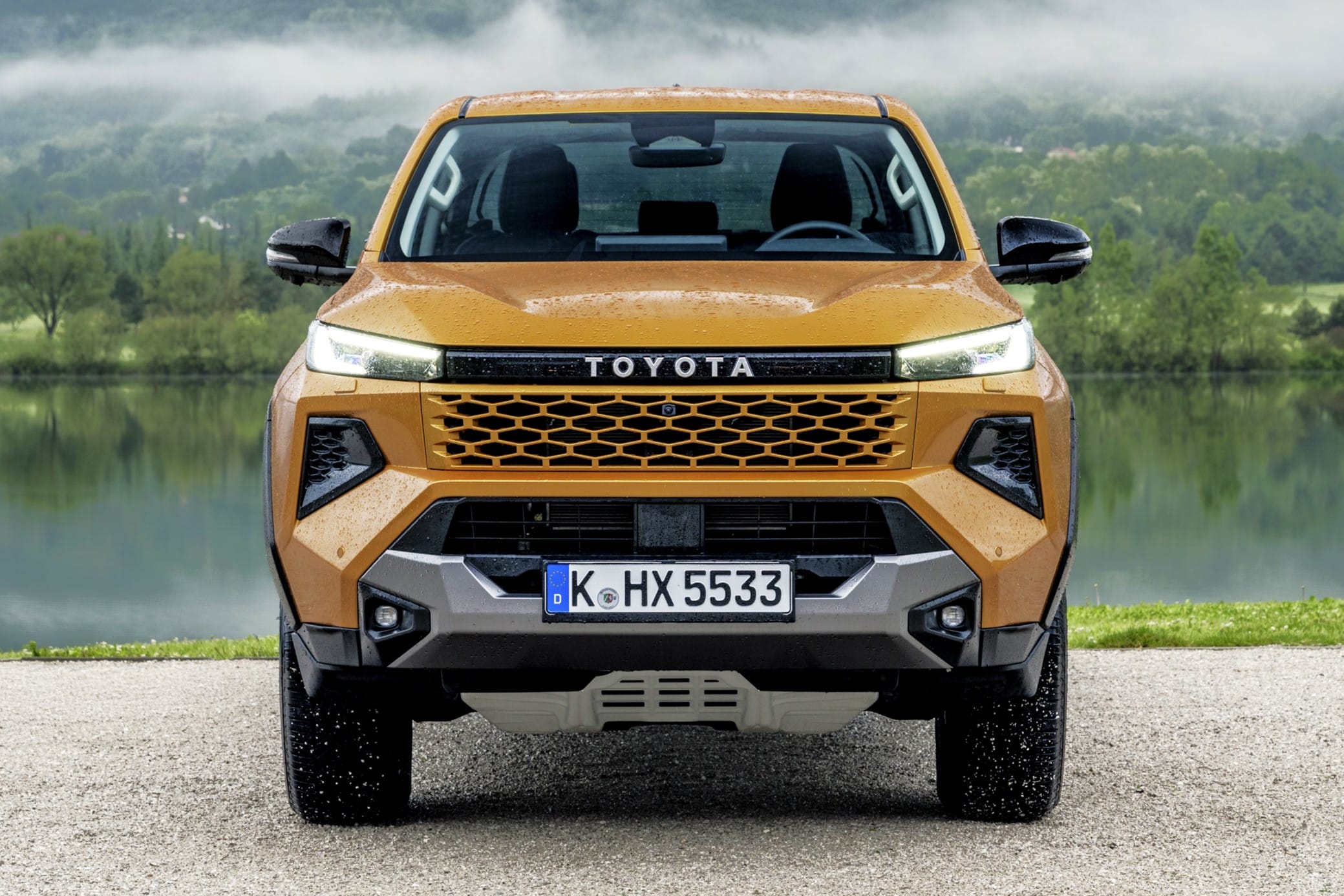
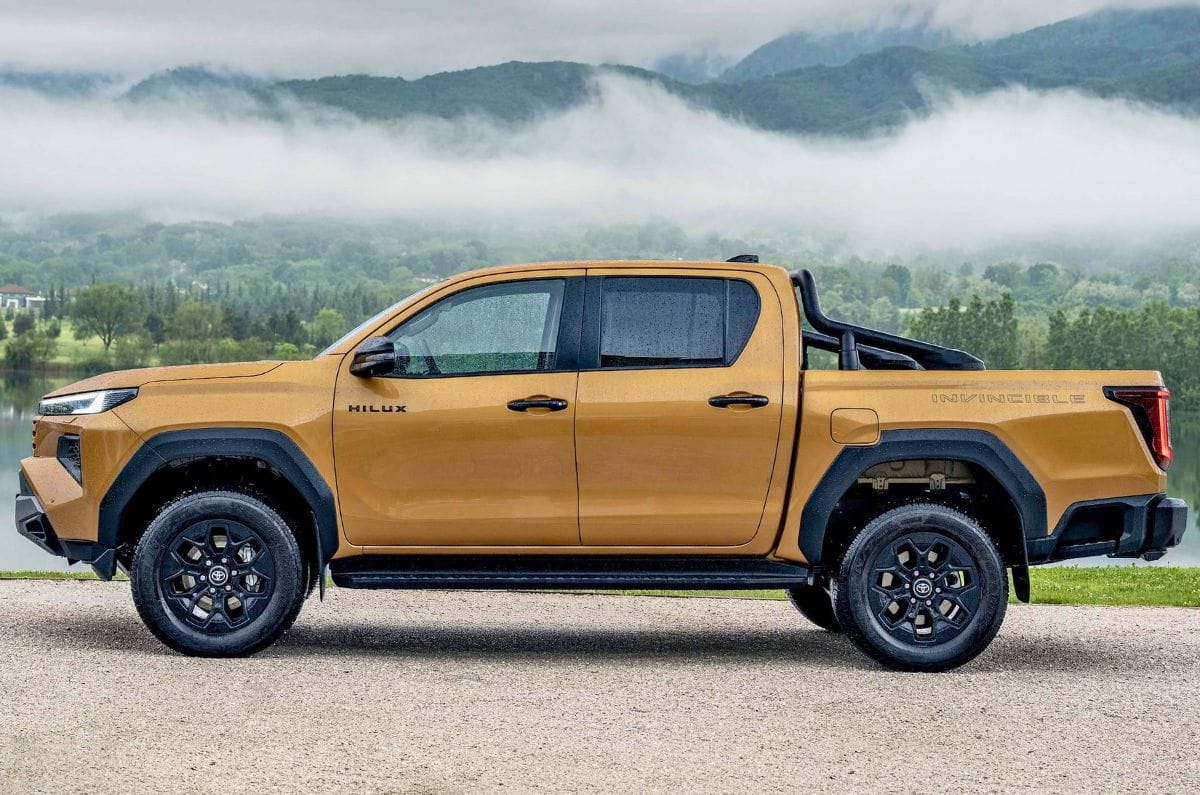
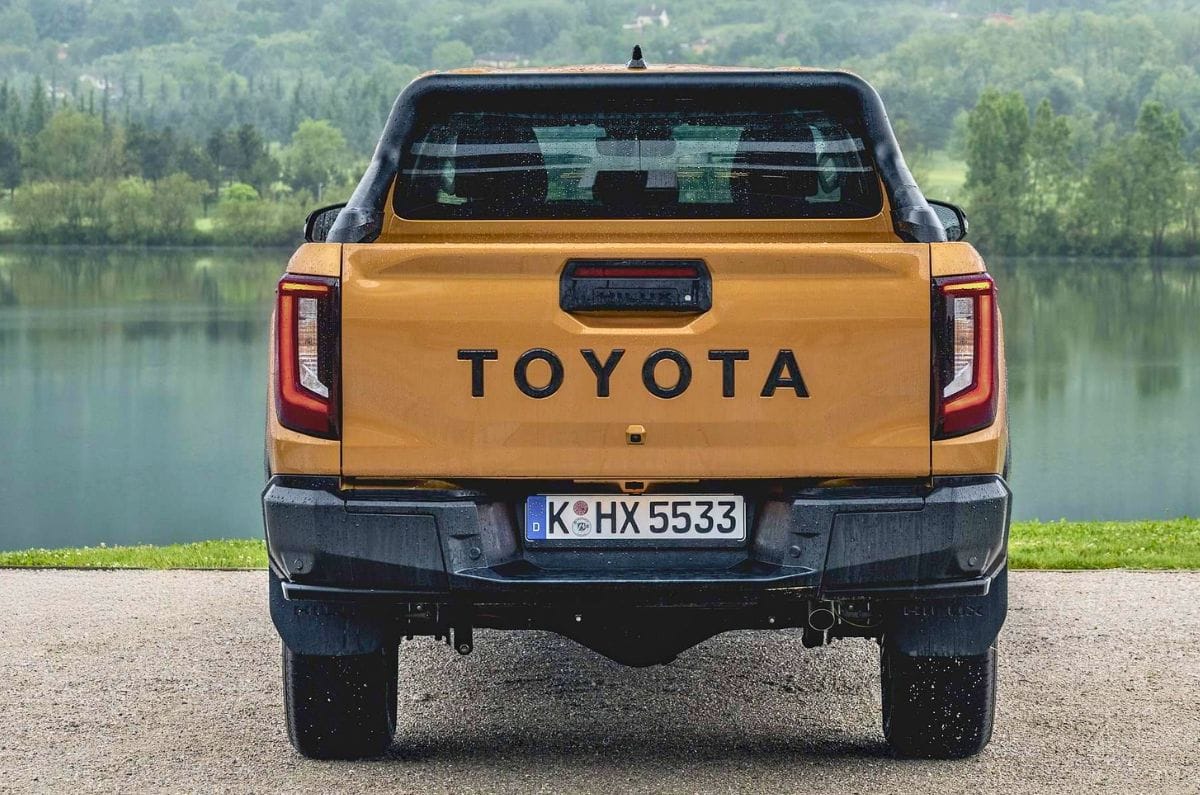
Toyota has launched the ninth-generation Hilux in India, starting at Rs 31.99 lakh (ex-showroom). The new pickup gets a redesigned exterior and cabin, additional technology and features, while retaining the IMV body-on-frame platform and Double Cab body style offered on the outgoing model.
Gets bold ‘TOYOTA’ lettering, LED lighting and new 18-inch alloy wheels
Dual 12.3-inch displays and a 360-degree camera
2.8-litre diesel engine continues with automatic gearbox option
2026 Toyota Hilux exterior design
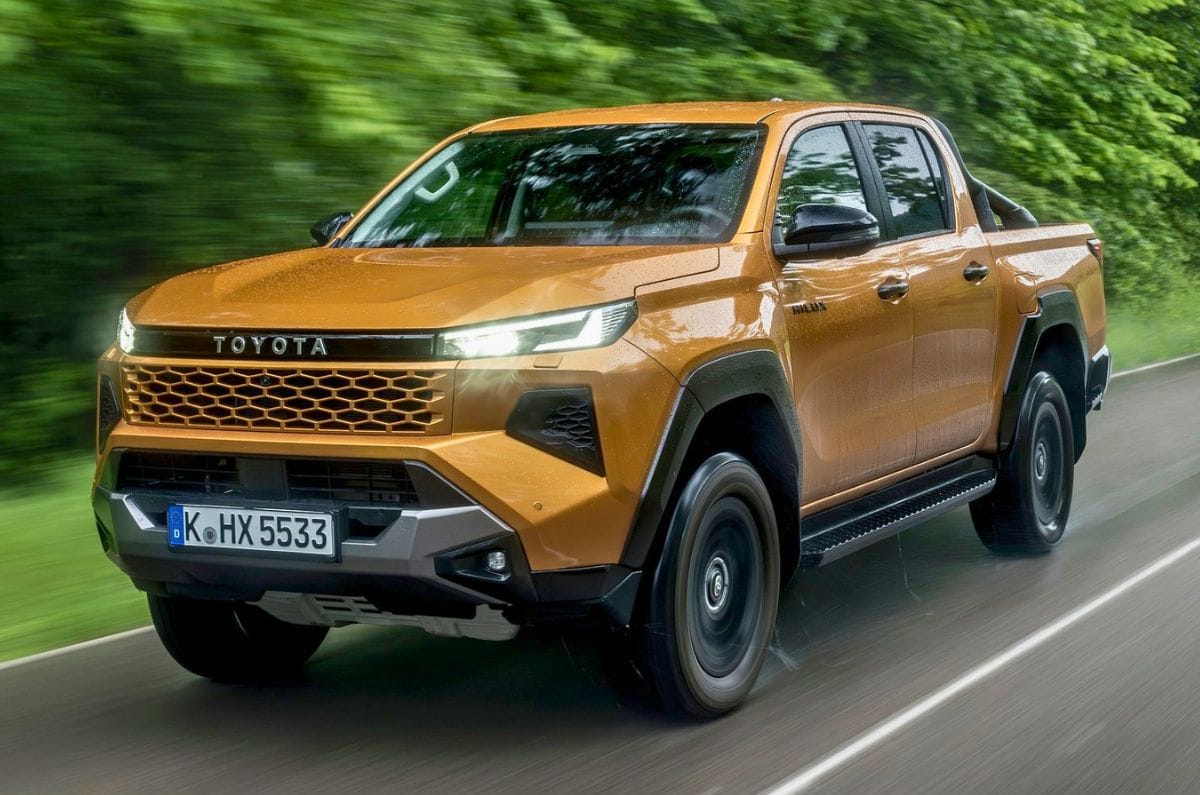
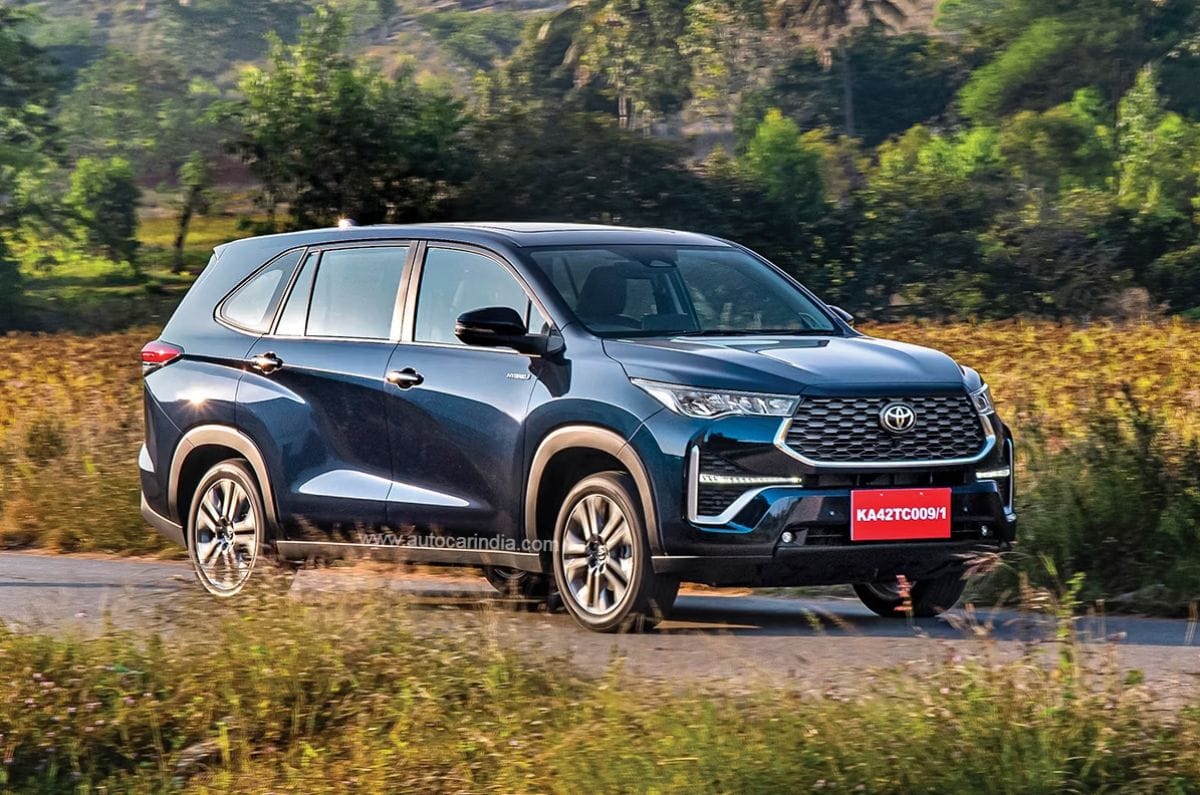
The new Hilux adopts a more upright front-end design with slim LED headlamps, a honeycomb-pattern grille and prominent ‘TOYOTA’ lettering replacing the conventional badge. On the front bumper are two quadrangle-shaped black air intakes on either side. Its lower section looks very aggressive with strong creases, wide air intakes, a silver skid plate and two LED fog lamps. In profile, the pickup gets black wheel arch cladding, roll bars, new 17-inch alloy wheels and a footboard for easier ingress and egress.
At the rear, the pickup gets vertically stacked LED tail-lamps with C-shaped DRL signatures, ‘TOYOTA’ lettering across the tailgate and a redesigned bumper with an integrated step for easier access to the cargo bed.
The 2026 Toyota Hilux is offered in 6 colors, Sulphur Metallic, Platinum Pearl White Metallic, Attitude Black, Ash, Emotional Red and Super White.
2026 Toyota Hilux interior and features
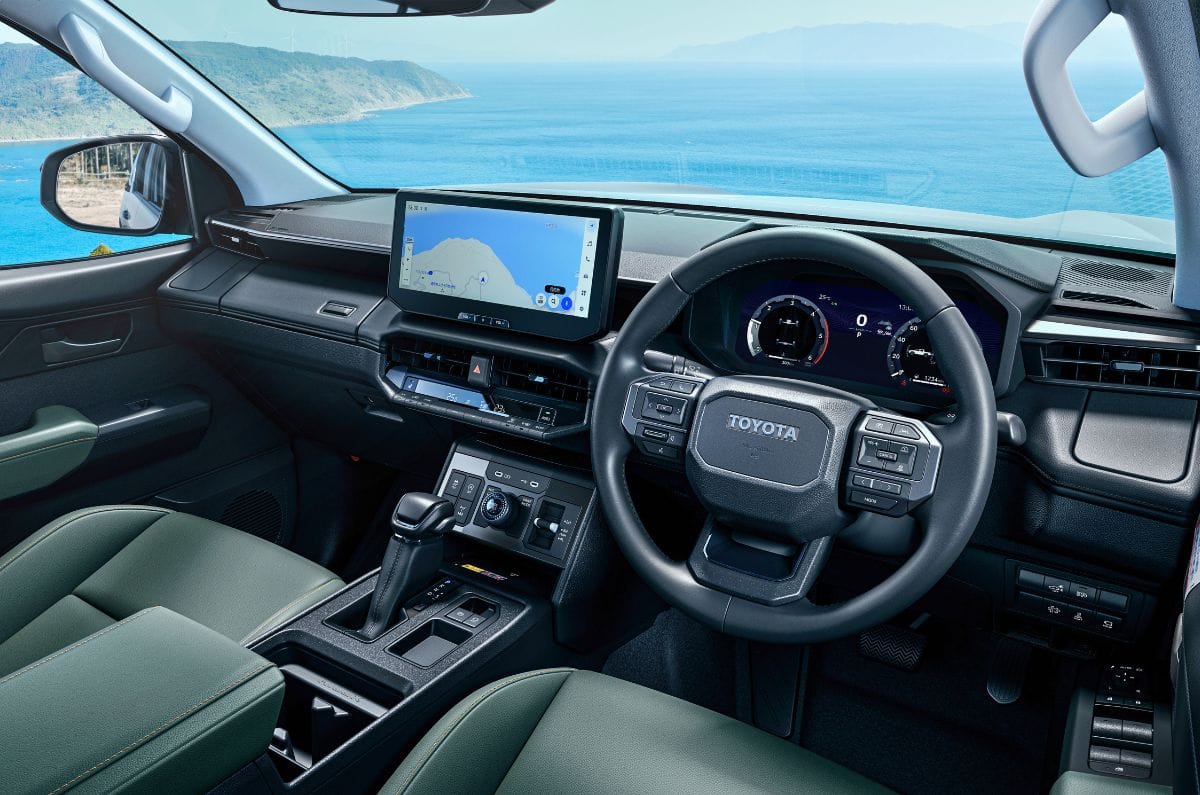
Inside, the Hilux gets an all-new dashboard with 12.3-inch digital instrument cluster and 12.3-inch touchscreen infotainment displays, along with a new three-spoke steering wheel bearing the Toyota lettermark. The customisable driver’s display offers four design themes, whilst the infotainment unit uses the Toyota Smart Connect system.
The cabin combines a mix of soft-touch leatherette and hard plastics, appearing equal parts contemporary and rugged. A welcome sight in the Hilux’s cabin is the abundance of physical controls for key functions, such as the climate control system and four-wheel-drive settings.
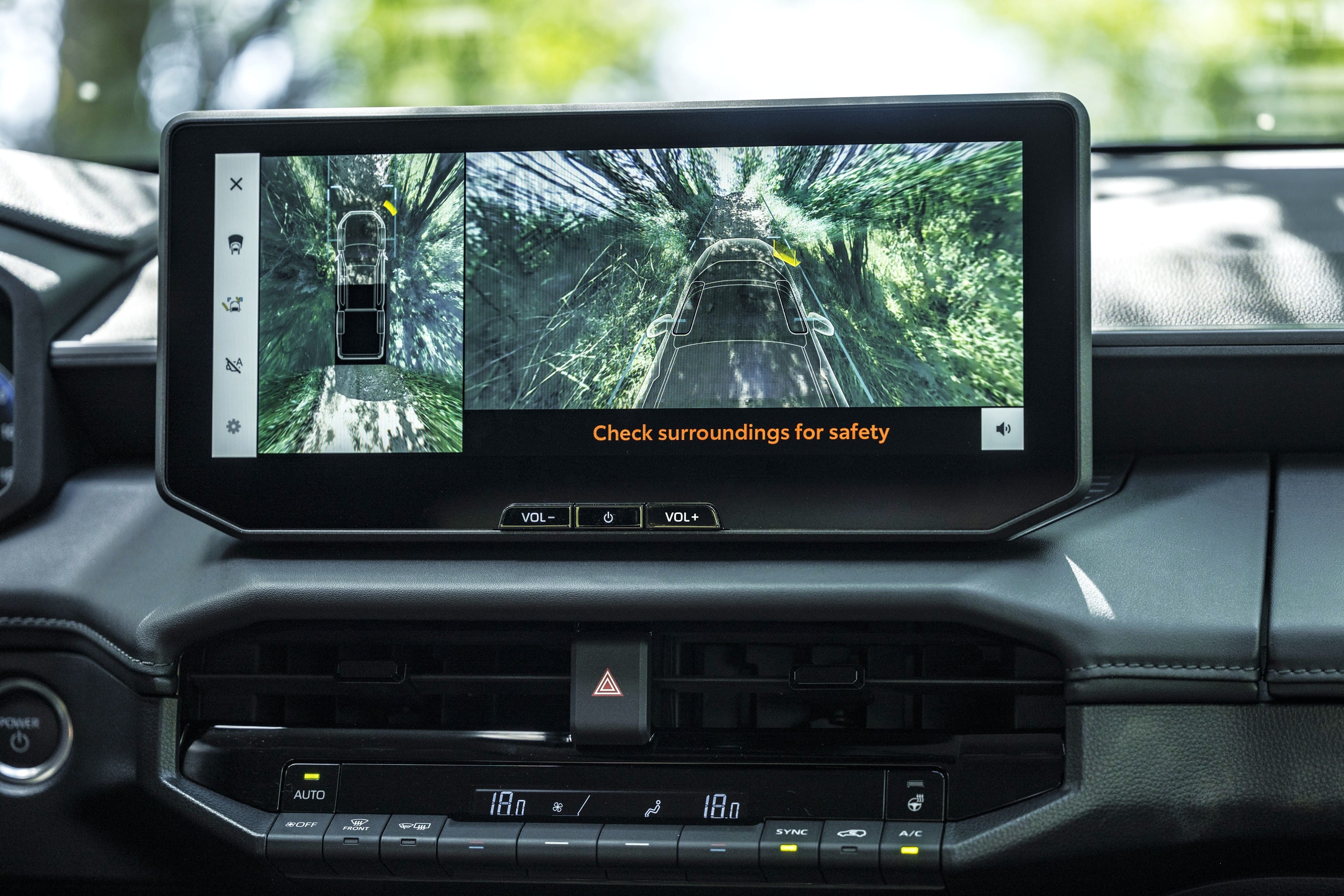
Feature highlights include wireless Apple CarPlay and Android Auto, wireless charging, dual-zone climate control, connected car technology, powered and ventilated front seats, multiple terrain modes, over-the-air (OTA) updates, a 360-degree camera and an ADAS suite.
2026 Toyota Hilux engine and gearbox
The Hilux continues with the familiar 2.8-litre four-cylinder diesel engine, which produces 204hp and 500Nm and is paired with a 6-speed torque-converter automatic. The Hilux is offered in 4×4 as well as 4×2 variants. There is no manual option available now, there was no 4×2 variants on offer before as well as it does not get the 48V ‘NeoDrive’ mild hybrid system, that was introduced with the Fortuner.
2026 Toyota Hilux price and rivals
Variant
Price (ex-showroom)
GX 4×2 AT
Rs 31.99 lakh
GX 4×4 AT
Rs 33.69 lakh
VX 4×4 AT
Rs 36.69 lakh
The 2025 Toyota Hilux is available in three variants, with prices ranging from Rs 31.99 lakh to Rs 36.69 lakh (ex-showroom). The entry-level GX 4×2 AT is priced at Rs 31.99 lakh, while the GX 4×4 AT sits in the middle of the range at Rs 33.69 lakh. The range-topping VX 4×4 AT is priced at Rs 36.69 lakh. The new Hilux continues to rival the Isuzu V-Cross in the lifestyle pickup segment.
Compared to the outgoing Hilux, which was priced between Rs 28.52 lakh and Rs 36 lakh (ex-showroom), the entry price has increased by Rs 3.47 lakh, while the range-topping variant costs Rs 69,000 more. Despite being a full generational update with a redesigned exterior and cabin and additional features, Toyota has kept the increase at the top end relatively modest.
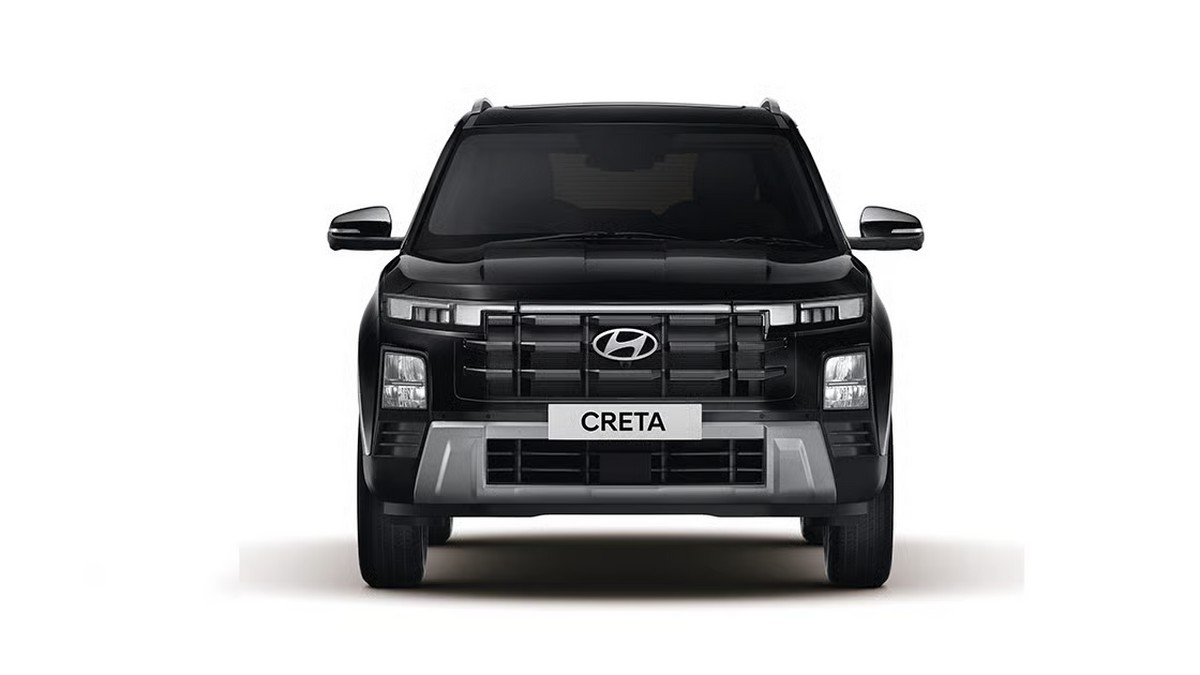
हुंडई अपनी लोकप्रिय मिड-साइज SUV Hyundai Creta की अगली जनरेशन को जल्द बाजार में उतारने की तैयारी कर रही है। नई Creta में सिर्फ नया प्लेटफॉर्म और नए पावरट्रेन ही नहीं, बल्कि पहले से कहीं ज्यादा आधुनिक फीचर्स भी देखने को मिल सकते हैं। माना जा रहा है कि कंपनी इस बार SUV के फीचर पैकेज को और मजबूत बनाएगी, क्योंकि यही इसकी सबसे बड़ी ताकत रही है।
मिलेगा एडवांस Level 2+ ADAS
मौजूदा Hyundai Creta में Level-2 ADAS के तहत 20 सेफ्टी फीचर्स दिए जाते हैं। हालांकि, नई जनरेशन मॉडल में Kia Seltos की तरह Level 2+ ADAS मिलने की उम्मीद है, जिसमें 28 तक एडवांस ड्राइवर असिस्टेंस फीचर्स शामिल हो सकते हैं।
संभावित नए ADAS फीचर्स में शामिल हैं:
Navigation-based Smart Cruise Control
Frontal Collision Warning
Junction Crossing Assist
अन्य एडवांस सेफ्टी और ड्राइविंग असिस्ट सिस्टम
मिलेगा नया PLEOS इंफोटेनमेंट सिस्टम
नई Creta के केबिन में सबसे बड़ा बदलाव Hyundai का नया PLEOS Infotainment System हो सकता है। कंपनी इस सिस्टम को पहले अपने कुछ अंतरराष्ट्रीय मॉडलों में पेश कर चुकी है। रिपोर्ट्स के मुताबिक, इसमें 15 इंच से बड़ी टचस्क्रीन मिलने की संभावना है। इसके जरिए कार के अधिकांश कंट्रोल और सेटिंग्स ऑपरेट किए जा सकेंगे।
इस सिस्टम की खासियत Over-the-Air (OTA) Updates होगी। यानी भविष्य में सॉफ्टवेयर अपडेट के साथ कुछ मैकेनिकल बदलाव, जैसे सस्पेंशन ट्यूनिंग, भी OTA के जरिए अपडेट किए जा सकेंगे। इसके अलावा मौजूदा डिजिटल ड्राइवर डिस्प्ले की जगह नया और ज्यादा स्लिम डिस्प्ले मिलने की संभावना है, जिसमें केवल जरूरी ड्राइविंग जानकारी दिखाई जाएगी। HUD और Wireless Android Auto-Apple CarPlay भी मिल सकते हैं
फिलहाल Hyundai Creta के टॉप वेरिएंट में Head-Up Display (HUD) और Wireless Android Auto एवं Apple CarPlay की सुविधा उपलब्ध नहीं है। वायरलेस कनेक्टिविटी के लिए अलग से एडेप्टर का इस्तेमाल करना पड़ता है।
नई जनरेशन Creta में यह कमी दूर हो सकती है। Kia Seltos में पहले से मौजूद इन फीचर्स को अब Hyundai Creta में भी शामिल किए जाने की उम्मीद है। साथ ही, वायरलेस Android Auto और Apple CarPlay को केवल लोअर वेरिएंट तक सीमित रखने के बजाय अधिकांश वेरिएंट्स में स्टैंडर्ड फीचर बनाया जा सकता है। हालांकि, कंपनी ने अभी तक नई Hyundai Creta के फीचर्स और लॉन्च टाइमलाइन को लेकर आधिकारिक घोषणा नहीं की है।
The Maruti Brezza may be one of the oldest compact SUVs in the market, but it remains one of the best-selling ones by a reasonable margin. Maruti has now given it a fresh lease of life with a mid-cycle update for 2026, bringing a brand-new engine option and thereby addressing one of the biggest gripes about the Brezza – lack of multiple engine options. It’s the Boosterjet turbo-petrol engine from the Fronx, finally bringing the Brezza in the sub-4m tax slab and also a much-needed dose of performance. So, here are two reasons why you should consider buying the new Brezza Turbo, and two reasons why you might want to look elsewhere.
Reasons to buy the Maruti Brezza Turbo
1. Boosterjet engine is smooth and tractable
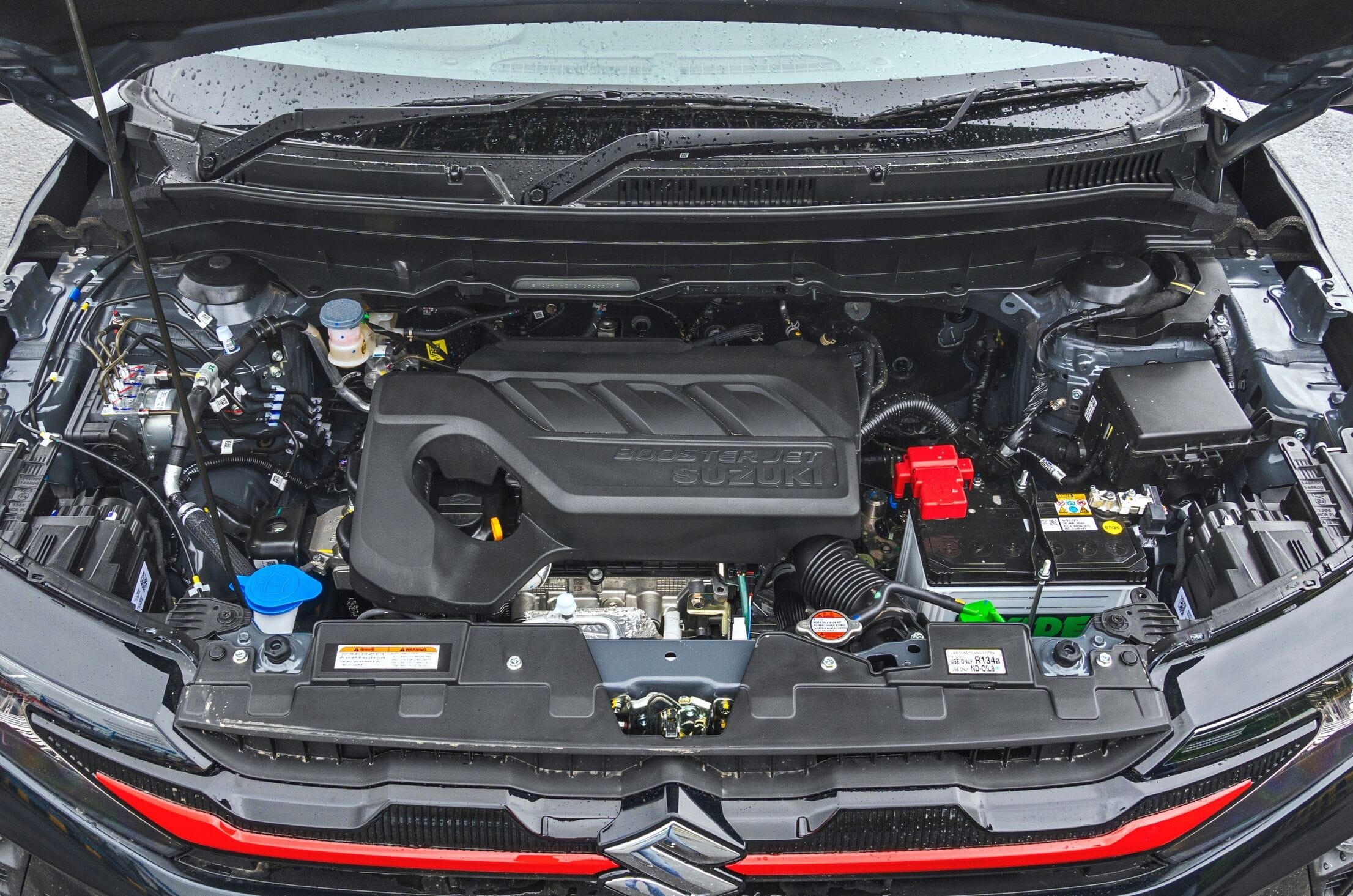
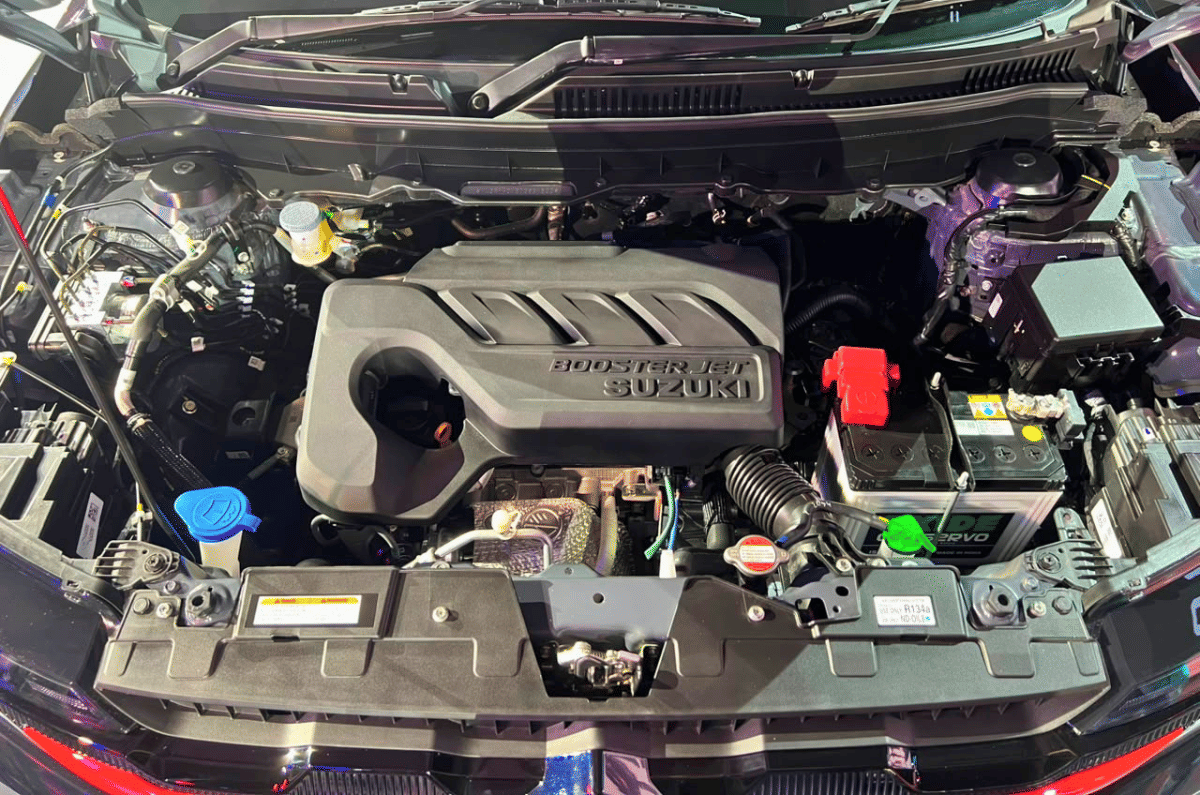
The 1.0-litre, three-cylinder Boosterjet engine produces 110hp and 170Nm on the Brezza, which means the numbers are up by 10hp and 23Nm compared to the Fronx. What’s most impressive about this engine on the Brezza is its refinement and driveability – it gets off the line effortlessly, with almost no lag. In fact, you can set off in second or even third with little issue. It’s only when you wring it out that you’ll get some hint of three-cylinder thrum. The 6-speed manual gearbox offered with this engine is also a joy to use, offering satisfying and progressive shifts, and the clutch too is light and easy to modulate.
The Brezza’s faimiliar 1.5-litre naturally aspirated petrol engine also remains on offer alongside the new Boosterjet engine, but it’s expectedly more expensive as it attracts a higher 40 percent GST.
2. Spacious interior and boot
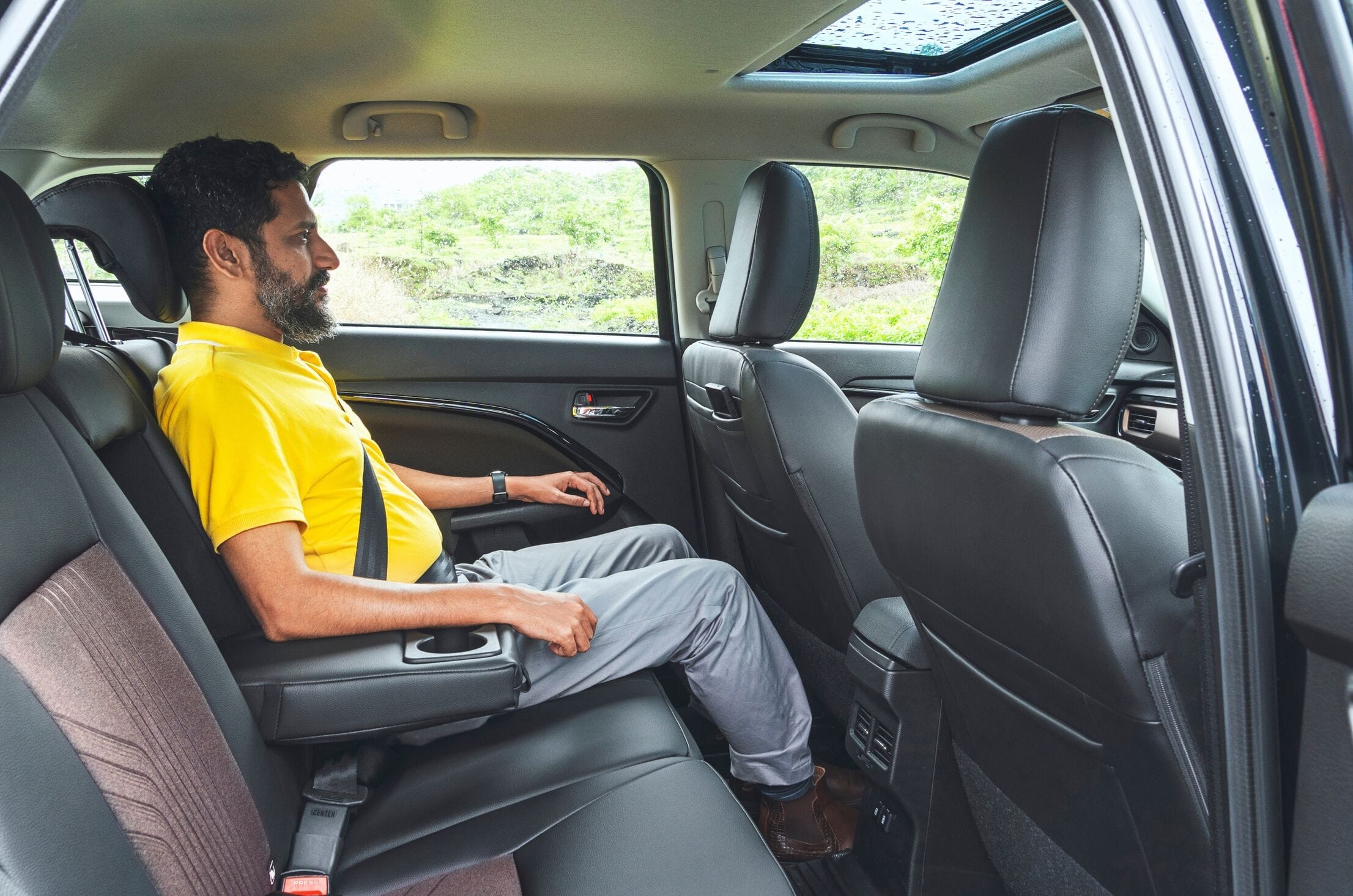
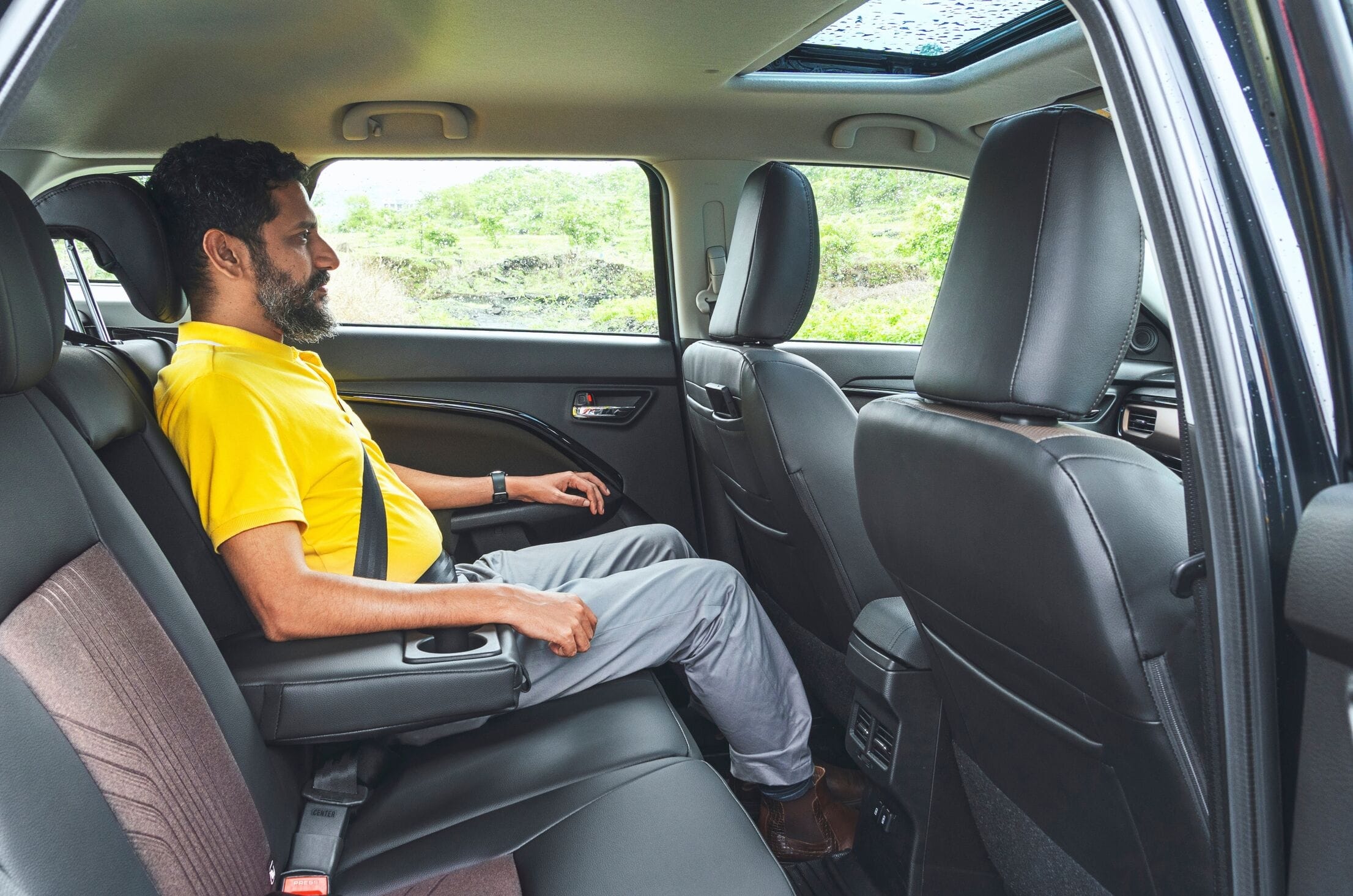
Packaging has always been one of Maruti’s strengths, and it has been true for the Brezza as well. Not much has changed on the inside of the updated Brezza, which means it remains one of the more spacious models in its segment. It’s still one of the few models where you can sit three adults abreast at the rear in reasonable comfort, and the front seats are suitable for large frames, too. Maruti has also introduced a new brown and black leatherette upholstery with this update which looks more premium and classier than before. That said, seat comfort is only adequate, erring more on the firm than the outright soft side.
As for the boot, overall volume remains the same at 328 litres, and as always, its square shape offers up more practicality than the number suggests.
Reasons not to buy the Maruti Brezza Turbo
Lacks the outright punch of a turbo engine
While performance from the new turbo engine is smooth and linear, it doesn’t have outright punch you’d expect or what some rivals offer. In our preliminary tests, the 1.0 Turbo accelerated from 0-100kph in a modest 12.36sec, just 0.3sec quicker than the old 1.5 NA petrol manual version (with the 5-speed manual). We also found ourselves downshifting one or two gears to overtake out on the highway, and through the rev range, some flat spots and hesitation did appear.
Still missing some features, lack of a spare tyre
The Brezza has seen the addition of some key features with this update, including front ventilated seats, a larger touchscreen, updated UX/UI and also new safety features. But while all these are welcome additions, there are still many sought-after features offered by rivals that are missing on the Brezza. These include powered front seats, rear window blinds and a panoramic sunroof – the Brezza continues with a single-pane unit. It also doesn’t get a full ADAS suite that’s offered by some rivals, but only a few driver assist features such as blind-spot warning and rear cross-traffic alert.
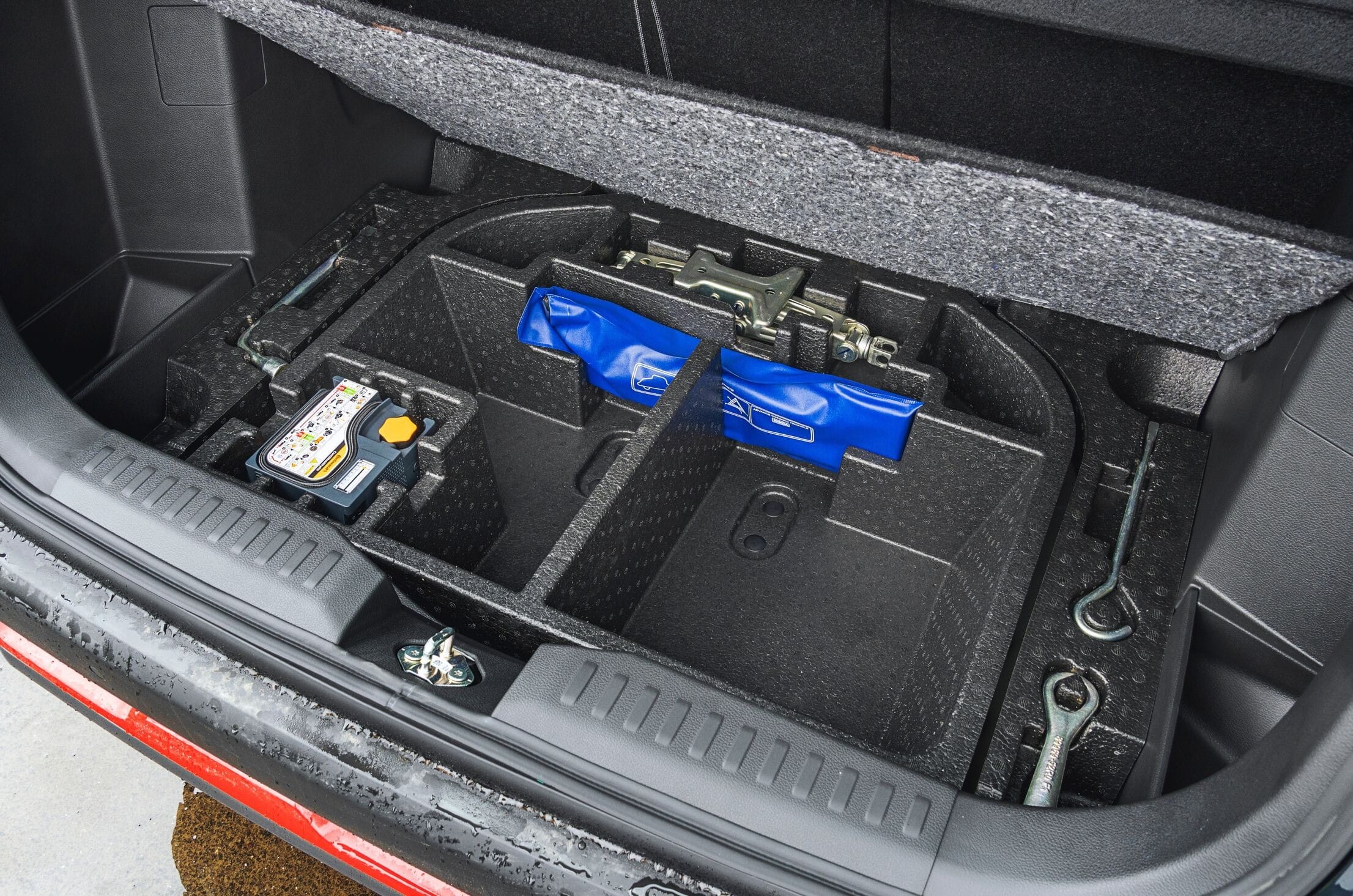
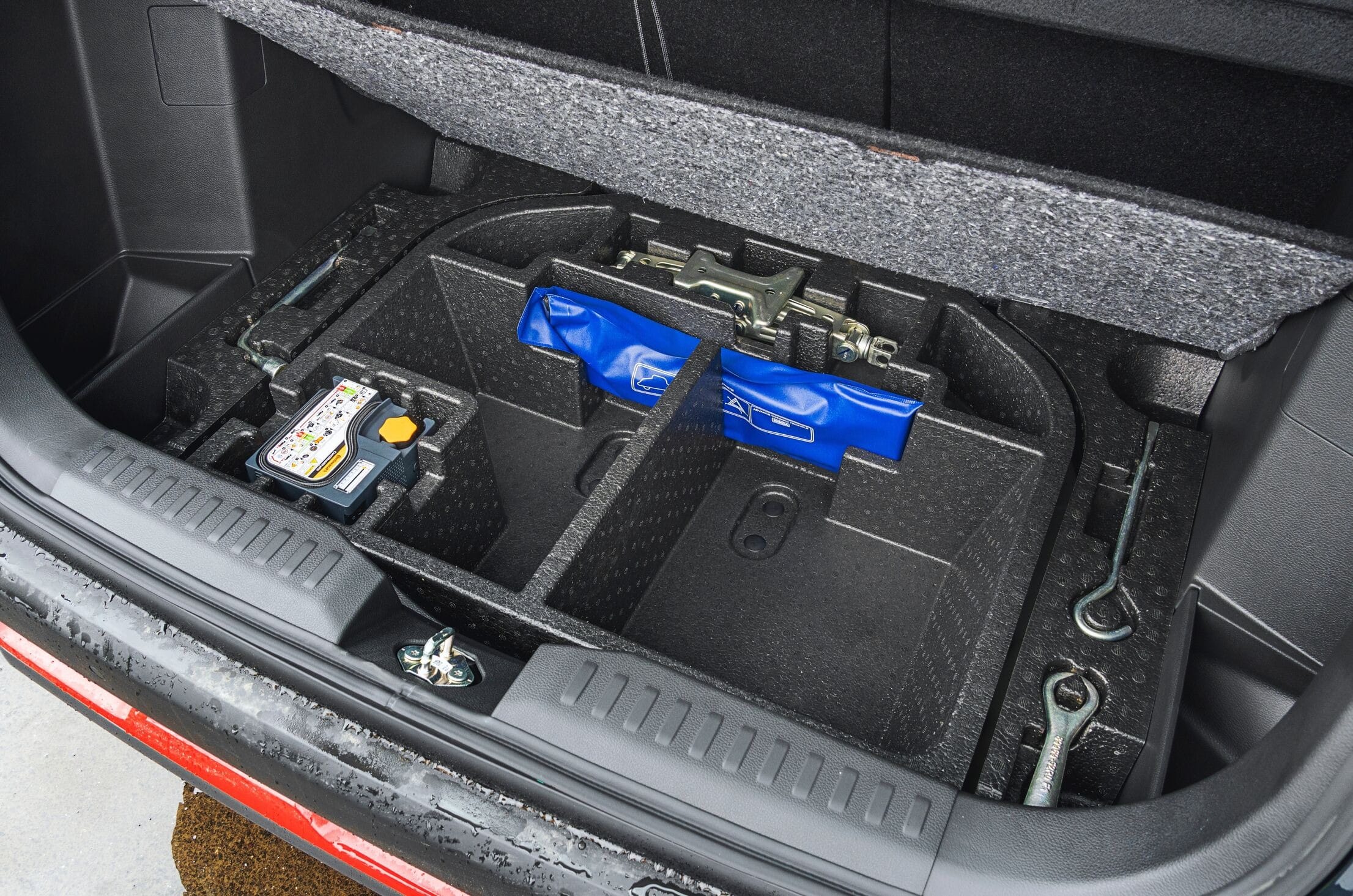
Maruti has also removed the spare tyre from the Brezza, and is now only offering a puncture repair kit and a tyre inflator. This is because CNG models have moved to an underfloor tank design to free up more luggage space, and that’s resulted in the removal of the spare tyre in all models.
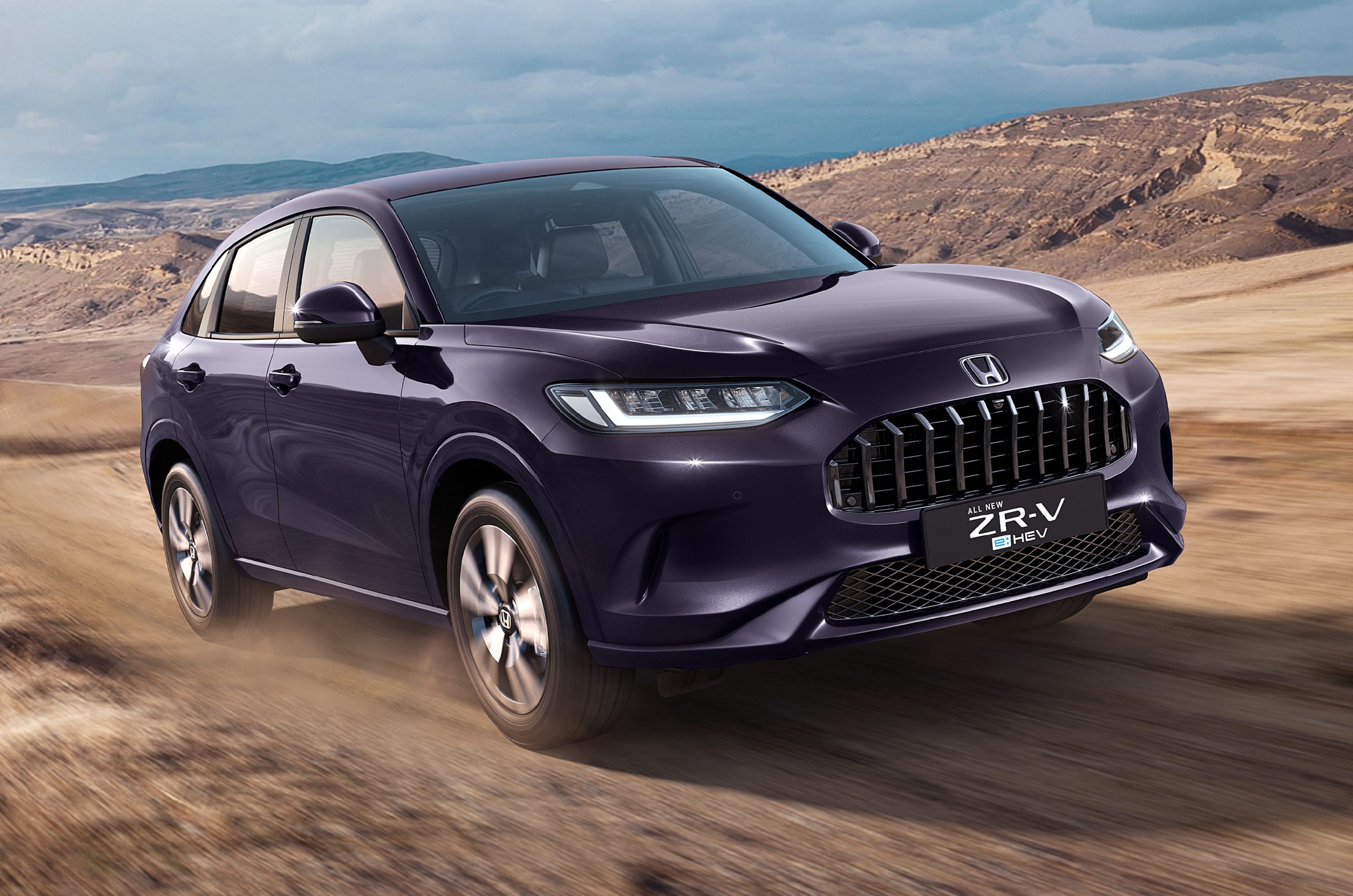
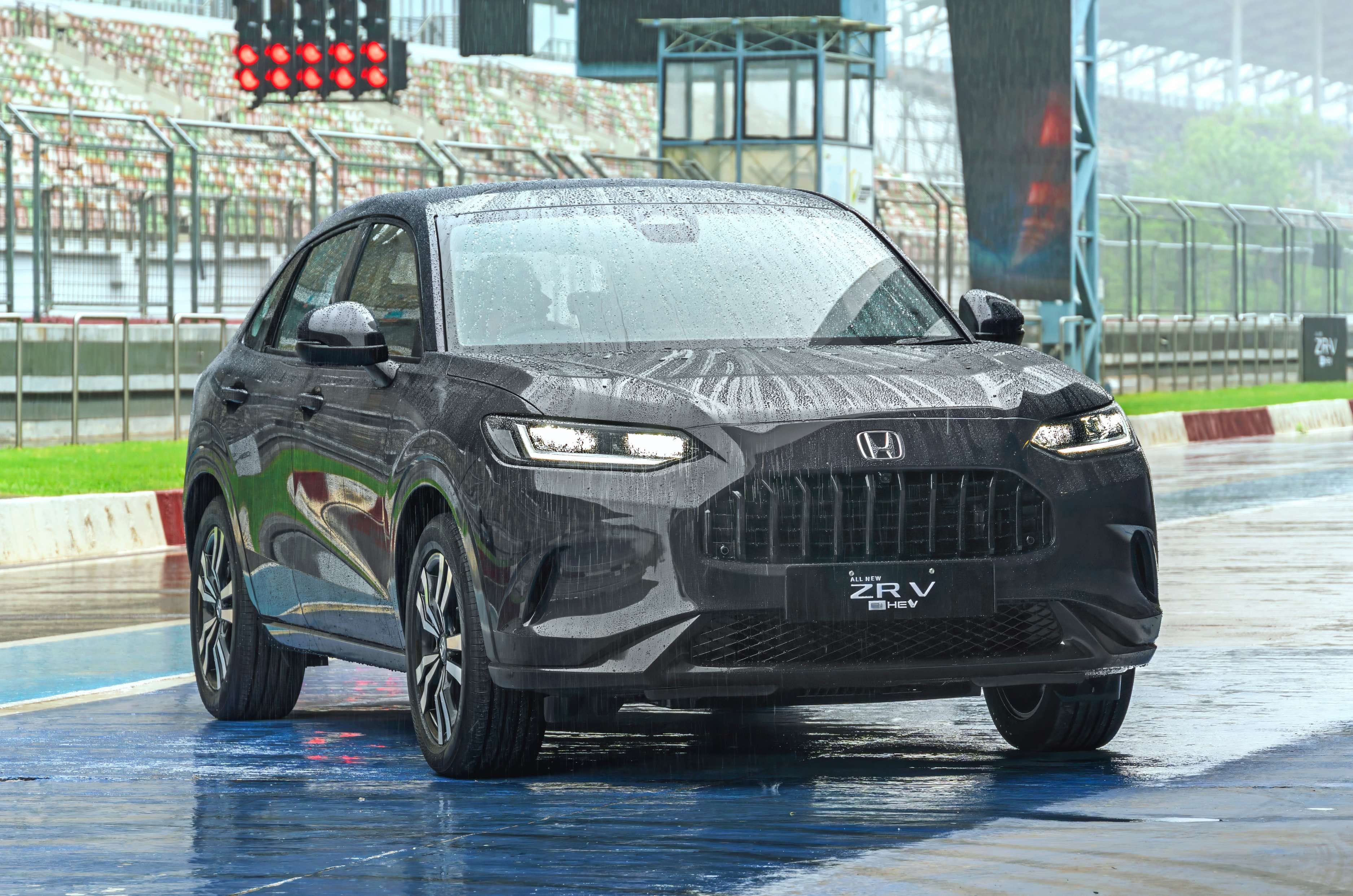
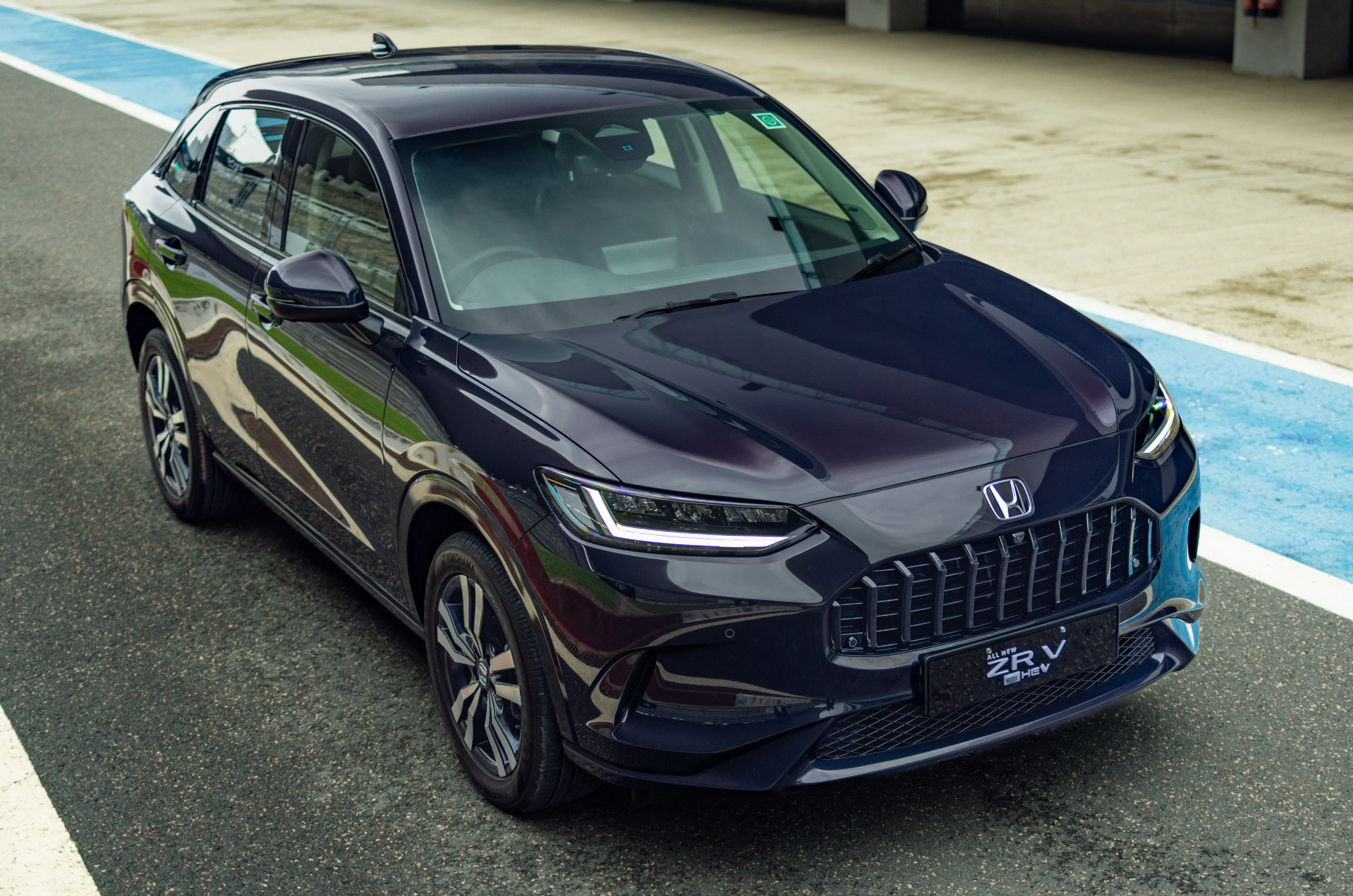
Honda has launched the ZR-V in India at an introductory price of Rs 48 lakh (ex-showroom). The SUV sits at the top of the Japanese carmaker’s India lineup as its flagship offering. Available only in a single, fully loaded variant, the ZR-V rivals premium SUVs such as the Skoda Kodiaq, Volkswagen Tayron and Tiguan. Imported from Japan as a completely built unit (CBU), the ZR-V will be sold in limited numbers, with Honda allocating 60 units each in the first two batches. Customer deliveries have already commenced, and the initial 120-unit allocation has been fully spoken for.
Here’s everything you need to know about the Honda ZR-V hybrid.
184hp strong-hybrid powertrain with claimed 22.79kpl efficiency
Gets all-LED lights, 18-inch alloys and dual exhaust tips
Features include Level 2 ADAS and powered front seats
1. What powertrain does the Honda ZR-V hybrid get?
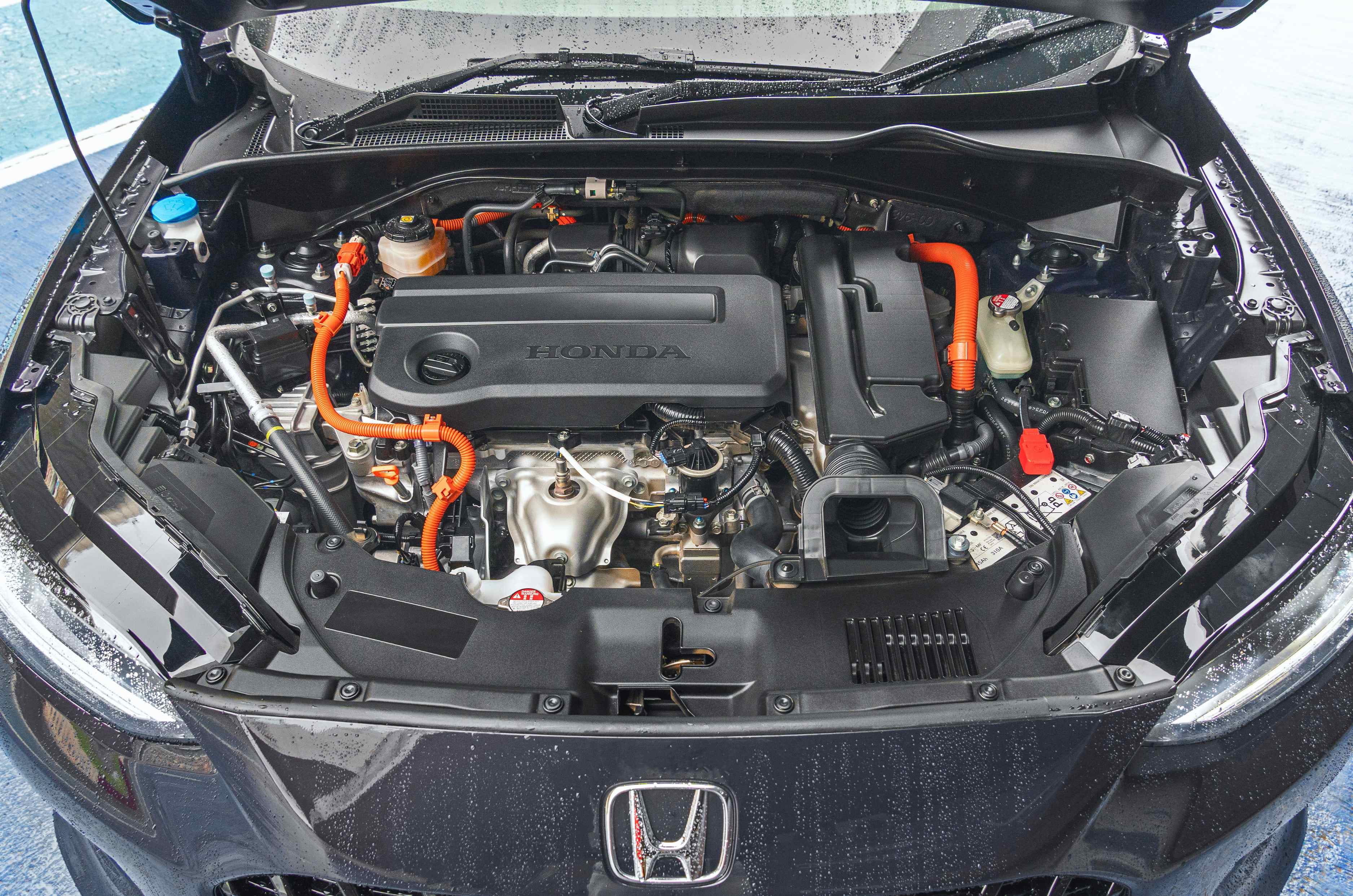
The India-spec ZR-V Hybrid uses a 2.0-litre four-cylinder petrol engine paired with a dual-motor strong-hybrid setup and an e-CVT automatic gearbox. The combined system output stands at 184hp and 315Nm, with power sent to the front wheels.
Honda claims a 0-100kph time of 8 seconds and a top speed of 172kph. Internationally, the ZR-V is also available with a 1.5-litre turbo-petrol engine and an all-wheel-drive setup.
2. What fuel efficiency does the Honda ZR-V hybrid offer?
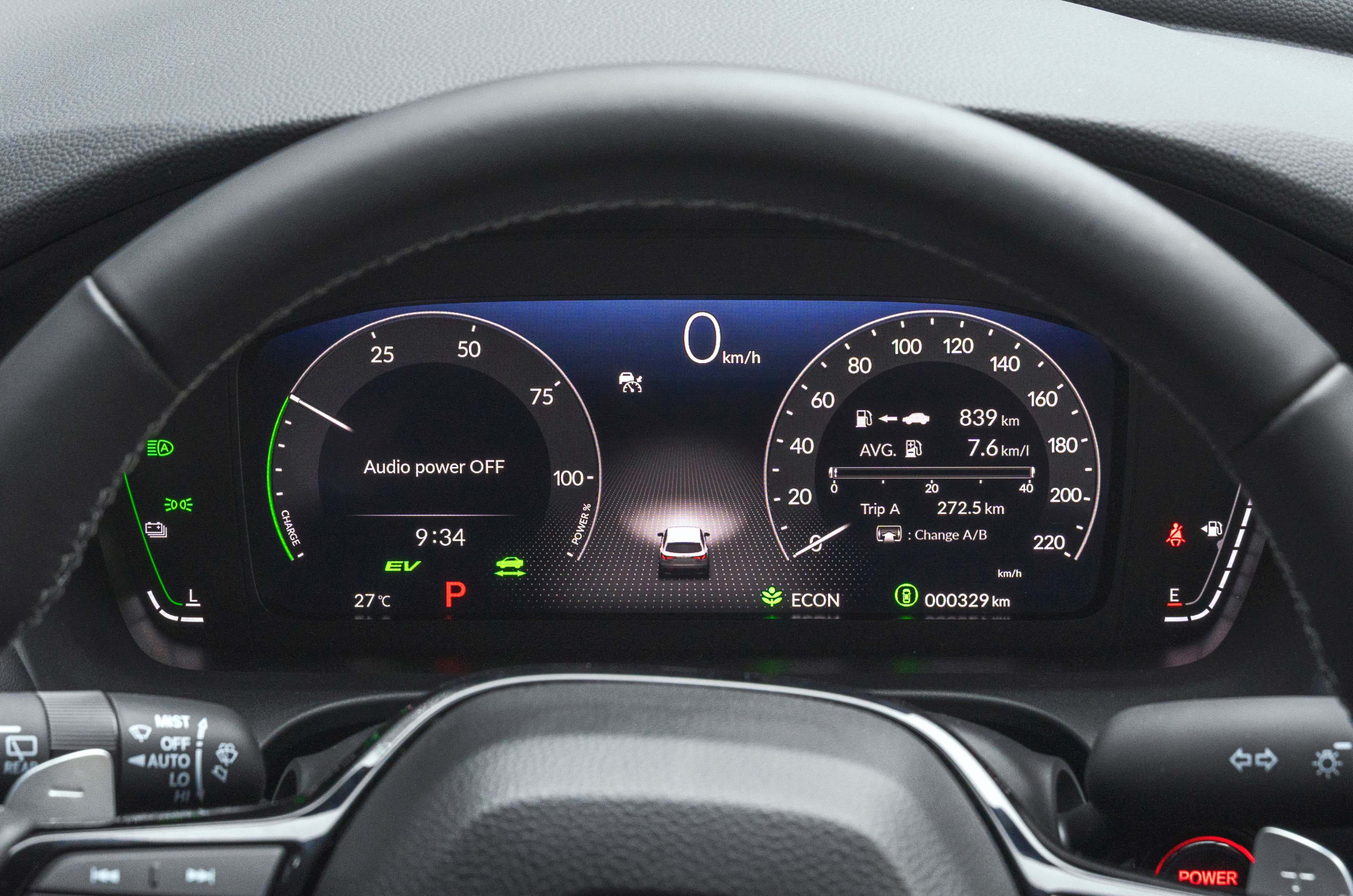
Honda pegs the ZR-V hybrid’s fuel efficiency at 22.79kpl. The strong-hybrid setup allows the SUV to run in EV-only mode at lower speeds and during light-throttle driving conditions, helping improve efficiency in city use.
3. What does the Honda ZR-V look like?
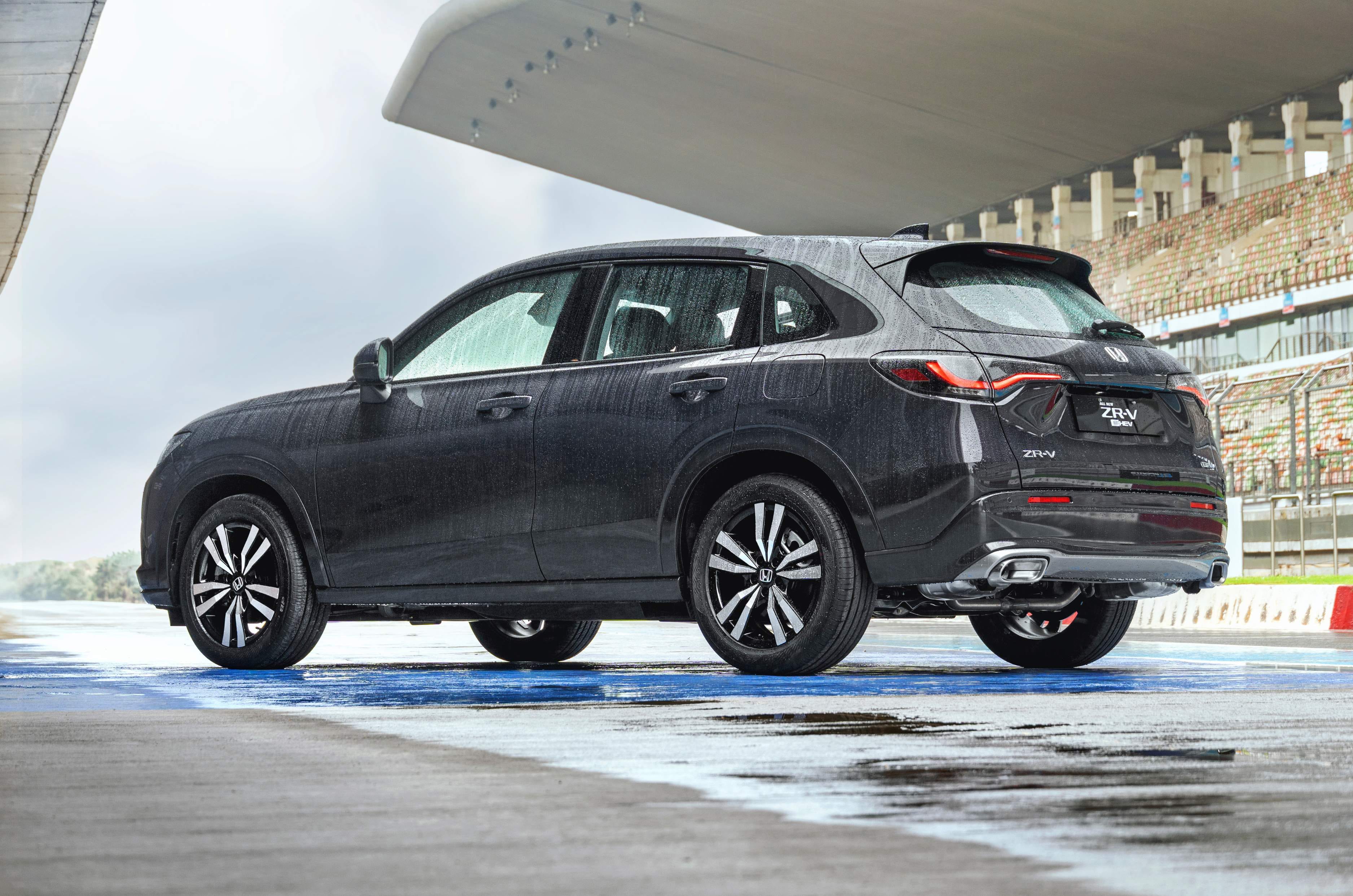
The ZR-V has a clean and relatively sleek design compared to its rivals. At the front, it features slim LED headlights with L-shaped daytime running lamps, a black grille and a bumper with functional air vents on both sides.
The SUV rides on 18-inch alloy wheels and gets body-coloured cladding around the wheel arches. At the rear, the ZR-V features LED tail-lights with U-shaped lighting elements, dual exhaust outlets integrated into the bumper and a roof-mounted spoiler, as well as a wiper and washer.
4. What is the Honda ZR-V’s interior like?
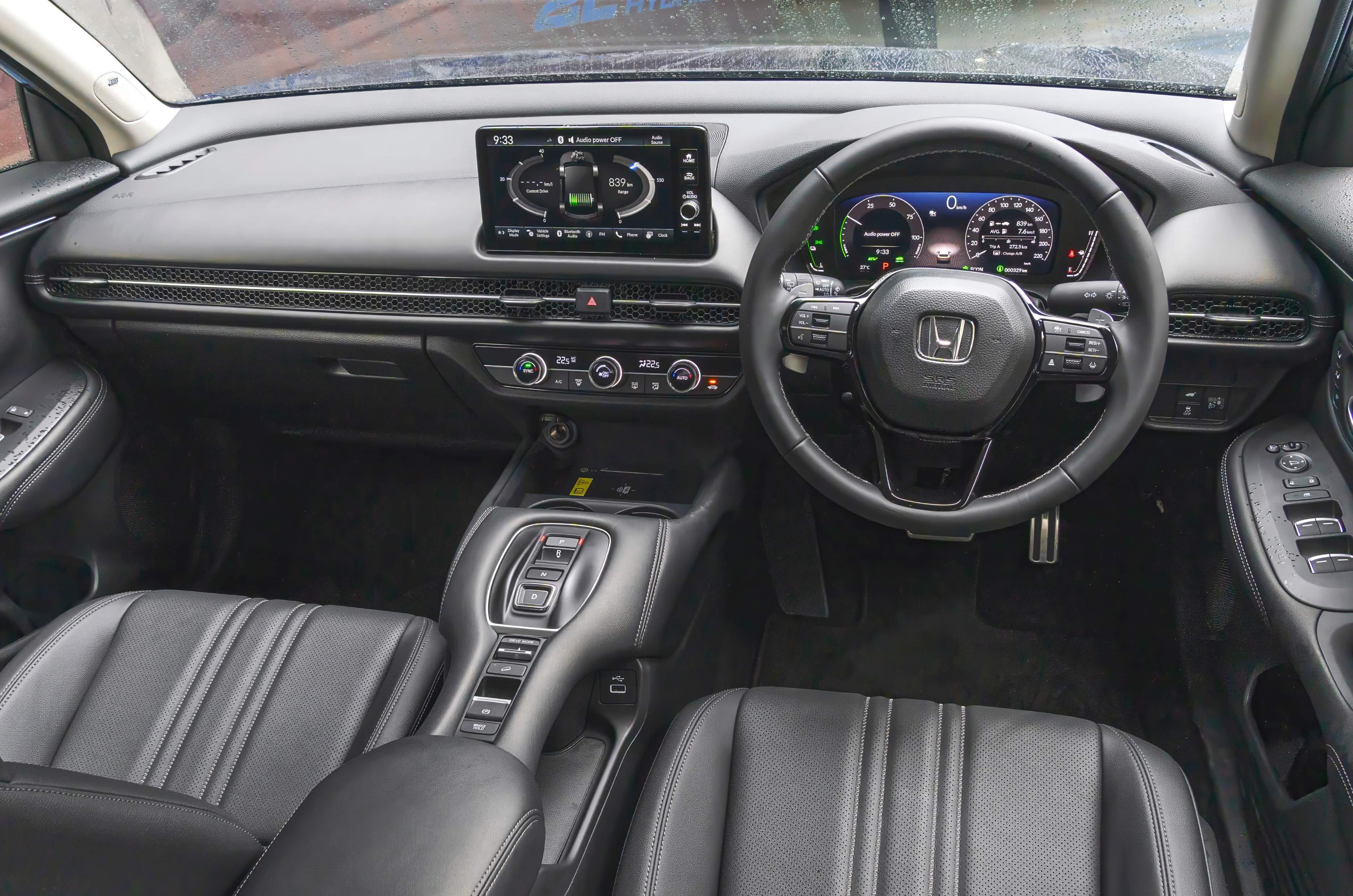
Inside, the ZR-V gets a simple dashboard layout with plenty of physical buttons and knobs for functions such as climate control and audio controls. The centre console also uses physical buttons for gear selection.
The SUV gets a dual-screen setup featuring a 9-inch touchscreen infotainment system with wireless Android Auto and Apple CarPlay, along with a 10.25-inch digital driver’s display. Honda is also offering leatherette upholstery, dual-zone climate control, a wireless charger, powered front seats, ambient lighting, a powered tailgate and a 12-speaker Bose sound system. Both rows get centre armrests as well.
However, unlike many rivals in this segment, the ZR-V does not get ventilated seats or a sunroof.
5. What colour options does the Honda ZR-V get?
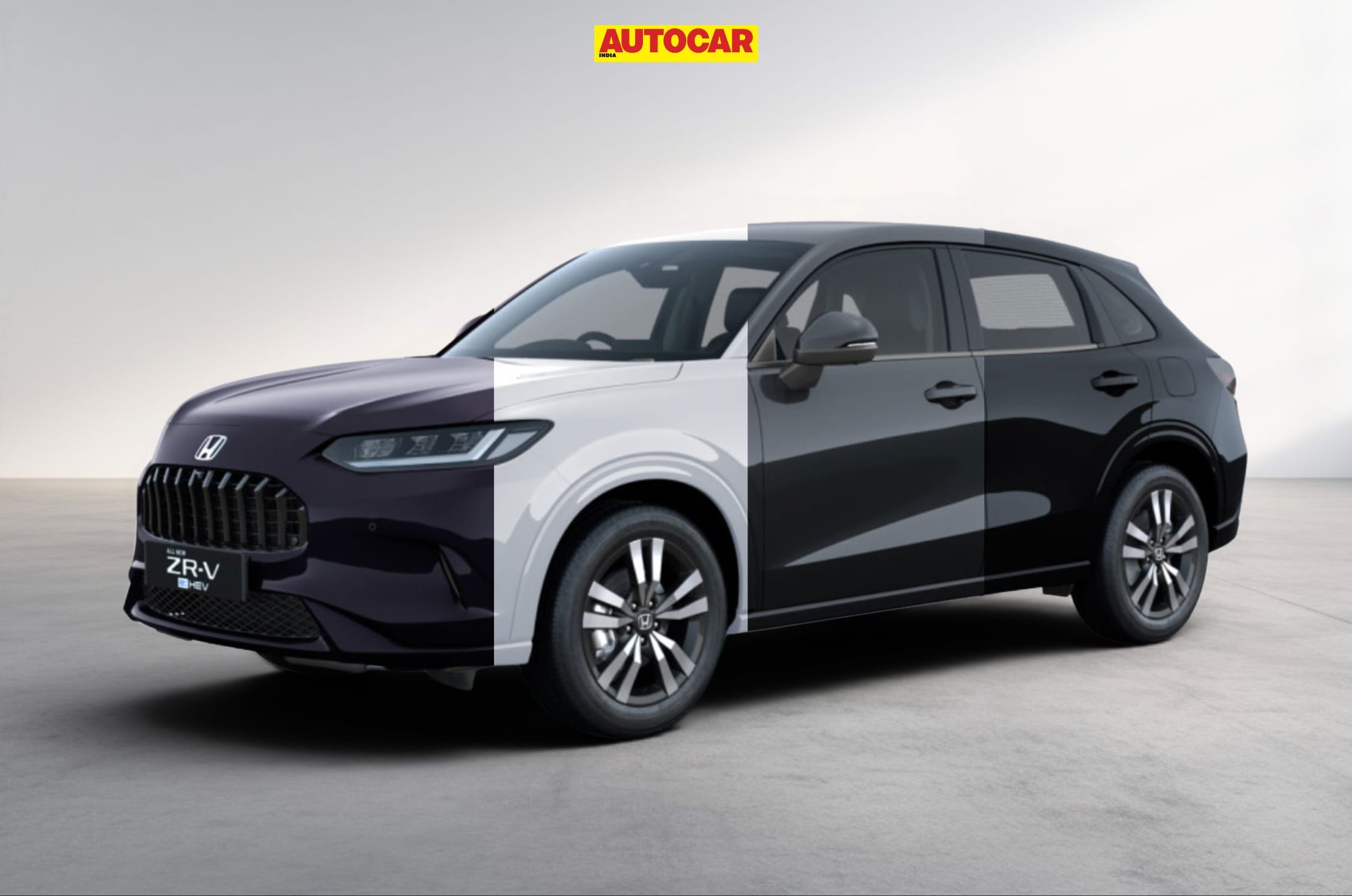
Honda will offer the ZR-V hybrid in four exterior colour options in India: Crystal Black Pearl, Twilight Mist Black Pearl, Platinum White Pearl and Meteoroid Grey Metallic.
6. What safety and ADAS features does the ZR-V get?
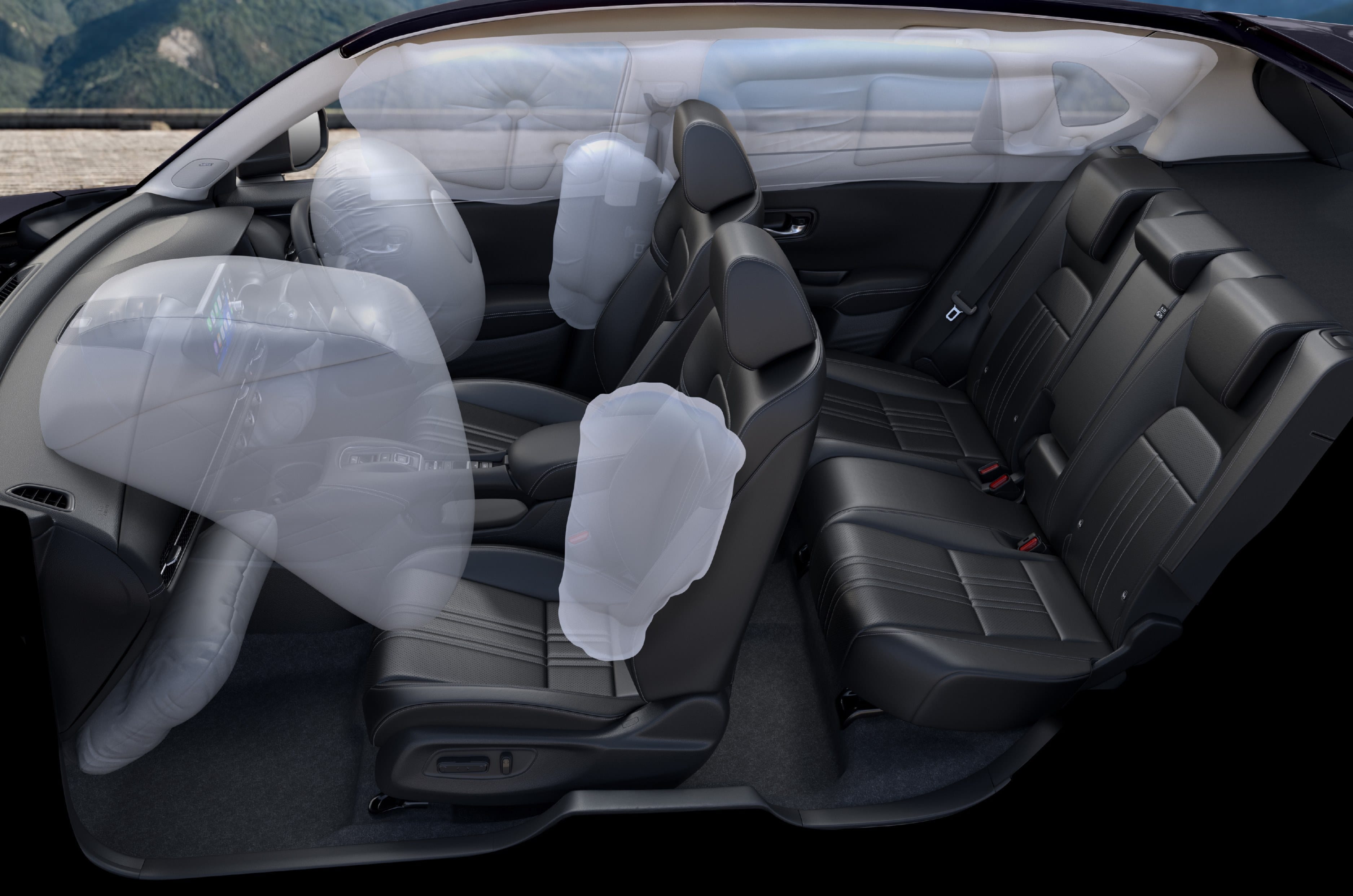
The Honda ZR-V comes equipped with eight airbags, front and rear parking sensors, a 360-degree surround-view camera, hill-descent control, hill-start assist, electronic parking brake with auto hold, vehicle stability assist and disc brakes on all four wheels.
The Level 2 ADAS suite includes collision mitigation braking, adaptive cruise control with low-speed follow, lane-keeping assist, road-departure mitigation, auto high beam and lead-car departure notification. Other safety equipment comprises a driver-attention monitor, rain-sensing wipers, ISOFIX mounts and an acoustic vehicle alert system for EV driving at low speeds.
7. What are the Honda ZR-V’s dimensions?
The Honda ZR-V measures 4,567mm in length, 1,840mm in width and 1,621mm in height and has a 2,655mm wheelbase. Honda says the SUV offers up to 1,313 litres of cargo space with the 60:40 split-folding rear seats folded down. The ZR-V rides on 18-inch alloy wheels and has a turning radius of 5.5 metres.
Compared to its rivals, the ZR-V is smaller overall and is available only as a five-seater. Most of its similarly priced rivals offer a third row and a larger overall footprint.
8. How much does the Honda ZR-V cost in India
Variant
Price (ex-showroom)
ZR-V e:HEV
Rs 48 lakh
The Honda ZR-V is offered in a single, fully loaded e:HEV variant priced at Rs 48 lakh (introductory, ex-showroom). Since it is imported via the CBU route, availability is limited. Honda has confirmed that the first two allocations comprised 60 units each, all of which have been reserved. A third batch is expected, although the company is yet to announce its arrival timeline. Customer deliveries have already commenced, and the initial 120-unit allocation has been fully spoken for.
While not the first compact SUV to hit the market, the Maruti Suzuki Vitara Brezza didn’t take long to zoom past its peers and rise to the top of its segment. It wasn’t the best looking, most exciting, most powerful or best equipped, but instead, and in true Maruti fashion, it locked in perfectly to what the average Indian wanted more. It was well priced, it was spacious and practical, it was reliable and it had incredibly good fuel economy.
That was almost a decade ago, and now in its second generation, with the ‘Vitara’ dropped from its name, the Brezza has retained those same safe and stable qualities. The compact SUV customer, however, has evolved and in 2026, perhaps playing it safe isn’t the silver bullet it once was. It’s no surprise then, that the brand has tried to introduce some excitement in the form of the 1.0-litre Boosterjet turbo-petrol, an engine it has been very selective in its use of.
With the engine has come some mild cosmetic updates and a few feature additions, and we’ve spent a day with the car to see if they all add up to make for a more compelling package.
2026 Maruti Brezza Exterior Design and Engineering – 7/10
Boxy shape that hints at big interior space; red Turbo accents feel a bit forced.
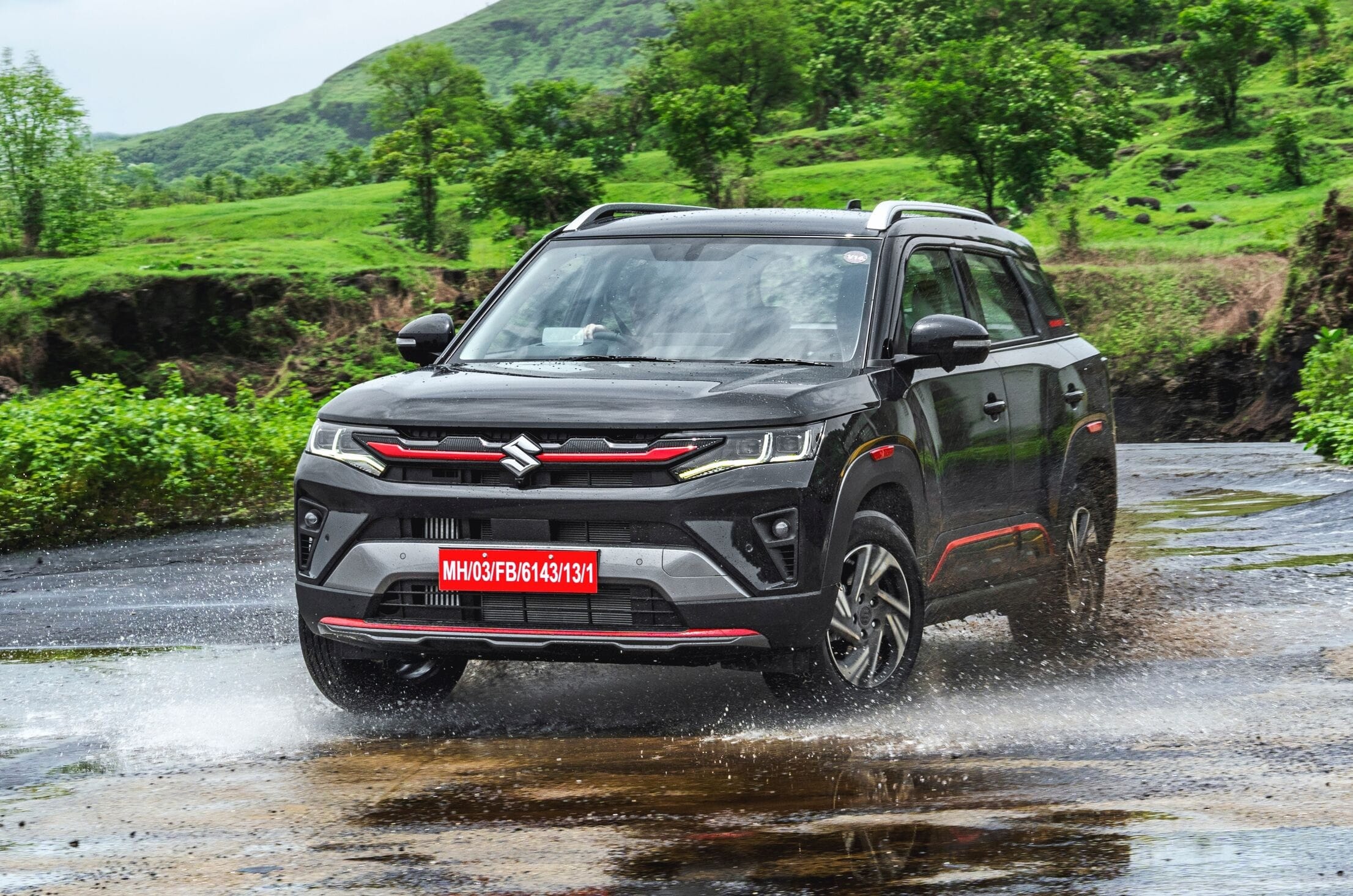
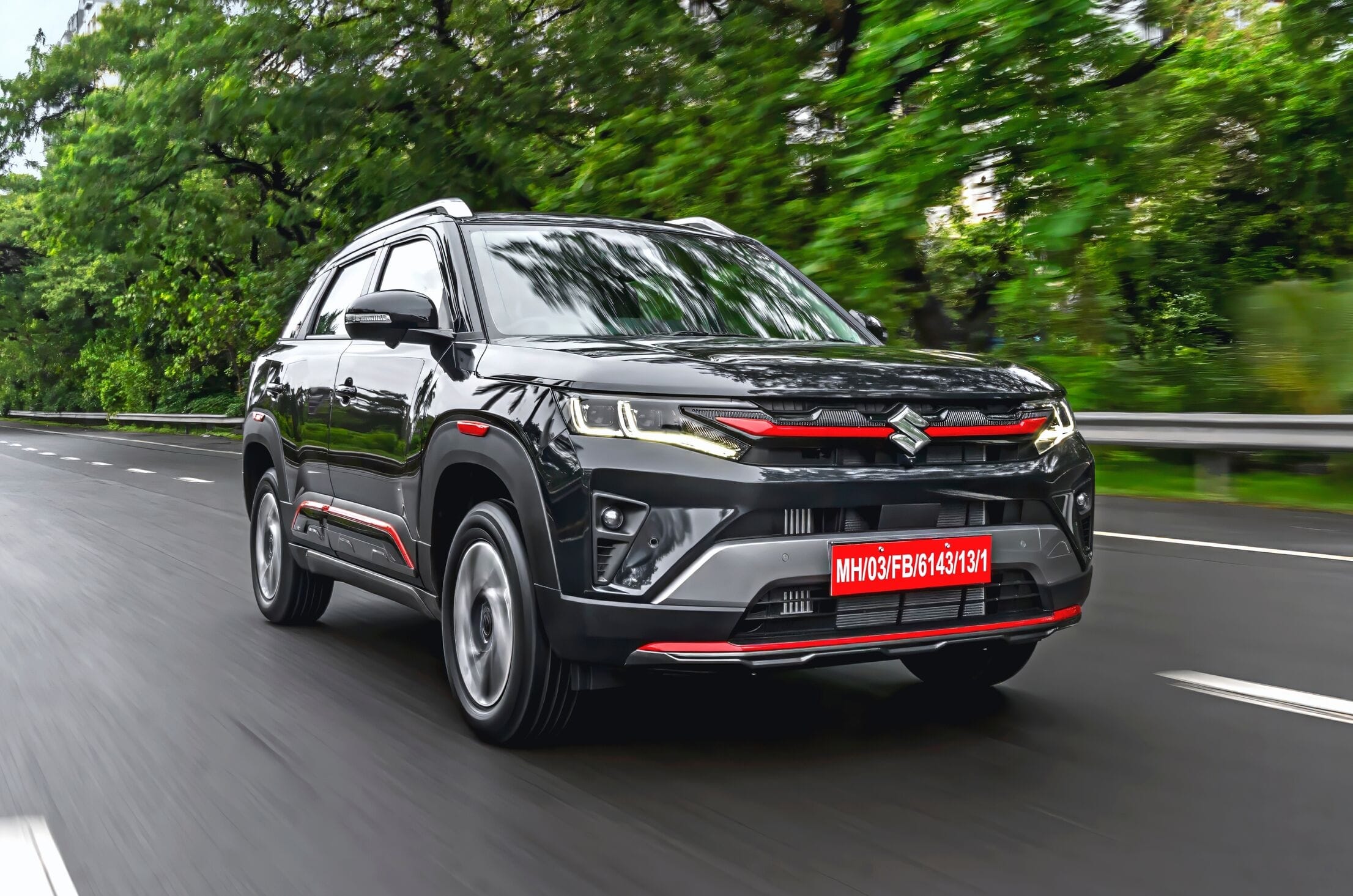
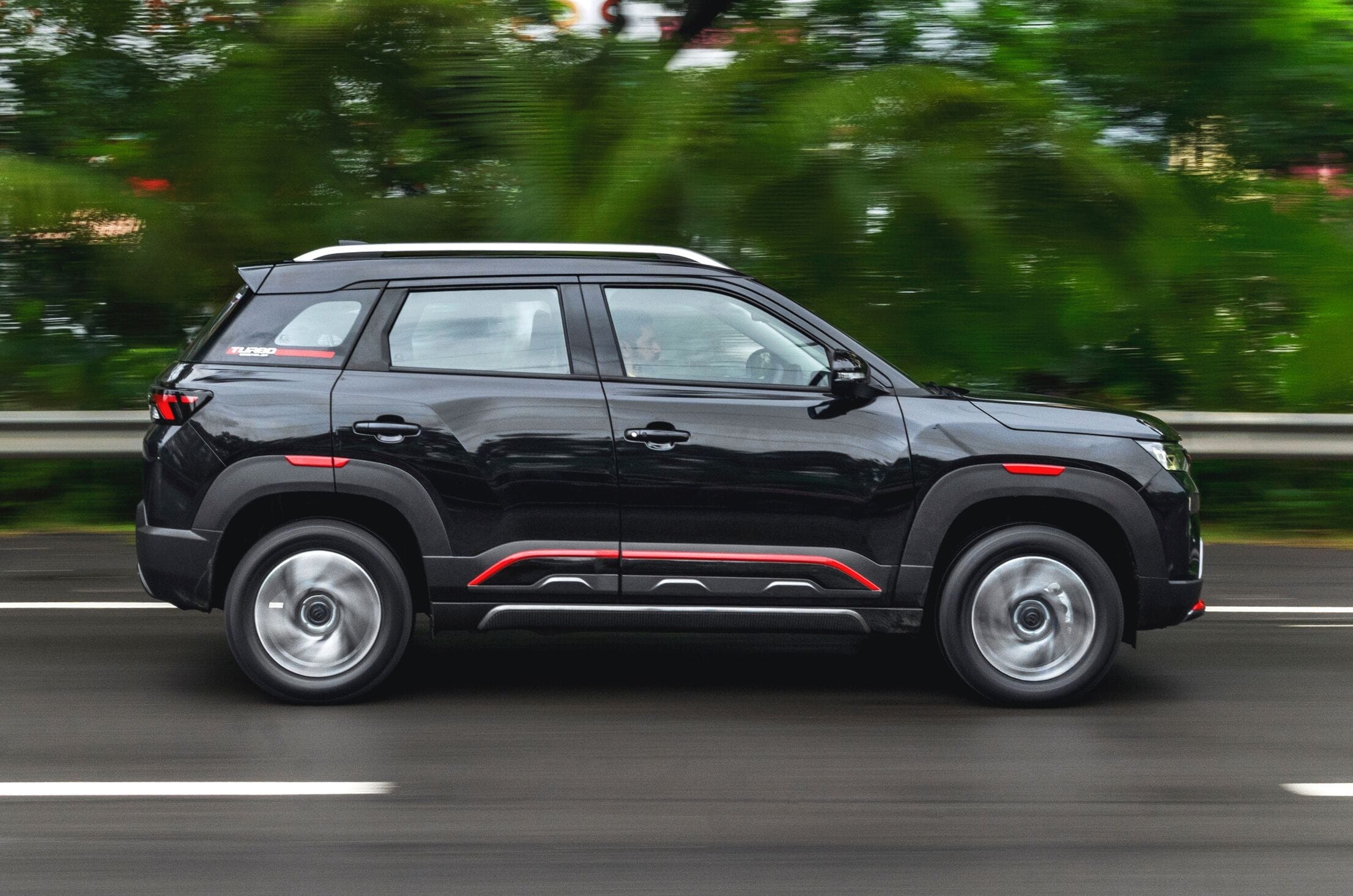
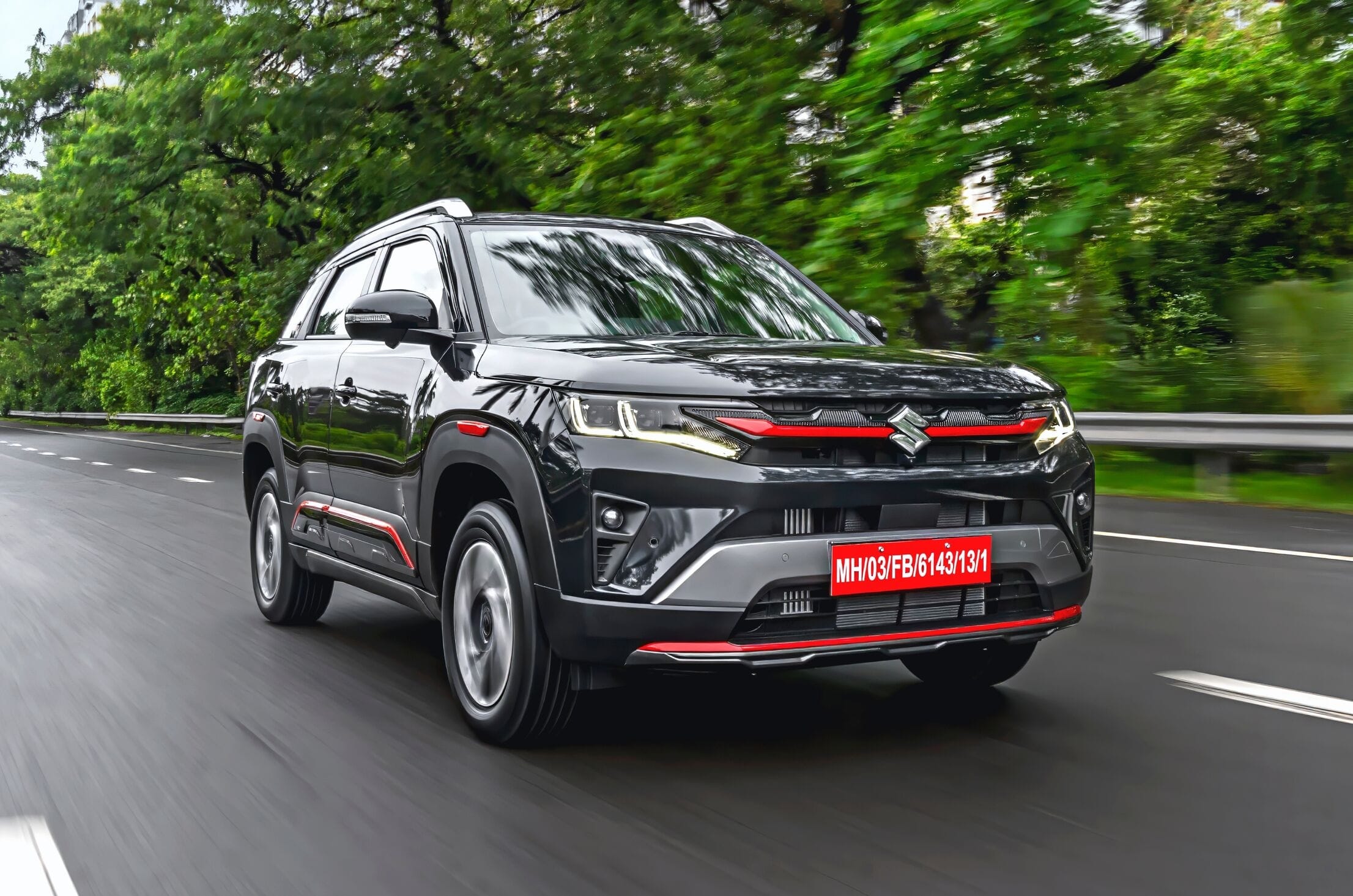
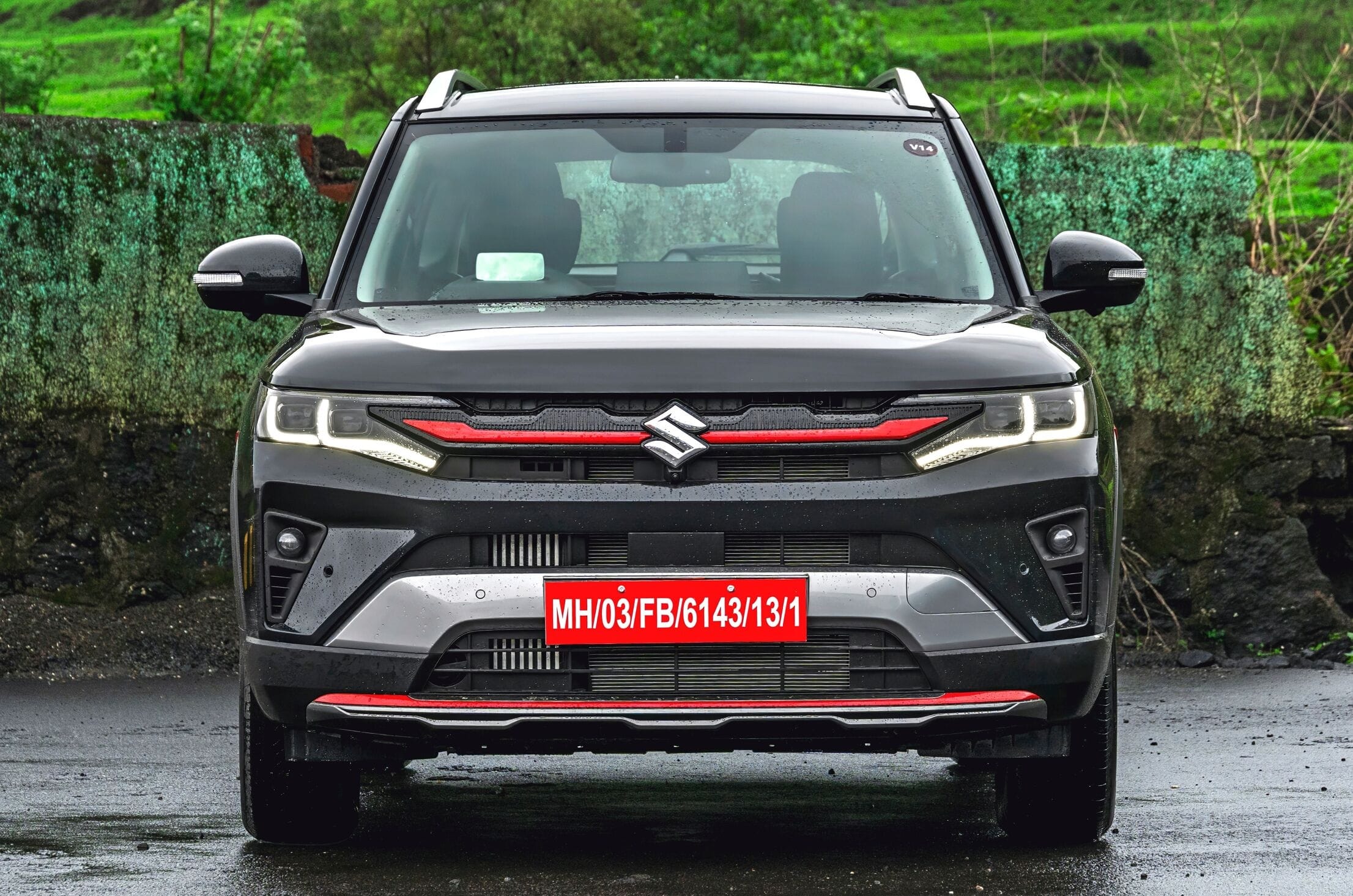
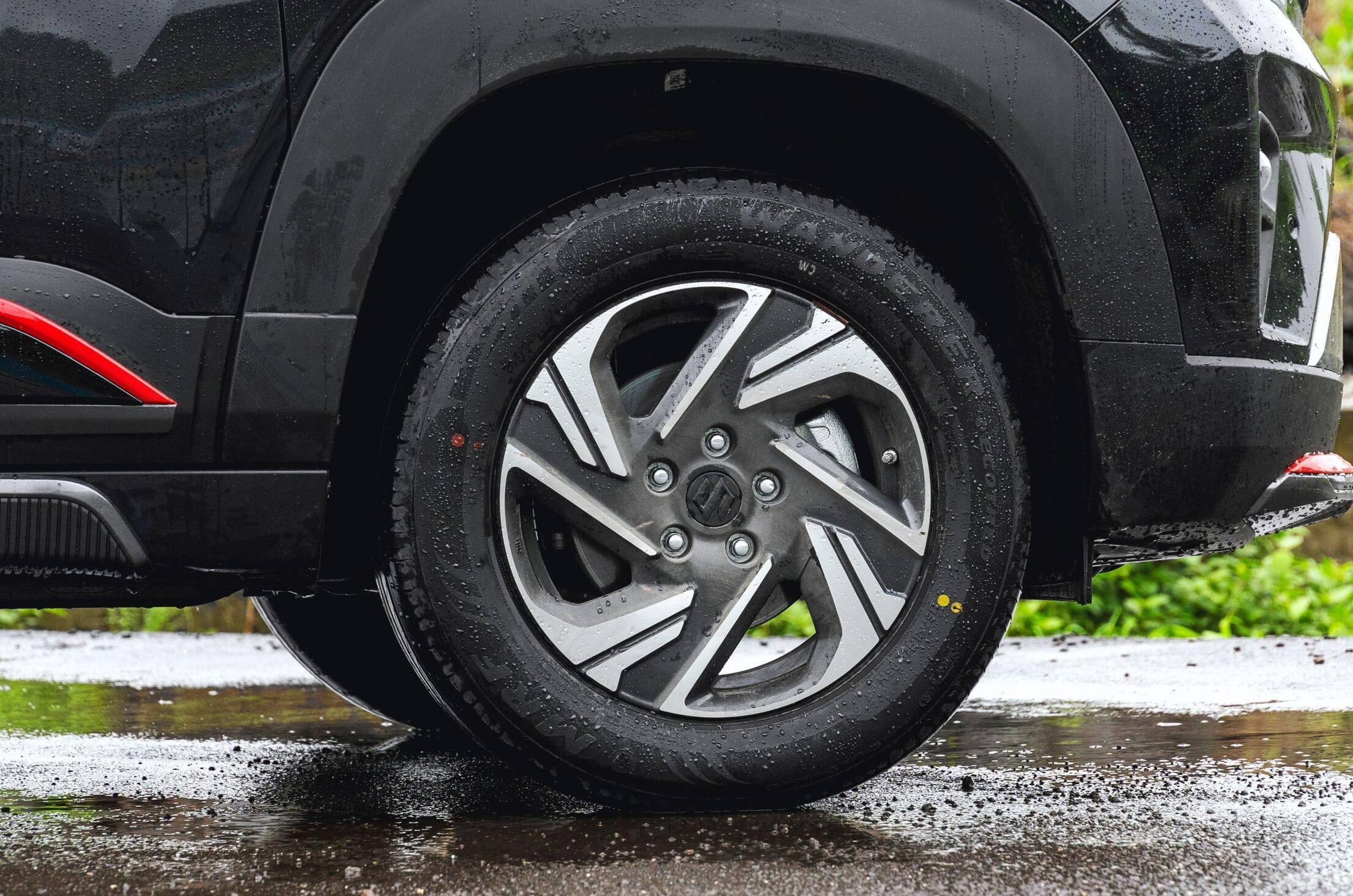
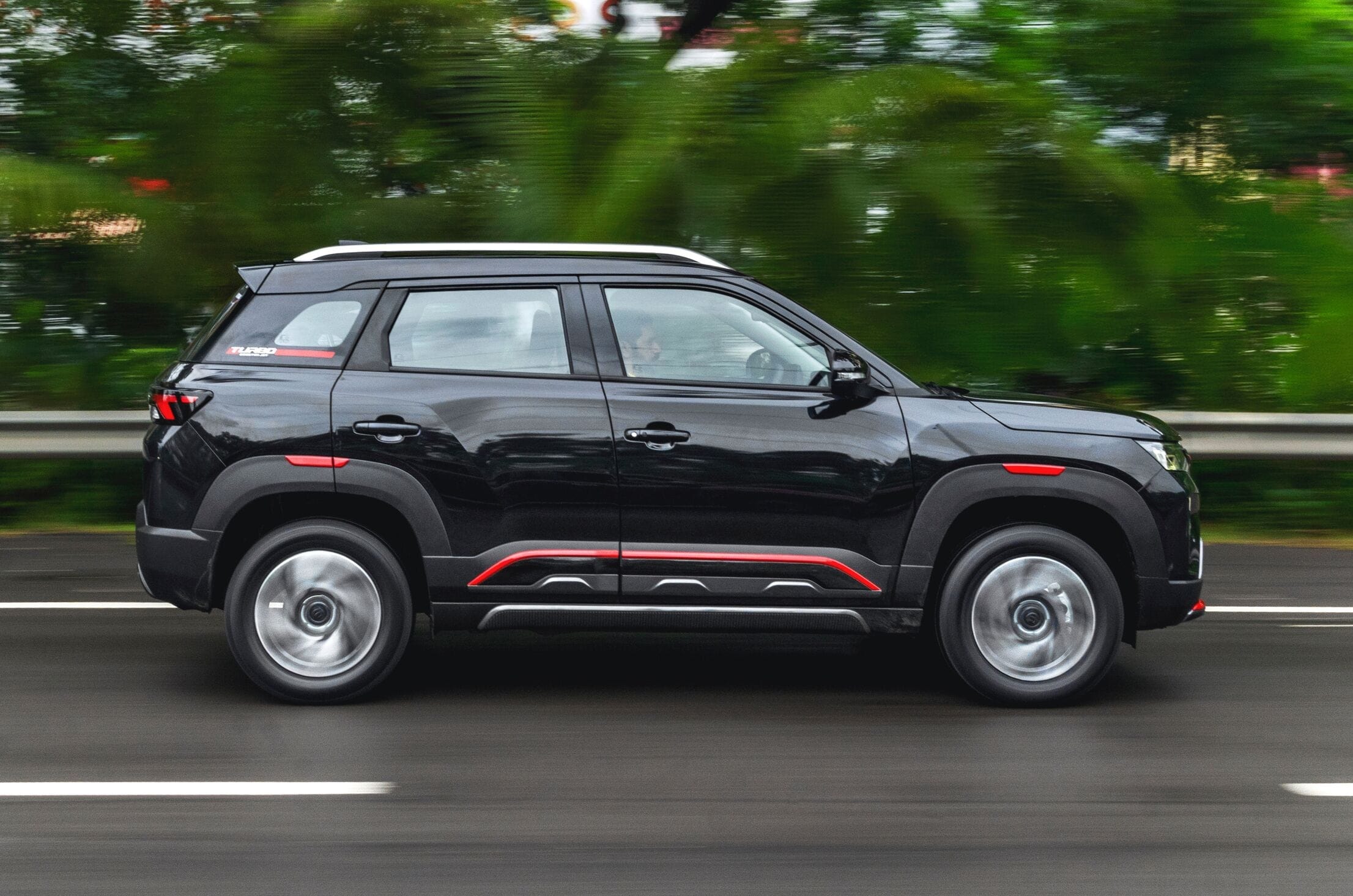
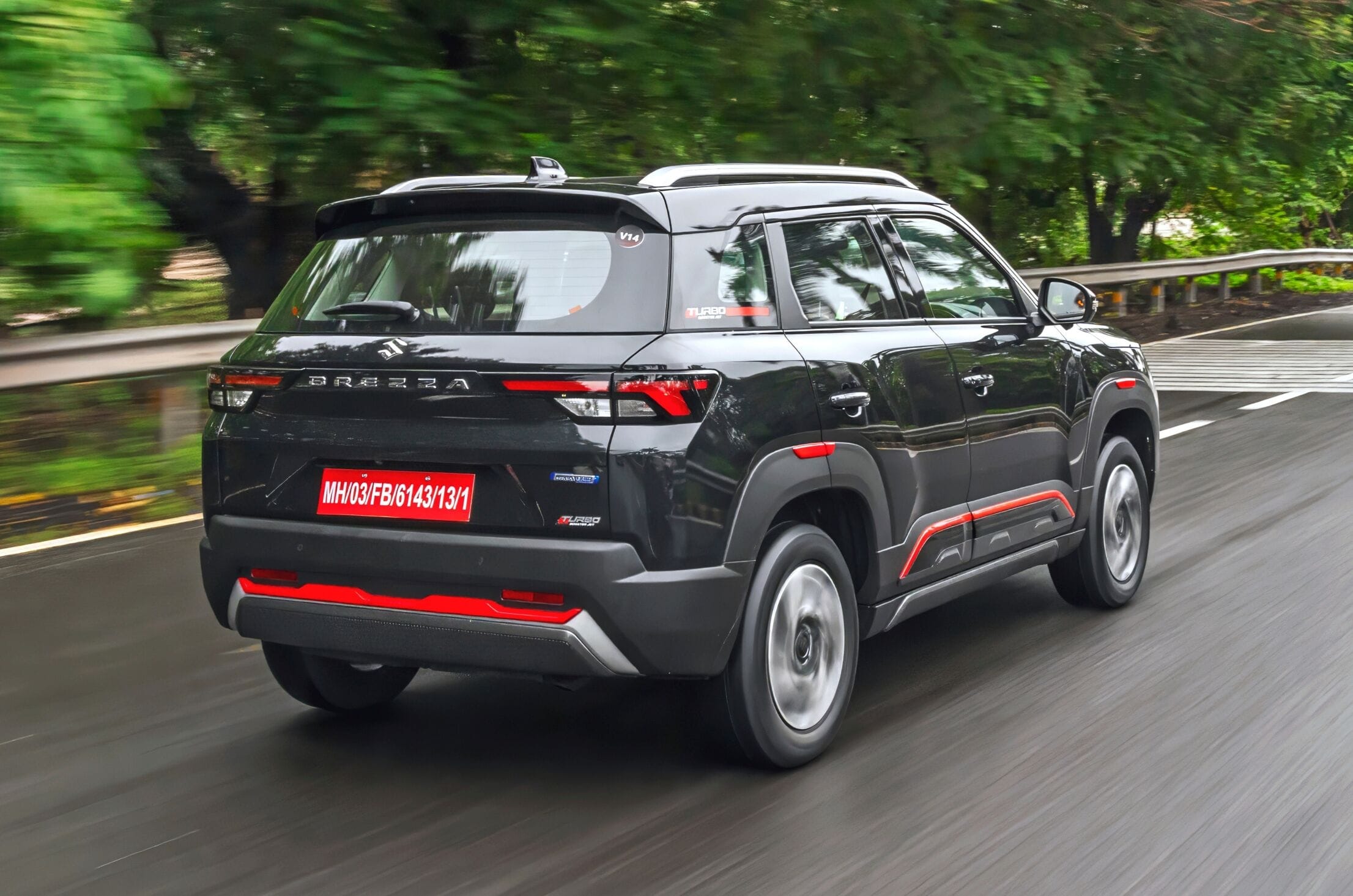
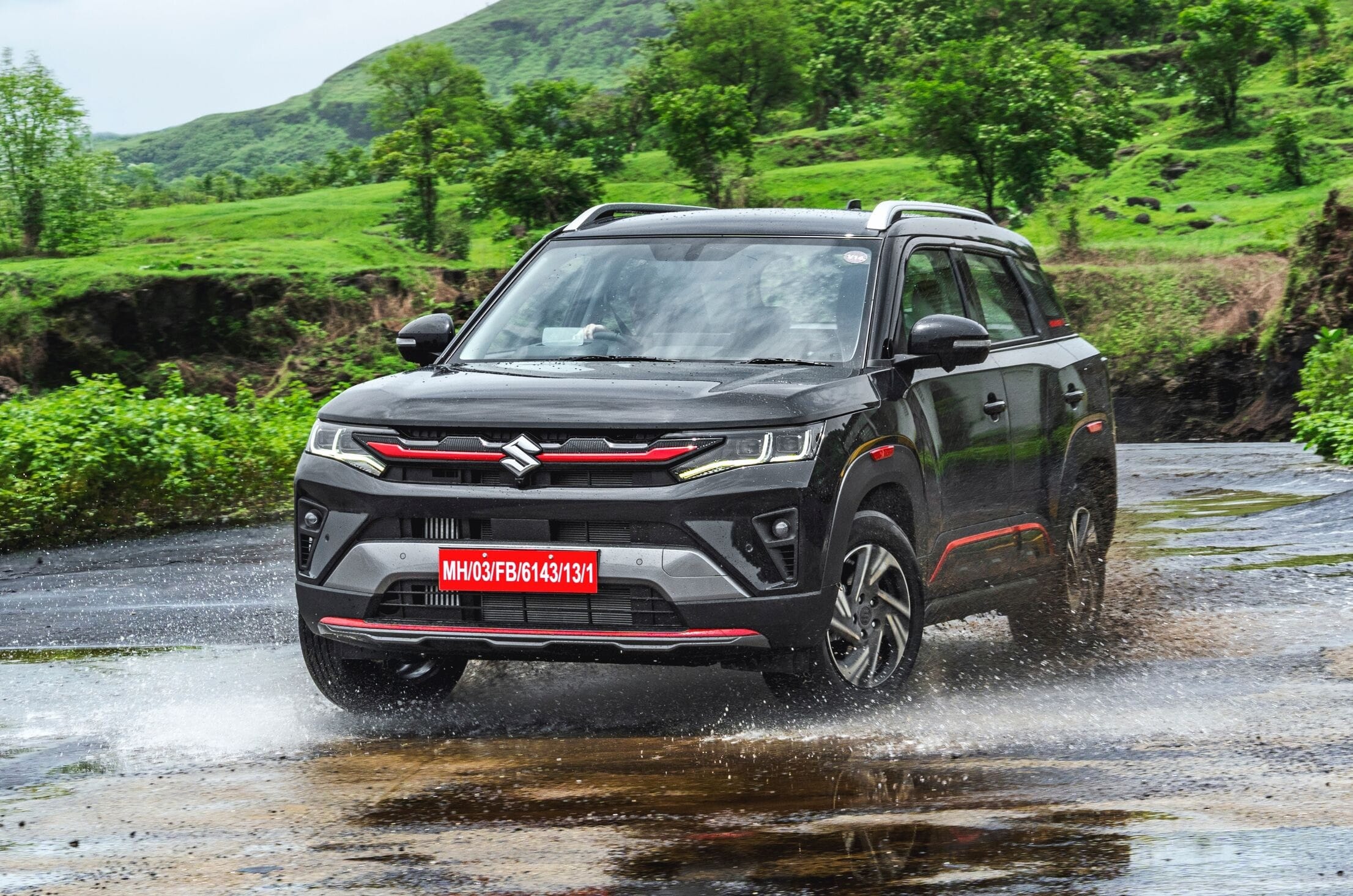
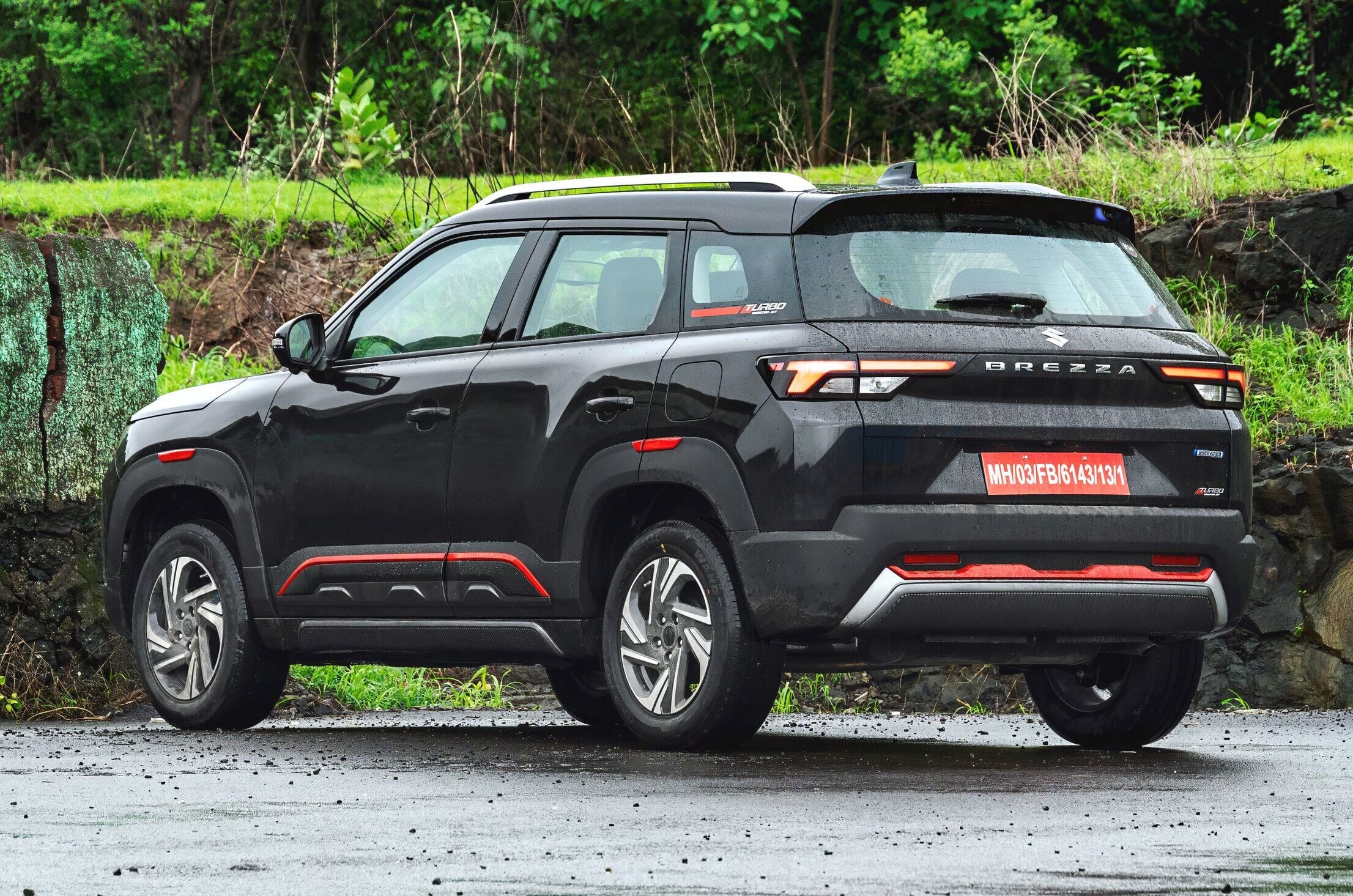
In typical Maruti fashion, this is a very mild facelift, and only if you’ve regularly lived with the outgoing model might you be able to spot the changes. Up front, the grille trim has been revised slightly, the front bumper looks cleaner and less like a bull bar, and there are triangular housings for the fog lamps. There are almost no changes to the sides or rear, save for a bit more garnish on the side cladding, a new four-spoke dual-tone design for the 16-inch alloy wheels and some vertical slats in the base of the rear bumper, unique to the turbo model.
Also unique to turbo-petrol models are smatterings of red trim everywhere, from the grille, to the side skirts, to the bumpers and even on the wheel arches. While the idea is to give the turbo models a sporty identity, the execution feels lazy – more like aftermarket accessories than a special body kit, like what was offered on the old Baleno RS.
There are no other changes to the outside, and you get the same square and boxy shape as before, pointing to the space on the inside. As before, the body appears a bit too large for the chassis, with the wheels looking disproportionately small and inset compared to the bodywork.
Boot volume remains the same at 328 litres, and as always, its square shape offers up more practicality than the number suggests. A big change, however, is that there is no longer a spare tyre on offer; just a puncture repair kit and tyre inflator. This is because CNG models have moved to an underfloor tank design to free up more luggage space, and like in the Victoris, that’s resulted in the removal of the spare tyre in all models.
2026 Maruti Brezza Interior Space and Comfort – 8/10
Remains one of the most spacious in the segment; decent quality levels all around.
The tall, unabashedly boxy shape has meant that interior space is good, and the Brezza remains one of the few compact SUVs that can seat five adults in true comfort. Seat comfort is adequate, erring more on the firm than the outright soft side, but the design is accommodating for even large adults. The seats are trimmed, on this top ZXi+ variant, in a new bronze and black leatherette upholstery, which looks classier than before.
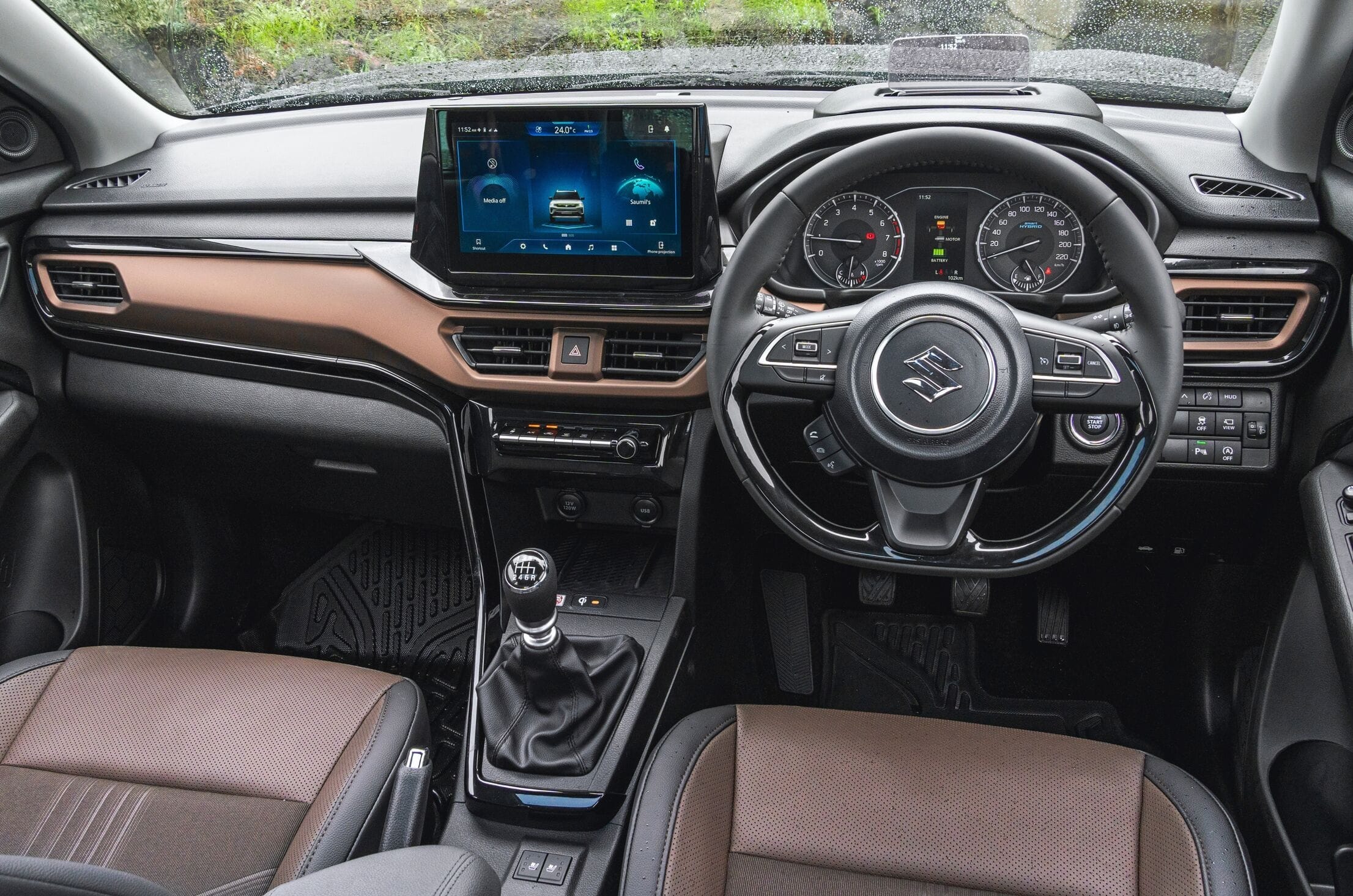
In fact, bronze and black is the theme for this interior, replacing the maroon and brushed silver of before, and you can see that mainly in the dashboard trim and door cards. The other subtle visual difference is that the once single-colour ambient lighting can now be set to one of 64 colours selectable from the touchscreen.
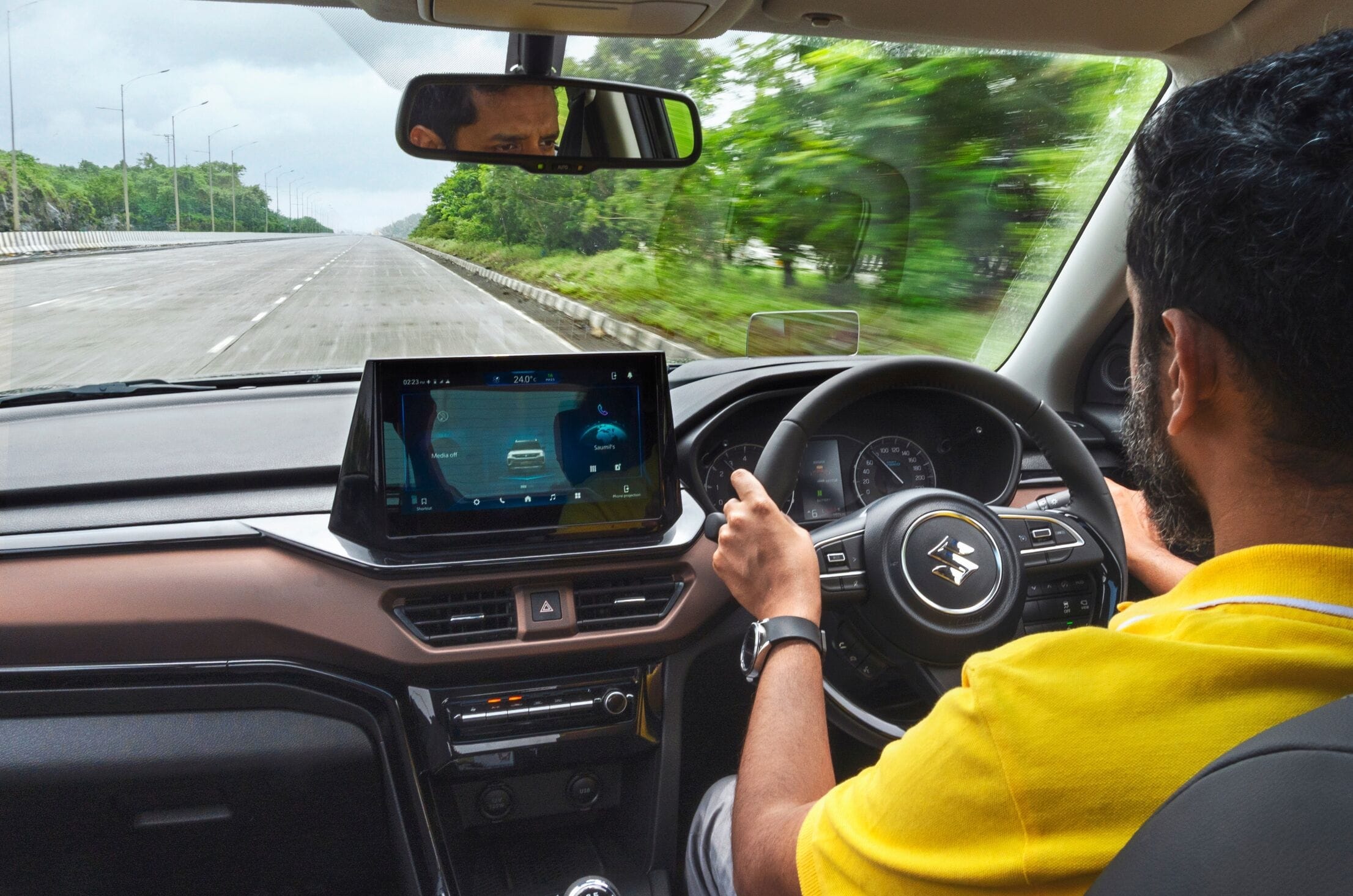
And finally, the touchscreen on the top variants is the 10.1-inch unit from the Victoris, though the large, free-standing housing it sits in hasn’t changed and still feels like a visual distraction while driving. While the cabin doesn’t immediately scream ‘quality’ like some newer entrants to the segment, in true Japanese car fashion, it feels hardy and well put together in an understated way.
2026 Maruti Brezza Features and Safety – 7/10
Gets some key feature enhancements, but still not up there with the segment best.
With the new touchscreen hardware comes the updated ‘Smartplay Pro X’ software we saw on the Victoris as well. It’s smoother and looks more up-to-date, and features a host of connectivity features, including wireless Apple CarPlay and Android Auto. There is still no digital driver’s display, but the analogue dials are clear and easy to read, and there’s always the flip-open HUD to look at as well.
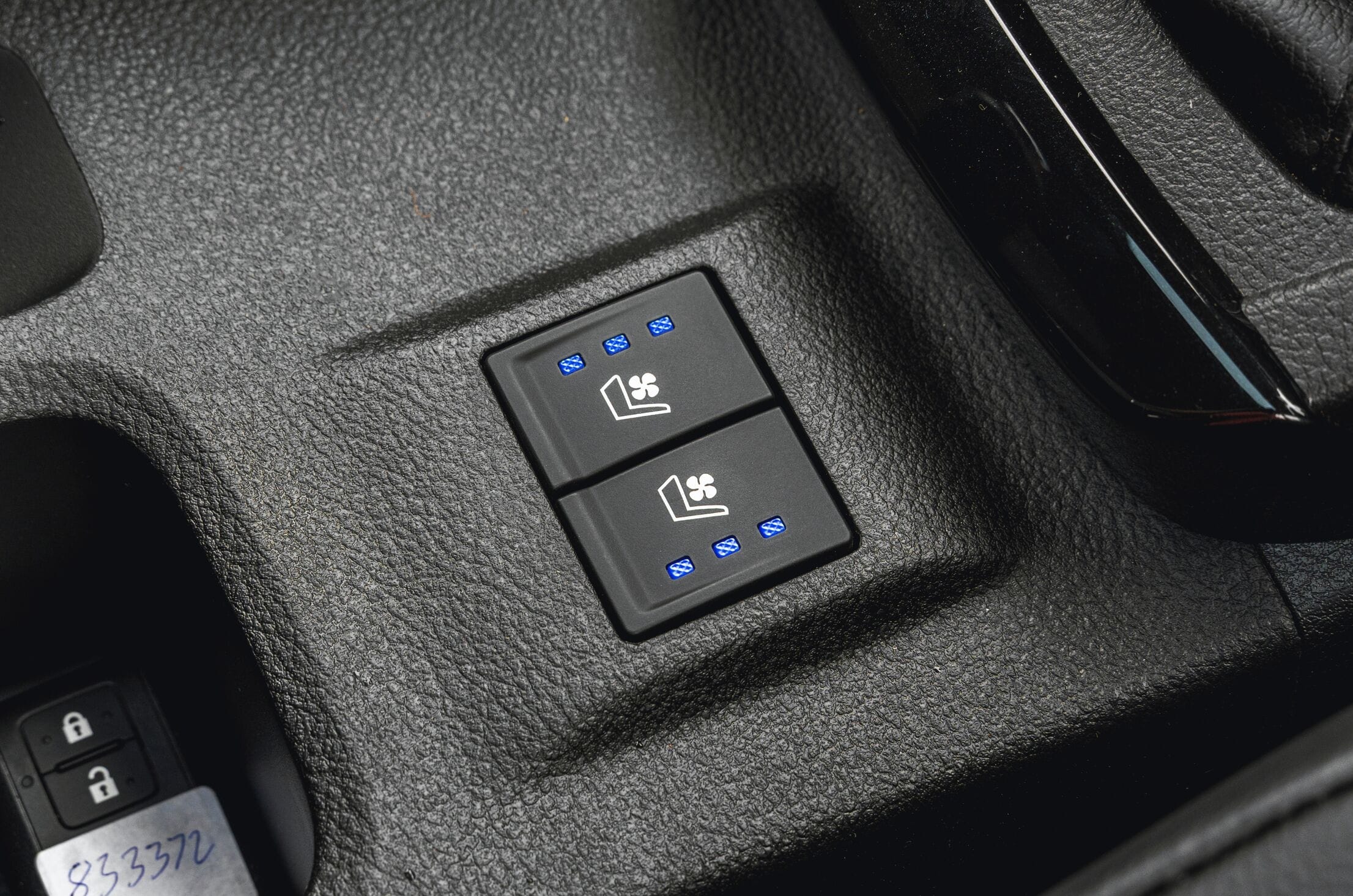
Other additions include a ventilation function for the wireless charger, and ventilated front seats, but sought-after features rivals offer that aren’t found here include powered front seats, rear window blinds and a panoramic sunroof – the Brezza continues with a single-pane unit.
On the safety front, there have been a few additions too, most notable of which are front parking sensors. This has enabled a few more advanced driver assists, such as blind-spot warning and rear cross-traffic alert, though it’s not the full ADAS system that you get in the Victoris, or which rivals offer. Still, the Brezza now holds a 5-star Bharat NCAP crash test rating, which should reassure some buyers who were on the fence about the SUV.
2026 Maruti Brezza Performance and Refinement – 7/10
Turbo-petrol engine lacks outright punch but instead aces driveability.
The Brezza was thus far unique in the segment for having a 1.5-litre naturally aspirated petrol engine. While this larger-displacement engine prevented it from availing of compact-car tax benefits, Maruti still managed to price it quite competitively. The engine itself was brilliant, feeling far more effortless than the 1.2-litre naturally aspirated engines of rivals, while being incredibly fuel efficient. This engine continues in the updated Brezza, and remains the only way to have an automatic gearbox.
What we’re driving today, however, is the new addition to the range, which is the 1.0-litre ‘Boosterjet’ direct-injection turbo-petrol engine, finally letting the Brezza to join every other compact SUV in the segment in offering a turbo option. First seen briefly in the Gen 1 Baleno RS, this engine was then locally assembled and re-introduced in the Fronx (and its cousin the Toyota Taisor), and now has finally made its way into the Brezza, with an uprated power output of 110hp and torque output of 170Nm.
What strikes you immediately is refinement, and only when you absolutely wring it out will you get some hint of that three-cylinder thrum; commendably, it’s more audible outside than in the car. The next thing is driveability, which is excellent. There’s very little hesitation at low revs – something you typically find in 1.0-litre turbo-petrol compact SUVs – and the Brezza Turbo sets off smoothly, with almost no lag. In fact, you can set off in second or even third with little issue.
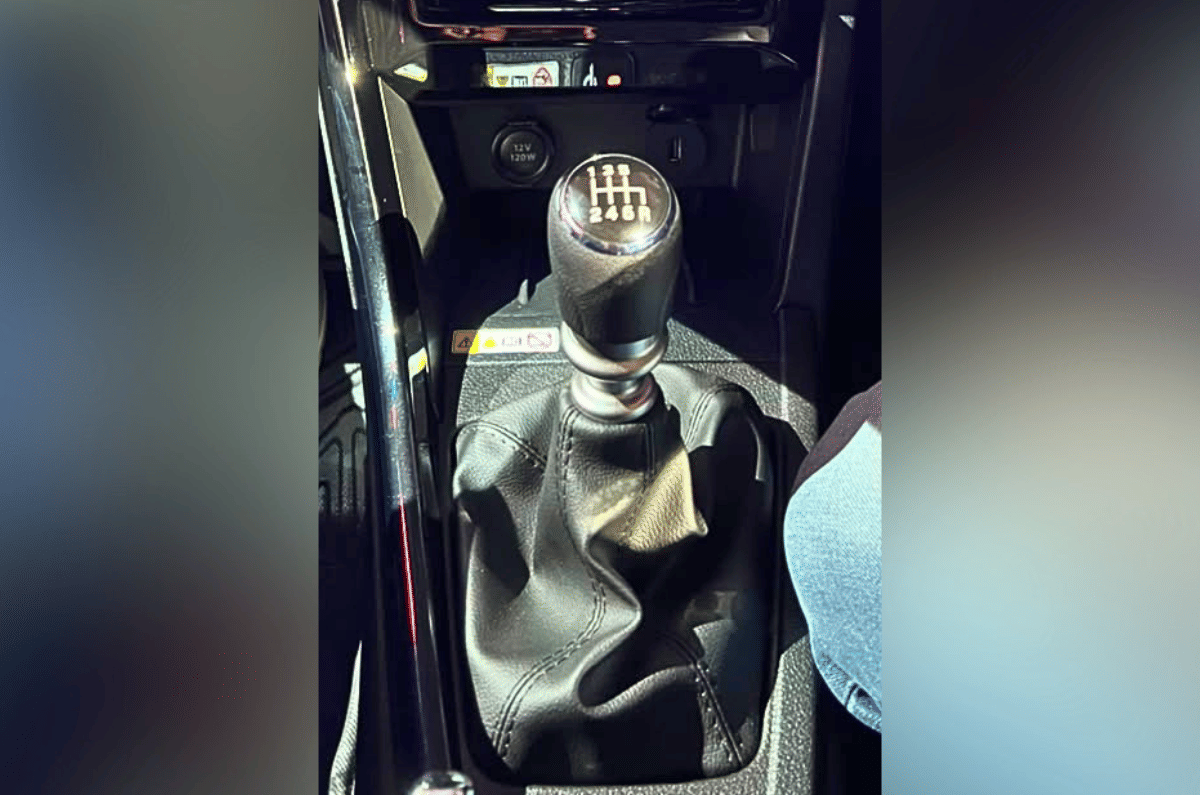
Some credit must go to the satisfying and progressive 6-speed manual (which replaces the 5-speed in the 1.5-litre engine as well), as well as the light and easy-to-modulate clutch, both of which are a joy to use.
Though it makes 31Nm more than the 1.5-litre naturally aspirated petrol, and does so from just 2,000rpm, it is tuned to be so smooth and linear, you don’t really feel the added punch. In our tests, the 1.0 Turbo accelerated from 0-100kph in a modest 12.36sec, just 0.3sec quicker than the old 1.5 NA petrol manual version (with the 5-speed manual). The added mid-range boost was more apparent in in-gear acceleration, where it was a few seconds quicker than the 1.5 from 20-80kph in third gear and 40-100kph in fourth.
While off-the line performance was smooth and general tractability in any gear was commendable, we did find ourselves downshifting one or two gears to overtake on the highway, and through the rev range, some flat spots and hesitation did appear. All things considered, the 1.0 Boosterjet is a welcome addition to the Brezza line-up.
2026 Maruti Brezza Mileage and Efficiency – 9/10
Bucks the downsized turbo petrol trend by being spectacularly efficient.
Though they make more power and torque than their naturally aspirated brethren, downsized direct-injection turbo petrols are often earn higher official fuel efficiency ratings due to these being tested in a lab under ideal conditions. In the real world, however, the reality proves to be different, as once the turbo comes into effect, fuel consumptions spikes.
The Brezza Turbo flips the script with an official rating slightly lower than the 1.5 NA, but still incredibly high at 19.96kpl for the higher variants and 20.47kpl for the lower variants.
The best news is that in the real world, the fuel economy seems like it will be excellent too. Despite our day of hard driving and non-stop shooting, the onboard fuel computer showed anywhere between 11 and 14kpl, while other turbo petrols have dropped into single digits with the advent of E20 petrol. Maruti’s mild-hybrid system with a bit of electric assist no doubt helps deliver these numbers, but we wish the engine stop/start was a little quicker to engage. Stay tuned, however, for the full Autocar India real world mileage test, which we will do soon.
2026 Maruti Brezza Ride Comfort and Handling – 8/10
Not the most enthusiastic handler but rides comfortably enough.
Where the pre-facelift Brezza had a light and loose steering that wouldn’t automatically return to the centre position, which was typical of Marutis of that era, this has been corrected to a great extent with the facelift. It still doesn’t have a lot of feel or feedback, but some weight has been dialled in and it returns to centre on its own now. This has robbed some low-speed ease of manoeuvrability, but a small and near-imperceptible amount.
High-speed lane changes, as a result of this added weight, feel a lot more secure to perform. For the most part, the Brezza feels planted, but its tall and boxy form on a narrow footprint make it quite susceptible to cross winds. In corners, too, it feels quite top heavy, and combined with the disconnected steering, doesn’t encourage you to push it hard around corners.
Ride quality is decent but should have been a bit better. Considering this engine is undoubtedly lighter than the 1.5 and the wheel size hasn’t gone up from 16 inches, Maruti could have taken the opportunity to relax the suspension setup a bit. It continues to err on the brittle side, but far from the point of being uncomfortable.
2026 Maruti Brezza Value for Money – 8/10
Turbo engine offered across entire model range, and priced lower than 1.5.
The biggest news is that Maruti hasn’t positioned the 1.0 Turbo above the 1.5 petrol, and has instead passed on the sub-4m tax benefits to the customer. The Boosterjet is available across all four variants – LXi, VXi, ZXi and ZXi+, while the 1.5 NA manual, auto and CNG skip one variant each. It’s a big price difference too, with a 1.5 AT costing over Rs 2 lakh more than the equivalent 1.0 MT. One can only wonder if Maruti will offer the 6-speed AT with the Boosterjet at some stage, as it does in the Fronx.
The Turbo is a welcome addition to the range, even if not necessarily from an outright performance standpoint, but simply from one of positioning. While the Boosterjet may have felt premature for Maruti in 2017, with far greater acceptance of downsized engines today, the huge tax benefits and the engine being locally assembled now, it was a no-brainer to introduce it in the Brezza. It’s a strong and confident statement, and we hope it finds its way into the hatchbacks too.
Given the aggressive pricing of Rs 7.4 lakh to Rs 13.55 lakh, the Brezza’s positioning in the segment has only improved, and you can forgive that it doesn’t have all the features of some newer rivals; the updates it has got are welcome. Similarly, you can forgive that the design hasn’t changed too much or that the turbo’s performance is not explosive, given that these fit perfectly with Maruti’s – and the Brezza’s – positioning of reliable, efficient and no-nonsense motoring.
Toyota will debut the new-generation 2026 Hilux in India tomorrow, July 28. The Hilux, currently in its eighth-generation avatar in the country, was launched in March 2022 and has been a relative success, especially against the likes of the Isuzu V-Cross pickup. With the new-generation model, teasers suggest that Toyota will give the Hilux a full design overhaul, making it look more modern and offering a handful of new features. Here’s everything you can expect from the 2026 Toyota Hilux in India:
1. What is the expected price of the 2026 Toyota Hilux in India
New-gen Hilux’s price could range between Rs 32 lakh and Rs 40 lakh (ex-showroom)
With the new-generation update, Toyota is expected to raise the Hilux’s prices by a considerable margin. For reference, the current model is priced from Rs 28.52 lakh to Rs 36 lakh (ex-showroom). So, the upcoming new-generation Hilux is likely to have a price tag of somewhere between Rs 32 lakh and Rs 40 lakh (ex-showroom).
2. What engine option will power the 2026 Toyota Hilux?
The Hilux’s 2.8-litre diesel engine could be offered with a 48V ‘neoDrive’ tech
International-spec ninth-generation Toyota Hilux shown for representational purposes only.
As the upcoming new-gen model is based on the same IMV platform as the current Hilux, Toyota is expected to offer it with the same 2.8-litre diesel engine that produces 204hp, 420Nm with a 6-speed manual transmission, and 240hp, 500Nm with a 6-speed torque converter automatic gearbox. A 4×4 AWD system is expected to be offered as standard with a low-range transfer case. A small improvement, however, could be a new 48V mild-hybrid system, called the ‘neoDrive’ on the Fortuner, which would slightly improve the fuel efficiency of the Toyota pickup.
Notably, the international-spec ninth-generation Hilux is also offered as an all-electric vehicle with a 59.2kWh battery pack, delivering a WLTP-claimed range of 240km, and front- and rear-axle-mounted electric motors with a combined output of 196hp. However, the Hilux EV’s India launch is highely unlike in the country.
3. What are the exterior design changes on the 2026 Toyota Hilux?
Has slimmer headlights, a square grille and an aggressive-looking front bumper
International-spec ninth-generation Toyota Hilux shown for representational purposes only.
Compared to the current model, the international-spec ninth-generation Hilux has plenty of prominent creases and angles that make it look more aggressive. At the front, it gets slimmer LED headlights with LED DRLs, connected via a gloss black strip that features ‘Toyota lettering’. The grille is squarer than before and features prominent angular honeycomb-mesh design elements.
On the bumper, there are two quadrangle-shaped black air intakes on either side of the grille. The lower section of the bumper looks very aggressive with strong creases, wide air intakes, a silver skid plate, and two LED fog lamps.
Gets a cleaner side profile, but the square wheel arches add to its character
International-spec ninth-generation Toyota Hilux shown for representational purposes only.
Compared to the front, the side profile design is cleaner. The international model gets 18-inch black alloy wheels, squared-off black cladding on wheel arches and a footboard for easier ingress and egress. The outside rearview mirrors (ORVMs) and door handles are black, and the truckbed features a roll cage finished in black for added contrast.
Features new wraparound taillights but a similar Toyota badging on the tailgate
International-spec ninth-generation Toyota Hilux shown for representational purposes only.
The 2026 Toyota Hilux’s rear features C-shaped wraparound LED taillights. The tailgate features massive ‘Toyota’ lettering in black, and the tailgate handle is also finished in black. The rear bumper is chunky and integrates a step to climb onto the truck bed.
4. What are the interior design changes on the 2026 Toyota Hilux?
The international model gets a revamped all-black cabin with two screens
Japan-spec ninth-generation Toyota Hilux shown for representational purposes only.
While the India-spec Hilux’s interior is yet to be teased, it is expected to be revamped entirely like the international model. With a chunky 3-spoke steering wheel with physical buttons, a 12.3-inch digital driver’s display and a same-sized touchscreen infotainment system, it looks more modern than the outgoing model. With a mix of soft-touch leatherette materials and hard plastics, it seems to be equal parts contemporary and rugged. Unlike modern-day cars, the new-gen Hilux offers a plethora of physical controls on the centre console and transmission tunnel. Like the current model, the international-spec ninth-gen Hilux features an all-black cabin.
5. What features does the 2026 Toyota Hilux have?
360-degree camera, dual-zone AC, and powered seats are expected to be offered
International-spec ninth-generation Toyota Hilux shown for representational purposes only.
New features onboard the ninth-generation Toyota Hilux include a 360-degree camera system with a blind-spot monitor, dual-zone automatic climate control, powered and ventilated front seats, heated ORVMs and an advanced driver assistance system (ADAS) suite. Other features include the aforementioned 12.3-inch screens, a 9-speaker JBL audio system, a 220V power outlet for front passengers and front and rear parking sensors. The feature suite of the India-spec 2026 Hilux is expected to be similar to the international-spec model.
6. Which cars will the 2026 Toyota Hilux rival in India
The 2026 Hilux will continue its rivalry with only one car in India
The new-generation Toyota Hilux will continue to rival the Isuzu V-Cross in India, which received a minor update in February 2026. Notably, the V-Cross is priced from Rs 25.50 lakh to Rs 30.28 lakh (ex-showroom).
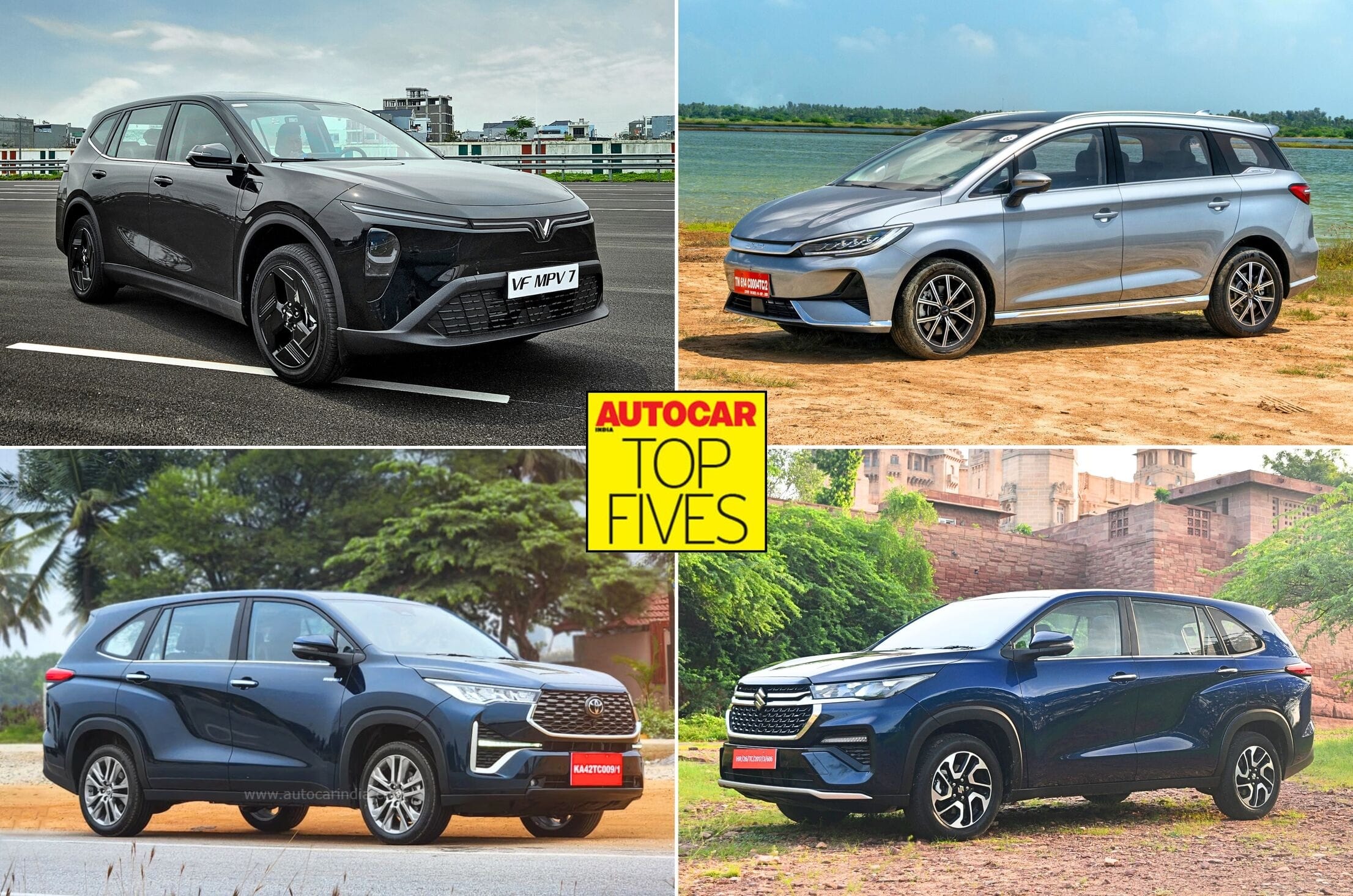
MPVs may not be the most glamorous of body styles, but they are arguably the most practical vehicles you can buy, especially if you have a large family to haul around. And if you are looking at the premium end of the market, you have a very diverse range of options to choose from, including petrol, diesel, electric and also hybrid MPVs. Here, we have ranked the five best MPVs you can currently buy if you have a budget of around Rs 30 lakh.
1. Toyota Innova Hycross
Price: Rs 19.53 lakh-31.20 lakh
The Toyota Innova Hycross’s sleeve is its amazingly efficient and smooth 184hp 2.0-litre petrol-hybrid powertrain. It also has a premium-feeling and well-kitted-out interior with sufficient space even in the third row. The hybrid variants are steeply priced, but they are preferred over the more affordable 173hp 2.0-litre naturally aspirated petrol variants that aren’t efficient and miss out on several features.
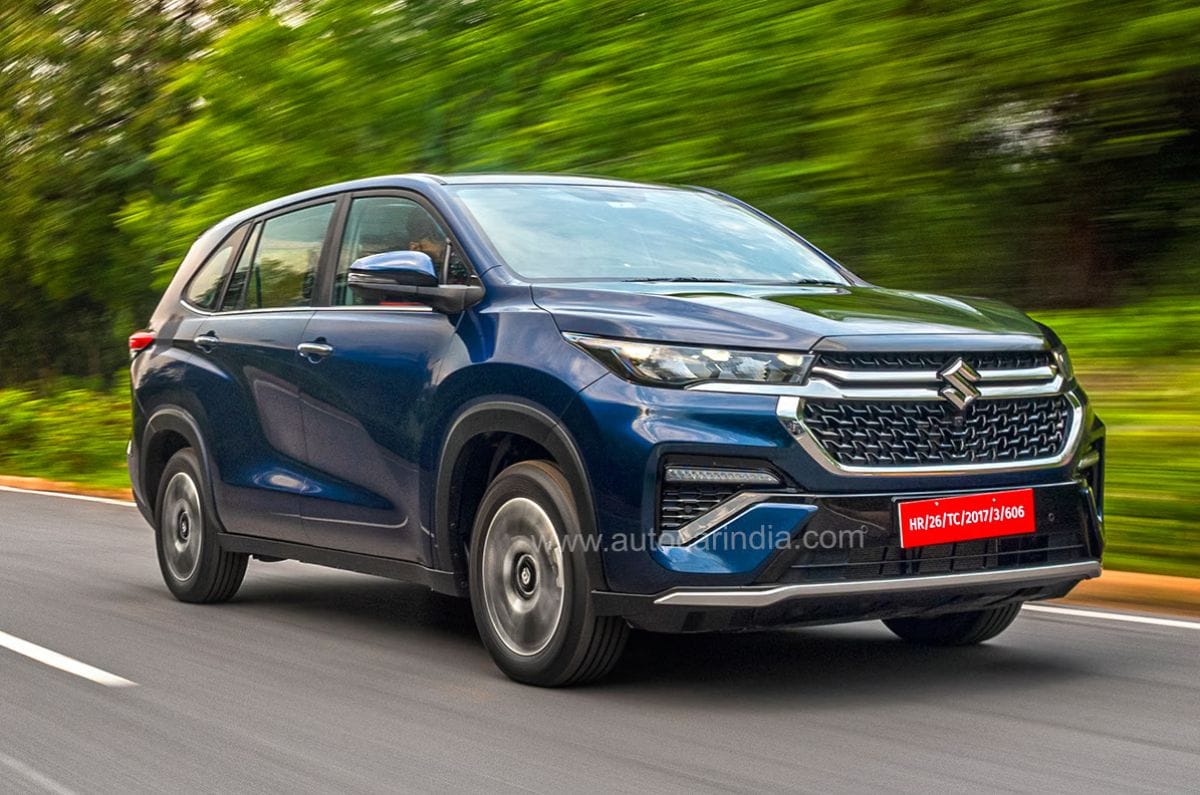
2. Maruti Suzuki Invicto
Price: Rs 24.97 lakh-Rs 28.60 lakh
The Maruti Invicto is a badge-engineered Innova Hycross that only gets the petrol-hybrid powertrain. It’s got the same spacious interior, comfortable ride quality and an impressive tested average fuel economy of up to 14.06kpl. However, not having the regular petrol engine explains the higher starting price. Top variants, though, are more affordable as they miss out on some features like the powered second-row ottoman seats and ADAS suite.
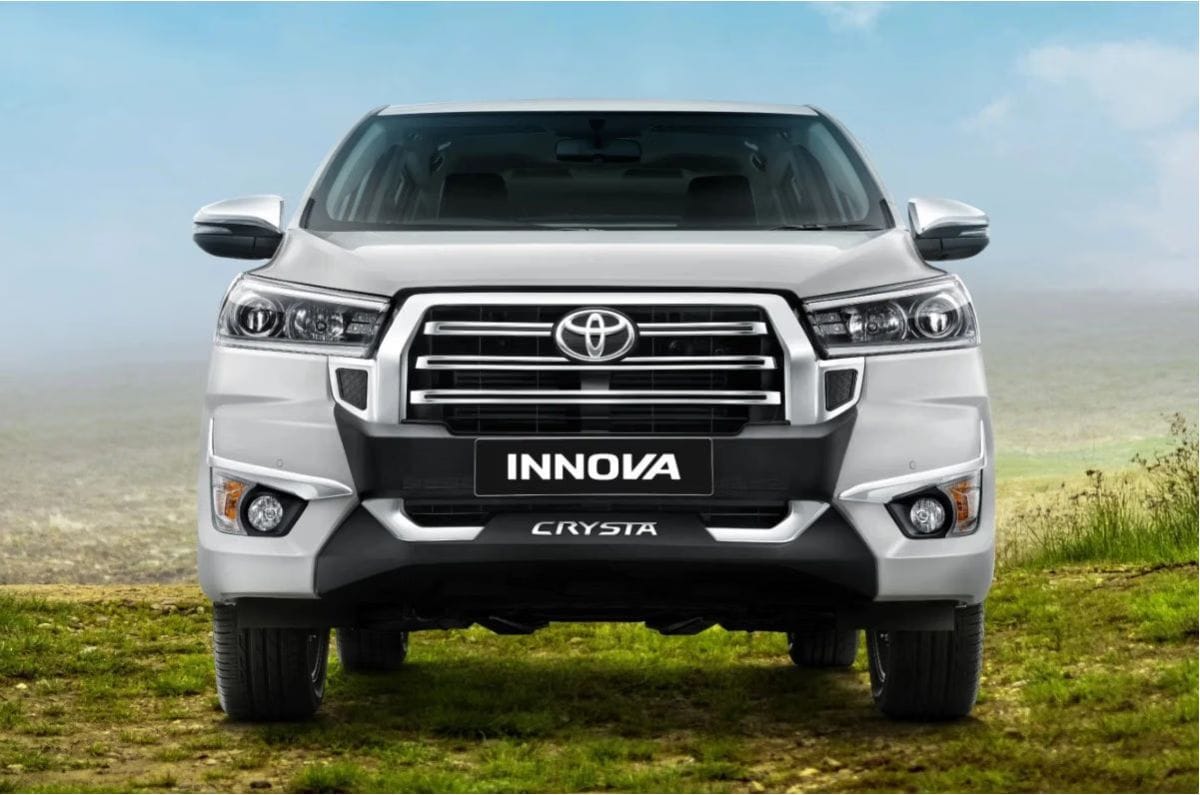
3. Toyota Innova Crysta
Price: Rs 19.18 lakh-25.98 lakh
The Innova Crysta is well past its prime, and that shows in its interior and equipment list. It’s also expensive, especially in the company of its much newer rivals. However, it is arguably the most dependable and reliable people mover that feels like it is built to last, has an efficient 150hp 2.4-litre diesel engine, and is practical and comfortable as well. This is also the only diesel MPV left in the mass market, making it ideal for people who travel long distances frequently.
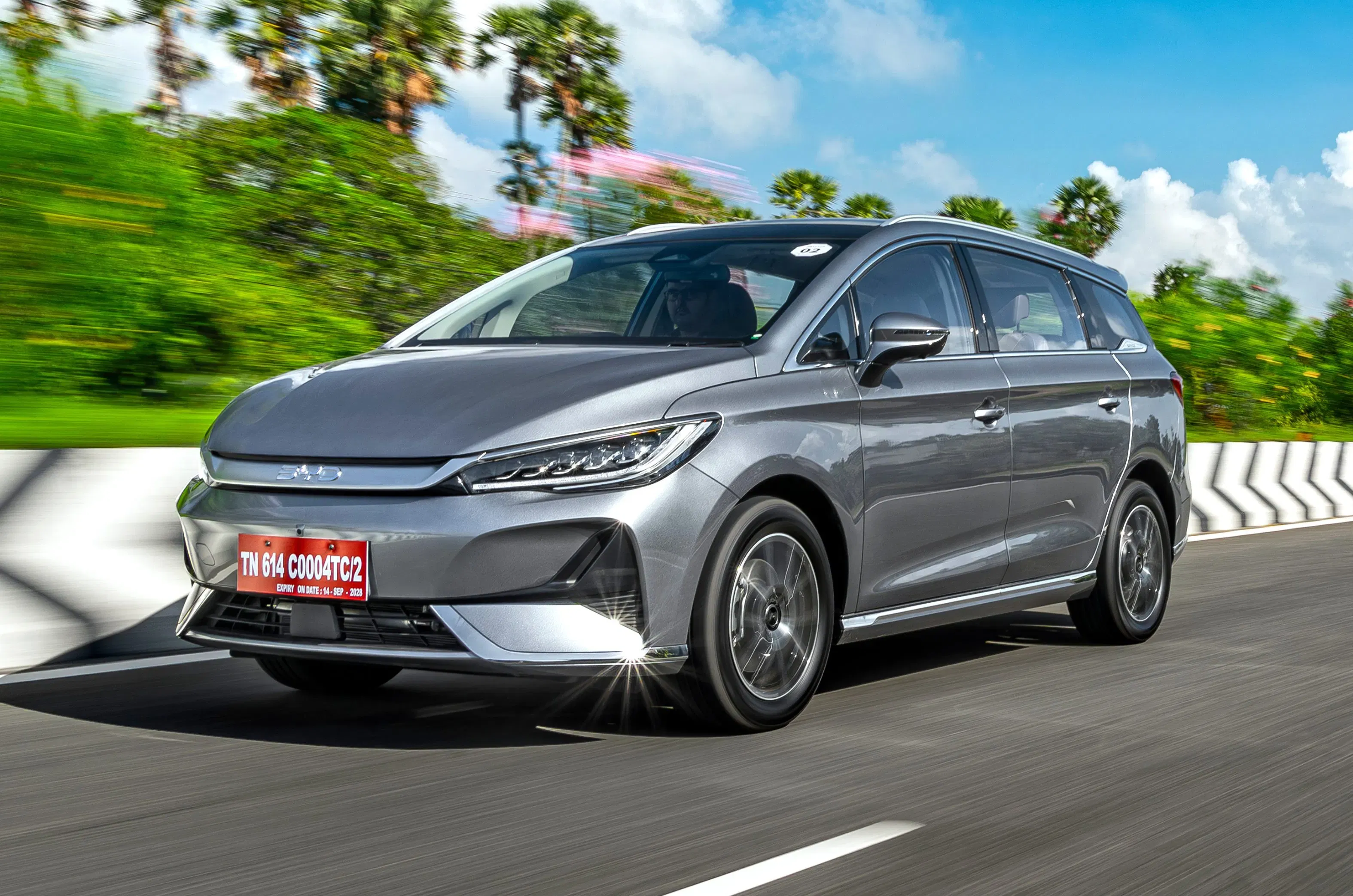
4. BYD eMax 7
Price: Rs 26.90 lakh-29.90 lakh
The eMax 7 doesn’t have the flexibility of the petrol, hybrid or diesel MPVs. It is also the least spacious of all here, but it’s a well-equipped electric MPV that can ferry up to seven people in silence and comfort and has sufficient range for urban use. A sparse sales and service network, however, remains a limitation. If you are living in a tier-1 city, the eMax 7 makes for a cost-effective people mover, but outstation trips will require some planning.
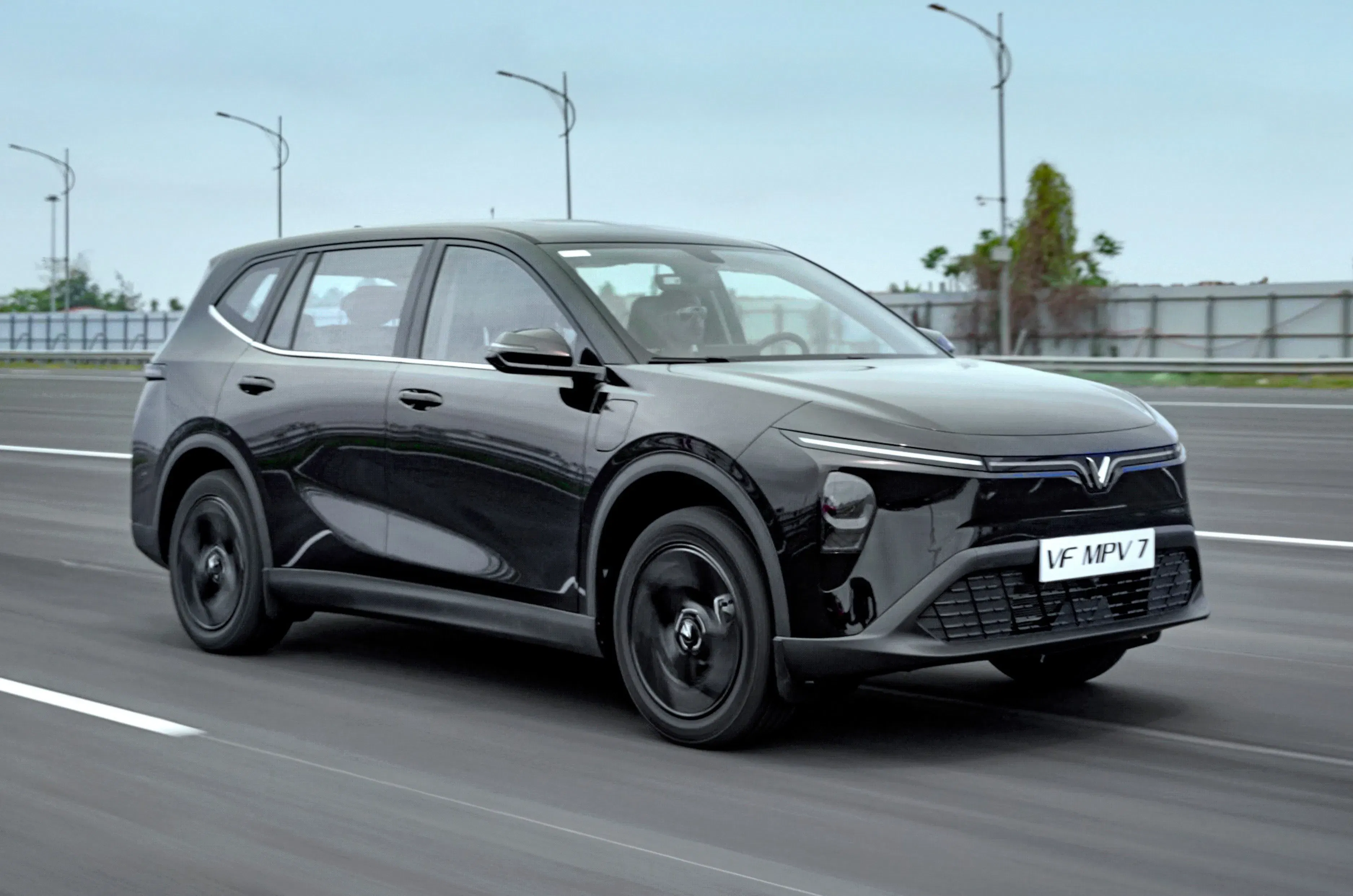
5. Vinfast VF MPV 7
Price: Rs 24.49 lakh
The VF MPV 7 is the newest MPV here, and it gets the fundamentals right – space, practicality and a claimed 500km range. At 204hp, the VF7 along with the eMax 7 are two of the most powerful MPVs in this segment. However, it misses out on several features, which particularly sticks out at its price point, it’s ride and handling leaves a lot to be desired for, and you’ll also have to contend with Vinfast’s relatively sparse network currently.
Mercedes-Benz’s Research and Development centre in Bengaluru has evolved from a hardware-focused engineering hub into one of the company’s key global R&D centres, with teams working across software, ADAS, electric powertrains and physical vehicle development. In this interview, Jörg Burzer, Member of the Board and Chief Technology Officer, Development & Procurement at Mercedes-Benz Group AG, discusses the centre’s expanding capabilities, the role of AI in vehicle development, the future of autonomous driving, and why he believes every Mercedes-Benz has “a bit of India” in it.
A lot of global auto OEMs have large R&D centres in India. Beyond cost, what are the benefits of having such large setups in India
Yes, it’s not only cost; you see, the competence level is so high. If you look at our centre, we will be celebrating its 30th anniversary here in India, and over these years, it has only grown in size and capability. We started with hardware, but now it’s massively into software, infotainment and autonomous driving. The team in India is contributing heavily on ADAS, for instance, and we are working on Level 3 and Level 4 with the team in India. So, all in all, I would say it’s competence, speed and agility that are good here.
Is the Mercedes development centre mainly a digital unit, or is physical development also being undertaken here?
Oh certainly, we have lots of hardware development. There are many test benches, and you’ll see lots of physical testing and development taking place here. Even beyond powertrain, there’s a lot of physical development taking place along with our vendors here too. And then, on electric vehicles, we’re working on the powertrains and batteries too. And yes, on the digital side, there’s lots of AI work, not just on the product, but also on process development. So yes, the centre is a full-scope R&D centre, a blend of the digital and physical. For example, we do a lot of work on the simulation of sheet metal forming and welding here.
Besides engineering, does the India centre also do design and styling work for your products?
On the design side, at Mercedes, we have this philosophy that we are creating a global product, and so we have a global design. This might change a little bit – obviously, we are adapting our design, which might be enriched by certain market trends – but for us, it’s very important that it is a global design, so we have one design hat. So, our styling team is based in Germany, where we have our design centre, and that’s important for us to maintain the global approach.
Software is today a leveller, even phone manufacturers can make a car today. Do you view this as a threat?
I see this as an opportunity because, for instance, you can develop a software stack for ADAS, but at the end you have to apply it to hardware. One interesting bit, to my knowledge, is that we are the only OEM doing a Level 2++ ADAS with a combustion engine, otherwise you only see this on EVs. To do this in a combustion engine environment, you know, with things like a transmission, it’s more complicated, so that’s where our expertise in traditional technologies, along with our developments in software, has an advantage. And of course, we have tremendous respect for our competitors and we are seeing what they are doing, but for me, I think if you do this mix right, you will be at the forefront of development.
Past Mercedes cars stood for robust engineering. What do you think a Mercedes 10 years from now would be all about?
Obviously there will be tech, but there will be more. I can give you a good example, one of the most important characteristics and values of a Mercedes-Benz is safety. We do plenty of crash tests every year for our cars that we launch, plus there’s a lot that we are doing with autonomous driving too, for instance, what we are doing with Nvidia. And here we have a lot of redundancy. We have a traditional software stack with massive amounts of info like what is a stop sign in every different market, for example. But there’s an end-to-end stack where the software is trained by the behaviour of the driver in traffic, but what we are doing is we have both stacks, so if the end-to-end system does not know what to do, then it can fall back to the classic system. So, we create a safety environment, where we know there is always a solution.
On redundancy, what is your view of a wide sensor stack like radars, lidars and cameras, or is AI with cameras only fine?
We are using AI, yes, but we have radars too. We have to use AI to create efficiency in the simulation and training, but you have to also think about the sensor set, and for me, I am convinced you have to have a multiple sensor set, not just one type. So, like on the S Class, we have multiple cameras, radars and ultrasonic sensors too.
Does the India R&D centre develop products or platforms independently of headquarters, or is it more synergetic?
For us, it’s very important that we do everything as a team. So, for me personally, it’s very important to have a global perspective in R&D because the innovations and technology solutions are so complex that you can only master them as a team. There are a lot of competencies, but there is not one single team in the world that can say, ‘I am the one that can create a platform.’ It’s always teamwork, and if you look at all industries, automotive engineering is the ultimate for teamwork. So for us, R&D is one big team. And with regards to the India centre, I love to say that in each and every Mercedes, there is a bit of India in it.
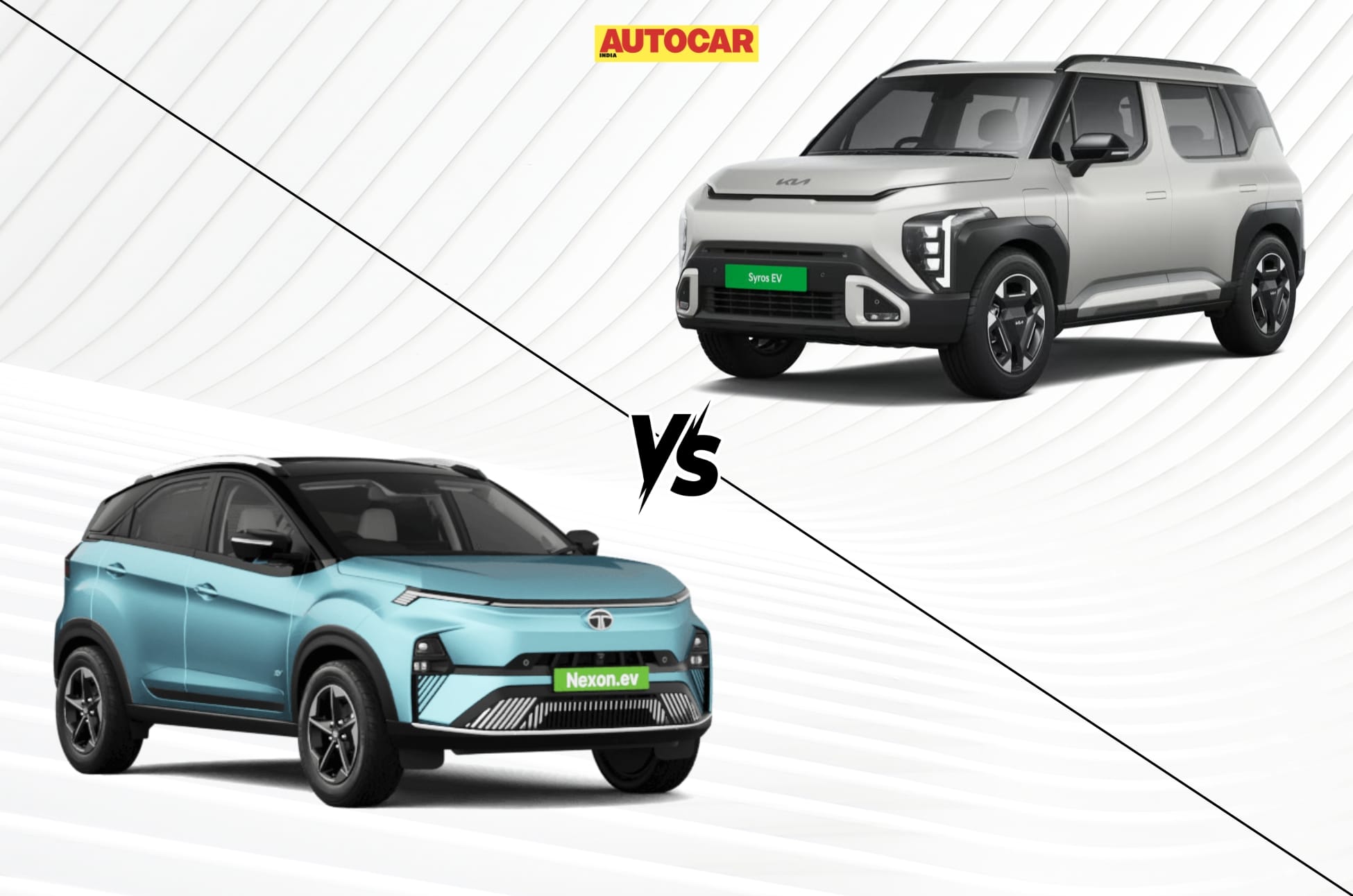
Kia has taken its first aim to crack the compact electric SUV space with the Syros EV. On the other hand, Tata has been dominating this very segment with the Nexon EV that’s been on the market for quite some time. But how do both SUVs fare when comparing specifications and features of their respective top-spec versions? For this comparison, we’ve chosen the Kia Syros EV’s X-Line variant and the Nexon EV’s Empowered+ A 45 variant.
Explore full specs, features, and a price breakdown in our Syros EV vs Nexon EV comparison.
Kia Syros EV vs Tata Nexon EV: Dimensions
Syros EV is comparatively the larger vehicle here
Kia Syros EV vs Tata Nexon EV: Dimensions
Kia Syros EV
Tata Nexon EV
Length (mm)
3,995
3,995
Width (mm)
1,805
1,802
Height (mm)
1,670
1,625
Wheelbase (mm)
2,550
2,498
Frunk (litres)
16
11.6
Boot space (litres)
390
350
Wheel size (inches)
17
16
While both SUVs have identical length, the Syros EV is 3mm wider, 45mm taller, and gets a 52mm longer wheelbase than the Nexon. Additionally, the former gets a 40-litre larger boot, a 4.4-litre larger frunk, and rides on wheels an inch bigger than the Nexon EV.
Kia Syros EV vs Tata Nexon EV: Powertrains
Syros EV gets the larger battery pack, more powerful motor, and higher claimed range figure
Kia Syros EV vs Tata Nexon EV top-spec: Powertrains
Kia Syros EV
Tata Nexon EV
Battery size (kWh)
51.4
45
Electric motor setup
Single motor
Single motor
Drive layout
FWD
FWD
Power (hp)
171
144
Torque (Nm)
255
215
Claimed 0-100kph time (seconds)
8.1
8.9
ARAI range (km)
526
489
The Syros EV features the largest battery pack in its segment with a 51.4kWh battery pack. Not only is its battery pack larger than the Nexon’s, but it also has a more powerful motor, leading to a quicker claimed 0-100kph time and a segment-best ARAI range that’s 37km higher than the Nexon’s.
Kia Syros EV vs Tata Nexon EV top-spec: Charging speeds and times
Syros EV supports faster charging speeds
Kia Syros EV vs Tata Nexon EV top-spec: Charging speeds and times
Kia Syros EV
Tata Nexon EV
Battery size (kWh)
51.4
45
7.2kW AC charging (10-100 percent)
–
6 hours 36 minutes
11kW AC charging (10-100 percent)
8.9 hrs
DC fast charging (10-80 percent)
39 minutes at 100kW
40 minutes at 60kW
The Syros EV supports higher charging output than the Nexon EV, be it at AC or DC speeds. But despite this, the Nexon EV’s smaller battery helps it juice up quicker at AC speeds, while DC fast charging times are almost similar to the Syros EV’s.
Kia Syros EV vs Tata Nexon EV: Exterior features
Syros EV top-spec limited to one colour
Kia Syros EV vs Tata Nexon EV top-spec: Exterior features
Kia Syros EV
Tata Nexon EV
LED headlamps
Automatic
Automatic
LED tail-lamps
Yes
Connected
DRLs
Yes
Connected
Front fog lamps
LED
LED
Puddle lamps w/ logo projection
Yes
No
Powered and foldable ORVMS
Yes
Yes
Flush door handles
Yes
No
Rear spoiler
Yes
Yes
Colour options
2, monotone and matte
5, dual tone
On the outside, the Syros EV gets goodies such as flush door handles with motorised opening for the front handles, and puddle lamps with logo projection, which the Nexon EV skips. But with the Syros EV in top-spec guise, you’re limited to only black exterior paint in either matte or gloss finish. On the other hand, the Nexon offers five dual tone paint choices with a black roof as standard at the top-end.
Kia Syros EV vs Tata Nexon EV: Interior features
Sliding and reclining rear seats with seat base ventilation found only on the Syros EV
Kia Syros EV vs Tata Nexon EV: Interior features
Kia Syros EV
Tata Nexon EV
Infotainment screen
12.3-inch
12.3-inch
Digital driver’s display
12.3-inch
10.25-inch
HVAC display
5-inch
No
Apple CarPlay & Android Auto
Wireless
Wireless
Connected car tech
Yes
Yes
Sunroof
Panoramic
Panoramic
Sound system
8-speaker Harmon Kardon
9-speaker JBL
Automatic climate control
Yes
Yes
Wireless charger
Yes
Yes
Driver’s seat adjustment
4-way powered
No
Ventilated front seats
Yes
Yes
Rear seat base ventilation
Yes
No
Rear sunshades
Yes
Yes
Rear centre armrest
Yes
Yes
Sliding, reclining rear seats
Yes
No
OTA updates
Yes
Yes
Ambient lighting
Yes
Yes
Air purifier
No
Yes
Rear AC vents
Yes
Yes
While Kia and Tata have packed a lot of features for their respective models, the former has the edge here. The Syros EV gets a larger digital driver’s display, powered driver seat, rear seat base ventilation, and sliding and reclining rear seats. But it misses out on an additional speaker and an air purifier, which the Nexon EV gets.
Kia Syros EV vs Tata Nexon EV: Driving features
Both models are on par with driving features
Kia Syros EV vs Tata Nexon EV: Driving features
Kia Syros EV
Tata Nexon EV
Drive modes
Eco, Normal, Sport
Eco, City, Sport
V2L function
Yes
Yes
Multi-level regen braking
Yes
Yes
Paddleshifters for regen
Yes
Yes
Cruise control
Adaptive
Adaptive
In the driving features department, the Syros EV and Nexon EV are equally equipped with drive modes, regen paddle shifters, adaptive cruise control, and V2L functionality.
Kia Syros EV vs Tata Nexon EV: Safety features
Syros EV yet to achieve BNCAP certification
Kia Syros EV vs Tata Nexon EV: Safety features
Kia Syros EV
Tata Nexon EV
Bharat NCAP rating
Yet to be tested
5 stars
Airbags
6
6
ABS with EBD
Yes
Yes
Electronic stability program
Yes
Yes
Follow-me-home headlamps
Yes
No
Hill hold control
Yes
Yes
Hill descent control
No
Yes
TPMS
Yes
Yes
360-degree camera
Yes
Yes
Parking sensors
Front, rear, side
Front and rear
Electronic parking brake
Yes (w/ auto-hold)
Yes (w/ auto-hold)
Rain-sensing wipers
No
Yes
Auto-dimming IRVM
Yes
Yes
ISOFIX child seat anchors
Yes
Yes
Rear wiper, defogger
Yes
Yes
Disc brakes
All wheel
All wheel
Level 2 ADAS
Yes
Yes
While the Tata Nexon EV has already scored a 5-star rating in BNCAP tests, the Syros EV is yet to be tested. But for the latter, a similar rating can be expected considering its ICE version has already attained a 5-star rating.
Both the Syros EV and Nexon EV come well equipped with basic and advanced safety features, including a Level 2 ADAS suite and a 360-degree camera. Here, the Kia gets follow-me-home headlamps and additional parking sensors on the side over the Tata. However, hill descent control and rain-sensing wipers are found only on the latter.
Kia Syros EV vs Tata Nexon EV: Prices and Verdict
Syros EV X-Line pricier by Rs 3.5 lakh
Kia Syros EV vs Tata Nexon EV: Price
Kia Syros EV
Tata Nexon EV
Price (Rs lakh)
20.00
17.49
In top-specification guise, the Syros EV is Rs 3.5 lakh pricier than the Nexon EV. Between the two, it’s the Nexon EV we find as the better value proposition. While the Syros EV is the larger vehicle dimensionally, has the larger battery pack, more powerful motor, and the higher claimed range, it doesn’t justify the extra premium that it commands over the Nexon EV. The Nexon EV may not have as much claimed range or features as the Syros EV, but it isn’t bad by segment standards.
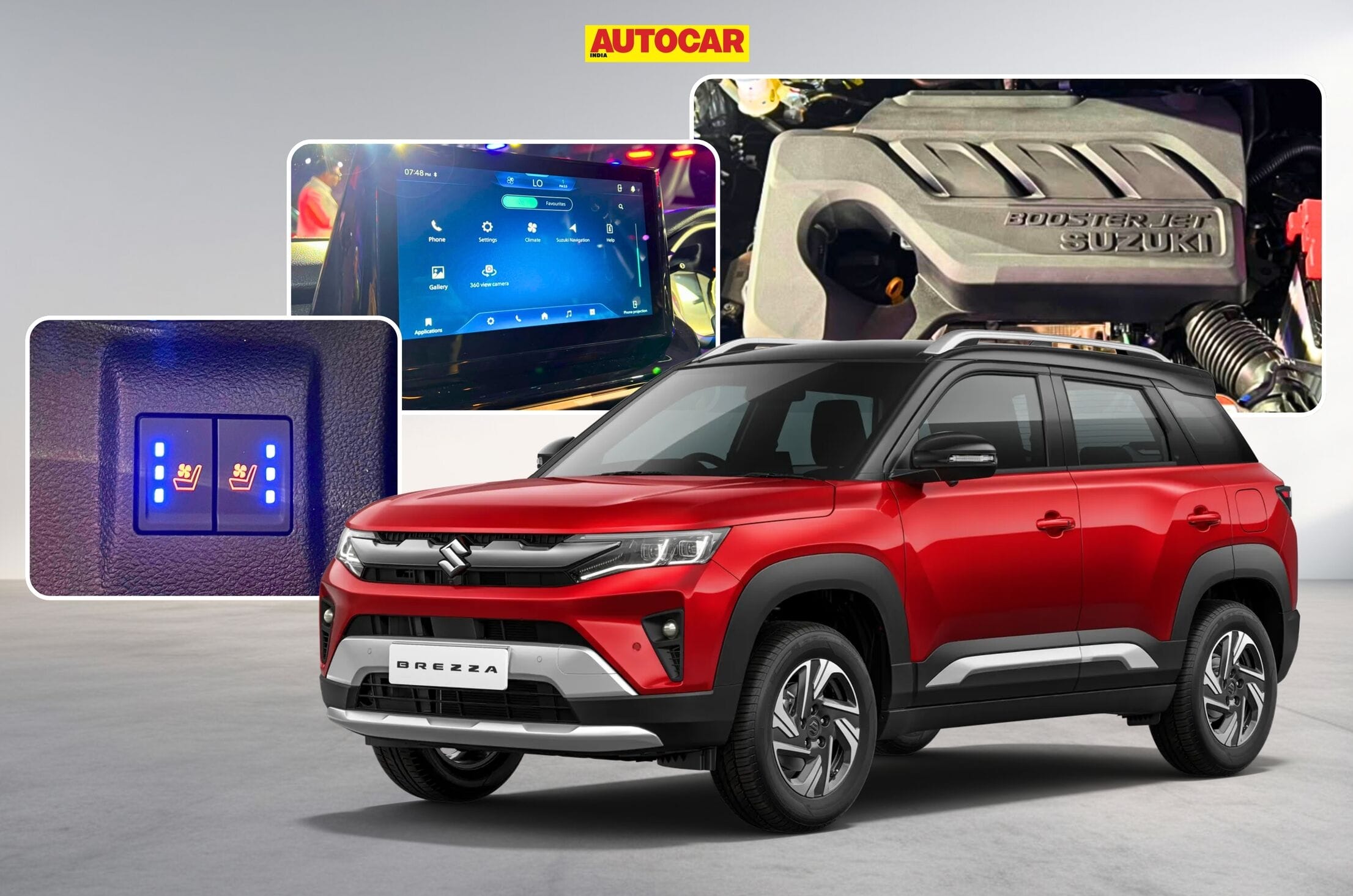
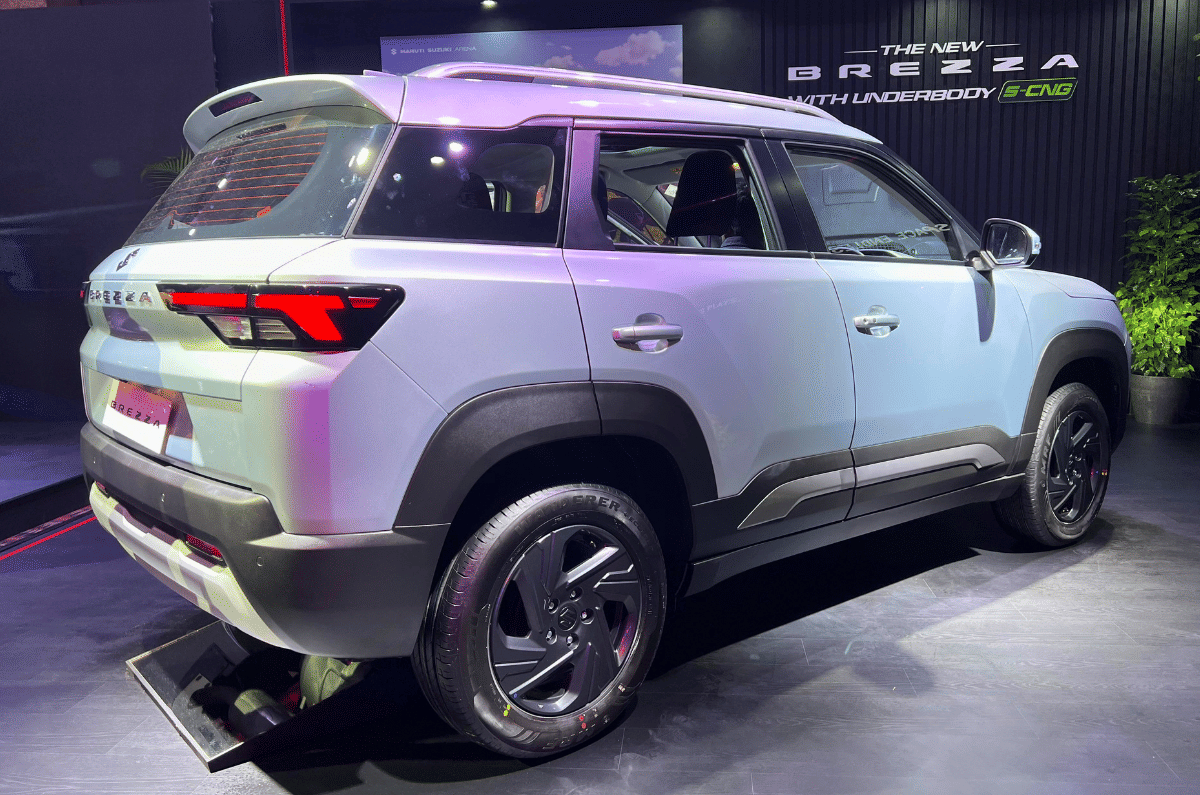
The 2026 Maruti Brezza facelift brings several updates over the outgoing model to strengthen its position in the highly competitive mid-size SUV segment. The refreshed SUV borrows a couple of features from the Victoris, Maruti’s flagship Arena SUV, and also gains an additional engine option from the Fronx. Here’s a look at everything that’s new on the updated Brezza.
1. Turbo-petrol engine
One of the highlights of the new Brezza is the addition of a turbo-petrol engine option. After the Fronx, the Brezza is the second SUV to get the brand’s 1-litre, 3-cylinder direct injection turbo-petrol motor, producing 110hp and 170Nm. The same unit, for reference, has been tuned to deliver outputs of 100hp and 147.6Nm in the Fronx.
2. 6-speed manual transmission
While the Fronx pairs a 5-speed manual transmission with its turbo-petrol engine, the Brezza opts for a 6-speed unit. Even, the 1.5-litre naturally aspirated petrol and CNG versions of the Arena SUV get a 6-speed manual transmission as standard, instead of the 5-speed unit on offer before.
3. Underbody CNG tank
After offering an underbody-mounted CNG tank with the Victoris, the carmaker has added the same to the Brezza. Unlike a conventional CNG cylinder placed in the boot, this arrangement frees up luggage space. However, the updated Brezza no longer comes with a spare wheel, regardless of the powertrain. Instead, it gets a puncture repair kit.
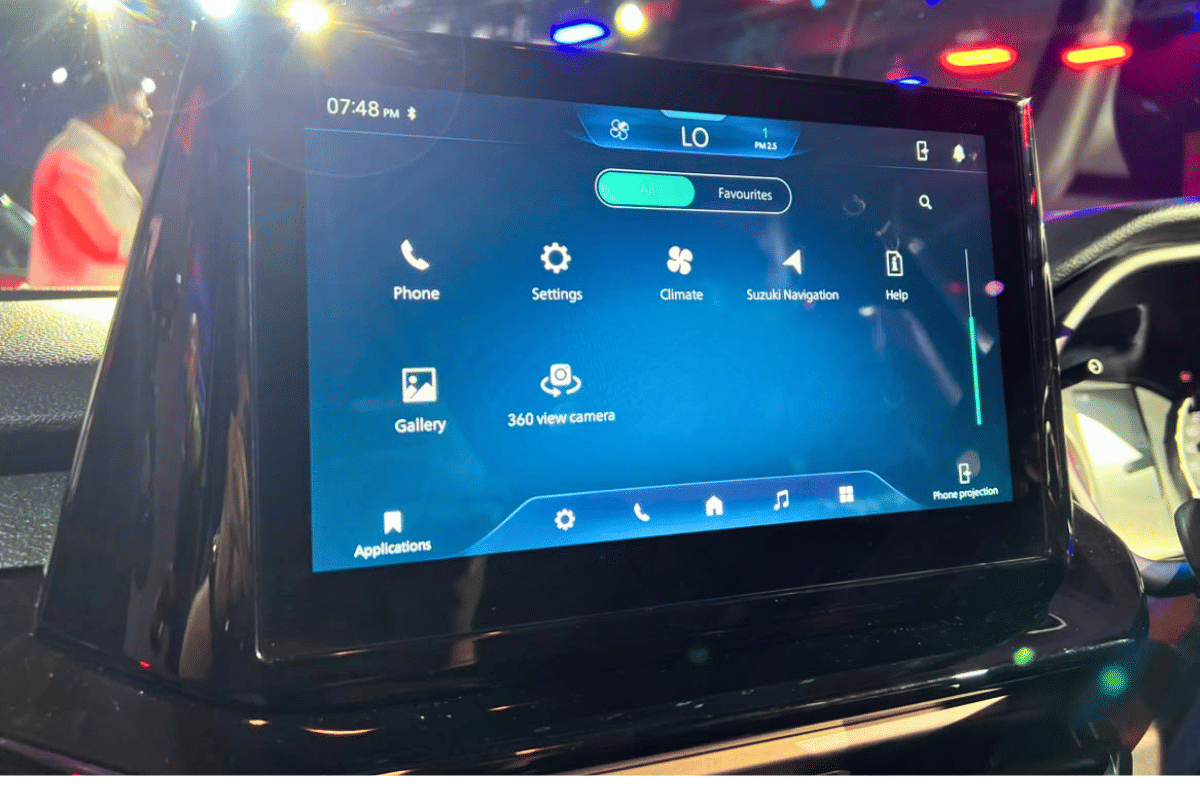
4. Larger 10.1 inch touchscreen
Another upgrade introduced with the Brezza facelift is a Victoris-like 10.1-inch touchscreen with a new UI/UX interface, replacing the previous 9-inch unit. However, the 4-speaker, 2-tweeter setup has been carried over in the updated SUV.
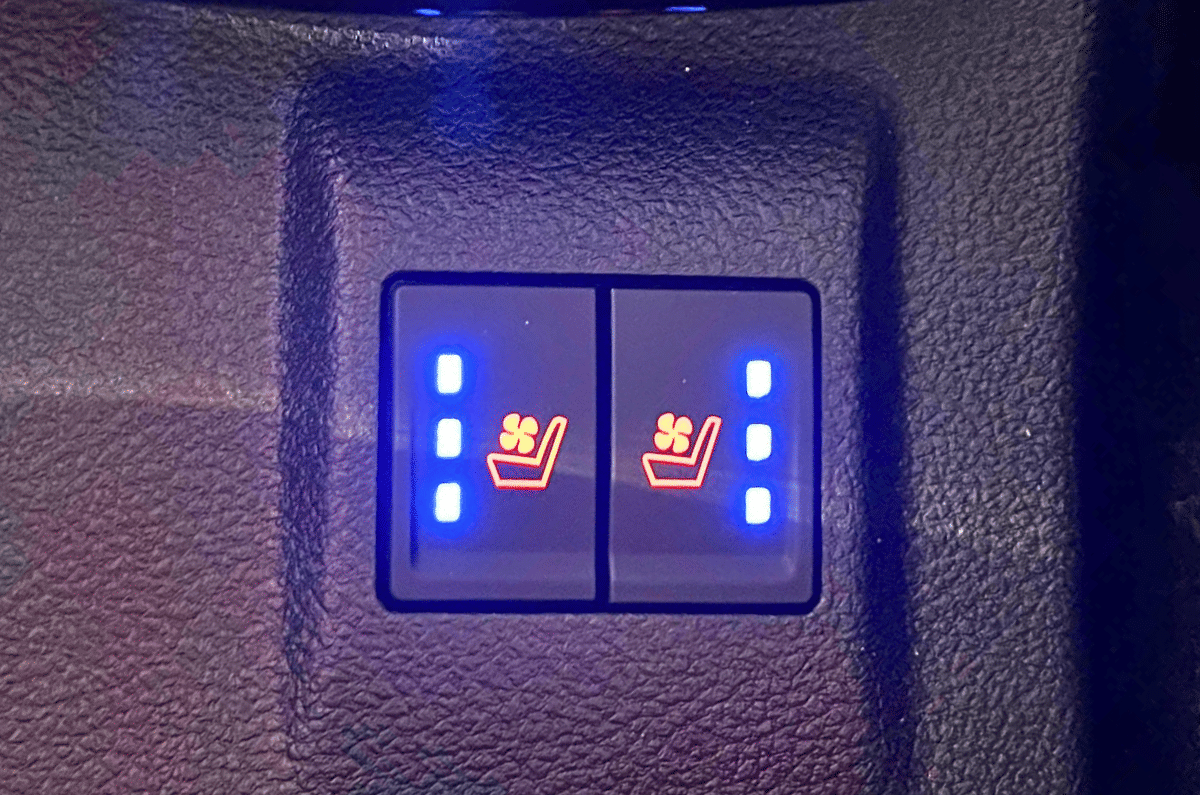
5. Front ventilated seats
With the 2026 Brezza facelift, Maruti has finally added front ventilated seats, a feature that was missing from the SUV despite being offered by rivals such as the Hyundai Venue, Tata Nexon, Skoda Kylaq and Kia Syros. The addition improves comfort for both the driver and front passenger. New colours for the ambient lights and leatherette seats have also been added.
6. New safety features
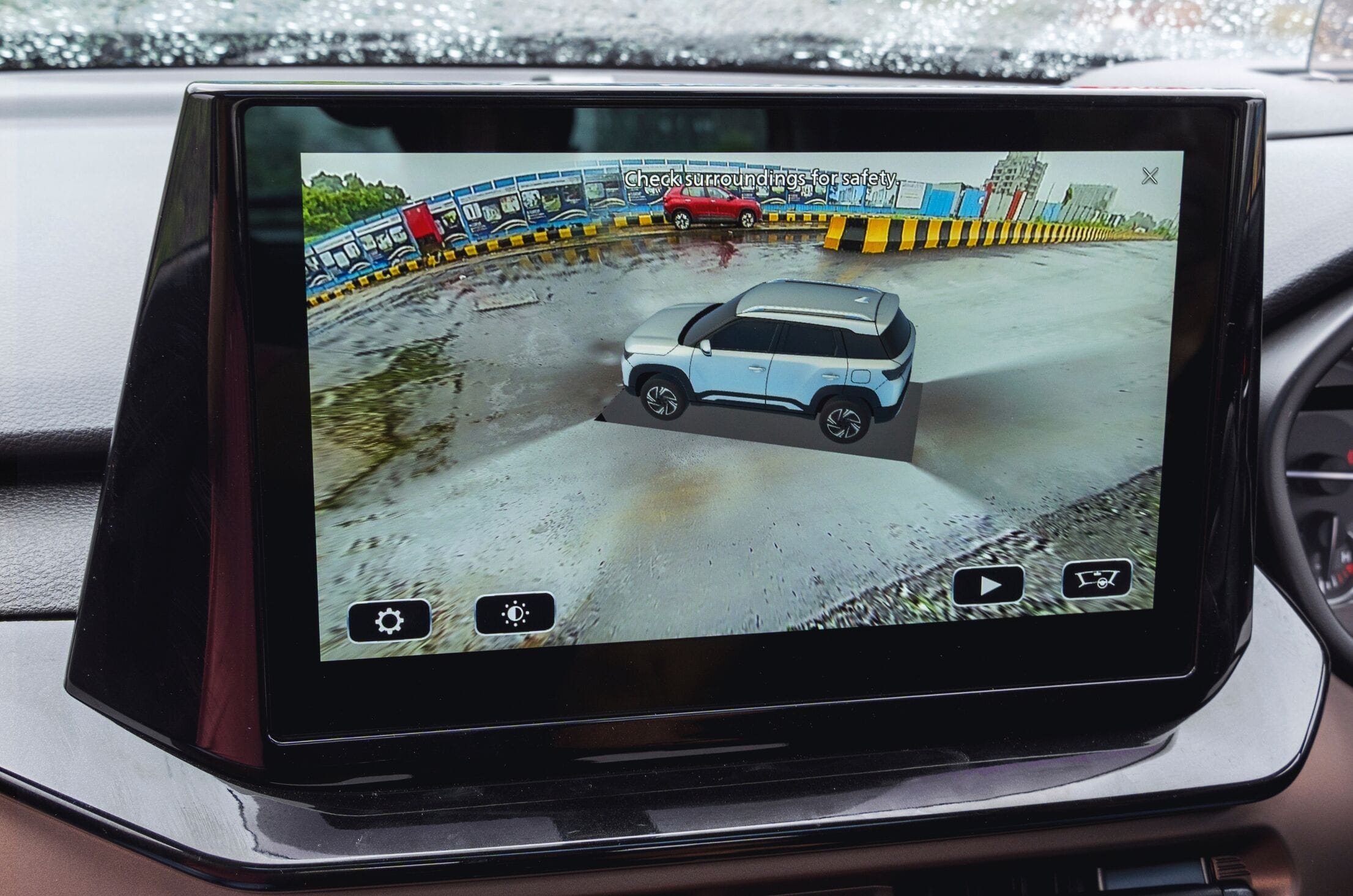
The 2026 Brezza facelift now gets a blind spot warning system, which alerts the driver with a visual warning when another vehicle is travelling in the blind spot. In addition to the blind spot warning system, Maruti has equipped the Brezza with a tyre pressure monitoring system and front parking sensors. The SUV also gets a rear cross-traffic alert, improving safety while reversing out of parking spaces. However, the Brezza still does not get an ADAS suite.
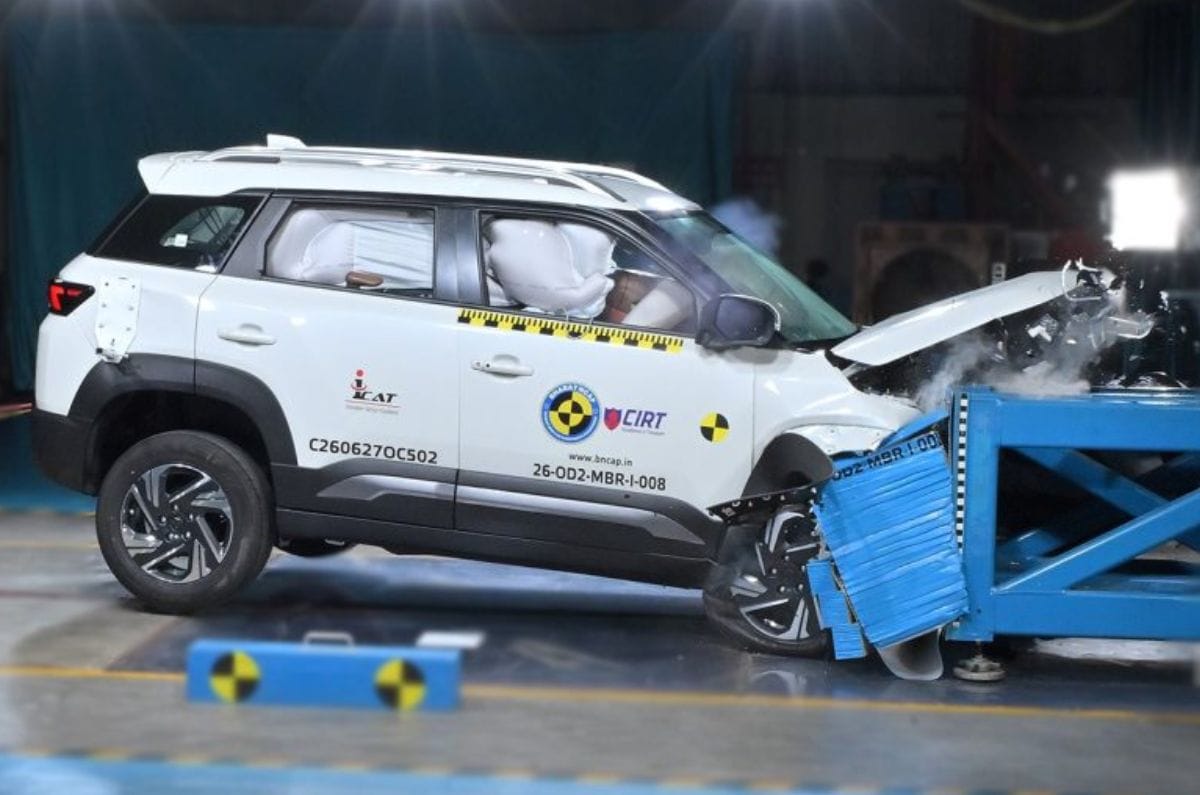
The 2026 Brezza facelift has undergone Bharat NCAP crash tests, where it secured a full 5-star safety rating. The pre-facelift version, however, was never tested by BNCAP. For those not in the know, the current-generation Brezza is based on the same Global-C platform as its predecessor, but Maruti now calls it the TECT platform. The previous-generation Brezza earned a 4-star Global NCAP crash safety rating.