Toyota ने 2026 Glanza Facelift की पहली झलक दिखाई है। कंपनी इस कार को 14 अक्टूबर को लॉन्च करने वाली है। टीजर में कार का अगला हिस्सा दिखाया गया है, जिसमें Toyota का लोगो बोनट पर दिया गया है। इसके अलावा, आगे की तरफ क्रोम की नई डिजाइन और चौकोर LED फॉग लैंप हाउसिंग भी देखने को मिलती है।
Glanza असल में Maruti Suzuki Baleno का रीबैज्ड वर्जन है। ऐसे में इस टीजर से अंदाजा लगाया जा सकता है कि नई कार में क्या बदलाव देखने को मिल सकते हैं। इसमें नया इंजन भी दिया जा सकता है, हालांकि Toyota ने अभी इसकी पुष्टि नहीं की है।
फिलहाल, कंपनी ने नई Glanza की कीमत का खुलासा नहीं किया है। वहीं, मौजूदा मॉडल की कीमत 6.73 लाख रुपये से 9.99 लाख रुपये के बीच है। आइए जानते हैं कि टीजर में कार के बारे में क्या जानकारी मिली है, इसके इंटीरियर और इंजन में क्या बदलाव हो सकते हैं और बुकिंग से पहले किन बातों का ध्यान रखना चाहिए।
Toyota Glanza Facelift: टीजर में क्या-क्या दिखता है
वीडियो में सिर्फ कार का अगला हिस्सा दिखाया गया है। Toyota का लोगो अब बोनट पर आ गया है और बंपर पर U-शेप वाला हिस्सा, जो पहले काला होता था, अब क्रोम का है। फॉग लैंप्स नए चौकोर हाउसिंग में LED वाले हैं, जबकि हेडलैंप क्लस्टर में कोई बदलाव नहीं दिखता। टीजर में दिखाई गई कार लाल रंग की है।
वीडियो में कार का इंटीरियर और पिछला हिस्सा नहीं दिखाया गया है। एक महीने पहले Baleno के अपडेट पर लोगों की मिली-जुली प्रतिक्रिया आई थी, क्योंकि उसका अगला हिस्सा बदला था जबकि बाकी कार लगभग वैसी ही रही थी। इसलिए Glanza में भी शायद यही पैटर्न अपनाया जाएगा बाहर से स्टाइल में बदलाव, और असली अपडेट्स अंदर और बोनट के नीचे होंगे।
Toyota Glanza Facelift: इंजन और गियरबॉक्स
उम्मीद है कि Glanza में Baleno वाला नया 1.2-लीटर Z-सीरीज थ्री-सिलेंडर पेट्रोल इंजन इस्तेमाल होगा, जो 83 bhp की पावर और 112 Nm का टॉर्क देगा। इसमें 5-स्पीड मैनुअल और AMT गियरबॉक्स के ऑप्शन मिल सकते हैं, साथ ही CNG वेरिएंट आने की भी उम्मीद है। Toyota ने अभी तक इनमें से किसी भी बात की पुष्टि नहीं की है। अगर आप अभी Glanza चला रहे हैं, तो नई वाली को खरीदने का फैसला करने से पहले उसकी टेस्ट ड्राइव जरूर लें, क्योंकि थ्री-सिलेंडर इंजन का रिफाइनमेंट और कम स्पीड पर रिस्पॉन्स अलग हो सकता है।
Toyota Glanza Facelift: केबिन और फीचर्स
नई Baleno को देखते हुए, इसमें वेंटिलेटेड फ्रंट सीट्स, लेवल 2 ADAS और 9-इंच का इंफोटेनमेंट सिस्टम होने की उम्मीद है। ये सिर्फ उम्मीदें हैं, कोई आधिकारिक घोषणा नहीं; और यह जानना दिलचस्प होगा कि किन वेरिएंट्स में ज्यादा एडवांस्ड फीचर्स मिलेंगे।
Toyota Glanza Facelift: कीमत और मुकाबले की गाड़ियां
मौजूदा Glanza की कीमत 6.73 लाख रुपये से 9.99 लाख रुपये (एक्स-शोरूम) के बीच है, और उम्मीद है कि इसके फेसलिफ्ट वर्जन की कीमत थोड़ी ज्यादा होगी। इसका मुकाबला Maruti Suzuki Baleno, Tata Altroz और Hyundai i20 से जारी रहेगा। चूंकि Glanza और Baleno के मैकेनिकल पार्ट्स एक जैसे हैं, इसलिए इनके बीच चुनाव करने से पहले इनके अलग-अलग वेरिएंट की कीमतों, फीचर्स और वारंटी की शर्तों की आपस में तुलना जरूर करें।
The midsize SUV space is now more competitive than ever. Just the last few months have seen new launches in the form of the Tata Sierra, Renault Duster, Nissan Tekton and the facelifts of the Volkswagen Taigun and Skoda Kushaq. Then there are the venerable Kia Seltos and the Hyundai Creta, the latter of which is set to receive a new-gen model next year, and an all-new entrant, the Hyundai Bayon, is about to join the ranks.Powertrain choices have been expanding too; diesel continues to be popular, turbo petrols add a dose of excitement, CNG is fast becoming the high-mileage option and there’s electrification in the form of hybrids and full EVs.So in a bid to keep it relevant, Honda has updated its midsize SUV contender, the Elevate, and here’s how it all comes together.
Design and engineering – 8/10
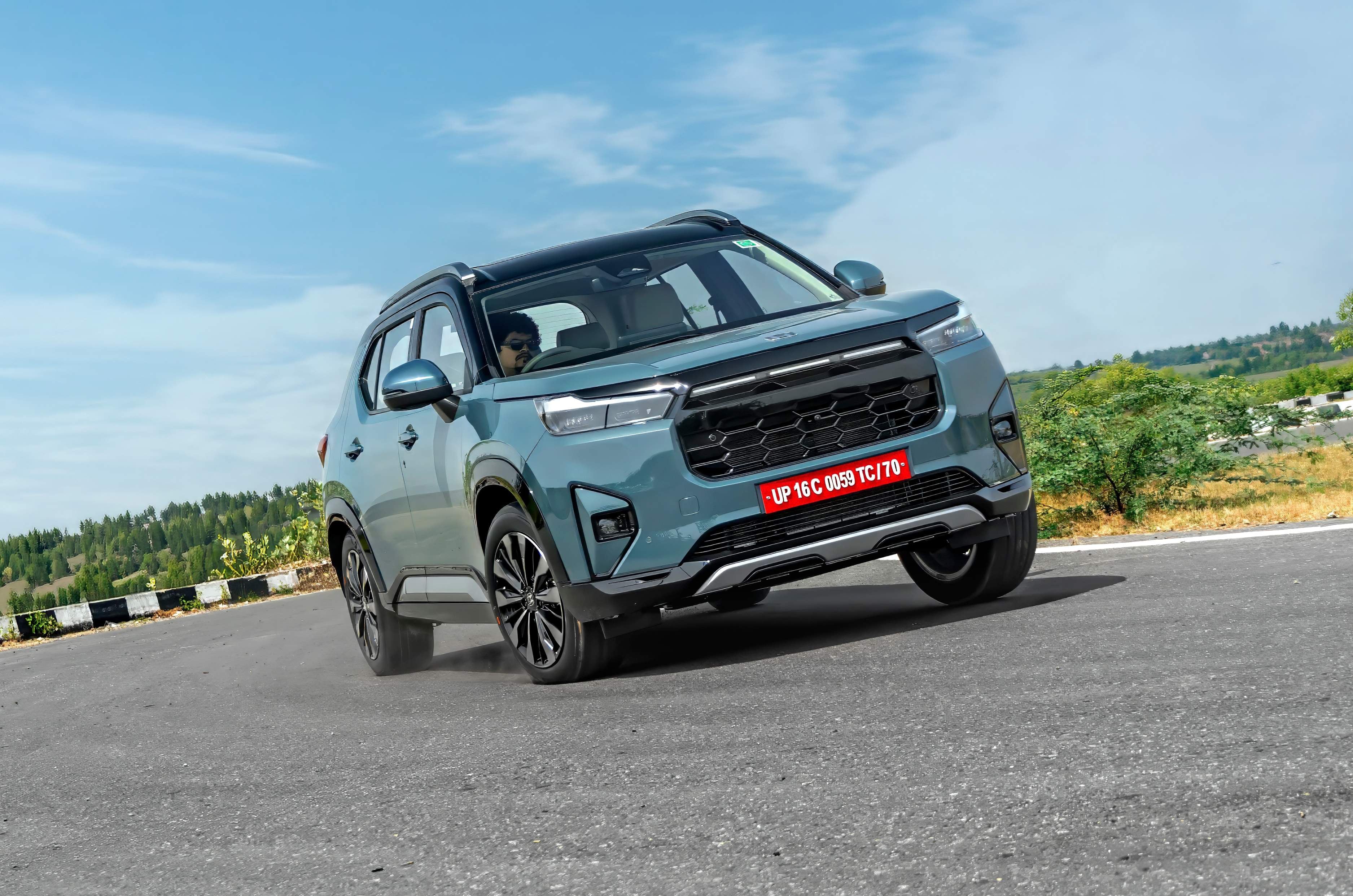
Features a new gloss black grille with a honeycomb pattern and a segmented LED light bar.
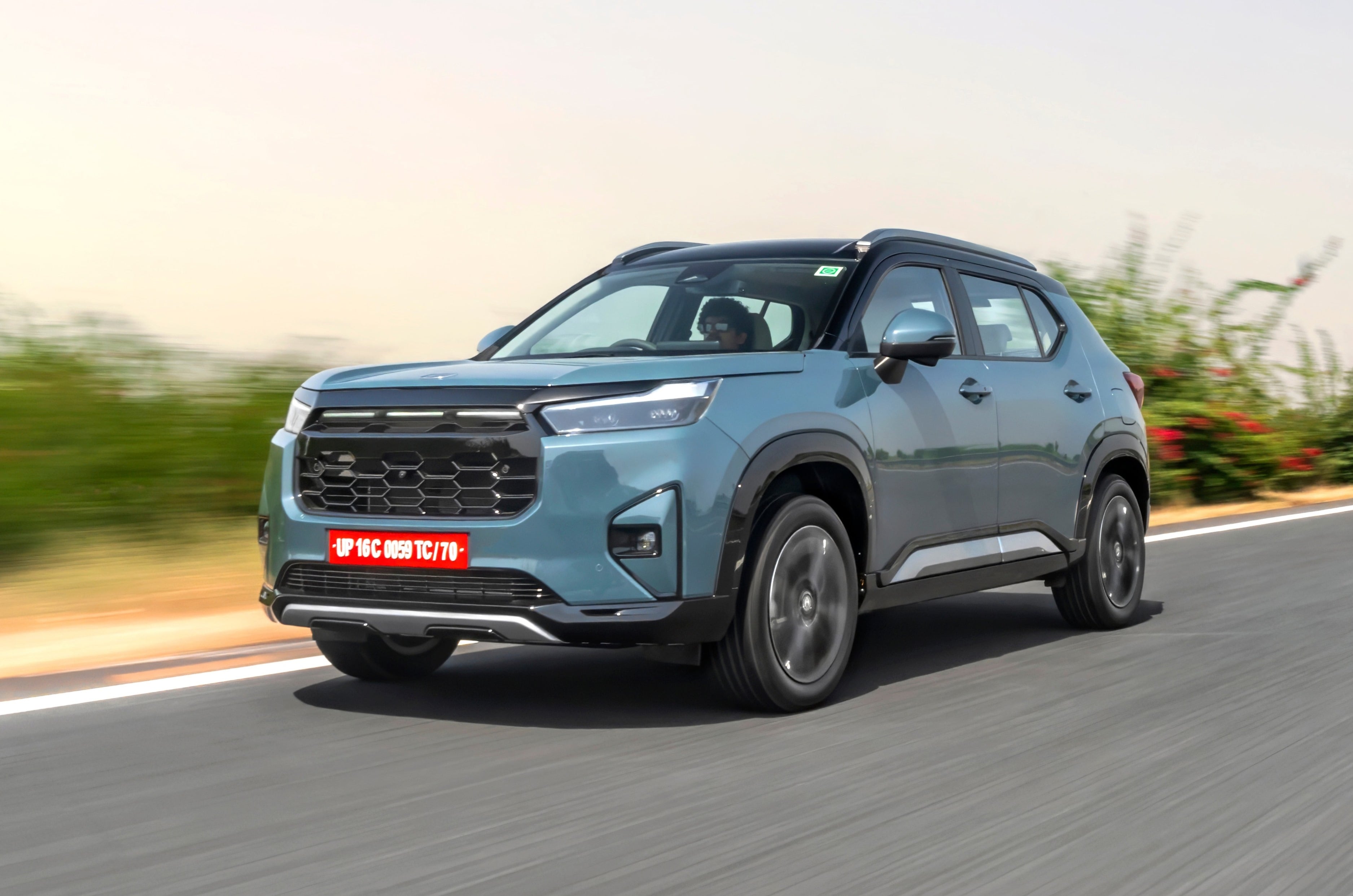
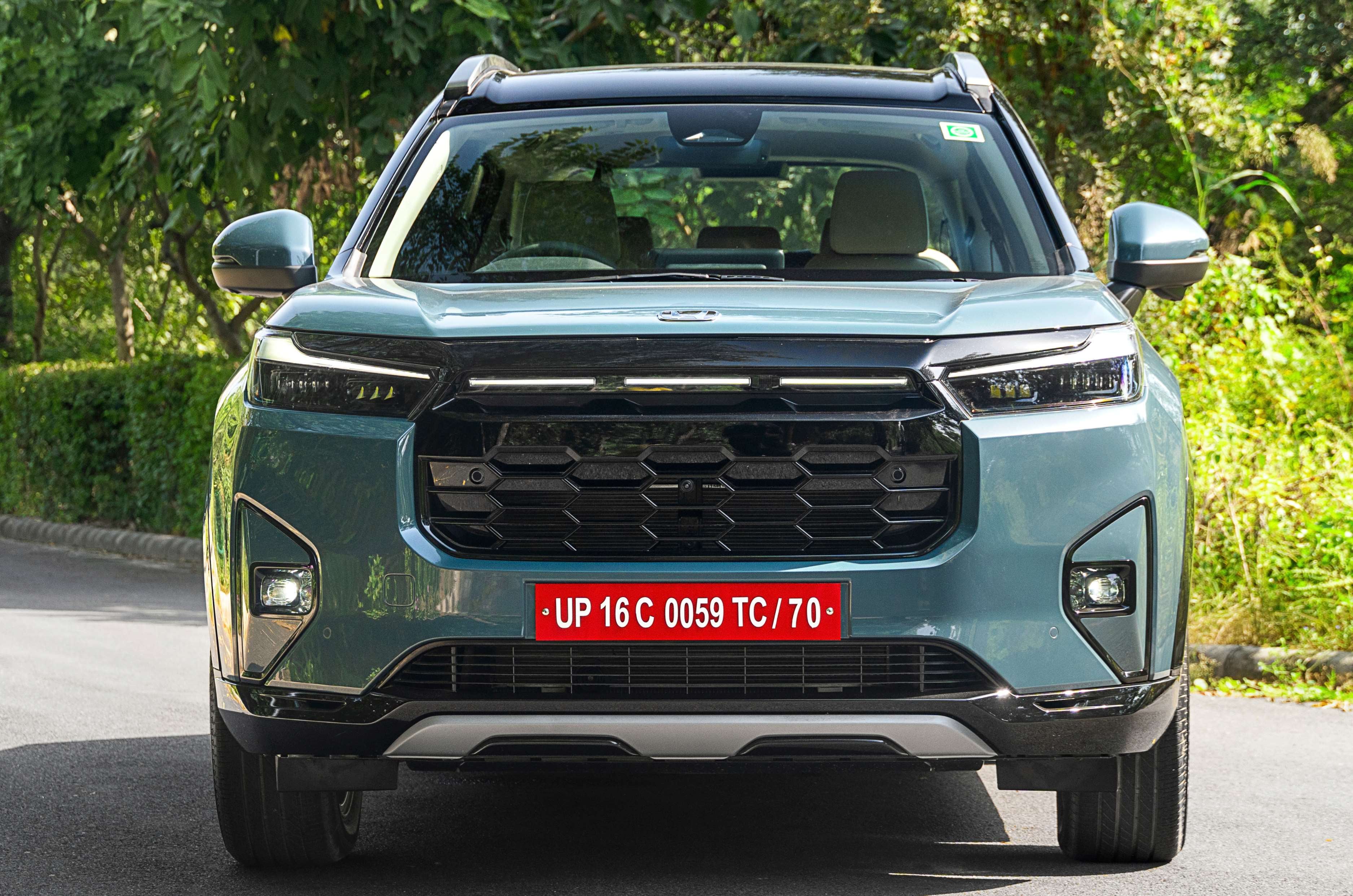
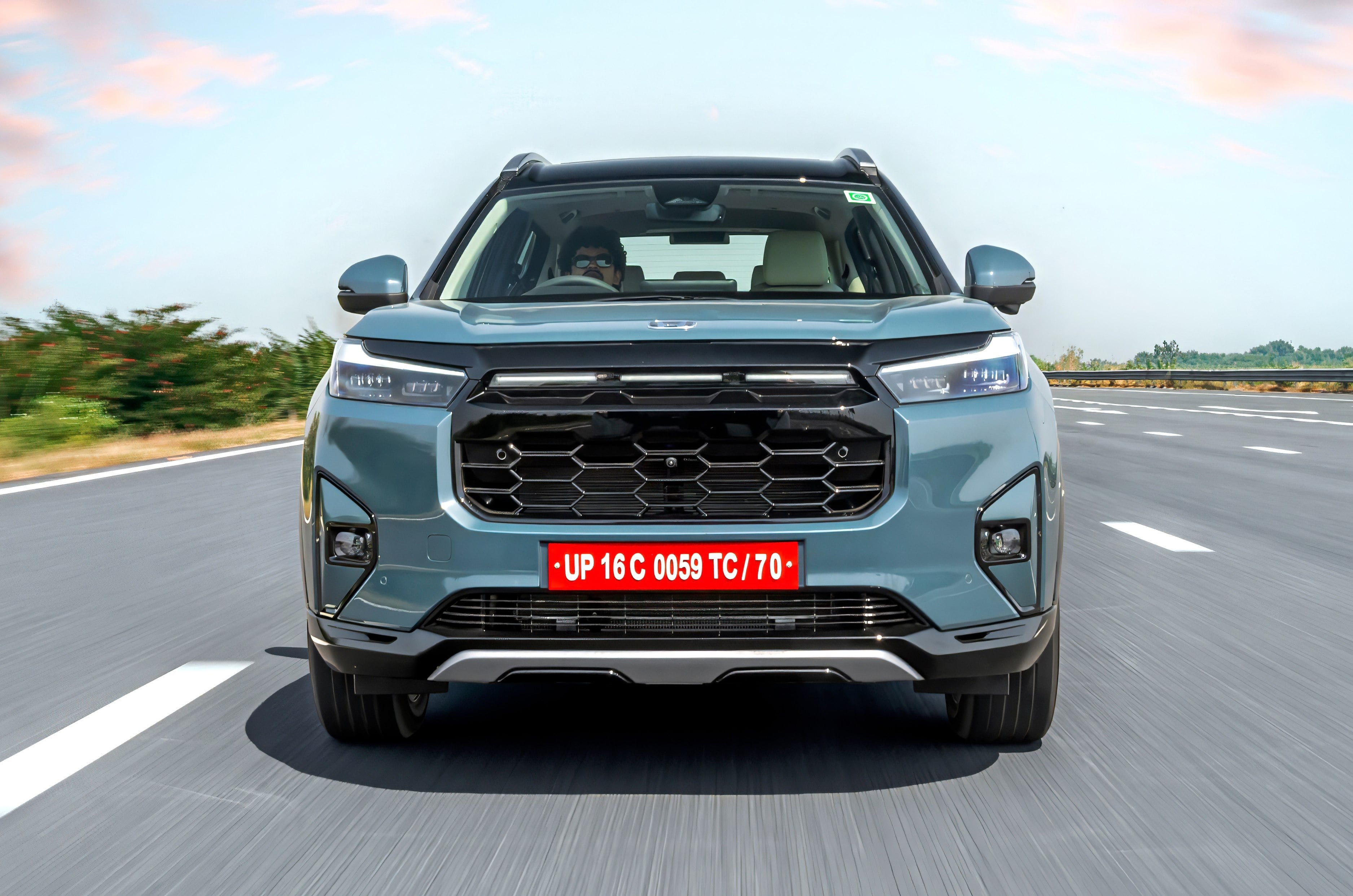
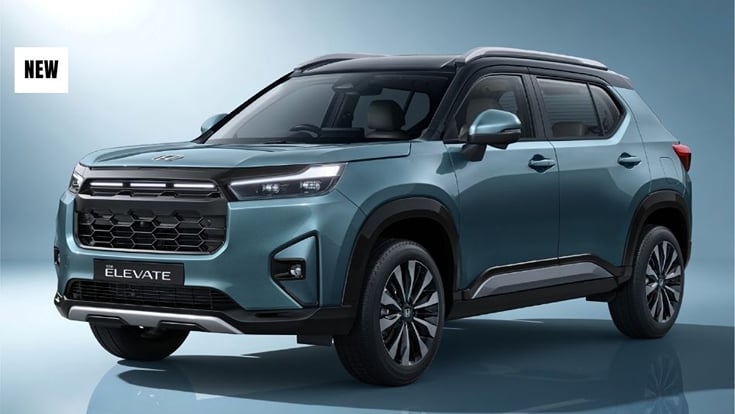
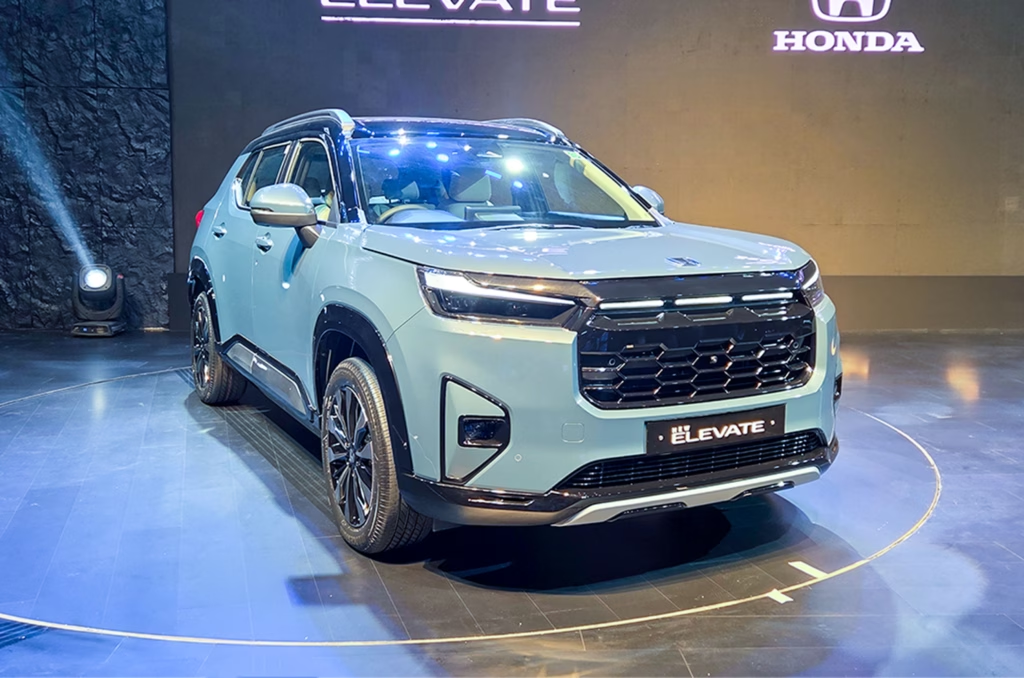
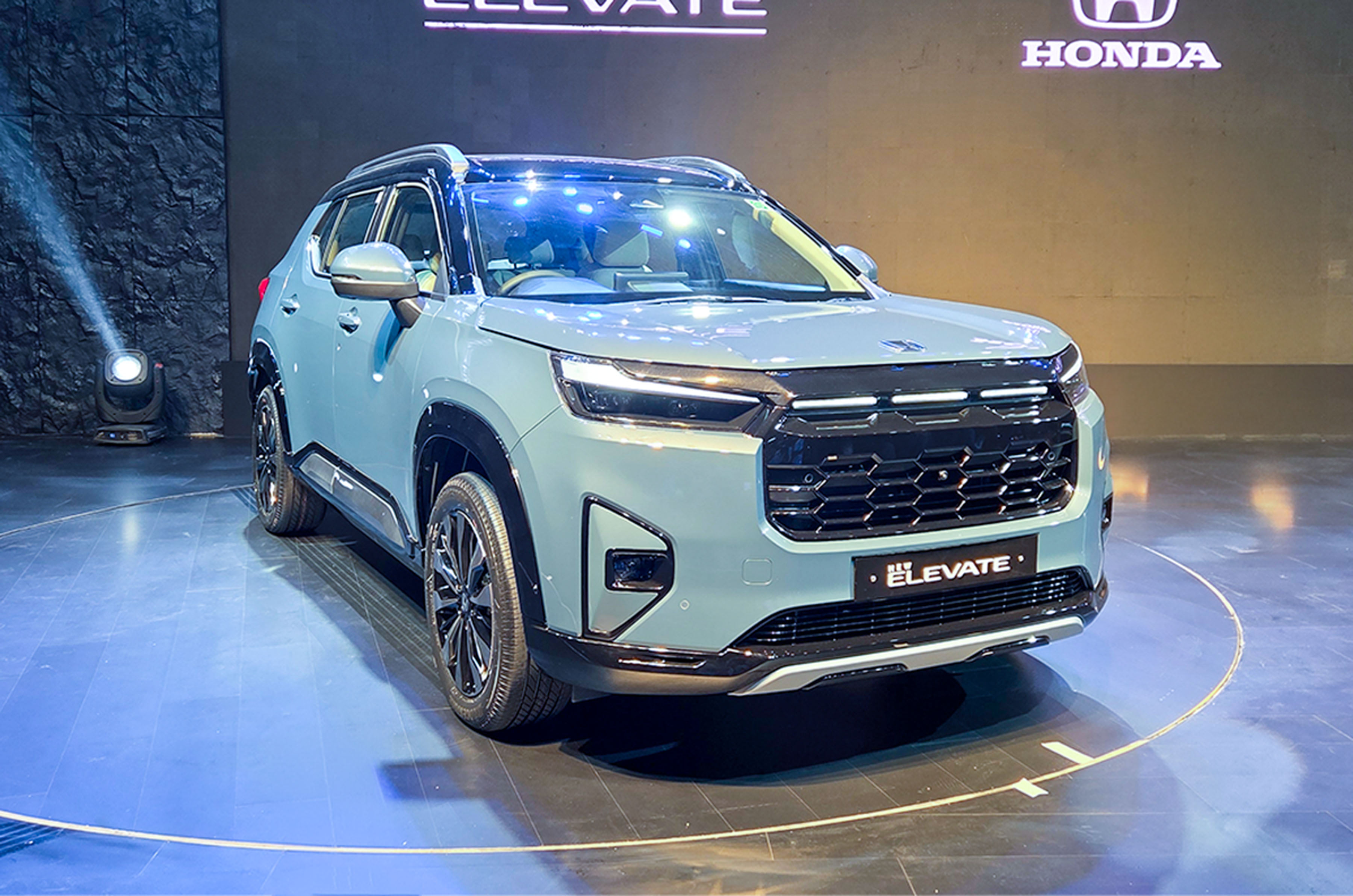
Honda has given the Elevate a subtle design update, but the changes are effective enough to give the SUV a fresher, more contemporary look without straying far from the original design. The biggest revisions are concentrated at the front end, where a new segmented LED light strip links the LED headlamps and the thick chrome band above them has been replaced with gloss black trim. The front grille gets a revised mesh pattern and a gloss-black finish, lending the front end a slightly sportier, more butch appearance. The Honda badge now sits on the bonnet rather than within the grille, while the fog-lamp housings are now finished in body colour instead of black for a cleaner look.
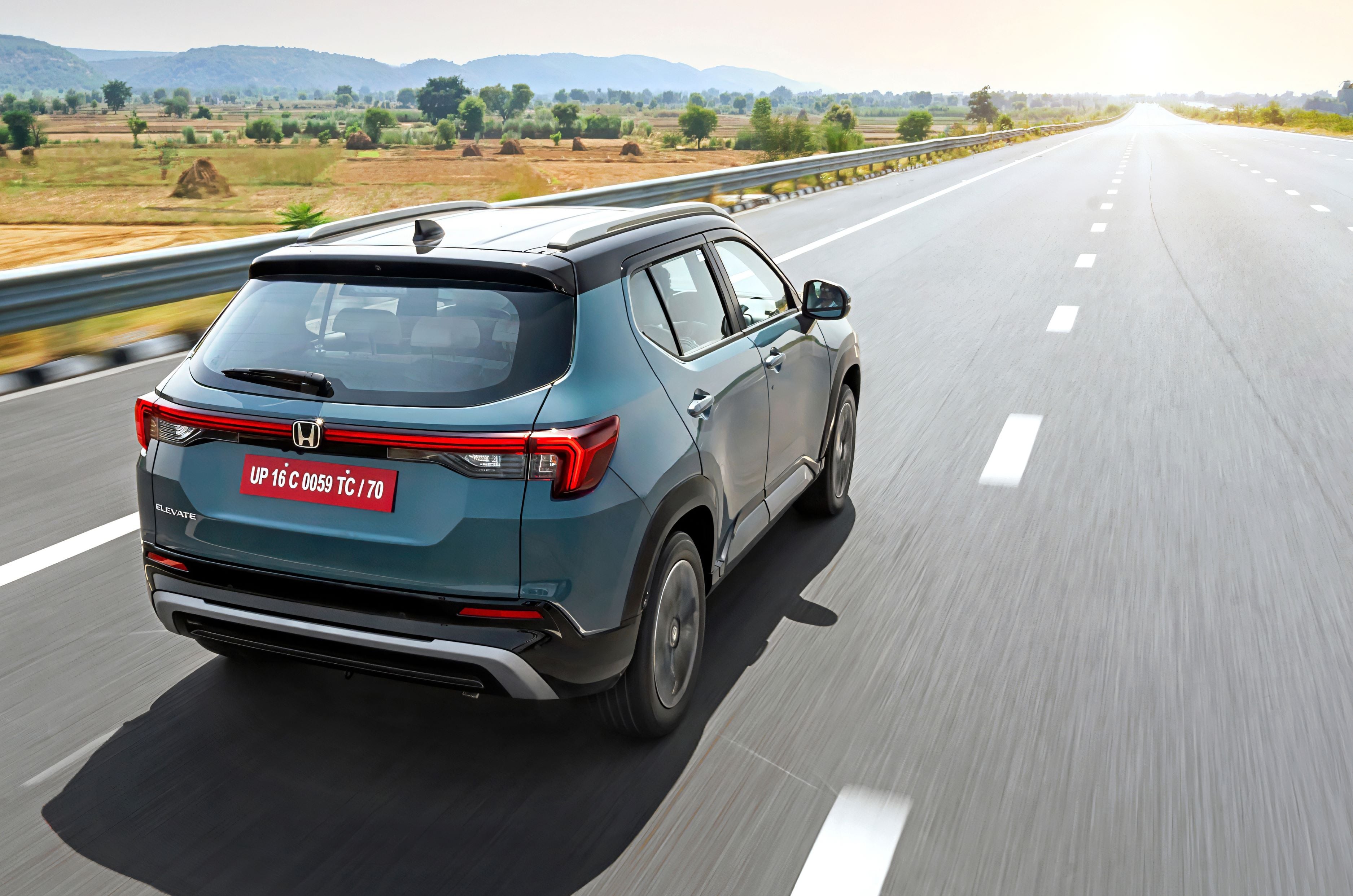
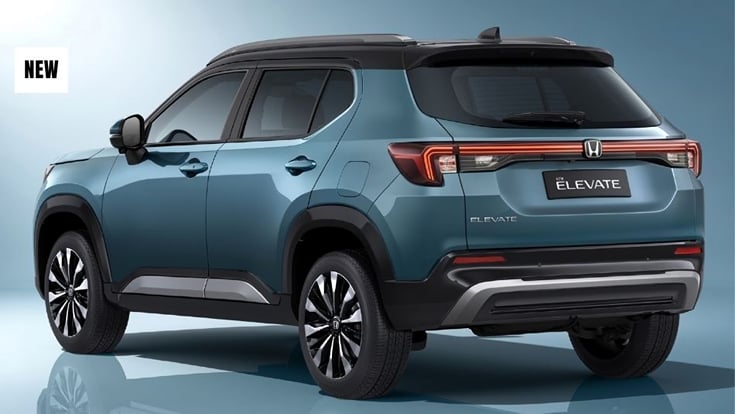
New LED light bar now connects the tail-lamps, giving it a more cohesive appearance.
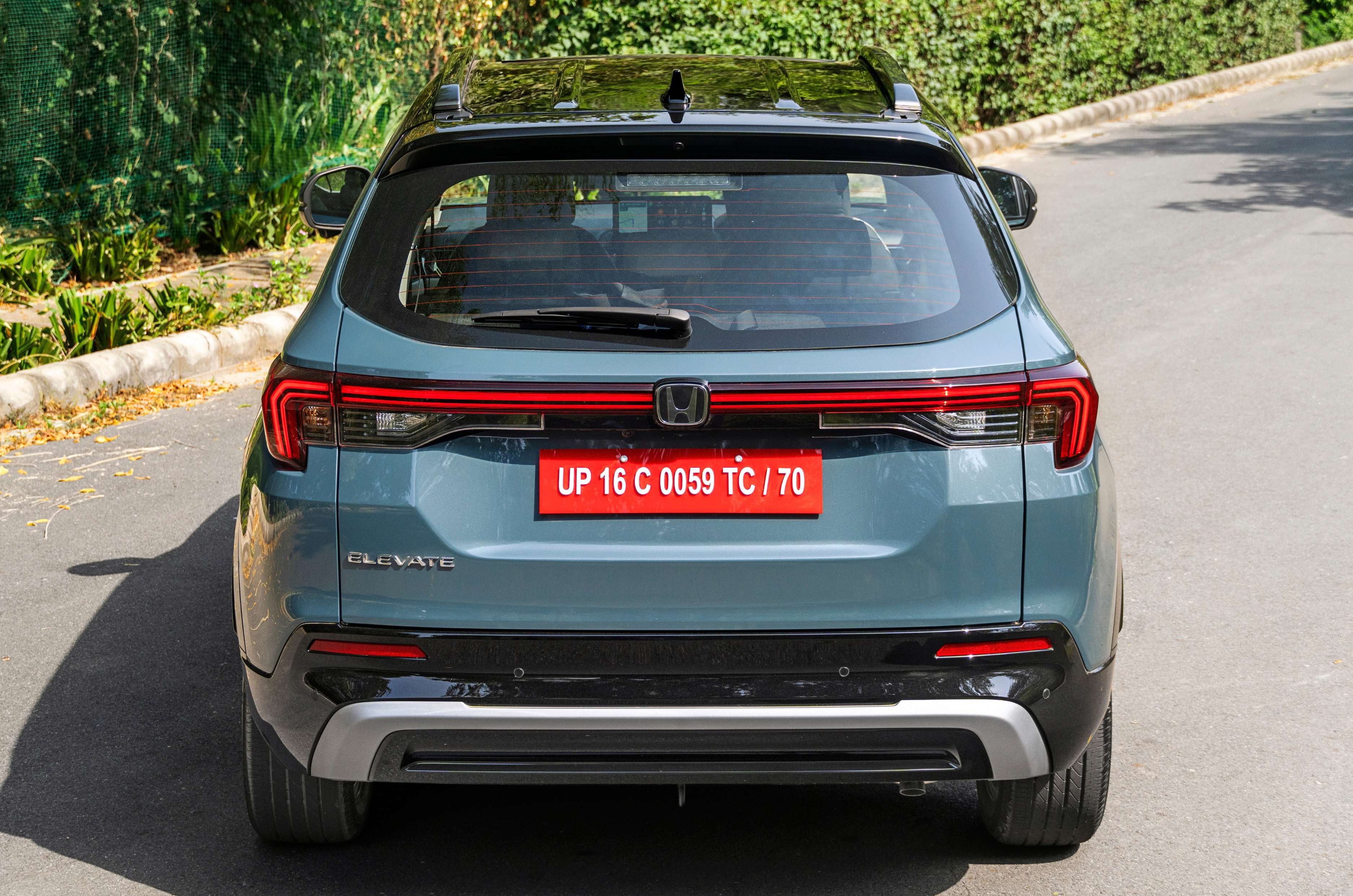
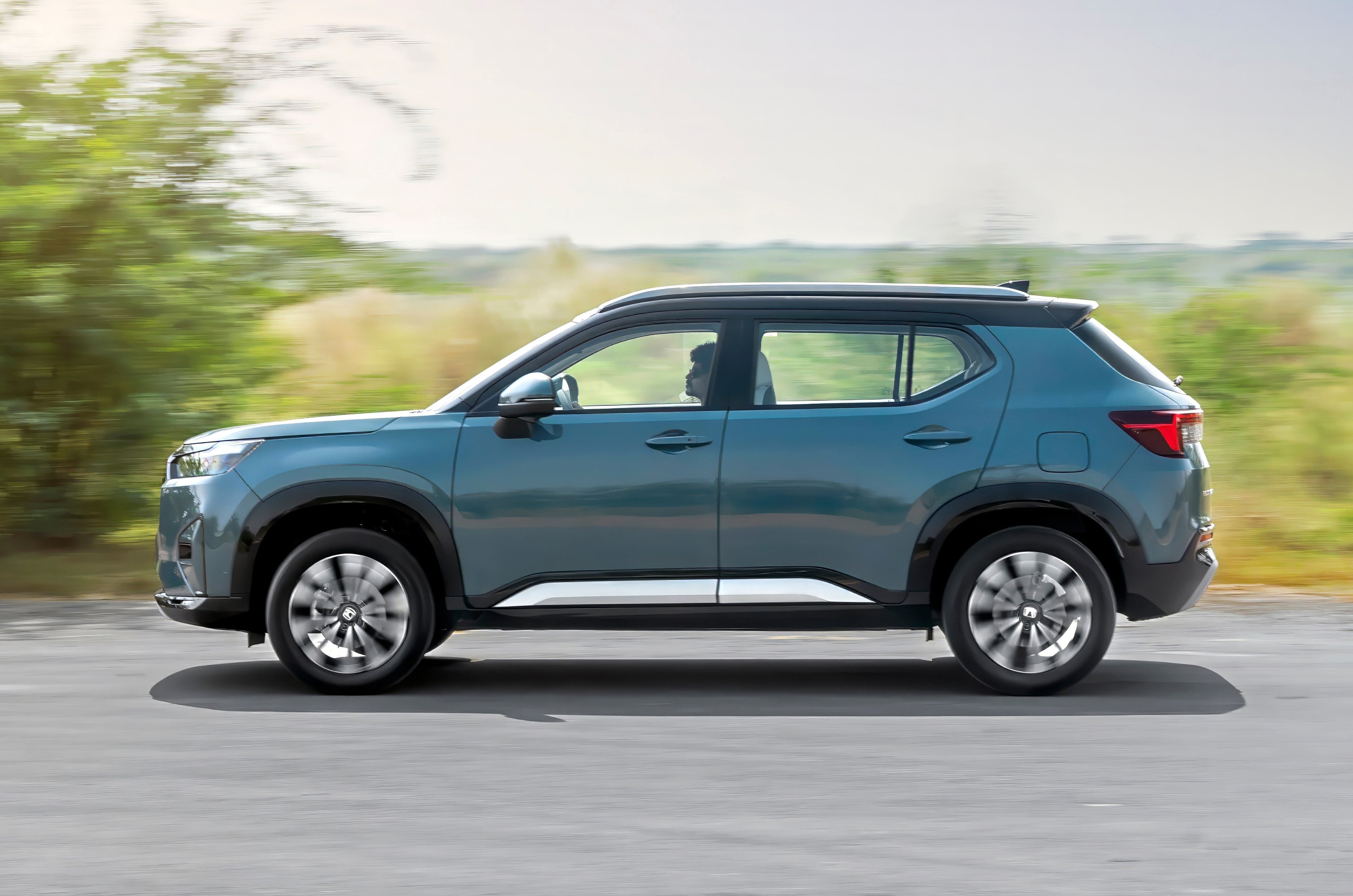
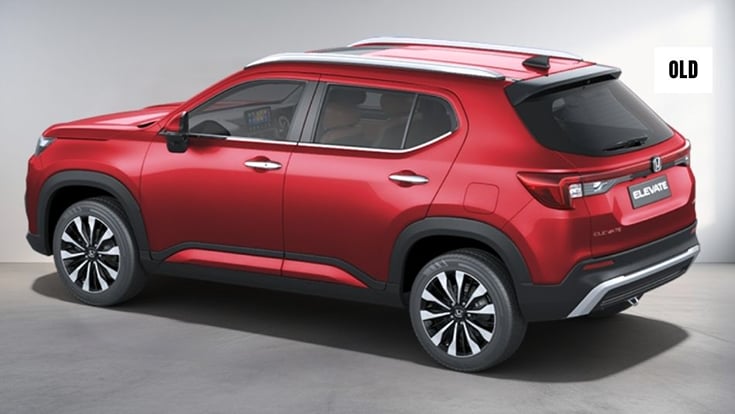
It’ll take a keen eye to spot the changes along the sides as they’re limited to a new gloss black body cladding instead of a matte finish, silver coloured inserts in the cladding on the doors instead of body colour and a darker finish for the 17-inch alloy wheels which continue with the same design. At the rear, the facelift introduces a new LED light bar that connects the tail-lamps, giving the tailgate a wider, more cohesive appearance, particularly after dark. Rounding off the updates is a new Nordic Forest Pearl paint shade, as you can see in the pictures here.
As for dimensions, it continues to measure 4.3 metres in length, nearly 1.8 metres in width and just over 1.6 metres in height. It’s based on the City platform, but gets a stretched 2650mm wheelbase, wider tracks front and rear and a substantial 220mm of ground clearance.
Interior space and comfort – 8/10
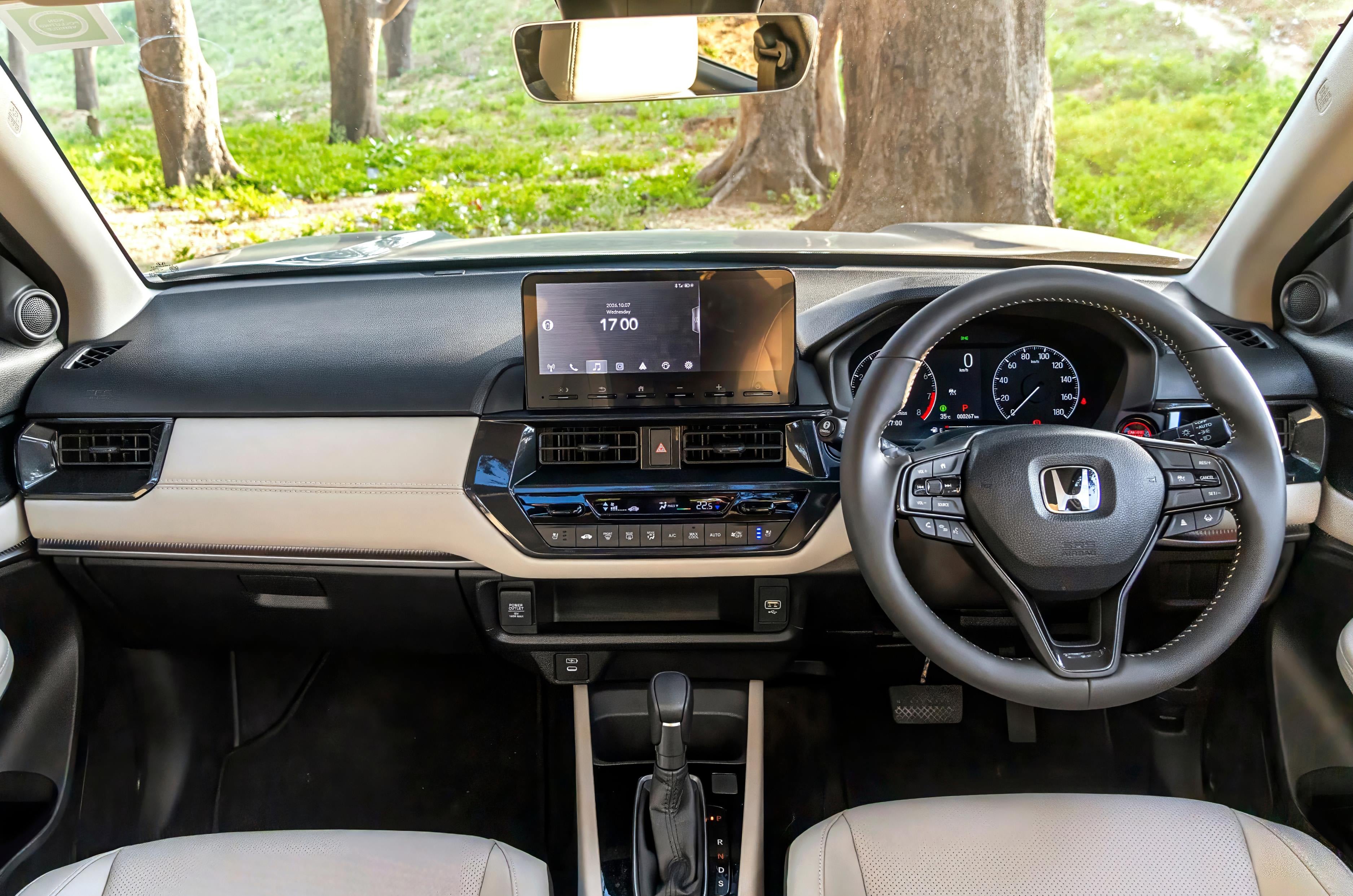
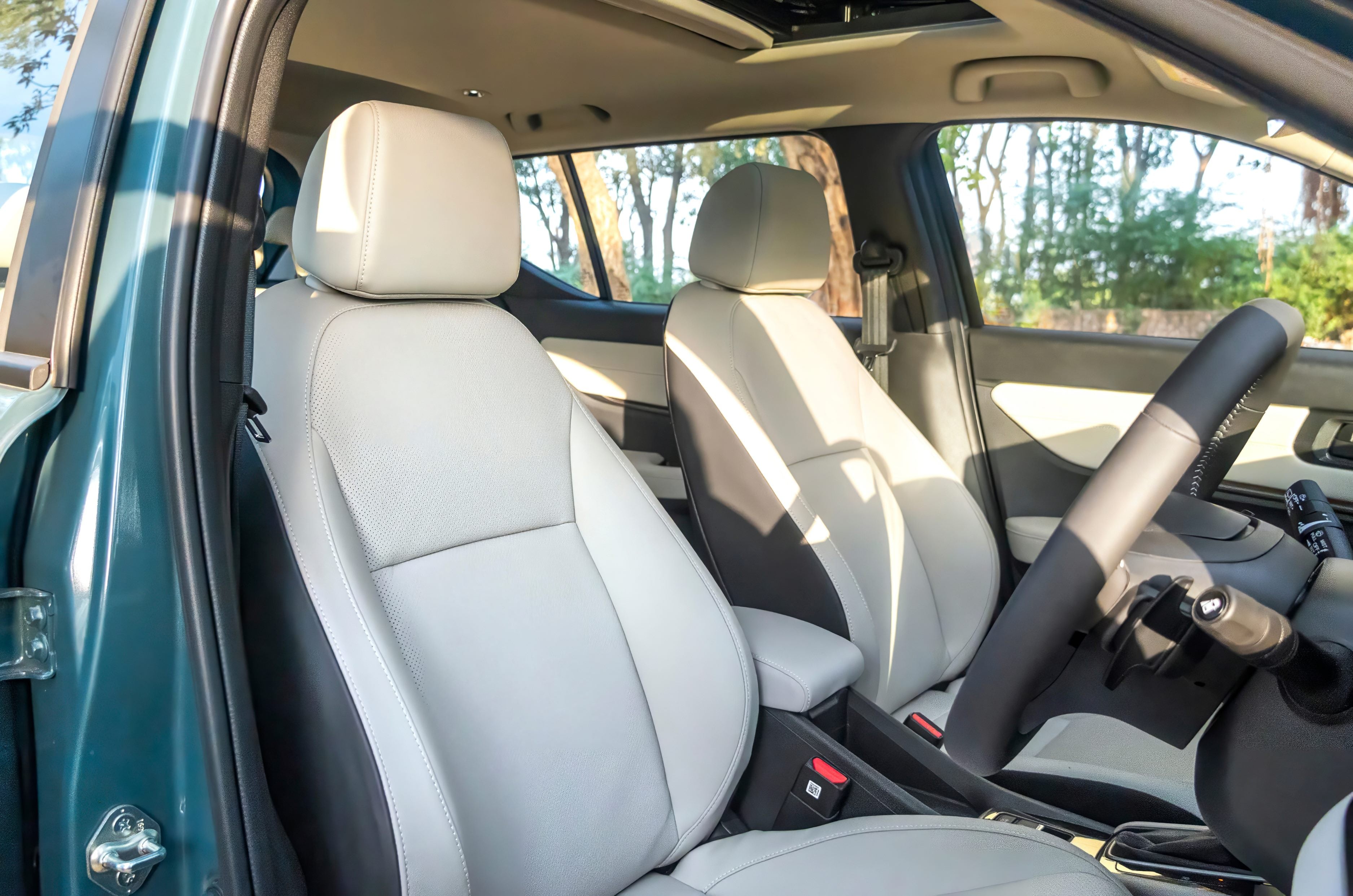
The cabin gets more substantial updates than the exterior, with the changes aimed at improving comfort and perceived quality. To start off, there’s a new ivory and black dual-tone upholstery theme that enhances the sense of space inside and is perhaps more neutral than the tan upholstery earlier. It will be tough to clean though, thankfully there is the option of all-black upholstery with the ‘Black’ edition Elevate.
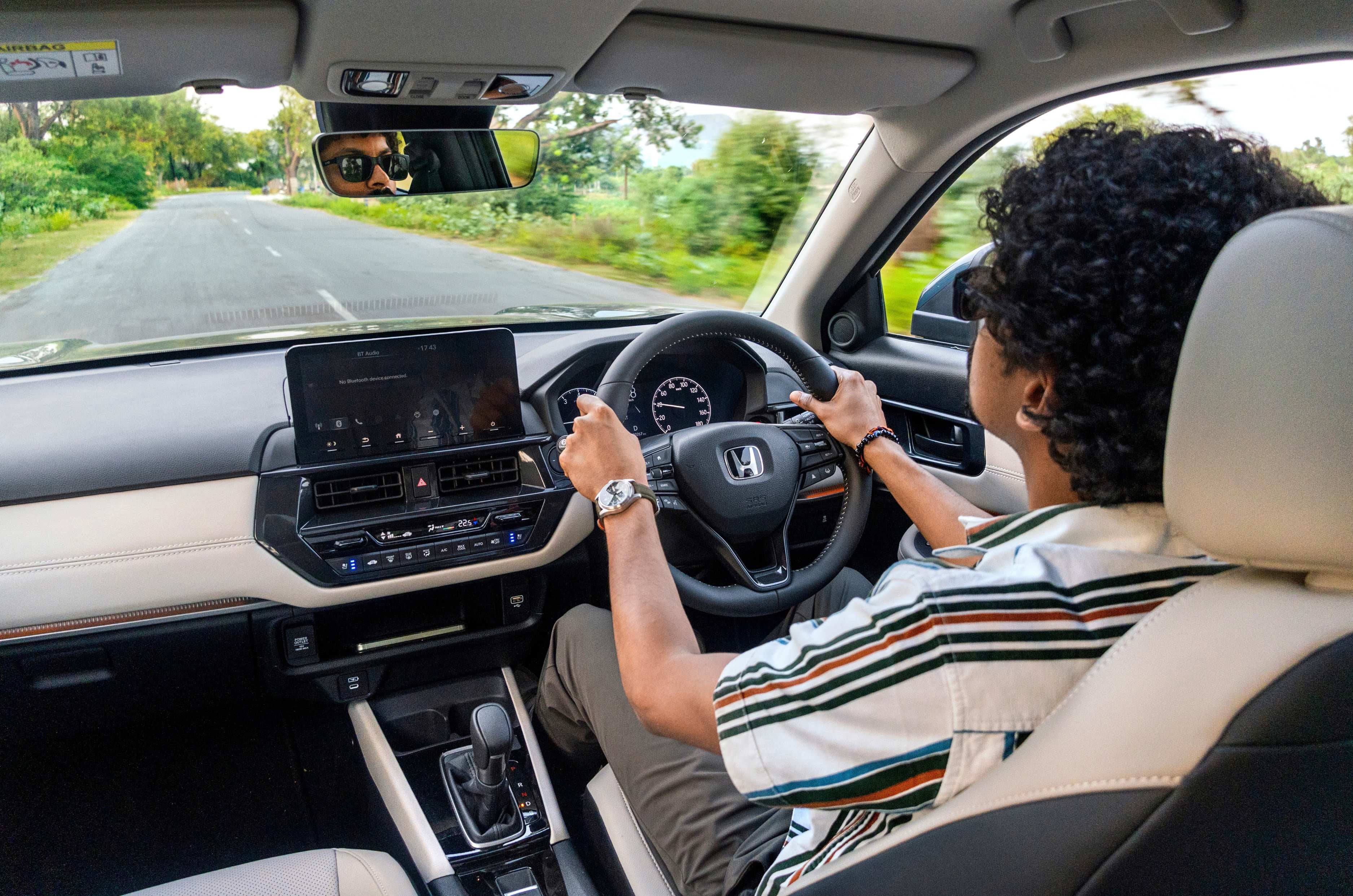
Upholstery is now ivory and black with a new leatherette panel on the dash; cabin remains practical and feels well-built.
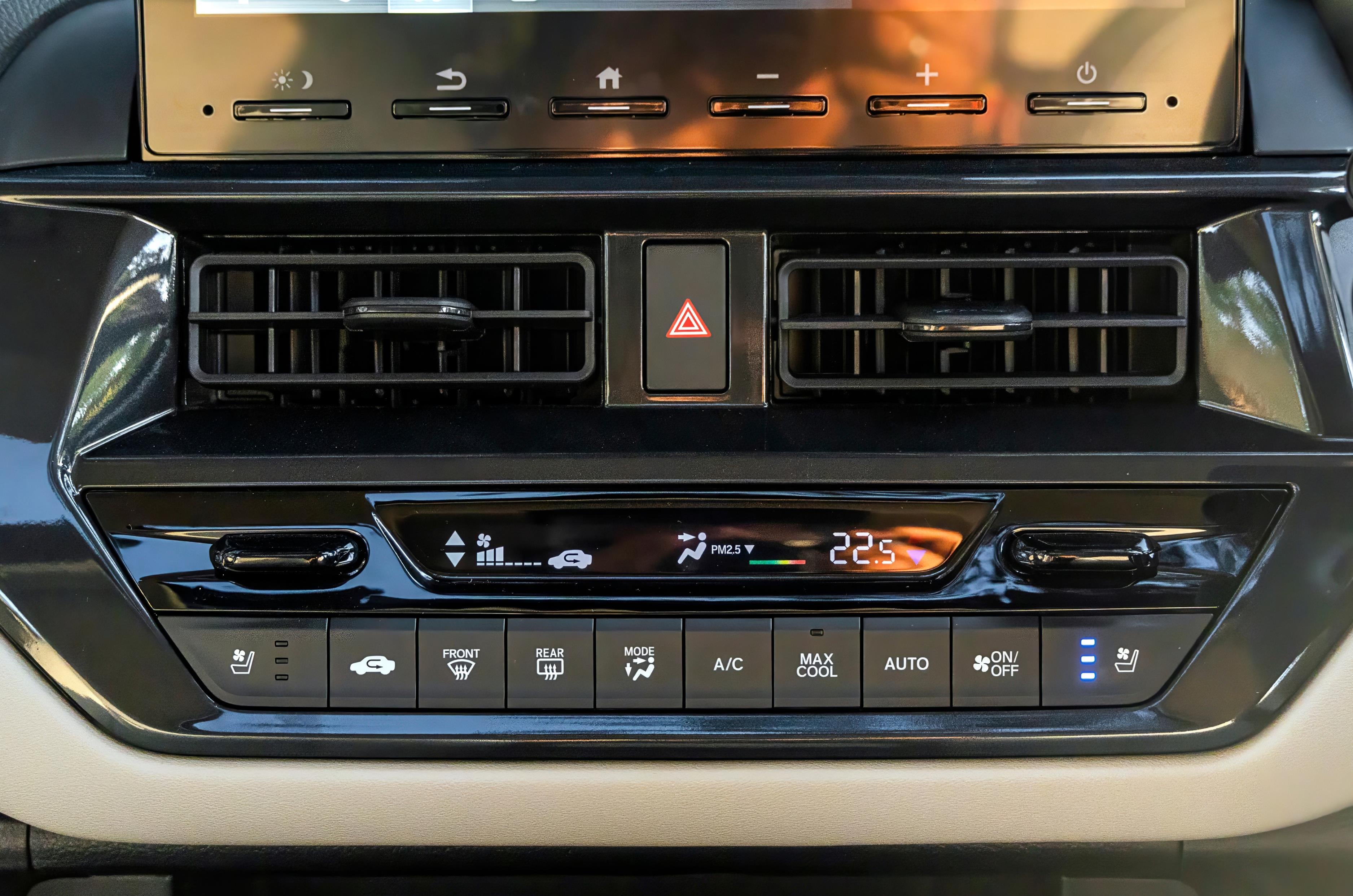
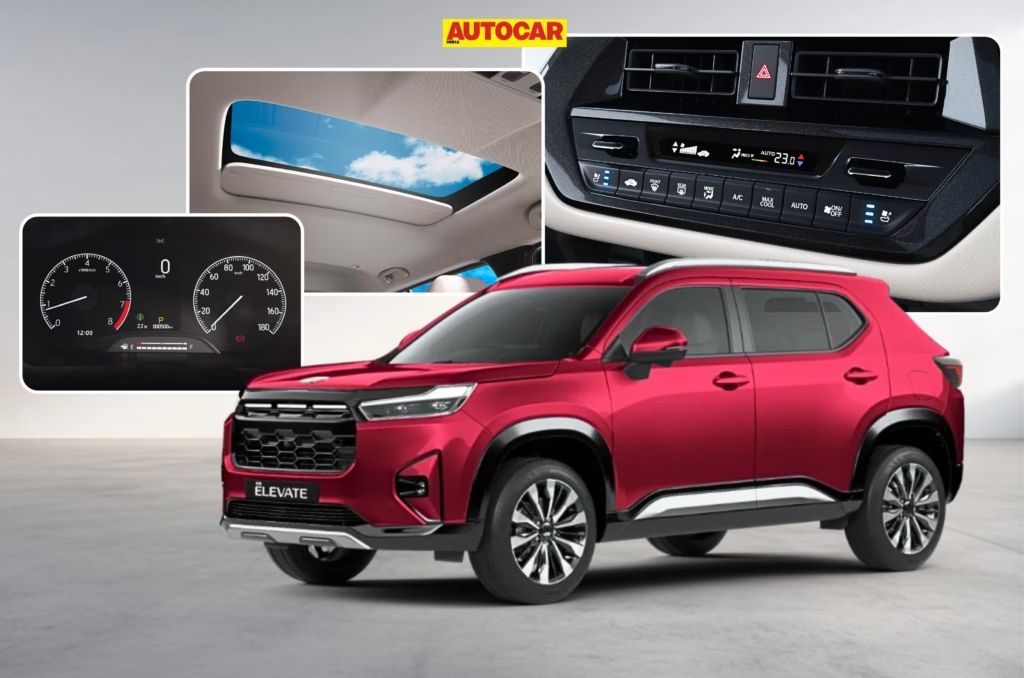
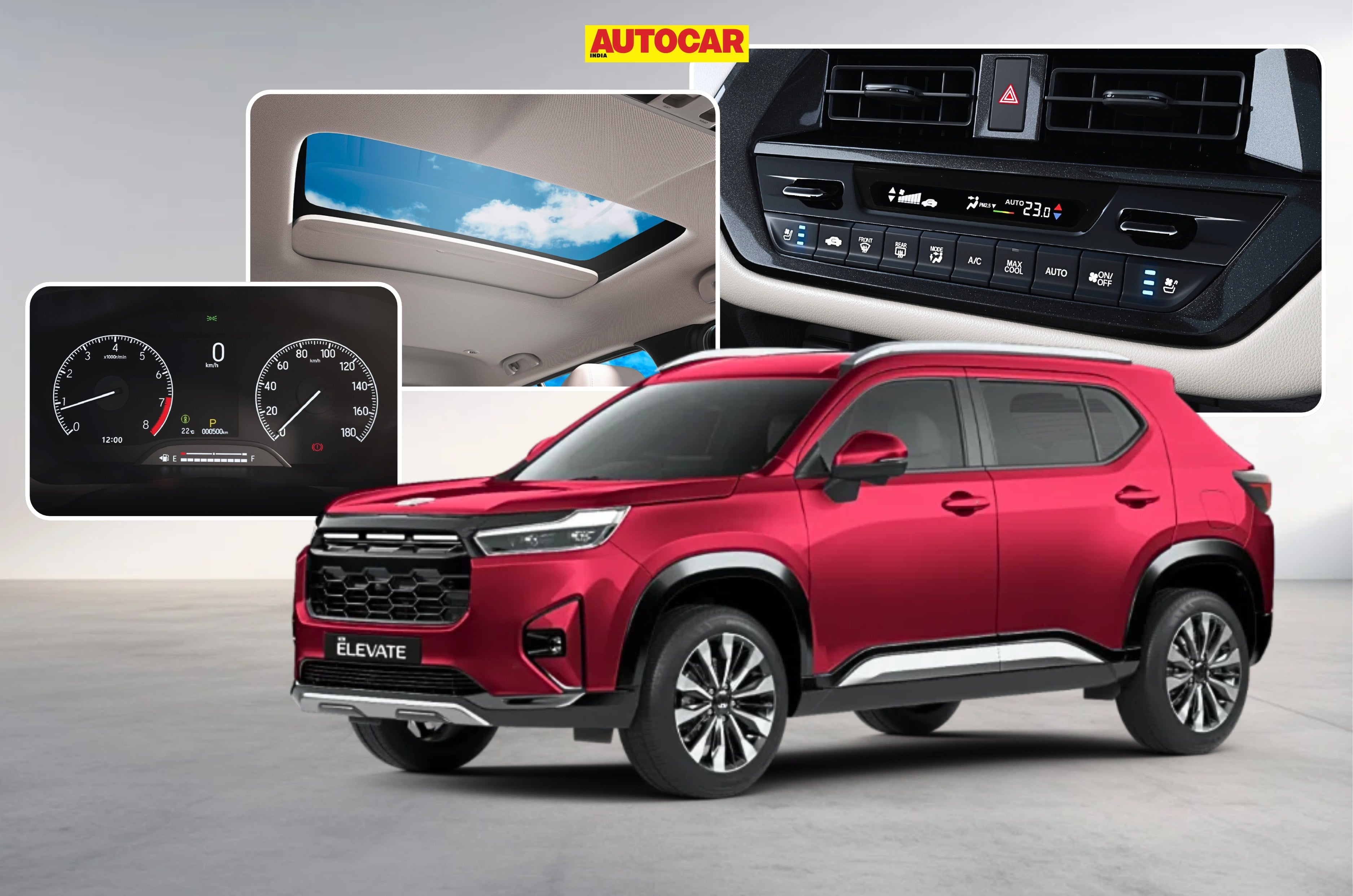
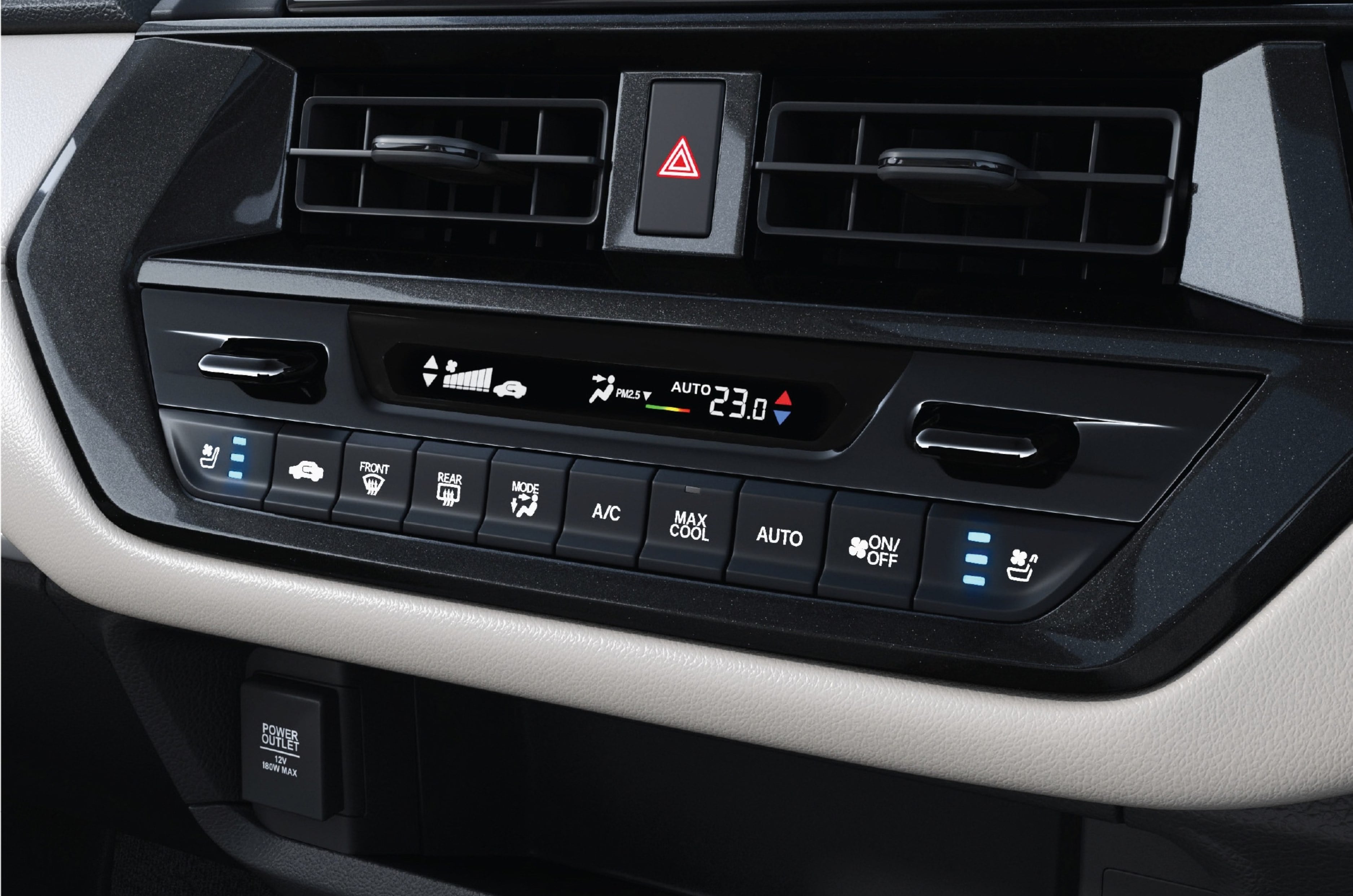
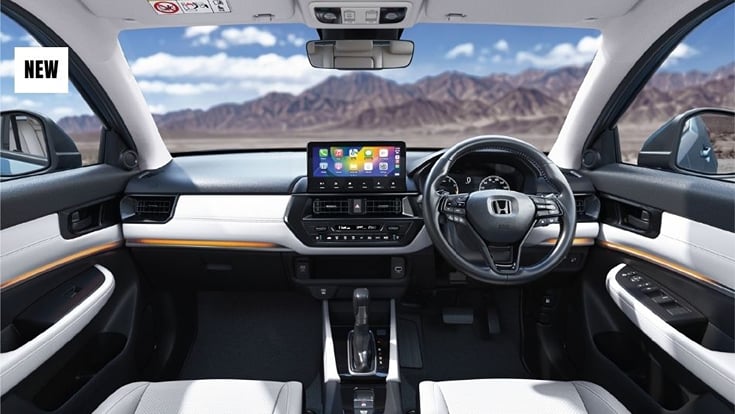
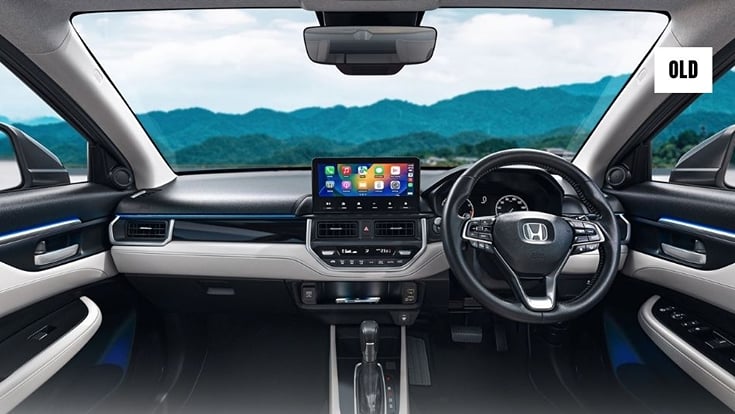
The dashboard has been revised too, with more white leatherette padding and stitching replacing the outgoing model’s faux wood trim, and the AC controls have been revised, now housing the seat ventilation buttons. Honda has even updated the roofliner fabric which looks and feels much nicer than the older woven roofliner. All of this gives the cabin a fresher look, although the overall layout remains familiar.
Front seats remain comfortable and now feature ventilation and power adjustment.
Ergonomics remain a strong point, with the Elevate offering a commanding driving position and supportive front seats that make it easy to get comfortable behind the wheel. The lumbar support, however, might feel excessive for some and taller people may find underthigh support a bit lacking.
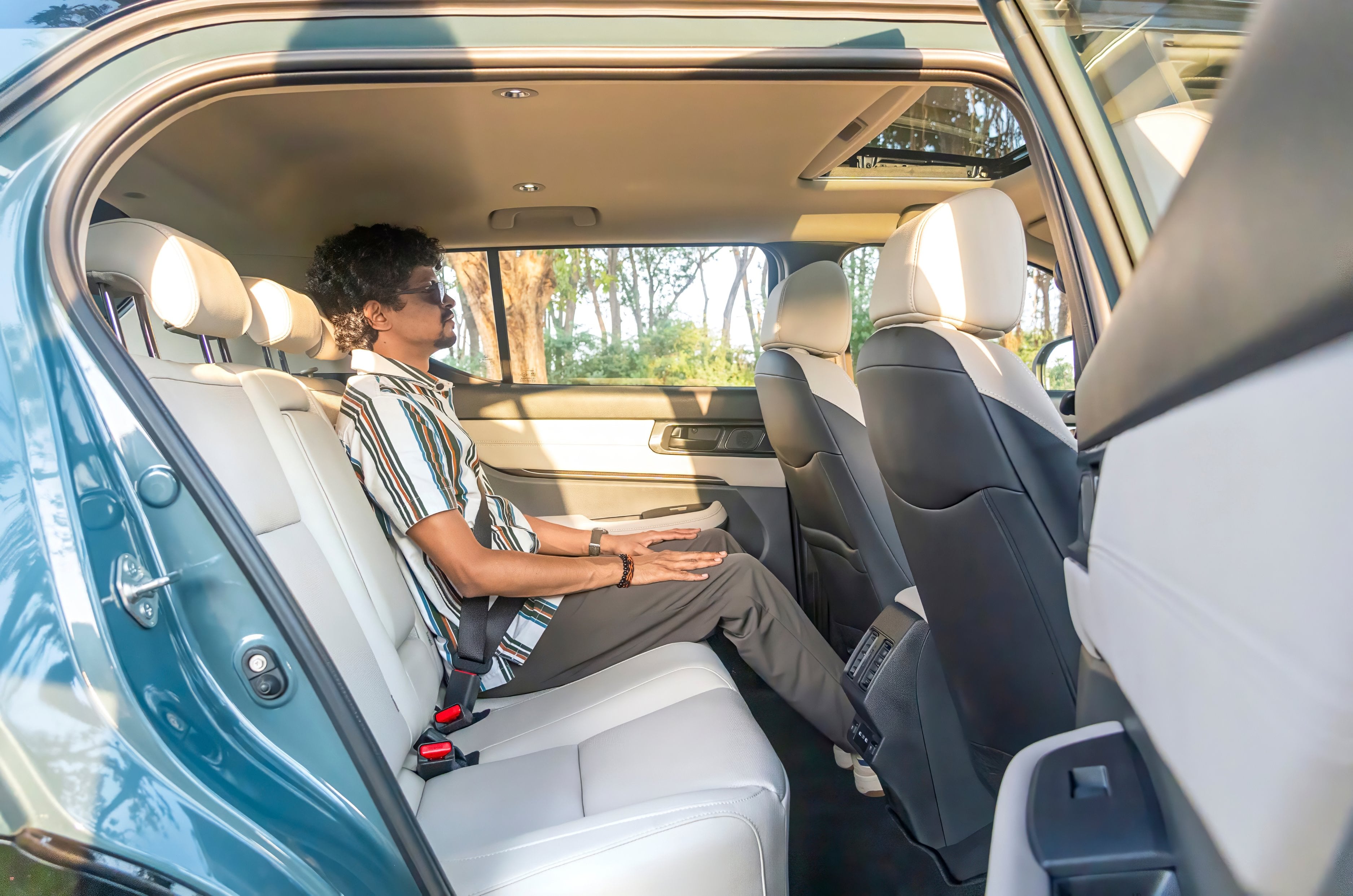
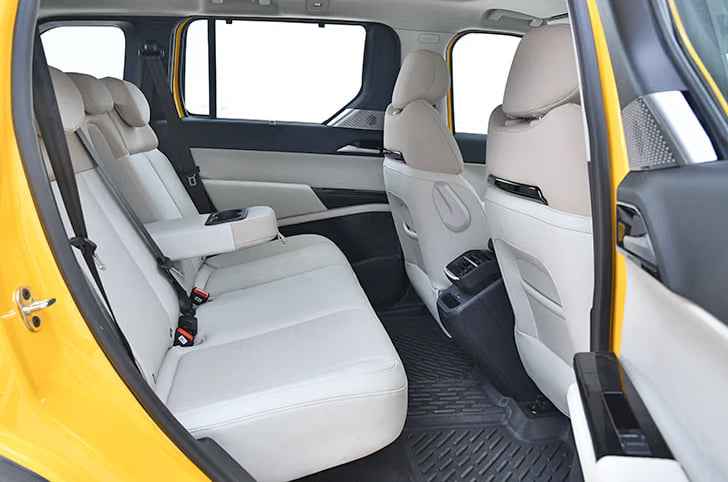
Ample headroom and kneeroom but best for two adults thanks to the narrow width and raised centre seat.
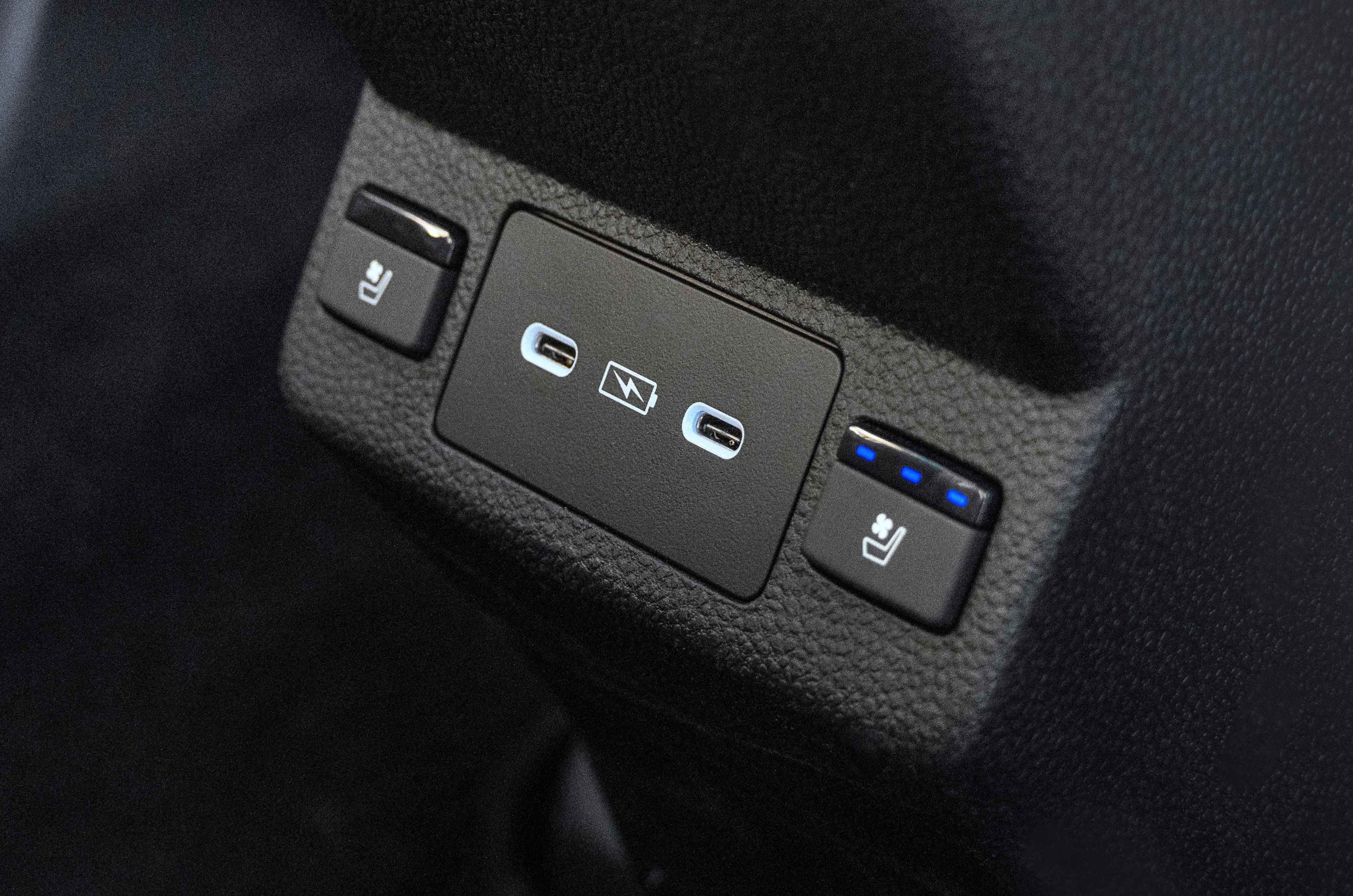
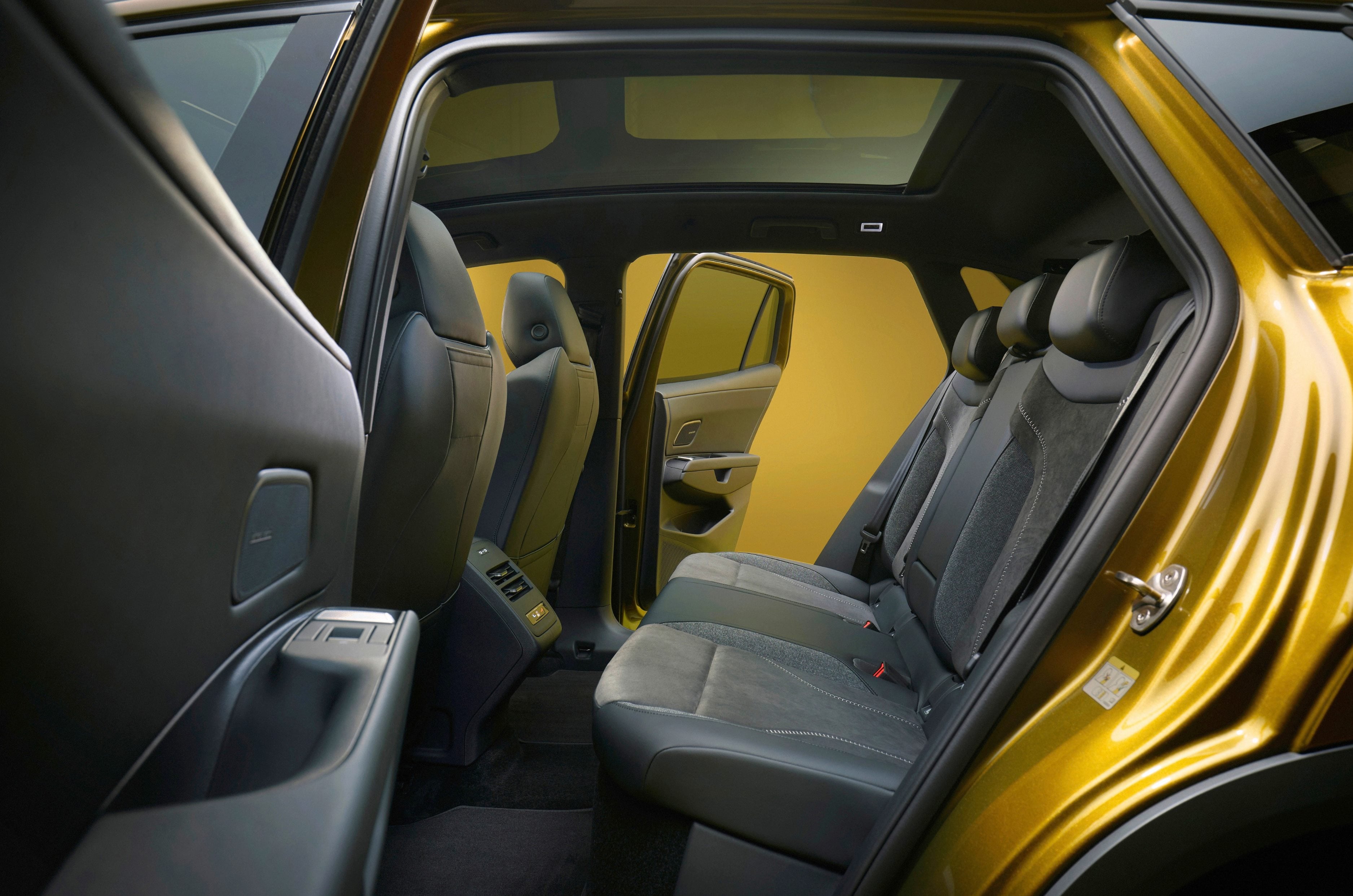
At the rear, space is generous, with plenty of kneeroom and headroom making it a very comfy place for two adults. However, fitting a third passenger will be tight thanks to the cabin’s limited width and raised centre seat. There are no sunblinds either, but Honda has added an adjustable headrest and a three-point seatbelt for the centre passenger, which was an omission earlier. Features back here include dedicated AC vents, USB charging ports, a fold down centre armrest with cupholders, new capacitive-touch LED reading lamps and the most prominent, seat ventilation.
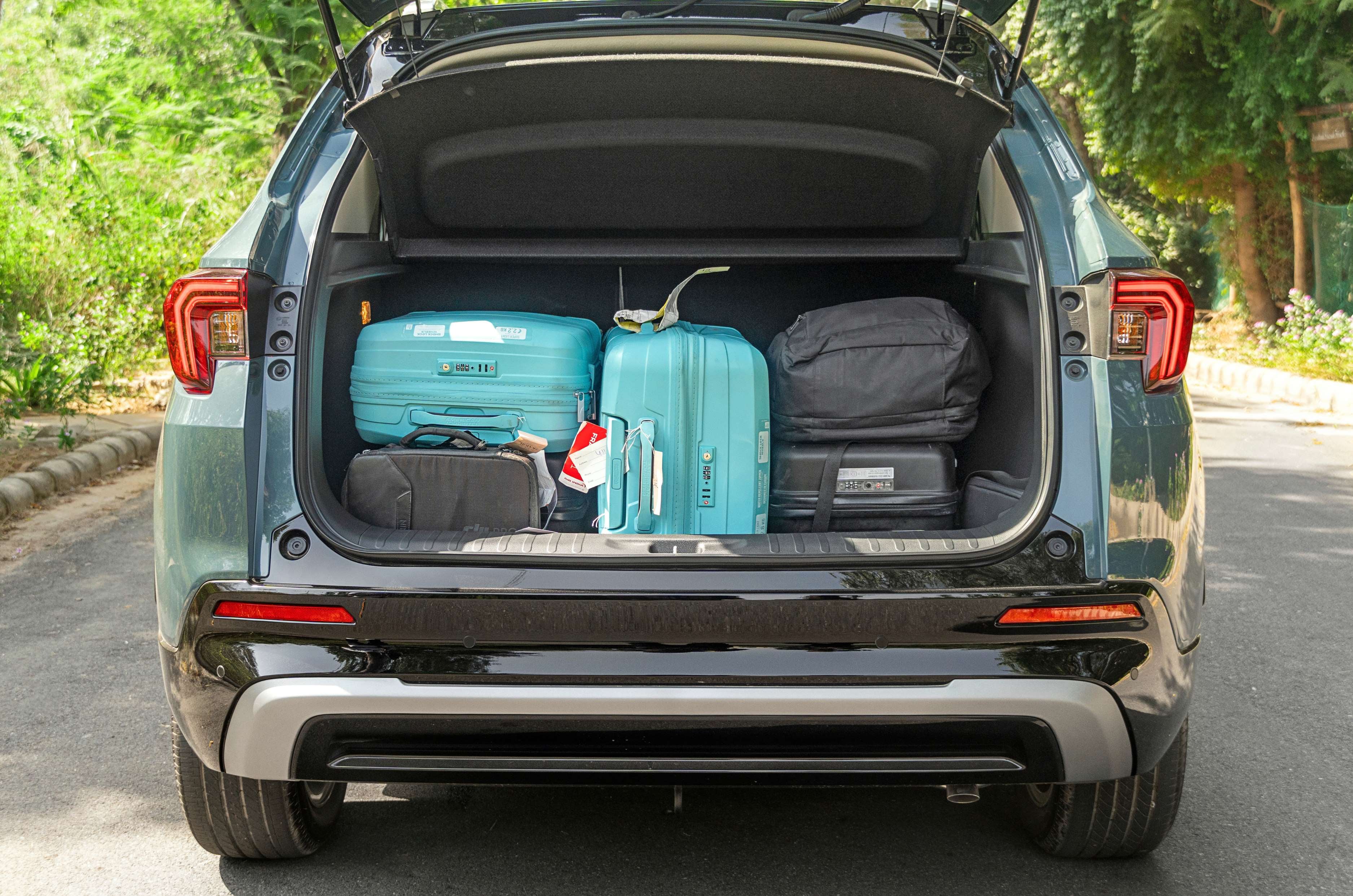
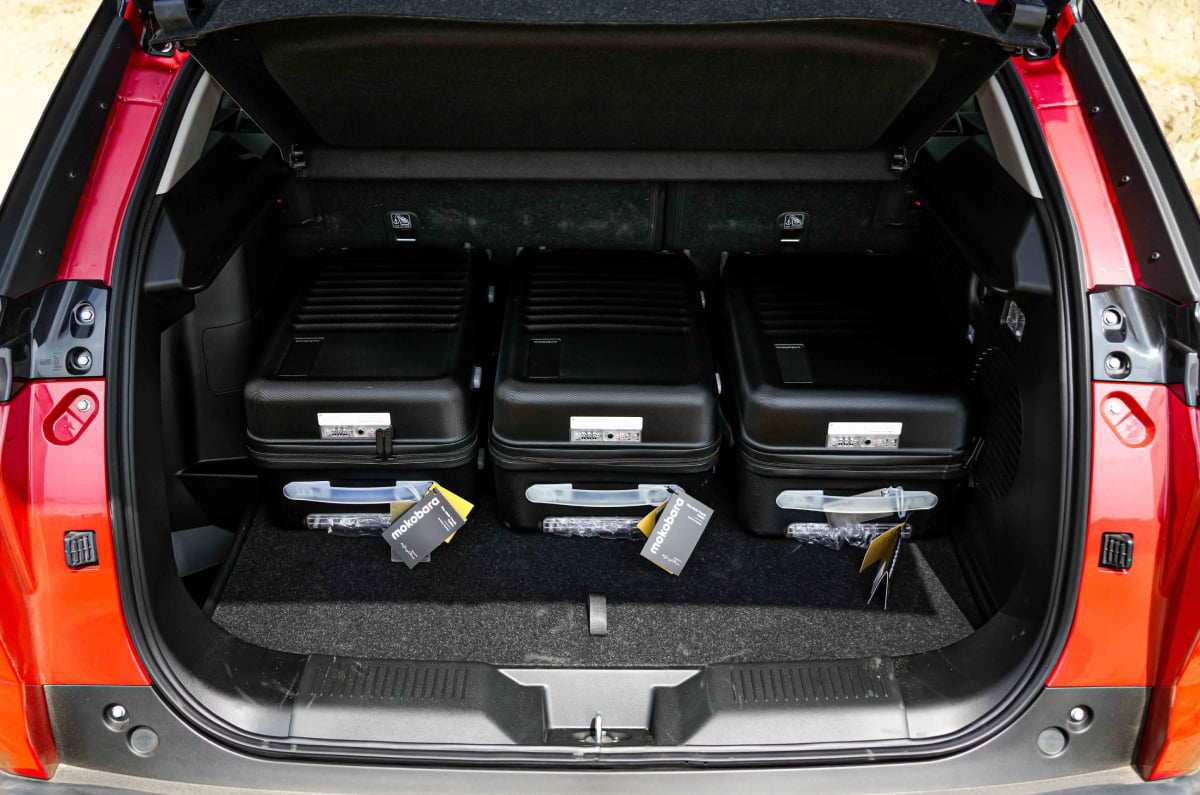
428-litre boot can fit in more than the number suggests; continues to feature a spare tyre under the boot floor.
Practicality, meanwhile, remains a strength, with the Elevate offering ample storage spaces throughout the cabin. The boot is also a substantial 458-litres and can pack in much more than the number would suggest. What’s also nice is that it continues to get a spare tyre under the boot floor.
Features and safety – 8/10
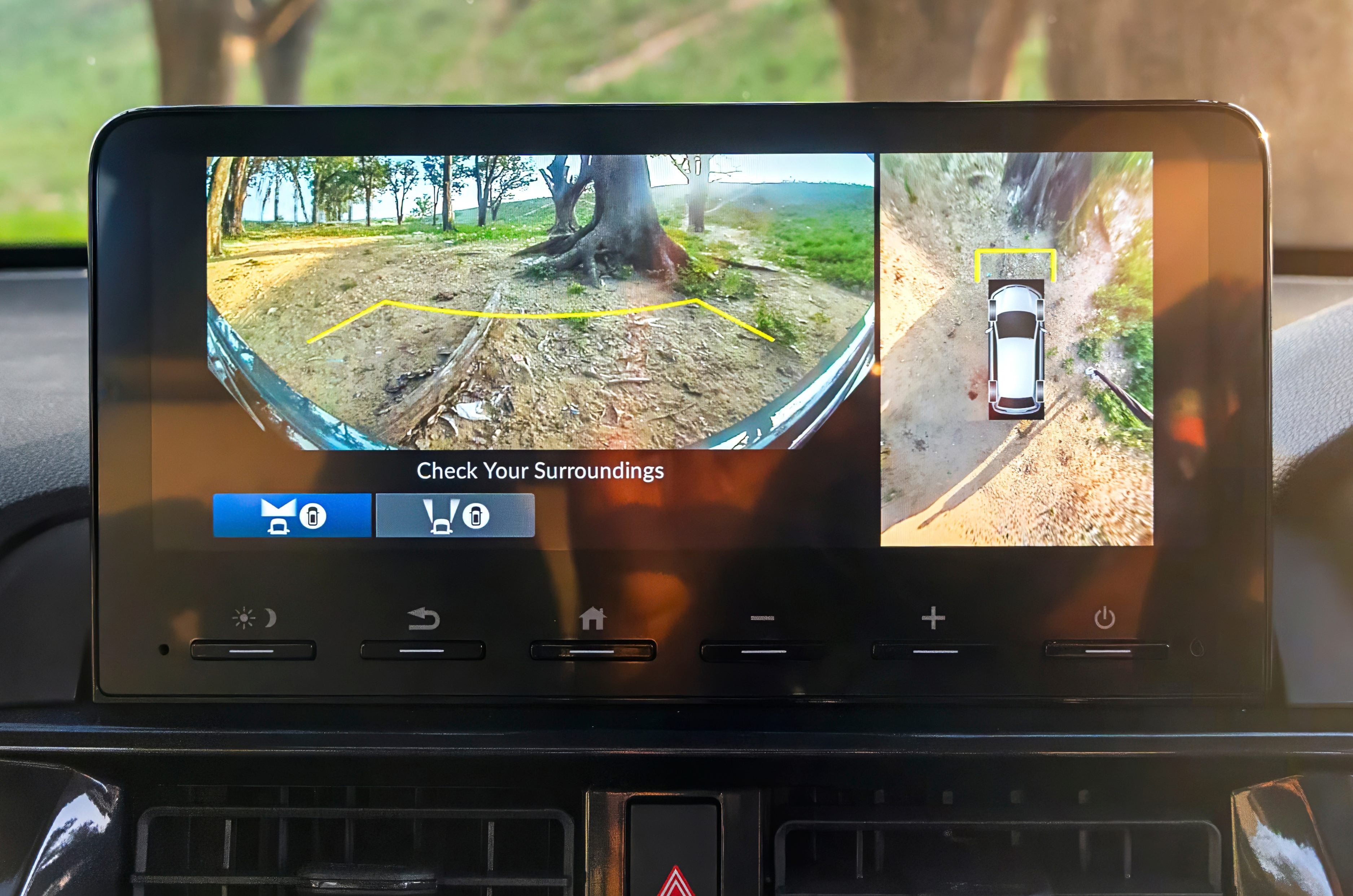
360-degree parking camera is a helpful addition but has limited angles of view and a small display on the screen.
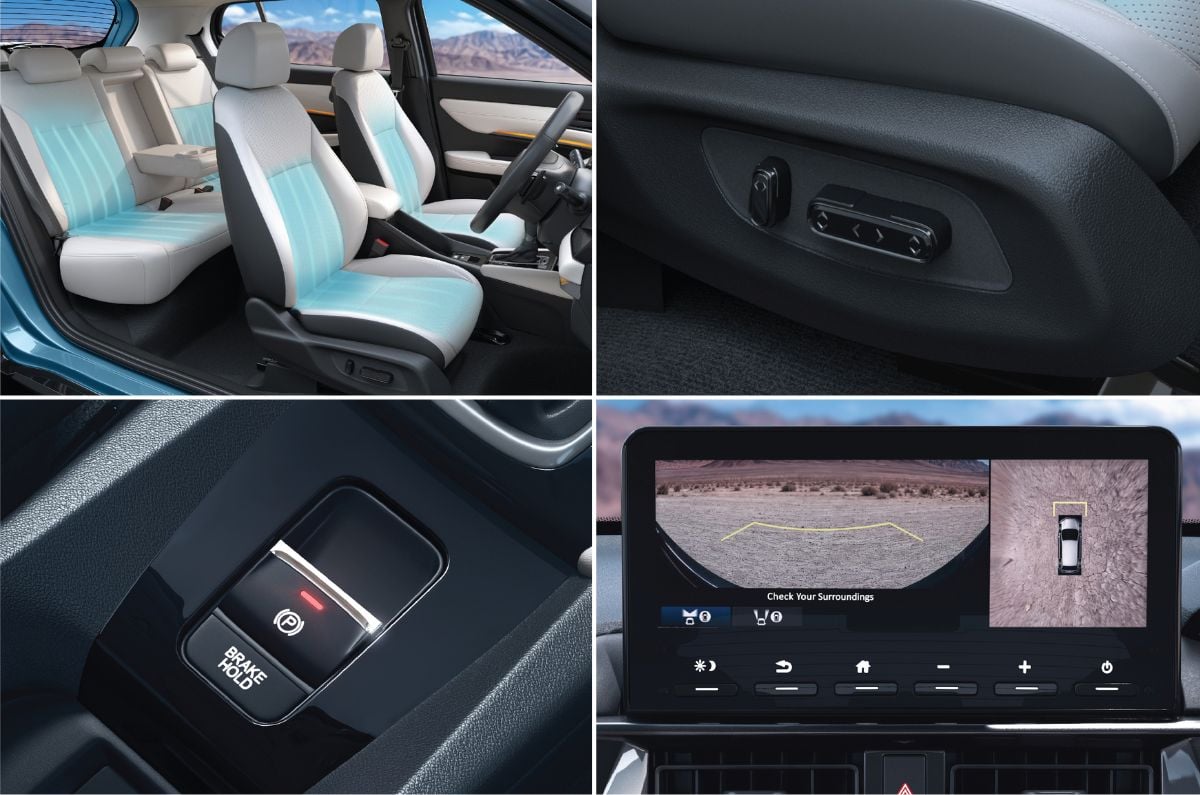
The Elevate facelift addresses some of the key equipment gaps in the outgoing model, bringing a more comprehensive feature set to the table. In terms of safety features, there’s now a 360-degree camera (its display on the screen is quite small though, with limited angles of view), which works alongside the existing ‘LaneWatch’ camera, though curiously this feature is still only for the left hand side.
ADAS suite now packs in a useful low-speed follow function for the adaptive cruise control.
Front parking sensors have also been added to make parking and manoeuvring in tight gaps easier. However, the CVT variants get even more safety kit in the form of an electronic parking brake with auto hold function, rear disc brakes and the addition of a low-speed follow function for the adaptive cruise control, which is useful in stop-and-go traffic.
Rear-seat ventilation is a first-in-segment, but it’s only available in the top-spec ZX+ trim.
As for comfort and convenience features, the most important additions are the ventilated front and rear seats, the latter which is a segment-first. Though they take some time to cool effectively, it has enhanced the Elevate’s cabin comfort. Then there’s powered front seats – 8-way for the driver and 4-way for the passenger – ambient lighting and a PM2.5 air purifier. Other than that, much of the existing equipment has been carried over unchanged.
AC controls have been revised with new buttons for seat ventilation; now features an air purifier too.
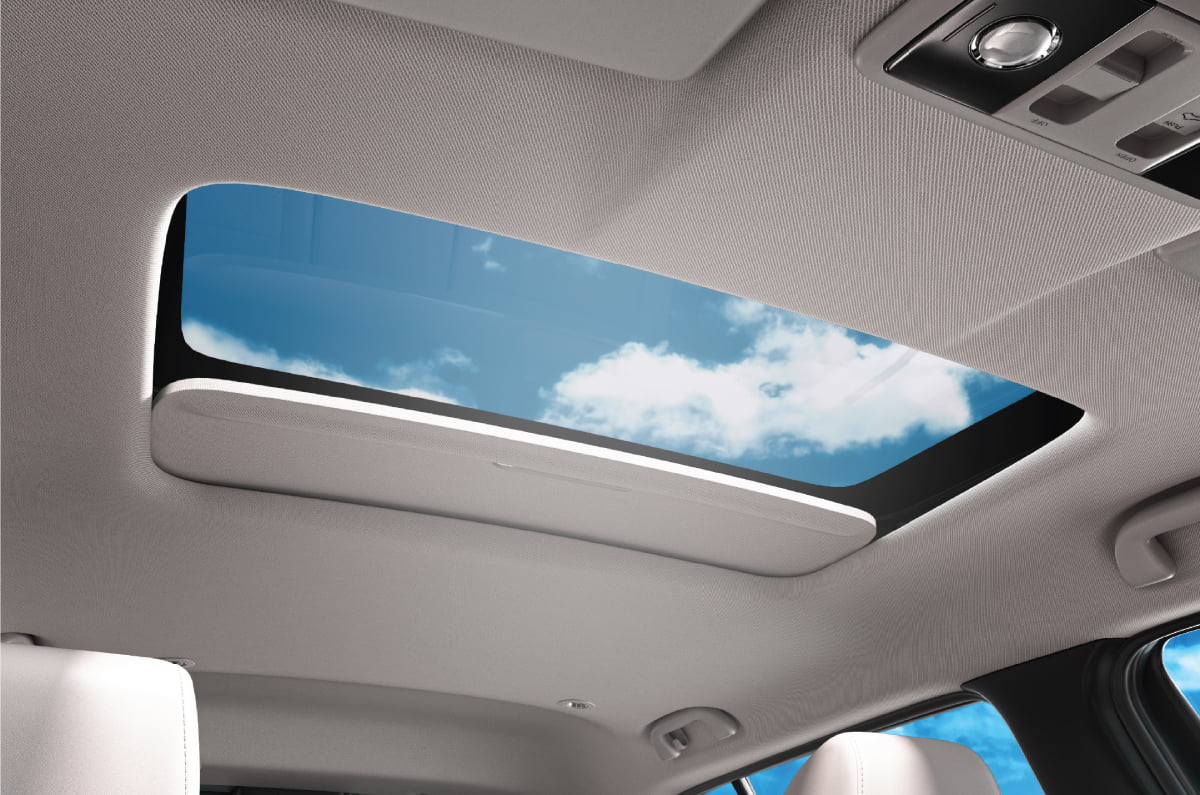
There’s a 10.25-inch infotainment touchscreen with wireless smartphone integration (though its software and feature set still feel basic at best), semi-digital instrument cluster, a single-pane sunroof, wireless phone charger, six airbags, ESC, traction control, camera-based ADAS tech including auto emergency braking, lane keep assist and more. Still however, there are some features missing that rivals offer like a dual-zone for the auto climate control, panoramic sunroof and powered tailgate.
Powertrain and refinement – 8/10
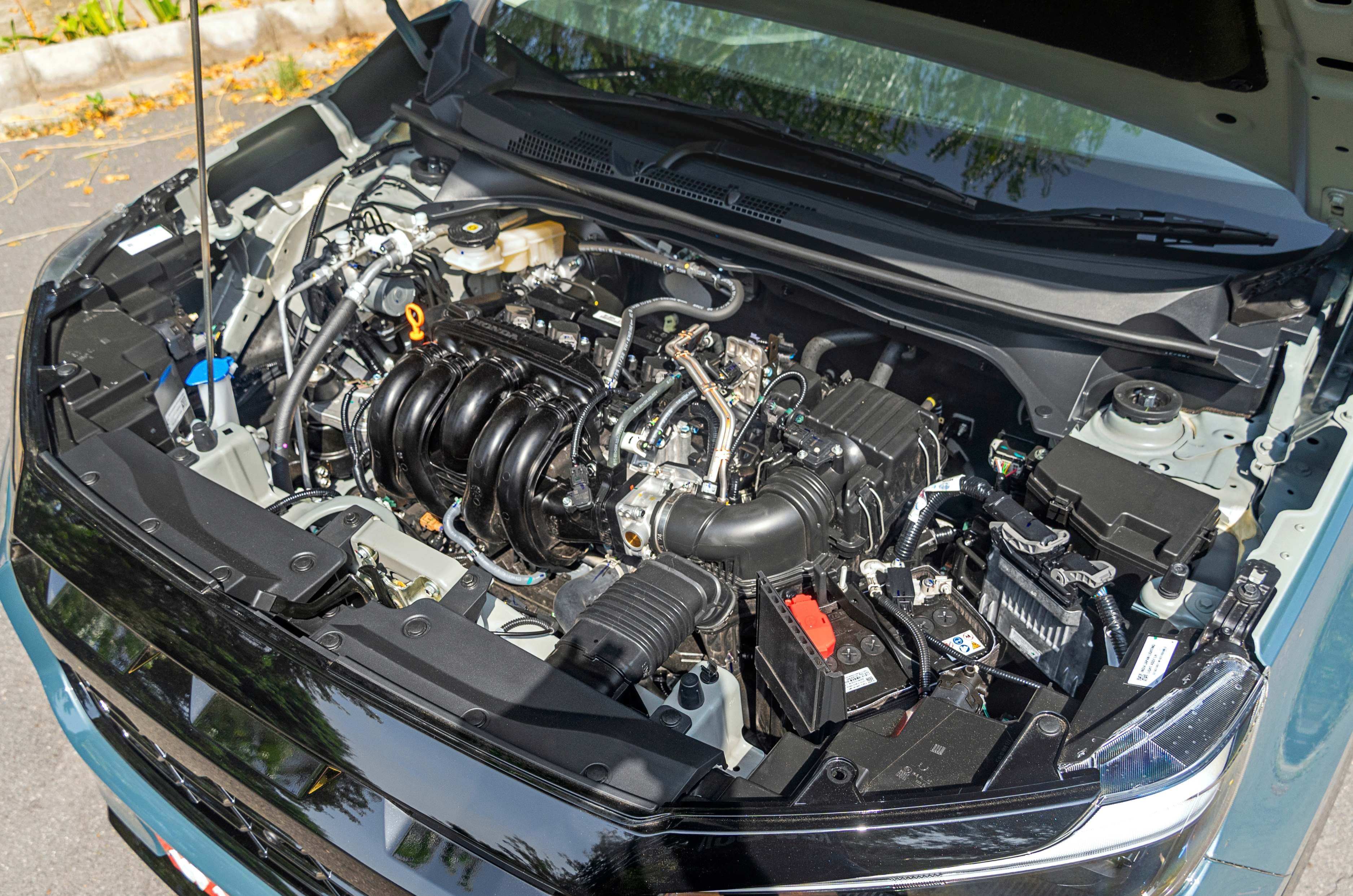
121hp, free-revving, naturally aspirated 1.5 petrol remains the only engine option with the Elevate.
There have been no changes under the hood of the Honda Elevate. It still continues to be powered by a 1.5-litre, four-cylinder, naturally aspirated petrol engine that produces 121hp and 145Nm. Gearbox options remain unchanged too, with a 6-speed manual and a 7-step CVT automatic, and we got to sample the latter. However, the engine has been future-proofed and is now WLTP emissions norms compliant while already being E20 fuel compatible.
This i-VTEC engine still impresses however. Throttle response is immediate, with no noticeable delay, making the engine feel sharp and eager. As before, the naturally aspirated motor pulls cleanly from idle all the way to the redline, in a smooth and progressive manner. However, it feels most energetic higher up the rev range, where it feels at its most potent too.
The 7-step CVT works well as an automatic, making light work of everyday commuting with its smooth operation. Paddle shifters with pre-set ratio points also give it some resemblance to a conventional automatic, allowing you to have greater control. However, push the throttle hard and the familiar ‘rubber band’ effect becomes apparent, with the engine holding on to high revs for extended periods, which doesn’t make for a relaxed driving experience. In this respect, Hyundai and Kia’s chain-driven CVT feels a bit smoother and more responsive than this belt-driven one.
As for performance, we managed a 0-100kph time of 11.89sec with the pre-facelift Elevate CVT and you can expect this facelifted model to be in the same ballpark. Expectedly, the manual does a quicker 10.82sec time to 100kph.
However, like before the lack of powertrain options is disappointing. In a time when rivals are offering diesels, turbo petrols, strong hybrids and CNGs, the Elevate has to soldier on with a solitary, naturally-aspirated petrol engine which restricts its appeal.
It feels quieter than before but there’s still prominent engine and road noise filtering into the cabin, especially on highways.
Honda has also worked on improving the Elevate’s noise insulation, an area where the existing model lacked. The company claims better isolation from both engine and road noise, but that has worked only to a small extent, in our experience. It feels quieter than before but there’s still prominent engine and road noise filtering into the cabin, especially at highway speeds, and there’s definitely more room for improvement here.
Fuel efficiency – 7/10
Given our short test drive, we didn’t subject the Elevate facelift to our real-world mileage tests. For reference though, the pre-facelift Elevate CVT did 8.60kpl in the city and 13.10kpl on the highway while the Elevate MT managed 8.7kpl in the city and 13.30kpl out on the highway. The Elevate CVT misses out on an Eco drive mode and auto start/stop, which certainly affects its fuel efficiency.
Ride comfort and handling – 8/10
Despite being a high-riding SUV, the Elevate feels remarkably composed on the move.
As before, the Honda Elevate continues to impress with its ride and handling balance. Despite being a tall riding SUV, it feels remarkably composed on the move. Suspension damping, though on the firmer side, is well judged and does a good job of ironing out road imperfections. It’s only when you’re travelling at triple digit speeds on an undulating highway is where you’ll notice quite a bit of vertical movement in the rear seat. But apart from that, the Elevate feels planted on the road.
Body roll is also well contained for a tall SUV, making it predictable around bends.
The steering is accurate and light at slow speeds, which helps with manoeuvrability, but it picks up weight progressively which is reassuring. Body roll is also well contained for a tall SUV and as such, it’s predictable around bends. As for the brakes, the CVT has gained rear discs but that hasn’t made a noticeable difference. Braking performance, like before, remains strong with a nice, progressive feel.
Value for money and verdict – 7/10
With this facelift, Honda has addressed some of the Elevate’s earlier shortcomings with some much-needed features and the updated look and feel inside the cabin. However, some drawbacks still remain like the lack of powertrain options and the below-par sound insulation.
It remains a sensible, practical midsize SUV that continues to prioritise the essentials over outright novelty.
What the Elevate continues to get right, though, are the fundamentals. It continues to offer a comfortable and practical cabin, a responsive engine and a well-sorted ride and handling package. Add to that the design refresh and the fairly expansive features list, and the Elevate facelift feels more rounded than before. Priced from Rs 11.80 lakh to Rs 18.40 lakh (ex-showroom), it’s still very competitively priced, though the new top ZX+ variant is up there with the heavy hitters.
Ultimately, the Elevate remains a sensible, practical midsize SUV that continues to prioritise the essentials over outright novelty. As a result, the Elevate facelift represents a great option for buyers who value comfort, everyday usability, reliability and the peace of mind associated with the Honda badge.
Volkswagen has revealed the ID. Tiguan for the European market. Slated to launch in 2027, the ID. Tiguan is a successor to the ID. 4 and ID. 5, says Volkswagen. The eSUV will be offered with 58kWh and 77kWh battery packs in RWD and AWD layouts. The ID. Tiguan will continue to sell alongside the ICE-powered Tiguan in global markets.
Volkswagen ID. Tiguan Exterior
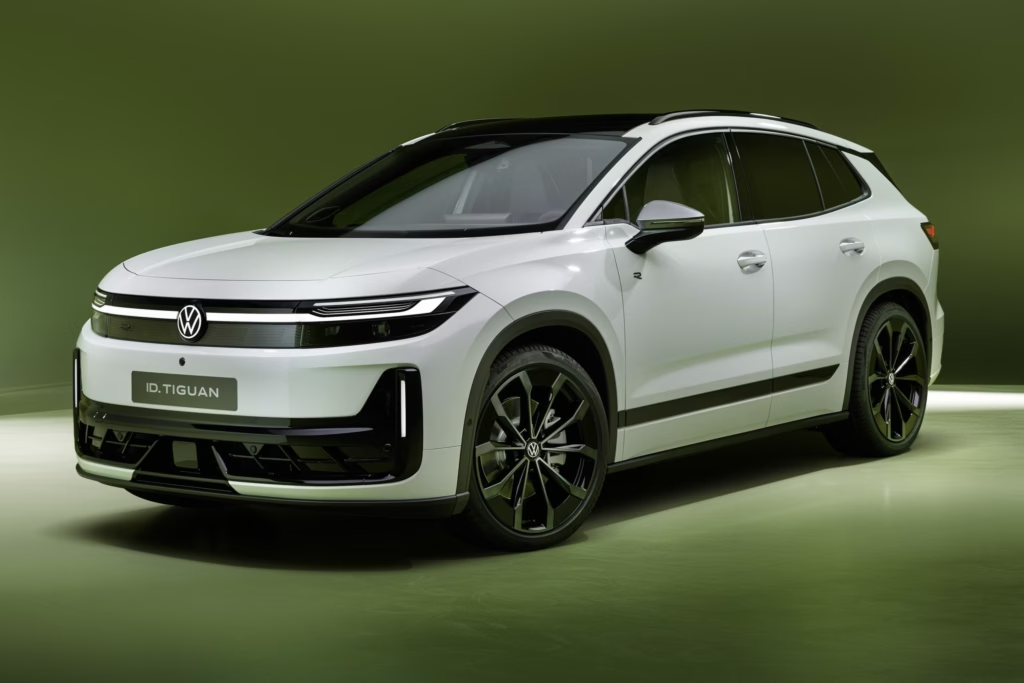
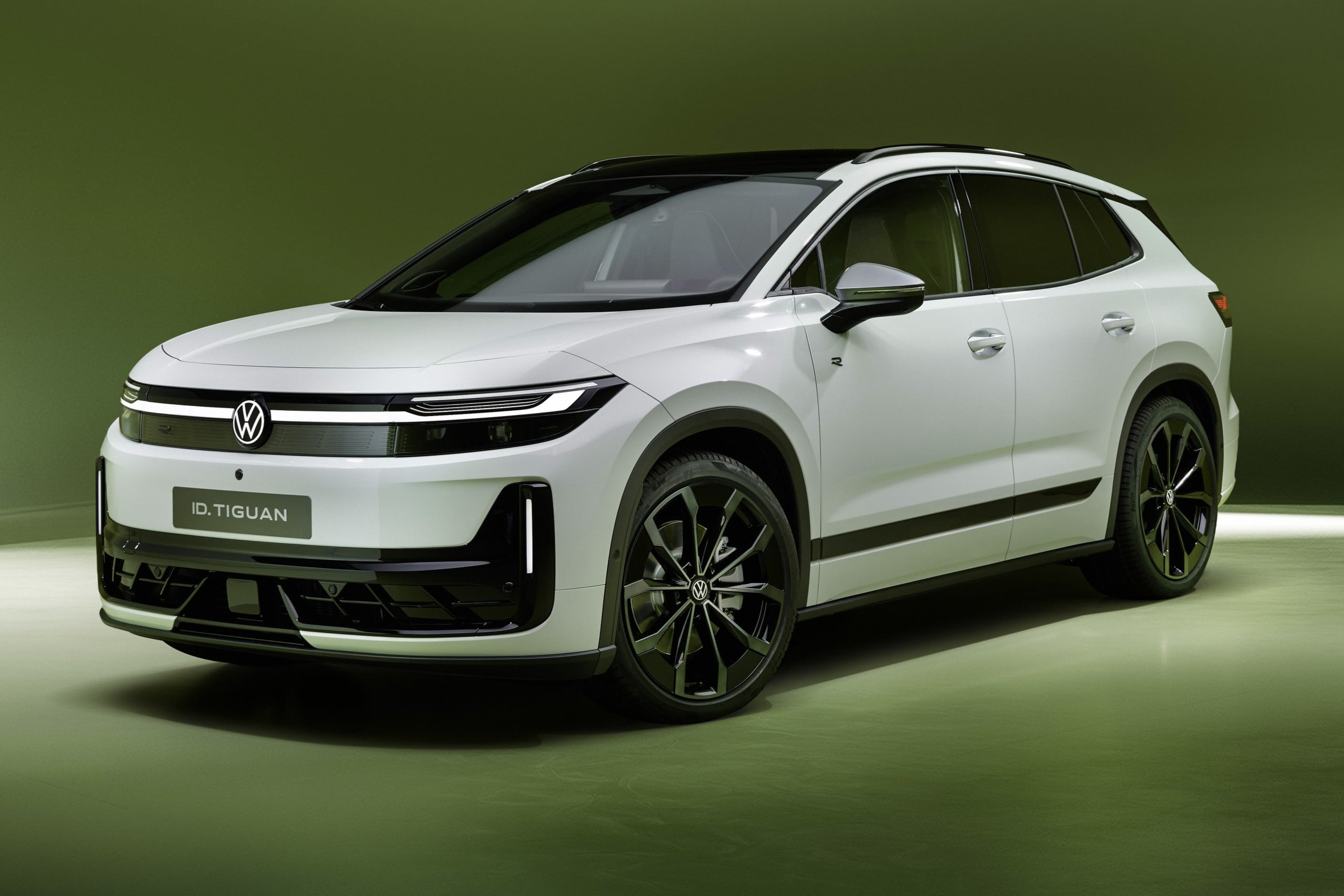
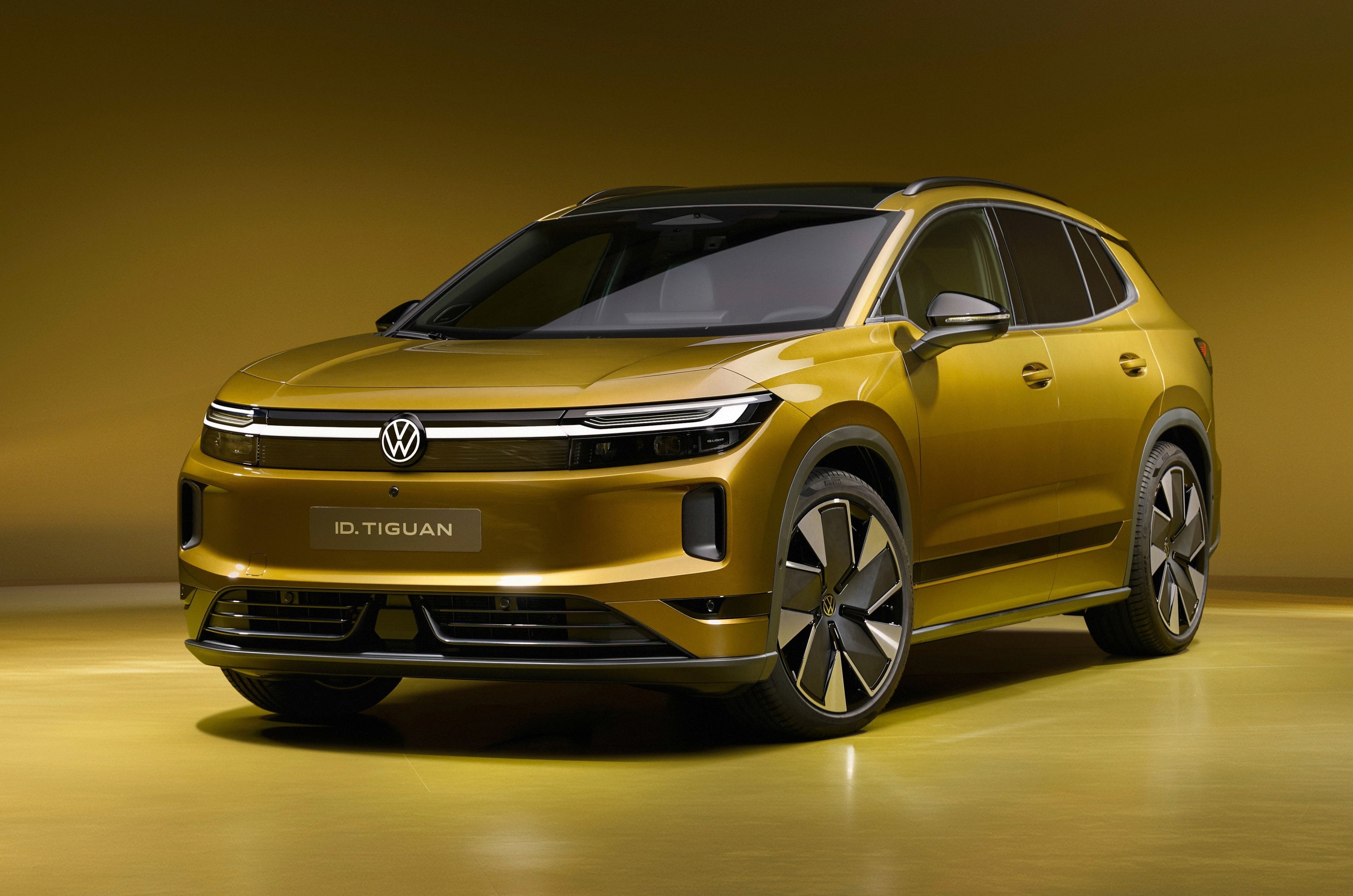
The ID. Tiguan is underpinned by the MEB+ platform and gets the brand’s ‘Pure Positive’ design language. Additionally, the brand says it has given the ID. Tiguan a more SUV-like design as opposed to the crossover-esque look of the ID. 4 and 5. LED headlamps, connected LED DRLs, and an illuminated logo are encased in a black trim.
Volkswagen ID. Tiguan. Interior and features
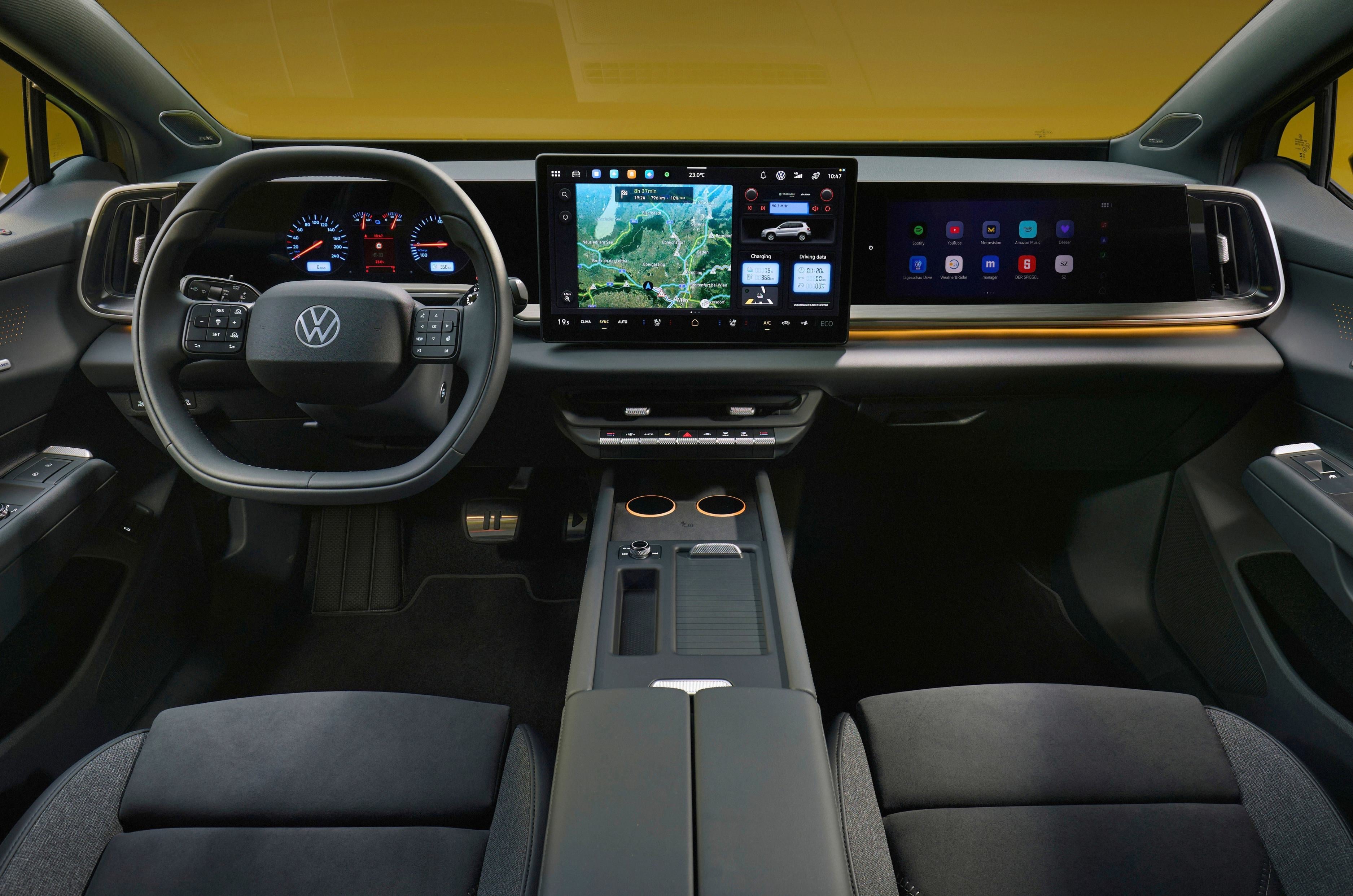
All-black theme, triple screen setup and powered, ventilated front seats
Inside, the ID. Tiguan gets an all-black theme with silver accents. Flanking the layered dashboard is a triple-screen setup, which is surrounded partly by silver trim. You get physical buttons for HVAC controls, and the high-set centre console comes with cubbyholes. There’s also a two-spoke steering wheel with a plethora of physical buttons, and behind it is a digital driver’s display with themes displaying dials from older VW models.
The Tiguan will be sold in four trim levels, namely, Trend, Life, Style, and R-Line. Niceties include a 15-inch infotainment system, 10-inch digital driver’s display, 12-inch passenger screen, an ADAS suite, powered front seats with memory, massage, and ventilation functions, Harmon Kardon sound system, panoramic sunroof, a wireless phone charger, connected car tech, ambient lighting, and V2L functionality.
Volkswagen ID. Tiguan powertrains
Up to 299hp, RWD and AWD options
The ID. Tiguan will be offered with 58kWh and 77kWh battery packs. The former is paired solely with a rear-mounted motor producing 190hp. The larger 78kWh battery pack is available in RWD and AWD layouts, producing 286hp and 299hp, respectively. The carmaker forecasts a WLTP range of up to 600km. Additionally, Volkswagen claims a towing capacity of up to 2 tonnes depending on the battery pack chosen. However, charging speed support and time details remain under wraps.
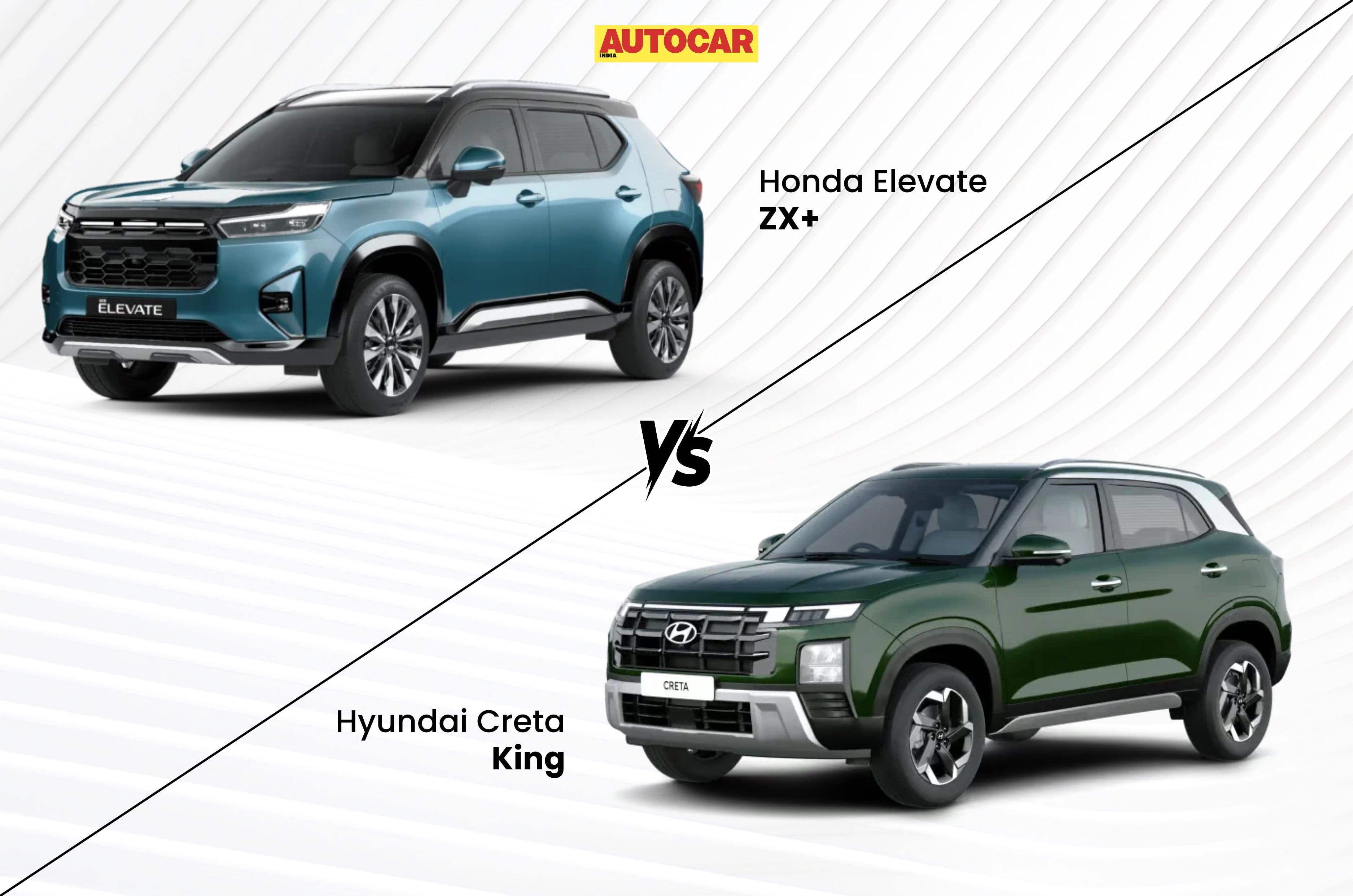
The Honda Elevate has received its first major lifecycle update in 2026. It gets cosmetic upgrades, minor interior tweaks, and much-needed feature enhancements. But is it enough to help it stand against the segment-reigning champ, the Hyundai Creta? For this comparison, we’ve chosen the Elevate’s and Creta’s top ZX+ and King trims, respectively.
For full specs, features, and a price breakdown, check our Elevate vs Creta comparison.
Honda Elevate facelift vs Hyundai Creta: Dimensions
Elevate outclasses the Creta on several dimensions
Honda Elevate facelift vs Hyundai Creta: Dimensions
Honda Elevate facelift
Hyundai Creta
Difference
Length (mm)
4,312
4,330
-18
Width (mm)
1,790
1,790
–
Height (mm)
1,650
1,635
+15
Wheelbase (mm)
2,650
2,610
+40
Ground clearance (mm)
220
190
+30
Boot space (litres)
458
433
+25
Except for length, the Elevate pips the Creta on other dimensions. It’s taller by 15mm, gets a 40mm longer wheelbase, and rides much higher off the ground by 30mm. Additionally, the Elevate also has a 25-litre larger boot than the Creta’s. Both SUVs have identical width.
Honda Elevate facelift vs Hyundai Creta: Engine specifications
Creta offers more diverse powertrains than the Elevate
Honda Elevate facelift vs Hyundai Creta: Engine specifications
Engine specifications
Honda Elevate facelift
Hyundai Creta
Engine options
Naturally aspirated petrol
Naturally aspirated petrol | Diesel | Turbo-petrol
No. of cylinders
4
4 | 4 | 4
Displacement
1.5-litre
1.5-litre | 1.5-litre | 1.5-litre
Power (hp)
120
115 | 116 | 160
Torque (Nm)
145
144 | 250 | 253
Gearbox
6MT/CVT
6MT/CVT | 6MT/6AT | 7DCT
Claimed efficiency (kpl)
15.31/16.61
17.40/17.70 | 21.80/19.10 | 18.2
The Elevate facelift continues to be powered by only a 1.5-litre 4-cylinder naturally aspirated petrol engine, as its predecessor. Compared to the Creta’s naturally aspirated petrol unit, it develops slightly higher power figures, but Hyundai claims to deliver higher fuel efficiency. Both SUVs pair this engine with a 6-speed manual or a CVT gearbox. The Creta’s top King trim additionally offers a diesel and a direct-injection turbo-petrol engine. Manual and automatic gearboxes are offered on the former, whereas the latter is automatic only.
Honda Elevate facelift vs Hyundai Creta: Exterior features
Elevate gets fog lamps, whereas the Creta gets larger 18-inch wheels
Honda Elevate facelift vs Hyundai Creta: Exterior features
Exterior features
Honda Elevate facelift
Hyundai Creta
Headlamps
LED
LED
LED DRLs
Segmented LED
Connected LED
Puddle lamps
No
Yes
Tail lamps
Connected LED
Connected LED
Fog lamps
LED
No
Wheel sizes
17-inch
18-inch
Rear spoiler
Yes
Yes
Electric adjust/fold ORVMs
Yes
Yes
Sharkfin antenna
Yes
Yes
Roof rails
Yes
Yes
Powered tailgate
No
No
Colour
Monotone and dual-tone
Monotone, dual-tone and matte finish
On the outside, the Elevate comes with LED fog lamps over the Creta. However, the latter is the only one here with puddle lamps, larger 18-inch wheels, and matte-finish paint choices. Meanwhile, neither model offers a powered tailgate, unlike some rivals.
Honda Elevate facelift vs Hyundai Creta: Interior features
Creta gets a lot more feel-good features over the Elevate
Honda Elevate facelift vs Hyundai Creta: Interior features
Honda Elevate facelift
Hyundai Creta
Ventilated seats
Front and rear
Front only
Sunroof
Single-pane
Panoramic
Infotainment screen size
10.1-inch
10.25-inch
Digital driver’s display
7-inch TFT with analogue dials
10.25-inch
Wireless Apple CarPlay, Android Auto
Yes
Yes
Powered driver seat
8-way
8-way with memory
Powered co-driver seat
4-way
8-way
Boss mode
No
Yes, powered
Reclining rear seats
No
Yes
Air Purifier
Yes
No
Auto AC
Single-zone
Dual-zone
Rear AC vents
Yes
Yes
Seat upholstery
Leatherette
Leatherette
Wireless phone charger
Front only
Front and rear
Audio system
8-speaker
8-speaker Bose audio
60:40 split rear seats
Yes
Yes
USB Type-C ports (front/rear)
1x front, 2x rear
1x front, 2x rear
Rear armrest
Yes
Yes
Connected car tech
Yes
Yes
Rear window sunshade
No
Yes
Ambient lighting
Yes
Yes
Leatherette inserts on the dashboard
Yes
No
Cooled glovebox
No
Yes
While Honda has made an attempt to bolster the Elevate’s equipment list by adding segment-only rear seat ventilation and powered and ventilated front seats, it still isn’t enough to outclass the Creta. The Creta gets niceties like a larger panoramic sunroof, a fully digital driver’s display, more electric adjustment for the front seats, driver seat memory, powered boss mode, dual-zone climate control, reclining rear seats, rear window sunshades, an additional wireless charger at the rear, and a cooled glovebox over the Elevate.
Honda Elevate facelift vs Hyundai Creta: Driving Features
Drive and traction modes found only on the Creta
Honda Elevate facelift vs Hyundai Creta: Driving Features
Driving Features
Honda Elevate facelift
Hyundai Creta
Drive modes
No
Eco, Normal, Sport (AT only)
Traction modes
No
Snow, mud, sand (AT only)
Paddle Shifters
Yes
Yes
Cruise Control
Adaptive
Adaptive
Both the models come equipped with driving features like adaptive cruise control and paddle shifters. But dedicated drive and traction modes are available only on the Creta’s automatic versions.
Honda Elevate facelift vs Hyundai Creta: Safety Features
Honda Elevate facelift vs Hyundai Creta: Safety Features
Safety features
Honda Elevate facelift
Hyundai Creta
Airbags
Six
Six
Parking sensors
Front and rear
Front and rear
Camera setup
360-degree
360-degree
Dash cam
No
Yes
Electronic parking brake with auto hold
Automatic only
Yes
ADAS
Level 2
Level 2
TPMS
Yes
Yes
Hill start assist
Yes
Yes
Disc brakes (Front/Rear)
Yes (Rear automatic only)
Yes
ESC
Yes
Yes
Auto-dimming IRVM
Yes
Yes
On the safety front, both SUVs are neck and neck with basic safety equipment and advanced features like a Level 2 ADAS suite, 360-degree camera, and front parking sensors. However, the Creta gets a factory-fitted dashcam that the Elevate misses out on. Additionally, features like rear disc brakes and an electronic parking brake with auto hold are standard on the Creta but its limited to automatic versions on the Elevate. Notably, neither SUV has been tested by the BNCAP for crash safety performance.
Honda Elevate facelift vs Hyundai Creta: Prices and verdict
Honda Elevate facelift vs Hyundai Creta: Prices (Rs lakh)
Honda Elevate facelift
Hyundai Creta
Petrol MT
16.89
17.27
Petrol CVT
18.30
18.68
Diesel MT
–
18.92
Diesetl AT
–
19.80
Turbo-petrol DCT
–
19.91
Considering like-for-like naturally aspirated petrol variants, the Elevate facelift is Rs 38,000 more affordable than the Creta. When it comes to recommending one between these SUVs, it’s the Hyundai we’d pick. While it does command a premium over the Elevate, the added features on offer are justified for its price. Additionally, one cannot ignore the diverse powertrain options that the Creta brings to cater to different driving needs.
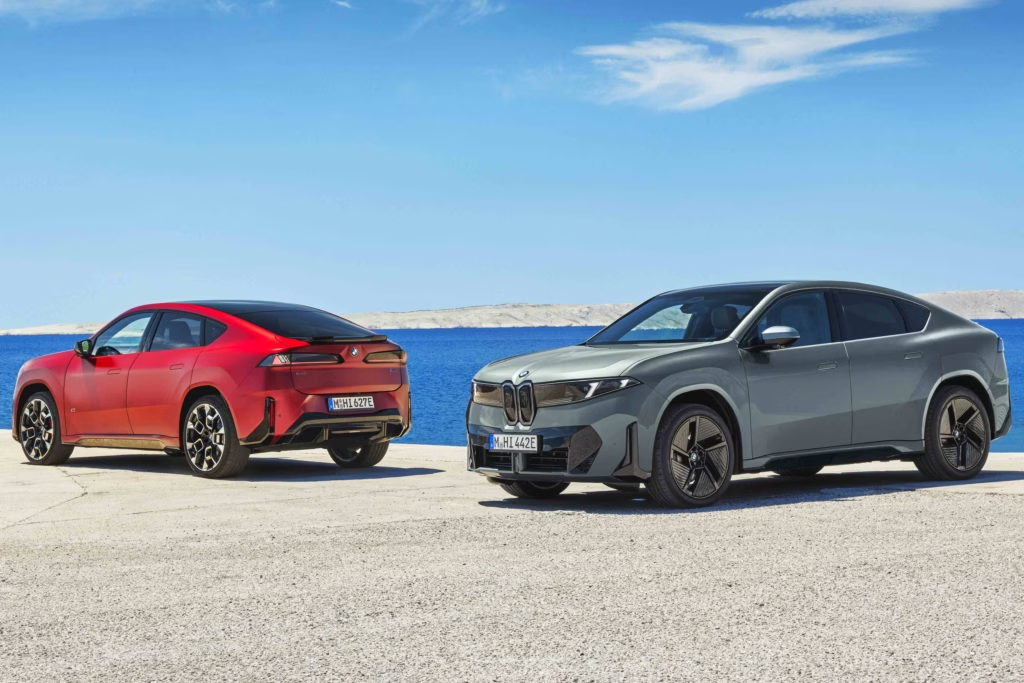
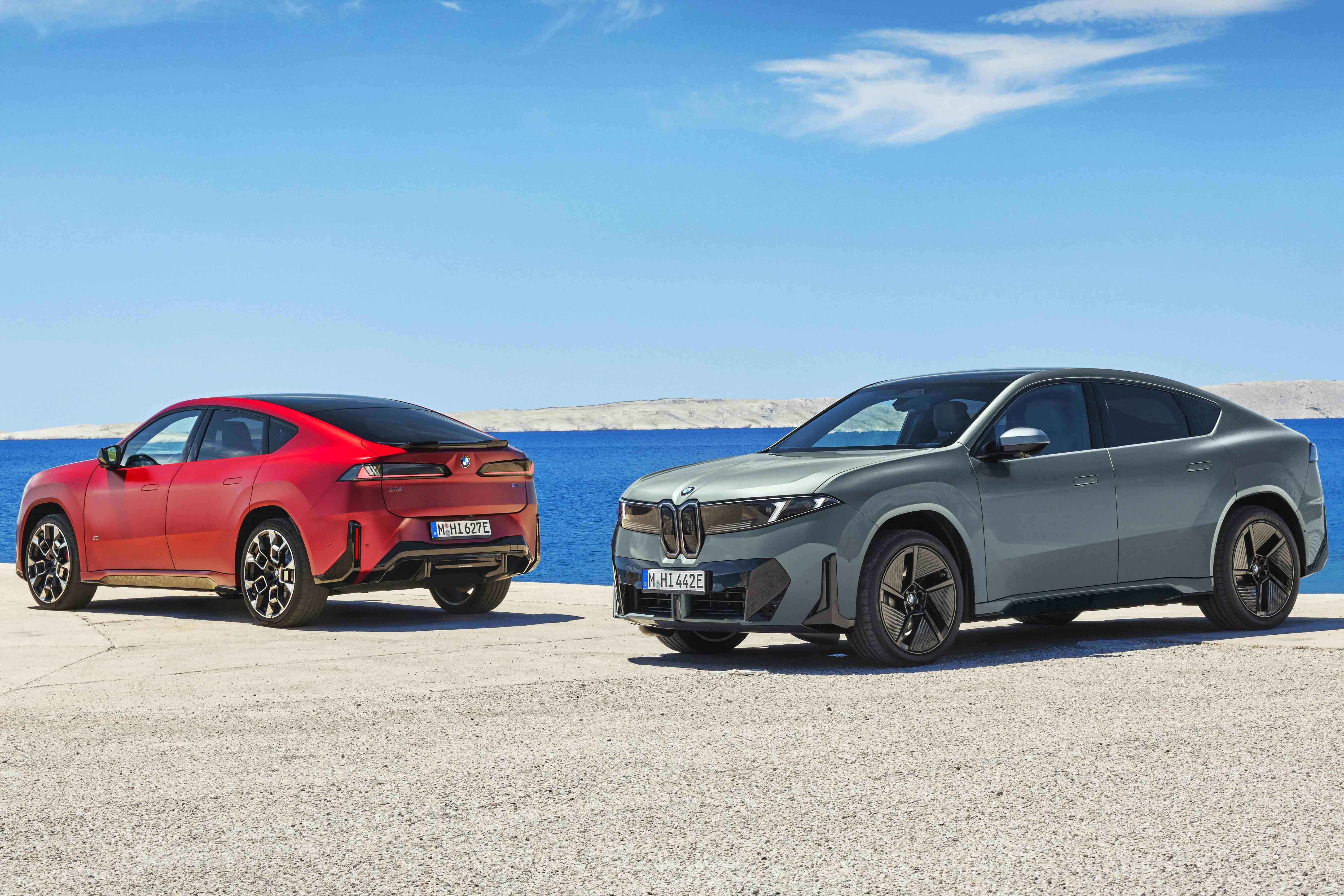
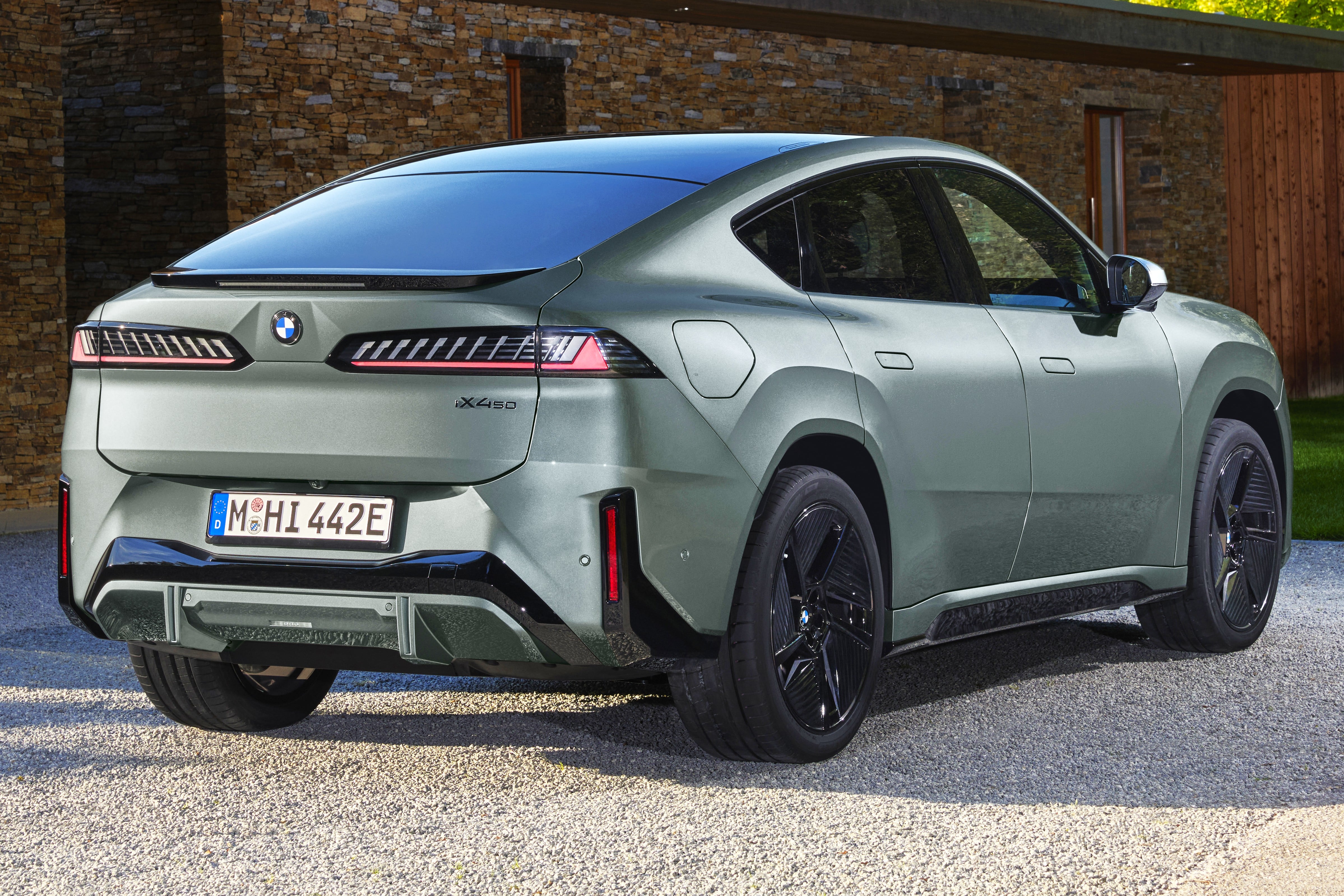
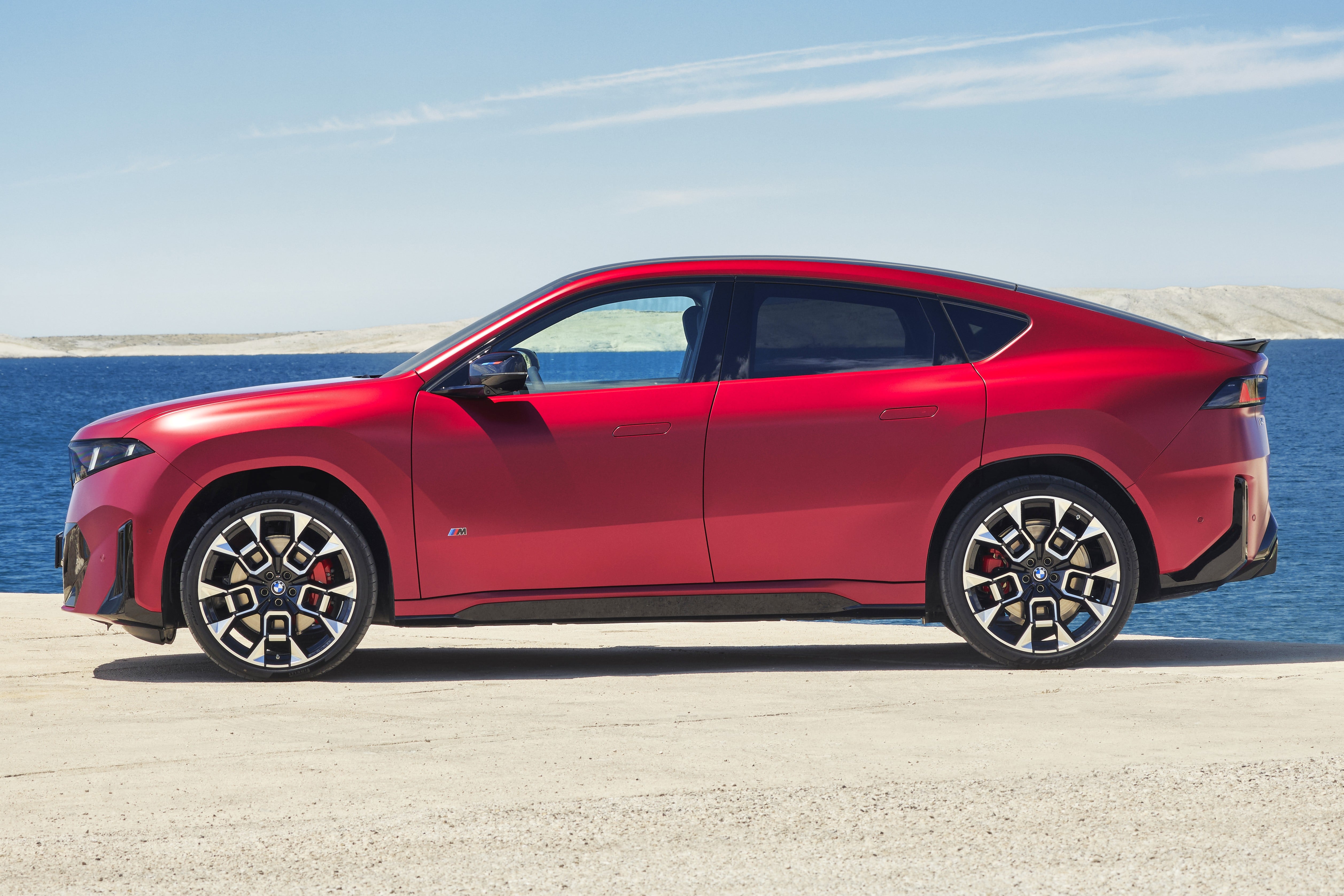
BMW has pulled the wraps off the iX4, a coupe-SUV derivative of the iX3 and the third Neue Klasse offering from the German carmaker. The iX4’s global launch is scheduled for March 2027, and it will be available in two variants initially: 40 xDrive and 50 xDrive. A sportier, range-topping variant dubbed the M60 xDrive will join the iX4 line-up at a later date.
BMW iX4 powertrain and performance
iX4 50 xDrive
The iX4 rides on BMW’s 800-volt Neue Klasse platform and borrows the iX3’s battery options. Specifically, the iX4 40 xDrive comes with an 82.6kWh battery delivering a WLTP range of 526km-638km, while the 50 xDrive gets a 108.7kWh unit that’s good for a 680km-828km range. The iX4 M60 xDrive is likely to use the same 108.7kWh battery, but is rated for a maximum WLTP range of 777km.
iX4 M60 xDrive
All iX4 variants get a dual-motor all-wheel drive setup as standard, with the 40 xDrive developing 374hp and 520Nm, the 50 xDrive churning out 469hp and 645Nm, and the M60 xDrive producing 603hp and 875Nm. The 40 xDrive claims a 0-100kph time of 5.6 seconds and a 200kph top speed, the 50 xDrive is good for a 4.9-sec 0-100kph run and a 210kph top speed, and the M60 xDrive manages a 3.9-sec 0-100kph dash and a 240kph top speed. Adaptive sports suspension is also fitted as standard in the M60 xDrive, and is available as an option in the other variants.
iX4 50 xDrive
As for charging, all three iX4 versions can be charged at up to 22kW from an AC source, while DC fast charging is capped at 300kW for the 40 xDrive and 400kW for the 50 xDrive. A 10 to 80 percent DC charge takes 21 minutes for both variants. Furthermore, BMW claims that when charging at the maximum DC wattage, the iX4 40 xDrive can add up to 301km of range in 10 minutes, whereas the 50 xDrive delivers a range top-up of up to 387km in the same timeframe.
BMW iX4 exterior design
iX4 50 xDrive
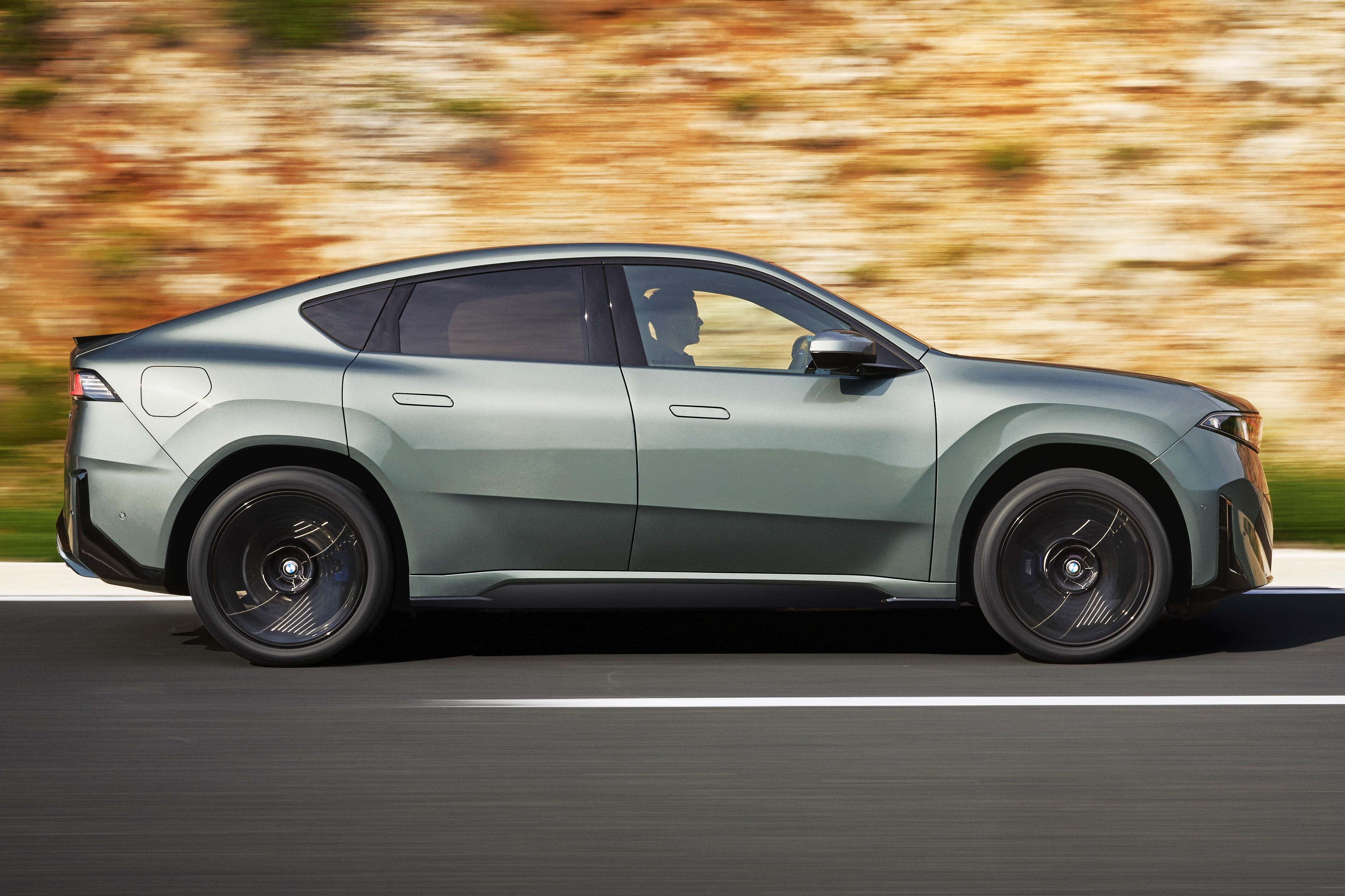
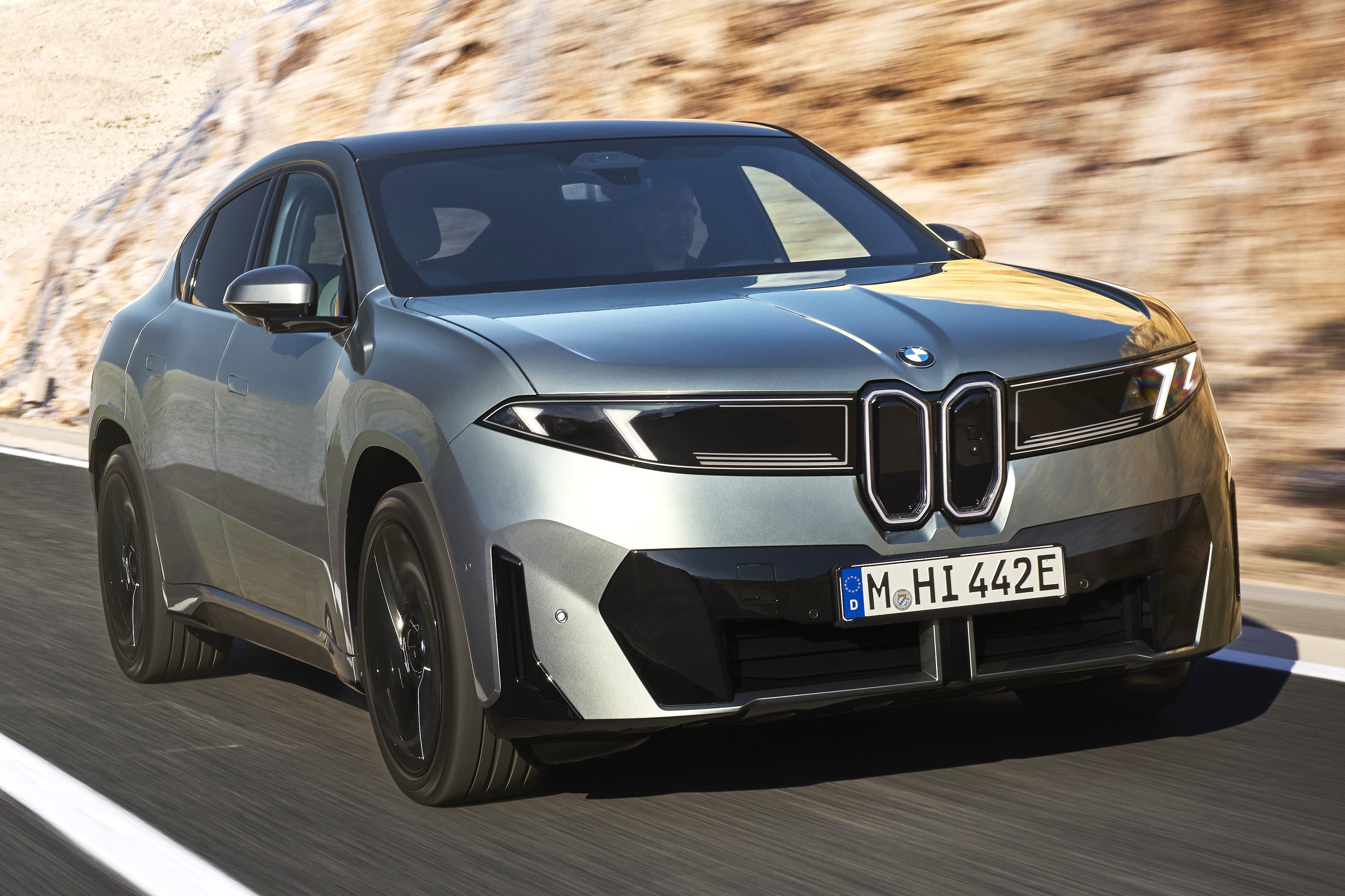
Measuring 4,782mm in length, 1,895mm in width, 1,595mm in height, and with a wheelbase of 2,897mm, the iX4 is 40mm shorter than the iX3. The iX4 retains many of the Neue Klasse styling cues seen on the iX3, but with distinctions like a steeply-raked roofline, unique alloy wheel designs (20-inchers are standard, which can be optioned up to 22 inches), clear-lens tail-lamps, a bootlid spoiler, and a slightly more sculpted rear bumper.
iX4 M60 xDrive
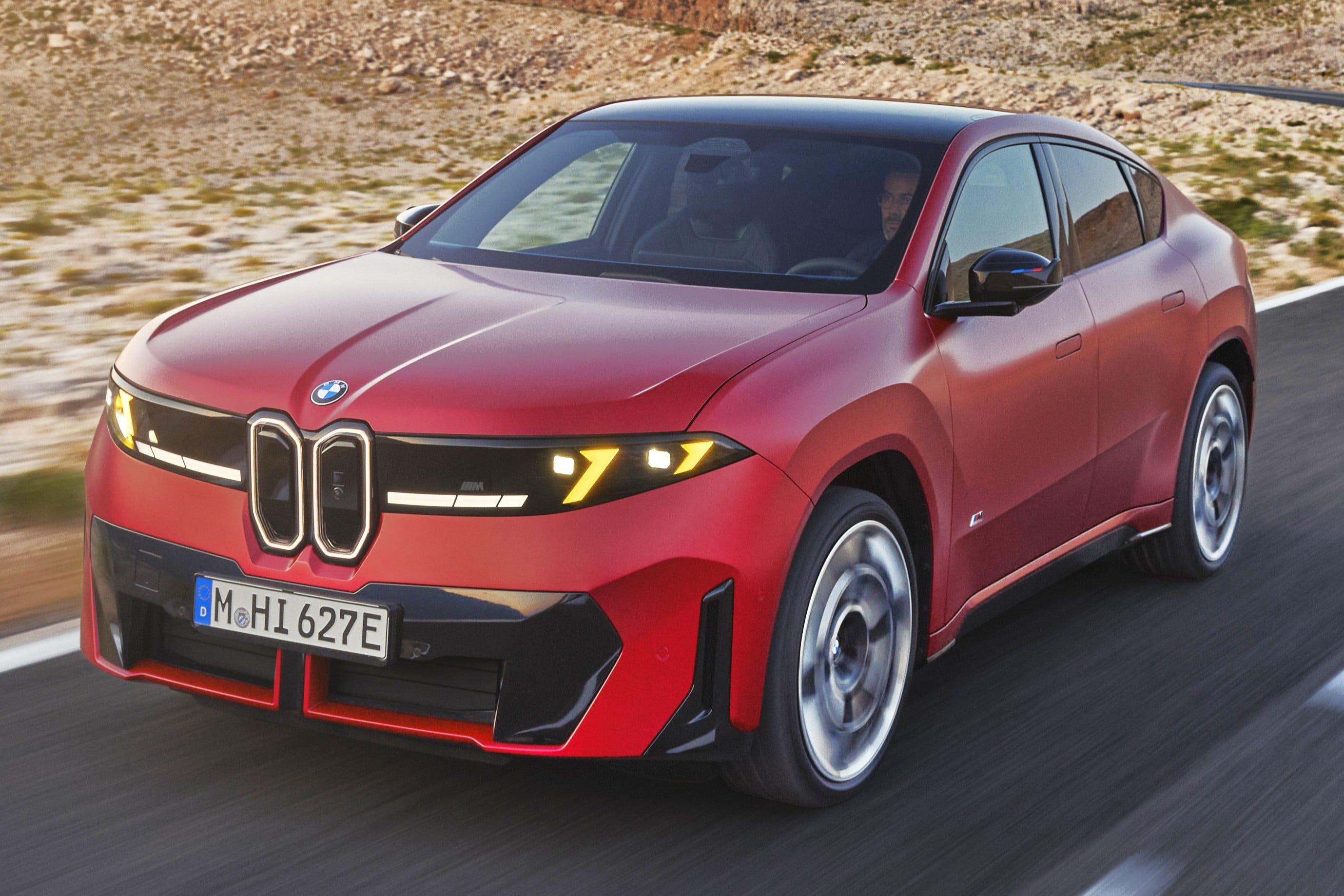
The iX4 M60 xDrive further differentiates itself with adaptive LED headlamps, unique lighting signatures in the grille area, yellow-coloured daytime running lights (activated only when the low-beams are on), larger 21-inch alloy wheels, M badging, M-spec ORVM housings, a bigger bootlid spoiler, and blacked-out exterior trim.
BMW iX4 interior and features
iX4 50 xDrive interior
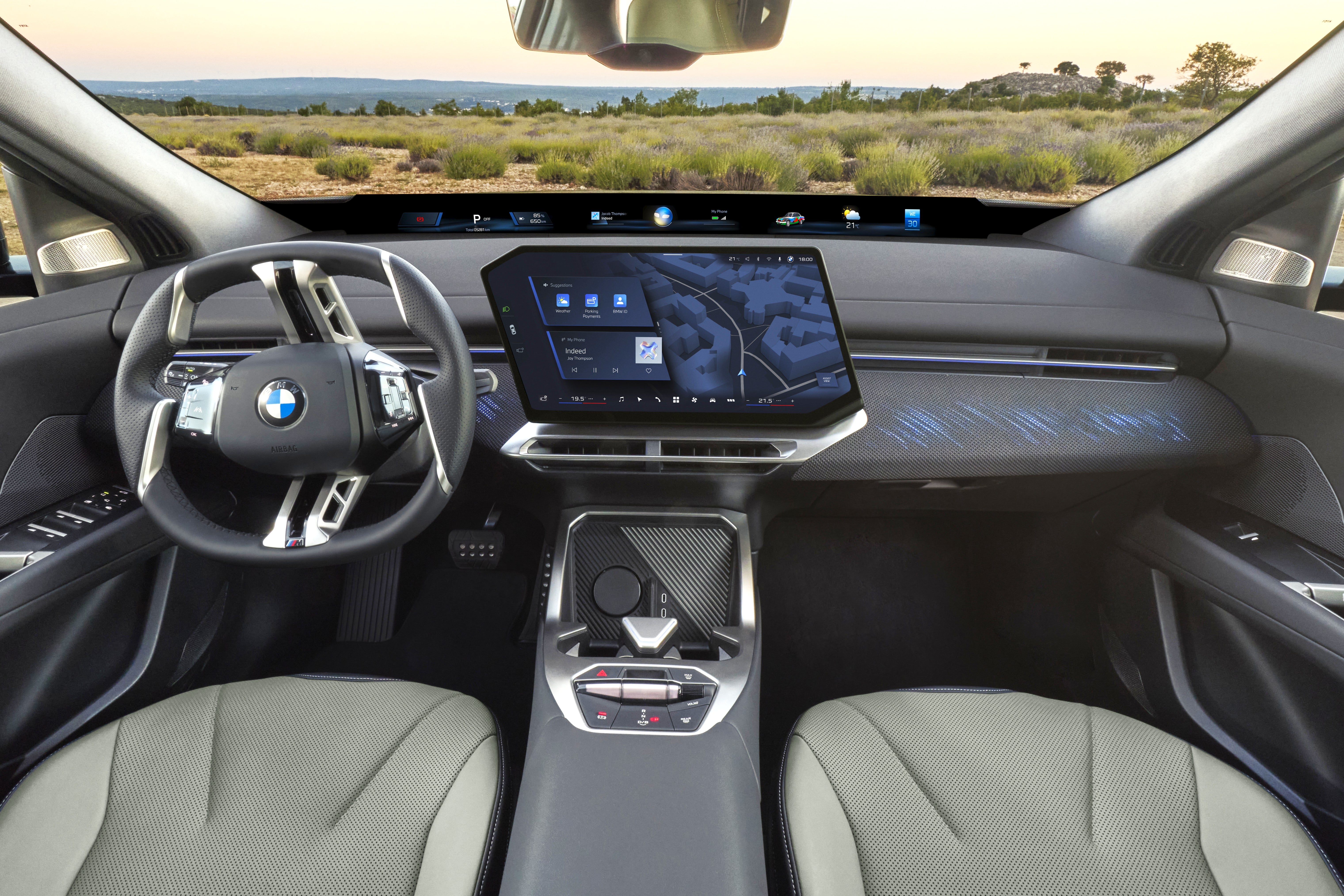
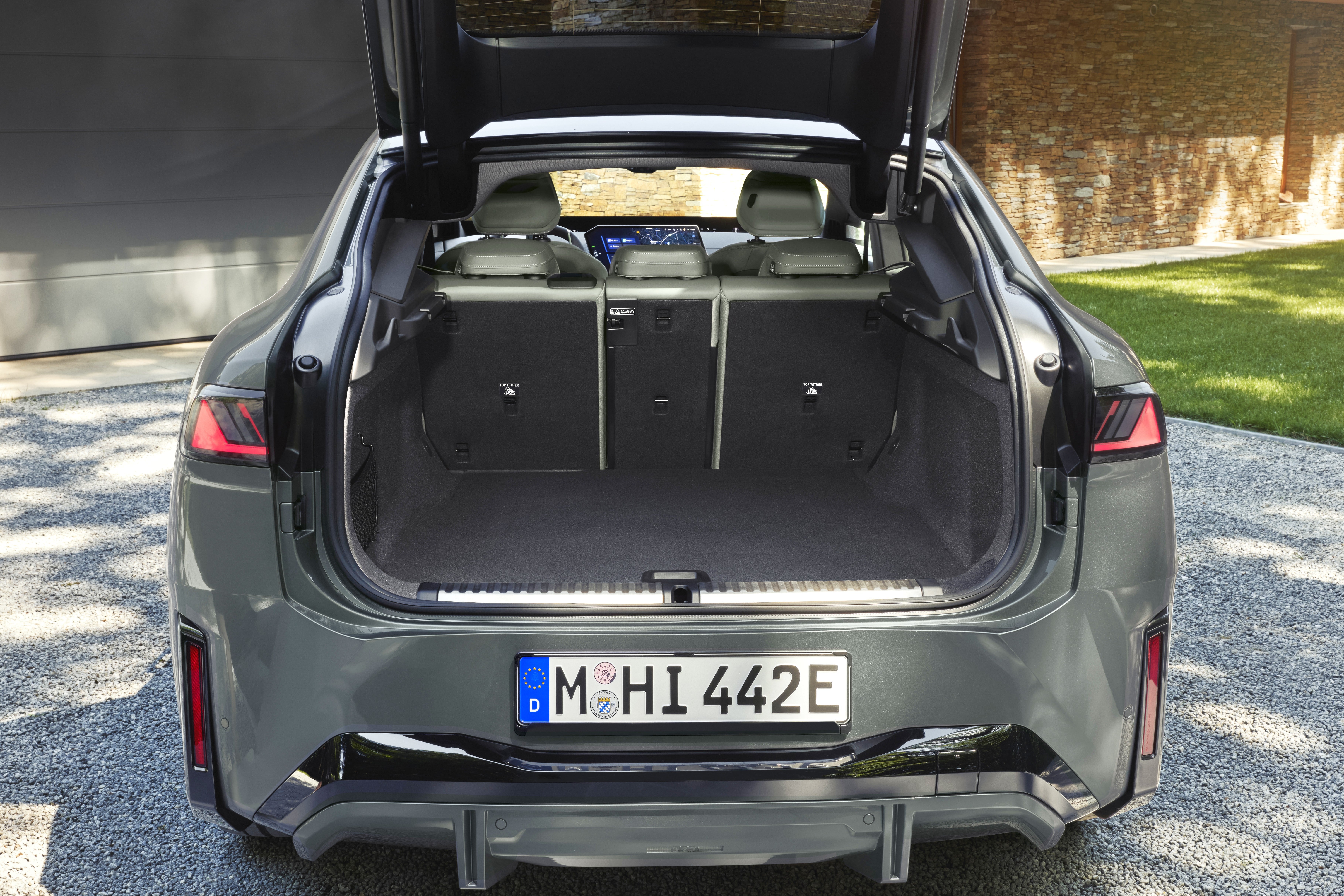
The interior of the iX4 is identical to that of the iX3, save for a bit less headroom in the second row on account of the sloping roofline, and a smaller 490-litre boot. A rhomboidal 17.9-inch infotainment touchscreen sits proud on the centre of the dashboard, while a pillar-to-pillar Panoramic Vision display can be seen at the base of the windshield. The unconventional-looking four-spoke steering wheel and high-set central tunnel are also retained from the iX3.
iX4 50 xDrive
As for standard features, the iX4 40 xDrive and 50 xDrive come with configurable ambient lighting, a panoramic sunroof, wireless Apple CarPlay and Android Auto, powered front seats with memory functions, Level 2 ADAS, a 7-speaker sound system, connected car tech, an AI-powered digital assistant, Veganza leatherette upholstery, a wireless charging pad, power-opening doors, among others.
iX4 M60 xDrive interior
The top-spec M60 xDrive’s cabin further differentiates itself with a black finish, M-spec steering wheel, M Sport seats with massage functions, a 13-speaker Harman Kardon sound system, and more.
The Honda Elevate facelift gets several important additions, including ventilated front and rear seats, powered front seats, a 360-degree camera and ambient lighting. However, the SUV continues to miss some features available on rivals such as the Hyundai Creta, Kia Seltos, Skoda Kushaq, Maruti Suzuki Victoris and Tata Sierra. Here are the main omissions.
Panoramic sunroof
The Elevate facelift gets a single-pane sunroof, not a panoramic unit. This is one area where several rivals offer more on their higher variants. The Hyundai Creta, Kia Seltos, Skoda Kushaq and Maruti Suzuki Victoris are all available with panoramic sunroofs. For buyers looking for a larger glass roof rather than a single-pane unit, the Elevate therefore falls behind some of its rivals.
Fully digital instrument cluster
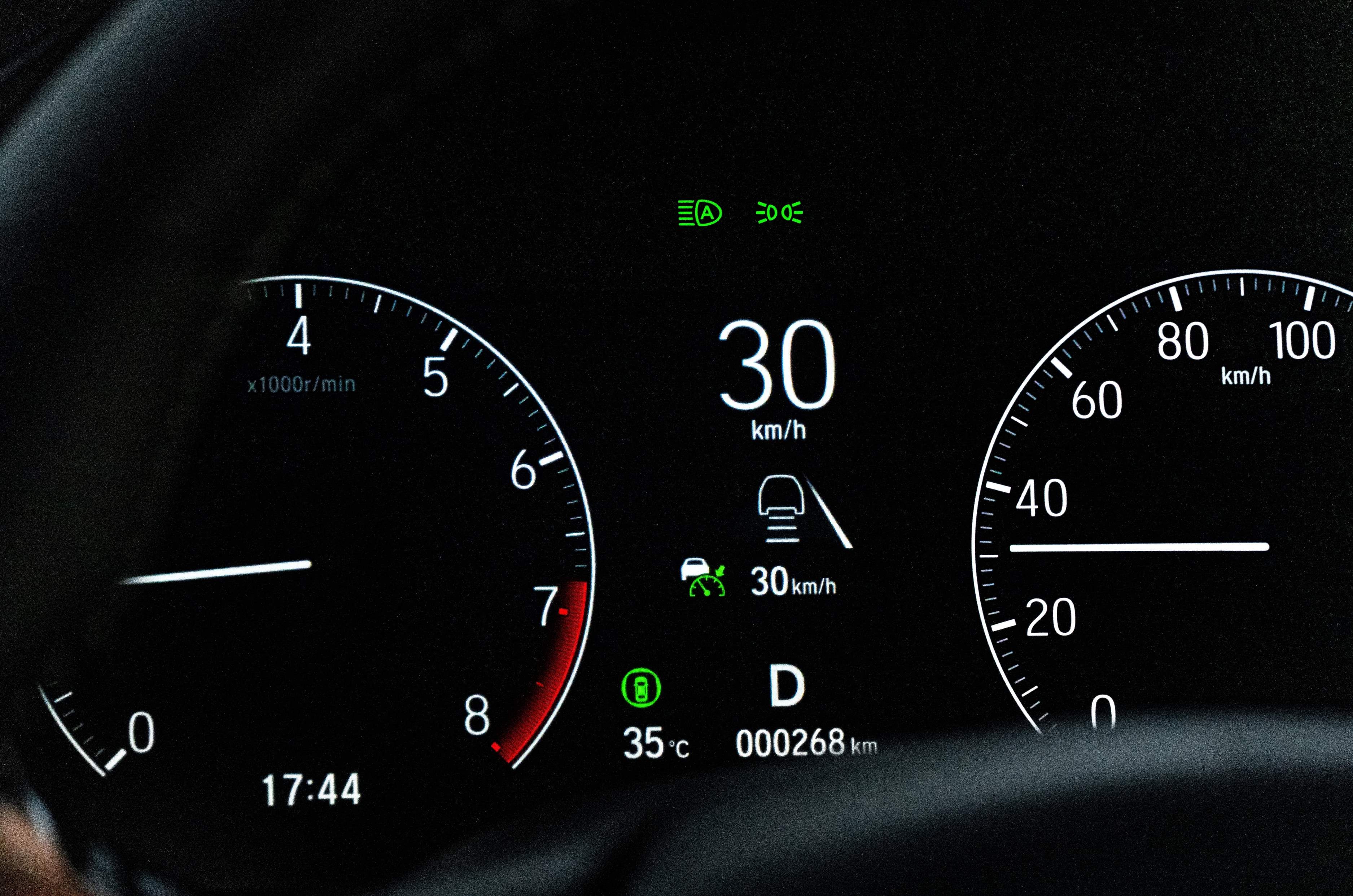
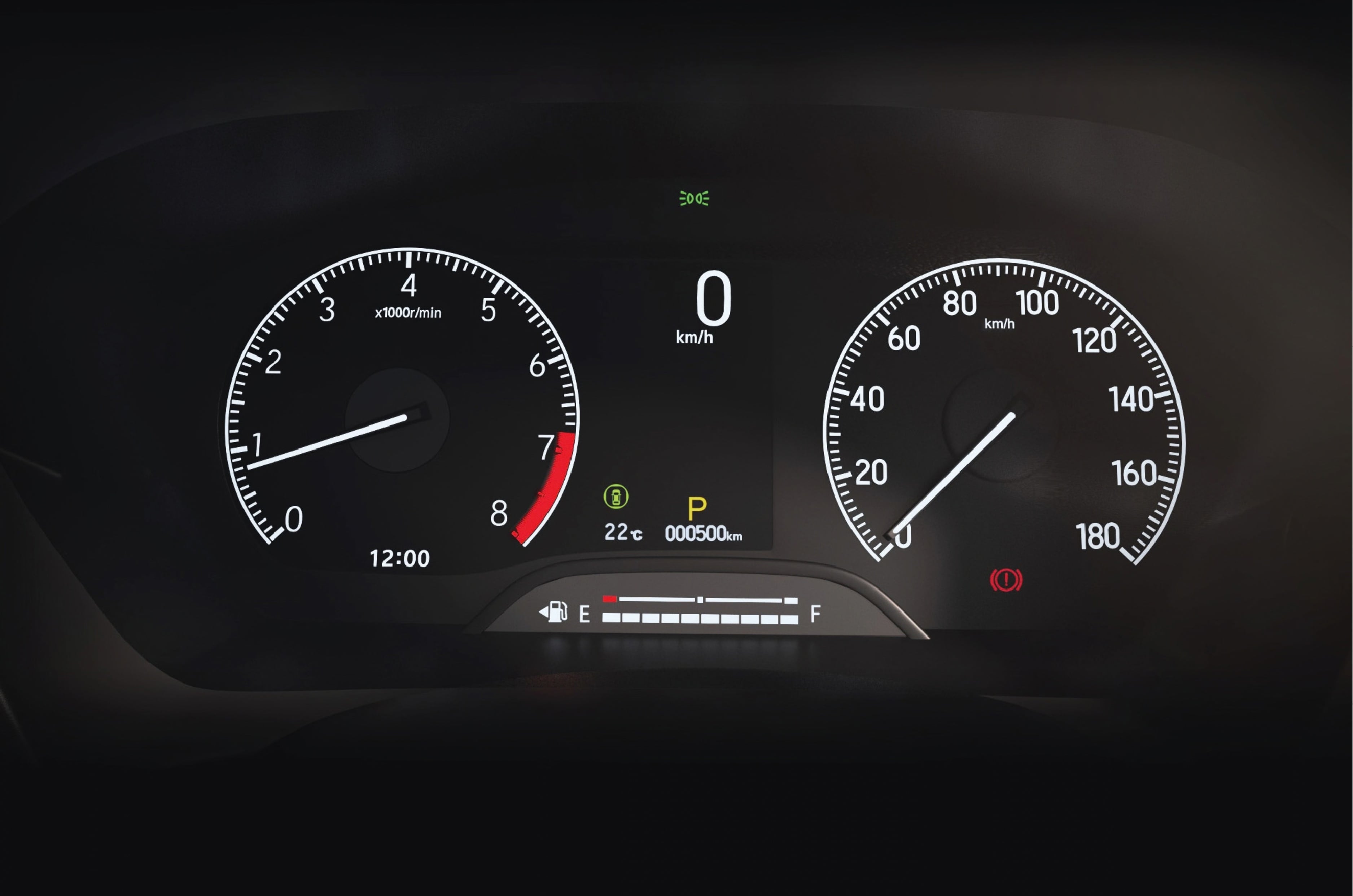
The Elevate is offered with a digital-analogue instrument cluster with a 7-inch TFT display. It provides the usual driving information, along with details such as fuel consumption, trip data, outside temperature and ADAS settings, but the instrument panel itself is not fully digital.
Several rivals offer larger, fully digital displays that are also customisable and configurable, allowing drivers to choose how information is presented. The Hyundai Creta gets a 10.25-inch digital cluster on higher variants, while the Kia Seltos gets a 12.3-inch cluster. The Skoda Kushaq gets a 10.25-inch digital driver’s display, and the Maruti Suzuki Victoris also offers a 10.25-inch digital cluster.
Dual-zone climate control
The Elevate does not get dual-zone automatic climate control. Its facelift does bring other cabin upgrades, including front and rear seat ventilation, ambient lighting and an air-quality display, but the climate control system does not allow separate temperature settings for the driver and front passenger.
That feature is available on rivals such as the Hyundai Creta and Kia Seltos. Both allow the driver and front passenger to set their preferred temperatures independently, making dual-zone climate control another feature missing from the Elevate.
Powered tailgate
Maruti Victoris boot image used for representational purposes only.
The Elevate does not offer a powered tailgate, despite the facelift adding several convenience features. The Maruti Suzuki Victoris and Tata Sierra, meanwhile, offer powered tailgates. The Victoris goes a step further with gesture control, allowing the tailgate to be opened or closed without using the key or manually operating the boot lid.
Boss mode
Tata Sierra rear-seat image used for representational purposes only.
The Elevate also misses a ‘Boss’ mode for the front passenger seat. This function allows a rear passenger to adjust the front passenger seat to create more legroom in the second row.
The Tata Sierra and Hyundai Creta offer a Boss mode, along with a powered tailgate and several other rear-seat convenience features. This is not a segment-wide feature, but it is one of the areas where the newer Sierra offers more flexibility for rear passengers.
Limited powertrain options
The Elevate continues with a single 1.5-litre naturally aspirated petrol engine producing 121hp and 145Nm. It is available with a six-speed manual or a CVT with seven-speed paddle shifters.
The issue is less about the engine itself and more about the lack of choice. The Elevate does not offer a turbo-petrol, diesel, CNG or hybrid powertrain. By comparison, the Hyundai Creta and Kia Seltos offer turbo-petrol and diesel engines, while the Maruti Suzuki Victoris adds CNG and strong-hybrid options to its petrol line-up. The Tata Sierra also offers a 1.5-litre turbo-diesel, along with naturally aspirated and turbo-petrol engines.
For buyers looking for a particular type of powertrain, the Elevate therefore offers fewer choices than several of its rivals.
Other features worth mentioning
There are also a few features that are worth mentioning, although they are less common across the segment. The Skoda Kushaq gets a rear-seat massage function, which Skoda describes as a segment-first feature. The Tata Sierra, meanwhile, gets a dedicated front-passenger display as part of its three-screen setup. Some rivals also offer rear sunblinds, which are not available on the Elevate.
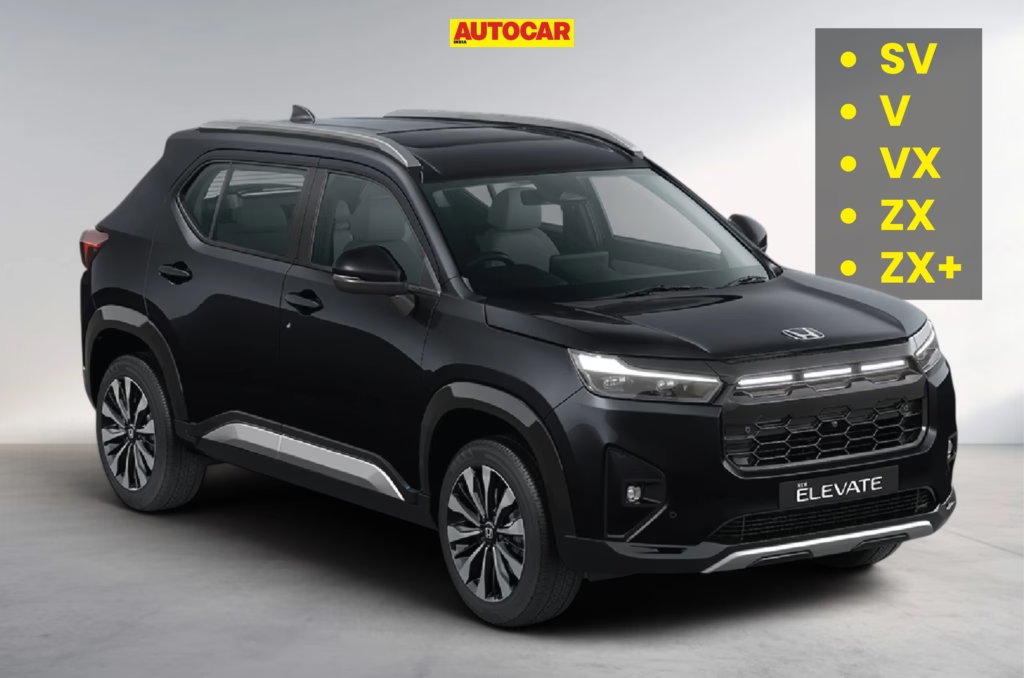
Honda has given the Elevate its first major update since the midsize SUV’s introduction in India in 2023. The facelift brings new lighting signatures, plus a revised grille and slightly updated bumpers on the outside. Inside, the cabin gains new features and a more premium feel. Prices for the Elevate facelift range between Rs 11.80 lakh and Rs 18.30 lakh (ex-showroom). Let’s now look at the different variants and powertrain specs.
2026 Honda Elevate facelift variants and powertrain
Honda has carried over the Elevate’s sole engine option with the facelift. The 1.5-litre four-cylinder naturally aspirated petrol mill continues to produce 121hp and 145Nm of torque. It can be had with a 6-speed manual gearbox or a CVT. The claimed mileage of the 2026 Elevate facelift is 15.31kpl for the manual and 16.61kpl for the CVT.
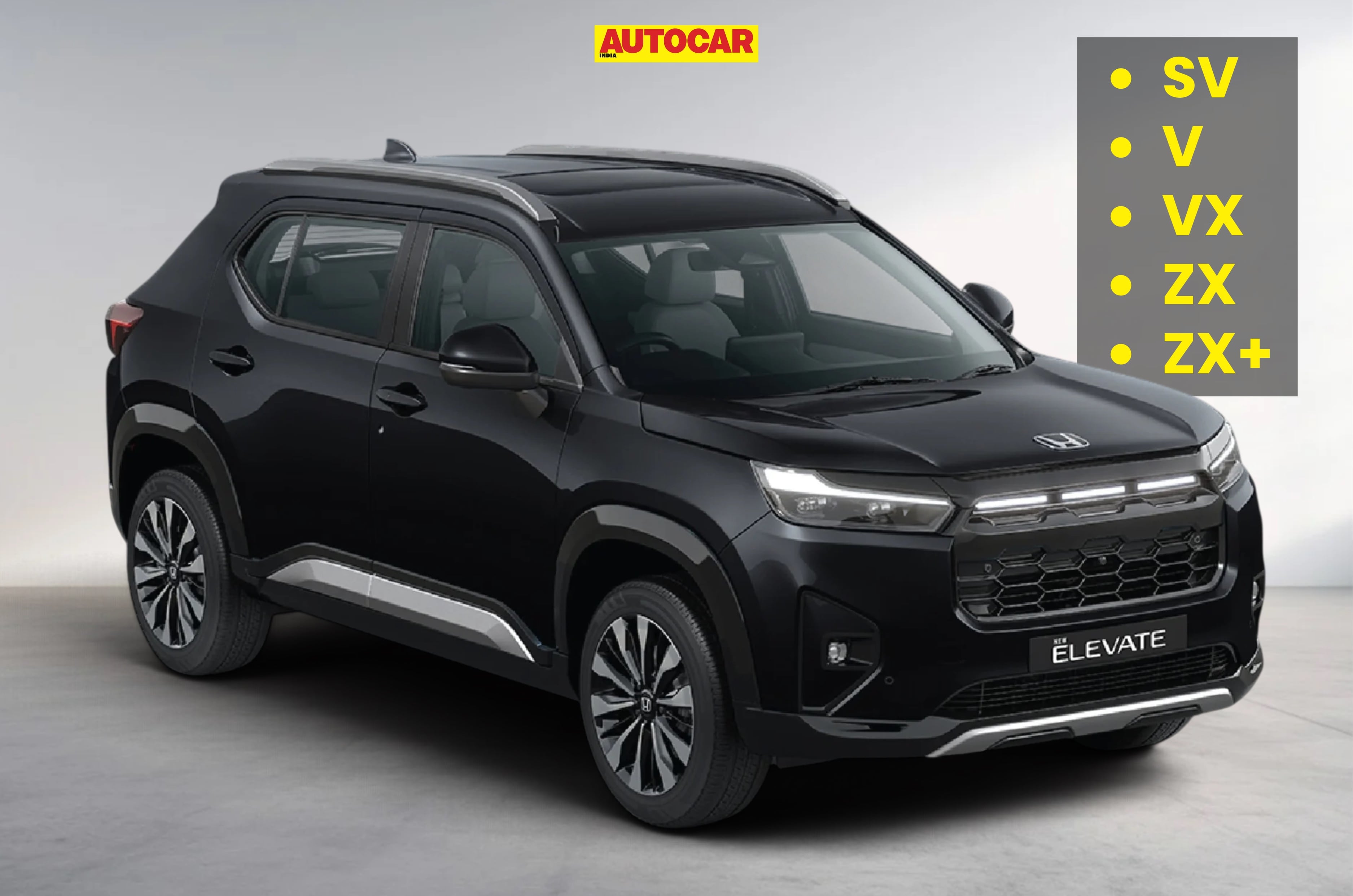
Honda has also introduced a new top-spec ZX+ trim, which means the Elevate facelift is available in 5 trims. The base SV trim is only offered with the manual gearbox, while the other four get both the CVT option as well. Here’s a look at the full variant spread and prices of the Honda Elevate facelift:
2026 Honda Elevate facelift variants
MT (in Rs, lakh)
CVT (in Rs, lakh)
SV
11.80
–
V
12.29
13.79
VX
13.93
15.39
ZX
15.39
16.89
ZX+
16.80
18.30
All prices are ex-showroom, India.
2026 Honda Elevate facelift colours
The 2026 Honda Elevate facelift comes in a new Nordic Forest Pearl colour, adding to the 6 existing options. The latter include Obsidian Blue Pearl, Radiant Red Metallic, Lunar Silver Metallic, Platinum White Pearl, Meteoroid Grey Metallic and Crystal Black Pearl. Shades such as Nordic Forest, Radiant Red and Platinum White can also be had with a dual-tone finish and a black roof. However, the dual-tone and pearl options cost extra. On the inside, the 2026 Elevate comes in either a two-tone ivory/black or an all-black theme.
All that said, let’s look at the trim-wise features split of the 2026 Honda Elevate facelift.
2026 Elevate facelift SV
Price: Rs 11.80 lakh
LED projector headlamps with LED DRLs
LED tail-lamps
16-inch steel wheels
Rear spoiler
Ivory and black interior
Fabric seat upholstery
Keyless entry with push-button ignition
Automatic climate control
Rear AC vents
PM2.5 filter
Electrically adjustable ORVMs
Tilt & telescopic steering
Height-adjustable driver’s seat
Part-digital instrument cluster with 7-inch MID
Steering-mounted controls
Front centre armrest with storage
60:40 split-folding rear seats
6 airbags
Electronic stability control
Traction control
Hill-start assist
Rear parking sensors
ISOFIX child-seat anchors
3-point seatbelts and seatbelt reminders for all seats
2026 Elevate facelift V
Price: Rs 12.29 lakh – Rs 13.79 lakh
16-inch steel wheels with covers
Parcel tray
8-inch touchscreen infotainment
Wireless Android Auto and Apple CarPlay
4-speaker audio system
Honda Connect connected-car tech
3 USB ports
Multi-angle rear-view camera
Rear defogger
Paddle shifters (CVT only)
Remote engine start (CVT only)
Electronic parking brake with auto hold (CVT only)
All-wheel disc brakes (CVT only)
2026 Elevate facelift VX
Price: Rs 13.93 lakh – Rs 15.39 lakh
17-inch dual-tone alloy wheels
Roof rails
Signature LED light bars
LED projector fog lamps
Auto-folding ORVMs
Walk-away auto lock
Single-pane sunroof
Orange ambient lighting
Touch-sensitive LED spot lamps
Leather-wrapped steering wheel and gear knob
Soft-touch padding on doors and armrest
Front seat-back pocket
Driver and co-driver vanity lights
AQI display with auto-clean function
6-speaker audio system
Wireless phone charger
LaneWatch camera
Auto headlamps
Rear wiper and washer
2026 Elevate facelift ZX
Price: Rs 15.39 lakh – Rs 16.89 lakh
17-inch alloys in Berlina Black and Dark Clear
Leatherette seat upholstery
Ventilated front seats
10.25-inch touchscreen infotainment
8-speaker audio system
Adaptive cruise control
Low-speed follow (CVT only)
Lead-car departure alert
Collision-mitigation braking
Lane-keep assist
Road-departure mitigation
Auto high beam
Auto-dimming IRVM
Rear centre armrest with cupholders
2026 Elevate facelift ZX+
Price: Rs 16.80 lakh – Rs 18.30 lakh
Dual-tone colours
Powered front seats (8-way driver, 4-way passenger)
Ventilated rear seats
360-degree camera
Front parking sensors
Which variant of the 2026 Honda Elevate facelift should you buy?
With an attractive price tag for the segment, the ZX trim of the 2026 Honda Elevate offers plenty of premium features for the money. It also offers a better touchscreen and seat upholstery, along with an ADAS suite.
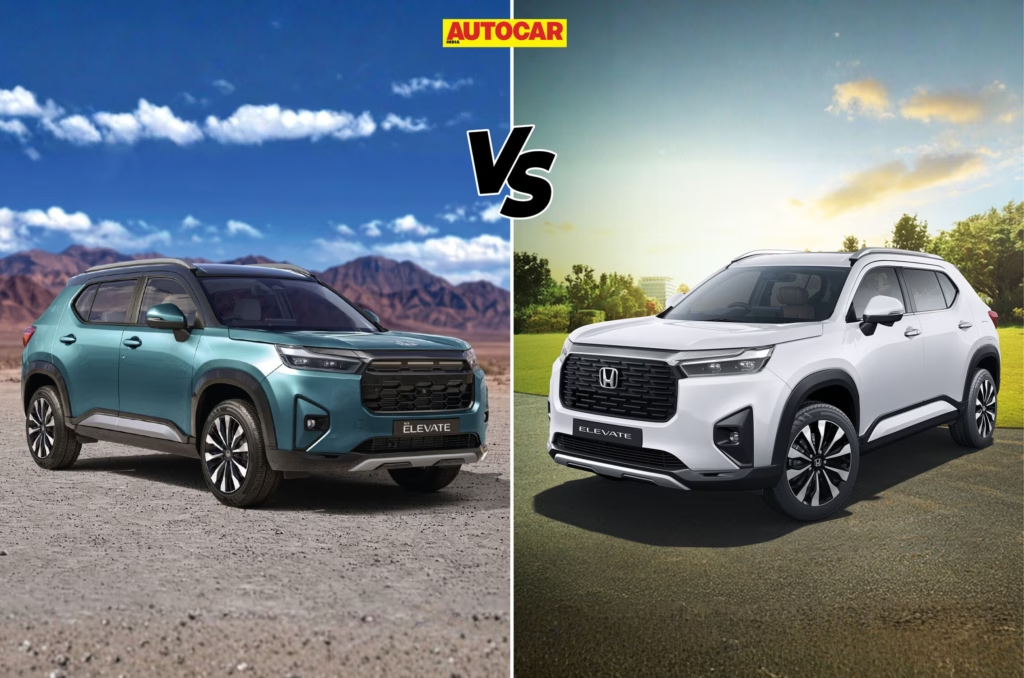
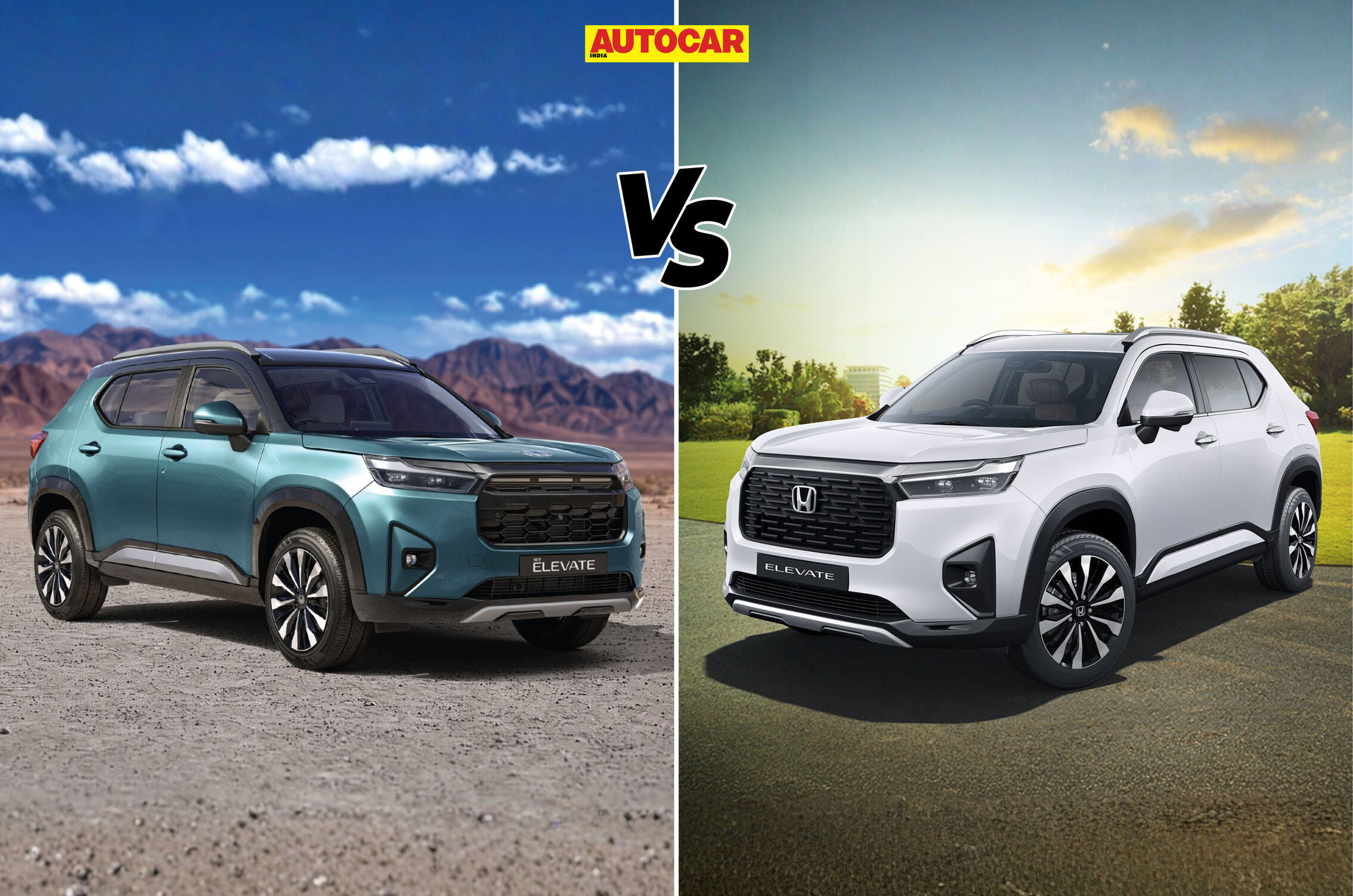
Honda has introduced its first mid-life cycle update for the Elevate. It brings several much-needed upgrades to its mid-size SUV through refreshed looks and feature additions. But what’s exactly new on the Elevate facelift? From exterior, interior, features, and price, we compare the new and old models to find out.
Honda Elevate new vs old: Exterior
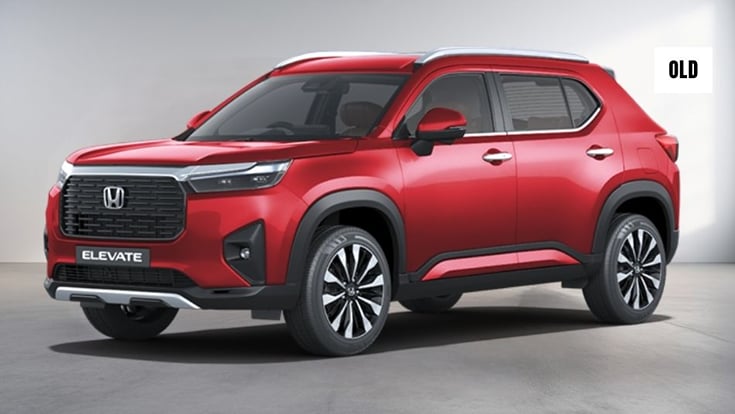
The Elevate facelift retains much of its design from its predecessor, but updates make it look bolder than before. The LED headlamps with L-shaped signatures have been carried over, but are now connected by segmented DRL strips. The older model offered two grille design choices, but the newer Elevate gets a gloss black grille with a honeycomb pattern. The bumper has been retained, but the fog lamp housings now get a body colour finish. Additionally, the Honda badge has been repositioned from the grille to the bonnet. Additionally, the body cladding around the vehicle gets a gloss black finish as opposed to the matte black finish on the outgoing car.
In profile, the Elevate facelift looks largely identical to its predecessor, even carrying over its 17-inch alloy wheels. Except this time, there’s silver cladding for the lower sides. At the rear, the LED tail-lamps on the facelift now get the connected treatment, though the bumper has been retained. There’s a new Nordic Forest Pearl paint job as part of the Elevate’s colour palette.
Honda Elevate new vs old: Interior and features
Inside, the Elevate facelift looks largely similar to its predecessor. However, there’s more leatherette padding on the dashboard with tasteful use of ambient lighting, replacing the faux wood trim on the older model. Additionally, the HVAC control housing on the facelift has been slightly tweaked. The older Elevate was offered with two dual-tone themes, namely black and white and black and brown. The new one, however, comes with the former theme only. Black versions come with an all-black cabin theme.
Honda has introduced much-needed feature additions to the Elevate facelift. This includes powered and ventilated front seats, first-in-segment rear seat ventilation, a 360-degree camera, an air purifier, and factory-fitted ambient lighting. Safety enhancements include rear disc brakes, an electronic parking brake with auto hold, front parking sensors, and adaptive cruise control with stop-and-go functionality for its level 2 ADAS suite. The new Elevate continues to come with features from the older model like a wireless phone charger, part-digital instrument cluster, a lane-watch camera system, wireless Apple CarPlay and Android Auto, and an 8-speaker sound system.
Honda Elevate new vs old: Sound insulation
On another note, Honda has claimed to improve the overall NVH levels, which were a major drawback of its predecessor. Sound deadening to wheel arches. This has been done by adding more sound deading materials behind the instrument panel and wheel wells.
Honda Elevate new vs old: Prices
Honda Elevate new vs old: Prices
Variant
New Elevate (Rs lakh)
Old Elevate (Rs lakh)
Difference (Rs)
SV MT
11.80
11.80
–
V MT
12.29
12.27
2,000
V CVT
13.79
13.43
36,000
VX MT
13.93
13.92
1,000
VX CVT
15.39
15.08
31,000
ZX MT
15.39
15.18
21,000
ZX CVT
16.89
16.36
53,000
ZX+
16.89
–
–
ZX+ CVT
18.30
–
–
The Honda Elevate facelift begins at the same price as the older model at Rs 11.80 lakh. Comparing like-for-like variants, prices on the new Elevate have increased by up to Rs 53,000. There’s also the addition of a new top-of-the-line ZX+ trim. While the older Elevate topped out at Rs 15.36 lakh, the newer model tops out at Rs 18.30 lakh, marking an increase of Rs 1.94 lakh.
The Honda Elevate facelift has been launched in India, with prices starting at Rs 11.80 lakh (ex-showroom). This is the first major update for the midsize SUV which was introduced in 2023. The new Elevate brings exterior and interior design tweaks, along with feature additions. Pre-bookings for the Elevate facelift started on October 1.
Gets new lighting signatures and grille on the outside
Gets new 360-degree camera and front and rear ventilated seats
Carries over tried and tested 1.5-litre petrol engine with MT, CVT gearboxes
Here’s a look at the full price list of the new Elevate:
Honda Elevate price (ex-showroom)
Variant
Petrol-MT
Petrol-CVT
SV
Rs 11.80 lakh
–
V
Rs 12.29 lakh
Rs 13.79 lakh
VX
Rs 13.93 lakh
Rs 15.39 lakh
ZX
Rs 15.39 lakh
Rs 16.89 lakh
ZX+
Rs 16.80 lakh
Rs 18.30 lakh
ZX+ Black
Rs 16.90 lakh
Rs 18.40 lakh
As before, the Elevate continues to be available in five core trims – SV, V, VX, ZX and ZX+ – the last of which is a new trim and is also available in a Black Edition. Notably, the starting price of the Elevate has remained the same, but it has gotten more expensive at the top-end by Rs 1.94 lakh.
Honda Elevate facelift exterior design
On the outside, the changes are primarily to the lighting signatures. It gets a new segmented LED DRL strip placed above the grille, which bridges the unchanged LED headlights. The grille itself has been revised with a new mesh, gloss-black finish and the fog lamp housings are now finished in body colour. Also, the Honda logo has moved from the grille to the leading edge of the bonnet.
At the back, a new LED light bar connects the tail lamps, but overall, the design remains very familiar. Even the alloy wheels have been carried forward unchanged. Honda has added a new colour option though. It’s called Nordic Forest Pearl and is available in both monotone and dual-tone options.
Honda Elevate facelift interior
There are more notable changes on the inside, primarily on the equipment front. The biggest addition is a segment-first ventilation function for the rear seats, while both front seats are now powered and ventilated. Honda has also added a new 360-degree camera and capacitive-touch rear LED reading lamps, while the CVT variants also exclusively get electronic parking brake with auto hold function.
The dashboard has also been slightly tweaked with more white leatherette padding and stitching, replacing the faux wood trim. Ambient lights, which were a dealer-level fitment before, are now offered as standard on higher trims. On the safety front, Honda has added front parking sensors, rear disc brakes and adaptive cruise control with low-speed follow function (CVT only) for the Honda Sensing ADAS suite. Other features like the 10.25-inch infotainment screen, the semi-digital instrument cluster, single-pane sunroof, lane watch camera, wireless charger and phone connectivity and 6 airbags have been carried over, too.
Honda Elevate powertrain
The new Elevate carries over its predecessor’s 1.5-litre, four cylinder, naturally aspirated petrol engine, which produces peak outputs of 121hp and 145Nm. The engine continues to be offered with either a 6-speed manual or a CVT gearbox. The Elevate still does not get the 1.5-litre strong-hybrid powertrain offered on the City.
Mercedes-Maybach S 580e: Mercedes-Benz India ने देश की पहली इलेक्ट्रिक Mercedes-Maybach, ‘Mercedes-Maybach S 580e’ लॉन्च की है, जिसकी कीमत 3.35 करोड़ रुपये (एक्स-शोरूम) है। यह लग्जरी सेडान Maybach ब्रांड के पारंपरिक आराम और बेहतरीन कारीगरी को प्लग-इन हाइब्रिड पावरट्रेन के साथ जोड़ती है। बता दें कि Mercedes-Benz शुरू में भारत में S 580e की सिर्फ 30 यूनिट्स ही बेचेगी।
Mercedes-Maybach S 580e: डिजाइन
Mercedes-Maybach S 580e का डिजाइन काफी हद तक फ्लैगशिप S-Class जैसा ही है, लेकिन इसे Maybach की खास पहचान देने के लिए कई बदलाव किए गए हैं। इसमें रोशनी वाला Maybach ग्रिल, Maybach लोगो प्रोजेक्शन और इल्यूमिनेटेड डोर सिल्स दिए गए हैं। इसके अलावा, ग्राहकों को MANUFAKTUR के तहत कई कस्टमाइजेशन विकल्प भी मिलते हैं।
ग्राहक इस कार के लिए खास टू-टोन पेंट फिनिश और अपनी पसंद के Nappa लेदर इंटीरियर का विकल्प चुन सकते हैं।
भारत में इसका मॉडल सिर्फ 4-सीटर कॉन्फिगरेशन में उपलब्ध होगा। इसमें पीछे Executive सीटें और पूरी लंबाई में रियर बिजनेस कंसोल दिया गया है। Mercedes-Benz के मुताबिक, कार में पीछे बैठने वाले यात्रियों के आराम पर खास ध्यान दिया गया है, जो Maybach कारों की सबसे खास खूबियों में से एक है।
Mercedes-Maybach S 580e: फीचर्स
Mercedes-Maybach S 580e के केबिन में लग्जरी और टेक्नोलॉजी से जुड़े कई शानदार फीचर्स दिए गए हैं। इसमें 31 स्पीकर वाला Burmester 4D साउंड सिस्टम मिलता है। इसमें 8 एक्साइटर्स और 1,610 वॉट का आउटपुट दिया गया है, जिससे कार के अंदर शानदार साउंड का अनुभव मिलता है।
पीछे बैठने वाले यात्रियों के लिए वायरलेस चार्जिंग, फोल्डिंग टेबल, तापमान कंट्रोल वाले कप होल्डर और Rear Comfort Package Plus जैसे फीचर्स दिए गए हैं।
टेक्नोलॉजी की बात करें तो कार में Mercedes-Benz का लेटेस्ट Operating System (MB.OS), 3D ड्राइवर डिस्प्ले, MBUX Superscreen, Augmented Reality नेविगेशन और Head-Up Display मिलता है। सेफ्टी के लिए इसमें ADAS Level 2, PRE-SAFE सिस्टम और कुल 15 एयरबैग दिए गए हैं।
Mercedes-Maybach S 580e: स्पेसिफिकेशन्स
इसमें 3.0-लीटर, छह-सिलेंडर वाला पेट्रोल प्लग-इन हाइब्रिड पावरट्रेन है, जो Mercedes के 4MATIC ऑल-व्हील-ड्राइव सिस्टम के साथ आता है। इसका कंबशन इंजन 443 hp की पावर और 560 Nm का टॉर्क देता है, जबकि इलेक्ट्रिक मोटर 160 hp की पावर और 480 Nm का टॉर्क जोड़ती है।
इसकी कुल पावर 585 hp और टॉर्क 750 Nm है, जो 9G-TRONIC ऑटोमैटिक ट्रांसमिशन के जरिए मिलता है। Mercedes का दावा है कि S 580e 4.8 सेकंड में 0 से 100 kmph की रफ्तार पकड़ सकती है और इसकी टॉप स्पीड 250 kmph है। इस सेडान में 22 kWh का बैटरी पैक भी है, जो WLTP-सर्टिफाइड लगभग 100 km की इलेक्ट्रिक रेंज देता है। चार्जिंग के लिए इसमें 11 kW AC और 60 kW DC फास्ट चार्जिंग की सुविधा है।
Mercedes-Maybach S 580e: कीमत, उपलब्धता और कस्टमाइजेशन
Mercedes-Maybach S 580e की कीमत ₹3.35 करोड़ (एक्स-शोरूम) रखी गई है। कंपनी शुरुआत में इस लग्जरी सेडान की सिर्फ 30 यूनिट ही उपलब्ध कराएगी। इसके साथ ग्राहकों को घर पर कार चार्ज करने के लिए फ्री होम चार्जिंग सॉल्यूशन भी दिया जाएगा।
ग्राहक अपनी पसंद के हिसाब से कार को और भी खास बना सकते हैं। इसके लिए Mercedes-Benz ने MANUFAKTUR कस्टमाइजेशन का विकल्प दिया है। इसमें खास पेंट स्कीम, प्रीमियम लेदर थीम और हाथ से तैयार किए गए इंटीरियर ट्रिम जैसे विकल्प शामिल हैं।