MG launched the Hector Tomahawk in India in both all-electric (EV) and plug-in hybrid (PHEV) versions, with prices starting from Rs 19.50 lakh and Rs 25.70 lakh, respectively. Both models are offered with a lot of new-age technology and have piqued the interest of enthusiasts. Here’s everything you need to know about the MG Hector Tomahawk EV and Hector Tomahawk PHEV.
1. What are the exterior differences between the EV and PHEV?
Both versions get different grilles, front bumpers, and alloy wheels
Both the Hector Tomahawk’s EV and PHEV versions have some design differences. While the EV gets a blanked-off gloss-black grille, the PHEV gets a functional grille with chrome inserts and black trims underneath the headlights. The front bumper design is also different, with the PHEV getting a silver bullbar-like element in the centre that the EV misses. The headlights and illuminated MG logo are, however, shared.
Not much is different in the side profile, except for the 18-inch alloy designs and red callipers on the top-spec Hector Tomahawk PHEV. If you opt for a dual-tone shade, the EV will have a black roof, while the PHEV will have a white roof. The rear design, however, is identical for both versions of the SUV.
2. What are the interior differences between the EV and PHEV?
Save for a luggage cover and different cabin themes, everything else is the same
MG Hector Tomahawk EV gets a beige and black cabin theme.
Save for a rolling luggage shade on the 5-seater variants of the EV, and a different cabin theme – brown and black on the EV and a darker brown and black on the PHEV – there is no visible difference. Everything else is the same, including the feature suite: a 15.6-inch touchscreen infotainment system, an 8.8-inch digital driver’s display, a 10-speaker Infinity sound system, a panoramic sunroof, powered and ventilated front seats with memory function for the driver’s seat, and a 50W fast wireless charger.
MG Hector Tomahawk PHEV gets a brown and black cabin theme.
The safety suite is also identical in both Hector Tomahawk versions, which includes 6 airbags, a 360-degree camera with an under-bonnet view, Level 2 advanced driver assistance systems (ADAS) and a tyre pressure monitoring system (TPMS).
3. What is the boot space on the MG Hector Tomahawk EV and PHEV?
EV and PHEV versions offer up to 610 litres and 192 litres of boot space, respectively
5-seater MG Hector Tomahawk EV’s boot space.
The MG Hector Tomahawk EV is offered in either a 5-seater or a 7-seater version. The 5-seater offers 610-litre boot space, with all rows up, which can be expanded to 1,053 litres by folding down the rear row. The 7-seater version offers a 192-litre boot space with all rows up, and 528 litres when the third row is folded.
The PHEV, offered only as a 7-seater, offers 192-litre boot space like the EV’s 7-seater version, expandable to 528 litres by folding the third row. Neither the EV nor the PHEV version of the Hector Tomahawk are offered with a frunk (storage space under the bonnet).
4. What are the powertrain specifications of the MG Hector Tomahawk PHEV and EV?
PHEV gets a 1.5L engine and 20.5kWh battery; EV offers a 69.2kWh battery pack
The MG Hector Tomahawk PHEV gets a 1.5-litre naturally aspirated petrol engine and a 20.5kWh battery pack, offering a combined output of 198hp and 230Nm. The front-wheel-drive (FWD) SUV has an all-electric range of around 115km and a total range including the petrol engine of around 1,100km.
The MG Hector Tomahawk EV, on the other hand, gets a 69.2kWh battery pack, mated to a front-axle-mounted electric motor producing 204hp and 310Nm. It has a claimed range of 517km.
5. Can the Hector Tomahawk PHEV be charged at a public EV charging station?
It supports 25kW DC fast charging
Yes, being a plug-in hybrid (PHEV), the MG Hector Tomahawk PHEV supports 25kW DC fast charging. This can replenish the battery from 30 to 80 percent in 35 minutes, like a typical EV. MG is also offering it with a 3.3kW home charger, which can recharge the battery pack from 10 to 100 percent in 7.5 hours.
6. Are the MG Tomahawk EV and PHEV more affordable with BaaS?
BaaS reduces the EV’s and PHEV’s initial prices by up to Rs 6.01 lakh and 3.91 lakh, respectively
MG Hector Tomahawk EV, PHEV BaaS vs non-BaaS prices (in Rs, lakh)
Without BaaS
With BaaS
Initial cost difference
EV
19.50 to 23.50
13.99 to 17.49*
Up to 6.01
PHEV
25.70 to 27.80
21.79 to 23.89^
3.91
*Battery subscription fee is Rs 4.9 per km per month
^Asks for a battery subscription fee of Rs 3.2 per km per month
The BaaS (Battery-as-a-Service) option reduces the upfront price of the MG Hector Tomahawk EV by Rs 6.01 lakh and the PHEV by Rs 3.91 lakh. However, you then pay a battery rental fee for every kilometre you drive: Rs 4.90 per km for the EV and Rs 3.20 per km for the PHEV. At these rates, the upfront savings from BaaS are effectively used up after around 1.22 lakh km. The break-even point is 1,22,653 km for the EV and 1,22,187 km for the PHEV.
In simple terms, if you expect to drive less than 1.22 lakh km over the entire ownership period, BaaS could be the more affordable option because of its lower initial cost. However, if you plan to drive more than 1.22 lakh km, buying the Hector Tomahawk with the battery included is likely to save you more money in the long run.
There is also another factor to consider. Under the BaaS plan, you do not own the battery, so your long-term costs depend on the rental agreement. If MG increases the per-kilometre fee or changes the contract in the future, your running costs could also increase. So, while BaaS would be more affordable for most buyers, purchasing the vehicle with the battery included may offer greater certainty in running cost calculations.
While both models here are hybrids and have 7 seats across three rows, they offer different hybrid technologies. With the ADAPT platform-based JSW MG Hector Tomahawk PHEV, India has its first-ever mass-market plug-in hybrid vehicle making its entry in the hugely popular SUV segment. On the other hand, the TNGA-C platform-based Toyota Innova Hycross is an MPV and offers a strong-hybrid powertrain. Here’s how they stack up in their fully loaded trims.
MG Hector Tomahawk PHEV Essence vs Toyota Innova Hycross Hybrid ZX (O): Dimensions
The Innova Hycross is larger and offers a slightly bigger boot with all seats in place
MG Hector Tomahawk PHEV Essence vs Toyota Innova Hycross Hybrid ZX (O) dimensions
MG Hector Tomahawk PHEV
Toyota Innova Hycross Hybrid
Length (mm)
4,745
4,755
Width (mm)
1,850
1,850
Height (mm)
1,770
1,790
Wheelbase (mm)
2,810
2,850
Boot space (litres)
192
239
Wheel size (inches)
18
18
The Innova Hycross Hybrid is 10mm longer and 20mm taller than the Hector Tomahawk PHEV. The Toyota MPV also has a wheelbase that’s longer by 40mm, while both cars have identical width figures and sport 18-inch alloy wheels in their top-spec trims. The Innova Hycross Hybrid’s luggage capacity with the third row in place is greater by 47 litres. One of the factors limiting the outright cargo volume of the Hector Tomahawk PHEV is its more space-consuming plug-in hybrid tech.
MG Hector Tomahawk PHEV Essence vs Toyota Innova Hycross Hybrid ZX (O): Powertrain
The plug-in hybrid powertrain of the MG SUV is more fuel-efficient and offers more power
MG Hector Tomahawk PHEV Essence vs Toyota Innova Hycross Hybrid ZX (O) powertrain options
MG Hector Tomahawk PHEV
Toyota Innova Hycross Hybrid
Engine
1.5-litre naturally aspirated petrol
2.0-litre naturally aspirated petrol
Battery size
20.5kWh
1.6kWh
Electric motor type
Permanent magnet synchronous motor
Drive configuration
FWD
FWD
Total system output
198hp, 230Nm
184hp, 188Nm
Transmission
DHT
eCVT
0-100kph
9.0 seconds
10.69 seconds*
Claimed mileage
50kpl
22.16kpl
Fuel tank
52 litres
52 litres
AC charging
7.5 hrs at 3.3kW (10-100%)
–
DC fast charging
35 mins at 25kW (30-80%)
–
*Autocar India-tested 0-100kph time.
The strong hybrid powertrain of the Toyota Innova Hycross offers a couple of drive modes – including pure-electric and engine + electric. However, its compact nickel metal hydride (NiMH) battery means that the EV mode of the Innova Hycross Hybrid is understandably more limited than the MG Hector Tomahawk PHEV’s, requiring the 2.0-litre petrol engine to step in more often.
The claimed mileage figure of the Innova Hycross Hybrid is 27.84kpl worse than the MG plug-in hybrid SUV, and despite the same fuel tank size, the former’s combined range tops out at around 800km, as per our real-world test of the Toyota MPV. Meanwhile, the plug-in hybrid system of the MG Hector Tomahawk PHEV offers more flexibility and comes with four main drive modes. The larger 20.5kWh battery pack and 1.5-litre engine allow for a combined claimed range of over 1,100km.
The Hector Tomahawk PHEV not only offers a claimed pure-electric range of over 115km, but it can also have the engine charging the battery pack while the electric motor drives the front wheels. This is a drive mode that isn’t offered with the Toyota Innova Hycross Hybrid. To extract the highest possible efficiency from its hybrid system, the Hector Tomahawk PHEV needs to be plugged in to an AC or a DC charger in order to fully top up its battery pack.
Depending on the battery’s SoC, both cars can rely entirely on their petrol engine to drive the wheels. Compared to the Innova Hycross Hybrid’s e-CVT (electronically controlled continuously variable transmission), the Hector Tomahawk PHEV gets a DHT (Dedicated Hybrid Transmission) with an e-clutch. The combined output of the MG Hector Tomahawk PHEV is 14hp and 42Nm more than what the Toyota Innova Hycross Hybrid offers.
MG Hector Tomahawk PHEV Essence vs Toyota Innova Hycross Hybrid ZX (O): Exterior features
Different body styles aside, both cars are similarly equipped on the outside
MG Hector Tomahawk PHEV Essence vs Toyota Innova Hycross Hybrid ZX (O) exterior features
MG Hector Tomahawk PHEV
Toyota Innova Hycross Hybrid
Auto LED headlamps
Yes
Yes
LED DRLs
Yes
Yes
Backlit logo
Yes
No
Sequential turn signals
Yes
Yes
Front fog lamps
No
Yes (LED)
Rear fog lamps
Yes (LED)
No
Welcome lights
No
Yes
Powered ORVMs
Yes (with auto-fold function)
Body cladding
Yes
No
Roof rails
Yes
No
Rear spoiler
Yes
Yes
Powered tailgate
Yes
Yes
Radio antenna
Windscreen-integrated
Sharkfin
Colours
Mono-tone and dual-tone
Mono-tone
The MG Hector Tomahawk PHEV is offered in two dual-tone colour options and six mono-tone shades, including a couple of bolder choices. The Toyota Innova Hycross Hybrid is restricted to six simpler-looking colours. The SUV body style aside, the Hector Tomahawk PHEV also sports a backlit ‘MG’ logo up front plus prominent roof rails and body cladding.
Where the Innova Hycross Hybrid gets the traditional sharkfin radio antenna, the Hector Tomahawk PHEV has its antenna embedded in the windscreen. The Toyota Innova Hycross Hybrid gets front LED fog lamps, whilst the MG Hector Tomahawk PHEV features rear LED fog lamps. While the top-spec trims of both cars get automatic LED headlamps and sequential turn indicators, it’s only the Toyota that offers ‘welcome’ lights.
MG Hector Tomahawk PHEV Essence vs Toyota Innova Hycross Hybrid ZX (O): Interior features
The Hector Tomahawk PHEV offers even more modern on-board tech than the Hycross
MG Hector Tomahawk PHEV Essence vs Toyota Innova Hycross Hybrid ZX (O) interior features
MG Hector Tomahawk PHEV
Toyota Innova Hycross Hybrid
Infotainment screen
15.6-inch (with swipe gestures)
10.1-inch
Digital driver’s display
8.8-inch
7.0-inch MID
Panoramic sunroof
Yes (dual-pane)
Yes (dual-pane)
Steering adjustment
Tilt & telescopic
Tilt & telescopic
Driver’s seat adjustment
6-way powered
8-way powered
Memory powered
Yes (with ‘retreat’ function)
Yes
Co-driver’s seat adjustment
4-way powered
4-way manual
Sliding & reclining second row
Yes
Yes (powered ottoman seats)
Split rear seats
Yes (second & third rows)
Ventilated front seats
Yes
Yes
Leatherette upholstery
Yes
Yes
Rear sunblinds
Yes
Yes
Rear armrest
Yes (with cupholders)
Yes (individual armrests)
Wireless charger
Yes (50W)
No
Automatic climate control
Yes (dual-zone)
Yes (single-zone)
Ambient lighting
Yes (256 colours)
Yes (single-colour)
Audio system
10-speaker Infinity
9-speaker JBL
Wireless Apple CarPlay & Android Auto
Yes
Yes (CarPlay only)
USB ports
Yes (5 ports)
Yes (4 ports)
Connected car tech
Yes
Yes
Voice assistant
Yes (AI-powered & multilingual)
Yes
OTA updates
Yes
No
Multi-app support
Yes
No
The infotainment features of the top-spec MG Hector Tomahawk PHEV are more comprehensive. It comes with a larger touchscreen that supports swipe-gesture functionalities, along with an AI-powered voice assistant with six languages supported. MG’s tie-up with Jio means that there are plenty of apps offered – including gaming, streaming and more. The Hector Tomahawk PHEV also offers OTA software updates, wireless connectivity for both Apple CarPlay and Android Auto and a built-in 50-watt wireless charger.
The MG SUV’s convenience features further include a more comprehensive 256-colour ambient lighting system, a fully digital instrument panel, dual-zone AC, a powered front passenger seat, a ‘retreat’ function for the driver’s seat when the door is opened, armrest-integrated cupholders for the second row, and an additional USB port over the top-spec Toyota Innova Hycross Hybrid.
However, the latter offers individual & powered captain chairs for the second row with a fold-away ottoman function. The 7-seat capability of the Innova Hycross comes by way of a three-seat third bench. The minimalist interior of the Hector Tomahawk PHEV looks modern but the increased reliance on the touchscreen can come in the way of everyday usability, especially while on the move. The Innova Hycross Hybrid’s interior, meanwhile, offers plenty of physical switchgear that are much easier to use.
MG Hector Tomahawk PHEV Essence vs Toyota Innova Hycross Hybrid ZX (O): Safety features
Both cars are relatively well-equipped on the safety front
MG Hector Tomahawk PHEV Essence vs Toyota Innova Hycross Hybrid ZX (O) safety features
MG Hector Tomahawk PHEV
Toyota Innova Hycross Hybrid
Airbags
6
6
ABS with EBD
Yes
Yes
Electronic stability program
Yes
Yes
Traction control system
Yes
No
Hill-hold assist
Yes
Yes
TPMS
Yes
Yes
Parking sensors
Yes (front & rear)
Yes (front & rear)
360-degree camera
Yes
Yes
Electronic parking brake
Yes (with auto-hold function)
Auto-dimming IRVM
Yes
Yes
Rain-sensing wipers
Yes
No
ISOFIX
Yes
Yes
Rear wiper and defogger
Yes
Yes
All-wheel disc brakes
Yes
Yes
ADAS
Yes
Yes
The fully loaded trims of both these cars offer all the basic passive and active safety aids that buyers at this price bracket expect. While both come with ADAS (Advanced Driver Assistance Systems), it’s the MG Hector Tomahawk PHEV that packs in more features within its ADAS suite. Its adaptive cruise control aid integrates Bend Cruise Assistance (BCA), which slows down the vehicle when approaching corners. There’s also Traffic Jam Assist, which works alongside other active lane-keeping measures.
MG Hector Tomahawk PHEV Essence vs Toyota Innova Hycross Hybrid ZX (O): Other features
The MG SUV adds a few nice-to-have features over the equivalent Innova Hycross
MG Hector Tomahawk PHEV Essence vs Toyota Innova Hycross Hybrid ZX (O) other features
MG Hector Tomahawk PHEV
Toyota Innova Hycross Hybrid
Drive modes
Yes (4)
Yes (3)
Paddle shifters
No
Yes
V2V and V2L
Yes
No
The MG Hector Tomahawk PHEV offers Eco, Normal, Sports and Custom drive modes, whereas the Toyota Innova Hycross Hybrid gets Eco, Normal and Power – one less than the MG. The latter also lacks Vehicle to Vehicle (V2V) and Vehicle to Load (V2L) functionalities that are available with the Hector Tomahawk PHEV.
Conclusion
MG Hector Tomahawk PHEV Essence vs Toyota Innova Hycross Hybrid ZX (O) prices
MG Hector Tomahawk PHEV
Toyota Innova Hycross Hybrid
Prices (In Rs, lakh)
27.79
31.84
While the prices of the MG Hector Tomahawk PHEV are currently introductory, the delta between the two cars here is steep. The top-spec Toyota Innova Hycross Hybrid ZX (O) is priced Rs 4.05 lakh more than fully loaded Essence trim of the MG plug-in hybrid SUV. Its affordability factor notwithstanding, the Hector Tomahawk PHEV Essence trim gets a more comprehensive & punchier hybrid powertrain that offers better mileage, along with a better-finished and more premium-looking interior. Moreover, if you prefer an SUV body style, the MG Hector Tomahawk PHEV would be worth a serious look.
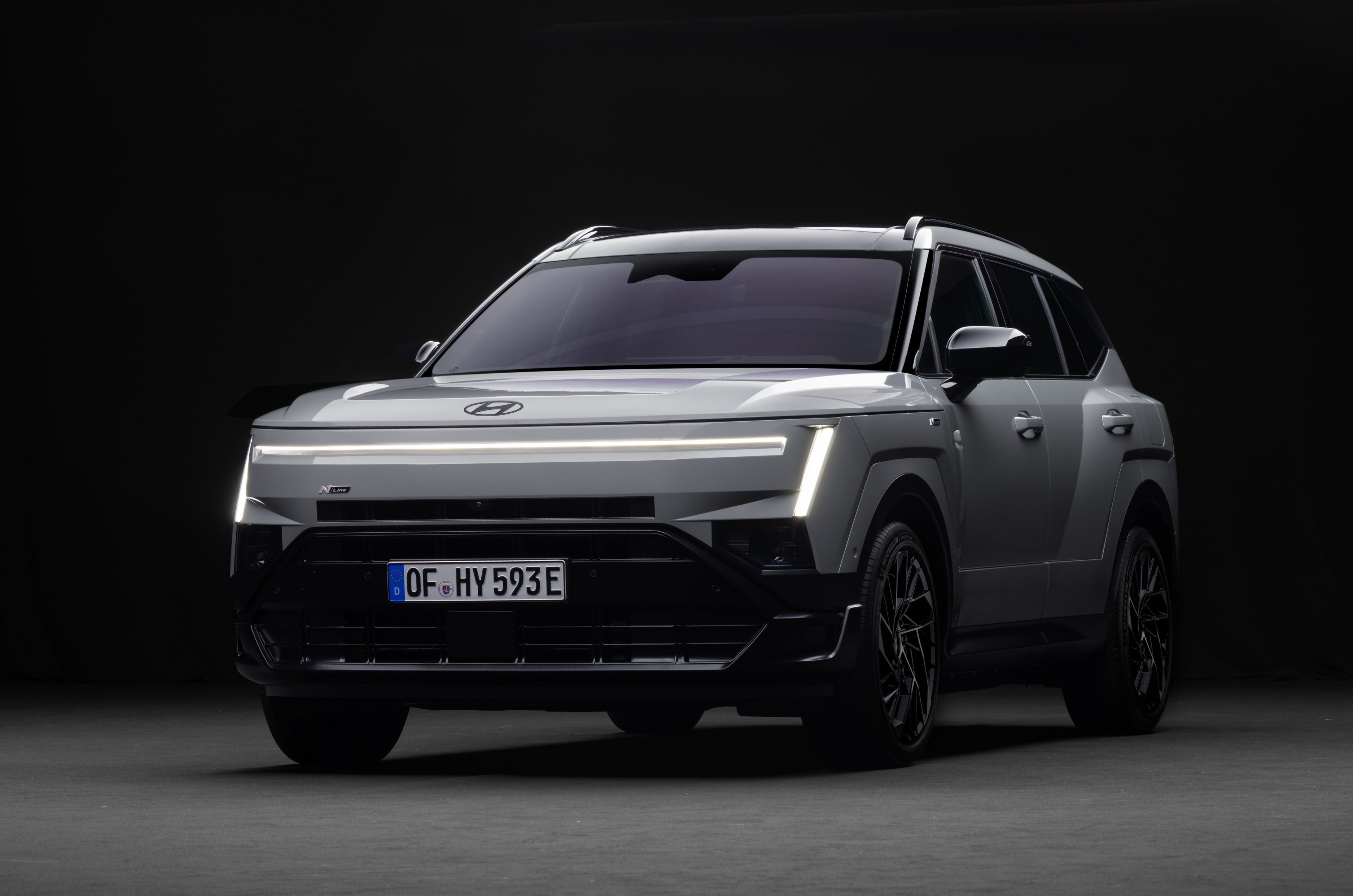
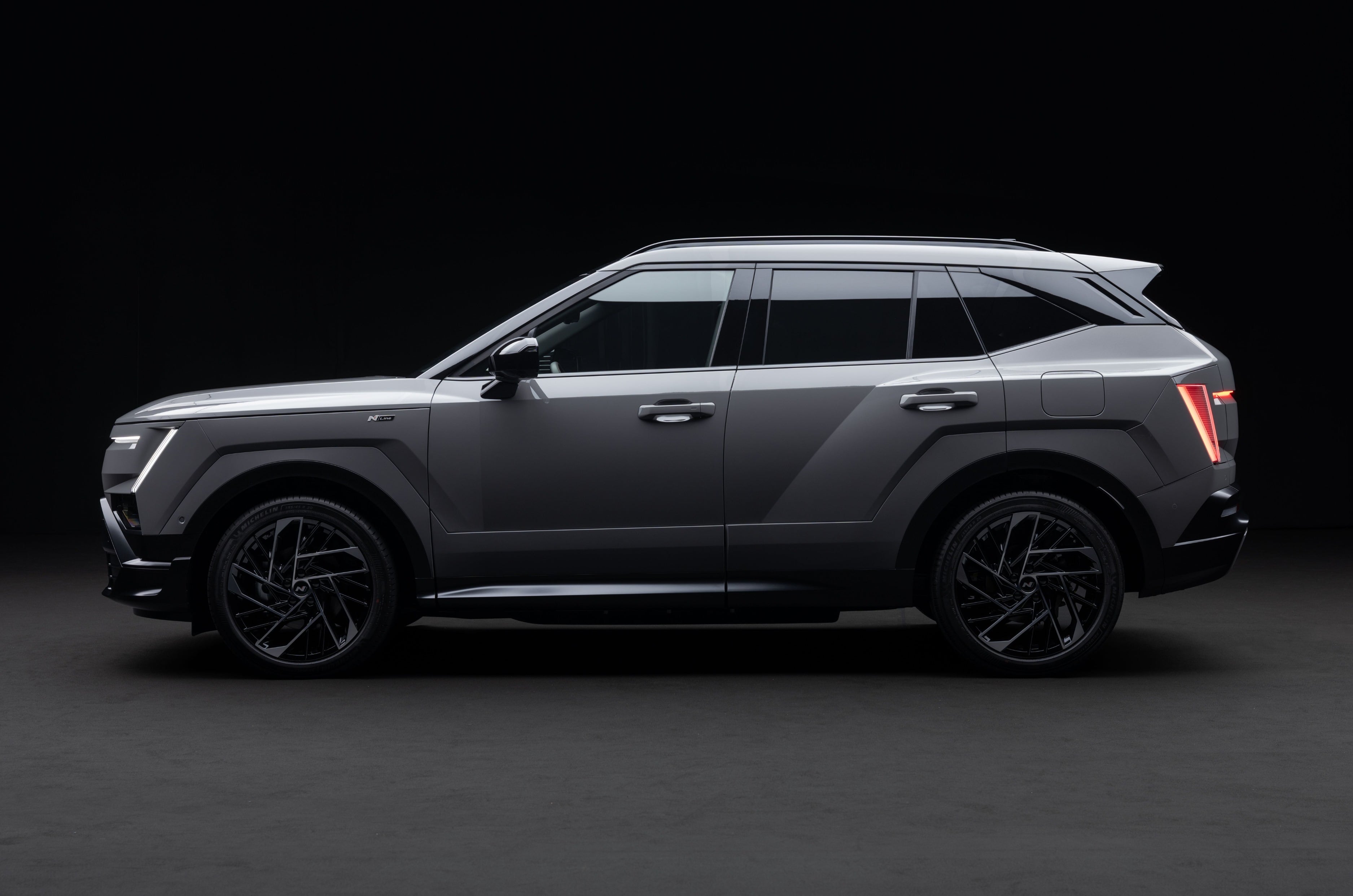
Hyundai has announced a new compact electric SUV for India at its 2026 CEO Investor Day. The new EV will be designed and manufactured in India and is slated to debut in the country by the last quarter of FY 2027 (by March 2027). Jose Munoz, President and CEO of Hyundai Motor Company, said, “A brand-new compact SUV is coming, designed and localised in India.”
A ‘next-gen infotainment’ and Level-2 ADAS are confirmed features
Will be built on the E-GMP (K) platform and manufactured in Tamil Nadu
Will compete with the Tata Nexon EV and Mahindra XUV 3XO EV
Upcoming Hyundai compact EV: All we know so far
It will be built on the E-GMP (K) platform and will be a rival to the Nexon EV
The upcoming EV, codenamed HE1i, was first announced at Hyundai’s Investor Day 2025. Later, we got to know it will be a born-electric vehicle built on the E-GMP (K) platform, which also underpins the Inster EV offered abroad. It will be manufactured at Hyundai’s Sriperumbudur facility in Tamil Nadu.
The HE1i EV will use localised Exide-sourced batteries and will be offered in two versions: standard range and long range, the exact specifications of which are unknown. For context, the Euro-spec Inster is offered with a 42kWh battery with 300km WLTP-claimed range and a long-range 49kWh battery with 355km claimed range.
Image source: @joonsun_erin on Instagram
The new compact EV is confirmed to have a “next-generation infotainment system”, which could be the Pleos Connect infotainment system also expected on the upcoming third-generation Creta, and “Level 2 assisted driving technology”.
The upcoming Hyundai compact EV will be positioned as a rival to the Tata Nexon EV, Mahindra XUV 3XO EV and Kia Syros EV. Being a localised offering, it could have a lower price tag than the Syros EV, which is currently the most expensive option in the segment.
Hyundai expects electrified vehicles to account for 50 percent of India sales by 2030. Currently, it sells two EVs in the country: the Creta Electric and Ioniq 5, and the upcoming compact eSUV will give the carmaker a share in the more accessible segment of India’s EV market.
The Maruti Brezza and Tata Nexon are among the bestselling compact SUVs in the Indian market. While the former received a comprehensive update that introduced cosmetic changes, more features and a powerful new turbo-petrol engine, the latter continues to attract consumers with a wide choice of powertrains. If you are looking to buy a compact SUV, we compare the Brezza’s top-spec ZXi+ trim and the Nexon Fearless+ PS to find out which offers better value for money.
Explore full specs, features and a price breakdown in our Brezza vs Nexon comparison.
Maruti Brezza vs Tata Nexon: Dimensions
Brezza is taller, while Nexon has a bigger boot
Maruti Brezza vs Tata Nexon: Dimensions
Maruti Brezza
Tata Nexon
Difference
Length (mm)
3,995
3,995
–
Width (mm)
1,790
1,804
-14
Height (mm)
1,685
1,620
+65
Wheelbase (mm)
2,500
2,498
+2
Ground clearance (mm)
198
208
-10
Boot space (litres)
328
382
-54
Only the length of both models is identical. Beyond that, the Brezza is taller and has a slightly longer wheelbase than the Nexon. On the other hand, the Nexon is wider, rides higher off the ground and has a larger boot.
The Brezza ZXi+ is available only with the naturally aspirated petrol automatic and turbo-petrol manual powertrains. On the other hand, the Nexon Fearless+ PS offers a wide range of options: a turbo-petrol manual and automatic, a diesel manual and automatic, and a CNG manual. As for their turbo-petrol engines, the torque is identical, but the Nexon’s larger mill delivers more power.
Maruti Brezza vs Tata Nexon: Exterior features
Nexon offers some feel-good features like welcome/goodbye animations
Maruti Brezza vs Tata Nexon: Exterior features
Maruti Brezza
Tata Nexon
Headlights
LED projector
LED projector
Tail-lights
LED
Connected LED
Welcome/goodbye animations
No
Yes
Sequential turn indicators
No
Yes
Daytime running lamps (DRLs)
Yes
Yes
Fog lamps
LED
LED
Wheels
16-inch
16-inch
Outside rearview mirrors (ORVMs)
Electrically adjustable, auto-folding
Roof rails
Yes
Yes
Rear wiper, washer
Yes
Yes
Colour options
Monotone and dual-tone
Dual-tone
Both the Brezza and Nexon are similarly equipped on the exterior, with LED light setups, DRLs, fog lamps, electrically adjustable and auto-folding ORVMs and 16-inch alloy wheels. However, the Nexon gets some fancier features such as welcome/goodbye animations for the light setups, along with sequential turn indicators. As for colour options, the Nexon is limited to dual-tone schemes, whereas the Brezza offers monotone options as well.
Maruti Brezza vs Tata Nexon: Interior features
Brezza not as well equipped as Nexon
Maruti Brezza vs Tata Nexon: Interior features
Maruti Brezza
Tata Nexon
Instrument cluster
Analogue dials with MID
10.25-inch display
Infotainment screen
10.1-inch
10.25-inch
Head-up display
Yes
No
Android Auto, Apple CarPlay
Wireless
Wireless
Sunroof
Single-pane
Panoramic
Audio system
6-speaker Arkamys Surround Sense
9-speaker JBL
Climate control
Automatic
Automatic
Rear AC vents
Yes
Yes
Driver seat adjustment
Manual
Manual
Front seat ventilation
Yes
Yes
Seat upholstery
Leatherette
Leatherette
Wireless phone charger
Yes
Yes
Air purifier
Yes
Yes
Connected car tech
Yes
Yes
Rear centre armrest
Yes
Yes
Rear sunshade
No
Yes
Ambient lighting
64-colour
No
60:40 split folding seat
Yes
Yes
Apart from multi-colour ambient lighting and a head-up display, the Brezza’s overall interior equipment falls short of the Nexon’s. The latter comes packed with features such as a digital driver’s display as opposed to analogue dials on the former, a panoramic sunroof, a slightly larger infotainment screen, more speakers and rear window sunshades.
Maruti Brezza vs Tata Nexon: Driving tech
Brezza misses out on drive modes
Maruti Brezza vs Tata Nexon: Driving tech
Maruti Brezza
Tata Nexon
Drive modes
No
Eco, City and Sport
Paddleshifters
Yes
Yes
Cruise control
Yes
Yes
While paddleshifters and cruise control are available on both models, drive modes are offered only with the Nexon.
Maruti Brezza vs Tata Nexon: Safety features
Brezza comes equipped with more advanced safety tech
Maruti Brezza vs Tata Nexon: Safety features
Maruti Brezza
Tata Nexon
BNCAP rating
5 stars
5 stars
Blind-spot warning
Yes
No
Safe-exit warning
Yes
No
Rear cross-traffic alert
Yes
No
Airbags
6
6
Camera setup
360-degree
360-degree
Parking sensors
Front and rear
Front and rear
Disc brakes
Front only
Front only
Tyre-pressure monitoring system
Yes
Yes
Interior rearview mirror (IRVM)
Auto-dimming
Auto-dimming
Hill-hold assist
Yes
Yes
ESC
Yes
Yes
Both the Brezza and Nexon have achieved a 5-star BNCAP crash-safety rating and are equally matched in terms of offering a basic safety kit, along with features such as a 360-degree camera and front parking sensor. But only the former comes with advanced safety systems such as rear cross-traffic alert and blind-spot and safe-exit warnings.
Maruti Brezza vs Tata Nexon: Price and verdict
Brezza’s more affordable, but Nexon’s powertrain range is hard to ignore
Maruti Brezza vs Tata Nexon: Prices
Maruti Brezza
Tata Nexon
NA petrol AT
13.54
–
Turbo petrol MT
11.16
12.34
Turbo petrol AT
–
12.55
Turbo diesel MT
–
13.45
Turbo diesel AMT
–
14.10
CNG MT
–
13.30
Comparing only the turbo-petrol manual powertrain, which is common to both, the Brezza is Rs 1.18 lakh more affordable than the Nexon. Notably, the Brezza ZXi+ NA petrol automatic costs almost a lakh rupees more than the Nexon Fearless+ PS turbo-petrol automatic. This is due to the higher tax on the 1.5-litre unit powering the Brezza. Moreover, the Nexon has a Fearless+ A PS trim that sits above the Fearless+ PS trim and brings Level 2 ADAS, but it is limited to the turbo-petrol automatic.
When it comes to choosing between the two, we’d recommend the Tata Nexon. Though the Brezza’s ZXi+ trim starts at a more affordable price point and is backed by Maruti’s widespread and hassle-free service experience, the Nexon’s multiple powertrain options are simply hard to ignore. Additionally, the Tata comes with more bells and whistles than the Maruti, and that’s why it’s our pick.
The Hyundai Creta has built its reputation on a spacious cabin, a long list of features and a wide choice of powertrains. The current model is offered with a 1.5-litre naturally aspirated petrol, 1.5-litre diesel and 1.5-litre turbo-petrol engine, with multiple gearbox options across the range. However, it isn’t without its shortcomings. Here are three reasons to consider the Creta and two reasons why you may want to look elsewhere.
Pros
1. Spacious and comfortable interior
The Creta’s cabin is one of its strongest points, particularly for buyers who regularly carry passengers. There is good legroom in the rear and enough width for three adults to sit across the bench. The rear seat also gets a reclining backrest, an armrest, sunshades and neck pillows, while two USB Type-C ports are available for charging.
The front seats are comfortable and the large glasshouse provides good all-round visibility. With a manageable 4.3m length and light steering, the Creta is also easy to use in the city.
2. Feature-packed
The Creta is among the better-equipped SUVs in its class. Depending on the variant, equipment includes a 10.25-inch touchscreen, 10.25-inch digital driver’s display, panoramic sunroof, ventilated front seats, powered driver’s seat, dual-zone climate control, an air purifier, 360-degree camera and Bose audio system. Higher variants also get Level 2 ADAS, including features such as adaptive cruise control, lane keep assist and autonomous emergency braking. The Creta also offers connected-car features and retains physical controls for the air-conditioning, making frequently used functions easy to operate without relying entirely on the touchscreen.
3. Wide powertrain lineup
The Creta offers one of the widest powertrain choices in the midsize SUV segment. It is available in 27 variants, with three engines to choose from: a 115hp 1.5-litre petrol, a 160hp 1.5-litre turbo-petrol and a 116hp 1.5-litre diesel. Depending on the engine, buyers can choose from a six-speed manual, CVT, six-speed torque convertor automatic or seven-speed dual-clutch automatic.
There is also the sportier N Line for buyers looking for a more performance-focused Creta. Combined with the choice of engines, gearboxes and trims, the range caters to a broad mix of requirements.
Cons
1. Some cabin plastics could be better
While the Creta’s cabin looks modern and its materials have generally pleasing textures, the quality of some of the plastics falls short of the best in the segment. There are no soft-touch materials on the dashboard and the fit and finish isn’t Hyundai’s best, with the gloss finish on the centre console also appearing uneven in places.
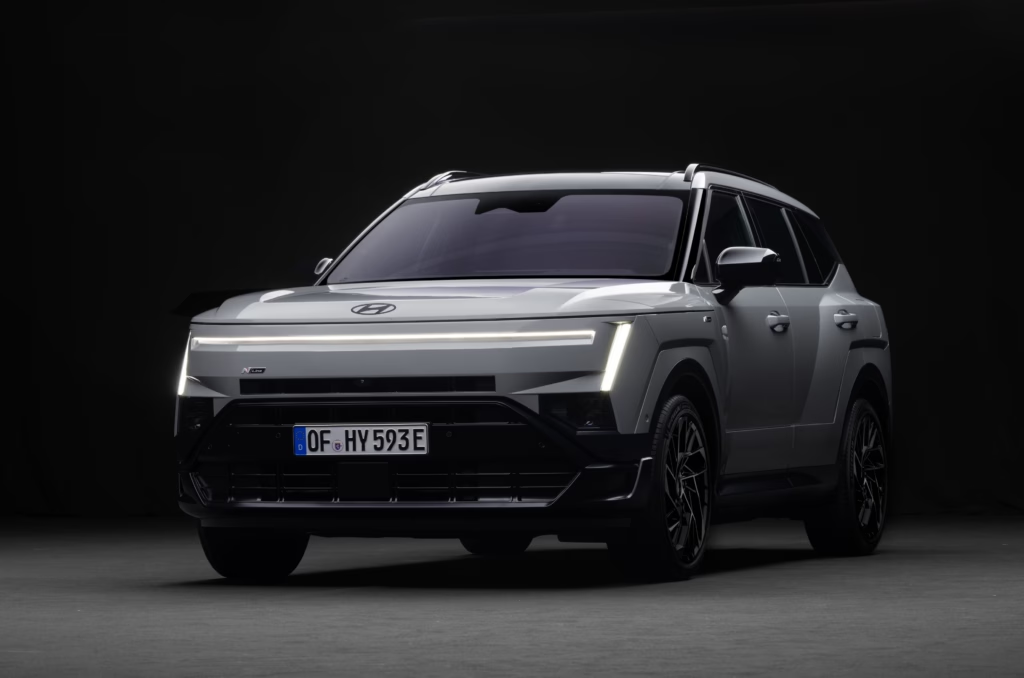
There are a few other minor shortcomings too. The rear centre passenger does not get a headrest, while the front armrest is not adjustable for length.
2. Top versions are pricey
The Hyundai Creta’s top-spec versions are priced up to Rs 20.11 lakh (ex-showroom). For comparison, the Renault Duster tops out at Rs 18.49 lakh, while the Skoda Kushaq goes up to Rs 18.99 lakh. That puts it Rs 1.62 lakh above the Duster and Rs 1.12 lakh above the Kushaq, making the top-spec Creta a relatively expensive proposition compared with some of its similarly sized alternatives.
Skoda will be bringing the fourth-generation Superb to India in 2027 in its top-spec Laurin & Klement (L&K) trim, no less. However, this time around, the premium sedan will be offered in diesel guise – a first for the brand since it discontinued diesel models in India when BS6 emission norms took effect in 2020. Without further ado, here’s all you need to know about the upcoming 2027 Skoda Superb diesel.
1. How much will the 2027 Skoda Superb diesel cost?
Skoda will bring the 2027 Superb diesel to India in limited numbers via the CBU (completely built units) route, with the expected starting price to be around Rs 50 lakh (ex-showroom). This means that the fully imported fourth-gen Superb diesel could be priced along the same lines as the Toyota Camry, which also has the price benefit of being a CKD (completely knocked down) model.
2. When will deliveries of the 2027 Skoda Superb diesel start in India
The reason why Skoda is yet to finalise on the price of the India-spec Superb diesel has to do with the upcoming India-EU Free Trade Agreement (FTA), which is set to come into effect by early 2027. While the FTA’s lower import duties will benefit fully imported modes like the Skoda Superb, the brand is awaiting further clarity before announcing its price. We know that the premium sedan will reach our shores in Q1 or Q2 of 2027 and will only be available in limited numbers.
3. What engine and gearbox will the 2027 Skoda Superb diesel get?
Under the bonnet of the 2027 Skoda Superb sits a 2.0-litre four-cylinder turbocharged diesel (TDI) engine rated at 150hp and 360Nm of torque. This transverse-mounted engine comes mated to a 7-speed dual-clutch automatic transmission (DCT) and drives the front wheels. Drive modes aside, the 2027 Skoda Superb for India will get the brand’s Progressive Dynamic Steering and Dynamic Chassis Control (DCC) systems. Skoda says that these automatically adjust the car’s ride and handling balance depending on the drive mode, road conditions and vehicle speed.
4. What are the exterior highlights of the 2027 Skoda Superb diesel?
The top-spec L&K trim of the Skoda Superb diesel comes with Matrix LED headlamps with ‘Skoda Crystal Lighting’ branding, a large black grille with shiny surrounds, full-LED tail lamps with sequential turn indicators, 18-inch alloy wheels with turbine-like detailing, ‘Laurin & Klement’ badging on the front fenders, chrome garnish for the windowline, and a simplistic bootlid with large ‘SKODA’ lettering.
Opening the power-operated bootlid reveals the Superb’s familiar liftback design and a 645-litre luggage space. There are storage cubbies here too, along with bag hooks, an extendable cargo cover, a space-saver spare wheel, flip-down rear seat releases and through-loading for carrying longer items. Overall, the 2027 Skoda Superb looks elegant and premium, while its liftback design offers more practicality than a typical three-box sedan.
5. Does the interior of the 2027 Skoda Superb diesel feel premium enough?
The 2027 Skoda Superb, like its predecessors, is aimed at buyers who prefer to be seated at the back. There’s plenty of space for rear-seat occupants – no shortage of legroom or kneeroom – even taller folks shouldn’t have trouble stretching out. The interior is upholstered in what Skoda calls “Cognac leather”, which looks premium.
The quality and tactility of the physical dials up front feel good, too. These dials integrate multiple functions and users can cycle through the climate control and seat ventilation & heating settings easily. There’s a covered storage tray beneath these dials and another even deeper storage cubby under the front-centre armrest. The front seats look nice and are multi-way powered and have a memory feature, of course.
6. What are some of the feature highlights of the 2027 Skoda Superb diesel?
Enhancing comfort further is a ‘Rear Sleep Packagage, which bring sunblinds for the rear-side windows as well as for the rear windscreen, and specially designed ‘wings’ on the headrests to help support your head should you fall asleep. There’s a fold-down armrest with cupholders and also a slot for holding a smartphone – the backrest of the front seats also get such device holders.
Other highlights inside the 2027 Skoda Superb diesel include roof-mounted LED reading lights, a dedicated climate control zone for the rear seats (it’s a three-zone system), backlit USB charging ports, a 14-speaker Canton audio system, multi-colour LED ambient lighting, a wireless charging slot at the front, a 12.9-inch touch-infotainment system, 360-degree cameras, Level 2 ADAS and 10 airbags. However, the 2027 Superb misses out on a sunroof and recline-adjustable rear seats, among a few other features.
The Maruti Suzuki Dzire and Honda Amaze are two of the most affordable sedans in India, priced at around Rs 10 lakh (ex-showroom). Both the top-spec Dzire ZXi+ and Amaze ZX offer a 1.2-litre engine with similar specifications and a similar feature suite, albeit with a couple of segment-only amenities. But what should you choose? We find out.
Maruti Dzire vs Honda Amaze: Dimensions
Sizes are almost similar, but the Amaze offers a slightly larger boot
Maruti Dzire vs Honda Amaze: Dimensions and other specifications
Maruti Dzire
Honda Amaze
Difference
Length (mm)
3,995
3,995
–
Width (mm)
1,735
1,733
+2
Height (mm)
1,525
1,500
+25
Wheelbase (mm)
2,450
2,470
-20
Ground clearance (mm)
163
172
-9
Boot space (litres)
382
416
-34
The Maruti Suzuki Dzire and Honda Amaze have similar dimensions, but the Amaze has a 34-litre larger boot space, which enables it to carry a backpack more than the Dzire. Moreover, unlike the Dzire, which gets a fixed rear seatback, the Amaze’s rear seat can be folded to accommodate more luggage if needed.
Maruti Dzire vs Honda Amaze: Powertrain
Dzire’s 3-cylinder engine offers higher fuel economy than the Amaze’s 4-cylinder unit
Maruti Dzire ZXi+ vs Honda Amaze ZX: Powertrain options
Dzire ZXi+
Amaze ZX
Engine
1.2-litre 3-cyl petrol
1.2-litre 4-cyl petrol
Power (hp)
82
90
Torque (Nm)
112
110
Transmission
5MT | 5AMT
5MT | CVT
Claimed mileage (kpl)
24.79 | 25.71
18.65 | 19.46
The major difference in the powertrains of the two compact sedans is the number of cylinders: 3 in the Dzire’s naturally aspirated engine and 4 in the Amaze’s. The Honda Amaze produces 8hp more than the Dzire, but 2Nm less. In our real-world experience, we found that the Amaze’s engine loves to be revved. It has weak low-end performance, especially under 2,000rpm, but offers a strong mid-range. The Dzire’s engine, on the other hand, has a crisp throttle response and offers strong low-end torque.
Both sedans get a 5-speed manual transmission, but the Dzire offers a 5-speed AMT while the Amaze has a CVT. The Dzire’s AMT, in our real-world experience, has a prominent lag while shifting gears, which hampers the overall drive experience. The Amaze’s CVT is better in this regard and offers smoother shifts, but has a rubberband effect, something that is generally associated with CVTs.
It is the fuel efficiency where the Dzire really shines, offering an additional 6.14kpl and 6.25kpl claimed fuel efficiency over the Amaze’s manual and automatic transmission options, respectively.
Maruti Dzire vs Honda Amaze: Exterior
Both compact sedans get all-LED lighting, powered ORVMs, and 15-inch wheels
Maruti Dzire ZXi+ vs Honda Amaze ZX: Exterior
Dzire ZXi+
Amaze ZX
Headlights
LED
Projector LED
Taillights
LED
LED
DRLs
LED
LED
Front fog lamps
LED
Projector LED
Wheels
15-inch
15-inch
Powered ORVMs
Yes
Yes
Sharkfin antenna
Yes
Yes
Both the top-spec Maruti Dzire ZXi+ and Amaze ZX are offered with all-LED lighting, 15-inch dual-tone alloy wheels, and powered outside rearview mirrors (ORVMs).
Maruti Dzire vs Honda Amaze: Interior, features
Dzire has a sunroof and a larger infotainment system, but Amaze offers paddle shifters
Maruti Dzire ZXi+ vs Honda Amaze ZX: Interior and features
Dzire ZXi+
Amaze ZX
Instrument cluster
Analogue dials with MID
Part-digital with 7-inch MID
Infotainment screen
9-inch
8-inch
Android Auto, Apple CarPlay
Wireless
Wireless
Audio system
6-speaker
6-speaker
On-board navigation
Yes
No
Sunroof
Single-pane
No
Wireless phone charger
Yes
Yes
Climate control
Automatic with rear vents
Paddle shifters
No
CVT only
Cruise control
Yes
Yes
Seat upholstery
Fabric
Fabric
Steering wheel adjustment
Tilt, telescopic
Tilt
Driver seat adjustment
Manual
Manual
Co-driver’s seat adjustment
Manual
Manual
Rear window sunshade
No
No
The top-spec Maruti Dzire is offered with a single-pane sunroof, a segment-only feature, and a larger 9-inch touchscreen infotainment system compared to the 8-inch unit on the Honda Amaze. The Dzire’s steering column also allows for telescopic adjustments. However, the Amaze offers paddle shifters with the CVT, which is missing on the Dzire AMT, and gets a larger multi-information display (MID) on the instrument cluster than the Dzire.
Maruti Dzire vs Honda Amaze: Safety
Dzire offers a 360-degree camera, while Amaze offers Level-1 ADAS
Maruti Dzire ZXi+ vs Honda Amaze ZX: Safety features
Dzire ZXi+
Amaze ZX
BNCAP rating
5 stars
5 stars
Airbags
6
6
ADAS
No
Level-1
Camera setup
360-degree
Rear, LaneWatch
Parking sensors
Rear
Rear
Electronic parking brake
No
No
Disc brakes
Front wheels only
Front wheels only
TPMS
Yes
Yes
IRVM
Day/night adjustable
Rear wiper, washer
No
No
Hill hold assist
Yes
Yes
ESC
Yes
Yes
While both the Maruti Dzire and Honda Amaze have a 5-star Bharat NCAP crash safety rating, there are a couple of changes in the safety suite of both sedans. The Amaze ZX offers Level-1 advanced driver assistance systems (ADAS), a segment-only feature, while the Dzire offers a 360-degree camera system. The Amaze gets a traditional rear camera and a LaneWatch camera mounted on the left ORVM. Other safety features are the same on both sedans.
Maruti Dzire vs Honda Amaze: Prices
The top-spec Dzire is more affordable than the Amaze
Maruti Dzire ZXi+ vs Honda Amaze ZX: Variant-wise ex-showroom price
Dzire ZXi+
Amaze ZX
Difference
Petrol MT
Rs 8.96 lakh
Rs 9.39 lakh
– Rs 43,000
Petrol AMT
Rs 9.41 lakh
Rs 10 lakh
– Rs 59,000
Both manual and automatic versions of the top-spec Maruti Dzire ZXi+ are more affordable than the fully-loaded Honda Amaze ZX. At a lower price point, the Dzire offers a fuel-efficient engine that also offers good low-end torque, it offers a customer-favourite sunroof and a 360-degree camera, making it feel more complete than the top-spec Amaze.
Unlike the standard X1, the Long Wheelbase (LWB) version primarily targets buyers for whom rear-seat space is the top priority. The BMW X1 LWB competes with the likes of the Audi Q3 and Mercedes-Benz GLA in India and is the only one to be offered in a long-wheelbase guise. All that said, here are some pointers to keep in mind before signing on the dotted line.
Reasons to buy the BMW X1 LWB
Space is aplenty
The Long Wheelbase version’s rear seats and boot are easily better than rivals’
A wheelbase that’s grown by 108mm over the standard X1 means that the LWB benefits from a roomy cabin. This is noticeable upon stepping into the rear of the X1 LWB, where there’s plenty of space even for six-footers to stretch out. A centre armrest with cup holders, dedicated rear AC vents and USB Type-C charging ports aside, BMW has redesigned the rear seats.
Catering to the occupants in the outer units are better cushioning plus a 15mm longer seat base for added under-thigh support. Not only is the general seating position good, but the reclining backrests further elevate comfort. The expansive glasshouse, including the fixed panoramic sunroof, makes for a light and airy cabin. Furthermore, the 540-litre boot is bigger than those of the GLA and Q3.
Convincingly pliant
BMW has revised the suspension for a more comfortable ride
Compared to the standard-wheelbase model, the X1 LWB offers a more pliant ride that errs towards comfort rather than corner-carving sportiness. It works quietly in the background and absorbs bad patches well. Under most driving scenarios, the underlying firmness of this suspension setup will go unnoticed. The steering wheel provides a good sense of connection to the road, and the X1 LWB changes direction confidently and swiftly.
Useful parking aids
Quality assistance tech means parking the X1 LWB is a surprisingly convenient affair
The BMW X1 LWB is equipped with a 360-degree camera system, whose quality is really good. This will help one park the luxury SUV without major issues. Should you find yourself in a tricky situation or be confused about getting out of a dead end, the Reversing Assistant is a feature that could be a great help. This system is designed to automatically back up the car by retracing the path taken to reach its current spot and can work up to a distance of 50 metres.
Competitive pricing
The X1 LWB is priced rather well
At Rs 49.90 lakh (ex-showroom), the BMW X1 LWB costs Rs 1 lakh less than the standard-wheelbase model. When compared to its Mercedes-Benz GLA rival, the X1 LWB is up to Rs 5.1 lakh more affordable.
Reasons not to buy the BMW X1 LWB
Missing equipment
The long-wheelbase version has fewer features than the regular X1
For reasons known only to BMW, the X1 LWB doesn’t come with adjustable rear sunshades, ventilated or massaging seats, and even the USB slots up front aren’t backlit. This makes finding them in the dark a chore. The LWB version also lacks a dedicated climate-control zone for the rear passengers, while the advanced driver assistance systems (ADAS) package doesn’t include adaptive cruise control.
Uninspiring performance
This three-cylinder engine isn’t a punchy enough unit
The 1.5-litre three-cylinder turbo-petrol fuel-injected engine produces 156hp and 230Nm of torque, which is 20hp more than the unit powering the standard-wheelbase X1. This E25-compliant engine comes mated to a 7-speed dual-clutch transmission (DCT) and feels more than sufficient when driving in the city.
However, when you want to overtake in a hurry or bury the accelerator pedal, there’s some delay before the X1 LWB builds speed. Push it hard, and this three-cylinder mill will make itself heard, and it isn’t a particularly sporty note either. Even in Sport mode, 0-100kph took 9.58 seconds when we tested this SUV’s acceleration.
Complicated infotainment
The system is modern but can be confusing for users
The 10.7-inch touchscreen of the BMW X1 LWB looks crisp and is very responsive to inputs as well. However, its information-dense design means users will find themselves facing a plethora of menus, and finding what you need will require some patience. Even the climate-control system is managed via the touchscreen, meaning eyes off the road. All of it feels more challenging than it needs to be.
BMW has launched the long wheelbase X1 in India at a price of Rs 49.90 lakh (ex-showroom). This adds to the regular, short wheelbase X1 lineup that continues to be on sale with both petrol and diesel engines. The X1 LWB, however, is solely available with a petrol engine and comes with the M Sport styling package as standard. For reference, the standard wheelbase X1 petrol is priced at Rs 50.90 lakh, which means the X1 LWB is Rs 1 lakh more affordable than the latter.
X1 LWB solely available with a 156hp, 1.5-litre petrol engine
Gets a 108mm longer wheelbase than the regular X1
Comes with improved rear seating and revised suspension tuning
Here’s a look at the prices of the BMW X1 range in India:
Model
Price (ex-showroom)
X1 LWB sDrive 18Li
Rs 49.90 lakh
X1 sDrive 18i
Rs 50.90 lakh
iX1 eDrive LWB 20L
Rs 52.70 lakh
The new LWB model is now the most affordable variant in X1 lineup.
BMW X1 LWB exterior and interior details
The biggest update on the X1 LWB compared to the standard X1 is that it is dimensionally larger than the latter. It is 116mm longer overall, with 108mm of that added length at the wheelbase alone. Elsewhere, it gets the same peeled-back headlamps, the same M Sport styling pack with sporty-looking bumpers and the same edgy tail-lights. Even the 18-inch alloys have been carried over from the short wheelbase model. The only little distinguishing element is a chrome surround for the large windows, which on the the standard X1 gets a blacked-out finish. A shadow package, however, is available as an optional extra. The X1 LWB is available in four colors – Night Dusk Blue, Skyscraper Grey, Carbon Black and Mineral White.
The wheelbase is longer by 108mm compared to the regular X1.
On the inside, apart from the obvious additional legroom for the rear seat passengers, the X1 LWB also gets a redone rear seat. There’s enhanced cushioning, while a 15mm longer seat base adds a bit more by way of thigh support. You also have the option to recline the backrest by a couple of degrees.
Up front, the X1 LWB is no different from the standard-wheelbase X1. The dashboard gets a 10.25-inch digital instrument cluster and a 10.7-inch touchscreen, asymmetric AC vents and also an upright wireless phone charging pad at the base of the dash. There’s also a floating centre console, which houses a few key buttons, such as for the gear selector, volume control and driving modes.
Dashboard remains unchanged from the regular X1.
You also get features like a adaptive LED headlamps, panoramic sunroof, 360-degree camera, powered front seat and a 12-speaker Harman Kardon sound system. It, however, misses out on ventilation and massage functions for the front seats, as well as dedicated climate zone for the rear passengers. The safety kit includes 8 airbags, ABS, ESC and Isofix child-seat mounts, among other features. The X1 LWB also packs a few ADAS functions such as auto emergency braking and lane departure warning and assist. Adaptive cruise control, however, is missing.
BMW X1 LWBpowertrain and specs
Under the hood, the X1 LWB just gets a sole engine option – a 1.5-litre 3-cylinder direct-injection turbo-petrol engine developing 156hp (up by 20hp over the X1) and 230Nm. This is routed to the front wheels via a 7-speed dual-clutch automatic, and in our testing, the X1 LWB achieved a 0-100kph time of 9.58 seconds. Unlike the standard X1, the LWB will not be offered with a diesel engine. BMW has also tweaked the X1 LWB’s suspension to deliver better ride comfort.
The X1, uniquely, is the only long-wheelbase model in its segment where it sees competition from the likes of the Mercedes-Benz GLA, Audi Q3 and Mini Countryman C. For reference, the standard wheelbase X1 is priced at Rs 50.90 lakh (ex-showroom).
BMW India is set to expand its entry-level SUV range with the X1 Long Wheelbase (LWB) on Friday, August 21. As the name suggests, the X1 LWB is an elongated version of the X1 and the ICE-powered equivalent to the iX1 LWB, which has been a hot seller for BMW here. Ahead of the X1 LWB’s India launch, here’s all you can expect from the stretched SUV.
What is the estimated price of the BMW X1 LWB?
The X1 LWB is anticipated to command a slight premium over the vanilla X1, which is priced in the Rs 50.9 lakh-52.9 lakh range. We expect pricing for the X1 LWB to land under Rs 55 lakh, which would represent good value considering the SUV has no direct rivals in the Indian market at the moment.
How much longer is the BMW X1 LWB over the standard X1?
Measuring 4,616mm long, the X1 LWB sees a 116mm bump in overall length compared to the regular X1 – 108mm of that added length has gone into the wheelbase. The X1 LWB is also 11mm taller at 1,641mm, while width remains identical to the X1. Elsewhere, the X1 LWB looks exactly the same as its shorter counterpart, with swept-back LED headlamps, large kidney grilles, 18-inch alloy wheels, a dual-ridge roof spoiler, sharp-looking LED tail-lamps, and an M Sport cosmetic package fitted as standard.
How is the rear seat comfort of the BMW X1 LWB?
Expectedly, the increased wheelbase of the X1 LWB yields significantly more horizontal space for rear-seat occupants – BMW claims 109mm of extra knee room. The rear seat base has also been extended by 15mm, and cushioning has been enhanced too. In our X1 LWB review, we noted that the lengthened seat base improves thigh support, and the seating position is very good as well.
You can recline the backrest by a couple of degrees for an even more relaxed angle. However, while the added legroom frees up a bit more space for the middle passenger, the high centre tunnel makes the X1 LWB’s rear bench best suited for two occupants only. Boot space is rated at 540 litres, which is larger than X1’s 476-litre bay.
Which features does the BMW X1 LWB get?
Aside from the bump in rear space, the X1 LWB’s interior is no different to that of the standard X1. This means you get features like a 10.7-inch infotainment touchscreen, a 10.25-inch digital driver’s display, a 12-speaker Harman Kardon sound system, wireless Apple CarPlay and Android Auto, powered front seats, a fixed panoramic glass roof, ambient lighting, a 360-degree camera, auto park assist, connected car tech, a digital key, ADAS, a wireless charging pad, and more.
Which engine options does the BMW X1 LWB offer?
The X1 LWB will launch solely in sDrive18Li guise, which refers to a 1.5-litre 3-cylinder direct-injection turbo-petrol engine developing 156hp (up 20hp over the X1) and 230Nm. This is routed to the front wheels via a 7-speed dual-clutch automatic, and in our testing, the X1 LWB achieved a 0-100kph time of 9.58 seconds. Unlike the standard X1, the LWB will not be offered with a diesel engine.
BMW has also tweaked the X1 LWB’s suspension to deliver better ride comfort. The setup is quiet in operation and feels absorbent, with a hint of firmness coming through only when you’re keenly paying attention.