Volvo has updated its entire 40 series range, which includes the XC40, EX40, and EC40. The Swedish carmaker has brought in subtle exterior revisions, new interior decor options, updated tech, and safety enhancements.
New 11.2-inch infotainment with Google Gemini integration.
Level 2 ADAS and a 360-degree camera are optional fitments.
There’s no confirmation on whether the facelifted EC40 will arrive here, considering it’s the only 40 series SUV sold in India. Volvo has delisted the EX40 from its India website; the XC40 was discontinued in 2023
Volvo 40 Series: What’s new?
The front-end on all models receives revisions for the matrix LED headlamps with ‘Thor’s Hammer’ DRL signatures and a cleaner look for the bumper. There’s also a new grille design for the XC40 that helps set it apart from the EC40 and EX40, which get a blanked-off finish. At the rear, only the XC40 and EX40 sport new LED tail-lamps and a revised tailgate and bumper. The alloy wheels on all models have been restyled, with the XC40 now offering 18- to 20-inch rims. Black Editions are also available, which come with blacked-out exterior elements.
Inside, there’s a larger 11.2-inch infotainment system with Volvo’s latest operating system. There’s also Google Gemini integration onboard, which helps drivers have natural conversations with the in-car assistant. Volvo has also introduced new upholstery and decor options for the interior.
Volvo says that, as standard, all models respond to potential collisions in real time with features like automatic emergency steering and braking. Optional safety features include a Level 2 ADAS suite and a 360-degree camera. The Swedish carmaker says that the XC40, EX40 and EC40 will “improve over time” with OTA updates.
Under the hood, the XC40 is powered by a 2.0-litre turbocharged petrol engine available in two states of tune. Lower-spec versions produce 163hp and 265Nm while higher-spec versions deliver 197hp and 300Nm. Power is sent to the front wheels via a 7-speed DCT. The EC40 and EX40 provide multiple battery choices ranging from 66kWh to 79kWh. Depending on the variant, you either get a rear-mounted motor or a dual-motor setup that enables AWD. The maximum e-motor power output is 442hp and 670 Nm, and WLTP-certified range figures for the EX40 and EC40 are 575km and 584km, respectively.
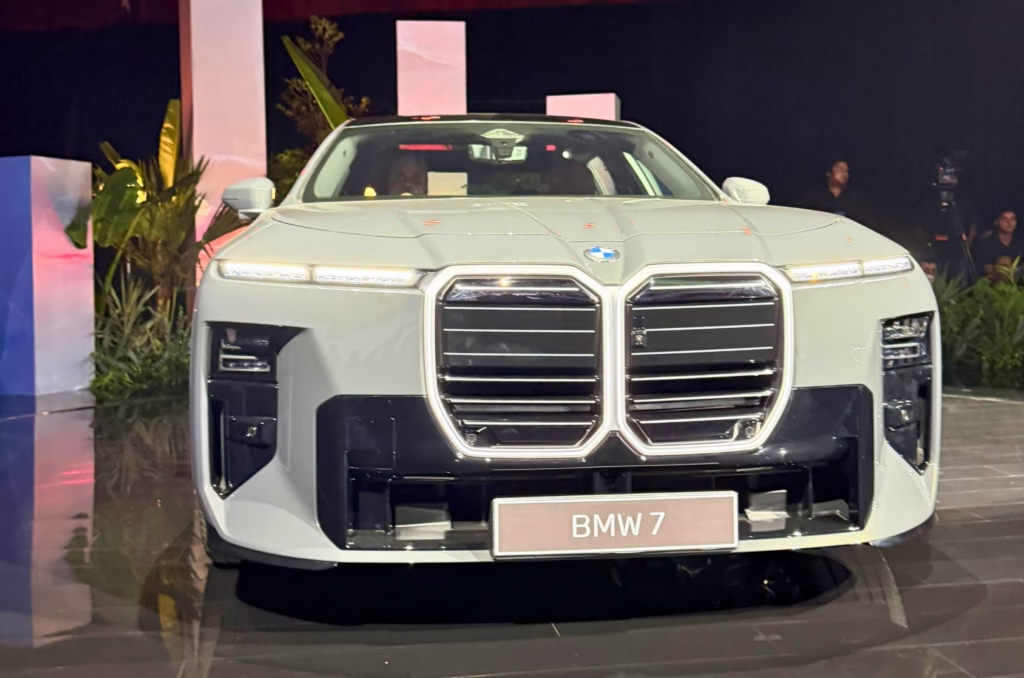
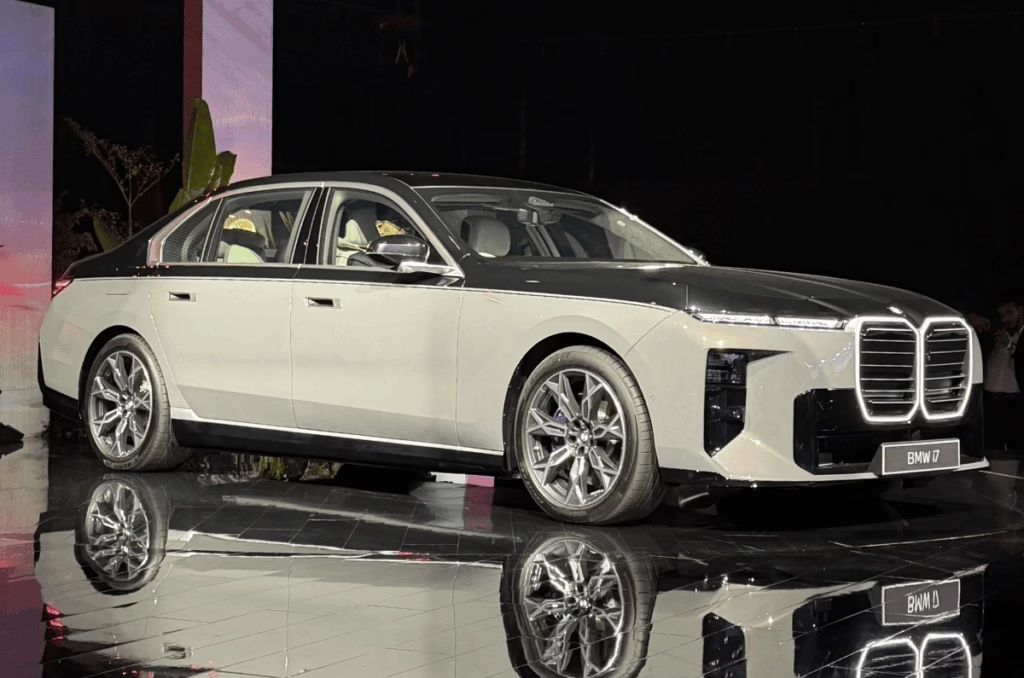
BMW has launched the 2026 7 Series facelift in India at a starting price of Rs 1.95 crore. Globally unveiled earlier this year, the 7 Series facelift brings a slew of changes to the flagship sedan’s exterior and interior, along with some powertrain upgrades. The 7 Series continues to rival the Mercedes-Benz S-Class, a facelift of which also went on sale in India a few months ago.
In addition to the ICE-powered 7 Series, BMW launched the luxury sedan’s updated all-electric counterpart, the i7, in eDrive50 and M70 guises. The 7 Series and i7 eDrive50 will be locally assembled at BMW’s Chennai plant.
2026 BMW 7 Series facelift price list
Variant
Price (Rs, crore)
740
1.95
The ICE-powered 7 Series facelift is available in only one variant in India: the petrol-powered ‘740’. BMW has dropped the prior model’s ‘740d’ diesel version. Compared to the outgoing 7 Series, which was priced at Rs 1.85 crore, the facelift is pricier by Rs 10 lakh. Compared to the S-Class, which costs Rs 2.20 crore-2.38 crore, the 2026 7 Series is up to Rs 43 lakh more affordable.
2026 BMW 7 Series facelift exterior changes
The front end of the 7 Series facelift sees the most drastic changes, with a more slab-sided and imposing look. BMW has revised the split headlamps, with a slim pair of DRLs extending outwards from the top of the grille, and the main LED units relocated right above the redesigned vertical air intakes. The kidney grilles are now more squared-off and have horizontal slats, and continue to get an illuminated surround. Lastly, the air dam below the grille is much wider.
Over to the side, the 7 Series facelift gets updated side skirts and new alloy wheel designs – 20-inchers are fitted as standard, which can be optioned up to 22 inches. The rear end, meanwhile, features a pair of new wide LED tail-lamps and a smoother-looking bumper.
2026 BMW 7 Series facelift interior changes
On the inside, the 7 Series facelift has been updated to resemble BMW’s newer Neue Klasse models. The dashboard notably features a rhomboidal 17.9-inch infotainment touchscreen, a 14.6-inch passenger screen, a pillar-to-pillar Panoramic Vision display, and a four-spoke steering wheel. Lower down, the centre console has been redesigned with a larger storage space, fewer buttons, and a new cylindrical rotary drive selector.
As for features, the facelifted 7 Series packs an 18-speaker Bowers & Wilkins surround sound system, ambient lighting, powered doors, wireless Apple CarPlay and Android Auto, over-the-air updates, a fixed panoramic glass roof, Boss mode, powered leg rests, connected car tech, Level 2 ADAS, and powered, heated, ventilated, and massaging seats. Buyers can also opt for a 31.3-inch 8K rear entertainment screen and embedded LEDs for the fixed panoramic glass roof that sync up with the ambient lighting.
2026 BMW 7 Series facelift engine and gearbox
The 7 Series facelift carries forward the outgoing model’s 3.0-litre direct-injection turbo-petrol straight-six, which is mated to a 48-volt mild hybrid system. Thanks to internal upgrades, the 740 now produces up to 400hp and 540Nm – up 19hp and 20Nm over its predecessor. As noted previously, the 2026 7 Series facelift is not available with a diesel engine in India, even though the option is offered in some global markets.
An 8-speed torque converter automatic sends power to the rear wheels, enabling a claimed 0-100kph time of 5.4 seconds for the 740. Top speed is electronically limited to 250kph. Additionally, the 7 Series facelift packs rear-wheel steering and adaptive suspension.
BMW India has launched the 2026 i7 facelift at Rs 1.95 crore (eDrive 50 trim), ex-showroom. The range-topping M70 xDrive trim costs Rs 2.65 crore. With this year’s mid-lifecycle update, BMW’s flagship electric sedan gets powertrain upgrades, along with several exterior and interior design tweaks.
2026 BMW i7 facelift: Powertrain specs
The range-starting i7 eDrive 50 trim makes 455hp and 600Nm, accelerating from 0-100kph in 5.5 seconds and topping out at 210kph. It uses a 112.5kWh battery pack, allowing for a single charge range of 728km (WLTP rated). BMW claims that is an increase of 125km over the outgoing model.
The top-spec i7 M70 xDrive (all-wheel drive in BMW speak) makes higher outputs of 680hp, and 1,015Nm (in Sport mode) and 1,100Nm (with Sport Boost function). As a result, it does the sprint from rest to 100kph in just 3.8 seconds; top speed is 250kph. Range, however, stands at 686km (also WLTP).
With a 250kW DC fast charger, a 10-80 percent charge takes 28 minutes; BMW claims that a 10-minute charging top-up can add a range of 235km. Whereas, it takes about six hours to charge the battery from 0-100 percent with a 22kW AC charger. Both trims come with a complimentary wallbox charger with installation. It can be installed at home to enable charging at speeds of up to 22kW.
2026 BMW i7 facelift: Exterior highlights
The updated i7 sedan receives subtle styling revisions, though it carries over the overall design of the outgoing model. Part of the changes include a more squared-off kidney grille with illuminated surrounds, revised LED headlamps and a new front bumper. Along the sides, BMW has introduced a new alloy wheel design while retaining the flush-fitting door handles. At the rear, the i7 gets new tail-lamps with smoked lenses, along with a redesigned tailgate and bumper.
Compared to the standard sedan, i7 M70 xDrive gets a larger front air intake. In addition to the grille, this trim also gets M badges on the Hofmeister kink of the side windows and on the outer edges of the rear lights. The M70 rides on 21-inch wheels.
2026 BMW i7 facelift: Interior features
The biggest changes are inside the cabin. Instead of a traditional driver’s display, the facelift gets BMW’s Panoramic Vision full-width projection at the windscreen’s base. The rhomboidal touchscreen in the centre measures 17.9 inches, and it runs the latest BMW Operating System X, supports over-the-air updates, wireless Apple CarPlay and Android Auto, and features improved voice controls. There’s a new passenger screen as well, and it measures 14.6 inches.
Even the centre console has been redesigned with a more storage space, lesser buttons, and a new cylindrical rotary drive selector. BMW has also redesigned the dashboard, introduced a new four-spoke steering wheel like in its Neue Klasse models.
As before, the i7 gets a massive 31.3-inch 8K Theatre Screen at the rear. Audio duties are taken care of by a Bowers & Wilkins surround sound system with Dolby Atmos. Powered doors have been retained as well. The panoramic glass roof can be specified with more than 40 LED lights. Other features include Boss mode, powered ottomans, connected car tech, Level 2 ADAS, and powered, heated, ventilated, and massaging seats.
The 2026 BMW i7 eDrive 50 will be locally-assembled at the company’s Chennai plant, while the M70 xDrive version will arrive here as a fully imported model.
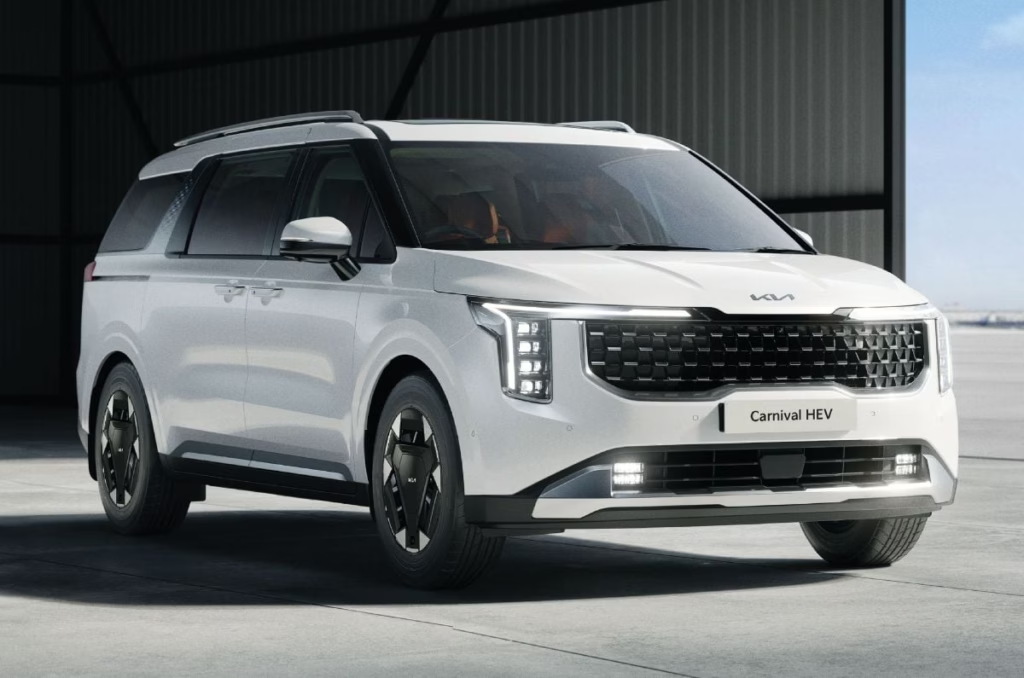
Kia has opened pre-bookings for the upcoming Carnival hybrid, a week after it revealed details on the MPV in India. Expected to launch soon, the Kia Carnival’s strong-hybrid powertrain borrows the 1.6-litre turbo-petrol engine from the Sorento, but uses a more powerful electric motor. The Carnival hybrid variant will be available in the same Limousine+ trim, which is currently offered with a diesel variant only.
Kia Carnival hybrid: All you need to know
Offered with a 1.6-litre turbo-petrol strong-hybrid powertrain with a 6-speed AT
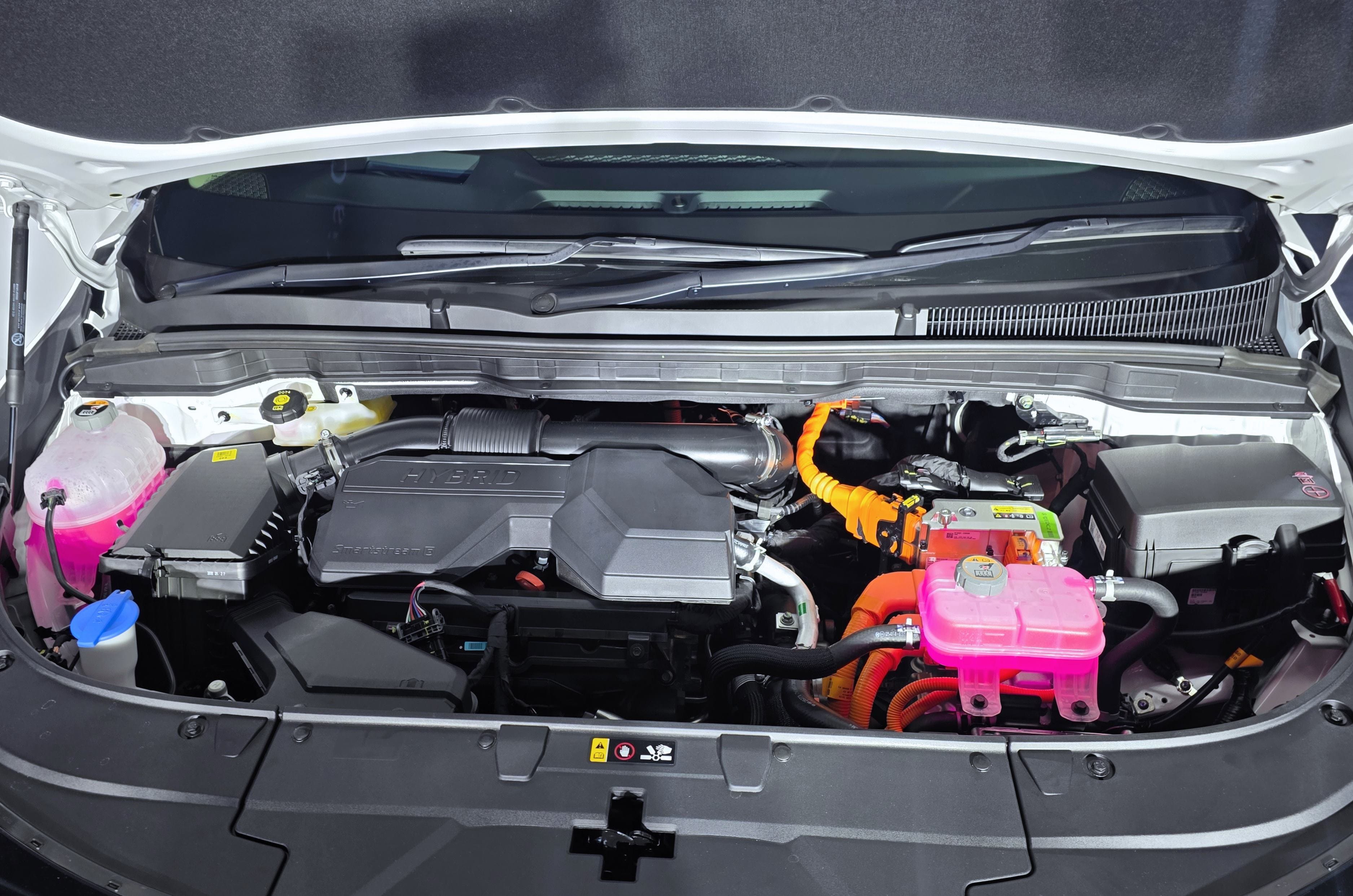
The Kia Carnival hybrid powertrain, as mentioned earlier, borrows the Sorento’s 1.6-litre turbo-petrol engine that produces 180hp and 265Nm, but uses a more powerful electric motor that produces 73.4hp and 304Nm (8.4hp and 40Nm more). The powertrain is paired with a 6-speed torque converter automatic transmission (AT).
The 193hp, 2.2-litre diesel engine, which is currently offered with an 8-speed AT on the MPV, will continue alongside the strong-hybrid powertrain.
Exterior and interior design are unchanged, but it gets a couple of new features
Except for a new HEV badge on the tailgate, the Carnival hybrid’s exterior design is the same as the diesel version. It continues with a tiger-face grille, vertically stacked LED headlights with DRLs, powered sliding doors, 18-inch alloy wheels and connected LED taillights. Inside too, the 3-row MPV’s design is identical to the diesel version. What’s new is the virtual engine sound system, and retractable and height-adjustable seat-back tables with wireless phone chargers.
It continues with dual 12.3-inch screens, 3-zone climate control, and a 12-speaker Bose sound system. Safety features include 8 airbags, Level 2 advanced driver assistance systems (ADAS), disc brakes on both ends, and a 360-degree camera.
The Carnival Limousine+ hybrid is expected to be priced at a premium over the diesel variant’s Rs 59.65 lakh (ex-showroom) price tag.
Maruti Suzuki ने 2026 Baleno facelift के सभी वेरिएंट्स की कीमतों की पूरी लिस्ट जारी कर दी है। इसकी शुरुआती कीमत 5.99 लाख रुपये है और टॉप मॉडल की कीमत 9.99 लाख रुपये (एक्स-शोरूम) है, जो पांच ट्रिम्स में उपलब्ध है। यह इसलिए अहम है क्योंकि Maruti Suzuki ने शुरू में इस कार को 5 सितंबर को लगभग 6.10 लाख रुपये (एक्स-शोरूम) की शुरुआती कीमत पर लॉन्च किया था, लेकिन अब Sigma बेस मॉडल की कीमत 5.99 लाख रुपये (एक्स-शोरूम) तय हो गई है। यह कीमत पुराने मॉडल के बराबर ही है, जबकि नई कार में नया इंजन, बेहतर सेफ्टी किट और अतिरिक्त फीचर्स दिए गए हैं। प्रीमियम हैचबैक सेगमेंट में गाड़ी खरीदने की सोच रहे ग्राहक अब Hyundai i20 और Tata Altroz जैसी प्रतिद्वंद्वी कारों से इसकी कीमतों की सही-सही तुलना कर सकते हैं।
Maruti Suzuki Baleno facelift: वेरिएंट्स और कीमत
आपकी जानकारी के लिए यहां सभी वेरिएंट्स की एक्स-शोरूम कीमतें दी गई हैं।
Baleno Facelift वेरिएंट
पेट्रोल MT
पेट्रोल AMT
CNG MT
Sigma
₹5.99 लाख
—
—
Delta
₹7.00 लाख
₹7.50 लाख
₹7.92 लाख
Zeta
₹8.00 लाख
₹8.50 लाख
₹8.92 लाख
Alpha
₹9.10 लाख
₹9.60 लाख
—
Alpha(O)
₹9.50 लाख
₹9.99 लाख
—
Sigma बेस ट्रिम सिर्फ पेट्रोल-मैनुअल में आता है और इसकी कीमत ₹5.99 लाख है। इसमें AMT या CNG का ऑप्शन नहीं है। Delta ट्रिम मैनुअल में ₹7 लाख से शुरू होता है, AMT के लिए इसकी कीमत ₹7.50 लाख और CNG वेरिएंट के लिए ₹7.92 लाख तक जाती है। Zeta ट्रिम भी इसी पैटर्न को फॉलो करता है, जिसकी कीमतें क्रमशः ₹8 लाख, ₹8.50 लाख और ₹8.92 लाख हैं।
टॉप दो ट्रिम्स, Alpha और Alpha(O), में CNG का ऑप्शन बिल्कुल नहीं है: Alpha की कीमत ₹9.10 लाख (MT) और ₹9.60 लाख (AMT) है, जबकि Alpha(O) सबसे महंगा वेरिएंट है, जिसकी कीमत ₹9.50 लाख (MT) और ₹9.99 लाख (AMT) है। ध्यान दें कि ये सभी कीमतें एक्स-शोरूम हैं। सभी वेरिएंट्स में, AMT के लिए पेट्रोल-मैनुअल के मुकाबले ₹50,000 ज्यादा देने होंगे, जबकि CNG के लिए ₹92,000 ज्यादा देने होंगे।
Maruti Suzuki Baleno facelift: क्या बदला है?
Maruti Suzuki Baleno facelift में सबसे बड़ा बदलाव इसके इंजन में हुआ है। पुराना K12N 1.2-लीटर फोर-सिलेंडर इंजन हटाकर उसकी जगह Z12E 1.2-लीटर थ्री-सिलेंडर इंजन लगाया गया है, जो पहले से ही Swift और Dzire में इस्तेमाल हो रहा है। इसकी पावर और टॉर्क थोड़ी कम होकर 83hp और 112Nm हो गई है (7hp और 1Nm की कमी), लेकिन मैनुअल मॉडल में माइलेज बढ़कर 23.80kmpl और AMT मॉडल में 24.77kmpl हो गया है।
CNG वर्जन 70hp की पावर और 102Nm का टॉर्क देता है और इसका माइलेज 33.61km/kg बताया गया है। सेफ्टी के मामले में, Baleno में अब लेवल 2 ADAS सुइट और टायर प्रेशर मॉनिटरिंग सिस्टम जैसे नए फीचर्स मिलते हैं, जो पहले नहीं थे। इसके अलावा, इसमें 6 एयरबैग, 360-डिग्री कैमरा और हिल होल्ड असिस्ट जैसे पुराने फीचर्स भी मौजूद हैं। कार के बाहरी डायमेंशन में कोई बदलाव नहीं हुआ है – लंबाई 3,990mm, चौड़ाई 1,745mm और व्हीलबेस 2,520mm ही है।
खरीदारों के लिए इसका क्या मतलब है?
अगर आप Maruti Suzuki Baleno खरीदने की सोच रहे हैं, तो ध्यान रखें कि CNG का ऑप्शन सिर्फ Delta और Zeta वेरिएंट में मिलता है। टॉप-एंड Alpha और Alpha(O) वेरिएंट में CNG का विकल्प नहीं दिया गया है। इसलिए कम रनिंग कॉस्ट के लिए CNG कार खरीदने वाले ग्राहकों के पास सीमित विकल्प हैं।
नई Baleno में पुराने 4-सिलेंडर इंजन के मुकाबले पावर थोड़ी कम हुई है, लेकिन माइलेज बेहतर हुई है। ऐसे में अगर आपकी प्राथमिकता ज्यादा पावर और बेहतर परफॉर्मेंस है, तो बुकिंग से पहले इस बदलाव को ध्यान में रखना जरूरी है। वहीं, अगर आप बेहतर माइलेज और कम ईंधन खर्च चाहते हैं, तो नया इंजन आपके लिए फायदेमंद हो सकता है। साथ ही, ये शुरुआती कीमतें हैं और Maruti Suzuki आगे चलकर इनमें बदलाव कर सकती है।
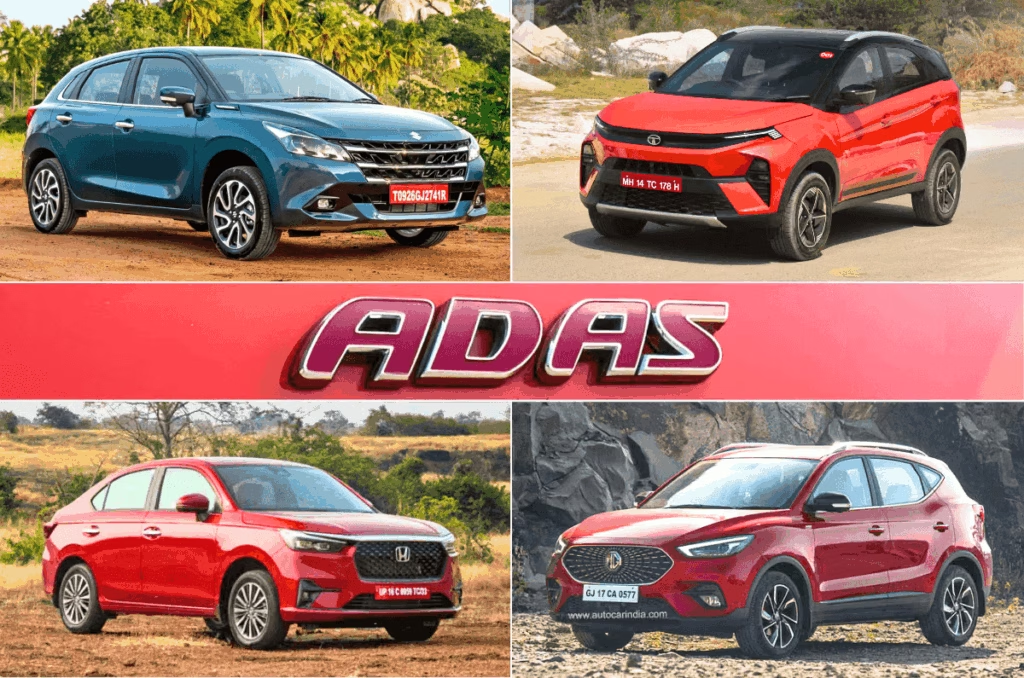
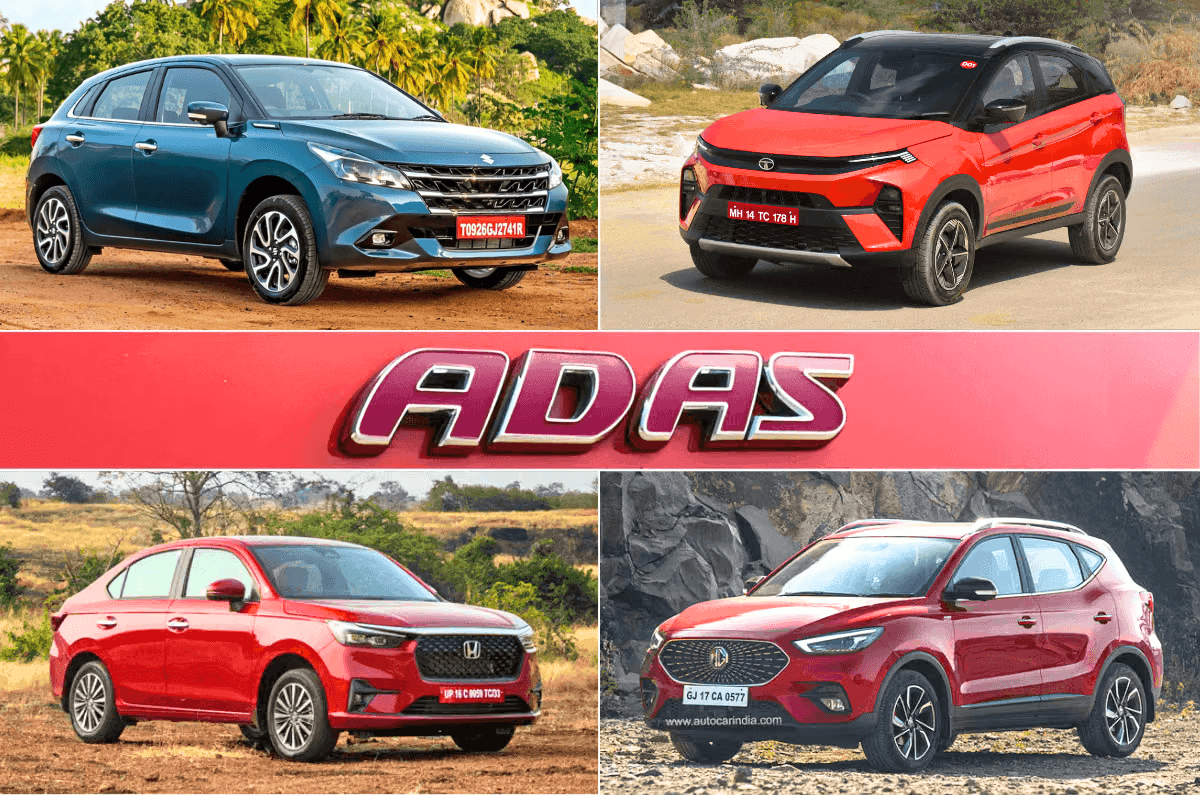
The democratisation of advanced driver assistance systems (ADAS) is visible in the Indian market, with many car brands now offering the safety tech in their mass-market models. Cars in this segment currently offer two stages of autonomous driving: Level 1, with features such as forward-collision warning and lane-keep assist, and Level 2, which adds adaptive cruise control and blind-spot monitoring. If you are looking for cars with ADAS, here are the 10 most affordable combustion-powered models in India that offer the advanced safety system, priced from highest to lowest.
10. Nissan Tekton
Rs 15.39 lakh-18.59 lakh
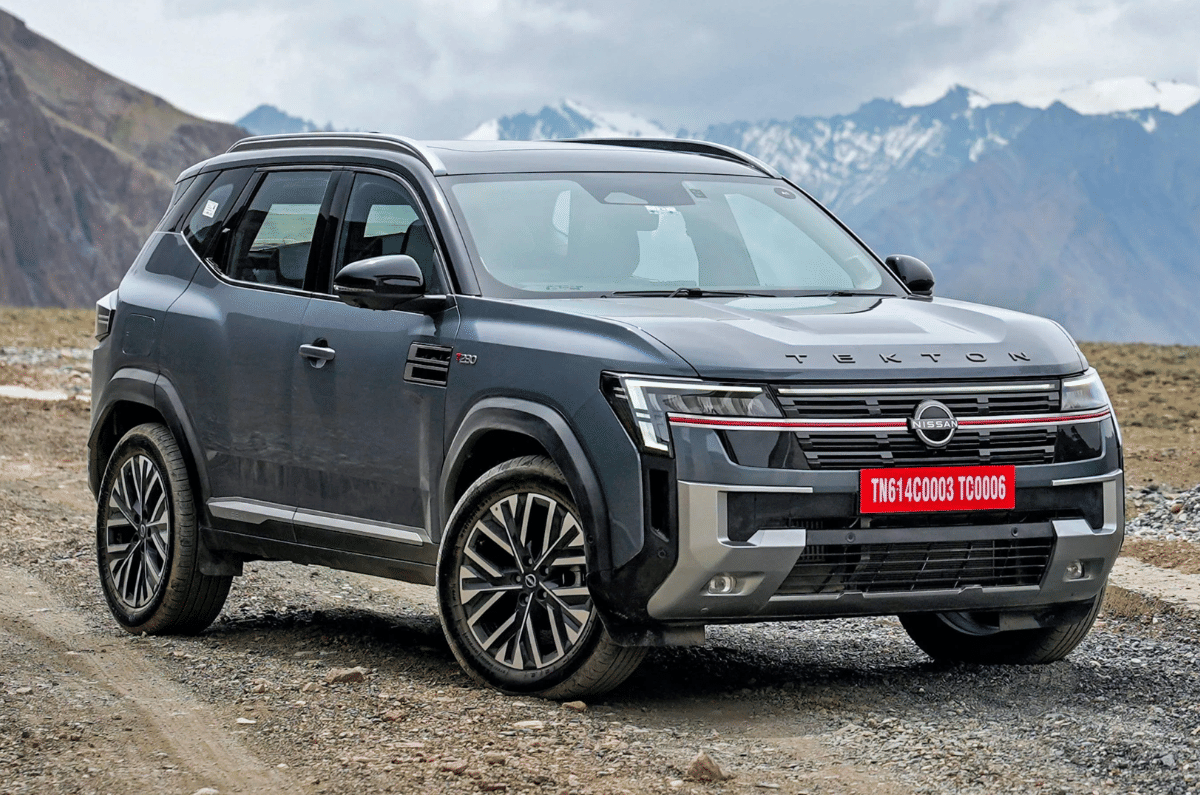
Starting this list is the Nissan Tekton, the Japanese carmaker’s newest SUV. It gets a Level 2 ADAS suite in the Tekna and Tekna+ trims. The Tekna trim is available with two powertrain options: a 100hp 1.0-litre turbo-petrol engine with a manual transmission (MT), and a 163hp 1.3-litre turbo-petrol engine with either an MT or dual-clutch transmission (DCT). Save for the 1.0-litre turbo-petrol MT powertrain, the top-spec Tekna+ trim offers the rest.
9. MG Astor
Rs 15.3 lakh
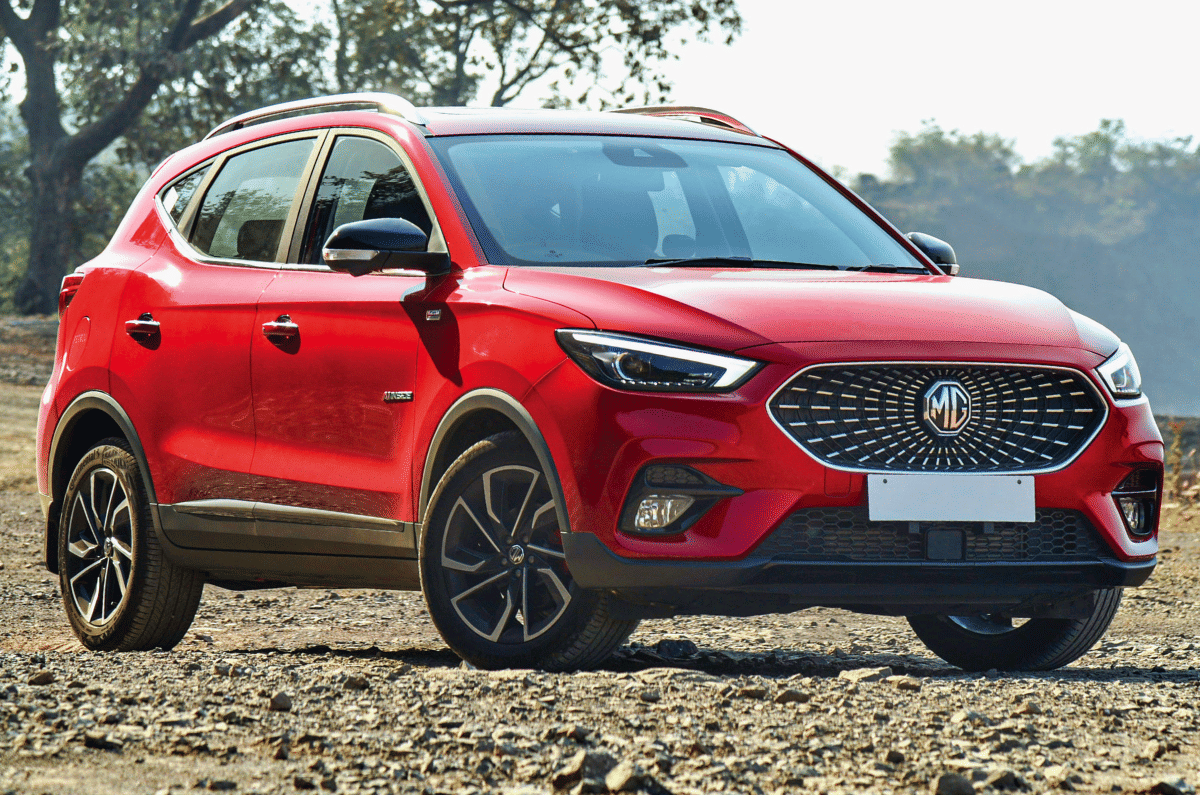
When the MG Astor was launched in 2021, it was the only midsize SUV to feature ADAS. MG offers Level 2 ADAS on the Astor’s top-spec Savvy Pro trim, which is available only with a 110hp 1.5-litre petrol engine paired with a CVT unit.
8. Honda Elevate
Rs 15.19 lakh-16.36 lakh
The top-spec Honda Elevate ZX trim comes equipped with an ADAS suite; it’s also available on the ZX Black and ADV editions. Under the hood, the Elevate has a 121hp 1.5-litre petrol engine that can be paired with an MT or a CVT.
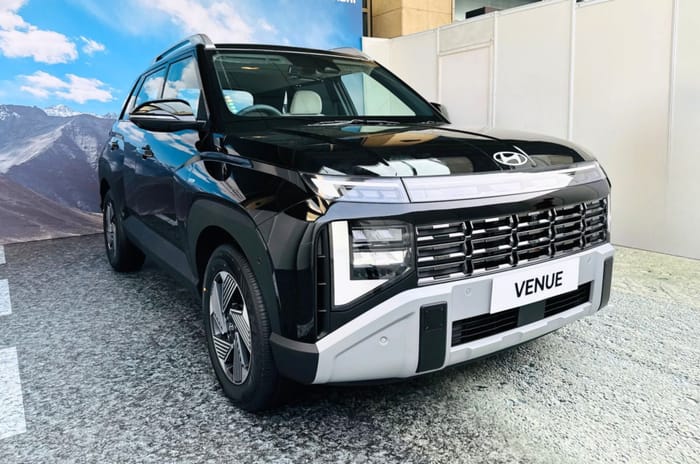
Instead of the previous model’s Level 1 ADAS features, the new Hyundai Venue gets a Level 2 suite. Hyundai offers it on the top-spec HX 10 and HX 10 Knight trims, powered by a 120hp 1.0-litre turbo-petrol engine with DCT. The HX 10 trim also offers the choice of a 116hp 1.5-litre diesel engine with an automatic gearbox. The Hyundai N Line’s N10 trim also gets Level 2 ADAS, and it is equipped with the 120hp turbo-petrol-DCT powertrain.
6. Kia Sonet
Rs 13.66 lakh-14.37 lakh
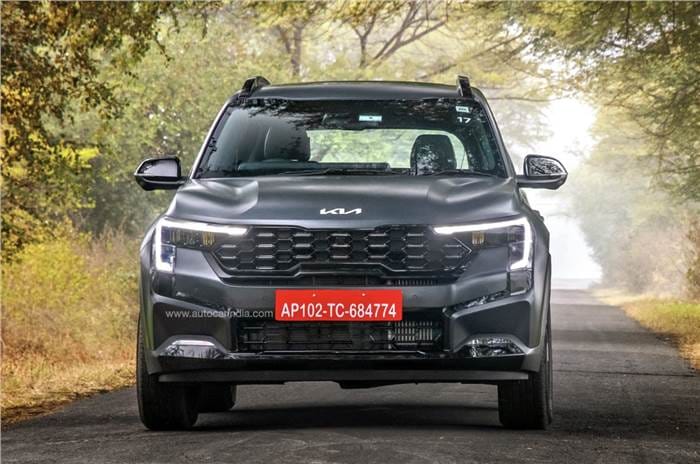
The Kia Sonet settles for a Level 1 system, available on the GTX+ and X-Line trims. The GTX+ trim is powered by a 120hp 1.0-litre turbo-petrol engine paired with a DCT or a 116hp 1.5-litre diesel mill mated to a torque-converter gearbox. The X-Line, however, only comes with the turbo-petrol and DCT combination. The Sonet could upgrade to a Level 2 suite with its next generation, due in 2027.
5. Tata Nexon
Rs 13.62 lakh-13.82 lakh
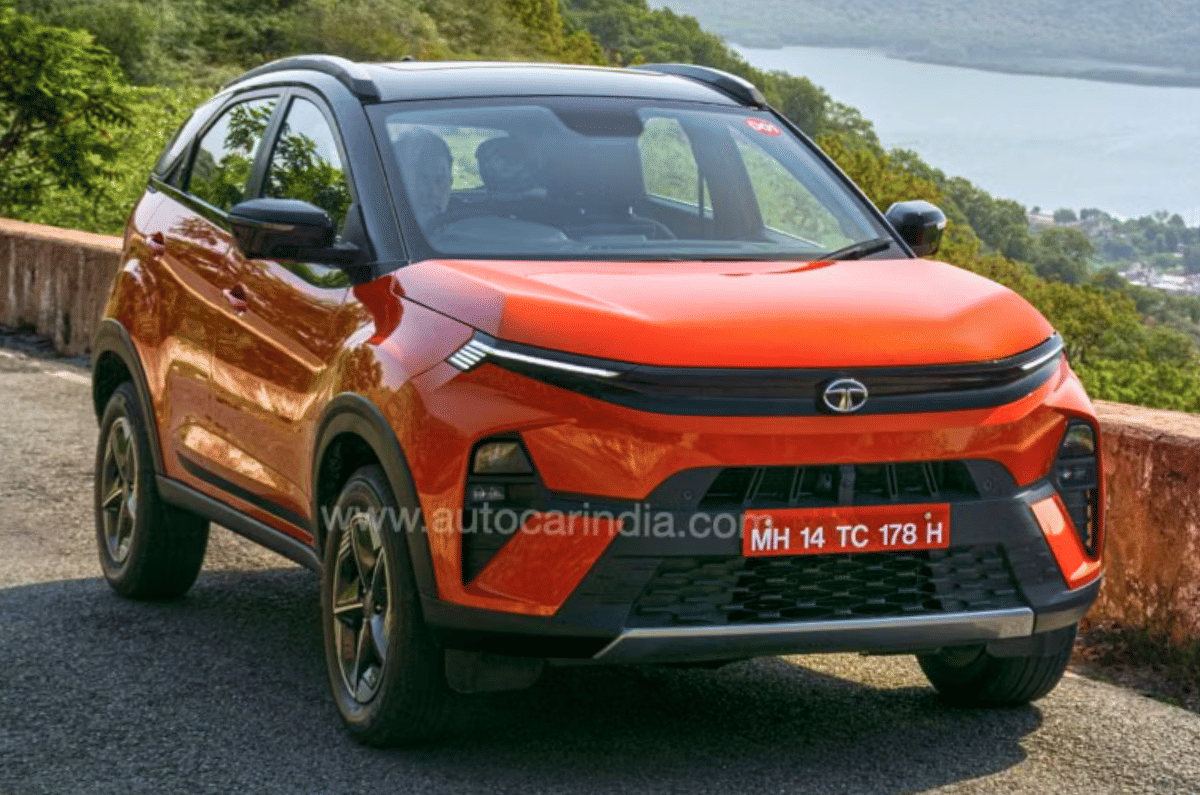
Next on this list of most affordable cars with ADAS is the Tata Nexon compact SUV. It gets Level 2 ADAS in the Fearless+ PS trim, but only with the 1.2-litre turbo-petrol engine with the DCT gearbox. The Fearless+ PS Red Dark edition, too, features an ADAS suite with the turbo-petrol-DCT powertrain. Note that the Nexon diesel does not get an ADAS suite.
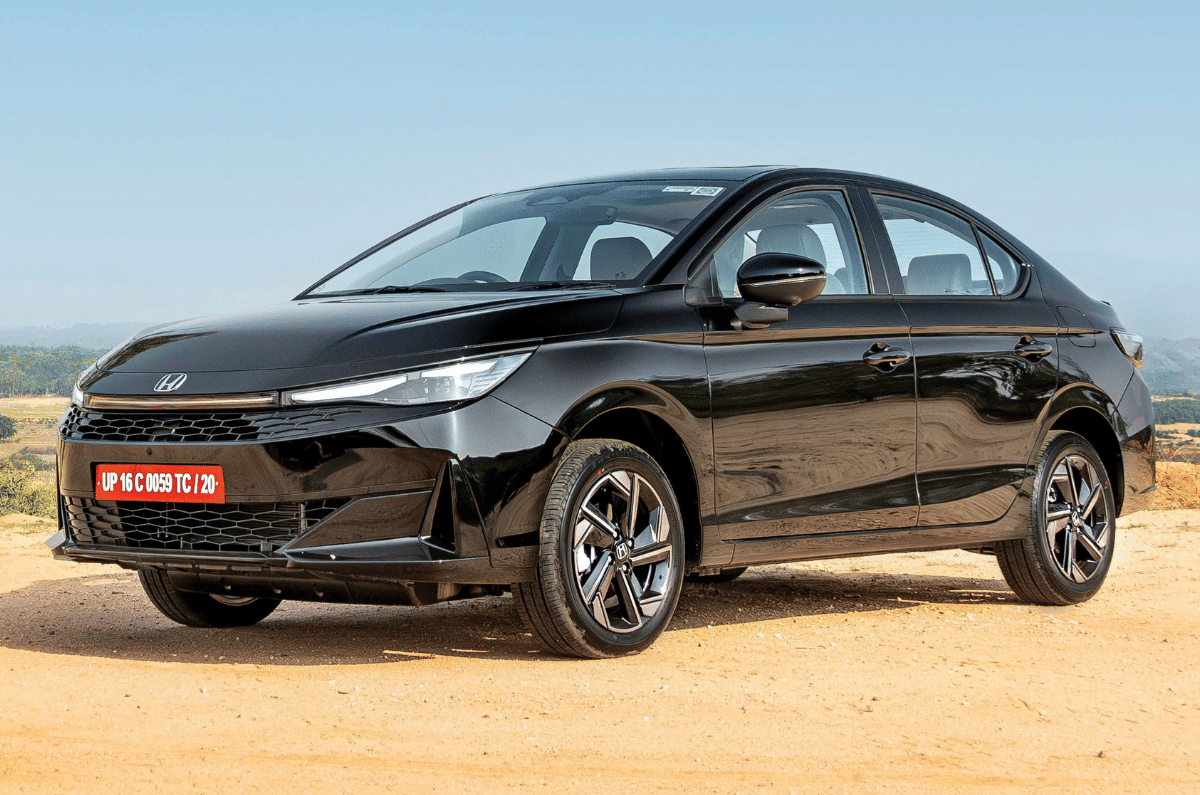
Excluding the base SV variant, a Level 2 ADAS suite is available on all Honda City trims. These include the V, ZX and ZX+, which are powered by Honda’s 121hp 1.5-litre petrol engine, paired with an MT or a CVT. The strong-hybrid iteration, the City e:HEV ZX+, also comes with an ADAS suite. Its powertrain, paired with an e-CVT gearbox, produces a combined 126hp and 253Nm.
3. Mahindra XUV 3XO
Rs 12.02 lakh-15.03 lakh
Just the higher-spec AX5 L and the top-spec AX7 L Mahindra XUV 3XO trims get the Level 2 ADAS suite. While the AX5 L is available only with the 131hp 1.2-litre turbo-petrol engine with MT and torque-converter choices, the AX7 L offers an additional 117hp 1.5-litre diesel engine with a manual gearbox.
2. Maruti Baleno
Rs 9.55 lakh-9.99 lakh
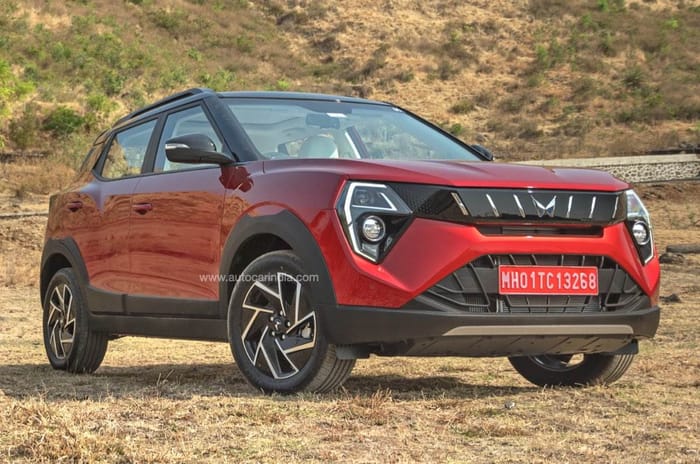
The updated Maruti Baleno is the newest model under Rs 10 lakh to get an ADAS suite. It is also the only hatchback on this list and the only hatchback in its segment to offer ADAS. The Baleno gets a Level 2 ADAS suite on the top-spec Alpha (O) trim, which is available only with the 1.2-litre, 3-cylinder petrol engine, and manual and AMT options.
Honourable mention: The Maruti Brezza received a couple of safety feature upgrades with its mid-lifecycle update earlier this year, including front parking sensors. This has enabled a few more advanced driver assists, such as blind-spot warning and rear cross-traffic alert, though it is not the full ADAS system you get in the Victoris, or which rivals offer. The Brezza offers these features in ZXi and ZXi+ trims, priced from Rs 9.85 lakh to Rs 13.55 lakh.
1. Honda Amaze (third generation)
Rs 9.39 lakh-10 lakh
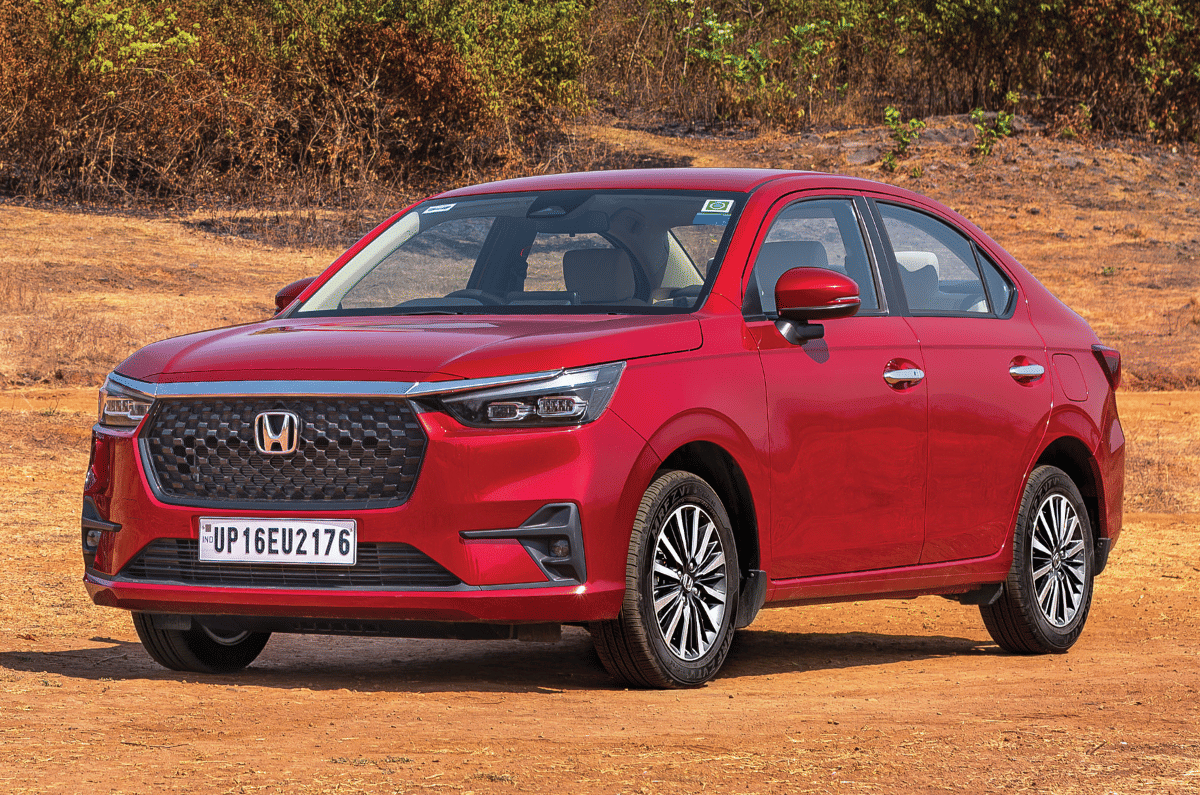
Apart from being the most affordable car with ADAS in India, the third-generation Honda Amaze is currently the only sedan under 4 metres in length to come with the safety suite, which is reserved for its top-spec ZX variant. Under the hood, the Amaze gets a 90hp 1.2-litre petrol engine with MT and CVT options.
Ex-showroom prices mentioned above are as of September 10, 2026.
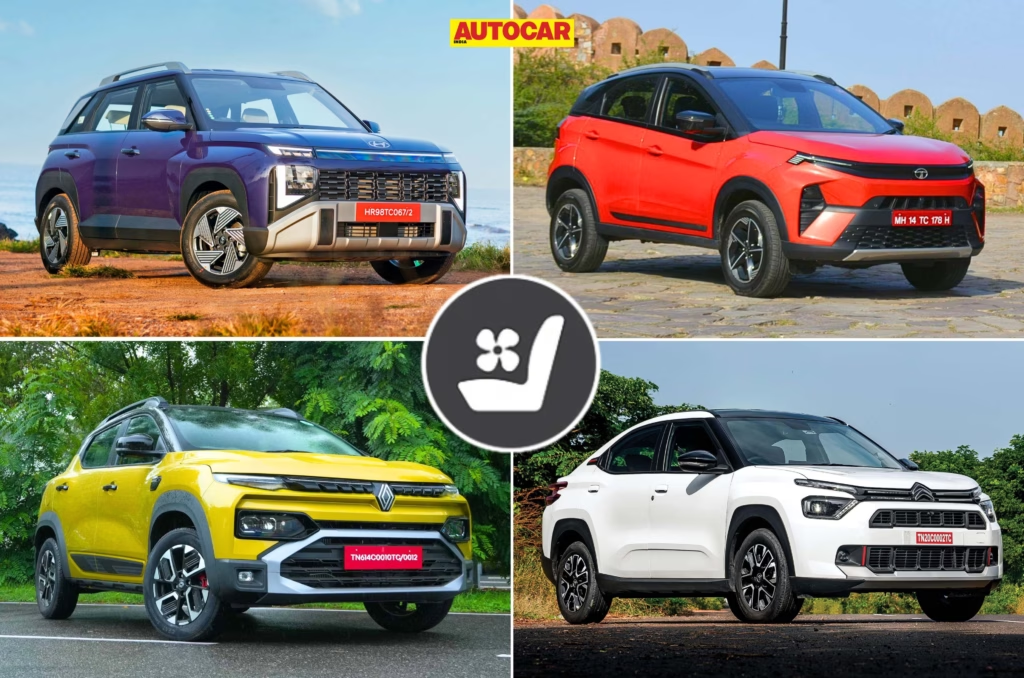
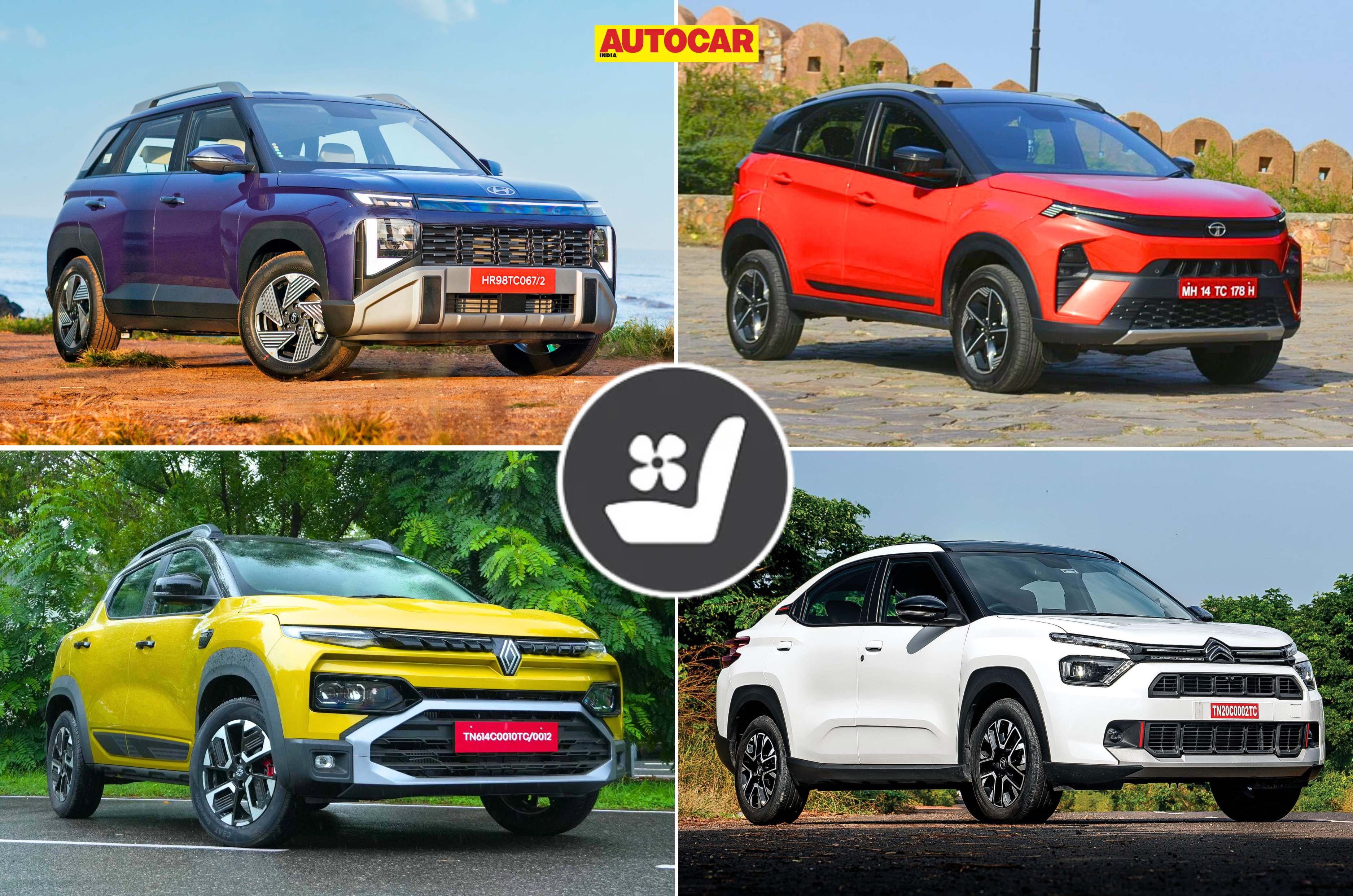
Ventilated seats are among the most desirable features car buyers look for and are especially useful in the summer. Having ventilated seats in your hatchback, sedan, MPV, or SUV can be advantageous for staying cool. Ten years ago, this feature was quite rare in the mass-market segment, with buyers needing to spend around Rs 30 lakh to get it. Today, however, there are plenty of SUVs and even a hatchback available with ventilated seats. So, here are the 10 most affordable cars on sale in India with ventilated seats.
10. Tata Punch EV
Price: Rs 12.99 lakh
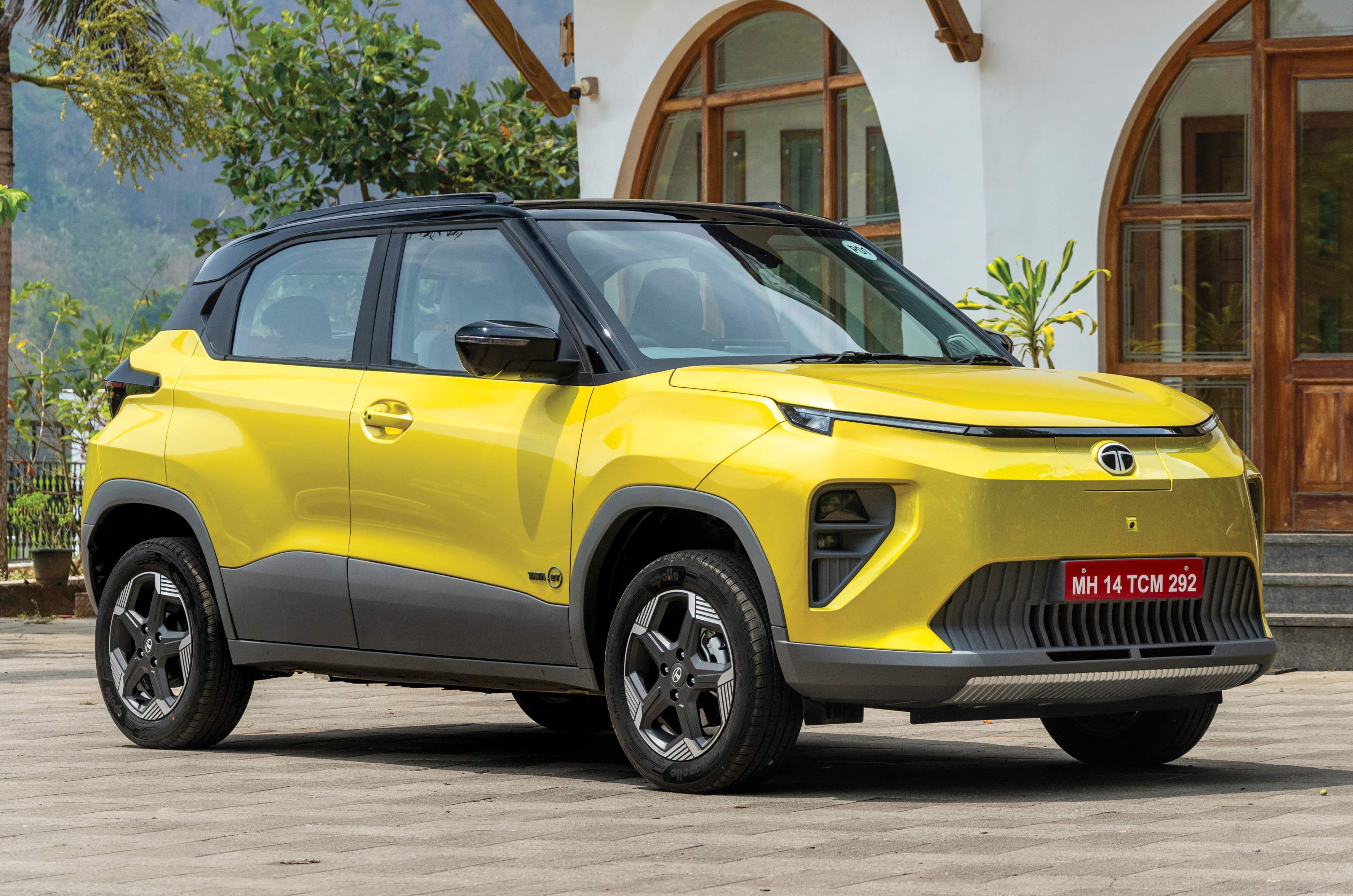
Tata’s smallest eSUV, the Punch EV, gets ventilated seats in its range-topping Empowered+ S 40 trim. The Tata Punch EV is offered with a choice between a 30kWh battery and a 40kWh pack, with respective claimed ranges of 365km and 468km. The Tata Punch EV is the most affordable EV on sale in India with such a convenience feature.
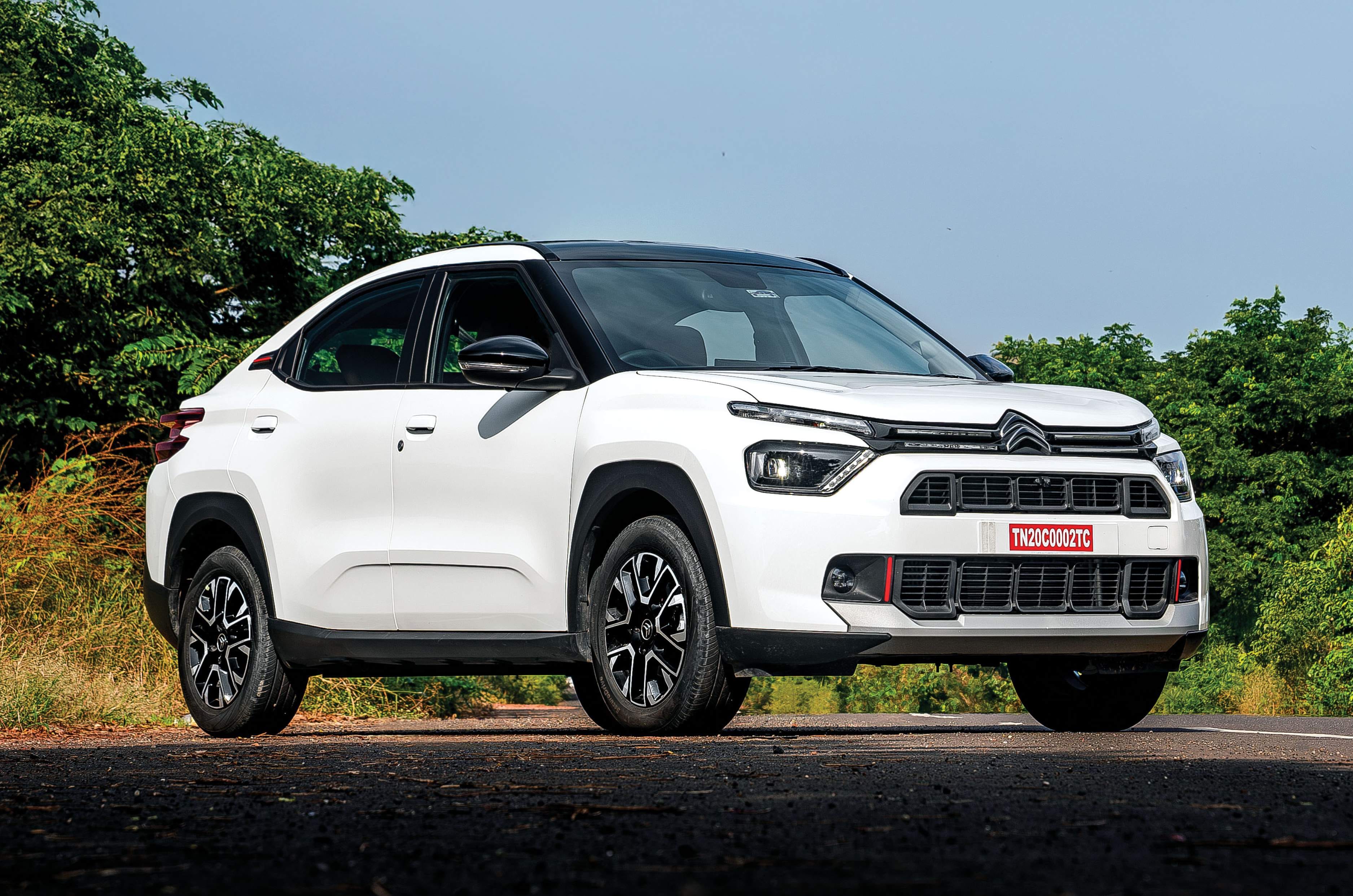
9. Citroen Aircross
Prices: Rs 11.62 lakh to Rs 14.52 lakh
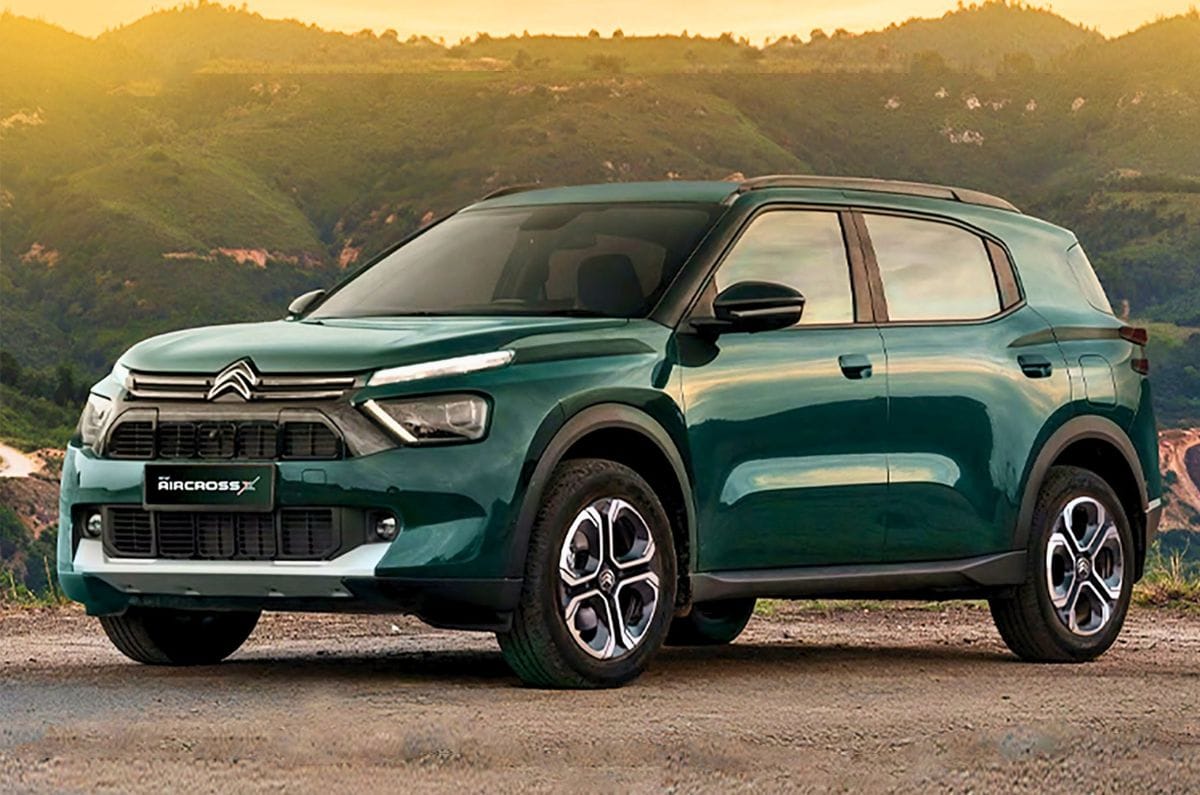
In the Citroen Aircross, ventilated front seats are available only on the top-spec Max trim, offered with both 5- and 7-seater configurations. The Max trim is available both with an 82hp, 1.2-litre naturally aspirated petrol engine or a 110hp, 1.2-litre turbo-petrol engine, producing 110hp, and is offered with both manual and automatic transmissions. It’s not only the most affordable Citroen SUV with this feature, but also the cheapest midsize SUV in India with ventilated seats.
8. Tata Nexon
Prices: Rs 12.42 lakh to Rs 14.22 lakh
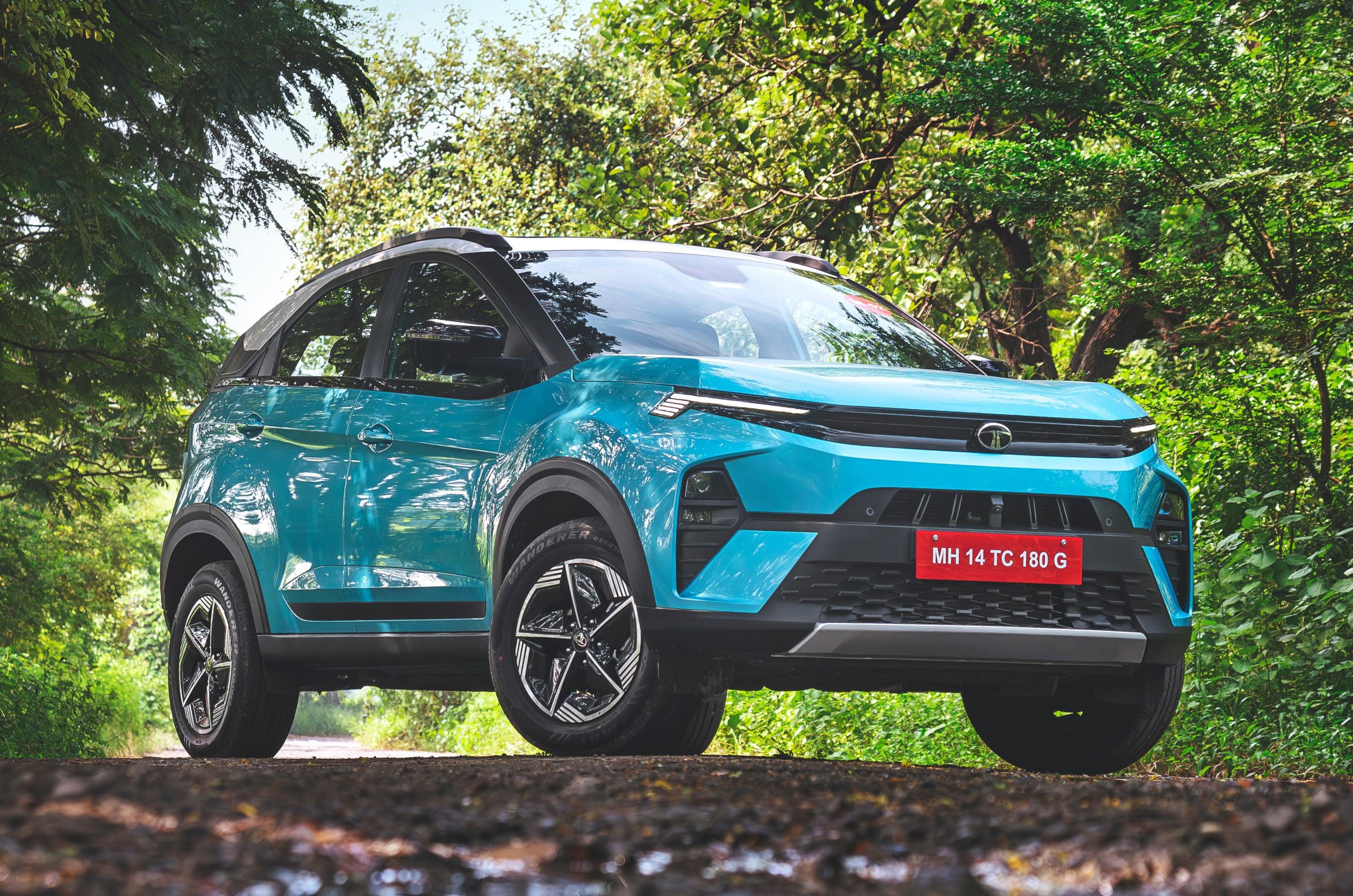
Ventilated front seats are available only on the top-spec Tata Nexon Fearless+ PS trim. Interestingly, a CNG option is also available in this trim, making it the most affordable CNG-powered model with cooled seats. The Nexon is available with a 120hp 1.2-litre turbo-petrol engine, a 100hp CNG-powered version of the three-cylinder turbocharged unit, and a 115hp 1.5-litre diesel engine. In its range-topping form, the petrol gets a 6-speed manual and 7-speed dual-clutch auto gearbox options, while the diesel gets 6-speed manual and AMT options.
7. Citroen Basalt
Prices: Rs 11.34 lakh to Rs 13.90 lakh
Like the Aircross, the Citroen Basalt offers seat ventilation in the top-spec Max trim. This trim is available with either an 82 hp, 1.2-litre naturally aspirated engine with only a 5-speed manual transmission, or the 110hp, 1.2-litre turbo petrol engine, paired with a 6-speed manual or a 6-speed torque converter automatic gearbox option.
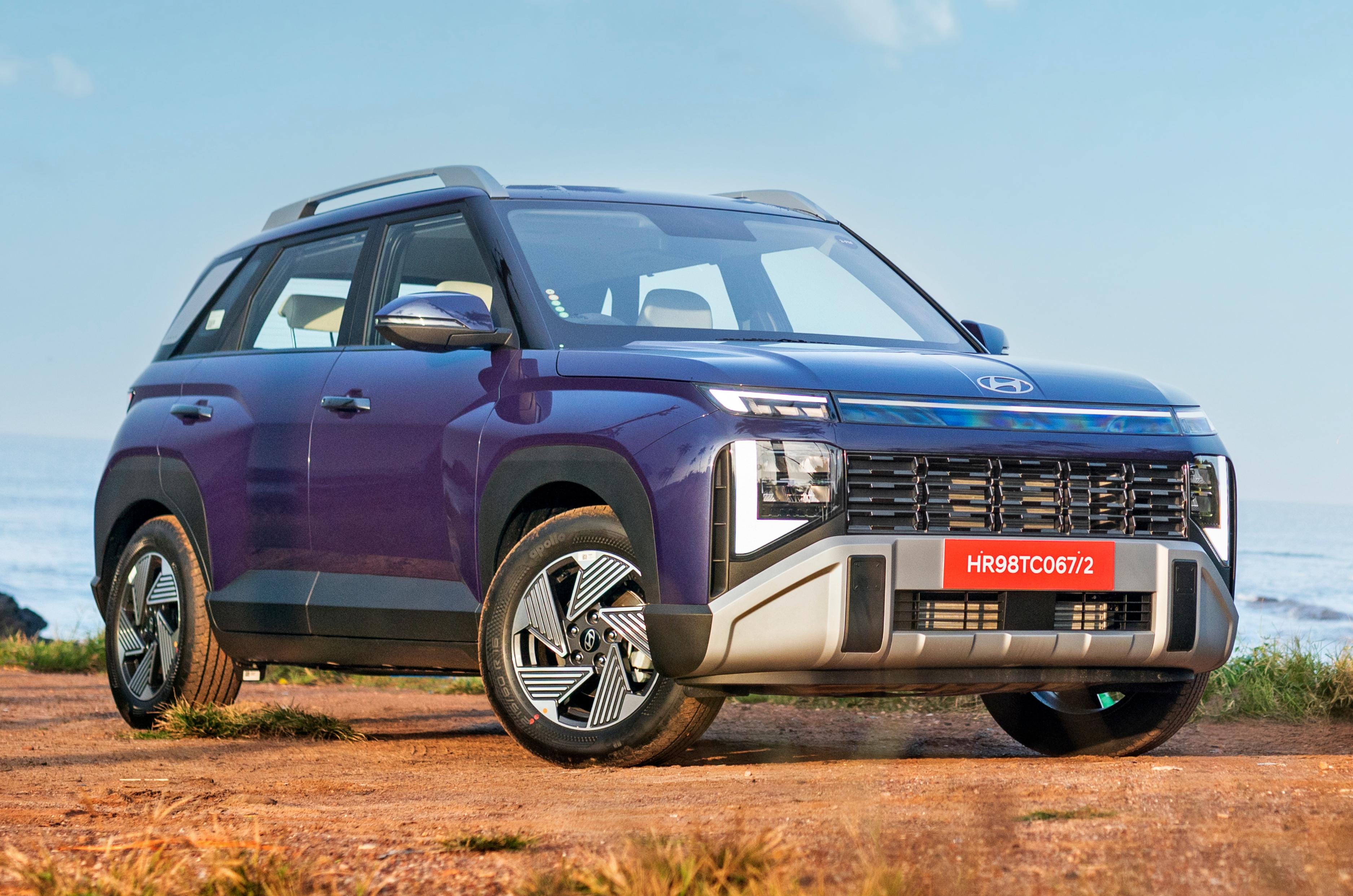
6. Hyundai Venue
Prices: Rs 11.91 lakh to Rs 15.51 lakh
The newest car here, the second-gen Hyundai Venue, is available with ventilated front seats on the top-end HX8 and HX10 trims. The new Venue N Line’s N10 trim also gets cooled seats. These top trims are powered by either the 1.0-litre turbo-petrol or a 1.5-litre diesel mill. Transmission options include a 6-speed manual, a 7-speed DCT and a 6-speed torque-converter automatic. Some of the Venue’s notable features include Level 2 ADAS and twin 12.3-inch displays.
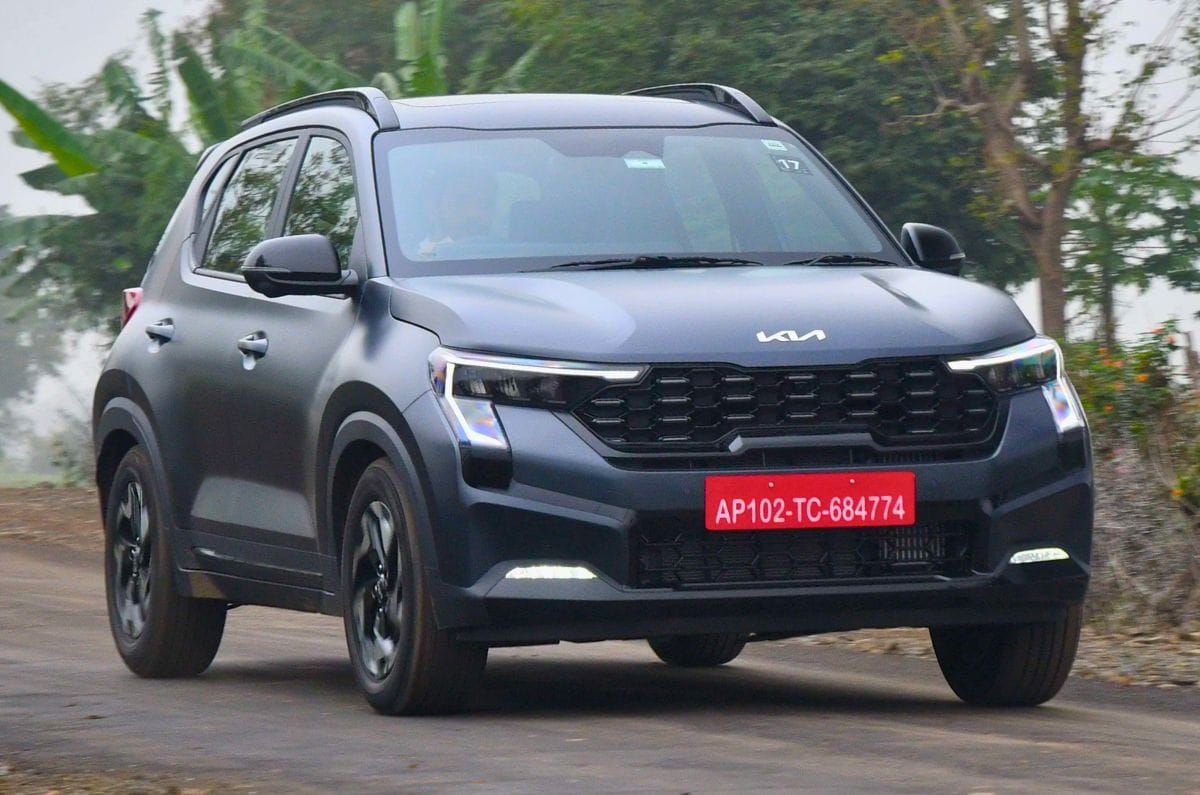
5. Kia Sonet
Prices: Rs 11.75 lakh to Rs 13.80 lakh
The Sonet is the most affordable Kia SUV that gets cooled front seats on the top-spec HTX, GTX+ and X-Line variants. These range-topping trims are available only with the 120hp, 1.0-litre turbo-petrol engine and the 116hp, 1.5-litre diesel unit; a 7-speed dual-clutch automatic transmission is offered on the Kia Sonet petrol, while the diesel is available with both a 6-speed manual and a 6-speed torque converter automatic gearbox. However, the HTX diesel-manual is not offered with ventilated seats, unlike the diesel-automatic variant.
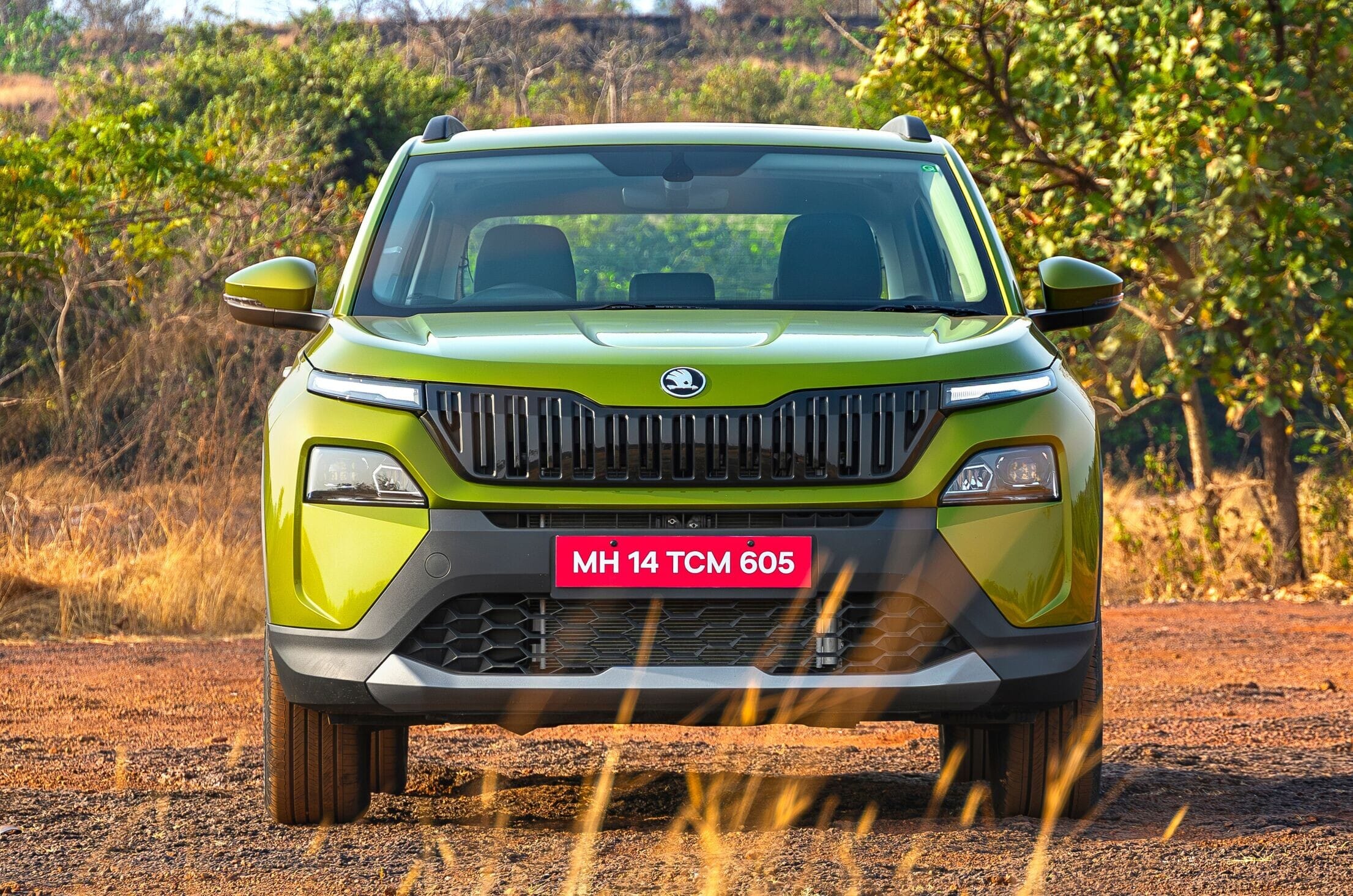
4. Skoda Kylaq
Prices: Rs 11.75 lakh to Rs 12.99 lakh
Skoda’s first compact SUV, the Kylaq, comes with ventilated front seats, but only on the higher-spec Prestige and Prestige+ trims. The Skoda Kylaq is powered by a 115hp, 1.0-litre turbo-petrol engine paired with a 6-speed manual or a 6-speed torque converter automatic gearbox.
3. Maruti Brezza
Prices: Rs 11.16 lakh to Rs 13.71 lakh
Maruti is offering the facelifted Brezza with ventilated front seats on the top-spec ZXi+ trim. It is offered both with a 110hp, 1.0-litre turbo-petrol engine and a 103hp, 1.5-litre petrol engine. In the ZXi+ trim, the turbo-petrol engine is offered with a 6-speed manual gearbox, while the larger petrol engine gets a 6-speed torque converter gearbox only.
2. Maruti Baleno
Prices: Rs 9.10 lakh to Rs 9.99 lakh
The Maruti Baleno is the only hatchback in India to be offered with ventilated front seats. It offers this feature on the Baleno’s Alpha and Alpha (O) trims, which are below Rs 10 lakh. However, this is not a segment-first feature, as the Tata Altroz Racer introduced it. However, this feature was removed from the Altroz with the 2025 facelift. The Alpha and Alpha (O) trims of the Baleno are offered with an 83hp, 1.2-litre 3-cylinder petrol engine, with a 5-speed manual or a 5-speed AMT option.
1. Renault Kiger
Prices: Rs 8.50 lakh to Rs 10.40 lakh
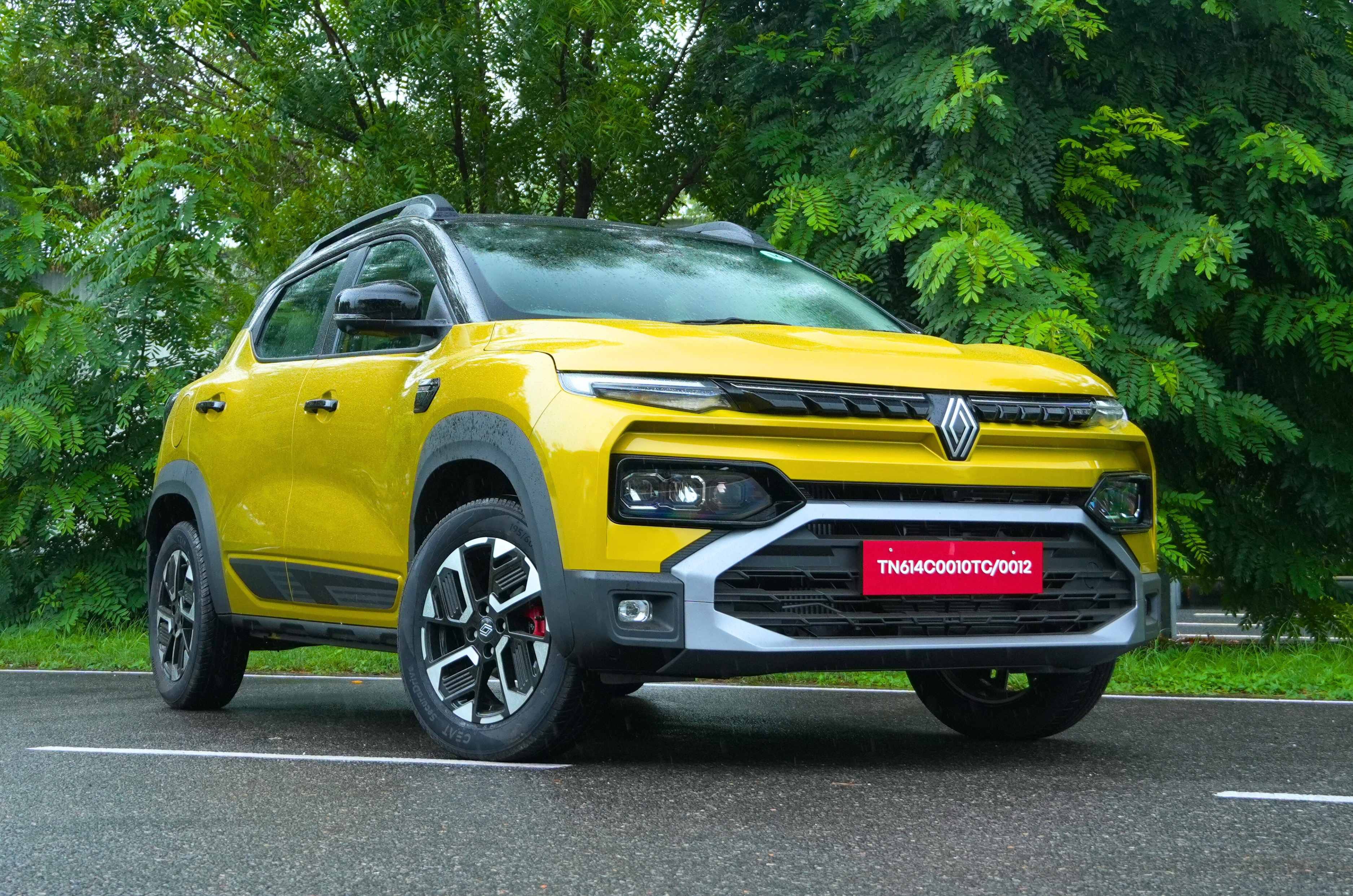
The Renault Kiger is the most affordable car in India with ventilated front seats, as it offers the feature at just Rs 8.50 lakh in the top-spec Emotion trim. In fact, it is also the only SUV under Rs 10 lakh to offer the convenience amenity. The Kiger’s Emotion trim is available with 72hp 1.0-litre petrol and 100hp, 1.0-litre turbo-petrol engine options; the former gets a 5-speed manual only, while the turbocharged unit has a CVT option too.
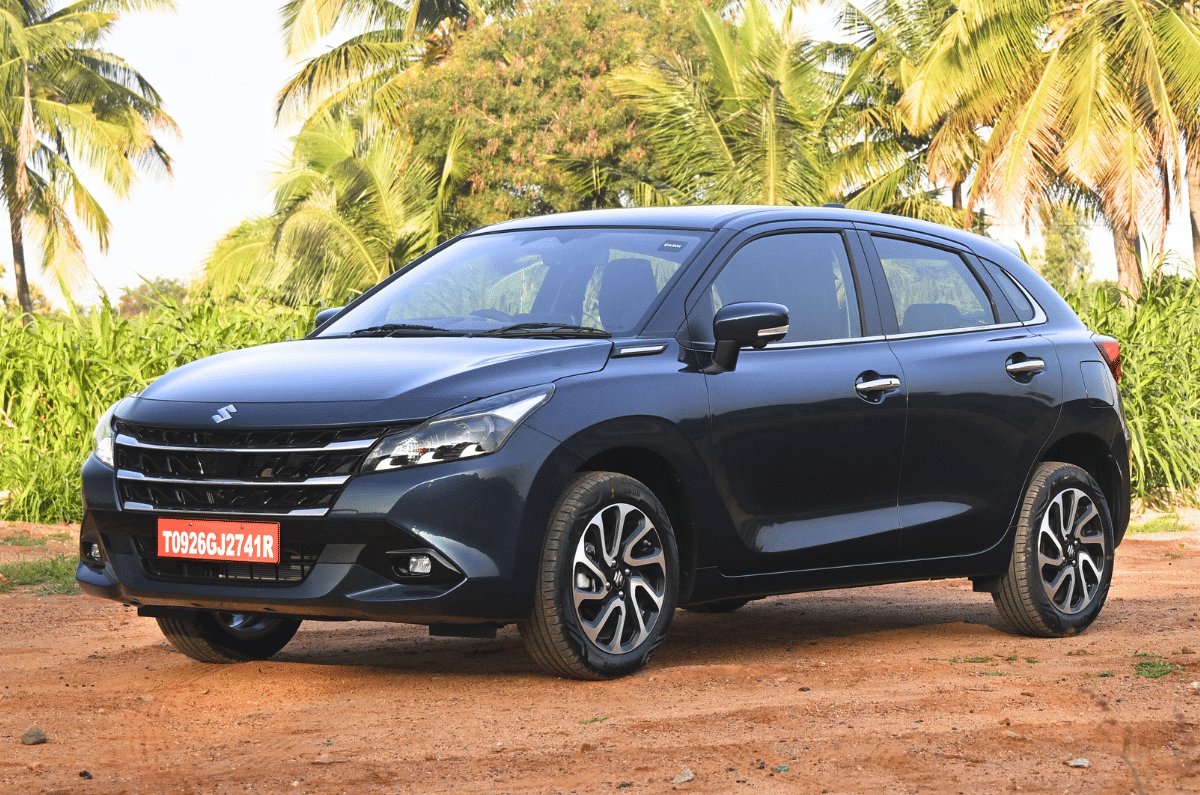
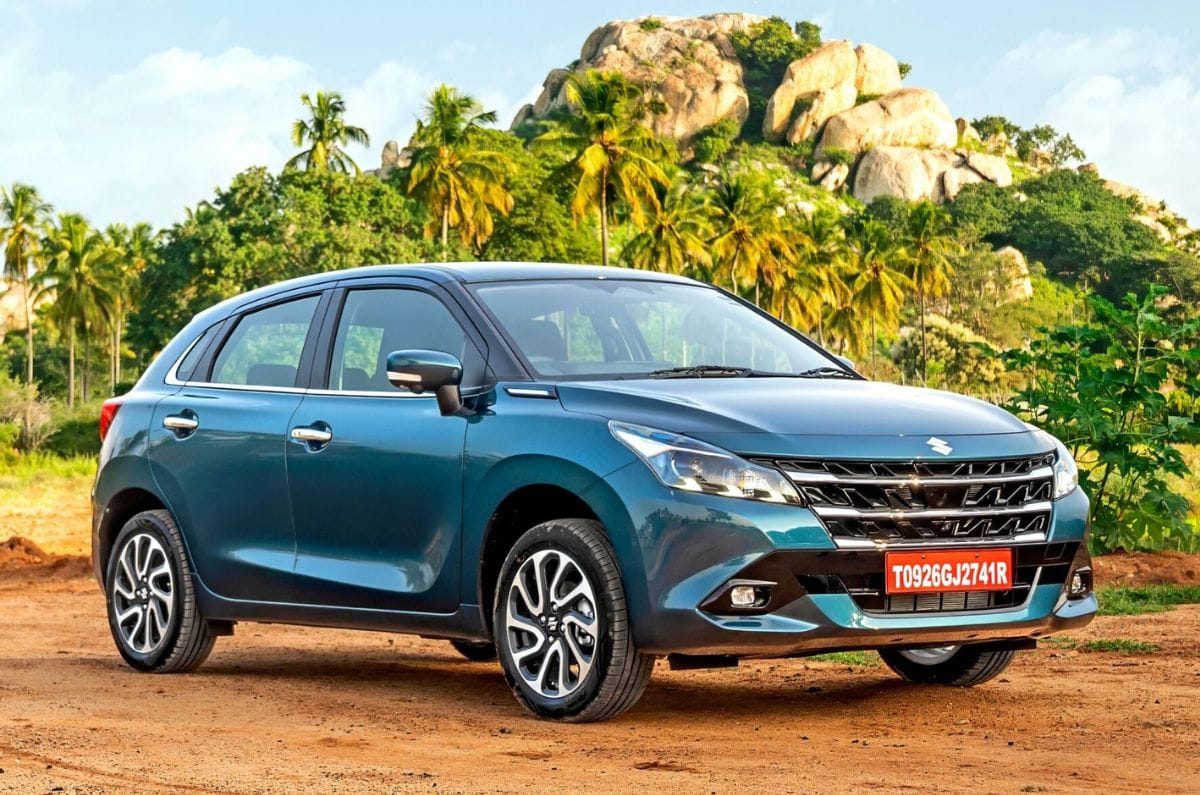
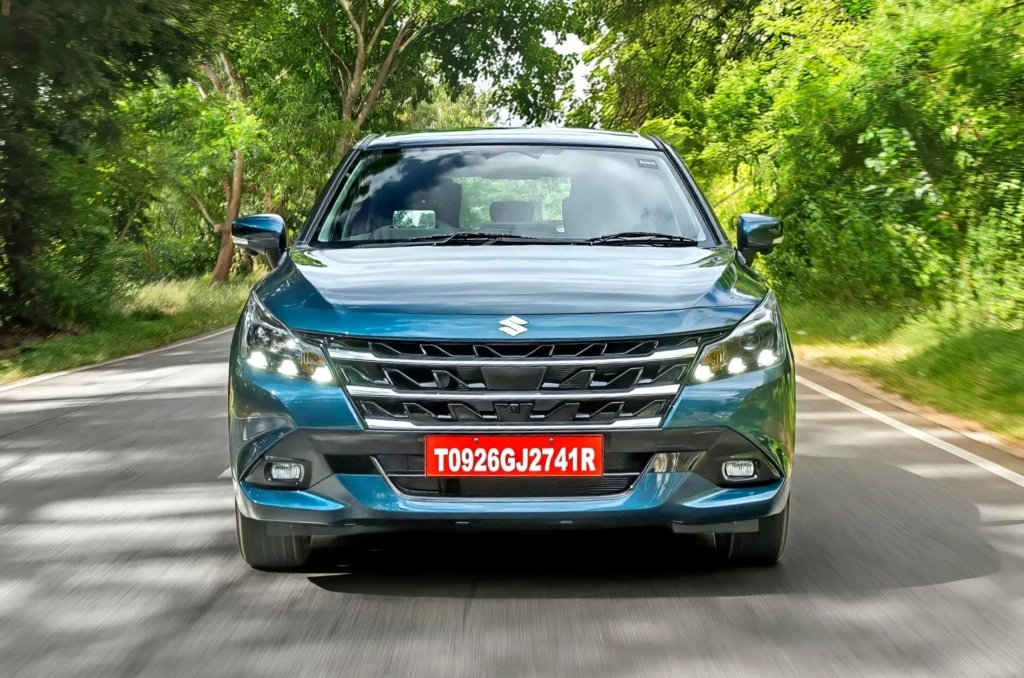
Maruti Suzuki has revealed the full price list of the 2026 Baleno. The carmaker’s premium hatchback has an ex-showroom price ranging from Rs 5.98 lakh to Rs 9.99 lakh. For MY26, the Baleno gets a new three-cylinder naturally aspirated petrol engine, updated fascia, feature additions like Level 2 ADAS, and front seat ventilation along with safety enhancements.
The 2026 Baleno is available in five trim levels, namely, Sigma, Delta, Zeta, Alpha, and Alpha (O). Out of these, the Alpha (O) is a new top-end trim in the Baleno lineup and offers Level 2 ADAS. If you’re considering getting the 2026 Baleno, below is a list of on-road prices across major Indian cities.
2026 Maruti Baleno on-road price range
2026 Maruti Baleno on-road price range in top Indian cities (Rs lakh)
Delhi
Mumbai
Hyderabad
Kolkata
Chennai
Sigma MT
6.50
6.92
7.10
6.86
7.04
Delta MT
7.81
8.09
8.30
8.02
8.23
Delta AMT
8.37
8.67
8.89
8.59
8.82
Delta CNG MT
9.10
8.84
9.10
9.08
9.10
Zeta MT
8.92
9.23
9.47
9.15
9.39
Zeta AMT
9.48
9.81
10.06
9.73
9.98
Zeta CNG MT
10.23
9.95
10.23
10.22
10.23
Alpha MT
10.15
10.52
10.79
10.42
10.70
Alpha AMT
10.71
10.93
11.38
11.00
11.11
Alpha (O) MT
10.57
11.09
11.20
10.84
11.28
Alpha (O) AMT
11.14
11.54
11.84
11.44
11.74
Note: On-road prices may vary based on city-specific registration charges and other cost components, including insurance, FASTag and RTO fees. Please check with your nearest Maruti Suzuki Nexa dealership for the exact figures.
For petrol-powered versions of the Baleno, Delhi has the lowest on-road prices. It is followed by Kolkata and Mumbai. Meanwhile, Chennai and Hyderabad have the highest on-road prices for the petrol MT and petrol AMT versions of the Baleno, respectively. Compared to Delhi, the on-road prices of the petrol MT versions of the Baleno in Chennai are up to Rs 71,000 higher, while petrol AMT variants in Hyderabad are up to Rs 70,000 higher. As far as CNG versions are concerned, Mumbai has the most affordable price range.
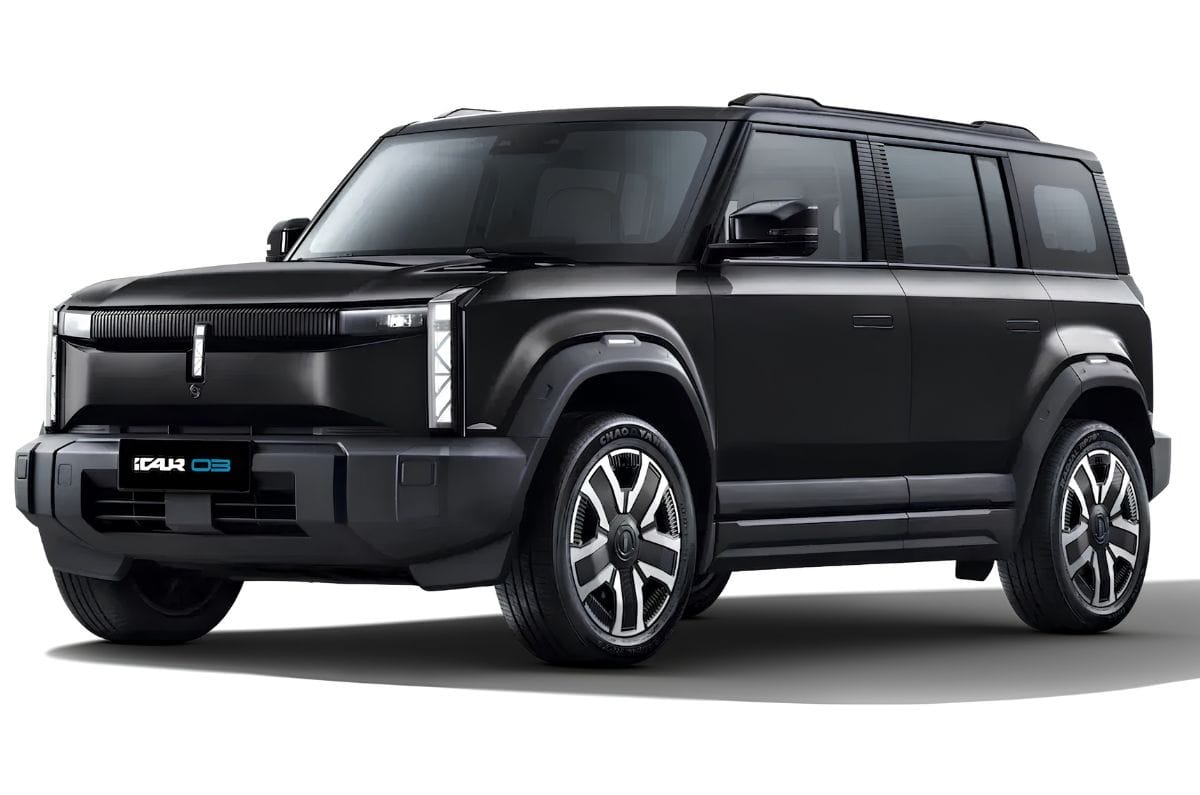
The iCAUR 03, a 5-seat electric SUV from Chinese carmaker Chery, was recently spotted in India. This model is likely to be launched under the JSW Motors nameplate, but unlike other expected JSW models that have been spied testing in India with heavy camouflage, the iCAUR 03 was uncamouflaged and being transported on a flatbed truck.
Chery iCAUR 03: What is it?
China-spec Chery iCAUR 03 used for representation
The 03 is an electric SUV sold under Chery’s iCAUR sub-brand alongside the V23. It’s 4,406mm long, 1,910mm wide, 1,715mm tall, has a 2,715mm wheelbase, and a ground clearance of 195mm. China-spec versions are powered by a 69.8kWh battery pack that utilises LFP (Lithium-ion Phosphate) chemistry. Power comes from a dual- motor setup with a combined output of 279hp and 385Nm, and it gets an AWD configuration. On the NEDC cycle, it can go up to 418km on a single charge, and the battery supports DC charging speeds of up to 80kW.
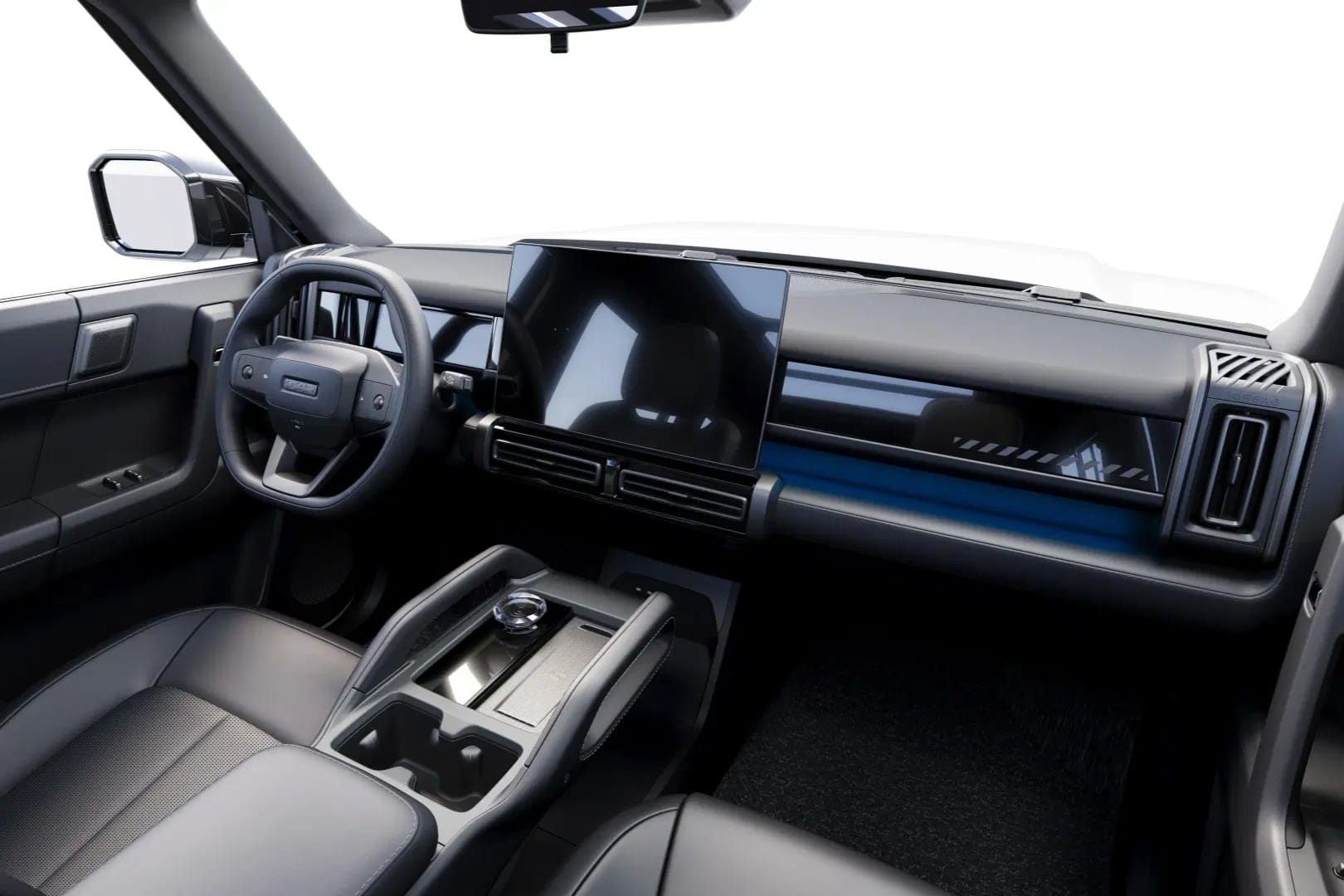
China-spec Chery iCAUR 03 interior used for representation
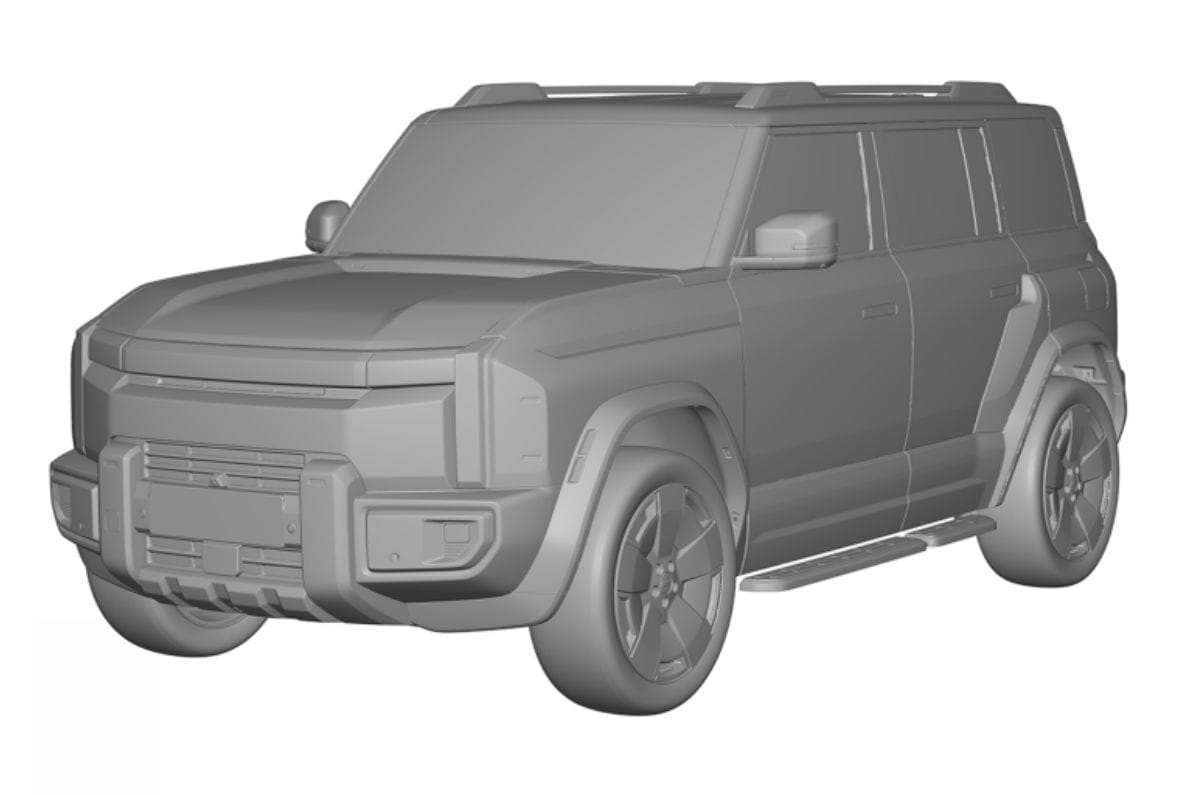
The exterior of the vehicle spotted in India had a boxy silhouette with a black finish for the front bumper and cladding on the wheel arches and door sills. Dual-tone design for the alloys, flush door handles, and LED headlamps were seen too. Interestingly, Chery has already filed a design patent for this SUV in India, as it has with its other products. However, the patented model has much beefier body cladding and rugged-looking bumpers than the model spotted on our roads. The interior of the China-spec 03 looks tough yet modern with niceties like a 15.6-inch infotainment system, 9.2-inch digital driver’s display, powered front seats, ventilated front and rear seats, level 2 ADAS, and a 360-degree camera.
Chery iCAUR 03: Another JSW Motors model?
If the iCAUR 03 does make it to our market, it is likely to be sold under the JSW Motors nameplate. Dimensions and specs considered, it could potentially compete in the mid-size electric SUV category, rivalling the likes of the Tata Harrier EV. Meanwhile, JSW Motors has been testing several other Chery-made products on our roads, including the Jetour T2, Chery iCar V23, and the Jaecoo J5. Out of these, the Jetour T2 is expected to be the first to arrive by the end of this year. It will be followed by the Jaecoo J5 and the iCar V23 at a later date.
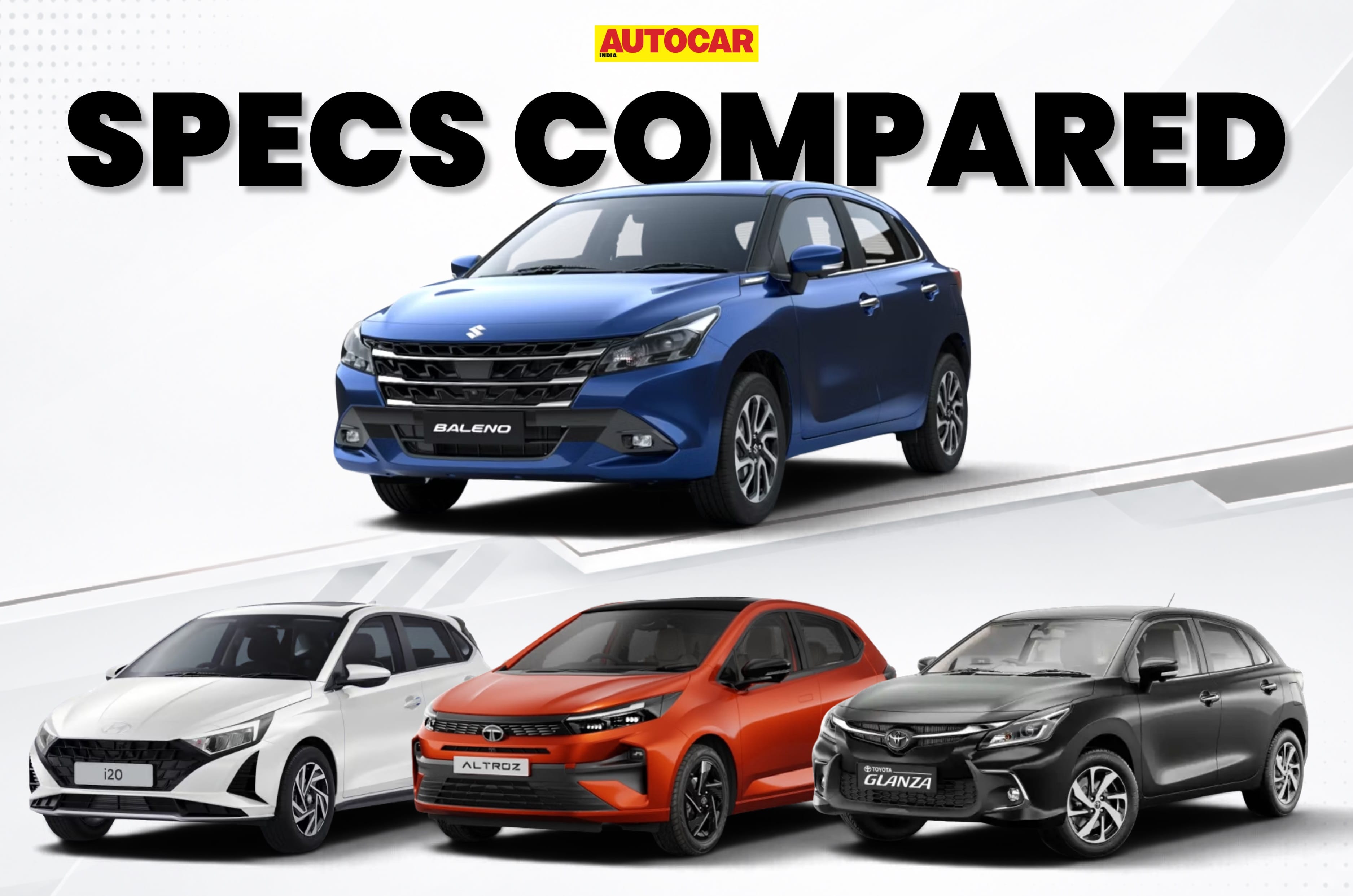
Maruti Suzuki has updated the Baleno for 2026, with changes to its powertrain, styling and equipment. It continues to compete with the Hyundai i20, Tata Altroz and Toyota Glanza in the premium hatchback segment. Here’s how the four compare on dimensions, specifications, features and prices.
2026 Maruti Baleno vs rivals: Dimensions
i20 has the longest wheelbase; Altroz has the biggest boot
Dimensions
Maruti Baleno
Hyundai i20
Tata Altroz
Toyota Glanza
Length
3,990mm
3,995mm
3,990mm
3,990mm
Width
1,745mm
1,775mm
1,755mm
1,745mm
Height
1,530mm
1,505mm
1,523mm
1,500mm
Wheelbase
2,520mm
2,580mm
2,501mm
2,520mm
Boot space
318 litres
311 litres
345 litres
318 litres
The i20 is the longest and widest of the four and also has the longest wheelbase, while the Altroz has the largest boot at 345 litres, although with CNG it falls to 210 litres. The Baleno and Glanza being badge-engineered siblings share identical length, width and wheelbase figures, although the new Baleno is 30mm taller. The Baleno also has a larger boot than the i20, despite being slightly shorter overall.
2026 Maruti Baleno vs rivals: Engine specifications
Altroz offers the widest choice of powertrains
Engine specifications
Maruti Baleno
Hyundai i20
Tata Altroz
Toyota Glanza
Engine*
1.2P | 1.2C
1.2P
1.2P | 1.2C | 1.5D
1.2P | 1.2C
No. of cylinders
3 | 3
4
3 | 3 | 4
4 | 4
Power (hp)
83 | 70
83 (MT), 88 (IVT)
88 | 74 | 90
90 | 77
Torque (Nm)
112 | 102
114.7
115 | 103 | 200
113 | 98.5
Transmission
5MT, 5AMT | 5MT
5MT, IVT
5MT, 5AMT, 6DCT | 5MT, 5AMT | 5MT
5MT, 5AMT | 5MT
*P = Naturally aspirated petrol, C = CNG, D = Diesel
The Altroz offers the widest choice of powertrains, with petrol, CNG and diesel options, while the Baleno and Glanza also get CNG variants and the i20 is petrol-only. It is also the only hatchback in India to offer a diesel engine. The Baleno and Altroz use three-cylinder petrol engines, whereas the i20 and Glanza use four-cylinder units.
The Glanza’s petrol and Altroz’s diesel engines makes the most power at 90hp, while the Altroz diesel has the highest torque at 200Nm. For automatics, the Baleno and Glanza get AMTs, the i20 gets an IVT, and the Altroz offers both AMT and dual-clutch automatic options.
2026 Maruti Baleno vs rivals: Features
Baleno is the only in the segment to offer ventilated front seats
Features
Maruti Baleno
Hyundai i20
Tata Altroz
Toyota Glanza
Head-up display
Yes
No
No
Yes
Ventilated front seats
Yes
No
No
No
360-degree camera
Yes
No
Yes
Yes
Wireless charger
Yes, cooled
Yes
Yes
No
Sunroof
No
Yes
Yes
No
Touchscreen
9-inch
10.25-inch
10.25-inch
9-inch
Instrument cluster
Analog + MID display
TFT display
10.25-inch digital
Analog + MID display
Android Auto/Apple CarPlay
Wireless
Wireless
Wireless
Wireless
Automatic climate control
Yes
Yes
Yes
Yes
Rear AC vents
Yes
Yes
Yes
Yes
Cruise control
Yes, adaptive
Yes
Yes
Yes
Connected car technology
Yes
Yes
Yes
Yes
Auto-folding ORVMs
Yes
—
Yes
Yes
Push-button start/stop
Yes
Yes
Yes
Yes
Rear USB charging
Yes
Yes
Yes
Yes
Premium audio system
Clarion, 4-speakers
Bose, 7-speaker
AudioWorX
No
The four hatchbacks offer a broadly similar level of equipment, but there are some notable differences. Both the Baleno and Glanza get a head-up display, while the Baleno stands out with ventilated front seats. The i20 and Altroz get larger 10.25-inch infotainment screens, compared with the 9-inch units in the Baleno and Glanza. All four get automatic climate control, rear AC vents, cruise control and wireless Android Auto and Apple CarPlay.
The Baleno also gets a cooled wireless charger and a 360-degree camera, while the i20 and Altroz offer sunroofs. Both the Altroz and i20 get 10.25-inch digital instrument displays, although the Altroz uses an LED display and the i20 gets a TFT unit. The Baleno and Glanza, meanwhile, use analogue dials with a MID. Overall, the four offer plenty of equipment, but buyers will have to decide whether they value features such as ventilated seats and a head-up display or a larger screen and sunroof more.
2026 Maruti Baleno vs rivals: Safety
Baleno brings Level 2 ADAS to the segment
Safety features
Maruti Baleno
Hyundai i20
Tata Altroz
Toyota Glanza
Level 2 ADAS
Yes
No
No
No
Airbags
6
6
6
6
TPMS
Yes
Yes
Yes
No
Electronic stability control
Yes
Yes
Yes
Yes
Hill-hold assist
Yes
Yes
Yes
Yes
ABS with EBD
Yes
Yes
Yes
Yes
ISOFIX mounts
Yes
Yes
Yes
Yes
All four cars get six airbags, electronic stability control, hill-hold assist, ABS with EBD and ISOFIX mounts as standard, making the core safety equipment broadly similar. The Baleno, however, has a clear advantage with Level 2 ADAS, which adds features such as adaptive cruise control, lane-keep assist, lane-departure warning and automatic emergency braking. The system is offered on the top-spec Alpha (O) trim. TPMS is also available on the Baleno, i20 and Altroz, but not on the Glanza. With the addition of ADAS, the Baleno has the most advanced active-safety package of these four hatchbacks on paper.
2026 Maruti Baleno vs rivals: Price
Baleno starts between the i20 and Altroz
Price (ex-showroom), Rs lakhs
Maruti Baleno
6.10 – Not disclosed
Hyundai i20
6 – 10.63
Tata Altroz
6.30 – 10.51
Toyota Glanza
6.73 – 9.99
At Rs 6.10 lakh, the Baleno’s starting price sits between the Hyundai i20 and Tata Altroz, while it undercuts the Toyota Glanza by Rs 63,000. Maruti Suzuki has not yet revealed the prices of the Baleno’s higher variants, so a complete price comparison with its rivals is not possible yet.
It remains to be seen how competitively the Baleno is priced at the higher end of the range and how much value it offers for the additional equipment available over its rivals.