6 updates Mahindra BE 6 Sporteq gets over its predecessor

6 updates Mahindra BE 6 Sporteq gets over its predecessor
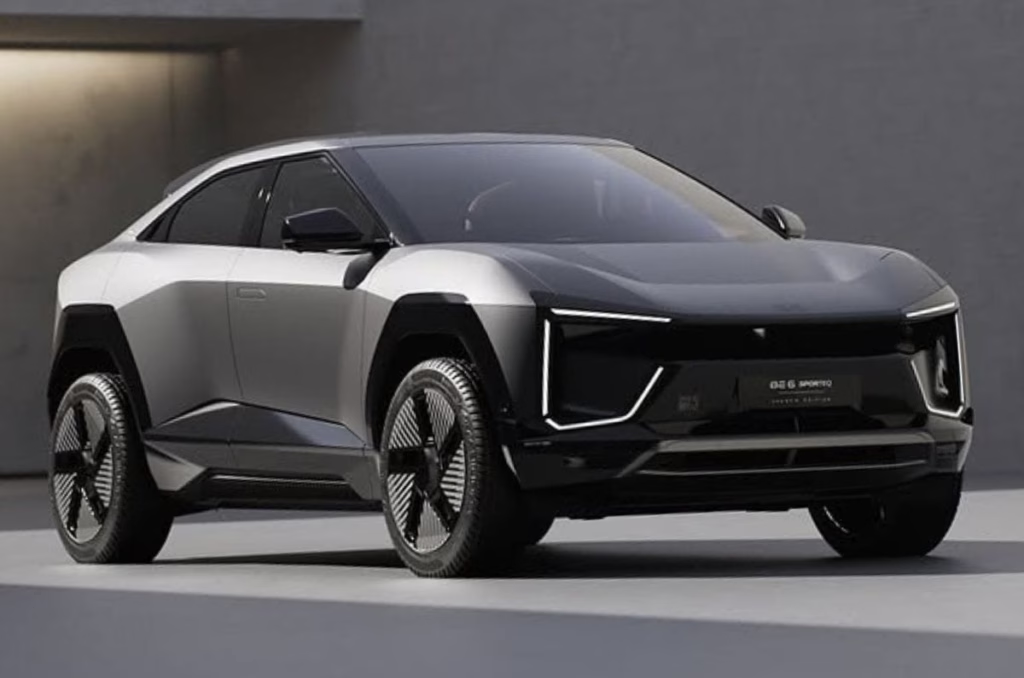
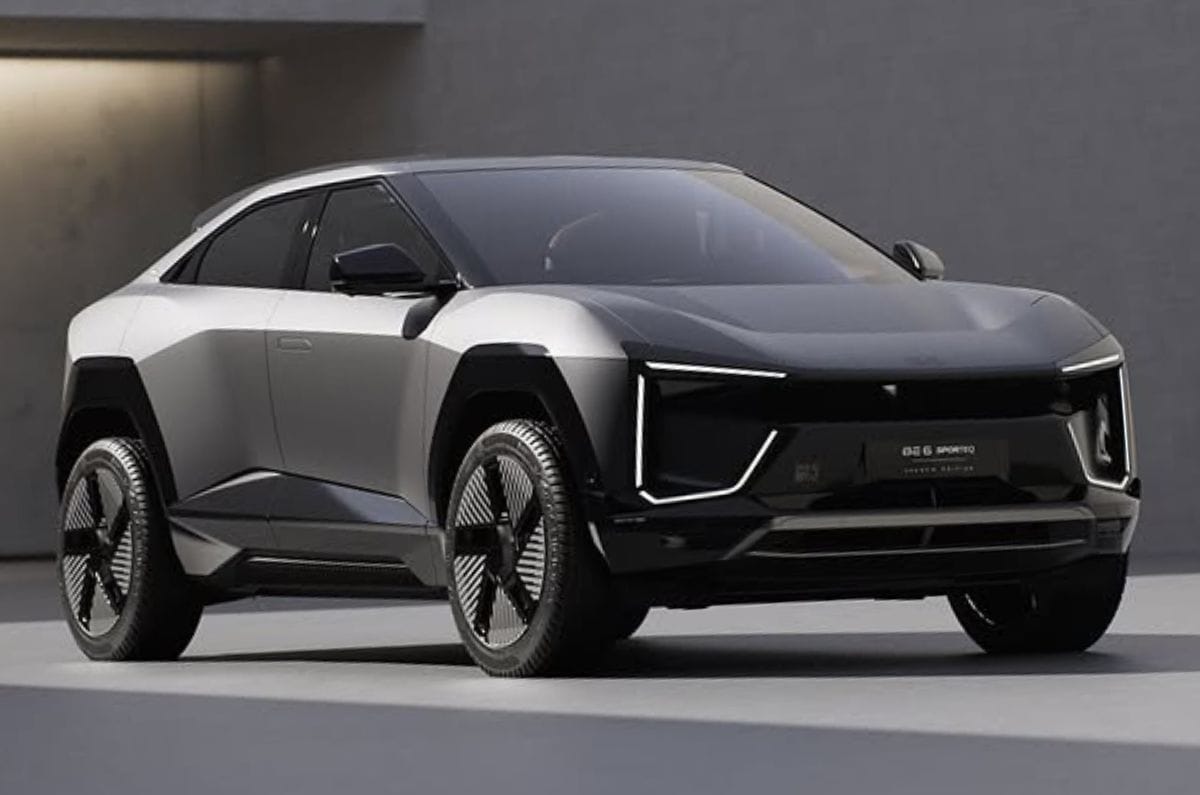
2026 Mahindra BE 6 Sporteq front quarter static

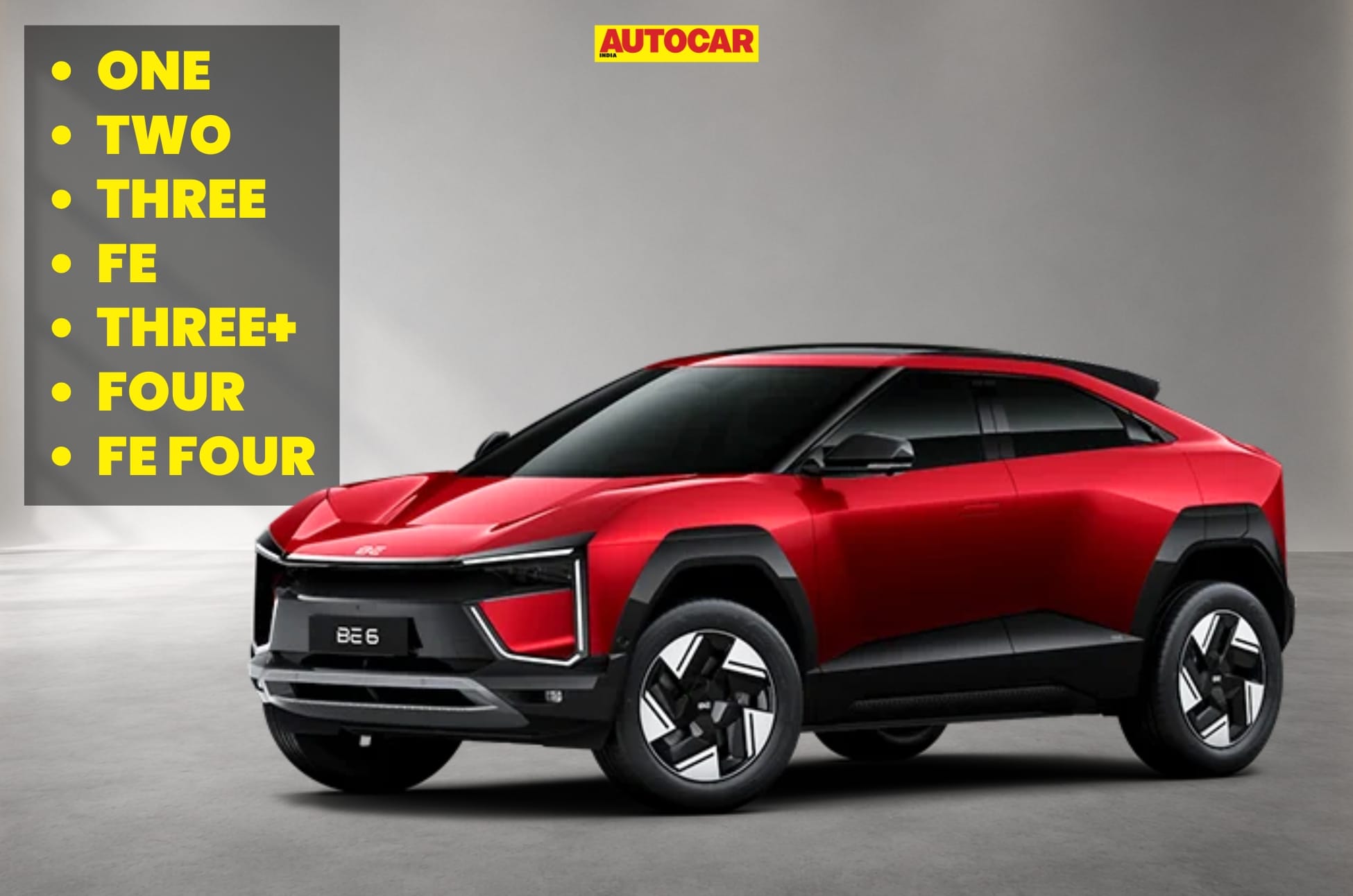
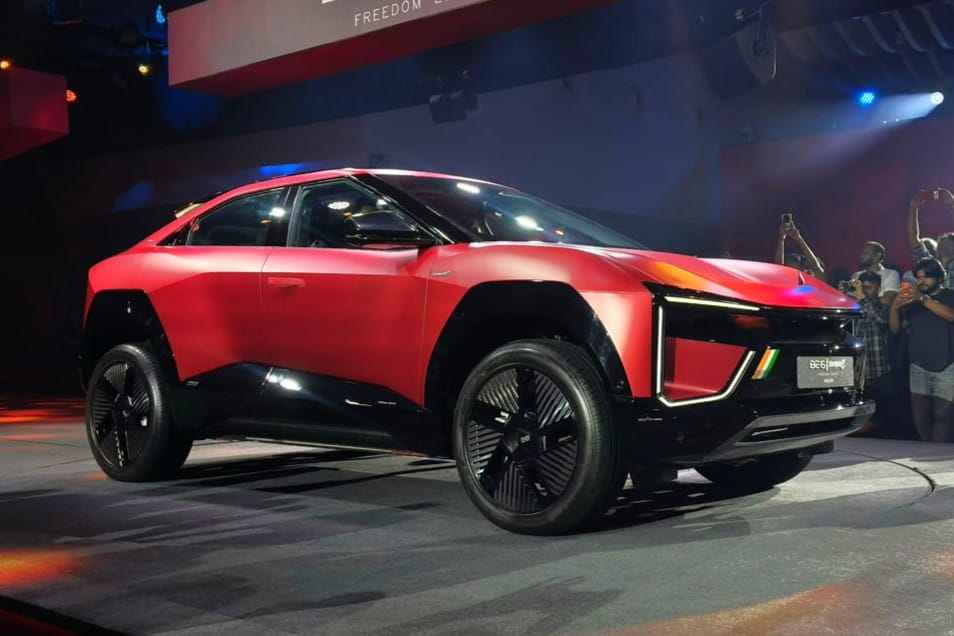
Mahindra launched the 2026 BE 6 recently, adding the ‘Sporteq’ moniker and pricing it from Rs 19.45 lakh to Rs 26.95 lakh (ex-showroom). Along with a new name, Mahindra has also introduced some updates to the midsize electric SUV to keep it modern in the segment. Here’s a detailed list of these updates:

New 70kWh battery pack

New battery pack offers 651km range and is mated to a 241hp rear motor
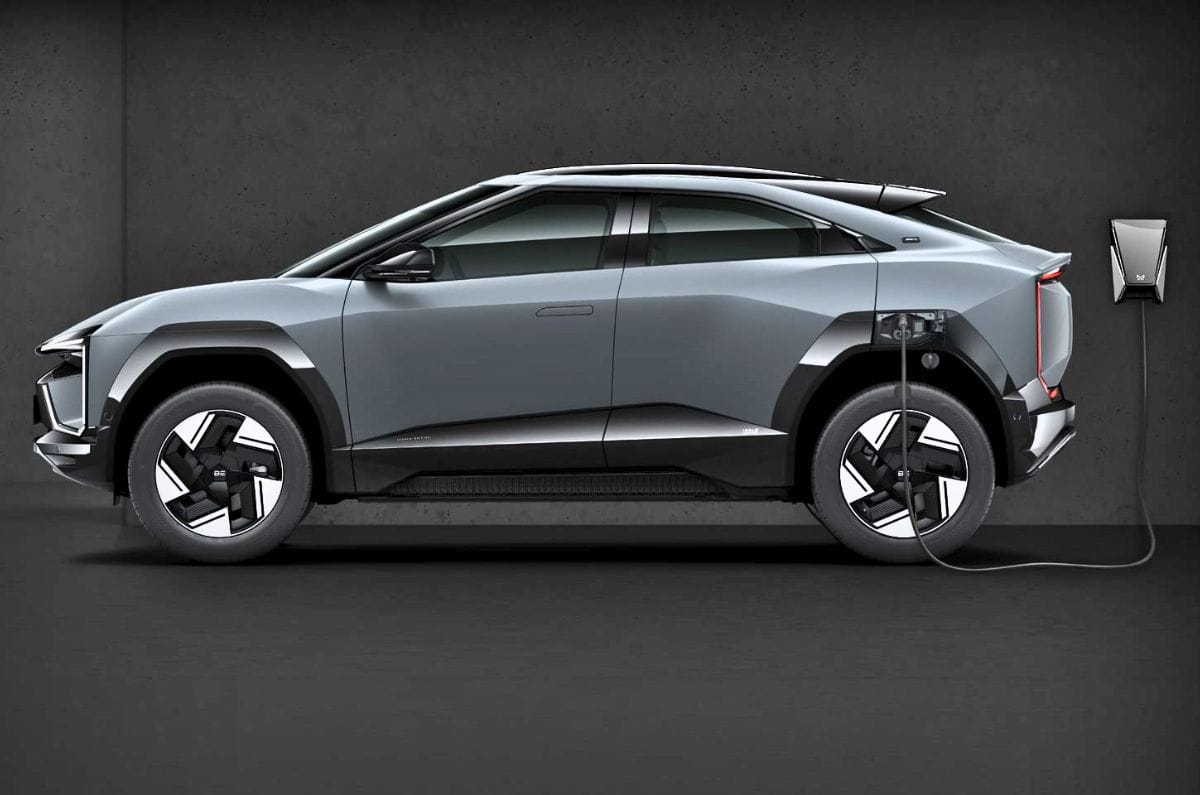
The 2026 Mahindra BE 6 Sporteq gets a new 70kWh battery pack in addition to the previously available 59kWh and 79kWh batteries. This new 70kWh battery offers an ARAI-claimed range of 651km and a rear-axle-mounted (RWD) electric motor that produces 241hp and 360Nm. It supports a 7.2kW AC, a 11.2kW AC and a 160kW DC charger. The DC fast charger recharges the battery pack from 20-80 percent in a claimed 20 minutes.

Mahindra is offering the 70kWh battery with the Three and Three+ trims, priced at Rs 22.95 lakh and Rs 23.95 lakh, respectively (ex-showroom). 

Battery-as-a-Service (BaaS) scheme

Battery rental scheme makes the 59kWh battery variants Rs 8 lakh more affordable

Along with a new battery, Mahindra is also offering the BE 6 with a battery-as-a-service (BaaS) scheme, which is also a first for the brand. However, the BaaS scheme is offered only with the 59kWh battery pack available in the One and Two trims. The battery rental scheme essentially lowers the BE 6’s initial price by Rs 8 lakh, but requires a monthly subscription fee for the battery. Here are the details:

Mahindra BE 6 battery-as-a-service (BaaS) price vs standard price


Standard price

BaaS price*

Difference^

One

Rs 19.45 lakh

Rs 11.45 lakh + Rs 3.75/km

– Rs 8 lakh

Two

Rs 20.95 lakh

Rs 12.95 lakh + Rs 3.75/km

– Rs 8 lakh

Notes: BaaS scheme requires a minimum monthly payment of Rs 6,750, calculated assuming usage of 60km per day and an 8-year battery loan, as per Mahindra’s terms and conditions. The price difference calculated above is on the initial price and does not include the BaaS scheme’s battery subscription charges.

Triple-screen setup on dashboard

Offers an additional third screen for the front passenger now
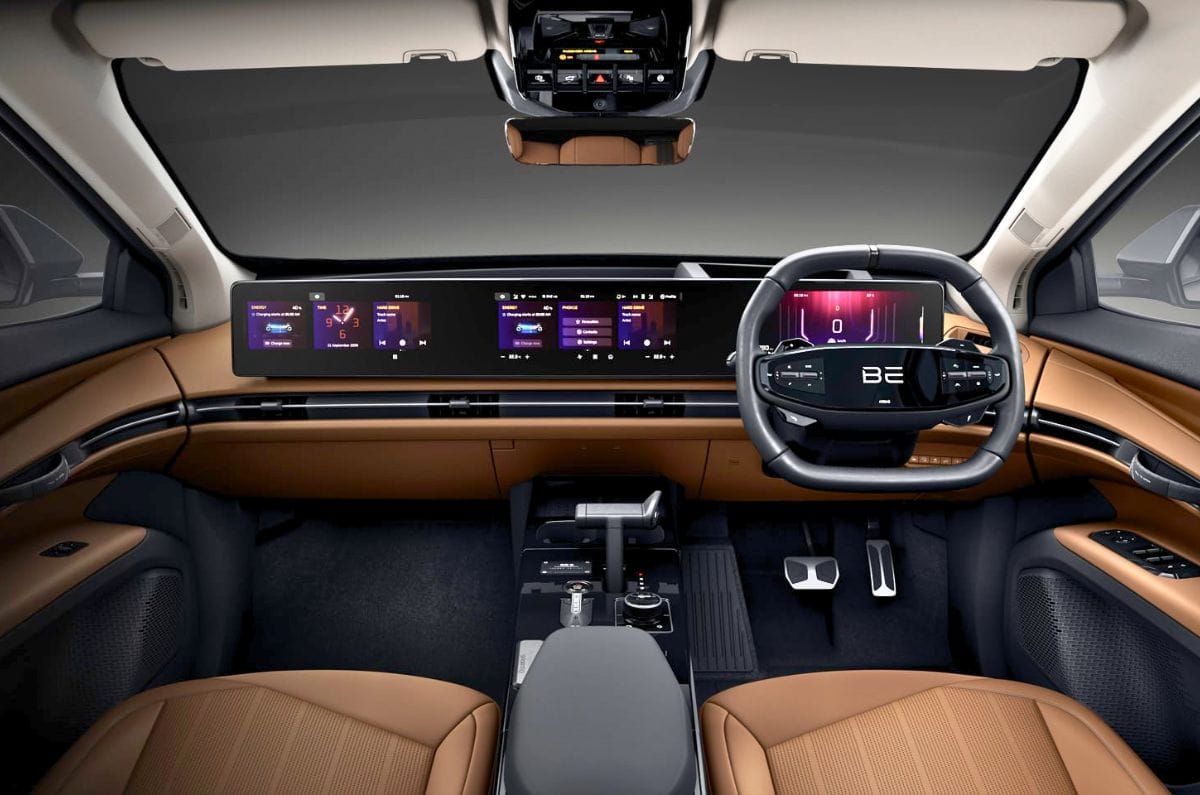
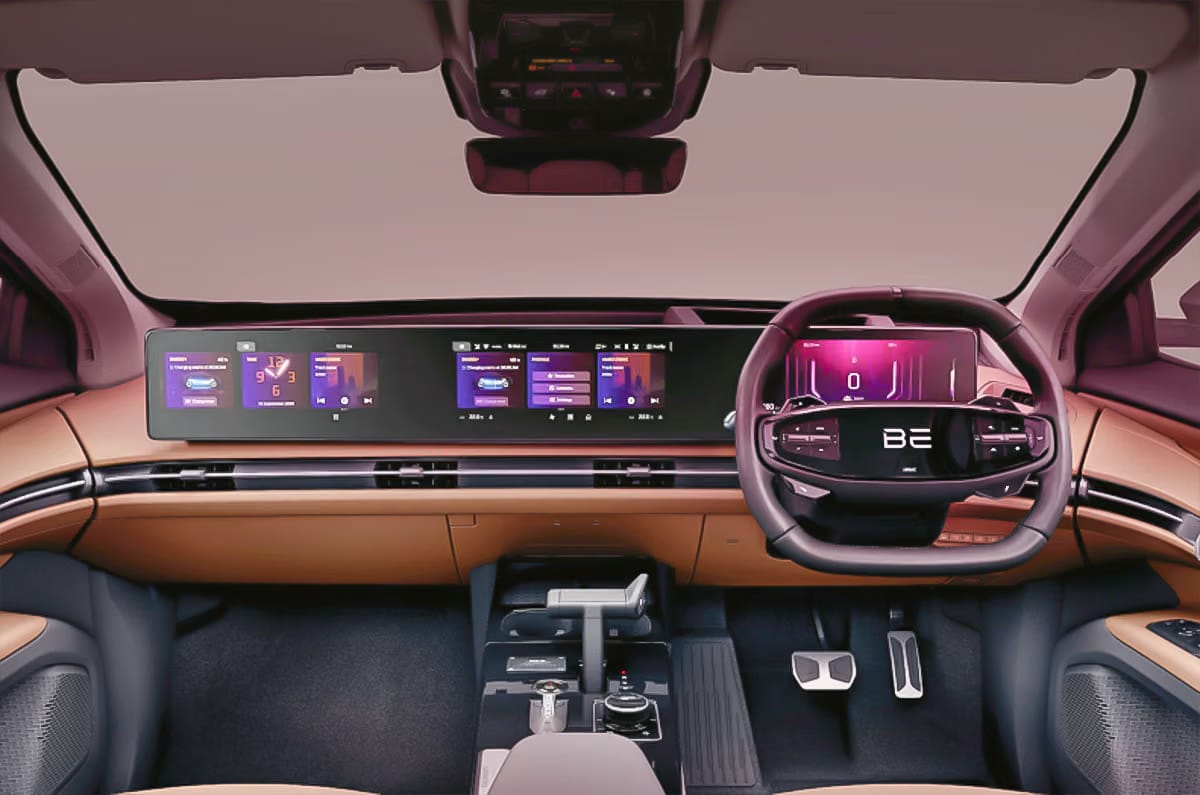
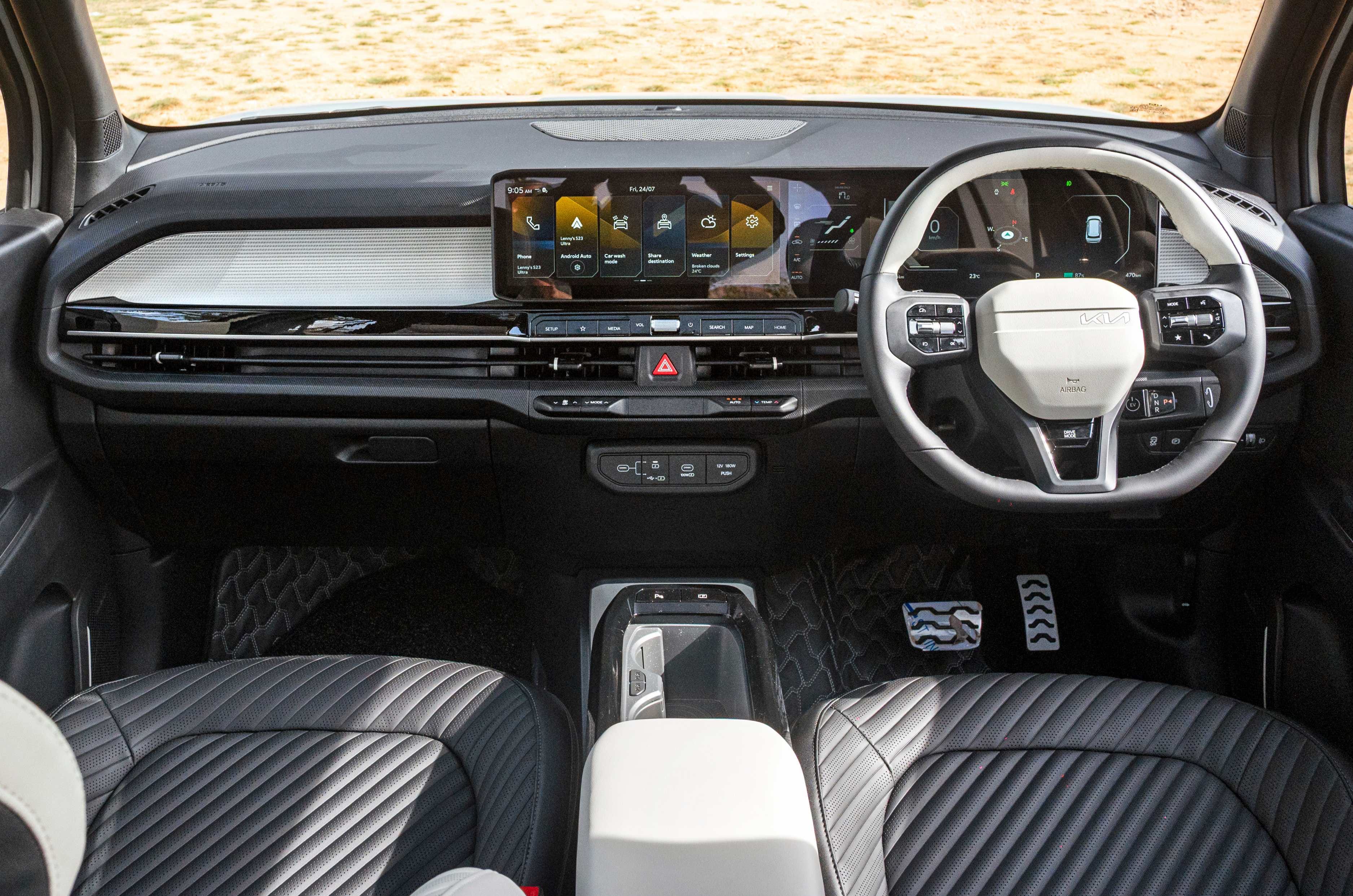
The 2026 update also brought a major redesign to the BE 6’s dashboard, now offered with an additional 12.30-inch screen for the front passenger, in addition to the similarly sized digital driver’s display and touchscreen infotainment system. The new front passenger display also removed the halo-like design element connecting the dashboard to the centre console, allowing the addition of two cupholders on the centre console, something that was sorely missing on the older model.

Mahindra is offering a triple-screen setup on all trims of the BE 6 Sporteq except the base-spec One and the sportier Formula E editions. 

Redesigned Formula E edition

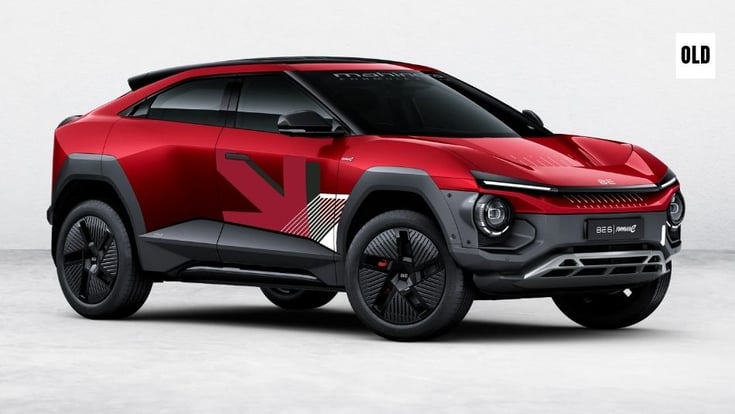
The 2026 Formula E Freedom looks nothing like the older Formula E edition
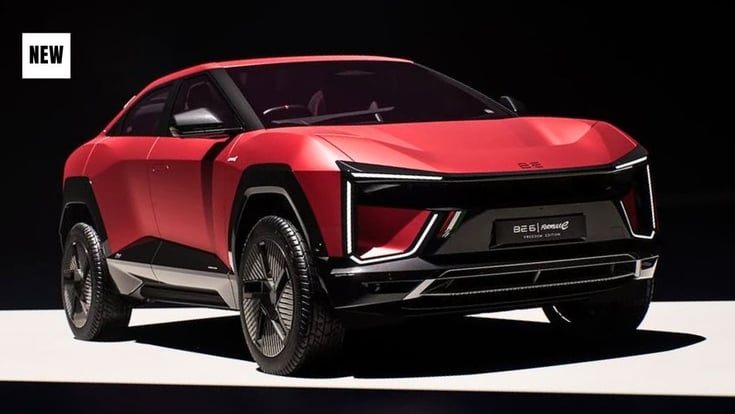
2026 Mahindra BE 6 Formula E Freedom Edition
2026 Mahindra BE 6 Formula E Edition
 

With the 2026 update, Mahindra has also rejigged the exterior design of the Formula E edition. Unlike the previous model, which had a different fascia from the standard model with circular-shaped LED headlights and a revised bumper, the 2026 Formula E Freedom edition gets the same design as the standard BE 6 Sporteq, with some Formula E badges and FIA decals. Moreover, the Formula E edition is only offered with the older model’s dual-screen dashboard and a halo design element for a sporty appeal.
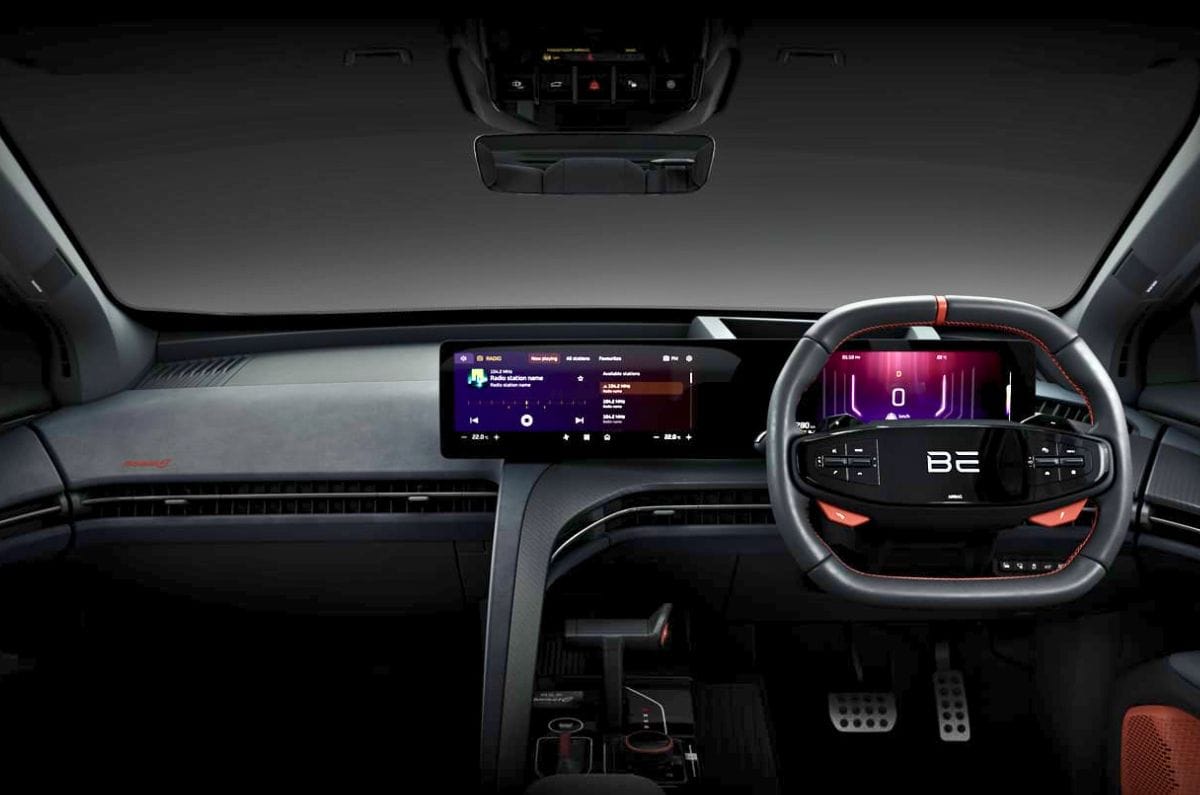
Mahindra is offering the 2026 Formula E edition at the Three and Four trim levels, priced at Rs 24.45 lakh and Rs 26.95 lakh, respectively (ex-showroom).

Fresh exterior and interior colours

Both the BE 6 Sporteq and Formula E edition get new colour themes
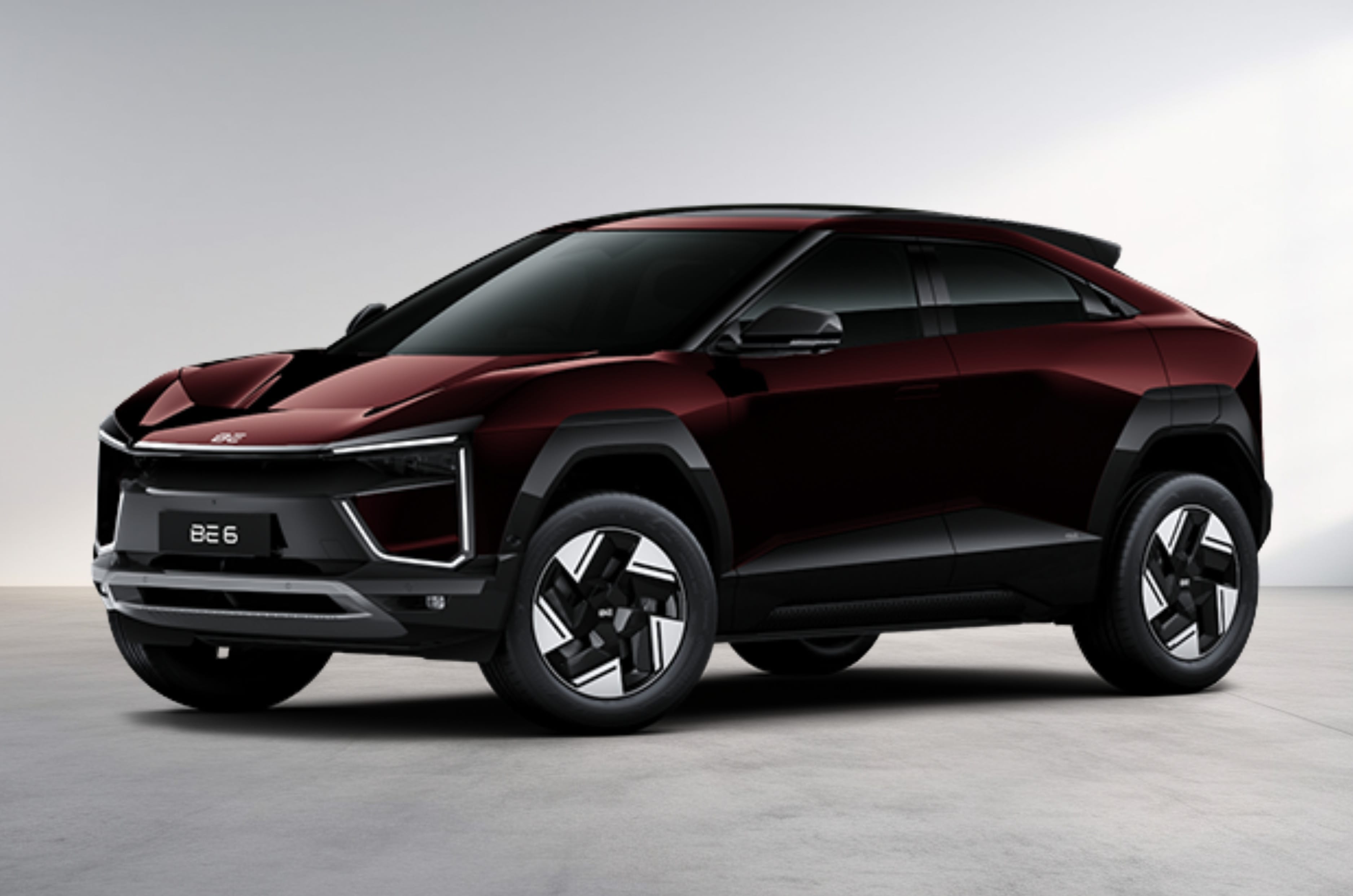
Mahindra BE 6 Sporteq Ruby Velvet exterior colour.

The 2026 Mahindra BE 6 Sporteq is being offered with fresh exterior and interior colour options. It is available in a new ‘Ruby Red’ exterior theme and new Racing Tan and Black interior hues for the Two, Three, Three+ and Four trims. The base-spec One is offered with the same Sage Green and Grey theme as before. A Sporteq Launch Edition, based on the fully loaded Four trim, is also available, which offers a new Graphite Storm exterior paint and Racing Tan interior theme. 
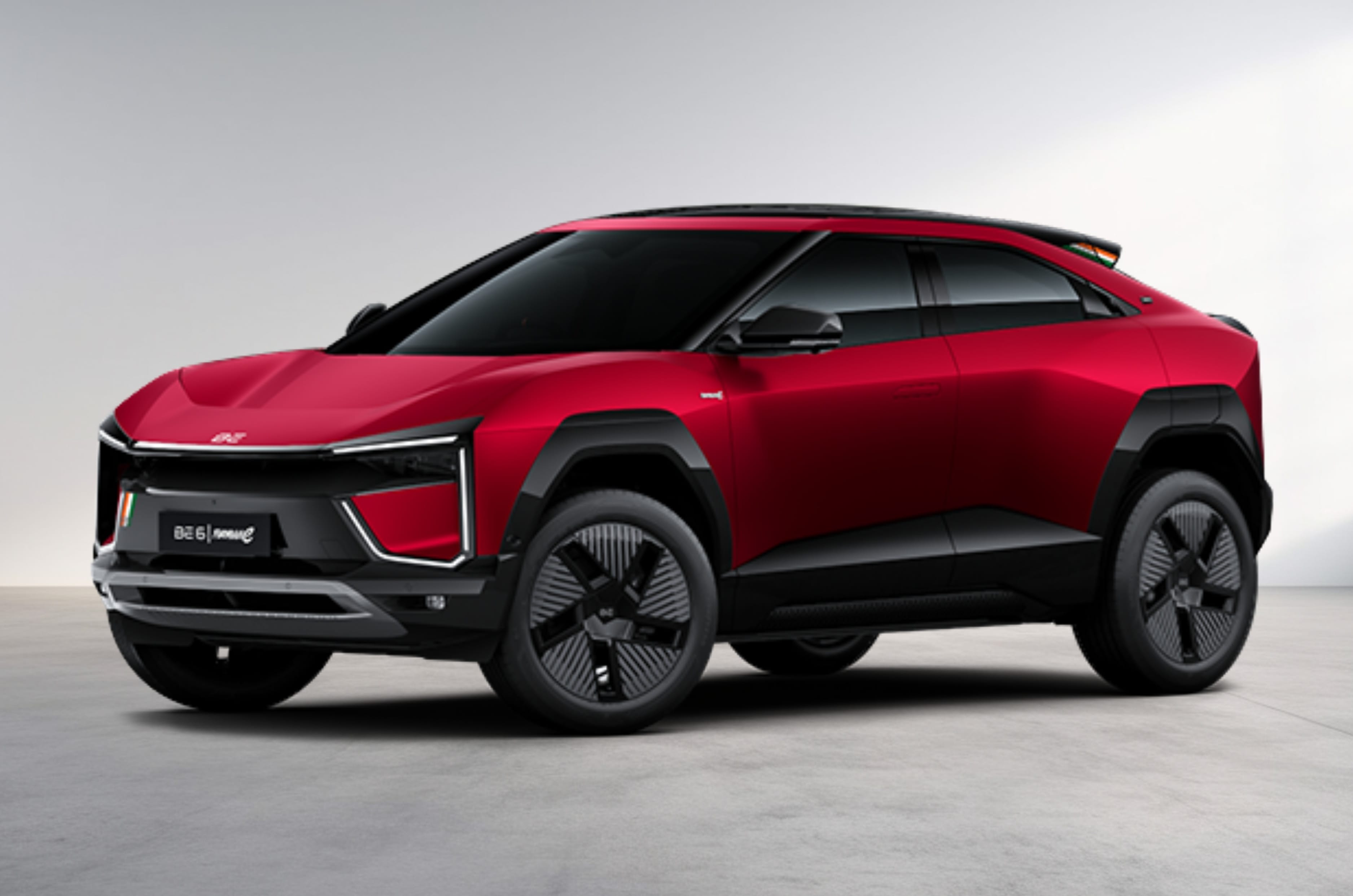
Mahindra BE 6 Formula E Freedom edition Rosso Impulso exterior colour.

While the 2026 BE 6 Formula E edition is offered with a new Rosso Impulso exterior hue, the all-black interior with orange elements for contrast is the same as the outgoing model.

New ‘TEQ’ suite

The suite enables Gemini-based interactions, unlocks additional drive modes and Revive functionalities

Another addition to the BE 6 Sporteq is the new ‘TEQ’ suite, which Mahindra says is designed to make the vehicle more intuitive, engaging, secure and responsive to individual customer needs. At its core is a Gemini-based AI conversation assistant that allows natural voice interactions for functions such as vehicle controls, navigation and music. The suite also introduces a Karaoke mode, along with support for Dolby Vision and Dolby Audio.
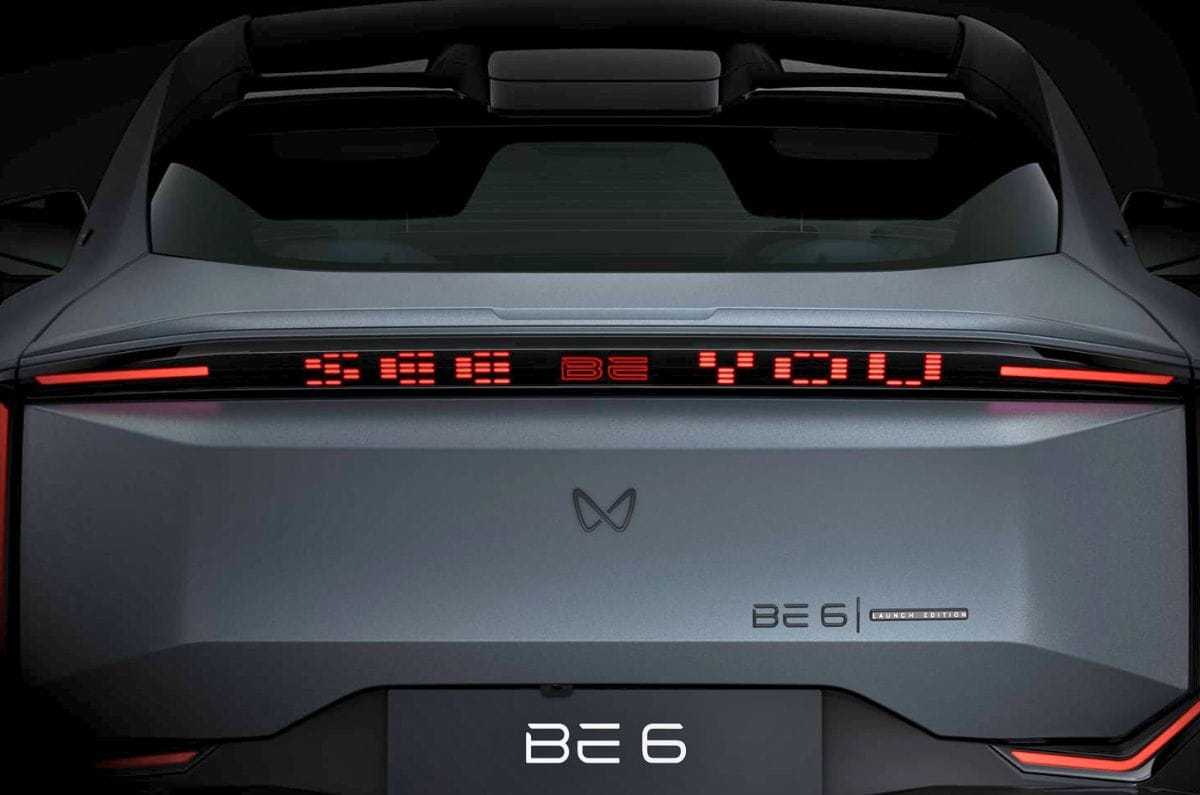
The TEQ suite also adds several performance and convenience features, including Custom Drive Mode, Drift Mode and an acceleration boost mode for the Formula E Freedom Edition, which enables a claimed 0-100 kph time of 6.44 seconds. It also includes Revive and Revive SOS, which can provide additional range even after the battery has run out. Another new feature is ‘TEQ_xting’, which lets owners display personalised messages on the vehicle’s tailgate.

The Mahindra BE 6 Sporteq is priced from Rs 19.45 lakh to Rs 26.95 lakh (ex-showroom), and it rivals the Hyundai Creta Electric, Tata Sierra EV, Tata Curvv EV, MG ZS EV, Maruti Suzuki e Vitara and Toyota Ebella.

Prices are ex-showroom, India, and do not include a wall charger or its installation cost.
Mahindra की नई धांसू EV लॉन्च, 79kWh बैटरी और AI फीचर्स से है लैस, जानें कीमत

क्या आप नई इलेक्ट्रिक SUV लेने का प्लान बना रहे हैं? अगर हां, तो इस खबर को आपको जरूर पढ़ना चाहिए। दरअसल, Mahindra & Mahindra ने आज BE 6 Sporteq को भारत में लॉन्च कर दिया है। यह कंपनी की BE 6 इलेक्ट्रिक SUV पर आधारित नई सीरीज है। इसकी शुरुआती कीमत 19.45 लाख रुपये (एक्स-शोरूम) है और इसमें बैटरी की कीमत भी शामिल है।

कंपनी ने इसे Battery as a Service (BaaS) मॉडल के साथ भी पेश किया है। इस मॉडल में BE 6 Sporteq की शुरुआती कीमत 11.45 लाख रुपये (एक्स-शोरूम) है। इसके अलावा बैटरी इस्तेमाल करने के लिए 3.75 रुपये प्रति किलोमीटर का चार्ज देना होगा।

BaaS मॉडल में 3.75 रुपये प्रति किलोमीटर का बैटरी चार्ज रोजाना करीब 60 किलोमीटर की ड्राइविंग को ध्यान में रखकर तय किया गया है। बता दें कि BE 6 Sporteq की डिलीवरी 26 अगस्त 2026 से शुरू होगी।

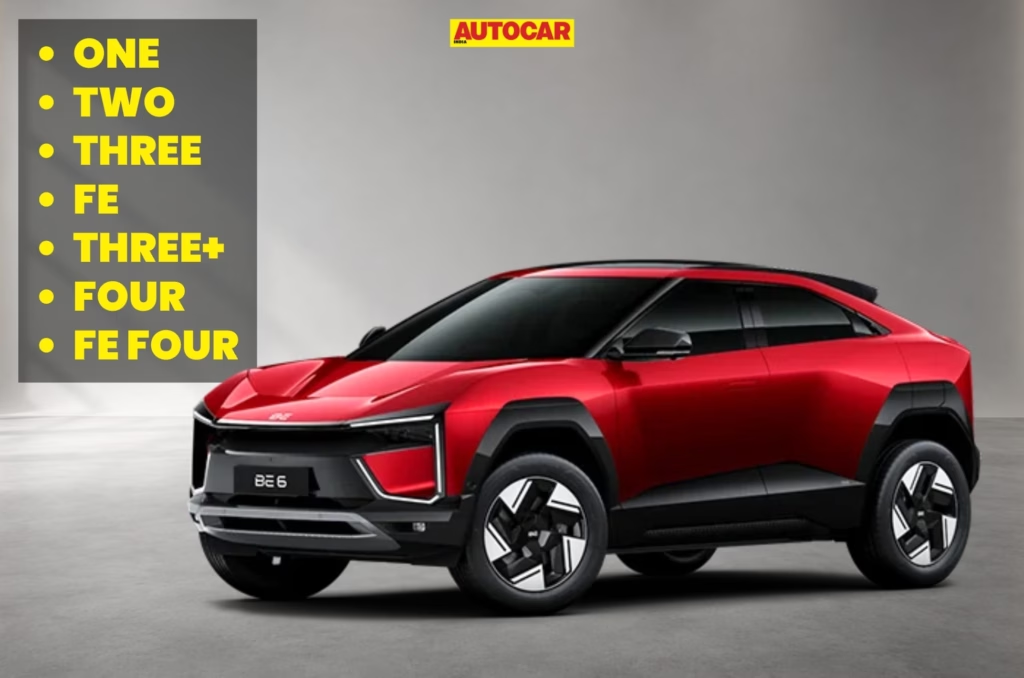
इस नई सीरीज को आप 8 वेरिएंट में खरीद सकते हैं — One, Two, Three, Three+, Four, FE (फ्रीडम एडिशन), FE Four और लॉन्च एडिशन। ग्राहक अपनी जरूरत और वेरिएंट के हिसाब से 59kWh, 70kWh और 79kWh बैटरी पैक में से चुन सकते हैं।

Mahindra BE 6 Sporteq की कीमतें

59 kWh बैटरी वाले BE 6 Sporteq One ​​की कीमत BaaS के तहत ₹11.45 लाख और बैटरी के साथ ₹19.45 लाख है। Two वेरिएंट की कीमत BaaS के तहत ₹12.95 लाख और 59 kWh बैटरी के साथ ₹20.95 लाख है।

Three वेरिएंट की कीमत 59 kWh बैटरी के साथ ₹21.95 लाख और 70 kWh यूनिट के साथ ₹22.95 लाख है। वहीं, Three+ की कीमत 70 kWh बैटरी के साथ ₹23.95 लाख और 79 kWh बैटरी के साथ ₹24.95 लाख है।

इसके अलावा, Four और ‘लॉन्च एडिशन’ (Launch Edition), दोनों ही 79 kWh बैटरी के साथ आते हैं और इनकी कीमत 26.95 लाख रुपये है। FE की कीमत 24.45 लाख रुपये है, जबकि FE फोर की कीमत 26.95 लाख रुपये है। फॉर्मूला E से प्रेरित इन दोनों ही वेरिएंट्स में 79 kWh की बैटरी का इस्तेमाल किया गया है।

ये सभी कीमतें एक्स-शोरूम हैं और इनमें वॉल चार्जर और उसके इंस्टॉलेशन का खर्च शामिल नहीं है।

तीन-स्क्रीन वाला डिजिटल कॉकपिट

Mahindra ने BE 6 Sporteq सीरीज को 12 एक्सटीरियर कलर ऑप्शन में पेश किया है। इनमें चार नए कलर भी शामिल हैं—Rosso Impulso, Ruby Velvet, Graphite Storm और Firestorm Orange Satin।

Two वेरिएंट से आगे के सभी मॉडल में तीन-स्क्रीन वाला कोस्ट-टू-कोस्ट डिजिटल कॉकपिट दिया गया है। हालांकि, Formula E से प्रेरित Freedom Edition खरीदने वाले ग्राहकों को पहले वाला दो-स्क्रीन कॉकपिट और खास ‘हेलो डिजाइन’ मिलेगा।

Sporteq रेंज में छह नए टेक्नोलॉजी सुइट्स भी पेश किए गए हैं — TEQ_Talk, TEQ_Play, TEQ_Drive, TEQ_Me, TEQ_Secure और TEQ_xting। ये सभी MAIA (महिंद्रा का आर्टिफिशियल इंटेलिजेंस आर्किटेक्चर) पर आधारित हैं, जो कंपनी की ‘सॉफ्टवेयर-डिफाइंड व्हीकल’ स्ट्रैटेजी का आधार है।

Google Gemini-पावर्ड वॉइस असिस्टेंट

TEQ_Talk को Google Gemini के साथ बनाया गया है और इसमें 17 खास AI एजेंट का इस्तेमाल किया गया है। Mahindra के अनुसार, यह सिस्टम 100 से ज्यादा मुख्य फंक्शन और 48 एप्लीकेशन को सपोर्ट करता है, जिनमें गाड़ी के कंट्रोल, नेविगेशन, म्यूजिक और न्यूज शामिल हैं।

TEQ_Play में एंटरटेनमेंट फीचर जैसे कि कराओके, ‘ब्रिंग-योर-ओन-डिवाइस’ (BYOD) मोड वाला इन-कार गेमिंग सुइट, प्राइवेट ऑडियो, Dolby Vision, Dolby Atmos और GrooveMe Party शामिल हैं। Mahindra का दावा है कि भारत में ऑटोमोटिव बनाने वाली कंपनियों में कराओके फ़ीचर और BYOD मोड में गेमिंग की सुविधा सबसे पहले इसी में दी गई है।

TEQ_Drive में परफॉर्मेंस से जुड़े फंक्शन जैसे कस्टम ड्राइव मोड, ड्रिफ़्ट मोड, ट्राइब ड्राइव, रिवाइव और रिवाइव SOS शामिल हैं। Formula E Freedom Edition में एक अतिरिक्त ‘एक्सेलरेशन बूस्ट’ फंक्शन भी मिलता है।

TEQ_Me में ऑटोमैटिक डिटेक्शन वाले यूजर प्रोफाइल की सुविधा है, जबकि TEQ_xting मालिकों को टेलगेट के लिए पर्सनलाइज्ड मैसेज बनाने की सुविधा देता है।

TEQ_Secure में Secure360 Pro शामिल है, जो ऑडियो रिले और घुसपैठ की चेतावनी (intrusion alert) के साथ लाइव व्यू देता है। इसमें iPhone, Apple Watch, Android और Samsung स्मार्टफोन के साथ-साथ NFC की-कार्ड के ज़रिए NFC और डिजिटल कार-की का सपोर्ट भी मिलता है।

महिंद्रा का दावा है कि वह पहली भारतीय ऑटोमोटिव कंपनी है जो कई डिवाइस इकोसिस्टम में ‘कार कनेक्टिविटी कंसोर्टियम’ (CCC) के नियमों के मुताबिक Digital Car-Key फंक्शनैलिटी देती है। इस सुइट में तीसरी स्क्रीन के लिए पैरेंटल लॉक भी शामिल है।.

मौजूदा महिंद्रा इलेक्ट्रिक SUV में अपडेट्स आएंगे

महिंद्रा ने कहा कि Sporteq सीरीज के साथ पेश की गई सभी नई टेक्नोलॉजी और सॉफ्टवेयर फीचर्स को मौजूदा BE 6, XEV 9e और XEV 9S गाड़ियों में धीरे-धीरे लाया जाएगा, हालांकि उपलब्ध फीचर्स मॉडल और वैरिएंट के हिसाब से अलग-अलग होंगे। यह रोलआउट जनवरी 2027 से चरणों में शुरू होगा।

Mahindra & Mahindra के ऑटोमोटिव बिजनेस के प्रेसिडेंट और महिंद्रा इलेक्ट्रिक ऑटोमोबाइल लिमिटेड के मैनेजिंग डायरेक्टर, आर वेलुसामी ने कहा, “इलेक्ट्रिक मोबिलिटी एक नए दौर में प्रवेश कर रही है। ग्राहक अब EV को सिर्फ उसकी रेंज या तेजी (एक्सेलरेशन) से नहीं आंकते हैं। वे उम्मीद करते हैं कि यह अपनी पूरी लाइफ-साइकिल के दौरान ज्यादा स्मार्ट, ज्यादा पर्सनल और ज्यादा काबिल बने। Sporteq इसी बदलाव को दिखाता है। MAIA से पावर्ड, यह AI, पर्सनलाइजेशन, परफॉर्मेंस और एंटरटेनमेंट को इस तरह से एक साथ लाता है कि हर सफर ज्यादा आसान और बेहतर (इंट्यूटिव) बन जाता है।”

लॉन्च एडिशन और फॉर्मूला E फ्रीडम एडिशन

रेंज के टॉप मॉडल के तौर पर BE 6 Sporteq Launch Edition को खास Graphite Storm एक्सटीरियर फिनिश के साथ पेश किया गया है। इसके केबिन में Racing Tan कलर की पूरी लेदर जैसी फिनिश वाली सीटें और इंटीरियर दिया गया है।

वहीं, Formula E Freedom Edition का डिजाइन Mahindra Racing के Formula E रेसिंग प्रोग्राम से प्रेरित है। इसमें BE 6 के पुराने हेडलैंप डिजाइन को बरकरार रखा गया है। इसके अलावा, कार में तिरंगे वाले एक्सटीरियर एक्सेंट, सैटिन पेंट ऑप्शन और नया Rosso Impulso कलर मिलता है।

इसके केबिन में Black और Firestorm Orange थीम दी गई है। साथ ही इसमें दो-स्क्रीन डिजिटल कॉकपिट और कंपनी का खास Halo डिजाइन मिलता है।

Acceleration Boost फीचर की मदद से Formula E Freedom Edition महज 6.44 सेकंड में 0 से 100 किमी/घंटा की रफ्तार पकड़ सकती है। यह कंपनी द्वारा बताया गया दावा किया गया आंकड़ा है।

यह भी पढ़ें: ₹7 लाख से शुरू होती हैं ये ऑटोमैटिक कारें, मिलेगा 25 kmpl का माइलेज और 6 एयरबैग

Which variant of the Mahindra BE 6 Sporteq should you buy?

Which variant of the Mahindra BE 6 Sporteq should you buy?
Mahindra BE 6 Sporteq variants and features explained

Mahindra has rejigged the line-up of its entry-level born-electric SUV, the BE 6, and added a ‘Sporteq’ suffix to its name. The BE 6 Sporteq also gets some additional features, a new 70kWh battery option, and more. Let’s take an in-depth look at the BE 6 Sporteq line-up.

Mahindra BE 6 Sporteq price and powertrains

Mahindra BE 6 Sporteq price list* (Rs, lakh)

 59kWh70kWh79kWh
One19.45
Two20.95
Three21.9522.95
Three+23.9524.95
Four / Launch Edition26.95
FE24.45
FE Four26.95

*Exclusive of home charger and installation costs.

Pricing for the BE 6 Sporteq starts at Rs 19.45 lakh – a Rs 85,000 increase over the outgoing BE 6 – climbing all the way up to Rs 26.95 lakh. Seven BE 6 Sporteq variants are on offer, namely One, Two, Three, Three+, Four, FE, and FE Four. The ‘FE’ trims refer to the BE 6 Sporteq Formula E Freedom Edition, which gets sportier cosmetic tweaks. There’s a Launch Edition of the BE 6 Sporteq too, which is based on the top-spec Four variant and comes with unique exterior and interior finishes.

BaaS now available

Mahindra has also joined the BaaS (battery-as-a-service) bandwagon with the BE 6 Sporteq. With BaaS opted, the price of the lower-spec One and Two variants drops to Rs 11.45 lakh and Rs 12.95 lakh, respectively – a reduction of Rs 8 lakh – and the battery rental fee is pegged at Rs 3.75/km. BaaS pricing for other BE 6 Sporteq variants is yet to be revealed.

Mahindra BE 6 Sporteq powertrain details

 59kWh70kWh79kWh
Motor setupRearRearRear
Power (hp)231245286
Torque (Nm)380380380
Drive layoutRWDRWDRWD
MIDC-claimed range (km)548651683
10-100 percent 7.2kW AC charging (hrs)8.710.211.7
10-100 percent 11.2kW AC charging (hrs)678
20-80 percent DC charging time (mins)20 (120kW)20 (160kW)20 (180kW)

The BE 6 Sporteq retains the 59kWh and 79kWh battery options of the prior model, but adds the 70kWh pack that was introduced with the Mahindra XEV 9S. As before, all batteries are wired up to a single 380Nm rear-mounted (RWD) motor, outputting 231hp in 59kWh guise, 245hp in 70kWh spec, and 286hp in the 79kWh variants. MIDC-certified range stands at 548km, 651km, and 683km, respectively. All three batteries support 11.2kW and 7.2kW AC charging, while DC charging support is capped at 120kW for the 59kWh, 160kW for the 70kWh, and 180kW for the 79kWh units.

Mahindra BE 6 Sporteq colour options

Mahindra BE 6 Sporteq Formula E Freedom Edition in Rosso Impulso.

Seven exterior colours are available for the standard BE 6 Sporteq, specifically Deep Forest, Desert Myst, Everest White, Firestorm Orange, Ruby Velvet (new addition), Stealth Black, and Tango Red. The FE variants get an exclusive Rosso Impulso finish, but can’t be had with the Deep Forest, Desert Myst, Tango Red, and Ruby Velvet option. Meanwhile, the BE 6 Sporteq Launch Edition comes finished solely in Graphite Storm.

A total of four colour schemes are on offer for the cabin. The base BE Sporteq One variant gets a Sage Green and Grey interior finish, while the Two, Three, Three+, and Four variants are finished in Racing Tan and Black. FE variants offer a unique Black and Firestorm Orange colour scheme, while the Launch Edition gets a Racing Tan finish (pictured).

Mahindra BE 6 Sporteq variant-wise features

One

Battery options: 59kWh

  • 6 airbags
  • Rear-view camera with parking sensors
  • Tyre pressure monitoring system
  • Tyre inflator
  • Front and rear disc brakes
  • Rain-sensing wipers
  • ESP
  • Brake-by-wire technology
  • Electronic brake booster
  • Driver drowsiness detection system
  • Electronic parking brake
  • LED headlamps with DRLs
  • Automatic headlamps
  • Illuminated Mahindra emblems
  • LED tail-lamps
  • Height-adjustable driver’s seat
  • Push-button start/stop
  • Tilt and telescopic steering
  • 12.3-inch infotainment touchscreen
  • 12.3-inch digital driver’s display
  • Halo loop dashboard design
  • Wireless Android Auto and Apple CarPlay
  • Steering wheel with physical controls and illuminated Mahindra logo
  • Automatic climate control
  • Rear AC vents
  • PawPal, Keep, CampMe, and Valet modes
  • Charge scheduling function
  • Drive modes: Default, Range, Everyday, Race, Custom, Snow
  • Drift Mode
  • Revive emergency function (grants extra range at 0 percent battery to reach charging station)
  • Multi-level regenerative braking
  • Frequency-dependent dampers
  • Cruise control
  • Virtual engine sounds
  • Connected car tech
  • Tribe Drive function to keep track of friends/family while on road trips
  • 6-speaker sound system
  • OTA software updates
  • Cabin pre-cooling function
  • Electrically adjustable ORVMs with indicators
  • Three Type-C USB ports (15W and 65W up front, 65W rear)
  • Rear demister
  • Cooled console storage
  • 60:40 split second-row seats with two-step recline
  • Second-row armrest

Two

Battery options: 59kWh

Features over One

  • 16-speaker Harman Kardon sound system with Dolby Atmos
  • Digital Key and NFC card support
  • 12.3-inch passenger screen (triple-display setup)
  • Parental lock for passenger screen
  • Horizontal dashboard layout
  • Leatherette-wrapped instrument panel and door trims
  • Leatherette steering wheel
  • Leatherette gear selector
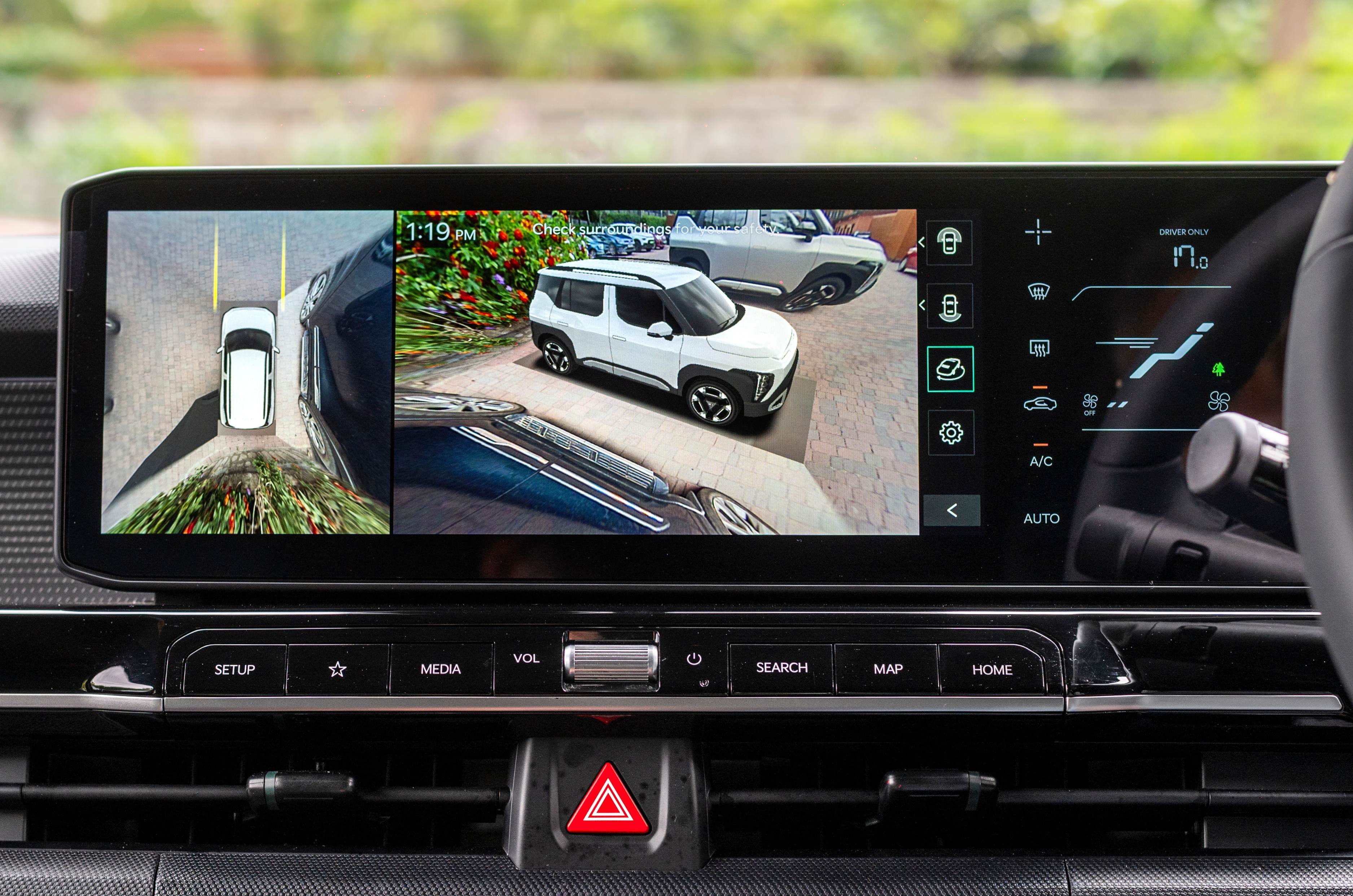
  • 540-degree camera (360 degrees + underfloor view)
  • Manual drive-video recording
  • TPMS with individual tyre monitoring
  • Front parking sensors
  • User profiles with automatic detection
  • Dual-zone climate control
  • Auto-dimming IRVM
  • Auto defogger
  • Wireless charging pad

Three / FE

Battery options: 59kWh, 70kWh, 79kWh

Features over Two

  • Fixed panoramic glass roof
  • LED DRLs with welcome/goodbye animations
  • Sequential front and rear indicators
  • Additional Type-C USB port in second row
  • Acoustic-laminated door glass
  • 6-way powered driver’s seat with memory (Three only)
  • Ventilated front seats (Three only)
  • ORVM reverse auto-dip function (Three only)
  • Adaptive suspension (FE only)
  • Dual 12.3-inch screens with halo dashboard (FE only)
  • Unique virtual engine sounds (FE only)
  • Carpet lamps  (FE only)

Three+

Battery options: 70kWh, 79kWh

Features over Three

  • Auto regen function
  • C-shaped front LED DRLs with animation
  • Front fog lamps
  • C-shaped LED tail lamps
  • Personalised messaging and animations in rear light bar
  • Cornering lamps
  • Auto Booster lamps
  • Passive keyless entry
  • Flush door handles
  • Powered tailgate with gesture control
  • Music and light show function
  • Ambient lighting
  • Carpet lamps
  • Level 2 ADAS (1 radar, 1 camera)
  • Second front wireless charging pad
  • Parcel shelf

Four / FE Four

Battery options: 79kWh

Features over Three+

  • Adaptive suspension
  • Knee airbag (7 airbags total)
  • Google Gemini integration in infotainment system
  • Gaming and karaoke suites
  • Private audio function (routes infotainment audio to Bluetooth device)
  • Dolby Vision
  • Heads-up display
  • Auto park assist
  • Cabin air purifier
  • Ambient lighting elements in panoramic glass roof
  • Level 2+ ADAS (5 radars, 1 camera)
  • Dashcam function with Intrusion Alert
  • Approach and walk-away lock/unlock
  • One-touch auto up/down driver window
  • Touch-capacitive start/stop button (FE Four only)
  • Touch-capacitive virtual engine sound button (FE Four only)
  • Dual 12.3-inch displays with halo dashboard (FE Four only)

Which Mahindra BE 6 Sporteq variant should you buy?

Three is our value pick

The BE 6 Sporteq Three variant offers the best value and most choice in the line-up. It gets all the crucial safety kit from the One and Two varants, you can choose from all three battery options, and the sportier-looking FE variant is available as an alternative too. Moreover, the BE 6 Sporteq Three packs nice-to-have goodies like a triple-screen setup, panoramic glass roof, ventilated front seats, a powered driver’s seat, welcome/goodbye sequences for the DRLs, and more.

All prices are ex-showroom, India.

Top 10 bestselling cars in July 2026: Maruti claims 6 spots

Top 10 bestselling cars in July 2026

Sales of India’s 10 highest-selling passenger vehicles reached 2,00,868 units in July 2026, up 37.55 percent from the 1,46,029 units recorded a in the year-ago period. Last month’s sales figures highlight Maruti Suzuki’s strong hold, with six models featuring among the top 10 bestsellers. Tata Motors was the only other brand with more than one model on the list, while Hyundai and Mahindra had one offering each. Demand remained strong across the board, with all but one model registering double-digit year-on-year growth. 

RankModelJuly 2026 sales (units)July 2025 sales (units)YoY growth (percent)
1Maruti Dzire23,79120,89513.86
2Maruti Wagon R23,33814,71058.65
3Maruti Ertiga21,60616,60430.13
4Maruti Swift21,53814,19051.78
5Tata Punch, Punch EV21,31310,78597.62
6Maruti Fronx19,47312,87251.28
7Maruti Baleno18,24112,50345.89
8Hyundai Creta, Creta Electric18,08816,8987.04
9Tata Nexon, Nexon EV17,47112,82536.23
10Mahindra Scorpio, Scorpio Classic16,00913,74716.45
 Total2,00,8681,46,02937.55

1. Maruti Dzire

23,791 units

Maruti Dzire

The Maruti Dzire was India’s bestselling passenger vehicle in July, with sales of 23,791 units, up 13.86 percent from 20,895 units in July 2025. It was also the only sedan to feature among the country’s 10 bestselling models and contributed 11.84 percent of the combined sales of the top 10. 

2. Maruti Wagon R

23,338 units

With sales of 23,338 units, the Maruti Wagon R finished second. The hatchback recorded a strong 58.65 percent year-on-year growth, selling 8,628 more units than in July last year. It was also one of the three hatchbacks to feature in the top 10 list, all of which are from Maruti Suzuki. Another highlight of the Wagon R is that it is also available in a flex-fuel version compatible with E85 fuel, an option that none of the other models on this list offer.

3. Maruti Ertiga

21,606 units

Maruti Ertiga

The Maruti Ertiga ranked third with 21,606 units sold, registering 30.13 percent year-on-year growth. Notably, it is the only MPV on the list and managed to secure a place among the country’s three bestselling passenger vehicles.

4. Maruti Swift

21,538 units

Coming in fourth was the Maruti Swift, with sales of 21,538 units. The hatchback recorded a healthy 51.78 percent year-on-year growth and was the second Maruti Suzuki hatchback to feature in the country’s top 10 bestselling models.

5. Tata Punch, Punch EV

21,313 units

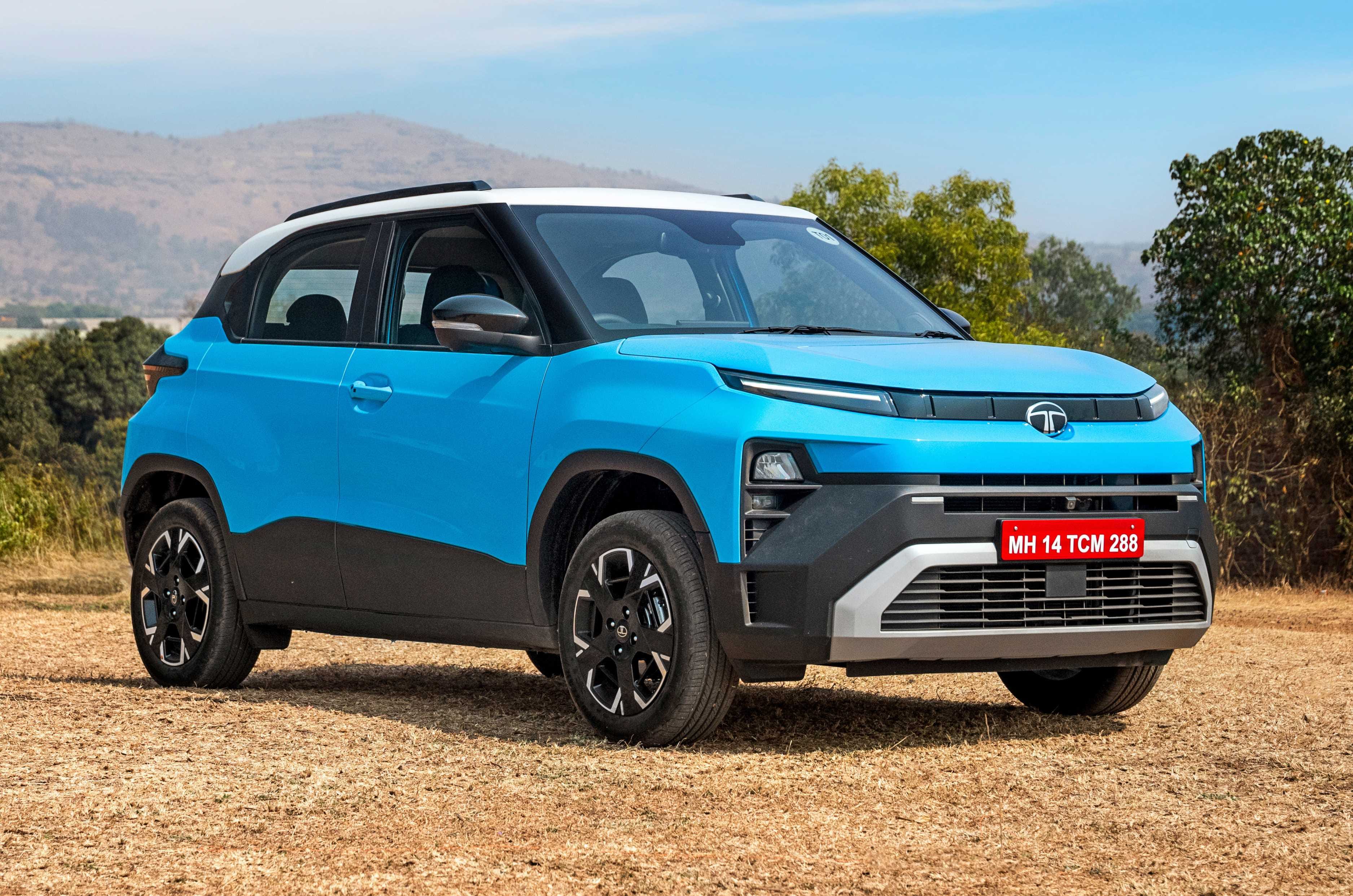
Tata Punch
Tata Punch ICE.

Ranking fifth was the Tata Punch and Punch EV, which together sold 21,313 units. Their combined sales were up 97.62 percent year-on-year, nearly doubling from the same month last year. Compared to other models on this list, the sub-compact SUV registered the highest YoY growth. The Punch also recently crossed the 8 lakh sales mark.

6. Maruti Fronx

19,473 units

Selling 19,473 units, the Maruti Fronx secured the sixth spot, registering a 51.28 percent year-on-year growth. It is also Maruti Suzuki’s highest-selling model retailed through the brand’s premium Nexa dealership network.

7. Maruti Baleno

18,241 units

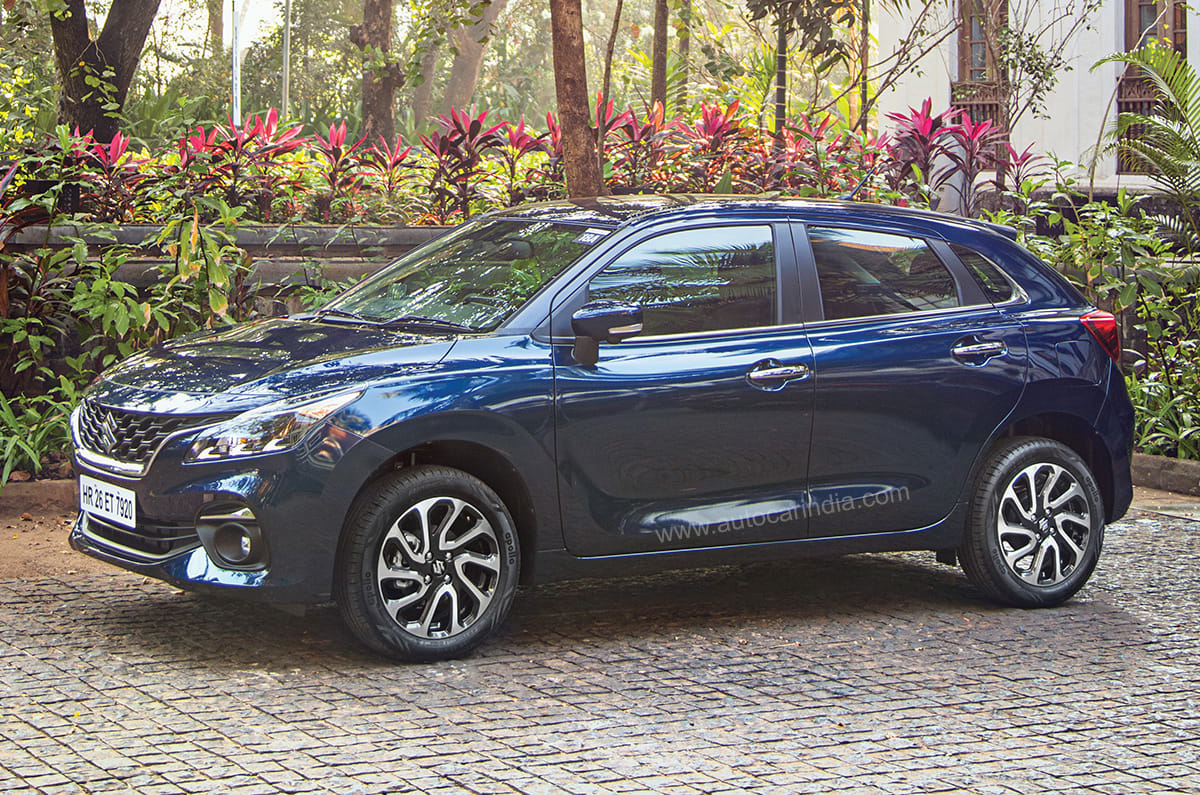
Maruti Baleno

The Maruti Baleno secured the seventh position with 18,241 units, recording a 45.89 percent increase over the same month last year. It rounded off Maruti’s six-model presence in the top 10 and was also the third hatchback on the list. Like the Fronx, the hatchback is retailed through Nexa showrooms.

8. Hyundai Creta, Creta Electric

18,088 units

Next, the Hyundai Creta and Creta Electric together secured the eighth spot with 18,088 units, registering a 7.04 percent year-on-year growth, the lowest among the top 10 models. Recently, Hyundai introduced an assured buyback programme for the Creta Electric, offering a 60 percent buyback value after three years or 45,000km, whichever comes first (terms and conditions apply). The electric SUV is also available with a Battery-as-a-Service (BaaS) option, allowing buyers to lower the upfront purchase cost.

9. Tata Nexon, Nexon EV

17,471 units

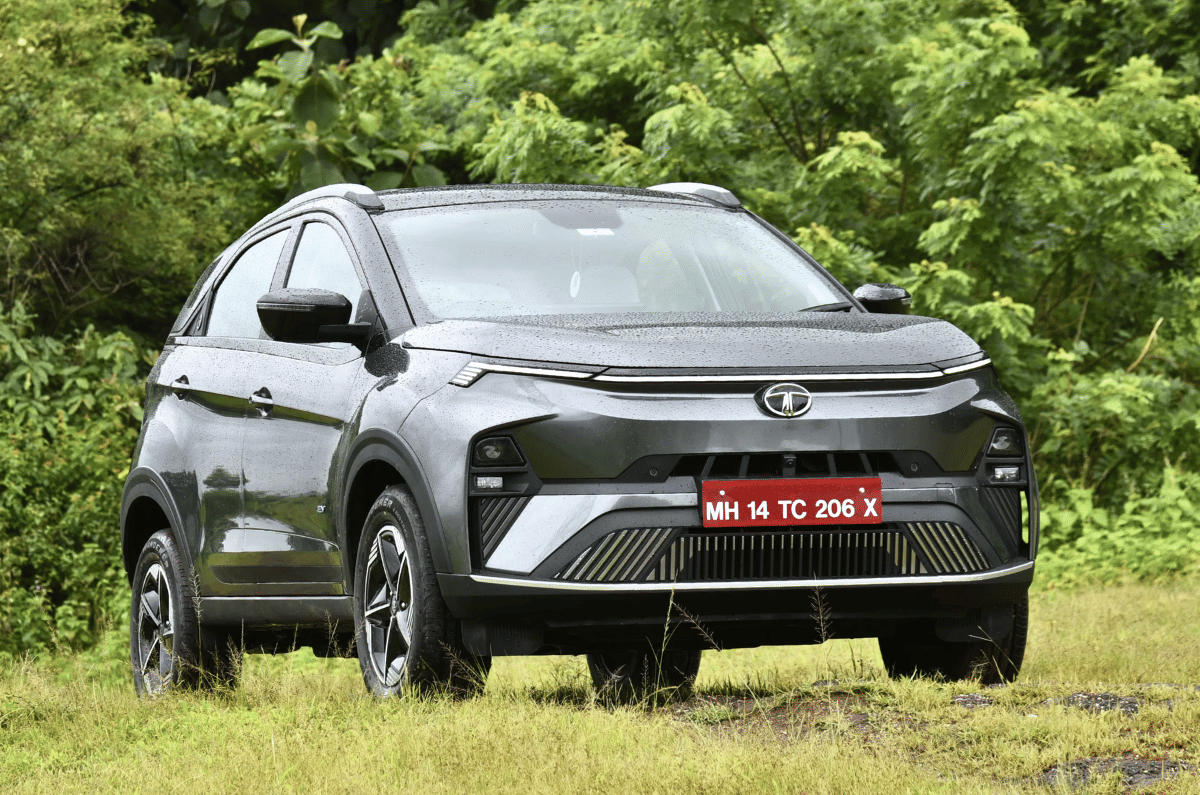
Tata Nexon EV
Tata Nexon EV.

The ninth position went to the Tata Nexon and Nexon EV, which together sold 17,471 units in July 2026, recording 36.23 percent year-on-year growth. After the Fronx, the Nexon is the only compact SUV to feature on this list.

10. Mahindra Scorpio, Scorpio Classic

16,009 units

Rounding off the top 10 were the Mahindra Scorpio N and Scorpio Classic with combined sales of 16,009 units, up 16.45 percent over the same month last year. Mahindra rolled out the 2026 update for the Scorpio N just today. 

Vida surpasses 3 lakh sales milestone

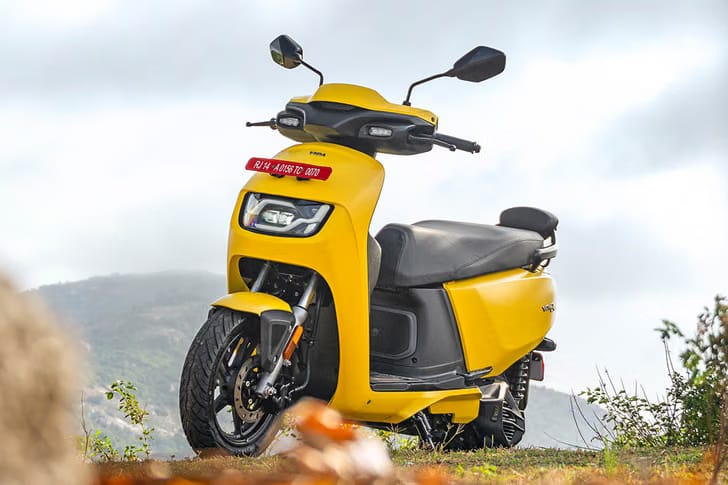
Vida VX2 static

Vida, Hero MotoCorp’s electric two-wheeler brand, has surpassed the 3 lakh retail sales milestone in the Indian market. As per the latest Vahan numbers, cumulative retail sales from November 2022 till August 1, 2026 are 300,458 units.

  1. Vida sold its first 1 lakh units in around 33 months
  2. Whereas, the 2 lakh to 3 lakh sales milestone took just 5 months
  3. With its strong growth trajectory, Vida could garner over 2-lakh sales in a single year for the first time.

Vida’s BaaS has been a key sales driver

Vida currently has coverage across India with over 900 touchpoints

The surge in demand for the Vida e-scooters is seen in the strong growth, particularly over the past year. While the first 1 lakh units were sold in around 33 months, the run from 1 lakh to 2 lakh units took a little over seven months. Now the last 1 lakh units – from 2 lakh to 3 lakh – have taken just five months, reflecting the surging demand for Vida e-scooters this year. With July (22,883 units) being the new monthly high, beating the previous best of June (21,893 units) this year.

From 4 percent in CY2024 to 11 percent in CY2026 Year-to-date, Hero Vida has reaped strong gains in India’s booming e-2W market. Expect it to achieve total retail sales of around 2.25 lakh units this calendar year.

It’s been a noteworthy run for the world’s largest two-wheeler company in the EV space. Vida now stands at No. 4 in the e-2W market share after TVS Motor Co, Bajaj Auto and Ather Energy and is ahead of Ola Electric and Greaves Electric Mobility.

With strong sales tailwinds emanating from a growing number of ICE buyers transitioning to e-mobility due to the multiple price hikes in petrol in May 2026 as well as the upcoming festive season, it can be expected that Vida will maintain the same strong growth trajectory. This would mean Hero MotoCorp’s annual e-2W sales will cross the 2-lakh units milestone in a single calendar year for the first time in CY2026. Estimate them to be in the region of 2.25 lakh to 2.35 lakh units.

Another strategic sales driver for Vida has been the introduction of the Battery-As-a-Service (BaaS) ownership model which significantly reduces the upfront ownership cost, making electric mobility more affordable and accessible to a wider customer base, and has since been adopted by Ather Energy and TVS Motor among a host of other OEMs.

The company, which opened its first Experience Centre in November 2022, currently has coverage across India with over 900 touchpoints spanning 415 cities and 700-plus dealers. Hero MotoCorp enables Vida users to access charging at over 5,900 locations including the Ather Grid network owned by Ather Energy in which Hero MotoCorp is an early investor (with a 29.48 percent stake at present) and has recently invested an additional Rs 1,000 crore.

Manufacturing capacity expansion is also on the cards for Vida. In May this year, Hero MotoCorp revealed details of its planned capital expenditure of over Rs 1,500 crore in FY2027. Cognisant of the strong growth potential in its e-2W business, the company has outlined a strategic manufacturing expansion for its Vida brand. Having already ramped up capacity by 66 percent from 15,000 units per month to 25,000 units, the company has outlined plans for further expansion by doubling monthly capacity to 50,000 units at its plant in Chittoor in Andhra Pradesh to cater to growing demand.
 

3 reasons to buy the Kia Syros EV and 2 not to

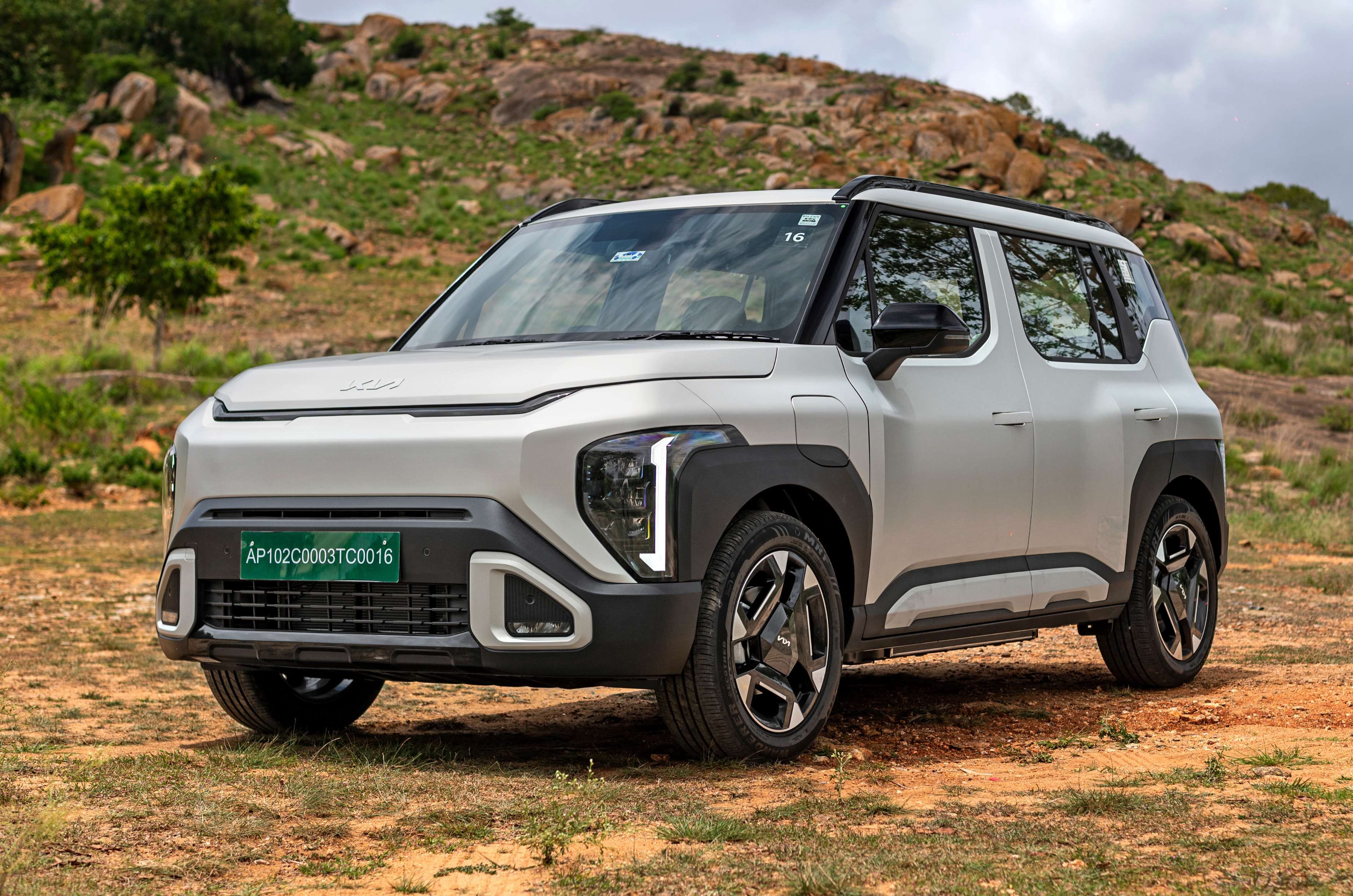
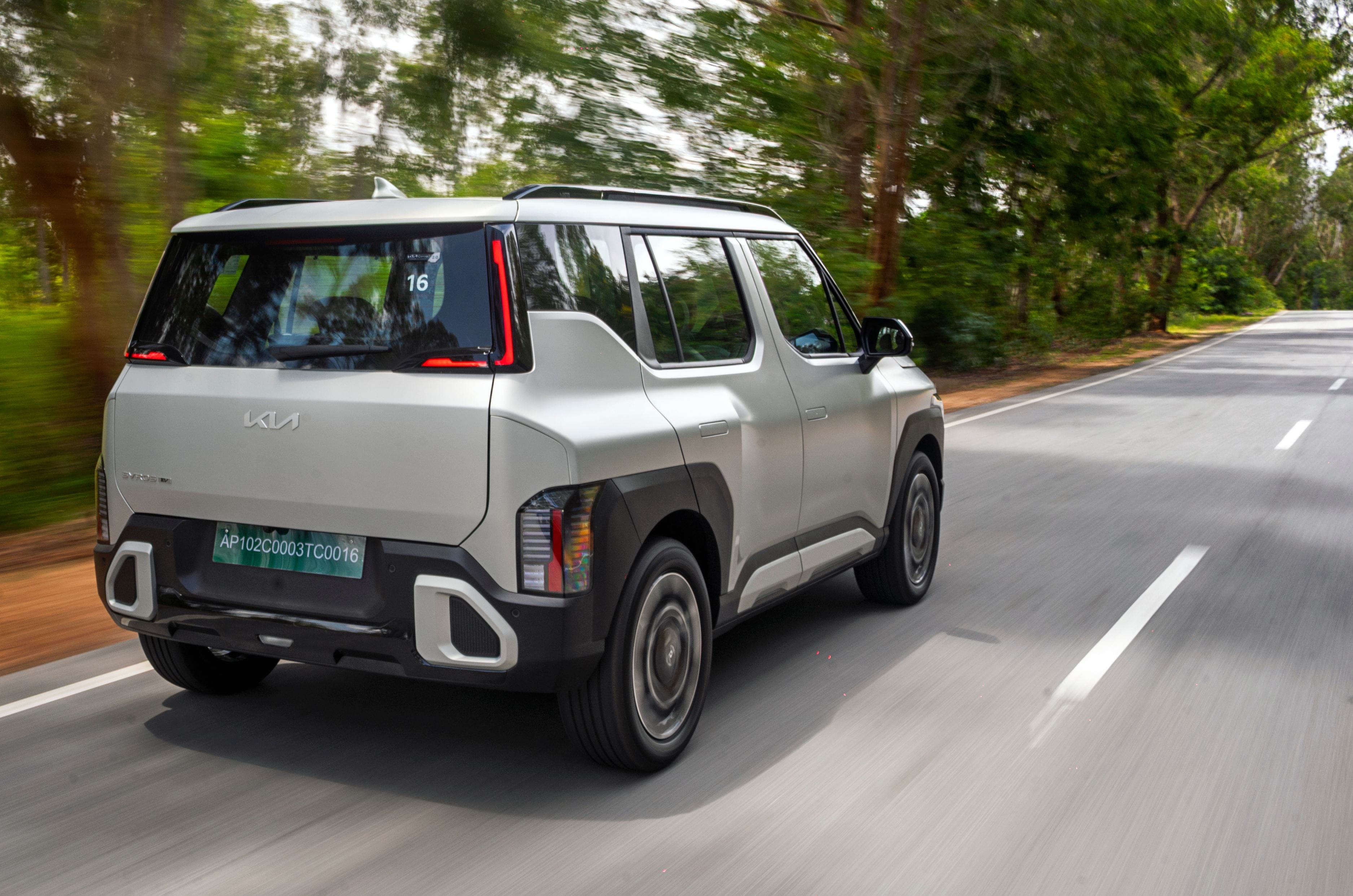
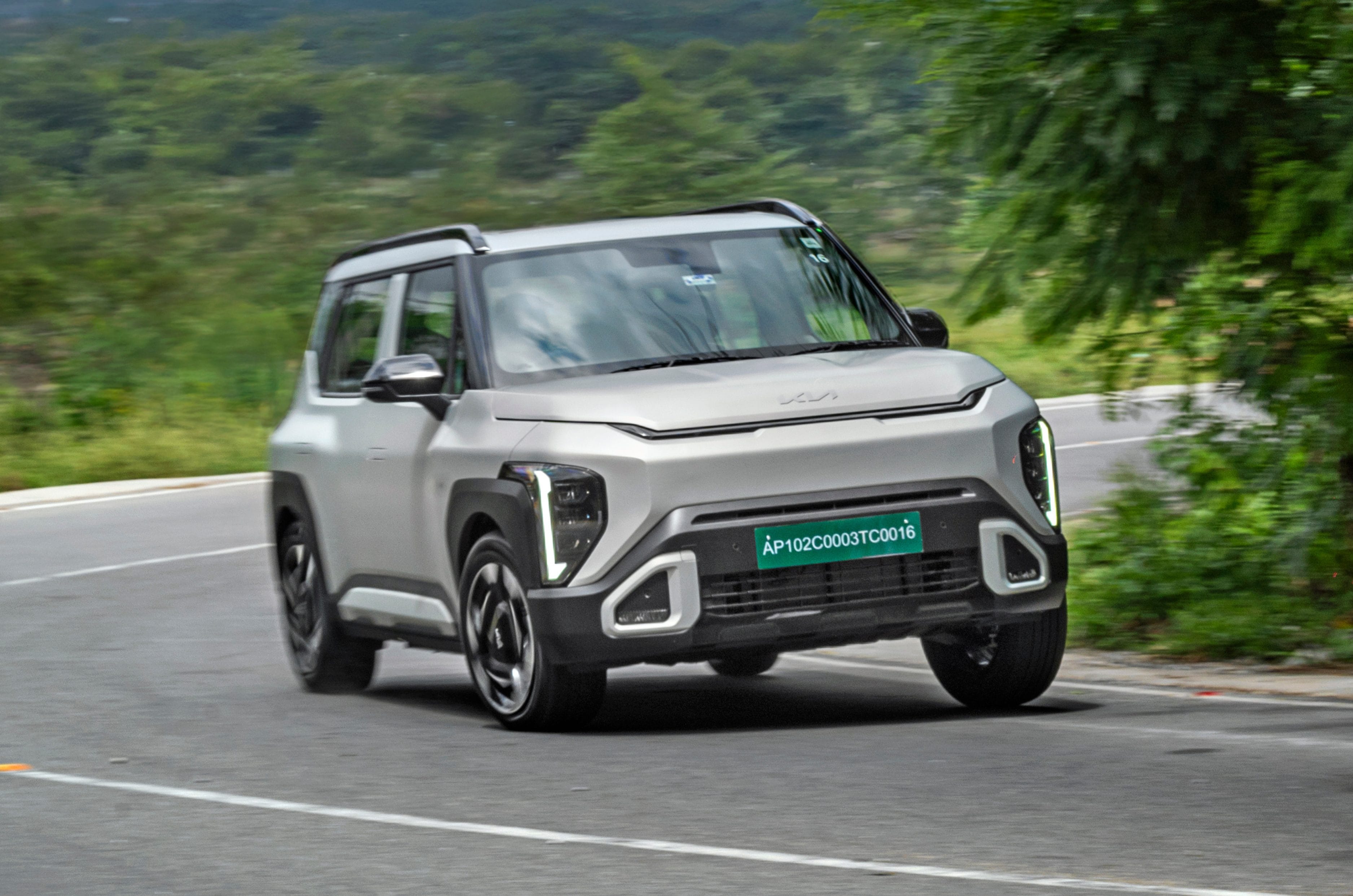
Kia Syros EV

After the Carens Clavis EV, the Kia Syros EV is the carmaker’s second mass-market zero-emission vehicle in India. The electric Syros rivals the Mahindra XUV 3XO EV and the Tata Nexon EV, and we recently got behind the wheel to find out what it does well and where it falls short. If you are planning to bring this Kia EV home, here are three reasons to consider it and two reasons why you may want to think again.

Pros

Impressive performance and range

First, let’s discuss some numbers. The Kia Syros EV is offered with two battery pack options: 42kWh and 51.4kWh. Both power a front axle-mounted electric motor, producing 135hp with the smaller battery and 171hp with the larger unit. Torque remains the same at 255Nm for both versions.

Kia Syros EV performance

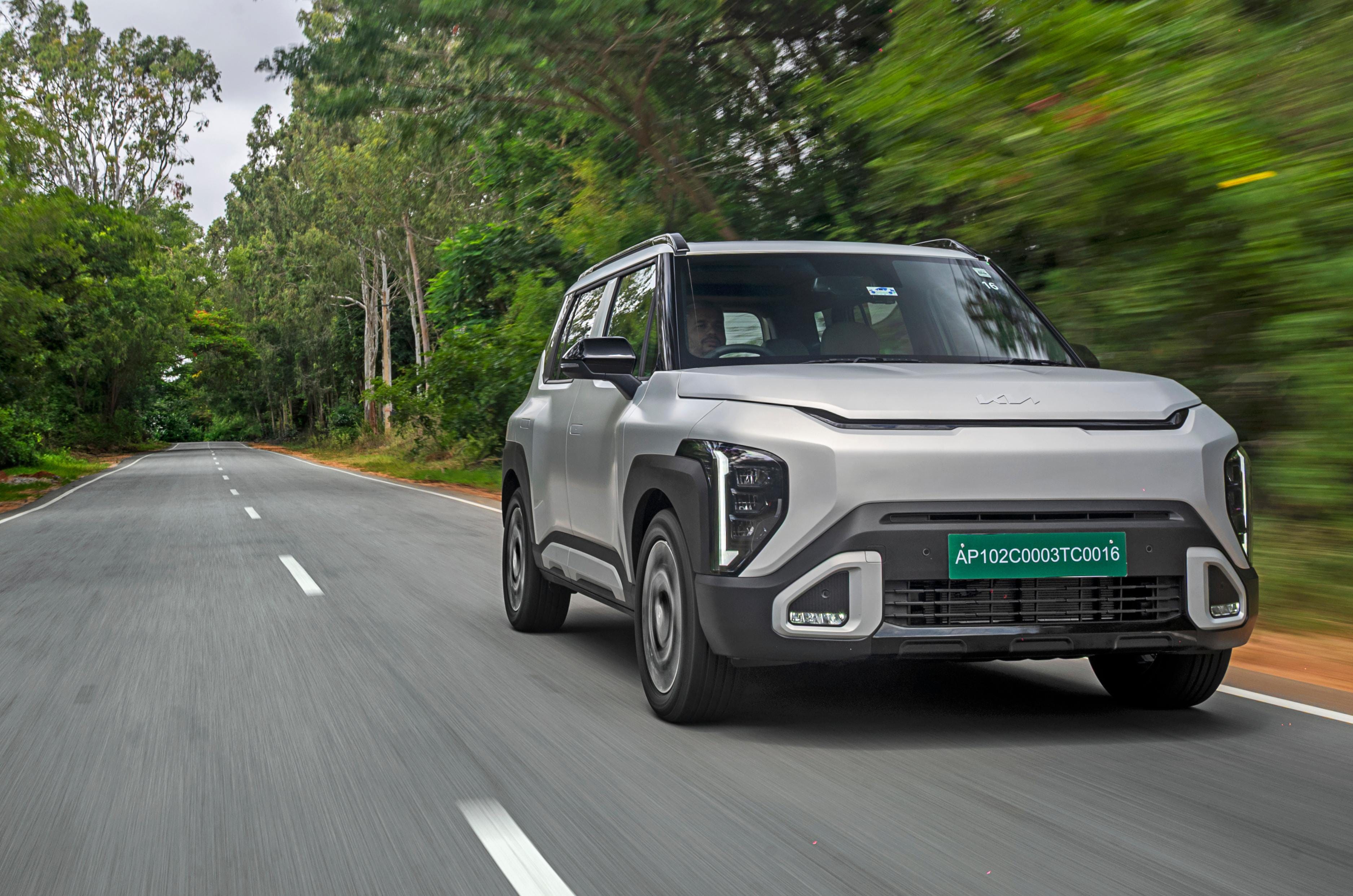
We drove the 51.4kWh version, which Kia claims can sprint from 0-100kph in 8.1 seconds. In our experience, performance was brisk. The EV comes with Eco, Normal and Sport drive modes, and throttle response becomes a little sharper as you move through them. Initial response across modes is linear, though there is a strong shove as you press the throttle further. Even in Eco and Normal, overtaking is effortless, and there is rarely a need to switch to Sport for a quick pass.

Kia Syros EV performance

The MIDC range is 526km for the 51.4kWh battery pack and 443km for the 42kWh unit. While our short drive wasn’t enough to verify these figures, the larger battery should comfortably deliver around 400km of real-world range on a single charge.

Spacious and practical cabin

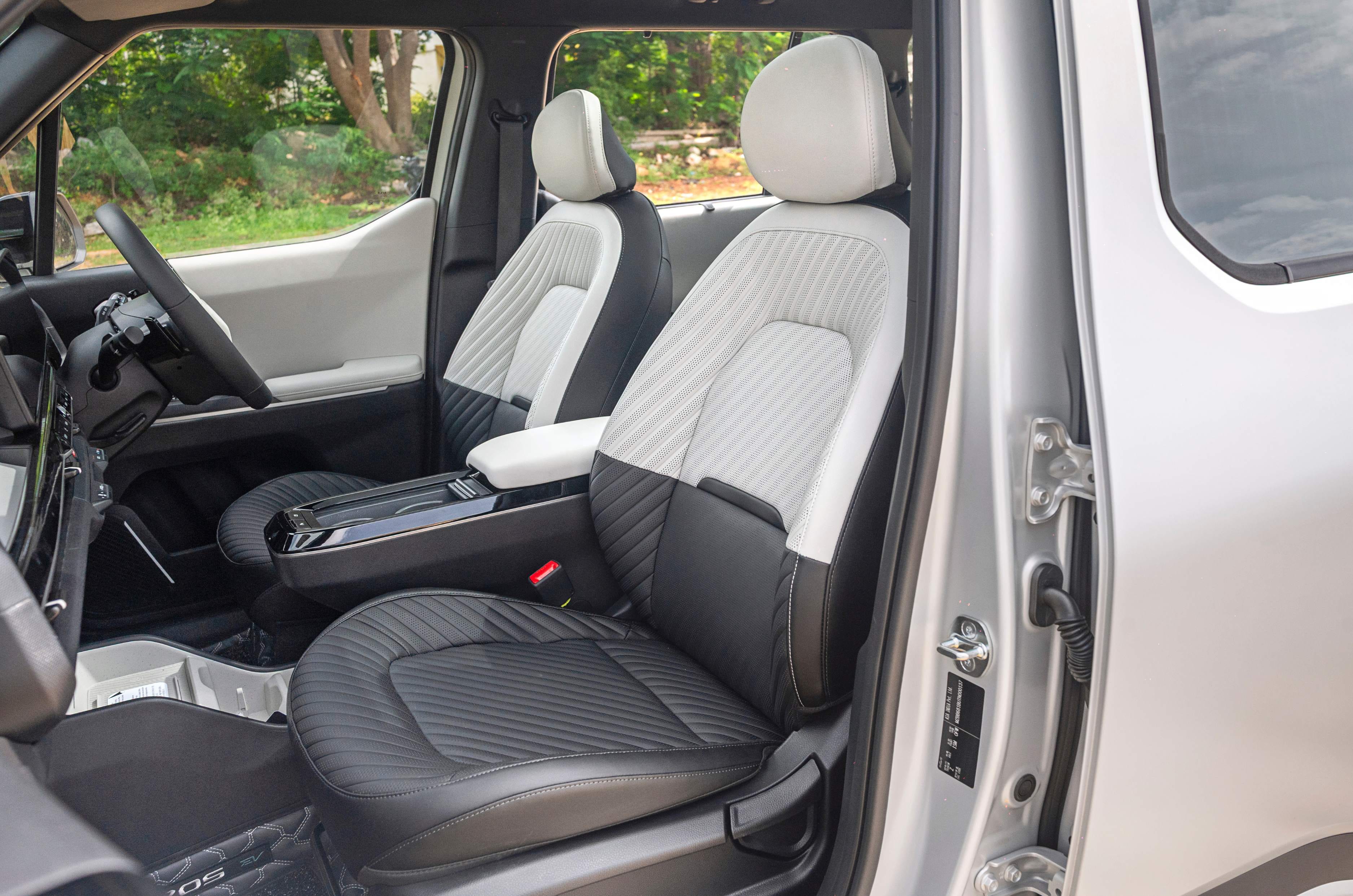
Like the ICE version, the Syros EV offers plenty of space for passengers. Since the drive selector is placed on the steering column, Kia has redesigned the centre console to create more storage space. Its upper section gets a small storage area below the armrest and two cup holders with a sliding cover. The console’s lower section offers a larger storage space for a bag, another cup holder and a wireless phone charger. Also, the front door pockets are large enough to hold a couple of bottles and an umbrella.

Kia Syros EV seats

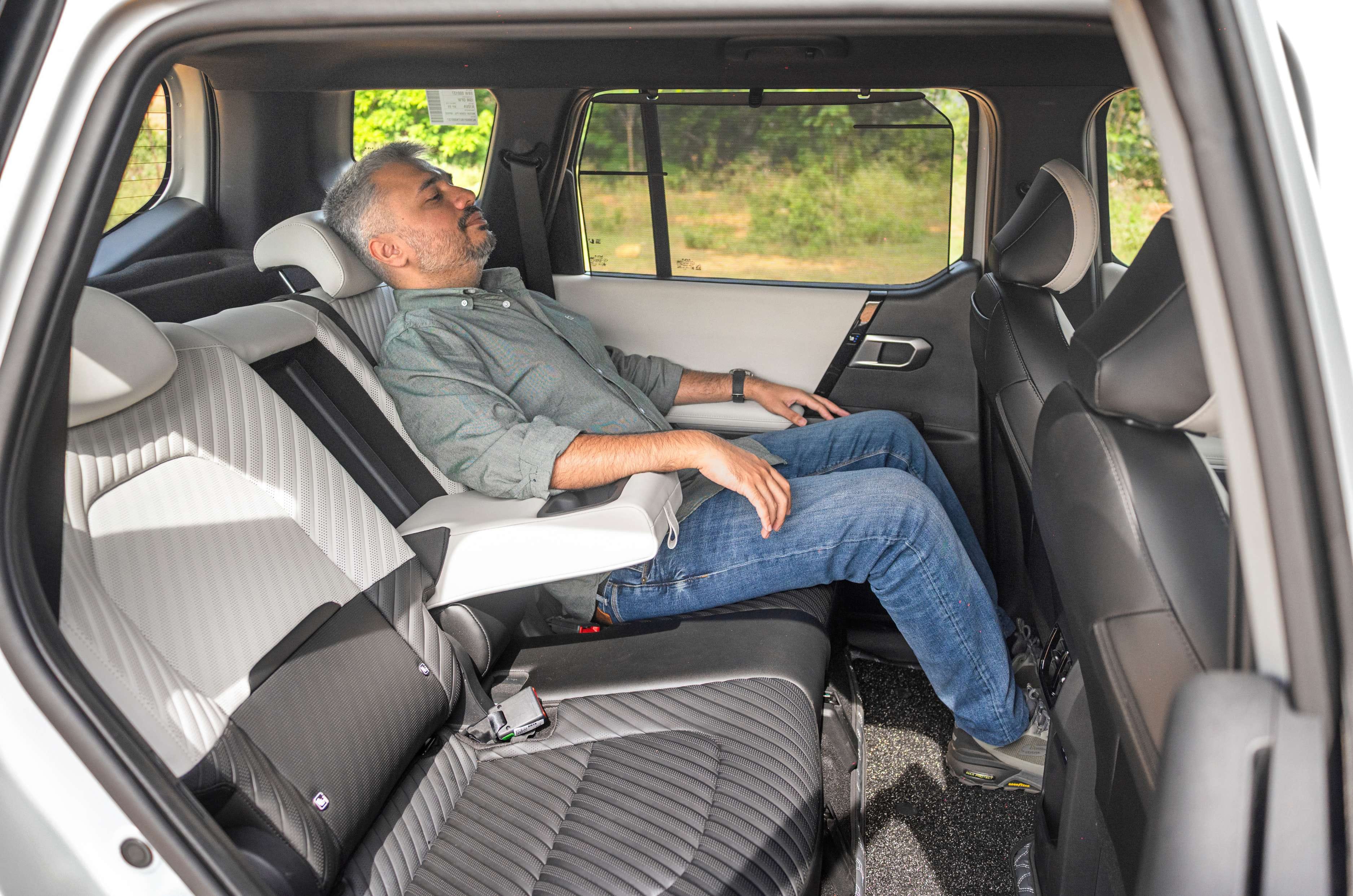
The front seats are comfortable and supportive, and the rear-seat space continues to be one of the compact SUV’s biggest strengths, with plenty of room all around. The battery pack raises the floor slightly, but sliding the rear bench backwards makes it much more comfortable. The EV’s flat floor is another advantage, and rear-seat ventilation (for the base) has been carried over from the ICE version.

Kia Syros EV seats

The boot space remains unchanged at 390 litres with the rear seat pushed back and 465 litres with it slid forward. Rear seats can also be folded to carry larger items, and being an EV, it also offers a 16-litre frunk (front boot).

Feature-packed

Kia Syros EV dashboard

The EV gets Kia’s Trinity Panoramic Display, which includes two 12.3-inch screens for infotainment and the driver’s display, along with a 5-inch screen for the climate control. Wireless Android Auto and Apple CarPlay are offered, while the top trims also feature an eight-speaker Harman Kardon sound system. To pamper occupants at the back, AC vents and sunblinds are standard across the range. The household-style three-pin socket in the back seat is exclusive to the top-spec X-Line trim.

As for safety, the Syros EV comes with six airbags, all-wheel disc brakes, tyre-pressure monitoring and Isofix child-seat mounts as standard. The X-Line trim also gets a 360-degree camera and an ADAS (advanced driver assistance systems) suite with features such as adaptive cruise control with stop-and-go, lane-keep assist, forward and rear collision avoidance and a blind-spot camera. Notably, the ICE version no longer gets ADAS.

At the time of writing, the Syros EV has not yet received an official crash-safety rating. However, since the ICE version has already earned a 5-star Bharat NCAP crash-safety rating, the EV is expected to achieve a similar result.

Cons

Body roll through the corners

Kia Syros EV in the corners

The ride on the Syros EV is slightly more absorbent than the ICE version, although there is still an underlying firmness. This helps keep the car stable, but because it is tall and narrow, there is noticeable body roll around the corners.

Pricey at the top end

The Kia Syros EV is priced from Rs 13.5 lakh for the 42kWh version, while the 51.4kWh Extended Range starts at Rs 17 lakh. The fully loaded X-Line trim is priced at Rs 20 lakh. At this price, it competes with the Tata Nexon EV (Rs 12.49 lakh-17.49 lakh) and Mahindra XUV 3XO EV (Rs 13.89 lakh-14.69 lakh) compact SUVs, as well as larger EVs such as the MG Windsor EV (Rs 14.7 lakh-19 lakh) and Maruti e Vitara (Rs 15.99 lakh-19.99 lakh).

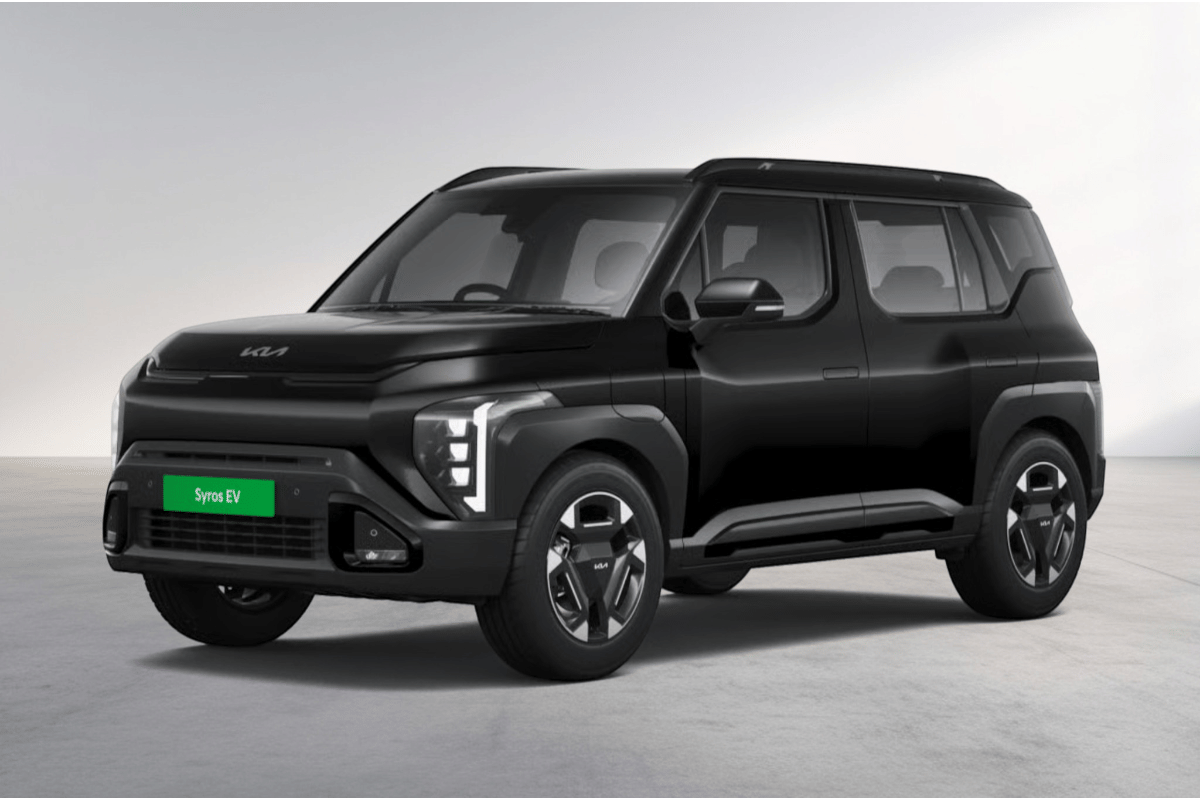
Kia Syros EV X-Line
Top-spec Kia Syros X-Line.

The 42kWh version does offer strong value for money, but the larger 51.4kWh Extended Range version is a tougher sell. It costs noticeably more than its direct rivals and even overlaps with higher-battery versions of the MG Windsor EV and Maruti e Vitara. While the Syros EV has several strengths, many buyers may want a bigger SUV for similar money. Kia’s Battery-as-a-Service (BaaS) scheme lowers the upfront purchase cost, but similar plans are also available with the MG and Maruti EVs.

Ex-showroom prices mentioned above are as of July 30, 2026.

Flying Flea expands dealer network in Bengaluru

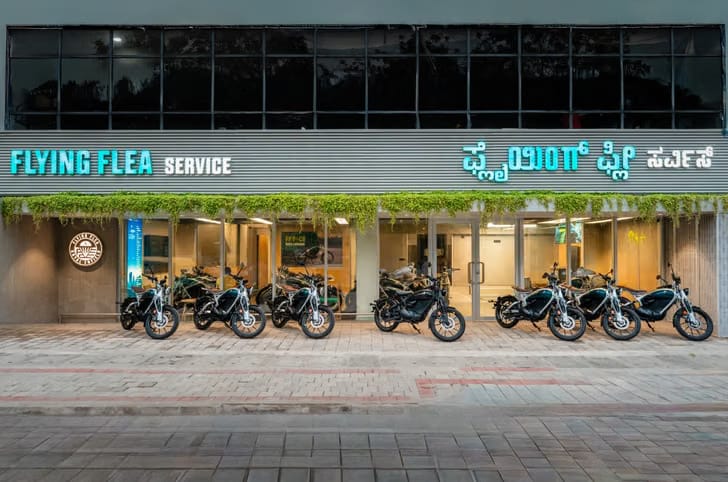
Flying Flea dealership

Flying Flea has expanded its retail presence in Bengaluru from a single store to 11 touchpoints across the city. The expansion follows what the brand describes as exceptional interest in its first product, the Flying Flea C6.

  1. Flying Flea expands to 11 retail touchpoints in Bengaluru
  2. C6 priced at Rs 2.79 lakh (ex-showroom, Bengaluru)
  3. 3.91kWh battery delivers a claimed IDC range of 154km

Flying Flea Bengaluru retail expansion: New touchpoints

Service network follows a hub-and-spoke model

The brand has confirmed that six of the new outlets are already operational, while the remaining five will open in the first week of August. The operational dealerships are located in Whitefield, Rajajinagar, Kalyan Nagar, Electronic City, Banashankari and Yelahanka. The upcoming outlets will be located in Marathahalli, Peenya, Nagarabhavi, B Narayanapura and Kengeri.

Flying Flea’s service network follows a hub-and-spoke model, with a dedicated service hub in BTM Layout handling specialised technical support and multiple spoke centres across the city catering to routine maintenance. All C6 owners also receive 24×7 roadside assistance as standard.

The Flying Flea C6 is priced at Rs 2.79 lakh (ex-showroom, Bengaluru), or Rs 1.99 lakh under the Battery-as-a-Service programme. It is powered by a 3.91kWh battery pack paired with a permanent magnet synchronous motor producing 15.4kW and 60Nm. Flying Flea claims an IDC range of 154km, a 0-60kph time of 3.7 seconds and a top speed of 115kph.

Flying Flea is following a city-by-city rollout strategy, with Bengaluru serving as its first market. The brand says it will progressively expand to other major metro cities as part of a phased rollout.

Kia Syros EV vs Maruti e Vitara: Whose top-spec trim offers more value?

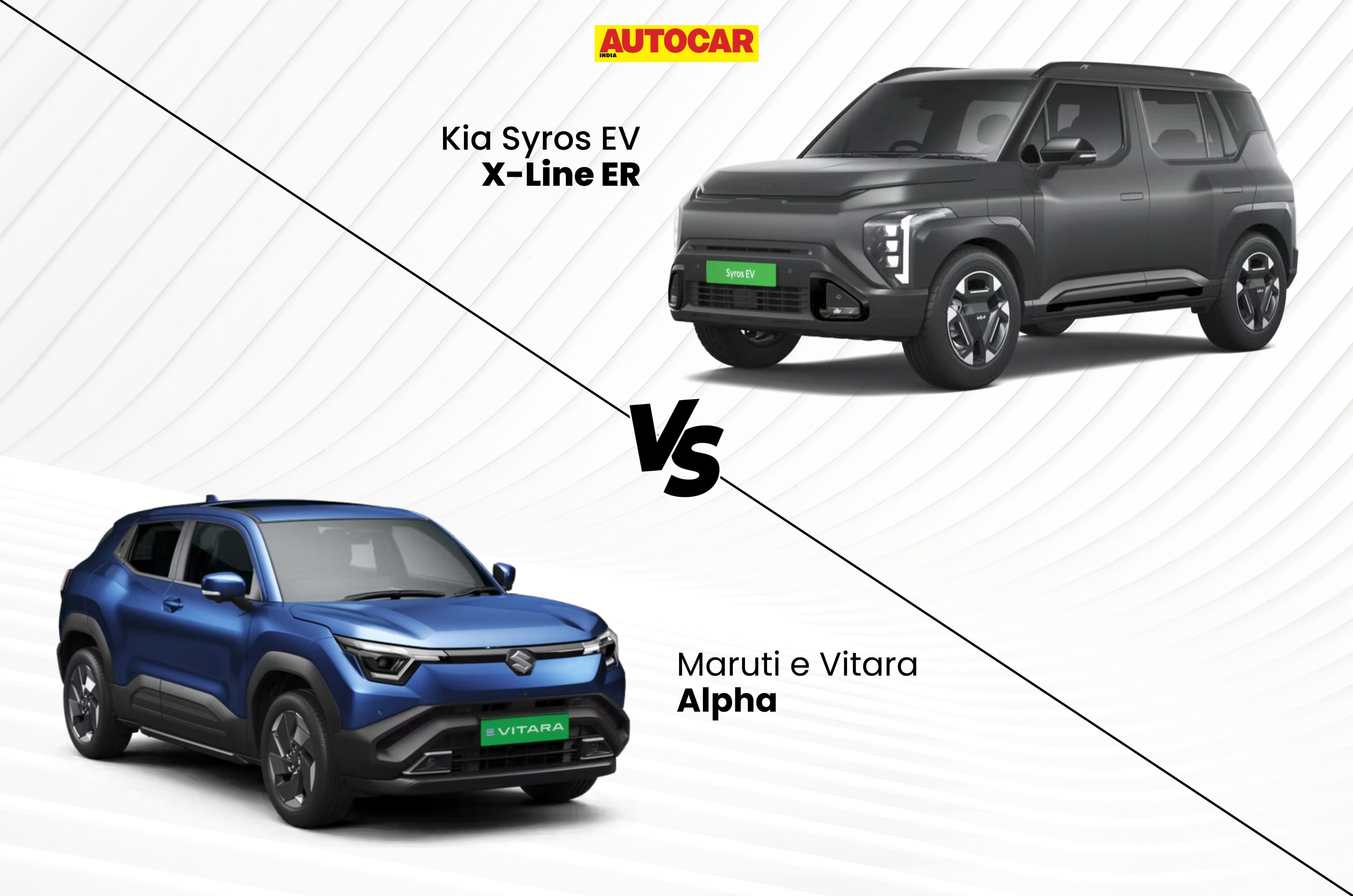
Kia Syros EV vs Maruti e Vitara top trim

Kia India has officially launched its second mass-market electric car, the Syros EV. While the sub-4m Syros EV directly rivals the Tata Nexon EV and Mahindra XUV 3XO, the Kia’s pricing sees quite a bit of overlap with that of the Maruti Suzuki e Vitara, which is of a segment above. In fact, the top-spec trims of both electric SUVs are identically priced. Therefore, we compared the top-spec versions of the Syros EV and e Vitara on paper to determine which electric SUV offers more bang for your buck.

Kia Syros EV vs Maruti Suzuki e Vitara: Top trim dimensions

e Vitara is longer, but Syros EV is wider and taller

Kia Syros EV X-Line ER vs Maruti e Vitara Alpha dimensions


Syros EV

e Vitara

Length (mm)

3,995

4,275

Width (mm)

1,805

1,800

Height (mm)

1,670

1,640

Wheelbase (mm)

2,550

2,700

Frunk (litres)

16

Wheel size (inches)

17

18

Expectedly, the Syros EV is 280mm shorter overall (150mm shorter wheelbase) than the e Vitara, but interestingly, the Kia compact SUV is 5mm wider and 30mm taller. Neither Kia nor Maruti Suzuki quote precise boot space figures for their respective electric SUVs, but it’s worth noting that the Syros EV comes with a 16-litre frunk, while the e Vitara completely lacks storage space up front. However, the top-spec e Vitara does get larger alloy wheels than the equivalent Syros EV.

Kia Syros EV vs Maruti Suzuki e Vitara: Top trim powertrains

Syros EV is quicker, e Vitara claims higher range and has a bigger battery

Kia Syros EV X-Line ER vs Maruti e Vitara Alpha battery and range


Syros EV

e Vitara

Battery size (kWh)

51.4

61

Electric motor setup

Single motor, front

Single motor, front

Drive layout

FWD

FWD

Power (hp)

171

174

Torque (Nm)

255

193

Claimed 0-100kph time (seconds)

8.1

8.7

ARAI range (km)

526

543

The Syros EV’s battery pack is almost 10kWh smaller than that of the e Vitara, but the Kia is only 17km behind in terms of ARAI-claimed range. Both electric SUVs are front-wheel drive and make similar amounts of power, but the Syros EV edges ahead by a significant 62Nm in terms of torque output. This is partly why the Syros EV claims a 0.6sec quicker 0-100kph time than that of the e Vitara.

Kia Syros EV vs Maruti Suzuki e Vitara: Top trim charging speeds

Syros EV supports higher DC wattages

Kia Syros EV X-Line ER vs Maruti e Vitara Alpha charging times


Syros EV

e Vitara

Battery size (kWh)

51.4

61

7.4kW AC charging (10-100 percent)

9 hrs

11kW AC charging (10-100 percent)

8.9 hrs

DC fast charging (10-80 percent)

39 mins at 100kW

45 mins at 70kW

Kia and Maruti Suzuki quote AC charging speeds at different wattages, so the Syros EV and e Vitara can’t be directly compared on this front. However, it’s noteworthy that though the e Vitara has a larger battery than the Syros EV, the former takes roughly the same amount of time for a 10-100 percent charge at 7.4kW as the latter does at 11kW. Coming to DC charging, the Syros EV supports up to 100kW, while the e Vitara tops out at 70kW.

Kia Syros EV vs Maruti Suzuki e Vitara: Top trim exterior features

Syros EV gets puddle lamps, but e Vitara offers much greater choice in colours

Kia Syros EV X-Line ER vs Maruti e Vitara Alpha exterior features


Syros EV

e Vitara

LED projector headlamps

Yes (auto)

Yes (auto)

Front fog lamps

Yes

Yes

LED tail-lamps

Yes

Yes

Puddle lamps w/ logo projection

Yes

No

Roof rails

Yes

No

Powered ORVMs

Yes

Yes

Auto-folding ORVMs

Yes

Yes

Flush door handles

Yes

No

Body cladding

Yes

Yes

Rear spoiler

Yes

Yes

Colour options

2, monotone

10, monotone + dual-tone

Both electric SUVs are quite evenly matched in terms of exterior features, but the Syros EV takes the lead by way of roof rails and door-mounted puddle lamps that project the Kia logo. The Syros EV has flush door handles too, but some may appreciate the e Vitara’s conventional door handles more. Colours are a square win for the e Vitara, as it offers six monotone options and four dual-tone finishes. The Syros X-Line ER can be had in either Aurora Black Pearl or Matte Graphite, both of which are difficult to maintain. Buyers who want other colours have no option but to consider lower-spec Syros EV variants.

Kia Syros EV vs Maruti Suzuki e Vitara: Top trim interior features

Syros EV beats e Vitara with panoramic sunroof, cooled rear seat bases, and more

Kia Syros EV X-Line ER vs Maruti e Vitara Alpha interior features


Syros EV

e Vitara

Infotainment screen

12.3-inch

10.1-inch

Digital driver’s display

12.3-inch

10.25-inch

Climate control display

5-inch

Sunroof

Panoramic

Fixed single-pane

Wireless charger

Yes

Yes

Driver’s seat adjustment

4-way powered

10-way powered

Ventilated front seats

Yes

Yes

Rear seat base ventilation

Yes

No

Automatic climate control

Yes

Yes

Ambient lighting

Yes

Yes

Sound system

8-speaker Harmon Kardon

8-speaker Infinity

Apple CarPlay & Android Auto

Wireless

Wireless

Connected car tech

Yes

Yes

OTA updates

Yes

Yes

Rear sunshades

Yes

No

Rear centre armrest

Yes

Yes

Sliding, reclining rear seats

Yes

Yes

Even on the inside, the Syros EV’s feature set comes out on top. Over the e Vitara, the Syros EV packs larger infotainment and instrument displays, an additional screen for climate control settings, a panoramic sunroof, rear sunshades, and ventilation for the rear seat bases – this feature is not available even in electric SUVs a segment above the Syros EV. The e Vitara’s only advantage over the Syros EV is a greater gamut of electrical adjustment for the driver’s seat.

Kia Syros EV vs Maruti Suzuki e Vitara: Top trim driving features

Syros EV scores big on convenience by way of paddle shifters for regen modes

Kia Syros EV X-Line ER vs Maruti e Vitara Alpha driving features


Syros EV

e Vitara

Drive modes

Eco, Normal, Sport

Eco, Normal, Sport

Terrain modes

No

Snow

V2L function

Yes

No

Multi-level regen braking

Yes

Yes

Paddle shifters for regen

Yes

No

Cruise control

Adaptive

Adaptive

Both the Syros EV and e Vitara come with three drive modes and adaptive cruise control, but the Kia SUV inches forward thanks to vehicle-to-load (V2L) functionality, which lets you power external devices from the battery pack. The Syros EV also offers paddle shifters to cycle through the regenerative braking levels, while the e Vitara makes do with just a knob on the centre console. However, the e Vitara does offer a Snow terrain mode over the Syros EV.

Kia Syros EV vs Maruti Suzuki e Vitara: Top trim safety features

e Vitara wins thanks to an extra airbag, rain-sensing wipers, and 5-star BNCAP score

Kia Syros EV X-Line ER vs Maruti e Vitara Alpha safety features


Syros EV

e Vitara

Bharat NCAP rating

Yet to be tested

5 stars

Airbags

6

7

ABS with EBD

Yes

Yes

Electronic stability program

Yes

Yes

Follow-me-home headlamps

Yes

Yes

Hill hold control

Yes

Yes

TPMS

Yes

Yes

360-degree camera

Yes

Yes

Parking sensors

Front, rear, side

Front, rear

Electronic parking brake

Yes (w/ auto-hold)

Yes (w/ auto-hold)

Rain-sensing wipers

No

Yes

Auto-dimming IRVM

Yes

Yes

ISOFIX child seat anchors

Yes

Yes

Rear wiper, defogger

Yes

Yes

Disc brakes

Front, rear

Front, rear

Level 2 ADAS

Yes

Yes

Acoustic vehicle alert system

Yes

Yes

Coming to safety, the e Vitara finally scores a win. It’s the only one here to come with seven airbags and rain-sensing wipers, whereas the Syros EV sets itself apart with side parking sensors. The e Vitara also holds a 5-star crash safety rating from Bharat NCAP, while the Syros EV has not been tested yet. It’s worth noting, though, that the ICE-powered Syros was awarded 5 stars by Bharat NCAP, so a similar rating for the compact SUV’s electric derivative is very possible.

Kia Syros EV vs Maruti Suzuki e Vitara: Top trim prices

Syros EV for buyers seeking features, e Vitara for those who want a bigger car

Kia Syros EV X-Line ER vs Maruti e Vitara Alpha price comparison


Syros EV

e Vitara

Price (Rs, lakh)20.0019.99

As noted previously, there is next to no difference in the pricing of the Syros EV X-Line ER and e Vitara Alpha, which means the final decision comes down to your needs and preferences. If you want as many features as possible, are fine with a dark colour, and don’t mind smaller dimensions and funkier styling, the Syros EV X-Line ER is the one to go for. On the other hand, if you want the price you pay to be reflected in the size of the car, more choice in colours, more conventional looks, and are happy to forgo some features, you can consider the e Vitara.

It’s also worth noting that both the Syros EV and e Vitara can be purchased with battery-as-a-service (BaaS), which converts the cost of the battery into separate usage-based EMIs, thereby lowering the upfront cost. Kia has yet to reveal the BaaS price of the Syros EV X-Line ER, but the e Vitara Alpha costs Rs 14.49 lakh – Rs 5.5 lakh off the sticker price – with a Rs 4.39/km battery usage fee.

All prices are ex-showroom, India.

₹7.99 लाख की शुरुआती कीमत पर लॉन्च हुई Kia Syros EV, 526km रेंज और लग्जरी फीचर के साथ

Kia Syros EV Launch: अगर आप इलेक्ट्रिक कार खरीदने की सोच रहे हैं, तो Kia आपके लिए एक नया और किफायती विकल्प लेकर आया है। दरअसल, कंपनी ने अपनी नई Syros EV को भारत में लॉन्च कर दिया है, जो न सिर्फ Kia की सबसे सस्ती इलेक्ट्रिक कार है, बल्कि इसे Battery-as-a-Service (BaaS) मॉडल के साथ भी खरीदा जा सकता है। बता दें कि इस मॉडल की शुरुआती कीमत 7.99 लाख रुपये रखी गई है, जबकि बैटरी की कीमत अलग से फाइनेंस की जाएगी, जिसके लिए ग्राहकों को 3.3 रुपये प्रति किलोमीटर की EMI देनी होगी। इसके अलावा, इस इलेक्ट्रिक SUV की डिलीवरी 30 जुलाई से शुरू होगी।

Kia Syros EV कंपनी की अब तक की सबसे किफायती इलेक्ट्रिक कार है। यह Carens Clavis EV के बाद Kia का दूसरा मास-मार्केट इलेक्ट्रिक मॉडल है। इसकी शुरुआती कीमत 13.49 लाख रुपये (एक्स-शोरूम) है, जबकि टॉप-स्पेक X-Line ER वेरिएंट की कीमत 19.99 लाख रुपये (एक्स-शोरूम) तक जाती है।

कंपनी ने Syros EV को अपने मजबूत K1 प्लेटफॉर्म पर तैयार किया है। यह इलेक्ट्रिक SUV ग्राहकों को दो बैटरी पैक विकल्पों के साथ मिलेगी—42 kWh और 51.4 kWh। इन बैटरी ऑप्शन के साथ Kia का लक्ष्य ज्यादा से ज्यादा ग्राहकों को इलेक्ट्रिक मोबिलिटी की ओर आकर्षित करना है।

छोटे बैटरी पैक वाला वेरिएंट ARAI-सर्टिफाइड MIDC फुल-साइकिल रेंज में 443 किलोमीटर तक चल सकता है। वहीं, बड़े 51.4 kWh बैटरी पैक वाले मॉडल की रेंज 526 किलोमीटर तक बताई गई है। इसके साथ ही Kia Syros EV अपने सेगमेंट की पहली ऐसी इलेक्ट्रिक SUV बन गई है, जिसने 500 किलोमीटर से ज्यादा की प्रमाणित रेंज का आंकड़ा पार किया है।

इसकी बड़ी बैटरी एक इलेक्ट्रिक मोटर को पावर देती है, जो 171 PS (लगभग 169 bhp) की पावर जेनरेट करती है, जिससे यह SUV 0 से 100 km/h की रफ्तार 8.1 सेकंड में पकड़ लेती है।

Syros EV में 100 kW DC फास्ट चार्जिंग की भी सुविधा है, जिससे बैटरी 39 मिनट में 10% से 80% तक चार्ज हो सकती है। इसमें 10.8 kW का ऑनबोर्ड AC चार्जर भी मिलता है।

फीचर लिस्ट

Syros EV का डिजाइन ICE-पावर्ड Syros जैसा ही है, लेकिन इसमें कुछ खास EV स्टाइलिंग एलिमेंट्स दिए गए हैं। इसके अलावा, इनमें Kia की क्लोज्ड-ऑफ Digital Tiger Face ग्रिल, Ice Cube LED हेडलैंप, Star Map LED DRLs और टेल लैंप, फ्लश-फिटिंग डोर हैंडल्स और 17-इंच के डुअल-टोन एयरो अलॉय व्हील शामिल हैं।

इंटीरियर की बात करें तो, इसके अंदर 30-इंच का पैनोरमिक डिस्प्ले है, जिसमें 12.3-इंच का टचस्क्रीन इंफोटेनमेंट सिस्टम, 12.3-इंच का डिजिटल इंस्ट्रूमेंट क्लस्टर और 5-इंच का क्लाइमेट कंट्रोल इंटरफेस शामिल है।

Kia Syros EV के अन्य फीचर्स में डुअल-पेन पैनोरमिक सनरूफ, एम्बिएंट लाइटिंग, फोर-वे पावर ड्राइवर सीट, स्लाइडिंग और रिक्लाइनिंग रियर सीट, वेंटिलेटेड फ्रंट और रियर सीट, आठ-स्पीकर वाला Harman Kardon ऑडियो सिस्टम, वायरलेस Android Auto और Apple CarPlay, वायरलेस फोन चार्जर, 16-लीटर का फ्रंक (फ्रंट ट्रंक), स्मार्ट डैशकैम, 360-डिग्री कैमरा और 16 ऑटोनॉमस फंक्शन वाला लेवल 2 ADAS शामिल हैं।

सेफ्टी फीचर्स

Kia Syros EV में यात्रियों की सुरक्षा का भी खास ध्यान रखा गया है। इसमें 6 एयरबैग, इलेक्ट्रॉनिक स्टेबिलिटी कंट्रोल (ESC), हिल-स्टार्ट असिस्ट, ऑटो होल्ड के साथ इलेक्ट्रॉनिक पार्किंग ब्रेक, टायर प्रेशर मॉनिटरिंग सिस्टम (TPMS), ISOFIX चाइल्ड सीट एंकर जैसे सेफ्टी फीचर्स दिए गए हैं।

इसके अलावा, इसमें ब्लाइंड व्यू मॉनिटर और आगे, पीछे व साइड पार्किंग सेंसर भी मिलते हैं, जो ड्राइविंग के दौरान सुरक्षा और सुविधा को बेहतर बनाते हैं।

Syros EV की कीमतें (एक्स-शोरूम):

Battery PackVariant
Price

42 kWhHTK₹13.49 lakh
42 kWhHTK+₹14.99 lakh
42 kWhHTX₹15.99 lakh
51.4 kWh (Extended Range)HTK+ ER₹16.99 lakh
51.4 kWh (Extended Range)HTX ER₹17.99 lakh
51.4 kWh (Extended Range)HTX+ ER₹19.49 lakh
51.4 kWh (Extended Range)X-Line ER₹19.99 lakh

ओनरशिप के फायदे

Kia ने Syros EV के साथ ग्राहकों के लिए कई खास फायदे भी पेश किए हैं। कंपनी पहले मालिक को हाई-वोल्टेज बैटरी पर 15 साल की अनलिमिटेड किलोमीटर वारंटी दे रही है। इसके अलावा, कंपनी ने अश्योर्ड बायबैक प्रोग्राम भी शुरू किया है, जिसके तहत तीन साल बाद कार की रीसेल वैल्यू 80% तक मिल सकती है।

वहीं, ग्राहकों को बेहतर चार्जिंग सुविधा देने के लिए Kia के K-Charge नेटवर्क के जरिए 20,300 से ज्यादा चार्जिंग पॉइंट्स तक पहुंच मिलेगी।

यह भी पढ़ें: Maruti Suzuki Brezza Facelift कल होगी लॉन्च, नए डिजाइन, 360° कैमरा और 10.1-इंच टचस्क्रीन के साथ

Tata Punch crosses 8 lakh sales milestone

Tata Punch

The Tata Punch has crossed the 8 lakh domestic sales milestone, becoming the second SUV in Tata Motors’ current passenger vehicle line-up after the Nexon to do so. The figures include combined wholesales of the Punch petrol, CNG and Punch EV, as Tata Motors does not report separate dispatch numbers for its ICE and electric models. The milestone comes less than five months after the Punch crossed the 7 lakh sales mark in early February this year.

  1. Record 21,006 units dispatched in June 2026
  2. Available with petrol, CNG and electric powertrains

From its launch in October 2021 until the end of June 2026, Tata Motors dispatched 797,479 units of the Punch. The remaining 2,521 units needed to cross the 8 lakh mark were sold in the first few days of July.

Tata Punch sales
Fiscal yearUnitsYoY change
FY2022*52,716
FY20231,33,819154%
FY20241,70,07627%
FY20251,96,56716%
FY20261,83,980-6%
FY2027**60,32167%
Total7,97,479

*Launched on October 21, 2021
**April-June 2026

Tata Punch sales momentum 

The Punch recorded its highest-ever monthly wholesales of 21,006 units in June 2026 and was India’s best-selling SUV in the first quarter of FY2027, with 60,321 units dispatched. Monthly sales have exceeded the 20,000-unit mark three times since the model’s launch, with all three instances coming this year.

Between February and June 2026, the Punch added another 1 lakh sales, helped by monthly wholesales of 18,748 units in February, 20,977 in March, 19,107 in April, 20,208 in May and 21,006 in June.

Tata Punch facelift expands line-up

Tata Motors launched the updated Punch in January this year with exterior and interior changes, additional features and new powertrain options. The range now includes a 1.2-litre turbo-petrol engine, a CNG-AMT option and an updated Punch EV with revised battery options and a Battery-as-a-Service (BaaS) programme.

The Punch is currently offered with petrol, CNG and electric powertrains across 32 variants. Prices for the petrol range start at Rs 5.70 lakh, while the CNG version starts at Rs 6.80 lakh. The updated Punch EV is priced from Rs 9.69 lakh (all prices, ex-showroom).

Tata Punch becomes fastest compact SUV to 8 lakh sales

The Punch crossed 1 lakh wholesales just 10 months after launch in October 2021, reached 4 lakh in June 2024, 5 lakh in January 2025, 6 lakh in July 2025 and 7 lakh in early February 2026. The latest run from 7 lakh to 8 lakh has taken less than five months, making it the quickest 1 lakh sales milestone for the model so far.

According to Tata Motors’ sales data, the Punch has become the fastest compact SUV to cross 8 lakh domestic wholesales. The Maruti Brezza took around 80 months to reach the milestone, followed by the Hyundai Venue at 85 months and the Tata Nexon at 89 months, while the Punch achieved it in a little over 57 months from launch.

With inputs from Dhruv Dhaka