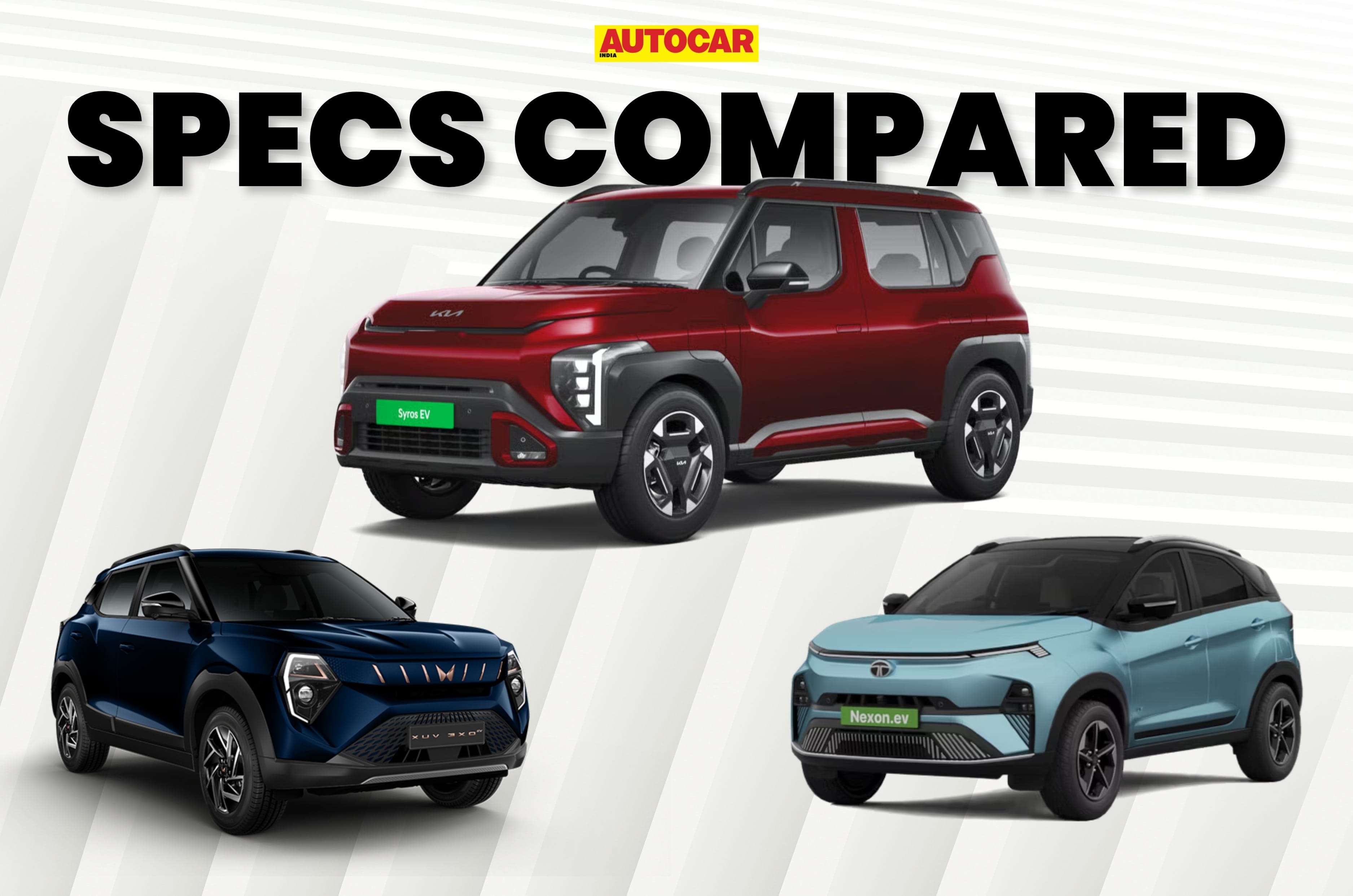
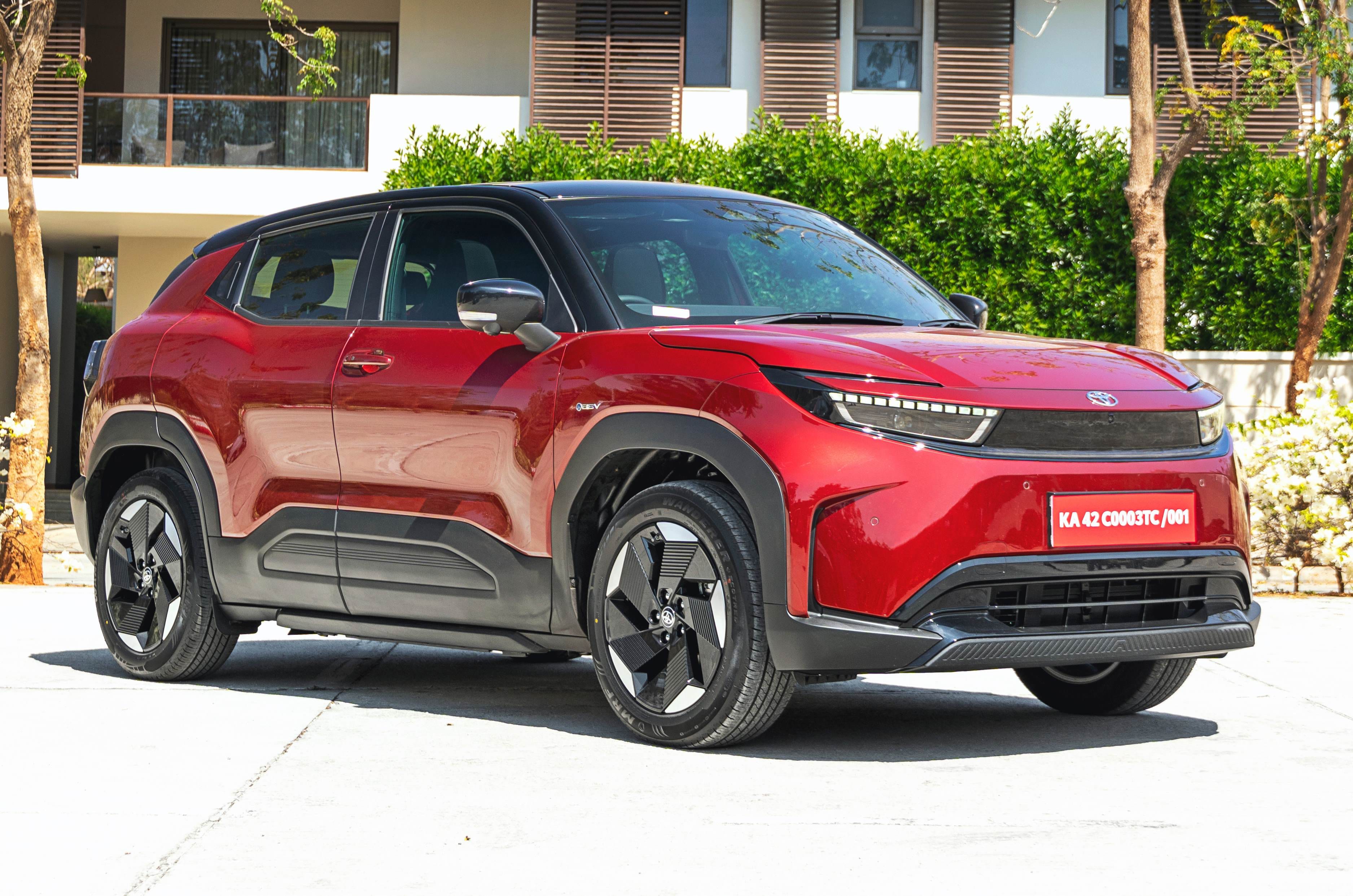
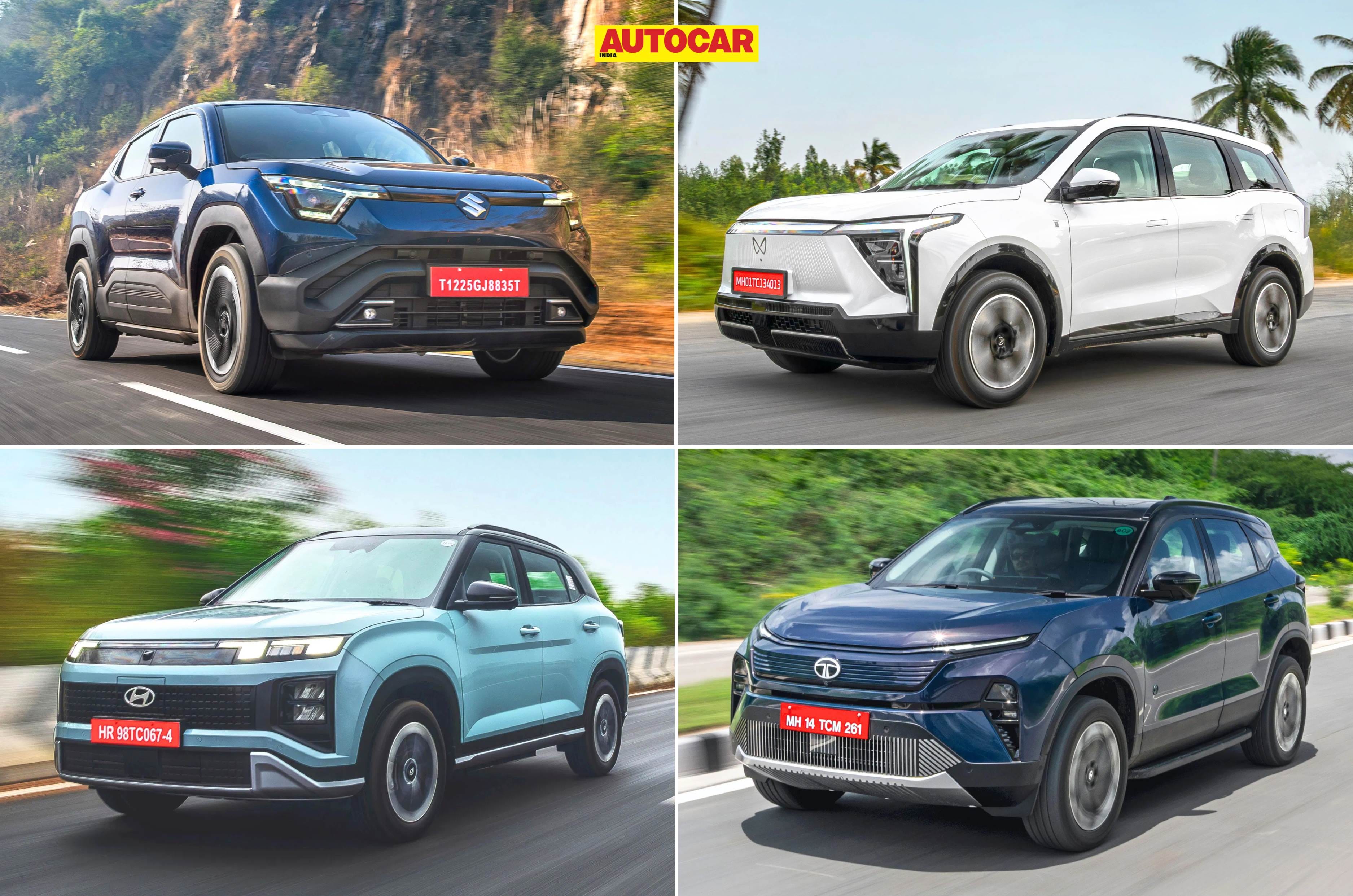
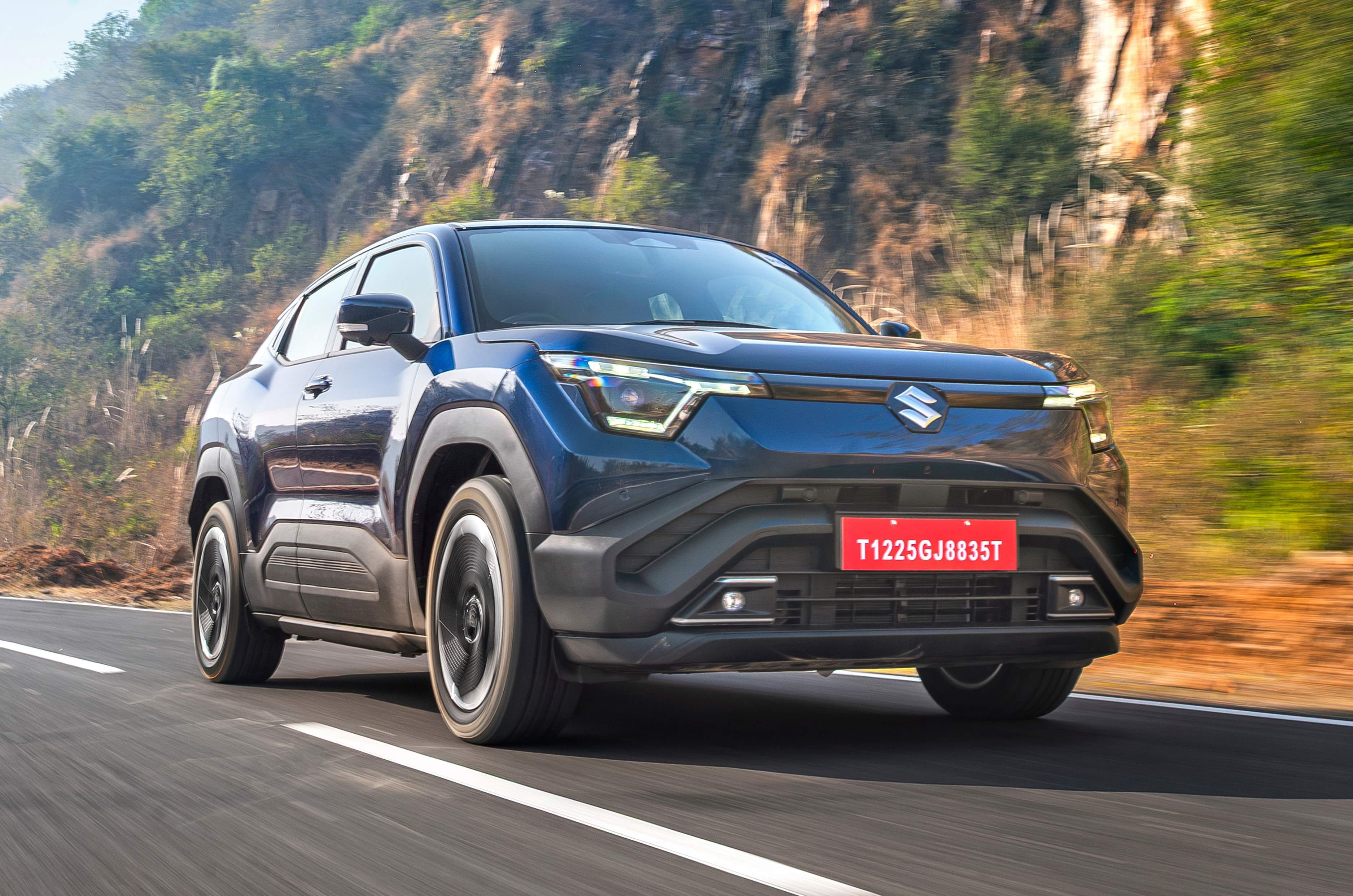
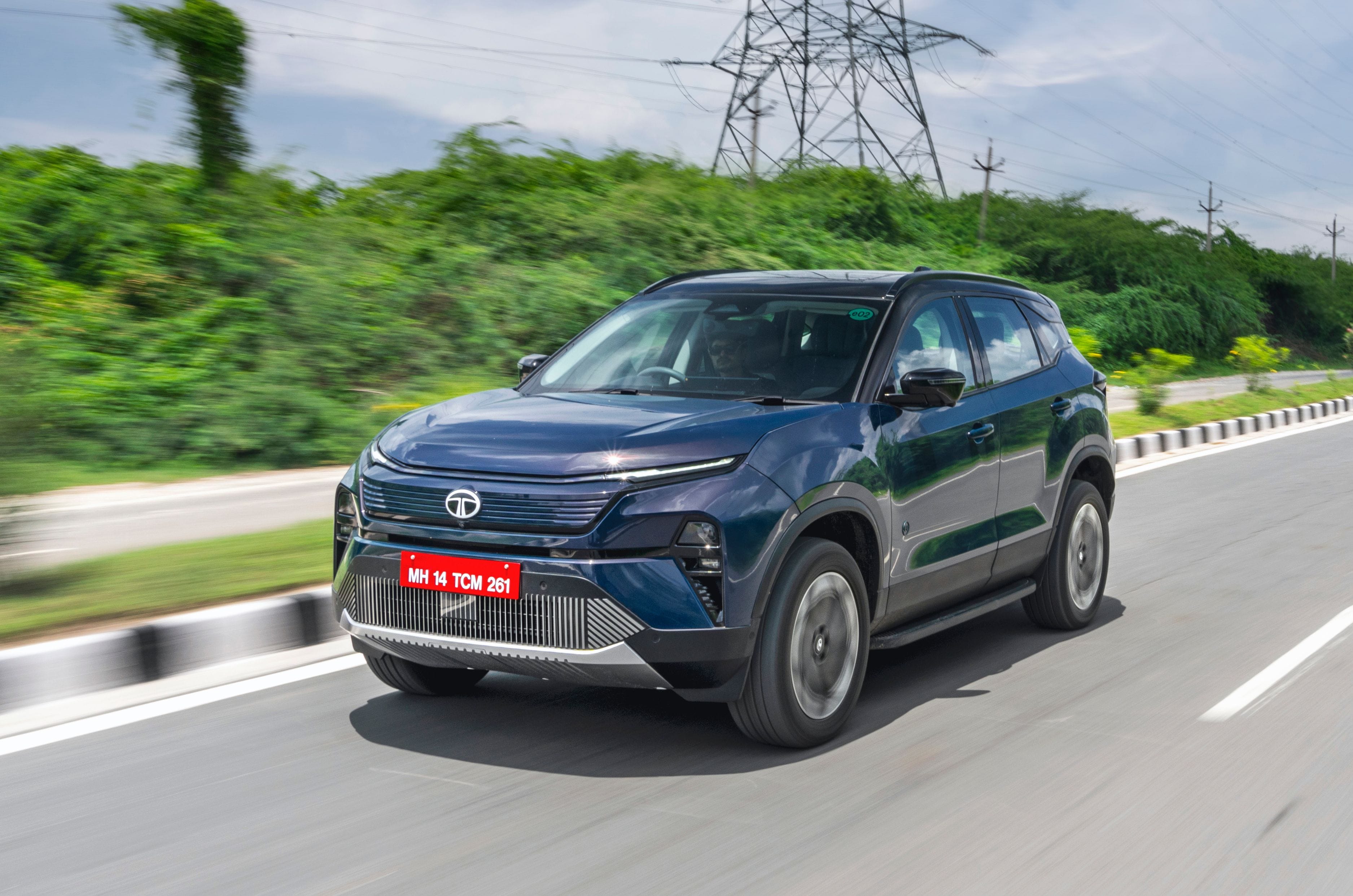
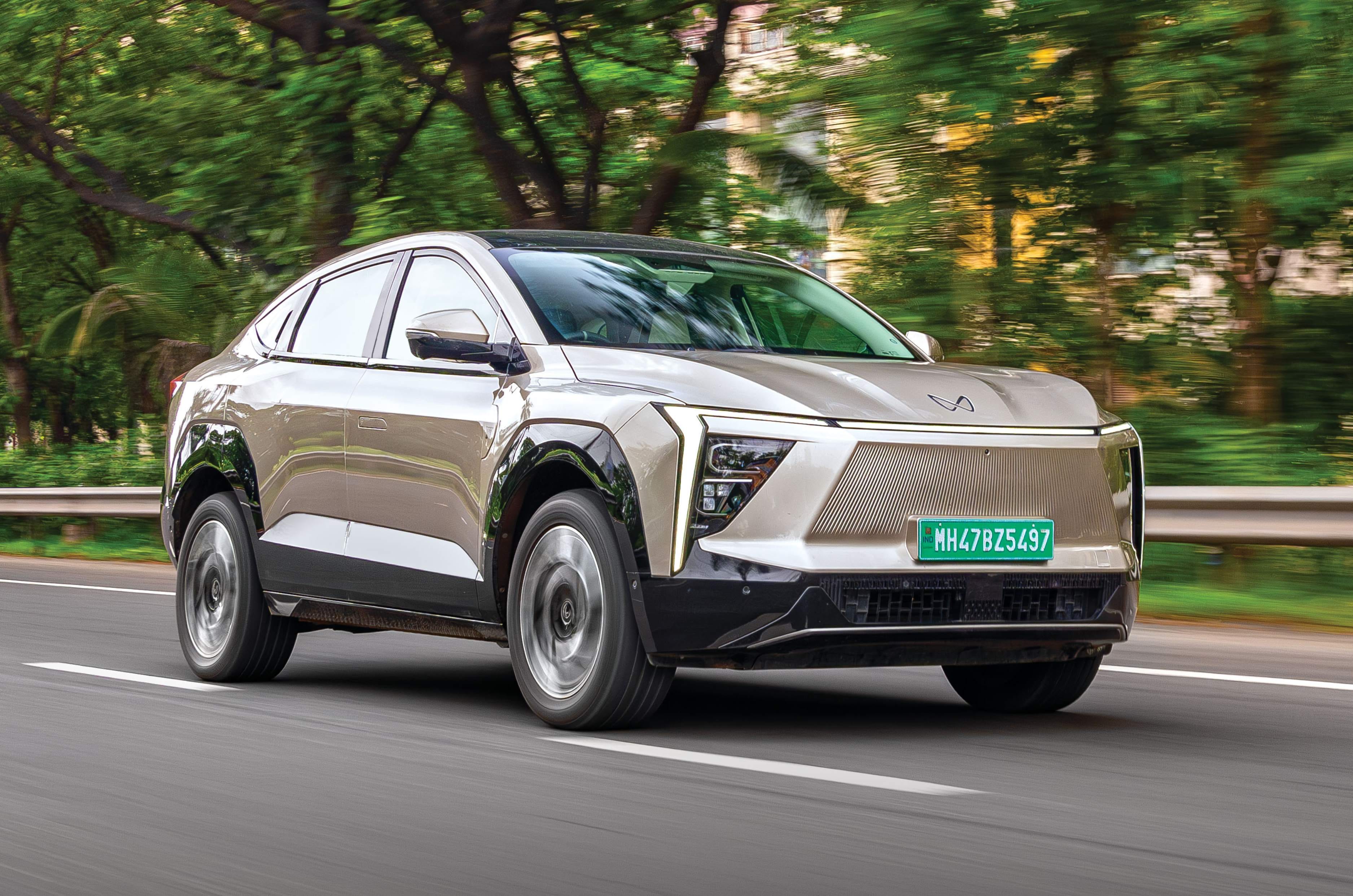
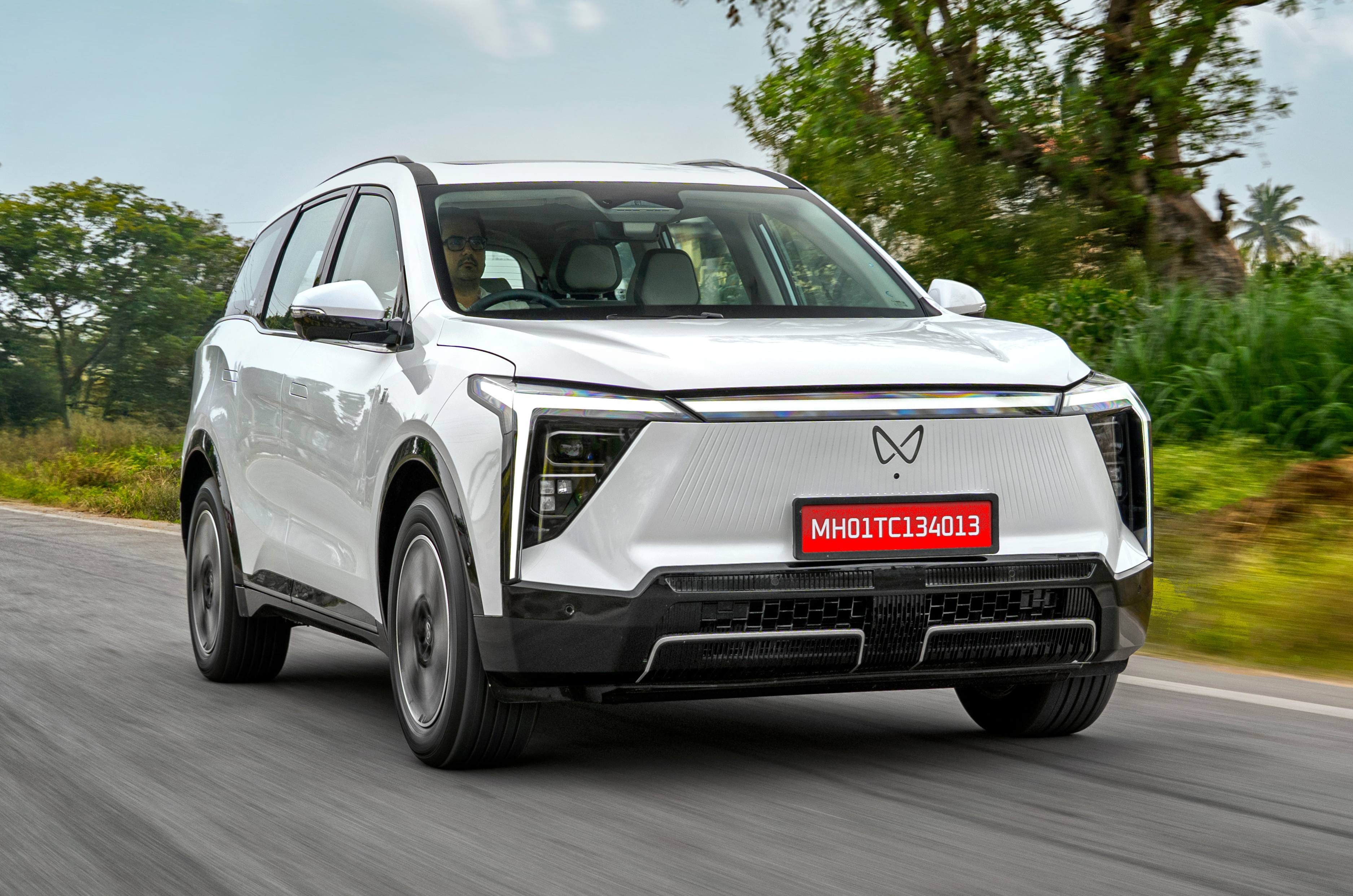
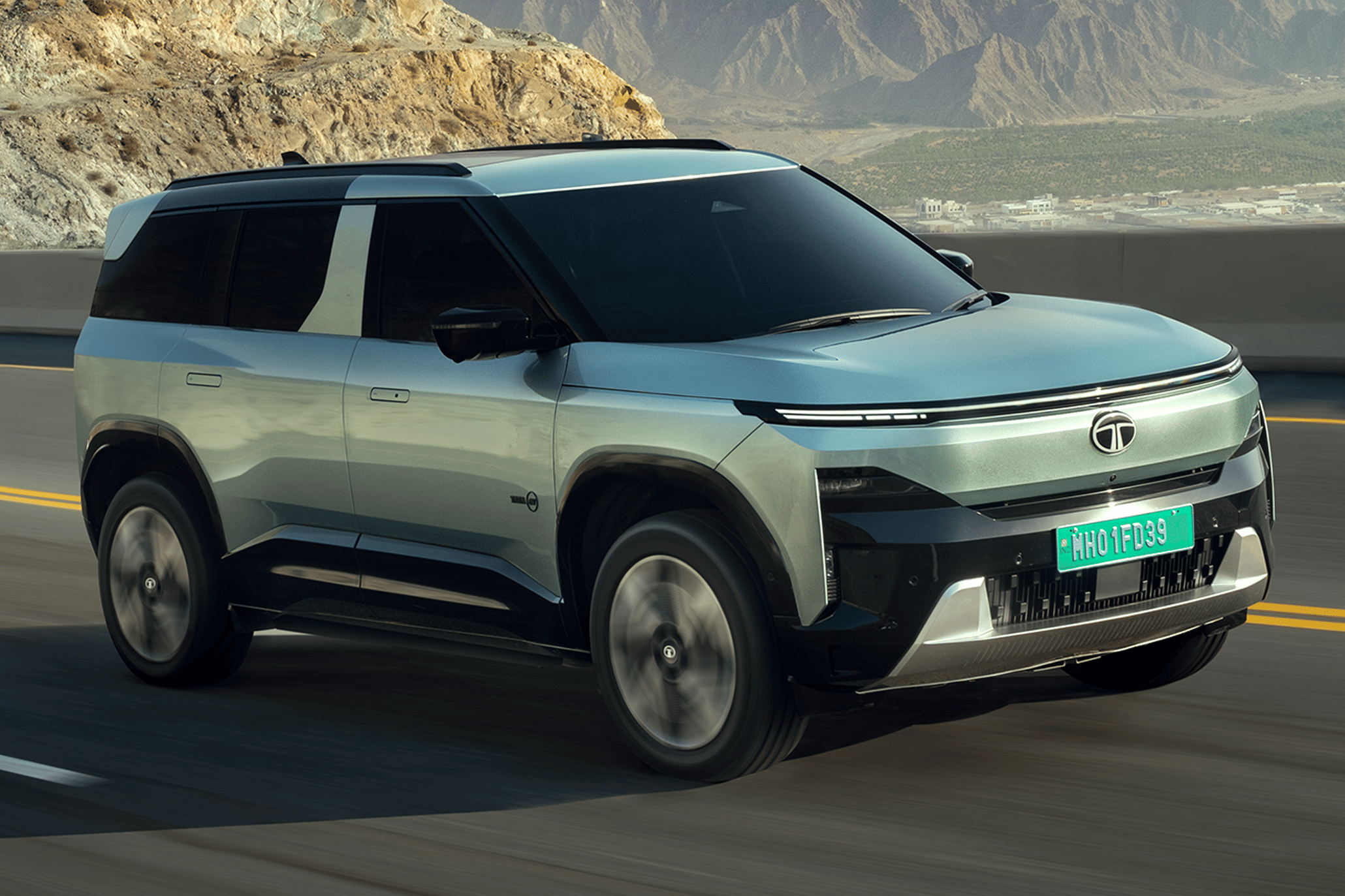
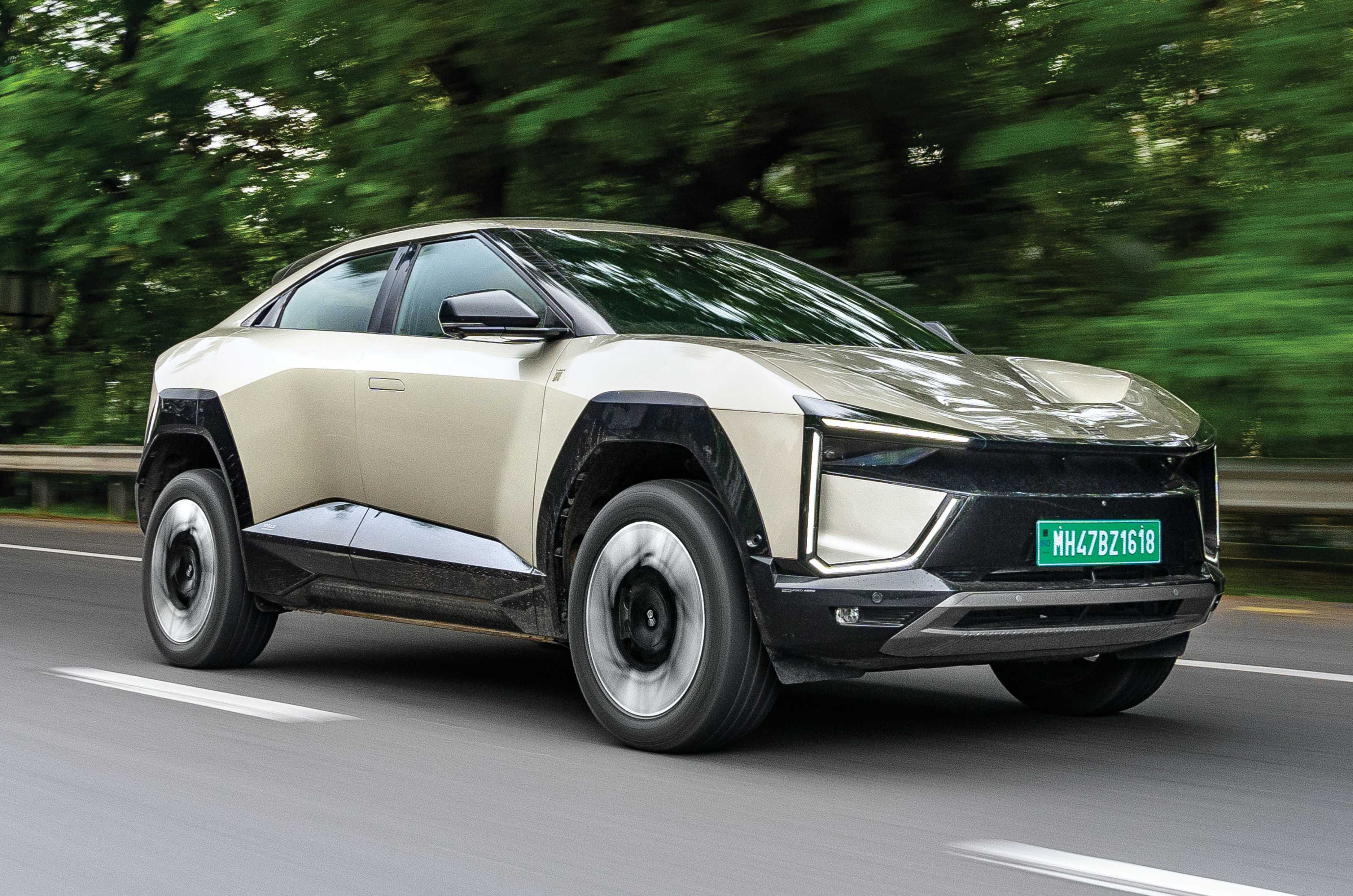
Kia recently unveiled the Syros EV as its smallest all-electric model in India. While prices are yet to be announced, Kia has revealed its variant-wise features, specifications, and powertrain options. The Syros EV will compete with the Tata Nexon EV and Mahindra XUV 3XO EV. Here’s how its specifications and powertrain options compare with its rivals.
Kia Syros EV vs rivals: Dimensions
Kia is yet to reveal the ground clearance and boot space of the Kia Syros EV
Kia Syros EV vs rivals: Dimensions and other specifications
Kia Syros EV
Tata Nexon EV
Mahindra XUV 3XO EV
Length
3,995mm
3,995mm
3,990mm
Width
1,805mm
1,802mm
1,821mm
Height
1,670mm
1,625mm
1,653mm
Wheelbase
2,550mm
2,498mm
2,600mm
Ground clearance
–
190-205mm
190mm
Boot space
–
350 litres
364 litres
The Kia Syros EV is similar in size to the Tata Nexon EV and Mahindra XUV 3XO EV, with a length of 3,995mm. The dimensional differences between the three SUVs are minimal, with variations limited to a few millimetres in most areas. The Syros EV is the tallest of the three at 1,670mm, while its 2,550mm wheelbase is longer than the Nexon EV’s but shorter than the XUV 3XO EV’s.
Kia Syros EV vs rivals: Powertrain options
The Syros EV and Nexon EV get two battery options, XUV 3XO EV gets just one
Kia Syros EV vs rivals: Powertrain options
Kia Syros EV
Tata Nexon EV
Mahindra XUV 3XO EV
Battery pack (kWh)
42 | 51.4
30 | 45
39.4
Drive configuration
FWD
FWD
FWD
Power (hp)
135 | 171
129 | 144
150
Torque (Nm)
255 | 255
215 | 215
310
ARAI range (km)
443 | 526
275 | 489
351
AC charging time*
4h 50m | 4h
4h 18m | 6h 36m
6h 50m
*AC charging times: Syros EV with an 11kW AC charger; Nexon EV and XUV 3XO EV with a 7.2kW AC charger.
The Kia Syros EV’s 51.4kWh is offered with the largest battery pack in the segment and delivers the highest claimed range. Its claimed range of 526km, is 37km more than the Tata Nexon EV’s 45kWh variant and 175km more than the Mahindra XUV 3XO EV. The 42kWh battery pack offers a claimed range that is 168km longer than the Tata Nexon EV’s 30kWh battery and 92km longer than the Mahindra XUV 3XO EV’s. While the Syros EV’s electric motor produces the highest power output at 171hp, the Mahindra XUV 3XO EV leads in torque with 310Nm.
For a 0-100 percent charge, the Kia Syros EV’s 42kWh battery takes 4 hours 50 minutes, while the 51.4kWh battery takes 4 hours using an 11kW AC charger. The Tata Nexon EV’s smaller and larger battery packs take 4 hours 18 minutes and 6 hours 36 minutes, respectively, with a 7.2kW AC charger. The Mahindra XUV 3XO EV takes 6.5 hours with the same 7.2kW AC charger. The Kia Syros EV supports up to 100kW DC fast charging, while the Tata Nexon EV and Mahindra XUV 3XO EV support up to 60kW and 50kW DC fast charging, respectively.
Kia Syros EV vs rivals: Prices
Kia is yet to reveal the prices of the Syros EV
Kia Syros EV vs rivals: Prices (in Rs, lakh)
Kia Syros EV
Tata Nexon EV
Mahindra XUV 3XO EV
Price
To be revealed
12.49 to 17.49
13.89 to 14.96
The Tata Nexon EV has a lower starting price than the Mahindra XUV 3XO EV by Rs 1.4 lakh, while its top-spec variant is Rs 2.53 lakh more expensive. The Kia Syros EV’s regular prices are expected to be in a similar range to those of its rivals; however, Kia’s Battery-as-a-Service (BaaS) option could reduce the initial purchase cost.
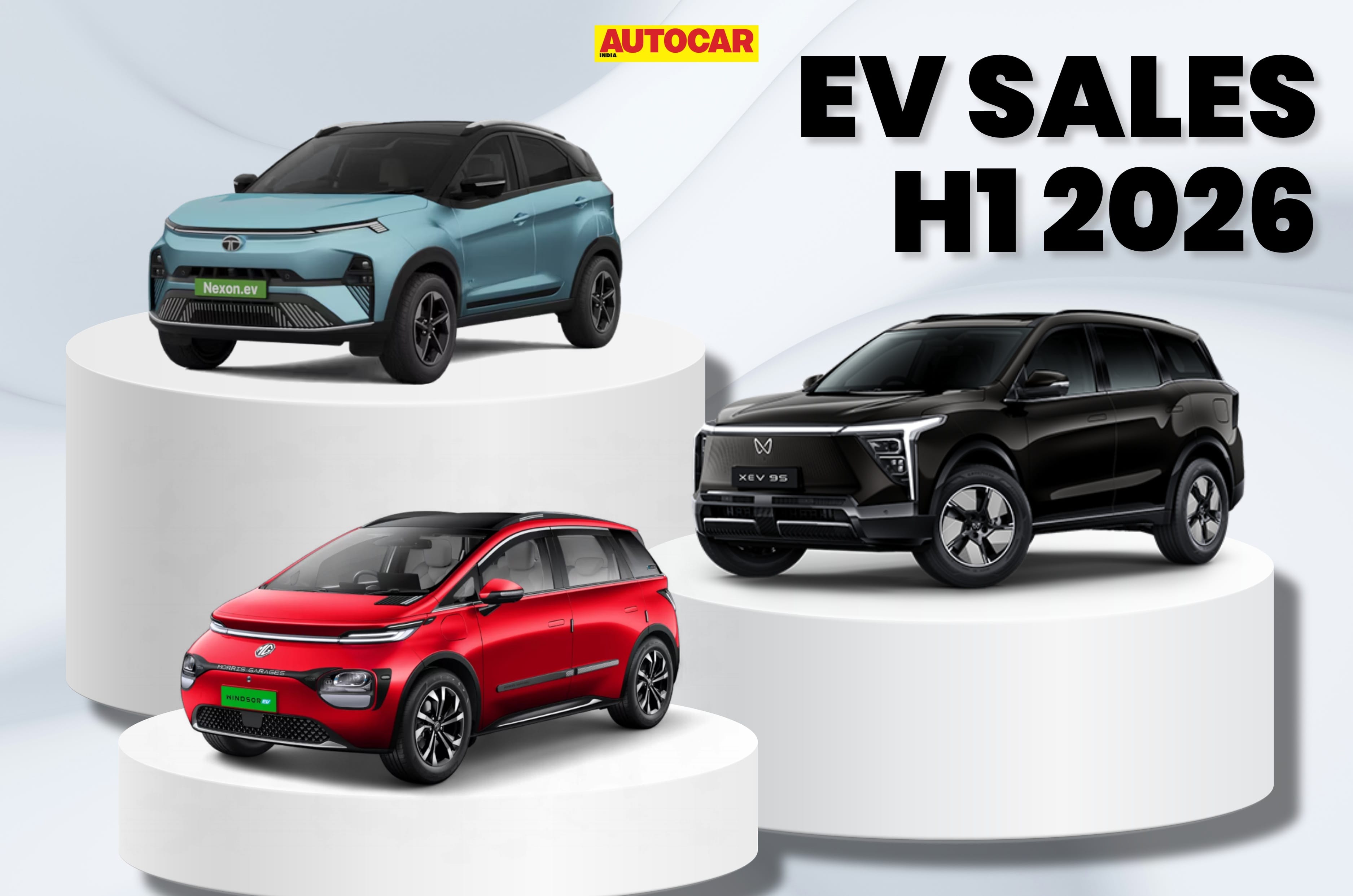
Electric vehicle sales in India rose 79 percent year on year (YoY) to 1,48,023 units in the first half of 2026, up from 82,535 units during the same period last year. Tata Motors retained its lead, while Mahindra recorded the highest growth among the three largest EV makers and moved ahead of JSW MG Motor. New entrants Maruti Suzuki and Vinfast also contributed over 12,000 units to the segment during the six-month period.
Carmaker
H1 2026 sales
H1 2025 sales
YoY change
Market share
Tata Motors
57,370
31,556
82%
39%
Mahindra
34,131
13,801
147%
23%
JSW MG Motor
31,819
26,883
18%
21%
Maruti Suzuki
6,404
–
–
4%
VinFast
5,627
–
–
4%
BYD
3,300
2,507
32%
2%
Hyundai
2,725
4,278
-36%
2%
Kia
2,643
254
941%
2%
Citroen
196
815
-76%
0%
Toyota
33
–
–
0%
Sales accelerated during the second quarter. Year on year, EV registrations rose 64 percent to 62,178 units in January-March and 93 percent to 85,845 units in April-June. June was the first month in which electric passenger vehicle sales crossed 30,000 units, reaching 32,259 units – more than double the 15,203 units recorded in June 2025.
Tata Motors
57,370 units, up 82 percent YoY
Tata Motors retained the top spot with 57,370 electric cars and SUVs sold in H1 2026, an 82 percent increase from 31,556 units a year ago. Its market share increased marginally from 38 percent to 39 percent.
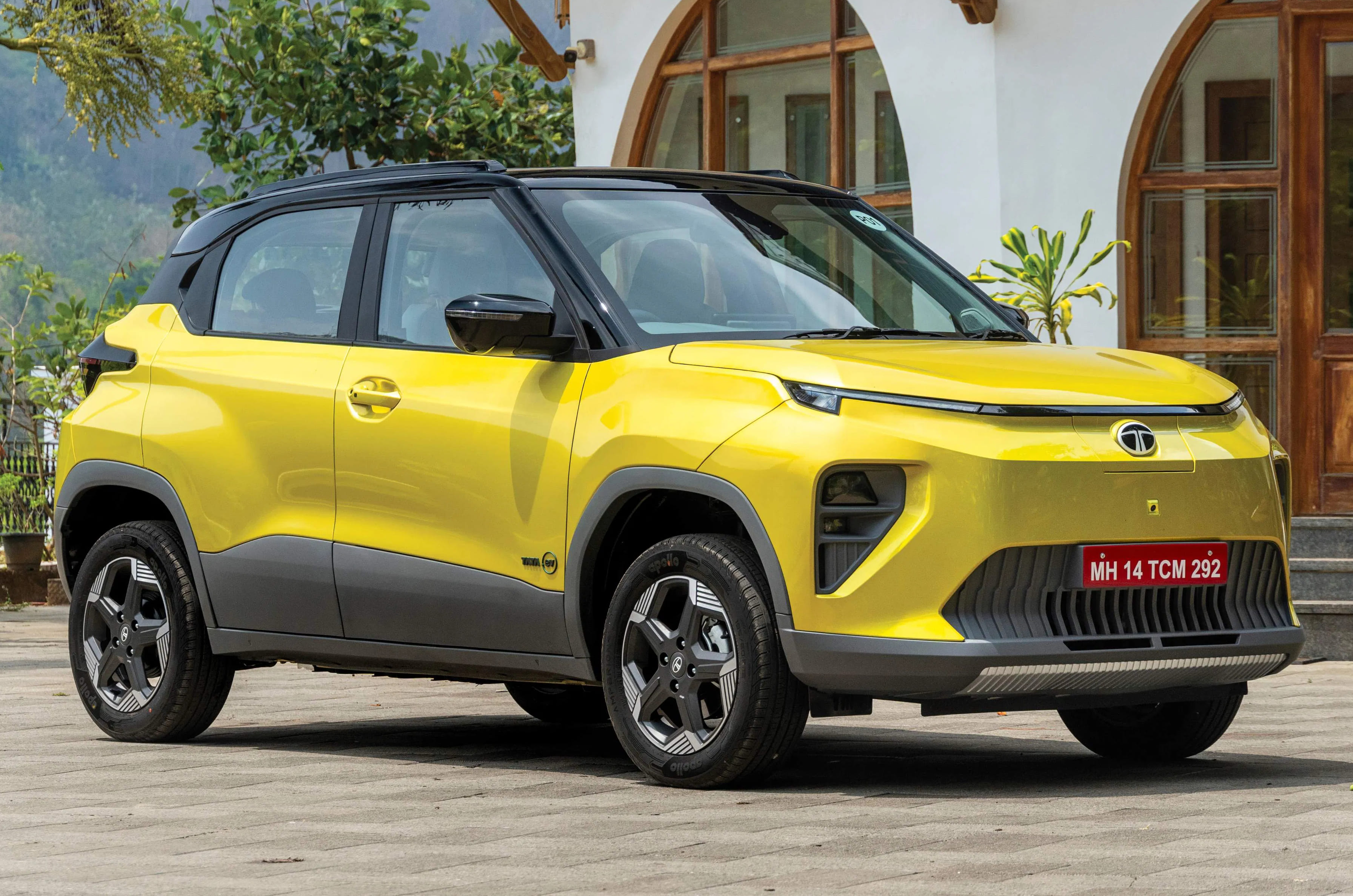
The carmaker crossed 10,000 monthly EV sales in both May and June, selling 10,894 units and a record 12,384 units, respectively. The Nexon EV remains its main volume driver, while the new Punch EV and updated Tiago EV have expanded its line-up. Tata also recently launched the Sierra EV, joining the Harrier EV, Curvv EV and Tigor EV in its electric portfolio.
Mahindra
34,131 units, up 147 percent YoY
Mahindra recorded the highest growth among India’s three largest EV manufacturers, with sales rising 147 percent to 34,131 units from 13,801 units in H1 2025. Its market share increased from 17 percent to 23 percent.
The company moved ahead of JSW MG Motor in March and retained second place through the first half of the year. Monthly sales increased from 5,873 units in March to a record 7,926 units in June. Demand for the BE 6 and XEV 9e has been supplemented by the XEV 9S, Mahindra’s three-row electric SUV launched last November.
JSW MG Motor
31,819 units, up 18 percent YoY
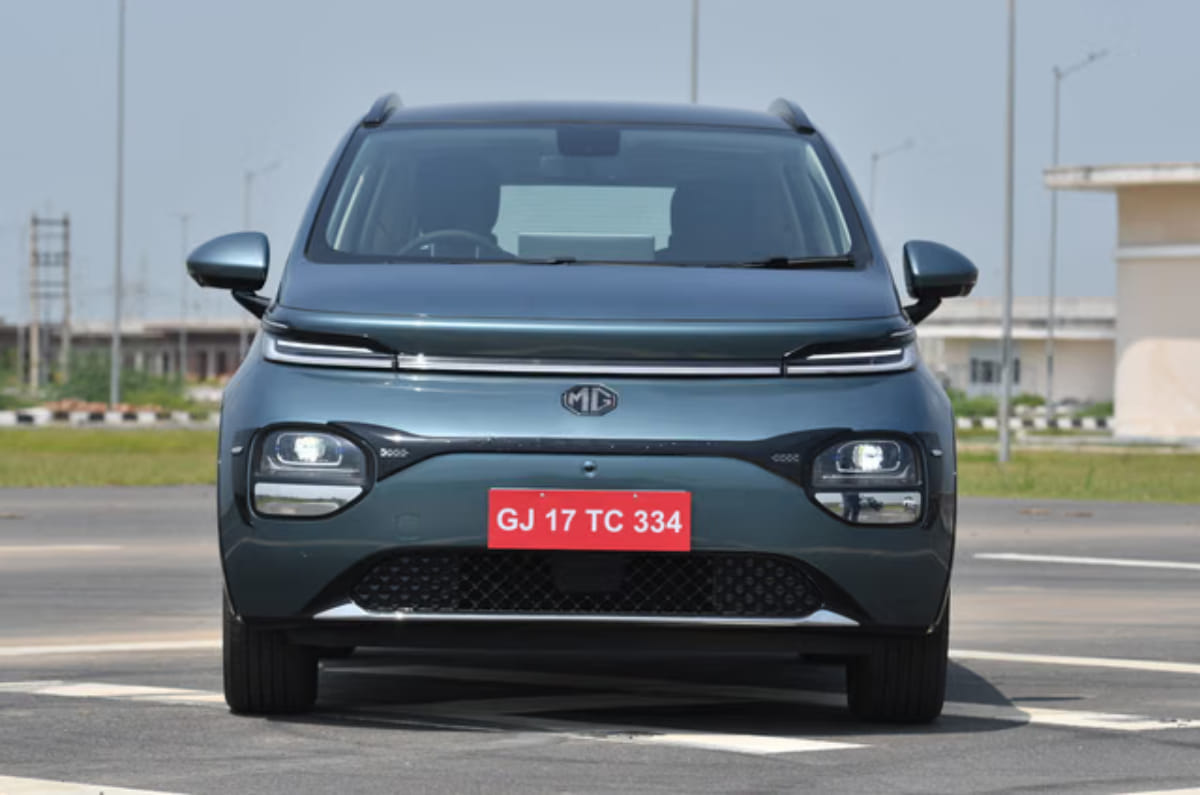
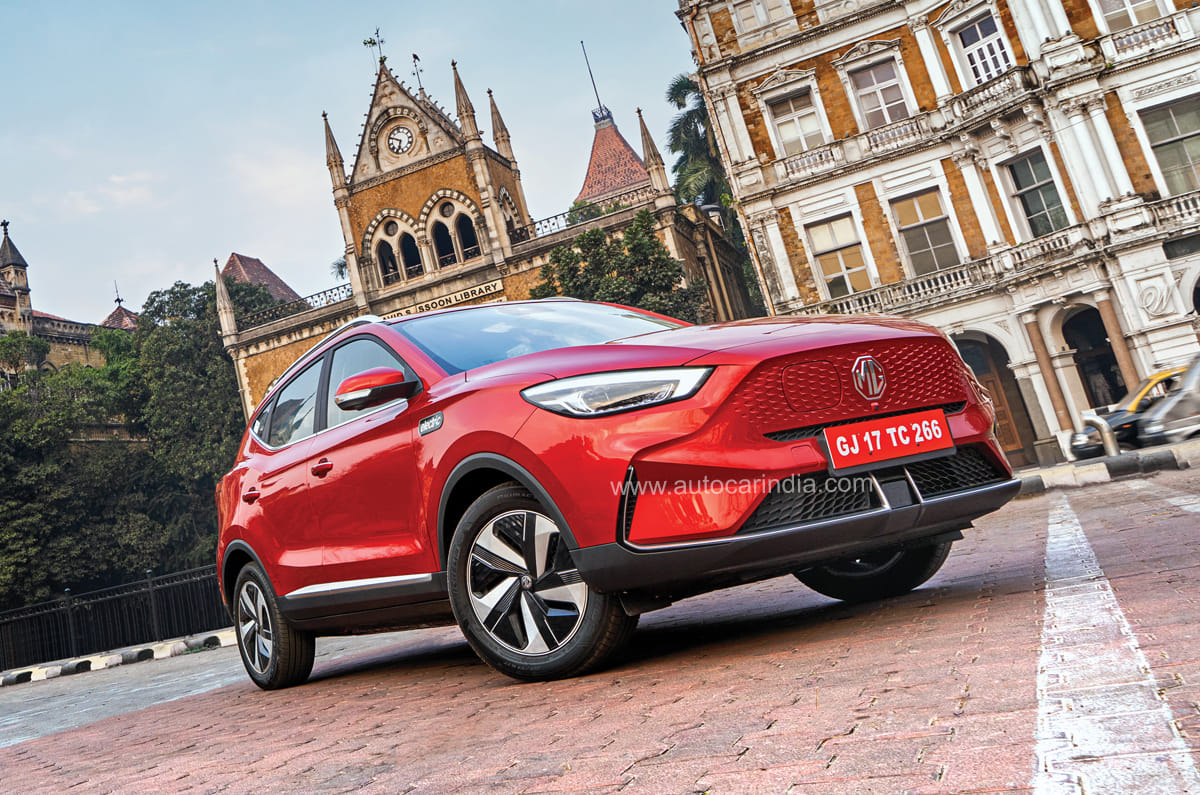
JSW MG Motor sold 31,819 EVs in H1 2026, up 18 percent from 26,883 units in the year-ago period. However, its market share fell from 33 percent to 21 percent as Tata and Mahindra recorded faster growth. The Windsor remains MG’s bestselling electric model, with around 19,000 units sold during the first six months of 2026. MG’s EV line-up also includes the Comet, ZS EV, Cyberster and M9.
Maruti Suzuki
6,404 units
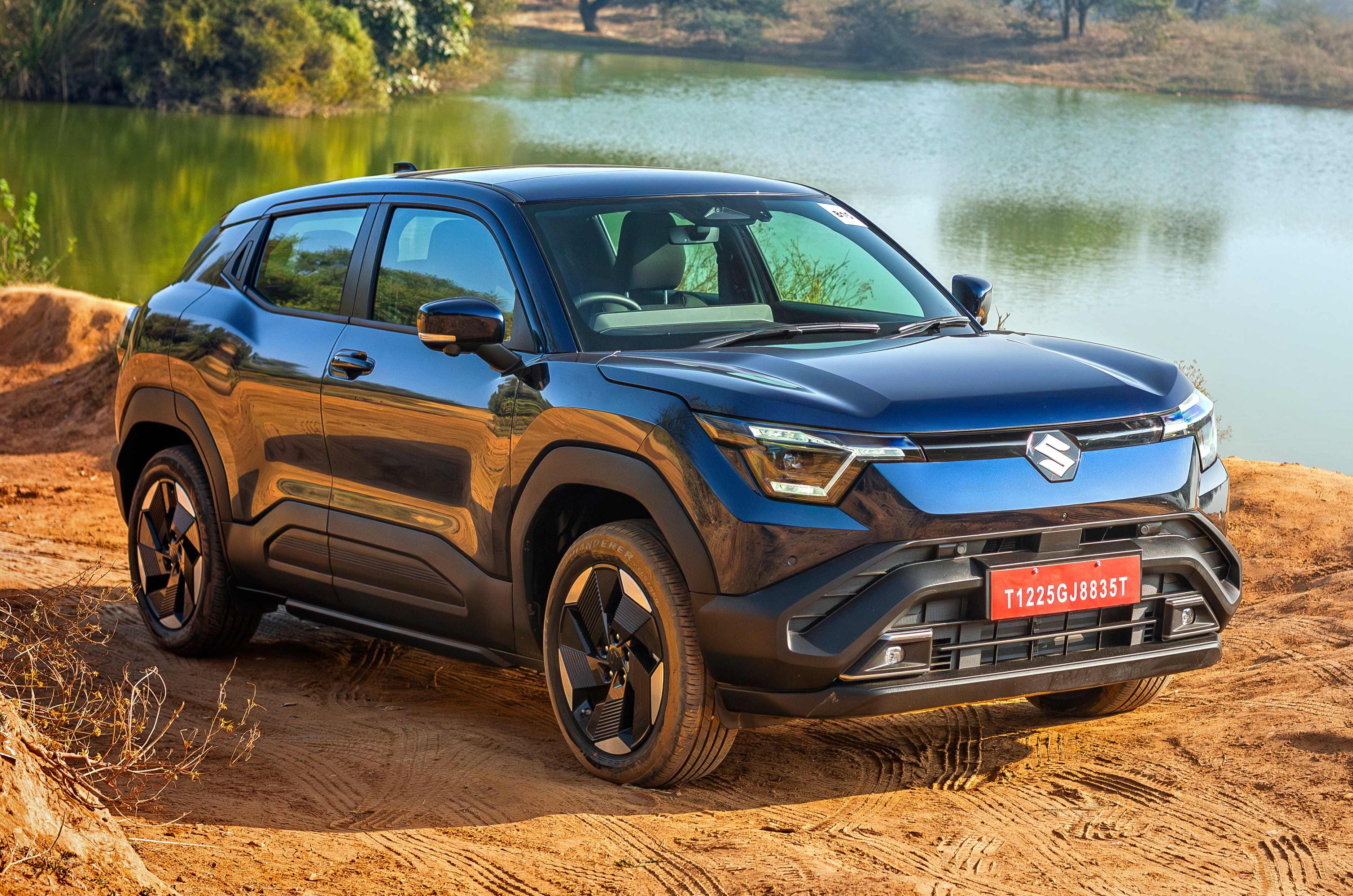
Maruti Suzuki, which entered India’s electric car market with the e Vitara in January, sold 6,404 units in H1 2026, giving it a little over 4 percent market share. Sales increased from 1,460 units in the first quarter to 4,944 units in Q2, with June registrations reaching a record 1,940 units. Maruti is expected to increase e Vitara production from August or September.
Vinfast
5,627 units
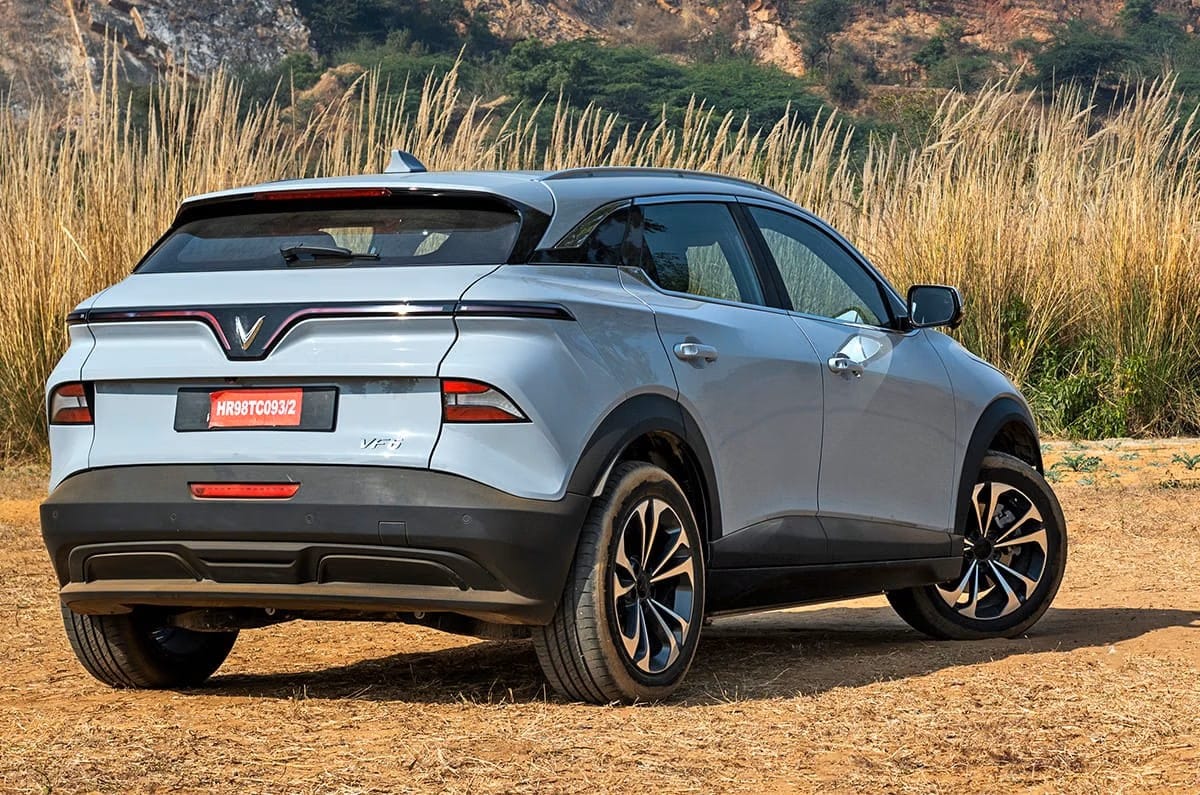
Vinfast recorded 5,627 sales during the first half of 2026, capturing a 3.8 percent market share. Its quarterly sales increased from 1,630 units in Q1 to 3,997 units in Q2, with June sales reaching 1,415 units. The Vietnamese company’s India line-up currently includes the VF6 and VF7 SUVs, along with the VF MPV 7. Vinfast is also expected to expand its range with the VF3 electric hatchback.
BYD
3,300 units, up 32 percent YoY
BYD sold 3,300 electric cars and SUVs in H1 2026, up 32 percent from 2,507 units a year earlier. Q2 sales doubled to 2,199 units from 1,101 units in the first quarter, while June registrations reached a record 895 units. The company has confirmed plans to introduce the Seal U later this year, set to be its first plug-in hybrid model in India.
Hyundai
2,725 units, down 36 percent YoY
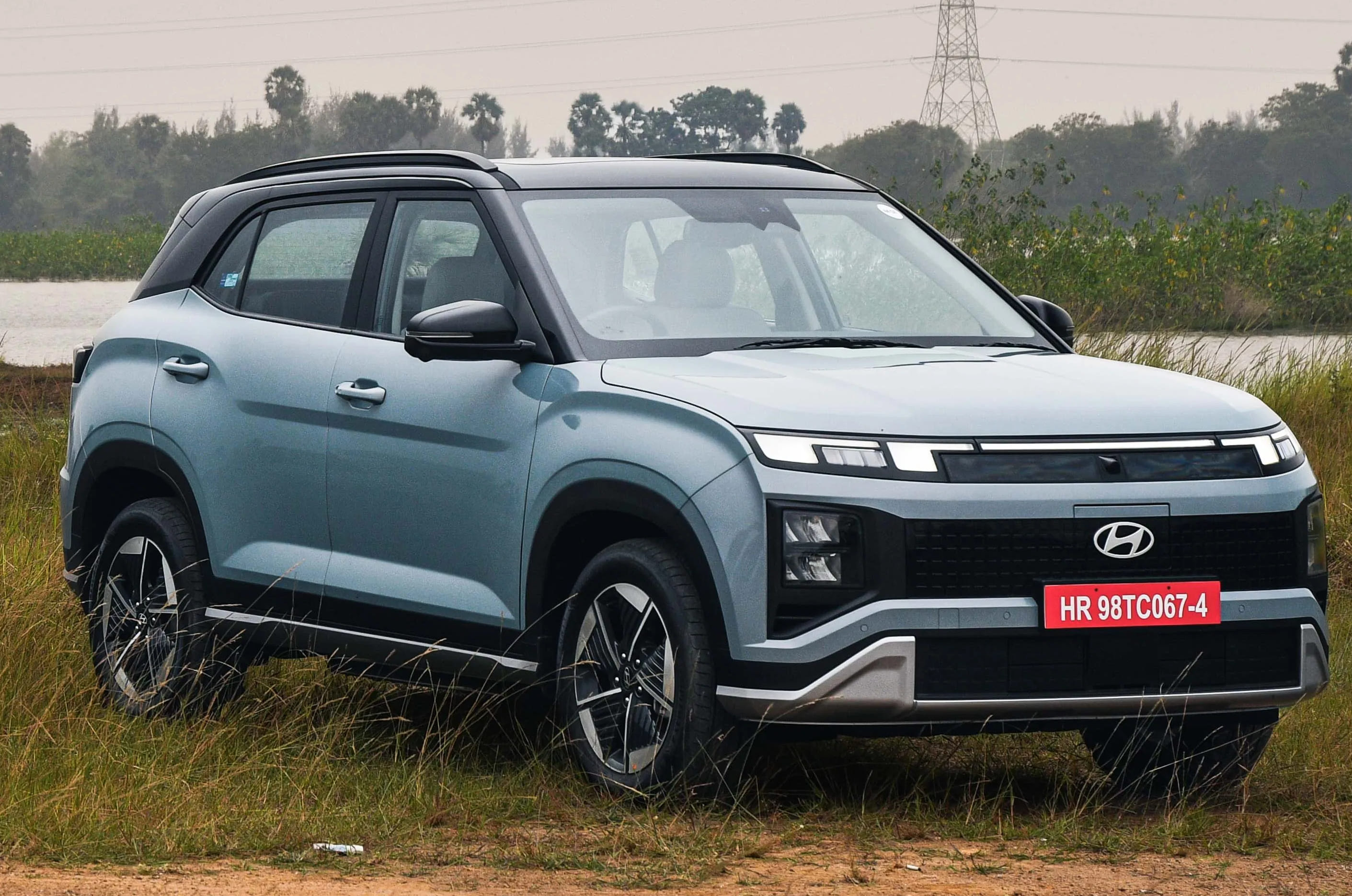
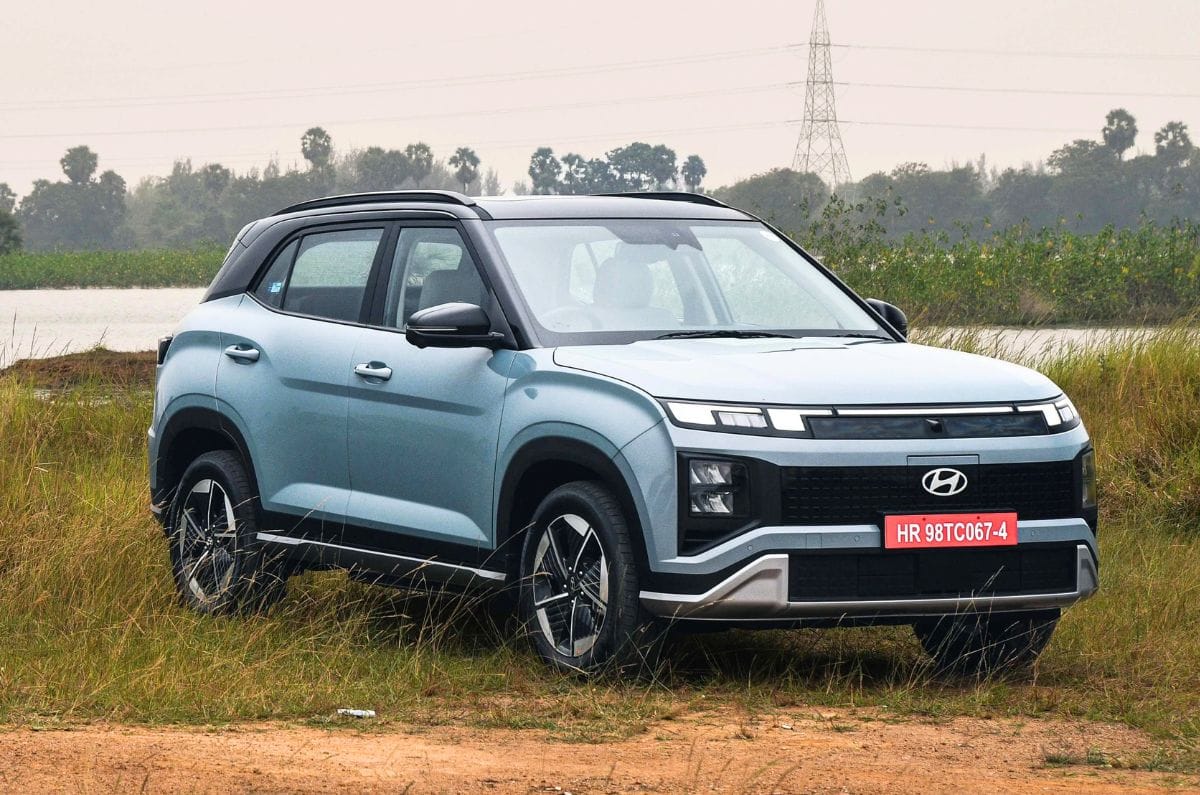
Hyundai was one of the few manufacturers to record lower EV sales, with deliveries falling 36 percent to 2,725 units from 4,278 units in H1 2025. Its market share declined from 5 percent to under 2 percent. Hyundai currently has two electric models on sale in India – the Creta Electric and Ioniq 5 – amid growing competition from Tata, Mahindra and MG, all of which offer EVs across a wider range of price points.
Kia
2,643 units, up 941 percent YoY
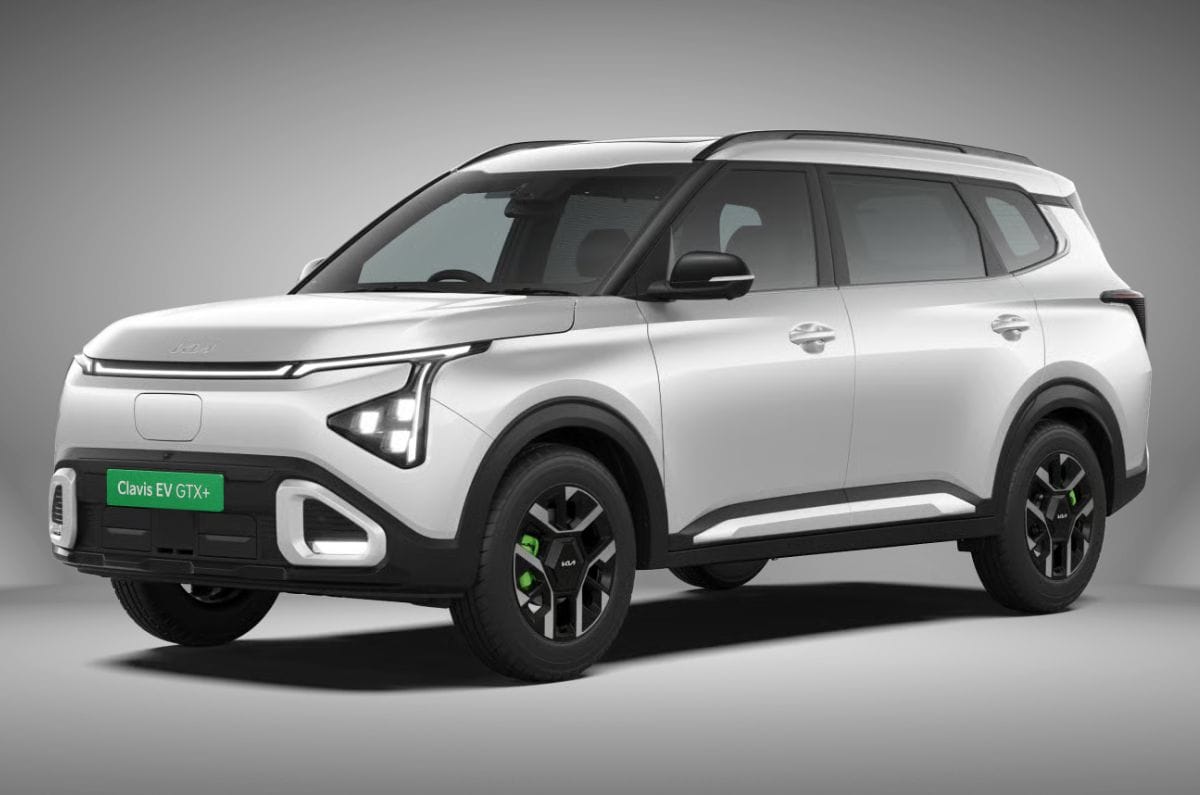
Kia recorded 2,643 EV sales in H1 2026, compared with 254 units during the same period last year, an increase of 941 percent. The carmaker finished just 82 units behind Hyundai during the six-month period. The increase follows the addition of the Carens Clavis EV, which joined the EV6 and EV9 in Kia’s electric line-up. Kia sold 1,278 EVs in Q1 and 1,365 units in Q2.
Citroen
196 units, down 76 percent
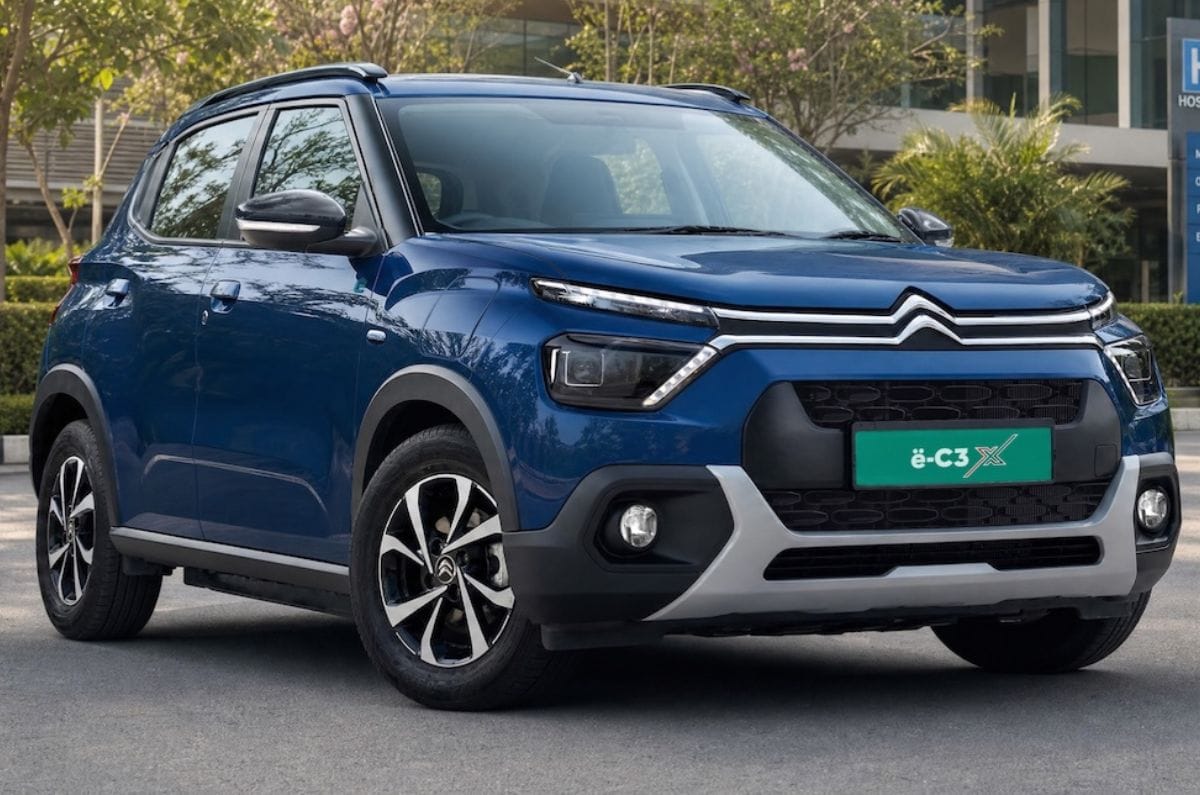
Citroen recorded 196 EV sales in H1 2026, down 76 percent from 815 units a year earlier. Citroen launched the eC3X in June, with prices starting at Rs 11.99 lakh and a Battery-as-a-Service option.
Toyota
33 units
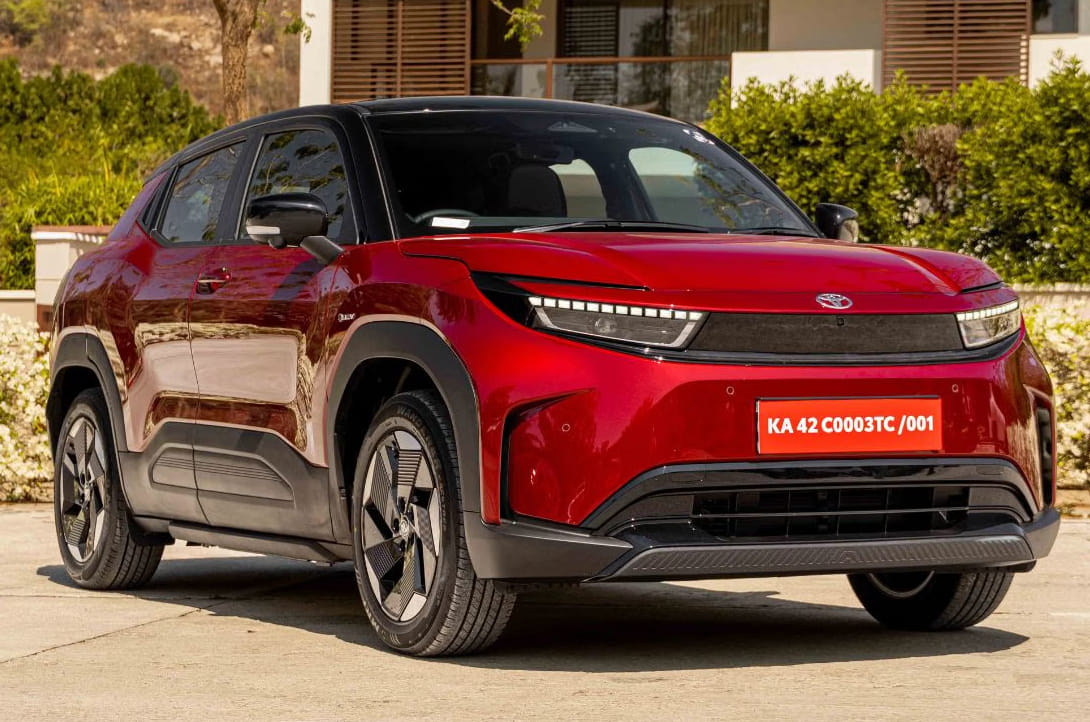
Toyota entered India’s electric passenger vehicle market in May, delivering 33 units of the Urban Cruiser Ebella. The Ebella is Toyota’s version of the Maruti e Vitara and is available in the top-spec E3 variant and offers battery-as-a-service option.
One of the biggest hurdles to the adoption of electric vehicles is their relatively higher prices compared to combustion-powered cars. To address this, mass-market brands such as Hyundai, Citroen, JSW-MG, Maruti Suzuki, Kia, Tata Motors and Toyota have started offering models with Battery-as-a-Service (BaaS) schemes, which are essentially subscription plans for the battery pack and substantially lower upfront costs. Here is a list of all the EVs offered with the BaaS option.
Citroen eC3X
BaaS price: Rs 6.89 lakh + Rs 2.26 per km onwards
Citroen introduced a BaaS scheme option with the June 2026 update for the eC3X, reducing the EV’s upfront price by up to Rs 5.26 lakh. Buyers also have to pay a battery subscription fee of Rs 2.26 per kilometre, the lowest here, with a minimum monthly commitment of 2,000km, which works out to Rs 4,520 per month. If monthly usage exceeds 2,000km, charges apply for the additional distance covered.
For buyers opting out of the BaaS plan, Citroen is offering an introductory consumer discount of up to Rs 1.50 lakh, bringing the eC3X’s starting price down to Rs 10.49 lakh.
Citroen eC3X ex-showroom prices (in Rs)
Variant
Non-BaaS price
BaaS price
Upfront saving
Live
11.99 lakh
6.89 lakh + 2.26 per km
5.10 lakh
Live (O)
12.35 lakh
7.09 lakh + 2.26 per km
5.26 lakh
Shine
13.26 lakh
8.30 lakh + 2.26 per km
4.96 lakh
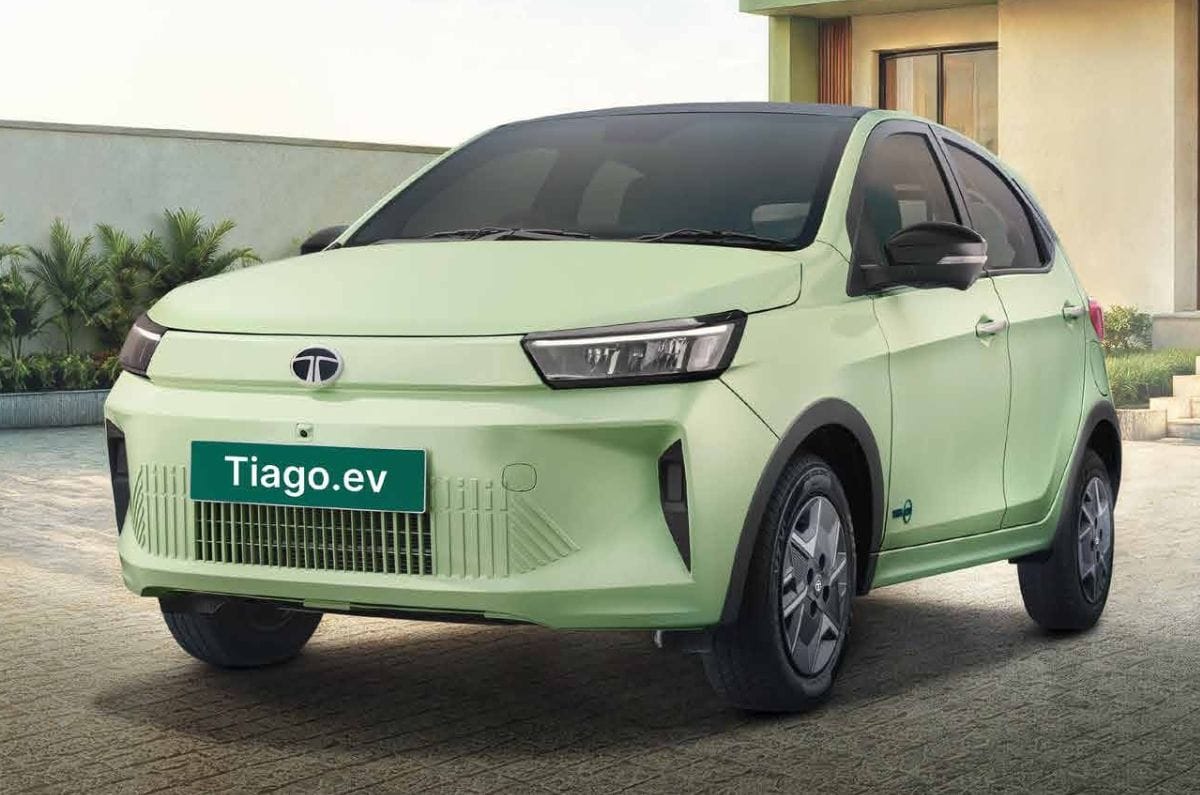
Tata Tiago EV
BaaS price: Rs 4.69 lakh + Rs 2.6 per km onwards
Priced from Rs 6.99 lakh, the Tata Tiago EV is the most affordable electric car in India. Under the BaaS scheme, it starts at Rs 4.69 lakh, reducing the upfront cost by Rs 2.30 lakh, and users pay an additional Rs 2.6 per km as a subscription fee. Tata has yet to reveal the full variant-wise BaaS prices of the Tiago EV.
Tata Tiago EV ex-showroom prices (in Rs)*
Variant
Non-BaaS price
BaaS price
Upfront cost saving
Smart 19
6.99 lakh
4.69 lakh + 2.6 per km
2.30 lakh
*Tata hasn’t revealed the BaaS prices for all variants at the time of writing.
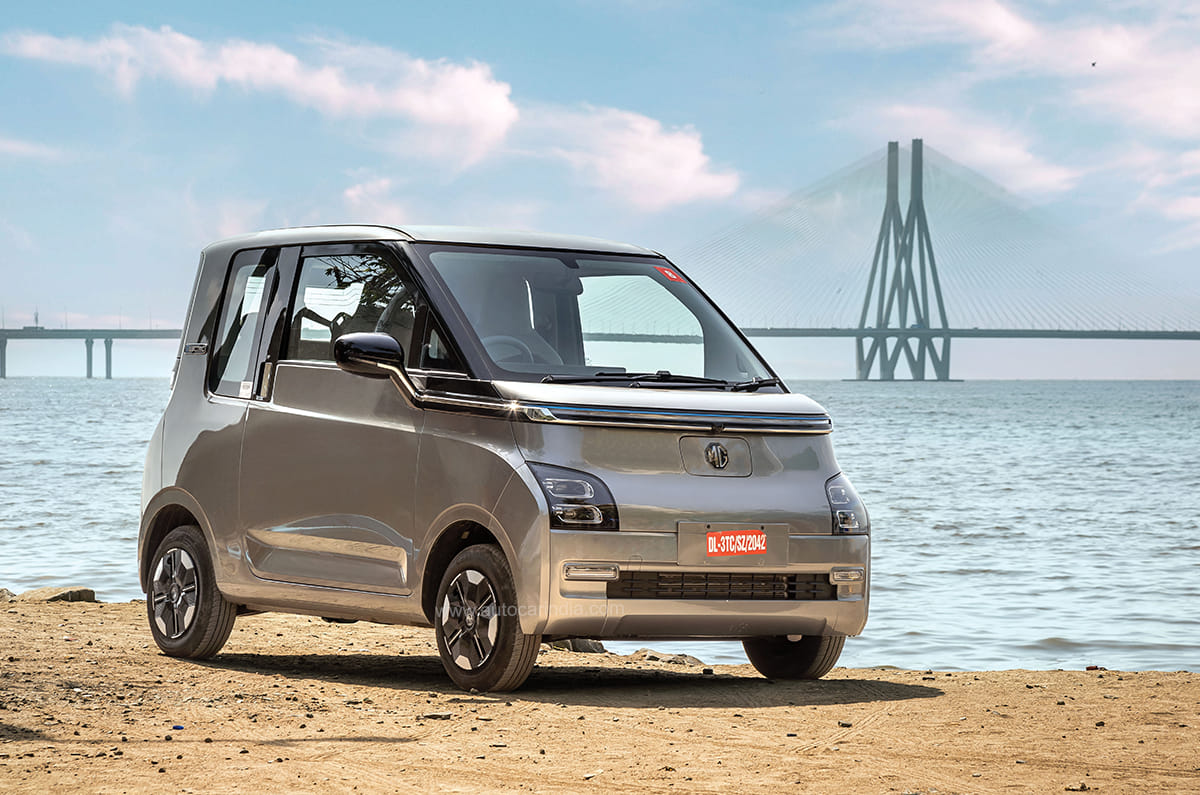
MG Comet EV
BaaS price: Rs 4.99 lakh + Rs 3.2 per km onwards
The Comet EV is priced from Rs 7.63 lakh, and its entry-level trims feature a 17.3kWh battery, while higher-spec models get a 17.4kWh unit. The BaaS scheme lowers the price by Rs 2.64 lakh across trims, and buyers opting for this have to pay a Rs 3.2/km subscription cost for the battery pack. Do note that when MG introduced the BaaS plan for the Comet EV in 2024, the subscription fee was slightly lower at Rs 2.5 per km.
MG Comet EV ex-showroom prices (in Rs)
Variant
Non-BaaS price
BaaS price
Upfront saving
Executive 17.3kWh
7.63 lakh
4.99 lakh + 3.2 per km
2.64 lakh
Excite 17.3kWh
8.73 lakh
6.09 lakh + 3.2 per km
2.64 lakh
Excite 17.4kWh
9 lakh
6.36 lakh + 3.2 per km
2.64 lakh
Exclusive 17.3kWh
9.73 lakh
7.09 lakh + 3.2 per km
2.64 lakh
Exclusive 17.4kWh
10 lakh
7.36 lakh + 3.2 per km
2.64 lakh
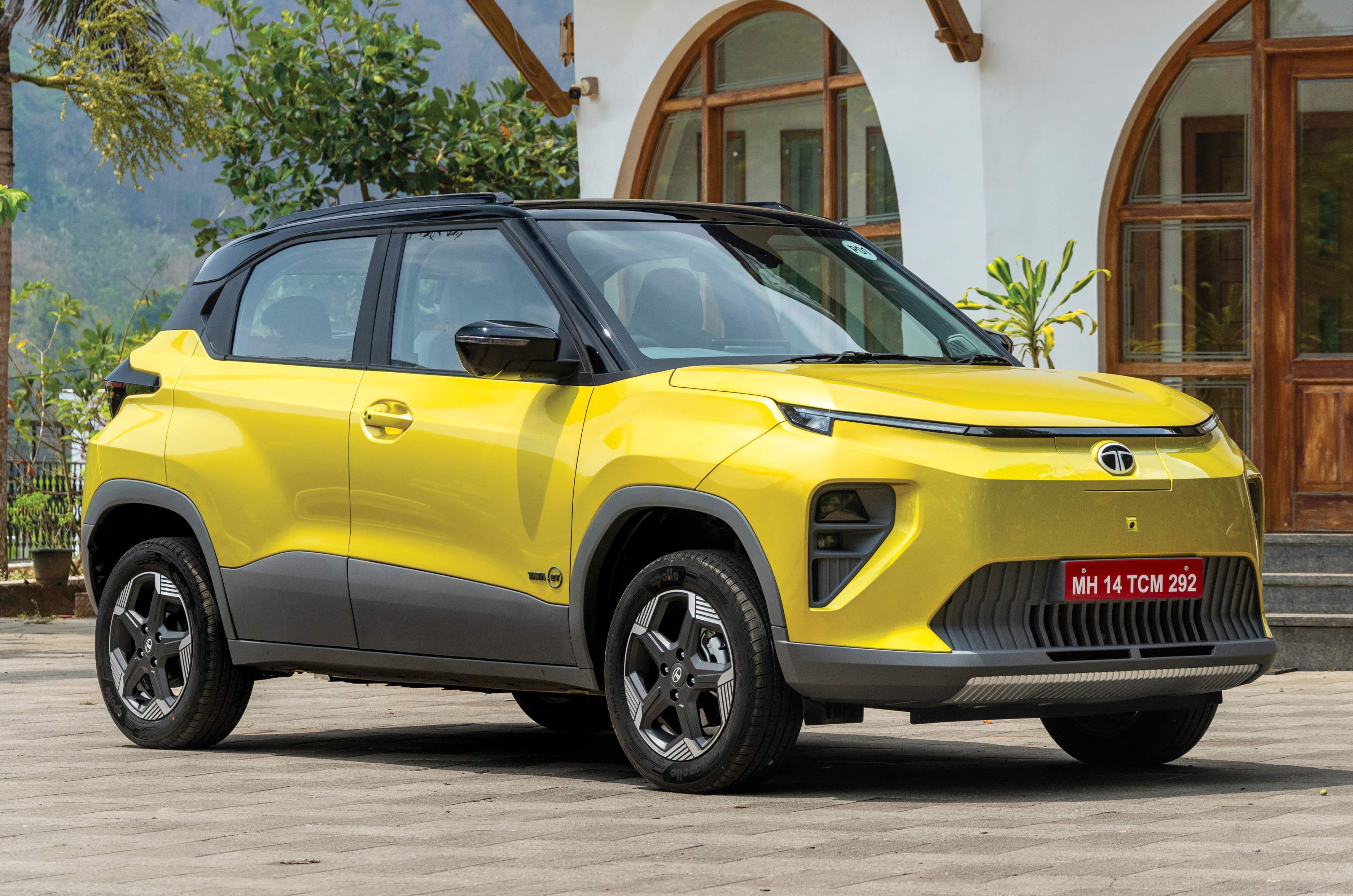
Tata Punch EV
BaaS price: Rs 6.49 lakh + Rs 2.6 per km onwards
The Tata Punch EV is another electric offering from the Indian manufacturer that is available with a BaaS scheme. Its base trim costs Rs 9.69 lakh but with the BaaS scheme, that can be lowered by Rs 3.2 lakh. However, buyers will have to pay a battery rental fee of Rs 2.6 per km. Tata claims that a monthly running of 1,800km is reasonable for most buyers, which works out to a battery rental of about Rs 4,688.
Tata Punch EV ex-showroom prices (in Rs)
Variant
Non-BaaS price
BaaS price*
Upfront saving
Smart 30kWh
9.69 lakh
6.49 lakh + 4,688 per month
3.2 lakh
Smart+ 30kWh
10.29
7.09 lakh + 4,688 per month
3.2 lakh
Smart+ 40kWh
10.99
7.29 lakh + 5,274 per month
3.7 lakh
Adventure 40kWh
11.74
7.99 lakh + 5,274 per month
3.75 lakh
Empowered 40kWh
12.49
8.69 lakh + 5,274 per month
3.8 lakh
Empowered+ S 40kWh
12.79
8.99 lakh + 5,274 per month
3.8 lakh
*The battery EMI is assumed on a loan tenure of 8 years.
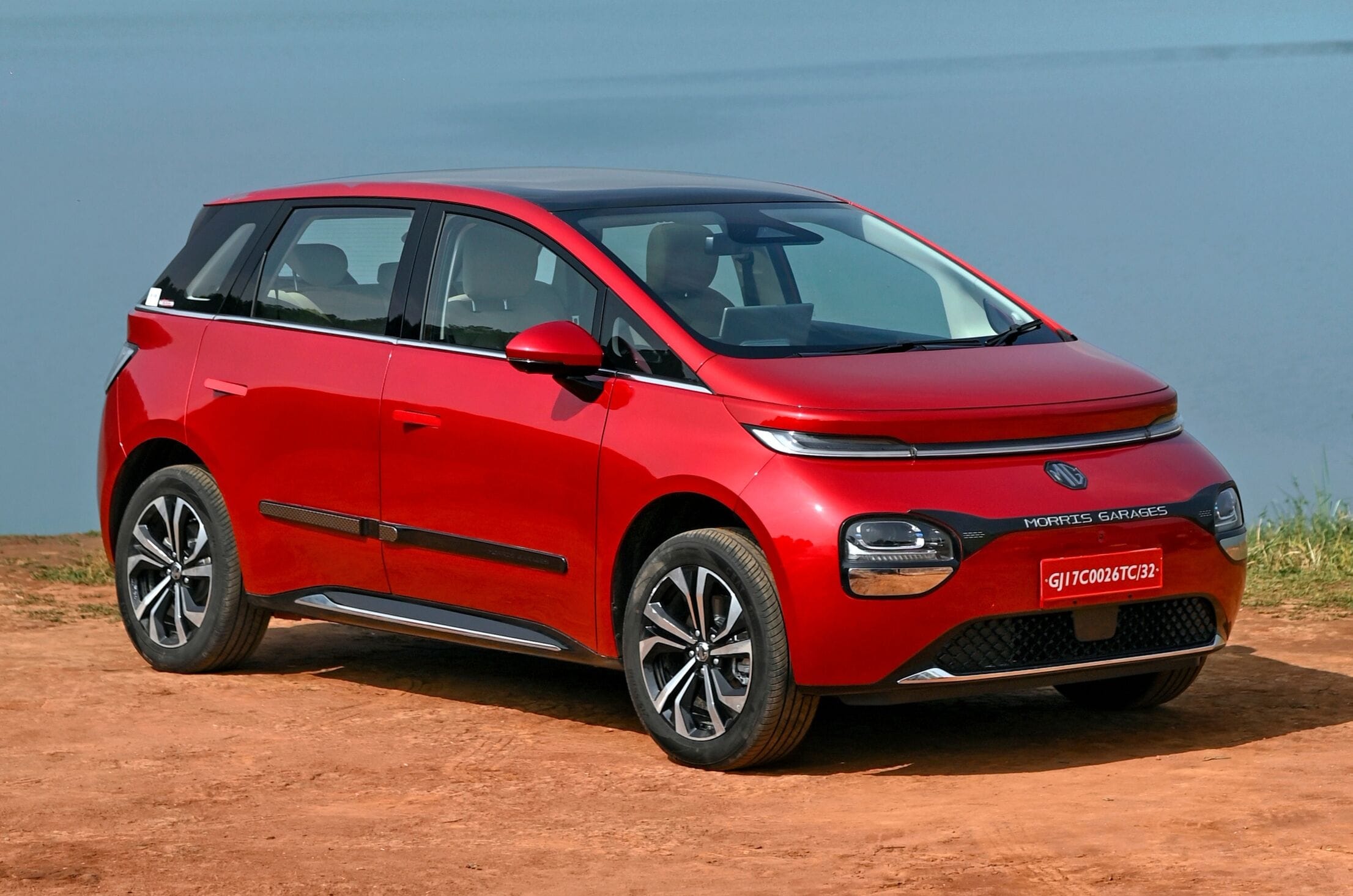
MG Windsor EV
BaaS price: Rs 9.99 lakh + Rs 3.99 per km onwards
MG first introduced the BaaS ownership plan in India with the Windsor EV, which was launched in September 2024 with a 38kWh battery pack. A larger 52.9kWh pack was added to the line-up in May 2025. The Windsor EV’s battery rental fee depends on the battery pack selected: Rs 3.99 per km for the 38kWh unit and Rs 4.5 per km for the larger 52.9kWh unit. This scheme lowers the upfront cost by up to Rs 5 lakh.
MG Windsor EV ex-showroom prices (in Rs)
Variant
Non-BaaS price
BaaS price
Upfront saving
Excite 38kWh
14.7 lakh
9.99 lakh + 3.99 per km
4.71 lakh
Exclusive 38kWh
16 lakh
11.29 lakh + 3.99 per km
4.71 lakh
Essence 38kWh
17 lakh
12.29 lakh + 3.99 per km
4.71 lakh
Exclusive Pro 52.9kWh
17.9 lakh
12.9 lakh + 4.5 per km
5 lakh
Essence Pro 52.9kWh
19 lakh
14 lakh + 4.5 per km
5 lakh
Hyundai Creta Electric
BaaS price: Rs 10.99 lakh + Rs 3.9 per km onwards
The Hyundai Creta Electric is the latest EV here to get a BaaS scheme option, which was introduced in July 2026. The Creta EV starts with the Rs 18.03 lakh Executive 42kWh variant but with the battery rental option, buyers can save Rs 7.04 lakh up front, one of the highest savings here. Prices for the other 42kWh variants, as well as the 51.4kWh variants are expected to be revealed soon.
Hyundai Creta Electric ex-showroom price (in Rs)*
Variant
Non-BaaS price
BaaS price
Upfront saving
Executive 42kWh
18.03 lakh
10.99 lakh + 3.9 per km
7.04 lakh
*Hyundai hasn’t revealed the BaaS prices for all variants at the time of writing.
Maruti Suzuki e Vitara
BaaS price: Rs 10.99 lakh + Rs 3.99 per km onwards
The Maruti e Vitara is also available with the BaaS scheme, the subscription fee of which differs with the chosen battery pack. With the smaller 49kWh battery, Maruti charges Rs 3.99 per km, while with the larger battery pack, a fee of Rs 4.39 per km is charged.
Maruti Suzuki e Vitara ex-showroom prices (in Rs)
Variant
Non-BaaS price
BaaS price
Upfront saving
Delta 49kWh
15.99 lakh
10.99 lakh + 3.99 per km
5 lakh
Zeta 61kWh
17.79 lakh
12.29 lakh + 4.39 per km
5.5 lakh
Alpha 61kWh
19.99 lakh
14.49 lakh + 4.39 per km
5.5 lakh
Kia Carens Clavis EV
BaaS price: Rs 12.84 lakh + Rs 3.3 per km onwards
In May 2026, Kia introduced the BaaS scheme for its Carens Clavis EV, which stands out here as the only MPV. Kia charges a rental fee of Rs 3.3 per km for both the 42kWh and 51.4kWh battery pack options. While the entire BaaS price list isn’t out at the time of writing, one can save Rs 5.16 lakh and Rs 6.06 lakh on the HTK+ 42kWh and HTX E ER 51.4kWh variants, respectively.
Kia Carens Clavis EV ex-showroom prices (in Rs)*
Variant
Non-BaaS price
BaaS price
Upfront saving
HTK+ 42kWh
18 lakh
12.84 lakh + 3.3 per km
5.16 lakh
HTX E ER 51.4kWh
22 lakh
15.94 lakh + 3.3 per km
6.06 lakh
*Kia hasn’t revealed the BaaS prices for all variants at the time of writing.
MG ZS EV
BaaS price: Rs 13 lakh + Rs 4.5 per km onwards
The ZS EV, MG’s first electric offering in India, received its mid-lifecycle update in 2022. However, it was only in September 2024 that MG introduced a BaaS scheme for the midsize electric SUV. The subscription fee for the ZS EV, which comes with a 50.3kWh battery pack, is Rs 4.5 per km – the same as that of the Windsor EV Pro. The upfront cost saving of up to Rs 5.24 lakh is the highest in MG’s electric line-up.
MG ZS EV ex-showroom prices (in Rs)
Variant
Non-BaaS price
BaaS price
Upfront saving
Executive 50.3kWh
17.99 lakh
13 lakh + 4.5 per km
4.99 lakh
Excite Pro 50.3kWh
18.75 lakh
13.51 lakh + 4.5 per km
5.24 lakh
Exclusive Pro 50.3kWh
19.75 lakh
14.51 lakh + 4.5 per km
5.24 lakh
Essence 50.3kWh
20.75 lakh
15.51 lakh + 4.5 per km
5.24 lakh
Toyota Urban Cruiser Ebella
BaaS price: Rs 15.25 lakh + Rs 4.99 per km
Toyota showcased its first EV for India, the Urban Cruiser Ebella, in January 2026 and revealed the price for its top-spec variant in May 2026. This E3 variant is powered by a 61kWh battery pack and offers a claimed range of 543km. Under the BaaS scheme, the E3’s upfront cost is Rs 15.25 lakh and the battery rental fee is Rs 4.99 per km – higher than the Rs 4.39 per km charged for its Maruti twin, the e Vitara.
Toyota Ebella EV ex-showroom prices (in Rs)*
Variant
Non-BaaS price
BaaS price
Upfront saving
E3
23.60 lakh
15.25 lakh + 4.99 per km
8.35 lakh
*Toyota hasn’t revealed the BaaS prices for all variants at the time of writing.
The midsize SUV segment is not only one of the most contested among combustion-powered cars but also among electric vehicles, with 12 different EVs on sale. This form factor allows carmakers to offer large enough batteries for a usable range while also equipping them with the latest in-car tech at a competitive price. Here we have ranked all the midsize electric SUVs currently available in India as per their ARAI-claimed range. Let’s find out which model can go the farthest on a single charge.
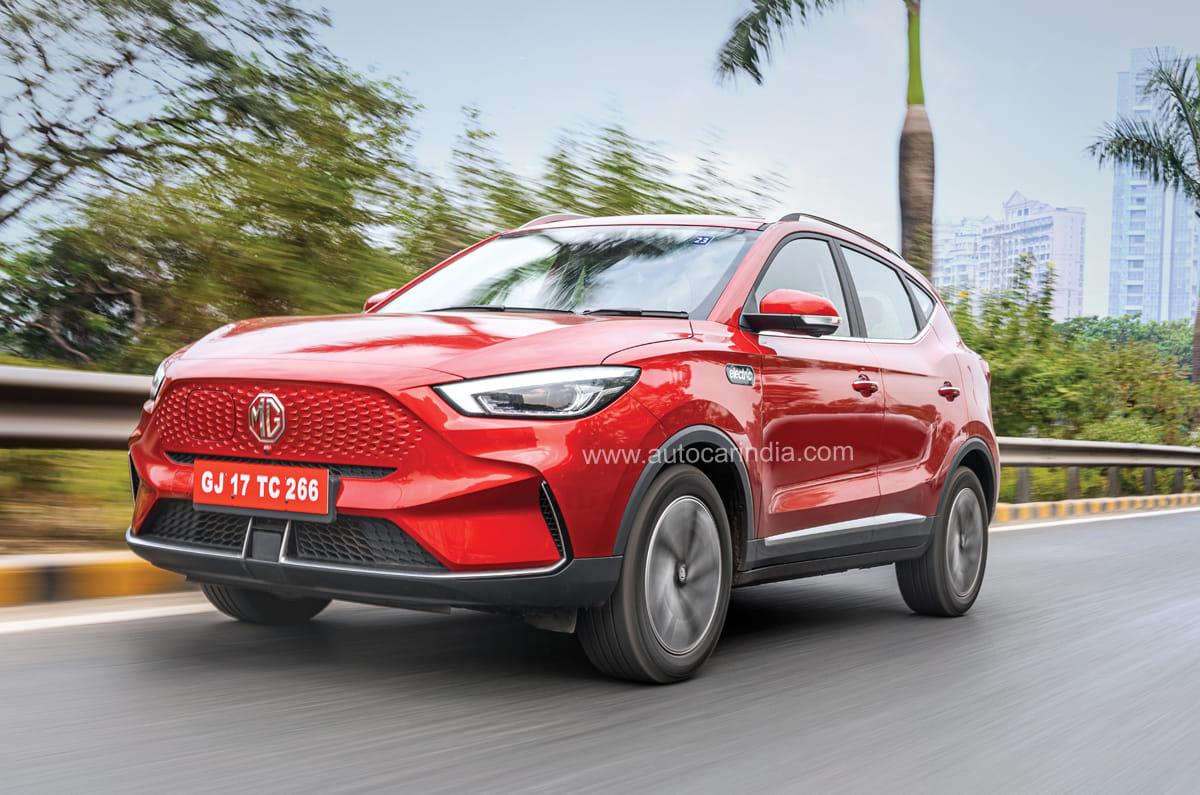
12. MG ZS EV
Up to 461km claimed range
MG ZS EV battery specifications and ARAI range
Specifications
MG ZS EV
Battery pack (kWh)
50.3
ARAI-claimed range (km)
461
Price (Rs lakh)
17.99-20.75
The ZS EV is the electric equivalent of the MG Astor, adapted from an ICE platform. While it is the oldest midsize electric SUV currently on sale in India, its 50kWh battery pack is on par with even the newer offerings. However, a claimed range of 461km is just fine and places it last on this list. The battery powers a front-axle-mounted (FWD) electric motor that produces 177hp and 280Nm.
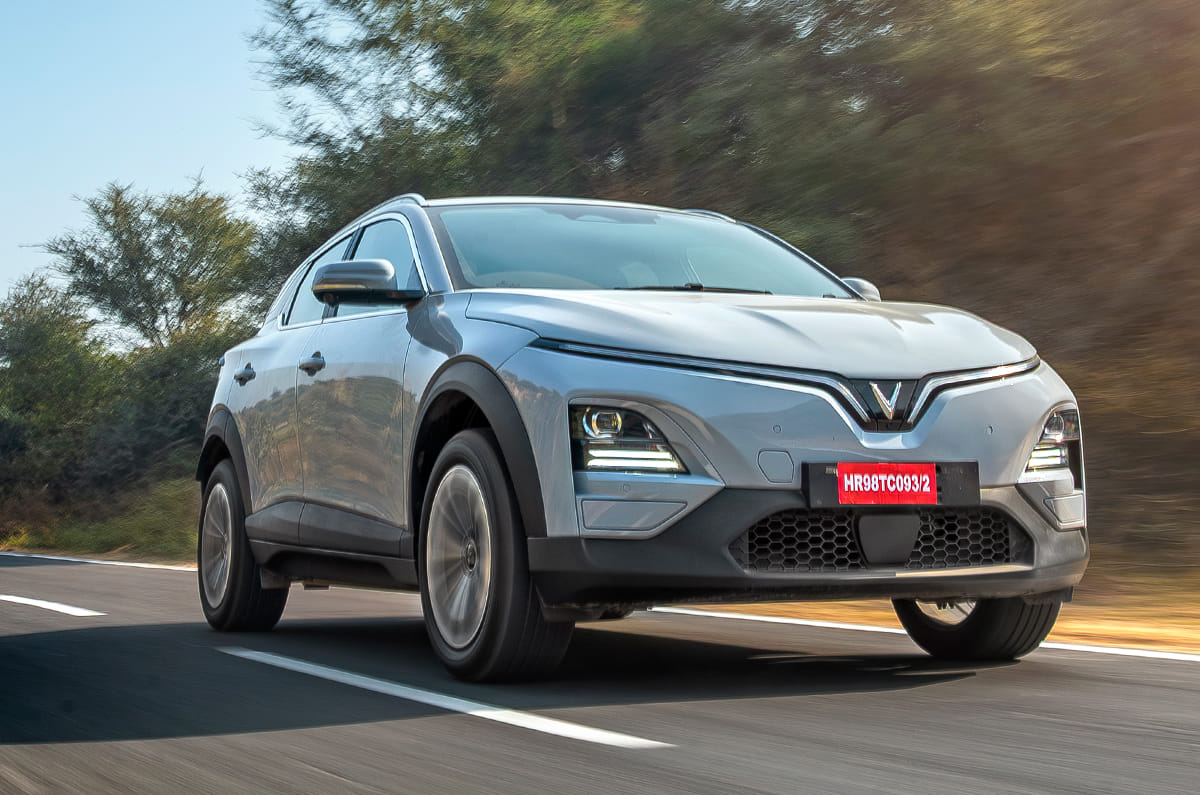
11. Vinfast VF6
Up to 468km claimed range
Vinfast VF6 battery specifications and ARAI range
Specifications
Vinfast VF6
Battery pack (kWh)
59.6
ARAI-claimed range (km)
463-468
Price (Rs lakh)
17.29-19.19
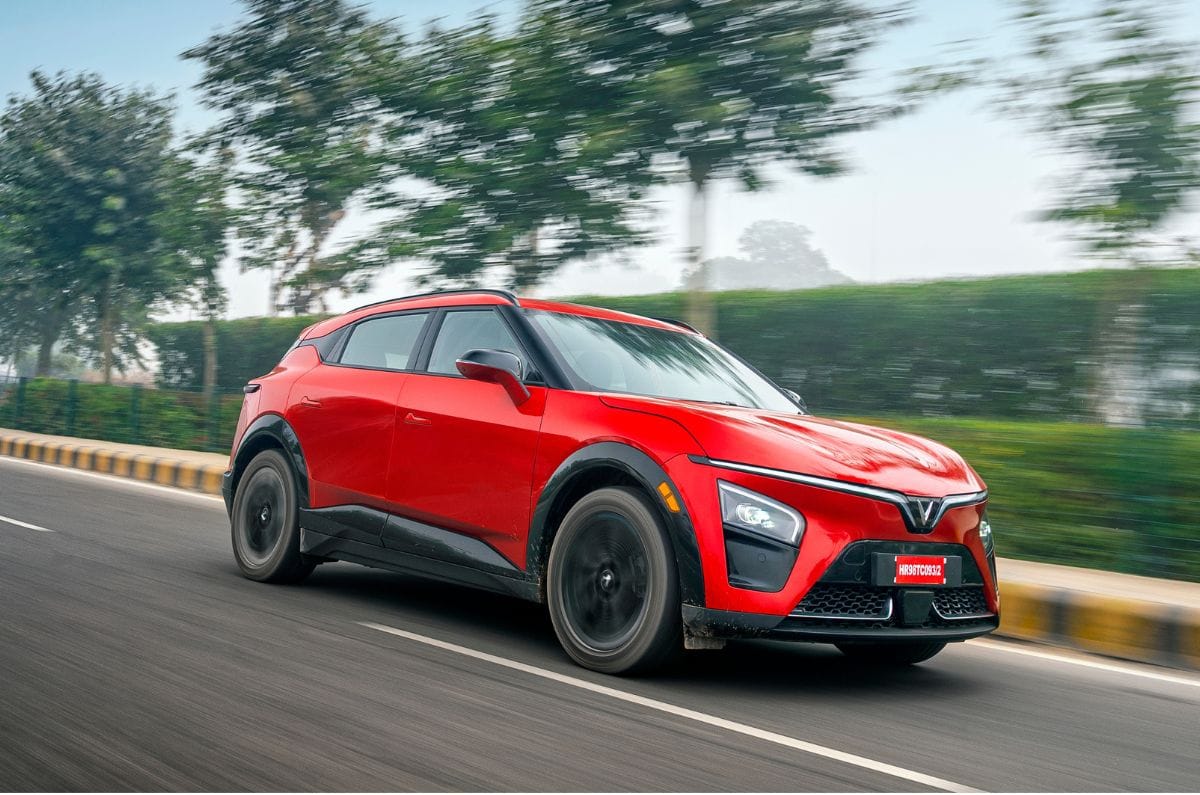
Vinfast’s most affordable EV in India, the VF6, comes with a fairly large battery pack compared to the older ZS EV, but it does not help much in the claimed range department. While the lower trims offer an ARAI-rated range of 463km, the higher ones claim a slightly better 468km. This is likely due to different tuning of the drivetrain, as the lower trims get a 177hp, 250Nm motor, while the higher-spec trims are offered with a 204hp, 310Nm unit.
10. Tata Curvv EV
Up to 502km claimed range
Tata Curvv EV battery specifications and ARAI range
Specifications
Tata Curvv EV
Battery pack (kWh)
55
ARAI-claimed range (km)
502
Price (Rs lakh)
16.99-19.19
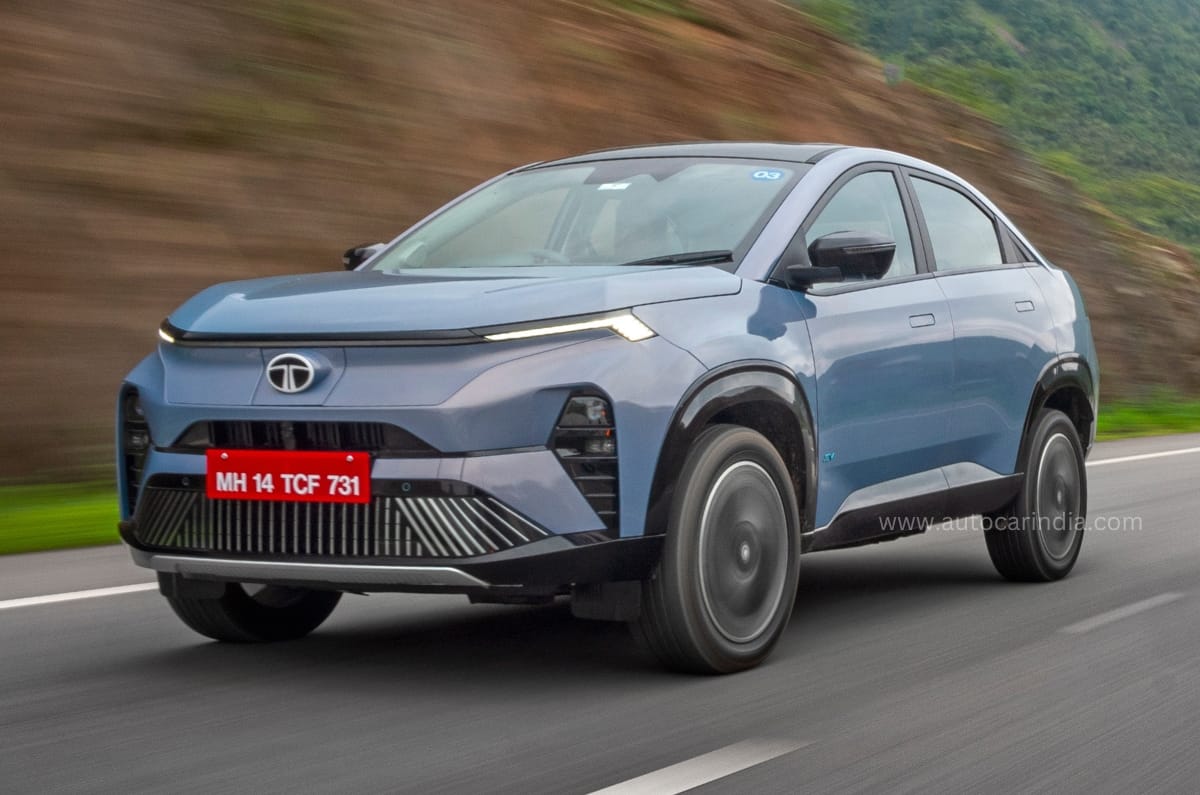
In this segment, the Tata Curvv EV sets itself apart with a coupe-SUV body style. It is based on the Nexon platform that has been heavily modified for an electric powertrain. Although its 55kWh smaller than the VF6’s, it has a higher claimed range. The front-mounted motor makes 167hp and 215Nm. The Curvv is also offered in a combustion-powered avatar, with petrol and diesel powertrain options.
9. Hyundai Creta Electric
Up to 510km claimed range
Hyundai Creta Electric battery specifications and ARAI range
Specifications
Hyundai Creta Electric
Battery pack (kWh)
42 | 51.4
ARAI-claimed range (km)
420 | 510
Price (Rs lakh)
18.02-23.67
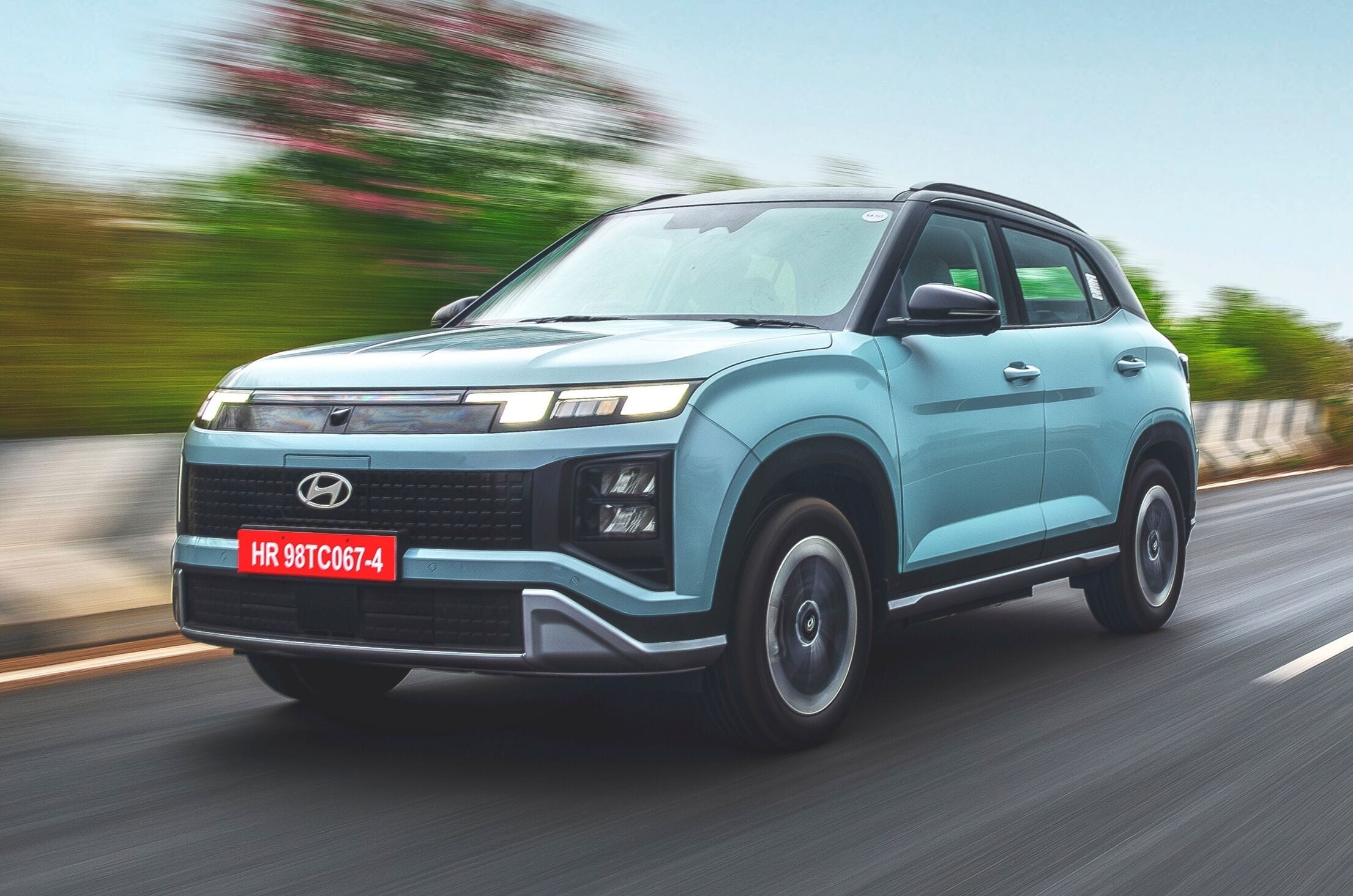
The Creta is a bestseller in its segment by a big margin, and a fraction of its total sales are from the all-electric iteration, the Hyundai Creta Electric. It gets two battery options, 42kWh and 51.4kWh, and the smaller battery’s 420km claimed range is the lowest in the segment. The larger pack’s range improves to a respectable 510km. While power figures are 135hp and 171hp for the 42kWh and 51.4kWh batteries, respectively, the torque is 255Nm for both.
8. BYD Atto 3
Up to 521km claimed range
BYD Atto 3 battery specifications and ARAI range
Specifications
BYD Atto 3
Battery pack (kWh)
49.92 | 60.48
ARAI-claimed range (km)
468 | 521
Price (Rs lakh)
24.99-33.99
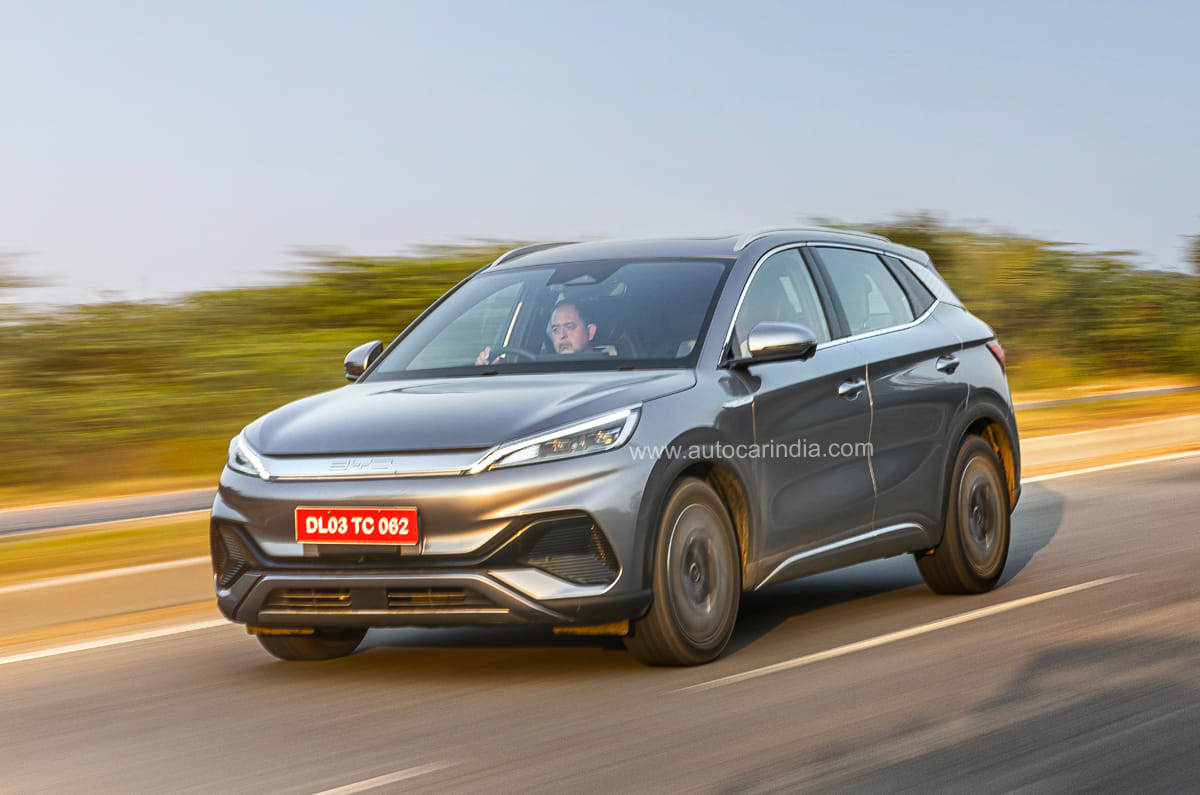
The BYD Atto 3 is the only model here that is not locally made in India. It is brought to India via the CKD (completely knocked down kits) route, which explains its expensive price tag. At the higher end of its price range, it offers the larger battery pack with a claimed range of 521km, which is less than the Tata-Mahindra rivals that offer over 600km of range at a similar price. The Atto 3 is a born EV and therefore does not have an ICE equivalent. At 4.45 metres long, it is also a tad larger than other SUVs on this list. Like the Creta Electric, it gets two battery pack options, both mated to a 204hp, 310Nm front-axle-mounted electric motor.
7. Vinfast VF7
Up to 532km claimed range
Vinfast VF7 battery specifications and ARAI range
Specifications
Vinfast VF7
Battery pack (kWh)
59.6 | 70.8
ARAI-claimed range (km)
438 | 510-532
Price (Rs lakh)
21.89-26.79
The Vinfast VF7, launched alongside the VF6, is offered with two battery packs. The smaller battery comes paired with a 177hp, 250Nm front-axle-mounted electric motor, while the larger 70.8kWh unit is available in both FWD and AWD setups. The FWD version produces 204hp and 310Nm, while the AWD iteration puts out 353hp and 500Nm. Interestingly, not only is the VF7 the most affordable EV in India with an AWD setup, but it is also one of the fastest mass-market offerings with a claimed 0-100kph time of 5.8 seconds. Both its battery packs offer a claimed range on par with most other SUVs in this segment.
6. Maruti Suzuki e Vitara
Up to 543km claimed range
Maruti Suzuki e Vitara battery specifications and ARAI range
Specifications
Maruti Suzuki e Vitara
Battery pack (kWh)
49 | 61
ARAI-claimed range (km)
440 | 543
Price (Rs lakh)
15.99-19.79
Maruti Suzuki’s first EV in India, the e Vitara, is the most affordable midsize electric SUV in India. Moreover, it is offered with a Battery-as-a-Service (BaaS) scheme, like the ZS EV, which lowers the upfront price. It is available with two battery pack options but only with a front-axle-mounted electric motor, unlike the international-spec EV that gets an AWD option too. While the 49kWh version produces 144hp, the 61kWh makes 174hp; the 193Nm torque is common for both. At a top-end price of Rs 19.79 lakh, the e Vitara’s claimed range of 543km is comparatively higher than similarly priced rivals, which mostly quote sub-500km figures.
5. Tata Harrier EV
Up to 627km claimed range
Tata Harrier EV battery specifications and ARAI range
Specifications
Tata Harrier EV
Battery pack (kWh)
65 | 75
ARAI-claimed range (km)
538 | 622-627
Price (Rs lakh)
21.49-29.48
The Tata Harrier EV sits at the top of Tata’s EV lineup. It gets an AWD layout, but this drivetrain is offered with the higher-spec trims with the 75kWh battery pack. Lower trims feature an RWD setup that produces 175hp and 315Nm. The AWD version gets the same rear-axle motor along with a 116hp front-axle-mounted unit for a total of 504Nm. With a claimed 0-100kph sprint time of 6.3 seconds, the Harrier EV AWD is slightly slower than the Vinfast VF7 and also costs more.
4. Mahindra XEV 9e
Up to 656km claimed range
Mahindra XEV 9e battery specifications and ARAI range
Specifications
Mahindra XEV 9e
Battery pack (kWh)
59 | 79
ARAI-claimed range (km)
522 | 656
Price (Rs lakh)
21.90-30.50
The XEV 9e is a born-electric SUV, which, incidentally, uses BYD’s proprietary Blade cell technology in its battery pack. This rear-wheel-drive model’s motor produces 231hp with the 59kWh battery and 286hp with the 79kWh unit; torque is 380Nm for both. The claimed range is over 650km for the 79kWh version. Although the XEV 9e leans towards the expensive side, its specifications help it offer great value for the price.
3. Mahindra XEV 9S
Up to 679km claimed range
Mahindra XEV 9S battery specifications and ARAI range
Specifications
Mahindra XEV 9S
Battery pack (kWh)
59 | 70 | 79
ARAI-claimed range (km)
521 | 600 | 679
Price (Rs lakh)
19.95-29.45
The Mahindra XEV 9S is the first mass-market 3-row electric SUV in India, and it is the only model on this list to get three battery pack options. All come paired with a rear-wheel-drive motor that produces 380Nm but have different power outputs – 231hp in the 59kWh version, 245hp in the 70kWh version and 286hp in the 79kWh version. Notably, even though the XEV 9S gets bigger battery packs and an additional row compared to the XEV 9e, it has a lower price tag, making it offer more value for less money.
2. Tata Sierra EV
Up to 665km claimed range
The Sierra EV is Tata’s latest addition to its EV range, slotting between the Cuvv EV and Harrier EV. It is powered by either a 63kWh or a 75kWh battery pack from the Harrier. The latter option also offers an AWD layout, while an RWD layout is standard. With the 63kWh battery pack, the motor produces 238hp, while it delivers 208hp in the 75kWh guise, with torque at 315Nm in both versions. Meanwhile, AWD versions add a front-mounted motor developing 140hp, while torque is bumped to 504Nm. Tata claims a 0-100kph time of 5.8 seconds for the AWD version, equaling that of the VF7’s.
Tata Sierra EV battery specifications and ARAI range
Specifications
Tata Sierra EV
Battery pack (kWh)
63 | 75
ARAI-claimed range (km)
566 | 665, 624 (AWD)
Price (Rs lakh)
18.49-25.90
1. Mahindra BE 6
Up to 683km claimed range
Mahindra BE 6 battery specifications and ARAI range
Specifications
Mahindra BE 6
Battery pack (kWh)
59 | 79
ARAI-claimed range (km)
548 | 683
Price (Rs lakh)
18.90-26.90
The BE 6 is identical to the XEV 9e under its skin, so it carries over the same rear-wheel-drive layout and battery pack options, arguably in a more stylish package. It is also slightly smaller and lighter than the XEV 9e, which is what gives it the edge in terms of range. With 683km on a single charge with the larger 79kWh battery pack, it has the highest claimed range among all mainstream electric SUVs in India.
Hyundai Creta Electric: अगर आप इलेक्ट्रिक SUV खरीदने की प्लानिंग कर रहे हैं, तो यह खबर आपके लिए फायदेमंद साबित हो सकती है। दरअसल, Hyundai Motor India Ltd ने Creta Electric के लिए ‘बैटरी-एज-ए-सर्विस’ (BaaS) ओनरशिप मॉडल पेश किया है। इस कदम से इलेक्ट्रिक SUV की शुरुआती कीमत, बैटरी की लागत को छोड़कर, रेगुलर ₹18.03 लाख से घटकर ₹10.99 लाख (एक्स-शोरूम) हो गई है।
इस नई व्यवस्था के तहत, खरीदारों के पास गाड़ी अलग से खरीदने और बैटरी के लिए EMI प्लान (जो ₹3.9 प्रति किलोमीटर से शुरू होगा) चुनने का विकल्प होगा, जिससे इलेक्ट्रिक गाड़ी खरीदने की शुरुआती लागत कम हो जाएगी।
Hyundai का मकसद EV को ज्यादा लोगों तक पहुंचाना है
यह कदम ऐसे समय में उठाया गया है जब ऑटो कंपनियां भारत में ग्राहकों के सामने आने वाली सबसे बड़ी समस्या यानी ज्यादा शुरुआती कीमत को कम करने के लिए अलग-अलग ओनरशिप मॉडल अपना रही हैं। बैटरी की कीमत को गाड़ी की कीमत से अलग करने से शुरुआती खरीद लागत कम हो जाती है, जबकि गाड़ी की लिस्ट कीमत पर कोई असर नहीं पड़ता। इससे इलेक्ट्रिक वाहन ज्यादा किफायती और आसान हो जाते हैं।
फॉर्च्यून इंडिया की रिपोर्ट के अनुसार, लॉन्च के मौके पर Hyundai Motor India Ltd के मैनेजिंग डायरेक्टर और CEO तरुण गर्ग ने कहा, “हुंडई क्रेटा इलेक्ट्रिक के लिए ‘बैटरी-एज-ए-सर्विस’ (BaaS) की शुरुआत भारत में इलेक्ट्रिक मोबिलिटी को आम लोगों तक पहुंचाने की दिशा में एक बड़ा बदलाव लाने वाला कदम है।”
उन्होंने कहा, शुरुआती कीमत को काफी कम करके और फ्लेक्सिबल बैटरी रेंटल प्लान देकर देकर, हम ज्यादा ग्राहकों को भरोसे के साथ EV अपनाने में मदद कर रहे हैं, जिससे वे हुंडई की भरोसेमंद तकनीक, सुरक्षा और इनोवेशन का लाभ उठा सकें।
क्रेटा इलेक्ट्रिक की कीमत अभी ₹18.02 लाख से ₹24.55 लाख (एक्स-शोरूम) के बीच है। यह दो बैटरी पैक ऑप्शन के साथ आती है: एक 42 kWh यूनिट जिसकी ड्राइविंग रेंज 420 km बताई गई है, और दूसरी 51.4 kWh यूनिट जिसकी रेंज 510 km बताई गई है। यह SUV DC फास्ट चार्जिंग को भी सपोर्ट करती है, जिससे बैटरी को लगभग 39 मिनट में 10% से 80% तक तेजी से चार्ज किया जा सकता है।
इस मॉडल की अन्य खूबियों में व्हीकल-टू-लोड (V2L) क्षमता, हुंडई स्मार्टसेंस लेवल 2 ADAS, डिजिटल की, सिंगल ड्राइव (i-पेडल), एक्टिव एयर फ्लैप्स और 8 साल/1.6 लाख km की बैटरी वारंटी शामिल हैं।
Hyundai भारत में EV इकोसिस्टम को मजबूत करने की योजना बना रही है
अपने प्रोडक्ट्स की रेंज बढ़ाने के साथ-साथ, हुंडई देश में EV चार्जिंग इंफ्रास्ट्रक्चर में भी निवेश कर रही है। फॉर्च्यून इंडिया की रिपोर्ट के अनुसार, कंपनी अगले सात सालों में लगभग 600 फास्ट पब्लिक EV चार्जिंग स्टेशन लगाने की योजना बना रही है। साथ ही, कंपनी ने पहले ही 183 जगहों पर इंफ्रास्ट्रक्चर तैयार कर लिया है, जिसमें 214 DC चार्जर और 399 चार्जिंग पॉइंट शामिल हैं।