Bengaluru-Mumbai Vande Bharat: बेंगलुरु और मुंबई के बीच ट्रेन से सफर करने वाले यात्रियों को दक्षिण रेलवे इस कर्नाटक राज्योत्सव के मौके पर बड़ी सौगात दे सकता है। अभी इन दोनों मेट्रो शहरों के बीच 1,118 km की दूरी तय करने में सबसे तेज उद्यान एक्सप्रेस को लगभग 24 घंटे लगते थे। लेकिन, इस कर्नाटक राज्योत्सव में यह बदल सकता है, क्योंकि साउथ वेस्टर्न रेलवे 1 नवंबर को बेंगलुरु-मुंबई वंदे भारत स्लीपर एक्सप्रेस की पहली स्पेशल ट्रेन चलाने का प्रस्ताव दे रहा है।
इस प्रस्तावित सेवा से दोनों शहरों के बीच सफर का समय 24 घंटे से घटकर लगभग 16 घंटे होने की उम्मीद है। हालांकि, विशेषज्ञों का कहना है कि कर्नाटक के बढ़ते यात्री ट्रैफिक के लिए रेल कनेक्टिविटी को और बढ़ाना जरूरी है, जिसमें बेंगलुरु को मुंबई, हैदराबाद और चेन्नई से जोड़ने वाली तेज ट्रेनें हों। कर्नाटक के लिए, 1 नवंबर का प्रस्ताव एक अच्छी शुरुआत हो सकता है। अगर यह योजना आगे बढ़ती है, तो यह भारत के दो सबसे बड़े आर्थिक केंद्रों को जोड़ने वाले रेल नेटवर्क में एक बड़ा मील का पत्थर होगा।
16 घंटे में पूरा होगा 1,118 km का सफर
इस प्रस्तावित सेवा से 1,118 km का सफर लगभग 16 घंटे में पूरा होने की उम्मीद है, जिससे सफर का समय लगभग आठ घंटे कम हो जाएगा। हालाकि, नियमित व्यावसायिक सेवा शुरू होने की तारीख अभी घोषित नहीं की गई है। उम्मीद है कि केंद्रीय रेल मंत्री अश्विनी वैष्णव पहली स्पेशल ट्रेन को हरी झंडी दिखाएंगे। यह ट्रेन दक्षिण भारत में पहली वंदे भारत स्लीपर सर्विस होगी। रेलवे सूत्रों के अनुसार, प्रस्तावित ट्रेन अक्टूबर में लॉन्च नहीं की जा सकी क्योंकि कर्नाटक विधान परिषद चुनावों के लिए आचार संहिता लागू थी।
16 कोच की होगी ट्रेन
बेंगलुरु-मुंबई वंदे भारत स्लीपर एक्सप्रेस में 16 कोच होंगे, 11 AC थ्री-टियर, चार AC टू-टियर और एक AC फर्स्ट-क्लास कोच, जिनकी कुल क्षमता 823 बर्थ होगी। सफर का किराया क्लास के आधार पर ₹2,600 और ₹4,250 के बीच होने की उम्मीद है, हालांकि फाइनल किराया अभी घोषित नहीं किया गया है। प्रस्तावित रूट में ट्रेन मुंबई पहुंचने से पहले अनंतपुर, गुंटकल, रायचूर, कलबुर्गी, सोलापुर और कल्याण से गुजरेगी।
‘हमें सिर्फ एक नहीं, बल्कि और ट्रेनों की जरूरत है’
एक शहरी यातायात विशेषज्ञ ने नाम न बताने की शर्त पर News18 से बात की। उन्होंने कहा कि प्रस्तावित सेवा का स्वागत है, लेकिन कर्नाटक को रेल नेटवर्क के और भी बड़े विस्तार की जरूरत है। एक्सपर्ट ने बड़ी संख्या में यात्रियों के बेंगलुरु आने-जाने की ओर इशारा किया। खासकर, छुट्टियों के दौरान देश भर के लोगों के लिए एक डेस्टिनेशन के रूप में शहर की खास स्थिति देखने को मिलती है। एक्सपर्ट ने तर्क दिया कि कर्नाटक को दशकों से रेलवे ने कम आंका है और उसे अलग-अलग रूटों पर कई सेवाओं की जरूरत है।
त्योहारों के मौसम में यात्रा की मांग तेजी से बढ़ती है और यात्रियों को अक्सर सस्ते टिकट खोजने में मुश्किल होती है। बेंगलुरु और मुंबई के बीच एक तेज ट्रेन राहत दे सकती है, लेकिन शहर को दूसरी बड़ी जगहों से जोड़ने के लिए और ज्यादा सर्विस की जरूरत है।
नई दिल्ली।दिवाली और छठ पर बिहार जाने वालों के लिए रेलवे ने खास ट्रेन चलाने का फैसला किया है। नई दिल्ली से पटना के बीच वंदे भारत स्पेशल ट्रेन चलेगी। इससे पैसेंजर को सफर के लिए एक और ऑप्शन मिलेगा। रेलवे ने ट्रेन का समय और रूट भी जारी कर दिया है।
इस दिन और इस टाइम पर चलेगी दिल्ली से पटना की ट्रेन
रेलवे के शेड्यूल के मुताबिक, ट्रेन नंबर 02254 नई दिल्ली से पटना के बीच 22 अक्टूबर से 26 नवंबर 2026 तक चलेगी। यह ट्रेन हफ्ते में तीन दिन चलेगी।
• नई दिल्ली से रवाना होने का समय: सुबह 8:35 बजे
• पटना पहुंचने का समय: रात 9:30 बजे
• चलने के दिन: रविवार, मंगलवार और गुरुवार
वापसी में ट्रेन नंबर 02253 पटना से नई दिल्ली के लिए 24 अक्टूबर से 28 नवंबर 2026 तक चलेगी।
• पटना से रवाना होने का समय: सुबह 10 बजे
• नई दिल्ली पहुंचने का समय: रात 11:30 बजे
• चलने के दिन: शनिवार, सोमवार और बुधवार
दिल्ली और पटना के बीच चलने वाली यह ट्रेन उत्तर प्रदेश और बिहार के पैसेंजर के लिए भी उपयोगी होगी। रास्ते में इन 6 स्टेशनों पर रुकेगी ट्रेन:
1. अलीगढ़
2. कानपुर सेंट्रल
3. प्रयागराज
4. पंडित दीनदयाल उपाध्याय जंक्शन
5. बक्सर
6. आरा
इस ट्रेन में AC चेयर कार की सुविधा होगी। दिवाली और छठ पर घर जाने वाले लोग इसमें टिकट बुक कर सकते हैं। टिकट और किराए की जानकारी रेलवे IRCTC की आधिकारिक वेबसाइट https://www.irctc.co.in/nget पर मिल जाएगी।
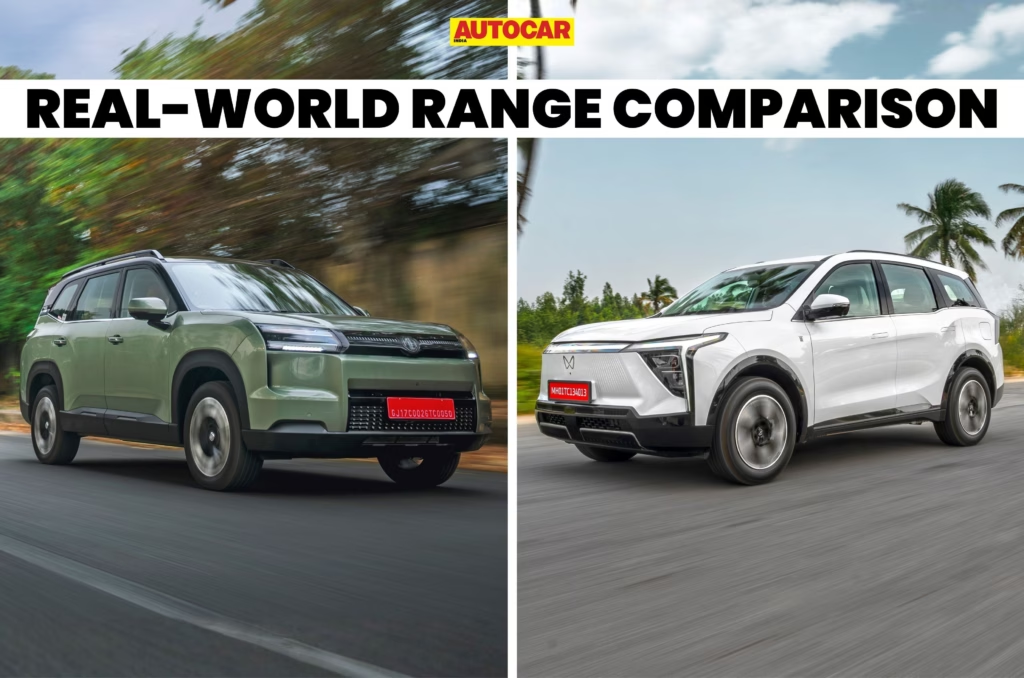
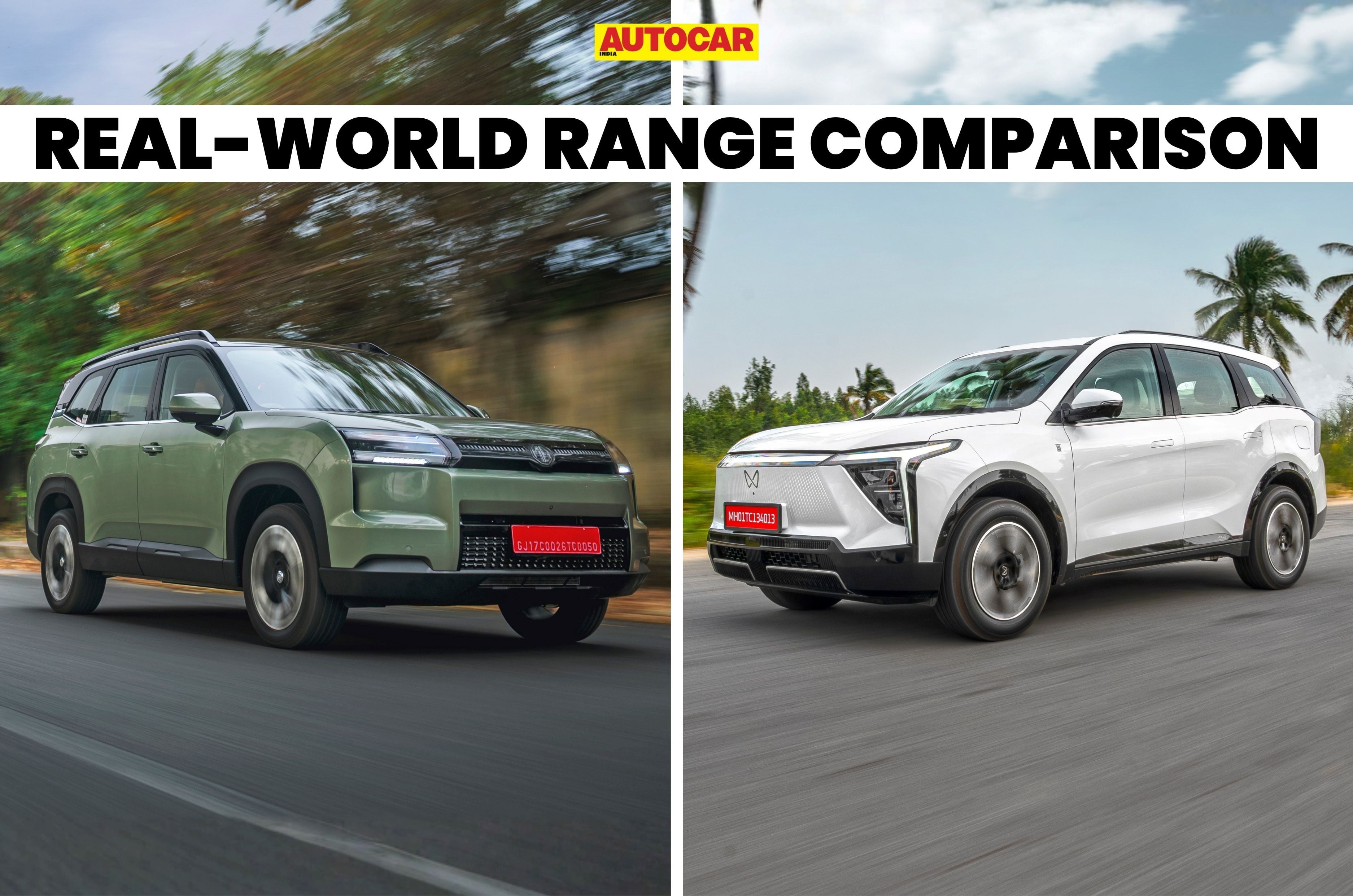
MG recently launched the Hector Tomahawk EV with a 69.2kWh battery, promising a claimed range of 517km. The 3-row electric SUV is positioned squarely against the Mahindra XEV 9S, which is one of the most popular EVs in its price range, and has a larger battery capacity and a higher claimed range of 679km. But in real-world conditions, does the Mahindra XEV 9S offer higher range than the MG Hector Tomahawk EV? We find out.
MG Hector Tomahawk EV vs Mahindra XEV 9S: Specifications, price
Tomahawk EV has a smaller battery, but weighs less than XEV 9S and is more affordable
MG Hector Tomahawk EV vs Mahindra XEV 9S: Specifications, price
MG Hector Tomahawk EV
Mahindra XEV 9S
Battery pack (kWh)
69.2
79
No. of motor(s)
1
1
Drivetrain
FWD
RWD
Power (hp)
204
286
Torque (Nm)
310
380
Kerb weight (kg)
1,908
Over 2,201*
Price (in Rs lakh)
19.50-23.50
22.65-30.15
*The XEV 9e has a kerb weight of 2201kg, so the XEV 9S, being a 3-row offering, will be heavier.
The MG Hector Tomahawk EV gets a smaller 69.2kWh battery compared to the XEV 9S’ 79kWh unit. It also gets a less powerful front motor that produces 82hp and 70Nm less than the XEV 9S’s rear-mounted motor. However, the Hector Tomahawk EV is the lighter electric SUV in this comparison, weighing over 250kg less than the Mahindra XEV 9S.
The MG Hector Tomahawk EV also asks a lower price, its base-spec variant costing Rs 3.15 lakh less and its top-spec variant costing Rs 6.65 lakh less than the XEV 9S’s 79kWh battery trims.
MG Hector Tomahawk EV vs Mahindra XEV 9S: Real-world range comparison
Although offering very different city and highway efficiencies, both eSUVs offer similar average range
MG Hector Tomahawk EV vs Mahindra XEV 9S: Real-world range comparison
MG Hector Tomahawk EV
Mahindra XEV 9S
Claimed range (ARAI)
517km
679km
Tested city range
495km
478km
Tested highway range
397km
477km
Tested average range
446km
477.5km
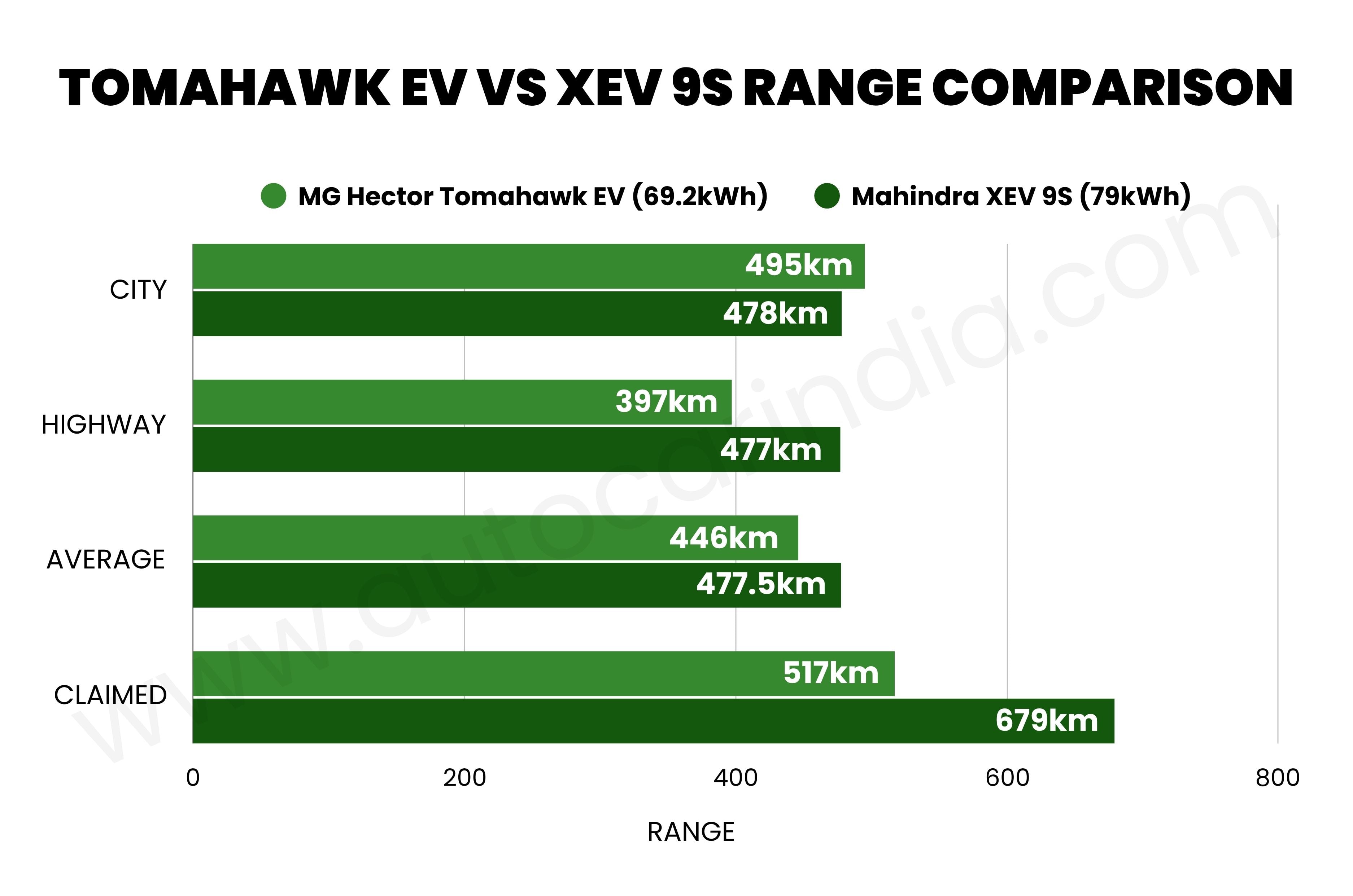
While the MG Hector Tomahawk EV has a claimed ARAI range of 517km, the Mahindra XEV 9S promises a higher range of 679km. However, in our real-world tests, the XEV 9S delivered a higher average range, despite the Hector Tomahawk EV performing better in city driving conditions.
In the city, the Tomahawk EV covered 495km on a full charge, which is 17km more than the XEV 9S. However, on the highway, the Mahindra managed 477km, going 80km further than the MG. As a result, the Mahindra achieved an average real-world range of 477.5km, which is 31.5km more than the Tomahawk EV’s 446km.
In our real-life tests, we found the Tomahawk EV’s relatively mild regenerative braking, even in its strongest setting, limits its potential for better city efficiency. Meanwhile, its bulky, upright design also works against it on the highway. The XEV 9S, on the other hand, weighs over 2.2 tonnes, which definitely affects its efficiency against the Hector Tomahawk EV.
Autocar India’s range testing
For our real-world range test, we begin with each car’s battery fully charged and tyre presures set as per the manufacturer’s recommendations. We drive the cars on a fixed loop covering both city and highway stretches while maintaining set average speeds. We then calculate the range based on the percentage of charge consumed. The AC is set to 22deg C in auto mode, and features such as the music system, lights and ventilated seats are used as needed, just as a regular user would. This approach ensures consistency and gives a clear idea of what to expect in daily use.
Waaree Renewable Q2 Results: सोलर कंपनी Waaree Renewable Technologies के रेवेन्यू में सितंबर तिमाही के दौरान अच्छी बढ़त हुई। लेकिन कंपनी का मुनाफा घट गया। वित्त वर्ष 2026-27 की दूसरी तिमाही में कंपनी का नेट प्रॉफिट 30% गिरकर ₹82 करोड़ रह गया। पिछले साल इसी तिमाही में यह ₹116 करोड़ था।
दूसरी ओर, कंपनी का रेवेन्यू 36.53% बढ़कर ₹1,057.84 करोड़ पहुंच गया। एक साल पहले यह ₹775 करोड़ था। हालांकि, EBITDA सिर्फ 1.3% बढ़कर ₹160 करोड़ हुआ। इसका असर EBITDA मार्जिन पर भी पड़ा। यह 20% से घटकर 15% रह गया।
पहली छमाही में कैसा रहा प्रदर्शन?
अप्रैल से सितंबर 2026 के बीच वारी रिन्यूएबल का रेवेन्यू 43.84% बढ़कर ₹1,982.09 करोड़ हो गया। पिछले साल इसी अवधि में यह ₹1,377.97 करोड़ था। EBITDA भी 21.04% बढ़कर ₹333.46 करोड़ पहुंच गया।
हालांकि, नेट प्रॉफिट में बढ़त नहीं हुई। यह पिछले साल के ₹202.75 करोड़ से घटकर ₹200.44 करोड़ रह गया। कंपनी के मुताबिक, अधिग्रहण से जुड़े खर्च और नए कारोबार के अलग-अलग प्रॉफिट मार्जिन का असर मुनाफे पर पड़ा है।
महाराष्ट्र में लगाएगी सोलर प्लांट
वारी रिन्यूएबल के बोर्ड ने महाराष्ट्र के वर्धा में 35 मेगावाट पीक क्षमता वाला सोलर प्लांट लगाने को मंजूरी दी है। इसकी AC क्षमता 25 मेगावाट होगी। कंपनी इस प्लांट से बिजली बनाएगी और बेचेगी।
कंपनी की अधूरी ऑर्डर बुक ₹5,500 करोड़ से ज्यादा है। यानी इतने मूल्य के प्रोजेक्ट अभी पूरे होने बाकी हैं। इसके अलावा, 34.6 GWp से ज्यादा के सोलर प्रोजेक्ट्स की बोली पाइपलाइन भी है। बैटरी स्टोरेज और बिजली ट्रांसमिशन कारोबार में भी कंपनी को अवसर दिख रहे हैं।
नए कारोबार पर भी नजर
Waaree Renewable अपने EPC और बिजली ट्रांसमिशन कारोबार को बढ़ाना चाहती है। कंपनी सोलर प्रोजेक्ट्स के रखरखाव से जुड़ी सेवाओं का भी विस्तार करेगी।
इसके लिए ड्रोन से सोलर पैनल की जांच, डेटा के जरिए खराबी का पहले पता लगाने और भूमिगत बिजली केबल में गड़बड़ी पहचानने जैसी तकनीकों पर काम किया जा रहा है।
नतीजों से पहले सोमवार, 19 अक्टूबर को NSE पर Waaree Renewable का शेयर 0.44% गिरकर ₹833.40 पर बंद हुआ।
Disclaimer: यहां मुहैया जानकारी सिर्फ सूचना के लिए दी जा रही है। यहां बताना जरूरी है कि मार्केट में निवेश बाजार जोखिमों के अधीन है। निवेशक के तौर पर पैसा लगाने से पहले हमेशा एक्सपर्ट से सलाह लें। मनीकंट्रोल की तरफ से किसी को भी पैसा लगाने की यहां कभी भी सलाह नहीं दी जाती है।
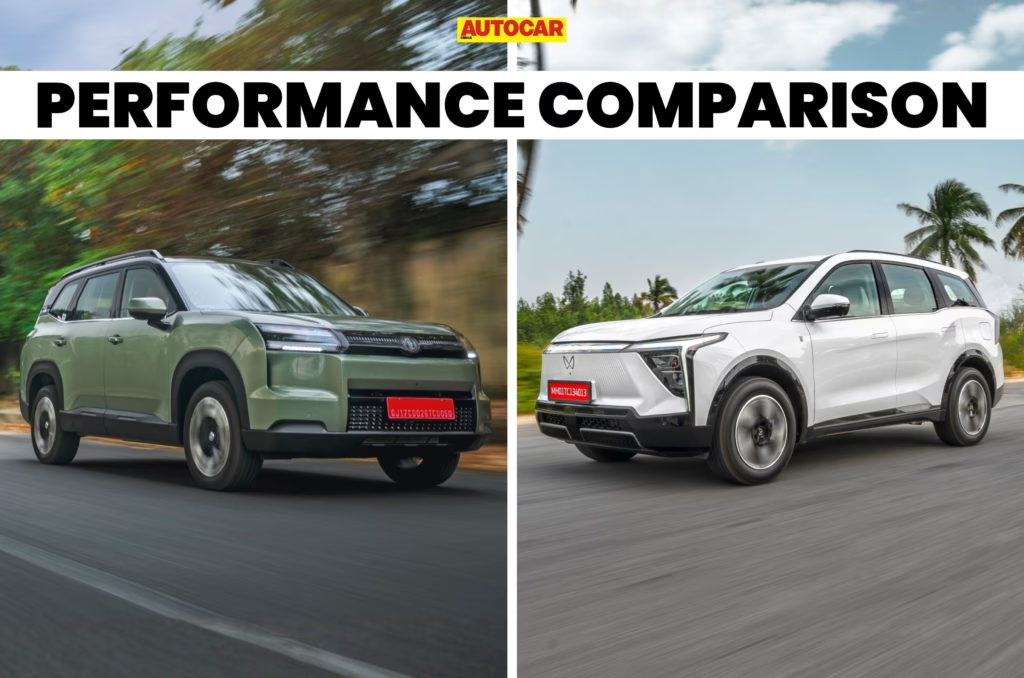
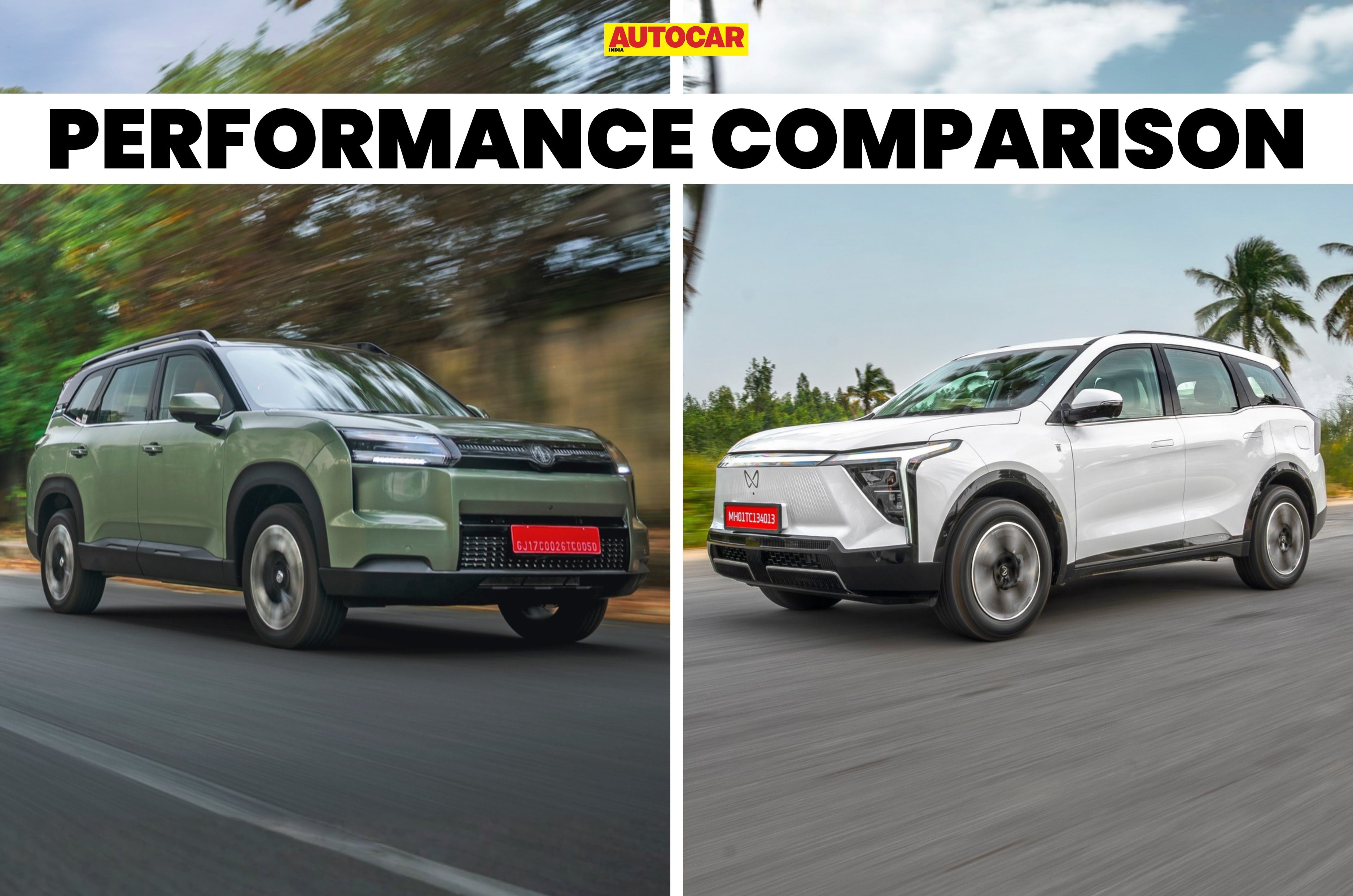
The Mahindra XEV 9S Pack Three Above and MG Hector Tomahawk EV are three-row electric SUVs that differ in their acceleration, driving range and charging capabilities. Here’s how the two compare on performance, specifications and price.
Mahindra XEV 9S vs MG Hector Tomahawk EV: Specifications
Specifications
Mahindra XEV 9S Pack Three Above
MG Hector Tomahawk EV
Battery capacity
79kWh
69.2kWh
Electric motor setup
Single, rear-mounted
Single, front-mounted
Power
286hp
204hp
Torque
380Nm
310Nm
Gearbox
Single-speed automatic
Single-speed automatic
Drive layout
Rear-wheel drive
Front-wheel drive
Claimed MIDC range
679km
517km
Maximum DC charging rate
180kW
90kW
Claimed DC charging time
20min (20-80 percent)
Around 35min (30-80 percent)
AC charging time
11.7 hours (7.2kW charger)
8 hours (11.2kW charger)
12.5 hours (10-100 percent)
The XEV 9S has a 82hp advantage over the Tomahawk EV and produces 70Nm more torque. The two SUVs also differ in their drive layouts. The XEV 9S sends power to the rear wheels, while the Tomahawk EV is front-wheel drive. Both use a single-speed automatic transmission.
The XEV 9S has a claimed MIDC range of 679km, which is 162km more than the Tomahawk EV’s 517km. It also supports DC fast charging at up to 180kW, compared with 90kW for the MG.
Mahindra claims the XEV 9S can charge from 20-80 percent in 20 minutes, while MG quotes around 35 minutes for a 30-80 percent charge. Since the quoted charging times cover different charging windows, they are not directly comparable. The AC charging figures also use different charging ranges. The XEV 9S supports an optional 11.2kW AC charger, in addition to the 7.2kW unit. The Tomahawk EV supports 7.4kW AC charging.
Mahindra XEV 9S vs MG Hector Tomahawk EV: Acceleration timings
Mahindra XEV 9S vs MG Tomahawk EV: Acceleration timings (seconds)
Mahindra XEV 9S
MG Tomahawk EV
0-20kph
1.39
1.47
0-40kph
2.73
2.84
0-60kph
4.17
4.25
0-80kph
5.62
5.93
0-100kph
7.54
8.23
0-120kph
9.98
11.28
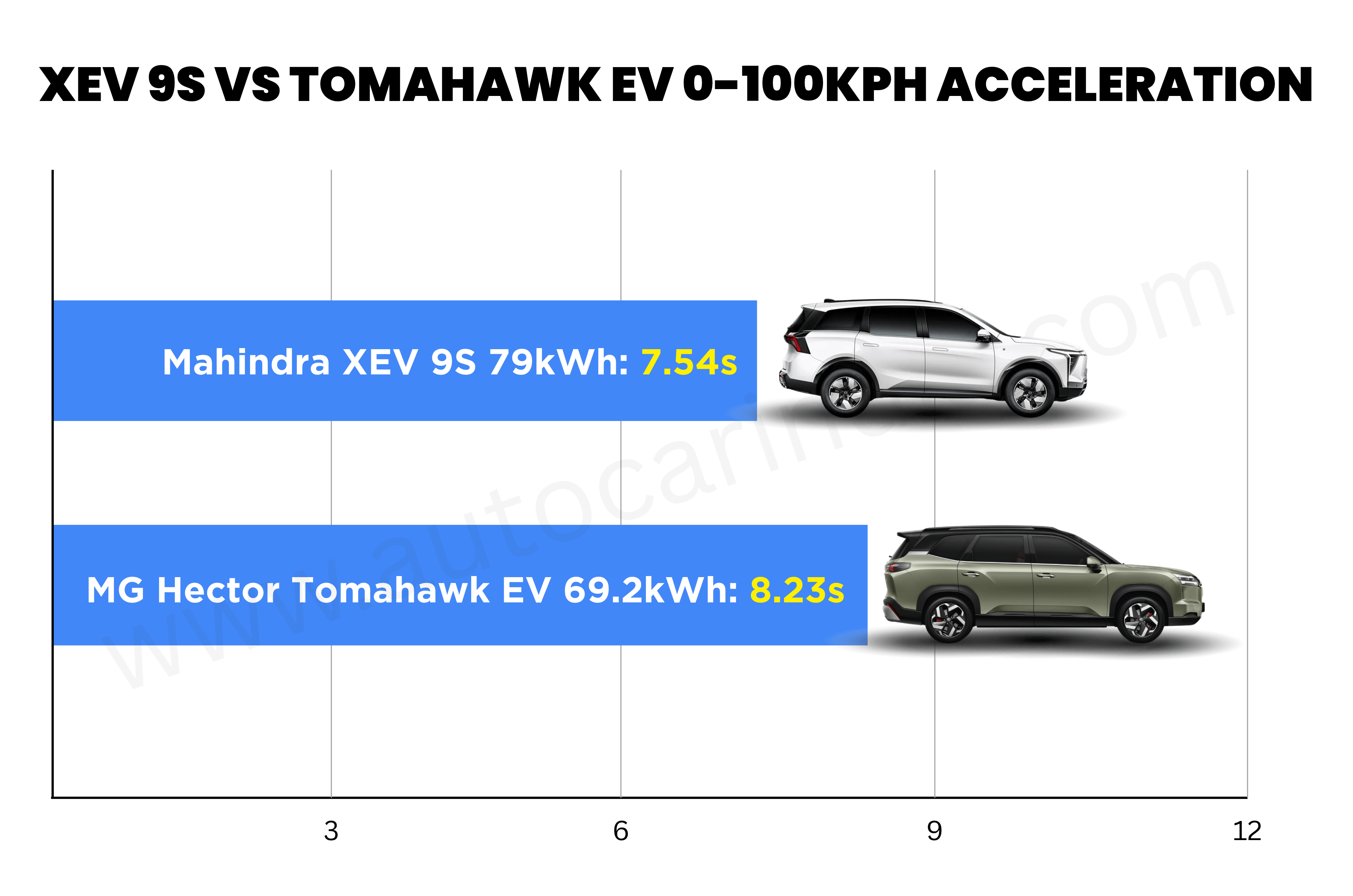
The XEV 9S gets off the line slightly quicker, reaching 20kph 0.08 seconds ahead of the Tomahawk EV. The gap remains narrow at 40kph and 60kph, with the Mahindra holding leads of 0.11 seconds and 0.08 seconds, respectively.
It begins to pull further ahead beyond 60kph, reaching 80kph 0.31 seconds sooner and 100kph 0.69 seconds sooner than the MG. By 120kph, the difference has widened to 1.30 seconds, with the XEV 9S completing the run in 9.98 seconds against the Tomahawk EV’s 11.28 seconds. The results show the Mahindra’s advantage growing at higher speeds, rather than coming solely from its initial launch.
Mahindra XEV 9S vs MG Hector Tomahawk EV: Rolling acceleration timings
Mahindra XEV 9S vs MG Hector Tomahawk EV: Rolling acceleration timings (seconds)
Rolling acceleration tests
Mahindra XEV 9S
MG Hector Tomahawk EV
20-80kph (in kickdown)
4.11
4.56
40-100kph (in kickdown)
4.74
5.45
The results show that the XEV 9S retains its lead across both rolling acceleration tests. It completes the 20-80kph run in 4.11 seconds, 0.45 seconds quicker than the Tomahawk EV’s 4.56 seconds. The gap widens in the 40-100kph test, with the Mahindra taking 4.74 seconds against the MG’s 5.45 seconds. This gives the XEV 9S a 0.71-second advantage in the higher-speed run, further underlining its stronger acceleration performance across both speed ranges.
Mahindra XEV 9S vs MG Hector Tomahawk EV: Braking tests
Mahindra XEV 9S vs MG Hector Tomahawk EV: Braking tests
Mahindra XEV 9S
MG Hector Tomahawk EV
80-0kph distance (m)
29.67
27.52
80-0kph time (seconds)
2.55
2.39
80-20kph L1 regen distance (m)
341.03
575.94
80-20kph L2 regen distance (m)
215.8
389.91
80-20kph L3 regen distance (m)
162.46
210.09
The Tomahawk EV has the advantage in the conventional braking test, stopping from 80kph in 27.52m and 2.39 seconds. The XEV 9S takes 29.67m and 2.55 seconds to come to a halt, requiring 2.15m more distance.
The results reverse under regenerative braking. In the 80-20kph tests, the XEV 9S covers a shorter distance at all three regeneration levels. At L1, it takes 341.03m to slow down, compared with 575.94m for the MG. At L2, the respective distances are 215.8m and 389.91m, while at L3, they are 162.46m and 210.09m. The difference is largest at L2, where the Tomahawk EV covers 174.11m more than the Mahindra before slowing from 80kph to 20kph.
Mahindra XEV 9S vs MG Hector Tomahawk EV: Prices
Model
Price (ex-showroom)
Mahindra XEV 9S Pack Three Above
Rs 29.95 lakh
MG Hector Tomahawk EV
Rs 19.49 lakh-23.49 lakh
The MG Hector Tomahawk EV is priced between Rs 19.49 lakh and Rs 23.49 lakh, while the Mahindra XEV 9S Pack Three Above costs Rs 29.95 lakh. The Tomahawk EV’s top variant is Rs 6.46 lakh cheaper than the XEV 9S. The Mahindra, however, gets a larger 79kWh battery and higher power and torque outputs, and was quicker in all three acceleration tests. The MG stopped in a shorter distance in our 80-0kph braking test.
Autocar India’s testing standards
Before conducting our performance tests, we check and maintain tyre pressure based on the manufacturer’s recommendation and ensure that the car is charged to 100 percent. The car is then tested in a controlled environment with two people on board, and the data is collected via highly accurate GPS-based timing equipment.
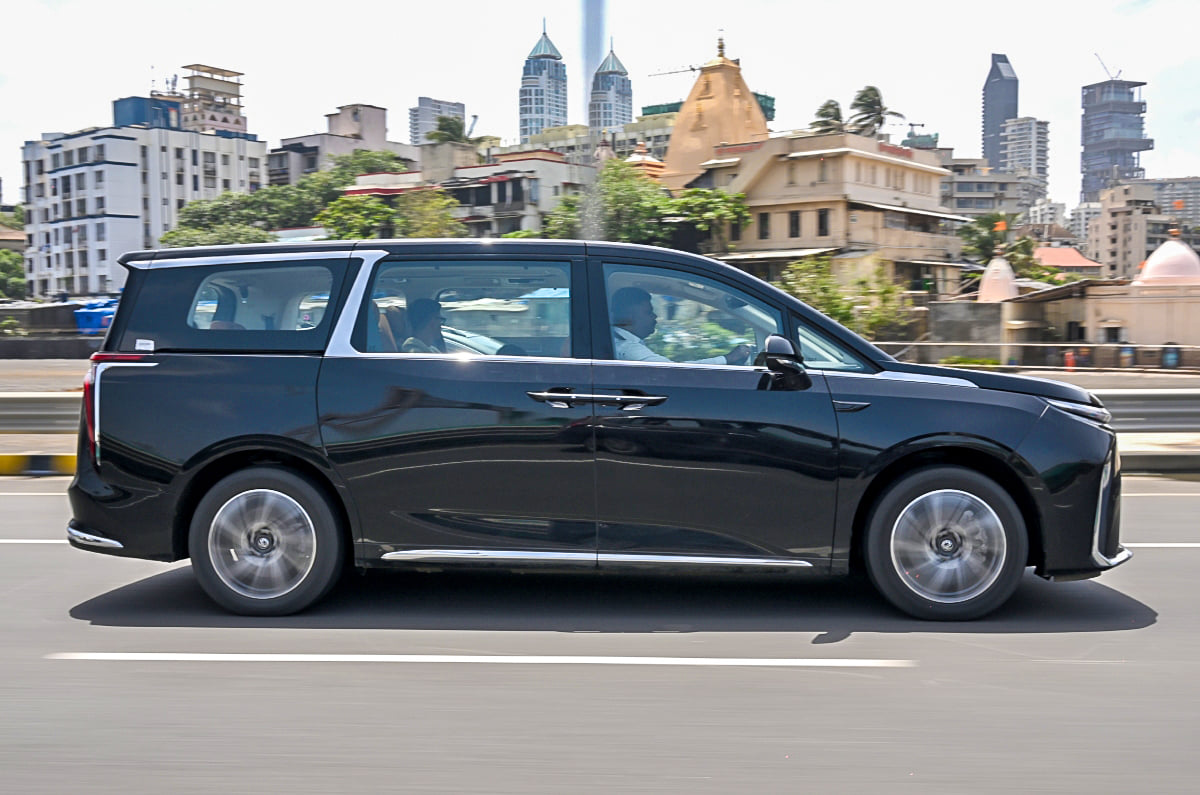
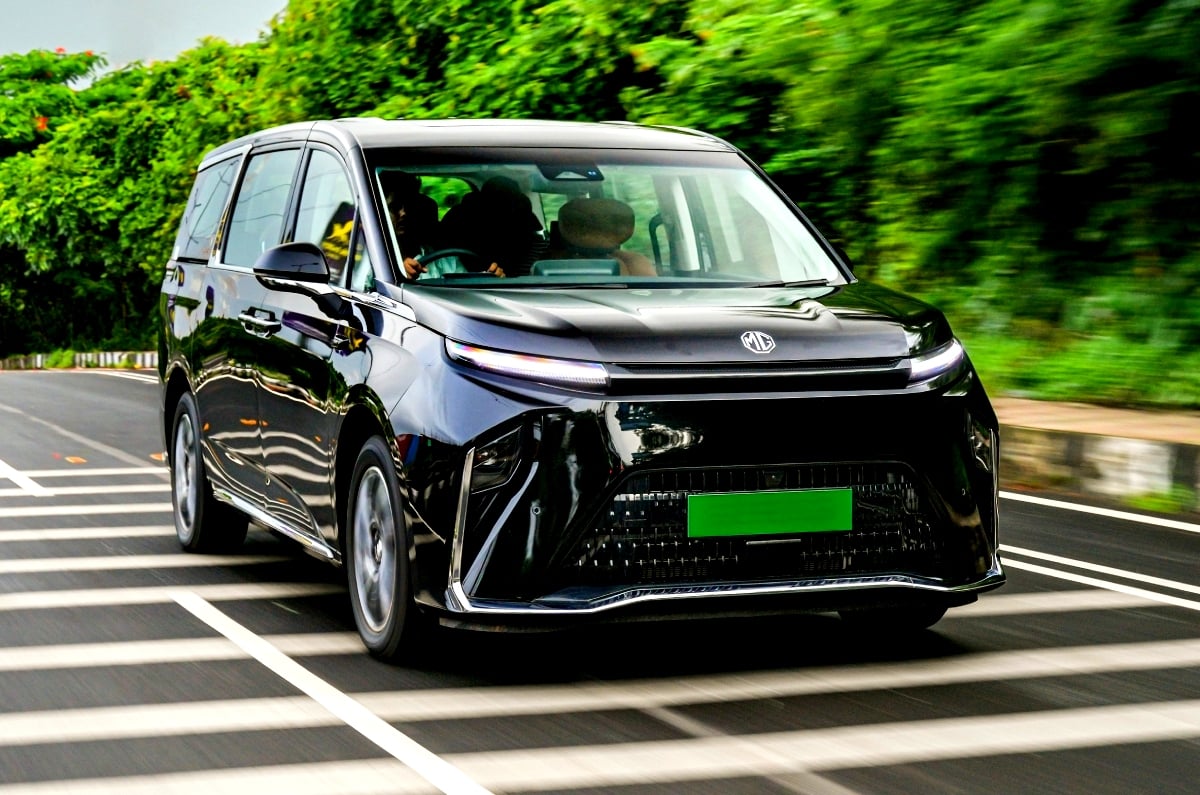
Luxury in an MPV is about more than having room for seven. It is about how that space is used, how effortlessly the occupants can settle in, and how much the car does to make every journey comfortable. The MG M9 brings together the practicality of a three-row MPV and the refinement of an electric powertrain, with a host of features that make time spent on the move feel a little more indulgent. Here are six highlights that make it stand out.
Lounge On Wheels
Massive wheelbase gives the M9 an imposing presence and liberates room in the cabin.
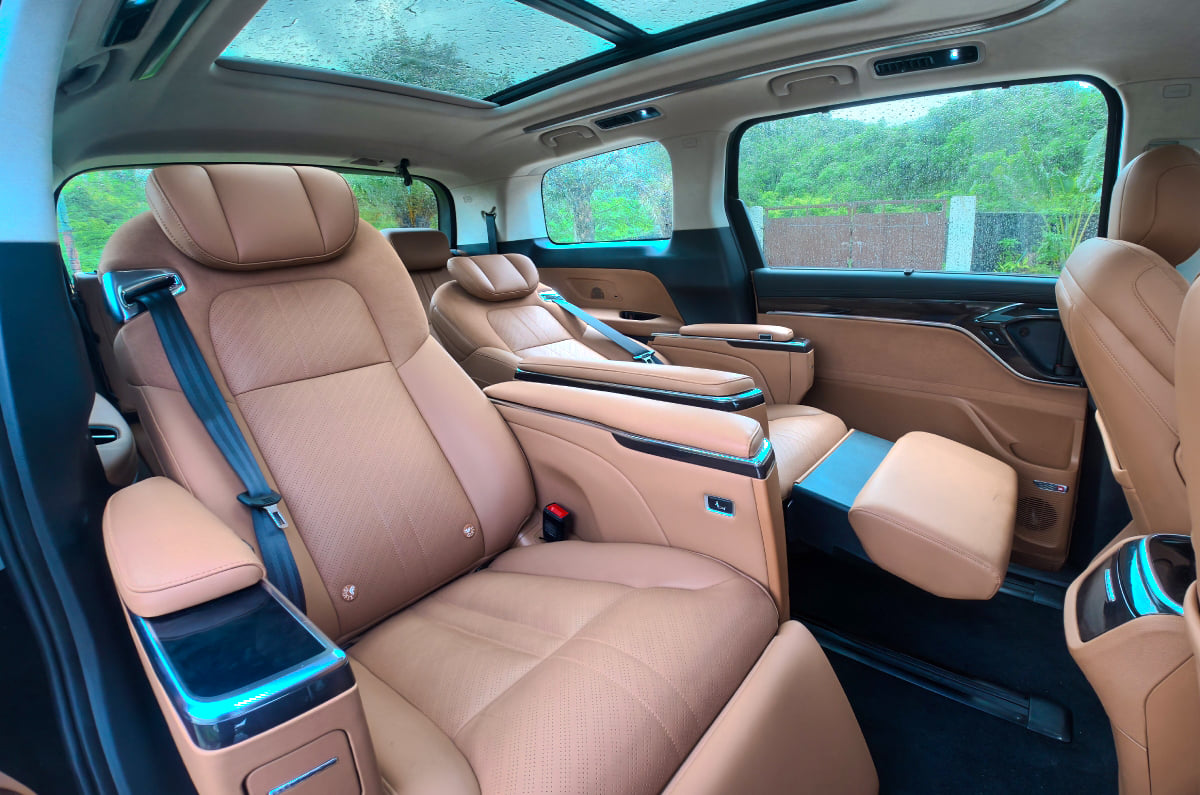
The M9’s 5.2-metre length, 2-metre width and 3.2-metre wheelbase give it the proportions to create a spacious, airy cabin. But it is the second row that makes the biggest impression. Two individual Presidential captain’s chairs offer 16-way electric adjustment, heating, ventilation, massage functions and extendable leg rests. The Boss Mode function moves the front passenger seat forward to create additional legroom, letting rear occupants stretch out and recline. It is a space designed for unwinding, not just getting from one place to another.
Space For Everyone
The aptly called Presidential captain’s chairs are even fit for a king.
While the second row gets the headline features, the M9 is designed to make all three rows usable. Its long wheelbase allows generous room for occupants, while second-row climate control, rear window sunshades and a panoramic dual sunroof enhance the feeling of comfort. The third row gets dedicated AC vents and USB connectivity, too. A premium Cognac Brown interior and 64-colour ambient lighting add to the cabin’s upmarket appeal, with the latter allowing occupants to tailor the atmosphere to their mood.
Electric Serenity
No matter the road surface, the M9 insulates its passengers from the outside world.
The M9’s 90kWh battery powers a front-mounted electric motor, producing 245hp and 350Nm, with an ARAI-claimed range of 548km. Beyond the performance and range figures, the electric powertrain brings a quality that matters particularly in a luxury MPV: refinement. With no engine noise and smooth, linear power delivery, the M9 makes for a more relaxed experience on the move. An acoustic windshield further helps keep the outside world at bay.
Quality Entertainment
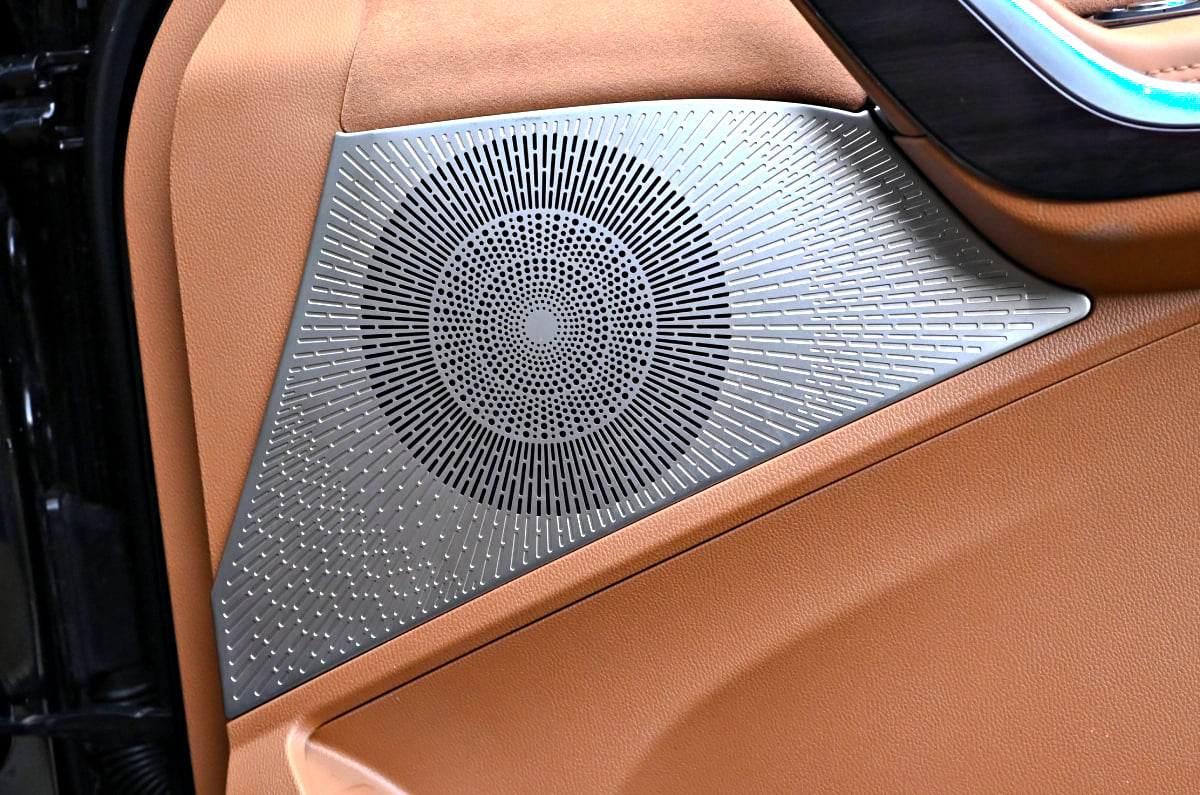
Superb 13-speaker JBL system enhances the cabin’s ambience.
A quiet cabin makes for a better listening environment, and the M9 builds on this with a 13-speaker JBL sound system, complete with an amplifier and subwoofer. Whether it is music on a long drive or a podcast during the daily commute, the system makes entertainment an integral part of the experience. The panoramic sunroof and ambient lighting add to the sense of being in a space designed around the occupants.
Tech-Suave
12.3-inch central touchscreen has all the controls you’ll need within easy access.
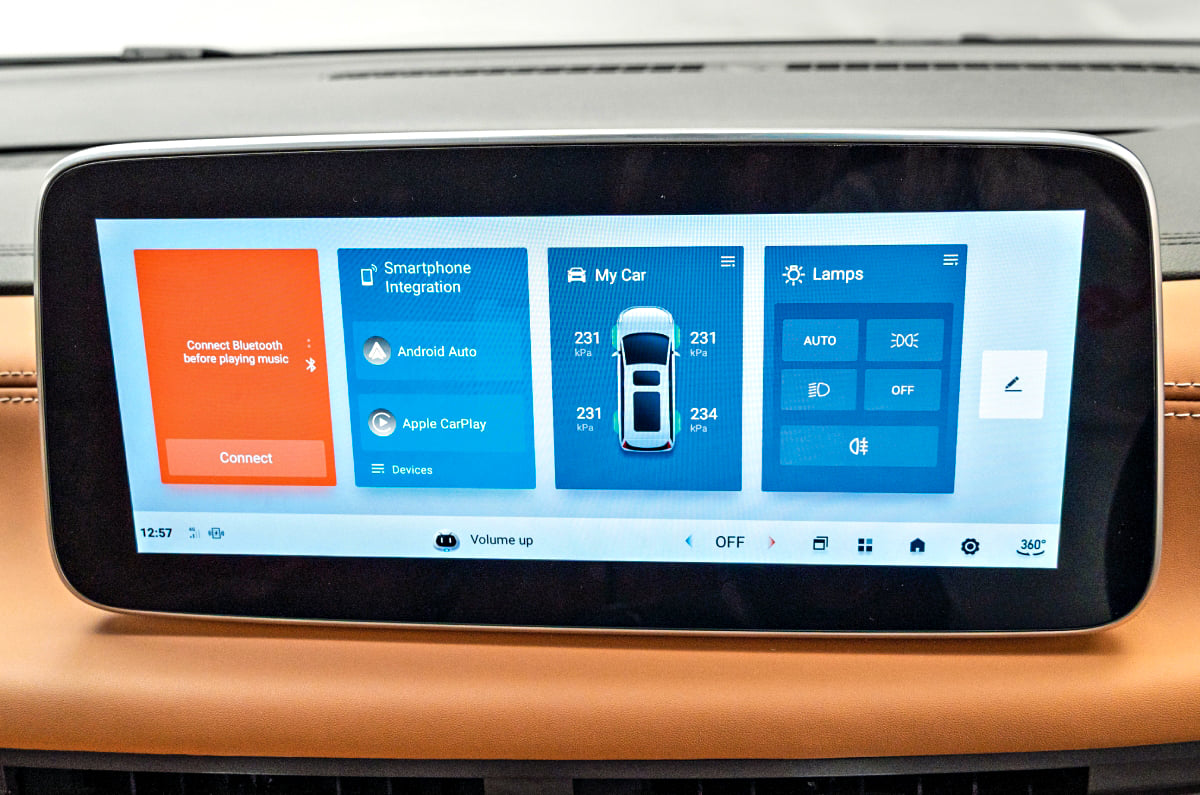
A 12.3-inch central touchscreen, digital instrument cluster, wireless smartphone connectivity and wireless charging bring everyday convenience within easy reach. The 360-degree camera is particularly useful when manoeuvring a vehicle of the M9’s size, helping the driver negotiate tight spaces with greater confidence. These features complement the M9’s focus on passenger comfort with technology that makes the car easier to live with.
Safety Assured
The M9 has received a 5-star Euro NCAP rating.
Luxury also means being able to travel with peace of mind. The M9 gets seven airbags and Level 2 advanced driver assistance systems, adding an extra layer of protection and driver support. Its five-star Euro NCAP safety rating provides further reassurance.
The MG M9’s appeal lies in how these elements come together. Generous space, thoughtful comfort features, electric refinement and modern safety technology give it a distinct identity in the luxury MPV segment. It’s no wonder that the M9 is the best-selling MPV in its class, with over 3,000 units sold since its launch last year. This is a vehicle that makes the journey itself something to look forward to, and that is what being on Cloud M9 is all about.
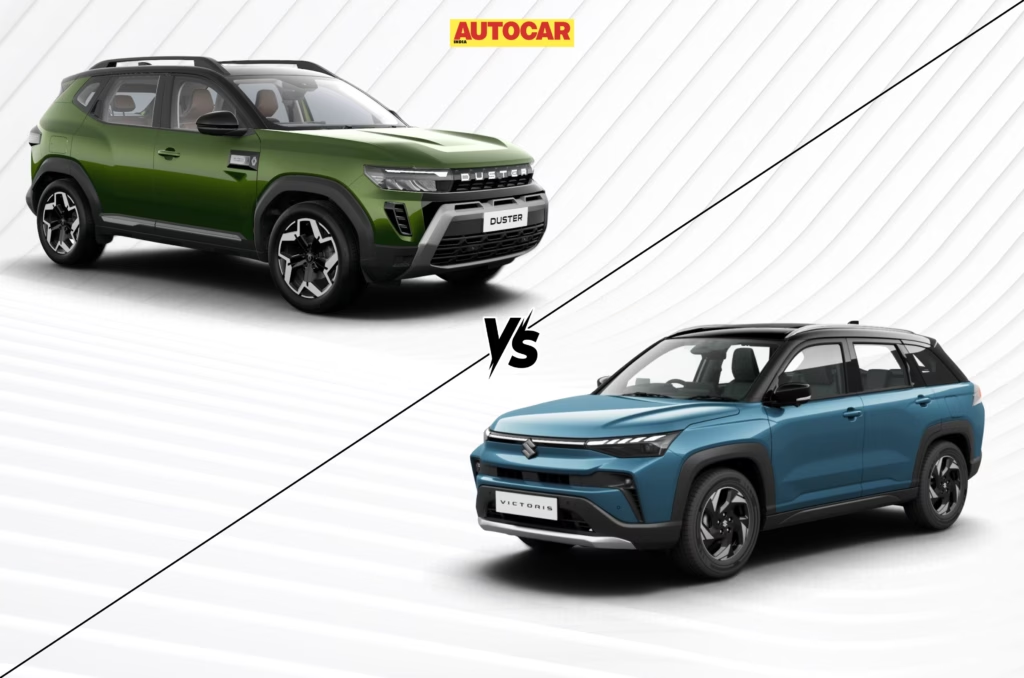
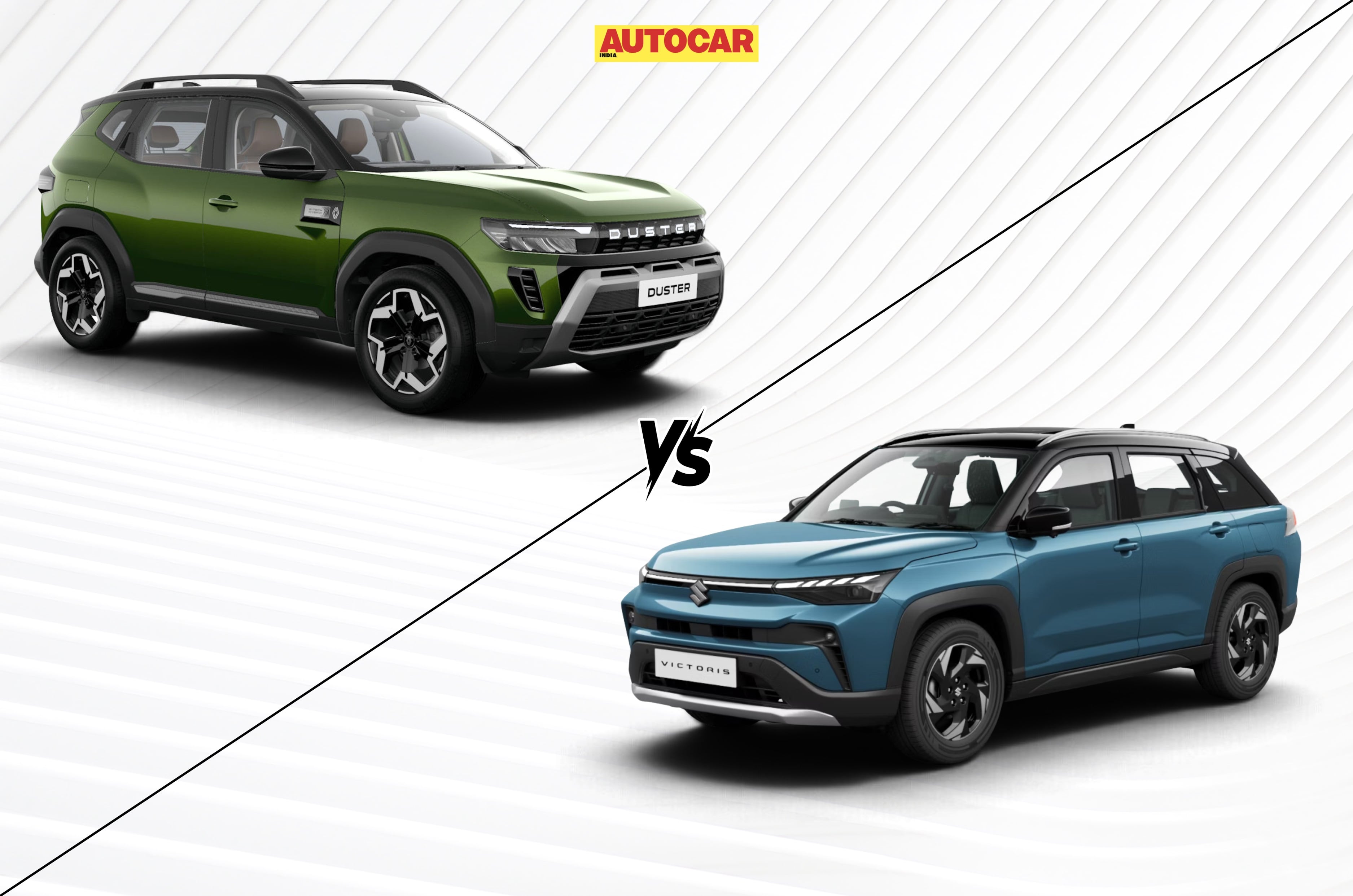
With the Duster strong-hybrid E-Tech 160, Renault is the latest brand to jump on the strong-hybrid bandwagon. The Duster strong-hybrid is positioned as an economical alternative powertrain and adds to its existing turbo-petrol options. On the other hand, the Maruti Victoris has been in the market for a year, offering a strong-hybrid powertrain since launch. But which strong-hybrid mid–size SUV in top-spec guise offers more bang for buck? We compare their respective on-paper specifications to find out. For this comparison, we’ve chosen the top-spec Emotion and ZXi+ (O) versions of the strong-hybrid Renault Duster and Maruti Victoris, respectively.
Renault Duster vs Maruti Victoris: Dimensions
Renault Duster vs Maruti Victoris: Dimensions
Renault Duster
Maruti Victoris
Difference
Length (mm)
4,346
4,360
-14
Width (mm)
1,815
1,795
+20
Height (mm)
1,694
1,655
+39
Wheelbase (mm)
2,657
2,600
+57
Ground clearance (mm)
212
210
+2
Boot space (litres)
372
Under 300 (est.)
–
Est. – Estimated
Apart from length, the Duster outranks the Victoris in every other dimension. It is 20mm wider, 39mm taller, has a 57mm longer wheelbase, and rides 2mm higher off the ground.
Renault Duster vs Maruti Victoris: Powertrain specifications
Renault Duster vs Maruti Victoris: Powertrain specifications
Renault Duster
Maruti Victoris
Engine
Naturally aspirated petrol, Atkinson cycle
Naturally aspirated petrol, Atkinson cycle
Displacement (cc)
1,789
1,490
Power (hp)
110
92
Torque (Nm)
175
122
Transmission
multi-mode automatic gearbox with 2 electric gears & 4 petrol gears
e-CVT
Battery capacity (kWh)
1.4
0.76
E-motor power (hp)
50
80
E-motor torque (Nm)
208
141
Maximum power output (hp)
160
116
Maximum torque output (Nm)
NA
NA
Claimed efficiency (kpl)
29
28.65
In strong-hybrid guise, both SUVs utilise a naturally aspirated petrol engine running on the more efficient Atkinson cycle. However, the Duster’s larger unit delivers more power and torque figures. The Duster also uses a larger battery pack. Both SUVs also use e-motors, wherein the one on the Maruti produces more power, but the Duster’s e-motor outputs more torque. With a combined power output of 160hp, the Duster strong-hybrid is much more powerful than the Victoris strong-hybrid.
Both SUVs also differ in the gearboxes utilised here. The Duster uses a multi-mode automatic gearbox with 2 electric and 4 petrol gears, whereas the Victoris uses an e-CVT. Renault says that the Duster drives 80 percent on EV power in the city, which likely contributes to its higher claimed mileage. But real-world tests are awaited for the Renault.
Renault Duster vs Maruti Victoris: Exterior features
Renault Duster vs Maruti Victoris: Exterior features
Renault Duster
Maruti Victoris
Headlamps
LED
LED projector
LED DRLs
Yes
Connected
Puddle lamps
Yes
No
Tail lamps
Connected LED
Connected LED
Fog lamps
Optional
Yes
Welcome/goodbye animation
Yes
No
Wheel sizes
18-inch
17-inch
Rear spoiler
Yes
Yes
Electric adjust/fold ORVMs
Yes
Yes
Sharkfin antenna
Yes
Yes
Roof rails
Yes
Yes
Powered tailgate
Yes
Yes
Colour
Monotone and dual-tone
Monotone and dual-tone
On the outside, LED light setups, DRLs, roof rails, a shark fin antenna, and a powered tailgate are found on both SUVs. However, larger 18-inch alloy wheels, puddle lamps, and welcome/goodbye animations for the light setups are unique to the Duster.
Renault Duster vs Maruti Victoris: Interior features
Renault Duster vs Maruti Victoris: Interior features
Renault Duster
Maruti Victoris
Ventilated seats
Yes
Yes
Sunroof
Panoramic
Panoramic
Infotainment screen size
10.1-inch
10.1-inch
Digital driver’s display
10.25-inch
10.25-inch
Head-up display
Optional
Yes
Wireless Apple CarPlay, Android Auto
Yes
Yes
On-board navigation
No
Yes
Powered driver seat
6-way
8-way
Powered co-driver seat
6-way
No
Reclining rear seats
No
No
Air Purifier
Optional
Yes
Auto AC
Dual-zone
Single zone
Rear AC vents
Yes
Yes
Seat upholstery
Leatherette
Leatherette
Wireless phone charger
Yes
Yes
Audio system
6-speaker Arkamys
8-speaker Infinity
60:40 split rear seat folding
Yes
Yes
USB Type-C ports
2x front, 2x rear
2x front, 2x rear
Rear armrest
No
Yes
Connected car tech
Yes
Yes
Rear window sunshade
No
No
Ambient lighting
Optional
Yes
Leatherette inserts on the dashboard
Yes
Yes
Push-button start
Yes
Yes
Keyless entry
Yes
Yes
Steering adjust
Tilt and Telescopic
Tilt and Telescopic
The Renault offers features such as a powered co-driver seat and dual-zone automatic climate control that the Maruti lacks. In contrast, the latter gets further adjustment for the driver seat, two additional speakers, and on-board navigation, while features like a head-up display and ambient lighting are factory-fitted on the former.
Renault Duster vs Maruti Victoris: Driving features
Renault Duster vs Maruti Victoris: Driving features
Renault Duster
Maruti Victoris
Drive modes
No
Eco, Normal, Sport
Cruise control
Regular
Regular
As far as driving features are concerned, both models come with regular cruise control, but drive modes are found only on the Victoris.
Renault Duster vs Maruti Victoris: Safety features
Renault Duster vs Maruti Victoris: Safety features
Safety features
Renault Duster
Maruti Victoris
Airbags
Six
Sx
Parking sensors
Rear
Front and rear
Camera setup
Rear view
360-degree
Dash cam
Optional
Optional
Electronic parking brake with auto hold
Yes
Yes
ADAS
No
No
TPMS
Yes
Yes
Hill start assist
Yes
Yes
Disc brakes (Front/Rear)
Yes
Yes
ESC
Yes
Yes
Auto-dimming IRVM
Yes
Yes
On the safety front, both SUVs are well-equipped with features such as 6 airbags, rear parking sensors, auto-dimming IRVM, electronic parking brake with auto-hold, all-wheel disc brakes, and TPMS. However, the Victoris pips the Duster here by offering a 360-degree camera and front parking sensors. Notably, both miss out on a Level 2 ADAS suite.
Renault Duster vs Maruti Victoris: Prices and verdict
Renault Duster vs Maruti Victoris: Prices (Rs lakh)
Renault Duster
Maruti Victoris
Price
19.49
19.98
Comparing top-spec versions side by side, the Duster strong-hybrid is more affordable by Rs 41,000. Between the two, it’s the Duster we’d recommend. Apart from being the more affordable option, it offers slightly more kit and delivers more power without sacrificing much in terms of efficiency.
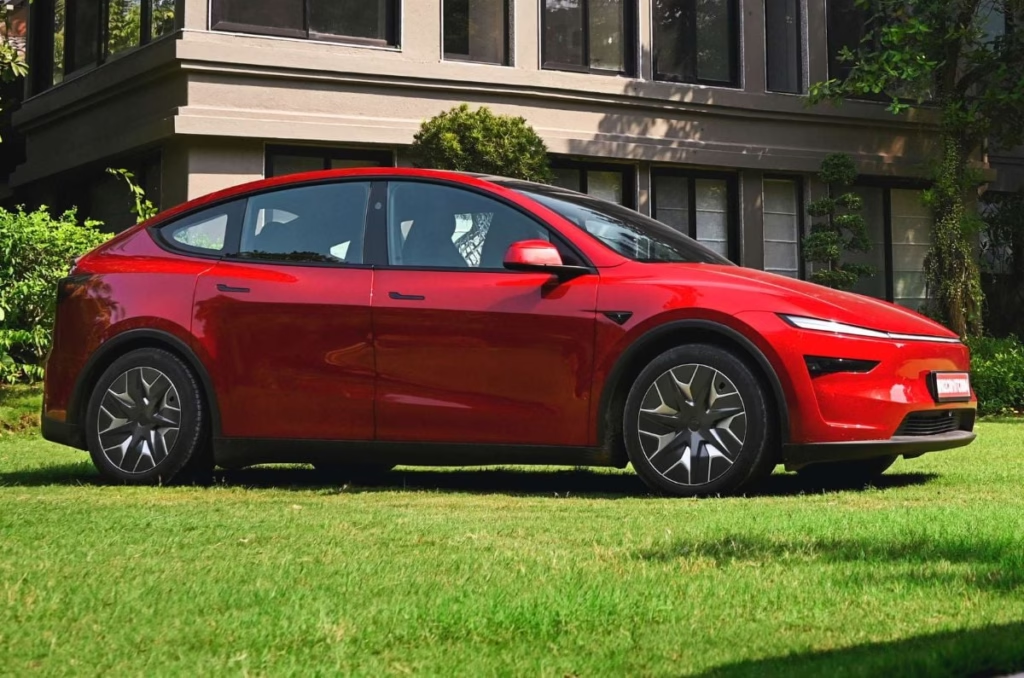
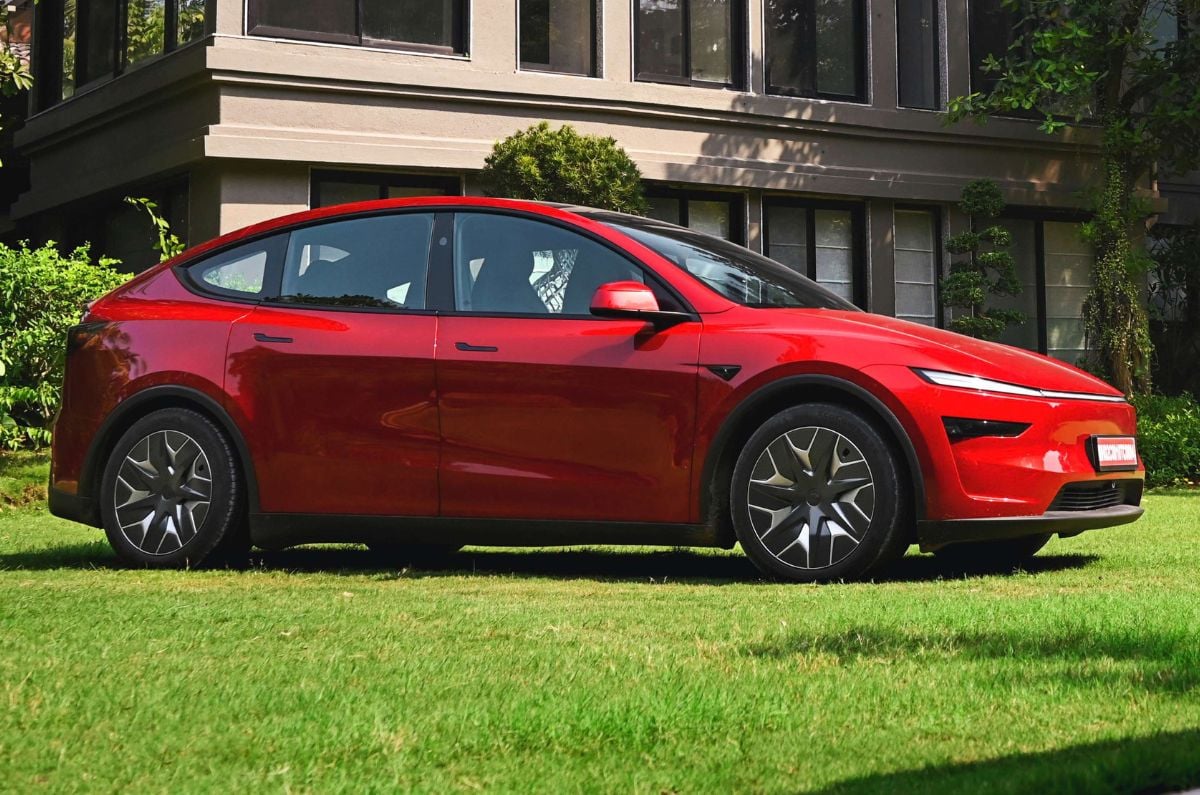
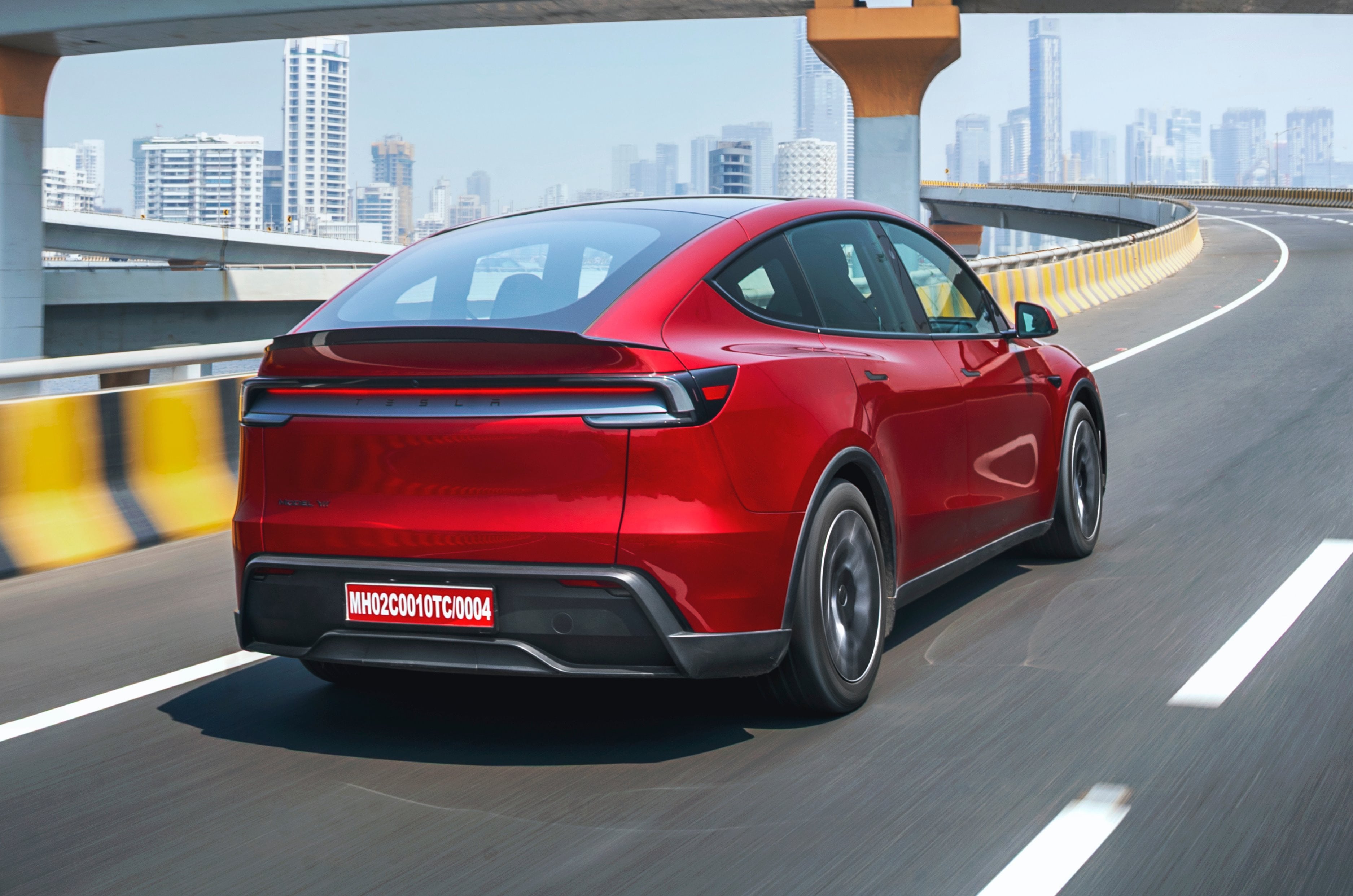
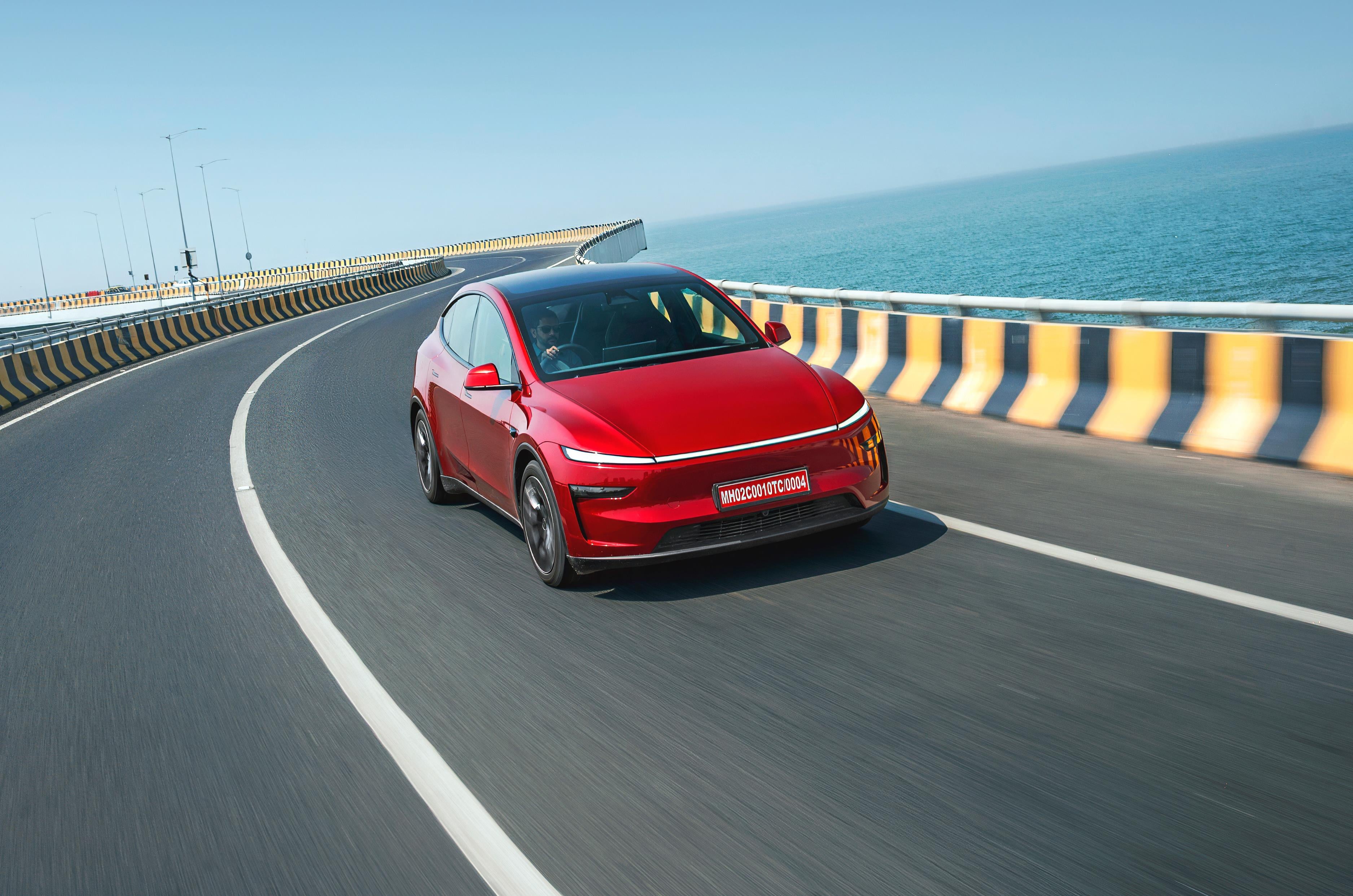
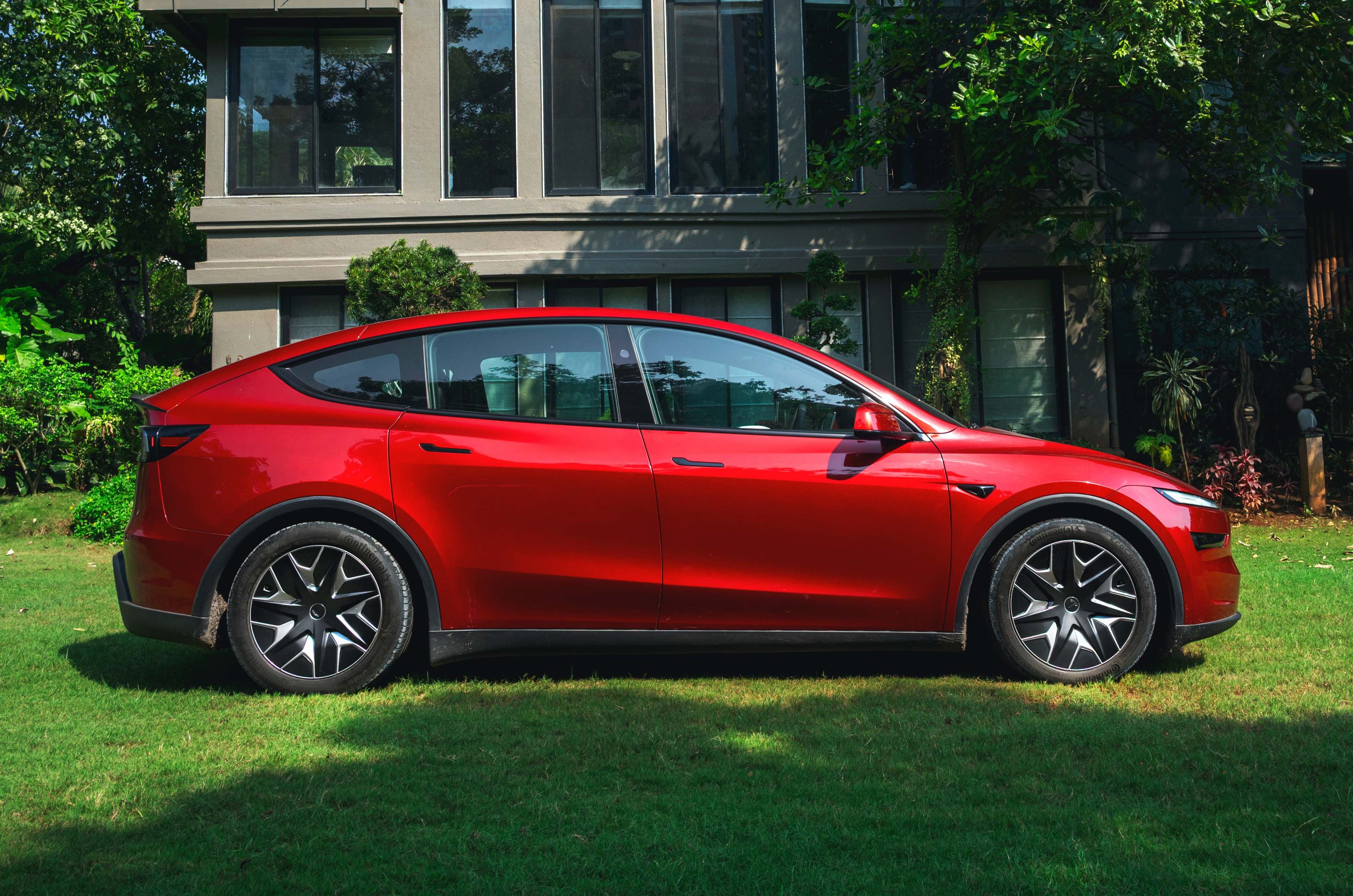
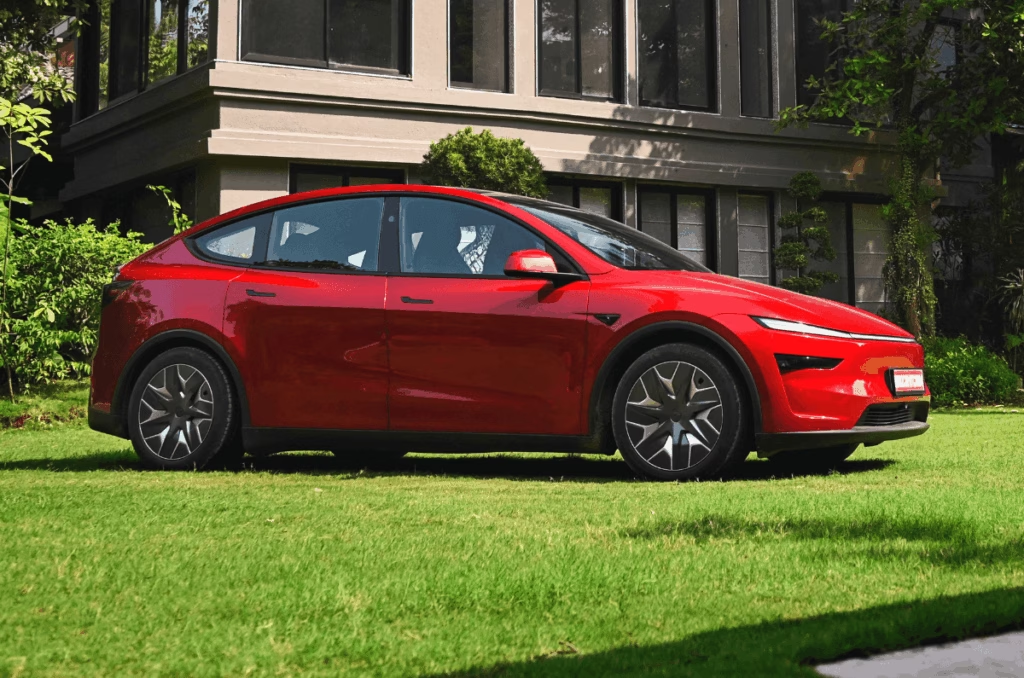
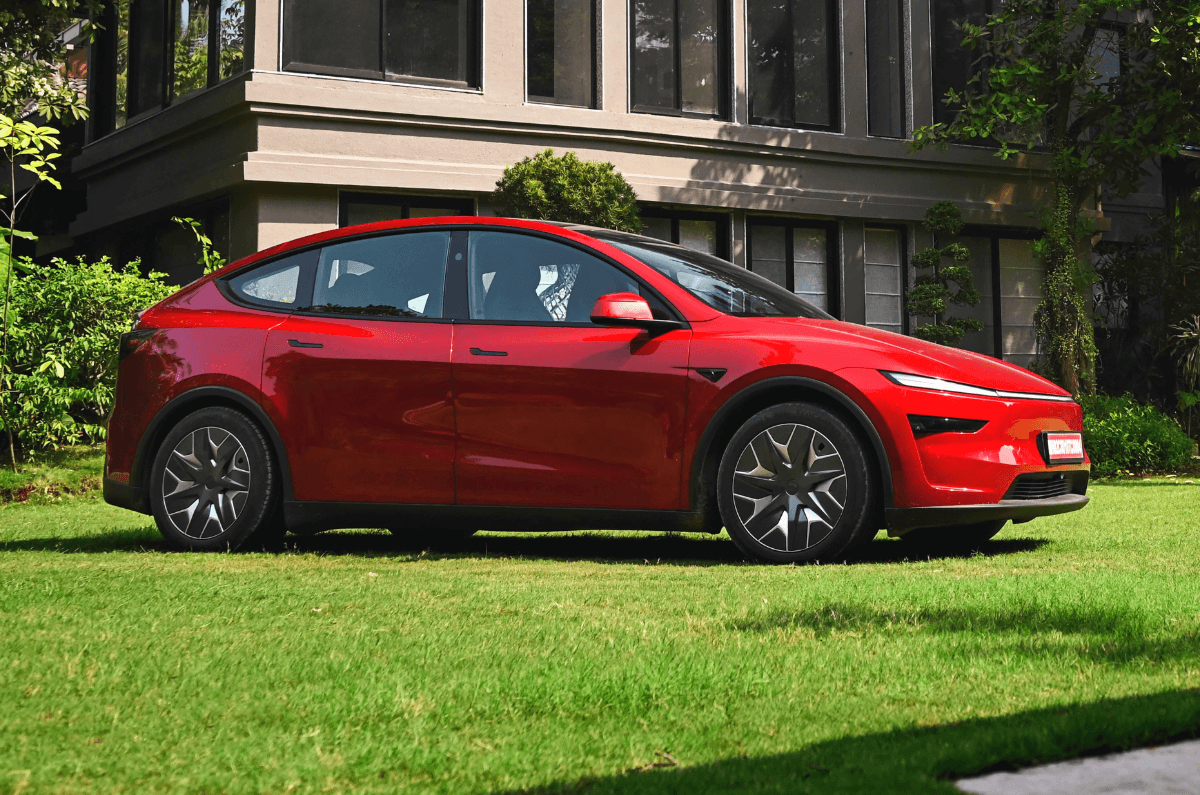
The Model Y L is the long-wheelbase, 6-seat version of Tesla‘s Model Y SUV. Priced at Rs 61.99 lakh (ex-showroom), it costs Rs 11.10 lakh more than the rear-wheel-drive Model Y. It is also pricier than rivals such as the BMW iX1 LWB and BYD Sealion 7. But does the Y L justify that premium? Here’s how it stacks up.
Reasons to buy the Tesla Model Y L
Spacious and quiet
Extra length frees up more room, while its cabin is remarkably hushed
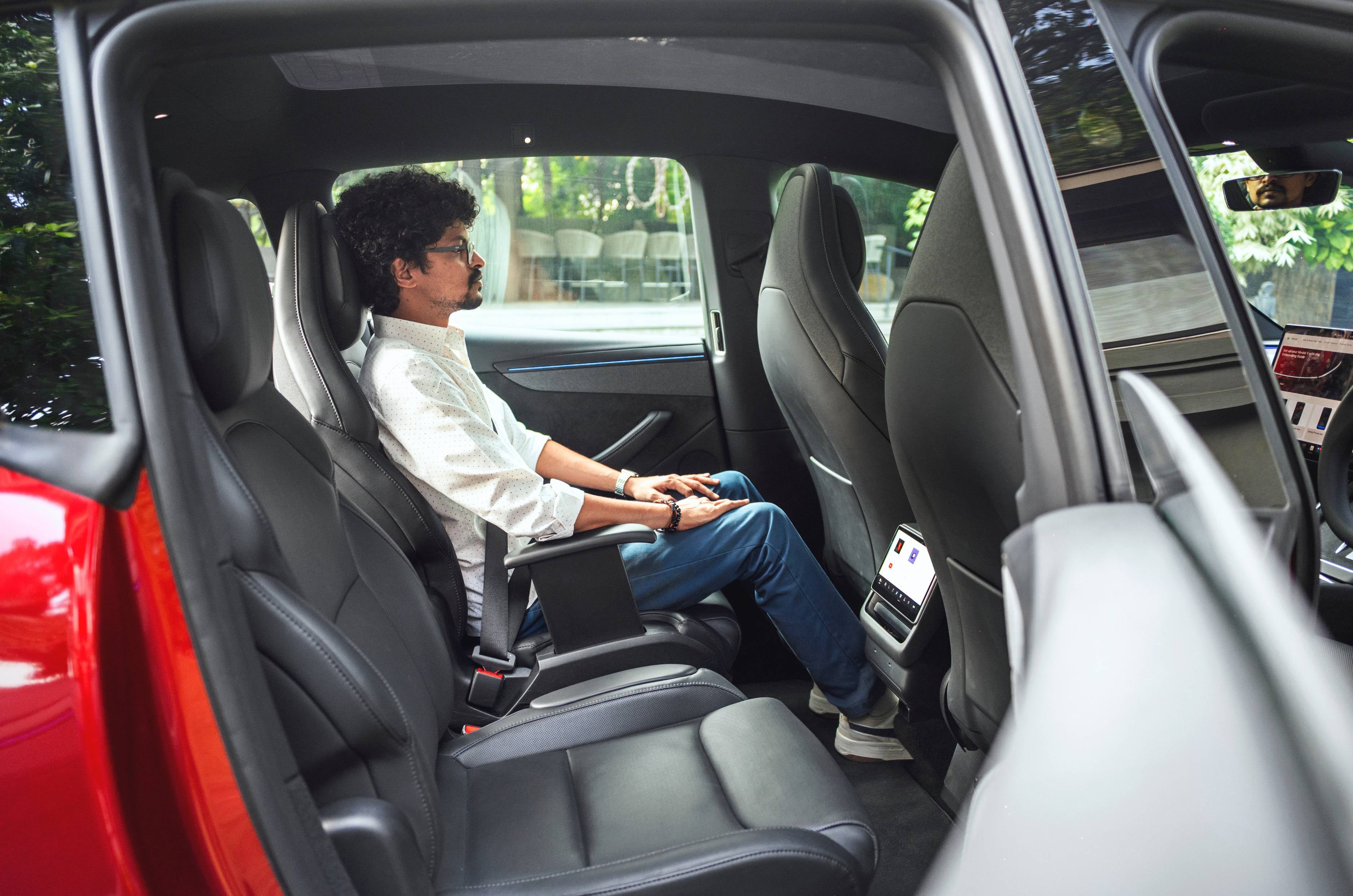
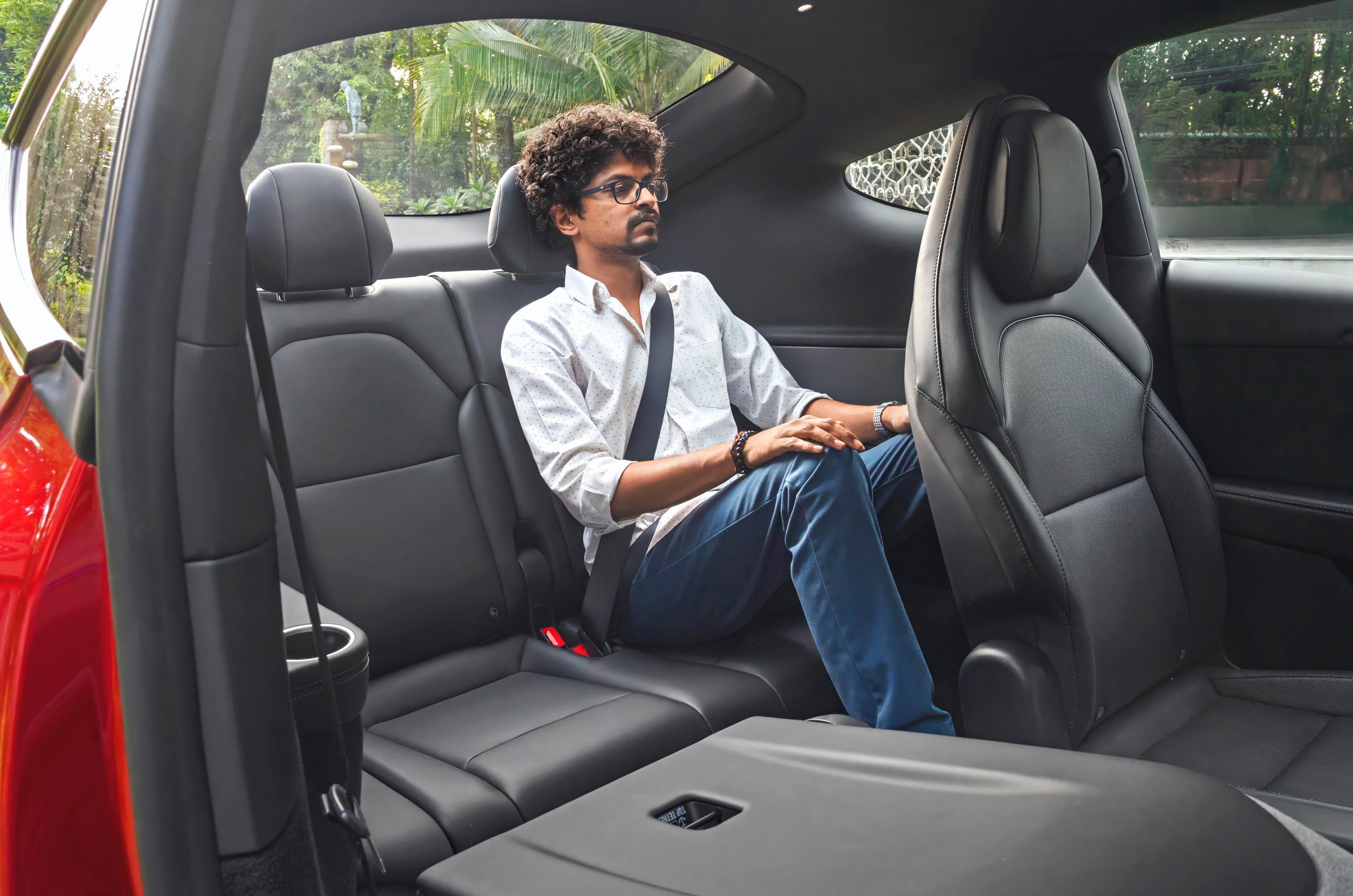
With a 3,040mm wheelbase, the Model Y L is 150mm longer between the axles than the standard Model Y. It’s also 40mm taller, freeing up noticeably more space on the inside. The Y L is a 6-seater with front seats that are comfy and get extended under-thigh support. The individual captain’s chairs in the middle row are very comfortable and feature powered armrests, plus heating and cooling functions. Passengers seated here won’t complain about legroom or headroom.
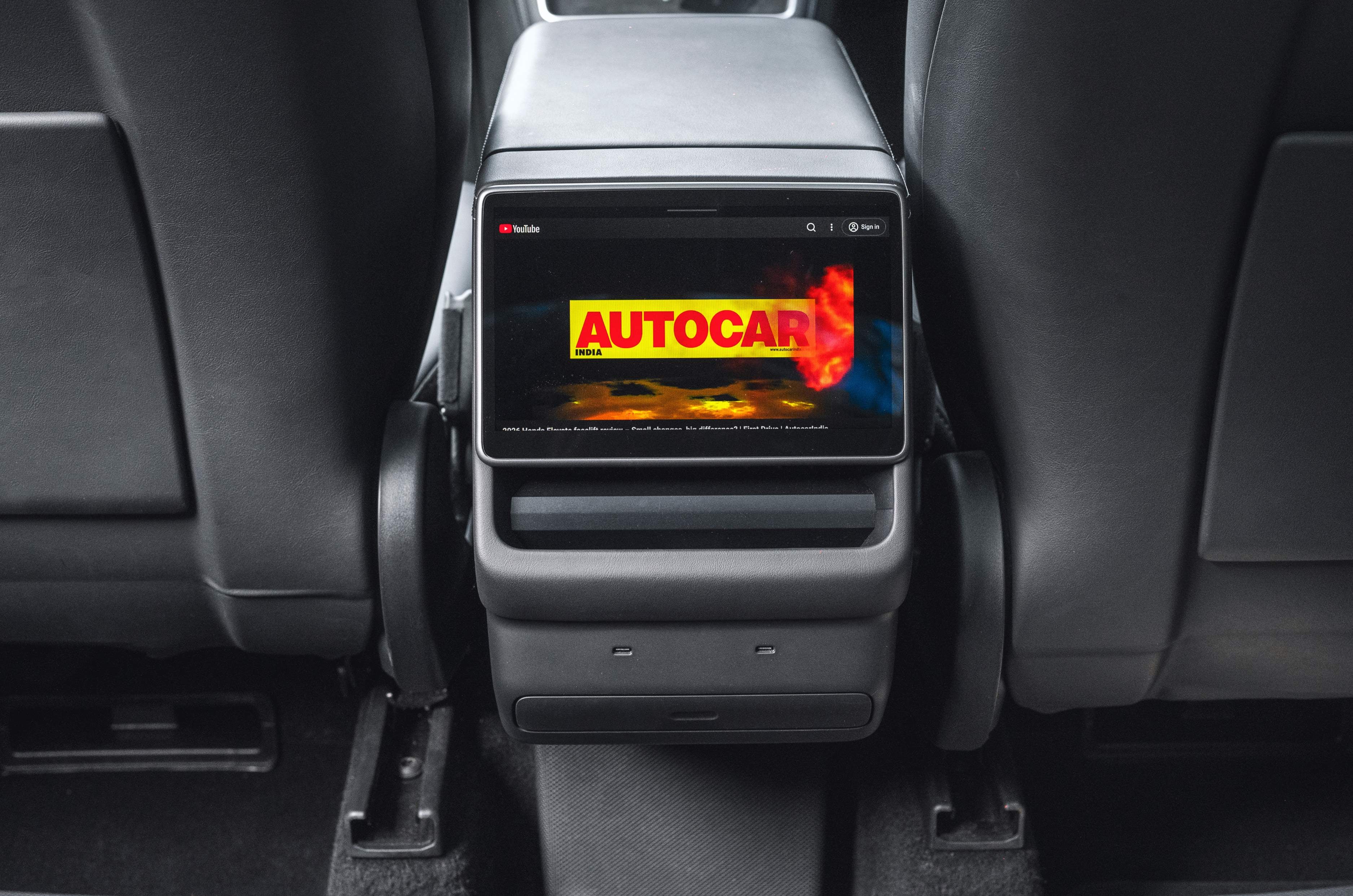
Adding to their convenience is an 8-inch touchscreen capable of playing videos, plus cupholders and charging ports. Unlike many three-row offerings, the third row of the Model Y L has enough space for adults to sit in reasonable comfort. The inclusion of dedicated AC vents, cupholders and Type-C ports comes in handy as well.
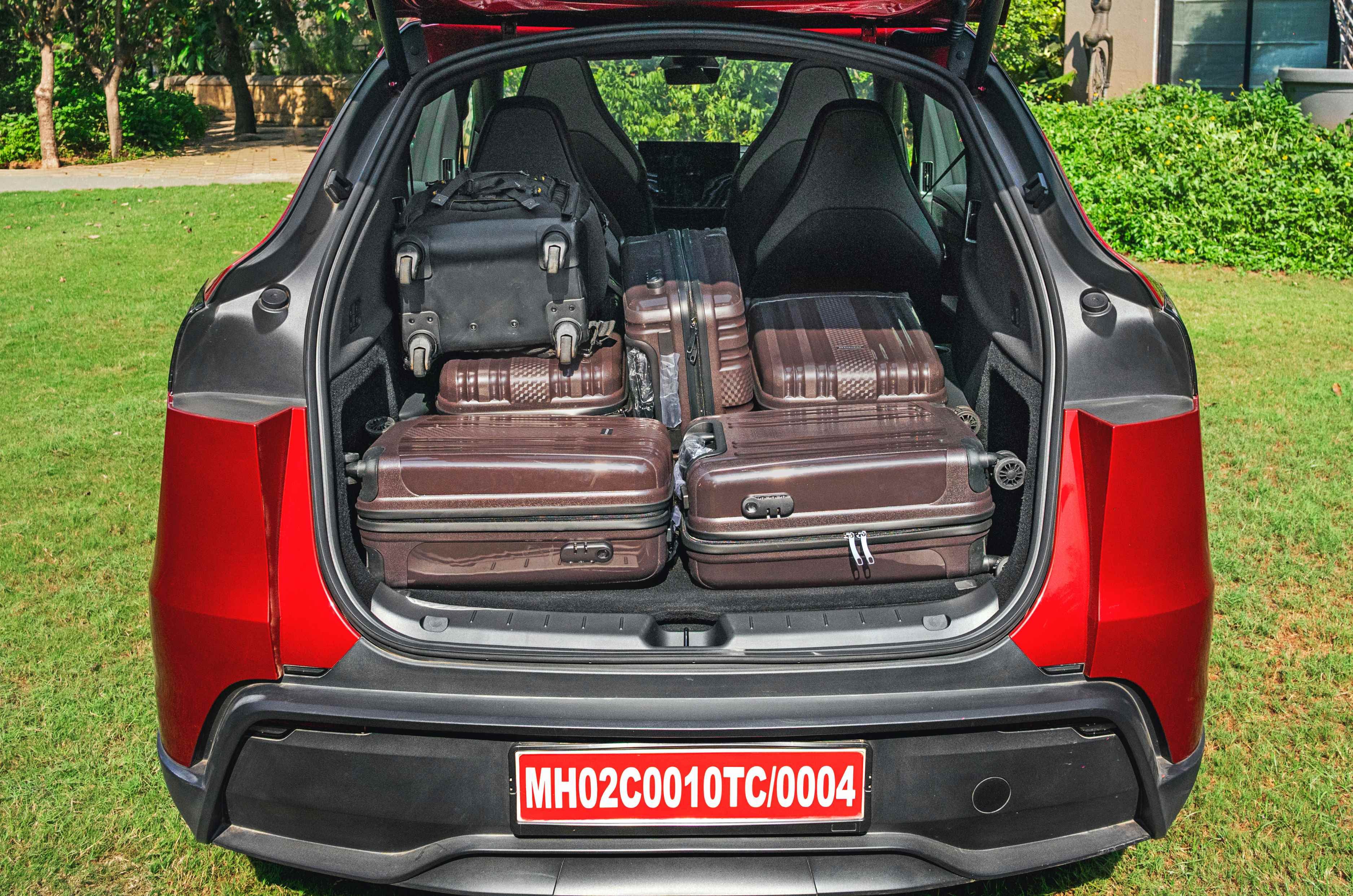
Another pro here is the Model Y L’s boot, which is rated at 420 litres with all seats up – this grows to a capacious 1,076 litres with the third row folded. Then there’s some more space under the boot floor, and a 117-litre frunk, should you need even more luggage space. Refinement is another strong point of this cabin. It’s remarkably quiet, thanks to the double-glazed windows that shut out most of the wind, tyre and road noise.
Loaded with tech
Long list of features will keep tech-savvy folks entertained
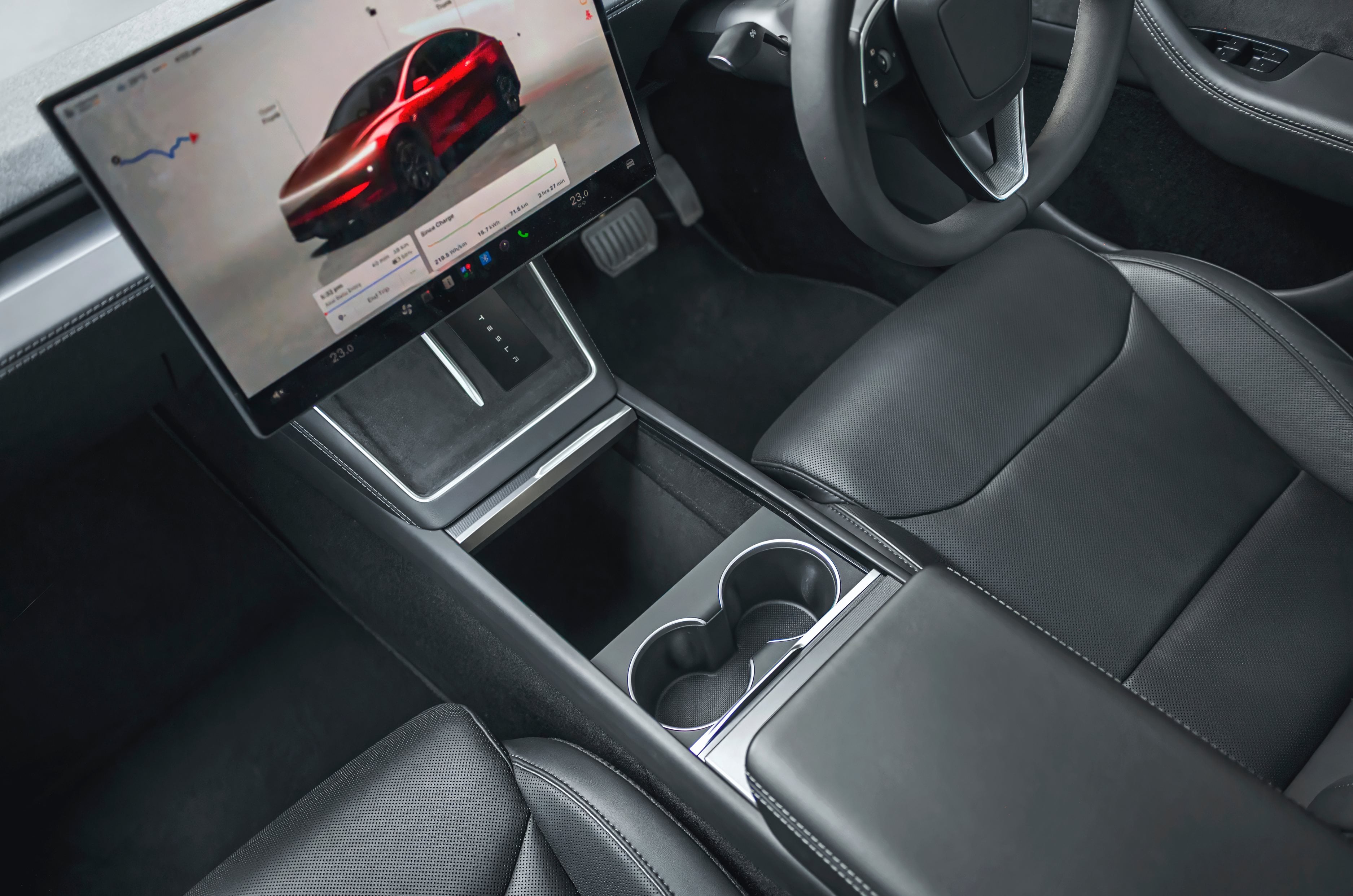
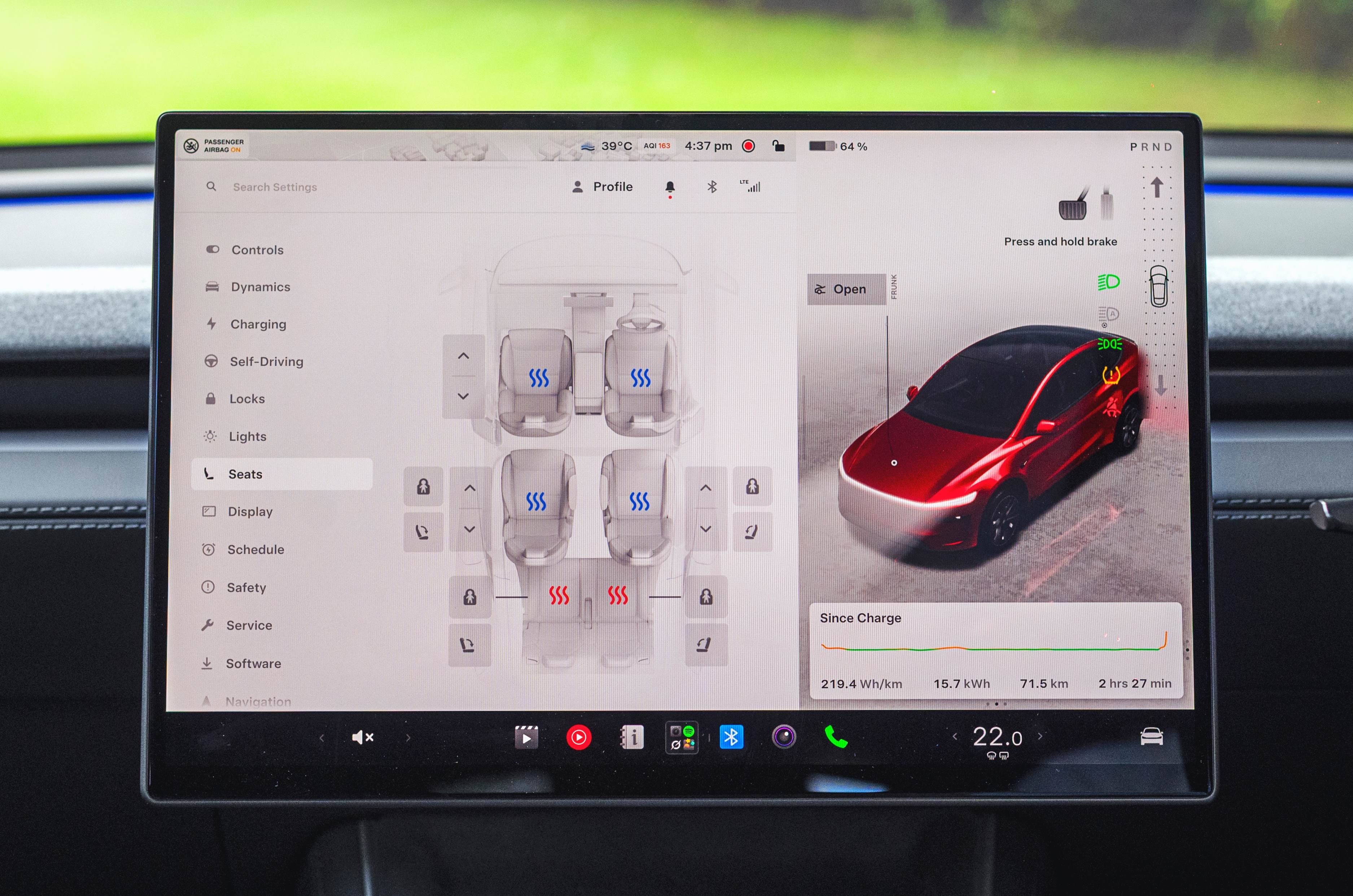
Taking centre stage on the otherwise minimalistic dashboard is the massive 16-inch touchscreen, which is easily among the sharpest and most responsive units around. Its integrated Grok AI assistant is capable of handling tasks such as setting the climate control, along with plotting routes on the navigation system and of course, finding suitable chargers. The assistant understands multiple languages and also learns the user’s preferences over time.
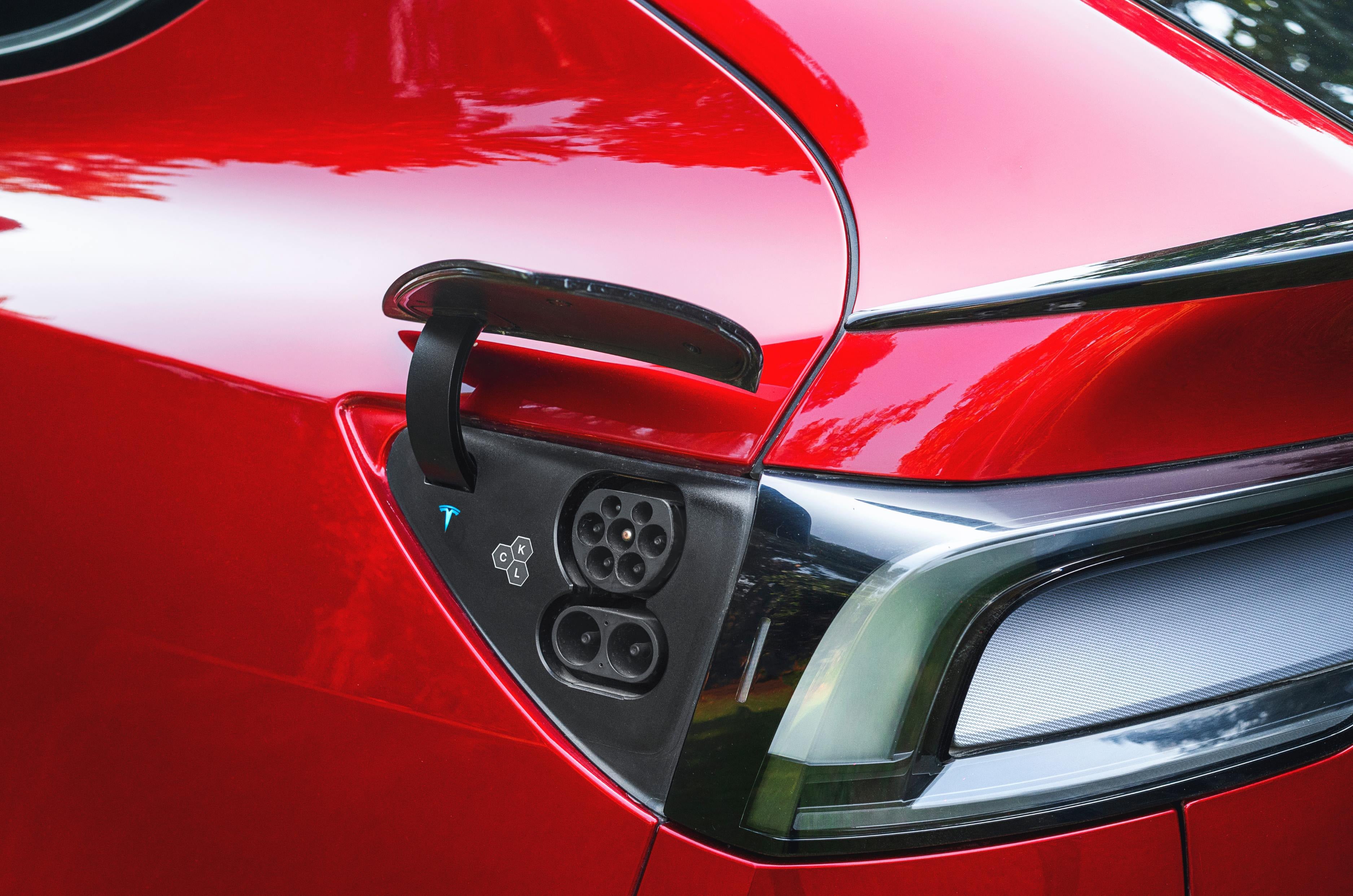
The Tesla Model Y L’s feature highlights include an 18-speaker audio system with a subwoofer, dual wireless chargers, multi-colour ambient lighting and a panoramic glass roof. The front and middle-row seats are heated, ventilated and powered, while the third-row seats get a heated function too. Safety kit includes 9 airbags, lane-keeping assist, blind-spot monitoring, and high-definition surround-view cameras. As with every Tesla, the Model Y L can also receive over-the-air (OTA) updates.
Brisk performance, composed ride
Dual-motor Model Y L is seriously quick for a family car
Where the standard Model Y is rear-wheel drive only, the Y L uses two motors and all-wheel drive (AWD). While Tesla hasn’t released official power figures, it’s estimated to output 514hp and 590Nm of torque. Tesla also claims a 0-100kph time of 4.5 seconds, which is quick for a two-tonne SUV. The Model Y L doesn’t feel intimidating to drive, with power building smoothly and the AWD system providing plenty of grip. In addition to the ‘Chill’ drive mode, the Y L also gets a ‘Sport’ mode.
There are no issues overtaking slower-moving traffic, as the Model Y L gets past them effortlessly. The regenerative braking is smooth as well. When you’re ambling around town, the ‘Standard’ regen setting is more than adequate and progressive, so you can drive without stepping on the brake pedal most of the time. The revised suspension of the Model Y L also gets adaptive dampers for better control over body movements and a more composed ride over the standard model.
Long range
Y L has the legs over the standard Model Y
The Model Y L uses an NMC battery pack estimated to be rated at 88kWh, as Tesla doesn’t usually publish the official battery capacity. The American brand does claim a WLTP range of 681km for the Model Y L, which is more than that of the rear-wheel-drive Model Y. DC fast charging of up to 250kW is supported, while AC charging is rated at 11kW. Plug it into a Tesla Supercharger, and the Model Y L can gain up to 288km of range in 15 minutes.
Reasons not to buy the Tesla Model Y L
Big footprint, low clearance
Large dimensions and low ground clearance call for extra care in town
The Model Y L’s large dimensions make driving it in tight spaces a bit of a chore. Despite the light steering, its large turning circle makes parking this Tesla quite a tricky affair. Another issue is the ground clearance, or lack thereof. At just 166mm (unladen), large speed breakers need to be tackled carefully to avoid scraping the underbody.
Over-reliance on the touchscreen
Even basic functions are buried in menus
Unless you’re tech-savvy, the lack of physical buttons or shortcuts will get on your nerves. Almost every function on the Model Y L is controlled through the touchscreen. Simple tasks like changing the climate settings, adjusting the mirrors or opening the frunk all require you to dig through menus. Getting used to this setup will take time, and it can easily become distracting while driving.
Hot cabin, awkward third-row access
Large glass area and third-row access come with their own cons
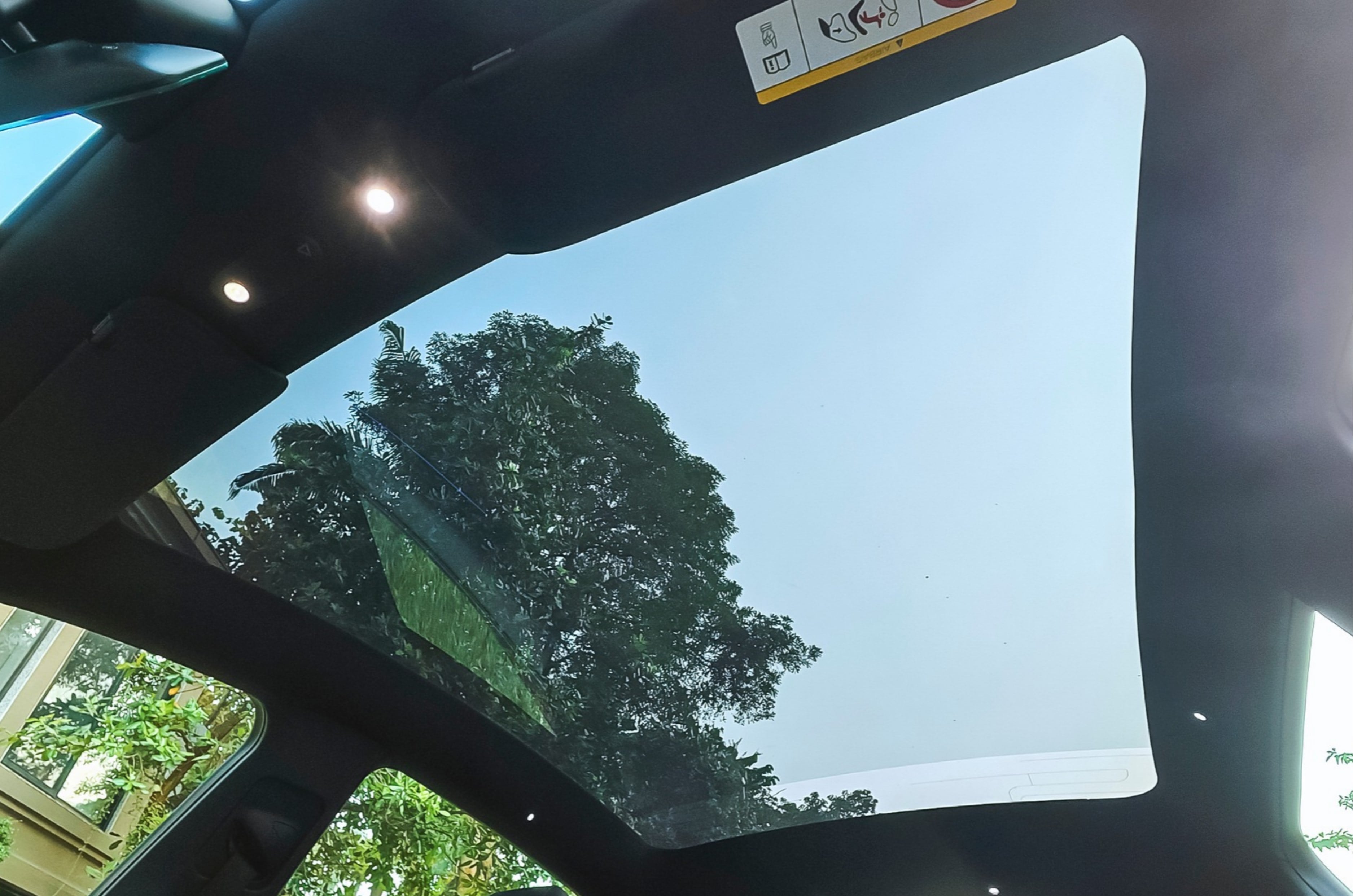
The Tesla Model Y L doesn’t get any blinds for its windows or a cover for its massive glass roof – instead making do with a tint. Considering the expansive glass area, this cabin heats up quickly on sunny days. The rear windscreen does without any tints, which only adds to the problem for third-row passengers.
Getting to this last row is a cumbersome task, requiring you to squeeze in between the narrow gap of the middle-row seats. The seats are also slow to fold out of the way. Once you’re sat in the third row, you’ll have to assume a knees-up position.
AI Stocks: दुनिया भर के शेयर बाजारों में इस हफ्ते भारी बिकवाली देखने को मिली। AI यानी आर्टिफिशियल इंटेलिजेंस से जुड़ी कंपनियों के कारोबार पर सवाल उठने और बढ़ते कर्ज की चिंता ने निवेशकों का भरोसा कमजोर किया। इसका असर खास तौर पर चिप बनाने वाली कंपनियों के शेयरों पर पड़ा। अब ब्रोकरेज फर्म Jefferies ने निवेशकों को AI से आगे दूसरे क्षेत्रों में भी अवसर तलाशने की सलाह दी है।
Jefferies की ताजा Greed and Fear रिपोर्ट के मुताबिक, अगले दो साल में AI कंपनियों की कमाई बढ़ने की रफ्तार काफी धीमी हो सकती है। रिपोर्ट का शीर्षक Diversifying Beyond AI है। इसका मतलब है कि पोर्टफोलियो में AI के परे जाकर विविधता लाना।
AI कंपनियों की कमाई में कितनी बढ़ोतरी का अनुमान?
जेफरीज की रिपोर्ट के मुताबिक, MSCI AC World Index में शामिल AI से जुड़ी कंपनियों की कमाई में बढ़ोतरी का अनुमान 2026 में करीब 100% है। हालांकि, 2027 में यह घटकर 30% और 2028 में 22% रह सकता है। ऐसे में सवाल उठ रहा है कि क्या इन कंपनियों की कमाई उनके महंगे शेयरों की कीमत को सही ठहरा पाएगी।
Jefferies के ग्लोबल हेड ऑफ क्वांटिटेटिव स्ट्रैटेजी देश पेरामुनेतिलके (Desh Peramunetilleke) ने कहा कि अब निवेशकों के लिए AI से आगे दूसरे क्षेत्रों में निवेश फैलाने का समय है।
AI शेयरों का वैल्यूएशन दूसरी कंपनियों से ज्यादा
Jefferies के मुताबिक, वैश्विक AI शेयरों का फॉरवर्ड प्राइस-टू-अर्निंग (PE) रेशियो 23 गुना है। वहीं, AI से बाहर की कंपनियों का यह रेशियो करीब 13 गुना है। यानी निवेशक AI कंपनियों के शेयरों के लिए ज्यादा कीमत चुका रहे हैं, जबकि उनकी कमाई बढ़ने की रफ्तार धीमी पड़ने का अनुमान है।
उभरते बाजारों में भी AI शेयरों की तेजी कमजोर हुई है। जून 2026 तक के एक साल में इन शेयरों में 81% की बढ़ोतरी हुई थी, लेकिन साल की दूसरी छमाही में इनसे मिलने वाले रिटर्न की रफ्तार घटी। इस दौरान AI से बाहर के कई क्षेत्रों ने भी अच्छा प्रदर्शन किया।
सेमीकंडक्टर शेयरों पर नजर
Jefferies के पोर्टफोलियो में TSMC, Samsung Electronics और SK Hynix जैसी कंपनियां शामिल हैं। हालांकि, इनका जॉइंट वेटेज पोर्टफोलियो में 16% है, जबकि MSCI AC Asia ex-Japan Index में यह 32.1% है।
Jefferies का मानना है कि AI पर खर्च जारी रहा तो Samsung Electronics और SK Hynix के शेयर जून के उच्च स्तर को दोबारा छू सकते हैं। फिर भी रिपोर्ट ने चेताया है कि सेमीकंडक्टर शेयरों में आसान कमाई का दौर काफी हद तक पीछे छूट सकता है। इसलिए निवेशकों के लिए AI के अलावा दूसरे क्षेत्रों में भी निवेश के अवसर तलाशना जरूरी हो गया है।
Disclaimer: मनीकंट्रोल.कॉम पर दिए गए सलाह या विचार एक्सपर्ट/ब्रोकरेज फर्म के अपने निजी विचार होते हैं। वेबसाइट या मैनेजमेंट इसके लिए उत्तरदायी नहीं है। यूजर्स को मनीकंट्रोल की सलाह है कि कोई भी निवेश निर्णय लेने से पहले हमेशा सर्टिफाइड एक्सपर्ट की सलाह लें।
The Tesla Model Y L has received powertrain upgrades, improving its claimed 0-100kph sprint time. The Tesla EV now does the sprint in a claimed 4.5 seconds, an improvement of 0.5 seconds than before. Note that this is applicable to Model Y Ls purchased on or after October 1, 2026, in India. In terms of exterior design and interior features, no changes have been made. The Model Y L is priced at Rs 61.99 lakh, ex-showroom.
Tesla Model Y L powertrain details
Despite the improvement in acceleration, Tesla claims the same 681km (WLTP) range figure for the Model Y L as before; real-world range will vary depending on driving conditions, speed, weather and other factors. It has an 88kWh (estimated) NMC battery pack, powering a dual-motor all-wheel-drive setup. Tesla has not not officially disclosed powertrain specifications, but it has an estimated combined system output of 514hp and 590Nm. The claimed top speed is 201kph.
As per the carmaker, the Model Y L can add up to 288km of range in 15 minutes when using a Tesla Supercharger. It supports DC fast charging speeds of up to 250kW and AC charging of up to 11kW.
Tesla is expanding its charging network in India, with 20 Superchargers and 28 Destination Chargers. Three more sites are planned by the end of 2026.
In the premium EV space, the Tesla Model Y L rivals the BMW iX1 LWB and BYD Sealion 7.