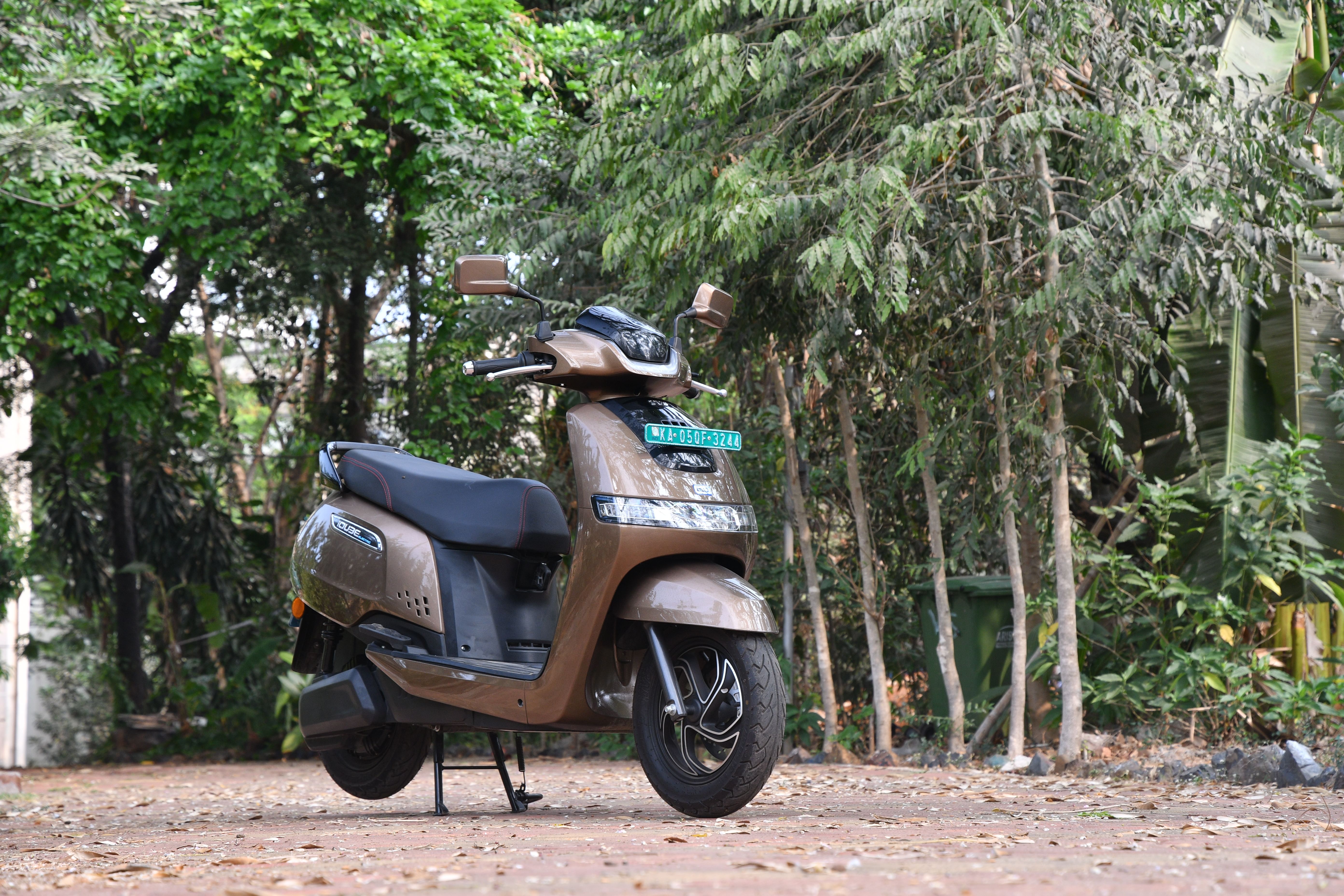
TVS electric scooter sales cross 3 lakh units in January-July 2026

TVS electric scooter sales cross 3 lakh units in January-July 2026

TVS Motor Company has crossed the 3 lakh-unit electric scooter sales milestone in the first seven months of CY2026, with retail volumes of over 3.07 lakh units between January and July. The company has already achieved around 97 percent of its CY2025 electric two-wheeler sales of 3.15 lakh units.

  1. TVS sells over 3.07 lakh electric scooters in January-July 2026
  2. July sales hit a record 55,465 units
  3. CY2026 sales could cross the 5 lakh-unit mark

July delivers record monthly volumes for TVS

TVS’ January-July performance makes the Hosur-based brand the fastest electric two-wheeler manufacturer in India to cross 3 lakh retail sales in a calendar year.

For comparison, Ola Electric, then the market leader, took a little over eight months to cross the 3 lakh-unit mark in CY2024. Ola finished that year with over 4.29 lakh units, currently the highest calendar-year retail volume recorded by an Indian electric two-wheeler manufacturer.

TVS recorded its highest monthly electric scooter sales in July 2026 at 55,465 units. March was the other month in which the company crossed the 50,000-unit mark, with sales of 51,632 units.

The company has averaged 43,898 units per month during the January-July period. Maintaining a similar run rate over the remaining five months would take TVS beyond the 5 lakh-unit mark in CY2026.

The upcoming festive season, which begins around mid-September, could provide a further boost to volumes. At its current pace, TVS could add around 2.20 lakh – 2.40 lakh units between August and December, potentially taking its full-year tally to an estimated 5.27 lakh – 5.47 lakh units.

TVS leads Bajaj and Ather

TVS continues to lead India’s electric two-wheeler market after the first seven months of CY2026, ahead of Bajaj Auto and Ather Energy.

Bajaj retailed just under 2.64 lakh electric two-wheelers between January and July, around 43,400 units fewer than TVS. The company’s seven-month volume is equivalent to around 94 percent of the over 2.79 lakh units it sold in CY2025.

Ather Energy ranks third with just over 2 lakh units during the same period, around 93 percent of its CY2025 volume of 2.15 lakh units. TVS currently leads Ather by over 1.07 lakh units.

Hero Vida gains; Ola ranks fifth

Vida – Hero MotoCorp’s electric subsidiary – ranks fourth with just under 1.29 lakh units sold during January-July 2026. This is already around 14 percent higher than its full-year CY2025 volume of 1.13 lakh units.

Ola Electric, meanwhile, has retailed 80,282 units in the first seven months of CY2026, equivalent to around 39 percent of the over 2.04 lakh units it sold last year.

Greaves Electric Mobility ranks sixth with 53,938 units, representing around 93 percent of its CY2025 volume of 57,699 units.

With TVS approaching its entire CY2025 volume after only seven months and both Bajaj Auto and Ather Energy also nearing their respective previous full-year totals, CY2026 is shaping up to be another year of strong volume growth for India’s leading electric two-wheeler manufacturers.

Renault Kiger discounts go up to Rs 68,000 in August 2026

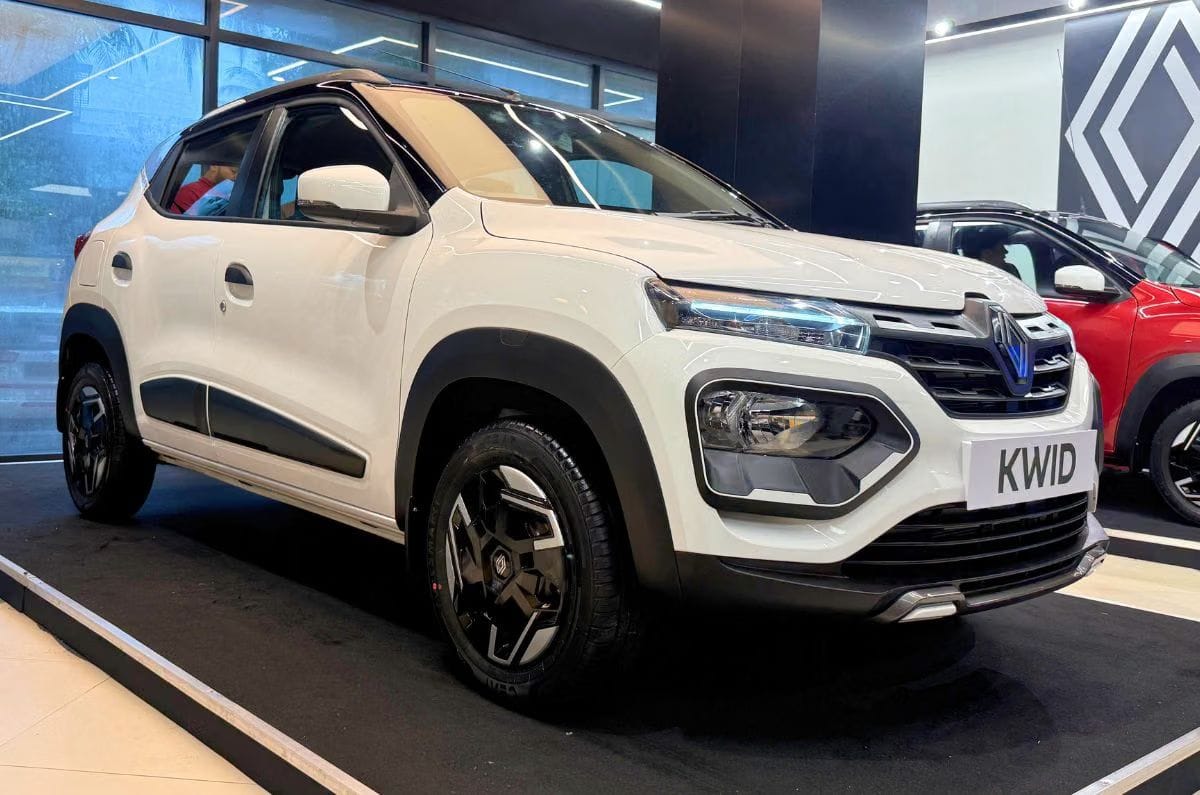
2026 Renault Kwid showroom shot

Renault has announced various discount schemes for customers in August 2026, including cash offers, exchange or scrappage incentives, and corporate benefits. All Renault models (except the Duster) are available this month with a discount. The benefits mentioned here are applicable for bookings made between August 1 and August 31, 2026.

  • Kiger gets highest discounts; Kwid gets the lowest
  • Kiger and Triber offered with loyalty and corporate benefits

Disclaimer: Offers/benefits may vary by city and are subject to stock availability. Buyers are advised to check with their local dealer for exact figures.

Renault Kiger offers in August 2026

Benefits up to Rs 68,000

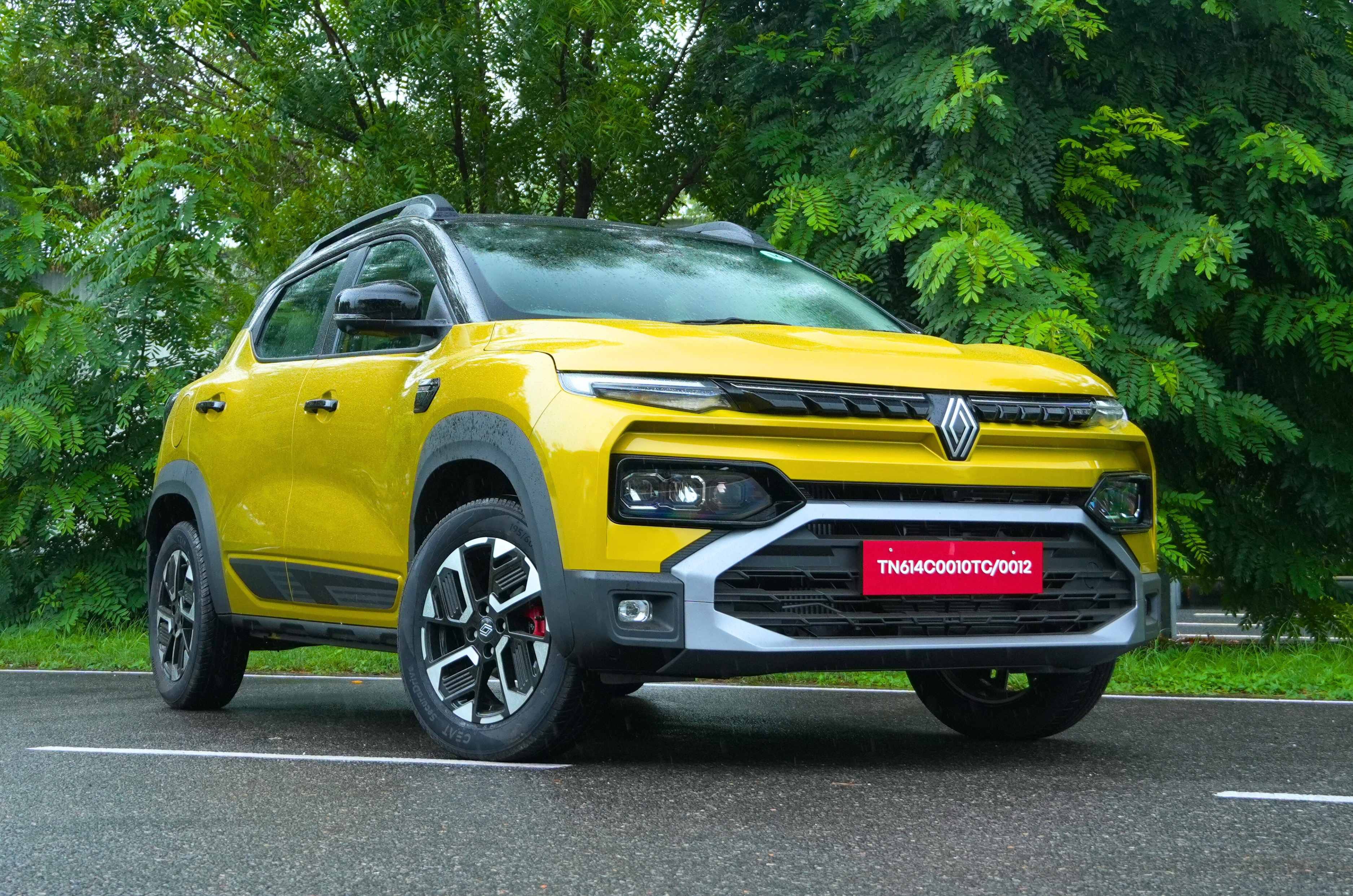
Renault Kiger front quarter

Depending on the trim level, the 2026 Renault Kiger is being offered with benefits of up to Rs 68,000 across India (except Kerala and Gujarat). This includes a cash discount of Rs 20,000, exchange or scrappage benefits of up to Rs 25,000 and loyalty incentives worth up to Rs 18,000. There’s also a corporate discount of Rs 5,000.

For those residing in Kerala and Gujarat, the loyalty benefit and corporate discount remain the same but cash offers and exchange incentives can now be up to Rs 50,000 each. The price of the Renault Kiger is between Rs 5.81 lakh and Rs 10.40 lakh.

Renault Triber offers in August 2026

Benefits up to Rs 60,000

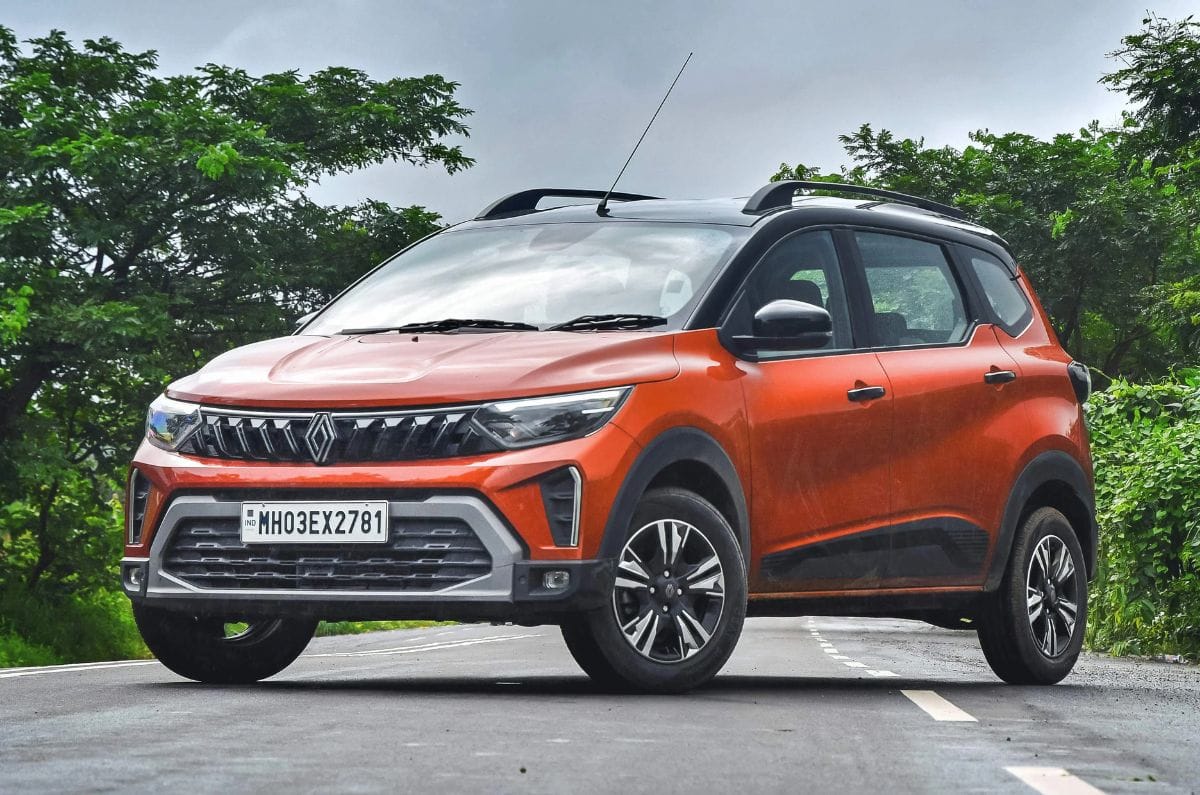
Apart from Kerala and Gujarat, the 2026 Renault Triber MPV is available with benefits amounting to Rs 60,000. Buyers will be offered a cash discount of Rs 15,000, scrappage incentives worth up to Rs 25,000 or an exchange offer of Rs 15,000, and a corporate discount of Rs 5,000.

Renault Triber front quarter

While the scrappage and corporate offers are unchanged, residents of Kerala and Gujarat get cash discounts of up to Rs 30,000 and exchange benefits worth up to Rs 30,000. The 2026 Renault Triber is priced from Rs 5.81 lakh to Rs 8.53 lakh.

Renault Kwid offers in August 2026

Benefits up to Rs 40,000

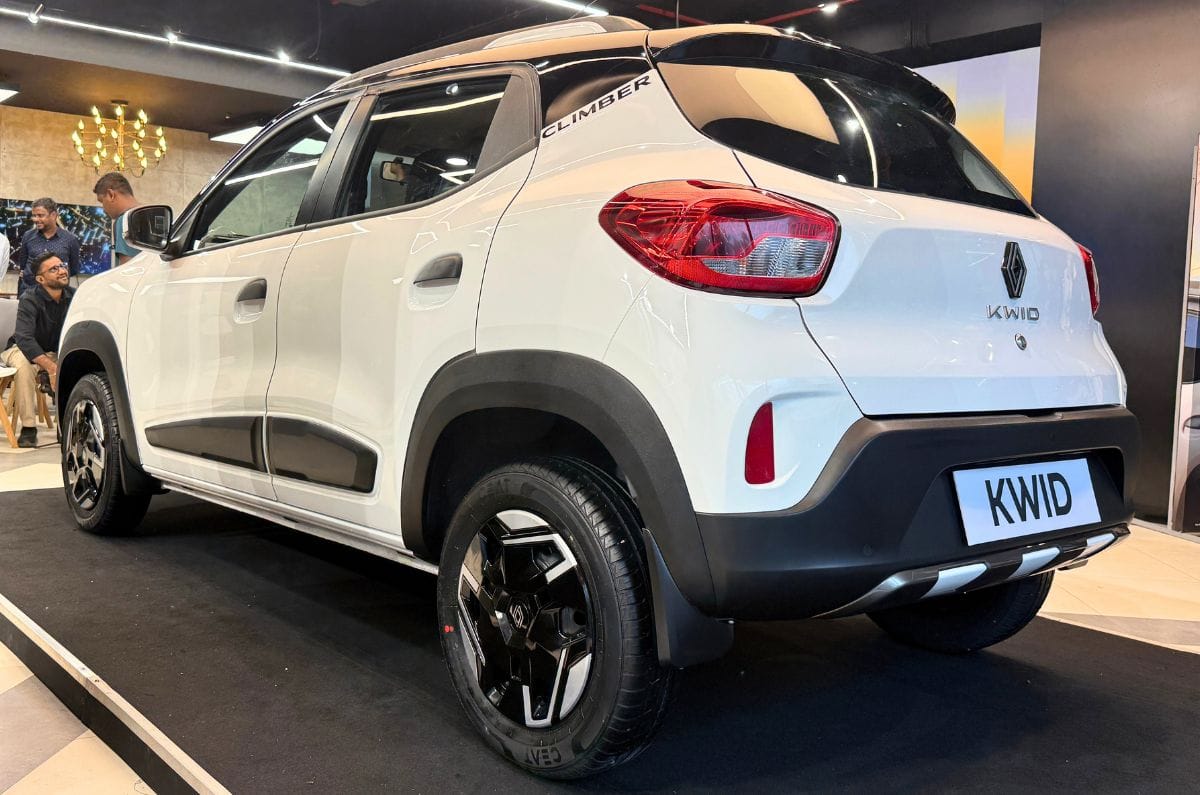
Renault Kwid rear quarter

The 2026 Renault Kwid is being offered with a cash discount of up to Rs 15,000 and a scrappage incentive worth up to Rs 25,000 in most states in India. However, this offer is not applicable for buyers in Kerala, Assam, Karnataka, Odisha, Uttarakhand, Telangana, Chhattisgarh, Arunachal Pradesh and Andhra Pradesh. Buyers here can get the Kwid with cash discounts amounting to up to Rs 30,000, while the scrappage benefit remains unchanged. The 2026 Renault Kwid is priced between Rs 4.53 lakh and Rs 5.61 lakh.

All prices are ex-showroom, India.

Also read

Jeep Meridian offers go up to Rs 1.65 lakh in August 2026

Tata Curvv EV benefits in August 2026 go up to Rs 3.35 lakh

SCOOP! BYD to bring its Denza luxury brand to India with launch of D9 MPV

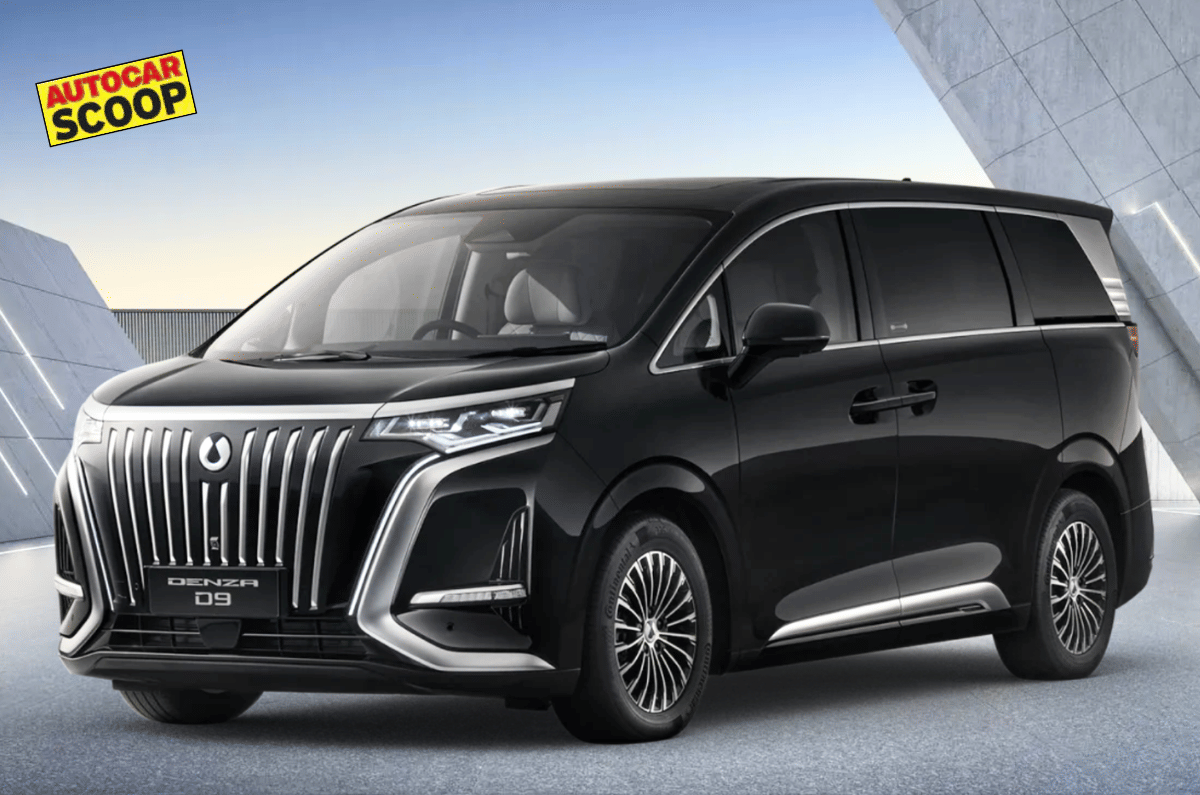
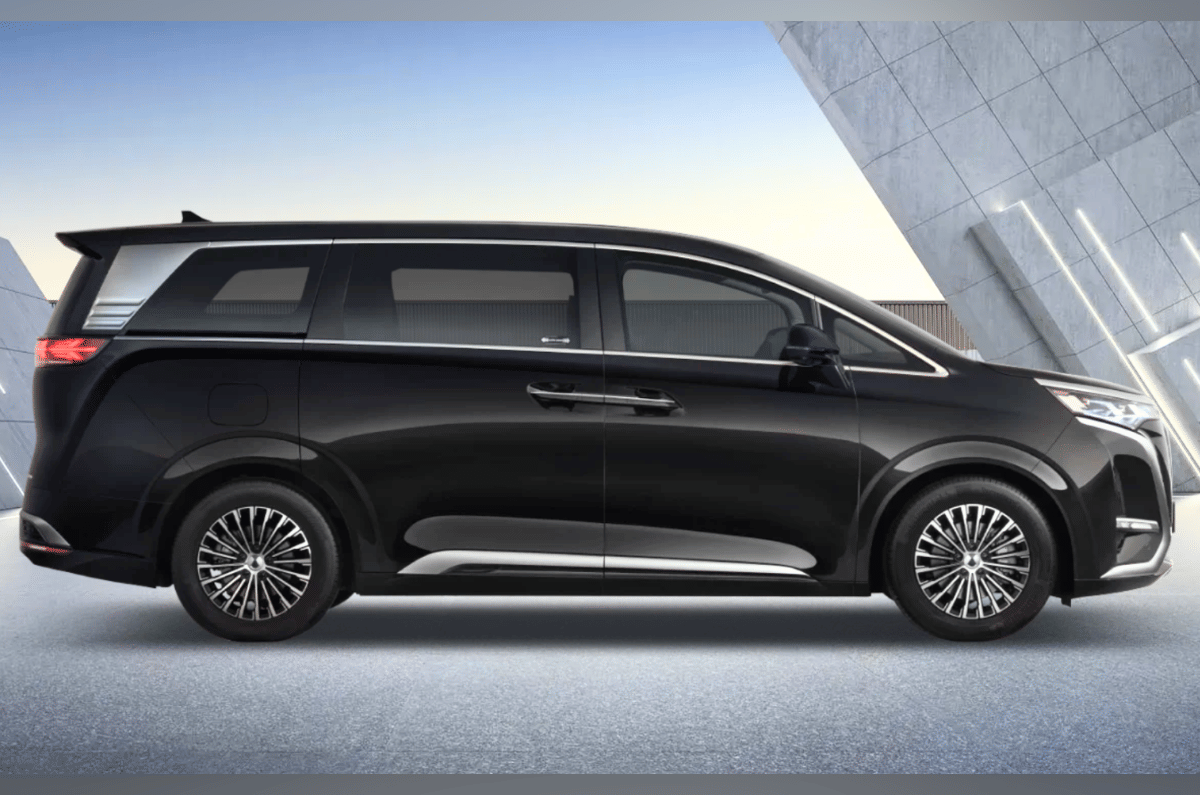
BYD Denza D9

BYD, the world’s largest electric vehicle maker, is in the final stages of bringing its luxury brand Denza to India, with the D9 executive MPV likely to lead the rollout, we have learned. The Chinese carmaker is targeting its first launch around Diwali 2026. However, the launch could move to the Bharat Mobility Global Expo in February 2027 if there is a delay.

It is studying a portfolio of two to three Denza models for India, largely positioned in the Rs 80 lakh-Rs 1 crore price bracket within the first year itself. If the D9 arrives around Diwali, BYD is likely to use the mobility show for a broader showcase of the Denza brand and its proposed India portfolio.

D9 to lead India rollout

The D9 will compete directly with the electric MG M9 and occupy the space below the Toyota Vellfire and Lexus LM. The Toyota Vellfire is priced between Rs 1.20 crore and Rs 1.30 crore, while the Lexus LM ranges from Rs 2.15 crore to Rs 2.69 crore. This leaves room for BYD to position the D9 as an executive electric MPV in the Rs 80 lakh-Rs 1 crore bracket.

BYD Denza D9
International-spec BYD Denza D9 electric MPV shown for representative purposes only.

The D9 is available globally with electric and plug-in hybrid powertrains. BYD is likely to give priority to the electric version in India. Plug-in hybrids face a significant tax disadvantage over pure electric vehicles, which are subject to 5 percent GST, making the PHEV harder to price competitively. The plug-in hybrid version could be considered at a later stage.

D9 could be sold via dedicated Denza outlets

Initially, the Denza models are expected to be imported as completely built units (CBUs). This will allow BYD to enter the market quickly and assess demand before taking a call on its longer-term India plans. BYD may also set up dedicated Denza outlets rather than sell the models through its existing retail network. This would separate Denza from BYD’s current line-up, which comprises the Atto 3, Seal, Sealion 7 and eMax 7.

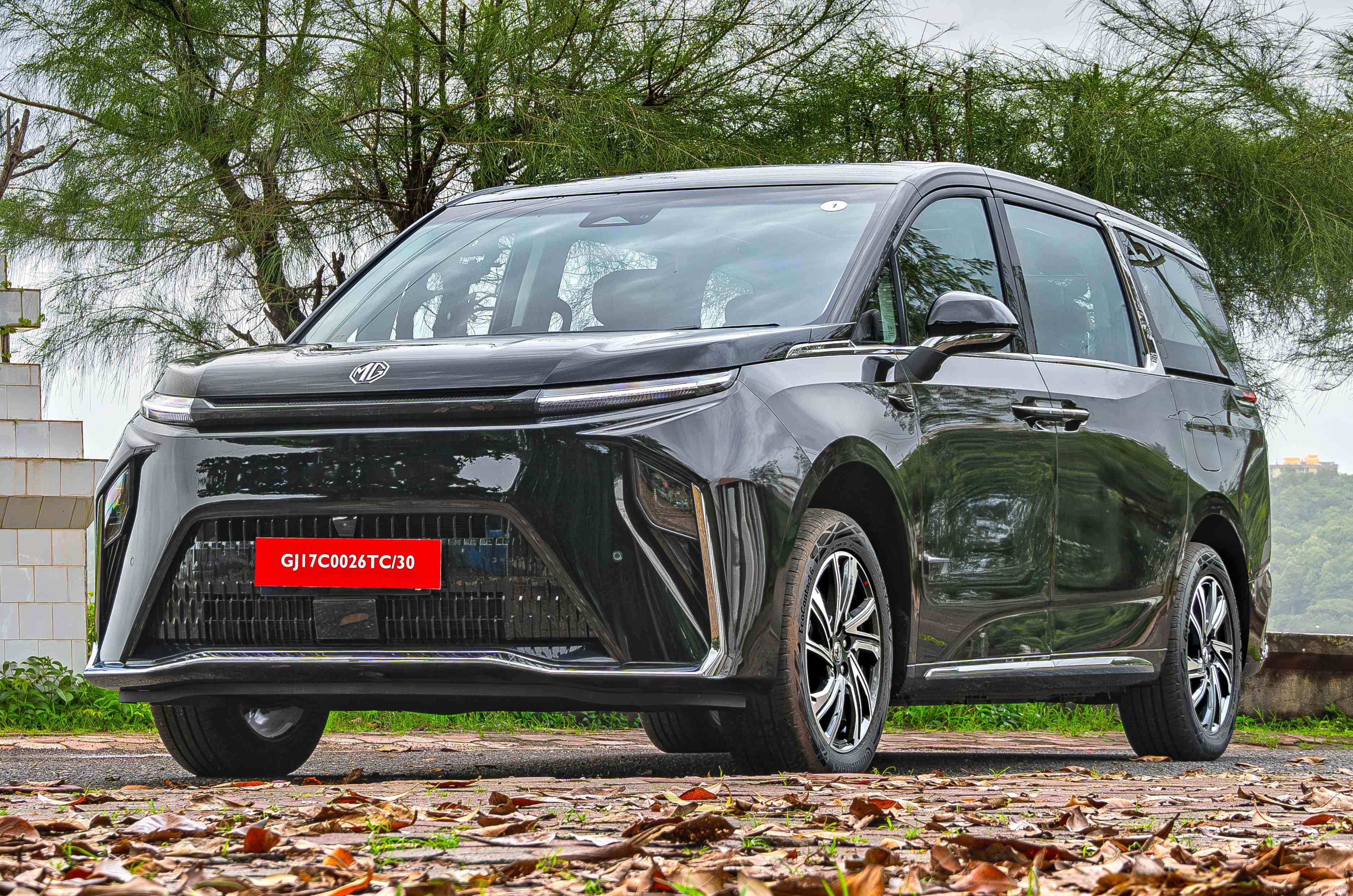
MG M9
MG M9 electric MPV.

The D9 will arrive at a time when the executive MPV segment is seeing fresh activity. The MG M9 has brought an electric alternative to the segment, while the Vellfire and Lexus LM operate at significantly higher price points. BYD is likely to position the D9 above the MG M9 but below the two Toyota group models, targeting buyers seeking a chauffeur-driven alternative to a luxury SUV.

Denza will take BYD into a price bracket dominated by established luxury brands. The challenge will not be limited to the product. BYD will also have to convince buyers that its retail and after-sales experience can meet expectations in the Rs 80 lakh-Rs 1 crore segment.

With inputs from Uday Singh.

Kia Sorento to launch on September 4

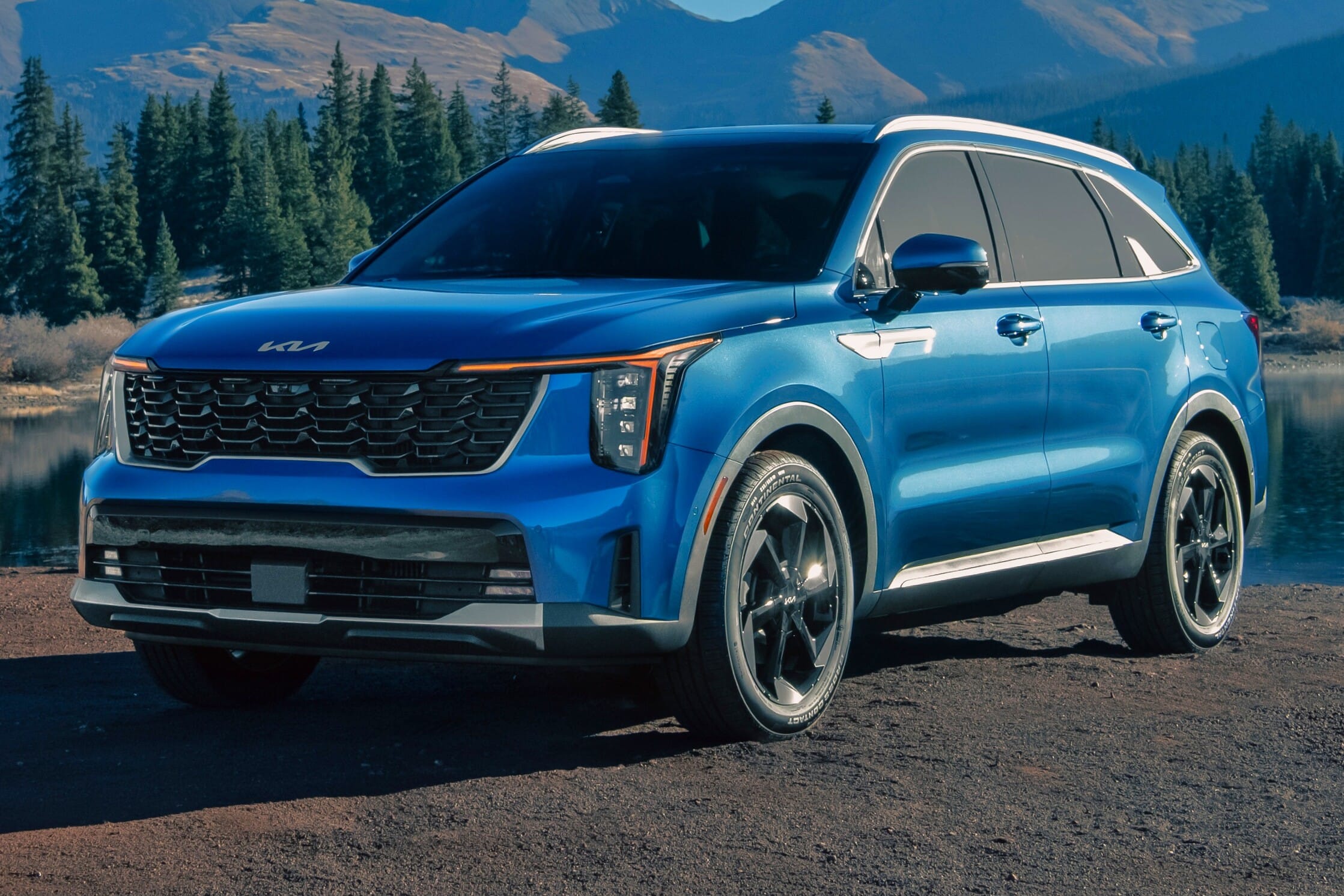
kia sorento

The Kia Sorento three-row SUV will go on sale in India on September 4, 2026. It will be positioned above the Seltos as Kia India’s flagship ICE SUV, and will also be the carmaker’s first hybrid model for the Indian market. Official bookings for the Sorento opened very recently too.

Kia Sorento India price estimate and rivals

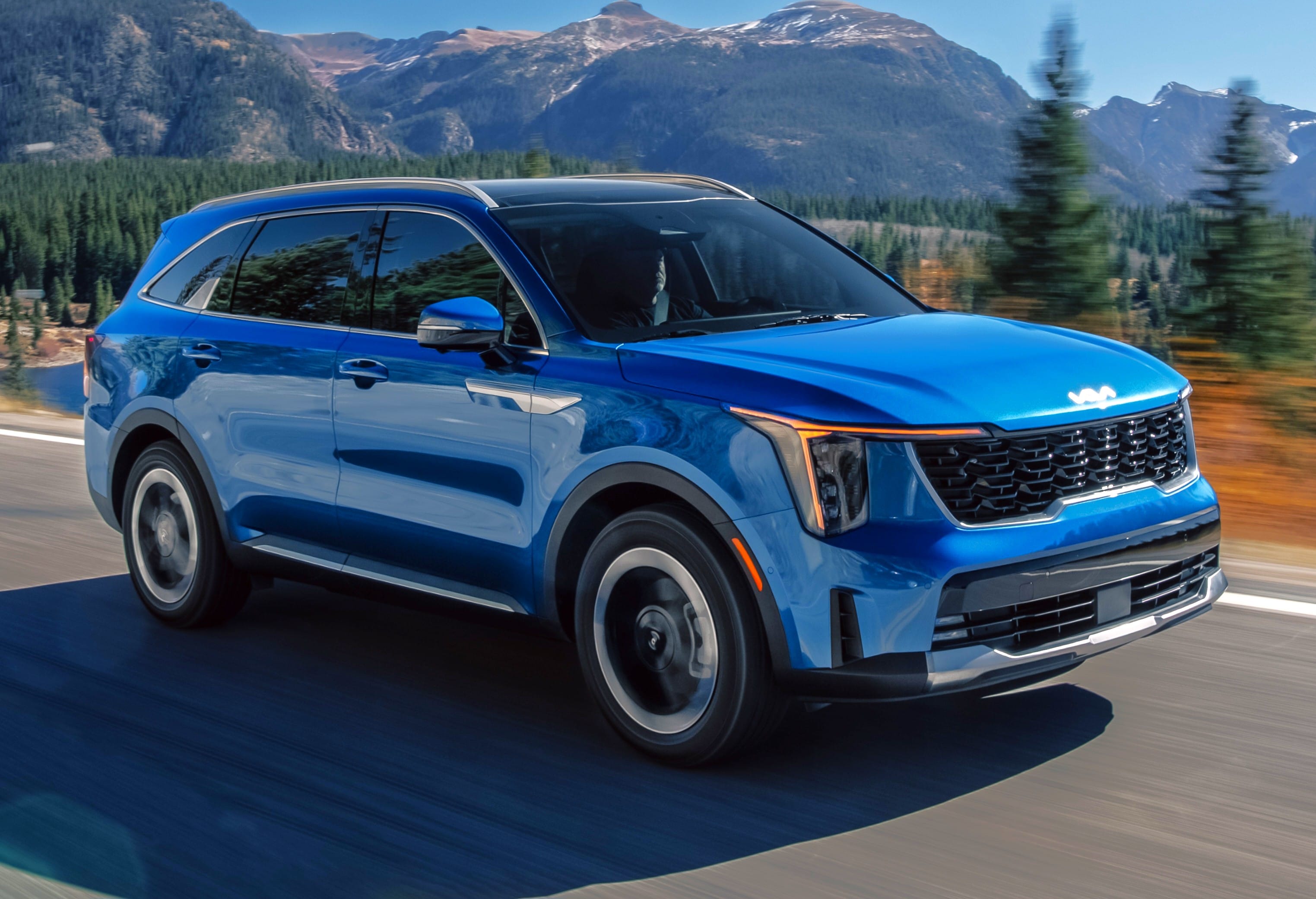
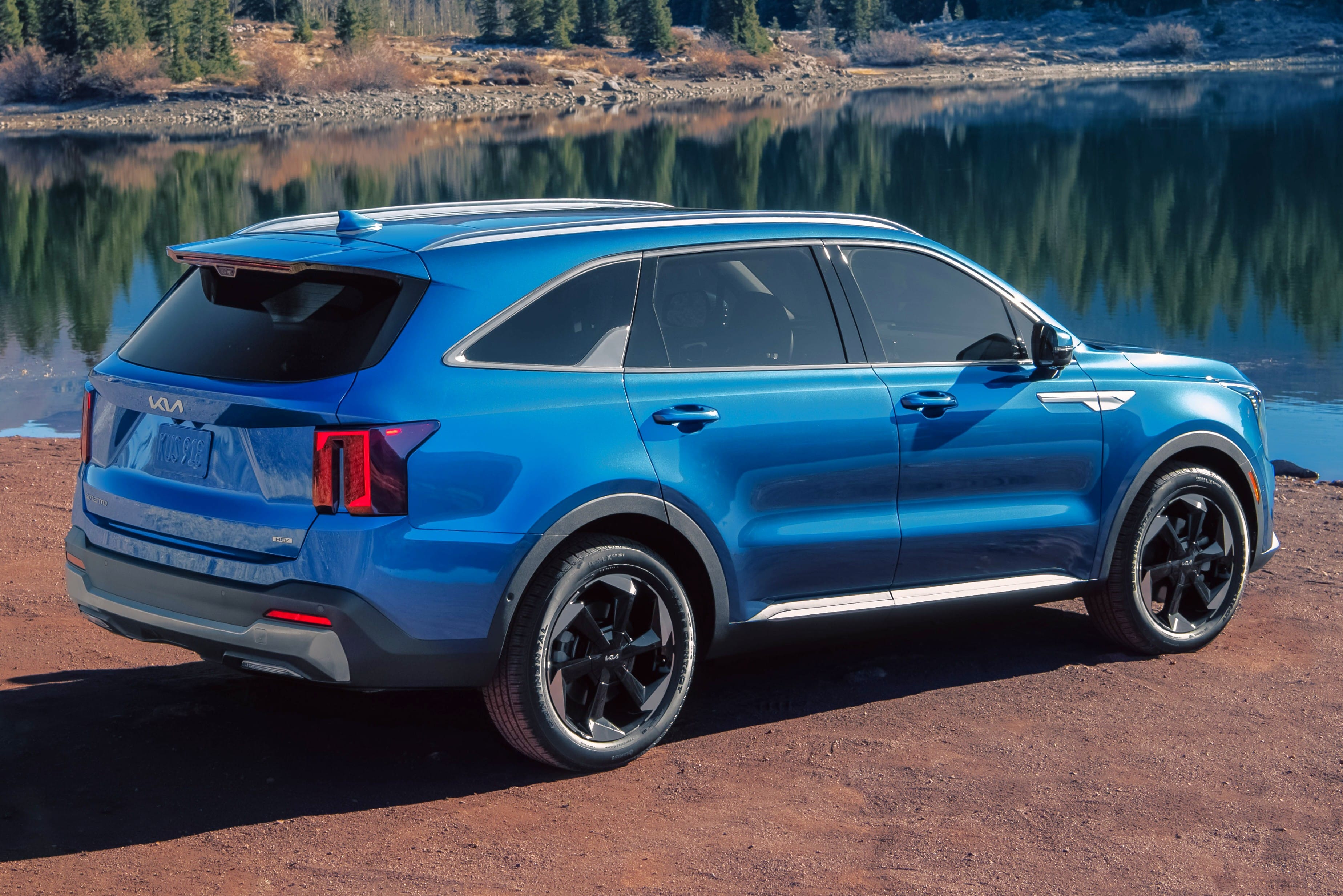
US-spec Kia Sorento. Image used for representation only.

Since the Sorento is anticipated to be locally assembled, expect pricing to start at around Rs 40 lakh (ex-showroom). At that price point, the Sorento will rival premium three-row SUVs like the Volkswagen Tayron, MG Majestor, Skoda Kodiaq, Toyota Fortuner, and Jeep Meridian.

Kia Sorento powertrain options

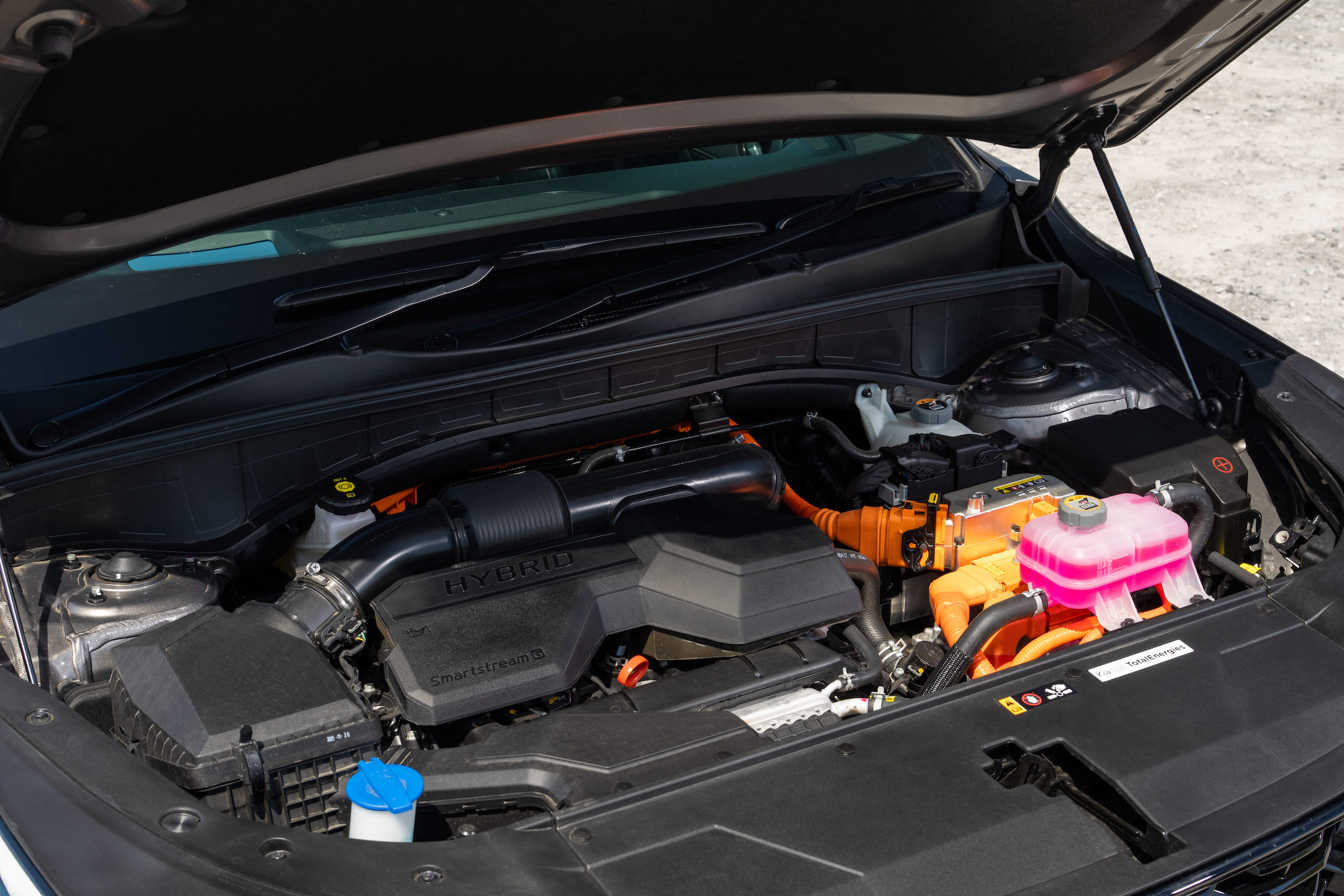
Kia will offer the Sorento with hybrid and diesel powertrains in India. If the international-spec Sorento is anything to go by, the India-spec model could feature a 1.6-litre 4-cylinder turbo-petrol hybrid setup developing 238hp and 380Nm, along with a 2.2-litre diesel engine outputting 202hp and 441Nm – this mill is used in the Kia Carnival too. Both Sorento engines are likely to be paired with automatic transmissions. Though the global-spec Sorento can be had in FWD and AWD guises, it remains to be seen whether the latter drive layout will be available for Indian buyers.
Kia Sorento exterior and interior

The Sorento sports a subtly aggressive design, with highlights like vertically oriented LED headlamps and tail-lamps, T-shaped amber-coloured DRLs, a wide ‘Tiger Nose’ grille, dual-tone alloy wheels, mildly flared wheel arches, and muscular bumpers. In terms of dimensions, the global-spec Sorento measures 4,815mm in length, 1,900mm in width, and 1,700mm in height, along with a wheelbase of 2,815mm. Should these hold true for the India-spec model, the Sorento will be larger than most of its rivals.
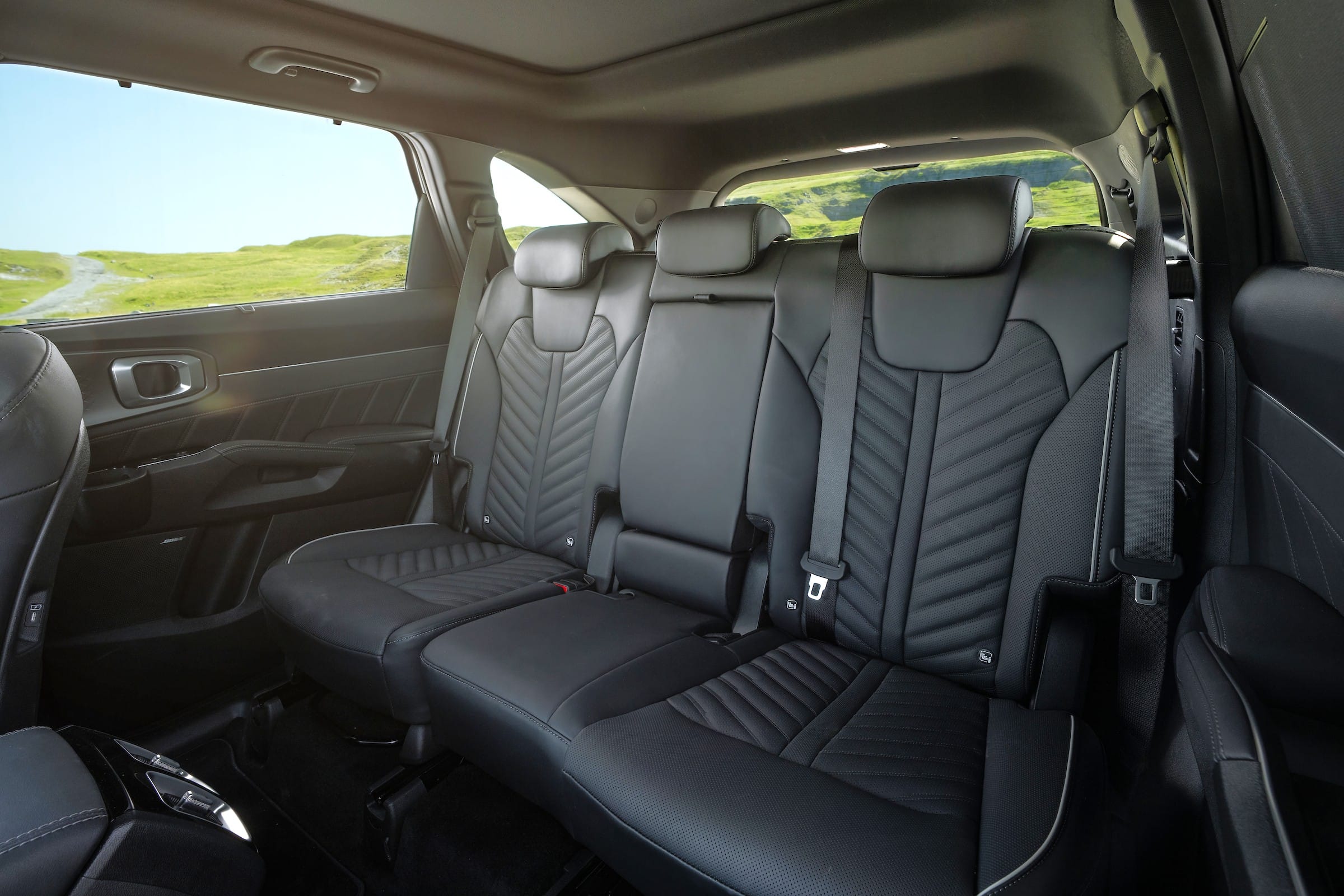
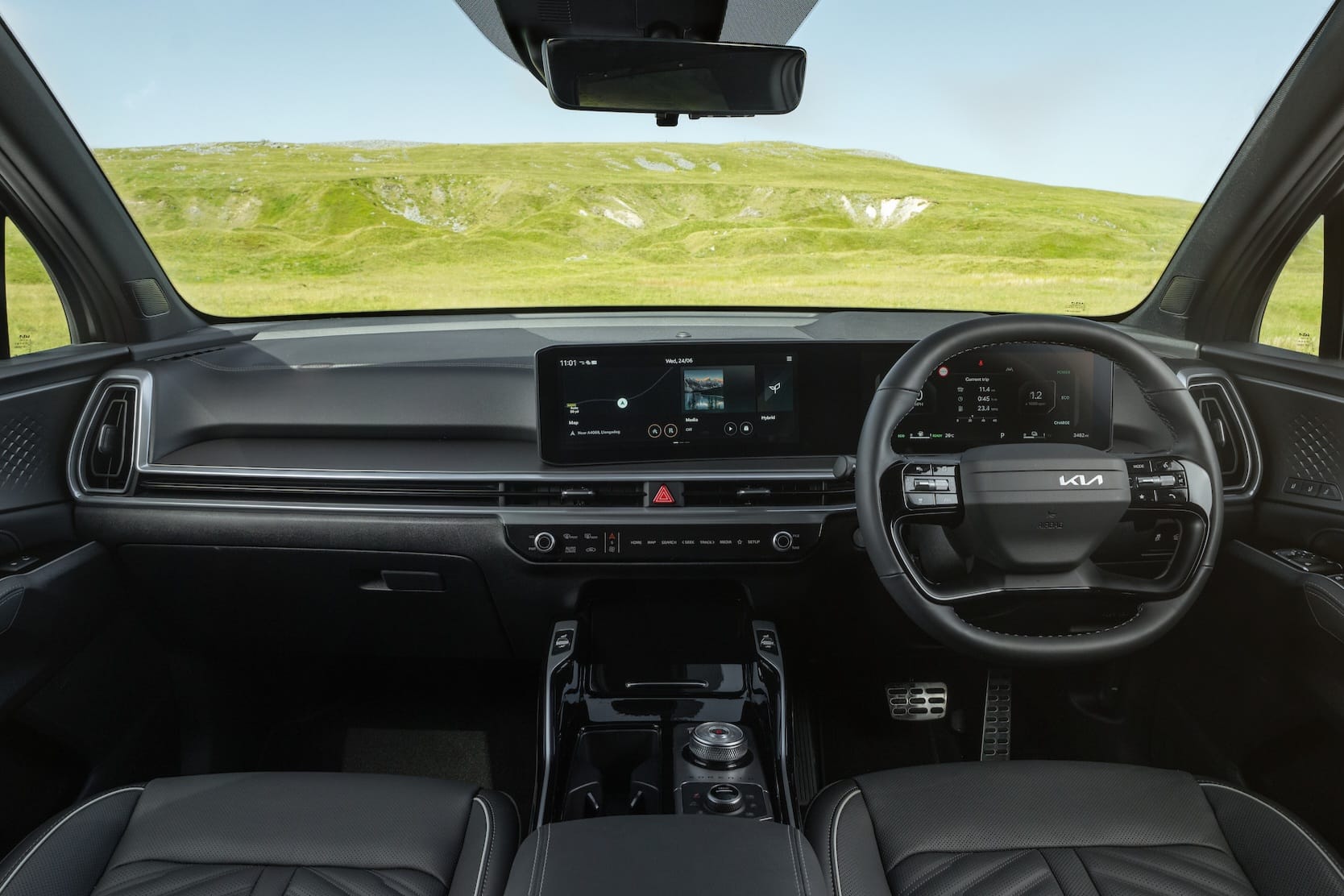
Inside, the India-spec Sorento is likely to be offered with 6-seat and 7-seat configurations. Boot space is rated at 179 litres with all three rows up, extendable to a cavernous 1,996 litres. Notable elements on the premium-looking dashboard include dual 12.3-inch displays, a four-spoke steering wheel with an offset Kia logo, large vertical AC vents on both extremities, a touch-capacitive panel on the centre console, and a rotary drive selector.
The Sorento is expected to pack creature comforts like ventilated front seats, dual-zone climate control, wireless Apple CarPlay and Android Auto, a powered driver’s seat, a panoramic sunroof, Level 2 ADAS, a heads-up display, an electronic parking brake, ambient lighting, a wireless charging pad, and more.
 

Ather’s Phase 2 expansion could happen sooner if EV demand persists: Tarun Mehta

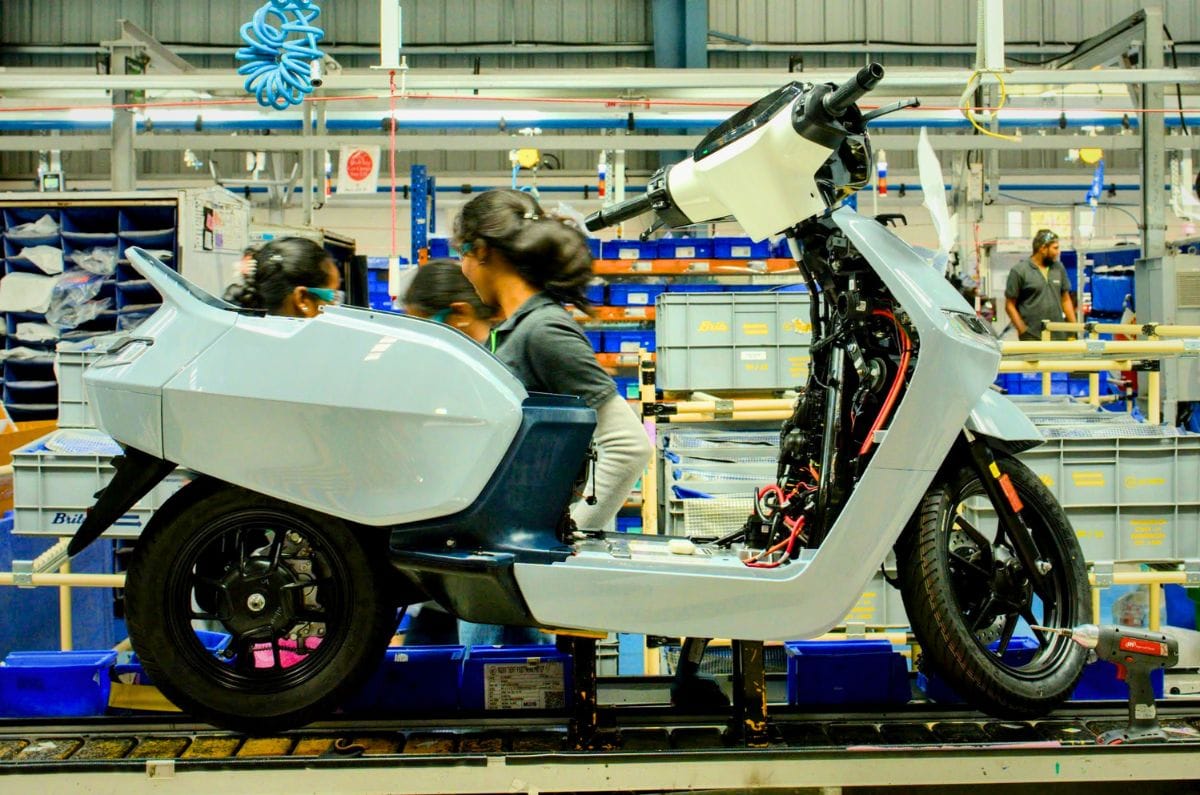
Ather EL scooter being assembled on production line in factory

Ather Energy is exploring whether to accelerate the second phase of its upcoming Aurangabad manufacturing facility as demand for electric scooters continues to outpace expectations, with the company saying its planned capacity could come under pressure if current growth trends persist.

The company’s co-founder and CEO, Tarun Mehta, said the company has begun considering an earlier rollout of Phase 2 after a sharp rise in demand in recent months. He added that the recently completed Rs 2,500-crore fund raise gives the company the flexibility to move ahead with the expansion without waiting for Phase 1 to mature.

  1. EL platform based family scooter to launch on August 29
  2. EL production to initially begin from Hosur, before shifting to Aurangabad
  3. Ather’s electric bike still quite a ways away

Aurangabad Plant to Add 5 Lakh Units Annual Capacity

The comments come as Ather prepares to commission the first phase of its Aurangabad, or AURIC, manufacturing facility in a couple of months.  The company currently manufactures electric scooters from its Hosur plant, which has an annual production capacity of 4.2 lakh units. Mehta said the facility is now operating at almost full utilisation following steady production ramp-up during the first quarter.

Once the Aurangabad plant comes live, it will add another 5 lakh units of annual capacity, taking Ather’s total manufacturing capacity to 9.2 lakh units a year. He added that the Aurangabad facility is progressing as planned, with the assembly line already installed, the paint shop under trial and warehouse and utility work nearing completion ahead of commercial operations later this year. However, Mehta said even that may prove insufficient if the current pace of demand continues.

“GoLive of Auric will take our total capacity up from 4.2 lakh units to 9.2 lakh units later this calendar year. But we believe demand is ramping up very fast. 9.2 lakh units per annum is only 77,000 units a month. We believe on current demand trajectories, even this may be tight in the coming quarters. Which is why I think we were lucky here when we took Aurangabad land. We took a larger land capacity and we had always planned for Auric phase two,” he said.

EV Demand Outpaces Supply

Demand has risen sharply over the past few months, according to the company, resulting in supply constraints across several markets. Mehta said dealer inventories have fallen from 14 days to just three days, while some dealerships have temporarily stopped accepting fresh pre-orders because waiting periods have stretched to around two months or more. The company estimates it could have retailed another 13,000 to 15,000 scooters every month if sufficient production capacity had been available.

“There are 50,000 pre-orders, despite the fact that in many states now, our dealers are no longer even accepting new pre-orders, because the waiting times are now hitting two months or even higher. The underlying demand we strongly believe is very, very high,” Mehta said. “We believe today that of the 30,000 units that we retail average in Q1, we could have probably sold an incremental 13,000 to 15,000 units extra every month.”

New EL Scooter Platform Set to Launch on August 29

Ather expects demand to receive another boost with the launch of its first new scooter based on its brand-new EL platform on August 29. Production of the vehicle has already begun at the Hosur plant, homologation has been completed and high-volume trials are underway.

Initially, production will continue from Hosur before gradually shifting to Aurangabad as the new facility ramps up. The company plans to scale manufacturing capacity for the EL platform to about 60,000 units a month across the two plants. The EL platform will underpin multiple future scooter models and forms part of Ather’s strategy to expand production and meet rising demand for electric scooters.

Ather electric bike still at least 2 years away

Even as it prepares to debut a fresh onslaught of new products based on its EL platform, Ather Energy has no plans to enter the electric motorcycle segment in the near term. According to Ather Energy co-founder and Chief Executive Officer Tarun Mehta, the company’s strategy is to first concentrate on rolling out products based on its new EL platform before entering the electric motorcycle space.

“At this point, we are focused on the EL platform and getting at least the first, maybe two products, maybe another product out on it in the next year,” Mehta said to investors. Ather had earlier said it is developing a dedicated motorcycle platform, codenamed Zenith, alongside its EL scooter architecture. The comments indicate that Ather is now taking a measured approach towards a segment that is still at an early stage of adoption.

“Motorcycles are starting to look interesting. But Ather may not be the pioneer this time. We may watch the market. We want to see how consumers respond, which segments show a willingness and an interest towards the segment before we make our maiden launch here,” Mehta said.

He added that an electric motorcycle from Ather is not expected anytime soon. “So this, I would say, more than a year away, for sure. Probably two years plus.” he said. The company’s strategy comes at a time when India’s electric two-wheeler market continues to be led by scooters, while electric motorcycles account for only a miniscule share of overall EV sales.

Royal Enfield has begun sales of its Flying Flea C6 electric motorcycle on a small scale, while startups including Ultraviolette, Revolt and Oben are expanding their presence. Other legacy players like Bajaj Auto and Hero MotoCorp are also developing their own electric motorcycle platforms, although a debut from either brand is still some time away. Ather, however, plans to observe how the market evolves before committing resources to the category.

3 reasons to buy the Mahindra Scorpio Classic, 2 reasons not to

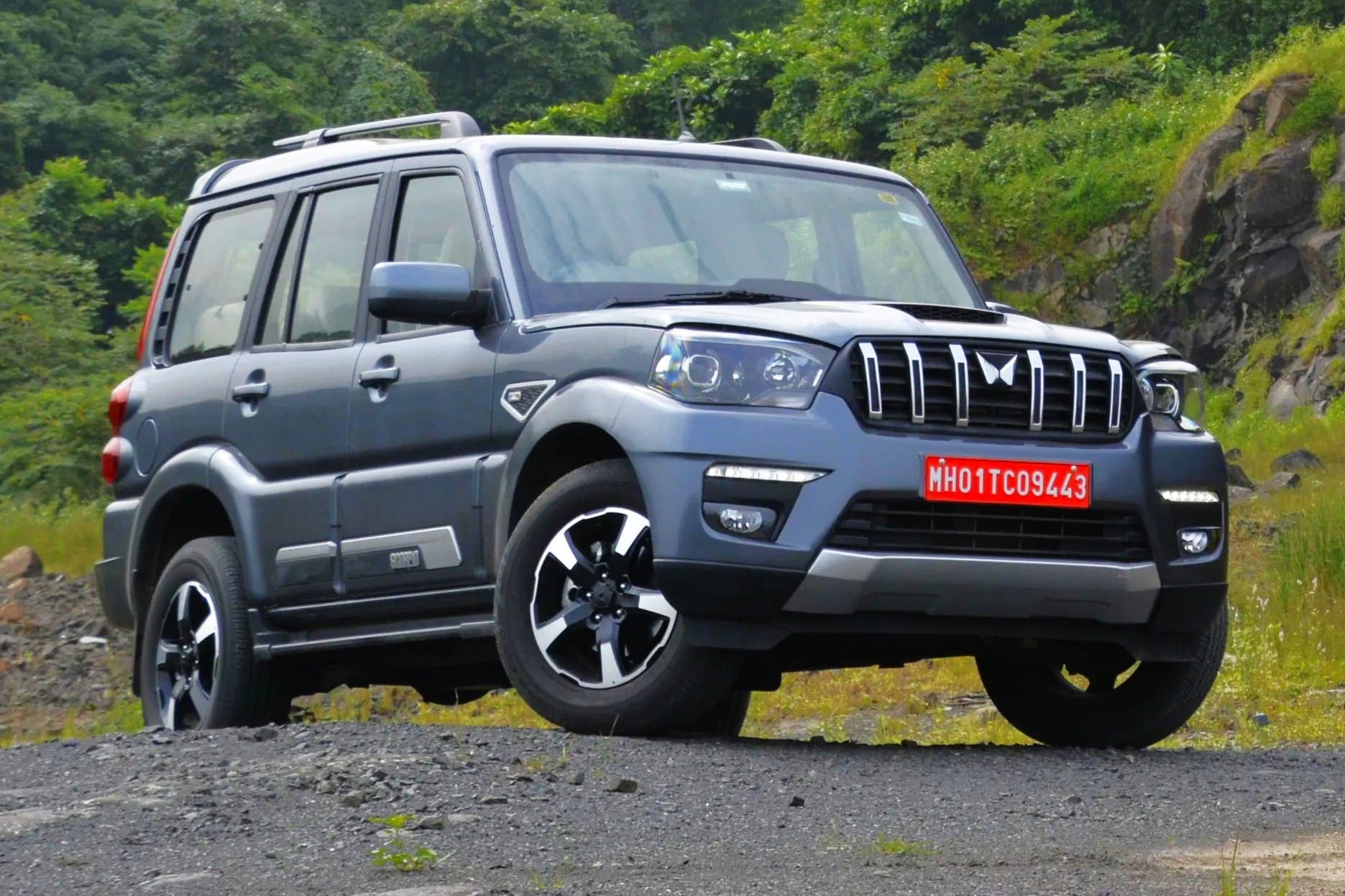
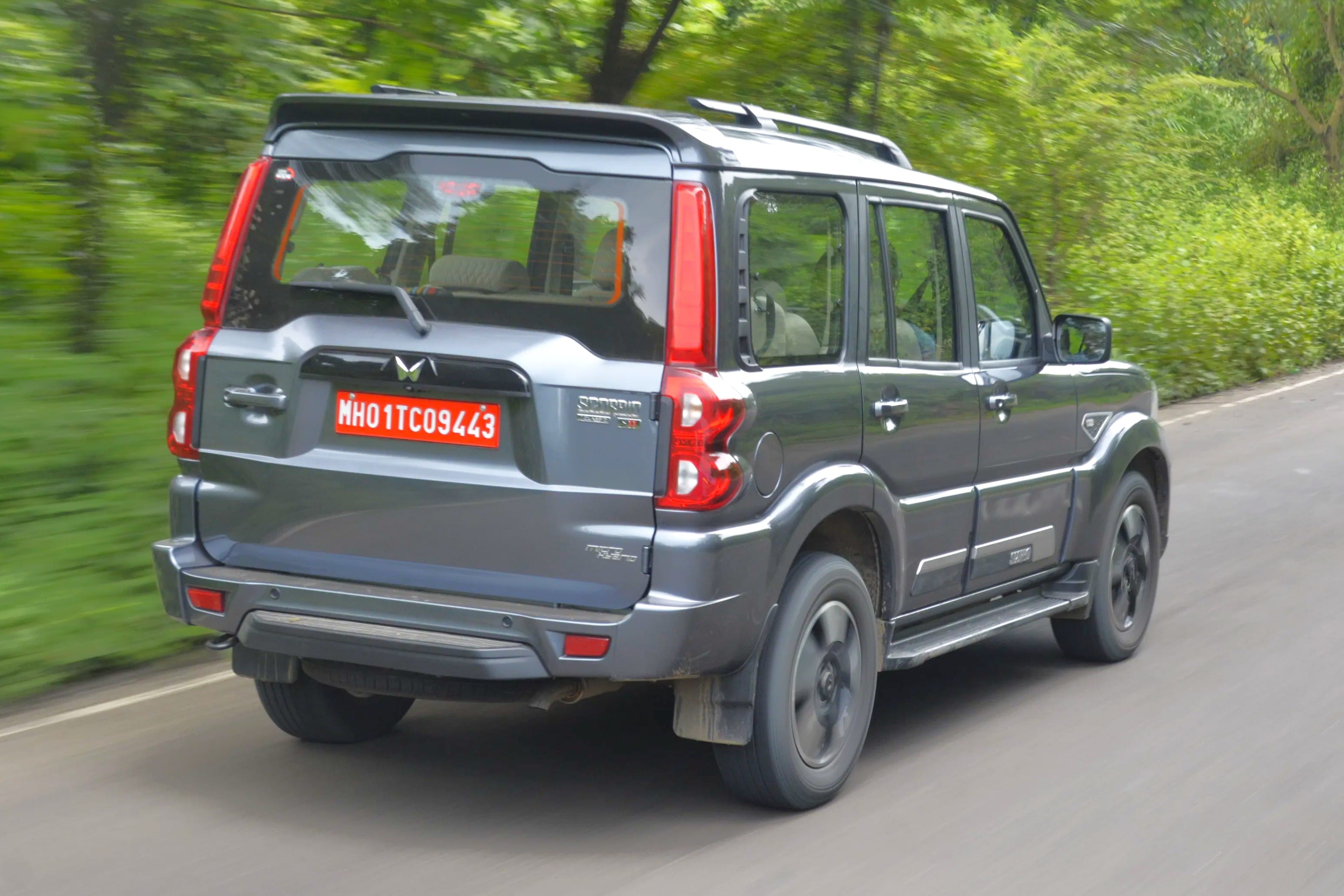
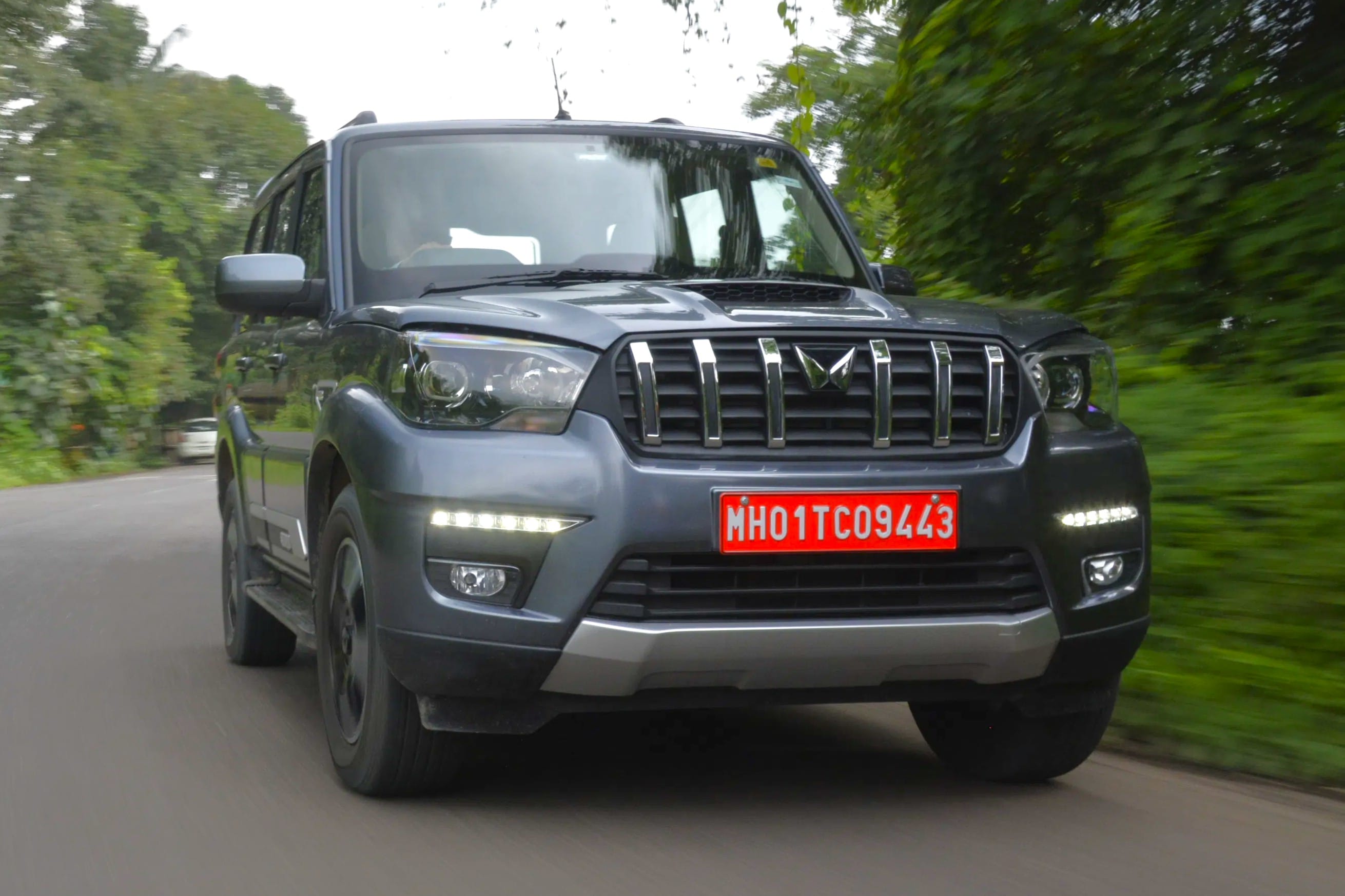
Mahindra Scorpio Classic

When the Scorpio N went on sale in 2022 as the second generation of the Scorpio nameplate, Mahindra did not retire its predecessor. Instead, Mahindra updated the prior-gen model on many fronts and rebranded it the Scorpio Classic, which serves as a tougher, no-frills alternative to the Scorpio N. If you’re confused about which Scorpio to go for, we’ve assembled a list of the Classic’s notable strengths and weaknesses to help you decide.

Pros

Refined engine

Throttle responses are also sharp

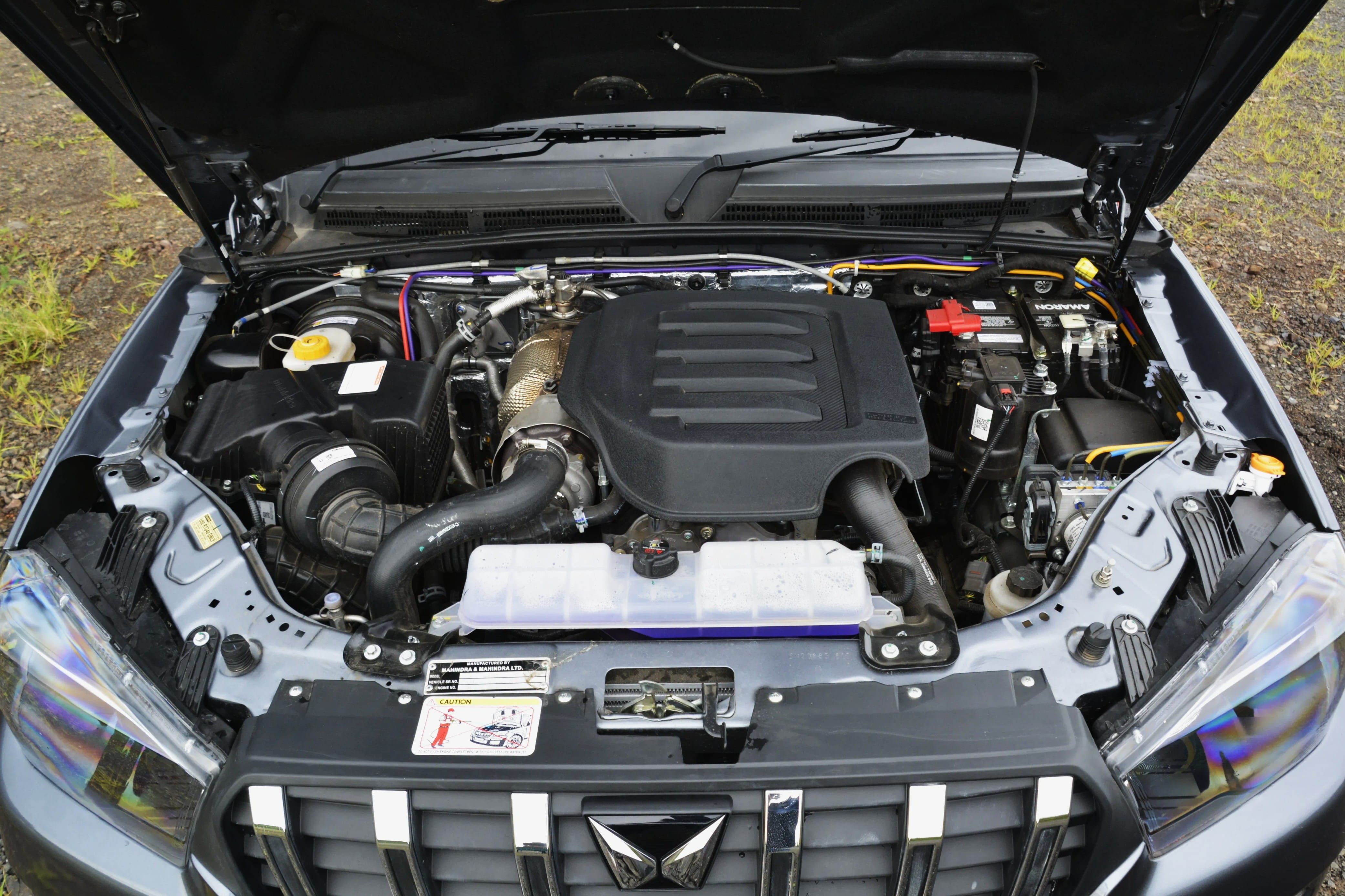
Among the key changes to the Scorpio Classic is the usage of a newer 2.2-litre diesel engine that churns out 130hp and 300Nm, and is mated solely to a 6-speed manual gearbox. As noted in our Scorpio Classic review, this engine is quite silent and transmits barely any vibrations to the cabin. The gearbox is also cable-operated for better sound insulation.

It also goes without saying that the Scorpio Classic feels punchy to drive, with most of the diesel engine’s torque flowing in from as low as 1,000rpm. In fact, the SUV can feel a bit too eager to cover ground, even in third gear. All told, you’re unlikely to find complaints with the Scorpio N’s ability to perform quick overtakes.

Amazing sense of space

Light colour scheme and big windows majorly contribute

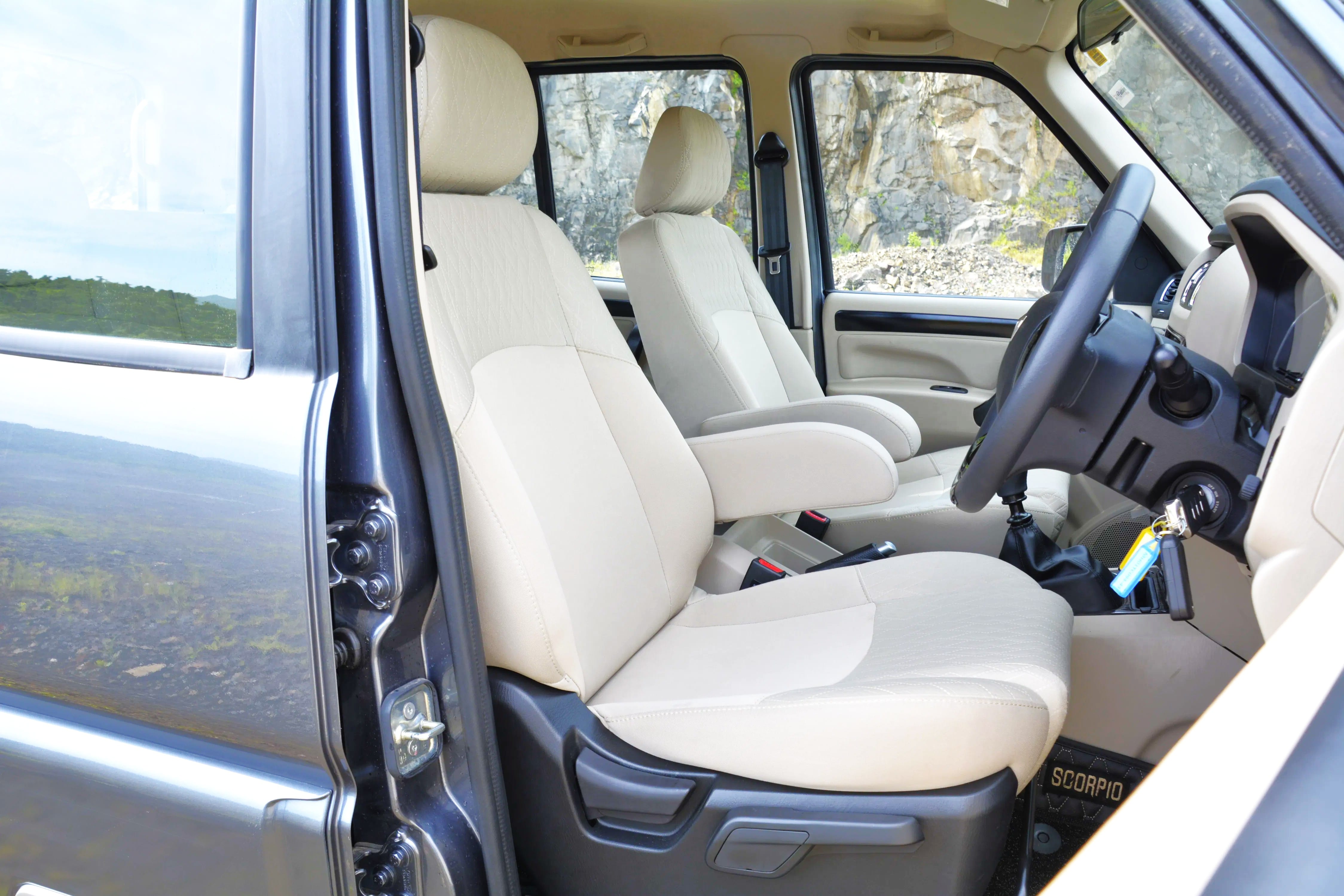
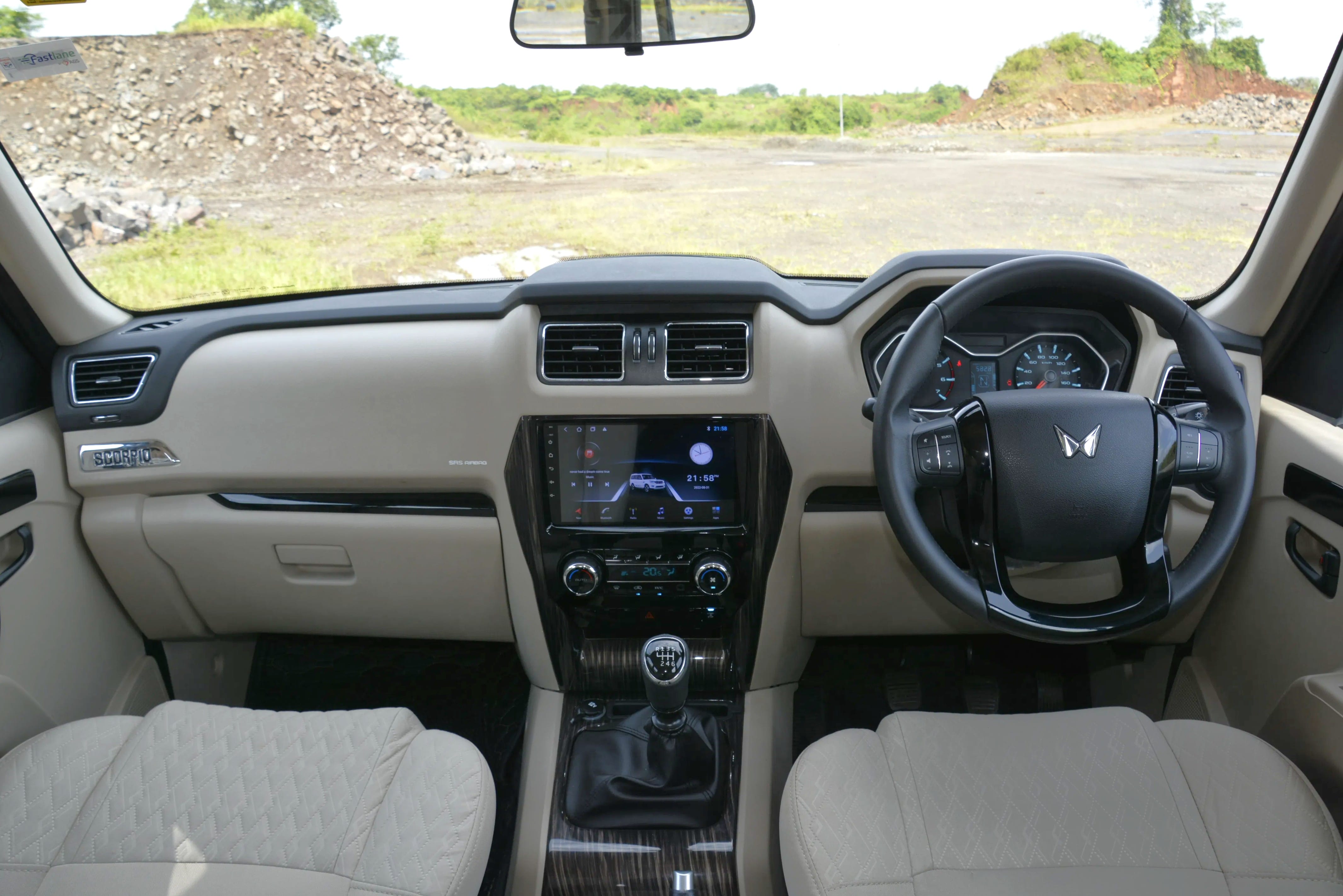
Haul yourself up into the Scorpio Classic’s cabin and you’ll be pleased with the simplicity on offer. The old-school dashboard design, with its mostly flat top and limited distractions, along with the beige colour scheme and large glass area, makes for a great all-around view to the outside and a generous sense of space.

This is further enhanced by the high-set driver’s seat, which allows you to surveil the road ahead with ease. The throne-like front seats are immensely comfortable for long-distance cruising too, and get individual armrests.

Sails over rough roads

Great for rural areas

In line with its reputation, the Scorpio Classic is a champ over bad roads. Thanks to its chunky tyres and body-on-frame chassis, the Scorpio Classic simply glides across rough patches, making the Scorpio Classic a suitable choice for buyers in rural areas.

Cons

Bouncy ride quality

Leans a lot during high-speed cornering too

While the Scorpio Classic excels over the rough stuff, it isn’t all that comfortable over flat roads with cracks and potholes. Occupants are tossed around both vertically and horizontally, and while cornering, the Scorpio Classic exhibits quite a lot of body roll on account of its tall height and narrow wheel tracks.

Ergonomic flaws

Lacks some convenience-enhancing features too

For all the sense of space it offers, the Scorpio Classic’s cabin has its ergonomic foibles. There are no bottle holders in the front door pockets, the cavity to access the seat height adjustment is extremely narrow, and the rear seat squab is too long for short passengers. The Scorpio Classic also misses out on useful features like Apple CarPlay and Android Auto connectivity, and rear USB ports.

Jeep Meridian offers go up to Rs 1.65 lakh in August 2026

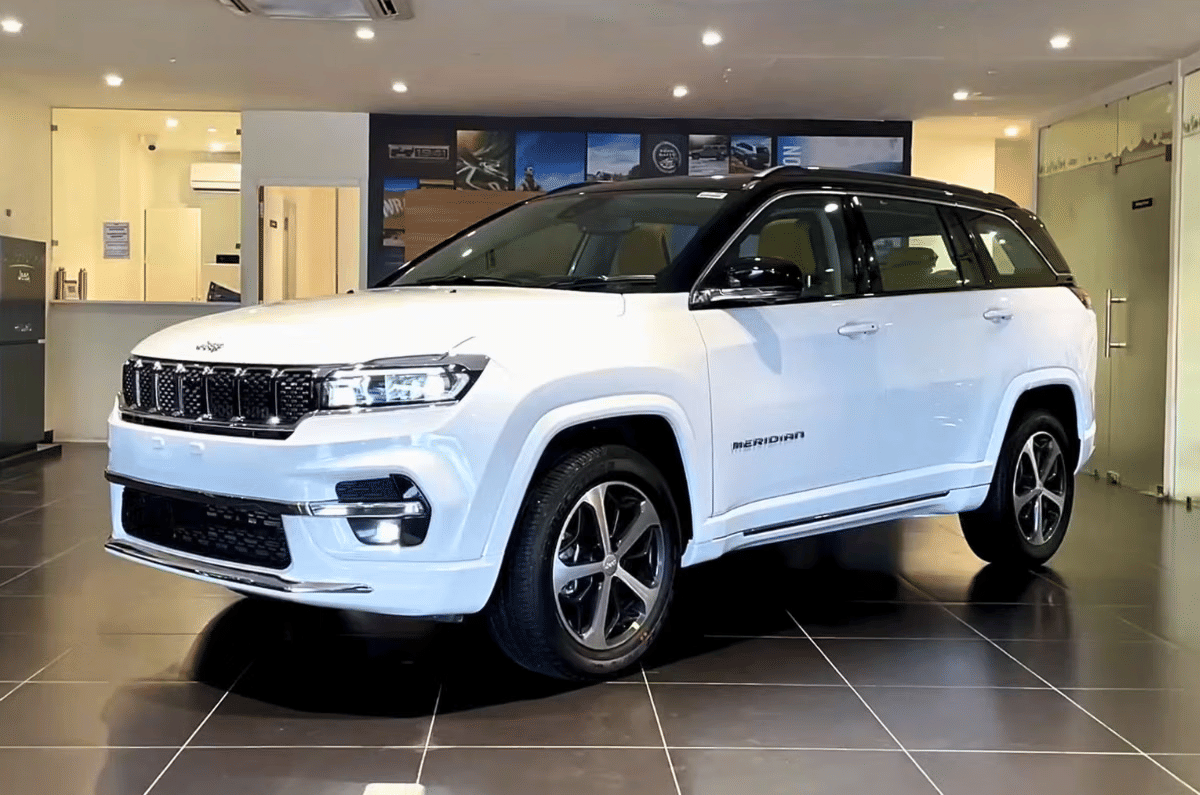
Jeep Meridian in a showroom

Jeep India is offering discounts of up to Rs 1.65 lakh on the Compass and Meridian this month. The offers include cash discounts, corporate benefits and other special schemes. However, there are no discounts on the Wrangler, while the Grand Cherokee has already sold out for 2026.

Disclaimer: Discounts vary from city to city and are subject to stock availability. Please check with your local nearest Jeep dealership for the exact figures.

Jeep Meridian discounts in August 2026

Up to Rs 1.65 lakh benefits

The Jeep Meridian is available with benefits of up to Rs 1.65 lakh in August. Buyers of MY24 models can also avail corporate benefits of up to Rs 1.3 lakh. In addition, doctors and leasing companies can get benefits of up to Rs 30,000.

The Meridian is powered by a 170hp, 2-litre diesel engine paired with either a 6-speed manual or a 9-speed automatic gearbox. Higher variants are also offered with 4×4. Prices range from Rs 23.33 lakh to Rs 38.26 lakh.

Jeep Compass discounts in August 2026

Up to Rs 1.5 lakh benefits

The Jeep Compass gets benefits of up to Rs 1.5 lakh this month. Jeep is also offering corporate benefits of up to Rs 1.10 lakh on the SUV. Doctors and leasing companies can avail an additional Rs 15,000 benefit, which is half of what is offered on the Meridian.

Like the Meridian, the Compass is powered by the same 170hp, 2-litre diesel engine, available with 6-speed manual and 9-speed automatic gearbox options. Both 4×2 and 4×4 drive layout options are on offer, depending on the trim. The Compass is priced between Rs 17.99 lakh and Rs 30.7 lakh.

Ex-showroom prices mentioned above.

Tata Curvv EV benefits in August 2026 go up to Rs 3.35 lakh

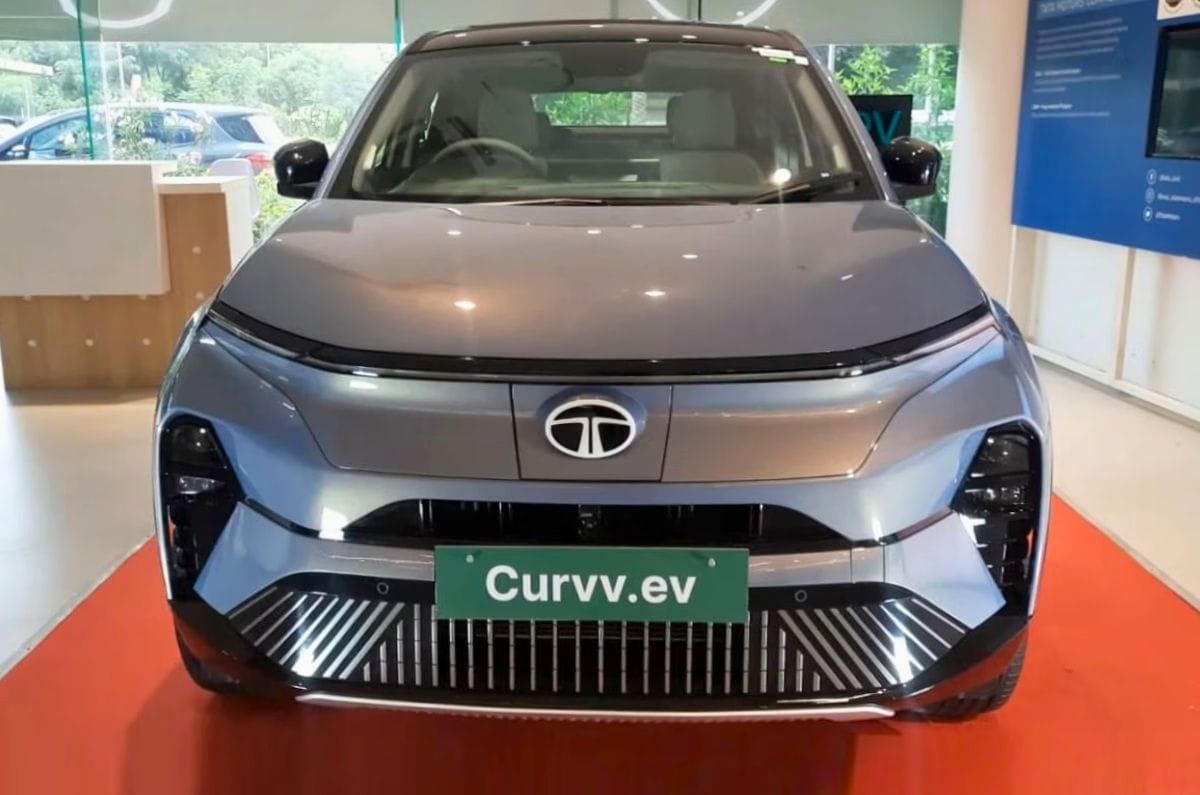
Tata Curvv EV showroom image

Prospective EV buyers headed to a Tata Motors dealership will be offered a variety of benefits in August 2026. Depending on the model and variant, benefits available include cash discounts, exchange offers, plus scrappage and loyalty incentives. Tata’s August 2026 discounts do not include the Tigor EV and Sierra EV, while the Nexon EV gets the lowest benefits this month. The offers mentioned here will be valid till August 31, 2026.

Disclaimer: Offers/benefits may vary by city and are subject to stock availability. Buyers are advised to check with their local dealer for exact figures.

  • Curvv EV gets highest discounts; Nexon EV gets least
  • Curvv EV benefits reach Rs 3.35 lakh, Harrier EV’s Rs 2.75 lakh
  • Select models offered with loyalty benefits

Tata Curvv EV offers in August 2026

Benefits up to Rs 3.35 lakh

Tata is offering select variants of the Curvv EV with exchange benefits worth Rs 30,000 or scrappage incentives of Rs 35,000. Existing Tata customers opting for a new Curvv X series, switching from either an ICE (internal combustion engine) or EV (electric vehicle) model are also offered with loyalty benefits of Rs 30,000. In all, customers of the Curvv EV X variants can avail discounts up to Rs 65,000.

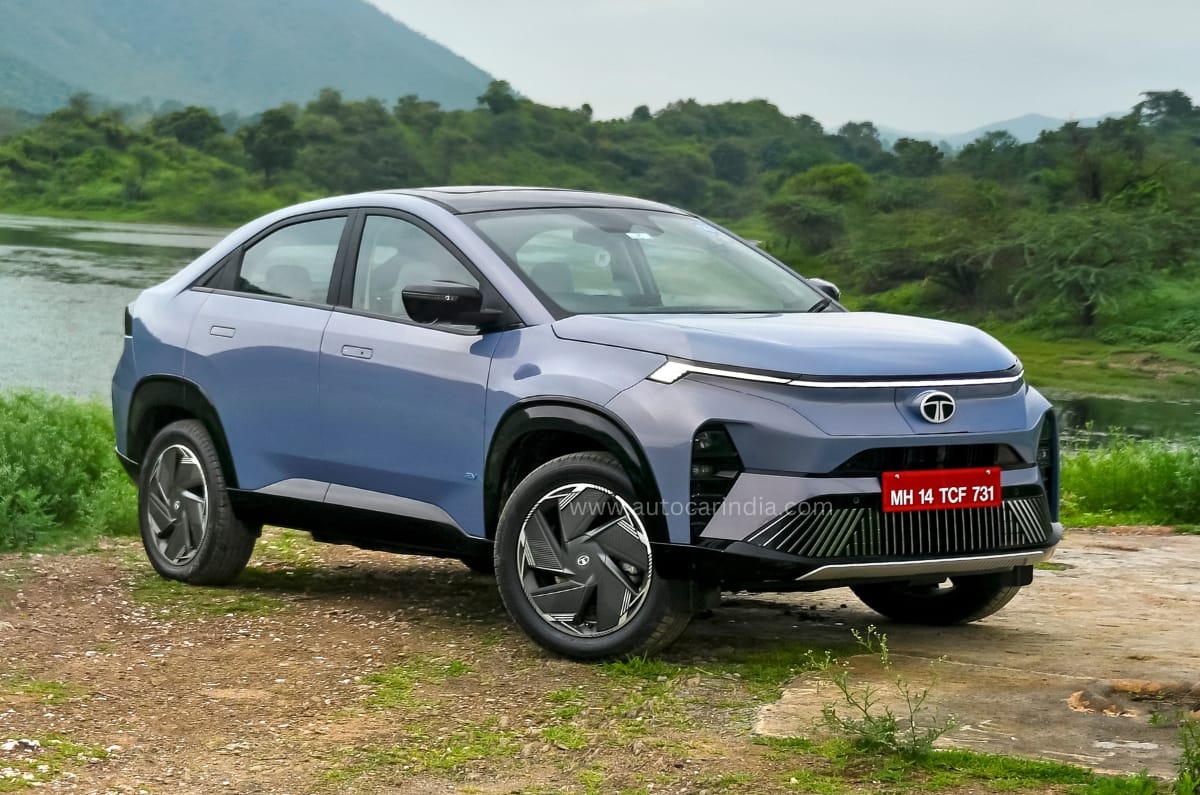
Tata Curvv EV front quarter

Those going for a non-X trim of the Tata Curvv EV can avail maximum benefits of up to Rs 3.35 lakh. This is made possible by a cash discount of Rs 3 lakh, plus scrappage incentives of Rs 35,000. These exchanges/scrappage schemes aside, buyers of the Curvv EV Creative trim will be offered with a cash discount of Rs 2.50 lakh – taking the overall discount to Rs 2.85 lakh.

Tata Harrier EV offers in August 2026

Benefits up to Rs 2.75 lakh

Buyers opting for the Adventure, Fearless+ or Empowered trims of the Harrier EV will be offered an exchange bonus of Rs 50,000 or a scrappage incentive worth Rs 75,000. There are loyalty benefits of Rs 50,000 for those moving from an existing Tata ICE model to a new Tata EV, with existing Tata EV owner moving to a new fully electric model being offered Rs 1 lakh.

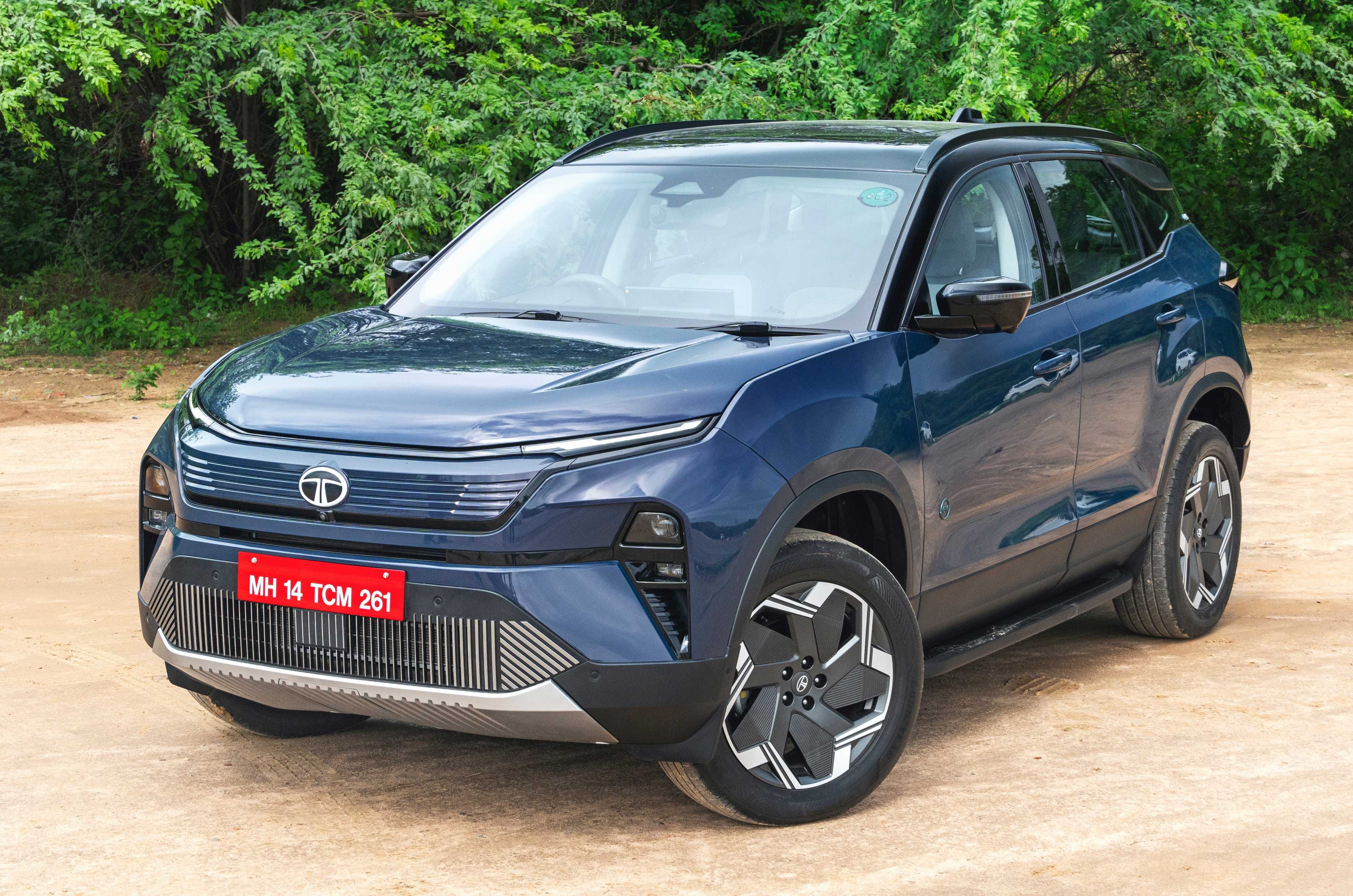
Tata Harrier EV front quarter

Tata is also offering customers the ‘Freedom Offer’ this August. It discounts the price of the Harrier EV Adventure trim by an additional Rs 75,000 and by Rs 1 lakh for the Harrier EV’s Fearless+ and Empowered trims. In total, the former is available with benefits of up to Rs 2.50 lakh this August, while the other two can be had with discounts of up to Rs 2.75 lakh.

Tata Punch EV offers in August 2026

Benefits up to Rs 1.45 lakh

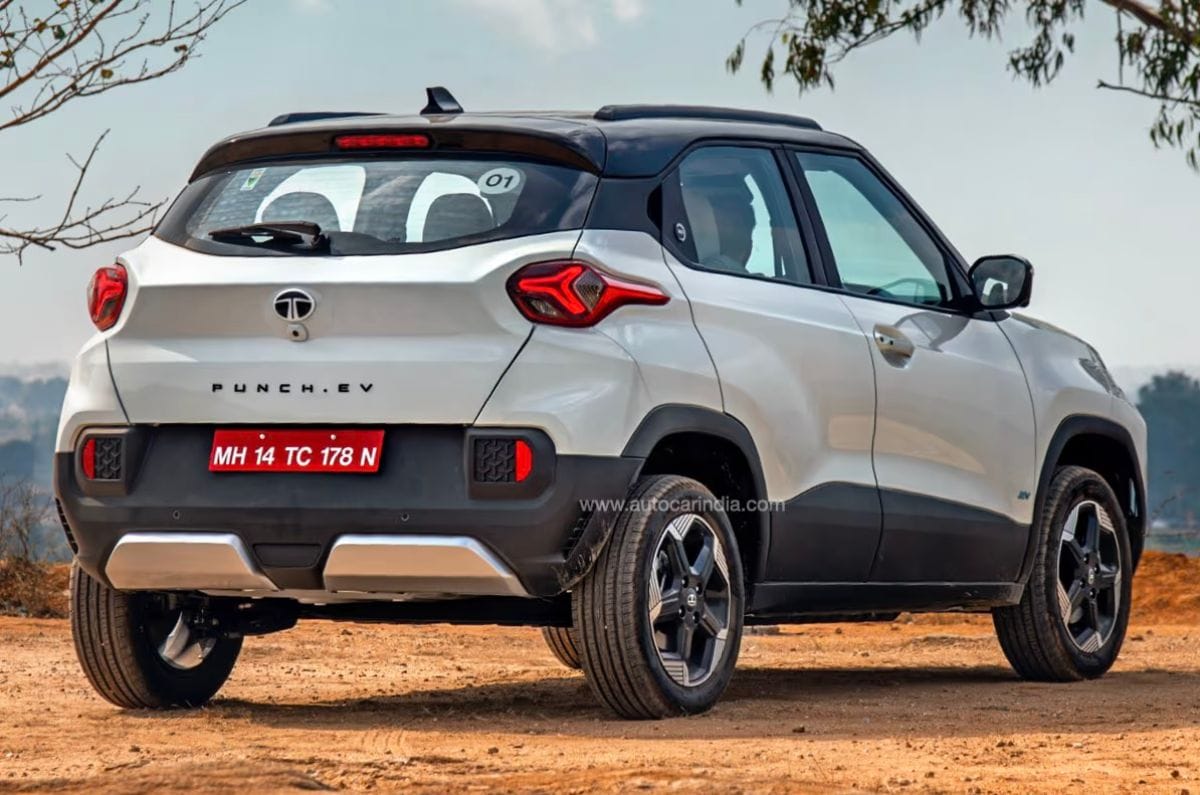
Pre-facelift Tata Punch EV rear quarter

Select variants of the Punch EV Medium Range, Long Range, and Smart variants are available this August with an exchange bonus of Rs 30,000 or a scrappage benefit of Rs 35,000. Additionally, cash discounts on the Medium Range is Rs 90,000 and that on the Long Range is Rs 1.10 lakh – overall benefits for the Punch EV Medium Range and Long Range are Rs 1.25 lakh and Rs 1.45 lakh, respectively. Meanwhile, the Smart trim is available with a cash discount of Rs 60,000, with total discounts amounting to up to Rs 95,000.

Tata Tiago EV offers in August 2026

Benefits up to Rs 1.45 lakh

Pre-facelift Tata Tiago EV front quarter

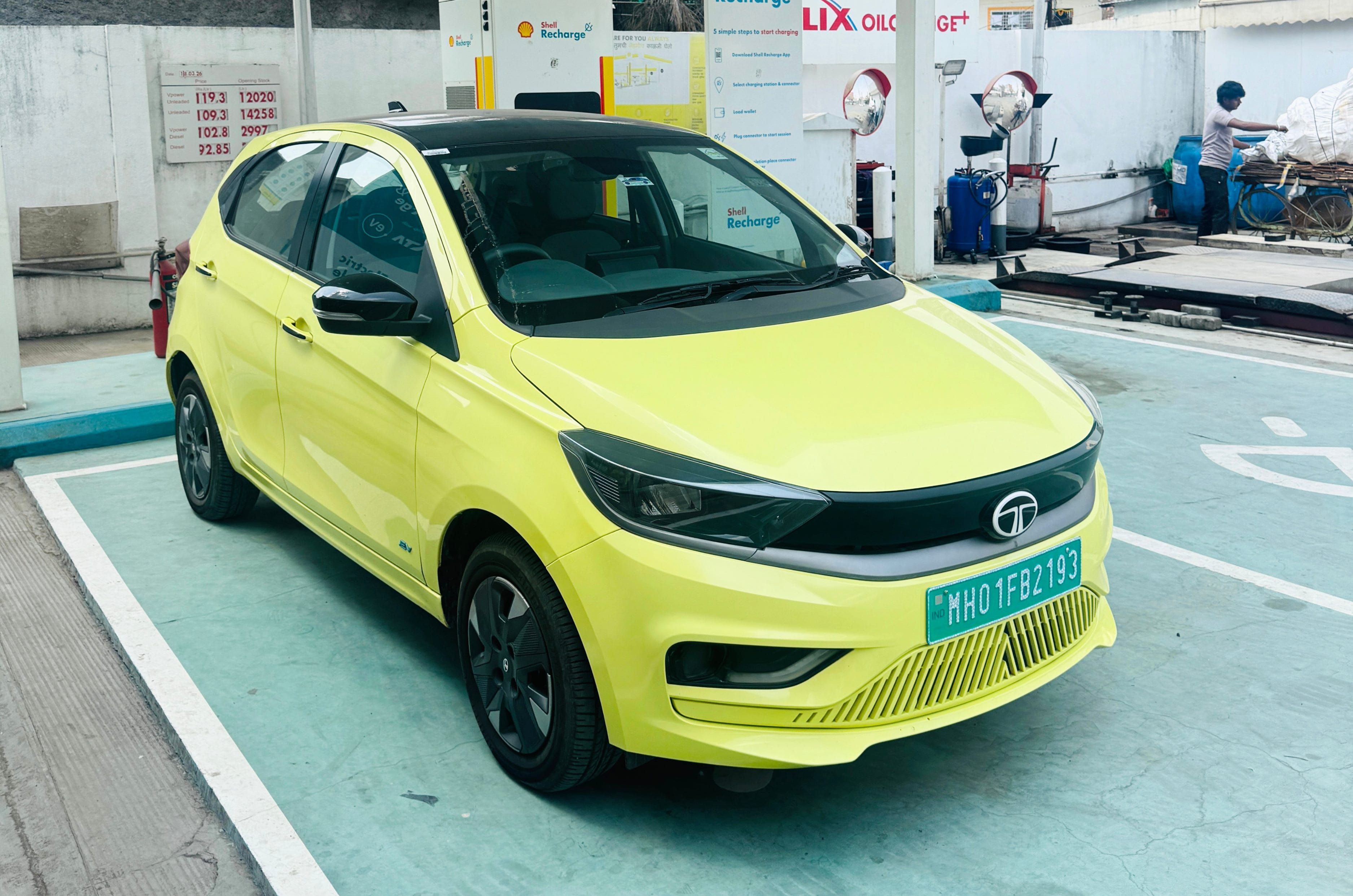
Like the Punch EV, the Tata Tiago EV is also available with August 2026 benefits amounting to up to Rs 1.45 lakh. However, this is only applicable to the LR (Long Range) XT variant of the old model – combining a cash discount of Rs 70,000 and the ‘Freedom Offer’ worth Rs 50,000. Customers can also avail an exchange benefit of Rs 20,000 or a scrappage bonus of Rs 25,000.

The exchange/scrappage benefits are offered with select trims of the Tiago EV MR (Medium Range) and LR (Long Range) variants, too. The former’s total benefits amount to Rs 65,000, whilst the latter’s is Rs 1.25 lakh.

Tata Nexon EV offers in August 2026

Benefits up to Rs 45,000

Tata Nexn EV rear quarter

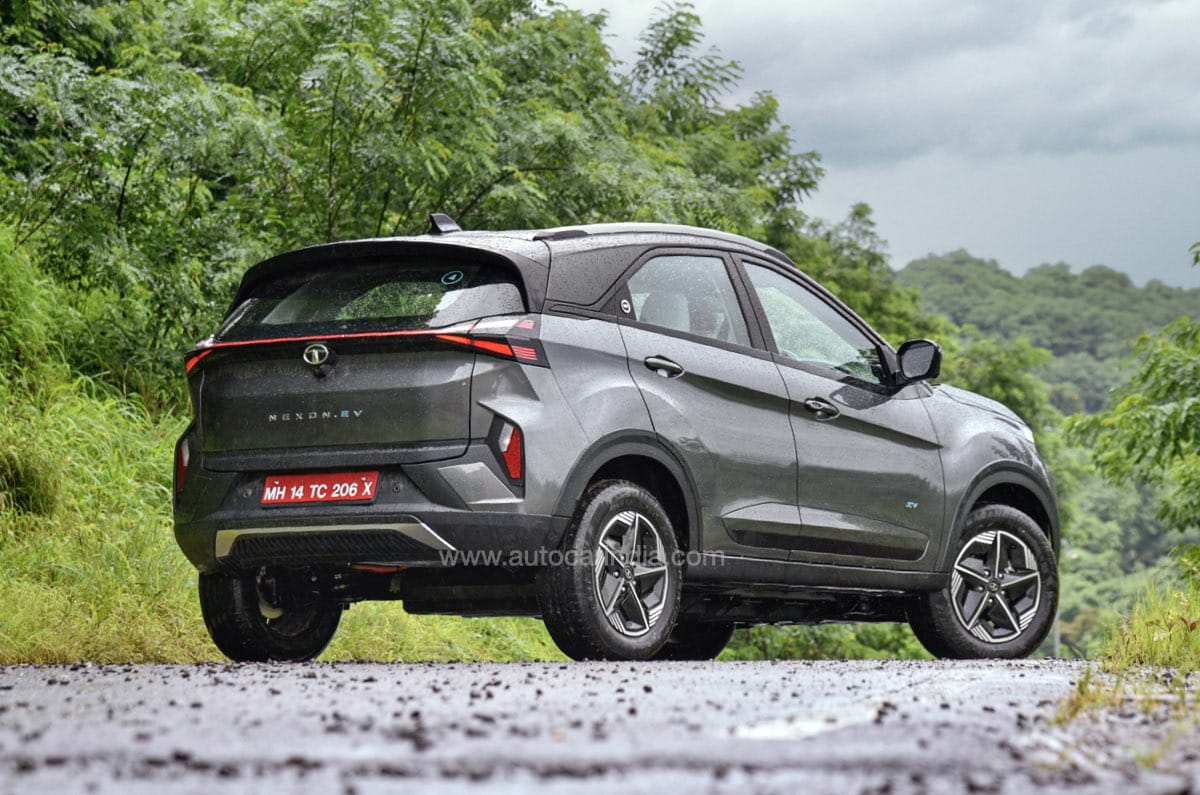
The Tata Nexon EV is available with benefits of up to Rs 45,000 in August 2026. This takes into account a cash discount of Rs 10,000, a scrappage scheme worth Rs 35,000, or an exchange bonus worth Rs 25,000.

Also read

Benefits up to Rs 1.25 lakh on Tata Curvv in August 2026

Kia opens official Sorento bookings ahead of launch


Vida surpasses 3 lakh sales milestone

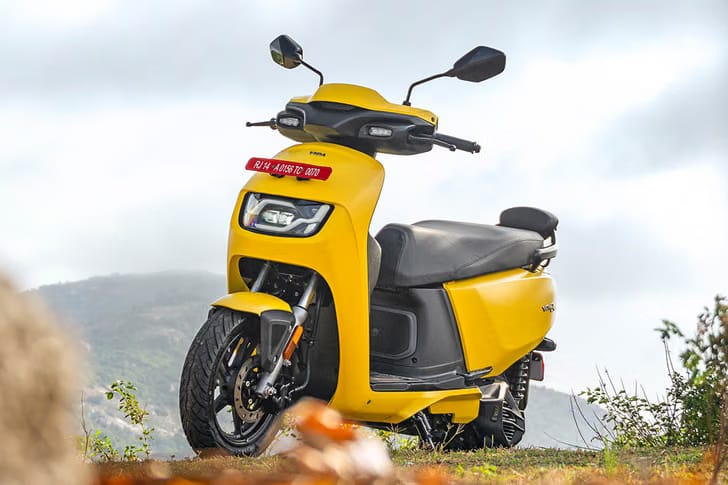
Vida VX2 static

Vida, Hero MotoCorp’s electric two-wheeler brand, has surpassed the 3 lakh retail sales milestone in the Indian market. As per the latest Vahan numbers, cumulative retail sales from November 2022 till August 1, 2026 are 300,458 units.

  1. Vida sold its first 1 lakh units in around 33 months
  2. Whereas, the 2 lakh to 3 lakh sales milestone took just 5 months
  3. With its strong growth trajectory, Vida could garner over 2-lakh sales in a single year for the first time.

Vida’s BaaS has been a key sales driver

Vida currently has coverage across India with over 900 touchpoints

The surge in demand for the Vida e-scooters is seen in the strong growth, particularly over the past year. While the first 1 lakh units were sold in around 33 months, the run from 1 lakh to 2 lakh units took a little over seven months. Now the last 1 lakh units – from 2 lakh to 3 lakh – have taken just five months, reflecting the surging demand for Vida e-scooters this year. With July (22,883 units) being the new monthly high, beating the previous best of June (21,893 units) this year.

From 4 percent in CY2024 to 11 percent in CY2026 Year-to-date, Hero Vida has reaped strong gains in India’s booming e-2W market. Expect it to achieve total retail sales of around 2.25 lakh units this calendar year.

It’s been a noteworthy run for the world’s largest two-wheeler company in the EV space. Vida now stands at No. 4 in the e-2W market share after TVS Motor Co, Bajaj Auto and Ather Energy and is ahead of Ola Electric and Greaves Electric Mobility.

With strong sales tailwinds emanating from a growing number of ICE buyers transitioning to e-mobility due to the multiple price hikes in petrol in May 2026 as well as the upcoming festive season, it can be expected that Vida will maintain the same strong growth trajectory. This would mean Hero MotoCorp’s annual e-2W sales will cross the 2-lakh units milestone in a single calendar year for the first time in CY2026. Estimate them to be in the region of 2.25 lakh to 2.35 lakh units.

Another strategic sales driver for Vida has been the introduction of the Battery-As-a-Service (BaaS) ownership model which significantly reduces the upfront ownership cost, making electric mobility more affordable and accessible to a wider customer base, and has since been adopted by Ather Energy and TVS Motor among a host of other OEMs.

The company, which opened its first Experience Centre in November 2022, currently has coverage across India with over 900 touchpoints spanning 415 cities and 700-plus dealers. Hero MotoCorp enables Vida users to access charging at over 5,900 locations including the Ather Grid network owned by Ather Energy in which Hero MotoCorp is an early investor (with a 29.48 percent stake at present) and has recently invested an additional Rs 1,000 crore.

Manufacturing capacity expansion is also on the cards for Vida. In May this year, Hero MotoCorp revealed details of its planned capital expenditure of over Rs 1,500 crore in FY2027. Cognisant of the strong growth potential in its e-2W business, the company has outlined a strategic manufacturing expansion for its Vida brand. Having already ramped up capacity by 66 percent from 15,000 units per month to 25,000 units, the company has outlined plans for further expansion by doubling monthly capacity to 50,000 units at its plant in Chittoor in Andhra Pradesh to cater to growing demand.
 

What to expect from the BMW 7 Series, i7 facelift ahead of launch

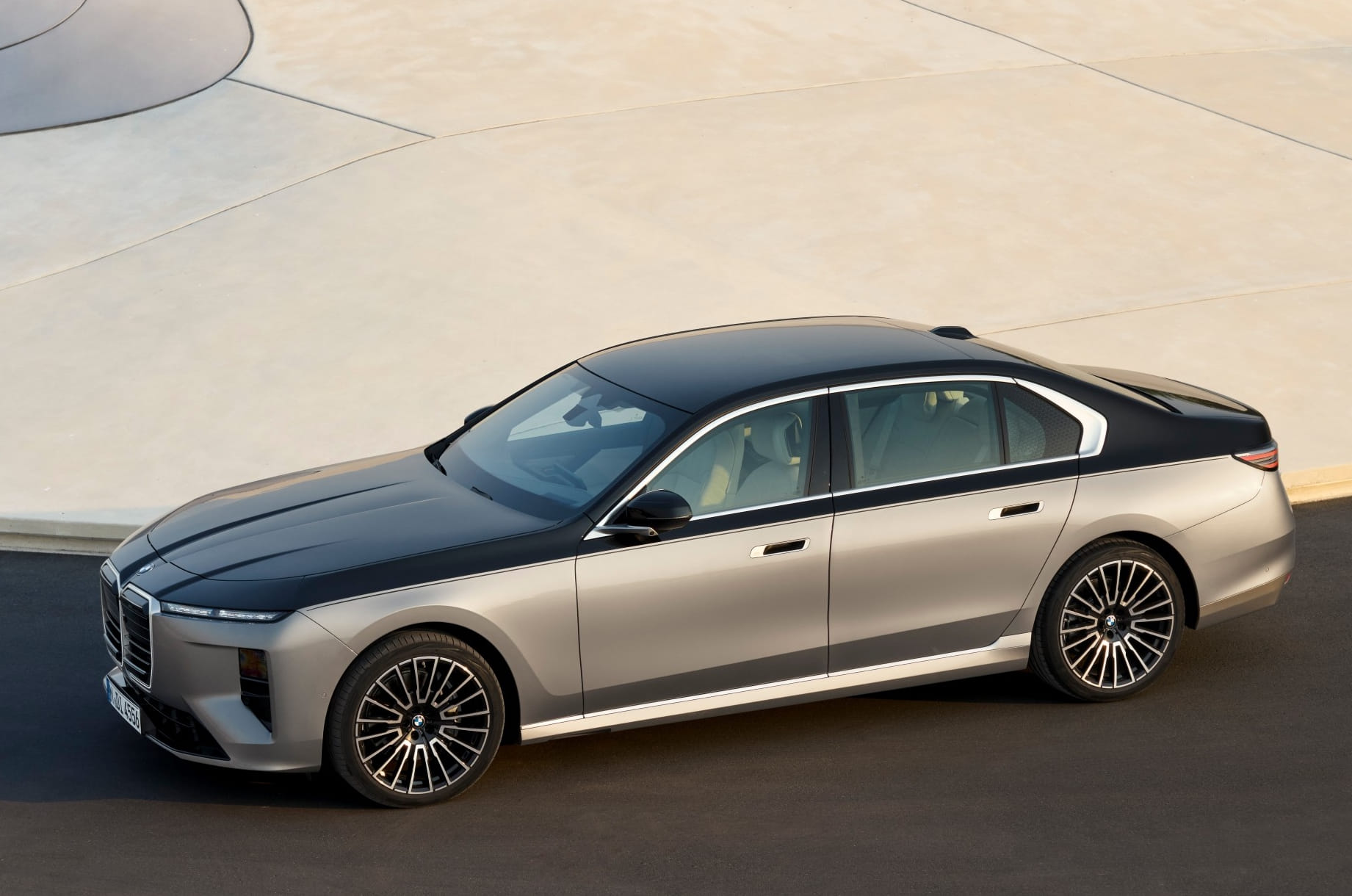
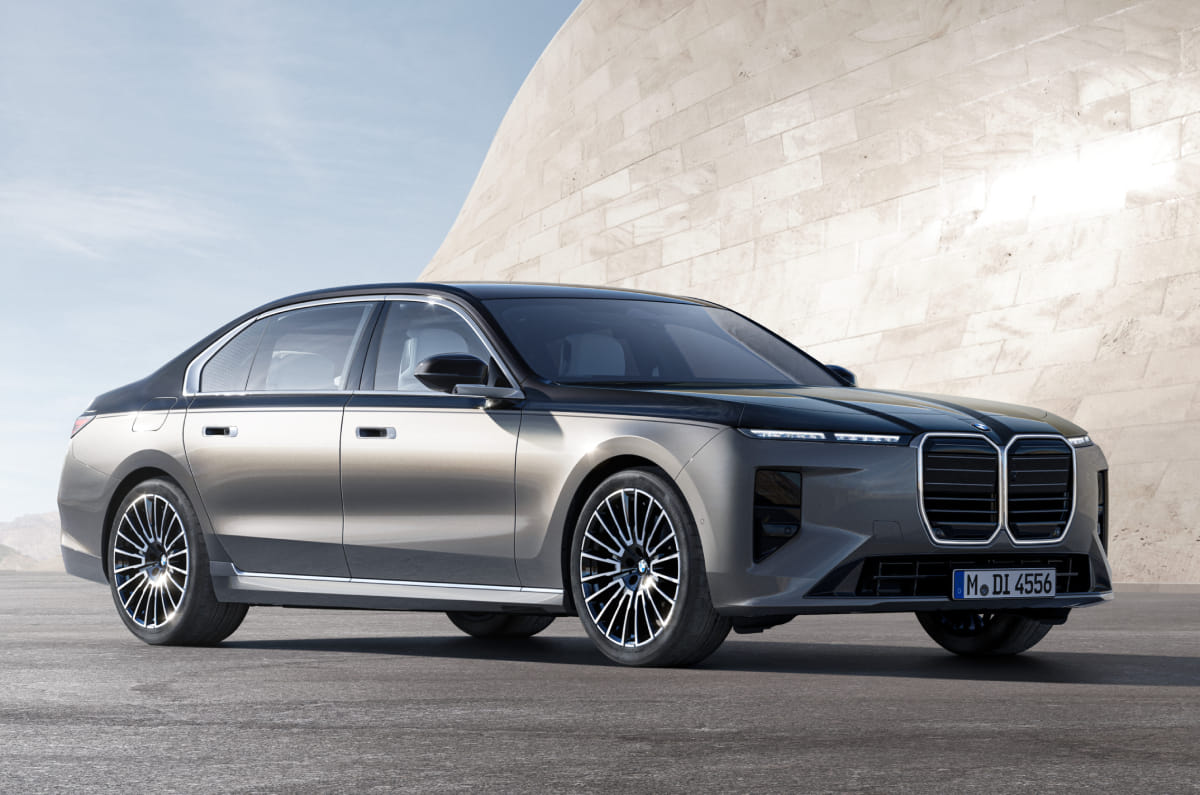
BMW 7 series

BMW’s flagship 7 Series and i7 luxury sedans are set to receive a mid-lifecycle facelift in India with refreshed styling, a comprehensively redesigned cabin, and upgraded petrol, diesel and electric powertrains. This mid-cycle update also introduces interior elements from BMW’s upcoming Neue Klasse models, including the new Panoramic iDrive display and rhomboidal infotainment touchscreen. With bookings now open ahead of their launch, here’s everything you need to know.

1. What will the BMW 7 Series and i7 facelift look like?

Sharper styling with subtle design revisions

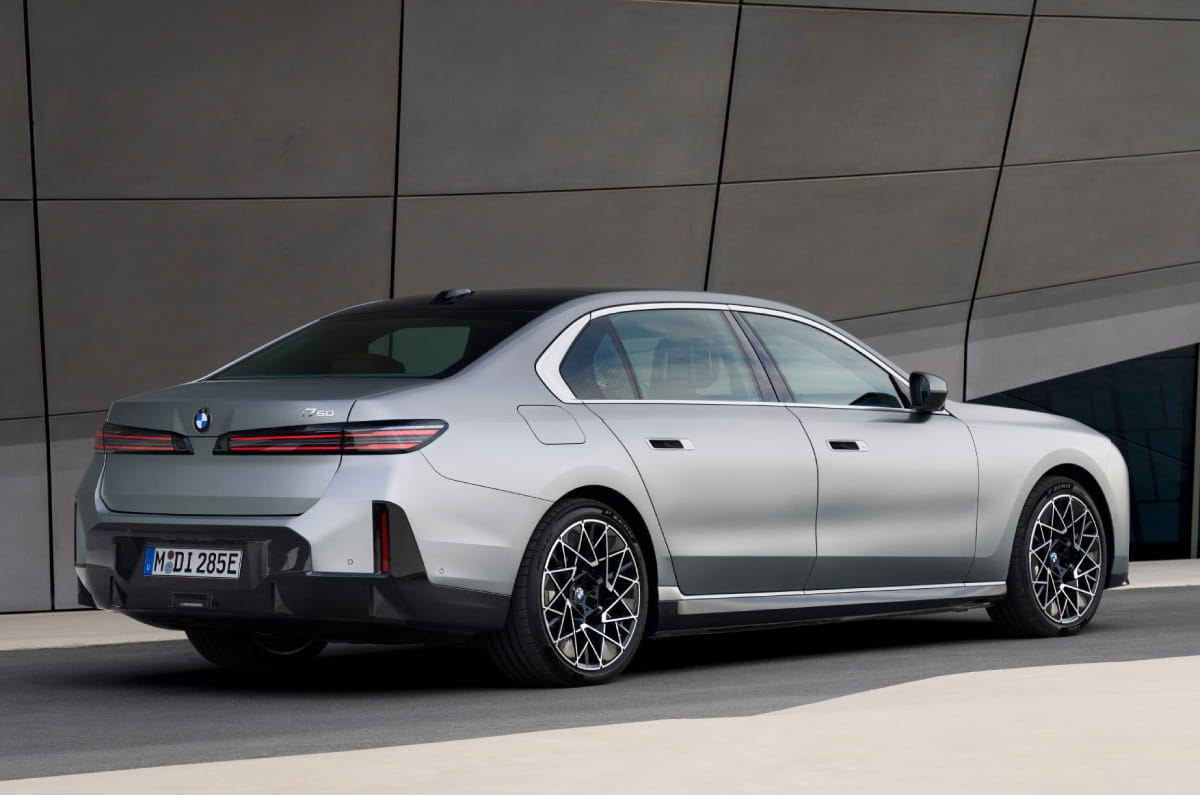
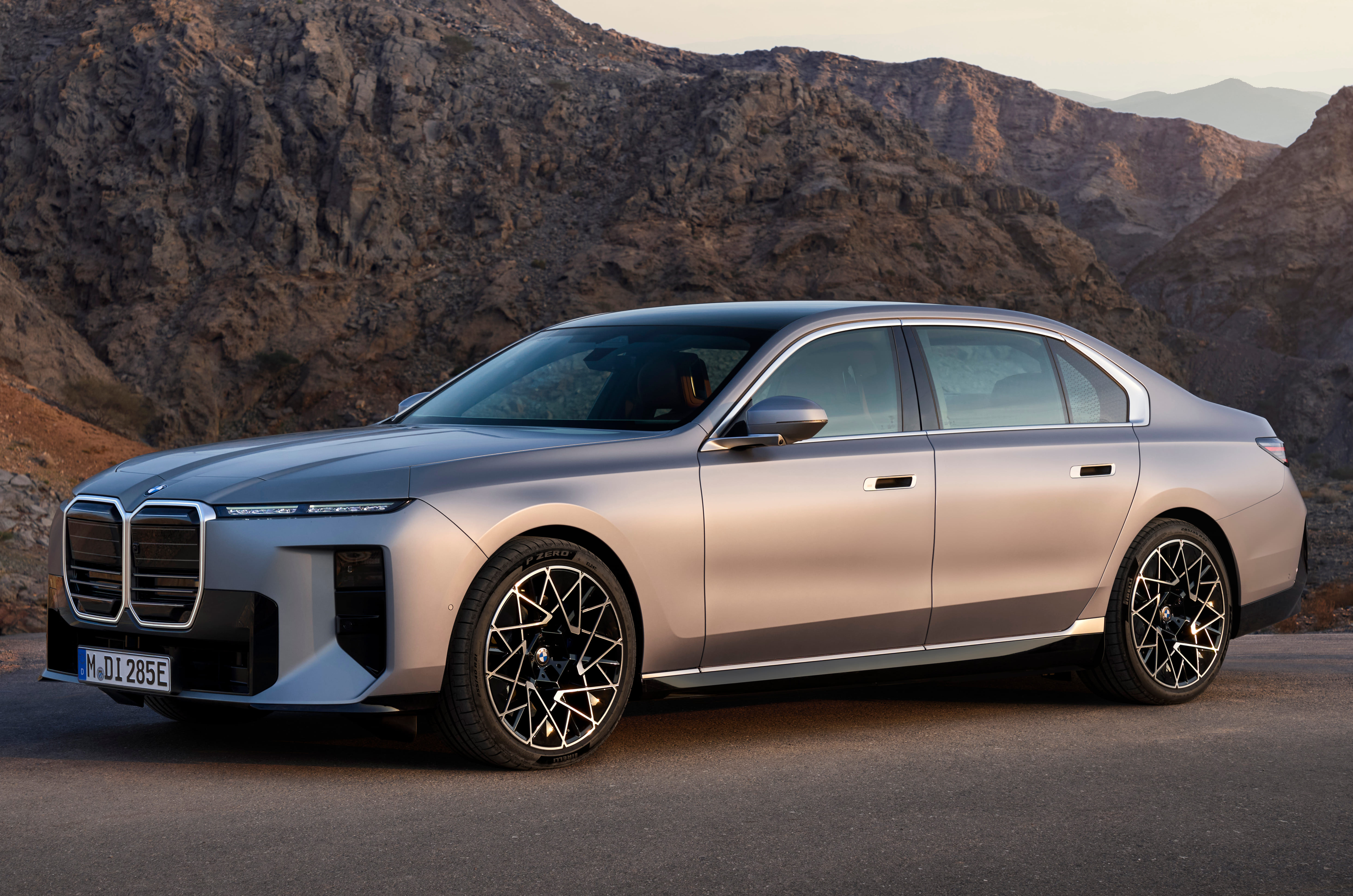
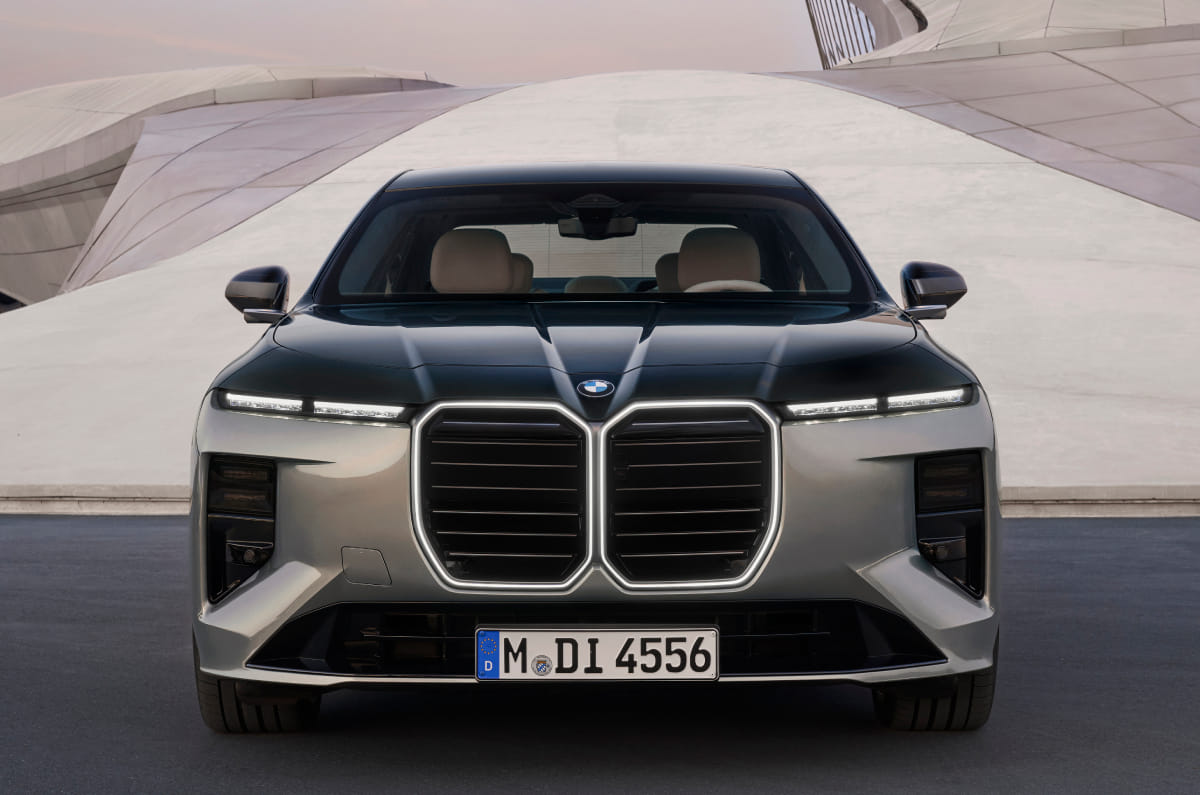
The facelift retains the overall silhouette of the current 7 Series but introduces several styling changes. Up front, it gets a redesigned illuminated kidney grille and revised split LED headlamps. The slim upper lighting elements house the daytime running lights, while the main headlamp units sit lower down in the bumper.

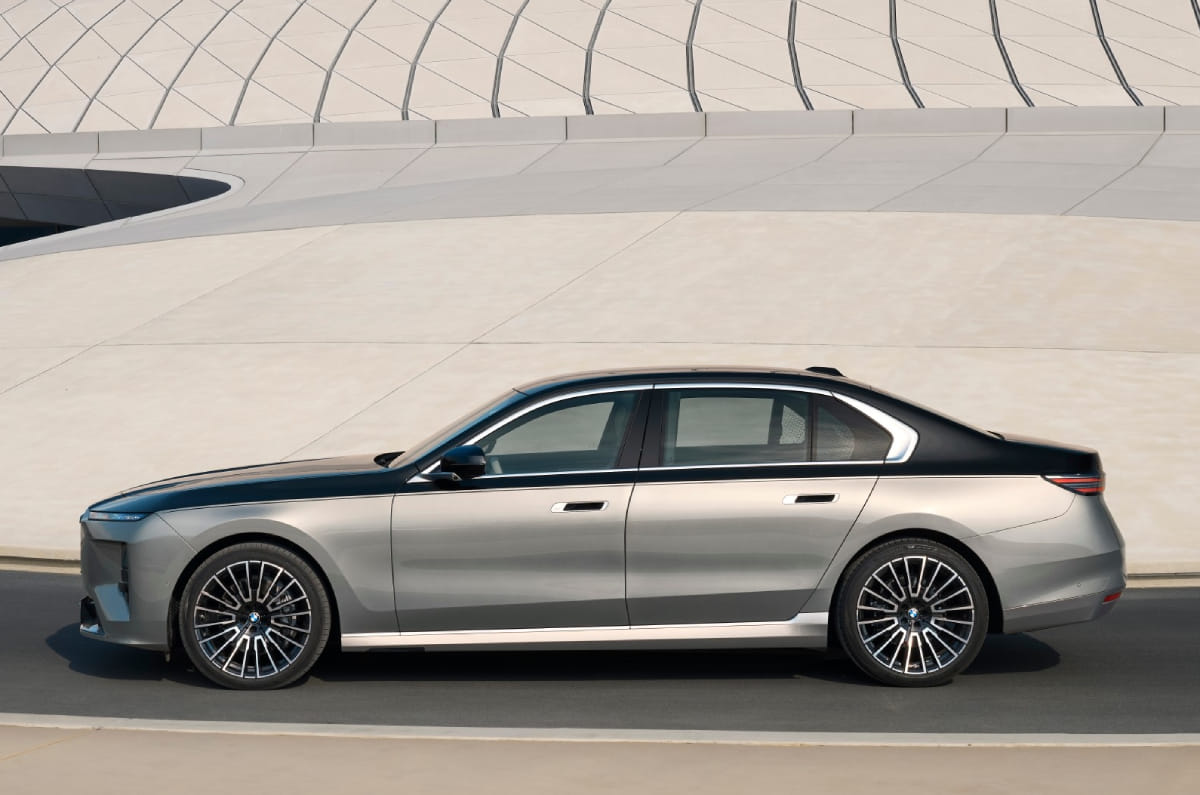
Viewed from the side, the 7 Series continues its clean and elegant design. It retains flush-fitting door handles that blend neatly into the bodywork. BMW has also introduced a new alloy-wheel design with the facelift. Another interesting detail is the embossed ‘7’ on the B-pillar, which becomes visible when both doors on the same side are opened. 

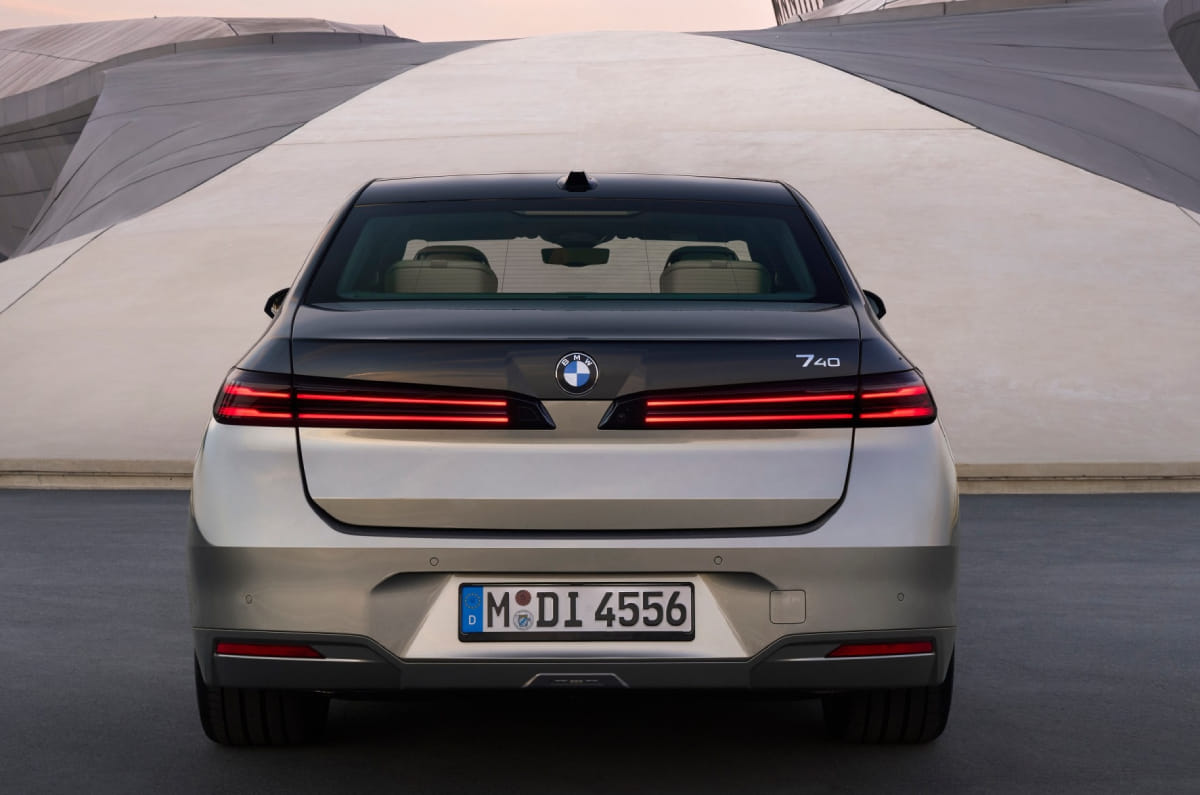
At the rear, slimmer tail-lamps extend further into the tailgate and feature smoked lenses with chrome detailing, while the bumper has been redesigned with a diffuser-style insert.

2. What’s new in the interior of the BMW 7 Series and i7 facelift?

Redesigned dashboard with BMW’s latest Panoramic iDrive

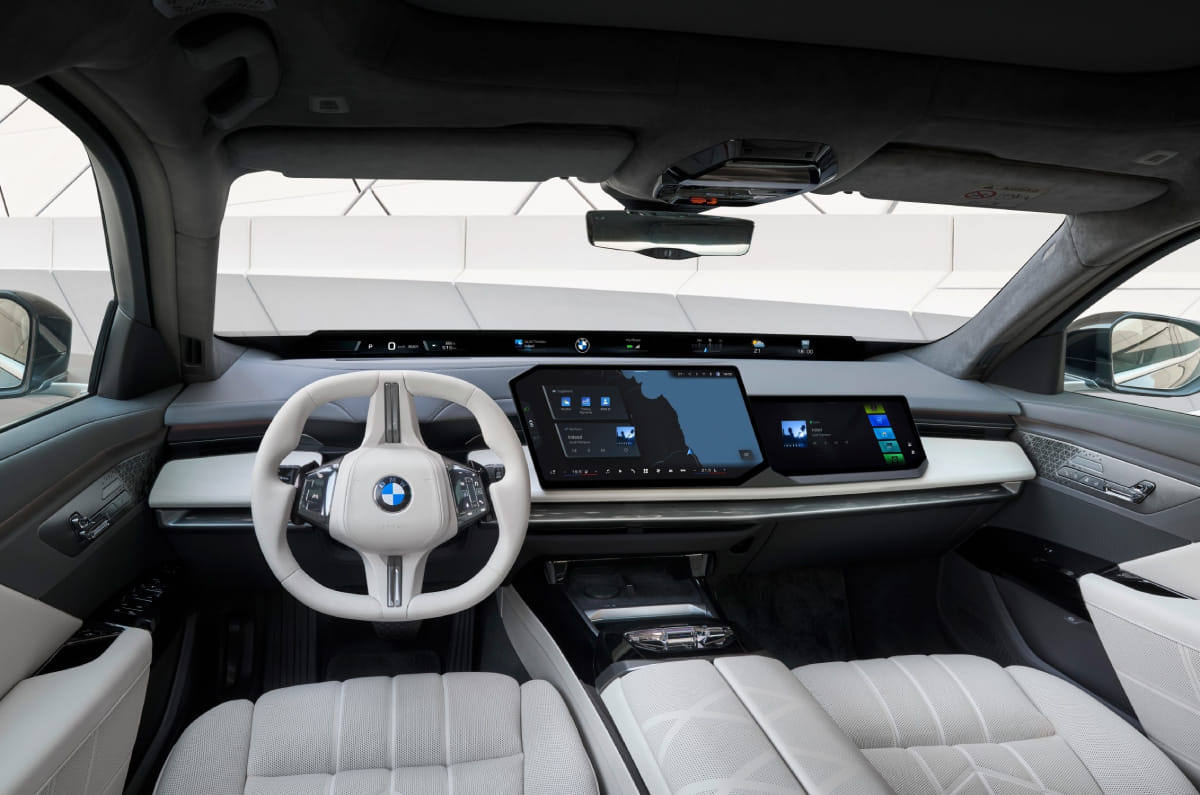
The biggest changes are inside. The facelift introduces BMW’s new Panoramic iDrive, replacing the conventional digital instrument cluster with a full-width projection display at the base of the windscreen. It works alongside a new 17.9-inch central touchscreen and a 14.6-inch front passenger display, both running the latest BMW Operating System X which supports over-the-air updates, wireless Apple CarPlay and Android Auto, and features improved voice controls. 

BMW has also introduced a new four-spoke steering wheel and a redesigned ambient lighting system that spans the width of the dashboard, extends to the rear speaker grilles and features additional lighting behind the front seats.

As standard, the seats come with electric adjustment, heating, ventilation, massage, lumbar support and heated armrests. The front passenger seat can also slide fully forward to create additional legroom for the passenger seated behind. 

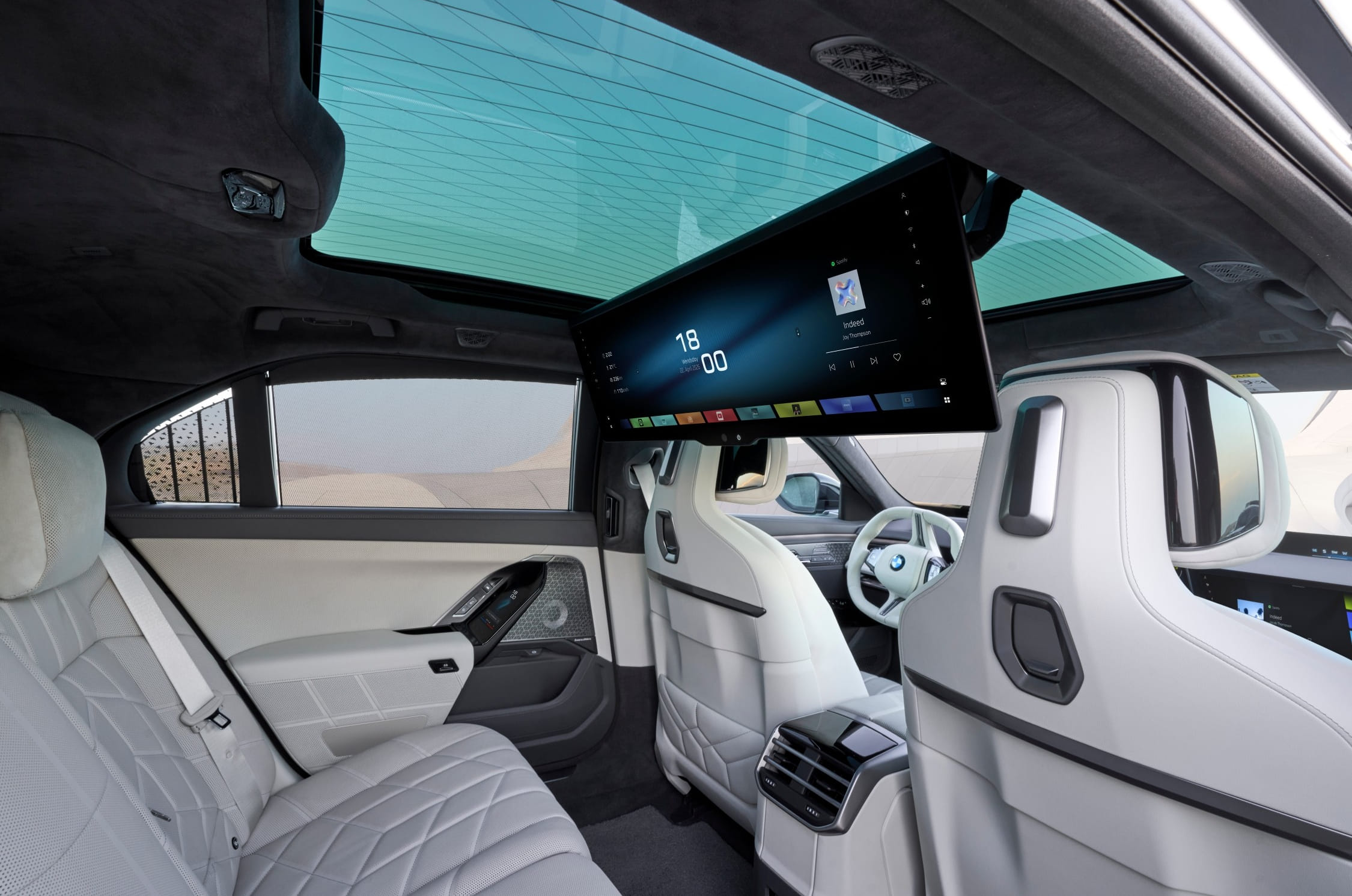
Rear-seat entertainment has also been upgraded. The Theatre Screen, optional in international markets, is now a 31.3-inch 8K touchscreen that supports video calls, streaming and gaming. The displays integrated into the rear doors have also been updated, allowing passengers to reposition the Theatre Screen, adjust its viewing angle and control other cabin functions. BMW has also revised the automatic doors with better-positioned open and close buttons.

3. Which powertrain options will the BMW 7 Series and i7 Lci get?

Petrol, diesel and electric powertrains receive updates

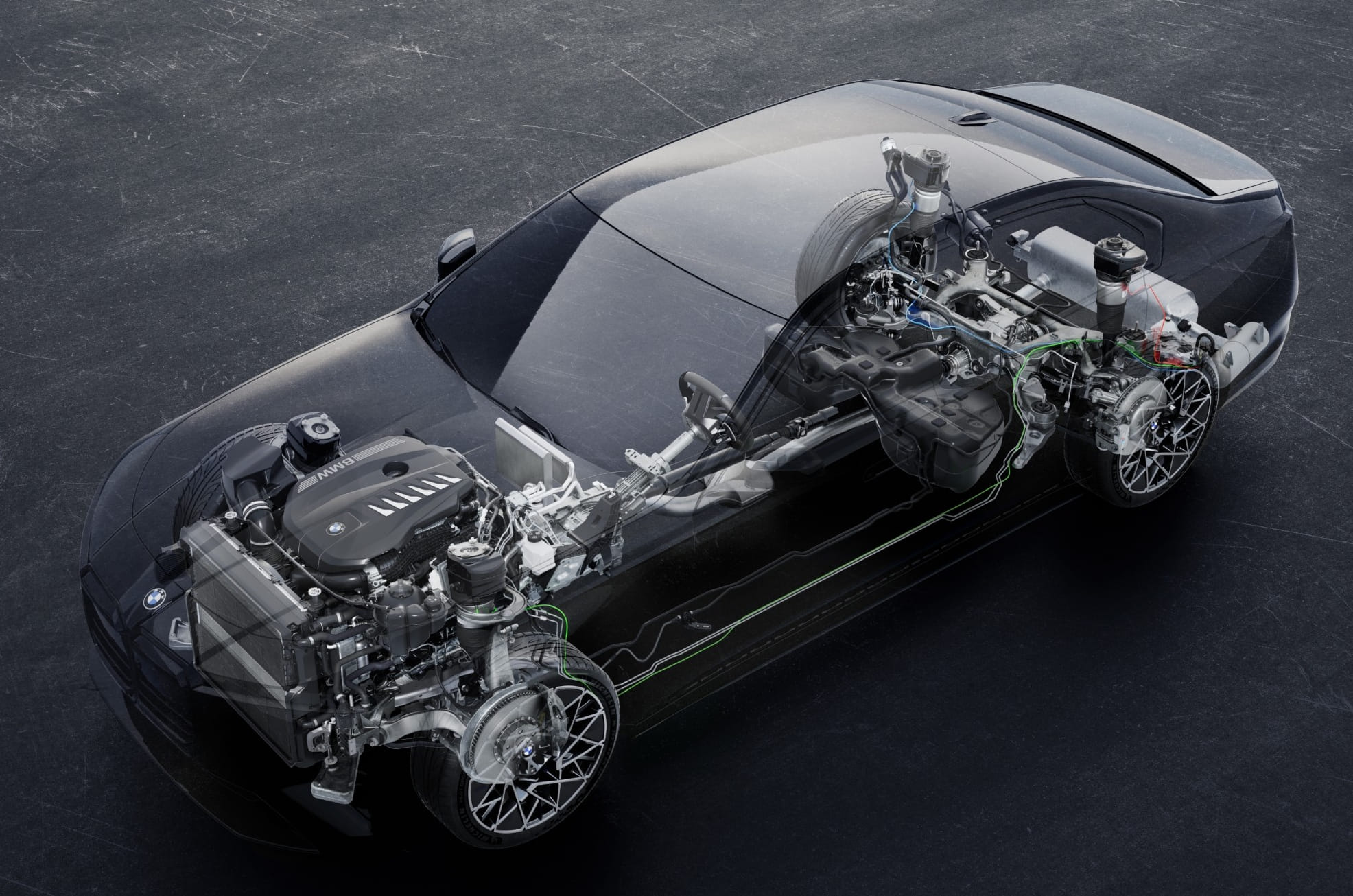
The facelifted 7 Series continues with 3.0-litre inline-six petrol and diesel mild-hybrid engines, both paired with an 8-speed automatic gearbox and all-wheel drive.  The 740i develops 400hp and 580Nm, up by 19hp and 60Nm, while the 740d now makes 313hp and 670Nm, an increase of 27hp and 20Nm over the outgoing model. 

The all-electric i7 also receives updates. The i7 xDrive50 replaces the earlier eDrive50 and now gets dual-motor all-wheel drive along with a larger 112.4kWh battery, replacing the earlier 101.7kWh unit. Output rises to 455hp and 660Nm. The range-topping i7 M70 xDrive also benefits from the larger battery, with outputs increasing to 680hp (from 650hp) and up to 1,100Nm (from 1,015Nm).

4. Will BMW launch the plug-in hybrid 7 Series in India

Yet to be confirmed

BMW i7 60 xDrive

Internationally, the 7 Series facelift is also available with plug-in hybrid powertrains, including the 750e xDrive and M760e xDrive. It remains to be seen whether BMW will introduce either variant in India, especially since its key rival, the new Mercedes-Benz S-Class, is already available with a plug-in hybrid powertrain.

5. How much will the BMW 7 Series and i7 facelift cost?

Prices expected to increase slightly

The current BMW 7 Series is priced at Rs 1.85 crore (ex-showroom) for both the petrol and diesel variants, while the i7 is priced between Rs 2.10 crore and Rs 2.58 crore. Given the additional technology, revised styling and powertrain upgrades, BMW is expected to increase prices slightly for both models.

6. Which cars will the BMW 7 Series and i7 facelift rival?

The 7 Series ‘LCI’ facelift will continue to rival the Mercedes-Benz S-Class in the flagship luxury sedan segment. Meanwhile, the i7 will compete with electric luxury sedans in the same price bracket.

7. When will the BMW 7 Series and i7 facelift launch in India

Bookings are now open

BMW i7 60 xDrive

BMW has started accepting bookings for the 7 Series and i7 facelift through its dealerships across India, with customers also able to register their interest via the BMW India website. The company is yet to announce an official launch date, although the refreshed luxury sedans are expected to arrive in the coming months.

International-spec BMW 7 Series shown for representative purposes only.