
Mahindra Scorpio N new vs old: Differences and similarities explained

Mahindra Scorpio N new vs old: Differences and similarities explained

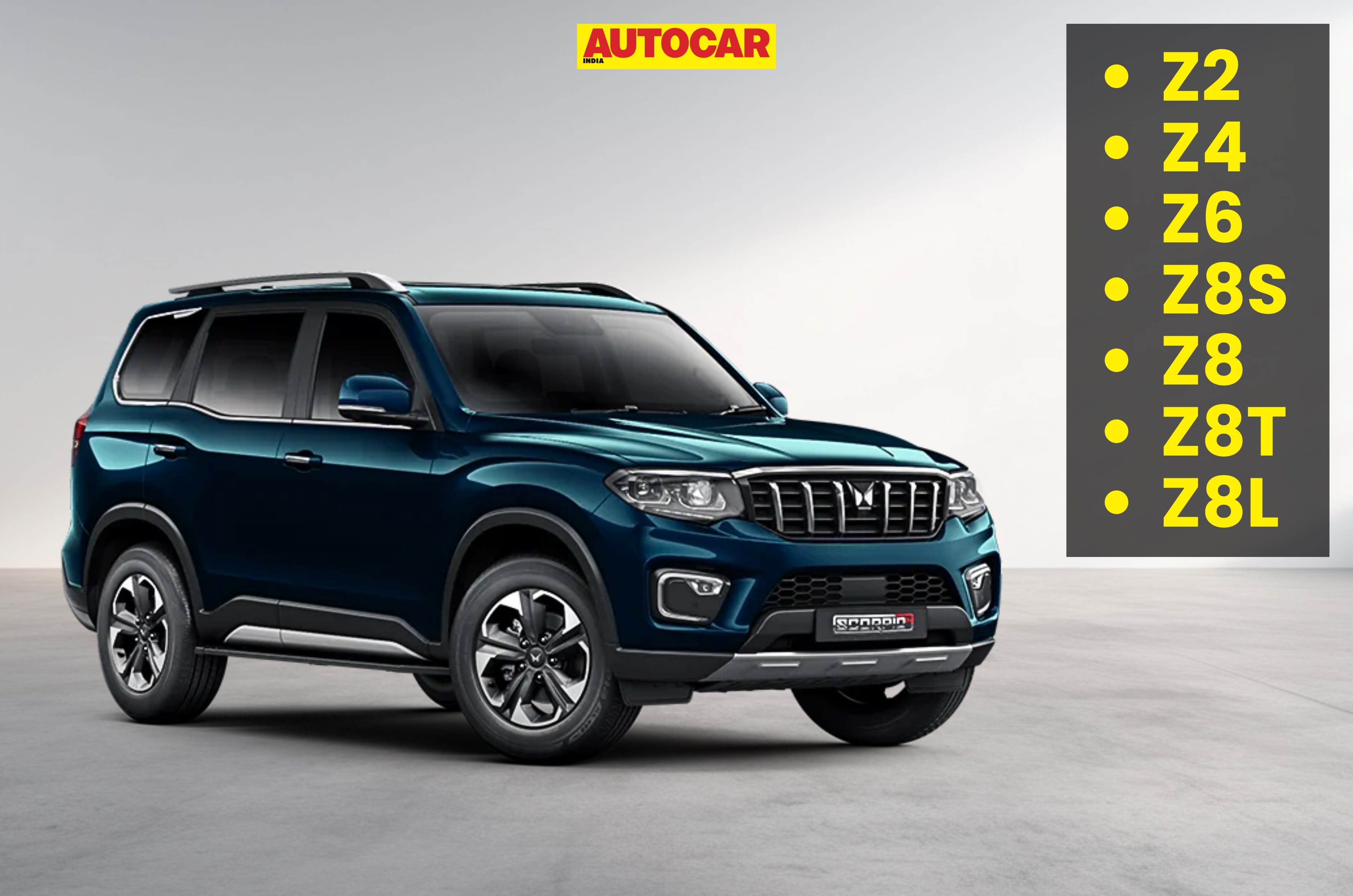
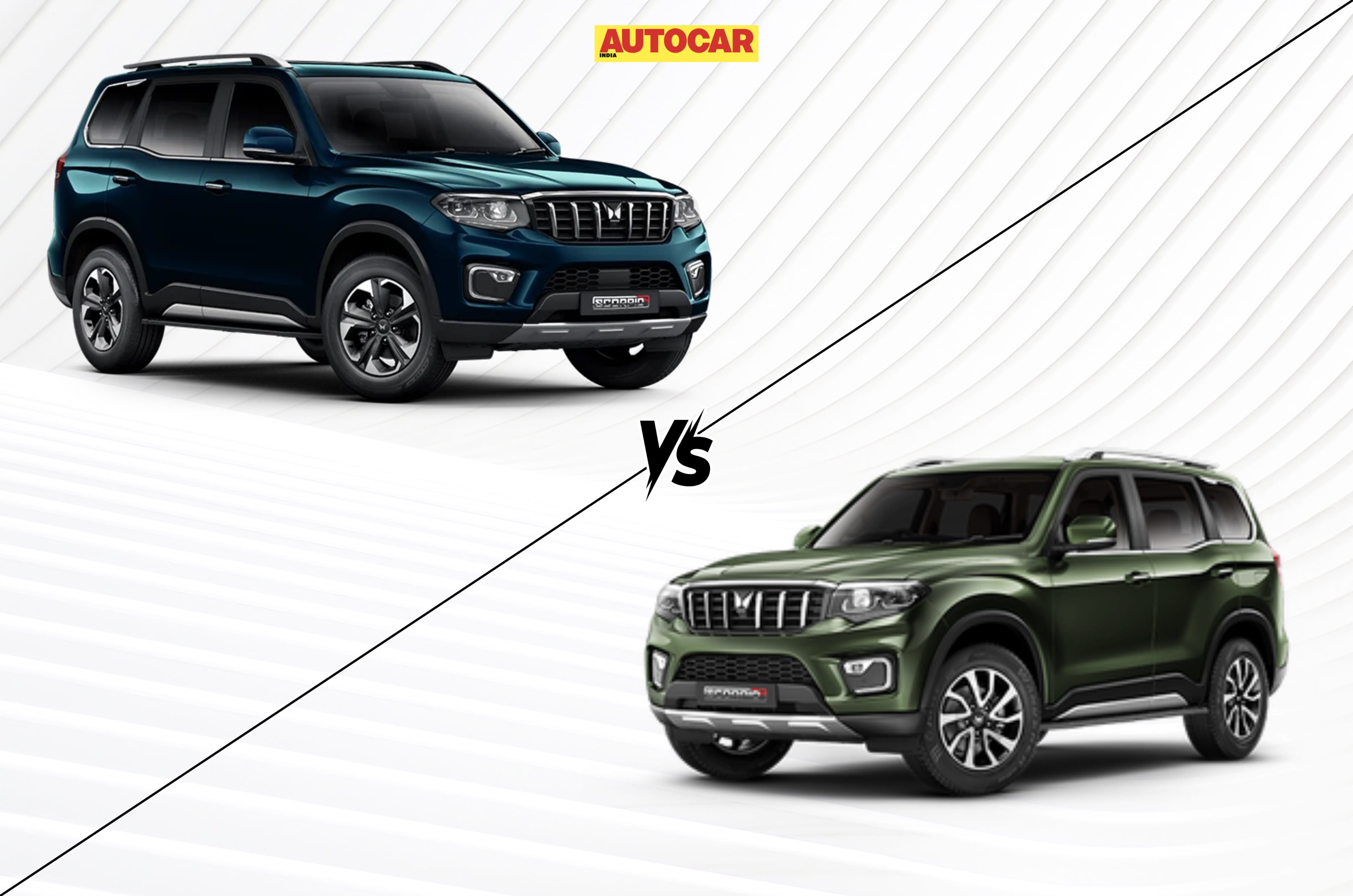
Four years after its introduction, Mahindra has facelifted the Scorpio N for 2026. The Scorpio N facelift gains a revised interior, new features and very minor styling tweaks. We go in-depth, comparing the Scorpio N facelift with its previous version and list out all differences and similarities from exterior, interior, features, engines and price.

Mahindra Scorpio N new vs old: Exterior

Except for new alloy wheels, everything else remains the same
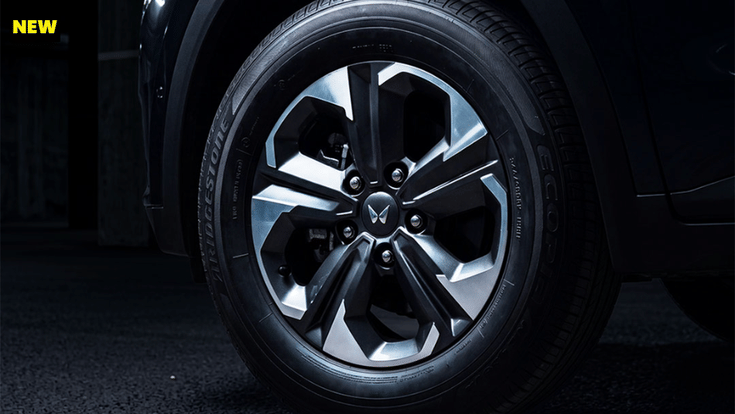
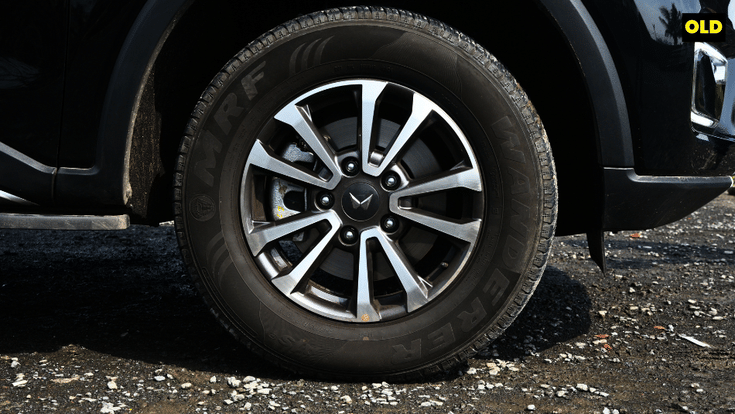
Mahindra Scorpio N facelift alloy wheel
Mahindra Scorpio N pre-facelift alloy wheel
 

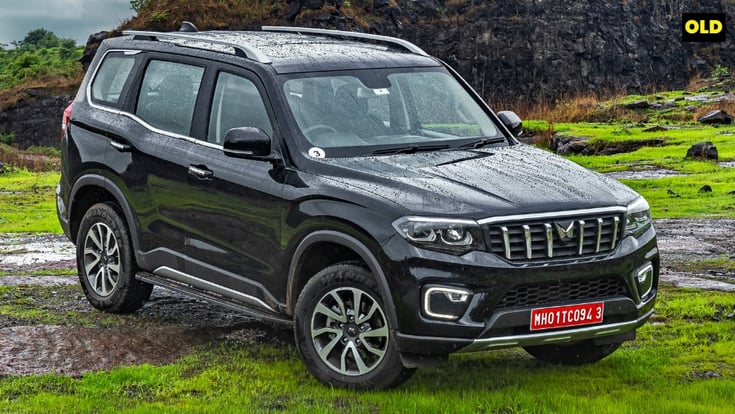
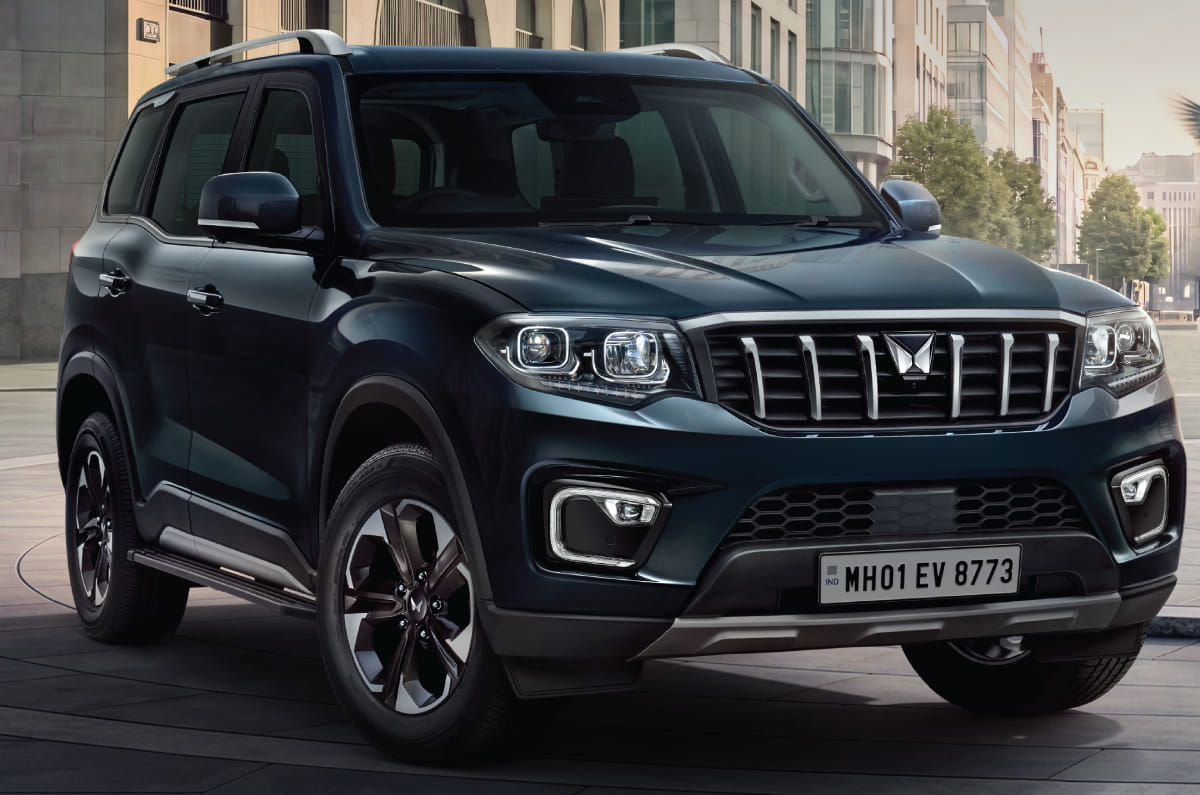
Updates on the outside of the Scorpio facelift aren’t very comprehensive. There’s a new design for the dual-tone 18-inch alloy wheels. Apart from that, things remain unchanged over the older model. The Scorpio N facelift retains the pre-facelift’s butch, and boxy looks, including a rugged design for the bumpers, six-slatted grille, faux skid plates, LED light setups, cladding on the lower sides of the doors, roof rails, and a ‘scorpion tail’ chrome element for the windowline.

Mahindra Scorpio N new vs old: Interior and features

Gets a redesigned dash and new equipment 
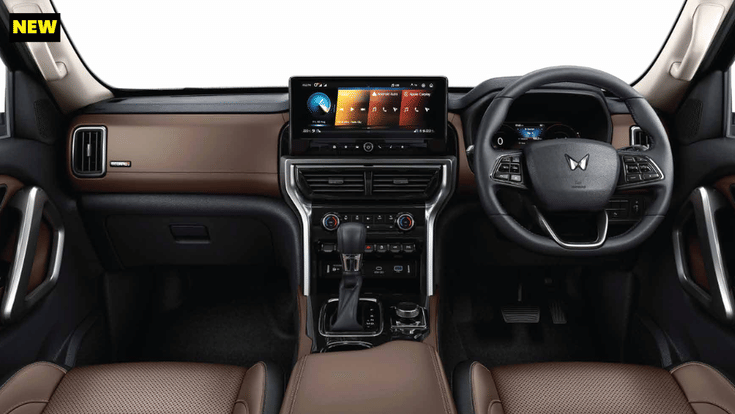
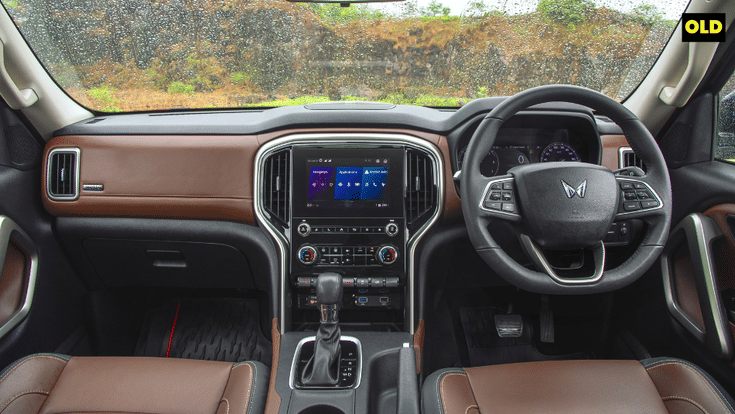
Mahindra Scorpio N facelift interior
Mahindra Scorpio N pre-facelift interior
 

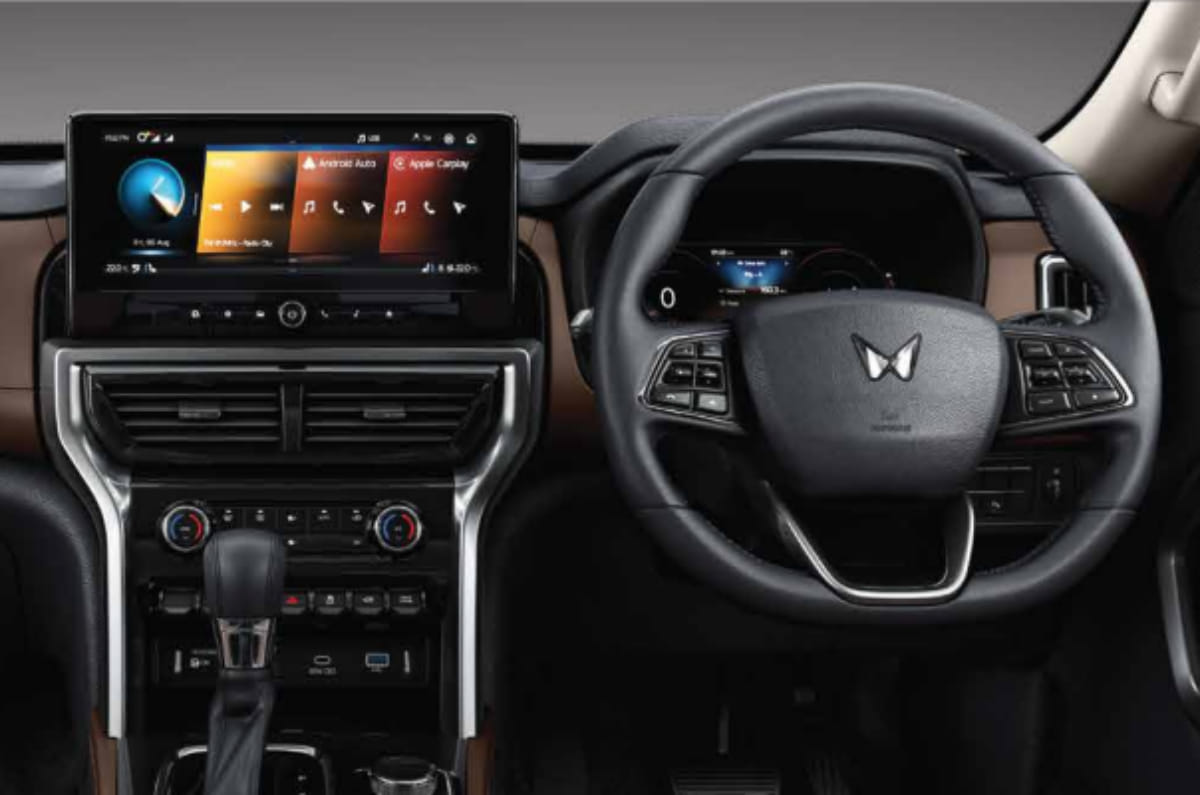
Unlike the exterior, changes to the interior of the Scorpio N facelift are more extensive. The biggest update is the infotainment display, wherein the dash-integrated unit is replaced with a freestanding screen. Secondly, the infotainment screen is a 12.3-inch in size, which is larger than the previous version’s 9-inch unit. The repositioned infotainment screen has also brought about a redesigned centre console, and there’s some new switchgear as well. Vertical aircon vents have now made way for horizontal ones that are placed below the infotainment display. Meanwhile, the previous model’s black and brown colour scheme and seat upholstery design have been carried over.
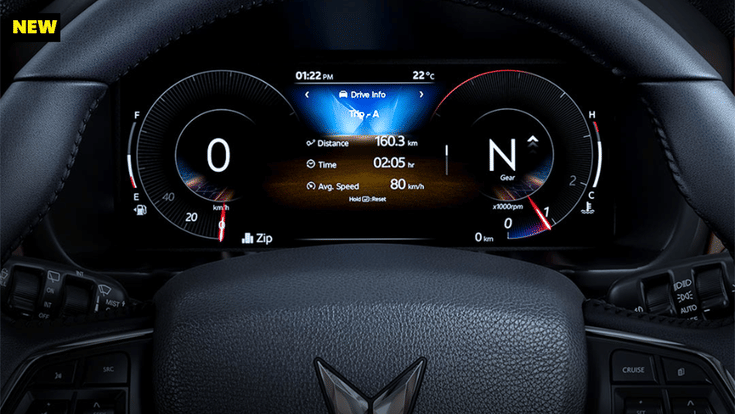
Mahindra Scorpio N facelift instrument cluster
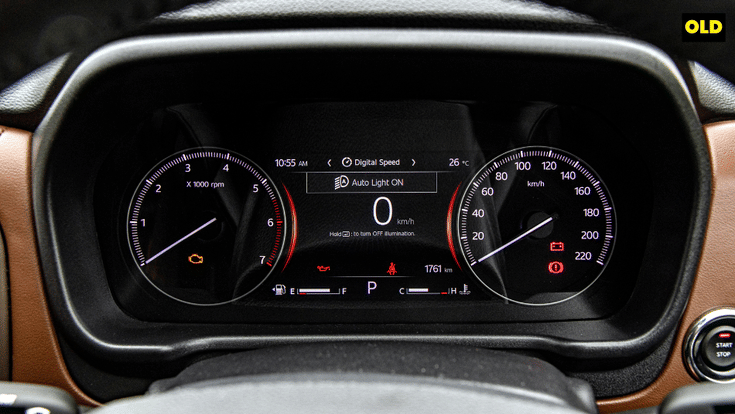
Mahindra Scorpio N pre-facelift instrument cluster
 

As for equipment, Mahindra has replaced the single-pane sunroof from the older Scorpio N with a much larger panoramic unit in the Scorpio N facelift. Also, the semi-analogue dials with a 7-inch MID from the previous model are replaced by an all-digital 10.25-inch screen, and the front row now gets a 65WType-CC charging port.
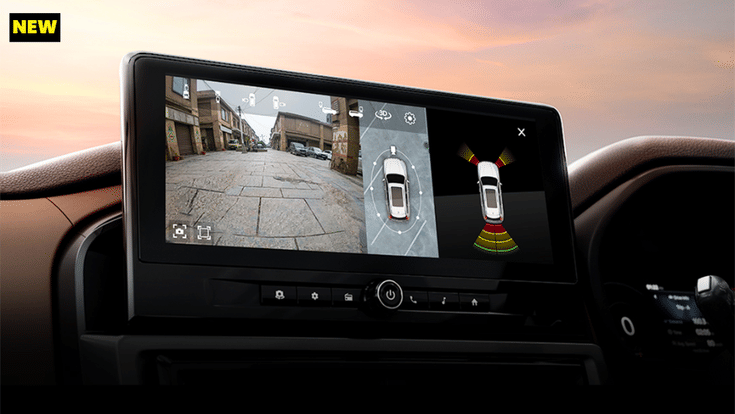
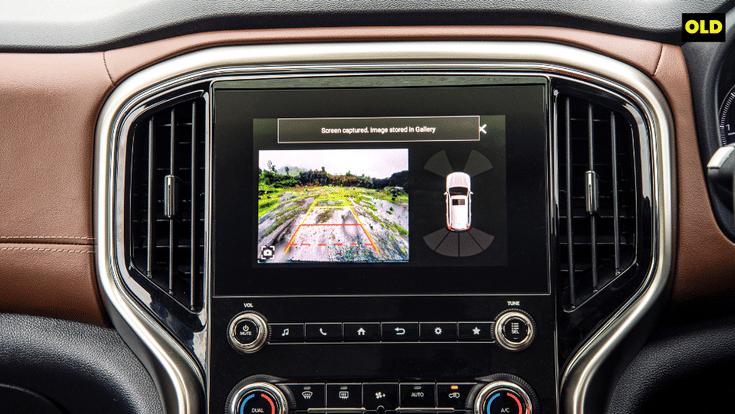
Mahindra Scorpio N facelift 540-degree camera
Mahindra Scorpio N pre-facelift 360-degree camera
 

A new ‘Adventure Statistics’ feature in the infotainment showcases a plethora of information like engine performance, roll and pitch, compass, altimeter and G-force. On the other hand, the safety kit sees the inclusion of a 540-degree surround view camera and a blind view monitor, replacing the front and rear cameras of the older model.

Mahindra Scorpio N new vs old: Engine and gearbox

Mechanically, things remain unchanged

Under the hood,d the Scorpio N facelift retains the powertrain options from the older model. This includes a 2.0-litre direct-injection turbo-petrol engine and a 2.2-litre turbo-diesel engine with the latter available in two states of tune. The turbo-petrol mill churns out 204hp and 370Nm with the manual gearbox, while automatic versions get slightly higher torque at 380Nm.

On the other hand, lower variants powered by the turbo-diesel unit develop 132hp and 300Nm, while higher variants produce 175hp and 370Nm, with the latter increasing to 400Nm in automatic versions. In diesel guise, only the one above base Z4 and the top-end Z8T and Z8L offer a 4×4 drive layout, while the remaining variants, including the petrol, come standard with RWD. Consumers can choose between a 6-speed manual or a 6-speed torque converter automatic gearbox.

Mahindra Scorpio N new vs old: Price 

Updates make the facelift pricier by up to Rs 83,500 
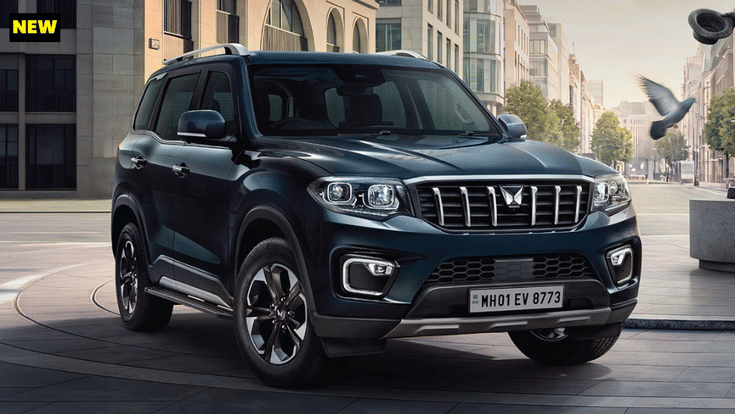
Mahindra Scorpio N facelift front quarter static
Mahindra Scorpio N pre-facelift front quarter static
 

As far as price is concerned, the facelifted Scorpio N starts from Rs 13.69 lakh, which is Rs 20,000 pricier than its predecessor. The same is the case at the top end, where the most expensive Z8L 7-seat diesel-automatic 4×4 variant of the facelift is pricier by Rs 54,00 in comparison to the corresponding variant of the older model. Depending on the variant chosen, the newer Scorpio N facelift is more expensive than the pre-facelift version by up to Rs 83,500.

All prices are ex-showroom, India

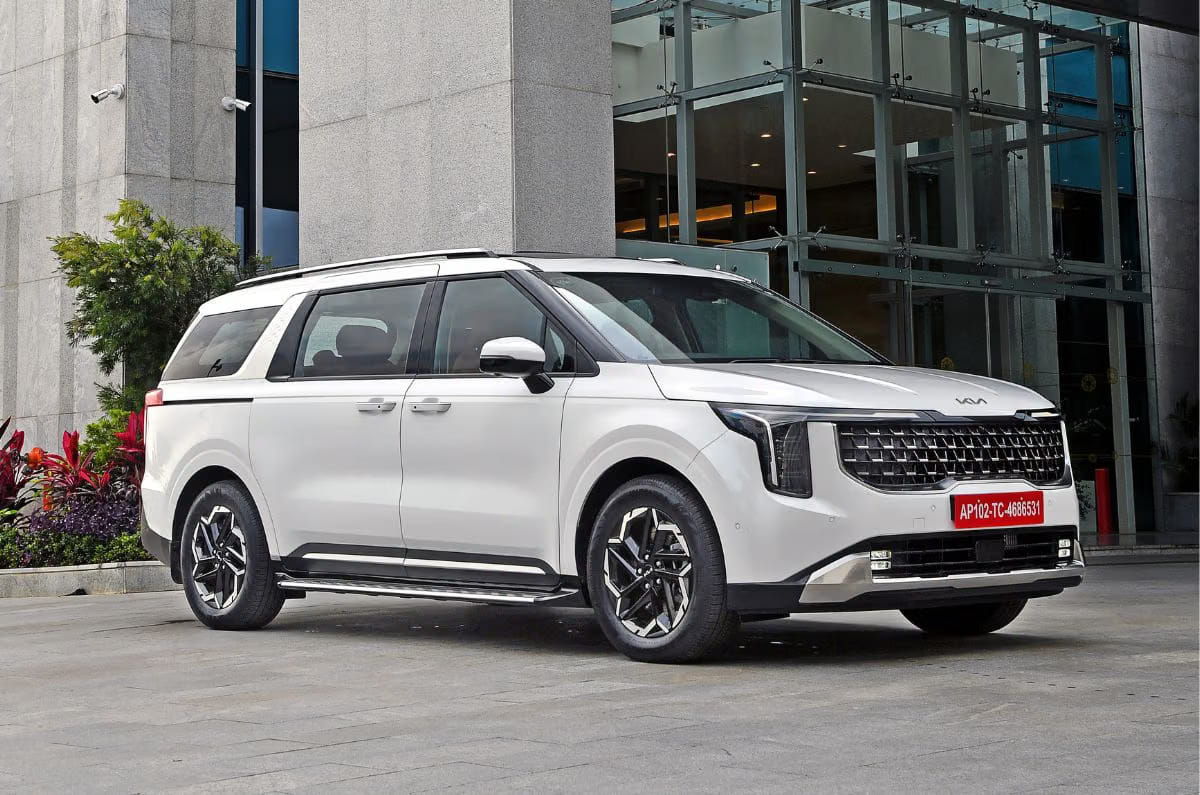
Kia Carens Clavis gets benefits of up to Rs 1.2 lakh in August 2026

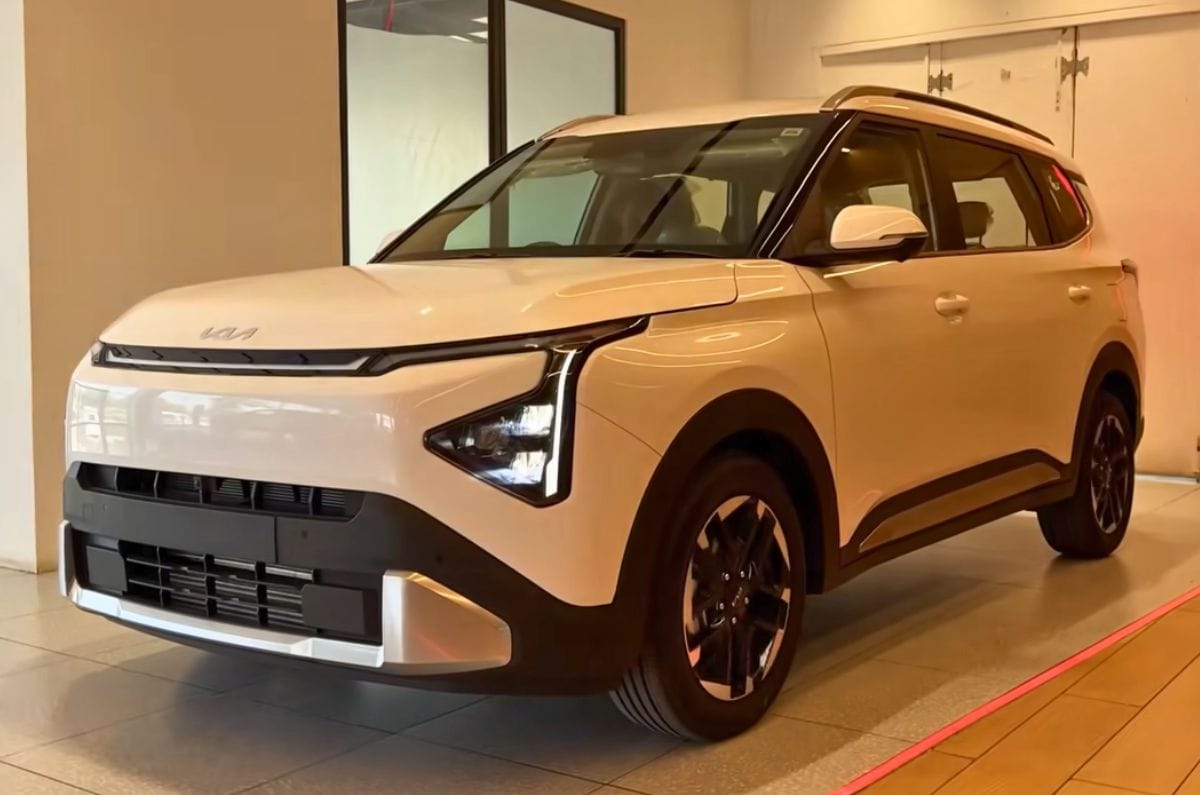
Kia Carens Clavis front quarter static

With the newly launched Syros EV and the flagship Sorento SUV inbound, Kia India has been strengthening its presence in our market. At the same time, the Korean carmaker is providing appealing offers on select models currently across its lineup in August 2026. Except for the EV6 and EV9, the remaining models in Kia’s portfolio get cash discounts, exchange or scrappage offers, and corporate benefits. 

Disclaimer: Offers/benefits may vary by city and are subject to stock availability. Buyers are advised to check with their local dealer for exact figures.

Kia Carens Clavis offers in August 2026

Benefits of up to Rs 1.2 lakh 

The Carens Clavis MPV is available with benefits of up to Rs 1.2 lakh. MY26 models get a cash discount of Rs 10,000, a loyalty benefit of Rs 20,000, a corporate offer of up to Rs 15,000 and either an exchange or scrappage bonus of up to Rs 30,000. 

However, MY25 models of the Clavis get up to Rs 75,000 cash discount, and have the same loyalty, exchange/scrappage benefits as the MY26 models, but miss out on a corporate offer. Moreover, only MY25 turbo-petrol variants of the MPV get free extended warranty coverage. Priced from Rs 11.27 lakh to Rs 21.67 lakh, it rivals the likes of the Maruti XL6. 

Kia Carnival offers in August 2026 

Benefits of up to Rs 1.5 lakh

At up to Rs 1.5 lakh, the Carnival receives the highest benefits among all Kia models this month. MY26 versions either an exchange or scrappage offer of up to Rs 1 lakh, and a corporate offer of up to Rs 50,000, while MY25 versions get only a scrappage offer of Rs 20,000. The Carnival is Kia’s most expensive ICE model in our market and is priced at Rs 59.65 lakh.

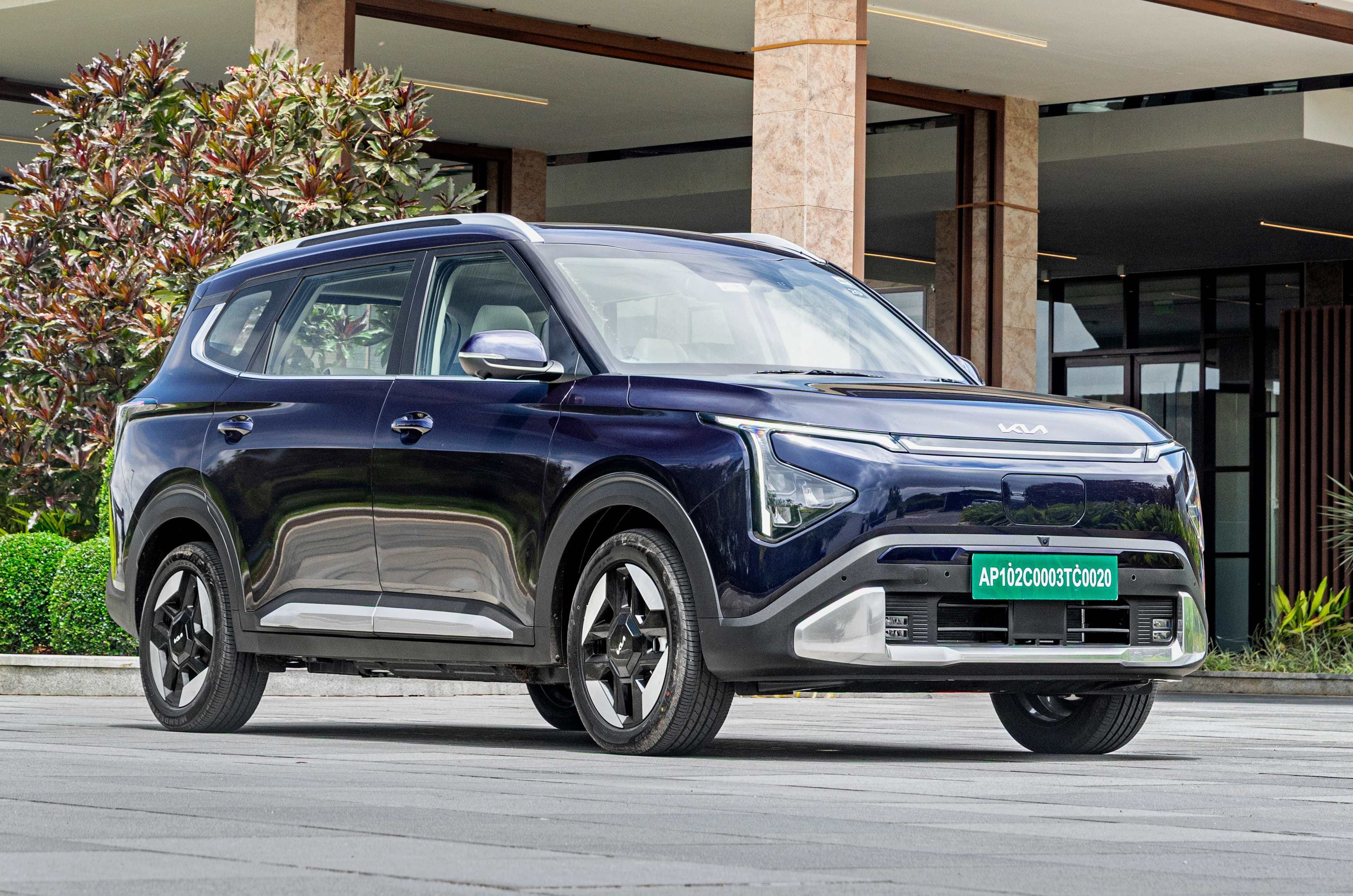
Kia Carens Clavis EV offers in August 2026

Benefits of up to Rs 55,000 

The all-electric counterpart of the Carens Clavis is offered with benefits of up to Rs 55,000. MY26 versions of the Carens Clavis EV are eligible for a loyalty benefit and corporate offer of Rs 20,0000 and up to Rs 15,000, respectively. Additionally, it’s also available with either a scrappage or exchange offer of Rs 20,000. For MY25 models, only the extended range (ER) variants come with loyalty and scrappage benefits of Rs 20,000 each. Currently, the most affordable electric MPV in our market, it has a price range of Rs 18.04 lakh to Rs 25 lakh. It is Kia’s answer to the BYD e MAX 7 and an MPV alternative to the likes of the Mahindra XEV 9S.

Kia Syros offers in August 2026

Benefits of up to Rs 50,000

The Syros compact SUV is available with benefits of up to Rs 50,000. The new MY26 model gets a cash discount of up to Rs 10,000, a corporate offer of up to Rs 15,000 and either an exchange or scrappage offer of Rs 20,000. On the other hand, MY25 versions get an exchange or scrappage offer of up to Rs 50,000. Like the Carens Clavis, even the Syros gets free extended warranty. It has a price range of Rs 8.42 lakh to Rs 15.82 lakh, and takes on the likes of the Mahindra XUV 3XO, Hyundai Venue, and Maruti Brezza.

Kia Sonet offers in August 2026

Benefits of up to Rs 45,000

The most affordable Kia offering in India, the Sonet is offered with benefits of up to Rs 45,000. For MY26 models, you get a cash discount of up to Rs 10,000, a corporate offer of up to Rs 15,000, and either an exchange or scrappage benefit of up to Rs 20,000, while MY25 versions of the Sonet only get a scrappage offer. Priced from Rs 7.41 lakh to Rs 14.37 lakh, it takes on rivals like the Skoda Kushaq, Tata Nexon, and contenders alongside the Syros.

Kia Seltos offers in August 2026 

Benefits of up to Rs 40,000

The second-generation Seltos, which was introduced earlier this year, is available with benefits of up to Rs 40,000. These include a loyalty benefit and scrappage bonus of Rs 20,000 each. 

Meanwhile, the first-generation Seltos only gets a scrappage offer. The second-generation Seltos is priced from Rs 11 lakh and up to Rs 21.82 lakh. The Seltos is Kia’s contender in the mid-size SUV space, which consists of rivals like the Hyundai Creta, Volkswagen Taigun, Renault Duster, Tata Sierra, Skoda Kushaq, MG Astor, Citroen Aircross, Maruti Victoris and Grand Vitara.

Kia Carens offers in August 2026

Benefits of up to Rs 35,000

The budget Kia Carens MPV is offered with benefits up to Rs 35,000. MY26 models get a corporate offer of up to Rs 15,000 and either a scrappage or exchange bonus of up to Rs 20,000. On the other hand, MY25 versions get only a scrappage offer. The Carens rivals the Maruti Ertiga and Toyota Rumion, while its price ranges between Rs 11.02 lakh and Rs 12.88 lakh. 

All prices are ex-showroom, India
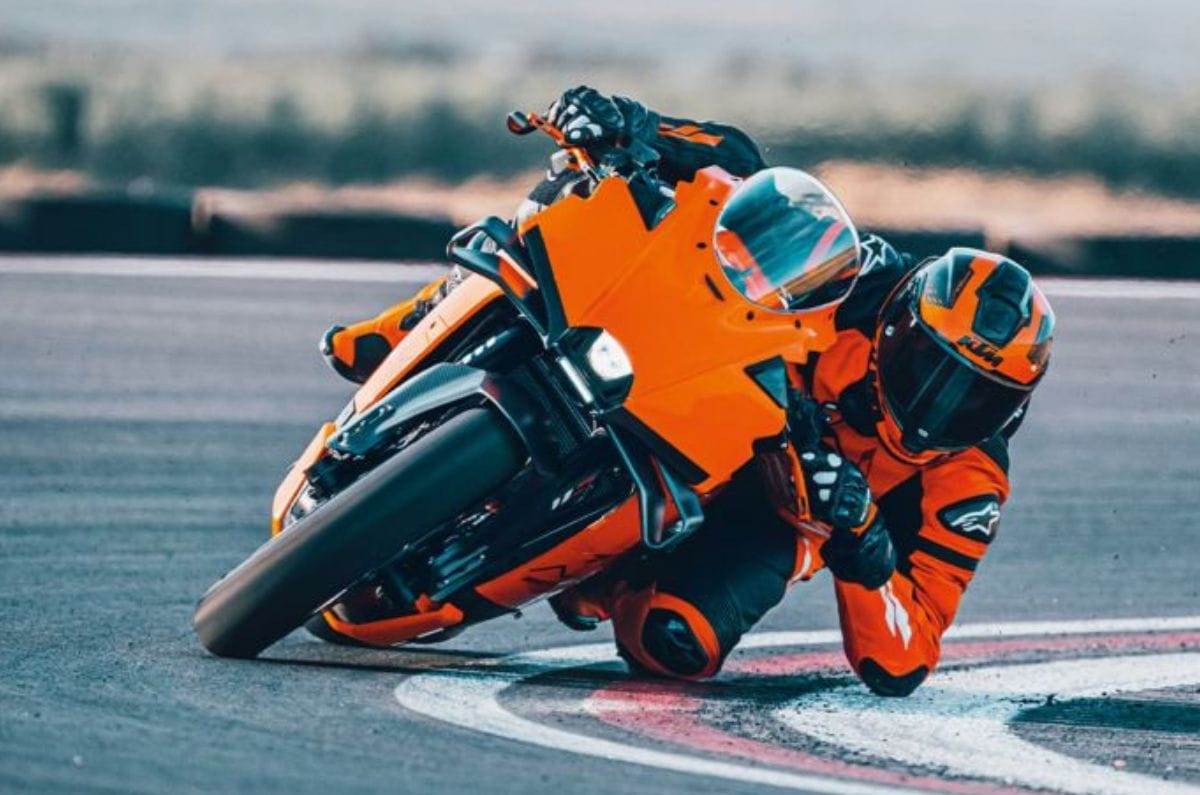
KTM RC 490 and RC 790 confirmed to be in development

KTM RC 490 and RC 790 confirmed to be in development

“Where is the Gen-3 Duke-based RC 390?” has been a pressing question in many people’s minds. While we still wait to hear about the 390, we now know that there’s an RC 490 and a 790 coming, according to KTM CEO Gottfried Neumeister in a recent interview.

  1. RC 490 to be based on a new platform not shared with China-exclusive RC 450
  2. RC 790 should share a lot with the freshly updated KTM 790 Duke

KTM RC 490 and RC 790: What do we know so far?

While it sounds closer to RC 450, RC 490 will be based on a different platform

“We definitely want to extend our RC [supersport] line-up; the 990 was first, and we’ll have a 790 and a 490, like other brands with mid- and lower-class presence and in a segment that is growing,” were his exact words, which tell us two things.

One, there will be not one but two new RC motorcycles, and two, the absence of the 390 could mean that KTM intends for the 490 to be the new entry-level supersport in global markets at least.

Based on previous information, we know that this 490 will not be the same as the China-exclusive RC 450. It will be a new platform, jointly developed by Bajaj and KTM and will likely be derived from the current 390 LC4c platform. It’s reported to use a twin-cylinder engine, with its smoothness likely to be the big differentiator. There’s no official launch timeline as yet.

Ever since the 390 Duke was updated to Gen 3 in mid-2023, KTM fans have been anticipating the update to reach the RC 390 as well. However, that hasn’t happened yet, and the latest RC 390 sold in India still uses the older LC4 373cc engine.

For the RC 790, however, we have a blueprint to look at in the recently revealed 790 Duke. Traditionally, Dukes serve as a precursor to RCs; if that continues to be the case here, the upcoming RC 790 should share the updated LC8c platform and the parallel twin-cylinder engine that makes a similar, if not the exact same, 104hp and 87Nm of torque. However, the power delivery will likely be different to account for the RC’s high-revving nature.

At this point, it’s worth mentioning that KTM had recently launched the 990 RC R, followed by the track-focused 990 RC R Cup. These are currently the newest supersport motorcycles in the Austrian manufacturer’s global portfolio.

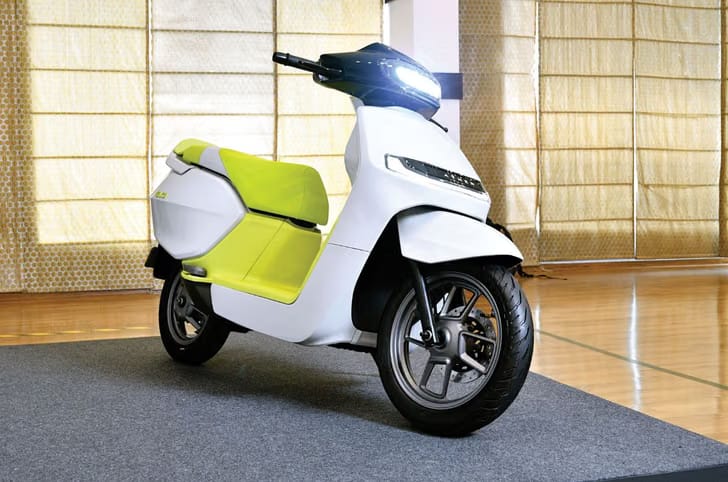
Upcoming Ather scooter to be called Konarc

Ather EL 01 concept

Ather has confirmed that its upcoming electric scooter, scheduled to launch at Ather Community Day on August 29, will be called the Konarc.

  1. Konarc launch confirmed for August 29 at Ather Community Day
  2. Scooter expected to be priced between Rs 1 lakh and Rs 1.25 lakh

Ather Konarc: What we know so far

Konarc closely matches EL01 concept and is set to rival TVS iQube and Bajaj Chetak

The Konarc is based on Ather’s all-new EL platform, which the brand says has been developed using over 26 lakh kilometres of field data and designed to underpin multiple scooters across different sizes and use cases. Earlier this week, CEO Tarun Mehta shared an image of the scooter on an assembly line, revealing that the production version closely matches the EL01 concept shown at Community Day 2025 and the design patent Ather filed last year.

Key visible details include a handlebar-mounted headlight, a wide LED daytime running light (DRL) on the front apron, a 14-inch front wheel, a 12-inch rear wheel and a metal body – the first time Ather has used metal body panels on any of its scooters.

The Konarc is expected to be priced between Rs 1 lakh and Rs 1.25 lakh, positioning it below the Rizta (from Rs 1.21 lakh) and the 450 range (from Rs 1.28 lakh). This will place it squarely in the mainstream commuter electric scooter segment, where rivals such as the TVS iQube and Bajaj Chetak currently dominate sales.

Which 2026 Mahindra Scorpio N variant should you buy?

2026 Mahindra Scorpio N facelift variants

The 2026 Mahindra Scorpio N facelift offers buyers all the familiar bits that this body-on-frame SUV has been known for while introducing minor cosmetic tweaks and new features on the inside. The 2026 Scorpio N soldiers on with the same powertrain options as its pre-facelift predecessor, but prices have gone up. Having said all that, which variant should you buy?

2026 Mahindra Scorpio N facelift powertrain options

This facelift hasn’t brought about any major mechanical changes to the SUV

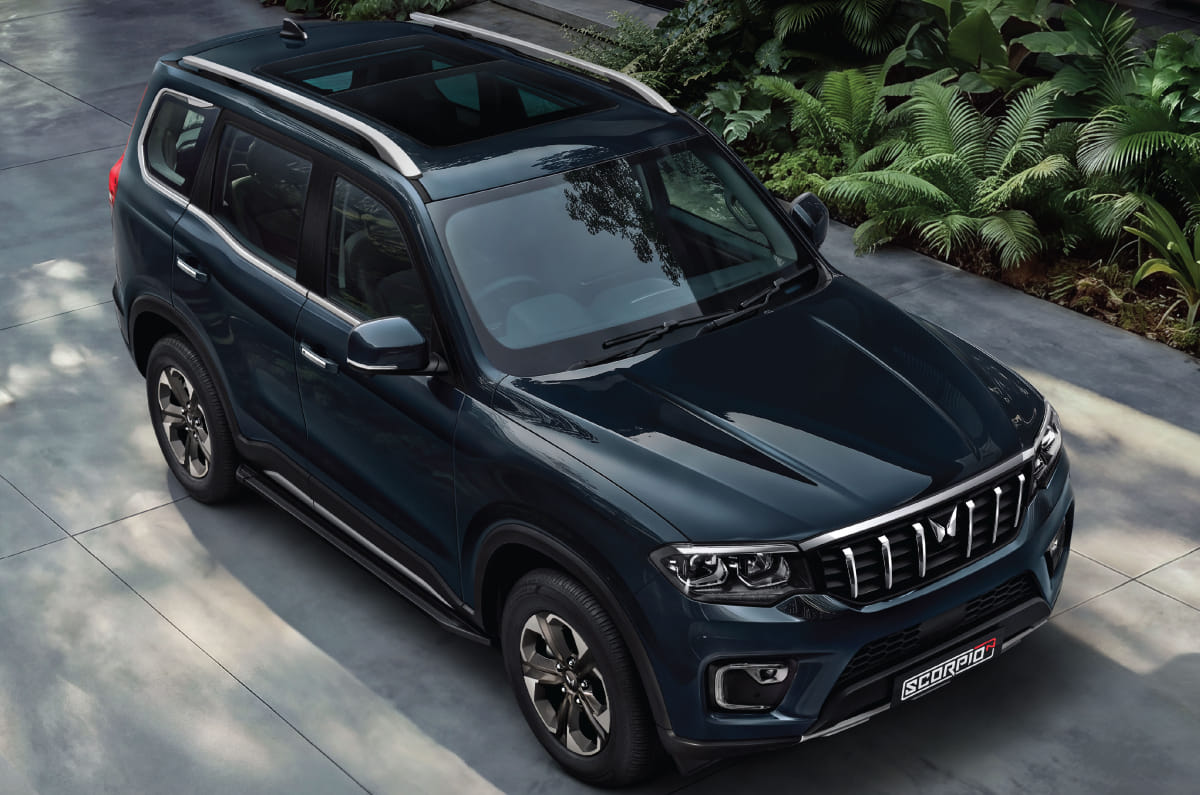
2026 Mahindra Scorpio N facelift front top quarter

Powertrain specifications

Mahindra Scorpio N facelift 2.0 turbo-petrol

Mahindra Scorpio N facelift 2.2 diesel

Type

4 cyls, direct-injection

4 cyls, direct-injection

Displacement

1,997cc

2,184cc

Power

203hp

132hp/175hp

Torque

370Nm/380Nm

370Nm/400Nm

Manual transmission

6-speed MT

6-speed MT

Automatic transmission

6-speed AT

6-speed AT

Drive configuration

2WD

2WD/4WD

Fuel capacity

57 litres

57 litres

Under the vast bonnet of the Scorpio N facelift are the same set of turbocharged engines that powered the previous model. The petrol unit uses the 2.0-litre mStallion direct-injection mill that produces 203hp and 370Nm when mated to a 6-speed manual transmission (MT) or 380Nm of torque when paired with the 6-speed torque-converter automatic (AT). In this case, power is sent only to the rear wheels.

Then there’s the 2.2-litre mHawk direct-injection diesel engine, which is available in two states of tune. In the lower Z2 and Z4 diesel MT variants, this mill develops 132hp and 300Nm of torque – transmission duties are handled by a 6-speed manual gearbox. Higher variants of the diesel-powered Scorpio N facelift get the 175hp version of this oil burner, putting out either 370Nm (MT) or 400Nm (AT) of torque. Do note that four-wheel drive is only available on the diesel variants but can be had with either manual or automatic gearboxes.

2026 Mahindra Scorpio N facelift variant-wise features

Z2 price range: Rs 13.69 lakh-Rs 14.19 lakh

  • Dual-barrel halogen headlamps
  • ORVM-integrated turn indicators
  • LED tail-lamps
  • 17-inch steel wheels
  • Front and rear disc brakes
  • Steering-mounted audio controls
  • Tilt-adjustable steering
  • Power windows
  • Manually adjustable ORVMs (outside rearview mirrors)
  • One-touch tumble second-row seat
  • Fold and tumble third row
  • Rear-seat centre armrest
  • Manual AC with rear vents
  • 8.0-inch touch-infotainment system
  • 4.2-inch monochrome MID (multi-information display)
  • 4-speaker audio system
  • First- and second-row USB ports
  • Third-row 12-volt outlet
  • 2 airbags
  • Rear parking sensors
  • ABS with EBD
  • Electronic stability control
  • Hill-hold control
  • Hill-descent control
  • Isofix anchors
  • Three-point seatbelts for all rows


Z4 price range: Rs 15.57 lakh-Rs 18.03 lakh

Features over Z2

  • Black roof rails
  • Rear spoiler
  • 17-inch steel wheels with cover
  • Steering-mounted audio and cruise controls
  • Driver’s side ‘anti-pinch’ window function
  • Electrically adjustable ORVMs
  • Driver’s seat-height adjustment and lumbar support
  • Wired Apple CarPlay and Android Auto
  • Rear AC blower control
  • Rear wiper, washer and defogger
  • Selectable 4WD system (Z4 diesel)


Z6 price range: Rs 17.17 lakh-Rs 18.82 lakh

Features over Z4

  • Zip, Zap and Zoom drive modes (diesel 2WD only)
  • Electric sunroof
  • Rearview camera


Z8S price range: Rs 17.79 lakh-Rs 19.89 lakh

Features over Z6

  • LED projector headlamps
  • Sting-shaped LED DRLs (daytime running lamps)
  • Sequential LED turn indicators
  • 17-inch diamond-cut alloy wheels
  • UV- and IR-cut glass (side windows only)
  • Brown and black leatherette upholstery
  • Leather-wrapped steering wheel and gear lever
  • 12.3-inch touch-infotainment system
  • 10.25-inch digital instrument cluster
  • Wireless Apple CarPlay
  • Free one-year Adrenox Connect subscription
  • Built-in Amazon Alexa
  • 65W Type-C front and rear USB ports
  • Front-facing camera
  • Information on roll and pitch, altitude, G-force, etc. (via Adventure Statistics)
  • 6 airbags
  • Driver-drowsiness detection
  • E-call and SOS alert


Z8 price range: Rs 19.86 lakh-Rs 21.41 lakh

Features over Z8S

  • Automatic headlamps and wipers
  • Passive keyless entry
  • Push-button ignition
  • Power-folding ORVMs
  • ‘Anti-pinch’ function for co-driver’s window
  • Dual-zone automatic climate control
  • Wireless charger
  • Free two-year Adrenox Connect subscription
  • TPMS (tyre-pressure monitoring system)


Z8T price range: Rs 20.38 lakh-Rs 24.39 lakh

Features over Z8

  • 18-inch diamond-cut alloy wheels
  • 6-way powered driver’s seat
  • Ventilated front seats
  • 12-speaker Sony audio system
  • Auto-dimming IRVM (inside rearview mirror)
  • Electronic parking brake
  • Selectable 4WD system (Z8T diesel)
  • Normal, Snow, Mud/Ruts and Sand terrain modes (diesel 4WD)
  • Electronic brake-locking differential


Z8L price range: Rs 21.31 lakh-Rs 25.49 lakh

Features over Z8T

  • Panoramic sunroof
  • 540-degree camera system
  • Blind-view monitor
  • Adaptive cruise control (AT versions only)
  • Speed-limit assist (AT versions only)
  • Forward-collision warning
  • Auto-emergency braking
  • Lane-departure alert
  • Lane-keep assist
  • High-beam assist
  • Traffic-sign recognition


2026 Mahindra Scorpio N facelift colours

The facelift has brought with it two new colour options

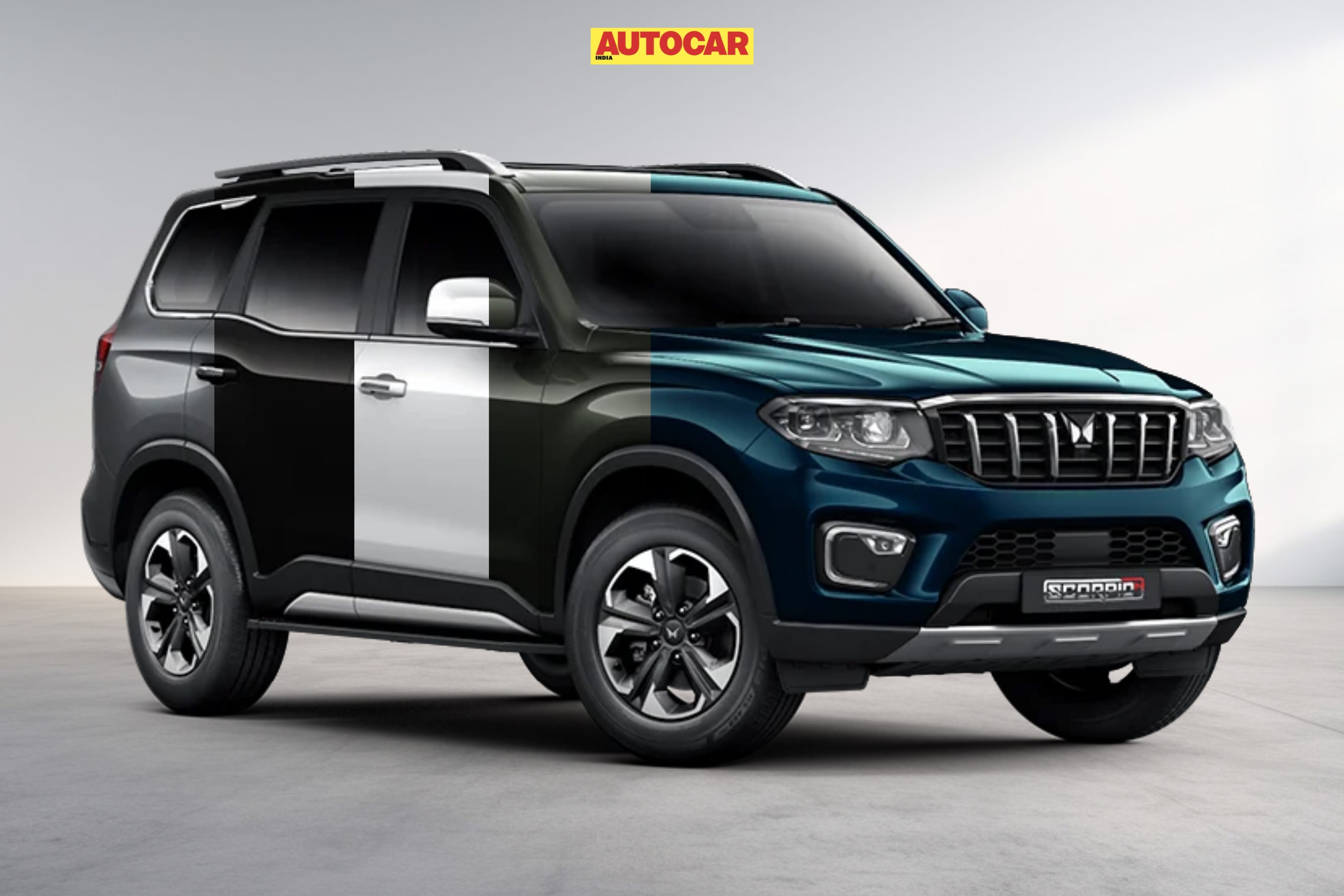
2026 Mahindra Scorpio N facelift colours

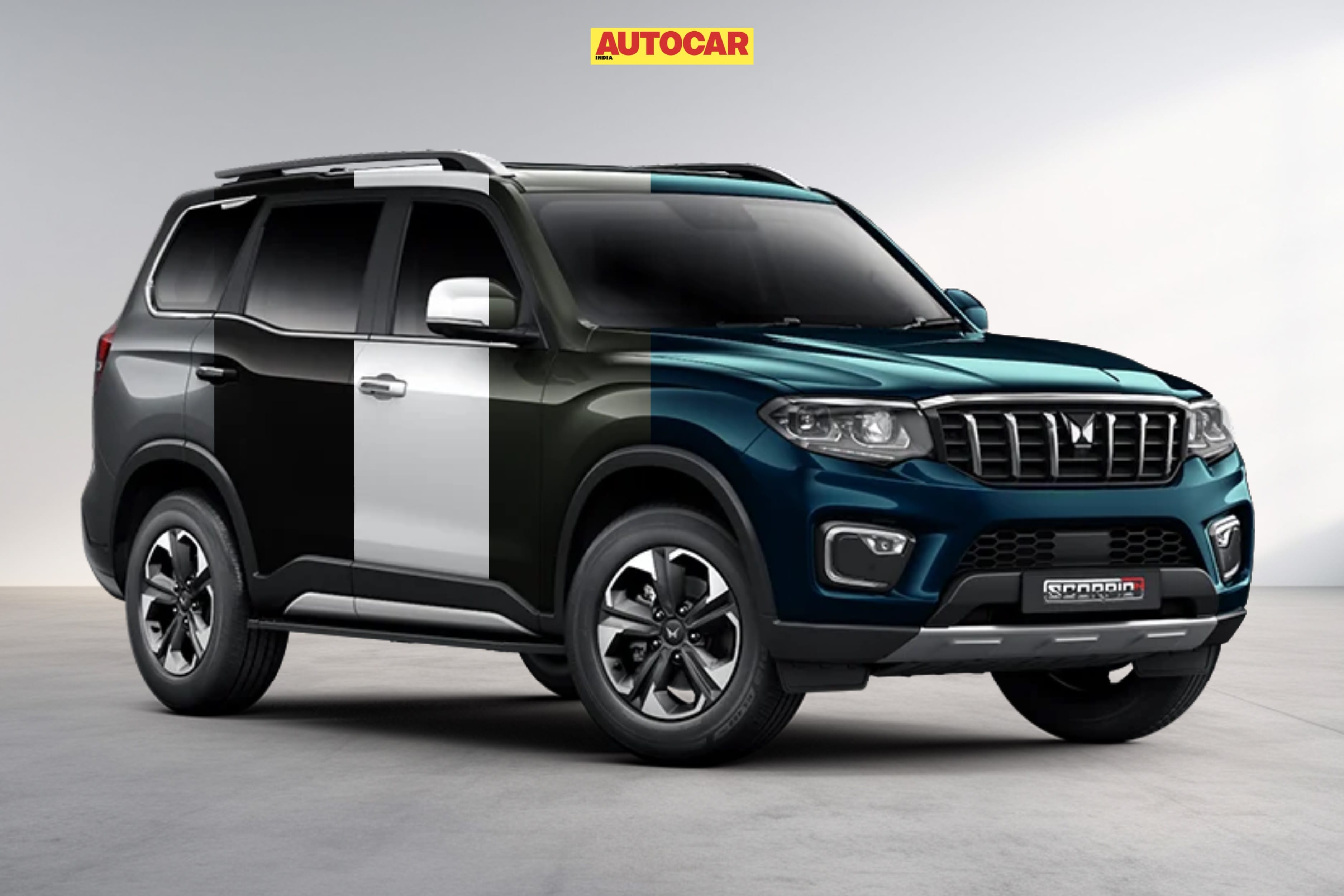
With this update, the Mahindra Scorpio N retains three colours from its predecessor: Deep Forest, Everest White and Stealth Black. However, it does get two new shades. These include an all-new colour, Oceanic, and Galaxy Grey, which replaces another grey option called Valyrian Silver. There are no dual-tone colours available.

2026 Mahindra Scorpio N facelift: Which variant should you buy?

The second-to-top trim with the diesel-automatic powertrain is a good pick

2026 Mahindra Scorpio N facelift interior

The Z8T trim with the turbo-diesel engine and 6-speed torque-converter automatic (AT) is our pick of the bunch. This is because it offers a laundry list of modern convenience and safety features, catering to almost every need that a buyer looking for an SUV at this price point is likely to have. If you’re someone who finds themselves driving through inclement weather regularly, or you intend to do a bit of off-roading, the 4×4 version has enough mechanical and electronic assistance to back you up. However, try to avoid the Z2, Z4 and Z6 trims as these only get two airbags – that’s unacceptable at this price point.

Also read

3 reasons to buy the Mahindra Scorpio Classic, 2 reasons not to

What to expect from the BMW 7 Series, i7 facelift ahead of launch

BMW X1 LWB launch on August 21

BMW X1 LWB

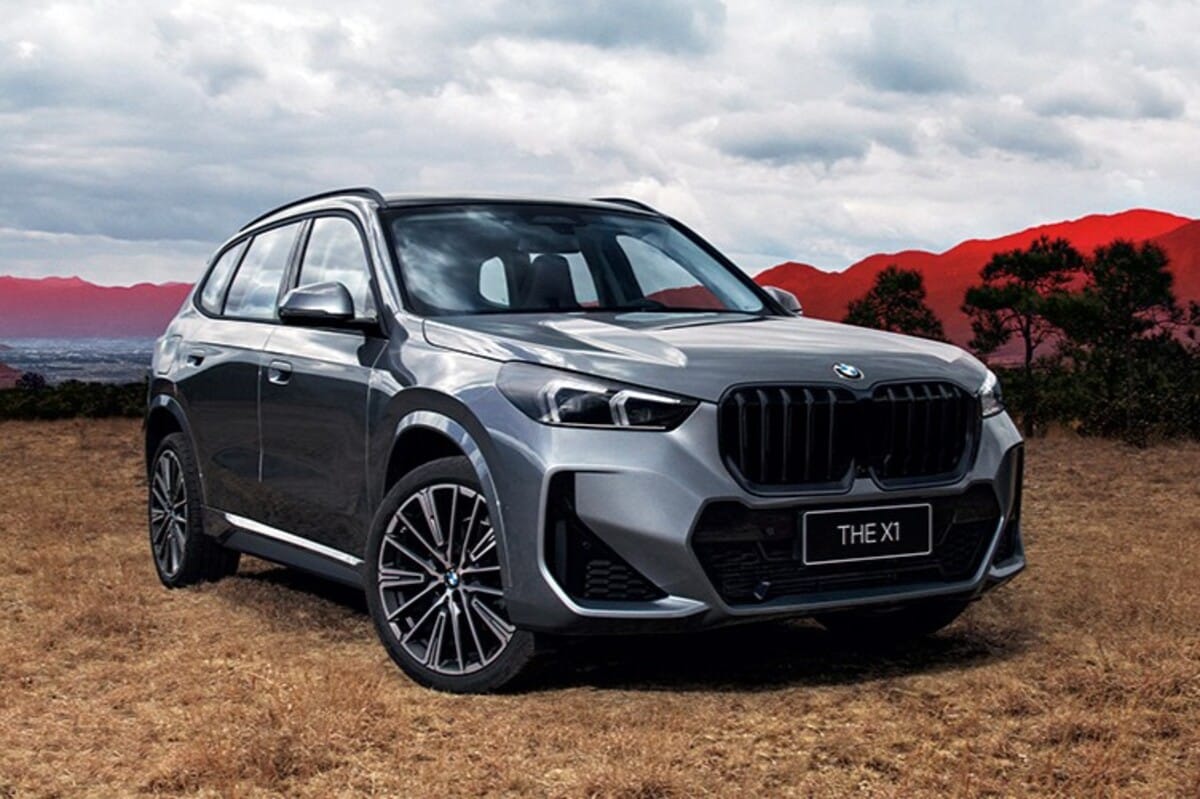
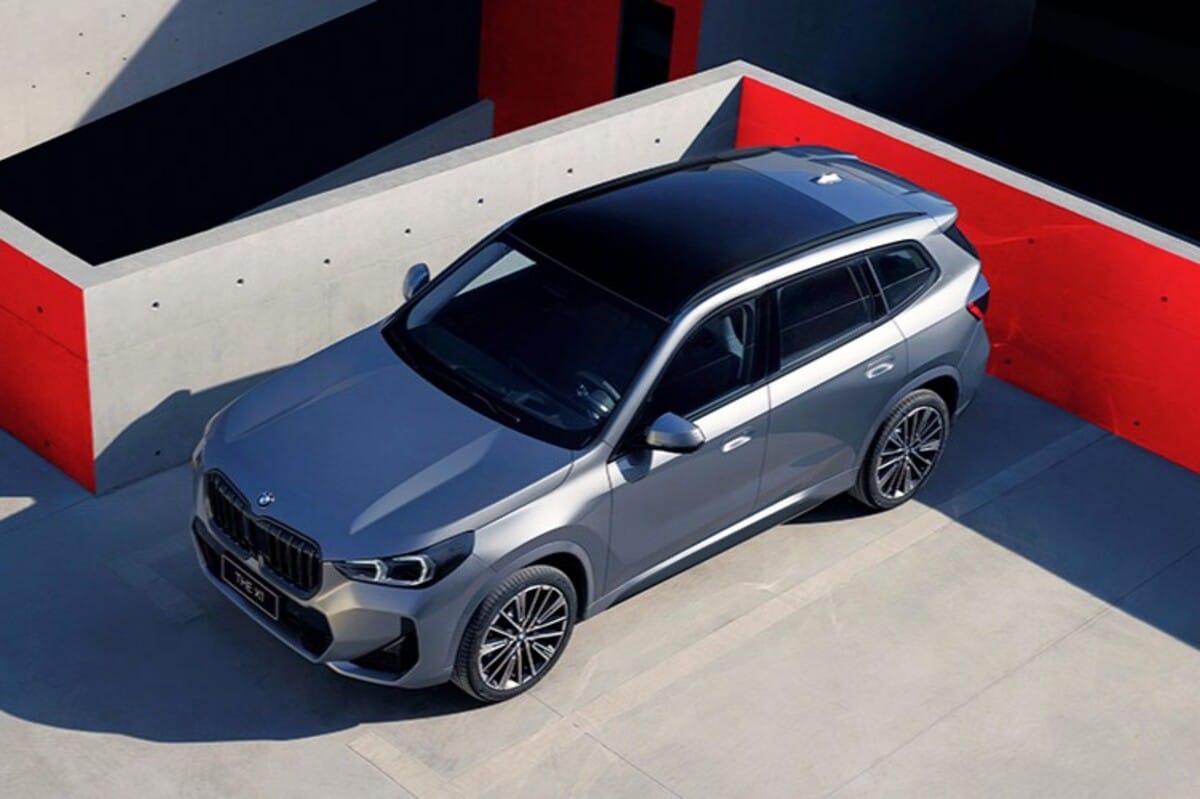
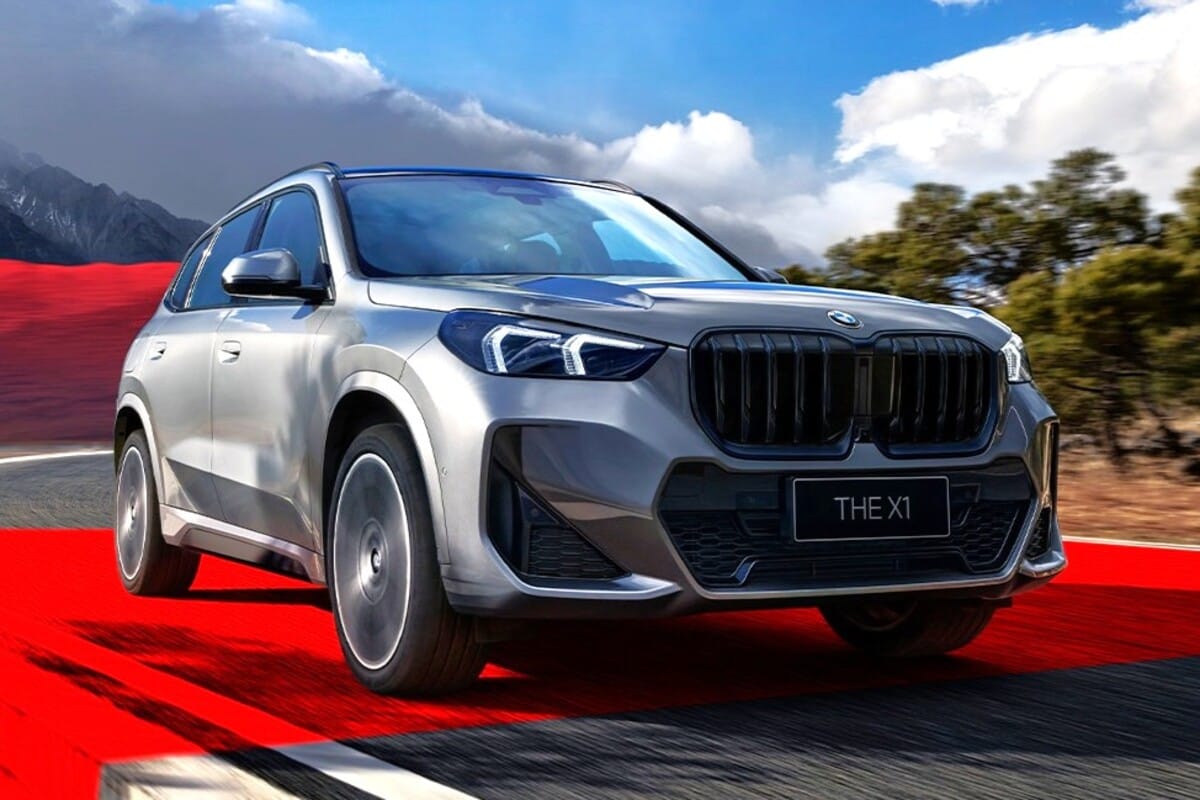
BMW will launch the X1 LWB in India on Friday, August 21. A stretched version of the standard X1 SUV and the ICE equivalent to the iX1 LWB – both of which are sold here too – the X1 LWB will serve as BMW’s most affordable combustion-powered long-wheelbase model for the Indian market. Like other long-wheelbase BMWs, the X1 LWB was originally conceived for the Chinese market, where the SUV has been on sale since 2023. 

BMW X1 LWB exterior design

116mm longer than standard X1

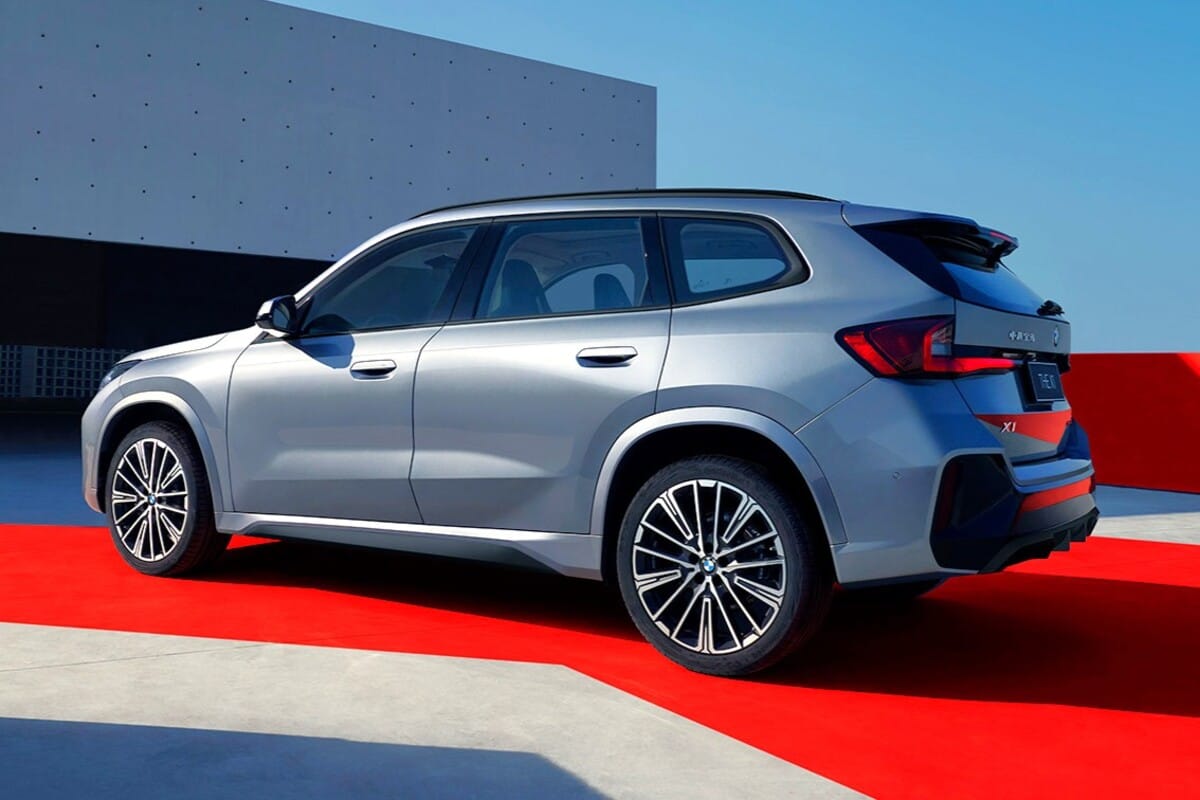
Stretching the tape at 4,616mm long, 1,845mm wide, 1,641mm tall, and with a wheelbase of 2,802mm, the X1 LWB is 116mm longer (110mm increase in wheelbase) and 11mm taller than its SWB counterpart. There are otherwise no changes on the styling front compared to the standard X1, so the LWB continues to offer sleek LED headlamps and tail-lamps, large kidney grilles up front, and a relatively low-slung crossover-esque profile.

The China-spec X1 LWB gets 19-inch alloy wheels as standard (20-inchers optional), but these could be downsized for the India-spec version in the interest of ride quality – the standard X1 and iX1 LWB come with 18-inchers here.

BMW X1 LWB interior and features

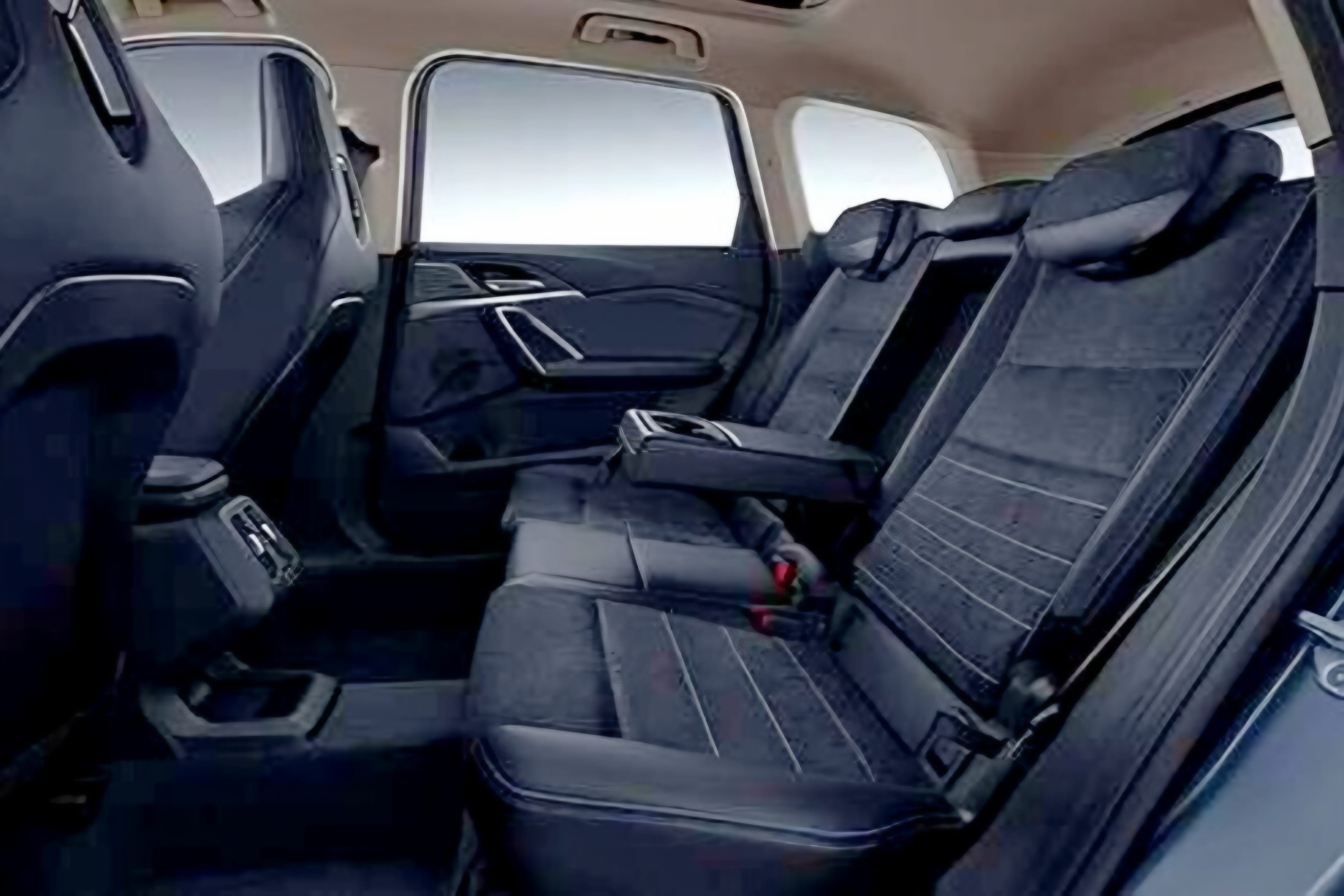
Increased rear legroom, higher bench and wider headrest cushions

Expectedly, the interior layout of the X1 LWB is identical to that of its SWB counterpart, save for an upgraded experience for rear occupants – generous increase in legroom, 27mm bump in seat height and 37mm wider headrest cushions. At 540 litres, the X1 LWB’s boot is also larger than the standard X1’s 476-litre capacity.

The features list includes a 10.7-inch infotainment touchscreen, a 10.25-inch digital driver’s display, a wireless charging pad, powered front seats, automatic climate control, a powered tailgate, a digital key, a Harman Kardon sound system, connected car tech, auto park assist and more.

BMW X1 LWB engine and gearbox options

2.0-litre turbo-petrol mill and 7-speed DCT

In India, the standard X1 is sold in two variants, sDrive18i and sDrive18d, offering 1.5-litre 3-cyl turbo-petrol and 2.0-litre 4-cyl diesel engines, respectively. However, the China-spec X1 LWB gets neither of those engines. Instead, it’s sold in sDrive25Li FWD and xDrive25Li AWD guises, and powered by a 2.0-litre 4-cyl turbo-petrol motor that outputs 204hp and 300Nm – up 68hp and 70Nm over the sDrive18i – and is paired with a 7-speed dual-clutch automatic. 0-100kph comes up in 7.9 seconds for the FWD version and 7.7 seconds for the AWD X1 LWB. Top speed is rated at up to 229kph.

BMW X1 LWB price estimate and positioning

No direct rivals in the Indian luxury car market

Pricing for the standard X1 starts at Rs 50.9 lakh and tops off at Rs 52.9 lakh in India, so expect the X1 LWB to command a premium, especially if BMW offers it with the more powerful 2.0-litre turbo-petrol engine. The X1 LWB will sit in a unique spot of the market, as there are no long-wheelbase entry-level luxury SUVs to rival it at the moment.

All prices are ex-showroom, India.

2026 Mahindra Scorpio N colours gallery

Mahindra Scorpio N colours

Mahindra has updated the Scorpio N for 2026 with a revised colour palette. The SUV is now available in five exterior shades: Oceanic, Deep Forest, Everest White, Stealth Black and Galaxy Grey. Compared to the outgoing version, Oceanic and Galaxy Grey are the two new additions to the range. At the same time, Valyrian Silver has been discontinued. Deep Forest, Everest White and Stealth Black continue unchanged from the earlier model.

2026 Mahindra Scorpio N image gallery

2026 Mahindra Scorpio N

Mahindra has launched the Scorpio N facelift with prices ranging from Rs 13.69 lakh to Rs 25.49 lakh (ex-showroom). While the rugged exterior remains largely unchanged, the facelift introduces new 18-inch diamond-cut alloy wheels on higher variants. Inside, the SUV gets a significantly upgraded cabin with a revised dashboard layout, a 12.3-inch free-floating touchscreen, 10.25-inch digital instrument cluster, panoramic sunroof, 540-degree surround-view camera, revised switchgear and new ‘Adventure Statistics’ display. Convenience has also improved with a 65W USB Type-C charger up front. Mechanically, the Scorpio-N remains unchanged, continuing with its 2.0-litre turbo-petrol and 2.2-litre diesel engines, and is available with a 6-speed manual or a 6-speed torque-converter automatic gearboxes. 

Audi’s big India comeback, Tata Sierra EV first drive: Autocar India August 2026

Autocar India August 2026

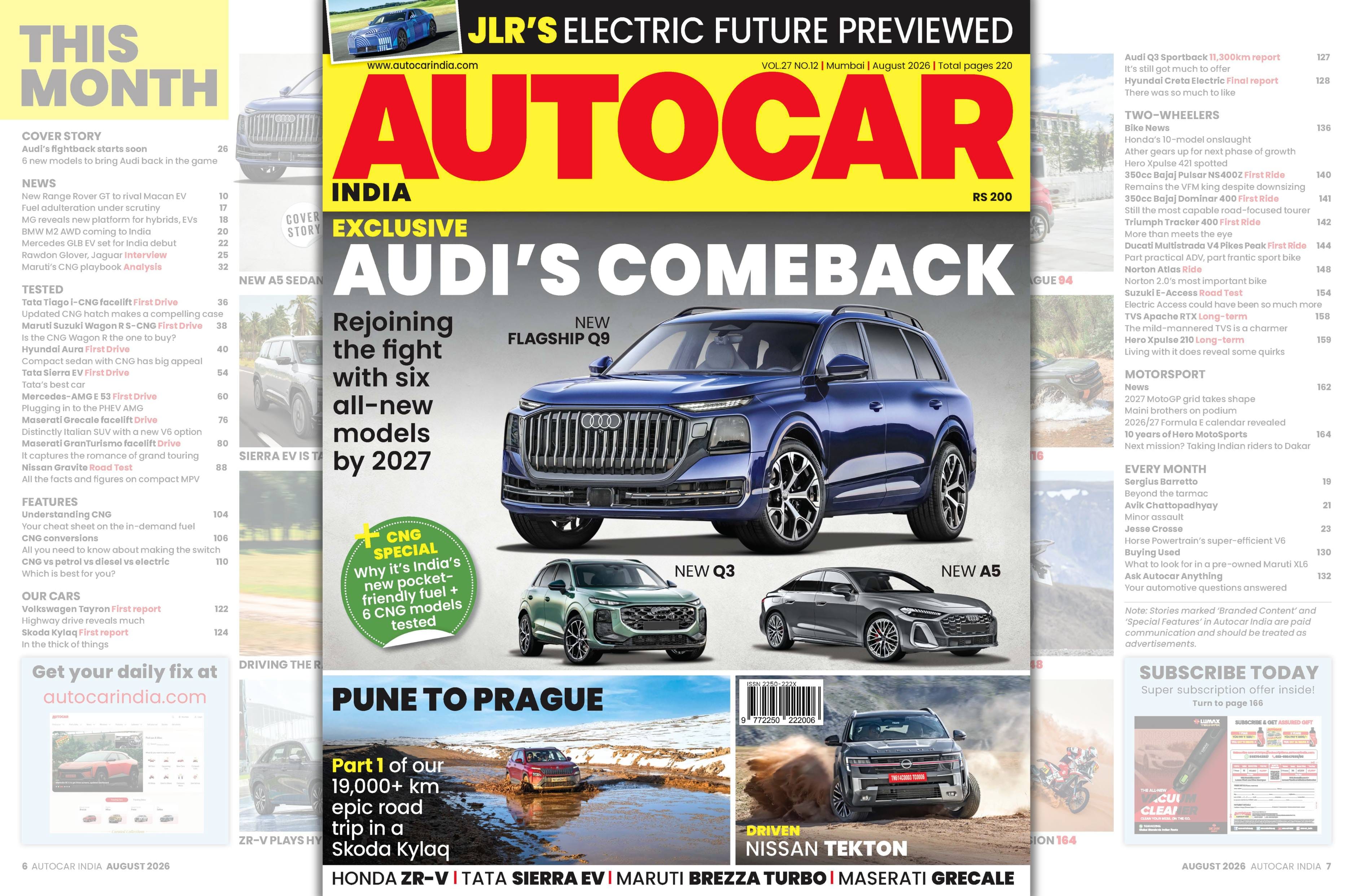
Our August 2026 issue has all the exclusive details of Audi India’s most ambitious product offensive in over a decade, with six all-new locally assembled models planned over the next 18 months. We also get behind the wheel of Jaguar’s camouflaged Type 01 prototype and drive the Range Rover Sport EV at Goodwood. Closer to home, we find out if the Tata Sierra EV lives up to its billing as the best Tata on sale, while the Nissan Tekton is put through a 700km-plus real-world test from Chandigarh to Leh. We also break down India’s new most popular fuel in our CNG special, with five models tested back-to-back. On two wheels, the new Norton Atlas is ridden in Iceland, while a special Ducati takes on some of Maharashtra’s tricky trails. All this while a Skoda Kylaq sets off on an epic 19,351km drive from Pune to Prague.

Audi’s Big Comeback: Cover Story

Audi was once India’s bestselling luxury brand. Today, it is a shadow of that. Now, with six all-new locally assembled models planned by end-2027, the four rings are back on the offensive. We have all the details and speak to Audi India head Balbir Singh Dhillon and Audi AG chairman Gernot Dollner about the upcoming cars. 

Jaguar Type 01: Drive

Jaguar has walked away from 90 years of combustion heritage, cancelled every existing model and started again with a blank sheet of paper. The Type 01 is the result – a five-metre all-electric grand tourer with a 1,000hp three-motor setup, 600km of range and a starting price north of Rs 3 crore. We drive a camouflaged prototype at JLR’s Gaydon test track to find out if the boldest bet in the car industry’s history has legs. 

Range Rover Sport EV: Drive

Under its familiar skin sits an 800V architecture, two Land Rover-developed 326hp motors and a 118.5kWh battery validated over 60,000 hours of testing. The electric Range Rover Sport arrives in India around March 2027 and could set a new luxury benchmark for the brand. We drive a prototype at Goodwood to find out if it lives up to that promise. 

Tata Sierra EV: First Drive

The best Tata in years gets the brand’s smoothest powertrain yet. The Sierra EV comes in rear-wheel-drive and all-wheel-drive forms, with the AWD variant making a class-leading 306hp and bringing the first AWD option in this segment. We drive all variants, including a proper off-road test, to see if it lives up to the hype. 

Honda ZR-V: Drive

Honda’s first hybrid SUV in India arrives as a full import from Japan, packing a 184hp strong-hybrid powertrain and a claimed 22.8kpl. We get a brief first taste at the Buddh International Circuit to find out if it delivers on its promise.

Mercedes-AMG E 53 Hybrid 4Matic+: First Drive

The new E 53 pairs a 3.0-litre straight-six with a 28.6kWh battery for 585hp and up to 100km of electric range. It is a PHEV AMG that also does daily commutes without a drop of fuel. But has electrification enhanced the AMG experience, or diluted it? 

CNG Special: Features

CNG now accounts for nearly 20 percent of India’s passenger car market. We explain everything you need to know about the fuel – what it is, how it works and whether an aftermarket conversion makes sense. We also road test five CNG models: the Tata Tiago iCNG, Maruti Wagon R S-CNG, Hyundai Aura CNG, Maruti Brezza Turbo (petrol) and Maruti Victoris S-CNG.

Tata Nexon: Petrol vs Diesel vs Electric vs CNG

The Nexon is one of the few cars in India offered with four distinct powertrain options. We test every variant – turbo-petrol, diesel, CNG and electric – with real-world performance and efficiency figures to find the sweet spot of the range. The result might just surprise you.

Skoda Kylaq: Pune to Prague, Part 1

A made-in-India Skoda Kylaq sets off on a near-20,000km adventure from its birthplace at Skoda’s Chakan plant to Skoda Auto’s headquarters in Prague. Part 1 covers India, Nepal, Tibet and China – including a detour to Mount Everest Base Camp.

Norton Atlas: Ride

TVS’s second Norton – and the brand’s most important – debuts in Iceland. The Atlas is a 585cc parallel-twin adventure tourer with 70hp, a full electronics suite and 19-inch front wheel. We ride 200km of sweeping mountain roads and gravel trails to find out if it can justify the hype and, crucially, a competitive price tag.

Ducati Multistrada V4 Pikes Peak: First Ride

The most focused Multistrada money can buy blurs the line between a practical ADV and an out-and-out sport bike. With Ohlins semi-active suspension, a single-sided swingarm and a race-mode, it promises to be two bikes in one. We find out if the price premium is worth it.

Suzuki E-Access: Road Test

Suzuki’s first electric scooter carries a big name and an even bigger price tag. It gets some things right, but in a segment that rewards value, performance and range, does the Access badge alone justify the Rs 1.92 lakh asking price?