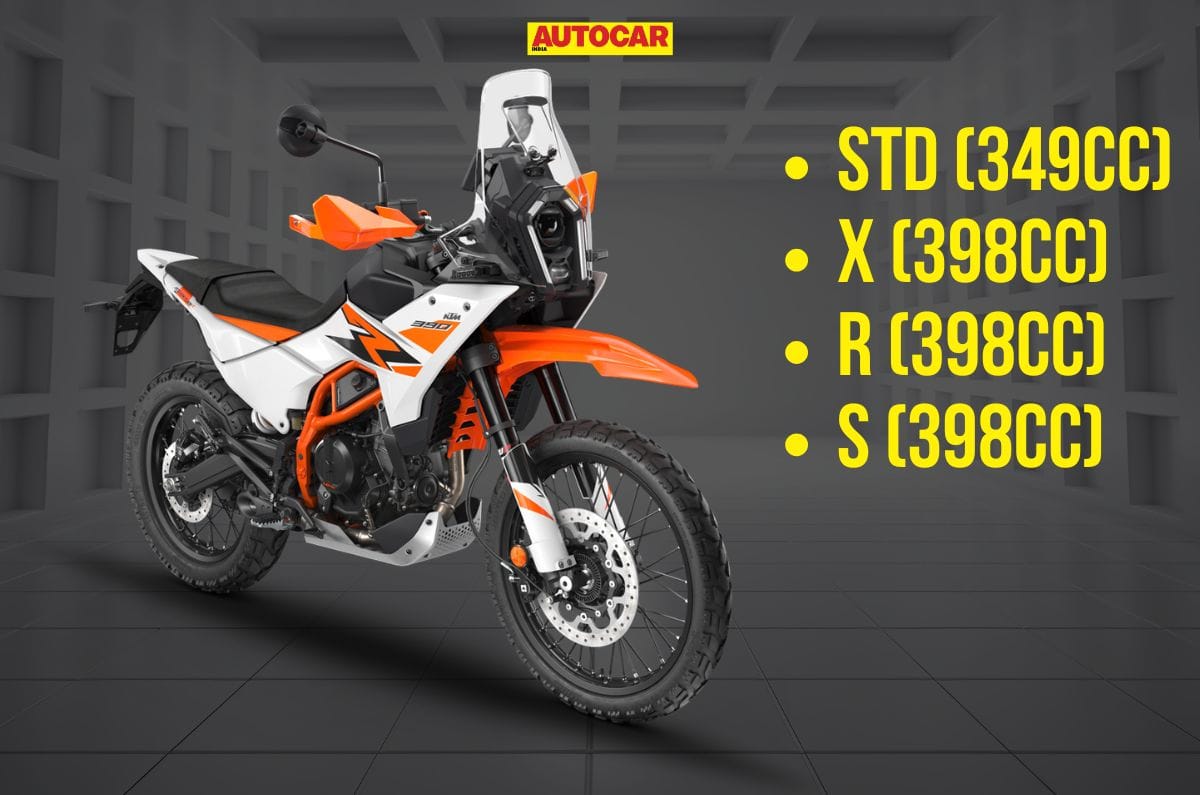
KTM 390 Adventure price and variants explained

KTM 390 Adventure R front right side static in studio

With the launch of the 350cc KTM 390 Adventure, there are now four 390 Adventure models on sale in India, which can make things confusing for someone considering this bike. Here, we’ll explain in detail what each variant costs and brings to the table.

All prices ex-showroom, Delhi

KTM 390 Adventure variant breakdown

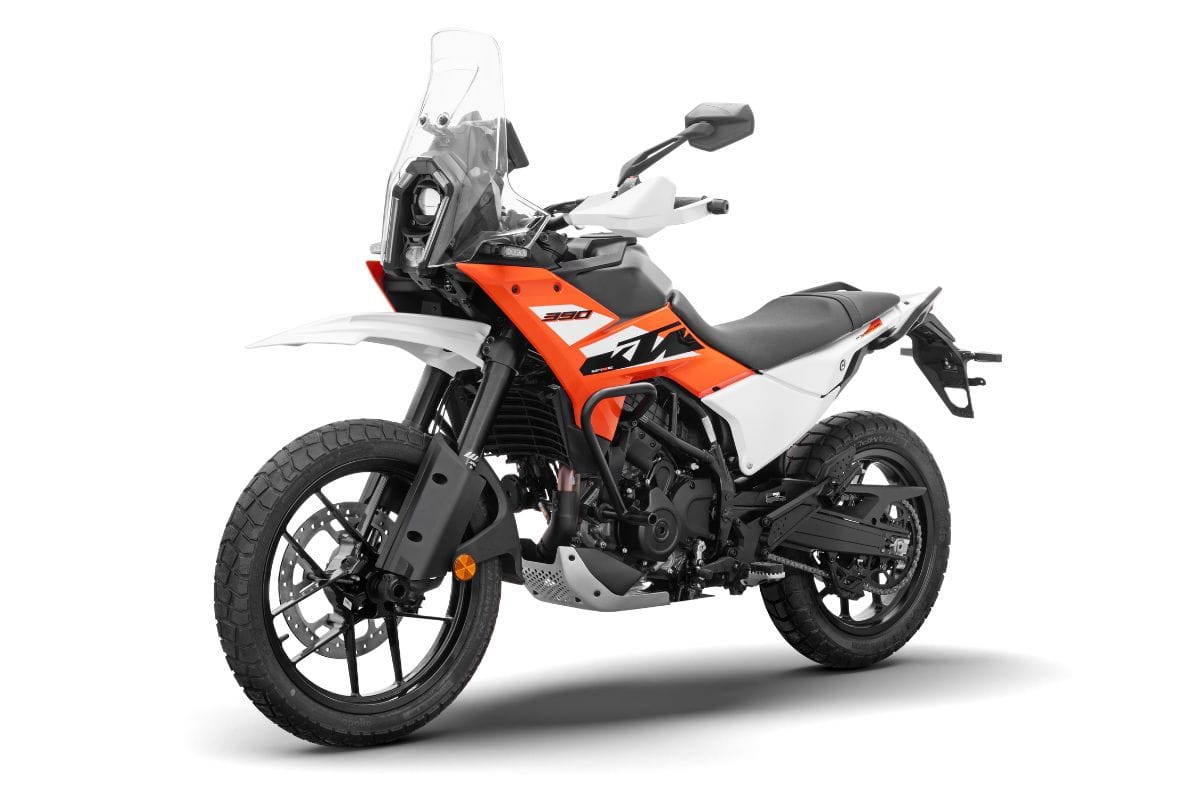
Standard
KTM 390 Adventure front left side static in studio

There are a great many differences between the four variants in the KTM 390 Adventure lineup but a lot of parts are common as well. For example, they all have the same main frame, subframe, bodywork and styling with just different colours and graphics.

Where the base 390 Adventure differs from all the other variants is that it is the only one to use a downsized 349cc engine – via a shorter stroke – making 41.5hp and 33.5Nm of torque. It has the same 200mm/205mm (F/R) of suspension travel (non-adjustable except for rear preload), 19/17-in (F/R) alloy wheels and TFT display as well as electronics as the higher models.

As a consequence of the lower 18 percent GST levied on it, the base 390 Adventure costs Rs 2.87 lakh.

X
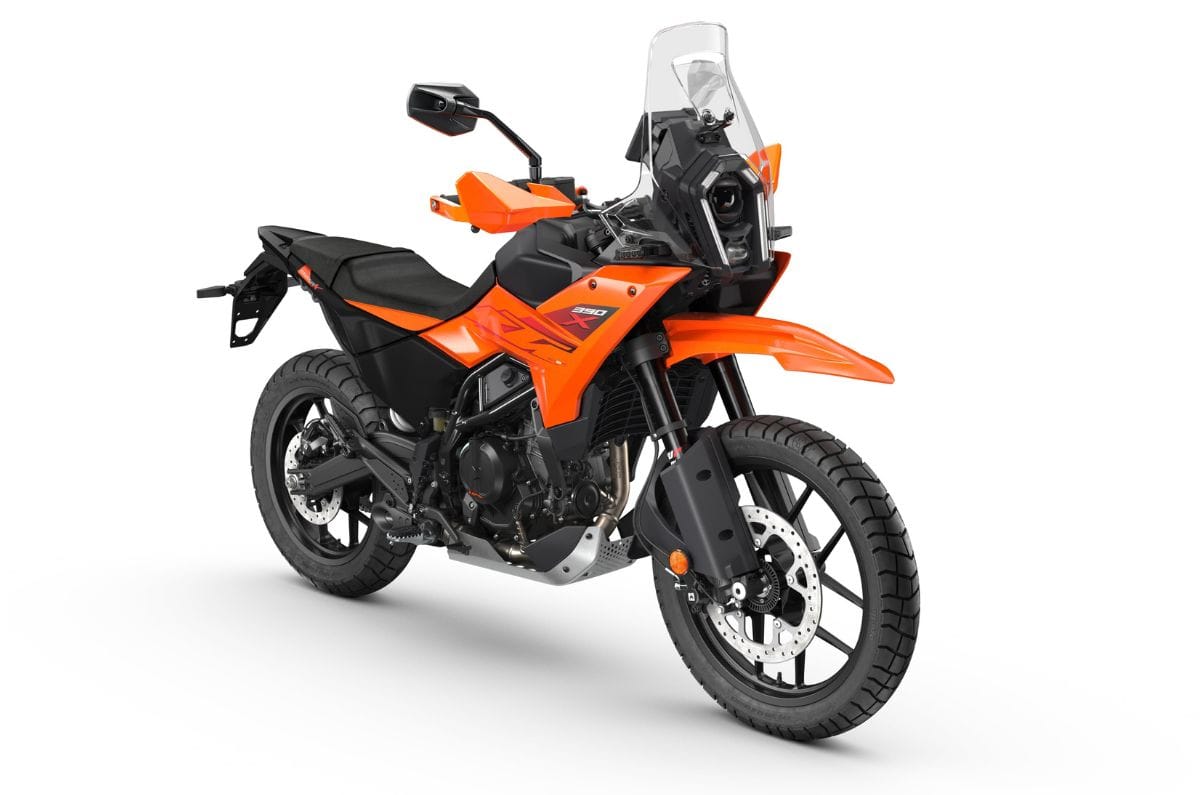
KTM 390 Adventure X front right side static in studio

The 390 Adventure X – and the R and S variants – is powered by the full-fat 398cc engine making 46hp/39Nm of torque. Its chassis, feature-set,  design and key specifications are identical to the base 390 Adventure except for two slightly different paint schemes. However, the X costs Rs 3.50 lakh, which is a substantial Rs 61,000 more expensive than the variant below it and except for the slightly lower output, the two are identical.  

R
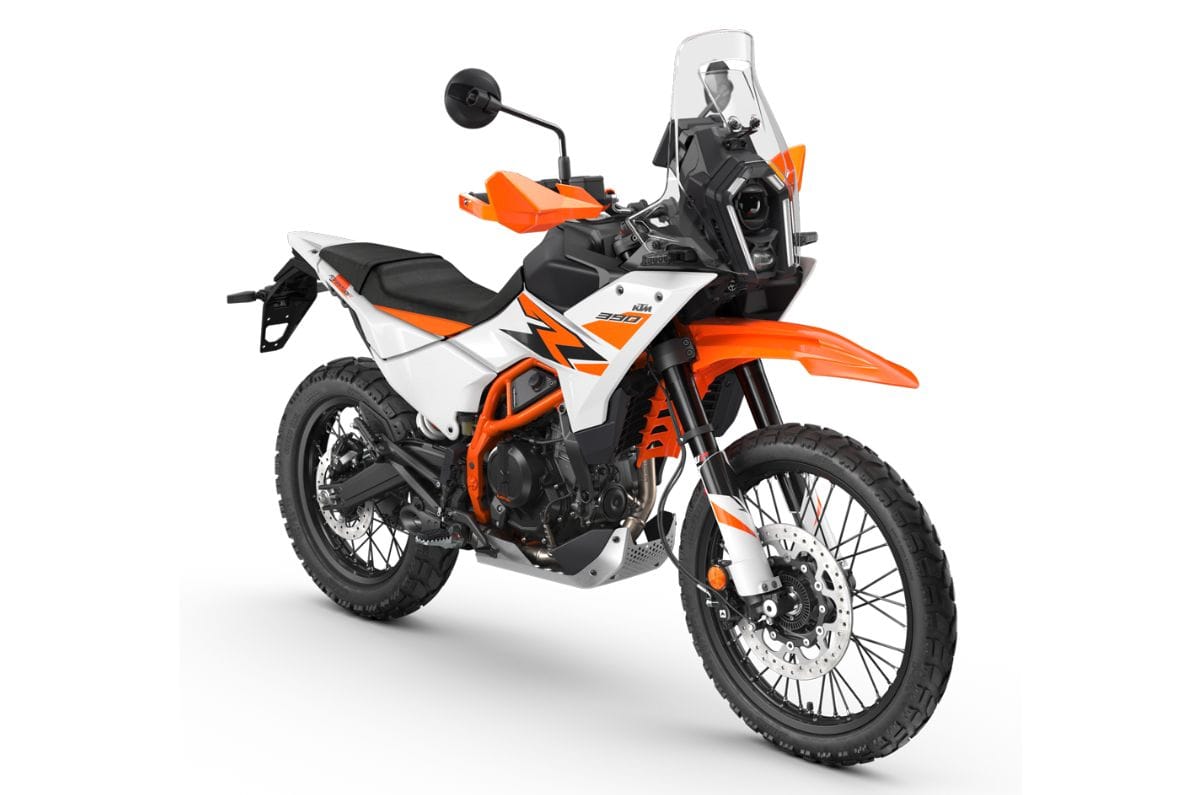
The R is the most off-road focused variant in the 390 Adventure lineup and is the only one to use long-travel suspension with 230mm of travel at both ends. As a result, it has a super tall 880mm seat height although you also get a towering 272mm of ground clearance here.

It is also the only variant to use 21/18-in (F/R) tubed wire spoke wheels shod with Mitas dual-purpose tyres. At Rs 3.86 lakh, the 390 Adventure R is priced Rs 36,000 higher than the X below it.

S
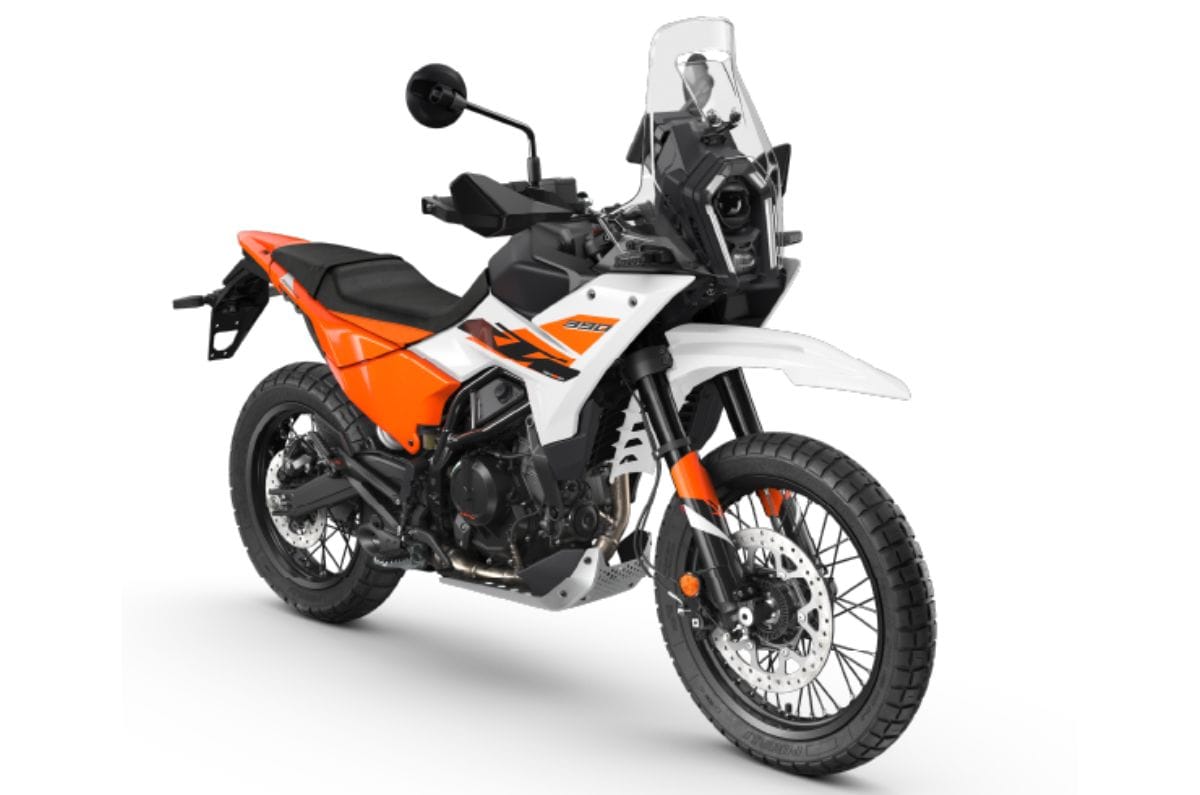
KTM 390 Adventure S front right side static in studio

The range topping variant in the 390 Adventure family is the S which uses adjustable suspension with 200/205mm of travel (F/R) and has 21/17-in wire-spoke wheels, but these ones permit tubeless tyres. It has a seat height of 830mm and a ground clearance figure of 237mm, both of which are lower than the R which helps make the S a more road-friendly machine. With the recent hike in price, the 399cc KTM 390 Adventure S now breaches the Rs 4 lakh mark and is now priced at Rs 4.05 lakh, up from the earlier Rs 3.97 lakh mark.

SIAM withdraws E20 fuel contamination communication

E20

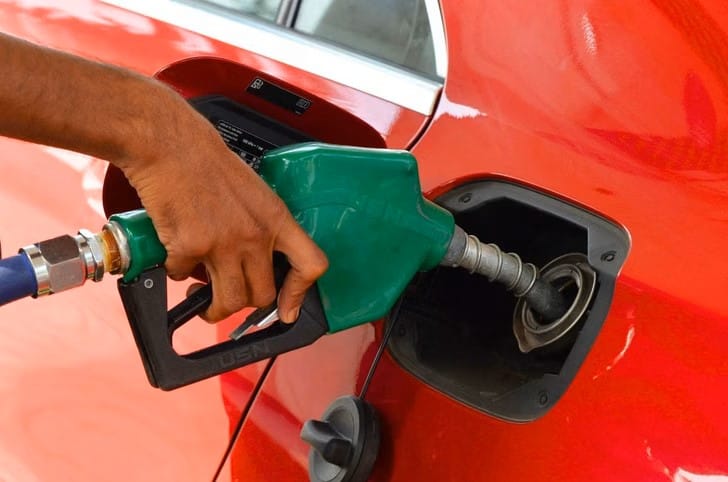
The Society of Indian Automobile Manufacturers (SIAM) has withdrawn its earlier communication to the Ministry of Petroleum and Natural Gas regarding E20 fuel contamination, stating that media reports had selectively quoted excerpts from the document and that some of the figures cited require further verification.

  1. Earlier communication withdrawn pending further verification
  2. SIAM reiterates support for the government’s E20 programme
  3. Petroleum Ministry says enhanced fuel quality checks are in place

The clarification follows media reports that cited portions of the communication relating to chloride and moisture contamination in E20 petrol and an increase in the replacement of certain vehicle components.

SIAM says figures require further verification

In a statement issued on Tuesday night, SIAM said, “SIAM has taken note of certain media reports that have cited excerpts from a SIAM communication, with specific and selective focus on chloride and sulphur content in fuel. SIAM wishes to clarify the matter and place it in its correct context for the benefit of the public and all stakeholders.”

It added that the communication formed part of routine technical discussions between industry bodies, automobile manufacturers, oil marketing companies (OMCs) and testing agencies.

“Some numbers quoted in the communication needs authentication through collection of elaborate data from various regions across the country followed by a comprehensive consultation with our member OEMs,” SIAM said.

The industry body added, “The referred numbers reported in the media need authentication and therefore SIAM is withdrawing its earlier communication.”

A news report published by a leading business channel on Tuesday, which has since been removed, had cited excerpts from the communication, claiming SIAM had flagged a rise in the replacement of fuel injectors, fuel pumps and other components, while also highlighting chloride contamination of up to 500mg/kg in some fuel samples.

Industry body reaffirms support for E20 rollout

SIAM said the Ministry of Petroleum and Natural Gas has already introduced a 3ppm guideline for chloride and sulphur in ethanol blended into petrol, while OMCs have strengthened quality checks across the fuel supply chain. According to the industry body, “all of these steps fully meet the needs of the automobile industry.” 

The industry body also reiterated its support for the nationwide rollout of E20 petrol, stating that there is “no cause for concern” for consumers and that such technical issues have routinely been addressed between automakers and OMCs.

Government reiterates fuel quality monitoring

Earlier on Tuesday, the Petroleum Ministry said fuel quality is monitored regularly by state-run OMCs and highlighted enhanced testing protocols following reports related to SIAM’s communication on E20 fuel quality.

Top 10 bestselling cars in July 2026: Maruti claims 6 spots

Top 10 bestselling cars in July 2026

Sales of India’s 10 highest-selling passenger vehicles reached 2,00,868 units in July 2026, up 37.55 percent from the 1,46,029 units recorded a in the year-ago period. Last month’s sales figures highlight Maruti Suzuki’s strong hold, with six models featuring among the top 10 bestsellers. Tata Motors was the only other brand with more than one model on the list, while Hyundai and Mahindra had one offering each. Demand remained strong across the board, with all but one model registering double-digit year-on-year growth. 

RankModelJuly 2026 sales (units)July 2025 sales (units)YoY growth (percent)
1Maruti Dzire23,79120,89513.86
2Maruti Wagon R23,33814,71058.65
3Maruti Ertiga21,60616,60430.13
4Maruti Swift21,53814,19051.78
5Tata Punch, Punch EV21,31310,78597.62
6Maruti Fronx19,47312,87251.28
7Maruti Baleno18,24112,50345.89
8Hyundai Creta, Creta Electric18,08816,8987.04
9Tata Nexon, Nexon EV17,47112,82536.23
10Mahindra Scorpio, Scorpio Classic16,00913,74716.45
 Total2,00,8681,46,02937.55

1. Maruti Dzire

23,791 units

Maruti Dzire

The Maruti Dzire was India’s bestselling passenger vehicle in July, with sales of 23,791 units, up 13.86 percent from 20,895 units in July 2025. It was also the only sedan to feature among the country’s 10 bestselling models and contributed 11.84 percent of the combined sales of the top 10. 

2. Maruti Wagon R

23,338 units

With sales of 23,338 units, the Maruti Wagon R finished second. The hatchback recorded a strong 58.65 percent year-on-year growth, selling 8,628 more units than in July last year. It was also one of the three hatchbacks to feature in the top 10 list, all of which are from Maruti Suzuki. Another highlight of the Wagon R is that it is also available in a flex-fuel version compatible with E85 fuel, an option that none of the other models on this list offer.

3. Maruti Ertiga

21,606 units

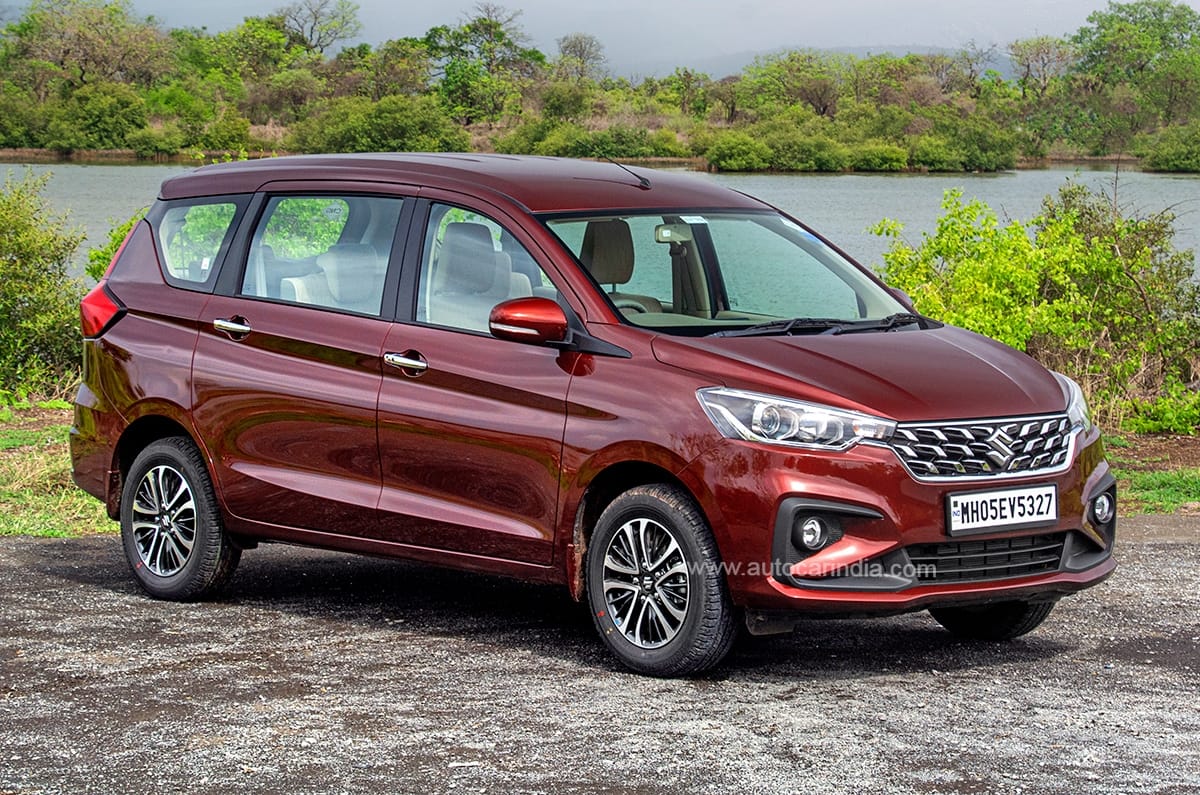
Maruti Ertiga

The Maruti Ertiga ranked third with 21,606 units sold, registering 30.13 percent year-on-year growth. Notably, it is the only MPV on the list and managed to secure a place among the country’s three bestselling passenger vehicles.

4. Maruti Swift

21,538 units

Coming in fourth was the Maruti Swift, with sales of 21,538 units. The hatchback recorded a healthy 51.78 percent year-on-year growth and was the second Maruti Suzuki hatchback to feature in the country’s top 10 bestselling models.

5. Tata Punch, Punch EV

21,313 units

Tata Punch
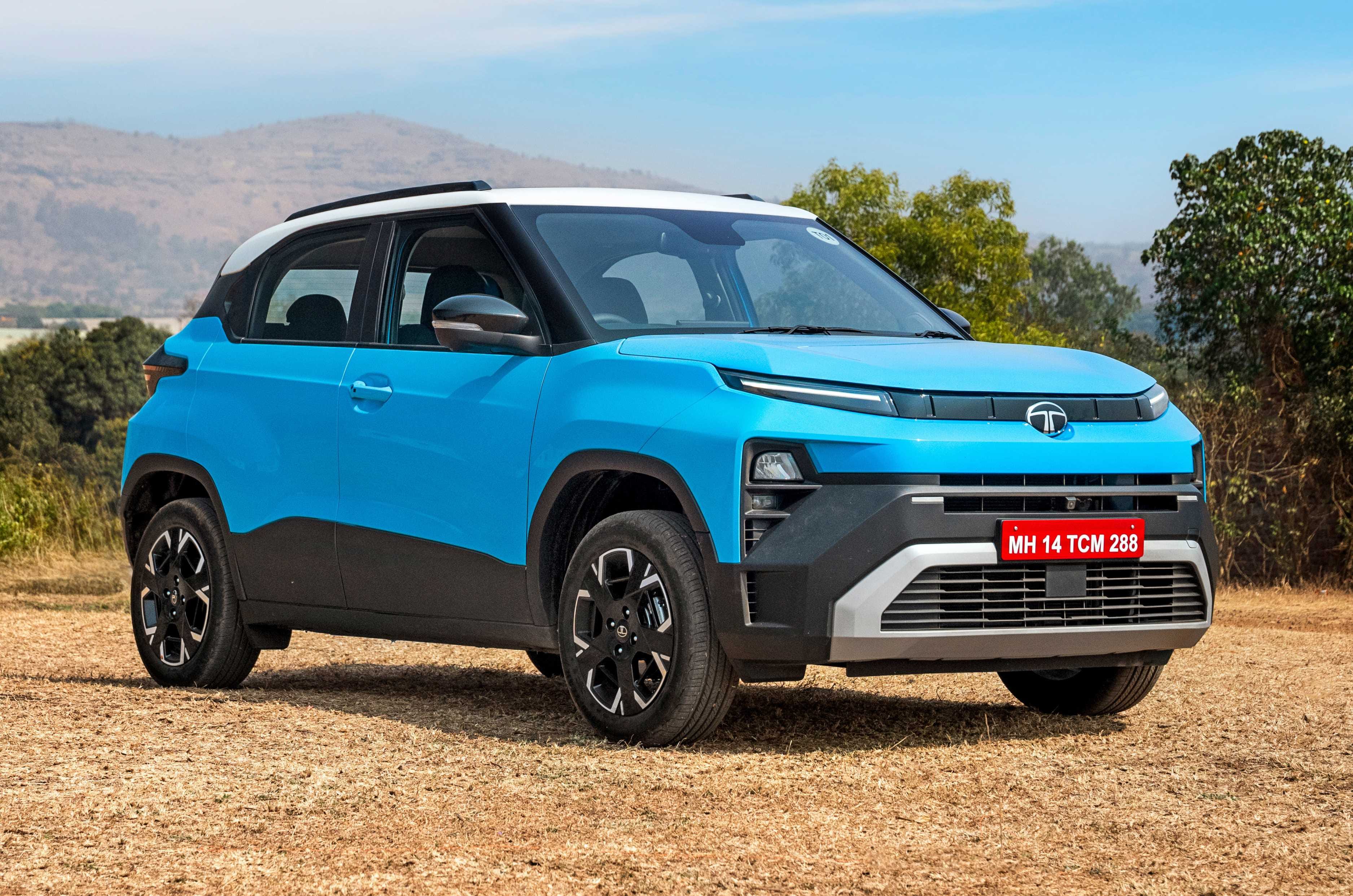
Tata Punch ICE.

Ranking fifth was the Tata Punch and Punch EV, which together sold 21,313 units. Their combined sales were up 97.62 percent year-on-year, nearly doubling from the same month last year. Compared to other models on this list, the sub-compact SUV registered the highest YoY growth. The Punch also recently crossed the 8 lakh sales mark.

6. Maruti Fronx

19,473 units

Selling 19,473 units, the Maruti Fronx secured the sixth spot, registering a 51.28 percent year-on-year growth. It is also Maruti Suzuki’s highest-selling model retailed through the brand’s premium Nexa dealership network.

7. Maruti Baleno

18,241 units

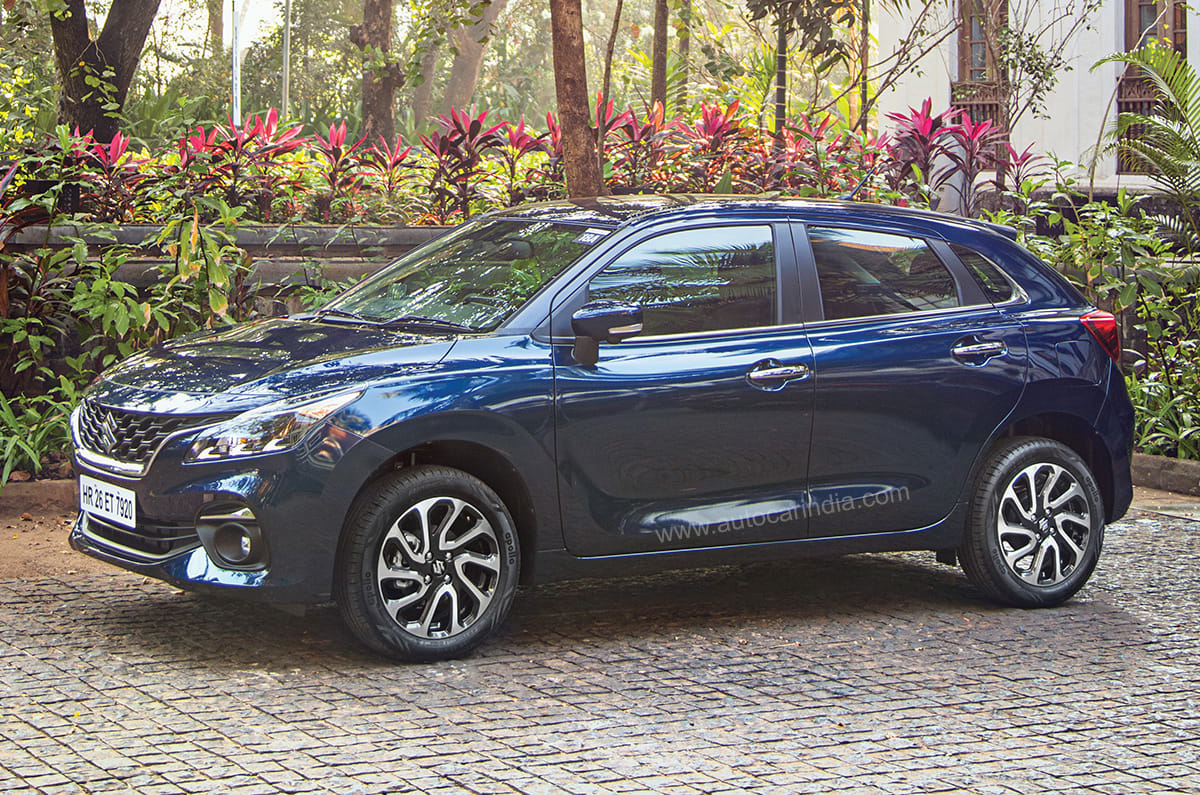
Maruti Baleno

The Maruti Baleno secured the seventh position with 18,241 units, recording a 45.89 percent increase over the same month last year. It rounded off Maruti’s six-model presence in the top 10 and was also the third hatchback on the list. Like the Fronx, the hatchback is retailed through Nexa showrooms.

8. Hyundai Creta, Creta Electric

18,088 units

Next, the Hyundai Creta and Creta Electric together secured the eighth spot with 18,088 units, registering a 7.04 percent year-on-year growth, the lowest among the top 10 models. Recently, Hyundai introduced an assured buyback programme for the Creta Electric, offering a 60 percent buyback value after three years or 45,000km, whichever comes first (terms and conditions apply). The electric SUV is also available with a Battery-as-a-Service (BaaS) option, allowing buyers to lower the upfront purchase cost.

9. Tata Nexon, Nexon EV

17,471 units

Tata Nexon EV
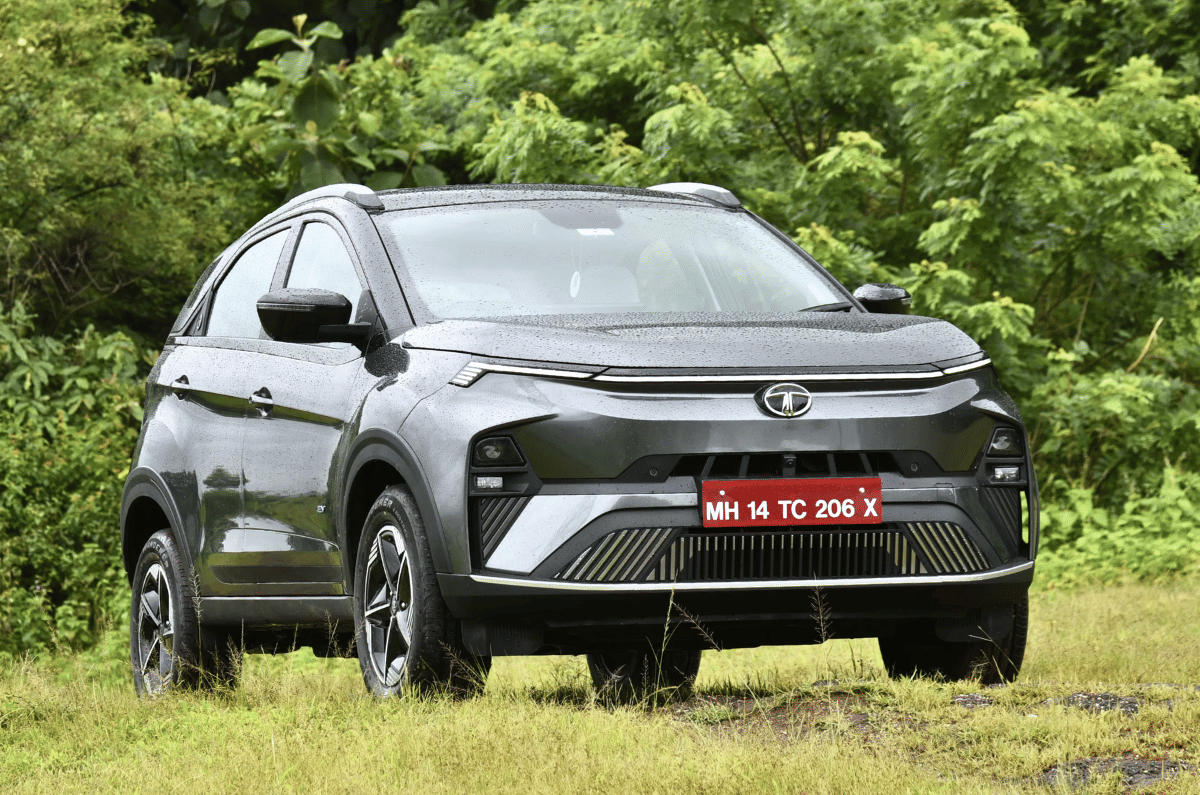
Tata Nexon EV.

The ninth position went to the Tata Nexon and Nexon EV, which together sold 17,471 units in July 2026, recording 36.23 percent year-on-year growth. After the Fronx, the Nexon is the only compact SUV to feature on this list.

10. Mahindra Scorpio, Scorpio Classic

16,009 units

Rounding off the top 10 were the Mahindra Scorpio N and Scorpio Classic with combined sales of 16,009 units, up 16.45 percent over the same month last year. Mahindra rolled out the 2026 update for the Scorpio N just today. 

Range Rover SV Ultra launched at Rs 3.8 crore

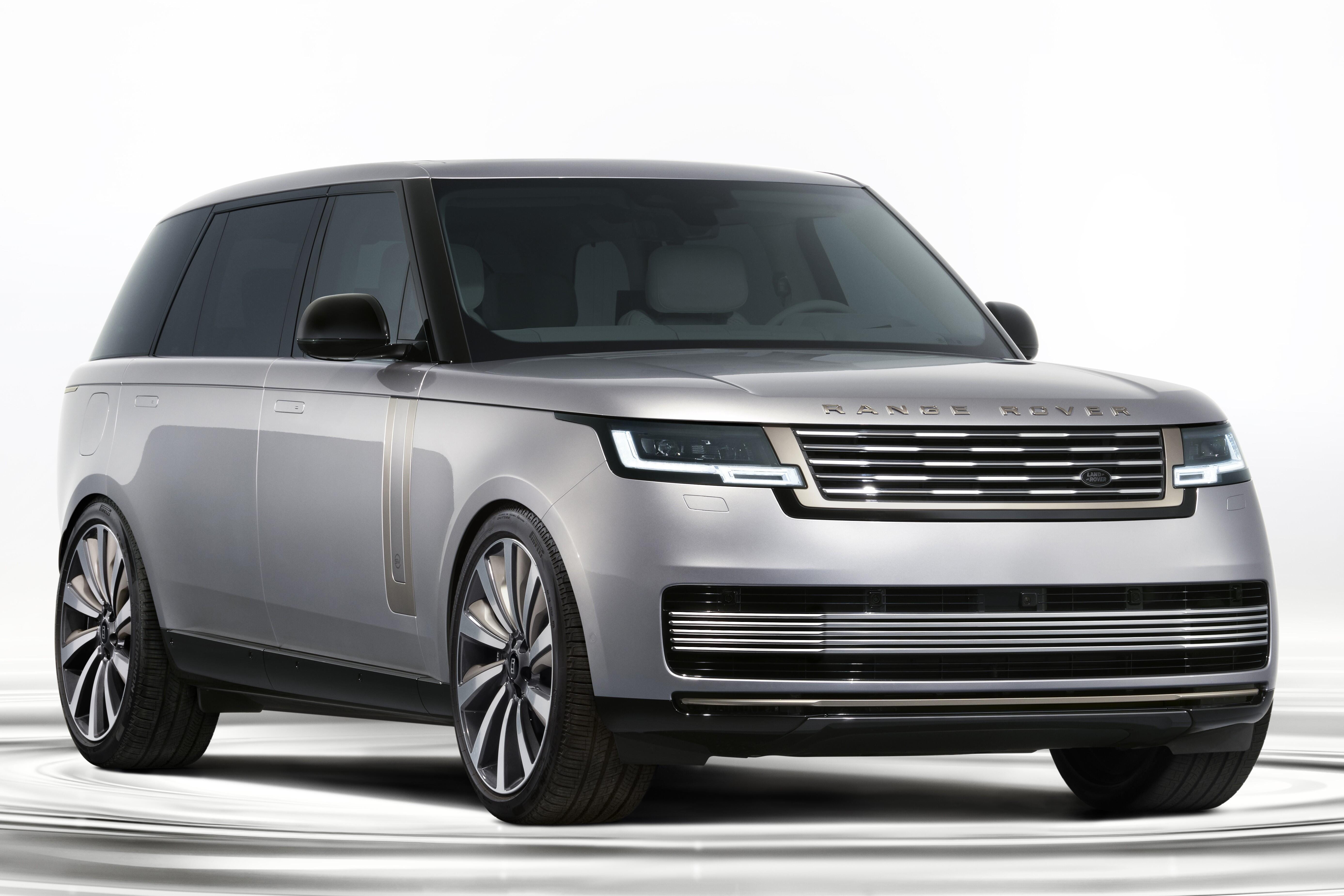
Range Rover SV Ultra

Land Rover has launched the Range Rover SV Ultra in India at Rs 3.8 crore (ex-showroom). Revealed earlier this year, the Ultra is the new top-spec variant of the Range Rover line-up, and gets bespoke touches like a Titan Silver colour option, Satin Platinum and Silver Chrome exterior trim, 23-inch alloy wheels, an Orchid White and Cinder Grey interior finish, a new electrostatic sound system for a more immersive experience, and more. The Range Rover SV Ultra can be had with only a 540hp 4.4-litre twin-turbo V8 with AWD, claiming a 0-100kph time of 4.9 seconds and a 261kph top speed.

Audi India boss confirms 3 new launches by 2027

Audi India boss confirms 3 new launches by 2027

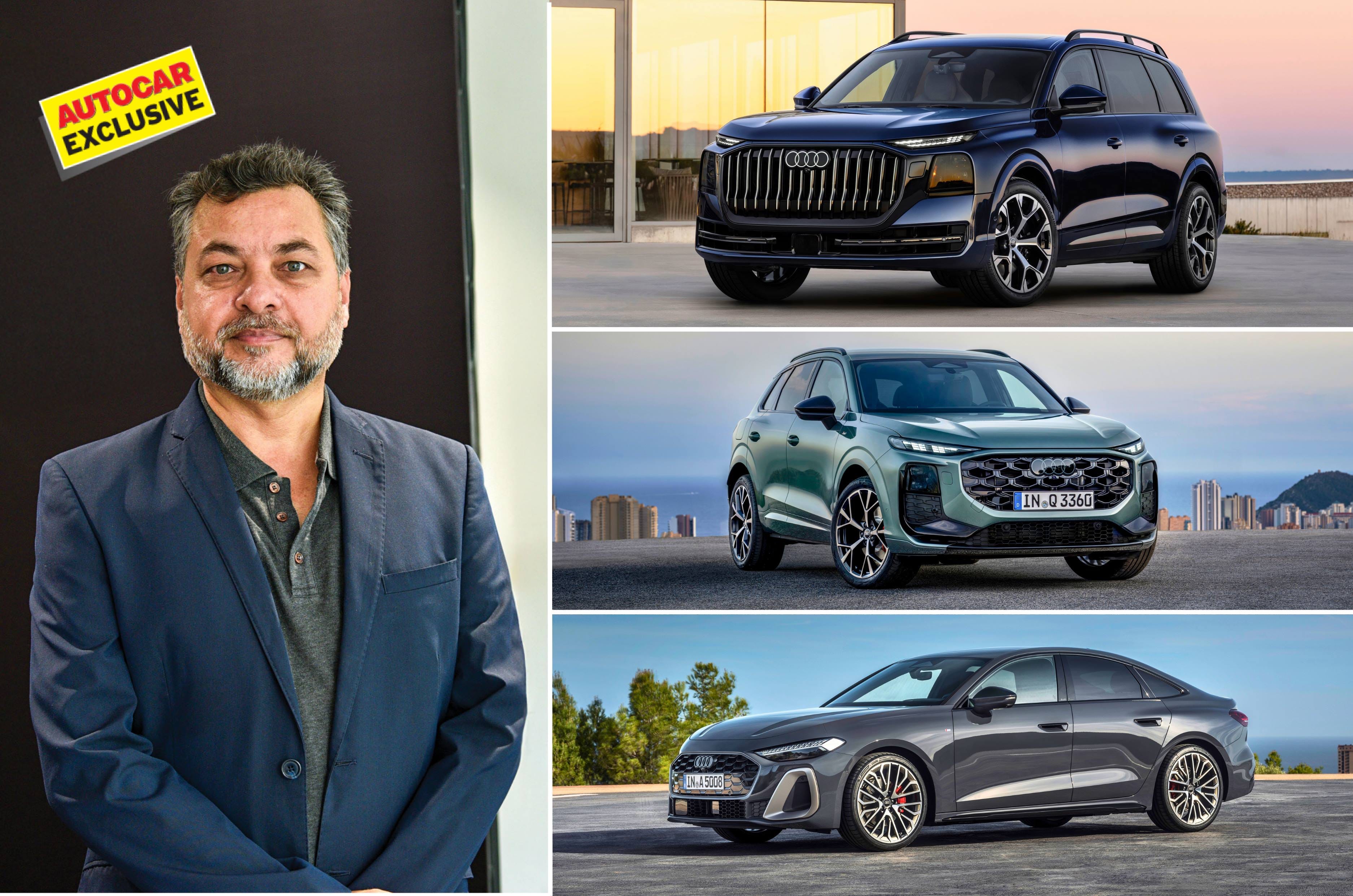
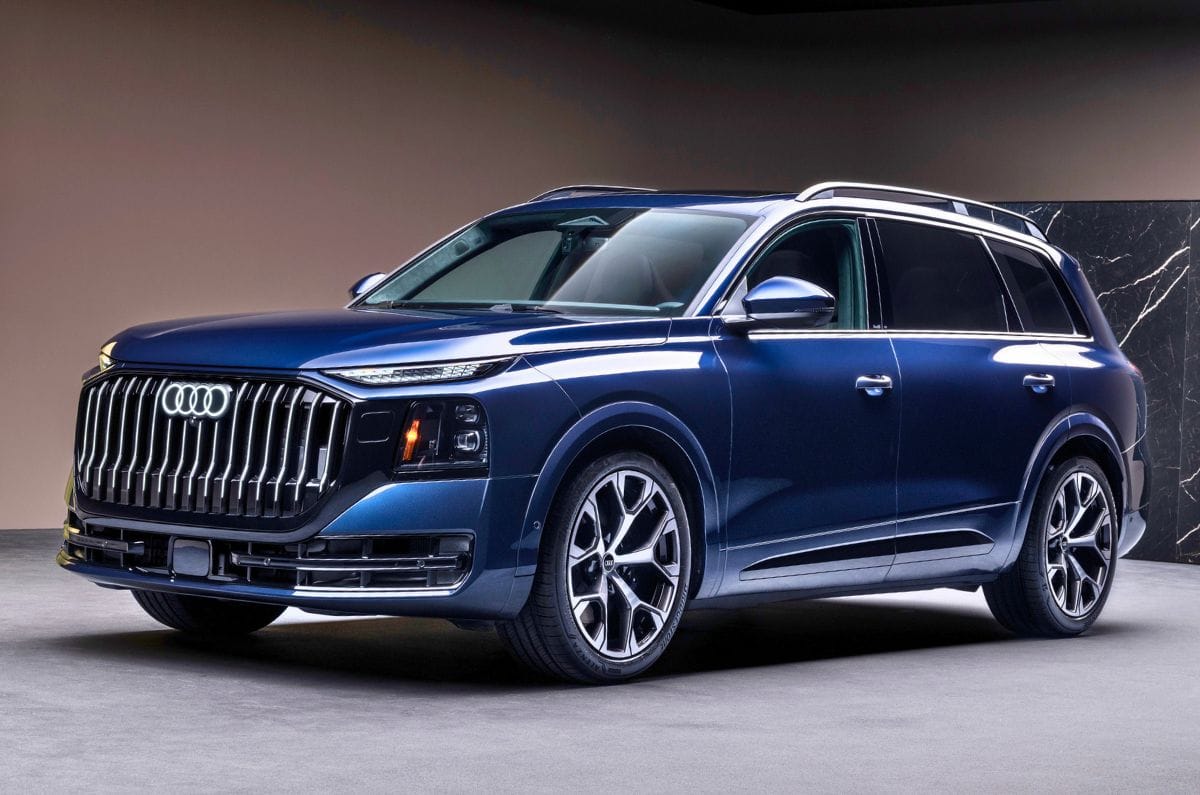
After years on the sidelines, Audi India is finally in attack mode. The next 12 months will see a barrage of all-new metal. First comes the third-generation Q3 this month, followed by the A5 in February 2027 and then the recently unveiled Q9 flagship SUV by the second half of 2027. “Three models in less than 12 months’ time,” confirms Balbir Singh Dhillon, head of Audi India.

The crucial detail is not the cadence but the sourcing. These will not be costly completely built-up (CBU) imports but will be assembled at the Skoda Auto Volkswagen Group plant in Chhatrapati Sambhajinagar. Model-to-model replacement, as Dhillon points out, needs little fresh capital because the heavy lifting was done years ago. “To be successful in India, you have to make in India,” he says. “Irrespective of any FTA, we will still make in India. That will remain the core strategy.”

Let’s take a close look at what to expect from each model:

Audi Q3 

Launch: August 2026, estimated price: Rs 50 lakh

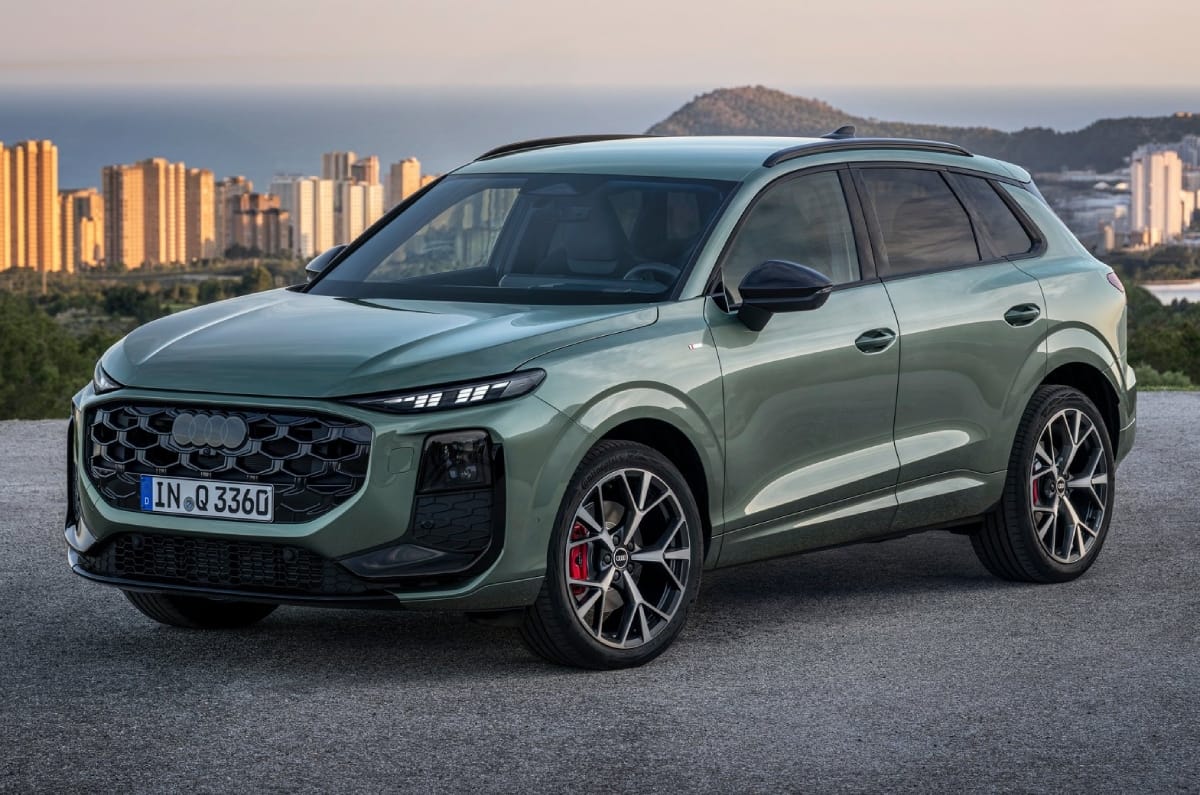
Audi Q3

A big leap over the second-gen model in tech and styling, the third-gen Q3 was revealed last June. It is available in petrol, diesel and plug-in hybrid options in overseas markets, but in India, it’ll have a 204hp, 2.0 turbo-petrol paired with a 7-speed dual-clutch and standard Quattro all-wheel drive. The AWD will give it an edge over the BMW X1 and Mercedes-Benz GLA. Expected in both SUV and Sportback body styles, the Q3 will ride on 18-inch alloys and should get a spare under the boot floor. Kit is expected to include an 11.9-inch digital driver’s display, a 12.8-inch touchscreen, three-zone auto AC and a large sunroof.

Audi A5

Launch: February 2027, estimated price: Rs 60 lakh

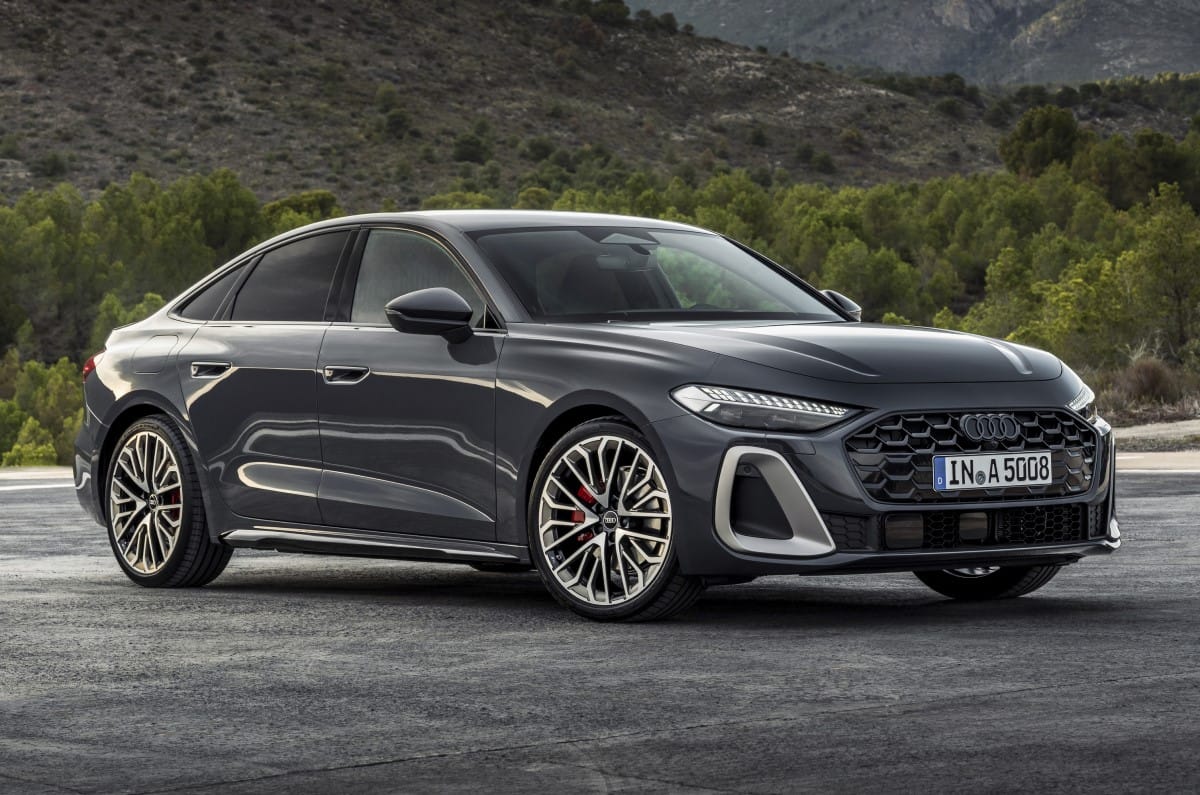
Audi A5

Revealed in 2024 and updated with hybrid powertrains last year, the A5 will replace the ageing A4 in Audi India’s line-up. Based on the new Premium Platform Combustion (PPC) architecture, it is larger than the A4 and shares its high-tech interior with newer Audis like the Q6 e-tron, including an optional 10.9-inch passenger-side touchscreen display. India is expected to get the same 204hp, 2.0 turbo-petrol engine and 7-speed dual-clutch transmission as the Q3, though only in front-wheel-drive form. While overseas markets also get a 265hp Quattro variant, it isn’t expected for India. 

Audi Q9 

Launch: H2 2027, estimated price: Rs 1.40 crore-1.50 crore

Audi Q9

The Q9 sits above the Q7 and Q8, at the very top of the range and is Audi’s new flagship. It’s also the first time Audi has used the ‘9’ designation, and with the A8 gone, this three-row giant is now the standard-bearer for the brand. At more than 5.3 meters in length, this isn’t a stretched Q7; it’s a class-size jump that finally gives Audi a genuine rival to the Mercedes-Benz GLS and BMW X7, a fight it has sat out for far too long. It will get a sole engine option in India: a 3.0-litre V6 petrol producing 367hp and 550Nm, driving all four wheels through an 8-speed automatic. Sadly, there will be no diesel engine option for India. 

Network expansion to compliment new launches 

Hardware alone will not do it. The retail network is being rebuilt in parallel. “Today we have 29 showrooms. By the end of next year, we’ll be at 40,” says Dhillon, with virtually every existing outlet currently torn up for conversion to Audi’s global ‘progressive’ showroom format. The new locations alone, he reckons, will contribute a quarter of the planned growth. Add a thriving Audi Approved Plus used-car operation, which now sells one pre-owned car for every new one and sits on a database of 20,000 pre-owned buyers ripe for upgrade, and the machinery for a volume push is in place.

The stated ambition is bold. “Today we are at about 8, 9 percent market share. I want to double it to maybe reach 18 to 20 percent in the next three to five years,” says Dhillon. In volume terms, that means more than doubling sales to cross 10,000 units within three years, outpacing the luxury market that is itself expected to grow. 

For the first time in years, Audi India has a genuine arsenal: a fresh Q range from Q3 to Q9, a striking new sedan, a rebuilt network and a loyal customer base waiting to be rewarded. There will still be gaps in the product lineup, but the intent is there, and this opening salvo is just the start of an offensive built to sustain itself, with future products already being hatched, many of them aimed squarely at those very holes in the line-up. 2027 promises to be a turning point. It’s game on for Audi.

Honda Elevate discounts in August 2026 go up to Rs 1.79 lakh

Honda Elevate in showroom

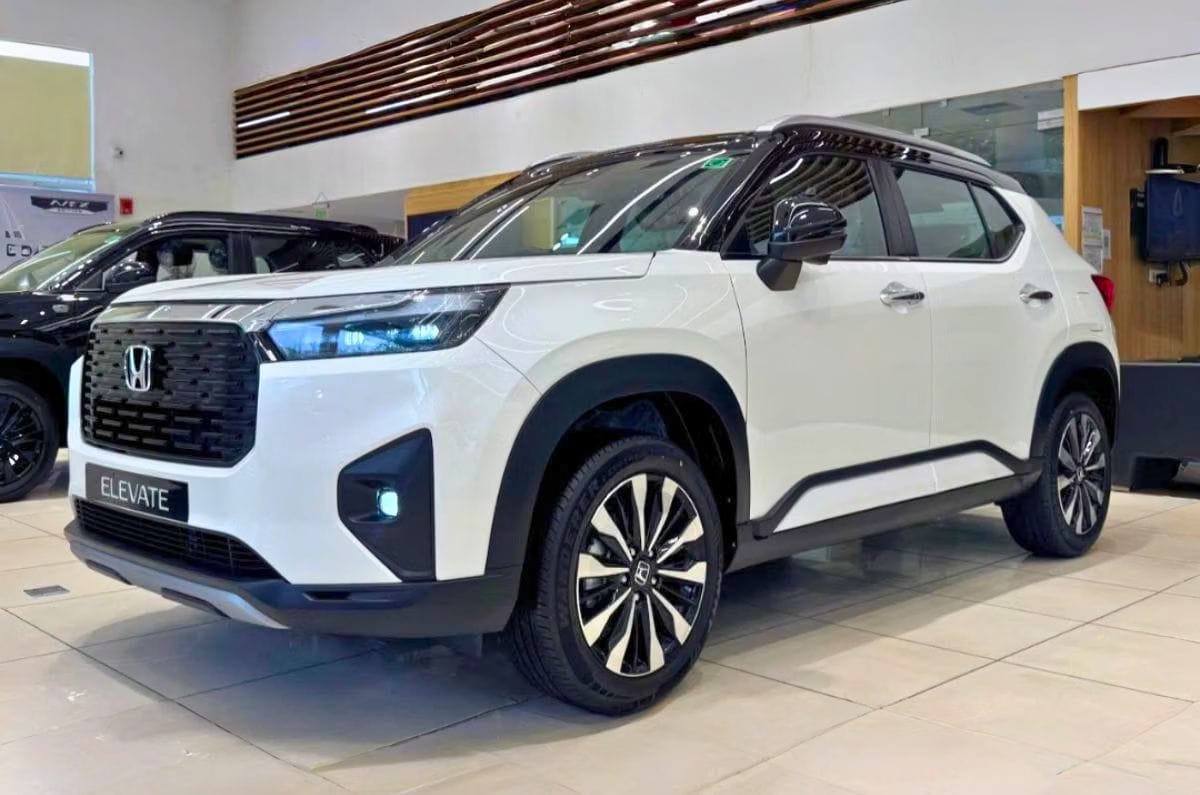
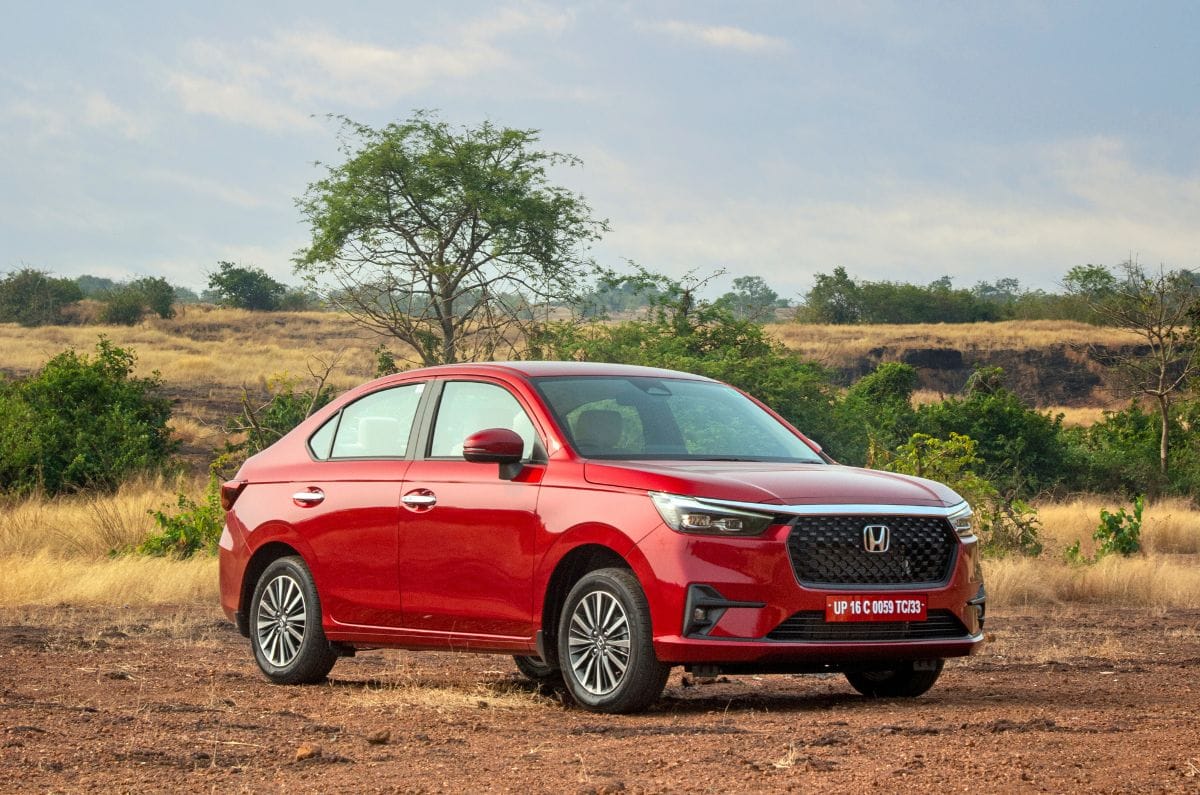
Honda is offering the Amaze, City and Elevate with a range of consumer schemes this August. In the case of the Amaze, offers are valid for the second- and third-gen models, whilst offers on the City are primarily for the pre-facelift model. The discount schemes for the Elevate are applicable for the existing model, while all the offers and benefits mentioned here will be valid between August 1 and August 31, 2026.

  • Elevate offers the most benefits
  • City discounts are valid on pre-facelift models
  • Second- and third-gen Amaze both available with discounts

Disclaimer: Offers/benefits may vary by city and are subject to stock availability. Buyers are advised to check with their local dealer for exact figures.

Honda Elevate offers in August 2026

Benefits up to Rs 1.79 lakh

Honda Elevate front quarter

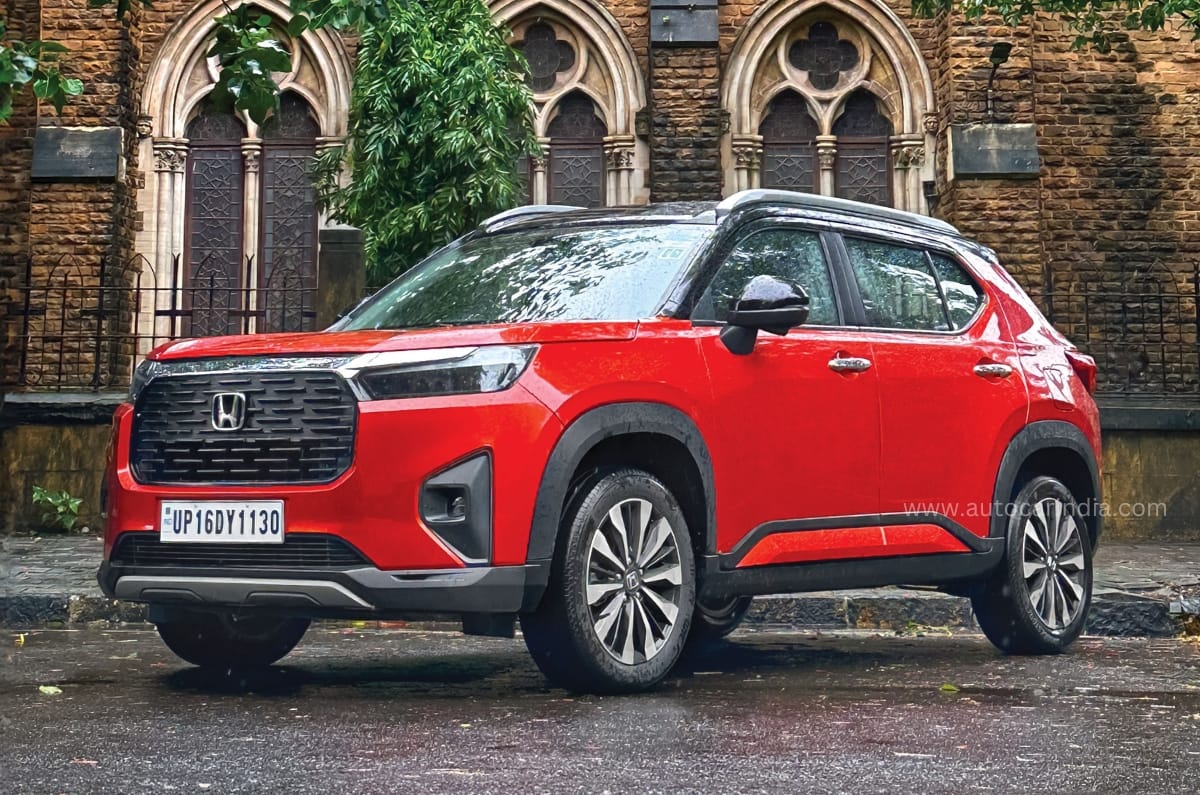
Depending on the variant and model year (MY), the Honda Elevate is being offered with benefits worth up to Rs 1.79 lakh. This includes cash discounts of up to Rs 60,000, exchange bonuses of up to Rs 1.05 lakh, and loyalty benefits of Rs 4,000. Honda is also offering customers with corporate discounts of up to Rs 10,000 and a 50 percent discount on the brand’s 7-year extended warranty, now at Rs 19,000. The Honda Elevate is priced from Rs 11.81 lakh to Rs 16.78 lakh.

Honda City offers in August 2026

Benefits up to Rs 95,000

Honda CIty pre-facelift front quarter

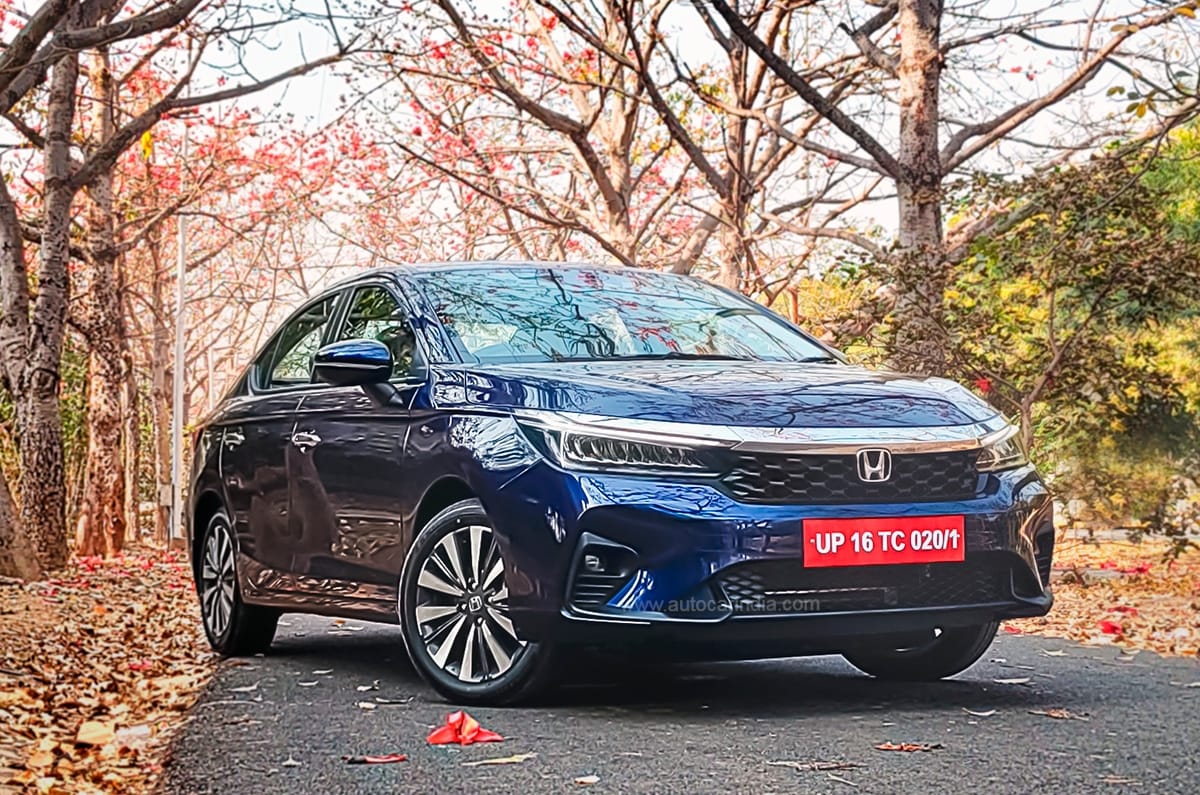
Select variants of the Honda City are available with a cash offer worth Rs 30,000, exchange bonuses of up to Rs 56,000, and a loyalty incentive worth Rs 4,000. There’s also a corporate discount amounting to Rs 5,000. Overall, the Honda City can be had with discounts of up to Rs 95,000. Meanwhile, the price of the 2026 Honda City ranges between Rs 12.08 lakh and Rs 21.44 lakh.

Honda Amaze offers in August 2026

Benefits up to Rs 50,000

Certain variants of the third-gen Honda Amaze are available this August with benefits going up to Rs 50,000. This takes into account cash discounts of up to Rs 15,000 plus exchange bonuses worth up to Rs 21,000. Furthermore, there’s a loyalty incentive worth Rs 4,000 and corporate benefits of Rs 10,000.

Third-gen Honda Amaze front quarter

Buyers of select variants of the second-gen Amaze can avail identical exchange, loyalty and corporate benefits, but cash discounts now stand at Rs 10,000. Depending on the model year, Honda’s 50 percent discounted 7-year extended warranty is offered at Rs 15,000. The 2026 Honda Amaze is priced from Rs 7.65 lakh to Rs 10.00 lakh, while the previous-gen Amaze costs between Rs 5.99 lakh and Rs 7.80 lakh.

All prices are ex-showroom, India.

Also read

Renault Kiger discounts go up to Rs 68,000 in August 2026

JSW MG ‘Hector Hawk’ SUV to launch on August 26

Mahindra Scorpio N facelift launched at Rs 13.69 lakh

Mahindra Scorpio N

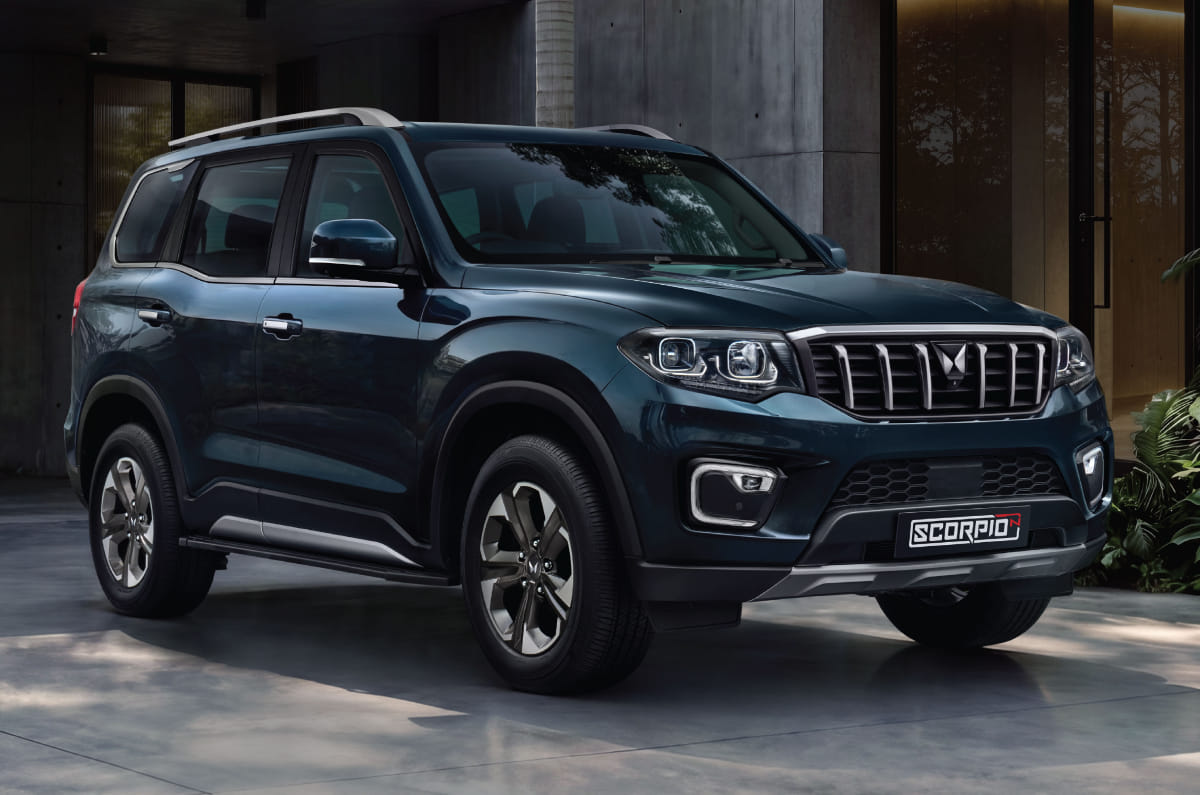
Mahindra has launched the Scorpio-N facelift, with prices range from Rs 13.69 lakh to Rs 25.49 lakh (ex-showroom). The SUV has been updated the with a range of feature additions, including a panoramic sunroof, a 540-degree surround-view camera and larger infotainment and instrument displays. The SUV also gets new alloy wheels and additional convenience features, while continuing with its existing petrol and diesel powertrains. 

  1. Panoramic sunroof and 540-degree camera added
  2. New 12.3-inch touchscreen and 10.25-inch digital cluster
  3. New 18-inch dual-tone alloy wheels

Updated Bajaj Pulsar N160 teased ahead of launch

Pulsar N160 test mule

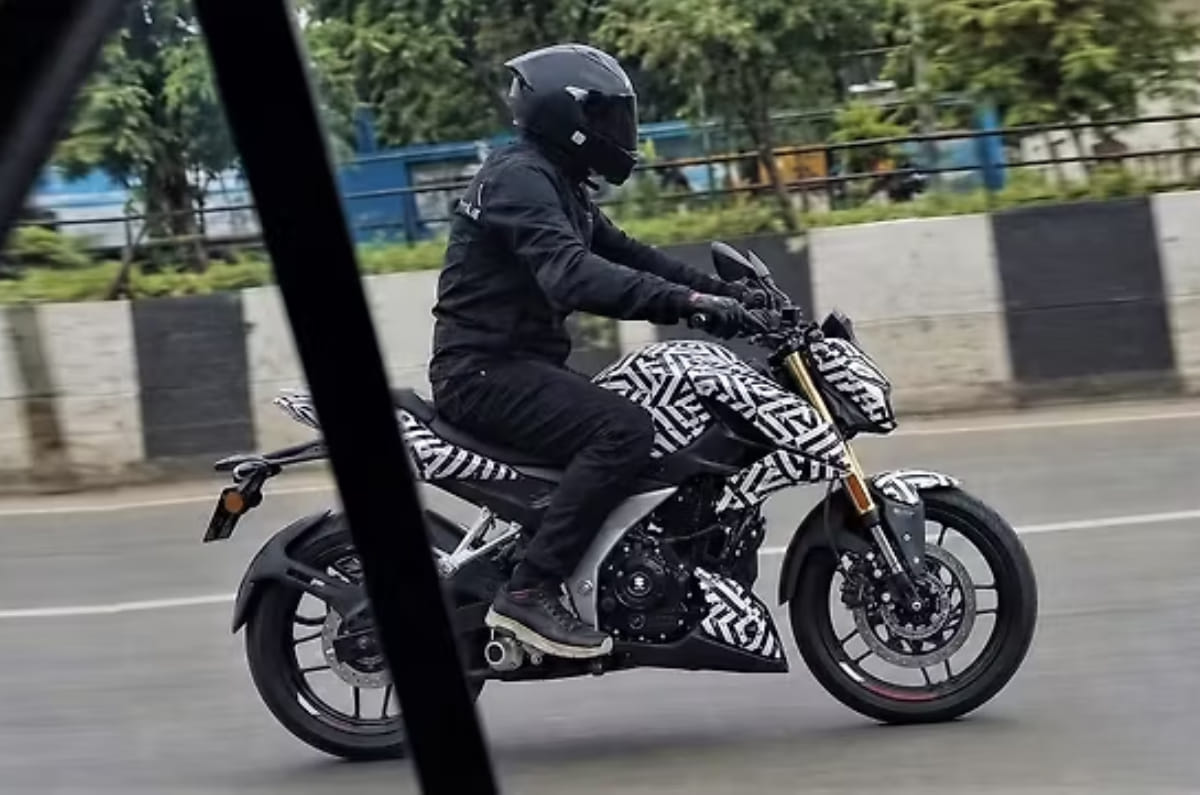
Bajaj has teased the updated Pulsar N160 by sharing an image of a lightly camouflaged test mule on its official Instagram handle. The now-deleted post all but confirms the bike is on its way and will likely be one of the models unveiled at the August 12 event.

  1. Updated Pulsar N160 test mule teased
  2. Gets revised headlight design
  3. Launch expected on August 12

Updated Bajaj Pulsar N160: What to expect

Changes appear focused on the front end; the rest of the bike looks largely unchanged

It’s no secret that Bajaj is preparing a major product offensive ahead of the festive season. The company had earlier confirmed that it would launch 10 new two-wheelers over the coming weeks, including two all-new Pulsars. We’ve also learnt that the August 12 event is expected to focus on the updated N160.

The camouflaged test mule gives us a fair idea of what to expect. For starters, the overall design appears to be largely unchanged, with the bodywork, fuel tank extensions and alloy wheels seemingly carried over. The only clearly visible change is at the front, where the LED DRLs appear to feature a revised design. That said, only the side profile of the bike has been shown, so the full extent of the styling revisions remains to be seen.

Earlier this week, images of the all-new Pulsar 125 at a dealership surfaced online, revealing far more comprehensive updates including a new chassis and what appears to be a heavily revised engine. It also featured a new colour LCD instrument cluster, and we could see that make its way to the N160 as well, replacing the current bike’s simpler LCD unit.

Mechanically, the engine appears visually unchanged, but we’ll have to wait until the launch to know whether Bajaj has made any revisions beneath the bodywork. One significant update we could see is a switch from the current two-valve engine to a new four-valve unit. For reference, the current Pulsar N160 is powered by a 164.8cc, single-cylinder, air-cooled engine producing 16hp at 8,750rpm and 14.7Nm at 6,750rpm. 

The current Pulsar N160 is priced at Rs 1.25 lakh for the single-seat, USD fork variant with single-channel ABS, and Rs 1.32 lakh for the split-seat variant with USD forks and dual-channel ABS.

JSW Group and Skoda-VW manufacturing joint venture MoU expected within 2 months

JSW Group and Skoda-VW manufacturing joint venture MoU expected within 2 months

Skoda Auto Volkswagen India and the JSW Group are in the final stages of discussions for a manufacturing joint venture, we have learned. The two companies are likely to sign a non-binding memorandum of understanding (MoU) within the next two months. The proposed venture is currently being discussed as a 51:49 joint venture, with the JSW Group expected to hold the majority stake.

Emails seeking comments were sent to Skoda Auto Volkswagen India and the JSW Group on Tuesday, but neither company responded till the time of publishing. Autocar Professional, our sister publication, understands senior global executives from Skoda Auto and Volkswagen are expected to visit India in the second fortnight of August. The proposed alliance with the JSW Group is expected to be among the key subjects on the agenda as the two sides work towards signing the non-binding MoU.

Equity infusion could fund EV development

The proposed partnership comes as Skoda Auto Volkswagen India prepares its next round of investments in electrification and localisation. The equity infusion from the JSW Group is expected to fund the development and localisation of electric vehicles and support future product programmes.

A large part of the investment is expected to go towards vehicles based on the India Main Platform (IMP), Volkswagen Group’s EV architecture for India. The IMP is derived from the China Main Platform (CMP), allowing the group to use an existing EV architecture and adapt it to Indian regulations, the local supplier base and localisation requirements.

The platform is expected to underpin multiple electric SUVs for the Skoda and Volkswagen brands over the next few years. Higher localisation will be key to bringing down costs and reducing dependence on imports. The scope of discussions goes beyond manufacturing. We understand that the sales and marketing operations across the group’s brands are also part of the talks. A few years ago, the sales organisations of Skoda, Volkswagen, Audi, Porsche and Lamborghini were integrated with the manufacturing business under Skoda Auto Volkswagen India. This has also brought the premium brands within the scope of the discussions.

JSW’s broader automotive strategy

For the JSW Group, the proposed venture is part of a broader effort to build an integrated automotive business across passenger vehicles, commercial vehicles, batteries, manufacturing and exports. Unlike JSW MG Motor India, the proposed Skoda Auto Volkswagen venture will have no Chinese participation, allowing the group to further de-risk its automotive business from China-linked partnerships. We understand the alliance will also help diversify JSW Group’s passenger vehicle operations while creating a Make in India manufacturing base serving both domestic and export markets by leveraging Volkswagen Group’s global production and distribution network. The proposed India-EU Free Trade Agreement is also expected to strengthen the business case for exports from India to Europe over the longer term, making exports an important part of the proposed alliance.

The partnership also fits into the group’s wider automotive plans. JSW already has its joint venture with MG, has set up JSW Motors as a separate passenger vehicle business for products outside the MG alliance, operates JSW Greentech for buses and commercial vehicles, and is investing in cell manufacturing and localisation. The group is looking to connect these businesses with its existing strengths in steel, paints and energy, creating greater vertical integration across its automotive operations.

Localisation of some models being studied

We understand the alliance will also look to leverage manufacturing assets across the JSW Group wherever feasible. This includes the JSW Motors facility at Sambhaji Nagar, formerly Aurangabad, where higher localisation of products such as the Skoda Kodiaq and select Audi models is being evaluated. The aim is to improve localisation levels while making better use of the group’s existing manufacturing footprint.

The alliance is also evaluating the localisation of the next-generation Kodiaq platform. If approved, it could underpin a locally manufactured three-row SUV positioned in the Mahindra XUV 7XO segment. Localising the platform would allow Skoda Auto Volkswagen to compete in one of the country’s largest SUV segments with significantly higher local content.

Following the signing of the non-binding MoU, the two sides are expected to finalise the equity structure, including the shareholding pattern, before moving towards definitive agreements and the required approvals. The discussions are currently centred on a 51:49 joint venture, with the JSW Group expected to hold the majority stake.

With inputs from Ketan Thakkar.

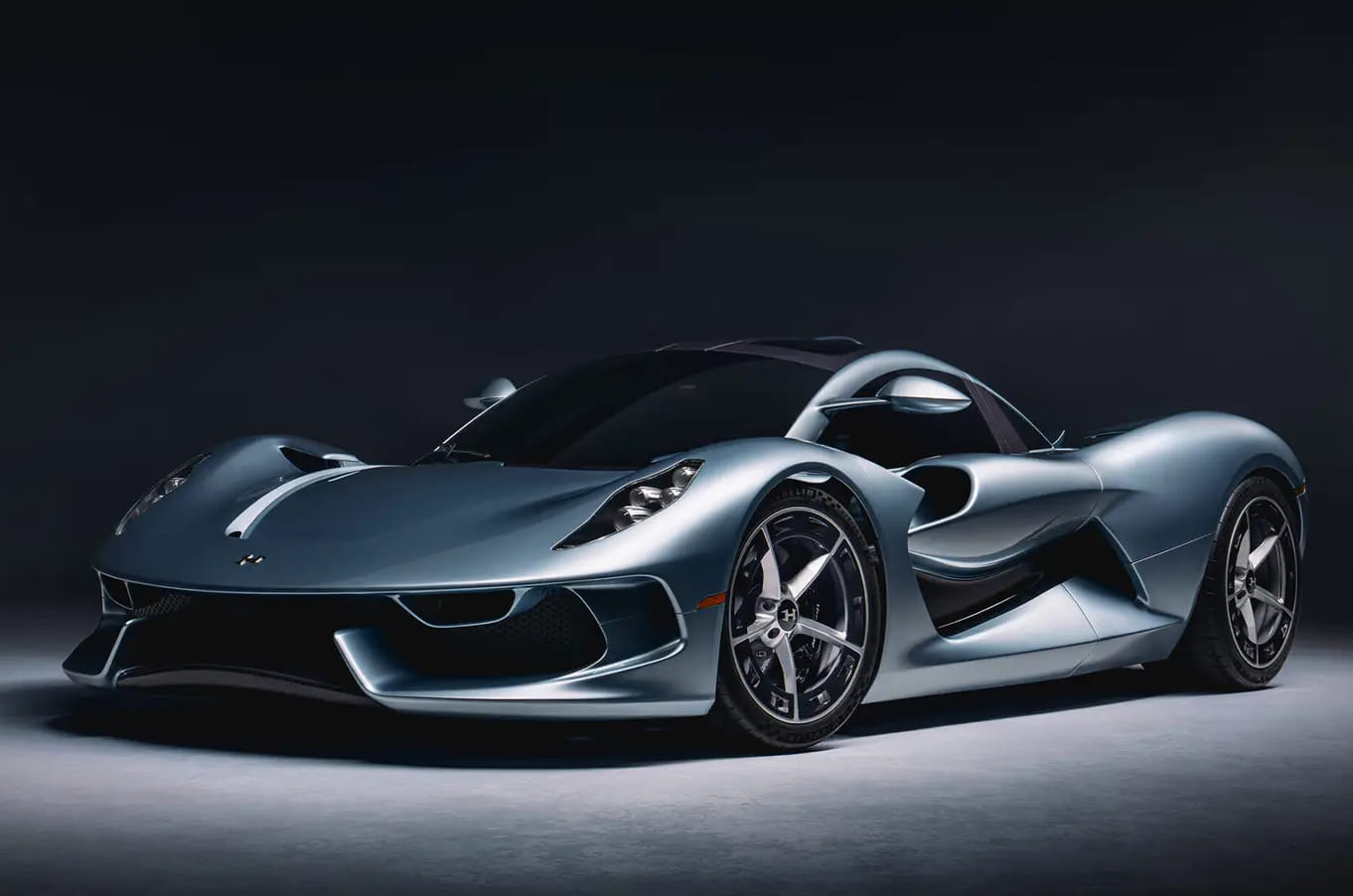
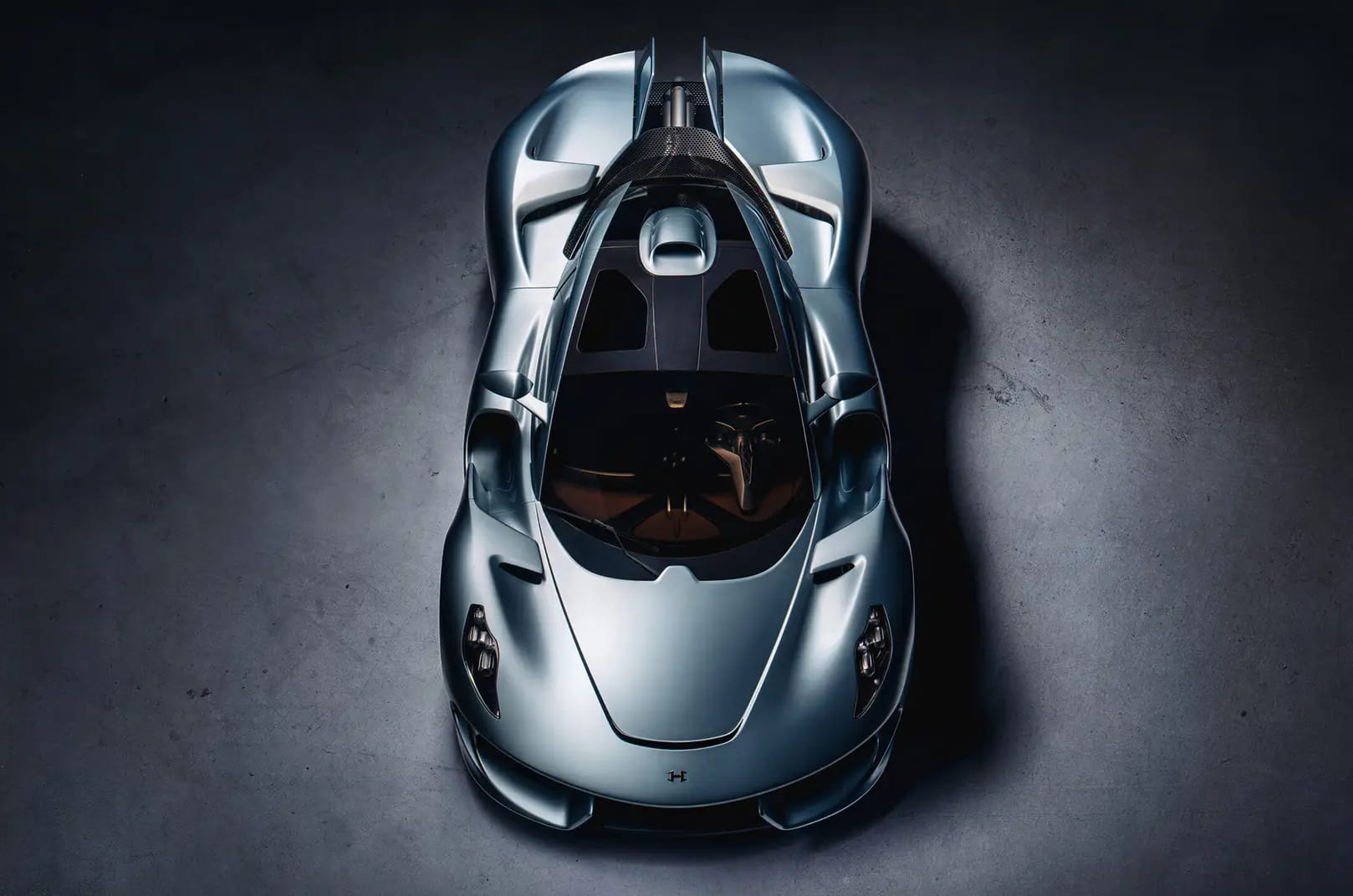
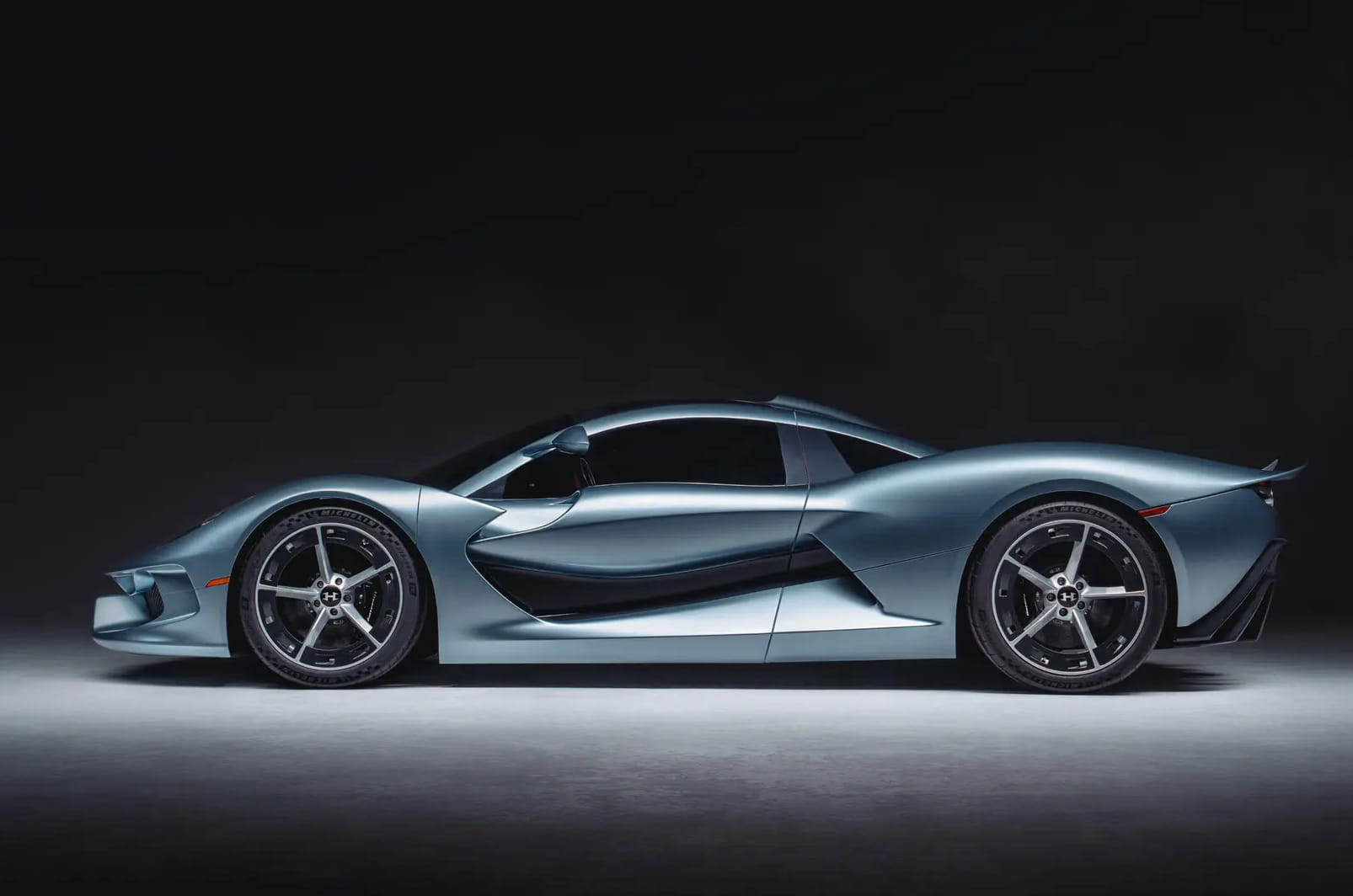
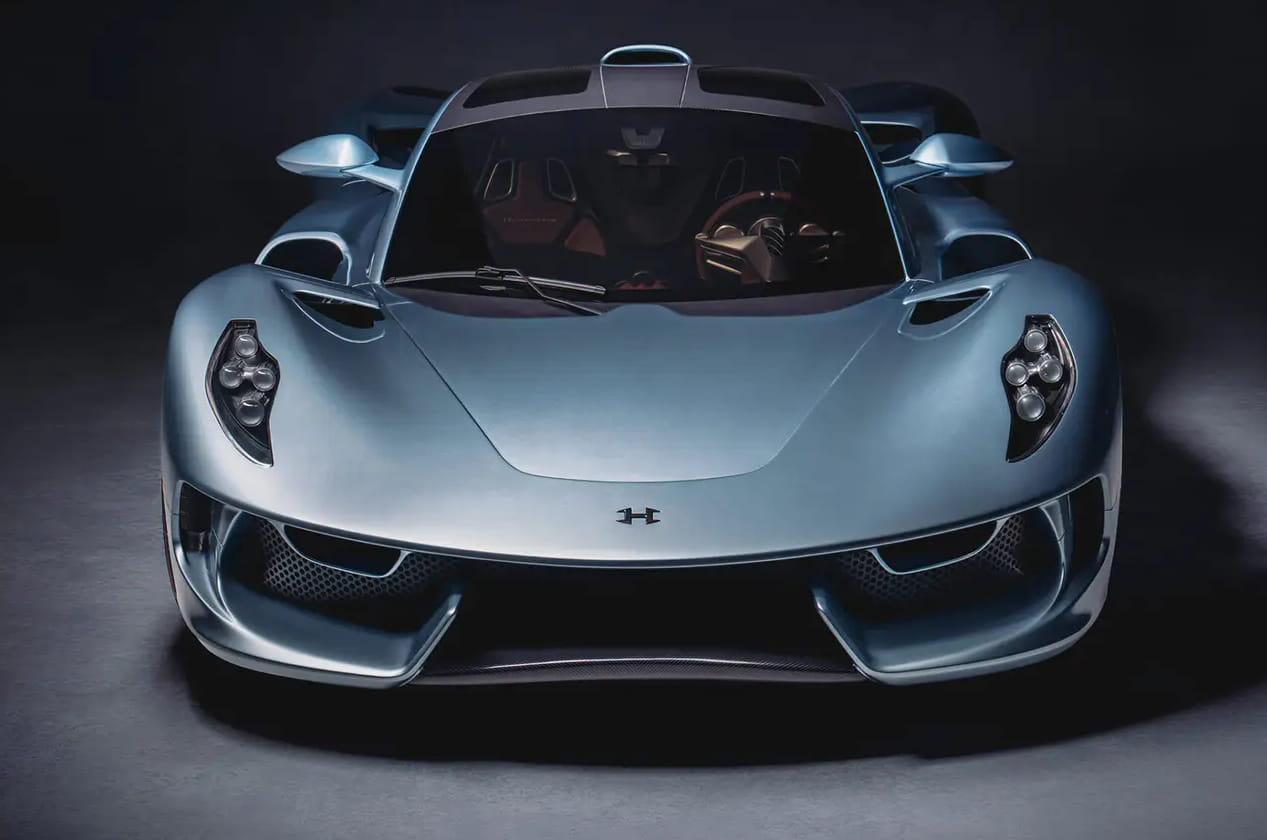
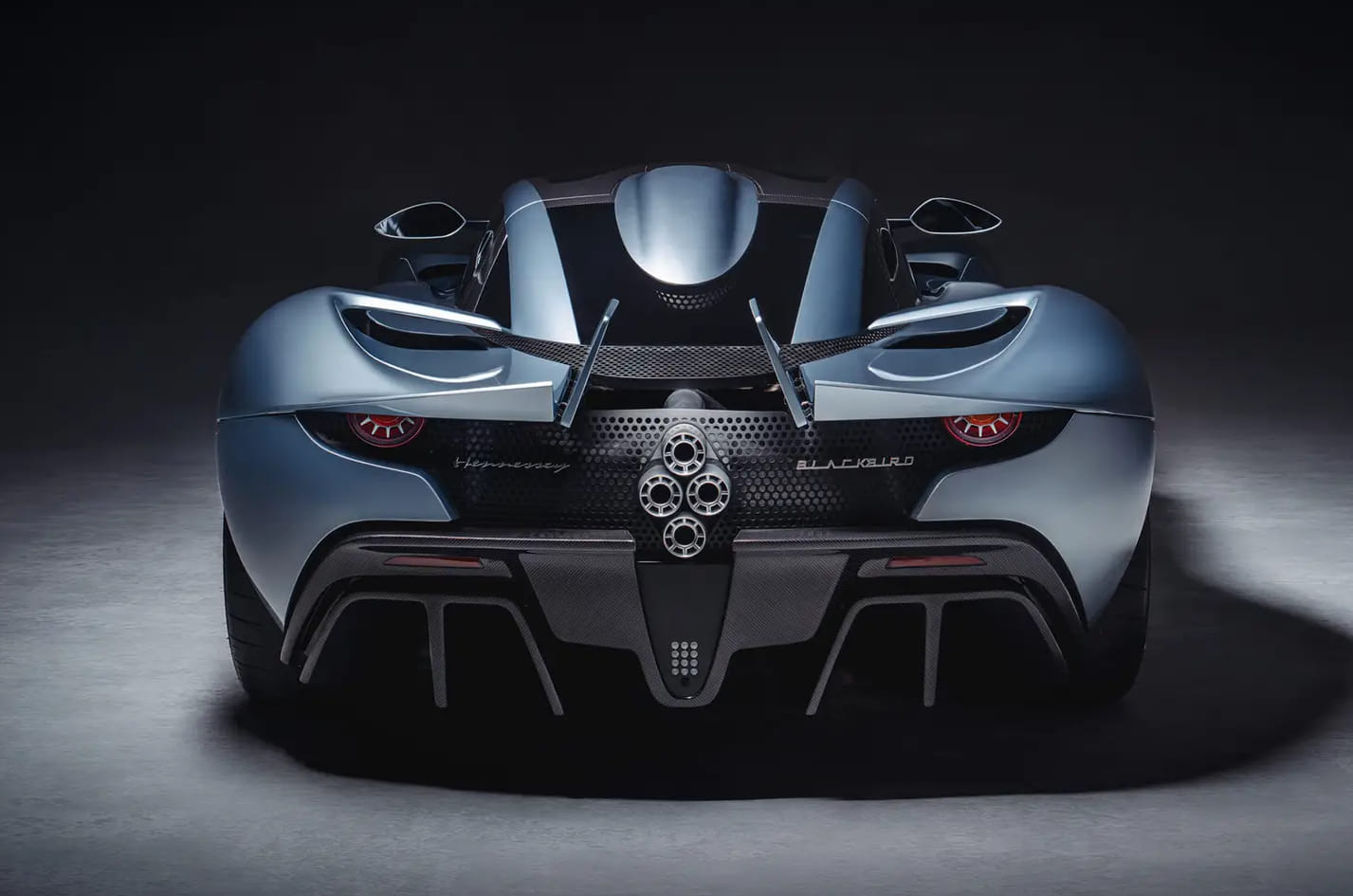
Hennessey Blackbird revealed with naturally aspirated V8, manual gearbox

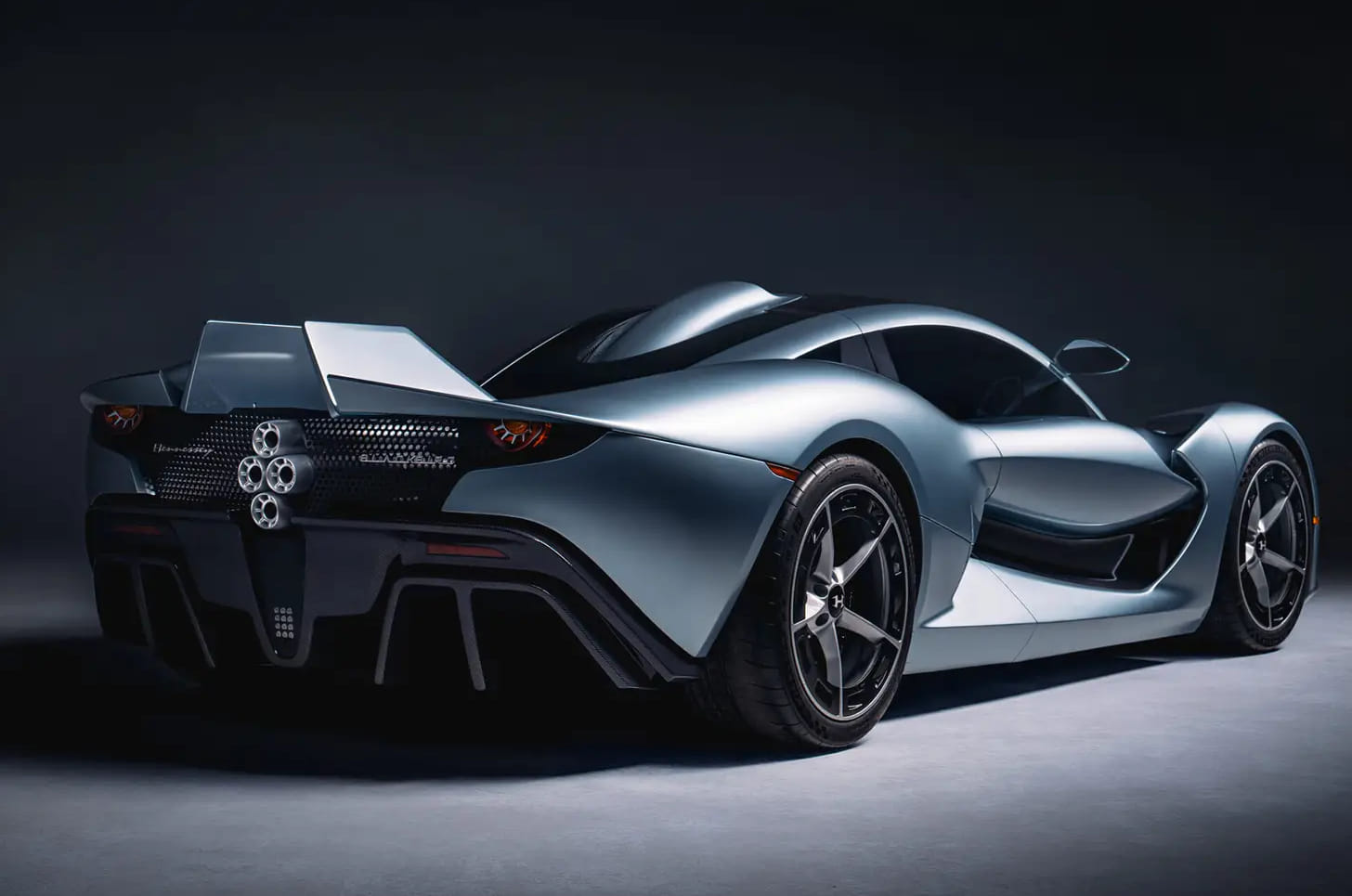
Hennessey Blackbird

Hennessey has unveiled the Blackbird, its latest hypercar inspired by the Lockheed SR-71 Blackbird reconnaissance aircraft. While the Venom F5 was developed with outright speed and power as its priority, the Blackbird instead places greater emphasis on driver engagement through a naturally aspirated V8, rear-wheel-drive layout, a 6-speed manual gearbox and a screen-free cabin. Production will be limited to 71 units, and customer deliveries are scheduled to begin in 2029.

  1. Naturally aspirated 6.2-litre V8 revs to over 9,000rpm
  2. Targets sub-1,360kg dry weight and 354kph top speed
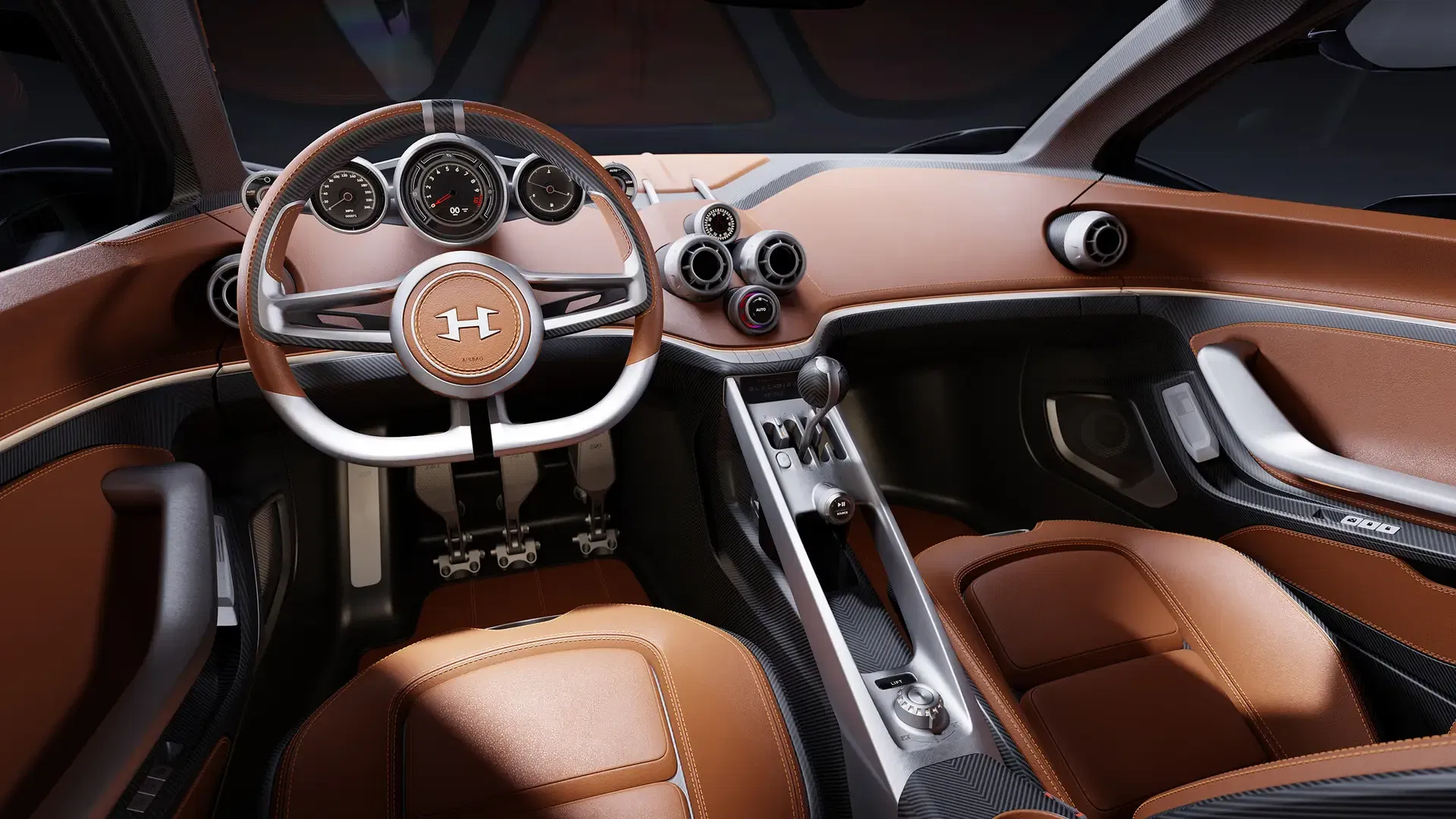
  3. Screen-free cabin with analogue dials and manual gearbox

Hennessey Blackbird: Engine and performance

Powering the Blackbird is an all-new 6.2-litre naturally aspirated V8, developed with Ilmor Engineering, the company known for its work in IndyCar and NASCAR. Hennessey says the engine will produce 811-862hp, rev beyond 9,000rpm and be the world’s most powerful production naturally aspirated V8. Power is sent exclusively to the rear wheels via a 6-speed manual gearbox with an exposed gate and an exposed linkage.

Without turbochargers or hybrid assistance, Hennessey says the V8 has been engineered to deliver immediate throttle response, linear power delivery and a more engaging soundtrack.

Hennessey claims the Blackbird can sprint from a standstill to 97kph in under 3.0 seconds and reach a 354kph top speed. The Blackbird uses a bespoke carbon-fibre monocoque and carbon-fibre bodywork, giving it a targeted dry weight of under 1,360kg, while also featuring adaptive suspension, Michelin Pilot Sport Cup 2 tyres, ABS and traction control. Despite these performance figures, Hennessey says the focus remains on delivering a more involving driving experience and long-distance usability than on outright performance figures.

Hennessey Blackbird: Exterior design

The Blackbird’s styling takes direct inspiration from the SR-71 Blackbird aircraft. The most distinctive elements are the pair of active vertical stabilisers at the rear, which deploy at speeds above 71mph (114kph) and sit at +/-71 degrees to improve stability and downforce. The diamond-shaped quad exhaust is inspired by the Bell X-1, the first aircraft to break the sound barrier, while the sculpted side pods and bodywork are said to be influenced by Formula 1 and aerospace design. The crisp body-side chine line is another defining styling element of the Blackbird, directly inspired by the SR-71.

Beyond its aircraft-inspired styling, the Blackbird has been engineered for high-speed stability and improved usability. Hennessey says improvements such as a larger glasshouse, better visibility and increased luggage capacity over the Venom F5 are intended to make the car more practical for longer journeys.

Hennessey Blackbird: Interior

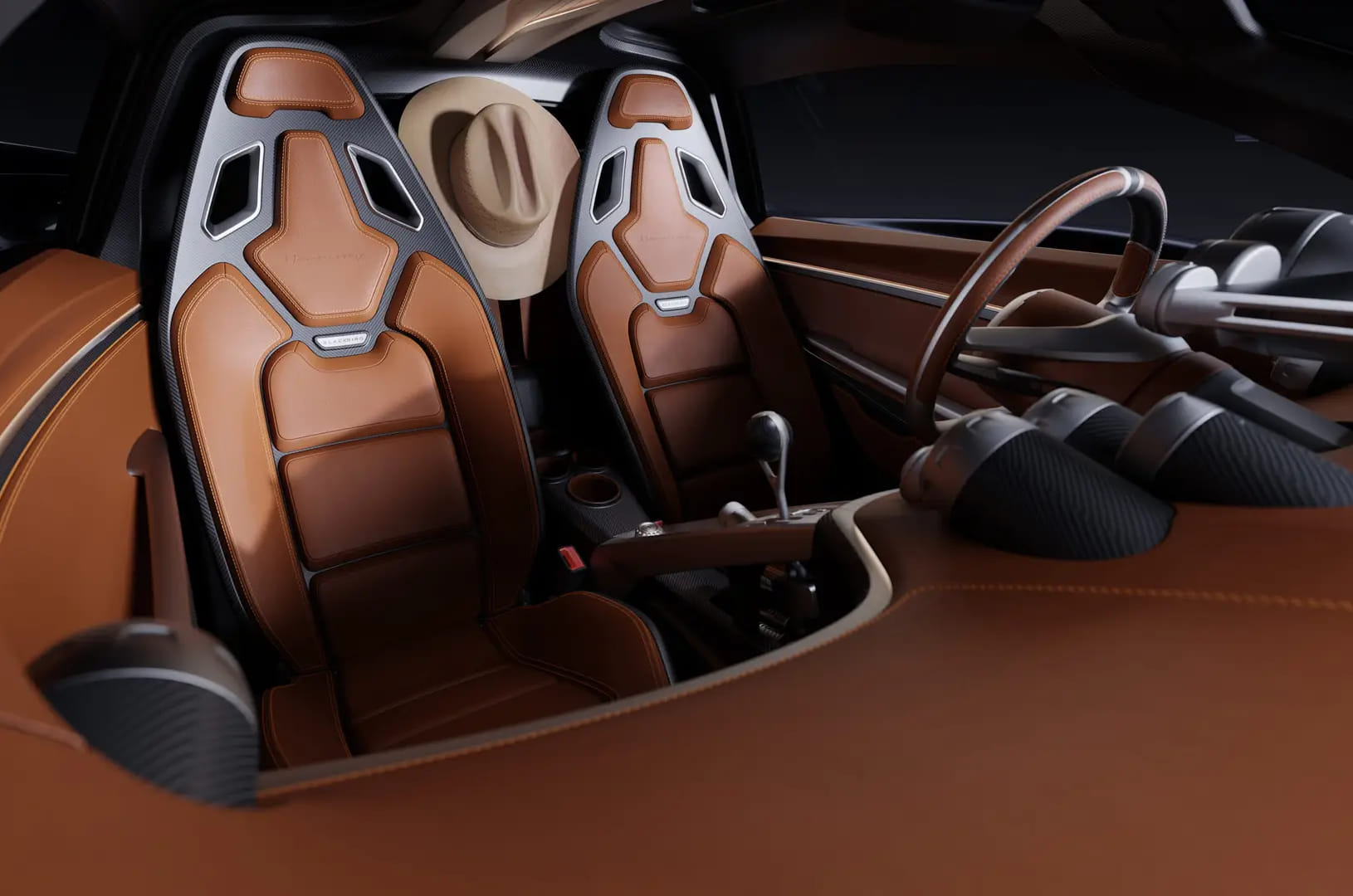
The Blackbird’s cabin adopts a deliberately analogue layout. Instead of a digital instrument cluster and central touchscreen, it gets traditional analogue dials, an exposed gear linkage, physical switchgear and a traditional, insert-and-twist ignition key. Smartphone connectivity is handled through the “Hennessey holster”, a dedicated phone mount rather than an integrated infotainment system, while the steering wheel is free of buttons.

Hennessey says the cabin offers more space than the Venom F5 and enough luggage capacity for two full-size carry-on bags. The company also claims the Blackbird has been designed to cover over 1,200km comfortably in a single day, underlining its touring-focused brief.

Hennessey Blackbird: Production

Production of the Blackbird will begin in Texas in 2029, and prices start at USD 2.5 million (around Rs 24 crore), before taxes. Just 71 examples will be built, and more than two-thirds of production has already been allocated ahead of its public debut on August 14 at The Quail during Monterey Car Week in California.