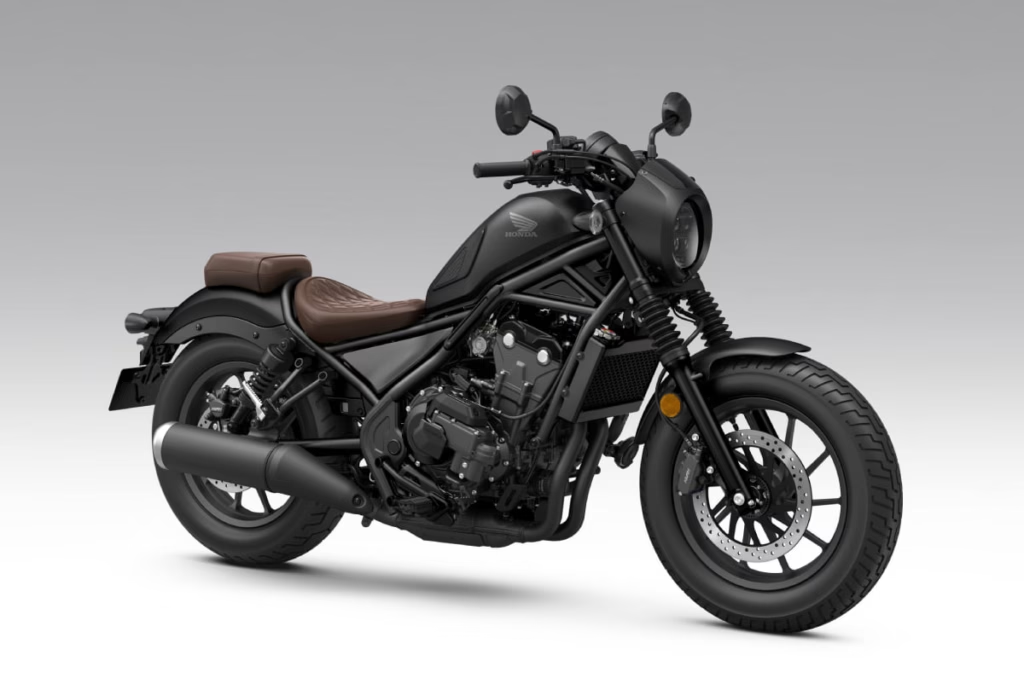
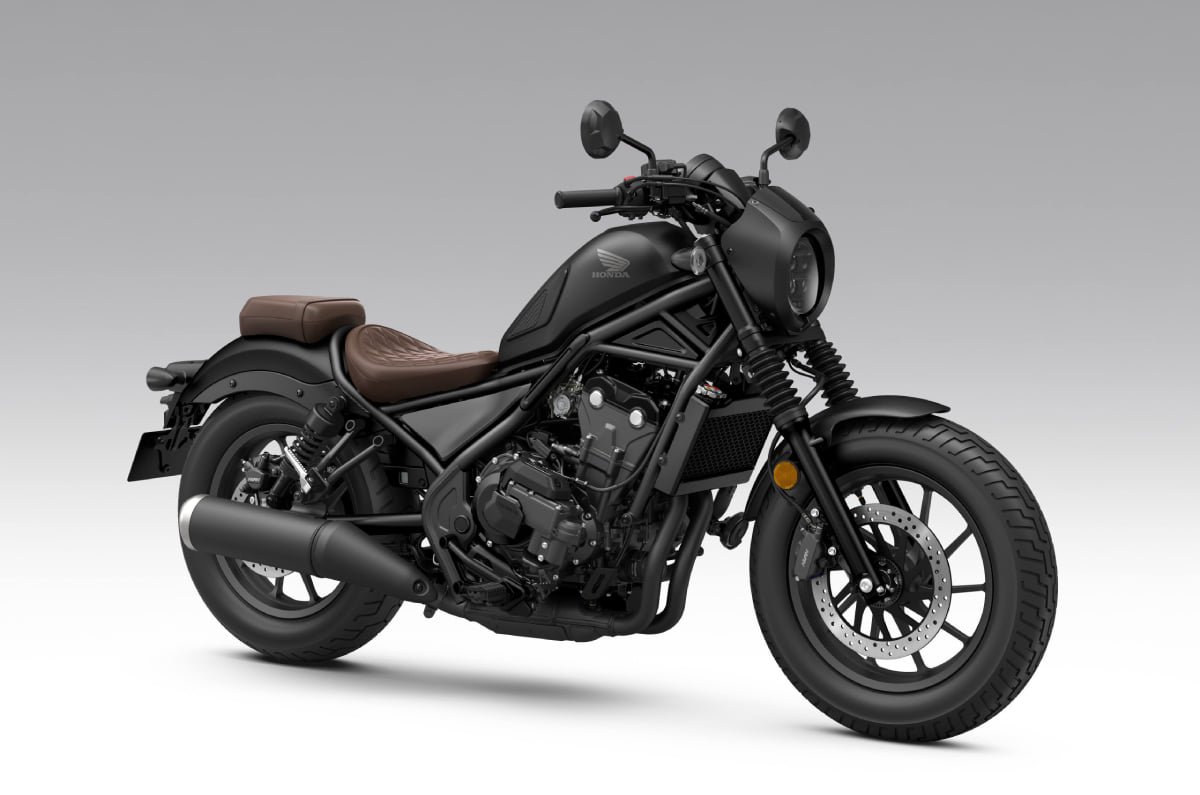
Honda has revealed the 2027 Rebel 500, bringing a new display, updated controls and the addition of its E-Clutch system to the cruiser for the first time globally. It’s worth noting that these updates were part of the India-spec model that was showcased as part of Honda’s 10-model lineup earlier this year.
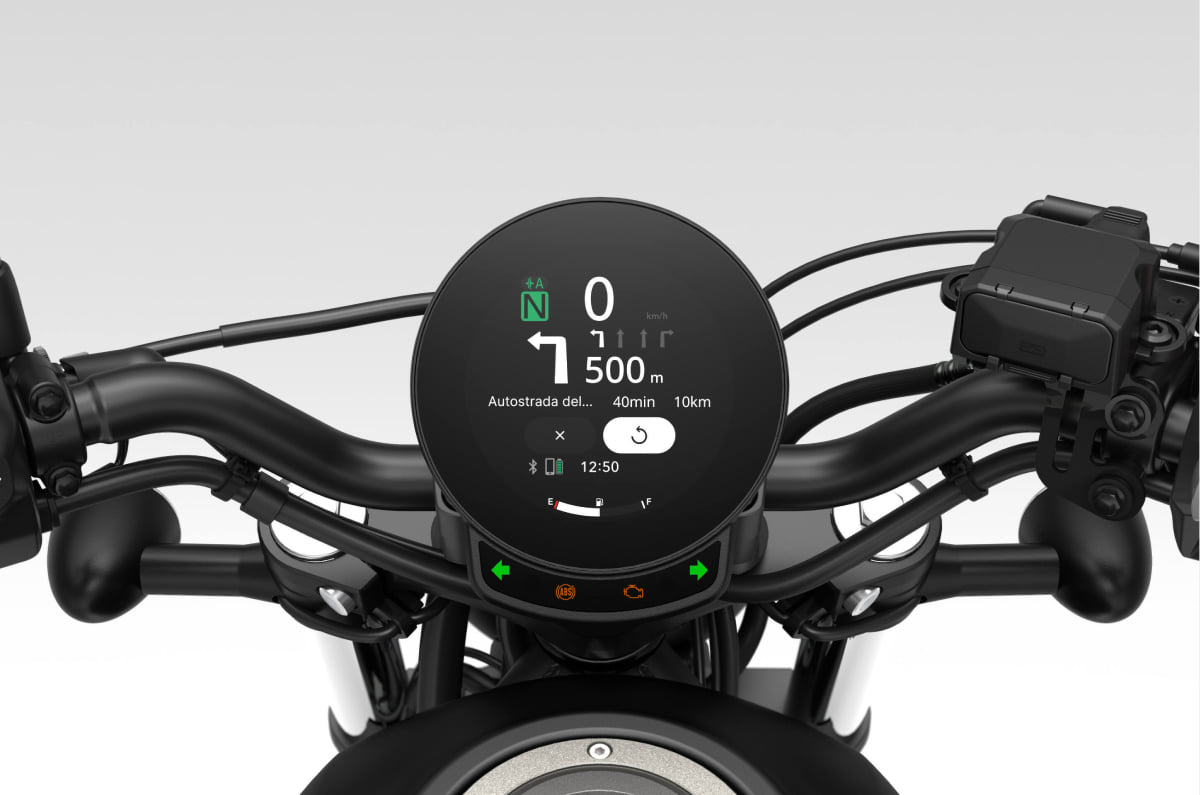
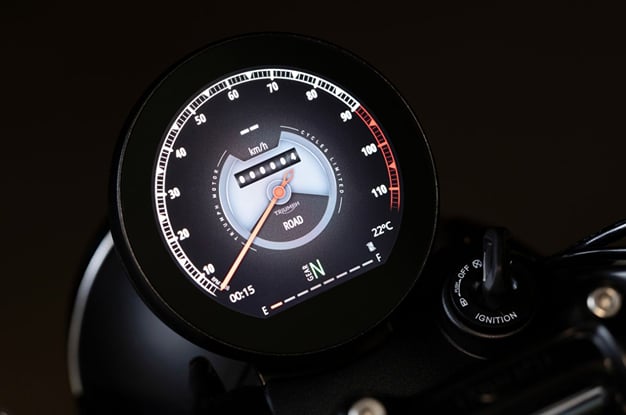
New 3.5-inch circular TFT display replaces previous LCD unit
Gets two new colours
471cc parallel twin makes 46.2hp and 43.3Nm
2027 Honda Rebel 500 details
TFT display and E-Clutch were first seen on India-spec model
Globally, the Rebel 500’s negative LCD instrument cluster has now been replaced by a 3.5-inch circular TFT display. Interestingly, when Honda unveiled the Rebel 500 for India earlier this year, the bike was shown with what appeared to be a similar display, and the 2027 global-spec model now gets a similar setup.
The same is true of Honda’s E-Clutch system. While the technology has been available on the Rebel 300 in international markets since last year (and announced for the Rebel 500 here), the 2027 Rebel 500 is the first time the larger model gets E-Clutch as an option in overseas markets.
The left-hand switchgear also gains two additional buttons to facilitate easier navigation of the added features that the new console brings.
The rest of the bike remains largely unchanged. The 471cc liquid-cooled parallel twin carries over, producing 46.2hp at 8,500rpm and 43.3Nm at 6,000rpm. In Europe, the Rebel 500 is also available in an S Edition that adds a headlight cowl, fork covers and gaiters, a brown diamond-stitch seat and bronze wheels, now offered in a new Candy Rosy Red alongside Matte Gunpowder Black Metallic colourway. The standard model gets Matte Fresco Brown as a new addition alongside the existing black colour.
The Rebel 500 is set to make its India launch early next year following its unveil for our market back in July. Honda has announced pricing and availability info for the smaller Rebel 300, with prices starting at Rs 2.22 lakh.
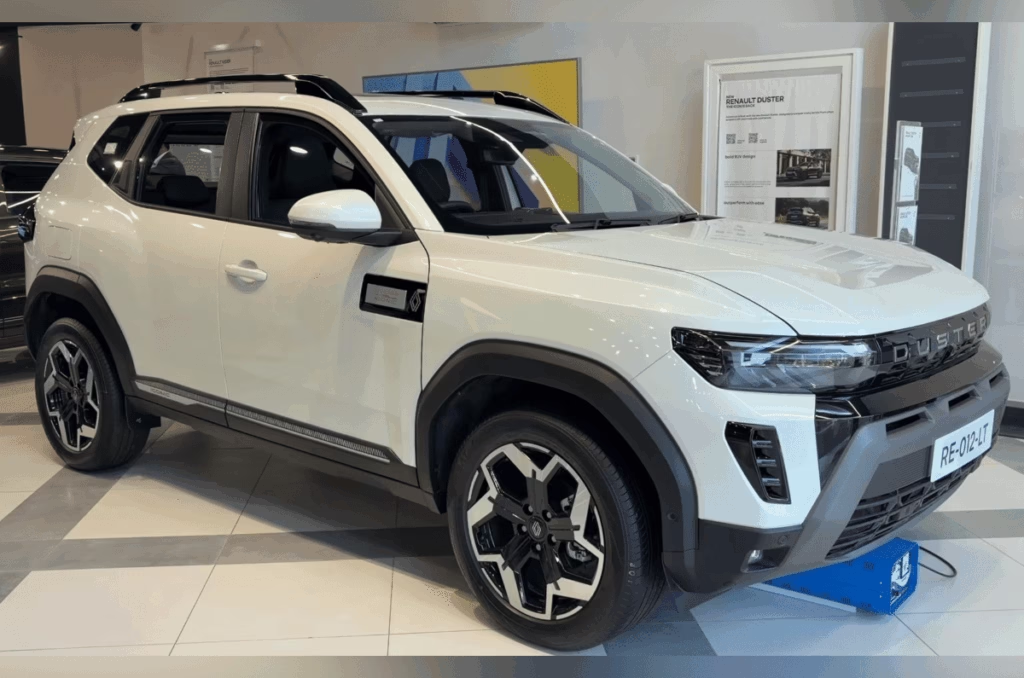
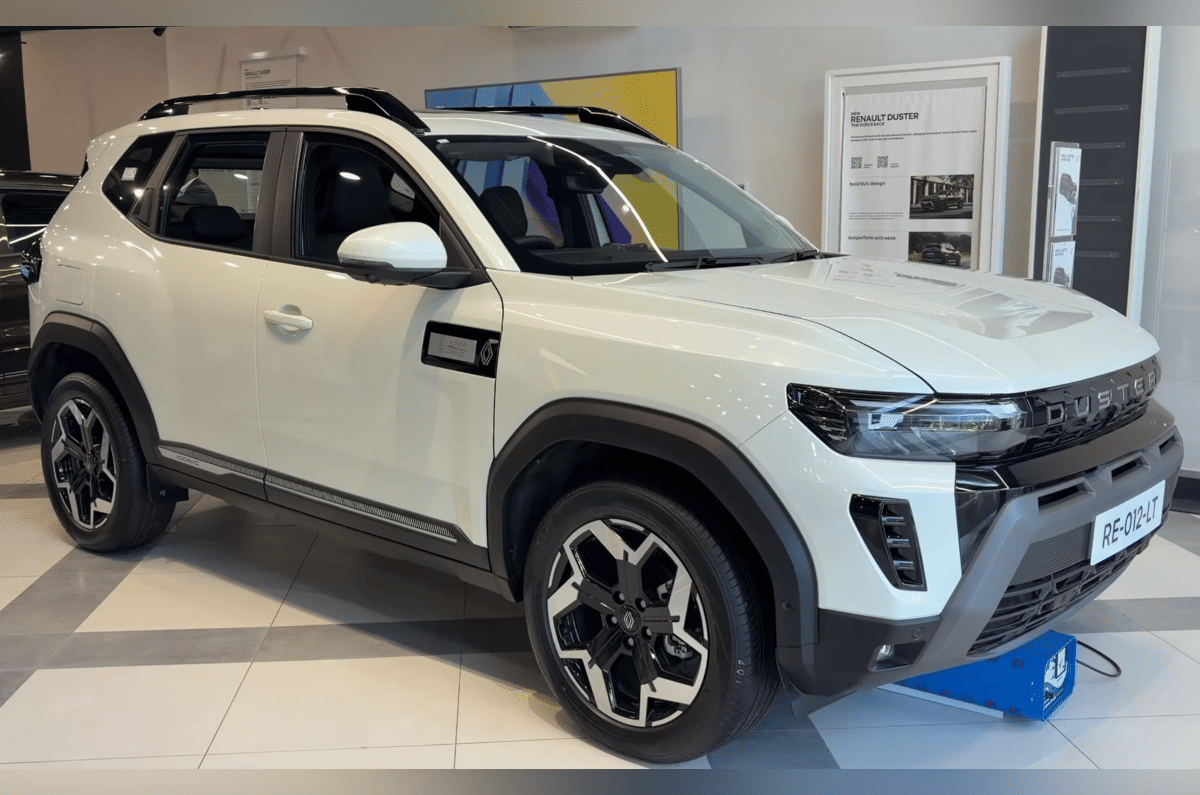
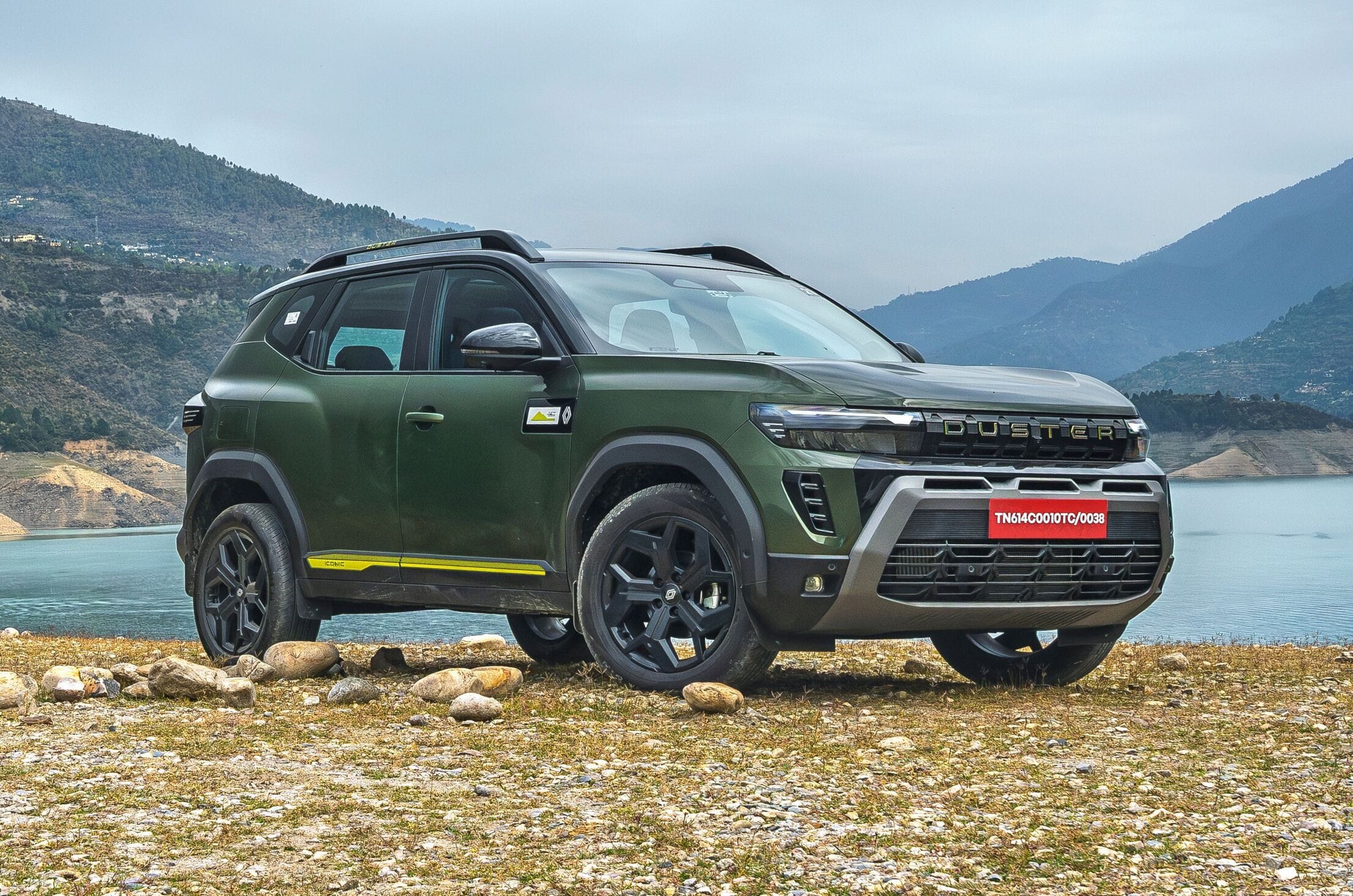
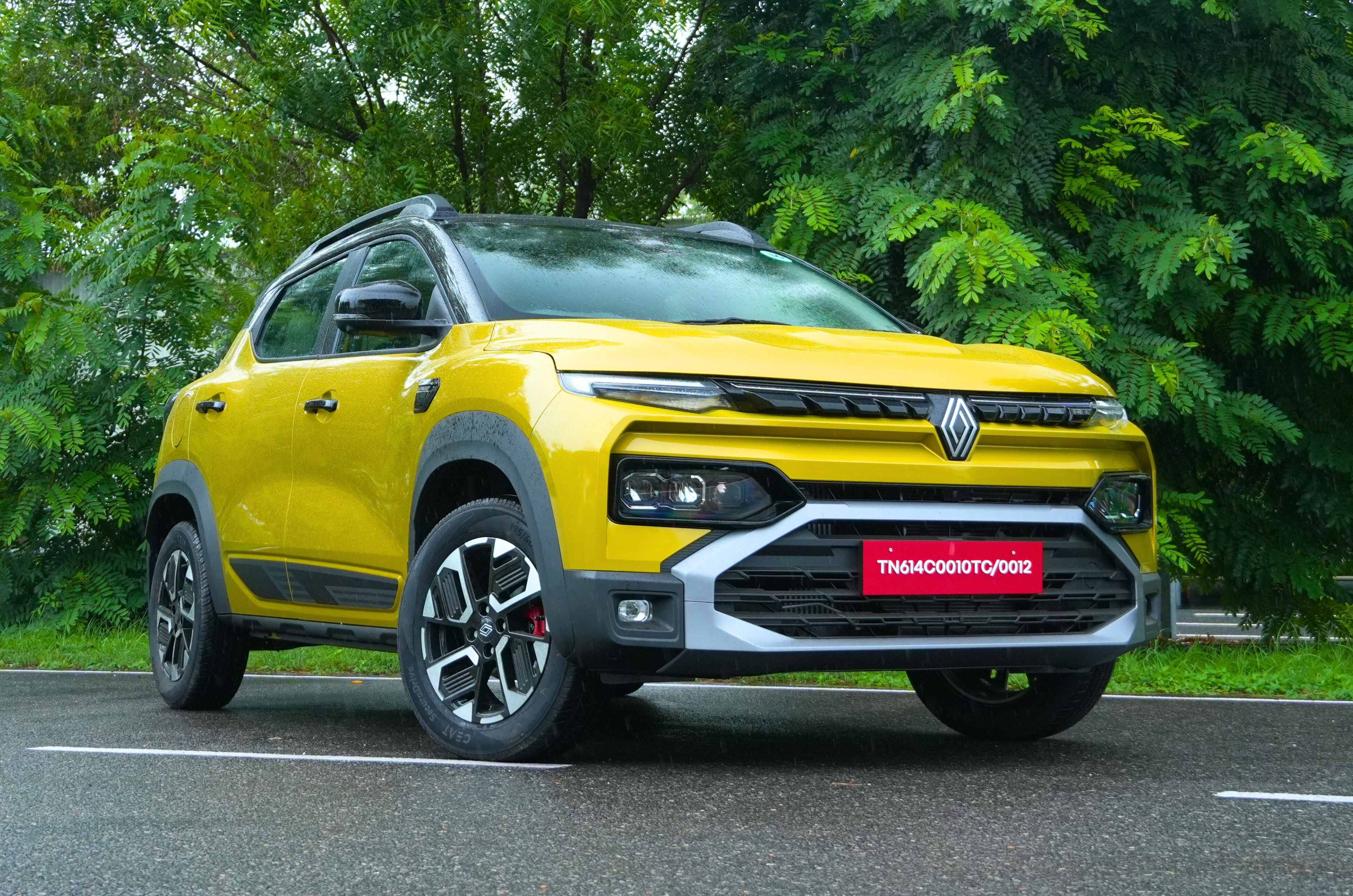
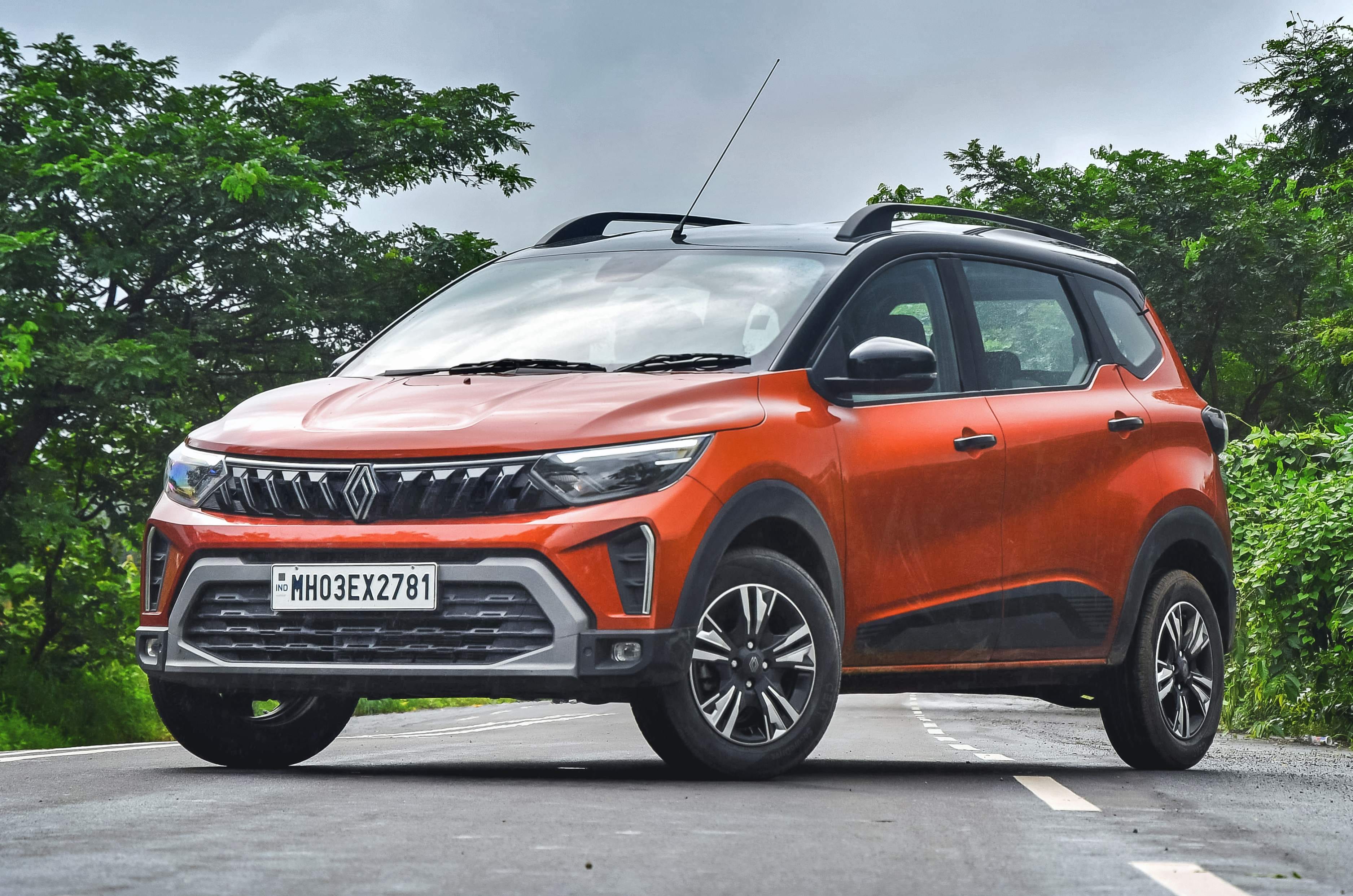
Renault India has announced offers applicable on its cars in October. The Renault Duster is available with the highest benefits this time, followed by the Kiger and Triber. These include cash discounts, exchange and loyalty benefits, as well as corporate offers. Let us now take a closer look at them.
Disclaimer: Offers/benefits may vary by city and are subject to stock availability. Buyers are advised to check with their local dealer for exact figures. Customers can also check out Renault India’s official website for further details.
Renault Duster offers in October 2026
Benefits of up to Rs 2.1 lakh
The Renault Duster gets benefits of up to Rs 2.1 lakh this month. Its Techno+ and Iconic trims get a cash offer of up to Rs 50,000. Exchange benefits of up to Rs 1.1 lakh are available on these variants as well, while the Evolution and Adventure trims get up to Rs 50,000. For a Duster-to-Duster exchange, the benefit rises to Rs 1.5 lakh on the Techno+ and Iconic trims and Rs 1 lakh on the Evolution and Adventure. Customers can also avail loyalty benefits of up to Rs 10,000 and AMC on all trims of the Duster upon submission of required loyalty proofs.
The Duster is priced between Rs 10.49 lakh and Rs 18.49 lakh, and rivals the Hyundai Creta, Kia Seltos and Tata Sierra, among others.
Renault Kiger offers in October 2026
Benefits of up to Rs 65,000
For the Renault Kiger VIN 2026 models, customers can avail benefits of up to Rs 65,000. Cash and exchange offers of up to Rs 25,000 each are available on the Evolution+, Techno and Emotion trims. Like the Duster, customers can even claim loyalty benefits of up to Rs 10,000 and an AMC on all Kiger trims, subject to submission of the required loyalty proofs. A corporate discount of up to Rs 5,000 is also on offer.
Prices for the Kiger start at Rs 5.81 lakh and go up to Rs 10.40 lakh. Rivals include Nissan Magnite, Hyundai Venue, Maruti Brezza, Tata Nexon and more.
Renault Triber offers in October 2026
Benefits of up to Rs 55,000
Benefits of up to Rs 55,000 are on offer with the Renault Triber. Select variants get a cash benefit of up to Rs 25,000 and an exchange benefit of up to Rs 25,000. An additional corporate discount of up to Rs 5,000 is also available with the compact MPV.
The Triber is priced between Rs 5.80 lakh and Rs 9 lakh, ex-showroom, and competes with its badge-engineered sibling, the Nissan Gravite.
Ex-showroom prices mentioned above are as on October 8, 2026.
Prospective buyers considering a Tata EV can take advantage of compelling benefits on the Harrier EV, Curvv EV and Nexon EV, among others. These benefits are available throughout October 2026, and depending on the model and variant, they include cash discounts, intervention offers, exchange/scrappage bonuses and loyalty incentives.
Disclaimer: Offers/benefits may vary by city and are subject to stock availability. Buyers are advised to check with their local dealer for exact figures.
Tata Harrier EV discounts in October 2026
Up to Rs 2.75 lakh off
The Harrier EV is available with a maximum benefit of Rs 2.75 lakh for the Fearless+ and Empowered trims. These include an intervention offer of Rs 1 lakh, an exchange/scrappage bonus of up to Rs 75,000 and a loyalty incentive of up to Rs 1 lakh. However, if you’re specifically looking to buy the top-spec Empowered AWD Stealth ACFC variant, you get a lower Rs 50,000 intervention offer, dropping the total benefit to Rs 2.25 lakh.
Lower-spec Adventure variants of the Harrier EV, meanwhile, get a intervention offer of Rs 75,000, bringing the total benefit to Rs 2.5 lakh. Pricing for the Harrier EV starts at Rs 21.79 lakh and tops off at 29.79 lakh, excluding premiums for cosmetic packages.
Tata Curvv EV discounts in October 2026
Up to Rs 3.35 lakh off
For the Curvv EV, benefits extend to Rs 3.35 lakh for variants available prior to the coupe-SUV’s SeriesX update in May 2026. These include a Rs 3 lakh cash discount and an exchange/scrappage bonus of up to Rs 35,000. However, the base Curvv EV Creative variant (pre-SeriesX) features a Rs 2.5 lakh cash discount instead, lowering the total benefit to Rs 2.85 lakh. The Curvv’s current SeriesX variants come with a maximum benefit of Rs 65,000, which comprises an exchange/scrappage offer of up to Rs 35,000 and a Rs 30,000 loyalty incentive. The Curvv EV is priced in the Rs 17.19 lakh-19.39 lakh range.
Tata Nexon EV discounts in October 2026
Up to Rs 45,000 off
All variants of the Nexon EV can be purchased with benefits of up to Rs 45,000 in October. These benefits comprise a cash discount of Rs 10,000 and an exchange/scrappage bonus of up to Rs 35,000. The Nexon EV price starts at Rs 12.49 lakh and tops out at Rs 17.69 lakh, excluding premiums for cosmetic packages.
Tata Punch EV discounts in October 2026
Up to Rs 1.45 lakh off (pre-facelift only)
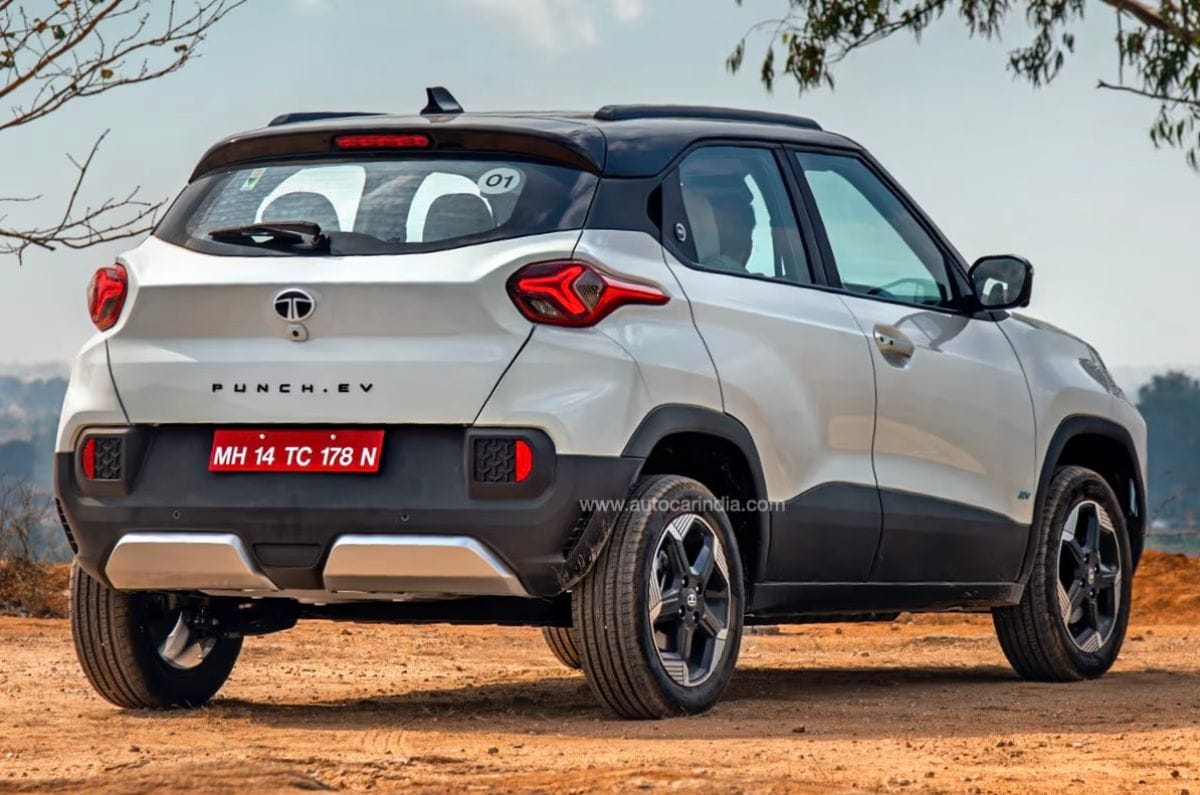
Long Range (35kWh) variants of the pre-facelift Punch EV are available with benefits of up to Rs 1.45 lakh, which include a Rs 1.1 lakh cash discount and an exchange/scrappage bonus of up to Rs 35,000. Medium Range (25kWh) variants lower the cash discount to Rs 90,000, making for a total benefit of Rs 1.25 lakh. Finally, the base Punch EV Smart variant is available with a Rs 60,000 cash discount, so the total benefit for it works out to Rs 95,000.
Tata Tiago EV discounts in October 2026
Up to Rs 1.45 lakh off (pre-facelift only)
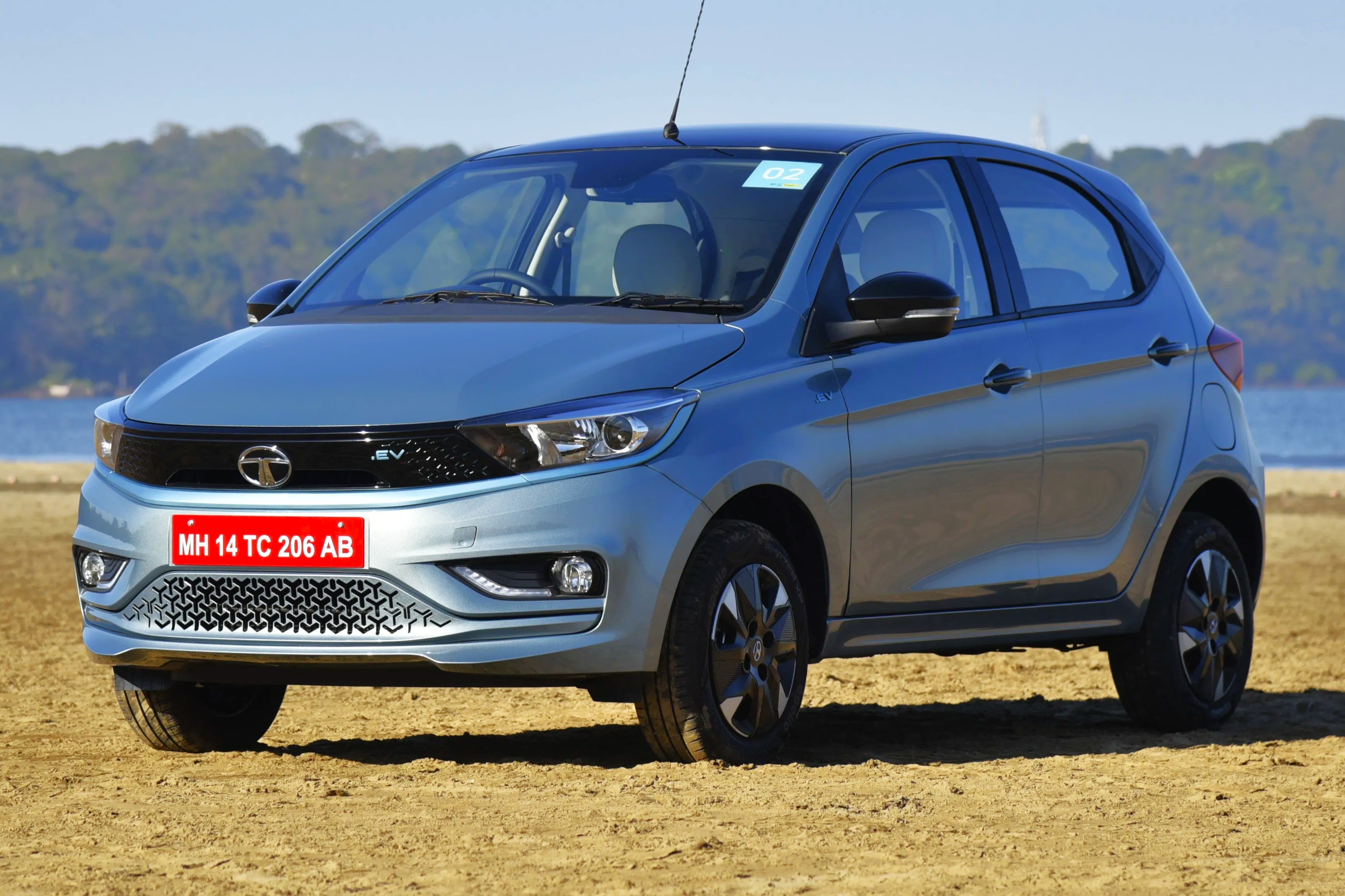
The pre-facelift Tiago EV gets a total benefit of Rs 1.45 lakh for the mid-spec XT Long Range (24kWh) variant. These comprise a Rs 70,000 cash discount, a Rs 50,000 intervention offer and an exchange/scrappage bonus of up to Rs 25,000. The higher-spec XZ+ Long Range variant instead gets a Rs 1 lakh cash discount but no intervention offer, amounting to total benefits of Rs 1.25 lakh. Lastly, all Medium Range (19kWh) variants of the pre-facelift Tiago EV feature a Rs 40,000 cash discount, which means a combined benefit of Rs 65,000.
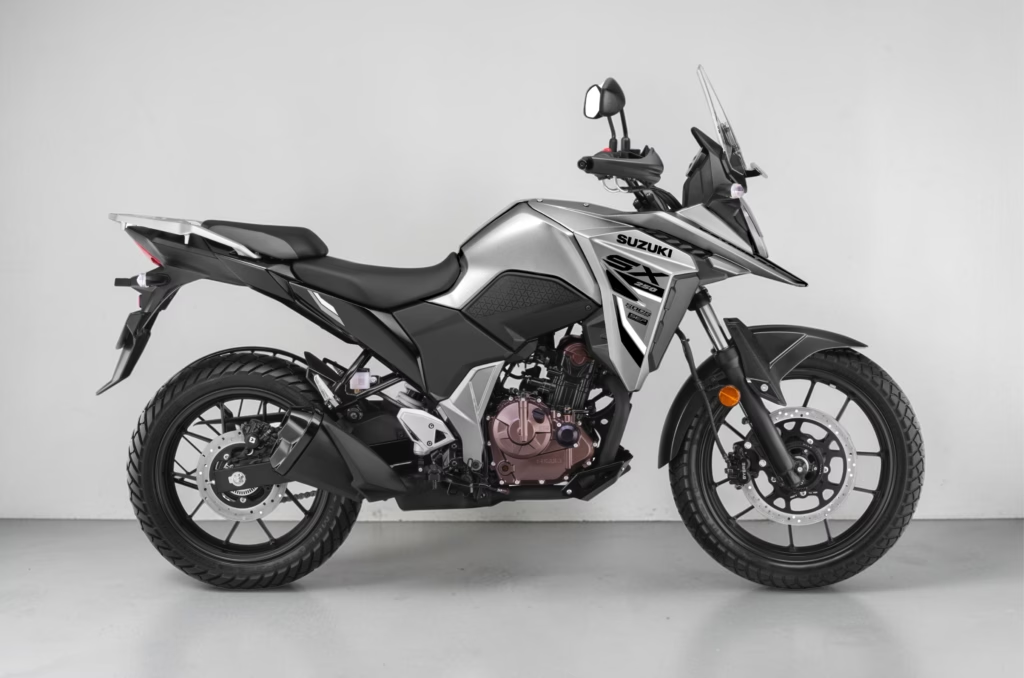
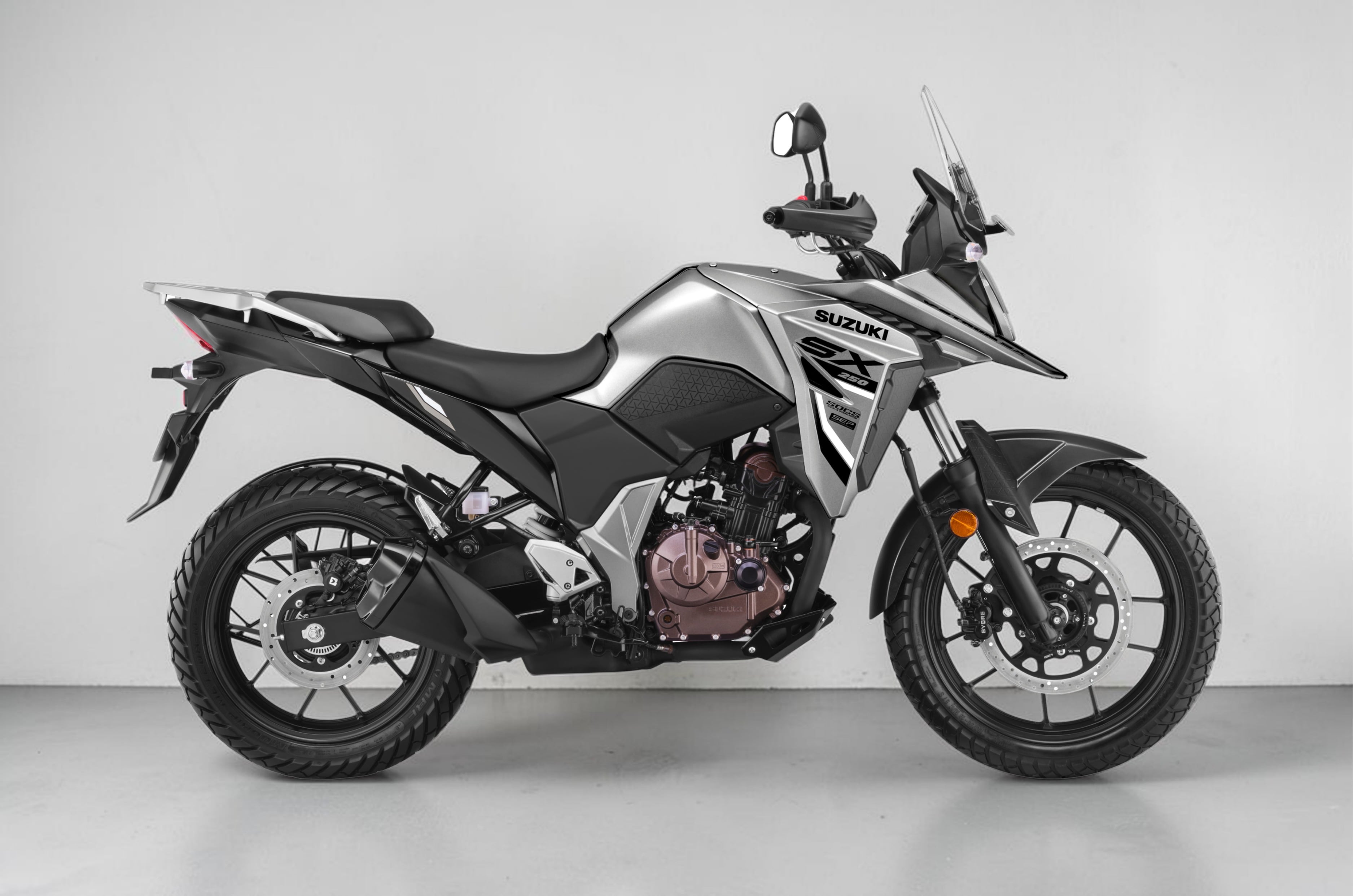
Suzuki has launched a new matte grey colour for the V-Strom SX at Rs 2.02 lakh (ex-showroom, Delhi), the same price as the other colours. The new colour sits alongside the other colour options of the motorcycle. Besides the new colour, the motorcycle remains mechanically unchanged.
Mechanically identical to the existing V-Strom SX
No change in price
Customers will receive a Rynox apparel voucher worth Rs 5,000
V-Strom SX gets a new colour but no changes otherwise
Uses the same 249cc engine and features
As mentioned above, the Suzuki V-Strom SX uses the same 249cc oil-cooled single-cylinder engine, which delivers 26.5hp at 9,000rpm and 22.2Nm of torque at 7,300rpm paired with a 6-speed gearbox. The design, features and pricing remain the same as the existing model. Suzuki is now also offering a Rynox apparel voucher worth Rs 5,000 to the V-Strom SX customers, subject to terms and conditions.
At this price point the V-Strom SX is now competing against other popular offerings in the adventure segment like the HeroXpulse 210 (Rs 1.68 lakh to Rs 1.77 lakh) and TVSApache RTX 300 (Rs 1.99 lakh to Rs 2.39 lakh). For those in the market for a simple Japanese machine with an air/oil-cooled engine in this displacement bracket, there’s also the new HondaXR300L (Rs 1.83 lakh) and XR300 Rally (Rs 2.08 lakh) which will be factored in, although the Hondas are far more off-road capable than the Suzuki.
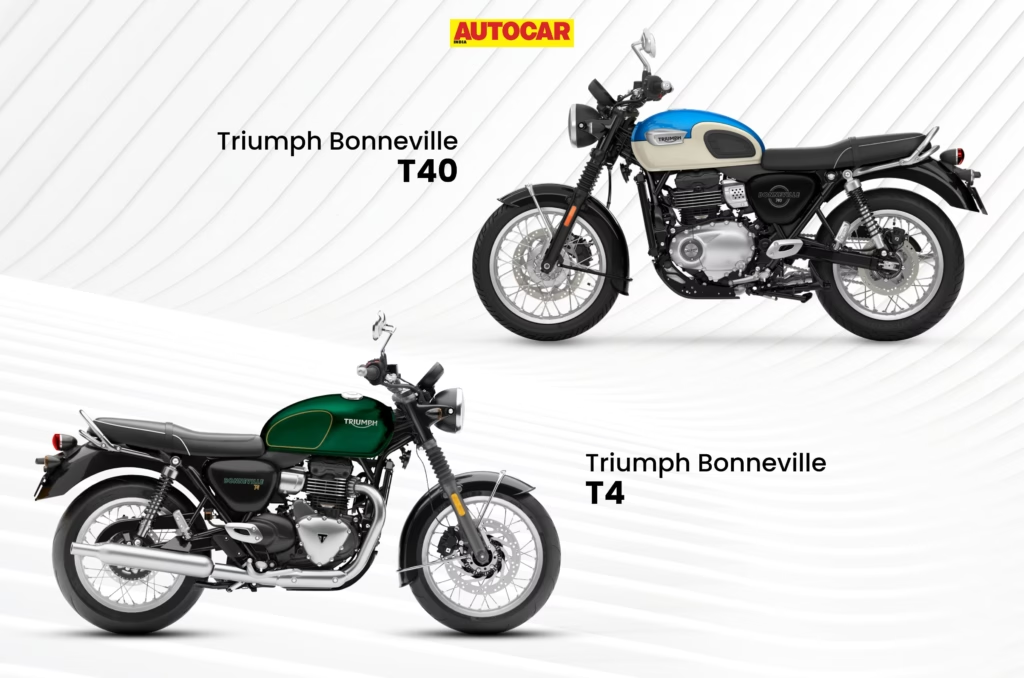
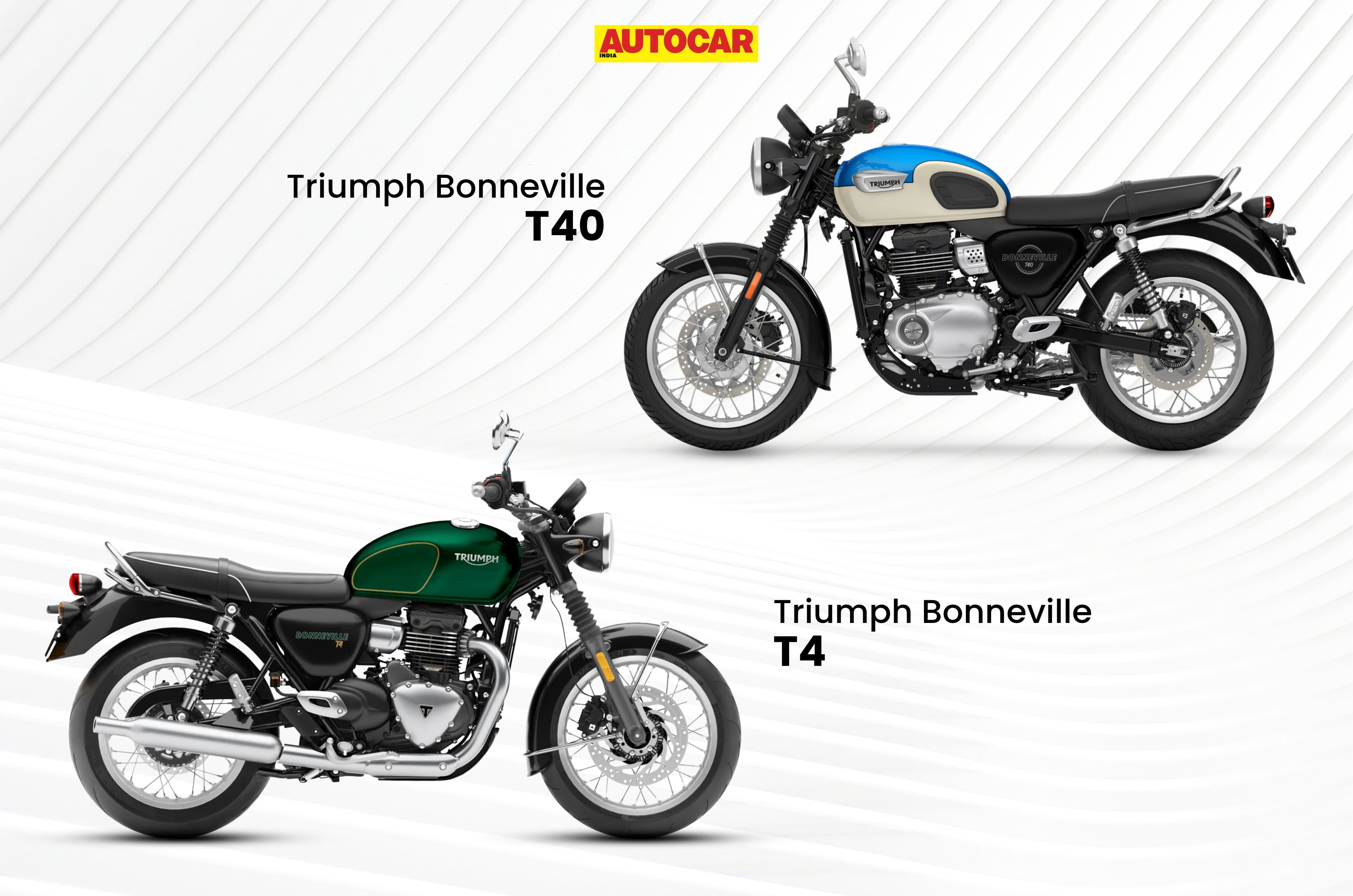
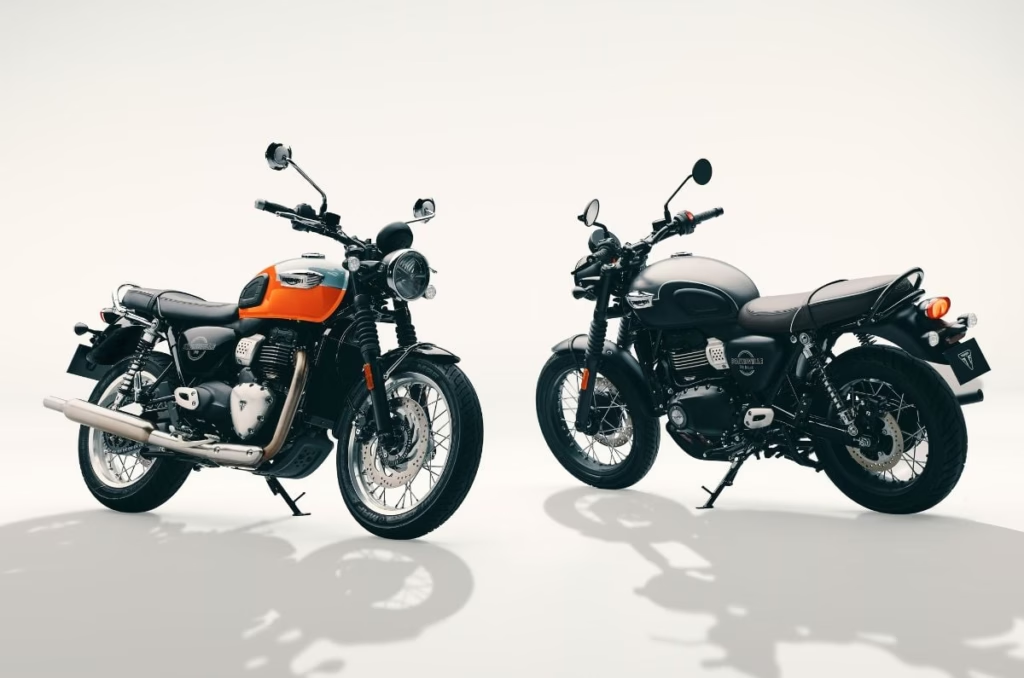
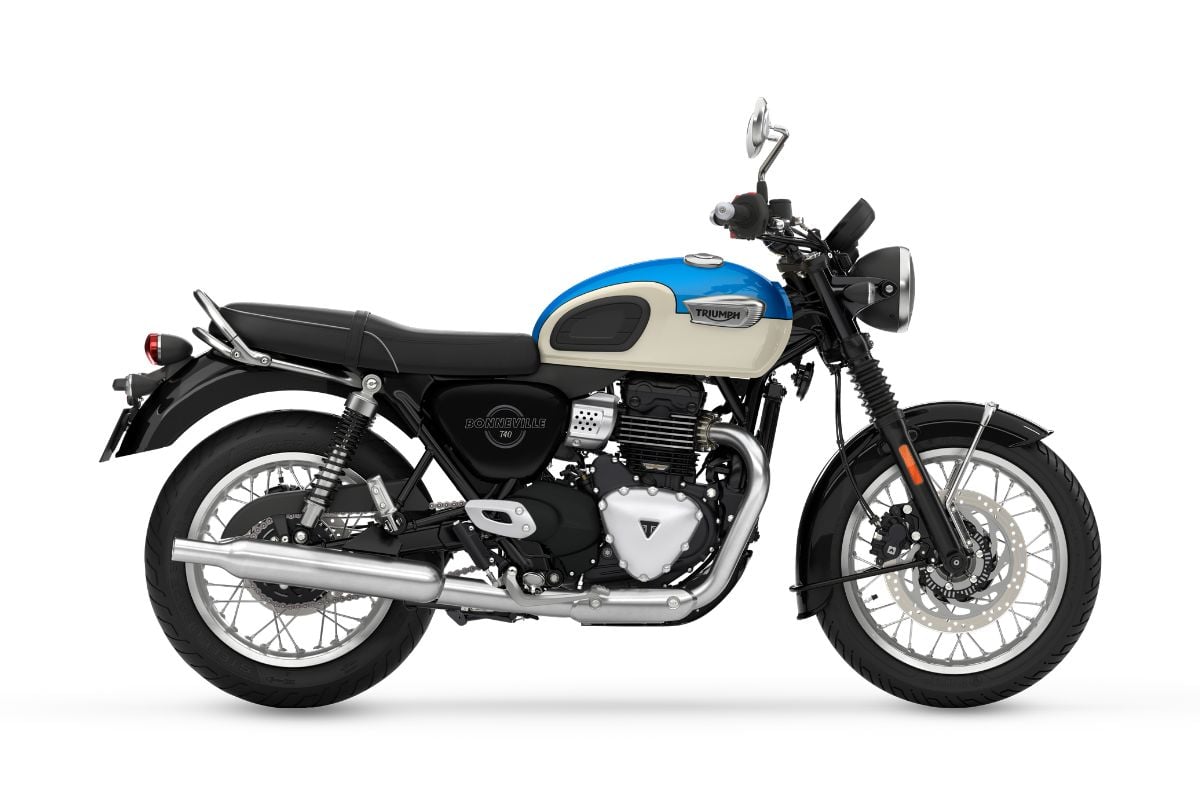
The latest Triumph 400s – the Bonneville T40 and the Bonneville T4 – are perhaps the most important ones yet, since they carry Triumph’s most storied nameplate. While the T40 has debuted internationally, the Bonneville T4 is an India-specific motorcycle, owing to our sensitivity to value. It’s also worth noting that the Bonneville T40 gets a downsized 349cc engine in India (like with the rest of the range) – one that it shares with the Bonneville T4. If you’re thinking about one of them, what do you gain (or lose) with the other? That’s what we are here to help you with.
Triumph Bonneville T40 vs Bonneville T4: What’s the same?
Mechanically identical
Like we mentioned, both the motorcycles share the same 349cc engine with 29hp and 31.2Nm of torque. On paper, these numbers sound close to the Triumph Speed T4 but Triumph categorically denies any similarities to the T4. The Bonnie gets a new camshaft, cylinder head, and narrower throttle bodies; the engine is also tuned to prioritise low-end performance, in line with what’s expected for the segment. Elsewhere, both Bonnies share the same 6-speed transmission, a 14.5-litre fuel tank, slip-and-assist clutch, ride-by-wire technology, 195kg kerb weight, 790mm seat height, as well as 165mm ground clearance.
Triumph Bonneville T40 vs Bonneville T4: Design and colours
T40 gets more intricate colour options
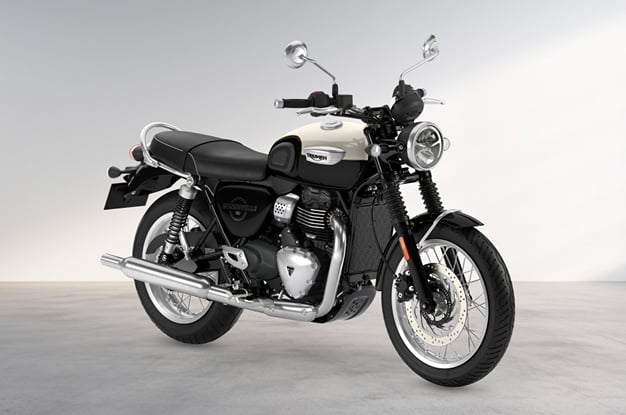
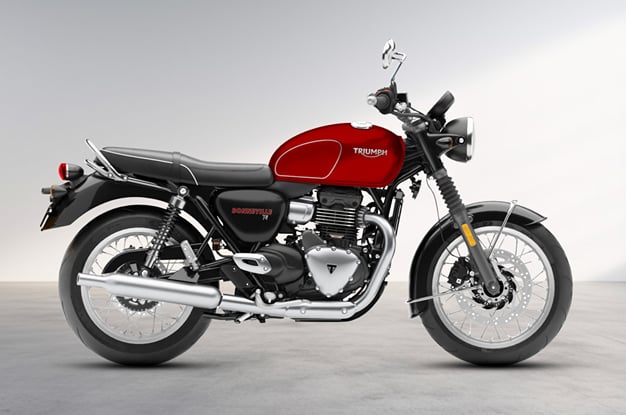
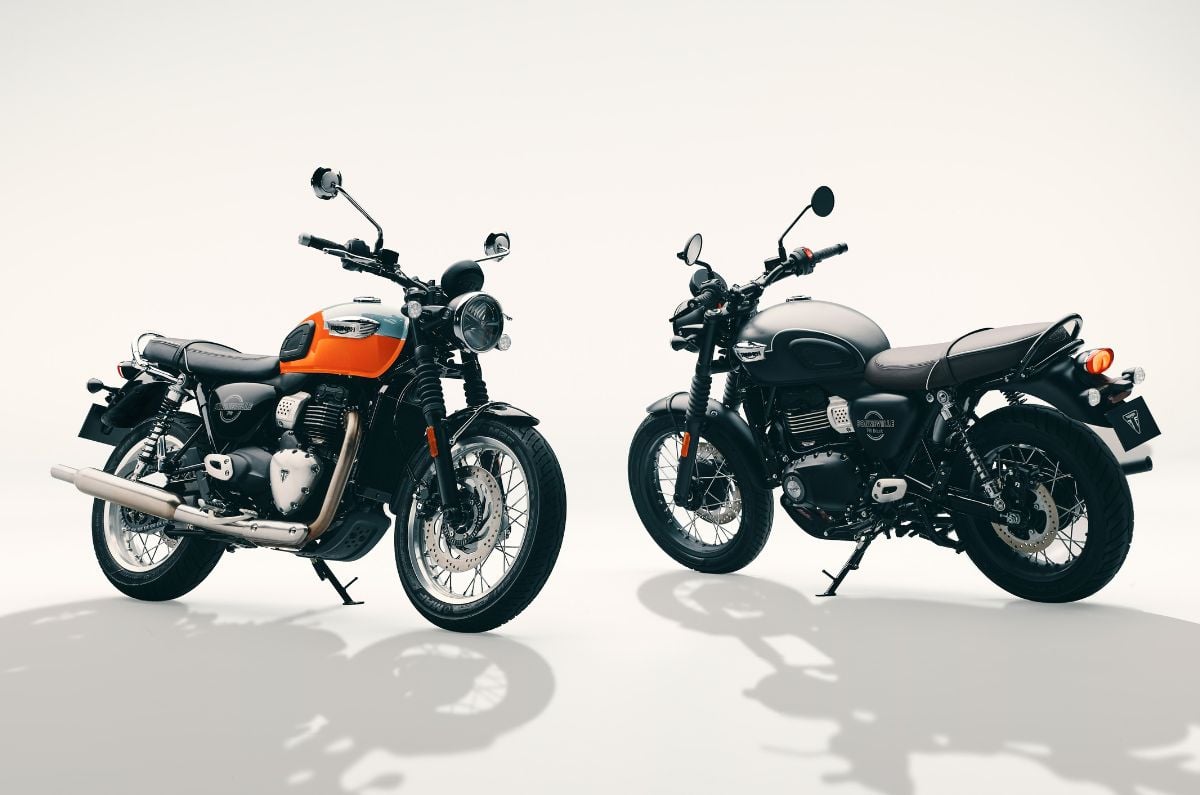
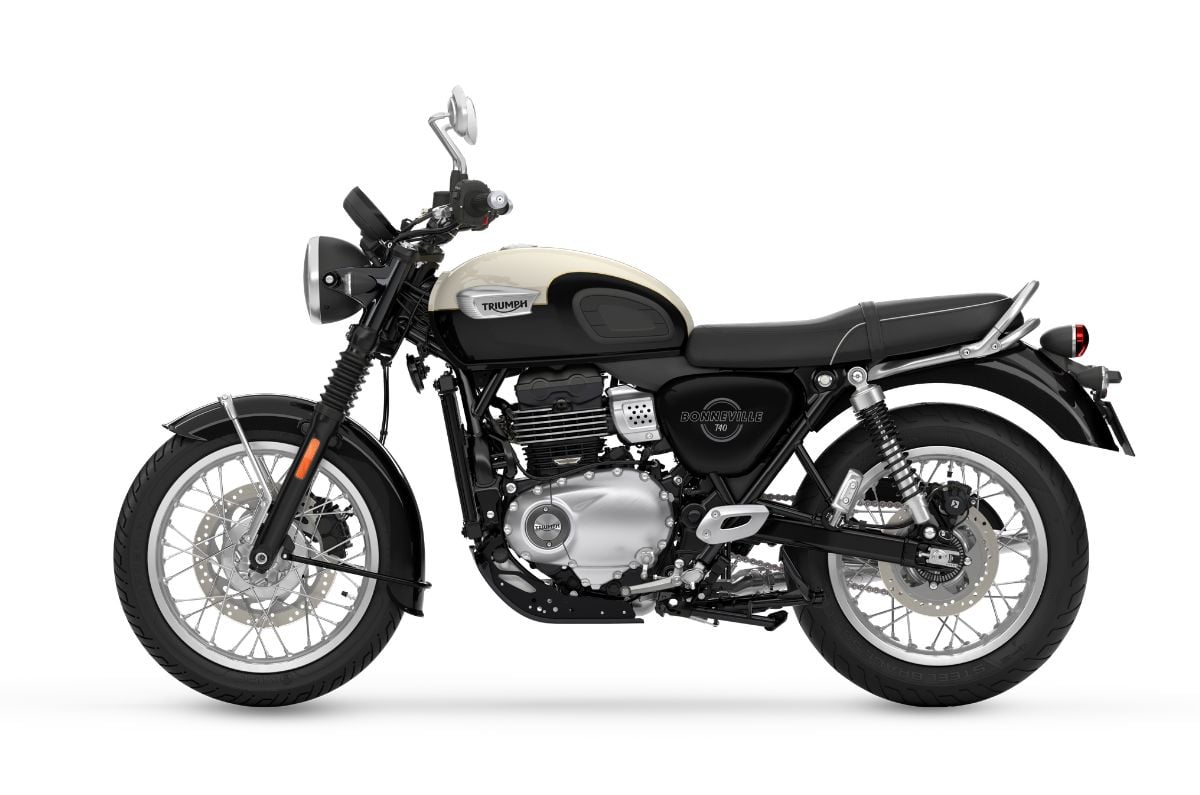
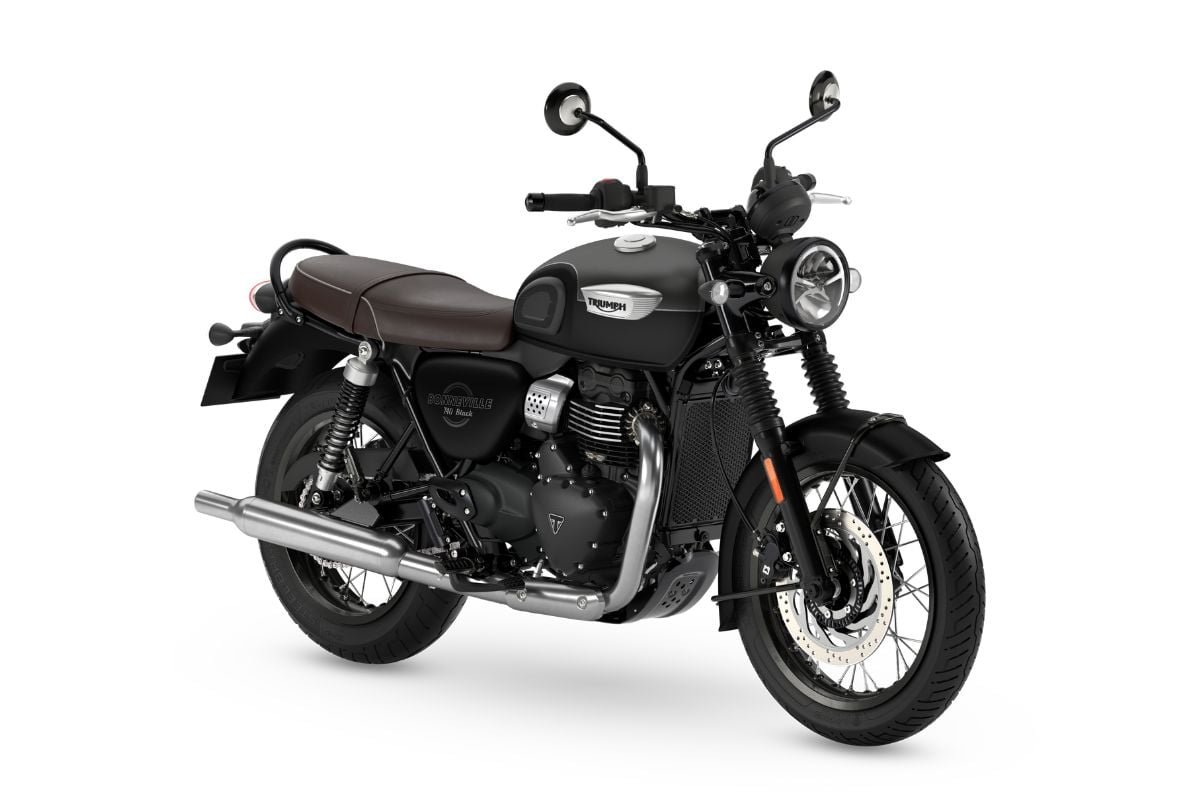
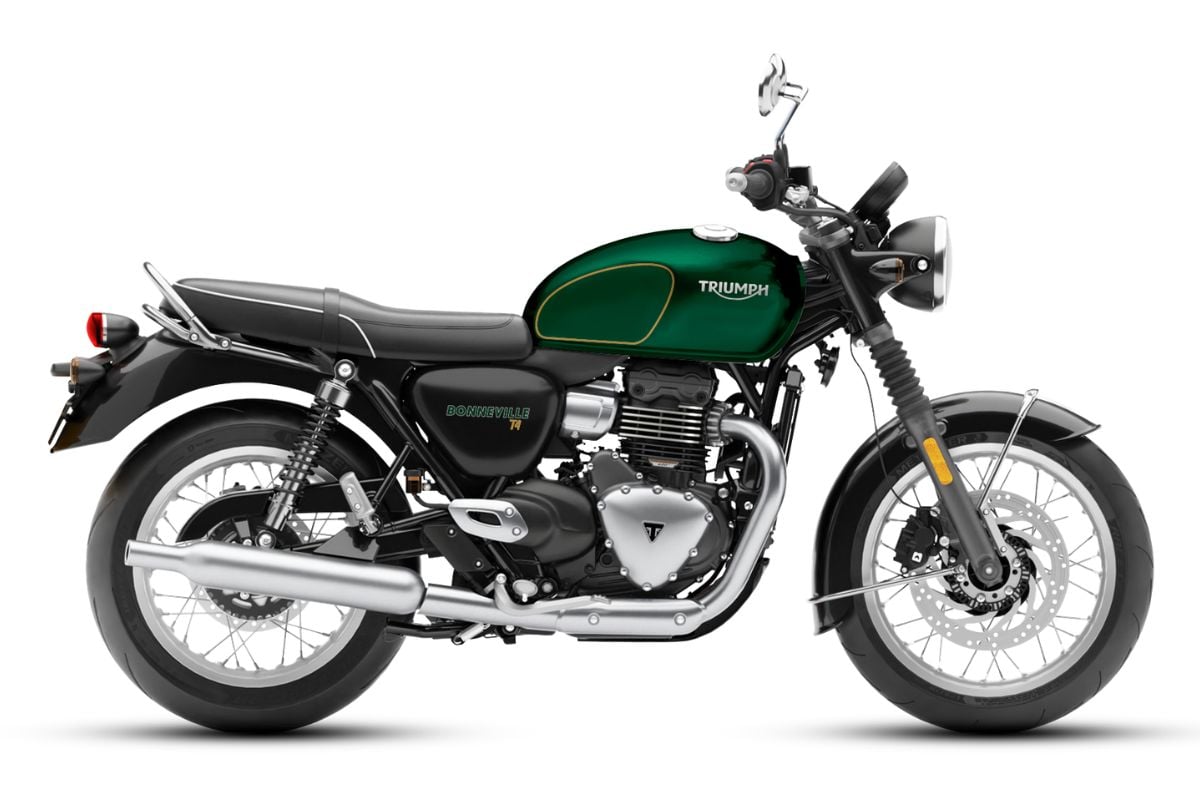
Colours will be the most obvious way to tell the two Bonnevilles apart. Being the more expensive one, the T40 gets an understated Black colour. If that isn’t to your taste, you get three more colour options to choose from: Blue/Tangerine, Dark Blue/White and White/Black. The Bonneville T4, in contrast – or lack thereof – gets three single-colourways: Black, Green and Red. Both motorcycles do get hand finished details, but the more intricate details are reserved for the T40.
Triumph Bonneville T40 vs Bonneville T4: Features
T40 gets more features and rider aids
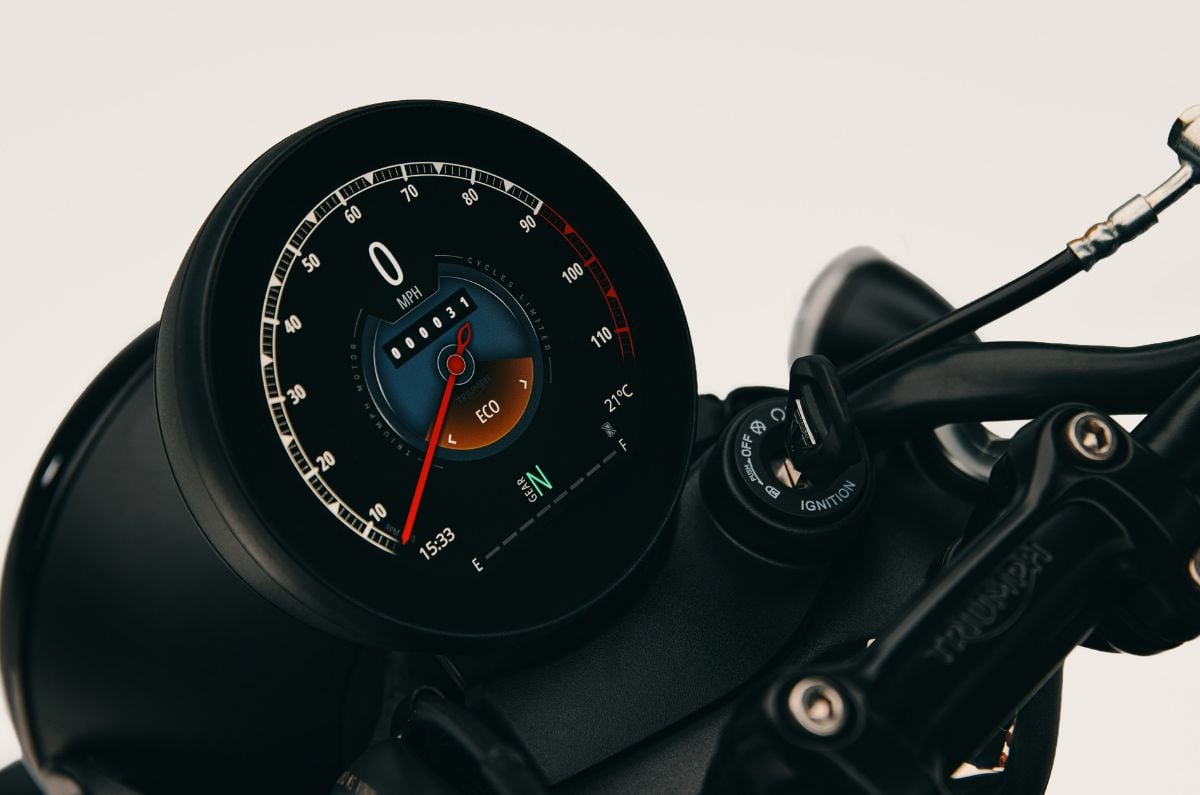
Triumph debuted a new, circular 4-inch TFT display on the Bonneville T40; it also gets a host of new rider aids such as, five ride modes, an inertial measurement unit (IMU) that enables cornering ABS and traction control, Triumph-powered turn-by-turn navigation, and cruise control as standard. The new TFT display, alongside the advanced electronics, sets the T40 apart not only from the Bonneville T4, but also from every other Triumph 400 on the market.
Speaking of, the Bonneville T4 also gets a new, circular 4-inch display, but it’s an LCD unit. It doesn’t have an IMU and hence loses out on corner-sensitivity for ABS and traction control, and cruise control. It’s not all bad news though, for the Bonneville T4 still gets three ride modes, non-Triumph-powered turn-by-turn navigation, dual-channel ABS, and traction control.
Triumph Bonneville T40 vs Bonneville T4: Price
The T40’s extra features come at a cost
Triumph Bonneville T40
Triumph Bonneville T4
Price (ex-showroom, Delhi)
Rs 2.80 lakh
Rs 2.55 lakh
For all the additional features on offer, Triumph charges Rs 25,000 extra for the Bonneville T40. The T40 gets a single variant with four aforementioned colours at Rs 2.80 lakh. The Bonneville T4, on the other hand, is priced at Rs 2.55 lakh for its single variant and three colours. If you’re planning to go for the T40, Triumph has promised that deliveries will start in November 2026. If you have decided that you’re better off with the Bonneville T4 though, you can make a booking now, but deliveries are set to begin only in the second week of January 2027, so that’s at least a two-month wait.
Jaguar has taken the wraps off its Type 01 EV, which was previewed by the Type 00 concept. Deliveries are scheduled to begin in international markets by mid-2027, with India set to follow a few months later at an expected price of around Rs 2 crore, ex-showroom. The Type 01 gets a 120kWh battery pack (118kWh usable), and has a claimed WLTP range of 720km. Power comes from a tri-motor setup, with two motors at the rear and one at the front. Combined peak output stands at 1,030hp and 1,365Nm, allowing the EV to sprint from 0-100kph in 3.2 seconds.
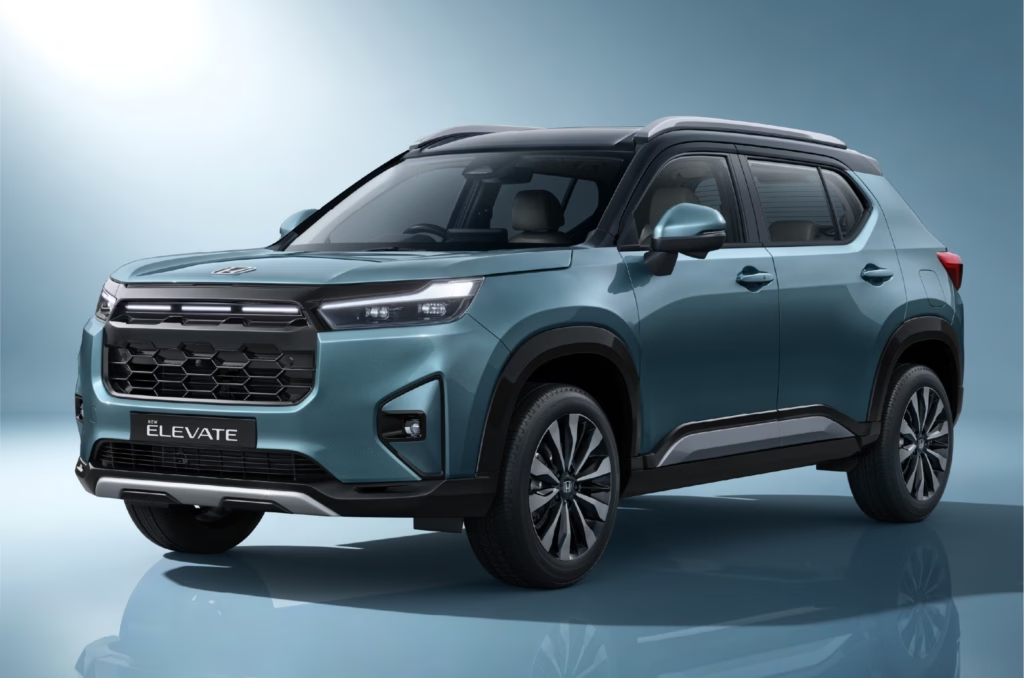
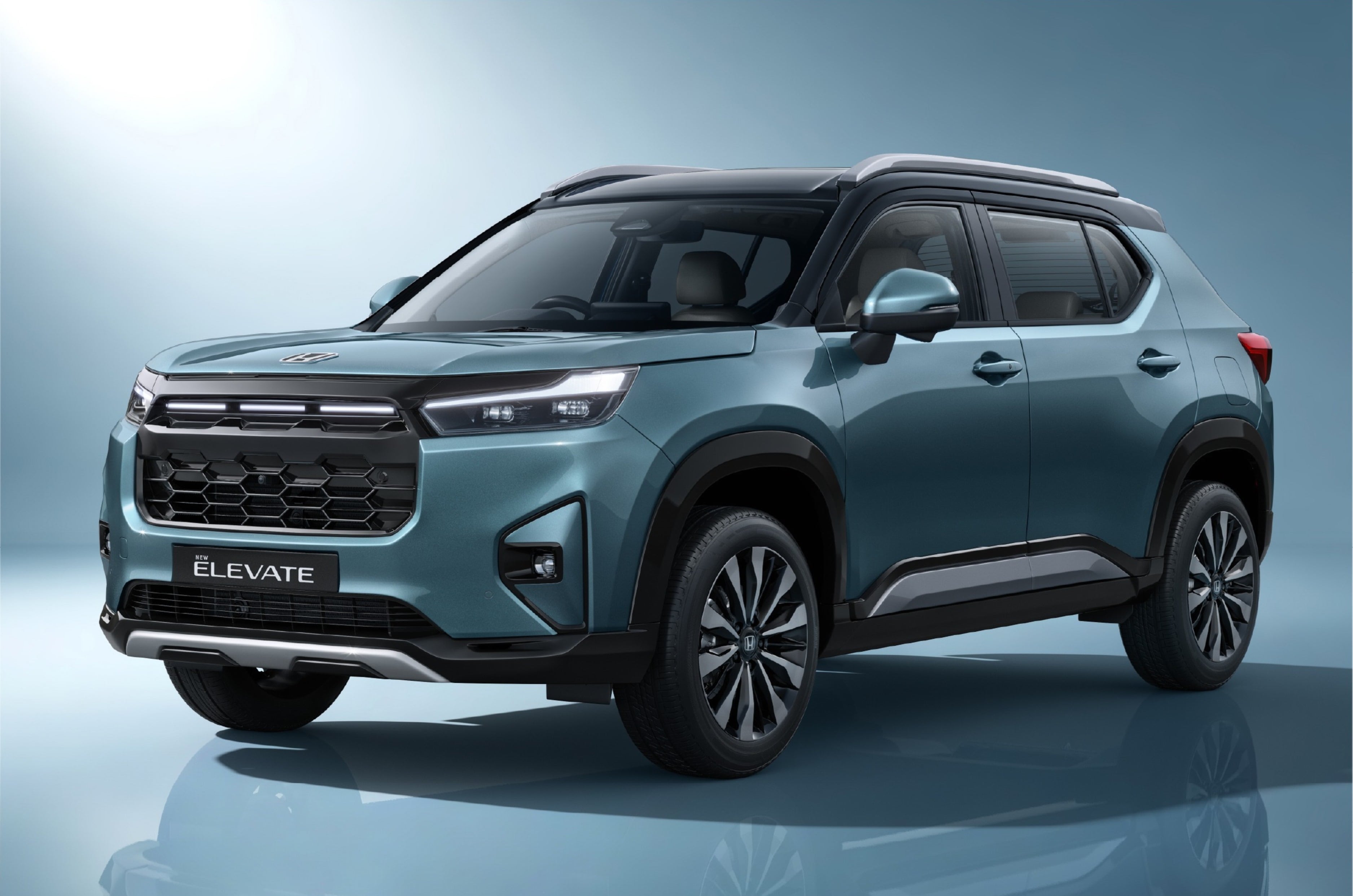
The recently launched Honda Elevate facelift is priced between Rs 11.80 lakh and Rs 18.30 lakh, ex-showroom. This year’s update brings some exterior design tweaks and additional features, but carries over the 121hp 1.5-litre petrol powertrain. The Elevate is now available in five core trims, namely SV, V, VX, ZX and ZX+, the last of which is new.
In case you want to know how much you need to pay to get your hands on one, here are the Honda Elevate’s on-road prices across major Indian cities.
New Honda Elevate on-road prices
Prices range from Rs 13.22 lakh-22.52 lakh in major cities
New Honda Elevate on-road prices in major Indian cities (Rs lakh)
Variant
Mumbai
Delhi
Kolkata
Bengaluru
Chandigarh
SV MT
13.93
13.69
13.69
14.52
13.22
V MT
14.51
14.26
14.26
15.12
13.77
V CVT
16.28
16
16
16.97
15.45
VX MT
16.44
16.16
16.16
17.14
15.61
VX CVT
18.17
17.86
17.86
18.94
17.24
ZX MT
18.17
17.86
17.86
18.94
17.24
ZX CVT
19.94
19.60
19.60
20.78
18.92
ZX+ MT*
19.83
19.49
19.49
20.67
18.82
ZX+ CVT*
21.60
21.23
21.23
22.52
20.50
*Also available in Black Edition.
Note: On-road prices may vary based on city-specific registration charges and other cost components, including insurance, FASTag and RTO fees. Please check with your nearest Honda dealership for exact figures.
Among the major cities listed, the new Honda Elevate’s on-road prices are the lowest in Chandigarh and highest in Bengaluru, with Delhi and Kolkata recording identical prices across all variants. Mumbai sits slightly above Delhi and Kolkata.
The base-spec Elevate SV MT costs Rs 13.22 lakh in Chandigarh, which is Rs 1.30 lakh less than the Rs 14.52 lakh price in Bengaluru. At the other end, the top-spec ZX+ CVT costs Rs 20.50 lakh in Chandigarh and Rs 22.52 lakh in Bengaluru, a difference of Rs 2.02 lakh.
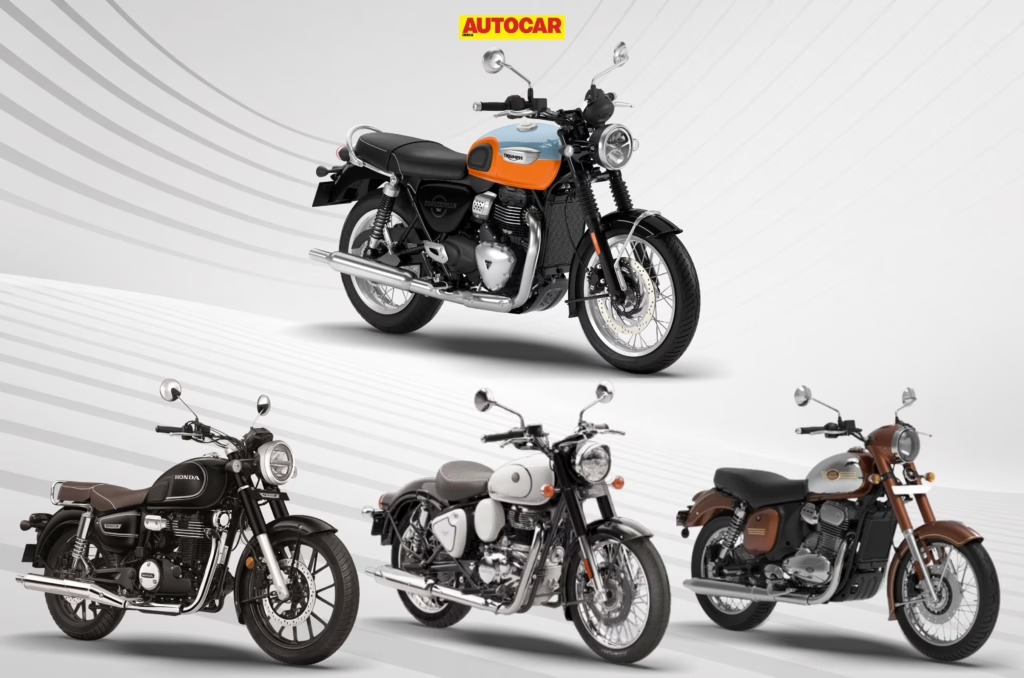
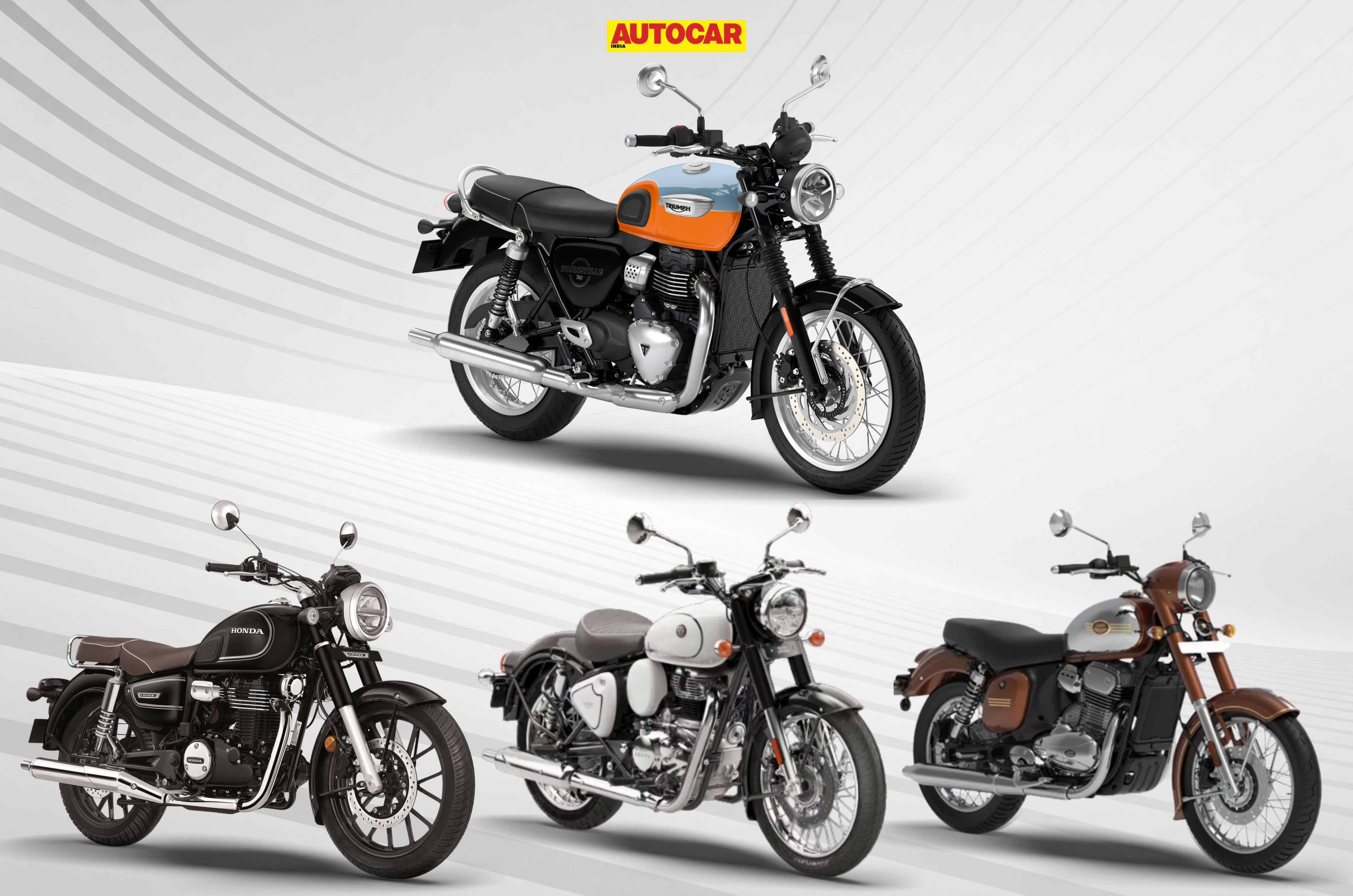
It’s here, finally. Almost three years after the very first Triumph 400s debuted (Speed and Scrambler X), we have a Bonneville for the class, and it’s looking to redraw the boundaries for the retros. However, the 350cc class is silently one of the fiercest segments in India, with Royal Enfield leading it, predominantly with the Classic 350. We have Honda trying to eat away at that dominance with the CB350 and Jawa with its 350, but sales-wise at least, Royal Enfield has so far remained unassailable. Can the Hinckley-based manufacturer finally make its Indian-UK counterpart feel the heat? Let’s see.
Triumph Bonneville T40 vs Rivals: Engine and output
Triumph is off to a great start
Triumph Bonneville T40
Royal Enfield Classic 350
Honda CB350C
Jawa 350
Engine
350cc, single-cylinder, liquid-cooled
349cc, single-cylinder, air-cooled
348.36cc, single-cylinder, air-cooled
334cc, single-cylinder, liquid-cooled
Power
29hp at 7,000rpm
20.2hp at 6,100rpm
21hp at 5,500rpm
22.57hp at 7,000rpm
Torque
31.2Nm at 5,500rpm
27Nm at 4,000rpm
29.5Nm at 3,000rpm
28.1Nm at 5,000rpm
Transmission
6-speed
5-speed
5-speed
6-speed
Power-to-weight ratio
148.72hp/tonne
103.59hp/tonne
113.28hp/tonne
116.53hp/tonne
Triumph is looking to distinguish the Bonneville T40 in every way possible, starting with the engine itself. Its 350cc unit is one of two liquid-cooled mills on the list. This bike also makes the most power and torque. The T40’s peak power is followed at a distance by the Jawa 350, and it’s the Honda CB350 that makes the nearest comparable amount of peak torque. Honda’s 348cc engine also delivers both power and torque much earlier in the rev range.
Triumph Bonneville T40 vs Rivals: Dimensions and weight
Honda strikes a fine balance
Triumph Bonneville T40
Royal Enfield Classic 350
Honda CB350C
Jawa 350
Fuel tank capacity
14.5 litres
13 litres
15.2 litres
13.2 litres
Ground clearance
165mm
170mm
165mm
178mm
Kerb weight
195kg
195kg
186kg
~193kg
Seat height
790mm
805mm
800mm
790mm
Wheelbase
1418mm
1390mm
1441mm
1449mm
In this section, the Honda CB350C immediately stands out because of its kerb weight. It is the lightest motorcycle in this comparison, and that’s despite being the heaviest version in the CB350 line-up; the CB350 weighs 181kg and the CB350RS 180kg. Yet, it has the largest fuel tank capacity, along with decent seat height and ground clearance. The T40’s second-shortest wheelbase should make it an agile bike, but it remains to be seen how it rides in the real world. The Classic 350 – with the shortest wheelbase – isn’t exactly known for its agility, not that it’s expected in this segment to begin with.
Please note that Jawa/Yezdi report dry weight on the website, so you’ll find the Jawa 350’s weight to be 184kg there, but with 90 percent fuel and other fluids, its kerb weight should be closer to the others in the list.
Triumph Bonneville T40 vs Rivals: Tyres, brakes and suspension
Old vs new retros
Triumph Bonneville T40
Royal Enfield Classic 350
Honda CB350C
Jawa 350
Tyres (F, R)
100/90-18, 150/70R17
100/90-19, 120/80-18
100/90-19, 130/70-18
100/90-18, 130/80-17
Brakes (F, R)
310mm disc, 255mm disc; dual-channel ABS
300mm disc, 270mm disc; dual-channel ABS
310mm disc, 240mm disc; dual-channel ABS
280mm disc, 240mm disc; dual-channel ABS
Suspension (F, R)
Telescopic fork, twin-shock
Telescopic fork, twin-shock
Telescopic fork, twin-shock
Telescopic fork, twin-shock
The differences are a bit confusing, mainly because there are barely any. The only major distinction among these four motorcycles is that two have a 19-inch front wheel, whereas the other two have an 18-inch one. The same goes for the rear wheel: two of them have an 18-inch unit, and the other two get a 17-inch one. Elsewhere, there are minor variations in the disc rotor sizes, but by and large, they fall in the same ballpark, all things considered.
Triumph Bonneville T40 vs Rivals: Features
Triumph’s biggest flaunt
The Bonneville T40 is the newest entrant in this retro segment, and that contrast is most visible in the features department. It offers ride-by-wire and a 4-inch TFT display with five ride modes (Eco, Road, Rain, Rider A and B), turn-by-turn navigation powered by Triumph, cornering ABS, traction control and cruise control, all as standard. For context, here’s what the second most feature-packed motorcycle, the Honda CB350C, offers: dual-channel ABS, a slip-and-assist clutch, Honda Selectable Torque Control (HSTC, traction control) and Honda RoadSync connectivity on the higher variants through the LCD screen.
Triumph has waited to debut a much-needed new instrument cluster with the Bonneville. It’s a decision you can raise questions about (like, why not on the Tracker 400?), but it’s a change that’s wholeheartedly welcomed nevertheless. If you prefer your retros to straddle the line between the old and new, the Bonneville T40 is hard to beat.
Triumph Bonneville T40 vs Rivals: Price
Most expensive modern classic
Triumph Bonneville T40
Royal Enfield Classic 350
Honda CB350C
Jawa 350
Price (ex-showroom)
Rs 2.80 lakh
Rs 1.89-2.26 lakh
Rs 2.00-2.04 lakh
Rs 2.11-2.21 lakh
Triumph is also the most expensive of the lot. An Indian-specific T4 has also been revealed at a lower price point of Rs 2.55 lakh, but that is still Rs 29,000 more expensive than the Classic 350’s top variant. If you find these to be too expensive and would rather have a more retro experience, Royal Enfield’s very own Bullet 350 starts at Rs 1.67 lakh and tops out at Rs 2.11 lakh.
Triumph’s own Speed T4 is the closest modern classic from the brand, coming in at a more palatable Rs 2.10 lakh, although it doesn’t have the decorated name. All things considered, the Bonneville’s arrival has been anticipated for quite a while, and it’s finally here, ready to swing. We now have to see how convincing its swing ends up being.
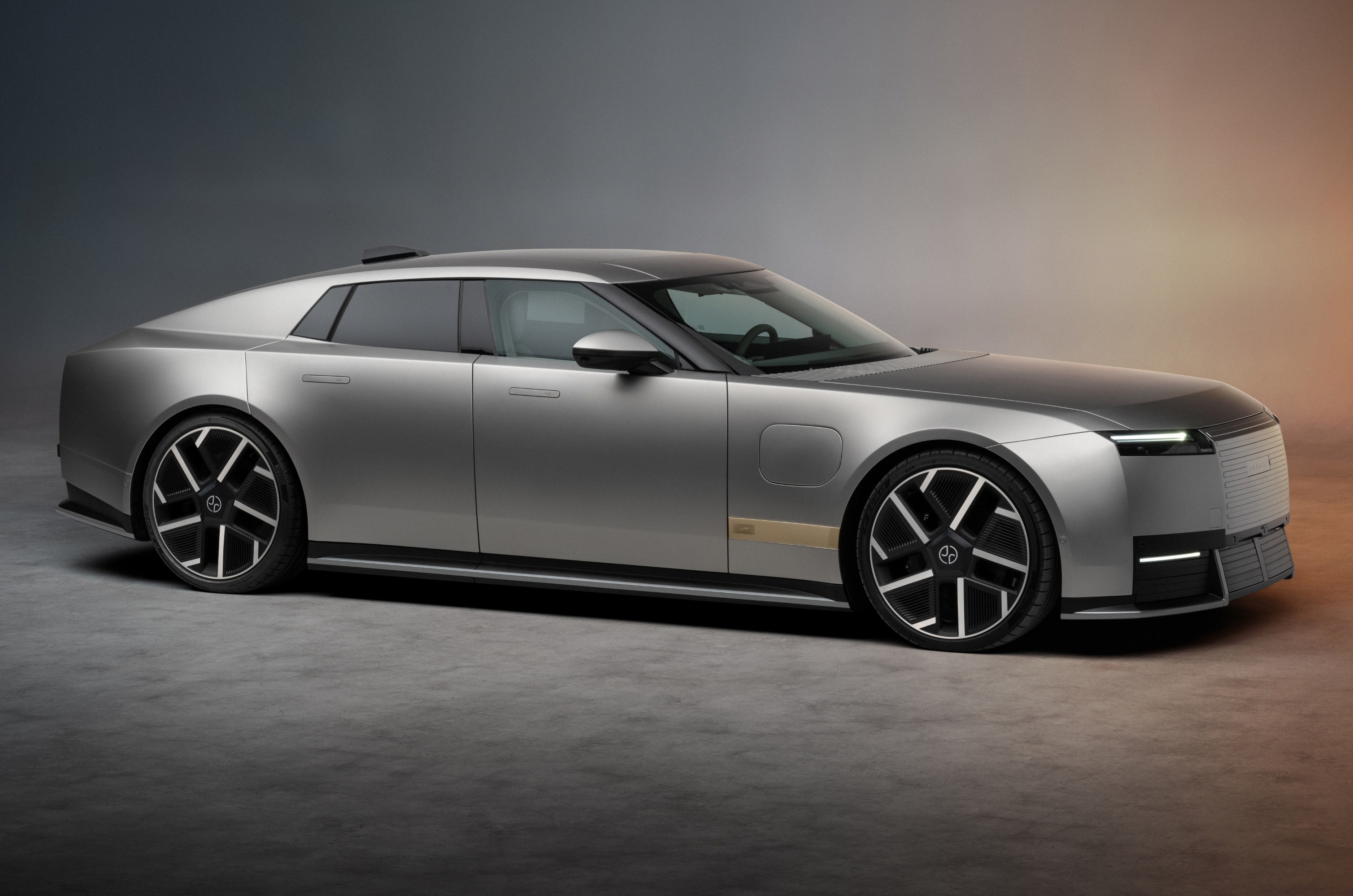
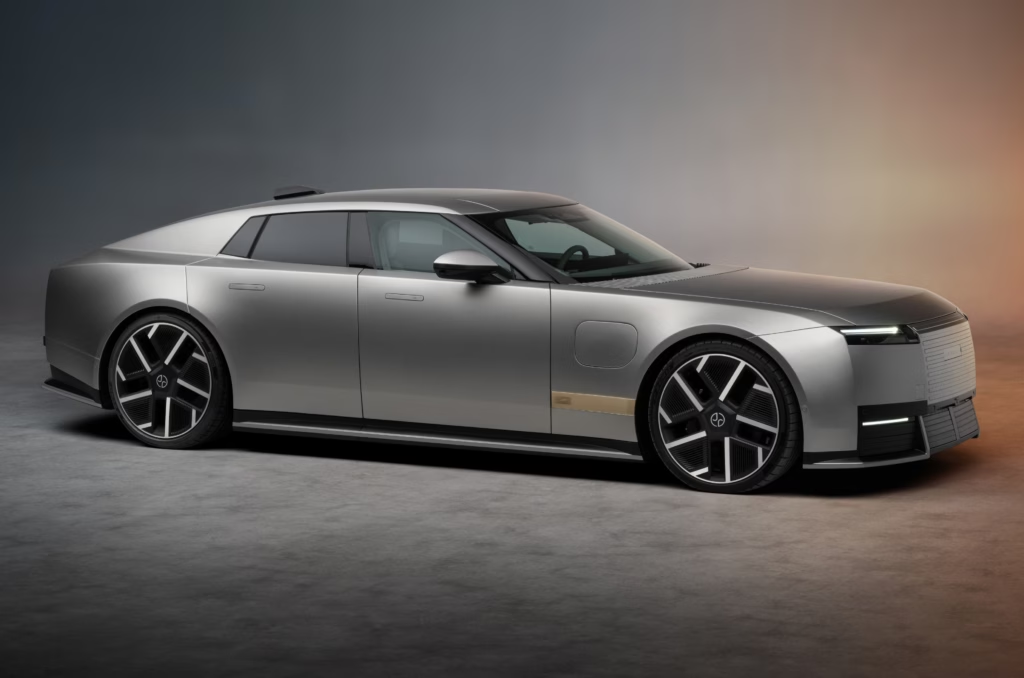
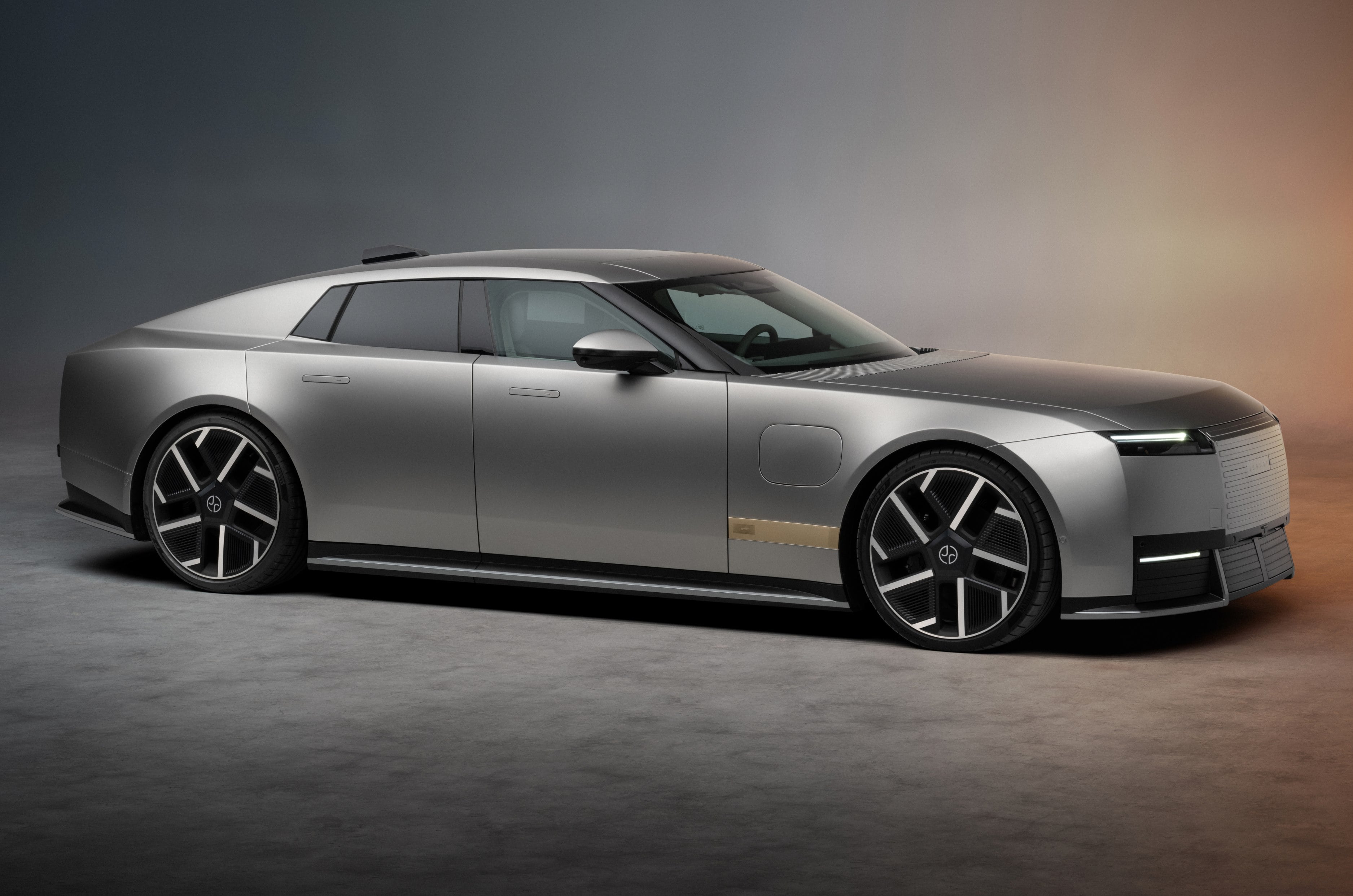
Grace, Space, Pace. That’s been a long-held Jaguar maxim, clearly no more the case, though, at least not that first part. Jaguar’s new Type 01 ditches grace for a design that’s very much in your face, or, styled with exuberant modernism, as the brand more eloquently puts it.
Yes, exuberant it most certainly is; the sheer size and presence of the car are unapologetically bold, and we knew this would be the case when we saw the Type 00 concept. At the time, Jaguar said it would greatly influence the actual production car. Love it or hate it, you have to applaud Jaguar for keeping a majority of the concept’s far-out ideas to the point where a lot of time was spent engineering the new Jaguar Electric Architecture (JEA) to make the design possible.
Strike a chord
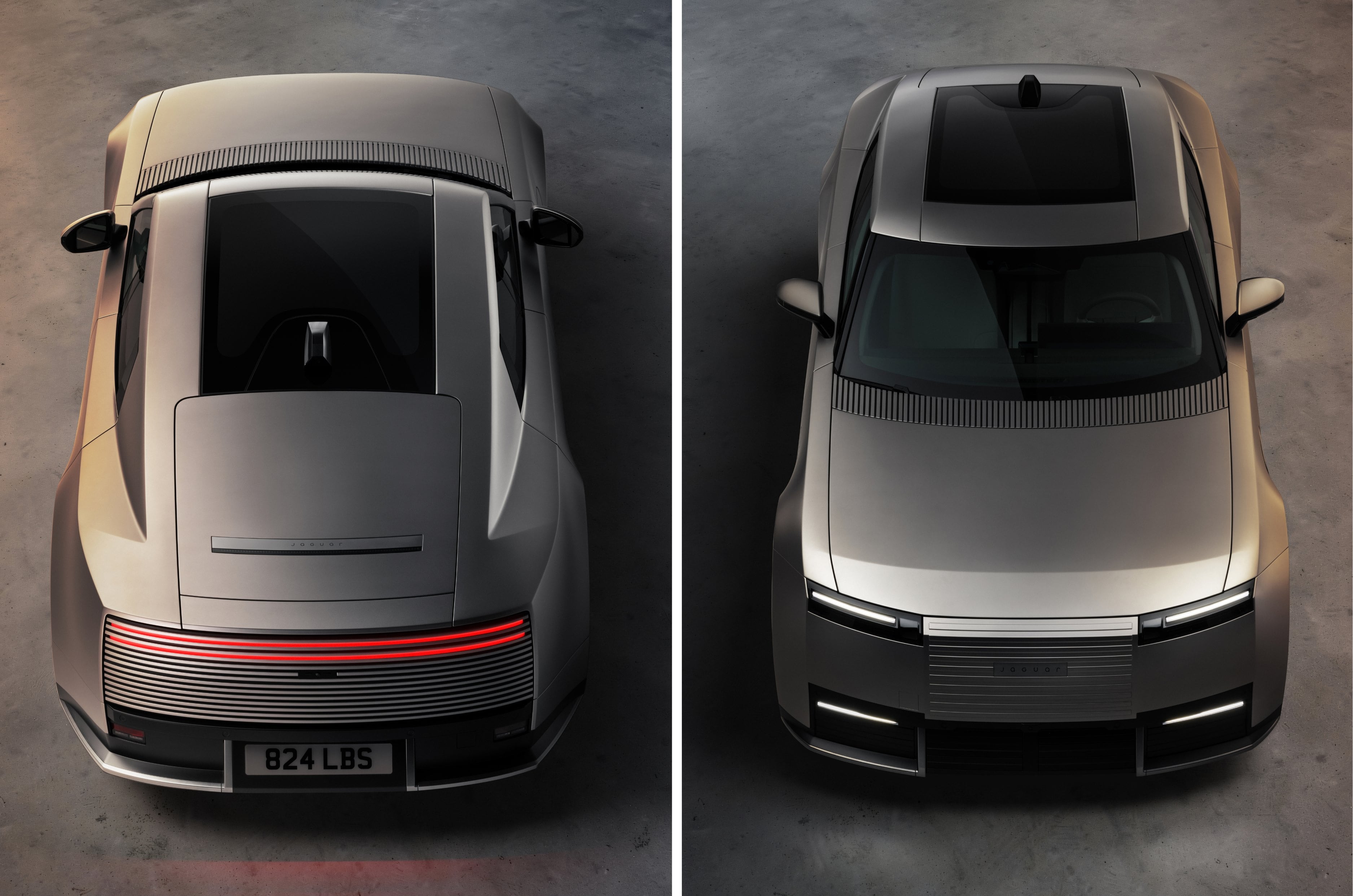
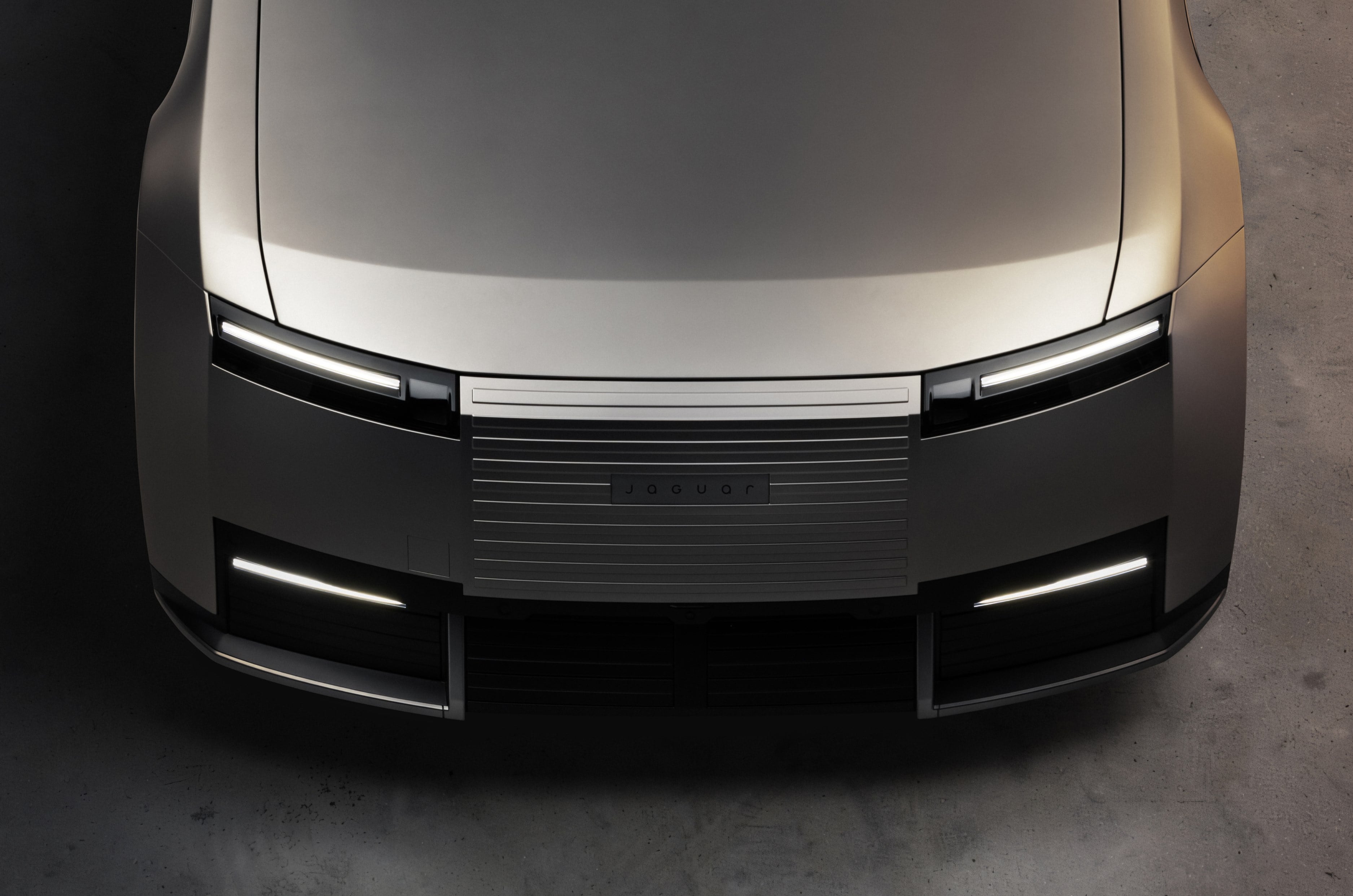
The front is dominated by Jaguar’s new ‘strikethrough’ design element, which gives the bluff nose some character. Unlike most EVs that have a blanked-off front, the strikethrough simulates a grille, retaining some of the visual character of a conventional car. There is, of course, cooling required, and this is handled by active shutters lower down, which open and close depending on cooling requirements.
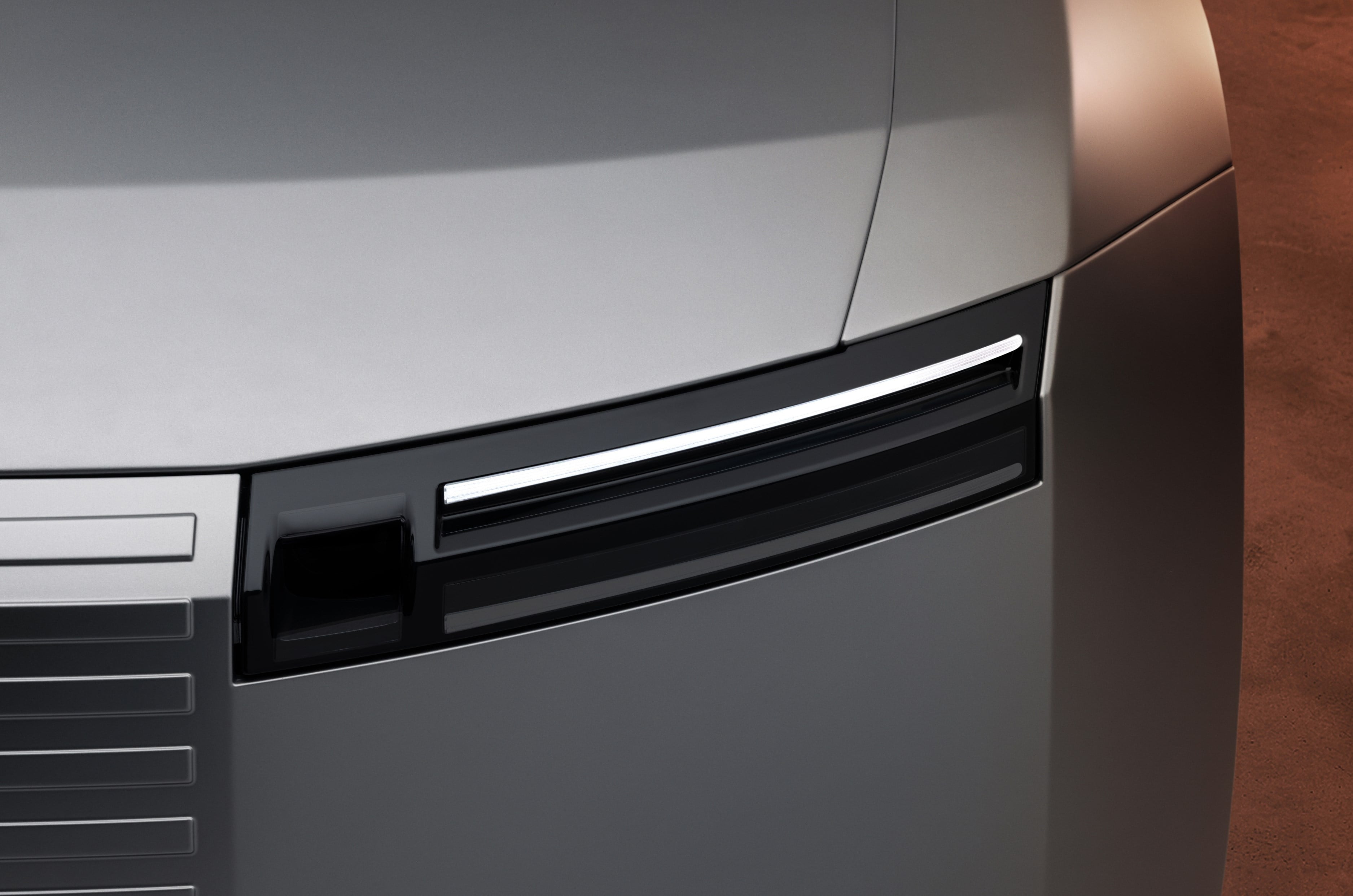
The four ‘line’ daytime running lights are another distinctive element and could become a signature for future Jaguars. The headlights, meanwhile, are the slimmest ever fitted to a Jaguar.
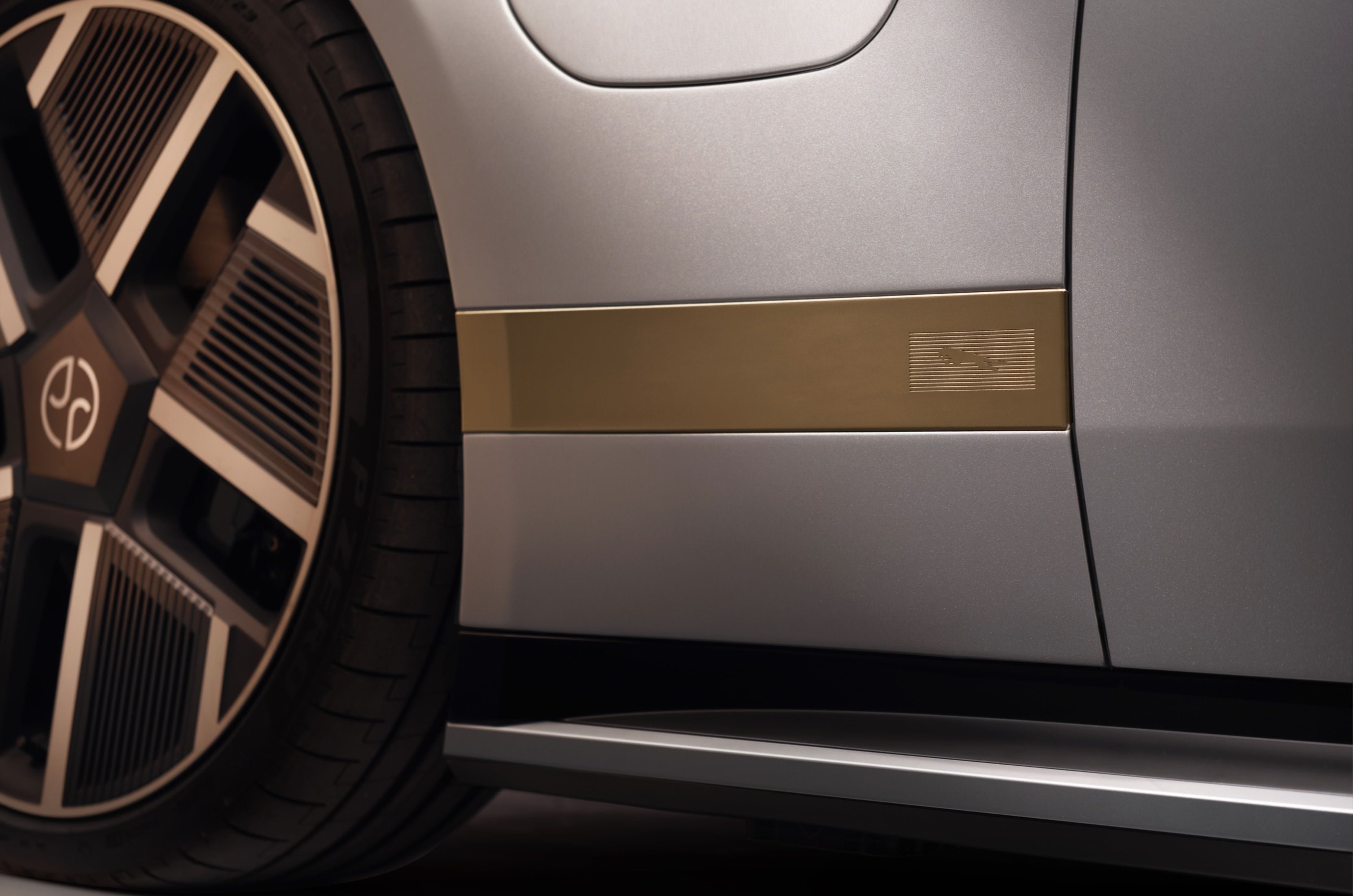
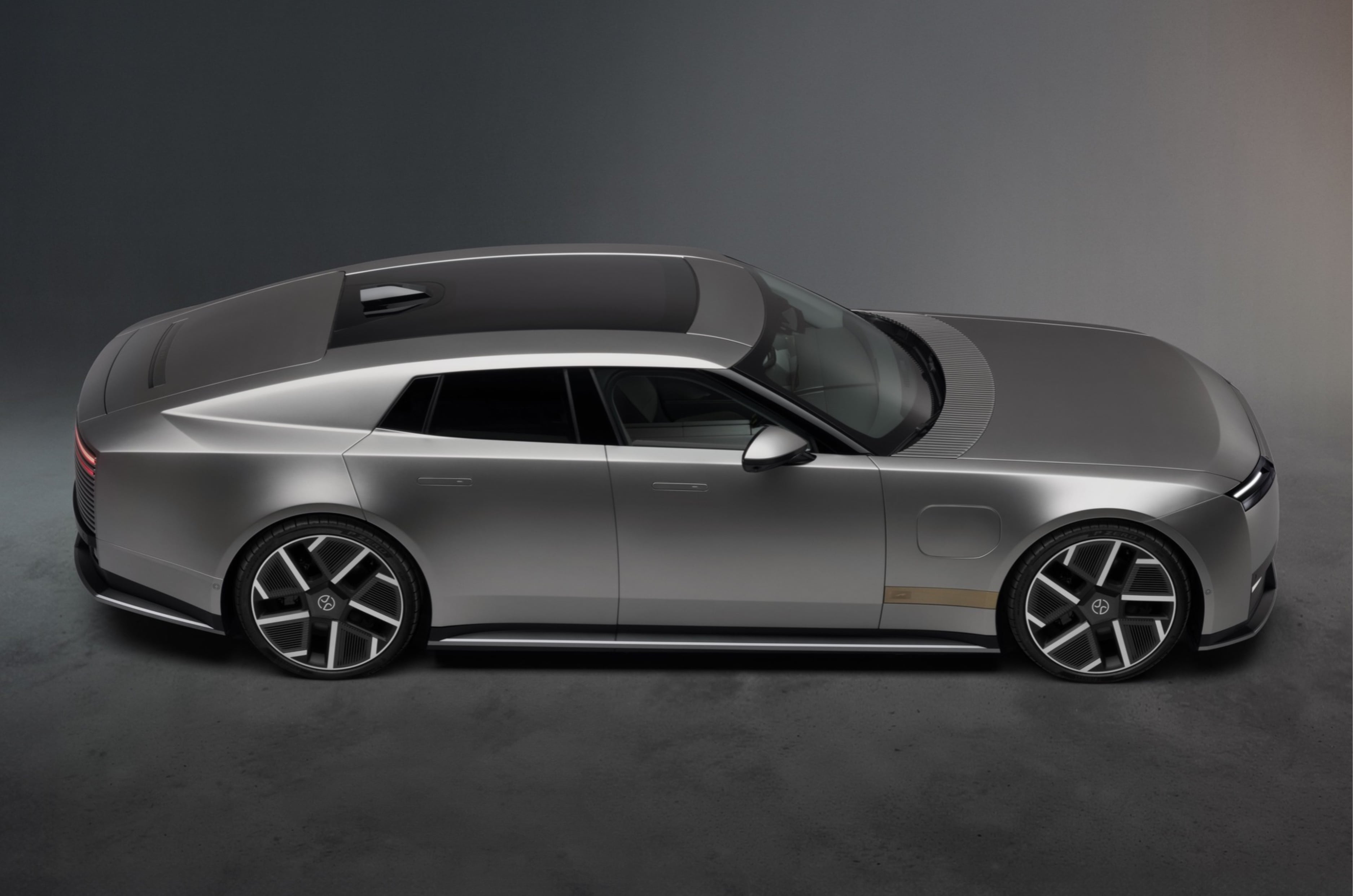
Despite its almost upright front end, the Type 01 is the most aerodynamic Jaguar yet, with a drag coefficient of just 0.23. This has been achieved through extensive aerodynamic work, including active aero elements and clean, uninterrupted body surfaces. The traditional leaping Jaguar mascot is absent from the bonnet, but fear not, it’s not entirely gone, surfacing on a brass-like panel on the front fenders, which also highlights what Jaguar calls the ‘luxury gap’ — the distance between the front axle and the A-pillar. This massive length gives the car its distinctive bonnet-forward proportions and a very regal stance; there is also a functional purpose.
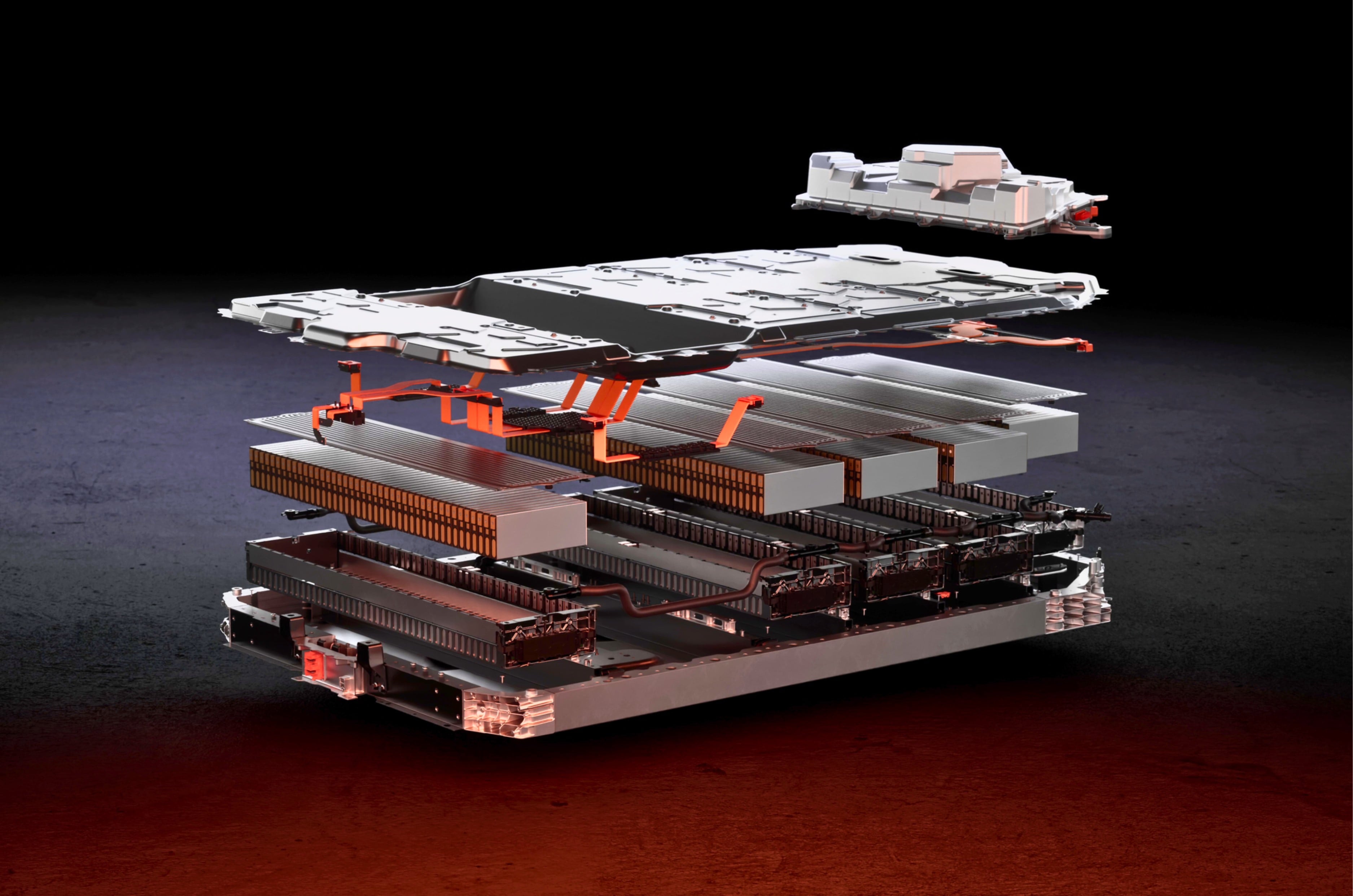
The Type 01 has a split battery pack, comprising five separate modules: one positioned ahead of the A-pillar – in this gap – necessitating a re-engineered front crash structure; then there are three modules behind the A-pillar, a gap around the B-pillar area and then the final module near the C-pillar. Typically, EVs use a single battery pack contained between the A and C pillar line; however, the low roof meant Jaguar needed that gap to create a footwell for rear passengers.
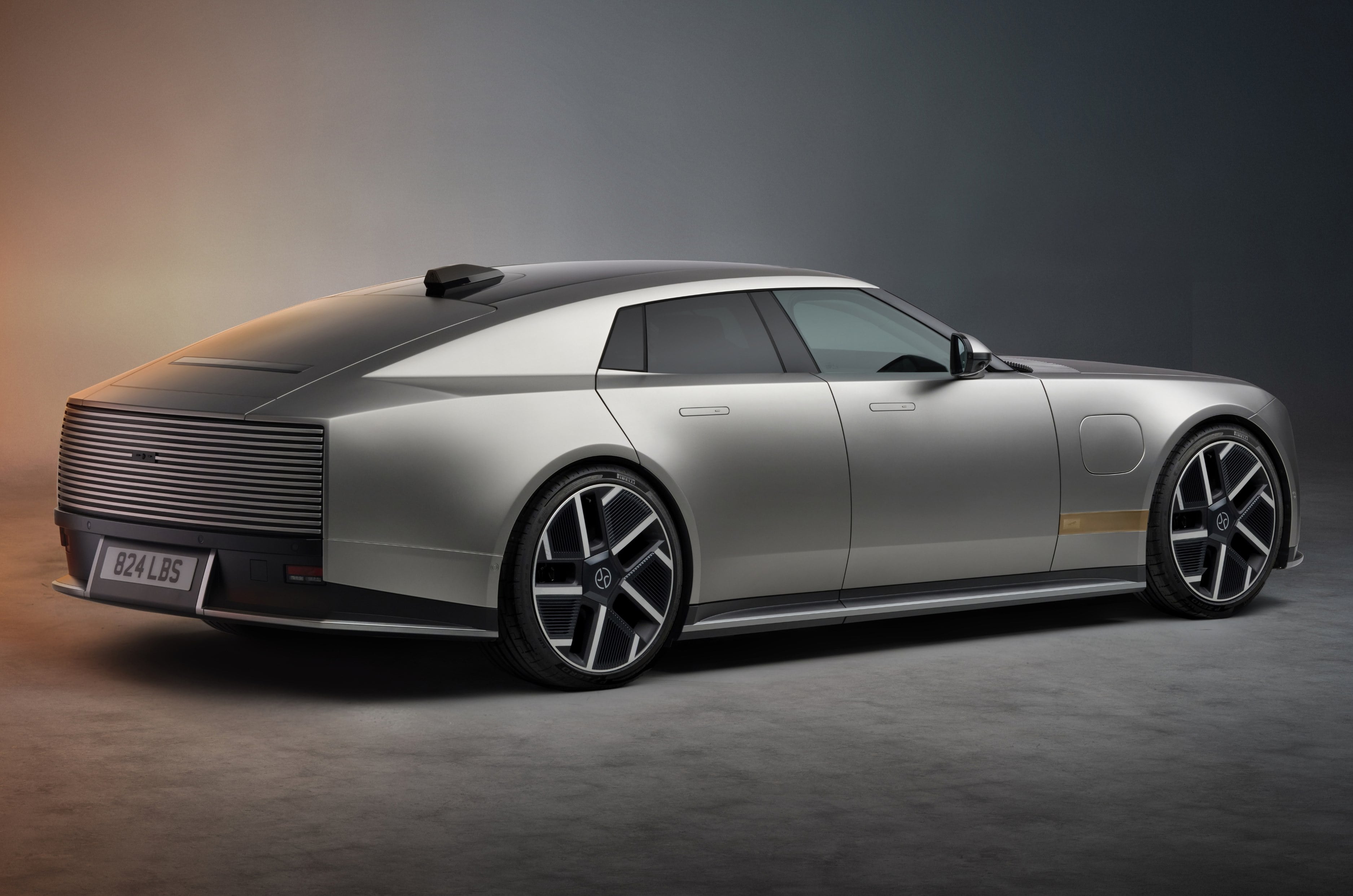
The long 3.2-metre wheelbase and low 1,400mm overall height give the Type 01 its dramatic slammed-down stance, a hallmark of the concept. In fact, the massive 23-inch wheels make up more than half the height of the entire car. Charging ports are provided on both sides, making it convenient to plug in regardless of which side the charging station is on.
One of the most interesting elements of the Type 01’s is what Jaguar calls the ‘impossible panel’. This is essentially the rear fender panel that extends all the way to the A-pillar at the top and has an extremely deep draw forming massive shoulders over the rear wheels. Jaguar says computer simulations initially suggested that the required depth could not be created with a single piece of aluminium, but it worked with the tooling and made it a reality. The resulting panel features a sharp crease that rises from the window line and creates a striking visual effect, which stands out nicely in the silver finish of the car we see here.
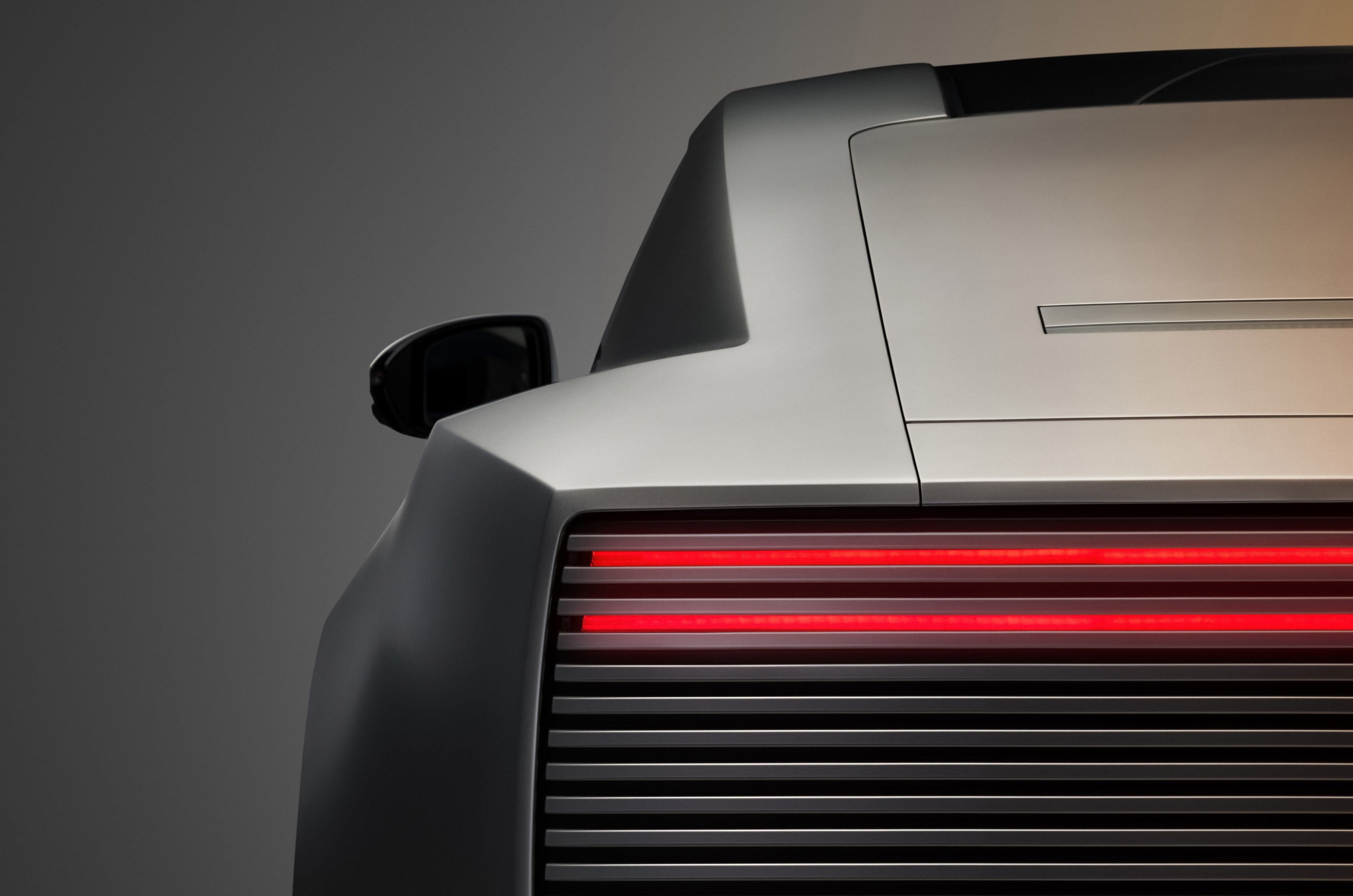
The rear is another striking area and will be the one with the most polarised views. The strikethrough design continues, but it pretty much dominates the entire width of the car; even the taillights are hidden within. When the car is switched off, the lights are invisible, leaving just the grille-like surface, and it does look excessively lined, though unique.
Then there’s the complete absence of a rear windscreen. Jaguar says a conventional rear windscreen would offer very limited visibility with a short vertical height, given the car’s long sloping roofline, so it opted for a clean monolithic panel while a camera feeds a digital rear-view mirror. There’s also a rear spoiler that can be deployed; there are three positions in all, adjusting according to speed to aid aerodynamic efficiency and stability. Beneath the tailgate is 450 litres of boot space in a relatively shallow bay, with some additional storage beneath a panel.
Give and take
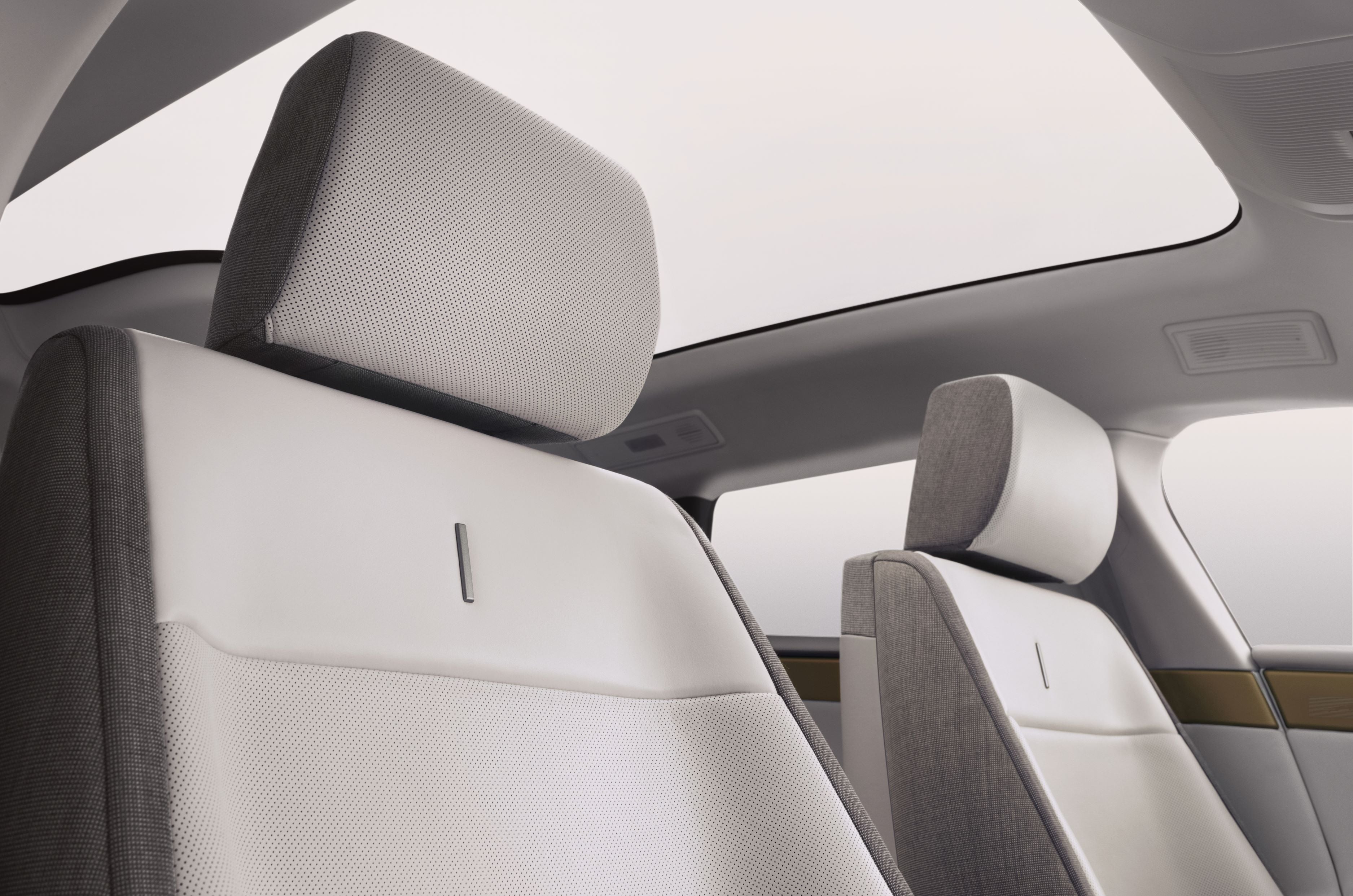
The Type 01’s concept car design and proportions do come with some compromises, and that’s immediately apparent stepping into the rear. You have to move around a protruding rear panel and sink into the seats. Once there, the space is cosy or claustrophobic depending on how you see small spaces. The trouble is the low roof is very close to your head, and the window panes are extremely small; there’s a glass roof, but it only does so much to alleviate the lack of cabin volume. Furthermore, you sit behind the pillar, so you get some privacy, but not an open view outside.
The seats are comfy enough, and at the rear the split battery arrangement reduces the knees-up seating position; while it isn’t comfortable like a conventional car, the arrangement makes a meaningful difference.
At the front too, the low roof means a low-set driving position; the windscreen is shallow in height, and headroom is just about sufficient for taller occupants. Also, the rear-view mirror – or display, more accurately – is positioned at the base of the windscreen rather than atop. The front seats feature heating, cooling and massage functions.
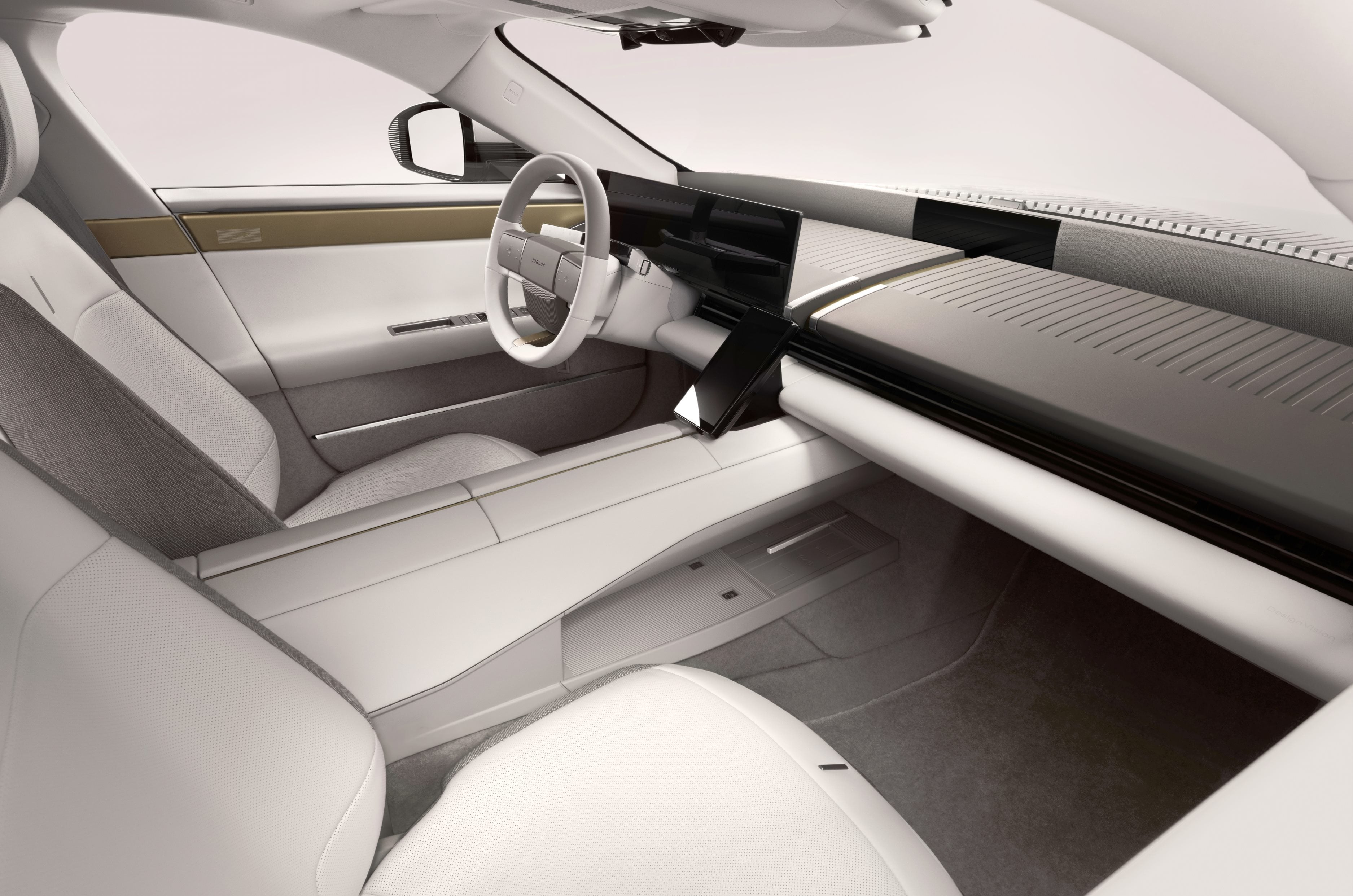
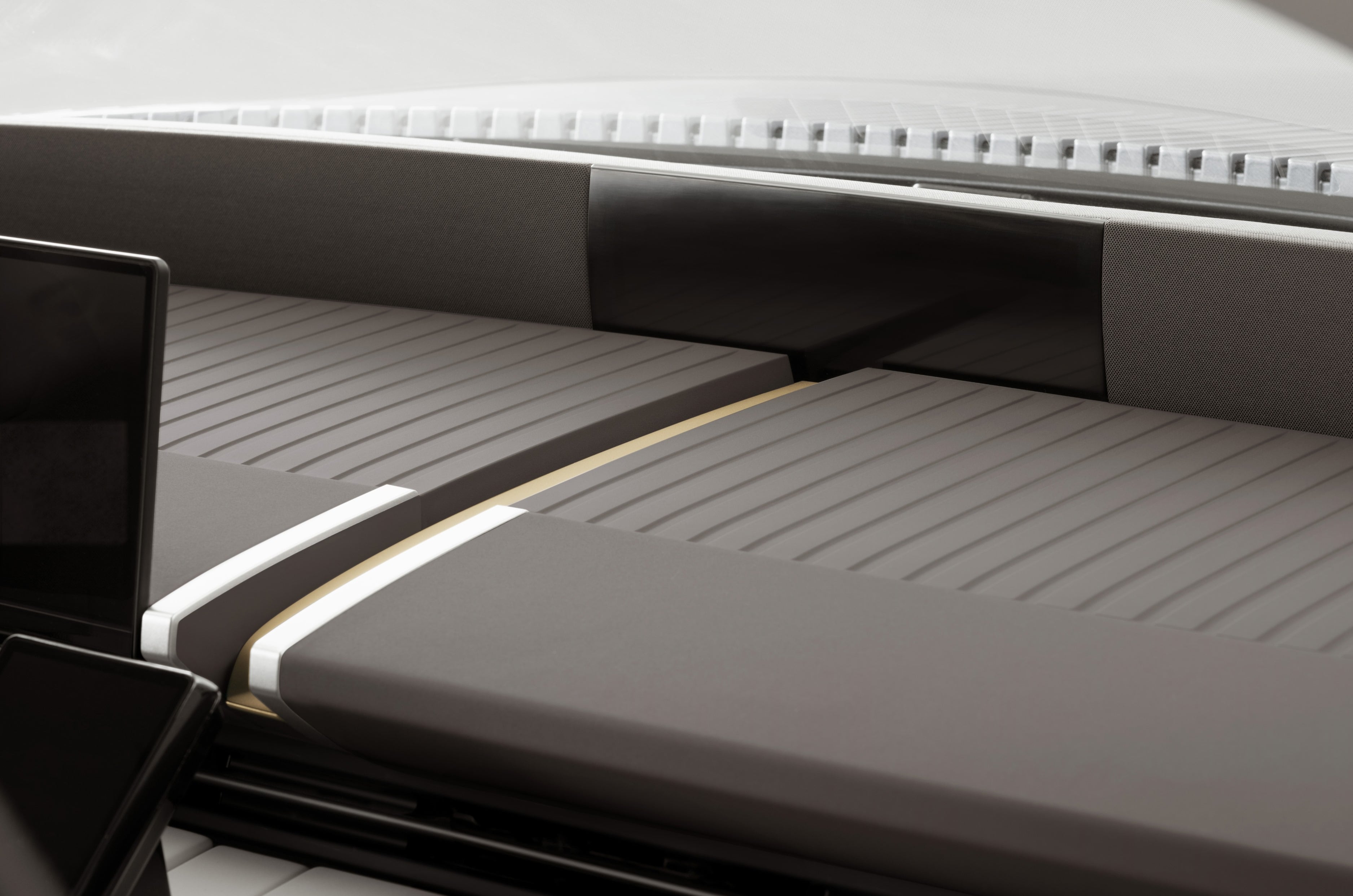
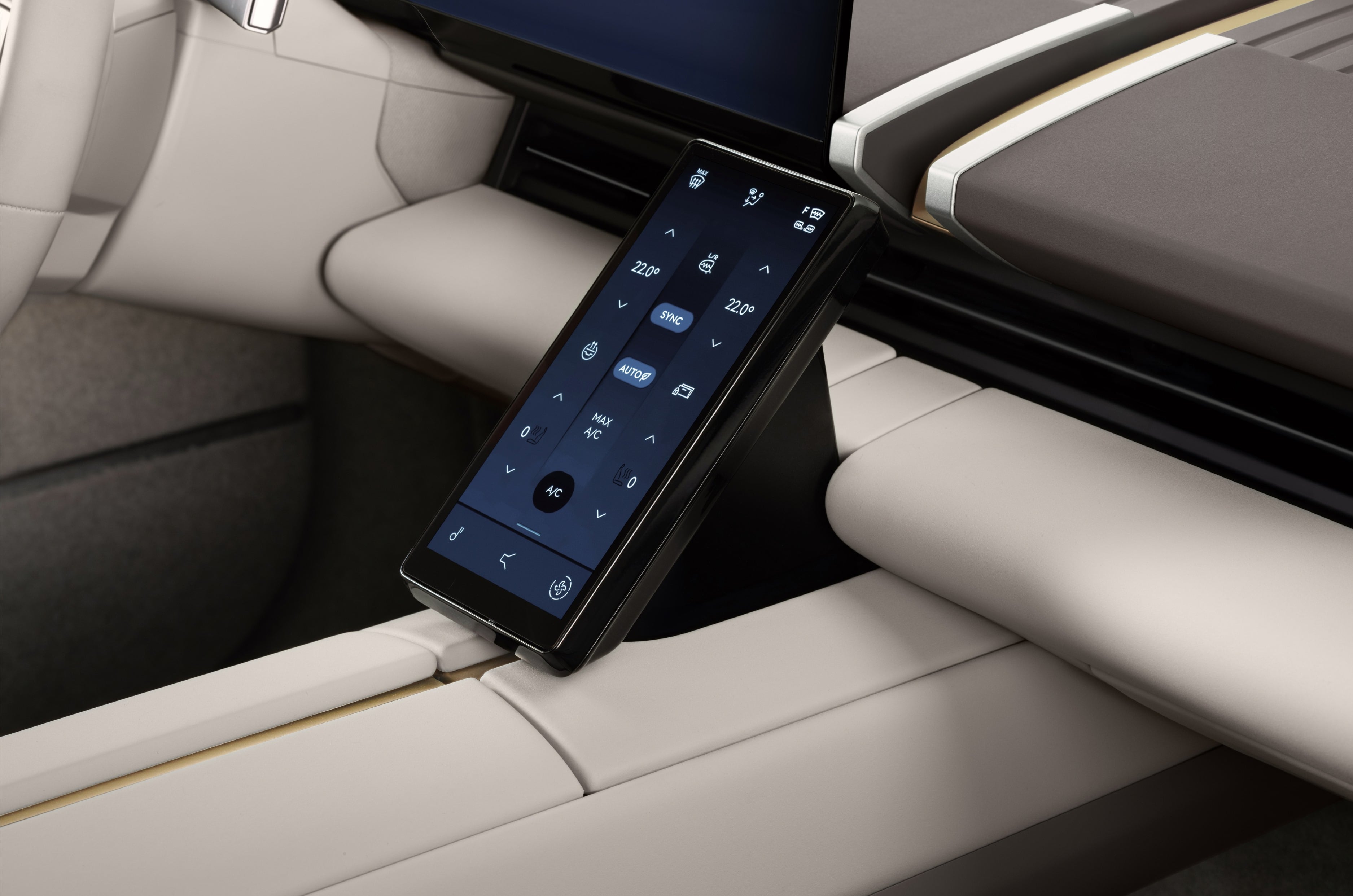
The cabin is divided into four distinct zones by a prominent central spine that houses storage spaces and a rear touchscreen controller. The dashboard carries the strikethrough pattern from the bonnet outside, and the doors carry prominent brass-finished panels. The absence of physical buttons is disappointing; thankfully, the central touchscreen, which handles climate control, is positioned in a manner that allows the driver to rest a hand on the central spine to make operations a bit easier.
There’s a single large 24-inch display combining the instrument cluster and central infotainment screen; driver-focused information is to the right, and functions accessible to the front passenger are on the left.
Number crunching
Underneath its dramatic styling, the Type 01 packs in some serious performance hardware and is the latest to join the 1,000hp+ club. Power comes from a three-motor setup, two at the rear and one at the front. Combined, these produce a massive 1,030hp and 1,365Nm of torque, and despite it weighing in at about 2.7 tonnes, the Type 01 does the 0 to 100kph sprint in 3.2 seconds. This isn’t the 2-second territory that others of this high horsepower club claim, but it’s still extremely quick for what is essentially a four-door GT. Jaguar has often talked of ‘power in reserve’ and highlights its strong 100kph to 180kph of 4.0 seconds as evidence.
Feeding this power is the split module battery; it utilises NMC chemistry and has a 120kWh capacity (118kWh usable) and promises a WLTP range of up to 720km. Jaguar says thanks to the 850-volt architecture, on a 350kW DC charger you can add 321km of range in 13 minutes and 10-80 per cent in around 22 minutes with the split pack set-up to maximise 400-volt chargers. The Type 01 also features twin AC charging ports, one on each side, so it’s easy to charge no matter how you park.
The powertrain has drive modes, torque vectoring and ride is courtesy of switchable air springs and twin-valve active dampers. Rear-wheel steering keeps a tight 11.5m wall-to-wall turning circle diameter.
Shock! And awe?
The Type 01 is unlike Jaguars of the past, which were the target. Jaguar sales were drying up, and it needs to bring in new customers, and that’s where this entirely new design direction comes in. It has traces of its heritage but, on the whole, is unique, and there’s no denying it’s striking to look at with its wild concept car looks. This, however, means interior space is at a premium, and there are ingress and egress challenges. Making amends in some way is the minimal and classy interior styling and, of course, a powertrain with all the right numbers and ingredients that promises a thrilling drive experience.
Asking prices for all this will be going up, not to the levels of a Rolls or Bentley but above what the brand’s previous flagships like the XJ were at. Expect prices to start at £120,000 in international markets where deliveries are scheduled to begin by mid-2027. India will follow a few months on with prices around the Rs 2 crore mark, give or take.
Sitting between Mercedes and BMWs at the lower end and Rolls and Bentleys above, the Type 01 has found a gap and a differentiation in its style and appeal too. But can Jaguar transform from elegance and heritage to exuberant modernism? It’s a big leap for sure, and one that the company needs the big cat to make.
After seeing a great deal of success with its Bajaj-built, single-cylinder models, Triumph has now revealed a new model in the same family which has the potential to be the most popular one yet – the Bonneville T40. Underneath its appealing classical design, the smallest ‘Bonnie’ is an amalgamation of some parts shared with its siblings while some are unique to it. Alongside the Bonneville T40, the Triumph has also revealed a lower-spec Bonneville T4 which misses out on some electronic features but is mechanically the same as the T40.
350cc engine makes 29hp, 31.2Nm; tuned for low- and mid-range grunt
4-inch colour TFT display, 5 riding modes & cruise control standard
Available in 3 bright dual-tone colours and a blacked-out version
Triumph Bonneville T40: Everything you need to know
Weighs 195kg and has a low 790mm seat height
Powering the India-spec Bonneville T40 is the same 350cc, single-cylinder, liquid-cooled engine as seen in the other single-cylinder Triumphs but in this application both the output and state of tune are very different. The engine in the Bonneville makes 29hp at 7,000rpm and 31.2Nm of torque at 5,500rpm – numbers that are incidentally very similar to the Speed T4 (29hp at 7,500rpm and 31Nm at 5,500rpm).
While the engine’s base architecture is shared with the other single-cylinder Triumph models, here you have a revised cylinder head, a new engine tune, smaller diameter throttle bodies, dedicated camshafts and a new peashooter exhaust. Triumph says it has made all these changes to ensure an effortless, torque-rich riding experience. A 6-speed gearbox continues here but the company says the Bonneville T40 has taller overall gearing than its siblings.
Just like the engine, the frame on the Bonneville T40 has also seen major revisions. While the front half is more closely related to the other Bajaj-made Triumphs, at the rear it is all-new. This was done to not only accommodate the twin shock absorbers and new tubular steel swingarm (not aluminium like its siblings) but also to get the quintessential Bonneville aesthetic right, says Triumph. Another point to note is that the Bonneville T40’s subframe is welded to the main frame, not bolted like on the other 350cc Triumphs.
What this new frame also potentially permits Triumph to do is also potentially introduce single-cylinder versions of the Speedmaster and Bobber down the line, although the company hasn’t confirmed this officially.
The cycle parts on the 350cc Bonnie are also unique to it and aren’t shared with the other single-cylinder Triumphs. A 43mm right way up gaitered telescopic fork and twin shock absorbers handle suspension duties and both have a healthy 130mm of travel. To handle stopping duties, there’s a 310mm disc at the front with a twin-piston axial caliper and a 255mm rear disc with a single-piston caliper, supplemented by lean-sensitive ABS.
In typical Bonneville fashion, the T40 runs on wire-spoke wheels shod with tubed MRF tyres developed specifically for it – no tubeless option here. The front tyre is sized 100/90-18 while the rear is a 150/70-R18 hoop. While the tubed tyres will mean a more labour-intensive and long drawn-out puncture repair process there is a small silver lining, in that a centre stand comes standard here.
The result of all those chassis changes is that the Bonneville T40 weighs 195kg, making it by far the heaviest of the Bajaj-built Triumph models. Having said that, at 14.5 litres, it also has the largest fuel tank capacity. With a friendly 790mm seat height, the T40 is quite accessible in terms of ground reach and you can even drop it down further to 770mm with Triumph’s accessory low seat. Despite the low perch, the baby ‘Bonnie’ has a healthy 165mm of ground clearance which should help it tackle the worst of Indian conditions without scraping its undercarriage.
What all of the above should likely translate to in the real world is a refined and genteel riding experience, although we’ll reserve judgement on that facet until we get to spend quality some seat time on the small ‘Bonnie.’
Just like the other Bajaj-built Triumphs, the Bonneville T40 has a high level of material finish and attention to detail. Where the T40 goes one step further is that it debuts a new round 4-in colour TFT display with more comprehensive switchgear. This is to control the different riding aids like the 5 riding modes (Road, Rain, Eco and 2 fully customizable ones), ABS, traction control and cruise control. This display even has a ‘Heritage’ mode which changes the layout to a more old-school appearance. Furthermore, if you pair your phone to the display via the Triumph Navigation app, you can also get navigation information on the screen.
At Rs 2.80 lakh (ex-showroom, Delhi), the Bonneville T40 (and T40 Black) is priced at a premium compared to its direct rivals which are the Royal Enfield Classic 350 (Rs 1.89 lakh – Rs 2.26 lakh), Honda CB350C (Rs 2 lakh – Rs 2.05 lakh) and Jawa 350 (Rs 2.11 lakh – Rs 2.22 lakh). For those that find the asking price for the Bonneville T40 perhaps a bit too pricey, there’s also a lower-spec Bonneville T4 which has a slimmer 140-section rear tyre, a colour LCD display with turn-by-turn navigation, ride modes and dual-channel ABS but misses out on cruise control and the Intertial Measurement Unit (IMU). The T4 Bonneville is priced at Rs 2.55 lakh and comes in three solid colours – green, black and red.
Bookings are open for both but deliveries for the Bonneville T40 will commence earlier, in November 2026, while the T4 will be delivered starting from the 2nd week of January 2027.