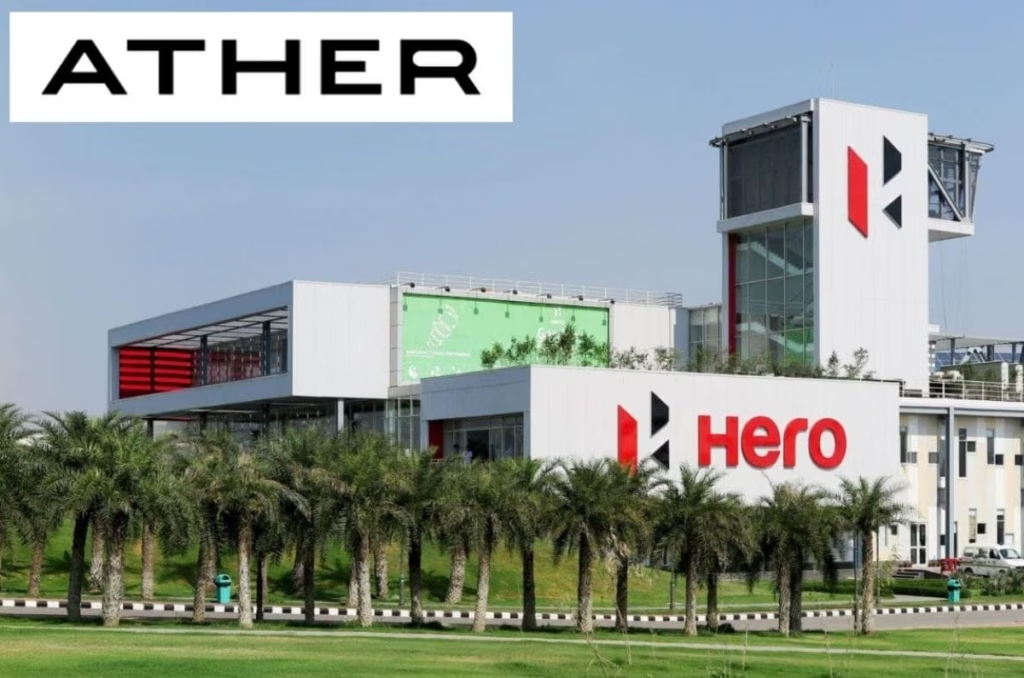
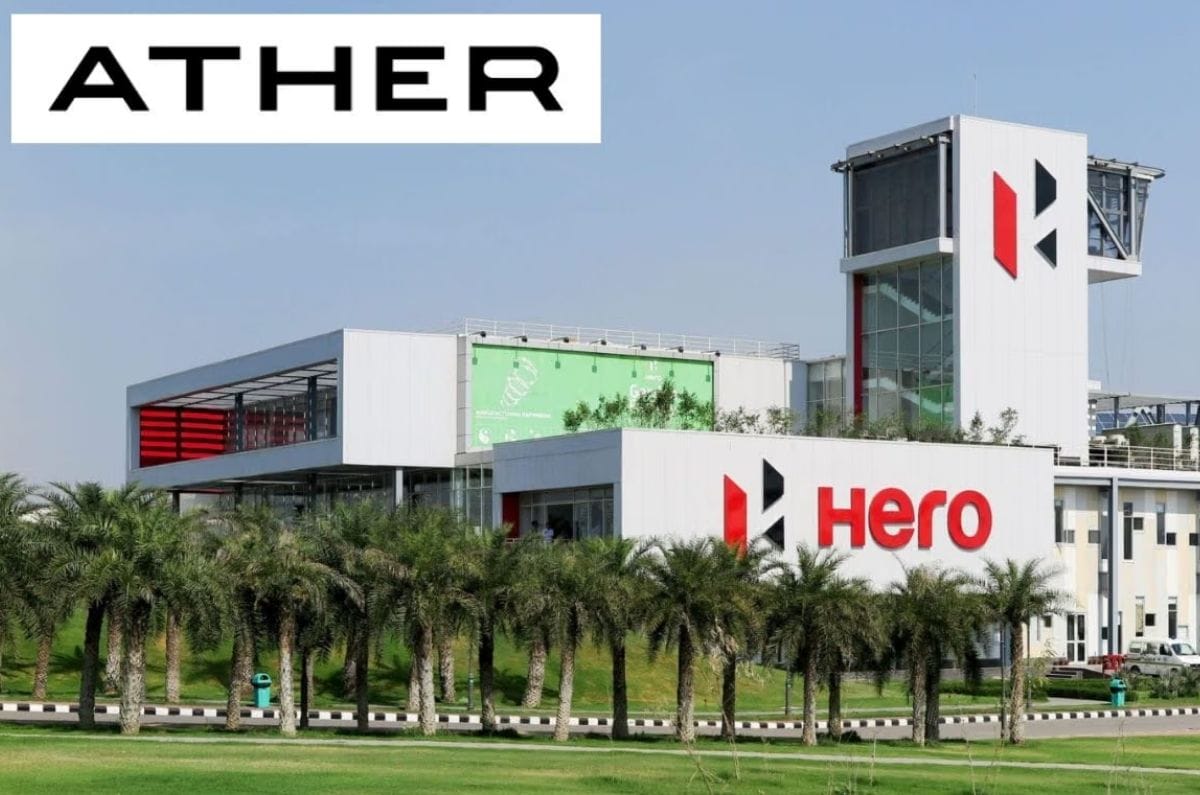
Hero MotoCorp to invest Rs 1,758 crore more in Ather

Hero MotoCorp to invest Rs 1,758 crore more in Ather

Hero MotoCorp will invest up to Rs 1,758 crore to increase its stake in Ather Energy, taking its holding in the electric two-wheeler maker from 29.88 percent to approximately 32.8 percent on a fully diluted basis.

  1. Hero MotoCorp will buy existing Ather shares worth up to Rs 1,758 crore
  2. Its stake will rise from 29.88 percent to approximately 32.8 percent
  3. The deal comes shortly after Hero’s separate Rs 1,000 crore investment in Ather

The investment was approved by Hero MotoCorp’s Committee of Directors on August 27 and will involve the purchase of existing Ather shares from an existing shareholder. This makes it a secondary transaction, rather than a fresh issue of equity by Ather. The deal will be funded entirely through cash and is expected to be completed by September 3, 2026. No government or regulatory approvals are required.

The latest investment comes shortly after Hero announced plans to invest up to Rs 1,000 crore in Ather through a preferential issue. Ather subsequently allotted Hero convertible warrants worth Rs 959.99 crore as part of that investment.

The two transactions are separate, with the earlier investment involving securities issued by Ather and the latest Rs 1,758 crore deal involving the purchase of existing shares. Taken together, Hero has committed up to around Rs 2,758 crore to Ather through the two transactions.

Hero has been an investor in Ather for several years and is already its largest shareholder. The latest investment will further strengthen its position in the company as Ather continues to expand its electric two-wheeler business and charging network across India.

Ather’s turnover has grown significantly over the past three financial years, rising from Rs 1,753.8 crore in FY2024 to Rs 2,255 crore in FY2025 and Rs 3,671.76 crore in FY2026.

The company designs, manufactures and sells electric two-wheelers and operates its own charging network with an open-source connector that’s shared with Vida. Ather’s portfolio includes the 450 range and Rizta, while its presence has expanded across the country. As for the brand’s immediate plans, Ather is slated to launch its first-model based on the EL platform tomorrow, at its community day, intended to slot in below the Rizta. 

With inputs from ANGITHA SURESH
Yamaha YZF-R2 vs KTM RC 200: Price and specifications compared

Yamaha YZF-R2 vs KTM RC 200: Price and specifications compared
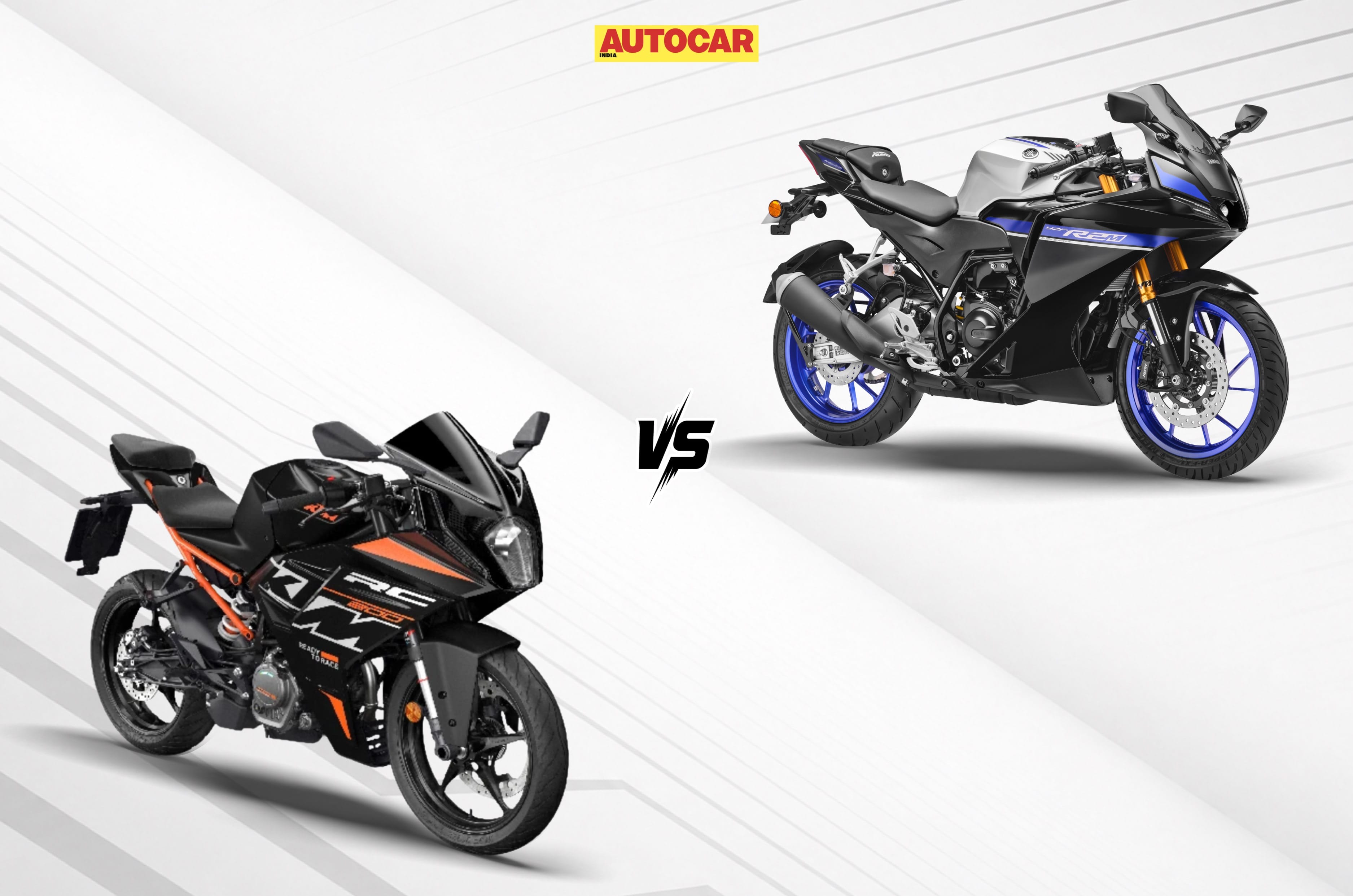
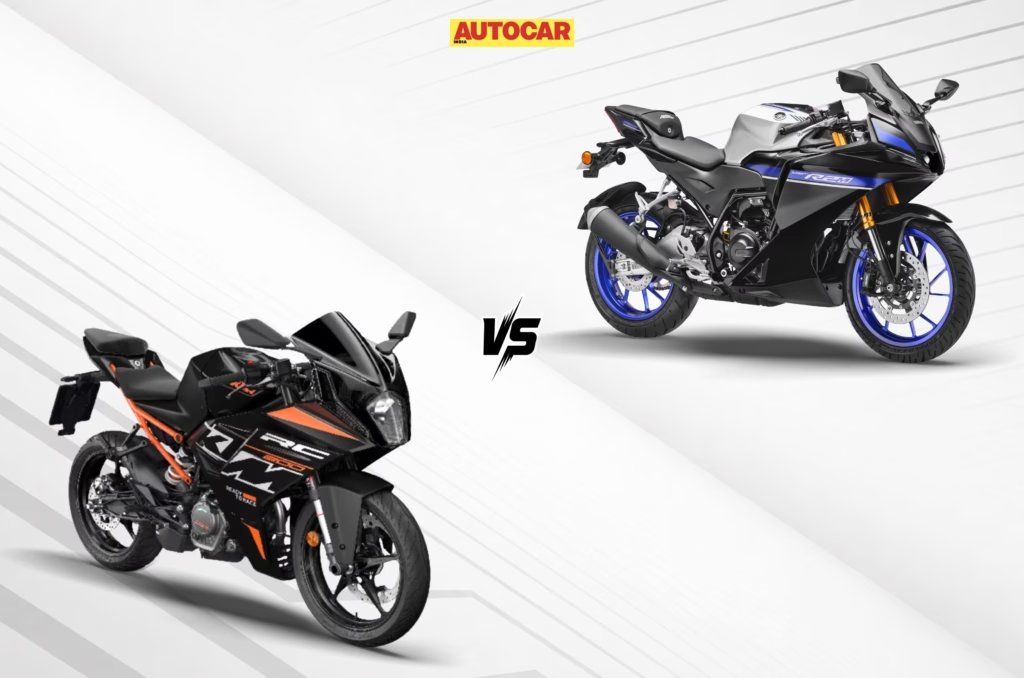
An image showing front right three quarter of the Yamaha YZF-R2 and KTM RC 200

Yamaha has just launched the YZF-R2, making their supersport line-up become plural once again. Although they sound closer to each other, the established YZF-R15 and its new big brother are further apart than you might think. So how does Yamaha’s new entry on the 200cc class compare to the tried and tested KTM RC 200? Let’s find out.

All prices mentioned here are ex-showroom, Delhi.

Yamaha YZF-R2 vs KTM RC 200: Engine and output

The Yamaha makes marginally more power and torque


Yamaha YZF-R2

KTM RC 200

Engine

204cc single-cylinder, liquid-cooled

199.5cc single-cylinder, liquid-cooled

Power

26.5hp at 10,000rpm

25hp at 10,000rpm

Torque

19.1Nm at 8,000rpm

19.2Nm at 8,000rpm

Transmission

6-speed

6-speed

Power-to-weight ratio

176.76hp/tonne

156.25hp/tonne

From the get go, the Yamaha pulls ahead by making 1.5hp more power than the KTM with a 0.1Nm less torque; both bikes deliver peak power and torque at the exact same range in the revs. However, the R2’s biggest advantage is in its 149kg kerb weight, made evident in its noticeably higher power-to-weight ratio. More on that in the next section.

Yamaha YZF-R2 vs KTM RC 200: Dimensions and weight

Yamaha continues to increase the gap


Yamaha YZF-R2

KTM RC 200

Fuel tank capacity

12 litres

13.7 litres

Ground clearance

170mm

156mm

Kerb weight

149kg (base)

150kg (mid and top)

160kg

Seat height

810mm

835mm

Wheelbase

1,340mm

NA

As we said, Yamaha’s biggest advantage comes with its 149kg, a whopping 11kg less than the KTM. That gap only increases with other dimensions, well, except for the fuel tank capacity. The R2 has a smaller fuel tank, but the KTM’s 1.7-litre larger fuel tank only justifies about 1.25kg of its added heft. In return, the R2 gives you more usable seat height and ground clearance.

Yamaha YZF-R2 vs KTM RC 200: Tyres, brakes, and suspension

KTM has (almost) all the advantage


Yamaha YZF-R2

KTM RC 200

Tyres (F/R)

100/80-17/140/70R17

110/70R17/150/60R17

Brakes (F/R)

282mm front disc/220mm rear disc

320mm front disc/230mm rear disc

Suspension (F/R)

37mm USD fork/linked monoshock

43mm USD fork/monoshock

In the handling package, the KTM pulls its trump cards. It gets bigger tyres, brakes, as well as a larger front fork. Both brands use the tried and tested radially mounted caliper at the front, with a floating caliper handling the rear stopping duties. The R2 does offer preload adjustability on both ends on the top M variant. On the RC, that’s only available at the rear.

Yamaha YZF-R2 vs KTM RC 200: Features

Yamaha offers a host of extra features

Being the newer motorcycle, it’s not a surprise that the R2 has more features but Yamaha, almost uncharacteristically, have pulled out all the stops on this front. Do note that to get the full suite, you’d have to spring for the R2 M which is currently Rs 21,000 more expensive than the RC 200. If you do, you get three ride modes (Rain, Street, Sport), a 5-inch TFT instrument cluster, assist and slipper clutch, traction control, a bi-directional quickshifter, keyless system, adjustable footpegs, and adjustable levers. The first four are standard on all three variants, with the middle variant offering the quick shifter, and the M giving you the rest. There are other cosmetic differences between the three variants as well.

On the other side, the KTM gives you a 5-inch TFT cluster, the ability to turn off rear ABS, and… that’s it. To get even close to the R2’s feature set, you’d have to look at the bigger KTM Supersport, the RC 390. Both motorcycles have the ability to connect your smartphone to unlock functionalities like call alerts, music control, and turn-by-turn navigation.

Yamaha YZF-R2 vs KTM RC 200: Price

Yamaha offers more value than the KTM


Yamaha YZF-R2

KTM RC 200

Price

Rs 2.30 lakh (base)

Rs 2.39 lakh (middle)

Rs 2.53 lakh (top)

Rs 2.32 lakh

Yamaha has priced the R2’s base variant lower than the RC 200’s one and only variant. Even then, the R2 is ahead in terms of the features and the overall value. The KTM’s case only gets weaker from there. It’s worth mentioning here that the KTM RC series have not been updated to the third generation yet, which is perhaps why the feature set hasn’t caught up. Last we checked, the next major refresh for the RC series is at least a year away.


Yamaha R2 colours image gallery

Yamaha R2 colours image gallery

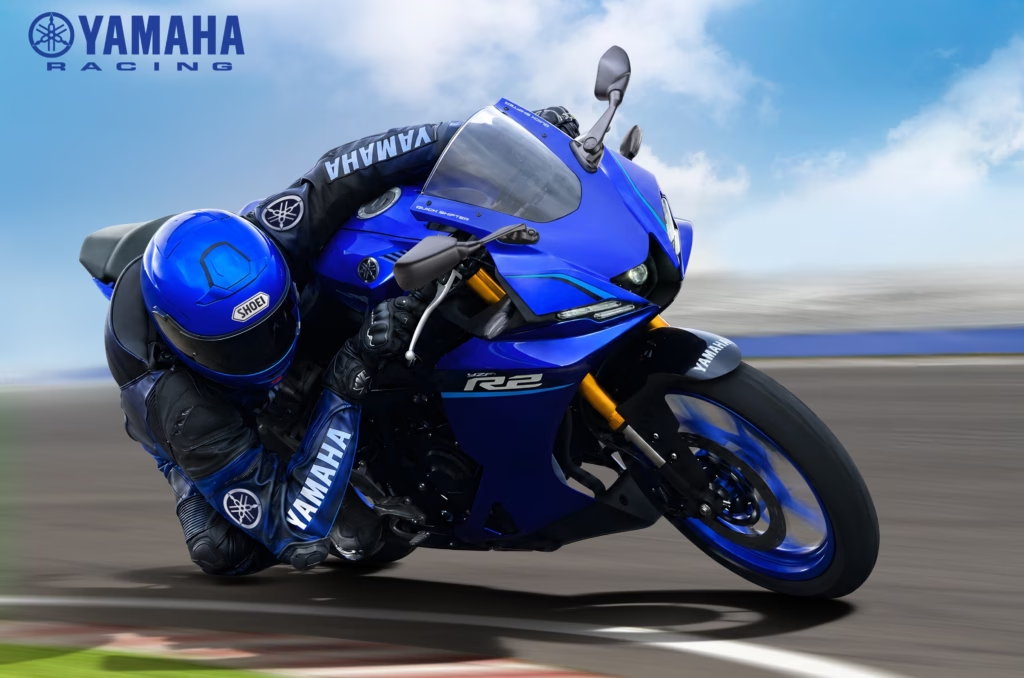
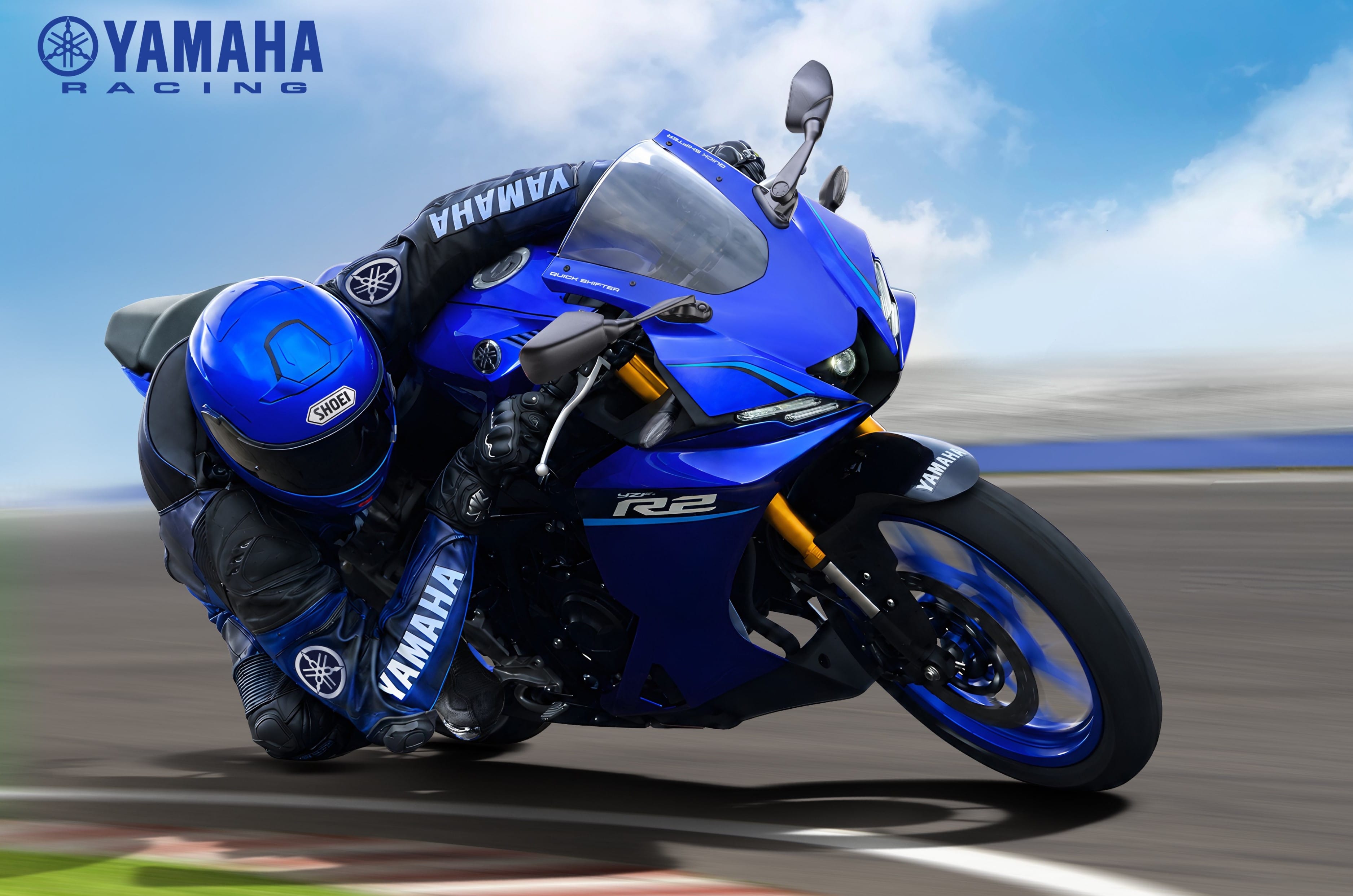
Yamaha has finally launched the YZF-R2, the much awaited follow-up to the YZF-R15. This marks the company’s brand-new launch in a really long time. The R2 gets an all-new platform with a 204cc engine. It continues to be a single-cylinder, liquid-cooled, DOHC engine as seen on the R15 but makes 26.5hp at 10,000rpm and 19.3Nm at 8,000rpm. The valves are coated with DLC (diamond-like carbon) coating, a feature seen on the erstwhile flagship YZF-R1.

Yamaha is looking to further sweeten the deal with features like ride-by-wire throttle which enables three ride modes, assist and slipper clutch, 37mm USD forks, and dual-channel ABS as standards. It continues to have features like a 5-inch TFT dash and Traction control, all seen on the R15 M. 

Yamaha has announced that the YZF-R2 will be exclusively available through their Blue Square network. The R2 starts at Rs 2.30 lakh for the base variant and Rs 2.53 lakh for the top of the line M variant. 

Yamaha R2 launched at Rs 2.30 lakh

Yamaha R2 launched at Rs 2.30 lakh

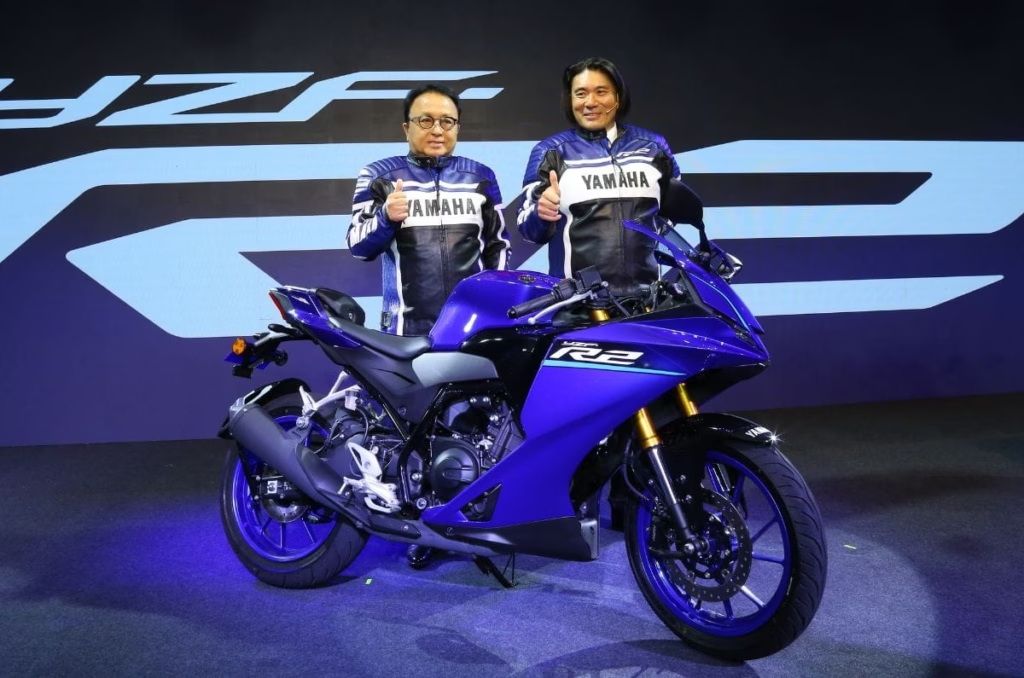
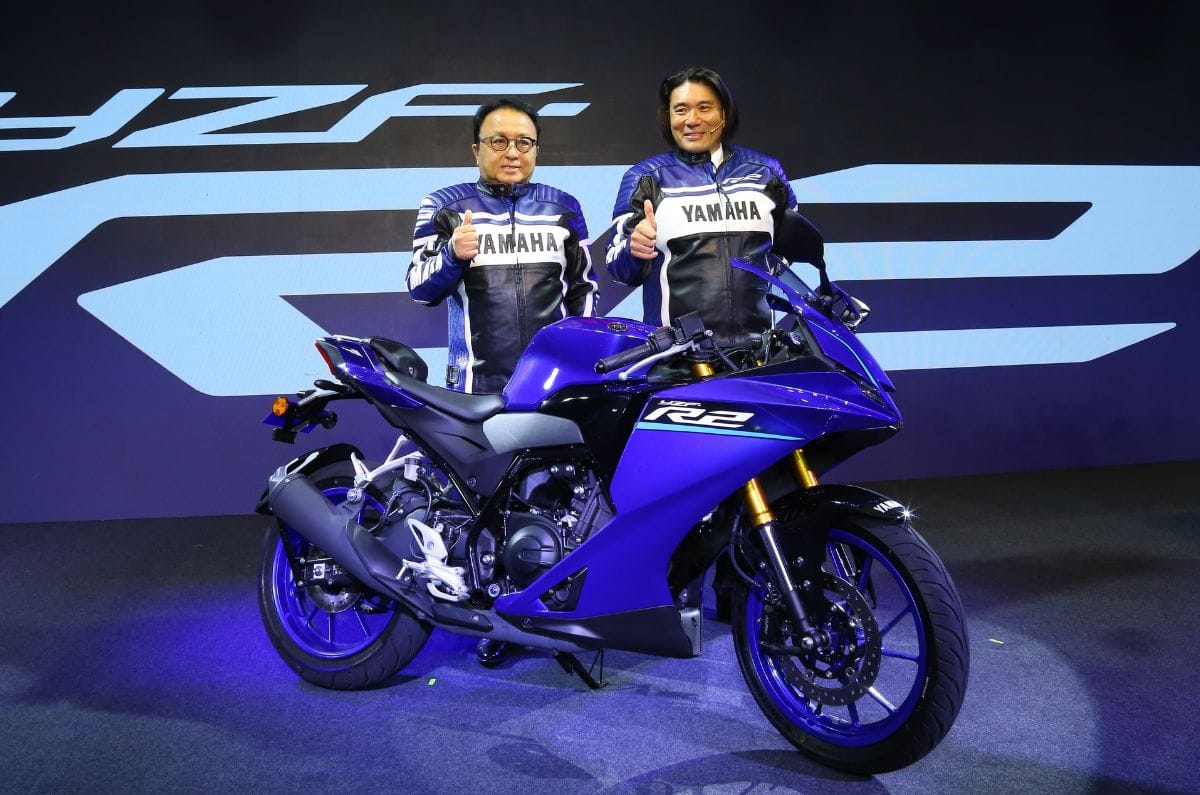
Yamaha has finally launched the YZF-R2, the much awaited follow-up to the YZF-R15. This marks the company’s brand-new launch in a really long time. Pre-bookings had already opened for Rs 10,000 with the R2 being added to the sportbike line-up. The R15 will also continue to be on sale alongside the MT-15 and the XSR 155.

  1. Yamaha’s brand-new Indian launch in a long time
  2. Powered by a 204cc single-cylinder, liquid-cooled engine
  3. Makes slightly more power than rivals

Yamaha R2: What’s new from the R15?

Brand new engine and multiple new features

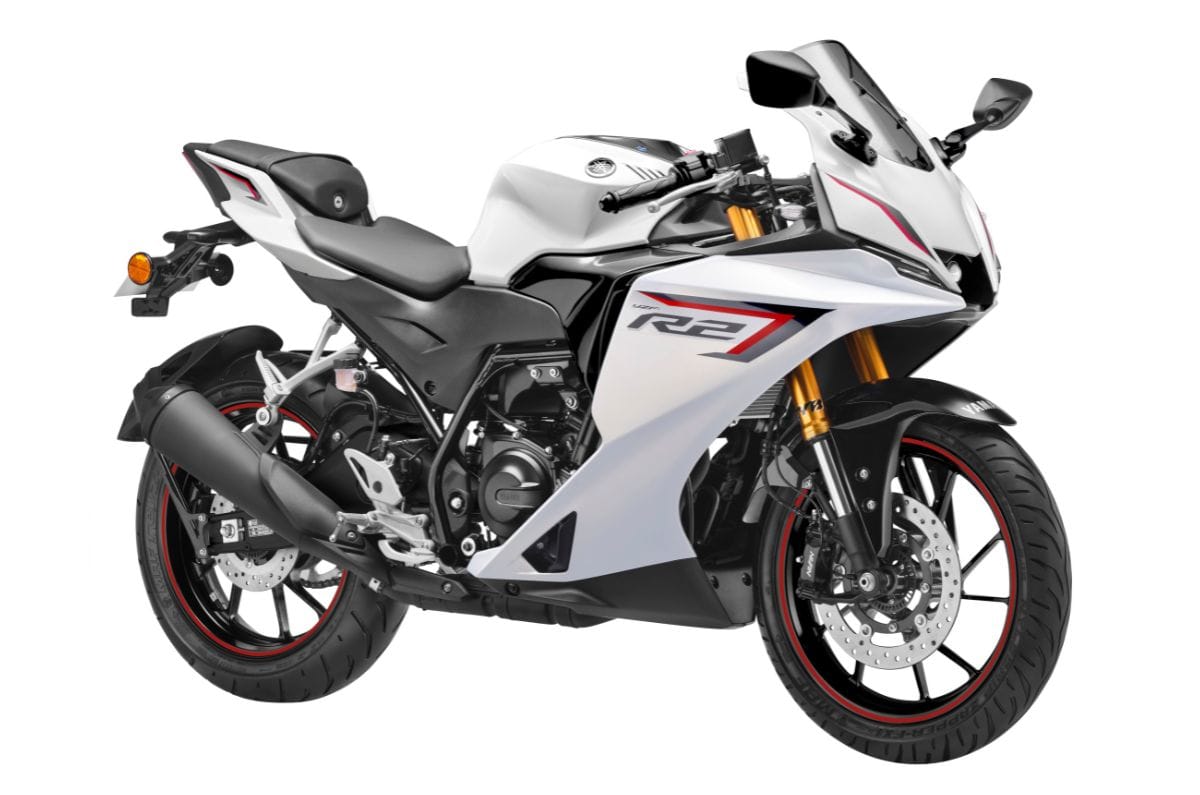
The R2 gets an all-new platform with a brand-new 204cc engine. It continues to be a single-cylinder, liquid-cooled engine as seen on the R15 but makes 26.5hp at 10,000rpm and 19.3Nm at 8,000rpm. However, it comes with a DOHC setup as opposed to SOHC on the R15, and it misses out on Variable Valve Actuation (VVA) that the 155cc engine is known for. The valves on the R2 are coated with DLC (diamond-like carbon), also seen on the erstwhile flagship YZF-R1. Yamaha reports a seat height of 810mm and a kerb weight of 149kg, making the R2 the lightest of its segment. In addition to the significant weight advantage, the R2 also makes slightly more power and similar torque to its rivals, KTM RC 200 and Hero Karizma XMR.

Yamaha YZF-R2: Features and variants

Three variants in a Rs 23,000 range

Yamaha is looking to further sweeten the deal with features like ride-by-wire throttle which enables three ride modes, assist and slipper clutch, 37mm USD forks, and dual-channel ABS as standard. It continues to have features like a 5-inch TFT dash and Traction control, all seen on the R15 M. The second variant steps it up by offering a segment-first bi-directional quickshifter and body coloured alloy wheels. The range topping R2 M variant adds preload adjustable front and rear suspension, adjustable brake and clutch levers, faux-suede seat, and a smart keyless system. All three variants get their own distinct colours.

Yamaha has announced that the YZF-R2 will be exclusively available through their Blue Square network. The R2 starts at Rs 2.30 lakh for the base variant and Rs 2.53 lakh for the top of the line M variant; both prices are ex-showroom, Delhi. Pre-bookings are already open, with deliveries starting mid-September. 
 

5 things to know before buying the Honda Rebel 300

5 things to know before buying the Honda Rebel 300
Honda Rebel 300

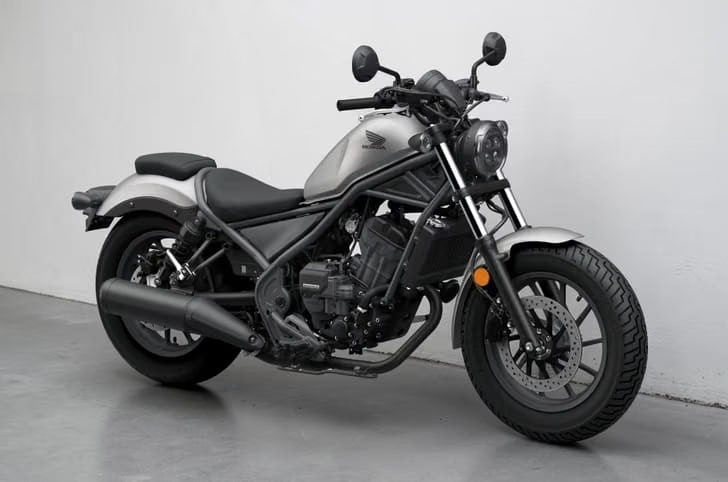
The Honda Rebel 300 is the first model in the Rebel family to be manufactured locally and acts as the brand’s most accessible cruiser motorcycle here. Built around a bobber-style design with a teardrop fuel tank, round LED headlamp and short exhaust, it is sold exclusively through Honda BigWing dealerships. Here are answers to some of the most commonly asked questions about it.

What is the price of the Honda Rebel 300?

The Honda Rebel 300 is available in two variants. The Standard variant is priced at Rs 2.22 lakh and the E-Clutch variant at Rs 2.62 lakh – a Rs 40,000 premium for the automated clutch system. At Rs 2.22 lakh, the Standard variant undercuts the Royal Enfield Goan Classic 350 (Rs 2.25-2.28 lakh, ex-showroom, Chennai), one of the few other bobber-styled motorcycles currently on sale in India.

What engine does the Honda Rebel 300 use?

The Honda Rebel 300 is powered by a 286cc single-cylinder, liquid-cooled engine producing 30hp and 27.5Nm of torque, paired with a 6-speed gearbox. This is the same engine that powered the CB300R previously sold in our market.

What features does the Honda Rebel 300 have?

Both variants of the Rebel 300 get a circular TFT instrument display with Honda RoadSync connectivity and turn-by-turn navigation, full LED lighting and dual-channel ABS. The E-Clutch variant additionally allows the rider to configure the clutch system via the TFT display.

What is the Honda Rebel 300 E-Clutch and how does it work?

Honda’s E-Clutch is an electronically automated clutch system that uses actuators to operate the clutch automatically, allowing the rider to change gears without using the clutch lever. It does not make the Rebel 300 a fully automatic motorcycle, as the rider still selects gears manually using the gear lever. However, the system handles clutch engagement and disengagement on its own.

Importantly, the clutch lever is retained and can be used manually whenever the rider chooses. The system is designed to reduce rider fatigue in stop-and-go traffic while making the bike more accessible for those who find operating a clutch lever demanding.

What is the seat height and weight of the Honda Rebel 300?

The Honda Rebel 300 has a seat height of 690mm, making it one of the lowest motorcycles currently on sale in our market. This uld make it exceptionally accessible for a wide range of riders. The upright handlebar and forward-set footpegs complement the low t to create a relaxed, unhurried riding position. Kerb weight is 172kg and fuel tank capacity is 11 litres.

Which variant of the MG Hector Tomahawk PHEV should you buy?

Which variant of the MG Hector Tomahawk PHEV should you buy?

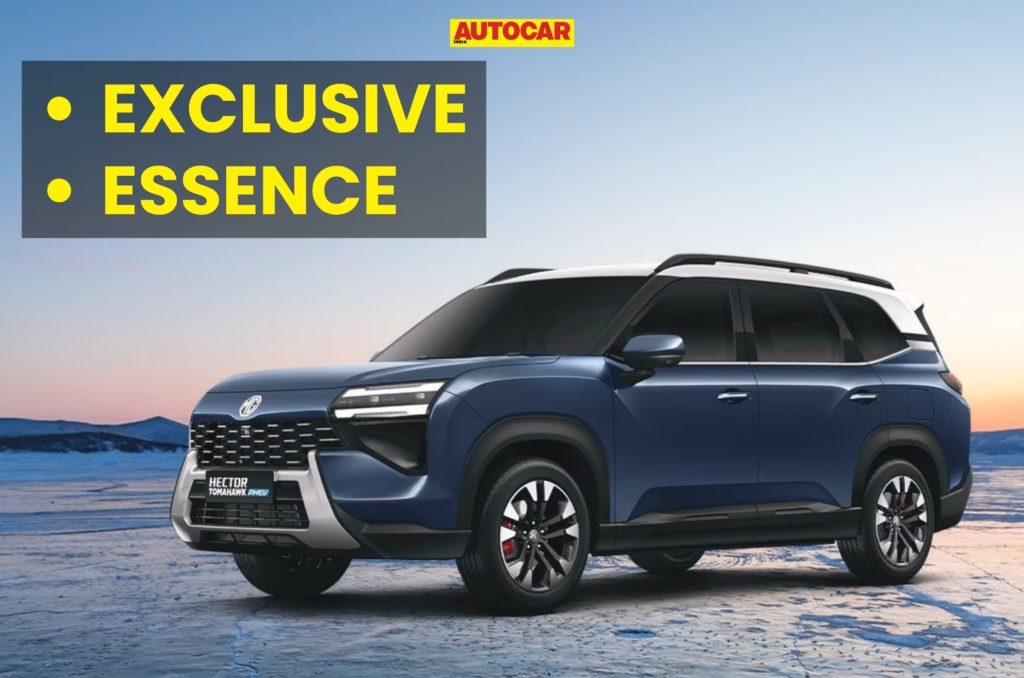
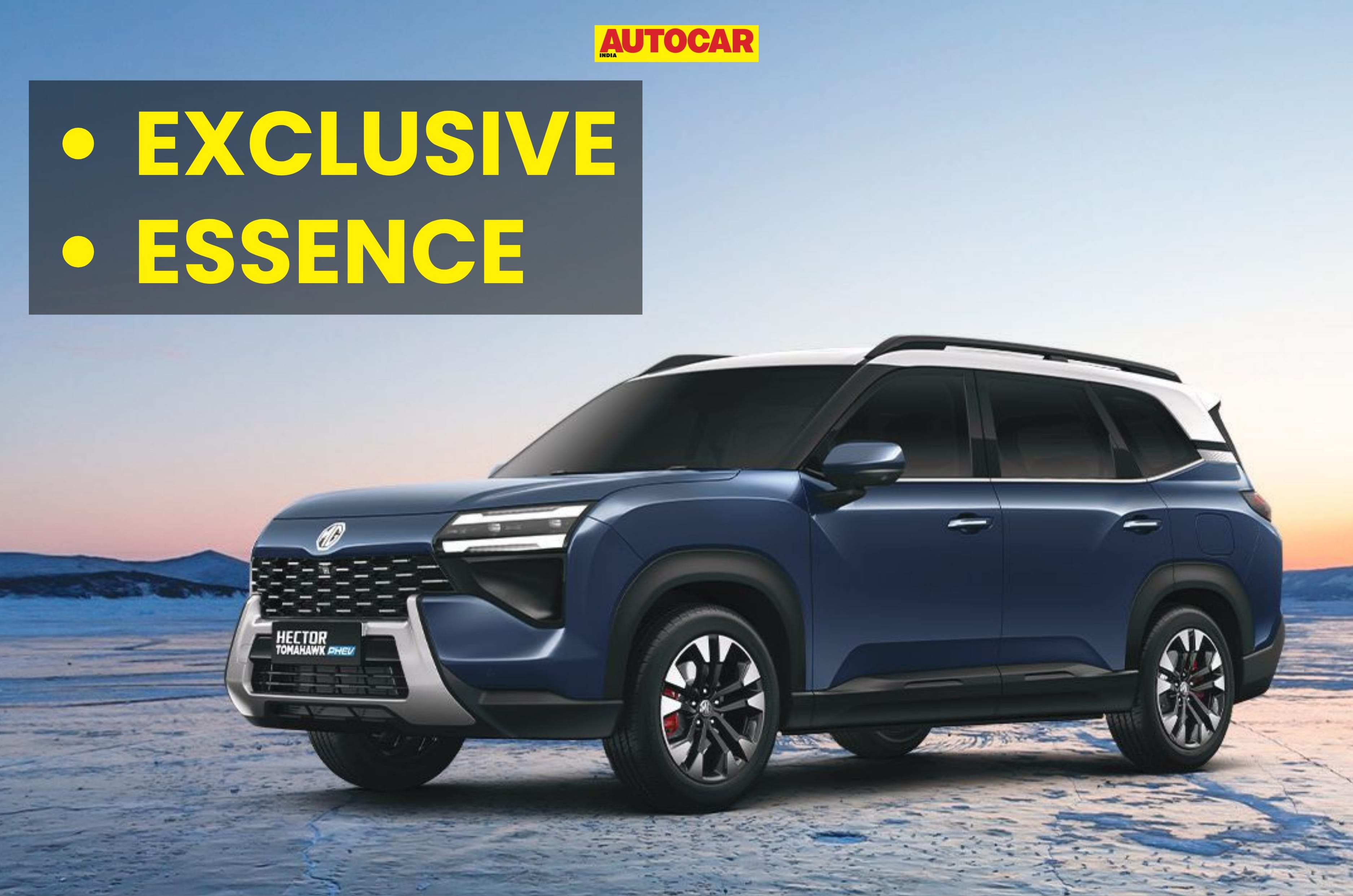
MG has launched the Hector Tomahawk PHEV as the first mass-market plug-in-hybrid (PHEV) car in India, priced from Rs 25.70 lakh (ex-showroom). It is offered in two trims: Exclusive and Essence, and like other MG cars, it is equipped with a plethora of modern-day features. If you are interested in the MG Hector Tomahawk PHEV, which variant should you choose? Let us find out.  

MG Hector Tomahawk PHEV powertrain options and prices

Both Hector Tomahawk PHEV variants get the same 1.5L engine and 20.5kWh battery

The MG Hector Tomahawk PHEV is offered with a 1.5-litre naturally aspirated petrol engine producing 102hp and 125Nm. It gets a 20.5kWh battery pack powering an electric motor producing 201hp and 237Nm. The battery pack has an indicative claimed range of 115km, and combined with the petrol engine, it could have a total range of around 1,100km. Both the Exclusive and Essence variants are offered with the same powertrain. 

MG Hector Tomahawk PHEV variant-wise BaaS, non-BaaS prices


Hector Tomahawk PHEV Exclusive

Hector Tomahawk PHEV Essence

Non-BaaS price

Rs 25.70 lakh

Rs 27.80 lakh 

BaaS price

Rs 21.79 lakh + Rs 3.2 per km*

Rs 23.89 lakh + Rs 3.2 per km*

*Rs 3.2 per km is charged as the battery rental fee for the battery-as-a-service (BaaS) scheme.

MG Hector Tomahawk PHEV variant-wise features

Exclusive

Price: Rs 25.70 lakh (or Rs 21.79 lakh + Rs 3.2 per km with BaaS)

  • Automatic LED projector headlights
  • LED taillights
  • LED DRLs
  • Rear LED fog lamps
  • Illuminated MG logo at the front
  • 18-inch alloy wheels
  • ORVM-mounted turn indicators
  • Glass antenna
  • Roof rails
  • Rear spoiler
  • Chrome finish on window beltline and door handles
  • Black body cladding on side and wheel arches
  • Brown and grey interior
  • Blue ambient lighting
  • 12.8-inch touchscreen infotainment system
  • 6-speaker sound system
  • Wireless Android Auto and Apple CarPlay support
  • 8.8-inch digital driver’s display
  • Panoramic sunroof
  • 6-way powered driver’s seat
  • 4-way powered co-driver’s seat
  • Ventilated front seats
  • Powered tailgate
  • 50W wireless phone charger
  • Leatherette seat upholstery
  • Leatherette materials on steering wheel and door pads
  • Drive modes: Eco, Normal, Sports, Custom
  • Rain-sensing wipers
  • PM2.5 air filter
  • Push-button start/stop
  • Powered ORVMs
  • Steering-mounted audio controls
  • Tilt and telescopic adjustable steering column
  • Cruise control
  • 2nd row features: 60:40 split, seat recline, one-touch tumble, centre armrest with cupholders
  • 3rd row features: 50:50 split
  • USB Type-A and Type-C chargers in 1st and 2nd rows
  • All four power windows with one-touch up/down and anti-pinch functions
  • Rear wiper and washer
  • Pet mode, Nap mode and Camp mode
  • Connected car technology
  • 6 airbags
  • 360-degree camera with under-bonnet and wheel views
  • Digital rearview monitor
  • Reverse parking sensors
  • All four disc brakes
  • Electronic parking brake with auto hold
  • TPMS
  • Front and rear defogger
  • ISOFIX child seat anchors
  • Hill hold control
  • Traction control
  • ESP
  • ABS+EBD


Essence (features over Exclusive)

Price: Rs 27.80 lakh (or Rs 23.89 lakh + Rs 3.2 per km with BaaS)

  • 15.6-inch touchscreen infotainment system
  • 10-speaker Infinity sound system
  • Rear window sunshades
  • Driver’s seat memory and welcome/exit retract functions
  • V2L, V2V and V2H charging support
  • Level-2 ADAS
  • Auto-dimming IRVM
  • Front parking sensors
  • 256-colour ambient lighting 
  • Red brake callipers
  • Sequential turn indicators

Which MG Hector Tomahawk PHEV variant should you buy?

We recommend the entry-spec Essence variant, as it is offered with a lot of modern-day features like a 12.8-inch touchscreen infotainment system, a panoramic sunroof, a powered tailgate and a 360-degree camera. It also costs Rs 2.10 lakh less than the top-spec Essence, making it the more value-for-money Hector Tomahawk PHEV variant. 

Prices are ex-showroom, India.

KTM 390 Adventure now gets unique colours

KTM 390 Adventure now gets unique colours

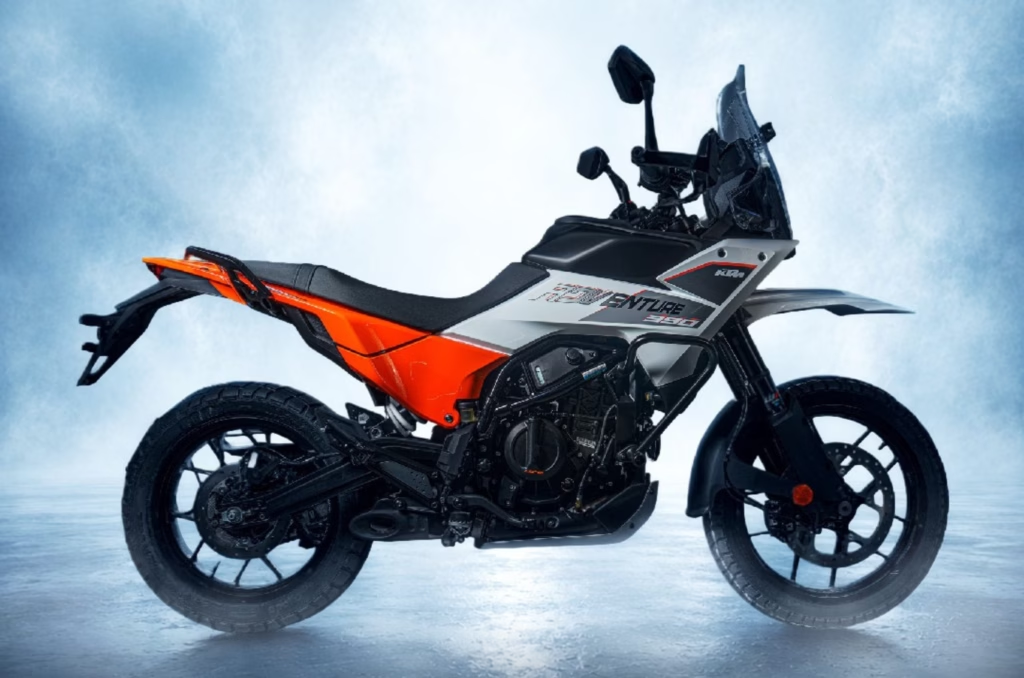
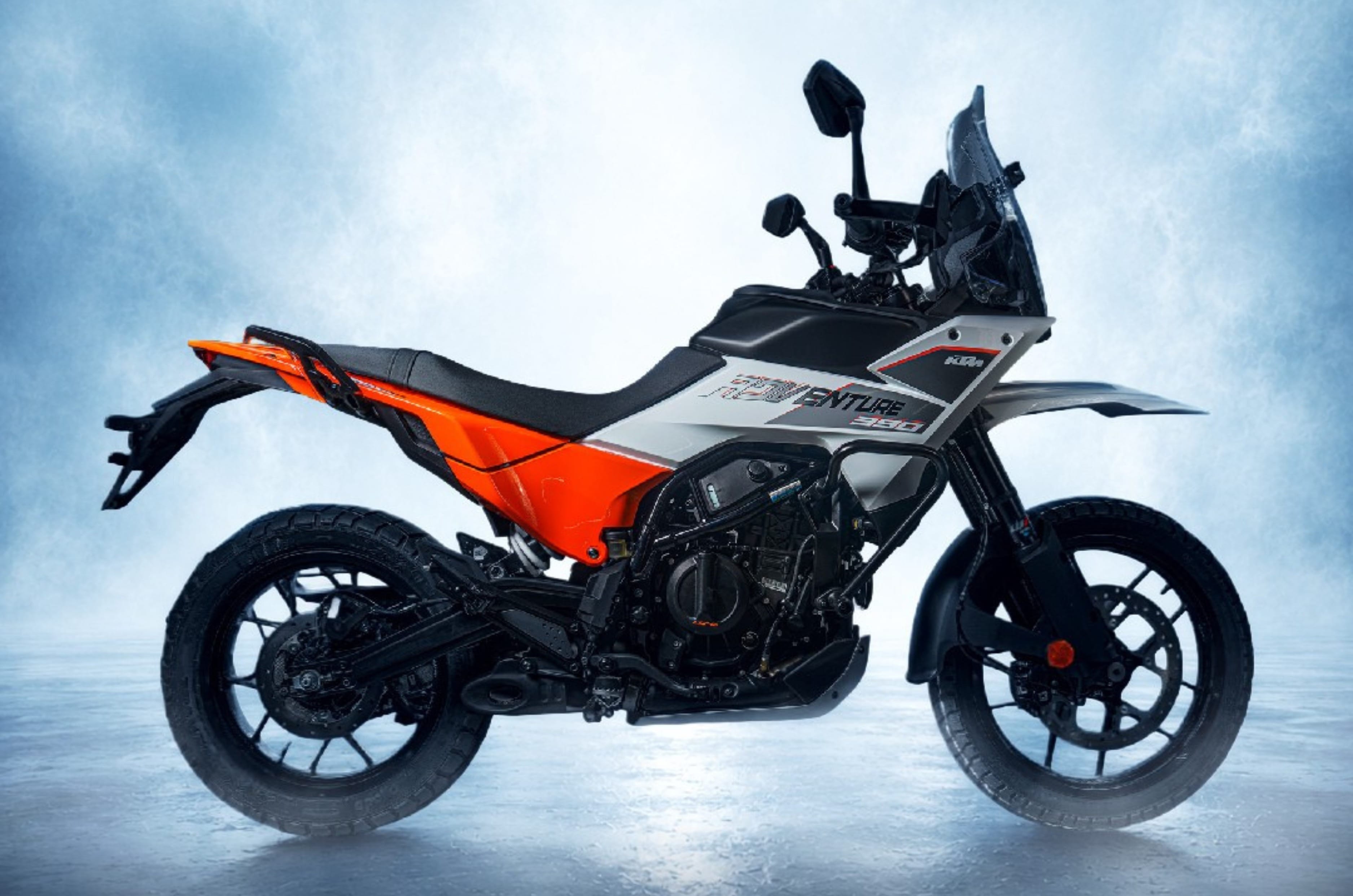
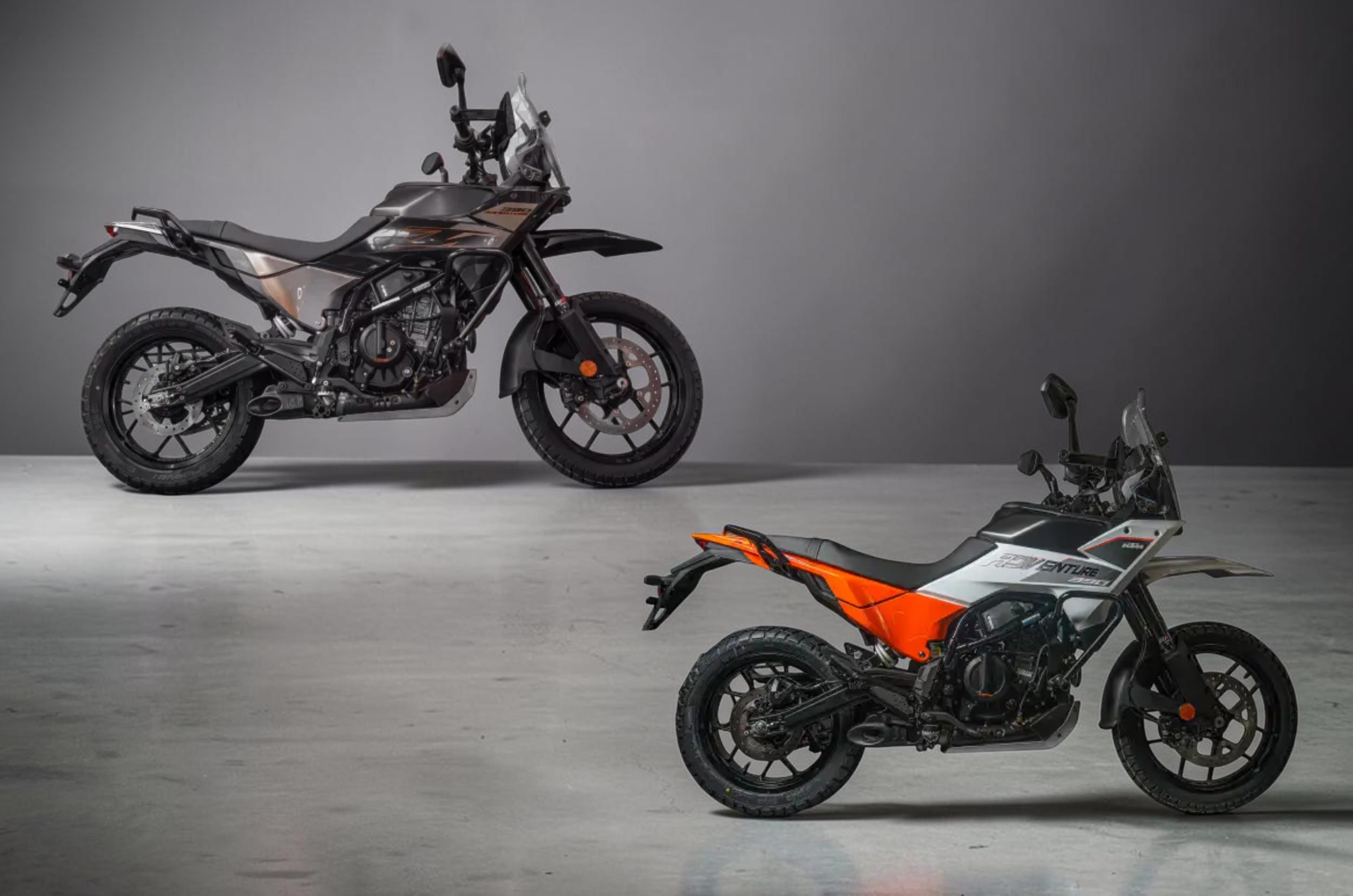
KTM has launched a new Arctic Flare colourway for the 349cc 390 Adventure, priced at Rs 2.88 lakh (ex-showroom). The colour was spotted just a day or two ago, and we reported on it at the time. It has now officially been added to the lineup replaces the earlier colour.

  1. New colour priced at Rs 2.88 lakh
  2. 349cc 390 Adventure gets unique colourways and graphics
  3. Only two colours on offer, both priced identically

When the 349cc 390 Adventure was launched, it came with the same body panels as the 399cc 390 Adventure S, while using the 19-inch alloy wheels from the 390 Adventure X. That is no longer the case now, the 349cc 390 Adventure now gets colourways unique to the model, helping distinguish it from the full-fat 399cc 390 Adventure range.

There are only two colours available: Ebony Black and the new Arctic Flare. Both are priced at Rs 2.88 lakh (ex-showroom).

The differentiation extends to the graphics as well. The ‘Adventure’ lettering is in a completely different style on the 349cc bike, giving it a distinct visual identity rather than simply making it look like a smaller-capacity version of the 399cc 390 Adventure.

There are no mechanical changes to the motorcycle. It continues with its 349cc single-cylinder engine and 19-inch front and 17-inch rear alloy wheels.

With the new colourways and graphics, KTM has now given the 349cc 390 Adventure a clearer identity of its own, setting it apart from the 399cc 390 Adventure X, R and S.

Porsche 911 GTS vs MG Cyberster: Quarter mile race

Porsche 911 GTS vs MG Cyberster: Quarter mile race
Porsche-911-vs-MG-Cyberster

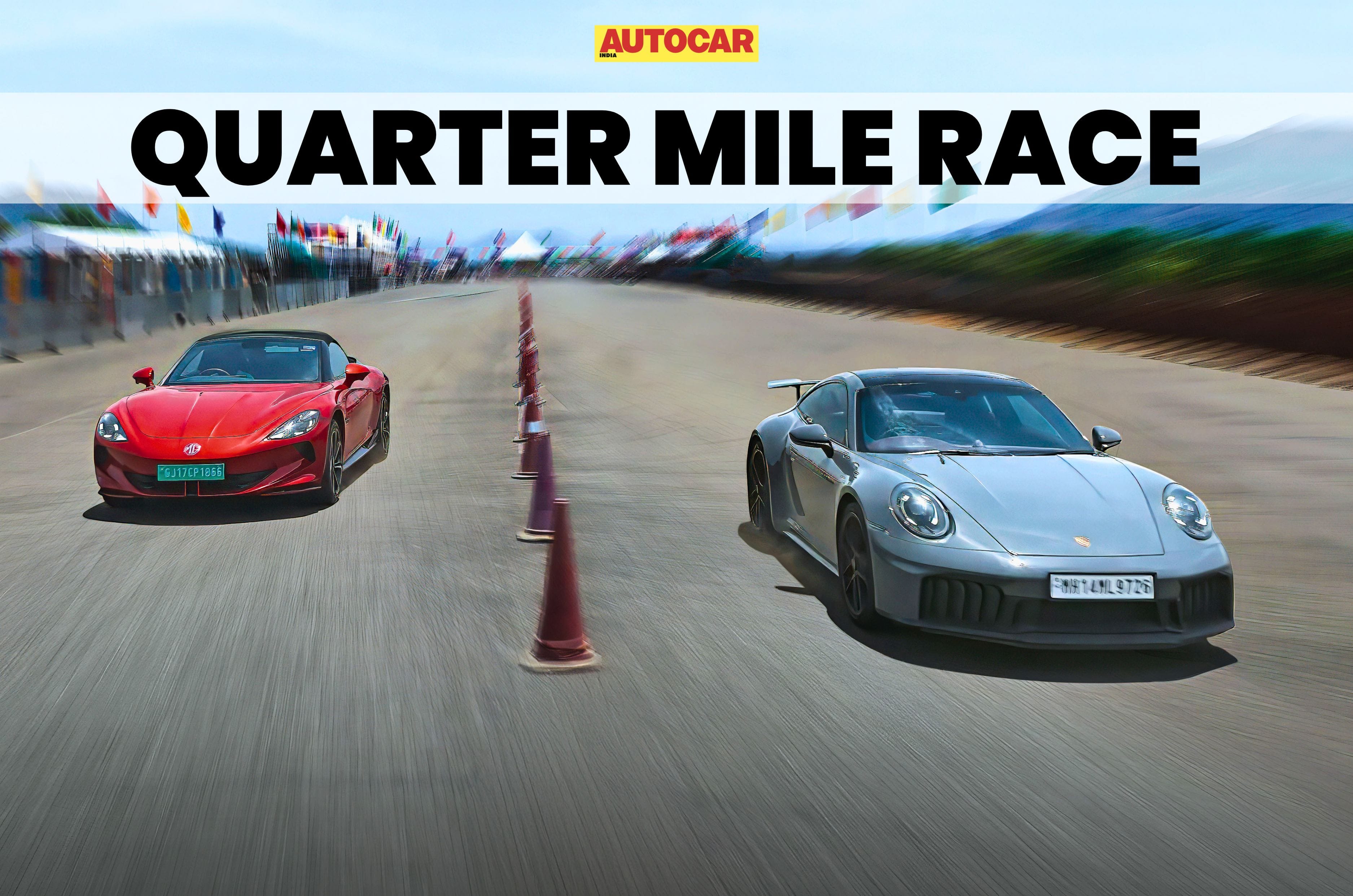
There’s no simpler way to compare one car’s performance to another than with a head-to-head quarter-mile race. And in this edition of Autocar India’s quarter-mile racing series, we’ve saved the best for last – Porsche 911 GTS T-hybrid vs MG Cyberster. On one side we have the most definitive and quintessential sports car in the form of the 911, while on the other side, the electric Cyberster represents the cutting-edge future. Let’s find out which one is quicker down the drag strip. 

Porsche 911 GTS vs MG Cyberster: Powertrain and specs 

Model 

Porsche 911 GTS 

MG Cyberster 

Powertrain 3,951cc flat-six petrol + electric motor77kWh battery, dual electric motors
Drive layout All-wheel drive All-wheel drive 
Power 541hp510hp
Torque 610Nm 725Nm 
Gearbox8-speed DCT 1-speed 
Weight 1,645kg 1,985kg 

The 911 and the Cyberster couldn’t be more different on the powertrain front. The Porsche uses a 3.6-litre flat-six turbo-petrol engine that’s coupled to an electric motor for a combined output of 541hp and 610Nm of torque. The MG, meanwhile, is powered by a 77kWh battery pack and two electric motors (one on each axle) for a total output of 510hp and 725Nm of torque. 

The MG is slightly down on power but has considerably higher torque than the Porsche. And while both get all-wheel drive to help with traction, the 911 has a 340kg weight advantage over the Cyberster. 

Porsche 911 GTS vs MG Cyberster: Drag race 

Model 

Porsche 911 GTS 

MG Cyberster 

Round 1

10.93 seconds 

11.63 seconds

Round 2

10.86 seconds 

11.54 seconds 

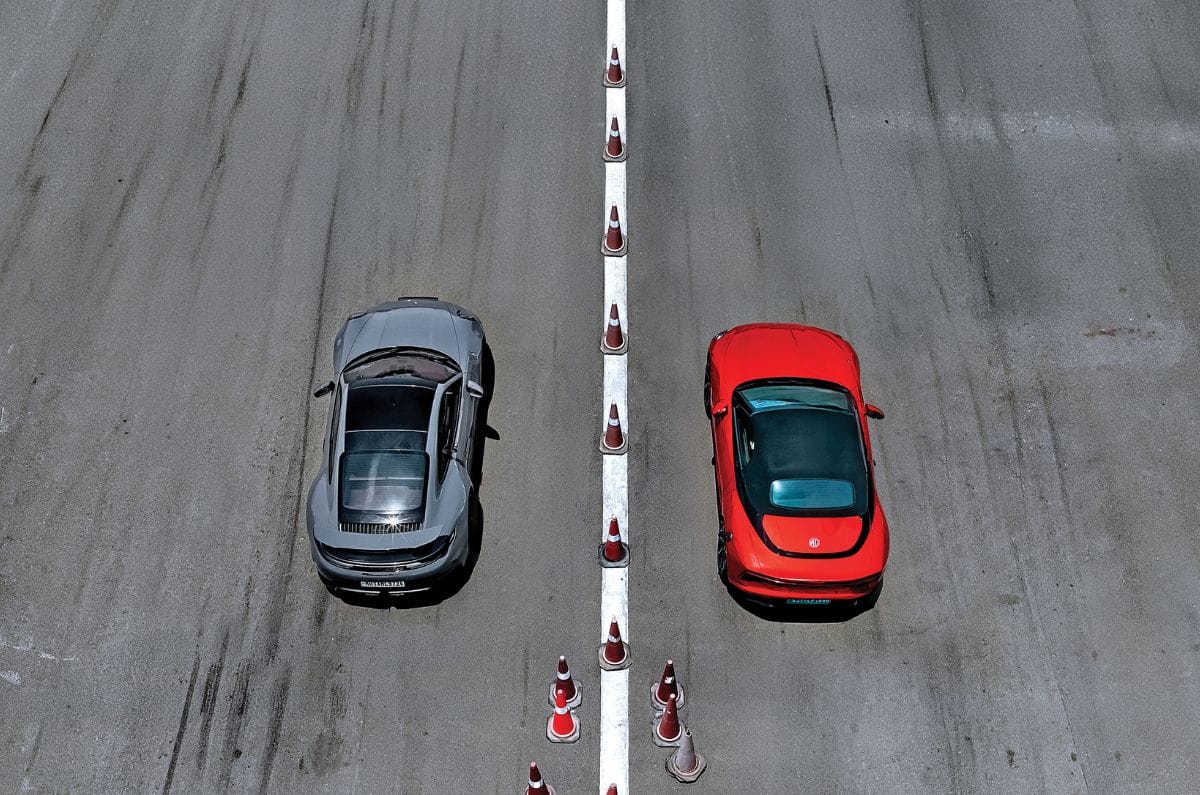
In race 1, both the 911 and Cyberster get off the line ferociously, but once the Porsche gets into its stride, it’s hard to catch. With the Cyberster seemingly maxing out at 170kph, the 911 keeps widening the gap till the end.

In race 2, the MG gets off the line better and even manages to pull an early lead. However, the Porsche manages to quickly reel it in and then breezes past it. Both cars improve on their race 1 times, and by the time they reach the finish line, the 911 has set the fastest-ever time at our drag races. The Porsche wins both races by around seven tenths, which is hugely impressive.

But just to put things into perspective, the Porsche costs Rs 2.82 crore, while the MG is priced at Rs 82.49 lakh (ex-showroom) – less than a third of the Porsche. While that’s some serious bang for your buck, the good old combustion power still seems to have the edge in performance.  

Autocar India’s testing standards

Before we conduct our performance tests, we check and maintain tyre pressures based on the manufacturer’s recommendations and ensure the car has a full tank of fuel. The car is then tested in a controlled environment, and the data is collected via highly accurate GPS-based timing equipment.

With inputs from Saptarshi Mondal 

Delhi Lakshmi Yojana First Installment: कंफर्म हो गया, 26 अगस्त को लक्ष्मी योजना की जारी होगी पहली किस्त, ऐसे चेक करें स्टेटस

Delhi Lakshmi Yojana First Installment: दिल्ली की महिलाओं के लिए एक बड़ी खुशखबरी सामने आई है। दिल्ली सरकार की महत्वाकांक्षी दिल्ली लक्ष्मी योजना की पहली किस्त 26 अगस्त को जारी होने जा रही है। दिल्ली की मुख्यमंत्री रेखा गुप्ता बुधवार को एक भव्य कार्यक्रम के दौरान लाभार्थियों के खातों में 2500 रुपये की पहली किस्त ट्रांसफर करेंगी। इस योजना की शुरुआत दिल्ली में महिलाओं को आर्थिक रूप से सशक्त, आत्मनिर्भर और स्वावलंबी बनाने के उद्देश्य से की गई है।

तालकटोरा स्टेडियम में भव्य कार्यक्रम, 2500 महिलाओं को मिलेगी किस्त

इस योजना की पहली किस्त जारी करने के लिए दिल्ली सरकार द्वारा तालकटोरा स्टेडियम में एक भव्य कार्यक्रम का आयोजन किया जा रहा है। यह कार्यक्रम 26 अगस्त की सुबह 11 बजे शुरू होगा। इस विशेष समारोह में लगभग 2500 महिलाओं को सांकेतिक रूप से पहली किस्त दी जाएगी। आपको बता दें कि दिल्ली लक्ष्मी योजना 1 अगस्त से प्रभावी हुई थी और अब तक इस योजना के तहत 6 लाख से अधिक महिलाओं ने अपना पंजीकरण कराया है।

2500 रुपये का पूरा गणित: बैंक खाते और एफडी/आरडी का नियम

दिल्ली लक्ष्मी योजना के तहत पात्र महिलाओं को हर महीने 2500 रुपये की वित्तीय सहायता प्रदान की जानी है। ये मदद 1 सितंबर से लाभार्थियों के बैंक खातों में जमा होना शुरू हो जाएगी। हालांकि इस 2500 रुपये की राशि को पूरा का पूरा अकाउंट में नहीं भेजा जाएगा। बाय डिफॉल्ट 2500 रुपये में से 1500 रुपये लाभार्थी महिला के RD या फिक्स्ड डिपॉजिट (खाते में जमा किए जाएंगे। बाकी 1000 रुपये लाभार्थी के उस बैंक खाते में ट्रांसफर किए जाएंगे जो सेंट्रल बैंक डिजिटल करेंसी वॉलेट से जुड़ा होगा। आरडी या एफडी में जमा की गई राशि पर 31 जुलाई 2029 तक लॉक-इन पीरियड लागू रहेगा।

अगर कोई लाभार्थी महिला चाहे तो वह पूरी 2500 रुपये की राशि को भी एफडी या आरडी में जमा करने का विकल्प चुन सकती है, जिस पर भी समान समय तक लॉक-इन पीरियड लागू रहेगा।

ऐसे चेक करें अपनी एप्लीकेशन का स्टेटस

अगर आपने दिल्ली लक्ष्मी योजना के लिए आवेदन किया है और अपने आवेदन की स्थिति देखना चाहते हैं, तो इन आसान स्टेप्स का पालन कर सकते हैं:

  • सबसे पहले दिल्ली लक्ष्मी योजना के आधिकारिक पोर्टल dly.delhi.gov.in पर जाएं।
  • होमपेज पर दिखाई दे रहे Track Application विकल्प पर क्लिक करें।
  • इसके बाद आपके सामने एक नया पेज खुलेगा, जहां आपको अपना पंजीकृत मोबाइल नंबर, जन्म तिथि और स्क्रीन पर दिखाई दे रहा कैप्चा डालना करना होगा।
  • सभी जानकारी भरने के बाद Sign In बटन पर क्लिक करें। इसके बाद आपके आवेदन का स्टेटस स्क्रीन पर प्रदर्शित हो जाएगा।

क्या अभी भी किया जा सकता है आवेदन?

जो महिलाएं अभी तक इस योजना में आवेदन नहीं कर सकी हैं, वे पोर्टल पर जाकर कभी भी आवेदन कर सकती हैं। दिल्ली लक्ष्मी योजना के लिए आवेदन प्रक्रिया पूरे साल खुली रहेगी। इसके लिए महिलाएं dly.delhi.gov.in/Account/Login पर जाकर आवेदन कर सकती हैं। हर महीने की अंतिम तारीख को उस महीने मिलने वाले आवेदनों के लिए कट-ऑफ तारीख माना जाएगा। इसके बाद स्वीकृत होने वाले पात्र आवेदनों को अगले महीने से योजना का लाभ दिया जाएगा।

कौन कर सकता है आवेदन? पात्रता और शर्तें

दिल्ली लक्ष्मी योजना का लाभ उठाने के लिए सरकार ने कुछ जरूरी पात्रता मापदंड तय किए हैं-

  • आवेदन जमा करने की तिथि पर महिला की आयु 21 से 60 वर्ष के बीच होनी चाहिए और वह अपने परिवार की सबसे बड़ी महिला सदस्य होनी चाहिए।
  • परिवार की वार्षिक आय 2.5 लाख रुपये से अधिक नहीं होनी चाहिए।
  • महिला दिल्ली की पंजीकृत मतदाता होनी चाहिए। इसके अलावा आवेदक, उसके पति या उसके माता-पिता में से कोई भी आवेदन की तिथि पर कम से कम 10 वर्षों से दिल्ली का निवासी होना चाहिए।
  • पिछले 12 महीनों के दौरान परिवार की बिजली की खपत 2400 यूनिट से अधिक नहीं होनी चाहिए।

कौन नहीं होगा पात्र?

  • सरकारी पेंशन या नियमित वित्तीय सहायता प्राप्त करने वाली महिलाएं इस योजना के लिए पात्र नहीं हैं।
  • आयकरदाता, जीएसटी भरने वाले, सरकारी कर्मचारी और जन प्रतिनिधि इस योजना से बाहर रखे गए हैं।
  • अगर आवेदक या उसके परिवार का कोई सदस्य चार पहिया वाहन का मालिक है या सरकार, सार्वजनिक क्षेत्र के उपक्रम, बोर्ड या स्थानीय निकाय में काम करता है तो लाभ नहीं मिलेगा।
  • जिन आवेदकों के 3 से अधिक बच्चे हैं या जिनका आपराधिक रिकॉर्ड है, वे भी इस योजना की शर्तों के तहत अपात्र हैं।

यह भी पढ़ें: Gold Silver Prices Today: दिल्ली में सोने में तूफानी तेजी जारी, चांदी 3500 रुपये फिसली