Honda Rebel 300 Price and variants explained

Honda Rebel 300 Price and variants explained
Honda Rebel 300

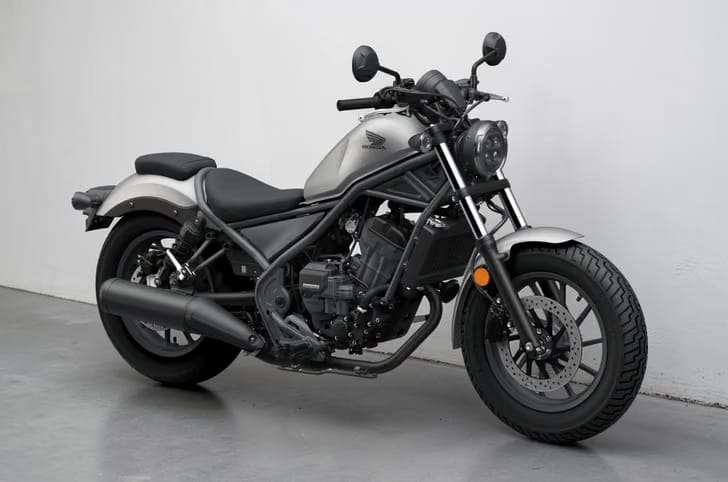
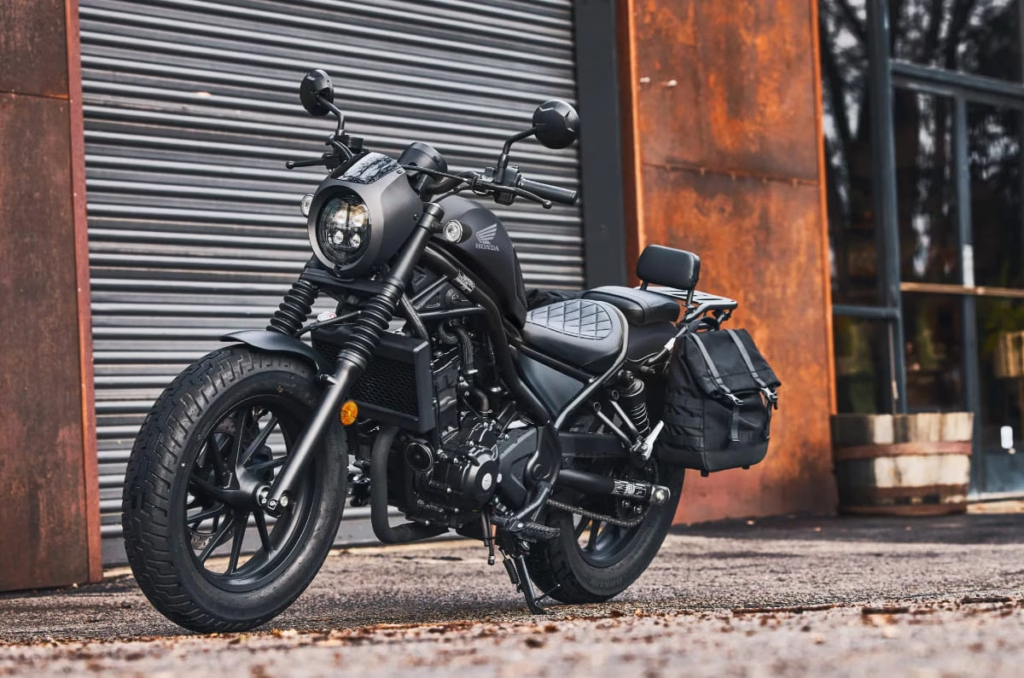
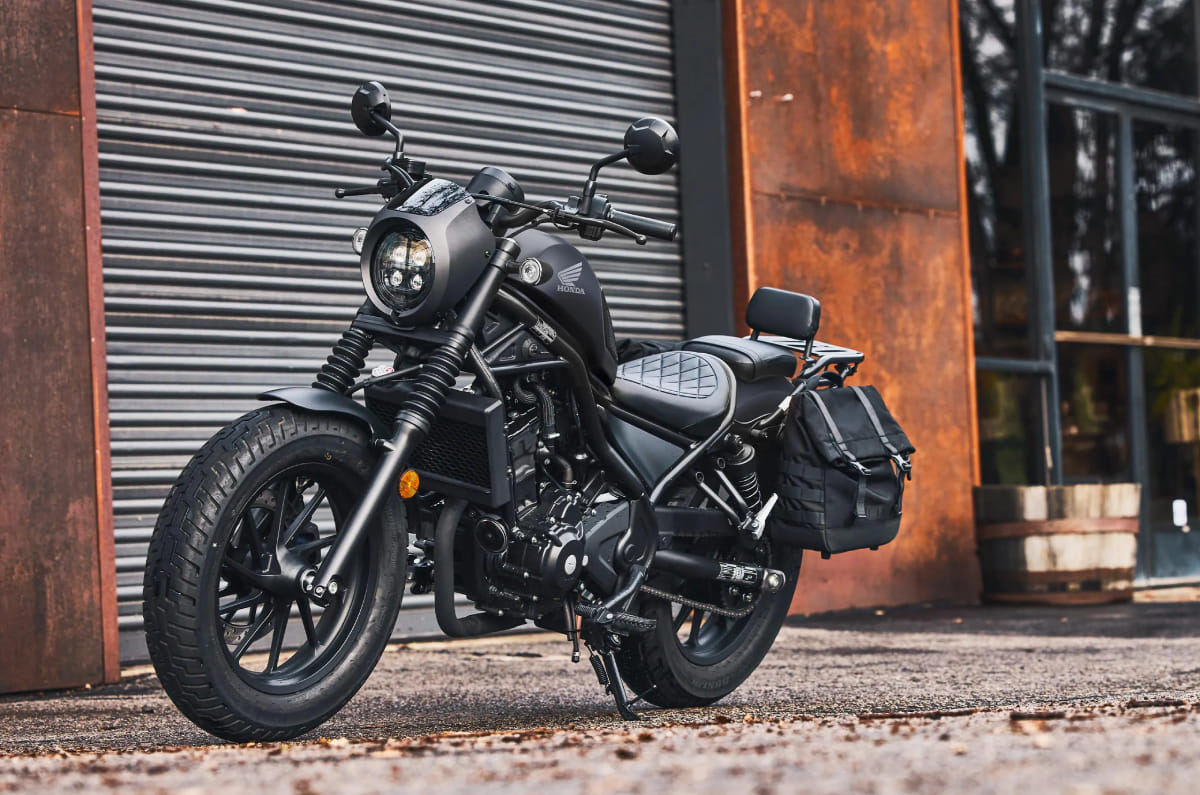
The Honda Rebel 300 is available in two variants – Standard and E-Clutch – both of which share the same 286cc liquid-cooled single-cylinder engine, chassis, styling and feature set.

Honda Rebel 300 variant breakdown

Standard

The Rebel 300 Standard is powered by a 286cc liquid-cooled single-cylinder engine producing 30hp and 27.5Nm, paired with a 6-speed gearbox and a conventional hydraulic clutch operated via a handlebar lever. Features include a circular TFT display with Honda RoadSync connectivity and turn-by-turn navigation, full LED lighting with a projector headlamp and dual-channel ABS. The Standard variant is priced at Rs 2.22 lakh (ex-showroom, Bengaluru).

E-Clutch

The E-Clutch variant is mechanically and visually identical to the Standard, with one addition – Honda’s E-Clutch automated clutch system. The E-Clutch uses actuators to automatically operate the clutch, allowing the rider to change gears without using the clutch lever. It does not make the Rebel 300 a fully automatic motorcycle – the rider still selects gears manually using the gear lever – but the system handles clutch engagement and disengagement on its own.

Crucially, the clutch lever is retained and can be used manually whenever the rider chooses, retaining the conventional usability of the clutch lever. The E-Clutch variant is priced at Rs 2.62 lakh (ex-showroom, Bengaluru) – a substantial Rs 40,000 premium over the Standard.
Yamaha R2: Price and Variants Explained

Yamaha R2: Price and Variants Explained
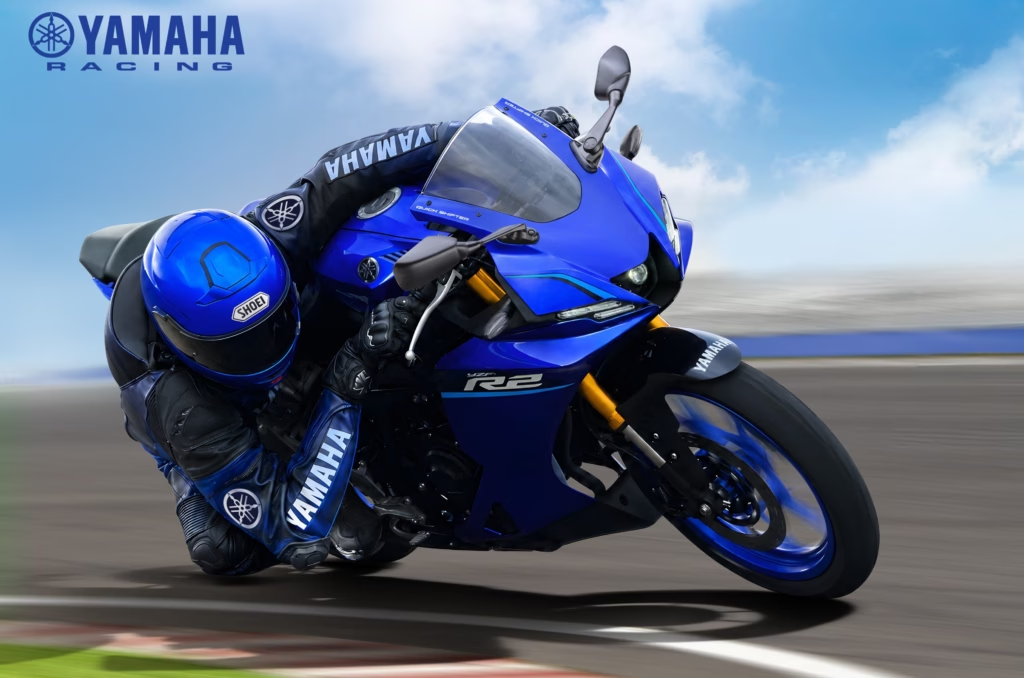
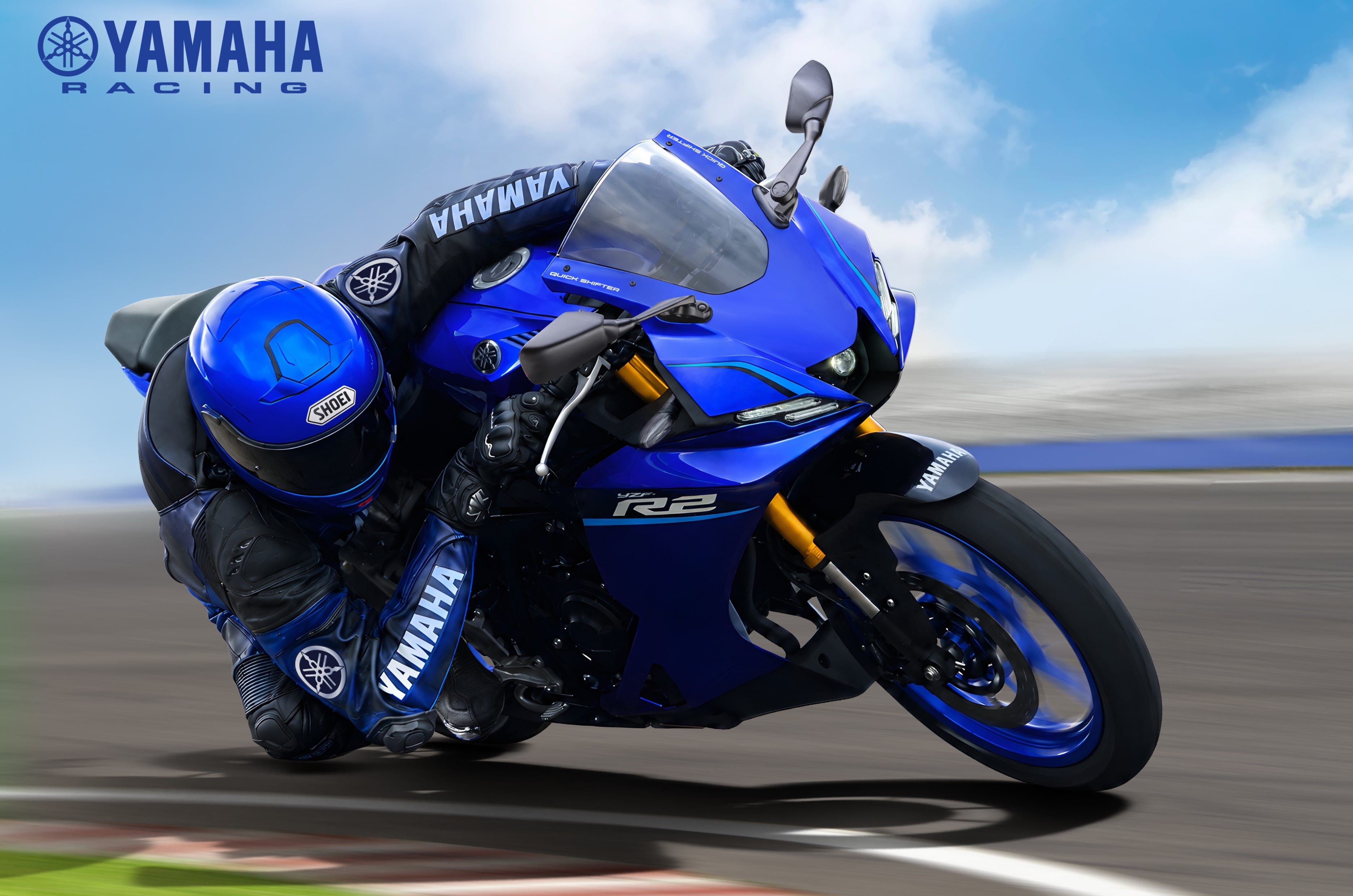
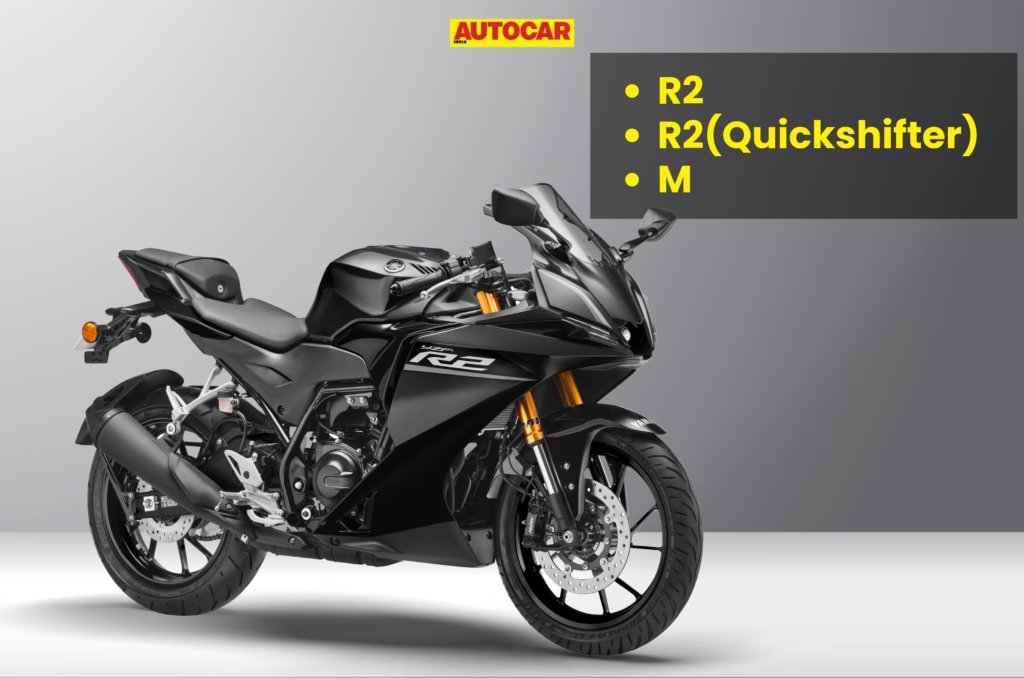
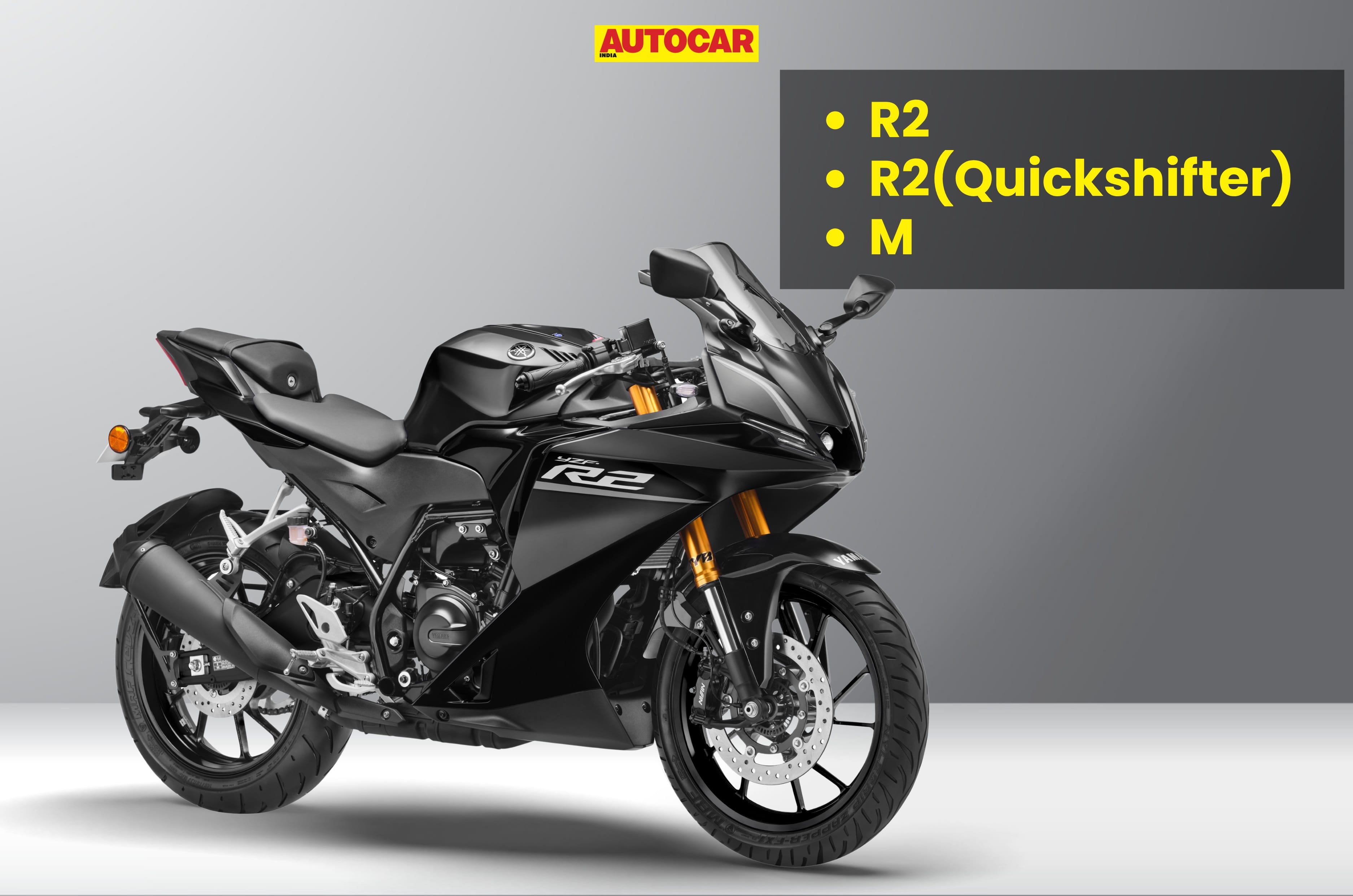
Front right quarter inside image of the R2 in Metallic Black colour

After months of anticipation on the buyers’ part and teasing on Yamaha’s part, the R2 was finally launched on August 27. The brand-new supersport, meant as a step up to the famed R15, does not mean to replace it. Yamaha has packed quite a lot into their first 200cc category entry with the R2 getting three variants with varying levels of features. Here’s a breakdown of what each variant has to offer, so you can decide on which one makes the most sense for you.

All prices mentioned are ex-showroom, Delhi.

Yamaha R2 variant breakdown

Base

Just to set context, all three variants get the new 204cc liquid-cooled engine with 26.5hp at 10,000rpm and 19.1Nm of torque at 8,000rpm. They also share most of the features, including the 5-inch TFT instrument cluster, traction control, an assist and slipper clutch, three riding modes, 37 mm USD front fork and a rear linkage monoshock, and dual-channel ABS.

Each variant gets its own colour choices with no overlap. The base variant gets two colours, Metallic Black and Dark Bluish Gray, and all black wheels with a matt-finish seat for Rs 2.30 lakh. If you intend to take the R2 to the racetrack though, consider the next variant.

Base (with quickshifter)

As the name suggests, the next variant gives you a bi-directional quickshifter as standard. Although the R15 technically gets a quickshifter, it is for up-shifts only whereas the one on the R2 can handle both up and down shifts (hence the name!). It’s certainly useful at a racetrack’s time sensitive environment and fun elsewhere.

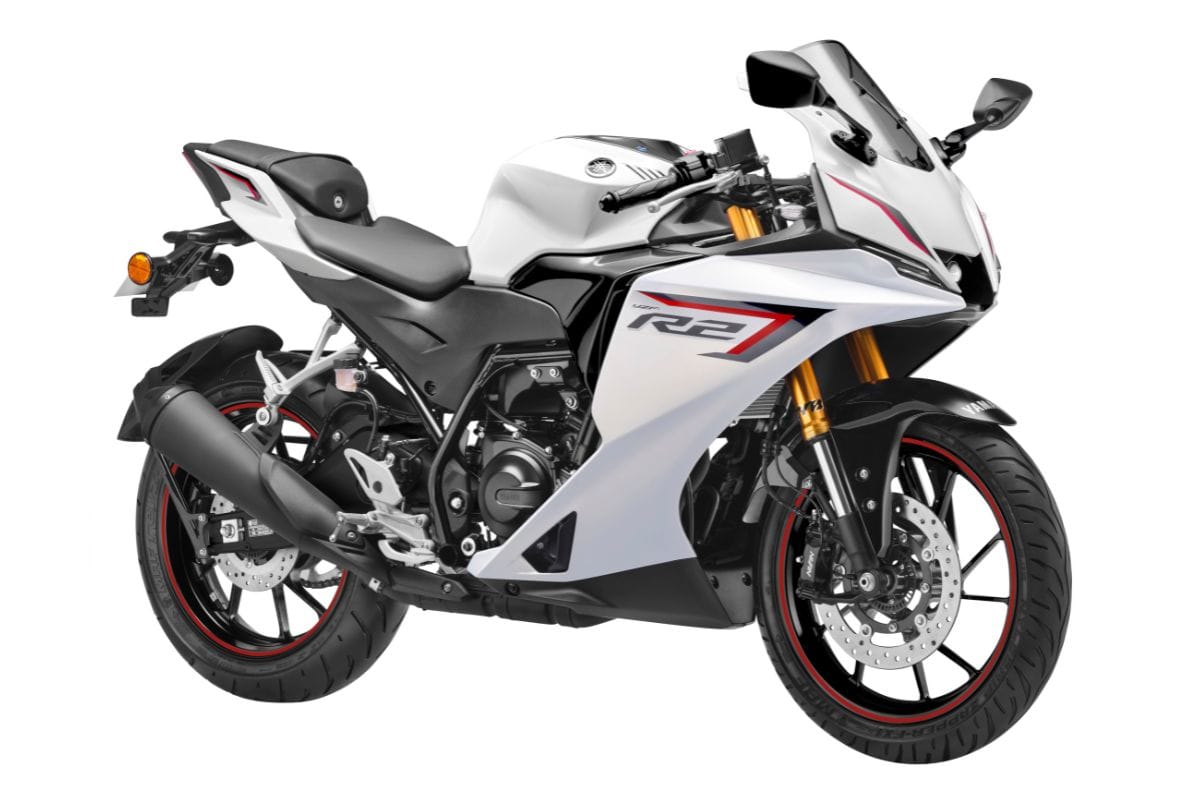
Cosmetically, this variant gets body coloured alloy wheels and model specific graphics (read slightly different decals). This variant is currently offered in Matte White Pearl and Racing Blue colours and is priced at Rs 2.39 lakh, Rs 9,500 over the base variant.

M

The absolute minnacle, sorry, pinnacle of the R2 is the M. The main mechanical difference over the previous variant is that the M has adjustable preload for its front fork and the rear linkage monoshock, meaning you can adjust the springs to simulate a certain amount of default weight, named aptly.

Besides the adjustability, the R2 M also gets additional aesthetic touches like a premium 3D embossed emblem, a faux suede-finished seat, a silver-finished swingarm, and a shot-blasted muffler end cap. A few convenient features that’s only afforded to the M variant are adjustable brake and clutch levers and a keyless system. The R2 M is available in a single Metallic Grey colour for Rs 2.53 lakh, Rs 14,000 extra over the middle variant.
 

Yamaha India eyes capacity expansion as plants near full utilisation

Yamaha India eyes capacity expansion as plants near full utilisation
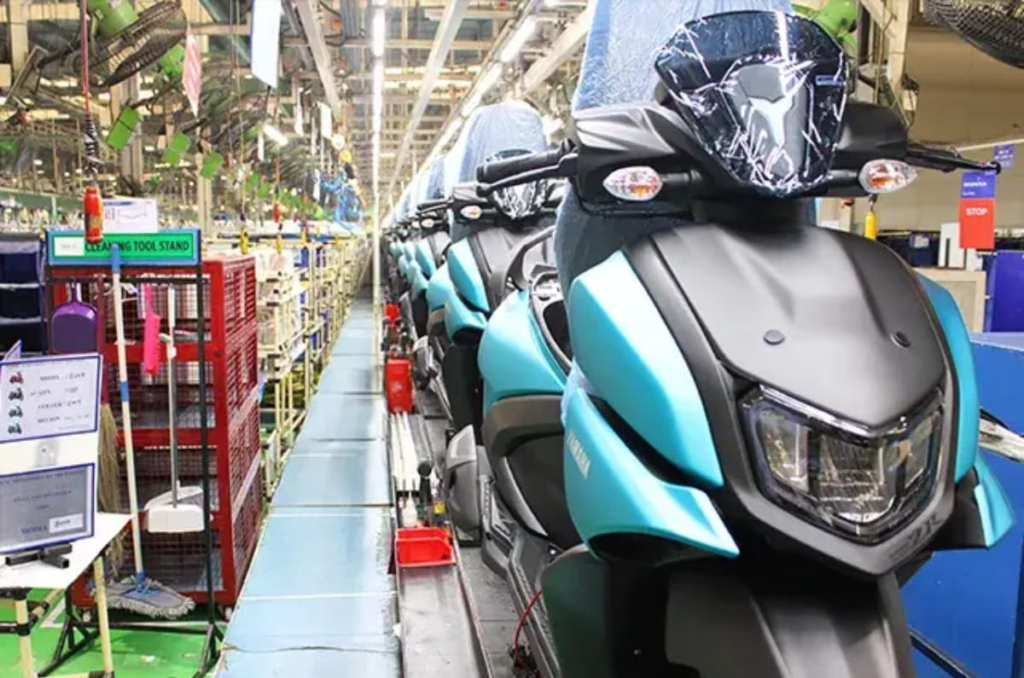
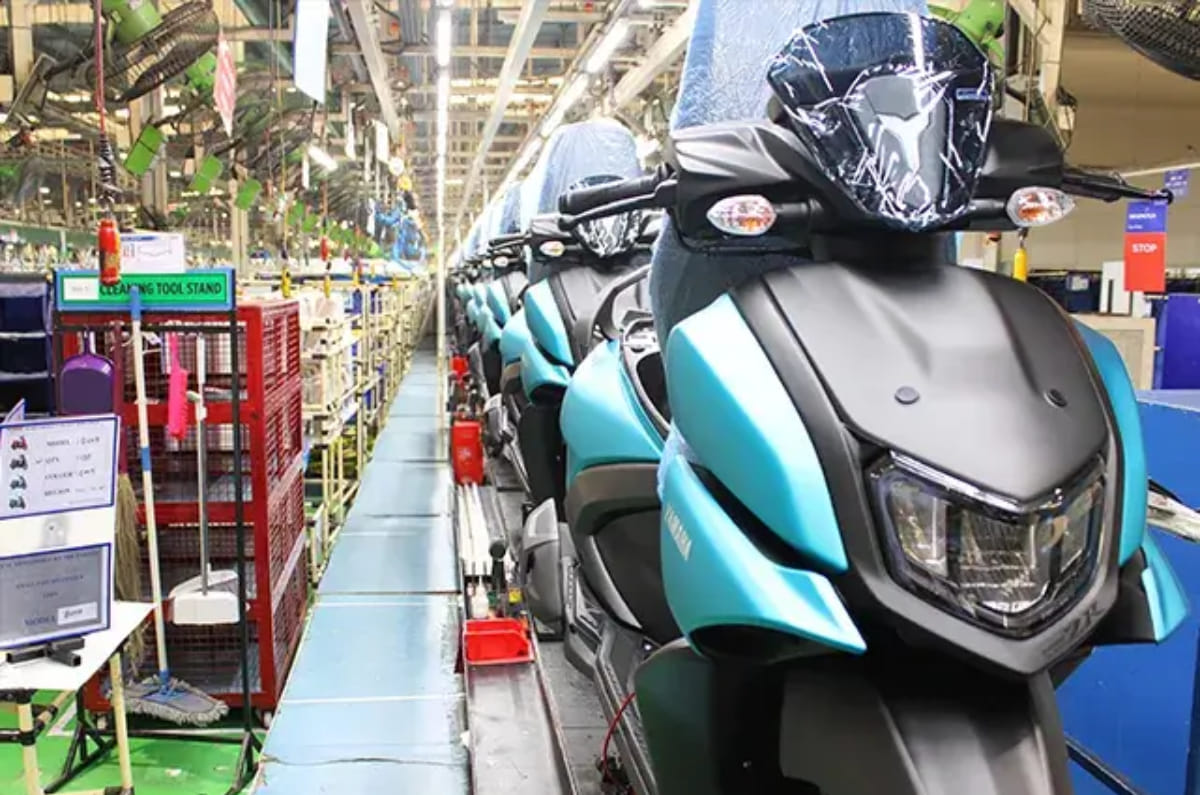
Yamaha RayZR on a production line

Yamaha Motor India has begun evaluating additional manufacturing capacity as it expects its existing 1.5 million unit annual output to be fully utilised within the next two to three years. The Japanese two-wheeler maker operates plants in Surajpur, Uttar Pradesh and Kanchipuram, Tamil Nadu, with a combined annual capacity of 1.5 million units, and is weighing whether to expand within its current footprint or invest at a new location.

  1. Yamaha India’s 1.5 million unit annual capacity expected to be fully utilised within 2-3 years
  2. Domestic sales up 41 percent to 4.1 lakh units in H1 2026
  3. Annual sales target of 50,000 units set for the newly launched YZF-R2

Yamaha India capacity expansion: Key details

New plant requires 3-4 years of lead time; expansion within existing sites also being considered

Hajime Aota, Chairman of the Yamaha Motor India Group, said the company still has space to expand at its existing facilities, reducing the immediate pressure to acquire new land. The decision on expansion – whether at Surajpur, Kanchipuram or elsewhere – will depend on manufacturing processes, supplier allocation and longer-term domestic and export requirements. “At this moment, we have capability and we have space,” Aota said, while noting that planning for a new greenfield facility typically requires a lead time of three to four years.

Yamaha expects its total volumes (including exports) to exceed 1.1 million units in 2026, with domestic sales up 41 percent to 4.1 lakh units in the first half of the year. The company expects H2 volumes to be higher, supported by festive demand and new product launches. On the YZF-R2, which debuted yesterday at Rs 2.30 lakh, Yamaha has set an annual domestic sales target of 50,000 units.

Aota described India and Indonesia as Yamaha’s two biggest global growth engines, with India offering the stronger long-term growth opportunity. However, he noted that India must continue improving manufacturing productivity and technical capabilities to narrow the gap with Indonesia and expand its role in Yamaha’s global manufacturing network. The company employs approximately 10,000 people across its Indian operations and has invested over Rs 2,000 crore in research, development and manufacturing in India over the past eight to ten years. The quantum of investment required for the next phase of expansion has not been disclosed.

Jawa 42 FJ All Stars launched from Rs 2.02 lakh

Jawa 42 FJ All Stars launched from Rs 2.02 lakh

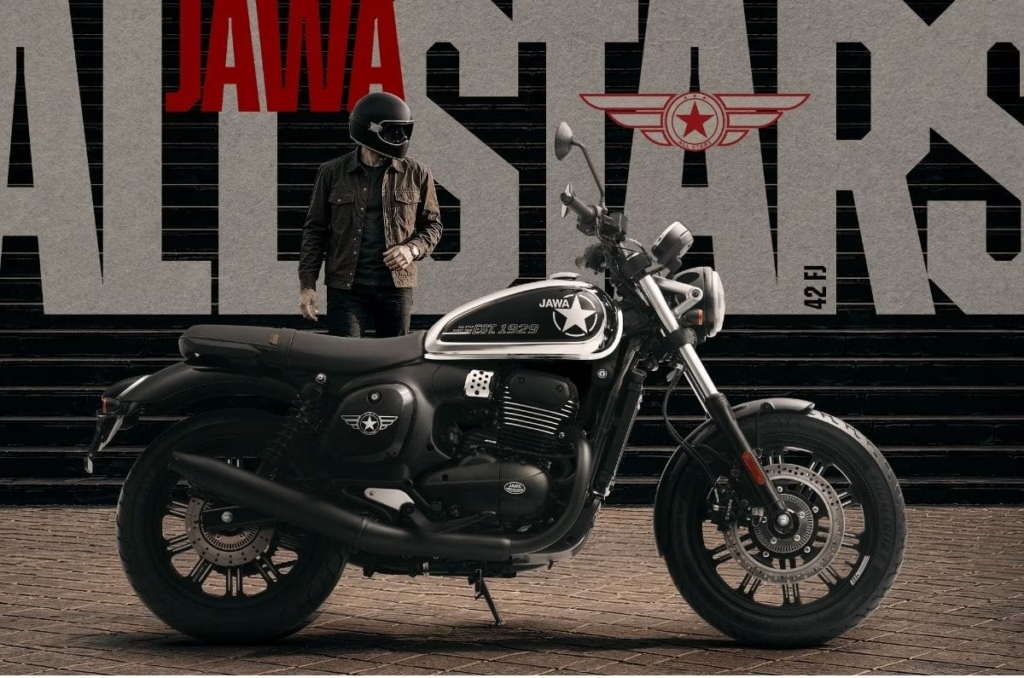
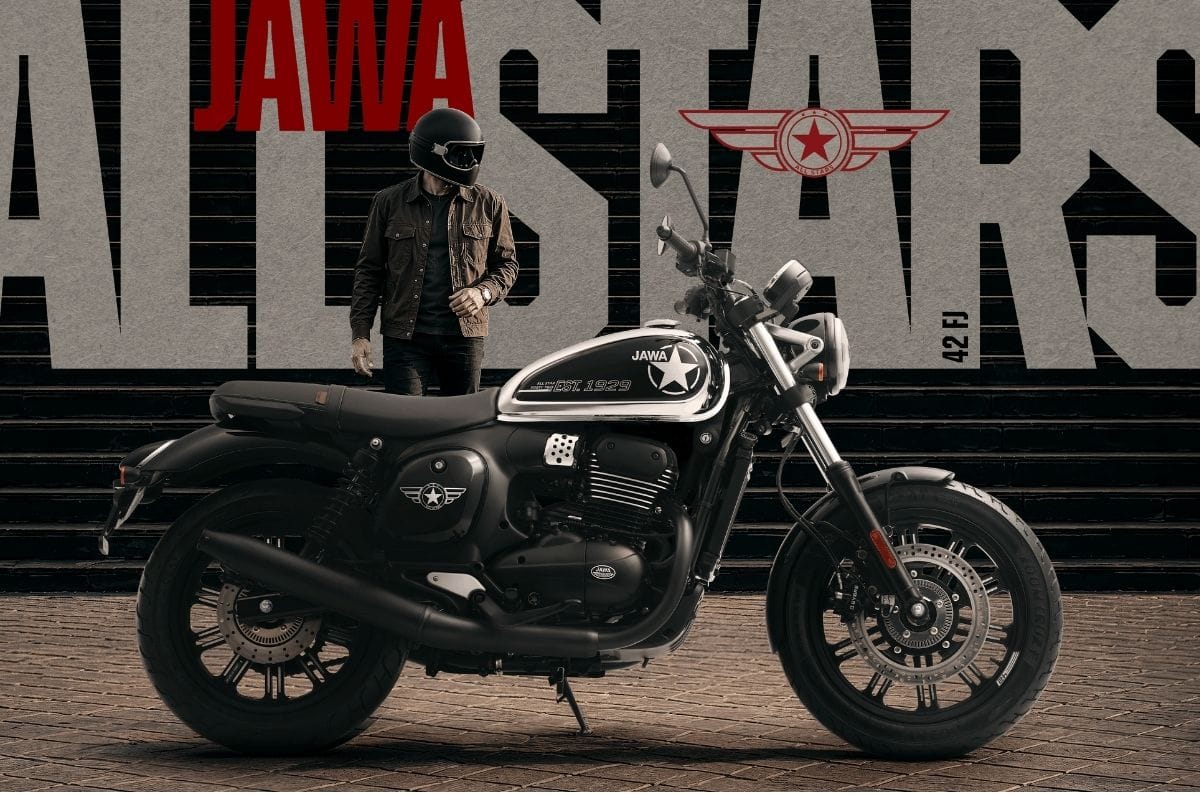
Jawa has launched the 42 FJ All Stars, a new range of its neo-classic roadster, with prices starting at Rs 2.02 lakh and going up to Rs 2.16 lakh (ex-showroom, New Delhi).

  1. Paint schemes include Chrome and matte black options
  2. The All Stars range is available in six colourways
  3. 334cc engine continues to produce 29.1hp and 29.6Nm

The All Stars range is available in six colourways – Chrome, Nebula Blue, Matte Black with Red Clad, Matte Black with Black Clad, Aurora Green and Red – all with a Star on either side of the tank. The Chrome version is the most expensive at Rs 2.16 lakh, while the Aurora Green and Red versions are priced at Rs 2.02 lakh. The 42 FJ All Stars is available at Jawa Yezdi dealerships across India.

The 42 FJ All Stars retains the 334cc, liquid-cooled, DOHC single-cylinder engine, which produces 29.17hp at 7,500rpm and 29.62Nm at 5,500rpm. The engine is paired with a six-speed gearbox.

The motorcycle continues with the 42 FJ’s distinctive brushed aluminium tank panels, along with a double-cradle frame, 41mm telescopic front fork and gas-charged twin rear shocks with five-step preload adjustment.

Jawa 42 FJ All Stars prices:

Variant

Ex-showroom Delhi

All Stars Chrome

Rs 2.16 lakh

All Stars Nebula Blue

Rs 2.08 lakh

All Stars Matte Black (Red Clad)

Rs 2.08 lakh

All Stars Matte Black (Black Clad)

Rs 2.08 lakh

All Stars Aurora Green

Rs 2.02 lakh

All Stars Red

Rs 2.02 lakh

Yamaha expects the R2 to drive total sales to 11 lakh units in 2026

Yamaha expects the R2 to drive total sales to 11 lakh units in 2026
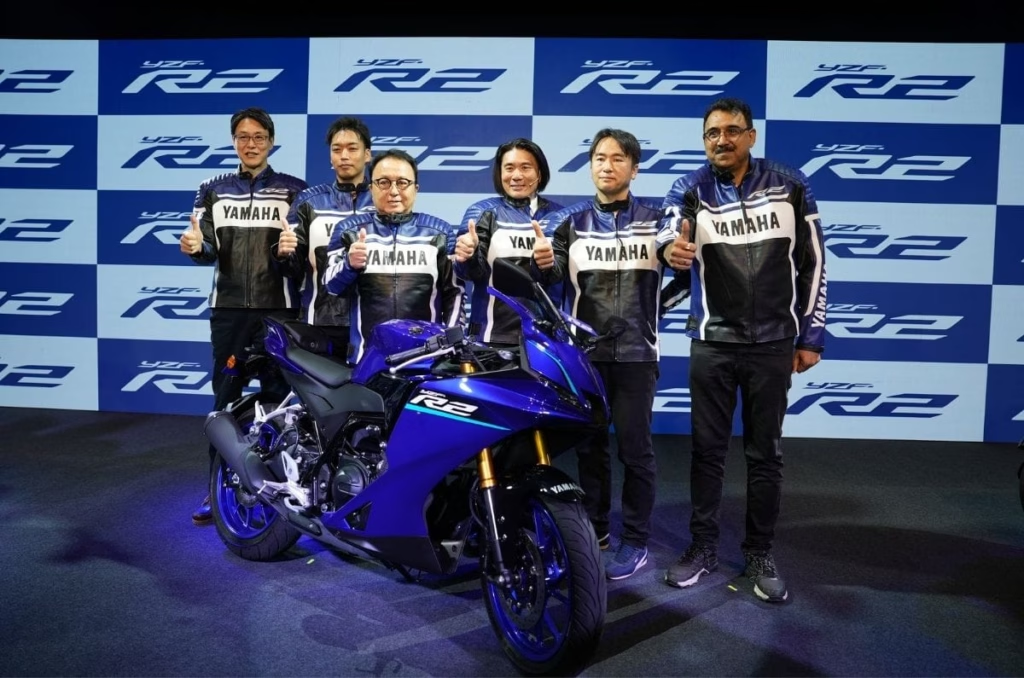
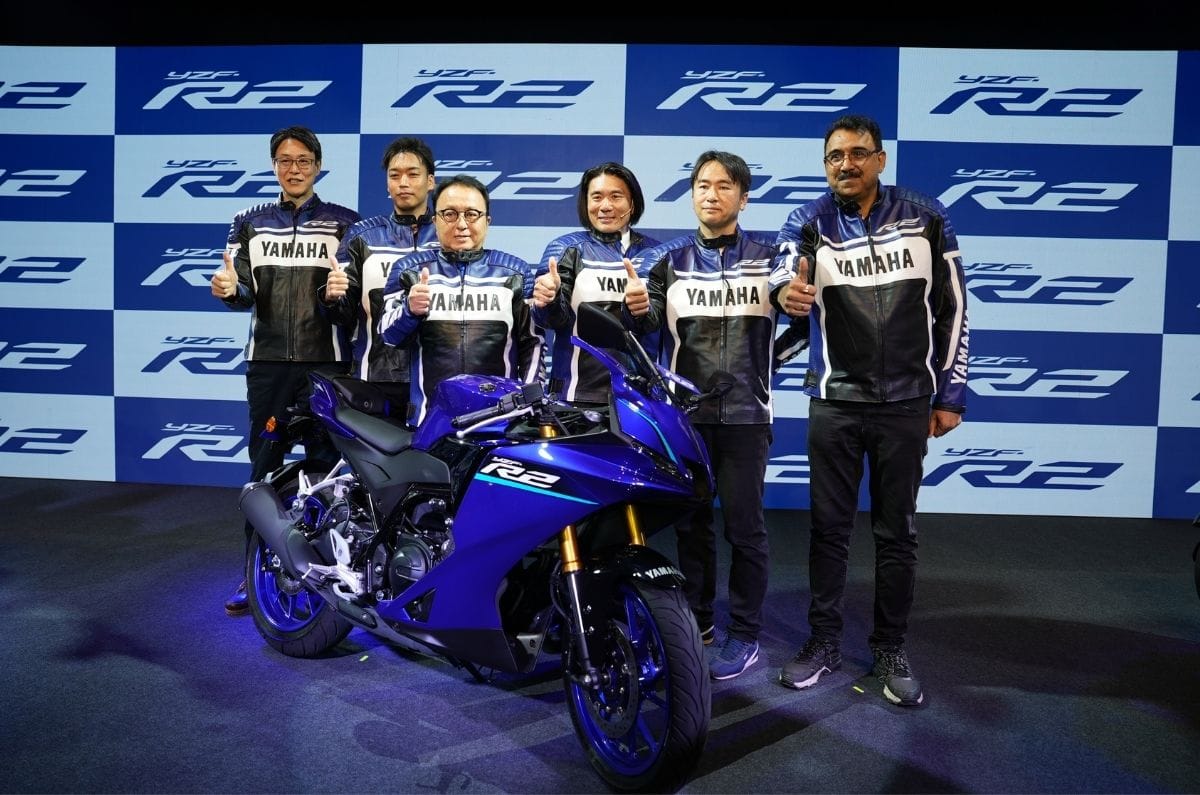
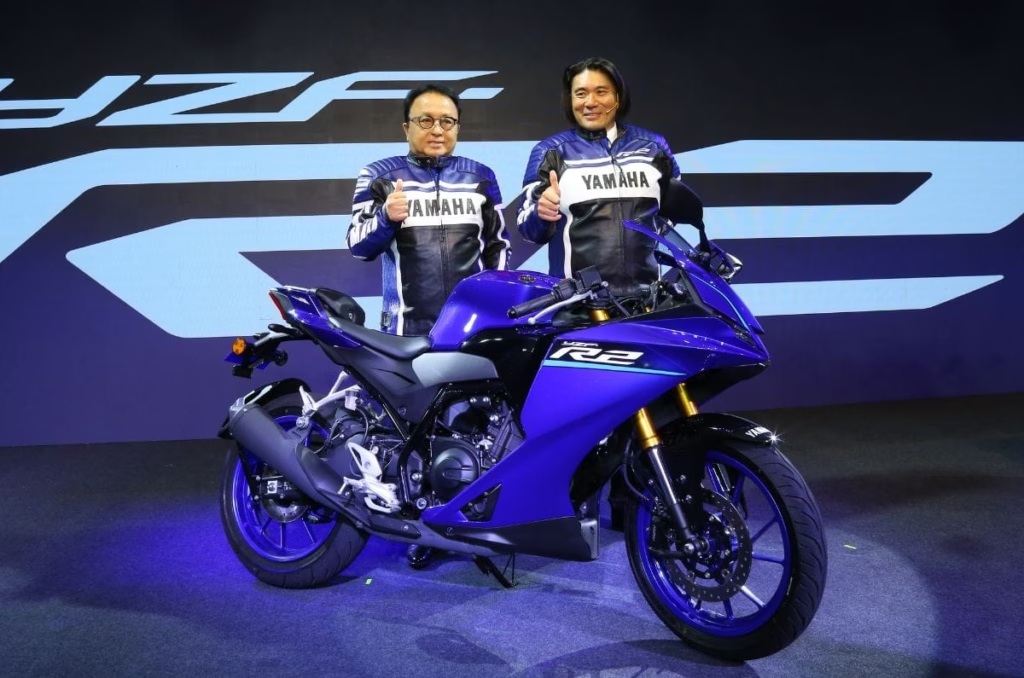
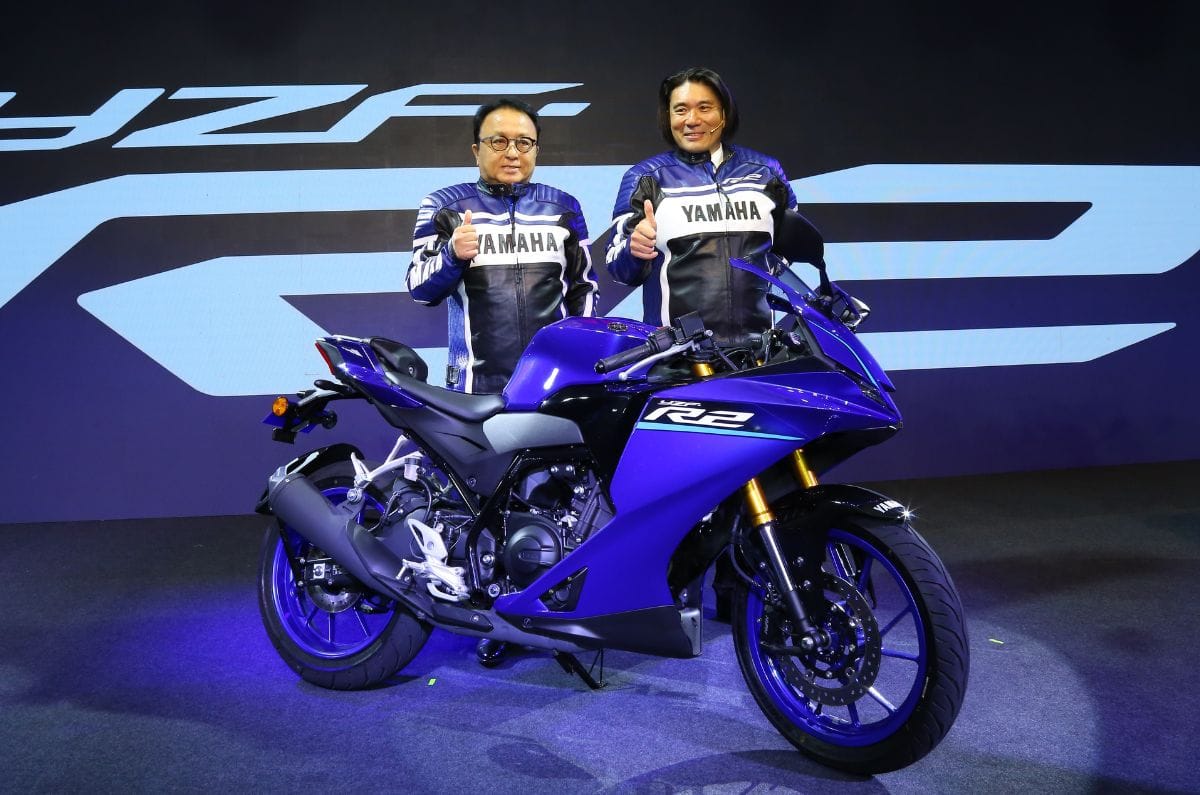
Launch event image of the R2 with top Yamaha executives

Yamaha is targeting annual sales of 50,000 units for the newly launched R2 in India as it looks to strengthen its position in the country’s premium motorcycle market. The target translates into a monthly run rate of more than 4,000 units, making the R2 an important volume contributor to Yamaha’s premium portfolio rather than a niche model positioned above the R15.

  1. Yamaha R2 starts at Rs 2.30 lakh and is the most feature-packed 200cc motorcycle
  2. India’s premium segment is growing faster than the broader two-wheeler segment
  3. One third of Yamaha’s total sales came from premium motorcycles

R2 is expected to contribute 18 percent of total sales by 2026 end

Scooters account for 46 percent of Yamaha’s sales so far in 2026

The R2 will be manufactured in India and has been designed for domestic and international markets. Company executives said exports remain part of the R2 programme but will follow after the new model establishes itself in India. The R2 target comes as premium motorcycles grow considerably faster than the broader Indian two-wheeler market. Yamaha outpaced the overall market, with its first-half volumes rising 41 percent to 4.1 lakh units from 2.9 lakh a year earlier. This was nearly twice the 21 percent growth recorded by the broader domestic two-wheeler industry, which expanded to 1.06 crore units.

Premium motorcycles accounted for around one-third of Yamaha’s volumes during the period, while scooters contributed approximately 46 percent. The R2’s annual target translates into average monthly sales of about 4,167 units, or approximately 18 percent of Yamaha’s average monthly premium motorcycle volumes in the first half of 2026, underlining the model’s importance to the company’s growth plans.

Raw material costs may affect growth

The rising costs could lead to price hikes too!

The stronger volume outlook comes with pressure on profitability from rising raw-material costs, particularly aluminium. Hajime Aota, Chairman of Yamaha Motor India Group of Companies, said “I wish I did not have to do it,” referring to a possible further price increase. “But if I am going to sacrifice profitability, I may. That is where we are.”

Yamaha will have to balance higher input costs against the price sensitivity of the Indian market as it seeks to sustain growth through the festive season. The company is also expanding its premium retail network, particularly in Tier 1 and Tier 2 cities. It expects the Blue Square network to exceed 600 outlets by the end of 2026.

The R2 launch, network expansion and continued growth in premium motorcycles provide Yamaha with momentum for the second half. Reaching more than 11 lakh units in 2026 will also depend on export performance and the company’s ability to manage cost pressures without weakening domestic demand.

With inputs from Stephen Raj Antony.
 

Hero MotoCorp to invest Rs 1,758 crore more in Ather

Hero MotoCorp to invest Rs 1,758 crore more in Ather

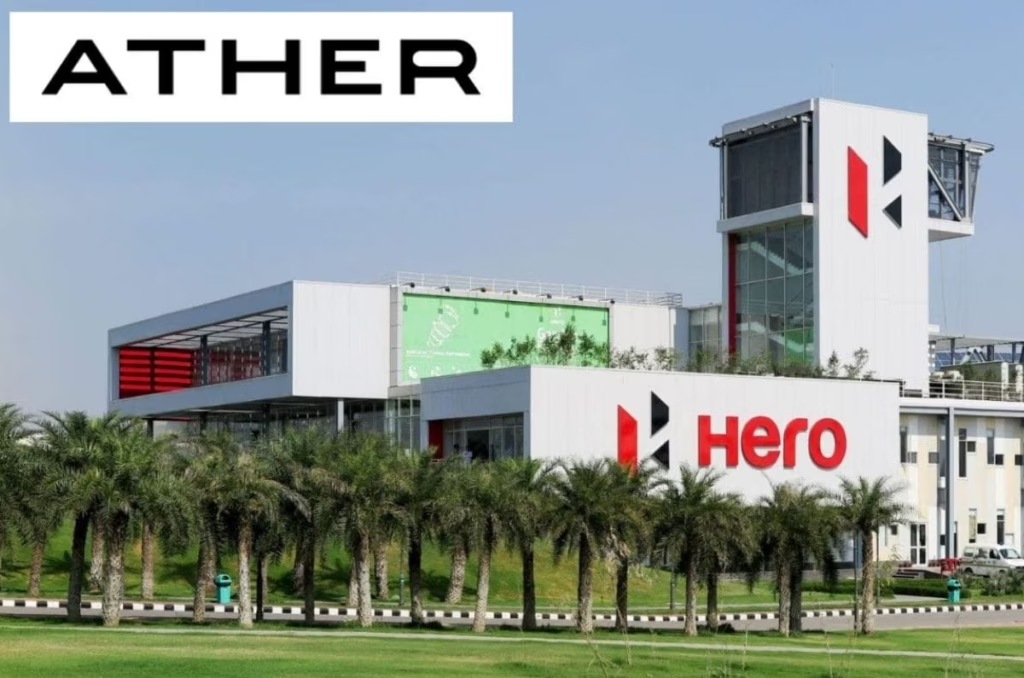
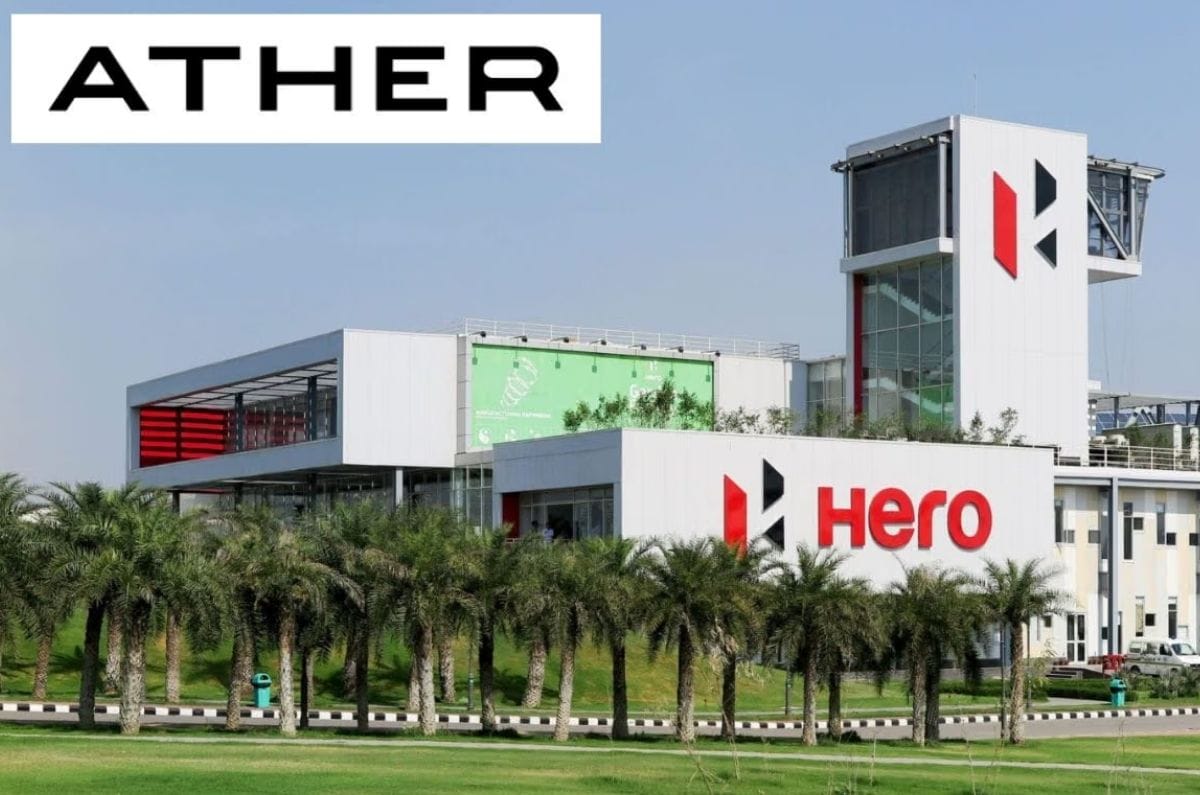
Hero MotoCorp will invest up to Rs 1,758 crore to increase its stake in Ather Energy, taking its holding in the electric two-wheeler maker from 29.88 percent to approximately 32.8 percent on a fully diluted basis.

  1. Hero MotoCorp will buy existing Ather shares worth up to Rs 1,758 crore
  2. Its stake will rise from 29.88 percent to approximately 32.8 percent
  3. The deal comes shortly after Hero’s separate Rs 1,000 crore investment in Ather

The investment was approved by Hero MotoCorp’s Committee of Directors on August 27 and will involve the purchase of existing Ather shares from an existing shareholder. This makes it a secondary transaction, rather than a fresh issue of equity by Ather. The deal will be funded entirely through cash and is expected to be completed by September 3, 2026. No government or regulatory approvals are required.

The latest investment comes shortly after Hero announced plans to invest up to Rs 1,000 crore in Ather through a preferential issue. Ather subsequently allotted Hero convertible warrants worth Rs 959.99 crore as part of that investment.

The two transactions are separate, with the earlier investment involving securities issued by Ather and the latest Rs 1,758 crore deal involving the purchase of existing shares. Taken together, Hero has committed up to around Rs 2,758 crore to Ather through the two transactions.

Hero has been an investor in Ather for several years and is already its largest shareholder. The latest investment will further strengthen its position in the company as Ather continues to expand its electric two-wheeler business and charging network across India.

Ather’s turnover has grown significantly over the past three financial years, rising from Rs 1,753.8 crore in FY2024 to Rs 2,255 crore in FY2025 and Rs 3,671.76 crore in FY2026.

The company designs, manufactures and sells electric two-wheelers and operates its own charging network with an open-source connector that’s shared with Vida. Ather’s portfolio includes the 450 range and Rizta, while its presence has expanded across the country. As for the brand’s immediate plans, Ather is slated to launch its first-model based on the EL platform tomorrow, at its community day, intended to slot in below the Rizta. 

With inputs from ANGITHA SURESH

Yamaha YZF-R2 vs KTM RC 200: Price and specifications compared

Yamaha YZF-R2 vs KTM RC 200: Price and specifications compared
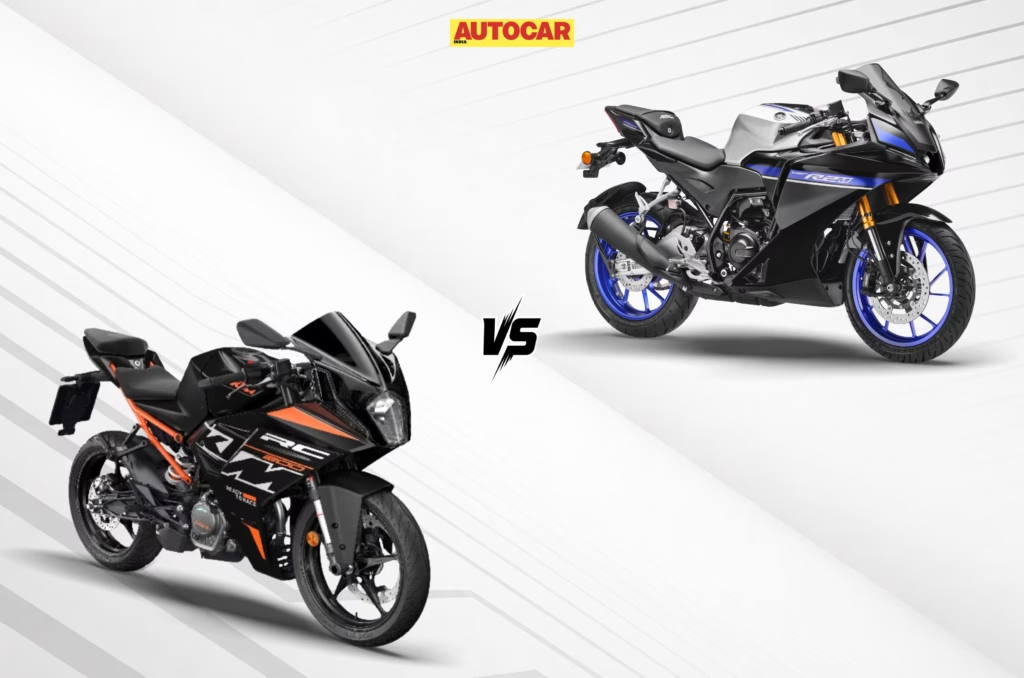
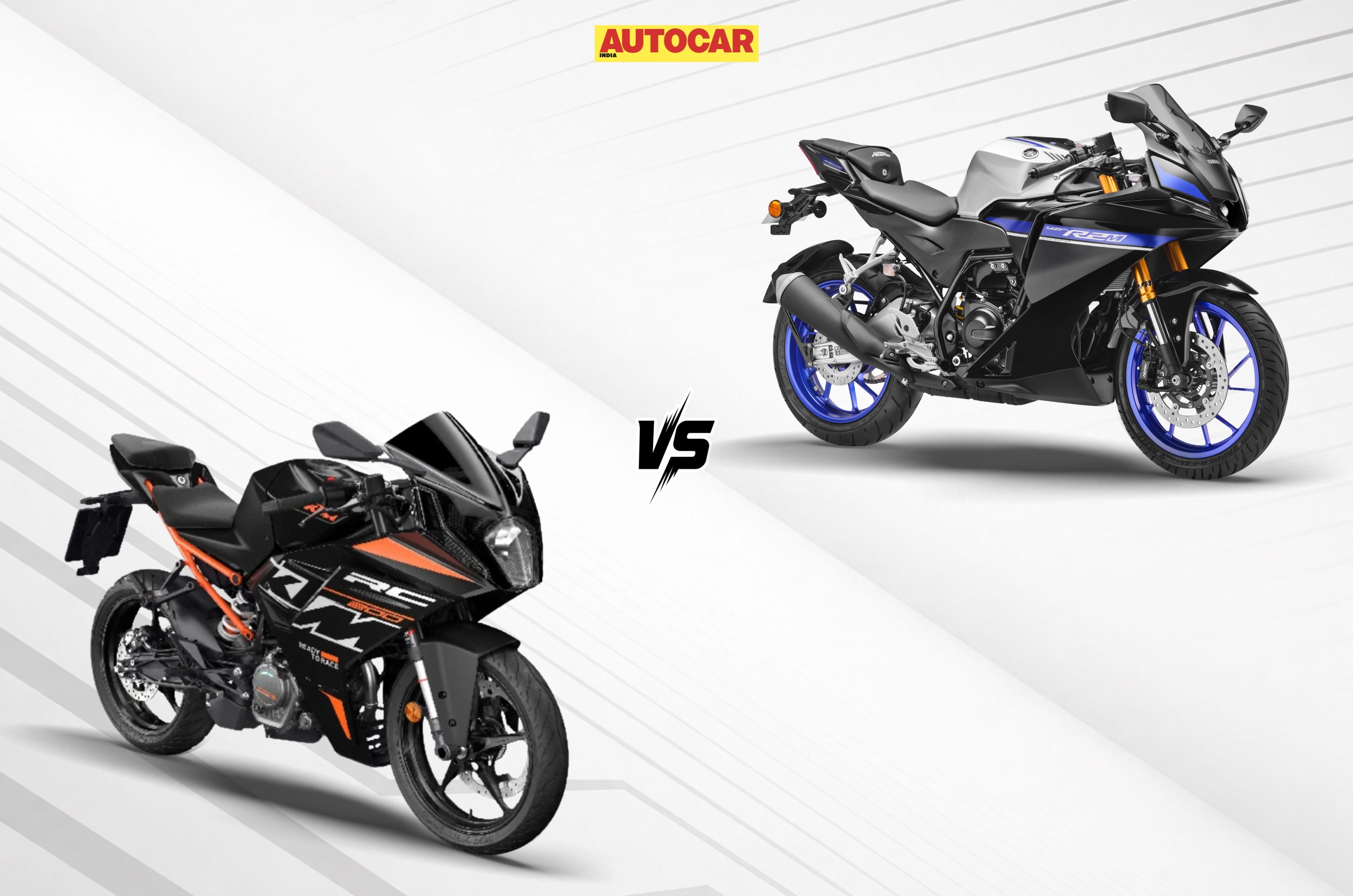
An image showing front right three quarter of the Yamaha YZF-R2 and KTM RC 200

Yamaha has just launched the YZF-R2, making their supersport line-up become plural once again. Although they sound closer to each other, the established YZF-R15 and its new big brother are further apart than you might think. So how does Yamaha’s new entry on the 200cc class compare to the tried and tested KTM RC 200? Let’s find out.

All prices mentioned here are ex-showroom, Delhi.

Yamaha YZF-R2 vs KTM RC 200: Engine and output

The Yamaha makes marginally more power and torque


Yamaha YZF-R2

KTM RC 200

Engine

204cc single-cylinder, liquid-cooled

199.5cc single-cylinder, liquid-cooled

Power

26.5hp at 10,000rpm

25hp at 10,000rpm

Torque

19.1Nm at 8,000rpm

19.2Nm at 8,000rpm

Transmission

6-speed

6-speed

Power-to-weight ratio

176.76hp/tonne

156.25hp/tonne

From the get go, the Yamaha pulls ahead by making 1.5hp more power than the KTM with a 0.1Nm less torque; both bikes deliver peak power and torque at the exact same range in the revs. However, the R2’s biggest advantage is in its 149kg kerb weight, made evident in its noticeably higher power-to-weight ratio. More on that in the next section.

Yamaha YZF-R2 vs KTM RC 200: Dimensions and weight

Yamaha continues to increase the gap


Yamaha YZF-R2

KTM RC 200

Fuel tank capacity

12 litres

13.7 litres

Ground clearance

170mm

156mm

Kerb weight

149kg (base)

150kg (mid and top)

160kg

Seat height

810mm

835mm

Wheelbase

1,340mm

NA

As we said, Yamaha’s biggest advantage comes with its 149kg, a whopping 11kg less than the KTM. That gap only increases with other dimensions, well, except for the fuel tank capacity. The R2 has a smaller fuel tank, but the KTM’s 1.7-litre larger fuel tank only justifies about 1.25kg of its added heft. In return, the R2 gives you more usable seat height and ground clearance.

Yamaha YZF-R2 vs KTM RC 200: Tyres, brakes, and suspension

KTM has (almost) all the advantage


Yamaha YZF-R2

KTM RC 200

Tyres (F/R)

100/80-17/140/70R17

110/70R17/150/60R17

Brakes (F/R)

282mm front disc/220mm rear disc

320mm front disc/230mm rear disc

Suspension (F/R)

37mm USD fork/linked monoshock

43mm USD fork/monoshock

In the handling package, the KTM pulls its trump cards. It gets bigger tyres, brakes, as well as a larger front fork. Both brands use the tried and tested radially mounted caliper at the front, with a floating caliper handling the rear stopping duties. The R2 does offer preload adjustability on both ends on the top M variant. On the RC, that’s only available at the rear.

Yamaha YZF-R2 vs KTM RC 200: Features

Yamaha offers a host of extra features

Being the newer motorcycle, it’s not a surprise that the R2 has more features but Yamaha, almost uncharacteristically, have pulled out all the stops on this front. Do note that to get the full suite, you’d have to spring for the R2 M which is currently Rs 21,000 more expensive than the RC 200. If you do, you get three ride modes (Rain, Street, Sport), a 5-inch TFT instrument cluster, assist and slipper clutch, traction control, a bi-directional quickshifter, keyless system, adjustable footpegs, and adjustable levers. The first four are standard on all three variants, with the middle variant offering the quick shifter, and the M giving you the rest. There are other cosmetic differences between the three variants as well.

On the other side, the KTM gives you a 5-inch TFT cluster, the ability to turn off rear ABS, and… that’s it. To get even close to the R2’s feature set, you’d have to look at the bigger KTM Supersport, the RC 390. Both motorcycles have the ability to connect your smartphone to unlock functionalities like call alerts, music control, and turn-by-turn navigation.

Yamaha YZF-R2 vs KTM RC 200: Price

Yamaha offers more value than the KTM


Yamaha YZF-R2

KTM RC 200

Price

Rs 2.30 lakh (base)

Rs 2.39 lakh (middle)

Rs 2.53 lakh (top)

Rs 2.32 lakh

Yamaha has priced the R2’s base variant lower than the RC 200’s one and only variant. Even then, the R2 is ahead in terms of the features and the overall value. The KTM’s case only gets weaker from there. It’s worth mentioning here that the KTM RC series have not been updated to the third generation yet, which is perhaps why the feature set hasn’t caught up. Last we checked, the next major refresh for the RC series is at least a year away.


Yamaha R2 colours image gallery

Yamaha R2 colours image gallery

Yamaha has finally launched the YZF-R2, the much awaited follow-up to the YZF-R15. This marks the company’s brand-new launch in a really long time. The R2 gets an all-new platform with a 204cc engine. It continues to be a single-cylinder, liquid-cooled, DOHC engine as seen on the R15 but makes 26.5hp at 10,000rpm and 19.3Nm at 8,000rpm. The valves are coated with DLC (diamond-like carbon) coating, a feature seen on the erstwhile flagship YZF-R1.

Yamaha is looking to further sweeten the deal with features like ride-by-wire throttle which enables three ride modes, assist and slipper clutch, 37mm USD forks, and dual-channel ABS as standards. It continues to have features like a 5-inch TFT dash and Traction control, all seen on the R15 M. 

Yamaha has announced that the YZF-R2 will be exclusively available through their Blue Square network. The R2 starts at Rs 2.30 lakh for the base variant and Rs 2.53 lakh for the top of the line M variant. 

Yamaha R2 launched at Rs 2.30 lakh

Yamaha R2 launched at Rs 2.30 lakh

Yamaha has finally launched the YZF-R2, the much awaited follow-up to the YZF-R15. This marks the company’s brand-new launch in a really long time. Pre-bookings had already opened for Rs 10,000 with the R2 being added to the sportbike line-up. The R15 will also continue to be on sale alongside the MT-15 and the XSR 155.

  1. Yamaha’s brand-new Indian launch in a long time
  2. Powered by a 204cc single-cylinder, liquid-cooled engine
  3. Makes slightly more power than rivals

Yamaha R2: What’s new from the R15?

Brand new engine and multiple new features

The R2 gets an all-new platform with a brand-new 204cc engine. It continues to be a single-cylinder, liquid-cooled engine as seen on the R15 but makes 26.5hp at 10,000rpm and 19.3Nm at 8,000rpm. However, it comes with a DOHC setup as opposed to SOHC on the R15, and it misses out on Variable Valve Actuation (VVA) that the 155cc engine is known for. The valves on the R2 are coated with DLC (diamond-like carbon), also seen on the erstwhile flagship YZF-R1. Yamaha reports a seat height of 810mm and a kerb weight of 149kg, making the R2 the lightest of its segment. In addition to the significant weight advantage, the R2 also makes slightly more power and similar torque to its rivals, KTM RC 200 and Hero Karizma XMR.

Yamaha YZF-R2: Features and variants

Three variants in a Rs 23,000 range

Yamaha is looking to further sweeten the deal with features like ride-by-wire throttle which enables three ride modes, assist and slipper clutch, 37mm USD forks, and dual-channel ABS as standard. It continues to have features like a 5-inch TFT dash and Traction control, all seen on the R15 M. The second variant steps it up by offering a segment-first bi-directional quickshifter and body coloured alloy wheels. The range topping R2 M variant adds preload adjustable front and rear suspension, adjustable brake and clutch levers, faux-suede seat, and a smart keyless system. All three variants get their own distinct colours.

Yamaha has announced that the YZF-R2 will be exclusively available through their Blue Square network. The R2 starts at Rs 2.30 lakh for the base variant and Rs 2.53 lakh for the top of the line M variant; both prices are ex-showroom, Delhi. Pre-bookings are already open, with deliveries starting mid-September. 
 

5 things to know before buying the Honda Rebel 300

5 things to know before buying the Honda Rebel 300
Honda Rebel 300

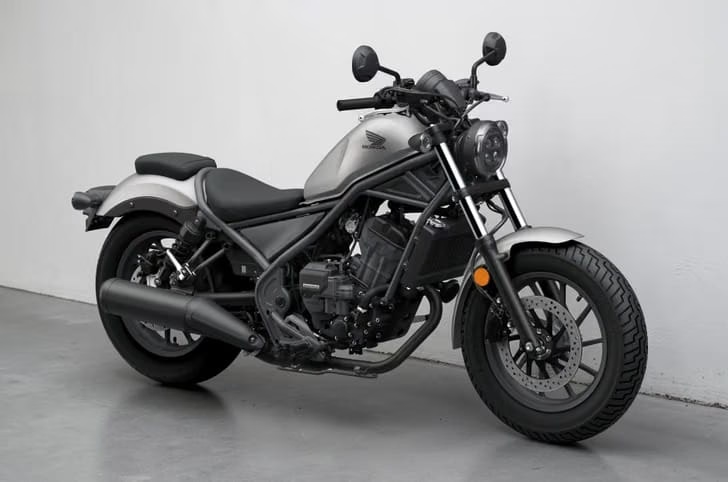
The Honda Rebel 300 is the first model in the Rebel family to be manufactured locally and acts as the brand’s most accessible cruiser motorcycle here. Built around a bobber-style design with a teardrop fuel tank, round LED headlamp and short exhaust, it is sold exclusively through Honda BigWing dealerships. Here are answers to some of the most commonly asked questions about it.

What is the price of the Honda Rebel 300?

The Honda Rebel 300 is available in two variants. The Standard variant is priced at Rs 2.22 lakh and the E-Clutch variant at Rs 2.62 lakh – a Rs 40,000 premium for the automated clutch system. At Rs 2.22 lakh, the Standard variant undercuts the Royal Enfield Goan Classic 350 (Rs 2.25-2.28 lakh, ex-showroom, Chennai), one of the few other bobber-styled motorcycles currently on sale in India.

What engine does the Honda Rebel 300 use?

The Honda Rebel 300 is powered by a 286cc single-cylinder, liquid-cooled engine producing 30hp and 27.5Nm of torque, paired with a 6-speed gearbox. This is the same engine that powered the CB300R previously sold in our market.

What features does the Honda Rebel 300 have?

Both variants of the Rebel 300 get a circular TFT instrument display with Honda RoadSync connectivity and turn-by-turn navigation, full LED lighting and dual-channel ABS. The E-Clutch variant additionally allows the rider to configure the clutch system via the TFT display.

What is the Honda Rebel 300 E-Clutch and how does it work?

Honda’s E-Clutch is an electronically automated clutch system that uses actuators to operate the clutch automatically, allowing the rider to change gears without using the clutch lever. It does not make the Rebel 300 a fully automatic motorcycle, as the rider still selects gears manually using the gear lever. However, the system handles clutch engagement and disengagement on its own.

Importantly, the clutch lever is retained and can be used manually whenever the rider chooses. The system is designed to reduce rider fatigue in stop-and-go traffic while making the bike more accessible for those who find operating a clutch lever demanding.

What is the seat height and weight of the Honda Rebel 300?

The Honda Rebel 300 has a seat height of 690mm, making it one of the lowest motorcycles currently on sale in our market. This uld make it exceptionally accessible for a wide range of riders. The upright handlebar and forward-set footpegs complement the low t to create a relaxed, unhurried riding position. Kerb weight is 172kg and fuel tank capacity is 11 litres.