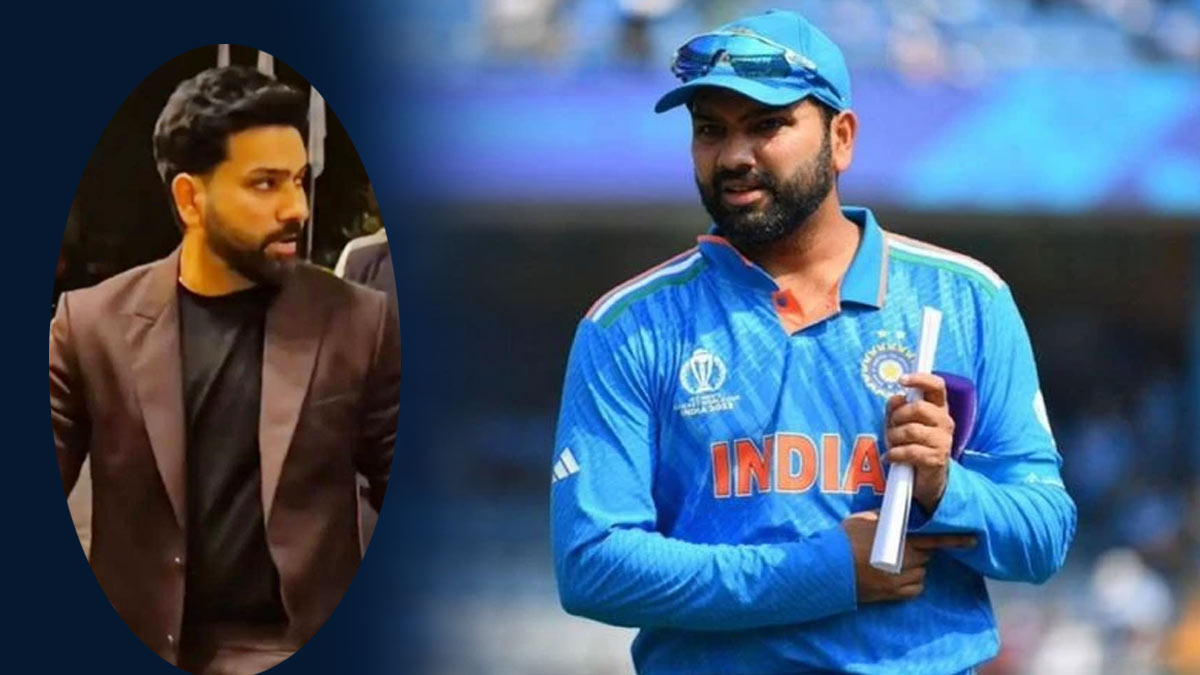
रोहित शर्मा जल्द ही बतौर एंकर सोनी टीवी पर आने वाले एक गेम शो को होस्ट करेंगे। इसकी घोषणा उन्होंने हाल ही में अपने ट्विटर अकाउंट से कर दी थी। मीडिया सूत्रों के मुताबिक यह मशूहर अफ्रीकी शो द फैमिली फ्यूड(The Family Feud) का भारतीय संस्करण होगा और इसके 40 एपिसोड रोहित शर्मा को शूट करने होंगे। ऐसे में फैंस का यह सवाल है कि रोहित शर्मा अपने अंतरराष्ट्रीय क्रिकेट को और रियालिटी शो के बीच में संतुलन कैसे बनाएंगे।
सूत्रों से आ रही खबरों के मुताबिक रोहित शर्मा एकदिवसीय सीरीज के बीच में शूटिंग से ब्रेक लेंगे और टी-20 या फिर टेस्ट सीरीज के दौरान शूटिंग जारी रखेंगें।
17 जुलाई (शुक्रवार) से मीडिया सूत्रों में यह अटकलें लग रही थी कि वह संन्यास के बारे में सोच रहे हैं और 19 जुलाई को (रविवार) को लॉर्ड्स पर खेला जाने वाला एकदिवसीय मैच उनका अंतिम मैच होगा। इस मैच से पहले या तो वह खुद संन्यास ले लेंगे या फिर ड्रॉप हो जाएंगे।लेकिन भारतीय क्रिकेट कंट्रोल बोर्ड के सचिव देवजीत सैकैया ने कहा है कि यह सब अफवाह है। वह जब तक चाहे क्रिकेट खेल सकते हैं।
माना जा रहा था रोहित शर्मा ने अपने PR यानि कि जनसंपर्क के कारण अफगानिस्तान सीरीज में अपनी जगह बचा ली थी लेकिन इंग्लैंड उनकी अंतिम सीरीज मानी जा रही थी।रोहित शर्मा ने फिर जबरदस्त जनसंपर्क की बिसात बिछाकर अपनी जगह एक बार फिर बचा ली और आलोचकों के मुंह शतक लगाकर बंद कर दिए।
साल भर रहा बुरा फॉर्म, लॉर्ड्स पर मिली संजीवनी
गौरतलब है कि रोहित शर्मा खराब फॉर्म से जूझ रहे थे और इंग्लैंड के पहले दो एकदिवसीय मैच में फ्लॉप रहे थे। जिसके बाद उनकी संन्यास की अटकलें लगनी शुरु हो गई थी। हालांकि आज उन्होंने बेहतरीन पारी खेली। रोहित शर्मा ने 110 गेंदो में 138 रन बनाए। उन्हें जैकब बैथल ने बोल्ड किया।
रोहित शर्मा ने इंग्लैंड के खिलाफ पहले एकदविसीय मैच में 21 गेंदो में 11 रन बनाए थे। दूसरे एकदिवसीय मैच में 47 गेंद में 1 चौका और छक्का मारने के बाद 26 रन बनाकर आउट हुए। उनका 5 रनों पर गस एटिंकसन ने कैच छोड़ा था।
अफगानिस्तान के खिलाफ तीसरे एकदिवसीय मैच को छोड़ दे तो इस साल रोहित का प्रदर्शन औसत से नीचे रहा है।पहले मैच में वह 16 रन बनाकर रनआउट हो गए और दूसरे मैच में वह 39 गेंदों में 48 रन बनाकर बोल्ड हो गए।
इससे पहले न्यूजीलैंड के खिलाफ पहली एकदिवसीय सीरीज में रोहित शर्मा फ्लॉप रहे और टीम को शुरुआत में बड़ा स्कोर नहीं दे सके। रोहित शर्मा 3 मैचों में 20 की औसत से 61 रन बना पाए। पूरी सीरीज में उन्होंने 9 चौके और 2 छक्के लगाए।पहले मैच में उन्होंने 29 गेंदो पर 26 रन, दूसरे मैच में उन्होंने 38 गेंदो में 24 रन और तीसरे मैच में 13 गेंदो में 11 रन बनाए।
LOOK OUT FOR: Suspension wear, infotainment issues
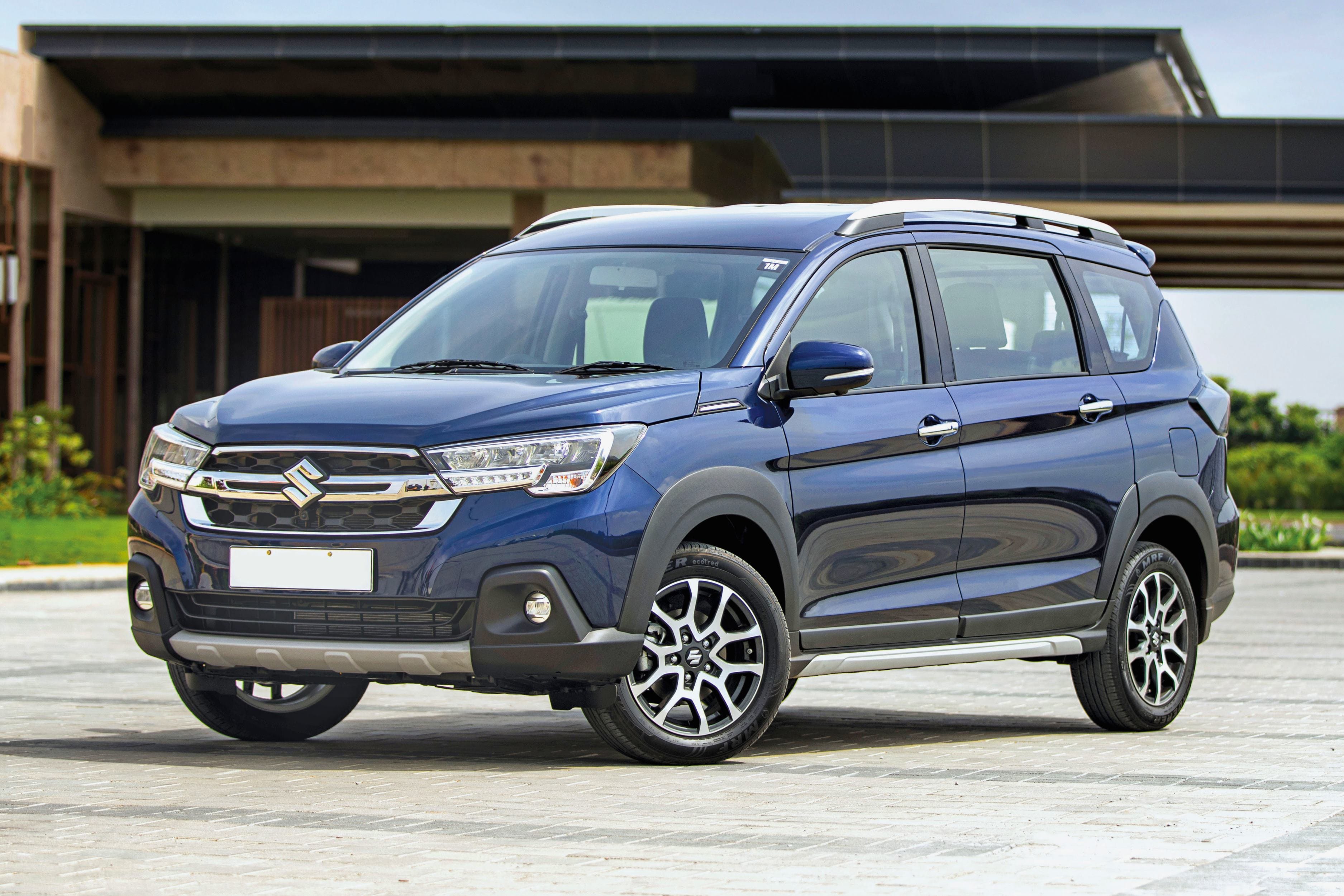
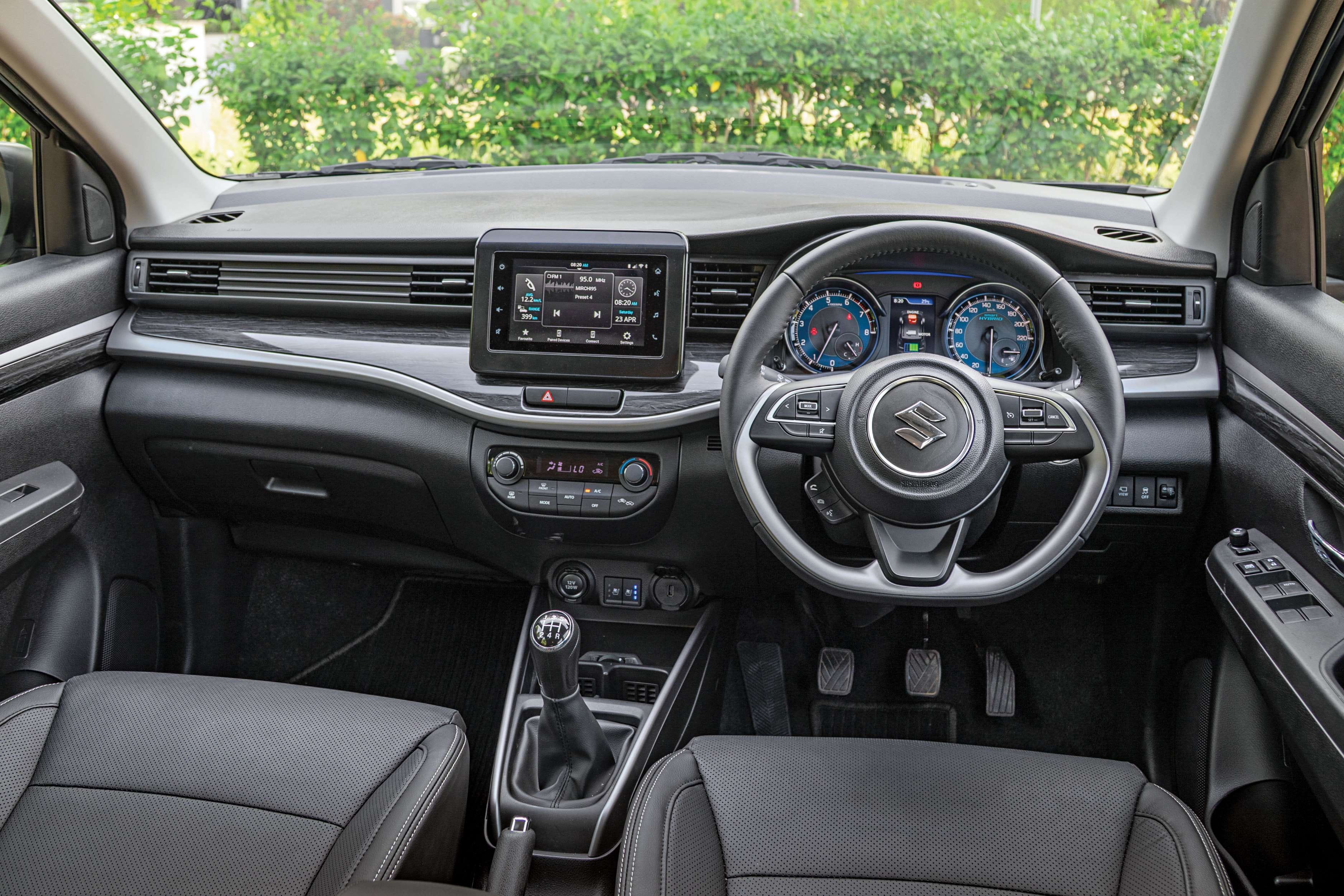
A more premium 6-seat alternative to the venerable Ertiga MPV, the Maruti XL6 has been on sale since 2019 and received a substantial update in 2022. Being a comfortable, practical and easy-to-drive MPV, the updated Maruti XL6 is worth considering as a used buy. Here’s all you need to know.
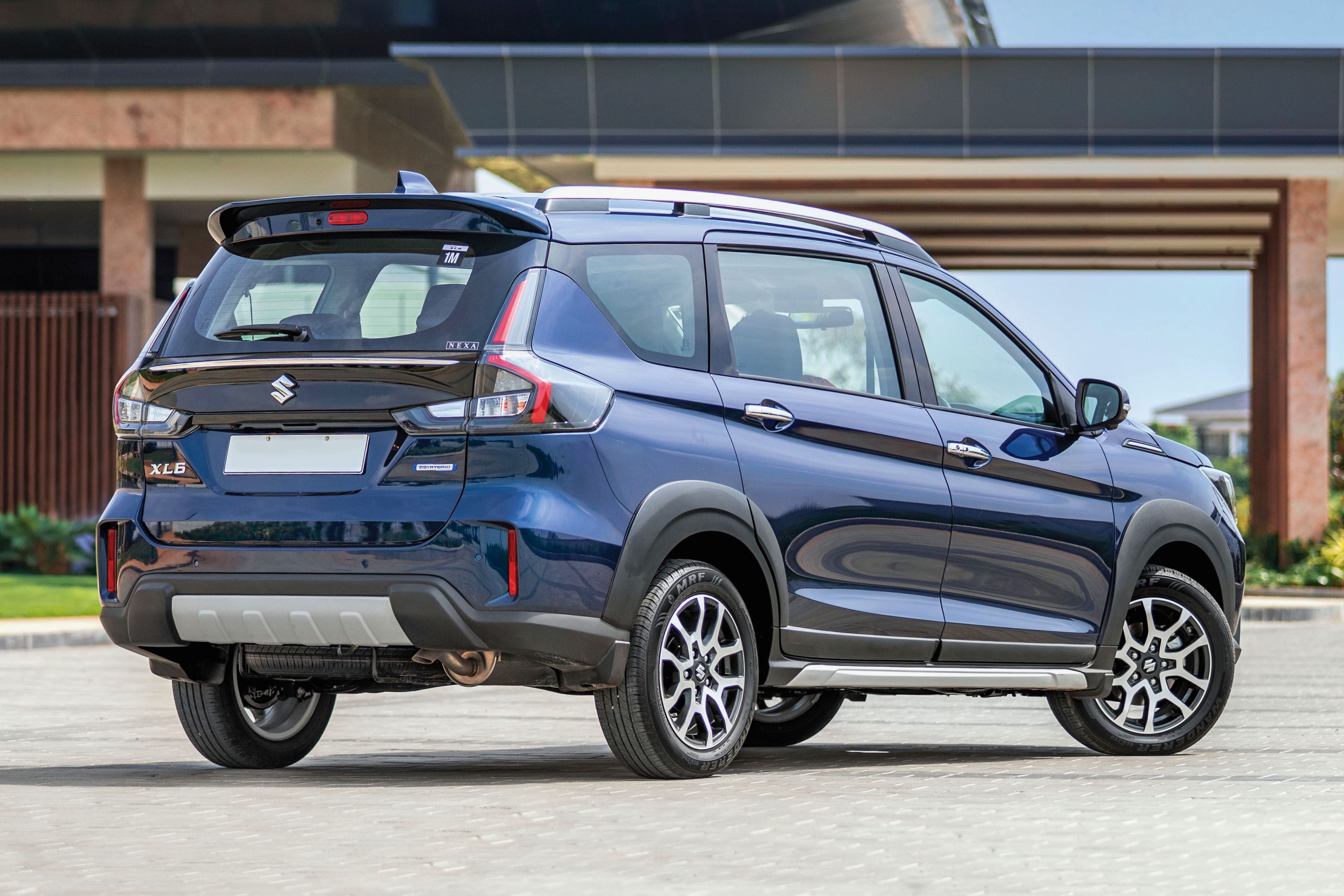
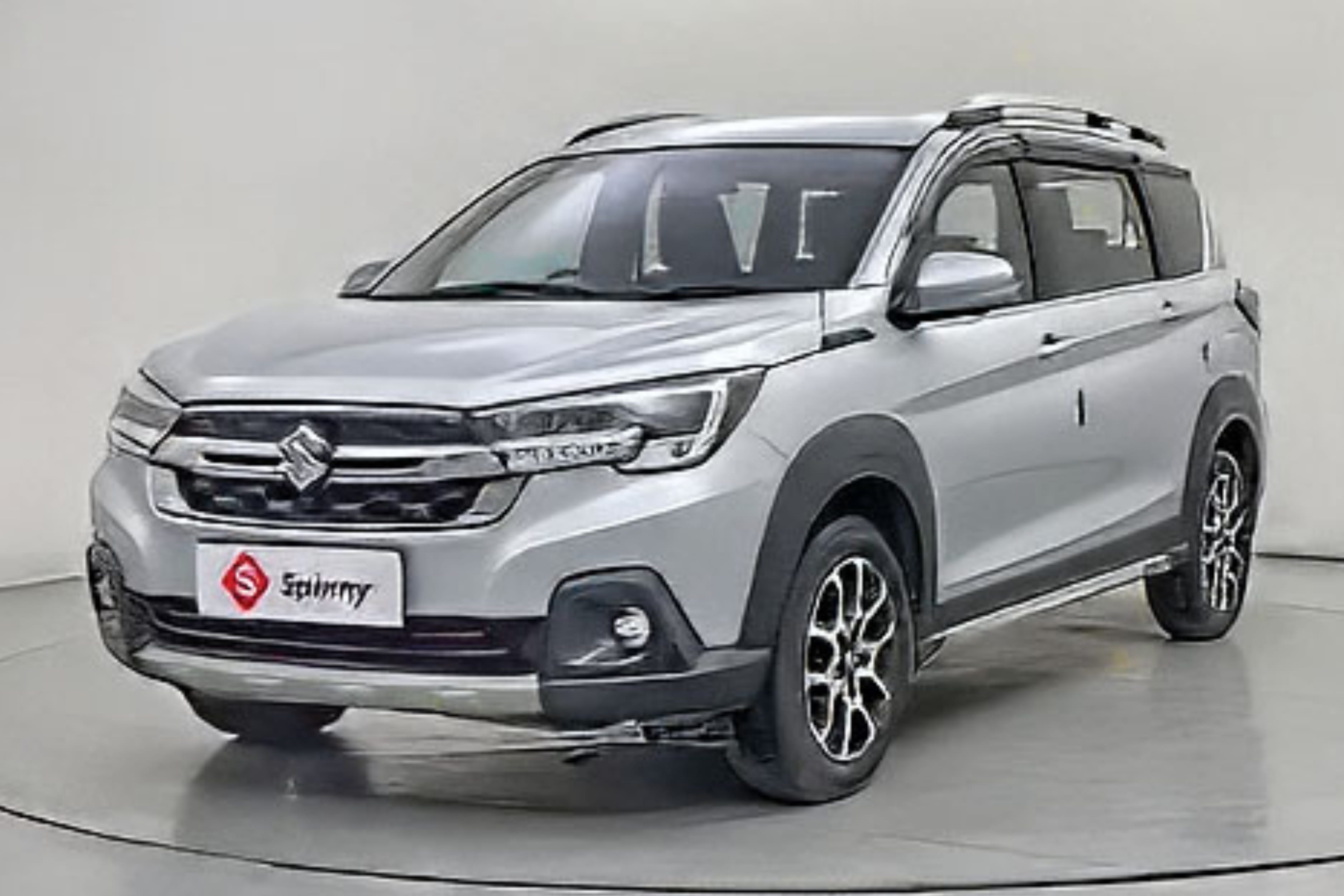
In terms of cosmetics, not much changed for the XL6 when it got an update in 2022. It got a mildly updated grille with more chrome, a new chrome bar on the tailgate, new 16-inch dual-tone alloy wheels and tweaked tail-lights with smoked clear lens effect. It also got new dual-tone colour options – silver, brown and red – with a contrasting black roof.
Petrol and CNG powertrains; up to 20.97kpl claimed mileage
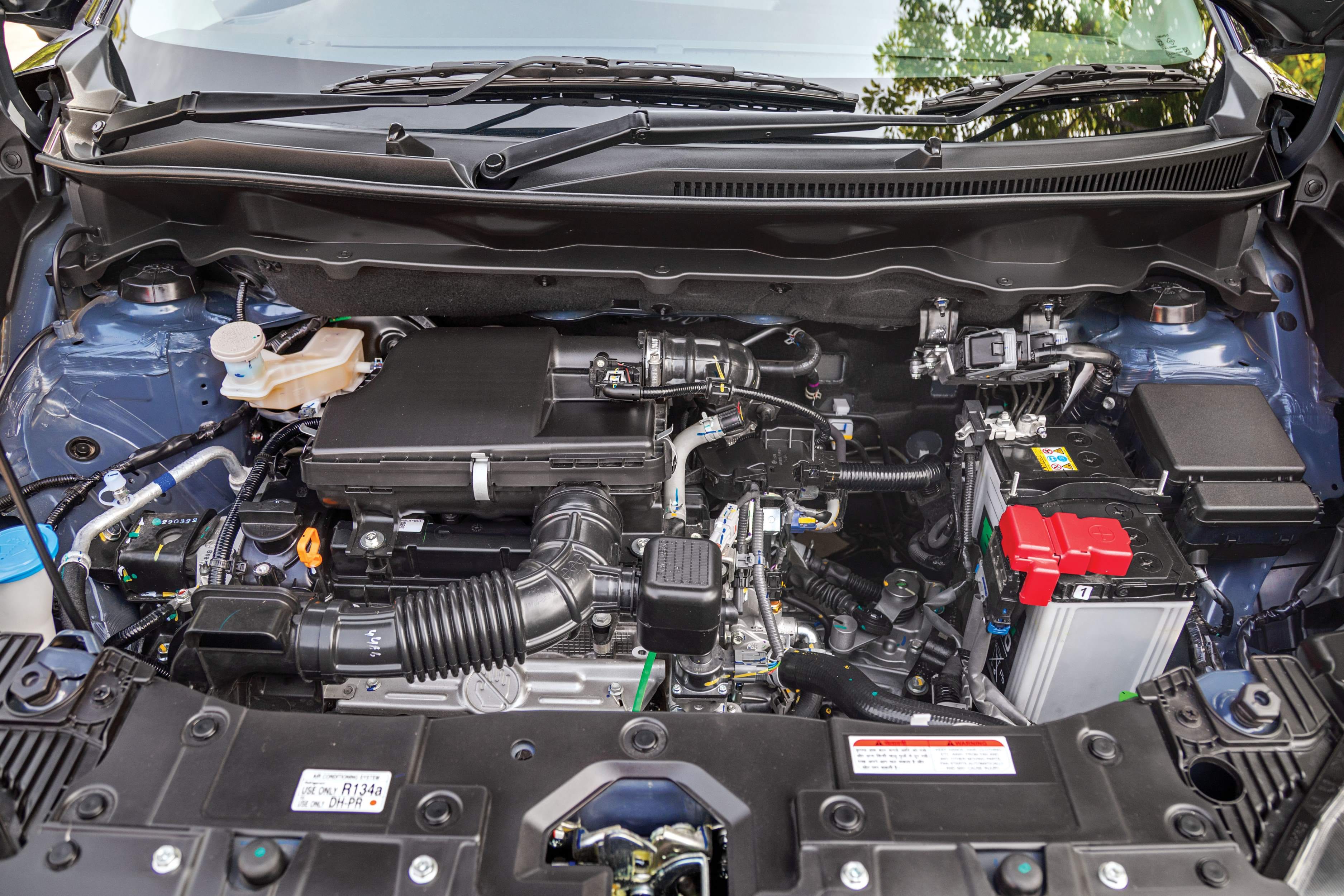
The biggest change was under the hood, with the XL6 receiving Maruti’s then-new 1.5-litre DualJet petrol engine, with two injectors per cylinder, which put out 103hp and 136.8Nm. The other big highlight was the new 6-speed torque converter automatic gearbox with paddle shifters, replacing the older 4-speeder. The standard 5-speed manual gearbox was carried over as is. It also featured Maruti’s mild-hybrid technology with an integrated starter generator and start-stop technology. The updated XL6 has a claimed fuel efficiency of 20.97kpl with the manual gearbox and 20.27kpl with the auto.
Later in 2022, Maruti launched the XL6 CNG, which was offered in a single Zeta variant and cost about Rs 95,000 more than the equivalent petrol variant. Powered by the same 1.5 engine, it put out a lower 88hp and 121.5Nm in CNG mode, and 101hp and 136Nm in petrol mode, and came paired with the 5-speed manual only. Maruti claimed that the XL6 CNG had a fuel efficiency of 26.32km/kg.
The petrol manual is ideal for most users, as it’s easy to drive, efficient and will be the most affordable to buy. Those with most of their running within the city can opt for the automatic for greater convenience, while high-mileage users will benefit from the CNG’s low running costs.
Maruti Suzuki XL6 variants and features
7-inch touchscreen, ventilated front seats, 360-degree camera, and more
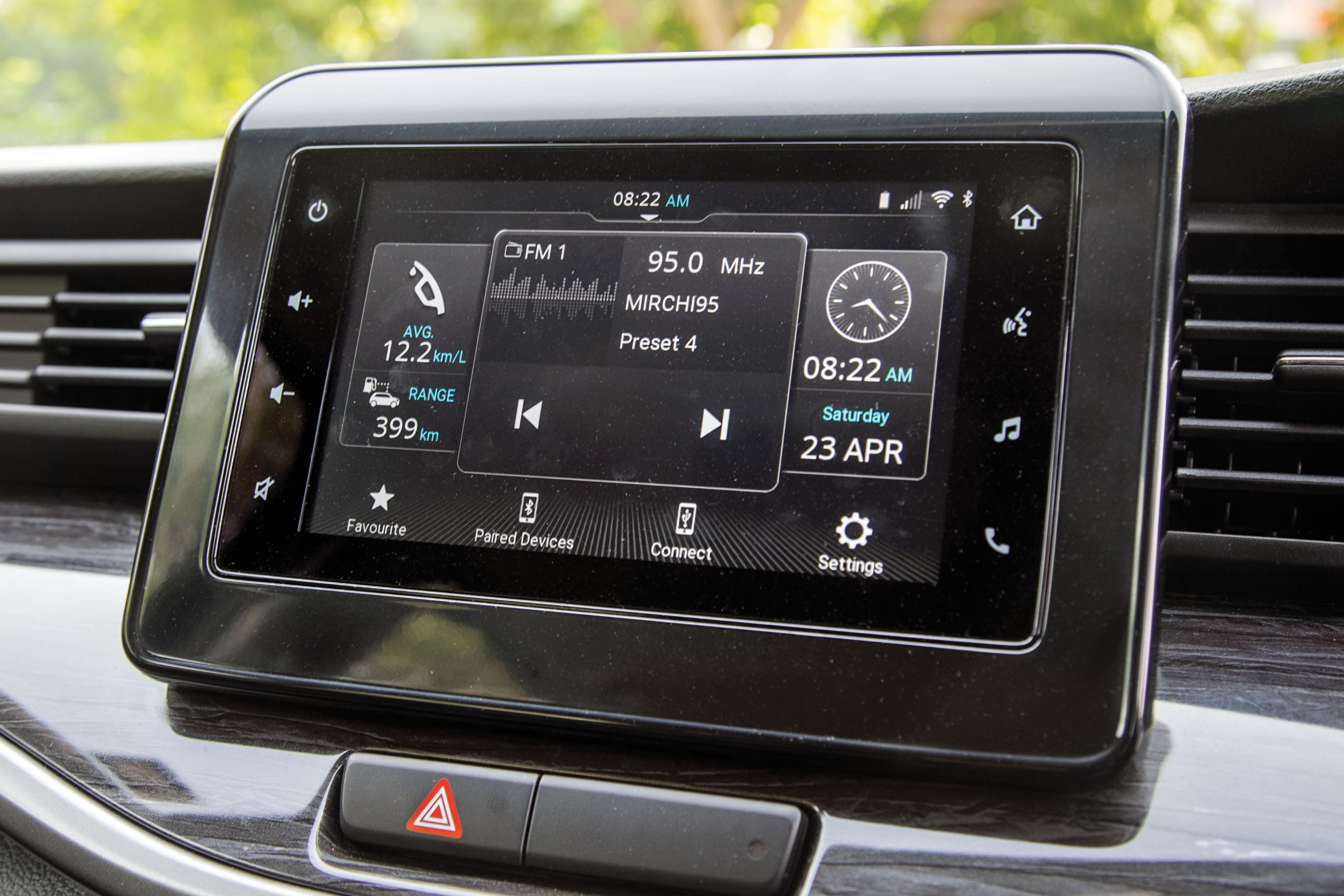
As for variants, there’s three on offer – Zeta, Alpha and Alpha+. The range-topping Alpha+ packs in features like a 7-inch touchscreen infotainment with Android Auto and Apple CarPlay compatibility, auto climate control, leatherette upholstery, LED lights, 360-degree camera, ventilated front seats, connected car tech, cruise control, tyre pressure monitor, traction control and much more. All variants come well equipped, and features like the touchscreen and cruise control are offered right from the base Zeta variant, so choose the one that best fits your budget.
XL6 aftersales details
Being a Maruti product, the XL6 is a proven and reliable MPV that’s also easy to maintain. Spare parts are readily available and affordable, while Maruti’s widespread service network throughout India gives you peace of mind. It’s also worth going for an example that has an extended warranty package, and the XL6’s great resale value also means you’ll recoup a considerable amount when you sell it later on.
What to look out for in a used Maruti Suzuki XL6
Suspension wear
Since the XL6 is a family car, it’s bound to be subjected to heavy loads from time to time. Hence, it’s worth checking out the condition of the suspension. Listen for any noises that come from the suspension, or check if it crashes excessively over bumps and ruts, as these are signs of worn-out suspension bushings. This is not an expensive fix, however.
Infotainment issues
Owners have faced issues with the XL6’s SmartPlay Pro 7-inch infotainment system, like Apple CarPlay/Android Auto disconnections, screen freezing and the display getting stuck. Before purchasing, check that it functions smoothly, pairs up with your phone easily and that the system’s software is up to date.
Potential defect in front seatbelts
XL6 units manufactured between November 2 and November 28, 2022 were recalled by Maruti Suzuki to rectify a possible defect in one of the child parts of the height-adjuster assembly of the front seatbelts, which could lead to seat belt disassembly. Replacement of the faulty part was done free of charge, so make sure this has been taken care of if you’re looking at a car from this time frame.
Second-hand Maruti Suzuki XL6 price and resale value
Rs 8 lakh-12 lakh
The XL6 is still on sale, and being a Maruti, it commands very good value in the resale market. However, refrain from spending over Rs 12 lakh, irrespective of the variant and mileage, as you’d be better off buying a new one. What’s nice, though, is that you’ll also be able to recover a good chunk of your investment once you go on to sell it.
Maruti Suzuki XL6 fact file
Years produced
2022-present
Price when new
Rs 11.29 lakh-14.55 lakh (ex-showroom, India)
Engine
4 cyls, 1462cc, petrol / 4 cyls, 1462cc, petrol+CNG
Ameesha Patel: बॉलीवुड के कई एक्टर्स ने अपनी मर्जी से या सही पार्टनर न मिल पाने की वजह से सिंगल रहने का फैसला किया है। सलमान खान, सुष्मिता सेन और तब्बू जैसे एक्टर्स ने खुलकर अपने सिंगल स्टेटस और अपनी ज़िंदगी अपनी शर्तों पर जीने के फ़ैसले के बारे में बात की है। अब अमीशा पटेल ने भी इस बारे में बात की है कि 51 साल की उम्र में भी वह क्यों अविवाहित हैं।
अमीशा पटेल कभी शादी नहीं करेंगी
हाल ही में अमीशा ने X (पहले ट्विटर) पर एक AMA सेशन किया। इस सेशन के दौरान, एक फैन ने उनसे पूछा, “आप शादी कब कर रही हैं?” अमीशा ने बहुत बेबाकी से जवाब दिया, “कभी नहीं, मैं सिंगल रहकर बहुत खुश हूं। मेरे पास 100 करीबी परिवार वाले और दोस्त हैं, जो मुझसे प्यार करते हैं। मैं किसी एक आदमी को आकर यह सब बदलने नहीं दे सकती।”
अमीशा की शादी को लेकर कही गई बातों से कई फैंस सहमत थे। एक कमेंट में लिखा था, “यह वाकई बहुत अच्छी बात है। शादी करना एक तरह का समझौता है जो आपके सपनों को पूरा करने और आगे बढ़ने की क्षमता में रुकावट डालता है। शादीशुदा होने के मुकाबले सिंगल रहने में ज़्यादा रोमांचक एहसास होता है।” एक और व्यक्ति ने कमेंट किया, “सही कहा, सिंगल रहना ही बेहतर है।” एक तीसरे फ़ैन ने लिखा, “अरे, मैं भी ऐसा ही सोचती हूं।”
पिछले साल, रणवीर इलाहाबादिया के साथ एक पॉडकास्ट में अमीशा ने बताया था कि वह एक सीरियस रिलेशनशिप में थीं, लेकिन जब उन्होंने फिल्म इंडस्ट्री में आने का फैसला किया तो उनके पार्टनर ने उनका साथ नहीं दिया। उन्होंने कहा कि हालांकि उन्होंने शादी का विचार पूरी तरह से छोड़ा नहीं है, लेकिन वह ऐसे पार्टनर की तलाश में हैं, जो उनके करियर को आगे बढ़ने में मदद करे।
Never superrr happy being single . I have 100 close family and friends who love me . Can’t afford one man to come and change all that https://t.co/PIccHE7bSM
उन्होंने आगे कहा, “अगर मुझे कोई सही इंसान मिल जाए, तो मैं शादी के लिए तैयार हूं। कहावत है कि ‘जहां चाह, वहां राह’, इसलिए जो इंसान हर मुश्किल के बावजूद मेरे साथ रहेगा और सही मौके का फायदा उठाएगा (मौके पर चौका मारेगा), वही मेरा जीवनसाथी बनेगा। मुझे आज भी कई अमीर परिवारों से शादी के प्रस्ताव मिलते हैं। मुझसे आधी उम्र के लोग मुझे डेट पर ले जाना चाहते हैं, और मैं इसके लिए तैयार हूं क्योंकि पुरुष का मानसिक रूप से परिपक्व होना जरूरी है। मैं मुझसे उम्र में बड़े कई ऐसे लोगों से मिली हूं जिनकी समझ-बूझ (IQ) एक मक्खी जितनी होती है।”
अमीशा पटेल का हालिया काम
अमीशा आखिरी बार 2024 की फ़िल्म ‘तौबा तेरा जलवा’ में नज़र आई थीं। आकाशआदित्य लामा की डायरेक्ट की गई इस रोमांटिक कॉमेडी फ़िल्म में जतिन खुराना और एंजेला क्रिसलिंज़की भी मुख्य भूमिकाओं में थे। उनकी पिछली सफल फ़िल्म ‘गदर 2’ थी, जिसमें उन्होंने सनी देओल के साथ काम किया था। यह फ़िल्म बॉक्स-ऑफ़िस पर बहुत सफल रही और इसने दुनिया भर में ₹686 करोड़ की कमाई की। अनिल शर्मा की डायरेक्ट की गई इस फ़िल्म में अमीषा ने सकीना का किरदार फिर से निभाया। इसमें उत्कर्ष शर्मा, सिमरत कौर, मनीष वाधवा और गौरव चोपड़ा भी अहम भूमिकाओं में थे। एक्ट्रेस ने अभी तक अपने अगले प्रोजेक्ट की घोषणा नहीं की है।
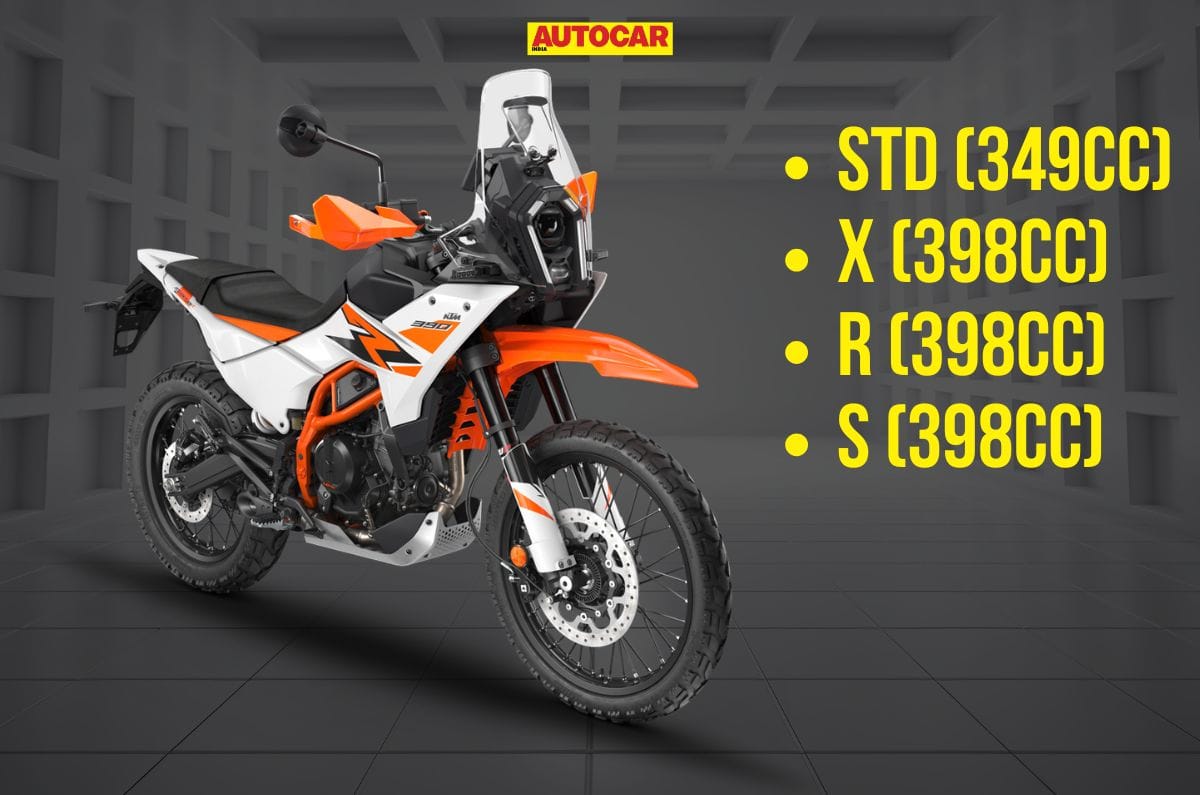
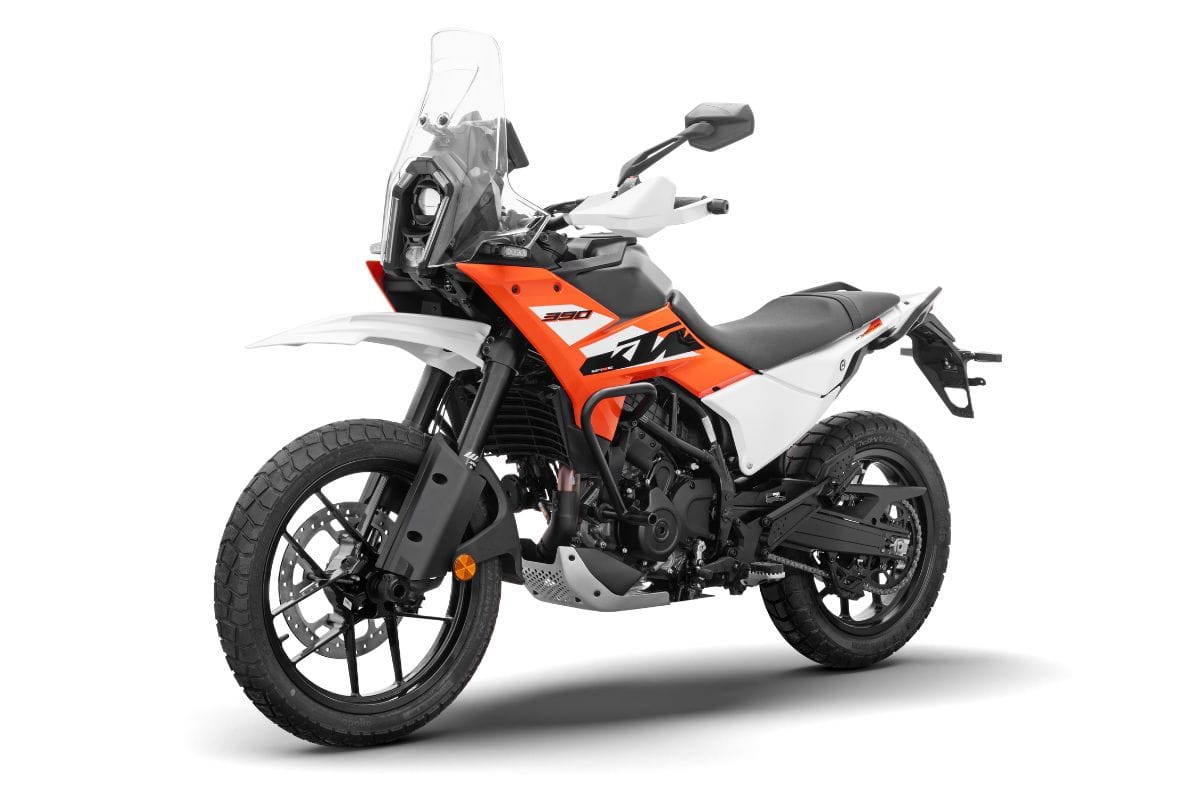
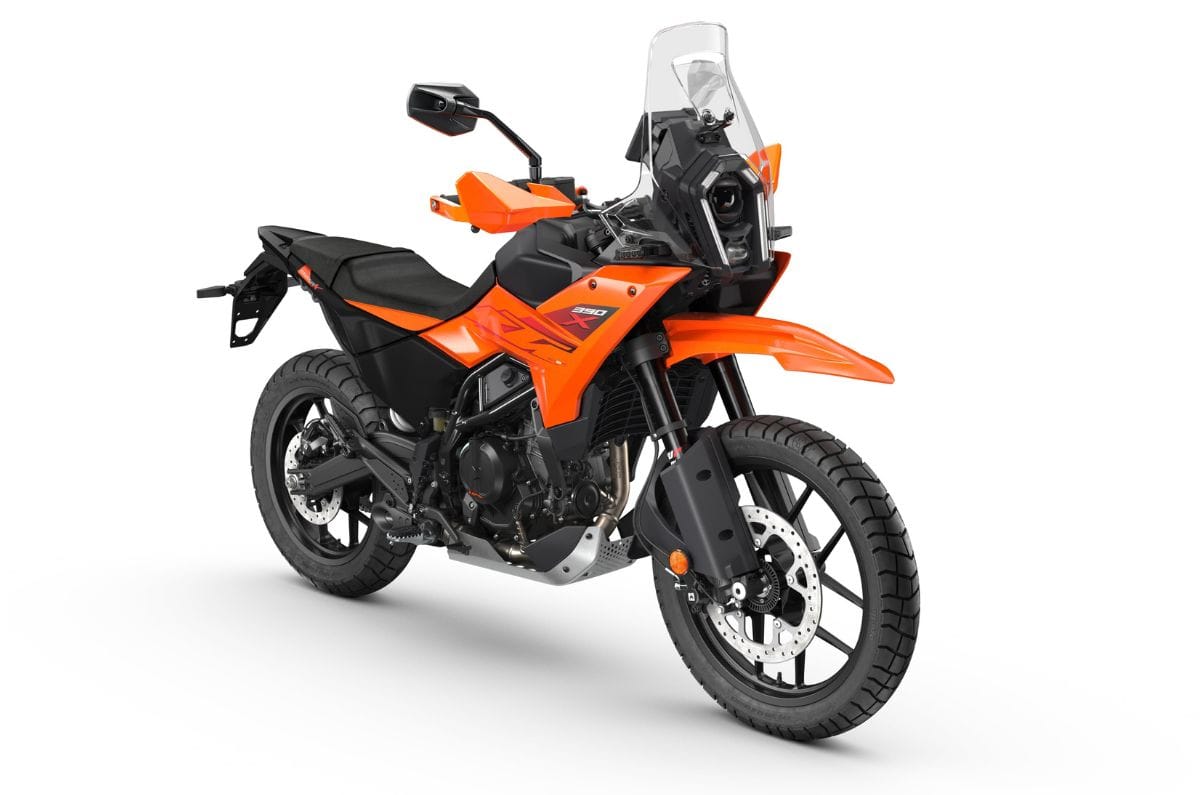
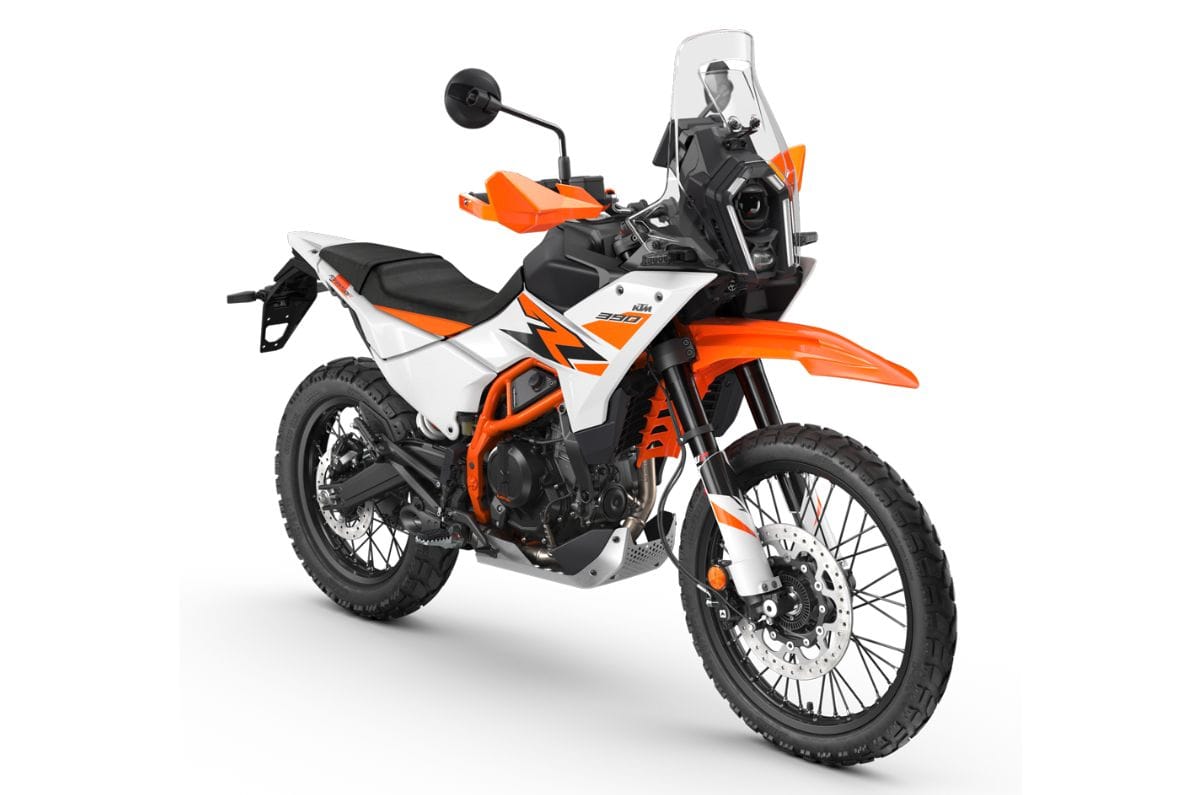
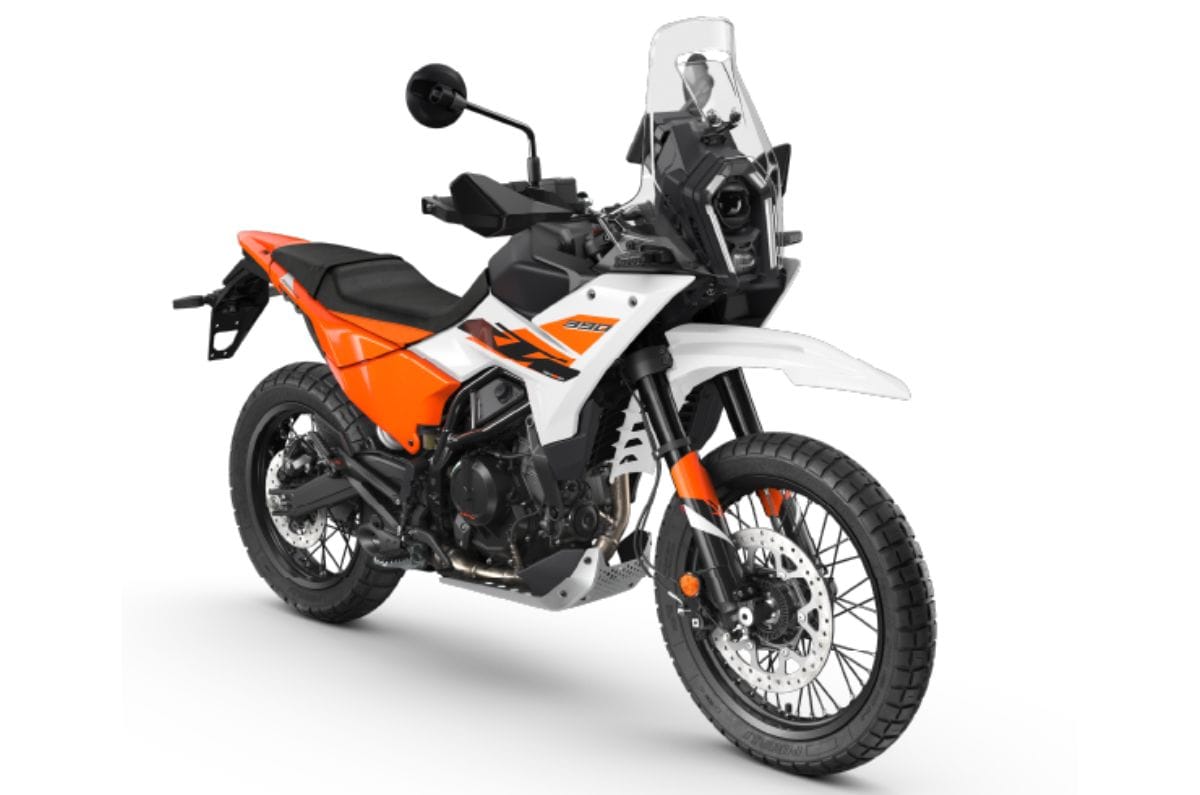
With the launch of the 350cc KTM 390 Adventure, there are now four 390 Adventure models on sale in India, which can make things confusing for someone considering this bike. Here, we’ll explain in detail what each variant costs and brings to the table.
All prices ex-showroom, Delhi
KTM 390 Adventure variant breakdown
Standard
There are a great many differences between the four variants in the KTM 390 Adventure lineup but a lot of parts are common as well. For example, they all have the same main frame, subframe, bodywork and styling with just different colours and graphics.
Where the base 390 Adventure differs from all the other variants is that it is the only one to use a downsized 349cc engine – via a shorter stroke – making 41.5hp and 33.5Nm of torque. It has the same 200mm/205mm (F/R) of suspension travel (non-adjustable except for rear preload), 19/17-in (F/R) alloy wheels and TFT display as well as electronics as the higher models.
As a consequence of the lower 18 percent GST levied on it, the base 390 Adventure costs Rs 2.87 lakh.
X
The 390 Adventure X – and the R and S variants – is powered by the full-fat 398cc engine making 46hp/39Nm of torque. Its chassis, feature-set, design and key specifications are identical to the base 390 Adventure except for two slightly different paint schemes. However, the X costs Rs 3.50 lakh, which is a substantial Rs 61,000 more expensive than the variant below it and except for the slightly lower output, the two are identical.
R
The R is the most off-road focused variant in the 390 Adventure lineup and is the only one to use long-travel suspension with 230mm of travel at both ends. As a result, it has a super tall 880mm seat height although you also get a towering 272mm of ground clearance here.
It is also the only variant to use 21/18-in (F/R) tubed wire spoke wheels shod with Mitas dual-purpose tyres. At Rs 3.86 lakh, the 390 Adventure R is priced Rs 36,000 higher than the X below it.
S
The range topping variant in the 390 Adventure family is the S which uses adjustable suspension with 200/205mm of travel (F/R) and has 21/17-in wire-spoke wheels, but these ones permit tubeless tyres. It has a seat height of 830mm and a ground clearance figure of 237mm, both of which are lower than the R which helps make the S a more road-friendly machine. With the recent hike in price, the 399cc KTM 390 Adventure S now breaches the Rs 4 lakh mark and is now priced at Rs 4.05 lakh, up from the earlier Rs 3.97 lakh mark.
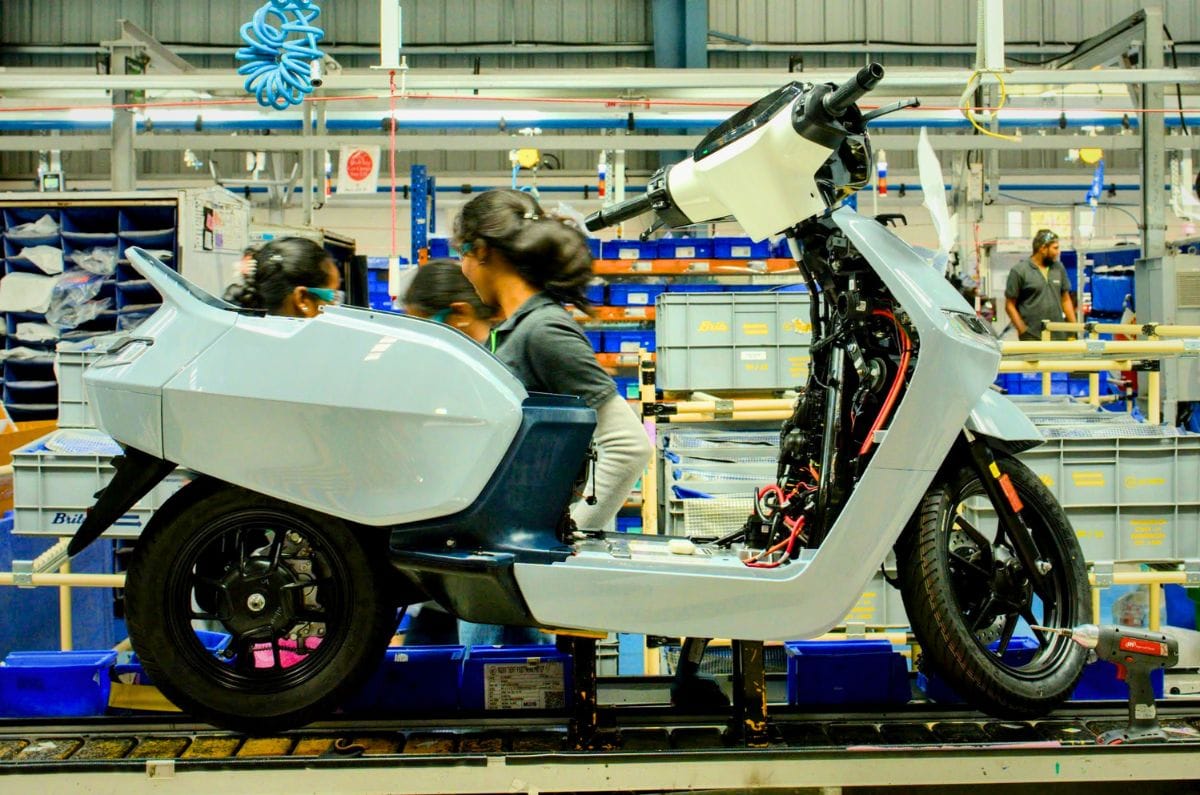
Ather Energy is exploring whether to accelerate the second phase of its upcoming Aurangabad manufacturing facility as demand for electric scooters continues to outpace expectations, with the company saying its planned capacity could come under pressure if current growth trends persist.
The company’s co-founder and CEO, Tarun Mehta, said the company has begun considering an earlier rollout of Phase 2 after a sharp rise in demand in recent months. He added that the recently completed Rs 2,500-crore fund raise gives the company the flexibility to move ahead with the expansion without waiting for Phase 1 to mature.
EL platform based family scooter to launch on August 29
EL production to initially begin from Hosur, before shifting to Aurangabad
Ather’s electric bike still quite a ways away
Aurangabad Plant to Add 5 Lakh Units Annual Capacity
The comments come as Ather prepares to commission the first phase of its Aurangabad, or AURIC, manufacturing facility in a couple of months. The company currently manufactures electric scooters from its Hosur plant, which has an annual production capacity of 4.2 lakh units. Mehta said the facility is now operating at almost full utilisation following steady production ramp-up during the first quarter.
Once the Aurangabad plant comes live, it will add another 5 lakh units of annual capacity, taking Ather’s total manufacturing capacity to 9.2 lakh units a year. He added that the Aurangabad facility is progressing as planned, with the assembly line already installed, the paint shop under trial and warehouse and utility work nearing completion ahead of commercial operations later this year. However, Mehta said even that may prove insufficient if the current pace of demand continues.
“GoLive of Auric will take our total capacity up from 4.2 lakh units to 9.2 lakh units later this calendar year. But we believe demand is ramping up very fast. 9.2 lakh units per annum is only 77,000 units a month. We believe on current demand trajectories, even this may be tight in the coming quarters. Which is why I think we were lucky here when we took Aurangabad land. We took a larger land capacity and we had always planned for Auric phase two,” he said.
EV Demand Outpaces Supply
Demand has risen sharply over the past few months, according to the company, resulting in supply constraints across several markets. Mehta said dealer inventories have fallen from 14 days to just three days, while some dealerships have temporarily stopped accepting fresh pre-orders because waiting periods have stretched to around two months or more. The company estimates it could have retailed another 13,000 to 15,000 scooters every month if sufficient production capacity had been available.
“There are 50,000 pre-orders, despite the fact that in many states now, our dealers are no longer even accepting new pre-orders, because the waiting times are now hitting two months or even higher. The underlying demand we strongly believe is very, very high,” Mehta said. “We believe today that of the 30,000 units that we retail average in Q1, we could have probably sold an incremental 13,000 to 15,000 units extra every month.”
New EL Scooter Platform Set to Launch on August 29
Ather expects demand to receive another boost with the launch of its first new scooter based on its brand-new EL platform on August 29. Production of the vehicle has already begun at the Hosur plant, homologation has been completed and high-volume trials are underway.
Initially, production will continue from Hosur before gradually shifting to Aurangabad as the new facility ramps up. The company plans to scale manufacturing capacity for the EL platform to about 60,000 units a month across the two plants. The EL platform will underpin multiple future scooter models and forms part of Ather’s strategy to expand production and meet rising demand for electric scooters.
Ather electric bike still at least 2 years away
Even as it prepares to debut a fresh onslaught of new products based on its EL platform, Ather Energy has no plans to enter the electric motorcycle segment in the near term. According to Ather Energy co-founder and Chief Executive Officer Tarun Mehta, the company’s strategy is to first concentrate on rolling out products based on its new EL platform before entering the electric motorcycle space.
“At this point, we are focused on the EL platform and getting at least the first, maybe two products, maybe another product out on it in the next year,” Mehta said to investors. Ather had earlier said it is developing a dedicated motorcycle platform, codenamed Zenith, alongside its EL scooter architecture. The comments indicate that Ather is now taking a measured approach towards a segment that is still at an early stage of adoption.
“Motorcycles are starting to look interesting. But Ather may not be the pioneer this time. We may watch the market. We want to see how consumers respond, which segments show a willingness and an interest towards the segment before we make our maiden launch here,” Mehta said.
He added that an electric motorcycle from Ather is not expected anytime soon. “So this, I would say, more than a year away, for sure. Probably two years plus.” he said. The company’s strategy comes at a time when India’s electric two-wheeler market continues to be led by scooters, while electric motorcycles account for only a miniscule share of overall EV sales.
Royal Enfield has begun sales of its Flying Flea C6 electric motorcycle on a small scale, while startups including Ultraviolette, Revolt and Oben are expanding their presence. Other legacy players like Bajaj Auto and Hero MotoCorp are also developing their own electric motorcycle platforms, although a debut from either brand is still some time away. Ather, however, plans to observe how the market evolves before committing resources to the category.
मानसून के बाद सांप काटने के मामलों में तेजी से बढ़ोतरी दर्ज की गई है। हेल्थ डिपार्टमेंट के मुताबिक, पिछले दिनों में जहरीले सांप के काटने के कई मामले सामने आए हैं, जिनमें कुछ लोगों की मौत भी हो चुकी है। लगातार बढ़ते मामलों ने लोगों की चिंता बढ़ा दी है। बारिश के कारण सांप अपने बिल छोड़कर रिहायशी इलाकों की ओर आ रहे हैं और कई बार घरों, भूसे के ढेर, गोहालों या झाड़ियों में छिप जाते हैं, ऐसे में आप मानसून के दौरान सांपों से बचाव के लिए यहां दिए गए आसान और जरूरी उपाय अपना सकते है:
घर के आसपास सफाई रखें (Maintain Regular Cleanliness)
मानसून में सांप अक्सर ऐसी जगहों पर छिपते हैं जहां झाड़ियां, लंबी घास, लकड़ी, ईंट, भूसा या कबाड़ जमा हो। इसलिए घर के आसपास की साफ-सफाई का विशेष ध्यान रखें। समय-समय पर झाड़ियों की कटाई करें और बेकार सामान हटाते रहें, ताकि सांपों को छिपने की जगह न मिले।
दीवारों की दरारें बंद करें (Seal Cracks and Gaps)
अगर घर की दीवार, फर्श, आंगन या स्टोर रूम में कहीं बिल, दरार या छेद दिखाई दे, तो उसे सीमेंट, मिट्टी या मटेरियल से बंद कर दें। इससे सांपों के घर के अंदर आने की संभावना काफी कम हो जाती है। खासकर बरसात के मौसम में घर की रेगुलर इंस्पेक्शन करना जरूरी है।
रात में टॉर्च का इस्तेमाल करें (Use a Torch at Night)
बारिश के मौसम में सांप रात के समय ज्यादा एक्टिव रहते हैं। इसलिए अंधेरे में बाहर निकलते समय हमेशा टॉर्च का यूज करें। खेत, बगीचे, गोहाल या घर के आसपास कभी भी नंगे पैर न चलें। मजबूत जूते और पूरी लंबाई वाले कपड़े पहनने से सांप के काटने का खतरा कम हो सकता है।
सांप से सुरक्षित दूरी रखें (Safe Distance from Snakes)
अगर घर या आसपास सांप दिखाई दे, तो घबराएं नहीं और उसे मारने या पकड़ने की कोशिश बिल्कुल न करें। सही दूरी बनाए रखें और तुरंत वन विभाग , स्थानीय प्रशासन या प्रशिक्षित स्नेक रेस्क्यू टीम को सूचना दें। ऐसा करने से आपकी और सांप दोनों की सेफ्टी बनी रहती है।
परिवार को जागरूक रखें (Family Awareness)
मानसून के दौरान बच्चों और परिवार के सभी मेंबर को सांपों से जुड़ी जरूरी सावधानियों के बारे में बताएं। उन्हें समझाएं कि झाड़ियों, लकड़ी या भूसे के ढेर में हाथ डालने से पहले सावधानी बरतें और सांप दिखाई देने पर उससे दूर रहें। साथ ही यह भी याद रखें कि अगर किसी को सांप काट ले, तो घरेलू नुस्खों पर भरोसा करने की बजाय तुरंत नजदीकी अस्पताल पहुंचें, क्योंकि समय पर इलाज ही जान बचाने का सबसे सेफ तरीका है।
खिड़कियां और दरवाजें बंद (Secure Doors and Windows)
मानसून के दौरान रात में सांप खुले दरवाजों, खिड़कियों या नालियों के रास्ते घर में घुस सकते हैं। इसलिए दरवाजे हमेशा बंद रखें, खिड़कियों पर जाली लगवाएं और पानी निकासी वाली नालियों को भी सुरक्षित रखें। इससे सांपों के घर में आने का खतरा कम हो सकता है।
खाने-पीने की चीजें और कचरा (Keep Food and Garbage Covered)
घर के आसपास कचरा, बचा हुआ खाना या अनाज खुला रखने से चूहे आने लगते हैं, और जहां चूहे होते हैं वहां सांपों के आने की संभावना भी बढ़ जाती है। इसलिए कूड़ेदान को ढककर रखें, अनाज को बंद डिब्बों में रखें और घर के आसपास सफाई बनाए रखें, ताकि सांपों को अट्रैक्ट करने वाली कंडीशन न बनें।
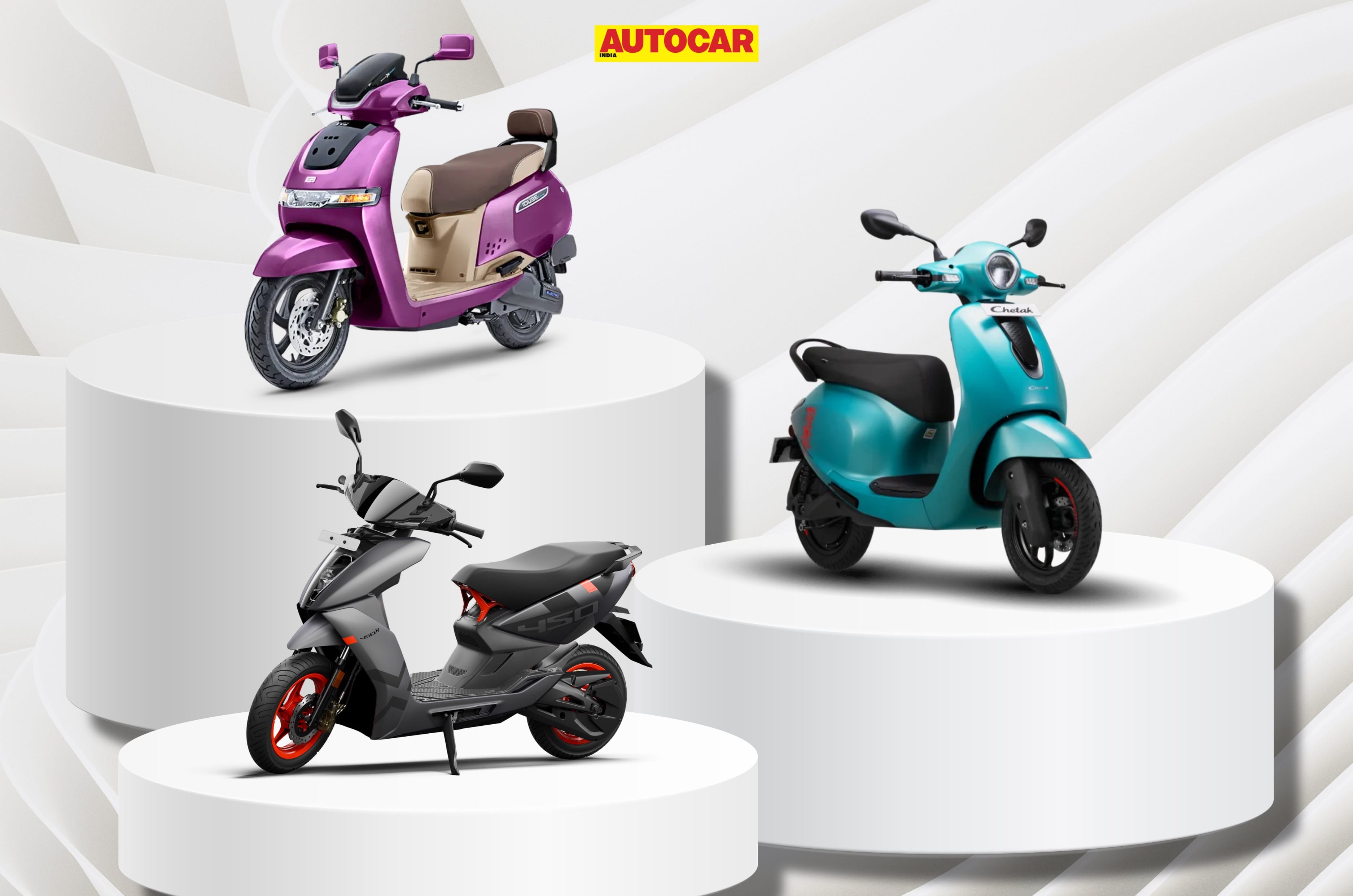
India’s electric two-wheeler segment crossed the 2 lakh monthly sales mark for the first time, with retail figures of 2,04,266 units in July 2026 – beating the previous best of 1,99,411 units set in March this year. Cumulative sales for the first seven months of 2026 now stand at 11.7 lakh units, up 56 percent year-on-year, while the first four months of FY27 have delivered 7,29,573 units – a 73 percent jump over the same period last year.
Electric two-wheeler sales cross 2 lakh units in a month for the first time
TVS posts best-ever monthly sales of 55,477 units; market share rises to 27 percent
Ola Electric is the only top-10 OEM to register a year-on-year decline
July 2026 electric two-wheeler sales: OEM breakdown
TVS Motor Co: 55,477 units
TVS Motor Company delivered a record 55,477 electric scooters in July – a 135 percent year-on-year increase and the brand’s highest-ever monthly figure, surpassing the previous best of 51,632 units in March. The result gives TVS a 27 percent market share, up from 22 percent a year ago. Cumulative FY27 sales of 1,86,034 units are already 52 percent of its full-year FY26 tally, putting it on course to cross 5.5 lakh annual sales for the first time. The iQube remains TVS’s highest-selling model, with the Orbiter seeing growing demand alongside it.
Bajaj Auto: 45,592 units
Bajaj Auto sold 45,592 Chetak scooters in July, marking a 122 percent year-on-year increase, and giving it a 22 percent market share, up from 19 percent a year ago. This was Bajaj’s second-highest monthly figure after March’s 47,751 units. Cumulative FY27 sales of 1,63,236 units are 54 percent of its full-year FY26 total. Bajaj Auto’s Joint MD Rakesh Sharma noted that the newly launched Chetak 2501 now accounts for approximately 12 percent of the Chetak portfolio.
Ather Energy: 30,323 units
Ather Energy delivered 30,323 units in July, up 70 percent year-on-year, consolidating its position as the third-largest electric two-wheeler maker in India. Cumulative FY27 sales of 1,18,983 units are already 47 percent of its FY26 total.
In July, Ather also updated the battery chemistry of the 450 and Rizta ranges, with the Rizta now available in both LFP and NMC configurations. The brand will launch its first EL platform-based scooter – expected to be priced between Rs 1 lakh and Rs 1.25 lakh – at Ather Community Day on August 29.
Vida: 22,887 units
Vida posted its best-ever monthly sales of 22,887 units in July – a 111 percent year-on-year increase – surpassing its previous highs of 22,201 units in March and 21,893 units in June. Cumulative FY27 sales of 79,940 units are already 53 percent of its full-year FY26 total. The brand expanded its lineup in July with the VX2 Plus 4.4kWh at Rs 1.43 lakh and the new VX2 Go FB – a fixed-battery variant with a 3.1kWh pack priced at Rs 1.13 lakh.
Ola Electric: 14,105 units
Ola Electric was the only top-10 OEM to register a year-on-year decline in July, selling 14,105 units – down 24 percent from 18,449 units in July 2025. After three months of sequential growth through April, May and June, July also saw a 13 percent month-on-month drop. Ola’s market share has fallen sharply to 7 percent from 17 percent a year ago, when it ranked third overall.
Other notable performers
Greaves Electric Mobility delivered 10,125 units – up 137 percent year-on-year. River Mobility hit its highest-ever monthly sales with 5,951 units of the Indie, up 254 percent year-on-year, following the rollout of its 50,000th unit from its Hoskote plant. Bgauss Auto sold 5,518 units, up 213 percent year-on-year. Simple Energy sold 1,648 units, with the brand’s upcoming Simple Arrive family scooter set to launch on September 2. Lectrix Vehicles rounded out the top 10 with 1,397 units.
The top 10 OEMs combined accounted for 94 percent of all electric two-wheeler sales in July, with the remaining 6 percent approximately 180 other manufacturers.
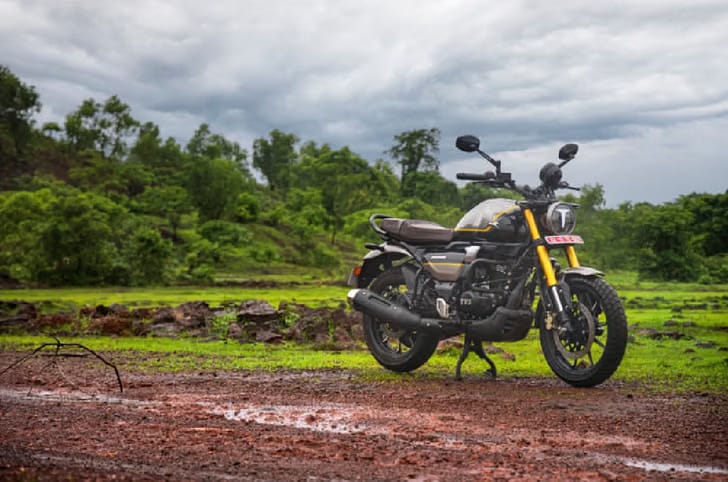
The TVS Ronin has posted its strongest-ever quarterly performance, with wholesales of 28,619 units in Q1 FY27 – a 97 percent year-on-year increase over the 14,530 units sold in the same period last year.
TVS Ronin posts 97 percent YoY growth with 28,619 units in Q1 FY27
Holds a 36 percent share of the 200-250cc segment
On course to cross 1 lakh annual sales for the first time in FY27
TVS Ronin sales surge
The segment itself grew 107 percent YoY – the fastest of any displacement band
The result gives the Ronin an 8 percent share of TVS’s total motorcycle dispatches for the quarter, doubling its 4 percent share from a year ago. Cumulative sales since launch have crossed the 1.75 lakh mark. The Ronin’s strong numbers are partly a reflection of what’s happening more broadly in the 200-250cc segment, which saw total sales of 78,880 units in Q1 FY27 – more than double the 38,157 units sold in the same period last year, making it the fastest-growing displacement band in the two-wheeler market. Within this segment, the Ronin holds a 36 percent share, just behind the Bajaj Pulsar family.
While the high-volume 75-110cc and 110-125cc segments grew at single-digit rates, the 150-200cc, 200-250cc and 250-350cc segments all posted double-digit or triple-digit growth.
For the Ronin, sales have grown month-on-month through Q1 FY27 – 8,981 units in April, 9,481 in May and 10,157 in June – and if that trajectory holds, the Ronin looks on course to exceed 1 lakh annual sales for the first time in FY27, having posted its best-ever fiscal in FY26 with 80,518 units.
Somewhere in the folds of the Western Ghats, where the Mumbai-Pune Expressway peels off from Lonavala into quieter country, a piece of land is being reshaped into what will, by this time next year, become Maharashtra’s first race track. Except to call it just a race track undersells the ambition entirely. What is rising here, on the grounds of the Nanoli Stud Farm, is a race resort, where cars are not just driven or raced, but lived with.
The Dhunjibhoy family has owned this land for decades, ever since the Nanoli Stud and Agricultural Farm was set up in the early 1990s. Khushroo Dhunjibhoy has spent a lifetime around shipping and thoroughbreds, and it is that same instinct for breeding something exceptional that he and his son, Zahir, have turned toward motorsport.
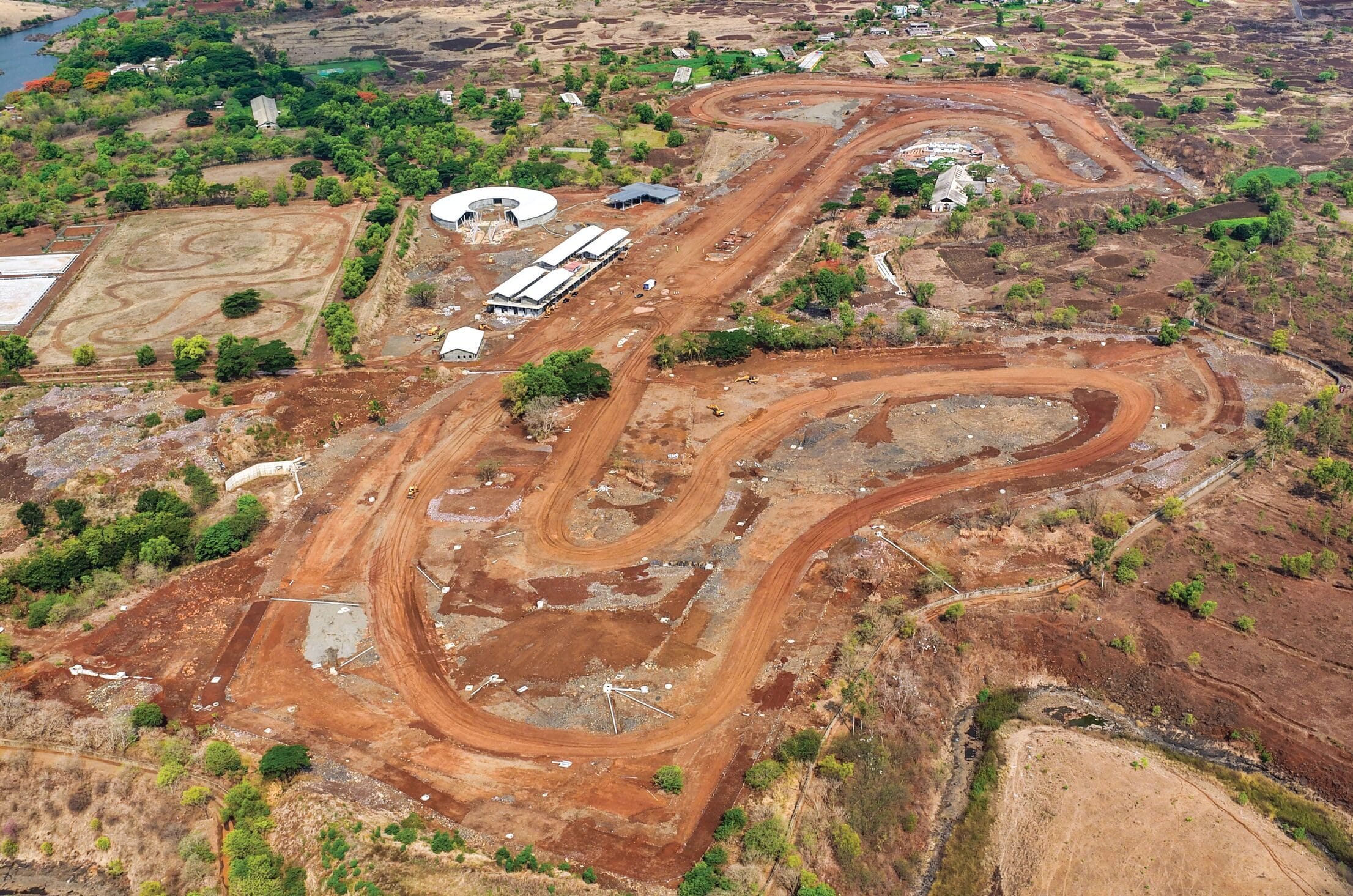
Aerial view of Nanoli before the tarmac is laid. This 3km circuit will be Maharashtra’s first and a haven for enthusiasts in western India.
Their plan is not a bare circuit with a pit lane bolted on. It is villas, high-end rooms and a clubhouse built into the same grounds as the horses. There will also be a 100-car garage with humidity control to protect exotic machinery from the heat, sun, dust and monsoons. The paddock and pit buildings will be state-of-the-art, with a hospitality deck that gives you a bird’s-eye view of nearly half the circuit. The circuit itself, designed to FIA Grade 3 specs by Driven International out of the UK, will eventually stretch close to three kilometres, with the option to split into shorter east and west configurations, depending on what the day calls for.
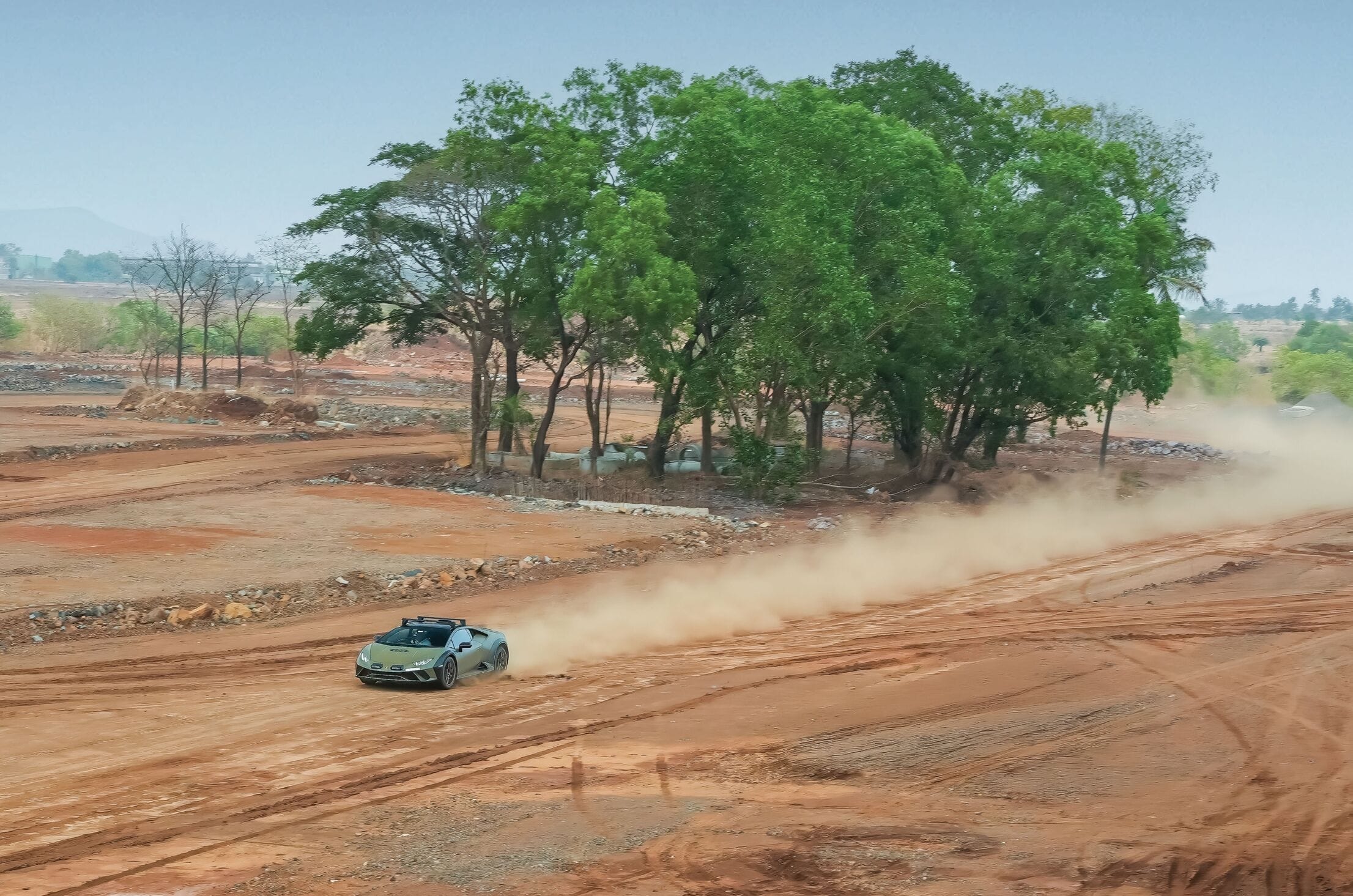
None of that exists yet in finished form. What does exist, right now, is the base layer. The dirt has been laid and compacted to a finish so smooth, it could pass for a rally special stage, which is roughly how we decided to treat it.
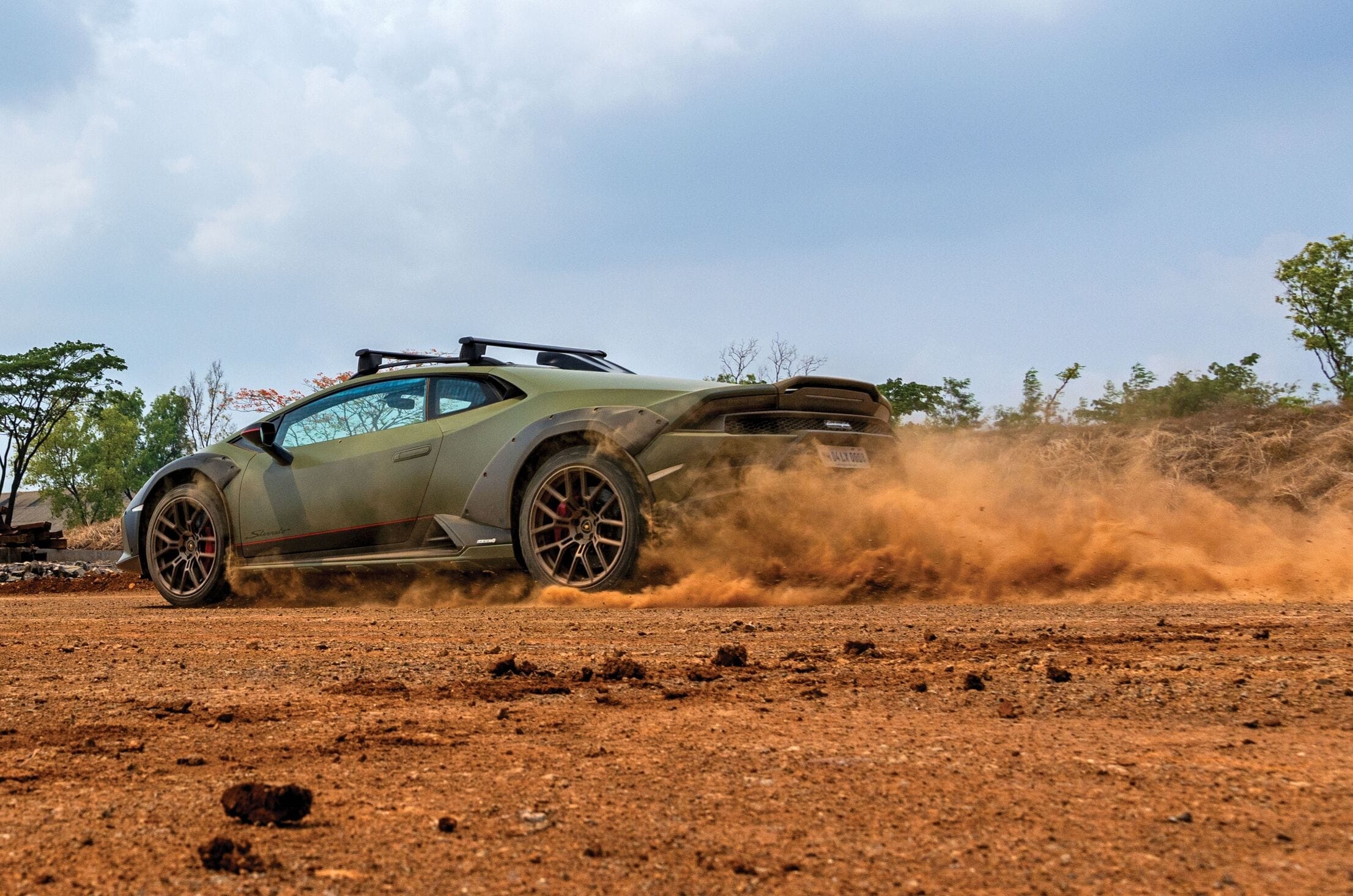
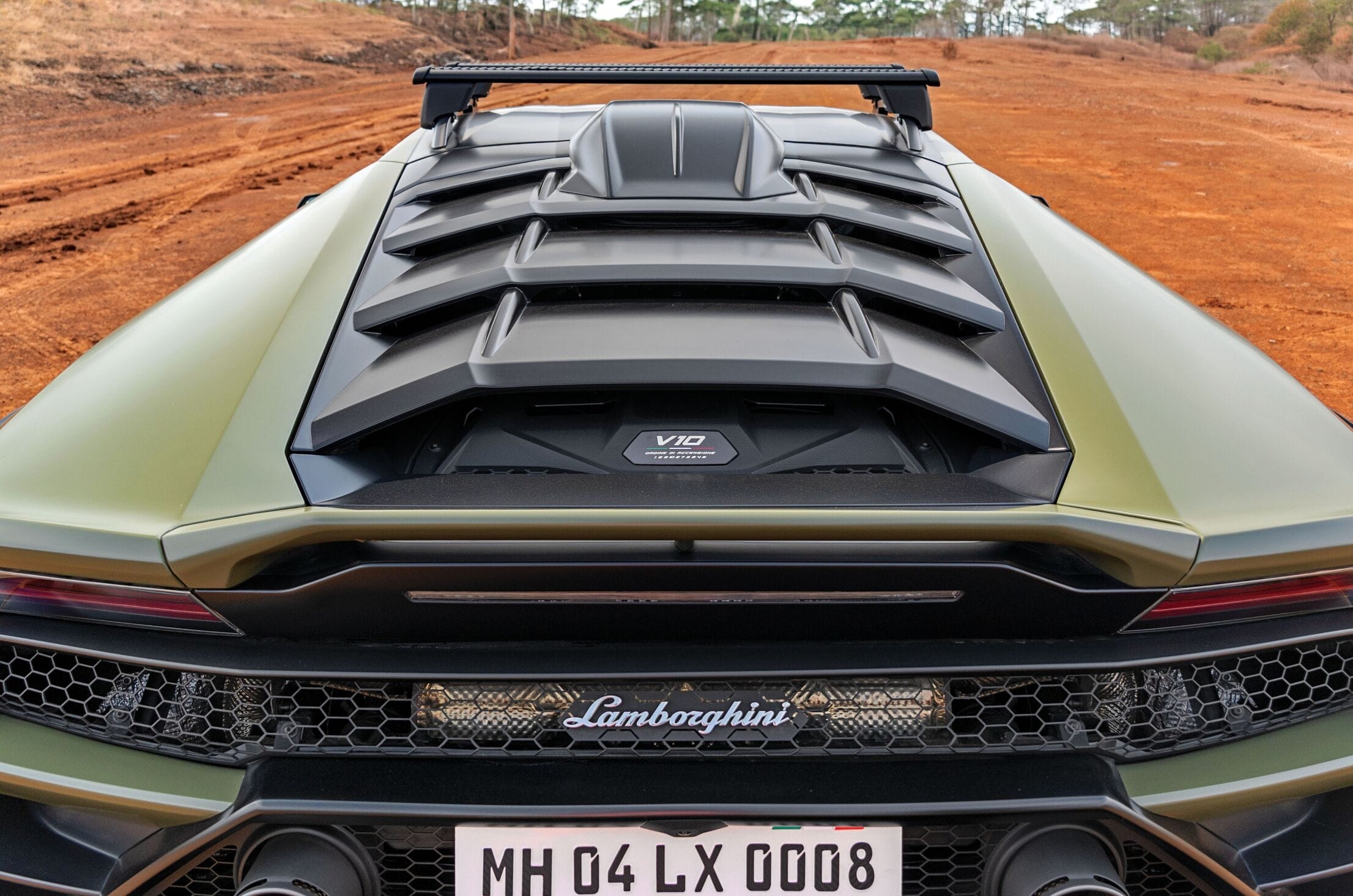
The obvious car for an afternoon like this would have been something with four-wheel drive and a reassuring amount of ground clearance. Something like an Urus or an RS Q8 – the kind of SUV that turns loose surfaces into a non-event. But ‘obvious’ has never made for a good story. So instead, we brought a Lamborghini Sterrato, which is, in essence, a Huracán that someone at Sant’Agata decided should grow up into a WRC car.
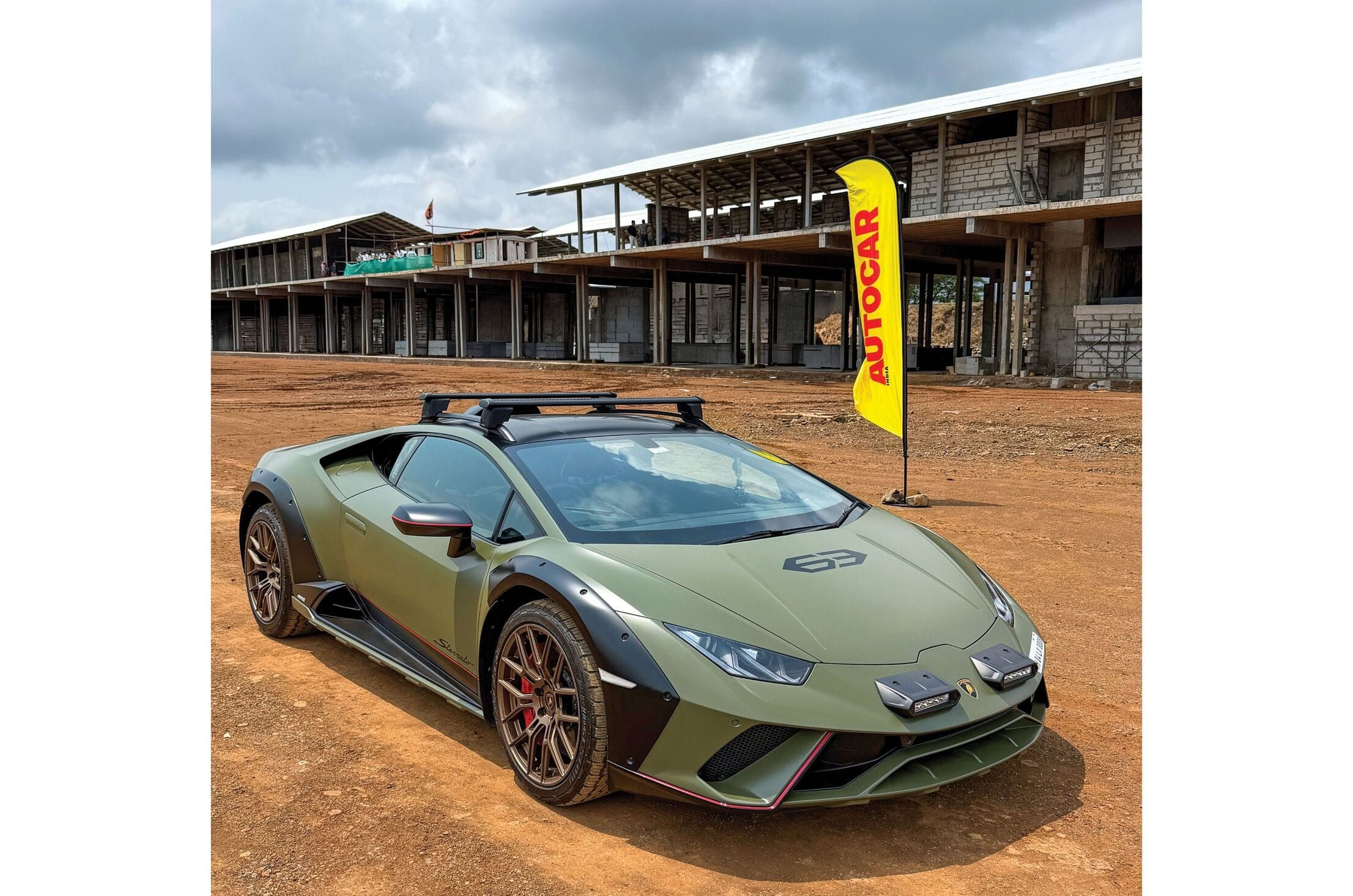
Before the tarmac arrives, the Sterrato enjoys Nanoli in its rawest form, with the future pit and hospitality complex taking shape behind it.
The Sterrato is not a styling exercise with some plastic cladding glued on. Lamborghini jacked the ride height by 44mm, fitted bespoke Bridgestone all-terrain rubber wrapped around 19-inch wheels, widened the front and rear tracks, and reworked the all-wheel-drive system and suspension geometry so the car can absorb a rutted surface without snapping its splitter off in the first hundred metres. Underneath sits the same naturally aspirated 5.2-litre V10 found in the rest of the Huracán range, here tuned to 610hp, still screaming to over 8,000rpm with no turbos to soften the theatre. Only 1,499 Sterratos were built before Lamborghini closed the production run, and of those, 15 made their way to India.
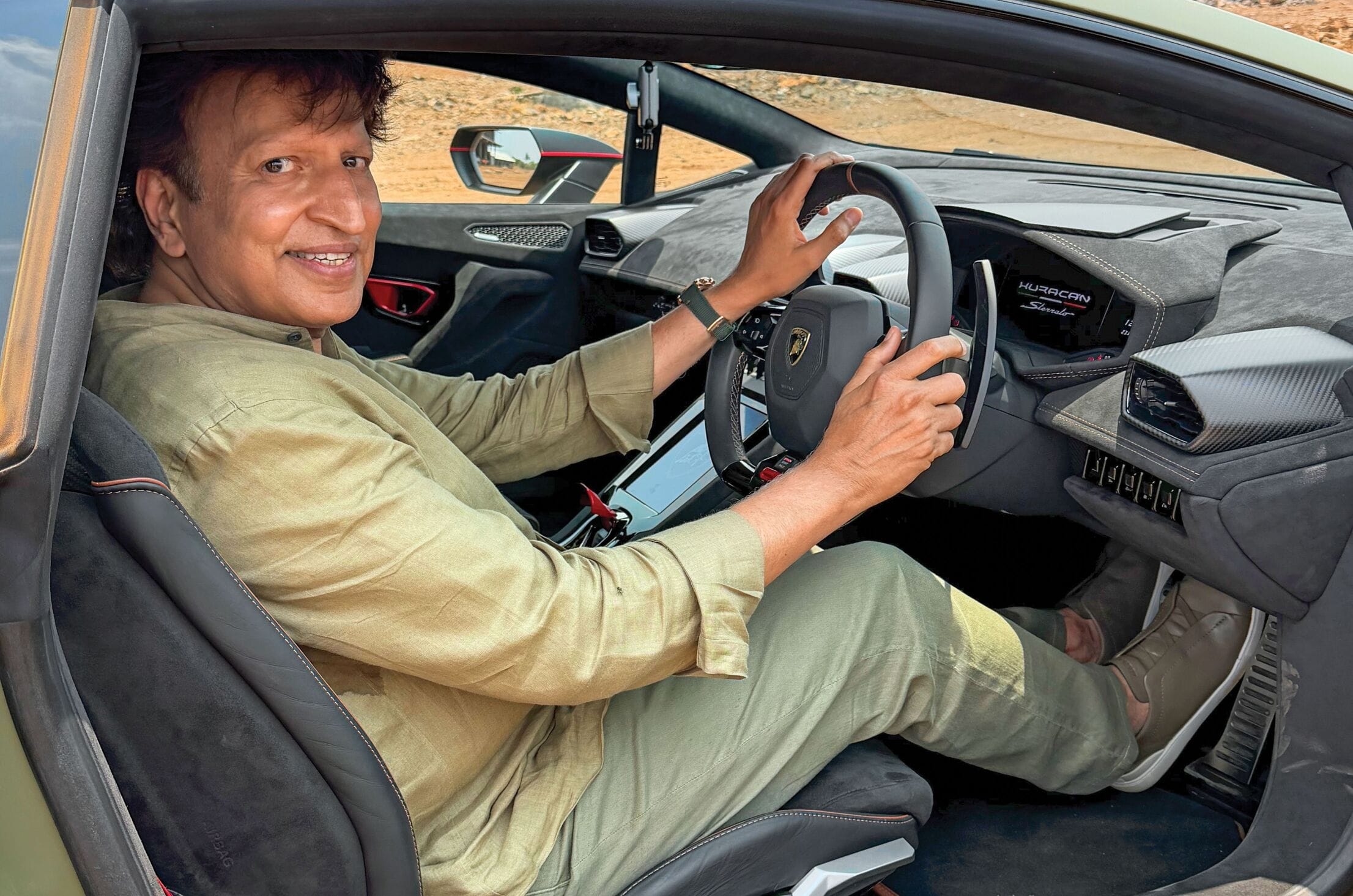
The example driven here belongs to Dinesh Thakkar, who was not only generous enough to hand over the key for a day, but also had the distinction of setting what can be considered the first recorded lap at Nanoli Speedway.
His time of 2m34.80sec won’t be the quickest, but it’s a significant milestone for a circuit that is yet to officially open.
Mechanically, the Sterrato retains the naturally aspirated 5.2-litre V10, producing 610hp and driving all four wheels through a dual-clutch transmission. On paper, it remains very much a Huracán. In practice, the changes in character are immediately evident.
On the compacted dirt, the first impression is one of adaptability. Turn-in is not as immediate as it would be on tarmac, but the front axle bites with a reassuring consistency. The real shift comes under power. Where a standard Huracán demands restraint, the Sterrato encourages exploration.
The recalibrated driving modes, particularly Rally mode, allow for controlled slip. The rear steps out progressively, and crucially, predictably. There is a fluidity to the way the car moves, a willingness to rotate that transforms the experience. It is less about outright speed and more about managing balance.
5.2-litre V10 a nod to the best of internal combustion.
The additional suspension travel plays a defining role. Over the subtle undulations of the track, the car remains composed, absorbing variations in the surface without unsettling the chassis. It allows you to commit earlier, carry speed through sections that would otherwise require caution, and rely on the car to work with the terrain rather than against it.
The V10 is natural aspiration at its best. It sounds absolutely brilliant; the sharp throttle response allows you to precisely meter every one of those 610 horses, and every tap of the throttle feels utterly engaging. Under the sonorous wail of the V10 is the muted rattle of gravel ricocheting off the underbody, giving the full effect of a WRC car.
For Thakkar, setting that first lap was less about outright pace and more about being part of something that will only happen once. Once the tarmac goes down, no one will ever again get to slide a supercar through Nanoli’s corners on loose dirt. That window closes the day the asphalt trucks arrive, which made every lap feel like it mattered a little more than it should have for what was, on paper, just a test session on an unfinished track.
Sterrato owner Dinesh Thakkar is all smiles after a memorable day.
What Nanoli represents, once finished, goes well beyond a fun afternoon for a few car nuts and a Lamborghini. Mumbai’s supercar owners have long had money and machinery with nowhere proper to use either. The city’s roads are hostile to anything with a low chin, and Pune offers little better. A circuit within striking distance of both cities, built to international standards and backed by a family that clearly does not believe in doing things by half measures, could genuinely change how western India’s car culture behaves. This is not simply about building a track. It is about creating an ecosystem. The members-only model ensures exclusivity, but also fosters a focused community. For enthusiasts in Mumbai and Pune, long constrained by infrastructure, this represents a fundamental shift. It’s a controlled environment where cars can be driven to the max without fear of speed cameras or speed breakers.
The tarmac will come soon enough, and Nanoli will become a proper circuit with lap times and lap records and all the polish that comes with a finished facility. But for one afternoon, before any of that, it was just a dirt track, a Sterrato V10, and the kind of first lap that only ever happens once.
जुडोका अस्मिता डे कॉमनवेल्थ गेम्स में गोल्ड मेडल जीतने की खबर सबसे पहले उसी इंसान को बताना चाहती थीं, जिसे वे अब कभी नहीं बता सकती थीं। उनके पिता, जो साइकिल ठीक करके महीने में मुश्किल से 300 रुपये कमाते थे और त्रिपुरा के एक छोटे से गाँव में मिट्टी के घर में परिवार का गुजारा करते थे, सात महीने पहले ब्रेन स्ट्रोक से गुजर गए थे।
शुक्रवार को, जब 23 साल की अस्मिता महिलाओं के 48kg कैटेगरी में कॉमनवेल्थ गेम्स का गोल्ड मेडल जीतने वाली पहली भारतीय जुडोका बनीं, तो उन्हें लगा कि यह मेडल जितना उनका है, उतना ही उनके पिता का भी है। अपनी ऐतिहासिक जीत के बाद आंसू रोकते हुए अस्मिता ने कहा, “जब मेरे पिता गुजर गए, तो मुझे लगा कि सब कुछ खत्म हो गया है क्योंकि वही मेरा साथ देते थे।”
कुछ पल के लिए, जश्न के बीच उन पिता की यादें ताजा हो गईं जिन्होंने उनके सपने को तब से संजोया था जब वह भारत का सपना भी नहीं बना था। उन्होंने कहा, “मैं त्रिपुरा के एक बहुत छोटे से गांव से हूं। वहां लोग इतने बड़े सपने नहीं देखते। लेकिन पापा ने हमेशा मेरा साथ दिया।”
पैसे की हमेशा तंगी रहती थी। उनके पिता गुजारे के लिए साइकिल ठीक करते थे और दिन में लगभग 300 रुपये कमाते थे, जिससे बस घर का खर्च चल पाता था। परिवार एक साधारण से मिट्टी के घर में रहता था, लेकिन उन्होंने कभी भी आर्थिक तंगी को अपनी बेटी के पसंदीदा खेल में रुकावट नहीं बनने दिया।
जब घुटने की चोट से उनका करियर खतरे में पड़ गया, तो पिता उन्हें इलाज के लिए दिल्ली ले गए, दवाइयां खरीदीं और अपनी क्षमता के अनुसार हर संभव कोशिश की ताकि वे दोबारा मैट पर लौट सकें। उन्होंने याद करते हुए कहा- वह मुझे इलाज के लिए दिल्ली लाए और दवाइयां खरीदीं।
पिछले साल दिसंबर में उनकी अचानक मौत से अस्मिता बुरी तरह टूट गई थीं। जो इंसान उनका सबसे बड़ा सपोर्टर और हमेशा हिम्मत बंधाने वाला था, वह अब नहीं रहा था और उन्हें लगा कि उनके साथ ही सबसे बड़े मंच पर मुकाबला करने का उनका सपना भी खत्म हो गया।
VIDEO | Glasgow: The first person judoka Asmita Dey wanted to tell about her Commonwealth Games gold was the one person she no longer could do it. Her father, a cycle mechanic who earned barely Rs 300 a day and raised his family in a mud house in a small village in Tripura, died… pic.twitter.com/9dT56LxX4L
लेकिन जब अस्मिता इस दुख से उबरने की कोशिश कर रही थीं, तब उनकी मां ने चुपचाप अपने पति की जगह ले ली। अंतिम संस्कार के सिर्फ 10 दिन बाद ही उन्होंने अपनी बेटी से ट्रेनिंग पर लौटने के लिए कहा। उन्होंने अस्मिता से कहा, “अगर मैं तुम्हें आज रोकती हूं, तो तुम्हारे पिता को लगेगा कि मैं तुम्हारे सपने तोड़ रही हूं।”
अस्मिता ने अपना सामान बांधा और भोपाल में स्पोर्ट्स अथॉरिटी ऑफ इंडिया सेंटर लौट गईं। कॉमनवेल्थ गेम्स से पहले वह बहुत घबराई हुई थीं और कई रातें सो नहीं पाई थीं। उन्होंने बताया कि मैंने इसके लिए बहुत मेहनत की है। इस मेडल से पहले, मैं भारत में सो नहीं पाती थी। मैं मुकाबलों के बारे में सोचकर जागती रहती थी। भले ही मेरा शरीर थका होता था, फिर भी मुझे नींद नहीं आती थी। मैं बेचैन महसूस करती थी और फिर सुबह 5:30 बजे ट्रेनिंग के लिए उठ जाती थी।” ग्लासगो पहुंचने के बाद भी घबराहट बनी रही।
“जब मैं यहां पहुंची, तो मुझे बहुत घबराहट हो रही थी कि क्या होगा। मैं बस यही सोचती रहती थी कि मुझे सबको हराना है और जीतना है।” यह पक्का इरादा ट्रेनिंग हॉल से आगे भी बना रहा। छोटी-छोटी खुशियां भी उस लक्ष्य की याद दिलाती थीं जिसे वह हासिल करना चाहती थीं।
उनके भाई की लाई हुई उनकी पसंदीदा मिठाई, ‘लौंग लत्ता’, घर पर फ्रिज में वैसी ही रखी रही। उन्होंने मुस्कुराते हुए कहा, “मैं उसे फ्रिज में देखती थी और कई बार तो उसे खाने ही वाली थी, लेकिन फिर खुद को रोक लेती थी।” शुक्रवार को, हर त्याग का फल मिल गया। गोल्ड मेडल ने भारतीय जूडो के रिकॉर्ड बुक में नया इतिहास रच दिया।