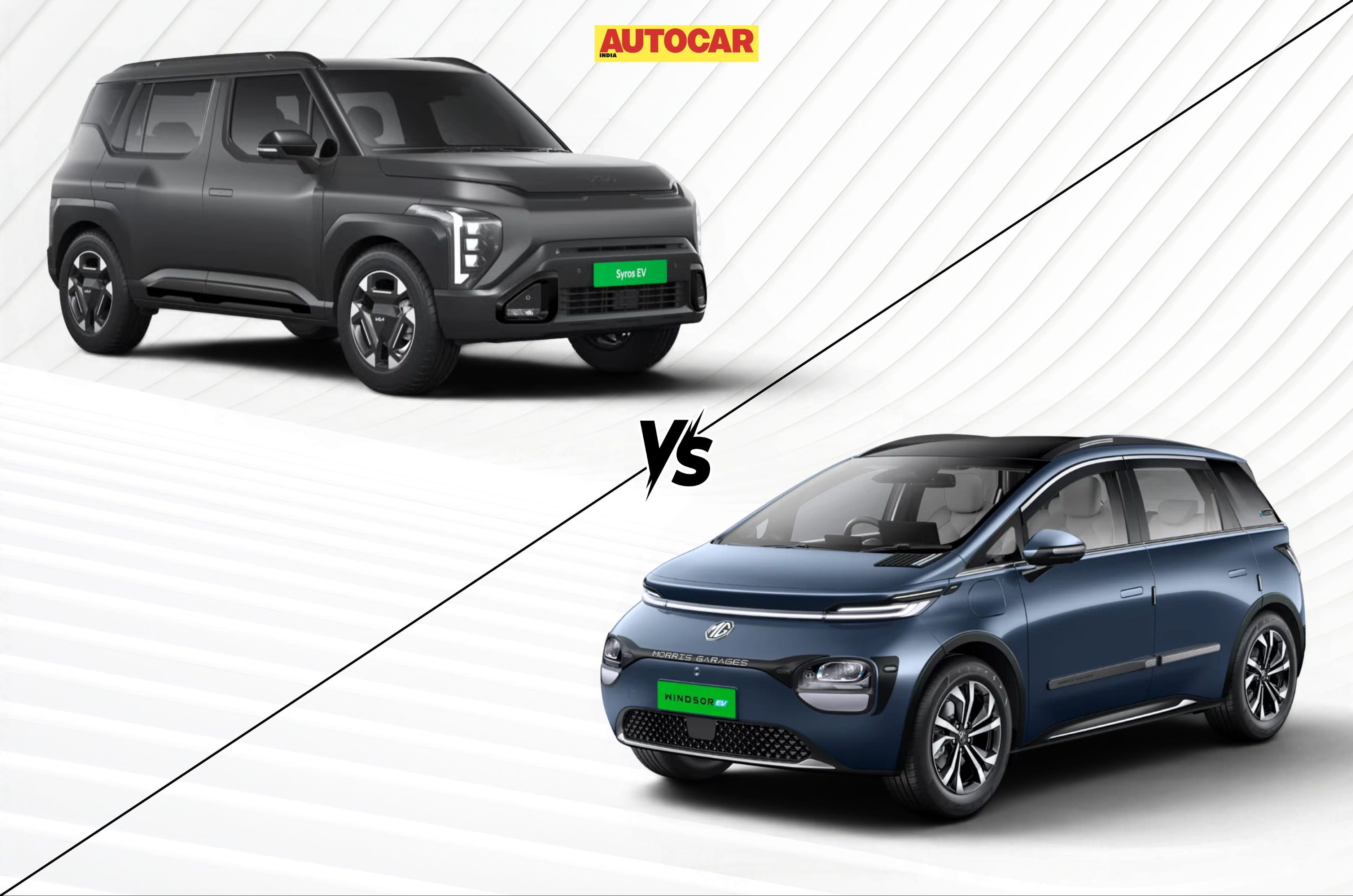
Kia Syros EV vs MG Windsor EV top-spec: Specs, features and price compared

Kia Syros EV vs MG Windsor EV comparison

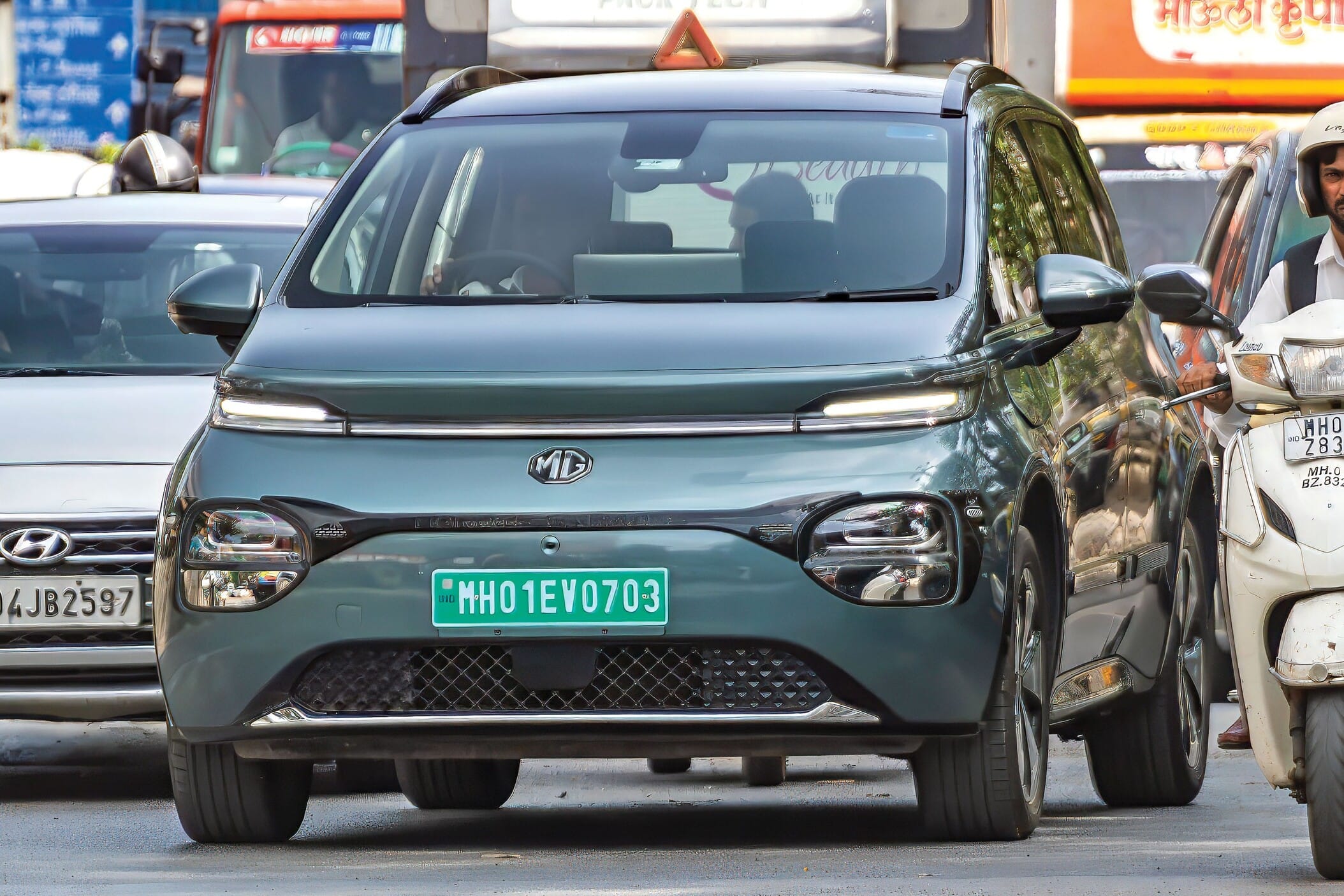
Basically a badge-engineered version of the Chinese Wuling Cloud EV, the MG Windsor is a midsize EV that sits between the brand’s Comet and ZS EV models. On the other hand, the Kia Syros EV is the Korean automaker’s most affordable electric car in India and is based on the Hyundai Motor Group’s K1 platform. Compared to the Windsor, the Syros EV is a compact (sub-4-metre) model. However, not only are the top-spec variants of these cars priced really close to each other, their battery sizes are quite comparable too.

Explore full specs, features and a price breakdown in our Syros EV and Windsor EV comparison.

Kia Syros EV X-Line ER vs MG Windsor EV Essence Pro: Dimensions

The Windsor EV undeniably has the size advantage over the smaller Syros EV

Kia Syros EV X-Line ER vs MG Windsor EV Essence Pro dimensions


Kia Syros EV

MG Windsor EV

Length (mm)

3,995

4,295

Width (mm)

1,805

1,850

Height (mm)

1,670

1,677

Wheelbase (mm)

2,550

2,700

Boot space (litres)

390

579

Frunk (litres)

16

Wheel size (inches)

17

18

The Windsor EV is 300mm longer and 45mm wider than the Syros EV – the MG offers 150mm more wheelbase than the Kia, too. While there isn’t much between them in terms of height, the Windsor EV’s boot is 189 litres larger than that of the Syros EV. The latter’s wheels are also an inch smaller. Interestingly though, the Kia EV offers a 16-litre frunk (front trunk) – the MG has no frunk at all.

Kia Syros EV X-Line ER vs MG Windsor EV Essence Pro: Powertrain

The top-spec Syros EV offers more range and a punchier electric motor setup 

Kia Syros EV X-Line ER vs MG Windsor EV Essence Pro powertrain options


Kia Syros EV

MG Windsor EV

Battery size (kWh)

51.4

52.9

Electric motor setup

Single, front (FWD)

Single, front (FWD)

Power (hp)

171

136

Torque (Nm)

255

200

Claimed 0-100kph

8.1 seconds

Claimed range (km)

526

449

AC charging

7.25 hrs at 7.4kW (10-100%)

9.5 hrs at 7.4kW (10-100%)

DC fast charging

39 mins at 100kW (10-80%)

50 mins at 60kW (20-80%)

The X-Line ER (Extended Range) variant of the Kia Syros EV gets a 51.4kWh lithium-ion battery pack, which is just 1.5kWh smaller than the unit powering the top-spec MG Windsor. Despite this capacity disadvantage, the Syros EV’s claimed range is actually higher, by 77km higher.

Compared to the top-spec MG Windsor’s 60kW DC fast-charging capability, the Syros EV’s DC fast-charging limit is 40kW higher. Unlike MG, Kia’s claimed DC fast-charging time accounts for a SoC (state of charge) of 10-80 percent and not 20-80 percent. Taking all this into account, the Syros EV can be unplugged from a DC fast charger 11 minutes sooner, which would benefit regular long-distance users.

While neither automaker has listed the kerb weight of their cars, the smaller Syros EV is likely to be lighter than the Windsor EV. The former’s front-mounted electric motor also offers 35hp and 55Nm more. These two factors combine to give the Syros EV a claimed naught to 100kph sprint time of 8.1 seconds.

Kia Syros EV X-Line ER vs MG Windsor EV Essence Pro: Exterior features

The Windsor gets a couple more useful features here; the Syros has some ‘feel-good’ ones

Kia Syros EV X-Line ER vs MG Windsor EV Essence Pro exterior features


Kia Syros EV

MG Windsor EV

LED headlamps

Yes (auto)

Yes (auto projectors)

Connected light bar

No

Yes

Front fog lamps

Yes

No

Rear fog lamps

No

Yes

Cornering lights

No

Yes

Welcome lights

Yes

No

Puddle lamps

Yes

No

Powered ORVMs

Yes (with auto-fold function)

Yes (with auto-fold function)

Flush door handles

Yes

Yes

Body cladding

Yes

No

Roof rails

Yes

Yes

Rear spoiler

Yes

Yes

Powered tailgate

No

Yes

Colours

Mono-tone

Mono-tone

Both these cars are reasonably well-equipped in their respective top-spec variants. However, there are some distinct differences between the features that are offered in each. The Syros EV comes with front fog lamps plus fancier ‘welcome’ lighting functions as well as puddle lamps that project the ‘Kia’ logo – these make for a more premium experience when approaching the car. The Syros EV also goes for a rugged look, featuring black plastic cladding on the wheel arches and bumpers.

Compared to the Syros EV’s stylish multi-reflector LED headlamps, the Windsor EV uses projector LED units. While it doesn’t get front fog lamps, the MG features cornering lamps that can prove useful when driving in the dark. At the back, the top-spec Windsor EV gains a powered tailgate – another handy feature especially when your hands are occupied.

Kia Syros EV X-Line ER vs MG Windsor EV Essence Pro: Interior features

If you like a minimalistic interior that’s also feature-packed, the MG Windsor won’t disappoint

Kia Syros EV X-Line ER vs MG Windsor EV Essence Pro interior features


Kia Syros EV

MG Windsor EV

Infotainment screen

12.3-inch

15.6-inch

Digital driver’s display

12.3-inch

8.8-inch

HVAC screen

5.0-inch

No

Panoramic sunroof

Yes

Yes (fixed)

Wireless charger

Yes

Yes

Driver’s seat adjustment

4-way powered

6-way powered

Co-driver’s seat adjustment

4-way manual

4-way manual

Ventilated seats

Yes (front & rear)

Yes (front only)

Leatherette upholstery

Yes

Yes

Split rear seats

Yes

Yes

Automatic climate control

Yes (single-zone)

Yes (single-zone)

Ambient lighting

Yes (64 colours)

Yes (256 colours)

Audio system

8-speaker Harman Kardon

9-speaker Infinity

Apple CarPlay & Android Auto

Yes (wireless)

Yes (wireless)

USB Type-C ports

Yes (5 ports)

Yes (5 ports)

Connected car tech

Yes

Yes

Voice assistant

Yes

Yes

OTA updates

Yes

Yes

Gaming

No

Yes

Rear sunblinds

Yes

No

Rear armrest

Yes (with cupholders)

Yes (with cupholders)

Both cars come with wireless charging, leatherette seats, connected-car tech, and multiple USB ports for added convenience. However, in its top-spec X-Line ER avatar, the Kia Syros EV offers a third screen specifically to control the HVAC (heating, ventilation and air-conditioning) system. That said, there are physical buttons to operate this system, too. The Kia EV also gets a larger driver’s display, a panoramic sunroof that opens, ventilation function for the front & rear seats, plus rear sunblinds. Furthermore, the Syros EV’s interior design, quality and layout of its switchgear, plus the overall usability remain easily sufficient.

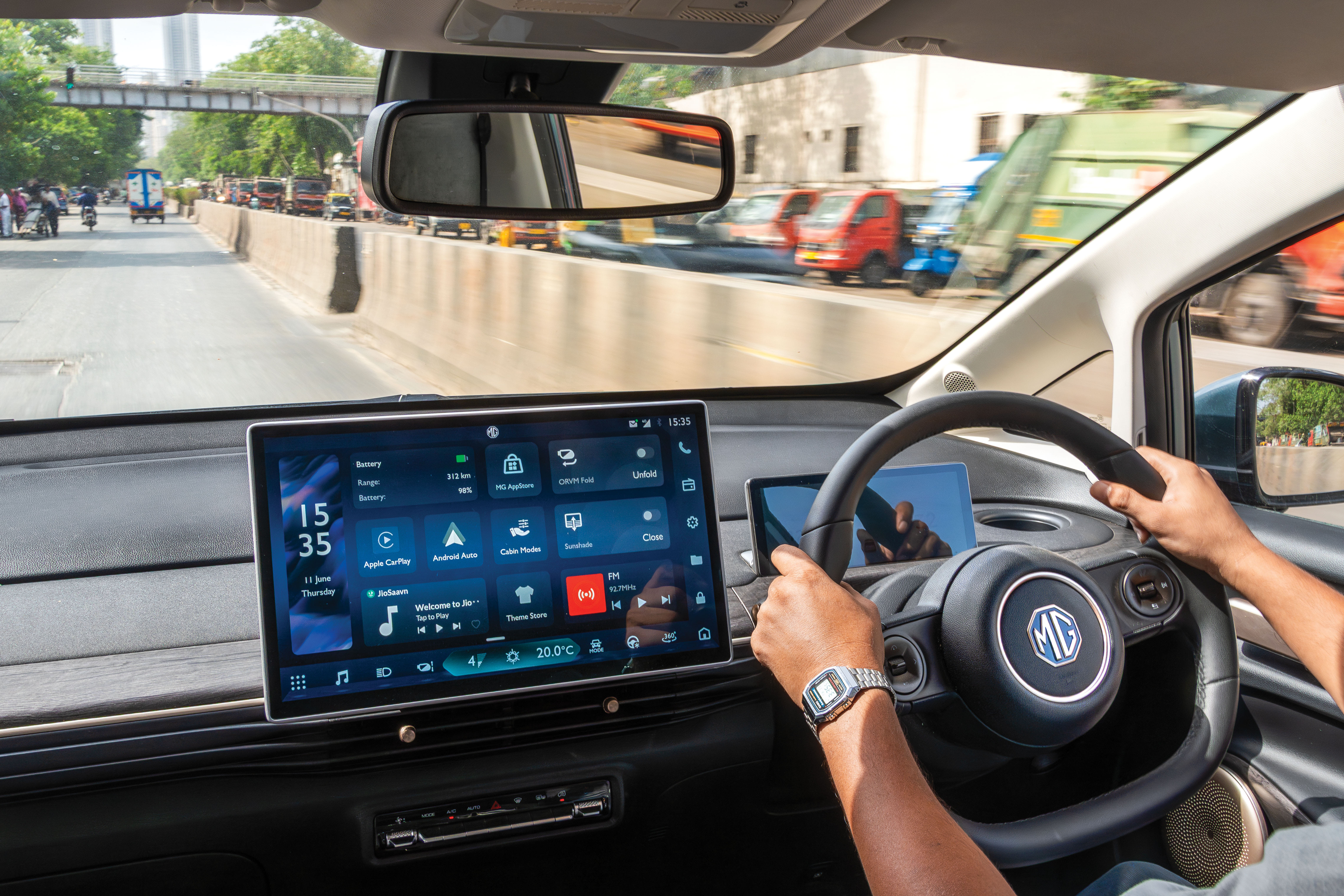
As for the fully loaded Essence Pro variant of the MG Windsor EV, its pièce de résistance is the massive 15.6-inch infotainment screen. Given its minimalistic interior layout, almost every control or feature is integrated into this main display. While this screen can be distracting, it comes with multiple customisation options and integrates various games and streaming services. Compared to the Syros EV’s 64-colour ambient lighting system, the Windsor’s supports 256 colours. Its driver’s seat also gets 6-way power adjustment, while the Inifinity premium audio rig features 9 speakers instead of the Kia’s 8-speaker setup.

Kia Syros EV X-Line ER vs MG Windsor EV Essence Pro: Safety features

Neither car is missing out on much when it comes to their respective safety tech

Kia Syros EV X-Line ER vs MG Windsor EV Essence Pro safety features


Kia Syros EV

MG Windsor EV

Airbags

6

6

ABS with EBD

Yes

Yes

Electronic stability program

Yes

Yes

Hill-hold assist

Yes

Yes

Hill-descent control

No

Yes

TPMS

Yes

Yes

Parking sensors

Yes (front & rear)

Yes (front & rear)

360-degree camera

Yes

Yes

Dashcam

Yes

No

Electronic parking brake

Yes (with auto-hold function)

Yes (with auto-hold function)

Auto-dimming IRVM

Yes

Yes

Rain-sensing wipers

Yes

Yes

ISOFIX

Yes

Yes

Rear wiper and defogger

Yes

Yes (defogger only)

All-wheel disc brakes

Yes

Yes

Level 2 ADAS

Yes

Yes

Only the top-spec variants of these EVs get Level 2 ADAS (Advanced Driver Assistance Systems). Some of the ADAS features shared between the two include adaptive cruise control, forward collision warning, lane-departure alert with lane-keeping assistance, and automatic emergency braking. Where the Windsor EV gets hill-descent control, the Syros EV comes with a dashcam and a rear wiper.

Kia Syros EV X-Line ER vs MG Windsor EV Essence Pro: Other features

Neither car is missing out on much when it comes to their respective safety tech

Kia Syros EV X-Line ER vs MG Windsor EV Essence Pro other features


Kia Syros EV

MG Windsor EV

Drive modes

Yes (3)

Yes (4)

Terrain modes

No

No

Single-pedal driving

Yes

No

V2V and V2L

Yes

Yes

AVAS

Yes

No

The Windsor EV comes with Eco+, Eco, Normal and Sport drive modes, while the Syros EV only gets Eco, Normal and Sport. Neither car features variable terrain modes, but both support vehicle-to-load (V2L) and vehicle-to-vehicle (V2V) functions for better practicality during regular family outings, such as picnics and long-distance trips. The Syros EV also comes with a dedicated Virtual Engine Sound System (VESS) to caution other motorists and pedestrians of the vehicle’s presence.

Conclusion

Kia Syros EV X-Line ER vs MG Windsor EV Essence Pro prices


Kia Syros EV

MG Windsor EV

Prices (In Rs, lakh)

20.00

19.00

Apart from being less expensive, the Windsor EV is a larger car with plenty of room on the inside and in the boot, compared to the compact Syros EV. However, the Kia makes a solid case for itself by offering good interior space and build quality, better overall performance, plenty of features, plus a good blend of digital real-estate and intuitive physical controls. If you need the added perks that a bigger car offers without having to spend the ‘big car’ money, the MG Windsor EV will suit your needs just fine. Picking the top-spec Kia Syros EV won’t be a disappointment either as long as you can justify its bloated price tag.

Also read

Tata Sierra EV Empowered vs Hyundai Creta Electric Excellence LR: Which to buy?

Kia Syros EV vs Tata Nexon EV: Whose top trim offers better value?


Simple’s upcoming family electric scooter spotted ahead of September 2 launch

Simple's upcoming family electric scooter spotted ahead of September 2 launch

Simple has released fresh images of its upcoming family electric scooter – Arrive – ahead of its September 2 debut. Shot in low-light conditions with the scooter still wearing camouflage, the images reveal only a handful of design details while continuing to keep much of the bodywork hidden. The new model will mark Simple’s entry into the growing family electric scooter segment.

  1. Fresh official images released ahead of September 2 launch
  2. LED lighting signature and hardware partially revealed
  3. Family-focused electric scooter will expand Simple’s portfolio

Simple family-scooter: What to expect?

The dusk-shot images don’t reveal much beyond the scooter’s front-end lighting setup. A full-width LED daytime running light spans the front, with the main headlamp units positioned lower down on the apron. The images also confirm telescopic front forks and a front disc brake, while the upright handlebar points to a relaxed riding position.

Most of the side bodywork and the rear section remain concealed beneath camouflage, suggesting Simple is reserving the full design reveal for the scooter’s official debut.

A practical addition to Simple’s lineup

Unlike the performance-oriented Simple One range, the upcoming scooter is expected to cater to buyers looking for a practical everyday commuter. Its upright proportions and conventional layout suggest a greater focus on comfort and usability than outright performance.

Likely to be called the Arrive, the scooter will rival family-oriented electric scooters such as the TVS Orbiter, Ather Rizta and Bajaj Chetak. It will also take on Ather’s upcoming EL platform-based family electric scooter, which is set to make its debut at Community Day on August 29, just a few days before the Simple’s unveiling.

Launch on September 2

Simple has confirmed that its new family electric scooter will make its debut on September 2. However, details regarding its battery, motor, claimed range, feature list and pricing remain under wraps.

All of these details are expected to be announced when the scooter is officially unveiled.

Hyundai Neira Concept unveiled as rebadged Kia Carens Clavis EV

Hyundai Neira Concept

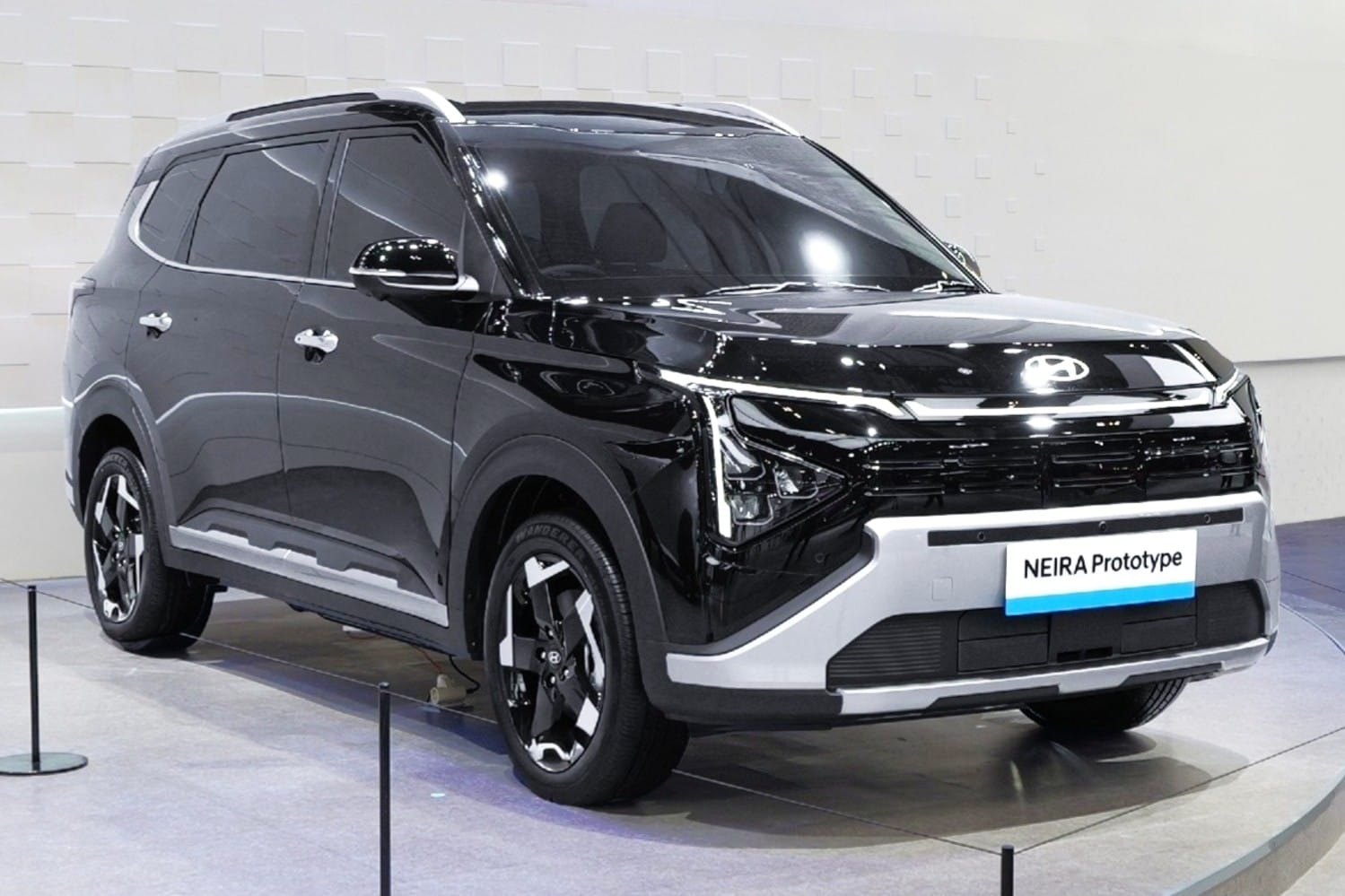
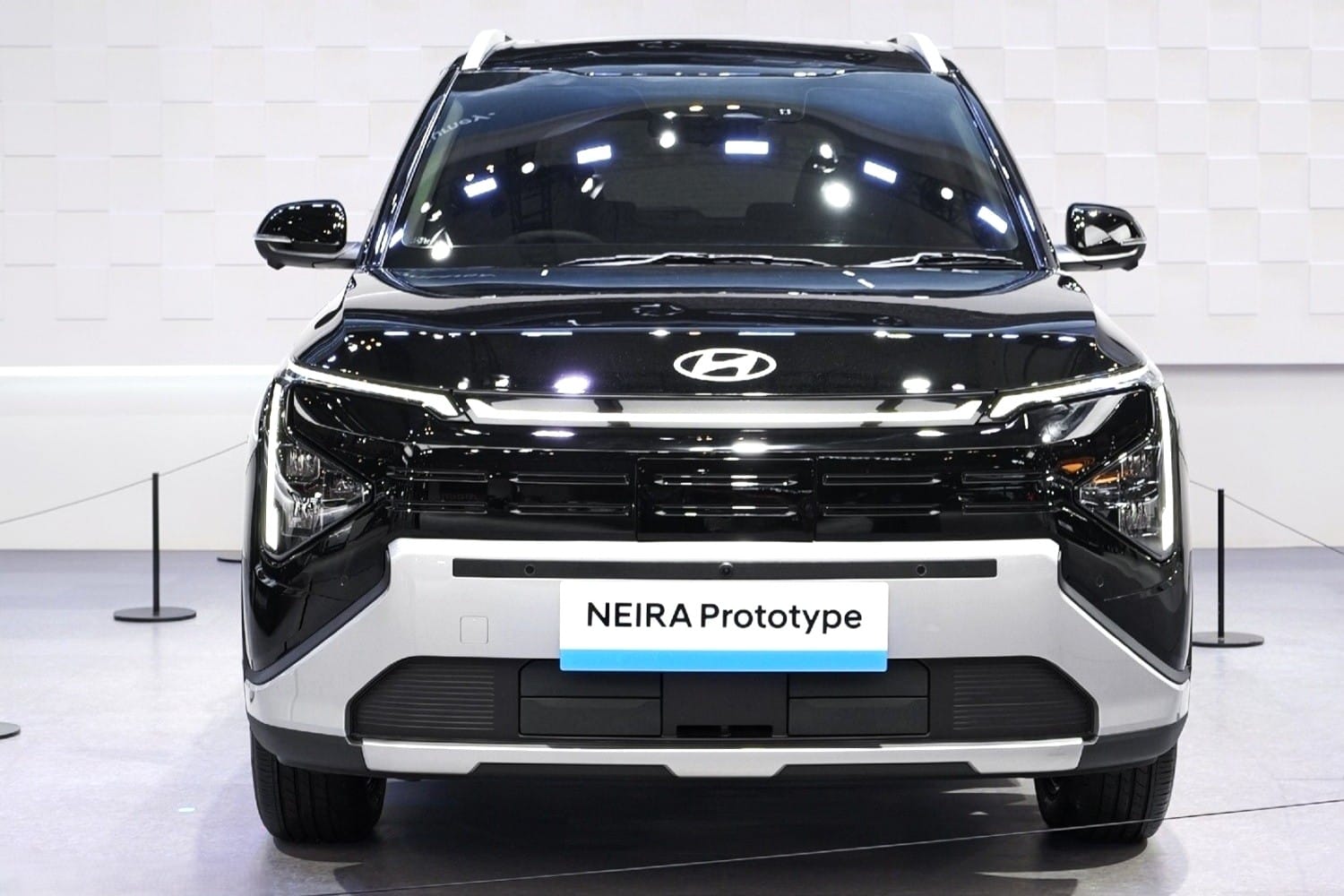
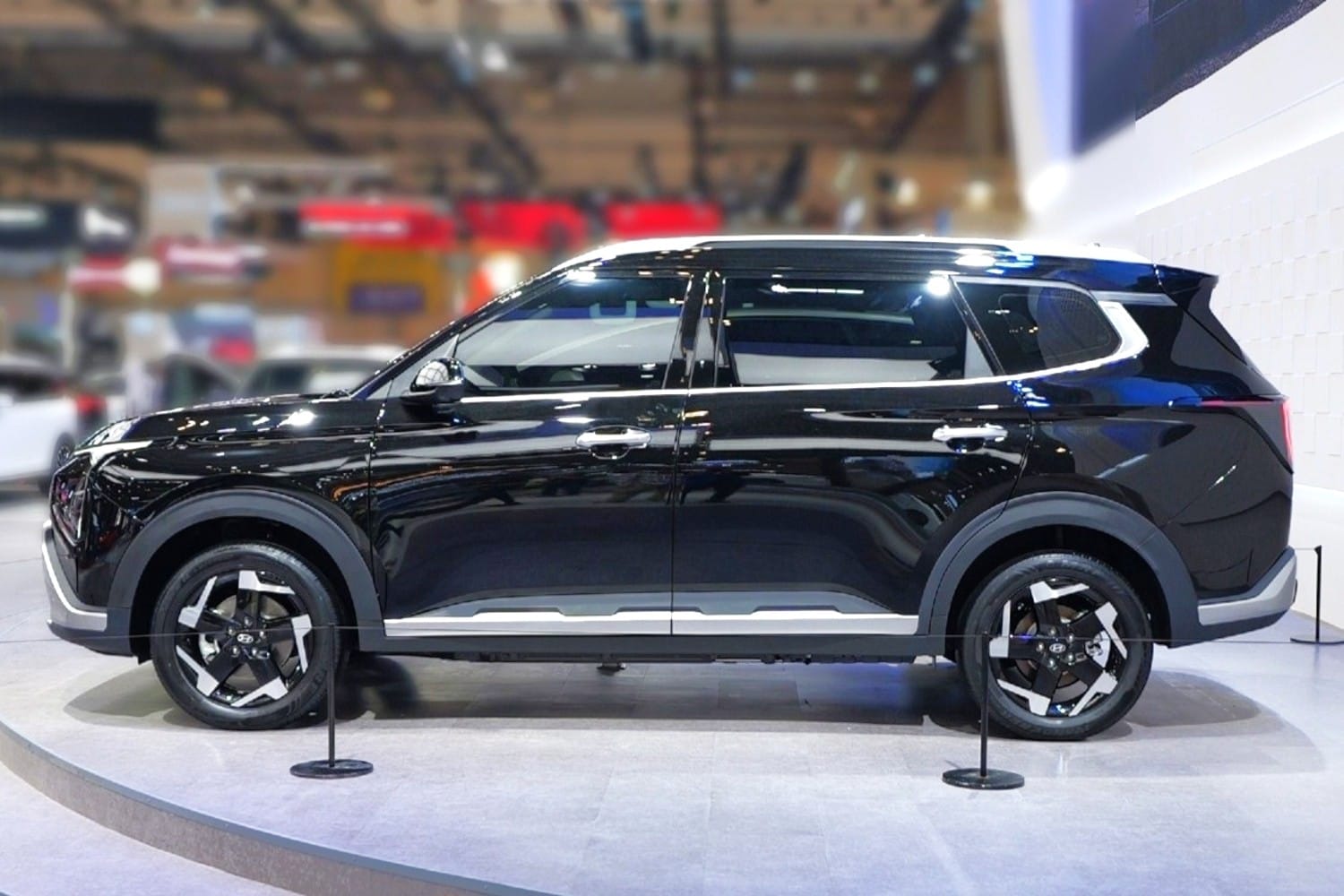
At GIIAS 2026 in Indonesia, Hyundai pulled the covers off the Neira Concept, which hints at an upcoming electric MPV for the Indonesian market. Evidently, the Neira Concept is a rebadged version of the Kia Carens Clavis EV, which has been on sale in India since July 2025. This isn’t surprising as Kia and Hyundai are sister brands under the Hyundai Motor Group umbrella.

Hyundai Neira Concept exterior design

Same design as that of the Carens Clavis EV, but with mild changes

The Neira Concept retains most of the Carens Clavis EV’s styling cues, but with subtle tweaks. Up front, the Neira Concept sports two rows of horizontal slats between the connected LED strip up top and the silver cladding below, and the charging port flap is more rectangular in shape. Expectedly, the Neira Concept bears a Hyundai emblem on the leading edge of its bonnet, and its bumper is also much chunkier than that of the Carens Clavis EV.

Credit: indra_fathan via Instagram

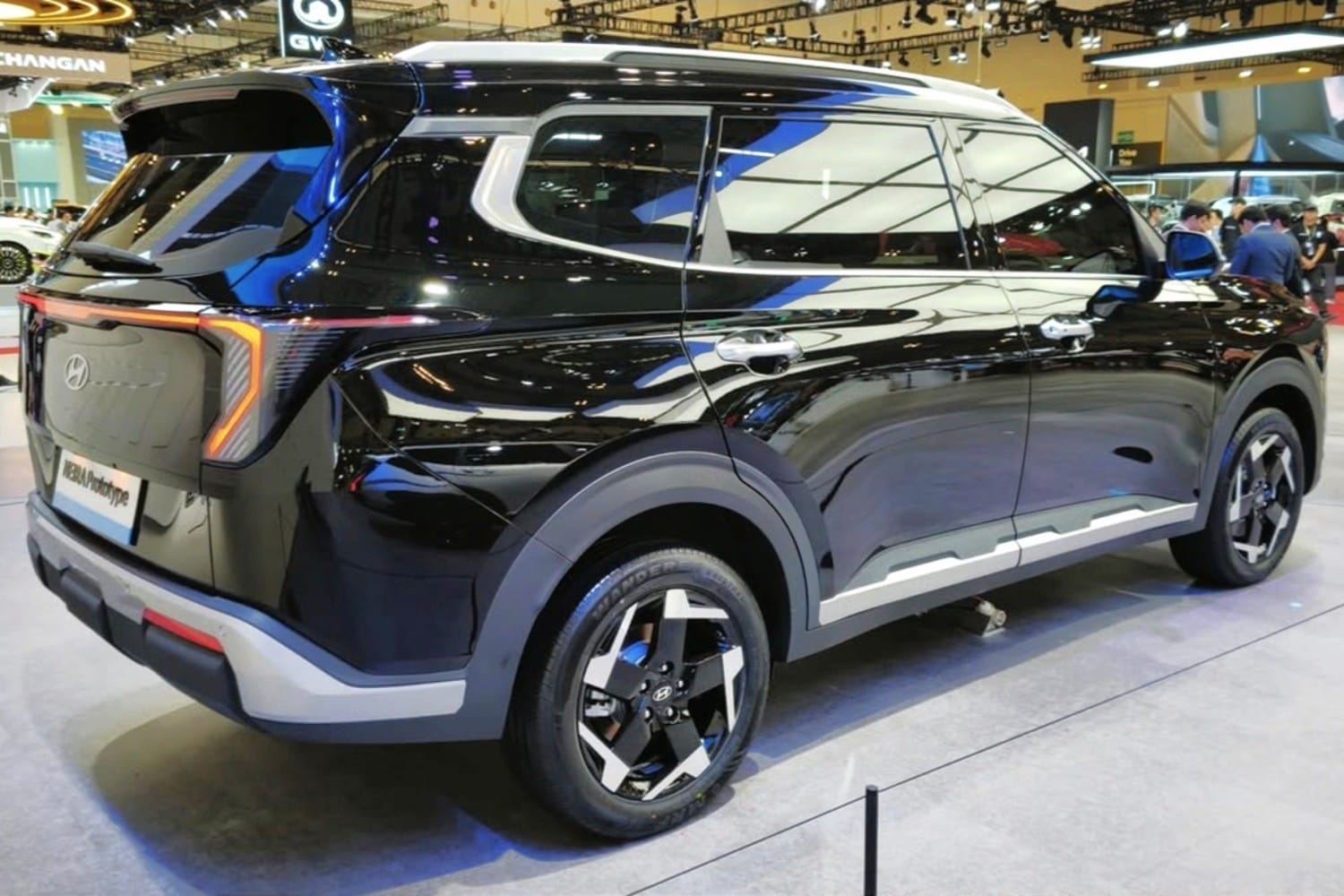
Over to the side, the only differences on the Neira Concept are its alloy wheels, a triple-ridge design for the skirt cladding, and chrome door handles – the Carens Clavis EV has body-coloured door handles. The rear end of the Neira Concept sets itself apart from the Carens Clavis EV’s with a different bumper design, more silver cladding, and a Hyundai badge on the bootlid.

Hyundai Neira Concept interior and features

Identical dashboard layout to the Carens Clavis EV

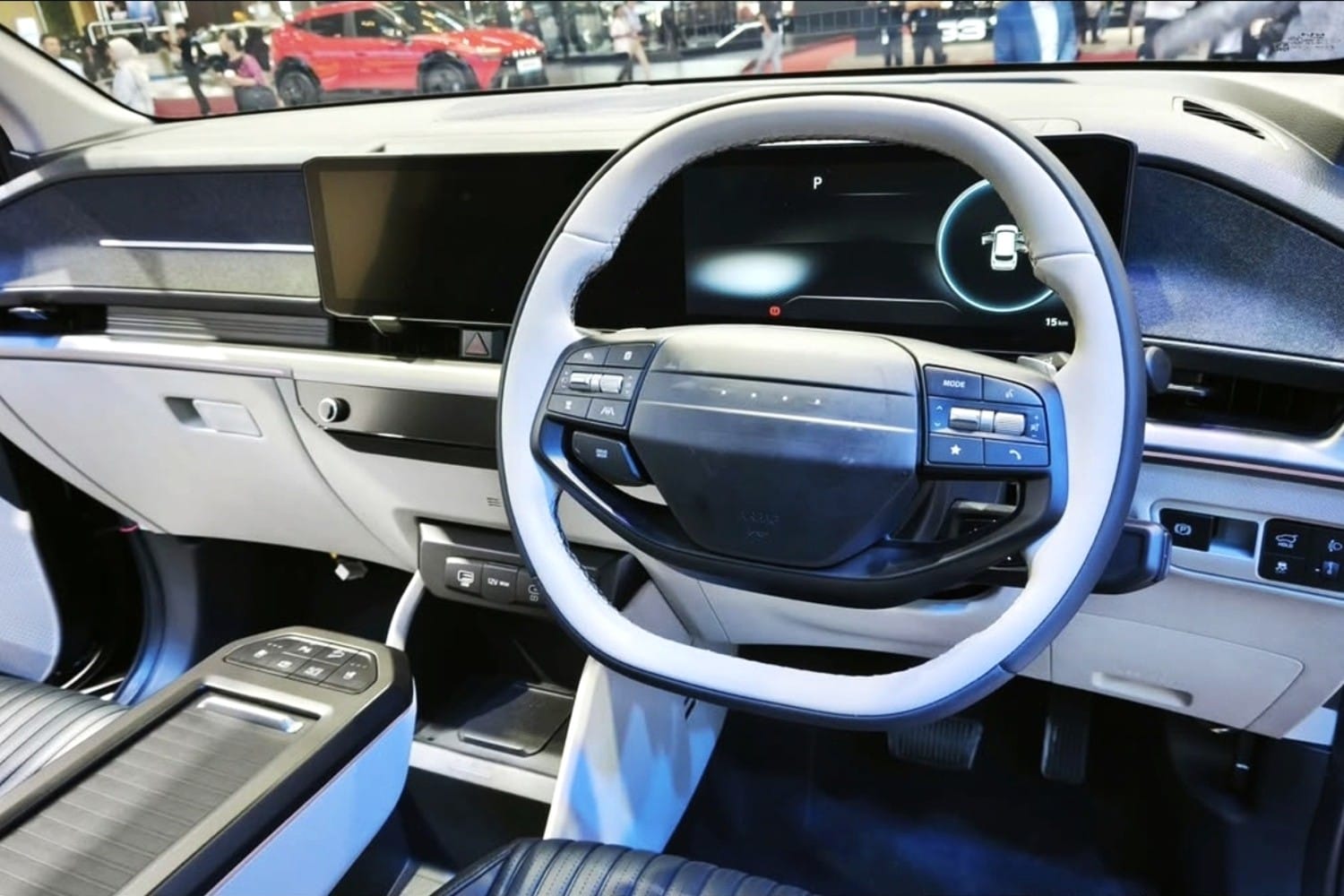
The similarities to the Carens Clavis EV carry over inside the Neira Concept as well. In fact, were it not for the Neira’s black seat upholstery and four-dot Hyundai motif on the two-spoke flat-bottomed steering wheel, you’d be hard-pressed to find any differences between these two electric MPVs.

Credit: indra_fathan via Instagram

They have the exact same dashboard layout, dual 12.3-inch screens, AC control panel, and floating centre console. As for seating layout, the Neira Concept displayed on the pavilion was a 7-seater, a configuration offered for the Carens Clavis EV too. The Kia MPV can also be had as a 6-seater with second-row captain’s chairs.

Hyundai Neira Concept battery and range

Could retain the Carens Clavis EV’s 42kWh and 51.4kWh batteries

Hyundai did not disclose what’s under the skin of the Neira Concept, but if the exterior and interior are anything to go by, it could share the Carens Clavis EV’s 42kWh and 51.4kWh battery options. Both packs are wired up to a 255Nm front-mounted motor, which outputs 135hp in 42kWh guise and 171hp in the 51.4kWh variants.

MIDC-claimed range stands at 404km for the smaller battery and 490km for the bigger unit. A 10-100 percent charge using an 11kW AC wallbox requires 4 hours for the 42kWh battery and 4.45 hours for the 51.4kWh pack. Both batteries take 39 minutes to charge from 0-80 percent using a 100kW DC charger.

Could the Hyundai Neira come to India

Hyundai plans to launch an MPV in India by the end of the decade

During its 2025 Investor Day, Hyundai confirmed that a new MPV will join its India line-up by 2030. At the time, Hyundai had only two MPVs in its global portfolio: the mainstream Stargazer and premium Staria. Given Hyundai’s usage of phrases like ‘family mover’ and ‘mobility for all’ to describe its India-bound MPV, the Stargazer was speculated to be the front-runner for the role, but now, the production-spec Neira seems likely too.

The Carens Clavis EV is an established model, so launching a mildly-differentiated Hyundai-badged version of it in India would take much less time than an entirely new MPV would. It’s also one of the most affordable yet feature-packed three-row EVs in the Indian market, so it’s quite a solid base for Hyundai’s own MPV offering. That said, this is speculation, so only time will tell if Hyundai will bring the Neira to India.

8th Pay Commission: 3 नहीं, 5 ‘फैमिली यूनिट्स’ का नया फॉर्मूला! समझिए वो एक अकेला फैक्टर, जो आपकी सैलरी में करेगा बंपर इजाफा

8th Pay Commission Family Unit Formula: केंद्र सरकार के कर्मचारियों की सैलरी और पेंशन में कितना बड़ा उछाल आएगा, इसका फैसला केवल महंगाई दर (DA) या आम आंकड़ों से तय नहीं होने वाला। इस बार एक ऐसा ‘मास्टर फैक्टर’ चर्चा में है, जो अगर लागू हो गया, तो आपकी न्यूनतम बेसिक सैलरी में 283% का ऐतिहासिक इजाफा हो सकता है।

यह मास्टर फैक्टर है ‘फैमिली यूनिट’ की संख्या में बदलाव। आसान भाषा में समझें तो अब तक सरकार आपके परिवार में सिर्फ 3 लोगों (आप, आपकी पत्नी/पति और बच्चे) का पेट पालने का खर्च जोड़कर सैलरी तय करती थी। लेकिन 8वें वेतन आयोग से मांग की जा रही है कि इसमें आश्रित माता-पिता को जोड़कर 5 फैमिली यूनिट्स का खर्च शामिल किया जाए।

आइए आसान गणित और सटीक उदाहरणों से समझते हैं कि यह ‘फैमिली यूनिट’ का नियम आपकी इनहैंड सैलरी और फिटमेंट फैक्टर पर कितना बड़ा असर डालेगा।

क्या है ‘फैमिली यूनिट’ और अब तक कैसे तय होती थी सैलरी?

वेतन आयोग कर्मचारियों का न्यूनतम वेतन तय करने के लिए 1957 के 15वें इंडियन लेबर कांफ्रेंस (ILC) के मानकों का इस्तेमाल करता है। 7th पे कमीशन में 3 यूनिट्स का नियम था।

कर्मचारी = 1 यूनिट

पति/पत्नी = 1 यूनिट

2 बच्चे = 1 यूनिट (0.5 + 0.5)

कुल योग = 3 यूनिट्स

इसी 3 यूनिट के फॉर्मूले पर 7वें वेतन आयोग ने 2.57 का फिटमेंट फैक्टर दिया और आपकी न्यूनतम बेसिक पे ₹18,000 तय हुई।

8th Pay Commission में 5 यूनिट्स का नया प्रस्ताव

कर्मचारी = 1 यूनिट

पति/पत्नी = 1 यूनिट

2 बच्चे = 1.6 यूनिट (0.8 + 0.8)

आश्रित माता-पिता = 1.6 यूनिट (0.8 + 0.8)

कुल योग = 5.2 यूनिट्स (राउंड ऑफ करके 5 यूनिट्स)

3 बनाम 5 यूनिट से आपकी सैलरी में कितना फर्क आएगा?

मान लीजिए, एक परिवार के प्रति व्यक्ति महीने भर का न्यूनतम लिविंग कॉस्ट यानी राशन, कपड़ा, बिजली, मकान किराया, बच्चों की पढ़ाई, डॉक्टर का खर्च आज की महंगाई में ₹13,800 बैठता है।

केस A: पुराने फॉर्मूले (3 यूनिट) के तहत

3 यूनिट × ₹13,800 = ₹41,400 (अनुमानित न्यूनतम सैलरी)

केस B: नए प्रस्ताव (5 यूनिट) के तहत

5 यूनिट × ₹13,800 = ₹69,000 (प्रस्तावित न्यूनतम सैलरी)

फर्क साफ है कि सिर्फ 2 यूनिट्स माता-पिता का खर्च जुड़ने से ही आपकी बेसिक सैलरी सीधे ₹27,600 प्रति महीना अतिरिक्त बढ़ जाती है!

‘फिटमेंट फैक्टर’ में कैसे आएगा बंपर उछाल?

फिटमेंट फैक्टर वह मल्टीप्लायर होता है, जिससे आपकी पुरानी बेसिक सैलरी में गुणा करके नई बेसिक सैलरी निकाली जाती है।

7वें वेतन आयोग का फिटमेंट फैक्टर: 2.57 (न्यूनतम बेसिक पे: ₹7,000 से बढ़कर ₹18,000 हुई)।

5 यूनिट लागू होने पर 8वें वेतन आयोग का फिटमेंट फैक्टर: 3.83

उदाहरण से समझें अपनी सैलरी की कैलकुलेशन:

अगर किसी केंद्रीय कर्मचारी (लेवल-1) की मौजूदा बेसिक सैलरी ₹18,000 है:

नई बेसिक सैलरी=मौजूदा बेसिक सैलरी×फिटमेंट फैक्टर

नई बेसिक सैलरी=₹18,000×3.83=₹68,940(≈₹69,000)

यानी 5 यूनिट्स का फॉर्मूला मंजूर होते ही आपकी बेसिक सैलरी ₹18,000 से बढ़कर सीधे ₹69,000 हो जाएगी। इसके ऊपर से मिलने वाला महंगाई भत्ता (DA), HRA और अन्य अलाउंस अलग से जुड़ेंगे।

कर्मचारी यूनियनों ने 5 यूनिट्स के लिए क्या कानूनी तर्क दिए हैं?

नेशनल काउंसिल ऑफ जेसीएम (NC-JCM) ने 8वें वेतन आयोग को सौंपे ज्ञापन में 5 यूनिट्स लागू करने के लिए बेहद ठोस आधार पेश किए हैं:

सीनियर सिटीजन एक्ट का हवाला: ‘माता-पिता और वरिष्ठ नागरिकों का भरण-पोषण अधिनियम’ के तहत अपने बुजुर्ग माता-पिता का ध्यान रखना कर्मचारी की नैतिक और कानूनी जिम्मेदारी है।

सोशल सिक्योरिटी कोड 2020: नए लेबर कोड्स में भी कर्मचारी के परिवार की परिभाषा में आश्रित माता-पिता को कानूनी रूप से शामिल किया गया है।

सुप्रीम कोर्ट का आदेश: सुप्रीम कोर्ट (1991 और भूपेंद्र नाथ हजारिका केस) ने भी माना है कि सरकार को अपने कर्मचारियों को सिर्फ ‘जीवित रहने लायक’ नहीं, बल्कि एक ‘सम्मानजनक जीवन’ जीने लायक वेतन देना चाहिए।

8वें वेतन आयोग की चर्चाओं में ‘फिटमेंट फैक्टर 3.83’ की चाबी इसी ‘5 फैमिली यूनिट’ वाले नियम में छिपी है। अगर पे-पैनल माता-पिता के खर्च को आधार मानते हुए 5 यूनिट्स का नियम अपनाता है, तो यह देश के लाखों केंद्रीय कर्मचारियों और पेंशनभोगियों के वेतन में अब तक का सबसे बड़ा ऐतिहासिक उछाल लेकर आएगा।

Mini previews rugged Countryman derivative ahead of October debut

Countryman

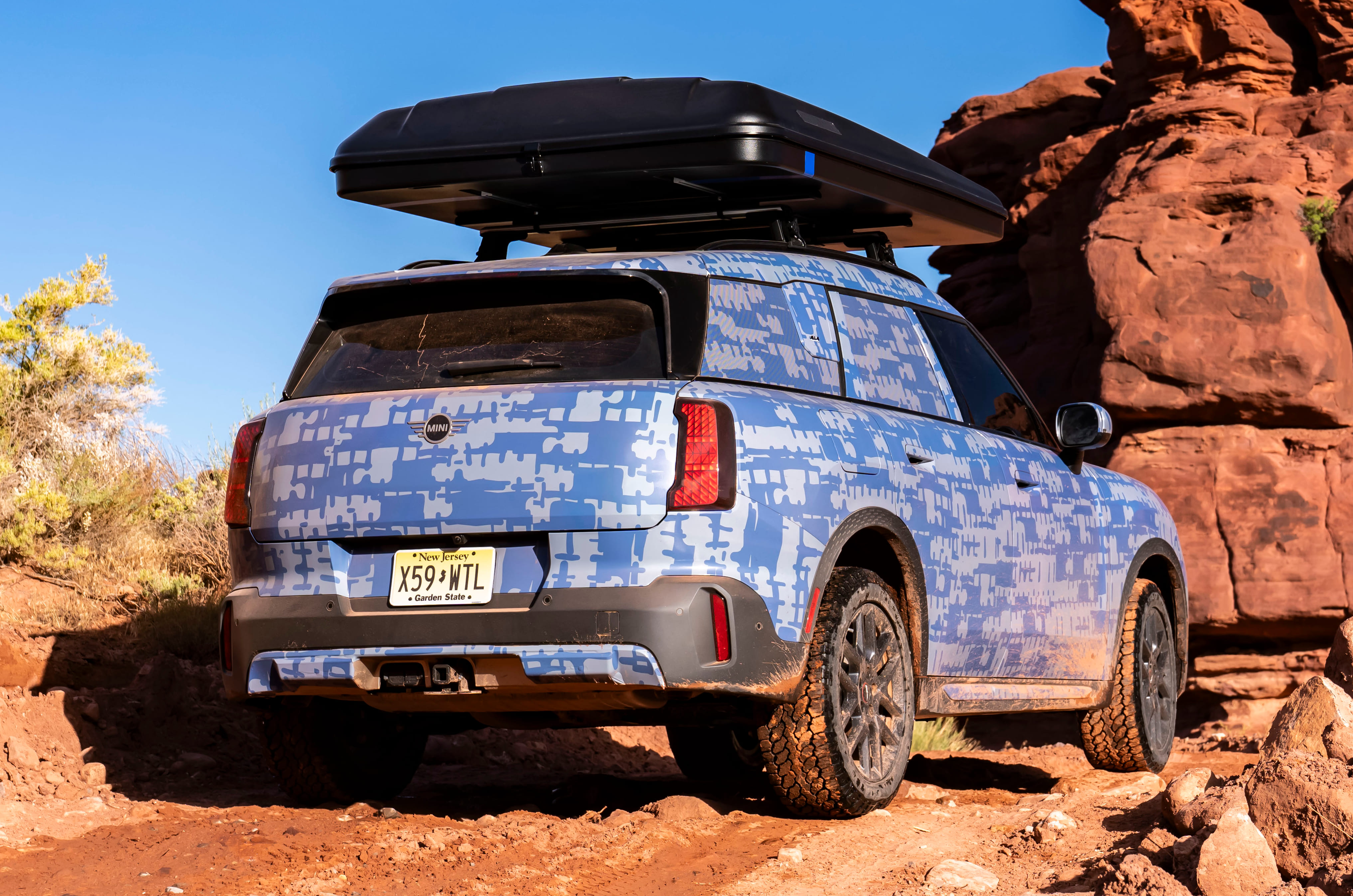
Mini has previewed a new off-road-inspired version of the Countryman, which is set to make its full debut in October. Revealed as a prototype, the new derivative gets suspension and styling changes aimed at improving its ability away from paved roads, and forms part of the brand’s strategy to broaden its range with more lifestyle-focused special editions.

  1. Production version to be unveiled in October
  2. Part of Mini’s strategy to expand its range of special editions

Prototype hints at off-road-focused updates

The prototype features a raised suspension, chunky off-road tyres and a roof-mounted tent, underlining its outdoor-focused positioning. Mini has released images of the vehicle testing in Colorado’s Rocky Mountain National Park, where rugged versions of family SUVs have become increasingly popular.

Mini boss Jean-Philippe Parain said the company is “just one step away” from unveiling the production version, which is scheduled to debut in October.

Inspired by outdoor lifestyle trend

According to Mini design chief Holger Hampf, the new Countryman derivative reflects growing demand for vehicles suited to outdoor activities and weekend adventures. He also indicated that the production model will draw inspiration from the Vagabund concepts revealed earlier this year, which reimagined the Countryman with an off-road theme.

The new derivative is also part of Mini’s broader plan to introduce more special editions and offer greater scope for customisation through collaborations and lifestyle-focused variants.

The current Mini Countryman is offered with two petrol engine options in India. The Countryman C is powered by a 1.5-litre, three-cylinder turbo-petrol engine producing 156hp and 240Nm, paired with a 7-speed dual-clutch automatic gearbox driving the front wheels. Above it sits the Countryman JCW All4, which gets a 2.0-litre, four-cylinder turbo-petrol engine developing 300hp and 400Nm, mated to a 7-speed dual-clutch automatic transmission and an all-wheel-drive system. The JCW is capable of sprinting from 0-100kph in a claimed 5.4 seconds.

Top 5 MPVs under Rs 30 lakh ranked

Top Five MPVs in India

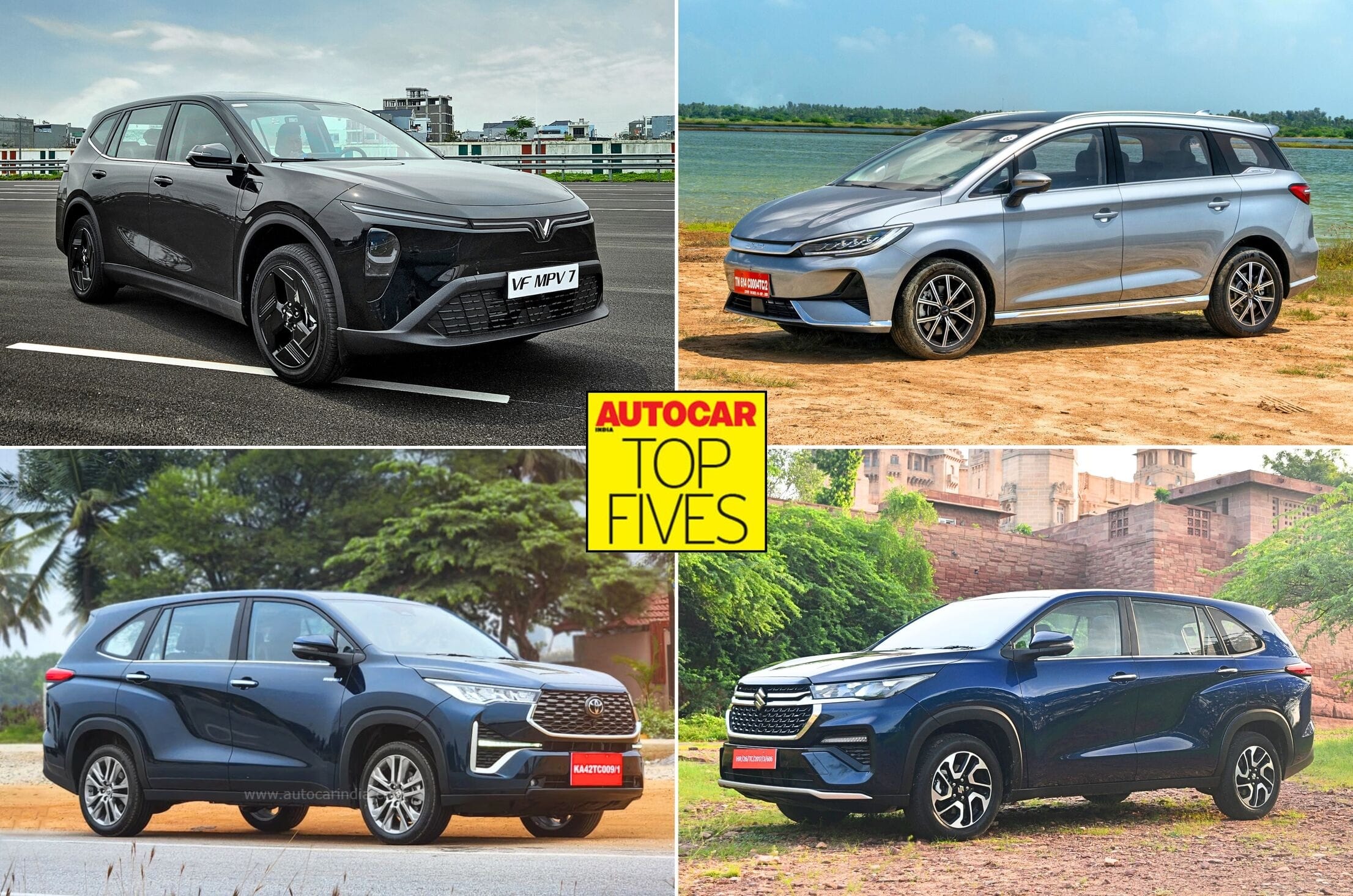
MPVs may not be the most glamorous of body styles, but they are arguably the most practical vehicles you can buy, especially if you have a large family to haul around. And if you are looking at the premium end of the market, you have a very diverse range of options to choose from, including petrol, diesel, electric and also hybrid MPVs. Here, we have ranked the five best MPVs you can currently buy if you have a budget of around Rs 30 lakh. 

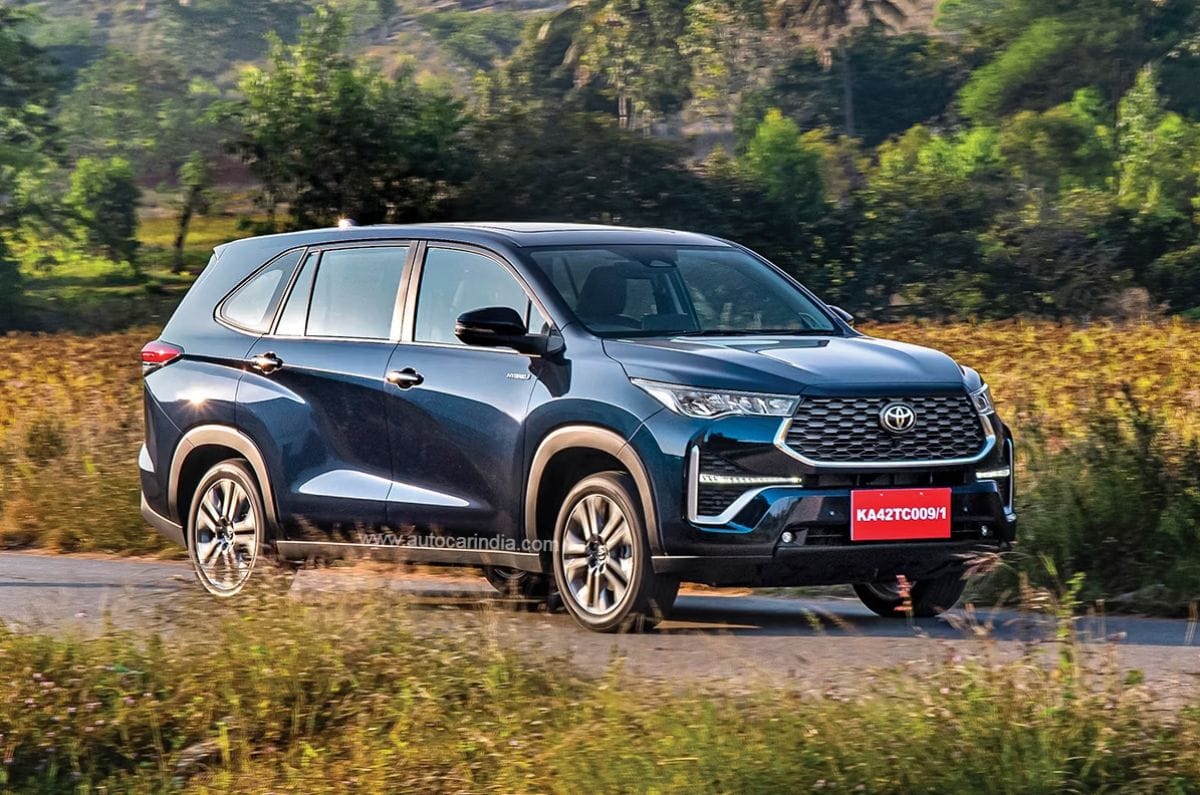
1. Toyota Innova Hycross 

Price: Rs 19.53 lakh-31.20 lakh

The Toyota Innova Hycross’s sleeve is its amazingly efficient and smooth 184hp 2.0-litre petrol-hybrid powertrain. It also has a premium-feeling and well-kitted-out interior with sufficient space even in the third row. The hybrid variants are steeply priced, but they are preferred over the more affordable 173hp 2.0-litre naturally aspirated petrol variants that aren’t efficient and miss out on several features. 

2. Maruti Suzuki Invicto

Price: Rs 24.97 lakh-Rs 28.60 lakh

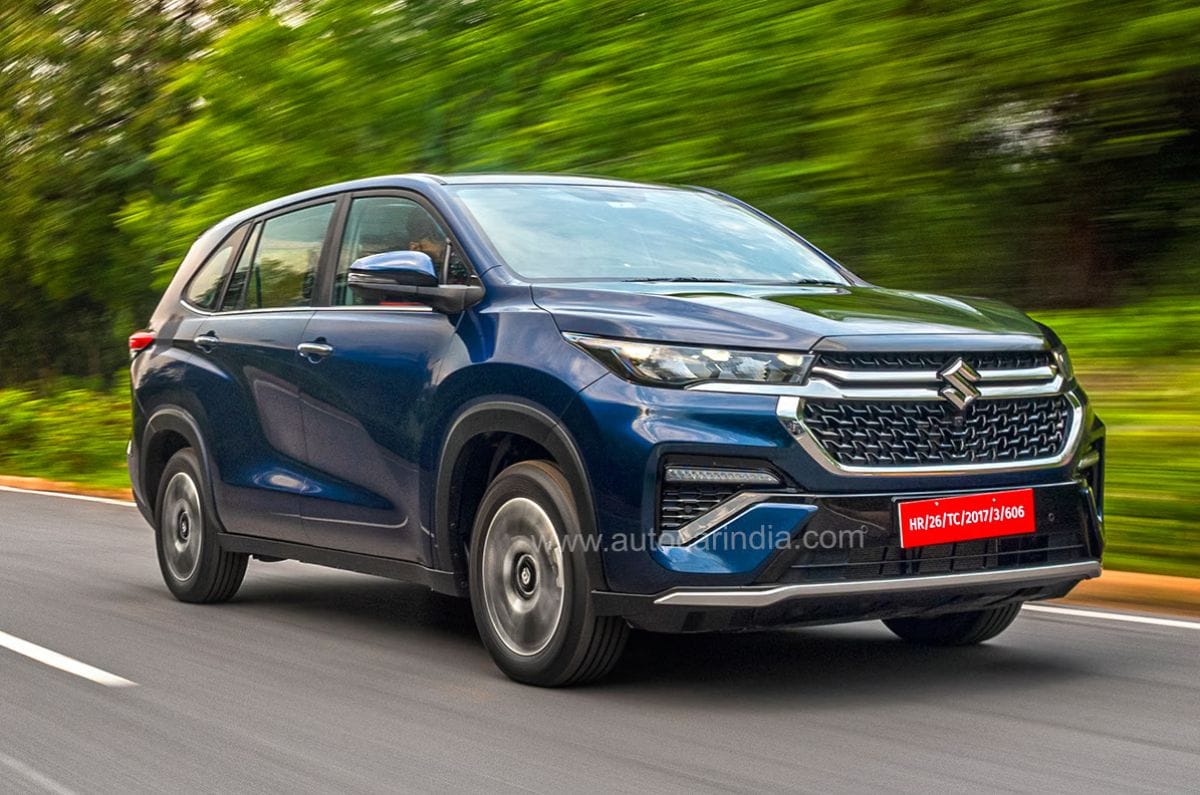
The Maruti Invicto is a badge-engineered Innova Hycross that only gets the petrol-hybrid powertrain. It’s got the same spacious interior, comfortable ride quality and an impressive tested average fuel economy of up to 14.06kpl. However, not having the regular petrol engine explains the higher starting price. Top variants, though, are more affordable as they miss out on some features like the powered second-row ottoman seats and ADAS suite.

3. Toyota Innova Crysta

Price: Rs 19.18 lakh-25.98 lakh

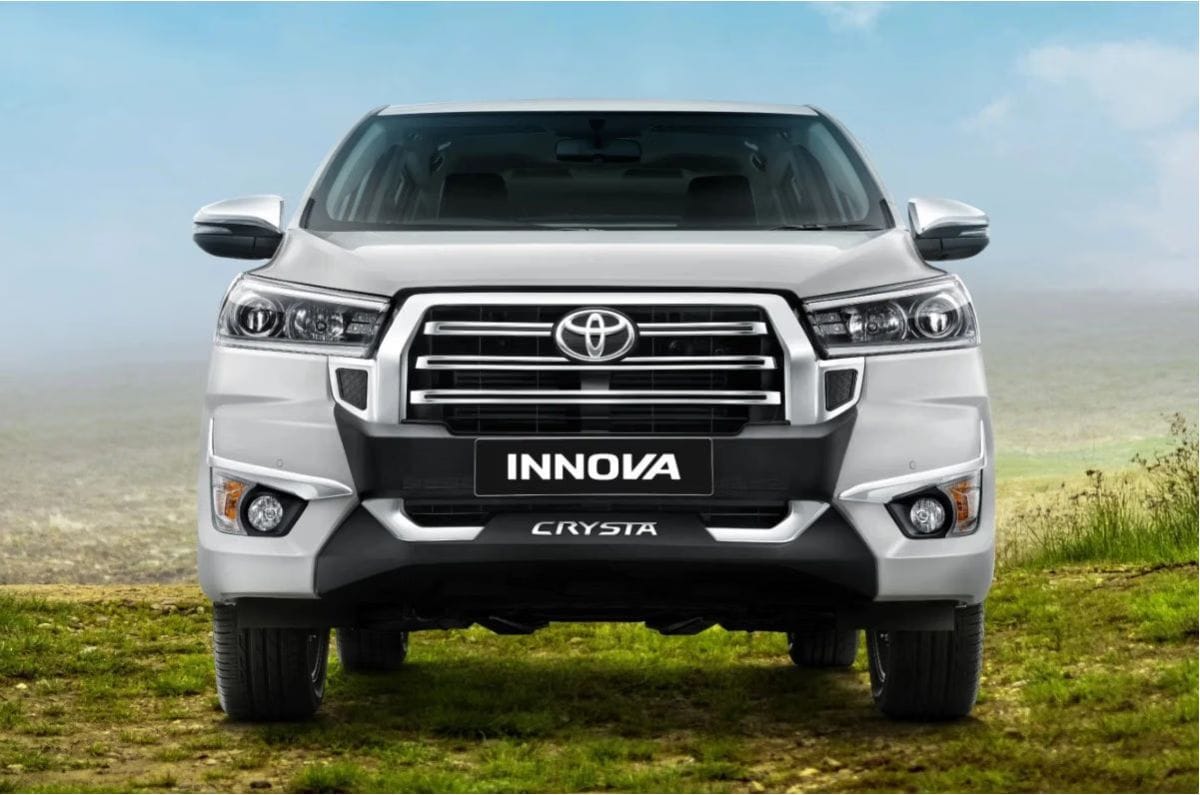
The Innova Crysta is well past its prime, and that shows in its interior and equipment list. It’s also expensive, especially in the company of its much newer rivals. However, it is arguably the most dependable and reliable people mover that feels like it is built to last, has an efficient 150hp 2.4-litre diesel engine, and is practical and comfortable as well. This is also the only diesel MPV left in the mass market, making it ideal for people who travel long distances frequently.  

4. BYD eMax 7 

Price: Rs 26.90 lakh-29.90 lakh

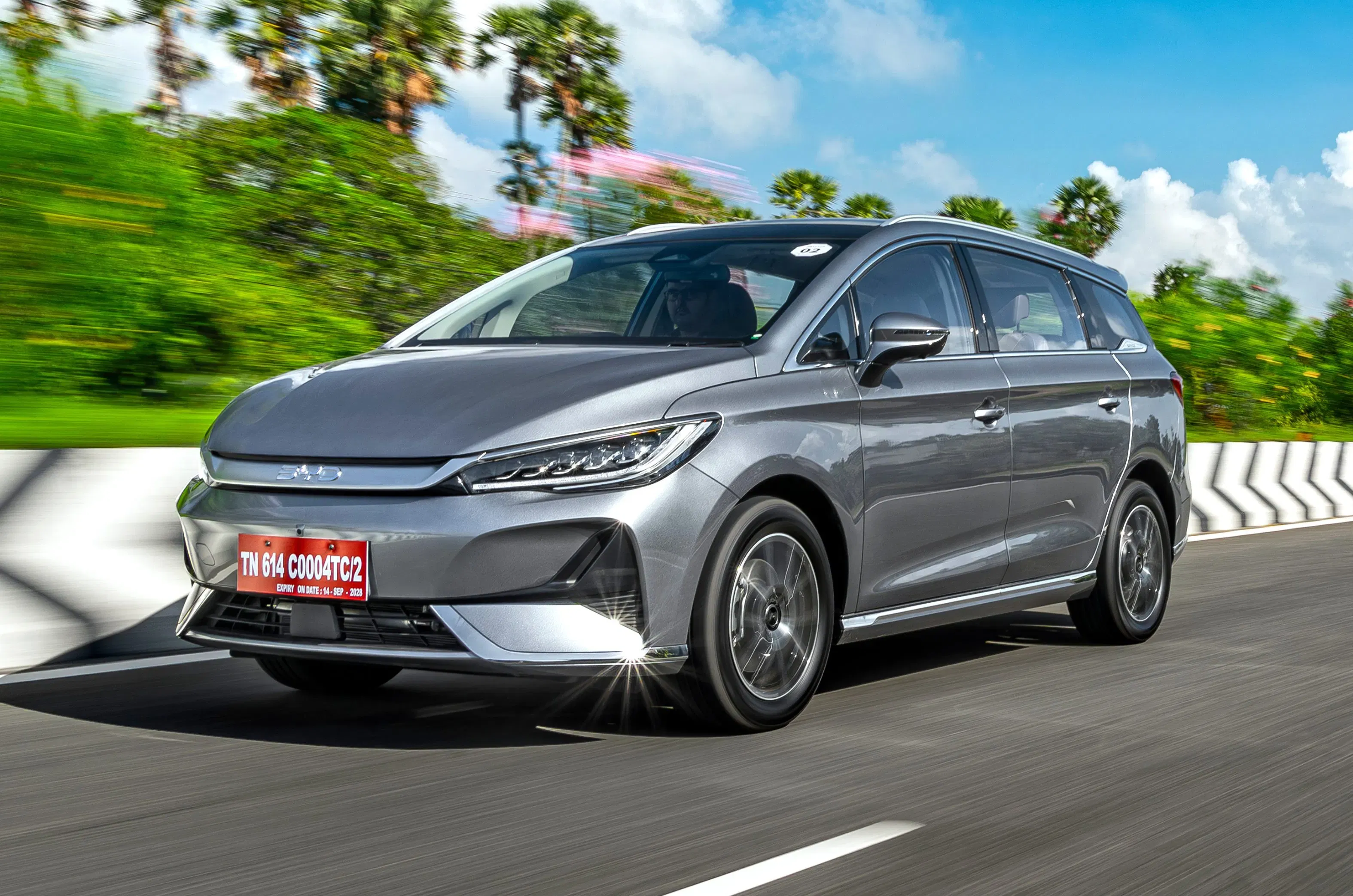
The eMax 7 doesn’t have the flexibility of the petrol, hybrid or diesel MPVs. It is also the least spacious of all here, but it’s a well-equipped electric MPV that can ferry up to seven people in silence and comfort and has sufficient range for urban use. A sparse sales and service network, however, remains a limitation. If you are living in a tier-1 city, the eMax 7 makes for a cost-effective people mover, but outstation trips will require some planning.   

5. Vinfast VF MPV 7 

Price: Rs 24.49 lakh

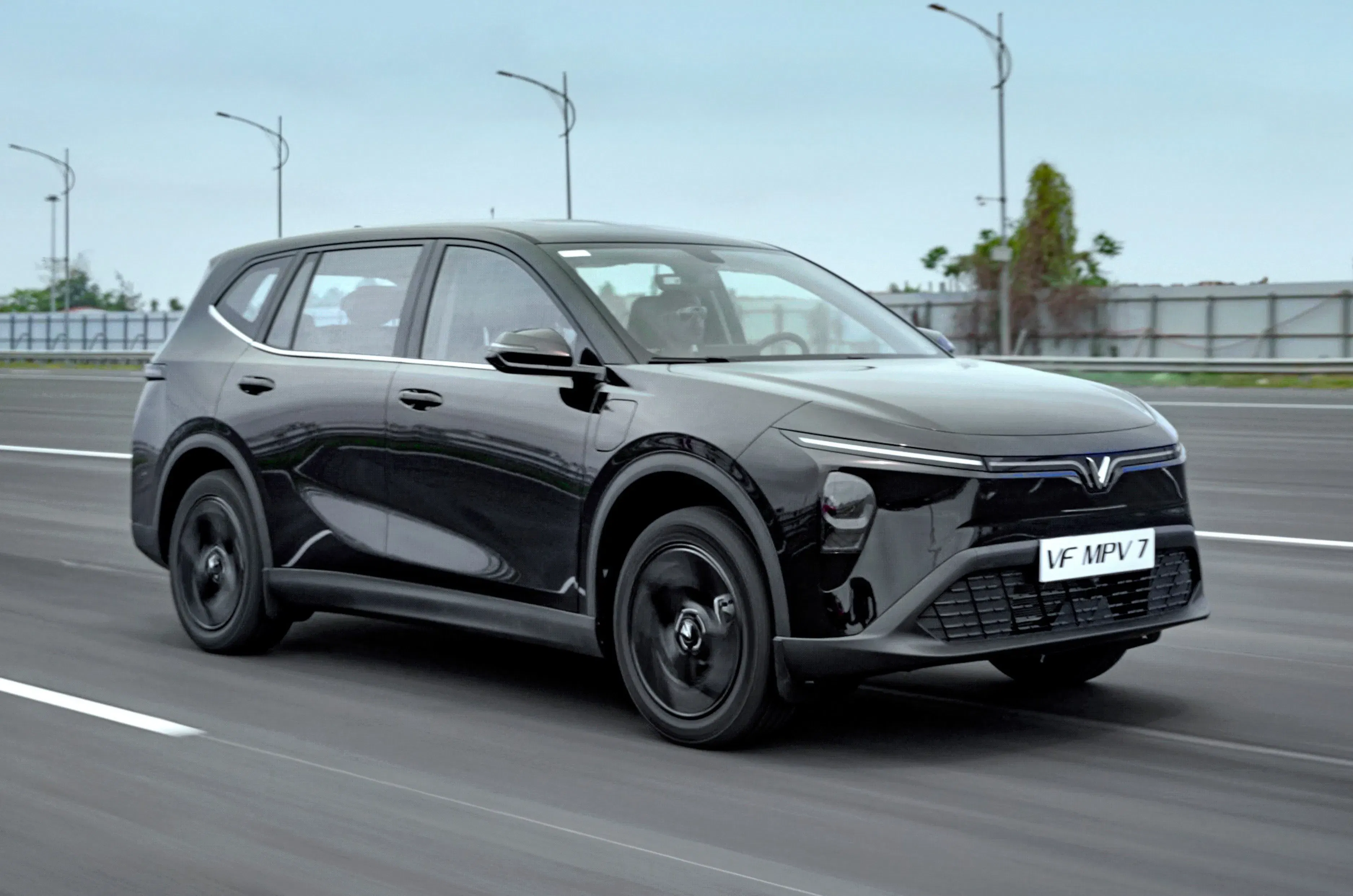
The VF MPV 7 is the newest MPV here, and it gets the fundamentals right – space, practicality and a claimed 500km range. At 204hp, the VF7 along with the eMax 7 are two of the most powerful MPVs in this segment. However, it misses out on several features, which particularly sticks out at its price point, it’s ride and handling leaves a lot to be desired for, and you’ll also have to contend with Vinfast’s relatively sparse network currently. 

MG Windsor long-term review, 15,000km report

mg windsor in traffic

The more time I spend with our long-term MG Windsor EV, the easier it becomes to understand why it is India’s bestselling EV. It is one of those cars that slips effortlessly into daily life.

Its biggest strength is how easy it is to drive. The motor delivers power smoothly and predictably, making city commutes stress-free, while the regenerative braking is among the best-calibrated in the segment. Even in its strongest setting, it feels intuitive rather than abrupt. A proper single-pedal mode would have been welcome, but the Windsor remains one of the most user-friendly EVs around.

Smooth power delivery and well-calibrated regen make the Windsor one of the most user-friendly city cars.

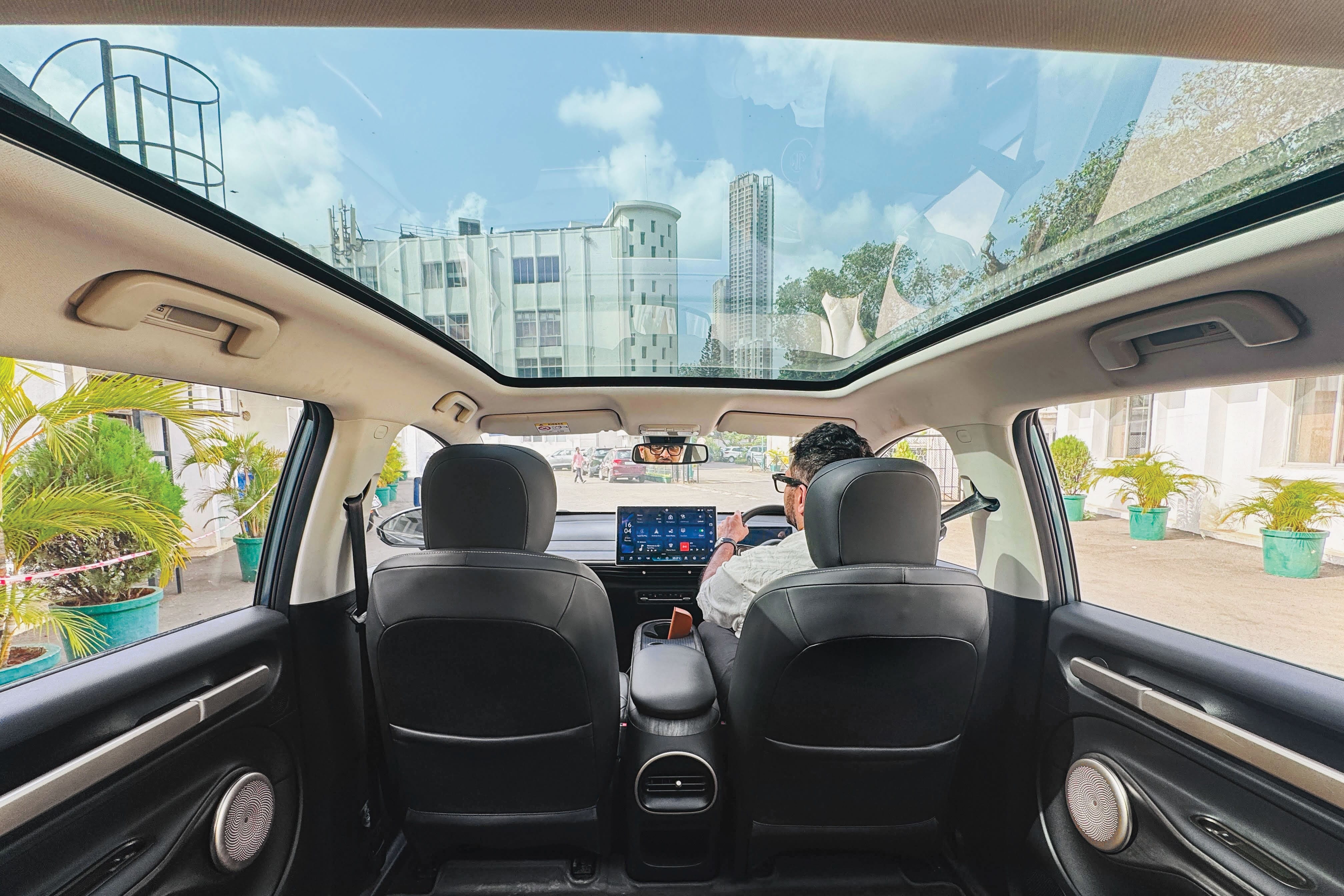
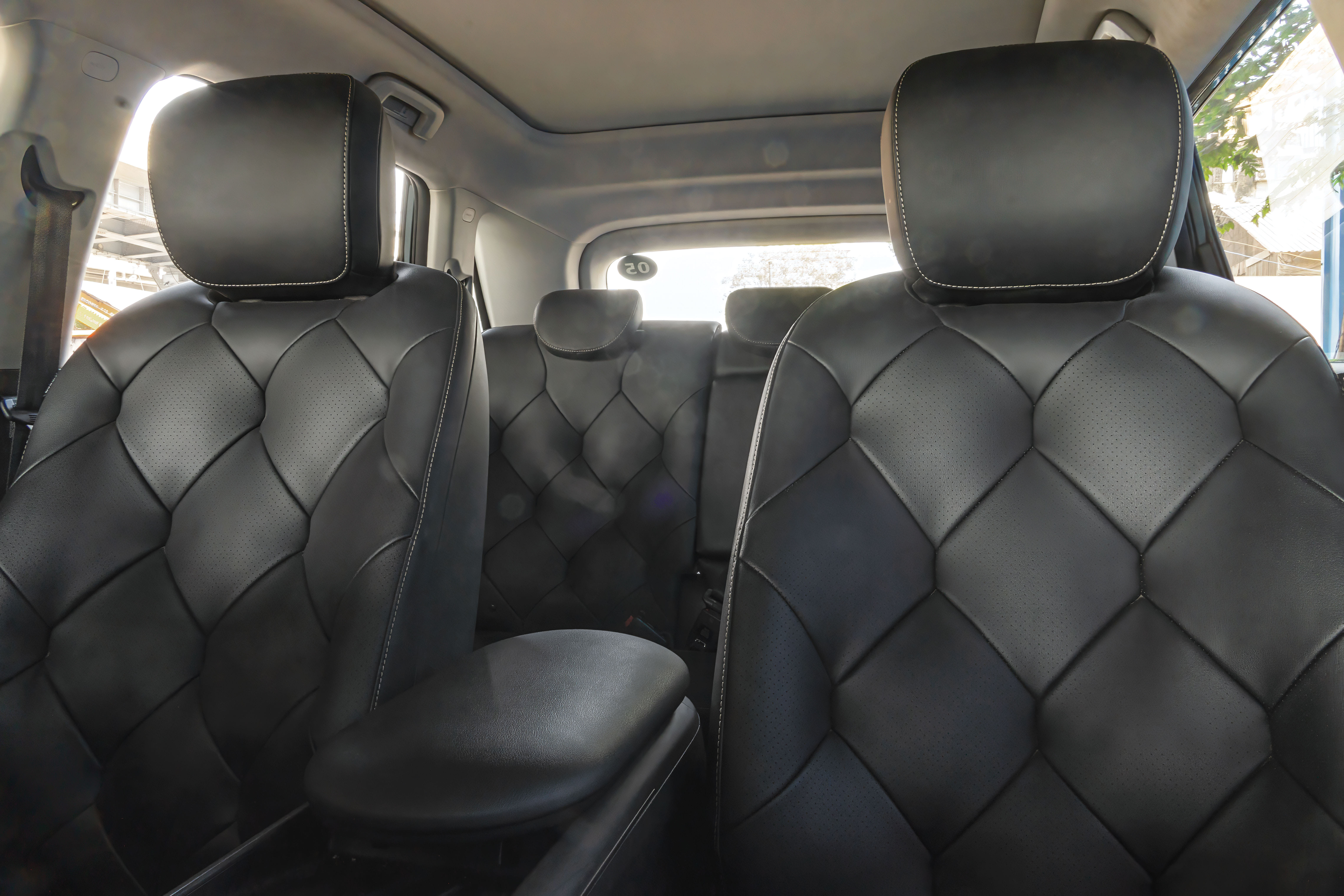
The spacious cabin continues to be a highlight. The combination of a cab-forward design, large windows and generous dimensions creates an airy feel, while rear-seat passengers enjoy excellent headroom and legroom. My family was genuinely surprised by the amount of space on offer, and while the heavily quilted seats look premium, slimmer occupants may find them uncomfortable over a longer drive.

The cab-forward design and generous glass area create a genuinely spacious and airy ambience.

Performance has also impressed. Whether in city traffic or on my regular Mumbai-to-Pune drives, the Windsor has never felt short of power. It cruises comfortably at highway speeds, has enough performance in reserve for overtakes, and offers sufficient real-world range to complete the journey without any charging stops.

Not everything is perfect, though. The large glass area can make the cabin heat up quickly when parked in the sun, and the black leatherette upholstery does little to help. Highway refinement could also be better, with noticeable road noise filtering into the cabin. The ride remains comfortable for the most part, but sharp bumps and expansion joints can occasionally catch it out.

Road noise becomes noticeable at high speeds, taking away an otherwise refined experience.

The touchscreen-based controls still require acclimatisation. While shortcuts on the steering wheel make tasks such as mirror adjustment easier over time, physical controls would have been more convenient. The 15-inch display also feels slightly too large, requiring a stretch to reach functions at the far end.

Touch mirror and sunshade controls are too bad; physical controls would be far more convenient.

Even so, the Windsor EV continues to impress as an all-round package. Its blend of space, ease of driving, performance and usable range explains exactly why it has resonated so strongly with Indian buyers and why I’m going to hang on to it for a while longer.

MG Windsor Essence 38kWh test data
Odometer 14,900km
Price Rs 16.53 lakh (ex-showroom)
Economy 6.5km/kWh (this month)
Maintenance CostNone
Faults None 
Previous reportsJanuary 2026, March 2026

8 things to know before buying the TVS Jupiter 125

8 things to know before buying the TVS Jupiter 125

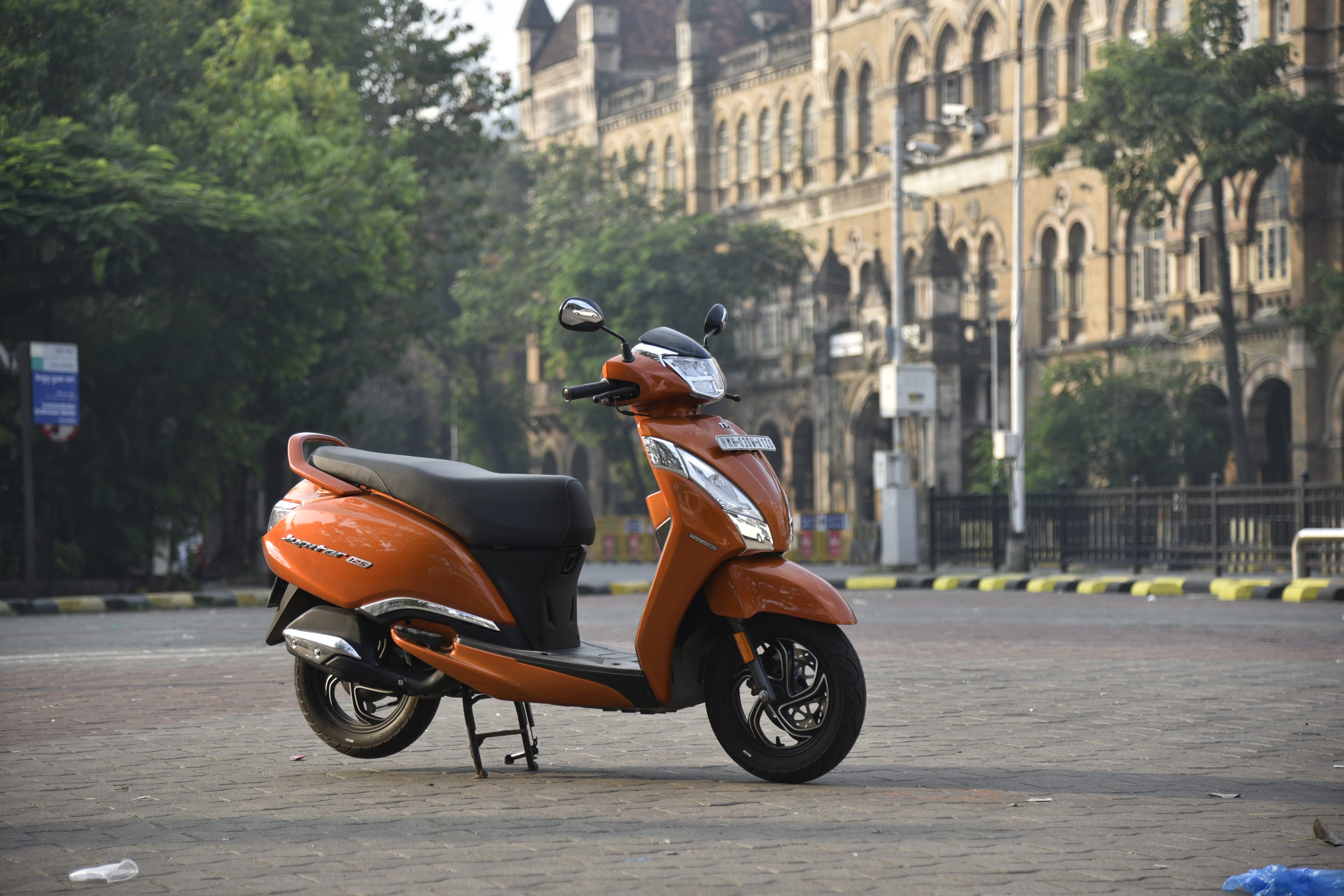
The TVS Jupiter 125 is the brand’s premium family scooter, positioned above the Jupiter 110. It stands out for its practicality, thanks to its underfloor fuel tank, spacious underseat storage and feature-rich equipment list. Here are answers to some of the most commonly asked questions about it.

1. What is the price of the TVS Jupiter 125?

The TVS Jupiter 125 is available in four variants – Drum Alloy, Disc Alloy, DT SXC and SmartXonnect. Prices start at Rs 87,171 for the Drum Alloy variant and go up to Rs 95,772 for the range-topping SmartXonnect variant (both ex-showroom).

2. What variants of the TVS Jupiter 125 are available?
The Jupiter 125 range comprises four variants. The Drum Alloy serves as the entry point, followed by the Disc Alloy. Above it sits the DT SXC variant, while the SmartXonnect is the range-topper with the most comprehensive feature set.

3. What engine does the TVS Jupiter 125 use?
The Jupiter 125 is powered by a 124.8cc, single-cylinder, air-cooled, fuel-injected engine producing 8.15hp at 6,500rpm and 10.5Nm at 4,500rpm. It is paired with a CVT automatic transmission.

4. What is the fuel tank capacity and underseat storage of the TVS Jupiter 125?

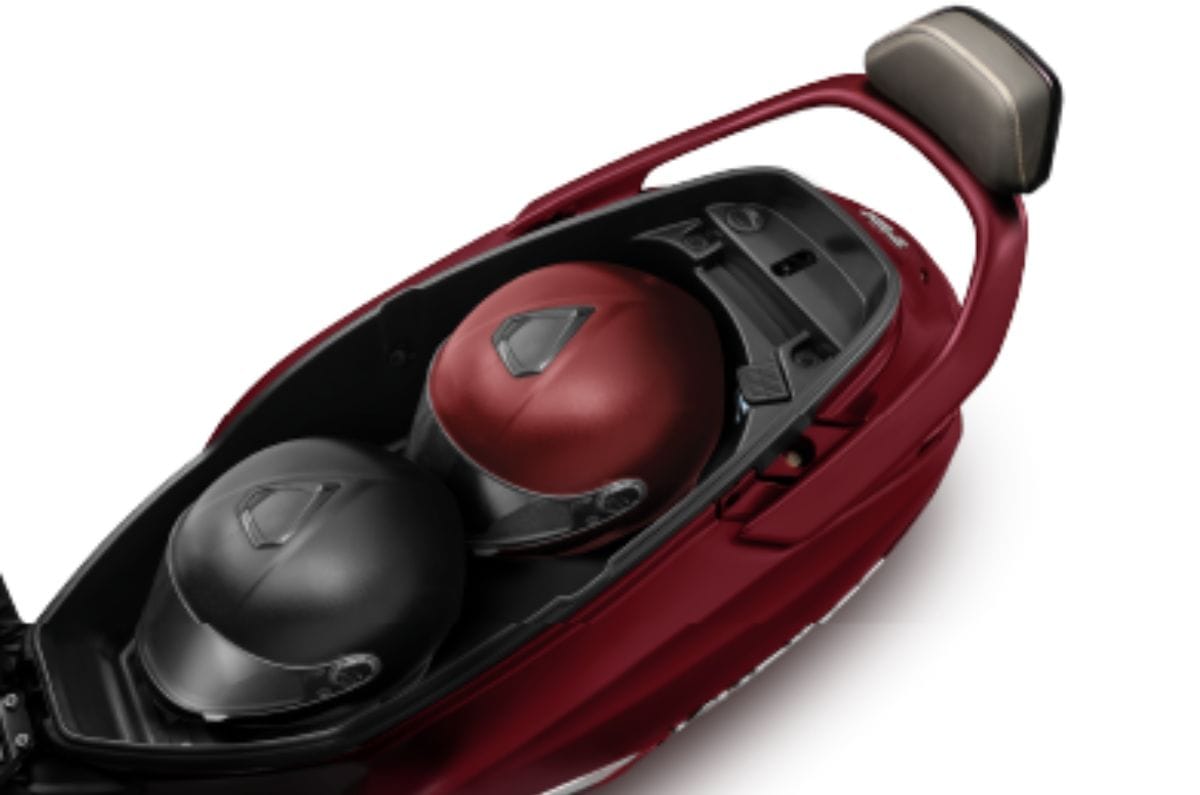
The Jupiter 125 gets a 5.1-litre fuel tank positioned beneath the floorboard, freeing up space for a 33-litre underseat storage compartment. TVS says the storage area is large enough to accommodate two full-face helmets, while the front-mounted fuel filler allows refuelling without opening the seat.

5. What features does the TVS Jupiter 125 have?

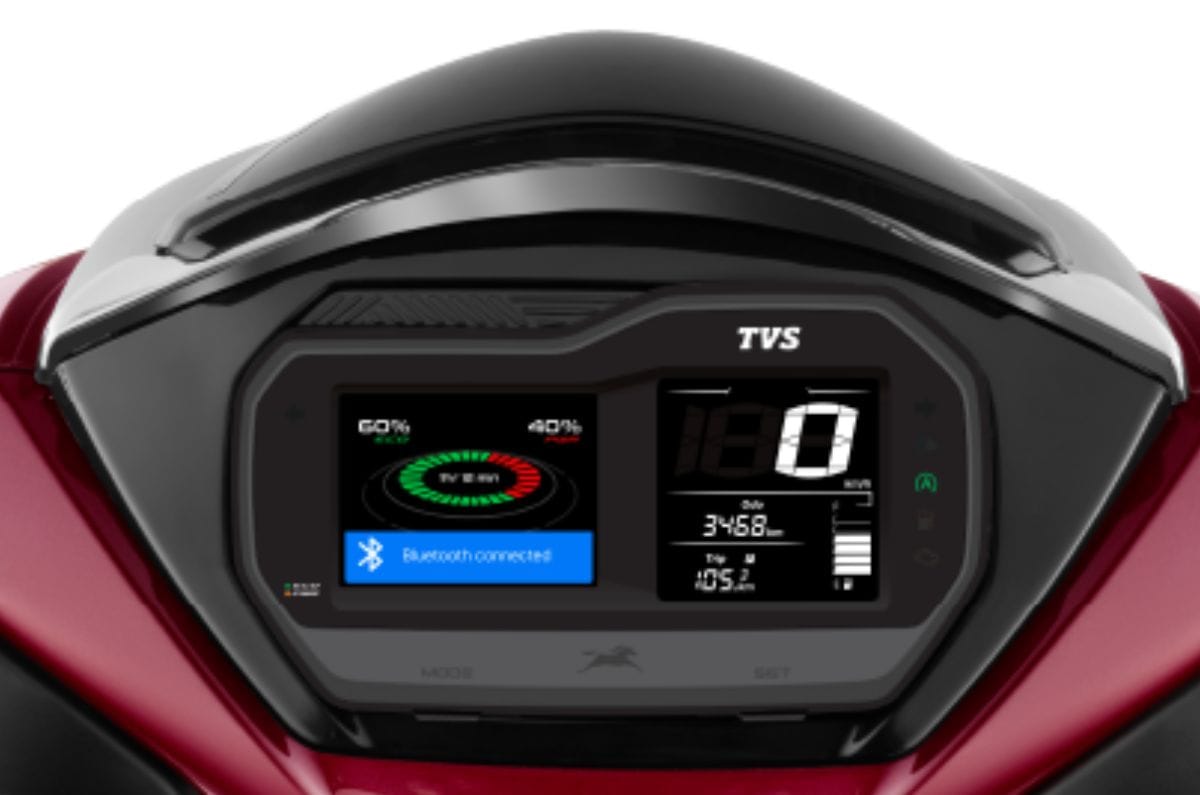
Depending on the variant, the Jupiter 125 comes equipped with a digital instrument cluster with Bluetooth connectivity via TVS SmartXonnect, turn-by-turn navigation, call and SMS alerts, voice assist and distance-to-empty. Higher variants also get an LED headlight, a front-mounted external fuel filler, iGO Assist and Emergency Brake Warning (EBW).

6. What are the kerb weight, seat height and ground clearance of the TVS Jupiter 125?

The Drum Alloy variant has a kerb weight of 108kg, while the Disc Alloy, DT SXC and SmartXonnect variants weigh 109kg. Seat height is 765mm, while ground clearance stands at 163mm across the range.

7. What braking hardware does the TVS Jupiter 125 get?

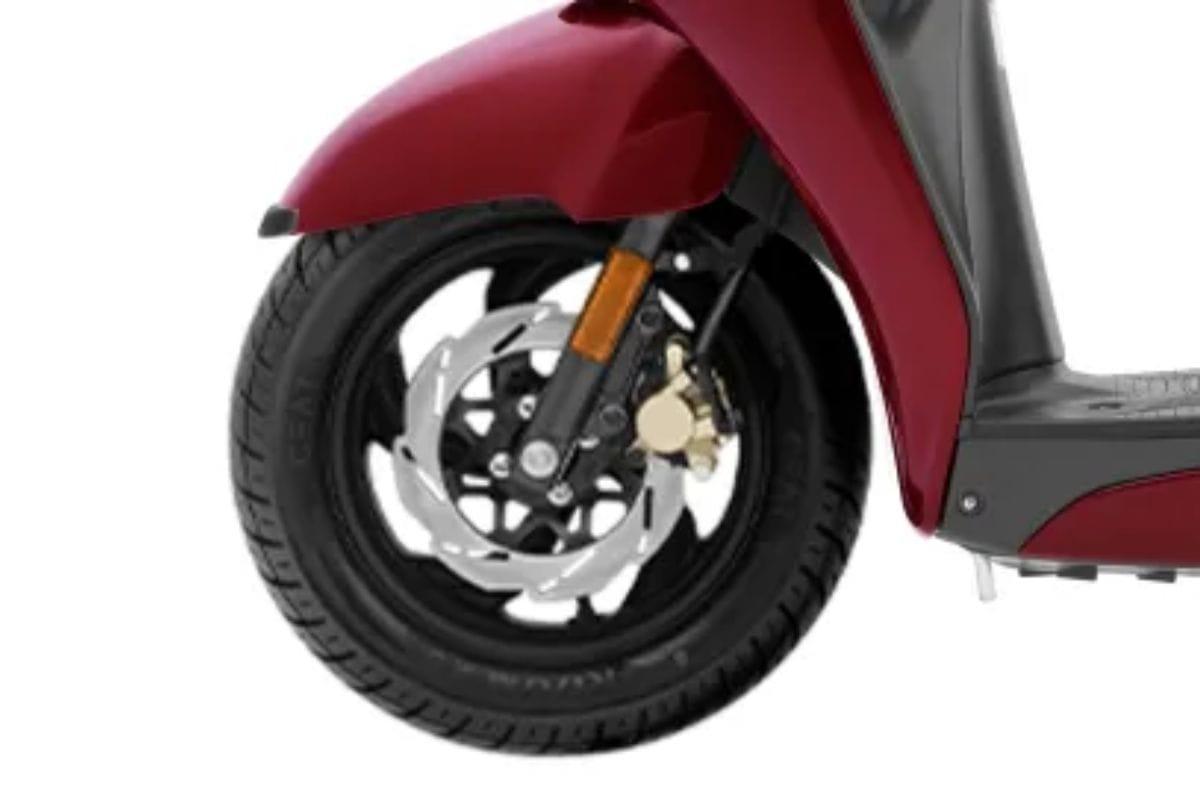
The Drum Alloy variant gets drum brakes at both ends, while the Disc Alloy, DT SXC and SmartXonnect variants feature a front disc and rear drum setup. All variants come equipped with TVS’ Combi-braking system.

8. What colours is the TVS Jupiter 125 available in?

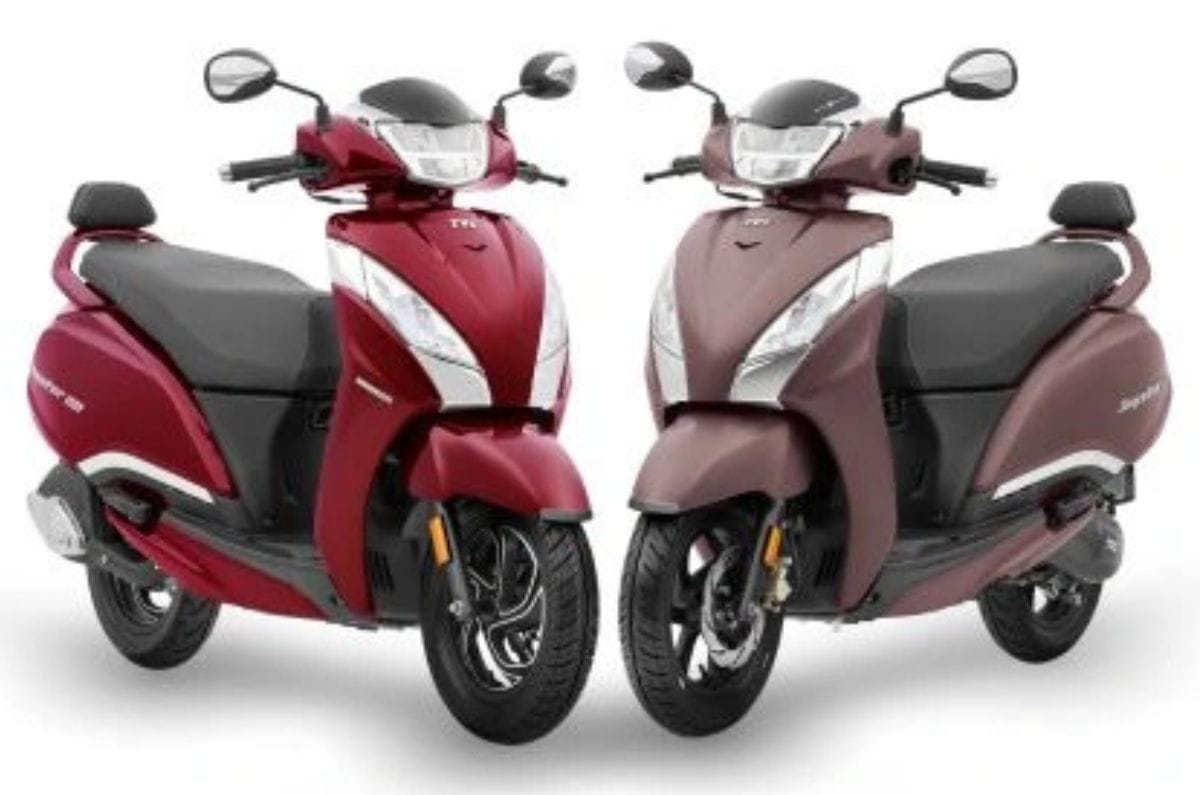
The TVS Jupiter 125 is offered in multiple colour options, with availability varying depending on the variant. These include Dawn Blue Matte, Titanium Grey Matte, Ivory Matte Blue, Ivory Brown, Ivory Grey, Ivory Matte Copper Bronze, Elegant Red, White and Black

Honda Rebel 300 and Rebel 500 unveiled ahead of India launch

Rebel 300 and Rebel 500

Honda has unveiled a total of 10 motorcycles for the Indian market, comprising both all-new and existing models, with the Rebel 300 and a new locally manufactured Rebel 500 among them. The Rebel 500 was previously sold in India as a CBU at Rs 5.12 lakh, but with both motorcycles now set to be manufactured locally, we can expect more competitive pricing when they go on sale.

  1. Honda Rebel 300 and Rebel 500 to be available in standard and E-Clutch variants
  2. Rebel 300 uses a 286cc single-cylinder engine
  3. Rebel 500 is powered by a 471cc parallel-twin engine

Honda Rebel 300 and Rebel 500 India details

Both bikes will be available with Honda’s E-Clutch system, enabling automated clutch action

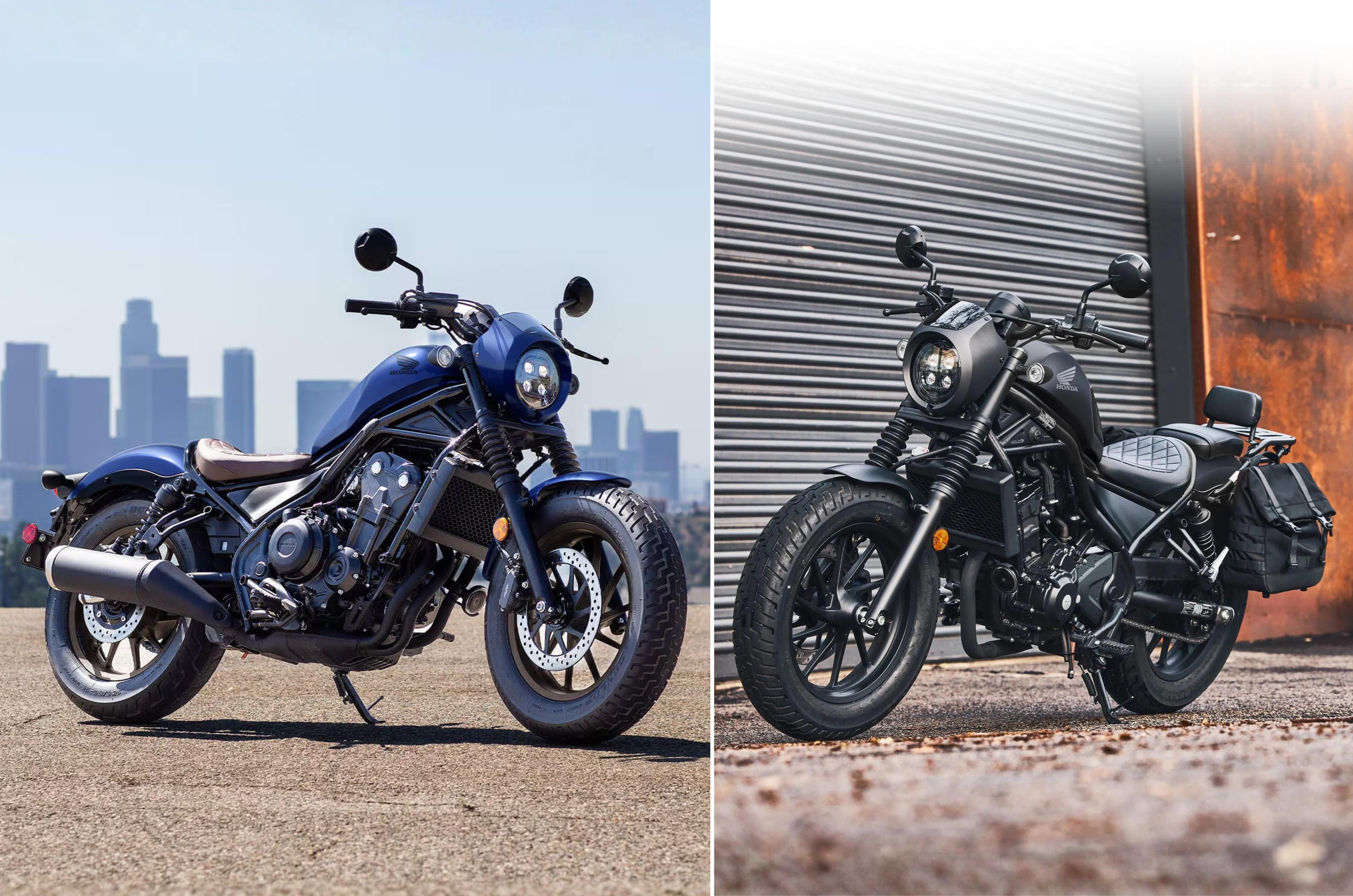
As members of the same family, the Rebel 300 and Rebel 500 share the same bobber-style cruiser design, including a teardrop-shaped fuel tank, a round LED headlight, a two-piece seat and a short, stubby exhaust.

The Rebel 300 is powered by a 286cc single-cylinder, liquid-cooled engine producing around 30hp and 27.5Nm. The Rebel 500, meanwhile, uses a 471cc parallel-twin engine producing 46hp at 8,500rpm and 43.3Nm at 6,000rpm. Both motorcycles use a six-speed gearbox and will be offered in standard and E-Clutch variants. Honda’s E-Clutch system allows riders to shift gears without operating the clutch lever while still retaining the option to use the clutch manually whenever they choose.

Both motorcycles feature a low 690mm seat height, making them among the most accessible motorcycles on sale in our market. Combined with an upright handlebar and forward-set footpegs, the low seat height should provide a relaxed cruiser riding position. Suspension duties are handled by a conventional telescopic fork at the front and twin rear shock absorbers. Both motorcycles also share the same tyre sizes, with a 130/90-16 front and a 150/80-16 rear. The Rebel 300 has a kerb weight of 172kg, while the larger Rebel 500 tips the scales at 191kg.

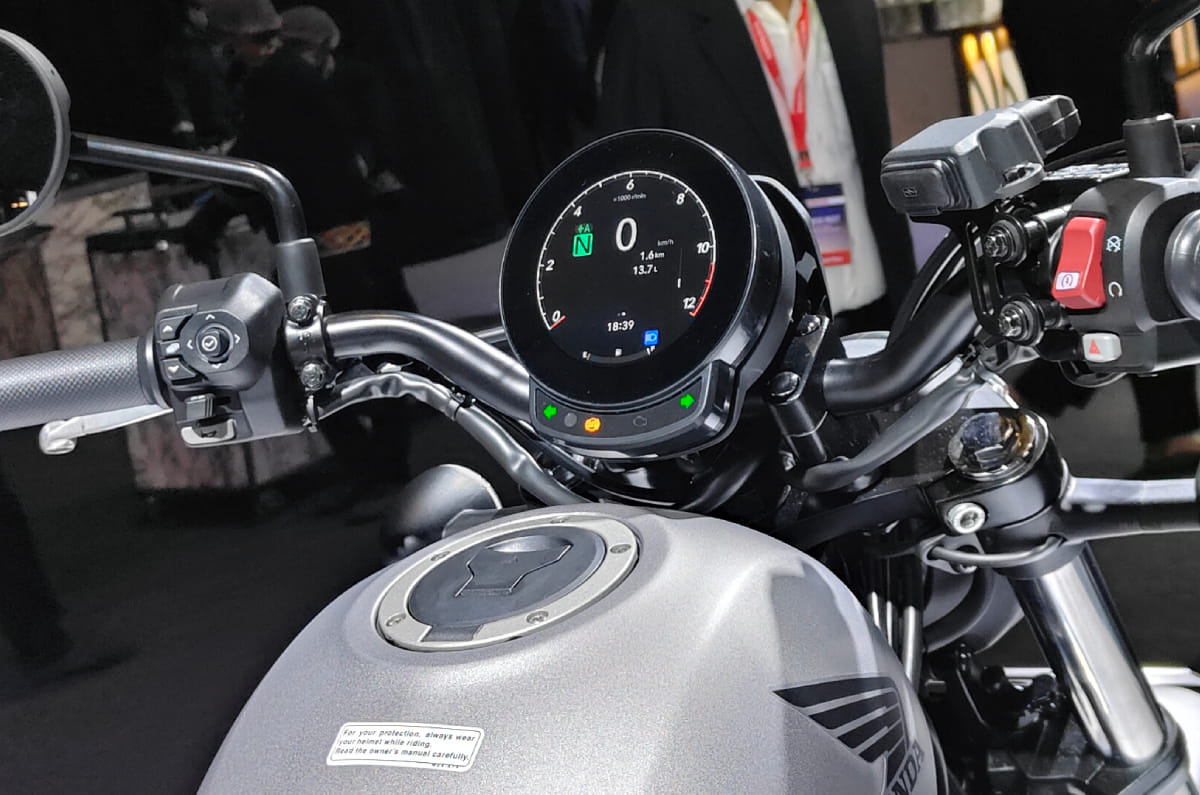
On the features front, both motorcycles remain relatively simple and stay true to their old-school cruiser ethos, doing without modern electronics such as riding modes and traction control. Both bikes come equipped with dual-channel ABS. Interestingly, the India-spec Rebel 300 and Rebel 500 debut a new circular TFT display that replaces the LCD unit offered on international models, and this is understood to have been developed specifically for these locally manufactured versions.

Honda is yet to announce prices or a launch timeline for either motorcycle. More details are expected in the coming weeks, and we’ll update this story as they are announced.

3 reasons to buy the Nissan Tekton and 3 to avoid it

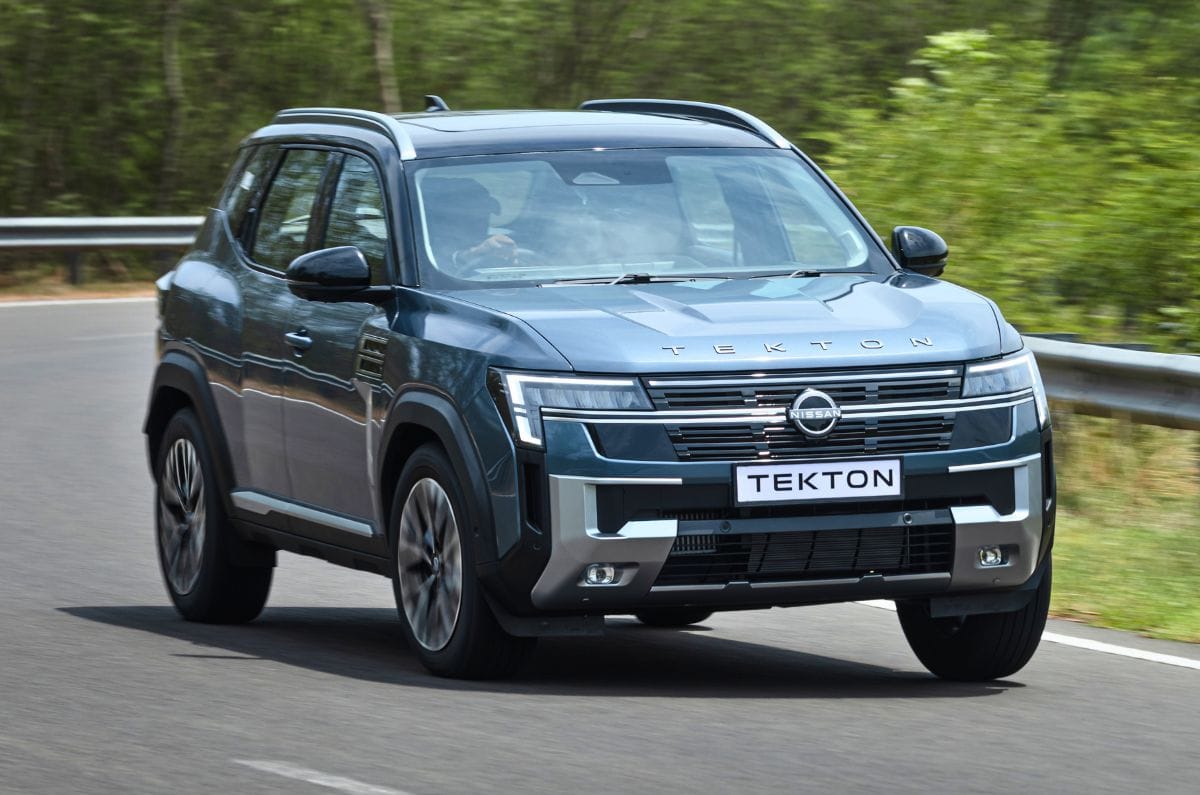
Nissan Tekton front three quarter

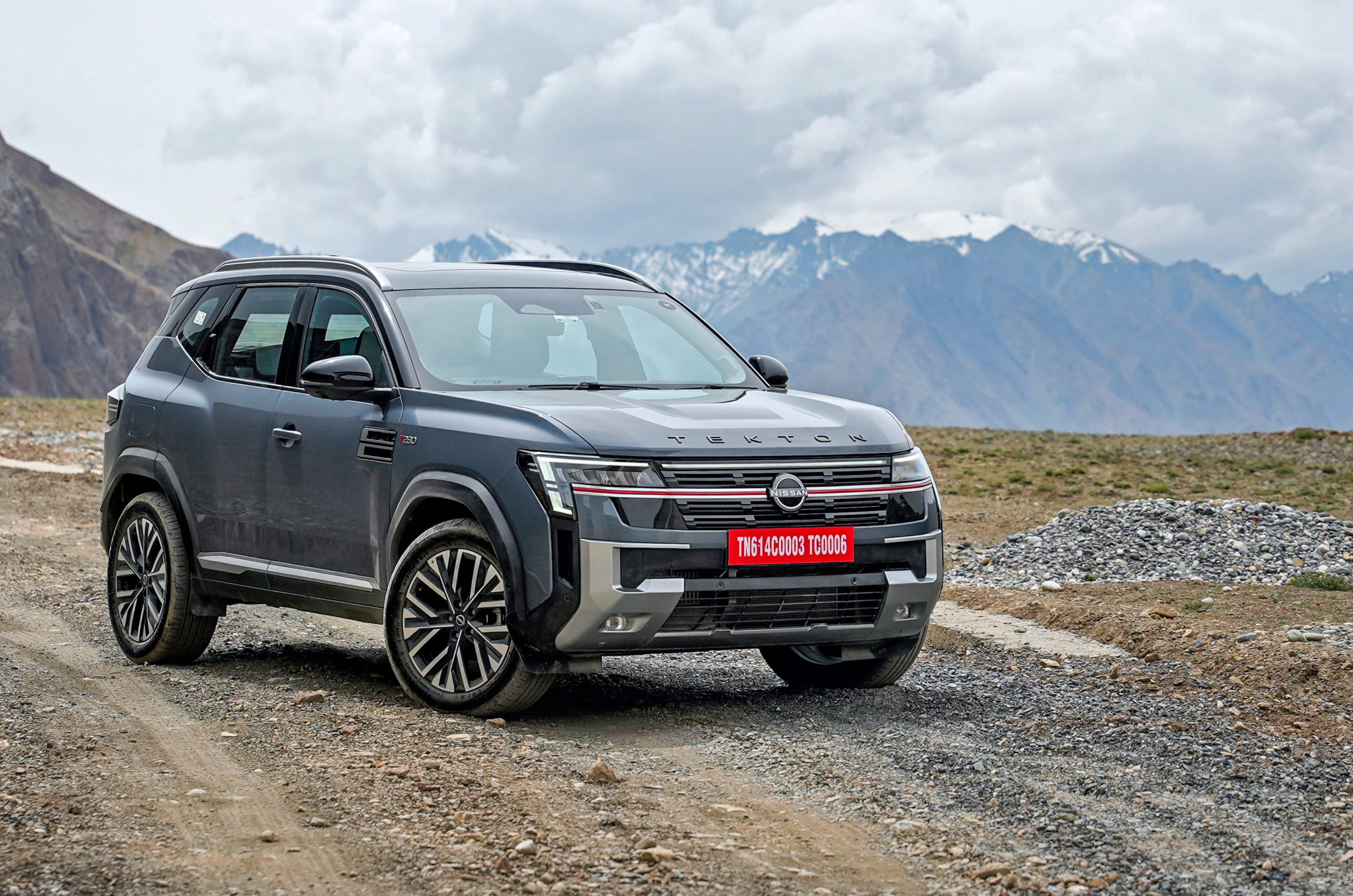
The Nissan Tekton joined the ever-ballooning midsize SUV segment in July 2026, becoming the third model in the Japanese brand’s India line-up. Priced between Rs 10.49 lakh and Rs 18.59 lakh (ex-showroom), the Tekton is Nissan’s flagship offering in the country. As a direct alternative to its platform sibling, the Renault Duster, does the Tekton offer compelling reasons for you to seriously consider it? Let’s find out.

Reasons to buy the Nissan Tekton

Polished dynamics

The Tekton strikes a great balance between ride and handling

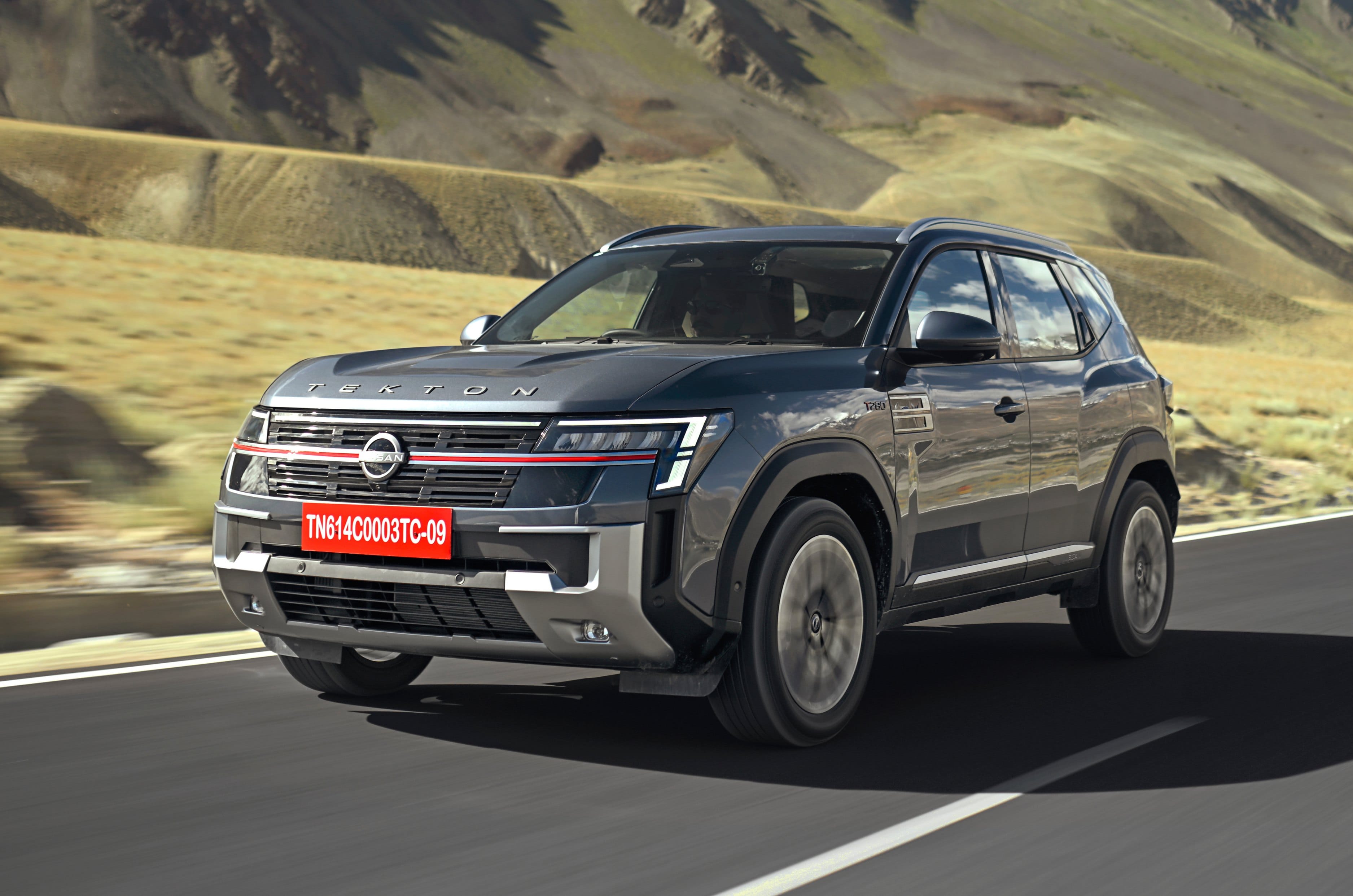
Nissan Tekton front three quarter tracking

If you are someone who loves getting behind the wheel of your midsize SUV but doesn’t want the ride quality to be compromised, the Nissan Tekton is a worthy candidate. Even hitting large potholes does not unsettle this SUV, merely registering in your ears. The ride remains supple and forgiving, absorbing road imperfections without complaints. There’s also no underlying, uncomfortable firmness to the Tekton’s ride at city speeds either.

Nissan Tekton cornering

Once you get going, you realise that the Tekton likes changing directions – its eagerness to turn does not come at the cost of uncontained body roll. The ‘Light’ and ‘Heavy’ steering modes work as intended, making the wheel feelsome and precise. Then there are the brakes, which offer plenty of stopping power, while the pedal itself feels natural too. All of these factors inspire confidence and let you push the Tekton a bit more. 

Well-designed and tech-rich cabin

Stepping inside the Tekton reveals a premium-looking and well-equipped space

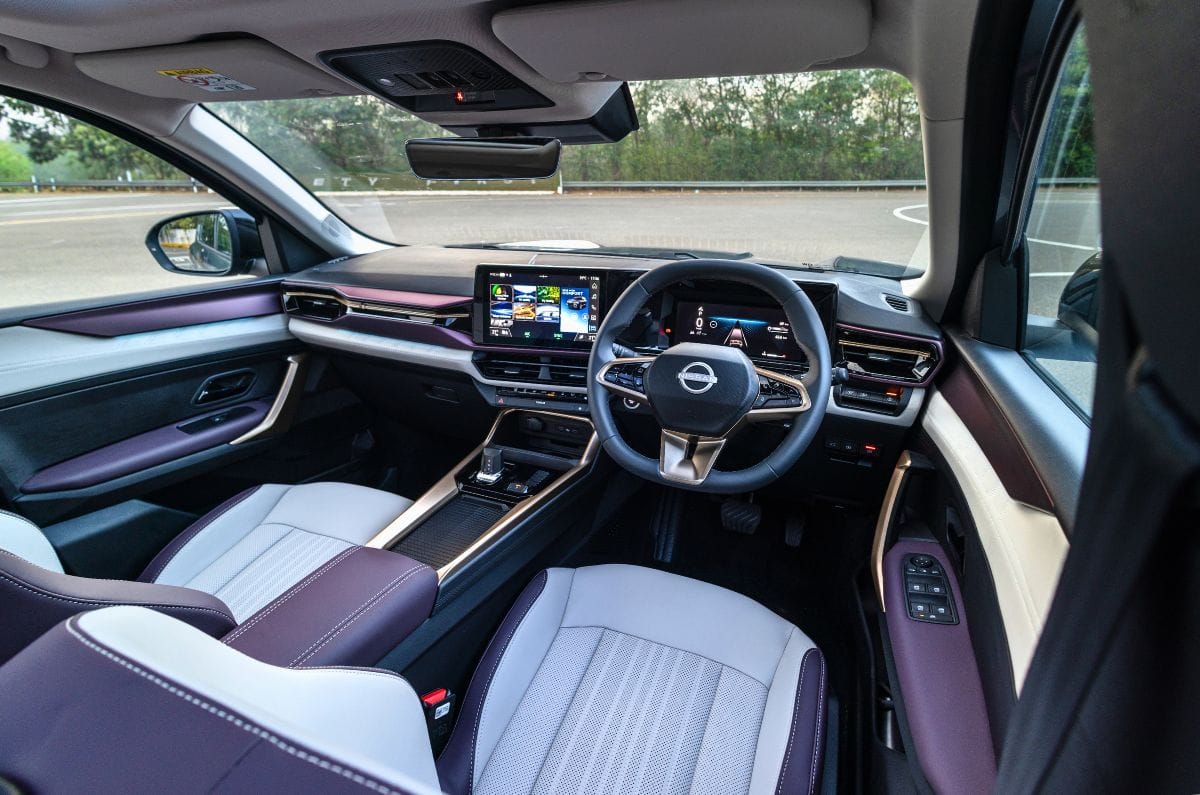
Nissan Tekton interiorCombined with the classy-looking leatherette padding on the dash and door pads, plus the burgundy, gold and light cream colour scheme, the interior of the top-spec Nissan Tekton looks upmarket. The driving position is great and provides excellent all-round visibility, while the seats themselves are comfy enough to be occupied even over long-distance drives.
Nissan Tekton rear seats

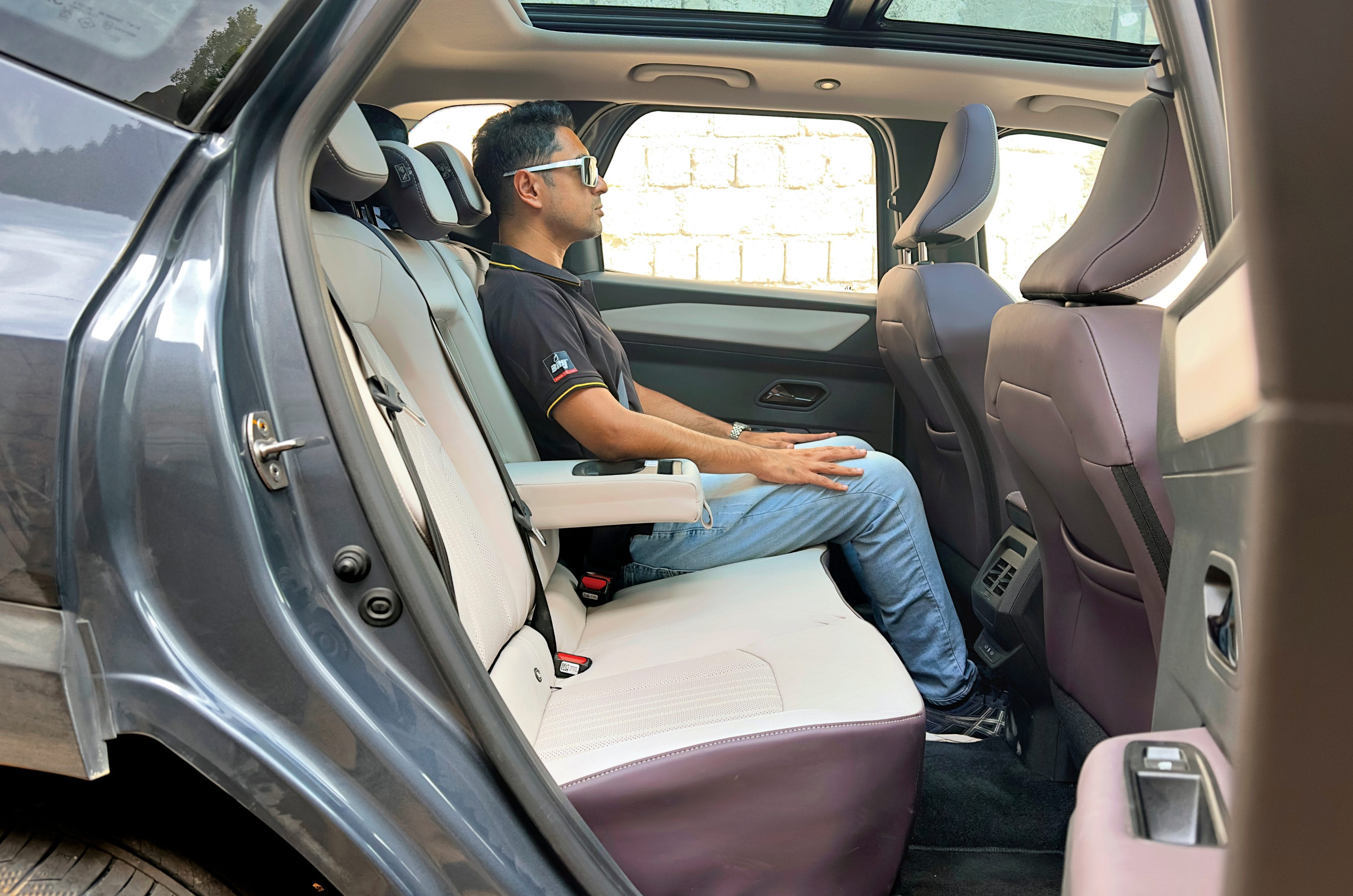
Apart from good under-thigh support and backrest angle, the rear seats offer plenty of space under the front seats, allowing the outer two occupants to stretch out and get comfortable. Furthermore, those at the back have access to USB charging ports, a centre armrest with cup holders and AC vents, with higher variants also benefiting from a panoramic sunroof.

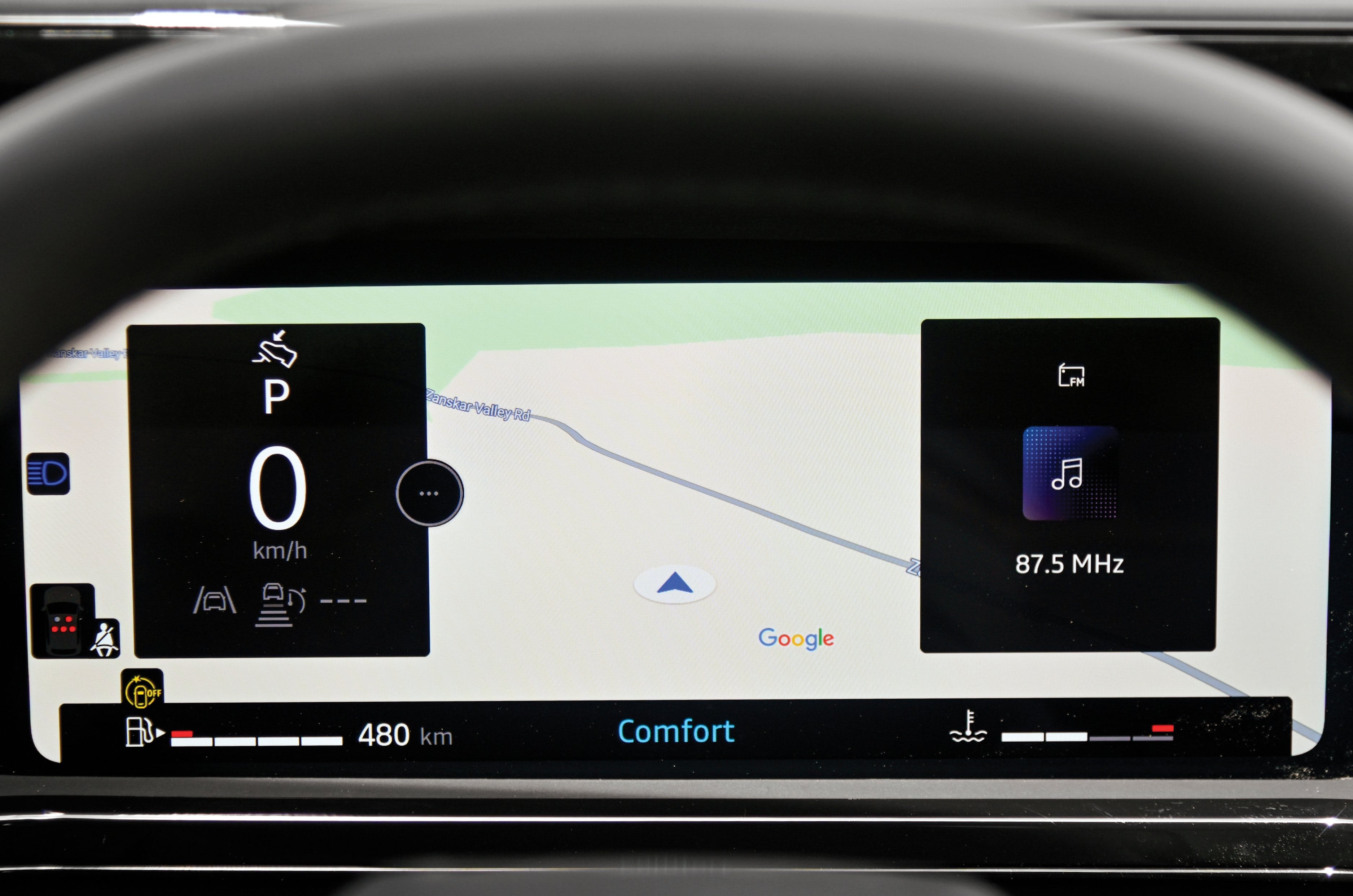
Nissan Tekton digital instrument cluster

The well-designed digital instrument cluster with its multiple display modes is easy to figure out and use on the move. Coming in handy is tech such as powered front seats with ventilation, wireless Apple CarPlay and Android Auto, built-in Google apps and voice assistance, dual-zone climate control and Level 2 ADAS. Sorted ergonomics make reaching various switchgear and controls an easy affair. There are enough storage cubbies on offer, too.

Spacious boot

The Tekton’s boot can handle family outings or airport pickups

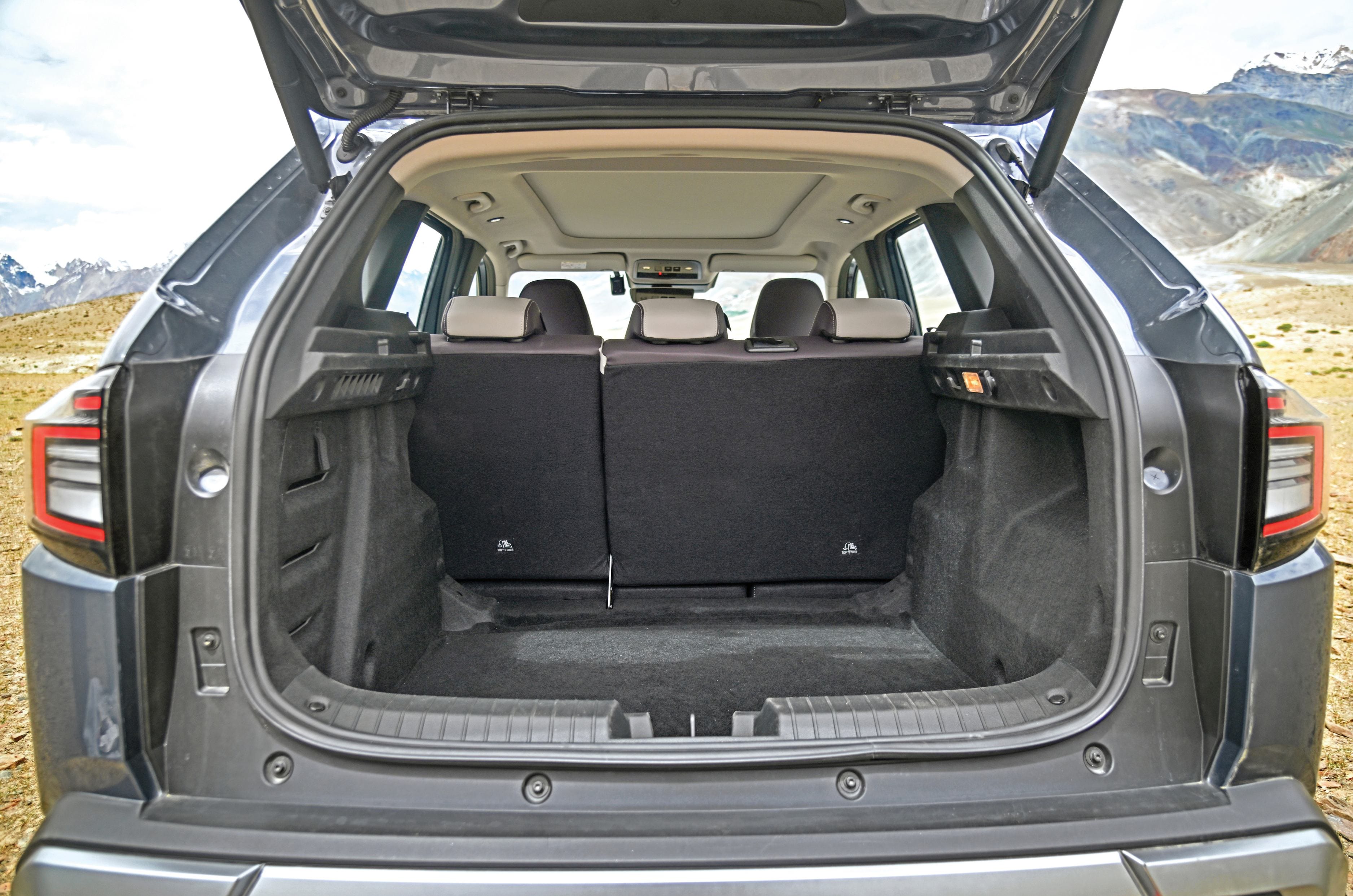
Nissan Tekton boot space

The square shape of the Nissan Tekton’s boot makes it easy to load cargo. Moreover, its 518-litre luggage capacity is the best in the segment – whether you are planning a long road trip or have to shuttle to and from the airport, space won’t be a constraining factor. What’s even more impressive here is that the Tekton’s boot also houses a full-size spare wheel. This alleviates concerns surrounding a flat tyre, should you encounter one.

Reasons not to buy the Nissan Tekton

Sub-par engine performance

Base engine isn’t apt enough, while the larger engine isn’t ideal either

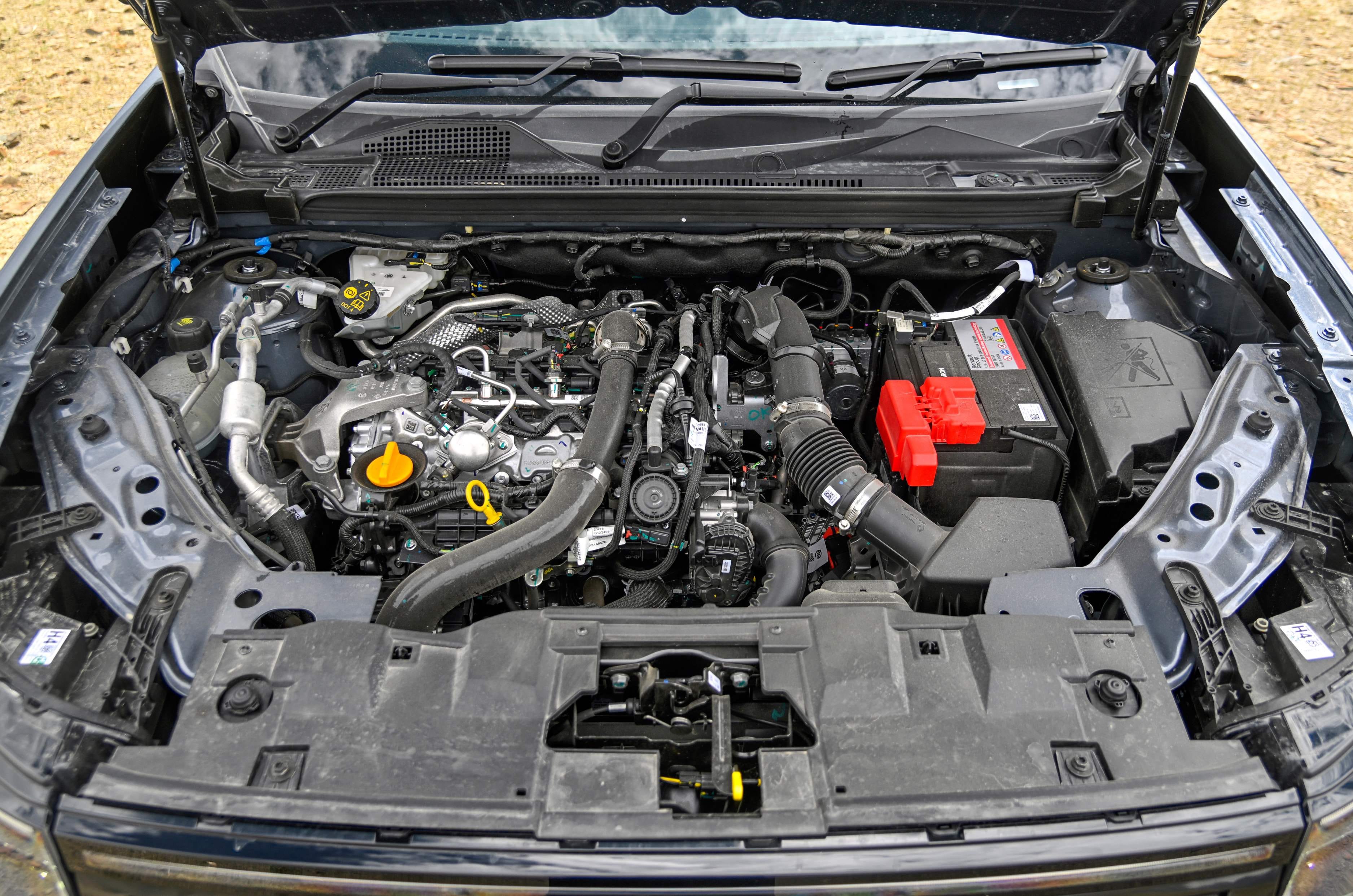
The base 100hp 1.0-litre turbo-petrol engine featuring multi-point fuel injection lacks grunt and isn’t particularly refined, with usable power only good enough for city commutes. The turbo lag is evident till you go past 3,000rpm, requiring the driver to shift gears regularly to keep the engine on the boil. The 6-speed manual transmission (MT) on duty gets shorter gearing to help matters, but you’ll need to slip the clutch to tackle steep inclines, which will be an inconvenience. The gear shifts aren’t as slick as those of a comparable Hyundai Creta or a Kia Seltos.

Nissan Tekton 1.3 engine

Moving up to the larger, 163hp 1.3-litre turbo-petrol engine with direct injection doesn’t alleviate all of the issues either. Despite this engine’s higher output than the smaller mill, its weak bottom end can leave the Tekton struggling to get up and go on steep inclines, especially with the engine stop-start function enabled. While it offers more refinement and performance, there’s still noticeable turbo lag below 2,500rpm.

Nissan Tekton DCT gearbox

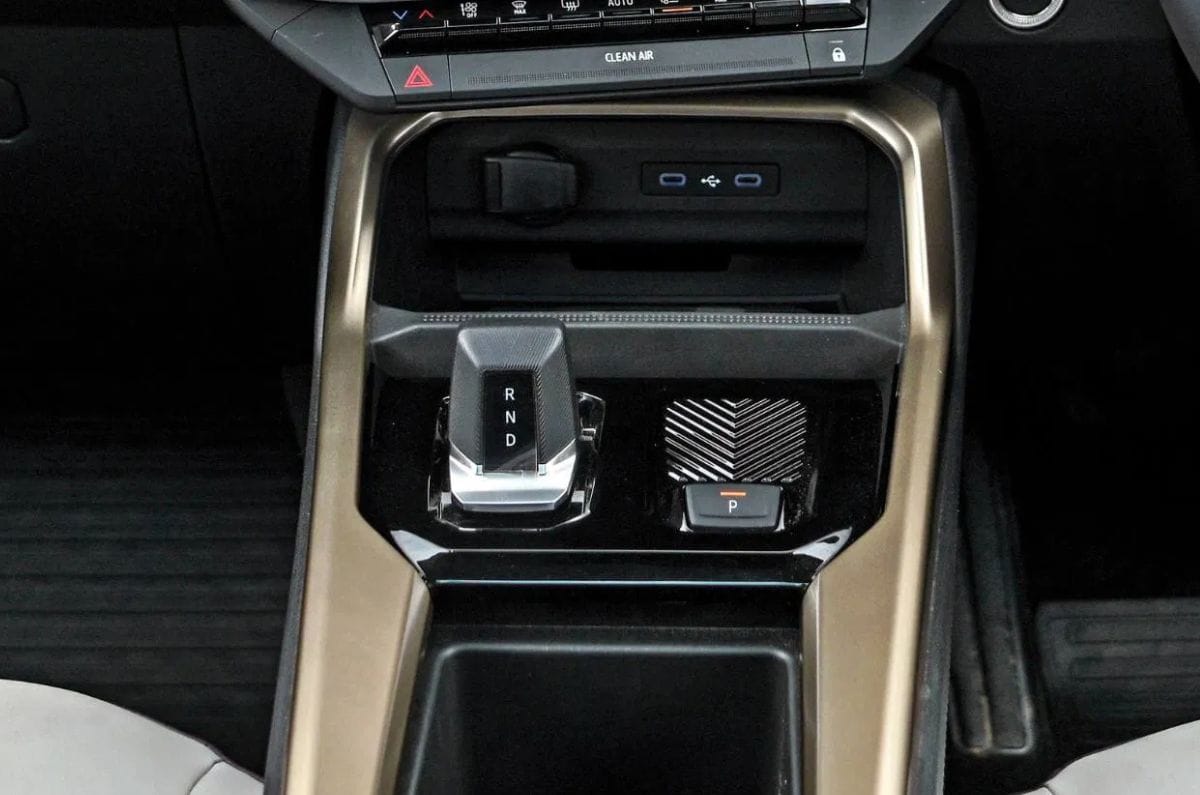
The 6-speed dual-clutch transmission (DCT) shifts between cogs smoothly, but its responses aren’t as quick as one might expect from the type. It upshifts early, perhaps in a bid to boost efficiency, but this makes it feel less responsive. This means you’ll have to take manual control by using the paddleshifters if you want to execute an overtake in a hurry. There’s also no Sport mode to quicken gear shifts – only Comfort and Eco modes are provided. While we are yet to put the Tekton through our rigorous performance tests, the performance on hand is unlikely to impress some buyers.

Lacklustre fuel economy

The Tekton will not be setting mileage benchmarks in the segment

Since the powertrain is mechanically identical to the Duster’s, the fuel economy of the Nissan Tekton in the real world is unlikely to impress. For reference, the Duster with the 1.0-litre engine and 6-speed MT returned 10.98kpl. Meanwhile, the 1.3-litre version recorded 10.47kpl and 10.64kpl with the DCT and MT gearboxes, respectively.

Some features lack execution

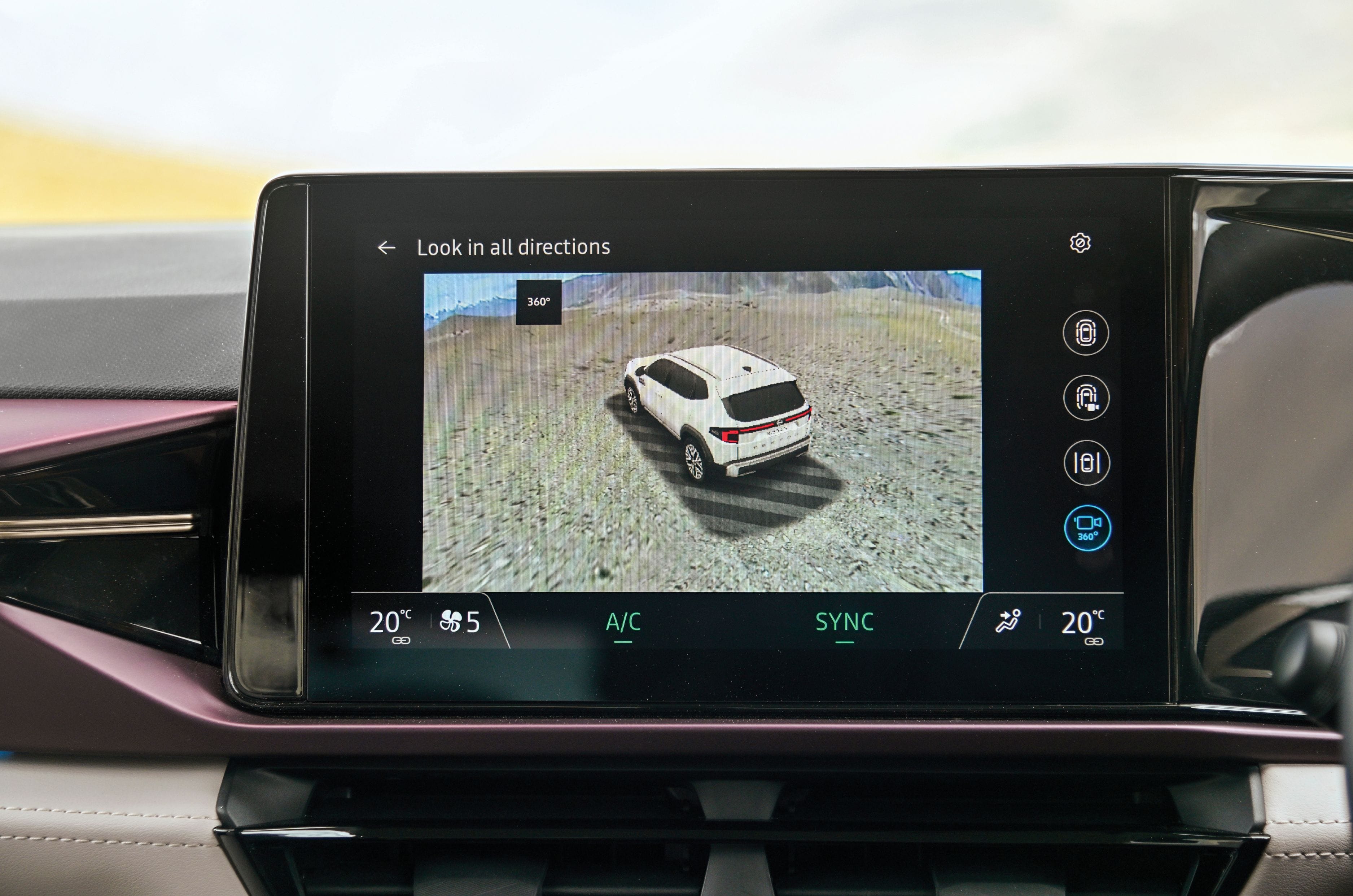
Nissan Tekton 360-degree camera

The Nissan Tekton has a few shortcomings when it comes to the quality of some of its features. The 360-degree camera system, for instance, is lacking in outright resolution, which hampers its usability under certain conditions. While the ADAS suite is comprehensive, the lane-keep assist isn’t good at keeping the SUV centred in a lane. Even the adaptive cruise control has its shortcomings – it doesn’t accelerate the Tekton back to its set speed once the traffic starts moving.

Also read

3 reasons to buy the Mahindra XUV 3XO and 2 to skip it

Tata Tiago vs Hyundai Grand i10 Nios performance compared