Murder of a Hindu family in Bangladesh : बांग्लादेश के रंगपुर में याबा नशे का विरोध करने पर हिंदू परिवार के एक रिटायर्ड शिक्षक समेत परिवार के 4 सदस्यों की हत्या का सनसनीखेज मामला सामने आया है। परिवार के चारों लोगों के शव शनिवार रात बंद घर से मिले थे। इस मामले में पुलिस ने 2 संदिग्धों को गिरफ़्तार किया है, जो कि रिश्ते में चचेरे भाई हैं। लेकिन मृतक के भाई ने सही जांच कर असली अपराधियों के पकड़ने की मांग की है। मामले में पुलिस ने खुलासा किया कि हत्या के बाद दोनों आरोपी करीब 6 घंटे घर में ही रहे। इस घटना के बाद इलाके में दहशत का माहौल है।
बांग्लादेश के रंगपुर में याबा नशे का विरोध करने पर हिंदू परिवार के एक रिटायर्ड शिक्षक समेत परिवार के 4 सदस्यों की हत्या का सनसनीखेज मामला सामने आया है। परिवार के चारों लोगों के शव शनिवार रात बंद घर से मिले थे। इस मामले में पुलिस ने 2 संदिग्धों को गिरफ़्तार किया है, जो कि रिश्ते में चचेरे भाई हैं। लेकिन मृतक के भाई ने सही जांच कर असली अपराधियों के पकड़ने की मांग की है।
मामले में पुलिस ने खुलासा किया कि हत्या के बाद दोनों आरोपी करीब 6 घंटे घर में ही रहे। इस घटना के बाद इलाके में दहशत का माहौल है। याबा एक बेहद नशीला पदार्थ है, जिसमें मुख्य रूप से मेथामफेटामाइन और कैफीन होता है। बांग्लादेश में इसके इस्तेमाल और तस्करी को लेकर लंबे समय से चिंता जताई जाती रही है। खबरों के मुताबिक, रिटायर्ड शिक्षक ने अपने घर की छत पर 2 युवकों को याबा का सेवन करते देखा था।
उन्होंने दोनों को ऐसा करने से रोका। इसी बात को लेकर विवाद हुआ। आरोप है कि इसके बाद दोनों संदिग्ध घर में घुस गए और परिवार के सदस्यों पर हमला कर दिया। इस हमले में चारों की मौत हो गई। आरोपियों को डर था कि रिटायर्ड शिक्षक उन्हें पहचान लेंगे, इसलिए उन्होंने उनका गला दबा दिया। इस बीच आवाज सुनकर शिक्षक की पत्नी भी ऊपर पहुंचीं तो आरोपियों ने उनका भी गला दबा दिया और इसके बाद उनकी बेटी और 12 साल के बेटे की भी हत्या कर दी।
पुलिस के मुताबिक, दोनों संदिग्ध करीब 6 घंटे तक घर के अंदर ही रहे। इस दौरान दोनों ने खजूर और खीरा खाया और घर में नहाया। इसके बाद वे वहां से फरार हो गए। पुलिस के मुताबिक, परिवार का किसी अन्य व्यक्ति के साथ कोई पुराना विवाद या दुश्मनी नहीं थी। ऐसे में नशे का विरोध ही वारदात की मुख्य वजह मानी जा रही है। रंगपुर की इस घटना ने बांग्लादेश में नशीले पदार्थों के बढ़ते इस्तेमाल को लेकर एक बार फिर सवाल खड़े कर दिए हैं।
शादी से पहले होने वाले पति की एक बात सुनकर महिला ने रिश्ता खत्म करने का फैसला लिया। सोशल मीडिया पर ये मामला तेजी से वायरल हो रहा है। महिला ने X पर बताया कि उसने शादी से इनकार इसलिए किया क्योंकि होने वाले पति ने कहा था कि शादी के बाद उसकी मां भी उनके साथ रहेगी। महिला को ये बात पसंद नहीं आया और उसने आगे बढ़ने के बजाय रिश्ता खत्म करना बेहतर समझा। इस पोस्ट के बाद शादी से पहले सीमाओं और जिम्मेदारियों पर साफ बातचीत को लेकर सोशल मीडिया पर बहस छिड़ गई।
सोशल मीडिया पर किया पोस्ट
अपनी बातचीत को याद करते हुए महिला ने एक्स पर पोस्ट में बताया कि, “मैंने एक आदमी को इसलिए रिजेक्ट कर दिया क्योंकि उसने मुझसे कहा था कि शादी के बाद उसकी मां हमारे साथ रहेगी।” उस व्यक्ति ने कहा, “वह बूढ़ी हो चुकी हैं, मैं और क्या कर सकता हूं?” महिला ने साफ किया कि उसे इस बात से कोई परेशानी नहीं है कि वह अपनी मां की देखभाल करे, लेकिन उसे इस बात पर आपत्ति है कि बिना उसकी सहमति के उससे भी इस जिम्मेदारी की उम्मीद की जाए। उसने कहा, “तुम उनका ख्याल रखो, लेकिन जिस फैसले में मेरी सहमति नहीं है, उसकी जिम्मेदारी मुझ पर मत डालो।”
जिम्मेदारी साफ होनी चाहिए
महिला ने बताया कि, उसकी बात सुनने के बाद उस व्यक्ति ने उसे स्वार्थी कह दिया। महिला ने कहा कि, शादी करने का फैसला लेने का यह मतलब नहीं है कि कोई व्यक्ति बिना चर्चा के हर तरह की नई जिम्मेदारी स्वीकार कर ले। उसके मुताबिक, शादी से पहले दोनों लोगों के बीच यह साफ होना जरूरी है कि आगे चलकर कौन-सी जिम्मेदारियां किसकी होंगी और किन बातों पर दोनों की सहमति है। महिला ने कहा कि बिना बातचीत और सहमति के किसी पर जिम्मेदारी डालना सही नहीं है।
सोशल मीडिया पर लोगों ने किया रिएक्ट
महिला की पोस्ट सामने आने के बाद सोशल मीडिया पर लोगों ने अलग-अलग तरह की राय दी। कुछ यूजर्स इस फैसले को लेकर बंटे रहे। कुछ ने इसे सही बताया, तो कुछ ने शादी की जिम्मेदारियों से बचना कहा। इस मुद्दे पर यूजर्स दो अलग-अलग राय में बंटे नजर आए। एक यूजर ने महिला के फैसले पर सवाल उठाते हुए लिखा, “आपने किसी खराब पति को मना नहीं किया। आपने उस आदमी को इसलिए ठुकराया क्योंकि वह शादी से पहले से चली आ रही अपनी एक जिम्मेदारी को छोड़ना नहीं चाहता था।”
I rejected a man because he told me his mother would be living with us after marriage.
He said, “She’s old. What else am I supposed to do?”
I said, “Take care of her. Just don’t make me responsible for a decision I didn’t make.”
दूसरे यूजर ने कहा, “अगर आप शादी में किसी तरह की जिम्मेदारी नहीं लेना चाहते हैं, तो महिलाओं को भी शादी से पहले प्री-नप एग्रीमेंट करना चाहिए। आप अपनी जिंदगी में जैसा चाहें वैसा रह सकते हैं, लेकिन इसका मतलब यह भी है कि शायद आप शादी की असली जिम्मेदारियों को नहीं समझते।”
लोगों ने उठाए सवाल
इस चर्चा के बीच कुछ यूजर्स ने महिला के फैसले पर काफी तीखी प्रतिक्रिया भी दी। एक यूजर ने लिखा, “वह आदमी बहुत खुशकिस्मत है कि वह इस रिश्ते से बच गया। उसने एक बड़ी मुसीबत को आने से पहले ही टाल दिया।” वहीं, एक अन्य यूजर ने कहा, किसी बुजुर्ग मां की देखभाल को ऐसी जिम्मेदारी बताना, जिसे वह शादी के साथ “विरासत में लेने” के लिए तैयार नहीं थी, उसके सोचने के तरीके को काफी हद तक सामने लाता है।
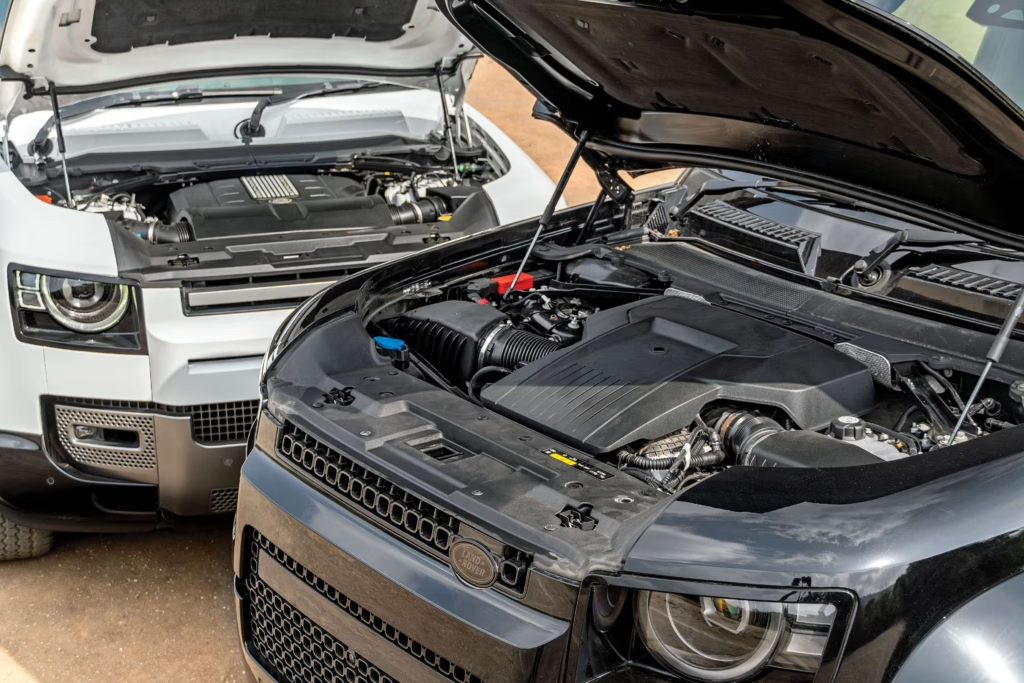
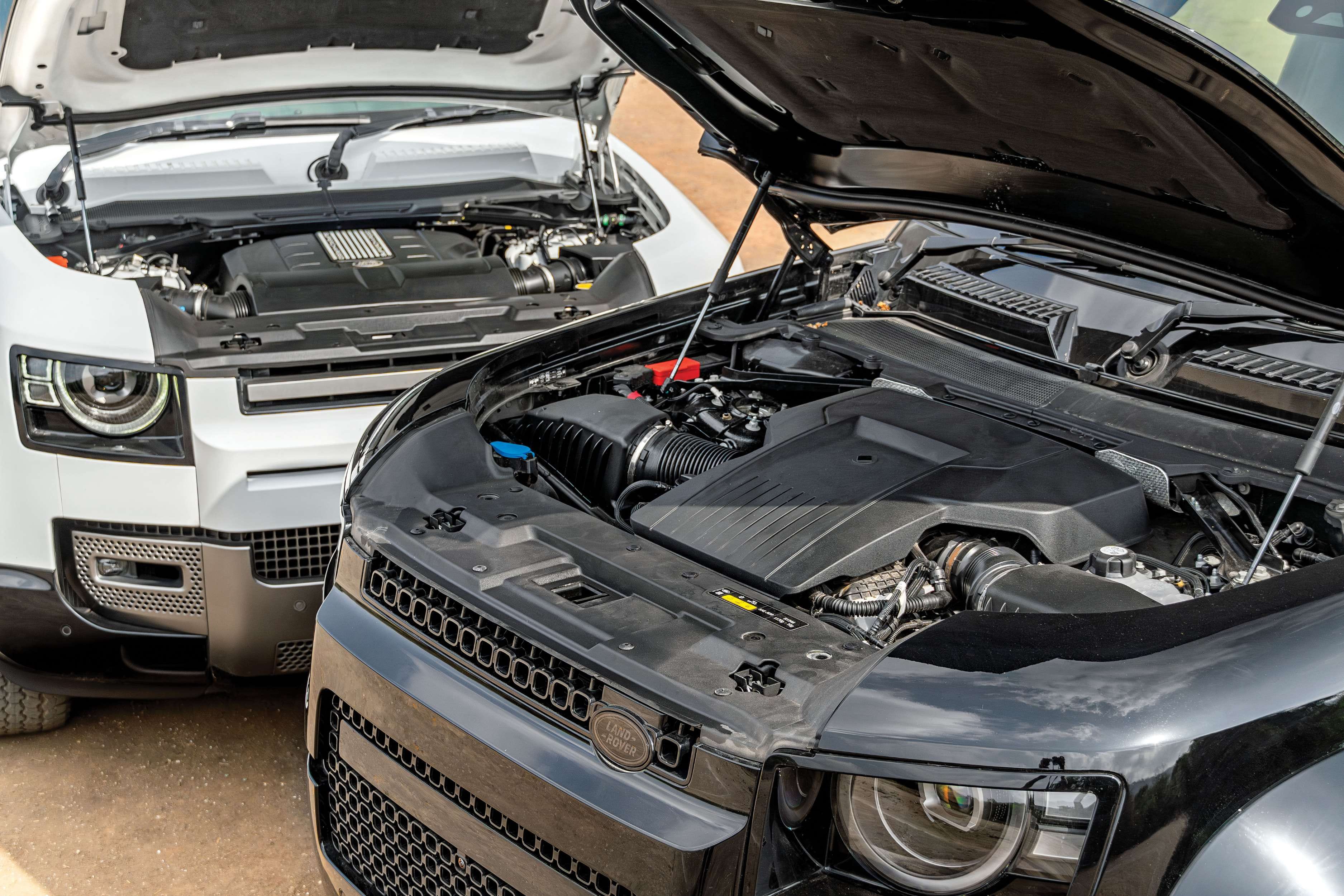
SUVs powered by V8 engines are becoming rarer by the day. Downsizing, electrification, ever‑tightening emissions regulations – the V8 is fading. Yet here we are in 2026, with Land Rover offering not one but two V8s. On the same model! Calls for a mini celebration, doesn’t it? And something of a journey of discovery. So how, and why, does the Defender come powered by two distinctly different V8s? Are they different enough to co-exist? Do their specifications tell a story? And are they fundamentally different from behind the wheel? Answers to these and more in this fascinating tale of two V8s.
Individual identity
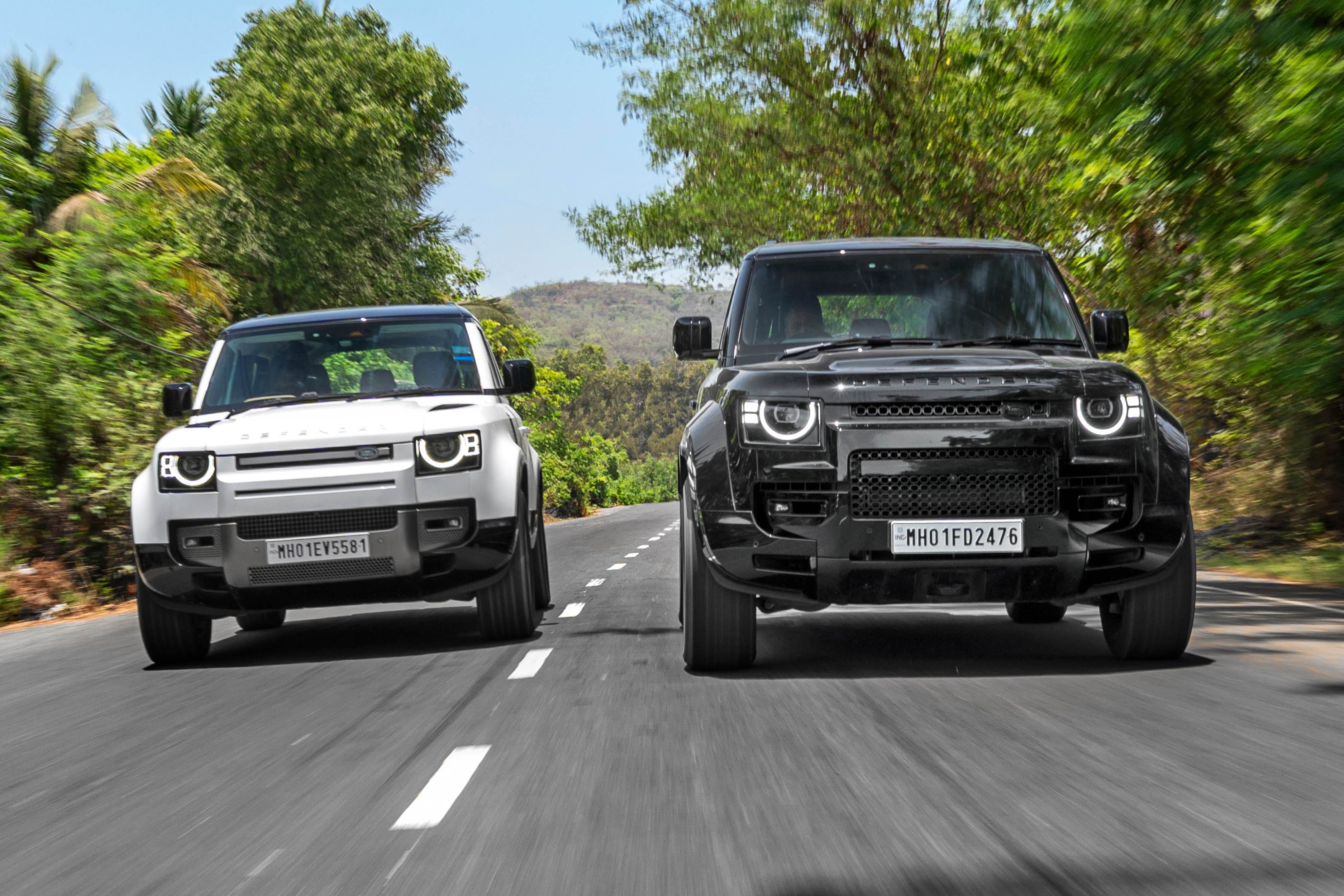
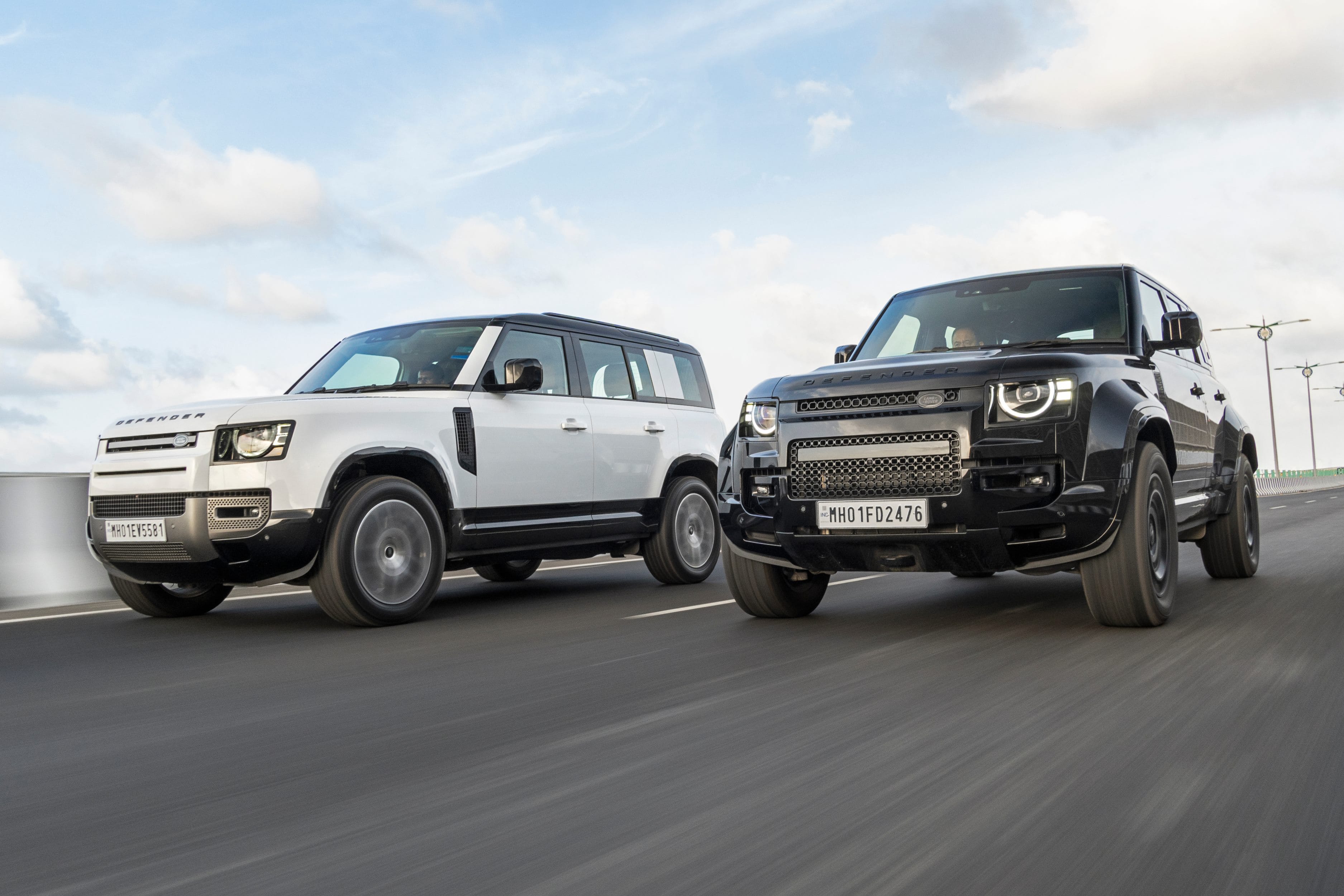
The Octa looks much more menacing than the regular Defender.
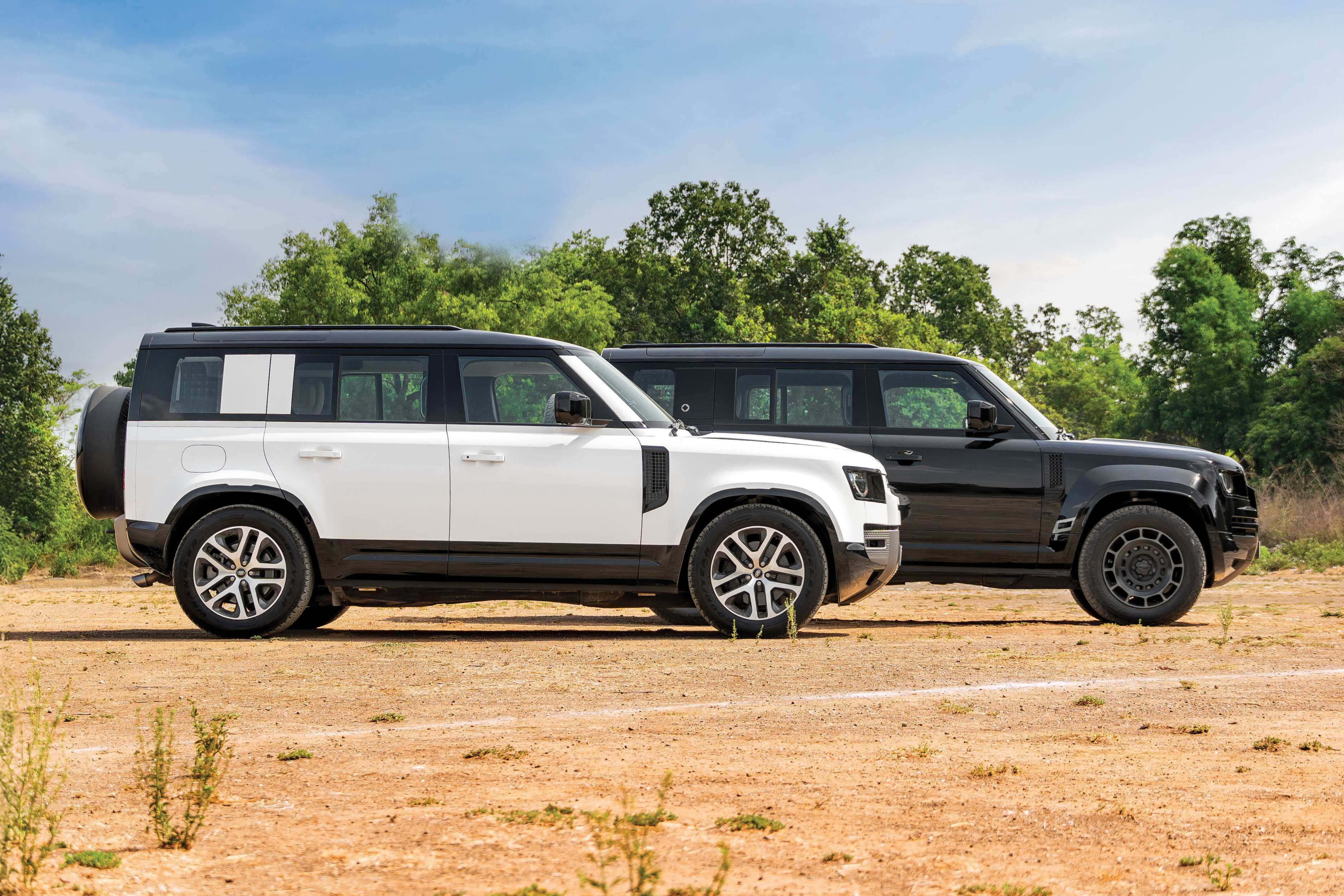
Job number one: telling them apart. Which is relatively easy when you have the two sitting cheek by jowl. But out on their own, with no reference and no back-and-forth visual comparison, it’s more difficult.
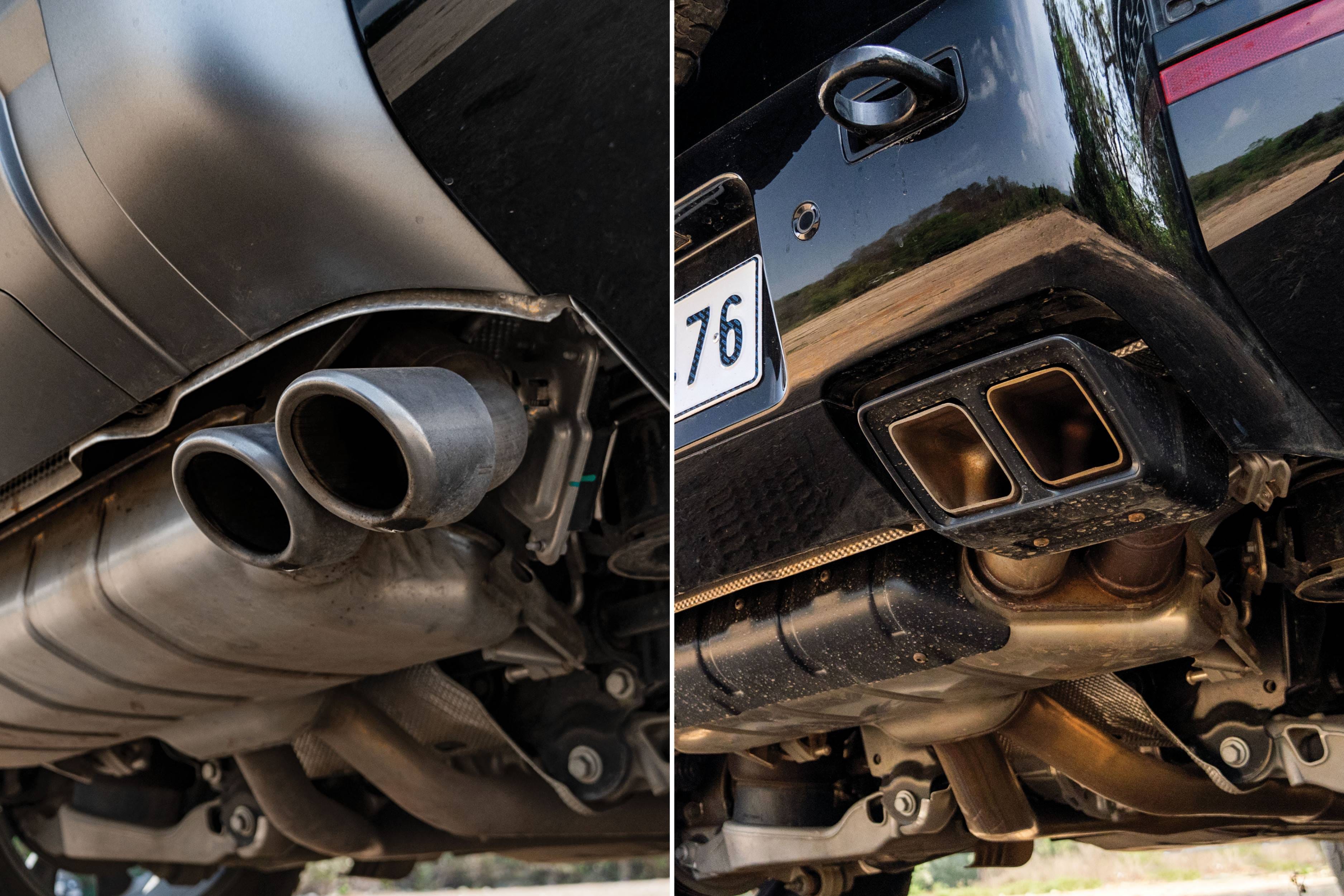
Now, most of us – at least those of us who admire the Defender – know the Octa. A bold move from Land Rover, it comes with BMW’s 4.4‑litre twin‑turbo S68 under the louvered bonnet. That, and its linked suspension, which make the Octa super stable over rough ground. Not only does it get the V8 from BMW’s sledgehammer M5, the Octa, like all good performance cars, wears its intent on the outside. A wider stance, flared wheel arches, square exhaust tips and a stance that screams ‘Defender on steroids’. Most of the visual enhancements are also functional, but it also looks wide-shouldered and bulked up without going over the top… a job well done. And then, of course, there is the Octa badge, both on the grille and behind the ‘C’ pillar.
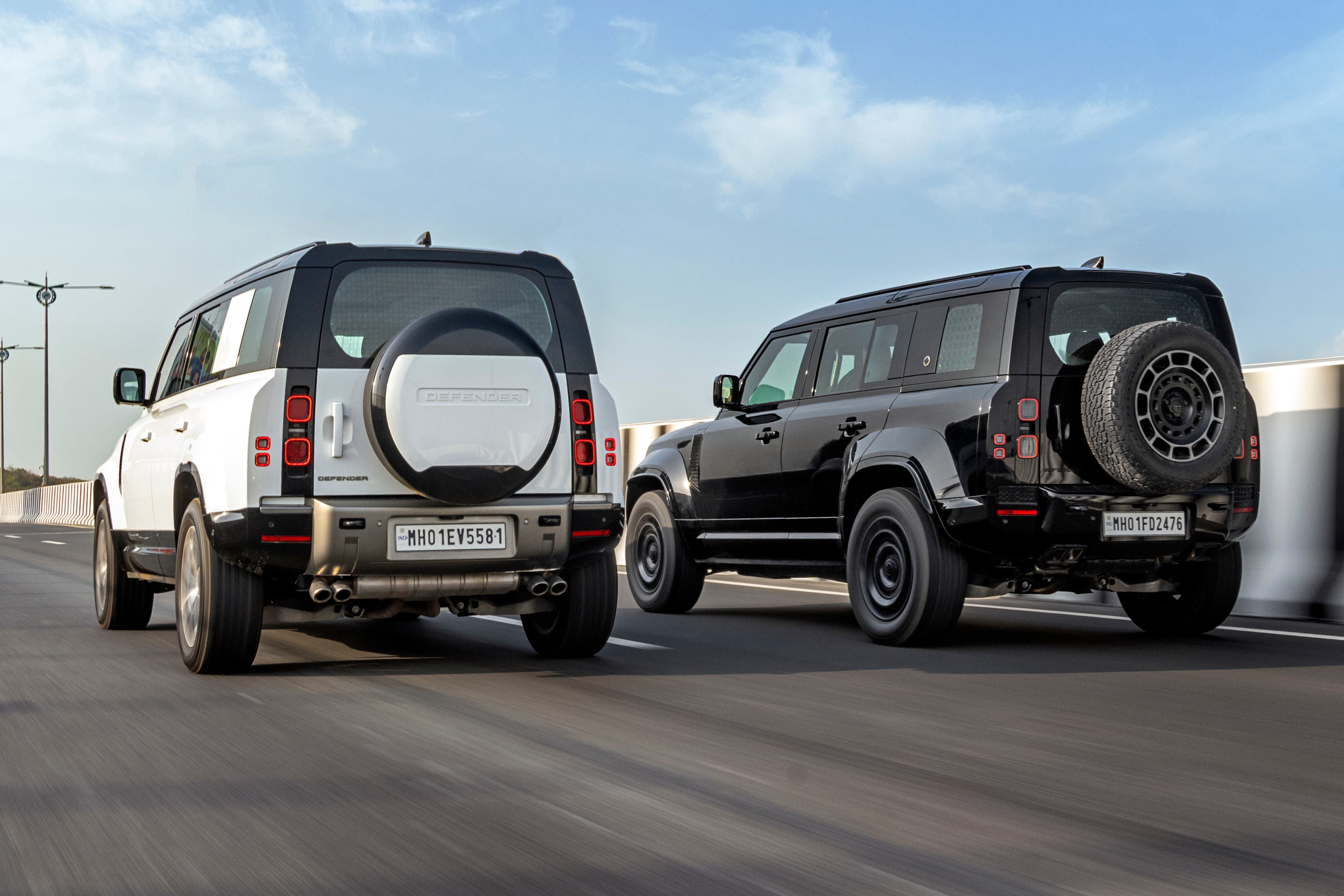
L: The Defender V8 gets more traditional rounded exhausts; R: The Octa’s quad rectangular exhaust tips stand out.
The Defender V8, which gets Jaguar’s AJ133 engine, is much stealthier and less in your face. From the outside, it looks like a regular Defender. No V8 badge, no identifying features, nothing. In fact, look at it from the front or the side, and it’s almost impossible to tell. You can, however, tell from the rear. The horizontally placed quad round exhausts stick out at the rear and clearly tell you this is something special. Otherwise, this is a regular Defender – attractive and full of visual appeal, but not something that stands out as something special. Could this be the Defender’s best‑kept secret?
Supercharged slayer
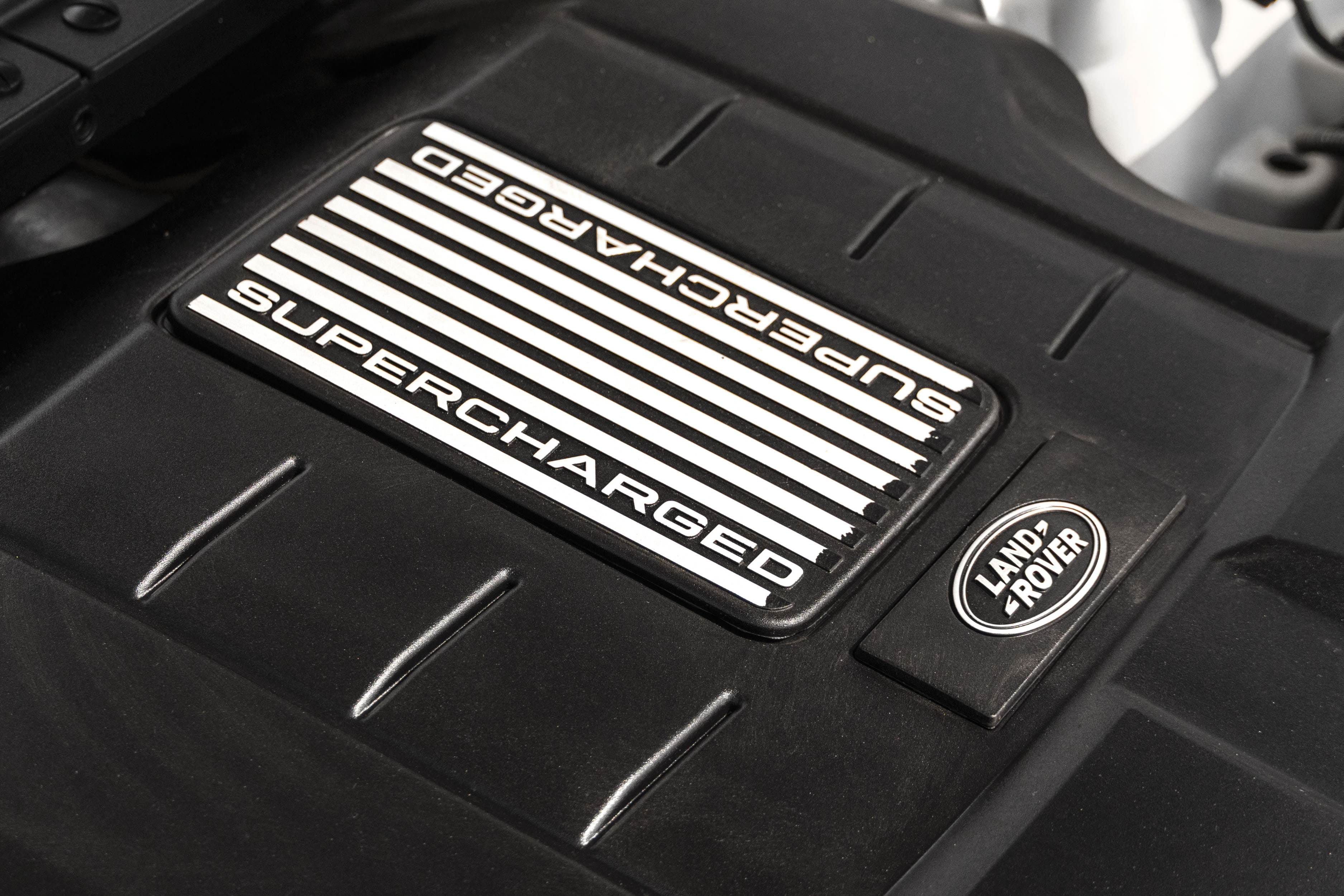
Defender V8 gets ‘supercharged’ written on the cover.
From behind the wheel, the differences are stark. The AJ133 engine is a familiar friend, earlier seen in many a Jaguar and Range Rover. In this Defender, it produces 425hp, with a large Roots-type supercharger adding some refined whine to the exhaust note. The sound that dominates, however, is a silky-smooth but unmistakable V8 ‘woofle’. Rev the engine even slightly, and a meaty growl emerges with crisp burbles on the overrun. It’s not AMG loud, nowhere near, or as raucous either, but the sound of the honey-smooth V8 is pure theatre and just gets me grinning. Why does it sound so clear and clean? There’s no turbo muffling the exhaust note, of course, and no turbo lag either. Which also explains the immediacy of the throttle responses.
In fact, tap the pedal even from idle, and the Defender V8 shoots forward, the crankshaft-driven supercharger pumping air into the engine instantly. This makes the Defender V8 feel light on its feet, and what’s even more charming is that it pulls cleanly in the mid-range, the engine spinning freely and enthusiastically towards the top. This is addictive, and long pulls to the redline are just so much fun. If you value thoroughbred engine characteristics over everything else, this engine will delight you.
Supercharger makes for instant low-end response from the AJ V8.
Now, putting so much performance into a dedicated off-roader may seem futile. But what Land Rover has done is make the Defender fundamentally sound. It’s not a ladder frame, for one, so when you drive around corners, it manages to do it in a neat and tidy manner. And that’s despite the additional weighty hardware like bulky differentials, stout driveshafts, and a robust transfer case, all needed for serious off-roading and not just slippery conditions.
So it comes as something of a surprise that the Defender V8, with its light steering and neat and tidy driving manners, can handle the performance without any fuss. It speaks volumes about how well Land Rover has engineered this platform and given it both loads of on-road capability as well as bona fide off-road chops.
The AJ-V8-powered Defender is not as effective a performance machine as the Octa.
Try and use all the performance all the time, and that feeling of composure slowly fades. You start feeling the bulk, you want more stability and confidence from the brakes, and the gearbox feels slow and laid back. And what’s this, no paddle shifters? Huh?
All pumped up
The Defender Octa amps it up to another level. Bold, brash and devastatingly effective when its full potential is unleashed, it is an all new type of animal. Initial impressions, however, immediately tell you the V8 is turbocharged. Squeeze the throttle, and the responses are initially laid back. This is especially true in comparison to the supercharged V8.
Both engines are brilliant, but both are also very distinct in the manner in which they make power.
Once past the initial softness in the throttle, however, it surges forward with relentless force, a flood of torque unleashed from the turbos spooling up. And that’s even if you haven’t pinned the throttle. A few more purposeful prods of the throttle, and the massive gulf in performance between the two Defenders is soon apparent. It’s not the 0-100kph or even the 0-150kph times, it’s just the massive surge you feel in raw thrust when you feed in the throttle.
The BMW‑sourced 4.4‑litre twin‑turbo V8 is a technological powerhouse and one of the most technically complex engines around. With 635hp and up to 800Nm in launch mode, it transforms the Defender into something approaching a super off-roader. And where the Jaguar engine is all about response, this BMW one, in contrast, is all about mid‑range and top-end muscle. In fact, knock back a few gears on the quick gearbox, plant your foot, and the Defender Octa charges forward with such ferocity that you’ll question the need for anything faster.
Where the BMW engine also differs is in the soundtrack. At low revs, the turbos and cross-bank exhaust system muffle and mute the V8’s natural exuberance and growl. But while the engine sounds are muffled at low revs, they soon build into a deep, muscular roar as the revs climb. Clearly not as sweet or as sonorous as the Jaguar V8, but well in line with the heady performance the Octa delivers.
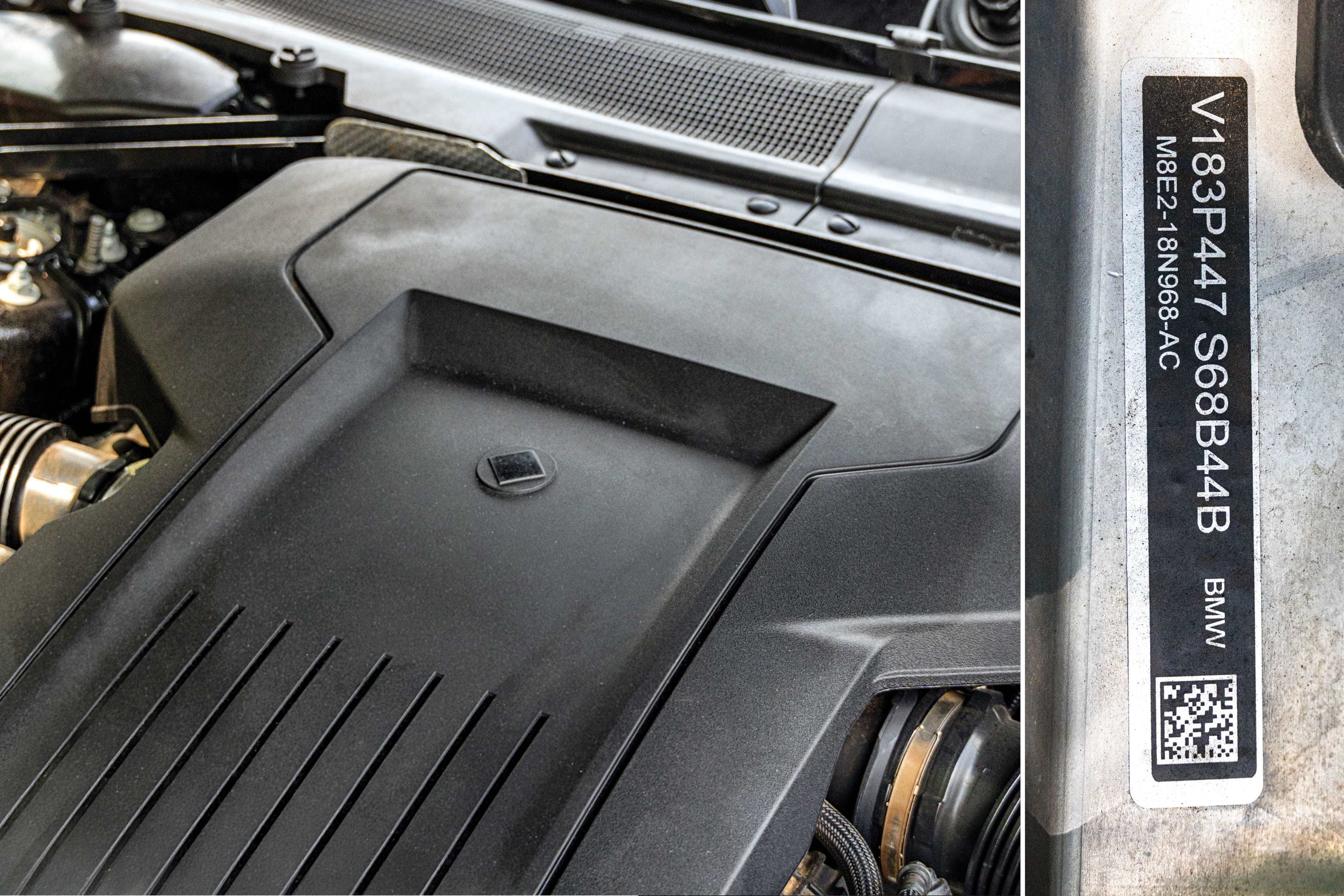
Octa badge (and BMW part number) tell the BMW V8-powered Defender apart.
The Octa also sits higher off the ground, thanks to its Tenneco‑Monroe 6D suspension system. This clever setup links all four dampers, acting like a virtual anti‑roll bar. The result is uncanny composure as the Octa just smothers broken roads. Drive over a poorly paved surface, and you initially feel there’s something not right. The layer of insulation between the road and you is so thick, you feel almost nothing. No big movements, no being tossed around, no big thuds. And then, what really is a game changer is that the Octa stays relatively flat when you hurl it into a corner, the tall SUV staying composed and relaxed while off-road-centric tyres howl away in protest. And it isn’t just well composed in corners, there’s very little pitching either, so you fly down poorly paved and broken sections like you are riding a hovercraft-like stable platform.
This technical marvel allows the two‑and‑a‑half‑tonne off‑roader to feel agile and secure, furthering the impression that the Octa is a Defender on steroids. Also of note, this genuinely feels like two SUVs in one – a real off-roader and the other a bona fide performance SUV that can carry real speed and put power down even on gravel, dirt tracks and unpaved sections.
Defenders of the faith
So why two V8s? The answer lies in the regulations. The AJ V8 cannot meet upcoming Euro 7 norms, but India doesn’t yet enforce equivalent standards. And that allows JLR to continue offering it here. The BMW V8 future‑proofs the Defender and has created an all-new type of performance off-roader with the Octa.
These performance off-roaders are so accomplished on road, they genuinely are multi-role SUVs.
It’s also a clever product strategy. The AJ V8-powered Defender starts at Rs 1.40 crore, offering V8 thrills at a much more affordable price. The more capable Defender Octa, on the other hand, starts at a much loftier Rs 2.62 crore. One has the traditional feel of a V8, smooth, refined and powerful; the other is a bona fide performance icon, with brutal power delivery and a massive ability to carry speed over just about any surface.
Two distinct flavours, two distinct price points, one model line.
The Defender’s dual‑V8 strategy is nothing short of remarkable. In a world where eight‑cylinders are disappearing, Land Rover offers buyers a choice between a supercharged and a turbocharged V8. Together, they make the Defender unique. And that makes this one of the most fascinating chapters in the Defender story. Take a bow, Land Rover.
Bits, bolts, and burbles
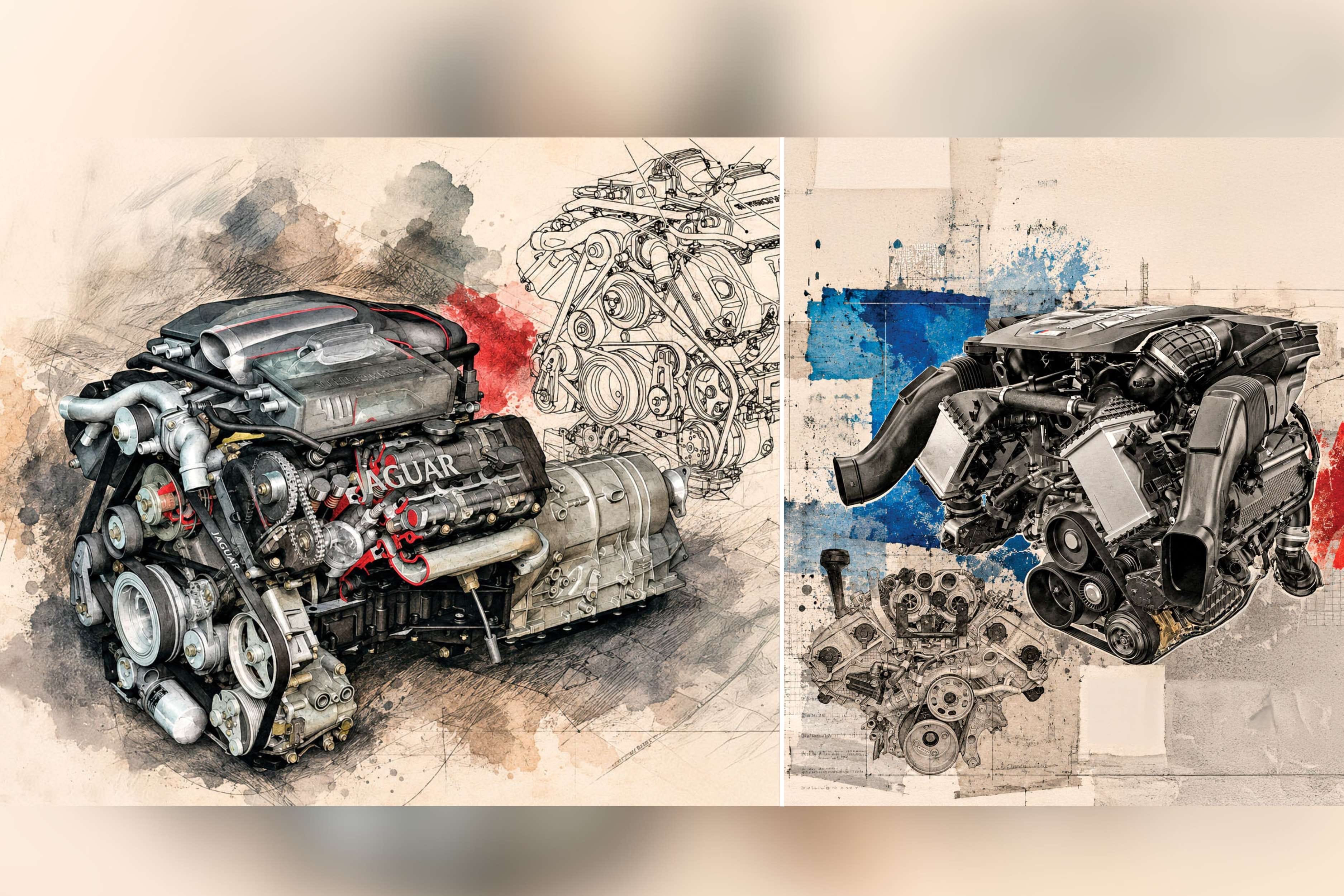
BMW’s S68 is an ‘M’ engine that displaces 4.4 litres. It uses an aluminium block and heads, and a cross-plane crankshaft. The bore and stroke dimensions (89mm × 88.3mm) are typically BMW – square. The engine revs to 7,200rpm, and the DOHC valvetrain gets an electrically actuated VANOS system for faster, more precise camshaft phasing. The hot vee twin-turbo layout is designed to reduce turbo lag, and the cross-bank exhaust manifold merges pulses to optimise turbine efficiency. This sacrifices some of the traditional V8 burble but sharpens response. To handle the extra loads, a high-capacity oil pump with an external oil cooler ensures consistent pressure under high lateral loads, while a multi-stage cooling circuit stabilises temperatures during track use. The S68 also integrates a 48V mild-hybrid system that provides a 9kW and 200Nm of torque fill.
Defender V8 fact file
110 P425*
Octa
Price
Rs 1.40 crore
Rs 2.62 crore
Kerb weight
2,434kg
2,585kg
Engine
5,000cc supercharged V8
4,395cc twin-turbo V8
Bore and stroke
92.5mm x 93.0mm
89mm x 88.3mm
Compression ratio
9.5
10.5
Power
425hp at 6600rpm
635hp at 7000rpm
Torque
550Nm from 1800-5000rpm
750Nm from 1800-5855rpm
Claimed 0-100kph time
5.8sec
4.0sec
Maximum speed
191kph
250kph
*The supercharged-V8 Defender variants are temporarily unavailable for purchase in India, but they’re expected to return soon.
The Jaguar AJ V8 is a family of aluminium V8s produced from 1996 onwards. Offered in naturally aspirated and supercharged forms, it was Jaguar’s flagship petrol engine, engineered to combine refinement with strong performance. Evolving through three generations, the aluminium block and heads kept weight down to around 205-215kg, and it used chain driven camshafts, later evolving to double roller chains for greater durability. Supercharged “R” variants like the one in the Defender pushed outputs to 450hp, giving cars like the XJR and XKR formidable pace at the time. By 2009, the Gen III AJ V8 expanded to 5.0 litres (94 × 92mm bore and stroke), introduced direct fuel injection, and raised compression to 11.5:1. Power on the supercharged versions could exceed 500hp, and this 450hp version, with a bit of digital massaging, could also be made to increase in power.
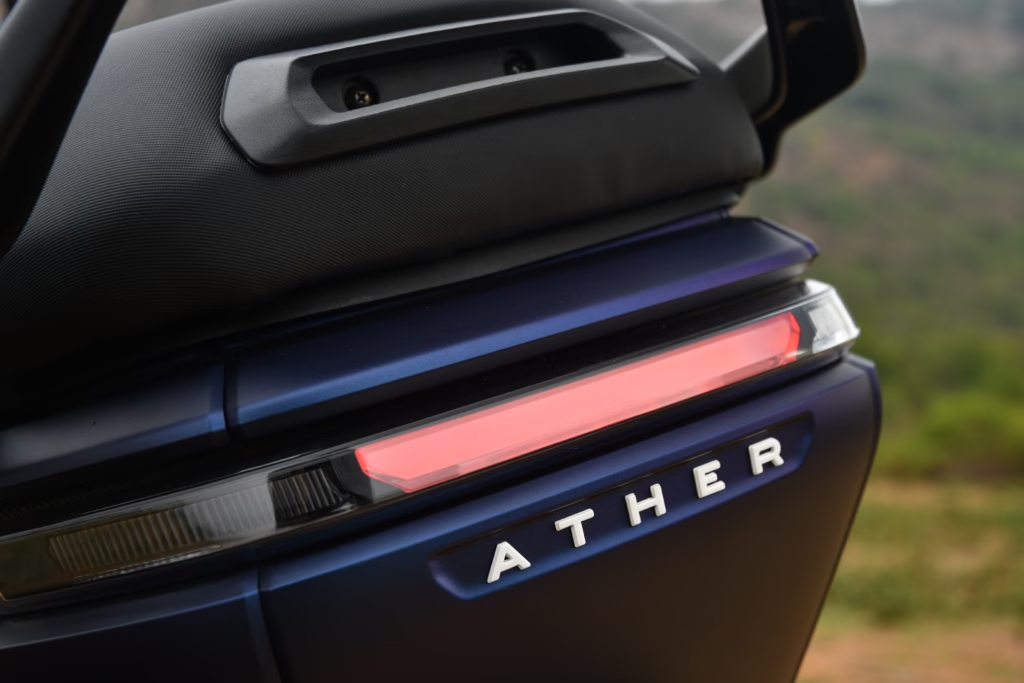
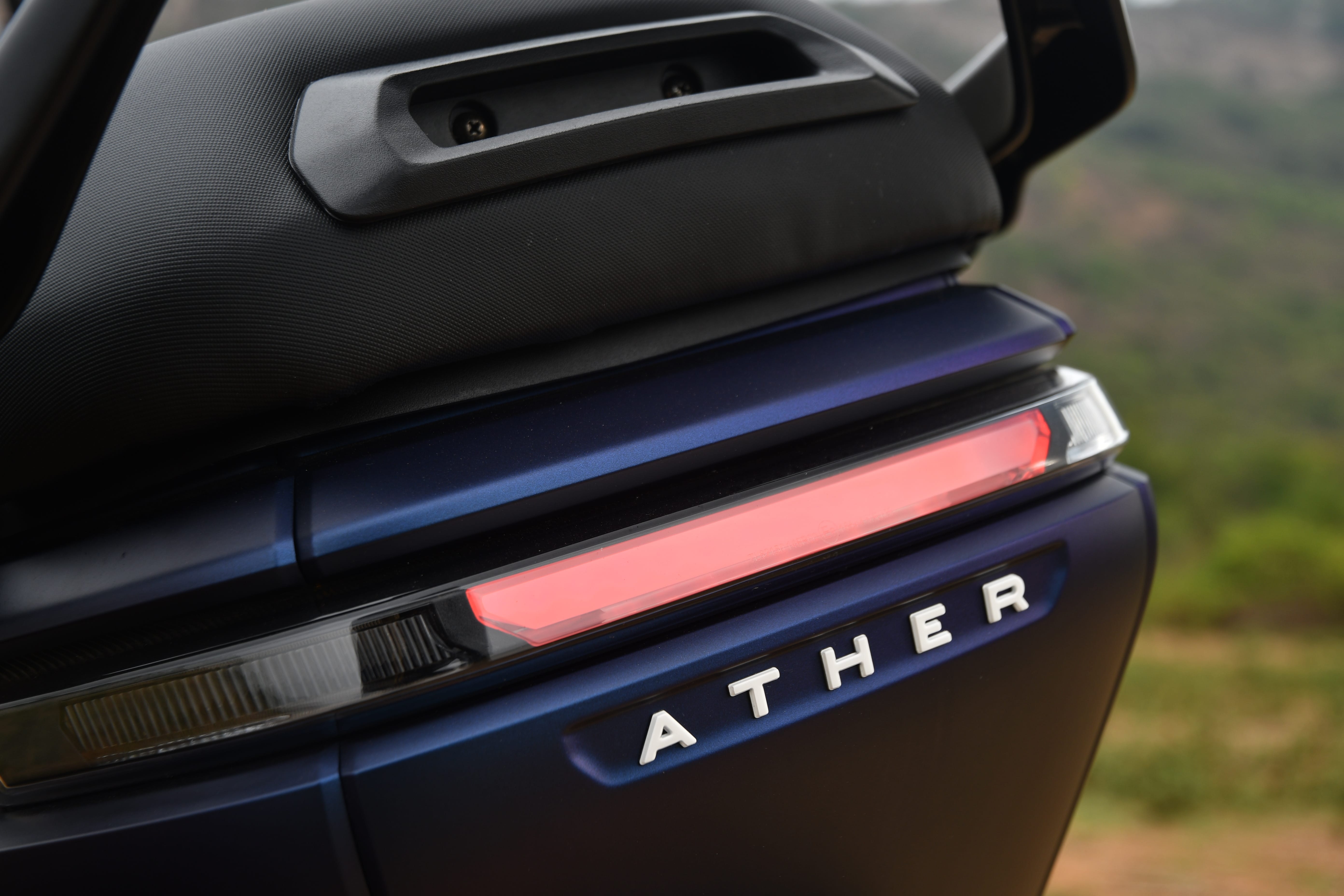
Ather Energy has received approval to list its electric scooters on the Canteen Stores Department (CSD) portal, allowing eligible Armed Forces personnel, veterans and their families to purchase its models through the platform from September 2026.
Eight Ather scooter variants will be available through CSD
Models from the 450 and Rizta ranges are included
Ather 450 Apex is not part of the CSD listing
Ather scooters available through CSD
Ather is among the first electric two-wheeler makers to be listed on CSD
The CSD is a government-run retail network under the Ministry of Defence that allows eligible Armed Forces personnel, veterans and their families to purchase a range of goods, including vehicles, at concessional prices. Vehicles purchased through the CSD channel are eligible for applicable GST concessions.
Ather becomes one of the first electric two-wheeler manufacturers in India to have its products listed on the CSD platform. Eight variants from the Ather 450 performance scooter range and Rizta family scooter lineup will be available through the channel. The performance-focused Ather 450 Apex, however, will not be available through CSD.
Eligible customers will be able to purchase the listed Ather scooters with manufacturer-backed discounts, which will apply over and above the applicable GST concessions available on CSD purchases. The exact benefit will vary depending on the model and variant.
The CSD listing expands Ather’s sales reach to eligible defence personnel and gives them another channel through which to purchase its electric scooters.
Simple Energy has named its upcoming family electric scooter Simple Wave, which will be unveiled on September 2, 2026. The scooter marks the company’s entry into the mainstream family scooter segment, expanding its portfolio beyond the performance-oriented One range. The model was previously referred to as Arrive during its development and testing, with Simple Energy now confirming Wave as its production name.
Simple Wave to launch on September 2
Scooter was previously referred to as Arrive
New model will target family buyers
Simple Wave to expand the brand’s portfolio
The brand current has the One range on sale.
The Wave has been developed for everyday mobility, with Simple Energy highlighting comfort, practicality and shared journeys. It will take on family-oriented electric scooters such as the Ather Rizta, TVS iQube and Bajaj Chetak.
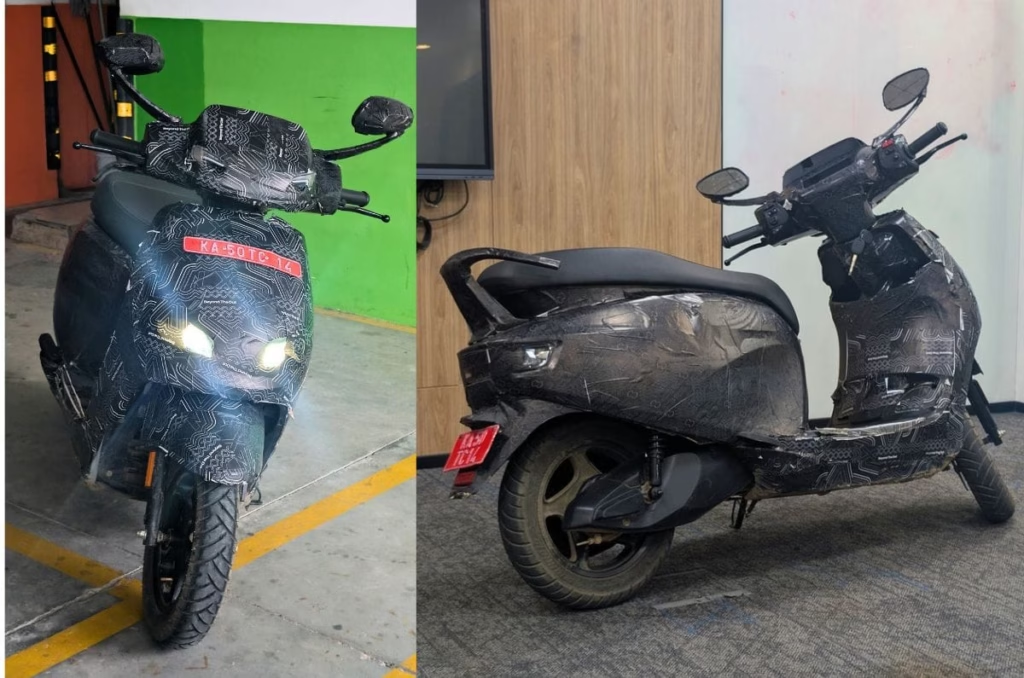
The scooter has been spotted testing in India on several occasions. Earlier test mules featured a large single-piece seat, a spacious-looking floorboard, telescopic front suspension and twin rear shock absorbers. Braking hardware included a front disc and rear drum, while a TFT instrument display was also seen on test vehicles. Simple Energy has not yet confirmed the final production specification.
The Wave represents a move into a broader part of the electric scooter market for Simple Energy, whose existing products have focused on performance and technology. The company says its new scooter has been developed through its in-house R&D and engineering capabilities, including proprietary software and vehicle technologies.
Simple Energy also says it is the first Indian OEM to commercially manufacture heavy rare earth-free electric motors, highlighting its focus on developing key technologies in-house.
Technical details of the Wave have not yet been revealed. Battery capacity, motor output, claimed range, charging specifications, variants and pricing are expected to be announced at the September 2 launch.
With the Wave, Simple Energy will enter the family scooter market with a product aimed at everyday users, broadening its reach beyond its existing performance-oriented electric scooters.
Max Verstappen has signed a multi-year contract extension with Red Bull Racing, ending long-standing speculation about his future in Formula 1. The four-time F1 world champion’s current contract already ran until 2028, albeit with performance-related clauses. The new deal will see him stay with Red Bull Racing until at least the end of the 2030 season.
“I am really pleased with the contract extension. We have the best people and I’m excited to keep working together with everyone to get back to the top again. This remains the ultimate goal that all of us have been working towards and will continue to pursue,” Verstappen said.
Verstappen extends Red Bull contract by two years
Dutchman has won 4 F1 drivers’ titles and 71 races with the team so far
The Verstappen-Red Bull partnership has been one of the most successful in F1 history. Verstappen first joined the team back in 2026, following a mid-season promotion from the sister Toro Rosso team. Since then, he’s won four drivers’ titles and 71 races with Red Bull Racing.
However, Verstappen has been a vocal critic of the new power unit regulations. Red Bull has also had its fair share of reliability and balance concerns this season, and the team’s management has changed significantly in the recent months. All of this has further fuelled speculation linking Verstappen to a potential switch to Mercedes or McLaren. But he’s put that speculation to rest on the eve of his home race at Zandvoort.
“I have always said it: The team [Red Bull Racing] is like a second family for me and I feel very at home. I came to the team hoping to be able to win races. What we went on to achieve together has been simply lovely and we have shared many incredible moments and won four World Championships. To continue this journey with the same team that I have been with my whole career is really special and something I have always wanted to do,” Verstappen stated.
“Getting to work with Laurent now for over a year has also been great, I see a clear vision he has for the team. Everyone in Milton Keynes believes in what we are building and I am looking forward to the next chapter, fighting for more victories and competing for championships as we continue to shape the future of this Team. To make this announcement during the last Grand Prix at Zandvoort is a great moment for me as well. Hopefully we can give the fans a special send-off for the final race.”
Red Bull Racing F1 team principal Laurent Mekies added, “Having Max continue with us and retaining the best driver on the grid is fantastic news for everyone at Red Bull, Oracle Red Bull Racing, as well as F1 and motorsport as a whole.”
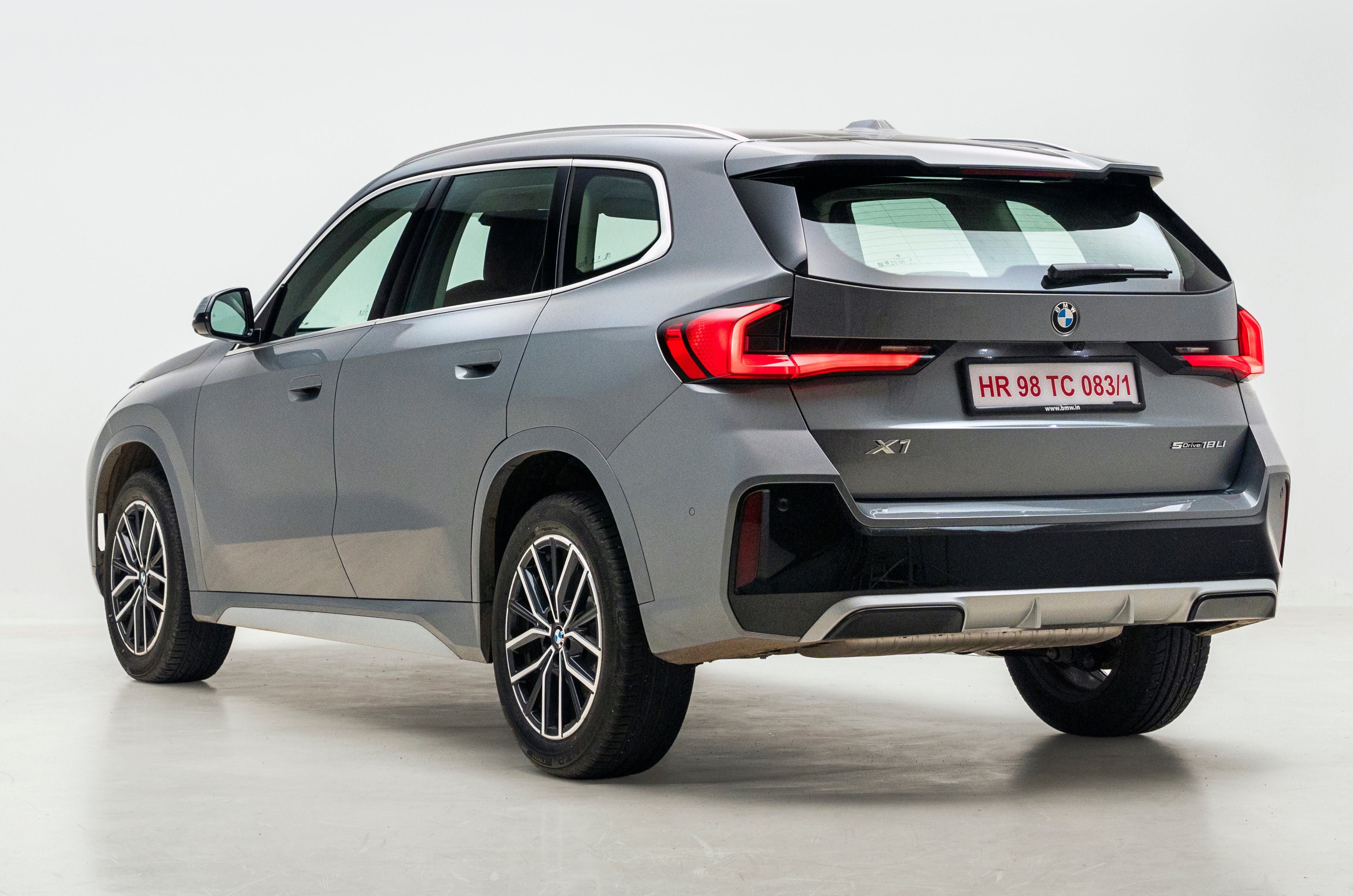
A long-wheelbase BMW X1 isn’t a new idea. China has had an extended-length X1 for years, and we got it in India last year in the form of the all-electric iX1 LWB. The X1 LWB brings the formula to the ICE X1 range. BMW says the standard-wheelbase X1 will continue to sell, though we assume the LWB will be the only X1 down the road.
BMW X1 LWB Exterior Design and Engineering – 7/10
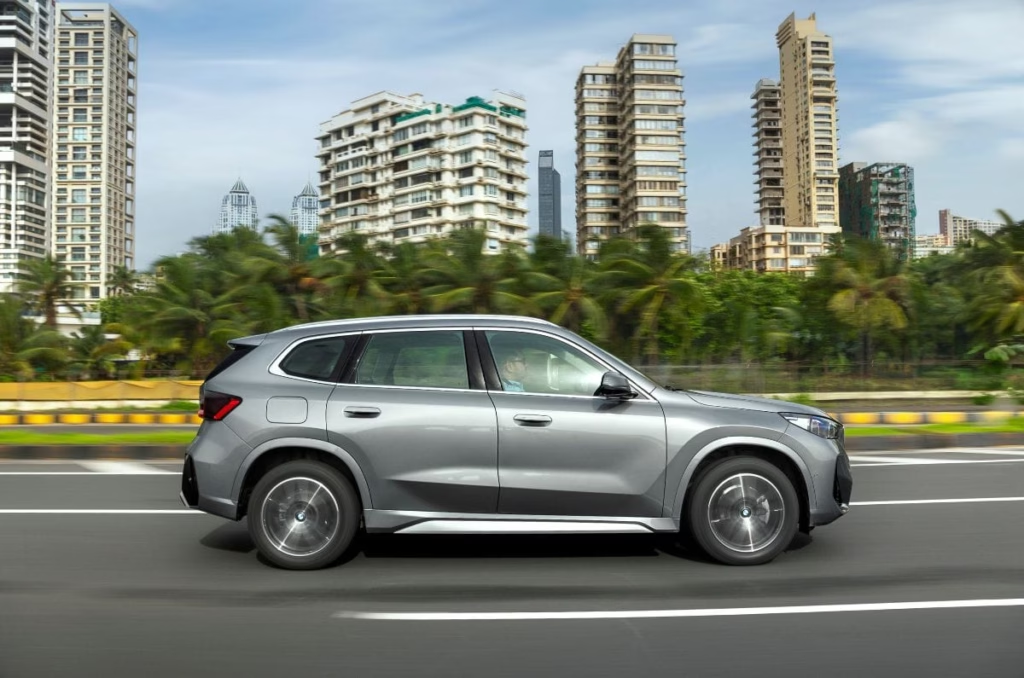
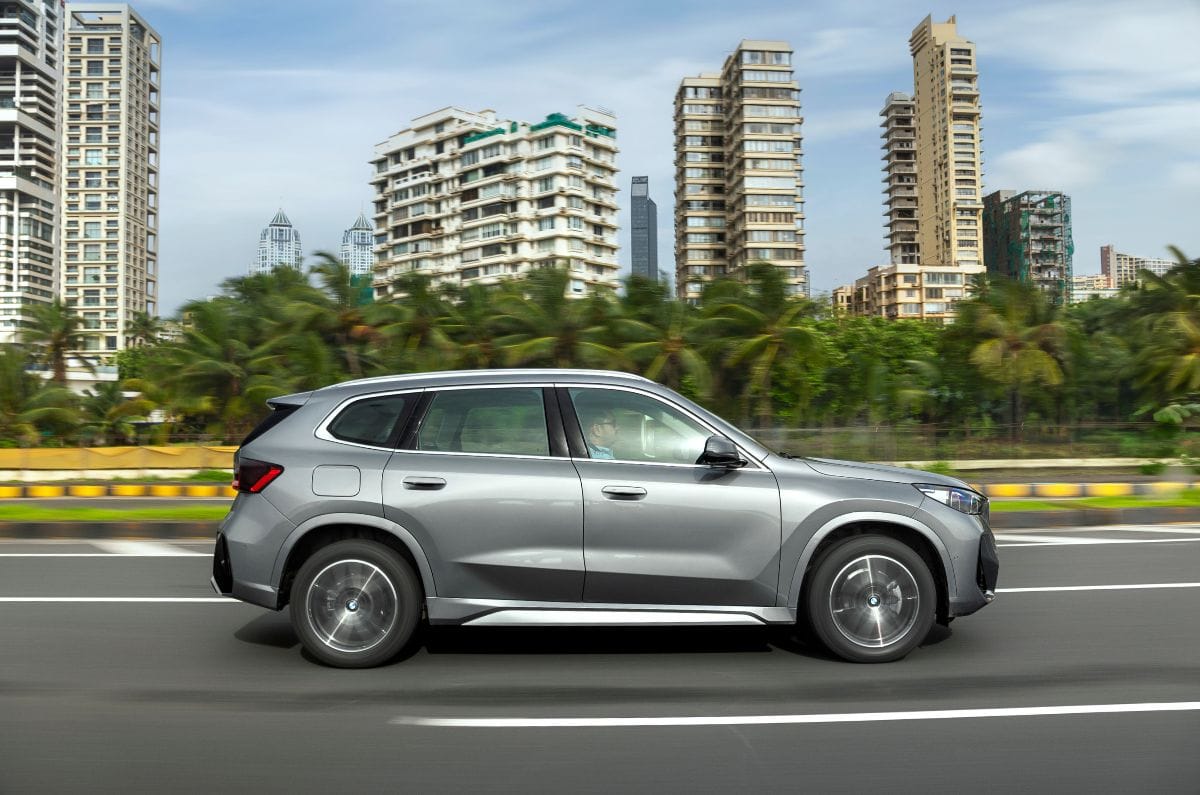
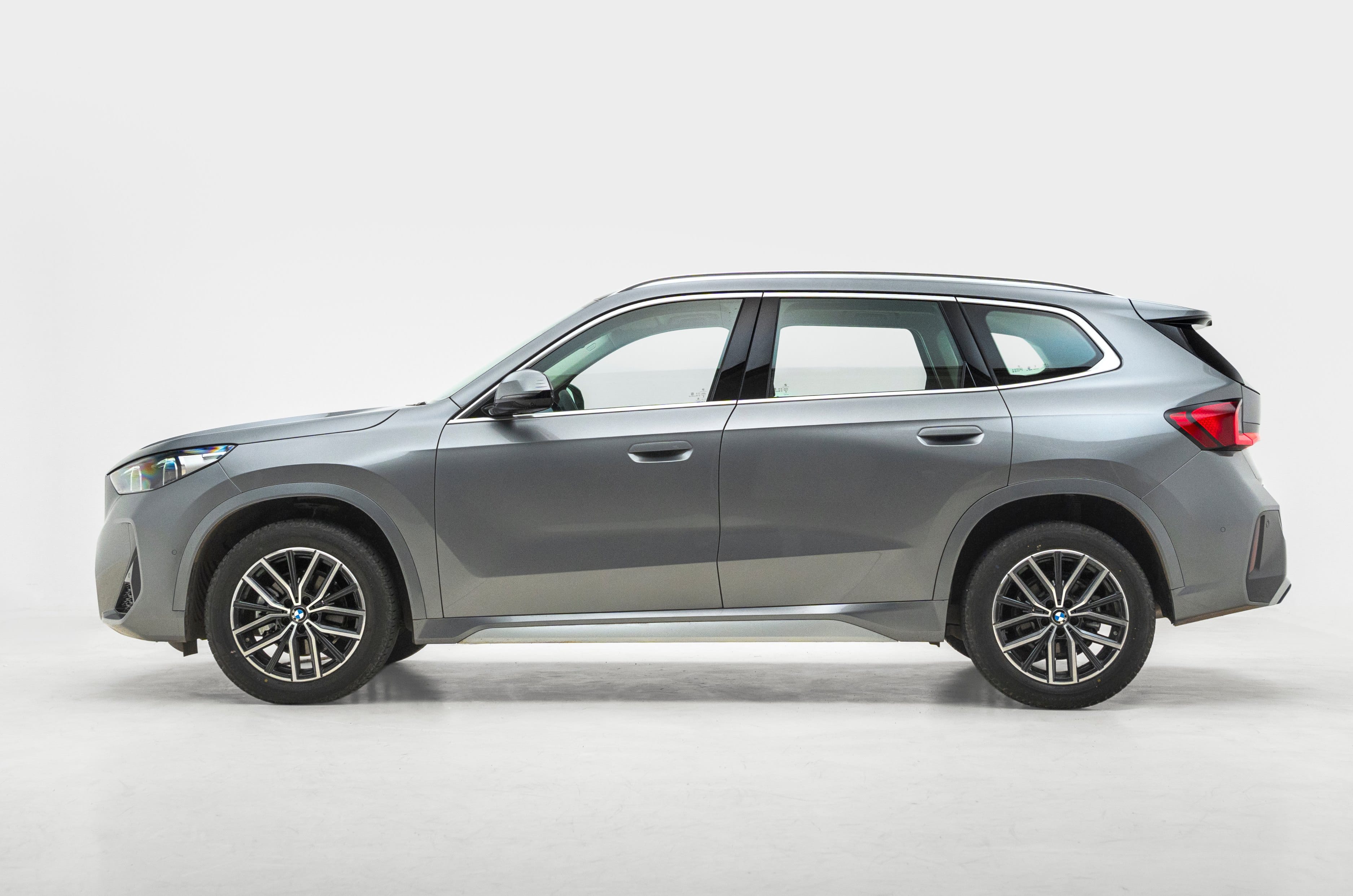
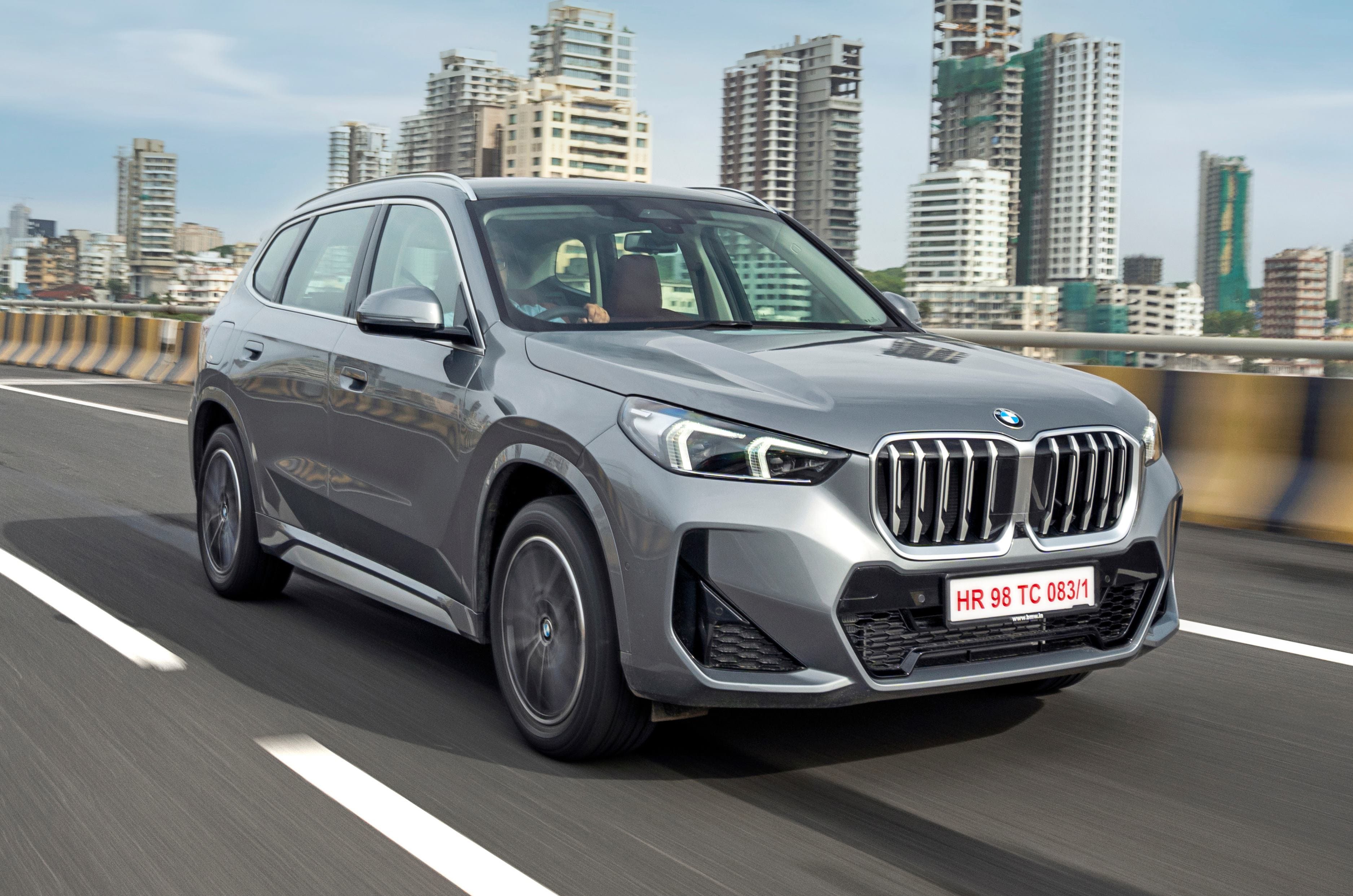
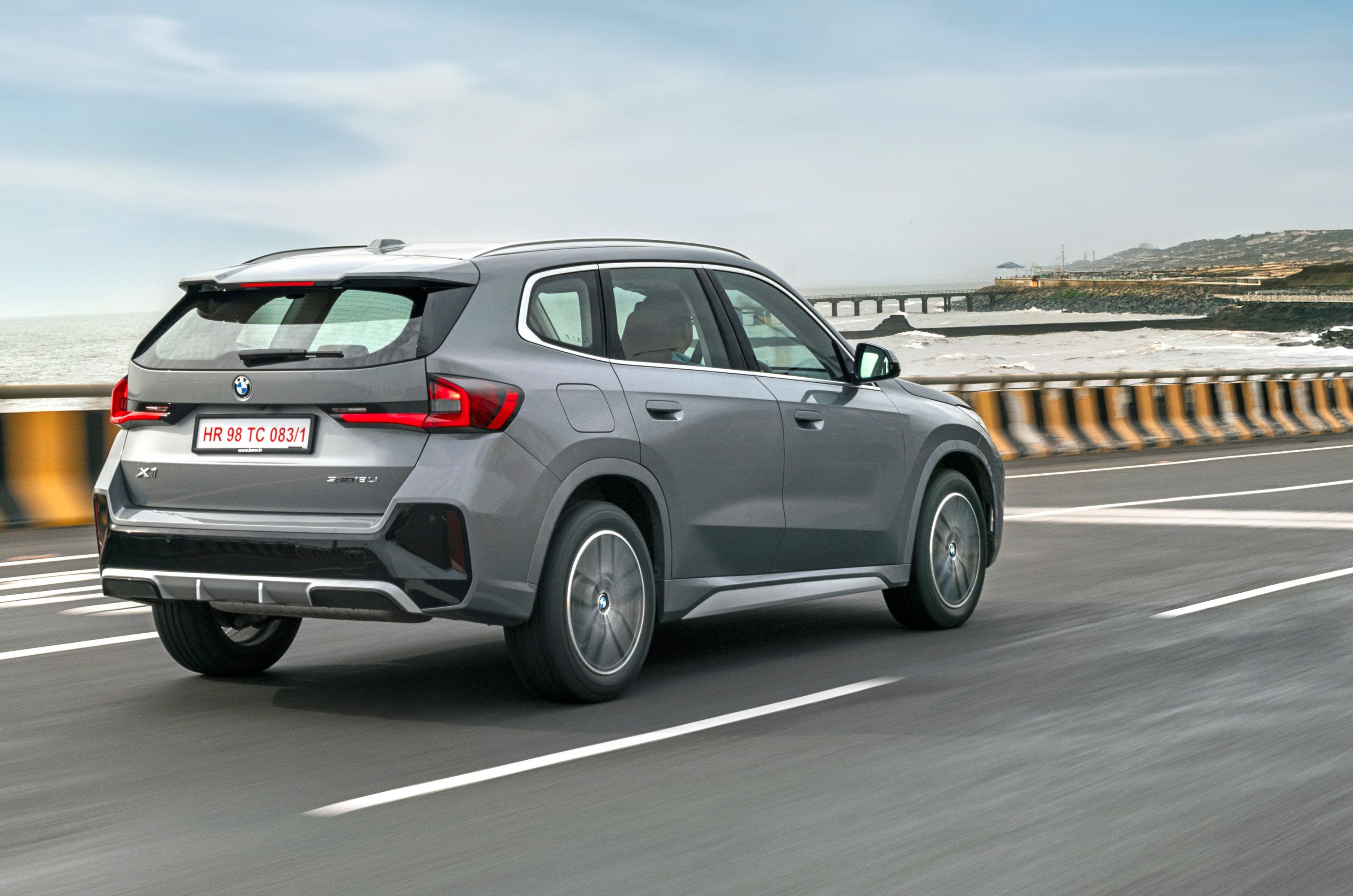
The X1 might be BMW’s smallest SUV, but it’s not particularly small anymore. It’s 116mm longer overall with 108mm of that added length at the wheelbase alone. Importantly, the longer wheelbase doesn’t look unusually long, and so the proportions work.
Lengthened body but well-proportioned design
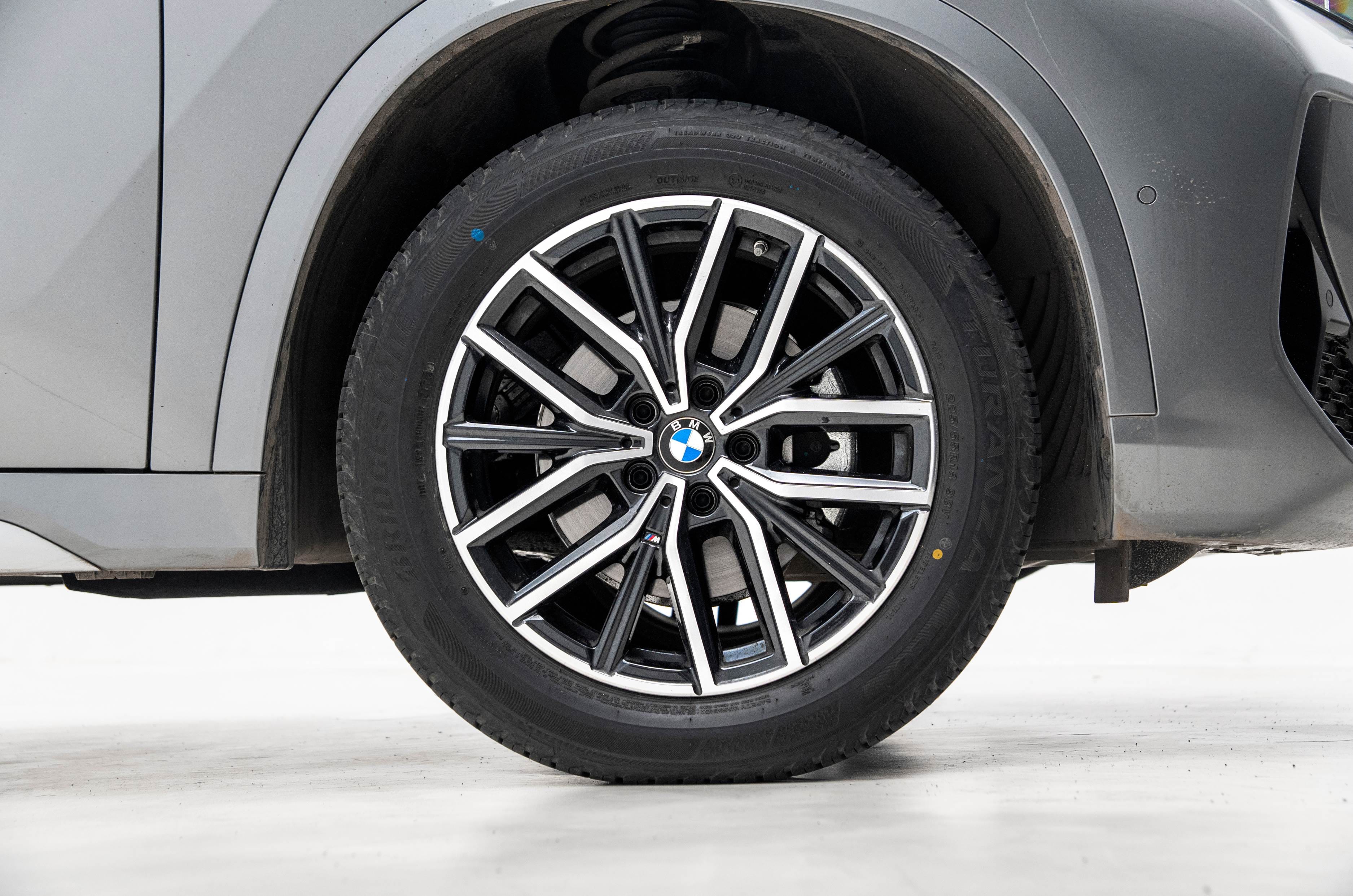
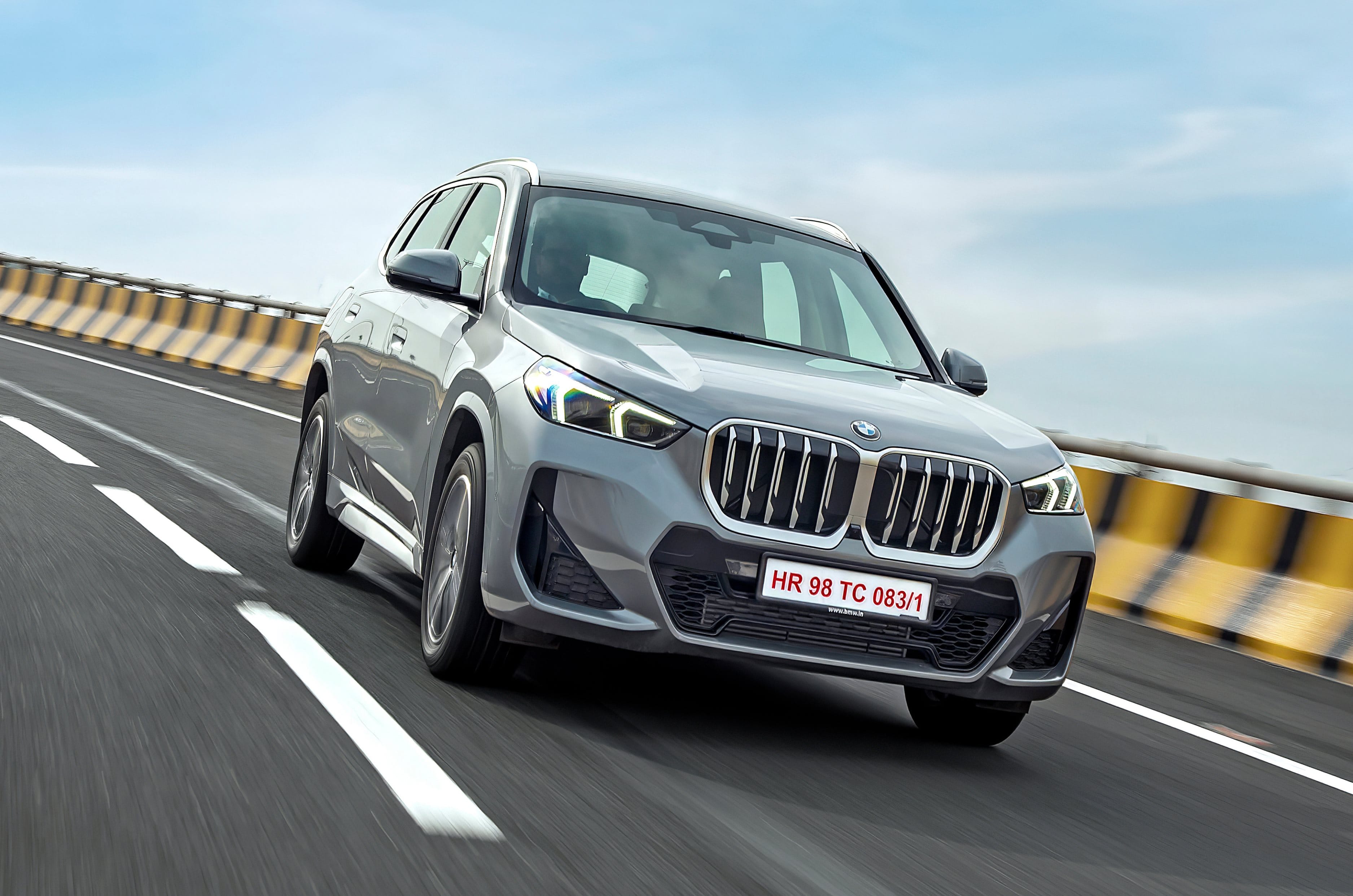
In person, the X1 LWB doesn’t look vastly different to the standard wheelbase model. It’s got the same peeled back headlamps, same M Sport styling pack and same edgy tail lights. The 18-inch rims are shared with the other X1s, but a more exciting design and or a larger size would have done much for the look. A chrome surround for the large windows is a small detail distinction to the standard X1 that uses a black effect, while the conventional grille here serves as a distinguishing element to the iX1 that sports a closed-off grille.
18-inch wheels shared with regular X1; larger wheels would have done much for the look.
BMW X1 LWB Interior Space and Comfort – 8/10
Long wheelbase opens up huge space at the back
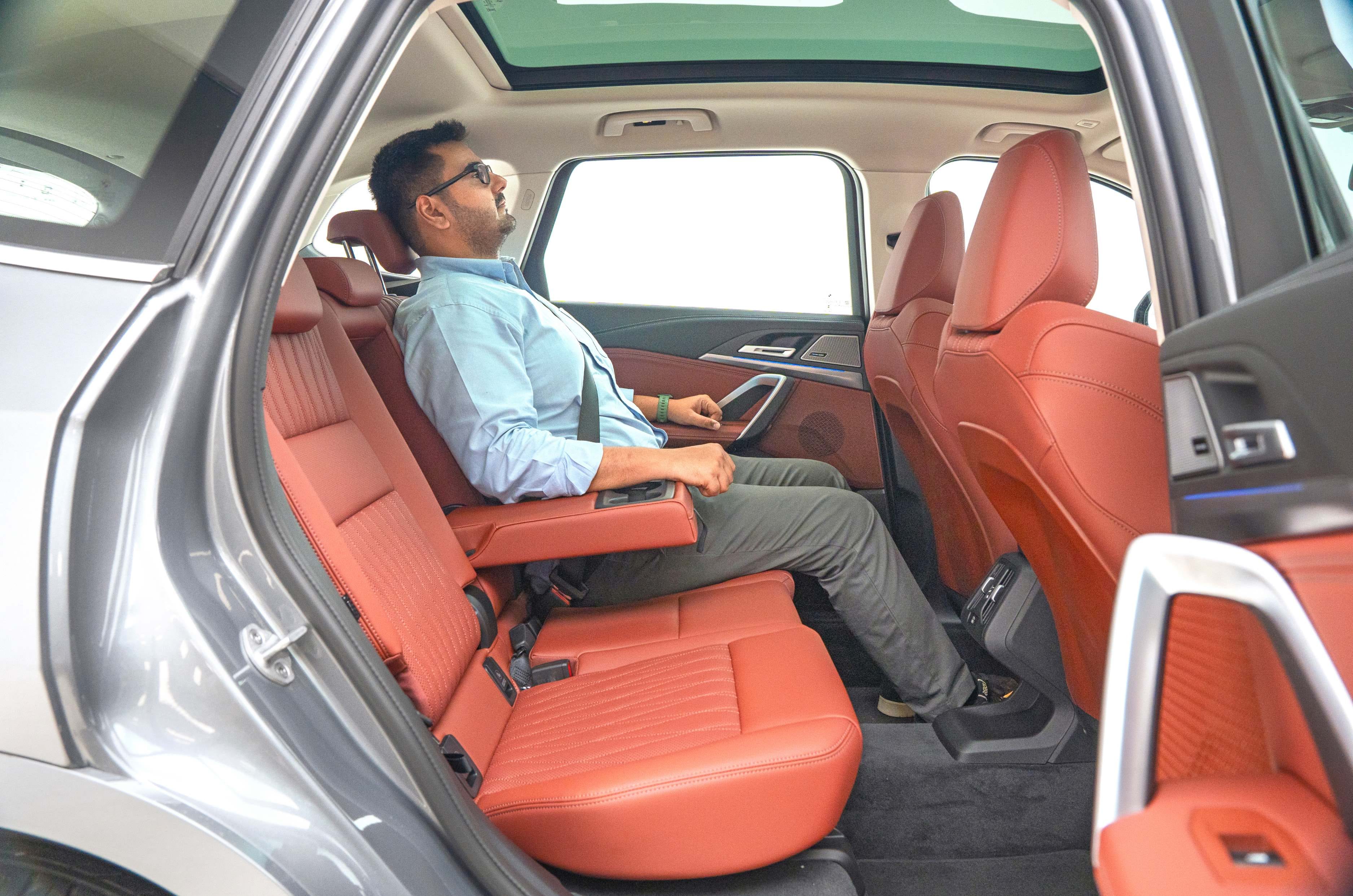
Thanks to wide opening rear doors and a large door aperture, getting into the back of the X1 LWB is very convenient. And once you’re inside, you’ll be amazed by the sense of space that you get there.
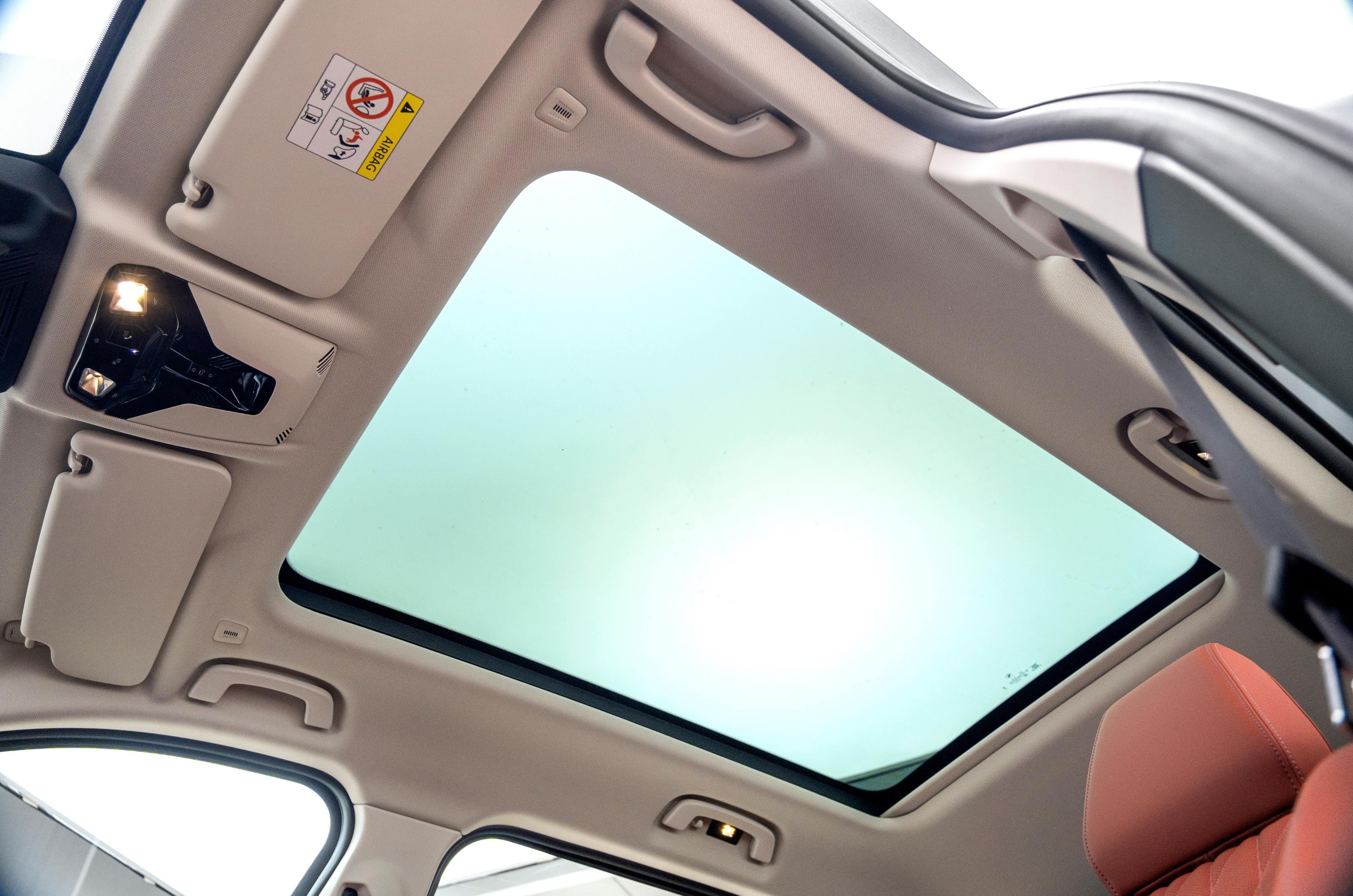
Even six footers will find legroom generous and helping the feeling of space is the large glasshouse. The panoramic glass roof (it doesn’t open) lets in lots of light and the rear windows are also large. Pity, they don’t get adjustable sunshades.
Rear seat gets a longer base and enhanced cushioning for better comfort.
Like the iX1 LWB, the X1 LWB also benefits from a redone rear seat. There’s enhanced cushioning while a 15mm longer seat base adds a bit more by way of thigh support. The seating position itself is very good, and if you want a more relaxed setting, you also have the option to recline the backrest by a couple of degrees. The extra leg room also makes the X1 LWB that little bit comfier for a middle passenger who will have more space to keep his or her feet on either side of the high centre tunnel. Still, the rear seat is best for two.
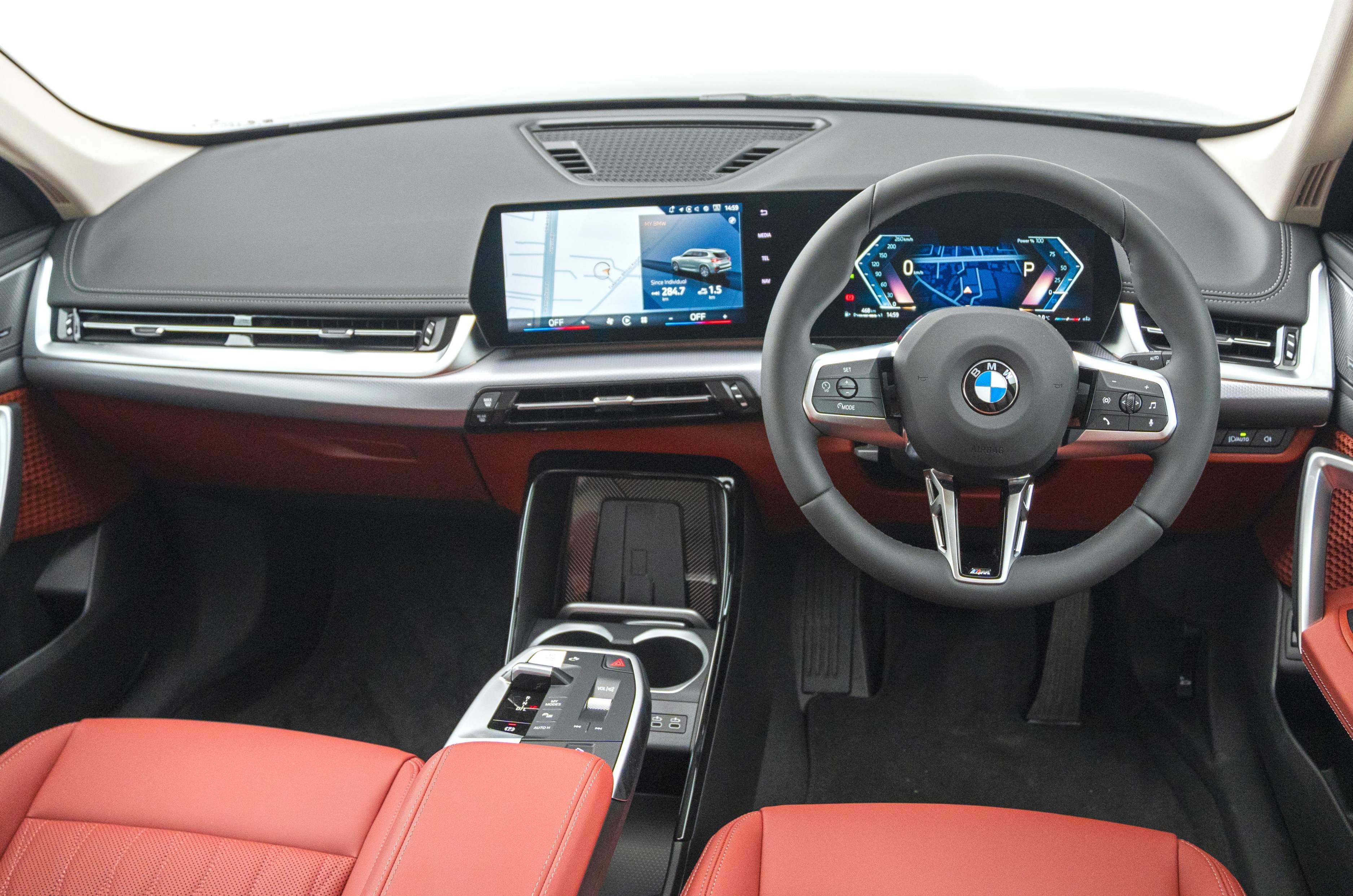
Dashboard is identical to the standard wheelbase X1.
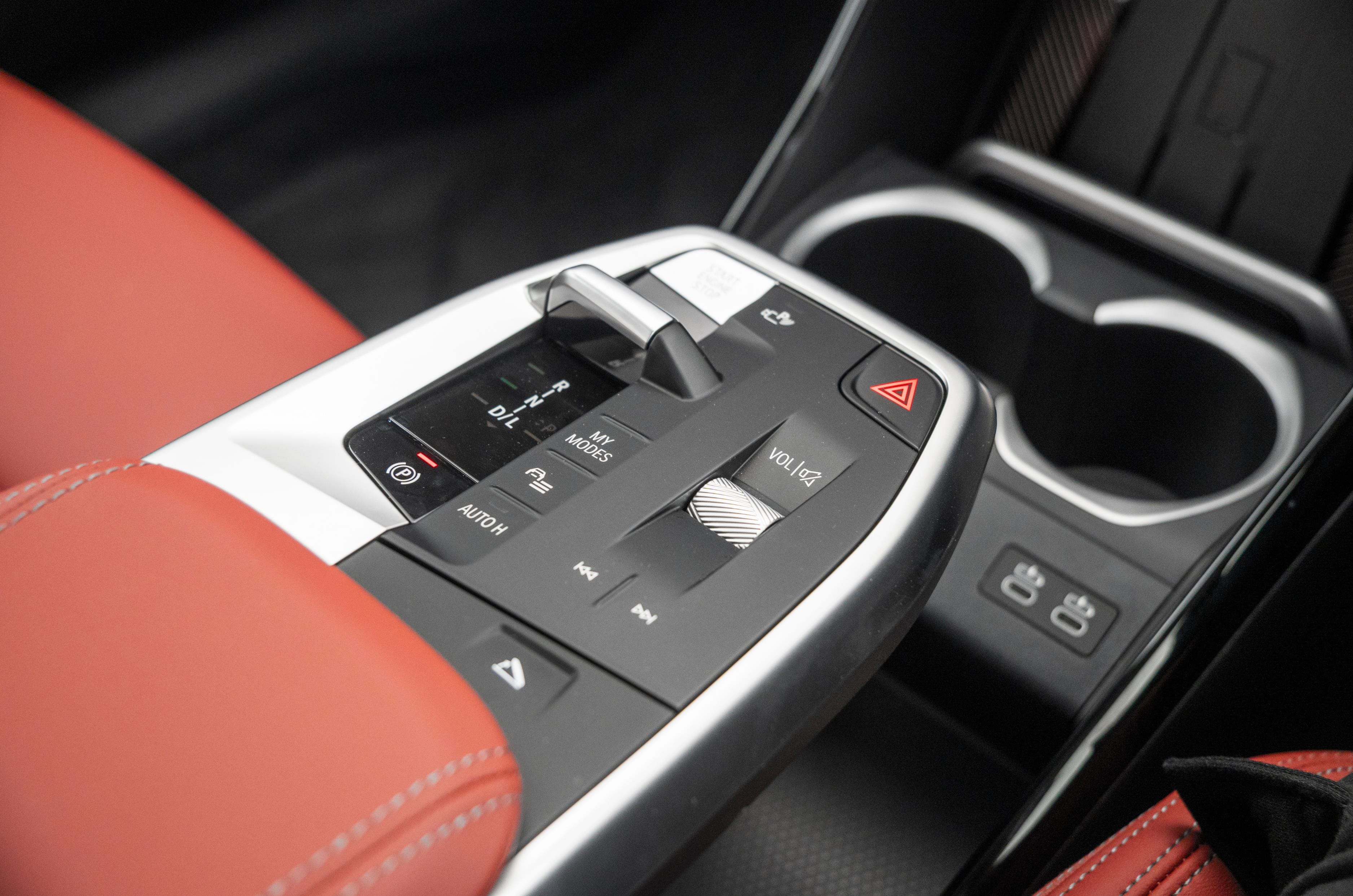
Up front, the X1 LWB is no different to the standard wheelbase X1. The dash with its asymmetric AC vents looks youthful and what also adds some flavour to the X1’s cabin is the upright wireless phone charging pad at the base of the dash. There’s also a floating centre console, which houses a few key buttons, such as for the gear selector, volume control and driving modes. There’s some storage under the front centre armrest but oddly, the lid opens towards the passenger side.
Floating centre console gets a few physical controls and some storage underneath.
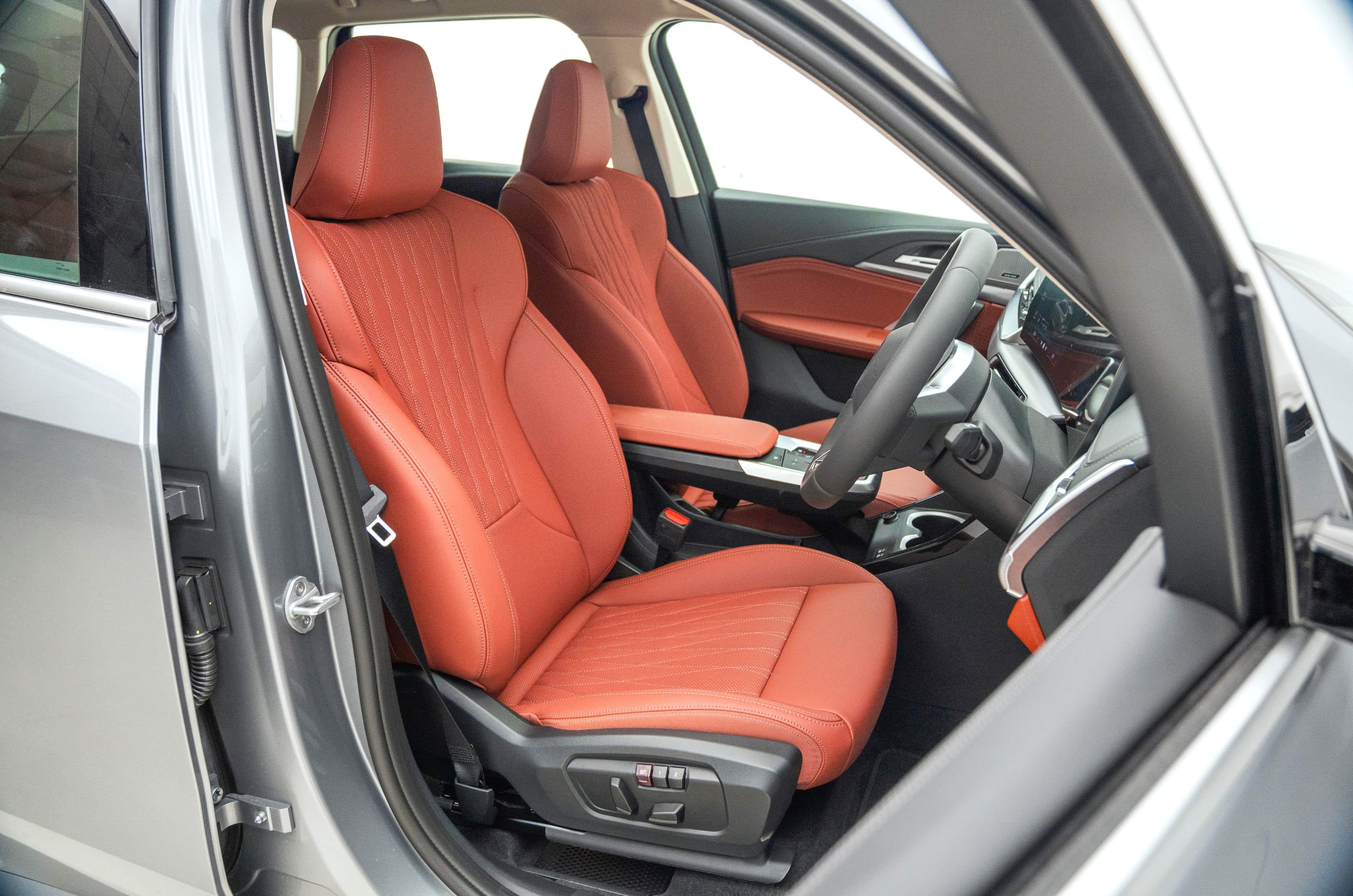
Upholstery choices include the brown you see here as well as a white on black theme which we suspect would be a pain to keep clean. The front seats themselves look sporty and also hold you really well, but unfortunately, the X1’s seat massage function has been dropped on the long wheelbase model. There’s also no seat ventilation function. An M Sport steering is standard but feels a bit too chunky in most hands, and also misses on paddleshifters.
Front seats are sporty, but they miss out on ventilation and massage functions.
In terms of quality, key touch points look and feel good. There are padded materials on the dash and the textured metal-like effect is nicely done. However, it’s not quite got the same attention to detail as pricier BMWs. The USB slots on the dash, for one, aren’t backlit, so you’ll fumble with wires in the dark. The ambient lighting, too, isn’t as vibrant as, say, in a Mercedes GLA. BMW says boot capacity stands at 540 litres and there is plenty of space for large bags. Packaged under the boot floor is a space-saver spare tyre.
BMW X1 LWB Features and Safety – 7/10
X1 LWB is available in a single M Sport trim
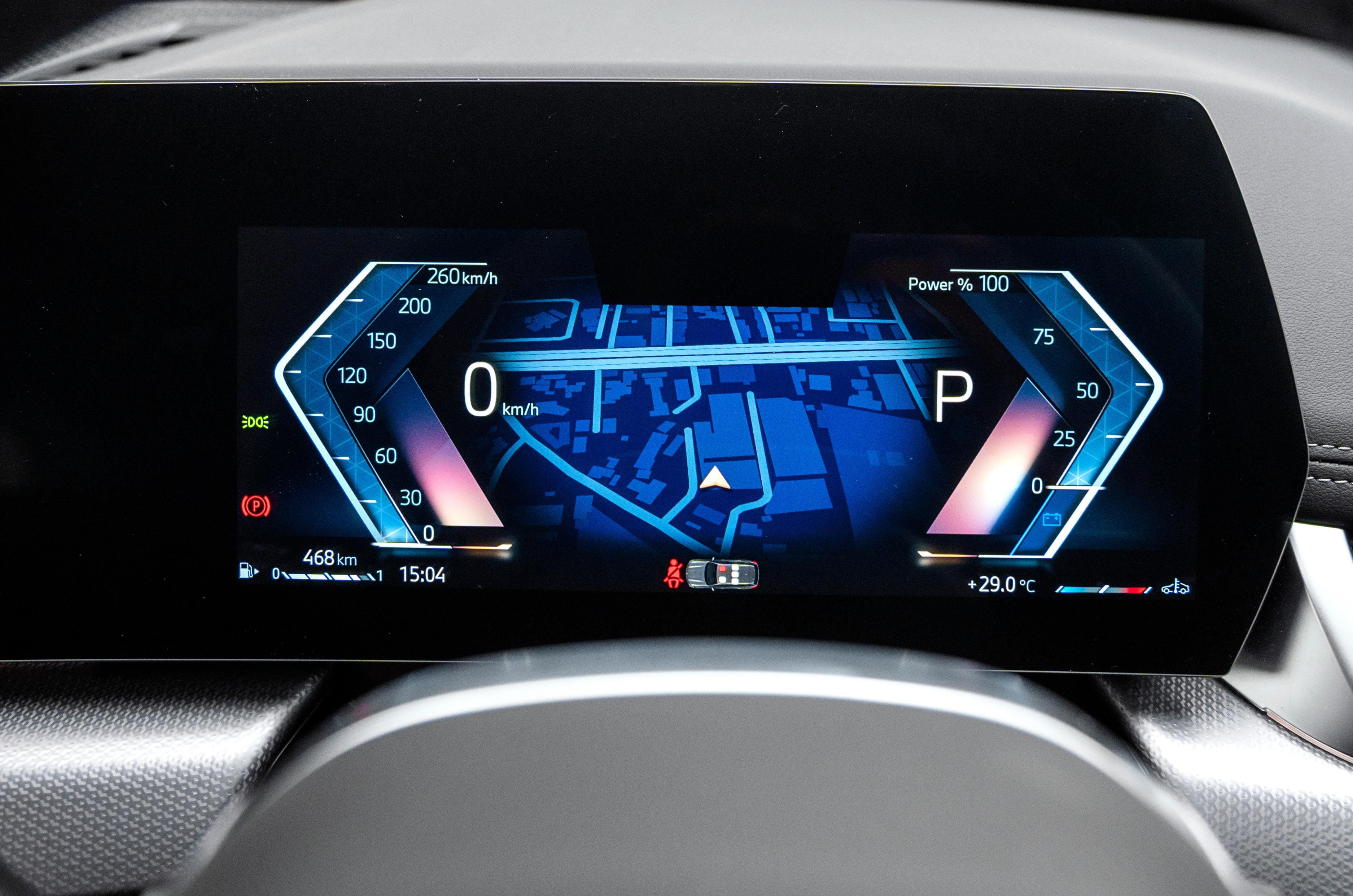
The X1 LWB sports BMW’s twin screen Curved Display. The 10.25-inch digital instrument cluster does give all the info you need, but the presentation with hexagonal themes isn’t appealing even after all these years. The 10.7-inch touchscreen has its highs and lows, too. It’s crisp and responsive, but packs in way too much, including the climate control settings. The menus, frankly, can feel overwhelming on the go. The crisp 360-degree camera does get our vote. A Reversing Assistant that retraces the path in and automatically backs out (up to 50m) is a handy function to get you out of tricky situations.
Instrument cluster offers lots of information, but the presentation with hexagonal themes isn’t appealing.
Interestingly, BMW offers a subscription service to unlock more advanced maps, customizable icons, and more screen themes and modes. Other features include a digital key, allowing you to share access with up to 18 friends and family members, while the 12-speaker Harman Kardon sound system is rather nice, too.
Headlining the list of comfort features is the panoramic glass roof, and there’s power adjust for both front seats. Rear seat passengers get dedicated rear AC vents but there’s no dedicated zone for the rear section of the cabin. A fold-down armrest and USB type C charging port are other functions at the back.
Panoramic glass roof lets in lots of light, but isn’t openable.
Safety kit includes 8 airbags, ABS, ESC and Isofix child seat mounts among other features. The X1 LWB also packs in a few ADAS functions such as auto emergency braking and lane departure warning and assist. Adaptive cruise control, however, is missed.
BMW X1 LWB Performance and Refinement – 7/10
1.5-litre, three-cylinder turbo-petrol is only engine on X1 LWB
BMW is launching the X1 LWB in S-Drive 18 Li form, which is a complicated way of saying that it’s powered by a 1.5-litre three-cylinder turbo petrol engine. Yes, you read that right. The engine is E25 compliant, but there’s no diesel option for the moment, and buzz is there won’t be one in the future either.
Performance is adequate but unexciting
The X1 LWB’s petrol engine makes 156hp and 230Nm and all the power goes to the front wheels only, via a seven-speed dual-clutch transmission. A fact to note, 156hp is the upgraded power figure. On the standard wheelbase X1, the engine makes 136 horsepower.
Unfortunately, the power bump doesn’t magically transform the X1 LWB into something sporty. In ordinary city driving, you really won’t have a problem with the performance on hand. There’s enough power for the urban grind. It’s just that when you pick up the pace, you’ll miss that reserve of power that you just expect in a luxury car.
Refinement is good but the engine thrums when extended
Sport mode does make the engine feel a bit more urgent, but it’s also in Sport mode that the engine can’t hide its three-cylinder-ness. When it’s time to overtake, for instance, and you press down on the accelerator pedal, there is a bit of a delay, then you hear the engine thrum, and that’s not a very BMW sound. Performance is also not very BMW. We managed a 0-100 kph time of 9.58 seconds.
Then again, the X1 LWB’s USP is the rear seat, and there will be buyers who rarely, if ever, take the wheel. If you’ve instructed your chauffeur to drive in an easygoing manner, you will note that engine noise is actually pretty well-contained.
BMW X1 LWB Mileage and Efficiency – 8/10
While we haven’t put the X1 LWB to the full test it should prove to be more efficient than rivals’ four-cylinder turbo-petrol units. Of course, it won’t be outright frugal because the X1 LWB is a substantial vehicle. We expect real-world fuel economy in the 7-10kpl band with the figure rising to 9-12kpl over highway drives.
BMW X1 LWB Ride Comfort and Handling – 8/10
Suspension has been tweaked for better comfort on the X1 LWB
The X1 LWB might be front-wheel drive only but there is a crispness to the way it changes direction. You will like the feel at the steering wheel and you get a good sense of connect too. Unfortunately, the handling isn’t supported by the engine. Long story short, this is not the BMW for keen drivers.
As for ride comfort, BMW has tweaked the suspension for the X1 LWB, and they’ve done a pretty good job of things. The suspension works quiet, it feels absorbent, and it’s only when you’re really paying attention that you’ll notice a distant firmness to the setup.
BMW X1 LWB price and verdict – 8/10
X1 LWB makes for a great backseat SUV
Prices for the X1 LWB will be announced on August 21. We expect BMW to keep pricing within the Rs 50-55 lakh (estimated, ex-showroom) band, which would make the X1 LWB a very enticing proposition.
Rear seat space is the highlight and immediately gives the BMW bragging rights over the Mercedes GLA and Audi Q3. Thing is, the X1 LWB’s appeal is almost too tied to the rear seat experience. The drive experience is just so-so. Performance is fine for the daily grind but the three cylinder unit does little to excite. If that’s not a deal breaker for you, the BMW X1 LWB is sure worth a long, hard look.
It’s all too easy to start every review of the Mini Countryman with some variation of the phrase ‘the Mini that’s not so mini’, because that’s always been true. The SUV of the Mini range, by definition, is always going to fit that description; the difference this time is that Mini itself is onboard with the idea. Where previously it was always marketed as a Mini first and an SUV second, this time the script has been flipped. No longer content with being a niche offering for the fashion forward, they want this to be your family car, or more specifically your first luxury SUV. You’ll see how the vehicle attempts to achieve that in the paragraphs ahead, but the intent is clear with the price of this locally assembled third-generation ‘U25’ Countryman C, which at Rs 47 lakh (ex-showroom), is bang on par with ‘conventional’ entry luxury SUVs, like the Mercedes-Benz GLA, Audi Q3 and even its own cousin, the BMW X1.
2026 Mini Countryman C Exterior Design and Engineering – 9/10
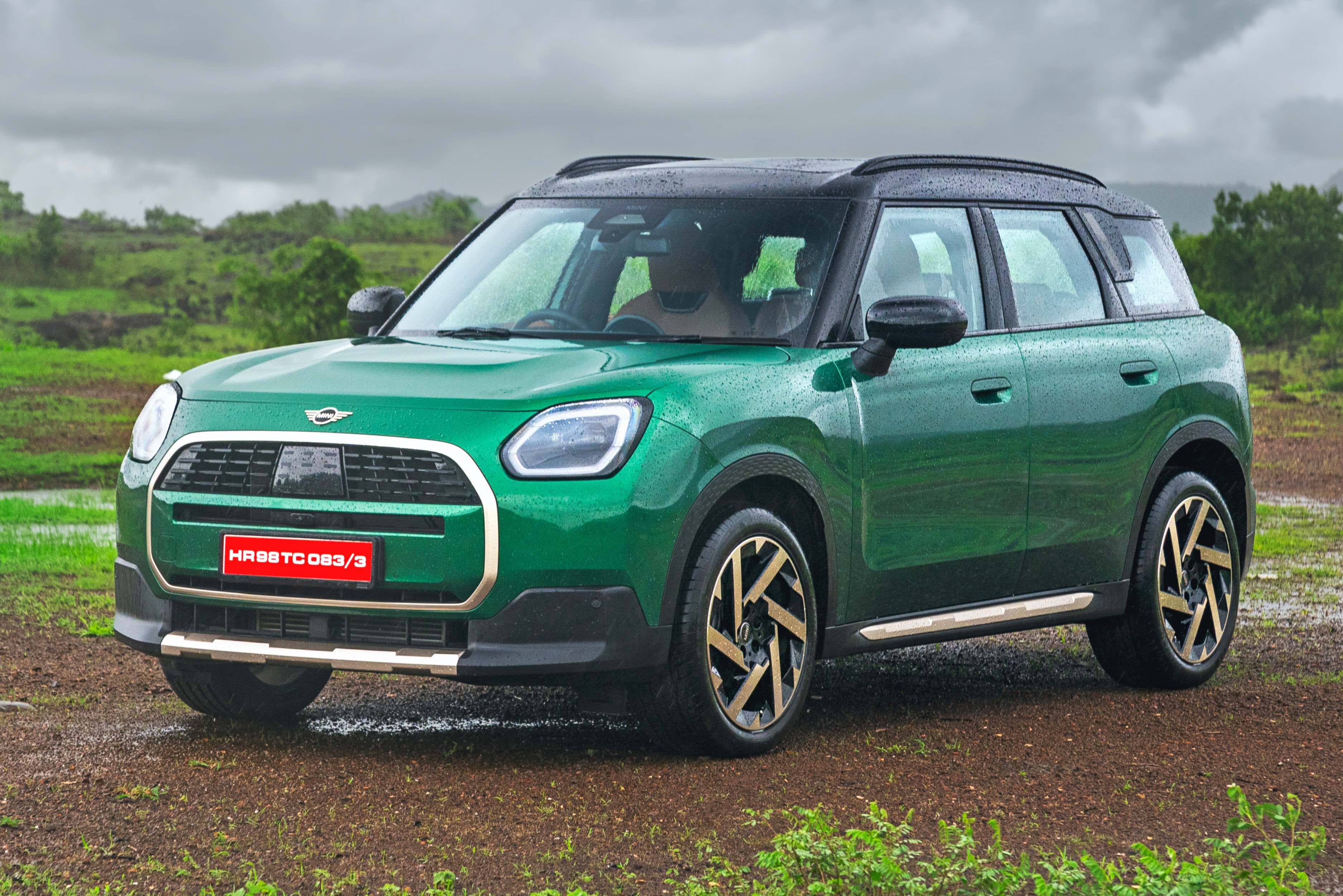
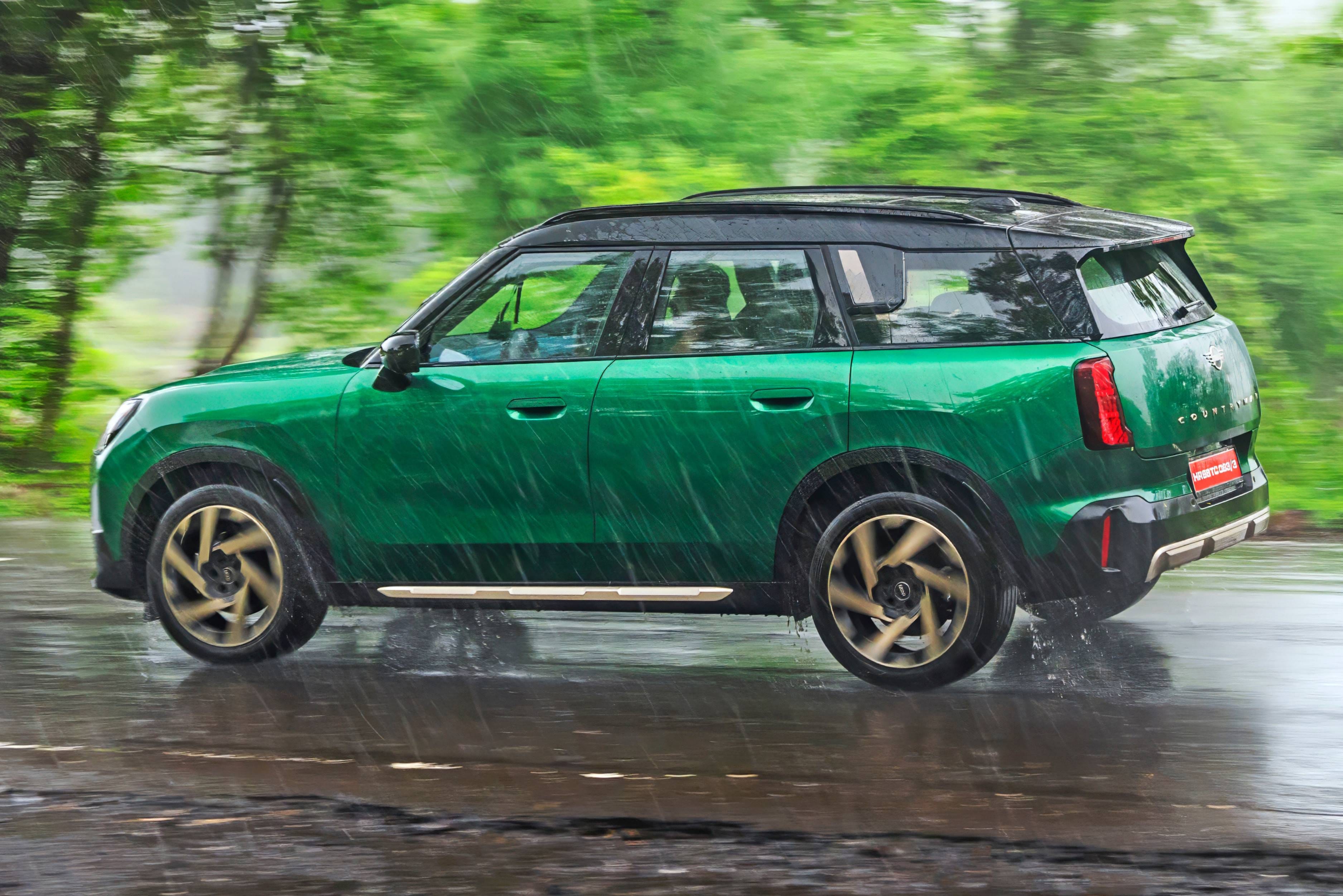
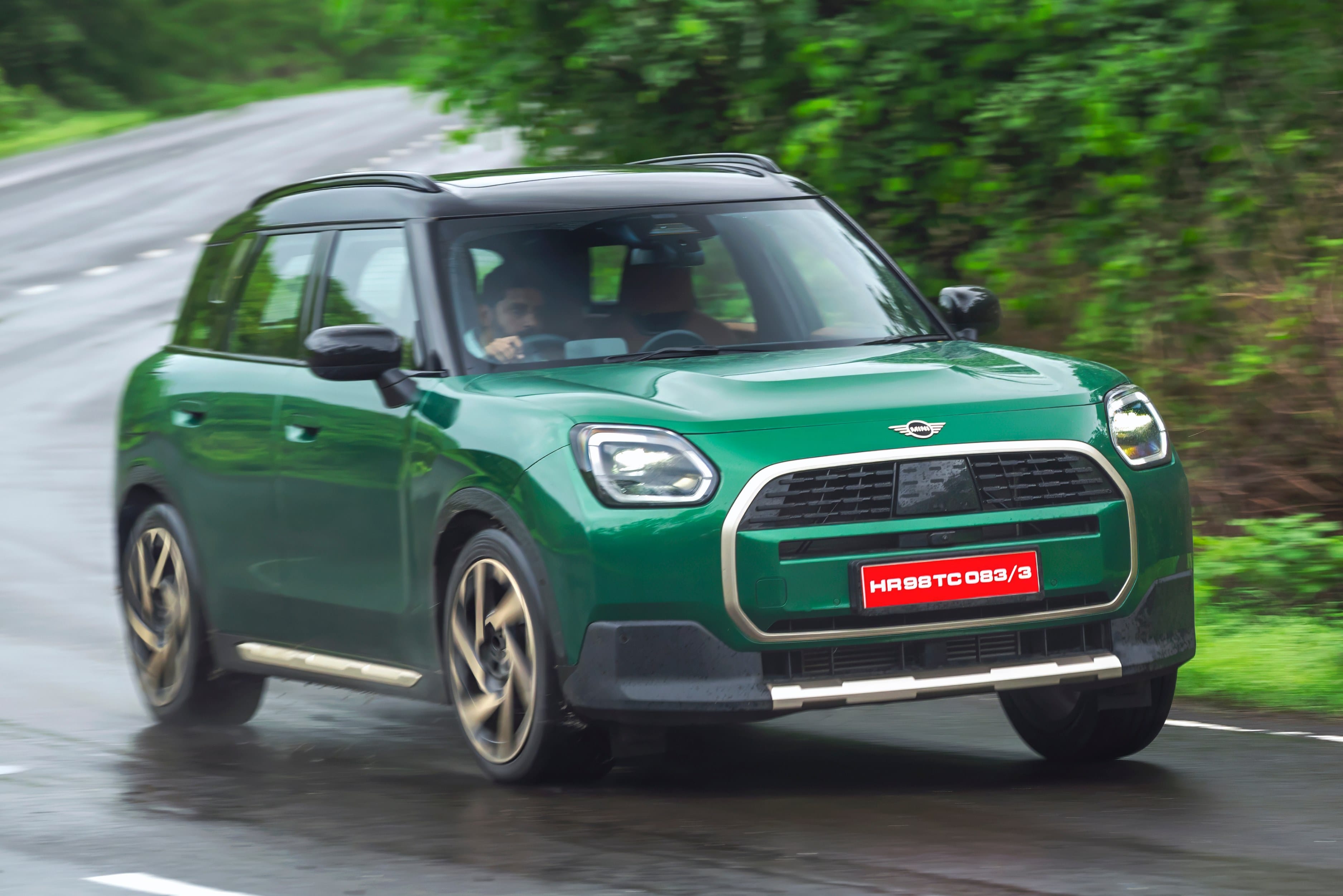
Clearly prioritises practicality more this time, but retains that Mini charm.
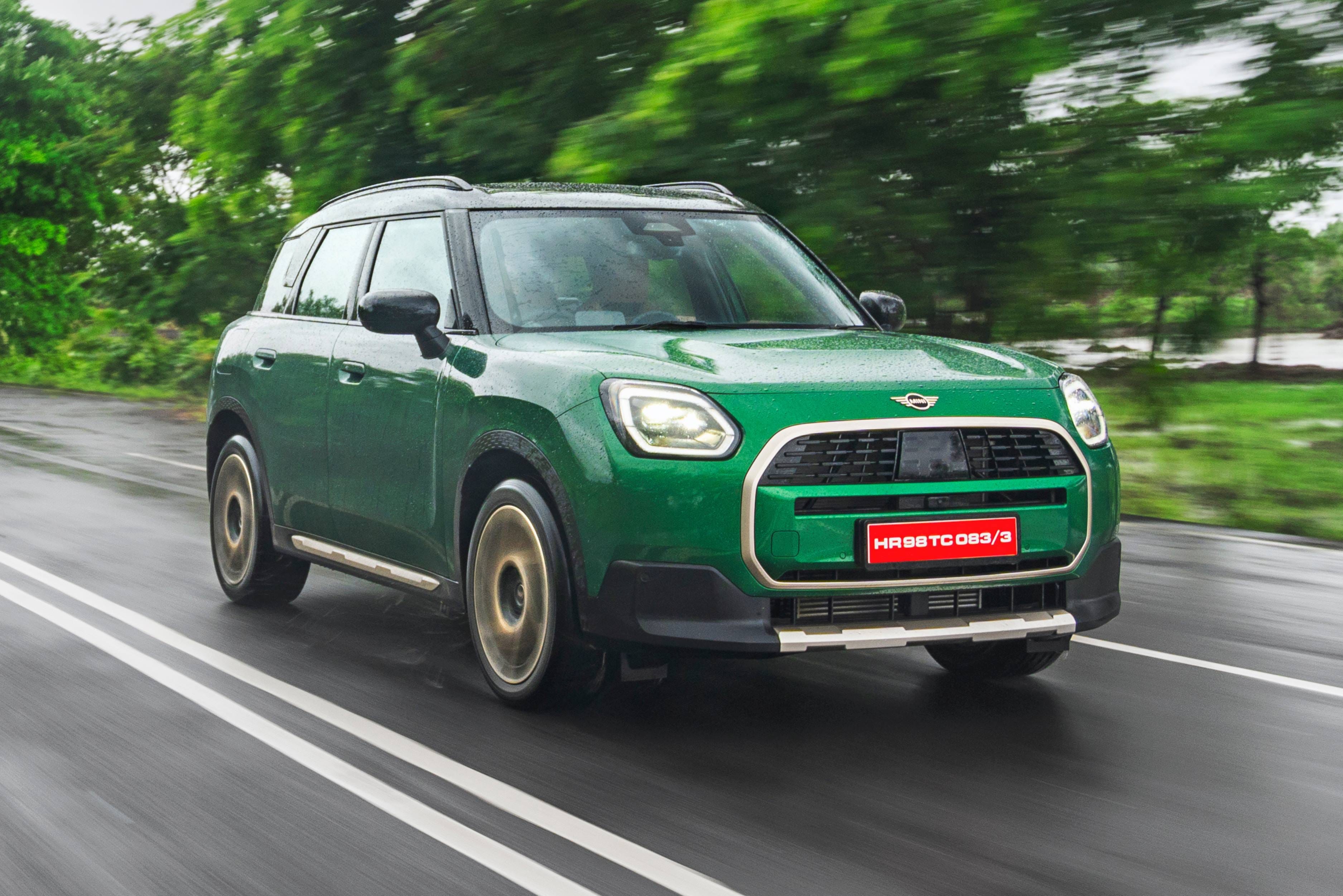
Looks sharper, boxier and visibly larger than before.
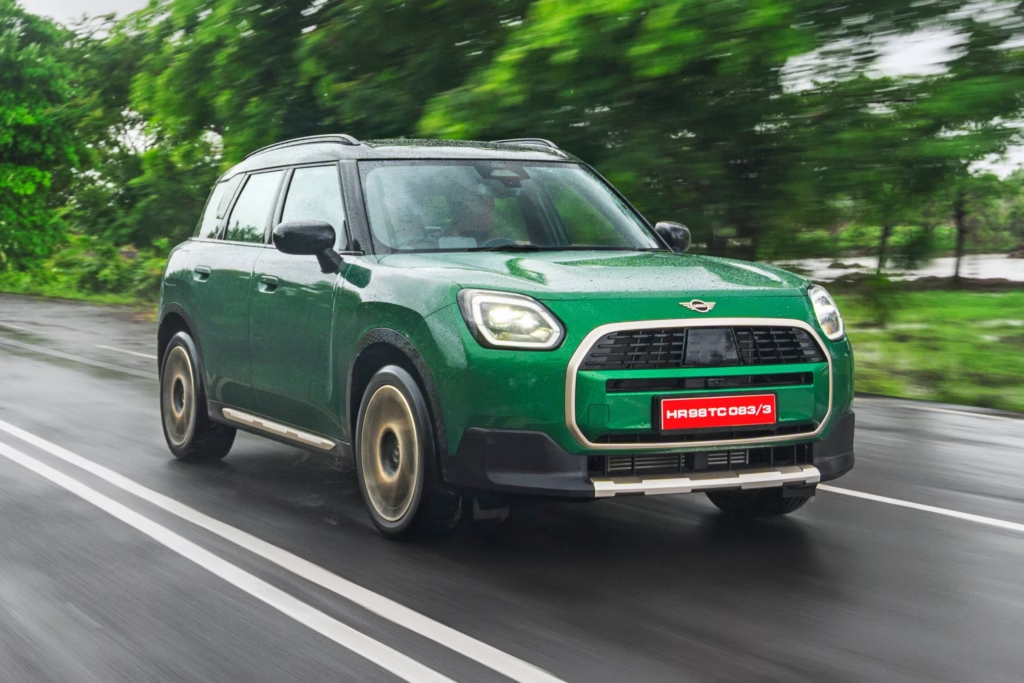
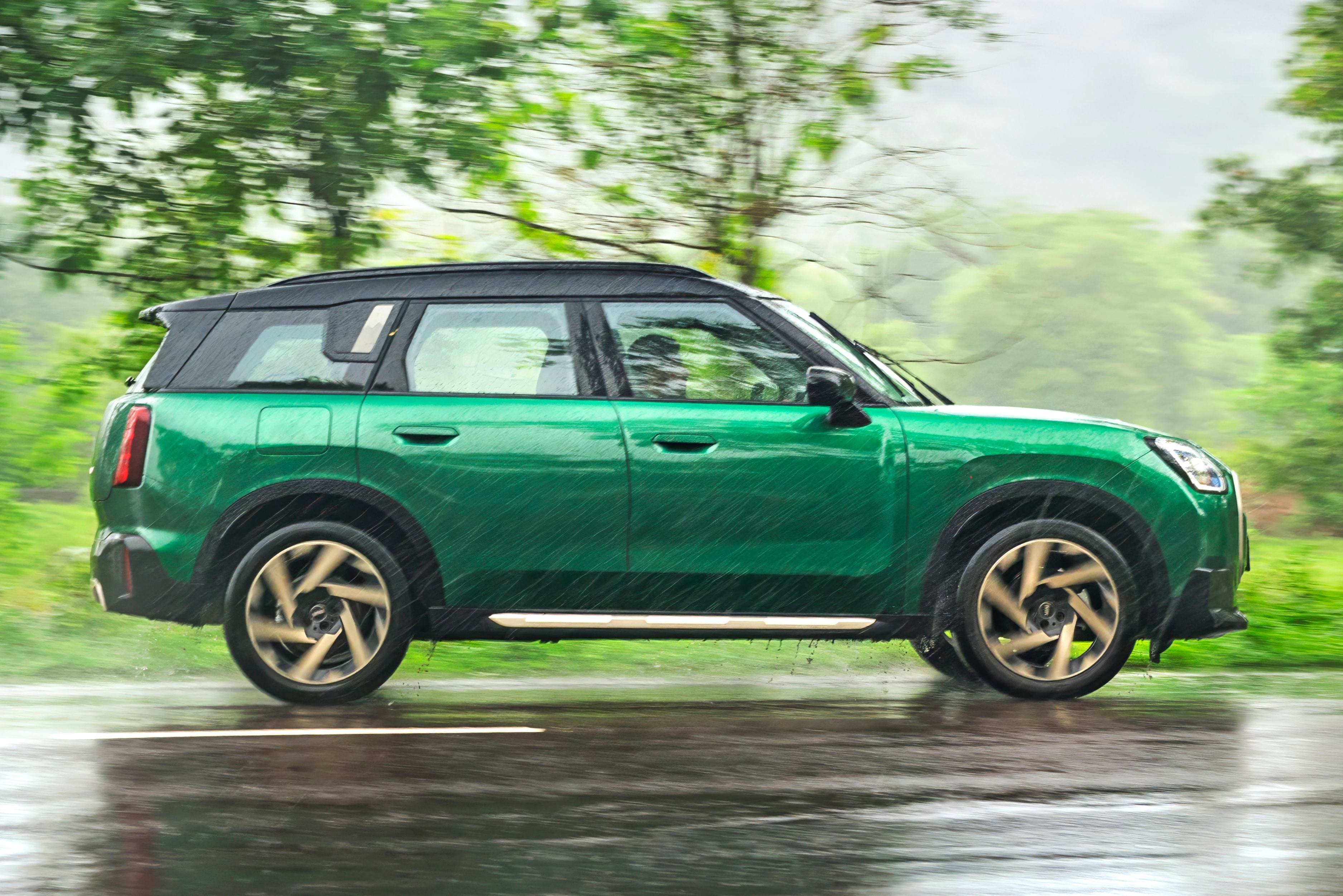
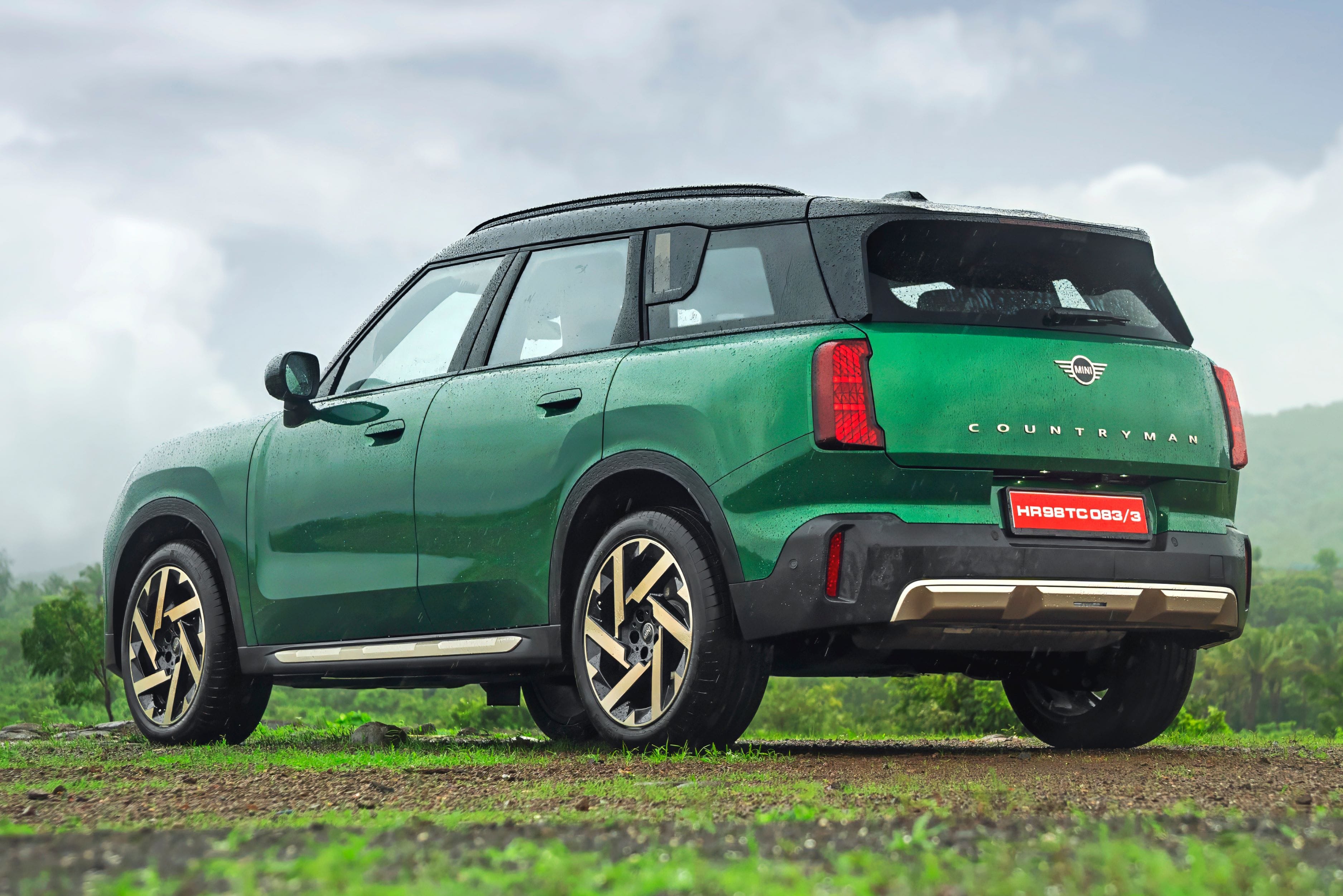
As with every successive generation, the new Countryman has grown (it’s now the tallest SUV in the class, with the highest ground clearance), but this time it has deliberately been made to ‘look’ large as well. Gone are the cartoonish and bulbous features of previous models, and in their place are smaller, sharper, more angular elements. The headlamps, grille and even the roofline have a boxier look, and this points to the greater space inside. It’s more recognisable as a Mini from the rear, where the familiar cues of a contrast roof, ‘Countryman’ lettering on the tailgate and Union Jack tail-lamps are easy to spot.
We’ve seen this look already in the Countryman Electric, and all that’s changed here is the grille that isn’t closed off. We’ve also already seen it on the CBU-imported Countryman JCW All4, which, apart from its more powerful engine and AWD, gets a sportier body kit.
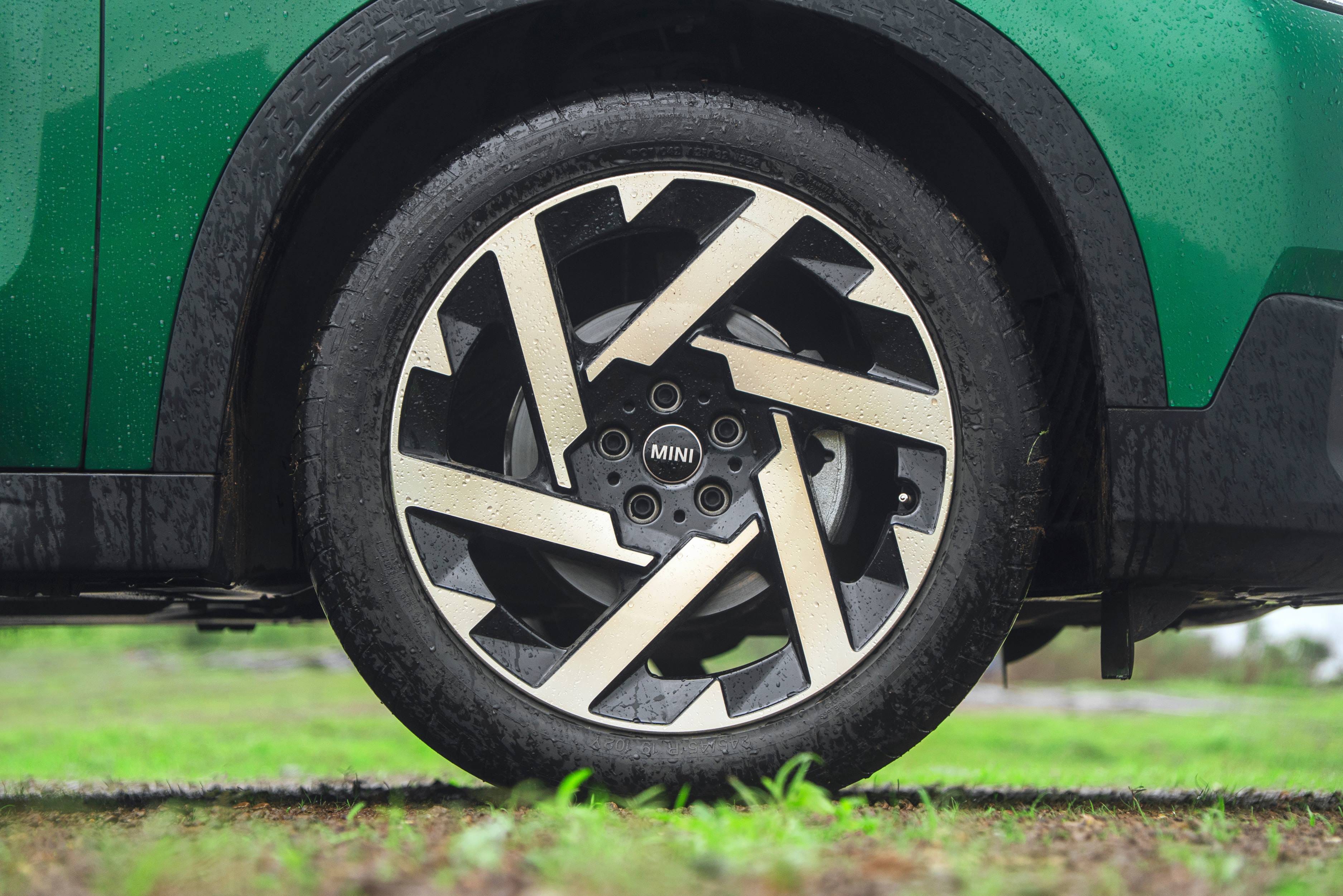
19-inch alloys look great, but they hurt ride quality.
This one being a locally assembled model, however, it’s available in a single, fully loaded ‘Favoured’ spec with no optional extras, save for some accessories. It looks the business, however, with champagne-coloured accents all around, the contrast roof as well as huge 19-inch dual-tone alloy wheels. You get a choice of five colours, but Mini has been sure to pick more extroverted options than conventional luxury SUVs – British Racing Green is still the most popular Mini colour bought in India.
2026 Mini Countryman C Interior Space and Comfort – 8/10
Genuinely usable space and practicality make it feasible as a luxury SUV.
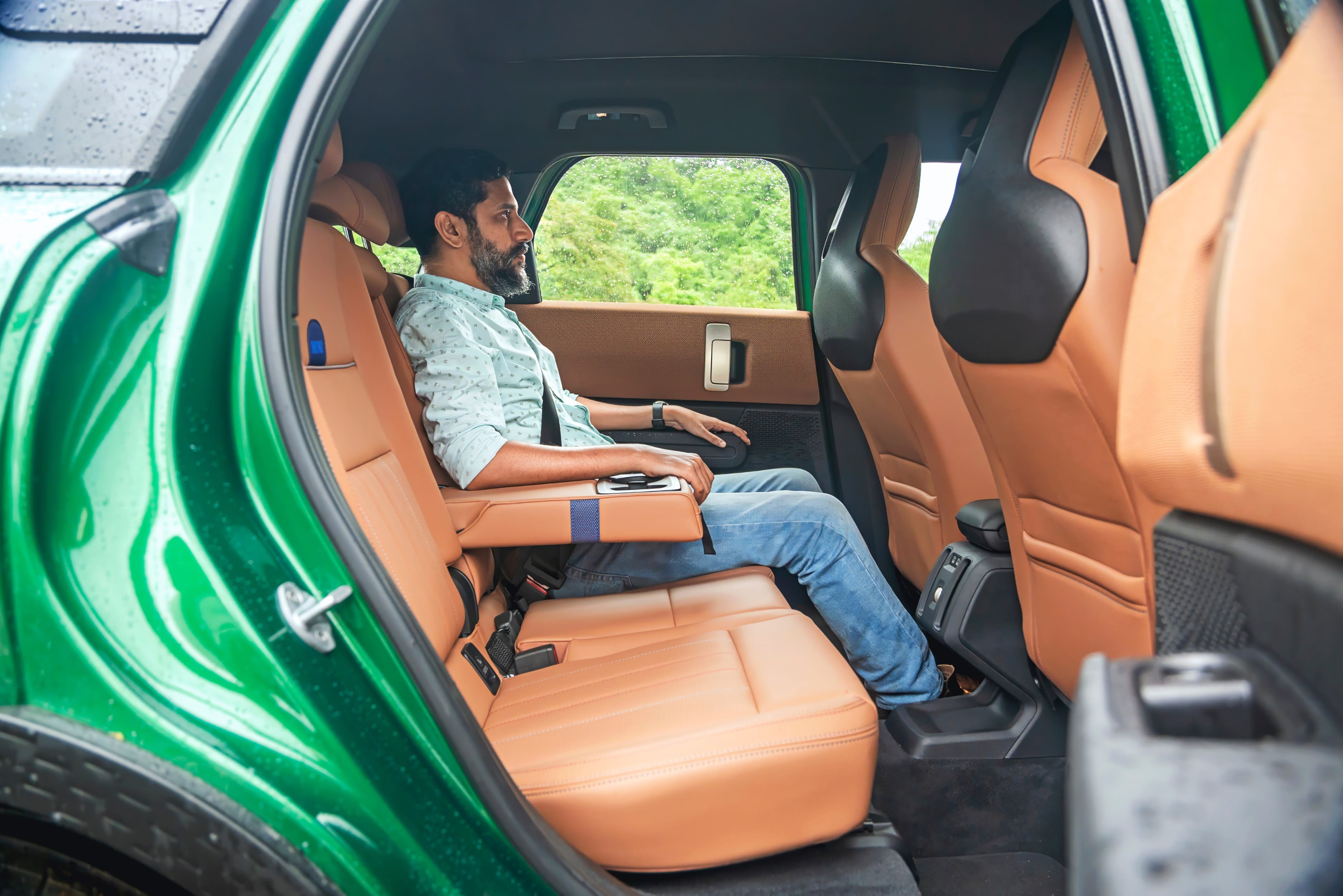
Generous headroom and legroom at the rear, though thigh support is not the best.
The results of the grown dimensions are immediately obvious in the greater interior space. It feels larger and airier than any Countryman before it, and betters some rivals in this regard. Without the battery of the EV, the floor is lower, giving a comfier seating position, though rear-seat thigh support is still not the best. And though the huge panoramic sunroof lets some light in, we wish the windows were a touch larger. Still, this can realistically be used as a chauffeur-driven car now.
The other area where it delivers more than the EV is the boot, whose volume has gone up by 50 litres to 505 litres. You can free up some more by sliding the rear seat forward on rails, and what’s more, they’ve even included a space-saver spare tyre, which you don’t get in the EV.
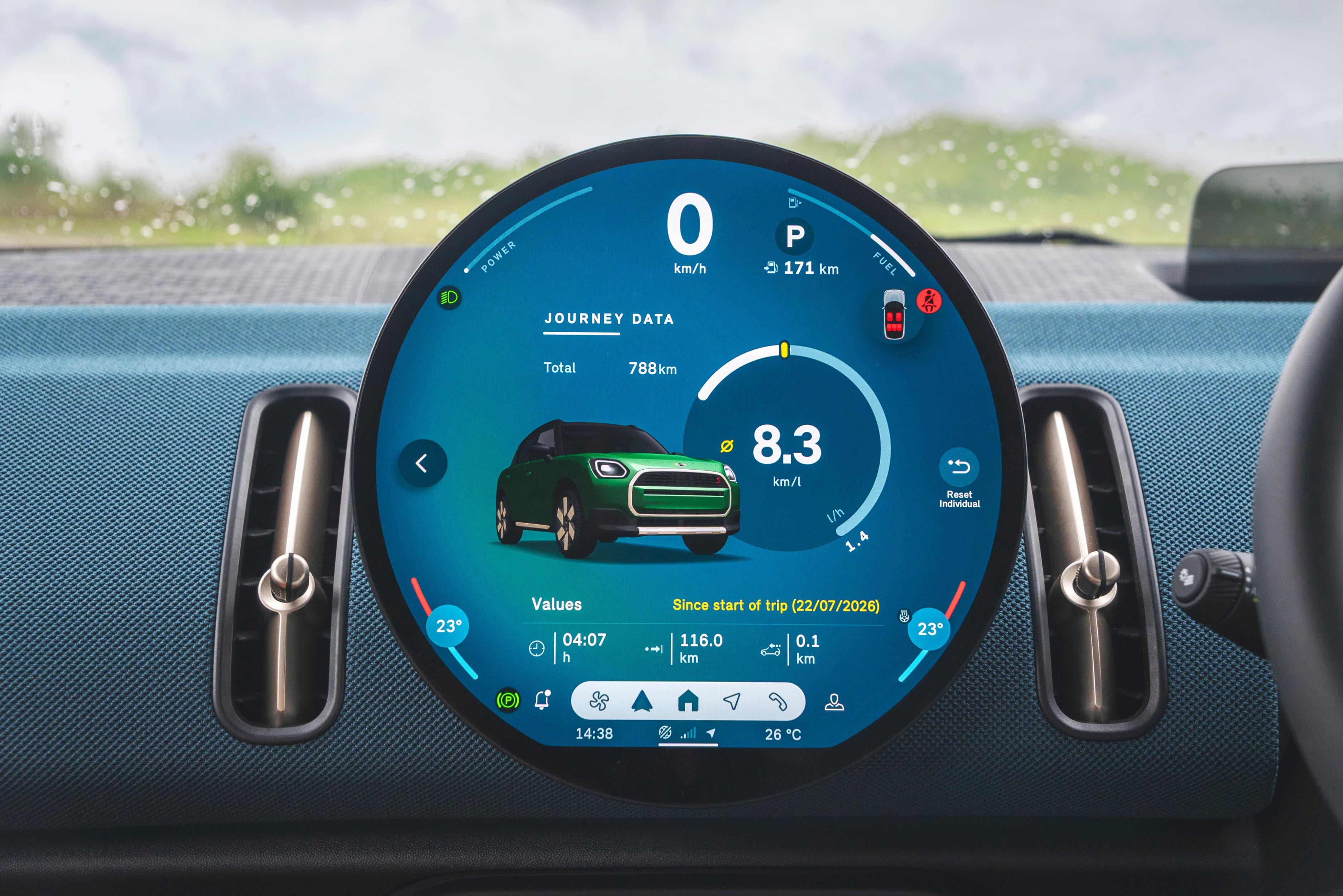
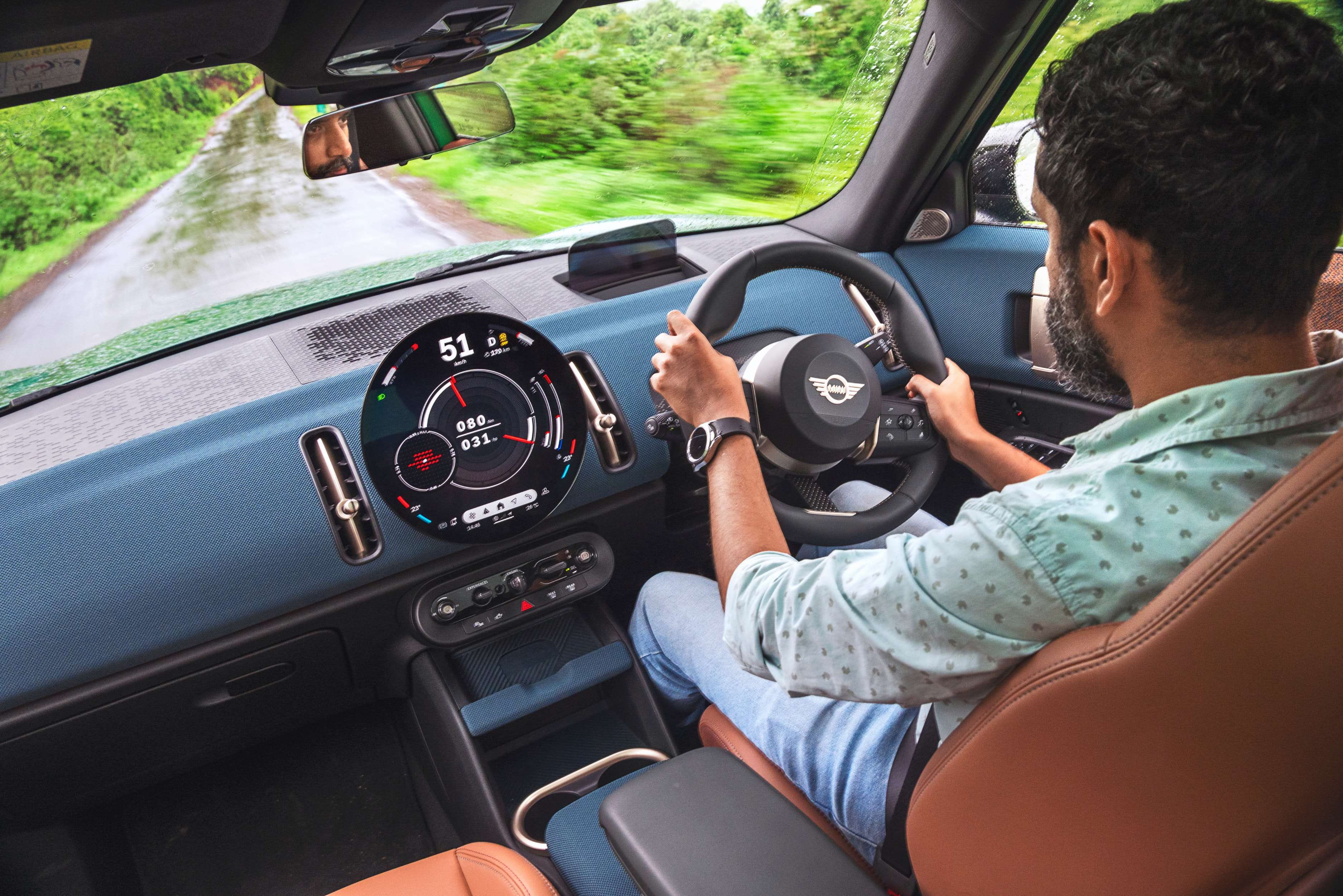
In the front seat, there’s no mistaking this for anything but a Mini, thanks to the clean dashboard with a big circular touchscreen at the centre. While this does function as the speedometer, a nod to the original Mini, there is also a flip-up HUD, which presents the info in your line of sight.
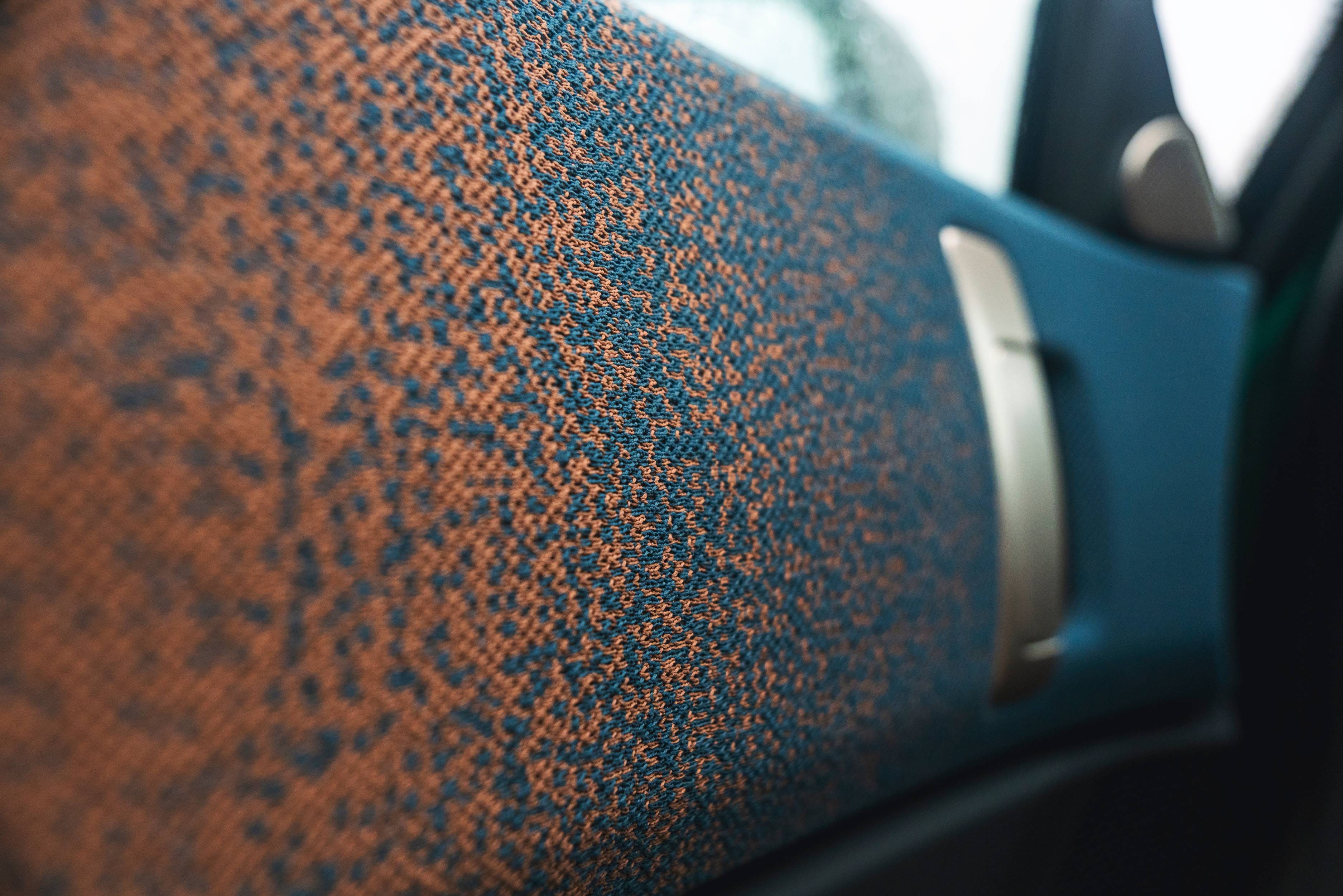
Knitted fabric on the door cards and dashboard lends the cabin an upmarket feel.
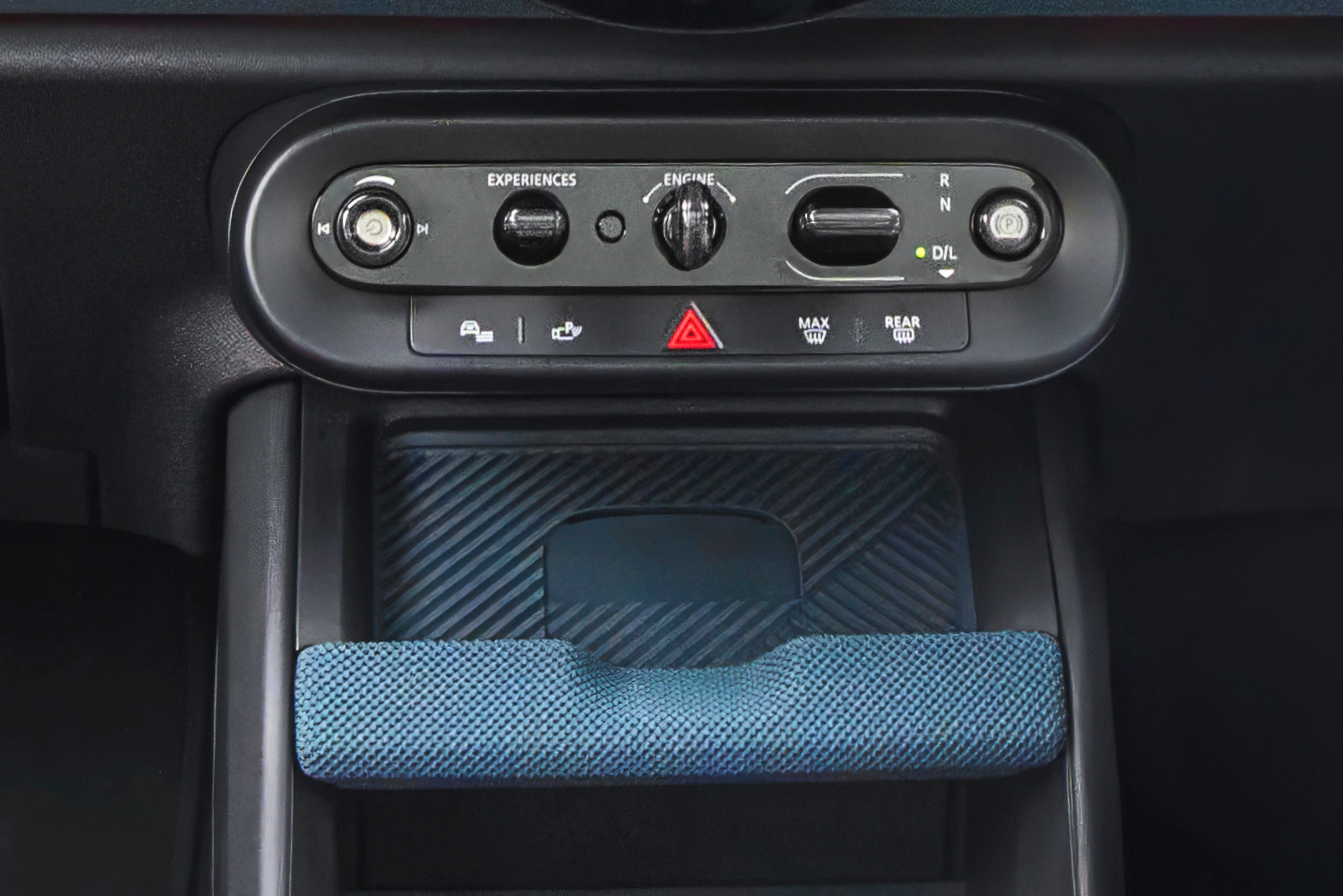
The dash is trimmed in an upmarket-feeling knitted fabric, which then extends onto the door cards, where it blends from blue to brown in colour. There are plenty of uniquely Mini touches, like slim, vertical AC vents, a row of toggle switches to start the car and change modes, more champagne gold trim and vertical inside door handles. But there is also more BMW switchgear than ever before, which, though high quality, looks a bit ordinary.
Storage space and ergonomics are well thought out, with an open centre console, a neat covered storage box and a sliding armrest. The front seats, meanwhile, are large and accommodating and give a commanding view outward.
2026 Mini Countryman C Features and Safety – 8/10
Generously kitted out with lots of standard equipment, on par with rivals.
Edge-to-edge circular screen is responsive, high-res and full of cutesy graphics.
As mentioned before, there is only one variant of the Countryman C, with a fixed features list and no optional add-ons. It’s a generous spec that features more than what some rivals offer, including wireless Apple CarPlay and Android Auto, powered front seats with memory and massage function for the driver, surround camera with auto park function, a Harman/Kardon audio system, heated steering wheel, panoramic sunroof, 13.7-inch diameter OLED touchscreen, heads-up display, voice assistant, wireless phone charging and a digital key system, to name a few.
As seen on all current-generation Minis, the dish-like circular touchscreen is a work of art. Where the previous generation housed a rectangular touchscreen within the circle, the new one is an edge-to-edge circular screen. It’s responsive, bright, high of resolution and full of Mini-typical cutesy graphics. Even the audio cues aren’t like normal cars, with cute ethereal chimes replacing boring warning beeps. There aren’t drive modes but Experience Modes (more on these later), which not only change the colour of the ambient lighting, but the screen display and can even activate certain features, like the seat massage.
Hard buttons only for few functions such as media controls and Experience Modes
However, once the novelty fades, you start to realise this circular design isn’t great ergonomically. While there, thankfully, are hard buttons for music volume and track control, as well as dri- sorry, Experience Modes, AC controls and all other functions are on the screen. With no bezel or edge to rest your hand on, and small, rounded graphics to tap, it is quite tricky to perform basic functions on the move. And as it’s based on BMW’s current i-Drive system, there are far too many sub-menus to go through.
2026 Mini Countryman C Performance and Refinement – 7/10
Downsized turbo-petrol engine lacks the zest associated with a Mini.
Performance feels merely adequate from the 156hp, 1.5-litre turbo-petrol engine.
This car shares its UKL1 architecture with the BMW X1, as well as its 1.5-litre three-cylinder direct-injection turbo-petrol engine. As in the BMW, it produces 156hp and 240Nm, sent to the front wheels via a 7-speed dual-clutch automatic gearbox, and as in the BMW, it feels merely adequate. While easier to digest in the X1, which has long since transitioned from ‘Ultimate Driving Machine’ to comfy family cruiser, the Mini’s go-kart intentions are still on display, and the expectation for more performance is higher.
Like in modern BMWs, the Experience Modes are mostly cosmetic, with only Green (Eco) and Go Kart (Sport) altering drive performance. Expectedly, the former dulls things down, while the latter primes the engine and gearbox to be more reactive, and they work as expected. There is, however, no scope to set individual parameters in any mode; for instance, ESC is off by default in Go Kart mode and you can’t turn it back on.
Gearbox is intuitive and quick, but there’s no manual control whatsover.
Also missed are paddle shifters, or in fact any means of shifting manually, though the gearbox is quite intuitive and quick to shift for the most part. It’s only at crawling speeds where this powertrain falls into the triple-whammy trap of turbo lag, gearbox hesitation and no off-boost power that’s typical of downsized engines. Things improve drastically in the mid-range, where the Countryman C feels most comfortable.
The engine also remains pretty refined for the most part, and it’s only if you absolutely stretch it out that you’re made aware it’s a three-cylinder unit.
2026 Mini Countryman C Mileage and Range – 8/10
Decent for a reasonably large turbocharged petrol luxury SUV.
Fuel economy is officially rated at 15.92kpl.
The advantage of the sizing-down is, of course, fuel economy, which will no doubt be better than with a larger 2.0-litre engine. It’s officially rated at 15.92kpl, which is not bad for a turbo petrol luxury SUV, and you realise that it’s because it’s not too heavy – clocking in at around 1,700kg. Other factors helping this include a quick-acting engine stop/start system and a good drag coefficient of just 0.26. Expect a real-world average comfortably in the two digits. And like all new BMW cars, this one is E25 compliant.
2026 Mini Countryman C Ride Comfort and Handling – 7/10
Still fun, but drives like a big car now; large wheels hurt ride quality.
Handling is a noticeable departure from the Go Kart feel that’s typified all modern Minis.
More so even than the powertrain, the Go Kart feel that’s typified all modern Minis comes from the chassis setup and handling, and this new Countryman represents the first noticeable departure. But that’s not necessarily a bad thing, and is in keeping with its new, more grown-up luxury-SUV persona.
The steering is much lighter and not as tightly wound as before, for a start, and that means despite the increased size, the Countryman is even easier to manoeuvre. What you lose in the process is some urgency in direction changes and some agility, but you don’t mind that thanks to the aforementioned benefits.
It feels reassuring and has great road-holding at highway speeds,
The good news is the suspension setup still allows it to handle corners tidily and with not too much body roll. And this despite being slackened off quite a bit to be noticeably comfier and more compliant than the previous Countryman. It also has great road-holding at high speeds and feels far more reassuring at highway speeds, and the overall sensation is that you’re commandeering a proper SUV rather than a high-riding hatchback. The only spoilsport here are the 19-inch wheels; while they look great, they crash hard through potholes and even over some steeper speed breakers.
2026 Mini Countryman C Price and Verdict – 8/10
Competitive pricing and big space make it a credible rival to other entry luxury SUVs.
The Mini Countryman C is priced at Rs 47.5 lakh (ex-showroom, India) which is incredibly competitive. It ducks under both, the Mercedes GLA and BMW X1, with only the entry-level version of the Audi Q3 being slightly cheaper. The best part is that, where previous locally assembled Countrymans (Countrymen?) felt stripped down compared to their CBU counterparts, here you get a well turned out and generously equipped luxury SUV that doesn’t leave you wanting.
It’s clear that Mini is on a war footing to break into the mainstream, and that’s something it certainly can’t do with its hatchbacks, which remain fun to drive and upmarket, but ultimately niche fashion statements. The Countryman C delivers on space, features, luxury and comfort that’s more than a match for others in the segment, and despite a slightly underwhelming engine, adds some much-needed pizzazz to the ranks of entry level luxury SUVs.
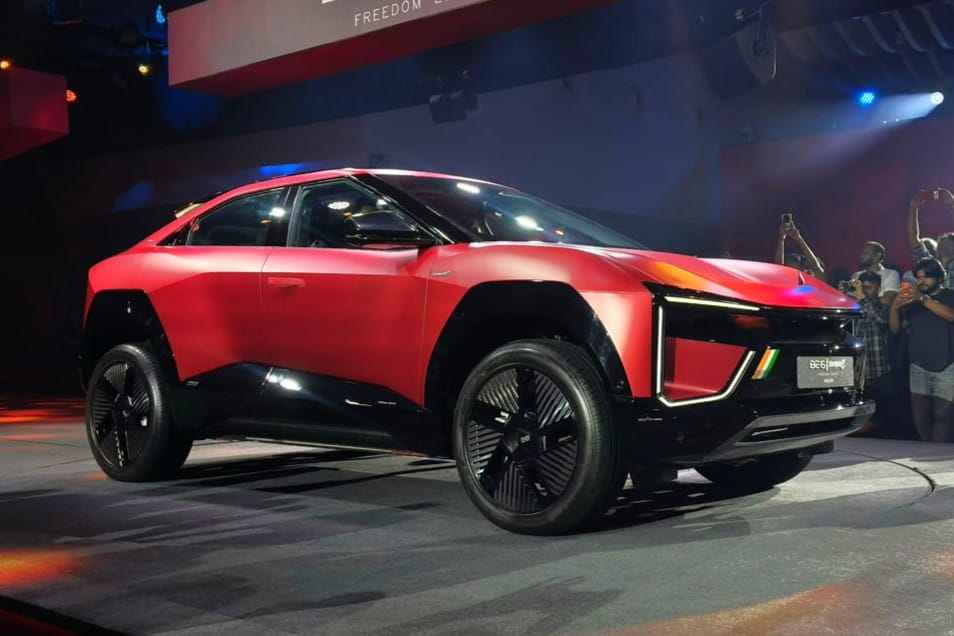
Mahindra has rejigged the line-up of its entry-level born-electric SUV, the BE 6, and added a ‘Sporteq’ suffix to its name. The BE 6 Sporteq also gets some additional features, a new 70kWh battery option, and more. Let’s take an in-depth look at the BE 6 Sporteq line-up.
Mahindra BE 6 Sporteq price and powertrains
Mahindra BE 6 Sporteq price list* (Rs, lakh)
59kWh
70kWh
79kWh
One
19.45
–
–
Two
20.95
–
–
Three
21.95
22.95
–
Three+
–
23.95
24.95
Four / Launch Edition
–
–
26.95
FE
–
–
24.45
FE Four
–
–
26.95
*Exclusive of home charger and installation costs.
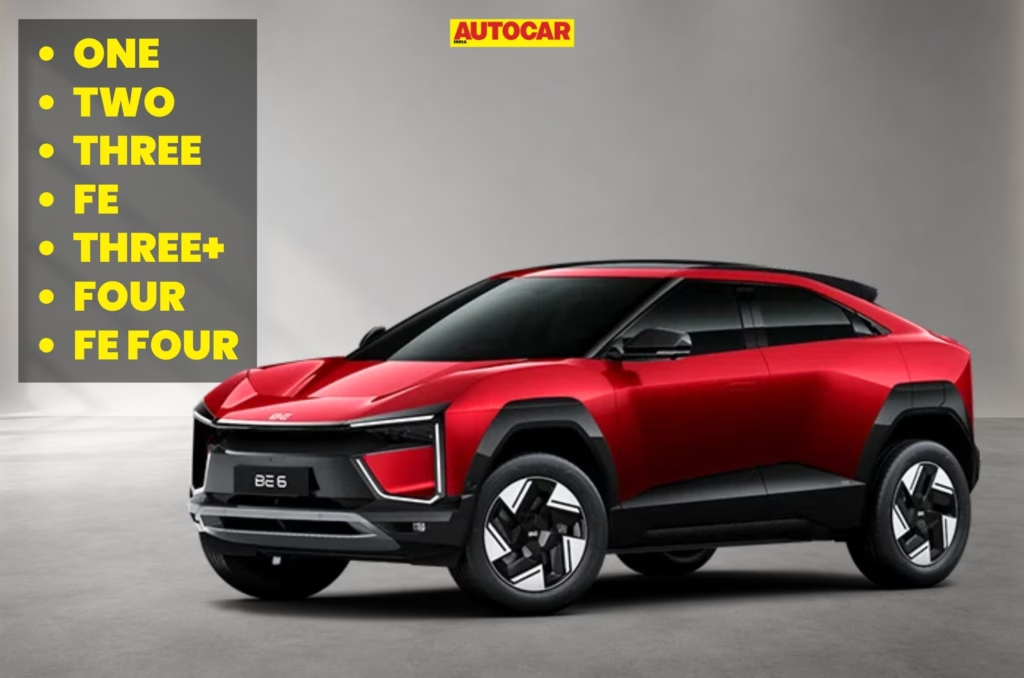
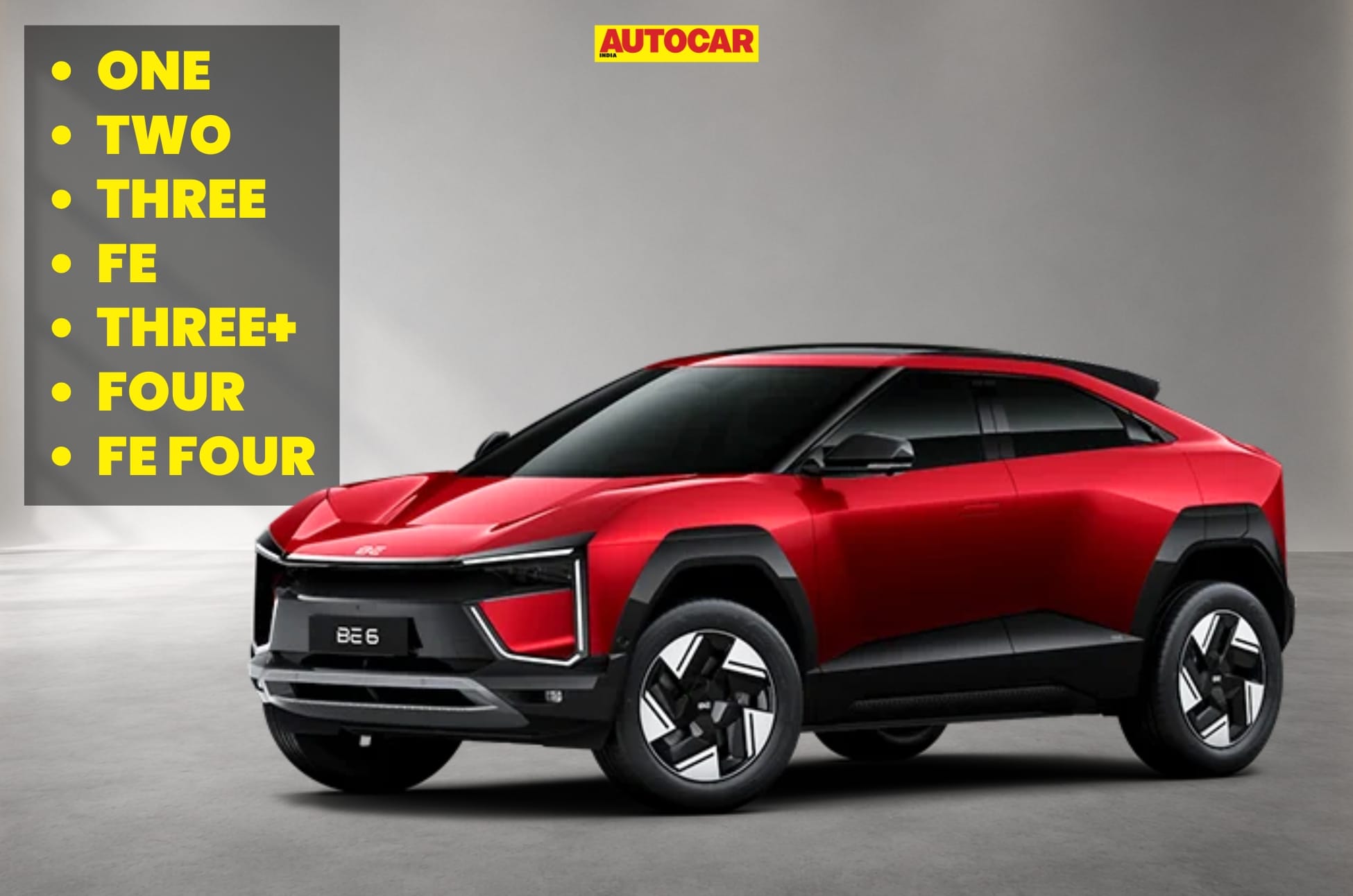
Pricing for the BE 6 Sporteq starts at Rs 19.45 lakh – a Rs 85,000 increase over the outgoing BE 6 – climbing all the way up to Rs 26.95 lakh. Seven BE 6 Sporteq variants are on offer, namely One, Two, Three, Three+, Four, FE, and FE Four. The ‘FE’ trims refer to the BE 6 Sporteq Formula E Freedom Edition, which gets sportier cosmetic tweaks. There’s a Launch Edition of the BE 6 Sporteq too, which is based on the top-spec Four variant and comes with unique exterior and interior finishes.
BaaS now available
Mahindra has also joined the BaaS (battery-as-a-service) bandwagon with the BE 6 Sporteq. With BaaS opted, the price of the lower-spec One and Two variants drops to Rs 11.45 lakh and Rs 12.95 lakh, respectively – a reduction of Rs 8 lakh – and the battery rental fee is pegged at Rs 3.75/km. BaaS pricing for other BE 6 Sporteq variants is yet to be revealed.
Mahindra BE 6 Sporteq powertrain details
59kWh
70kWh
79kWh
Motor setup
Rear
Rear
Rear
Power (hp)
231
245
286
Torque (Nm)
380
380
380
Drive layout
RWD
RWD
RWD
MIDC-claimed range (km)
548
651
683
10-100 percent 7.2kW AC charging (hrs)
8.7
10.2
11.7
10-100 percent 11.2kW AC charging (hrs)
6
7
8
20-80 percent DC charging time (mins)
20 (120kW)
20 (160kW)
20 (180kW)
The BE 6 Sporteq retains the 59kWh and 79kWh battery options of the prior model, but adds the 70kWh pack that was introduced with the Mahindra XEV 9S. As before, all batteries are wired up to a single 380Nm rear-mounted (RWD) motor, outputting 231hp in 59kWh guise, 245hp in 70kWh spec, and 286hp in the 79kWh variants. MIDC-certified range stands at 548km, 651km, and 683km, respectively. All three batteries support 11.2kW and 7.2kW AC charging, while DC charging support is capped at 120kW for the 59kWh, 160kW for the 70kWh, and 180kW for the 79kWh units.
Mahindra BE 6 Sporteq colour options
Mahindra BE 6 Sporteq Formula E Freedom Edition in Rosso Impulso.
Seven exterior colours are available for the standard BE 6 Sporteq, specifically Deep Forest, Desert Myst, Everest White, Firestorm Orange, Ruby Velvet (new addition), Stealth Black, and Tango Red. The FE variants get an exclusive Rosso Impulso finish, but can’t be had with the Deep Forest, Desert Myst, Tango Red, and Ruby Velvet option. Meanwhile, the BE 6 Sporteq Launch Edition comes finished solely in Graphite Storm.
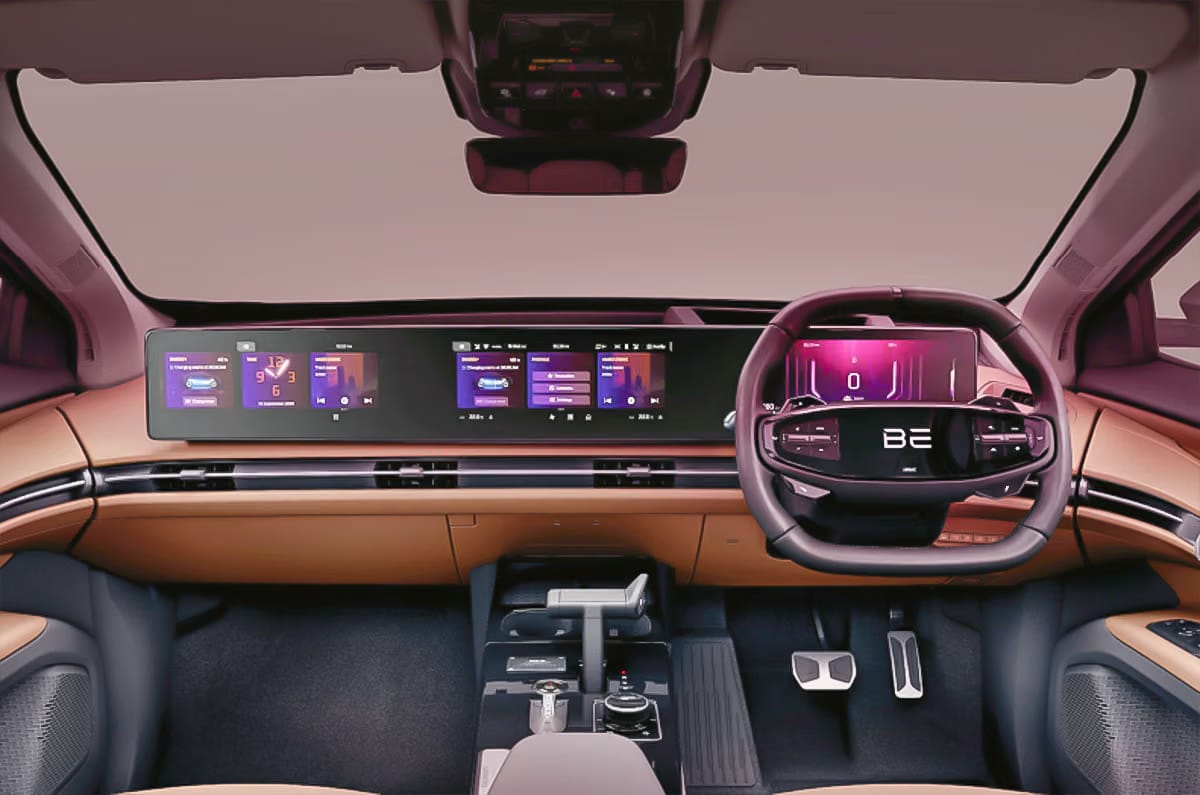
A total of four colour schemes are on offer for the cabin. The base BE Sporteq One variant gets a Sage Green and Grey interior finish, while the Two, Three, Three+, and Four variants are finished in Racing Tan and Black. FE variants offer a unique Black and Firestorm Orange colour scheme, while the Launch Edition gets a Racing Tan finish (pictured).
Mahindra BE 6 Sporteq variant-wise features
One
Battery options: 59kWh
6 airbags
Rear-view camera with parking sensors
Tyre pressure monitoring system
Tyre inflator
Front and rear disc brakes
Rain-sensing wipers
ESP
Brake-by-wire technology
Electronic brake booster
Driver drowsiness detection system
Electronic parking brake
LED headlamps with DRLs
Automatic headlamps
Illuminated Mahindra emblems
LED tail-lamps
Height-adjustable driver’s seat
Push-button start/stop
Tilt and telescopic steering
12.3-inch infotainment touchscreen
12.3-inch digital driver’s display
Halo loop dashboard design
Wireless Android Auto and Apple CarPlay
Steering wheel with physical controls and illuminated Mahindra logo
Revive emergency function (grants extra range at 0 percent battery to reach charging station)
Multi-level regenerative braking
Frequency-dependent dampers
Cruise control
Virtual engine sounds
Connected car tech
Tribe Drive function to keep track of friends/family while on road trips
6-speaker sound system
OTA software updates
Cabin pre-cooling function
Electrically adjustable ORVMs with indicators
Three Type-C USB ports (15W and 65W up front, 65W rear)
Rear demister
Cooled console storage
60:40 split second-row seats with two-step recline
Second-row armrest
Two
Battery options: 59kWh
Features over One
16-speaker Harman Kardon sound system with Dolby Atmos
Digital Key and NFC card support
12.3-inch passenger screen (triple-display setup)
Parental lock for passenger screen
Horizontal dashboard layout
Leatherette-wrapped instrument panel and door trims
Leatherette steering wheel
Leatherette gear selector
540-degree camera (360 degrees + underfloor view)
Manual drive-video recording
TPMS with individual tyre monitoring
Front parking sensors
User profiles with automatic detection
Dual-zone climate control
Auto-dimming IRVM
Auto defogger
Wireless charging pad
Three / FE
Battery options: 59kWh, 70kWh, 79kWh
Features over Two
Fixed panoramic glass roof
LED DRLs with welcome/goodbye animations
Sequential front and rear indicators
Additional Type-C USB port in second row
Acoustic-laminated door glass
6-way powered driver’s seat with memory (Three only)
Ventilated front seats (Three only)
ORVM reverse auto-dip function (Three only)
Adaptive suspension (FE only)
Dual 12.3-inch screens with halo dashboard (FE only)
Unique virtual engine sounds (FE only)
Carpet lamps (FE only)
Three+
Battery options: 70kWh, 79kWh
Features over Three
Auto regen function
C-shaped front LED DRLs with animation
Front fog lamps
C-shaped LED tail lamps
Personalised messaging and animations in rear light bar
Cornering lamps
Auto Booster lamps
Passive keyless entry
Flush door handles
Powered tailgate with gesture control
Music and light show function
Ambient lighting
Carpet lamps
Level 2 ADAS (1 radar, 1 camera)
Second front wireless charging pad
Parcel shelf
Four / FE Four
Battery options: 79kWh
Features over Three+
Adaptive suspension
Knee airbag (7 airbags total)
Google Gemini integration in infotainment system
Gaming and karaoke suites
Private audio function (routes infotainment audio to Bluetooth device)
Dolby Vision
Heads-up display
Auto park assist
Cabin air purifier
Ambient lighting elements in panoramic glass roof
Level 2+ ADAS (5 radars, 1 camera)
Dashcam function with Intrusion Alert
Approach and walk-away lock/unlock
One-touch auto up/down driver window
Touch-capacitive start/stop button (FE Four only)
Touch-capacitive virtual engine sound button (FE Four only)
Dual 12.3-inch displays with halo dashboard (FE Four only)
Which Mahindra BE 6 Sporteq variant should you buy?
Three is our value pick
The BE 6 Sporteq Three variant offers the best value and most choice in the line-up. It gets all the crucial safety kit from the One and Two varants, you can choose from all three battery options, and the sportier-looking FE variant is available as an alternative too. Moreover, the BE 6 Sporteq Three packs nice-to-have goodies like a triple-screen setup, panoramic glass roof, ventilated front seats, a powered driver’s seat, welcome/goodbye sequences for the DRLs, and more.
रितेश हिंडोचा को 3 साल की उम्र में Down Syndrome होने का पता चला। लेकिन उनके परिवार ने उन्हें कभी सीमाओं में नहीं बाँधा। Swimming, Speech Classes, Sports, लोगों से जुड़ना, हर कदम ने उनका आत्मविश्वास बढ़ाया।
45 साल की उम्र में भी रितेश उसी जोश के साथ ज़िंदगी जीते हैं। Covid के दौरान शुरू हुआ उनका Instagram आज लाखों लोगों तक मुस्कान और उम्मीद पहुँचा रहा है। इतना ही नहीं, उन्होंने आमिर खान की फिल्म ‘सितारे ज़मीन पर’ में भी काम किया।
रितेश की कहानी याद दिलाती है कि सही साथ, प्यार और भरोसा किसी भी Diagnosis से बड़ा हो सकता है।
@riteshhindocha
Person with Down Syndrome Achievement, Family Support for Down Syndrome Child, Down Syndrome Influencer
खुलकर जीना सिखाते हैं ये Down Syndrome कलाकार | Ritesh Hindocha