2026 Tata Sierra EV review: Rough with the smooth

Tata Sierra EV

We’ve said in the past, the Sierra is the best Tata model on sale currently, representing the best of the brand’s learnings over the years. We’ve also said Tata’s electric powertrains are better than the equivalent combustion engines on offer. So, combine the two, and it’s undoubtedly a winning formula. But with EV tech and customer expectations moving so rapidly these days, is that necessarily a foregone conclusion?

2026 Tata Sierra EV exterior design and engineering – 9/10

Retains the ICE version’s sharp looks and practicality while incorporating a large battery.
Tata Sierra EV

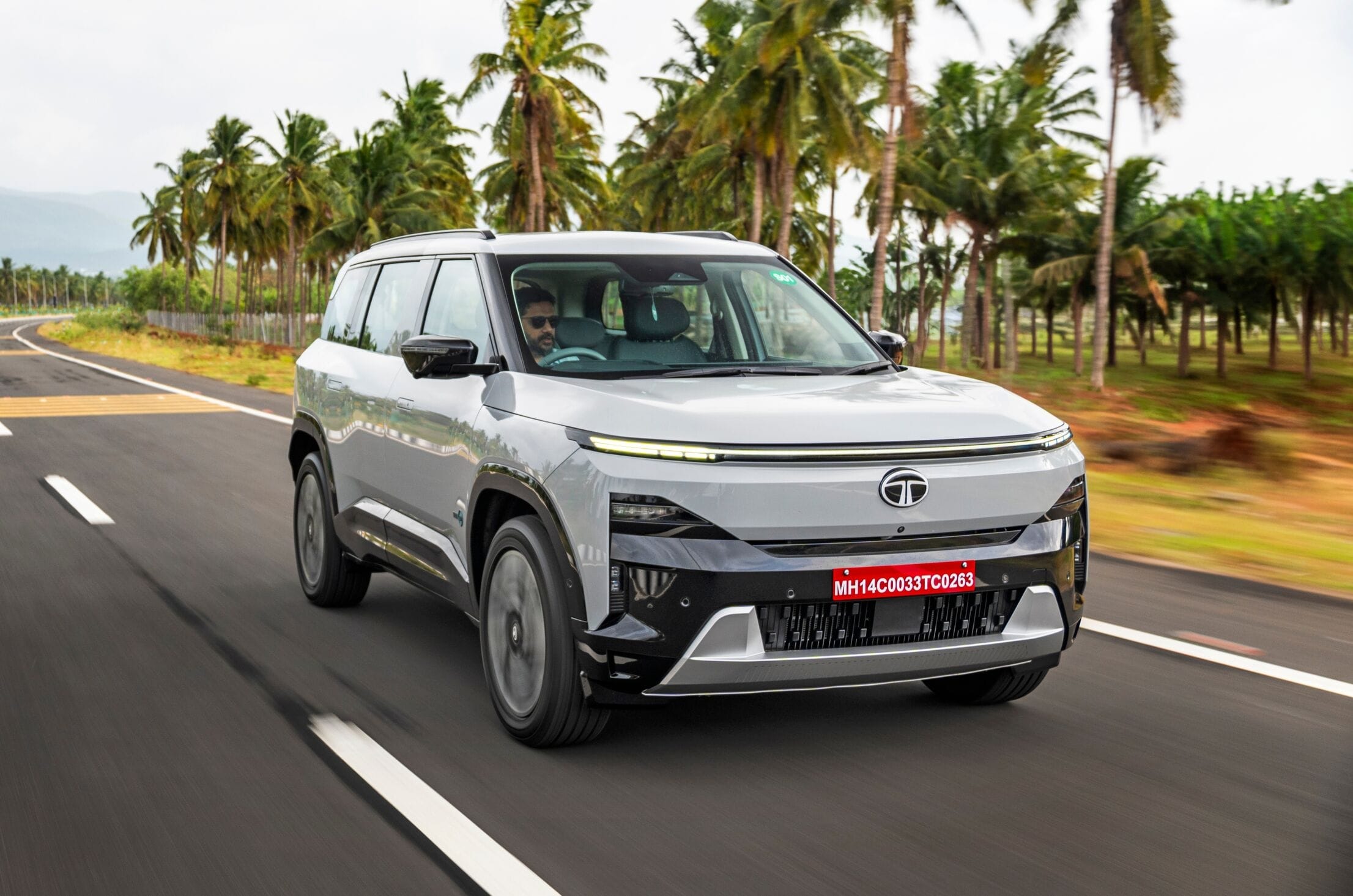
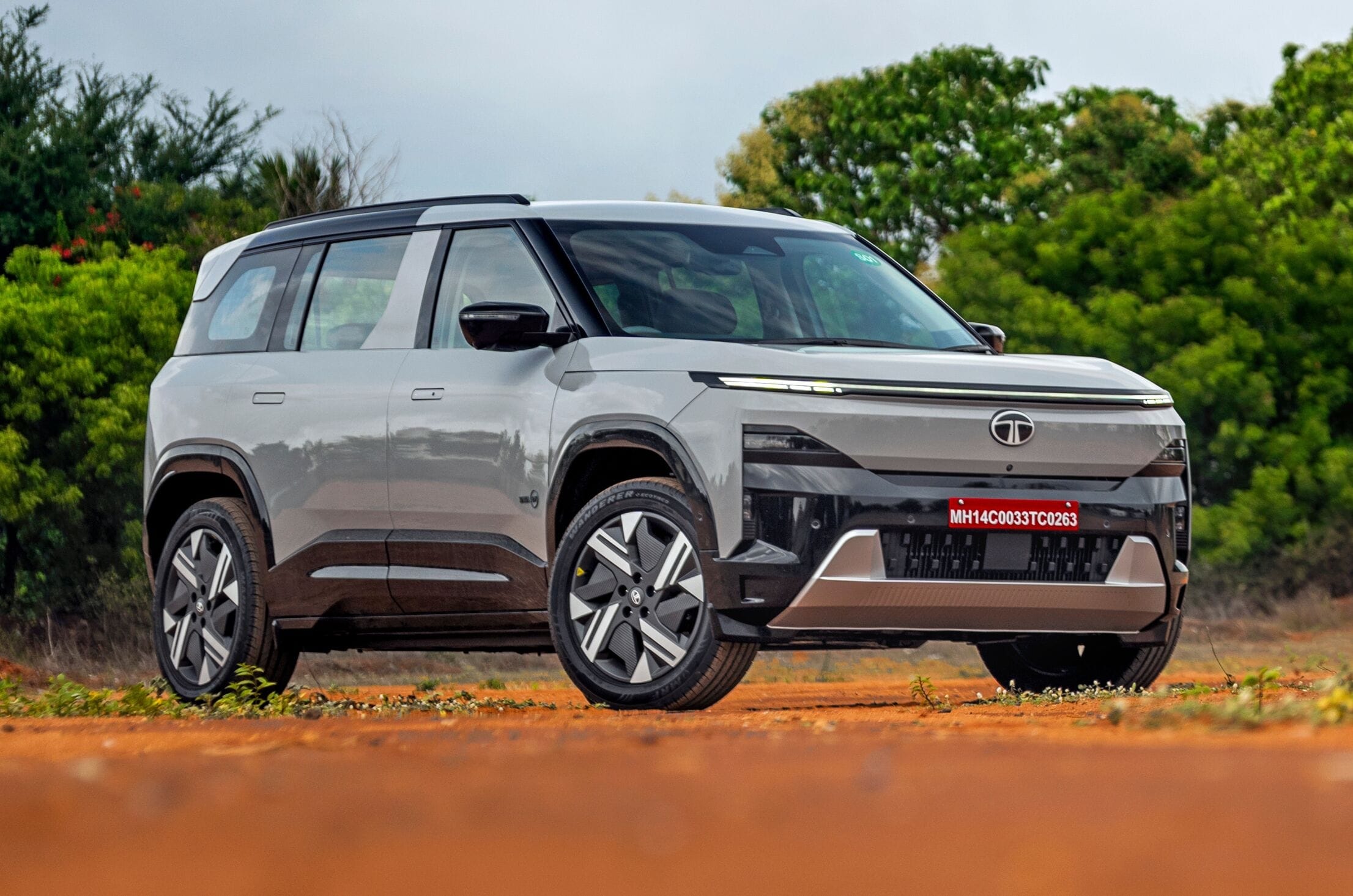
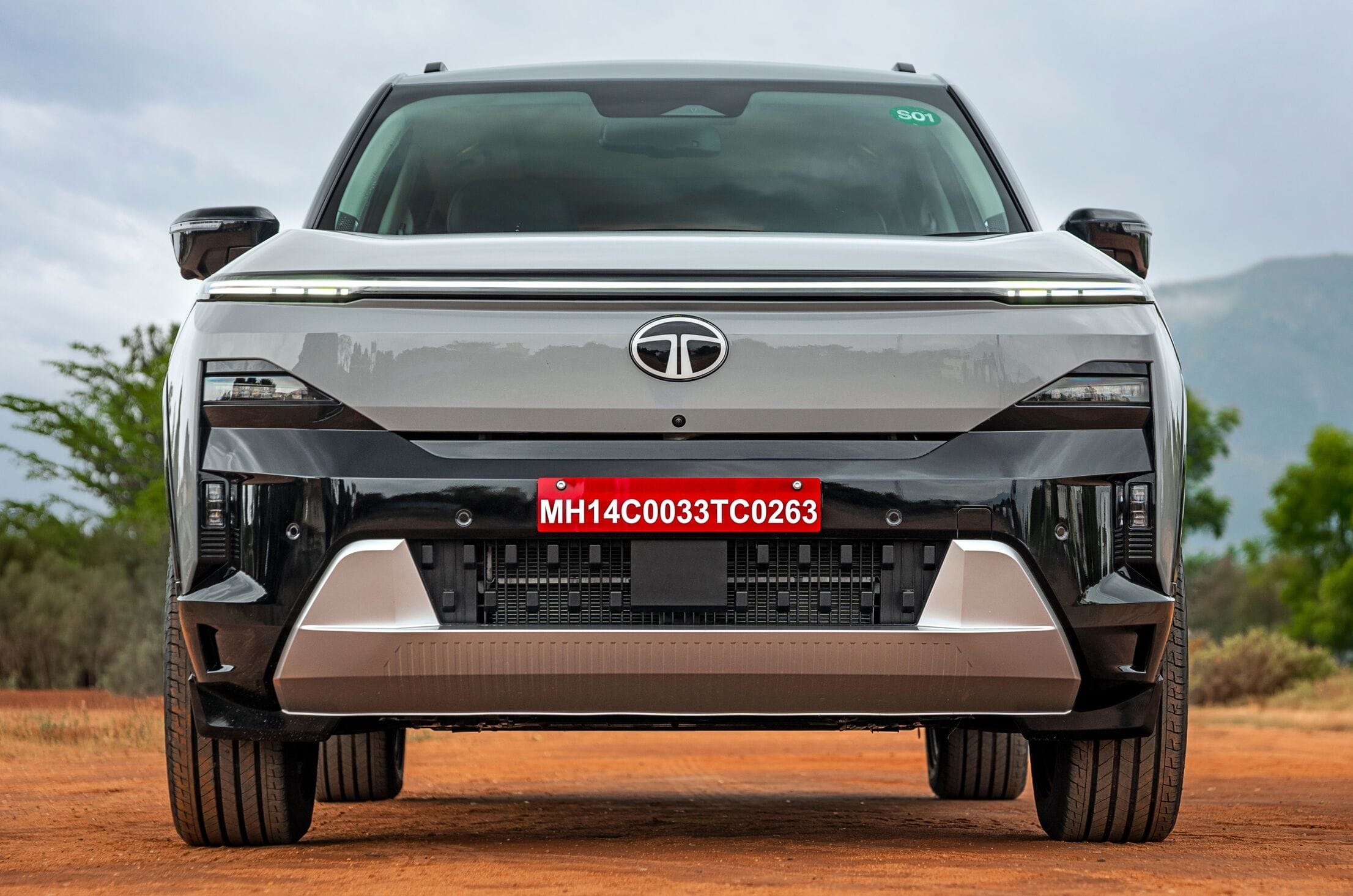
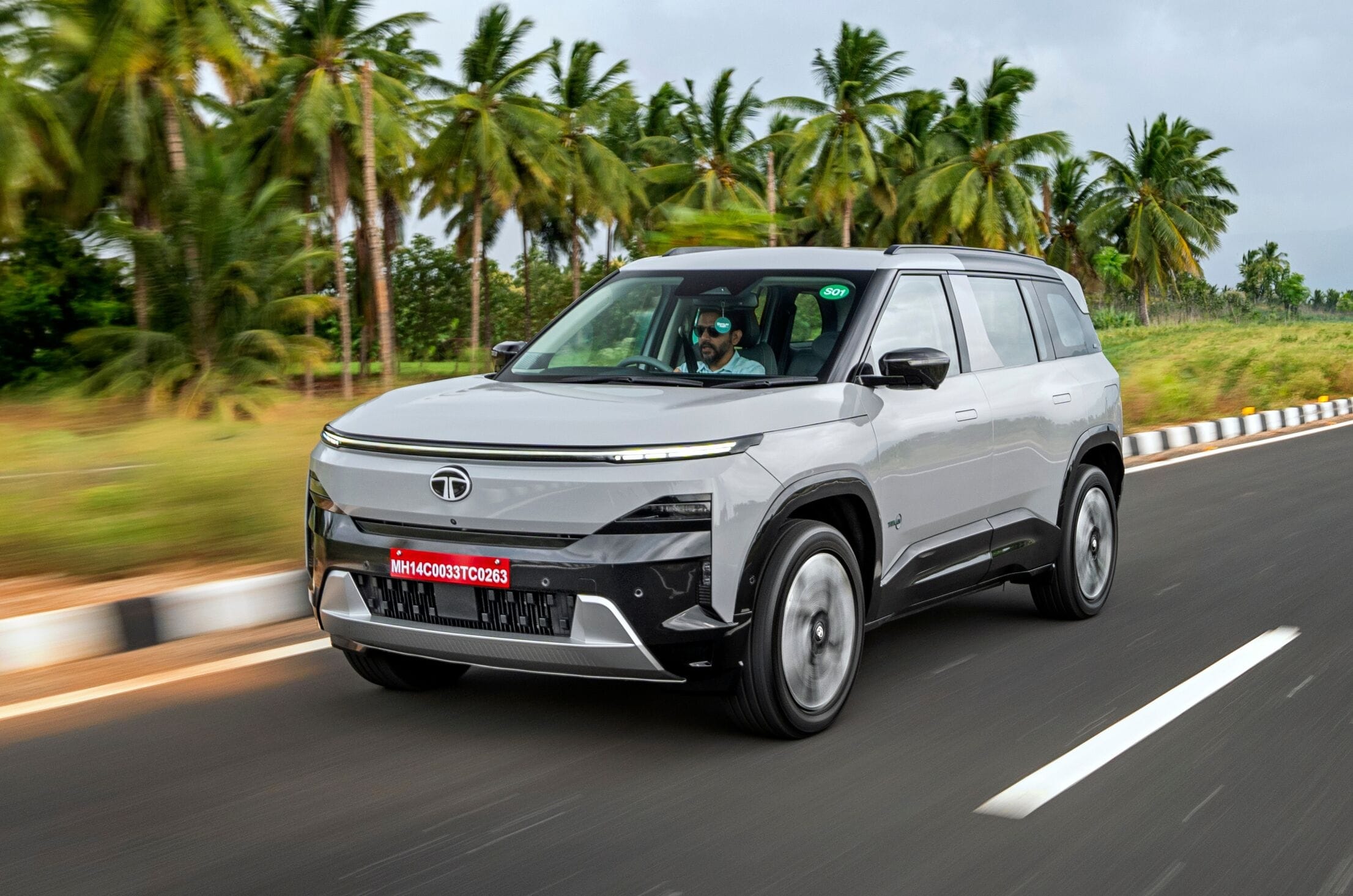
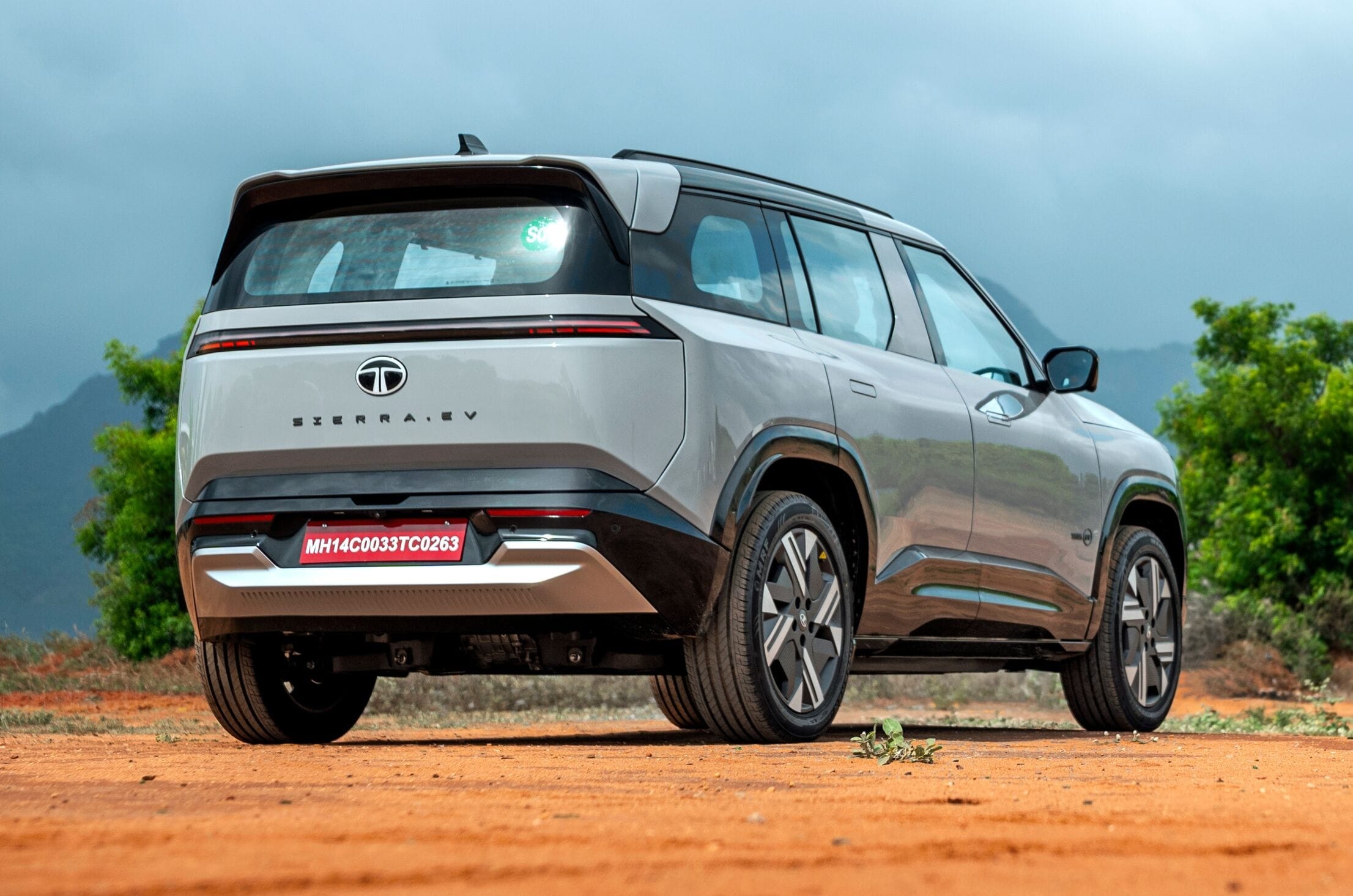
The new Sierra is a bold piece of design, and this has been carried over to – and perhaps even improved – on the electric version. It’s a welcome departure from the notion that all EVs need to be shaped like bars of soap for better aero efficiency. Instead, it is upright and boxy, albeit smoothed out just enough for air to flow over it a bit better.
Tata Sierra EV

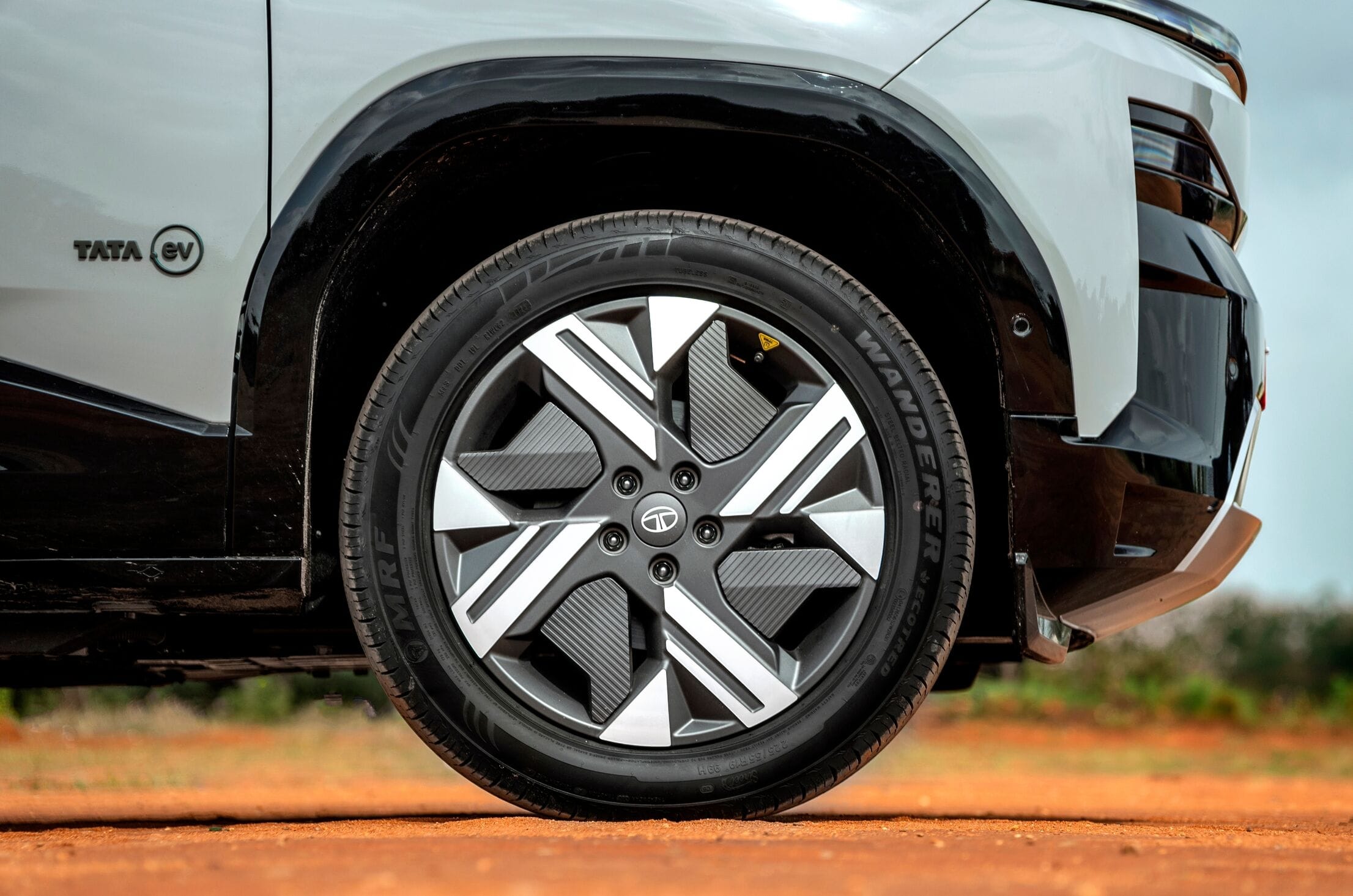
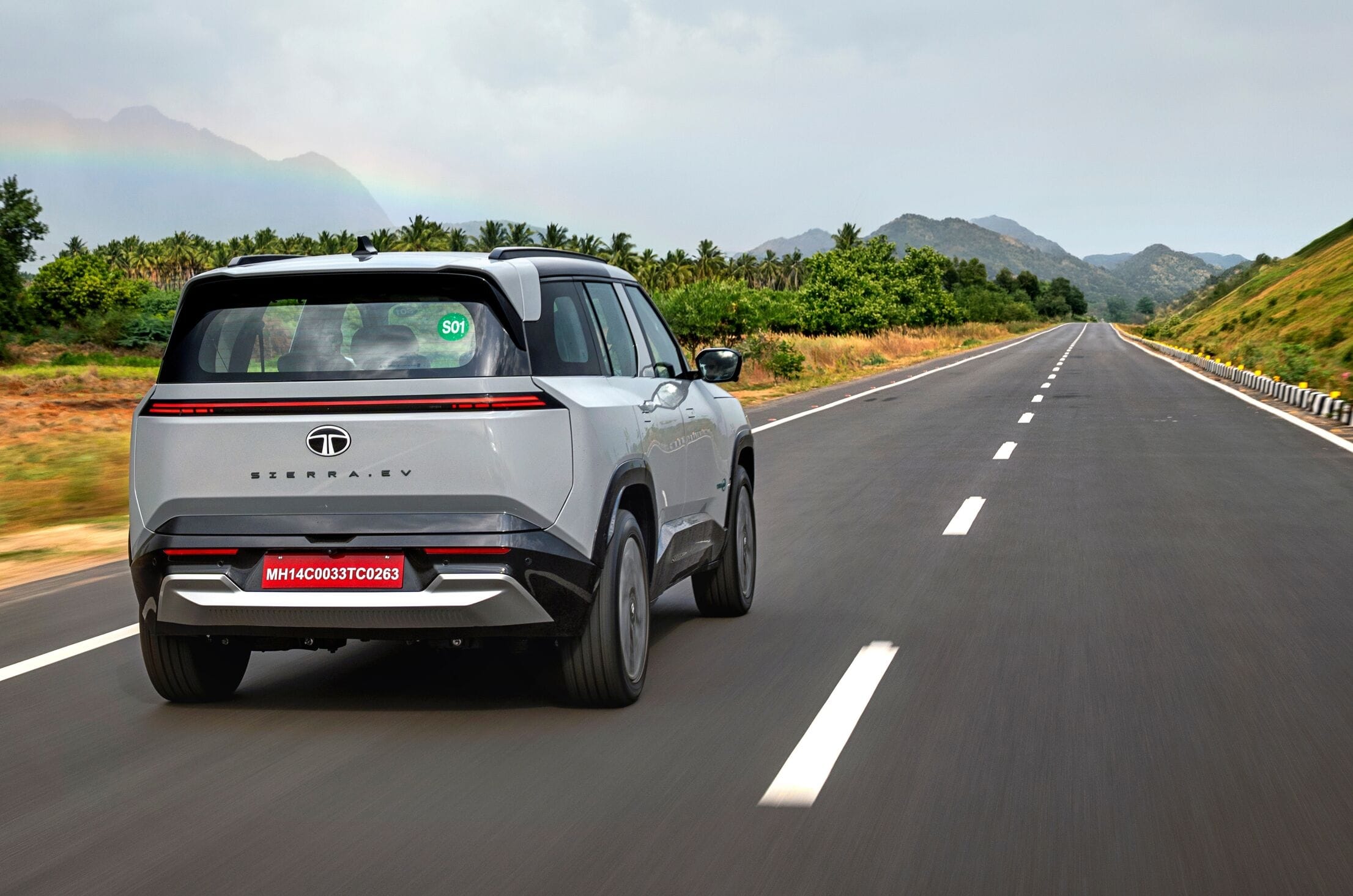
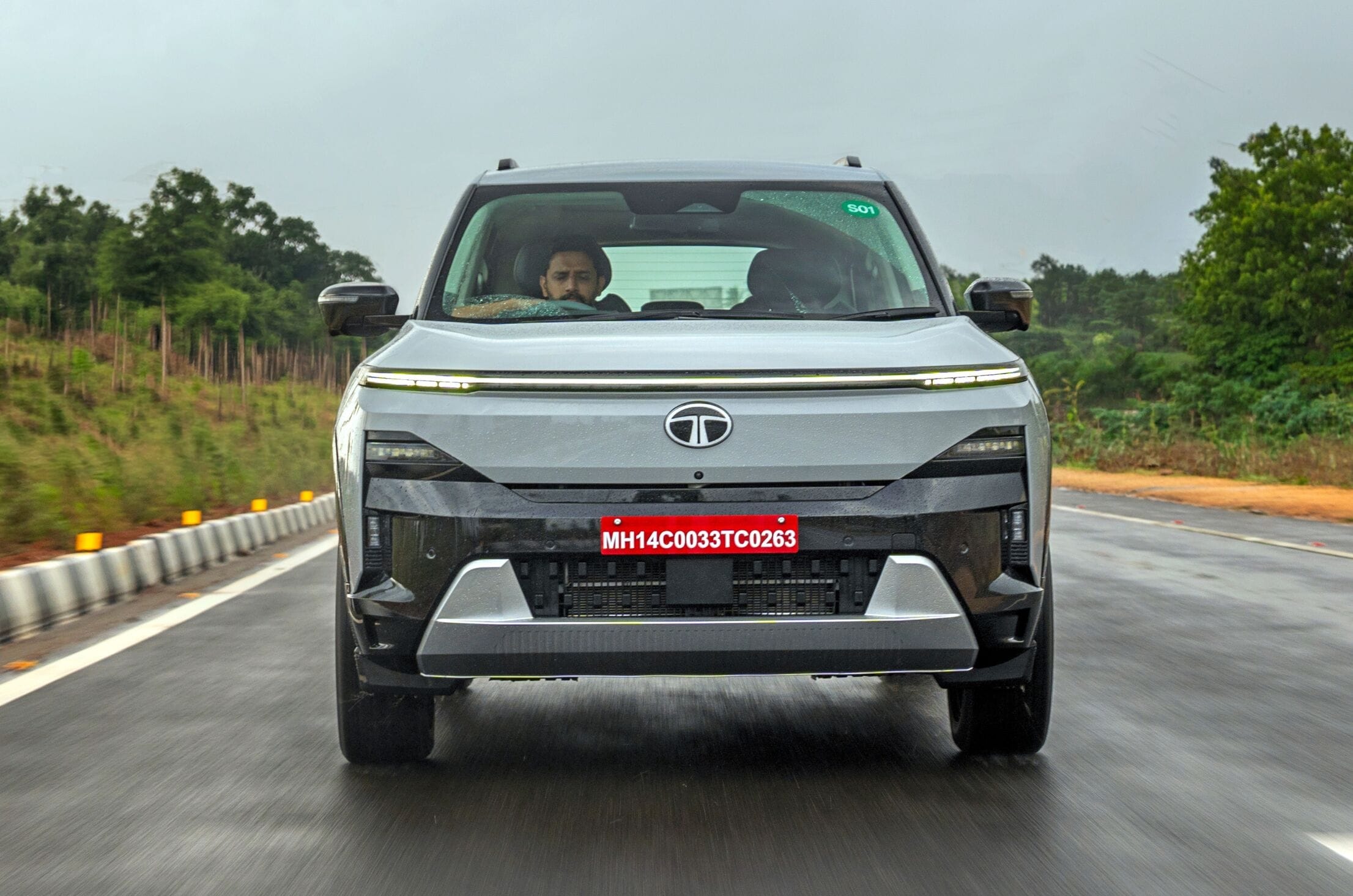
The difference is up front, where the gloss black surround for the headlamps found in the ICE version has been replaced by a body-coloured panel to give that EV-typical ‘grille-less’ look. For contrast, the gloss black treatment has been applied lower down in the bumper instead. Perhaps the wheels could have been more different – they are the same design as the ICE model, albeit in a matte finish rather than gloss. The badges now say ‘Sierra.ev’ on the sides and rear, and have a blue-coloured outer edge.
Tata Sierra EV

To the untrained eye, it might not immediately be apparent which version is which, but conversely, this is unmistakably a Sierra, and that is perhaps more important.

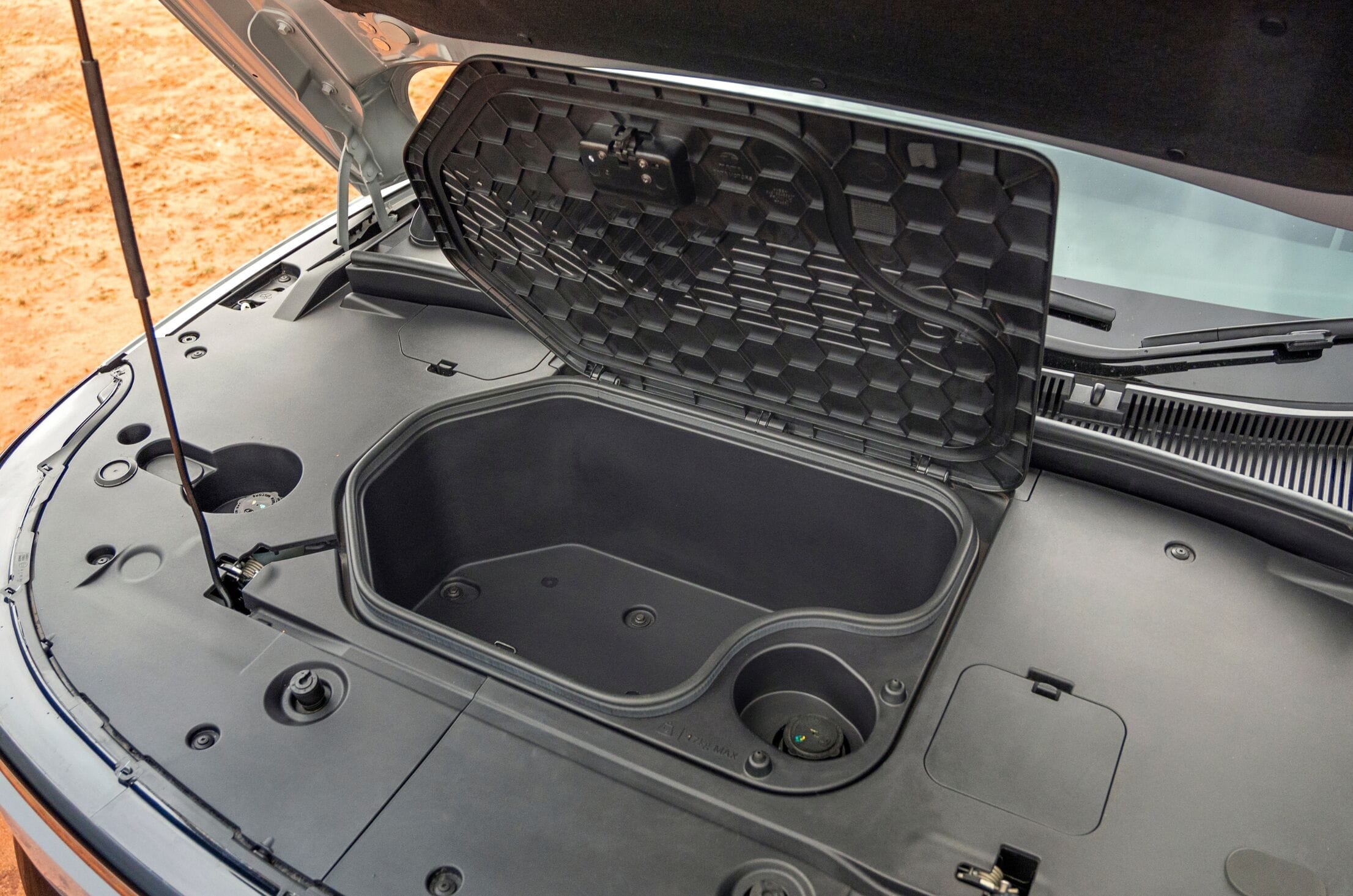
Little practicality has been lost in the move to electric; in fact, some has been gained. Almost as if to drive the point home that, despite the similar looks, this is a pure EV underneath, it gets a frunk that holds 55 litres in the single-motor models, and 35 litres in the dual-motor version. Good enough for the charging cable or small valuables you don’t want to keep in the main boot. 
Tata Sierra EV

There’s also still 205mm of ground clearance, despite the battery pack, and thanks to its use of prismatic cells and C2P (cell to pack) packaging, it doesn’t weigh or impede on cabin and boot space as much as conventional batteries of similar capacity (like the ones in the Harrier EV).

2026 Tata Sierra EV interior space and comfort – 7/10

Superb space and comfort, though quality inconsistencies and ergonomic gaffes remain.
Tata Sierra EV

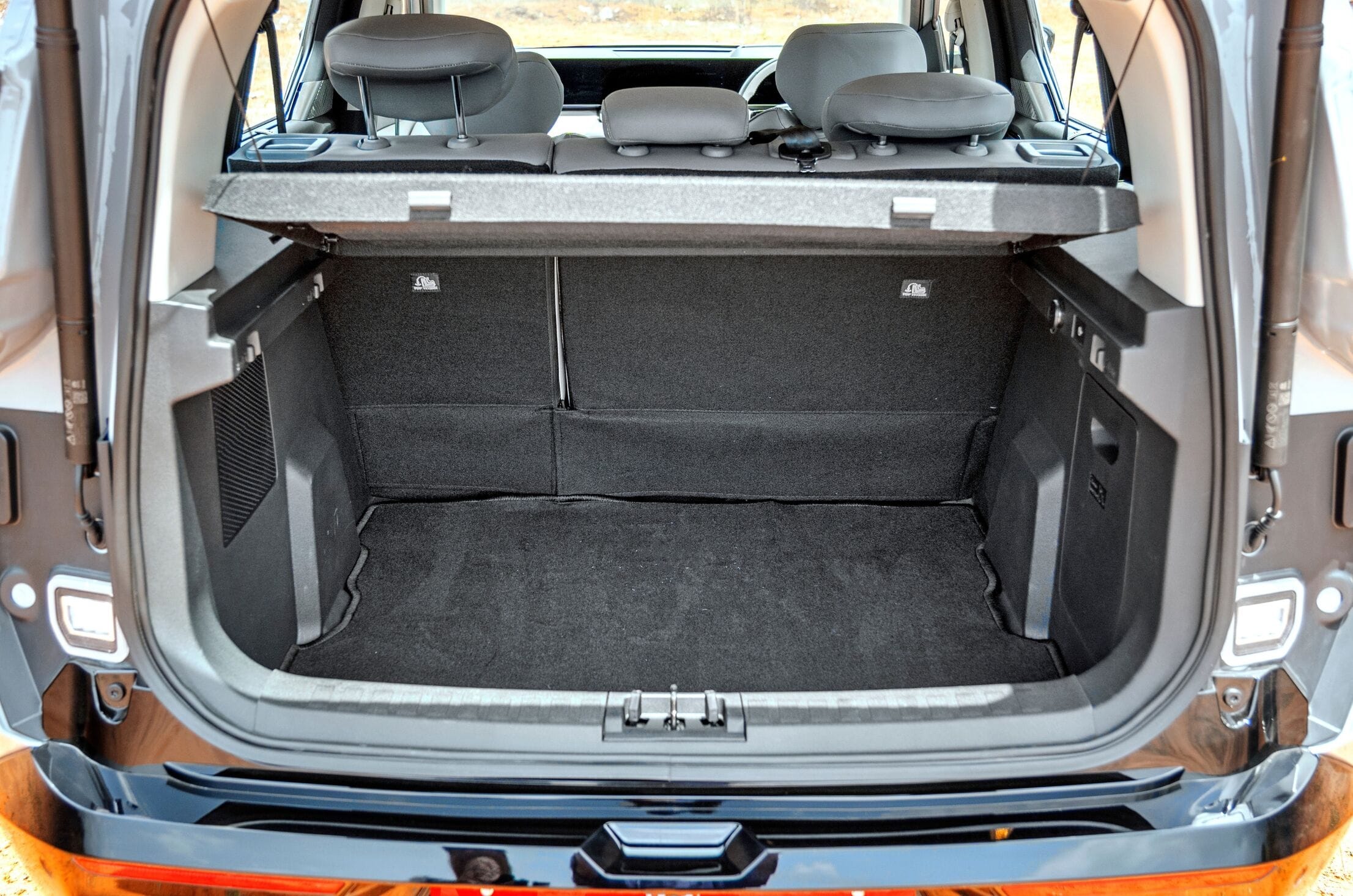
However, while boot space has been retained at a cavernous 622 litres (floor to roof), a casualty of the battery pack is the spare wheel, which was previously mounted under the body. You now only get a puncture repair kit.
Tata Sierra EV

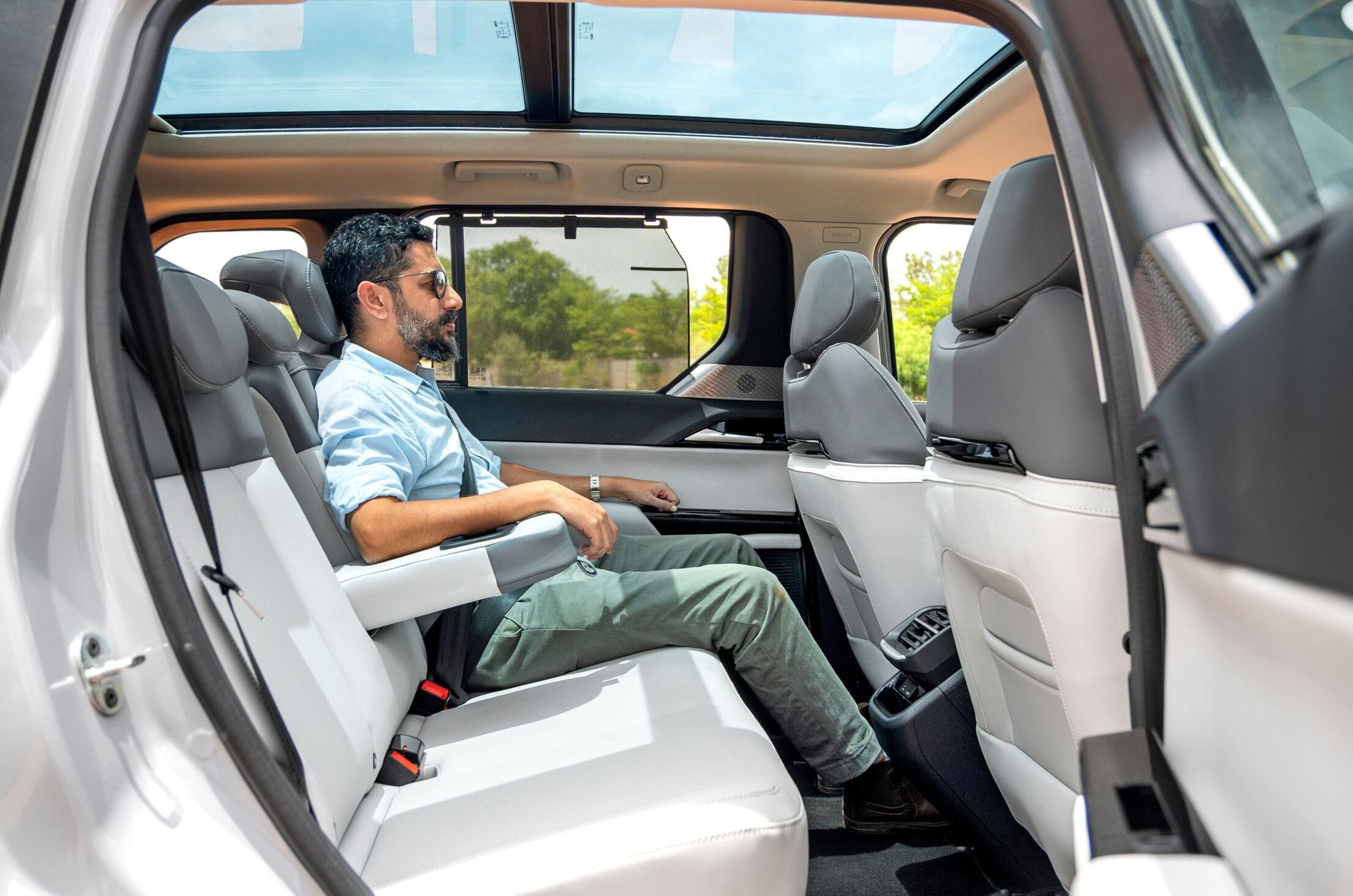
There’s seemingly no compromise to space or comfort in the cabin in the move to electric power. Engineers say the floor height has gone up by less than an inch compared to the ICE Sierra, and in truth there is no perceptible difference when you’re sat in the back seat. It remains spacious and comfortable, and even gets a small amount of backrest recline. The awkward L-shaped B-pillar returns, leaving a conspicuous gap next to the sun blind that could have easily been avoided. As before, you get a gigantic sunroof on top-spec trims that lets in a lot of light.
Tata Sierra EV

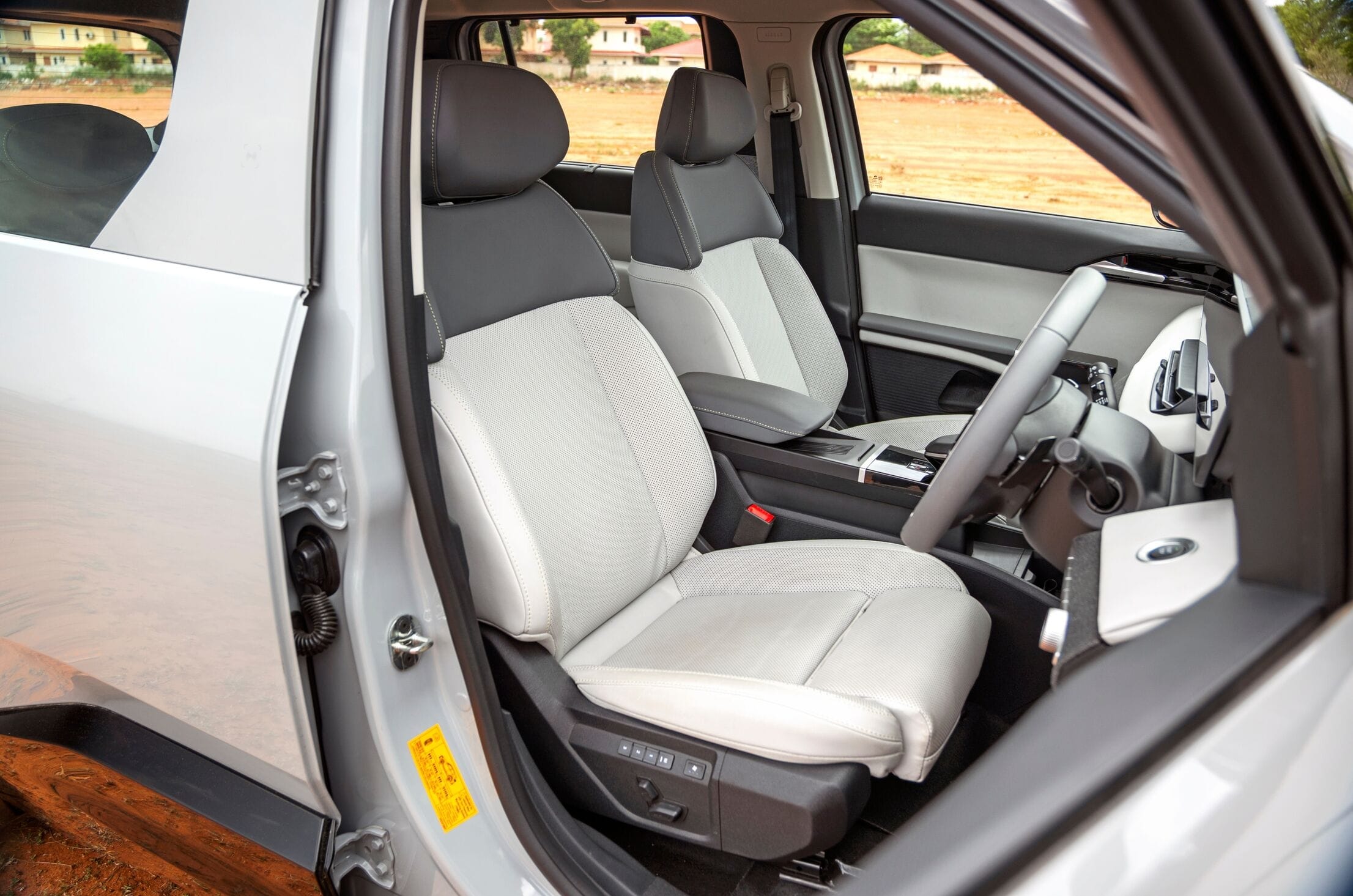
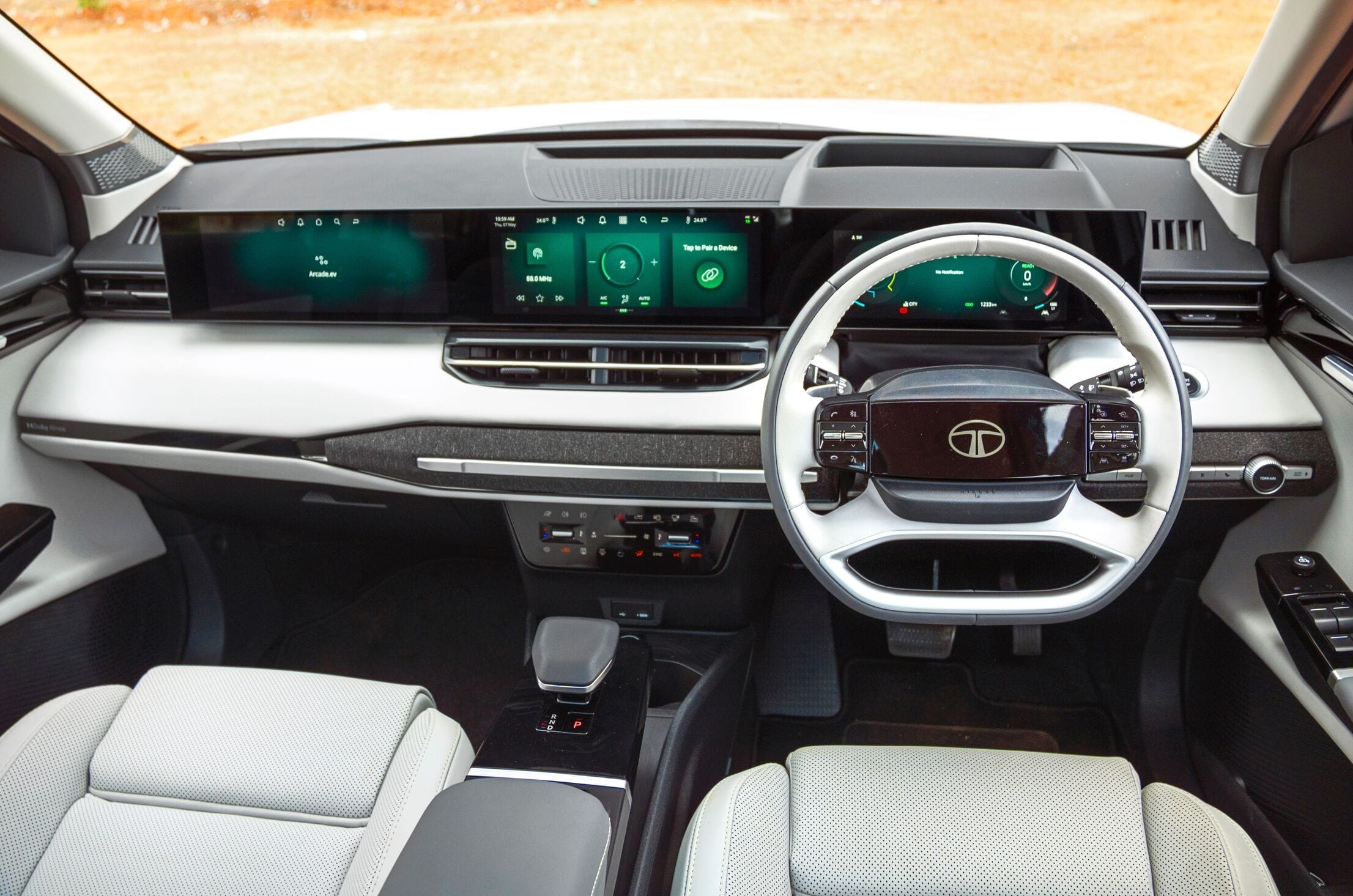
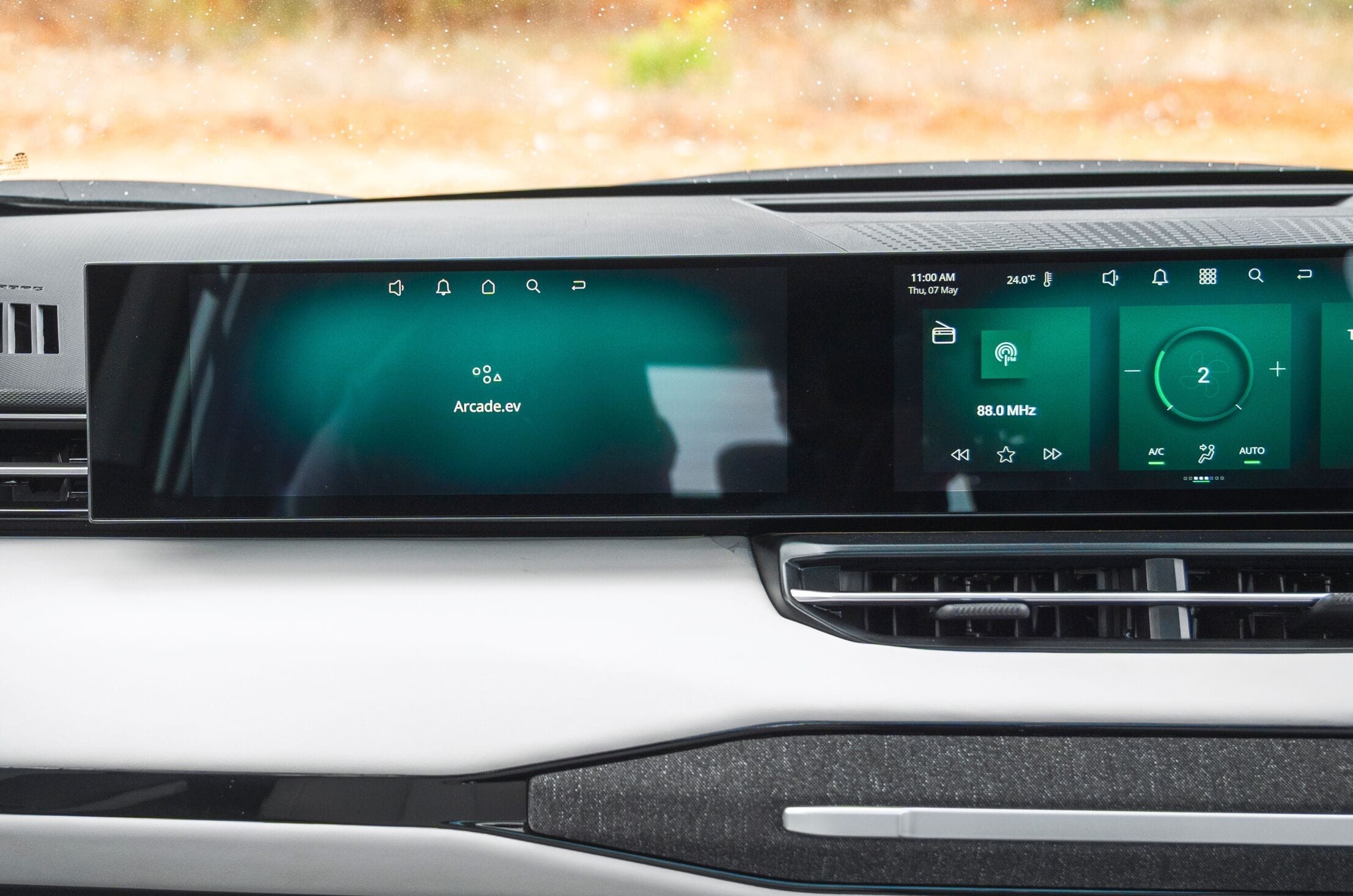
Up front, the lounge-like ambiance remains, with a cream-coloured, leatherette-bound dashboard and a textured fabric surface for the ‘sound bar’ central speaker. The three-screen stack adds a techy vibe to this atmosphere, and between the seats is a pedestal for the drive selector. The front seats are very comfortable and offer a good amount of shoulder support – something often overlooked in seat design.
Tata Sierra EV

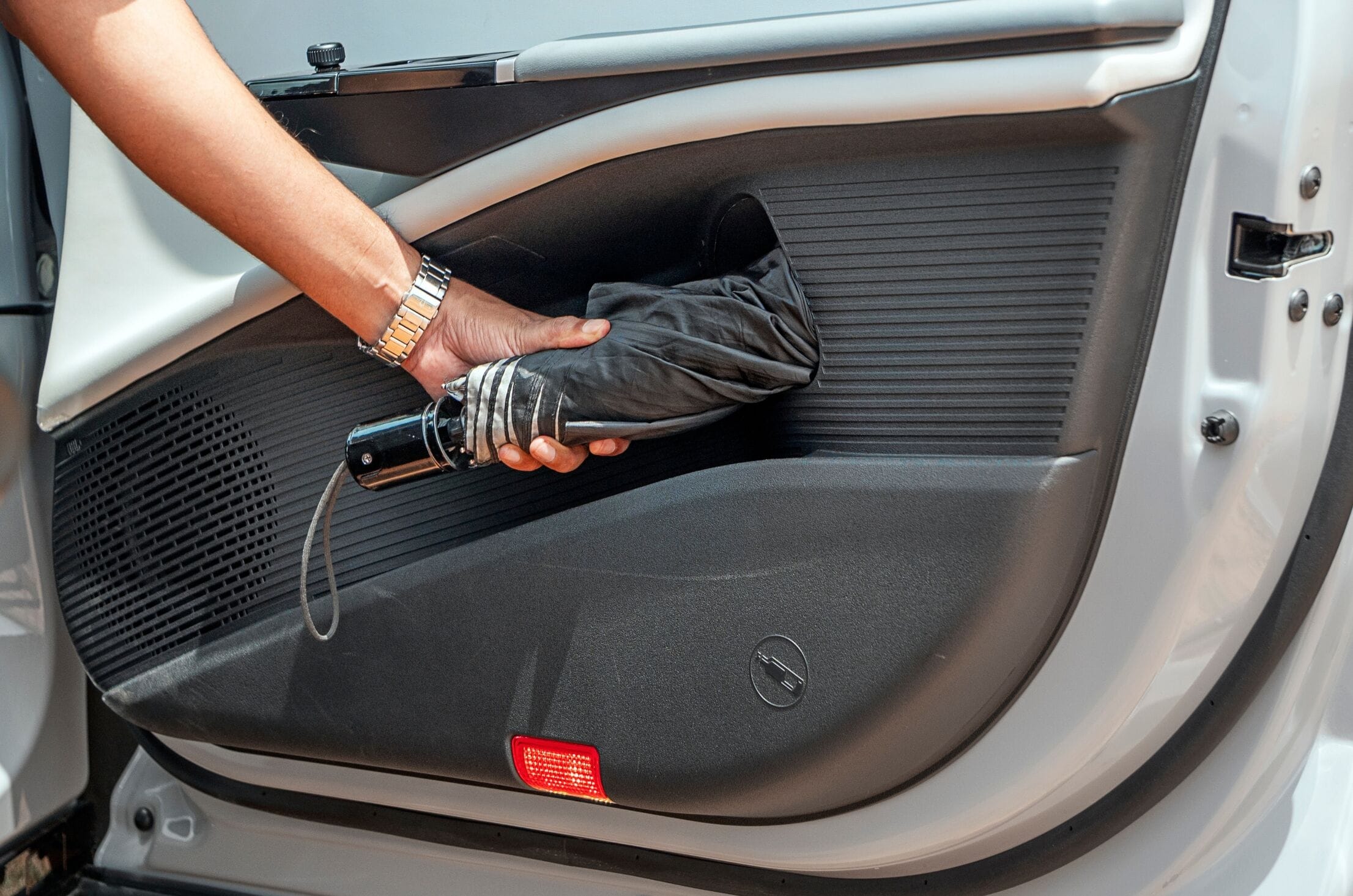
For every soft surface and attractive trim piece, however, there is visible hard plastic, rough edges, crooked stitching and misaligned panel fit, which are an eyesore, especially at this price. And while the design is attractive, its execution could have been far better considered from a practicality and ergonomics standpoint. For example, the pedestal-mounted drive selector is set at a comfortable height, but wastes the space below it. Consequently, the storage box behind it is narrow, tall and harder to reach, while the cupholders are tiny and forced to the base of the dashboard. And while the inclusion of small umbrella holders in the door cards is a nice touch, there is no drain plug, so surplus water will collect in the door pockets. Good intentions; poor execution.

2026 Tata Sierra EV features and safety – 9/10

Packed to the gills with safety and tech, more so even than the ICE version.
Tata Sierra EV

Tata in the last few years has caught up to the features freight train that has the Indian car industry in a stranglehold. The Sierra EV is, thus, one of if not the best equipped in its segment, with every conceivable gizmo imaginable on the top-spec Empowered A variant. And as always, the EV gets a small edge on its ICE counterpart, which comes in the form of a powered front passenger seat, as well as an HUD alongside the three-screen layout (instead of either one or the other).
Tata Sierra EV

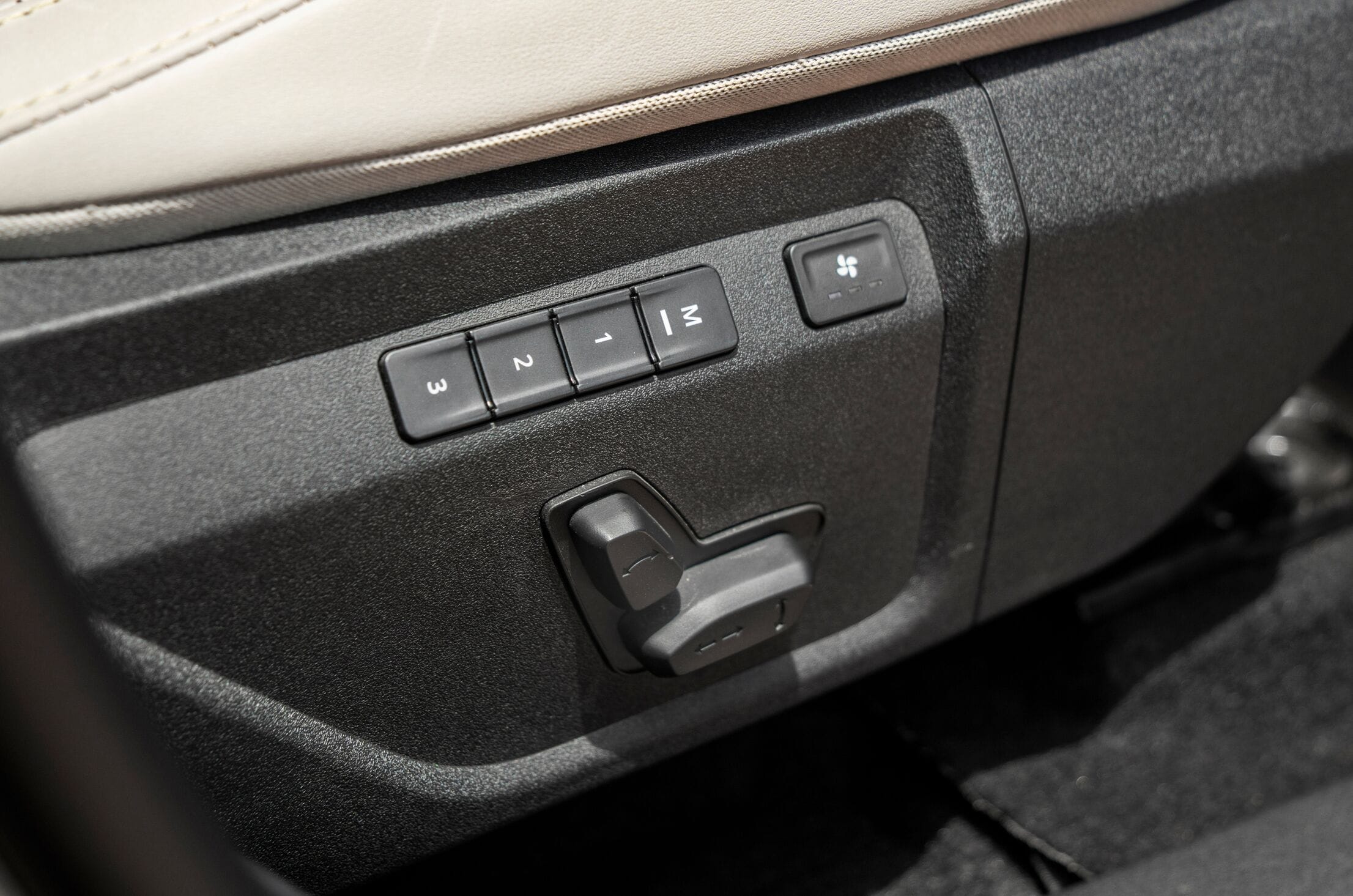
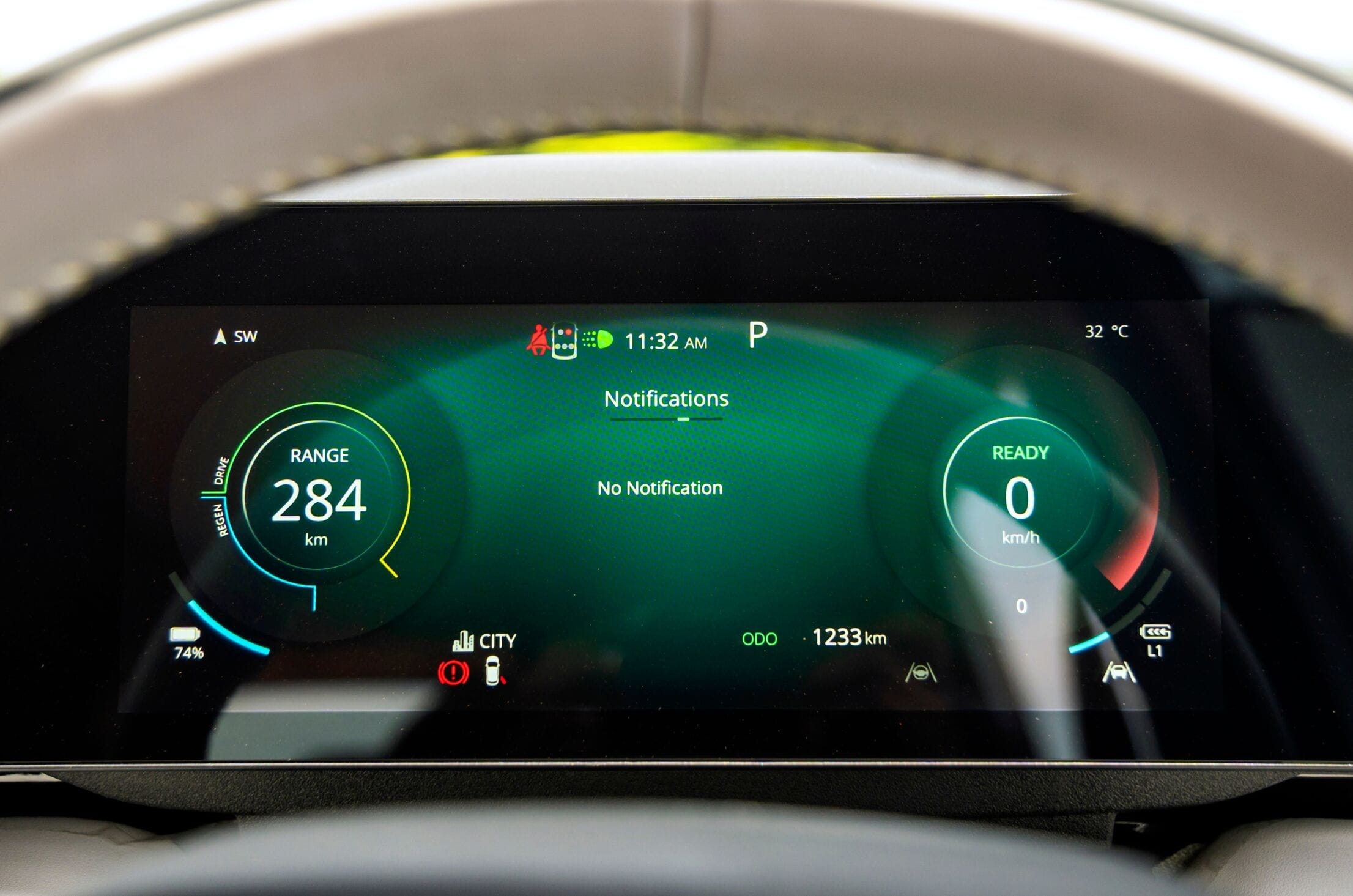
Those front seats are ventilated too, and the driver gets a memory function. There’s a full ADAS suite, drive modes, regen modes and terrain modes, the panoramic sunroof, dual-zone auto climate control, a 12-speaker JBL Black sound system with Dolby Atmos, an onboard air purifier, connected car tech and much, much more. There’s also a clever integration with Google Maps that predicts what the car’s SOC will be when you reach your destination, helping you plan better. 
Tata Sierra EV

The screens are crisp and smooth in their animations, although as before, the 10.25-inch driver’s display feels a bit too cluttered; the HUD actually provides a cleaner and more focused driver display. And while Tata is not the first brand to do it, the passenger screen feels like a gimmick, more so now that there is a multiplayer gaming suite that lets all passengers connect their phones to the car and play from their own device.
Tata Sierra EV

While there hasn’t been a crash test of the EV specifically, the ICE Sierra scored a 5-star Bharat NCAP rating, which should feasibly carry forward to this car too. Apart from an extensive ADAS suite on the top trim, there are 6 airbags as standard, as well as several other safety features.

2026 Tata Sierra EV performance and refinement – 8/10

Dual-motor QWD version brings AWD to the segment and delivers class-best performance.

The Sierra EV can be had in one of three powertrain configurations – a 63kWh battery with a rear motor, a 75kWh battery with a rear motor, or the one we’ve got to test drive – the 75kWh battery with dual motors. This makes the Sierra the first to bring AWD to this segment and is, expectedly, the most potent version, with a class-leading output of 306hp and 504Nm. Despite weighing in at around 2.1 tonnes, the SUV can sprint to 100kph from a standstill in a claimed 5.8sec. However, while it is undoubtedly capable of that, it doesn’t feel neck-snappingly quick off the line. Instead, it is quite undramatic, and frankly that is fine in a family SUV such as this. It’s a smooth and refined powertrain, as we’ve come to expect from Tata Motors’ EVs over the years.
Tata Sierra EV

That said, it perhaps feels a bit too similar to older Tata EVs, considering this is a new-generation model. Where newer EVs now have greater responsiveness off the line, this one still has a small dead zone at the start of the pedal travel, after which power comes in abruptly, and this requires care in stop-go traffic. Thereafter, it’s delivered in a constant lump of torque, where others have managed to program in some sort of progression. A minor criticism, and it’s still a far better experience than any ICE powertrain, but the EV game has since moved on.
Tata Sierra EV

There are drive modes, though apart from a noticeable dullness in Eco mode, the rest – City, Sport and Boost – don’t feel too different from one another. Similarly, the regen modes – easily accessible using the steering-mounted paddles – don’t feel all that different from one another.
Tata Sierra EV

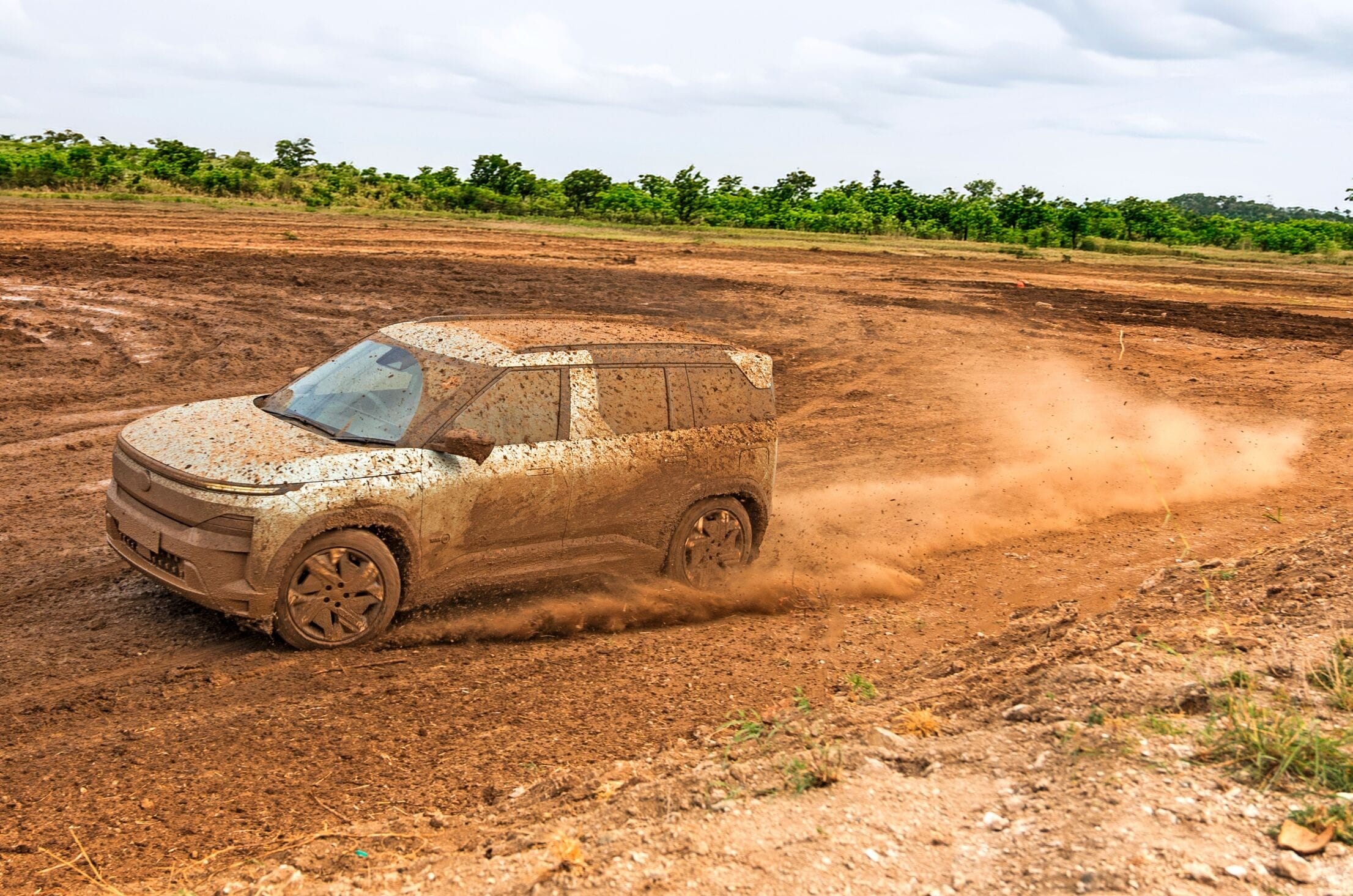
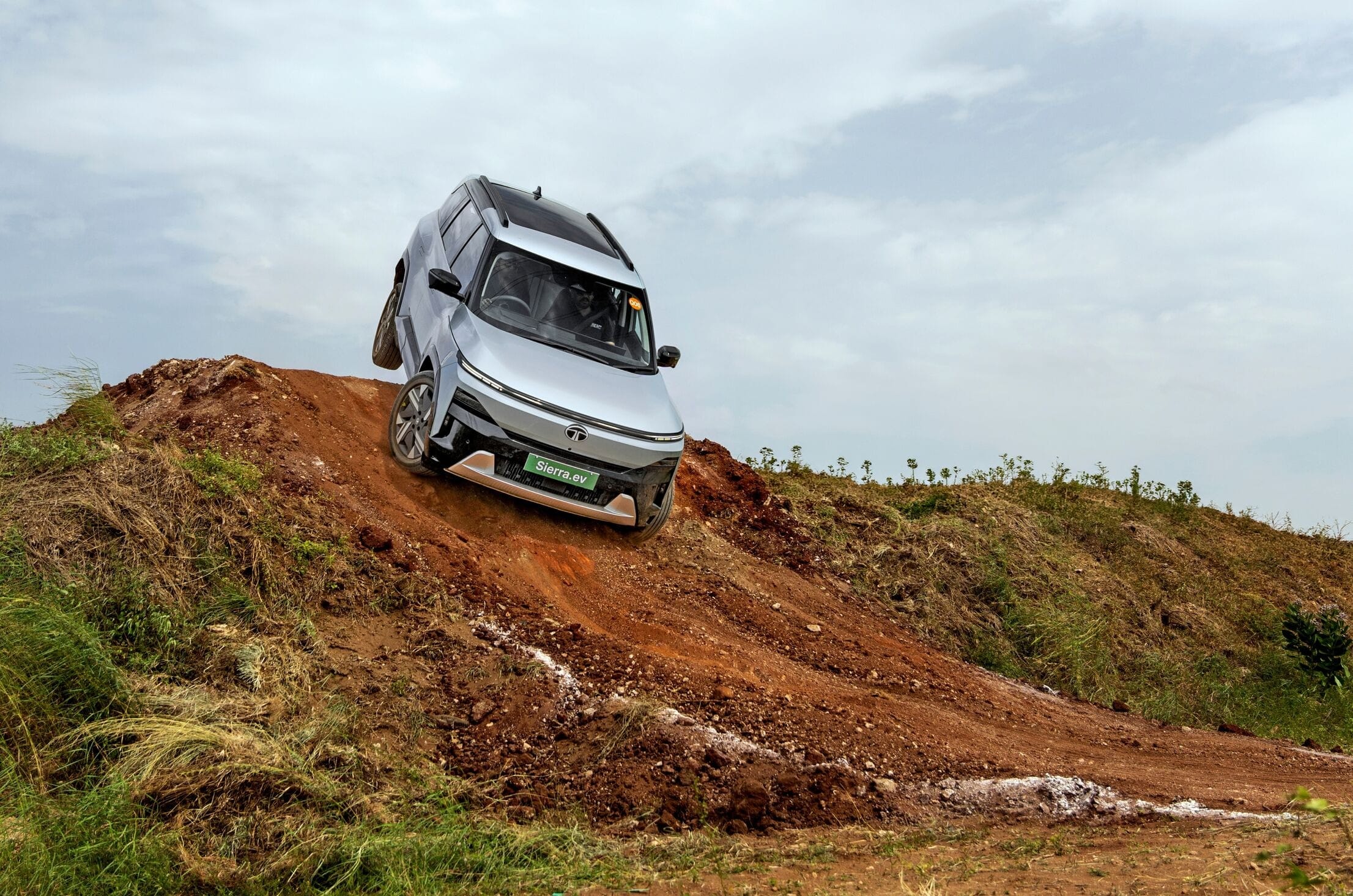
The Sierra EV QWD was rather impressive on the off-road course Tata Motors set up for it, which wasn’t the usual walk in the park, and had some pretty significant obstacles. Put it down to the short overhangs that improve approach and departure angles, or the responsiveness of the e-motors, but the result was surprisingly effortless. We didn’t even need to delve into the terrain modes for the most part, though there were instances where it would fumble shifting torque between the left and right wheels mid obstacle.

2026 Tata Sierra EV range and efficiency – 8/10

Big battery means big numbers, though a real-world test remains.

63kWh and 75kWh are among the bigger batteries offered in this segment, with only the Mahindra BE 6 offering a larger 78kWh unit. The Sierra’s smaller pack is rated at 565km on the MIDC, while the larger at 665km for the single motor and 624km for the dual motor. Tata itself says the MIDC rating won’t be achieved in real-world use, but that the larger battery can deliver upwards of 500km realistically.
Tata Sierra EV

When it comes to charging, on a 7.2kW AC charger, the 63kWh pack will take 8.9 hours to get from 10-100 percent, while the 75kWh pack will take 10.5 hours. On a 120kW DC charger, meanwhile, both will do a 20-80 percent top-up in about 26 minutes. At what rate the car actually accepts charge, however, remains to be seen. Tata offers a 15-year warranty on the battery of the Sierra EV, which is reassuring.

2026 Tata Sierra EV ride comfort and handling – 8/10 

No compromise on comfort, despite added weight. Handles amicably too.

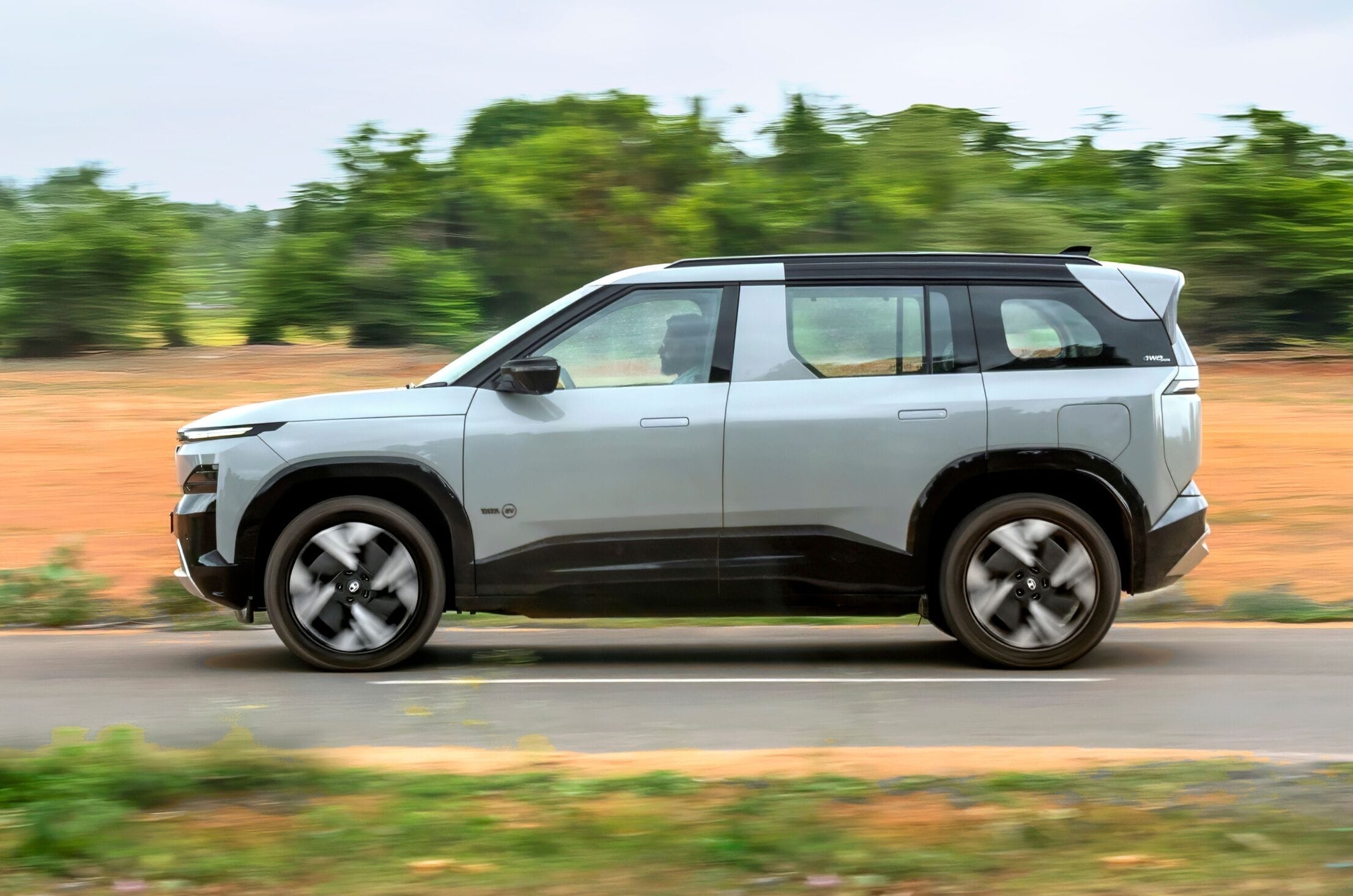
Tata SUVs have always been great in the dynamics department, and that continues here too. Despite the 19-inch wheels and the 2.1-tonne kerb weight, the Sierra EV can handle any manner of surface with equal composure and comfort. Put it down to the frequency dependent dampers (FDD) but no pothole is too big, nor surface too broken to upset the SUV.
Tata Sierra EV

It holds its line well at high speeds and lane change manoeuvres can be made with confidence and little effort. Similarly, at low speeds, the steering is light without feeling loose, letting you change direction easily even in traffic.
Tata Sierra EV

High-speed handling too is also pretty engaging, helped no doubt by its lower centre of gravity, and if you really wanted to, you could lean onto the Sierra EV quite hard. That said, it is a tall, high-riding vehicle, so an acceptable amount of body roll is present. The boxy profile, however, does result in some wind noise around the A-pillars at high speed, made more apparent by the silent powertrain.

2026 Tata Sierra EV price and verdict – 7/10

Overlaps with Curvv and Harrier, but feels the better EV than either of them.

It’s not much of a surprise that the Sierra EV is the best Tata you can buy right now, as it the latest product of the brand’s strategy of constant evolution and improvement. It’s not without its flaws, of course, but these feel less like huge deal breakers, and more like matters of finesse in manufacturing and calibration that Tata should take the time to address.
Tata Sierra EV

Apart from being a great EV, it’s also just a very good family car, offering space, comfort and the features Indian buyers now expect. The bigger problem for Tata could be where it fits between the Curvv and Harrier EVs, because there is some price overlap, and in our opinion, it surpasses them both overall. And while, at Rs 18.79 lakh to Rs 25.99 lakh, it is priced at the upper end of its segment, it does pack in a lot, and sits on par with the BE 6, which doesn’t have an AWD variant. Which of these two is better is a question for another time, but for now, the Sierra EV has the makings of a winner.

Electric scooters with the lowest seat height in India

Collage of four electric scooters

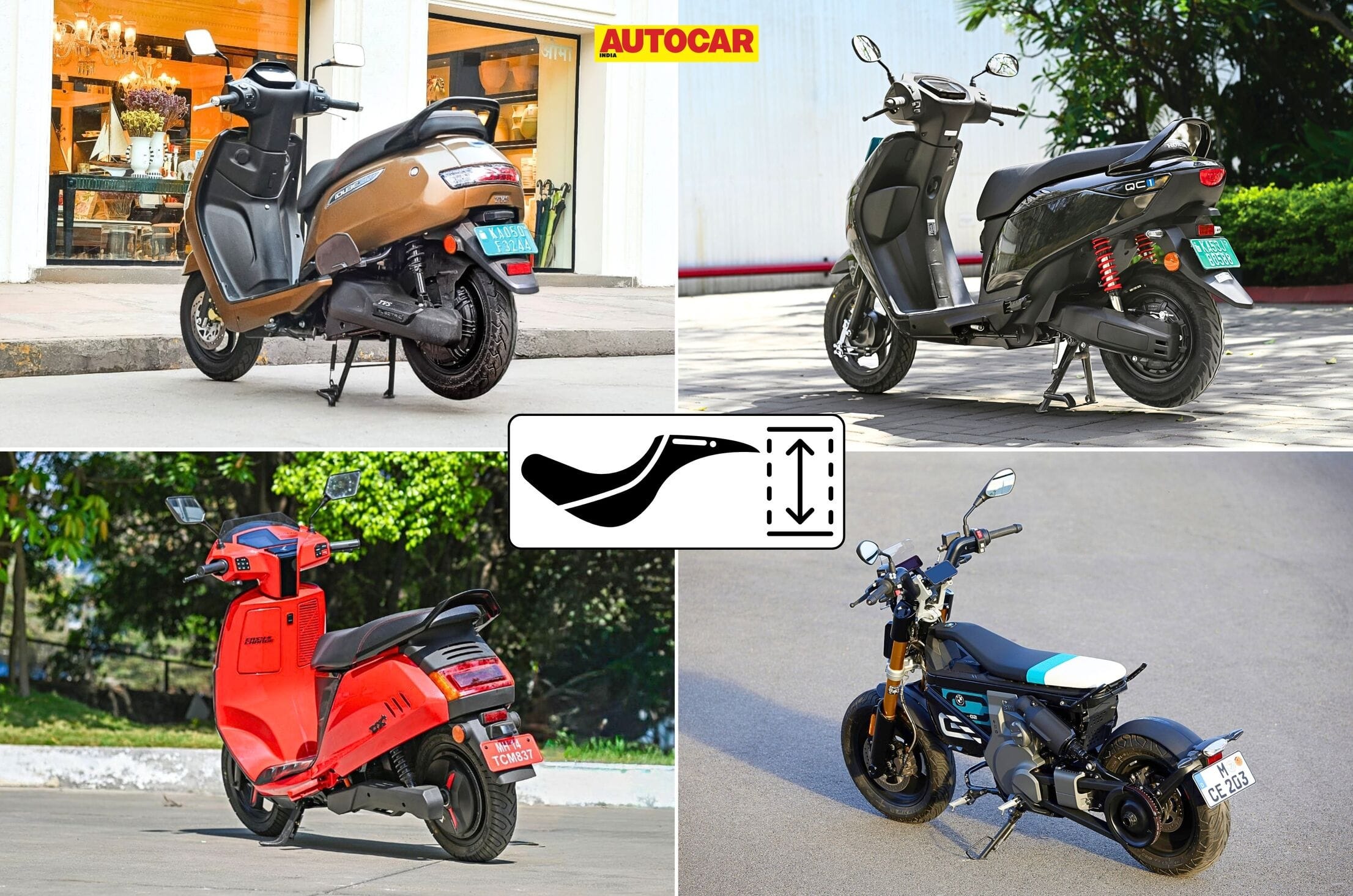
Seat height is one of the most important considerations for shorter riders because it’s what gives you the confidence to comfortably put both feet on the ground when you come to a stop. That confidence becomes even more important in city traffic, where you’ll constantly find yourself stopping and starting. Electric scooters are no different in this regard. So, if seat height is a deciding factor for you, here are ten electric scooters currently on sale in India with the lowest seat heights.

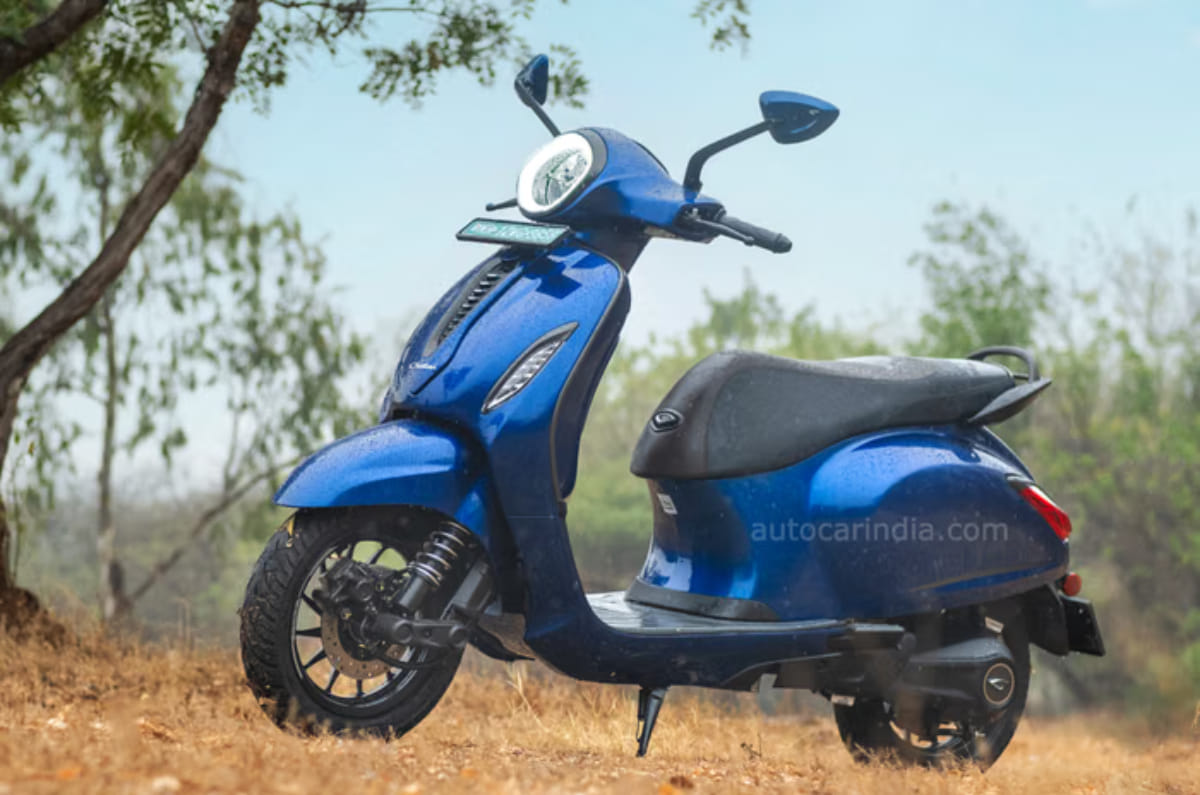
Bajaj Chetak (Series 30 and 35)

775mm

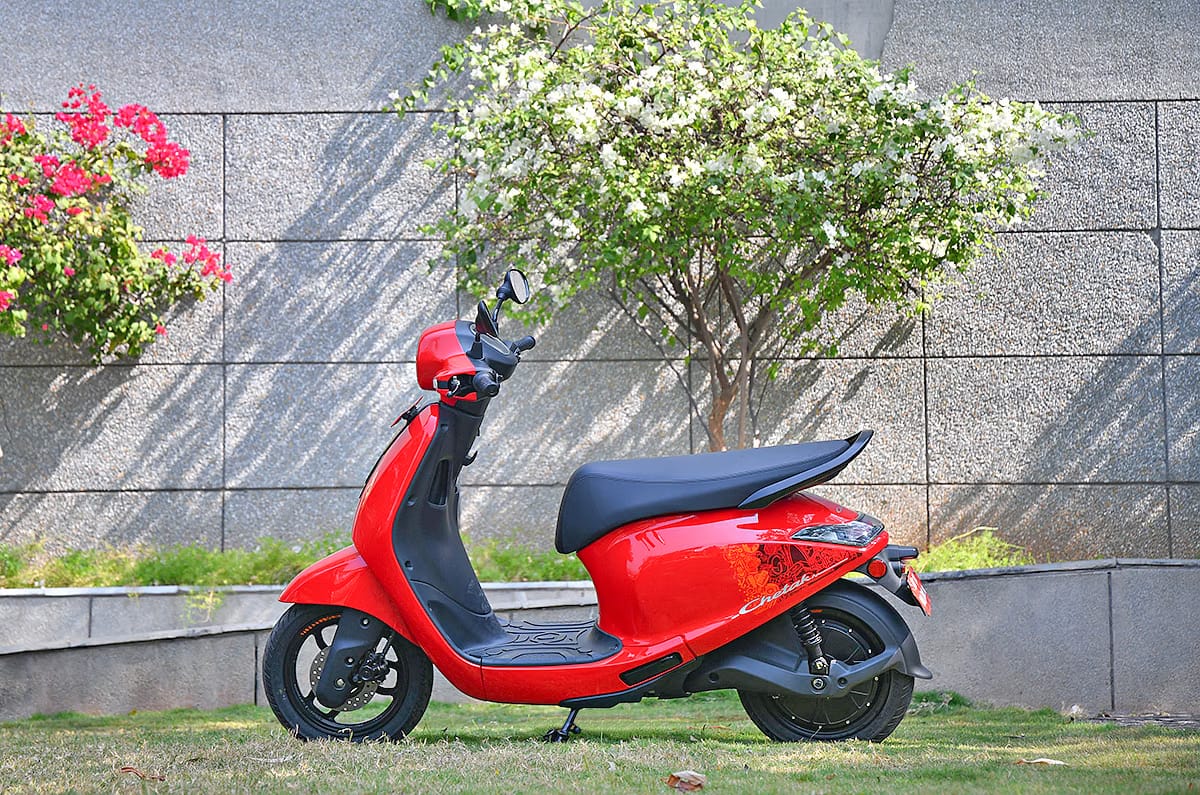
The Bajaj Chetak range is one of the most popular electric scooter lineups in India and currently sits second in monthly sales behind TVS. Broadly speaking, the lineup can be divided into two families – the newer 25 Series and the older 30 and 35 Series models that share a similar design. It’s the latter that we’re focusing on here.

Across the C3001, C3501, C3502 and C3503 variants, the seat height remains a consistent 775mm. The differences between these models largely come down to battery capacity, range, features and connectivity, while the bodywork – and therefore the seat height – remains unchanged.

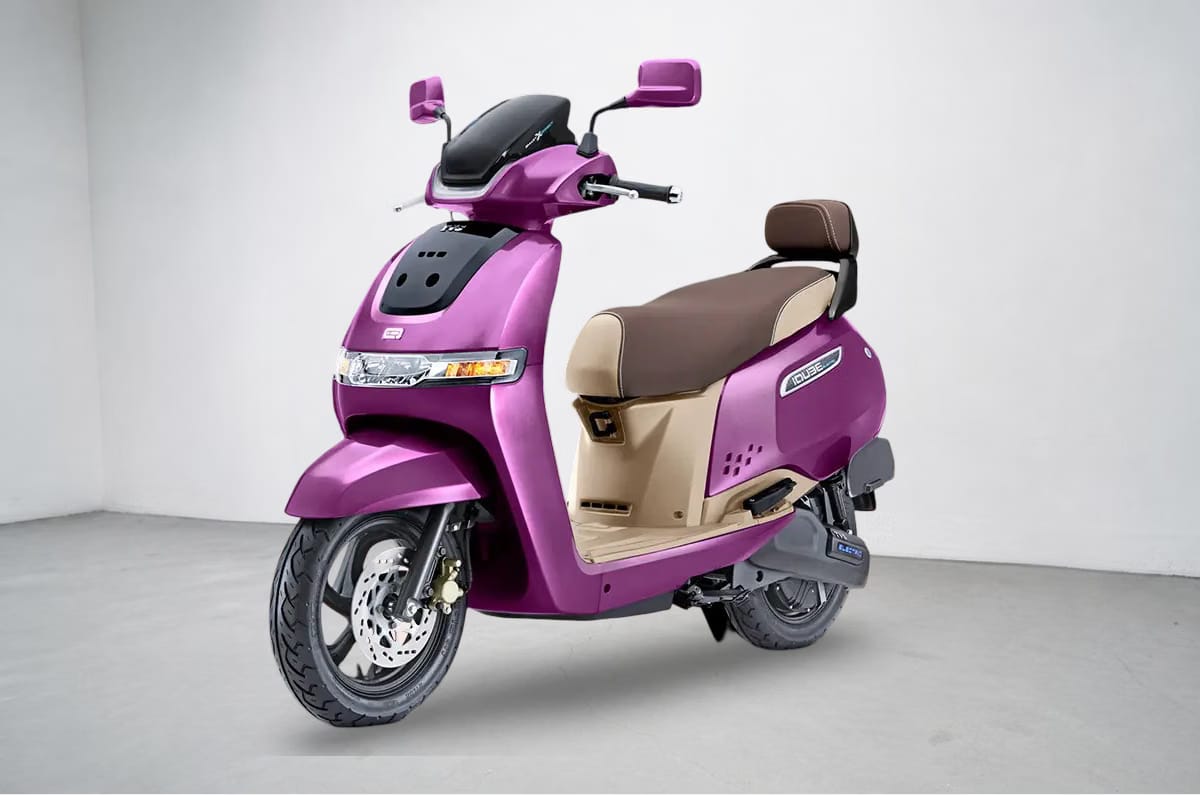
TVS iQube

770mm

The TVS iQube is India’s best-selling electric scooter, having recently crossed the one million production milestone. Like the Chetak, the iQube is offered in multiple variants – the base iQube (available with 2.2kWh, 3.1kWh and 3.5kWh battery options), the iQube S (4.7kWh) and the iQube ST (5.3kWh) – but all share the same bodywork and the same 770mm seat height.

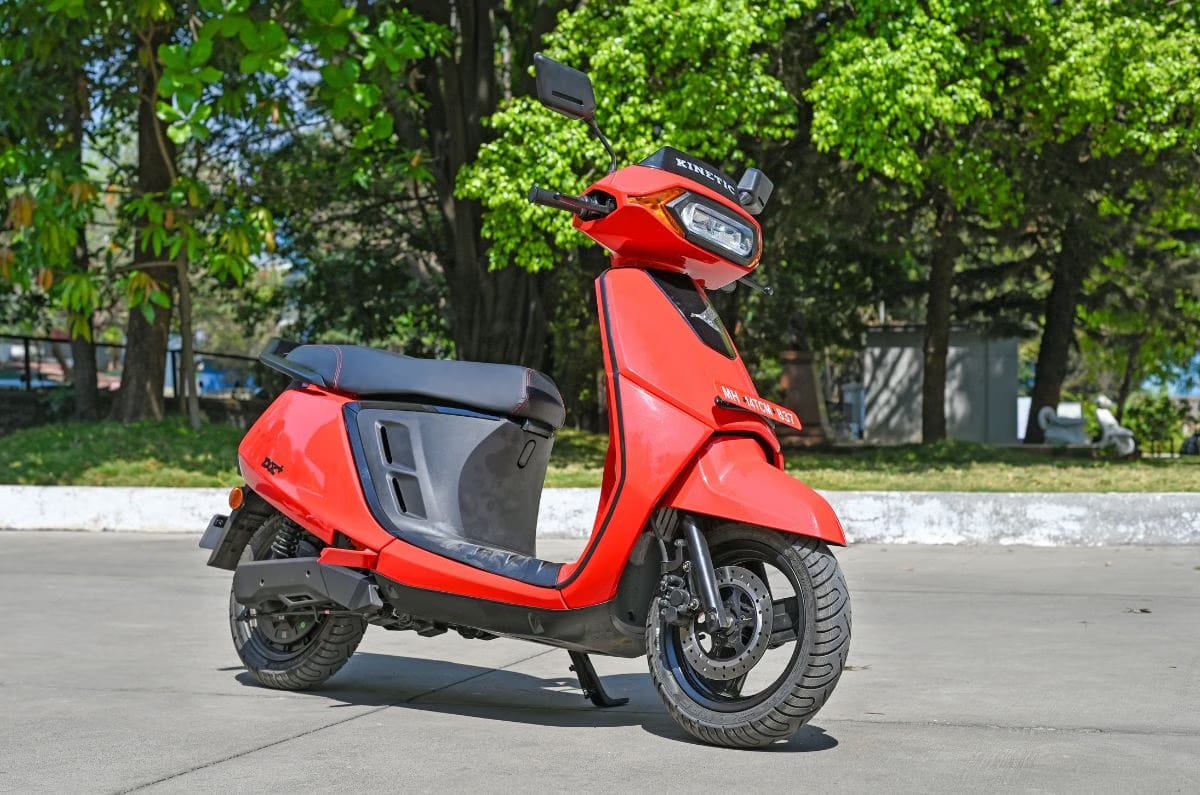
Kinetic DX

770mm

The Kinetic DX is a spiritual successor to the original Kinetic Honda DX – the boxy, squared-off two-stroke scooter that was a common sight on Indian roads in the 1990s. The electric DX leans heavily into that nostalgia with its retro styling and metal body panels. At 770mm, it shares its seat height with the TVS iQube. It also boasts 37 litres of underseat storage, the second-largest boot on any electric scooter currently on sale in India, behind only the River Indie.

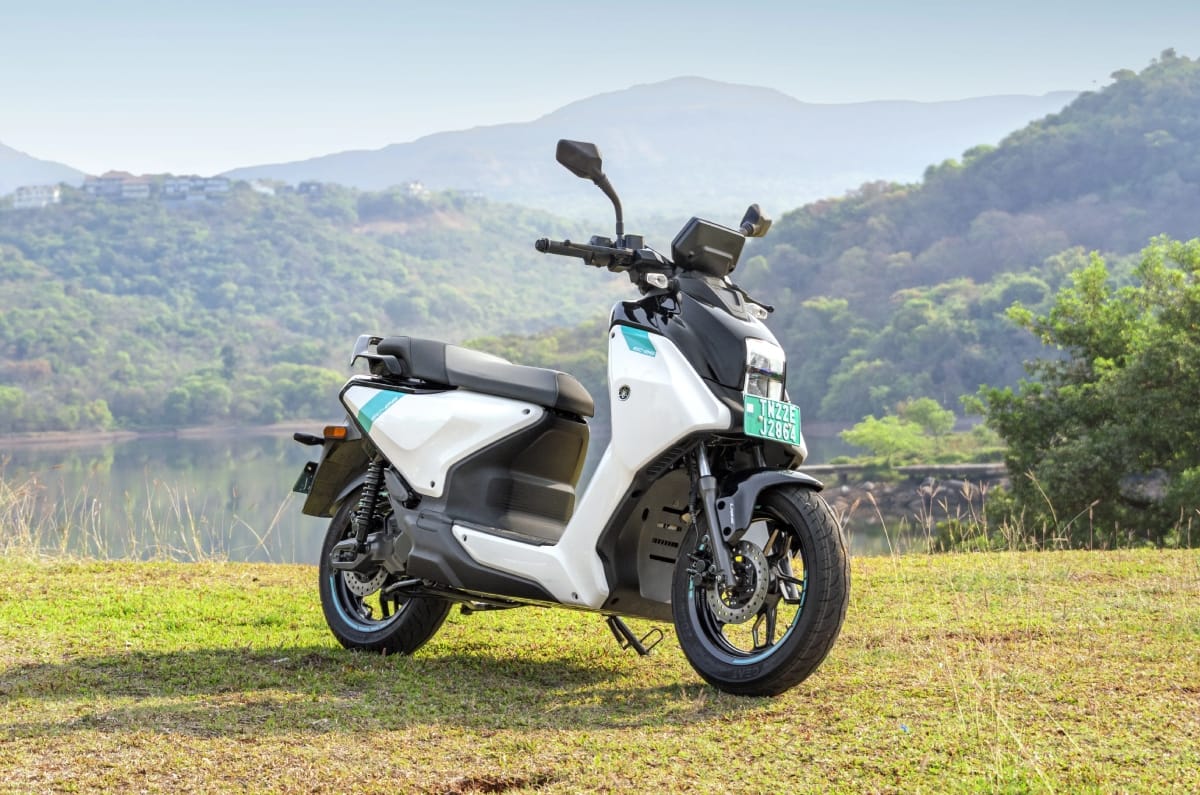
Yamaha EC-06

770mm

The Yamaha EC-06 is based on the River Indie, but despite the shared platform, it looks quite different thanks to sleeker bodywork and a vertically stacked LED headlight replacing the Indie’s twin-lamp setup. Its 770mm seat height matches the iQube and Kinetic DX, although its 24.5-litre underseat storage is considerably smaller than the River Indie’s 43-litre boot.

Suzuki e-Access

765mm

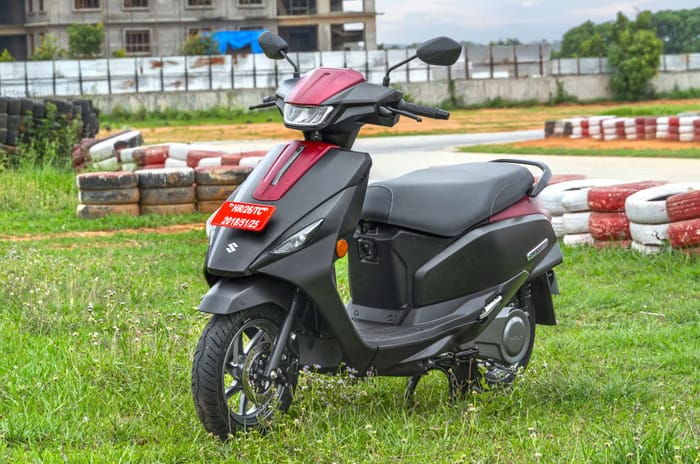
With a seat height of 765mm, the e-Access sits slightly lower than the Yamaha EC-06 and TVS iQube. Like its petrol-powered counterpart, it prioritises practicality and everyday usability while bringing the Suzuki reputation for reliability into the electric scooter segment. It gets keyless access for the seat, boot and charging port as standard, along with a fully digital instrument cluster. The e-Access is powered by a fixed battery with a claimed IDC range of 95km and is currently available in select cities. That said, at Rs 1.88 lakh, it is notably more expensive than rivals such as the iQube and Chetak.

Ampere Nexus

765mm

The Ampere Nexus is the flagship offering from Greaves-owned Ampere Electric and is available in EX and ST variants. Both share the same 765mm seat height, with the differences limited to the display (a 6.2-inch LCD on the EX and a 7-inch TFT on the ST) and connectivity features.

TVS Orbiter

763mm

The TVS Orbiter is available in V1 and V2 variants, both of which share identical bodywork and therefore the same 763mm seat height. The differences between the two are limited to the battery specification and connectivity features.

Bajaj Chetak C2501

763mm

The Chetak C2501 is the newest and most affordable model in the Chetak lineup. It retains the familiar Chetak styling but adopts a slightly more youthful character while offering a lower 763mm seat height than the C3000-series models. It uses a smaller battery pack and is positioned as an entry-level electric scooter for first-time EV buyers. While it shares the overall design language of the rest of the Chetak family, it is slightly more compact overall, contributing to its lower seat height.

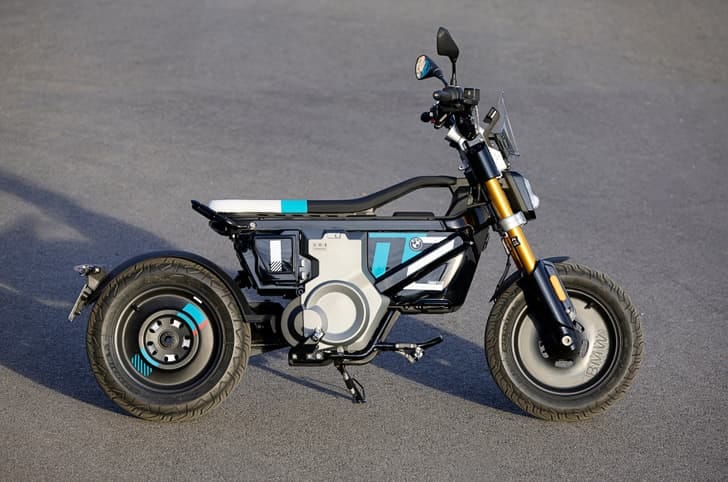
BMW CE 02

750mm

The BMW CE 02 is unlike anything else on this list, sitting somewhere between a scooter and a motorcycle. It features forward-set footpegs, minimal bodywork, a single-sided swingarm and chunky tyres. At 750mm, it has one of the lowest seat heights here, and its low centre of gravity makes it particularly easy to manoeuvre in city traffic. It is powered by two 1.96kWh battery packs with a combined capacity of 3.92kWh, producing 11kW and 55Nm, with a claimed range of 108km and a top speed of 95kph.

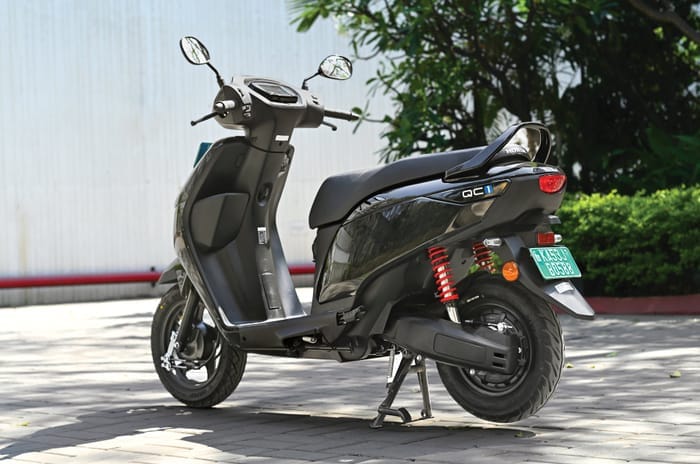
Honda QC1

704mm

The Honda QC1 is the more affordable of Honda’s two electric scooters sold in India, alongside the Activa e:. It offers modest performance and range, powered by a 1.5kWh fixed battery producing a peak output of 1.8kW. Claimed IDC range stands at 80km, while top speed is limited to 50kph. During our time with the scooter, we found the QC1 to be an approachable and well-priced urban runabout, although its suspension and performance are clear compromises compared to more expensive rivals.

₹15 लाख की नौकरी छोड़ शुरू किया बिजनेस, अब महीने की कमाई सिर्फ ₹12000, इस शख्स ने बताया अपना दर्द

अच्छी सैलरी वाली नौकरी छोड़कर बिजनेस शुरू करने को अक्सर आर्थिक आजादी की दिशा में एक साहसी कदम माना जाता है। हालांकि, पहली बार बिजनेस शुरू करने वाले कई लोगों के लिए, असलियत सोशल मीडिया पर दिखने वाली सफलता की कहानियों से कहीं ज्यादा मुश्किल होती है।

X पर हाल ही में एक पोस्ट ने चर्चा छेड़ दी है, जिसमें एक एंटरप्रेन्योर ने सालाना 15 लाख रुपये की नौकरी छोड़ने के बाद बिजनेस खड़ा करने में आने वाली आर्थिक मुश्किलों के बारे में बताया। इस पोस्ट ने कई यूजर्स का ध्यान खींचा, जिन्होंने एक पक्की सैलरी की सुरक्षा के बजाय एंटरप्रेन्योरशिप चुनने से जुड़े जोखिमों, ज़िम्मेदारियों और त्याग पर अपनी राय रखी।

यह पोस्ट X यूजर किरणजीत दास ने शेयर किया था, जिन्होंने बिजनेस जमाने की कोशिश के दौरान बहुत कम कमाई होने की मुश्किलों के बारे में खुलकर बात की। कैप्शन में लिखा था, “सालाना 15 लाख रुपये की नौकरी छोड़ने के बाद बिज़नेस से महीने में ₹12,000 कमाना शायद आपको व्यक्तिगत रूप से परेशान न करे। चुनौतियां तब बढ़ती हैं जब आपके पास परिवार की देखभाल, फीस भरना, दवाइयां खरीदना और कई अन्य ज़िम्मेदारियां हों। ‘एम्प्लॉई नहीं, एंटरप्रेन्योर बनो’ कहना आसान है। इसे करना नहीं।”

एक और व्यक्ति ने लिखा, “जो लोग पहले से ही किसी कंपनी/ऑर्गनाइज़ेशन में बहुत अच्छी सैलरी पर काम कर रहे हैं, उन्हें सिर्फ डे ट्रेडिंग के लिए अपनी नौकरी कभी नहीं छोड़नी चाहिए। नौकरी के साथ-साथ, कोई भी छोटे स्तर पर पोजीशनल ट्रेडिंग, इन्वेस्टिंग और म्यूचुअल फंड में शामिल हो सकता है।

मुझे याद है कि 2017 और 2020 के बीच, 2 या 3 ‘तथाकथित’ मशहूर ट्रेडर्स-कम-यूट्यूबर्स से प्रेरित होकर, कई लोगों ने फुल-टाइम ट्रेडिंग को अपना पेशा बनाने के लिए अपनी पक्की नौकरियां छोड़ दी थीं।”एक तीसरे व्यक्ति ने कहा, “पूरी तरह सहमत हूं, लेकिन किसी को अपने परिवार की आर्थिक तंगी को बदलने के लिए जोखिम उठाना चाहिए, जिसका सामना वे पुश्तैनी तौर पर कर रहे हैं।”

16 साल की उम्र में क्रेक किया AIIMS एग्जाम, 22 साल की उम्र में बना IAS अधिकारी, नहीं भरा मन तो 2,000 करोड़ रुपये से ज्यादा की खड़ी कर दी कंपनी

लाखों भारतीय छात्रों के लिए, AIIMS में दाखिला लेना या UPSC सिविल सेवा परीक्षा पास करना जीवन भर का सपना होता है। ज़्यादातर छात्र इनमें से किसी एक लक्ष्य को पाने के लिए सालों तक तैयारी करते हैं। रोमन सैनी ने 23 साल की उम्र तक ये दोनों ही मुकाम हासिल कर लिए थे।

लेकिन भारत की सबसे प्रतिष्ठित सरकारी नौकरियों में से एक को चुनने के बजाय, उन्होंने एक ऐसा फैसला किया जिसकी किसी को उम्मीद नहीं थी। उन्होंने एक एजुकेशन स्टार्टअप बनाने के लिए IAS की नौकरी छोड़ दी। यह कदम आगे चलकर एक ऐसी कंपनी में बदल गया जिसकी कीमत आज 2,000 करोड़ रुपये से ज़्यादा है।

राजस्थान के जयपुर में एक मध्यम-वर्गीय परिवार में जन्मे सैनी ने कम उम्र से ही पढ़ाई-लिखाई में अपनी काबिलियत दिखाई थी। 2008 में, उन्होंने सिर्फ़ 16 साल की उम्र में AIIMS की प्रवेश परीक्षा पास कर ली। उस समय, AIIMS की अपनी मेडिकल प्रवेश परीक्षा होती थी। 2020 में इसे नेशनल एलिजिबिलिटी कम एंट्रेंस टेस्ट (NEET) में मिला दिया गया।

उन्होंने मेडिकल की पढ़ाई के लिए AIIMS नई दिल्ली में दाखिला लिया और 21 साल की उम्र तक अपना MBBS पूरा कर लिया। ग्रेजुएशन के बाद, उन्होंने उसी संस्थान में जूनियर रेजिडेंट डॉक्टर के तौर पर काम किया। मेडिकल के क्षेत्र में उनका करियर आगे बढ़ सकता था, लेकिन सैनी एक और चुनौती लेने के लिए तैयार थे।

उन्होंने देश की सबसे मुश्किल प्रतियोगी परीक्षाओं में से एक, UPSC सिविल सेवा परीक्षा की तैयारी शुरू की। उनकी कड़ी मेहनत रंग लाई। 22 साल की उम्र में, उन्होंने अपने पहले ही प्रयास में परीक्षा पास कर ली और शानदार ऑल इंडिया रैंक (AIR) 18 हासिल की। ​​वे इंडियन एडमिनिस्ट्रेटिव सर्विस (IAS) के 2014 बैच में शामिल हुए और उन्हें मध्य प्रदेश कैडर मिला।

कई उम्मीदवारों के लिए, IAS अफ़सर बनना ही आख़िरी मंज़िल होती है। लेकिन सैनी के लिए, यह बस एक और पड़ाव था। लगभग एक साल तक नौकरी करने के बाद, उन्होंने सिविल सर्विस छोड़ने और एक अलग लक्ष्य की ओर काम करने का फ़ैसला किया: पूरे भारत में छात्रों तक अच्छी क्वालिटी की शिक्षा पहुँचाना।

2015 में, उन्होंने इंजीनियर से यूट्यूबर बने गौरव मुंजाल और हेमेष सिंह के साथ मिलकर ‘अनएकेडमी’ (Unacademy) की शुरुआत की। सोच सीधी-सी थी: कॉम्पिटिटिव एग्ज़ाम की तैयारी करने वाले छात्र कोचिंग क्लास पर लाखों रुपये खर्च किए बिना टॉप एजुकेटर्स से सीख सकें।

यह वेंचर एक YouTube चैनल के तौर पर शुरू हुआ था, जिस पर मुफ़्त एजुकेशनल वीडियो मिलते थे। जैसे-जैसे ज़्यादा छात्र इस प्लेटफ़ॉर्म का इस्तेमाल करने लगे, यह एक पूरी तरह से ऑनलाइन लर्निंग कंपनी बन गई, जिसमें UPSC, IIT-JEE, NEET और कई दूसरे कॉम्पिटिटिव एग्ज़ाम के लिए लाइव क्लास, रिकॉर्डेड लेक्चर, मॉक टेस्ट और कोर्स उपलब्ध थे।

जल्द ही अनएकेडमी एडटेक सेक्टर में भारत के सबसे बड़े नामों में से एक बन गई। रिपोर्ट्स के मुताबिक, ऑनलाइन लर्निंग के दौर में इसने बड़े इन्वेस्टर्स को आकर्षित किया और इसकी वैल्यूएशन लगभग 28,700 करोड़ रुपये (3.44 बिलियन डॉलर) तक पहुँच गई थी। 2026 के मध्य तक, इसकी वैल्यूएशन लगभग 2,055 करोड़ रुपये है और कंपनी को upGrad द्वारा खरीदा जा रहा है।

सैनी का सफ़र हाल ही में X (पहले Twitter) पर फिर से चर्चा में आया, जहाँ लोगों ने न सिर्फ़ उनकी उपलब्धियों की तारीफ़ की, बल्कि उस हिम्मत की भी सराहना की जिसके तहत उन्होंने अपना रास्ता बदला, जबकि कई लोग सुरक्षित करियर में बने रहना पसंद करते।

एक यूज़र ने कमेंट किया, “अद्भुत कहानी। कभी-कभी रिस्क लेना फायदेमंद होता है।” एक और ने कहा, “यह इस बात का सबूत है कि सफलता का मतलब सिर्फ़ एक ही रास्ते पर चलना नहीं, बल्कि अपना रास्ता खुद बनाना है। रोमन सैनी के लिए बहुत सम्मान।”एक ने लिखा, “डॉक्टर, IAS, एंटरप्रेन्योर। हर पड़ाव पर खुद को नए सिरे से ढालने की हिम्मत बहुत कम लोगों में होती है।

Dubai Job Reality: दुबई में ड्रीम जॉब मिली, कंपनी ने घर भी दिया, लेकिन अकेलापन तोड़ देता है! 23 साल की भारतीय लड़की की कहानी वायरल

दुबई का नाम सुनते ही लोगों के मन में आलीशान इमारतें, शानदार लाइफस्टाइल और बड़े करियर के सपने आने लगते हैं। लेकिन इस चमक-दमक के पीछे एक ऐसी दुनिया भी है, जहां कई लोग अपने परिवार से दूर रहकर रोज नई चुनौतियों का सामना करते हैं। विदेश में सफलता हासिल करने की राह हमेशा आसान नहीं होती। अकेले रहना, हर जिम्मेदारी खुद संभालना और अपनों की यादों के साथ आगे बढ़ना कई बार भावनात्मक रूप से मुश्किल हो जाता है। दुबई में रहने वाली 23 वर्षीय भारतीय युवती अनुष्का शर्मा ने सोशल मीडिया के जरिए अपनी जिंदगी का ऐसा ही अनुभव साझा किया।

उन्होंने बताया कि अच्छी सैलरी और बेहतर अवसरों के साथ विदेश की जिंदगी में कई अनदेखी कीमतें भी चुकानी पड़ती हैं। उनकी कहानी ने उन हजारों लोगों की भावनाओं को सामने ला दिया है, जो सपनों के लिए घर से दूर रहते हैं।

बीमारी से लेकर मुश्किल दिनों तक

उन्होंने कहा कि घर से दूर रहने वालों के लिए सबसे मुश्किल पल तब आते हैं, जब वो बीमार पड़ते हैं या किसी परेशानी का सामना करते हैं। थकाऊ काम के बाद भी खुद ही हर जिम्मेदारी संभालनी पड़ती है, जिससे कई बार अकेलापन और मानसिक दबाव महसूस होता है।

सपनों की कीमत होती है

अनुष्का ने अपने संदेश में कहा कि आरामदायक जिंदगी छोड़कर विदेश में मेहनत करना आसान नहीं होता, लेकिन परिवार के बेहतर भविष्य और आर्थिक आजादी के लिए किए गए ये त्याग भविष्य में बड़ी उपलब्धि बन सकते हैं।

दुबई ड्रीम के पीछे की अनकही हकीकत

उन्होंने लोगों को याद दिलाया कि विदेश में सफलता सिर्फ पैसों से नहीं मापी जाती, बल्कि इसके पीछे कई भावनात्मक बलिदान भी होते हैं। परिवार से दूरी और अकेले संघर्ष करने की कहानी उन हजारों भारतीयों की भी है, जो बेहतर भविष्य की तलाश में अपने घर से दूर रह रहे हैं।

चीन में सांपों का आतंक! पानी में तैरते मिले 900 सांप, कोबरा के खौफनाक वीडियो ने मचाई दहशत