Gold Silver Rates Today: दिल्ली में सोने में तेजी पर लगा ब्रेक, चांदी एक दिन में ₹5700 फिसली

Gold Silver Rates Today: दिल्ली सर्राफा बाजार में 19 अगस्त को सोने में तेजी पर ब्रेक लग गया। सोना 800 रुपये गिरकर 1,58,000 रुपये प्रति 10 ग्राम पर आ गया। चांदी में भी गिरावट दिखी। इसकी वजह मध्यपूर्व में जारी तनाव और क्रूड ऑयल की कीमतों में तेजी है। क्रूड की कीमतें लगातार 90 डॉलर प्रति बैरल से ऊपर बनी हुई हैं। इसका असर निवेशकों के सेंटीमेंट पर पड़ रहा है।

चांदी एक दिन में 5700 रुपये फिसली

19 अगस्त को चांदी में भी बड़ी गिरावट आई। इसकी वजह भारी बिकवाली है। इससे चांदी 5,730 रुपये गिरकर 2,35,000 रुपये प्रति किलोग्राम पर आ गई। सोने और चांदी की कीमतें ऑल इंडिया सर्राफा एसोसिएशन के डेटा पर आधारित हैं। 18 अगस्त को सोने और चांदी में तेजी दिखी थी।

मध्यपूर्व में अनिश्चितता का असर बुलियन पर

एलकेपी सिक्योरिटीज में रिसर्च एनालिस्ट और वीपी जतिन त्रिवेदी ने कहा कि अमेरिका और ईरान में युद्धविराम की अवधि खत्म हो जाने के बाद मध्यपूर्व की स्थिति को लेकर अनिश्चितता बढ़ गई है। इसका सीधा असर बुलियन खासकर सोने की कीमतों पर पड़ रहा है। इससे निवेशक भी सावधानी बरत रहे हैं।

ब्रेंट क्रूड लगातार 90 डॉलर के ऊपर चल रहा है

बीते कई दिनों से ब्रेंट क्रूड का भाव 90 डॉलर से ऊपर बना हुआ है। अगर कीमतें जल्द नीचे नहीं आती हैं तो दुनियाभर में महंगाई बढ़ सकती हैं। इसका असर इकोनॉमी की ग्रोथ पर भी पड़ेगा। महंगाई को काबू में करने के लिए अमेरिकी केंद्रीय बैंक सहित दूसरे देशों के केंद्रीय बैंक इंटरेस्ट रेट बढ़ा सकते हैं। इंटरेस्ट रेट बढ़ने पर गोल्ड की चमक घट जाती है।

फेड की मीटिंग के मिनट्स पर इनवेस्टर्स की नजरें

लेमन मार्केट्स डेस्क के रिसर्च हेड गौरव गर्ग ने कहा कि इनवेस्टर्स फेडरल रिजर्व की मीटिंग के मिनट्स का इंतजार कर रहे हैं। इससे भविष्य में इंटरेस्ट रेट की दिशा के बारे में संकेत मिलेगा। इसका दबाव बुलियन की कीमतों पर भी दिख रहा है। हालांकि, अंतरराष्ट्रीय बाजार में सोने और चांदी में घरेलू बाजार से अलग का ट्रेंड दिखा।

यह भी पढ़ें: निलेश शाह ने दी घरों में रखे सोना और कैश के इस्तेमाल की सलाह, कहा-इससे बदल जाएगी निवेश की तस्वीर

अंतरराष्ट्रीय बाजार में सोने और चांदी में जोरदार तेजी

अंतरराष्ट्रीय बाजार में सोने और चांदी में अच्छी तेजी दिखी। सोना 3.22 फीसदी चढ़कर 4,473 डॉलर प्रति औंस पर पहुंच गया। कई सत्रों के बाद सोना 4400 के पार गया है। चांदी में भी जोरदार तेजी दिखी। इसका भाव 3.26 फीसदी के उछाल के साथ 65.35 डॉलर प्रति औंस पर पहुंच गया। हालांकि, एक्सपर्ट्स का कहना है कि फिलहाल बुलियन की कीमतों में सीमित दायरे में उतार-चढ़ाव जारी रह सकता है।

What Brazil’s 50-year ethanol experiment tells us

What Brazil’s 50-year ethanol experiment tells us
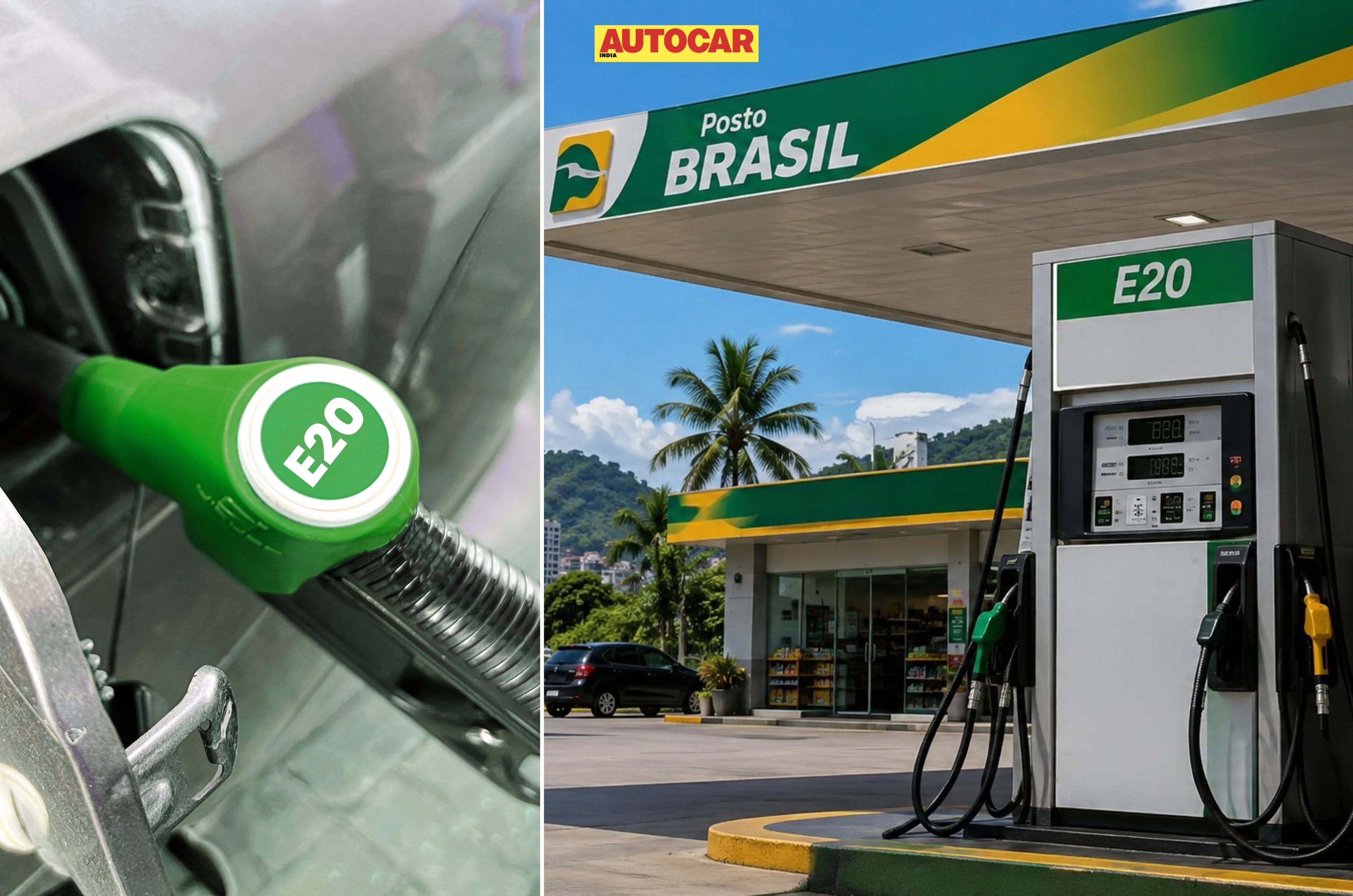
E20 fuel in Brazil

The forced introduction of E20 has set social media ablaze, with outraged car and bike owners complaining bitterly of damage to their vehicles and a drop in fuel efficiency. The anger isn’t irrational. The efficiency drop is real and, going by Autocar India’s own tests, larger than the figures the government itself has acknowledged. 

But while there’s no debate over the mileage penalty, the bigger fear is long-term damage to the vast majority of cars on our roads that are not E20-compliant. It’s a worry fanned by social media and by the way the government has handled the concern. Field trials conducted by the Automotive Research Association of India (ARAI) before the rollout reportedly found no major compatibility issues even in legacy vehicles. 

However, that report has never been made public, which has only deepened suspicion among car and bike owners. Most damaging of all was the Society of Indian Automobile Manufacturers (SIAM) formally flagging alarming levels of contamination in a letter it was later forced to publicly withdraw. Crucially, SIAM’s concern was contaminated fuel carrying worrying levels of chlorine, not the blend itself. That distinction has been lost in the noise, and it sits at the heart of the confusion, even panic, among customers fearing the worst.

So, is E20 the menace it is being made out to be, or is fuel contamination the bigger issue? The fact is, there is no workshop epidemic yet, though sceptics will argue it’s only a matter of time before engines start giving trouble. What social media is amplifying right now is the theoretical damage of a higher blend. That doesn’t make the concerns baseless, since long-term effects take years to show, but the truth is that panic and outrage are currently running well ahead of the evidence. Which makes it worth studying the one country that actually has the evidence, gathered over 50 years: Brazil.

The Brazil experience

If you think India’s leap from E10 to E20 was abrupt, consider what happened there. In November 1975, squeezed by the oil crisis and desperate to protect its foreign currency reserves, the Brazilian government launched Proalcool and shoved its motorists in at the deep end. “The blends with gasoline started at 20 percent. It went very soon up to 30 percent, and it was imposed by the government,” says Peter Gilbert, head of Operational Marketing and Customer Tech Services at Infineum Brazil, a fuel and lubricant additive specialist company whose business, it should be said, depends on ethanol-blended fuels working well. 

The documented history broadly bears him out, with one point worth noting: there was a brief low-blend ramp-up with E10, but that lasted roughly two to three years against the five decades of E20 and above since. Compare that with India, which took nearly two decades from its 2003 blending programme to reach E10. And like India, Brazil never kept an escape hatch. “There was no E0 when E20 was introduced,” says Gilbert, and there is none today: the mandated blend has since climbed through 25, 27 and 30 percent, and since August this year, all pumps in Brazil, including the super-premium ones, dispense E32.

But what is telling is the kind of cars running around on E20 in the late 1970s. Back then, cars were mainly carburetted with no fuel injection, no closed-loop control and no lambda sensors – machinery far cruder than even the oldest E10-era car on Indian roads today. So what broke?

According to Gilbert, remarkably little that could be pinned on E20 itself. “There weren’t any major issues reported,” he says. “There were issues related to the materials of the fuel system, the gaskets and the rubbers used at that time, but that has changed.”

His colleague Leandro Benvenutti, Infineum’s product manager for Latin America, says the trouble in 1970s and 1980s Brazil came almost entirely from dedicated alcohol cars running pure hydrous ethanol (E100), not from petrol cars on E20. “Everything we can remember from that time is related to these alcohol vehicles, not to the gasoline vehicles using E20,” he says. Carburettor corrosion, clogged jets, perished hoses and O-rings: all of it, in their experience, traced back to E100. “If there were problems in the other [non-flex fuel] vehicles, they were really not important at all.”

A caveat both experts volunteer: 1970s Brazil is not 2020s India, and the comparison is not like-for-like. “It’s difficult to correlate to vehicles today,” Gilbert admits. What the Brazilian record offers is not proof that nothing will go wrong here, but a large, long-running natural experiment in which the E20-specific damage everyone feared did not show up.

So what about India’s E10 cars?

Asked what he’d tell a worried Indian owner running an E10-era car on E20, Benvenutti replies, “There is no reason for panic. We don’t expect any immediate impact.” Note the word immediate. The honest answer regarding the long term is unknown, and to their credit, neither of Infineum’s experts pretends otherwise. Over years, rubber components in cars whose materials weren’t specified for E20 may embrittle sooner, and Benvenutti concedes older cars and motorcycles “may see issues with time”. But complicating the issue is attribution – what is due to ethanol and what is not. Rubber parts perish with pure petrol, too. 

Benvenutti recalls his father’s flex-fuel car whose fuel hose dried out and leaked after years of use. “Was that really caused by the ethanol, or was that something going to happen anyway after five or ten years?” If there is a cost to owners, in other words, it is most likely a shortened life for cheap parts such as hoses, gaskets and O-rings rather than failures of expensive ones. “The risk for the metal components, the hard components like valves, injectors and pumps, is much lower if you maintain this product within spec,” explains Gilbert. That last clause matters, and we’ll revisit it.

On material margins, Benvenutti is careful not to overclaim. He believes manufacturers build in buffers. “If I am developing an engine, I would prefer to keep some buffer,” he remarks but adds that he is not a materials specialist and that the buffer may mean a component lasting eight years instead of 10. Whether every manufacturer selling in India engineered that headroom is a question only the manufacturers can answer.

Calibration is key

The more concrete near-term issue isn’t corrosion. It’s calibration. E20 carries less energy per litre, so the engine management system must inject more fuel to keep the mixture correct. Most closed-loop systems that have been around since the move to BS-II fuel-injection in 2000 should easily adapt, but if an older car’s injectors or fuel-trim maps run out of adjustment range, the mixture runs lean. The tell-tale? “Probably the most impactful result will be a light on your cluster. You will see the malfunction indication light on,” says Benvenutti. If your check engine light comes on after the switch to E20, that’s your car telling you it can’t fully compensate. Whether yours will is a manufacturer-by-manufacturer, even model-by-model chance.

Then there is Brazil’s import experience, which is genuinely striking and even reassuring. European and Japanese cars homologated for E10 markets are sold in Brazil and run on E30, now E32, every day. “I haven’t seen any report on issues with those engines,” says Gilbert. And there is no exemption at the top of the market. With no E0 sold anywhere in the country, every Ferrari, Lamborghini and Porsche in Brazil fills up on E32; even the super-premium pumps dispense it. Ask whether a supercar owner can escape the blend, and the answer is emphatic. “No way,” says Benvenutti. 

Low volumes are no excuse to offer a special blend, unlike in India, where supercars have the safety net of a high-priced E0 premium fuel. Benvenutti points out that even a manufacturer bringing in a handful of sports cars must ensure the car is fit for the market’s fuel. “I would not imagine any OEM bringing one unit and selling it if that’s not prepared for that market.” The one genuine weak spot he flags concerns independent, grey-market imports, which arrive exactly as built for the European or Japanese market with no local adaptation. Much of ethanol’s impact is based on anecdotal data rather than any controlled study, but it is decades of anecdotes across millions of cars, from hatchbacks to hypercars.

How much evidence of ethanol impact is there?

Enough of it to take seriously. Start with a fact that rarely features in the Indian debate: Brazil is not a country of new cars. Punishing taxes on new vehicles and tight credit mean Brazilians hold on to their cars for a long time, and the tax system actively rewards them for doing so. Most states have long exempted the oldest cars from the annual IPVA vehicle tax, and a constitutional amendment now makes that exemption national for anything 20 years or older. The result, as per the Brazilian auto components association Sindipeças, is a fleet averaging over 11 years old, with 7.3 million vehicles past 16 years and some 220,000 past 25. Every one of them fills up on E27-to-E32 petrol because nothing else is sold. No doubt, much of this ageing fleet is flex-fuel, engineered from birth to drink anything up to E100, so their survival may seem overplayed, but only up to a point. 

Flex-fuel technology arrived in Brazil only in 2003 with the Volkswagen Golf, which means the country’s first two and a half decades on E20-and-higher blends were served entirely by ordinary petrol cars, and the earliest of those were designed for no ethanol whatsoever; the blend was simply imposed on them, which is exactly what’s happening in India today. The cars that predate the flex era and the imported non-flex cars still running on E32 haven’t seen a trend of ethanol casualties. There is no scrapyard full of ethanol victims; the old cars are still on the road.

Then there’s the formal testing. Before Brazil raised its mandate from E27 to E30 in August 2025, a working group under the country’s Ministry of Mines and Energy ran durability tests on vehicles representative of the national fleet. ANFAVEA, Brazil’s association of vehicle manufacturers (the counterpart to our SIAM), reported that the tests showed no adverse effects on engine durability or performance, with one telling condition attached: provided fuel quality standards are met. Independently, a year-long University of Nebraska-Lincoln study ran E30 in ordinary non-flex-fuel state government vehicles in the US and found no adverse effects either. None of this is a guarantee for every ageing car in India, but it is consistent, multi-source evidence that corroborates Infineum’s findings.

The dangerous C word 

So is the all-clear justified? Only conditionally, and the condition is the same one ANFAVEA attached: clean fuel made and blended to specification. And this is where India’s real problem appears to lie. If genuine damage is occurring in Indian fuel systems, the evidence points not to the ethanol blend but to what’s riding along with it: chloride contamination picked up during the production process and from storage tanks. SIAM’s now-withdrawn letter reported chloride levels of up to 500 ppm in samples from vehicle tanks and 350 ppm at retail outlets, figures the petroleum ministry has vehemently contested. Ministry officials say their own testing found high chlorine levels at just two pumps and that plastic sample containers had corrupted some tests and thrown up false readings. Yet, even a fraction of SIAM’s figures would dwarf the 3 ppm the ministry itself treats as the acceptable ceiling. 

Also, 3 ppm is only a guideline. India has yet to mandate BIS limits for chloride in fuel ethanol – something Brazil has enforced by law at 1 ppm for years. Chlorides corrode fuel pumps, injectors and valves regardless of whether a car was designed for E10 or E20, which is precisely why blaming the blend misdiagnoses the disease. The Brazilian experience, in short, largely acquits ethanol. It says nothing to acquit the fuel quality actually coming out of Indian pumps, and fixing that is a question of standards and enforcement, not of retreating to E10. 

The E20 debate, now thoroughly political, will no doubt rage on: the government and its agencies on one side, and on the other, opposition parties and a swarm of influencers and social media experts riding the outrage for popularity and views, but few of them have bothered to put an independent expert on record. The good thing is that science and first-hand experience – Brazil’s, in this case – take no sides. And that’s the side we are on.


जम्मू-कश्मीर भारत का अभिन्न हिसा, मोदी सरकार ने इसे सेफ बनाया, अब्दुल्ला से मिलकर बोले अमेरिकी राजदूत सर्जियो गोर

जम्मू-कश्मीर भारत का अभिन्न हिसा, मोदी सरकार ने इसे सेफ बनाया, अब्दुल्ला से मिलकर बोले अमेरिकी राजदूत सर्जियो गोर

omar abdulla

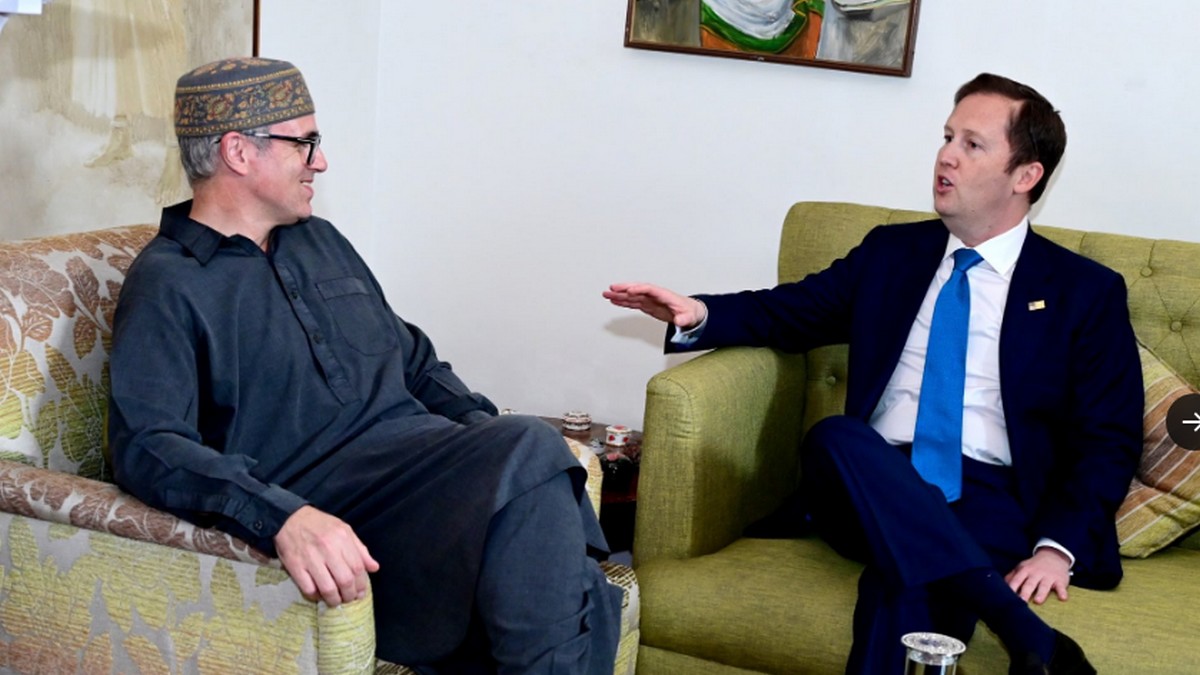
अमेरिका के नए राजदूत सर्जियो गोर अपने पहले कश्मीर दौरे पर श्रीनगर पहुंचे और वहां के बदलते सुरक्षा माहौल की जमकर तारीफ की। उन्होंने कश्मीर को भारत का एक अहम हिस्सा माना और कहा कि मोदी सरकार ने इसे पहले से कहीं ज्यादा सुरक्षित बना दिया है। उनके इस 'सुरक्षित' वाले बयान के बहुत बड़े मायने हैं, जिसे उन्होंने अपने अगले ही वाक्य में साफ भी कर दिया। गोर ने बताया कि वाशिंगटन जल्द ही अपने नागरिकों के लिए जारी 'नेगेटिव ट्रेवल एडवाइजरी' की समीक्षा करने वाला है।

राजदूत सर्जियो गोर ने कश्मीर को भारत का एक 'बेहद खूबसूरत और महत्वपूर्ण हिस्सा'  कहा है।  उन्होंने कहा कि वो पहली बार कश्मीर आए हैं और यहां की सुंदरता को देखकर हैरान हैं। केंद्र सरकार और जम्मू-कश्मीर प्रशासन द्वारा सुरक्षा व्यवस्था को मजबूत करने के लिए उठाए गए कदमों की तारीफें करते हुए गोर ने कहा कि क्षेत्र अब काफी सुरक्षित हो चुका है और बड़ी संख्या में अमेरिकी नागरिक यहां आकर इसकी खूबसूरती का अनुभव जरूर करना चाहेंगे।  

ALSO READ: तमिलनाडु की विजय सरकार का यू-टर्न, CJP और लेफ्ट के प्रदर्शन में जाने से छात्रों को रोकने वाला आदेश वापस

‘मैं दूसरे देश के राजदूत के सामने अपनी शिकायतें नहीं रखता’


इससे पहले जम्मू-कश्मीर के मुख्यमंत्री ने कहा कि उमर अब्दुल्ला ने कहा, “मैं उनकी बात सुनने के लिए अधिक उत्सुक हूं। मुझे अपनी शिकायतें किसी दूसरे देश के राजदूत के सामने रखने की आदत नहीं है। हमारे मामले वॉशिंगटन में हल नहीं होने वाले हैं, बल्कि इन्हें हमारे देश की सरकार ही सुलझाएगी।” उन्होंने कहा कि किसी दूसरे देश के राजदूत के सामने शिकायत करना उनके लिए उचित नहीं होगा। 


बीजेपी का विरोध प्रदर्शन, उमर ने भ्रष्टाचार के आरोपों पर दिया जवाब

इस बीच, बीजेपी की जम्मू-कश्मीर इकाई ने बुधवार को सिविल सचिवालय के बाहर विरोध प्रदर्शन करने का कार्यक्रम बनाया है। पार्टी ने उमर अब्दुल्ला सरकार पर कथित भ्रष्टाचार का आरोप लगाया है। बीजेपी के आरोपों पर मुख्यमंत्री उमर अब्दुल्ला ने तंज कसते हुए कहा कि जम्मू-कश्मीर सरकार में इतना भी सामर्थ्य नहीं है कि वह इस तरह के कथित भ्रष्टाचार को “छिपा” सके।

Gold Silver price: भारत में सोना ₹1.53 लाख पर, चांदी 1.5% से ज्यादा लुढ़की, क्या आगे भी जारी रहेगा दबाव

Gold Silver price: घरेलू बाजार में सोने और चांदी की कीमतों में गिरावट आई। कमज़ोर स्पॉट डिमांड और मार्केट में शामिल लोगों की बिकवाली का असर घरेलू कीमतों पर पड़ा। यह गिरावट तब आई जब ग्लोबल स्तर पर कीमती धातुओं की कीमतों में मिला-जुला ट्रेंड देखा गया।

मल्टी कमोडिटी एक्सचेंज (MCX) पर, अक्टूबर डिलीवरी के लिए सोने के फ्यूचर्स में ₹636 या 0.41% की गिरावट आई और यह ₹1.53 लाख प्रति 10 ग्राम हो गया। इस कॉन्ट्रैक्ट में 837 लॉट का बिज़नेस टर्नओवर दर्ज किया गया।सितंबर डिलीवरी के लिए चांदी के फ्यूचर्स में ₹4,023 या 1.73% की गिरावट आई और यह ₹2.28 लाख प्रति किलोग्राम हो गया, जिसमें 2,577 लॉट का बिज़नेस टर्नओवर हुआ।

दरअसल, घरेलू सोने की कीमतों में गिरावट की वजह कमज़ोर स्पॉट डिमांड थी, जबकि चांदी की कीमतें तब दबाव में आईं जब मार्केट में शामिल लोगों ने अपनी पोजीशन कम कर दीं।

घरेलू फ्यूचर्स मार्केट को इंटरनेशनल स्पॉट कीमतों से अलग भी देखा जाना चाहिए, क्योंकि डॉलर, US बॉन्ड यील्ड, ब्याज दरों की उम्मीदों और लोकल करेंसी में बदलाव के कारण दिन के दौरान इनमें अलग-अलग उतार-चढ़ाव हो सकते हैं।ग्लोबल स्तर पर, न्यूयॉर्क में सोने के फ्यूचर्स 0.10% बढ़कर लगभग $4,338.74 प्रति औंस हो गए, जबकि चांदी 0.99% बढ़कर $62.74 प्रति औंस हो गई।

आगे क्या होनी चाहिए निवेश रणनीति

लेमन (Lemonn) में रिसर्च हेड गौरव गर्ग के अनुसार, US ट्रेजरी यील्ड में कमी के कारण पिछले सेशन की गिरावट के बाद सोने में कुछ रिकवरी देखी गई। हालांकि, US फेडरल रिजर्व की मीटिंग के मिनट्स जारी होने से पहले निवेशक सतर्क रहे, क्योंकि इससे ब्याज दरों की भविष्य की दिशा के बारे में संकेत मिल सकते हैं।

कीमतों में गिरावट का मतलब यह नहीं है कि सोने में ग्राहकों की दिलचस्पी में भारी कमी आई है। जब कीमतें ज़्यादा होती हैं, तो मांग छोटी खरीदारी की ओर भी बढ़ सकती है।

इंडियन एसोसिएशन फॉर गोल्ड एक्सीलेंस एंड स्टैंडर्ड्स (IAGES) के CEO कौशलेंद्र सिन्हा ने कहा कि ग्राहकों में सोने के प्रति अब भी काफी लगाव है, हालांकि कीमतें ज़्यादा होने के कारण खरीदार तेज़ी से हल्के वज़न और ट्रेंडी ज्वेलरी चुन रहे हैं।

उन्होंने यह भी कहा कि कुछ परिवार नया सोना खरीदने के बजाय अपनी मौजूदा ज्वेलरी को एक्सचेंज करने या उसे नया डिज़ाइन करवाने का विकल्प चुन रहे हैं। इससे ग्राहकों को अपनी मौजूदा होल्डिंग्स की वैल्यू का फ़ायदा उठाने में मदद मिलती है और उन्हें नया सोना कम खरीदना पड़ता है। त्योहारों और शादी-ब्याह का मौसम आने वाला है, ऐसे में घरेलू सोने के बाज़ार के लिए मांग एक अहम कारक हो सकती है। हालांकि, सोने और चांदी की कीमतों की दिशा ग्लोबल ब्याज दरों के अनुमान, US ट्रेजरी यील्ड, डॉलर और रुपये की चाल पर भी निर्भर करेगी।

ग्राहकों के लिए, MCX फ्यूचर्स की कीमतें और रिटेल में गहनों की आखिरी कीमत एक जैसी नहीं होती हैं। सोने की रिटेल कीमतों में टैक्स, मेकिंग चार्ज और ज्वेलर का मार्जिन जैसी चीजें भी शामिल होती हैं। इसी तरह, चांदी के दाम अलग-अलग शहरों में और फिजिकल व फ्यूचर्स मार्केट के बीच अलग-अलग हो सकते हैं।

Silver price Today: ₹3000 सस्ती हुई चांदी, जानें मुंबई, दिल्ली, चेन्नई सहित 10 प्रमुख शहरों के ताजा भाव

(डिस्क्लेमर: मनीकंट्रोल.कॉम पर दिए गए विचार एक्सपर्ट के अपने निजी विचार होते हैं। वेबसाइट या मैनेजमेंट इसके लिए उत्तरदाई नहीं है। यूजर्स को मनी कंट्रोल की सलाह है कि कोई भी निवेश निर्णय लेने से पहले सार्टिफाइड एक्सपर्ट की सलाह लें।

KTM 390 Duke price and variants explained

KTM 390 Duke price and variants explained
KTM 390 Duke black front left side static in studio

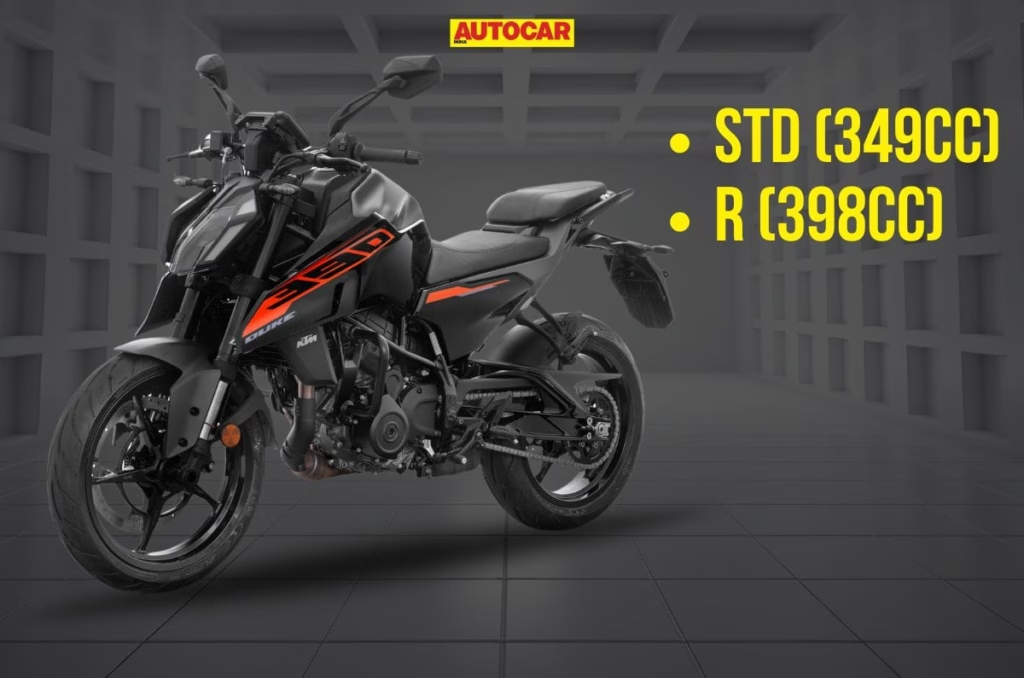
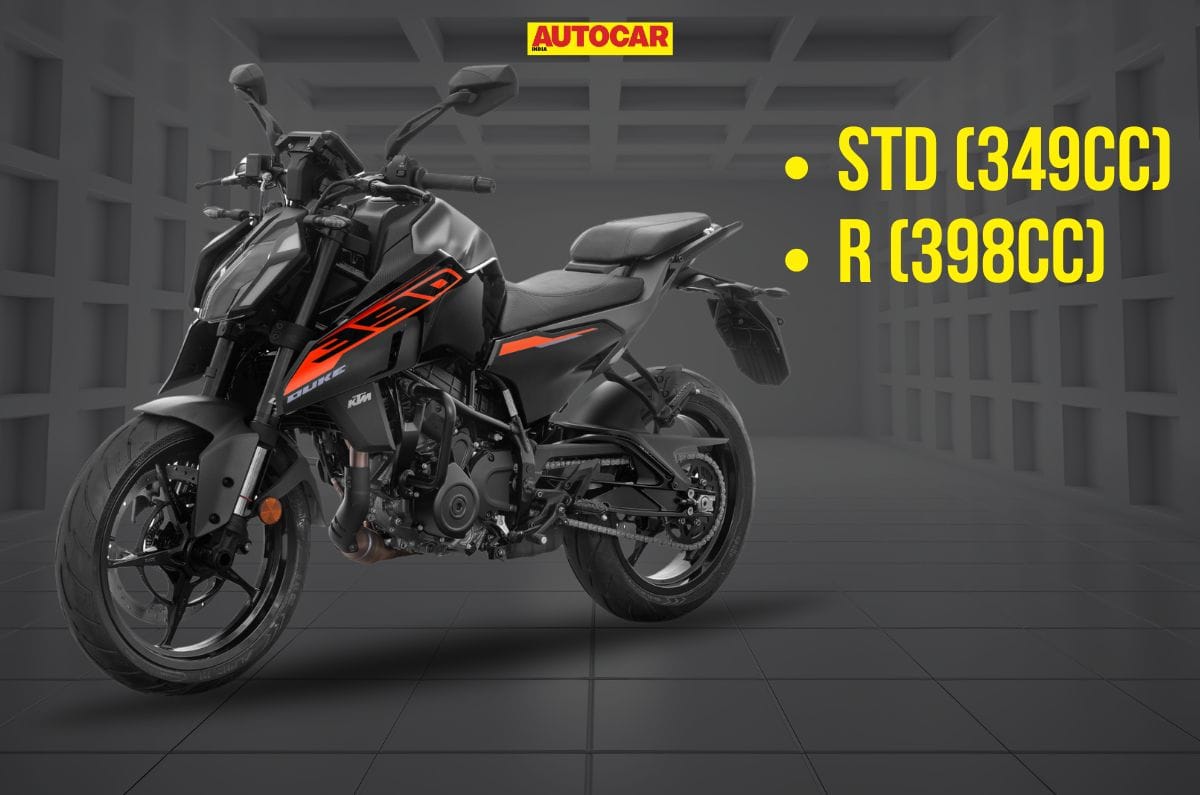
Ever since it burst onto the scene in 2013, the KTM 390 Duke has been synonymous with thrilling performance without breaking the bank. However, today the story has changed and KTM India now offers you two variants of the 390 Duke to choose from – both of which look very similar but have different engines and pricing. Here, we’ll break down what each variant offers and how much it costs.

All prices ex-showroom, Delhi

KTM 390 Duke variant breakdown

Standard

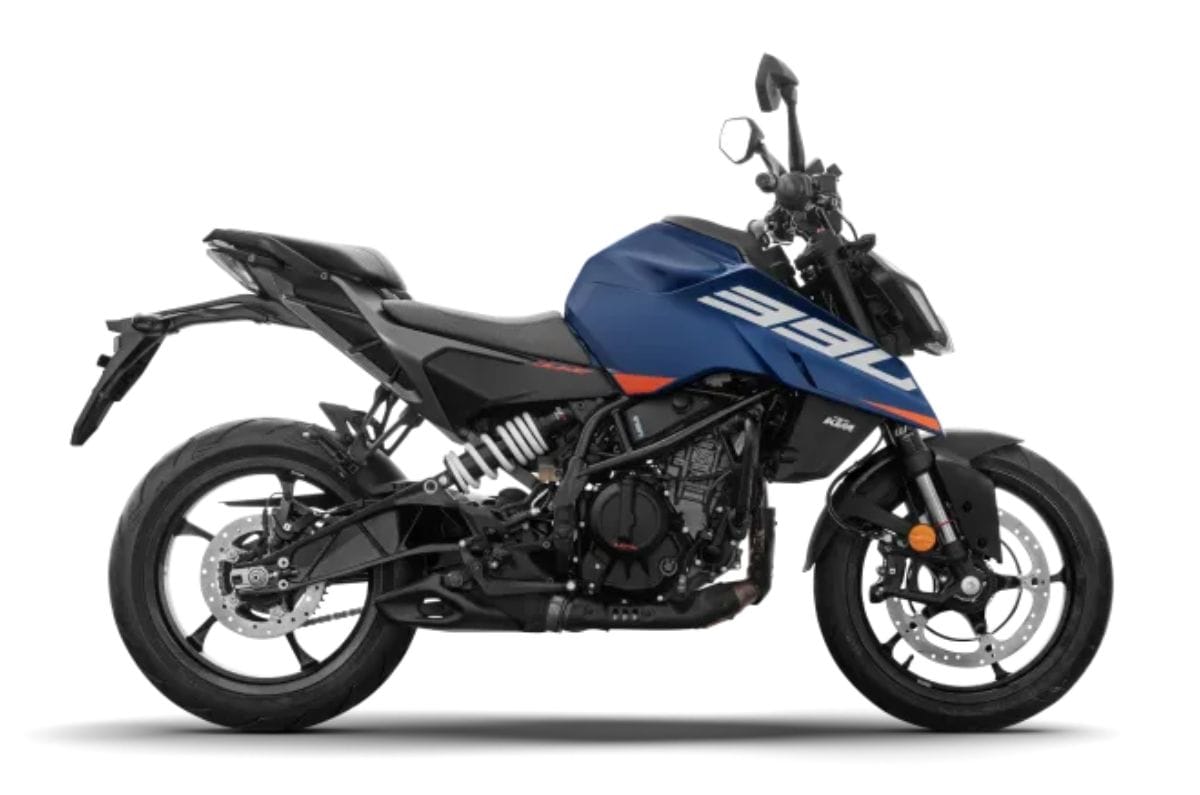
KTM 390 Duke blue right side profile static in studio

Before we elaborate on the differences between the two variants, let’s first recap what’s unchanged. The body panels, styling, chassis and feature-set are shared across both variants. Where the difference lies is primarily in the engine and the different pricing owing to the varying GST rates levied upon the motorcycles.

To benefit from the lower 18 percent GST, Bajaj has downsized the 398cc engine to 349cc via a shorter stroke while keeping the bore intact. The result is that peak output on the standard 390 Duke stands at 41.5hp and 33.5Nm of torque. As a consequence of the lower taxation, the 390 Duke’s price is Rs 2.84 lakh

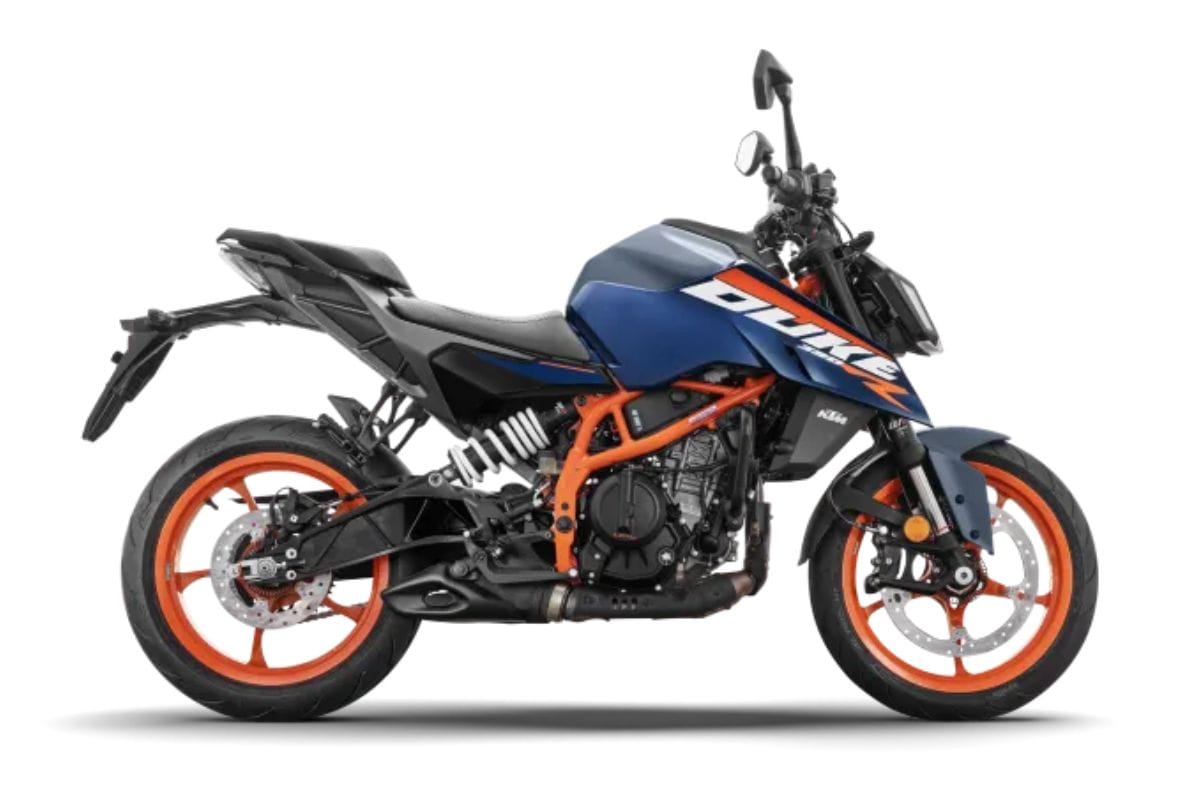
Another differentiating factor is the different colours and graphics used on the 390 Duke to differentiate it from the higher R variant. You have a choice of three colours – orange, black and blue – which is applicable to the tank and body panels while the frame and wheels are both finished in black.

R

KTM 390 Duke R blue right side profile static in studio

The R variant is the 398cc 390 Duke that came out in 2023 unchanged from before. To recap, the engine is rated for 46hp/39Nm of torque and as a consequence of the 40 percent GST levied here, its price is substantially more, at Rs 3.45 lakh. The most obvious difference between the base model and the 390 Duke R is that the latter comes with an orange frame and wheels as well as a prominent ‘R’ sticker on its side panels.  

Silver Gold Price Today : MCX पर सोना 0.50% नीचे, चांदी 1.75% टूटी, जानिए आज कमोडिटी में कहां हो सकती है कमाई

Silver Gold Price Today : MCX पर सोना 1.55 लाख रुपए प्रति 10 ग्राम के नीचे फिसल गया है। MCX पर चांदी भी 2.30 लाख रुपए प्रति किलो के नीचे फिसल गई है। वहीं, ब्रेंट क्रूड का भाव 91 डॉलर प्रति बैरल के ऊपर और WTI क्रूड का भाव 85 डॉलर के ऊपर कायम है। इस बीच डॉलर इंडेक्स 100 के स्तर के नीचे कायम है। बुधवार,19 अगस्त को MCX पर सोने और चांदी की कीमतों में इस गिरावट की वजह कच्चे तेल की बढ़ती कीमतें और US-Iran बातचीत के रुकने के बीच US Fed द्वारा ब्याज दरें बढ़ाने की बढ़ती आशंका है। हालांकि,डॉलर इंडेक्स में गिरावट ने सोने की कीमतों में गिरावट को रोक सीमित रखा है।

सोने-चांदी की चाल पर नजर डालें तो एमसीएक्स पर सोना 1 हफ्ते में 1 फीसदी और चांदी 1 हफ्ते में 3 फीसदी गिरी है। वहीं, 1 महीने में सोना 10 फीसदी और चांदी 5 फीसदी टूटी है। 3 महीने में सोना 3 फीसदी और चांदी 15 फीसदी गिरी है। 6 महीने में सोना 1 फीसदी और चांदी 6 फीसदी गिरा है। इस साल अब तक सोने में 14 फीसदी की तेजी आई है, वहीं, चांदी 3 फीसदी गिरी है।

फिलहाल 11.45 बजे के आसपास MCX पर अक्तूबर का गोल्ड वायदा 713.00 रुपए यानी 0.46 फीसदी की गिरावट के साथ 153,500 रुपए पर नजर आ रहा था। वहीं, चांदी का सितंबर वायदा 4,066 रुपए यानी 1.76 फीसदी की कमजोरी के साथ 228,330 रुपए पर दिख रहा है।

पृथ्वीफिनमार्ट कमोडिटी रिसर्च के मनोज कुमार जैन का मानना ​​है कि कच्चे तेल की कीमतों,डॉलर इंडेक्स और जियोपॉलिटिकल तनाव में उतार-चढ़ाव के बीच सोने और चांदी की कीमतें वोलेटाइल बनी रहेंगी। उन्होंने आगे कहा कि MCX पर सोने के लिए 1,53,100 रुपए और 1,52,200 रुपए पर सपोर्ट है। वहीं, 1,55,000 और 1,56,100 रुपए पर इसके लिए रेजिस्टेंस है। जबकि चांदी के लिए सपोर्ट 2,30,000 और 2,26,600 रुपए पर और रेजिस्टेंस 2,23,500 रुपए और 2,37,700 रुपए पर है।

दूसरी कमोडिटीज पर एक नजर

एमसीएक्स पर कॉपर का अगस्त वायदा 4.20 रुपए यानी 0.31 फीसदी की हल्की कमजोरी के साथ 1,364.35 रुपए के आसपास दिख रहा था। वहीं,क्रूड का सितंबर वायदा 38 रुपए यानी 0.47 फीसदी की तेजी के साथ 8,126 रुपए के करीब दिख रहा था। नैचुरल गैस का अगस्त वायदा 2.10 रुपए यानी 0.79 फीसदी की तेजी के साथ 266.90 रुपए पर और ELECDMBL अगस्त वायदा 30 रुपए यानी 0.68 फीसदी की कमजोरी लेकर 4,380 के आसपास ट्रेड कर रहा था।

कमोडिटी में कमाई वाले कॉल

कमोडिटी में कमाई वाले कॉल के लिए आज हमारे साथ हैं Kedia Advisory के अजय केडिया। इनको आज गोल्ड और सिल्वर में बिकवाली करके कमाई के मौके दिख रहे हैं। एमसीएक्स गोल्ड में इनकी 155000 रुपए के आसपास,156000 रुपए के स्टॉप लॉस के साथ 153000 रुपए के टारेगट के लिए बिकवाली की सलाह है। वहीं,एमसीएक्स सिल्वर में भी इनकी 234000 रुपए के आसपास,236000 रुपए के स्टॉप लॉस के साथ 230000 रुपए के टारेगट के लिए बिकवाली की सलाह है।


Silver price Today: ₹3000 सस्ती हुई चांदी, जानें मुंबई, दिल्ली, चेन्नई सहित 10 प्रमुख शहरों के ताजा भाव


डिस्क्लेमर: मनीकंट्रोल.कॉम पर दिए गए विचार एक्सपर्ट के अपने निजी विचार होते हैं। वेबसाइट या मैनेजमेंट इसके लिए उत्तरदाई नहीं है। यूजर्स को मनी कंट्रोल की सलाह है कि कोई भी निवेश निर्णय लेने से पहले सर्टिफाइड एक्सपर्ट की सलाह लें।

Silver price Today: ₹3000 सस्ती हुई चांदी, जानें मुंबई, दिल्ली, चेन्नई सहित 10 प्रमुख शहरों के ताजा भाव

Silver price Today: चांदी की कीमतों में बुधवार, 19 अगस्त को गिरावट देखने को मिली। दिल्ली, मुंबई, चेन्नई में चांदी के दाम 2,30,000 लाख रुपये प्रति किलोग्राम पर है। मल्टी कमोडिटी एक्सचेंज (MCX) पर चांदी का वायदा भाव 1.35% लुढ़क कर यानी 3131 रुपये गिरकर 2,29,447 रुपये प्रति किलो हो गई। जबकि पिछले कारोबारी सत्र में चांदी 2,32,419 रुपये प्रति किलो पर बंद हुई थी। जबकि COMEX चांदी $63.145 प्रति औंस पर थी, जिसमें 1.39% की गिरावट थी।

हालिया कारोबार में सोने के मुकाबले चांदी में ज़्यादा तेज गिरावट आई है। सोने के विपरीत, चांदी की औद्योगिक मांग का एक बड़ा हिस्सा होता है, जिसका मतलब है कि इसकी कीमतें ग्लोबल आर्थिक गतिविधियों से जुड़ी उम्मीदों पर भी प्रतिक्रिया दे सकती हैं। यह हालिया कमज़ोरी कीमती धातुओं में व्यापक गिरावट के बाद आई है

भारत के शहरों में चांदी के ताजा भाव (10 ग्राम, 100 ग्राम, प्रति किलो)

शहर10 ग्राम चांदी100 ग्राम चांदी1 किलो चांदी
दिल्ली₹2,300₹23,000₹2,30,000
मुंबई₹2,300₹23,000₹2,30,000
कोलकाता₹2,300₹23,300₹2,30,000
चेन्नई₹2,300₹23,300₹2,30,000
पटना₹2,300₹23,300₹2,30,000
लखनऊ₹2,300₹23,300₹2,30,000
मेरठ₹2,300₹23,000₹2,30,000
अयोध्या₹2,300₹23,000₹2,30,000
कानपुर₹2,300₹23,000₹2,30,000
गाजियाबाद₹2,300₹23,000₹2,30,000
नोएडा₹2,300₹23,000₹2,30,000
गुरुग्राम₹2,300₹23,000₹2,30,000
चंडीगढ़₹2,300₹23,000₹2,30,000
जयपुर₹2,300₹23,000₹2,30,000
लुधियाना₹2,300₹23,000₹2,30,000
गुवाहाटी₹2,300₹23,000₹2,30,000
इंदौर₹2,300₹23,000₹2,33,000
अहमदाबाद₹2,300₹23,0002,30,000
वडोदरा₹2,300₹23,000₹2,30,000
सूरत₹2,300₹23,000₹2,30,000
पुणे₹2,300₹23,000₹2,30,000
नागपुर₹2,300₹23,300₹2,30,000
नासिक₹2,300₹23,000₹2,30,000
बैंगलोर₹2,300₹23,000₹2,30,000
भुवनेश्वर₹2,300₹23,000₹2,30,000
रायपुर₹2,300₹23,000₹2,30,000
हैदराबाद₹2,300₹23,000₹2,30,000

चांदी वायदा कीमतों में गिरावट

कमजोर हाजिर मांग के बीच कारोबारियों द्वारा अपने सौदों का आकार घटाने से मंगलवार को वायदा कारोबार में चांदी की कीमत 2,535 रुपये की गिरावट के साथ 2,41,240 रुपये प्रति किग्रा रह गया।

मल्टी कमोडिटी एक्स्चेंज में चांदी के दिसंबर महीने में डिलीवरी वाले वायदा की कीमत 2,535 रुपये यानी 1.04 फीसदी की गिरावट के साथ 2,41,240 रुपये प्रति किलोग्राम रह गया। वैश्विक स्तर पर न्यूयॉर्क में चांदी की कीमत 1.78 फीसदी की हानि के साथ 65.01 डॉलर प्रति औंस रह गयी। बाजार एक्सपर्ट्स ने कहा कि कारोबारियों की बिकवाली बढ़ने से चांदी वायदा कीमतों में गिरावट आई।


(डिस्क्लेमर: मनीकंट्रोल.कॉम पर दिए गए विचार एक्सपर्ट के अपने निजी विचार होते हैं। वेबसाइट या मैनेजमेंट इसके लिए उत्तरदाई नहीं है। यूजर्स को मनी कंट्रोल की सलाह है कि कोई भी निवेश निर्णय लेने से पहले सार्टिफाइड एक्सपर्ट की सलाह लें।

Delhi Weather Today: राजधानी में आज फिर बरसेंगे बदरा, IMD ने बताया इस हफ्ते कैसा रहेगा मौसम?

Delhi Weather Today: दिल्ली में बुधवार (19 अगस्त) को मौसम सुहाना रहने के साथ बारिश के आसार हैं। भारत मौसम विज्ञान विभाग (IMD) ने आज राजधानी के कई इलाकों में हल्की बारिश, जबकि कुछ जगहों पर मध्यम बारिश होने का अनुमान जताया है। IMD के पूर्वानुमान के अनुसार, “आसमान में आमतौर पर बादल छाए रहेंगे। सुबह से दोपहर तक कई स्थानों पर हल्की बारिश की एक या दो बौछारें पड़ेंगी, जबकि कुछ स्थानों पर मध्यम बारिश हो सकती है। वहीं, शाम से रात तक हल्की से मध्यम बारिश की एक और बौछार पड़ने की संभावना है।”

19 अगस्त को, IMD ने अधिकतम तापमान 32 डिग्री सेल्सियस से 34 डिग्री सेल्सियस के बीच और न्यूनतम तापमान 26 डिग्री सेल्सियस से 28 डिग्री सेल्सियस के बीच रहने का अनुमान लगाया है।

दिल्ली के मौसम का साप्ताहिक पूर्वानुमान

IMD ने अनुमान लगाया है कि दिल्ली में 23 अगस्त तक बारिश हो सकती है, जबकि 24 अगस्त को बारिश नहीं होगी।

20 अगस्त के लिए IMD ने हल्की से मध्यम बारिश का अनुमान लगाया है। पूर्वानुमान के अनुसार, “आसमान में आमतौर पर बादल छाए रहेंगे। सुबह से दोपहर के बीच कई जगहों पर हल्की बारिश और कुछ जगहों पर मध्यम बारिश हो सकती है। शाम से रात के समय भी बहुत हल्की से हल्की बारिश का एक और दौर हो सकता है।” इस दौरान अधिकतम तापमान 32 डिग्री सेल्सियस से 34 डिग्री सेल्सियस के बीच रहने की उम्मीद है, जबकि न्यूनतम तापमान 26 डिग्री सेल्सियस से 28 डिग्री सेल्सियस के बीच रह सकता है।

21 अगस्त से बारिश की रफ्तार होगी कम

21 अगस्त को बारिश की तीव्रता कम होकर बहुत हल्की बारिश में बदलने की उम्मीद है। IMD ने 21, 22 और 23 अगस्त को बहुत हल्की से हल्की बारिश का अनुमान लगाया है। तीनों दिनों के लिए अनुमान में कहा गया है, “आमतौर पर आसमान में बादल छाए रहेंगे। सुबह से दोपहर के बीच कुछ जगहों पर बहुत हल्की से हल्की बारिश हो सकती है।”

इन दिनों अधिकतम तापमान 31 डिग्री सेल्सियस से 34 डिग्री सेल्सियस के बीच रहने की उम्मीद है, जबकि न्यूनतम तापमान 24 डिग्री सेल्सियस से 27 डिग्री सेल्सियस के बीच रहने का अनुमान है।

24 अगस्त से बारिश पर लग सकता है ब्रेक

IMD के पूर्वानुमान के मुताबिक, 24 अगस्त को दिल्ली में बारिश का दौर थम सकता है। इस दिन बारिश की कोई संभावना नहीं है और आसमान में आमतौर पर बादल छाए रह सकते हैं।

यह भी पढ़ें: JSSC-CGL: ‘चाहो तो रिश्ता खत्म कर सकती हो…’ नौकरी जाने के डर से टूट गया शख्स, पत्नी से कही ये बात

Gold Silver Price Today: गिर गए सोने-चांदी के दाम, आखिर क्या है कारण, अब आगे क्या होनी चाहिए निवेश रणनीति

Gold Silver Price Today: इंटरनेशनल मार्केट में सोने-चांदी की कीमतों में दबाव देखने को मिल रहा है। दरअसल, निवेशकों ने US ट्रेजरी यील्ड, तेल की कीमतों और ब्याज दरों के आउटलुक पर विचार किया, जिसके चलते सोने के मुकाबले चांदी में ज़्यादा गिरावट आई। ताज़ा आंकड़ों के अनुसार, COMEX सोना $4,406 प्रति औंस पर ट्रेड कर रहा था, जिसमें 0.33% की गिरावट थी, जबकि COMEX चांदी $63.145 प्रति औंस पर थी, जिसमें 1.39% की गिरावट थी।

ये बदलाव पिछले सेशन में दोनों कीमती धातुओं में गिरावट के बाद आए हैं। मंगलवार (18 अगस्त) को सोने में लगभग 2% की गिरावट आई थी, जबकि चांदी में भी तेज़ गिरावट देखी गई थी।

सोना और चांदी क्यों गिर रहे हैं?

US ट्रेजरी यील्ड में उतार-चढ़ाव इसका मुख्य कारण है। ज़्यादा यील्ड आम तौर पर सोने पर दबाव डालती है क्योंकि इस धातु पर कोई ब्याज नहीं मिलता, जिससे यील्ड देने वाली संपत्तियां ज़्यादा आकर्षक हो जाती हैं। US यील्ड अपने हालिया ऊंचे स्तरों से नीचे आई हैं, लेकिन ग्लोबल बॉन्ड बिकवाली के कारण प्रमुख अर्थव्यवस्थाओं में लंबे समय के लिए उधार लेने की लागत कई सालों के उच्चतम स्तर के करीब पहुंचने के बाद भी वे ऊंचे स्तर पर बनी हुई हैं।

बाजार US फेडरल रिज़र्व की जुलाई की बैठक के मिनट्स (कार्यवृत्त) का भी इंतज़ार कर रहा है। निवेशक सेंट्रल बैंक की ब्याज दर की दिशा के बारे में संकेत तलाशेंगे, खासकर इसलिए क्योंकि हालिया US डेटा में कमज़ोर रोज़गार और रिटेल खर्च के साथ-साथ कम महंगाई दर दिखाई दी है।

चांदी पर क्यों है ज़्यादा दबाव?

हालिया कारोबार में सोने के मुकाबले चांदी में ज़्यादा तेज़ गिरावट आई है। सोने के विपरीत, चांदी की औद्योगिक मांग का एक बड़ा हिस्सा होता है, जिसका मतलब है कि इसकी कीमतें ग्लोबल आर्थिक गतिविधियों से जुड़ी उम्मीदों पर भी प्रतिक्रिया दे सकती हैं। यह हालिया कमज़ोरी कीमती धातुओं में व्यापक गिरावट के बाद आई है।

घरेलू बाज़ार में क्या हो रहा है?

ऑल इंडिया सराफा एसोसिएशन के अनुसार, भारत में मंगलवार (18 अगस्त) को सोने की कीमतें ₹2,000 बढ़कर 99.9% शुद्धता वाले सोने के लिए ₹1.58 लाख प्रति 10 ग्राम हो गईं। वहीं चांदी की कीमत भी ₹730 बढ़कर ₹2.40 लाख प्रति किलोग्राम हो गई। घरेलू कीमतें ग्लोबल स्पॉट कीमतों में गिरावट के अनुरूप थीं, साथ ही रुपया, आयात लागत और स्थानीय मांग ने भी भारतीय बुलियन दरों को प्रभावित किया।

क्रूड प्राइस बढ़ा रही अनिश्चितता

US-ईरान संघर्ष और होर्मुज़ जलडमरूमध्य (Strait of Hormuz) को लेकर जारी अनिश्चितता के बीच कच्चे तेल की कीमतें बढ़ी हैं। तेल की कीमतें बढ़ने से महंगाई का दबाव बढ़ सकता है और सेंट्रल बैंकों के लिए ब्याज दरों को लेकर स्थिति और मुश्किल हो सकती है। अगर निवेशकों को लगता है कि ब्याज दरें लंबे समय तक ऊंची बनी रहेंगी, तो इसका असर सोने की कीमतों पर पड़ सकता है।

वहीं, जियोपॉलिटिकल तनाव के कारण सुरक्षित निवेश (सेफ-हेवन एसेट) के तौर पर सोने की मांग बढ़ सकती है। इससे बुलियन मार्केट दो विपरीत ताकतों के बीच फंसा हुआ है — एक तरफ सुरक्षित निवेश के तौर पर सोने की मांग और दूसरी तरफ ऊंची यील्ड/ब्याज दरों को लेकर चिंता।

अब निवेशकों को किन बातों पर रखनी चाहिए नजर?

सोने और चांदी की कीमतों में बदलाव की तत्काल वजह US फेड की बैठक के मिनट्स (बैठक का ब्योरा) हो सकते हैं। अगर इससे कोई संकेत मिलता है कि पॉलिसी बनाने वाले महंगाई को लेकर चिंतित हैं और ब्याज दरों में कटौती के पक्ष में नहीं हैं, तो बुलियन पर दबाव बना रह सकता है।

दूसरी ओर, अगर आर्थिक आंकड़े कमजोर रहते हैं या फेड की तरफ से ब्याज दरें कम रखने का संकेत (डोविश सिग्नल) मिलता है, तो ऊंची ब्याज दरों की उम्मीदें कम होने से सोने और चांदी को सहारा मिल सकता है।

फिलहाल, US ट्रेजरी यील्ड, डॉलर, कच्चे तेल की कीमतें, जियोपॉलिटिकल घटनाक्रम और फेड के संकेत ही वे मुख्य कारक हैं जिन पर कीमती धातुओं की कीमतों में अगले बदलाव के लिए नज़र रखनी होगी।

(डिस्क्लेमर: मनीकंट्रोल.कॉम पर दिए गए विचार एक्सपर्ट के अपने निजी विचार होते हैं। वेबसाइट या मैनेजमेंट इसके लिए उत्तरदाई नहीं है। यूजर्स को मनी कंट्रोल की सलाह है कि कोई भी निवेश निर्णय लेने से पहले सार्टिफाइड एक्सपर्ट की सलाह लें।

Stock Market Today : बाजार पर आज इन खबरों का दिखेगा असर, कोई ट्रेड लेने से पहले इन पर डाल लें एक नजर

Market news : खराब ग्लोबल संकतों से भारतीय बाजारों के सेंटिमेंट कमजोर हो सकते हैं। गिफ्ट निफ्टी में हल्का दबाव है। FIIs की कैश में खरीदारी देखने को मिली है। लेकिन वायदा में तगड़ी बिकवाली हुई है। FIIs के नेट शॉर्ट कॉन्ट्रैक्ट भी दो लाख के करीब पहुंच गए हैं। यहां हम आपके लिए तमाम समाचार प्लेटफॉर्मों पर चल रही आज की ऐसी अहम खबरों की एक सूची जारी कर रहें हैं जो भारतीय और अंतर्राष्ट्रीय बाजारों को प्रभावित कर सकते हैं।

मार्केट ओवरव्यू

18 अगस्त को भारतीय बेंचमार्क इंडेक्स लाल निशान में बंद हुए,निफ्टी 24,200 के निशान से नीचे फिसल गया और लगातार छठे सेशन में गिरावट का सिलसिला जारी रहा। ईरान और US के बीच बढ़ते तनाव के बीच बड़े पैमाने पर बिकवाली और कच्चे तेल की कीमतों में तेज बढ़ोतरी की वजह से यह गिरावट आई। कारोबारी सत्र के अंत में सेंसेक्स 492.70 अंक या 0.63 प्रतिशत गिरकर 77,235.46 पर और निफ्टी 132.75 अंक या 0.55 प्रतिशत गिरकर 24,154.90 पर बंद हुआ। निफ्टी मिडकैप इंडेक्स 0.4 प्रतिशत और स्मॉलकैप इंडेक्स 0.4 प्रतिशत गिरा।

हॉर्मुज को लेकर टेंशन बढ़ी

हॉर्मुज को लेकर टेंशन बढ़ गई है। ट्रंप ने नक्शा जारी करके बताया है कि हॉर्मुज अमेरिका का हिस्सा है। इधर ईरान ने किसी भी बातचीत से इनकार किया है। विदेश मंत्री अराघची ने कहा है कि बातचीत हमारी शर्तों पर ही होगी। US- ईरान टेंशन से कच्चा तेल लगातार चौथे दिन चढ़ा है। इसके भाव 92 डॉलर के करीब पहुंच गए हैं।

अमेरिकी और एशियाई बाजार

अमेरिकी बाजार दूसरे दिन भी फिसले हैं। क्रूड के साथ बाजारों को US बॉन्ड यील्ड की भी टेंशन है। 30 साल की बॉन्ड यील्ड 19 साल की ऊंचाई पर आ गई है। 10 साल की बॉन्ड यील्ड 4.7% के ऊपर बरकरार है। इधर अमेरिकी बाजारों में दूसरे दिन भी दबाव रहा। चिप शेयरों में 9% तक की भारी बिकवाली से नैस्डैक 1.25 फीसदी से ज्यादा फिसला है। चिप शेयरों की पिटाई से कॉस्पी 4 फीसदी से ज्यादा नीचे आया है। निक्केई में भी 2.5 फीसदी की गिरावट है।

IT कंपनियों के लिए सेंटिमेंट पॉजिटिव, इंफोसिस का ADR करीब 2% चढ़ा

चिप शेयरों की बिकवाली से IT कंपनियों के सेंटिमेंट पॉजिटिव दिख रहे हैं। कल अमेरिका में एक्सेंचर,सेल्सफोर्स और एडोबी जैसी सॉफ्टवेयर कंपनियां दो से चार फीसदी उछलीं। इंफोसिस का ADR भी करीब 2% चढ़ा।

Aster DM में आज बड़ी ब्लॉक डील संभव

Aster DM में आज करीब 4,780 करोड़ रुपए की ब्लॉक डील संभव है। सेंटेला मॉरिशस होल्डिंग्स (Centella Mauritius Holdings) 7.2% हिस्सा बेच सकता है। इसके लिए 6.3% डिस्काउंट पर 766 रुपए प्रति शेयर फ्लोर प्राइस तय की गई है।

घरेलू PNG कनेक्शन के लिए इन्सेंटिव स्कीम

घरेलू PNG कनेक्शन के लिए इन्सेंटिव स्कीम को सरकार ने मंजूरी दे दी है। PNG कनेक्शन के लिए सिटी गैस डिस्ट्रीब्यूशन कंपनियों के प्रोत्साहन के लिए यह स्कीम 1 सितंबर से लागू होगी। इस खबर के चलते आज IGL, MGL और गुजरात एनर्जी के शेयरों में एक्शन आज बढ़ सकता है

एफआईआई और डीआईआई फंड फ्लो

18 अगस्त को विदेशी संस्थागत निवेशकों ने ₹1,651 करोड़ के शेयर खरीदे और वे नेट खरीदार बन गए। वहीं,घरेलू संस्थागत निवेशकों ने लगातार छठे सेशन में भी खरीदारी जारी रखी और भारतीय शेयरों में ₹2,579 करोड़ का निवेश किया।


Market cues : लगातार गिरावट के बाद आज हो सकती है वापसी की कोशिश, निफ्टी के लिए 24200-24300 पर रेजिस्टेंस