Market Outlook : गिरावट के साथ बंद हुए सेंसेक्स-निफ्टी, जानिए 25 अगस्त को कैसी रह सकती है बाजार की चाल

Market Outlook : 24 अगस्त को भारतीय इक्विटी इंडेक्स गिरावट के साथ बंद हुए और निफ्टी 24,200 के आसपास रहा। कारोबार के अंत में सेंसेक्स 171.72 अंक या 0.22 प्रतिशत गिरकर 77,369.11 पर और निफ्टी 32.95 अंक या 0.14 प्रतिशत गिरकर 24,219.05 पर बंद हुआ। आज लगभग 1970 शेयरों में बढ़त हुई, 2278 शेयरों में गिरावट आई और 199 शेयरों में कोई बदलाव नहीं हुआ।

निफ्टी में सबसे ज़्यादा गिरावट वाले शेयरों में SBI लाइफ इंश्योरेंस,बजाज फाइनेंस,बजाज फिनसर्व,भारत इलेक्ट्रॉनिक्स और अडानी पोर्ट्स शामिल रहे। जबकि बढ़त वाले शेयरों में हिंडाल्को,JSW स्टील,डॉ. रेड्डीज़ लैब्स,टाटा स्टील और HCL टेक्नोलॉजीज शामिल रहे।

IT,एनर्जी,मेटल और रियल्टी को छोड़कर बाकी सभी सेक्टर इंडेक्स गिरावट के साथ बंद हुए। PSU बैंक में 1% की गिरावट आई,जबकि प्राइवेट बैंक,मीडिया और कंज्यूमर ड्यूरेबल्स में 0.3-0.5% की गिरावट देखने को मिली। निफ्टी मिडकैप इंडेक्स में 0.13% की बढ़त हुई,जबकि स्मॉलकैप इंडेक्स में 0.26% की गिरावट आई।

निफ्टी व्यू

कोटक सिक्योरिटीज के हेड इक्विटी रिसर्च श्रीकांत चौहान का कहना है कि आज बेंचमार्क इंडेक्स में ऊपरी लेवल पर प्रॉफिट बुकिंग दिखी। निफ्टी 33 अंक गिरकर बंद हुआ,जबकि सेंसेक्स में 171 अंकों की गिरावट आई। सेक्टर की बात करें तो मेटल इंडेक्स में 1.50 फीसदी से ज्यादा की तेजी रही,जबकि PSU बैंक और डिफेंस इंडेक्स में लगभग 1 फीसदी की गिरावट आई।

टेक्निकल तौर पर,पॉज़िटिव शुरुआत के बाद मार्केट को ऊपरी लेवल पर लगातार बिकवाली का दबाव झेलना पड़ रहा है। डेली चार्ट पर बेयरिश कैंडल और इंट्राडे चार्ट पर रिवर्सल पैटर्न मौजूदा लेवल से और कमजोरी आने के संकेत दे रहे हैं।

श्रीकांत चौहान का मानना ​​है कि 24,250 का लेवल निफ्टी के लिए तत्काल रेजिस्टेंस जोन का काम करेगा। जब तक इंडेक्स इस लेवल के नीचे ट्रेड करेगा,तब तक कमजोरी का ट्रेंड जारी रहने की संभावना है। नीचे की तरफ,निफ्टी 24,000-23,950 तक गिर सकता है। दूसरी ओर 24,250 के ऊपर जाने पर मार्केट में रिकवरी आ सकती है और यह 24,350-24,400 तक जा सकता है।

LKP सिक्योरिटीज के सीनियर टेक्निकल एनालिस्ट, रूपक डे का कहना है कि अच्छी शुरुआत के बाद इंडेक्स नीचे गिर गया क्योंकि ईरान पर नए अमेरिकी प्रतिबंधों से पहले ट्रेडर्स ने अपनी पोजीशन घटाते दिखे। इंट्राडे में निफ्टी 24,200 के सपोर्ट लेवल से नीचे चला गया था,लेकिन क्लोजिंग के समय उसने इसे फिर से हासिल कर लिया।

मंगलवार को बाजार में काफी उतार-चढ़ाव रहने की संभावना है क्योंकि ट्रेडर्स ईरान पर नए अमेरिकी प्रतिबंधों और ईरान की संभावित प्रतिक्रिया के आधार पर अपनी पोजीशन में बदलाव करेंगे। यह अहम घटना NSE की मंथली F&O एक्सपायरी के साथ ही होगी जो एक अहम इवेंट है। इसलिए,मंगलवार को बाजार में उतार-चढ़ाव की उम्मीद है।

निचले स्तर पर नफ्टी के लिए 24,200/24,000 पर सपोर्ट है। ऊपरी स्तर पर,24,350 एक अहम रेजिस्टेंस लेवल का काम कर सकता है,जिसके ऊपर जाने पर निफ्टी में अच्छी-खासी तेजी देखने को मिल सकती है।

Narayana Hrudayalaya Share Price: ब्रोकरेज के बुलिश नजरिए ने स्टॉक में भरा जोश, जानिए क्या है टारगेट प्राइस

बैंक निफ्टी व्यू

LKP सिक्योरिटीज के टेक्निकल एनालिस्ट,वत्सल भुवा का कहना है कि बैंक निफ्टी आज डेली चार्ट पर बेयरिश कैंडलस्टिक के साथ बंद हुआ है। यह ऊपरी लेवल पर लगातार बिकवाली के दबाव को दिखाता है। इंडेक्स अभी भी कंसोलिडेशन फेज में है,जो मार्केट में दुविधा और किसी साफ दिशा के बारे में पक्के भरोसे की कमी को दिखाता है। बैंक निफ्टी के लिए तत्काल सपोर्ट 57,300 पर है (जो सोमवार के निचले स्तर के आसपास है),जबकि रेजिस्टेंस 58,000 के आसपास दिख रहा है,जो गिरती हुई ट्रेंडलाइन के साथ मेल खाता है।

जब तक कोई साफ ब्रेकआउट या ‘ब्रेकडाउन नहीं होता,तब तक इंडेक्स के एक दायरे में ही रहने की संभावना है। इसलिए,57,300–58,000 की रेंज में सख्त स्टॉप-लॉस के साथ ही ट्रेड करने की सलाह होगी।

डिस्क्लेमर: मनीकंट्रोल.कॉम पर दिए गए विचार एक्सपर्ट के अपने निजी विचार होते हैं। वेबसाइट या मैनेजमेंट इसके लिए उत्तरदाई नहीं है। यूजर्स को मनी कंट्रोल की सलाह है कि कोई भी निवेश निर्णय लेने से पहले सर्टिफाइड एक्सपर्ट की सलाह लें।
All-new Bajaj Pulsar 150 launched from Rs 1.15 lakh

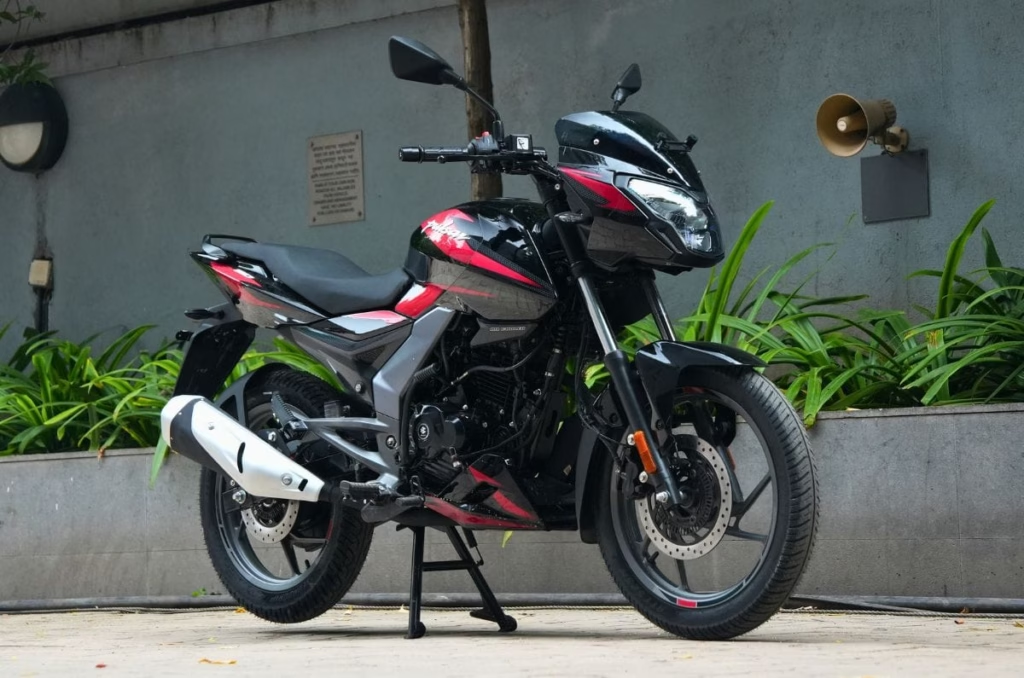
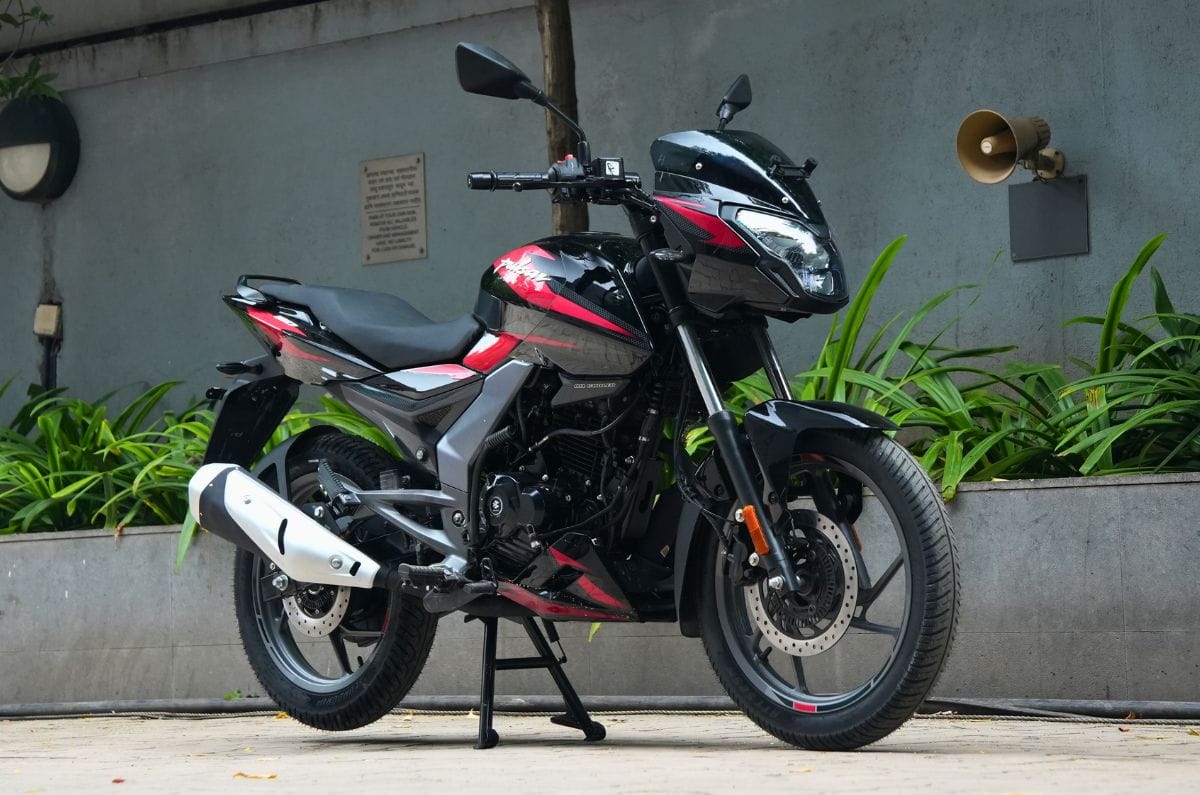
All-new Bajaj Pulsar 150 launched from Rs 1.15 lakh

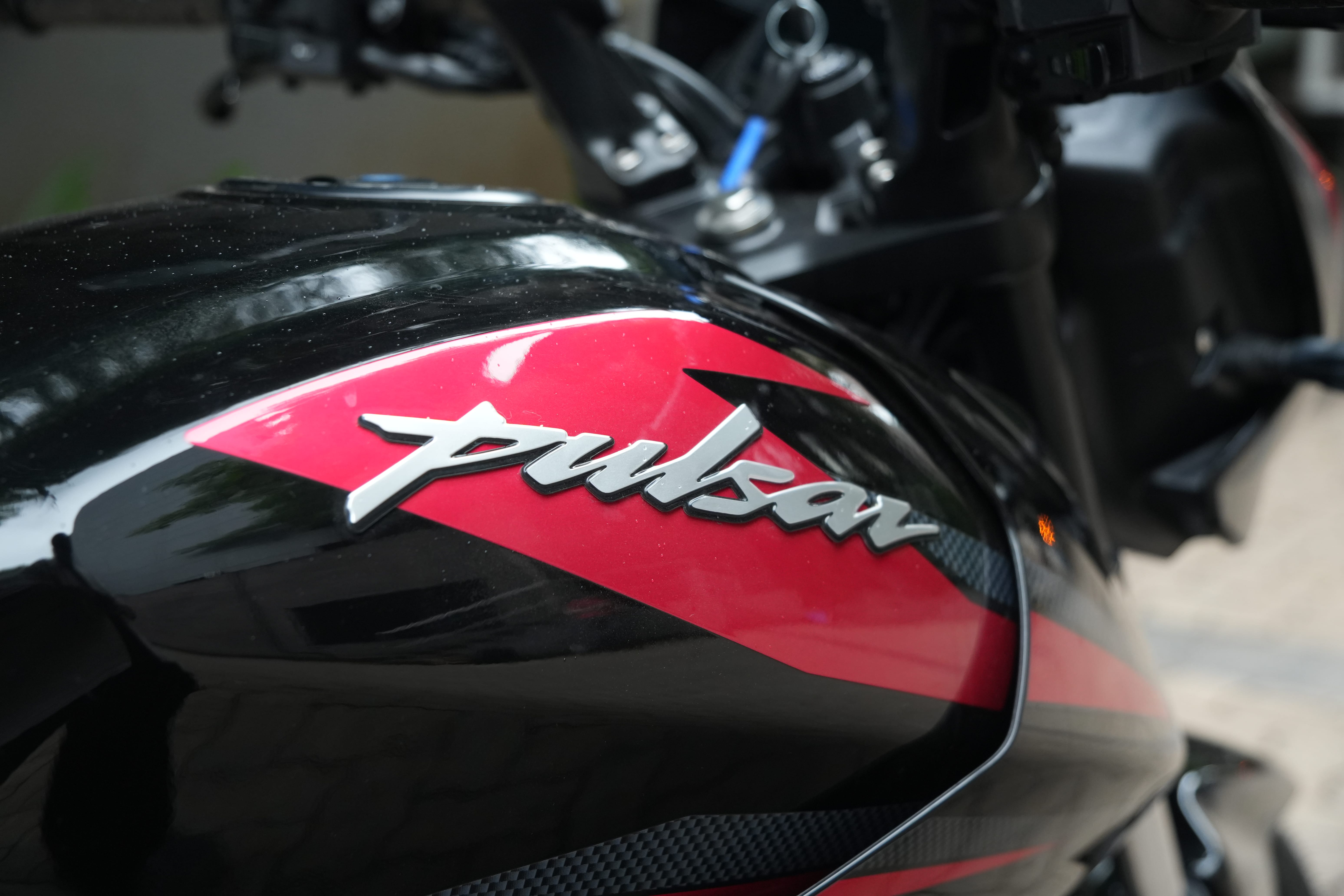
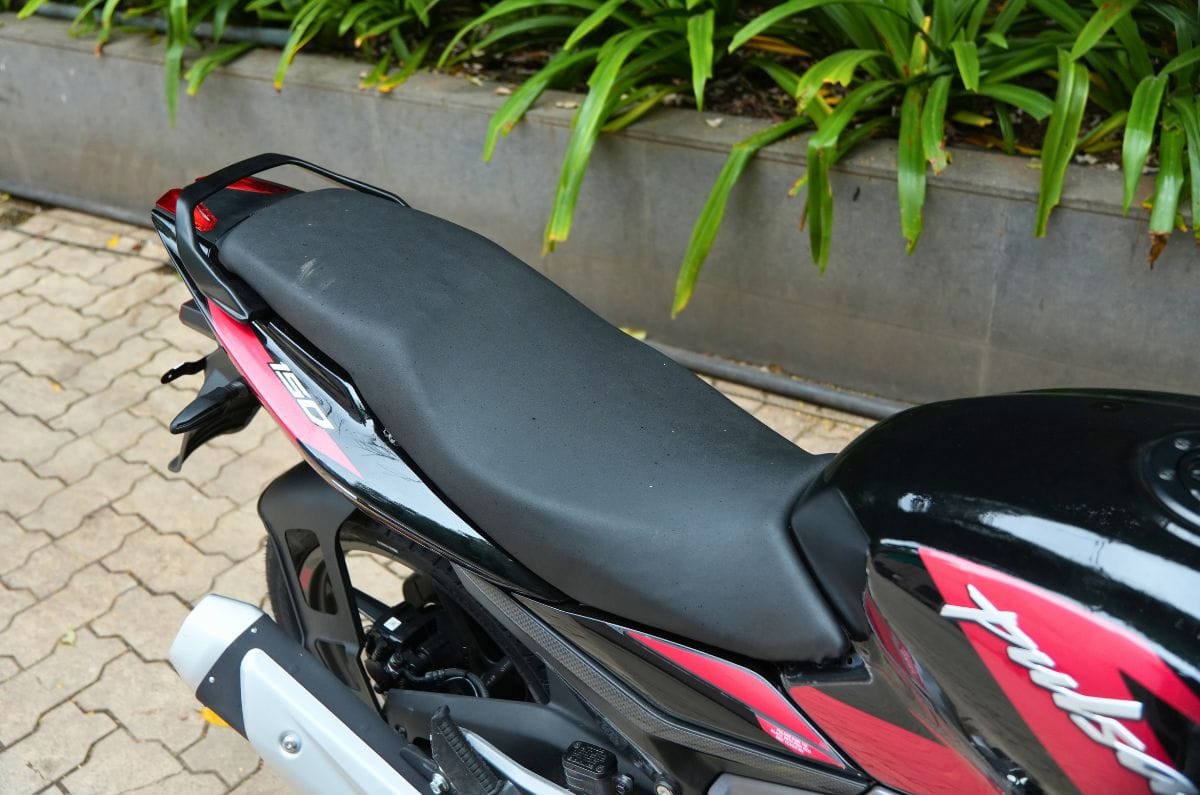
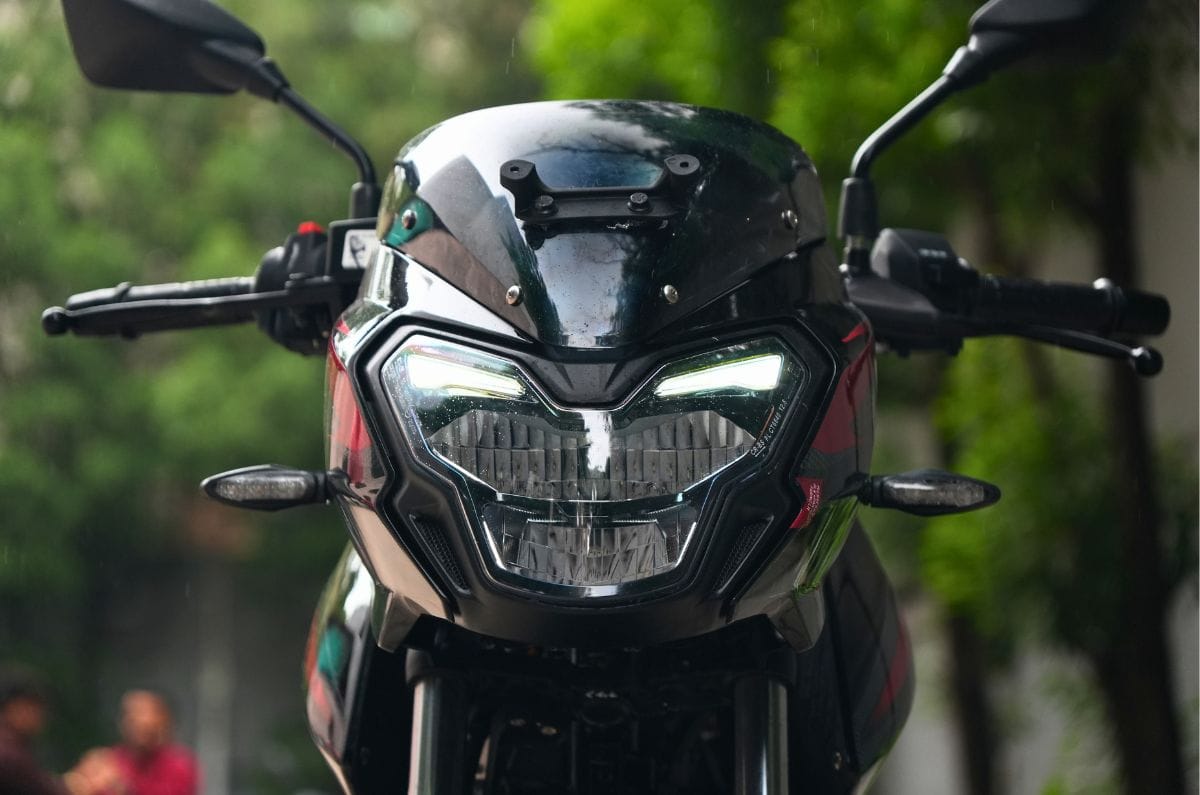
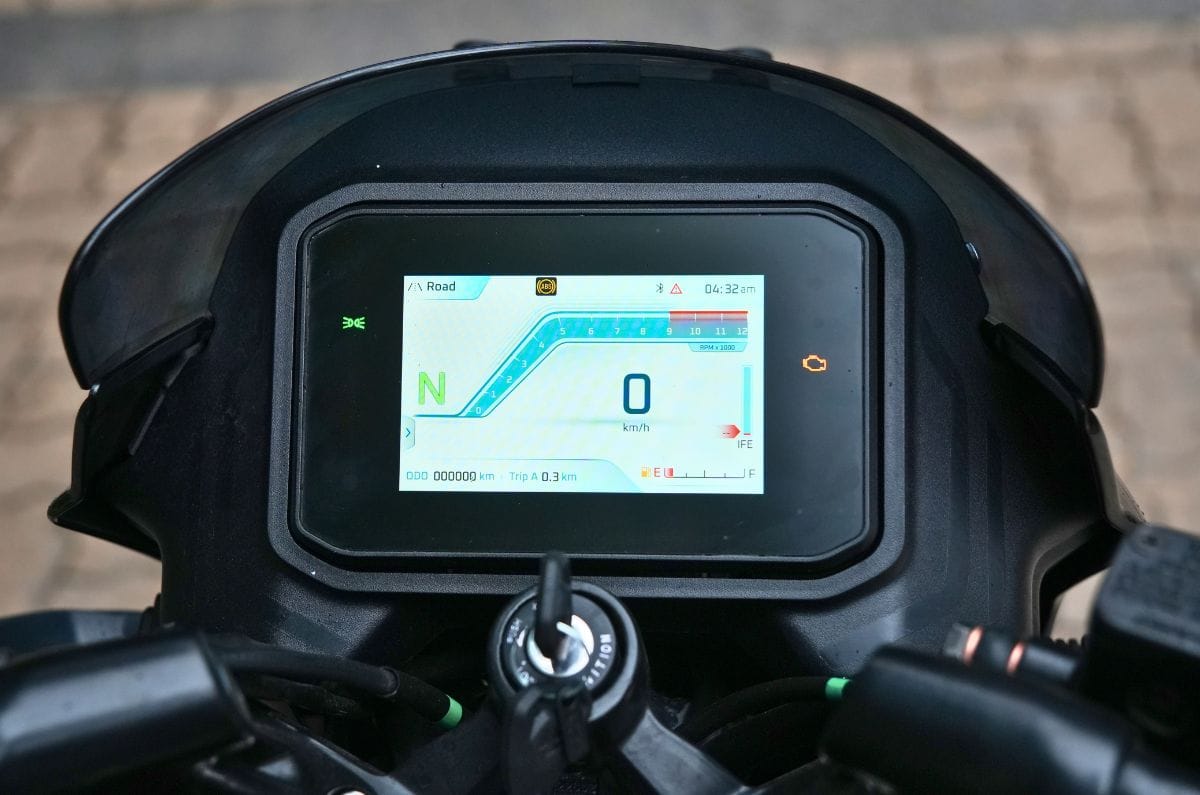
After months of anticipation and teasing, Bajaj has finally revealed an all-new Pulsar 150 today with almost all the parts of the motorcycle receiving substantial upgrades while retaining the classic Pulsar silhouette. There are three variants now, SD Single Seat, TD Single Seat, TD Split Seat. The latter two variants get a 5-inch TFT instrument cluster and an Integrated Starter Generator (ISG). All three models also get a crawl mode to make navigating traffic easier.

  1. Gets three variants, top variant gets Google Maps mirroring
  2. New gearbox with easier lower end tractability
  3. ISG and crawl modes to make low speed riding even easier

Gets meaningful updates everywhere

With a bunch of new features

Starting with the 149.5cc, single-cylinder, air/oil-cooled engine which at first glance looks similar to the existing one, with the same 14hp power. However, the engine has two major changes. The peak power is now delivered at 8,000rpm, 500rpm earlier than the existing engine. And peak torque has gone up to 14.1Nm; 0.9Nm more than before, though it is delivered at the same 6,500rpm. Bajaj has also given the motorcycle a new gearbox with specific focus on low speed tractability. The frame too sees an upgrade with a new single-cradle frame replacing the dual-cradle frame. The engine now acts as a stressed member of the engine, which Bajaj says improves overall ride and stability.

The next big change is that the rear suspension is now a monoshock, as opposed to the conventional twin-shocks setup. The front continues with a right side up (RSU) telescopic fork with 33mm diameter with 125mm of travel and the rear suspension travel is 110mm. Stopping duties are handled by a 260mm front disc and a 230mm rear disc (130mm rear drum on the base variant). All three variants get single-channel ABS as standard. Rounding off the ride package are the tubeless 80/100-17 tyres at the front and 100/90-17 at the rear.

On the features front, the classic Pulsar now gets a brand-new 5-inch LCD cluster with the top two variants stepping that up to a 5-inch TFT instrument cluster. The cluster also gets other features like call and SMS alerts and an option to store your vehicle documents for quick access. However, the top variant gets WiFi support which enables Google Maps mirroring, a feature first seen on the Pulsar N160 SS. There are also three ride modes and a crawl mode. Both of which were also first seen on the Pulsar N160 S and SS. The existing model had a USB type-A port for charging with the new one swapping that for a modern, type-C port on all three variants.

Bajaj has also equipped the top two variants with ISG, which has a stop-start system that can automatically turn the motorcycle off during traffic stops, to conserve fuel, and also enables silent starts. There are minor upgrades to the lighting department as well. Though the class B LED headlight itself is shared with the outgoing Pulsar 150 that received an update last year. the fairing on the new one has been redesigned for a more aggressive look with the top two variants getting all-LED lighting as standard. Bajaj has priced the base SD Single Seat variant at Rs 1.15 lakh with the fully loaded, TD Split Seat variant costing Rs 1.23 lakh.
 

3 reasons to buy the Hyundai Creta and 2 to skip it

3 reasons to buy the Hyundai Creta and 2 to skip it
Creta

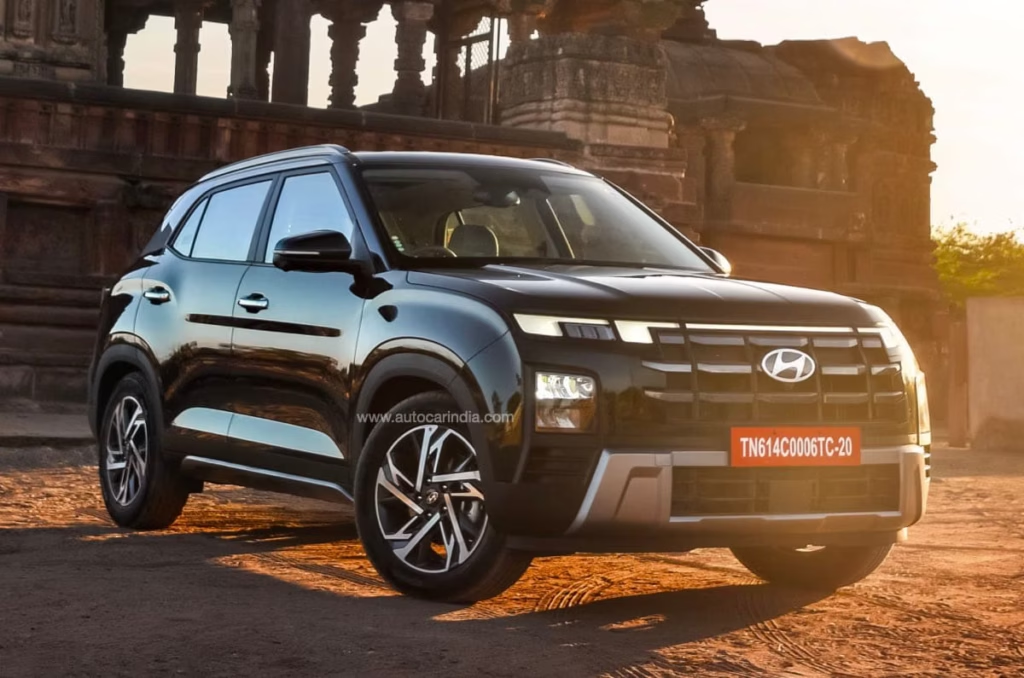
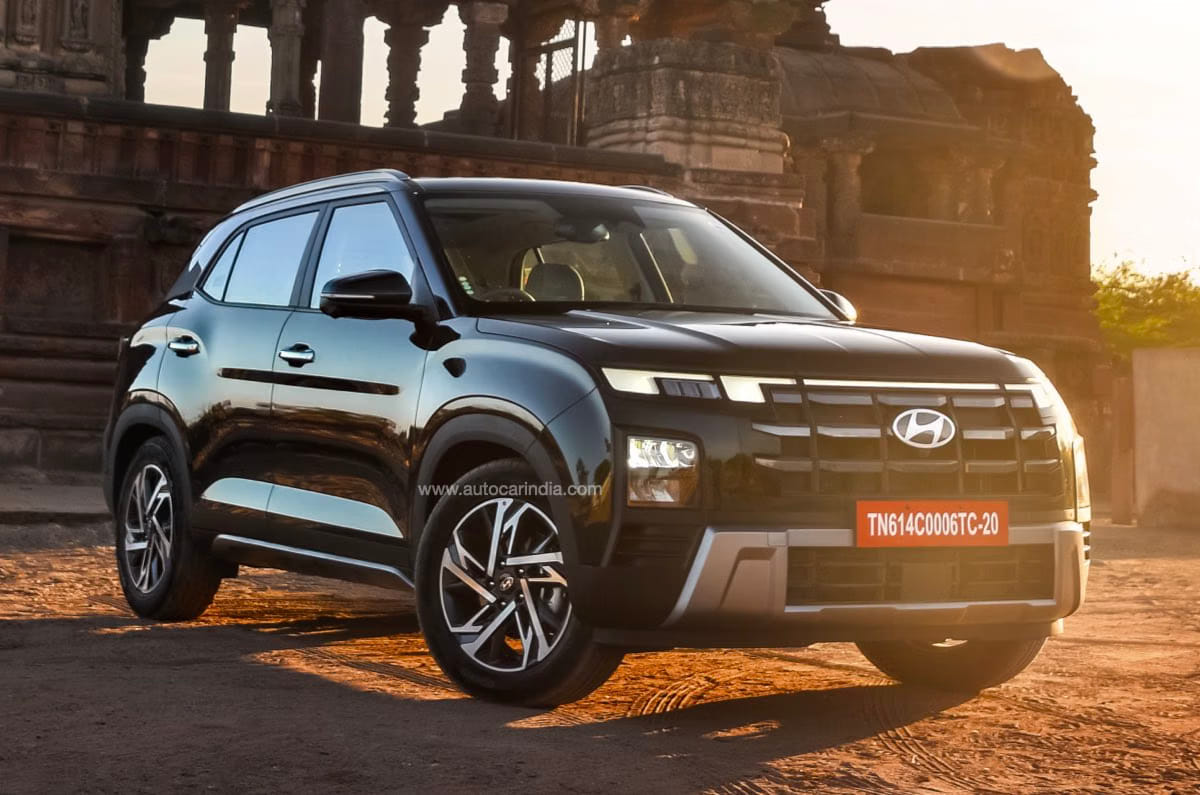
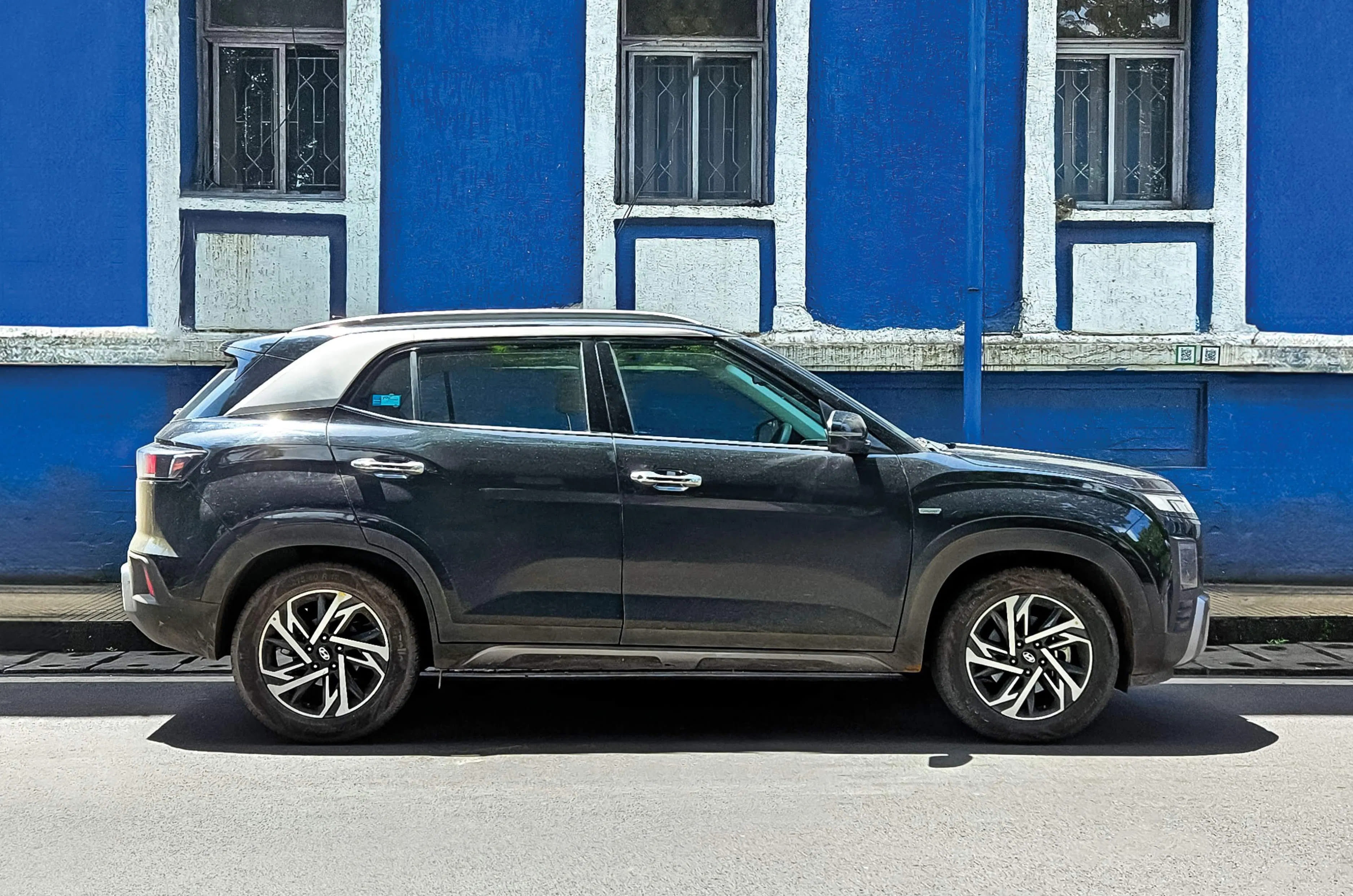
The Hyundai Creta has built its reputation on a spacious cabin, a long list of features and a wide choice of powertrains. The current model is offered with a 1.5-litre naturally aspirated petrol, 1.5-litre diesel and 1.5-litre turbo-petrol engine, with multiple gearbox options across the range. However, it isn’t without its shortcomings. Here are three reasons to consider the Creta and two reasons why you may want to look elsewhere.

Pros

1. Spacious and comfortable interior

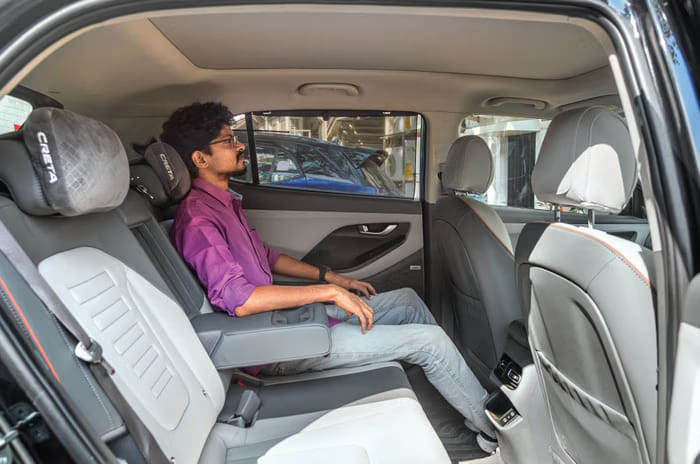
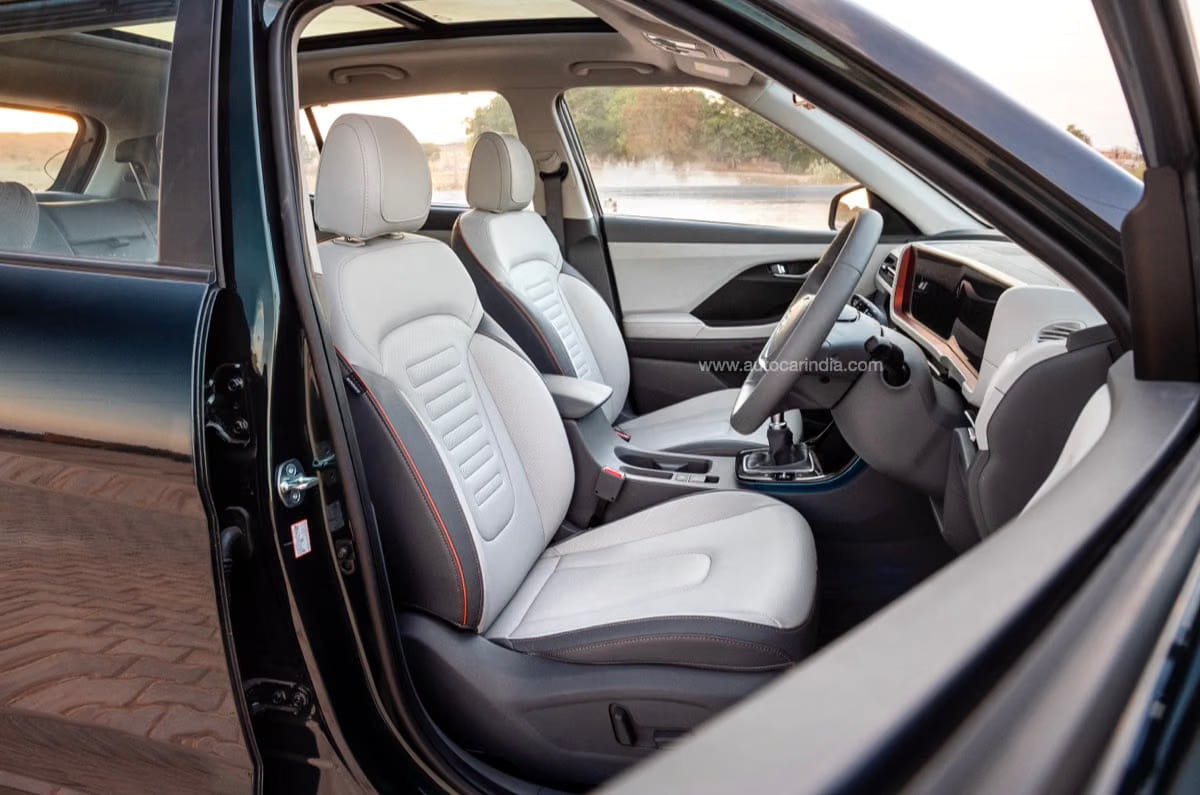
The Creta’s cabin is one of its strongest points, particularly for buyers who regularly carry passengers. There is good legroom in the rear and enough width for three adults to sit across the bench. The rear seat also gets a reclining backrest, an armrest, sunshades and neck pillows, while two USB Type-C ports are available for charging.

The front seats are comfortable and the large glasshouse provides good all-round visibility. With a manageable 4.3m length and light steering, the Creta is also easy to use in the city.

2. Feature-packed

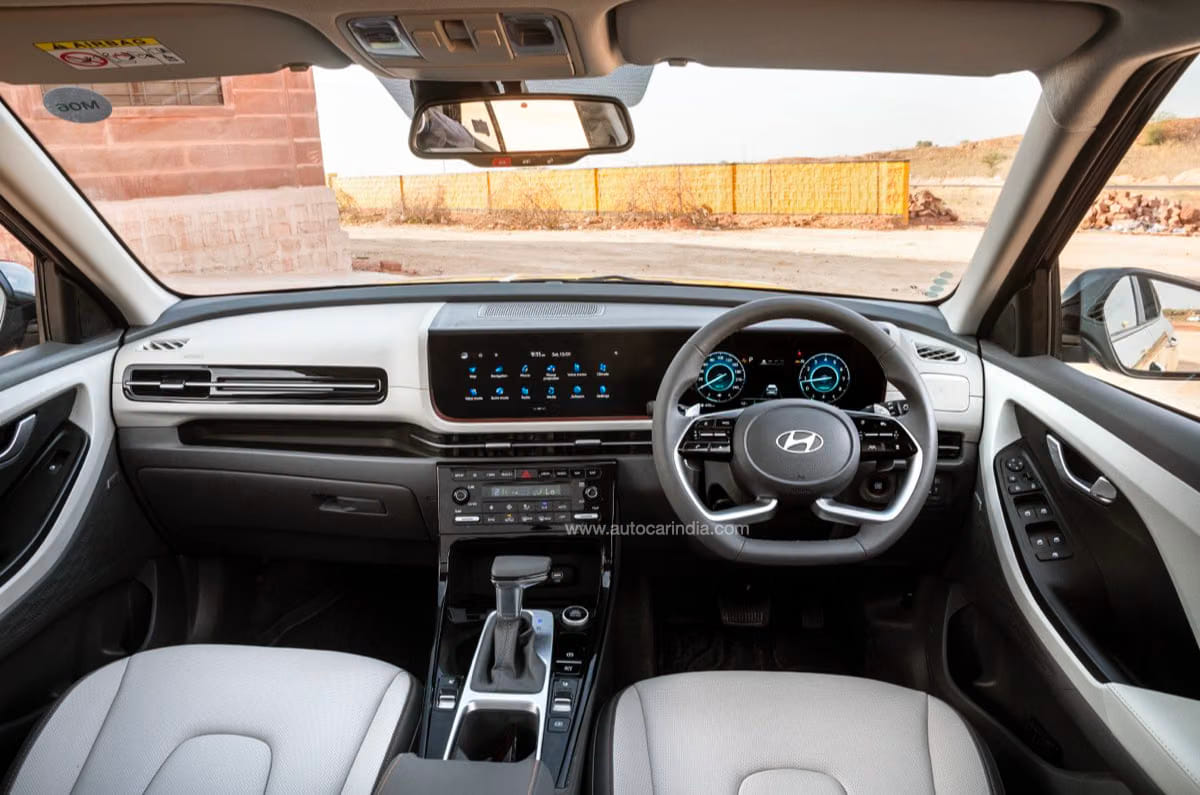
The Creta is among the better-equipped SUVs in its class. Depending on the variant, equipment includes a 10.25-inch touchscreen, 10.25-inch digital driver’s display, panoramic sunroof, ventilated front seats, powered driver’s seat, dual-zone climate control, an air purifier, 360-degree camera and Bose audio system. Higher variants also get Level 2 ADAS, including features such as adaptive cruise control, lane keep assist and autonomous emergency braking. The Creta also offers connected-car features and retains physical controls for the air-conditioning, making frequently used functions easy to operate without relying entirely on the touchscreen.

3. Wide powertrain lineup

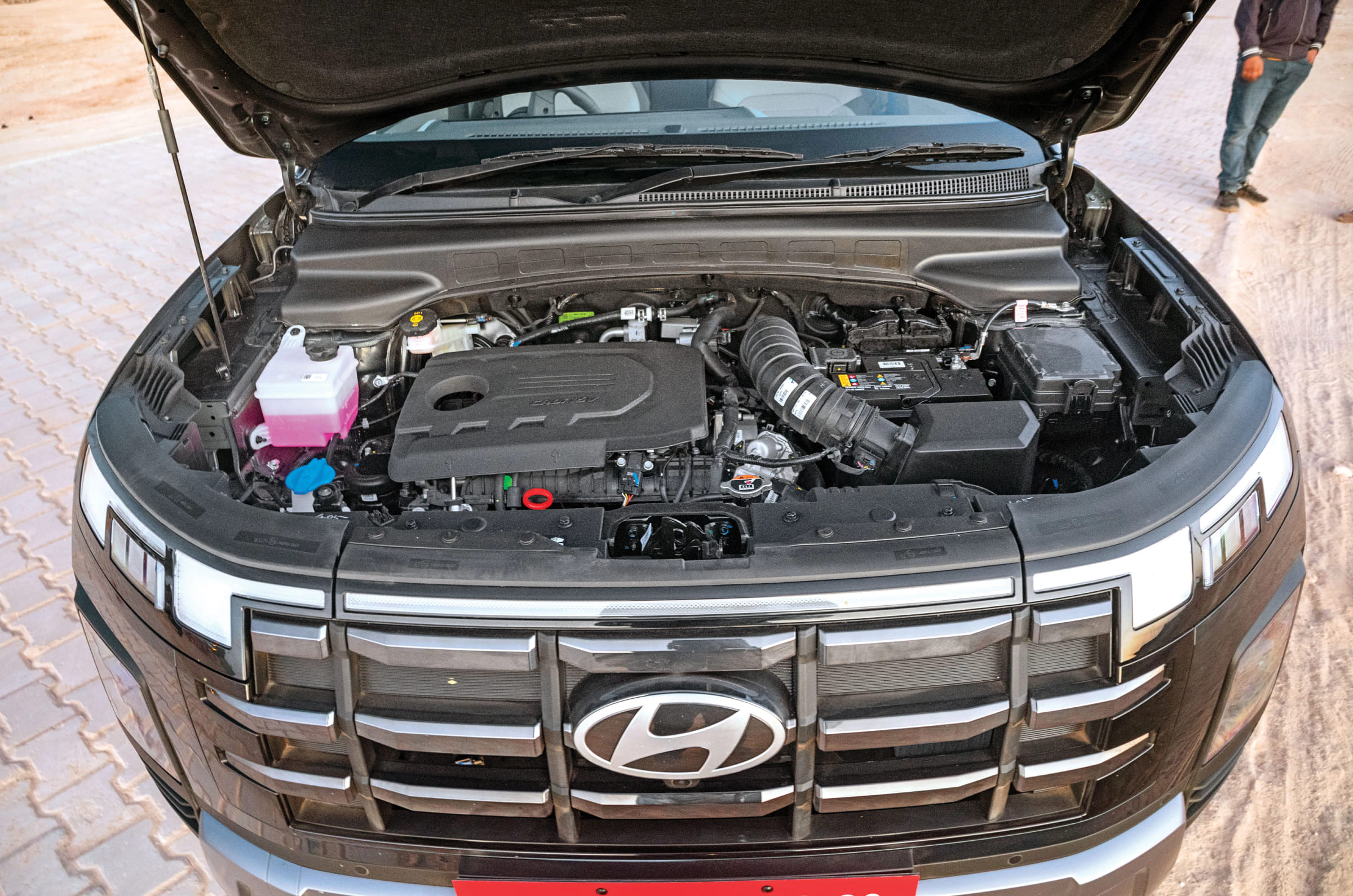
The Creta offers one of the widest powertrain choices in the midsize SUV segment. It is available in 27 variants, with three engines to choose from: a 115hp 1.5-litre petrol, a 160hp 1.5-litre turbo-petrol and a 116hp 1.5-litre diesel. Depending on the engine, buyers can choose from a six-speed manual, CVT, six-speed torque convertor automatic or seven-speed dual-clutch automatic.

There is also the sportier N Line for buyers looking for a more performance-focused Creta. Combined with the choice of engines, gearboxes and trims, the range caters to a broad mix of requirements.

Cons

1. Some cabin plastics could be better

While the Creta’s cabin looks modern and its materials have generally pleasing textures, the quality of some of the plastics falls short of the best in the segment. There are no soft-touch materials on the dashboard and the fit and finish isn’t Hyundai’s best, with the gloss finish on the centre console also appearing uneven in places.

There are a few other minor shortcomings too. The rear centre passenger does not get a headrest, while the front armrest is not adjustable for length.

2. Top versions are pricey

The Hyundai Creta’s top-spec versions are priced up to Rs 20.11 lakh (ex-showroom). For comparison, the Renault Duster tops out at Rs 18.49 lakh, while the Skoda Kushaq goes up to Rs 18.99 lakh. That puts it Rs 1.62 lakh above the Duster and Rs 1.12 lakh above the Kushaq, making the top-spec Creta a relatively expensive proposition compared with some of its similarly sized alternatives.

All-new Classic Bajaj Pulsar 125 launched from Rs 92,990

All-new Classic Bajaj Pulsar 125 launched from Rs 92,990

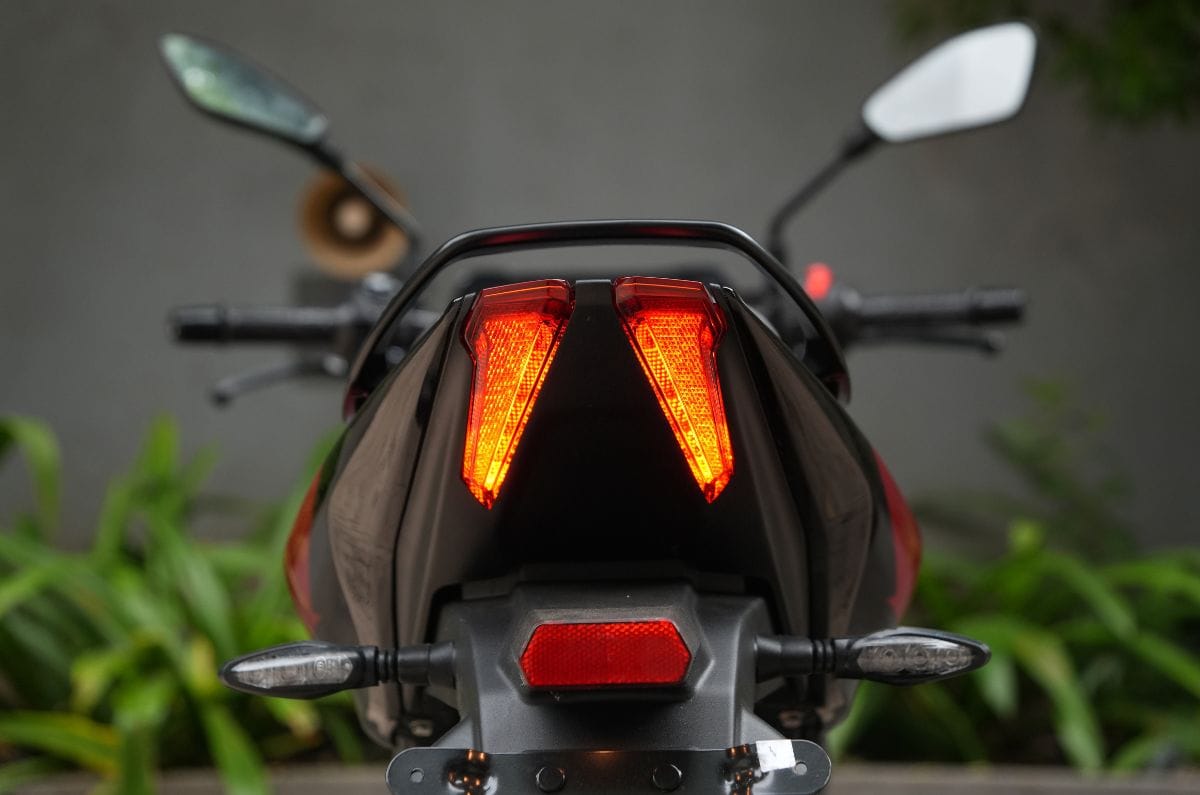
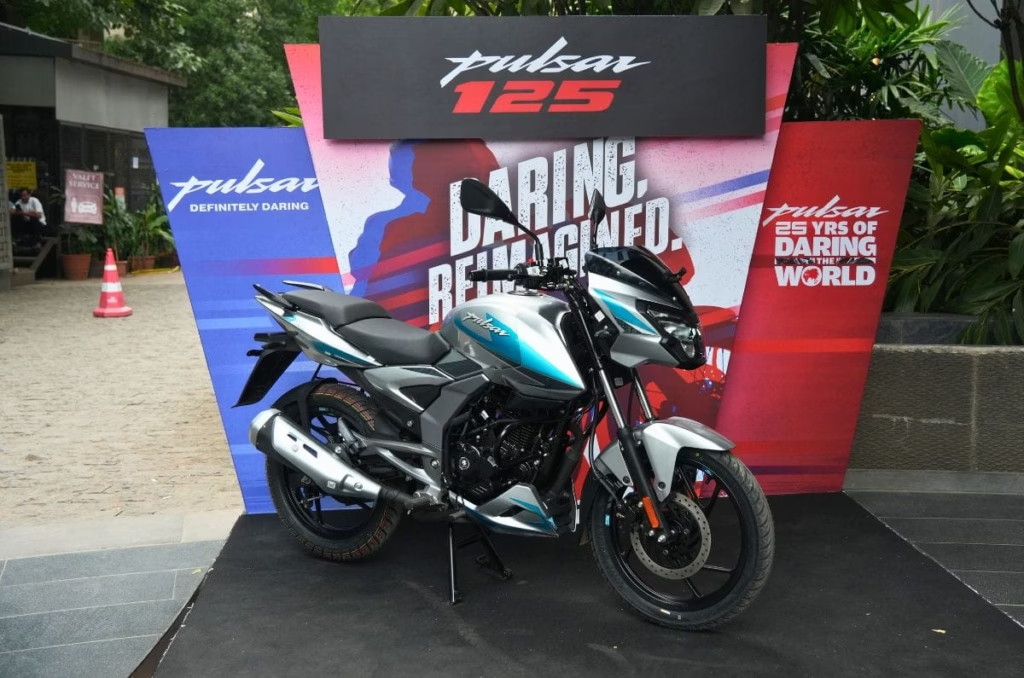
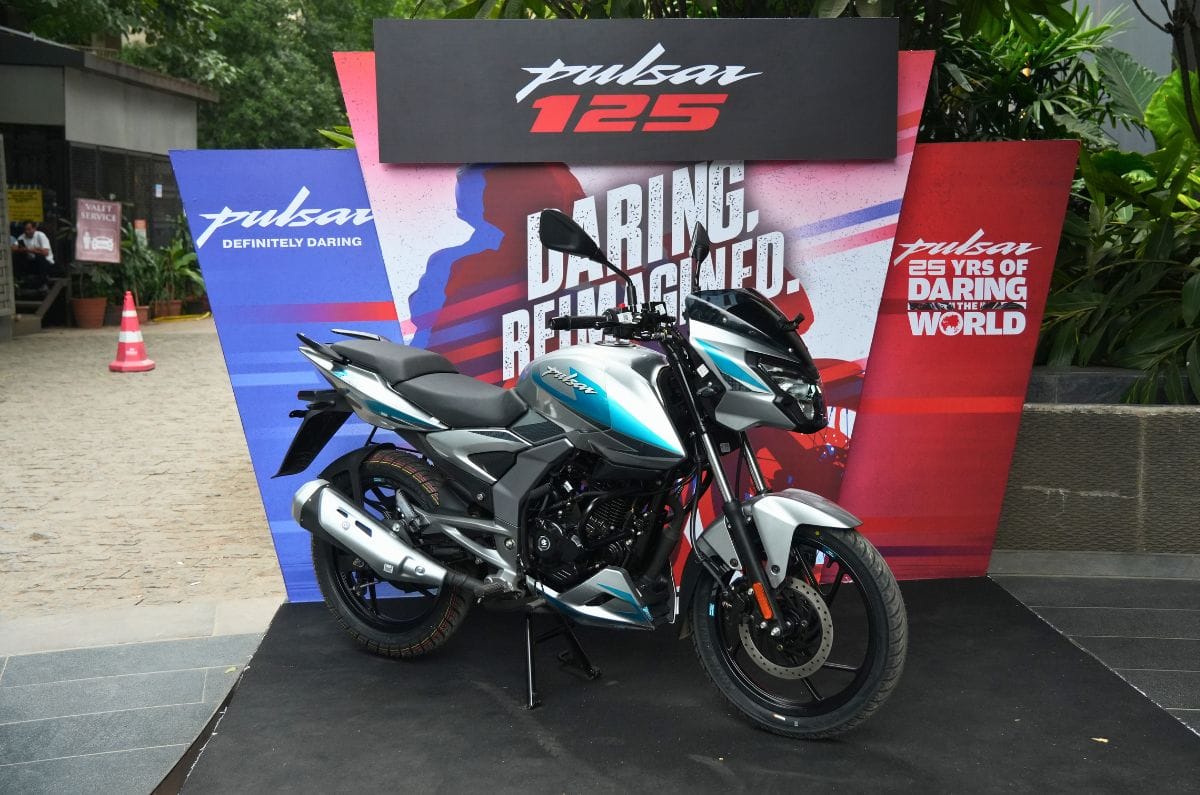
We exclusively broke the story, early this year, that Bajaj is planning on updating the Classic Pulsar range. After months of anticipation, the Chakan-based brand has finally launched the all-new Pulsar 125 as part of Pulsar’s 25th anniversary celebrations. The updated 125cc motorcycle gets a new engine and gearbox, a stiffer frame, monoshock suspension and a 5-inch TFT console with prices starting at Rs 92,990.

  1. New 124.58cc engine makes 12hp and 11Nm
  2. Gets monoshock suspension and new diamond-type frame
  3. Priced at Rs 92,990 (ex-showroom, Delhi)

Bajaj Pulsar 125 engine and specs

The new Pulsar 125 is powered by a 124.58cc, single-cylinder, air/oil-cooled engine producing 12.1hp at 8,500rpm (gain of 0.3hp) and 11.4Nm at 6,500rpm (gain of 0.6Nm). Bajaj claims it is the most powerful 125cc motorcycle in the market – a title earlier held by the now discontinued Pulsar N125. The engine is paired with an all-new 5-speed gearbox, which is claimed to improve tractive effort in the lower gears and deliver stronger low-speed performance.

Bajaj also claims an improved power-to-weight ratio enables quicker 0-60kph acceleration, although it has not specified an acceleration time.

The Pulsar 125 gets a new diamond-type frame with increased stiffness, with the engine acting as a stressed member. Bajaj says this setup improves ride stability and handling. Suspension duties are now handled by a gas-charged monoshock at the rear. 

Bajaj Pulsar 125 features

A major update is the addition of a 5-inch TFT console that debuted with the N160 SS. It supports Google Maps mirroring and navigation, while also allowing riders to store vehicle documents such as the registration certificate and insurance details.

The console also displays live call and message alerts and provides music controls. The Pulsar 125 additionally gets three ride modes: Road, Rain and Sport.

Another new feature is Crawl Tech – similar to KTM models – which is designed to provide greater control during low-speed riding in traffic.

The Pulsar 125 gets a redesigned Wolf-Eye LED headlamp with larger optics, although it could only be offered . The motorcycle also features an Integrated Starter Generator (ISG) on the top three variants. The system enables automatic start-stop functionality, which Bajaj says helps improve fuel economy and enables silent starts. The new Bajaj Pulsar 125 is priced at Rs 92,990 for the LCD variant and goes up to Rs 1.04 lakh for the top-spec TFT variant(ex-showroom, Delhi).

All you need to know about the 2027 Skoda Superb diesel

All you need to know about the 2027 Skoda Superb diesel
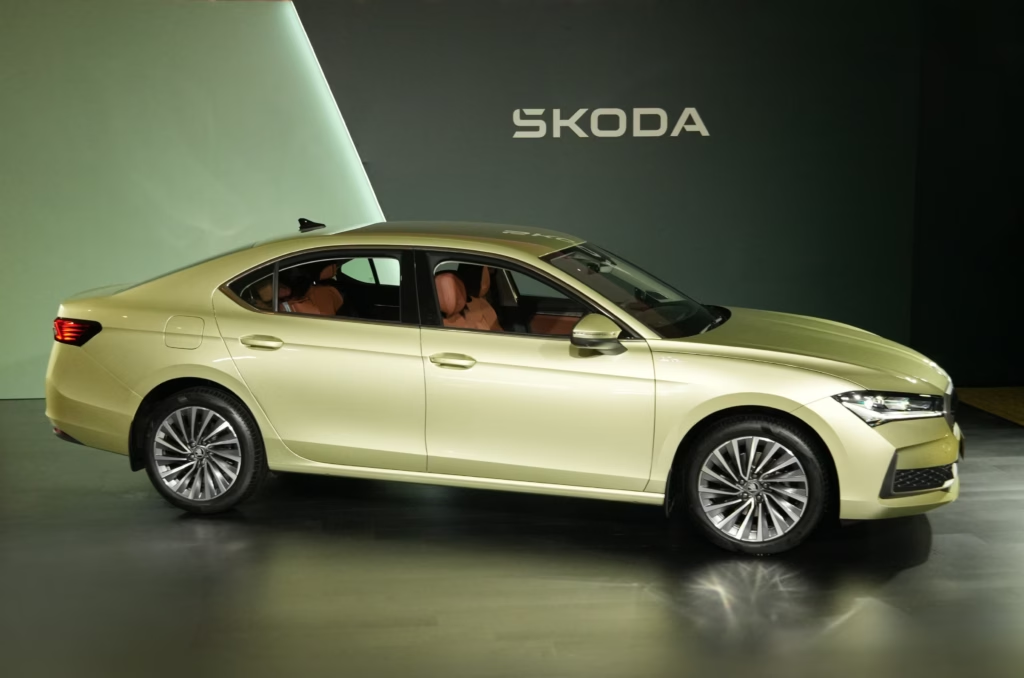
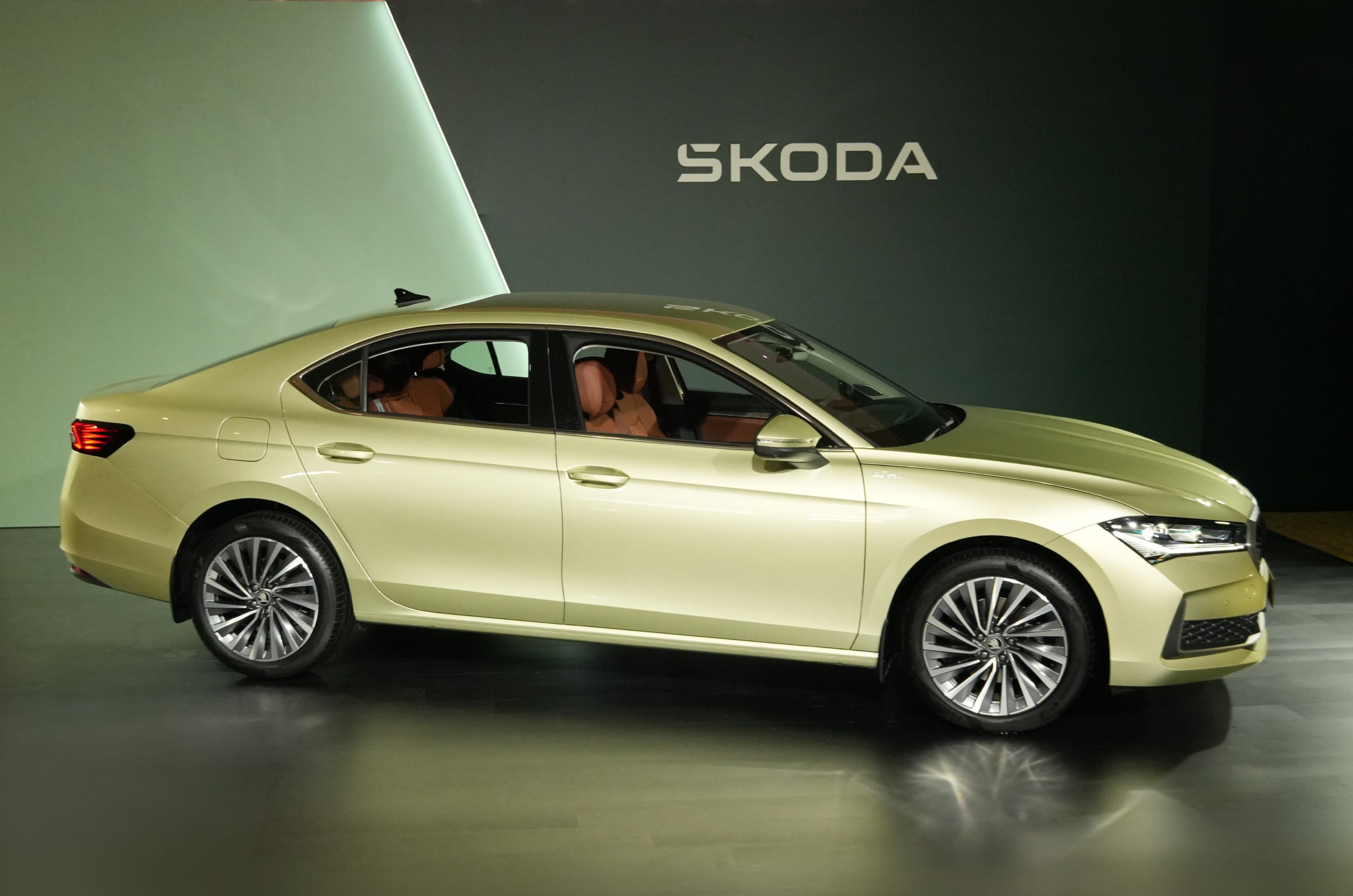
2027 Skoda Superb diesel front quarter

Skoda will be bringing the fourth-generation Superb to India in 2027 in its top-spec Laurin & Klement (L&K) trim, no less. However, this time around, the premium sedan will be offered in diesel guise – a first for the brand since it discontinued diesel models in India when BS6 emission norms took effect in 2020. Without further ado, here’s all you need to know about the upcoming 2027 Skoda Superb diesel.

1. How much will the 2027 Skoda Superb diesel cost?

2027 Skoda Superb diesel L&K

Skoda will bring the 2027 Superb diesel to India in limited numbers via the CBU (completely built units) route, with the expected starting price to be around Rs 50 lakh (ex-showroom). This means that the fully imported fourth-gen Superb diesel could be priced along the same lines as the Toyota Camry, which also has the price benefit of being a CKD (completely knocked down) model.

2. When will deliveries of the 2027 Skoda Superb diesel start in India

The reason why Skoda is yet to finalise on the price of the India-spec Superb diesel has to do with the upcoming India-EU Free Trade Agreement (FTA), which is set to come into effect by early 2027. While the FTA’s lower import duties will benefit fully imported modes like the Skoda Superb, the brand is awaiting further clarity before announcing its price. We know that the premium sedan will reach our shores in Q1 or Q2 of 2027 and will only be available in limited numbers.

3. What engine and gearbox will the 2027 Skoda Superb diesel get?

2027 Skoda Superb diesel engine

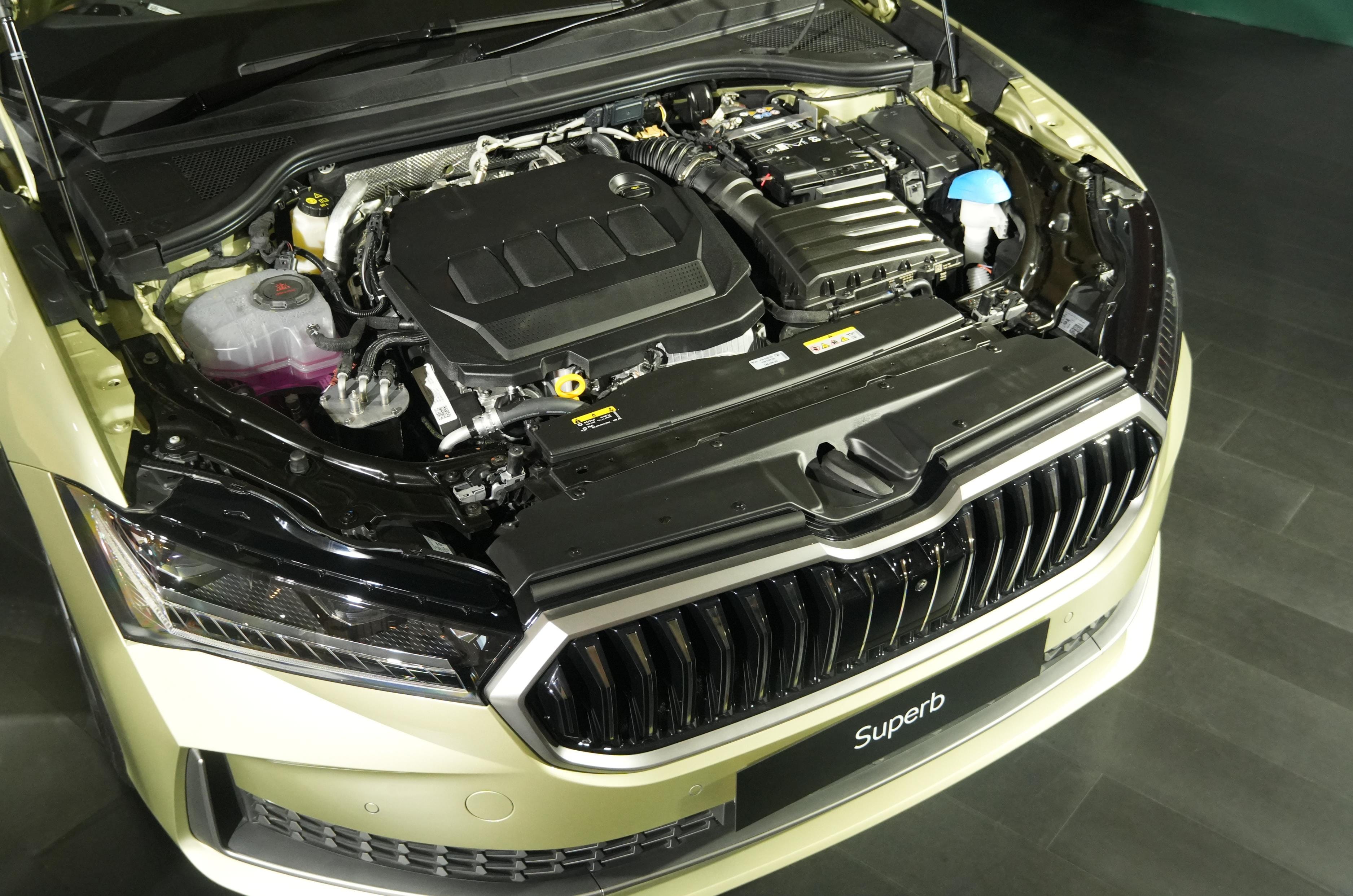
Under the bonnet of the 2027 Skoda Superb sits a 2.0-litre four-cylinder turbocharged diesel (TDI) engine rated at 150hp and 360Nm of torque. This transverse-mounted engine comes mated to a 7-speed dual-clutch automatic transmission (DCT) and drives the front wheels. Drive modes aside, the 2027 Skoda Superb for India will get the brand’s Progressive Dynamic Steering and Dynamic Chassis Control (DCC) systems. Skoda says that these automatically adjust the car’s ride and handling balance depending on the drive mode, road conditions and vehicle speed.

4. What are the exterior highlights of the 2027 Skoda Superb diesel?

2027 Skoda Superb diesel front quarter

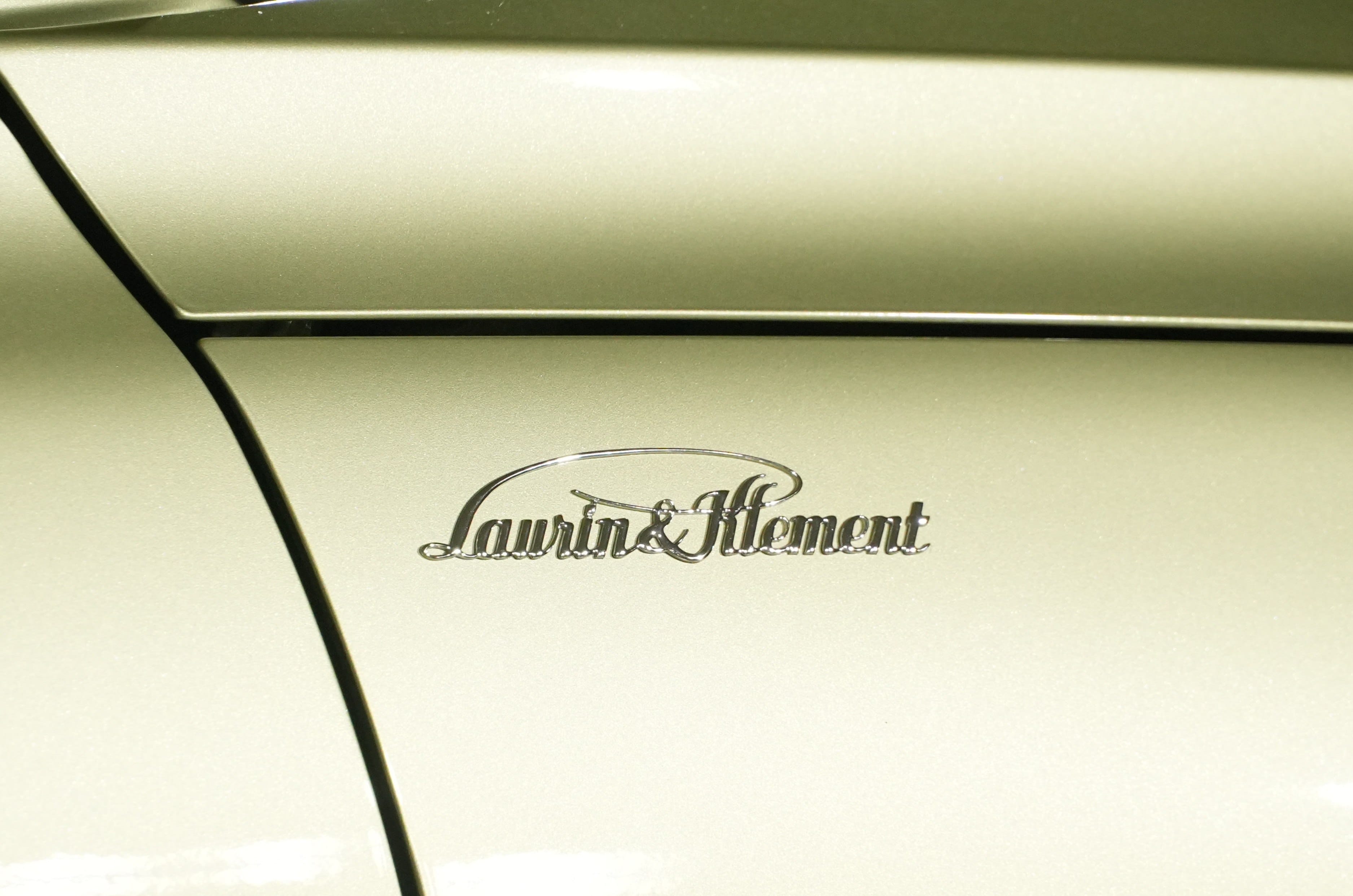
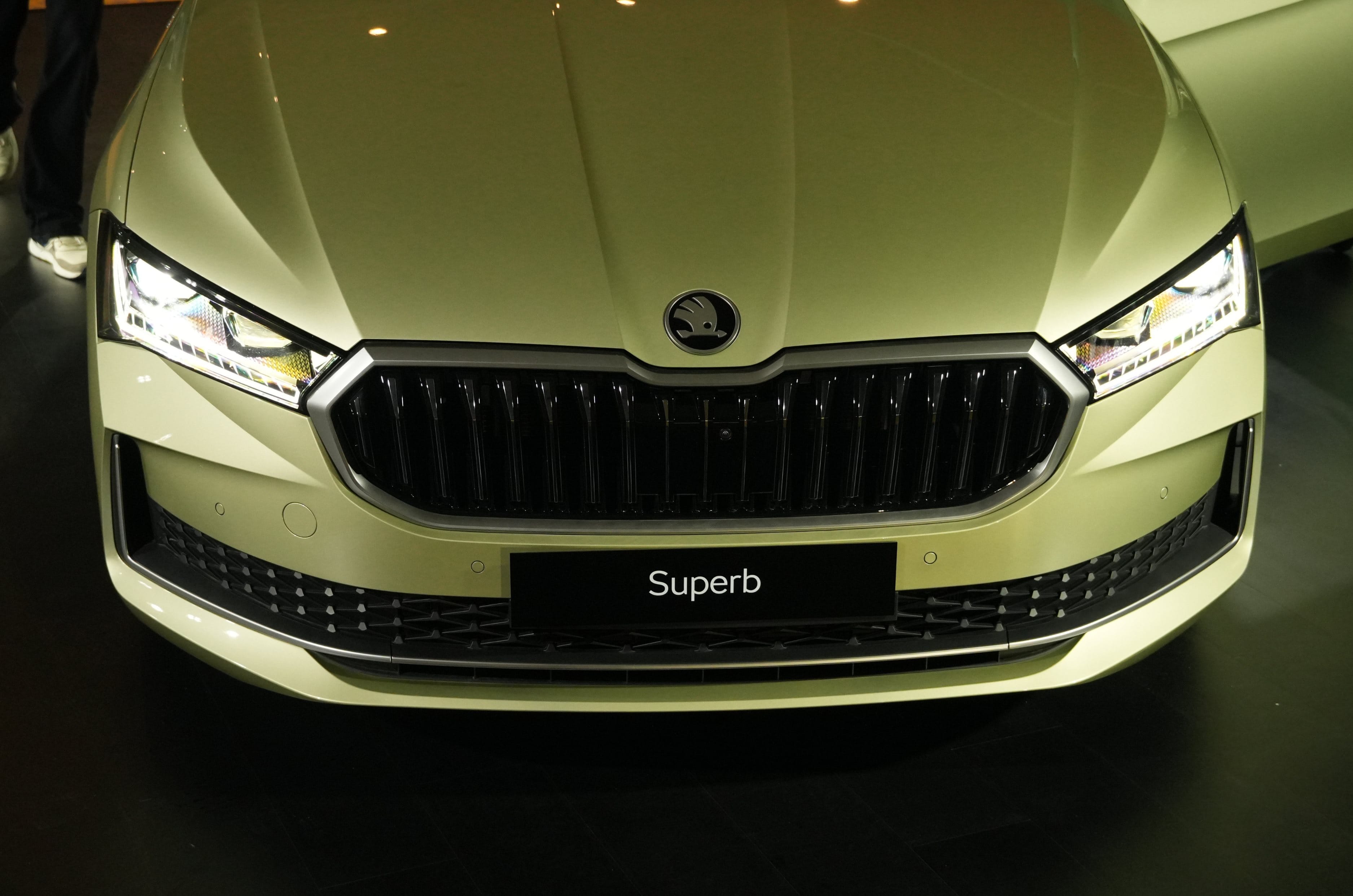
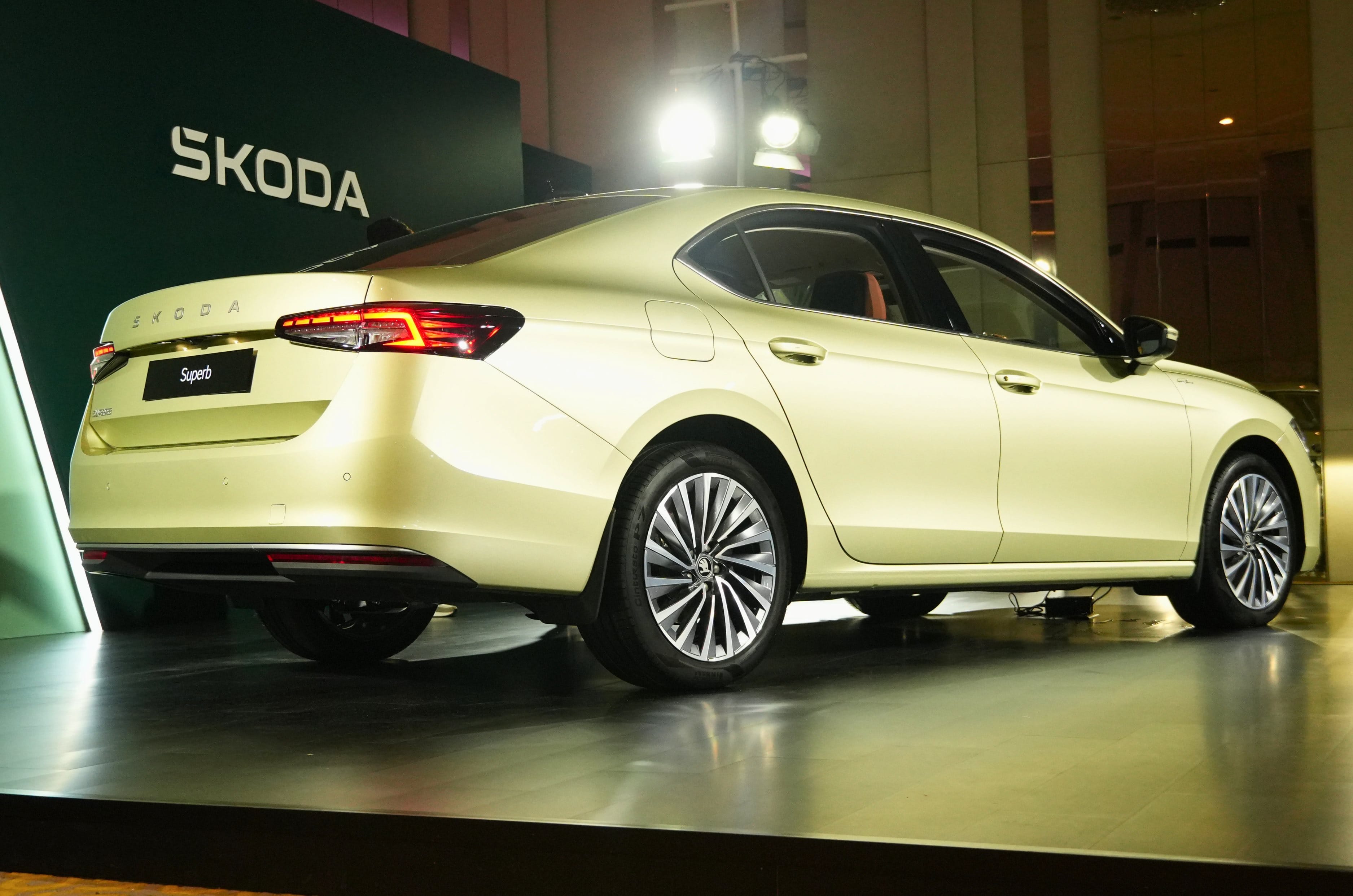
The top-spec L&K trim of the Skoda Superb diesel comes with Matrix LED headlamps with ‘Skoda Crystal Lighting’ branding, a large black grille with shiny surrounds, full-LED tail lamps with sequential turn indicators, 18-inch alloy wheels with turbine-like detailing, ‘Laurin & Klement’ badging on the front fenders, chrome garnish for the windowline, and a simplistic bootlid with large ‘SKODA’ lettering.

2027 Skoda Superb diesel rear quarter

Opening the power-operated bootlid reveals the Superb’s familiar liftback design and a 645-litre luggage space. There are storage cubbies here too, along with bag hooks, an extendable cargo cover, a space-saver spare wheel, flip-down rear seat releases and through-loading for carrying longer items. Overall, the 2027 Skoda Superb looks elegant and premium, while its liftback design offers more practicality than a typical three-box sedan.

5. Does the interior of the 2027 Skoda Superb diesel feel premium enough?

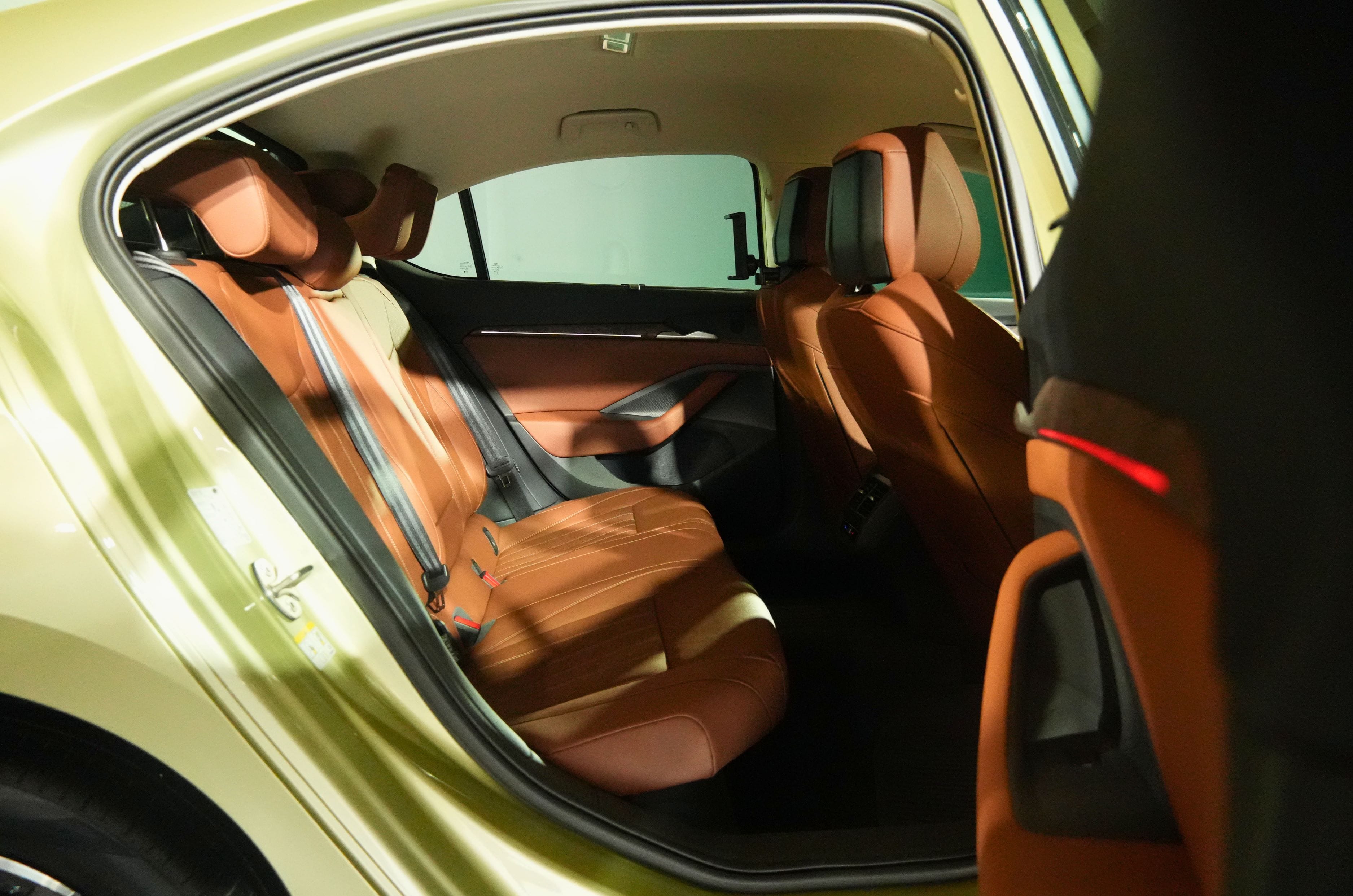
2027 Skoda Superb diesel rear seats

The 2027 Skoda Superb, like its predecessors, is aimed at buyers who prefer to be seated at the back. There’s plenty of space for rear-seat occupants – no shortage of legroom or kneeroom – even taller folks shouldn’t have trouble stretching out. The interior is upholstered in what Skoda calls “Cognac leather”, which looks premium.

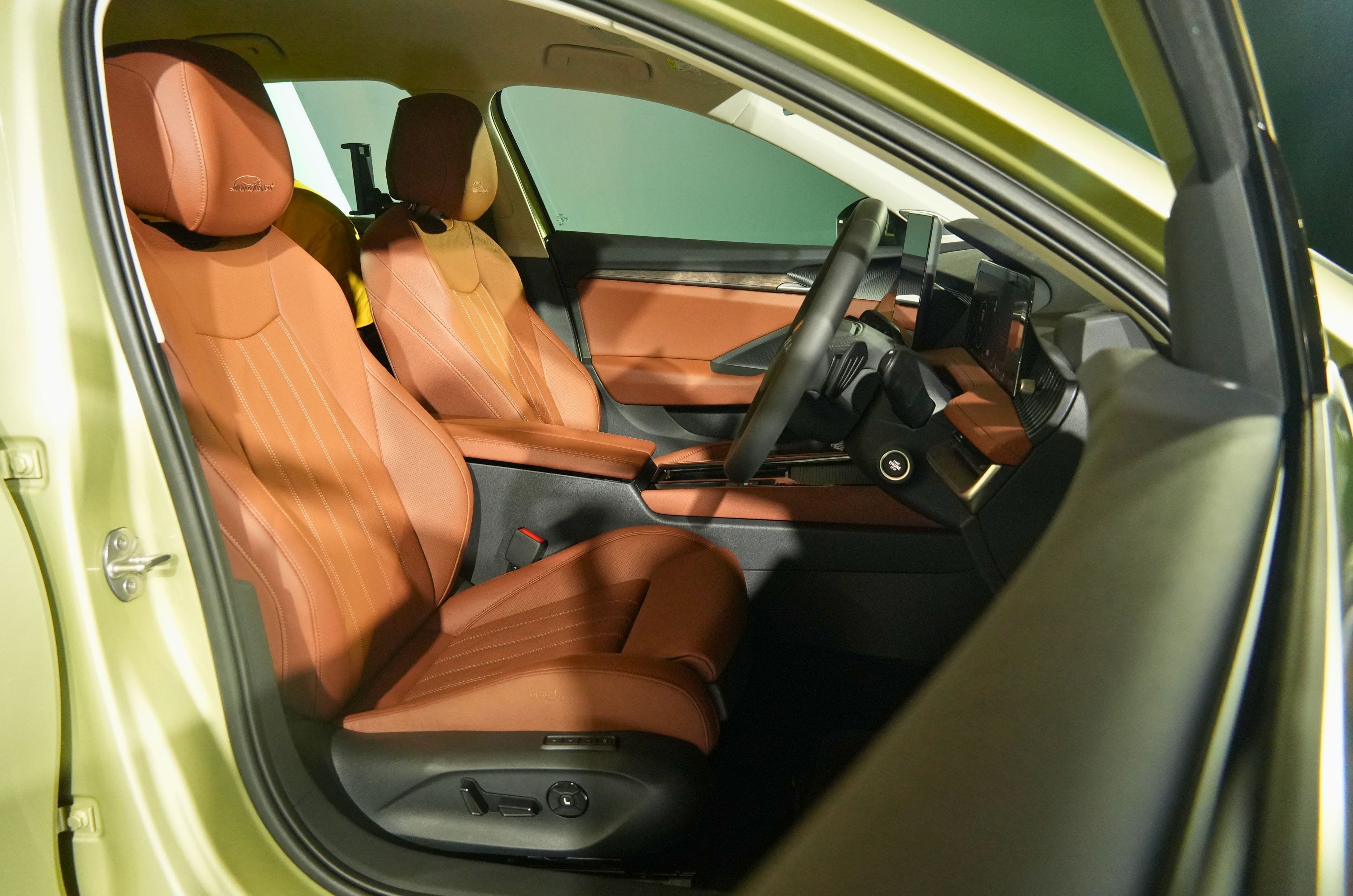
2027 Skoda Superb diesel front seats

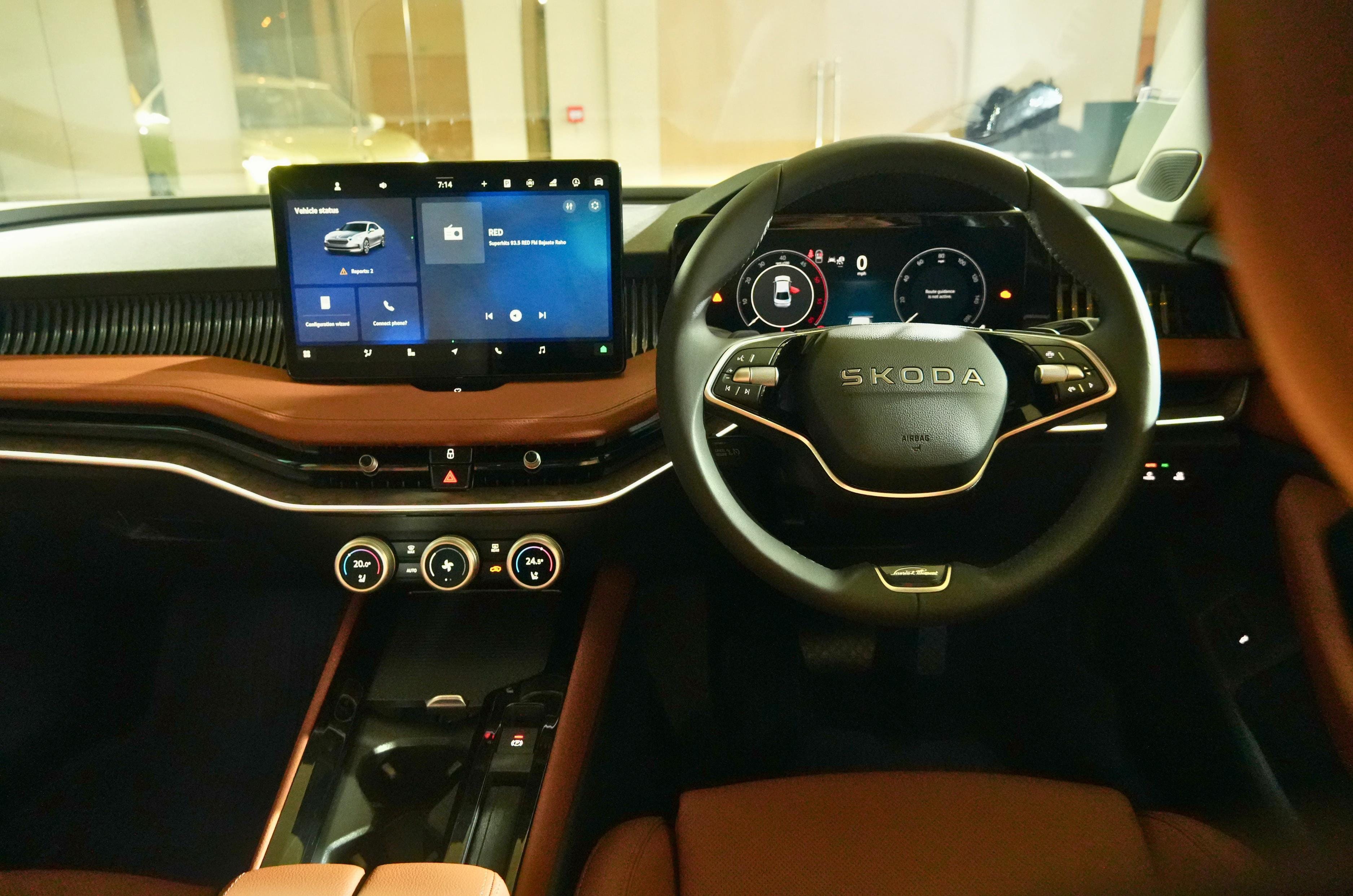
The quality and tactility of the physical dials up front feel good, too. These dials integrate multiple functions and users can cycle through the climate control and seat ventilation & heating settings easily. There’s a covered storage tray beneath these dials and another even deeper storage cubby under the front-centre armrest. The front seats look nice and are multi-way powered and have a memory feature, of course.

6. What are some of the feature highlights of the 2027 Skoda Superb diesel?

Enhancing comfort further is a ‘Rear Sleep Packagage, which bring sunblinds for the rear-side windows as well as for the rear windscreen, and specially designed ‘wings’ on the headrests to help support your head should you fall asleep. There’s a fold-down armrest with cupholders and also a slot for holding a smartphone – the backrest of the front seats also get such device holders.

2027 Skoda Superb diesel interior

Other highlights inside the 2027 Skoda Superb diesel include roof-mounted LED reading lights, a dedicated climate control zone for the rear seats (it’s a three-zone system), backlit USB charging ports, a 14-speaker Canton audio system, multi-colour LED ambient lighting, a wireless charging slot at the front, a 12.9-inch touch-infotainment system, 360-degree cameras, Level 2 ADAS and 10 airbags. However, the 2027 Superb misses out on a sunroof and recline-adjustable rear seats, among a few other features.

Also read

All you need to know about the Mahindra Scorpio Lifestyler

Kia Sonet vs Toyota Taisor turbo-petrol automatic performance compared

Maruti Dzire vs Honda Amaze: Top variants compared

Maruti Dzire vs Honda Amaze: Top variants compared

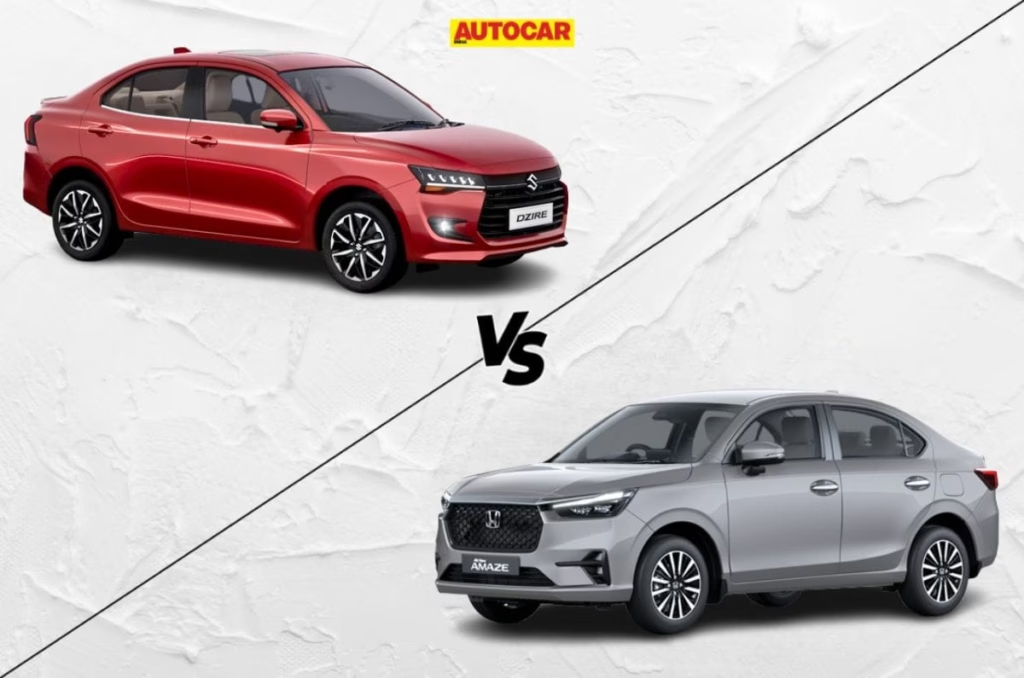
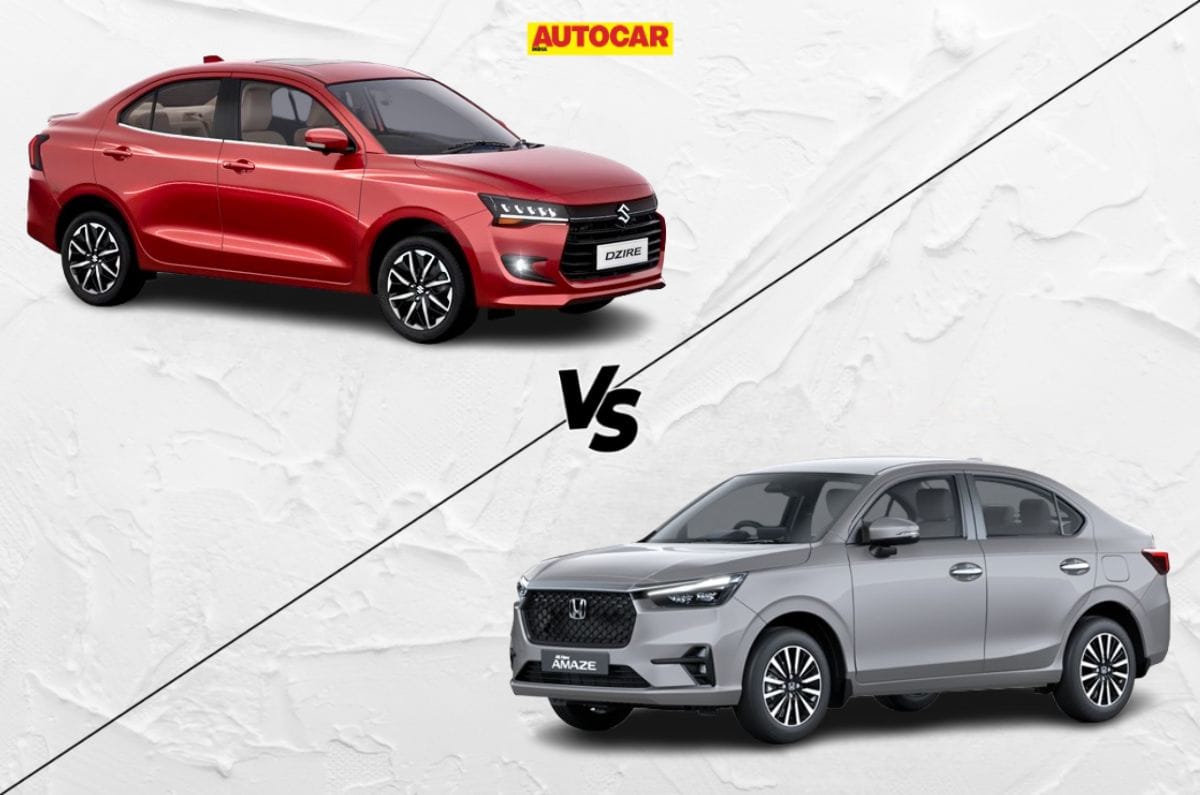
The Maruti Suzuki Dzire and Honda Amaze are two of the most affordable sedans in India, priced at around Rs 10 lakh (ex-showroom). Both the top-spec Dzire ZXi+ and Amaze ZX offer a 1.2-litre engine with similar specifications and a similar feature suite, albeit with a couple of segment-only amenities. But what should you choose? We find out. 

Maruti Dzire vs Honda Amaze: Dimensions

Sizes are almost similar, but the Amaze offers a slightly larger boot

Maruti Dzire vs Honda Amaze: Dimensions and other specifications


Maruti Dzire

Honda Amaze

Difference

Length (mm)

3,995

3,995

Width (mm)

1,735

1,733

+2

Height (mm)

1,525

1,500

+25

Wheelbase (mm)

2,450

2,470

-20

Ground clearance (mm)

163

172

-9

Boot space (litres)

382

416

-34

The Maruti Suzuki Dzire and Honda Amaze have similar dimensions, but the Amaze has a 34-litre larger boot space, which enables it to carry a backpack more than the Dzire. Moreover, unlike the Dzire, which gets a fixed rear seatback, the Amaze’s rear seat can be folded to accommodate more luggage if needed.

Maruti Dzire vs Honda Amaze: Powertrain

Dzire’s 3-cylinder engine offers higher fuel economy than the Amaze’s 4-cylinder unit

Maruti Dzire ZXi+ vs Honda Amaze ZX: Powertrain options


Dzire ZXi+

Amaze ZX

Engine

1.2-litre 3-cyl petrol

1.2-litre 4-cyl petrol

Power (hp)

82

90

Torque (Nm)

112

110

Transmission

5MT | 5AMT

5MT | CVT

Claimed mileage (kpl)

24.79 | 25.71

18.65 | 19.46

The major difference in the powertrains of the two compact sedans is the number of cylinders: 3 in the Dzire’s naturally aspirated engine and 4 in the Amaze’s. The Honda Amaze produces 8hp more than the Dzire, but 2Nm less. In our real-world experience, we found that the Amaze’s engine loves to be revved. It has weak low-end performance, especially under 2,000rpm, but offers a strong mid-range. The Dzire’s engine, on the other hand, has a crisp throttle response and offers strong low-end torque.

Both sedans get a 5-speed manual transmission, but the Dzire offers a 5-speed AMT while the Amaze has a CVT. The Dzire’s AMT, in our real-world experience, has a prominent lag while shifting gears, which hampers the overall drive experience. The Amaze’s CVT is better in this regard and offers smoother shifts, but has a rubberband effect, something that is generally associated with CVTs.

It is the fuel efficiency where the Dzire really shines, offering an additional 6.14kpl and 6.25kpl claimed fuel efficiency over the Amaze’s manual and automatic transmission options, respectively. 

Maruti Dzire vs Honda Amaze: Exterior

Both compact sedans get all-LED lighting, powered ORVMs, and 15-inch wheels

Maruti Dzire ZXi+ vs Honda Amaze ZX: Exterior


Dzire ZXi+

Amaze ZX 

Headlights

LED

Projector LED

Taillights

LED

LED

DRLs

LED

LED

Front fog lamps

LED

Projector LED

Wheels

15-inch

15-inch

Powered ORVMs

Yes

Yes

Sharkfin antenna

Yes

Yes

Both the top-spec Maruti Dzire ZXi+ and Amaze ZX are offered with all-LED lighting, 15-inch dual-tone alloy wheels, and powered outside rearview mirrors (ORVMs). 

Maruti Dzire vs Honda Amaze: Interior, features

Dzire has a sunroof and a larger infotainment system, but Amaze offers paddle shifters

Maruti Dzire ZXi+ vs Honda Amaze ZX: Interior and features


Dzire ZXi+

Amaze ZX 

Instrument cluster

Analogue dials with MID

Part-digital with 7-inch MID

Infotainment screen

9-inch

8-inch

Android Auto, Apple CarPlay

Wireless

Wireless

Audio system

6-speaker

6-speaker

On-board navigation

Yes

No

Sunroof

Single-pane

No

Wireless phone charger

Yes

Yes

Climate control

Automatic with rear vents

Automatic with rear vents

Paddle shifters

No

CVT only

Cruise control

Yes

Yes

Seat upholstery

Fabric

Fabric

Steering wheel adjustment

Tilt, telescopic

Tilt

Driver seat adjustment

Manual

Manual

Co-driver’s seat adjustment

Manual

Manual

Rear window sunshade

No

No

The top-spec Maruti Dzire is offered with a single-pane sunroof, a segment-only feature, and a larger 9-inch touchscreen infotainment system compared to the 8-inch unit on the Honda Amaze. The Dzire’s steering column also allows for telescopic adjustments. However, the Amaze offers paddle shifters with the CVT, which is missing on the Dzire AMT, and gets a larger multi-information display (MID) on the instrument cluster than the Dzire. 

Maruti Dzire vs Honda Amaze: Safety

Dzire offers a 360-degree camera, while Amaze offers Level-1 ADAS

Maruti Dzire ZXi+ vs Honda Amaze ZX: Safety features


Dzire ZXi+

Amaze ZX 

BNCAP rating

5 stars

5 stars

Airbags

6

6

ADAS

No

Level-1

Camera setup

360-degree

Rear, LaneWatch

Parking sensors

Rear

Rear

Electronic parking brake

No

No

Disc brakes

Front wheels only

Front wheels only

TPMS

Yes

Yes

IRVM

Day/night adjustable 

Day/night adjustable 

Rear wiper, washer

No

No

Hill hold assist

Yes

Yes

ESC

Yes

Yes

While both the Maruti Dzire and Honda Amaze have a 5-star Bharat NCAP crash safety rating, there are a couple of changes in the safety suite of both sedans. The Amaze ZX offers Level-1 advanced driver assistance systems (ADAS), a segment-only feature, while the Dzire offers a 360-degree camera system. The Amaze gets a traditional rear camera and a LaneWatch camera mounted on the left ORVM. Other safety features are the same on both sedans.

Maruti Dzire vs Honda Amaze: Prices

The top-spec Dzire is more affordable than the Amaze

Maruti Dzire ZXi+ vs Honda Amaze ZX: Variant-wise ex-showroom price 


Dzire ZXi+

Amaze ZX

Difference

Petrol MT

Rs 8.96 lakh

Rs 9.39 lakh

– Rs 43,000

Petrol AMT

Rs 9.41 lakh

Rs 10 lakh

– Rs 59,000

Both manual and automatic versions of the top-spec Maruti Dzire ZXi+ are more affordable than the fully-loaded Honda Amaze ZX. At a lower price point, the Dzire offers a fuel-efficient engine that also offers good low-end torque, it offers a customer-favourite sunroof and a 360-degree camera, making it feel more complete than the top-spec Amaze. 

Skoda Kushaq 1.0 AT vs 1.5 DCT: Real-world efficiency compared

Skoda Kushaq 1.0 AT vs 1.5 DCT: Real-world efficiency compared
Skoda Kushaq side tracking

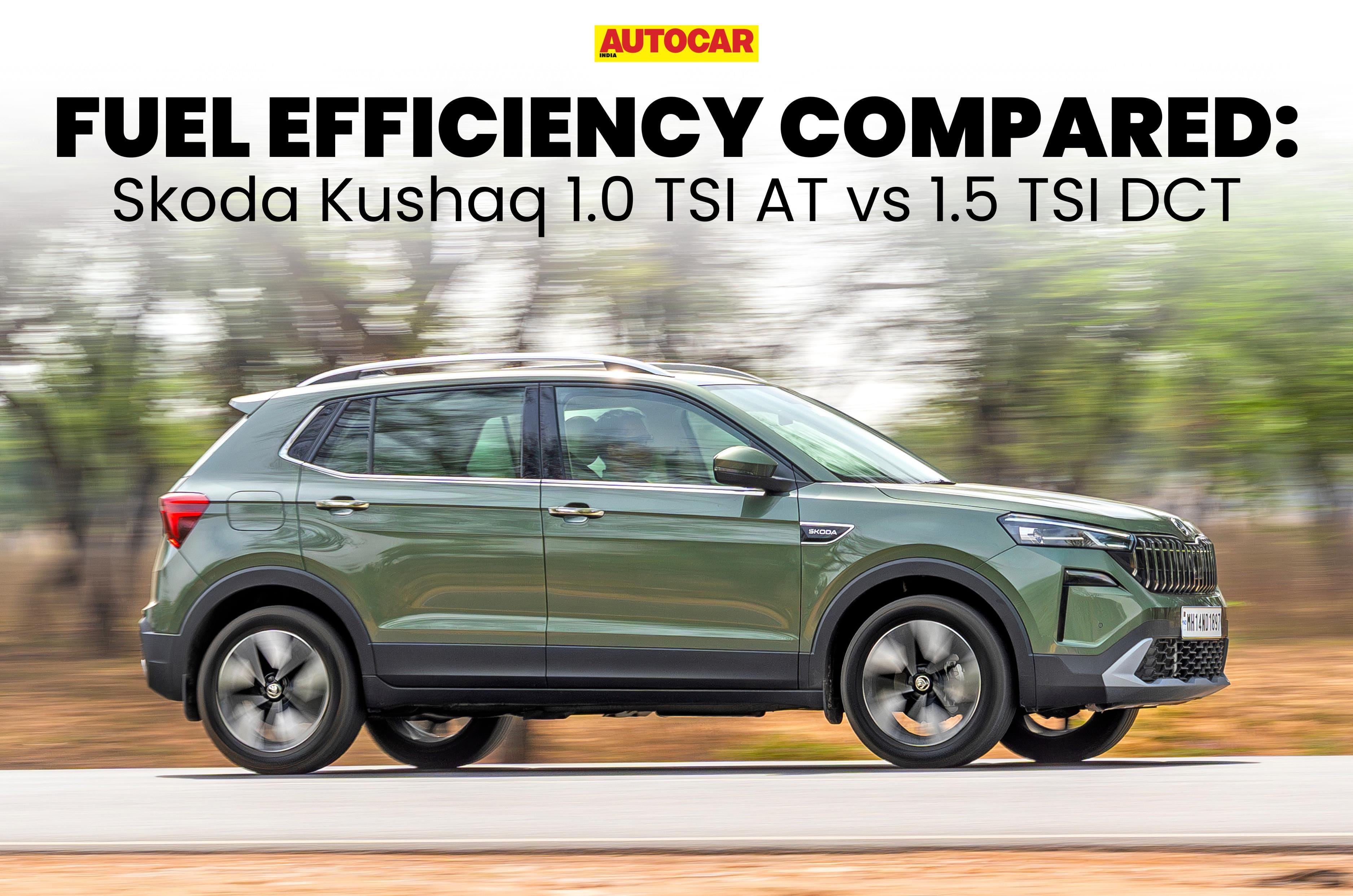
The Skoda Kushaq was updated earlier this year with much-needed improvements, and continues to offer 1.0-litre and 1.5-litre direct-injection turbo-petrol engines. In the interest of better fuel efficiency, the carmaker introduced a new automatic gearbox for the former engine option, replacing the older 6-speed unit. We’ve tested the updated Kushaq’s fuel efficiency with this new gearbox and compared it with the real-world fuel efficiency figures with the larger, more powerful 1.5 TSI engine.

Skoda Kushaq 1.0 AT vs 1.5 DCT: Specifications 

1.5 unit develops more power, while the 1.0 has a much lighter kerb weight

Skoda Kushaq 1.0 AT vs 1.5 DCT:


Kushaq 1.0

Kushaq 1.5

Engine

3 cyls, turbo-petrol 

4 cyls, turbo-petrol

Displacement (cc)

999

1,498

Power (hp)

115

150

Torque (Nm)

178

250

Gearbox

8AT

7DCT

Fuel tank capacity (litres)

50

50

Kerb weight (kg)

1,270 – 1,300 

1,321 – 1,322

While the smaller 1.0 TSI develops 115hp and 178Nm, the 1.5 TSI mill outputs 150hp and 250Nm. In automatic guise, the former is paired to an 8-speed torque converter gearbox while the latter is paired to a 7-speed DCT. Additionally, both come with an auto engine start/stop system, but only the 1.5 TSI comes with cylinder deactivation technology, a feature that shuts off operation of two of the four cylinders depending on throttle input and engine load to curb fuel consumption. Both come with identical 50-litre fuel tanks, but the smaller 1.0 TSI helps it have a lighter kerb weight than the 1.5 TSI.

Skoda Kushaq 1.0 AT vs 1.5 DCT: Real-world fuel efficiency 

1.0 AT delivers better efficiency, but the gap isn’t huge 

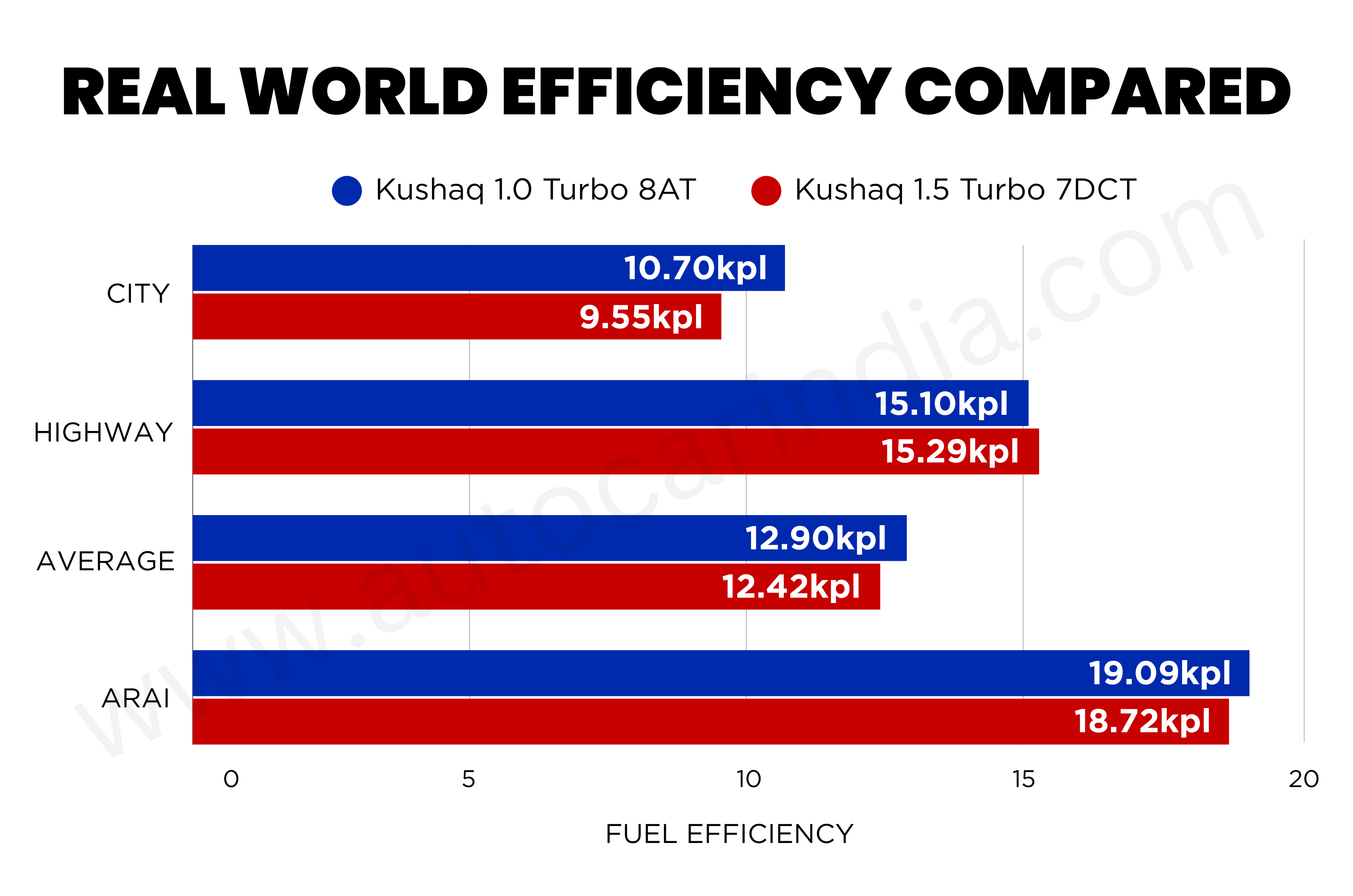
In our real-world fuel efficiency tests, the Kushaq 1.0 TSI AT averaged better than the 1.5 TSI DCT by 0.48kpl. In the city, the 1.0 TSI was more efficient than the 1.5 TSI by 1.15kpl. This is because of the 1.0’s lighter kerb weight and aggressive start/stop system. In contrast, the 1.5’s twin-cylinder deactivation tech helped it be more efficient on the highway than the 1.0 by 0.19kpl. Overall, the gap in real-world efficiency is slightly higher than their ARAI-claimed figures (0.48kpl vs 0.37kpl).   

Skoda Kushaq 1.0 AT vs 1.5 DCT: Price

Availability from lower trims makes the 1.0 AT much more affordable than the 1.5 DCT 

Skoda Kushaq 1.0 AT vs 1.5 DCT: Price


Kushaq 1.0 TSI

Kushaq 1.5 TSI

Petrol automatic price range (Rs lakh)

12.89 – 17.89

18.79 – 18.99

As the Kushaq’s 1.5 TSI automatic is limited to top-spec variants, it is Rs 5.9 lakh pricier than the 1.0 TSI automatic. In fact, even in top-spec guise, the latter powertrain combo is Rs 1 lakh cheaper than the former.

Autocar India’s fuel-efficiency testing

Before our real-world fuel-efficiency tests, we fill our test cars’ tanks to the brim and maintain tyre pressures based on the manufacturer’s recommendations. These cars are driven in fixed city and highway loops in and around Navi Mumbai, and we maintain certain average speeds. Throughout the tests, there is only one person in each car, operating the air conditioner and other electricals, such as the audio system, indicators and wipers, when required, just like a regular user would. Periodic driver swaps further neutralise variations in driver patterns. At the end of each cycle, we calculate efficiency by filling the tanks to full again.

All prices are ex-showroom, India.

JLR MD Rawdon Glover on Jaguar’s repositioning and working with Tata Motors

JLR MD Rawdon Glover on Jaguar's repositioning and working with Tata Motors
Rawdon Glover MD, JLR

Rawdon Glover has worked with the JLR group for over thirteen years and took charge as Managing Director three years ago. From the sidelines of our first drive with the Jaguar Type 01, we speak to Glover, who tells us about Jaguar’s new direction, taking risky decisions, core markets and upcoming products. 

Why the major shift in the positioning of Jaguar?

Putting Jaguar back on a firm footing for the next 90 years is the main job. And if you look at the task, it’s brand management where sometimes you need small incremental changes. But if you look at today’s technical changes, competitive context, how the brand was performing globally and a host of factors, what was called for was a big shift. That requires you to be bold and confident.

Why go for a radical and polarising design?

We’re ok with polarising. If you look at our history, it was bold evolutions, for example the XJS, the spiritual successor to the E-Type. It would have been easy to say let’s just make a modern example of the E-Type, but that’s not what we did, and if you look back at reviews, it was applauded for its dynamics and refinement, but the design was seen as polarising. Now it’s a design icon. So, I’d rather have four out of ten absolutely love the car, rather than have everyone go – yeah, it’s ok.

Isn’t going all-electric a massively risky move?

The EV landscape is evolving rapidly, many new brands are coming in, and I believe one will crack the EV glass ceiling, so why not Jaguar? So we ripped up the EV rulebook because, in the luxury space, it wasn’t working. So it’s not designed as an EV without an engine and a really cab-forward layout. But it’s about presence and performance, and to deliver the level of performance and refinement, electric is best.

Would the car sit above the XJ in terms of price?
All of the vehicles coming off this platform would be between GBP 1,20,000 and GBP 1,50,000. We see a white space at the top end of the premium segment, but underneath established luxury players. That’s where we want to be, and with this vehicle what you get is the stature, the presence, the drama of those uber-luxury brands at the top end of the premium price point.

What are the core markets, and how does India figure in the plan?

We used to sell in 130 markets, but we’ll narrow this to just eight or nine, with 85 percent of the volume. North America will remain a large part, China will become important, and the UK, Germany and some Nordics, where they have really embraced EVs, will be the mainstay. Then in markets like the Middle East and India, which have been small, we think we can really break into them now. The retail would, of course, still be through the existing JLR network.

FTAs do not favour EVs, so is the 01 capable of being locally assembled?

Manufacturing this outside of the UK is not currently in the plan. All production will be built out of Solihull, so all exports to other markets will be CBUs, but that doesn’t rule out local production outside UK. As you know, the geopolitical situation is so fluid at the moment, but in time we could consider production elsewhere.

Is there a more chauffeur-driven offering from Jaguar coming?

The 01 is unashamedly driver-focussed, it has four comfortable seats, but it’s a four-door GT, not a four-door sedan designed as a luxury chauffeur-driven car. There will be other vehicles off this platform that will share the same design language, but will have a distinct personality and target different groups, and they would be accessible to a wider audience. So, yes absolutely, there will be a chauffeur-driven-focused model from Jaguar.

Would an SUV body style be part of the portfolio?

What you shouldn’t expect from us is a high-sided Jaguar that is a Range Rover competitor. We already have the best SUV on the planet, and part of the house of brand’s strategy is to differentiate the brands. All I can say, for now, is that you can expect a variety of vehicles from us, and there will be vehicles slightly higher positioned, but all will drive like a Jaguar.

How has it been working with Tata Motors?

Unwavering is the word. There is nobody more dedicated and passionate about our success than the shareholders, and that’s an incredibly privileged position to be in. It puts a little pressure, but having somebody like PB Balaji come onto our board is great. He’s been on the journey with us, he understands it inside and out, and for him, Jaguar is personal. It’s important to our chairman and even was to Ratan Tata. I was reading stories about Ratan Tata driving about in his father’s XK120, so it’s really important to Tata that Jaguar wins. In all my interactions with the board, there is never talk of tempering ambitions, it’s always, just go for it.

KTM 390 Adventure new white colour spotted ahead of launch

KTM 390 Adventure new white colour spotted ahead of launch

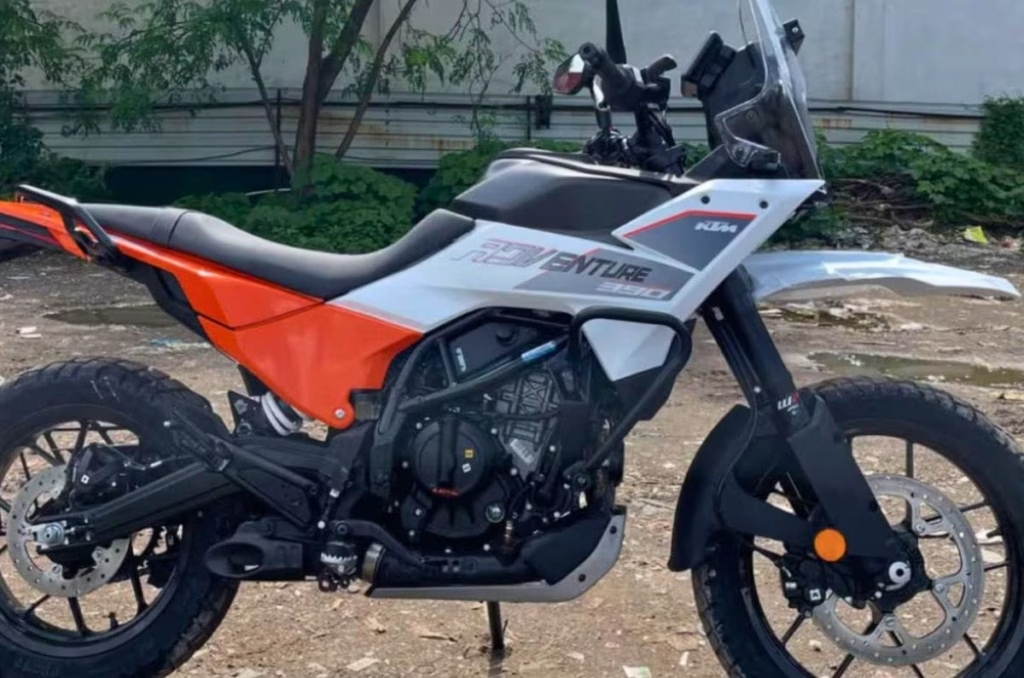
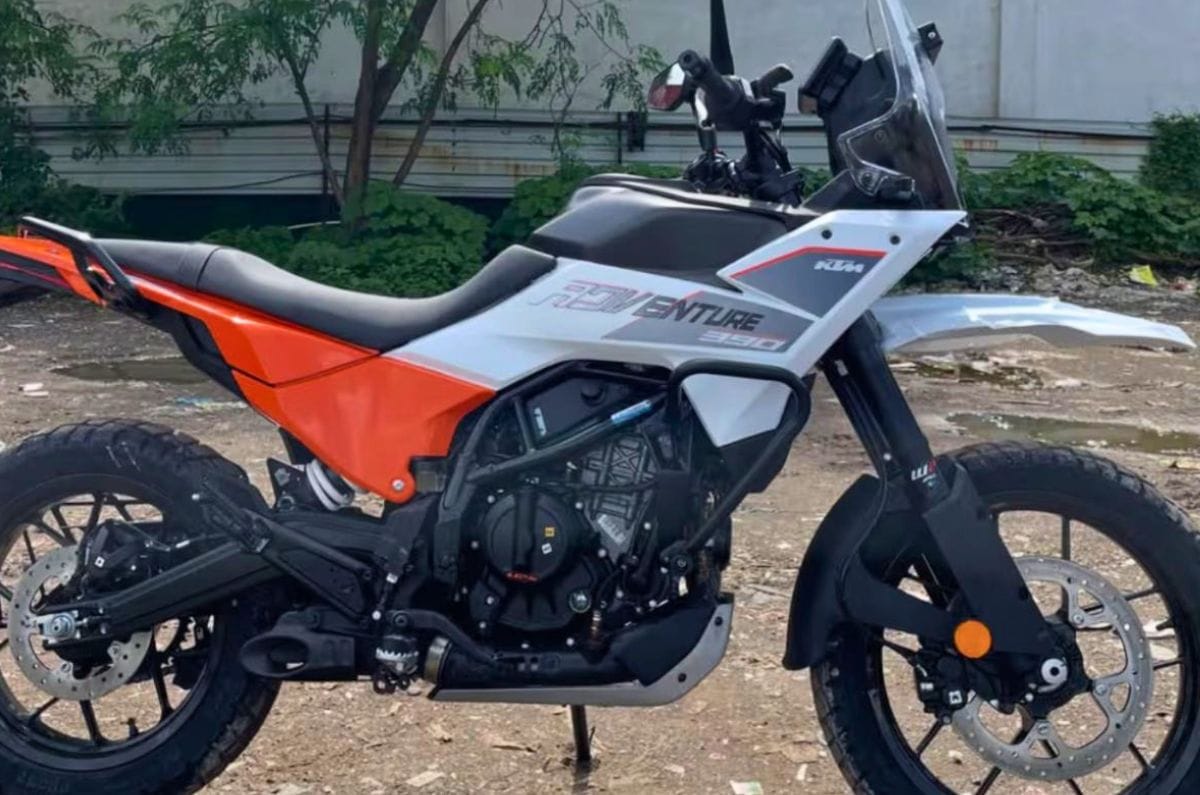
The KTM 390 Adventure has been spotted at a dealership with a new White colourway with refreshed graphics. This would be the second new colour that’s exclusive to the 349cc 390 Adventure after the recently spotted Ebony Black colour.

  1. KTM 390 Adventure currently has three colours
  2. Another new colour, Ebony Black was launched recently
  3. New colour to further distinguish the 349cc bike from 399cc

No apparent changes

Except for the missing handguards

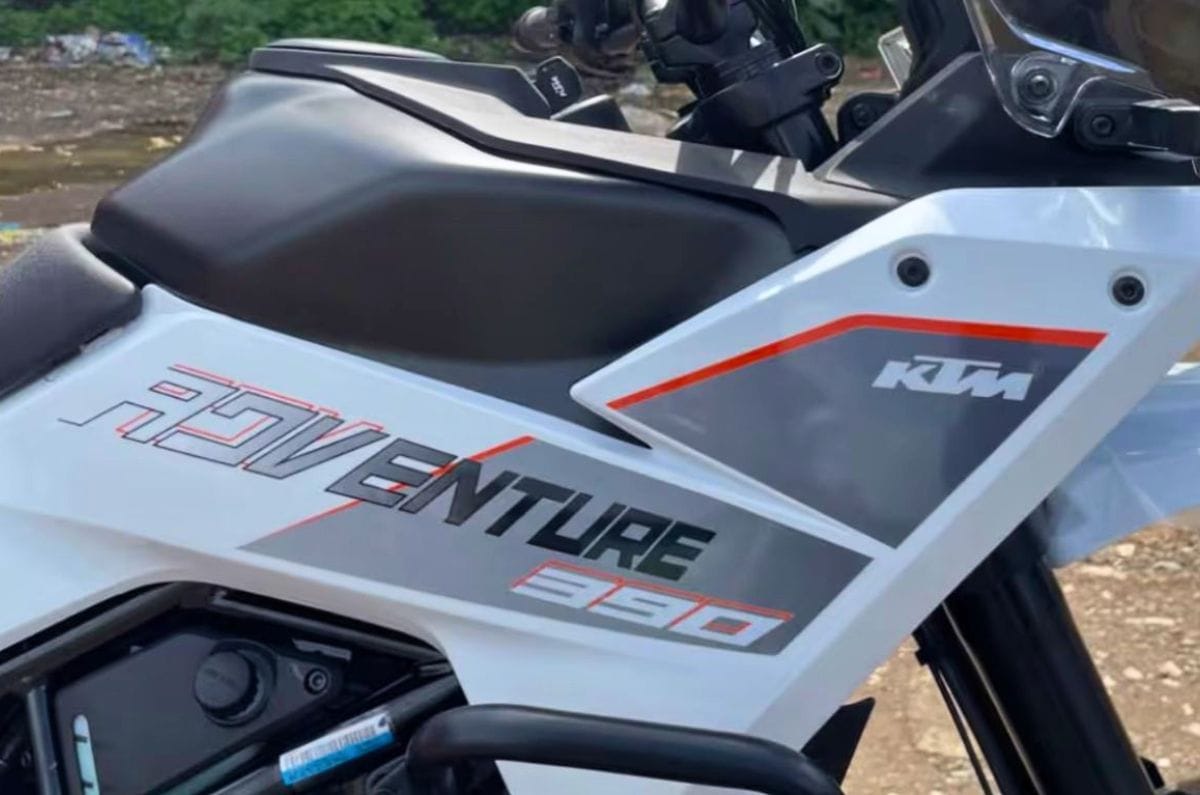
The 390 Adventure is currently offered in Electronic Orange, Ceramic White, and Ebony Black. The base paint scheme on this new colour appears to be the same as the existing Ceramic White, which is shared between the Adventure and the Adventure S. However, this colour has different decals with the word Adventure spelled out on the side panel; whereas previously it just said KTM. The background also has changed from orange to light grey. While the motorcycle in these images appear to be lacking the handguards, we can expect them to be a default offering, like on all the other Adventures.

Besides these differences, the motorcycle is expected to continue with its downsized 349cc single-cylinder engine and is otherwise identical to the 390 Adventure X in terms of features. Before this and the Ebony Black colours were rolled out, the 349cc Adventure looks quite similar to the 399cc Adventure at a glance, so it’s likely that the new colours are meant to make that distinction easier. Currently, the 390 Adventure with a 349cc engine costs Rs 2.87 lakh (ex-showroom, Delhi). We can expect the new colour to officially launch soon since it’s already started reaching dealerships.

Image credits: Sk Sajid Rider


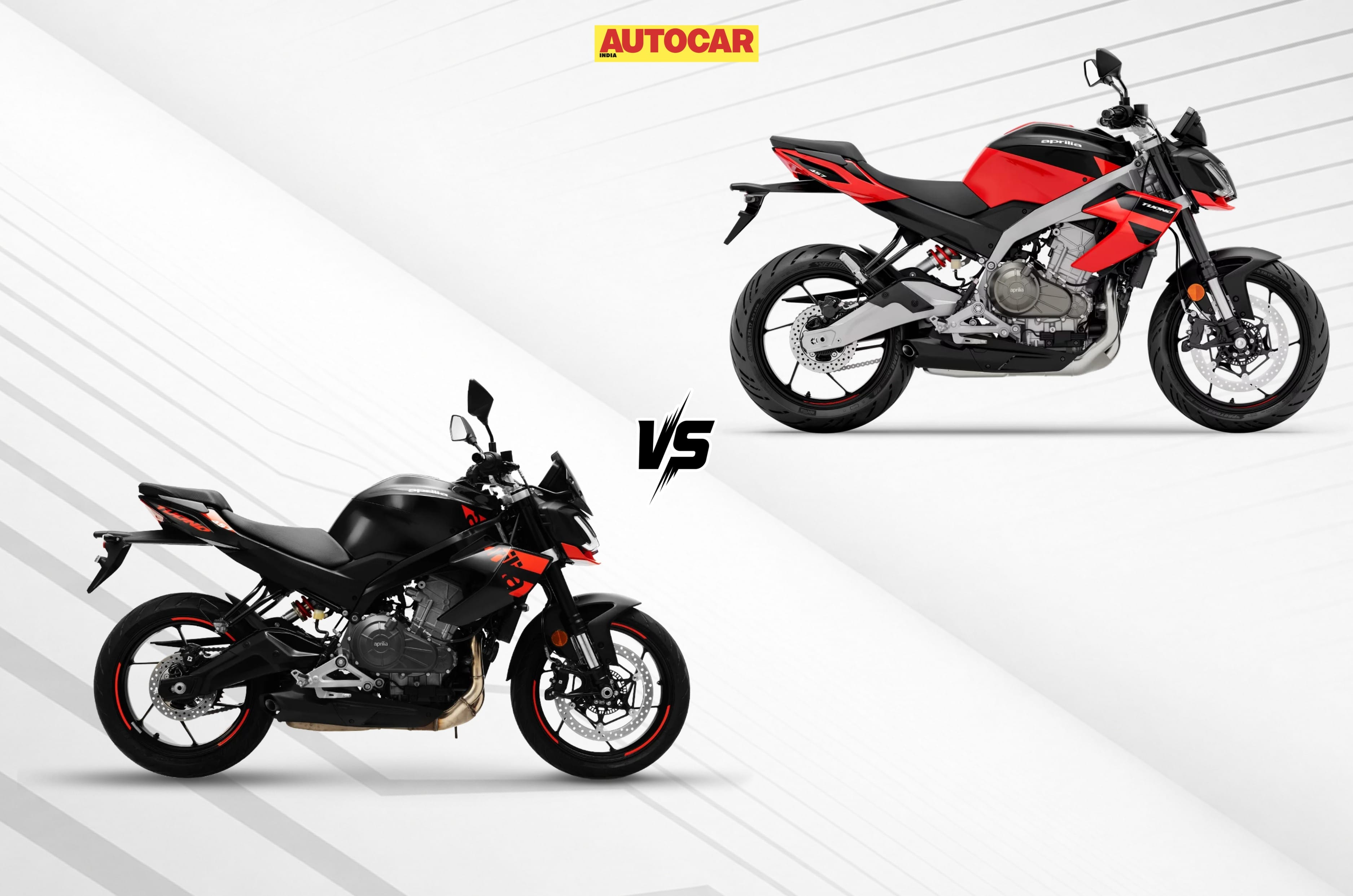
Aprilia Tuono 457 vs Tuono 457 Special Edition: Price and differences explained

Aprilia Tuono 457 vs Tuono 457 Special Edition: Price and differences explained

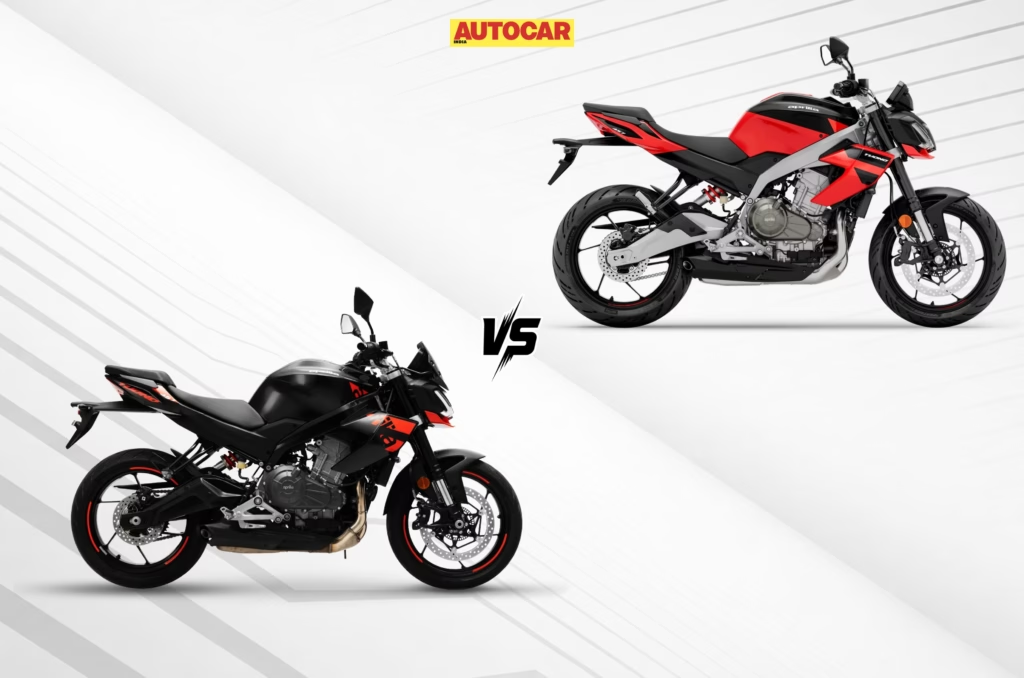
With the Special Edition, Aprilia has addressed almost all the major complaints with the Tuono 457 but what exactly are the changes? At first glance, both motorcycles look the same and they largely are the same as well. This is a case of small changes adding up to a markedly different (and better) final product.

Aprilia Tuono 457 vs Tuono 457 Special Edition: Design

Slightly different, with a new colour

The most obvious change is the updated decals and the brand-new Mamba Black colour. The new colourway, which is exclusive to the Special Edition at the moment, gets a blacked out chassis and swingarm which wasn’t the case earlier. Even on the Puma Gray colour (carried over from earlier), Aprilia has updated the decals so the India-specific Special Edition does look different compared to the international version of the Tuono 457.

Aprilia Tuono 457 vs Tuono 457 Special Edition: Comfort

Seat, handlebar, and suspension all see upgrades

Starting off with changes that are visible, Aprilia has updated the Tuono 457’s seat to be slightly different now from the RS 457. Although the main difference is the extra padding, the seat profile has been slightly changed too to make sure longer stints are more comfortable. It results in the Special Edition having a 10mm taller seat height at 810mm, but we don’t expect anyone to complain about that. The next change is to the handlebar that now gets a 10mm taller riser even though the bar itself is unchanged. Lastly, there’s a standard flyscreen above the headlight, but we’d chalk that as strictly an aesthetical improvement. Finally, the brake lever is now adjustable though the clutch lever remains non-adjustable.

The changes that won’t be visible are to the suspension. At launch, the Tuono appeared to share the exact same suspension setup as the RS 457, which was jostling to most, literally and figuratively. On the Special Edition, Aprilia has made the front suspension softer on both damping and spring preload. While the rear has a softer compression damping and spring preload; rebound damping remains where it was earlier.

Aprilia Tuono 457 vs Tuono 457 Special Edition: Price

Costs Rs 2,000 extra now

With all the upgrades, Aprilia has priced the Tuono 457 Special Edition at Rs 3.99 lakh (ex-showroom), a Rs 2,000 increase from before. Despite the name, this is the only Tuono you can buy in India now so if you were a fan of the earlier Tuono, tough luck.

Aprilia Tuono 457 vs Tuono 457 Special Edition: What did not change

Engine, chassis, and most features

The Tuono 457’s engine immediately became a favourite at launch so Aprilia has not changed that in any way. The Special Edition retains the 457cc twin-cylinder, liquid-cooled engine with a parallel twin configuration. No changes to the performance figures either with the power (47.6hp) and (43.5Nm) torque remaining exactly the same.

Like we mentioned at the beginning, the list of upgrades on the Tuono 457 Special Edition isn’t long. However, most of them make a meaningful difference to how the motorcycle is to ride which is what Aprilia seems to have wanted. It remains to be seen whether these changes will help make the Tuono any more popular than before.