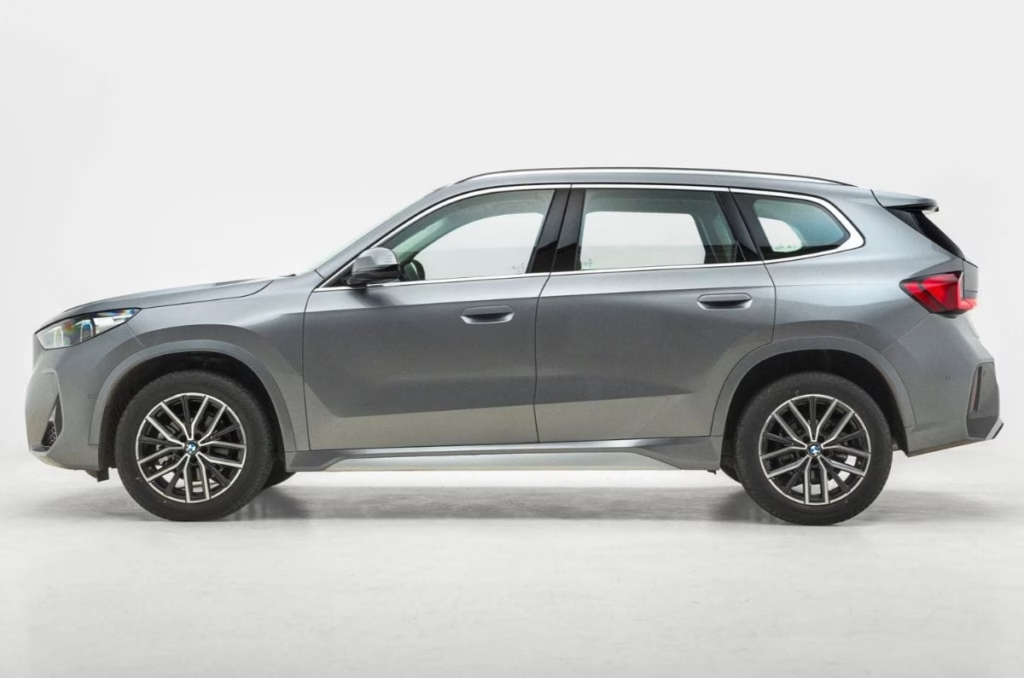
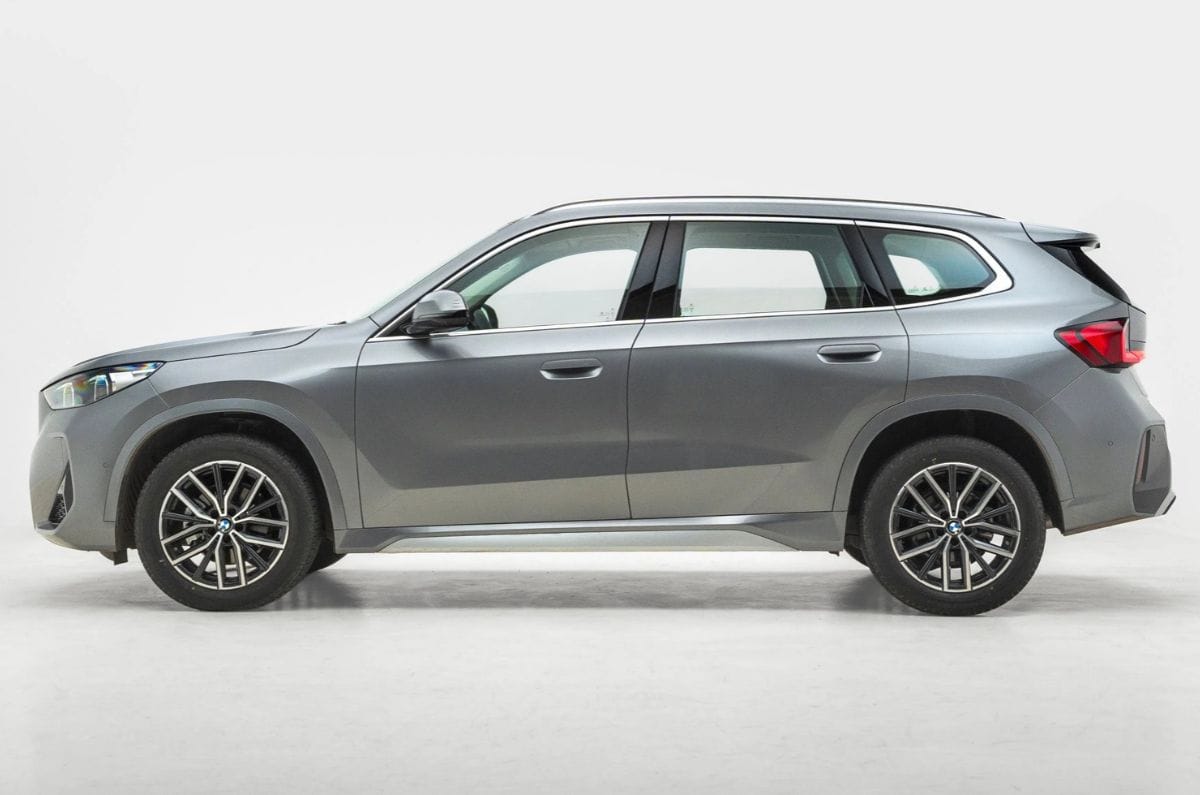
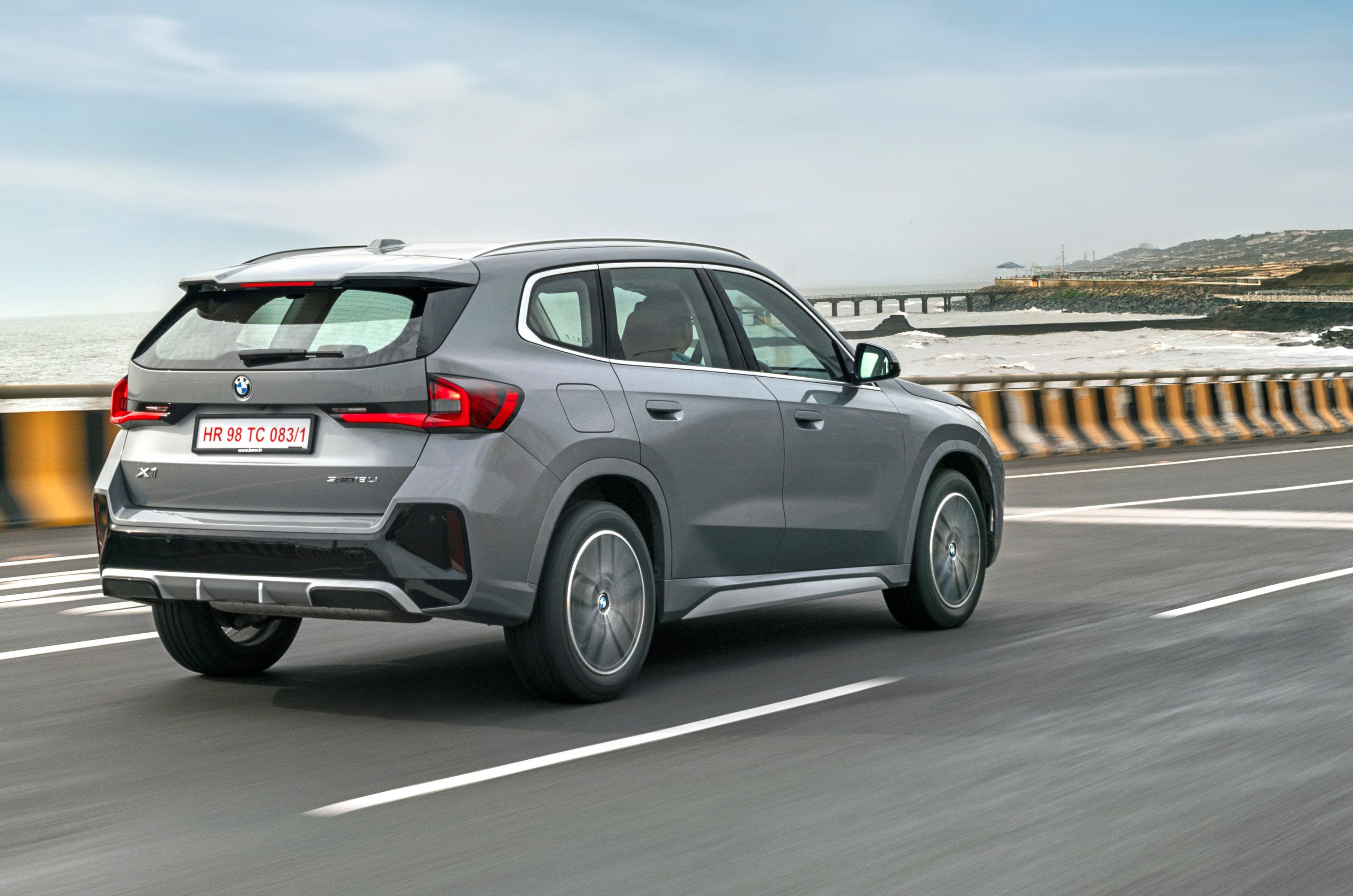
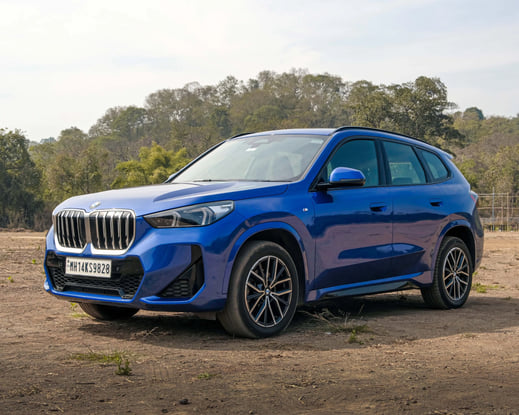
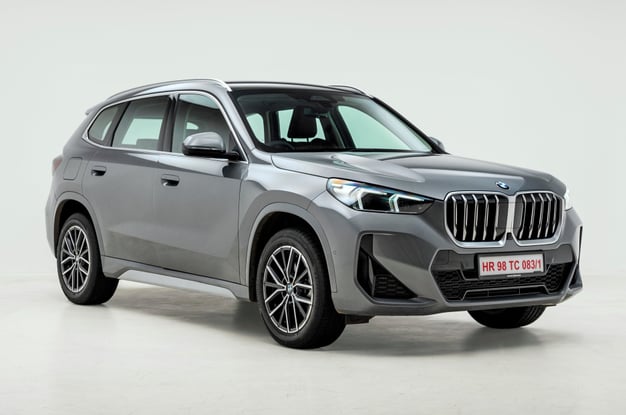
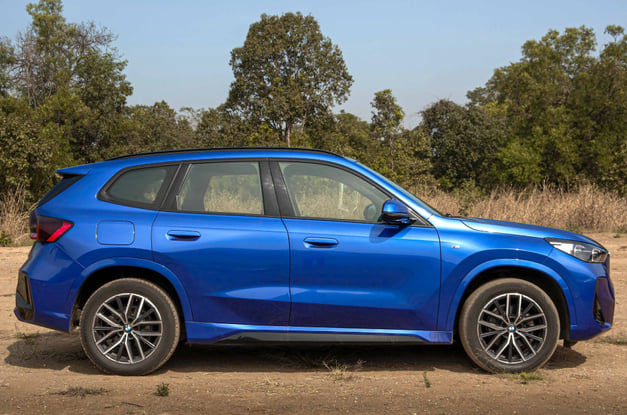
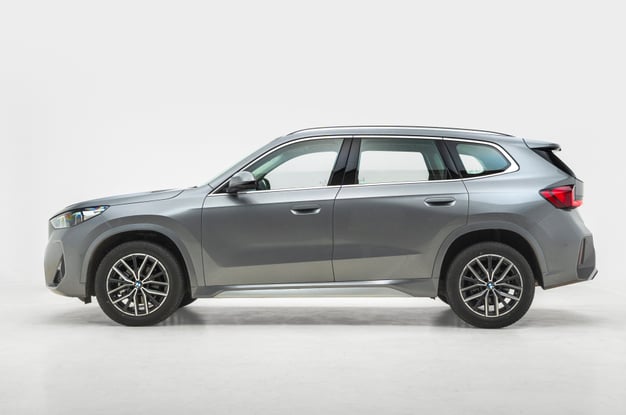
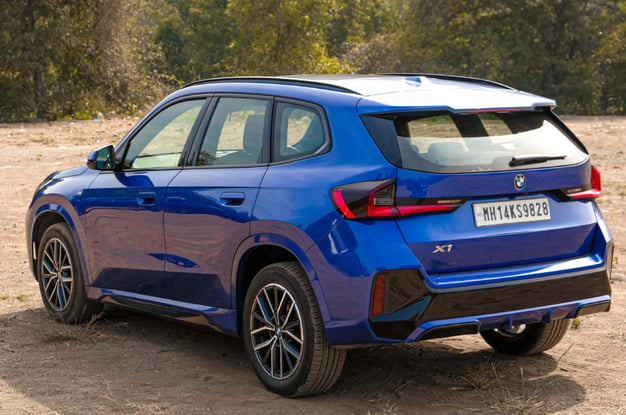
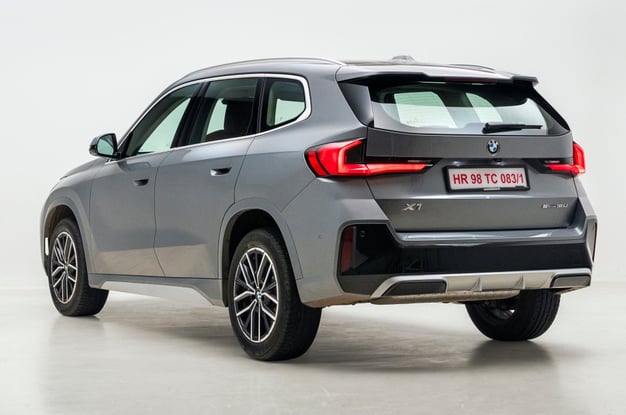
Unlike the standard X1, the Long Wheelbase (LWB) version primarily targets buyers for whom rear-seat space is the top priority. The BMW X1 LWB competes with the likes of the Audi Q3 and Mercedes-Benz GLA in India and is the only one to be offered in a long-wheelbase guise. All that said, here are some pointers to keep in mind before signing on the dotted line.
Reasons to buy the BMW X1 LWB
Space is aplenty
The Long Wheelbase version’s rear seats and boot are easily better than rivals’
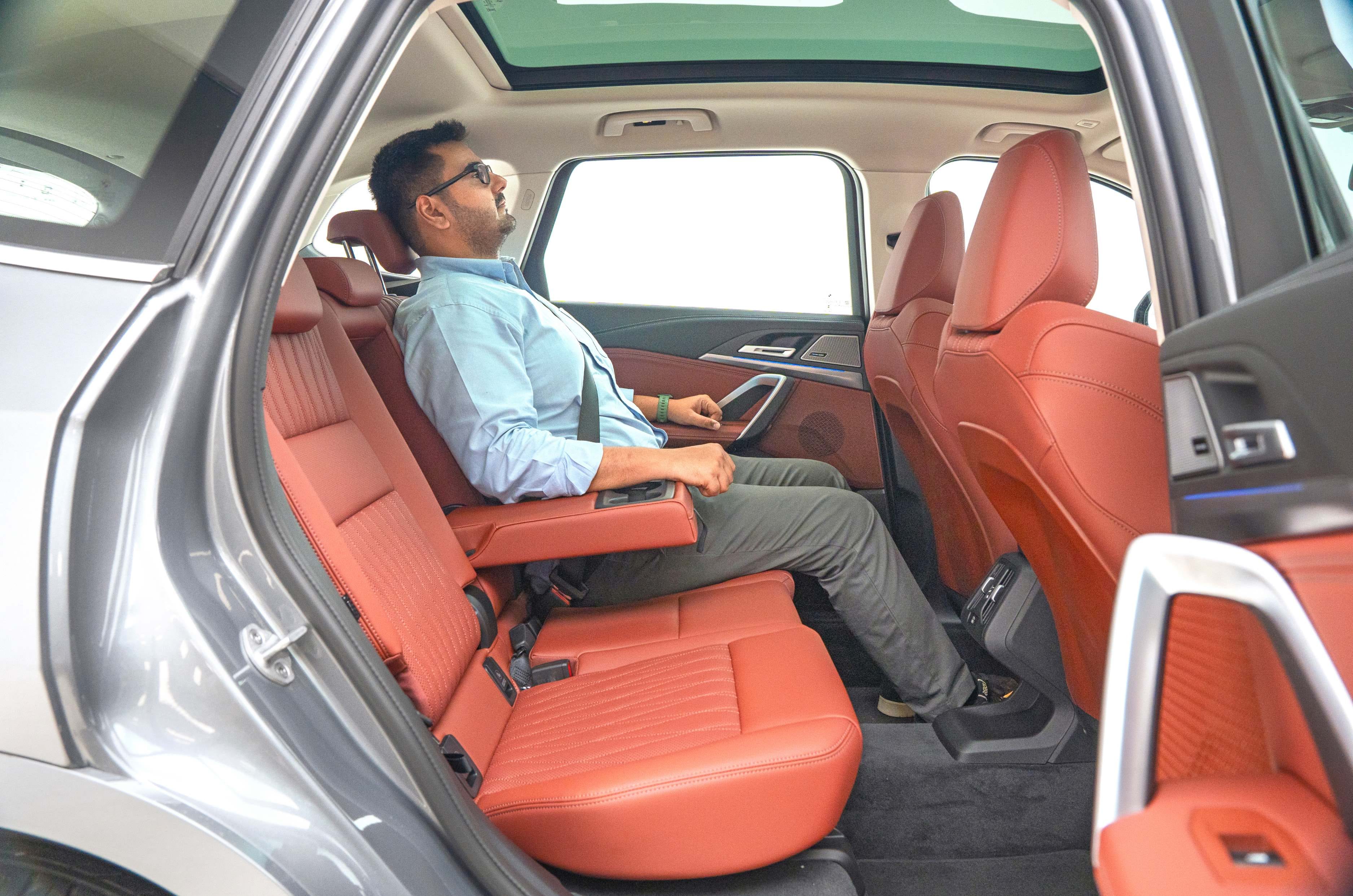
A wheelbase that’s grown by 108mm over the standard X1 means that the LWB benefits from a roomy cabin. This is noticeable upon stepping into the rear of the X1 LWB, where there’s plenty of space even for six-footers to stretch out. A centre armrest with cup holders, dedicated rear AC vents and USB Type-C charging ports aside, BMW has redesigned the rear seats.
Catering to the occupants in the outer units are better cushioning plus a 15mm longer seat base for added under-thigh support. Not only is the general seating position good, but the reclining backrests further elevate comfort. The expansive glasshouse, including the fixed panoramic sunroof, makes for a light and airy cabin. Furthermore, the 540-litre boot is bigger than those of the GLA and Q3.
Convincingly pliant
BMW has revised the suspension for a more comfortable ride
Compared to the standard-wheelbase model, the X1 LWB offers a more pliant ride that errs towards comfort rather than corner-carving sportiness. It works quietly in the background and absorbs bad patches well. Under most driving scenarios, the underlying firmness of this suspension setup will go unnoticed. The steering wheel provides a good sense of connection to the road, and the X1 LWB changes direction confidently and swiftly.
Useful parking aids
Quality assistance tech means parking the X1 LWB is a surprisingly convenient affair
The BMW X1 LWB is equipped with a 360-degree camera system, whose quality is really good. This will help one park the luxury SUV without major issues. Should you find yourself in a tricky situation or be confused about getting out of a dead end, the Reversing Assistant is a feature that could be a great help. This system is designed to automatically back up the car by retracing the path taken to reach its current spot and can work up to a distance of 50 metres.
Competitive pricing
The X1 LWB is priced rather well
At Rs 49.90 lakh (ex-showroom), the BMW X1 LWB costs Rs 1 lakh less than the standard-wheelbase model. When compared to its Mercedes-Benz GLA rival, the X1 LWB is up to Rs 5.1 lakh more affordable.
Reasons not to buy the BMW X1 LWB
Missing equipment
The long-wheelbase version has fewer features than the regular X1
For reasons known only to BMW, the X1 LWB doesn’t come with adjustable rear sunshades, ventilated or massaging seats, and even the USB slots up front aren’t backlit. This makes finding them in the dark a chore. The LWB version also lacks a dedicated climate-control zone for the rear passengers, while the advanced driver assistance systems (ADAS) package doesn’t include adaptive cruise control.
Uninspiring performance
This three-cylinder engine isn’t a punchy enough unit
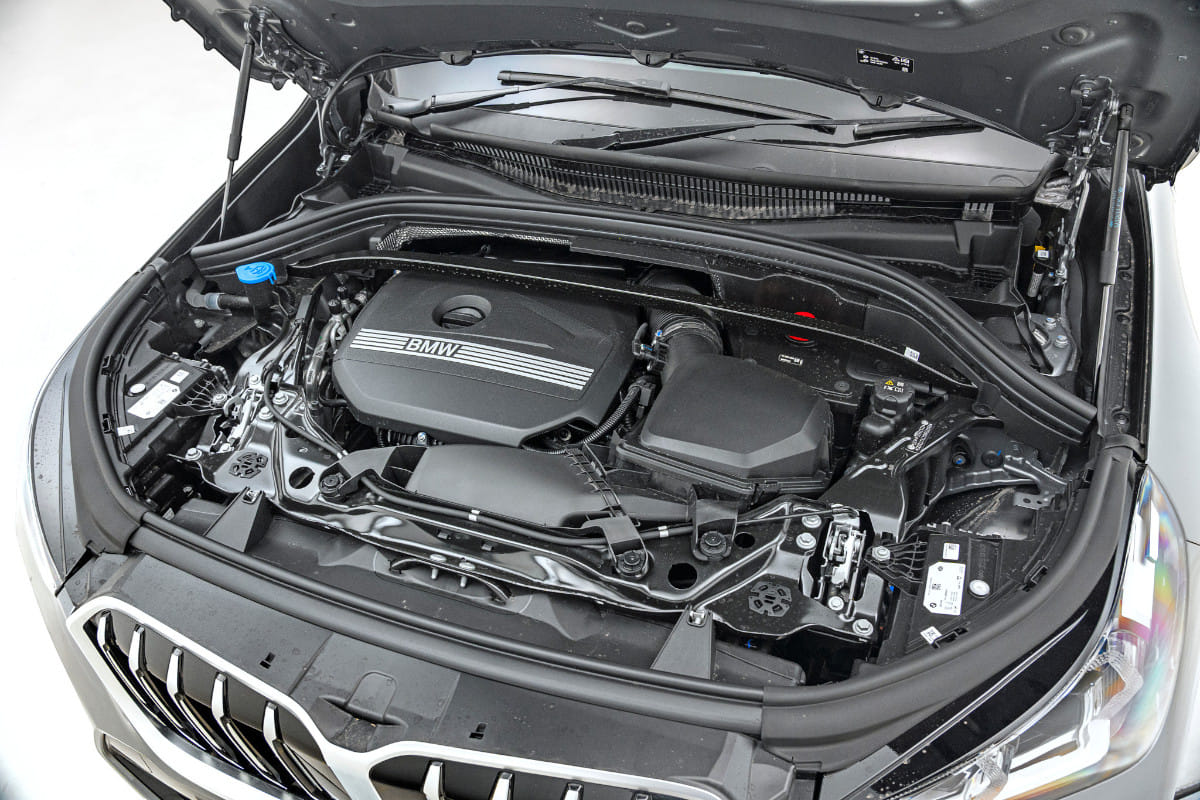
The 1.5-litre three-cylinder turbo-petrol fuel-injected engine produces 156hp and 230Nm of torque, which is 20hp more than the unit powering the standard-wheelbase X1. This E25-compliant engine comes mated to a 7-speed dual-clutch transmission (DCT) and feels more than sufficient when driving in the city.
However, when you want to overtake in a hurry or bury the accelerator pedal, there’s some delay before the X1 LWB builds speed. Push it hard, and this three-cylinder mill will make itself heard, and it isn’t a particularly sporty note either. Even in Sport mode, 0-100kph took 9.58 seconds when we tested this SUV’s acceleration.
Complicated infotainment
The system is modern but can be confusing for users
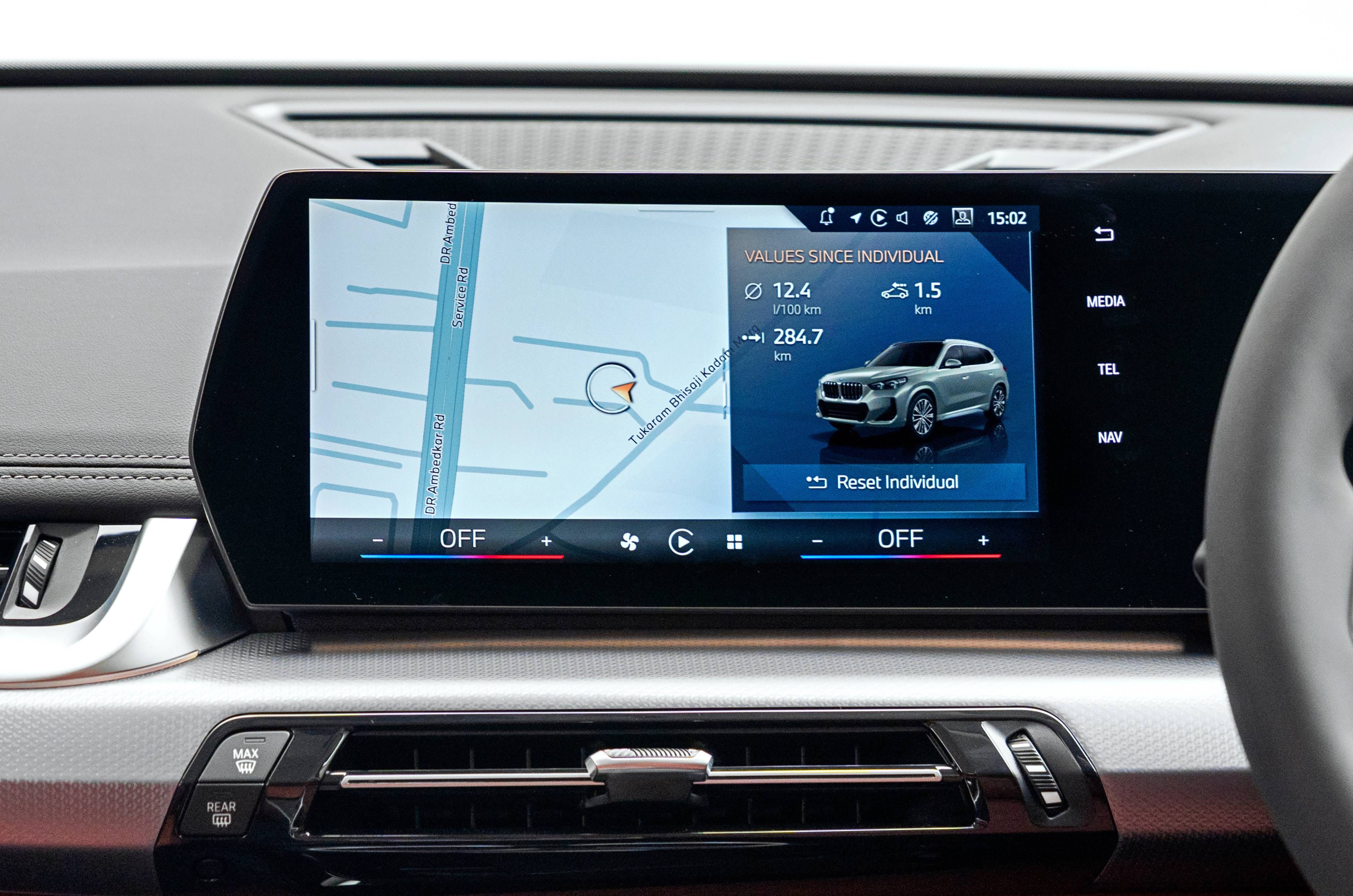
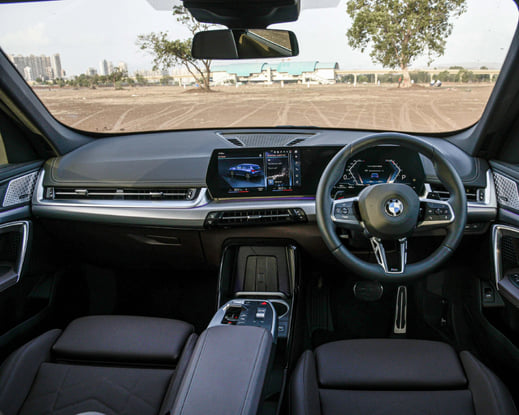
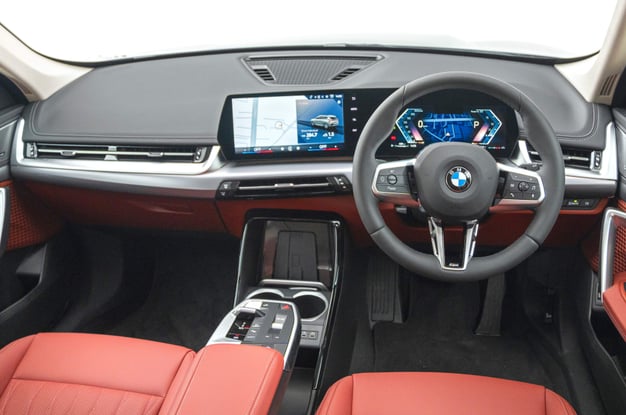
The 10.7-inch touchscreen of the BMW X1 LWB looks crisp and is very responsive to inputs as well. However, its information-dense design means users will find themselves facing a plethora of menus, and finding what you need will require some patience. Even the climate-control system is managed via the touchscreen, meaning eyes off the road. All of it feels more challenging than it needs to be.
महाराष्ट्र के छत्रपति संभाजीनगर में आईफोन खरीदने की जिद पर अड़े 18 वर्षीय युवक और उसे बचाने की कोशिश में उसके माता-पिता की पहाड़ी से गिरकर दर्दनाक मौत हो गई। दिल दहला देने वाली इस घटना का वीडियो वायरल हो रहा है। ALSO READ: भावनगर में जहरीली शराब से 8 की मौत, 14 आरोपी गिरफ्तार
आईफोन की किस्त को लेकर अपने पिता से विवाद कर एक 18 साल का लड़का कुणाल गुस्से में पहाड़ी पर चढ़ गया। उसे नीचे उतारने के लिए उसके माता पिता ने काफी मिन्नतें की लेकिन वह नहीं माना। उसे बचाने के चक्कर में माता-पिता भी पहाड़ी से नीचे गिर गए और तीनों की दर्दनाक मौत हो गई। इस घटना का वीडियो फिलहाल हर जगह वायरल हो रहा है।
Kunal, 18, bought an iPhone on EMI, struggled to pay them, told his parents to pay the EMI, and they said they couldn't afford it. An argument followed.
Raja beta got angry and went to a steep cliff edge on Khavdya Hill, threatening to end his life. Police, parents, and locals… pic.twitter.com/si7GQhEYb8
सूचना मिलते ही छत्रपती संभाजीनगर पुलिस, दमकल विभाग और उस युवक के परिजन तुरंत मौके पर पहुंचे। लगभग तीन घंटे तक परिजनों और बचाव दल ने उस युवक को समझाने की कोशिश की, तभी अचानक युवक का संतुलन बिगड़ गया और वह सीधे नीचे गिरने लगा। पिता अपने बेटे को बचाने की कोशिश की। लेकिन बाप-बेटा पहाड़ी से नीचे जा गिरे। वहीं खड़ी मां ने जब ये सब देखा तो उन्होंने भी पहाड़ी से छलांग लगा दी। इस हादसे में तीनों की मौके पर ही मौत हो गई।
मीडिया खबरों के अनुसार, कुणाल जब पहाड़ी पर चढ़ गया था तो पिता के साथ मां संगीता भी उसे समझाने के लिए वहां पहुंची थीं। कुणाल की मां बार-बार उसको बचाने और समझाने की कोशिश कर रही थीं। मां ने बेटे के सामने ही अपना मंगलसूत्र निकाल कर फेंक दिया और कहा था कि तुम्हारा झगड़ा पिता के साथ है। मैं भी उनके साथ नहीं रहूंगी, बस तुम यह सब मत करो। हम दोनों अलग रहेंगे। मगर बेटे ने उनकी भी नहीं सुनी।
भारत में पिछले आठ सालों से रह रहे एक कनाडाई नागरिक ने एयर पलूशन की वजह से दिल्ली और बेंगलुरु छोड़ने के बाद आखिरकार मिजोरम के आइजोल में बसने का फैसला किया है। शख्स का कहना है कि लगातार खराब होती एयर क्वॉलिटी ने उन्हें इस कदम को उठाने के लिए मजबूर कर दिया क्योंकि वे अपने बच्चों के सेहत के साथ कोई जोखिम नहीं लेना चाहते थे।
सोशल मीडिया प्लेटफॉर्म एक्स पर उनकी पोस्ट के बाद यह बहस छिड़ गई है कि आखिर भारतीय महानगरों में रहने वाले लोगों को साफ हवा की तलाश में अपना घर या शहर क्यों छोड़ना पड़ रहा है।
साफ हवा की तलाश में छोड़ना पड़ा दिल्ली और बेंगलुरु
कालेब फ्रिसेन नाम के इस कनाडाई शख्स ने बताया कि सर्दियों के दौरान दिल्ली में होने वाले गंभीर वायु प्रदूषण के कारण उन्होंने सबसे पहले 2018 में दिल्ली छोड़ दी थी। इसके बाद वे यह सोचकर बेंगलुरु चले गए कि इसे भारत का ‘गार्डन सिटी’ कहा जाता है। उनका अनुभव रहा कि समय के साथ बेंगलुरु की हवा की गुणवत्ता भी लगातार खराब होती चली गई। इसके बाद वर्ष 2026 की शुरुआत में वे मिजोरम शिफ्ट हो गए। आइजोल में उनकी पत्नी का परिवार रहता है और दो बच्चों का पालन-पोषण भी उनके इस फैसले की एक बड़ी वजह बना।
फ्रिसेन ने अपनी पोस्ट में लिखा कि, ‘हम दो बच्चों की परवरिश कर रहे हैं और मेरा मानना है कि एक बच्चे को पालने के लिए पूरे समुदाय के सहयोग की जरूरत होती है। मुझे खुशी है कि मैं आइजोल शिफ्ट हो गया। मैं कोई जोखिम नहीं लेना चाहता था कि मेरे बच्चे अस्थमा के मरीज बन जाएं।’
इसके साथ ही उन्होंने भारतीय महानगरों में रहने वाले लोगों के प्रति चिंता व्यक्त करते हुए लिखा कि मुझे इस बात का दुख है कि जो भारतीय महानगरों में रहने का विकल्प चुनते हैं, उन्हें इस तरह रहना पड़ता है। उन्हें साफ हवा में सांस लेने के लिए पहाड़ों की तरफ नहीं भागना पड़ना चाहिए।
India’s air pollution has me on the move.
I left Delhi in 2018 and shifted to Bengaluru (I was told it was the Garden City of India). One major reason was NCR’s air pollution. I couldn’t tolerate another PM2.5 999+ winter.
पोस्ट पर सोशल मीडिया यूजर्स की मिली-जुली प्रतिक्रियाएं
इस पोस्ट पर सोशल मीडिया यूजर्स ने तरह-तरह की प्रतिक्रियाएं दी हैं। एक यूजर ने कमेंट करते हुए लिखा कि आइजोल एक सपने जैसा लगता है दोस्त! वहीं एक दूसरे यूजर ने सवाल पूछा कि क्या यह कोई विज्ञापन है?
इसके जवाब में फ्रिसेन ने स्पष्ट किया कि यह कोई पेड प्रमोशन नहीं है। उन्होंने समझाया कि वे भारतीय टेक्नोलॉजी कंपनियों पर वीडियो बनाते हैं और उनके पोस्ट प्रायोजित नहीं होते हैं। एक अन्य यूजर ने आइजोल को एक हरा-भरा और सुंदर शहर बताया और विशेष रूप से इसके एयरपोर्ट पर उतरने के अनुभव की तारीफ की। वहीं एक अन्य व्यक्ति ने प्रदूषण की समस्या का सरल समाधान देते हुए लिखा कि समाधान पहले से मौजूद है, पेड़ लगाओ।
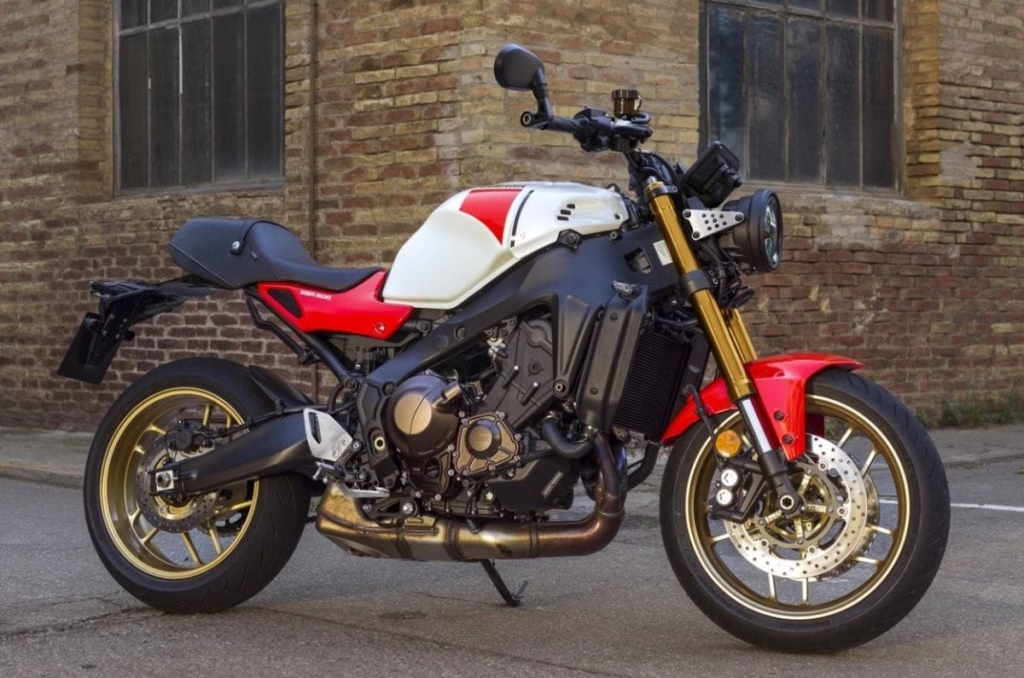
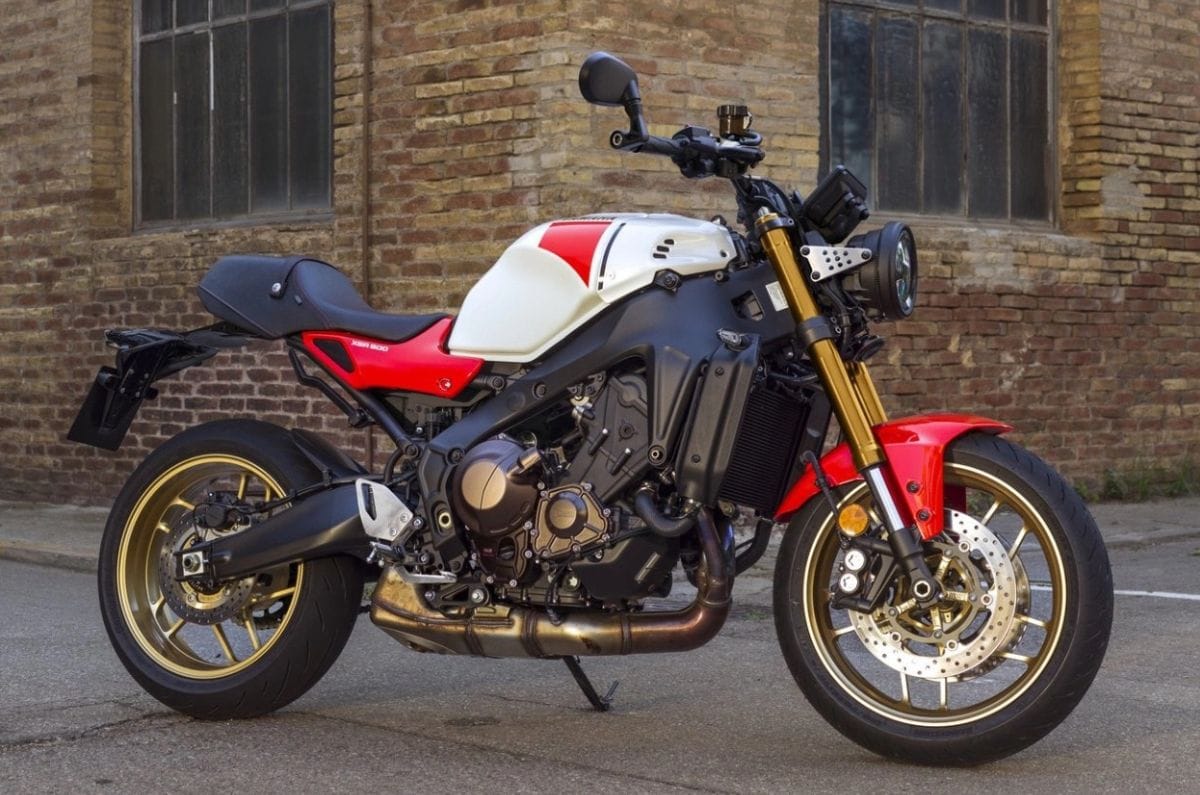
Yamaha appears to be preparing a higher-spec version of its retro-styled XSR900. An XSR900 SP has surfaced in US regulatory filings, pointing to the possibility of a new performance-focused variant of the 890cc neo-retro motorcycle.
XSR900 SP name appears in Yamaha’s US NHTSA filings
Expected to share the 117.4hp CP3 engine with the standard XSR900
Could borrow premium suspension and braking hardware from the MT-09 SP
Yamaha XSR900 SP: what the filings reveal
The XSR900 SP has appeared in vehicle identification number (VIN) filings submitted by Yamaha to the US National Highway Traffic Safety Administration (NHTSA). The documents list both a standard XSR900 SP and a California-spec version, indicating that Yamaha is preparing the model for the 2027 model year.
The filings show that the XSR900 SP will use Yamaha’s 890cc, three-cylinder CP3 engine, with a peak output of 117.4hp. This is identical to the output listed for the standard XSR900, as well as the MT-09, Tracer 9 and R9 in the same documentation. This suggests that the SP variant will focus on chassis and equipment upgrades rather than additional engine performance.
XSR900 SP could get MT-09 SP hardware
While Yamaha has not revealed the equipment list for the XSR900 SP, the motorcycle’s relationship with the MT-09 SP gives a strong indication of what could change.
The MT-09 SP gets DLC-coated front forks, an Öhlins rear shock, Brembo Stylema brake calipers and additional electronic features over the standard MT-09. Yamaha could bring similar upgrades to the XSR900 SP, giving the neo-retro motorcycle a more premium chassis and braking package.
There is one caveat to the filings. The latest NHTSA documents list the XSR900 SP but do not mention the XSR900 GP, while separate California Air Resources Board (CARB) documents for the 2027 XSR900 range list the XSR900 GP but not the SP. This could be down to an error in one of the filings or the documents being updated at different times.
The VIN information does, however, point towards the XSR900 SP being a new variant rather than simply the XSR900 GP being introduced in another market. The SP gets a different VIN prefix from the existing XSR900 GP, further strengthening the case that Yamaha is developing the model.
There is no word yet on when Yamaha will officially reveal the XSR900 SP or which overseas markets will receive it.
Yamaha R2 to launch in India next week
Closer to home, Yamaha is preparing to launch the much-anticipated R2 in India on August 27. The company has already opened pre-bookings for the motorcycle at Rs 10,000, ahead of its official debut.
The R2 is expected to sit above the R15 in Yamaha’s Indian line-up and is being developed and manufactured in India for both domestic sales and exports. Yamaha has yet to reveal its complete specifications, but the motorcycle is expected to use a larger-capacity single-cylinder engine than the R15.
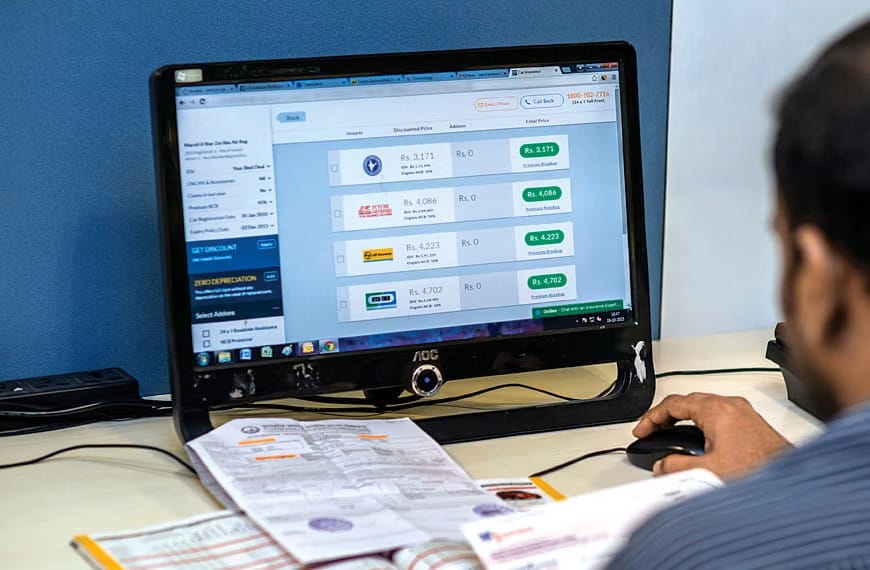
Car insurance is an essential part of vehicle ownership, yet it is often one of the least understood. While third-party insurance is mandatory for vehicles used on public roads in India, owners can choose from different types of cover depending on the protection they need. Here’s everything you need to know about car insurance, from coverage and claims to renewals and add-ons.
1. What is car insurance and why is it mandatory?
Car insurance protects vehicle owners against specified financial losses arising from accidents and other insured events. Depending on the policy, it can cover damage to your own vehicle, liability towards third parties, or both.
Third-party insurance is mandatory for vehicles used on public roads in India. It covers the owner’s legal liability for injury, death or property damage caused to a third party. Driving without valid third-party insurance is an offence.
2. What are the different types of car insurance?
Car insurance is broadly available as third-party liability insurance, comprehensive insurance and standalone own-damage insurance.
Third-party insurance covers liability towards others but not damage to your own vehicle. A comprehensive or package policy combines third-party liability with own-damage cover for the insured vehicle, subject to the policy’s terms and exclusions. A standalone own-damage policy covers damage to your own vehicle and is bought alongside a separate third-party policy.
New private cars are also sold with long-term third-party cover. A common bundled arrangement provides three years of third-party cover and one year of own-damage cover.
3. What does third-party insurance cover?
Third-party insurance covers the legal liability arising if your vehicle causes injury, death or property damage to another person. It does not cover damage to your own vehicle. Owners who want cover for their own car need an own-damage or comprehensive/package policy.
4. What does comprehensive insurance cover?
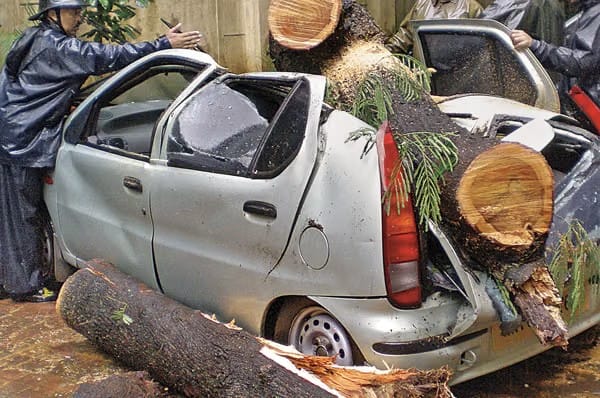
A comprehensive or package policy combines third-party liability cover with own-damage protection. Depending on the policy, own-damage cover can include losses caused by accidents, theft, fire, floods, earthquakes and other natural or man-made events.
The exact coverage and exclusions vary between policies. Optional add-ons can provide additional protection for specific risks.
5. How do you make a car insurance claim?
Inform your insurer as soon as possible after an accident, theft or other insured event. A police complaint may also be required, depending on the circumstances, particularly for theft.
The insurer may arrange a vehicle inspection or assess the claim using photographs and documents submitted digitally. Once the claim is approved, the repair process can proceed. The documents required vary by claim, but may include the policy, registration certificate, driving licence, claim form, repair estimate and invoices.
6. What is the difference between cashless and reimbursement claims?
With a cashless claim, the vehicle is repaired at an insurer’s network garage and the insurer settles the approved repair amount directly with the workshop. The owner pays applicable deductibles and any costs not covered by the policy.
With a reimbursement claim, the owner pays the repair bill first and then submits the required documents to the insurer for reimbursement of the eligible amount. The availability and process of cashless repairs depend on the insurer’s network and policy terms.
7. How is your car insurance premium calculated?
The premium depends on factors including the vehicle’s IDV, age, engine capacity, registration details, previous claims and the insurer’s own pricing. The cost of optional add-ons and applicable discounts can also affect the final premium.
Third-party liability premiums are set by IRDAI, while own-damage premiums are priced by individual insurers. This is why premiums for similar own-damage cover can differ between insurers.
8. What is a No Claim Bonus (NCB)?
A No Claim Bonus is a discount on the own-damage premium earned for claim-free policy periods. It applies to the policyholder, not the vehicle, and can generally be carried over when changing insurers or buying another car, subject to the applicable conditions.
An own-damage claim can affect the NCB at the next renewal, although an NCB-protection add-on may preserve it subject to its terms.
9. What is Insured Declared Value (IDV), and why does it matter?
The Insured Declared Value is the sum insured for the vehicle under the own-damage section of the policy. It represents the vehicle’s insured value and is used when settling a total-loss or theft claim, subject to the policy terms. IDV also affects the own-damage premium. As the vehicle depreciates, its IDV generally reduces.
10. What is a deductible in car insurance?
A deductible is the portion of an eligible claim that the policyholder has to bear. A compulsory deductible applies to the policy as prescribed, while a voluntary deductible is an additional amount the owner chooses to bear in return for a lower premium. A higher voluntary deductible means a larger share of the repair bill has to be paid by the owner when a claim is made.
11. Which car insurance add-ons are worth considering?
Add-ons provide cover beyond the standard policy for an additional premium. Common options include zero depreciation, engine protection, roadside assistance, return-to-invoice, consumables, tyre protection, key protection and NCB protection.
Their usefulness depends on the vehicle, its age and how it is used. Owners should compare the additional premium with the specific protection each add-on provides rather than buying every available option.
12. What is zero depreciation insurance, and is it worth buying?
Zero depreciation, also known as nil depreciation or bumper-to-bumper cover, reduces or removes the depreciation deduction applied to eligible parts when settling an own-damage claim. This can reduce the amount the owner has to pay towards a covered repair.
The add-on generally costs extra and may have eligibility conditions, claim limits or exclusions depending on the insurer. It is more commonly available for newer cars.
13. What is not covered by car insurance?
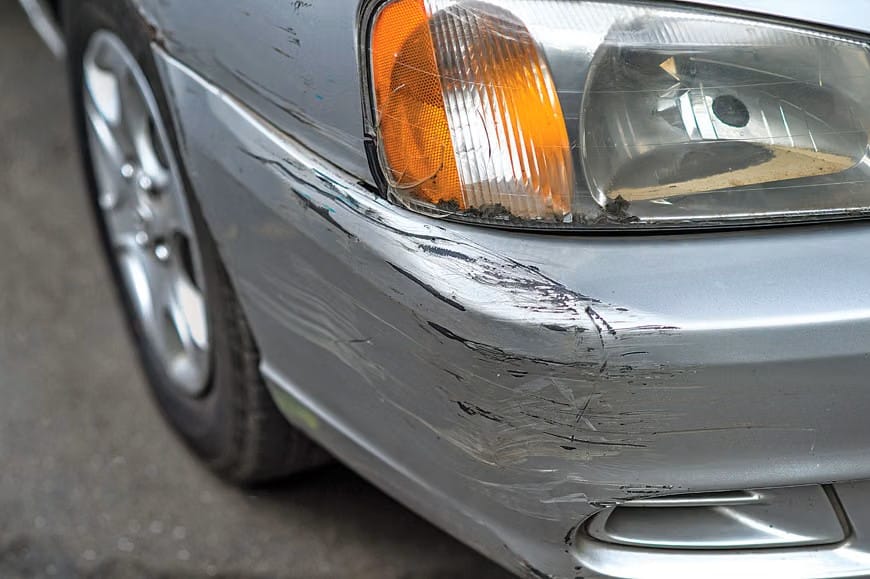
A comprehensive policy does not cover every type of loss. Common exclusions include normal wear and tear, damage from mechanical or electrical failure that is not caused by an insured event, and losses arising while the vehicle is being used in breach of the policy or applicable law.
Claims can also be affected if the driver does not have a valid licence or is driving under the influence of alcohol or drugs. Consequential damage may also be excluded unless specifically covered by an add-on. The exact exclusions are set out in the policy wording.
14. Can modifications affect your car insurance?
Yes. Modifications or changes to the vehicle should be disclosed to the insurer. This includes additions such as CNG or LPG kits, which also need to be recorded with the relevant registering authority.
If an approved modification changes the vehicle’s value or risk, the insurer may require an endorsement or additional premium. Failing to disclose relevant modifications can affect a claim.
15. What can cause a car insurance claim to be rejected?
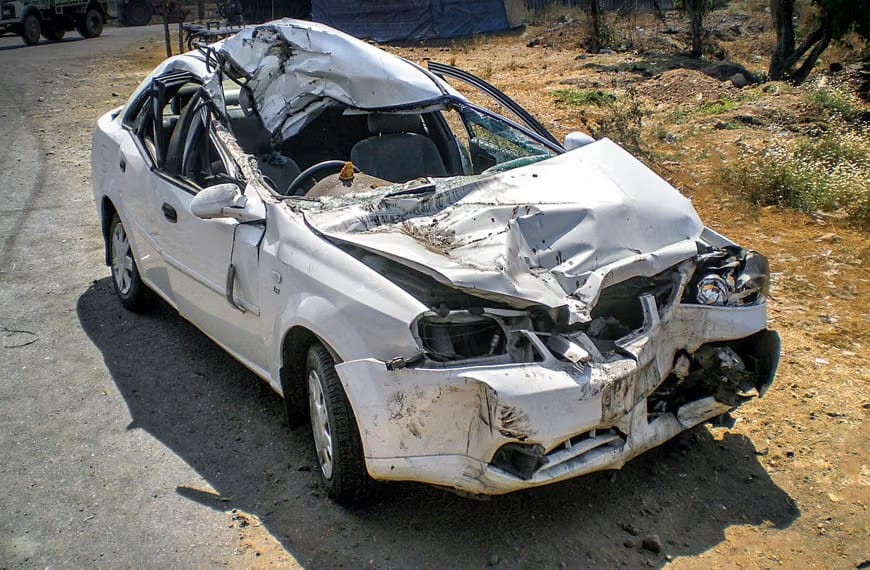
A claim can be rejected or reduced if the loss falls outside the policy’s coverage or if policy conditions have not been met. Examples include driving without a valid licence, driving under the influence, using the vehicle for an excluded purpose, or making false or incomplete declarations.
Damage caused by an excluded event or normal wear and tear is also not payable under a standard comprehensive policy. The exact reasons for rejection depend on the policy wording and circumstances of the claim.
16. How does the age of your car affect insurance premiums?
A car’s IDV generally falls as it gets older because of depreciation. Since IDV is one of the factors used to determine the own-damage premium, this can reduce the own-damage portion of the premium over time. However, the final premium also depends on factors such as the insurer, claims history, vehicle details and selected add-ons.
17. What happens if your car insurance expires, and how do you renew it?
Owners should renew their policy before it expires to avoid a break in cover. A vehicle cannot legally be driven on public roads without valid third-party insurance. If a policy has lapsed, the insurer may require the vehicle to be inspected before issuing a new policy. IRDAI also states that a break in insurance can result in inspection and additional charges.
18. Can you switch insurance companies at renewal?
Yes. You can change insurers when renewing your own-damage or comprehensive policy. Compare the coverage, exclusions, IDV, deductibles, network garages, add-ons and premium rather than choosing solely on price. Your NCB can generally be carried over when you change insurers, provided you submit the required proof of entitlement.
19. Can you transfer your car insurance when selling your vehicle?
Yes. Insurance can be transferred to the buyer when a vehicle is sold, but the insurer must be informed and the required transfer process completed. The NCB belongs to the original policyholder and does not transfer with the vehicle. For comprehensive/package policies, IRDAI states that the transfer of ownership should be recorded within 14 days of the transfer of ownership.
20. What should you check before buying or renewing car insurance?
Don’t compare policies on premium alone. Check the coverage, exclusions, IDV, deductibles, add-ons, network garages and claims process. Also check when the third-party and own-damage portions expire, particularly if you have a bundled policy. A cheaper policy may offer a lower IDV, higher deductible or narrower coverage, so the lowest premium is not necessarily the best-value option.
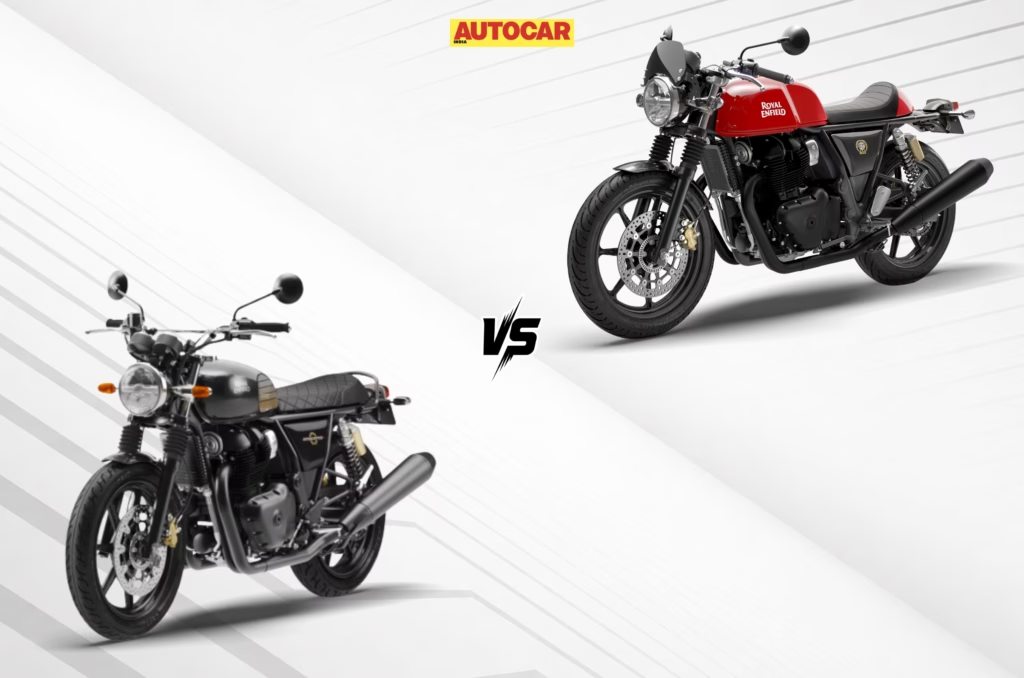
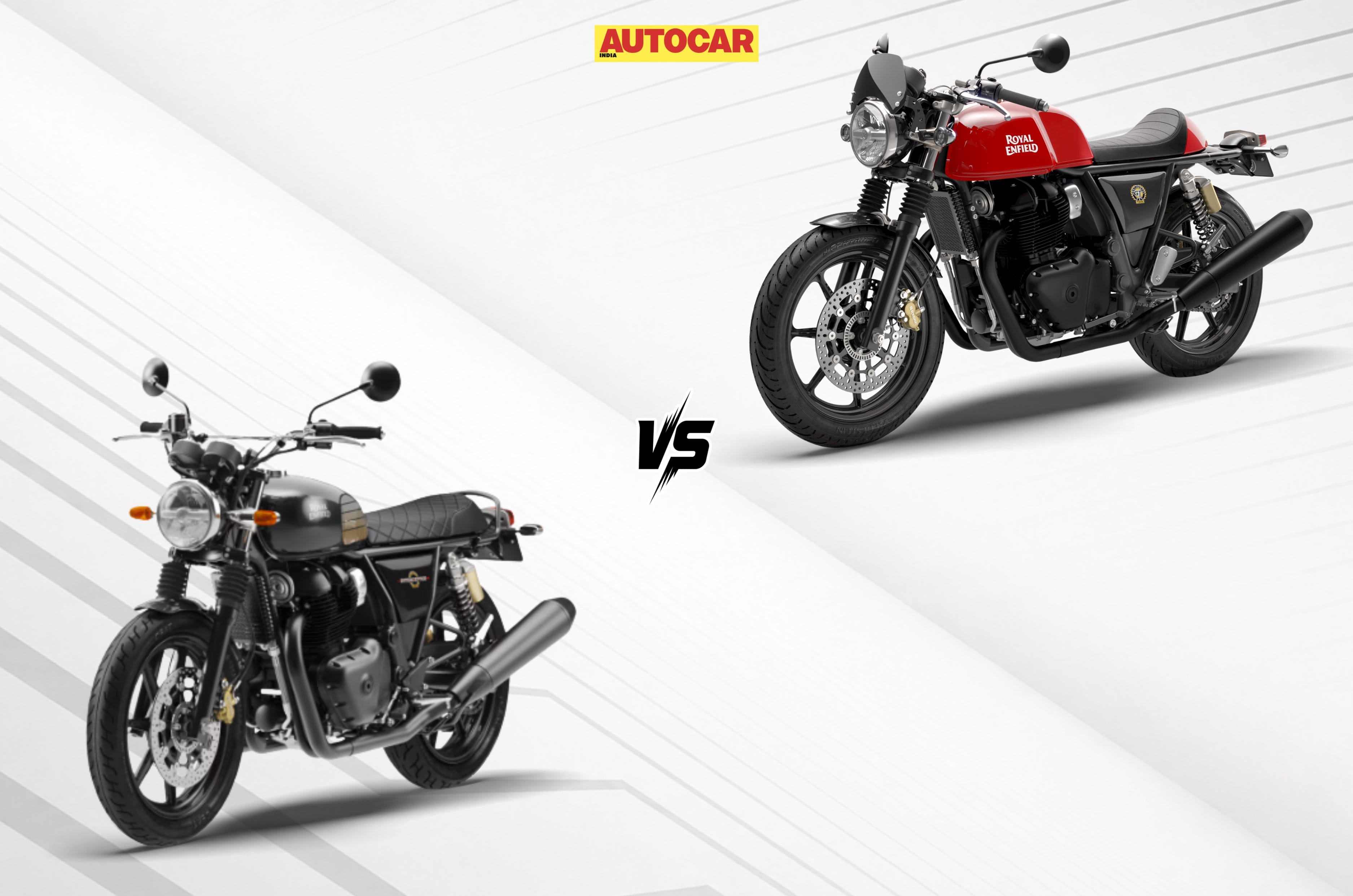
Royal Enfield has just updated the Continental GT 650 for 2026. While the mechanicals remain where they were earlier, the popular cafe racer gets a few new features like LED indicators, USB type-C port and cosmetic updates like a black instrument cowl. The Rocker Red colour now also gets a blacked out engine case and cast-alloy wheels, both of which were previously limited to the Apex Grey colour. The Interceptor, the platform sibling, is yet to see an update for 2026 but how do the 650 twins differ? Let’s examine it in detail.
All prices ex-showroom, Chennai
Royal Enfield Continental GT 650 vs Interceptor 650: What’s shared?
Engine, chassis, and more
Both have quite a lot in common. They share the steel tubular, dual-cradle frame, the 648cc twin-cylinder engine making 47.4hp of power and 52.3 Nm of torque, tyre sizes, suspension, and most of the dimensions. Both also get alloy and wire spoke wheel options, but not on all the colours. In addition to this, most of Royal Enfield’s first-party accessories for one of these bikes should also be compatible with the other.
Royal Enfield Continental GT 650 vs Interceptor 650: Design
Continental looks better, but is less practical
The biggest difference between the two is in the appearance. The Continental GT has a clip-on style handlebar, placed lower than the Interceptor. The rider footpegs are also set further back, altering the rider’s triangle noticeably. While the Continental’s handlebar makes it steadier at higher speeds—thanks to the added load on the front wheel—it does put more strain on the wrists, especially over long distances. The upright riding position on the Interceptor makes it far more practical to live with, although at the cost of the ‘cool factor’. The Continental GT 650 also gets Vredestein tyres, replacing the CEATs on the Interceptor.
Royal Enfield Continental GT 650 vs Interceptor 650: Dimensions and weight
Interceptor is heavier by 4kg
The Interceptor is 45mm wider and 25mm taller than the Continental GT 650. The Interceptor also has a larger 13.7-litre fuel tank, compared to 12.5-litre unit on the Continental. Naturally, that means the Interceptor is 4kg heavier at 218kg.
Royal Enfield Continental GT 650 vs Interceptor 650: Features
Continental now gets more features
Both the models do share most of the features, such as the semi-digital instrument cluster with twin-pods and dual-channel ABS, but with the update the Continental GT has gotten features like a USB-C charging port (vs USB-A on the Interceptor), LED indicators, and an instrument cowl as standard.
Royal Enfield Continental GT 650 vs Interceptor 650: Colour options
Interceptor gets more colours
There’s no crossover between the two motorcycles in the colour options with both having distinct colour choices. Like we mentioned earlier, some of the colours get black, cast-alloy wheels while others stick to wire spoke wheels. On the Continental, Apex Grey and Rocker Red get alloys whereas on the Interceptor, alloy wheels are limited to only one colour, Black Ray.
Royal Enfield Continental GT 650 vs Interceptor 650: Price
Continental is more expensive
With the new updates, the Continental GT 650 now starts at Rs 3.58 lakh and goes up to Rs 3.97 lakh. As of the writing of this piece, the Interceptor starts at Rs 3.39 lakh and goes up to Rs 3.69 lakh without any of the new features.
Interestingly, the Bear 650, the other platform sibling of these two, gets more modern features like a TFT instrument cluster, USD fork, and a slightly more powerful engine owing to its different two-into-one exhaust system. It remains to be seen if Royal Enfield will bring these updates to the Interceptor 650 anytime soon.
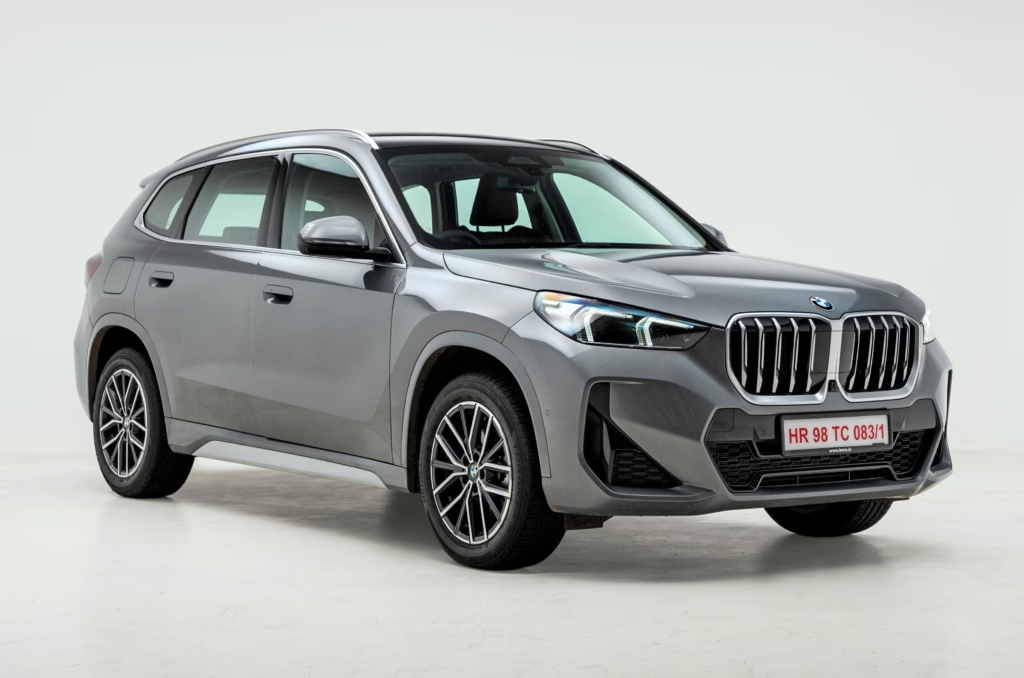
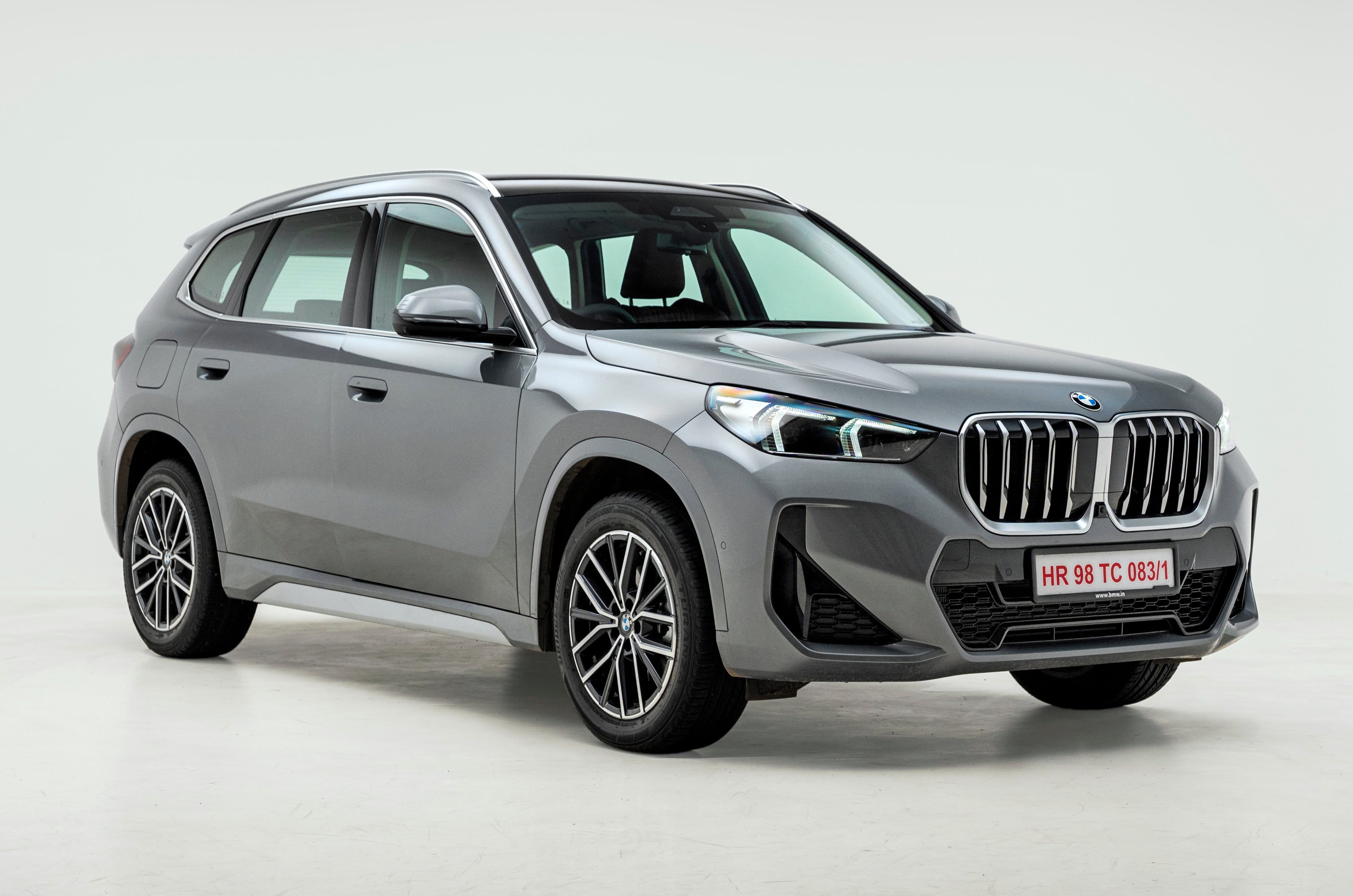
BMW has expanded its X1 range in India with the new long-wheelbase X1 LWB. Priced at Rs 49.90 lakh (ex-showroom), it sits alongside the regular X1 and is Rs 1 lakh cheaper than the standard-wheelbase X1 petrol. While both SUVs share much of their styling and cabin design, the X1 LWB brings a longer body, more rear-seat space and a different powertrain. Here’s how the two versions differ.
BMW X1 vs X1 LWB: Dimensions
Dimensions
X1
X1 LWB
Difference
Length
4500 mm
4616 mm
116 mm
Width
1845 mm
1842 mm
3 mm
Height
1630 mm
1641 mm
11 mm
Wheelbase
2692 mm
2800 mm
108 mm
Boot Capacity
476 litres
540 litres
64 litres
The biggest difference is the X1 LWB’s size. It is 116mm longer overall than the standard X1, with 108mm of the additional length going into the wheelbase. This extra wheelbase is primarily used to increase rear-seat legroom. The X1 LWB also gets a redesigned rear seat with enhanced cushioning, a 15mm longer seat base for additional thigh support and a backrest that can be reclined by a couple of degrees. The X1 LWB is also 3mm narrower and 11mm taller than the standard X1. Boot space is also larger on the X1 LWB, at 540 litres compared with 476 litres in the standard X1.
BMW X1 vs X1 LWB: Exterior
The two versions look largely alike. Both get the same headlamps, M Sport styling package, tail-lamps and 18-inch alloy wheels. The X1 LWB can be identified by its chrome window surrounds, whereas the standard X1 gets a black finish in this area. A Shadow package is available as an option on the LWB.
BMW X1 vs X1 LWB: Interior
The dashboard and front section of the cabin are unchanged. Both get a 10.25-inch digital instrument cluster, 10.7-inch touchscreen, asymmetric AC vents and the floating centre console. The key difference is at the back. Besides the additional legroom, the X1 LWB gets the revised rear seat described above. BMW has also tuned its suspension for improved ride comfort. The X1 LWB also gets red seat upholstery, while the standard X1 gets black upholstery.
The X1 LWB, however, misses out on front-seat ventilation and massage functions, as well as a dedicated climate-control zone for the rear seats.
BMW X1 vs X1 LWB: Powertrain
The standard X1 continues to be offered with both petrol and diesel engines, while the X1 LWB is available only with a 1.5-litre three-cylinder turbo-petrol engine. Both SUVs are front-wheel drive only.
In the X1 LWB, this engine produces 156hp and 230Nm and sends power to the front wheels through a seven-speed dual-clutch automatic gearbox. This is 20hp more than the 136hp version of the 1.5-litre petrol engine used in the standard-wheelbase X1.
BMW X1 vs X1 LWB: Price
The X1 LWB is priced at Rs 49.90 lakh, making it Rs 1 lakh cheaper than the standard-wheelbase X1 petrol, which costs Rs 50.90 lakh. Both the X1 and X1 LWB are locally assembled in India. The X1 LWB is primarily aimed at buyers who prioritise rear-seat space, while the standard X1 offers a wider powertrain choice.
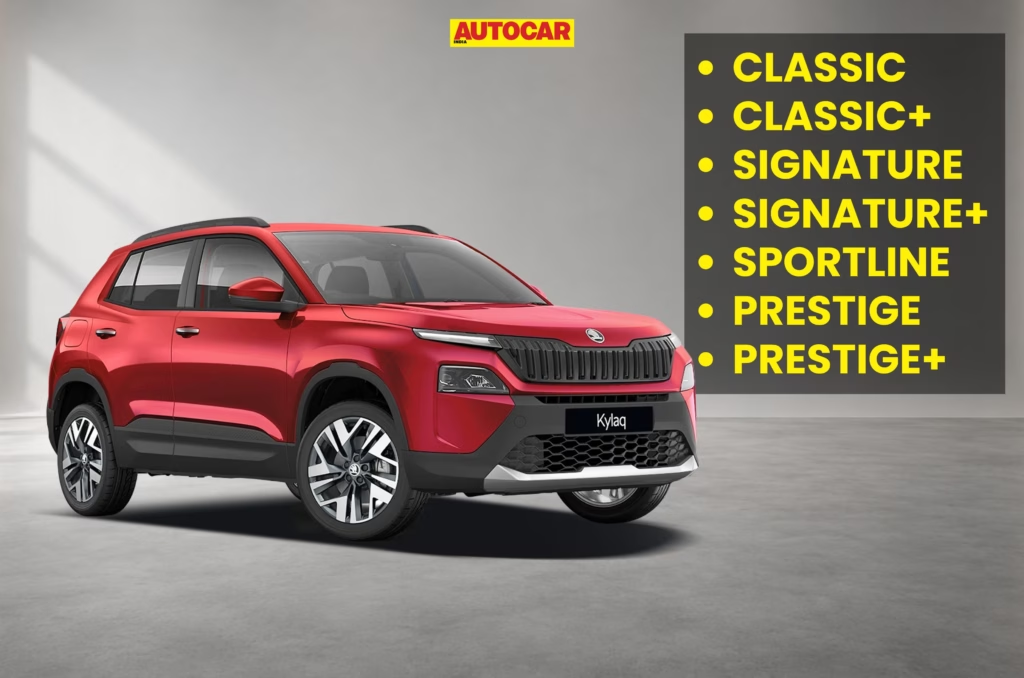
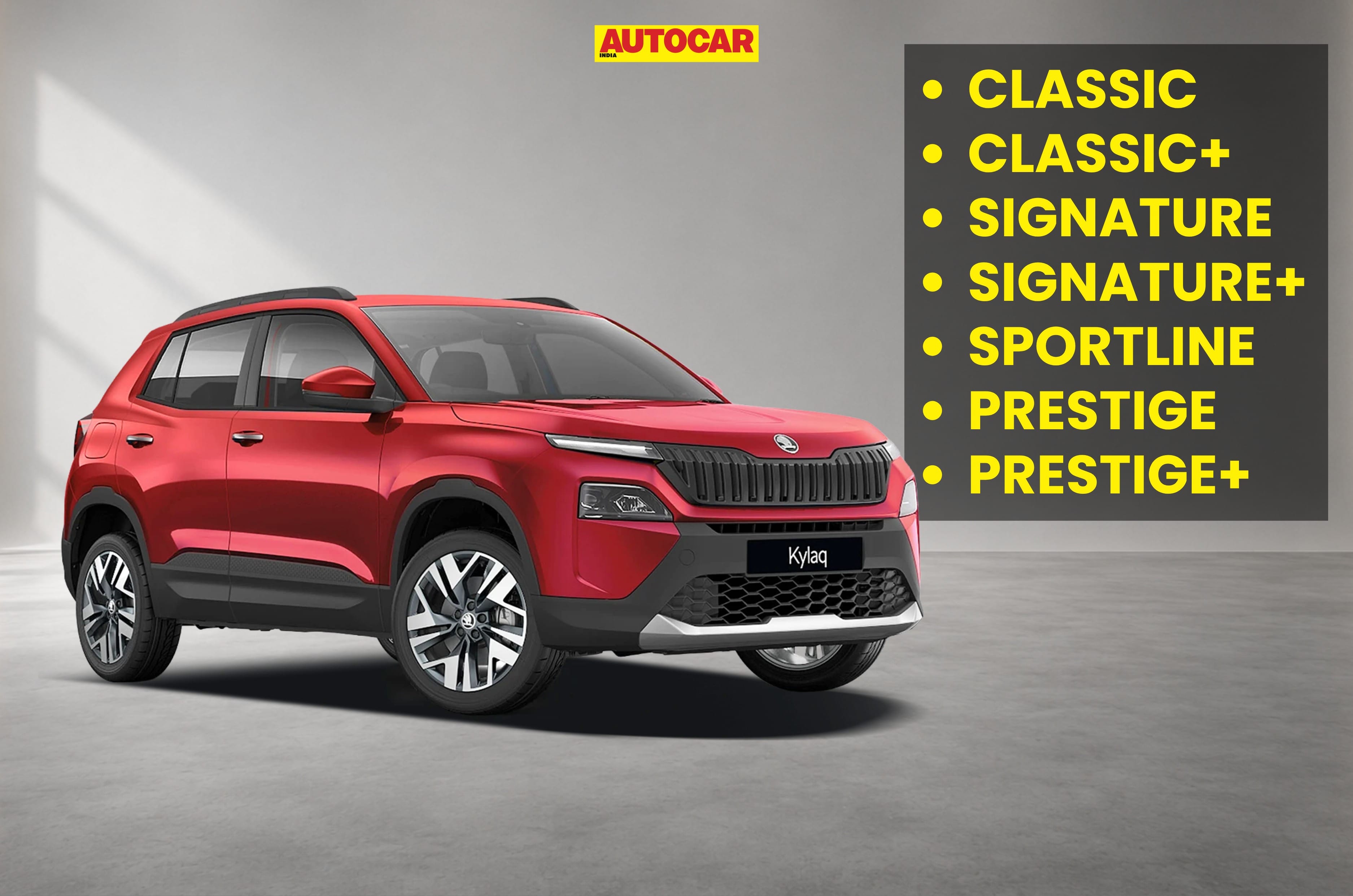
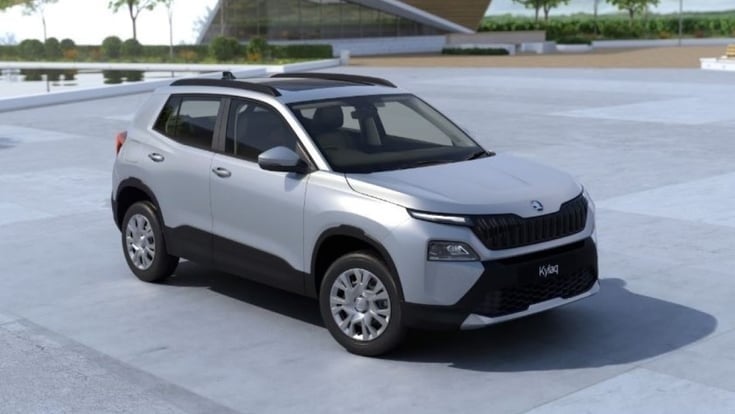
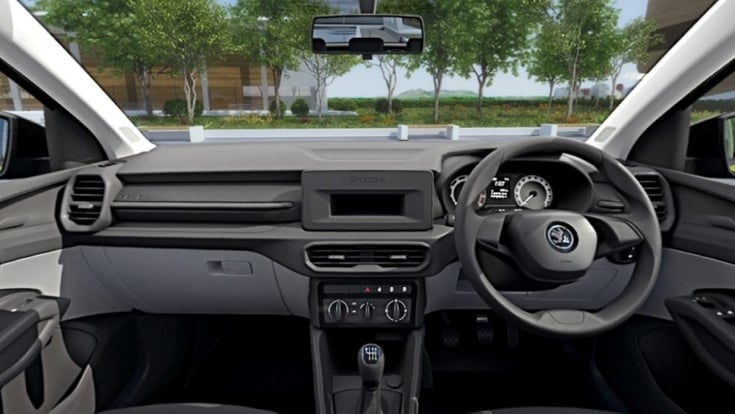
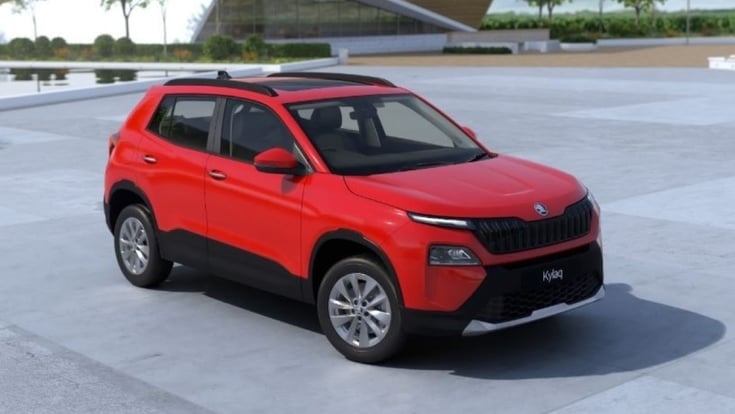
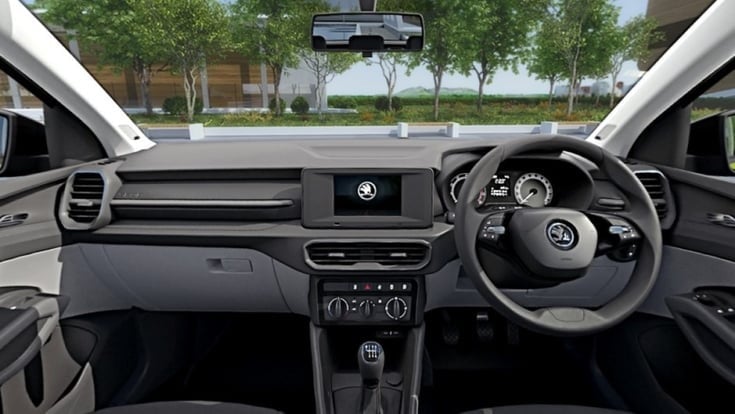
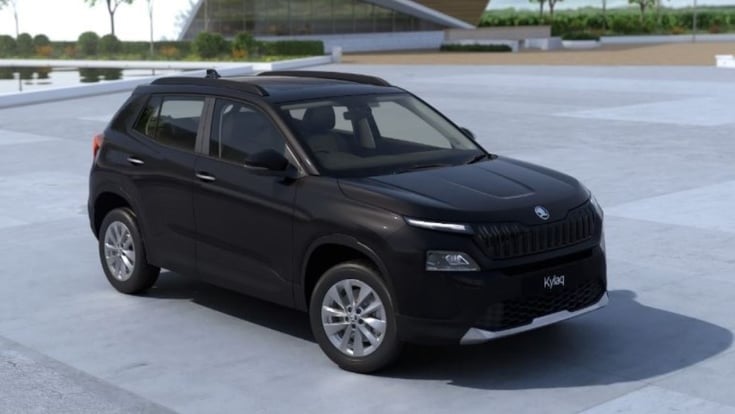
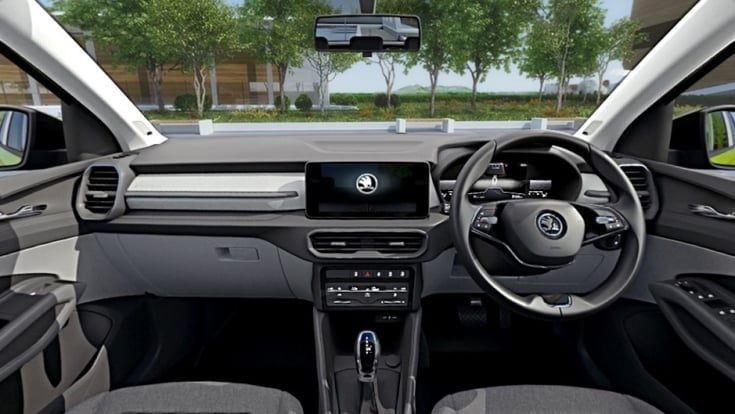
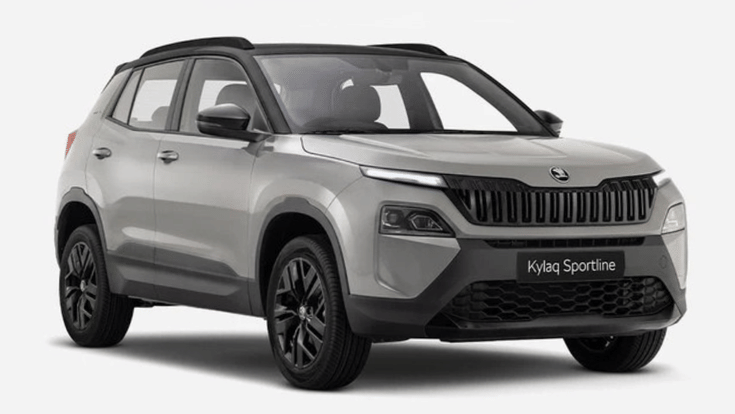
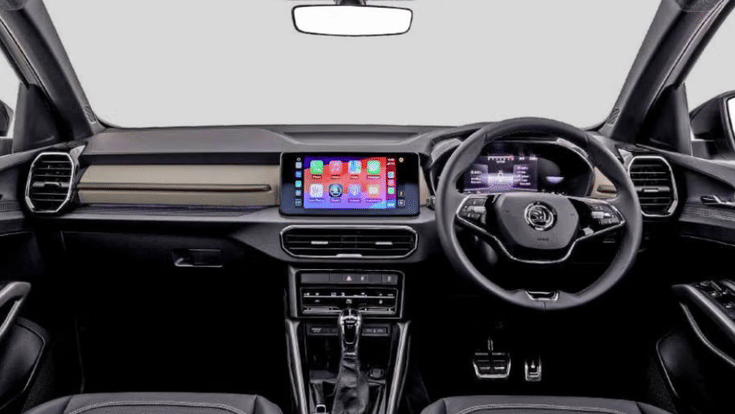
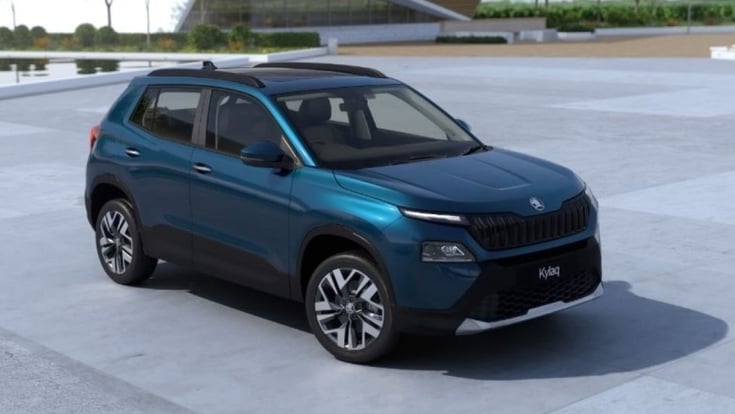
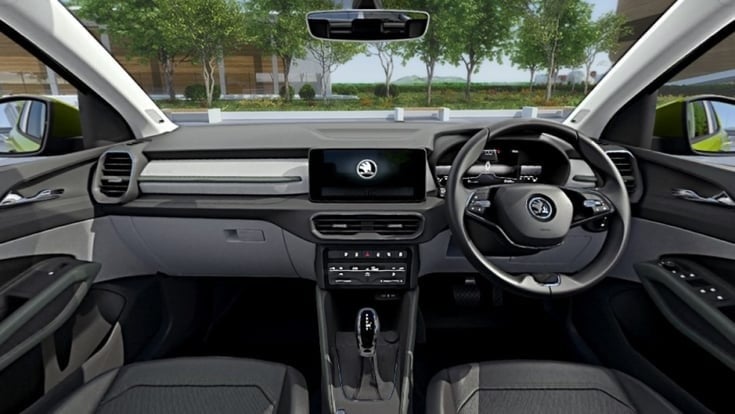
The Kylaq, Skoda’s most affordable offering in India, was introduced in 2024 and marked the brand’s return to the sub-4m space after years. Currently, the Kylaq is Skoda’s best-selling model in our market and has sold over 50,000 units since its launch as of February 2026. Here’s a breakdown of the powertrain options, comfort and convenience features, safety kit and exterior colours available on each trim of the Skoda SUV.
Skoda Kylaq variant-wise price and powertrain options
The base Classic trim misses out on an automatic transmission option
Skoda Kylaq ex-showroom price as of August 21, 2026 (Rs lakh)
Trim
MT
AT
Classic
7.59
–
Classic+
8.25
9.25
Signature
9.43
10.43
Signature+
10.77
11.77
Sportline
11.32
12.32
Prestige
11.75
12.75
Prestige+
11.99
12.99
The Skoda Kylaq has an ex-showroom price ranging from Rs 7.59 lakh to Rs 12.99 lakh. Except for the base Classic trim, the remaining trim levels offer both manual and automatic gearboxes. Powering the Kylaq is a 115hp, 178Nm, 1.0-litre direct-injection turbo-petrol engine that also does duty in the Kushaq and the Slavia. Transmission duties are handled by either a -speed manual or a 6-speed automatic gearbox. Notably, in Classic+ guise, the Kylaq is the most accessible car with a torque converter gearbox.
Skoda claims a top speed of 188kph and that the manual version is capable of a 0-100kph sprint in 10.5 seconds. In our Kylaq real-world performance tests, the automatic version achieved a 0-100kph time of 11.69 seconds. Skoda also claims an ARAI-rated fuel economy of 19.68kpl for the manual and 19.05kpl for the automatic; our Kylaq real-world mileage tests saw the manual average 12.86kpl, while the automatic went 11.03km on a litre of petrol.
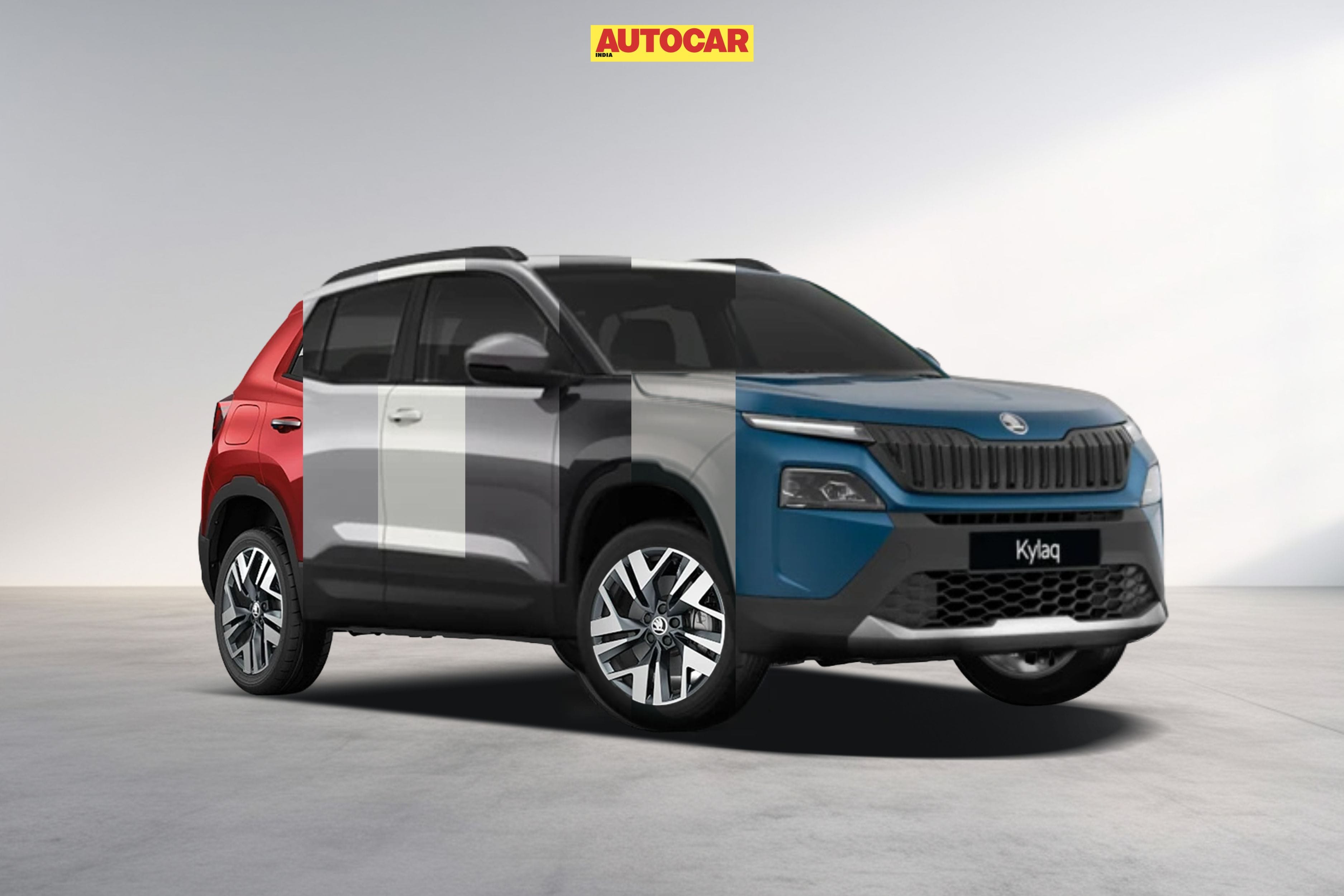
Skoda Kylaq variant-wise colour options
Offered in seven colours on the outside, two on the inside
The compact SUV is offered in seven colours, namely, Candy White, Brilliant Silver, Cherry Red, Carbon Steel, Deep Black, Lava Blue, and Steel Grey. While all trims come in a monotone finish, select paint jobs on the Sportline come with a black roof. Additionally, the Sportline trim exclusively gets the Steel Grey colour option. The interior of the Skoda Kylaq gets a black and grey colour scheme as standard, but the Sportline has an all-black theme. Here’s a table comprising the available exterior colours on the Skoda Kylaq depending on the trim level chosen:
Colour
Classic
Classic+
Signature
Signature+
Sportline
Prestige
Prestige+
Candy White
Yes
Yes
Yes
Yes
Dual-tone
Yes
Yes
Brilliant Silver
Yes
Yes
Yes
Yes
Dual-tone
Yes
Yes
Cherry Red
Yes
Yes
Yes
Yes
Dual-tone
Yes
Yes
Carbon Steel
Yes
Yes
Yes
Yes
–
Yes
Yes
Deep Black
–
Yes
Yes
Yes
Yes
Yes
Yes
Lava Blue
–
Yes
Yes
Yes
Yes
Yes
Yes
Steel Grey
–
–
–
–
Dual-tone
–
–
Skoda Kylaq standard safety kit
Gets six airbags, ABS, EBD, traction control and more.
As standard, the Skoda Kylaq comes equipped with six airbags, ABS, EBD, ESC, traction control, brake disc wiping, roll-over protection, central locking, rear parking sensor, and ISOFIX mounts.
Skoda Kylaqvariant-wise features
Skoda Kylaq Classic: Rs 7.59 lakh
Gearbox option – 6MT
Skoda Kylaq Classic trim
LED headlights with LED daytime running lamps (DRLs)
Leatherette seat upholstery with Sportline inscription
LED projector headlamps
LED fog lamps with cornering function
Wireless phone charger
Skoda Kylaq Prestige – Rs 11.75 lakh-12.75 lakh
Gearbox options – 6MT, 6AT
Skoda Kylaq Prestige trim
Features over Signature+
Dual-tone 17-inch alloys
LED projector headlights
LED rear turn indicator and reverse lamp
Front LED fog lamps with static bending function
White ambient lighting
Leatherette upholstery on seats, front armrest and doors
Chrome parking brake tip
Ventilated front seats
Wireless phone charger
Anti-theft alarm
Skoda Kylaq Prestige+ – Rs 11.99 lakh-12.99 lakh
Gearbox options – 6MT, 6AT
Feature over Prestige
6-way powered front seats
Which Skoda Kylaq variant should you consider?
The mid-spec Signature+ trim offers good value for money
Starting at Rs 10.77 lakh, the mid-spec Signature+ trim offers dual digital screens, a single-pane sunroof, a rear parking camera with sensors, auto AC with rear vents, all-LED lighting and 16-inch silver alloy wheels, making it a value-for-money offering. While you do miss out on features such as a wireless phone charger and powered and ventilated front seats, the premium you have to pay for these is not justifiable. Moreover, this trim is available with both manual and automatic gearbox options.
However, if you are on a budget, you can consider the lower Signature trim, which offers a smaller touchscreen with wired Android Auto and Apple CarPlay, rear wiper and washer, rear AC vents and a sunroof. This trim also comes in both manual and automatic variants, and priced at Rs 9.43 lakh and Rs 10.43 lakh, respectively, they still offer a lot of value.
Although the Classic+ trim is also well-equipped for its price, the lack of an infotainment system makes recommending it a bit more challenging. However, the 7-inch OEM infotainment system with wired smartphone connectivity, offered with the higher Signature trim, is available in the online classifieds marketplace under Rs 10,000. If you are open to retrofitting it at your authorised dealership, the Classic+ trim becomes the most value-for-money option on a strict budget.
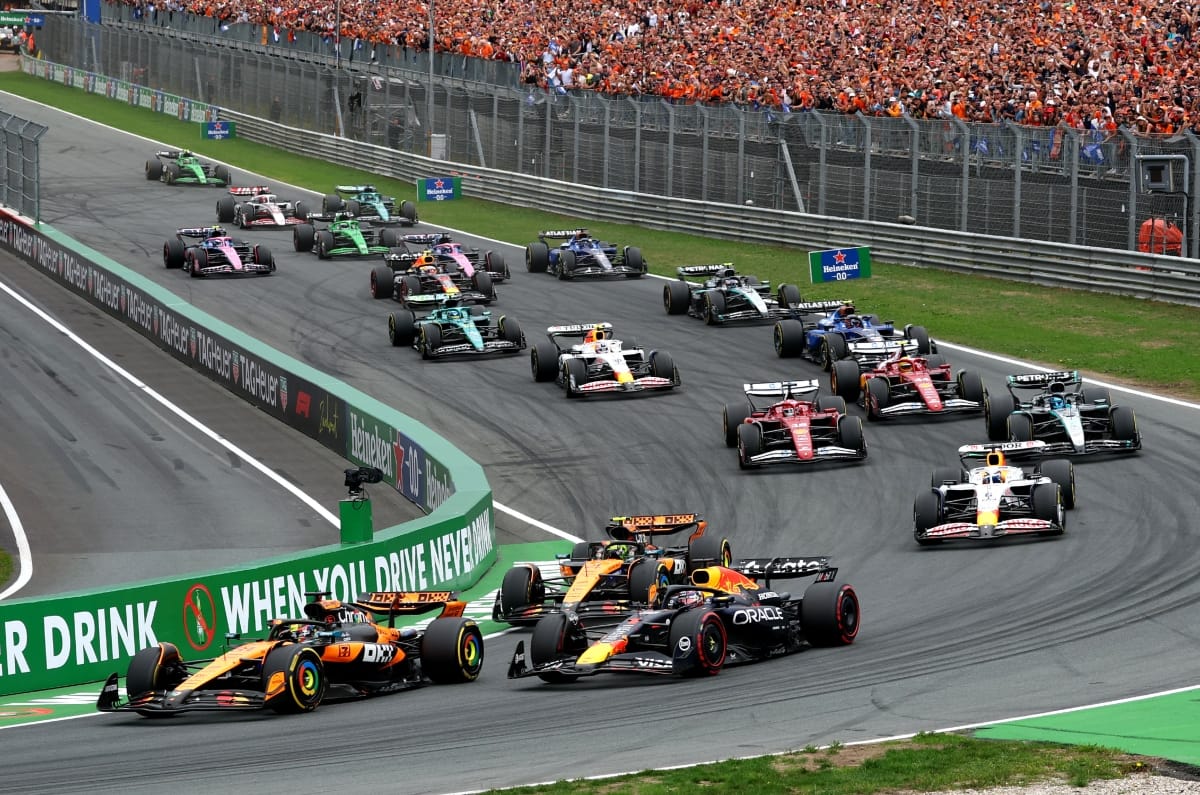
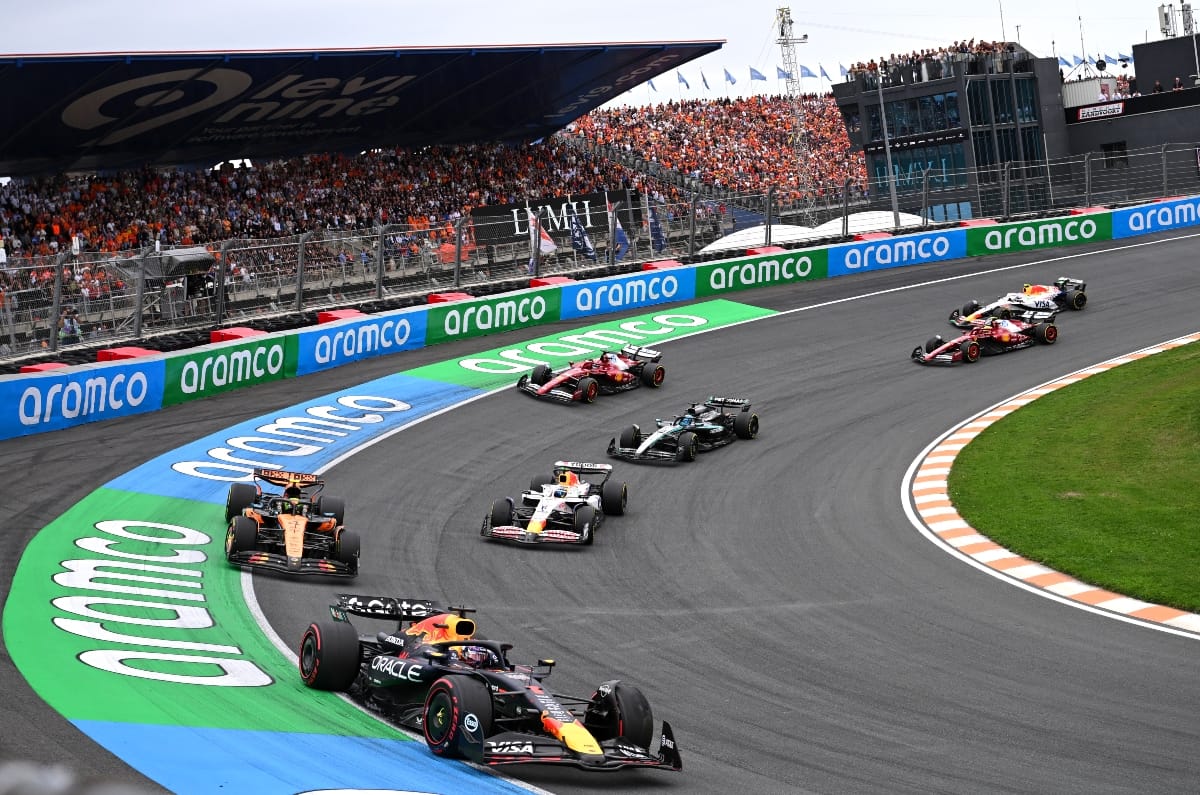
The 2026 F1 world championship resumes with the Dutch GP, following the three-week long summer break. This will mark F1’s final visit to Zandvoort and Max Verstappen – fresh off extending his contract with Red Bull – will be keen to win his home race.
Several teams are expected to bring some significant updates and we even have Yuki Tsunoda returning to the F1 grid this weekend. Here’s our ultimate guide for when and where to tune in from India.
F1 Dutch GP schedule
Zandvoort will be hosting a Sprint round for the very first time, giving teams just one practice session to zero in on the right set-up. Mercedes’ Kimi Antonelli currently leads the standings, 50 points ahead of Ferrari‘s Lewis Hamilton. George Russell, meanwhile, stands third overall – 59 points behind his Mercedes teammate.
The two Red Bull teams will feature new driver line-ups after Isack Hadjar suffered a wrist injury. Liam Lawson will step up from Racing Bulls to Red Bull for this weekend, partnering Verstappen. Lawson’s seat will be filled by Yuki Tsunoda, who will be making his first F1 outing this season.
Aston Martin is another team to lookout for. After a difficult start to the season, the team brought an upgrade package to the Hungarian GP and it appeared to be a step in the right direction, with Fernando Alonso making his first Q2 appearance of the season. Now adding to that, Honda is bringing an updated power unit to Zandvoort. Alpine’s also bringing in an upgrade package, but only Pierre Gasly (who leads teammate Franco Colapinto by 23 points) will get it.
F1 Dutch GP: Where to watch?
All F1 Dutch GP sessions will be streamed live on the FanCode and F1 TV apps
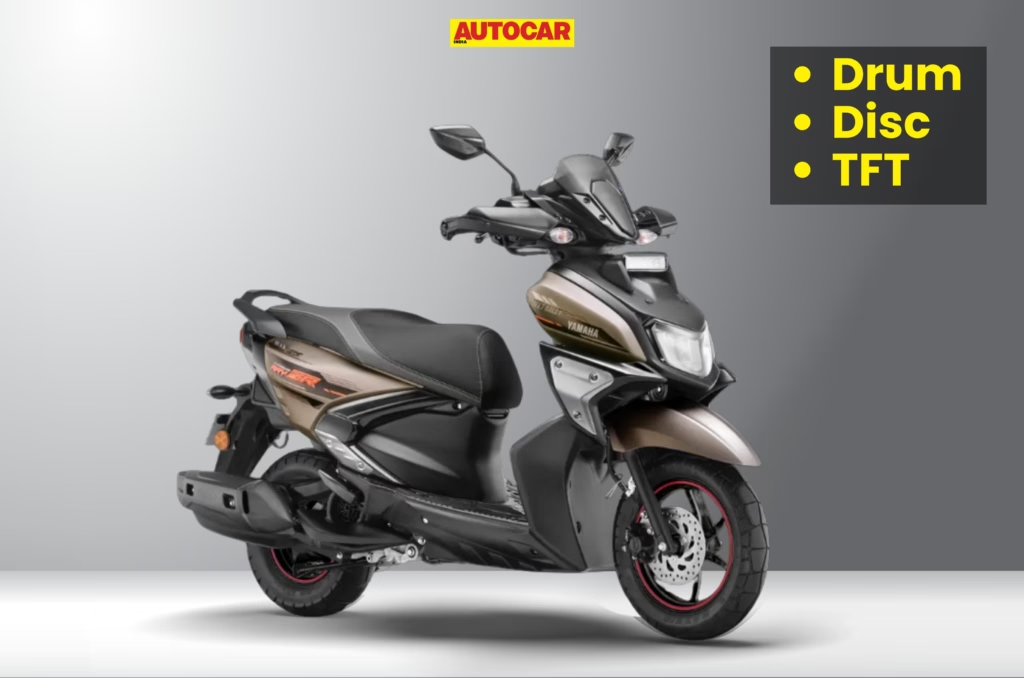
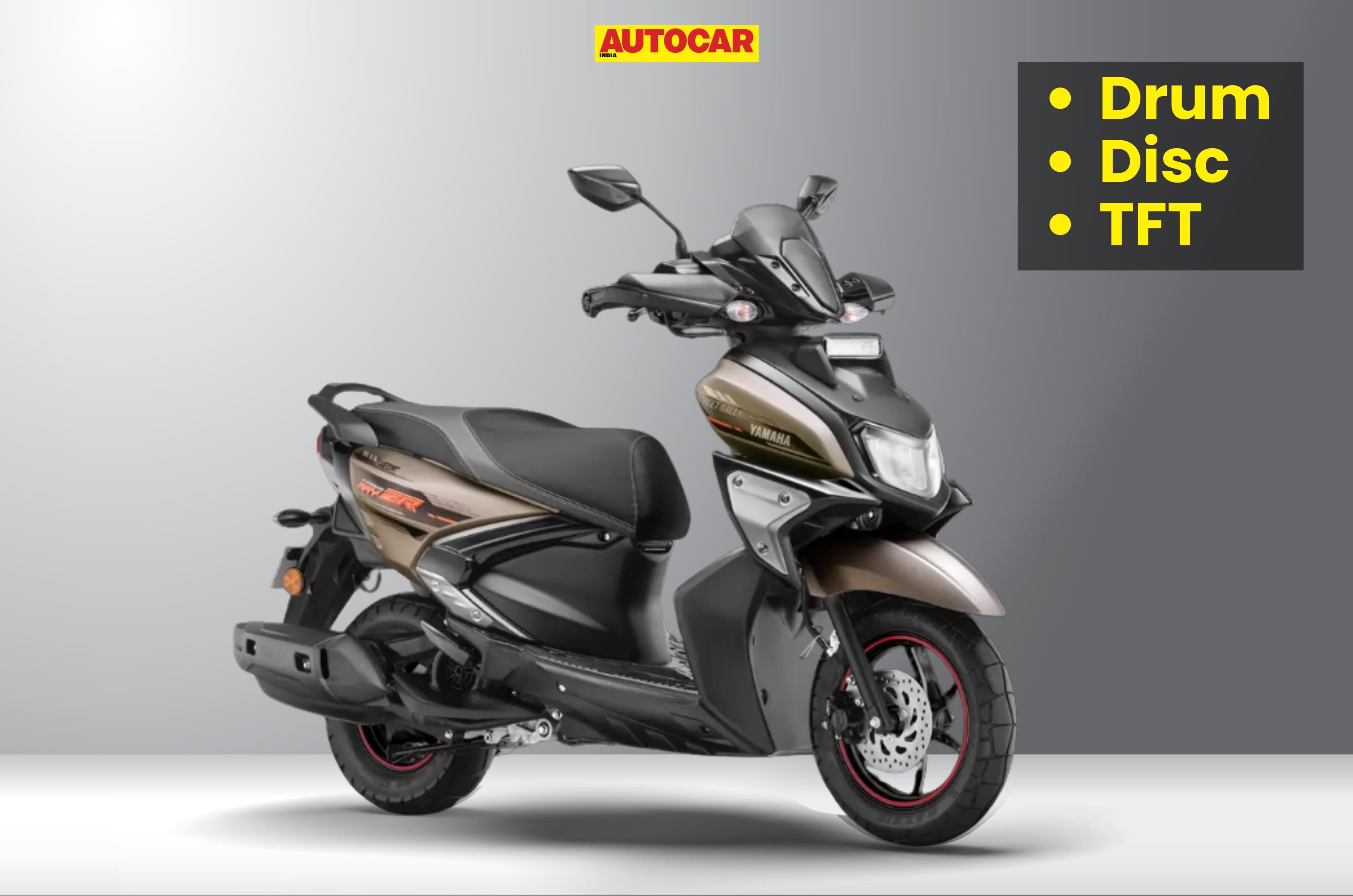
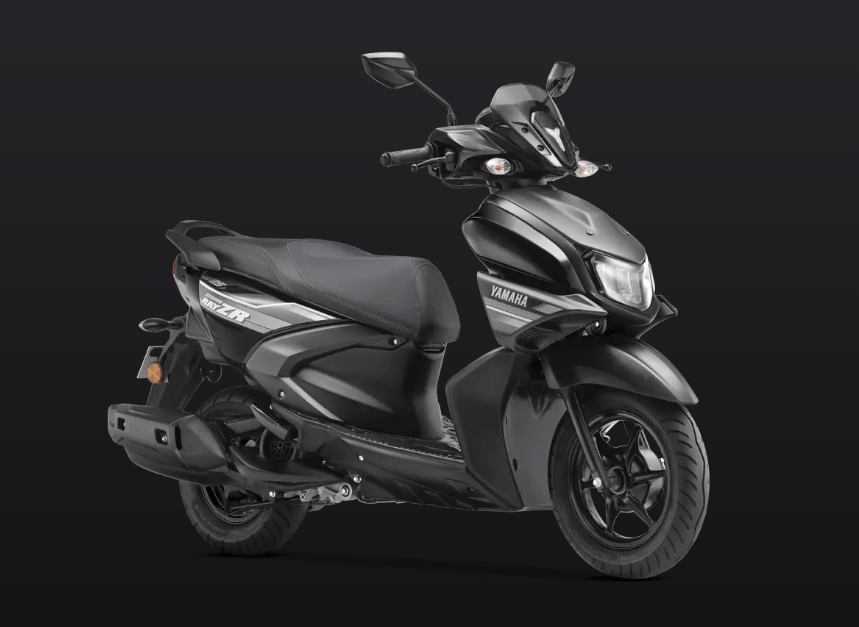
Yamaha had just updated its 125cc scooter, the RayZR 125 Fi Hybrid with additional features and new colours. It’s now offered in a total of four different variants in a span of roughly Rs 22,000. What exactly are the different variants and what do you gain by stepping up? Let’s see.
Let’s first get what is shared between all four out of the way. They have the same 125cc single-cylinder engine that makes 8.2hp of power and 10.3Nm of torque. Like the model name implies, all four also get Yamaha’s mild hybrid system that increases the torque by a very small amount. There’s a starter motor generator that enables a silent start, and a stop-start system. They all also have a unified braking system (UBS), same tyre and rim sizes, a rear drum brake, 21L underseat storage, and there’s no change in any of the dimensions (like seat height) either. And finally, despite the additional features on the higher variants, they all weigh the same 99kg.
All prices mentioned are ex-showroom, Delhi.
Yamaha RayZR 125 Fi Hybrid variant breakdown
Drum
In case the name hasn’t given it away, the base variant comes with a 130mm drum brake at the front. It has an LCD instrument cluster that shows all the basic information like speed and a fuel gauge, but it does not get any connectivity features. It’s available in a single Metallic Black colour and costs Rs 79,880.
Disc
This variant swaps the drum brake for a 190mm disc brake at the front. This variant also adds Y-Connect, Yamaha’s connectivity suite, that adds basic features like phone battery level, call, email, and SMS alerts, and reporting of things like fuel consumption, maintenance recommendations, last parked location on the app. This variant costs Rs 87,680 (Rs 7,800 extra) and is available in three colours, Dark Metallic Blue, Ice Fluo Vermillion, and Metallic Black.
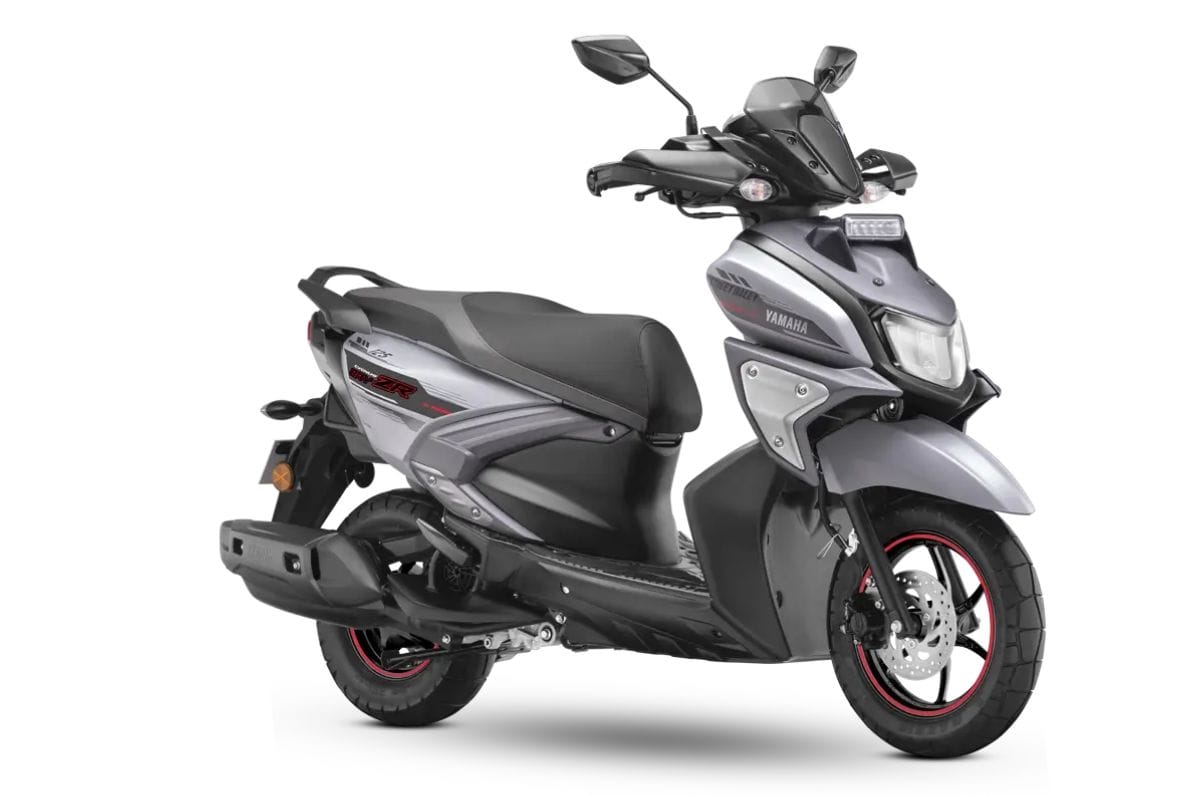
Street Rally LCD
The next step up is via the Street Rally version of the RayZR that’s mechanically identical to the regular RayZR. However, it gets hand guards, and additional side reinforcements to the front apron for a more muscular look. The colours and decals look slightly different on it, and for these extras, Street Rally LCD adds Rs 6,250, coming in at Rs 93,930.
Street Rally TFT
Finally, the most feature loaded RayZR of them all. This received most of the recent updates, with a TFT instrument cluster that supports turn-by-turn navigation and music control to the existing Y-Connect feature suite. In addition to that, this variant also gets ‘Yamaha Scooter Answer Back’ that helps you locate your scooter via the app in a crowded parking garage, for example. The Street Rally TFT gets two colours, Matte Titan (exclusive to this variant) and Matte Black. The top variant will set you back by Rs 1,00,440 squeezing just past the one lakh rupee mark.