हुंडई मोटर इंडिया के शेयर में 31 जुलाई को दिन में 9 प्रतिशत तक की बढ़त दिखी। BSE पर शेयर 2,208.90 रुपये के हाई तक गया। अप्रैल-जून 2026 तिमाही में कंपनी का मुनाफा गिरने और रेवेन्यू कम रहने के बावजूद शेयर चढ़ा है। इसकी वजह है कि शेयर पर ब्रोकरेज अभी भी बुलिश हैं। कंपनी का मार्केट कैप बढ़कर 1.78 लाख करोड़ रुपये से ज्यादा हो गया है।
जून 2026 तिमाही में हुंडई मोटर इंडिया का शुद्ध कंसोलिडेटेड मुनाफा सालाना आधार पर 35 प्रतिशत घटकर 888.62 करोड़ रुपये रहा। एक साल पहले मुनाफा 1369.23 करोड़ रुपये था। ऑपरेशंस से कंसोलिडेटेड रेवेन्यू 16,334.63 करोड़ रुपये दर्ज किया गया, जो जून 2025 तिमाही में 16,412.88 करोड़ रुपये था। कंपनी का कुल खर्च बढ़कर 15,407.35 करोड़ रुपये हो गया, जबकि जून 2025 तिमाही में यह 14,780.47 करोड़ रुपये था।
हुंडई मोटर इंडिया वित्त वर्ष 2026 के लिए 21 रुपये प्रति शेयर का फाइनल डिविडेंड दे रही है। इसके लिए रिकॉर्ड डेट 5 अगस्त है। इस तारीख तक जिन लोगों के नाम शेयरों के लाभार्थी मालिकों के तौर पर रजिस्टर ऑफ मेंबर्स ऑफ द कंपनी या डिपॉजिटरीज के रिकॉर्ड्स में दर्ज हो चुके होंगे, वे डिविडेंड के हकदार होंगे। इस डिविडेंड पर 26 अगस्त को कंपनी की सालाना आम बैठक में शेयरहोल्डर्स की मंजूरी ली जाएगी। मंजूरी मिलने के बाद पेमेंट किया जाएगा।
CLSA ने 2,300 रुपये के टारगेट प्राइस के साथ स्टॉक पर ‘आउटपरफॉर्म’ रेटिंग को दोहराया है। कहा है कि हुंडई का EBITDA मार्जिन 9.3 प्रतिशत रहा, जो उम्मीद के मुताबिक था। एडजस्टेड ग्रॉस मार्जिन पिछली तिमाही के मुकाबले 40 बेसिस पॉइंट्स कम रहा। ब्रोकरेज ने कहा कि कीमतों में लगातार बढ़ोतरी, डिस्काउंट में कमी और लागत कम करने के उपायों से कंपनी को कमोडिटी की लागत के दबाव के बावजूद ग्रॉस मार्जिन को मैनेज करने में मदद मिली। कमोडिटी की कीमतों में उतार-चढ़ाव के बावजूद कंपनी ने अपने मार्जिन गाइडेंस को दोहराया है।
नोमुरा ने हुंडई मोटर इंडिया के स्टॉक पर ‘बाय’ रेटिंग बरकरार रखी है। टारगेट प्राइस 2,498 रुपये तय किया है। ब्रोकरेज का कहना है कि हुंडई का पहली तिमाही का EBITDA मार्जिन उम्मीद के मुताबिक रहा। उम्मीद है कि जुलाई-सितंबर 2026 में 2 नए मॉडल लॉन्च होने से कंपनी का प्रदर्शन बेहतर होगा। नोमुरा का कहना है कि वित्त वर्ष 2027 की दूसरी छमाही से कंपनी की ग्रोथ इंडस्ट्री की ग्रोथ से बेहतर रहेगी।
मोतीलाल ओसवाल फाइनेंशियल सर्विसेज (MOSL) ने भी हुंडई मोटर इंडिया पर ‘बाय’ रेटिंग बरकरार रखी है और टारगेट प्राइस 2,334 रुपये प्रति शेयर तय किया है। ब्रोकरेज का कहना है कि जून तिमाही का शुद्ध मुनाफा उसके अनुमान से अधिक रहा। कमोडिटी की महंगाई और कम वॉल्यूम के कारण EBITDA मार्जिन पर असर पड़ा। ब्रोकरेज को उम्मीद है कि कंपनी का वॉल्यूम FY26-28 के दौरान 9 प्रतिशत CAGR (कंपाउंडेड एनुअल ग्रोथ रेट) और अर्निंग्स 16 प्रतिशत CAGR से बढ़ेगी।
Disclaimer: मनीकंट्रोल.कॉम पर दिए गए सलाह या विचार एक्सपर्ट/ब्रोकरेज फर्म के अपने निजी विचार होते हैं। वेबसाइट या मैनेजमेंट इसके लिए उत्तरदायी नहीं है। यूजर्स को मनीकंट्रोल की सलाह है कि कोई भी निवेश निर्णय लेने से पहले हमेशा सर्टिफाइड एक्सपर्ट की सलाह लें।
Swiggy Q1 results: स्विगी ने 30 जुलाई को जून तिमाही के नतीजों का ऐलान कर दिया। इस दौरान कंपनी का लॉस साल दर साल आधार पर करीब 34 फीसदी घटकर 791 करोड़ रुपये पर आ गया। एक साल पहले की समान अवधि में कंपनी को 1,197 करोड़ रुपये का लॉस हुआ था। मार्च तिमाही में कंपनी का लॉस 800 करोड़ रुपये था। स्विगी का फूड और ग्रॉसरी डिलीवरी प्लेटफॉर्म है।
जून तिमाही में रेवेन्यू 6812 करोड़ रुपये
जून तिमाही में स्विगी के लॉस में कमी में अच्छी रेवेन्यू ग्रोथ का हाथ रहा। इस दौरान कंपनी का ऑपरेशन से रेवेन्यू साल दर साल आधार पर 37 फीसदी बढ़कर 6,812 करोड़ रुपये रहा। एक साल पहले की समान अवधि में यह 4,961 करोड़ रुपये था। मार्च तिमाही में कंपनी का रेवेन्यू 6,383 करोड़ रुपये था।
घट रहा क्विक कॉमर्स बिजनेस का लॉस
स्विगी इंस्टामार्ट पर निवेश बढ़ा रही है। हालांकि, कंपनी के कुल खर्च बढ़ने की रफ्तार रेवेन्यू बढ़ने की रफ्तार से कम रही। इससे यह संकेत मिलता है कि कंपनी के क्विक कॉमर्स बिजनेस के लॉस में कमी आ रही है। हालांकि, कंपनी का मुख्य फूड डिलीवरी बिजनेस मुनाफे में है। स्विगी की प्रतिद्वंद्वी कंपनी जोमैटो जून तिमाही में 92 करोड़ रुपये के मुनाफे में रही। इसका रेवेन्यू 17 फीसदी बढ़कर 20,211 करोड़ रुपये रहा।
जून तिमाही में कुल खर्च 7813 करोड़ रुपये
जून तिमाही में स्विगी का कुल खर्च 7,813 करोड़ रुपये रहा। एक साल पहले की समान अवधि में यह 6,244 करोड़ रुपये था। मार्च तिमाही में यह 7,448 करोड़ रुपये था। कंपनी के एमडी एवं ग्रुप सीईओ हर्ष मजेटी ने कहा, “फूड डिलीवरी इकोनॉमिक्स में मजबूती दिख रही है। आउट ऑफ होम कंजम्प्शन प्रॉफिट में है। यह बिजनेस का तेजी से बढ़ता हिस्सा है। इससे प्रोग्रेस अच्छा है।”
30 जुलाई को स्विगी के शेयरों में तेजी दिखी। यह 2.25 फीसदी चढ़कर 293.80 रुपये पर बंद हुआ। बीते एक हफ्ते में यह शेयर करीब 19 फीसदी चढ़ा है। उधर, शेयर बाजार के प्रमुख सूचकांक भी चढ़कर बंद हुए। निफ्टी 66 अंक चढ़कर 24,317 पर बंद हुआ। सेंसेक्स 273 की मजबूती के साथ 77,928 पर क्लोज हुआ।
डिसक्लेमर: मनीकंट्रोल पर एक्सपर्ट्स की तरफ से व्यक्त विचार उनके अपने विचार होते हैं। ये वेबसाइट या इसके मैनेजमेंट के विचार नहीं होते। मनीकंट्रोल की यूजर्स को सलाह है कि उन्हें निवेश का फैसला लेने से पहले सर्टिफायड एक्सपर्ट्स की राय लेनी चाहिए।
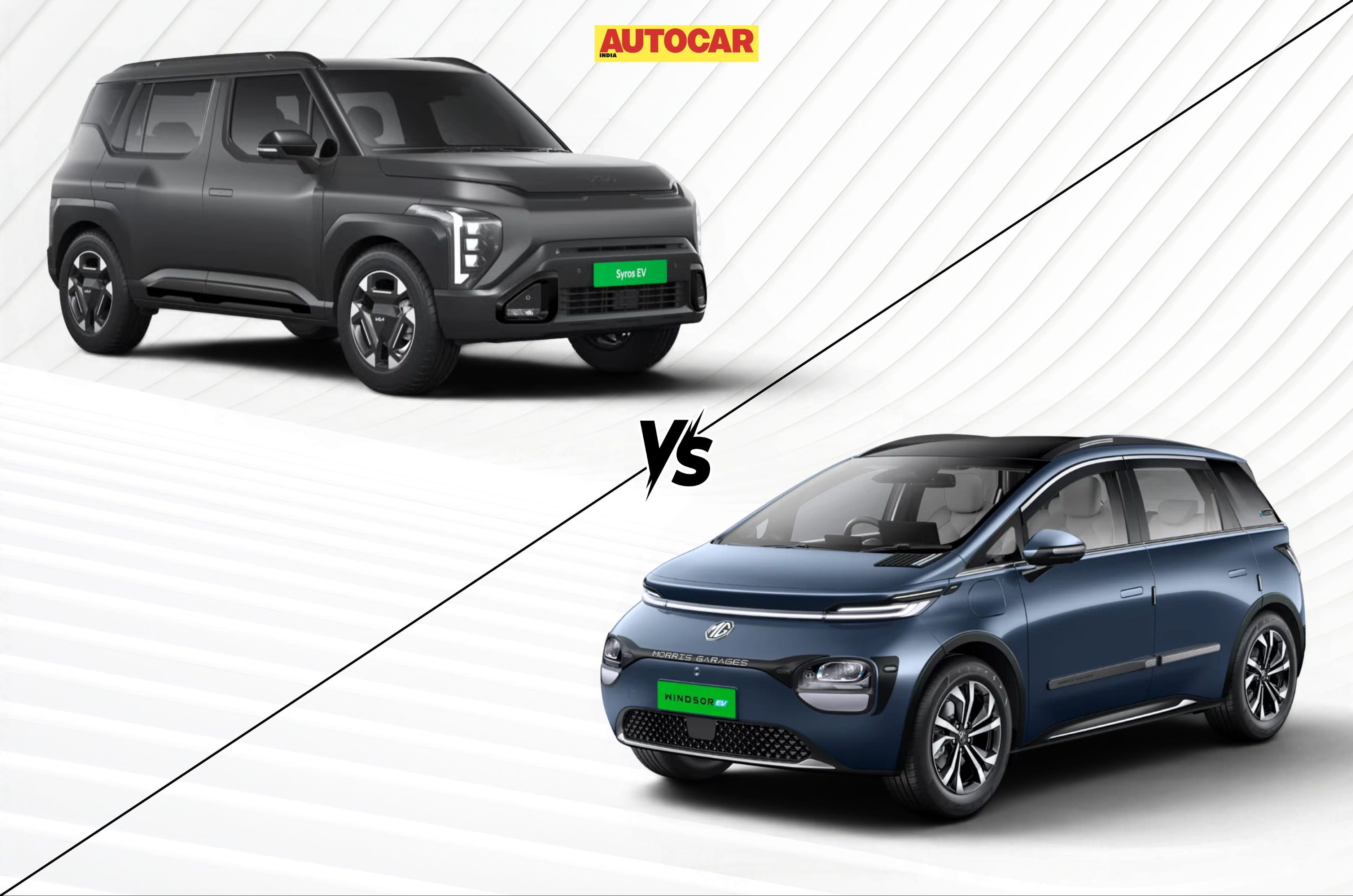
Basically a badge-engineered version of the Chinese Wuling Cloud EV, the MG Windsor is a midsize EV that sits between the brand’s Comet and ZS EV models. On the other hand, the Kia Syros EV is the Korean automaker’s most affordable electric car in India and is based on the Hyundai Motor Group’s K1 platform. Compared to the Windsor, the Syros EV is a compact (sub-4-metre) model. However, not only are the top-spec variants of these cars priced really close to each other, their battery sizes are quite comparable too.
Explore full specs, features and a price breakdown in our Syros EV and Windsor EV comparison.
Kia Syros EV X-Line ER vs MG Windsor EV Essence Pro: Dimensions
The Windsor EV undeniably has the size advantage over the smaller Syros EV
Kia Syros EV X-Line ER vs MG Windsor EV Essence Pro dimensions
Kia Syros EV
MG Windsor EV
Length (mm)
3,995
4,295
Width (mm)
1,805
1,850
Height (mm)
1,670
1,677
Wheelbase (mm)
2,550
2,700
Boot space (litres)
390
579
Frunk (litres)
16
–
Wheel size (inches)
17
18
The Windsor EV is 300mm longer and 45mm wider than the Syros EV – the MG offers 150mm more wheelbase than the Kia, too. While there isn’t much between them in terms of height, the Windsor EV’s boot is 189 litres larger than that of the Syros EV. The latter’s wheels are also an inch smaller. Interestingly though, the Kia EV offers a 16-litre frunk (front trunk) – the MG has no frunk at all.
Kia Syros EV X-Line ER vs MG Windsor EV Essence Pro: Powertrain
The top-spec Syros EV offers more range and a punchier electric motor setup
Kia Syros EV X-Line ER vs MG Windsor EV Essence Pro powertrain options
Kia Syros EV
MG Windsor EV
Battery size (kWh)
51.4
52.9
Electric motor setup
Single, front (FWD)
Single, front (FWD)
Power (hp)
171
136
Torque (Nm)
255
200
Claimed 0-100kph
8.1 seconds
–
Claimed range (km)
526
449
AC charging
7.25 hrs at 7.4kW (10-100%)
9.5 hrs at 7.4kW (10-100%)
DC fast charging
39 mins at 100kW (10-80%)
50 mins at 60kW (20-80%)
The X-Line ER (Extended Range) variant of the Kia Syros EV gets a 51.4kWh lithium-ion battery pack, which is just 1.5kWh smaller than the unit powering the top-spec MG Windsor. Despite this capacity disadvantage, the Syros EV’s claimed range is actually higher, by 77km higher.
Compared to the top-spec MG Windsor’s 60kW DC fast-charging capability, the Syros EV’s DC fast-charging limit is 40kW higher. Unlike MG, Kia’s claimed DC fast-charging time accounts for a SoC (state of charge) of 10-80 percent and not 20-80 percent. Taking all this into account, the Syros EV can be unplugged from a DC fast charger 11 minutes sooner, which would benefit regular long-distance users.
While neither automaker has listed the kerb weight of their cars, the smaller Syros EV is likely to be lighter than the Windsor EV. The former’s front-mounted electric motor also offers 35hp and 55Nm more. These two factors combine to give the Syros EV a claimed naught to 100kph sprint time of 8.1 seconds.
Kia Syros EV X-Line ER vs MG Windsor EV Essence Pro: Exterior features
The Windsor gets a couple more useful features here; the Syros has some ‘feel-good’ ones
Kia Syros EV X-Line ER vs MG Windsor EV Essence Pro exterior features
Kia Syros EV
MG Windsor EV
LED headlamps
Yes (auto)
Yes (auto projectors)
Connected light bar
No
Yes
Front fog lamps
Yes
No
Rear fog lamps
No
Yes
Cornering lights
No
Yes
Welcome lights
Yes
No
Puddle lamps
Yes
No
Powered ORVMs
Yes (with auto-fold function)
Yes (with auto-fold function)
Flush door handles
Yes
Yes
Body cladding
Yes
No
Roof rails
Yes
Yes
Rear spoiler
Yes
Yes
Powered tailgate
No
Yes
Colours
Mono-tone
Mono-tone
Both these cars are reasonably well-equipped in their respective top-spec variants. However, there are some distinct differences between the features that are offered in each. The Syros EV comes with front fog lamps plus fancier ‘welcome’ lighting functions as well as puddle lamps that project the ‘Kia’ logo – these make for a more premium experience when approaching the car. The Syros EV also goes for a rugged look, featuring black plastic cladding on the wheel arches and bumpers.
Compared to the Syros EV’s stylish multi-reflector LED headlamps, the Windsor EV uses projector LED units. While it doesn’t get front fog lamps, the MG features cornering lamps that can prove useful when driving in the dark. At the back, the top-spec Windsor EV gains a powered tailgate – another handy feature especially when your hands are occupied.
Kia Syros EV X-Line ER vs MG Windsor EV Essence Pro: Interior features
If you like a minimalistic interior that’s also feature-packed, the MG Windsor won’t disappoint
Kia Syros EV X-Line ER vs MG Windsor EV Essence Pro interior features
Kia Syros EV
MG Windsor EV
Infotainment screen
12.3-inch
15.6-inch
Digital driver’s display
12.3-inch
8.8-inch
HVAC screen
5.0-inch
No
Panoramic sunroof
Yes
Yes (fixed)
Wireless charger
Yes
Yes
Driver’s seat adjustment
4-way powered
6-way powered
Co-driver’s seat adjustment
4-way manual
4-way manual
Ventilated seats
Yes (front & rear)
Yes (front only)
Leatherette upholstery
Yes
Yes
Split rear seats
Yes
Yes
Automatic climate control
Yes (single-zone)
Yes (single-zone)
Ambient lighting
Yes (64 colours)
Yes (256 colours)
Audio system
8-speaker Harman Kardon
9-speaker Infinity
Apple CarPlay & Android Auto
Yes (wireless)
Yes (wireless)
USB Type-C ports
Yes (5 ports)
Yes (5 ports)
Connected car tech
Yes
Yes
Voice assistant
Yes
Yes
OTA updates
Yes
Yes
Gaming
No
Yes
Rear sunblinds
Yes
No
Rear armrest
Yes (with cupholders)
Yes (with cupholders)
Both cars come with wireless charging, leatherette seats, connected-car tech, and multiple USB ports for added convenience. However, in its top-spec X-Line ER avatar, the Kia Syros EV offers a third screen specifically to control the HVAC (heating, ventilation and air-conditioning) system. That said, there are physical buttons to operate this system, too. The Kia EV also gets a larger driver’s display, a panoramic sunroof that opens, ventilation function for the front & rear seats, plus rear sunblinds. Furthermore, the Syros EV’s interior design, quality and layout of its switchgear, plus the overall usability remain easily sufficient.
As for the fully loaded Essence Pro variant of the MG Windsor EV, its pièce de résistance is the massive 15.6-inch infotainment screen. Given its minimalistic interior layout, almost every control or feature is integrated into this main display. While this screen can be distracting, it comes with multiple customisation options and integrates various games and streaming services. Compared to the Syros EV’s 64-colour ambient lighting system, the Windsor’s supports 256 colours. Its driver’s seat also gets 6-way power adjustment, while the Inifinity premium audio rig features 9 speakers instead of the Kia’s 8-speaker setup.
Kia Syros EV X-Line ER vs MG Windsor EV Essence Pro: Safety features
Neither car is missing out on much when it comes to their respective safety tech
Kia Syros EV X-Line ER vs MG Windsor EV Essence Pro safety features
Kia Syros EV
MG Windsor EV
Airbags
6
6
ABS with EBD
Yes
Yes
Electronic stability program
Yes
Yes
Hill-hold assist
Yes
Yes
Hill-descent control
No
Yes
TPMS
Yes
Yes
Parking sensors
Yes (front & rear)
Yes (front & rear)
360-degree camera
Yes
Yes
Dashcam
Yes
No
Electronic parking brake
Yes (with auto-hold function)
Yes (with auto-hold function)
Auto-dimming IRVM
Yes
Yes
Rain-sensing wipers
Yes
Yes
ISOFIX
Yes
Yes
Rear wiper and defogger
Yes
Yes (defogger only)
All-wheel disc brakes
Yes
Yes
Level 2 ADAS
Yes
Yes
Only the top-spec variants of these EVs get Level 2 ADAS (Advanced Driver Assistance Systems). Some of the ADAS features shared between the two include adaptive cruise control, forward collision warning, lane-departure alert with lane-keeping assistance, and automatic emergency braking. Where the Windsor EV gets hill-descent control, the Syros EV comes with a dashcam and a rear wiper.
Kia Syros EV X-Line ER vs MG Windsor EV Essence Pro: Other features
Neither car is missing out on much when it comes to their respective safety tech
Kia Syros EV X-Line ER vs MG Windsor EV Essence Pro other features
Kia Syros EV
MG Windsor EV
Drive modes
Yes (3)
Yes (4)
Terrain modes
No
No
Single-pedal driving
Yes
No
V2V and V2L
Yes
Yes
AVAS
Yes
No
The Windsor EV comes with Eco+, Eco, Normal and Sport drive modes, while the Syros EV only gets Eco, Normal and Sport. Neither car features variable terrain modes, but both support vehicle-to-load (V2L) and vehicle-to-vehicle (V2V) functions for better practicality during regular family outings, such as picnics and long-distance trips. The Syros EV also comes with a dedicated Virtual Engine Sound System (VESS) to caution other motorists and pedestrians of the vehicle’s presence.
Conclusion
Kia Syros EV X-Line ER vs MG Windsor EV Essence Pro prices
Kia Syros EV
MG Windsor EV
Prices (In Rs, lakh)
20.00
19.00
Apart from being less expensive, the Windsor EV is a larger car with plenty of room on the inside and in the boot, compared to the compact Syros EV. However, the Kia makes a solid case for itself by offering good interior space and build quality, better overall performance, plenty of features, plus a good blend of digital real-estate and intuitive physical controls. If you need the added perks that a bigger car offers without having to spend the ‘big car’ money, the MG Windsor EV will suit your needs just fine. Picking the top-spec Kia Syros EV won’t be a disappointment either as long as you can justify its bloated price tag.
Vedanta Demerger: अनिल अग्रवाल के मालिकाना हक वाली मेटल और माइनिंग कंपनी वेदांता लिमिटेड ने अपने रियल एस्टेट कारोबार को भी अलग करने का ऐलान किया है। यह फैसला कंपनी के पावर, ऑयल एंड गैस, आयरन एंड स्टील और एल्युमिनियम कारोबार की अलग लिस्टिंग के करीब दो महीने बाद आया है।
कंपनी ने शेयर बाजार को दी जानकारी में कहा कि रियल एस्टेट बिजनेस को एक अलग लिस्टेड कंपनी बनाया जाएगा। यह डिमर्जर गोइंग कंसर्न आधार पर होगा। यानी कारोबार पहले की तरह चलता रहेगा, सिर्फ उसकी अलग कंपनी बन जाएगी।
शेयरधारकों को क्या मिलेगा?
वेदांता के मौजूदा शेयरधारकों को 20 शेयर पर 1 नया शेयर मिलेगा। यानी अगर आपके पास वेदांता के 20 शेयर हैं, तो डिमर्जर के बाद नई रियल एस्टेट कंपनी का 1 शेयर मिलेगा। हालांकि, इसके लिए रिकॉर्ड डेट का ऐलान अभी नहीं किया गया है।
क्या करती है रियल एस्टेट यूनिट?
वेदांता की यह यूनिट रिहायशी, कमर्शियल, रिटेल, इंडस्ट्रियल और हॉस्पिटैलिटी प्रोजेक्ट्स के विकास से जुड़ा काम करती है। इसके अलावा इंफ्रास्ट्रक्चर प्रोजेक्ट्स, टाउनशिप, लीजिंग, इंडस्ट्रियल एस्टेट और स्पेशल इकोनॉमिक जोन (SEZ) जैसे प्रोजेक्ट्स पर भी काम कर सकती है। 31 मार्च 2026 तक वेदांता के रियल एस्टेट कारोबार का टर्नओवर सिर्फ ₹1.26 करोड़ था। यह कंपनी के कुल स्टैंडअलोन टर्नओवर का महज 0.001% है।
डिमर्जर से क्या होगा फायदा?
वेदांता का कहना है कि अलग कंपनी बनने के बाद रियल एस्टेट कारोबार अपने सेक्टर पर पूरी तरह फोकस कर सकेगा। इससे कारोबार बढ़ाने में आसानी होगी। नई कंपनी अपने हिसाब से निवेशक, रणनीतिक साझेदार और कर्जदाता भी जोड़ सकेगी। इससे विस्तार की रफ्तार तेज होने की उम्मीद है।
वेदांता के शेयरों का हाल
डिमर्जर के ऐलान और जून तिमाही के नतीजों के बाद वेदांता का शेयर 0.8% की बढ़त के साथ ₹266.65 पर बंद हुआ। पिछले एक महीने में स्टॉक 5.02% गिरा है। कंपनी का मार्केट कैप 99.44 हजार करोड़ रुपये है।
Disclaimer: यहां मुहैया जानकारी सिर्फ सूचना के लिए दी जा रही है। यहां बताना जरूरी है कि मार्केट में निवेश बाजार जोखिमों के अधीन है। निवेशक के तौर पर पैसा लगाने से पहले हमेशा एक्सपर्ट से सलाह लें। मनीकंट्रोल की तरफ से किसी को भी पैसा लगाने की यहां कभी भी सलाह नहीं दी जाती है।
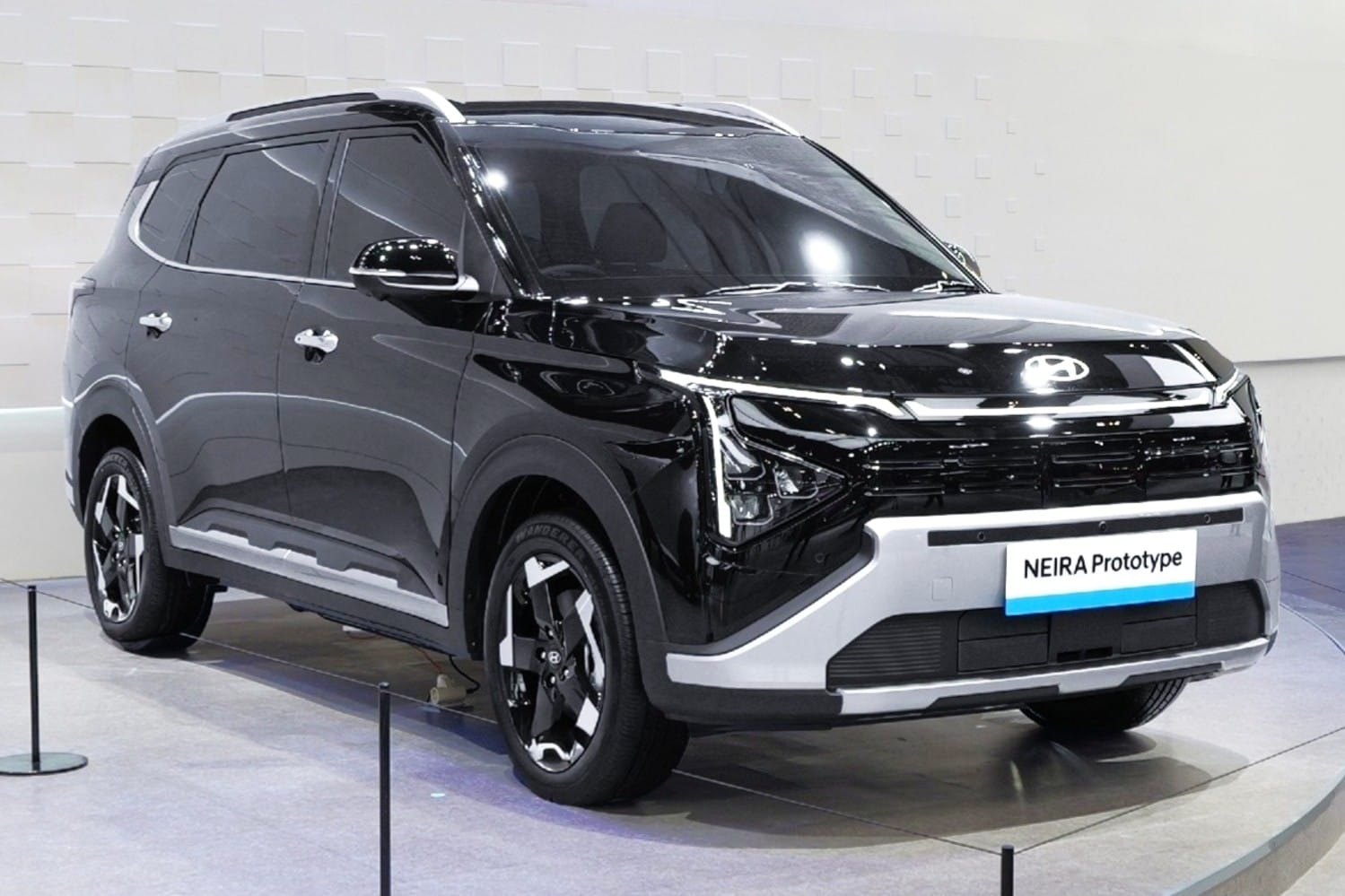
At GIIAS 2026 in Indonesia, Hyundai pulled the covers off the Neira Concept, which hints at an upcoming electric MPV for the Indonesian market. Evidently, the Neira Concept is a rebadged version of the Kia Carens Clavis EV, which has been on sale in India since July 2025. This isn’t surprising as Kia and Hyundai are sister brands under the Hyundai Motor Group umbrella.
Hyundai Neira Concept exterior design
Same design as that of the Carens Clavis EV, but with mild changes
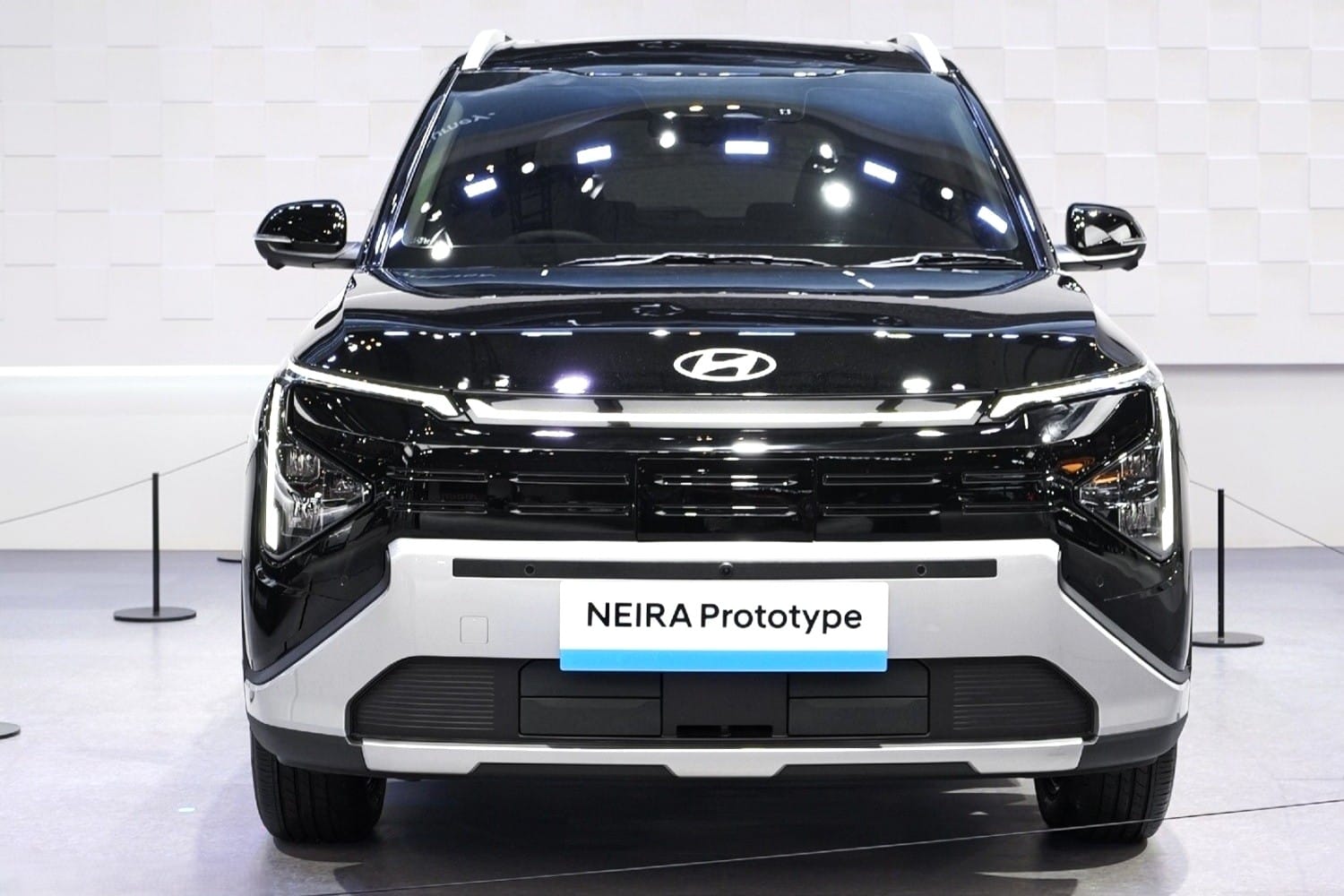
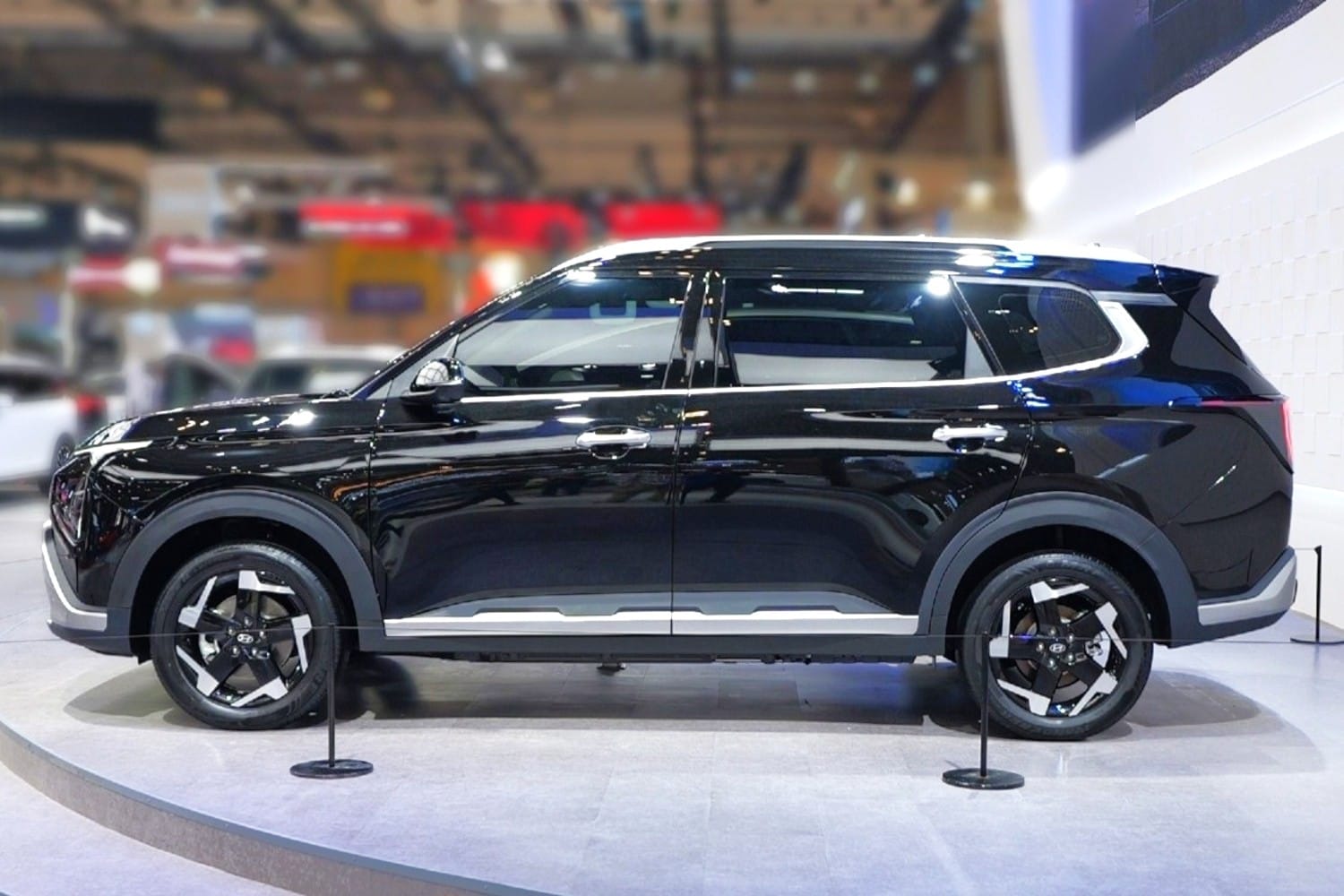
The Neira Concept retains most of the Carens Clavis EV’s styling cues, but with subtle tweaks. Up front, the Neira Concept sports two rows of horizontal slats between the connected LED strip up top and the silver cladding below, and the charging port flap is more rectangular in shape. Expectedly, the Neira Concept bears a Hyundai emblem on the leading edge of its bonnet, and its bumper is also much chunkier than that of the Carens Clavis EV.
Credit: indra_fathan via Instagram
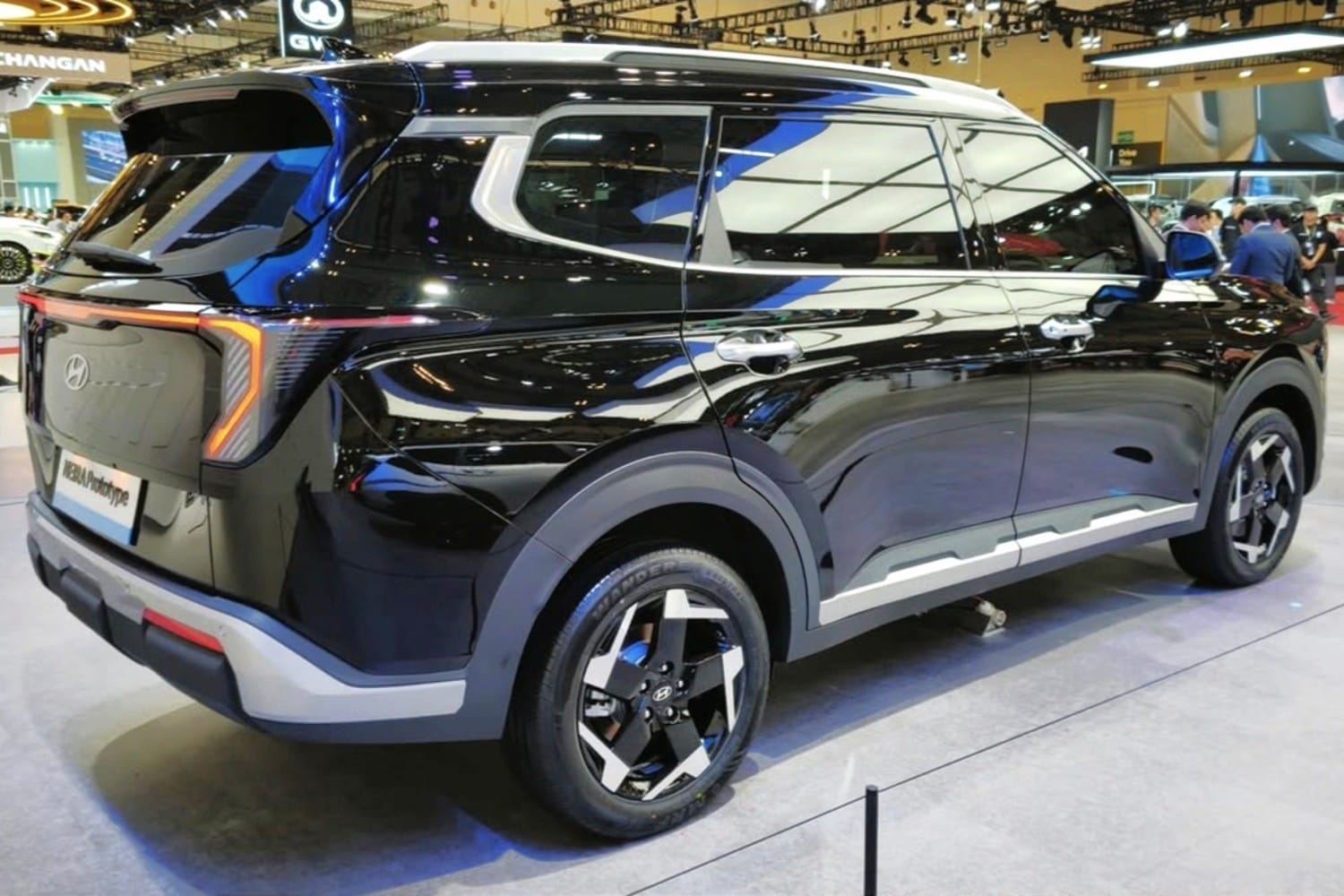
Over to the side, the only differences on the Neira Concept are its alloy wheels, a triple-ridge design for the skirt cladding, and chrome door handles – the Carens Clavis EV has body-coloured door handles. The rear end of the Neira Concept sets itself apart from the Carens Clavis EV’s with a different bumper design, more silver cladding, and a Hyundai badge on the bootlid.
Hyundai Neira Concept interior and features
Identical dashboard layout to the Carens Clavis EV
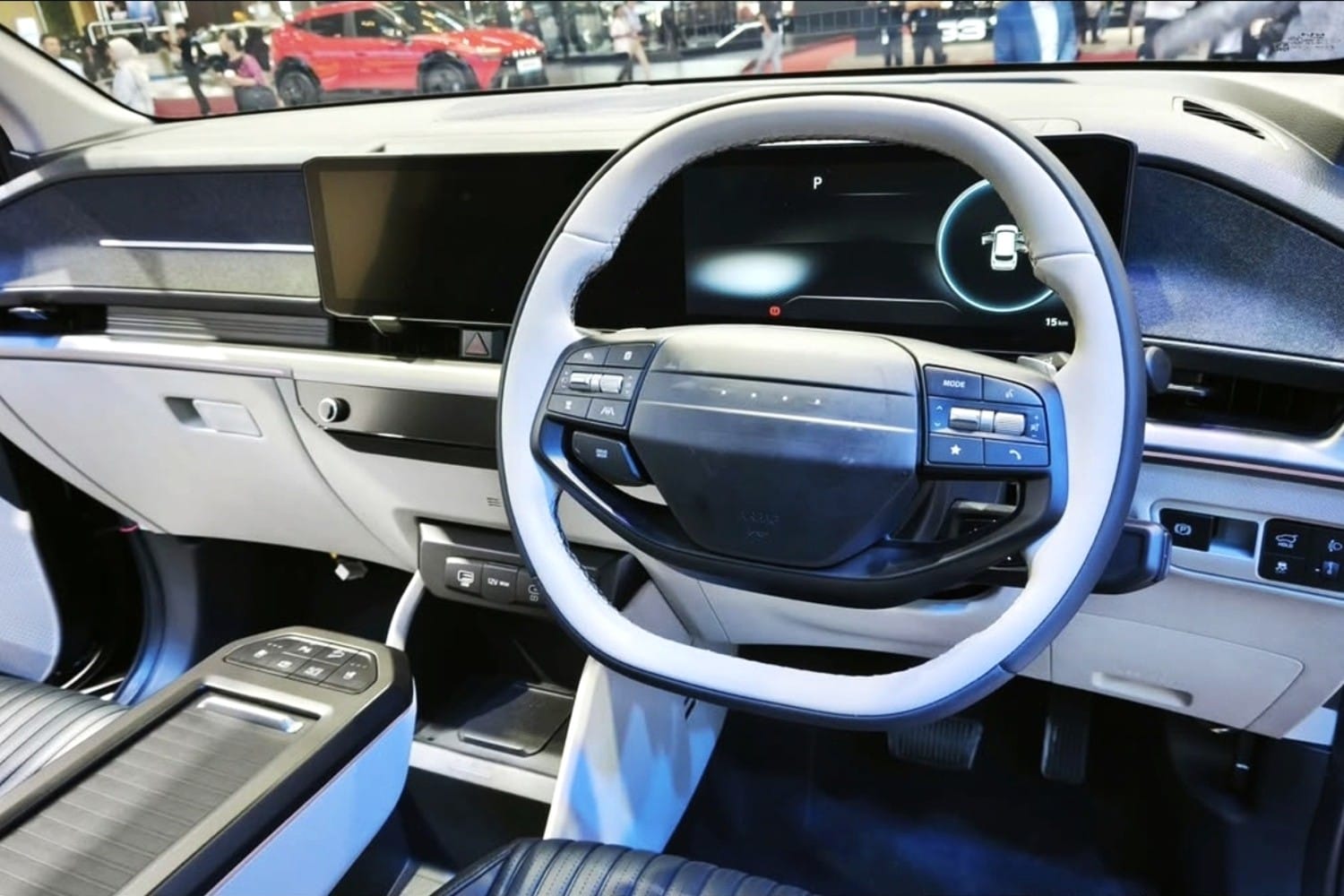
The similarities to the Carens Clavis EV carry over inside the Neira Concept as well. In fact, were it not for the Neira’s black seat upholstery and four-dot Hyundai motif on the two-spoke flat-bottomed steering wheel, you’d be hard-pressed to find any differences between these two electric MPVs.
Credit: indra_fathan via Instagram
They have the exact same dashboard layout, dual 12.3-inch screens, AC control panel, and floating centre console. As for seating layout, the Neira Concept displayed on the pavilion was a 7-seater, a configuration offered for the Carens Clavis EV too. The Kia MPV can also be had as a 6-seater with second-row captain’s chairs.
Hyundai Neira Concept battery and range
Could retain the Carens Clavis EV’s 42kWh and 51.4kWh batteries
Hyundai did not disclose what’s under the skin of the Neira Concept, but if the exterior and interior are anything to go by, it could share the Carens Clavis EV’s 42kWh and 51.4kWh battery options. Both packs are wired up to a 255Nm front-mounted motor, which outputs 135hp in 42kWh guise and 171hp in the 51.4kWh variants.
MIDC-claimed range stands at 404km for the smaller battery and 490km for the bigger unit. A 10-100 percent charge using an 11kW AC wallbox requires 4 hours for the 42kWh battery and 4.45 hours for the 51.4kWh pack. Both batteries take 39 minutes to charge from 0-80 percent using a 100kW DC charger.
Could the Hyundai Neira come to India
Hyundai plans to launch an MPV in India by the end of the decade
During its 2025 Investor Day, Hyundai confirmed that a new MPV will join its India line-up by 2030. At the time, Hyundai had only two MPVs in its global portfolio: the mainstream Stargazer and premium Staria. Given Hyundai’s usage of phrases like ‘family mover’ and ‘mobility for all’ to describe its India-bound MPV, the Stargazer was speculated to be the front-runner for the role, but now, the production-spec Neira seems likely too.
The Carens Clavis EV is an established model, so launching a mildly-differentiated Hyundai-badged version of it in India would take much less time than an entirely new MPV would. It’s also one of the most affordable yet feature-packed three-row EVs in the Indian market, so it’s quite a solid base for Hyundai’s own MPV offering. That said, this is speculation, so only time will tell if Hyundai will bring the Neira to India.
दक्षिण कोरिया के बाजार का प्रमुख सूचकांक जून में ऑल-टाइम हाई पर था। यह इस साल दुनिया में सबसे ज्यादा चढ़ने वाला बाजार बन गया था। लेकिन, एक महीने के अंदर बाजार आसमान से जमीन पर आ गया। 8 जुलाई को कोस्पी 5 फीसदी से ज्यादा गिरा। 7 जुलाई को भी यह 8 फीसदी तक गिरा था। इस तरह 22 जून के अपने ऑल-टाइम हाई से 20 फीसदी क्रैश करने के बाद यह बेयर मार्केट में प्रवेश कर गया है।
इन दो शेयरों में गिरावट ने बढ़ाया दबाव
दक्षिण कोरिया के शेयर बाजार में आई बड़ी गिरावट की वजह आर्टफिशियल इंटेलिजेंस से जुड़े शेयरों में बड़ी बिकवाली है। 8 जुलाई को Samsung Electronics का शेयर 6.3 फीसदी फिसला। SK Hynix के शेयरों में भी 5.7 फीसदी गिरावट आई। बीते कुछ हफ्तों में इन दोनों कंपनियों के शेयरों में बड़ी गिरावट आई है। दोनों की कोस्पी में करीब 60 फीसदी वेटेज है।
SK Hynix बीते एक साल में 636% उछला
आर्टफिशियल इंटेलिजेंस के शेयरों पर दांव लगाने वाले निवेशकों के लिए दक्षिण कोरिया का बाजार पंसदीदा डेस्टिनेशन बन गया था। विदेशी निवेशकों की खरीदारी से कई कंपनियों खासकर चिप बनाने वाली कंपनियों के शेयर आसमान में पहुंच गए। Samsung Electronics का शेयर बीते एक साल में 351 फीसदी उछला है। इसका मतलब है कि इसने सिर्फ एक साल में निवेशकों का पैसा तीन गुना से ज्यादा किया है। SK Hynix का शेयर बीते एक साल में 636 फीसदी उछला है। इसने निवेशकों का पैसा एक साल में छह गुना से ज्यादा कर दिया है।
एलजी और ह्यूडंई के शेयरों में भी तेजी
आर्टिफिशियल इंटेलिजेंस के अलावा भी कई शेयरों में जबर्दस्त तेजी आई। LG Electronics का शेयर बीते एक साल में 166 फीसदी चढ़ा है। Hyundai Motor का शेयर इस दौरान 119 फीसदी उछला है। इन दिग्गज शेयरों में जबर्दस्त उछाल से कोरिया का बाजार बीते एक साल में दुनिया में सबसे ज्यादा चढ़ने वाला बाजार बन गया। अब शेयरों की हाई वैल्यूएशंस को लेकर सवाल उठने लगे हैं। विदेशी निवेशक भी इन शेयरों में बड़ी बिकवाली कर रहे हैं।
एक्सपर्ट्स का कहना है कि बीते एक साल में तेज उछाल के बाद इन शेयरों की रफ्तार सुस्त पड़ सकती है। दूसरा, अमेरिका में भी आर्टफिशियल इंटेलिजेंस से जुड़ी कंपनियों के शेयरों पर दबाव दिखा है। इसका मतलब है कि आगे दक्षिण कोरिया में चिप बनाने वाली कंपनियों के शेयरों पर भी दबाव दिख सकता है। इस वजह से विदेशी निवेशक दक्षिण कोरिया के बाजार में बड़ी बिकवाली कर रहे हैं। इससे बाजार लगातार गिर रहा है।
South Korea Share Market: दक्षिण कोरिया के शेयर बाजार में 8 जुलाई को भी बड़ी गिरावट दिखी। जून में अपने ऑल-टाइम हाई से 20 फीसदी गिरने के बाद यह बाजार अब बेयर मार्केट में प्रवेश कर गया है। 7 जुलाई को बाजार का प्रमुख सूचकांक कोस्पी 8 फीसदी से ज्यादा गिर गया था। 8 जुलाई को भी कोस्पी पर दबाव दिखा। भारतीय समय के मुताबिक, 11 बजे यह 4.14 फीसदी गिरकर 7,329 अंक पर चल रहा था।
दिग्गज शेयरों में बड़ी गिरावट ने बनाया दबाव
8 जुलाई को दिग्गज कंपनियों में गिरावट ने दक्षिण कोरिया के बाजार पर दबाव बढ़ाया। चिप बनाने वाली दोनों बड़ी कंपनियों सैमसंग इलेक्ट्रॉनिक्स और एसके हायनिक्स में बड़ी गिरावट दिखी। 11 बजे सैमसंग इलेक्ट्रॉनिक्स का शेयर 5.41 नीचे चल रहा था। SK Hynix का शेयर 2.68 फीसदी नीचे था। Hyundai Motor का शेयर भी 4 फीसदी से ज्यादा नीचे चल रहा था।
मध्यूपूर्व में फिर से तनाव बढ़ने का असर
मध्यूपूर्व में एक बार फिर जियोपॉलिटिकल टेंशन बढ़ा है। इसका असर भारत सहित दूसरे एशियाई बाजारों पर 8 जुलाई को देखने को मिला। ब्रेंट क्रूड में उछाल का असर भी एशियाई बाजारों पर पड़ा। जापान, चीन और थाईलैंड के बाजारों में गिरावट दिखी। MSCI Asia Pacific Index करीब 1 फीसदी नीचे चल रहा था। इस साल दक्षिण कोरिया के शेयर बाजार में सबसे ज्यादा तेजी आई थी।
अमेरिकी शेयर बाजारों में गिरावट का भी असर
7 जुलाई को अमेरिकी बाजारों में भी गिरावट दिखी। सबसे ज्यादा गिरावट टेक्नोलॉजी शेयरों में आई थी। इससे नैस्डेक लाल निशान में बंद हुआ था। बाकी दोनों सूचकांक डाओ जोंस और एसएंडपी 500 भी गिरकर बंद हुए थे। इसका असर भी 8 जुलाई को एशिया में टेक्नोलॉजी शेयरों पर दिखा। पिछले कुछ हफ्तों से टेक्नोलॉजी खासकर एआई से जुड़े शेयरों पर दबाव दिख रहा है।
स्थिति पर नजर रख रही दक्षिण कोरिया की सरकार
दक्षिण कोरिया के शेयर बाजार में बीते कुछ हफ्तों में आई गिरावट ने सरकार की चिंता बढ़ा दी है। वित्तमंत्री शेयर बाजारों के लिए रिस्क बढ़ाने वाले फैक्टर्स पर विचार करने के लिए तैयार हैं। सरकार ने 7 जुलाई को यह बताया।
दक्षिण कोरिया के वित्तमंत्री ने केंद्रीय बैंक के गवर्नर और फाइनेंशियल रेगुलेटर्स के प्रमुखों से भी मुलाकात की है। दक्षिण कोरिया स्टॉक एक्सचेंज के प्रमुख सूचकांक कोस्पी में चिप बनाने वाली दोनों कंपनियों की करीब 60 फीसदी हिस्सेदारी है। दोनों शेयरों में विदेशी इनवेस्टर्स की बिकवाली ने बाजार पर दबाव बढ़ा दिया है।
Top 10 Selling Cars in June: जून,2026 में भारत के कार मार्केट में टाटा मोटर्स पैसेंजर व्हीकल्स (TMPV) सबसे ज्यादा बढ़त हासिल करने वाली कंपनी रही। इस दौरान कंपनी की Punch SUV और Nexon SUV ने देश की टॉप 10 बिकने वाली कारों की सूची में पहला और दूसरा स्थान हासिल किया। वहीं, इस मजबूत प्रदर्शन के साथ कंपनी की घरेलू बिक्री में साल-दर-साल (y-o-y) 69% की बड़ी बढ़ोतरी दर्ज की गई।
इसके अलावा, Maruti Suzuki ने भी मार्केट में पकड़ बनाए रखते हुए लिस्ट में 6 मॉडल शामिल किए। जबकि Hyundai Motor India की Creta SUV प्रोडक्शन में कुछ समय की रुकावट के कारण लिस्ट से बाहर हो गई।
बता दें कि Tata Motors ने जून में घरेलू पैसेंजर व्हीकल (PV) की 63,083 यूनिट्स (इलेक्ट्रिक व्हीकल्स या EVs सहित) बेचीं, जो पिछले साल इसी महीने में 37,237 यूनिट्स थीं। कंपनी ने कहा कि Punch और Tiago के नए वर्जन्स को ‘बहुत जबरदस्त’ रिस्पॉन्स मिला है और सभी तरह के पावरट्रेन में बुकिंग तेजी से बढ़ी है, जबकि इलेक्ट्रिक कारों की बिक्री इस महीने रिकॉर्ड 14,800 यूनिट्स तक पहुंच गई।
पहले Punch SUV की बात करें तो, यह जून में भारत की सबसे ज्यादा बिकने वाली पैसेंजर व्हीकल बनी, जिसकी 21,006 यूनिट्स की बिक्री हुई। दूसरे नंबर पर Nexon रही, जिसकी 18,335 यूनिट्स बिकीं। तीसरे स्थान पर Maruti Suzuki की Dzire रही, जिसने 17,899 यूनिट्स की बिक्री के साथ देश की सबसे ज्यादा बिकने वाली सेडान का दर्जा बनाए रखा।
चौथे स्थान पर 16,952 यूनिट्स के साथ ‘Wagon R’ हैचबैक रही, जबकि ‘Ertiga’ MPV ने 16,111 यूनिट्स बेचकर टॉप पांच में जगह बनाई। Maruti Suzuki की ‘Swift’ हैचबैक 15,215 यूनिट्स के साथ छठे स्थान पर रही, और उसके बाद Mahindra ‘Scorpio’ SUV 14,097 यूनिट्स के साथ सातवें स्थान पर रही।
Maruti Suzuki की ‘Fronx’ SUV 13,135 यूनिट्स की बिक्री के साथ 8वें स्थान पर रही, जो ‘Baleno’ हैचबैक (12,488 यूनिट्स) से आगे रही। इसके अलावा, Hyundai की ‘Venue’ SUV 10,776 यूनिट्स की बिक्री के साथ टॉप 10 की लिस्ट में शामिल रही।
हालांकि टाटा मोटर्स ने टॉप 2 स्थान हासिल किए, लेकिन मारुति सुजुकी इस रैंकिंग में सबसे ज्यादा प्रतिनिधित्व करने वाली कंपनी रही, जिसके 6 मॉडल-Dzire, WagonR, Ertiga, Swift, Fronx और Baleno-टॉप 10 में शामिल रहे। इन मॉडल्स की कुल बिक्री 91,780 यूनिट रही, जो जून में टॉप 10 कारों की कुल बिक्री का 57% से ज्यादा है। इससे हैचबैक, सेडान, MPV और SUV सेगमेंट में कंपनी की मजबूत मौजूदगी का पता चलता है।
बता दें कि यह परफॉर्मेंस तब देखने को मिली जब जून में मारुति सुजुकी ने अपने मैन्युफैक्चरिंग प्लांट्स में एक हफ्ते के लिए मेंटेनेंस के कारण काम बंद रखा था, जिस दौरान कोई गाड़ी नहीं बनी थी।
रैंकिंग में Hyundai Creta का नाम नहीं
जून की रैंकिंग में एक खास नाम जो गायब था, वह है Hyundai Creta; यह कार देश की सबसे ज्यादा बिकने वाली कारों में हमेशा शामिल रही है। इसके रैंकिंग में शामिल न होने के पिछे एक सप्लायर प्लांट में आग लगने की वजह रही है, जिससे प्रोडक्शन में कुछ समय के लिए रुकावट आई और होलसेल बिक्री पर असर पड़ा। इसी कारण यह SUV टॉप 10 की लिस्ट से बाहर हो गई।
एक और खास नाम जो लिस्ट में नहीं था, वह है Maruti Suzuki Brezza SUV। इस महीने के आखिर में इसके अपडेटेड वर्जन के लॉन्च से पहले इसकी सप्लाई पर असर पड़ा था।
जून की रैंकिंग से भारतीय खरीदारों के बीच SUV की लगातार लोकप्रियता का भी पता चला। टॉप 10 में पांच SUV – पंच, नेक्सॉन, स्कॉर्पियो, फ्रॉन्क्स और वेन्यू – शामिल थीं। वहीं, डिजायर ने SUV के ट्रेंड से अलग अपनी जगह बनाए रखी और भारत की सबसे ज़्यादा बिकने वाली सेडान बनी रही।
जून की रैंकिंग से यह भी साफ हुआ कि भारतीय बाजार में SUV की लोकप्रियता लगातार बनी हुई है। टॉप 10 में कुल 5 SUV-Punch, Nexon, Scorpio, Fronx और Venue-शामिल रहीं। वहीं Dzire ने SUV ट्रेंड से अलग अपनी जगह बनाए रखी और देश की सबसे ज्यादा बिकने वाली सेडान बनी रही।
Hyundai Creta Electric: अगर आप इलेक्ट्रिक SUV खरीदने की प्लानिंग कर रहे हैं, तो यह खबर आपके लिए फायदेमंद साबित हो सकती है। दरअसल, Hyundai Motor India Ltd ने Creta Electric के लिए ‘बैटरी-एज-ए-सर्विस’ (BaaS) ओनरशिप मॉडल पेश किया है। इस कदम से इलेक्ट्रिक SUV की शुरुआती कीमत, बैटरी की लागत को छोड़कर, रेगुलर ₹18.03 लाख से घटकर ₹10.99 लाख (एक्स-शोरूम) हो गई है।
इस नई व्यवस्था के तहत, खरीदारों के पास गाड़ी अलग से खरीदने और बैटरी के लिए EMI प्लान (जो ₹3.9 प्रति किलोमीटर से शुरू होगा) चुनने का विकल्प होगा, जिससे इलेक्ट्रिक गाड़ी खरीदने की शुरुआती लागत कम हो जाएगी।
Hyundai का मकसद EV को ज्यादा लोगों तक पहुंचाना है
यह कदम ऐसे समय में उठाया गया है जब ऑटो कंपनियां भारत में ग्राहकों के सामने आने वाली सबसे बड़ी समस्या यानी ज्यादा शुरुआती कीमत को कम करने के लिए अलग-अलग ओनरशिप मॉडल अपना रही हैं। बैटरी की कीमत को गाड़ी की कीमत से अलग करने से शुरुआती खरीद लागत कम हो जाती है, जबकि गाड़ी की लिस्ट कीमत पर कोई असर नहीं पड़ता। इससे इलेक्ट्रिक वाहन ज्यादा किफायती और आसान हो जाते हैं।
फॉर्च्यून इंडिया की रिपोर्ट के अनुसार, लॉन्च के मौके पर Hyundai Motor India Ltd के मैनेजिंग डायरेक्टर और CEO तरुण गर्ग ने कहा, “हुंडई क्रेटा इलेक्ट्रिक के लिए ‘बैटरी-एज-ए-सर्विस’ (BaaS) की शुरुआत भारत में इलेक्ट्रिक मोबिलिटी को आम लोगों तक पहुंचाने की दिशा में एक बड़ा बदलाव लाने वाला कदम है।”
उन्होंने कहा, शुरुआती कीमत को काफी कम करके और फ्लेक्सिबल बैटरी रेंटल प्लान देकर देकर, हम ज्यादा ग्राहकों को भरोसे के साथ EV अपनाने में मदद कर रहे हैं, जिससे वे हुंडई की भरोसेमंद तकनीक, सुरक्षा और इनोवेशन का लाभ उठा सकें।
क्रेटा इलेक्ट्रिक की कीमत अभी ₹18.02 लाख से ₹24.55 लाख (एक्स-शोरूम) के बीच है। यह दो बैटरी पैक ऑप्शन के साथ आती है: एक 42 kWh यूनिट जिसकी ड्राइविंग रेंज 420 km बताई गई है, और दूसरी 51.4 kWh यूनिट जिसकी रेंज 510 km बताई गई है। यह SUV DC फास्ट चार्जिंग को भी सपोर्ट करती है, जिससे बैटरी को लगभग 39 मिनट में 10% से 80% तक तेजी से चार्ज किया जा सकता है।
इस मॉडल की अन्य खूबियों में व्हीकल-टू-लोड (V2L) क्षमता, हुंडई स्मार्टसेंस लेवल 2 ADAS, डिजिटल की, सिंगल ड्राइव (i-पेडल), एक्टिव एयर फ्लैप्स और 8 साल/1.6 लाख km की बैटरी वारंटी शामिल हैं।
Hyundai भारत में EV इकोसिस्टम को मजबूत करने की योजना बना रही है
अपने प्रोडक्ट्स की रेंज बढ़ाने के साथ-साथ, हुंडई देश में EV चार्जिंग इंफ्रास्ट्रक्चर में भी निवेश कर रही है। फॉर्च्यून इंडिया की रिपोर्ट के अनुसार, कंपनी अगले सात सालों में लगभग 600 फास्ट पब्लिक EV चार्जिंग स्टेशन लगाने की योजना बना रही है। साथ ही, कंपनी ने पहले ही 183 जगहों पर इंफ्रास्ट्रक्चर तैयार कर लिया है, जिसमें 214 DC चार्जर और 399 चार्जिंग पॉइंट शामिल हैं।
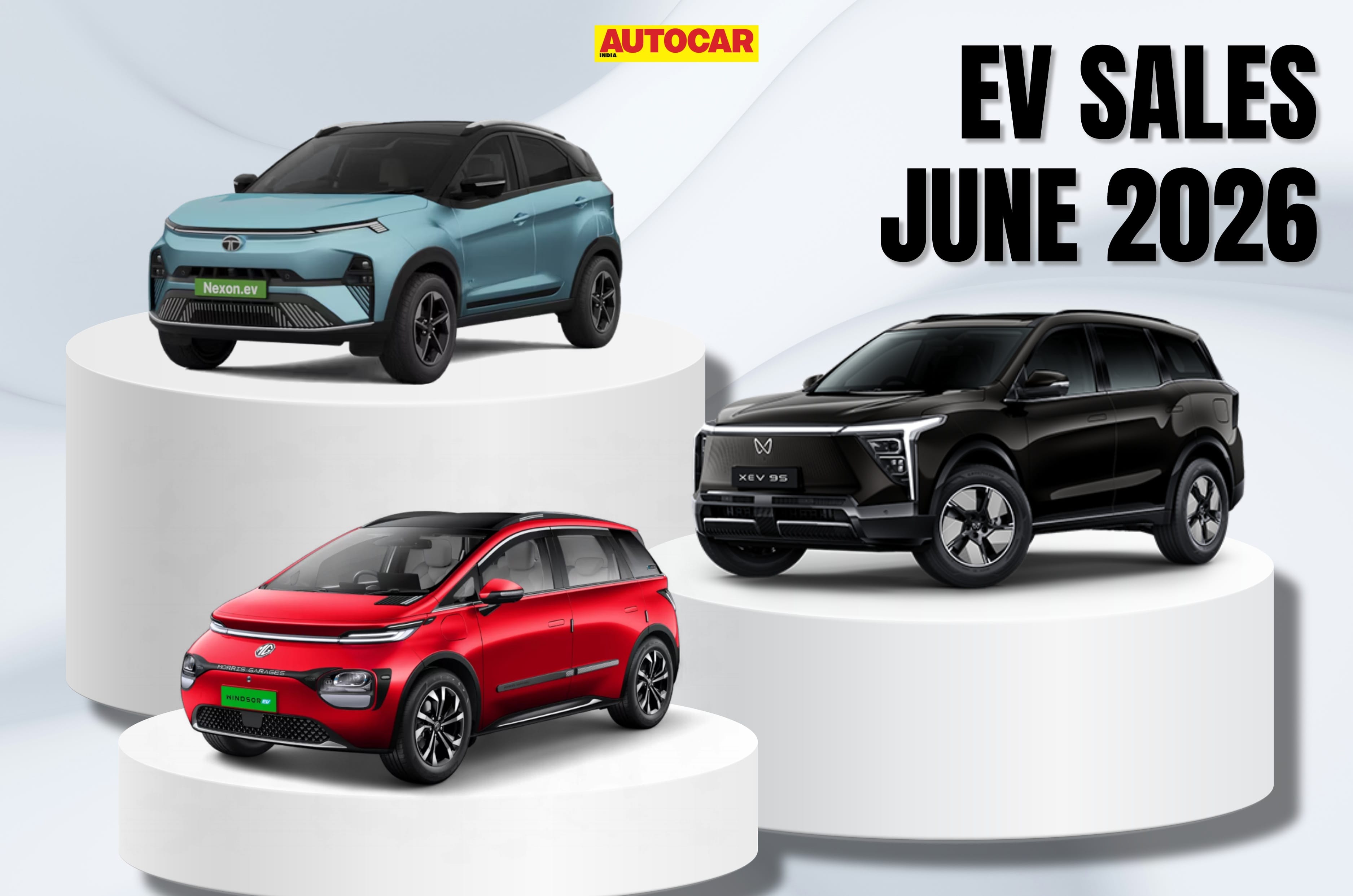
June 2026 has set the new retail benchmark for monthly EV sales. With 31,253 units delivered to buyers last month, June 2026 marks the first time that the EV segment in India has surpassed 30,000 monthly sales. While year-on-year retails have more than doubled to 106 percent (June 2025: 15,203 units), the month-on-month growth of 12 percent beats the previous best of May 2026 (27,977 units).
Tata Motors and Mahindra continue to power the Indian EV growth story. While Tata Motors sold over 10,000 units for the second month in a row and scaled a new high in June, Mahindra has registered 7,000 EV sales for the first time and crossed 6,000 units for two straight months. Maruti Suzuki, Vinfast India and BYD India also registered their highest monthly retails since their market entry. Let’s take a close look at the top players’ market performance in June 2026.
Tata Motors
June 2026: 12,023 units, up 125 percent YoY
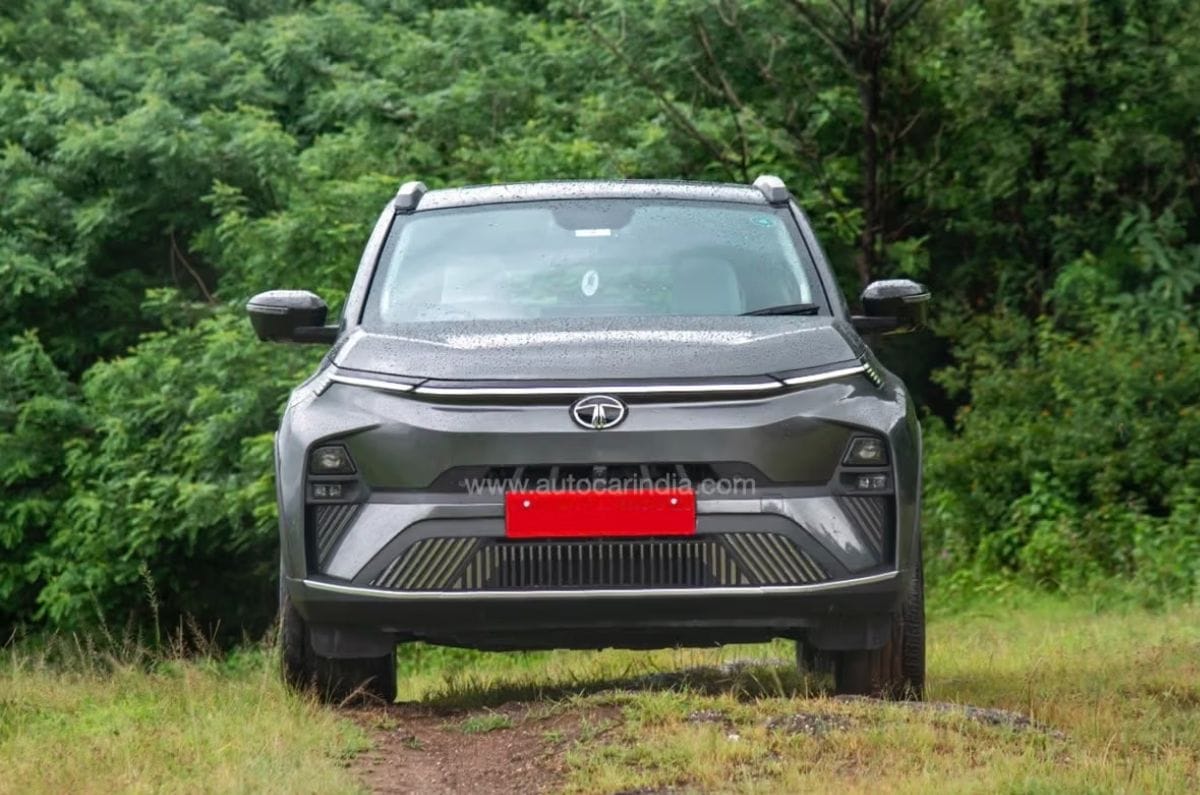
Tata Motors maintains number one position in the market. In June 2026, Tata sold 12,023 EVs, up 125 percent YoY (June 2025: 5,355 units), marking the first time that it has surpassed 12,000 units and the second straight month of over 10,000 sales after the 10,865 units in May. This gives the company a 38 percent EV share, up three percentage points year on year. While the Nexon EV continues to be Tata Motors’ volume driver, the updated Tiago EV has helped accelerate the momentum generated by the rollout of the new Punch EV in February this year. Both models draw a large percentage of first-time EV buyers.
Nexon EV continues to be Tata’s volume driver.
Mahindra
June 2026: 7,645 units, up 118 percent
Mahindra registered its highest monthly sales in June when it surpassed 7,000 units for the first time. The 7,645 units are a 17 percent month-on-month increase (May 2026: 6,530 units) and give Mahindra a market share of 24 percent. Year-on-year growth is 118 percent (June 2025: 3,513 units). While the BE 6 and XEV 9e continue to see demand, the XEV 9S has given Mahindra a new charge.
JSW MG Motor India
June 2026: 5,785 units, up 23 percent
Third-ranked JSW MG Motor India sold 5,785 units last month, up 23 percent YoY (June 2025: 4,691 units). This gives it an 18.51 percent EV market share in June 2026, substantially down from the 31 percent it had in June 2025. The Windsor EV remains its best-selling product from a portfolio which includes the M9 MPV, Cyberster roadster, ZS EV and Comet EV.
Maruti Suzuki
June 2026: 1,896 units
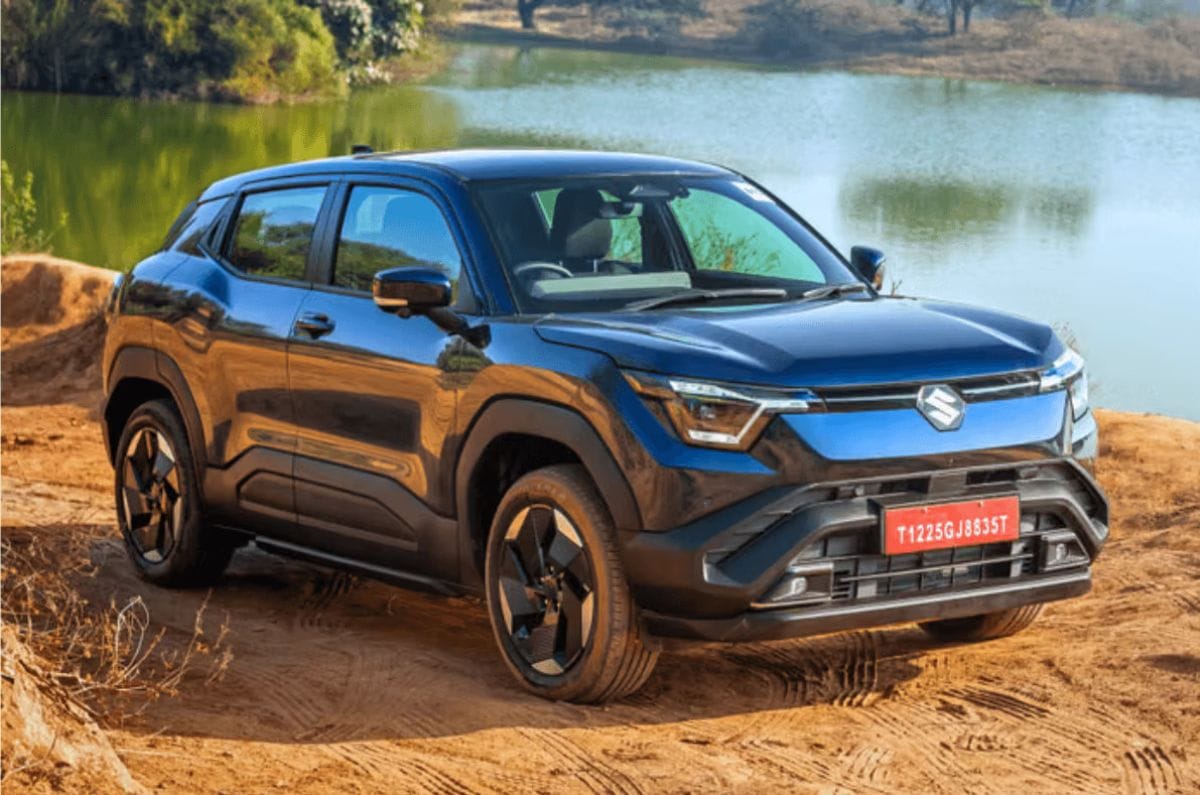
India’s passenger vehicle market leader continues to see MoM growth for its sole EV – the e-Vitara. Maruti Suzuki delivered 1,896 e-Vitaras to buyers in June, its highest monthly score since its launch in January this year. With this, retail sales have crossed the 6,000 mark. It is understood that due to production constraints, the company has allocated between 2,000-2,500 units for the domestic with far more for exports where the e-Vitara is the third most-exported SUV in the current fiscal. It is understood that the company plans to increase the e-Vitara’s production capacity from August or September this year.
e-Vitara achieved its highest monthly sales yet in June
Vinfast India
June 2026: 1,394 units
The local arm of Vietnamese EV major Vinfast also registered its highest-ever monthly sales in June – 1,394 units. This gives it a 4 percent EV market share. Of the four models in its portfolio, two (VF6 and VF7) are SUVs and two (VF MPV 7 and VF Limo Green taxi) are MPVs. On the wholesales front (April-May 2026), the VF7 is outselling the VF6. For the two MPVs, the Limo Green e-taxi is witnessing far more demand than the VF MPV 7. Vinfast will be looking to achieve higher sales traction when it launches the VF5 hatchback, which is likely to go head-to-head against the Tata Tiago EV or Punch EV, depending upon its specifications.
BYD India
June 2026: 860 units, up 69 percent YoY
BYD India also scaled a new monthly high in June with 860 units, up 69 percent YoY (June 2025: 508 units). Its previous best was in October 2025 (615 units). One of the fillips for higher sales last month could be the fact that BYD is raising its EV prices by 1-2 percent from July 1, which is the second time this year. Meanwhile, the Chinese EV maker has confirmed plans to introduce the Seal U PHEV later this year, which will be its first PHEV.
Kia India
June 2026: 446 units, up 792 percent YoY
Ranked above Hyundai in June and below seventh-ranked BMW India (486 units), Kia India sold 446 EV, up 792 percent YoY on a low year-ago base (June 2025: 50 units). Following the launch of the Carens Clavis EV MPV, which joined the far more expensive EV6 and EV9 imported as CBUs, Kia has seen its monthly numbers improve compared to last year.
Hyundai Motor India
June 2026: 347 units, down 42 percent YoY
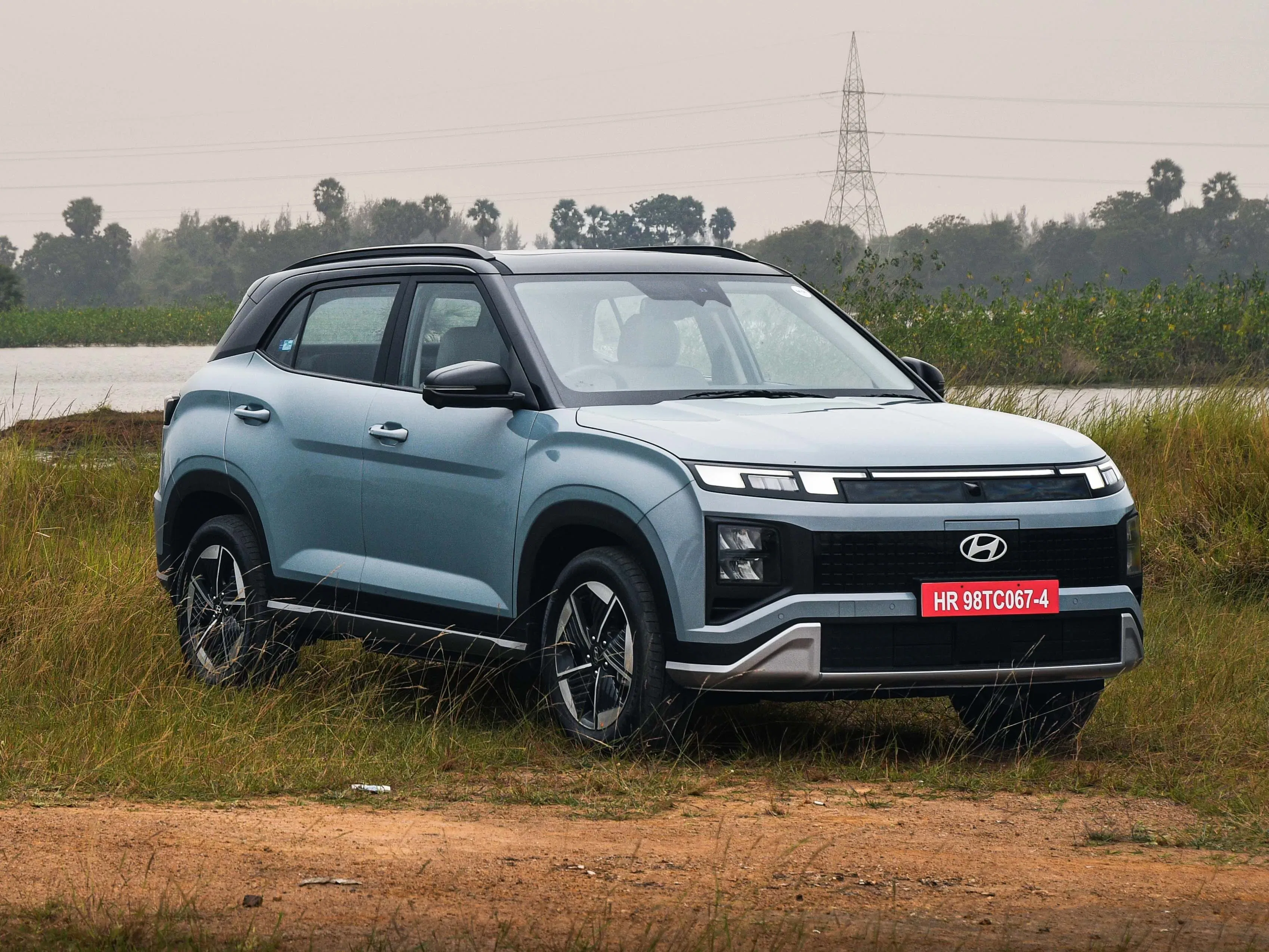
Creta Electric still lags behind its competitors in the midsize SUV segment.
Hyundai delivered 347 EVs last month, down 42 percent YoY (June 2025: 596 units). The company, which has only two models in its EV portfolio (Creta Electric and Ioniq 5), continues to feel the heat of the intense competition in the EV market where market leaders Tata Motors, M&M and JSW MG Motor have fast expanded their portfolios at multiple price-points to draw more buyers. As a result, Hyundai’s EV share is down to less than 1 percent from 4 percent a year ago.
Toyota Kirloskar Motor
June 2026: 32 units
Toyota Kirloskar Motor, the latest mainstream manufacturer to plug into the EV industry in India, delivered 32 units of the Urban Cruiser Ebella in June. The Toyota Ebella is the badge-engineered version of the Maruti e-Vitara. The Ebella is currently sold in three variants (E1, E2 and E3) albeit priced at a considerable premium over its Maruti cousin.
Carmaker
June 2026
June 2025
YoY Change
Tata Motors
12,023
5,355
125%
Mahindra
7,645
3,513
118%
JSW MG Motor
5,785
4,691
23%
Maruti Suzuki
1,896
–
–
Vinfast
1,394
–
–
BYD
860
508
69%
BMW
486
242
101%
Kia
446
50
792%
Hyundai
347
596
-42%
Mercedes-Benz
234
113
107%
Volvo
36
26
38%
Tesla
35
–
–
Toyota
32
–
–
Citroen
24
100
-76%
Porsche
8
3
167%
Audi
1
2
-50%
Rolls Royce
1
4
-75%
Jaguar Land Rover
0
0
–
Total
31,253
15,203
106%
Luxury Electric Carmakers Sell Record 801 Units in June
In tandem with the mass-market EV segment, demand for luxury EVs also called a new monthly high in June. Retail sales of the eight OEMs in this sub-segment more than doubled YoY to 801 units (June 2025: 390 units). Month-on-month growth was 20 percent and beat the previous best of 665 units in May 2026. This strong performance continues to be driven by the top two OEMs – BMW and Mercedes-Benz.
BMW India
BMW, which topped the luxury EV category in FY2026 with a record 3,898 EVs and is ranked number 7 in the entire EV segment, maintained its number 1 status with a 486 units, up 101 percent YoY (June 2025: 2421 units). That gives it a 61 percent share for last month.
Mercedes-Benz
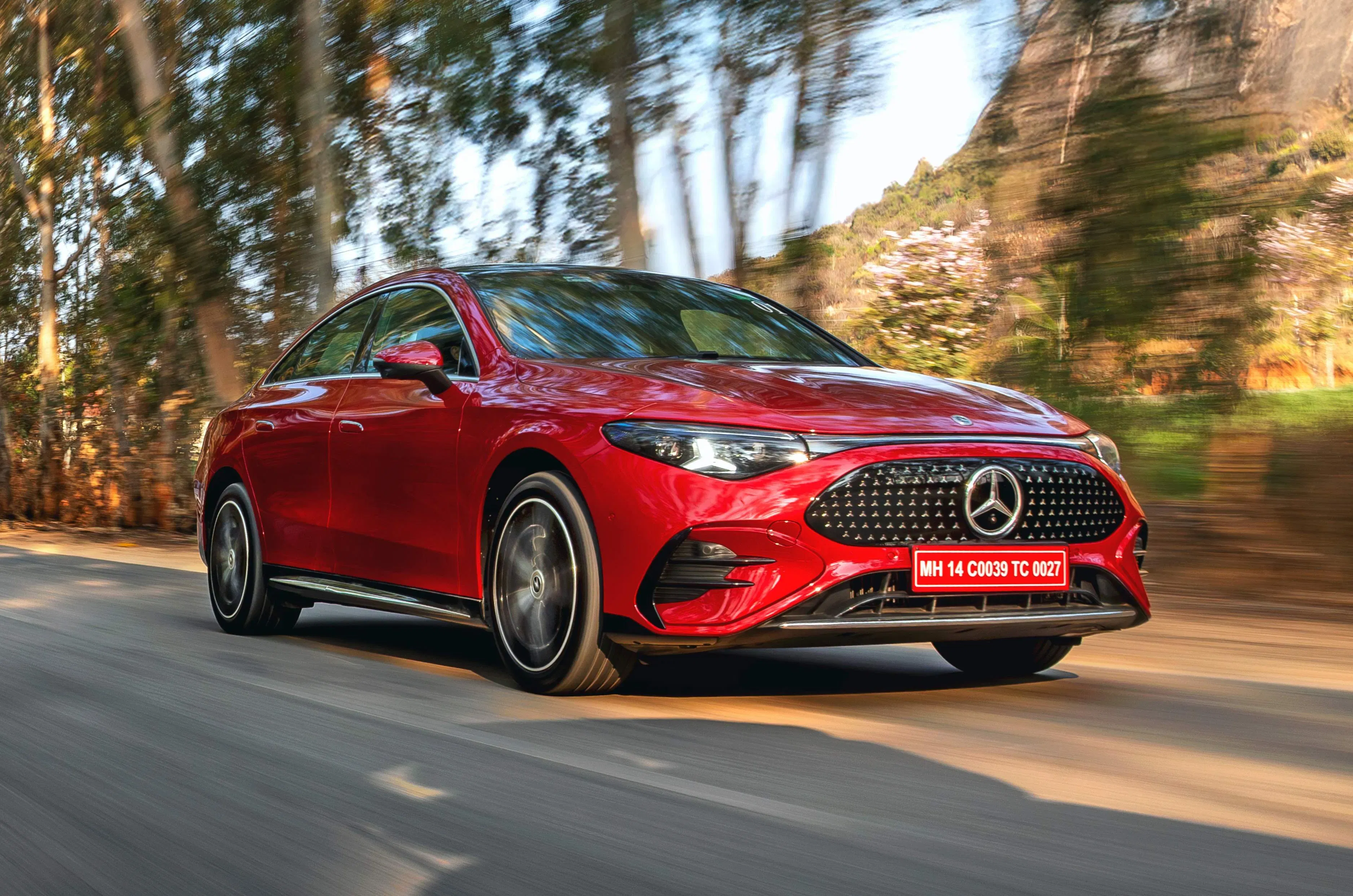
With 234 EVs sold last month, Mercedes more than doubled its sales as demand rose 107 percent YoY (June 2025: 113 units). The luxury carmaker registered strong growth on the back of the launch of the CLA electric sedan in end-April. The CLA EV replaced the combustion-powered A Class sedan, plus the EQA and EQB electric SUVs in India.
CLA Electric is contributing meaningfully to Merc’s EV sales.
Volvo
Volvo sold 36 EVs in June 2026, up 38 percent YoY (June 2025: 26 units). This gives it a 4 percent share of the luxury EV market, down from the 7 percent it had a year ago.
Tesla
Tesla, which has expanded its portfolio in India with the extended-wheelbase six-seater Model Y L, sold 35 units last month. This takes its cumulative sales in January-June period to 234 units. Tesla India’s highest monthly sales to date were 69 units in September and December 2025.
Porsche, Audi and Rolls Royce
While German sports car maker Porsche sold 8 units last month, Audi and Rolls-Royce sold one each while JLR did not sell a single EV last month, as per Vahan.
In terms of EV market penetration, these eight luxury EV OEMs had a 2.56 percent share of the record 31,253 e-PVs sold in June 2026.