पेरिस की सड़कों पर विरोध प्रदर्शन और आग के बीच एक महिला का जॉगिंग करते हुए वीडियो सोशल मीडिया पर वायरल हो गया है। सड़क पर जलती बैरिकेड और चारों ओर धुएं के बावजूद महिला अपनी दौड़ जारी रखती नजर आई। इस नजारे ने इंटरनेट पर लोगों को दो गुटों में बांट दिया है। कुछ यूजर्स उसके व्यवहार को लापरवाही बता रहे हैं, जबकि दूसरे लोग इसे अपनी दिनचर्या जारी रखने का फैसला मान रहे हैं। आखिर तनावपूर्ण माहौल में भी महिला ने दौड़ना क्यों नहीं रोका, यही सवाल चर्चा का विषय बन गया है।
सड़क पर आग और धुआं
सोशल मीडिया पर वायरल हो रहे वीडियो में एक महिला सड़क पर जॉगिंग करती दिखाई देती है। उसके रास्ते में एक बैरिकेड आग की लपटों में घिरा नजर आता है। आसपास काला धुआं फैला हुआ है और सड़कों पर तनावपूर्ण माहौल दिखाई दे रहा है। इसके बावजूद महिला अपनी दौड़ जारी रखती है। यह वीडियो ऐसे समय सामने आया, जब पेरिस में महंगाई और रोजमर्रा की जरूरतों से जुड़े खर्चों को लेकर विरोध प्रदर्शनों की खबरें सामने आ रही थीं। ईंधन, खाने-पीने की चीजों और दूसरी जरूरी वस्तुओं की बढ़ती लागत को लेकर लोगों की चिंताओं के बीच जलती बैरिकेड और बाधित सड़कों की तस्वीरें भी चर्चा में रहीं। हालांकि, वायरल क्लिप से महिला की मंशा या उसके वहां मौजूद होने की पूरी वजह स्पष्ट नहीं होती।
The most dystopian fitness video on the internet just dropped.
Paris is literally burning, protesters are shutting down the streets, and this woman is casually jogging past a burning barricade like it’s a treadmill session. She is literally running through thick black smoke because hitting her daily step count is a higher priority than whatever revolution is happening around her.
Pure, unfiltered main character syndrome. The absolute disrespect to the entire riot.
किसी ने बताया ‘मेन कैरेक्टर सिंड्रोम’, तो किसी ने किया बचाव
वीडियो को X पर साझा करते हुए एक यूजर ने महिला के व्यवहार पर सवाल उठाए। उसने इस दृश्य को ऐसे पेश किया, मानो शहर में अफरा-तफरी के बीच भी महिला के लिए रोजाना की फिटनेस पूरी करना सबसे जरूरी हो। इस टिप्पणी के बाद सोशल मीडिया पर बहस शुरू हो गई। कुछ लोगों ने सवाल उठाया कि आखिर इतनी खतरनाक स्थिति में जॉगिंग करना कितना समझदारी भरा फैसला है। जलती बैरिकेड और घने धुएं के बीच दौड़ना स्वास्थ्य और सुरक्षा के लिहाज से जोखिम भरा हो सकता है।
‘हो सकता है वह तनाव दूर करने के लिए दौड़ रही हो’
दूसरी ओर, कई यूजर्स ने महिला का बचाव भी किया। उनका कहना था कि कुछ सेकंड के वीडियो के आधार पर किसी के इरादों का अंदाजा लगाना सही नहीं है। संभव है कि वह तनावपूर्ण माहौल में अपनी दिनचर्या बनाए रखने या मानसिक तनाव कम करने के लिए दौड़ रही हो।
एक यूजर ने कहा कि महिला अपनी जिंदगी जीने के लिए स्वतंत्र है और उसे प्रदर्शनकारियों के साथ शामिल होने के लिए मजबूर नहीं किया जा सकता। दूसरे यूजर्स ने भी माना कि हर व्यक्ति का मुश्किल हालात से निपटने का तरीका अलग होता है।
वायरल वीडियो ने छेड़ी बहस
इस घटना ने सोशल मीडिया पर दो अलग-अलग नजरिए सामने रखे हैं। एक पक्ष इसे खतरनाक परिस्थिति में लापरवाही मान रहा है, जबकि दूसरा पक्ष महिला के निजी फैसले का समर्थन कर रहा है।
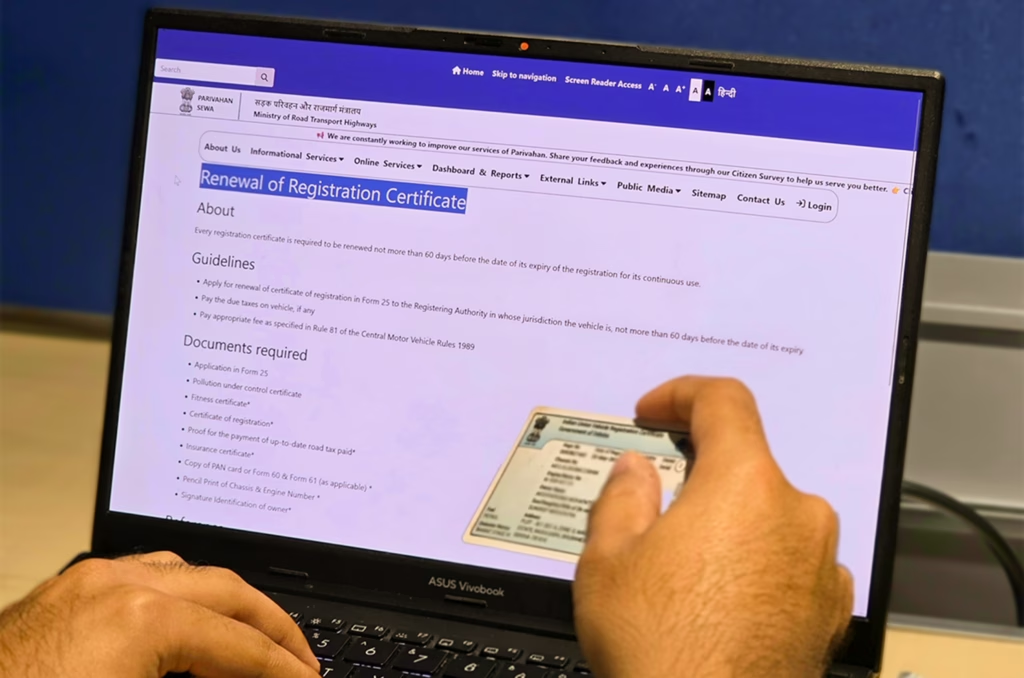
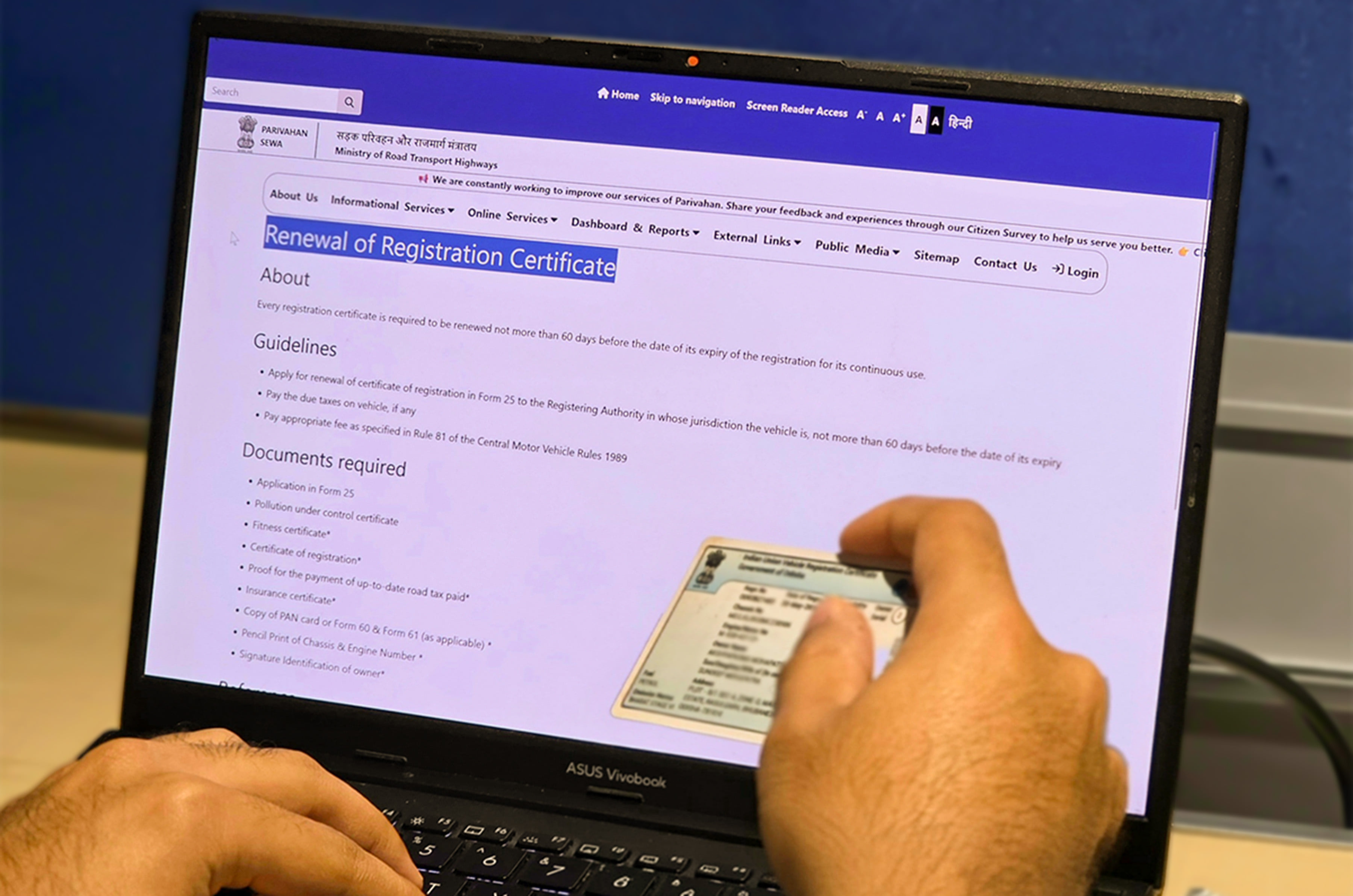
A vehicle’s Registration Certificate (RC) is an essential document that confirms its registration with the Regional Transport Office (RTO) and establishes its legal identity. In India, the RC for a private vehicle is generally valid for 15 years from the date of registration, after which it must be renewed every five years.
Owners can apply for renewal through the government’s Parivahan Sewa portal within 60 days before the RC expires, although a physical vehicle inspection may be required before approval. If the RC has already expired, they should follow the prescribed renewal process and check the applicable requirements with their RTO.
Driving with an expired RC is illegal and can attract penalties. It can also complicate insurance claims and the transfer of vehicle ownership. Here is how to renew an RC online, the documents required and the applicable fees.
Documents required for RC renewal
Before starting the application, vehicle owners should keep the following documents ready:
Form 25: The application form for renewal of registration.
Existing RC: The original or a copy of the expired registration certificate for verification.
Valid insurance certificate: Proof of active third-party or comprehensive insurance.
Pollution Under Control (PUC) certificate: A valid certificate confirming compliance with applicable emission standards.
Road tax receipt: Proof of payment of applicable road tax.
Identity proof: An Aadhaar card, PAN card, passport or another accepted government-issued document.
Address proof: An Aadhaar card, voter ID, utility bill or another accepted document.
Fitness certificate: Required for applicable vehicle categories, particularly commercial vehicles.
Chassis and engine number pencil print: This may be required as part of the application process.
Document requirements can vary depending on the vehicle category and the relevant RTO.
How to renew your RC online through Parivahan
The RC renewal application can be submitted through the government’s Parivahan Sewa portal by following these steps:
1. Visit the Parivahan Sewa portal
Open the official website at https://parivahan.gov.in/ and navigate to ‘Online Services’, followed by ‘Vehicle Related Services’.
2. Select the state and RTO
Choose the state in which your vehicle is registered and select the relevant registering authority.
3. Enter the vehicle details
Log in if required, and enter your vehicle’s registration number. The portal may also ask for the last five digits of the chassis number.
4. Select the renewal service
Choose ‘Renewal of Registration’ from the list of available vehicle-related services.
5. Fill in the application form
Verify the details of your vehicle, including its make, model, year of manufacture, engine number, and chassis number. Enter any other requested information accurately.
6. Upload the required documents
Submit scanned copies of the existing RC, insurance certificate, PUC certificate, identity proof, address proof, and other applicable documents.
7. Pay the renewal fee
Complete the online payment. The amount depends on your vehicle’s category and applicable charges.
8. Book a vehicle inspection
Schedule an appointment at the relevant RTO if required.
9. Take your vehicle for inspection
Present your vehicle and original documents for verification. The RTO will assess the application and your vehicle’s road-worthiness where applicable.
10. Receive the renewed RC
Once the application is approved, the renewed certificate will be processed. Depending on the applicable procedure, it may be dispatched to your registered address. Applicants can also check their application status online.
RC renewal fees in India
The registration renewal fees listed under Rule 81 of the Central Motor Vehicles Rules, 1989, vary according to the vehicle category.
Vehicle category
RC renewal fee (Rs)
Motorcycle
300
Medium passenger motor vehicle
1,000
Heavy passenger motor vehicle
1,500
Imported motorcycle
2,500
Imported motor vehicle
5,000
Invalid carriage
50
Three-wheeler, quadricycle, or light motor vehicle (non-transport)
600
Three-wheeler or light motor vehicle (transport)
1,000
Medium goods vehicle
1,000
Heavy-duty vehicle
1,500
Other vehicle categories
3,000
Additional charges may apply for delayed renewal, smart card issuance, inspection and other applicable services. The supplied fee schedule lists delayed-renewal charges of Rs 300 per month for motorcycles, and Rs 500 per month for passenger cars, along with a Rs 200 charge for smart card reissue or renewal. Owners should confirm the current charges on the Parivahan portal or with their RTO before making a payment.
How to check your RC renewal status
After submitting the RC renewal application, you can track its progress through the Parivahan Sewa portal. Navigate to the vehicle-related services section, select the relevant state, and enter your vehicle’s registration details. Open the applicable application or registration status option to check whether the renewal is being processed, has been approved or requires further action. The online application makes it easier to initiate the renewal process, but approval may still depend on document verification, payment of applicable fees, and a physical inspection where required.
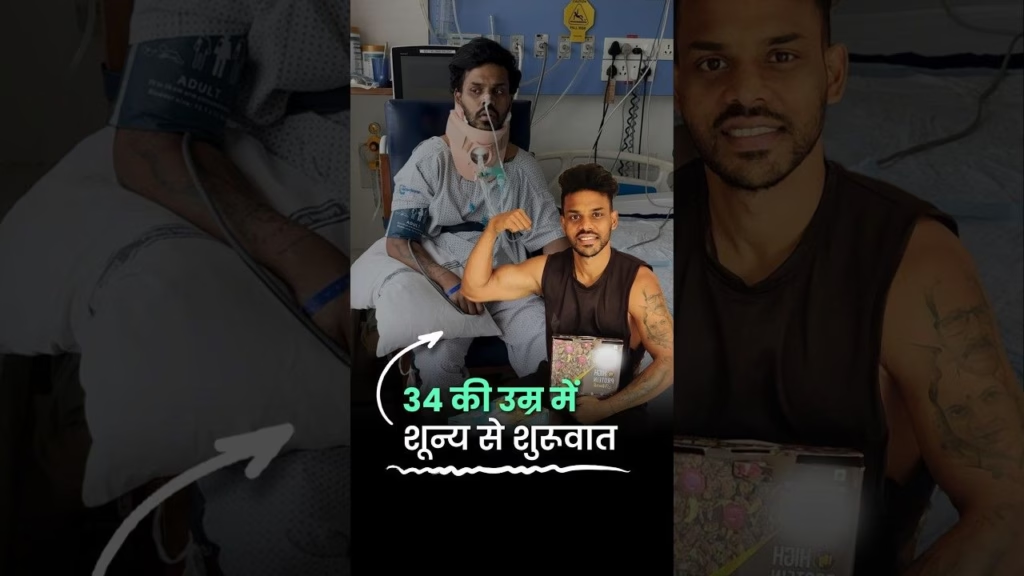
#एक वक्त था जब भारी वजन उठाना साहिल की ताकत थी। आज एक कदम उठाना भी उनकी सबसे बड़ी जीत है।
16 मई 2025 को एक गलत लैंडिंग ने साहिल की जिंदगी बदल दी।
गर्दन के नीचे का पूरा शरीर पैरालाइज्ड हो गया। डॉक्टरों ने बचने की सिर्फ 3% उम्मीद बताई। 9 महीने ICU, वेंटिलेटर और रिहैब में गुजारने के बाद साहिल आज फिर खड़े होने और चलने की कोशिश कर रहे हैं।
जिंदगी ने उन्हें शून्य पर ला खड़ा किया।
लेकिन उन्होंने शून्य से शुरुआत करना सीख लिया। कभी-कभी Comeback का मतलब पहले जैसा बनना नहीं होता… बल्कि फिर से शुरुआत करने की हिम्मत रखना होता है।
@jdication
[Spinal Cord Injury Recovery Story, Man Survives with 3 Percent Chance of Survival, Paralysis Recovery Journey, Calisthenics Athlete, Inspiring Fitness Transformation Comeback Story]
3% Chance of Survival से Comeback तक | Sahil Jadhav की Inspiring Story | Calisthenics Coach | Mumbai
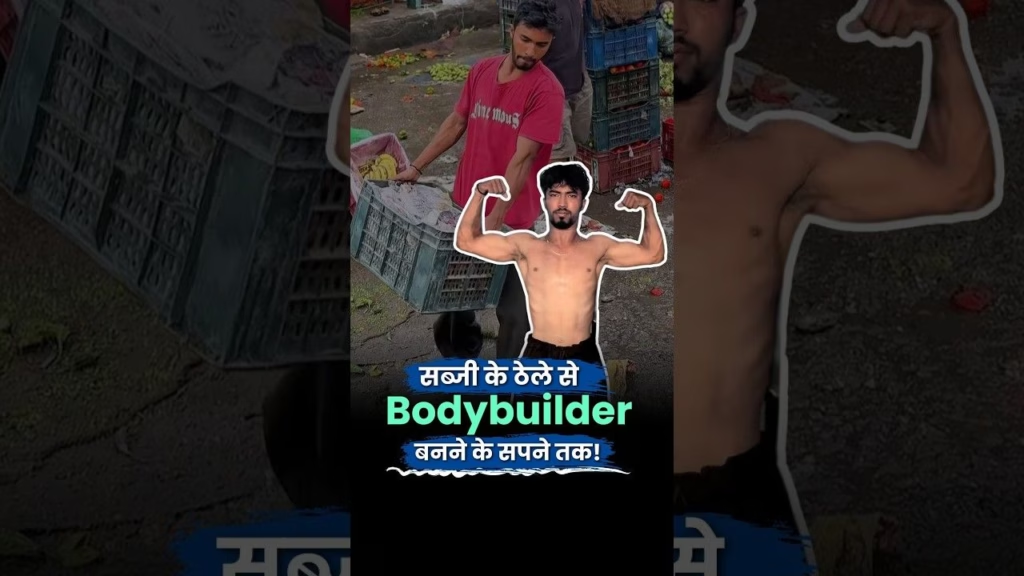
सुबह मंडी में सब्जियां… दिनभर दुकान… और रात को अपने सपने के लिए मेहनत।
ऋषिकेश के 21 साल के दीपक के लिए जिंदगी सिर्फ अपने सपने तक पहुँचने की दौड़ नहीं है।
माँ कैंसर से लड़ रही हैं, पापा आज भी सब्जी का ठेला लगाते हैं, और दीपक का सपना है कि एक दिन इतना आगे बढ़े कि पापा से कह सके—“अब आप ठेला मत लगाइए।
”
जब लोगों ने मजाक उड़ाया, सोशल मीडिया पर वीडियोज नहीं चलीं।
फिर भी दीपक नहीं रुके, क्योंकि कुछ सपने सिर्फ अपने लिए नहीं होते, कुछ करना है जिंदगी में, तो शर्म मत करो। बस करते रहो।
[sabzi wala builder Deepak Rishikesh, mother cancer treatment, son supporting mother through cancer, young man working hard for his family, never give up, Fitness Influencer Journey]
Best OnlyFans Ranking: A Practical Guide to Choosing the Top Creators
1. Understanding the OnlyFans Landscape
OnlyFans has grown from a niche subscription service into a global marketplace where creators of all types can monetize exclusive content. The platform is open to artists, fitness coaches, chefs, and many other professionals, each leveraging a personalized fan base for recurring income. Because the ecosystem is so diverse, newcomers often wonder how to identify the most successful creators and whether those rankings matter for their own strategy.
In practice, the best onlyfans ranking reflects a blend of audience size, earnings consistency, engagement rates, and niche relevance. By studying these factors, you can gauge which creators set realistic standards and which tactics are worth emulating. This understanding forms the foundation for any decision‑making process on the platform.
2. How Rankings Are Determined
Rankings typically aggregate public metrics such as subscriber count, monthly earnings, post frequency, and interaction levels (likes, comments, direct messages). Some third‑party tools also factor in growth trends and audience demographics to provide a more nuanced picture. While raw numbers are important, qualitative aspects like brand consistency and content quality heavily influence long‑term ranking stability.
Most reputable rankings use algorithms that assign weighted scores to each metric. For example, subscriber count might carry a 30 % weight, while engagement averages account for 25 %. Understanding this methodology helps you interpret a ranking position beyond just a headline number.
3. Top Criteria for Evaluating OnlyFans Creators
When you compare creators, focus on the following criteria:
Audience size and growth rate: A large, steadily expanding subscriber base indicates market demand.
Engagement quality: High comment and message volumes show a loyal, interactive community.
Content diversity: Regularly varied media (photos, videos, live streams) keeps fans interested.
Monetization tactics: Use of paid messages, tip menus, and subscription tiers indicates revenue optimization.
Brand consistency: Cohesive visual style and messaging help maintain fan trust.
By scoring each creator against these benchmarks, you can build a personalized ranking that aligns with your business needs.
4. The Current Best OnlyFans Ranking – Who Leads the Pack
Based on publicly available data from the last quarter, the following creators consistently appear at the top of the best onlyfans ranking. They excel across the criteria discussed above and set industry standards for content strategy, pricing, and fan interaction.
Creator
Monthly Subscribers
Average Earnings (USD)
Primary Niche
Key Strength
Alice Blaze
125,000
$780,000
Fitness & Lifestyle
High‑volume live workouts
Nova Noir
98,000
$620,000
Adult Entertainment
Personalized video requests
Chef Marco
47,000
$210,000
Culinary Arts
Exclusive recipe bundles
These creators illustrate how different niches can dominate the ranking when they master the fundamental metrics of subscriber growth and fan engagement.
5. Features and Benefits of High‑Performing OnlyFans Accounts
Top‑ranked creators typically leverage a robust set of platform features. Automated subscription reminders, drip‑feed content schedules, and integrated payment processing reduce administrative overhead while maximizing revenue.
Benefits include predictable cash flow, deeper fan relationships, and the ability to scale content production without sacrificing quality. By using the dashboard analytics, successful creators can identify peak posting times and adjust pricing tiers to capture maximum willingness to pay.
6. Pricing, Payouts, and Monetization Strategies
Pricing is a delicate balance between perceived value and market competition. Most top creators set a base subscription between $15‑$30, then offer premium bundles, pay‑per‑view content, and tip incentives. Seasonal promotions—such as limited‑time discounts or exclusive holiday bundles—can boost subscriber acquisition without long‑term price erosion.
Payouts on OnlyFans are processed weekly, with a standard 20 % platform fee. Creators should plan for tax obligations and reserve a portion of earnings for reinvestment in equipment, marketing, or content upgrades.
7. Setting Up for Success – Step‑by‑Step Guide
Getting started on OnlyFans doesn’t require a degree in digital marketing, but a systematic approach helps you replicate the practices of the best onlyfans ranking leaders.
Create a professional profile: Use high‑resolution photos, a concise bio, and clear content categories.
Define pricing tiers: Start with a modest base price, then add premium options as your library grows.
Develop a content calendar: Plan at least three posts per week, mixing photos, videos, and live streams.
Engage daily: Respond to messages, run polls, and thank top fans to boost loyalty.
Analyze performance: Use the built‑in dashboard to track subscriber growth and adjust strategies.
Following these steps positions you to climb the ranking ladder while maintaining a sustainable workflow.
8. Common Pitfalls and How to Avoid Them
Even the most dedicated creators encounter obstacles. Below are frequent mistakes and practical solutions:
Inconsistent posting: Set automated reminders or batch‑create content to maintain a steady flow.
Over‑pricing early on: Test lower price points first; you can increase rates once you have proven value.
Neglecting fan feedback: Conduct regular surveys and adjust content based on direct requests.
Ignoring platform policies: Review OnlyFans terms to avoid content removals or account suspensions.
By proactively addressing these issues, you minimize churn and protect your position in the best onlyfans ranking.
9. Frequently Asked Questions
Is the best onlyfans ranking reliable for newcomers?
While rankings provide a useful snapshot of top performers, they should be combined with your own niche analysis. Use them as benchmarks, not absolute rules.
How long does it take to appear in the ranking?
Most creators see measurable movement within three to six months of consistent effort, provided they follow best practices for content and engagement.
Can I improve my ranking without increasing prices?
Yes. Enhancing engagement, offering exclusive experiences, and optimizing posting times can boost your score even with stable pricing.
Best OnlyFans Sites: A Practical Guide for Creators and Fans
Understanding OnlyFans and What Makes a Site Among the Best OnlyFans Sites
OnlyFans started as a subscription‑based platform that lets creators share exclusive content with paying fans. Over time, dozens of similar services have emerged, each tweaking the original formula with different feature sets, revenue models, and community tools. When you hear the phrase “best only fans sites,” it usually refers to platforms that balance creator freedom, fan engagement, and reliable earnings.
To differentiate the top choices, focus on three core pillars: the robustness of the platform’s features, the fairness of its pricing and revenue share, and the strength of its security and support infrastructure. By anchoring your decision on these pillars, you can avoid gimmicks and choose a service that truly meets your business needs.
Key Features and Benefits to Look For
A solid platform will offer a set of essential features that empower both creators and fans. Look for a customizable dashboard that lets creators schedule posts, manage subscriptions, and track earnings in one place. Automation tools such as scheduled posting, auto‑reply messages, and workflow integrations can save time and keep the audience engaged.
Benefits of these features include higher fan retention, smoother monetization, and the ability to scale your content operation without constantly juggling manual tasks. When a platform bundles these capabilities into an intuitive interface, it becomes a strong candidate among the best only fans sites.
Feature Checklist
Content scheduling and calendar tools
Advanced analytics dashboard
Built‑in messaging and automation
Multiple payment gateways
Customizable subscription tiers
Pricing Models and How They Influence Your Decision
Pricing structures vary widely across platforms. Some charge a flat monthly fee, while others take a percentage of creator earnings. Understanding these models helps you forecast net revenue and choose a site that aligns with your financial goals.
When evaluating the best only fans sites, compare the total cost of ownership—including transaction fees, payout schedules, and any hidden charges. A platform with a higher revenue share but lower transaction fees might ultimately be more profitable than one with a low percentage but hefty processing costs.
Typical Pricing Comparison
Platform
Monthly Subscription Range
Revenue Share
Unique Feature
Platform A
$4.99 – $49.99
80%
Integrated live‑stream tipping
Platform B
$5 – $50
85%
AI‑powered content suggestions
Platform C
$3 – $45
78%
Multi‑currency payouts
Security, Reliability, and Support – Non‑Negotiable Factors
Any platform handling paid subscriptions must prioritize security and reliability. Look for encryption standards, two‑factor authentication, and regular third‑party security audits. A reliable uptime record ensures that fans can access content without interruption, protecting both creator reputation and revenue.
Equally important is responsive support. Whether you need help with onboarding, troubleshooting payouts, or addressing policy questions, a dedicated support team that offers live chat or ticket‑based assistance can make a big difference. Choose a site whose support hours align with your operating timezone.
Support Features to Expect
24/7 live chat or email ticketing
Comprehensive knowledge base
Account manager for high‑volume creators
Clear escalation path for security incidents
Setup and Integration: Getting Started Quickly
Fast onboarding reduces the time between signing up and earning your first subscription. The best only fans sites typically offer step‑by‑step guides, video tutorials, and pre‑built integrations with popular marketing tools such as email newsletters and social media schedulers.
Here’s a simple three‑step setup process you can expect:
Create an account and verify your identity.
Customize your profile, add payment details, and set subscription tiers.
Connect your preferred social channels and schedule your first batch of content.
Following these steps ensures a smooth launch and lets you focus on creating rather than troubleshooting.
Use Cases: Who Is Each Platform Best For?
Different creators have distinct needs. Some prioritize high revenue share, while others need advanced analytics or niche community features. Below are common use cases and the platform type that usually fits best.
Typical Creator Profiles
Fitness influencers: Need integrated live‑stream workouts and tipping.
Artists and photographers: Require high‑resolution media support and customizable galleries.
Adult content creators: Look for strong privacy controls and discreet billing.
Educators and coaches: Benefit from subscription bundles and private messaging.
Small‑scale hobbyists: Prefer low monthly fees and simple dashboards.
Matching your primary goals with the platform’s strengths helps you choose the most suitable site among the best only fans sites.
Final Checklist Before You Sign Up
Before committing to any platform, run through this quick checklist to ensure you’ve covered the essential criteria:
Feature set matches your content workflow.
Revenue share and pricing are transparent.
Security protocols meet industry standards.
Support channels are responsive and available in your timezone.
Onboarding process aligns with your launch timeline.
Keeping this list handy will help you avoid costly surprises and set a solid foundation for sustainable growth. For more insights and real‑world examples, visit the best onlyfans blog.
Free OnlyFans Creators: Practical Guidance for Safe and Effective Use
Understanding the Concept of Free OnlyFans Creators
OnlyFans is widely known as a subscription‑based platform where creators share exclusive content behind a paywall. However, a growing segment of the community offers free content—these are commonly referred to as free onlyfans creators. Their approach varies: some provide a limited portion of their library for free to attract new fans, while others keep the entire channel open without charging.
The motivation behind offering free content can include building a larger audience, cross‑promoting other paid platforms, or simply sharing hobby‑related material. From a user perspective, free onlyfans creators give an opportunity to explore niche interests without an upfront financial commitment.
Legal and Ethical Considerations
Before engaging with any free content on OnlyFans, it is essential to understand the platform’s terms of service and the legal framework governing adult‑oriented media. OnlyFans requires all creators to verify their identity and age; similarly, users must be 18 years or older.
Distributing copyrighted material without permission remains illegal, even if the content is available for free. Ethical consumption means respecting the creator’s licensing choices and avoiding redistribution of their work outside the platform.
How to Identify Legitimate Free Content Sources
Not every “free” link you encounter is trustworthy. Below are practical steps to verify legitimacy:
Check the creator’s profile for a verified badge and clear biography.
Read recent comments and follower interactions to gauge authenticity.
Look for direct links from the creator’s official social channels (Twitter, Instagram, TikTok).
Use OnlyFans’ built‑in search filters for “Free” or “Free Trial” tags.
When a creator promotes free access through third‑party websites, exercise caution. Those sites often host phishing scripts or malicious downloads.
Key Features and Benefits of Using Free OnlyFans Creators
Free onlyfans creators provide several tangible benefits that can be useful for both casual browsers and power users:
Cost‑Effective Exploration: Test different content styles before committing to a paid subscription.
Community Building: Access to a larger, more diverse fan base that can foster interaction.
Content Variety: Many free creators specialize in niches such as fitness tutorials, cooking demos, or artistic modeling.
These features align with business‑oriented goals as well—marketers can monitor trends, while content curators can benchmark what resonates without investing in premium accounts.
Step‑by‑Step Setup and Access Process
Getting started with free onlyfans creators is straightforward. Follow these steps to ensure a smooth experience:
Create an OnlyFans account using a valid email address and secure password.
Complete the age verification process by uploading a government‑issued ID.
Navigate to the search bar and enter “free onlyfans creators” or specific niche keywords.
Review the profile details and click “Subscribe for Free” where available.
Adjust notification settings to stay updated on new posts without excessive alerts.
Once subscribed, you can access the creator’s dashboard, view posts, and interact through comments or private messages according to the creator’s preferences.
Common Use Cases and Best‑Fit Scenarios
Understanding when free onlyfans creators add real value helps you decide where to invest your time:
Skill Development: Artists seeking modeling references can follow free photographers.
Market Research: Brands analyzing audience engagement trends without paying for premium data.
Personal Entertainment: Users looking for hobby‑specific content—like cooking tutorials—without subscription fees.
Each scenario benefits from the platform’s built‑in analytics, allowing creators to measure fan interaction and refine their offerings.
Limitations, Risks, and Safety Tips
While free content is appealing, it comes with inherent limitations. Free onlyfans creators often limit upload frequency, reduce video quality, or restrict exclusive features such as direct messaging.
Potential risks include exposure to spam, phishing attempts, or low‑quality media. To mitigate these issues, follow best practices:
Enable two‑factor authentication on your OnlyFans account.
Never share personal payment details unless you decide to upgrade to a paid subscription.
Report any suspicious activity directly to OnlyFans support.
Comparison Table: Free vs. Paid OnlyFans Creators
Aspect
Free OnlyFans Creators
Paid OnlyFans Creators
Cost to User
No subscription fee
Monthly subscription required
Content Volume
Limited or occasional posts
Regular, extensive uploads
Exclusive Features
Often restricted (no private messages)
Full access to messages, polls, custom requests
Interaction Level
General comments only
Direct communication and personalized content
Risk Profile
Higher chance of low‑quality content
Typically higher production standards
Frequently Asked Questions (FAQ)
Can I download free OnlyFans content?
Downloading content directly from OnlyFans is prohibited by the platform’s terms of service unless the creator explicitly enables a download feature. Attempting to circumvent this rule can result in account suspension.
Is it safe to share my payment information for a free subscription?
Free subscriptions usually do not require payment details. If a creator asks for payment information during a “free” trial, verify the legitimacy of the request through official OnlyFans channels before proceeding.
How can I support a free creator without paying?
Engaging with their posts, leaving positive comments, and sharing their profile on social media are effective ways to increase visibility. Many creators also accept tips through external platforms like PayPal or cryptocurrency.
For a quick way to start exploring trustworthy free content, visit the free onlyfans best portal, which aggregates verified profiles and provides up‑to‑date guidance.
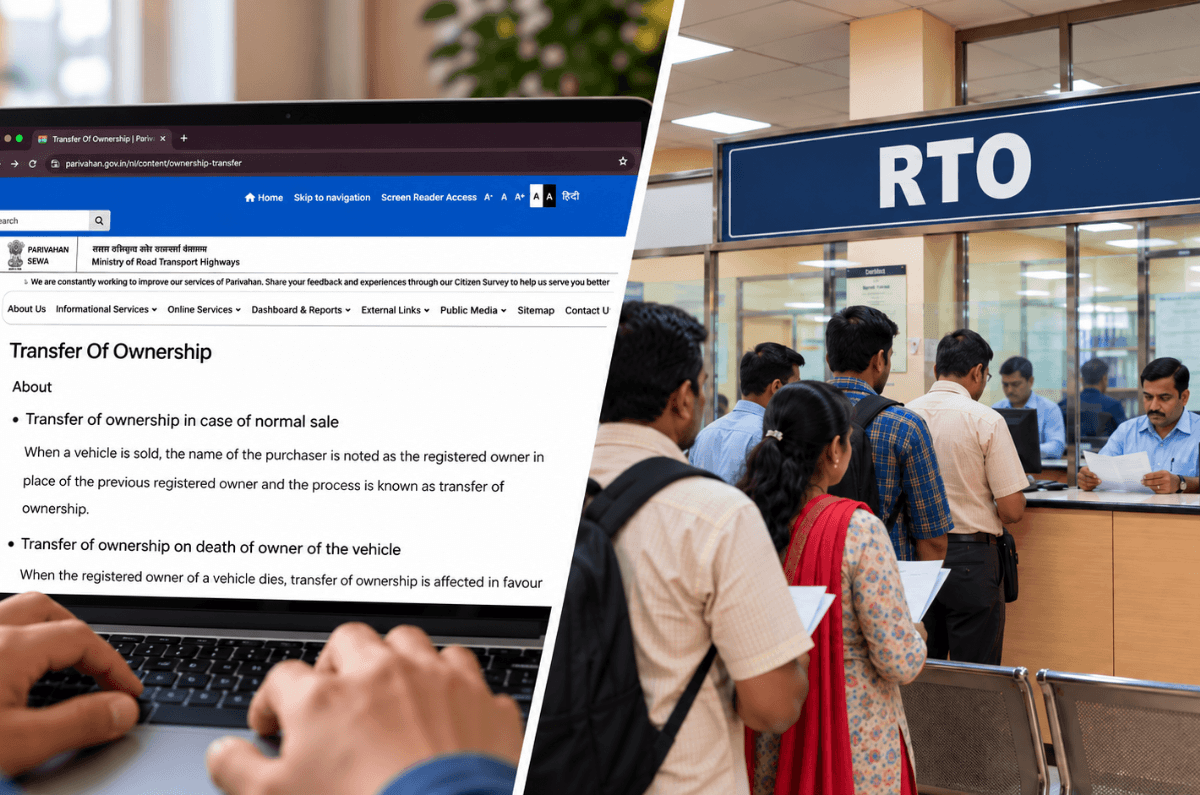
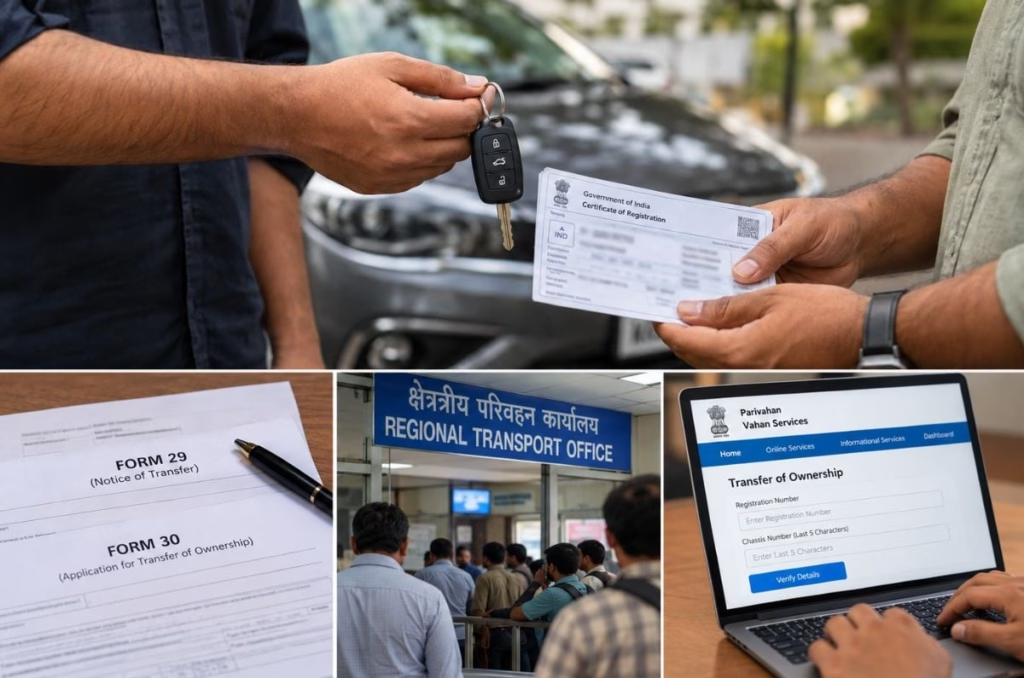
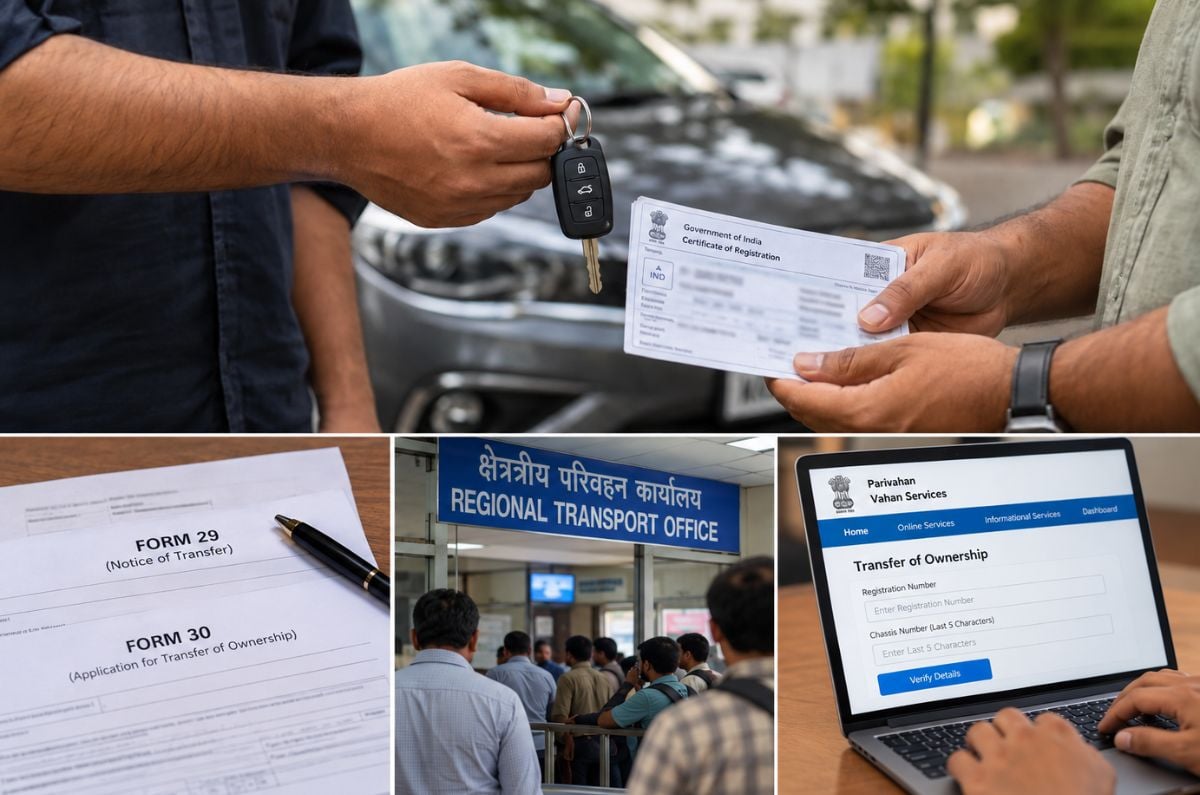
If you are moving to another state or selling your car to someone, you need to transfer the vehicle registration. This updates the registration to the new state if you relocate, or to the new owner if you sell the car. Since each state’s transport department has its own rules, registration certificate (RC) transfer fees, requirements and timelines can differ. So how exactly do you transfer your RC to a new regional transport office (RTO) and what are the documents and fees required in the process? We answer all your questions here.
Disclaimer:This guide is for private vehicles. Commercial vehicles need additional paperwork, such as permit and fitness documents, which are not covered here. The information used here comes from the Parivahan portal. Documents, fees and deadlines vary by state and RTO, and are subject to change. Check with your local RTO before you apply or pay.
What forms are required for an RC transfer?
Form
Purpose
Form 29
The seller’s notice reporting the transfer of ownership.
Form 30
The buyer’s application to register the vehicle in their name.
Form 31
Transfer of the vehicle to the person who succeeds the owner after their death.
Form 32
Transfer of a vehicle bought through a government auction.
Form 28
Application for a No-objection Certificate (NOC).
Form 35
Application to remove loan, lease or hypothecation details from the RC.
The form you need depends on how the vehicle’s ownership is changing. Forms 29 and 30 are the main forms used in a regular used-car sale.
Why should you complete the RC transfer soon after a sale?
If you do not complete the ownership transfer or pay the applicable RTO charges, you may face penalties. You could also be held legally responsible if a car you sold is still registered in your name and is involved in an accident or criminal offence.
For a vehicle transferred within the same state, the buyer should submit the ownership-transfer application within 14 days of the sale. If the vehicle is registered in another state, the buyer should apply within 45 days. The seller should also protect their own interests instead of waiting for the buyer to finish the entire process. Form 29 and the sale intimation should be submitted promptly to create an official record of the handover. State transport departments may charge late fees or impose penalties if the application is submitted after the deadline.
Don’t forget to transfer the insurance policy
Updating the RC does not automatically transfer the motor insurance policy. The buyer should contact the insurer, submit the updated ownership documents and complete a new proposal or endorsement request. The RC and insurance policy should ultimately show the same owner’s name and address.
The seller’s No Claim Bonus (NCB) belongs to the seller. The seller can request an NCB retention certificate and use the eligible discount on another vehicle. The buyer should start the insurance transfer immediately and complete it within 14 days of the ownership transfer. A delay may affect eligibility for an own-damage claim.
What other documents are required for an RC transfer?
The exact list can vary by state and RTO. A regular sale usually requires:
Original RC.
Completed and signed Forms 29 and 30
Valid motor insurance certificate
Valid pollution under control (PUC) certificate
The buyer’s identity and address proof
PAN card or Form 60, where applicable
Passport-sized photographs
Pencil print of the chassis and engine numbers, if required
Sale agreement or delivery note
Applicable tax-clearance proof
Fee-payment receipt
Financier’s NOC and Form 35, if a loan is recorded
RTO NOC for an interstate transfer
Some states allow Aadhaar-based authentication and digital document submission. Others may require physical copies or verification at the RTO.
How to transfer an RC online?
You can usually start the ownership transfer through the Parivahan vehicle-services portal.
Step 1: Open vehicle-related services
Go to the vehicle-related services section on Parivahan and select the state where the vehicle is registered.
Step 2: Enter the vehicle details
Enter the registration number and open the online services section. For authentication, you may need the last five digits of the chassis number and an OTP sent to the registered mobile number.
The mobile number linked to the RC must be active. If it is outdated, the registered owner may need to update it before continuing.
Step 3: Select transfer of ownership
Choose the transfer-of-ownership service. In some states, the seller must start the application before the buyer can enter the remaining details.
Step 4: Enter the buyer and sale details
Enter the sale date, the buyer’s address and identity details, and any other information requested. Make sure all entries match the supporting documents.
Step 5: Upload the documents
Upload the signed forms and supporting documents where online uploads are available. Make sure the images are clear, and all signatures can be seen.
Step 6: Pay the applicable fee
Check the fee details and pay online. Save the payment receipt and application number.
Step 7: Complete verification
Depending on the state, verification may be completed through Aadhaar authentication, faceless verification or a physical visit to the RTO.
For a physical verification, you may need to bring the original RC, signed forms and identity documents.
Step 8: Track the application
Use the application number or vehicle registration details to check the status on the Parivahan portal. After approval, the updated RC may be available digitally through DigiLocker or mParivahan before the physical card arrives.
How to transfer an RC offline?
You can also complete the transfer by visiting the RTO. The seller and buyer should fill in and sign Forms 29 and 30. The buyer then submits the forms, original RC, insurance, PUC, identity documents and other required papers to the appropriate registering authority.
After the fee is paid, the RTO checks the application and updates the registration record. It may ask for a physical vehicle inspection, especially for interstate transfers, address mismatches or document discrepancies. Always collect an acknowledgement or receipt when you submit the application.
How to transfer an RC within the same state?
A transfer within the same state is usually simpler because the vehicle keeps its existing registration number. The buyer generally submits Forms 29 and 30 along with the RC, insurance, PUC and personal documents. A separate NOC for an interstate transfer is normally not required. However, the process can differ if the seller and buyer come under different RTO jurisdictions within the same state. The online portal will usually direct the application to the relevant authority.
How to transfer an RC between states?
An interstate sale may involve two related processes:
Ownership transfer
Re-assignment of the registration mark in the buyer’s state
The seller should get an NOC from the original RTO using Form 28. The buyer then submits the ownership-transfer documents and pays the applicable road tax in the destination state, whether it be from Haryana, Maharashtra or Tamil Nadu. We will explain this process in the following FAQs.
The documents may include:
Original RC
Forms 29 and 30
RTO NOC
Insurance and PUC certificates
The buyer’s local address proof
Tax-payment documents
Pencil print of the chassis and engine numbers
Vehicle inspection report, if required
If the vehicle is moved to another state for more than 12 months, the owner may also need to apply for a new registration mark.
A road-tax refund from the original state is handled separately and depends on that state’s rules. The owner may need to provide proof of re-registration and tax payment in the new state.
How to get an NOC?
There are two ways to apply for an NOC – offline and online. The first method requires you fill out a copy of the Form 28. After that, attach the other required documents which are mentioned above, pay the applicable fee and submit the application at your RTO. Before starting, make sure there are no pending challans, unpaid toll dues, or vehicle tax payments, as the RTO will not issue an NOC if any dues remain. This process can also be done online by visiting the Parivahan portal – parivahan.gov.in. An NOC is valid for six months from the date of issue.
How to transfer the RC of a car with an active loan?
Check the RC for a hypothecation entry that names the bank or finance company. A vehicle with an active loan generally cannot be transferred without the financier’s consent. The seller should first close the loan or obtain the required approval. After the dues are cleared, the lender provides a loan-closure or no-dues certificate and signs Form 35. The owner can then apply to remove the hypothecation entry from the RC. In some states, you can request hypothecation removal and ownership transfer at the same time. Completing the loan-removal process first can reduce the risk of rejection.
How to transfer the RC of a car after the registered owner’s death?
When the registered owner dies, the person who succeeds to the vehicle should inform the registering authority and apply to transfer ownership using Form 31. The successor may use the vehicle for up to three months if the registering authority is informed within 30 days of the owner’s death.
The application usually requires:
Form 31
Original RC
Insurance and PUC certificates
Death certificate
Proof of succession or legal-heir documents
Declarations from other legal heirs
The applicant’s address and identity proof
Vehicle-verification documents, if required
Requirements can differ if there is a will, more than one legal heir or a dispute over ownership.
How to transfer the RC of a car bought at a government auction?
If you buy a vehicle through an auction held by or on behalf of the Central or a state government, you should apply using Form 32 within 30 days of taking possession. The buyer must submit the auction certificate or sale order, the government authorisation for the auction, the available vehicle documents and the applicable fee. Auction vehicles may have incomplete records, repairs that are still needed or unusual registration histories. Check the documents before bidding.
How much does an RC transfer cost?
RC transfer charges depend on the vehicle category, state, smart-card fee, postal charge, any outstanding tax and whether extra services are needed. The Parivahan portal shows the amount payable before you make an online payment. Under Rule 81 of the Central Motor Vehicles Rules, the RC transfer fee is half the standard registration fee. This may amount to Rs 150 for a motorcycle and Rs 300 for a private car. Delays can attract a late fee of Rs 300 per month for motorcycles and Rs 500 per month for cars. Some states may also impose a penalty if the application is not submitted within 14 days of purchase. Road tax is charged separately, and is applicable if the vehicle is being re-registered in another state.
The sale of a car or two-wheeler isn’t considered complete until its registration certificate (RC) carries the name of the new owner. Prior to this, the seller of the vehicle remains its legal owner on record. This means that any challans issued, tax dues, or even liability in case of an accident are to be resolved by the existing owner. So, how does vehicle ownership transfer work and what are the necessary steps one needs to take to complete this process.
Disclaimer:This guide is for buyers and sellers of private vehicles. Commercial vehicles need additional paperwork, such as permit and fitness documents, which isn’t covered here. The information used here comes from the Parivahan portal and state transport department websites. Documents, fees and deadlines vary by state and RTO, and are subject to change. Check with your local RTO or a government-approved official portal before you apply or pay.
1. Why you need to complete the RC transfer soon after sale?
Both the seller and buyer should sign a sale agreement, thus documenting the transaction. Remember, the vehicle legally belongs to whoever’s name appears on the RC. This means unless the RC is transferred to the new owner, any untoward incident (including traffic violations, accidents and crimes) involving the vehicle can remain the responsibility of the seller. A factor for the buyer to consider is the insurance policy, which is deemed transferred along with the vehicle, though the buyer still has to apply to the insurer within 14 days to have it put in their name.
Before the sale, the seller should clear any pending challans and ensure that there are no unpaid National Highway tolls. Both parties should confirm that any pending loan amount (if applicable) on the vehicle has been cleared. Once the vehicle is handed over, the seller should also close or delink the FASTag linked to it.
2. What paperwork do you need for an RC transfer?
A normal sale of a vehicle involves two forms. The seller files Form 29 (notice of transfer), reporting the sale to the registering authorities where the seller and buyer reside. Meanwhile, the buyer files Form 30 (application for transfer), along with the RC and insurance certificate. Depending on the state, the RTO may also ask for the PUC certificate, PAN card or Form 60, address proof, a chassis and engine pencil print, the buyer’s date of birth proof and undertaking, a passport-size photograph and a tax clearance certificate.
There are three cases that may involve extra paperwork. If the vehicle is registered in another state, the RC transfer application will also need a no objection certificate (NOC) from the source RTO (whether it be from Delhi, Maharashtra or Karnataka). If the owner has died, the legal heir applies on Form 31 with the death certificate. In case the vehicle was bought at a government auction, the buyer applies on Form 32 with the sale certificate and a copy of the government order authorising the auction.
Bank auctions are a bit different to government-run ones. These usually involve vehicles repossessed by banks and finance companies over unpaid loans. Since they aren’t government auctions, Form 32 doesn’t apply here. Instead, the lender provides a sale letter and a NOC, though the RC transfer follows the same process as a government auction. Vehicles here are sold on an ‘as is’ basis, so no warranty or test drives – any pending challans or road tax are likely to be sorted by the buyer. To know about all the other forms that may be required, scroll to the bottom of the story.
3. How much does an RC transfer cost and what are the deadlines?
The RC transfer application has to be submitted within 14 days of the transfer if the vehicle is registered in the same state. The deadline goes up to 45 days if the vehicle is from another state. A legal heir has to inform the RTO within 30 days of the original owner’s death and apply for a transfer within three months. Meanwhile, an auction buyer gets 30 days to transfer the RC from the date of taking possession of the vehicle.
As for the costs involved, the central fee that’s set under Rule 81 of the Central Motor Vehicles Rules describes it as half the registration fee, depending on the vehicle’s class. This works out to Rs 150 for a motorcycle and Rs 300 for a private car. If the buyer misses these deadlines, they will attract a late NOC fee of Rs 300 a month for motorcycles and Rs 500 a month for cars. Certain states levy a penalty if the RC transfer isn’t applied for within 14 days of purchase. Road tax is separate, and is applicable if the vehicle is being re-registered in another state.
4. Should you apply for RC transfer online, through an agent or do it yourself?
You can apply for an RC transfer through the Vahan portal (vahan.parivahan.gov.in/vahanservice/vahan). Enter the registration number, select ‘Basic Service’s and verify with the last five digits of the chassis number and an OTP sent to your registered mobile number. Then choose ‘Transfer of Ownership’, fill in the details and pay the fee displayed. The receipt carries a trackable application number, while the application moves to the concerned RTO for processing.
Some states also let you upload documents and book an appointment online, while others still want the papers submitted in person. Doing it yourself at the RTO costs nothing beyond the official fee, and your documents go directly to the office in charge of processing them. However, this can take time and effort from your end, perhaps even requiring multiple visits in case of missing or incorrect documents.
If absolute convenience is what you want, you can get the process done through an agent. This will not only save you the hassle of standing in queues or making follow-up visits to the RTO, but also help with inter-state RC transfers that can involve an NOC and re-registration. Understandably, this convenience comes at a cost (which can vary from agent to agent) and also having your original documents and signed forms being with a third party. If you do use an agent, don’t sign blank forms and always ask for official receipts and the application number for self-tracking the progress.
5. Other forms that may be required for an RC transfer
Form
What’s it for
Submitted by
Form 28
Application for a no objection certificate (NOC)
Seller – when the vehicle moves to another RTO or state
Form 31
Application for transfer on death of the owner
Legal heir
Form 32
Application for transfer of a vehicle bought at public auction
Auction buyer
Form 35
Notice of termination of hypothecation
Owner and financier, if there was a loan on the vehicle
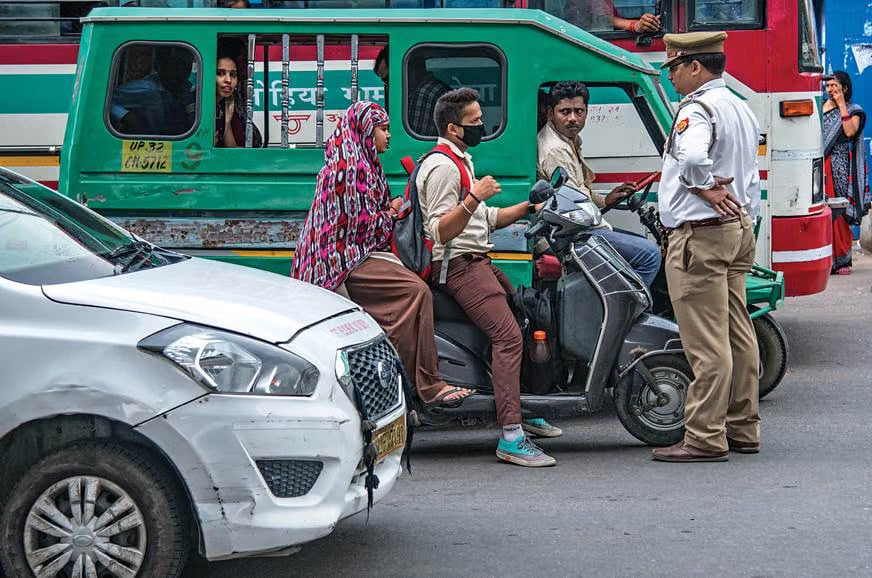
The Supreme Court has suggested linking unpaid traffic challans to electricity bills to help recover outstanding fines. The suggestion came during a hearing on electronic enforcement of traffic violations, where the court was informed that states and Union territories have around Rs 45,000 crore in e-challan dues, of which about Rs 25,000 crore has been recovered.
A bench of Justices JB Pardiwala and KV Viswanathan said issuing e-challans alone was not enough and that authorities needed to focus on recovering the fines. “It is not just sufficient to keep issuing e-challans. Police may issue thousands and lakhs of such e-challans. The question is recovery of fines as sought to be imposed by way of the e-challans,” Justice Pardiwala said, according to Bar and Bench.
Court seeks stronger recovery of pending fines
The court suggested that unpaid traffic fines could be added to electricity dues, with the possibility of power disconnection providing an additional way to recover the outstanding amount. “If people are not paying traffic challans, add it to their electricity dues bill. They’ll have to pay electricity bills else power line will be disconnected. Work it out. In this country, you have to find a way out,” the bench said.
The court clarified that linking challans to electricity bills was a suggestion made during the hearing and not a direction for immediate implementation.
Vehicle services could be blocked over unpaid challans
The Supreme Court also discussed measures that could restrict vehicle-related services until outstanding challans are cleared. These include stopping renewal of registration certificates, withholding duplicate RCs and blocking ownership transfers.
The court also suggested blacklisting vehicles with unpaid challans on the Parivahan portal, withholding fitness and PUC certificates, and stopping the renewal of driving licences. It also discussed suspending licences that are already in force. Justice Pardiwala stressed that any measures adopted would need to work in practice, saying, “The authorities need to work at the ground level having regard to ground realities.”
Random vehicle checks were also suggested to identify vehicles with unpaid e-challans. Where such a vehicle is found, the court said necessary steps could be taken to impound it.
The suggestions were made while the court was hearing a plea concerning electronic enforcement of traffic violations and recovery of unpaid e-challan fines, as part of a long-running 2012 public interest litigation on road safety.